Billy Buttons Flower Seeds Packet

$4.95

FREE SHIPPING on seeds when you order 5 packs or more

Get ready to fall in love with nature's own golf balls on sticks!

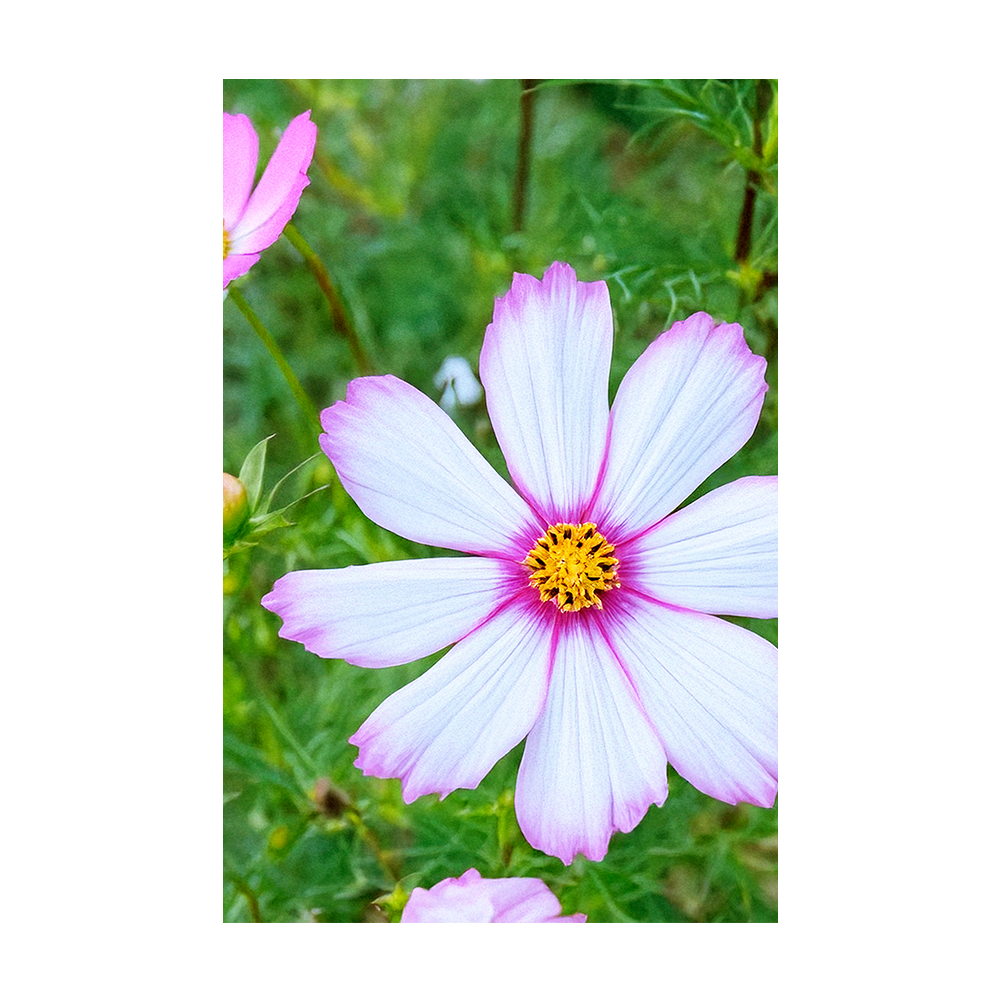
Billy Buttons (Craspedia globosa), are the quirkiest, most delightful flowers you'll ever grow - producing perfect bright yellow spherical blooms that look like they belong in a Dr. Seuss garden! These Australian natives are absolute showstoppers that bring instant joy and whimsy to any space. Whether you're creating stunning fresh bouquets, crafting unique dried arrangements, or simply want to make your neighbors smile, Billy Buttons deliver non-stop charm from spring to fall. Easy to grow, drought-tolerant, and deer-resistant, these magical orbs of sunshine are perfect for beginners and experts alike. Plant once and enjoy years of golden happiness!

Quick Seed Overview
  • Plant Type: Perennial
  • Genus: Craspedia
  • Species: Craspedia globosa
  • Plant Height/Width: 12-24 inches tall / 6-12 inches wide
  • Season: Spring to Fall
  • Exposure: Full sun
  • Difficulty: Easy
Satisfaction Guarantee

Seed Pack Guarantee: we stand behind our seeds. If they fail to perform, we'll gladly replace them at no cost. Performance depends on proper growing conditions.

Spring Planting: Start seeds indoors 6–8 weeks before the last frost in cooler climates.

Fall Planting: In mild climates, seeds can be sown directly outdoors in late summer to early fall for blooms the following season.

Choose a sunny planting location with well-draining soil.

If sowing in containers, use a light, sandy potting mix with good drainage.

If planting directly in the ground, amend soil with sand or gravel if necessary to improve drainage.

Fill seed trays or small pots with well-draining seed-starting mix.

Lightly press seeds into the soil—they need light to germinate, so do not bury deeply.

Mist the soil gently with water and cover the tray with a humidity dome or plastic wrap.

Keep the temperature between 65–75°F (18–24°C) for optimal germination.

Germination occurs in 7–21 days, depending on conditions.

Once seedlings develop 2–3 true leaves, transplant them into larger pots or garden beds.

Space plants 12 inches apart to allow for full growth.

Acclimate seedlings by gradually exposing them to outdoor conditions for a few days before planting in the ground.

Why Shido Seeds Are the Best

Our flower and vegetable seeds are beautifully packaged little packets of magic. Guaranteed to turn your garden into the envy of the neighborhood. Get your hands dirty and let nature simply do its thing.

Complete Growing Guide

This comprehensive guide provides all the information needed to successfully grow from seeds to mature, thriving plants that will provide years of delicate, beautiful foliage for both indoor enjoyment and floral arrangements.

Seed Starting

Indoor Seed Starting (Recommended): Start your seeds indoors approximately four to six weeks before the expected last frost

Materials Needed:

  • High-quality seed starting mix
  • Shallow seed trays or small pots with drainage
  • Clear plastic domes or plastic wrap
  • Grow lights or bright windowsill
  • Heat mat (optional but beneficial)

Sowing Process:
1. Container Preparation: Fill containers with moistened seed starting mix
2. Seed Placement: Sow indoors in pots 6-8 weeks before planting out into warm soil
Surface sow seeds (do not cover as they need light to germinate)
Gently press seeds into soil surface
3. Environmental Control: Keep at 70-75°F
4. Germination Timeline: Typically, germination takes around 14 to 21 days (some sources indicate
germination time of just 7-10 days)
5. Moisture Management: Keep the planting medium moist during this period


DirectSowing Alternative
Timing:
Craspedia seeds can be sown directly outdoors after all danger of frost has passed

Best Practices:

  • Direct sow 2 weeks after last frost into warm soil in longer season areas
  • Ensure soil temperature reaches 65-70°F consistently
  • Choose well-draining location with full sun exposure
  • Seedling Care and Development


Light Requirements:

  • Provide 14-16 hours of bright light daily for indoor seedlings
  • Use grow lights positioned 4-6 inches above plants
  • Gradually acclimate to outdoor conditions before transplanting
  • Watering and Fertilizing:
  • The key factors for successful germination include adequate sunlight, consistent moisture levels and a well-draining soil
  • Begin with water only - avoid fertilizing until true leaves develop
  • Use diluted liquid fertilizer sparingly once established

Transplanting:

  • Transplant when seedlings have 3-4 true leaves
  • Handle carefully as young plants can be fragile
  • Choose location with excellent drainage

    Outdoor GrowingandSitePreparation
    Site Selection:
  • Choose the sunniest location available
  • Ensure excellent drainage - raised beds ideal for heavy soils
  • Billy Buttons is easy to grow from cutting gardens, and borders
  • Avoid low-lying areas where water collects


Soil Preparation:
1. Test and amend soil pH to 6.0-7.5 range if necessary
2. Improve drainage with coarse sand or gravel if needed
3. Add an inch of compost prior to planting
4. Avoid heavy fertilization which reduces flower quality


Planting Process:

  • Plant at same depth as in containers
  • Space seedlings 8-12 inches apart
  • Water gently after planting
  • Apply light mulch keeping away from plant stems


Container Growing
Container Selection:

  • Use pots at least 8-10 inches wide and deep
  • Ensure multiple drainage holes
  • Terra cotta or ceramic pots ideal for drainage

Potting Mix:

  • Well-draining cactus/succulent mix works well
  • Or create mix: 40% potting soil, 30% coarse sand, 30% perlite
  • Avoid rich, moisture-retentive mixes

Container Care:

  • You can also plant it in pots
  • Monitor drainage carefully - containers must never stay waterlogged
  • Place in full sun location
  • Reduce watering frequency in winter
Long-term Care

Ongoing Care and Management
Watering Practices:

  • When it comes to watering, less is more
  • Deep, infrequent watering preferred over frequent shallow watering
  • Allow soil to dry between waterings
  • Reduce watering significantly in fall and winter

Mulching:

  • As Craspedia prefers cool roots, it is better to cover it with a mulch of straws or use gravel
  • Use coarse mulch that allows air circulation
  • Keep mulch away from plant stems to prevent rot

Support and Staking:

  • Generally not required due to sturdy stems
  • May need support in very windy locations
  • Use bamboo stakes and soft ties if needed
  • HarvestingandPost-Harvest Care

Harvest Timing:

  • Harvest when brightly colored
  • Cut stems when flower heads are fully developed but before any browning
  • Best harvested in early morning when stems are fully hydrated
  • Harvesting Technique:
  • Use sharp, clean garden shears
  • Cut stems as long as possible for arrangements
  • Place immediately in cool water

Fresh Flower Care:

  • Remove lower leaves before placing in vase
  • Use floral preservative to extend vase life
  • Change water every 2-3 days
  • Re-cut stems under running water

Drying Process:

  • Dry the stems upside down (to keep the stems straight)
  • Hang in dark, well-ventilated area
  • Drying takes 2-3 weeks depending on humidity
  • Store dried flowers in low humidity environment

Season Extension and Productivity
Extending Bloom Period:

  • Make successive sowings every 3-4 weeks
  • Deadhead spent blooms to encourage new flower production
  • Plant different varieties with varying bloom times

Seed Collection:

  • Allow some flowers to mature fully on plant
  • Collect seeds when flower heads turn brown
  • Store seeds in cool, dry place for next season
Troubleshooting Common Issues

Poor Germination:

  • Causes: Old seeds, buried too deep, incorrect temperature, overwatering
  • Solutions: Use fresh seeds, surface sow, maintain proper temperature, reduce moisture

Leggy Growth:

  • Causes: Insufficient light, too much fertilizer, overcrowding
  • Solutions: Increase light exposure, reduce feeding, thin overcrowded plantings

Yellowing Leaves:

  • Causes: Overwatering, poor drainage, natural aging
  • Solutions: Improve drainage, reduce watering frequency, remove affected leaves

Poor Flower Production:

  • Causes: Insufficient sun, over-fertilizing, water stress
  • Solutions: Ensure full sun exposure, reduce nitrogen, maintain consistent moisture during
    establishment

Pro Tip

To maximize blooming, pinch back young plants when they reach 6 inches tall. This encourages bushier growth and more flower stems. Also, harvest blooms frequently for cut flowers to prolong flowering throughout the season.

Getting to know your Billy Buttons

Billy Button seeds are tiny, lightweight, and elongated, measuring approximately 1-2mm in length. They possess a papery, light brown to tan coloration with a slightly fuzzy or hairy surface texture typical of composite family seeds. The seeds are equipped with a small pappus (feathery bristles) that aids in wind dispersal in their native habitat. Fresh seeds maintain excellent viability rates of 80-90% when properly stored, though they can remain viable for 3-4 years under ideal cool, dry storage conditions.
Each seed head contains numerous individual seeds, making collection and propagation efficient for
gardeners.

What it's used for

Floral and Craft Applications:

  • Fresh cut flower arrangements and bouquets
  • Dried flower crafts and decorations
  • A fun craft to do with craspedia is to dry the stems upside down (to keep the stems straight). Once dried, blooms can be spray-painted different colors
  • Wedding decorations and event styling
  • Millinery and fashion accessories
  • Botanical art and photography

Garden and Landscape Uses:

  • Border plantings and cottage gardens
  • Cut flower gardens and cutting beds
  • Wildflower meadows and naturalized areas
  • Container gardening and patio displays
  • Deer deterrent plantings
  • Pollinator gardens (attracts beneficial insects)

Commercial Applications:

  • Commercial cut flower production
  • Farmers market and florist sales
  • Agritourism and pick-your-own operations
  • Educational gardens and botanical displays

Special Benefits:

  • Long-lasting fresh cut flowers (7-10 days vase life)
  • Excellent dried flowers with color retention
  • Low maintenance once established
  • Drought tolerant and water-wise gardening
Growth Requirements

Temperature:

  • Germination: Keep at 70-75°F for optimal results
  • Growing season: 60-80°F (15-27°C) for best performance
  • In the UK, they are grown as annual ornamentals, because most are not hardy at temperatures below freezing
  • Heat tolerance: Excellent in hot, dry conditions
  • Cold tolerance: Varies by climate zone

Light:

  • Craspedia Globosa grows best in full sun
  • Minimum 6-8 hours of direct sunlight daily
  • Billy buttons prefer a warm and sunny to semi-shady location
  • Morning sun particularly important for flower development
  • Some afternoon shade tolerated in very hot climates


Soil:

  • Well-drained garden soil tolerating a wide range of soil types, including sands, gravels, clays, and loams
  • Slightly acidic to neutral pH
  • The soil should be well-drained, as billy buttons do not tolerate waterlogging
  • Poor to moderately fertile soils preferred
  • Excellent drainage absolutely essential

Water:

  • Provide about an inch of water a week during establishment
  • Billy Balls tolerate drought exceptionally well
  • Watering is only necessary during periods of severe drought
  • Avoid overwatering which leads to root rot

Space:

  • Final Spacing: 1' between plants
  • Space seedlings 8-12 inches apart for optimal growth
  • Reach up to 24 inches tall at maturity
  • Allow adequate air circulation between plants
Maintenance

Seasonal Tasks:

  • Spring: Sow seeds, prepare beds, apply compost
  • Summer: Monitor watering, deadhead spent blooms, harvest flowers
  • Fall: Collect seeds, cut plants back, prepare for winter
  • Winter: Protect tender plants in cold climates

Weekly Tasks (During Growing Season):

  • Monitor soil moisture during establishment period
  • Harvest when brightly colored
  • Check for pest activity
  • Deadhead spent flowers to encourage more blooms

Monthly Tasks:

  • Add an inch of compost prior to planting
  • Diluted liquid fertilizer every 2-3 weeks to encourage growth
  • Weed control around plants
  • Assess overall plant health

Long-term Care:

  • Pruning is never necessary
  • You only need to fertilise your Craspedia once at planting
  • Minimal intervention required once established
  • As Craspedia prefers cool roots, it is better to cover it with a mulch of straws or use gravel

Fertilizing:

  • Light feeding only - too much fertility reduces flower quality
  • Organic compost application at planting sufficient
  • Avoid high nitrogen fertilizers
  • Bone meal or low-nitrogen fertilizer if needed
Pests and Diseases

Common Pests:
Spider Mites

  • Identification: Craspedia is a tough plant that resists most pests and diseases, but watch out for spider mites
  • Damage: Spider mites tend to hide under leaves and other places where sprays cannot reach them
  • Treatment: Increase humidity, predatory mites, insecticidal soap
  • Prevention: Maintain good air circulation, avoid drought stress
  • Slugs and Snails
  • Identification: Watch out for snails, and slugs
  • Damage: Holes in leaves and flowers, particularly during wet weather
  • Treatment: Beer traps, copper barriers, hand-picking, iron phosphate baits
  • Prevention: Improve drainage, reduce moisture around plants

Aphids

  • Identification: They did get aphids at some point over the winter
  • Damage: Stunted growth, honeydew secretion, distorted foliage
  • Treatment: Insecticidal soap, beneficial insects, strong water spray
  • Prevention: Avoid over-fertilizing, encourage natural predators

Thrips

  • Identification: Have also been surprisingly resistant to thrips
  • Damage: Silvery streaks on leaves, black specks
  • Treatment: Blue sticky traps, beneficial insects, systemic insecticides
  • Prevention: Maintain plant health, good sanitation practices

Common Diseases:
Powdery Mildew

  • Symptoms: Powdery mildew is a common disease of the billy button plant. It's caused by a fungus that attacks the leaves
  • Treatment: We were mostly able to get rid of both using
  • Zerotol and BotryStop
  • Prevention: Good air circulation, avoid overhead watering, proper spacing

Botrytis (Gray Mold)

  • Symptoms: Botrytis also have appeared
  • Treatment: Remove affected plant material, improve air circulation, fungicidal sprays
  • Prevention: Avoid overwatering, ensure good drainage, proper plant spacing

Root Rot

  • Symptoms: Waterlogging quickly leads to root rot and can be fatal for Craspedia
  • Treatment: Improve drainage, reduce watering, remove affected plants
  • Prevention: Well-draining soil, avoid overwatering, proper site selection
  • Disease Resistance:
  • No major problems
  • Billy Balls show a high resistance to diseases, making them easy to grow and less demanding in terms of chemical protection
  • It is resistant to diseases and rarely attacked by a few common pests

Growing Together with Shido

At Shido, everything we do starts with one goal: helping you have a truly successful growing experience. We know that planting seeds is just the beginning — your time, energy, and love for gardening are the real magic. That’s why we make sure the seeds you plant are fresh, full of life, and top-quality. When you choose Shido, you’re planting with confidence. We guarantee it.

Our mission is simple: bring you exceptional varieties of high-quality seeds at prices you’ll love, share detailed sowing and growing tips so you can thrive as a home gardener, and deliver the best customer service in the industry, with a smile.

Our Seed Safety Promise

We do not sell genetically modified seeds — ever. And we don’t use genetic engineering to breed new varieties. Instead, our skilled breeders use traditional, natural crossing methods to create hybrid seeds that are healthy, safe, and packed with potential.

Our Seed Quality Guarantee

At Shido, we believe great gardens start with great seeds — and that means quality comes first. Every seed lot we offer is ensure to generate top-notch germination because your garden deserves nothing less.

To keep our seeds at their peak, we run thorough pathology tests at trusted outside labs. When you open a Shido seed packet, you can trust it’s been nurtured, tested, and approved to give you strong, healthy plants from the very first sprout.

Types of Seeds We Offer

Open-Pollinated & Heirloom Seeds

Our open-pollinated (OP) seeds naturally reproduce through wind, insects, water, or self-pollination. When grown in isolation, they produce true-to-type plants year after year.

Among our OP seeds are treasured heirloom varieties — old favorites that have been carefully passed down for generations. While OP plants can be less uniform than hybrids, we run our Open-Pollinated Project to select the most reliable, flavorful, and beautiful strains.

Non-GMO: What It Means and Why It Matters

A GMO (Genetically Modified Organism) is created when scientists alter a plant’s DNA in a lab — often by inserting genes from completely unrelated species — to achieve certain traits, like pest resistance or herbicide tolerance. This is a far cry from natural plant breeding.

At Shido, we believe gardening should stay as close to nature as possible. All our seeds — whether hybrid, heirloom, organic, or open-pollinated — are Non-GMO. They’re bred using traditional methods that respect natural biodiversity, giving you safe, wholesome seeds that grow into plants just as nature intended.

When you plant Shido Non-GMO seeds, you’re choosing purity, sustainability, and peace of mind — along with a garden full of flavor, color, and beauty.

Vacuum-Sealed for Freshness — Good for 10 Years

Every Shido seed packet is vacuum-sealed to lock in freshness and protect your seeds from moisture, air, and pests. This careful packaging not only preserves their quality but also extends their shelf life dramatically. Stored properly in a cool, dry place, our seeds remain viable for up to 10 years — so you can plant them now, next season, or even years down the road. Whether you’re planning a garden this spring or building a long-term seed stash, Shido seeds are ready when you are.
Feed Your Plants Like You Actually Know What You’re Doing

Your plants called—they're tired of your "just water and hope" approach. Give them VerteRx, the premium plant food packed with vitamins and growth boosters. Stronger roots, lusher leaves, and fewer judgmental stares from your fiddle-leaf fig. Because even plants deserve proper nutrition (unlike your diet).

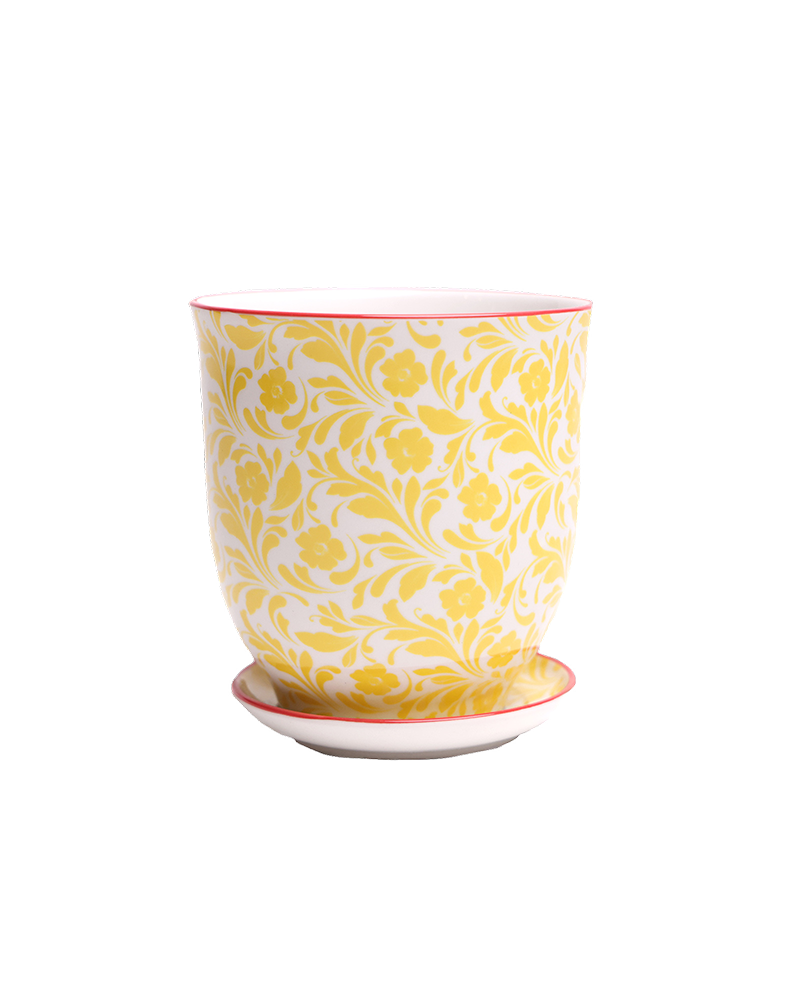
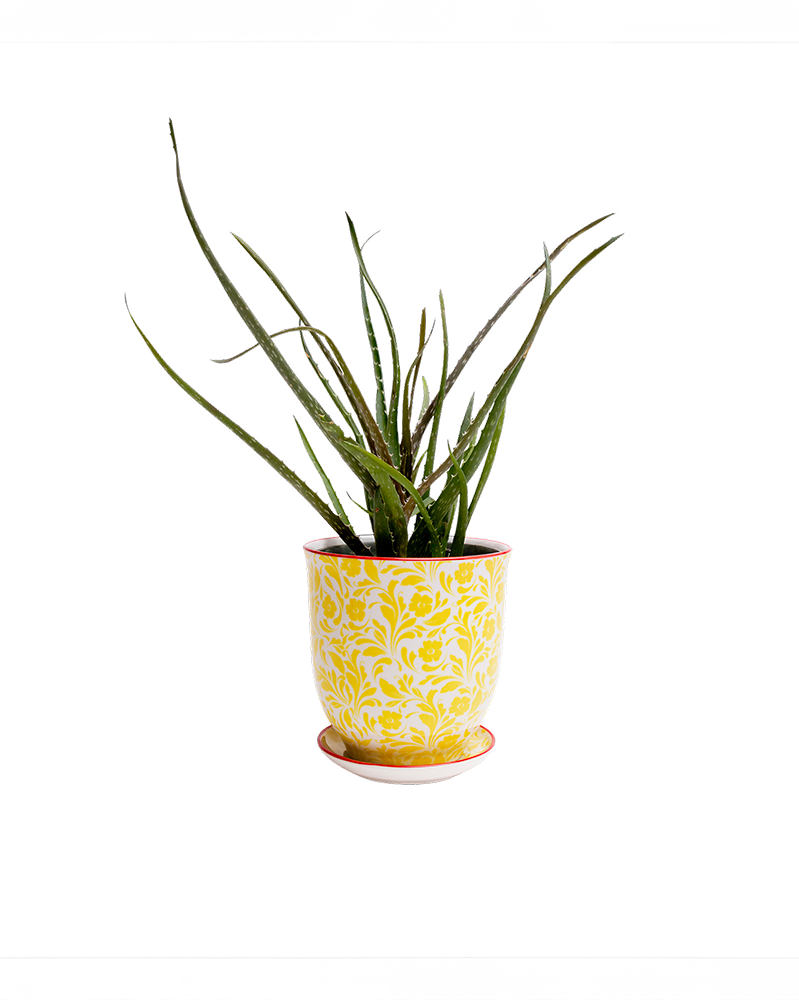
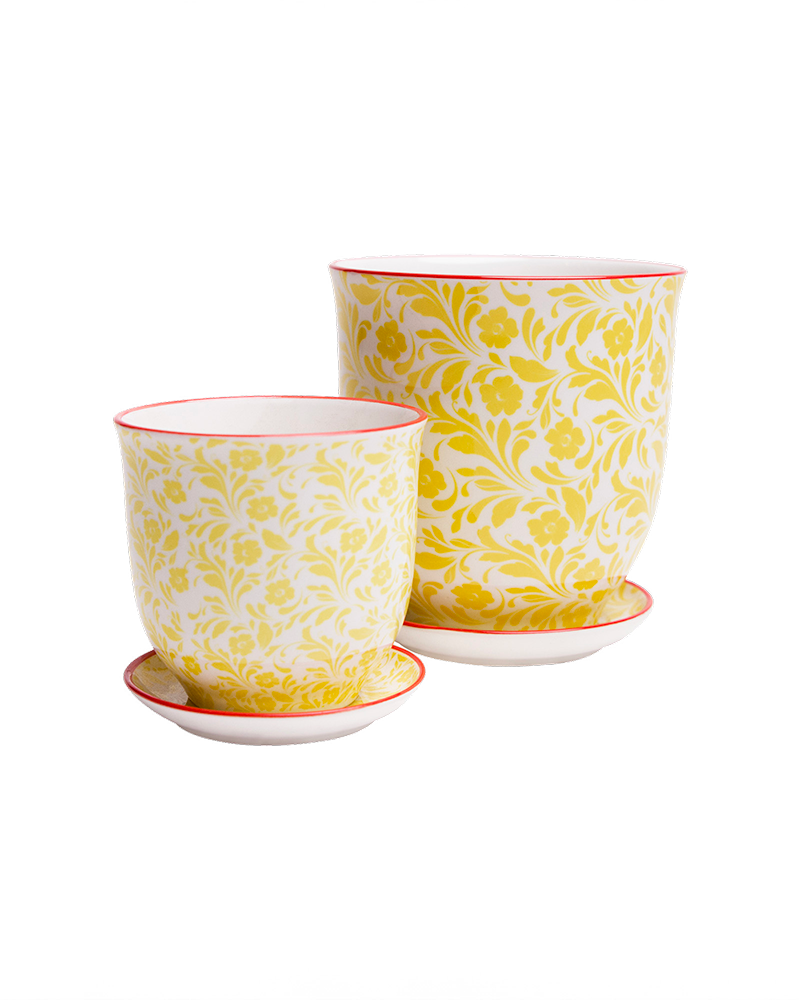
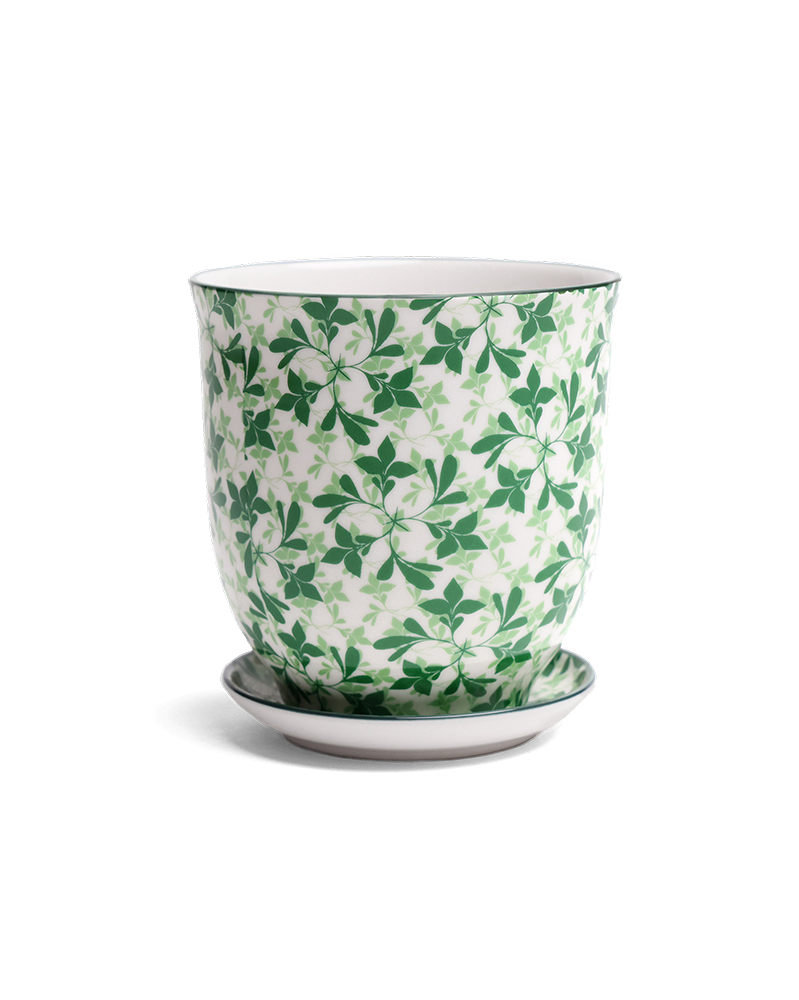
Pretty Pots for Pretty Plants

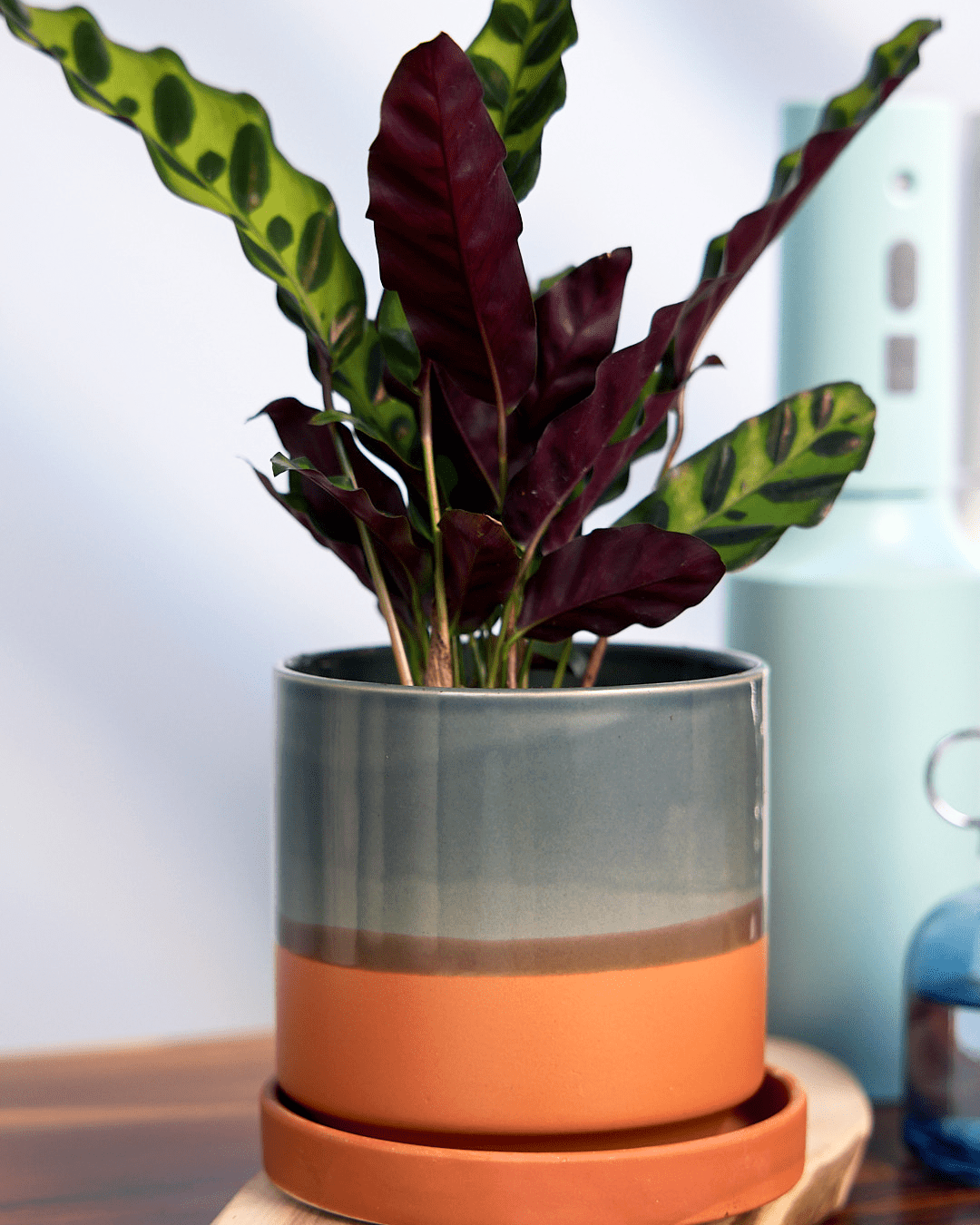
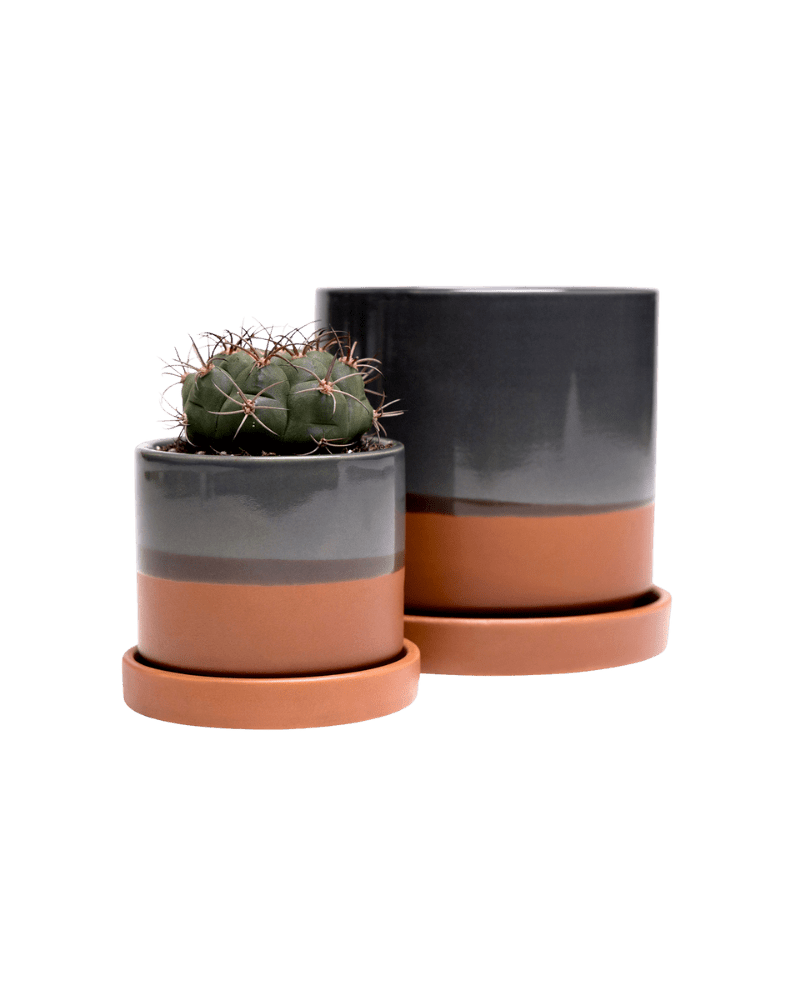
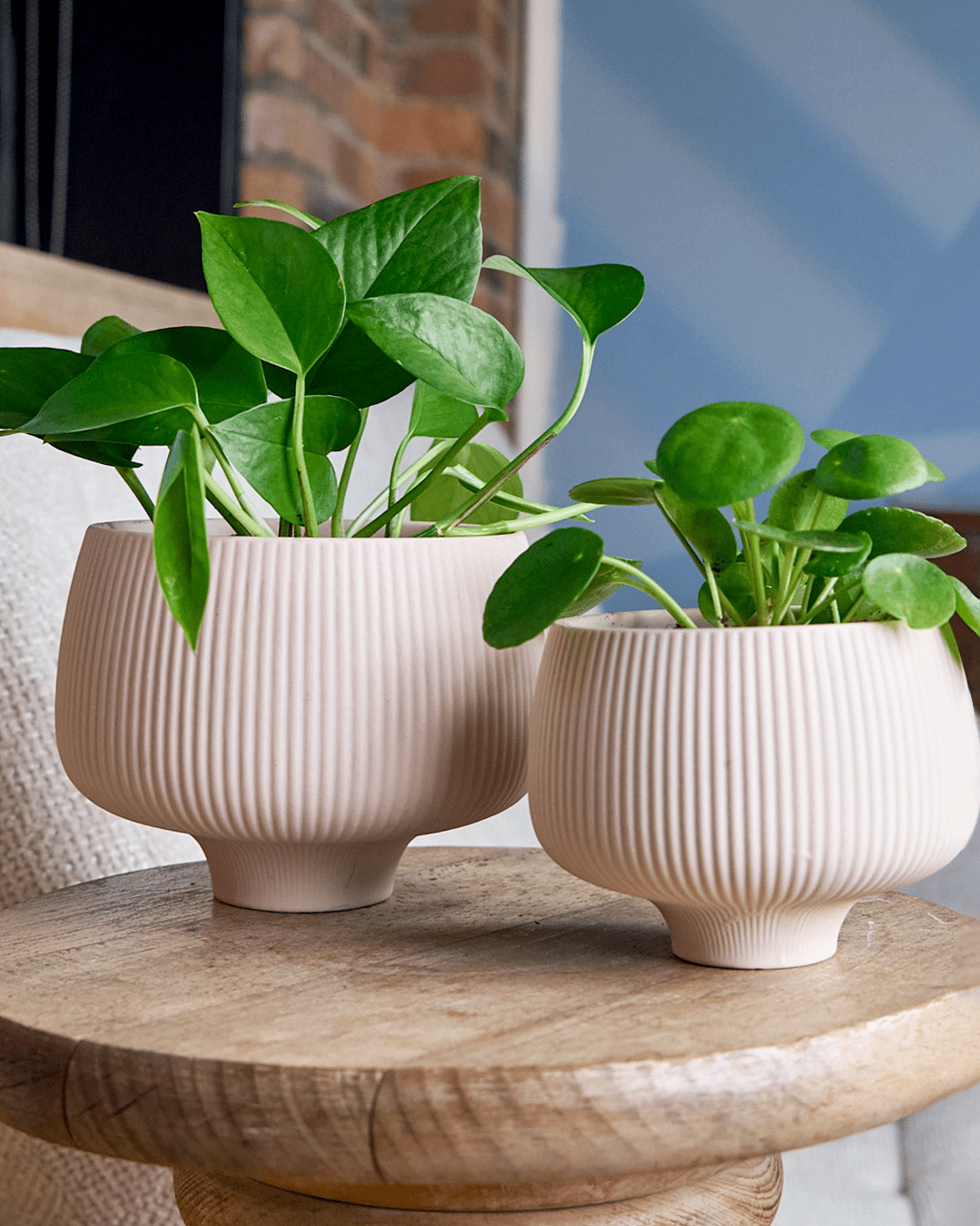
Your plants work hard to look good—shouldn’t their pots do the same? Choose from our gorgeous flower pots and let your greenery thrive in style. Because plain plastic is just rude.