Bird of Paradise Flower Seeds Packet

$4.95

FREE SHIPPING on seeds when you order 5 packs or more

The Bird of Paradise (Strelitzia reginae) is a timeless tropical beauty that rewards growers with vibrant, bird-like blooms and bold foliage with the most exotic, otherworldly flowers you've ever seen - brilliant orange and blue blooms that literally look like tropical birds in flight! These South African natives bring instant glamour and tropical sophistication to any space, whether you're growing them as stunning houseplants or creating your own outdoor paradise. With their enormous paddle-shaped leaves and architectural beauty, these plants are living sculptures that command attention and admiration. Though patience is required (flowers may take 3-5 years), the reward is a lifetime of breathtaking blooms that will make your home the envy of every plant lover!

Quick Seed Overview
  • Plant Type: Perennial tropical plant
  • Genus: Strelitzia
  • Species: Strelitzia reginae
  • Plant Height/Width: 3-6 feet tall / 3-4 feet wide
  • Season: Year-round (blooms in late fall to spring)
  • Exposure: Full sun to partial shade
  • Difficulty: Moderate
Satisfaction Guarantee

Seed Pack Guarantee: we stand behind our seeds. If they fail to perform, we'll gladly replace them at no cost. Performance depends on proper growing conditions.

Purchase seeds from a reputable source or harvest from an existing plant

Seeds are hard and covered with an orange tuft; remove the tuft before planting

Soak seeds in warm water for 24–48 hours to soften the seed coat

Nick or file the seed coat slightly to encourage faster germination

Be careful not to damage the inner seed

Keep the tray in a warm location (75–85°F / 24–29°C)

Germination may take anywhere from 1 to 3 months

Covering with a humidity dome or plastic bag helps retain

Fill small pots or seed trays with a well-draining seed-starting mix

Plant seeds about 1 inch deep

Water thoroughly and keep the soil consistently moist

Once seedlings develop 2–3 true leaves, transplant into individual pots

Use a pot that allows room for root development

It may take 3–5 years for a Bird of Paradise grown from seed to bloom

With proper care, plants can live for decades and produce flowers annually

Why Shido Seeds Are the Best

Our flower and vegetable seeds are beautifully packaged little packets of magic. Guaranteed to turn your garden into the envy of the neighborhood. Get your hands dirty and let nature simply do its thing.

Complete Growing Guide

This comprehensive guide provides all the information needed to successfully grow from seeds to mature, thriving plants that will provide years of delicate, beautiful foliage for both indoor enjoyment and floral arrangements.

Seed Starting

Seed Pre-Treatment (Essential)

Pre-Soaking Process: In order to speed germination soak the Strelitzia Reginae seeds in lukewarm
water overnight (24-48 hours) and remove the attached orange tufts


Scarification Method: Then nick them with a knife or small file, before planting. You can optionally
lightly cut the coat(scarify) the seeds to improve germination

Complete Pre-Treatment Steps:
1. Pull the orange tufts out of the seed - this is crucial for germination
2. Lightly scarify the seed coat with a file or knife
3. Pre-soak the seeds in warm-hot water for 1-2 days prior to planting
4. This will help to soften the seed coat and increase the chances of successful germination

SeedStarting(Indoor Method- Required)
Materials Needed:

  • High-quality seed starting mix
  • Deep pots (at least 4-6 inches) with drainage holes
  • Heat mat or warm location
  • Clear plastic covers for humidity
  • Labels for tracking progress

Sowing Process:
1. Container Preparation: Fill deep containers with moistened, well-draining seed starting mix
2. Seed Placement: Plant pre-treated seeds 1⁄2 inch deep in individual pots
3. Environmental Control: Maintain soil temperature at 75-85°F (24-29°C) using heat mat
4. Humidity Management: Cover containers with clear plastic to maintain high humidity
5. Germination Timeline: Germination typically occurs in 1-3 months with proper treatment

Germination and Early Care
Germination Conditions:

  • By soaking the seeds, sowing them at the right rate, and maintaining consistent moisture, you'll create the perfect environment for healthy, vigorous growth
  • Consistent soil temperature of 75-85°F
  • High humidity (80-90%) under plastic covering
  • Bright, indirect light once sprouted
  • Consistent moisture without waterlogging

Post-Germination Care:
1. Remove plastic covering gradually over several days once seeds sprout
2. Provide bright, indirect light (14-16 hours daily if using grow lights)
3. Maintain warm temperatures (70-80°F)
4. Water carefully to avoid disturbing young roots

Long-term Care

Ongoing Care and Management
First Year Growth:

  • Growth is typically slow in the first year
  • Focus on strong root system development
  • Expect only 2-4 leaves in first year
  • Keep in warm, bright location consistently

Transplanting Up:

  • Move to 6-8 inch pots when outgrown starting containers
  • Use high-quality potting mix with good drainage
  • Handle roots carefully during transplanting
  • Provide consistent warmth and bright light
  • Long-term Container Growing

Container Selection:

  • Start with 8-10 inch pots for young plants
  • Graduate to 18-24 inch containers for mature plants
  • Ensure excellent drainage with multiple holes
  • Use heavy containers to prevent toppling

Potting Mix Recipe:

  • 50% high-quality potting soil
  • 25% perlite or coarse sand for drainage
  • 25% compost or aged manure for nutrition
    pH adjustment if needed to 6.0-7.5 range

Indoor Care:

  • A sunny bathroom or conservatory is ideal
  • Bright, indirect light from south or west windows
  • Maintain humidity with trays or misting
  • Rotate weekly for even growth
  • Protect from cold drafts and heating vents
  • Outdoor Growing(Warm Climates Only)

Climate Requirements:

  • Hardy in Zones 10-12 for year-round outdoor culture
  • Protect from temperatures below 50°F (10°C)
  • Can be grown as summer container plant in cooler zones

Site Preparation:
1. Choose location with morning sun, afternoon shade in hottest climates
2. Ensure excellent drainage - amend heavy soils
3. Work in compost and organic matter
4. Provide wind protection for large leaves

Outdoor Planting:

  • Plant in spring after soil warms
  • Space 4-6 feet apart for mature size
  • Plant at same depth as in container
  • Water thoroughly and mulch around plant

Fertilizingand Nutrition
Fertilizing Program:

  • Growing season: Monthly applications of balanced liquid fertilizer
  • Use half-strength to avoid burning roots
  • High-quality houseplant fertilizer works well
  • Supplement with compost or aged manure annually

Signs of Proper Nutrition:

  • Steady growth of new leaves
  • Deep green coloration
  • Strong, upright growth habit
  • Eventual flower production in mature plants

FloweringExpectations
Flowering Timeline:

  • First blooms typically appear 3-5 years from seed
  • Indoor plants may take longer to flower
  • Flowers appear on mature plants with proper care
  • Bird of paradise has beautiful, exotic blooms that are useful for specimen planting and give a tropical look to any patio

Encouraging Flowering:

  • Provide maximum light possible
  • Maintain consistent care routine
  • Avoid repotting too frequently (some root binding encourages blooming)
  • Ensure adequate space for mature size

Seasonal Care and Dormancy
Winter Care:

  • Reduce watering significantly
  • Eliminate fertilizing
  • Maintain humidity despite heating systems
  • Provide maximum available light
  • Protect from cold drafts

Spring Reactivation:

  • Gradually increase watering as growth resumes
  • Begin monthly fertilizing when new growth appears
  • Repot if necessary (every 2-3 years)
  • Increase humidity as needed
Troubleshooting Common Issues

Poor Germination:

  • Causes: Inadequate scarification, old seeds, wrong temperature, lack of pre-soaking
  • Solutions: Proper seed pre-treatment, fresh seeds, maintain optimal temperature

Slow Growth:

  • Causes: Insufficient light, cool temperatures, poor nutrition, root bound conditions
  • Solutions: Increase light, maintain warmth, proper fertilizing, repot when needed

Yellowing Leaves:

  • Causes: Overwatering, underwatering, low humidity, natural aging, pest issues
  • Solutions: Adjust watering practices, increase humidity, inspect for pests


No Flowering:

  • Causes: Plant too young, insufficient light, over-fertilizing, frequent repotting
  • Solutions: Patience (plants must mature), maximize light, reduce nitrogen, allow some root binding

Leaf Splitting:

  • Causes: Natural adaptation to wind, low humidity, physical damage
  • Solutions: Increase humidity, provide wind protection, handle carefully

Pro Tip

For the best bloom production, allow the plant to become slightly root-bound. Mature, snug roots encourage flower development, especially in container-grown plants.

Bird of Paradise Flower Seeds Packet - Chive Ceramics Studio - Seeds - Chive Ceramics Studio

Getting to know your Bird of Paradise

Bird of Paradise seeds are large, distinctive, and dramatic in appearance, measuring 8-12mm in length with a hard, dark brown to black seed coat. Each seed is equipped with a bright orange tuft of hair-like arils that aid in natural dispersal. The seeds are angular and irregular in shape with a very hard, impermeable seed coat that requires scarification and soaking to achieve successful germination. Fresh seeds have the highest viability rates, typically 70-85% when properly treated,and can remain
viable for 2-3 years when stored in cool, dry conditions. The orange tufts must be removed before
planting as they can inhibit proper germination.

What it's used for

Indoor Applications:

  • Dramatic houseplant specimen for bright rooms
  • Conservatory and sunroom centerpiece
  • Office and commercial interior decoration
  • Statement plant for modern and tropical-themed interiors
  • Air purification (removes formaldehyde and other toxins)

Outdoor Applications:

  • Landscape specimen in warm climates (zones 10-12)
  • Pool area and patio decoration
  • Tropical garden focal points
  • Cut flower production for arrangements
  • Screening and privacy plantings

Floral and Commercial Uses:

  • Premium cut flowers for high-end arrangements
  • Wedding and event decorations
  • Exotic flower photography
  • Botanical art and illustration subjects

Ornamental Benefits:

  • With big paddle-shaped leaves on long stiff stalks, and spectacular orange and blue flowers, it will grow into a large plant 1.5m (5ft) tall or more, and well over 1m (31⁄4ft) wide
  • Year-round foliage interest with dramatic architectural form
  • Conversation starter and focal point plant
  • Symbol of luxury and tropical sophistication
Growth Requirements

Temperature:

  • Germination: 75-85°F (24-29°C) optimal
  • Growing: 65-80°F (18-27°C) for best performance
  • Don't let temperatures fall below 10°C in winter
  • Most Strelitzia species are hardy in Zones 10-12, where temperatures do not dip below 50-54°F or 10-12°C
  • Protect from temperatures below 50°F (10°C)

Light:

  • Grow your strelitzia in a warm, bright spot that gets some sunshine early or late in the day
  • Bright, indirect light indoors (south or west-facing windows ideal)
  • Full sun to partial shade outdoors in warm climates
  • Minimum 6 hours of bright light daily for optimal growth
  • Morning sun particularly beneficial

Humidity:

  • It needs a humid atmosphere, so a sunny bathroom or conservatory is ideal
  • Prefer 50-70% relative humidity
  • Use humidity trays or misting for indoor plants
  • Avoid dry, heated indoor air

Soil:

  • Well-draining, fertile potting mix or garden soil
    pH range: 6.0-7.5 (slightly acidic to neutral)
  • Rich in organic matter with good aeration
  • Container mix: high-quality potting soil with perlite added
  • Excellent drainage essential to prevent root rot

Water:

  • Consistent moisture during growing season
  • Allow soil to dry slightly between waterings
  • Reduce watering in winter months
  • Deep, thorough watering preferred over frequent shallow watering

Space:

  • Make sure you have plenty of space to display this large, spectacular plant to full advantage
  • Indoor containers: minimum 18-24 inches wide
  • Outdoor spacing: 4-6 feet apart for mature size
  • Vertical space: 5-8 feet for mature plants
Maintenance

Daily Tasks:

  • Monitor soil moisture levels
  • Check for adequate humidity around plant
  • Observe for pest activity on leaves

Weekly Tasks

  • Deep watering when soil surface feels dry
  • Mist foliage to increase humidity
  • Remove any yellowing or damaged leaves
  • Dust large leaves to maintain photosynthesis

Monthly Tasks:

  • Fertilize during growing season (spring through fall)
  • Inspect for pests and diseases
  • Repot when roots become bound (every 2-3 years)
  • Rotate plant for even growth

Seasonal Tasks:

  • Spring: Increase watering and fertilizing, begin active growing season care
  • Summer: Maintain consistent moisture and humidity, provide bright light
  • Fall: Begin reducing fertilizer, prepare for slower winter growth
  • Winter: Reduce watering and eliminate fertilizing, maintain humidity

Fertilizing Schedule:

  • Growing season (spring/summer): Balanced liquid fertilizer (20-20-20) monthly
  • Dilute to half strength to avoid burning roots
  • Organic options: Fish emulsion or compost tea
  • Winter: Eliminate fertilizing completely

Pruning and Grooming:

  • Remove yellowing or damaged leaves at base
  • Cut back flower stalks after blooms fade
  • Clean leaves regularly with damp cloth
  • Trim brown leaf tips with clean scissors
Pests and Diseases

Common Pests:
Scale Insects

  • Identification: Scale appears as hard little brown spots on the stems and undersides of the leaves
  • Damage: Yellowing leaves, sticky honeydew, weakened plant vigor
  • Treatment: Rubbing alcohol on cotton swabs, horticultural oil, systemic insecticides
  • Prevention: Regular inspection, quarantine new plants, maintain plant health

Mealybugs

  • Identification: Mealybugs appear as white patches of fuzz on the leaves
  • Damage: Stunted growth, yellowing foliage, honeydew production
  • Treatment: Alcohol treatment, insecticidal soap, beneficial insects
  • Prevention: Avoid overwatering, maintain good air circulation

Aphids

  • Identification: Common pests are aphids, scale, and whiteflies
  • Damage: Curled leaves, sticky honeydew, stunted growth
  • Treatment: Insecticidal soap, beneficial insects, strong water spray
  • Prevention: Avoid over-fertilizing, encourage natural predators

Whiteflies

  • Identification: Small white flying insects on leaf undersides
  • Damage: Yellowing leaves, honeydew production, sooty mold
  • Treatment: Yellow sticky traps, insecticidal soap, beneficial insects
  • Prevention: Proper air circulation, avoid overcrowding

Common Diseases:
Root Rot

  • Symptoms: The most common disease is root rot. This tends to crop up when the roots of the plant are allowed to sit in water or soggy soil for too long
  • Treatment: Root rot occurs when roots stand in wet soil and is most easily prevented by providing well-drained soil and avoiding over-watering
  • Prevention: Well-draining soil, proper watering practices, avoid waterlogged conditions

Bacterial Wilt

  • Symptoms: Bacterial wilt and leaf blight might be problematic
  • Treatment: Remove affected plants, improve air circulation, bactericidal treatments
  • Prevention: Avoid overhead watering, proper sanitation, good drainage

Leaf Blight

  • Symptoms: Brown spots on leaves, yellowing foliage, leaf drop
  • Treatment: Remove affected foliage, fungicidal sprays, improve air circulation
  • Prevention: Avoid overhead watering, maintain proper spacing

General Disease Resistance:

  • Bird of paradise does not suffer from any serious pest or disease problems, according to Susan
  • Mahr, a master gardener with the University of Wisconsin

Growing Together with Shido

At Shido, everything we do starts with one goal: helping you have a truly successful growing experience. We know that planting seeds is just the beginning — your time, energy, and love for gardening are the real magic. That’s why we make sure the seeds you plant are fresh, full of life, and top-quality. When you choose Shido, you’re planting with confidence. We guarantee it.

Our mission is simple: bring you exceptional varieties of high-quality seeds at prices you’ll love, share detailed sowing and growing tips so you can thrive as a home gardener, and deliver the best customer service in the industry, with a smile.

Our Seed Safety Promise

We do not sell genetically modified seeds — ever. And we don’t use genetic engineering to breed new varieties. Instead, our skilled breeders use traditional, natural crossing methods to create hybrid seeds that are healthy, safe, and packed with potential.

Our Seed Quality Guarantee

At Shido, we believe great gardens start with great seeds — and that means quality comes first. Every seed lot we offer is ensure to generate top-notch germination because your garden deserves nothing less.

To keep our seeds at their peak, we run thorough pathology tests at trusted outside labs. When you open a Shido seed packet, you can trust it’s been nurtured, tested, and approved to give you strong, healthy plants from the very first sprout.

Types of Seeds We Offer

Open-Pollinated & Heirloom Seeds

Our open-pollinated (OP) seeds naturally reproduce through wind, insects, water, or self-pollination. When grown in isolation, they produce true-to-type plants year after year.

Among our OP seeds are treasured heirloom varieties — old favorites that have been carefully passed down for generations. While OP plants can be less uniform than hybrids, we run our Open-Pollinated Project to select the most reliable, flavorful, and beautiful strains.

Non-GMO: What It Means and Why It Matters

A GMO (Genetically Modified Organism) is created when scientists alter a plant’s DNA in a lab — often by inserting genes from completely unrelated species — to achieve certain traits, like pest resistance or herbicide tolerance. This is a far cry from natural plant breeding.

At Shido, we believe gardening should stay as close to nature as possible. All our seeds — whether hybrid, heirloom, organic, or open-pollinated — are Non-GMO. They’re bred using traditional methods that respect natural biodiversity, giving you safe, wholesome seeds that grow into plants just as nature intended.

When you plant Shido Non-GMO seeds, you’re choosing purity, sustainability, and peace of mind — along with a garden full of flavor, color, and beauty.

Vacuum-Sealed for Freshness — Good for 10 Years

Every Shido seed packet is vacuum-sealed to lock in freshness and protect your seeds from moisture, air, and pests. This careful packaging not only preserves their quality but also extends their shelf life dramatically. Stored properly in a cool, dry place, our seeds remain viable for up to 10 years — so you can plant them now, next season, or even years down the road. Whether you’re planning a garden this spring or building a long-term seed stash, Shido seeds are ready when you are.
Feed Your Plants Like You Actually Know What You’re Doing

Your plants called—they're tired of your "just water and hope" approach. Give them VerteRx, the premium plant food packed with vitamins and growth boosters. Stronger roots, lusher leaves, and fewer judgmental stares from your fiddle-leaf fig. Because even plants deserve proper nutrition (unlike your diet).

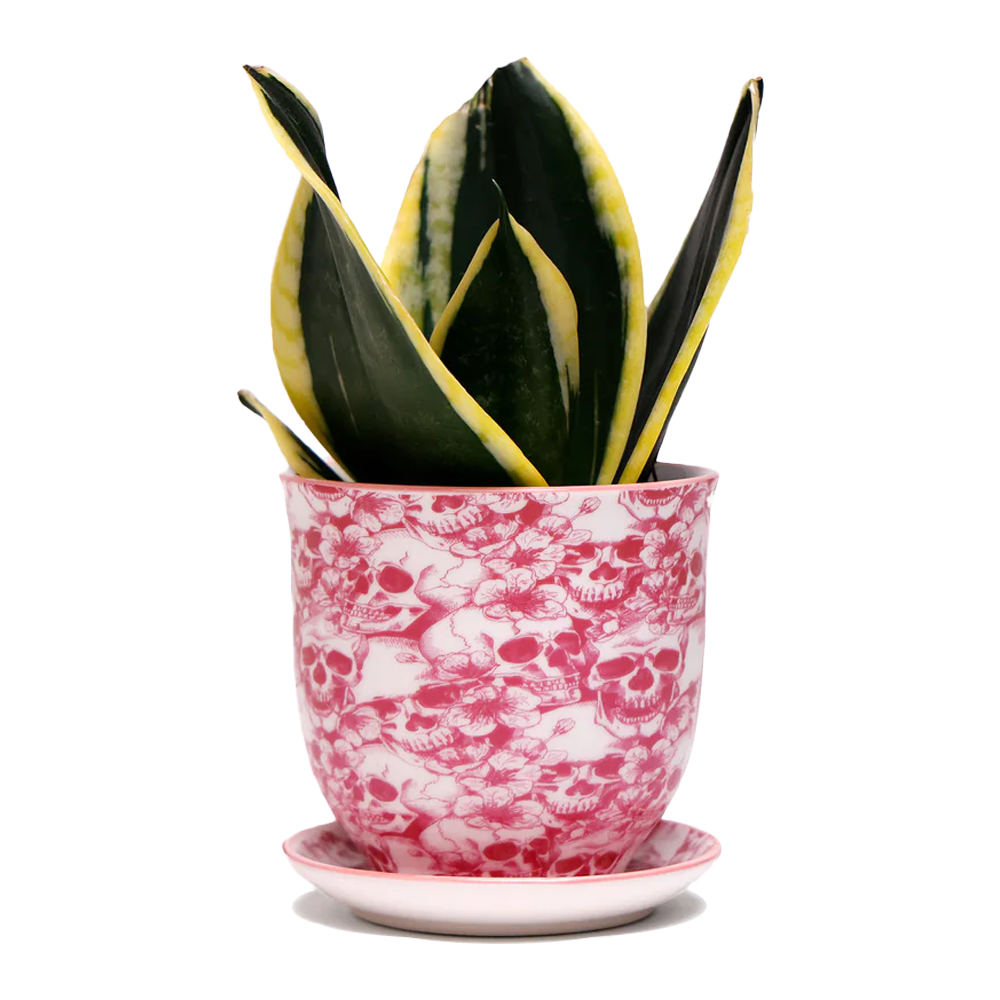
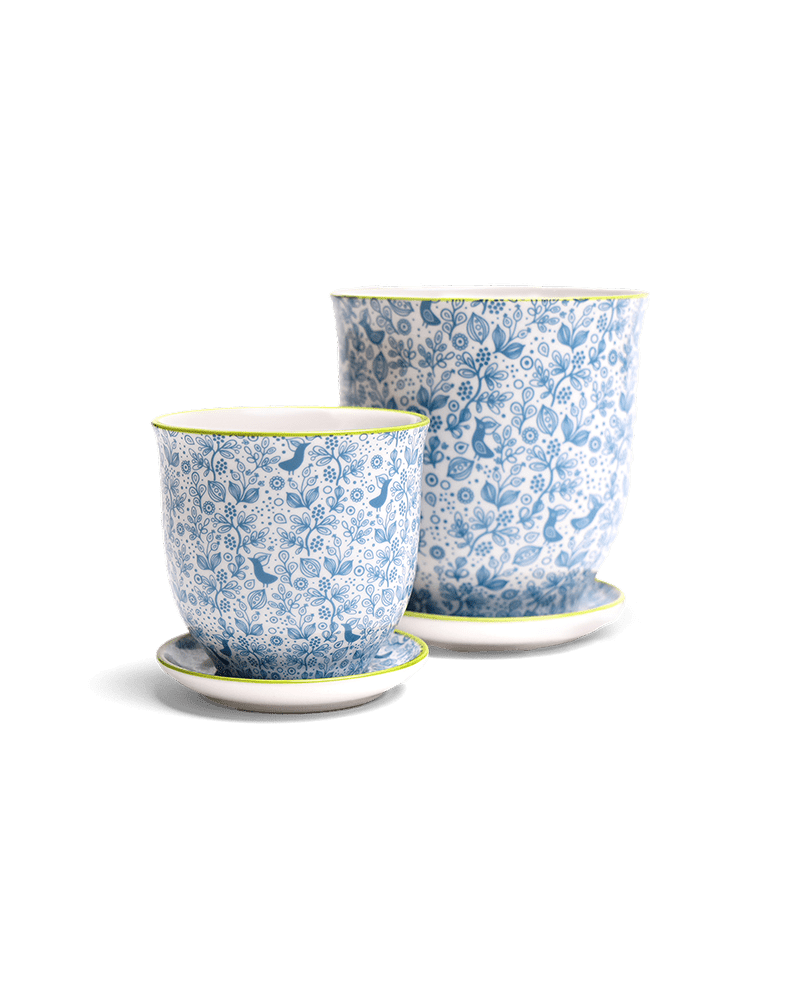
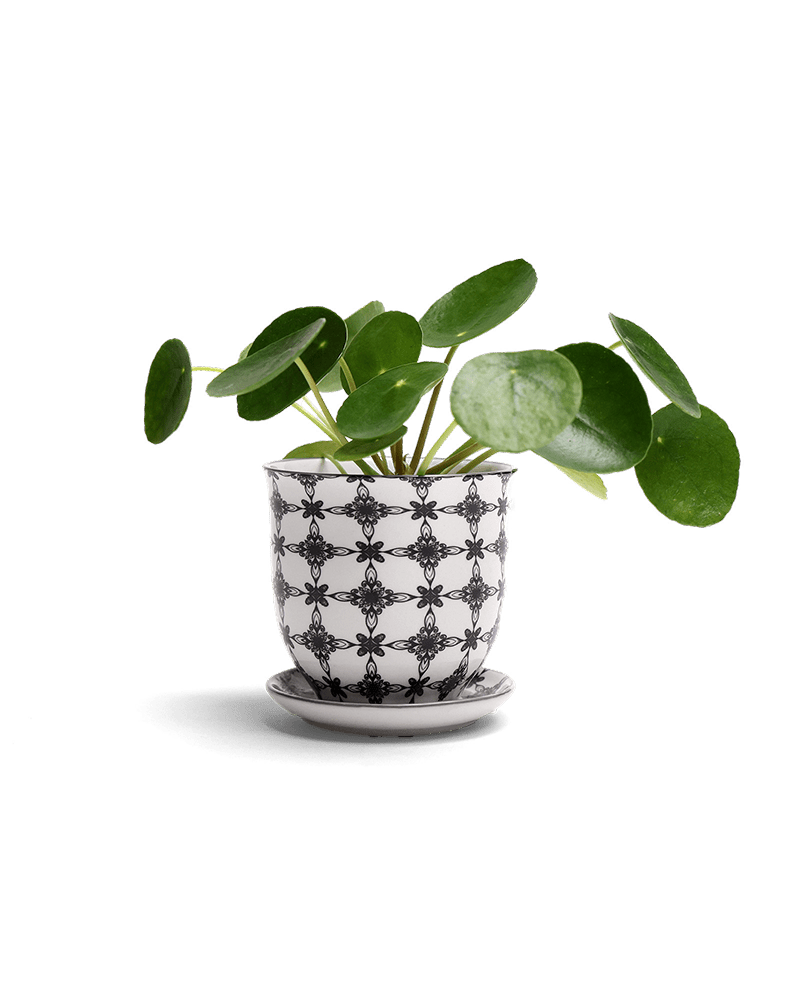
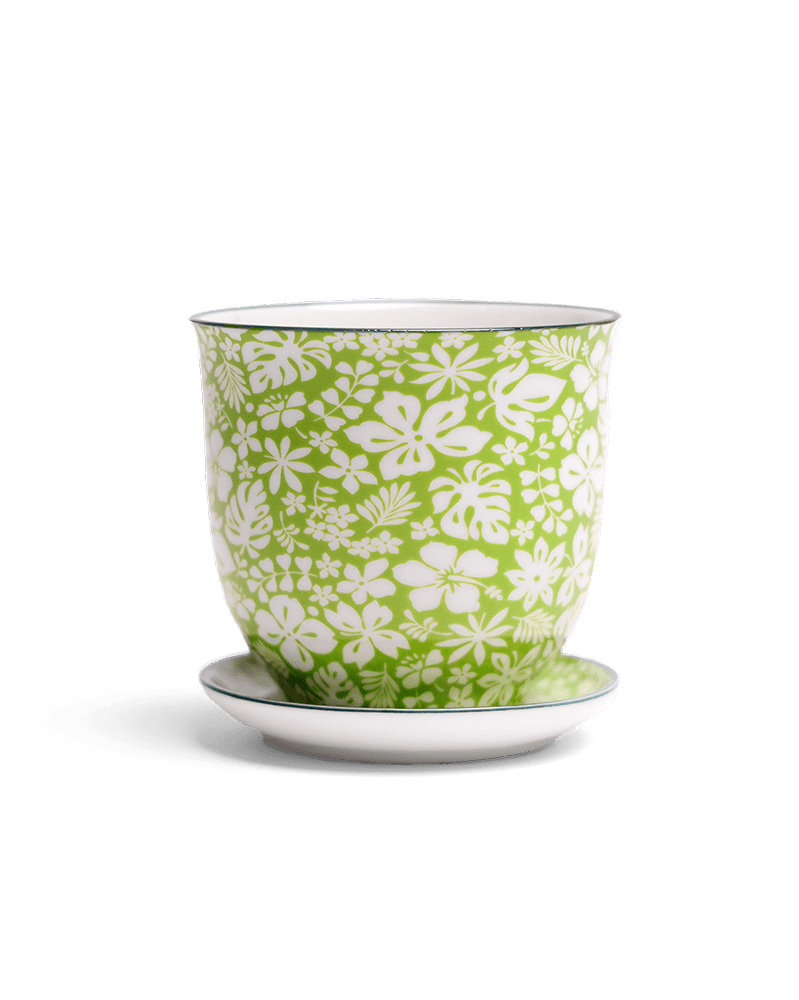
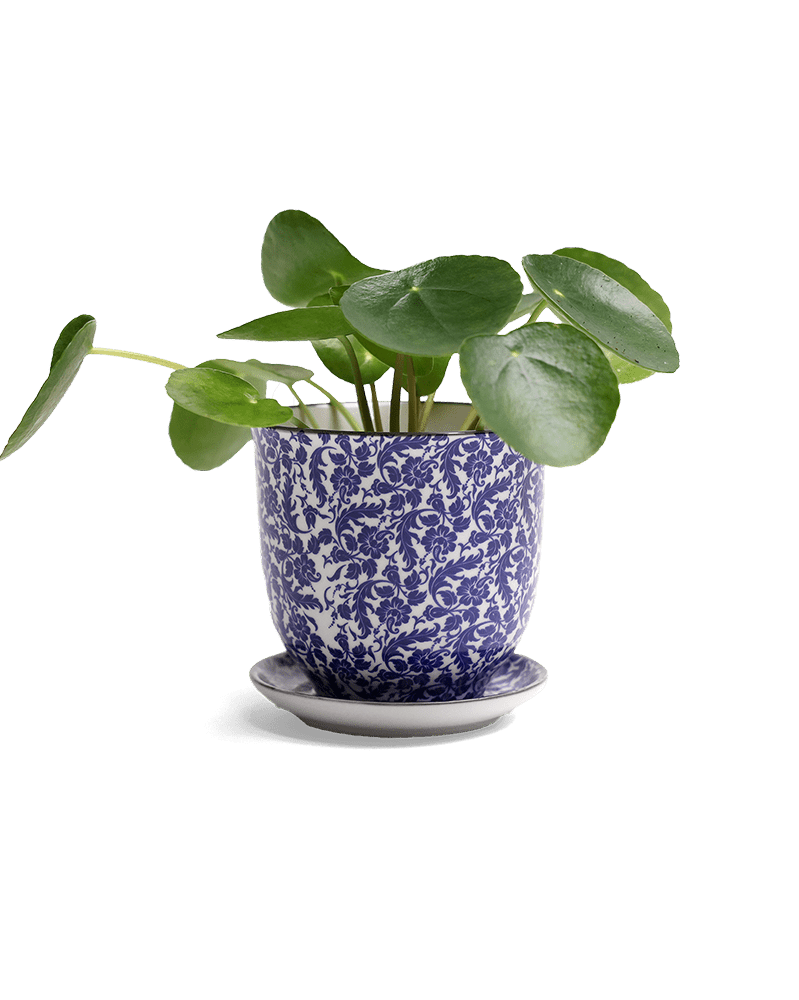
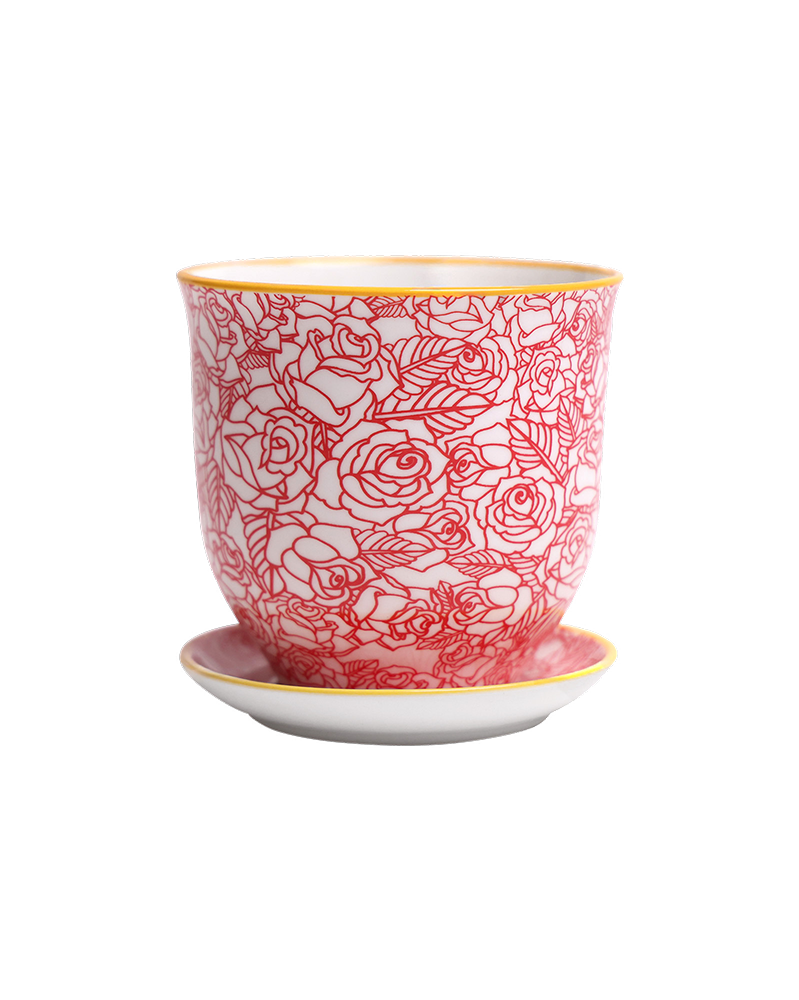
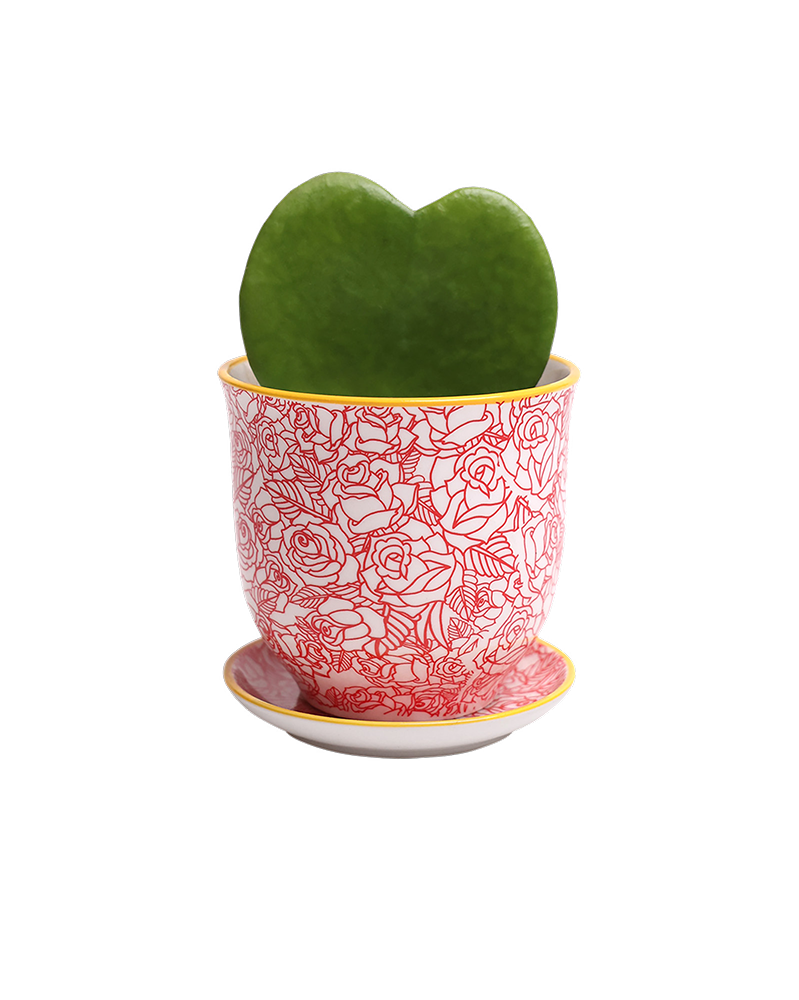
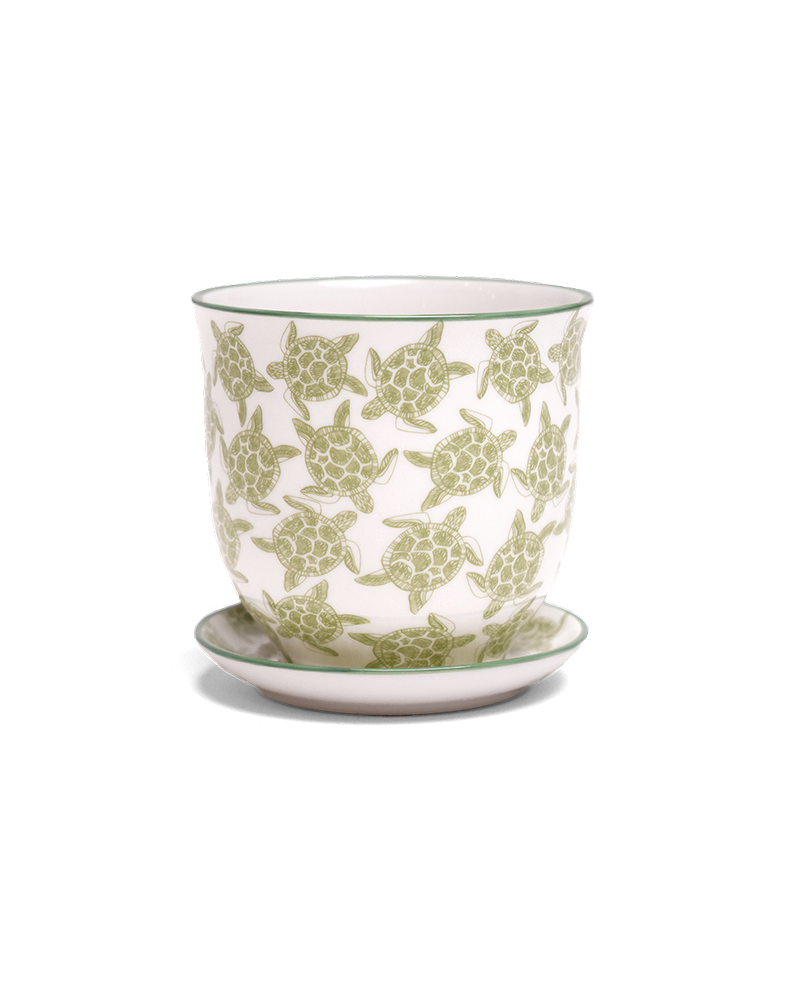
Pretty Pots for Pretty Plants

Your plants work hard to look good—shouldn’t their pots do the same? Choose from our gorgeous flower pots and let your greenery thrive in style. Because plain plastic is just rude.