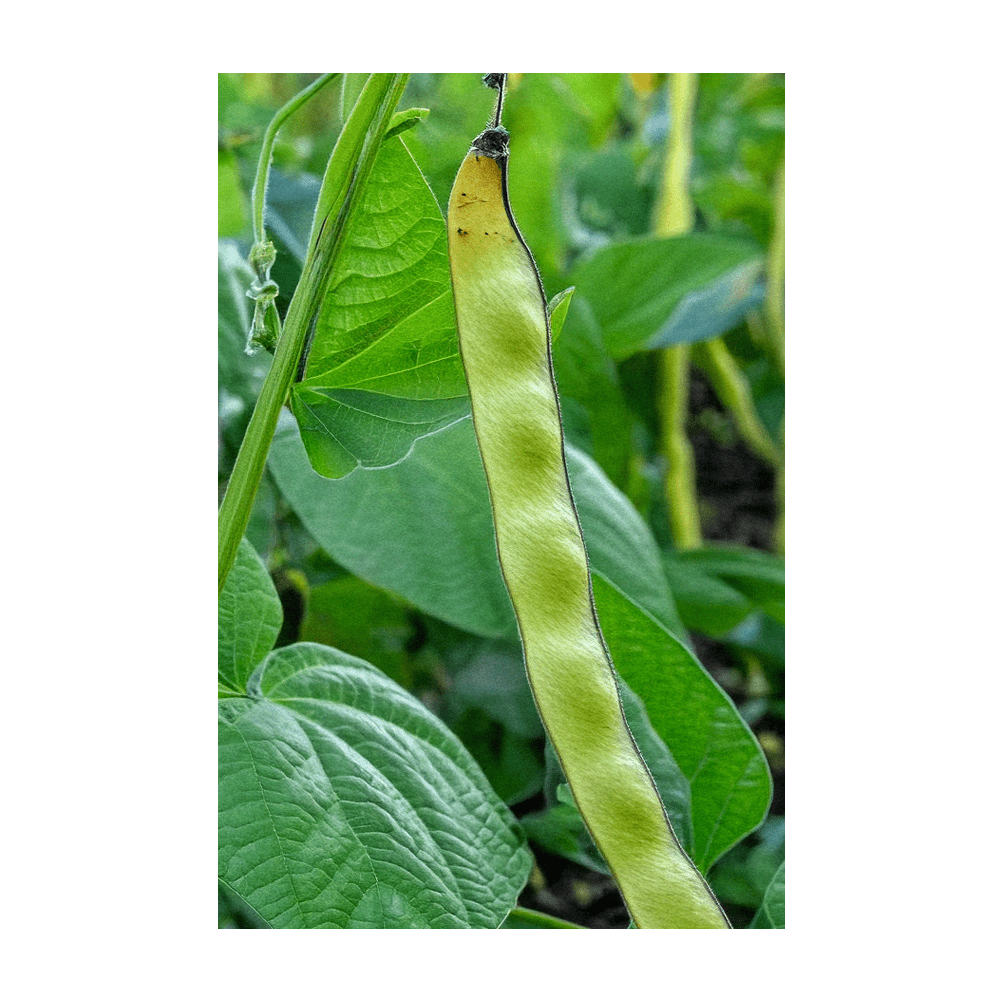
King of the Garden Bean Vegetable Seeds Packet

$4.95

FREE SHIPPING on seeds when you order 5 packs or more
The King of the Garden Bean (Phaseolus lunatus), also known as the King of the Garden Lima Bean, is a large, heirloom pole bean variety prized for its high yields, buttery flavor, and creamy texture. This vigorous climbing bean produces abundant pods filled with large, pale-green to white beans that are ideal for fresh eating, freezing, or drying. First introduced in the late 19th century, the King of the Garden bean has remained a popular variety among home gardeners due to its prolific production, resilience, and rich flavor. It thrives in warm climates and is an excellent choice for vertical gardening due to its tall, sprawling vines.
Quick Seed Overview
  • Plant Type: Annual
  • Genus: Phaseolus
  • Species: Phaseolus vulgaris
  • Plant Height/Width: 6-10 feet tall (pole variety) / 12-18 inches wide
  • Season: Late Spring to early Fall
  • Exposure: Full sun
  • Difficulty: Easy to moderate
Satisfaction Guarantee

We stand by the quality of our flower seed packets! With high germination rates and vibrant blooms, your garden is sure to flourish. If you're not completely satisfied, we’ll replace or refund—guaranteed!

Why Shido Seeds Are the Best

Our flower and vegetable seeds are beautifully packaged little packets of magic. Guaranteed to turn your garden into the envy of the neighborhood. Get your hands dirty and let nature simply do its thing.

How to Plant King of the Garden Bean from Seed

When to Plant Seeds

King of the Garden beans should be planted in late spring or early summer after the danger of frost has passed. The soil should be at least 65°F (18°C) for optimal germination. In warmer climates, beans can be planted again for a fall harvest.

Preparing Seeds for Planting

  • Choose a location with full sun and well-drained soil.
  • Prepare a sturdy trellis, pole, or support structure before planting to accommodate the vines.
  • Work compost or organic matter into the soil to improve fertility.

Sowing Seeds Outdoors

  • Plant seeds 1-1.5 inches deep.
  • Space seeds 4-6 inches apart in rows that are 30-36 inches apart.
  • Water the soil lightly after planting.
  • Germination takes 7-14 days in warm soil conditions.

Supporting the Vines

  • King of the Garden beans are vigorous climbers and require sturdy support.
  • Install poles, stakes, or a trellis that is at least 6-8 feet tall.
  • As the vines grow, gently train them to climb the support.

Pro Tip

To maximize bean production, harvest regularly. Frequent picking encourages the plant to produce more pods throughout the growing season. For a continuous harvest, stagger plantings every 2-3 weeks.

King of the Garden Bean Vegetable Seeds Packet - Chive Ceramics Studio - Seeds - Chive Ceramics Studio

Getting to know your King of the Garden Bean

King of the Garden is a large, heirloom lima bean variety known for its high yields and creamy texture. It produces vigorous, vining plants that can reach 8-10 feet tall, requiring trellises or poles for support. The plant thrives in full sun and well-drained soil. It produces flat, pale green pods containing 3-5 large beans. The beans have a buttery, nutty flavor and are excellent for fresh eating or drying. King of the Garden beans require consistent watering but benefit from well-spaced planting to prevent mildew. This variety is popular for its productivity and resilience, making it a staple in home gardens.

What it's used for

1. Culinary Uses:

  • King of the Garden beans are popular for their smooth, rich, and nutty flavor.
  • They can be enjoyed fresh, dried, or frozen.
  • Fresh Beans: Boil, steam, or sauté and add to soups, casseroles, and side dishes.
  • Dried Beans: Store for long-term use and add to stews, chili, or bean salads.
  • Freezing: Blanch and freeze for later use while preserving their texture and flavor.
  • The beans hold their shape well when cooked, making them a hearty, satisfying addition to recipes.

2. Nutritional Benefits:

  • King of the Garden beans are rich in protein, fiber, and essential nutrients.
  • They are an excellent source of folate, magnesium, potassium, and iron.
  • Low in fat and cholesterol-free, making them heart-healthy and nutrient-dense.
  • The beans’ fiber content supports digestive health and helps regulate blood sugar levels.

3. Ornamental and Companion Planting:

  • The lush foliage and climbing habit make King of the Garden beans an attractive addition to fences, arbors, or trellises.
  • The plants also provide natural shade in the garden when grown vertically.
  • Companion plants: Corn, cucumbers, and carrots make excellent companions, while onions and garlic should be avoided as they can stunt bean growth.
Growth Requirements

Light:

  • Beans require full sun to thrive.
  • Ensure they receive at least 6-8 hours of direct sunlight daily.
  • Partial shade may reduce pod production and slow growth.

Soil:

  • Beans prefer loamy, well-drained soil with a pH of 6.0-6.8.
  • Avoid heavy clay soils, which retain too much moisture and can lead to root rot.
  • Amend the soil with compost or organic matter before planting to improve fertility and drainage.

Watering:

  • Water consistently but avoid waterlogging the soil.
  • Beans need 1-1.5 inches of water per week, especially during flowering and pod formation.
  • Use soaker hoses or drip irrigation to keep the soil evenly moist.
  • Avoid overhead watering to reduce the risk of fungal diseases.

Temperature and Climate:

  • King of the Garden beans thrive in warm weather with temperatures between 70°F and 85°F (21°C to 29°C).
  • Avoid planting too early; beans are sensitive to cold soil and frost.
  • For optimal germination, wait until the soil temperature reaches 65°F (18°C).

Fertilization:

  • Beans are light feeders and typically do not require heavy fertilization.
  • Prior to planting, amend the soil with compost or aged manure.
  • If necessary, apply a low-nitrogen fertilizer (e.g., 5-10-10) to encourage pod production.
  • Avoid excess nitrogen, as it promotes leafy growth rather than bean production.
Maintenance

Mulching:

  • Apply a layer of mulch around the base of the plants to retain moisture and suppress weeds.
  • Organic mulch, such as straw or shredded leaves, helps regulate soil temperature.

Pruning and Thinning:

  • Thin seedlings to ensure proper air circulation.
  • Remove any damaged or yellowing leaves to promote healthy growth.
  • Prune excess foliage sparingly to prevent overcrowding.

Harvesting:

  • King of the Garden beans are ready to harvest 85-95 days after planting.
  • Pick the pods when they are plump and firm, but before they become dry and tough.
  • For fresh beans, harvest when the pods are still green and tender.
  • For dry beans, allow the pods to fully mature and dry on the vine before harvesting.
Pests and Diseases

Common Pests:

Aphids: Rinse off with water or apply neem oil.
Mexican bean beetles: Remove beetles by hand or use floating row covers.
Spider mites: Spray with water and apply insecticidal soap.

Common Diseases:

Powdery mildew: Improve air circulation and avoid overhead watering.
Bean rust: Remove infected leaves and apply copper-based fungicides.
Root rot: Prevent overwatering and ensure proper drainage.

Growing Together with Shido

At Shido, everything we do starts with one goal: helping you have a truly successful growing experience. We know that planting seeds is just the beginning — your time, energy, and love for gardening are the real magic. That’s why we make sure the seeds you plant are fresh, full of life, and top-quality. When you choose Shido, you’re planting with confidence. We guarantee it.

Our mission is simple: bring you exceptional varieties of high-quality seeds at prices you’ll love, share detailed sowing and growing tips so you can thrive as a home gardener, and deliver the best customer service in the industry — with a smile.

Our Seed Safety Promise

We do not sell genetically modified seeds — ever. And we don’t use genetic engineering to breed new varieties. Instead, our skilled breeders use traditional, natural crossing methods to create hybrid seeds that are healthy, safe, and packed with potential.

Our Seed Quality Guarantee

At Shido, we believe great gardens start with great seeds — and that means quality comes first. Every seed lot we offer is ensure to generate top-notch germination because your garden deserves nothing less.

To keep our seeds at their peak, we run thorough pathology tests at trusted outside labs. When you open a Shido seed packet, you can trust it’s been nurtured, tested, and approved to give you strong, healthy plants from the very first sprout.

Types of Seeds We Offer

Hybrid Seeds (F1)

F1 hybrid seeds are the garden’s high achievers — created by crossing two specially chosen parent plants for superior vigor, uniformity, and performance. We use only traditional breeding methods to produce these powerhouse seeds.

Open-Pollinated & Heirloom Seeds

Our open-pollinated (OP) seeds naturally reproduce through wind, insects, water, or self-pollination. When grown in isolation, they produce true-to-type plants year after year.

Among our OP seeds are treasured heirloom varieties — old favorites that have been carefully passed down for generations. While OP plants can be less uniform than hybrids, we run our Open-Pollinated Project to select the most reliable, flavorful, and beautiful strains. Many are also available as certified organic seeds.

Non-GMO: What It Means and Why It Matters

A GMO (Genetically Modified Organism) is created when scientists alter a plant’s DNA in a lab — often by inserting genes from completely unrelated species — to achieve certain traits, like pest resistance or herbicide tolerance. This is a far cry from natural plant breeding.

At Shido, we believe gardening should stay as close to nature as possible. All our seeds — whether hybrid, heirloom, organic, or open-pollinated — are Non-GMO. They’re bred using traditional methods that respect natural biodiversity, giving you safe, wholesome seeds that grow into plants just as nature intended.

When you plant Shido Non-GMO seeds, you’re choosing purity, sustainability, and peace of mind — along with a garden full of flavor, color, and beauty.

Vacuum-Sealed for Freshness — Good for 10 Years

Every Shido seed packet is vacuum-sealed to lock in freshness and protect your seeds from moisture, air, and pests. This careful packaging not only preserves their quality but also extends their shelf life dramatically. Stored properly in a cool, dry place, our seeds remain viable for up to 10 years — so you can plant them now, next season, or even years down the road. Whether you’re planning a garden this spring or building a long-term seed stash, Shido seeds are ready when you are.


Feed Your Plants Like You Actually Know What You’re Doing

Your plants called—they're tired of your "just water and hope" approach. Give them VerteRx, the premium plant food packed with vitamins and growth boosters. Stronger roots, lusher leaves, and fewer judgmental stares from your fiddle-leaf fig. Because even plants deserve proper nutrition (unlike your diet).
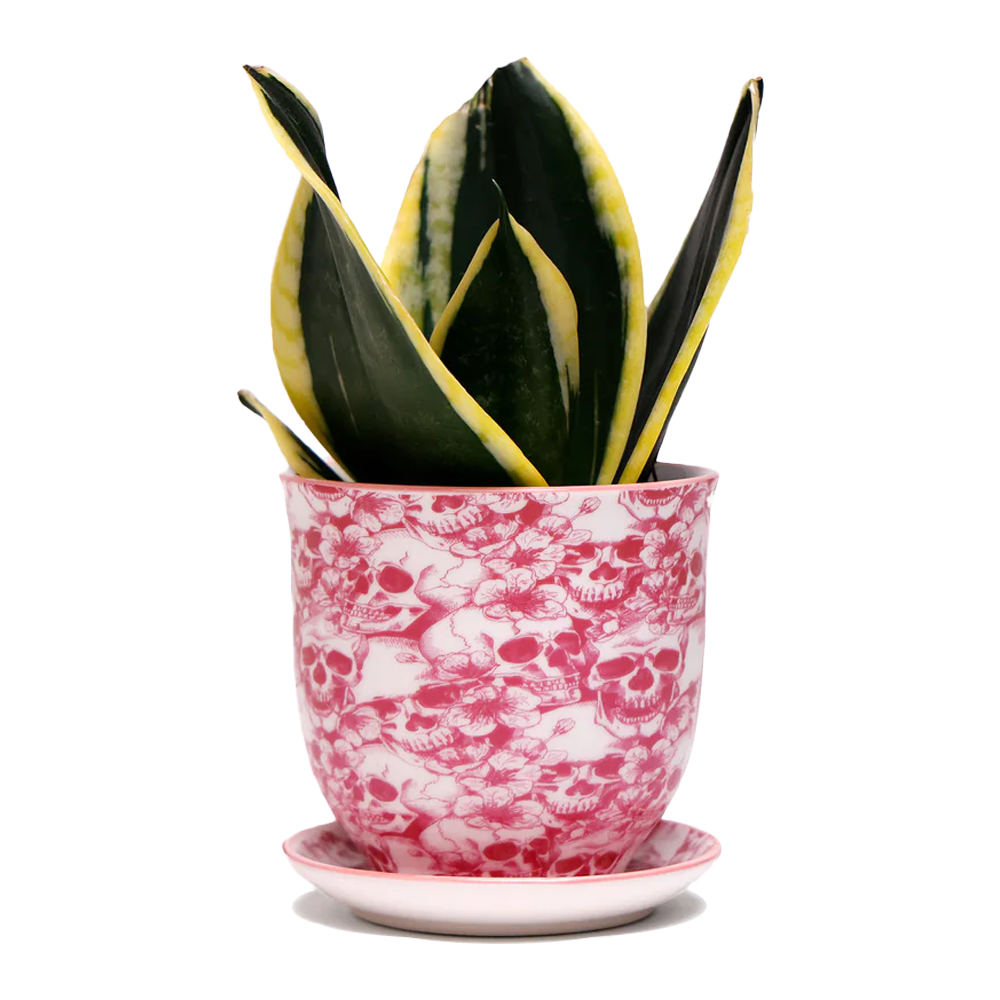
Pretty Pots for Pretty Plants

Your plants work hard to look good—shouldn’t their pots do the same? Choose from our gorgeous flower pots and let your greenery thrive in style. Because plain plastic is just rude.