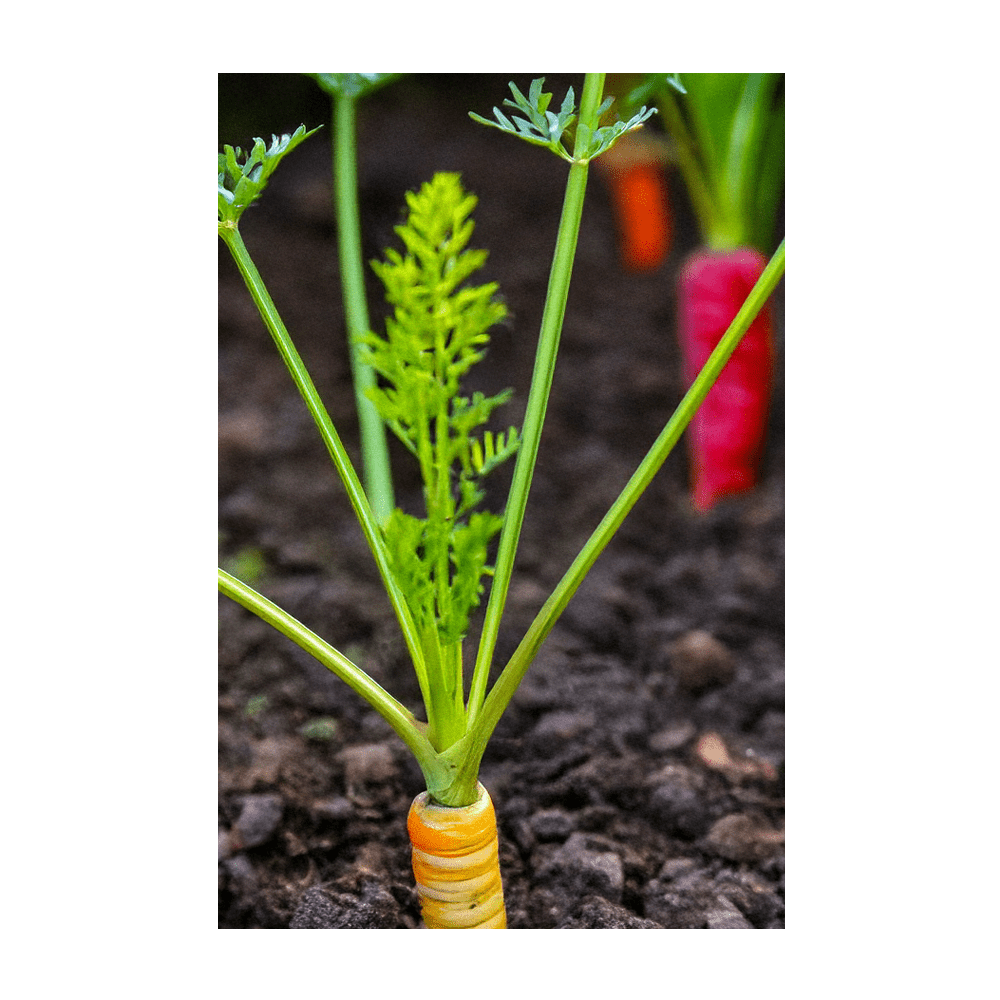
Rainbow Carrot Vegetable Seeds Packet

$4.95

FREE SHIPPING on seeds when you order 5 packs or more
The Rainbow Carrot (Daucus carota) is a vibrant, colorful variety of the classic carrot, offering a mix of orange, yellow, red, purple, and white roots. This heirloom vegetable is popular among home gardeners and chefs alike for its unique colors, sweet flavor, and nutritional benefits. Rainbow carrots not only add visual appeal to dishes but also offer a range of antioxidants, vitamins, and nutrients, making them a healthy and attractive addition to any garden or kitchen. Known for their crisp texture and earthy-sweet taste, rainbow carrots are easy to grow from seed and thrive in cool-season gardens. Their diverse colors each indicate unique phytochemicals with various health benefits.
Quick Seed Overview
  • Plant Type: Biennial (grown as an annual)
  • Genus: Daucus
  • Species: Daucus carota
  • Plant Height/Width: 6-12 inches tall / 6-8 inches wide
  • Season: Spring and Fall
  • Exposure: Full sun to partial shade
  • Difficulty: Moderate
Satisfaction Guarantee

We stand by the quality of our flower seed packets! With high germination rates and vibrant blooms, your garden is sure to flourish. If you're not completely satisfied, we’ll replace or refund—guaranteed!

Why Shido Seeds Are the Best

Our flower and vegetable seeds are beautifully packaged little packets of magic. Guaranteed to turn your garden into the envy of the neighborhood. Get your hands dirty and let nature simply do its thing.

How to Plant Rainbow Carrot from Seed

When to Plant Seeds

Spring Planting: Sow seeds 2-3 weeks before the last expected frost.

Fall Planting: Sow seeds 10-12 weeks before the first expected frost.
For a continuous harvest, plant seeds every 2-3 weeks through the season.

Preparing Seeds for Planting

  • Choose a location with full sun and loose, well-draining soil.
  • Remove rocks, sticks, and clumps to prevent deformed carrots.
  • Loosen the soil to a depth of 12 inches for straight, healthy roots.
    Work compost or aged manure into the soil for added nutrients.

Sowing Seeds Outdoors

  • Sow seeds 1/4 inch deep and cover lightly with soil.
  • Space seeds 1-2 inches apart in rows that are 12-18 inches apart.
  • Water gently but thoroughly.
  • Germination takes 14-21 days, so be patient and keep the soil moist.

Thinning and Maintenance:

  • Once seedlings reach 2-3 inches tall, thin them to 2-3 inches apart.
  • Thinning prevents overcrowding and ensures larger, healthier carrots.
  • Mulch around the plants to retain moisture and suppress weeds.

Pro Tip

For sweeter carrots, wait until after the first light frost to harvest. The frost encourages the plants to convert starches into sugars, enhancing their sweetness.

Rainbow Carrot Vegetable Seeds Packet - Chive Ceramics Studio - Seeds - Chive Ceramics Studio

Getting to know your Rainbow Carrot

Rainbow Mix carrot is a colorful blend of heirloom carrot varieties that produce roots in shades of orange, yellow, red, purple, and white. These carrots thrive in loose, well-drained soil and full sun. The plants grow 6-12 inches tall with feathery green foliage. The roots range in size from 6-10 inches, depending on the variety. Rainbow carrots offer a sweet, earthy flavor and are rich in antioxidants, vitamins, and fiber. They are popular for both raw and cooked dishes. Carrots require consistent moisture and thinning to prevent overcrowding. The diverse colors make them a visually appealing addition to gardens and plates.

What it's used for

1. Culinary Uses:

  • Rainbow carrots add a pop of color and flavor to various dishes.
  • Raw: Perfect for snacking, salads, or crudité platters.
  • Cooked: Roast, steam, or sauté to enhance their natural sweetness.
  • Juicing: Brightly colored carrots add nutrients and natural sweetness to fresh juices.
  • Pickling: The vibrant colors make beautiful and flavorful pickled carrots.
  • Baking: Shred into carrot cakes or muffins for added sweetness and moisture.

2. Nutritional Benefits:

  • Rainbow carrots are packed with vitamins A, C, and K, along with fiber and antioxidants.
  • Their beta-carotene content supports eye health and immune function.
  • Purple carrots contain anthocyanins, which have anti-inflammatory properties.
  • Red carrots offer lycopene, linked to heart health.
  • Yellow carrots are rich in lutein, which promotes healthy vision.
  • Low in calories and high in fiber, making them an excellent choice for a healthy diet.

3. Ornamental

  • The lush, green foliage adds ornamental value to garden beds.

Growth Requirements

Light:

  • Carrots require full sun for optimal growth, meaning 6-8 hours of direct sunlight daily.
  • In hotter climates, they can tolerate partial shade, especially during the hottest part of the day.

Soil:

  • Rainbow carrots thrive in loose, well-draining, sandy or loamy soil.
  • Avoid heavy, compacted, or rocky soils, as they can cause misshapen or stunted roots.
  • Ideal soil pH: 6.0-6.8.
  • Enrich the soil with compost or aged manure before planting to boost fertility.

Watering:

  • Keep the soil consistently moist but not waterlogged.
  • Carrots require about 1 inch of water per week.
  • Inconsistent watering can lead to cracking or forked roots.
  • Use a soaker hose or drip irrigation for even moisture.

Temperature and Climate:

  • Rainbow carrots are a cool-season crop, growing best in temperatures between 55°F and 75°F (13°C – 24°C).
  • They can tolerate light frosts, making them suitable for spring and fall planting.
  • Hot weather can cause the carrots to become bitter or woody.

Fertilization:

  • Carrots are light feeders but benefit from a balanced, low-nitrogen fertilizer.
  • Excess nitrogen promotes leafy growth instead of root development.
  • Use an organic fertilizer with an NPK ratio of 5-10-10.
  • Side-dress with compost or fish emulsion midway through the growing season.
Maintenance

Mulching:

  • Add a layer of straw, leaves, or grass clippings around the plants.
  • Mulch helps retain soil moisture and regulate temperature.

Pruning and Thinning:

  • Regularly thin seedlings to prevent overcrowding.
  • Remove any damaged or yellowing foliage.

Harvesting:

  • Rainbow carrots are ready for harvest in 65-75 days.For baby carrots, harvest earlier at 50-60 days.
  • Gently loosen the soil and pull the carrots by the base of the foliage.
  • Avoid damaging the roots when harvesting.
  • Store freshly harvested carrots in a cool, dark place.
Pests and Diseases

Common Pests:

Carrot rust flies: Use row covers to protect against these pests.
Aphids: Spray with neem oil or introduce beneficial insects like ladybugs.
Root maggots: Plant companion crops like onions to deter them.

Common Diseases:

Leaf blight: Ensure proper spacing for airflow and avoid overhead watering.
Powdery mildew: Remove infected leaves and apply fungicidal sprays if necessary.
Root rot: Avoid waterlogged soil by ensuring proper drainage.

Growing Together with Shido

At Shido, everything we do starts with one goal: helping you have a truly successful growing experience. We know that planting seeds is just the beginning — your time, energy, and love for gardening are the real magic. That’s why we make sure the seeds you plant are fresh, full of life, and top-quality. When you choose Shido, you’re planting with confidence. We guarantee it.

Our mission is simple: bring you exceptional varieties of high-quality seeds at prices you’ll love, share detailed sowing and growing tips so you can thrive as a home gardener, and deliver the best customer service in the industry — with a smile.

Our Seed Safety Promise

We do not sell genetically modified seeds — ever. And we don’t use genetic engineering to breed new varieties. Instead, our skilled breeders use traditional, natural crossing methods to create hybrid seeds that are healthy, safe, and packed with potential.

Our Seed Quality Guarantee

At Shido, we believe great gardens start with great seeds — and that means quality comes first. Every seed lot we offer is ensure to generate top-notch germination because your garden deserves nothing less.

To keep our seeds at their peak, we run thorough pathology tests at trusted outside labs. When you open a Shido seed packet, you can trust it’s been nurtured, tested, and approved to give you strong, healthy plants from the very first sprout.

Types of Seeds We Offer

Hybrid Seeds (F1)

F1 hybrid seeds are the garden’s high achievers — created by crossing two specially chosen parent plants for superior vigor, uniformity, and performance. We use only traditional breeding methods to produce these powerhouse seeds.

Open-Pollinated & Heirloom Seeds

Our open-pollinated (OP) seeds naturally reproduce through wind, insects, water, or self-pollination. When grown in isolation, they produce true-to-type plants year after year.

Among our OP seeds are treasured heirloom varieties — old favorites that have been carefully passed down for generations. While OP plants can be less uniform than hybrids, we run our Open-Pollinated Project to select the most reliable, flavorful, and beautiful strains. Many are also available as certified organic seeds.

Non-GMO: What It Means and Why It Matters

A GMO (Genetically Modified Organism) is created when scientists alter a plant’s DNA in a lab — often by inserting genes from completely unrelated species — to achieve certain traits, like pest resistance or herbicide tolerance. This is a far cry from natural plant breeding.

At Shido, we believe gardening should stay as close to nature as possible. All our seeds — whether hybrid, heirloom, organic, or open-pollinated — are Non-GMO. They’re bred using traditional methods that respect natural biodiversity, giving you safe, wholesome seeds that grow into plants just as nature intended.

When you plant Shido Non-GMO seeds, you’re choosing purity, sustainability, and peace of mind — along with a garden full of flavor, color, and beauty.

Vacuum-Sealed for Freshness — Good for 10 Years

Every Shido seed packet is vacuum-sealed to lock in freshness and protect your seeds from moisture, air, and pests. This careful packaging not only preserves their quality but also extends their shelf life dramatically. Stored properly in a cool, dry place, our seeds remain viable for up to 10 years — so you can plant them now, next season, or even years down the road. Whether you’re planning a garden this spring or building a long-term seed stash, Shido seeds are ready when you are.
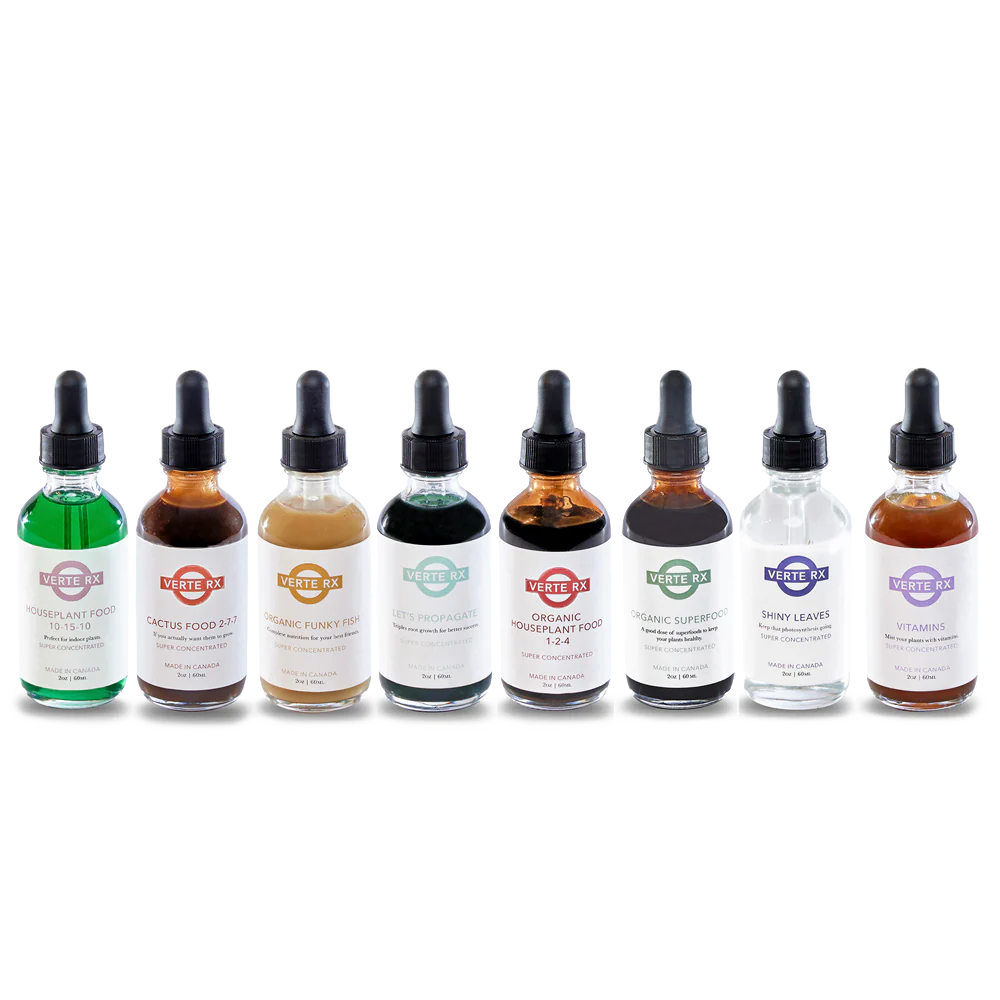

Feed Your Plants Like You Actually Know What You’re Doing

Your plants called—they're tired of your "just water and hope" approach. Give them VerteRx, the premium plant food packed with vitamins and growth boosters. Stronger roots, lusher leaves, and fewer judgmental stares from your fiddle-leaf fig. Because even plants deserve proper nutrition (unlike your diet).
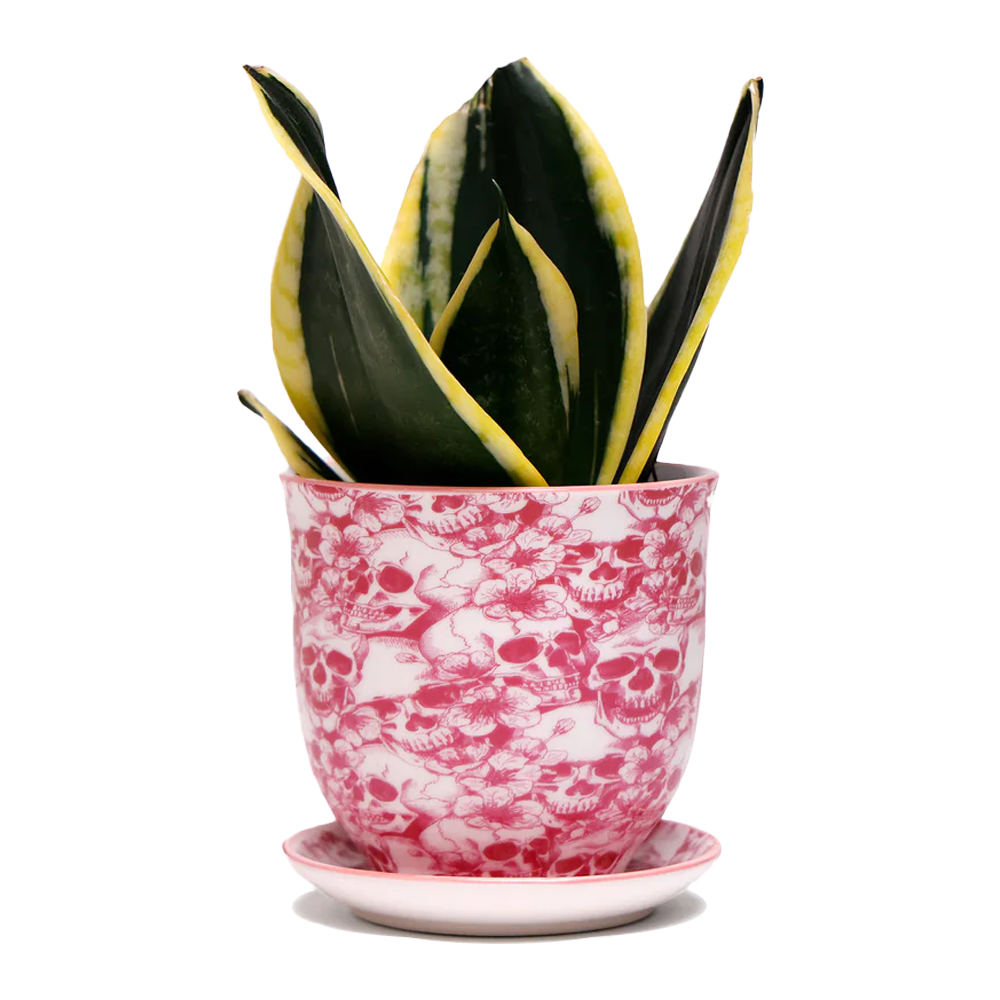
Pretty Pots for Pretty Plants

Your plants work hard to look good—shouldn’t their pots do the same? Choose from our gorgeous flower pots and let your greenery thrive in style. Because plain plastic is just rude.