
Hollyhock Flower Seeds Packet

Regular price $4.95
Vacuum Sealed
NON-GMO
Seed Pack Guarantee

Build Your Garden With These Shido Seeds

Choose a seed packet as your starting point, then round out the bed with these for that thrown-together-but-somehow-perfect harvest.


Hollyhock seeds grow into the towering cottage-garden biennial that lines fences and old barns with flower spikes taller than the people who planted them. Shido hollyhock seeds are non-GMO and hermetically vacuum-sealed — a proper foundation for a fence line most neighborhoods used to have — while standard paper-packed seeds lose germination viability within approximately one year.

It lines old fences and barns with spikes taller than the people who planted them, and has been doing so for longer than most fences last. Rust can mark the lower leaves by midsummer, which most gardeners simply hide behind a shorter plant rather than treat. Most gardeners plant a shorter flower in front of it and simply let that handle the problem. Once it takes hold along a fence it tends to stay there permanently, reseeding on its own. Every packet ships germination-tested at independent third-party labs before packaging.

Seed specifications
  • Material: Seed
  • Botanical name: Alcea Rosea
  • Genus: Alcea
  • Plant family: Malvaceae
  • Species: rosea
  • Plant type: Biennial
  • Pollination type: Flowers
  • USDA Hardiness Zones: 3–9
  • Packet contents:
  • Packaging: Hermetically vacuum-sealed
  • Non-GMO: Yes
  • Seed viability: Up to 10 years (sealed) / 4–5 years (unsealed, ideal conditions)
  • Difficulty: Moderate - Recreational Gardener
Sowing & growing guide

Quick Sowing Guide:

  • When to sow: Direct sow in late spring, or 6-8 wks before last frost indoors
  • Sowing depth: 1/4 in
  • Initial spacing: 18-24 in
  • Row spacing: 24-36 in
  • Days to germination: 10-14 days
  • Light: Full sun
  • Water: Moderate
  • Soil: Well-drained, rich soil
  • Harvest: Second year (biennial)

Start Growing: Step-by-step sowing and growing guide

About vacuum sealing

Why Vacuum-Sealed Seeds Last Longer

Standard paper seed packets are permeable to oxygen and moisture -- the two primary causes of seed degradation. Most paper-packaged seeds begin losing germination viability after approximately one year, contributing to significant garden-industry waste: packets purchased, not planted, expired, discarded. Shido Seeds are hermetically vacuum-sealed. The packet does not expire quietly in a drawer. It waits.

About the Packaging

Every Shido seed packet is illustrated in the style of Japanese 1910s woodblock printing -- designed and drawn in-house by Chive, that has been exhibiting at the Chelsea Flower Show in London every year and does not, as a matter of principle, sell to big-box retailers. Customers collect the packets as a series. This was not the original plan.

Shipping & returns

Shipping

  • Free shipping: Orders $200+ within the US
  • Standard: 5–8 business days, Express 2–3 business days (at checkout)
  • International Ships: to 40 countries — rates at checkout
  • Packaging Ships: in outer box to protect gift box

View full shipping policy →

Returns

We accept returns within 30 days of delivery on unused items in original packaging. If your piece arrives damaged, contact us within 7 days with a photo and we will replace it at no charge.

View full return policy →

Satisfaction Guarantee

We stand by the quality of our flower seed packets! Every Shido seed packet is lab-tested for germination before it ships. If your seeds do not perform to the stated germination rate under correct growing conditions, contact us and we will replace or refund. Guaranteed!

Wholesale Inquires

Have a cool shop? Know someone that does?

Find Chive on Faire →

Radish Horticultural Specifications

Botanical

Alcea Rosea

Plant Type

Biennial

Light

Full sun

Water

Moderate

Soil

Well-drained, rich soil

Depth

1/4 in

Germination

10-14 days

USDA Zone

3–9

Mature Height

5-8 ft

Harvest

Second year (biennial)


The Story Behind This Packet

Hollyhock seeds have been part of the Shido lineup since the collection first opened, grown into the towering cottage-garden biennial that lines fences and old barns with flower spikes taller than the people who planted them. Every packet is illustrated in the style of early-1900s Japanese woodblock printing, drawn in-house rather than licensed, which means the artwork on this packet exists nowhere else. The seeds themselves are hermetically vacuum-sealed, a packaging choice that has as much to do with the garden as the growing does: a standard paper packet starts losing viability within about a year, while a vacuum seal holds that line for years longer, so the packet in a drawer is still a packet worth planting whenever the moment actually arrives. Shido treats the seed itself as worth that extra step, on the theory that a gardener who buys hollyhock seeds deserves a packet that is still viable whenever they finally get around to using it, not just the season they bought it.


History & origin

Native Range

Native to southwestern and central China, with some accounts pointing to Turkey and the eastern Mediterranean as well.

15th Century, England

Introduced to Europe from China during or before the 15th century; herbalist William Turner gave it the English name "holyoke," from which "hollyhock" derives.

Common Name Origin

From the Old English "holy" and "hoc" (mallow), possibly reflecting the plant's early association with sacred or healing spaces.

Historical Uses

The tough stem fiber has been used historically for paper and cloth, and French soldiers in WWI reportedly used the leaves as emergency bandages.

Today

A classic cottage-garden plant, prized for its tall flowering spikes along fences and walls.

Shido Vegetable and Flower Seeds Vacuum sealed for peak freshness

Step-by-Step Sowing & Growing Guide

Getting Started

Biennial — blooms in its second year

Step 1: Timing - Direct sow in late spring to early summer, or start indoors 6-8 weeks before last frost.

Step 2: Soil - Well-drained, rich soil in full sun.

Step 3: Sowing - Sow 1/4 inch deep.

Step 4: Germination - 10-14 days.

Step 5: First year - Plants form a basal rosette the first season without flowering.

Step 6: Second year - Tall flower spikes emerge the following summer; stake in exposed locations.

Before you start

Materials needed to sow

  • Seed trays (for an early indoor start), or a prepared garden bed for direct sowing: Either method works.
  • Seed-starting mix: If starting indoors.
  • Plant stakes: Useful to have ready for tall flower spikes in year two.

Materials for harvest and storage

  • Sharp scissors or pruners: For cutting flower spikes.
  • Bucket of water: For fresh-cut stems.

Tip: Cut spikes when the lower third of flowers are open; the rest will continue opening in the vase.

Growth Requirements

Light:

  • Requires full sun (at least 6-8 hours per day).
  • Can tolerate partial shade, but blooms best in direct sunlight.

Soil:

  • Prefers rich, well-drained soil with organic matter.
  • Tolerates neutral to slightly alkaline pH (6.0-8.0).
  • Avoid heavy, waterlogged soil to prevent root rot.

Watering:

  • Requires moderate watering, keeping soil moist but not soggy.
  • Once established, hollyhocks are somewhat drought-tolerant.

Temperature & Climate:

  • Hardy in USDA zones 3-9.
  • Thrives in warm summers with good air circulation.

Fertilization:

  • Benefits from a balanced fertilizer (10-10-10) applied in spring.
  • Compost or organic mulch helps retain moisture and nutrients.

Maintenance

Watering:

  • Water deeply but infrequently, allowing the soil to dry between watering.
  • Avoid overhead watering to prevent rust and fungal diseases.

Deadheading & Pruning:

  • Remove spent flowers to encourage continuous blooming.
  • Cut back plants in fall to prevent disease spread.

Disease & Pest Prevention:

  • Hollyhocks are prone to rust (Puccinia malvacearum), a fungal disease that causes brown spots.
  • Improve airflow by spacing plants properly and avoiding overcrowding.
  • Monitor for aphids and Japanese beetles, treating with organic insecticidal soap if needed.

Troubleshooting and common mistakes

  • Expecting bloom the first year: Hollyhock is typically biennial and spends its first season as a rosette without flowering.
  • Poor air circulation: Crowded plantings are far more prone to hollyhock rust, the plant's most common problem.
  • Not staking in windy locations: Tall flower spikes can snap or topple without support.

Culinary uses & nutritional information

What it's used for

1. Ornamental Gardening:

  • Ideal for cottage gardens, fence lines, and background plantings.
  • Adds height and drama to flower beds.

2. Cut Flowers & Decorative Uses:

  • Can be used in floral arrangements and dried flower displays.
  • Pressed hollyhock petals make for beautiful botanical crafts.

3. Medicinal & Herbal Uses:

  • Traditionally used in herbal remedies for respiratory and digestive health.
  • Hollyhock tea is believed to have soothing properties.

4. Pollinator & Wildlife Support:

  • Provides nectar and pollen for bees, butterflies, and hummingbirds.
  • Beneficial for supporting biodiversity in gardens.

What parts are edible

Nutritional data

Companion plants, pests & diseases

Companion planting

Good companions

  • Roses, delphinium — classic cottage-garden vertical companions
  • Bee and butterfly gardens — attracts the same pollinators as other tall, showy bloomers

Poor companions / avoid

  • Areas with poor air circulation — hollyhock is prone to rust, and crowding increases the risk of spreading it

Pests

  • Japanese beetles: Skeletonize leaves and chew flowers. Handpick or use floating row covers.
  • Hollyhock weevil: Small holes bored into buds and flowers. Remove and destroy affected buds.
  • Aphids: Cluster on new growth. Strong water spray or insecticidal soap.

Diseases

  • Hollyhock rust: Orange pustules on leaf undersides — the most common and serious hollyhock disease (Puccinia malvacearum). Remove and destroy infected foliage; avoid overhead watering.
  • Leaf spot: Dark, irregular spots on foliage, worse in wet conditions. Remove affected leaves and avoid overhead watering.
  • Root rot: Soft, blackened roots from poorly drained soil. Improve drainage and avoid overwatering.

Pro Tip

They’re biennials, so for continuous blooms, plant seeds two years in a row. Stake tall varieties to keep them from toppling over, and let some flowers go to seed for natural reseeding next season.

Bonus: They attract butterflies, bees, and hummingbirds!

Seeds worth keeping

What makes Shido Seeds different

Shido Seeds are designed by Chive Studio, a ceramic design company. We are not a seed conglomerate. We do not sell through big-box retailers. Each variety in the catalog was selected because it is worth growing — not because it ships well in bulk or photographs well in marketing materials.

Every packet is germination-tested at an independent third-party lab before it earns its woodblock illustration. The vacuum seal removes the oxygen that causes standard paper packets to degrade. The stated germination rate is a floor, not a marketing figure.

If something goes wrong, contact us. We will make it right.

Plants that Grow together look good together...even if they are ceramic
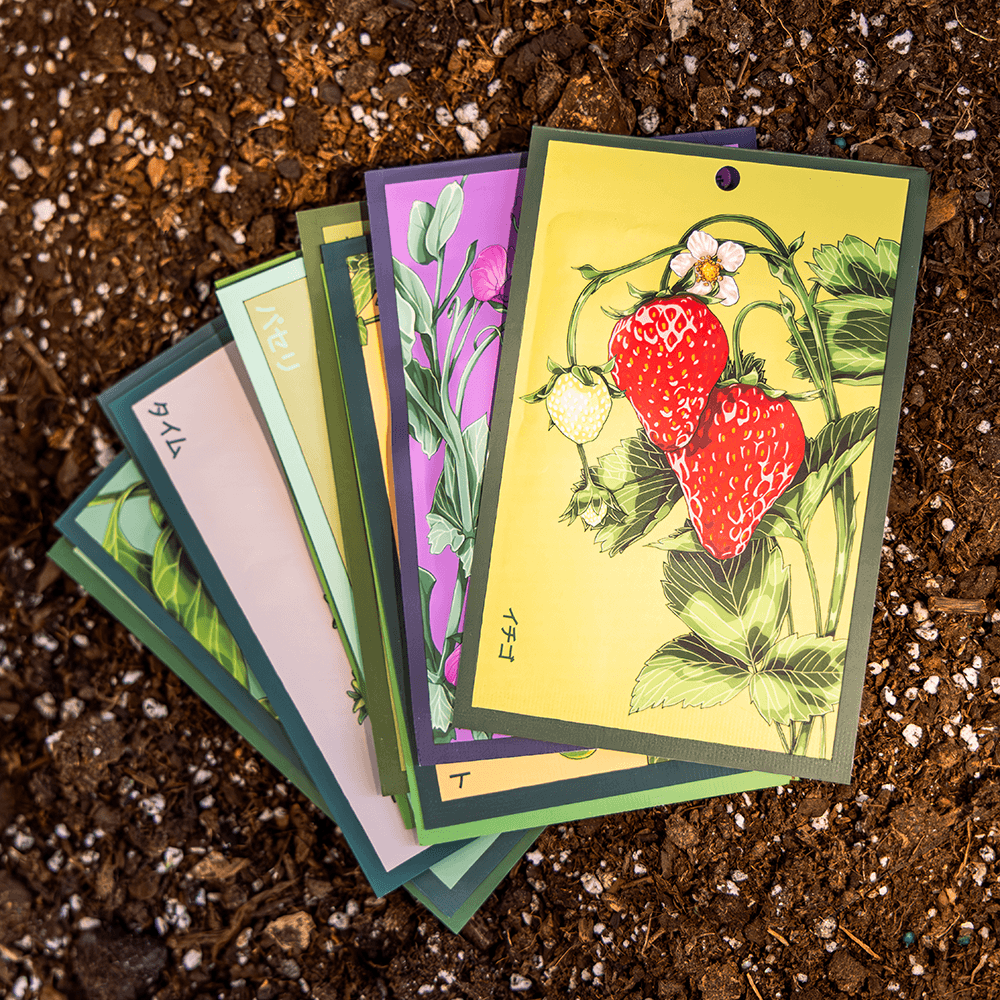
More From the Shido Garden
Every Shido variety belongs to a wider garden of vacuum-sealed packets, each illustrated in-house. Anyone drawn to hollyhock for the towering cottage-garden biennial will likely find something to like in Gazania too.

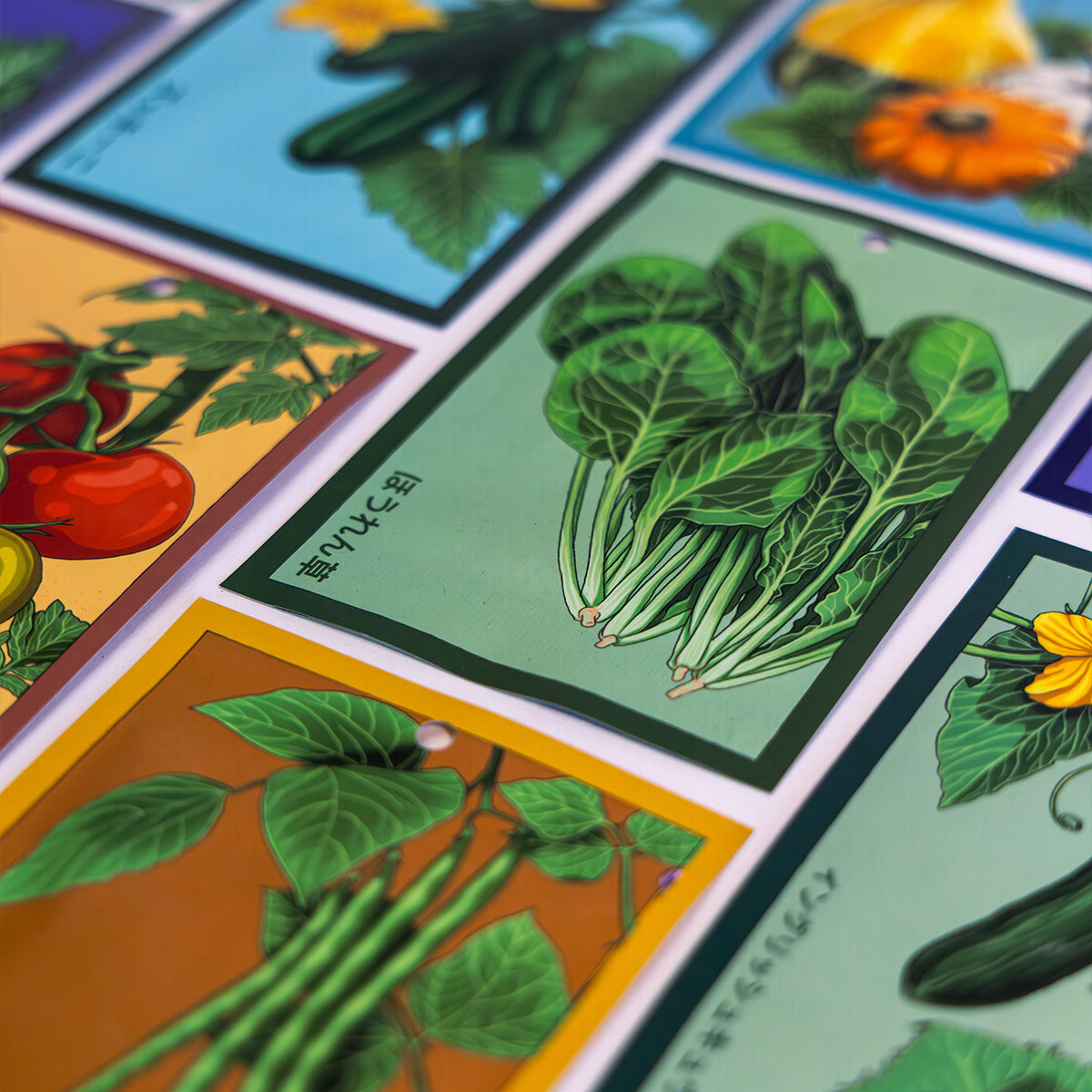
Vegetable Shido Seeds packets — by Chive Studio Toronto

Explore the Full Flower Seeds Collection

Shido Seeds spans flowers, vegetables, herbs, houseplants, and fruit & berry varieties, all sealed for lasting germination. This variety is part of the broader Shido Seed Flowers Collection, where dramatic and quiet plants share the same shelf.

Buttercup Yellow Gay Paree Peony - Chive Ceramics Studio - Ceramic Flowers - Chive Ceramics Studio

Ceramic Flowers That Never Wilt

Chive also makes ceramic flowers that never need water, sun, or a growing season of their own. Growing Hollyhock means waiting out a season; Chive's Ivory Charm Peony skips the wait entirely.

Chive Shido seed packets with botanical illustrations on a peg rack, showing cherry blossom, tomato, and eggplant designs.

The credentials behind the packet

Chive Studio started as a ceramics workshop and grew, one collection at a time, into seeds, vases, and everything else now carrying its name. Shido Seeds is the newest branch of that same tree, built on the belief that a seed packet deserves the same attention to material and design as a ceramic vase does. That is why every variety, hollyhock included, ships vacuum-sealed rather than paper-packed, and why the packaging is illustrated rather than merely printed.


Plant Care, Simplified with Chive

Keep it alive, keep it thriving. Let's make plant parenthood look easy.

How to Plant Zinnia Seeds | Shido Seeds Guide

Todd Newgren
Zinnia seeds germinate in 7 days and bloom all summer long. You plant one packet thinking "a little color." By August, the zinnias have taken over. Learn the one rule that keeps...
Read more

Nobody grows one dahlia. This is what nobody tells you.

Ryan Hearst
How to grow dahlias from seed: start indoors 6–8 weeks before last frost, transplant after frost, and expect first blooms in late summer. Nobody warns you that one bloom is all ...
Read more

Frequently asked questions

How long do hollyhock seeds last in the packet?

Hollyhock seeds stay viable far longer than a standard paper packet allows. Shido seals every packet hermetically, removing the oxygen and moisture that cause paper-packed seeds to lose germination viability within about a year. That difference matters most for a gardener who buys ahead of a season rather than the week they plant, since a vacuum-sealed packet is still good years after a paper one would have quietly failed.

Is hollyhock easy to grow from seed?

Hollyhock grows into the towering cottage-garden biennial that lines fences and old barns with flower spikes taller than the people who planted them, and most gardeners find it manageable from seed once they know what it actually wants. It is not a fussy plant so much as a specific one, with its own timing and its own preferences, and once those are respected it tends to perform reliably rather than dramatically.

Can hollyhock seeds be started indoors?

Yes, hollyhock seeds can be started indoors under a grow light or on a bright windowsill several weeks before the outdoor season begins, then hardened off gradually before transplanting. Starting indoors gives the plant a head start on a shorter growing season and lets a gardener control moisture and temperature more precisely than an outdoor bed allows.

Are hollyhock seeds non-GMO?

Yes. Every packet of Shido hollyhock seeds is non-GMO, sourced and packaged without any genetic modification at any stage. That commitment runs across the entire Shido Seeds catalog, not just this variety, and it is one of the reasons the seeds are vacuum-sealed rather than paper-packed: the extra step protects a seed that was already grown to a higher standard than the packet price might suggest.

What is the best time of year to plant hollyhock seeds?

Timing depends on your climate, but most gardeners plant hollyhock seeds once the risk of a hard frost has passed and the soil has had a chance to warm. Cooler-climate gardeners often start seeds indoors a few weeks earlier to compensate for a shorter outdoor season. Checking your specific USDA zone against the packet's sowing notes is the most reliable way to time it correctly for your particular garden.

Does hollyhock attract pollinators to the garden?

Many gardeners choose hollyhock seeds specifically for the pollinator activity it brings in, since a blooming garden tends to draw bees, butterflies, and other visitors that a bare bed simply does not. Hollyhock fits comfortably into that role alongside most of the flowering varieties in the Shido lineup, adding both color and activity to a border without requiring any special pollinator-specific care on your part.

How much sun does hollyhock need to thrive?

Most Shido flower varieties, hollyhock included, perform best with several hours of direct sun each day, though tolerance varies by species and garden conditions can shift that somewhat. A spot that gets strong morning light and a bit of afternoon shade often works well as a middle ground for gardeners unsure of their exact conditions, and the packet's specific guidance is worth checking before choosing a permanent spot.

What makes Shido hollyhock seeds different from a standard seed packet?

The seed inside is the same species you would find anywhere, but the packaging is not: Shido seals every packet hermetically rather than in ordinary paper, which is why the seeds hold their germination rate for years longer than a standard packet manages. Shido is sold at the RHS Chelsea Flower Show, where Chive has been exhibiting since 2013.

Verte Rx Shiny Leaves for Plants - Chive Ceramics Studio - Chive Ceramics Studio

The seed is the start. Verte RX handles the rest.

Most seedlings fail not from bad seed but from soil that runs out of what the plant needs before the plant can find it. Verte RX is a liquid plant vitamin formulated for exactly that window — the weeks after germination when the root system is establishing and the margin between thriving and stalling is narrowest.