Pooley Modern Bud Vase For Flowers

Regular price $38.50
Colors: Buttercup
Fully Glazed
Dishwasher safe cleaning
30-day return policy

Build Your Effortless Arrangements With These:

Choose a vase as your anchor, then round out the shelf with these for that thrown-together-but-somehow-perfect look.


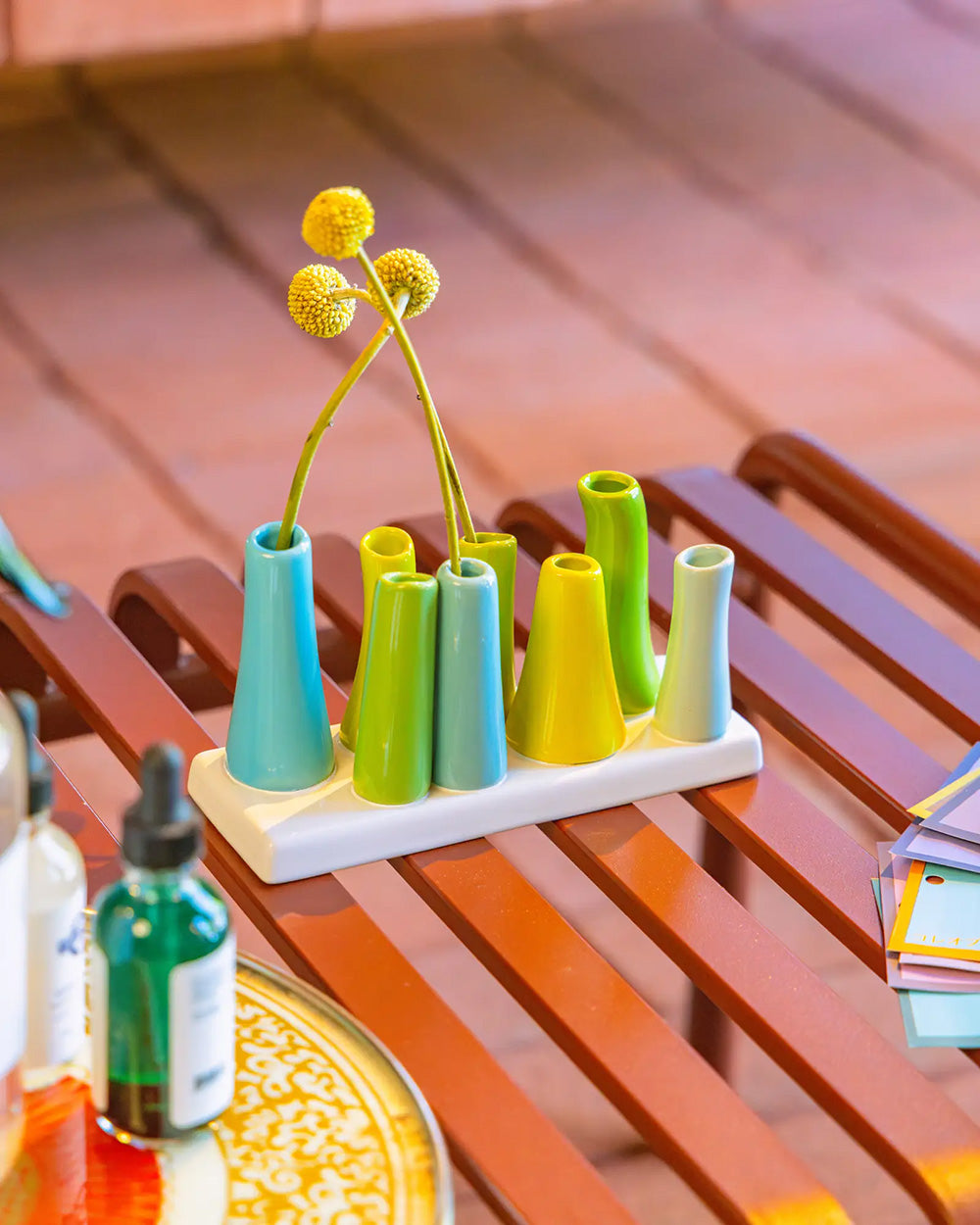
The Pooley vase is eight ceramic tubes attached to one base, an arrangement that removes arranging from the process entirely. Each stem gets its own slot, so a single dahlia counts as a finished composition and eight of them count as a centerpiece nobody had to negotiate. As a modular bud vase it rewards the gardener whose beds produce one good bloom at a time, and as a wall mounted bud vase it turns that trickle into something a hallway can wear. The first one that arrived at the studio came as a gift, and its purpose only became clear later — right around the time a neighbor's zinnias began disappearing at a rate the neighbor has yet to connect to anyone specific. No remorse has been recorded. Every Pooley takes shape by hand in small batches at the Chive studio. SFMOMA's own museum store stocks Chive's Pooley vases, shelved within sight of art that shows similar restraint.

Product detail
  • Vase Type:
  • Material: Ceramic
  • Glaze finish: Glazed
  • Water Resistance: Watertight
  • Year Designed: 2010
Dimension
  • 7.25 inches in length
  • 3 inches in width
  • 4.5 inches in height
Vase Care Instructions

Every ceramic vase in this collection is dishwasher safe on the top rack, making cleanup between arrangements as simple as loading it in with the rest of the dishes. The glazed surface holds up fine to regular washing, so there's no need to hand-wash unless you'd prefer to.

If you're cleaning a piece with painted or sculpted detail, a gentler cycle or a quick hand-wash with warm water and mild soap will help keep the finish looking sharp for longer. Either way, rinse and dry after each use — especially if flower food or cut-stem residue was in the water — so nothing lingers and clouds the glaze.

No special sealants, no periodic maintenance. Wash it, dry it, put flowers back in it.

Flowers that Love this Vase
  • Poppy
  • Iris
  • Dahlia
  • Daisy
  • Coreopsis
  • Astrantia
  • Celosia
  • Columbine
  • Heather
  • Clematis

Quick Guide to Building a Floral Arrangement

  1. Pick your vase first
  2. Start with your anchor flower.
  3. Build in odd numbers.
  4. Add height, then fill.
  5. Greenery does the quiet work.
  6. Cut stems at an angle, underwater if you can.
  7. Step back before you decide it's done.

Shipping & returns

Shipping

  • Free shipping: Orders $200+ within the US
  • Standard: 5–8 business days, Express 2–3 business days (at checkout)
  • International Ships: to 40 countries — rates at checkout
  • Packaging Ships: in outer box to protect gift box

View full shipping policy →

Returns

We accept returns within 30 days of delivery on unused items in original packaging. If your piece arrives damaged, contact us within 7 days with a photo and we will replace it at no charge.

View full return policy →

Wholesale Inquires

Have a cool shop? Know someone that does?
Find Chive on Faire →

Eight stems, one base, no negotiating — The Pooley

The Pooley is named after a dog, and the dog is named after a DJ, and if that lineage bothers you, this may not be your vase. Todd's dog Pooley was named for the German DJ Ian Pooley, and when the studio's most stubborn design finally worked, it took the dog's name the way important things around here usually do — without a meeting. Since 2010 the studio has made seventy-four versions of it, changing glazes the way other companies change slogans, and the shape itself has not moved an inch, because the shape was the whole invention. Eight tubes, one base. That is the entire mechanism, and it quietly abolished the hardest part of owning flowers, which was never the growing or the buying but the standing there deciding. A Pooley owner does not decide. A Pooley owner inserts. The tubes hold each stem at attention whether it arrived from a florist or from the strip between the sidewalk and the road, and the finished piece looks equally deliberate either way. People ask what order the stems should go in. Any order. That is the answer, and it has been the answer seventy-four color variations in a row. The dog, for the record, remains indifferent.

A (Mostly) Simple Guide to Cutting Your Flowers

So, you’re making an arrangement? Let’s ensure it lives long enough to impress someone—even if it's just you.

  1. Scrub the Scissors: Wash your shears first. Your flowers do not want a side of Dorito dust.
  2. Cut at 45°: Snip stems at an angle. It gives them a straw instead of making them chug from the bottle.
  3. Trim Underwater (Fancy Mode): Cut them submerged to block air bubbles. It’s extra, but they didn’t ask to suffocate.
  4. Ditch Submerged Leaves: Strip anything below the waterline. Unless you are actively going for a swamp aesthetic.
  5. Snip Again if Stale: If they sat out on the counter, trim them again. They need a fresh start (don’t we all?).
  6. Swap the Water: Change it and trim the stems every few days so they don't die immediately.

Voilà! You are now a domestic deity. Go take your Instagram photo before you forget to water them.

Pro Tip: Keep It Short and Sweet!

When it comes to flower stems, shorter is better. Not only do shorter stems look chic in arrangements, but they also help your blooms last longer. Why? Because the shorter the stem, the less distance water has to travel to keep those petals perky. It’s like giving your flowers a shorter commute—less stress, fewer breakdowns.

Perfect Pairs for Any Shelf

Frost, in one shape and seven colors

The ceramic vases at Chive come out of the same studio habit that produced everything else here: design the object once, correctly, then resist every opportunity to complicate it. Each one holds stems. None of them holds back. Frost holds to one shape across seven colors, and doesn't apologize for it. Simplicity was the whole design brief. See it in every color: shop the Frost Vase.

The Ceramic Vases Collection

Every Chive vase is built around one decision about how flowers should stand, then finished by hand until that decision reads as obvious. For the Pooley, the decision was separation: eight stems, eight addresses, zero negotiating between them. On a dining table it reads as an occasion; on a console it reads as evidence that somebody in this house has a garden and a system. Both readings are correct. Explore all Ceramic Vases.

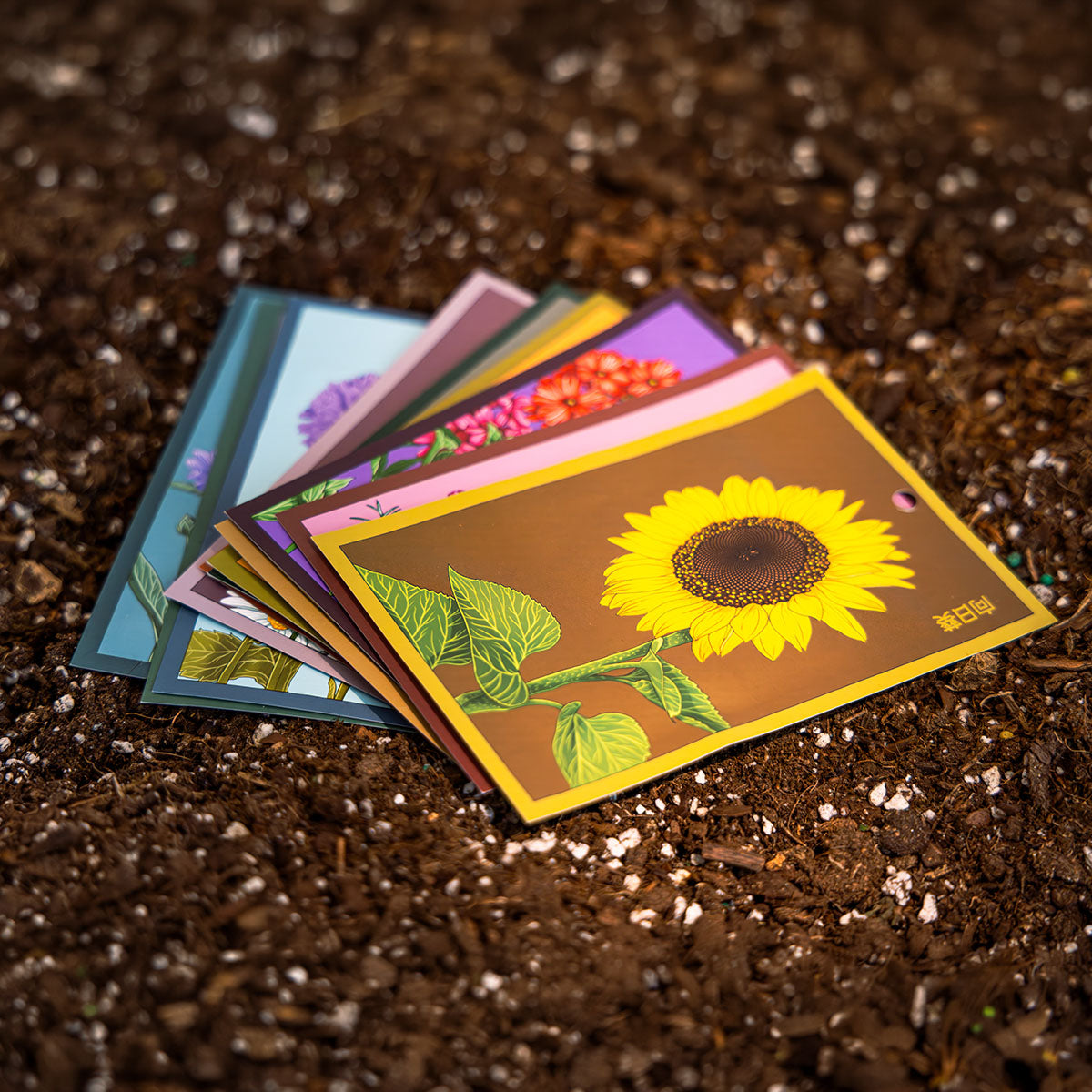
Shido Seeds packets styled in soil with sunlight — Chive Studio

Columbine Flower Seeds

Tuck a packet of Columbine Flower Seeds into the drawer beneath wherever the Pooley lives, because eight empty tubes are a to-do list wearing a disguise. Columbine grows tall, nods politely, and cuts clean, delivering a stem for every slot by midsummer. The vase creates the demand. The packet is your supply chain.


Small Batches, Long Grudges Against Shortcuts — Chive

Since 2004, Chive Ceramics Studio has operated on small batches and long grudges against shortcuts. Nothing here is designed to a season, because seasons end and the studio would very much like its objects not to. Every form is drawn, tested, broken, redrawn, and fired under one roof, by people who will have to look at it in the shop for years afterward and would strongly prefer to like it. The result is a catalog that grows slowly and deletes rarely, which is not a strategy most consultants would recommend. When a design earns its place — and the Pooley family earned it the hard way — it stays, collects new glazes, and keeps working. That is the whole business model. There is no second page.


Inside the Chive Design Studio

Low maintenance, high impact. Let's make home styling look easy.

Plant Propagation Made Simple

Lexi Bertolas
In the quiet hours of morning, while most neighbors slumber peacefully in their beds, one can often find the dedicated gardener hunched over a collection of glass jars, examinin...
Read the full story

The Best 10 Styles of Vases

Jessie Duenas
The glorious world of flower vases! Because nothing says "I have my life together" quite like a carefully chosen vessel for your soon-to-be-wilting flora. Gather 'round, fell...
Read the full story

Frequently asked questions

What should you look for when buying a pooley vase online?

A pooley vase ordered online should come from the studio that designed it, with the tube count stated plainly and the base shown from the side. Imitations exist, which we choose to take as flattery on days when legal is not in the room. Check for eight tubes and our name. Accept no rounding down.

What flowers work best in the Pooley vase from Chive?

Flowers that work best in the Pooley vase are the ones your garden actually produces on any given day: a zinnia here, a cosmos there, the one tulip that beat its siblings out of the ground. One stem per tube means nothing needs a supporting cast, and eight strangers become an ensemble by lunch. Nobody has to audition.

What are the Pooley vase's dimensions for shelf or table display?

The Pooley vase's dimensions are seven and a quarter inches long, three inches wide, and four and a half inches tall — enough table presence to matter, never enough to crowd the plates or block a face. The profile stays low on purpose, which dinner guests appreciate more than they mention. Conversation happens over it. Never around it.

Does ceramic keep flower water fresher in the Pooley vase?

Ceramic does keep flower water fresher in the Pooley vase than clear glass tends to, because the opaque walls block the light that algae keeps hoping for. Dark, cool, and private is how stems prefer to drink. It is also how I prefer to eat breakfast. The vase and I understand each other.

Does ceramic keep flower water fresher in the Pooley vase?

Ceramic does keep flower water fresher in the Pooley vase than clear glass tends to, because the opaque walls block the light that algae keeps hoping for. Dark, cool, and private is how stems prefer to drink. It is also how I prefer to eat breakfast. The vase and I understand each other.

How often should you change the water in the Pooley vase?

You should give the Pooley vase fresh water roughly twice a week, and the tubes make this almost insultingly easy — each one empties with a single tip over the sink. No sloshing, no bouquet surgery, no floral triage on the counter. Eight small pours and everyone is happy. Mostly you.

Can the Pooley vase anchor a dining table or entryway console?

The Pooley vase can anchor a dining table or an entryway console with unusual authority for its size, because eight separated stems read as an occasion where one clustered bouquet reads as a purchase. Set it down centered and it runs the room from four inches of altitude. Guests always count the tubes. Let them count.

Which holds more stems, the Pooley vase or the Rabbit vase?

Between the Pooley and the Rabbit vase, the Pooley holds far more stems — eight tubes against the Rabbit's single opening, which is not a close contest. The Rabbit compensates with ears and a personality, and around here that is a genuine strategy. Choose by mood: the committee or the soloist. Only the flower count changes.

Who designed the Pooley vase and what inspired its shape?

The Pooley vase was designed at Chive and named after Todd's dog, who was in turn named after a German techno DJ, a chain of custody the studio reports without embarrassment. The design brief was far simpler than the name: let every stem stand alone, together. The dog approved the shape immediately. The DJ has not commented.

Ceramic astronaut vase with flowers styled on shelf — Chive Studio Toronto
Behind the Studio

The story behind the Chive astronaut vases

The story of Laika, Félicette, a solar eclipse in New York, and a space bar that ordered a hundred vases a month until it closed.