Koski Ceramic Flower Vase

Regular price $12.25
Colors: White
Sizes
Fully Glazed
Dishwasher safe cleaning
30-day return policy

Build Your Effortless Arrangements With These:

Choose a vase as your anchor, then round out the shelf with these for that thrown-together-but-somehow-perfect look.


The Koski vase is a ridged ceramic vase from 2011, back when we spent whole weekends selling air plants to people who could not pronounce a single one of them. Tillandsia has never been given a name a normal person can say without checking the label, so our vase got the same treatment. Koski fits right in on that shelf — short, Nordic-sounding, faintly like a cross-country skier — and it earns its scandinavian style vase billing honestly. The texture is the point: fine ribs run the full height, catching light the way corduroy catches lint, so the piece reads finished even standing empty. It comes in a pair of sizes and a short run of earth tones, chocolate the best of them, and a single stem leaning against the ribs looks deliberate in a way an entire bouquet never quite manages. Shaped by hand at Chive Ceramics Studio with every rib combed in one pass.

Product detail
  • Vase Type:
  • Material: Ceramic
  • Glaze finish: Textured
  • Water Resistance: Watertight
  • Year Designed: 2011
Vase Care Instructions

Every ceramic vase in this collection is dishwasher safe on the top rack, making cleanup between arrangements as simple as loading it in with the rest of the dishes. The glazed surface holds up fine to regular washing, so there's no need to hand-wash unless you'd prefer to.

If you're cleaning a piece with painted or sculpted detail, a gentler cycle or a quick hand-wash with warm water and mild soap will help keep the finish looking sharp for longer. Either way, rinse and dry after each use — especially if flower food or cut-stem residue was in the water — so nothing lingers and clouds the glaze.

No special sealants, no periodic maintenance. Wash it, dry it, put flowers back in it.

Flowers that Love this Vase
  • Calla Lily
  • Gerbera Daisy
  • Anemone
  • Carnation
  • Agapanthus
  • Penstemon
  • Bouvardia
  • Astrantia
  • Godetia
  • Clematis

Quick Guide to Building a Floral Arrangement

  1. Pick your vase first
  2. Start with your anchor flower.
  3. Build in odd numbers.
  4. Add height, then fill.
  5. Greenery does the quiet work.
  6. Cut stems at an angle, underwater if you can.
  7. Step back before you decide it's done.

Shipping & returns

Shipping

  • Free shipping: Orders $200+ within the US
  • Standard: 5–8 business days, Express 2–3 business days (at checkout)
  • International Ships: to 40 countries — rates at checkout
  • Packaging Ships: in outer box to protect gift box

View full shipping policy →

Returns

We accept returns within 30 days of delivery on unused items in original packaging. If your piece arrives damaged, contact us within 7 days with a photo and we will replace it at no charge.

View full return policy →

Wholesale Inquires

Have a cool shop? Know someone that does?

Find Chive on Faire →

Koski Ceramic Flower Vase - Chive Ceramics Studio - Vases - Chive US

One Pass, No Hesitation — The Koski

The ribs came first, before the name arrived and long before the joke did. At the shows where we used to spend our weekends, we watched people carry off air plants in vases that swallowed them — tumbleweed-looking things vanishing into glossy interiors like coins down a well. The fix, we decided, was texture. A ribbed body gives the eye something to hold, so whatever sits in the vessel registers as a guest rather than a casualty. Each Koski gets its ribs combed into the wet clay in a single continuous pass, because stopping midway leaves a seam the glaze will happily announce to everyone. One single pass, no hesitation, every single time — a small act of nerve repeated across the whole production run. The finish stays matte and faintly grippy, closer to stoneware than to porcelain gloss, and the earth tones keep it planted firmly in the Nordic camp. These days most Koskis hold cut stems rather than air plants, a quiet promotion the design accepted without any complaint. One stem against those ribs is a complete arrangement. Fjord-country restraint, corduroy light, a name you can actually pronounce: the modest option turns out to have been the confident one all along.

Chive Studio trimming tulip stems with scissors on a wooden surface, with white, purple, and pink tulips arranged nearby.

A (Mostly) Simple Guide to Cutting Your Flowers

So, you’re making an arrangement? Let’s ensure it lives long enough to impress someone—even if it's just you.

  1. Scrub the Scissors: Wash your shears first. Your flowers do not want a side of Dorito dust.
  2. Cut at 45°: Snip stems at an angle. It gives them a straw instead of making them chug from the bottle.
  3. Trim Underwater (Fancy Mode): Cut them submerged to block air bubbles. It’s extra, but they didn’t ask to suffocate.
  4. Ditch Submerged Leaves: Strip anything below the waterline. Unless you are actively going for a swamp aesthetic.
  5. Snip Again if Stale: If they sat out on the counter, trim them again. They need a fresh start (don’t we all?).
  6. Swap the Water: Change it and trim the stems every few days so they don't die immediately.

Voilà! You are now a domestic deity. Go take your Instagram photo before you forget to water them.

Pro Tip: Keep It Short and Sweet!

When it comes to flower stems, shorter is better. Not only do shorter stems look chic in arrangements, but they also help your blooms last longer. Why? Because the shorter the stem, the less distance water has to travel to keep those petals perky. It’s like giving your flowers a shorter commute—less stress, fewer breakdowns.

Perfect Pairs for Any Shelf
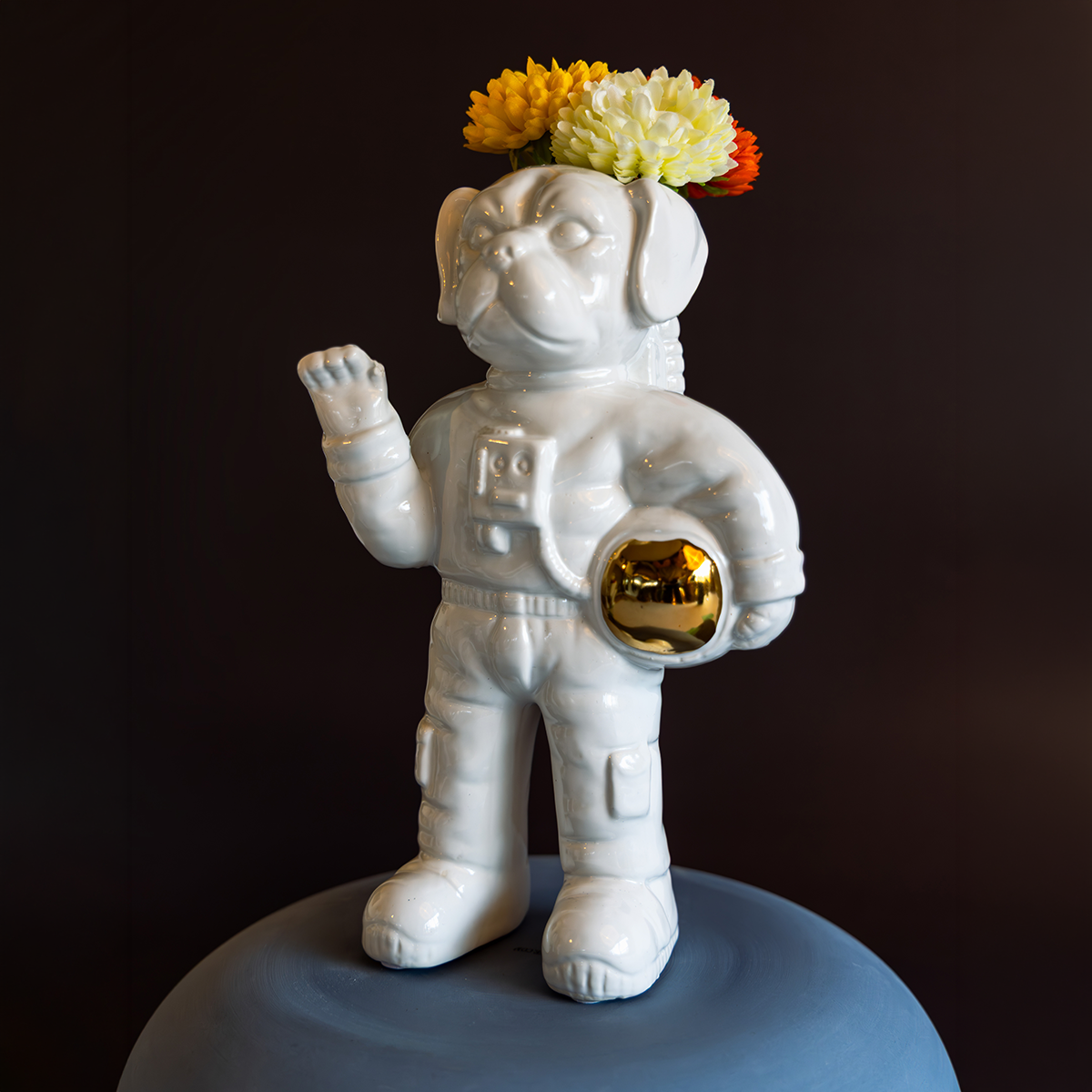
Laika space dog ceramic vase in high gloss white — Chive Studio Toronto

Laika the Astronaut Ceramic Vase

The ceramic vases at Chive come out of the same studio habit that produced everything else here: design the object once, correctly, then resist every opportunity to complicate it. Each one holds stems. None of them holds back. Ribs and restraint not your speed today? The Laika the Astronaut Ceramic Vase brings a wider mouth and a better backstory involving orbit.

The Ceramic Vases Collection

Every Chive vase is built around one decision about how flowers should stand, then finished by hand until that decision reads as obvious. The Koski's decision was texture you can feel across the room. Its shelf-mates answer with gloss, with matte, with speckle — a full vocabulary of surfaces on the same disciplined forms. Mixing two or three of them teaches you more about your shelf than any style guide will. Shop the Ceramic Vases collection.

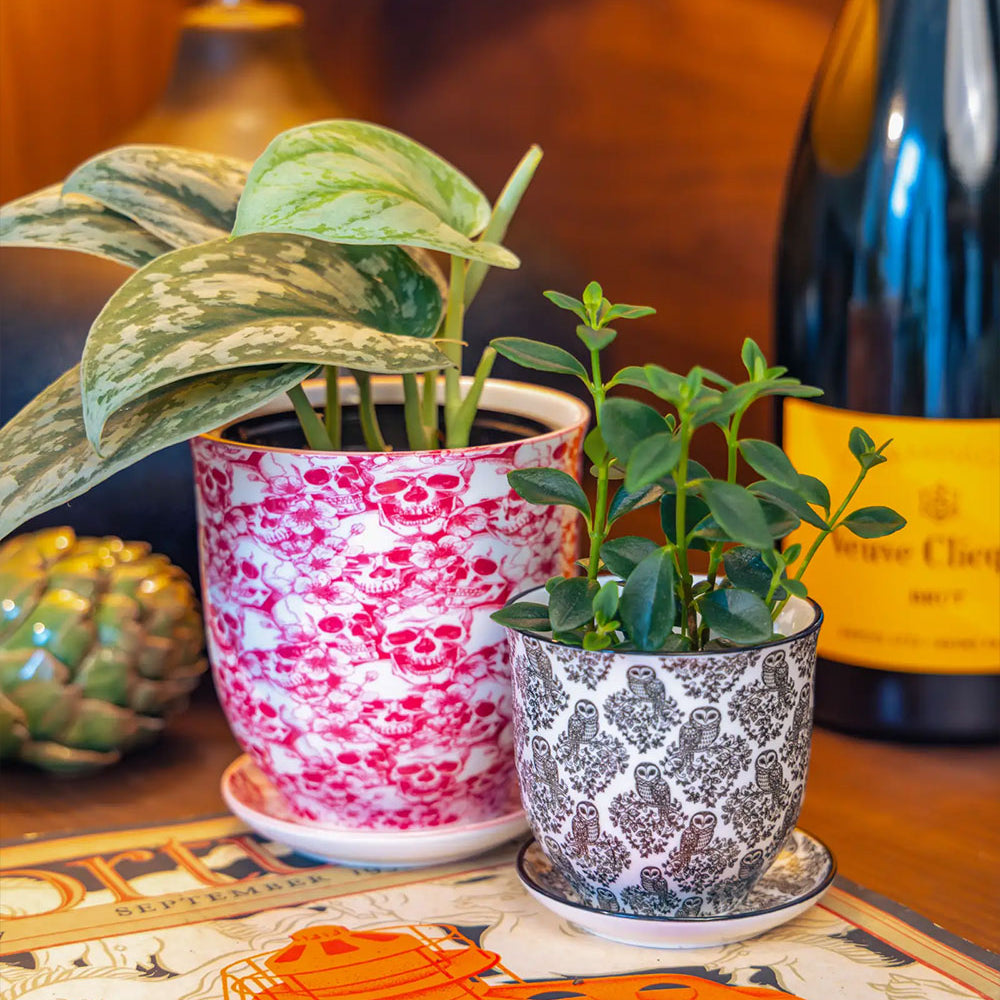
Chive Liberté planters in skull and black owls prints, styled with a silver satin pothos and peperomia on a kitchen table.

Liberte Porcelain Pot, 4-Inch

Ribs meet their match in smooth porcelain. The four-inch Liberte Porcelain Pot with Saucer grows the living half of a shelf while the Koski manages the cut half. Textured beside glossy, both in earthy tones, is the entire Nordic playbook executed in two objects. Add nothing else. That is the playbook working.


Chive Studio at Chelsea Flower Show displaying ceramic pooley vases of different colors.

Restraint as House Style — Chive Since 2004

Restraint has been the house style at Chive since 2004, mostly because restraint is harder than it looks and we enjoy hard things. A ribbed cylinder sounds like a beginner's project until you try to keep every rib parallel through shaping, drying, and firing — at which point it becomes a masterclass in not fussing. The Koski taught the studio a lesson we now apply everywhere: texture is a commitment, made once, kept perfectly, never patched. Our production still works that way across the catalog. One decisive pass beats ten careful corrections, in clay and in most other things. The pieces that make it to the shelf carry that nerve with them. The ones that don't teach the next batch.


Inside the Chive Design Studio

Low maintenance, high impact. Let's make home styling look easy.

Wedding Centerpiece Vases: The Planning Guide Nobody Gives You

Todd Newgren
Wedding centerpiece vases work best small and plural — three to seven per table, one to three stems each. A fifteen-table reception needs roughly seventy-five vases and 100 to 1...
Read the full story

The Best 10 Styles of Vases

Jessie Duenas
The glorious world of flower vases! Because nothing says "I have my life together" quite like a carefully chosen vessel for your soon-to-be-wilting flora. Gather 'round, fell...
Read the full story

Frequently asked questions

Why would you choose a koski vase like the Koski vase?

Choose it when the vase has to carry the room between flowers. Most vessels look unemployed standing empty; the Koski's ribs give it a finished, sculptural presence whether or not anything is in it, so there's no pressure to keep stems in rotation. It's the low-commitment vase, paradoxically, because it never looks like it's waiting. Empty is a look here. A good one.

What single flowers look striking on their own in the Koski?

Sculptural singles earn their keep against the ribs: a calla lily's clean curve, an anemone's dark eye, a clematis with its tendrils left on. The texture behind the stem does what a plain backdrop can't — it frames without competing. One confident flower, slightly off-vertical, is the whole formula. The restraint is the style. Resist adding a second.

How tall is the Koski vase and what space does it need?

Two sizes exist, and the listing's spec panel holds the up-to-date measurements for each — we point you there because that panel updates with production and this page shouldn't contradict it. Broadly, both stand comfortably on ordinary shelves; neither needs clearance planning. Small suits sills and desks, the larger holds consoles. The specs have the numbers. Trust those.

How is the Koski vase's ceramic finish made at the studio?

The ribs go in while the clay is still wet — combed down the body in one continuous motion, since stopping midway would leave a seam for the glaze to broadcast. The exterior then fires to a matte, faintly grippy texture, closer to stoneware than gloss, while the interior gets a full glaze for waterproof duty. Two finishes, one body, each doing its own job. No compromises between them.

What is the safest way to wash the Koski vase at home?

Warm water, dish soap, and an ordinary bottle brush handle the glazed interior in under a minute. The care guidance permits the dishwasher as well, though the textured exterior appreciates a hand now and then — a soft brush run along the ribs lifts dust the sponge glides over. Wash however the week allows. It isn't precious.

Which rooms suit the Koski vase's shape and scale best?

Rooms that run calm suit it best — bedrooms, studies, the living room shelf that already leans wood-and-linen. The earth tones and matte texture read as furniture rather than accent, so it belongs in spaces built from natural materials and low contrast. In louder rooms it simply goes quiet and waits. Put it where quiet is the point. It will hold that note.

Does the Koski vase pair well with the Laika vase on display?

Surprisingly well. The Laika brings narrative and a wide mouth; the Koski brings texture and reserve — and display groupings need exactly that split between a talker and an anchor. Keep the Koski slightly forward with a single stem, let the Laika carry the bunch behind it. Neither could pull that off alone. The contrast flatters both.

What was the original idea behind the Koski vase's form?

It dates to 2011 and the era of unpronounceable houseplants — years spent around air plants whose Latin names defeated every customer who tried. The original idea was a vessel with enough texture that a wispy plant wouldn't vanish inside it, plus a name as cheerfully unsayable as its first occupants. Cut stems adopted it later. The ribs welcomed everyone.

Ceramic astronaut vase with flowers styled on shelf — Chive Studio Toronto
Behind the Studio

The story behind the Chive astronaut vases

The story of Laika, Félicette, a solar eclipse in New York, and a space bar that ordered a hundred vases a month until it closed.