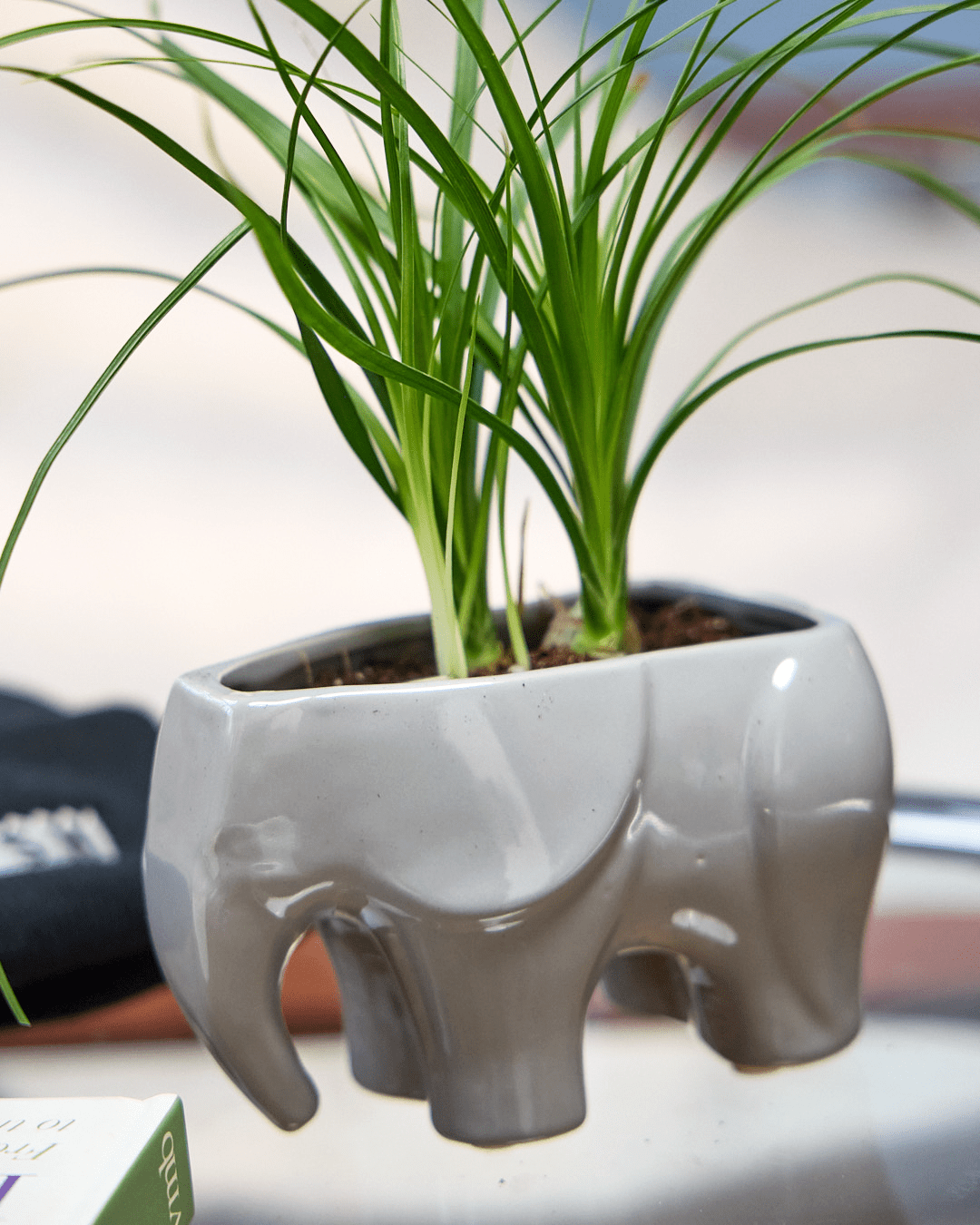
Elephant Ceramic Indoor Plant Pot For Succulents

animal shaped planters

Regular price $18.75
Colors: Grey
Animal Shaped Pot
Cute
30-day return policy

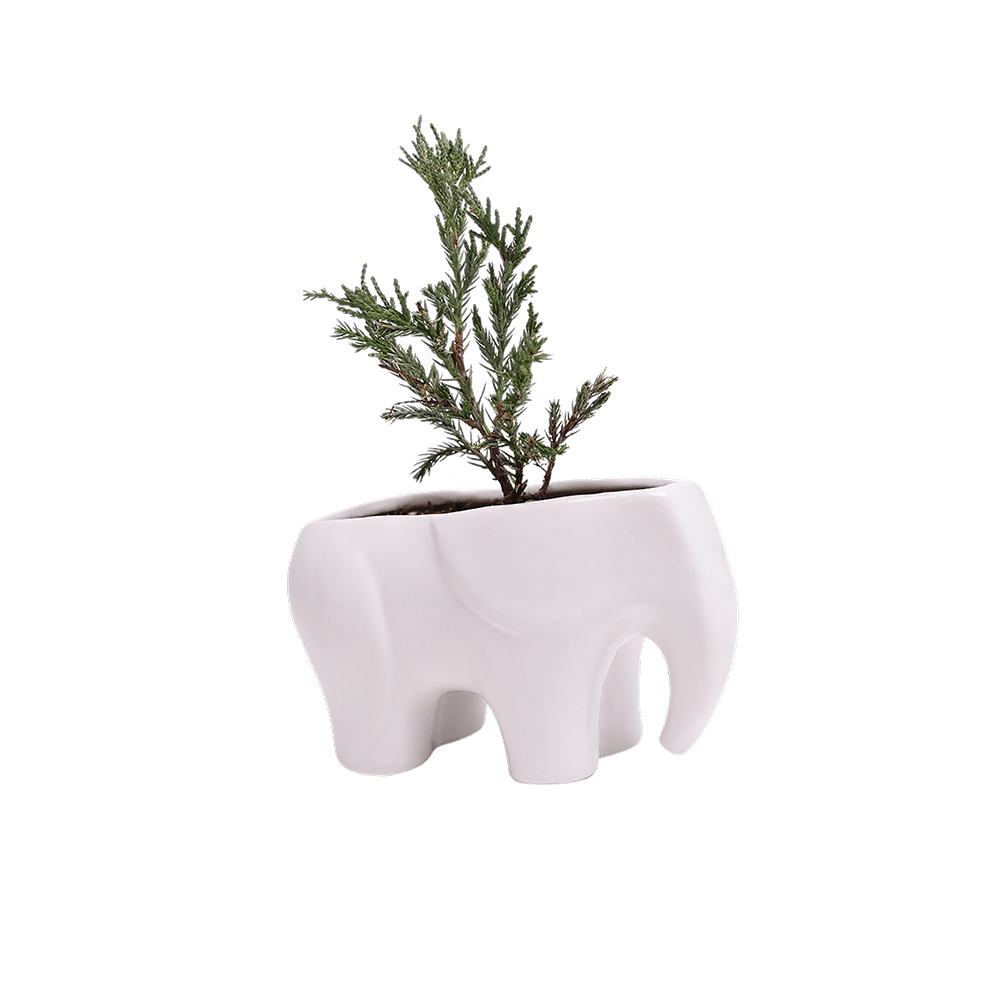
The Elephant is a ceramic succulent planter shaped like an elephant, and we love it when someone in the shop explains to us that the trunk should point up, because an up trunk signifies a happy elephant, delivered with the quiet confidence of a person who read that somewhere reliable. People reach out and touch the ears. They always do. We have stopped mentioning it.

We nod. We agree the elephant is happier that way. We simply made the trunk pointing down because a down trunk breaks considerably less often in shipping, a fact we also read somewhere reliable, specifically several broken trunks ago. The elephant may be slightly less symbolically joyful as a result. It has, however, arrived at your door in one piece, which we have decided to call a fair trade. There is no drainage hole, so plant a succulent or use it as a cover pot.

Product detail
  • Color: Grey, Orange, Teal, WHite
  • Material: Ceramic
  • Glaze finish: Glazed
  • Finish variation: Natural variation between pieces
  • Drainage: No
  • Saucer: No
  • Dishwasher safe: Yes
  • Indoor / Outdoor: For indoor use and covered outdoor temperate weather use
  • Designed by: Chive Studio
  • Year Designed: 2016
Plants that love this pot
  • Succulents
  • Cacti
  • Haworthia
  • Echeveria
  • Jade plant
  • Aloe
  • Air plants (Tillandsia)
  • Snake plant

Potting in a Pot Without Drainage

  1. Add a 1-inch layer of small stones or LECA pebbles at the bottom to create a small reservoir, since there is no drainage hole.
  2. Use a well-draining cactus or succulent mix. Not garden soil. We know your grandmother used garden soil. She was wrong about this one thing.
  3. Transplant from the nursery pot, or simply set the nursery pot inside and lift it out to water.
  4. Water sparingly. Without a drainage hole, less is always safer than more, so let the soil dry out between waterings.
  5. Keep it in bright, indirect light, and pour off any standing water you can see pooling at the bottom.

Which pot size for my plant? →

Repotting guide →

Pot Care instructions
  1. Dishwasher-safe. Can also be hand-washed with warm soapy water and a soft cloth.
  2. The glaze is dipped and kiln-fired — it is sealed, durable, and not looking for trouble. No special cleaning products required.
  3. For pots with saucers empty the saucer periodically. Standing water in the saucer defeats the purpose of having a drainage hole, which is a thing we feel strongly about.
  4. Not frost-safe. Designed for indoor use and covered outdoor temperate weather use. Freezing temperatures are not recommended.
Shipping & returns

Shipping

  • Free shipping: On qualifying US orders — threshold shown at checkout
  • Standard: 5–8 business daysExpress2–3 business days (at checkout)
  • International Ships: to 40 countries — rates at checkout
  • Packaging Ships: in outer box to protect gift box

View full shipping policy →

Returns

We accept returns within 30 days of delivery on unused items in original packaging. If your piece arrives damaged, contact us within 14 days with a photo and we will replace it at no charge.

View full return policy →

Wholesale Inquires

Have a cool shop? Know someone that does?
Find Chive on Faire →

Elephant Ceramic Indoor Plant Pot For Succulents - Chive Ceramics Studio - Pots - Chive US

The Trunk Points Down on Purpose

The elephant generates more unsolicited expertise than anything else we make. Someone comes into the shop, picks it up, and informs us, kindly but firmly, that the trunk is supposed to point up, because an up trunk signifies a happy elephant and good fortune, a fact they read somewhere reliable and have been carrying around for exactly this moment. We always nod. We always agree the elephant would be happier that way. We never mention that we already knew.

We point the trunk down for a reason that is considerably less spiritual and considerably more practical, which is that a trunk pointing up snaps off in transit and a trunk pointing down does not. We learned this the way most studios learn things, which is by doing it the charming way first and then opening several boxes of charming, broken elephants. The current elephant is the result of that education. It is marginally less auspicious and dramatically more likely to reach your door intact.

We have made our peace with the tradeoff. A slightly less fortunate elephant that arrives whole beats a maximally fortunate elephant in three pieces, and we suspect the elephant agrees. It is glazed ceramic, it wipes clean, and there is no drainage hole, so plant a succulent or use it as a cover pot for a nursery container. The luck, if there is any, is in the part where it survives the trip. We are calling that a fair trade, and so far nobody has argued.


Potting a plant with Chive

  1. Place a 1-inch layer of small stones or LECA pebbles at the bottom of the pot. Optional, but it helps with airflow.
  2. Add well-draining potting mix appropriate to your plant. Not garden soil. We know your grandmother used garden soil. She was wrong about this one thing.
  3. Transplant from the nursery pot, leaving about 1 inch at the top for watering.
  4. Set the pot on the matching saucer.
  5. Water thoroughly until water runs out the drainage hole into the saucer. Empty the saucer once the plant has absorbed what it needs.
Repotting plants with Chive | Chive Studio

The Ultimate Repotting Guide

For those who have killed a plant. Or several. Or, frankly, many.

Before you put a plant into your new pot, you have to get it out of the nursery pot — a process that ends badly more often than any gardening influencer will admit. We wrote a full guide: when to repot (early spring, and not when you're feeling impulsive in October), which soil to use, how to tell your plant is root-bound, and how to avoid the three mistakes that kill perfectly healthy plants within a week of a well-intentioned repotting.
It is the guide we wish someone had handed us twenty-five years ago. It is written by people who have personally committed most of the errors in it.

Elephant Ceramic Indoor Plant Pot For Succulents - Chive Ceramics Studio - Pots - Chive US

Meet the Whole Menagerie

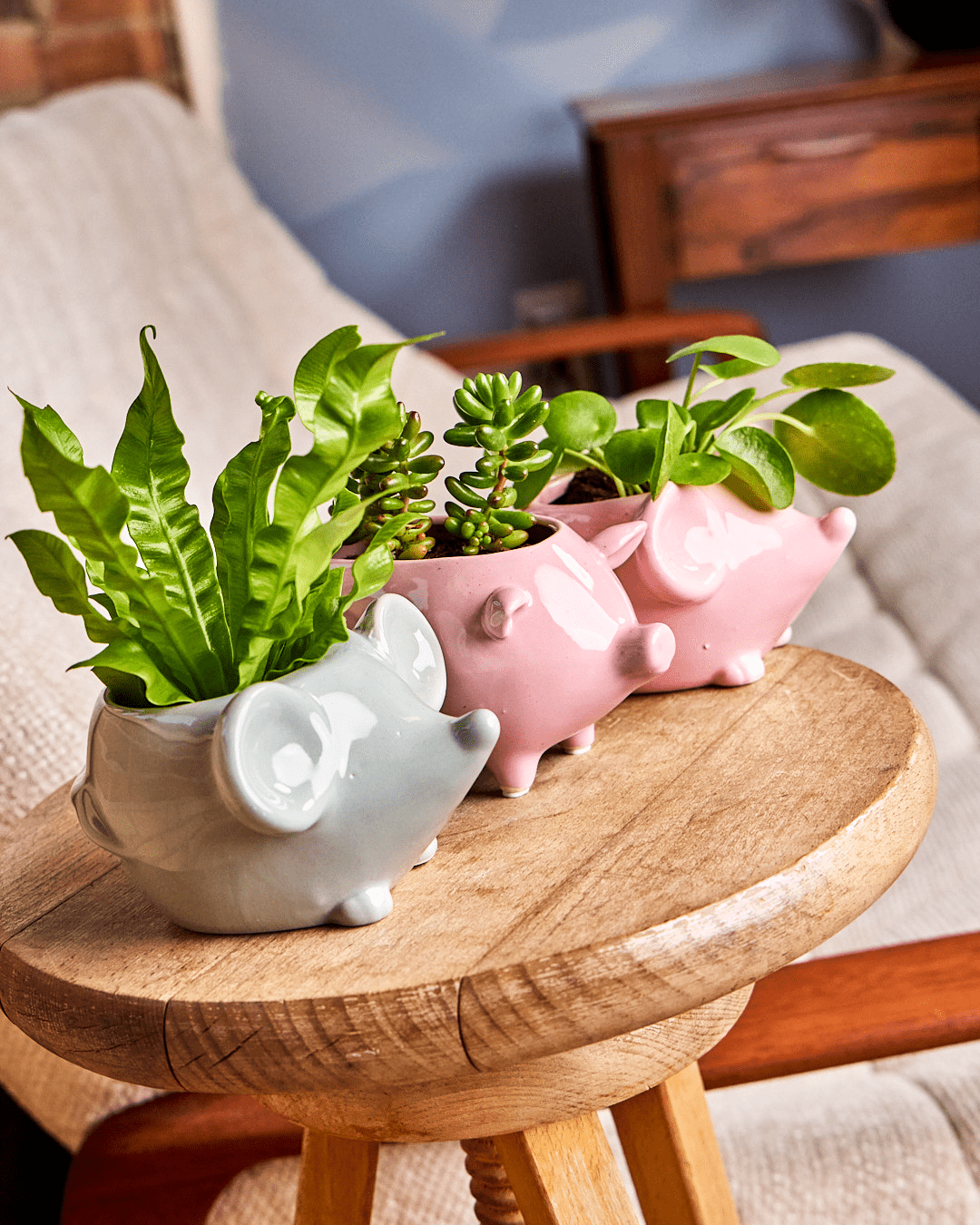
The Elephant has company. The full Animal Pots collection runs the same idea across ducks, dinosaurs, and the occasional pig.

Shop the Animal Pots

Mouse Ceramic Indoor Plant Pot For Succulents - Chive Ceramics Studio - Pots - Chive US

No Drainage, No Problem

The Elephant has no drainage hole, so plant a succulent, add a layer of pebbles, or set a nursery pot inside and lift it out to water. If you would rather have a drainage hole, the full pot range has one in every size.

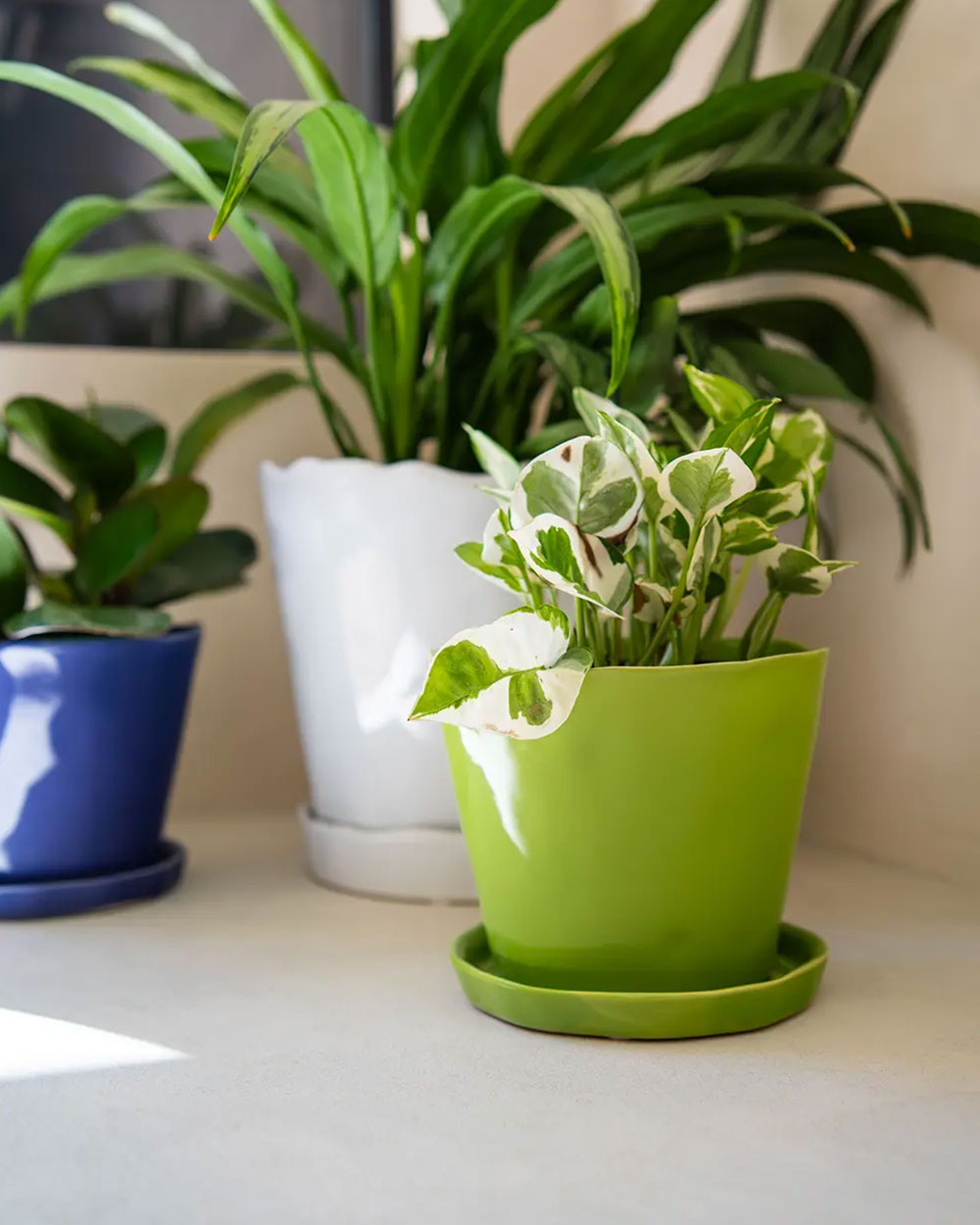
Shop pots with drainage

Go Easy on the Watering

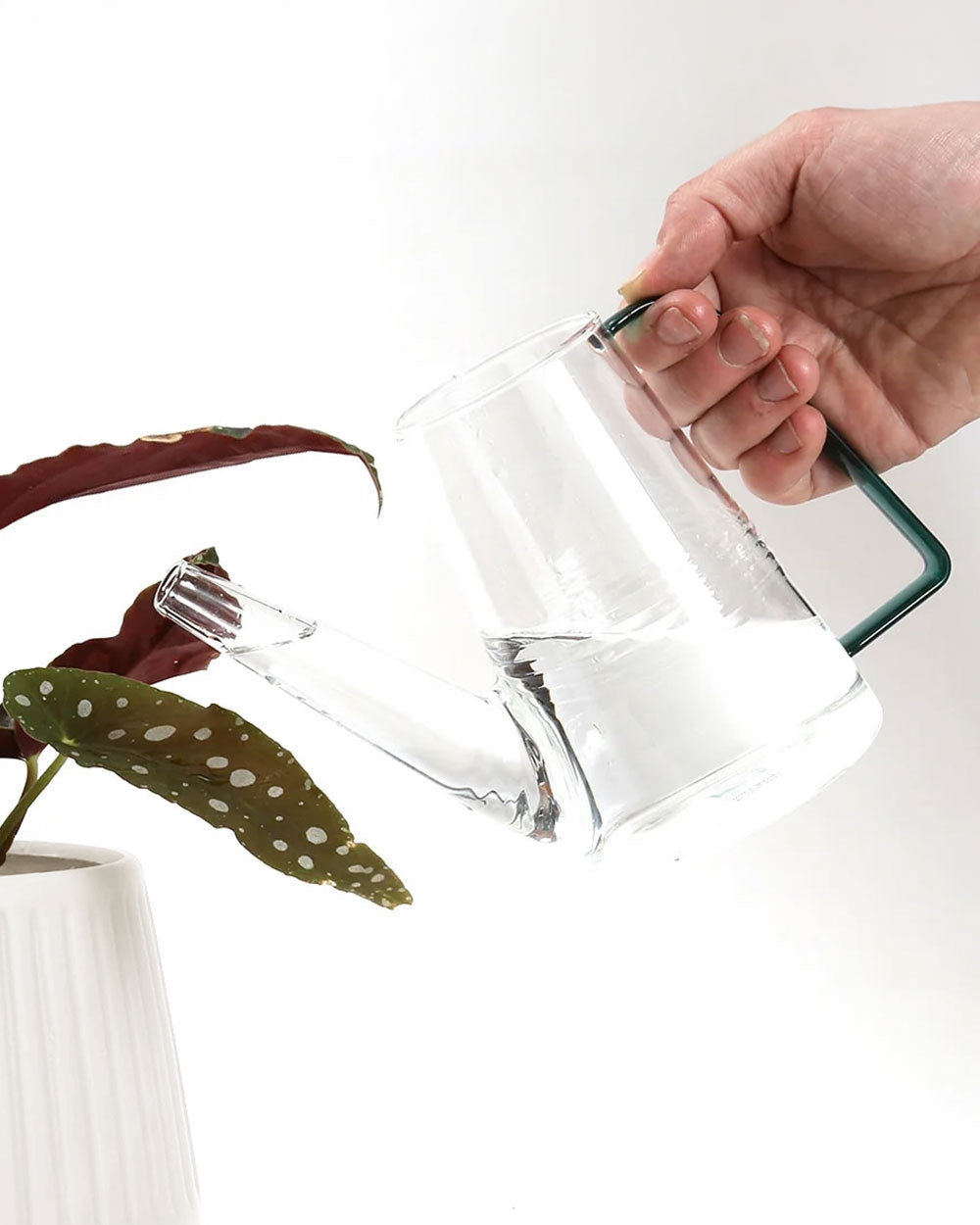
With no drainage hole, the Elephant rewards a careful hand over a generous one. A narrow-spouted can lets you add a little at a time, which is exactly how this pot prefers it.

Shop watering cans & misters

Denver Botanic Gardens Took the Order Anyway

Designed by Chive Studio, the Elephant is part of our original animal pot range, conceived in-house and refined the slow way, over more revisions and more broken trunks than we usually admit. Our ceramics are carried by botanical garden gift shops and museum stores across North America, including Denver Botanic Gardens and the Atlanta Botanical Garden, which order from us because the work holds up, not because of the elephant specifically. The elephant benefits from the association anyway.

It is made to the same standard as the pieces that sit in those shops, because there is only one standard here and the novelty line does not get a discount on it. We design everything ourselves, sell through independent stores and our own shops rather than big-box chains, and ship to more than forty countries. A down-turned trunk may cost the elephant a little symbolic luck. It does not cost it any of the care that goes into everything we make.


Plant Tips from Chive Studio

Quick tips, straight answers, and the occasional reminder that overwatering kills more houseplants than neglect does.

Do Plant Pots Need Drainage Holes? Yes. Here’s Why

Todd Newgren
Plant pots need drainage holes — without one, water pools at the root zone and suffocates roots. Chive has made ceramic pots with drainage for over two decades, stocked at botan...
Read more

How to Repot a Plant: Watch for the Linen

Todd Newgren
How to repot a plant comes down to three signs, one rule, and one soil decision that most people get wrong. Chive Studio has been making drainage pots since 1999. The neighbor i...
Read more

Tradescantia Plant Care: The Complete Guide

Todd Newgren
Tradescantia needs bright indirect light, well-draining soil, and water when the top inch is dry. Chive's Minute has a genuine drainage hole — a soggy tradescantia is not a thri...
Read more

Frequently asked questions

What is the Elephant planter used for?

The Elephant is a ceramic planter for indoor plants. It works well for succulents, cacti, and other plants that like to dry out and suits modern, boho, and minimalist rooms. As a ceramic planter, the Elephant fits a shelf, sill, or desk and pairs cleanly with the rest of the Chive pot range. It comes in several colorways to match different rooms.

Does the Elephant planter have a drainage hole?

No, the Elephant is an indoor planter without a drainage hole, so it is best used with plants that tolerate less frequent watering or as a cachepot. Either plant succulents directly and water lightly, or drop a nursery pot inside and lift it out to water. Without a drainage hole, the trick is to add water slowly and avoid leaving any pooled at the bottom.

What plants grow well in the Elephant?

The Elephant is a ceramic planter that holds a nursery plant of a similar width, so match the grower pot to the opening rather than the mature size of the plant. Good choices include succulents, cacti, and other plants that like to dry out. For an indoor plant pot, size up by about an inch when you repot so roots have room without swimming in soil.

Does the Elephant come with a saucer?

The Elephant does not include a saucer, which suits its use as a decorative planter. If you plant directly in it, water lightly so nothing collects at the base, or set a nursery pot inside and lift it out to water over a sink. A small cork pad underneath protects furniture if you keep the Elephant on a shelf. As an indoor planter without a tray, it is forgiving as long as you water with a light hand.

Is the Elephant pot ceramic?

Yes, the Elephant is a ceramic plant pot. Ceramic is fired hard, holds glaze color well, and does not break down with watering the way untreated materials can, which makes ceramic plant pots a reliable choice for indoor plants. The Elephant is glazed to seal the surface, so it wipes clean and keeps its finish on a sill, shelf, or table.

How do I water a plant in the Elephant?

To water the Elephant, add small amounts and stop before anything pools at the bottom, since this planter has no drainage hole. The easiest method is to keep the plant in its nursery pot, lift it out to water over a sink, let it drain, and set it back. Watering a pot without drainage is mostly about restraint, less water, less often.

Is the Elephant good for succulents?

The Elephant is a good ceramic planter for succulents. Succulents like the tighter, fast-drying conditions of a pot without a drainage hole, as long as you water lightly. For anyone searching for a ceramic pot for succulents, the Elephant covers both looks and function. Match the nursery pot to the opening and the plant settles in without fuss.

Is the Elephant planter a good gift?

The Elephant is a small animal planter that works as a desk pot, a windowsill succulent home, or a gift for a plant lover or a kid's room. It has no drainage hole, so it suits a small succulent or a nursery pot dropped inside. As a novelty ceramic planter that still looks tidy, the Elephant lands better than most desk trinkets.

Shido Vegetable and Flower Seeds Vacuum sealed for peak freshness

The pot is sorted. Now what goes in it?

Shido seeds come vacuum-sealed, non-GMO, and packaged well enough that people keep the packets after the seeds are gone. Which is either a design success or a problem, depending on how you look at it.

Your new pot is waiting.