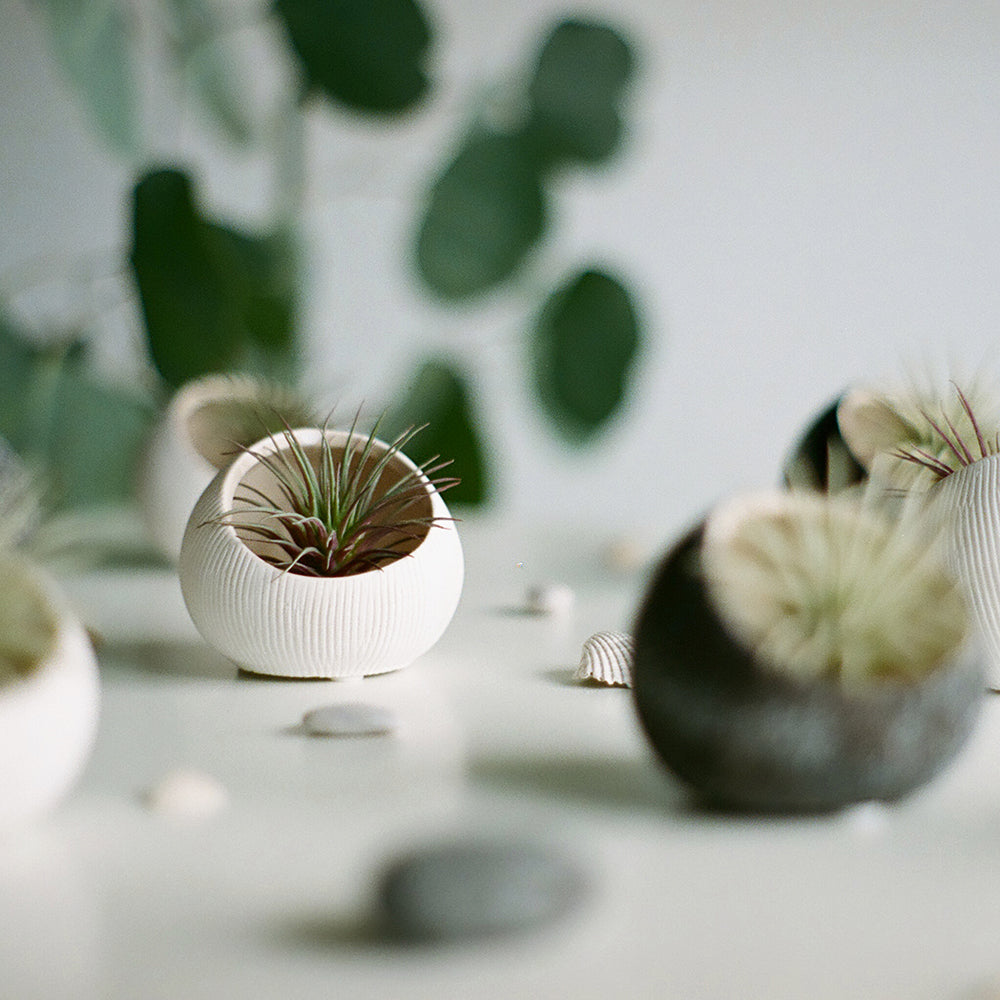
Terrarium Bowl Glass Succulent Garden

Glass Succulent Terrarium Bowl — Four Sizes for Table Displays

Regular price $22.00
Colors: Clear
Sizes
Drainage hole
Saucer Included
30-day return policy

Give Your Plants What They're Missing:

Start with the terrarium, then build out the shelf with the tools that keep what's inside actually thriving.


A succulent terrarium works only when the vessel respects the plant's hatred of standing water, and this glass bowl does that by staying open at the top. Four sizes ship under one listing — a six-inch large, a 7.25-inch tall bowl, a 4.5-inch short bowl, and a four-inch small — each blown from clear glass thick enough to feel substantial in your hand. Layer an inch of pebbles for drainage, add cactus-mix soil, and press your echeveria, sedum, or haworthia rosettes in. The terrarium bowl shape concentrates ambient humidity near the soil surface while the open rim lets excess moisture escape before rot sets in. Place a plant in glass bowl arrangement at the center of a dining table, on a bathroom vanity, or along a windowsill where morning light reaches every leaf without the afternoon scorching that kills more indoor succulents than neglect ever does. The wide aperture on the large variant accommodates your entire hand for planting and rearranging.

Product detail
  • Color:
  • Material: Glass
  • Glaze finish: Translucent
  • Finish variation: Natural variation between pieces
  • Drainage:
  • Saucer:
  • Dishwasher safe: Yes
  • Indoor / Outdoor: For indoor use and covered outdoor temperate weather use
  • Designed by: Chive Studio
  • Year Designed: 2008
Dimension
  • Large: 6" in diameter and 5.75" tall
  • Tall Bowl: 2.5" in diameter and 7.25" tall
  • Short Bowl: 4.5" in diameter and 4.5" tall
  • Small Bowl: 4" in diameter and 3.75" tall

Plants that love this pot

Quick Terrarium Building Guide:

  1. Add a Drainage Layer
  2. Add Soil
  3. Place Your Plants
  4. Top It Off
  5. Water Sparingly
Pot Care instructions
  1. Dishwasher-safe. Can also be hand-washed with warm soapy water and a soft cloth.
  2. Glazed terrariums and dishes are dipped and kiln-fired — they are sealed, durable, and not looking for trouble. No special cleaning products required.
  3. Not frost-safe. Designed for indoor use and covered outdoor temperate weather use. Freezing temperatures are not recommended.
Shipping & returns

Shipping

  • Free shipping: On qualifying US orders — threshold shown at checkout
  • Standard: 5–8 business days Express2–3 business days (at checkout)
  • International Ships: to 40 countries — rates at checkout
  • Packaging Ships: in outer box to protect gift box

View full shipping policy →

Returns

We accept returns within 30 days of delivery on unused items in original packaging. If your piece arrives damaged, contact us within 14 days with a photo and we will replace it at no charge.

View full return policy →

Wholesale Inquires

Have a cool shop? Know someone that does?

Find Chive on Faire →

Terrarium Bowl Glass Succulent Garden - Chive Ceramics Studio - Terrariums - Chive US

Pots So Good, Even Your Plants Will Thank You

Glass is transparent in a way that matters beyond aesthetics. You can see the root system developing, spot overwatering before it becomes rot, and monitor the gravel layer for algae buildup — none of which is possible in an opaque ceramic pot. This particular bowl uses a slight concavity at the base that pools drainage water away from the soil contact zone, acting as a passive reservoir that evaporates slowly between waterings. The large variant at six inches across and 5.75 inches tall holds enough substrate volume for three to five small rosettes arranged in a low-profile cluster that catches light from every direction simultaneously. The tall bowl at 7.25 inches gives vertical-growing species room to stretch upward without their tips pressing against a rim. The short and small bowls suit single-specimen displays where one particularly photogenic echeveria gets the spotlight it apparently believes it deserves. Glass weight keeps the arrangement stable on any flat surface, and the center of gravity stays low because most of the mass lives in the thick base rather than the thinner walls above it. Cleaning involves warm water, a soft cloth, and whatever restraint you can muster against the urge to reorganize every pebble while you are already in there with the cloth.

Choosing the Right Terrarium Container

Shape matters more than most people expect:

  • Wide, shallow bowls and dishes work well for succulent clusters — several small plants sharing one visible root zone, with plenty of surface area for soil to actually dry out between waterings.
  • Tall, narrow jars hold humidity near the base while venting excess moisture from an open top — a good middle ground if you want an enclosed look without going fully sealed.
  • Flat-backed or wall-mounted shapes (like a half-moon bowl) solve a placement problem more than a planting one — useful when floor or table space is the real constraint, not the terrarium's needs.
  • Open, punched ceramic shapes (built for air plants specifically) skip soil entirely, relying on airflow through negative space rather than drainage.
Bolsk Glass Large Hanging Terrarium - Chive Ceramics Studio - Terrariums - Chive US

Overhead Glass Garden

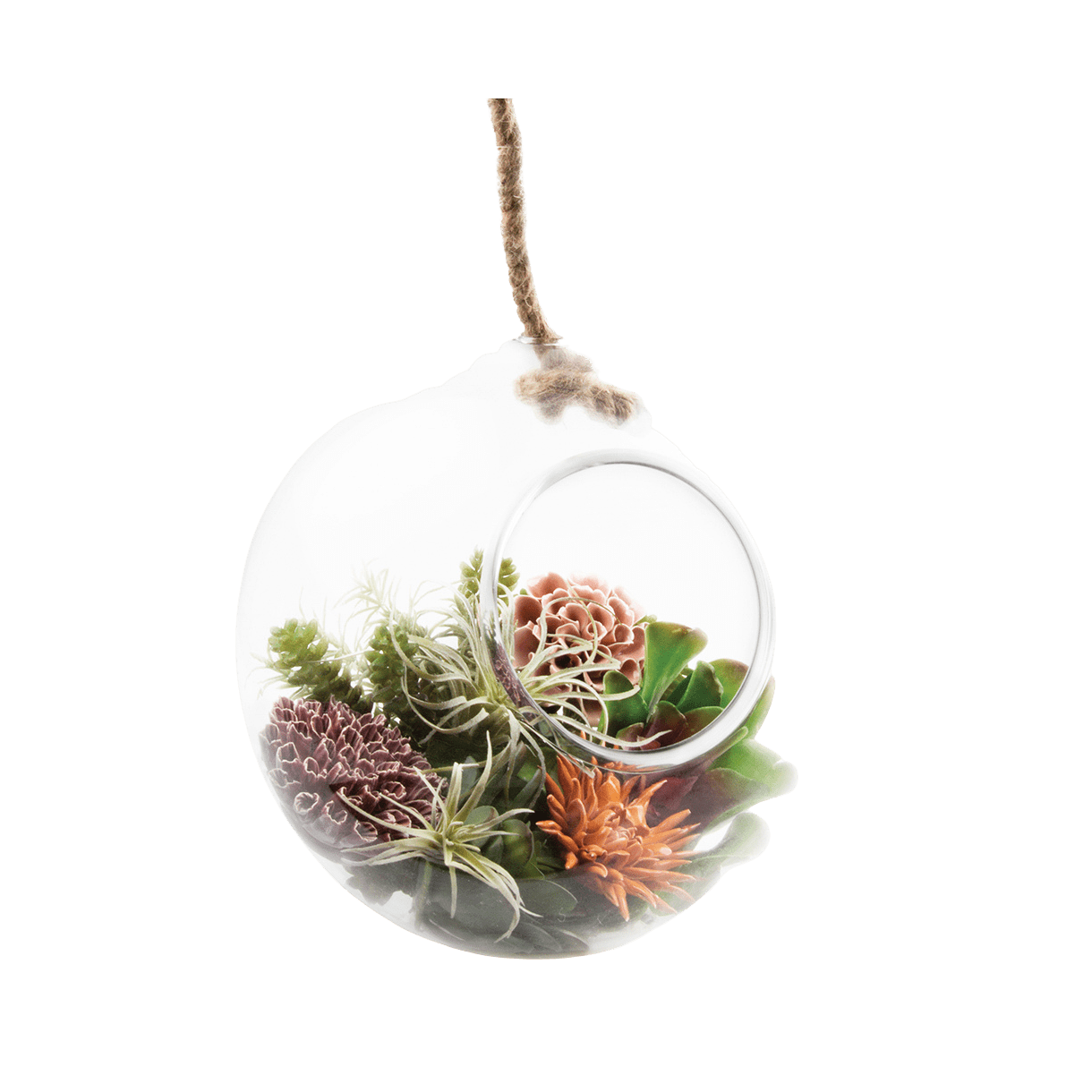
If your table is spoken for, the Bolsk hanging terrarium suspends a glass sphere from the ceiling, creating an aerial garden that clears counter space entirely. Sphere and tube configurations accommodate the same succulent and tillandsia species in a vertical format. See the Bolsk dimensions and choose your overhead shape.

All Terrariums

Glass bowls, ceramic holders, jar vessels, and suspended spheres — the full terrariums collection groups every Chive vessel designed for indoor succulents and tillandsia into one browsable page. Compare sizes, materials, and opening widths across all eight products to build a cohesive and varied indoor garden.

Verte Rx Cactus Plant Food 2 - 7 - 7 - Chive Ceramics Studio - Chive Ceramics Studio

Cactus-Specific Nutrients

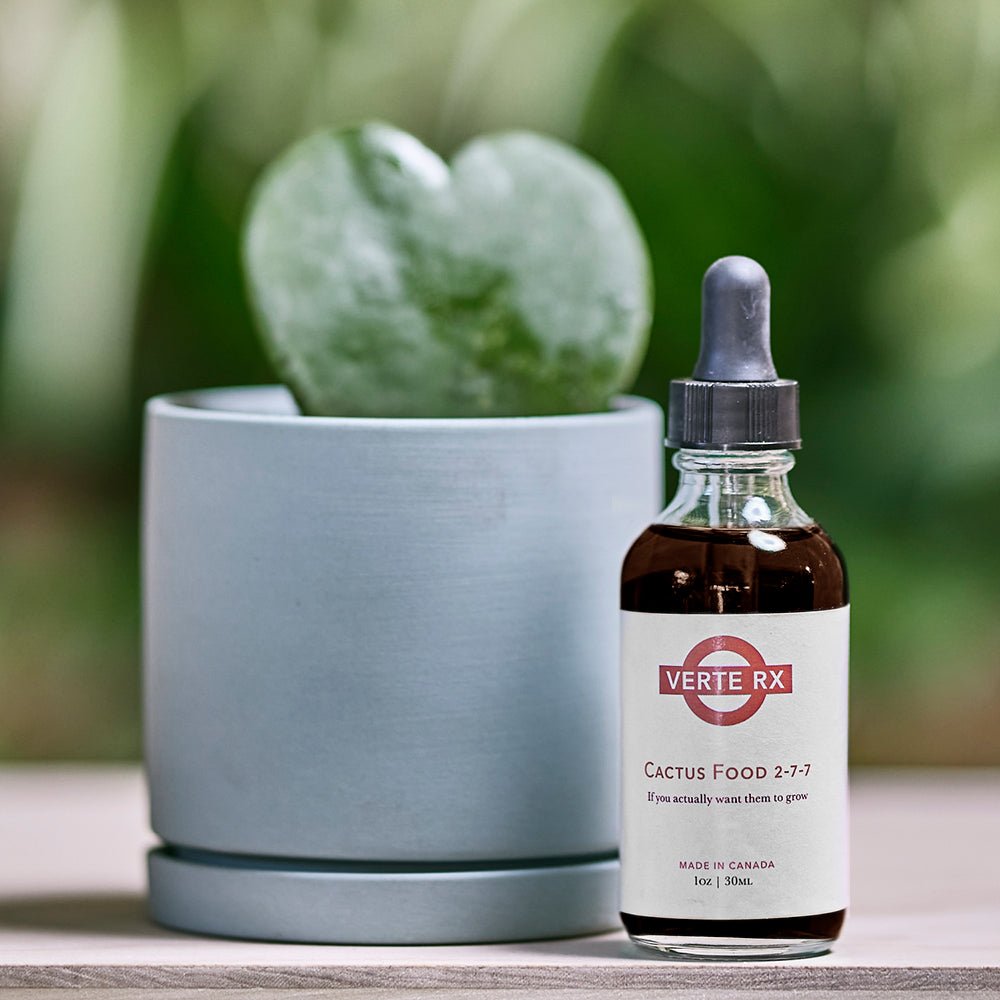
Succulents in glass bowls deplete soil nutrients faster than ground-planted specimens because the substrate volume is limited. Verte Rx Cactus Plant Food delivers a 2-7-7 formula calibrated for arid species that punishes overfeeding. Dilute and apply monthly during the growing season to sustain healthy rosettes.

The Chive Story

Chive began blowing glass vessels in 2004 and this bowl arrived four years later when our lead glassblower noticed his grandmother's candy dish had exactly the right proportions for a succulent cluster. Our Philadelphia Flower Show display that season featured a dozen of these bowls arranged as a tablescape centerpiece, and the shape has not changed since because nobody has improved on it.


Plant Tips from Chive Studio

Quick tips, straight answers, and the occasional reminder that overwatering kills more houseplants than neglect does.

Fittonia Plant Care: The Complete Guide

Ryan Hearst
Fittonia plant care requires humidity, indirect light, and consistent moisture. Chive's 3 inch Liberte holds it at eye level — the only height where the leaf patterning is legib...
Read more

How to Repot a Plant: Watch for the Linen

Todd Newgren
How to repot a plant comes down to three signs, one rule, and one soil decision that most people get wrong. Chive Studio has been making drainage pots since 2004. The neighbor i...
Read more

Frequently asked questions

What is the best glass succulent terrarium for a table centerpiece?

A wide-mouth glass bowl with a stable base and clear walls works best as a centerpiece because guests can see the arrangement from every seat. The large variant at six inches in diameter holds three to five rosettes comfortably, and the clear glass catches candlelight in a way our events coordinator, Petra, describes as the only decor that ever made her dining table look intentional.

Can you grow succulents in an open glass terrarium bowl?

Yes, and open is strongly preferable. Succulents are arid species that rot in trapped humidity. An open top lets moisture evaporate within hours of watering, keeping the root zone dry between cycles. Our greenhouse manager, Victor, refuses to sell sealed terrariums for succulents because he has seen too many arrive back at the shop as waterlogged casualties.

How do you plant succulents in a glass bowl terrarium?

Start with an inch of pea gravel or activated charcoal at the bottom, then add two inches of cactus-mix soil. Use a chopstick to create a pilot hole for each rosette, press the root ball in gently, and tamp the soil around the base. Our plant stylist, Anke, arranges the tallest specimen at center and graduates outward by height, which creates a dome silhouette visible from every angle around the table.

Do succulents in a terrarium bowl need drainage holes?

Not if you layer the base correctly. An inch of gravel below the soil creates a passive drainage zone where excess water pools away from roots. The key is watering conservatively — a tablespoon per small rosette every ten days — rather than drenching and hoping. Our fulfillment lead, Kirk, over-watered a display bowl exactly once and spent the next hour extracting soggy charcoal with tweezers.

How often should you water succulents in a glass bowl?

Every ten to fourteen days during the growing season, less in winter. Pour a thin stream of water along the gravel edge rather than directly onto the rosette crown, which traps moisture between leaves and invites fungal growth. Our customer-service rep, Bea, recommends using a squeeze bottle for precision — a suggestion born from spilling an entire watering can across her desk one February afternoon.

Which succulents grow best in a shallow terrarium bowl?

Low-growing rosette species thrive in shallow glass: echeveria, sempervivum, haworthia, and sedum are reliable performers. Avoid tall columnar cacti that outgrow the bowl height within a season. Our buyer Lyle specifically stocks echeveria elegans for terrarium displays because the compact rosettes stay proportional to the vessel for over a year before needing division.

What size is the largest glass succulent terrarium bowl variant?

The large bowl measures six inches in diameter and 5.75 inches tall — room for a multi-species arrangement with gravel and soil layers. The tall bowl variant reaches 7.25 inches in height at 2.5 inches across, suited for single upright specimens. Our merchandiser Irene stocks both and lets customers decide based on the species they already own.

When did the Chive studio design this glass succulent garden bowl?

This bowl entered production in 2008 after our lead glassblower noticed that his grandmother's candy dish had the exact proportions a succulent cluster needed — wide base, gently sloping walls, open top. A candy dish and a terrarium bowl are cousins who never speak but clearly share a face, and that observation launched a product line that remains unchanged.

Shido Vegetable and Flower Seeds Vacuum sealed for peak freshness

The pot is sorted. Now what goes in it?

Shido seeds come vacuum-sealed, non-GMO, and packaged well enough that people keep the packets after the seeds are gone. Which is either a design success or a problem, depending on how you look at it.

Your new pot is waiting.