
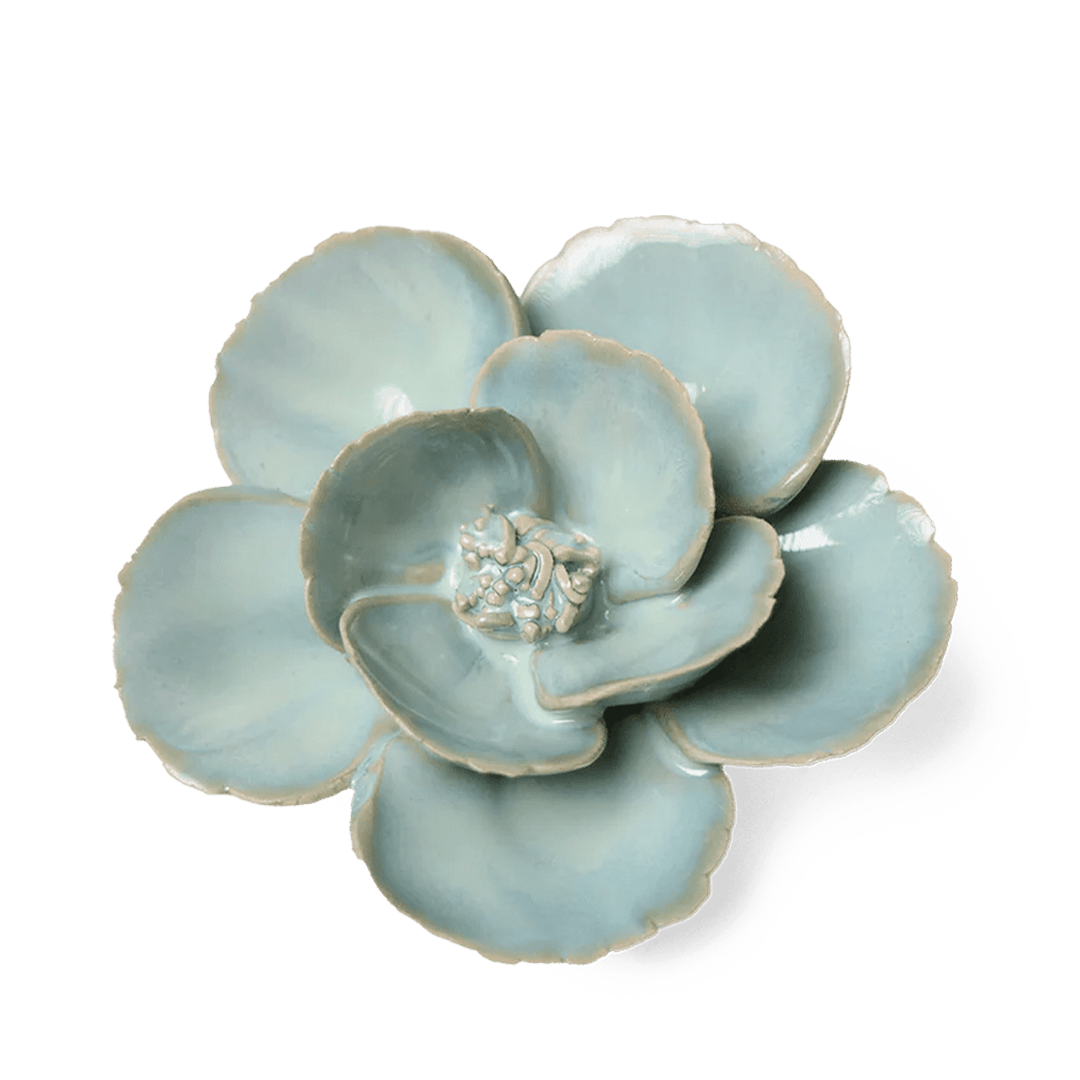
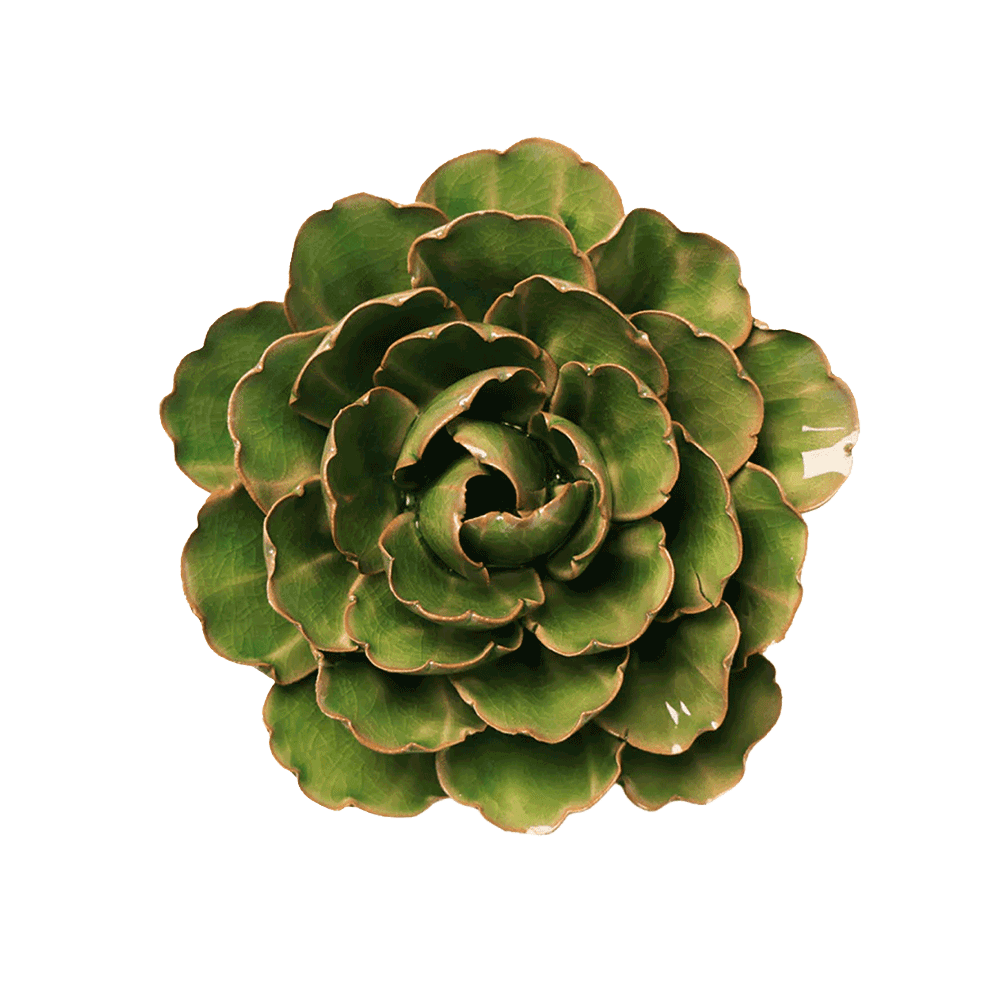
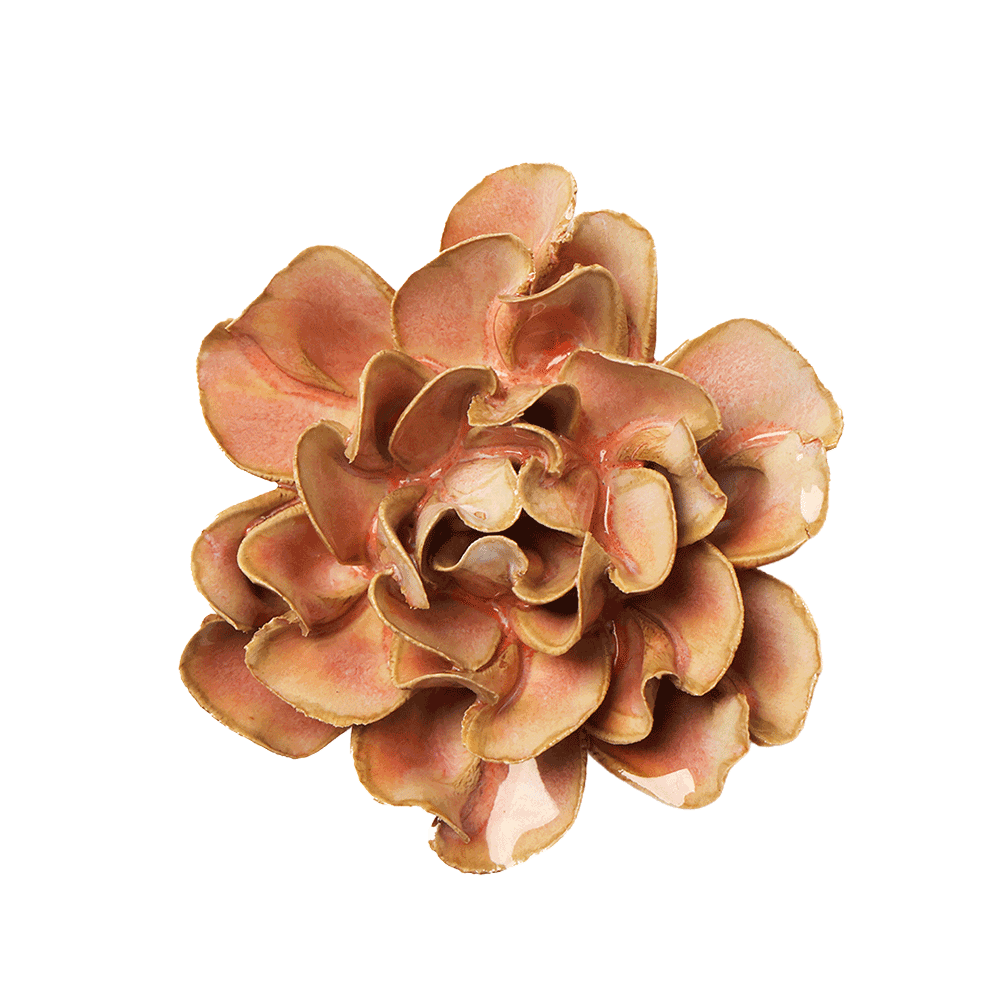
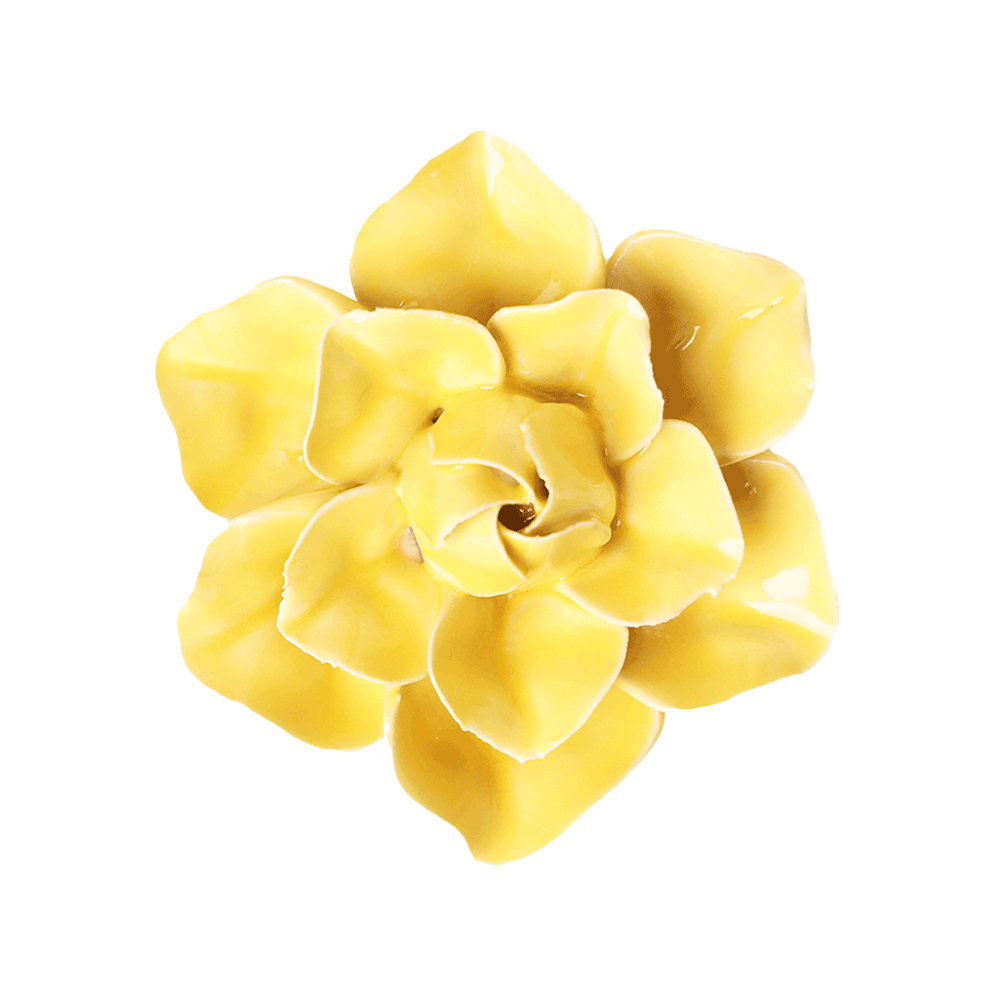
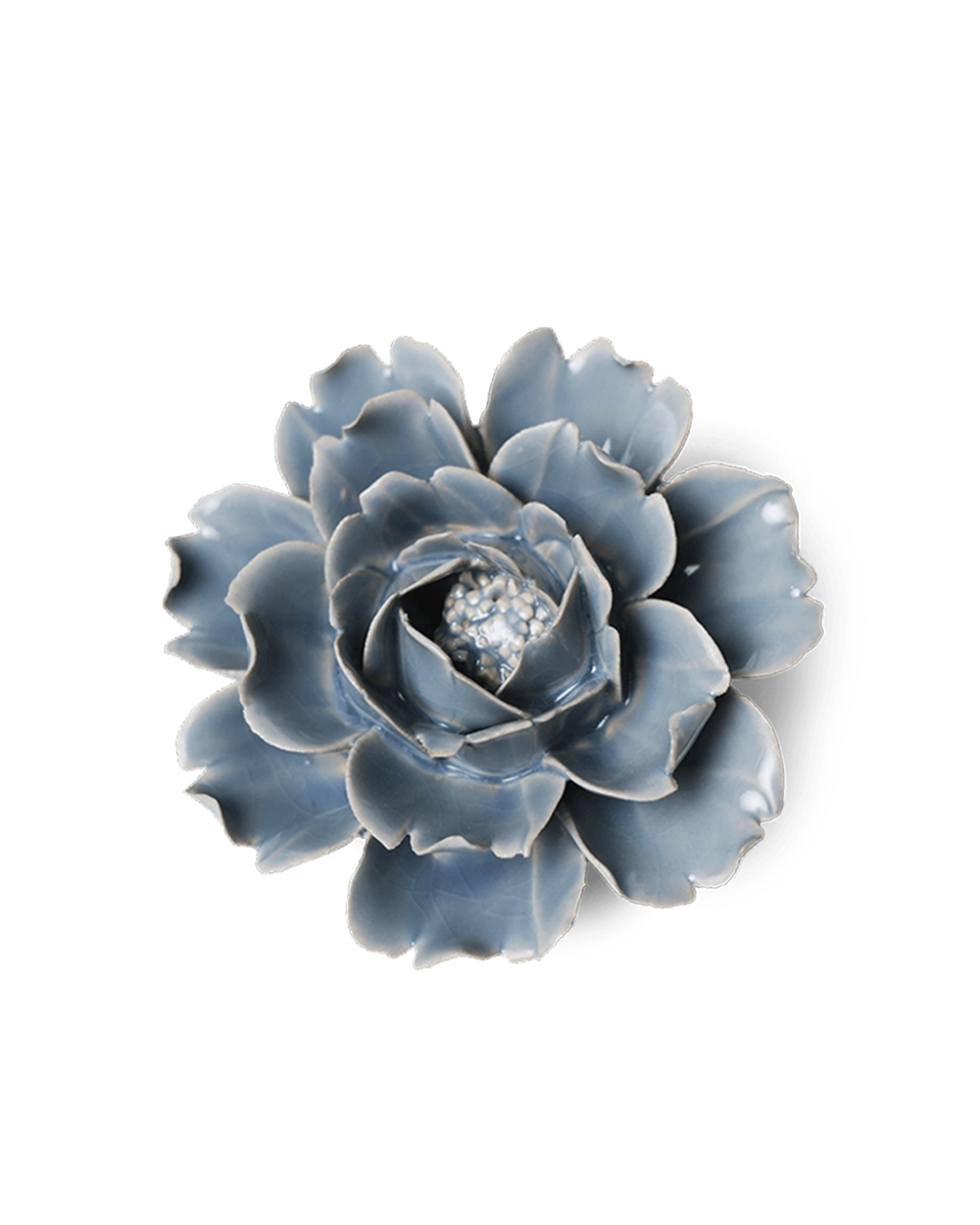
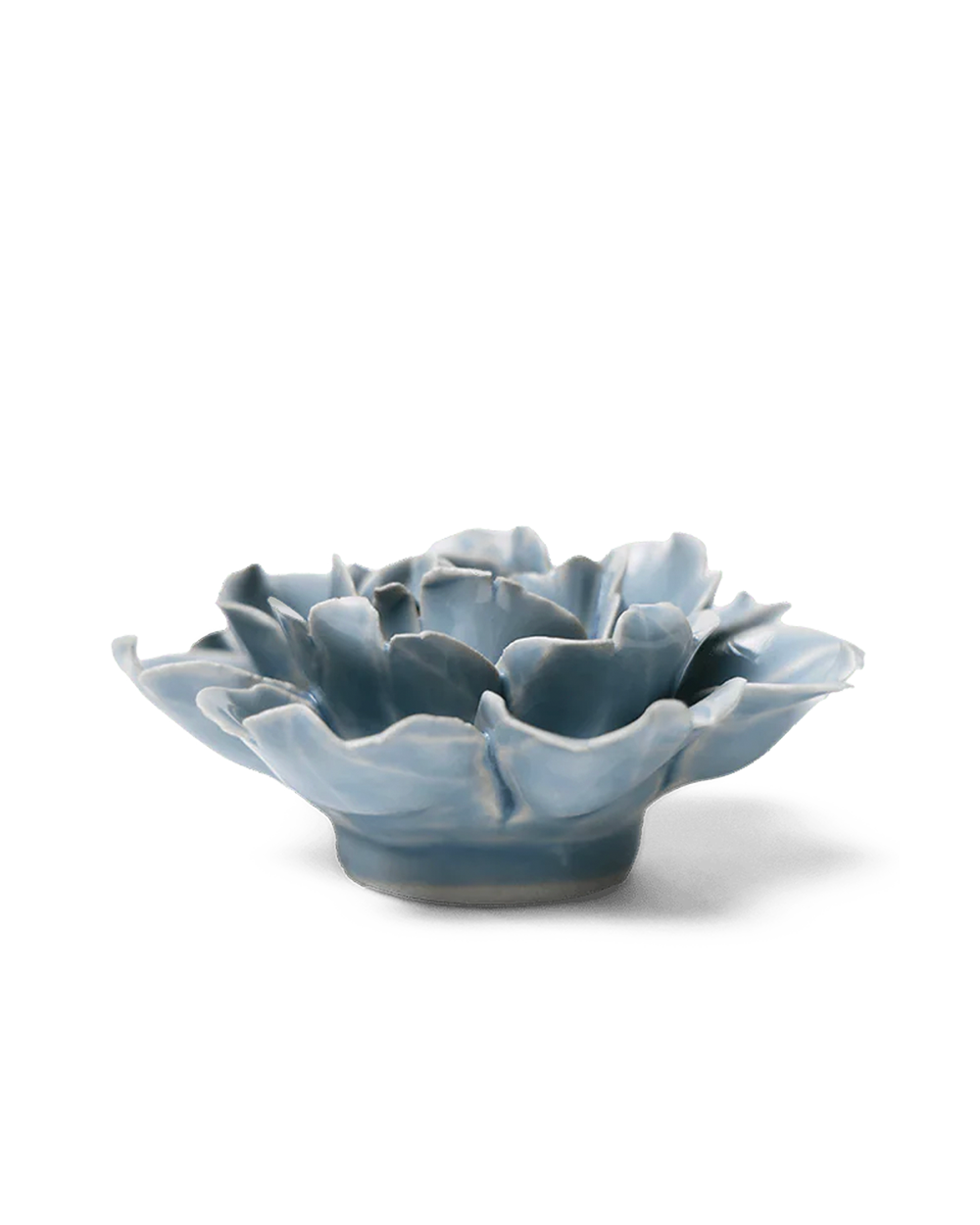
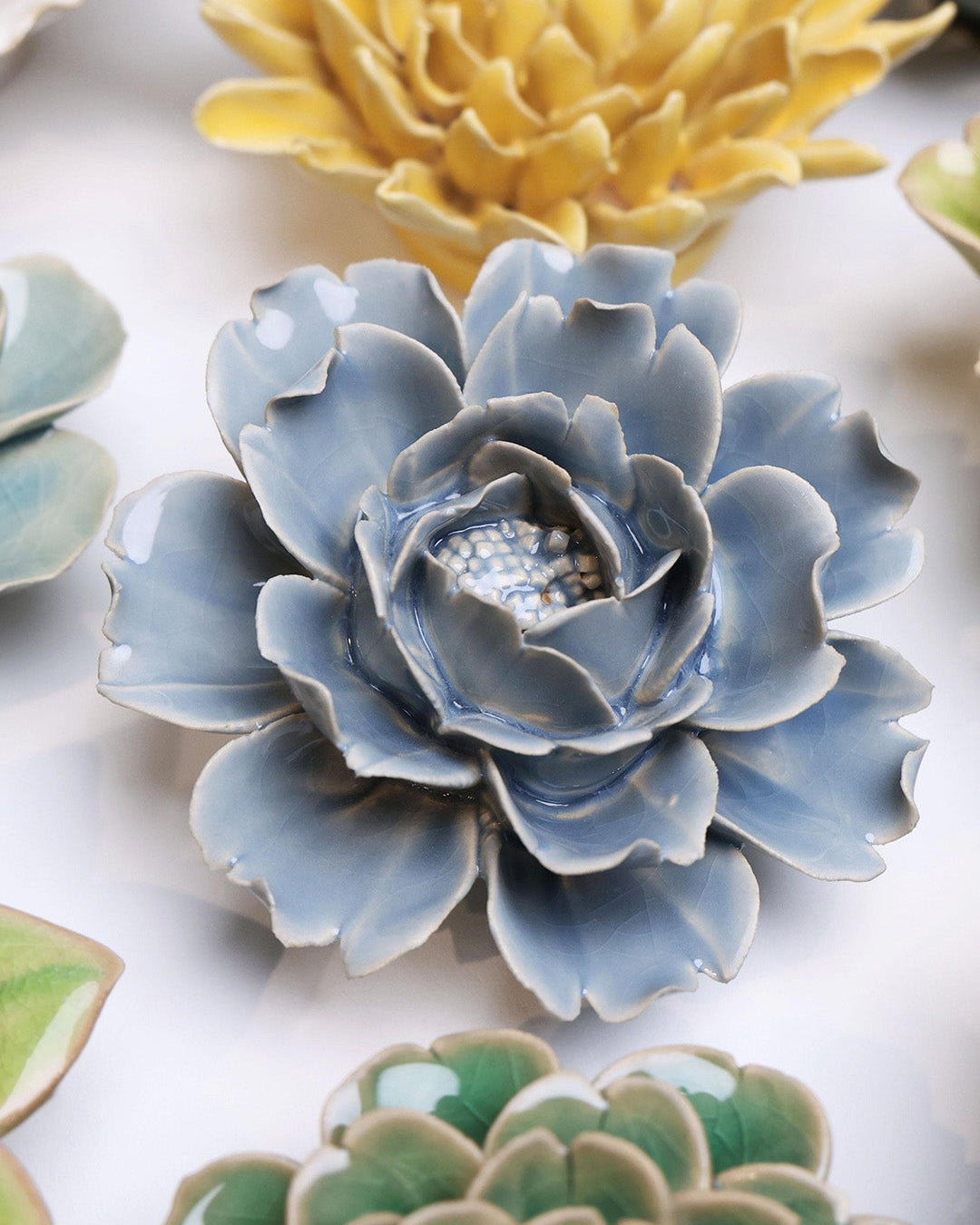
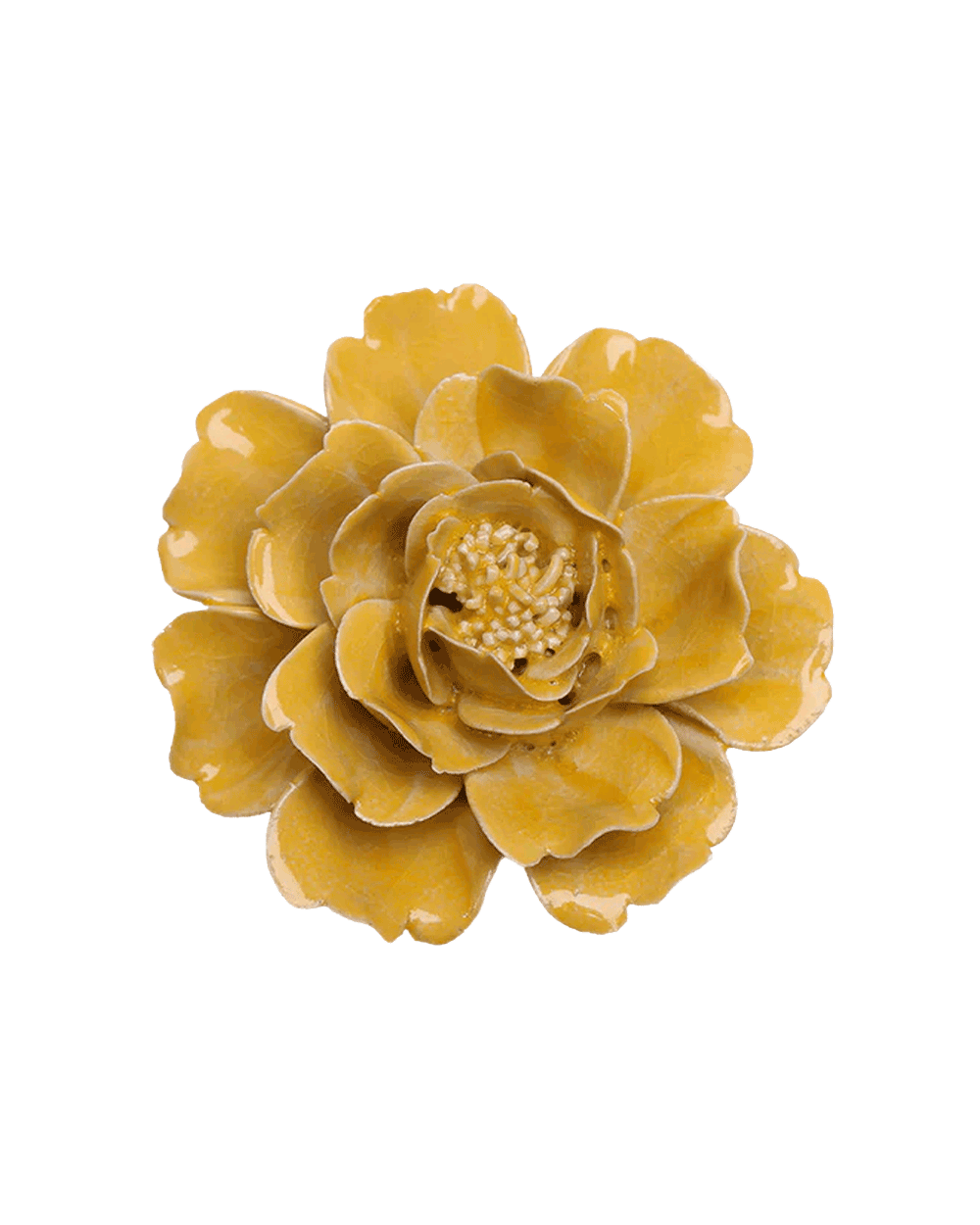
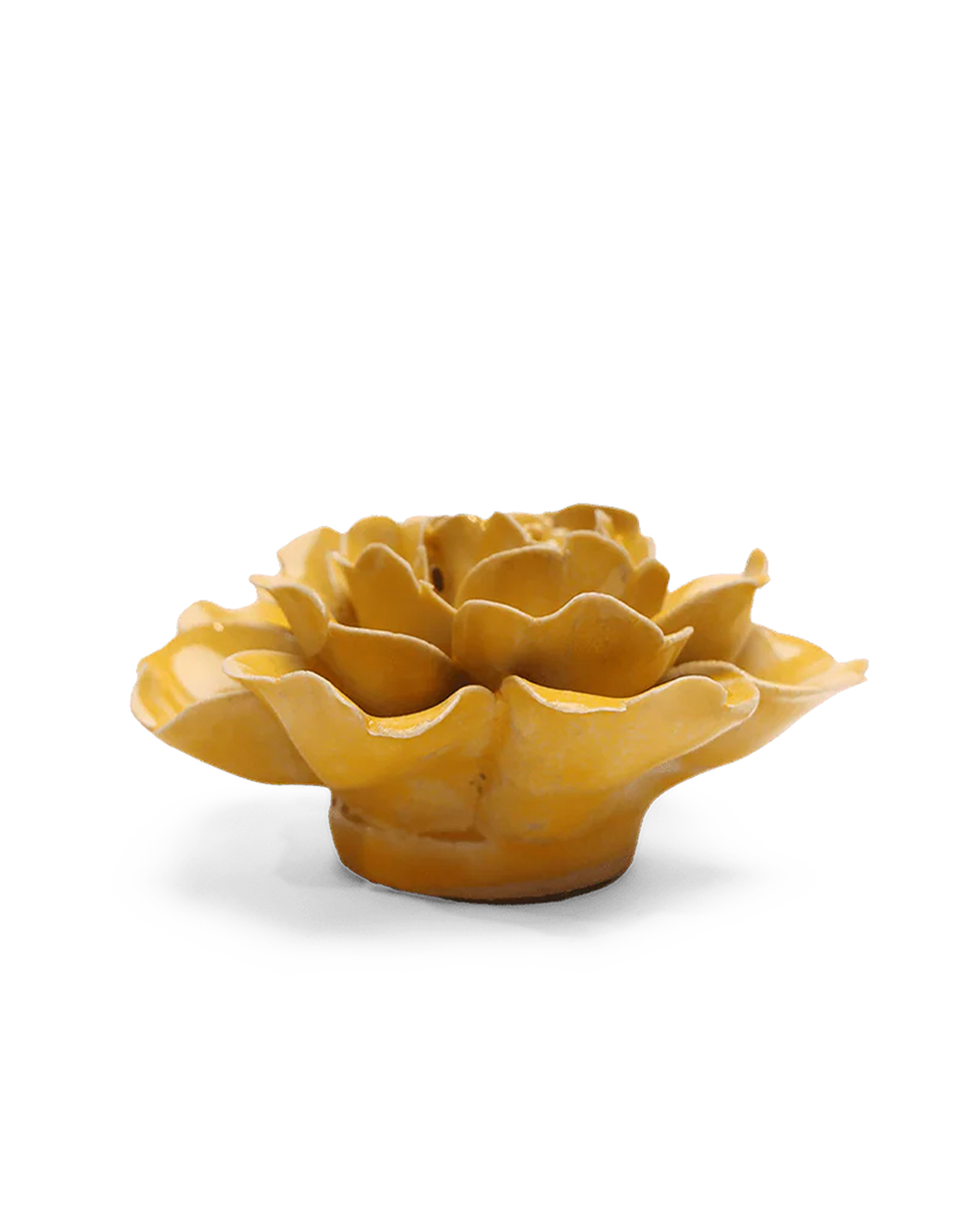
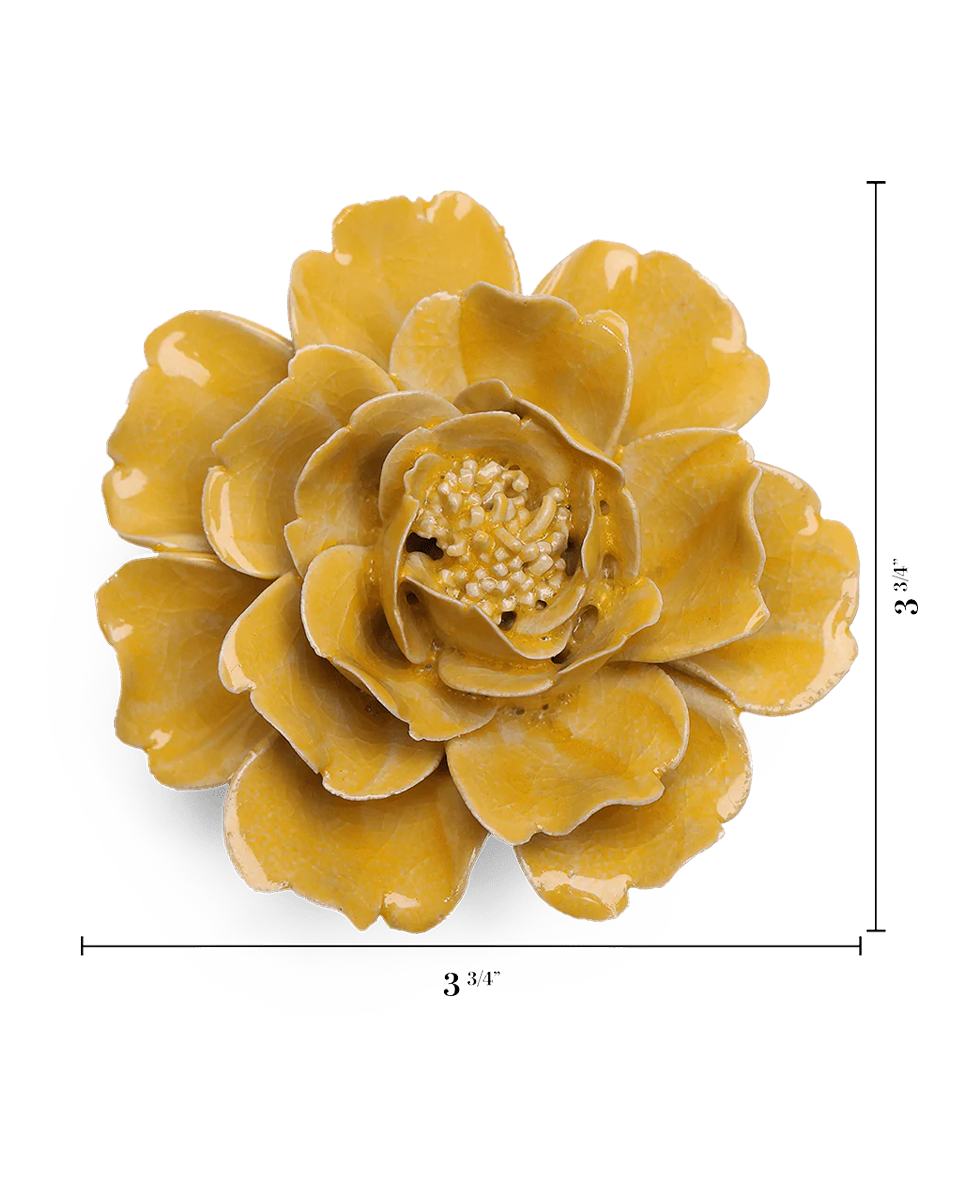
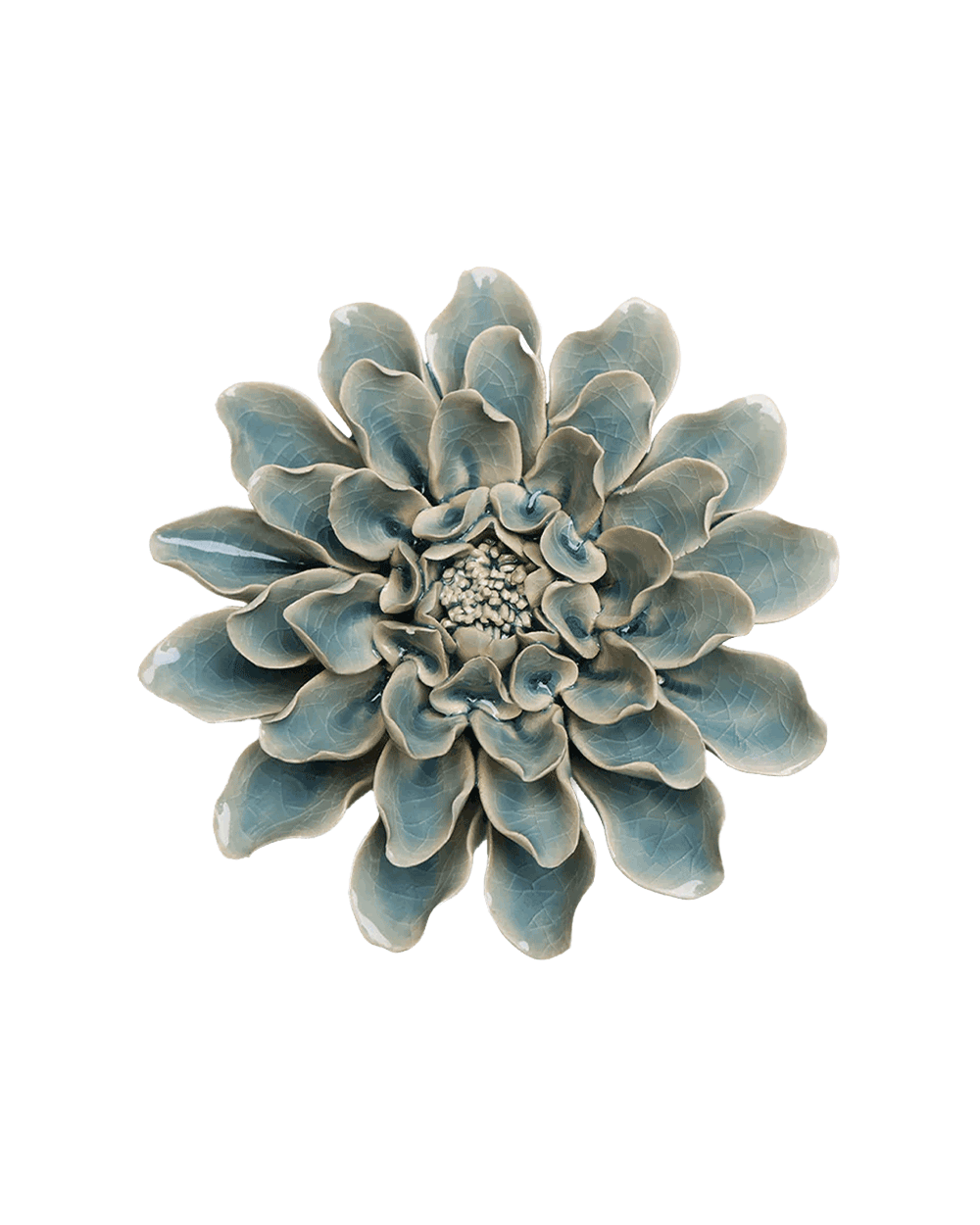
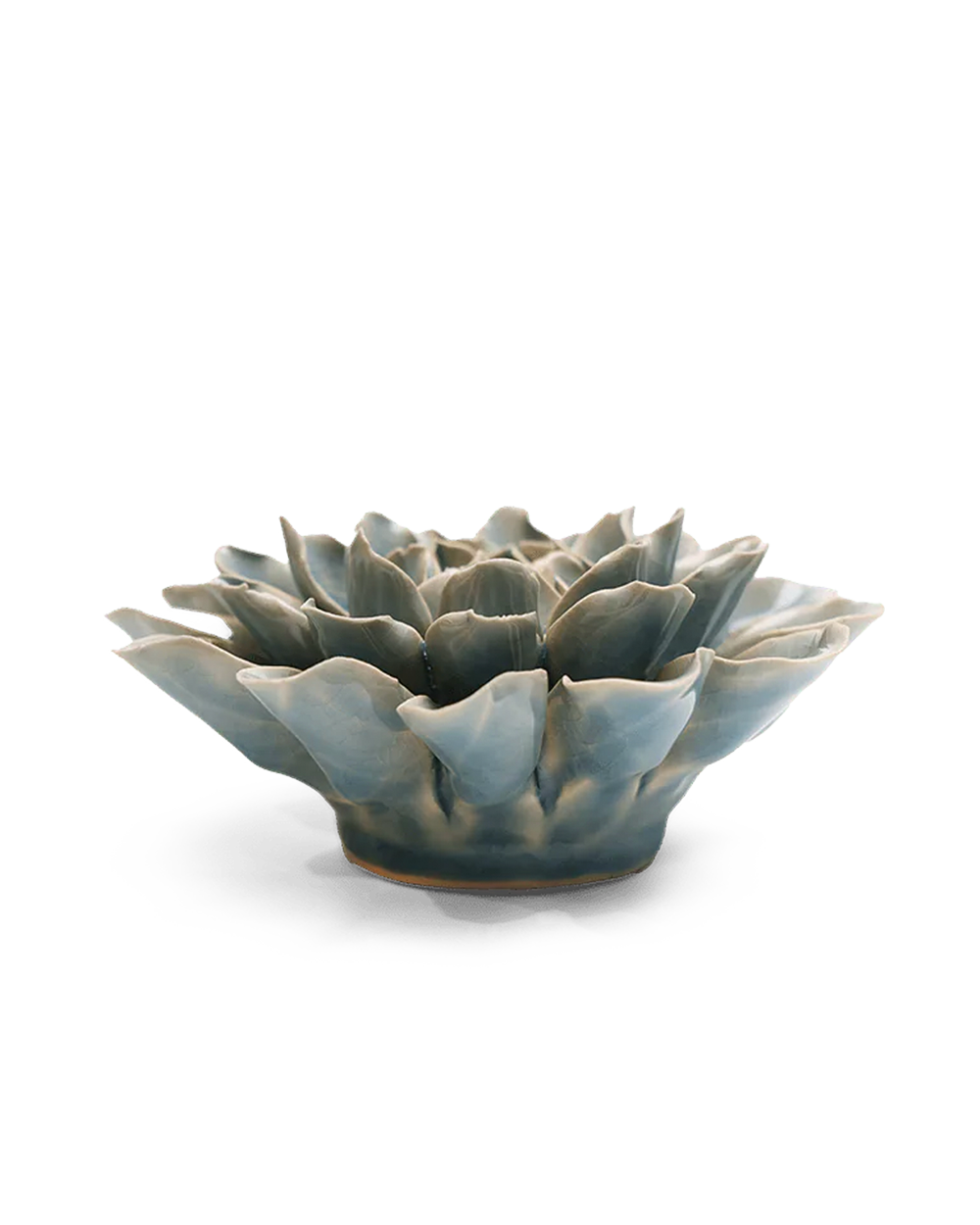
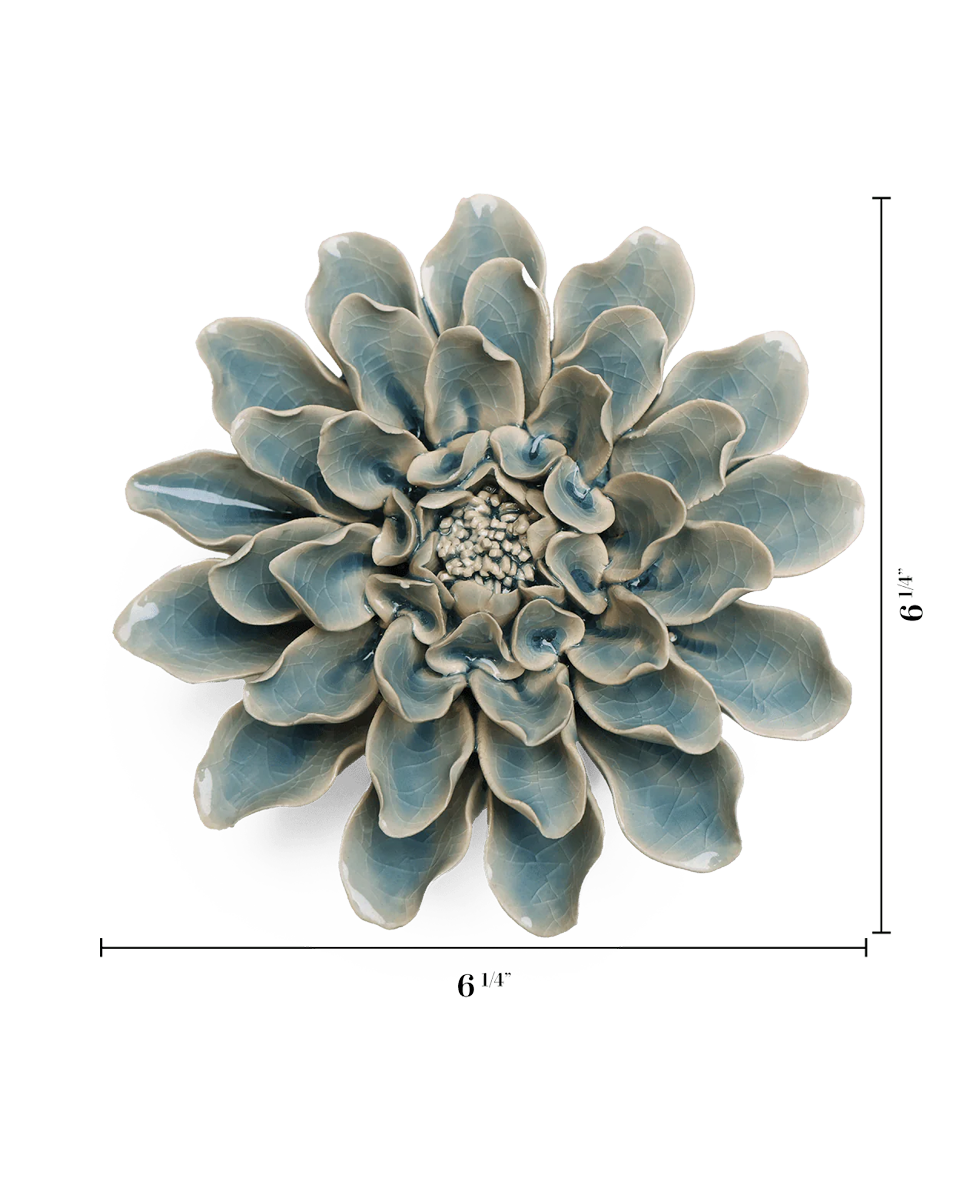
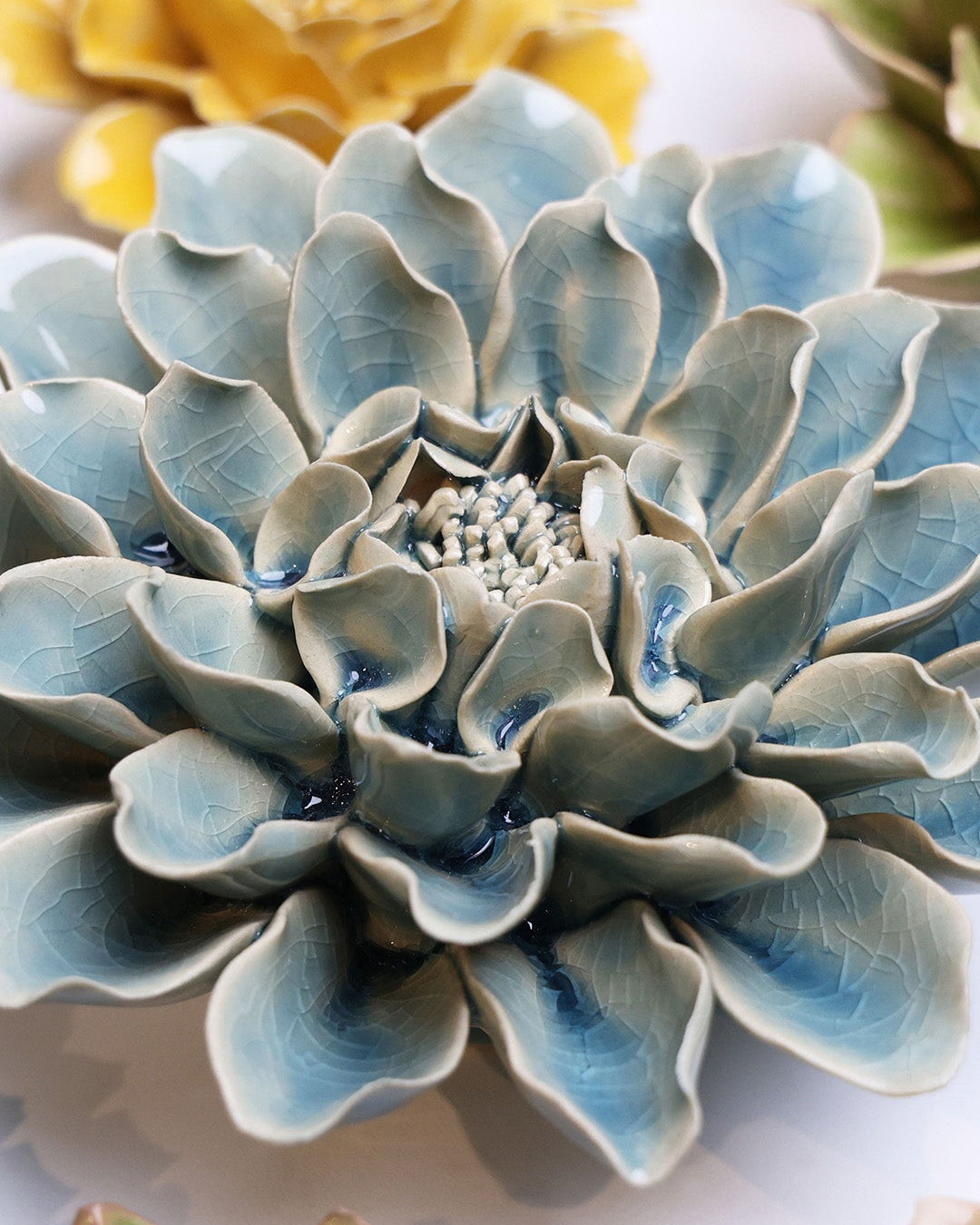
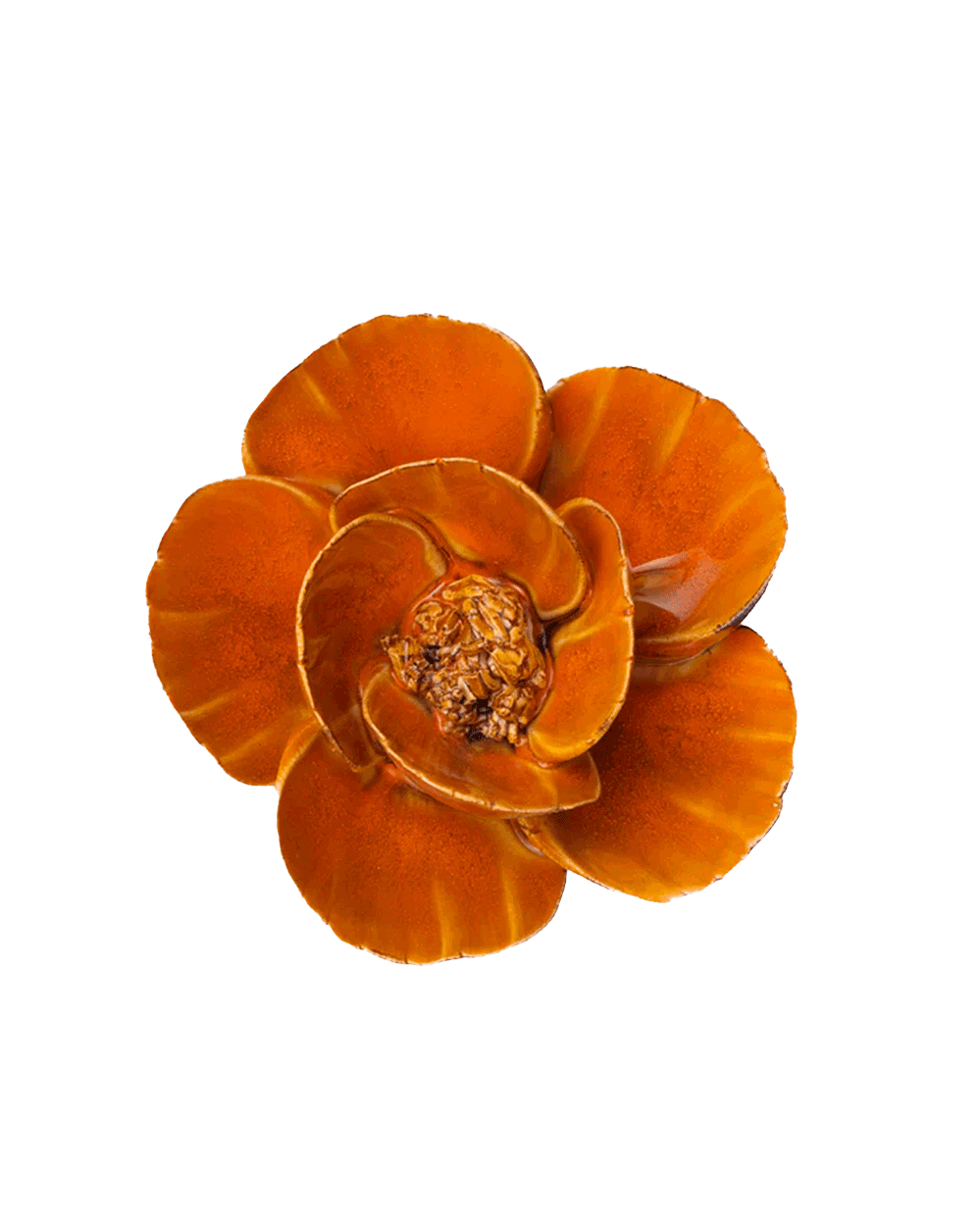
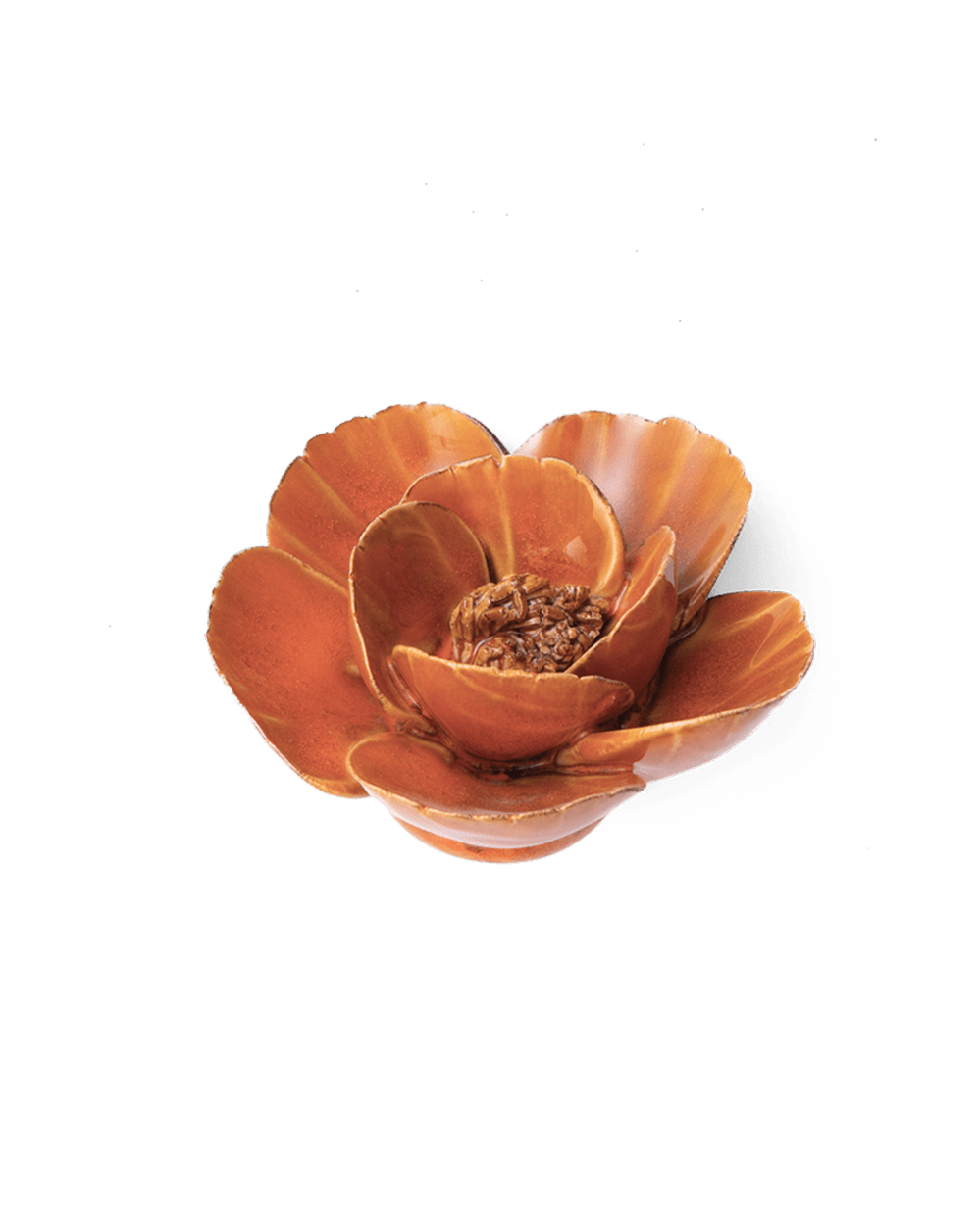
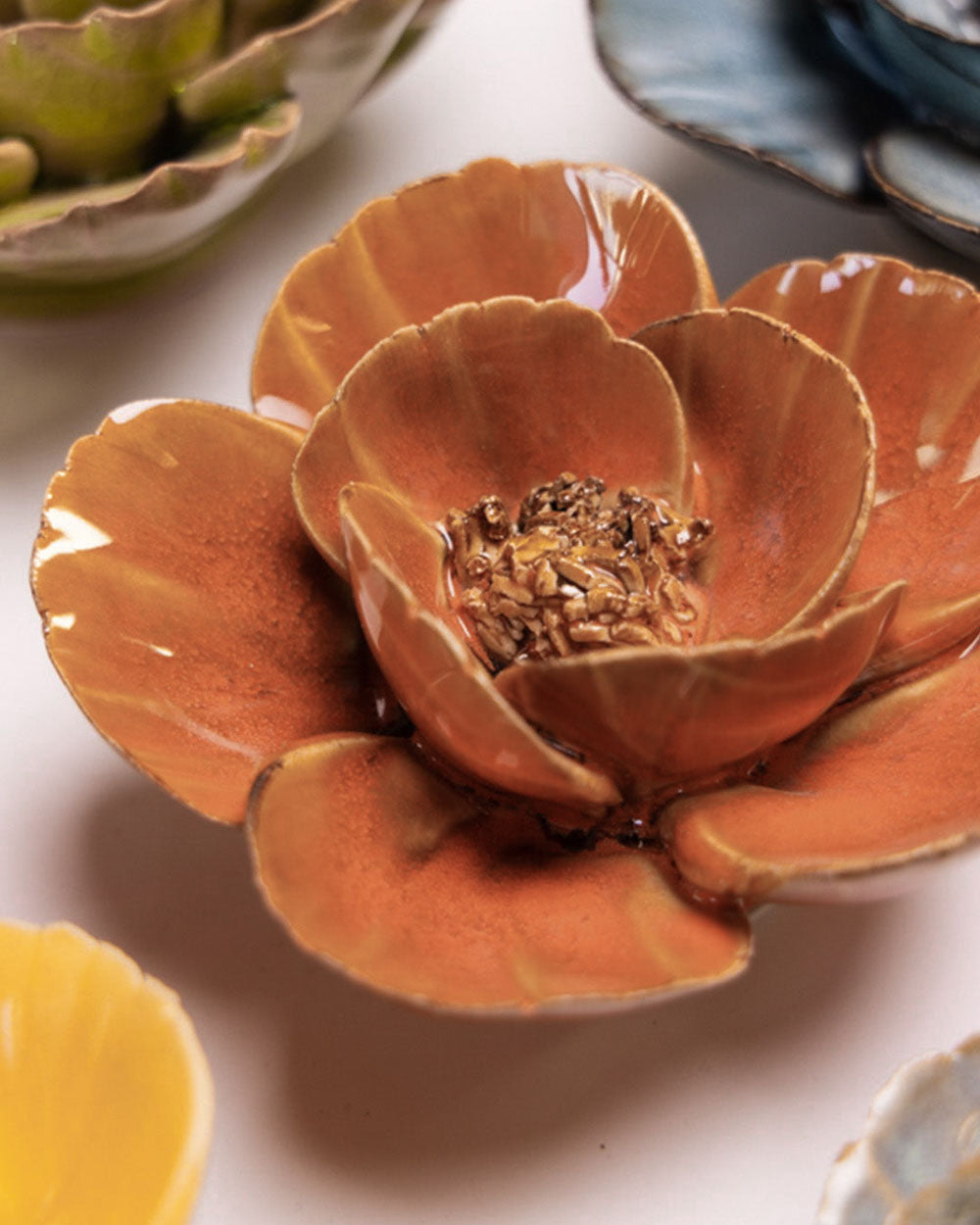
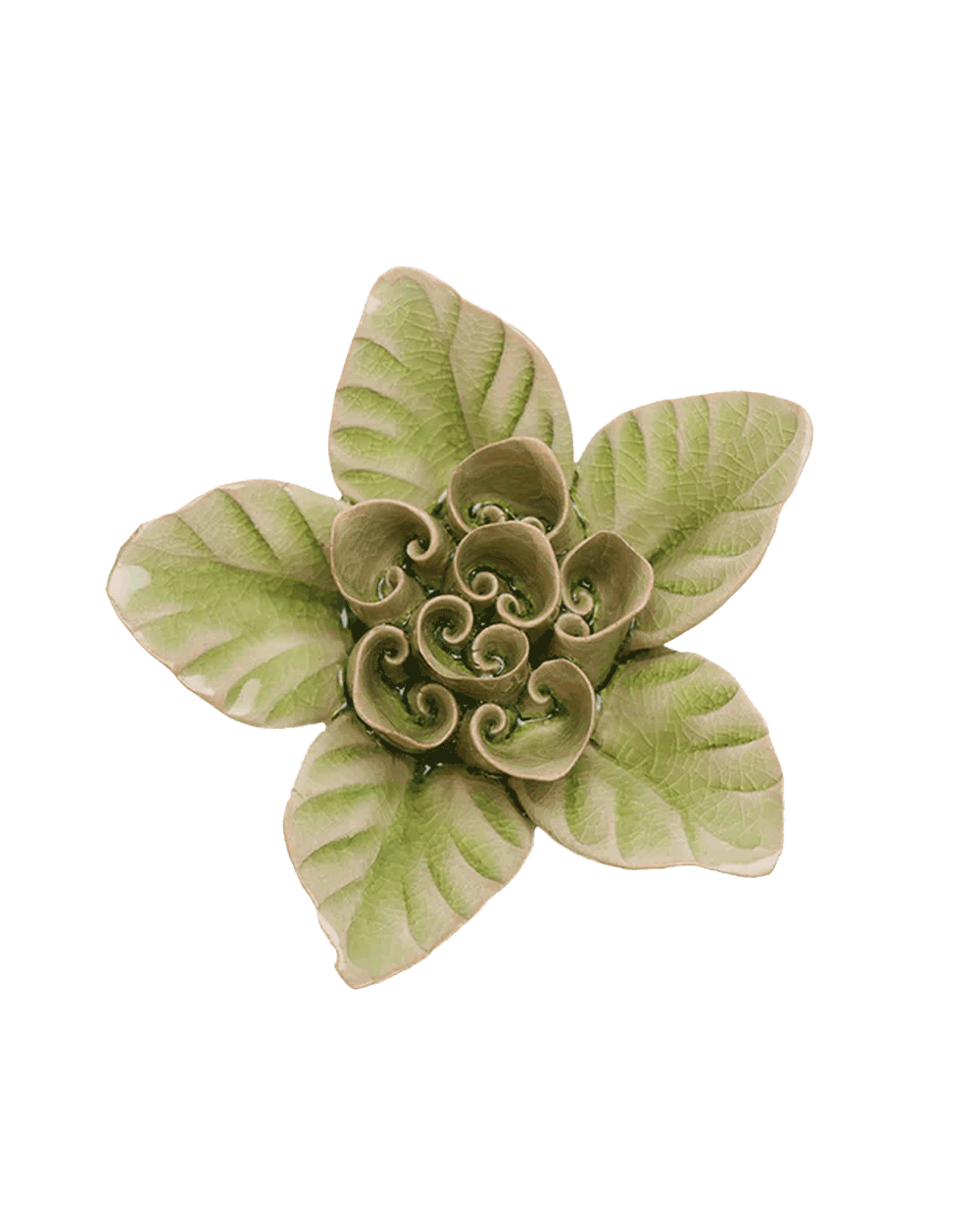
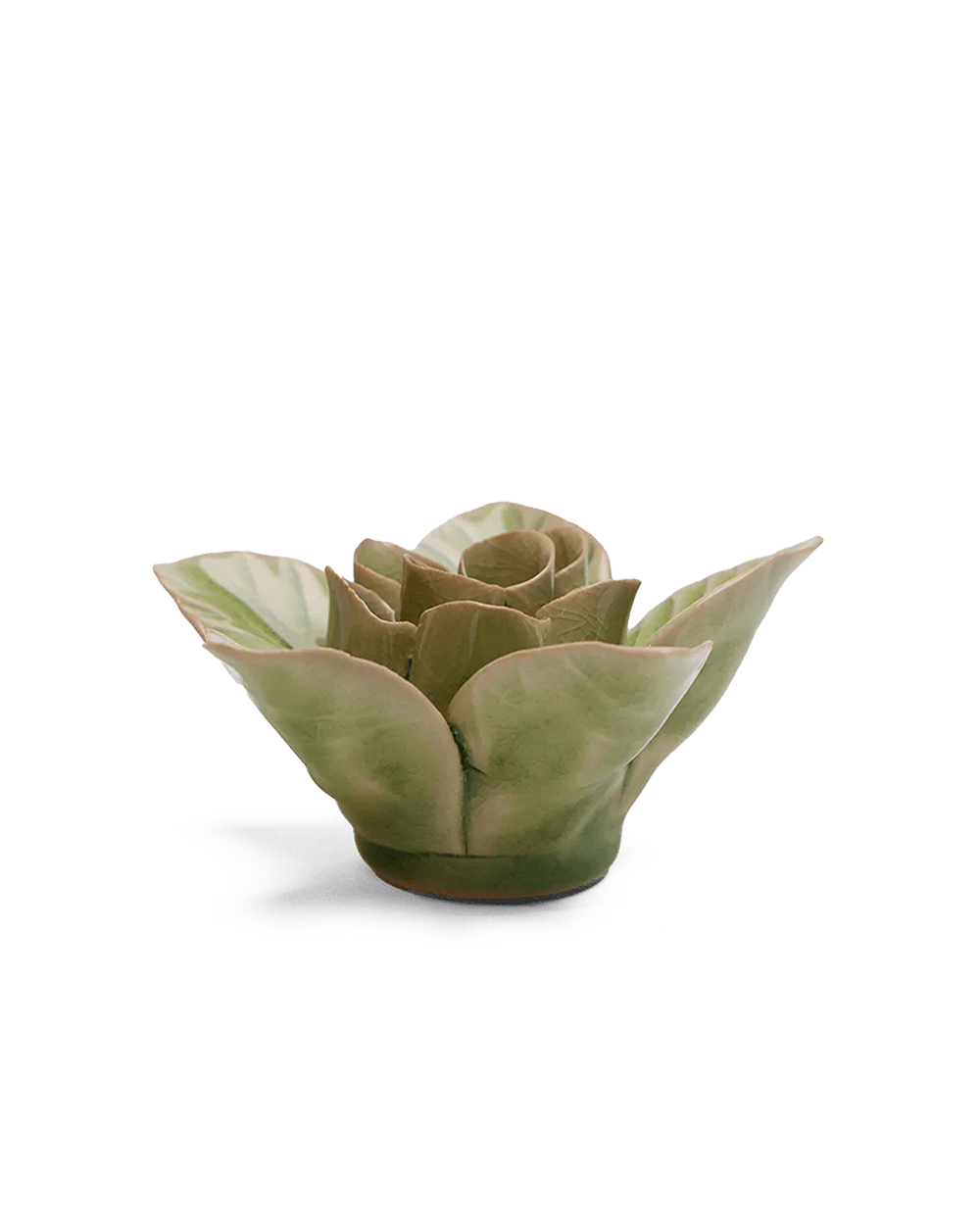
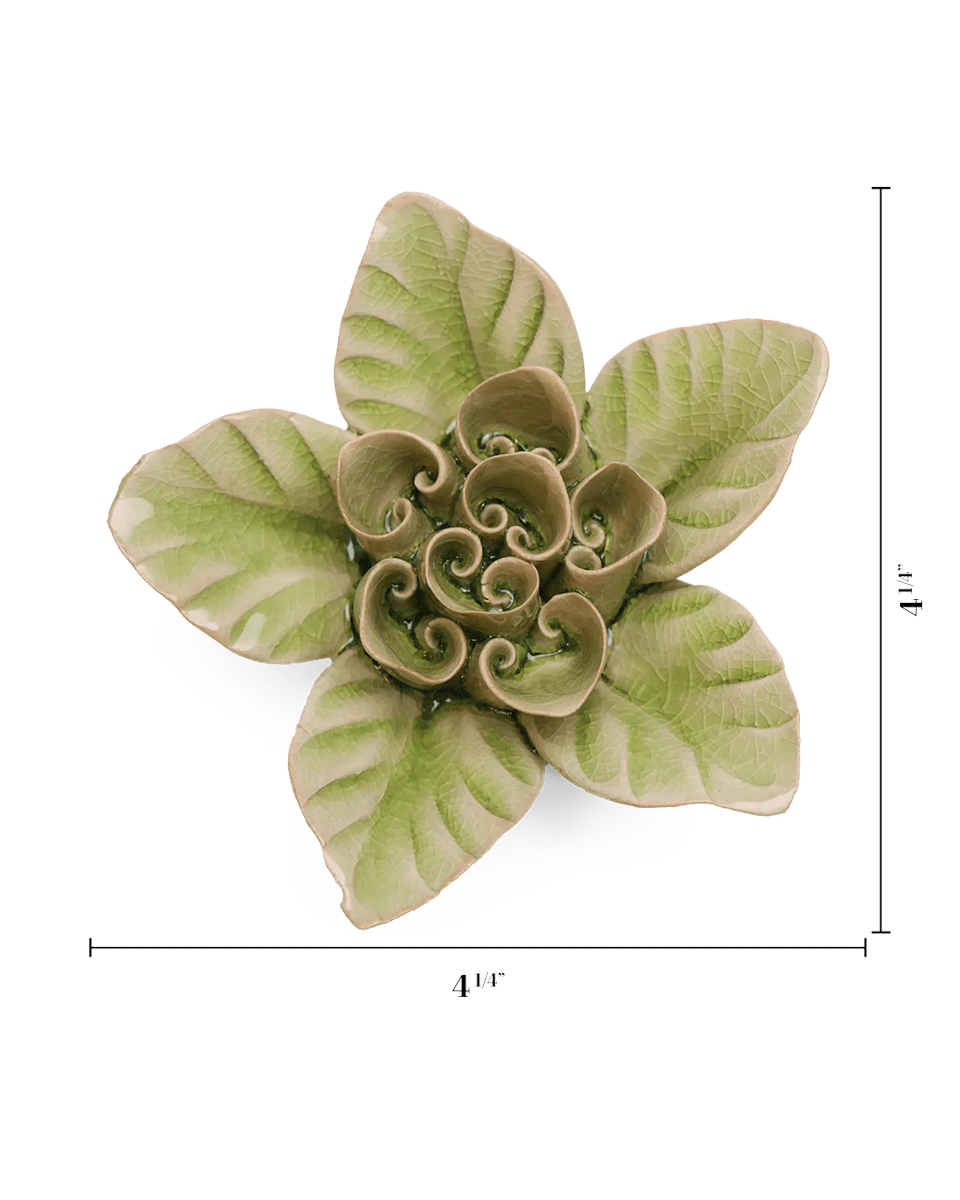
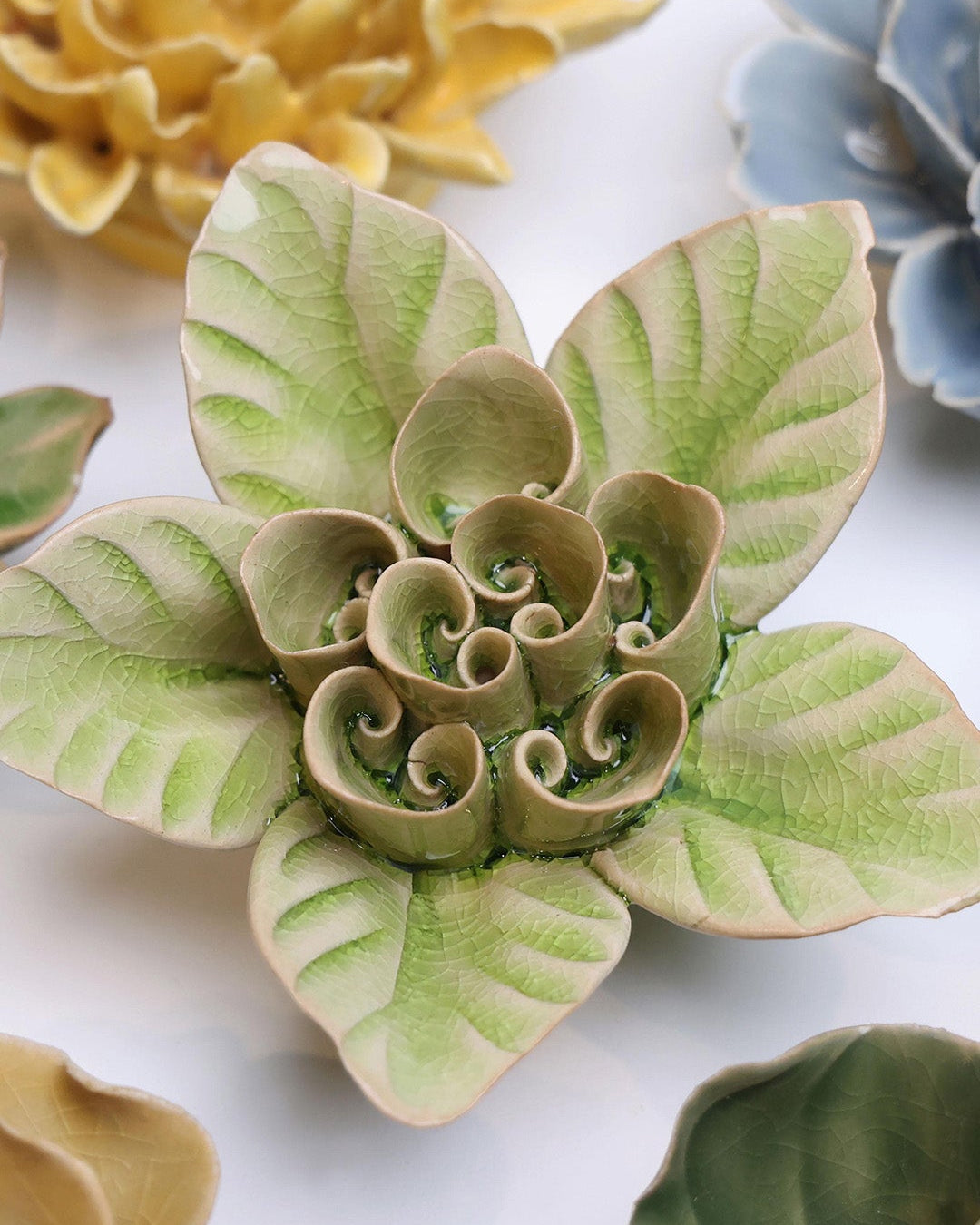
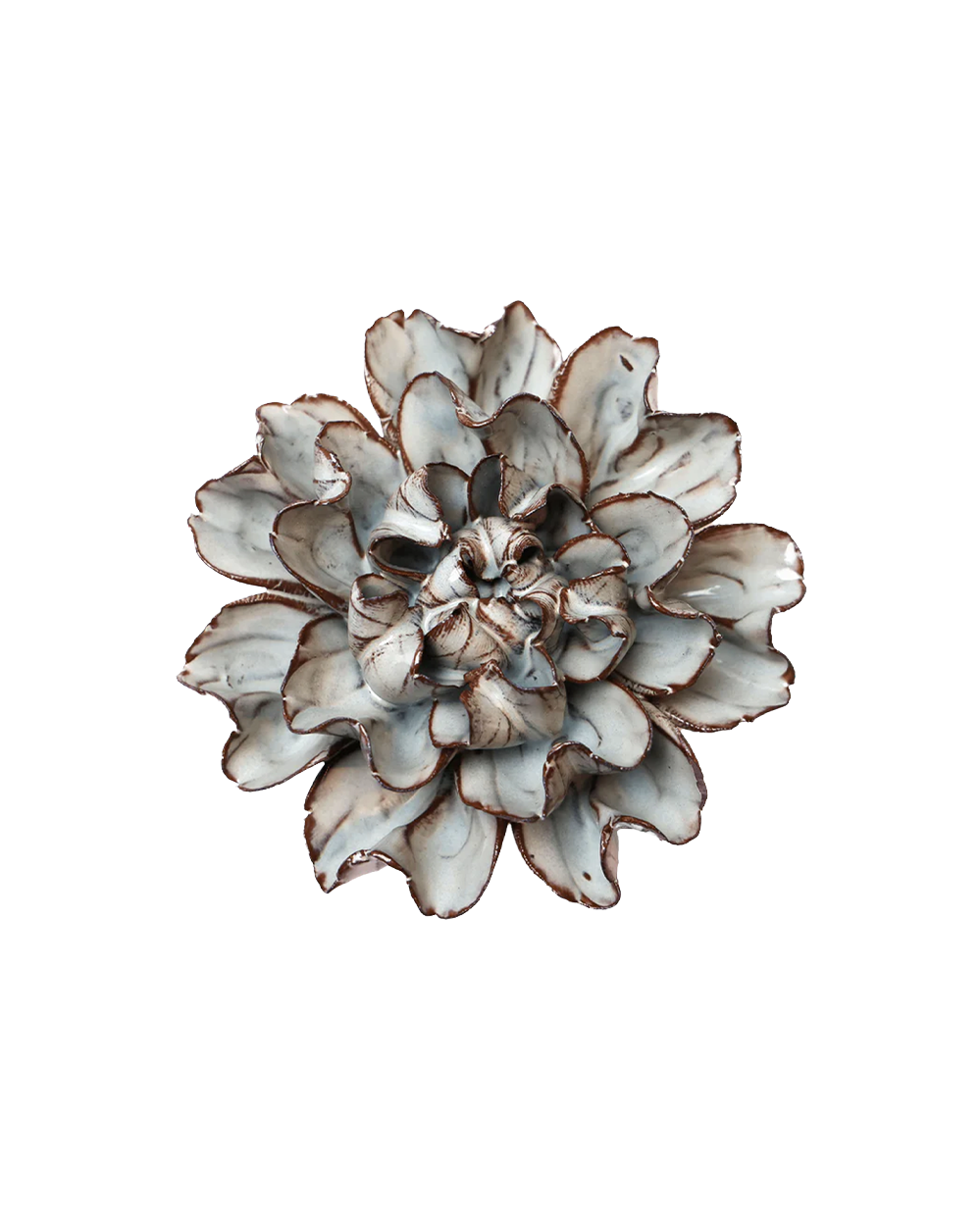
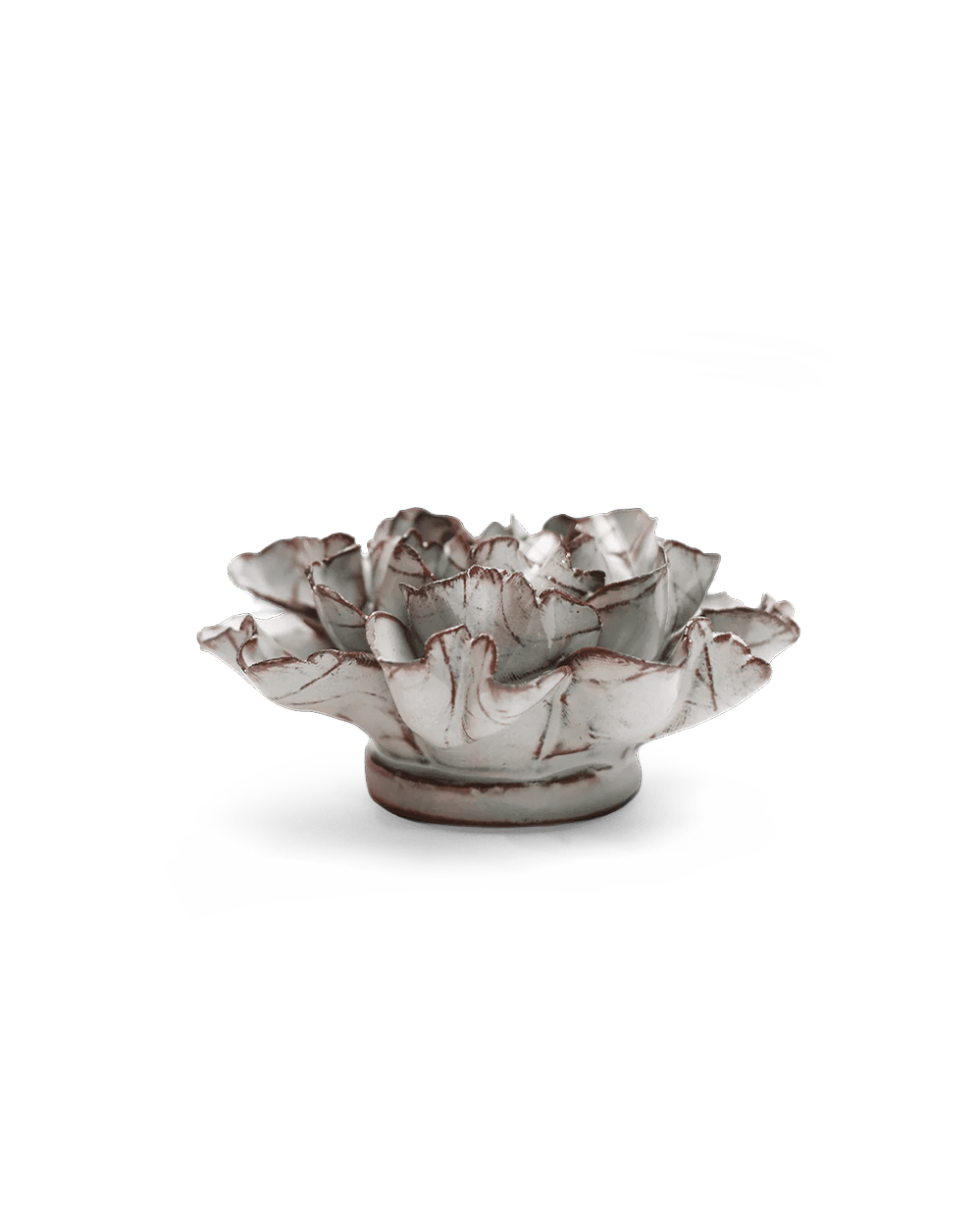
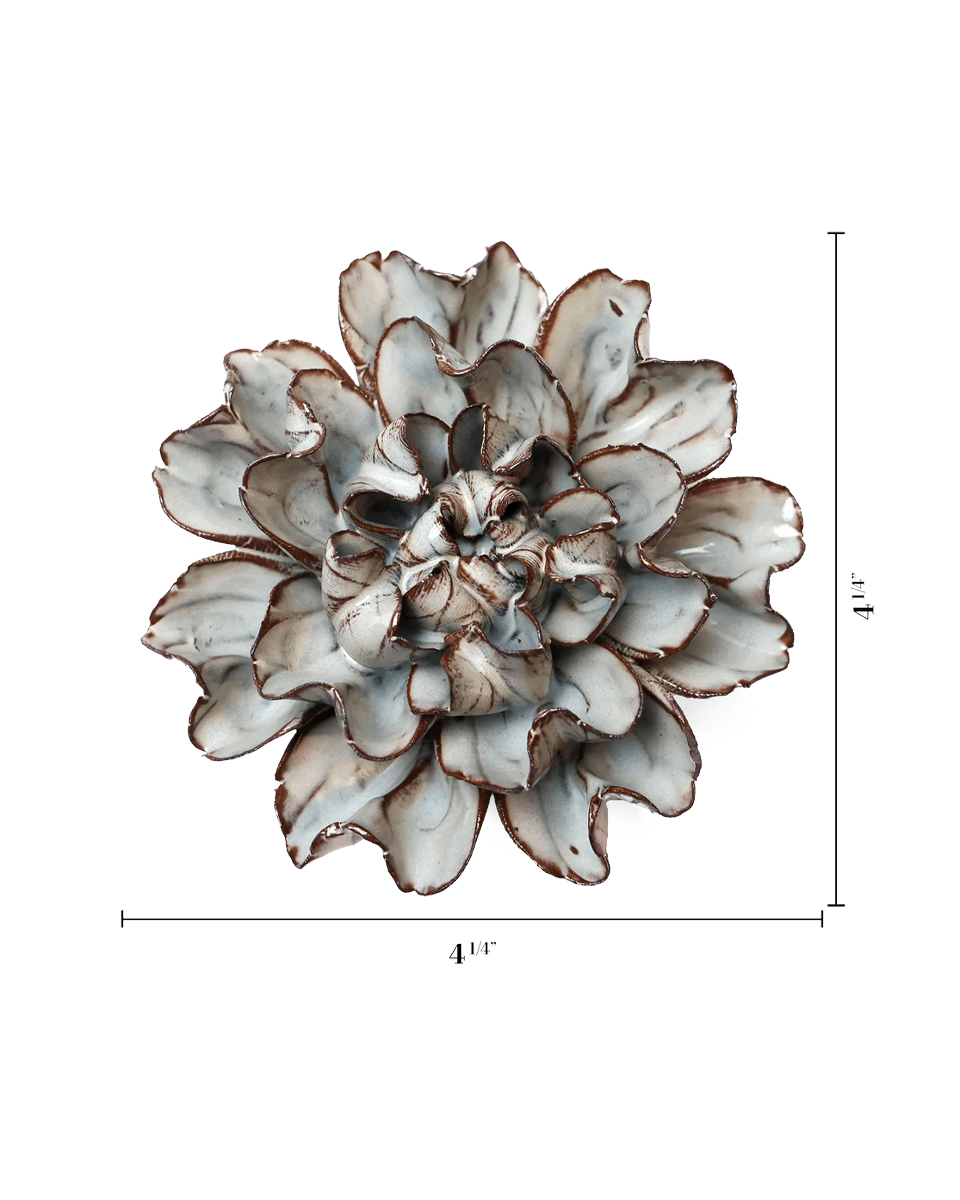
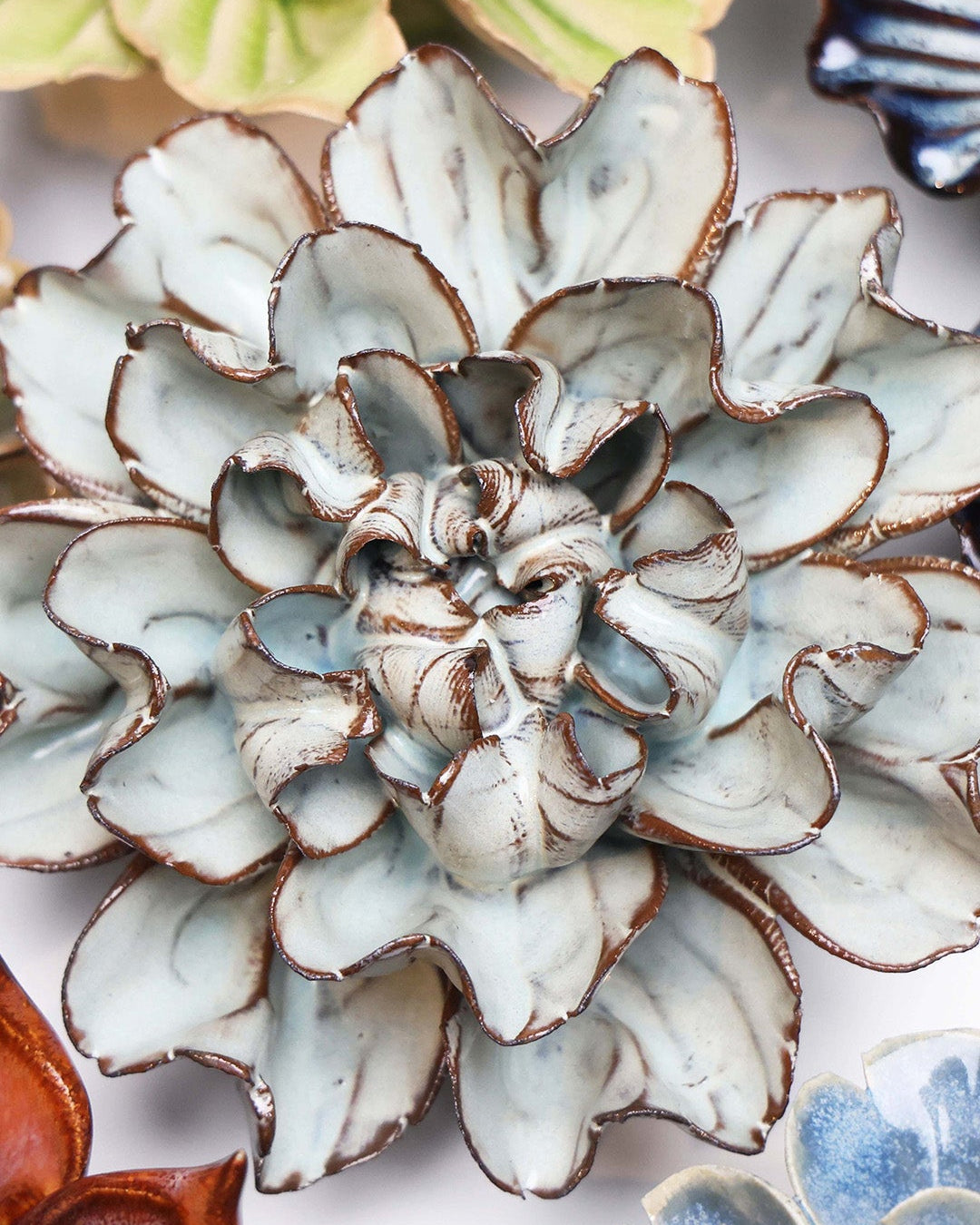
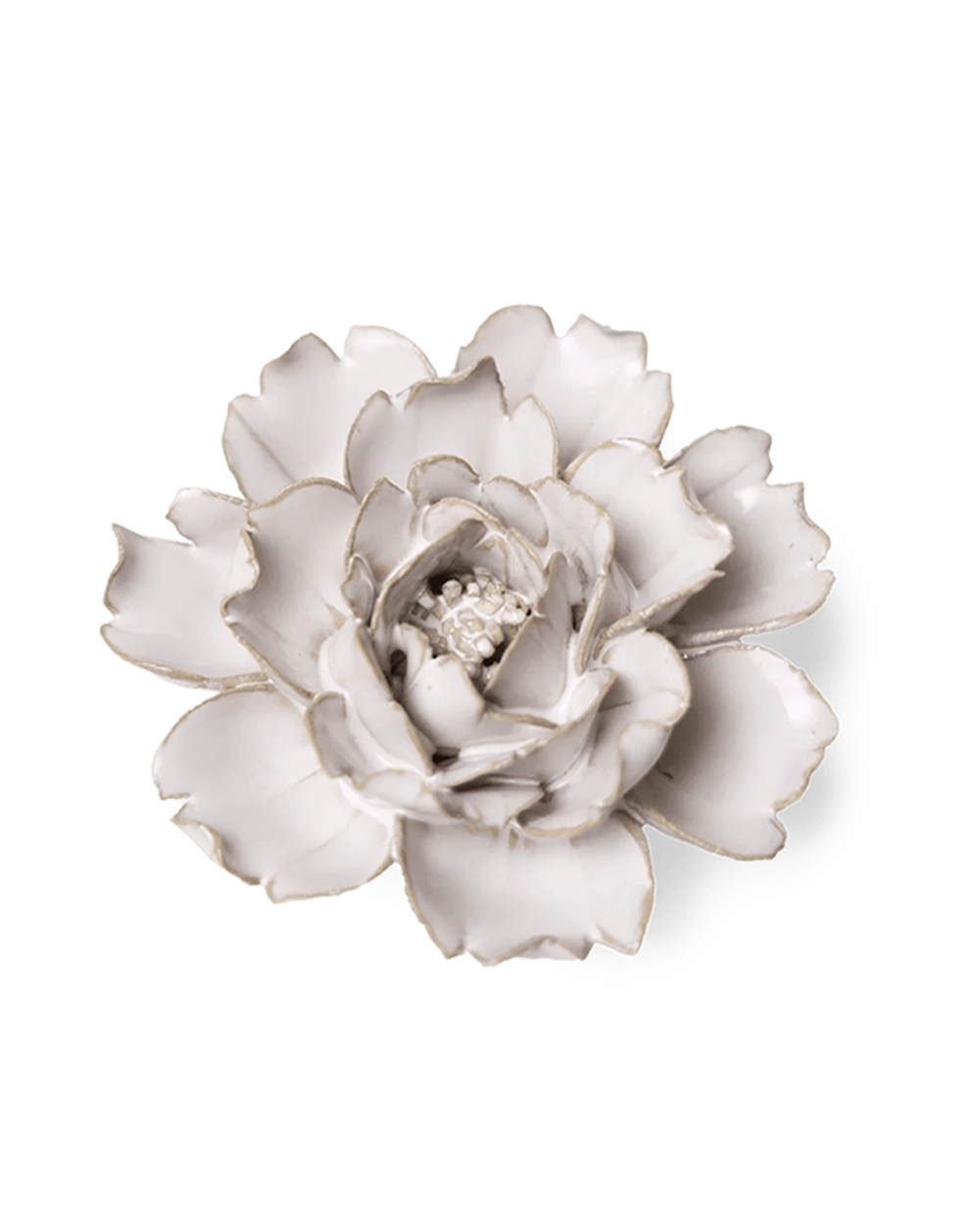
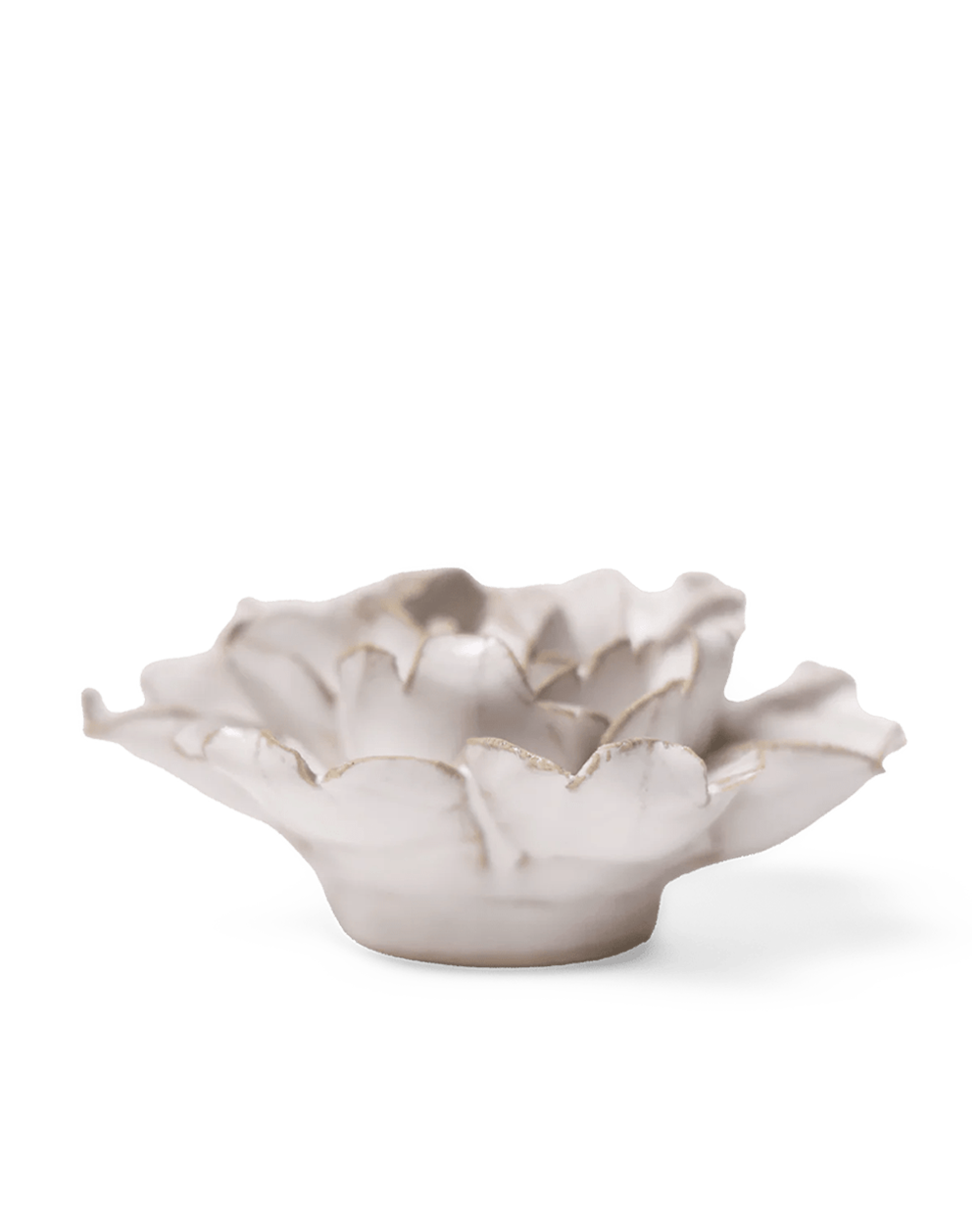
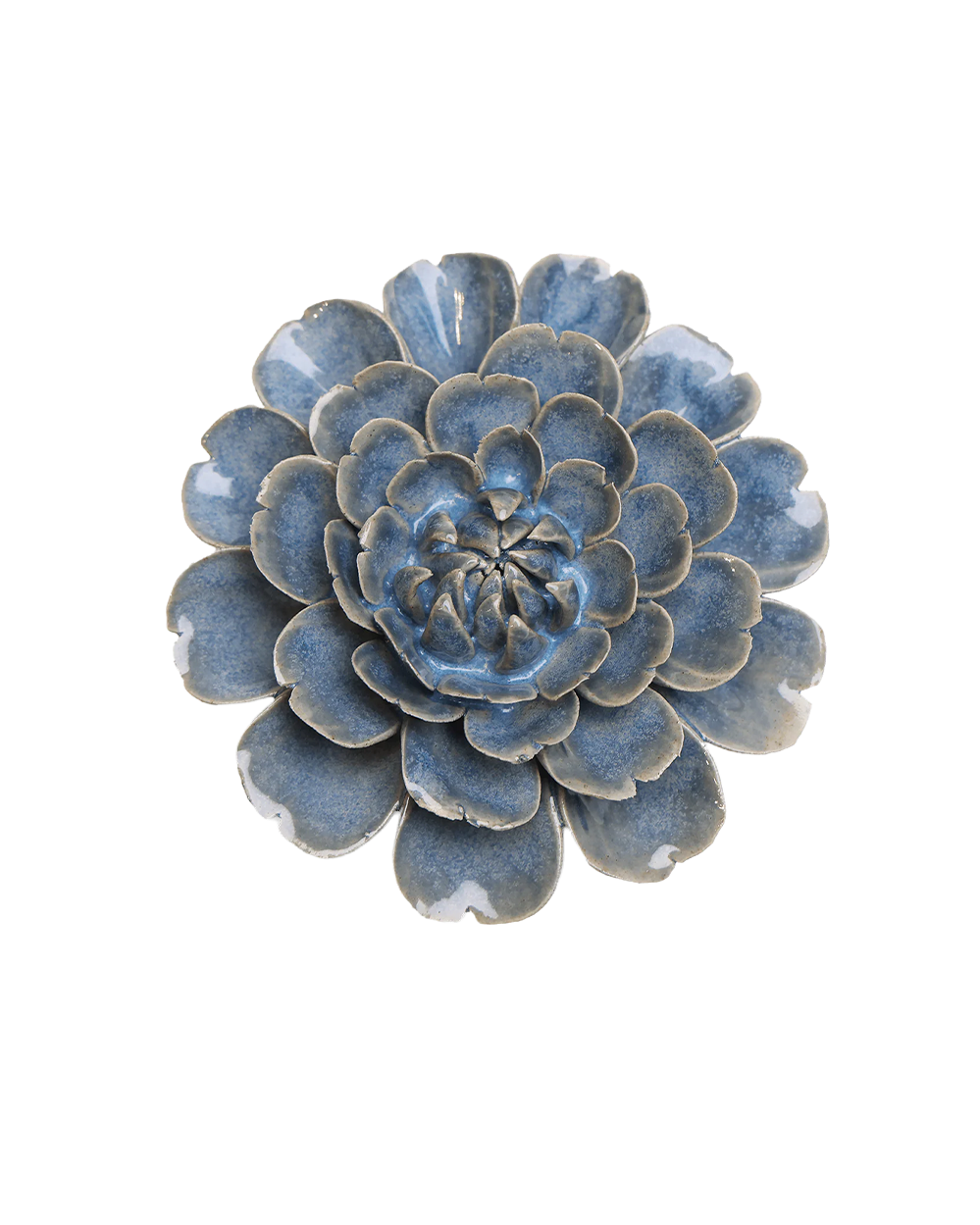
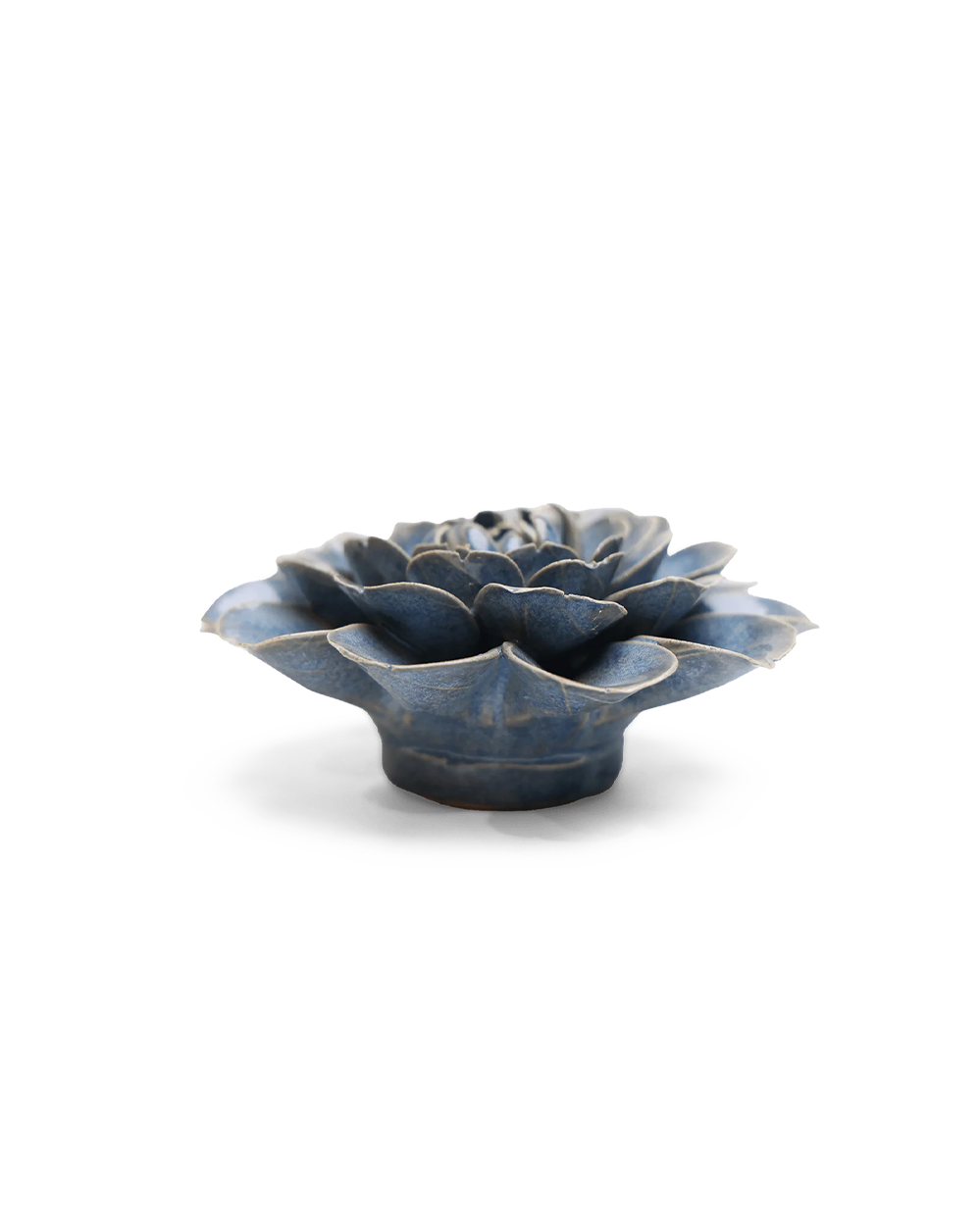
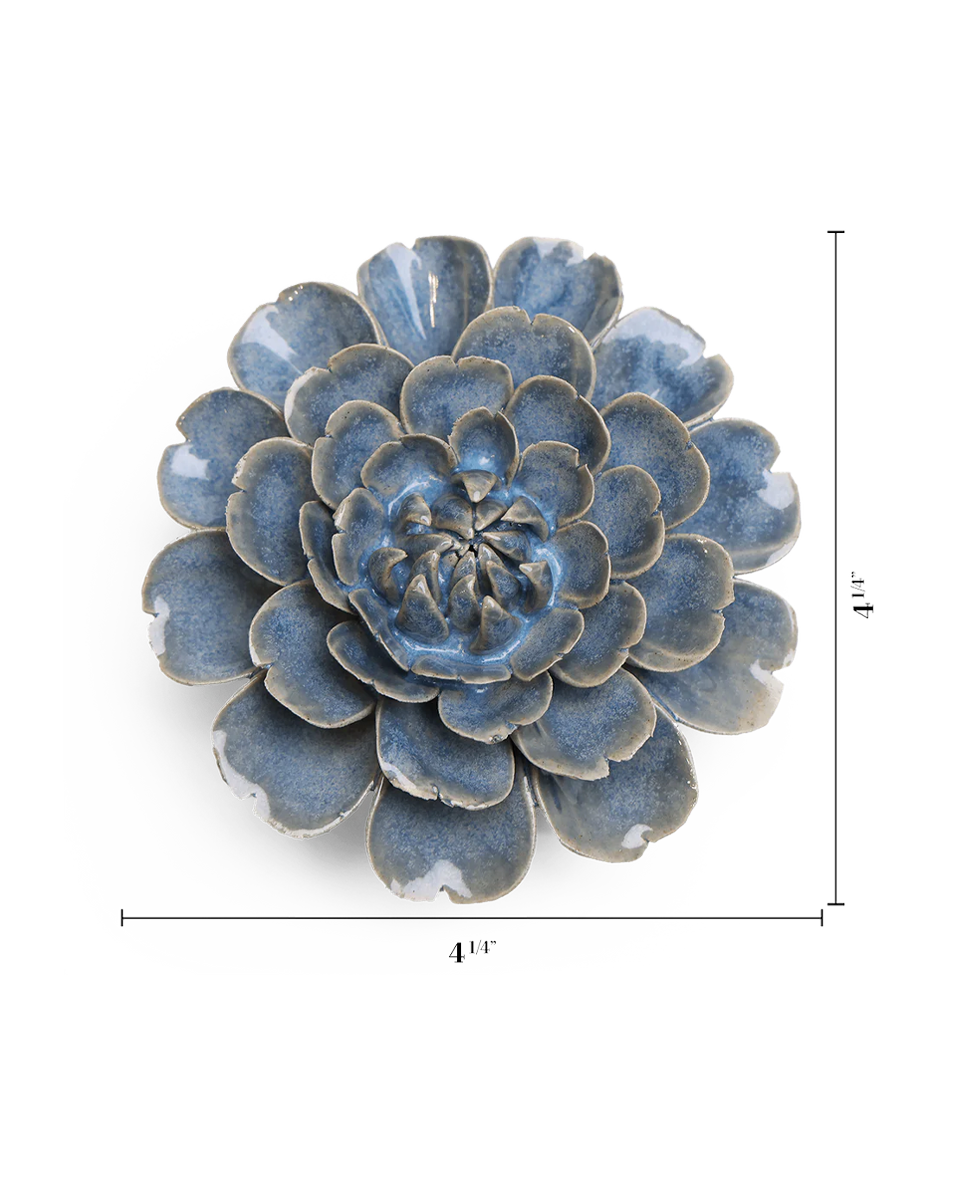
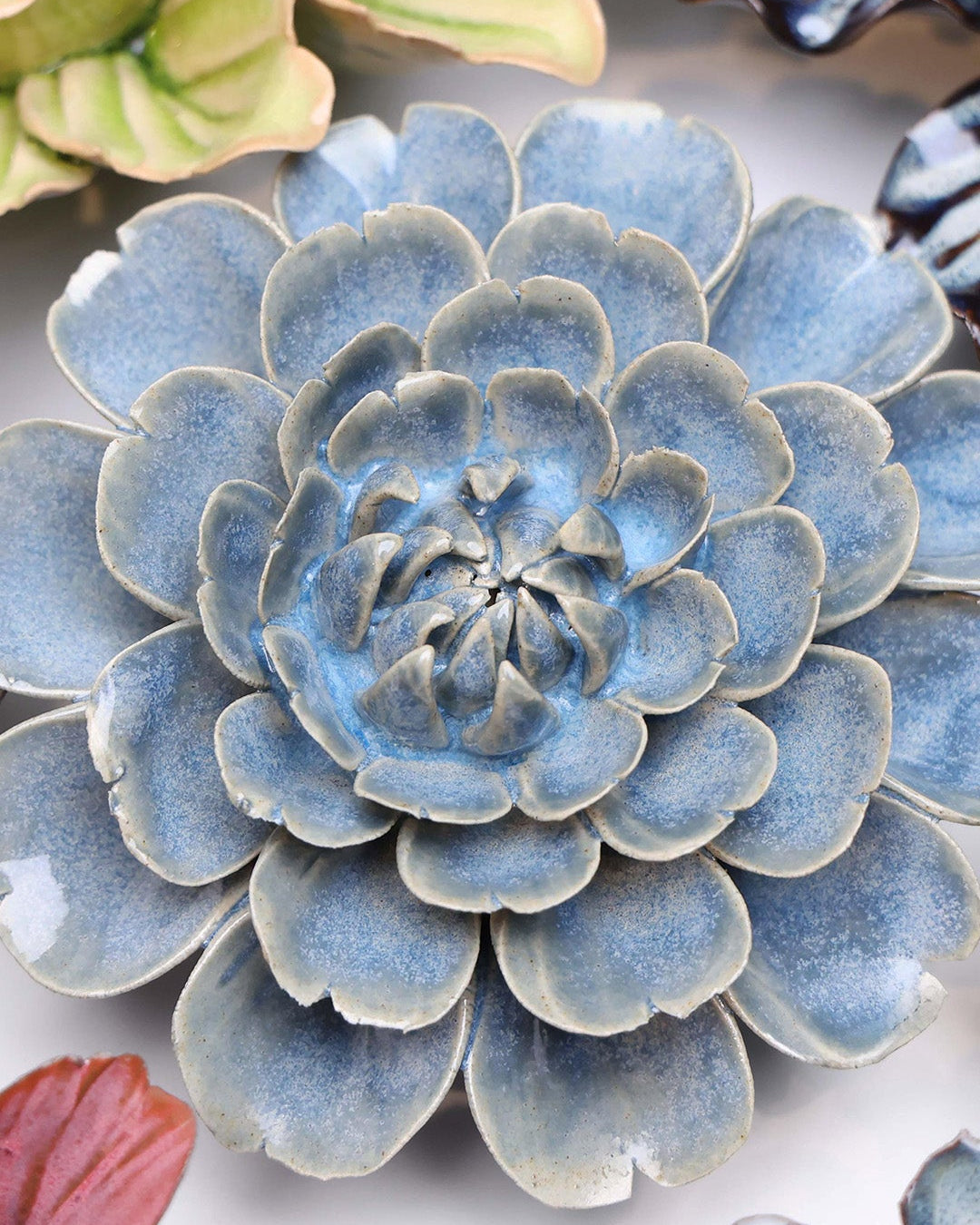
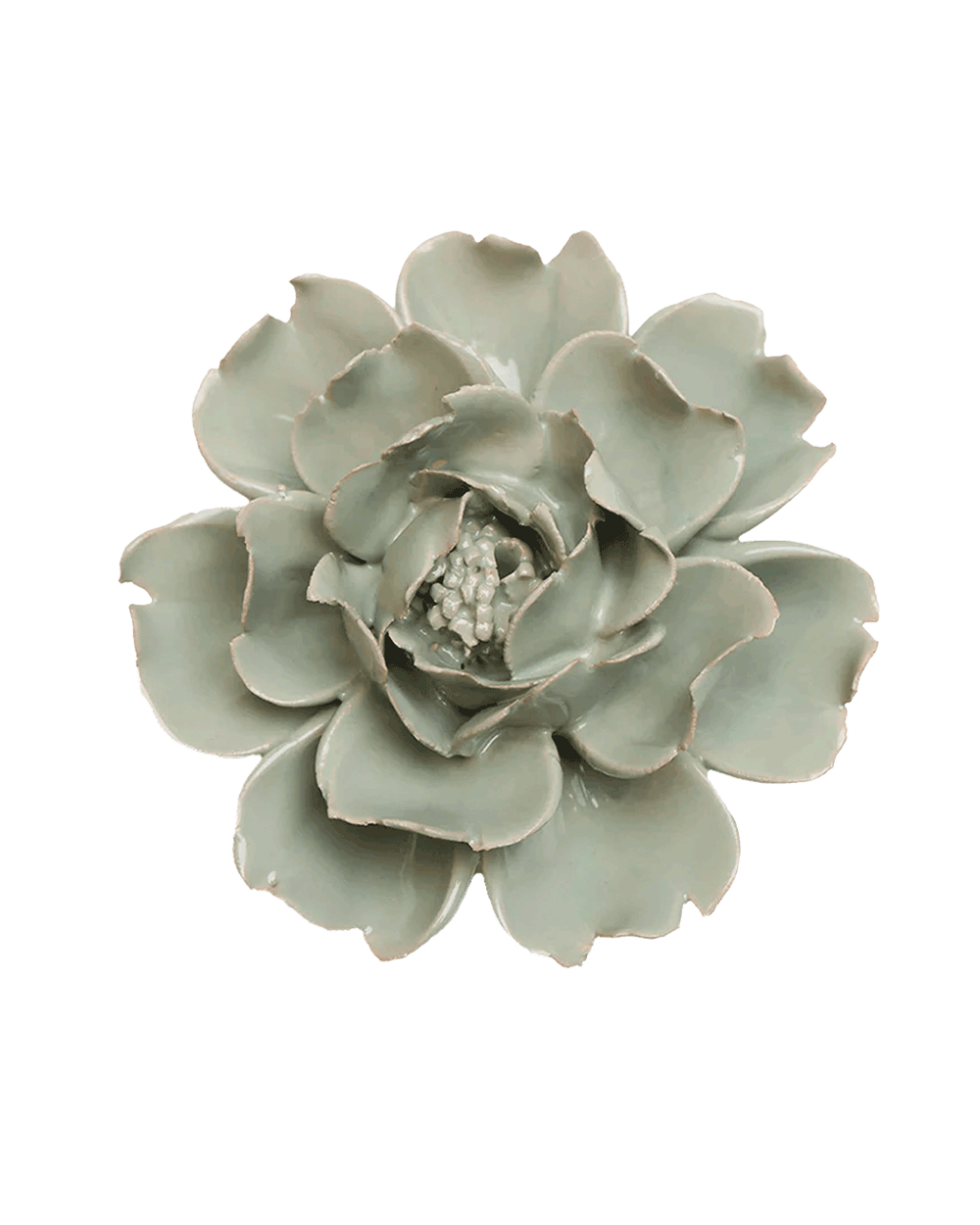
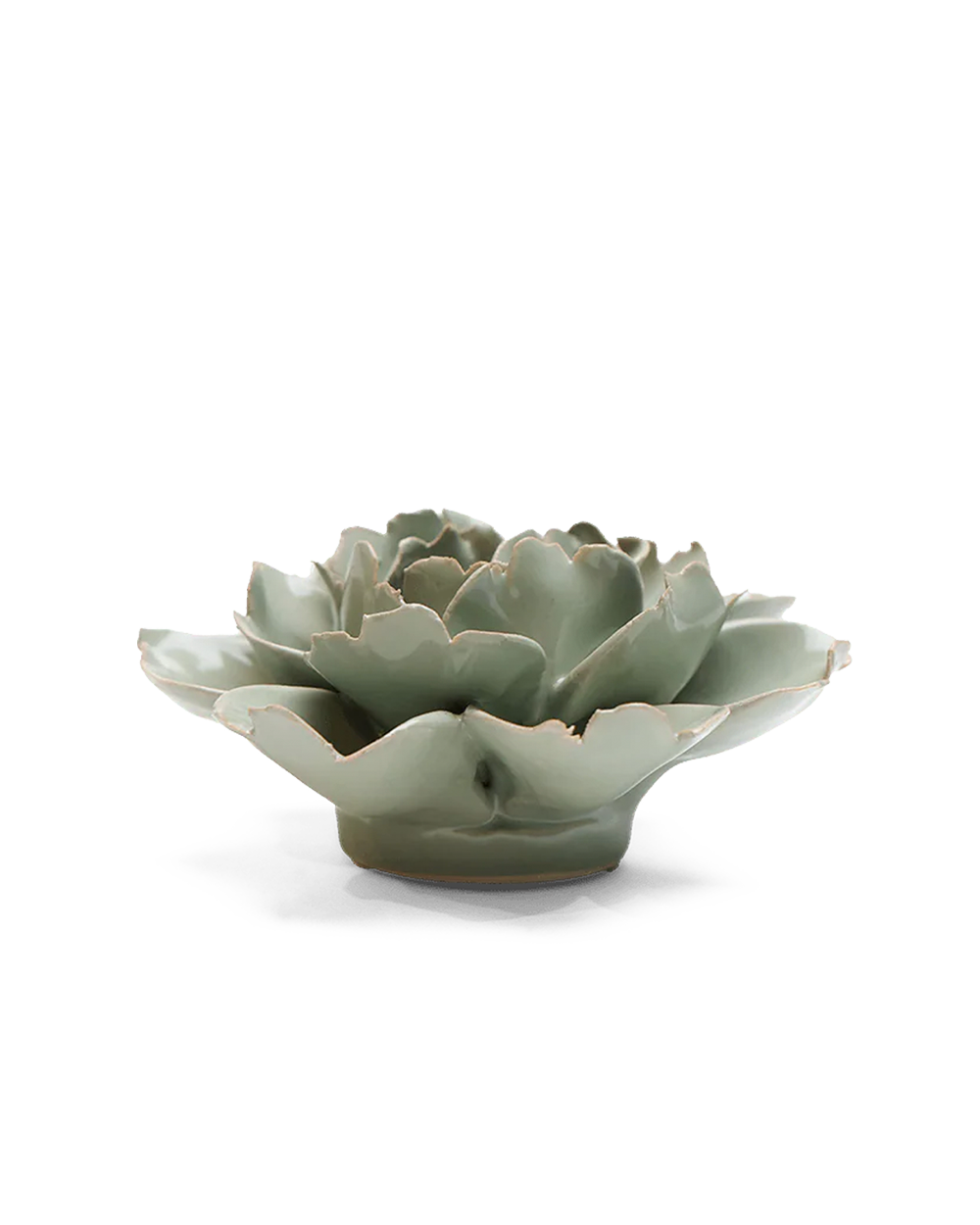
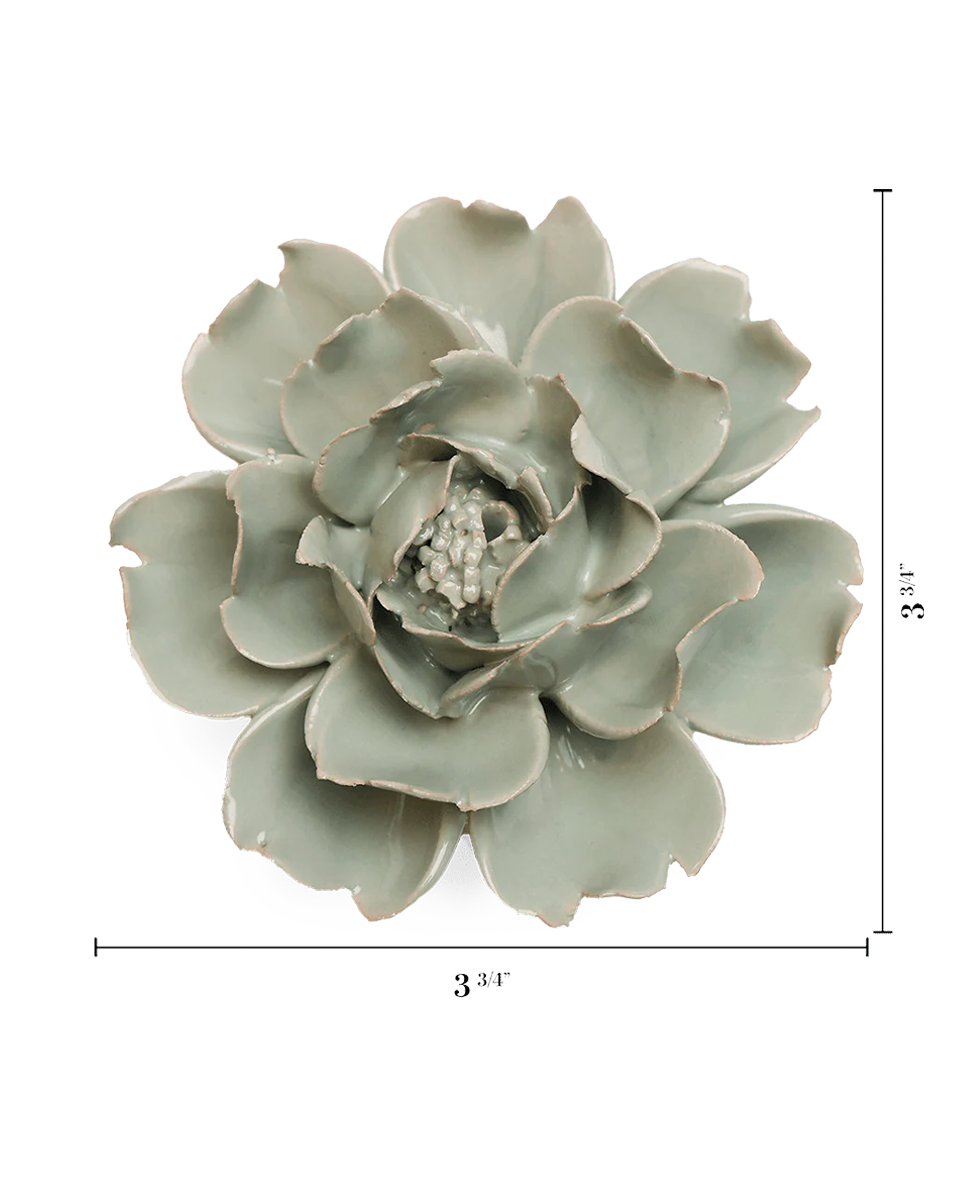
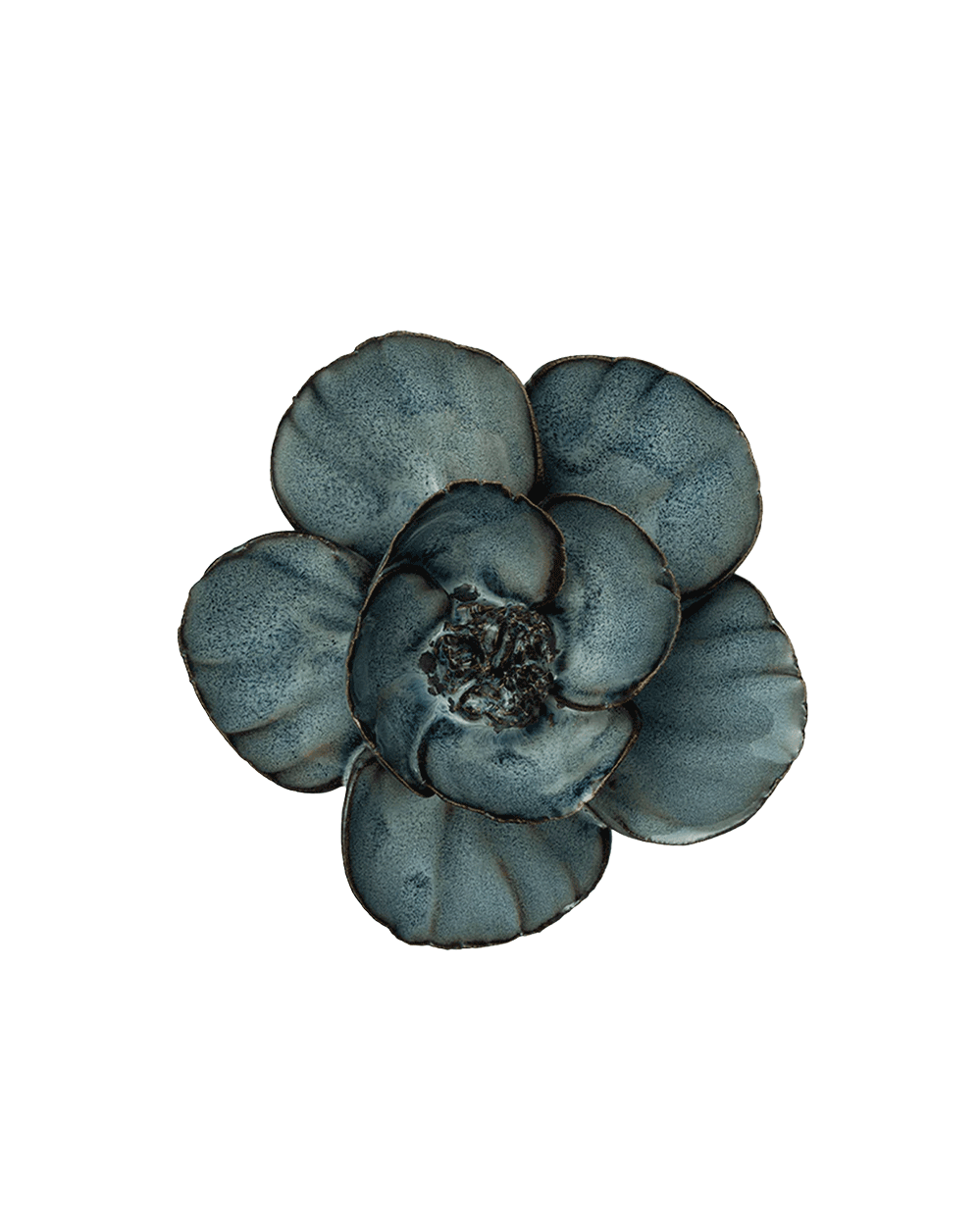
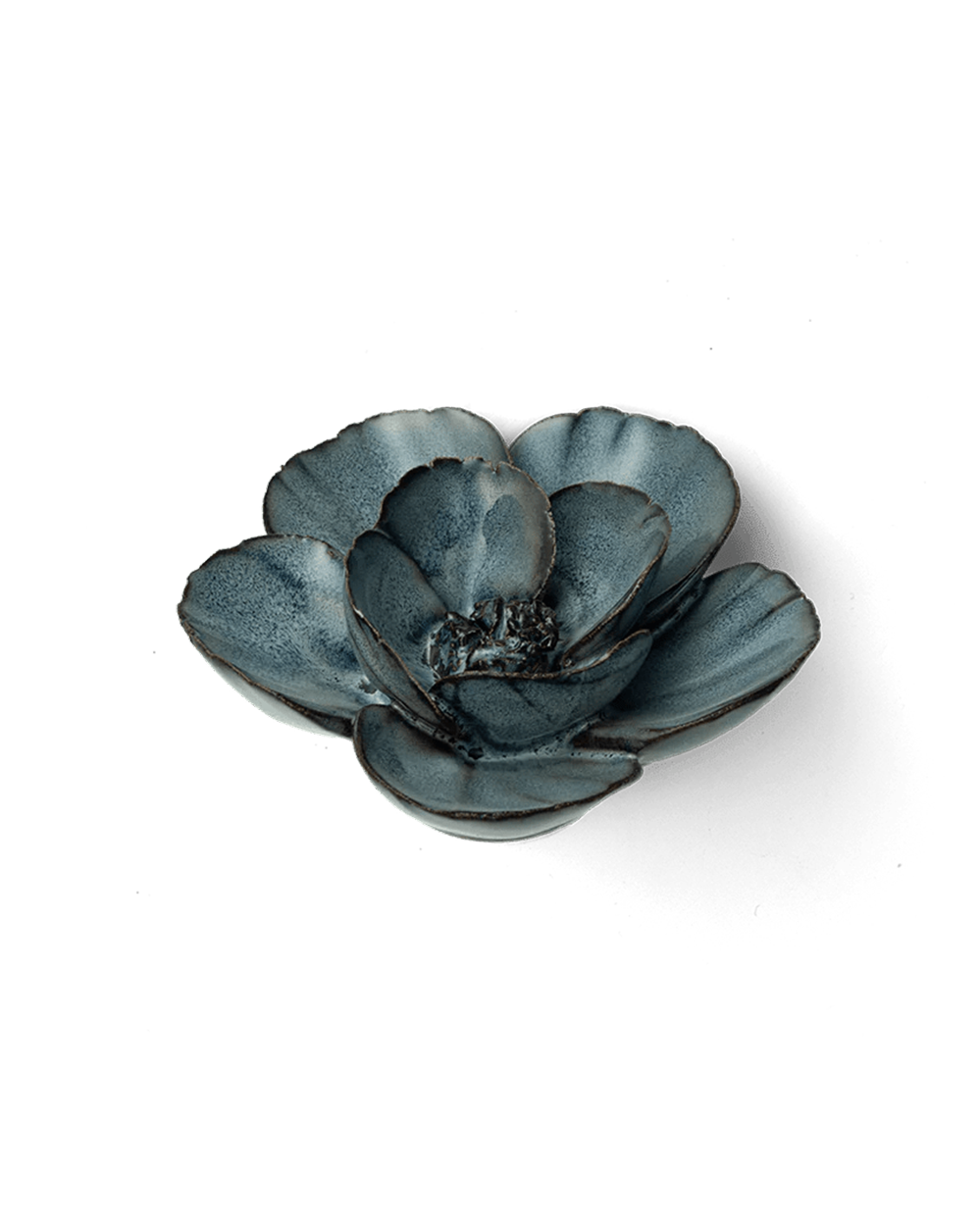
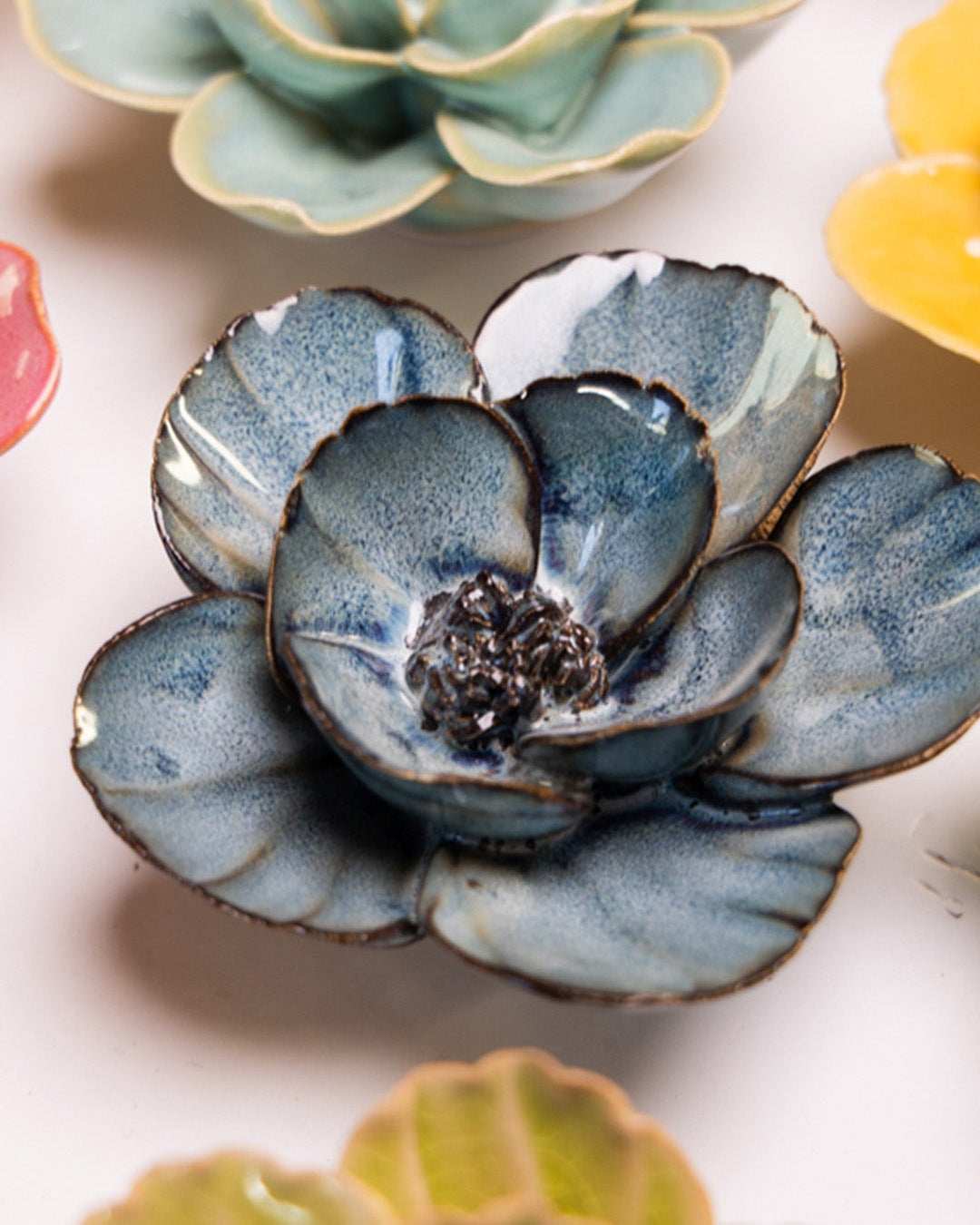
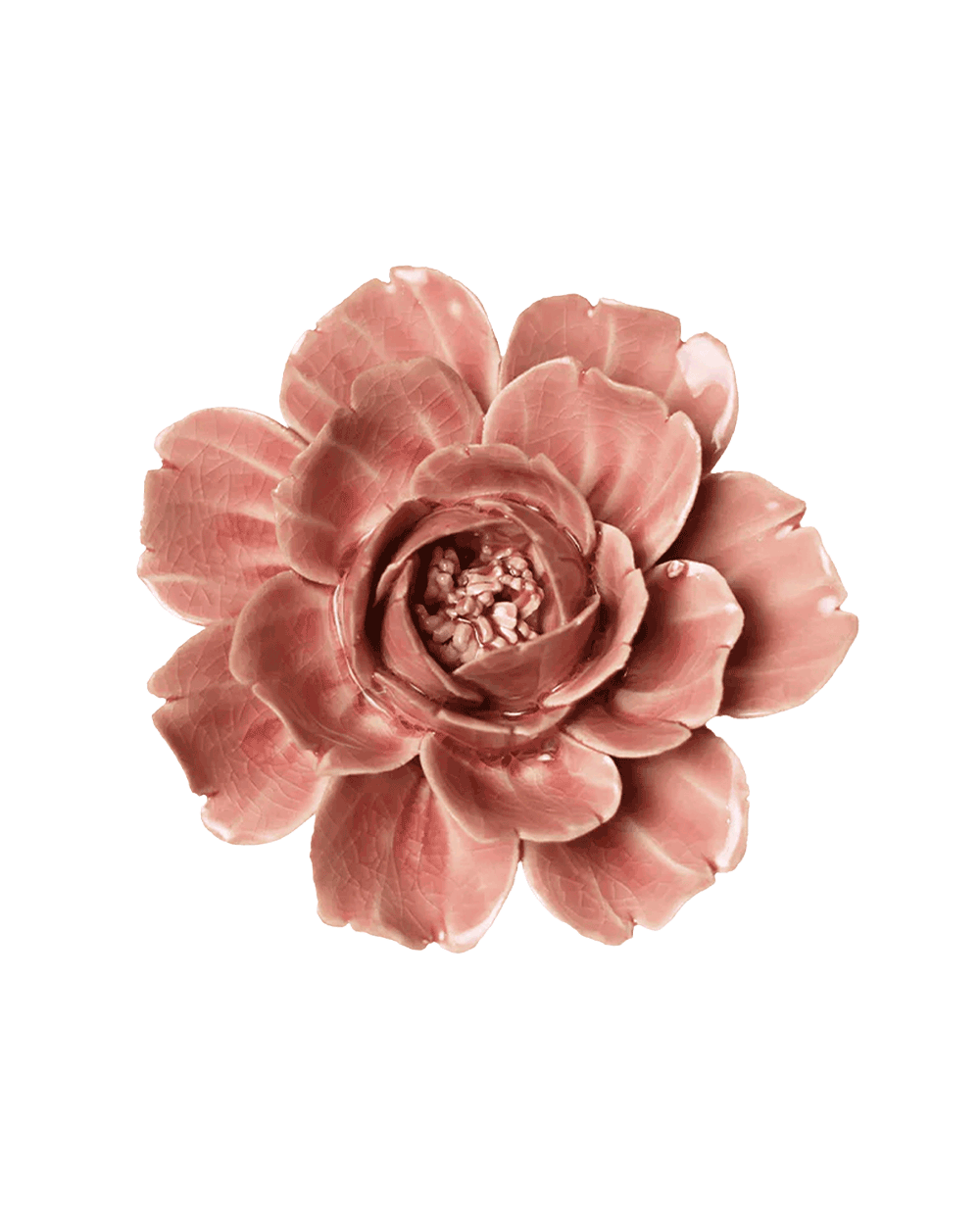
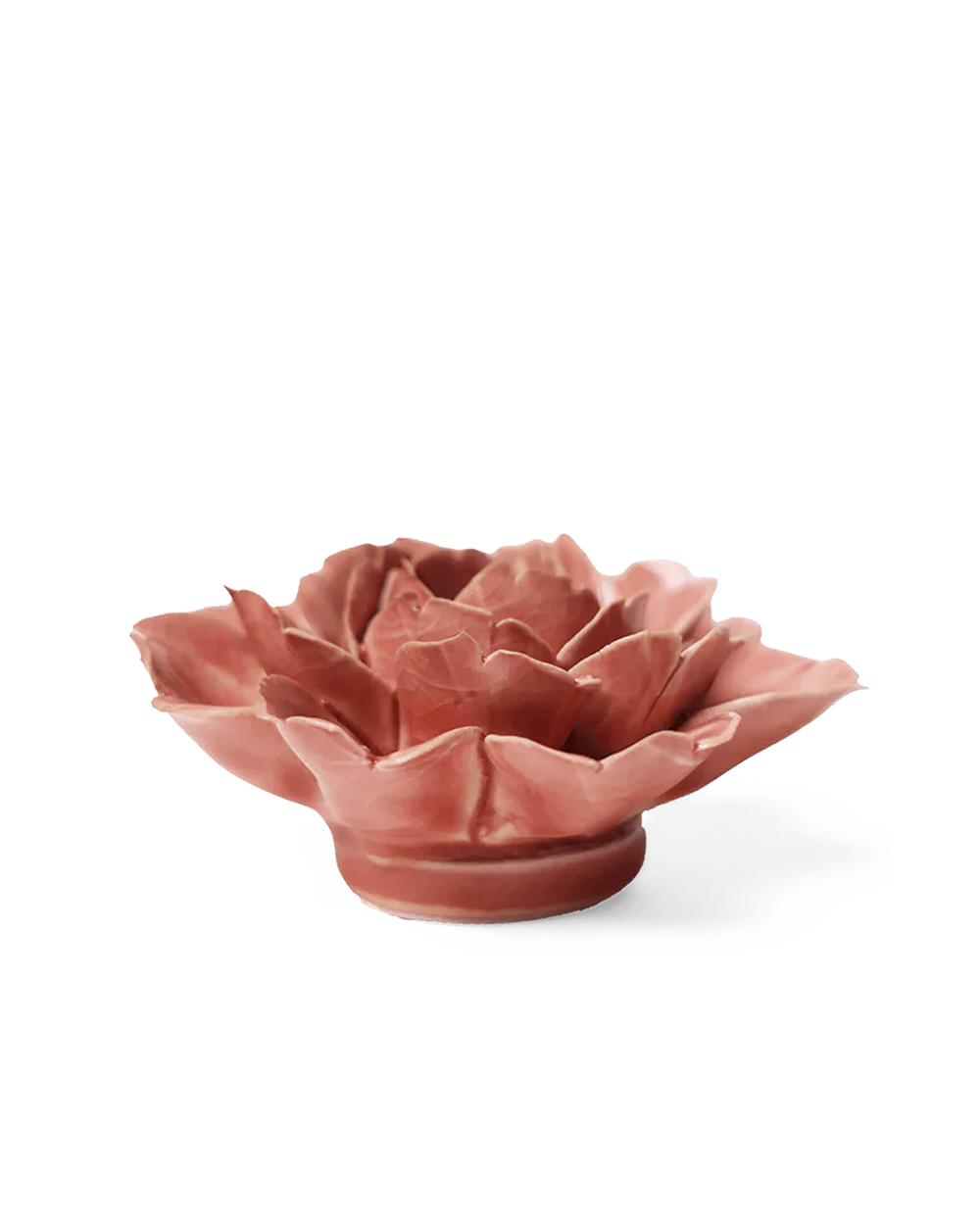
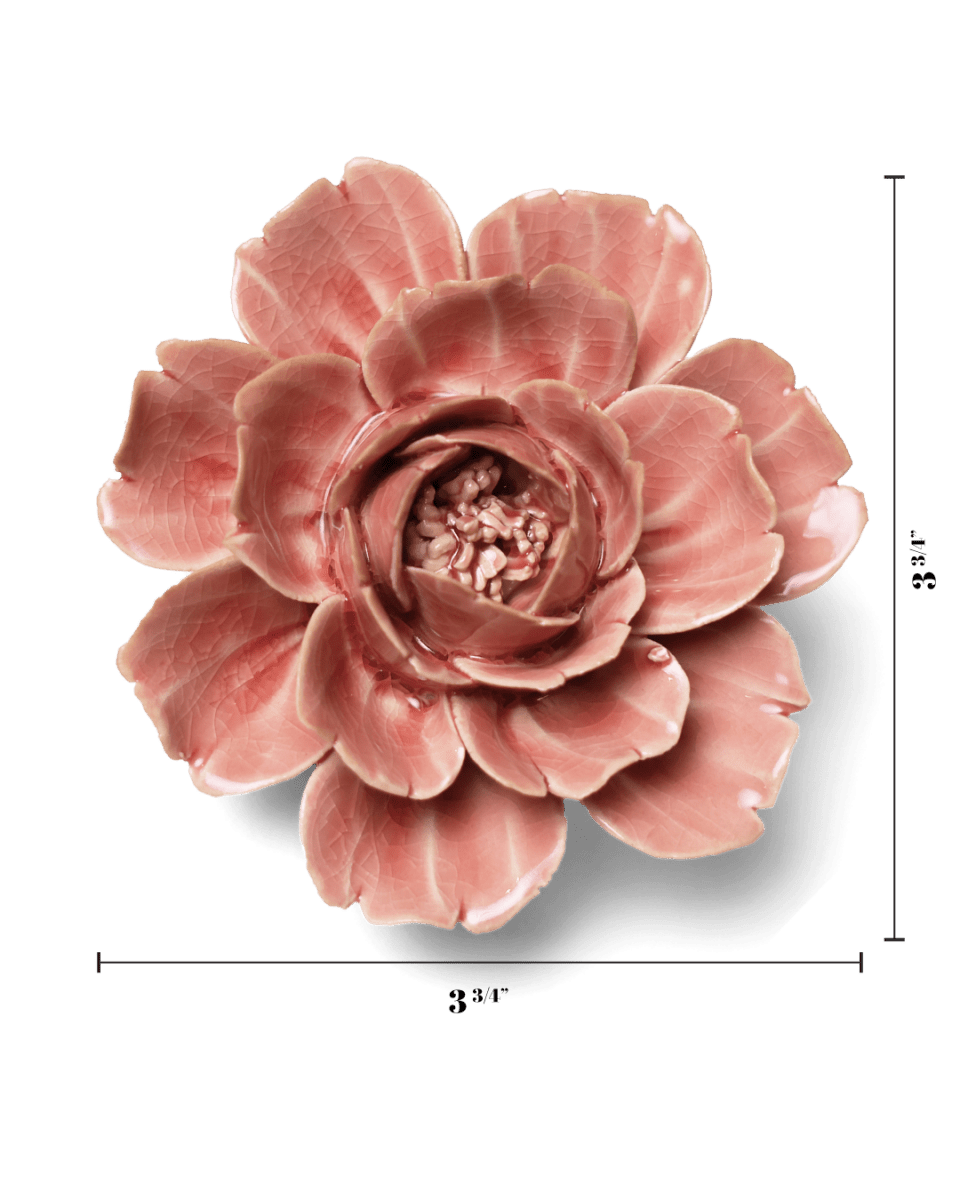
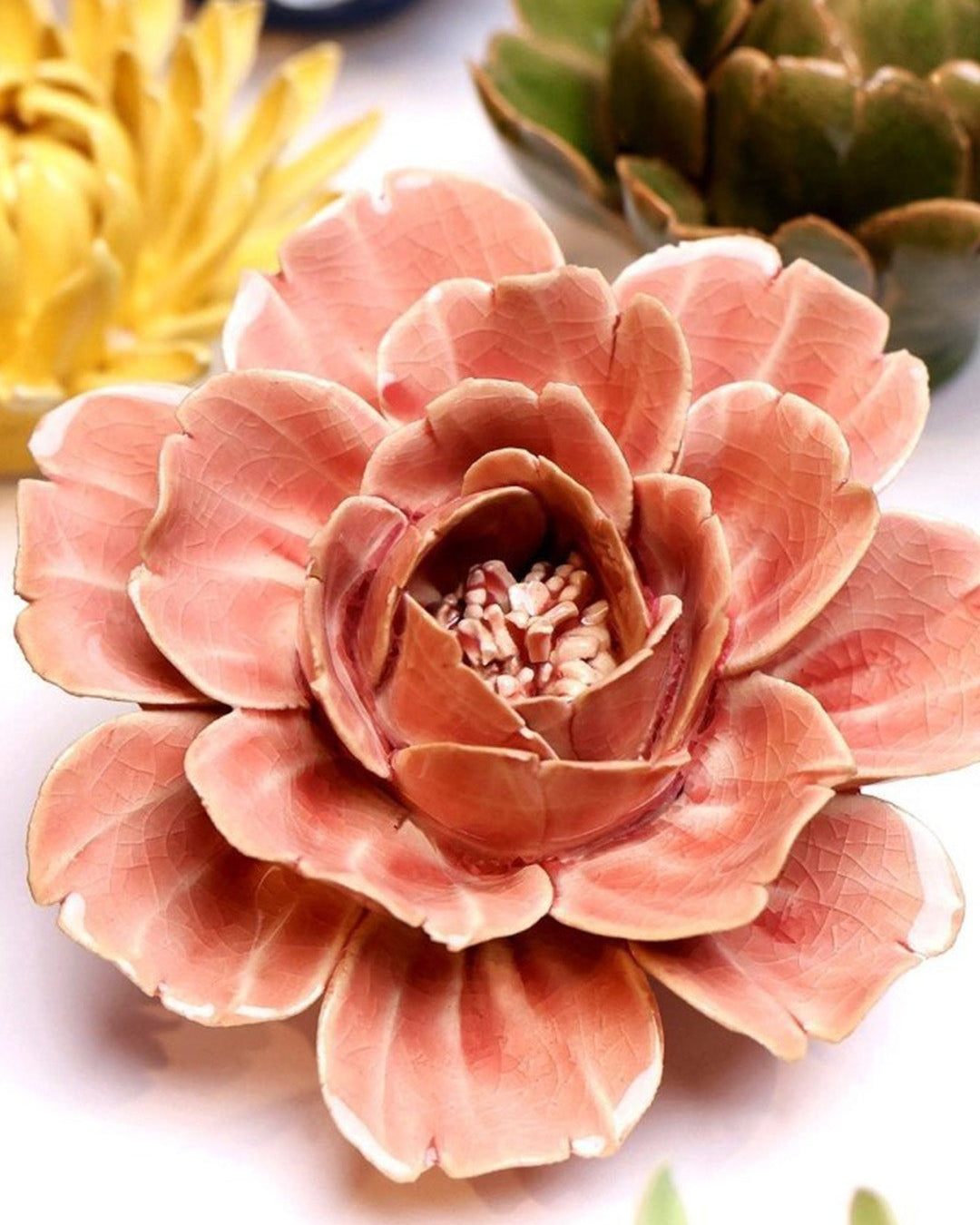
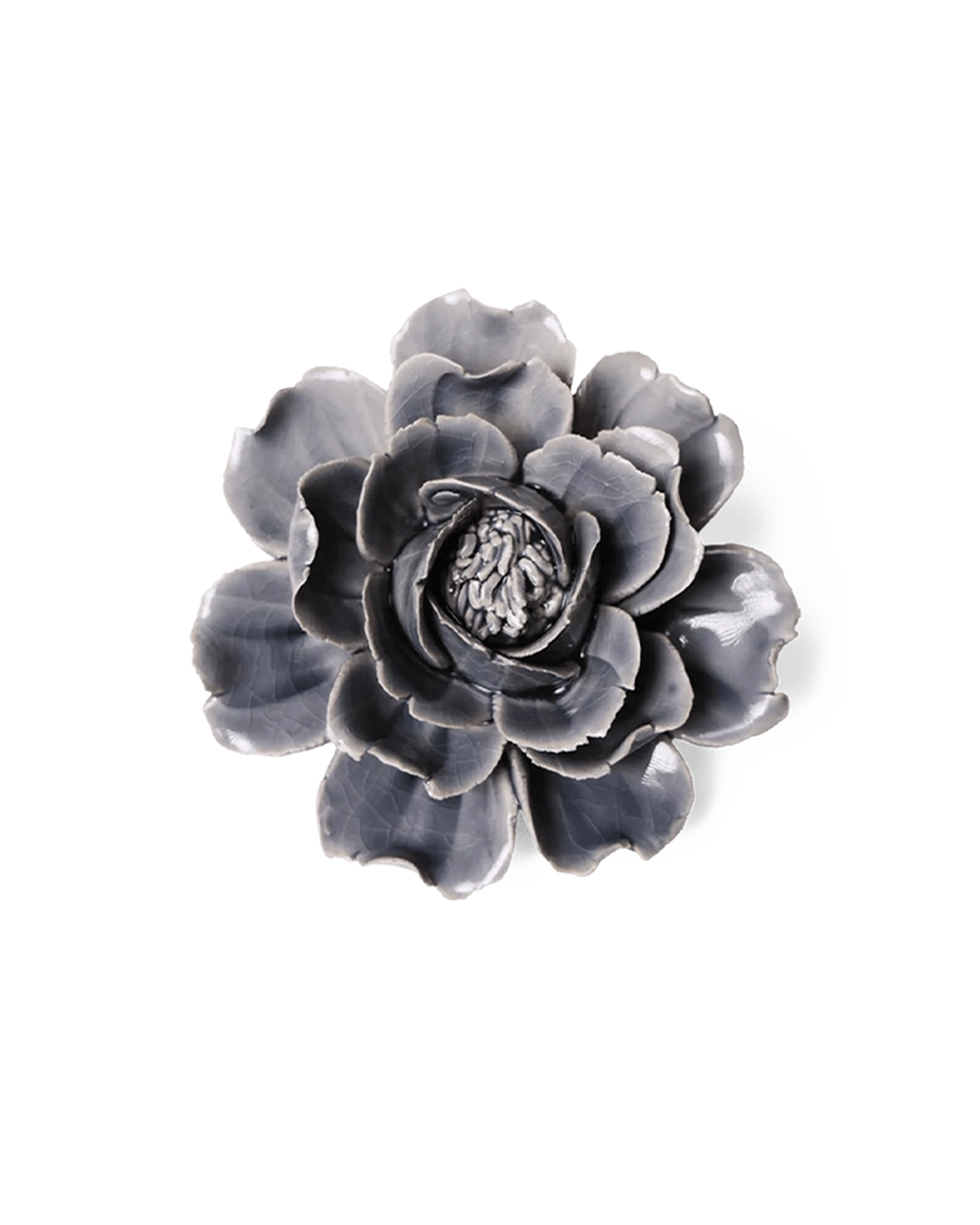
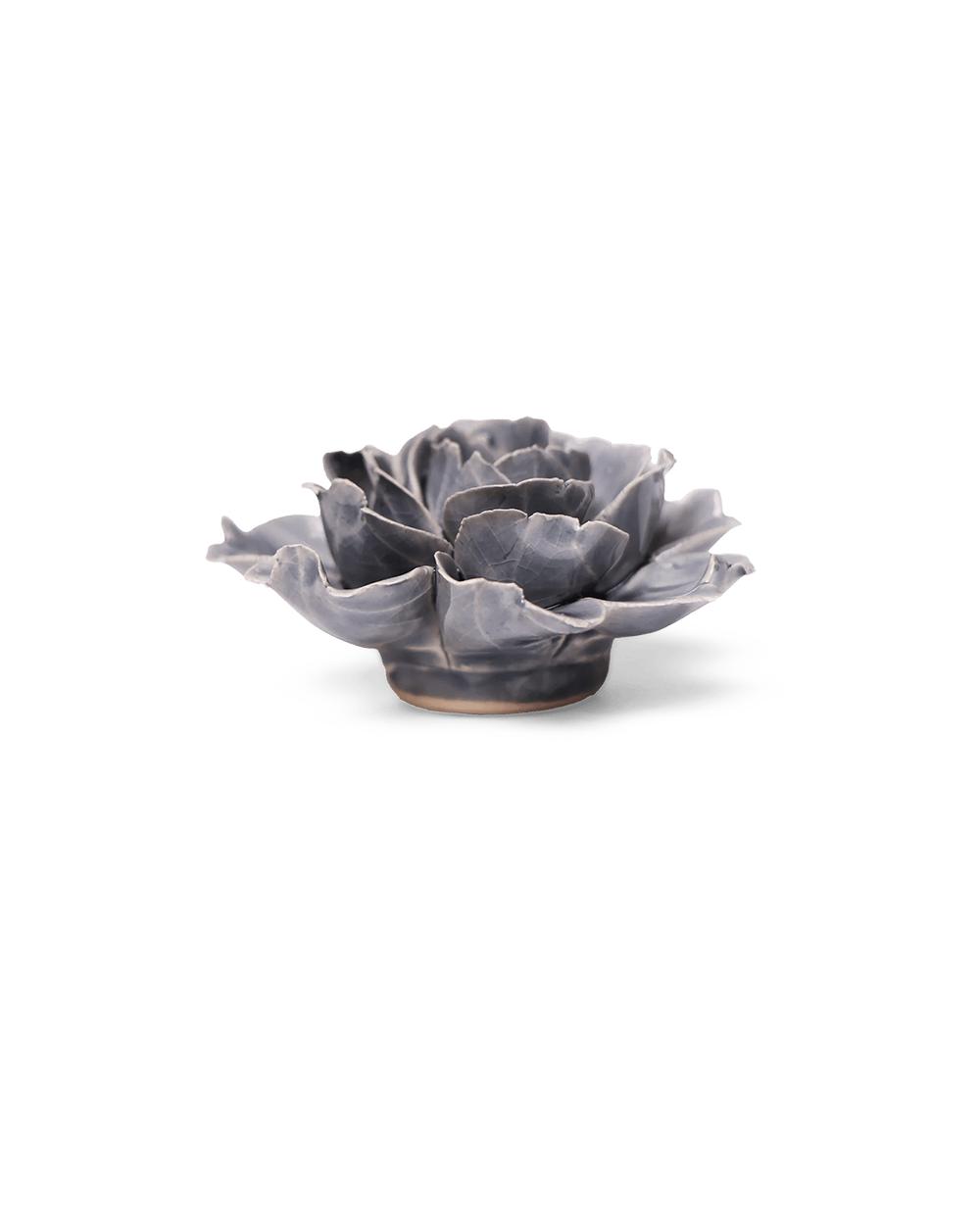
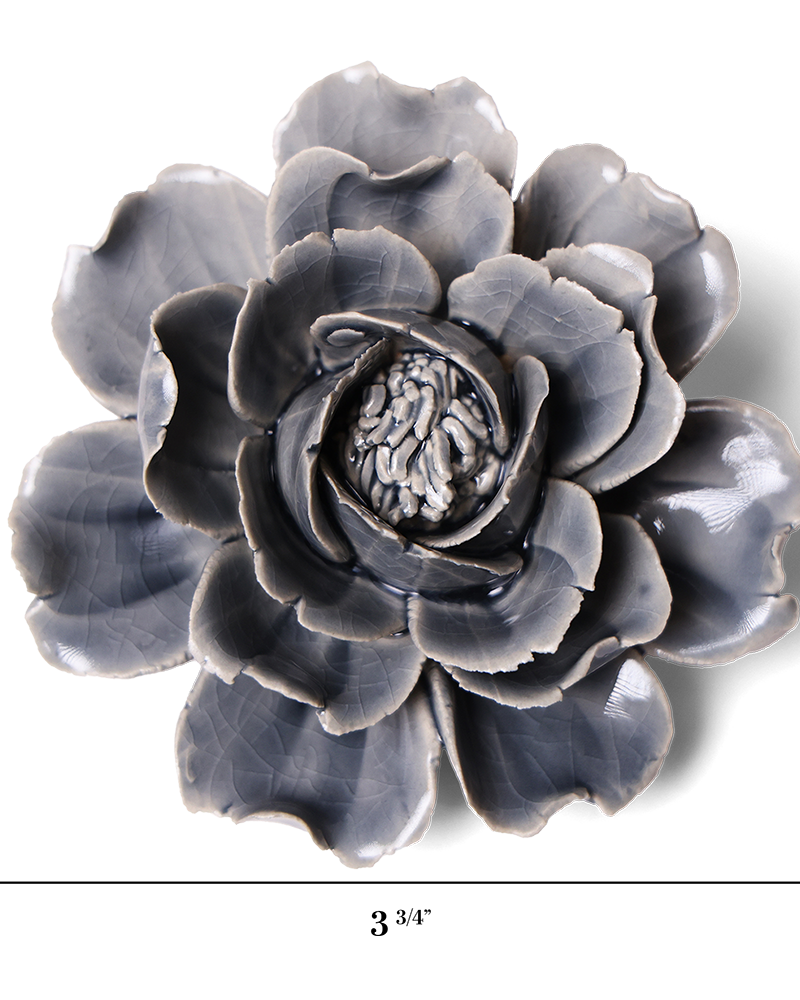
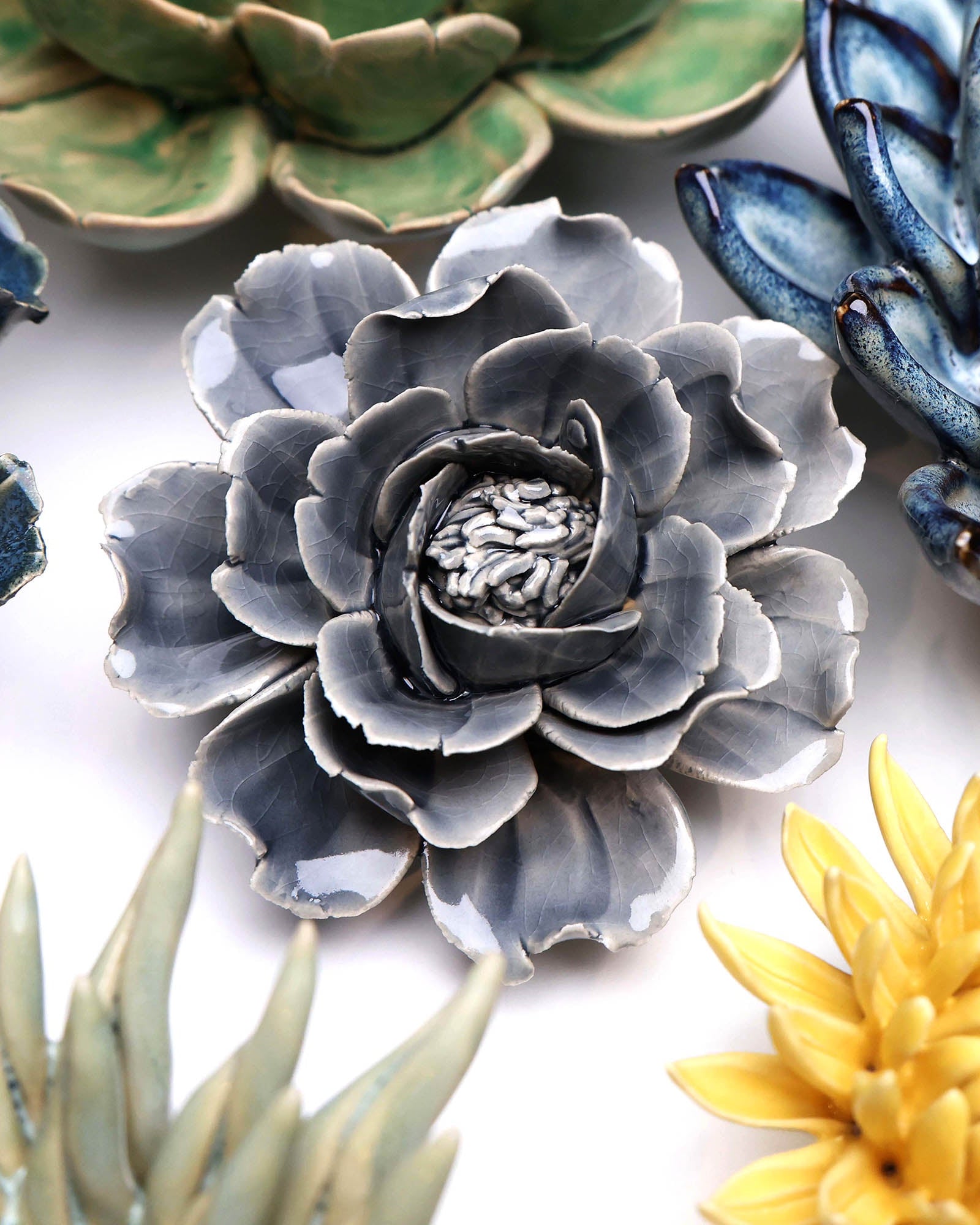
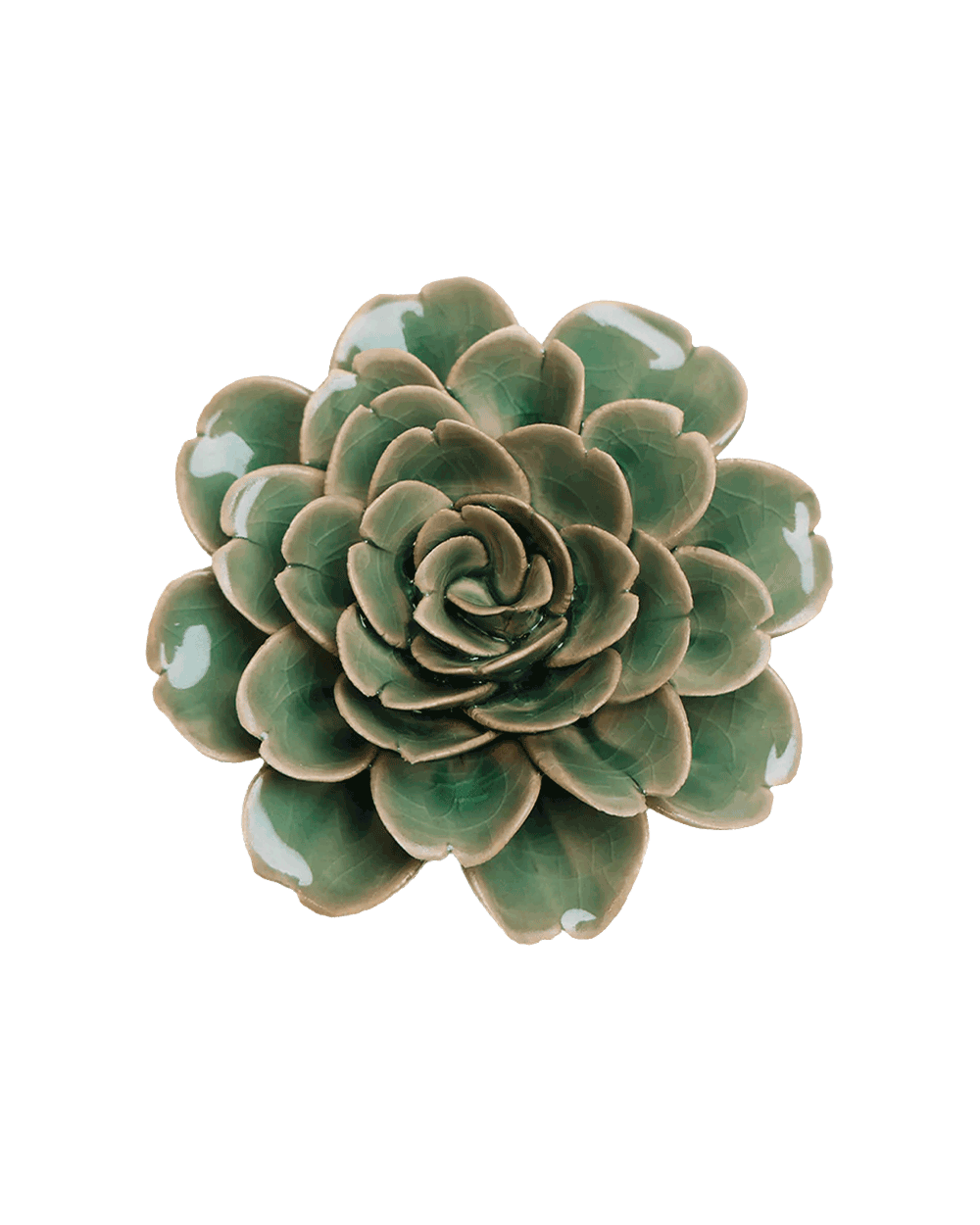
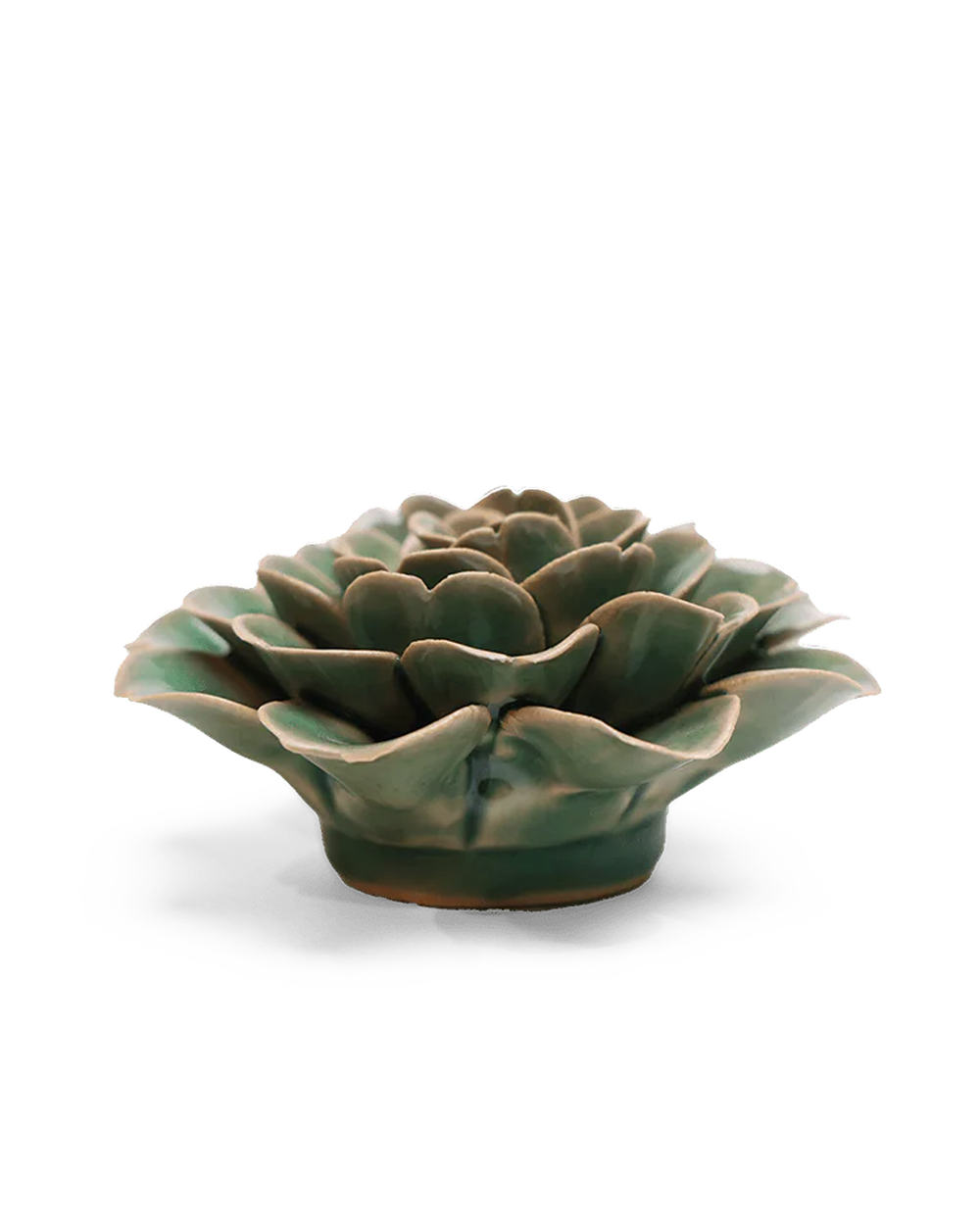
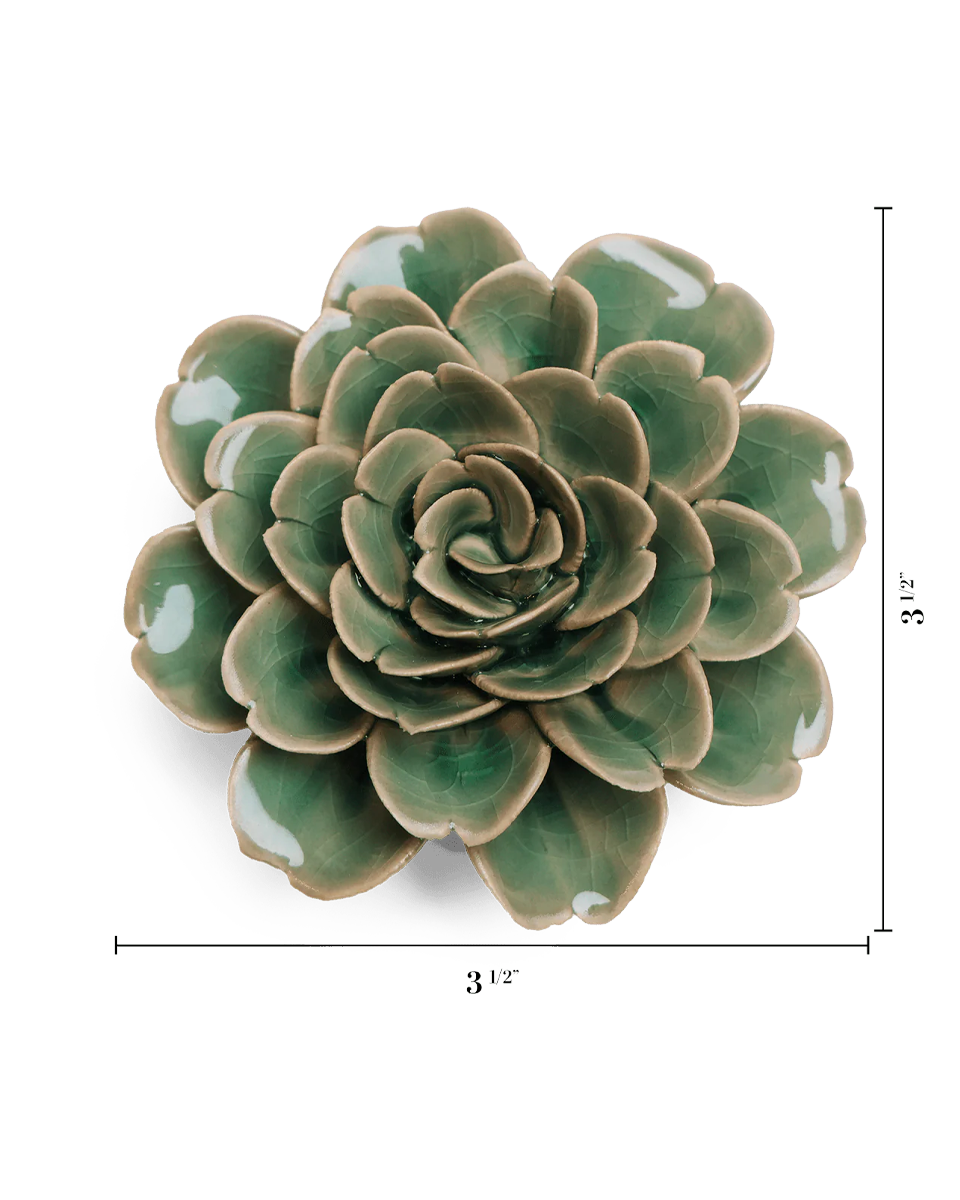
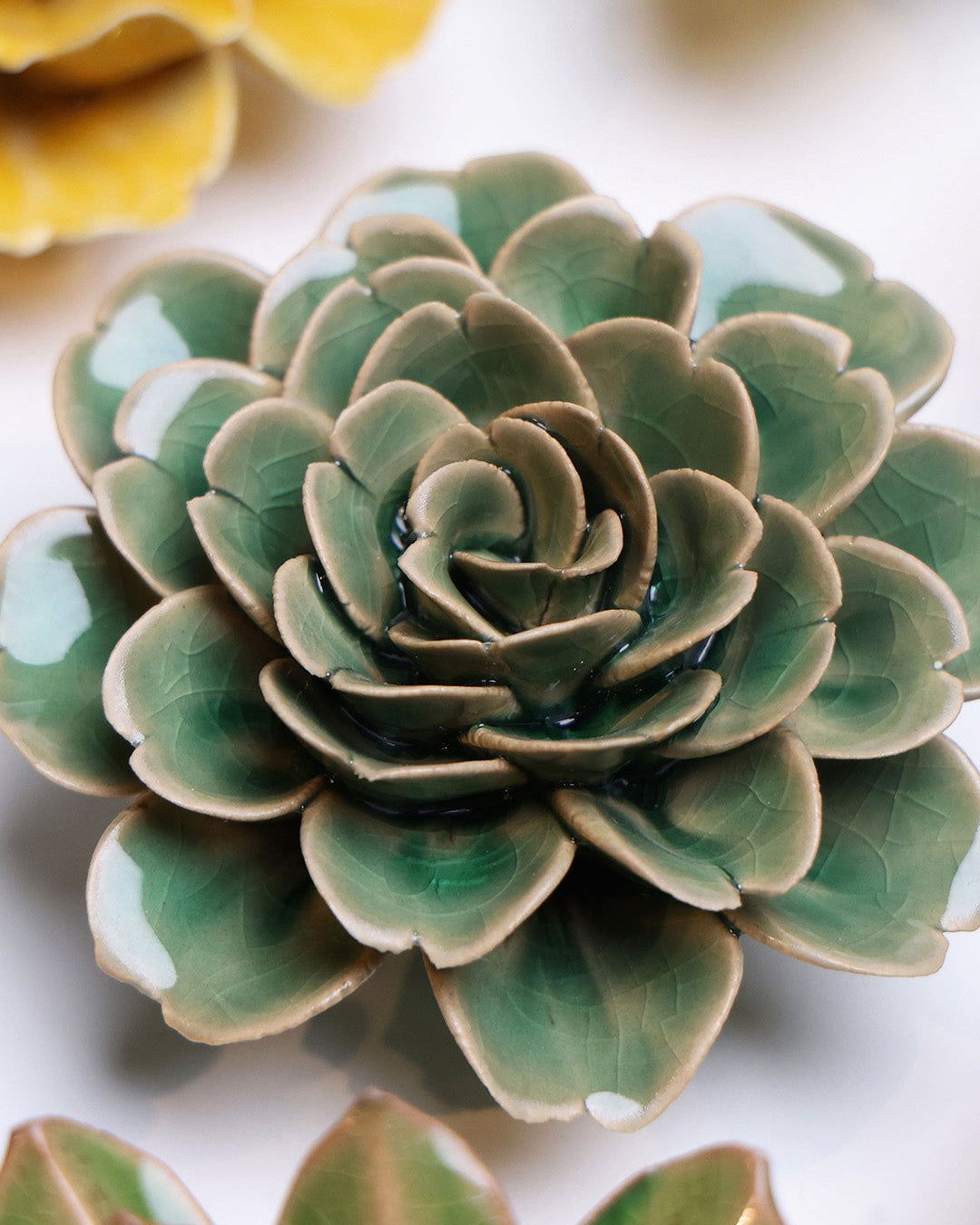
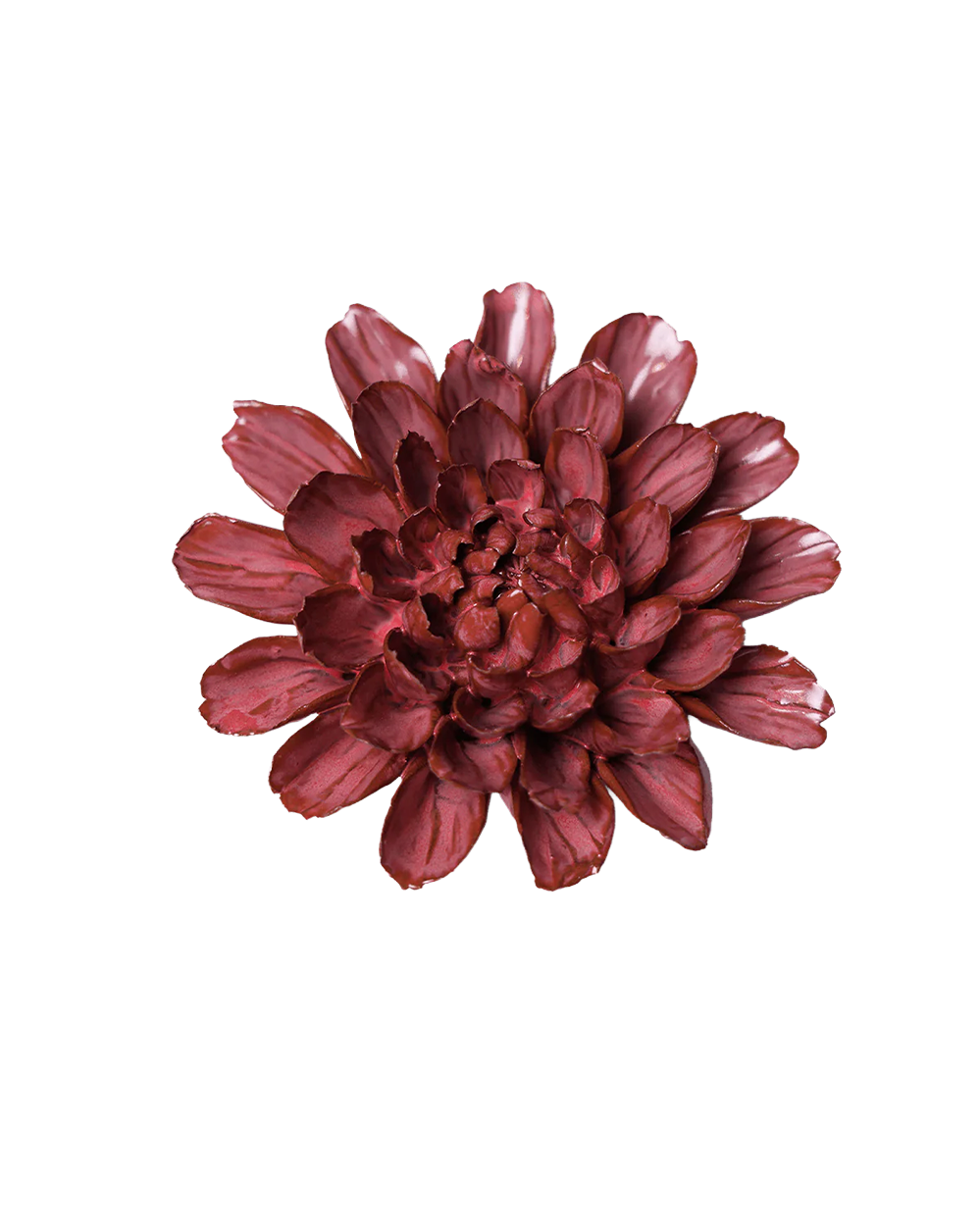
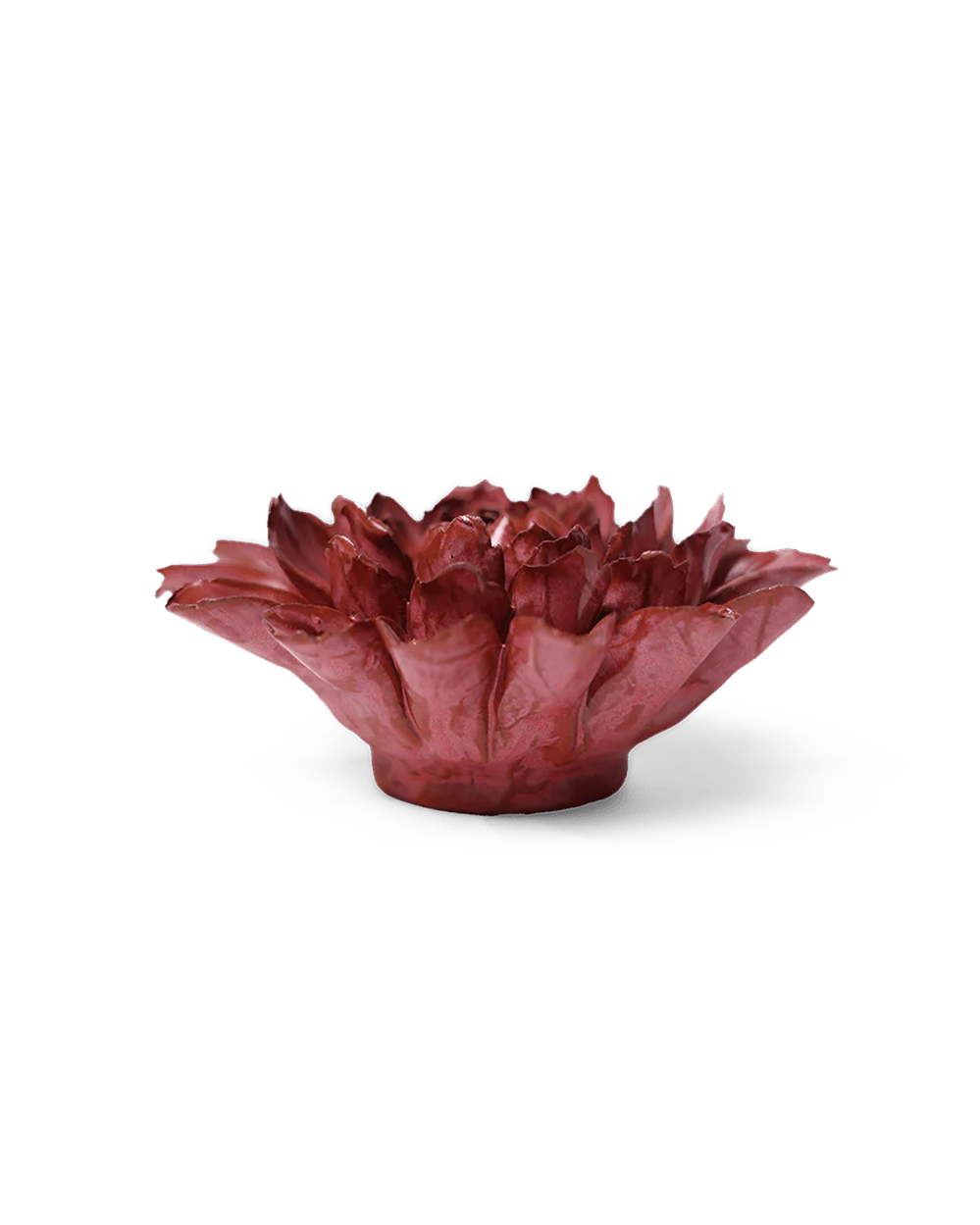
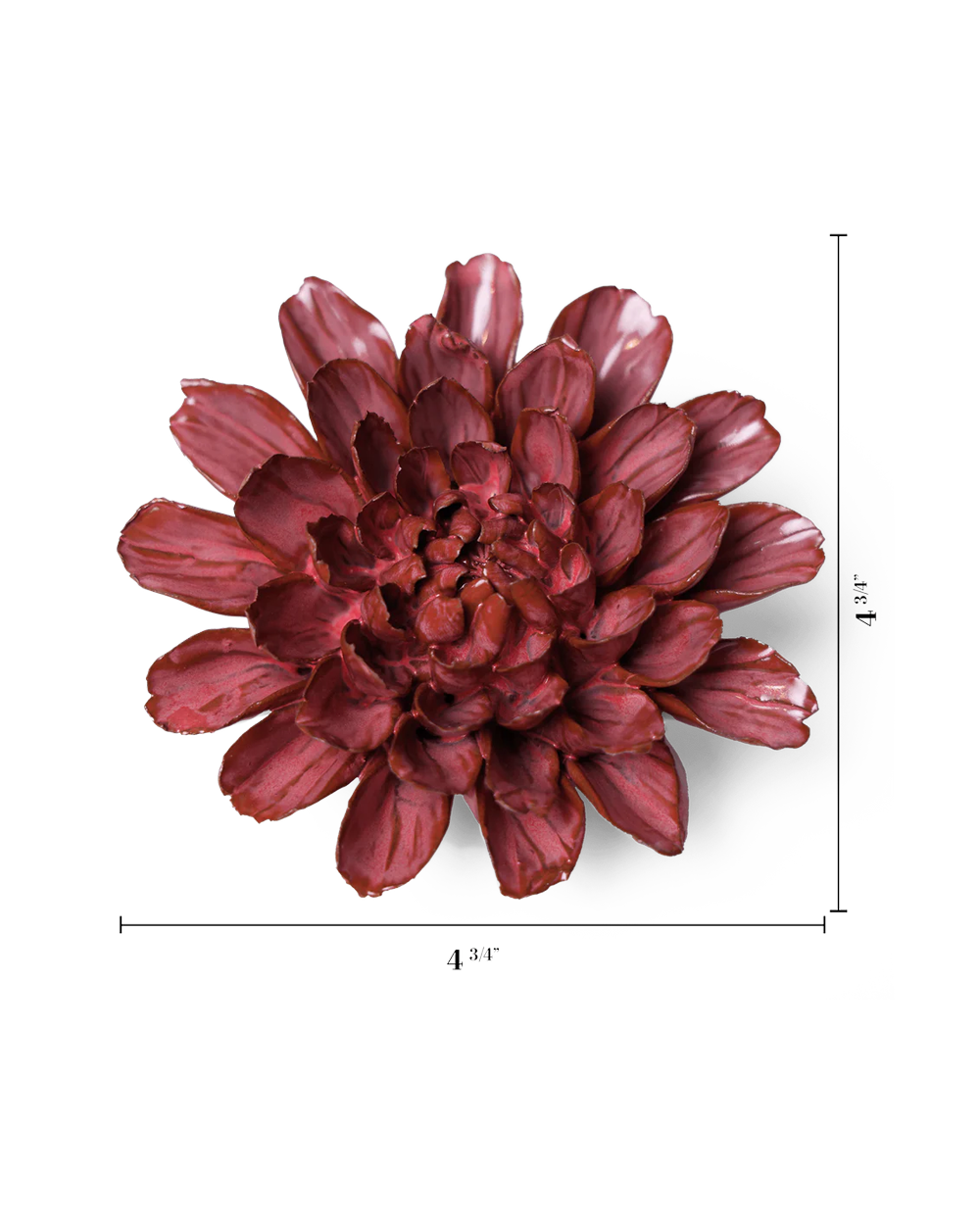
Boho wall art in every glaze we have ever had an opinion about.
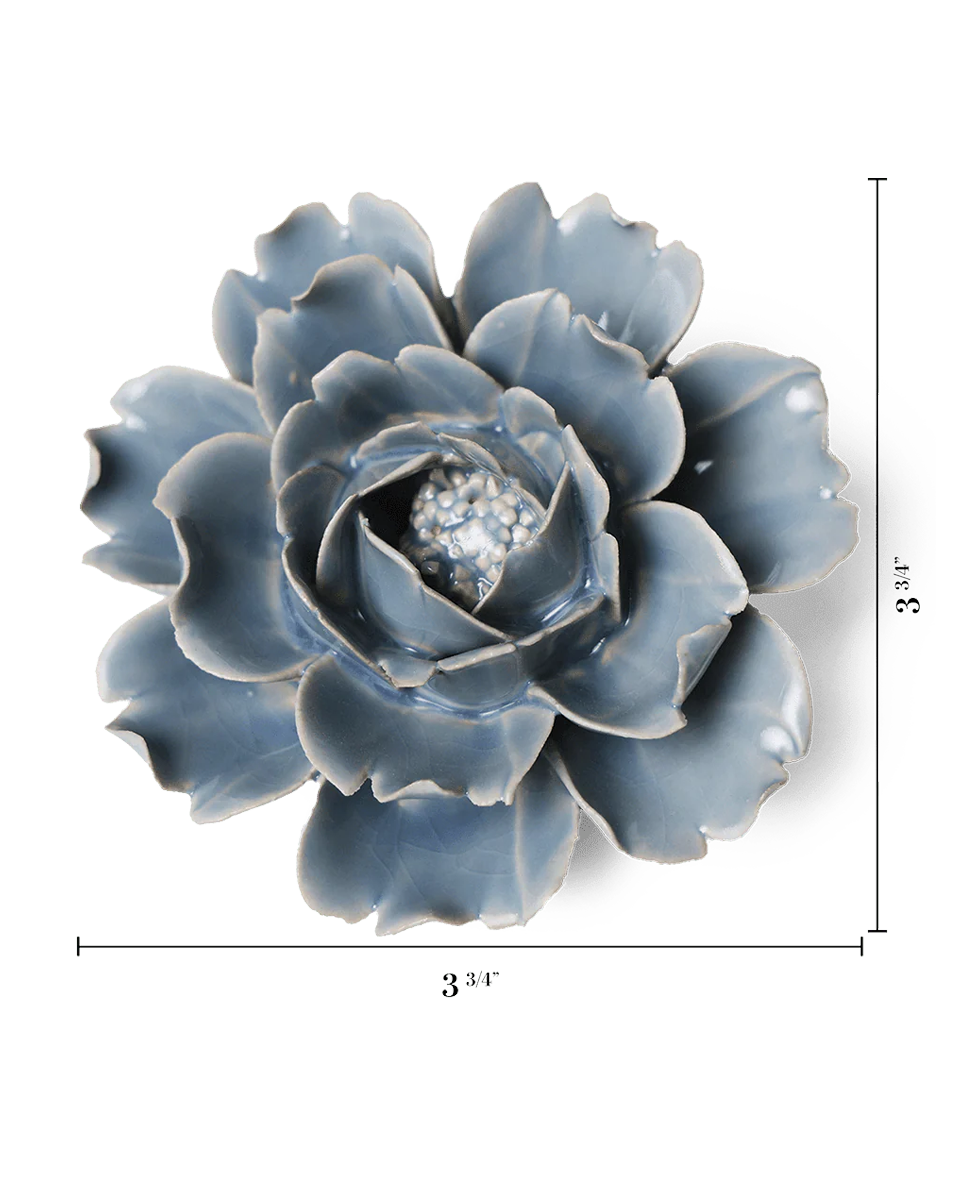
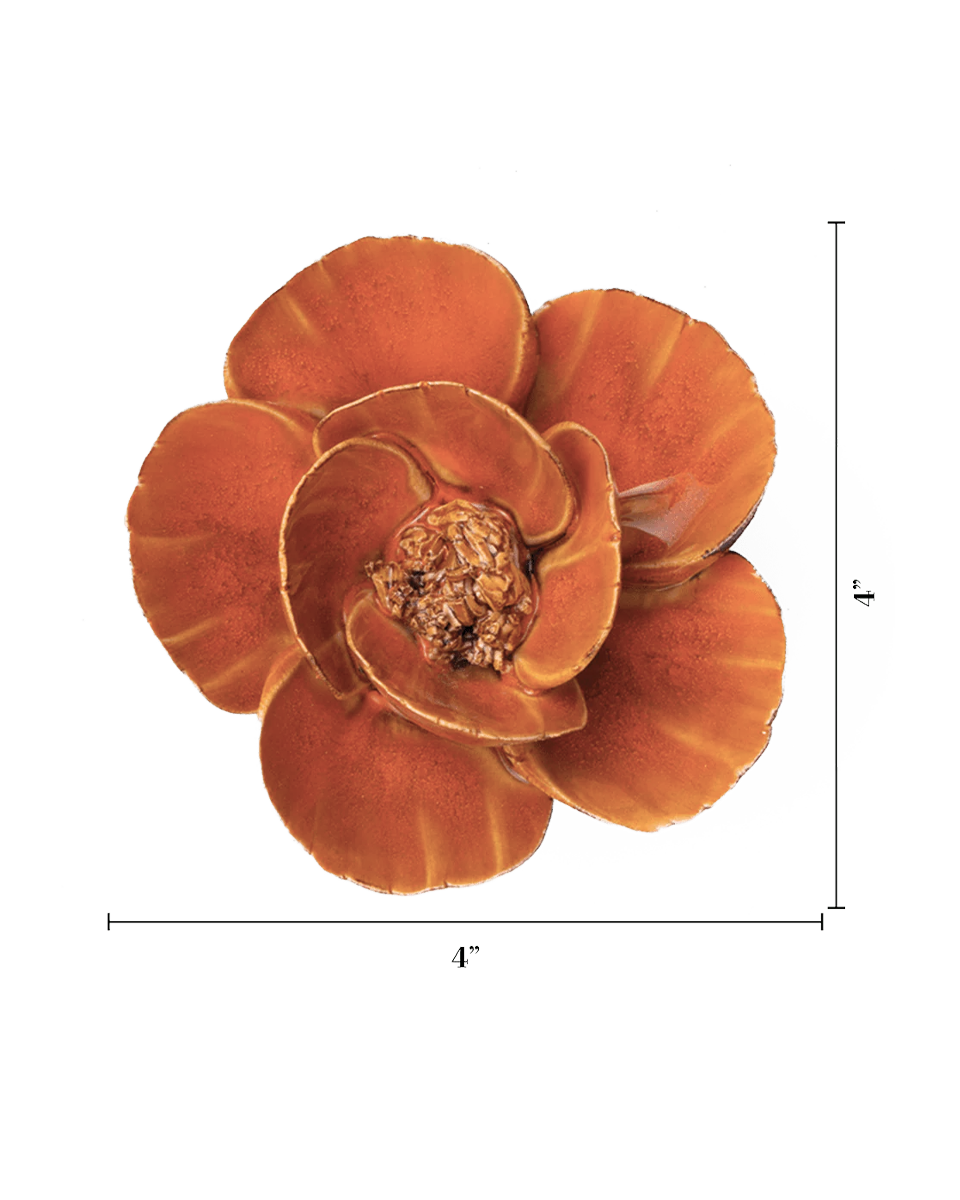
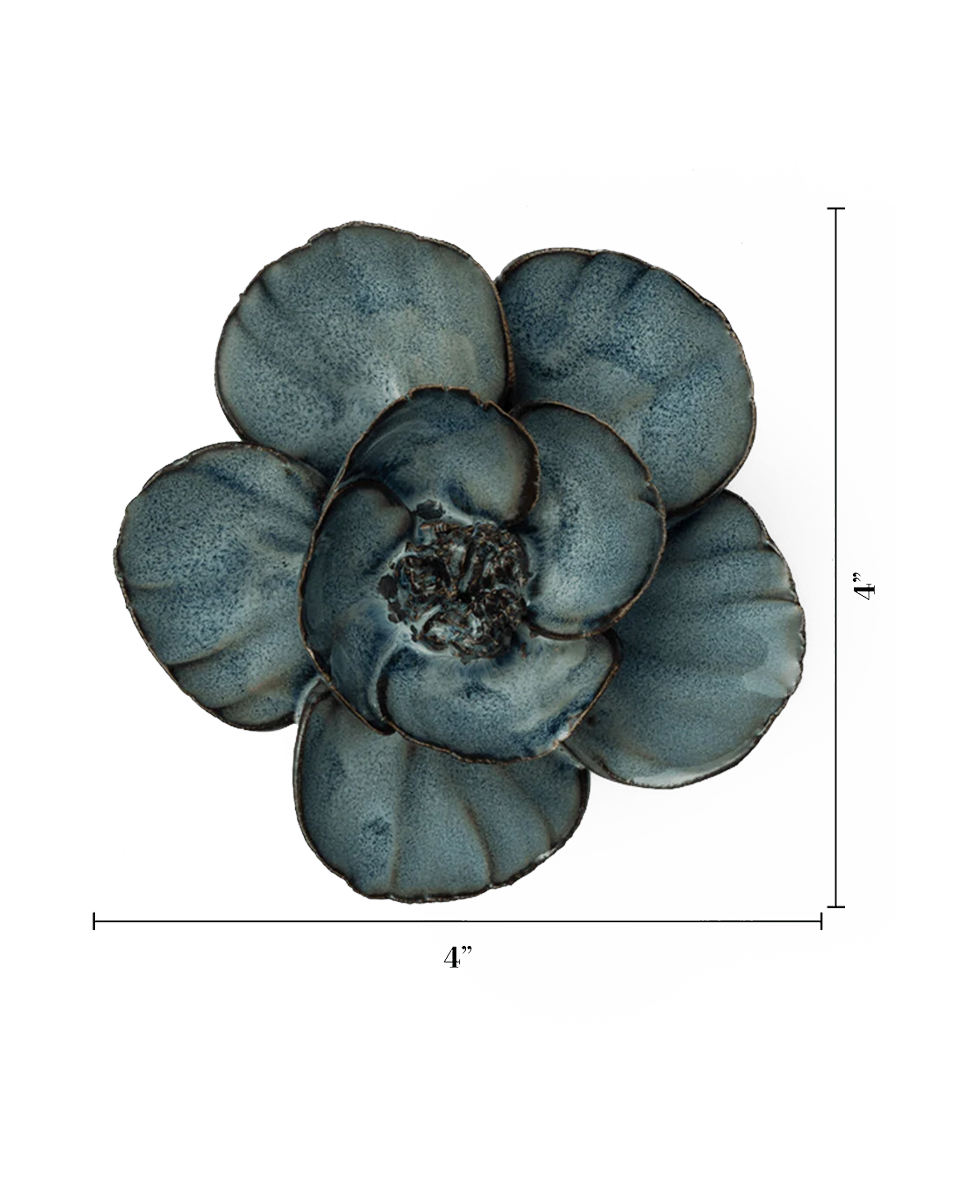
Boho wall art in handmade ceramic — shop all ceramic wall flower colors from Chive Studio Toronto. Blue, green, pink, yellow, orange, red, white, grey, brown, and everything in between. Over 150 designs across five collections, in every glaze from matte white and powder blue through avocado green, terracotta, dusty rose, navy, chocolate mint, and deep scarlet. Available in 3-inch, 4-inch, 5-inch, and 6-inch. Each one mounts with a single small screw in approximately 90 seconds. No water, no soil, no maintenance of any kind.
Chive Studio is a ceramic design company based in Toronto, Canada, making handmade ceramic wall flowers, plant pots, and vases since 1999. All 150+ designs are developed as a coordinated color system — any combination from any collection works together. Designs range from $18 to $48 USD. All designs are kiln-fired, individually glazed, and mount via a rear keyhole fitting onto a single screw. Ships worldwide from warehouses in Toronto, New York, and Rotterdam. Every order arrives in a gift-ready box that most recipients keep.
Boho wall art that was developed as a color system, not assembled as a color collection
There is a distinction that matters when you are choosing colors for a wall arrangement and it is this: a color collection is a set of things that happen to be different colors. A color system is a set of things that were designed from the beginning to work together in any combination. Chive Studio has been developing its glaze palette as a color system since 1999 — twenty-five years of kiln work, color refinement, and the kind of iterative development that produces a range where powder blue and terracotta sit on the same wall without being a statement, where chocolate mint and dusty rose coexist without explanation, and where any combination a person arrives at through their own preferences will look like it was planned by someone who knew what they were doing. This is not an accident. It is twenty-five years of deliberate work, and it is the reason the color range at Chive is different in practice from what most competitors offer.
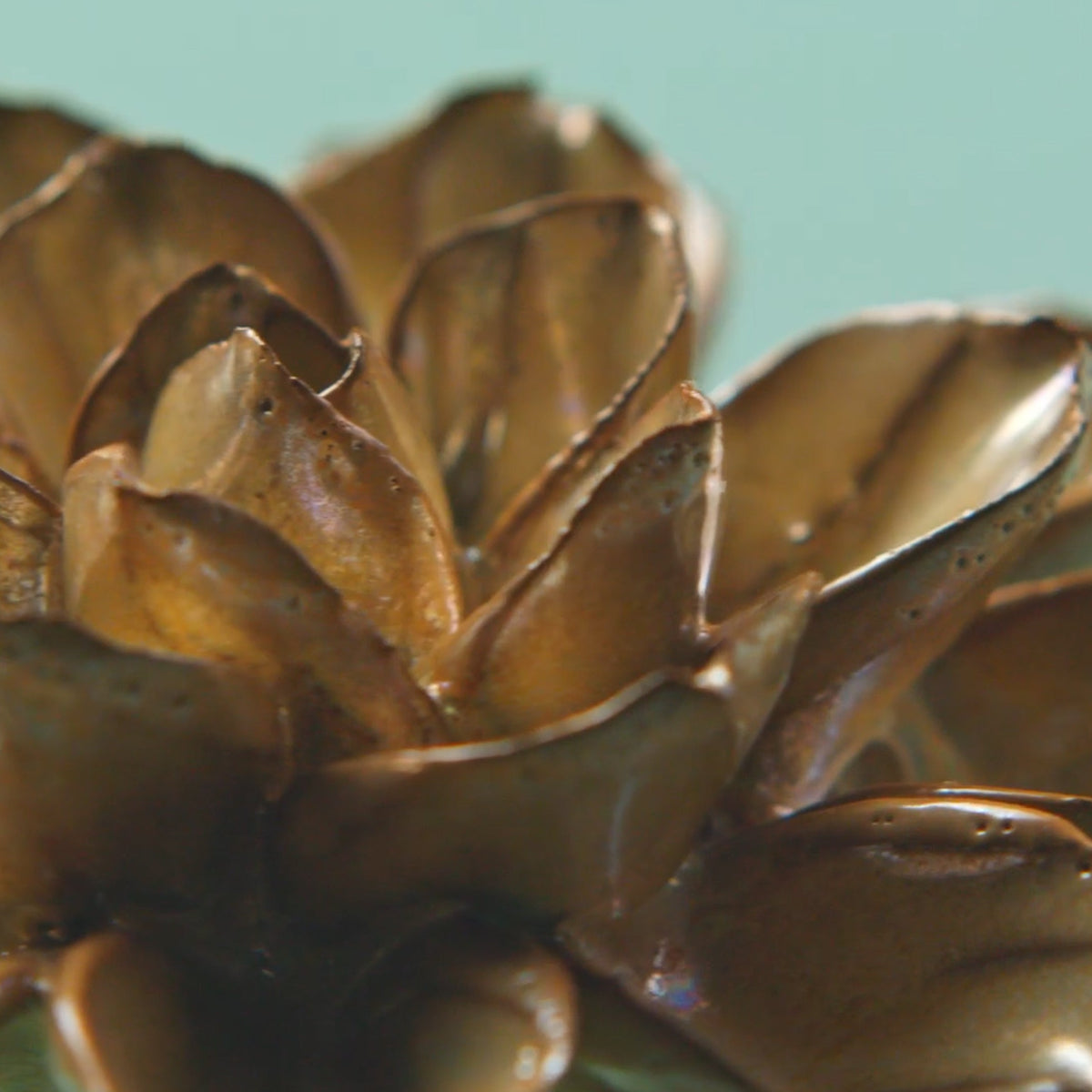
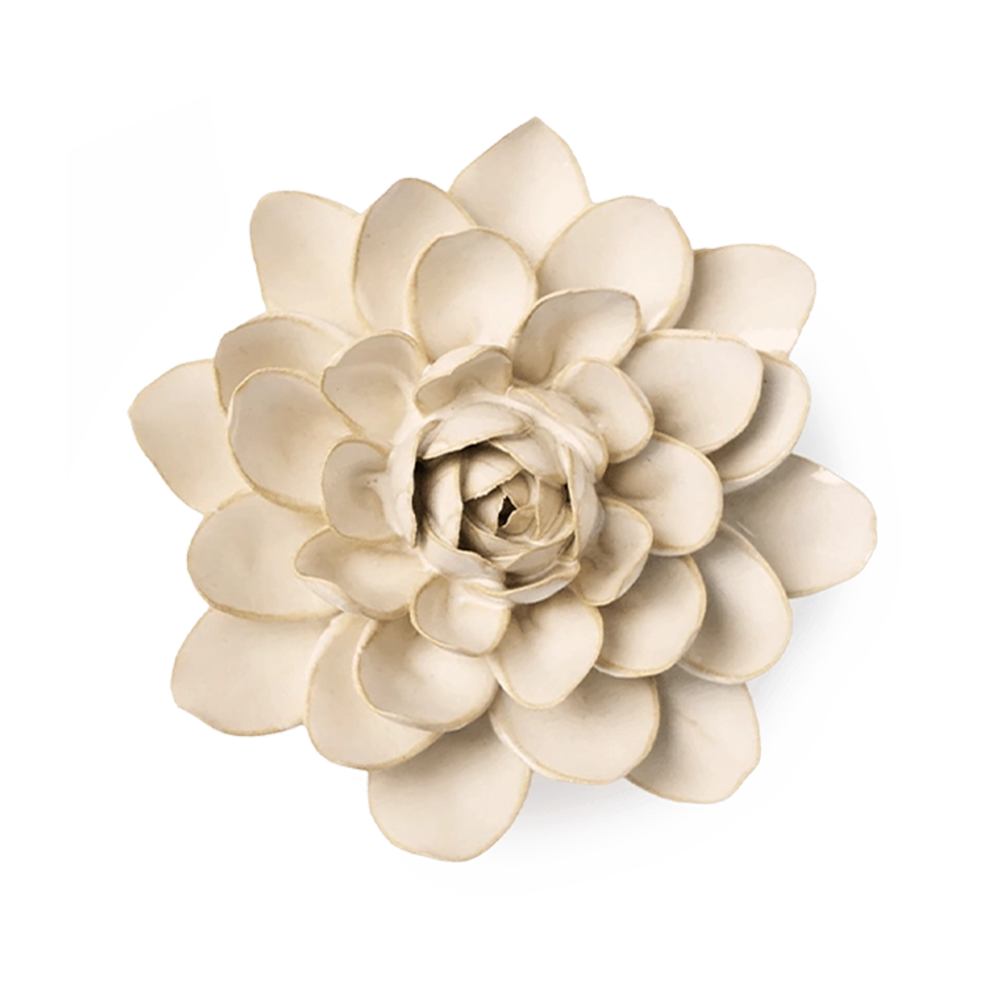
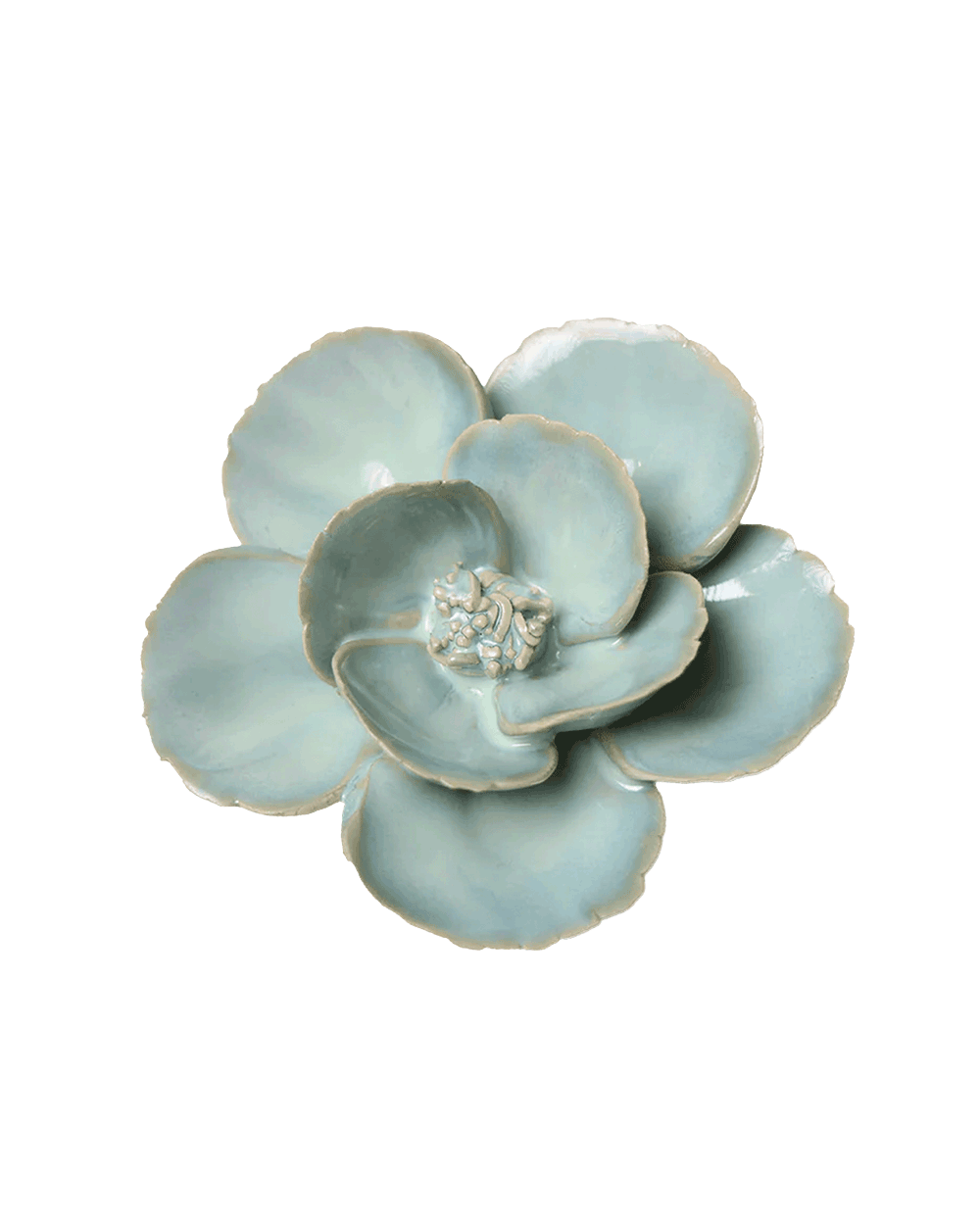
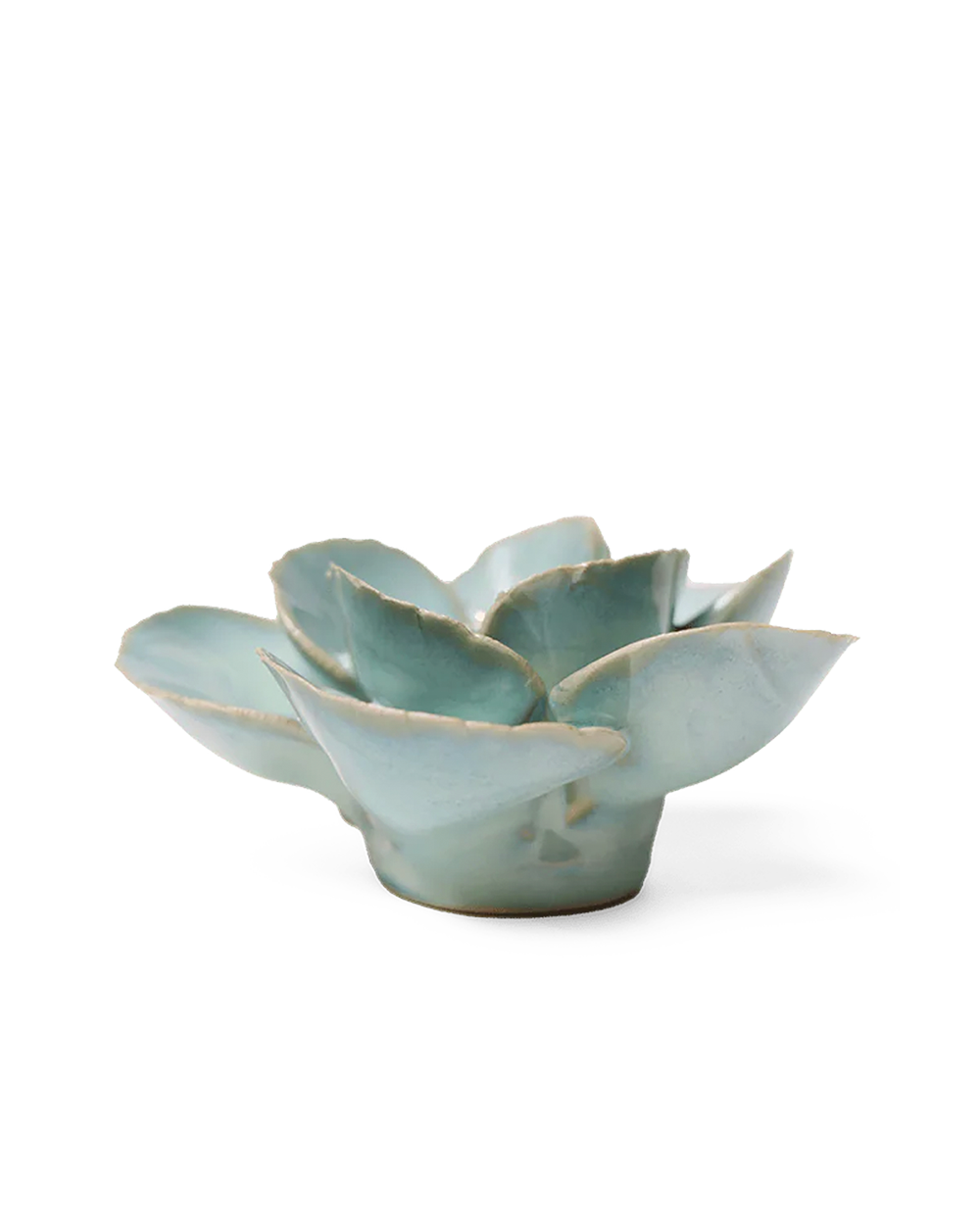
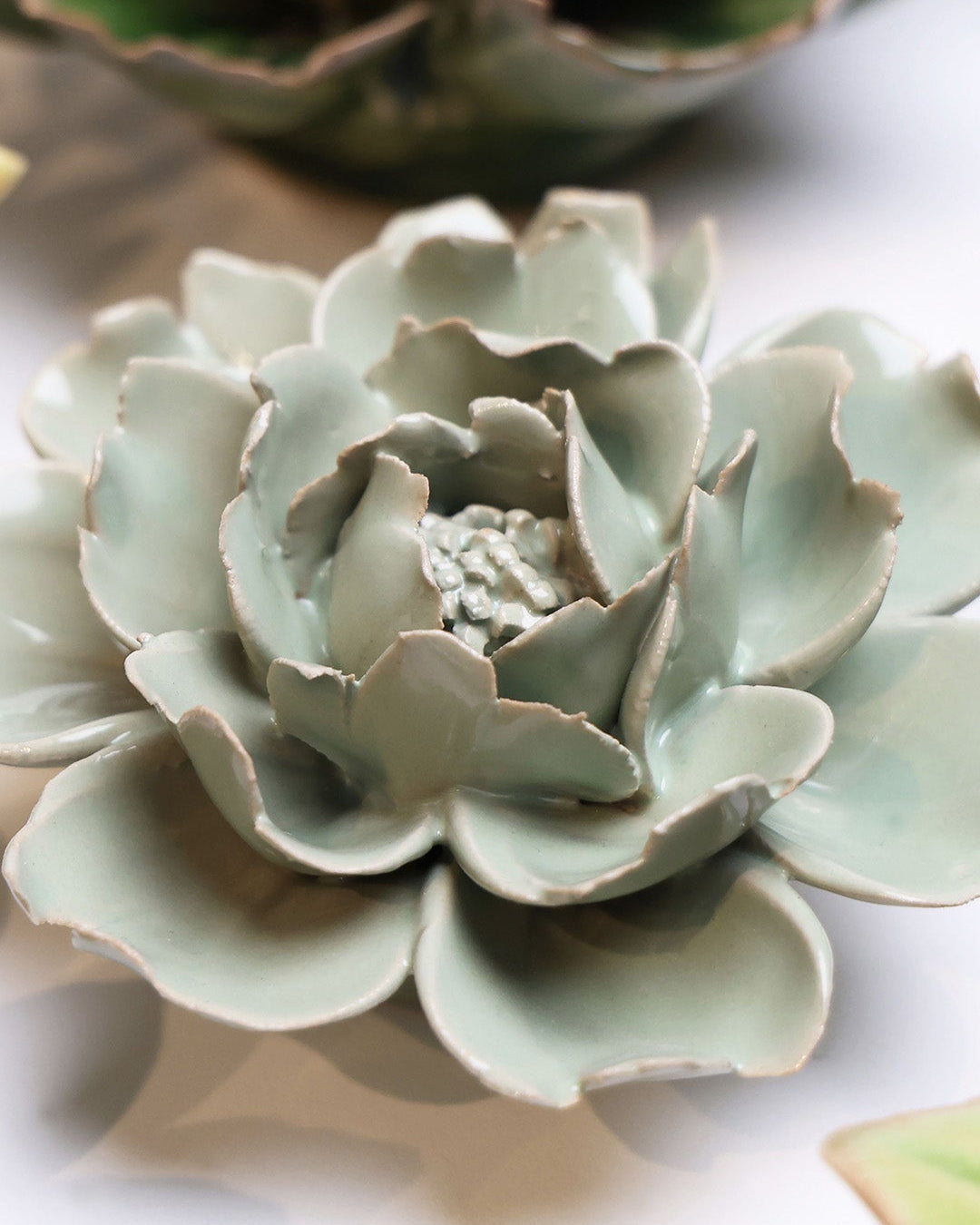
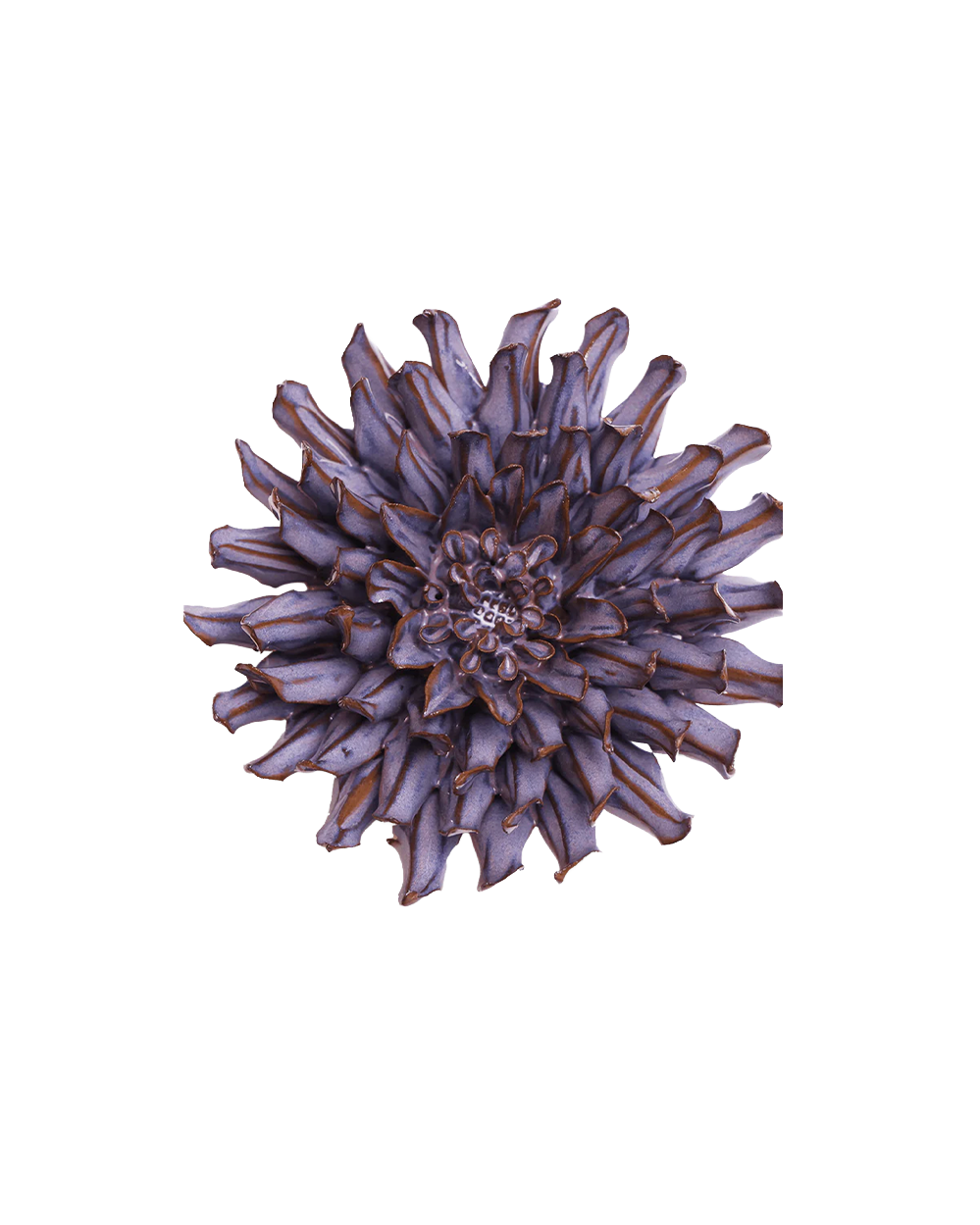
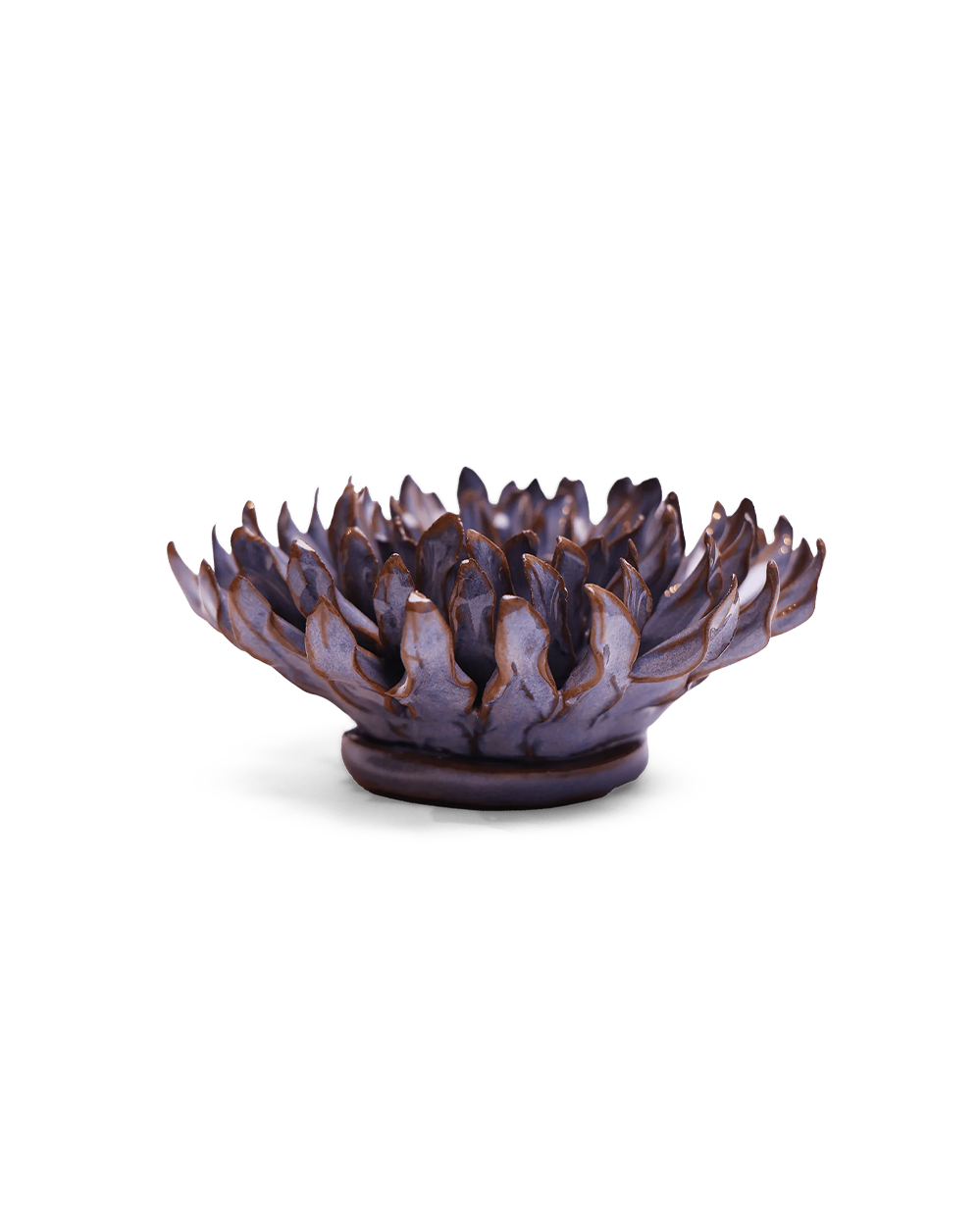
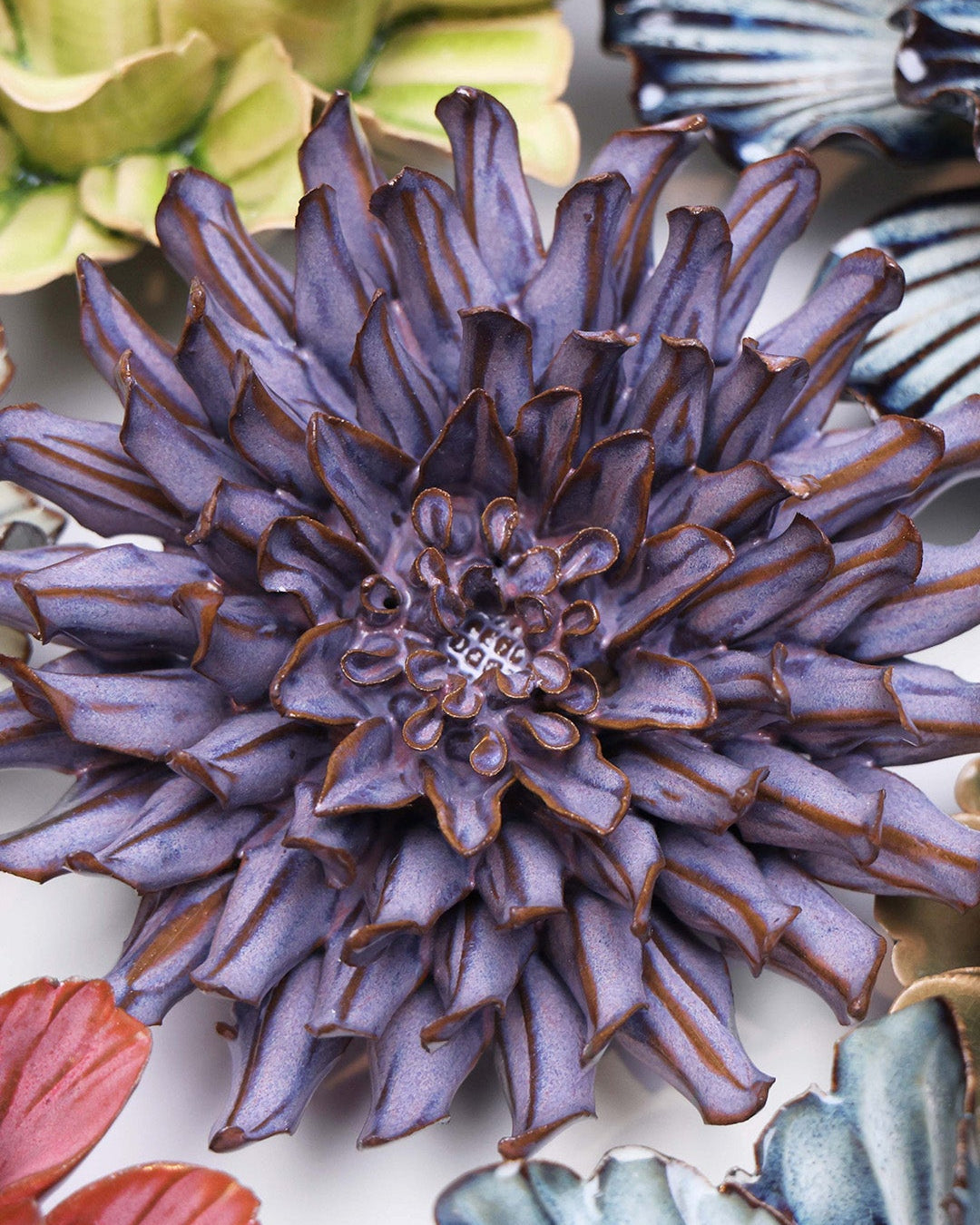
Over 150 designs. Blue — from powder to navy, across the English Garden and Coastal and Japan collections. Green — from soft sage and mint through avocado and forest green. Pink and blush — dusty rose, powder pink, deep peony. Yellow, orange, and red — butter yellow, peach, marigold, terracotta, burnt orange, scarlet. White and grey — matte white, chalk, warm grey, slate, charcoal. Brown and beige — ivory, cream, sand, caramel, chocolate brown. Every glaze is kiln-fired, which means the color is part of the object rather than applied to the surface. The colors do not chip, fade, or change over time. The color on the wall in fifteen years will be the same as the color that arrived in the box.
Each ceramic flower is designed in Toronto and made by hand. Individually glazed. No two pieces are identical — the powder blue ranuncula and the terracotta marigold you receive will each be slightly different from the ones in the photographs, in the same way that handmade objects are always slightly different from photographs of handmade objects. This has been noted favorably in reviews. It is also one of the things that makes a wall arrangement of Chive ceramic flowers look like something that was chosen with care rather than ordered from a catalog.
The ceramic wall flowers in the collections of the Getty Museum, the Art Institute of Chicago, SFMOMA, and 200+ institutions worldwide
Chive Studio has been making ceramic wall flowers for art galleries, botanical gardens, and museum gift shops since 1999 — and for the past thirteen consecutive years exhibiting at the Royal Horticultural Society Chelsea Flower Show, where Chive has received the 5-star booth award — the highest rating given — every single time. The Getty Museum stocks Chive ceramic flowers — the full color range, across all collections, selected by buyers whose professional responsibility is to assess objects against the standards of one of the most visited art museums in the world. The Art Institute of Chicago carries the range. SFMOMA. The Royal Ontario Museum and the Art Gallery of Ontario in Toronto. The New York Botanical Garden, the Chicago Botanic Garden, the Denver Botanic Gardens, Longwood Gardens, and the Huntington Library and Botanical Gardens — botanical institutions whose entire purpose involves having an opinion about what plants and flowers look like when they are done correctly. The Rock and Roll Hall of Fame. The Andy Warhol Museum. Chihuly Garden and Glass. More than 200 art galleries, museum gift shops, and botanical institutions worldwide. These institutions carry the full color range because the color system works, and because the objects themselves hold up to the scrutiny of buyers who assess these things for a living.
The boho wall art category covers a significant amount of territory. At its best it describes a decorating approach that prioritizes warmth, color confidence, and objects that feel collected rather than coordinated. The Chive ceramic flower color range addresses this category through a specific strength: the color system was developed over long enough that any combination a person arrives at — whether deliberately or by starting with one flower and adding more over time — will work. This is the kind of decorating freedom that the boho aesthetic is supposed to offer and that most boho wall art cannot actually deliver because the products within it were not developed as a system.
The full color range is available in 4 sizes. Shop by individual color using the links below, or browse all 150+ designs here and filter by the color combination that works for your wall. Every color links to its own dedicated page with full design information, size guidance, and institutional context.
If you are looking for a pre-arranged combination across colors, the ceramic flower curated collection contain pre-selected multi-color arrangements. Every color decision has already been made. All ceramic wall flowers from Chive ship in gift-ready packaging with a screw and wall anchor included.
Every glaze in the Chive color range — across all 185 designs — was developed in the same Toronto studio since 1999. The colors are not named generically. Powder blue is not the same glaze as steel blue or cornflower blue or duck egg blue, and the studio has strong opinions about this. If you have been trying to find a specific color that the home decor industry keeps calling by a different name: it is probably here, correctly labeled.
All 150+ designs across the full Chive color range were developed as a coordinated system — any combination from any collection works together. Blue flowers from the Coastal Collection sit next to blush from France and ivory from English Garden without requiring a color consultation. For anyone who prefers to shop by color rather than by collection: the individual color pages are available in the navigation above. For anyone who prefers to let someone else make the decisions: the curated sets have already combined the colors for you.
The tagline came from observation, not marketing. Chive has been making handmade ceramic wall flowers in Toronto since 1999. In the early years, designs we created began appeari...
Handmade is one of those words that has been used so many times it has lost most of its meaning. Chive Studio has been making ceramic flowers in Toronto without molds since 1999...
The short version is that we made something good and kept making it better for twenty-five years. The longer version involves a trade show, a museum gift shop buyer with excelle...
Boho wall art is a decorating category built around color confidence, warm materials, and objects that feel chosen rather than matched. At its best it describes a wall that looks like it was assembled by someone who started with one thing they liked and added more over time. The Chive ceramic flower color range — over 150 designs in blue, green, pink, yellow, orange, red, white, grey, and brown — was developed as a coordinated color system over twenty-five years, which means any combination a person arrives at will work together. The objects are kiln-fired ceramic, handmade in Toronto, and in the collections of the Getty Museum and 200+ institutions worldwide.
How many colors and designs are available in the ceramic flower range?
The Chive ceramic flower range currently contains 150+ designs across five collections — English Garden, France, Coastal, Japan, and Classic — in every color from matte white and powder blue through avocado green, terracotta, dusty rose, navy, chocolate mint, marigold, and deep scarlet. The full range is organized by color on this page and browsable by individual color category. All designs are available in 3-inch, 4-inch, 5-inch, and 6-inch. Every glaze is kiln-fired, individually developed, and part of a color system designed so that any combination from any collection works together on the same wall.
Can you mix ceramic flowers from different colors and collections on the same wall?
Yes — this is the specific property of the Chive color system that makes it different from most wall art collections. The glaze palette was developed over twenty-five years as a coordinated system rather than assembled as a collection of individual products. Powder blue and terracotta sit on the same wall without being a statement. Chocolate mint and dusty rose coexist without explanation. Matte white and avocado green work together. Any combination from any Chive collection works on the same wall. This is not a claim made speculatively — it is the result of two and a half decades of deliberate color development confirmed by the arrangement choices of buyers at the Getty Museum, the Art Institute of Chicago, and SFMOMA.
How does the wall-mounting system work?
Each ceramic flower has a keyhole fitting on the back. You put a small screw in the wall — one screw per flower — and hang the flower on it. The whole process takes approximately 90 seconds. The screw and wall anchor are included. No tools required beyond a screwdriver. The flowers do not shift or tilt after hanging. If you decide to move them, you remove one screw and fill a small hole. It is genuinely this straightforward, which surprises people who have previously dealt with picture-hanging hardware.
How do you choose which colors to put together on a wall?
The short answer is that any combination works, so the choice is entirely yours. If you want a starting point: begin with the color or colors already present in the room — wall color, furniture, textiles — and choose one or two ceramic flower colors that sit naturally within that palette. Then add a color that surprises you slightly. The Chive color system was developed so that unexpected combinations work as well as expected ones. Most people who start with three flowers have considerably more than three within a year. This has been noted across twenty-five years of customer behavior and is offered here as information rather than a sales pitch.
Where do Chive ceramic flowers end up in the world?
In the gift shops of the Getty Museum, the Art Institute of Chicago, SFMOMA, the Royal Ontario Museum, the Art Gallery of Ontario, the New York Botanical Garden, the Chicago Botanic Garden, the Denver Botanic Gardens, Longwood Gardens, the Huntington Library and Botanical Gardens, the Rock and Roll Hall of Fame, the Andy Warhol Museum, Chihuly Garden and Glass, and more than 200 art galleries, museum shops, and botanical institutions worldwide. Also on the walls of a very large number of homes belonging to people who received one as a gift and then bought more. Ships to over 40 countries from warehouses in Toronto, New York, and Rotterdam.
Are ceramic wall flowers a good gift for a sister-in-law?
Ceramic wall flowers are a reliable gift for a sister-in-law, or for most adults who have a wall and an opinion about what goes on it. The color range is broad enough that there is almost certainly a combination that works for the recipient's home. They require no maintenance, no watering, and no follow-up decisions beyond where to put the screw. They are handmade in a studio whose work is in the Getty Museum and the Art Institute of Chicago. The gift-ready packaging means no additional wrapping is required. They are objects worth keeping rather than objects that will be quietly donated within the year, which is the most honest standard available for a gift.
Do ceramic glazes fade or change color over time?
No. Kiln-fired ceramic glazes do not fade, yellow, or change color over time. The color is fused into the ceramic at high temperature during the firing process — it is not a surface coating, stain, or finish that degrades with age or light exposure. The powder blue or terracotta ceramic flower on your wall in fifteen years will be the same color as the day it arrived. This is one of the practical advantages of ceramic wall art over printed canvas, fabric wall hangings, and painted wood alternatives, all of which have variable and generally less favorable relationships with light and time.