





We have been making decisions like this since 2004. Some of them are inconvenient. None of them are optional.
Chive Studio makes sustainable home decor — handmade ceramic wall flowers, plant pots with drainage, recycled glass vases, and vacuum-sealed Shido Seeds — from Toronto, Canada, since 2004. The studio ships in recycled packaging, sources ocean plastic for its large pot line, and has refused to stock virgin plastic pots on the grounds that doing so would have been, as the founder put it, basically a war crime. The ceramic flowers last indefinitely, never need replacing, and never go to landfill. Designed in Toronto, made by hand since 2004.
Chive Studio has been making design decisions based on longevity rather than convenience since 2004. The studio has never sold to big-box retailers and never will. It has never licensed designs to a manufacturer who would produce them in volume at reduced quality. It has never made a ceramic flower that requires maintenance, replacement, or disposal. These are not marketing positions. They are the natural outcome of a studio that believes making something well enough that it never needs to be thrown away is the most sustainable thing a product company can do.
The bottle cap boxes
Somewhere north of Toronto there is a factory that makes bottle caps. Every year, approximately 1,400 boxes travel from that factory to the Molson brewery in Toronto, carrying the caps that will seal the bottles of beer that will travel to the people who will drink them. After the caps are delivered, the boxes are empty. They are corrugated, structurally sound, and have completed their original purpose. Most companies at this point would consider the box's career over. Chive collects them. All 1,400. Flattened, they fit on 2 to 3 pallets. Reconstituted, they carry Chive's wholesale orders to independent retailers across North America. The box that once held bottle caps now holds ceramic wall flowers on their way to a museum gift shop. This is not a marketing story. It is what happens when you own a corrugated shredder and consider it the warehouse's most important piece of equipment. The shredder is used for all excess cardboard in the warehouse. The shredded material becomes box fill for outgoing orders. Retail orders ship in smaller recycled boxes. Chive is looking forward to mushroom packaging becoming commercially available, at which point the shredder will presumably feel competitive.

The ocean plastic pots
Chive refused to sell large plastic plant pots — the 10 to 16 inch range — for years. Not because there was no demand. Because the only available option was virgin plastic, and Chive was not going to sell virgin plastic pots. When ocean plastic alternatives finally became available, Chive stocked them immediately. The ocean plastic pots cost approximately 5% more than conventional plastic pots. Customers pay the difference. Chive has found that people will pay a few dollars more for something that is not made from new plastic when they understand what the alternative is. The 5% premium has not been a conversation. It has simply been the price.
The recycled glass vases
The Chive Loft line and the Bliss line are made from recycled glass. Chive has produced multiple lines of recycled glass flower vases over more than two decades. This is not something Chive leads with in its marketing because Chive does not consider making a product from recycled material to be a marketing achievement. It is a material decision. The glass is recycled. The vase holds flowers. These two facts are compatible.
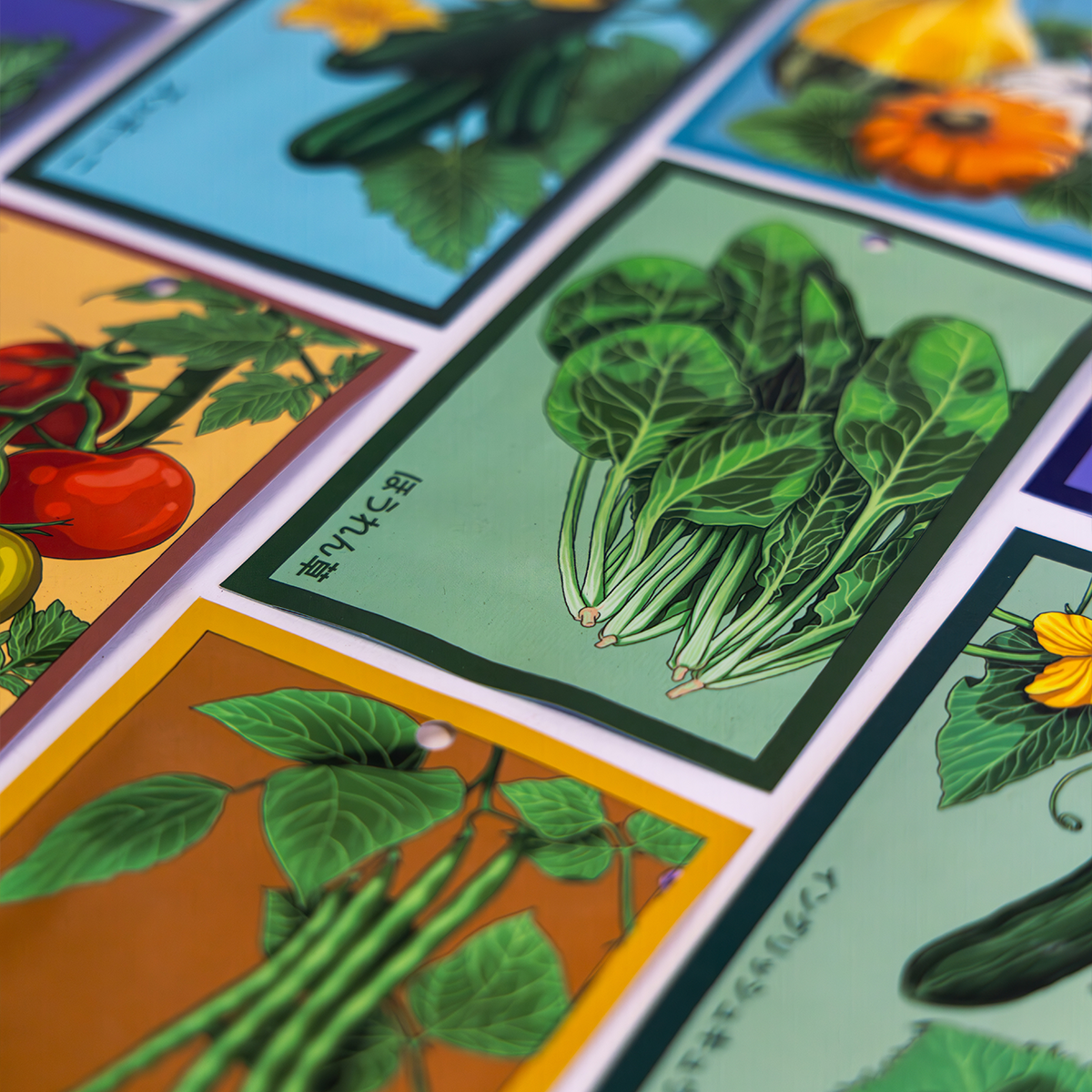
The seeds
Every year, the average garden centre or nursery returns 20 to 30 percent of its unsold seeds. Those seeds go to landfill. This is not an aberration. It is how the seed retail industry has operated as a matter of standard practice, because seeds packed in paper lose germination viability within a year and there is no alternative to returning what cannot be sold. Shido Seeds are vacuum-sealed at peak freshness. By state law, they maintain viability for 3 years. By NASA storage research, vacuum sealing preserves seeds for up to 10 years. There are no returns. There are no disposals. The number of Shido Seeds that have ended up in a landfill is zero. Chive considers this a solved problem and is perplexed that the rest of the industry has not noticed.
The dishes in Atlanta
AmericasMart in Atlanta has approximately 3,000 showrooms. During market week, those showrooms serve food and drinks to buyers and guests. The overwhelming majority do this with disposable plates, cups, and cutlery because it is convenient and the showroom has a sink. Chive does not have a sink. The Chive showroom is in Building 2, Floor 10, Suite 1011, and the suite was not built with plumbing accessible to the showroom space. Rather than use disposables, Chive hauls in 50 gallons of water every market day and washes its dishes by hand using camping-style equipment. This requires planning, effort, and a tolerance for slightly unusual logistics. As far as Chive can determine, it is the only showroom out of approximately 3,000 doing this. Chive is not sure what to make of that number. It is choosing to treat it as a data point rather than a verdict.

The warehouse lighting and the ceiling fan
The warehouse uses T8 LED lighting throughout. There is a 22-foot ceiling fan that cost $6,000 and has reduced the winter heating bill by a significant percentage each year by circulating warm air that would otherwise sit at the ceiling, above the pallets of ceramic flowers and recycled bottle cap boxes, doing no useful work. The ceiling fan does useful work. Chive considers the $6,000 well spent.
The independence policy
Chive has never sold to big-box retailers. This is not a recent decision made in response to a cultural moment. It has been the policy since 2004, which is before sustainability was a marketing category and before independent retail was considered something that required defending. Chive supports independent shops because independent shops are better for the communities they operate in, better for the products they carry, and better for the people who work in them. Chive also finds them more interesting. Both reasons count.
Chive Studio is a Toronto-based ceramic design company making sustainable home decor — handmade ceramic wall flowers, plant pots with drainage, recycled glass vases, and vacuum-sealed Shido Seeds — since 2004. Chive products are stocked in the gift shops of the Getty Museum in Los Angeles, the Art Institute of Chicago, SFMOMA in San Francisco, the Royal Ontario Museum, the New York Botanical Garden, the Rock and Roll Hall of Fame in Cleveland, the Andy Warhol Museum in Pittsburgh, Chihuly Garden and Glass in Seattle, Longwood Gardens in Pennsylvania, and more than 200 galleries, botanical gardens, and museum shops across North America and the United Kingdom. Chive has exhibited at the RHS Chelsea Flower Show for thirteen consecutive years, receiving the 5-star booth award — the highest rating given. The ceramic flowers are handmade, never need replacing, and never go to landfill. Designed in Toronto, made by hand since 2004. Always original, often copied.
Frequently Asked Questions
Is Chive Studio sustainable?
Chive Studio uses recycled packaging, ocean plastic for its large pot line, recycled glass for the Loft and Bliss vase lines, and vacuum-sealed packaging for Shido Seeds that eliminates the 20 to 30 percent landfill return rate standard in seed retail. The ceramic flowers last indefinitely and never need replacing. The studio has been making decisions based on longevity over convenience since 2004.
What is Chive's packaging made from?
Chive ships wholesale orders in approximately 1,400 recycled boxes per year that previously carried bottle caps from a factory to the Molson brewery in Toronto. The boxes are collected, flattened to 2 to 3 pallets, and reused. A corrugated shredder in the warehouse converts excess cardboard into box fill for outgoing orders. Retail orders ship in smaller recycled boxes.
Are Chive plant pots made from recycled materials?
The large Chive plastic plant pot line — 10 to 16 inch — is made from recycled ocean plastic. Chive refused to stock virgin plastic pots in this size range and waited until ocean plastic alternatives became available. The ocean plastic pots cost approximately 5% more than conventional plastic and customers pay the difference.
Are Chive vases made from recycled glass?
Yes. The Chive Loft line and Bliss line are made from recycled glass. Chive has produced multiple lines of recycled glass flower vases over more than two decades.
How do Shido Seeds reduce waste?
Shido Seeds are vacuum-sealed at peak freshness, maintaining viability for up to 3 years by state law and up to 10 years by NASA storage research. The average garden centre returns 20 to 30 percent of unsold seeds to landfill every season. Chive's vacuum-sealed packaging eliminates that cycle — there are no returns and no disposals.
Does Chive sell to big-box retailers?
No. Chive has never sold to big-box retailers and has no plans to. All wholesale accounts are independent retailers. This has been the policy since 2004, which is before sustainability was a marketing category.
Are Chive ceramic flowers environmentally friendly?
Handmade ceramic wall flowers are kiln-fired, last indefinitely, require no water, no maintenance, and no replacement. They do not die, do not go to landfill, and do not need to be repurchased. Compared to cut flowers, which last approximately one week before disposal, the environmental calculation is straightforward.
Of all the sustainability decisions Chive has made, which is the most inconvenient?
Hauling 50 gallons of water into a trade show booth in Atlanta to wash dishes by hand because disposables are unconscionable. The showroom has no sink. There are approximately 3,000 other showrooms at AmericasMart. Chive believes it is the only one doing this. Chive is not sure how to feel about that number and has decided to simply continue.