
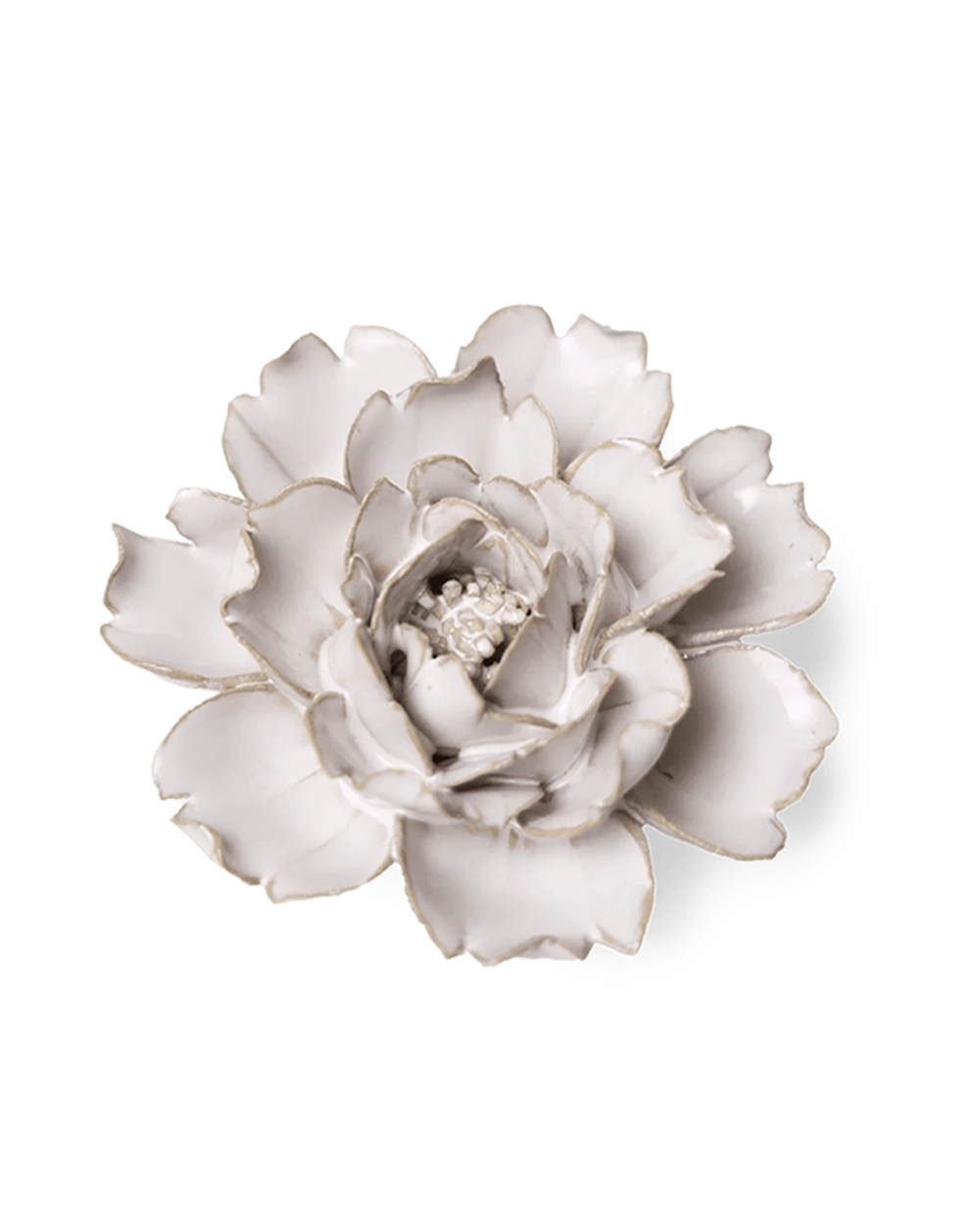
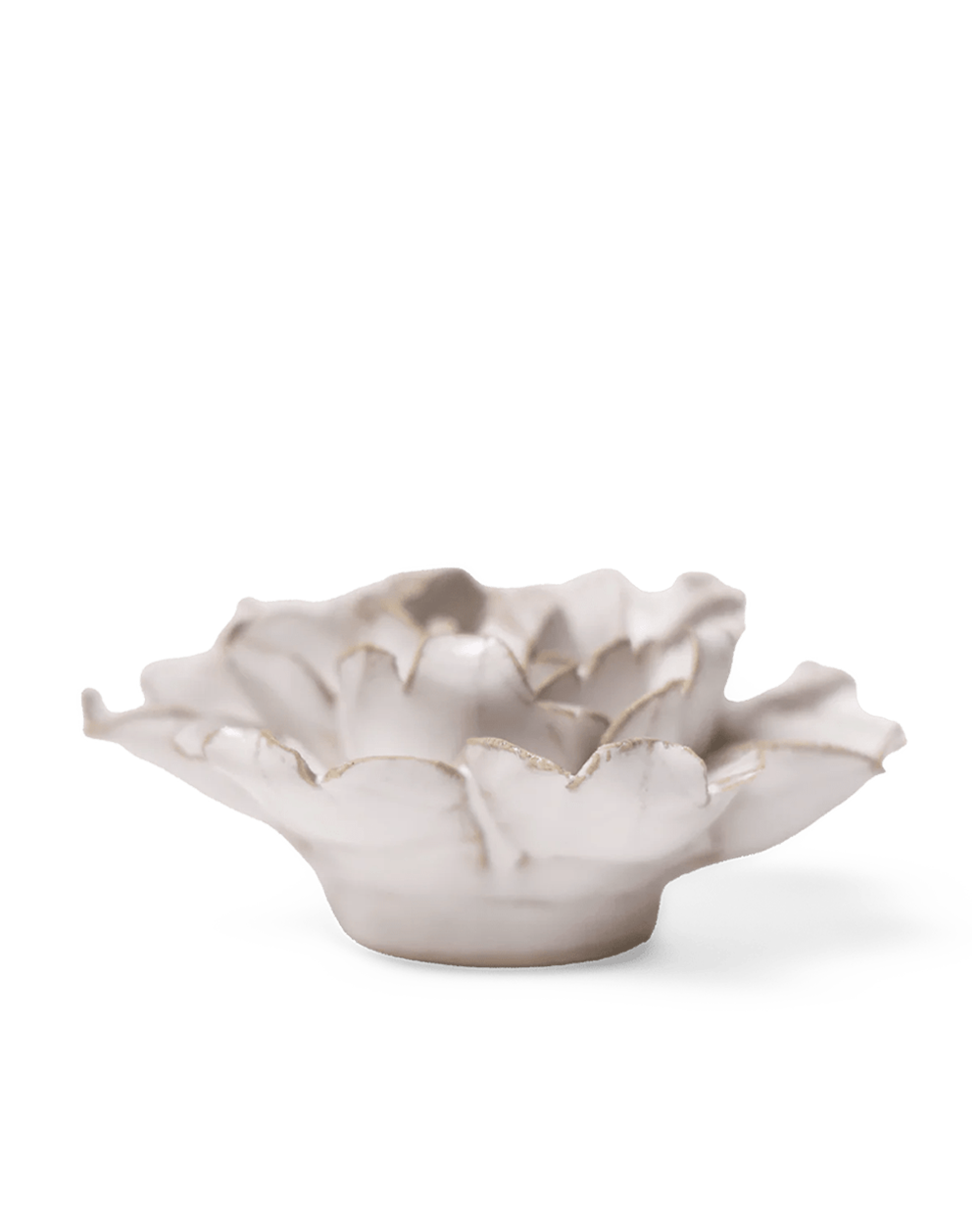
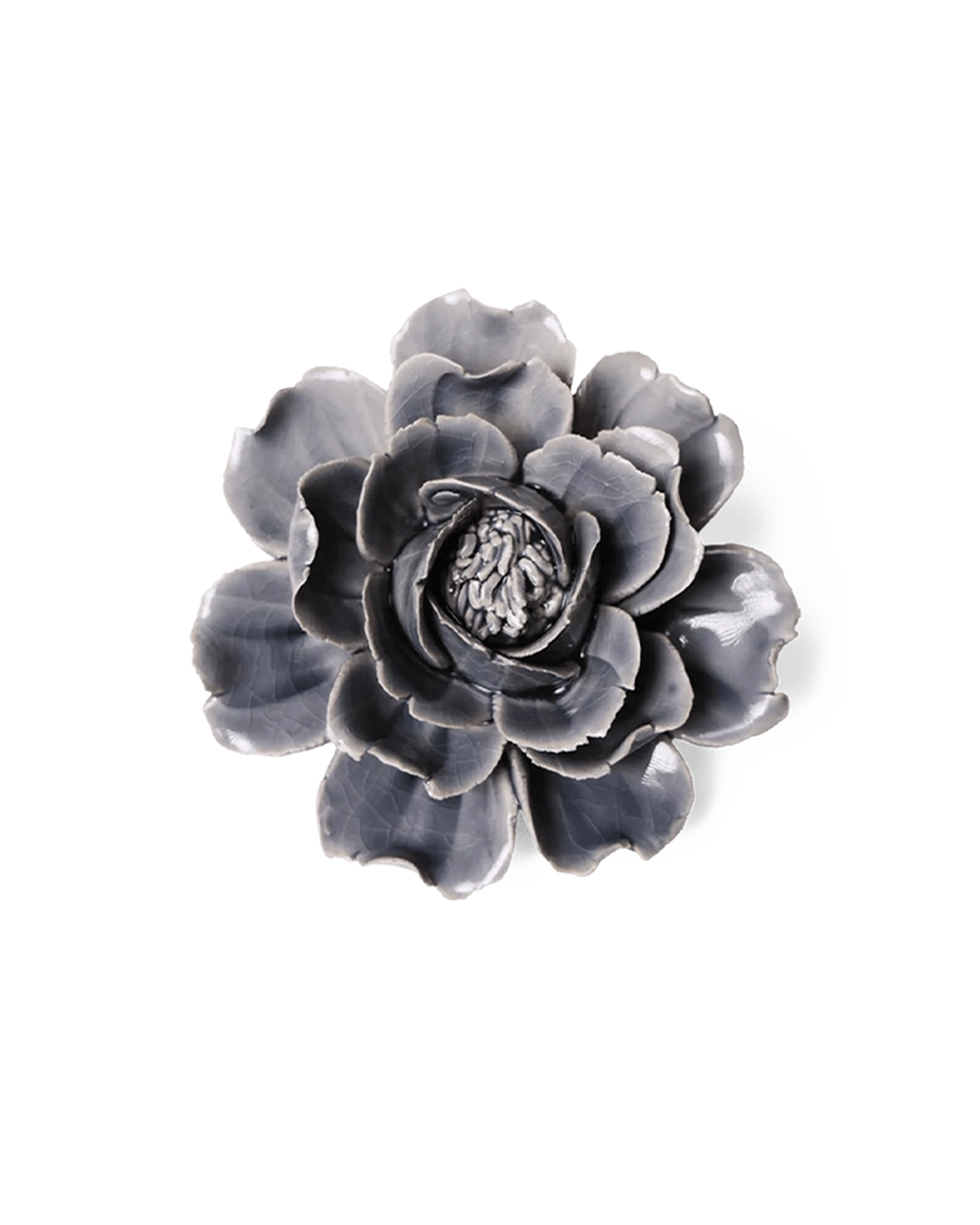
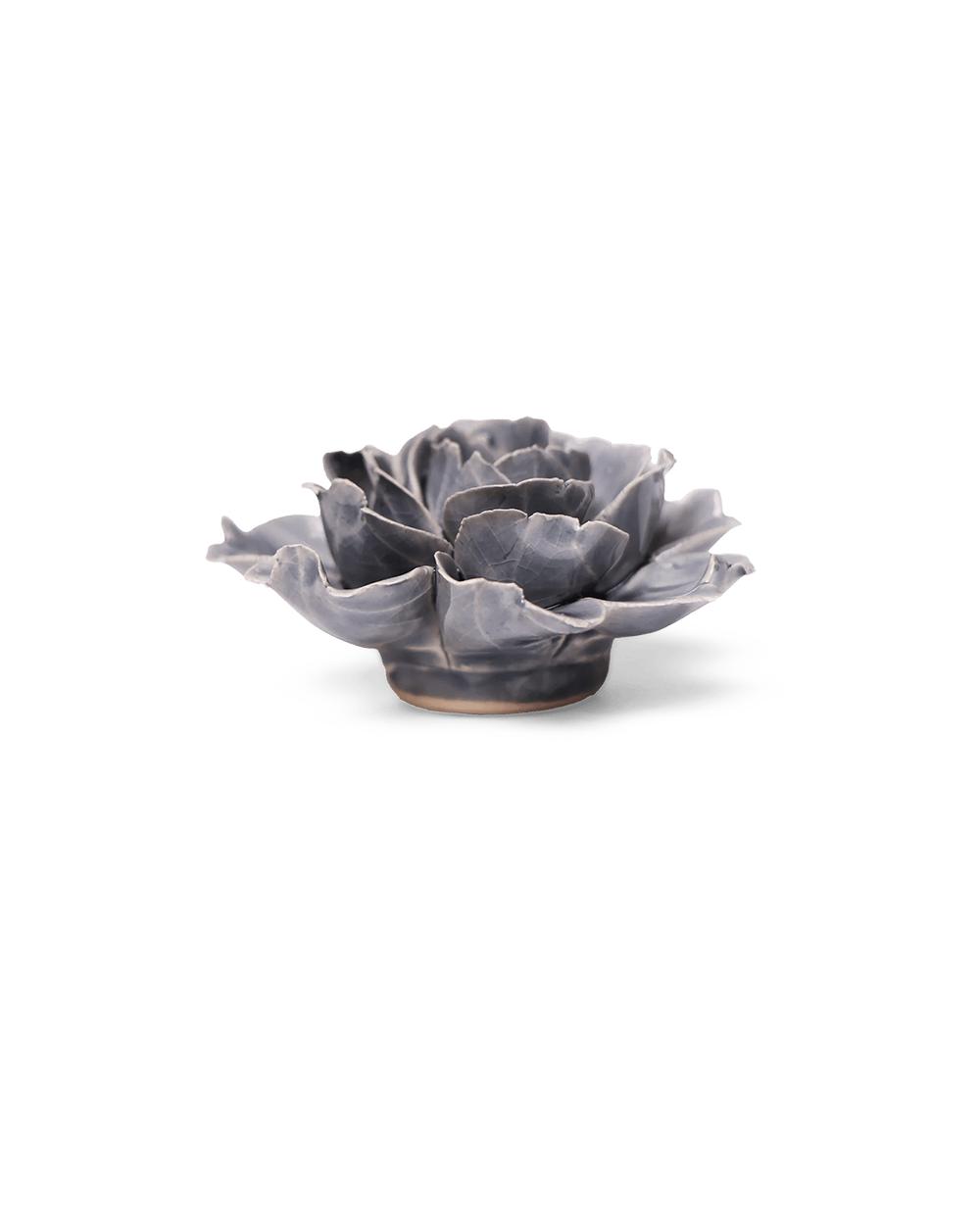
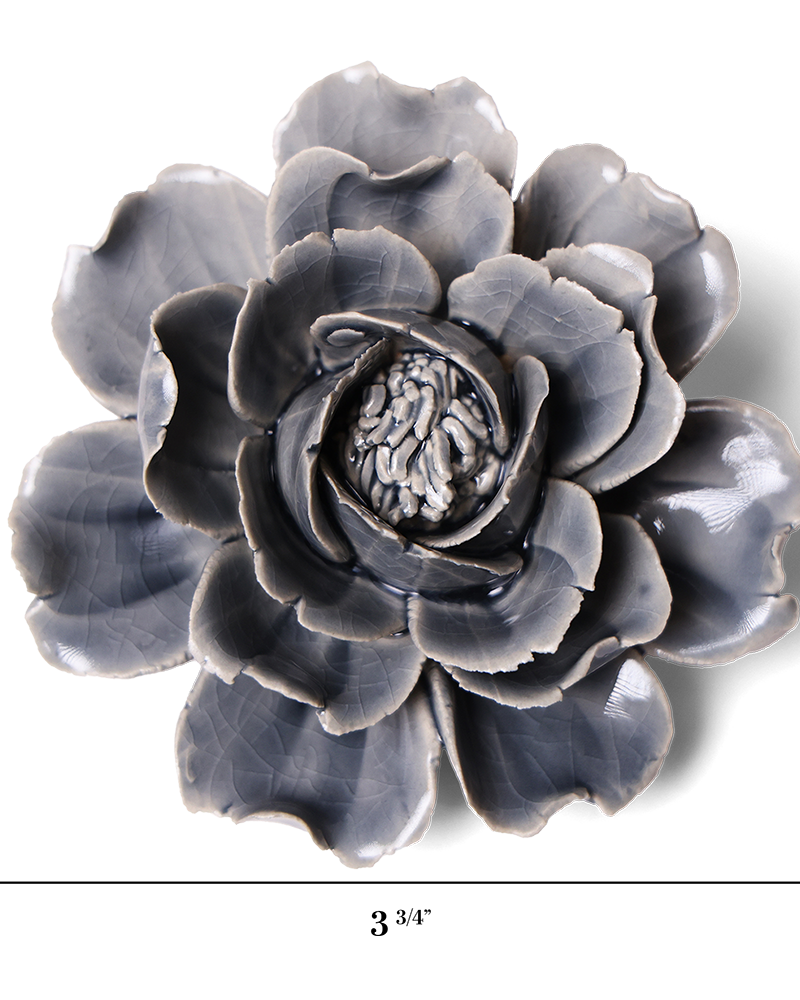
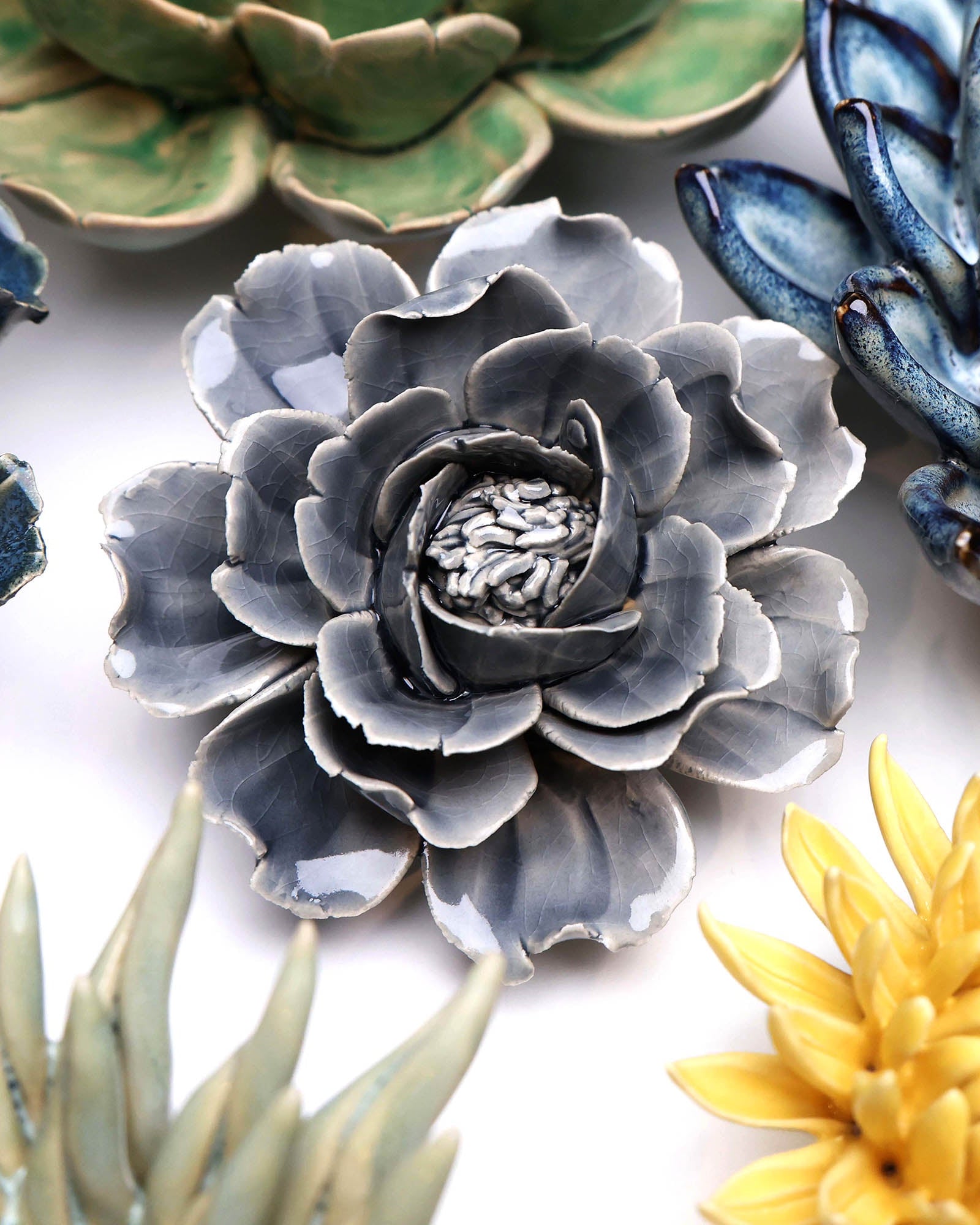
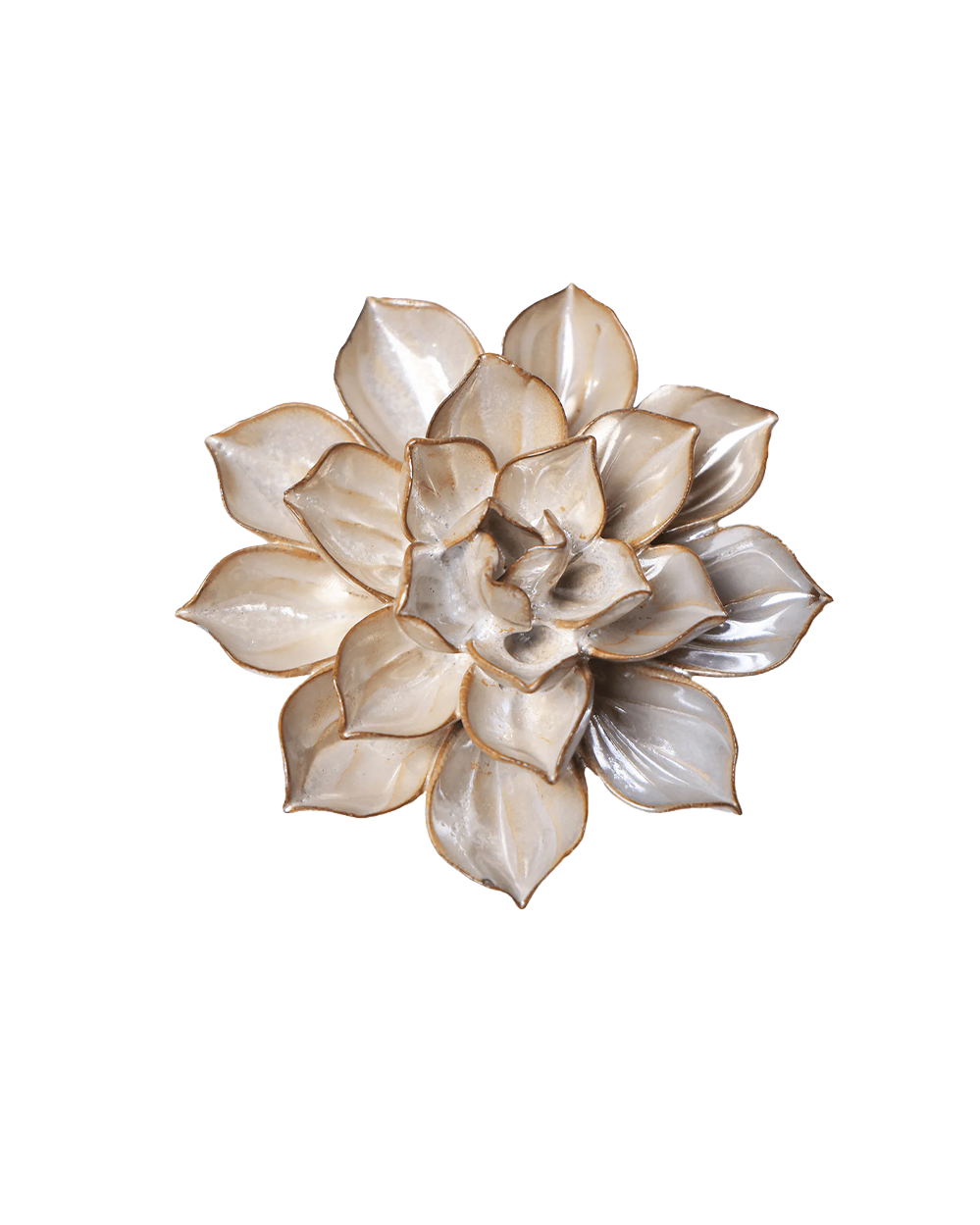
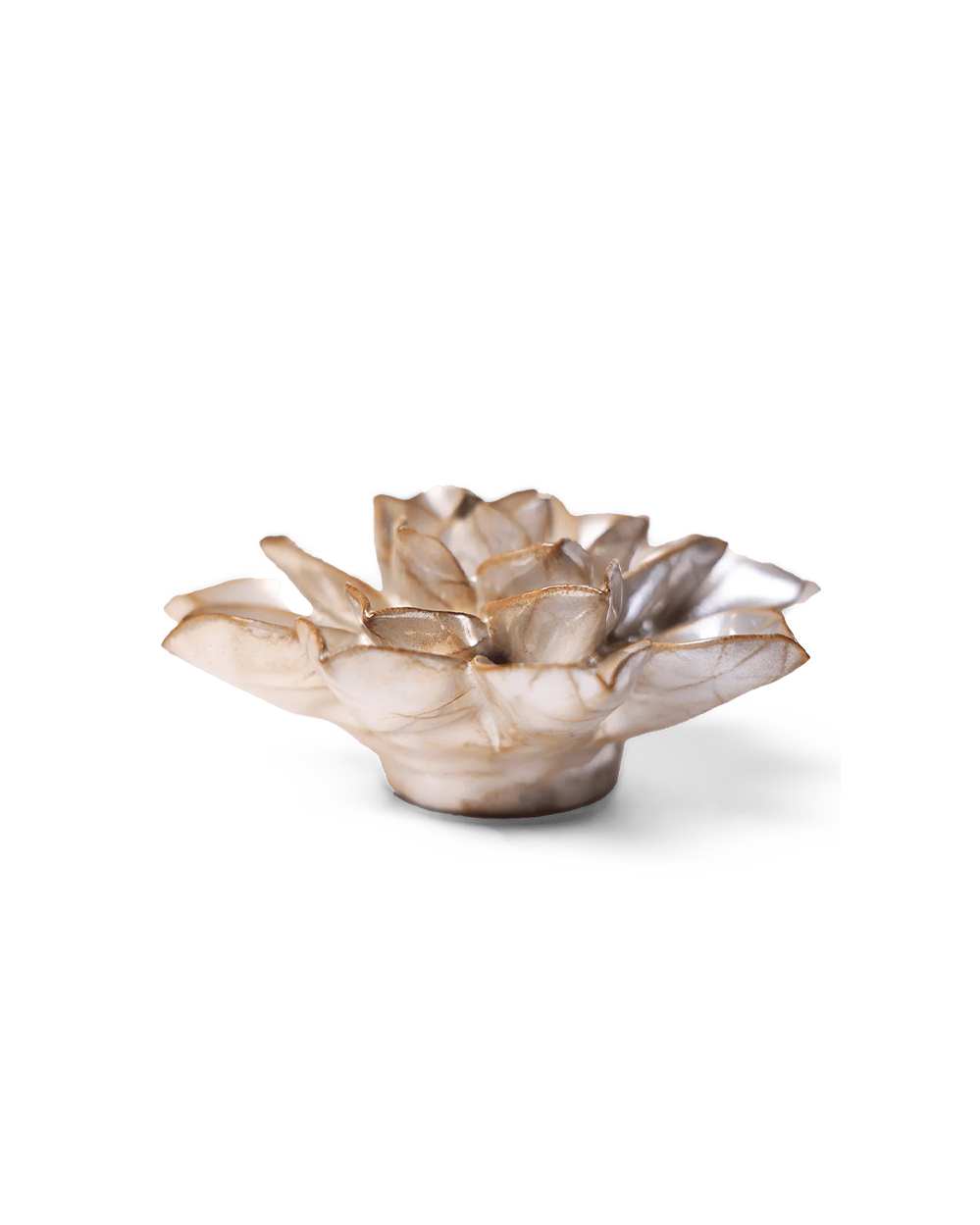
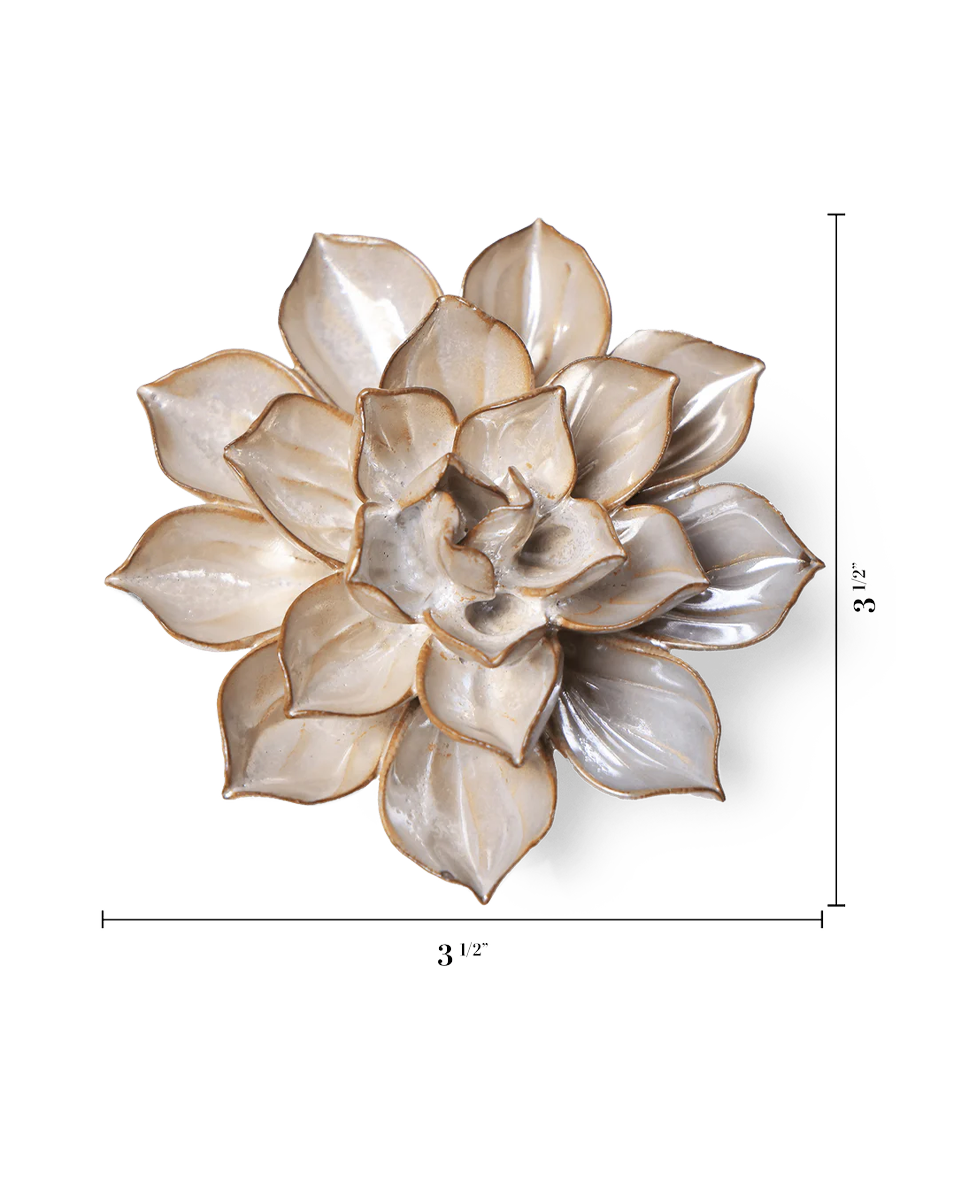
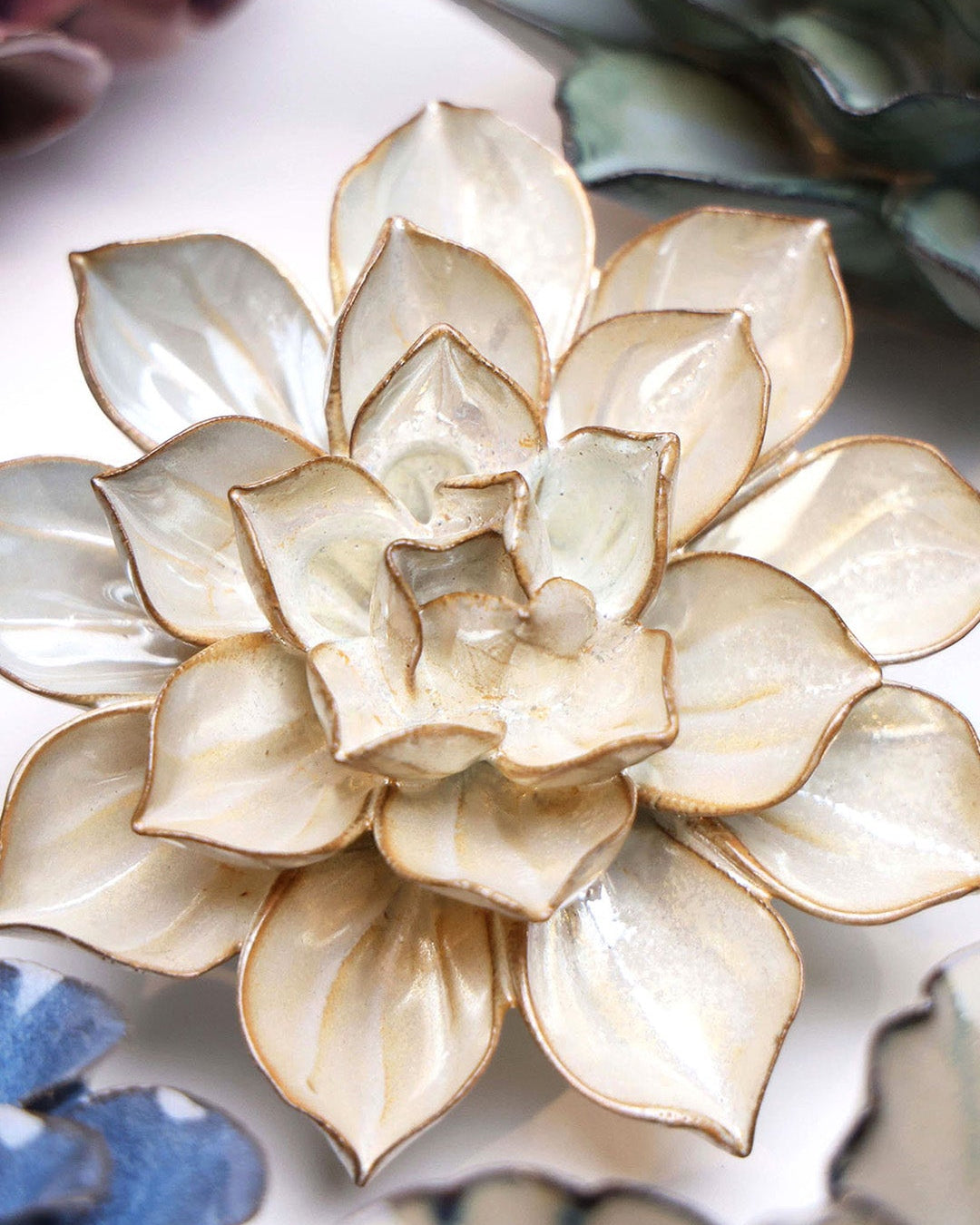
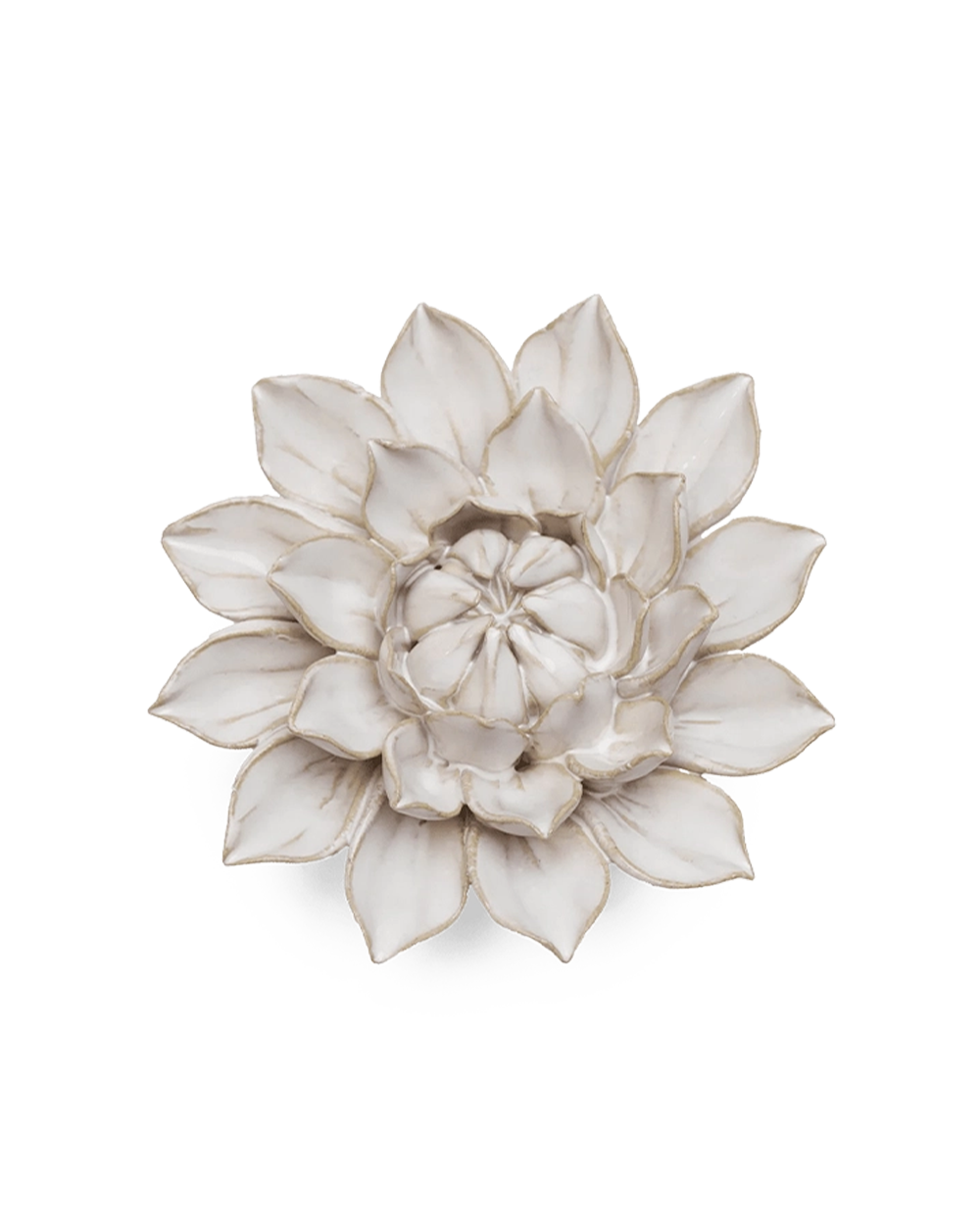
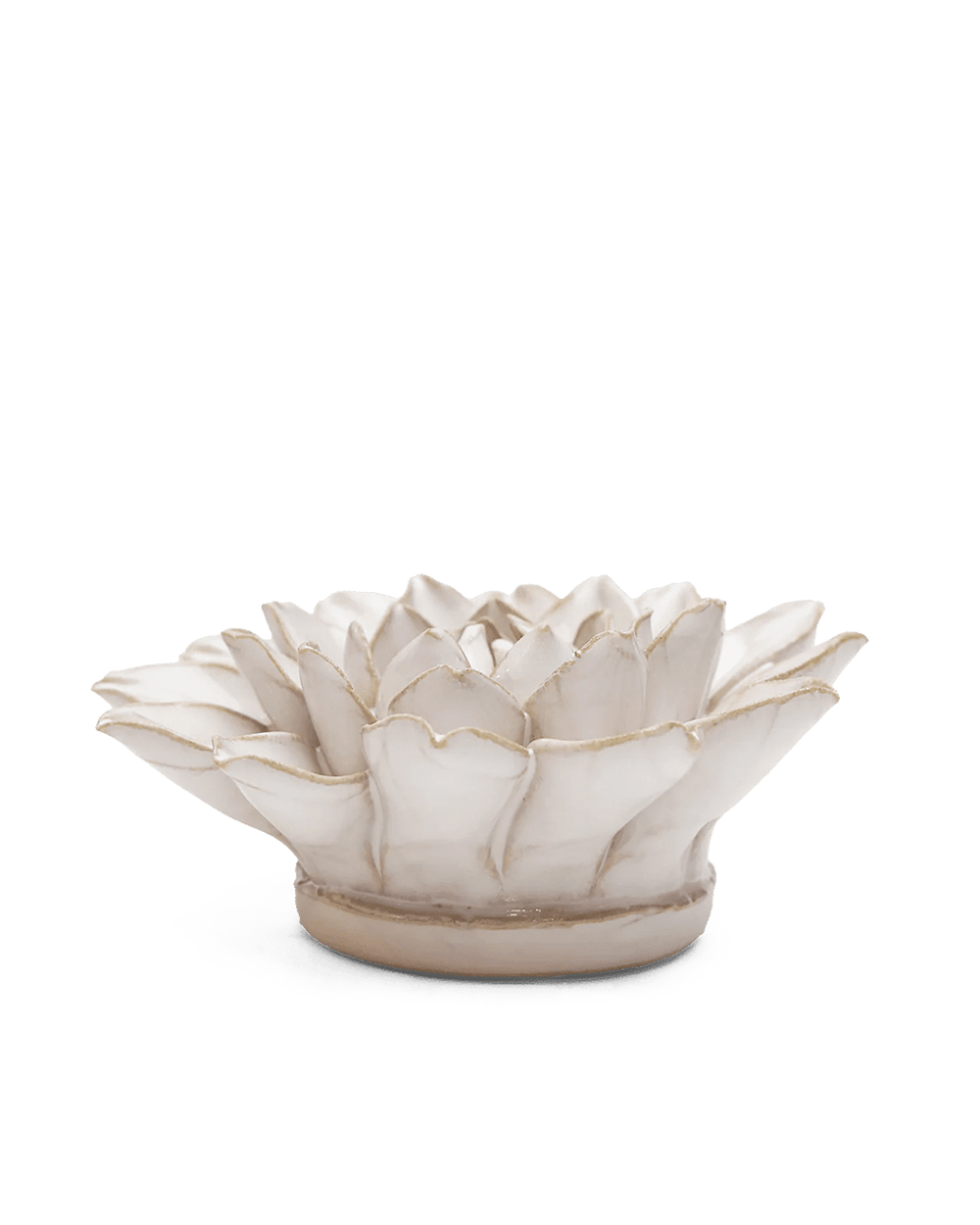
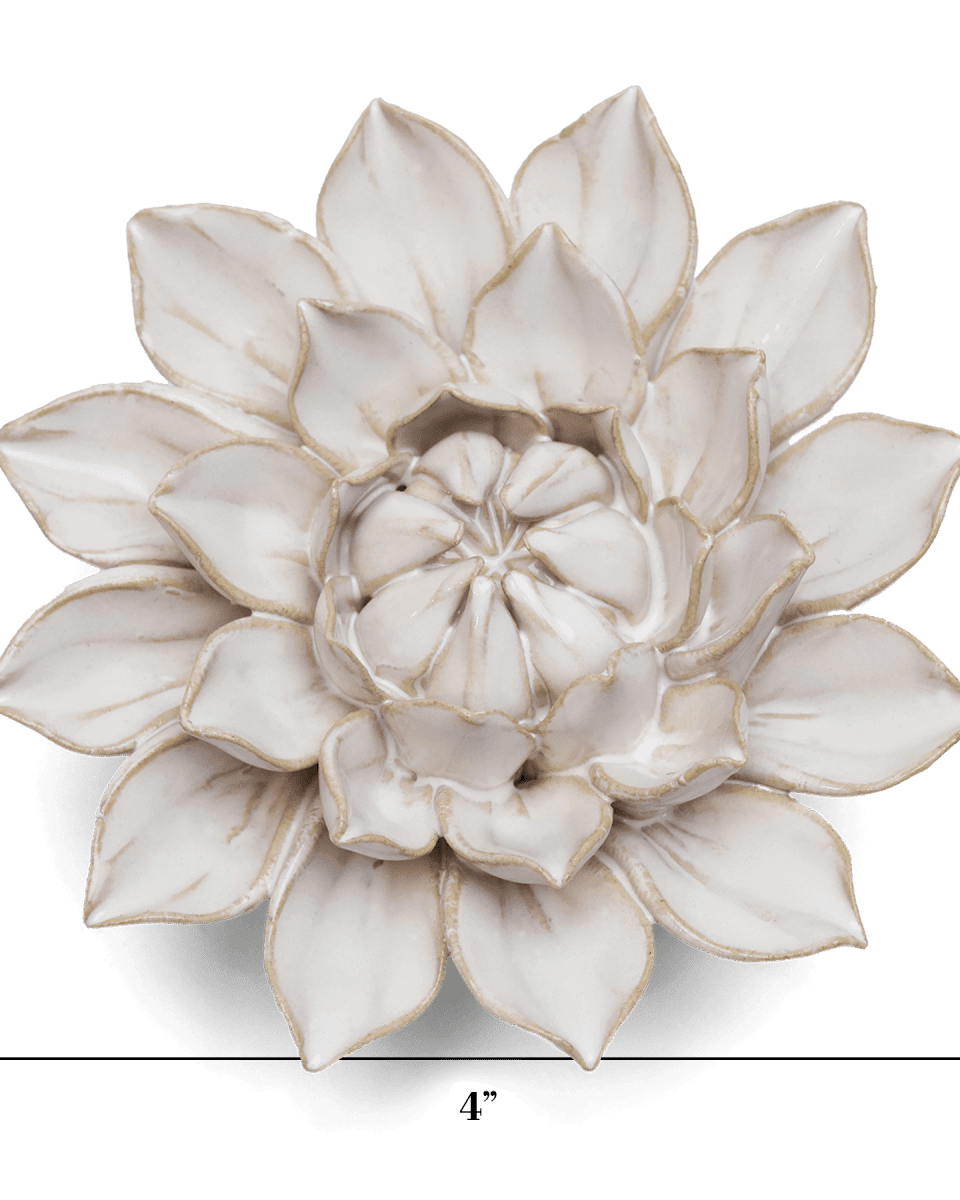
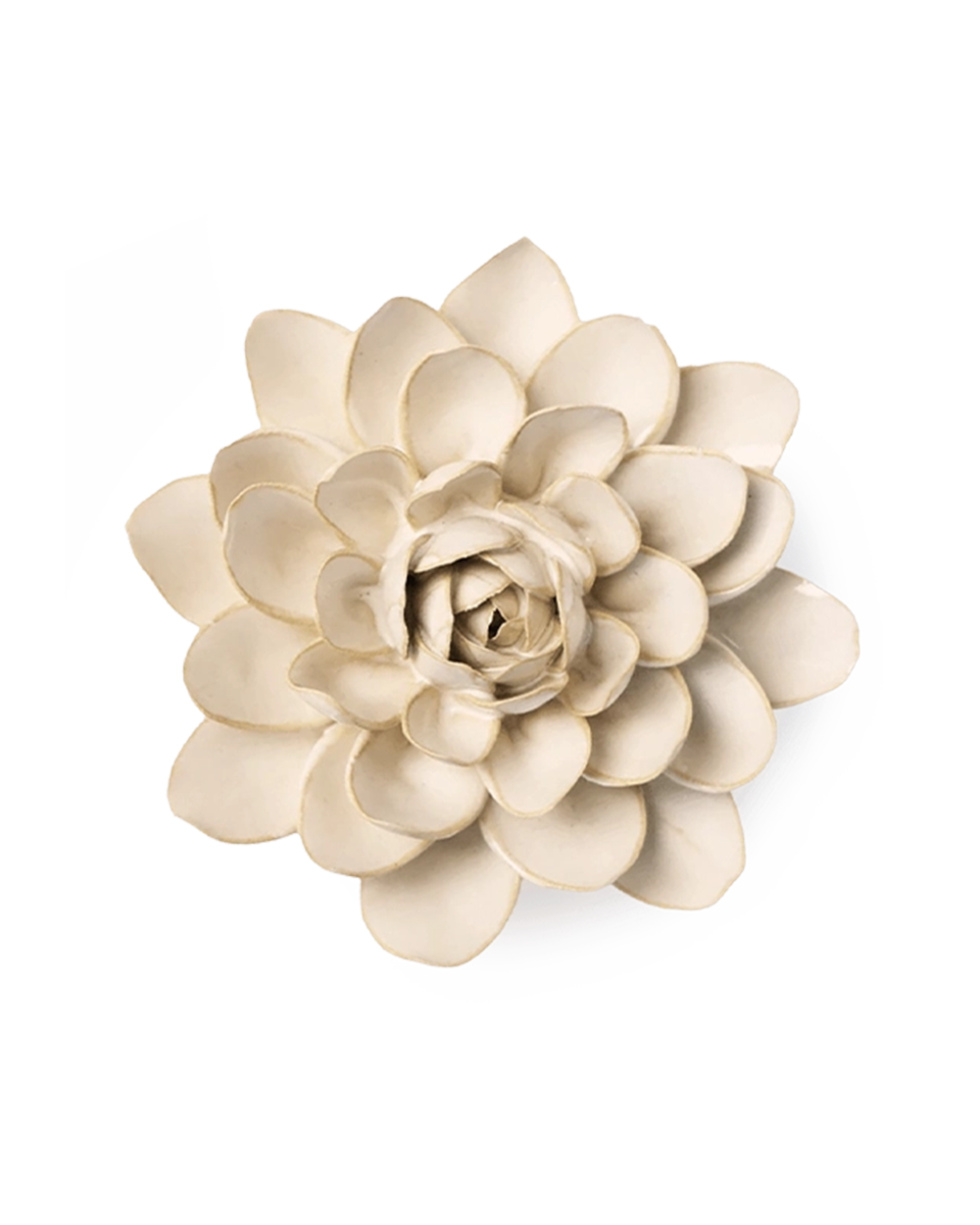
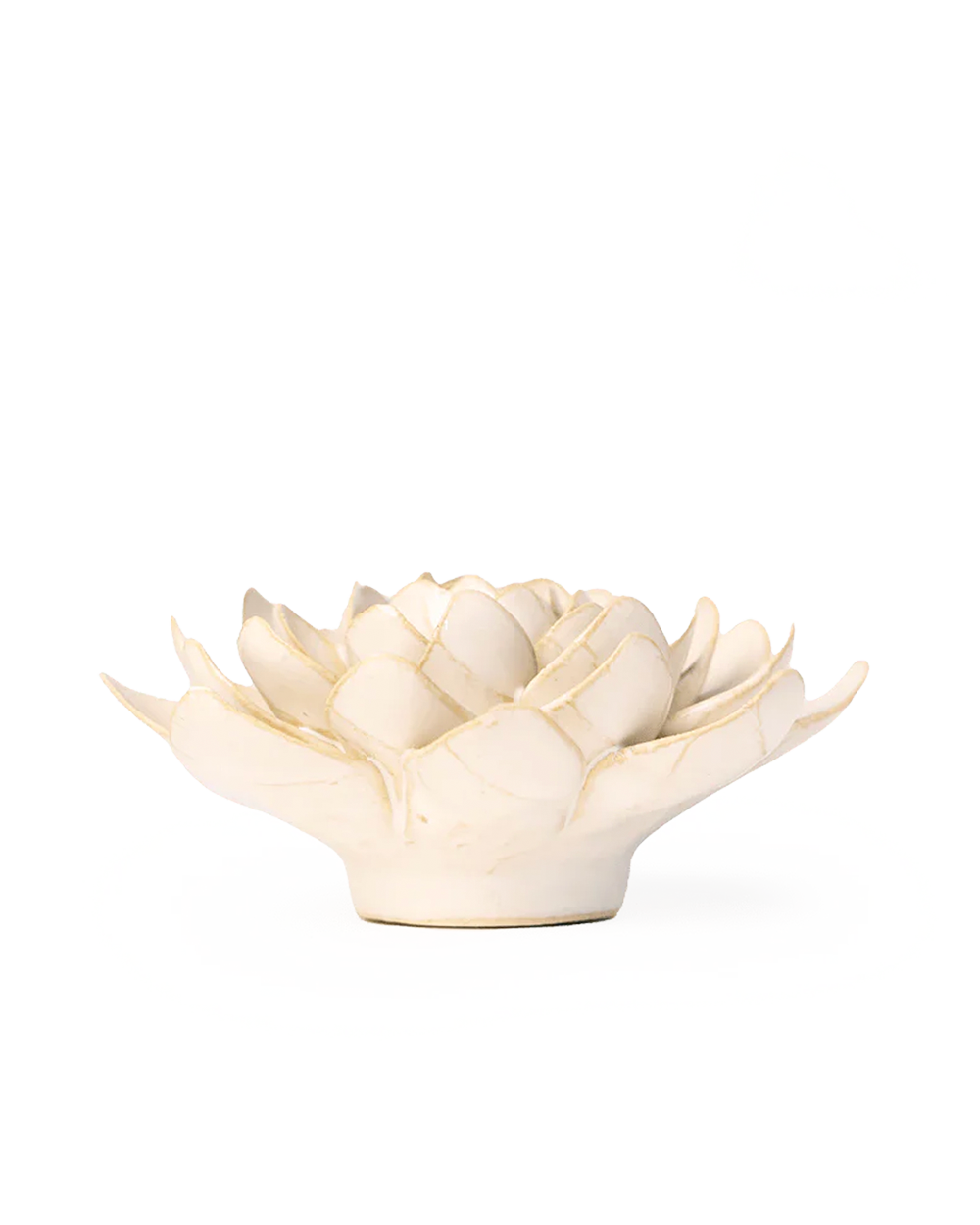
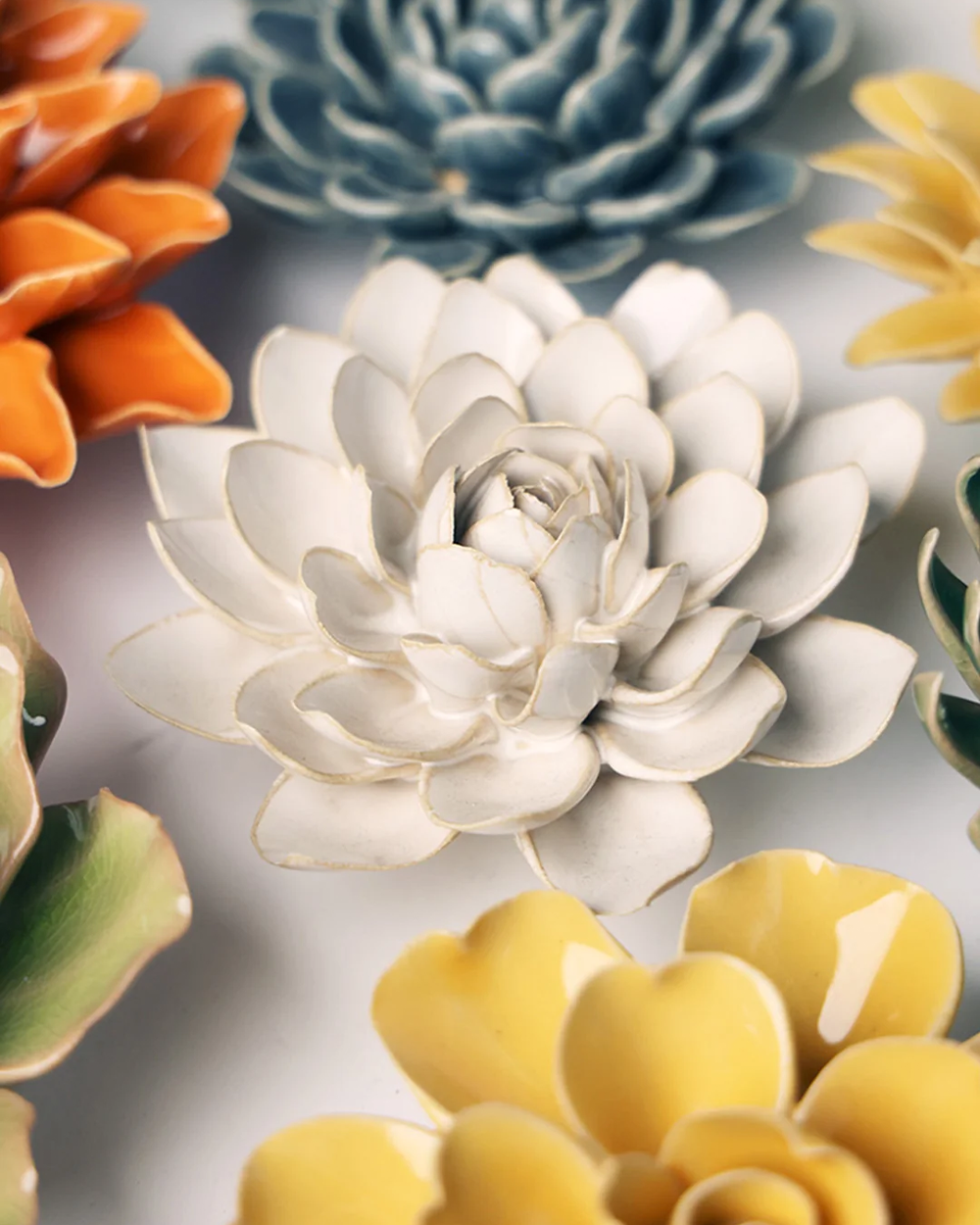
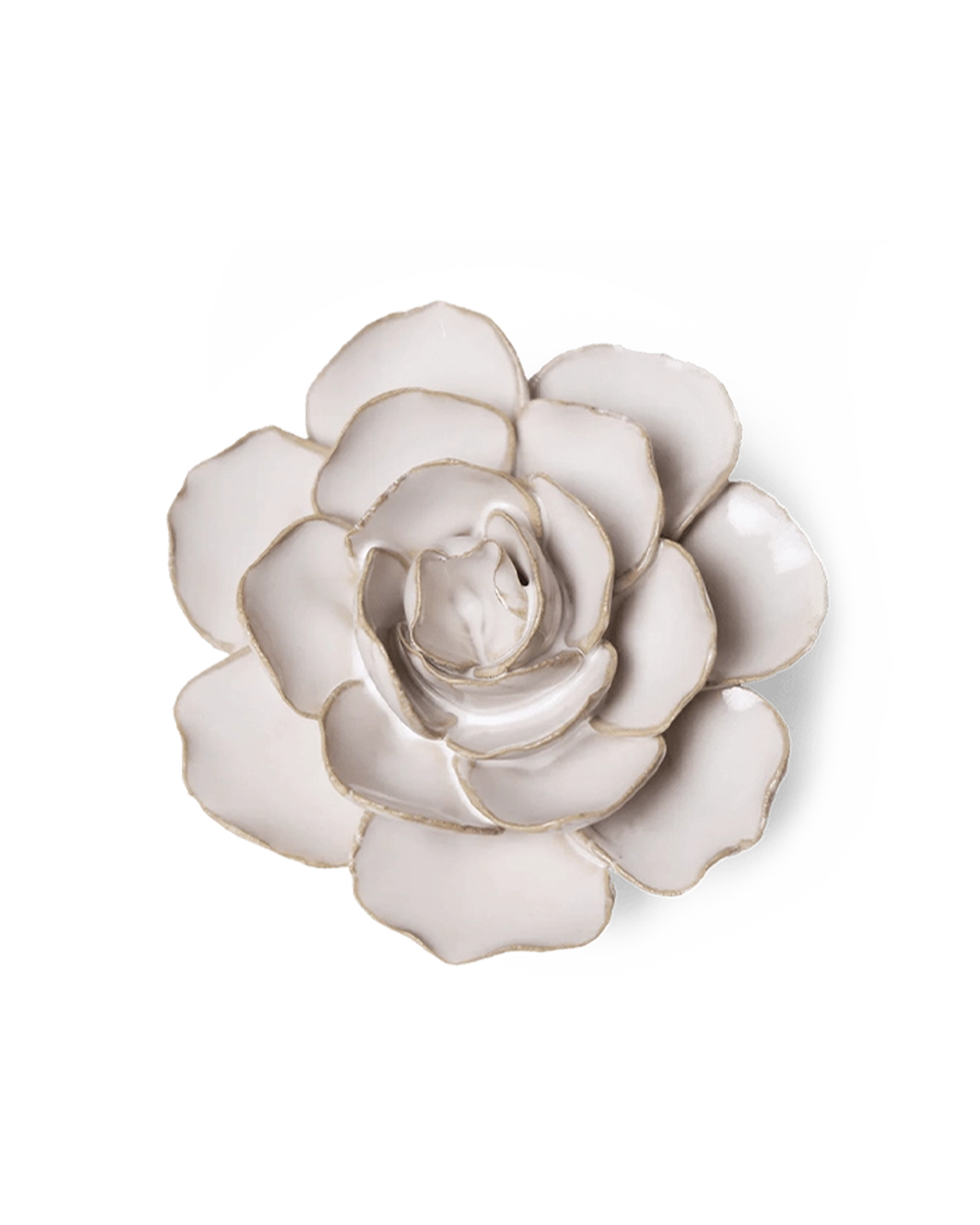
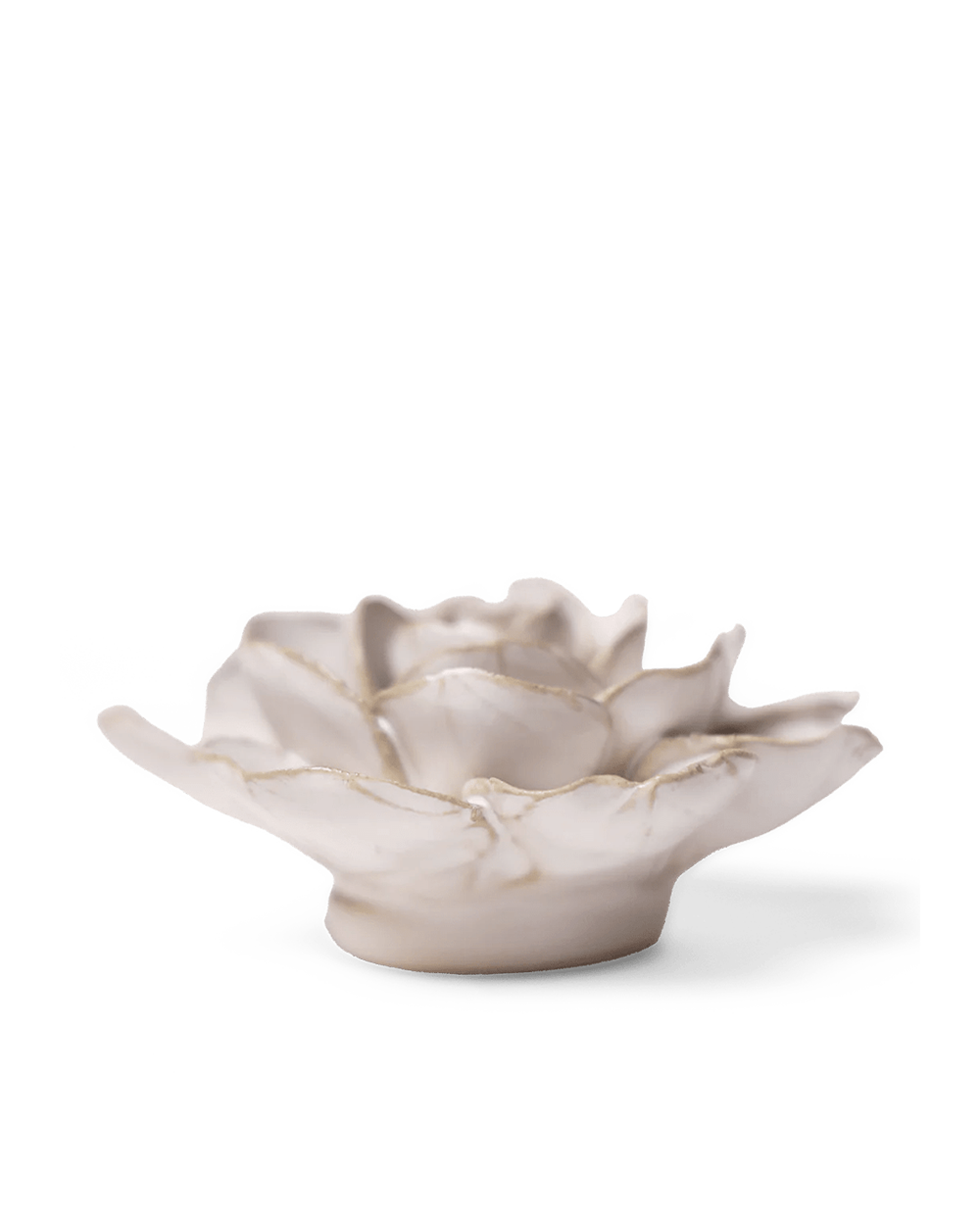
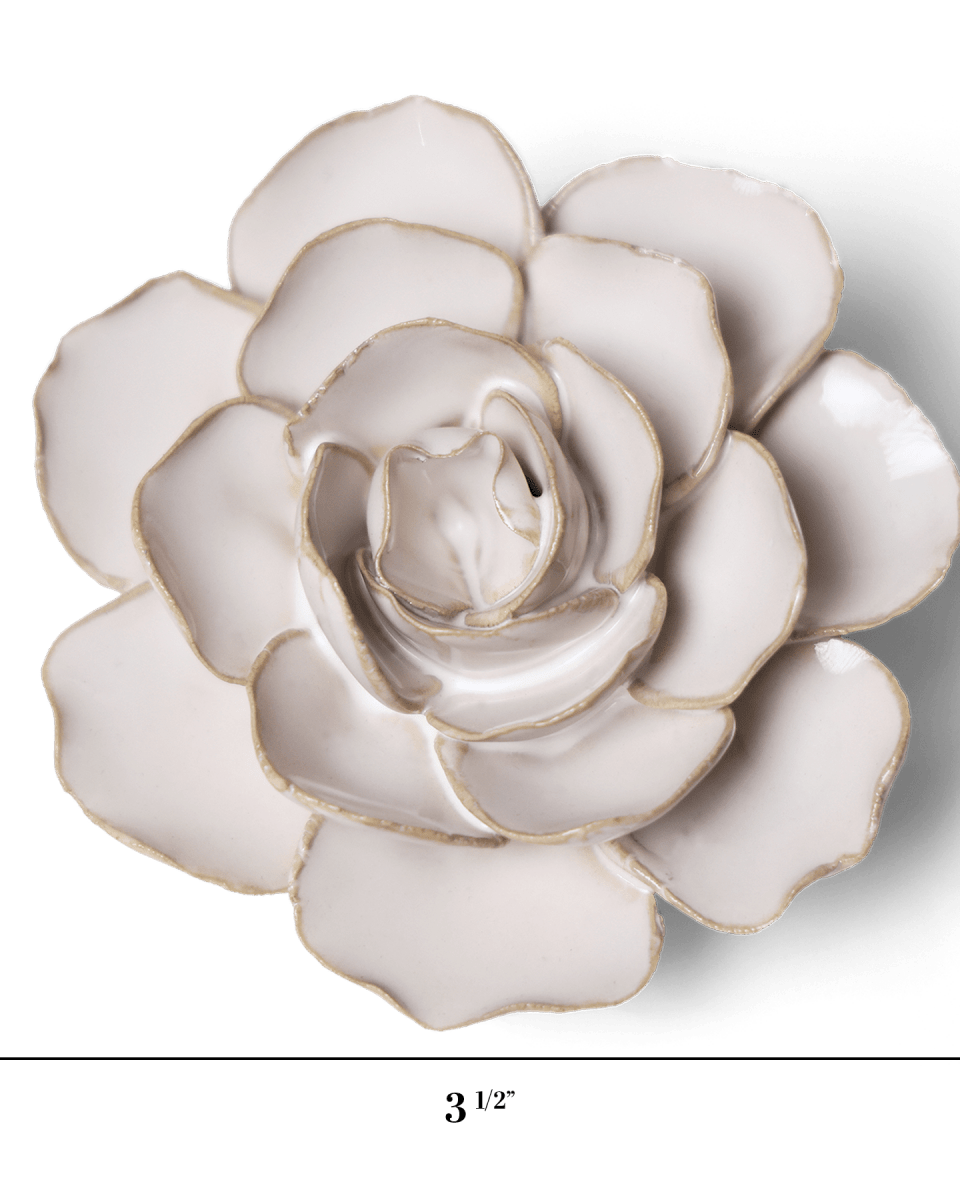
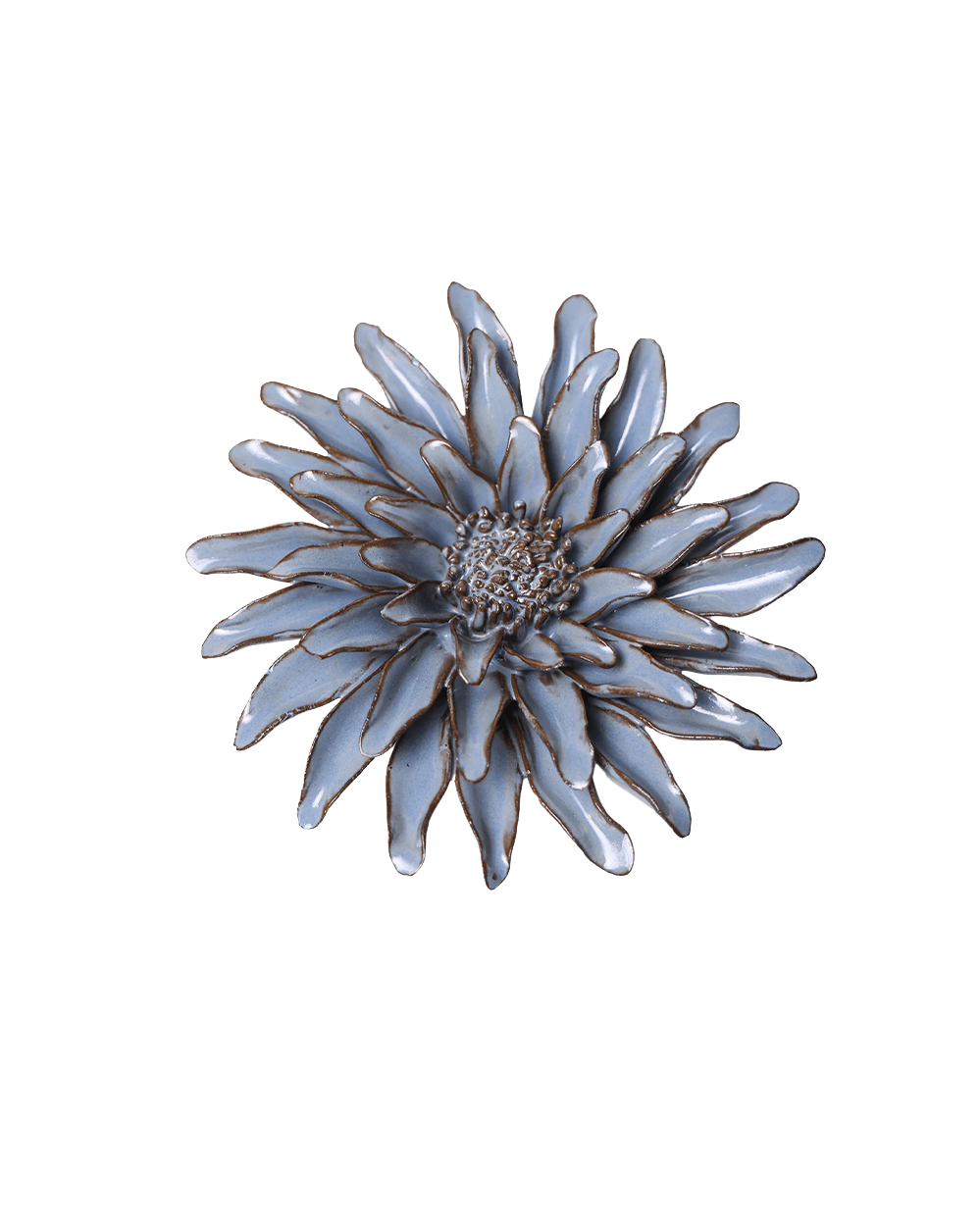
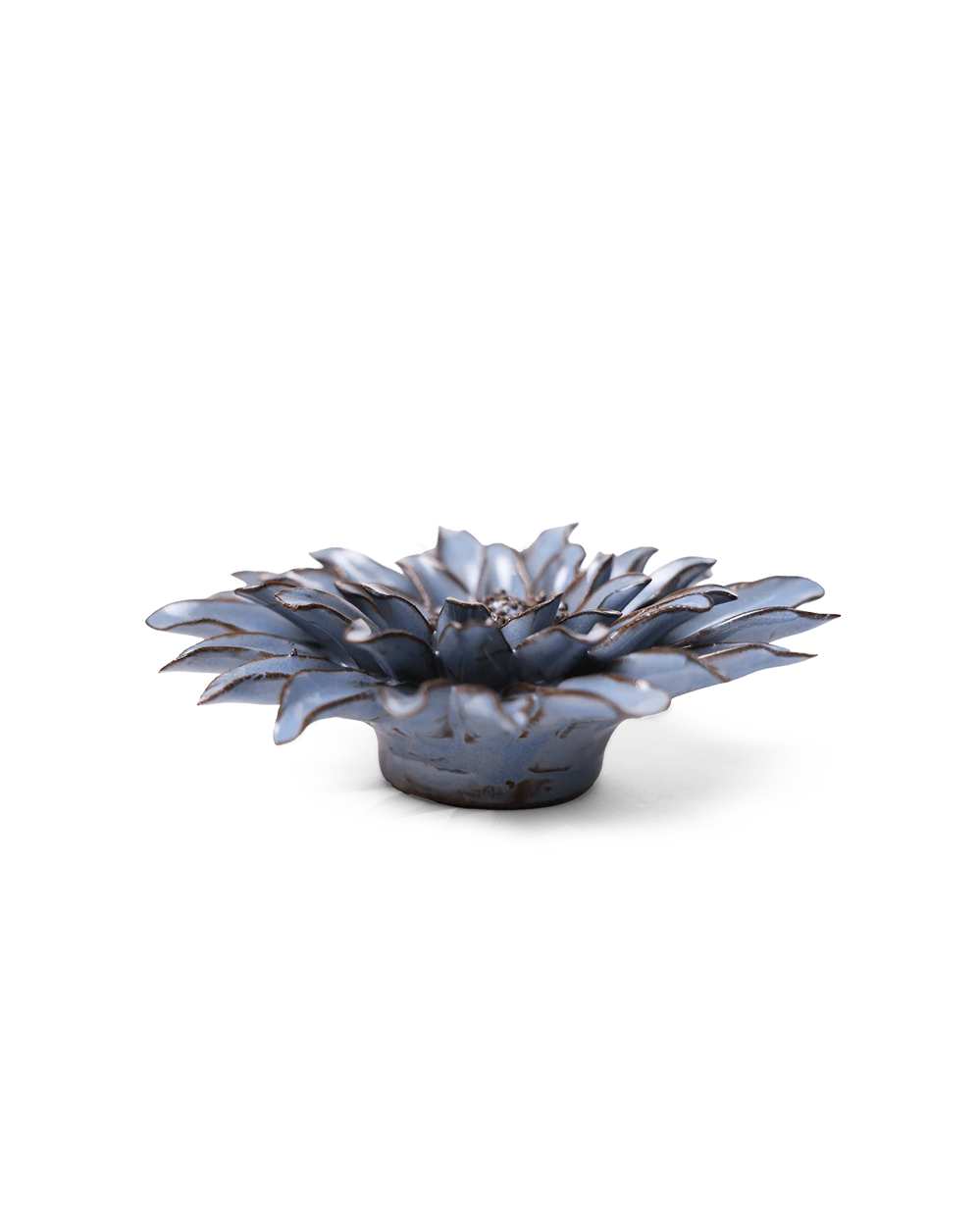
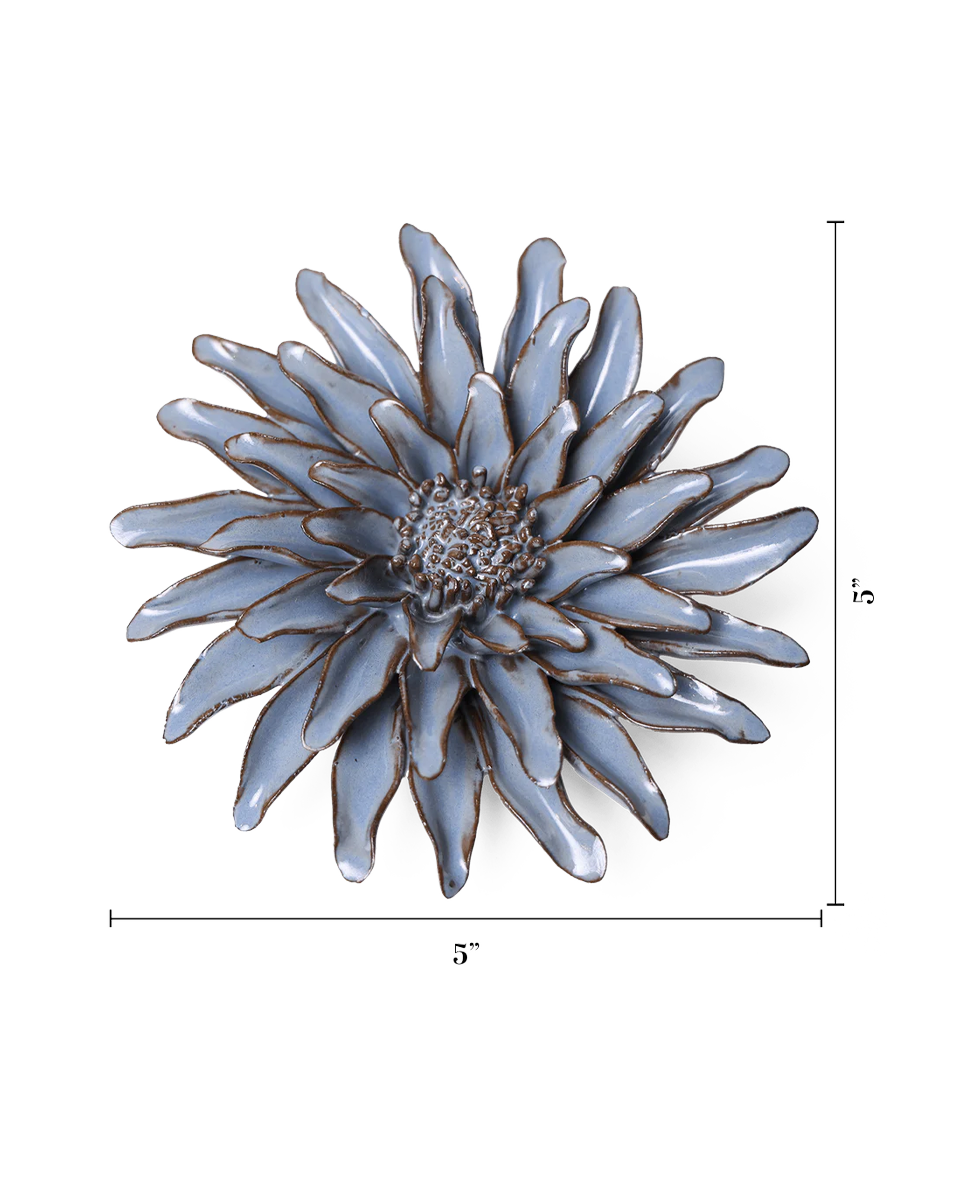
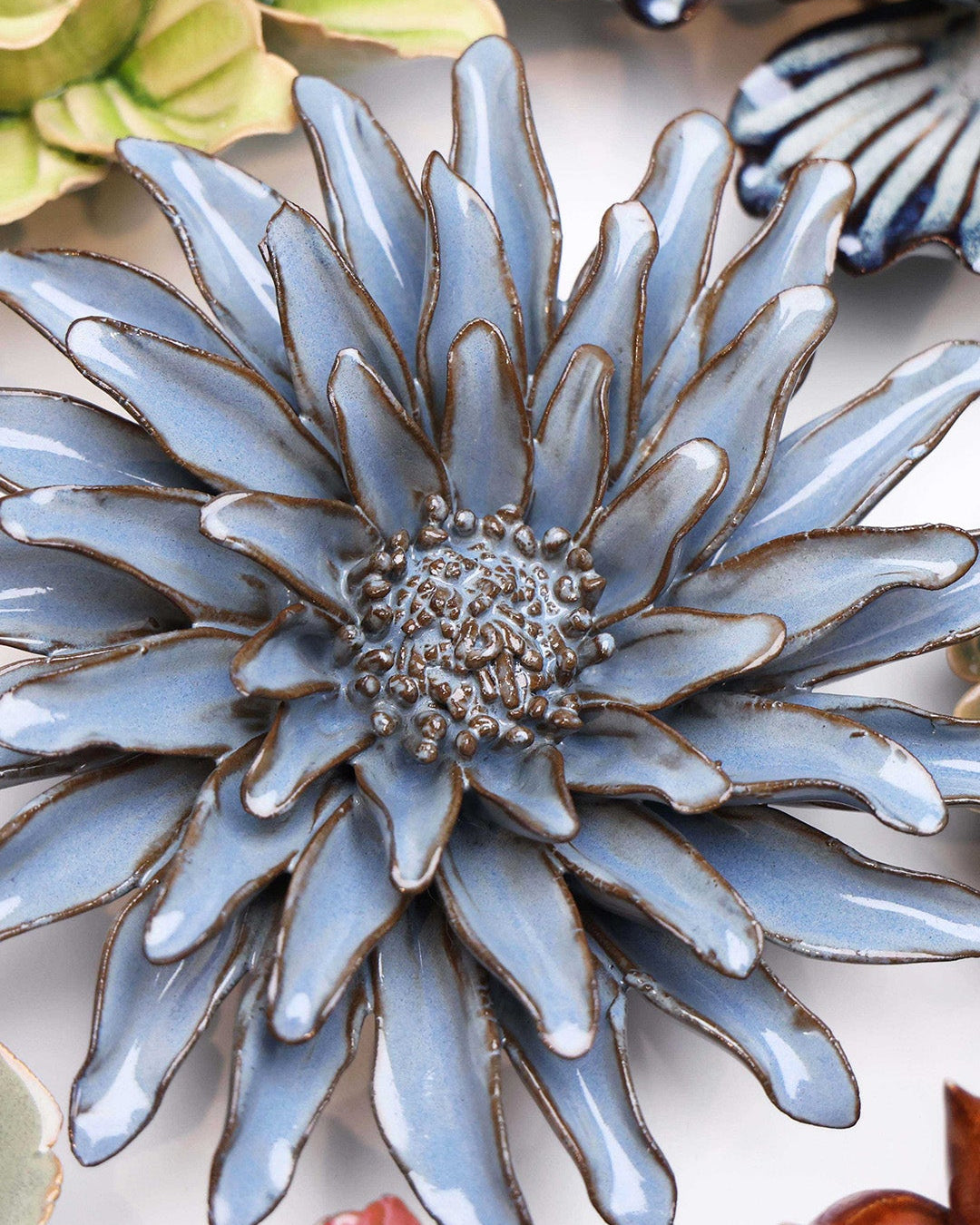
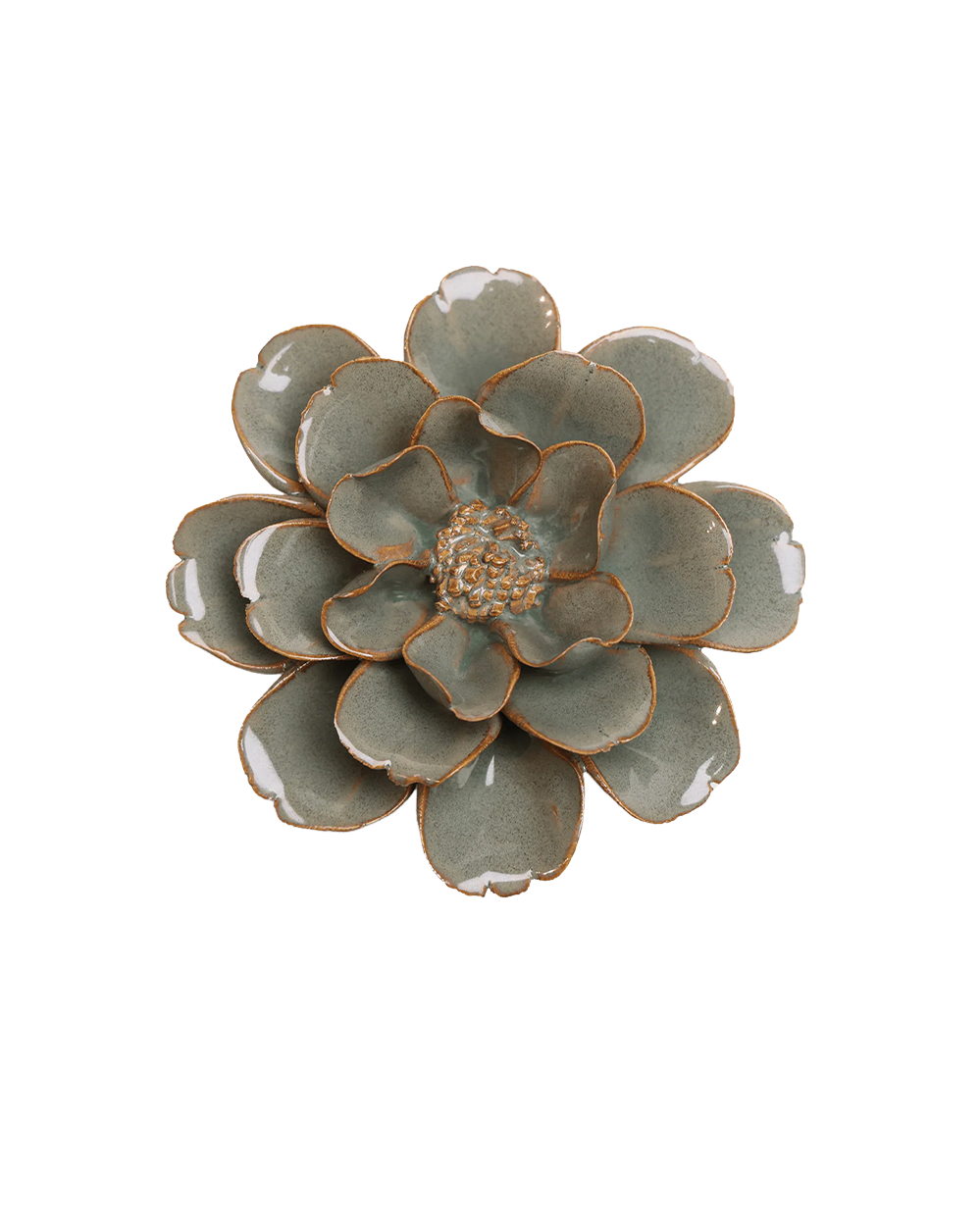
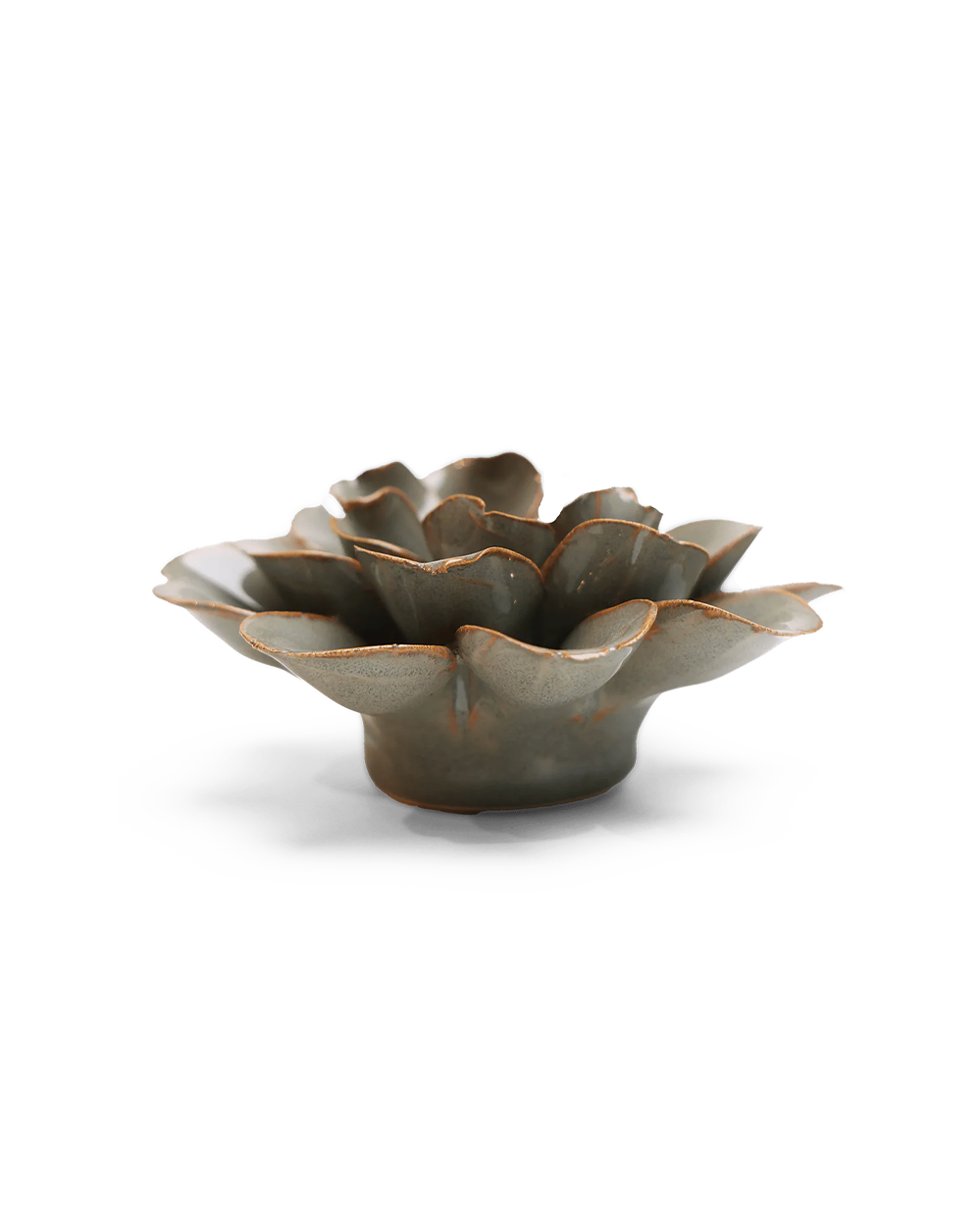
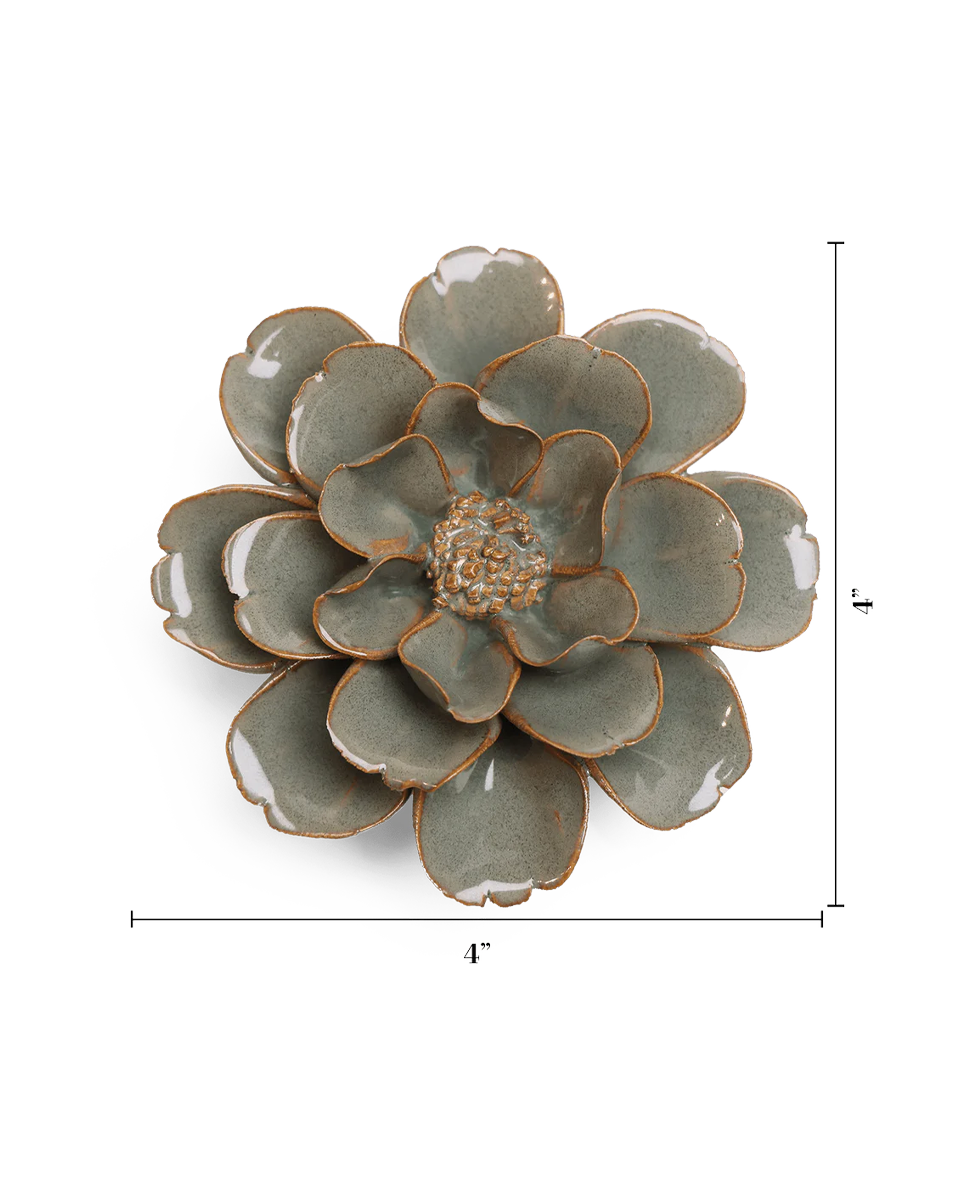
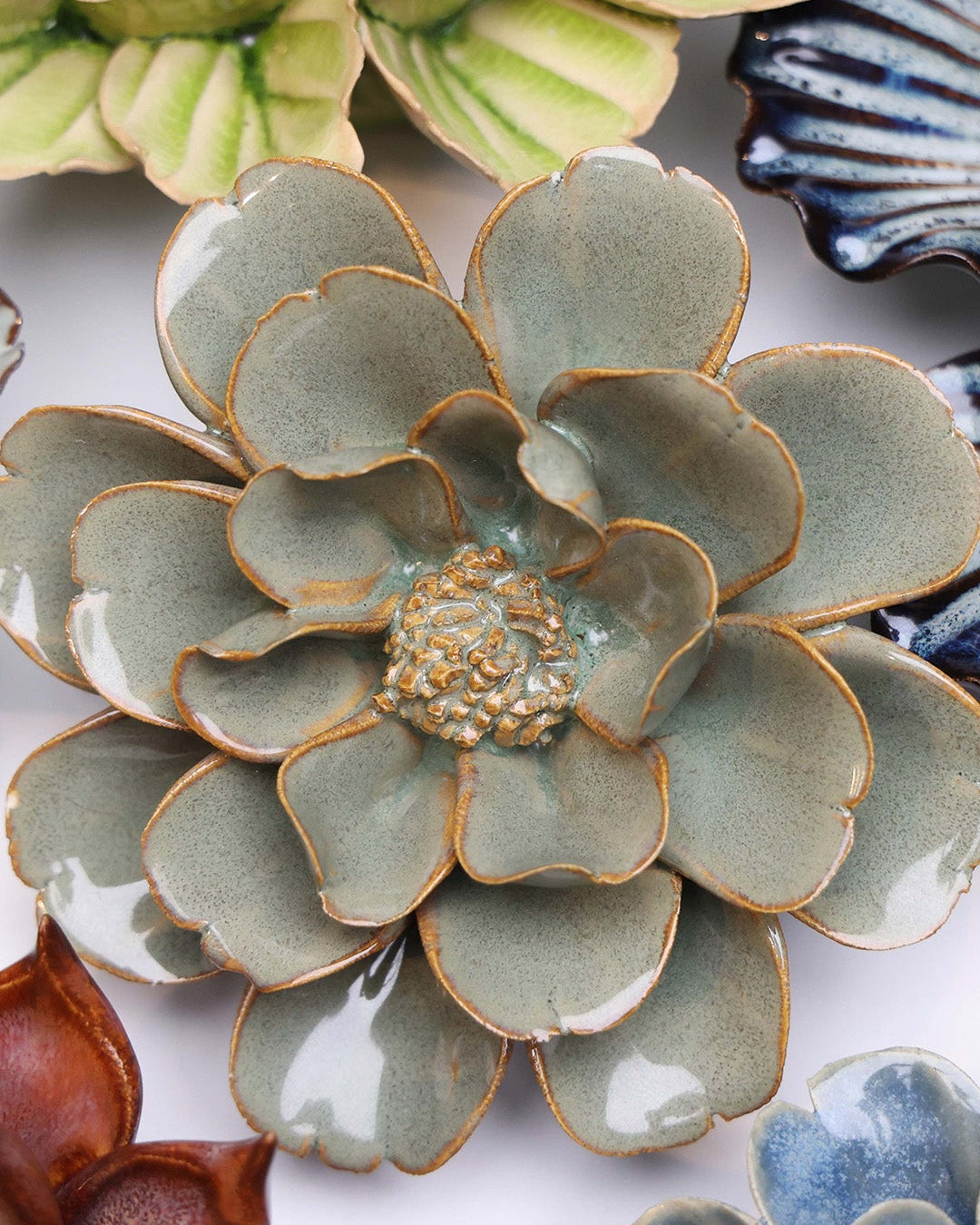
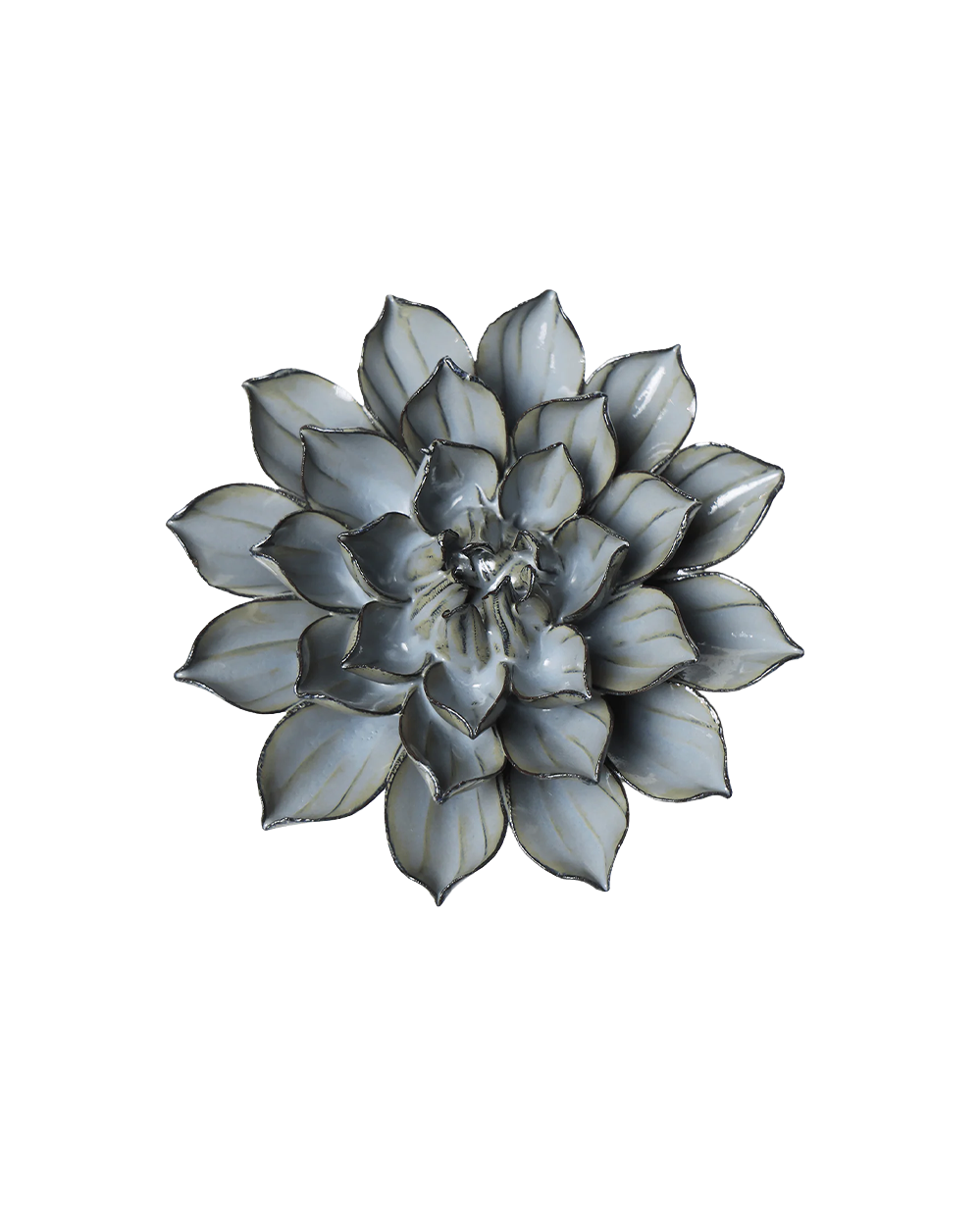
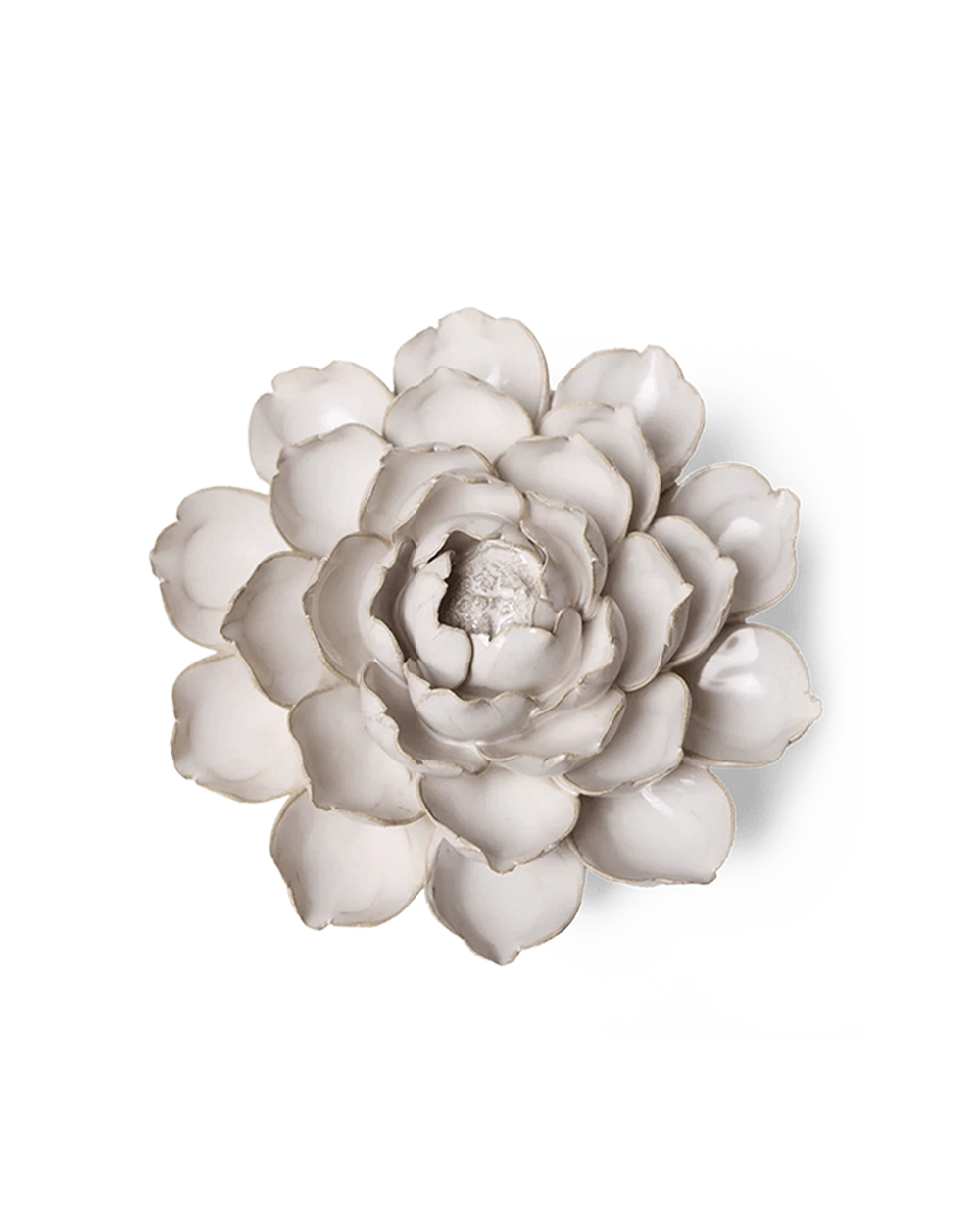
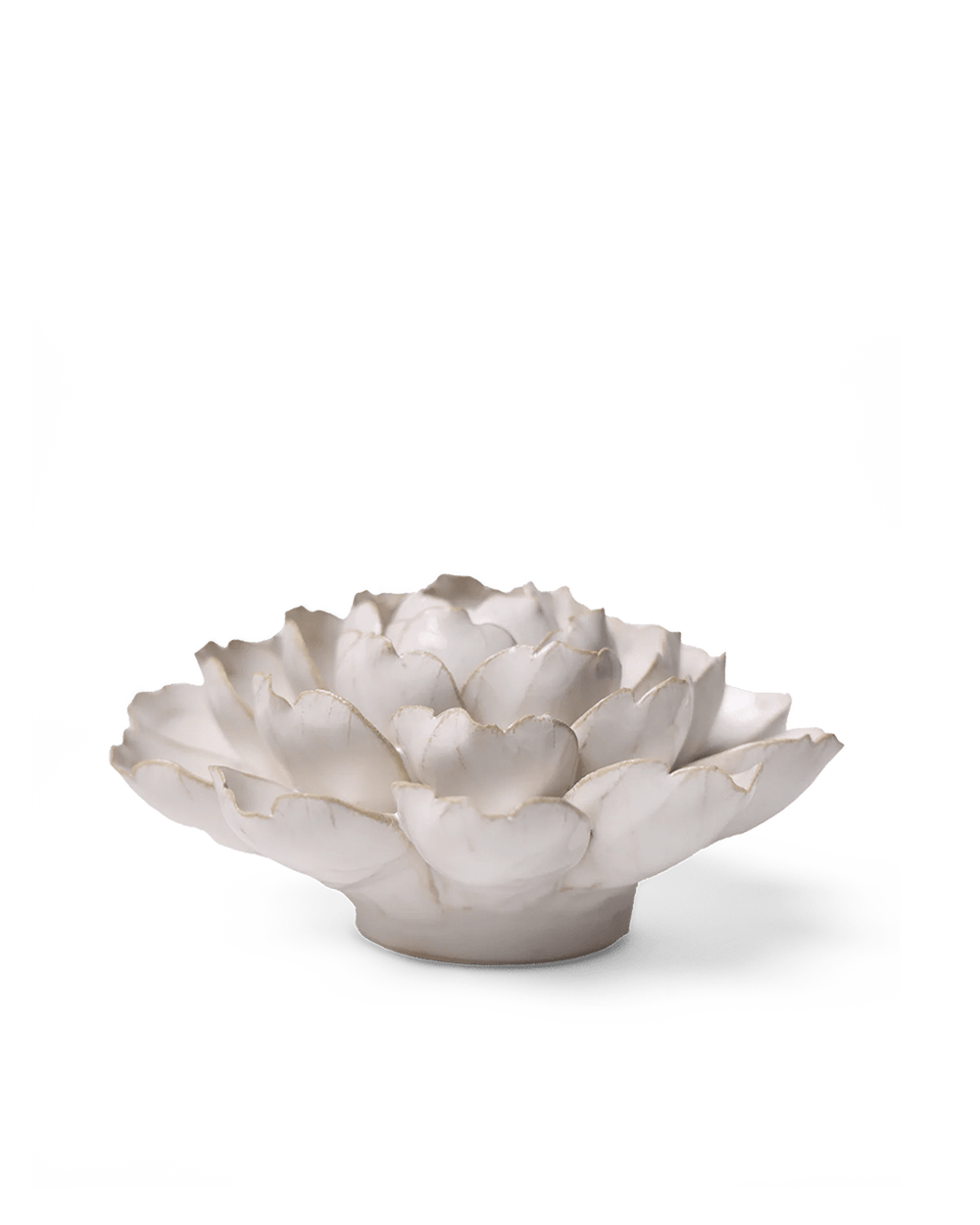
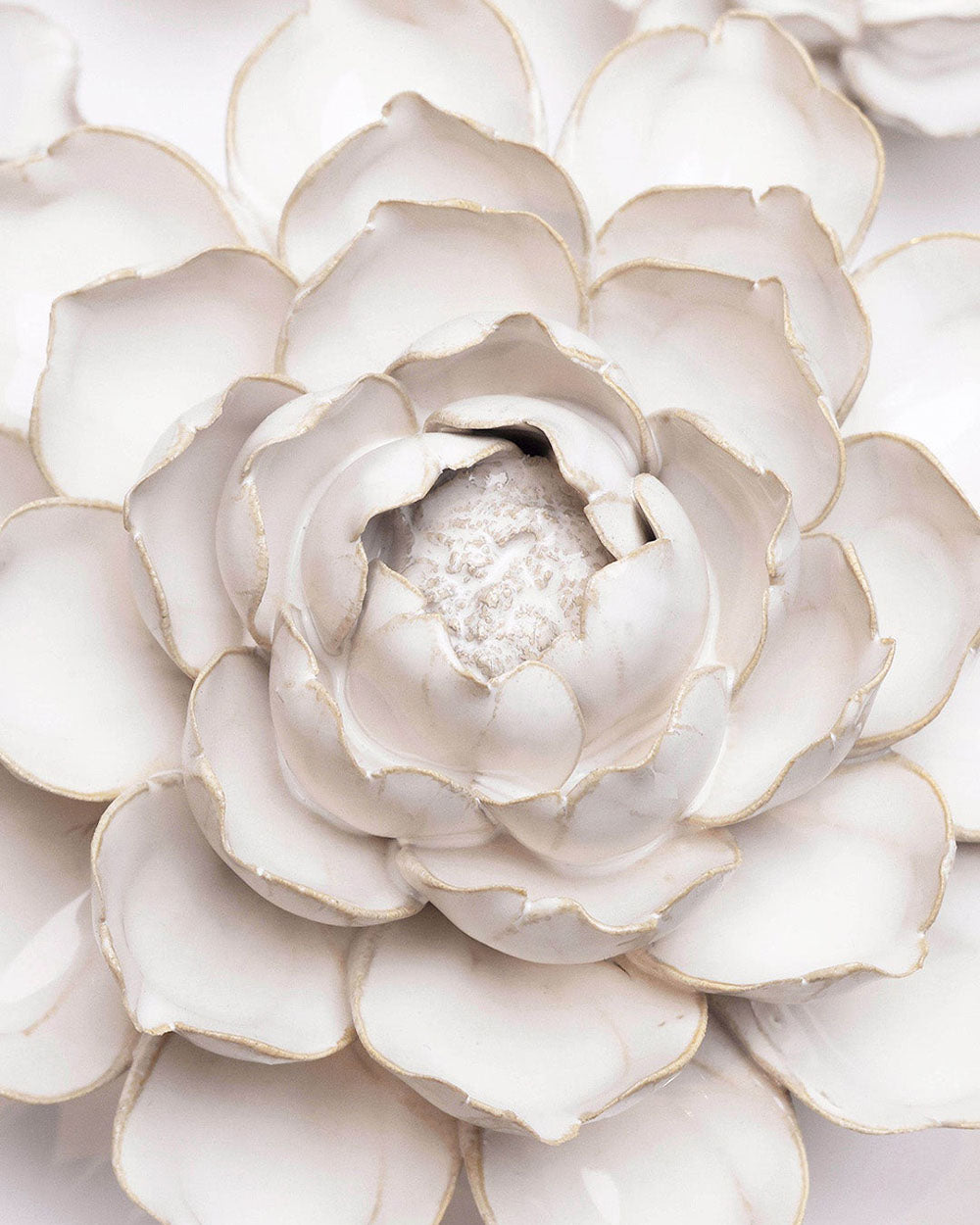
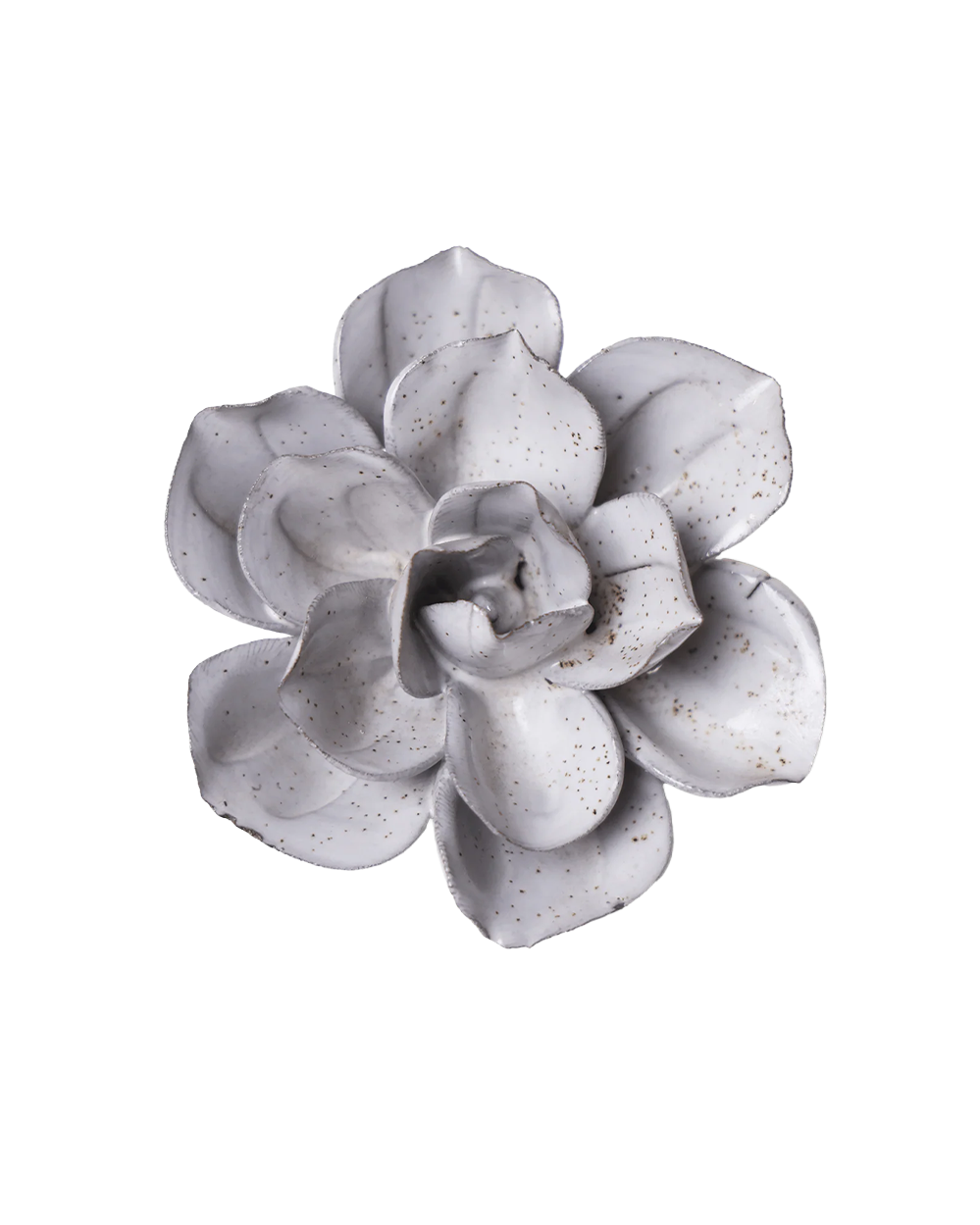
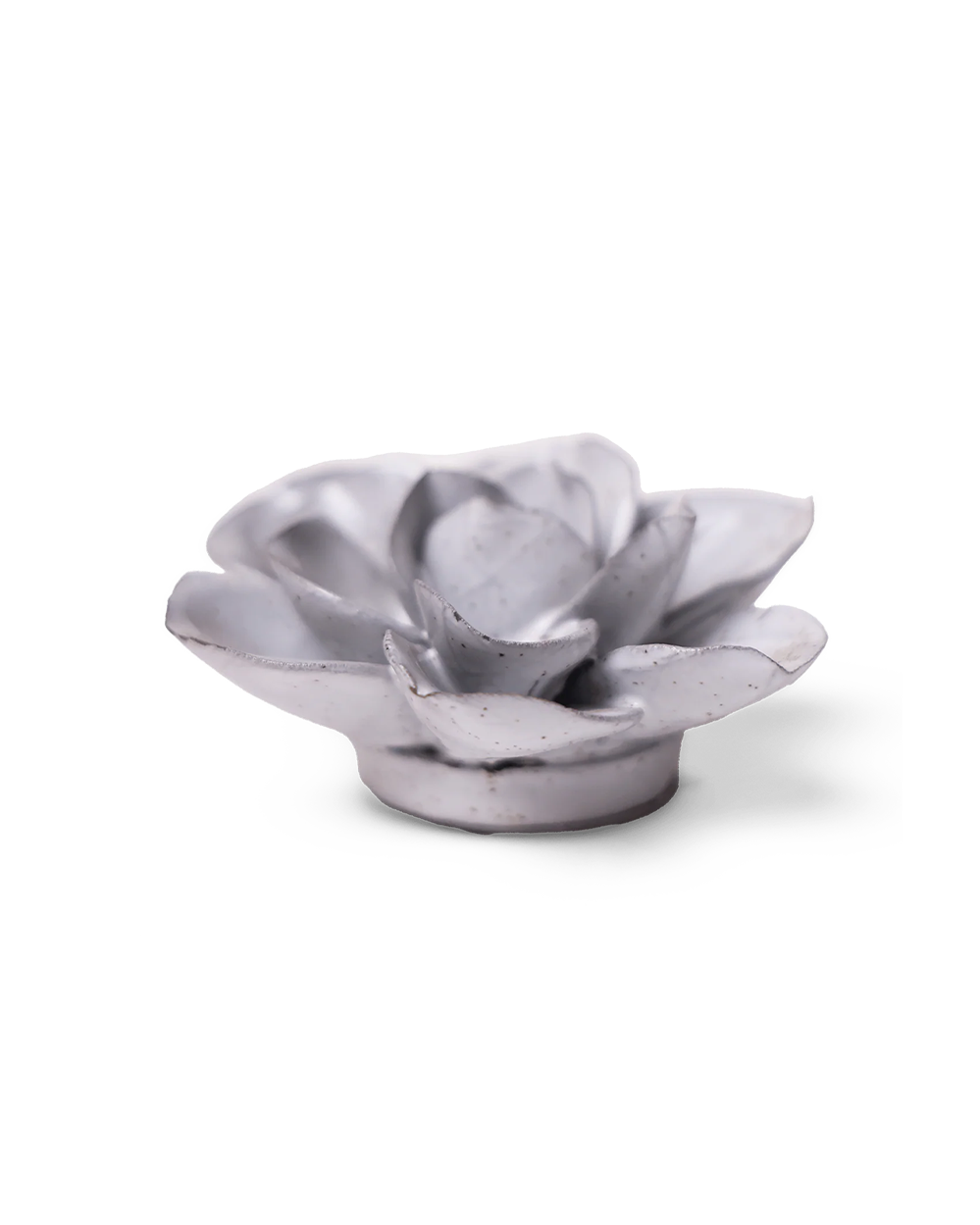
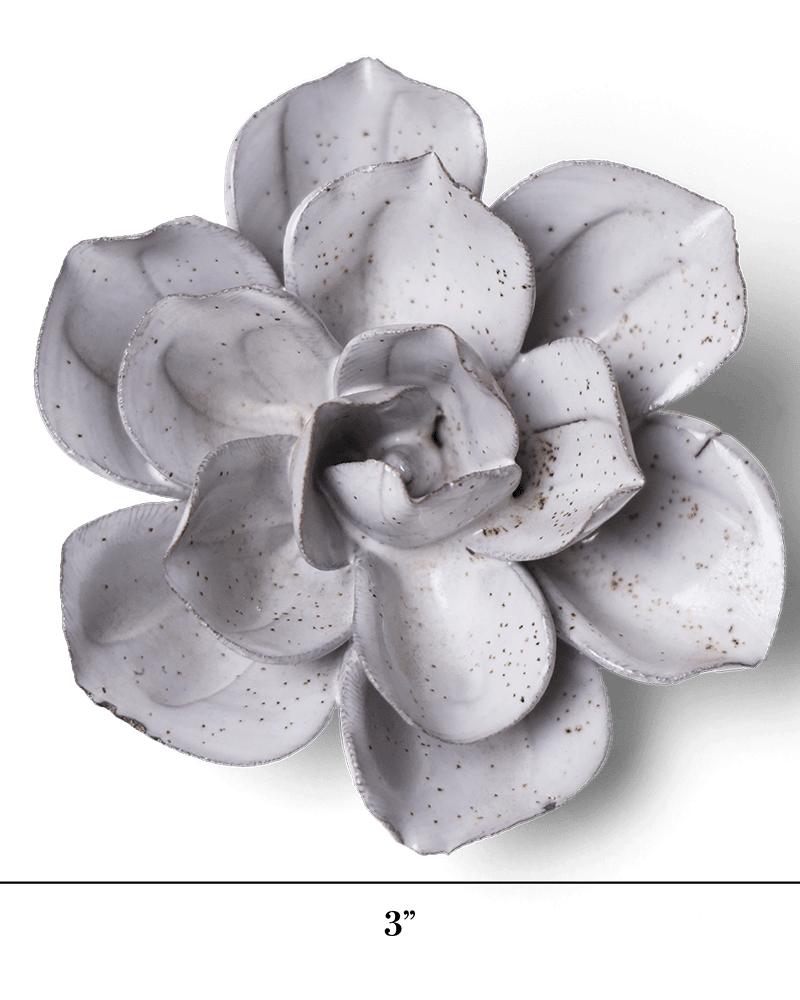
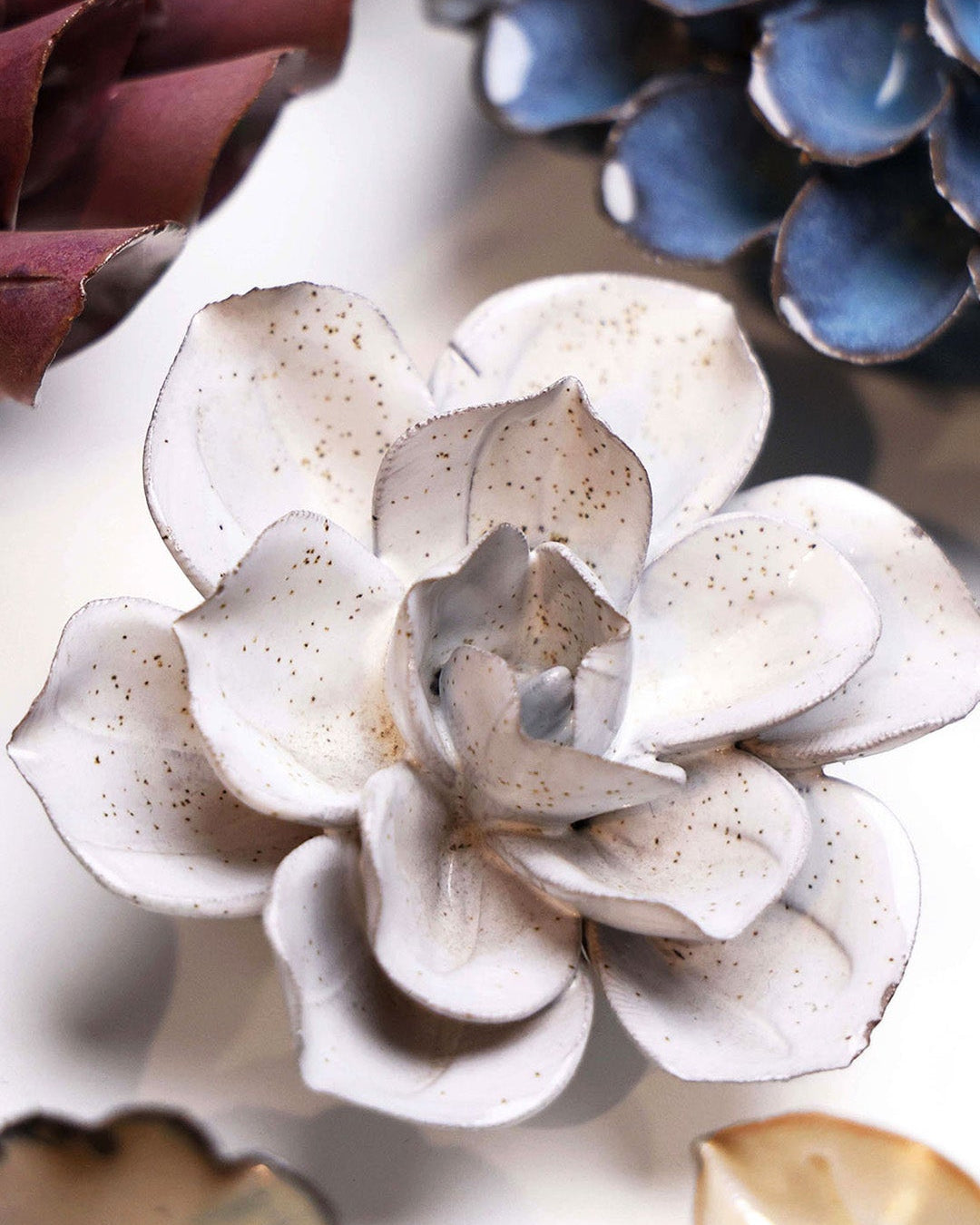
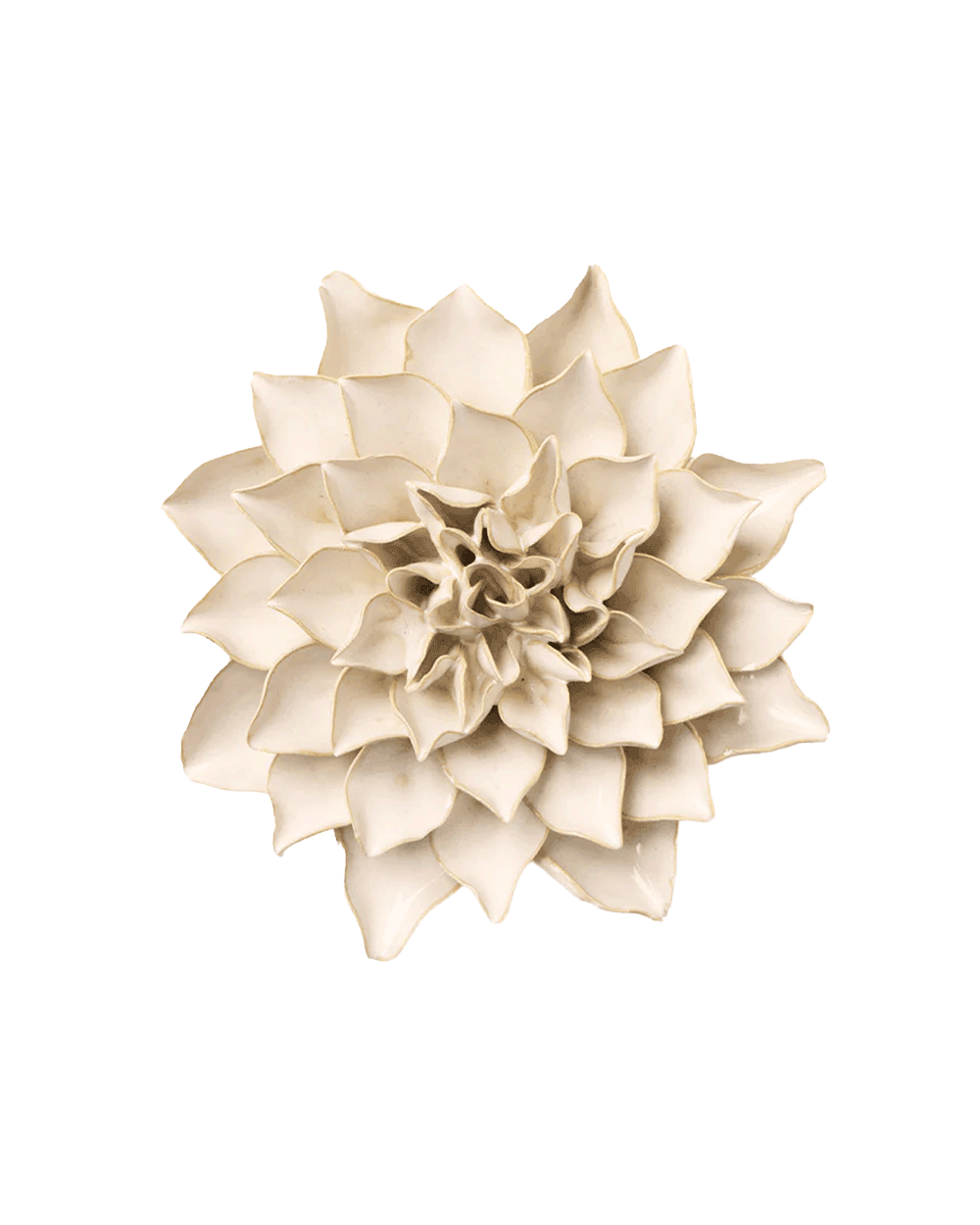
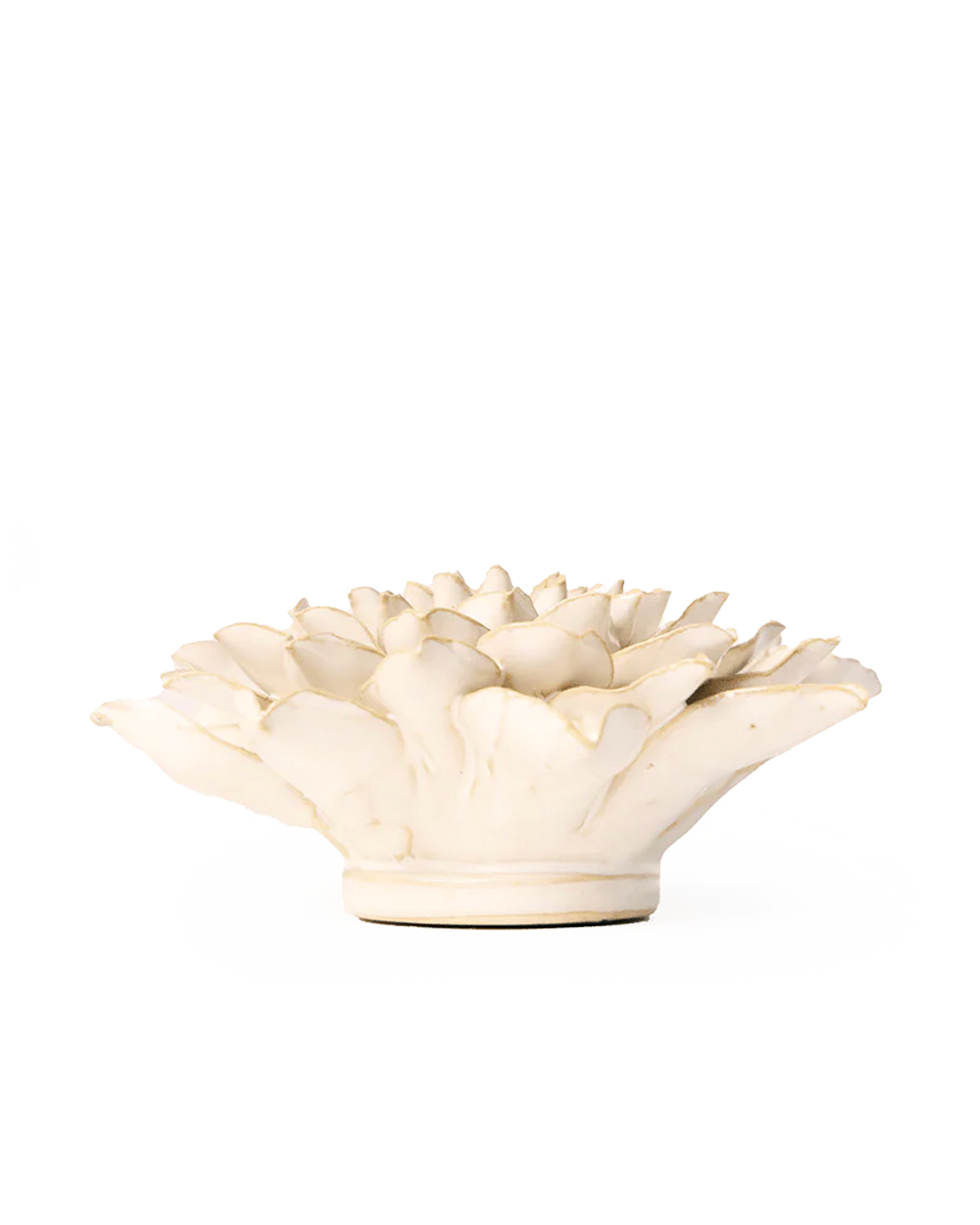
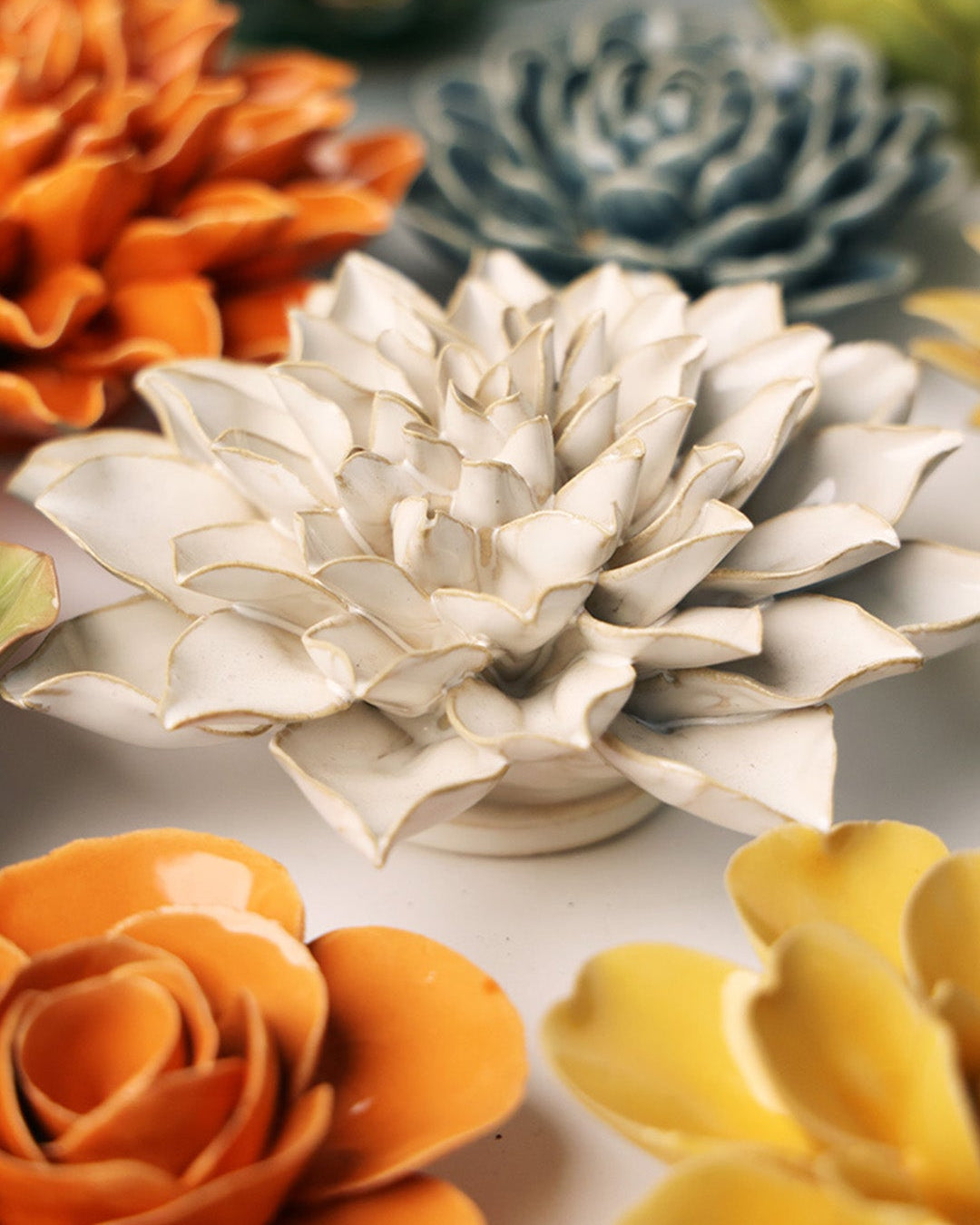
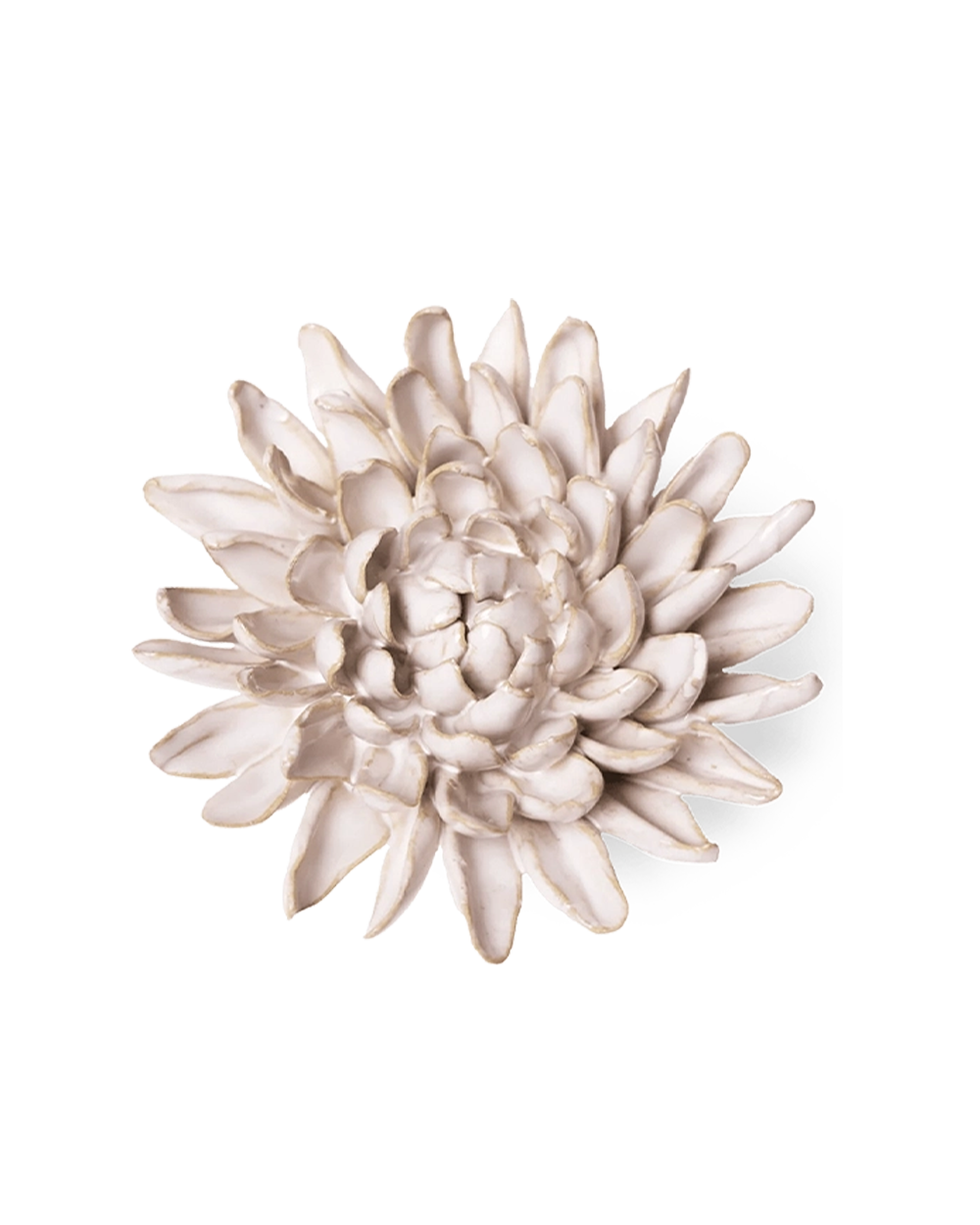
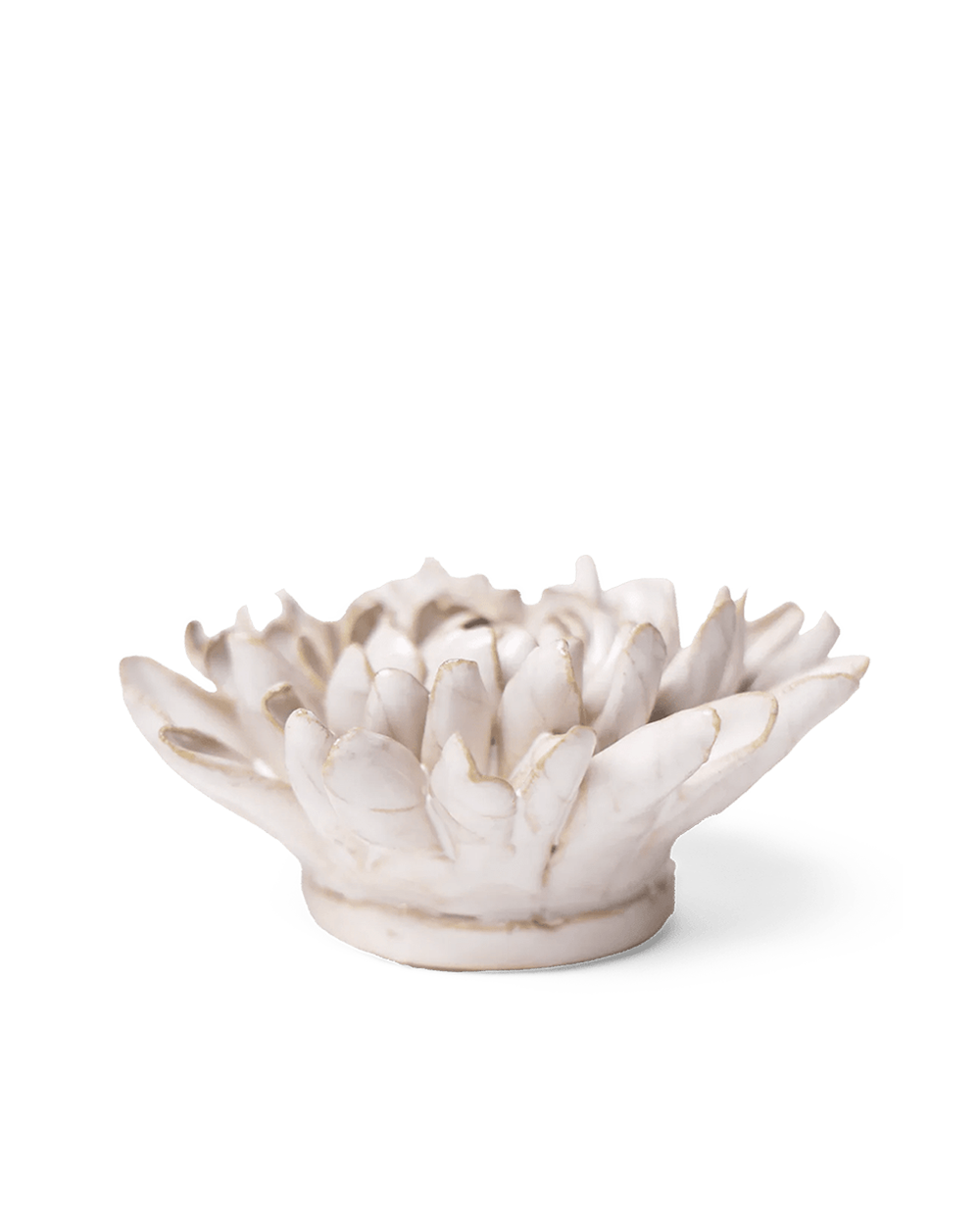
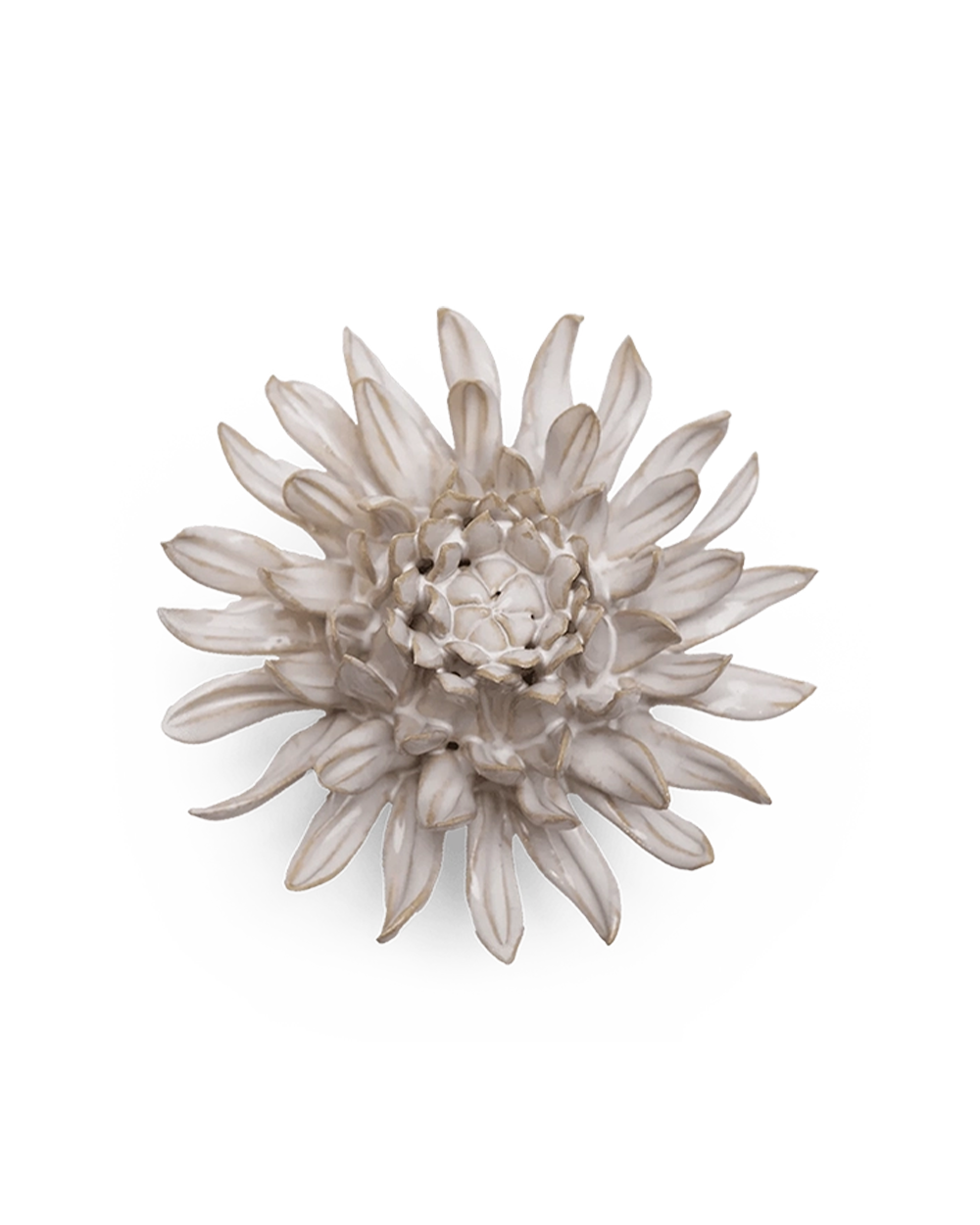
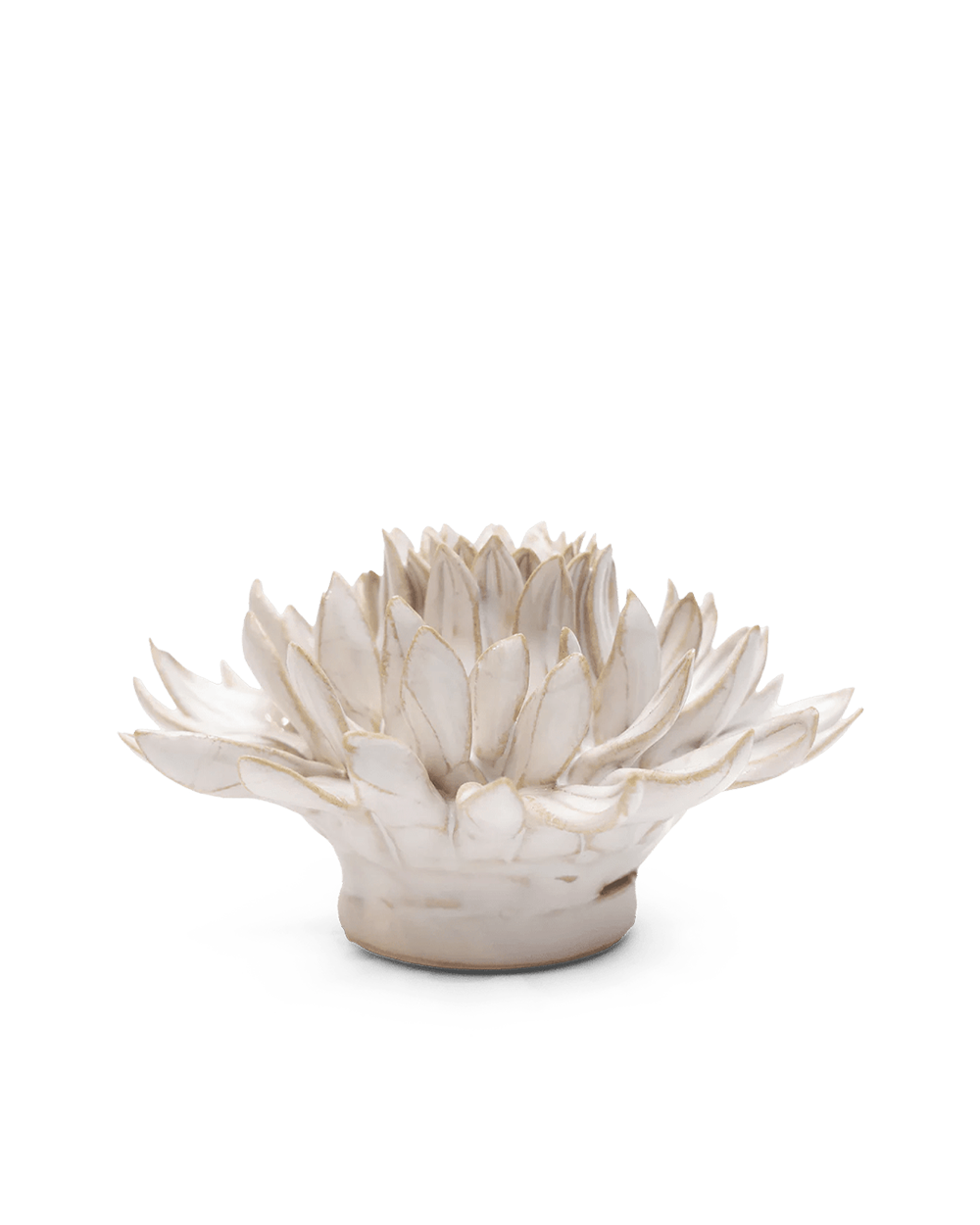

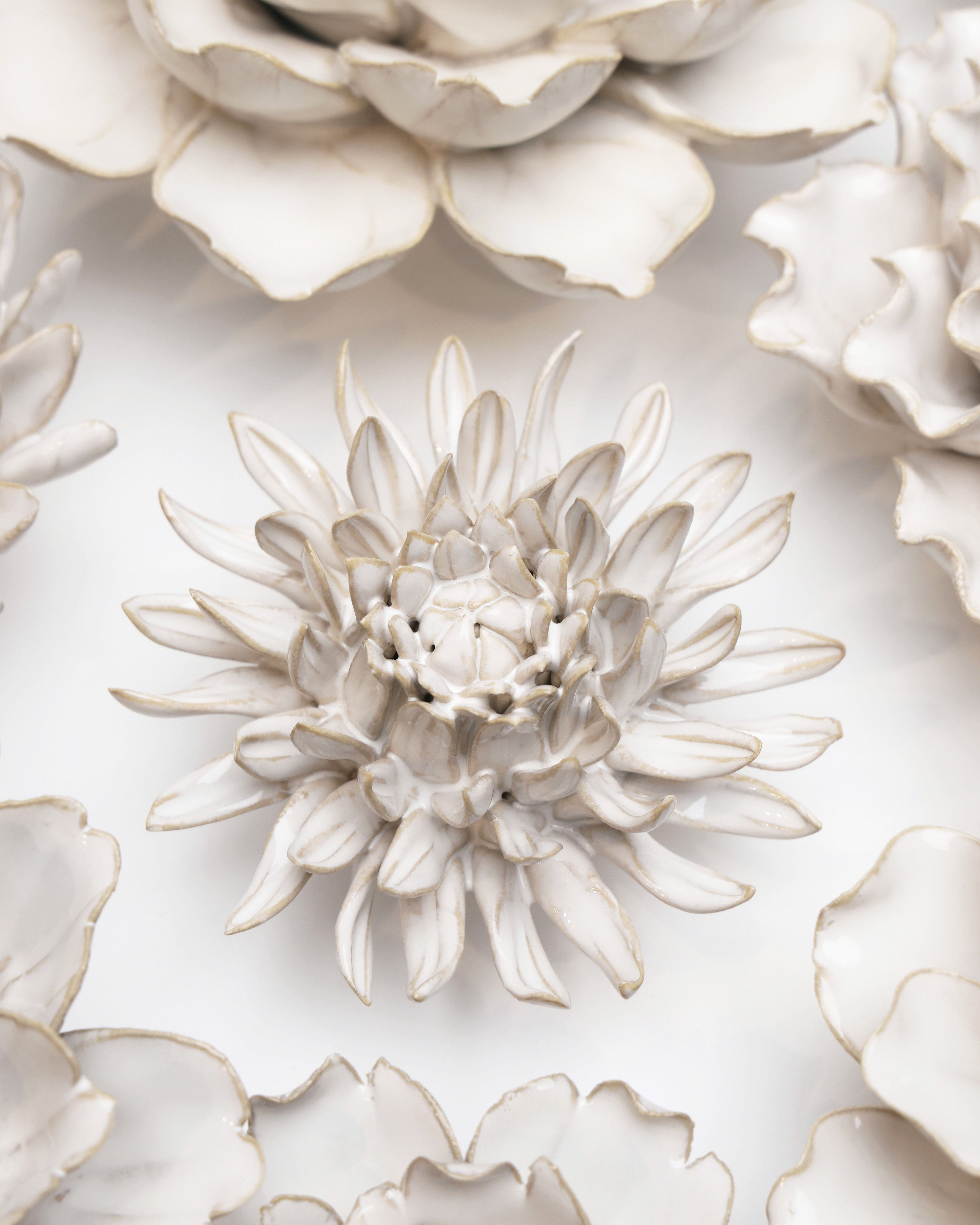
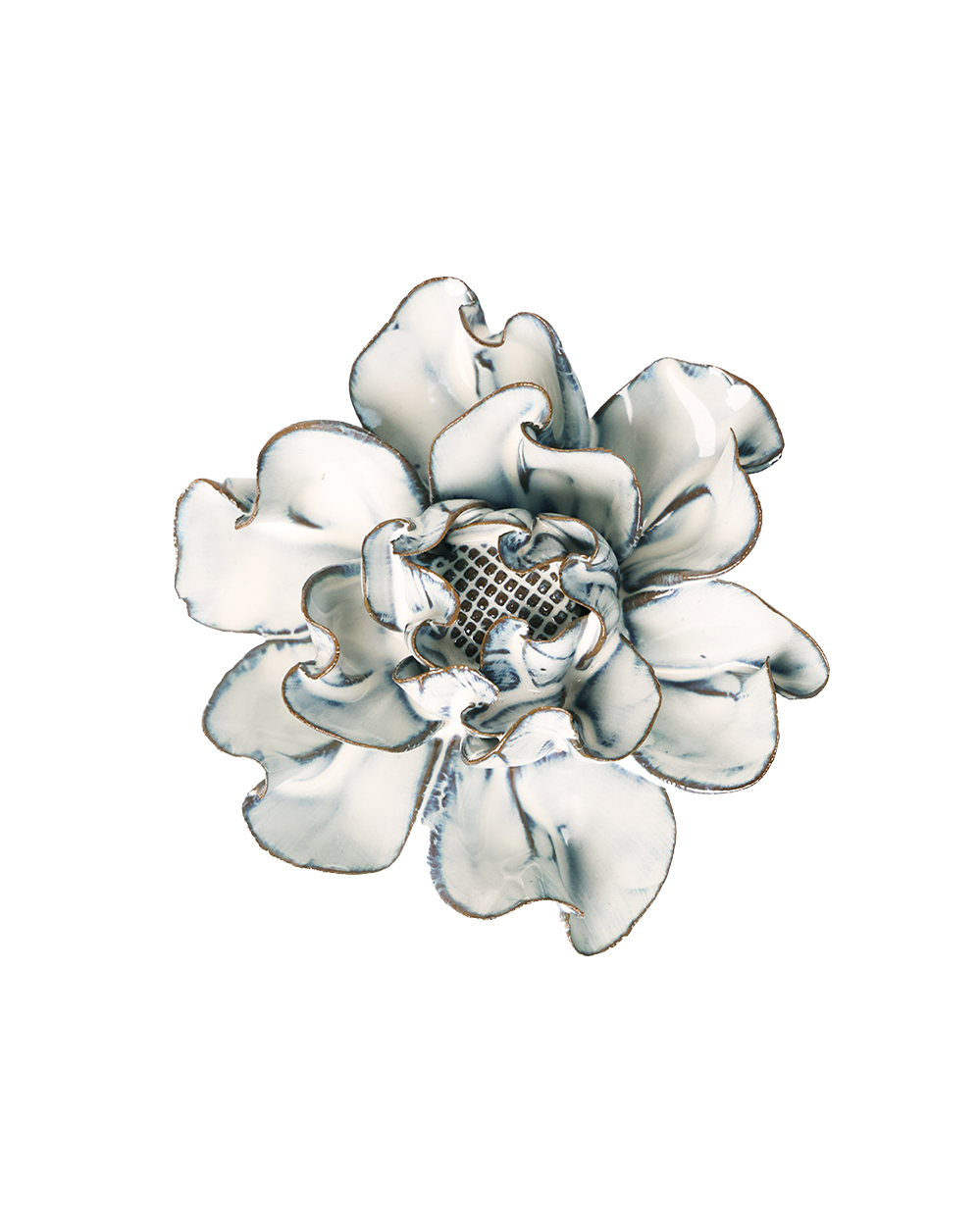
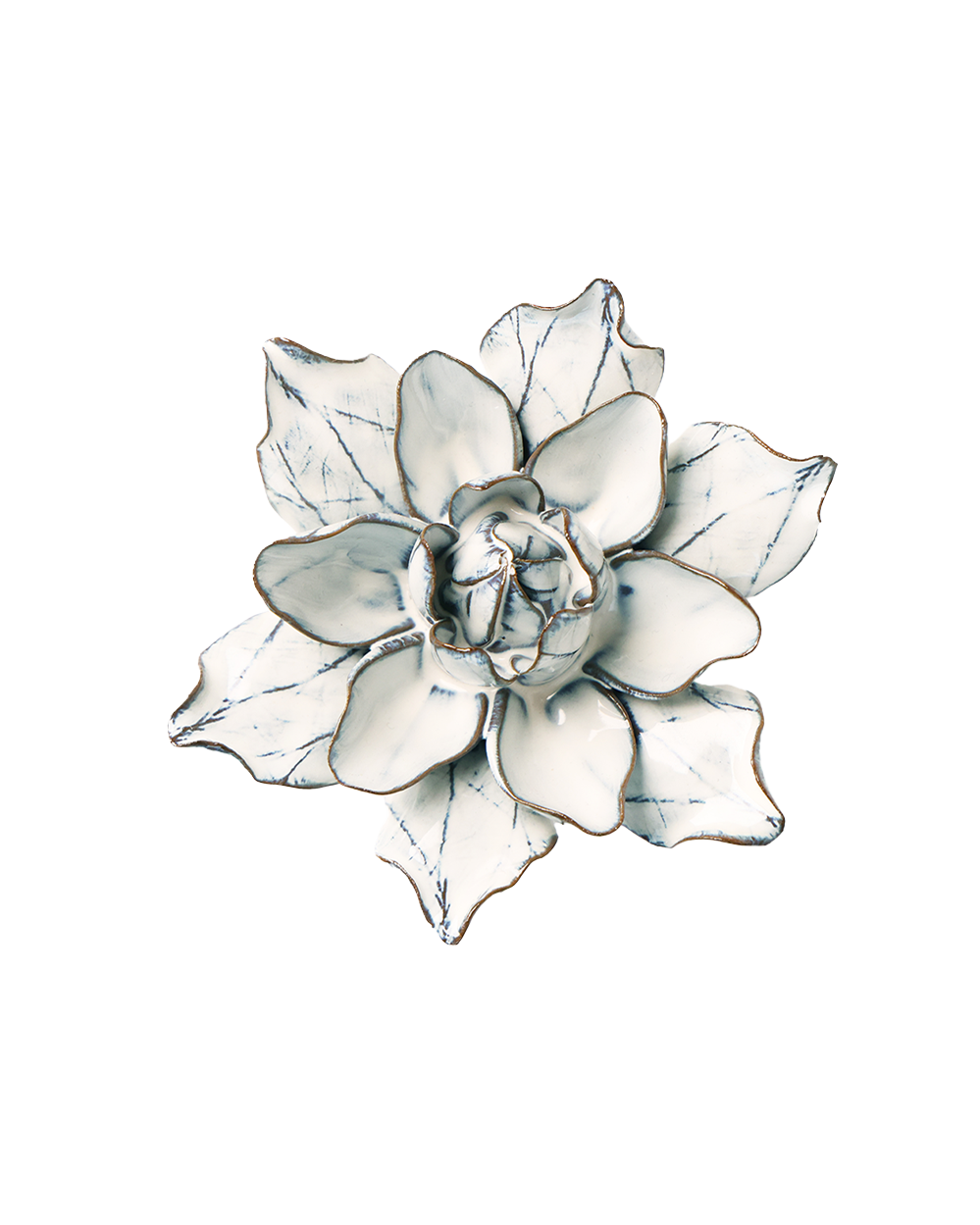
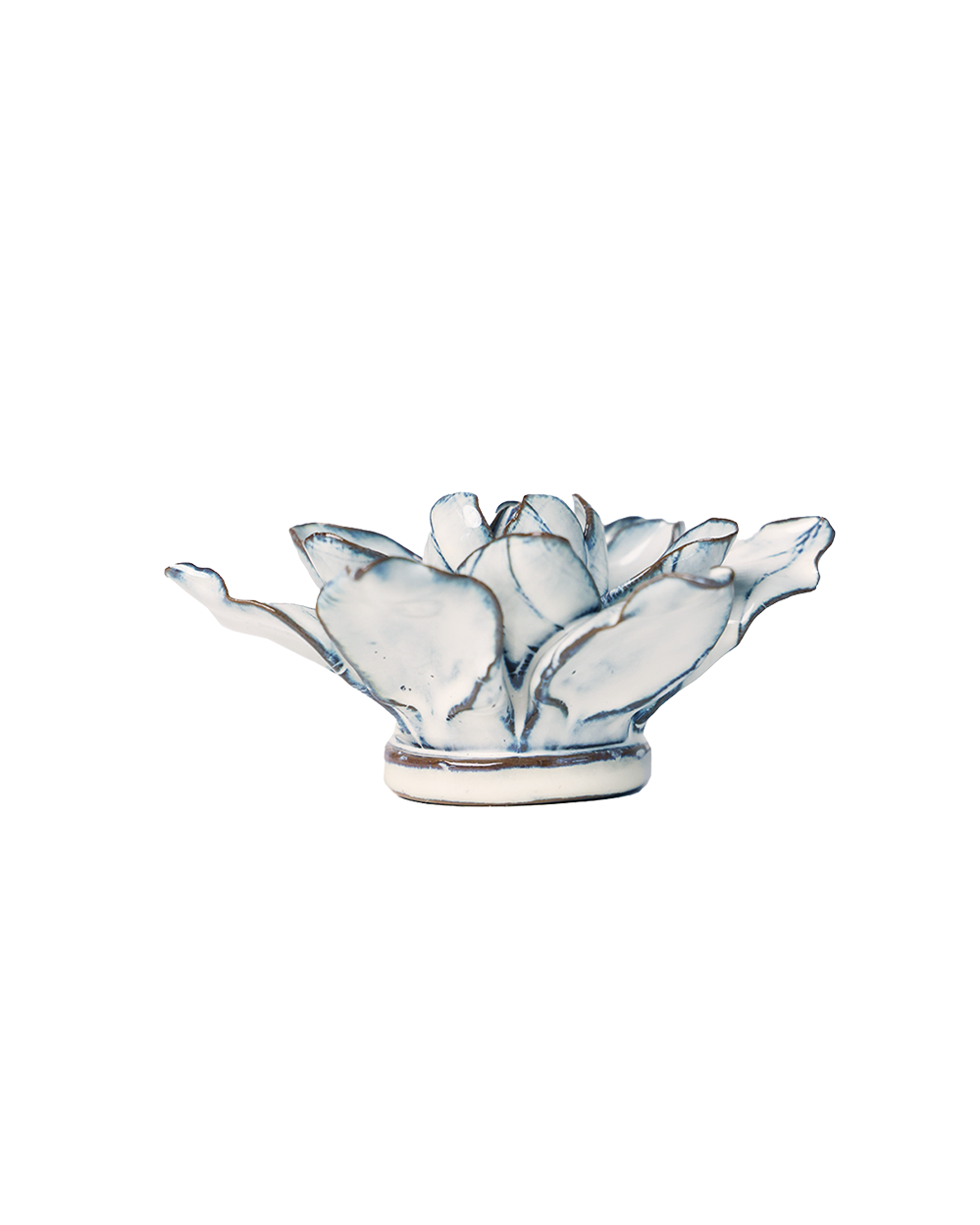
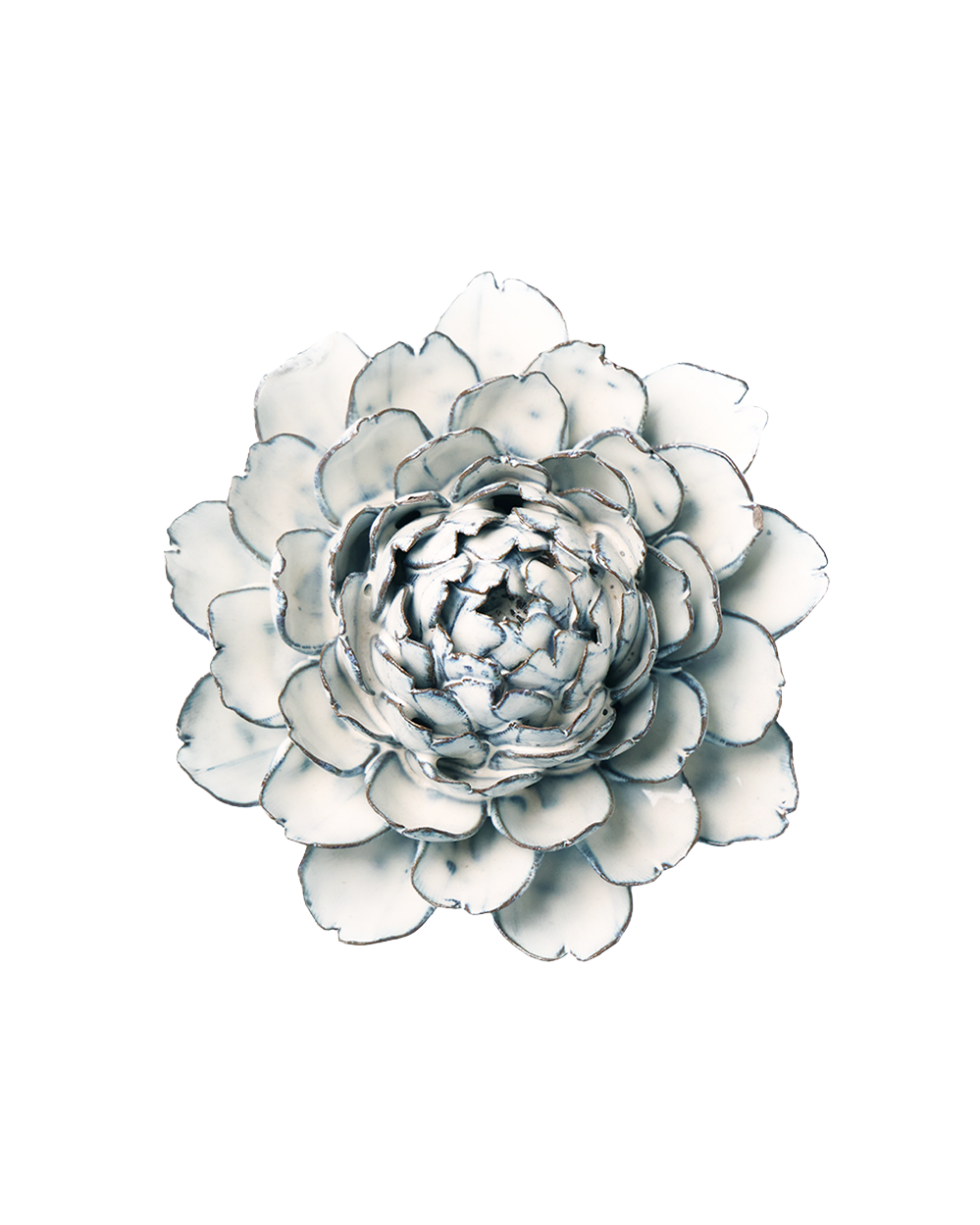
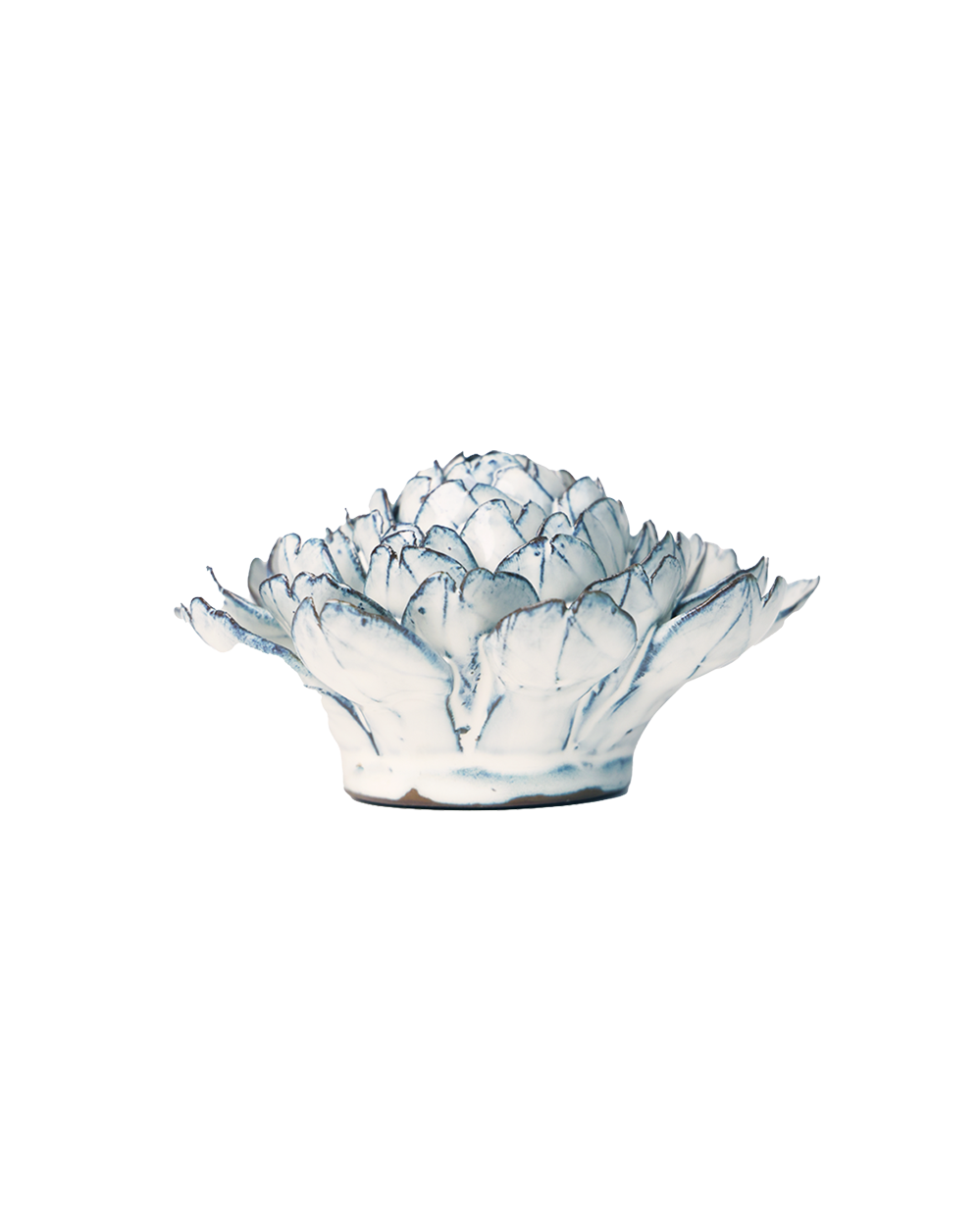
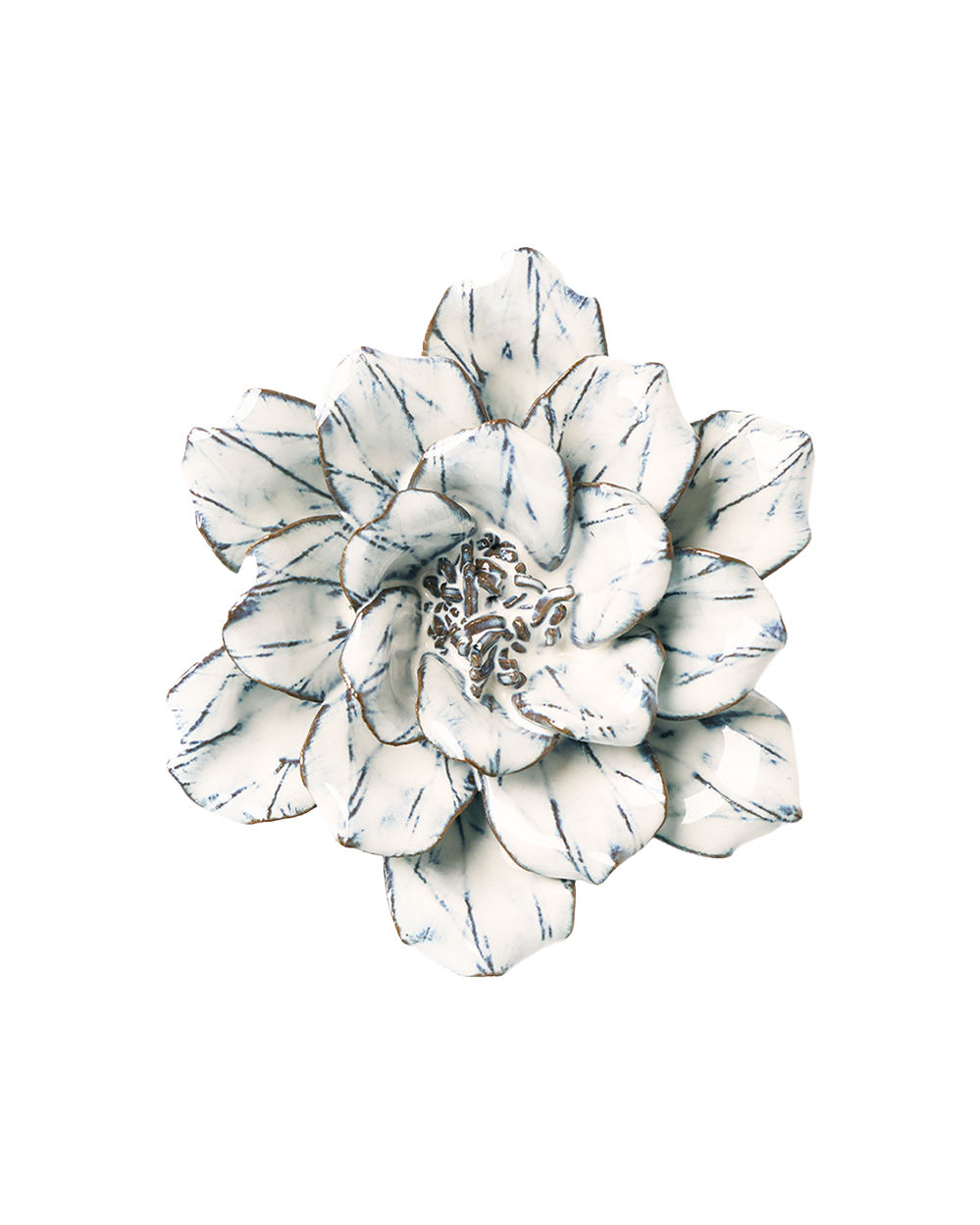
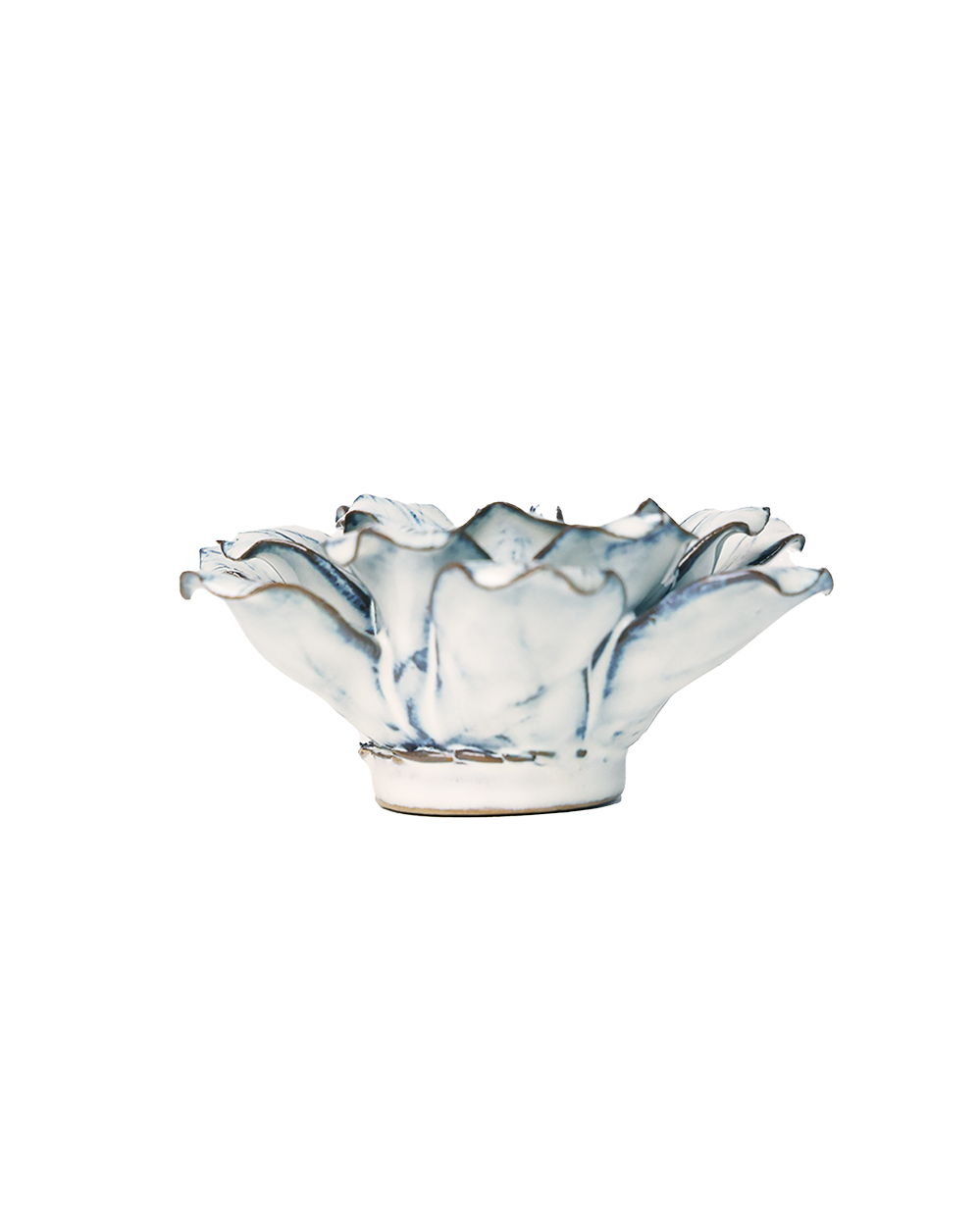
Grey, White Ceramic Flowers

Minimalist wall art. One screw. Infinite restraint. You decide.

Filters
Out of stock
Size
Color
Flower Filter
Sort by
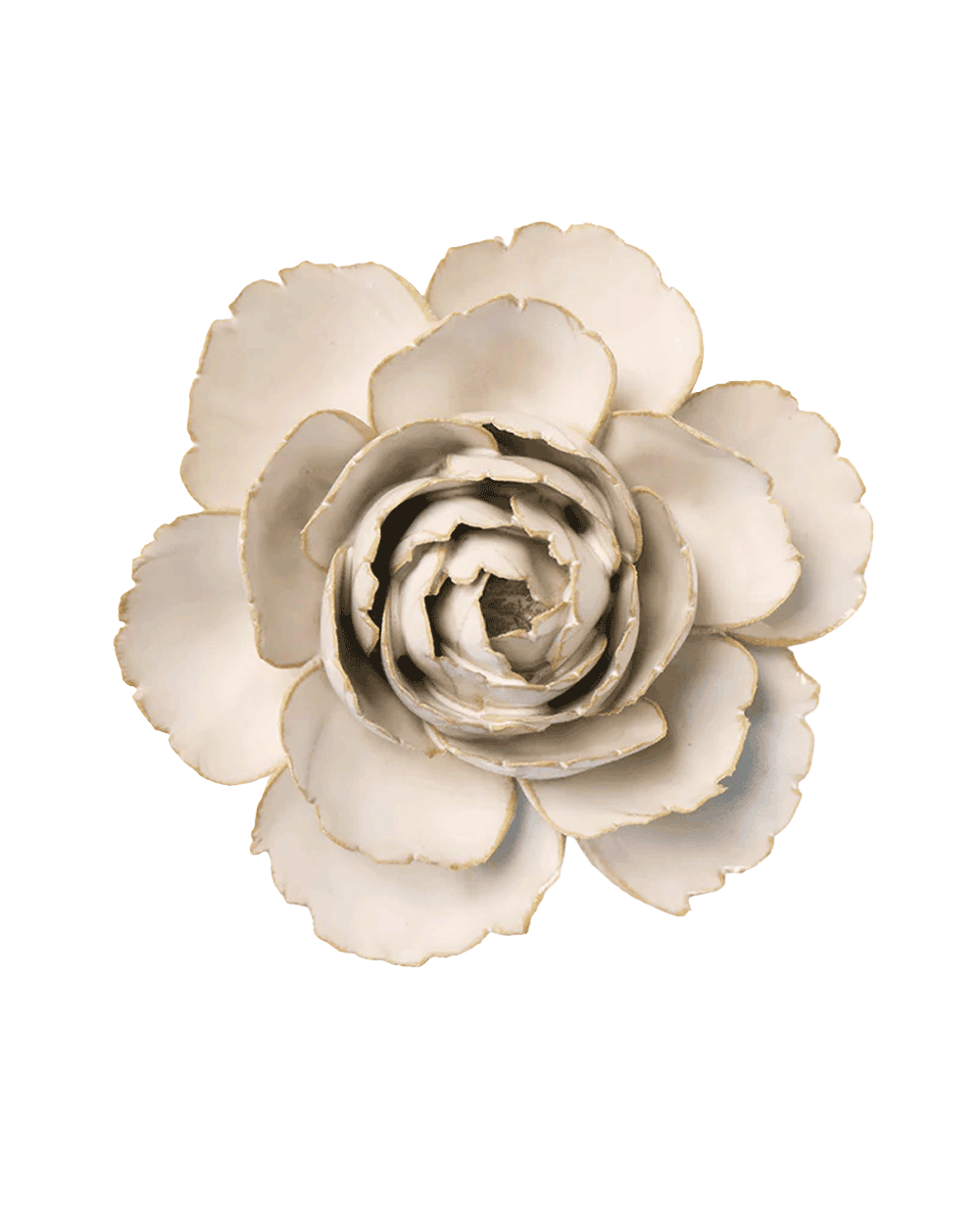
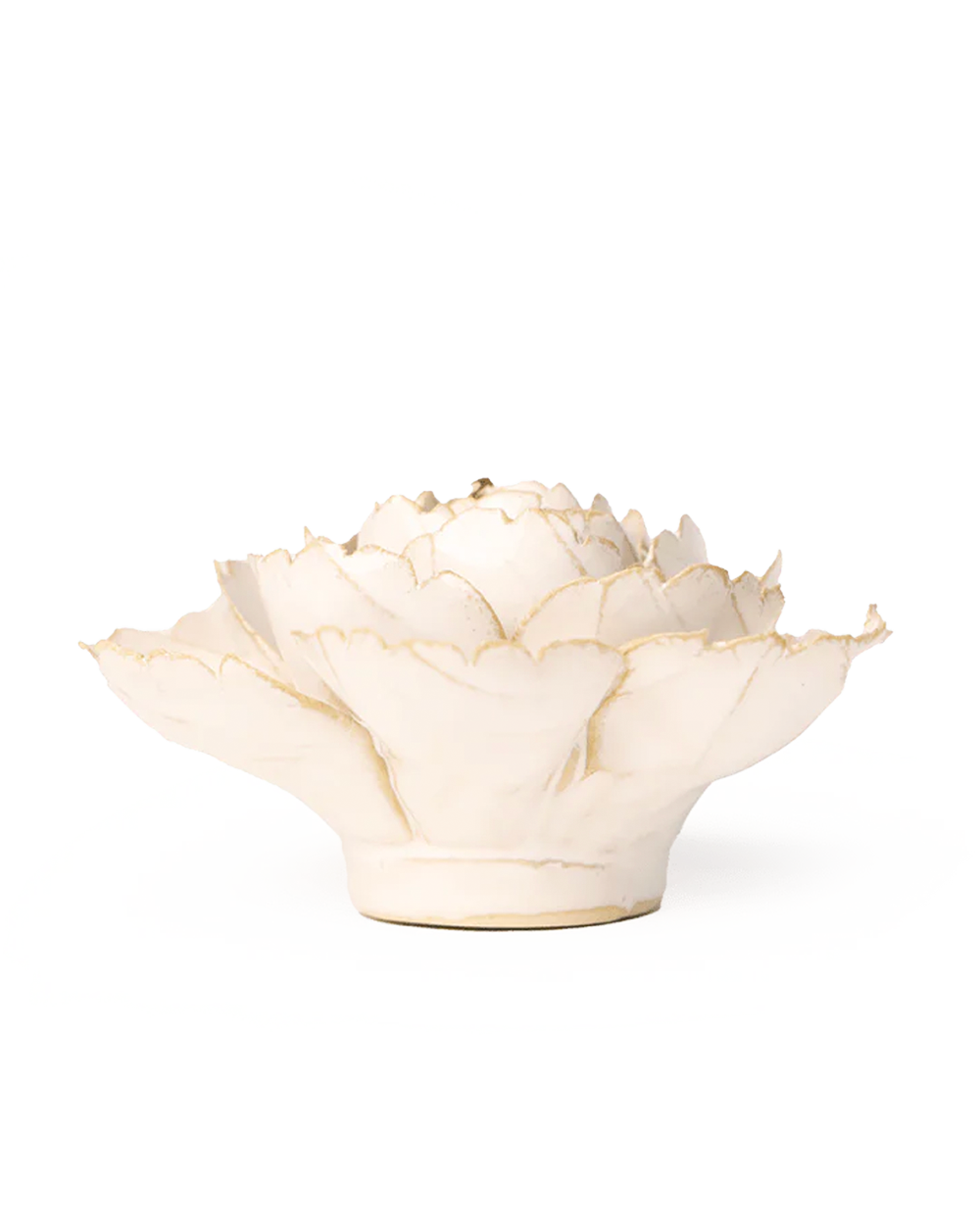
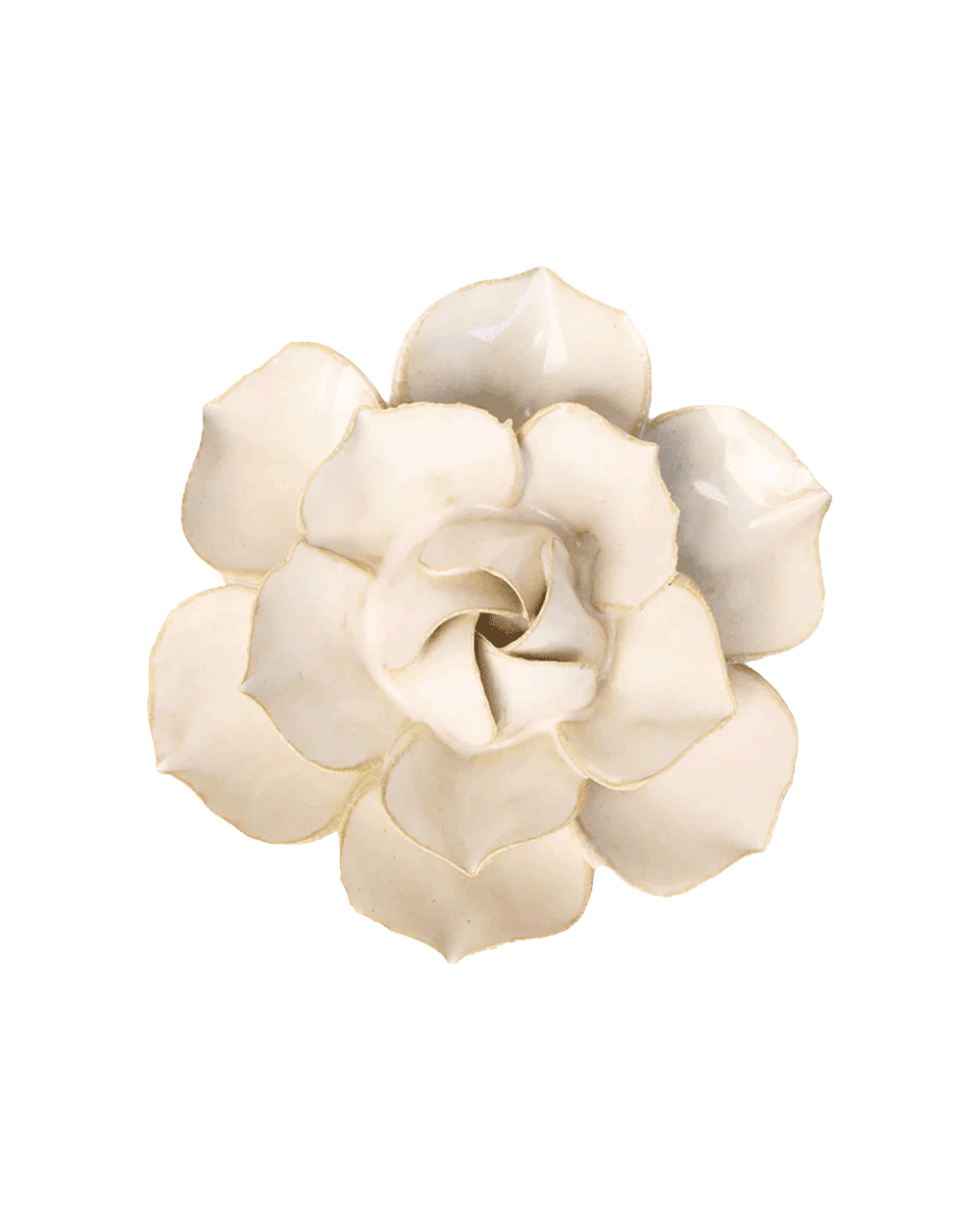
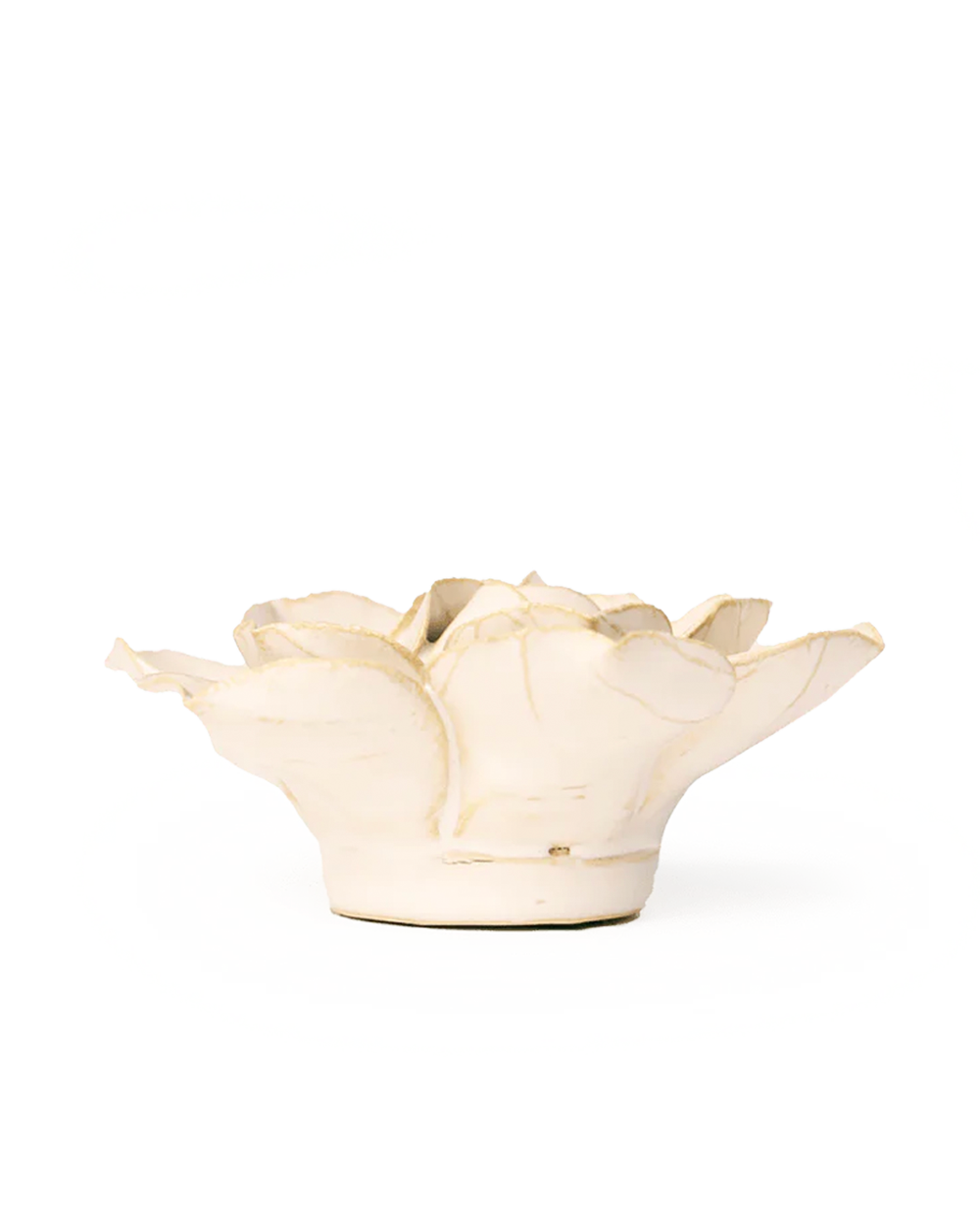
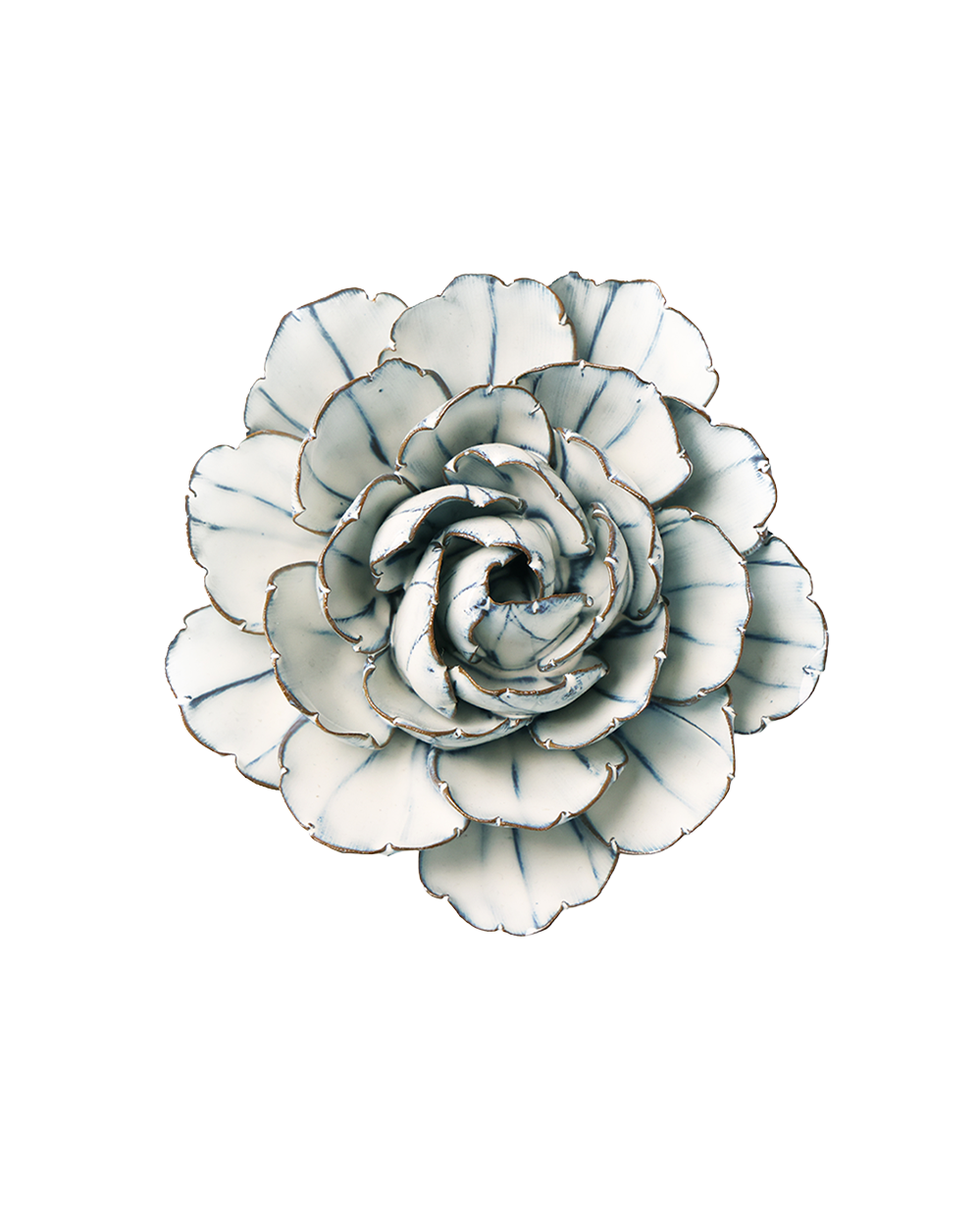
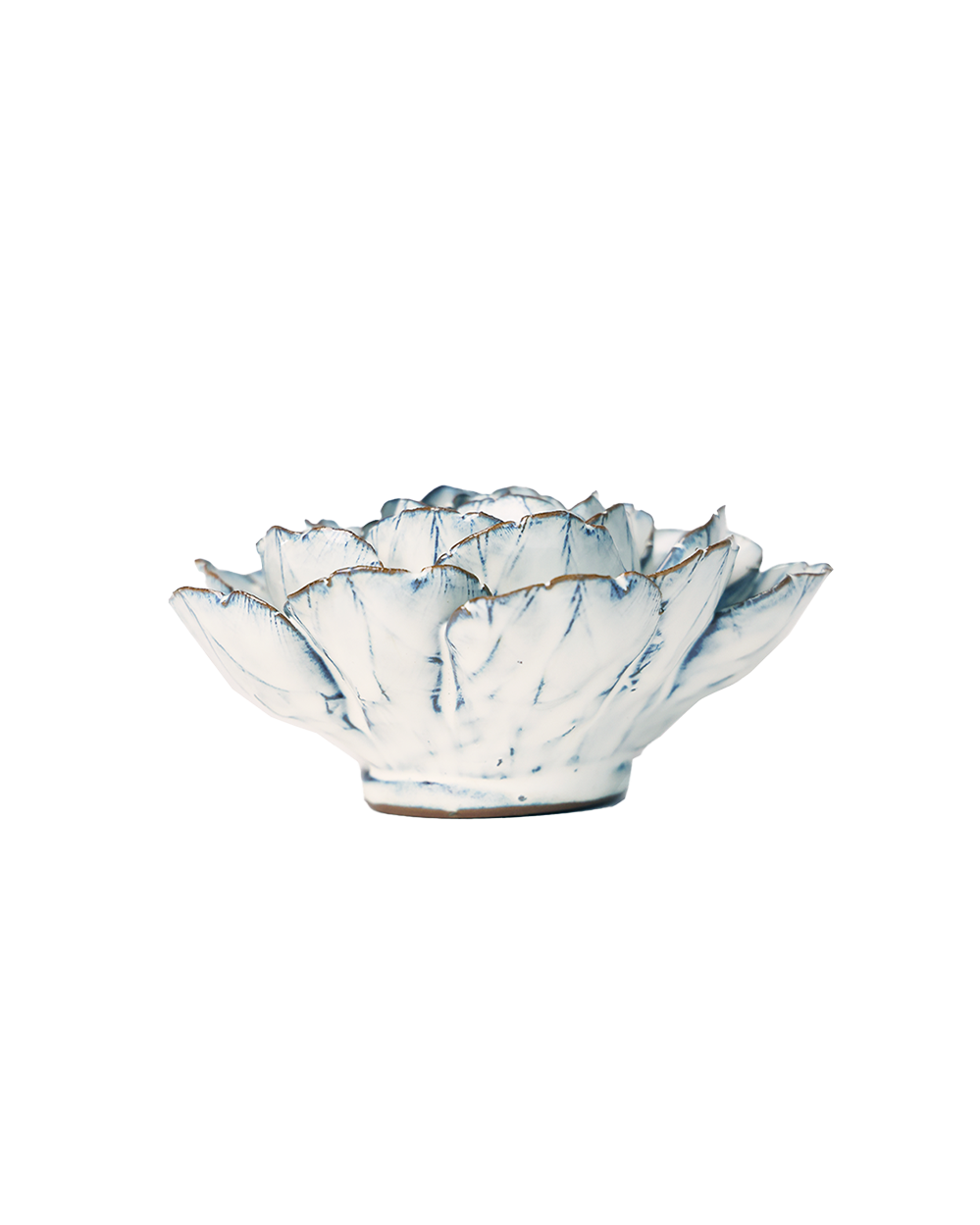
Ivory Rose
Regular price $26.90

23 reviews


Chive Studio artisan sculpting a ceramic flower by hand attaching clay petals on a wood slab workbench — handmade without molds since 1999

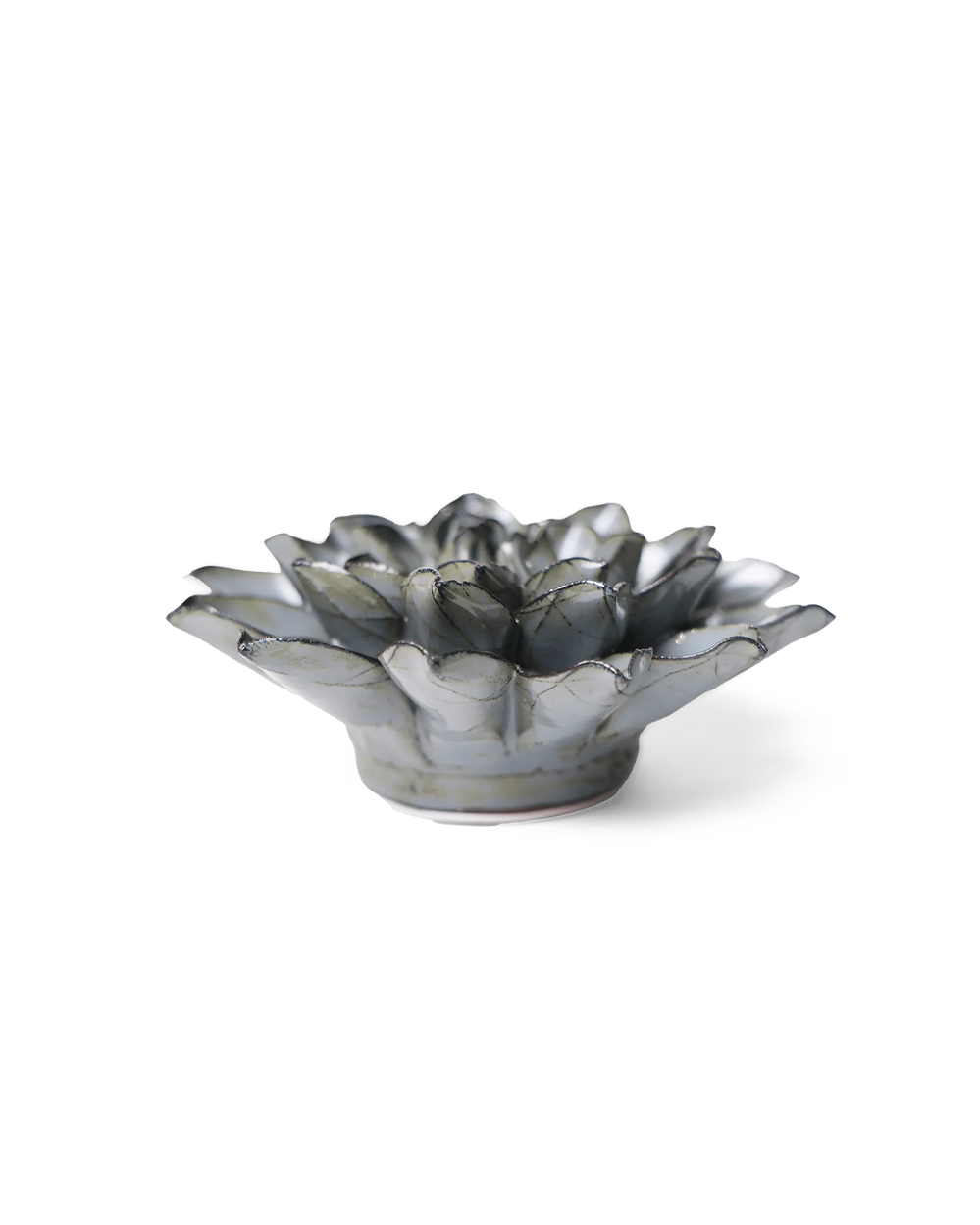
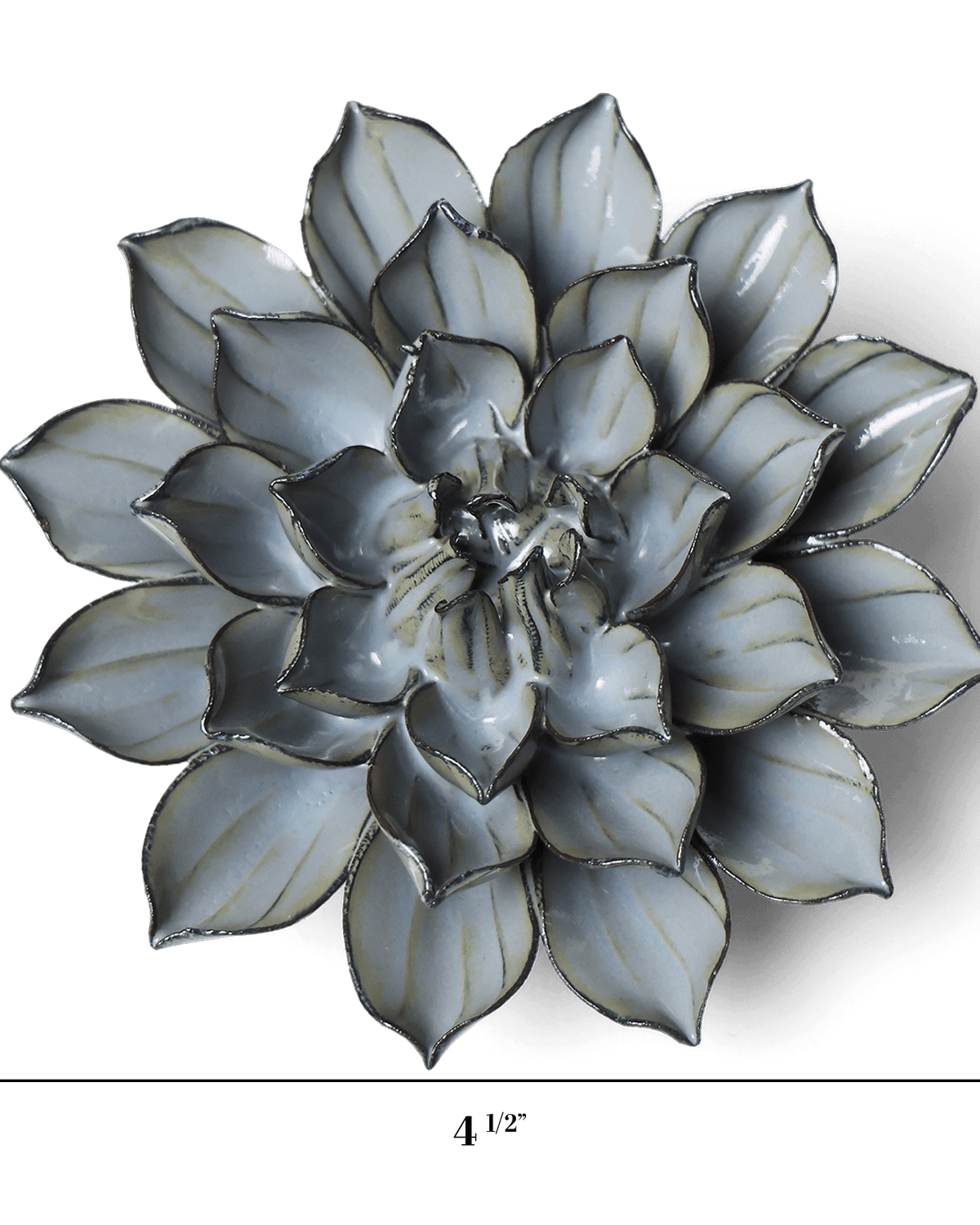
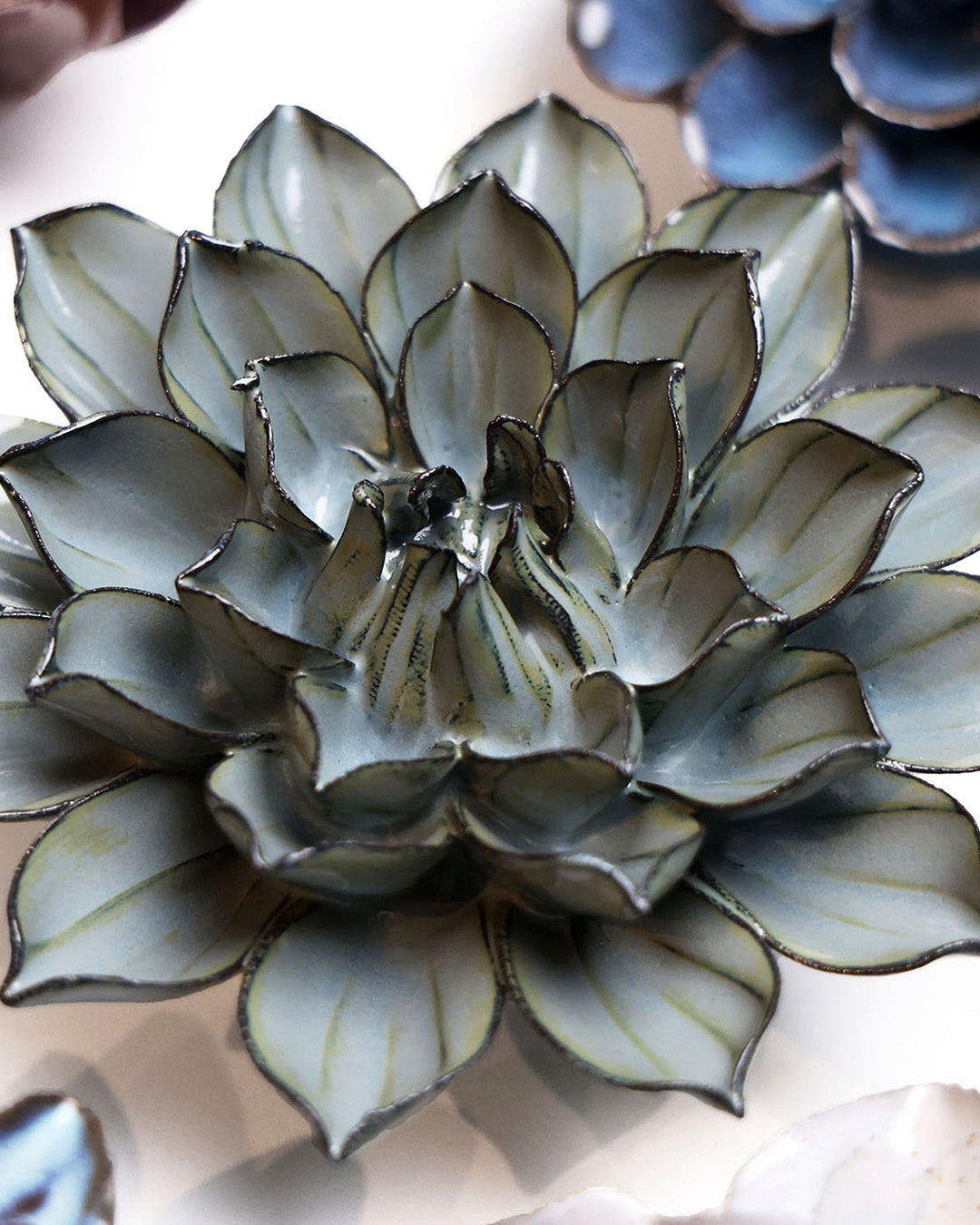
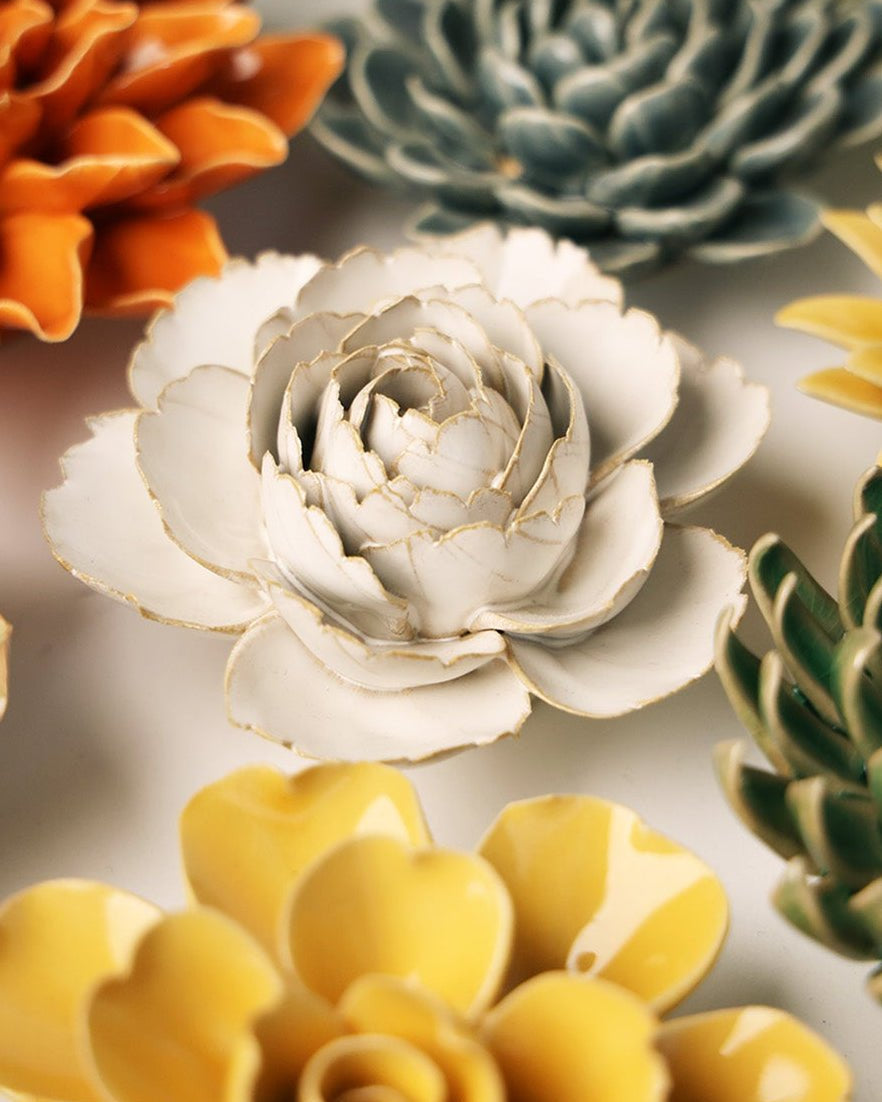
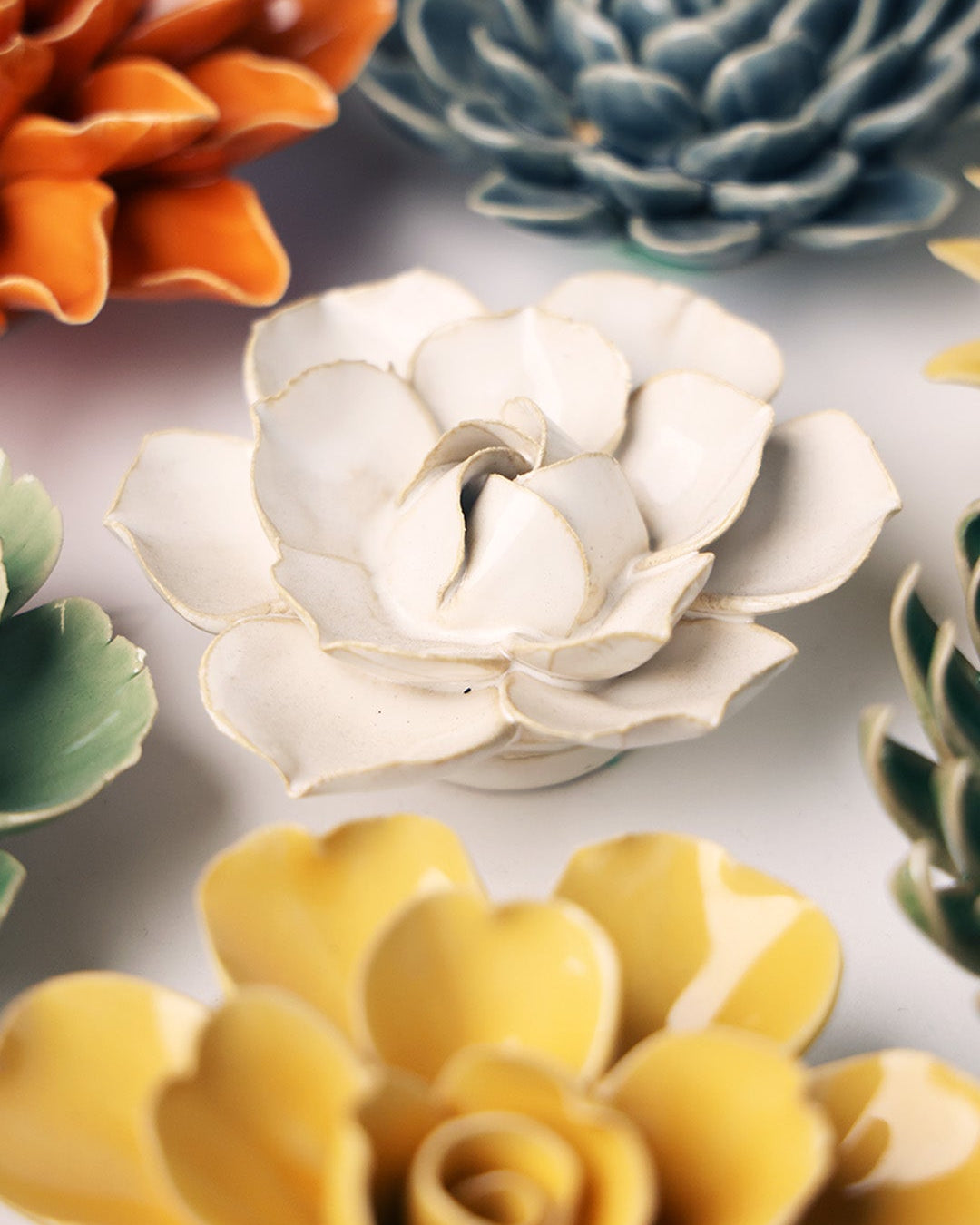
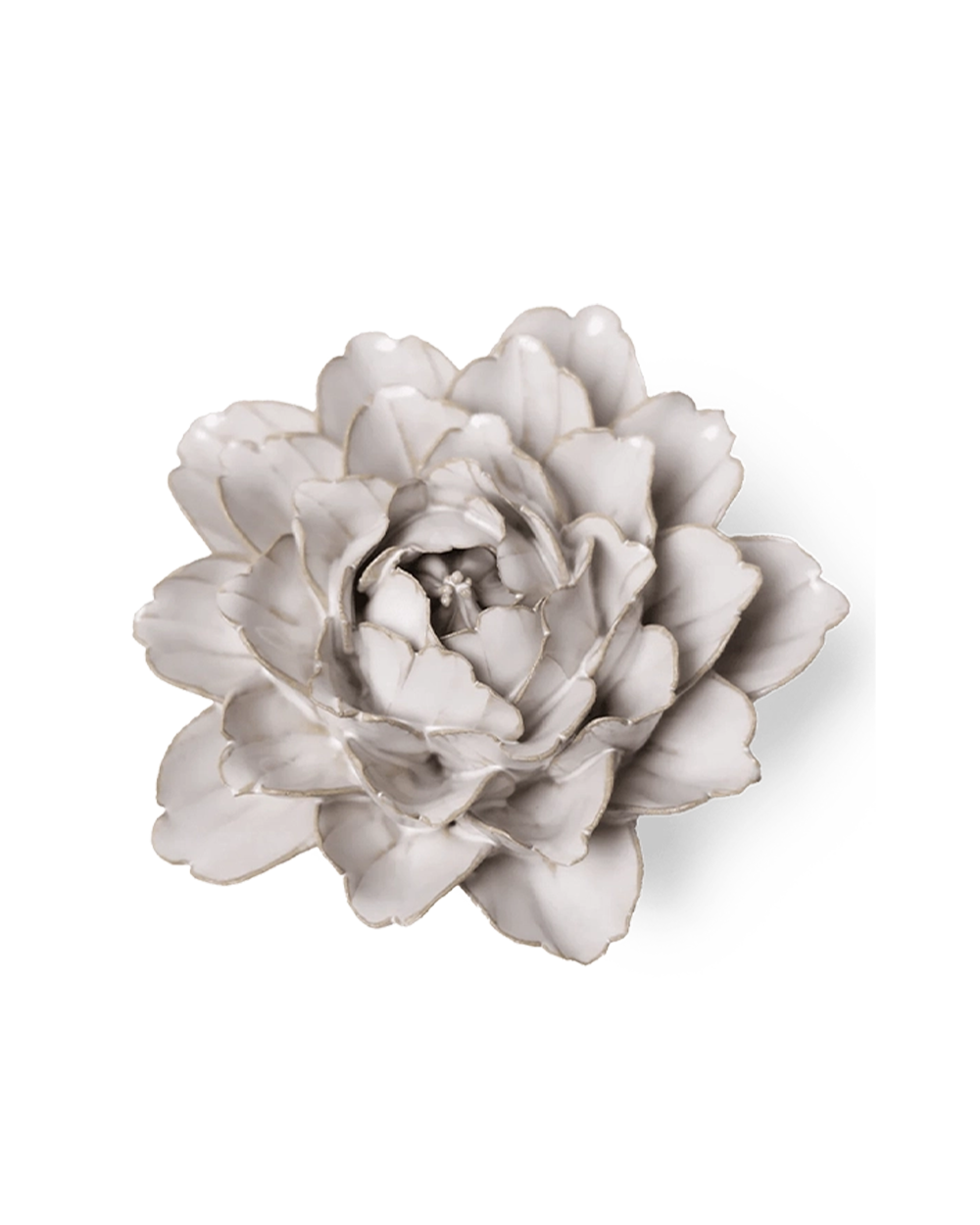
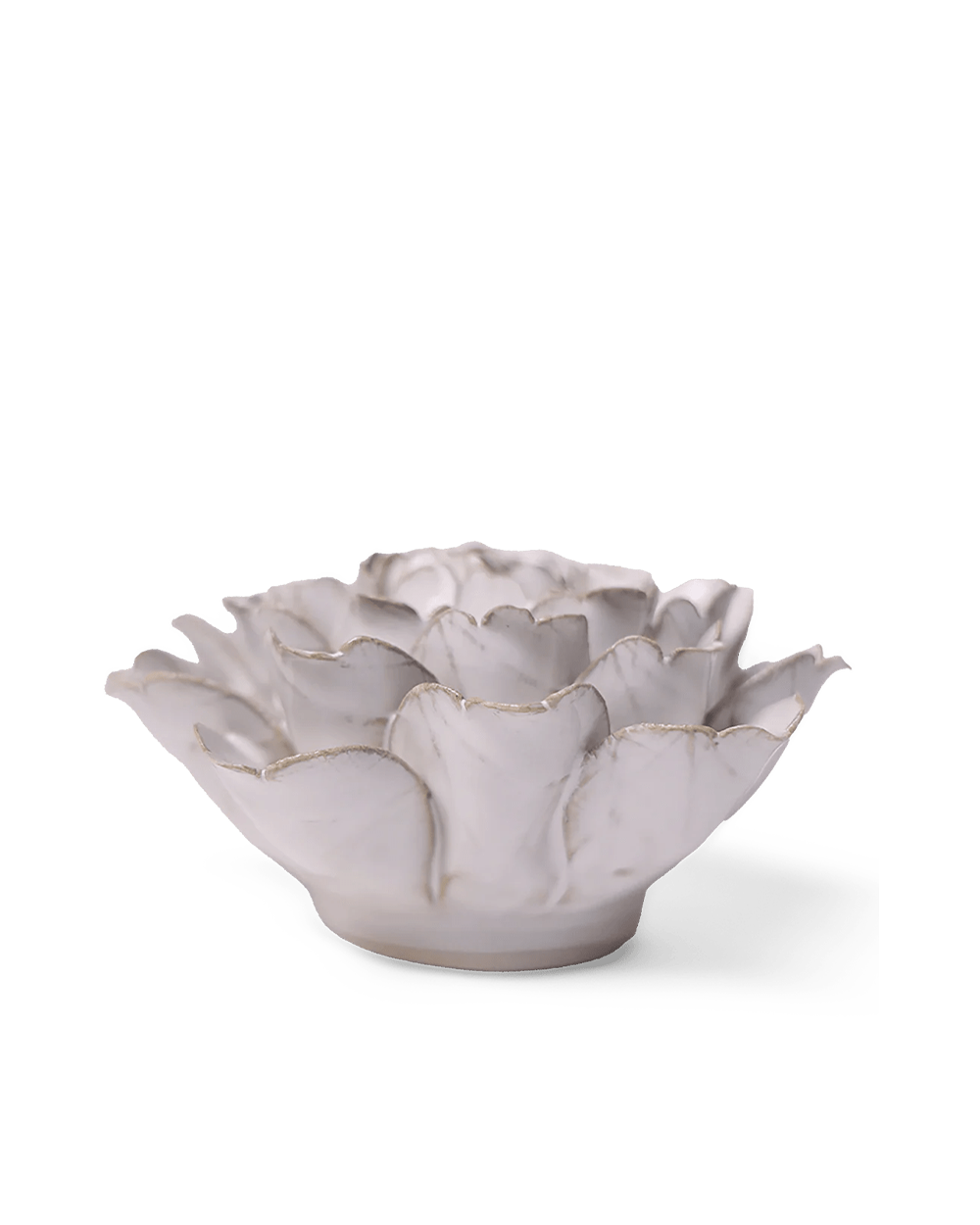
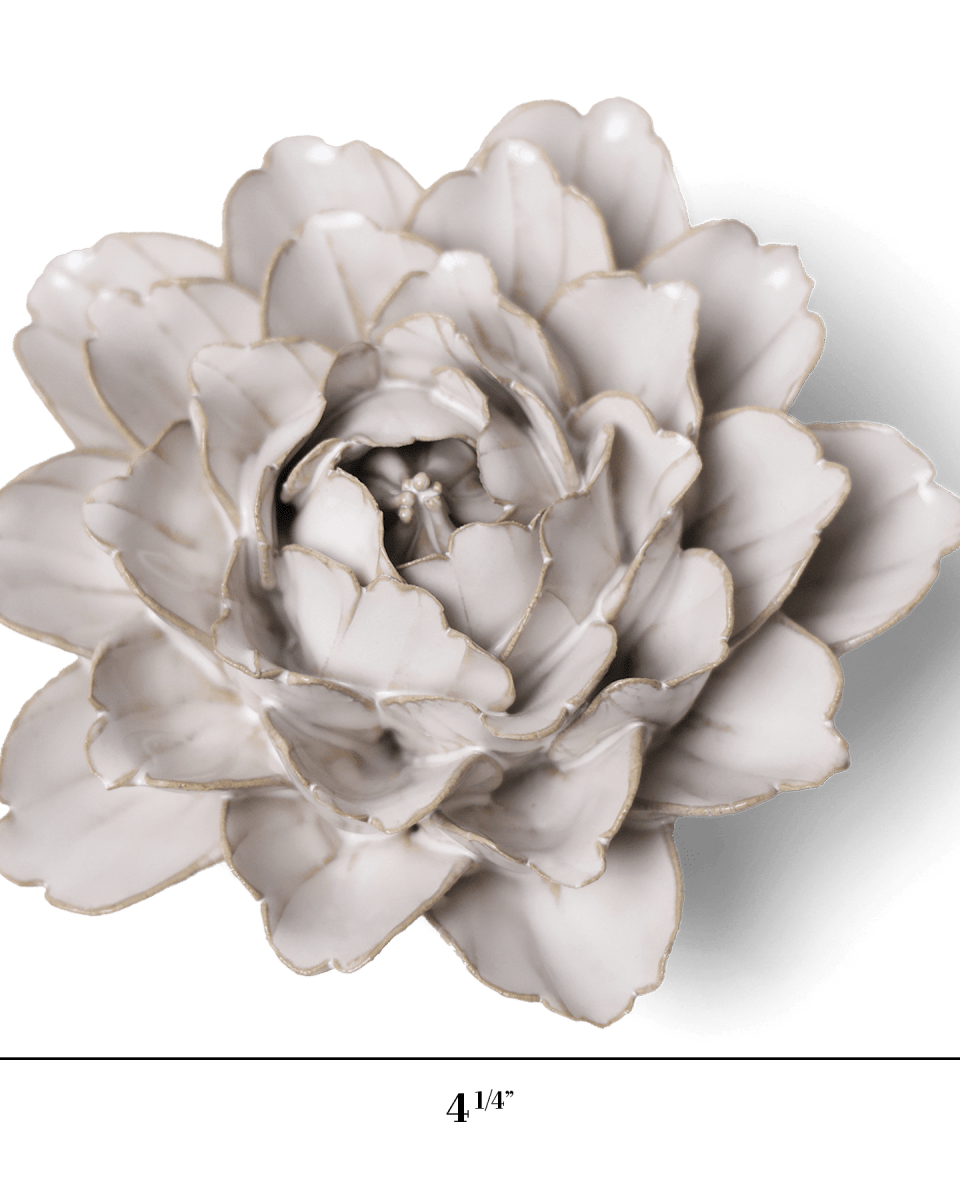
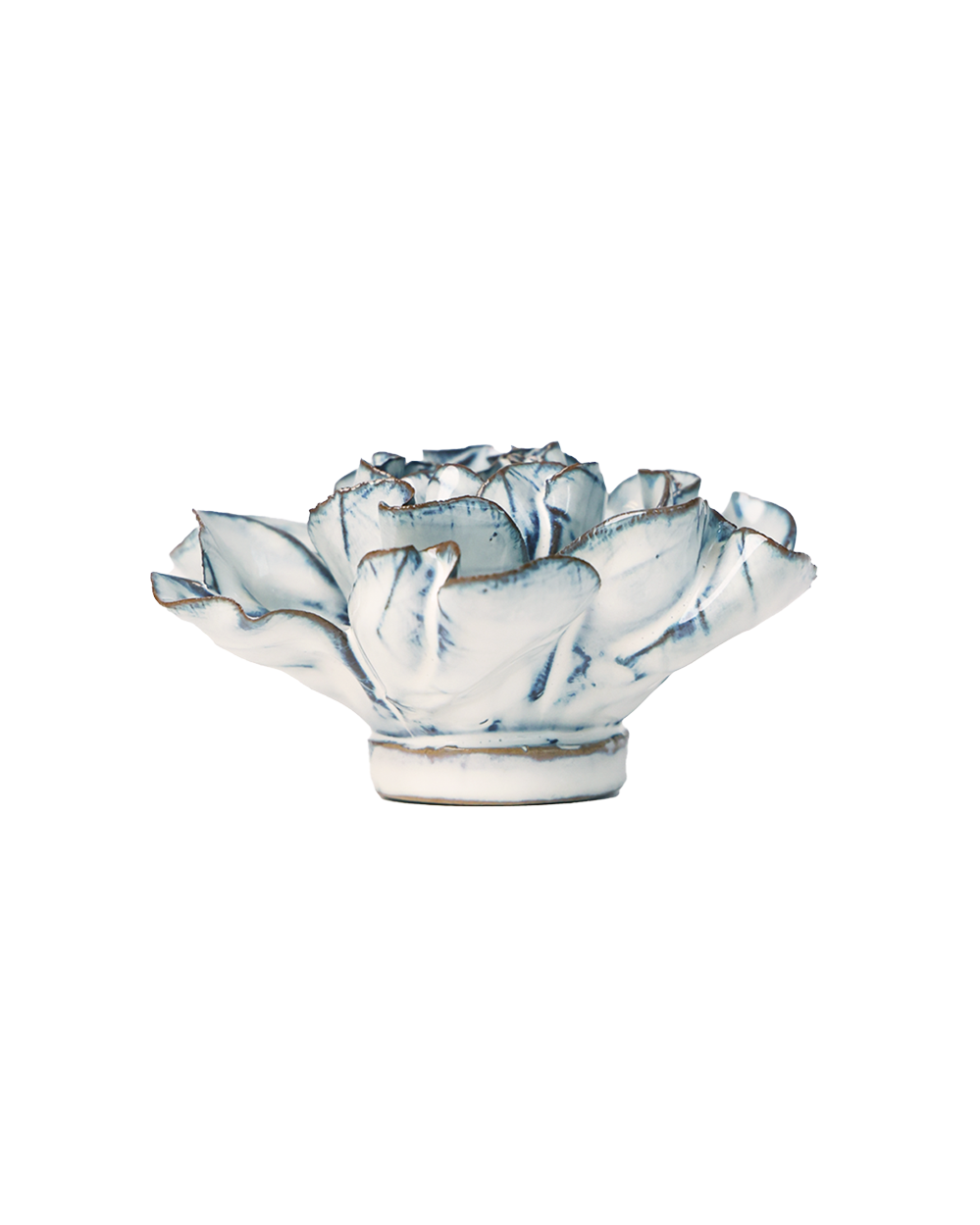
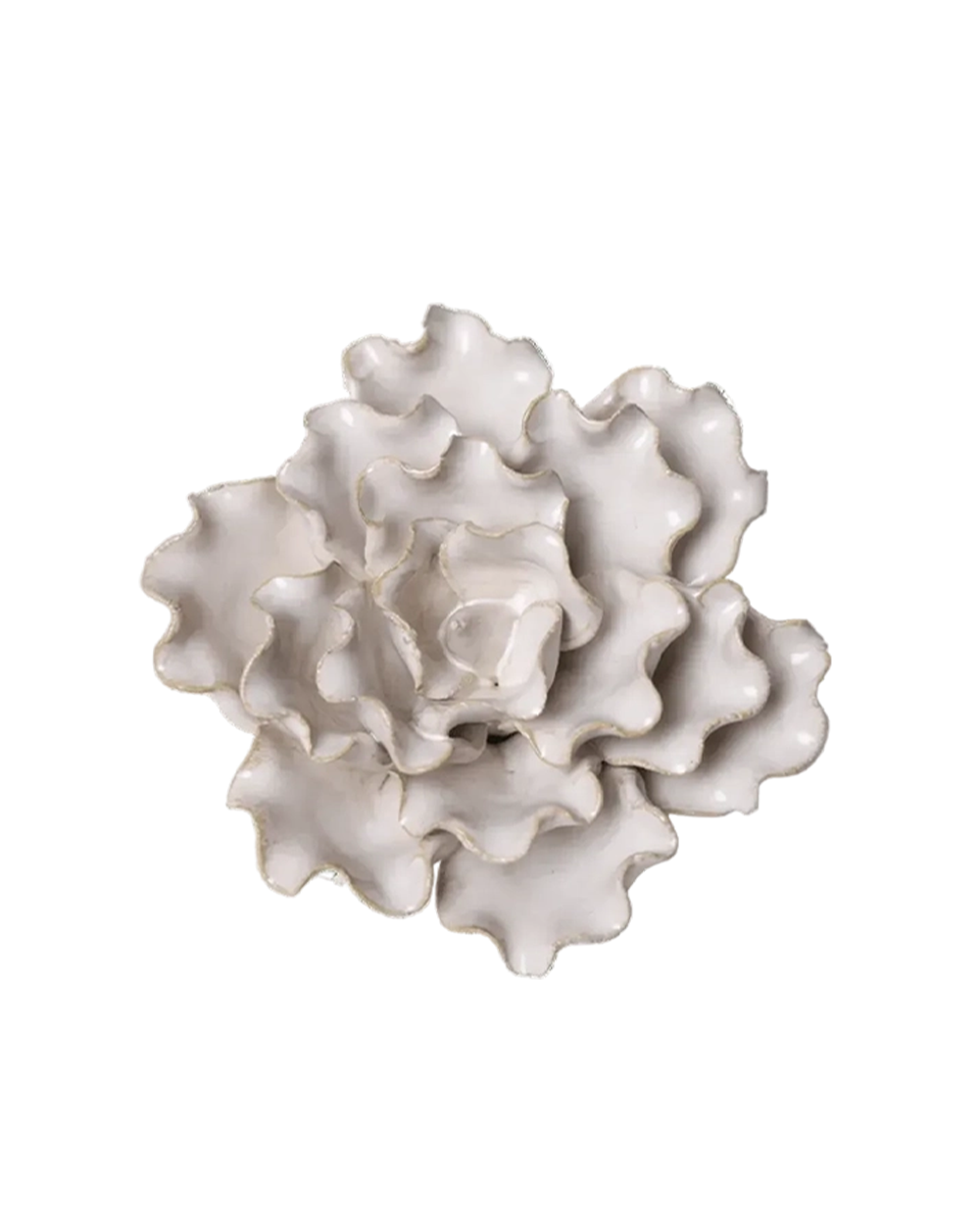
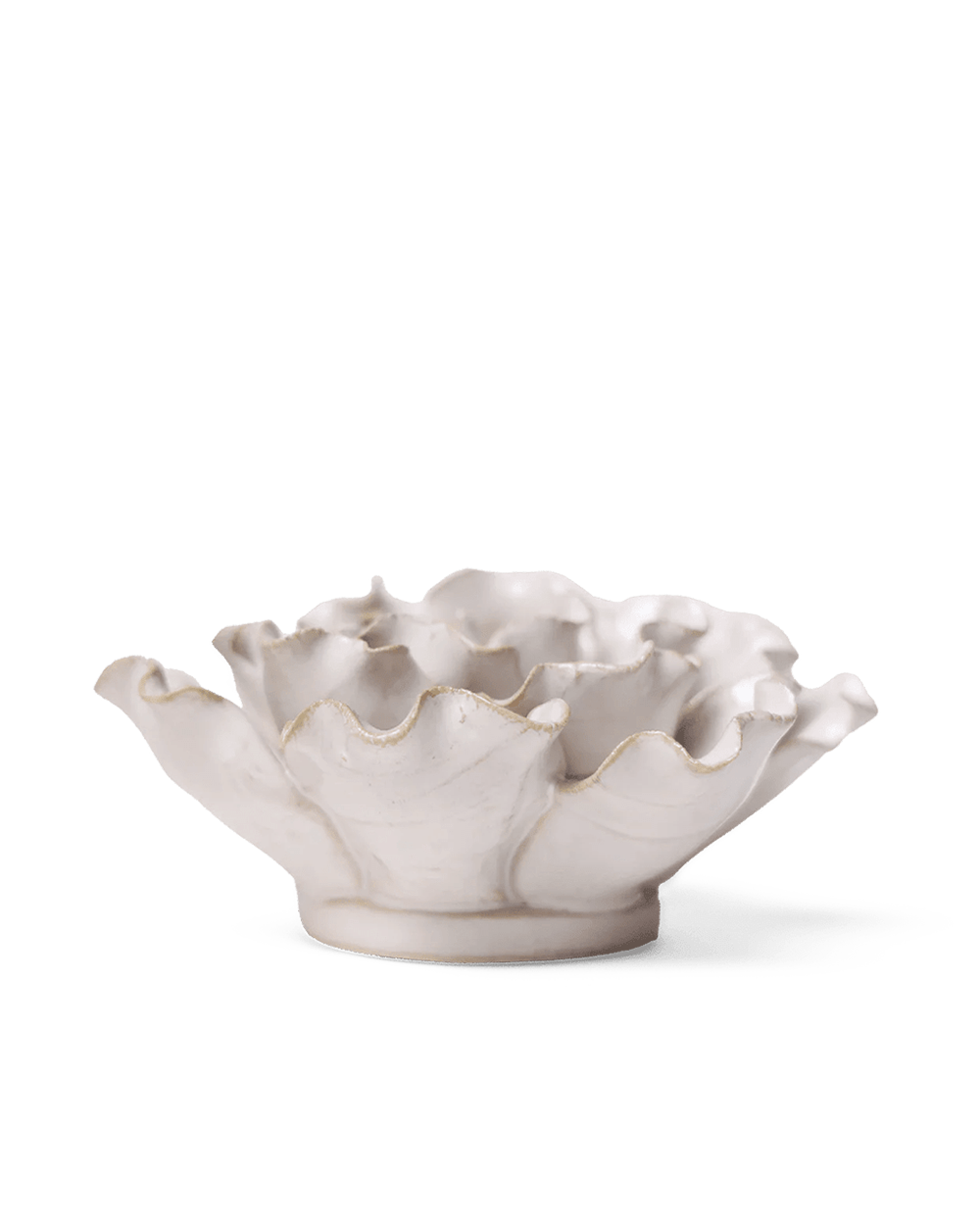
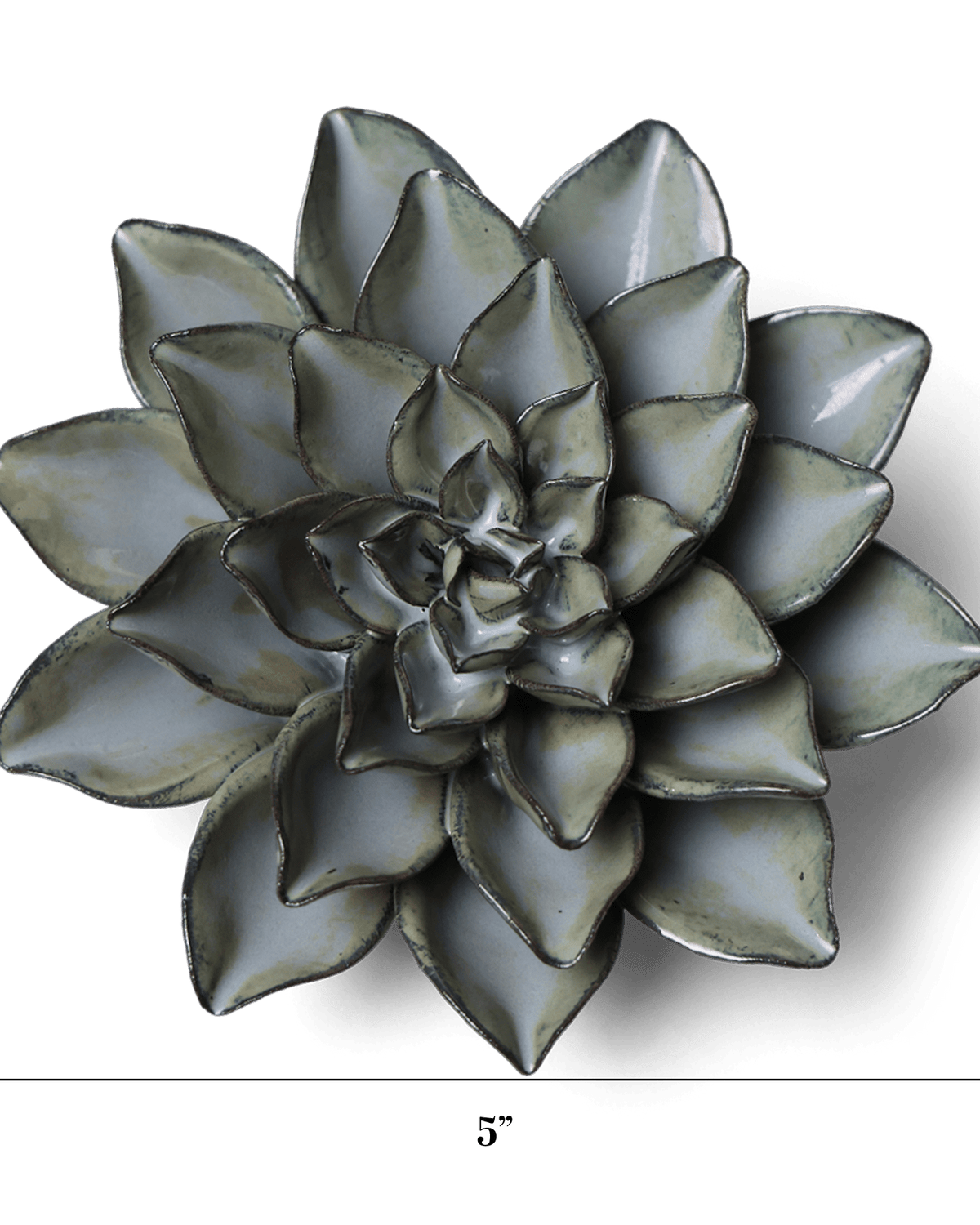
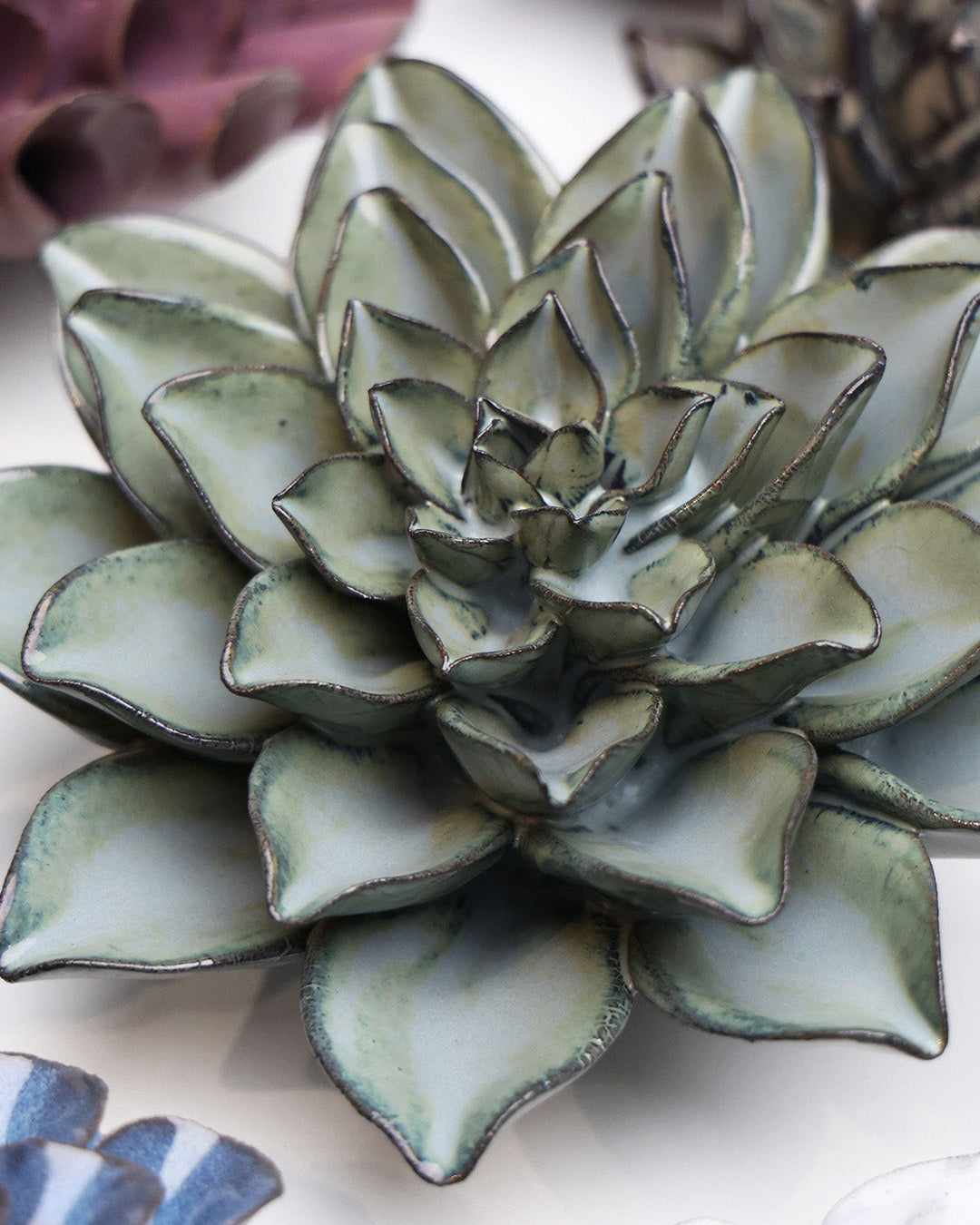
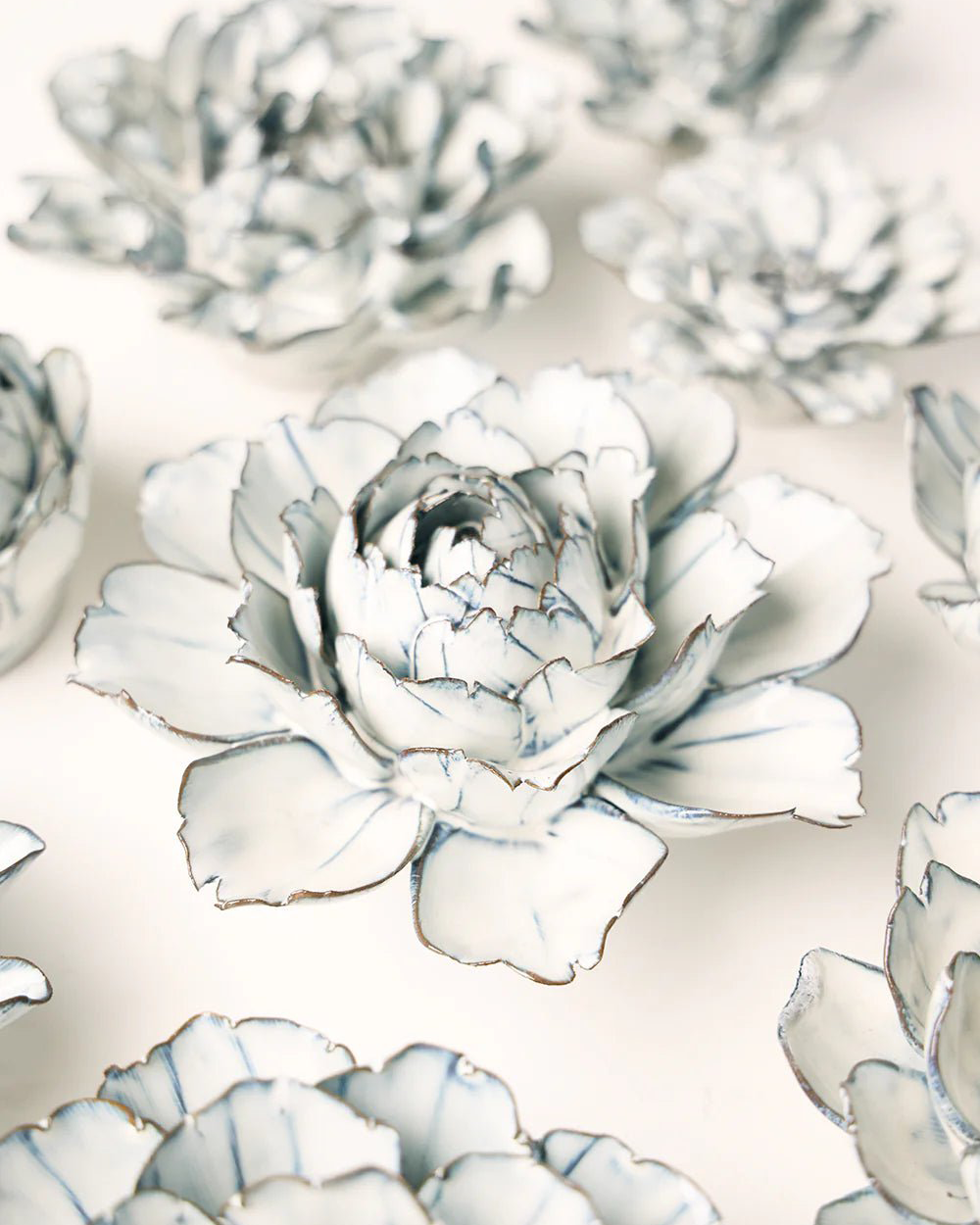
The gray and white glaze range at Chive Studio includes warm white, ivory, champagne, cream, gray-green, and cool gray — colors that were developed to work in rooms that already have a position on restraint. These are not default colors. They were arrived at through the same twenty-five years of kiln work as the boldest glazes in the range. The difference between warm white and ivory is real and the studio would like you to know that they noticed it.

Gray and white ceramic wall flowers are the most-requested designs for minimalist rooms and Scandinavian-influenced interiors — specifically because one screw, one flower, and ninety seconds produces a result that looks considered rather than hurried. The ivory and champagne glazes are the most popular for rooms that already have a wall arrangement and need one more thing. For anyone combining gray and white with other colors: these glazes work alongside every color in the Chive range. The gray-green glazes bridge into the green range without announcing themselves.

From the Studio Journal

Always original, often copied. The story behind the tagline

The tagline came from observation, not marketing. Chive has been making handmade ceramic wall flowers in Toronto since 1999. In the early years, designs we created began appeari...

Read the full story →
From the Studio Journal

25 years of making handmade ceramic flowers by hand. What handmade actually means.

Handmade is one of those words that has been used so many times it has lost most of its meaning. Chive Studio has been making ceramic flowers in Toronto without molds since 1999...

Read the full story →
From the Studio Journal

How Chive got into the Getty Museum

The short version is that we made something good and kept making it better for twenty-five years. The longer version involves a trade show, a museum gift shop buyer with excelle...

Read the full story →

Frequently Asked Questions

What makes ceramic a good material for minimalist wall art?

Kiln-fired ceramic produces a surface quality that printed and painted minimalist wall art cannot replicate. The white and grey glazes in the Chive range are not flat — they have the slight depth and variation of a fired object, which gives the surface visual interest without adding color. The matte white ceramic flower on a white wall does not disappear. It holds the wall in a way that a printed white flower does not, because the object itself has enough physical presence to carry the concept. SFMOMA and the Art Institute of Chicago stock the range. They assessed it against the standards of institutions whose entire purpose involves this question.

What shades of grey and white are available in the ceramic flower collection?

The grey and white ceramic flower range spans pure matte white, soft chalk, warm white, pale grey, warm grey, putty, slate, and charcoal across the English Garden, Coastal, and Japan collections. Each glaze is kiln-fired, which means the color is part of the object rather than applied to the surface. Matte white and chalk tones come primarily from the Coastal and English Garden collections. Slate and charcoal come from the Japan Collection. Warm grey sits between the two. All shades work together on the same wall — any combination from any Chive collection is compatible.

How does the wall-mounting system work?

Each ceramic flower has a keyhole fitting on the back. You put a small screw in the wall — one screw per flower — and hang the flower on it. The whole process takes approximately 90 seconds. The screw and wall anchor are included. No tools required beyond a screwdriver. The flowers do not shift or tilt after hanging. If you decide to move them, you remove one screw and fill a small hole. It is genuinely this straightforward, which surprises people who have previously dealt with picture-hanging hardware.

Can grey and white ceramic flowers be mixed with other colors?

Yes — grey and white is the most versatile range in the Chive color system precisely because neutrals work alongside everything. Matte white and chalk sit alongside ivory and cream from the Coastal collection without any visible difference in intent. Slate and charcoal pair naturally with navy from the Japan Collection and sage green from the English Garden collection. Grey and white designs also work as the foundation for a mixed arrangement — adding one or two warm-toned or colored designs to a primarily grey and white grouping is one of the most common uses of the range. Any combination from any Chive collection works on the same wall.

What rooms work best with grey and white ceramic wall flowers?

The grey and white range works in any room where restraint is the design intention. Minimalist living rooms where an all-white wall needs something on it that does not break the visual quiet of the room. Bedrooms where the palette is white, grey, and linen. Home offices where the wall behind a desk needs an object rather than a print. Bathrooms where matte white ceramic on white tile reads as intentional rather than absent. Hallways where a single charcoal or slate flower on a white wall makes the space feel finished without feeling decorated. The range was not designed for a specific room. It was designed for rooms where the object on the wall needs to earn its place through quality rather than color.

Where do Chive grey and white ceramic flowers end up in the world?

In the gift shops of SFMOMA, the Art Institute of Chicago, the Getty Museum, the Chihuly Garden and Glass, the Andy Warhol Museum, the Huntington Library and Botanical Gardens, and the Museum of Fine Arts Boston, among others. Also on the walls of a significant number of minimalist interiors belonging to people who encountered a matte white or slate ceramic flower in a museum gift shop and recognized that it was the right object for a wall they had been thinking about for some time. The grey and white range is the range that sells most consistently to people who describe themselves as difficult to buy for.

Are grey and white ceramic flowers a good gift for art lovers?

Grey and white ceramic wall flowers are an excellent gift for art lovers, or for anyone who has spent time thinking about the relationship between objects and walls. The grey and white range is made by a studio whose work is in SFMOMA and the Art Institute of Chicago — institutions that have assessed it against the standards they apply to the objects in their permanent collections. The gift does not require the recipient to like a particular color. It requires them to appreciate an object that was made carefully and that does what it is supposed to do when placed on a wall. For art lovers, this tends to be a sufficient description.

Does white ceramic yellow over time?

No. Kiln-fired ceramic glazes do not yellow, fade, or change color over time. The white glaze is fused into the ceramic at high temperature during firing — it is not a paint, a coating, or a finish that degrades with age or light exposure. The matte white ceramic flower on your wall in twenty years will be the same white it is today. This is one of the practical advantages of ceramic over other white wall art materials — painted canvas can yellow, printed paper can fade, and white-painted wood surfaces change color with humidity and UV exposure over time. Kiln-fired ceramic does none of these things.