
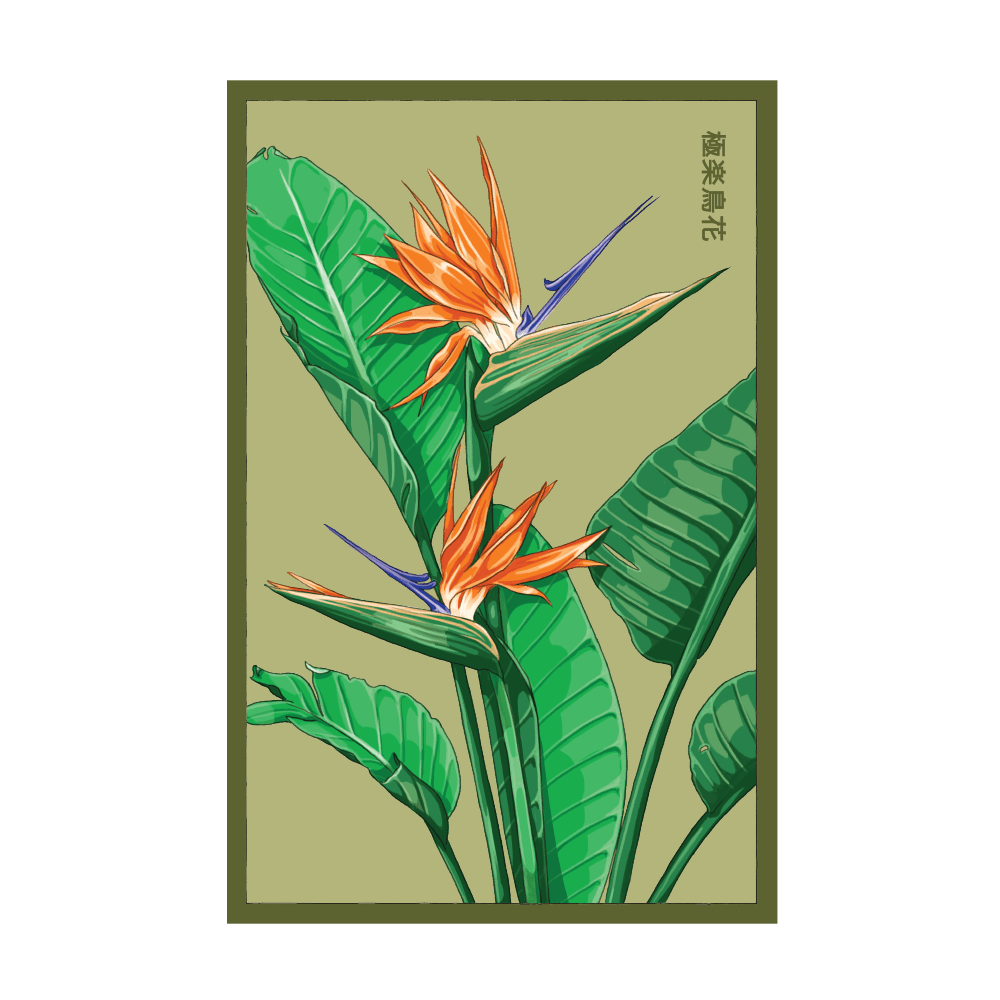
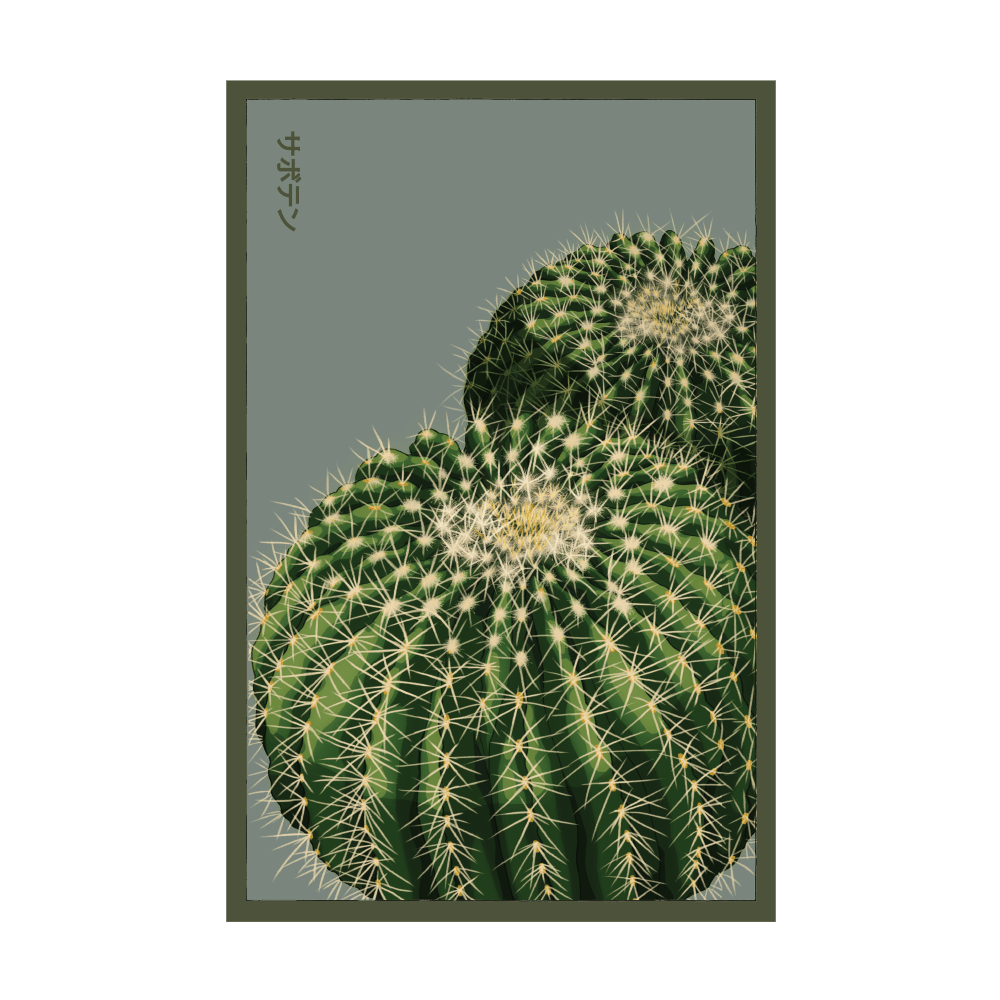
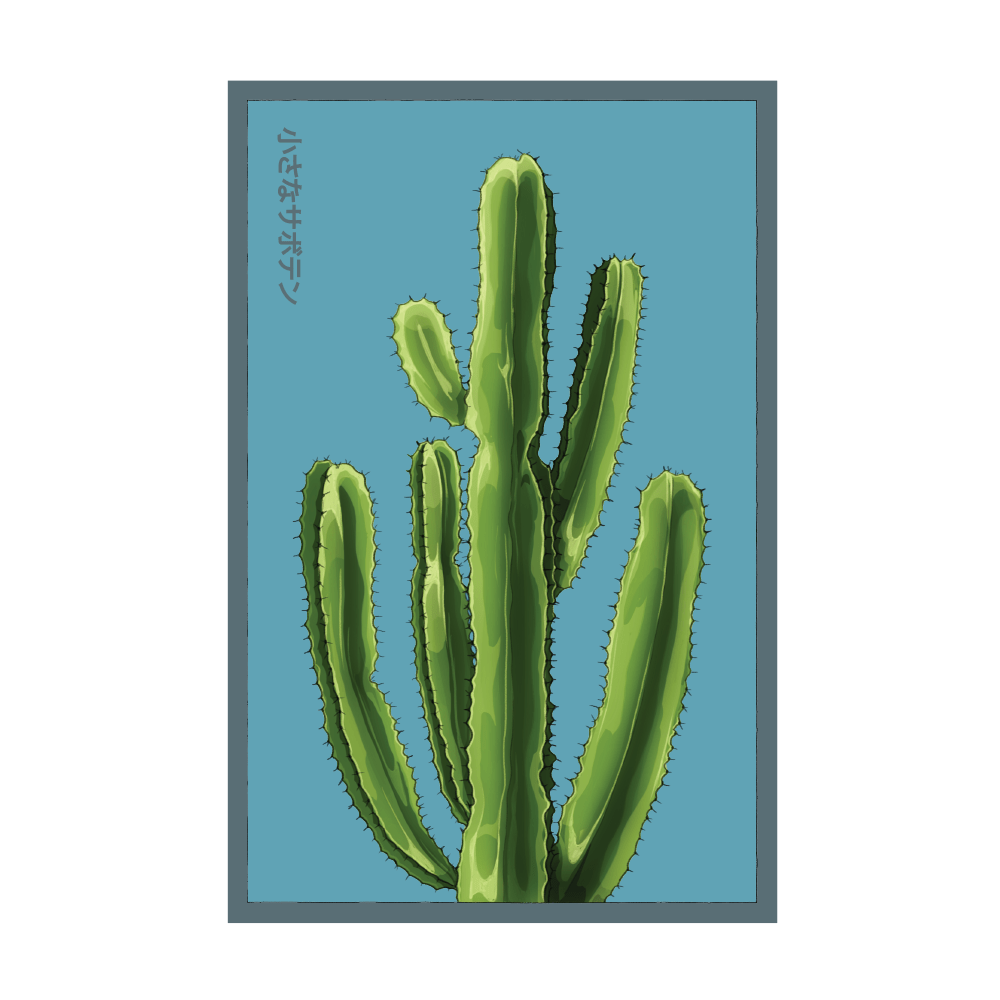
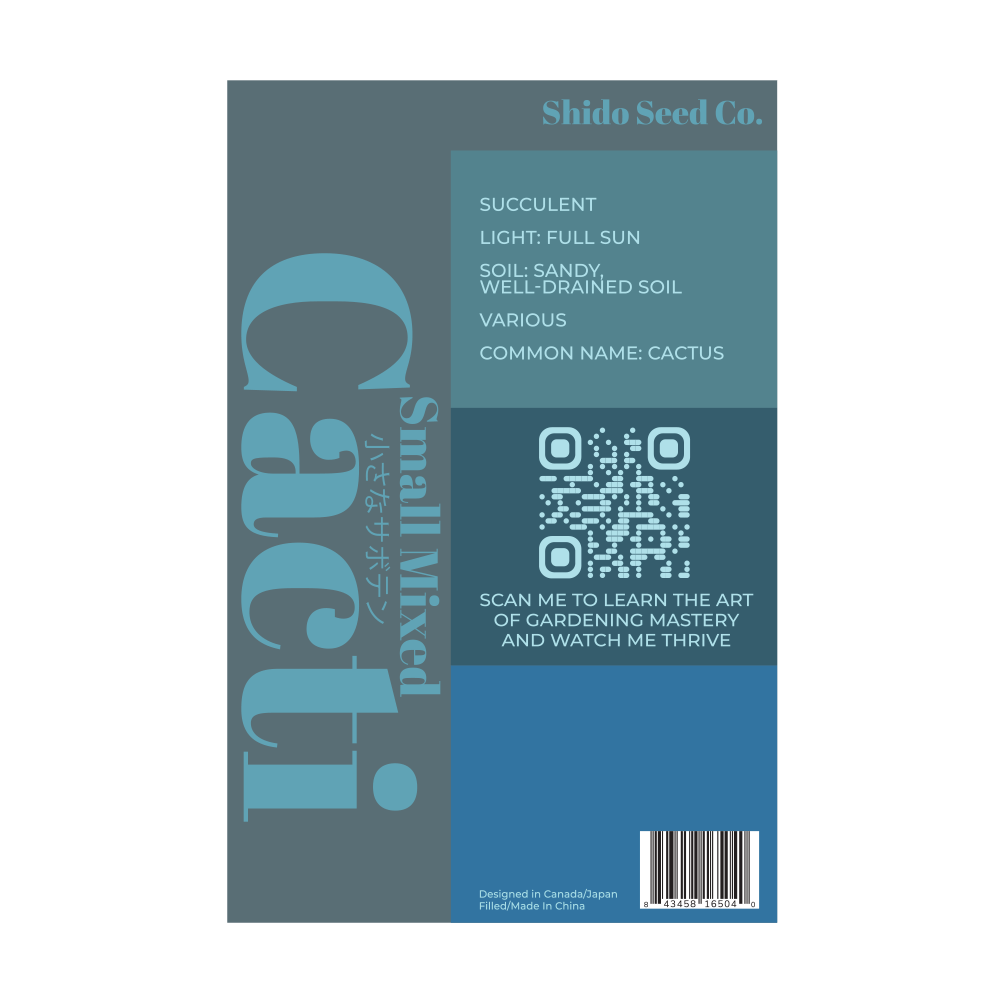
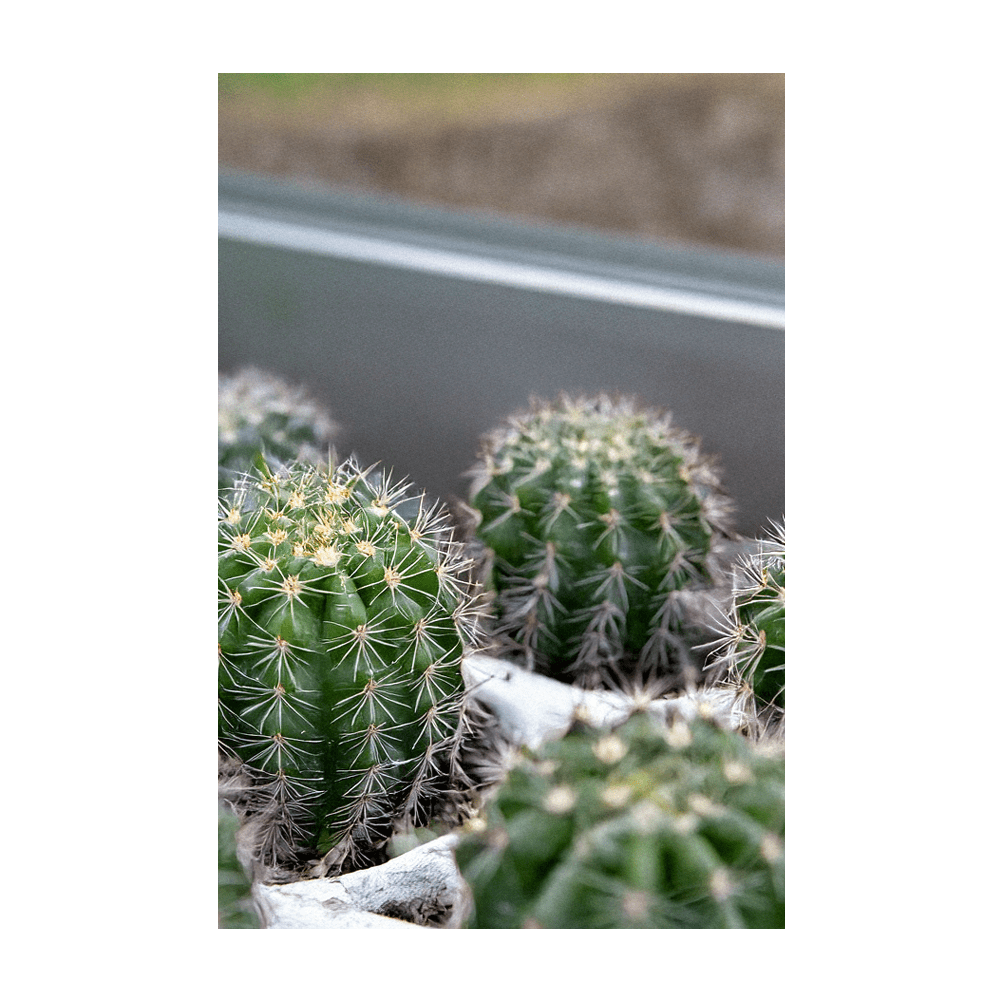
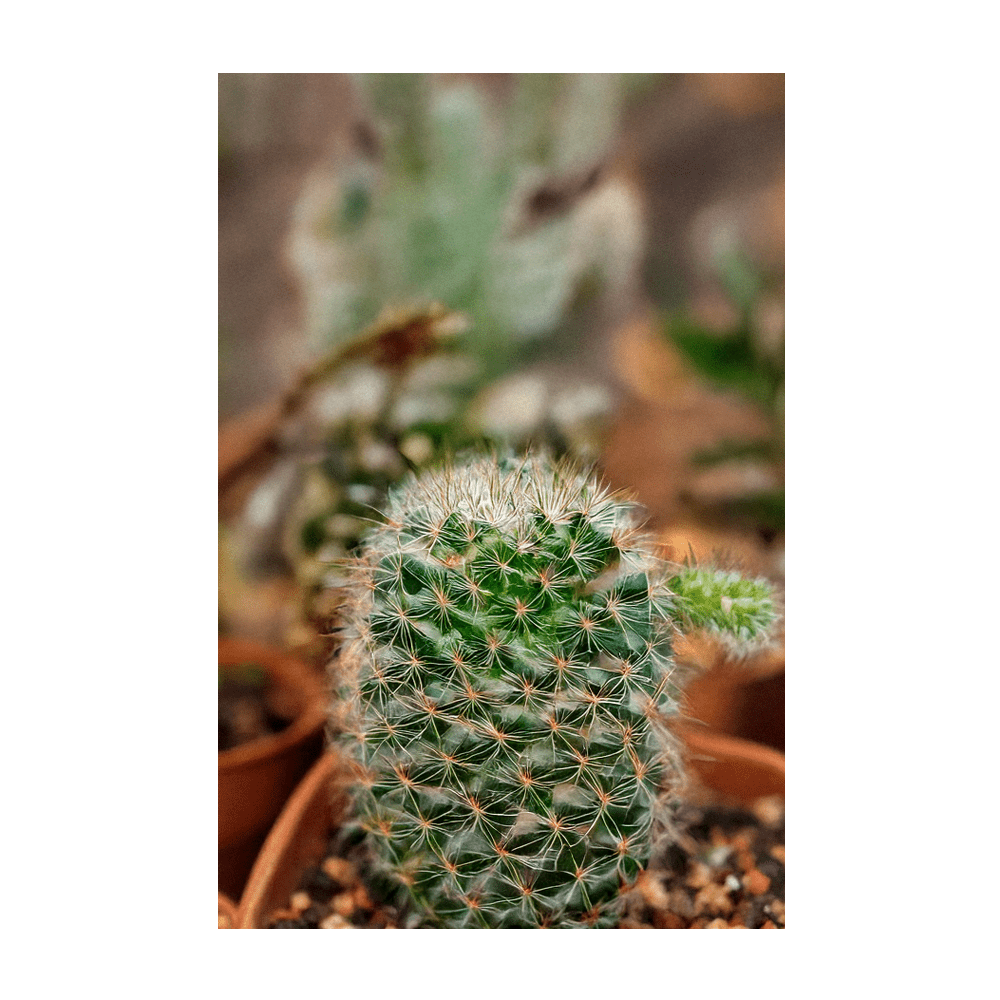
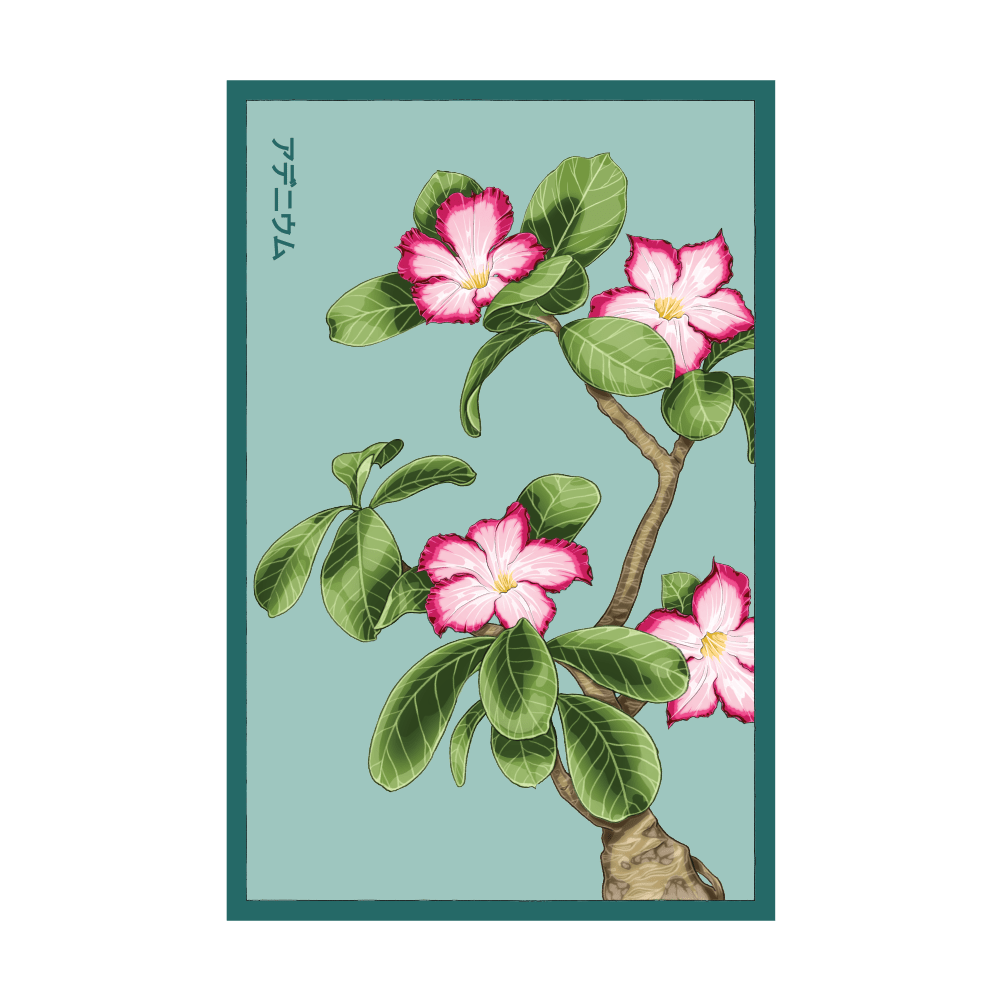
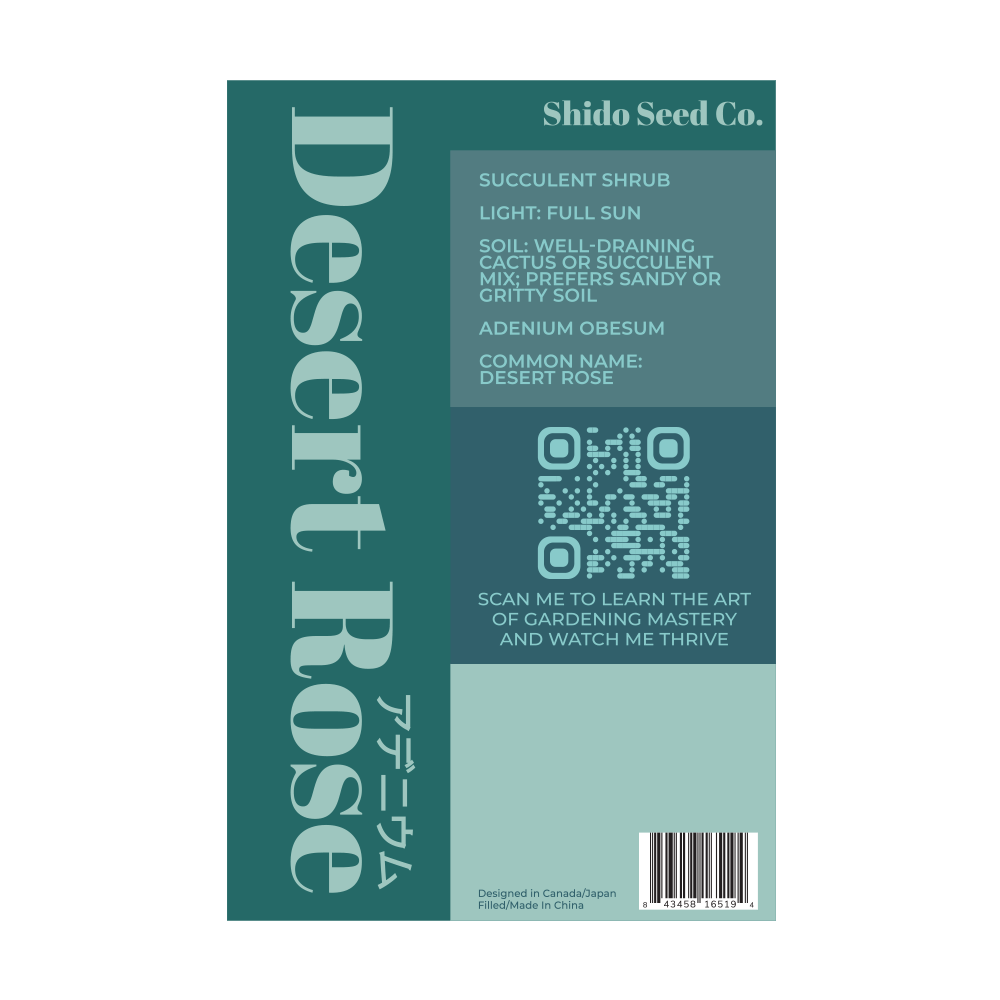
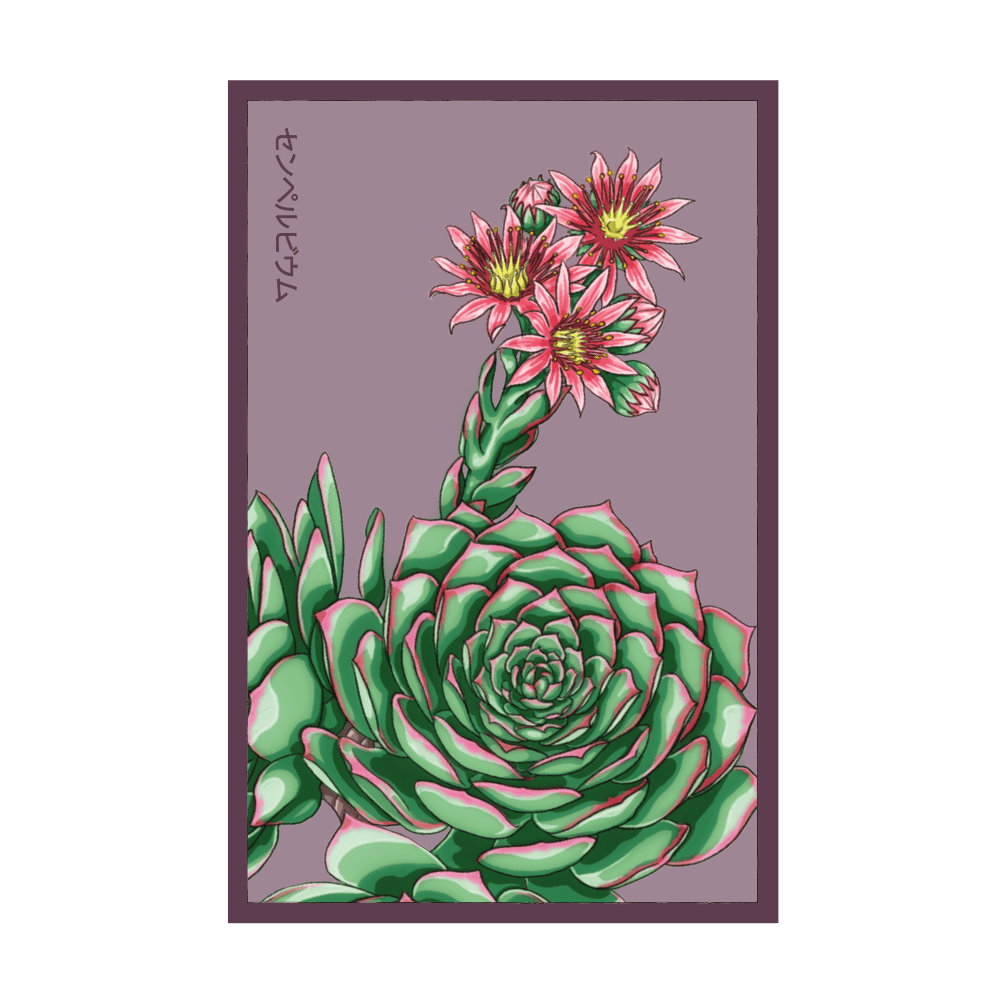
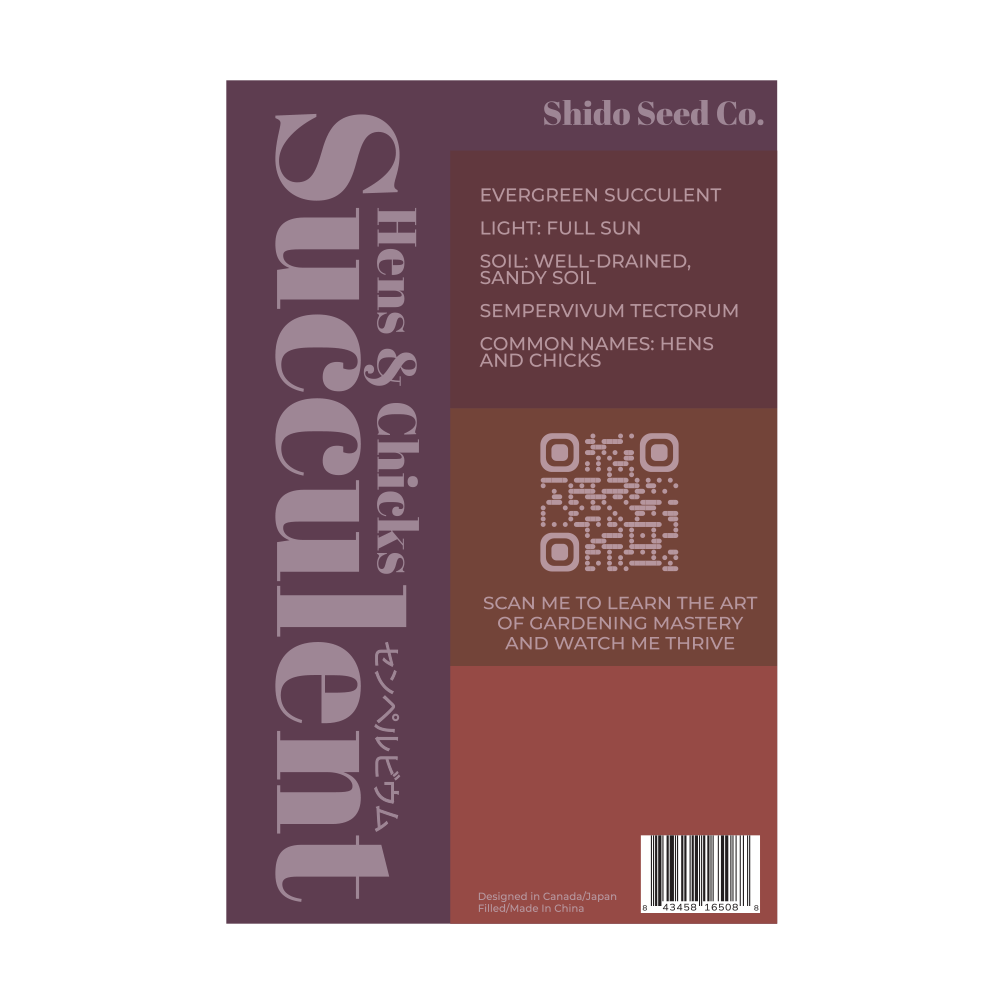

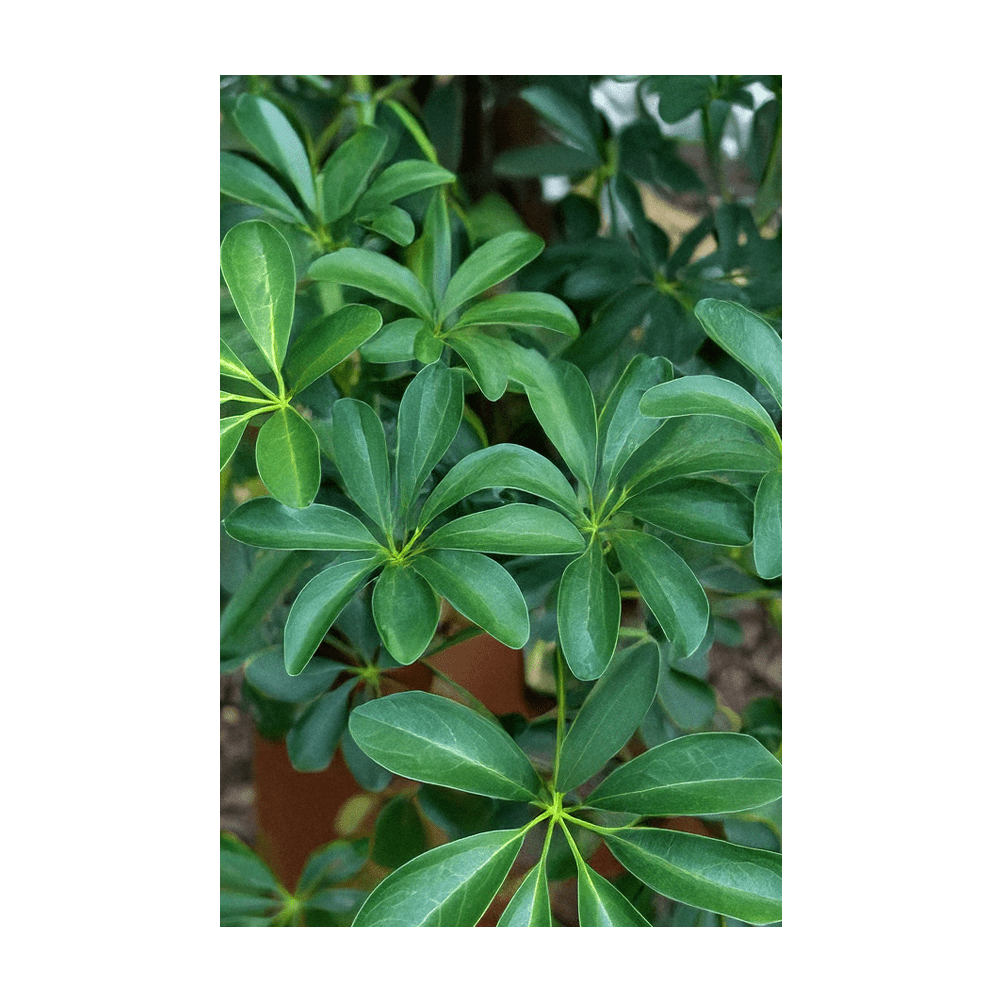
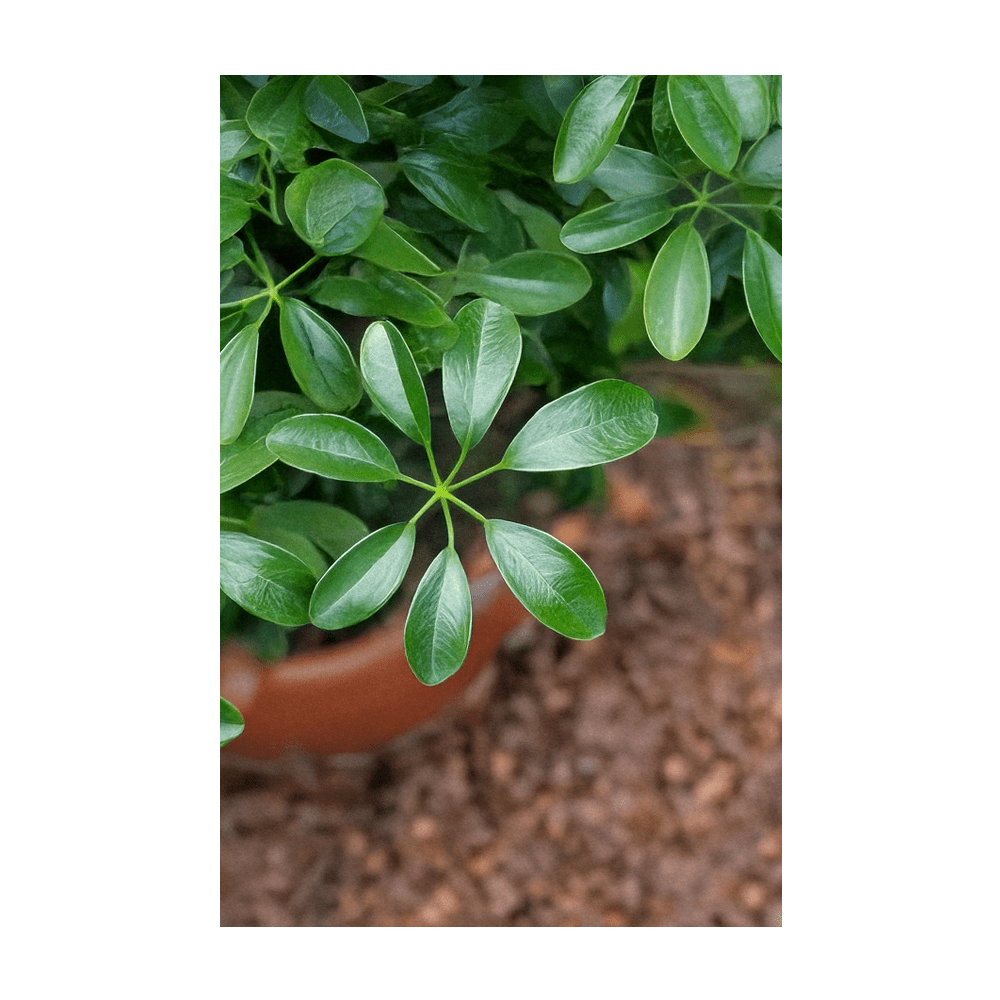
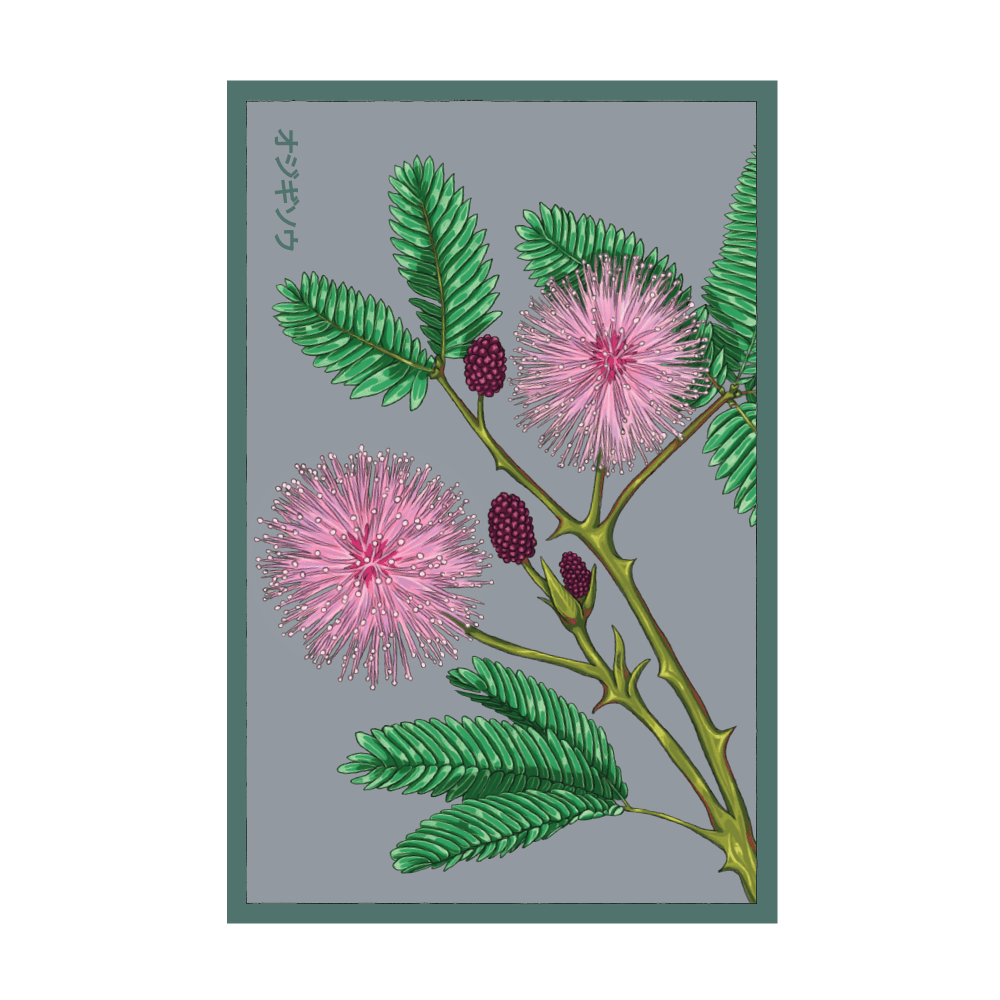
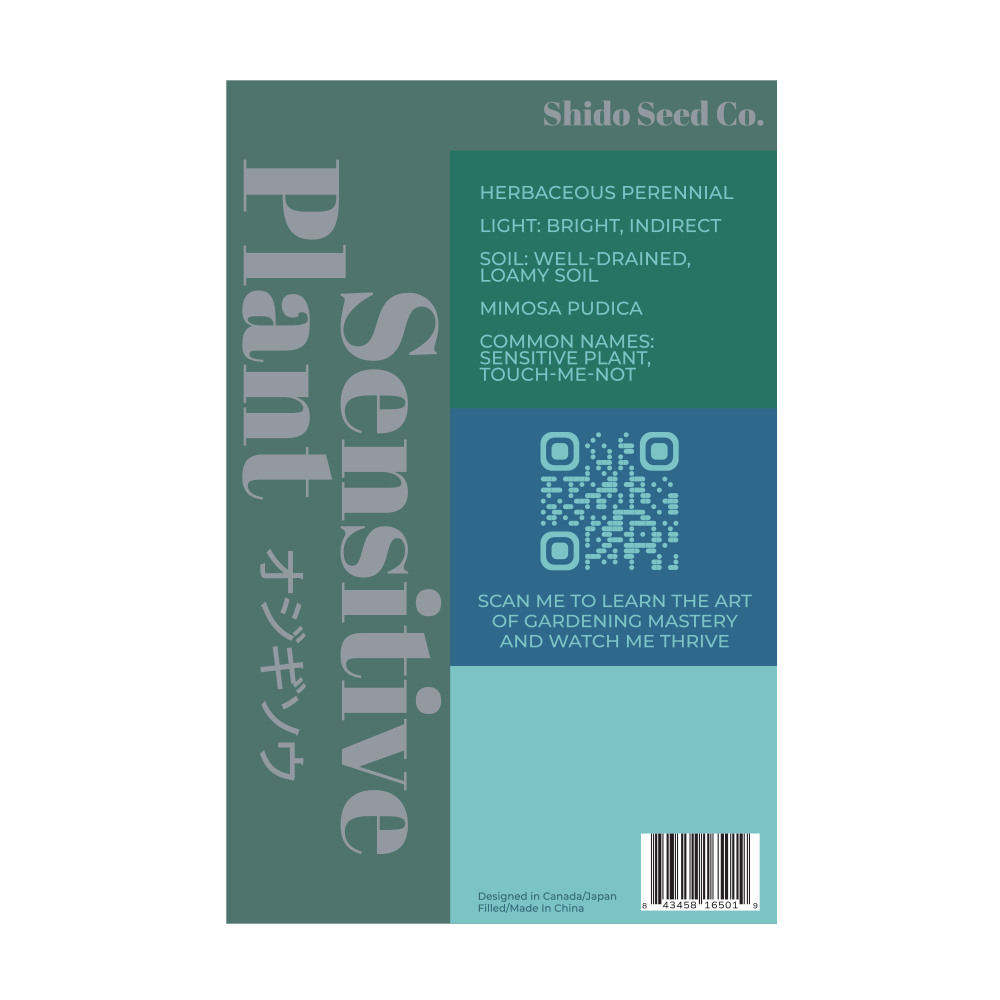

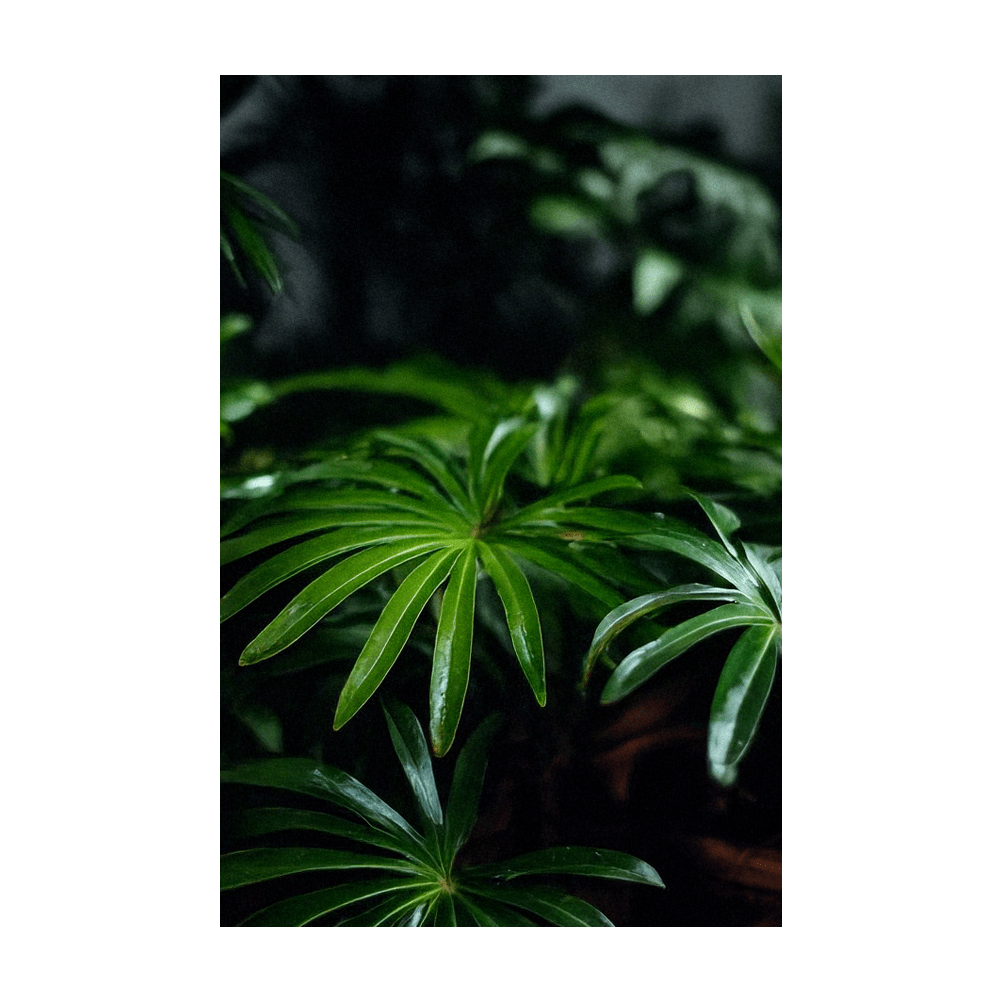
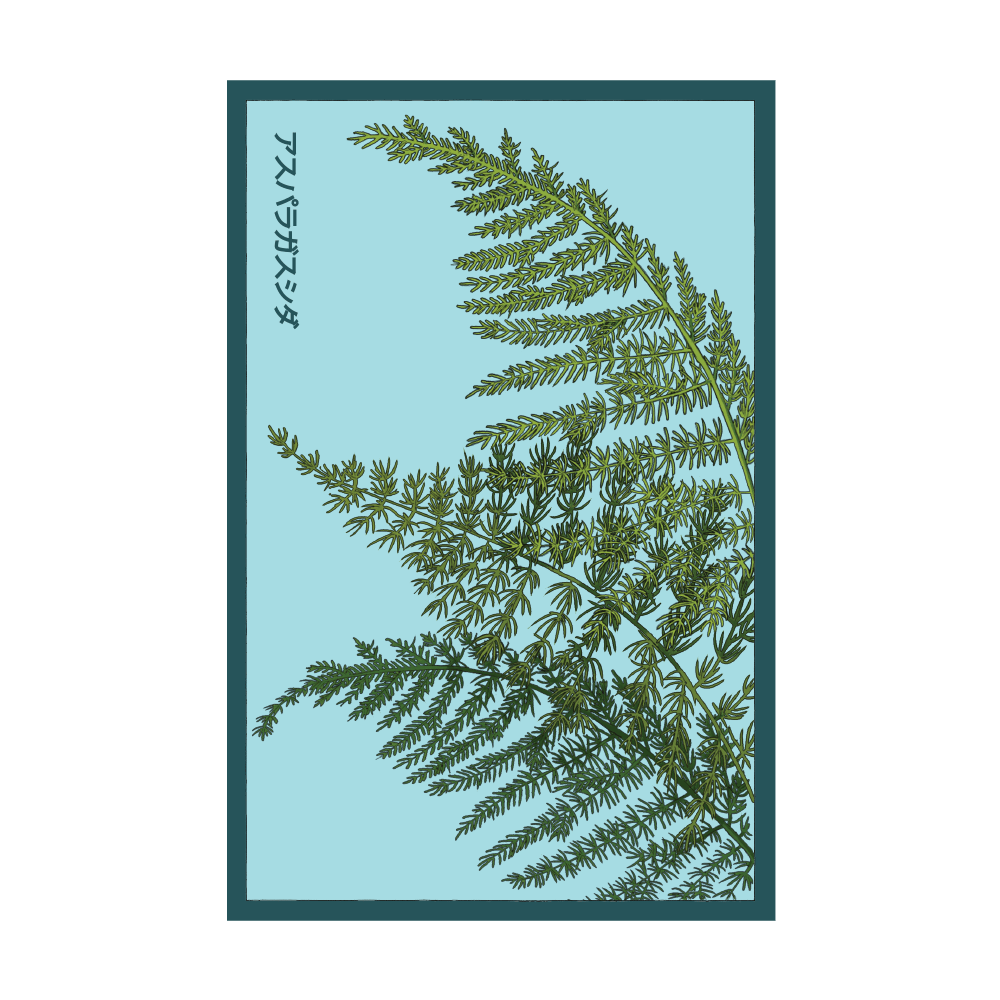

Eight packets of houseplant seeds from the Shido collection, arranged together — by Chive Studio

Houseplant Seeds — Indoor Varieties

For indoor specimens who prefer a slow, dramatic entrance.

Houseplant seeds from Shido grow the indoor canon from scratch — bird of paradise, cactus and succulent varieties, dwarf schefflera, asparagus fern, and mimosa pudica among them. Every packet is non-GMO, vacuum-sealed, and germination-tested, with light and toxicity notes stated plainly on each product page.

grows from seed indoors · toxicity stated per variety · vacuum-sealed non-GMO · lab-tested germination · light requirement per packet · Ships gift-ready to 40+ countries

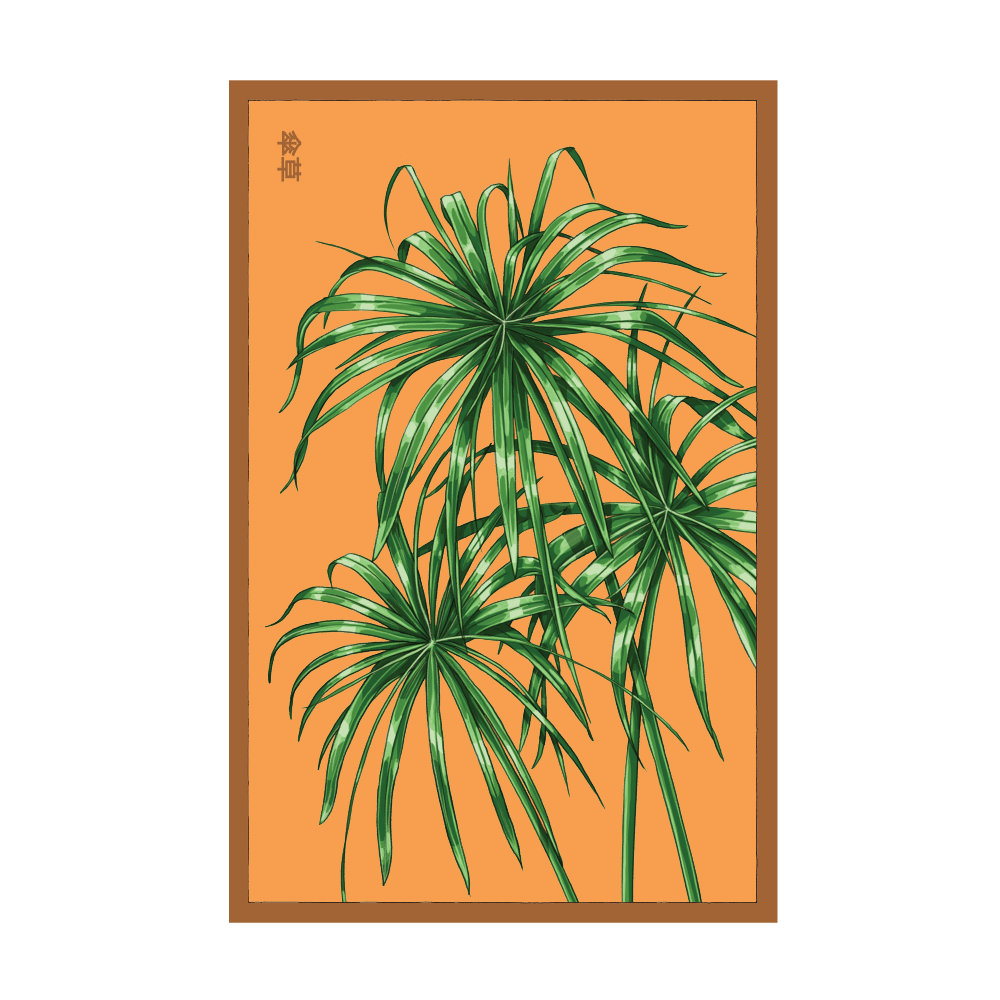
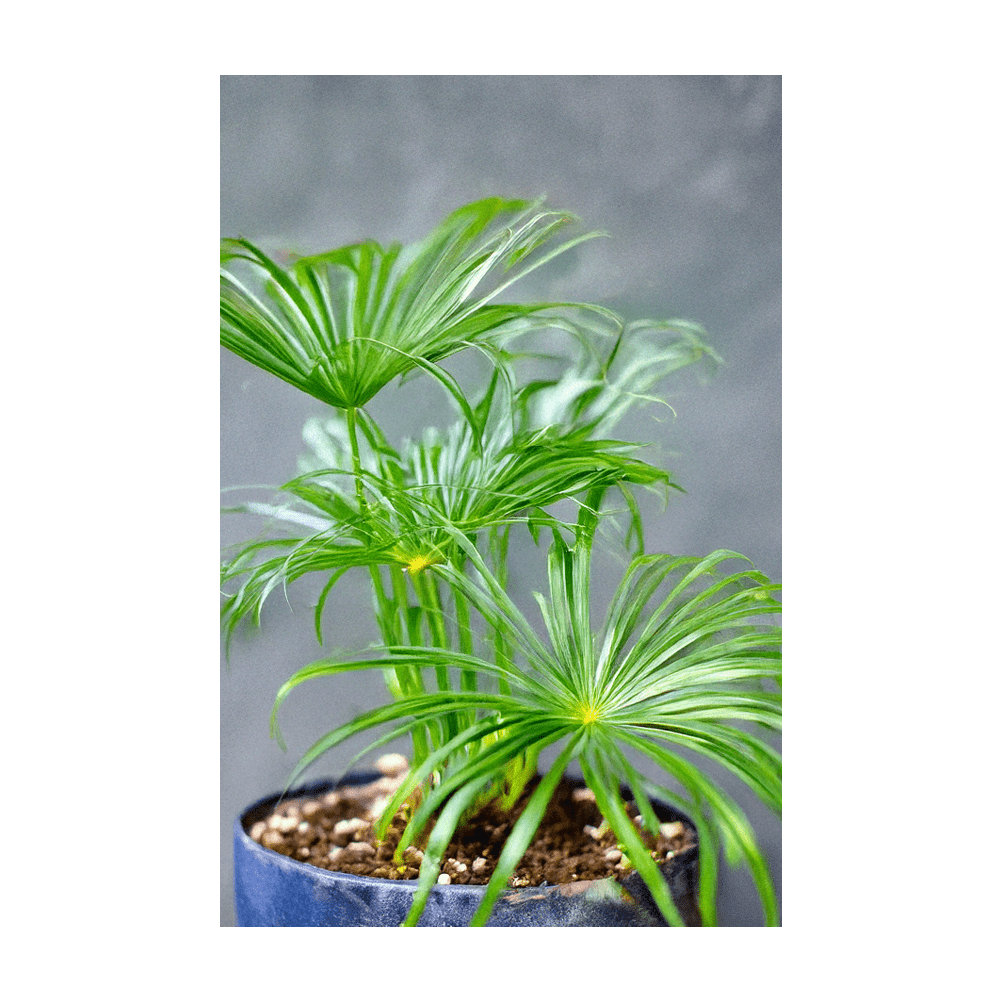
Houseplant seeds for the indoor gardener who has decided that buying a mature Bird of Paradise for four hundred dollars is, on reflection, not the only option. Shido's houseplant seed collection includes tropical and architectural specimens - Bird of Paradise, Umbrella Plant, and others who enter a room slowly but intend to be noticed.

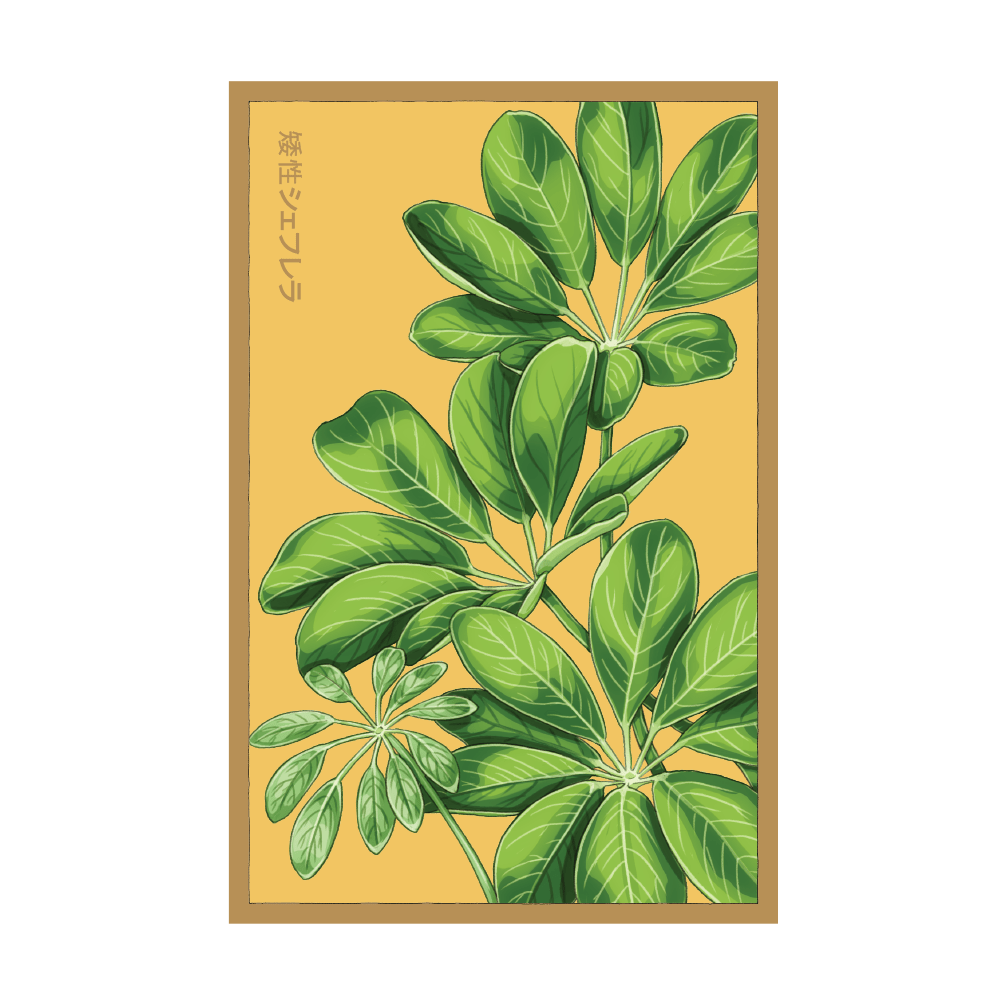
Each seed is vacuum-sealed and hermetically closed. Standard paper houseplant seed packets lose viability within a year; these carry a state-mandated three-year viability date the hermetic seal is engineered to outlast. Non-GMO. Third-party tested. Illustrated in Japanese 1910s woodblock print style.

Indoor flower seeds
Growing flowers indoors from seed asks for more light than most rooms give by default — a south-facing window or a grow light, consistently, not occasionally. Bird of Paradise and Sensitive Plant both reward that consistency with blooms most people only see on plants sold already mature. Cactus and succulent seeds skip the flowering wait entirely and reward patience with form instead of color. Each product page states the exact light and timeline for that variety, so the seed you start indoors gets the conditions it actually needs.

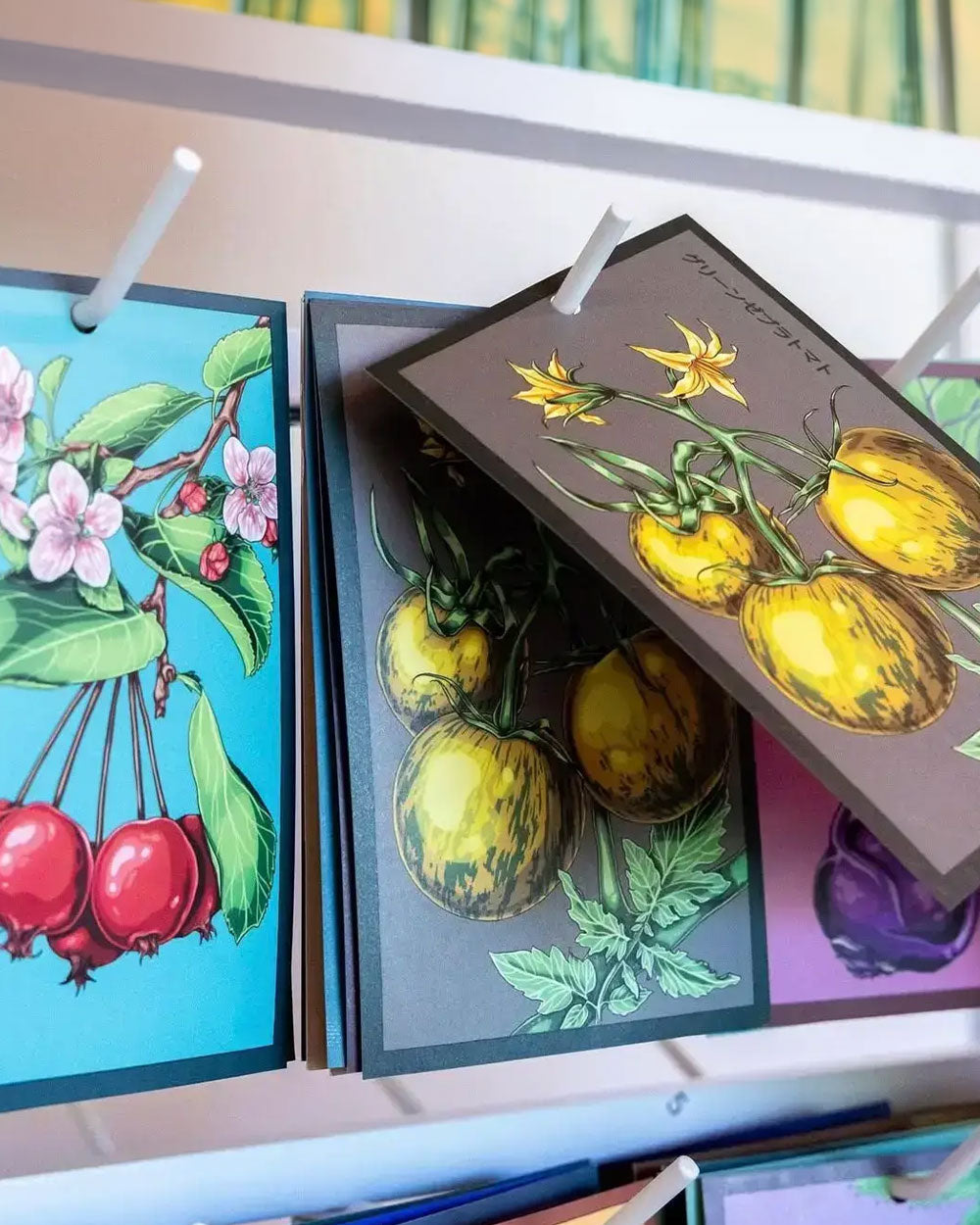
Chive Shido seed packets with botanical illustrations on a peg rack, showing cherry blossom, tomato, and eggplant designs.

Grow indoor flowers

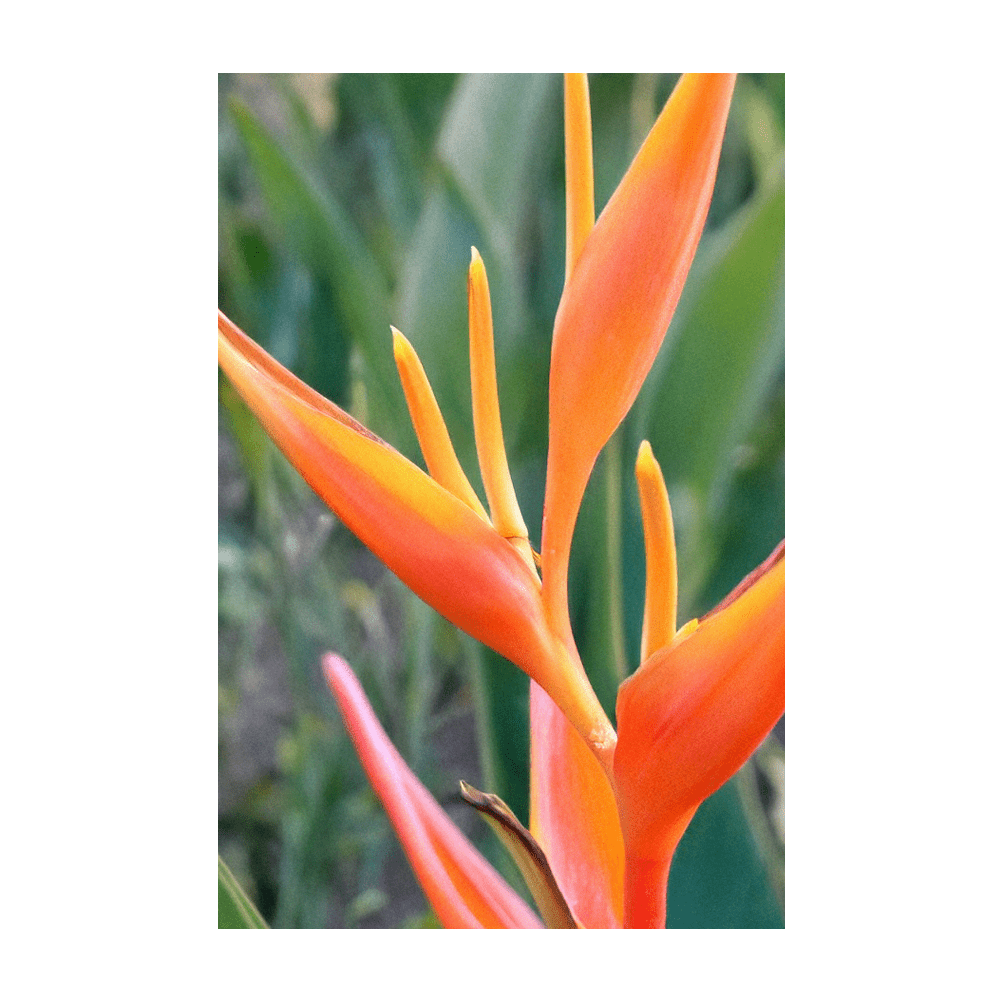
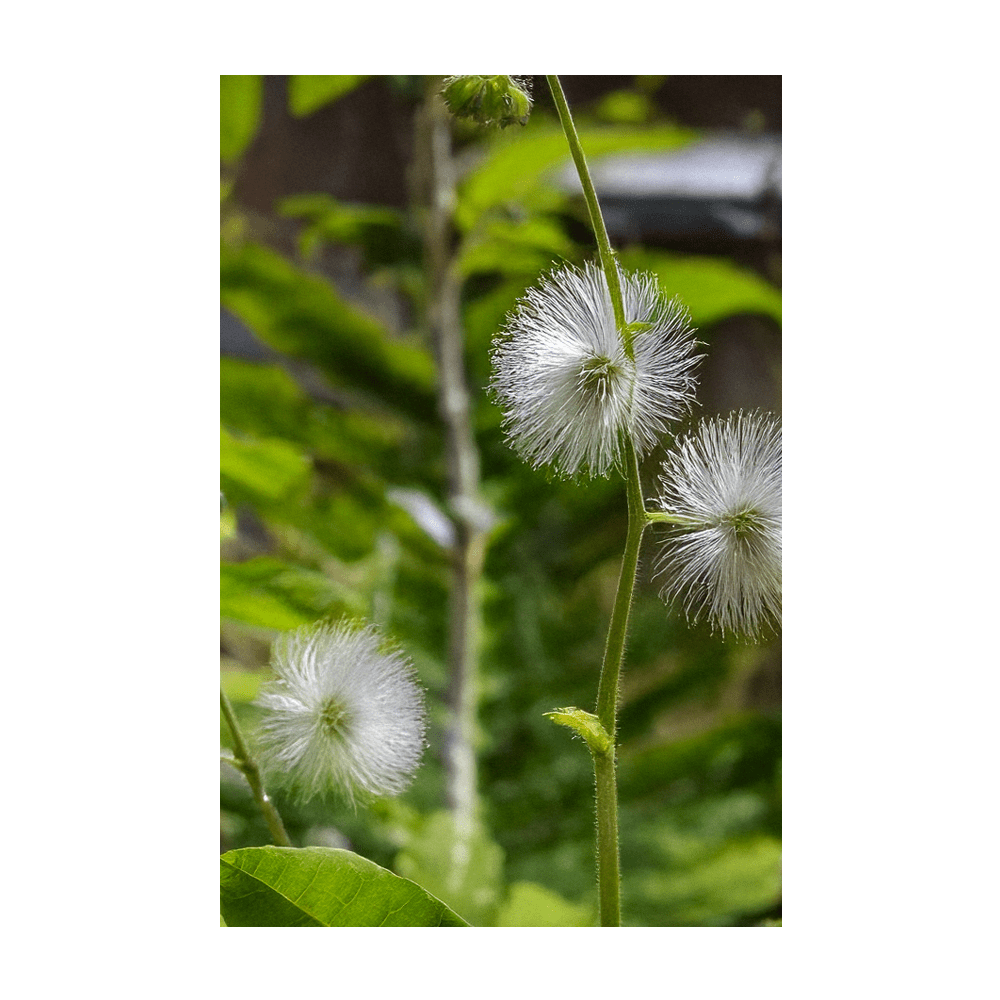
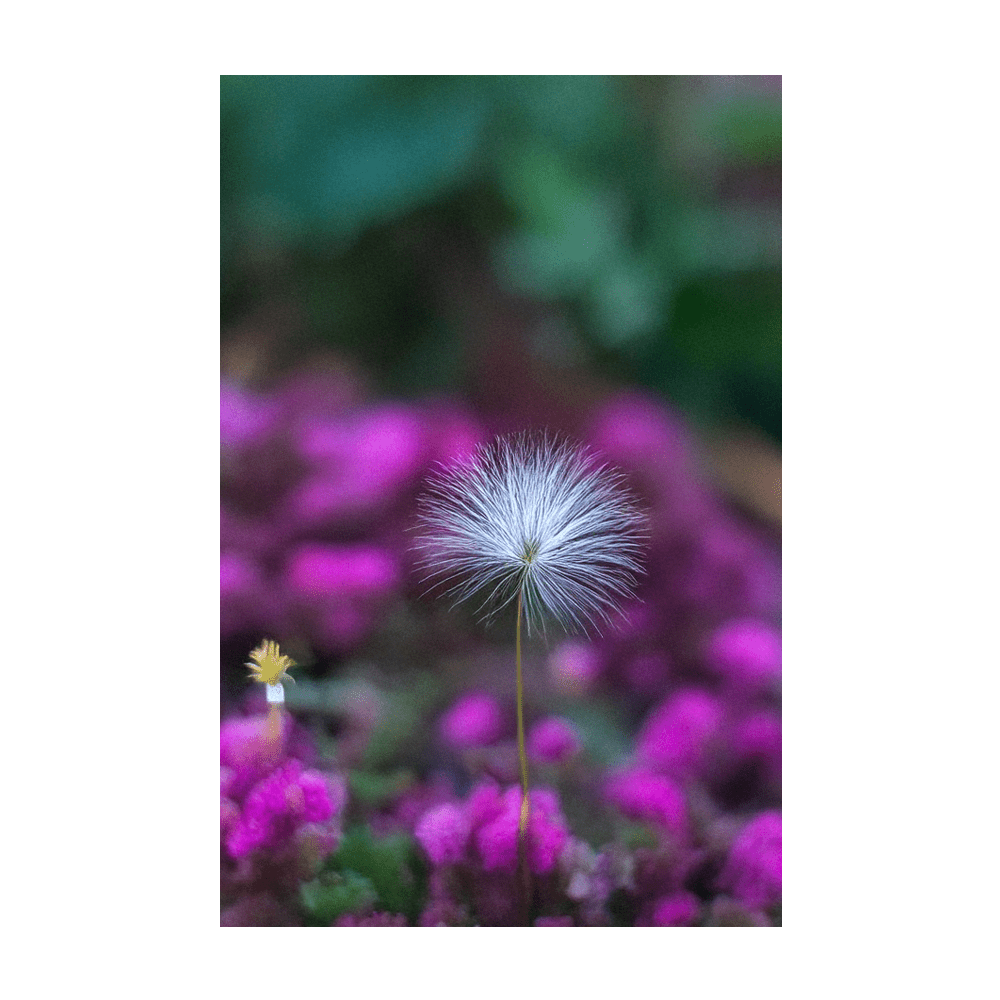
Not every flowering houseplant waits patiently for spring. Bird of Paradise produces blooms shaped like tropical birds mid-flight, and Mimosa Pudica flowers in small pink pompoms on top of a plant that also folds its leaves when touched — a houseplant that performs twice. Both take real patience from seed, several years in Bird of Paradise's case, but the wait builds a plant nobody bought pre-grown from a nursery shelf. Every seed here is vacuum-sealed and non-GMO, whichever bloom you're growing toward.

Shido Seeds is a Chive Studio line, designed in Toronto by the studio that has been designing since 2004. The houseplant collection sits inside a catalog of 124 seed varieties across five categories, every lot germination-tested at independent labs, and every packet printed with a state-mandated three-year viability date and its variety's toxicity status. The line ships to 40+ countries.

Reviewed by Todd Newgren, co-founder · Updated August 2026

Do Seeds Expire? How Long Do Seeds Last

Todd Newgren
Seeds don't expire — they lose viability as oxygen depletes stored energy, and vacuum sealing is the fix. Chive's Shido Seeds are vacuum-sealed, germination-tested, and stocked ...
Read more

Are Seed Packets GMO? The Honest Answer

Todd Newgren
Are seed packets GMO? No—home garden seed packets, Shido included, are never genetically modified, since GMO seed is only made for large-scale commercial crops. The non-GMO badg...
Read more

Frequently asked questions about the Houseplant Seeds

Are any Shido houseplant seeds toxic to pets?

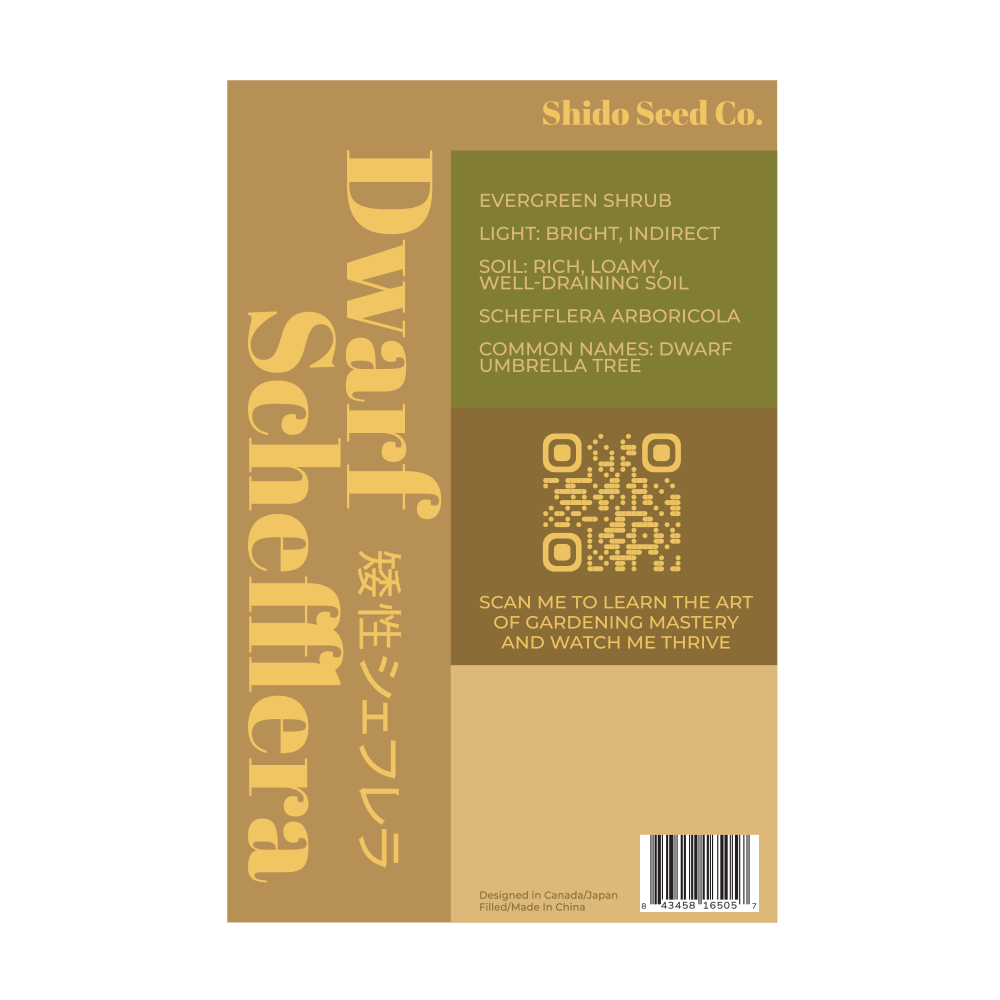
Yes, several varieties in this collection, including Dwarf Schefflera, Umbrella Plant, and Asparagus Fern, are toxic to cats and dogs if chewed. Others, like Hens and Chicks and most cactus varieties, are considered non-toxic. Each product page states the toxicity status plainly rather than leaving it to be discovered.

How long does it take to grow a houseplant from seed?

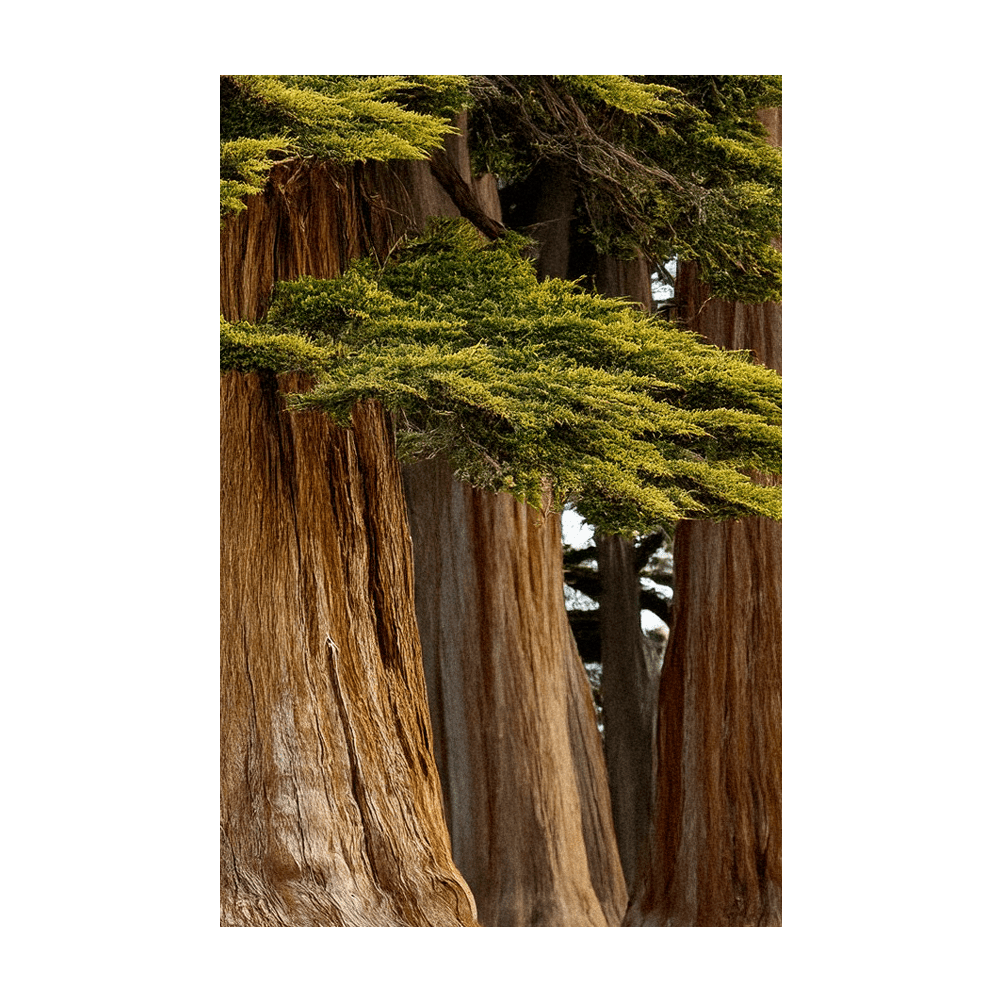
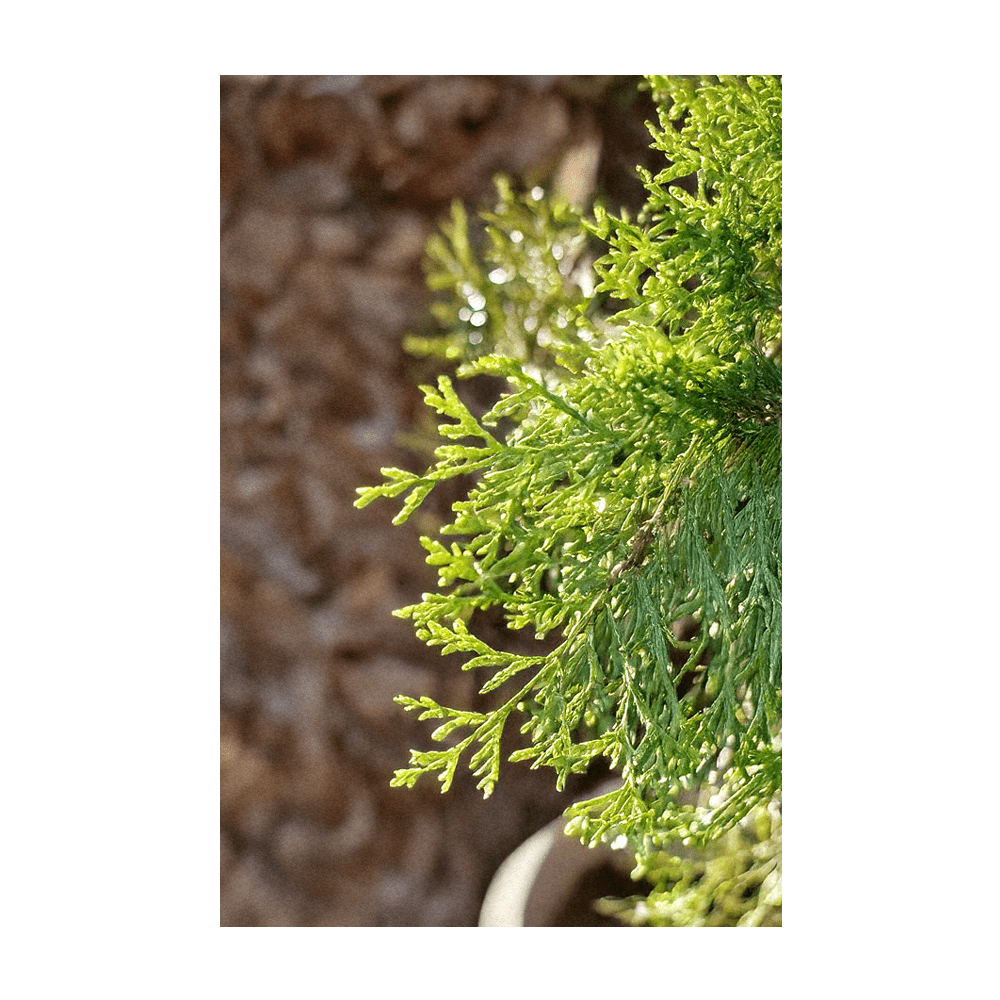
Most houseplants in this collection take one to several years to reach the size typically sold in a nursery pot, since seed-grown plants start considerably smaller than a cutting or division would. Bird of Paradise and Monterey Cypress are on the slower end. Mimosa Pudica is genuinely fast by comparison. The wait is longer than buying mature. The plant is also entirely yours from the first leaf.

Do houseplant seeds need special light to germinate indoors?

Most varieties in this collection germinate best under bright, indirect light or a grow light, since a dim room slows germination even in warm, moist soil. Cactus and succulent varieties specifically want more direct light than tropical foliage types like Schefflera. Each product page notes the exact light requirement for that variety's germination stage.

Can houseplant seeds be started in a small apartment?

Yes, nearly every variety in this collection starts in a small pot on a windowsill or under a compact grow light, with no outdoor space required at any stage. Slower growers like Bird of Paradise and Monterey Cypress will eventually want more room as they mature. Space becomes a consideration years down the line, not on day one.

Do seedlings need grow lights indoors?

Only when the window falls short — grow lights for seedlings replace what a north-facing room or a dark winter cannot supply, and most germination stalls trace to light, not technique. A compact full-spectrum light a few inches above the tray keeps seedlings stocky instead of leggy. South-facing sills often manage without one. The seedling reports the verdict quickly: stretching toward the glass means the light lost the vote.

How do you germinate seeds indoors reliably?

Warmth, moisture, and patience in that order — how to germinate seeds indoors comes down to keeping the soil
consistently warm and lightly moist while the variety takes the time it takes. A clear cover holds humidity through germination; remove it once the seedling stands. Each Shido packet states the temperature and light that its variety wants at this stage. The seed knows the procedure. The grower supplies the conditions.

Can you grow succulents from seed at home?

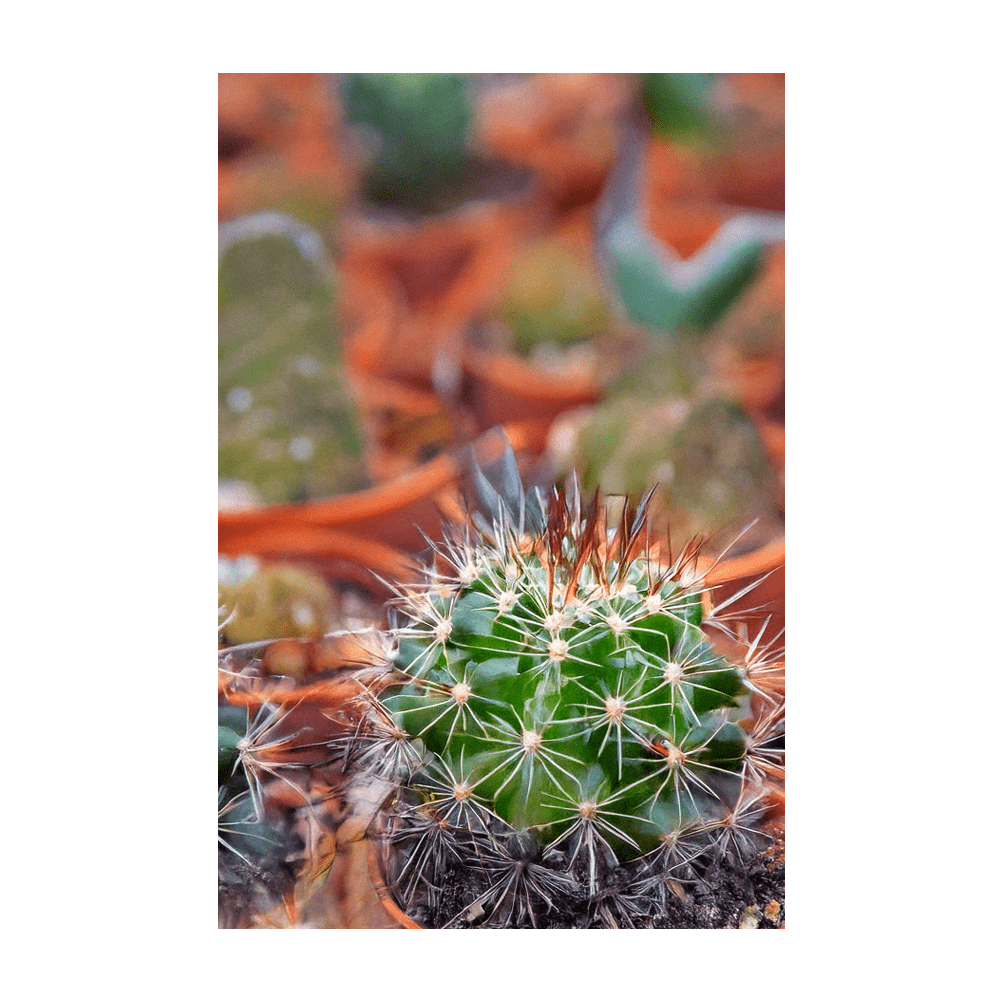
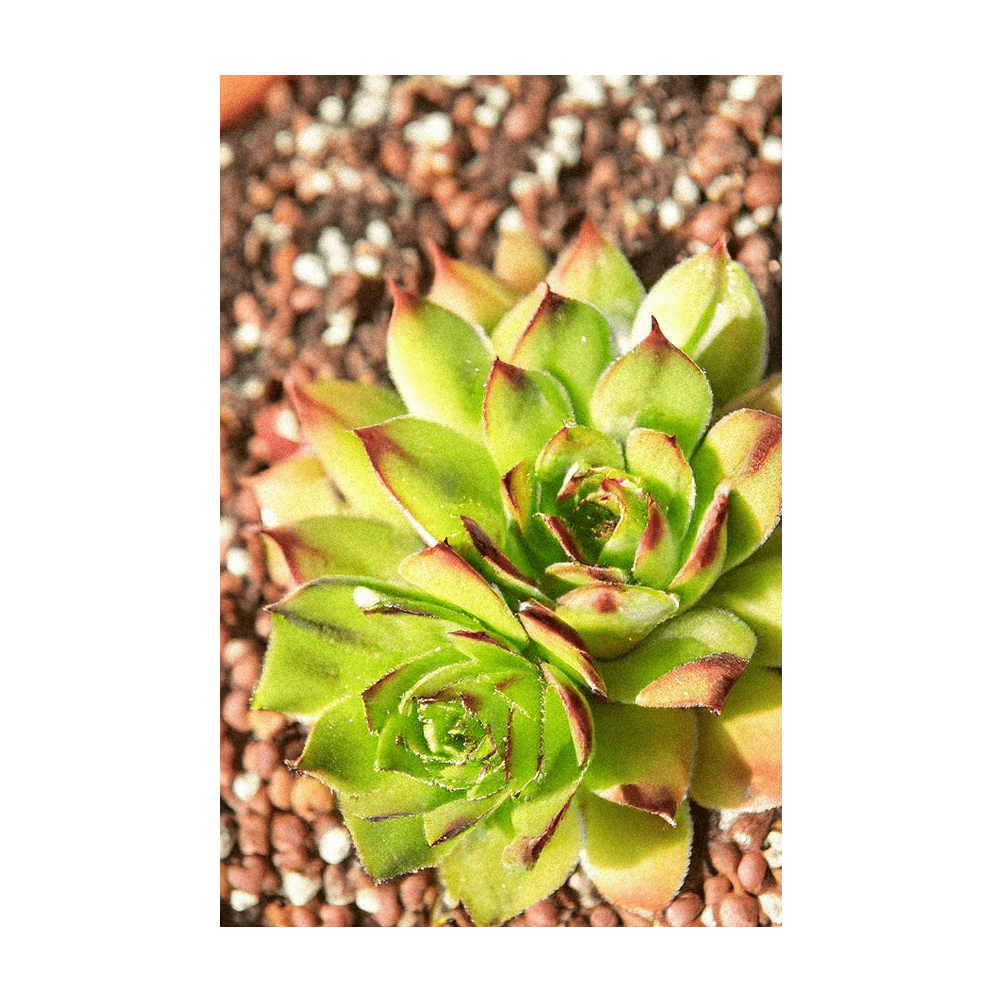
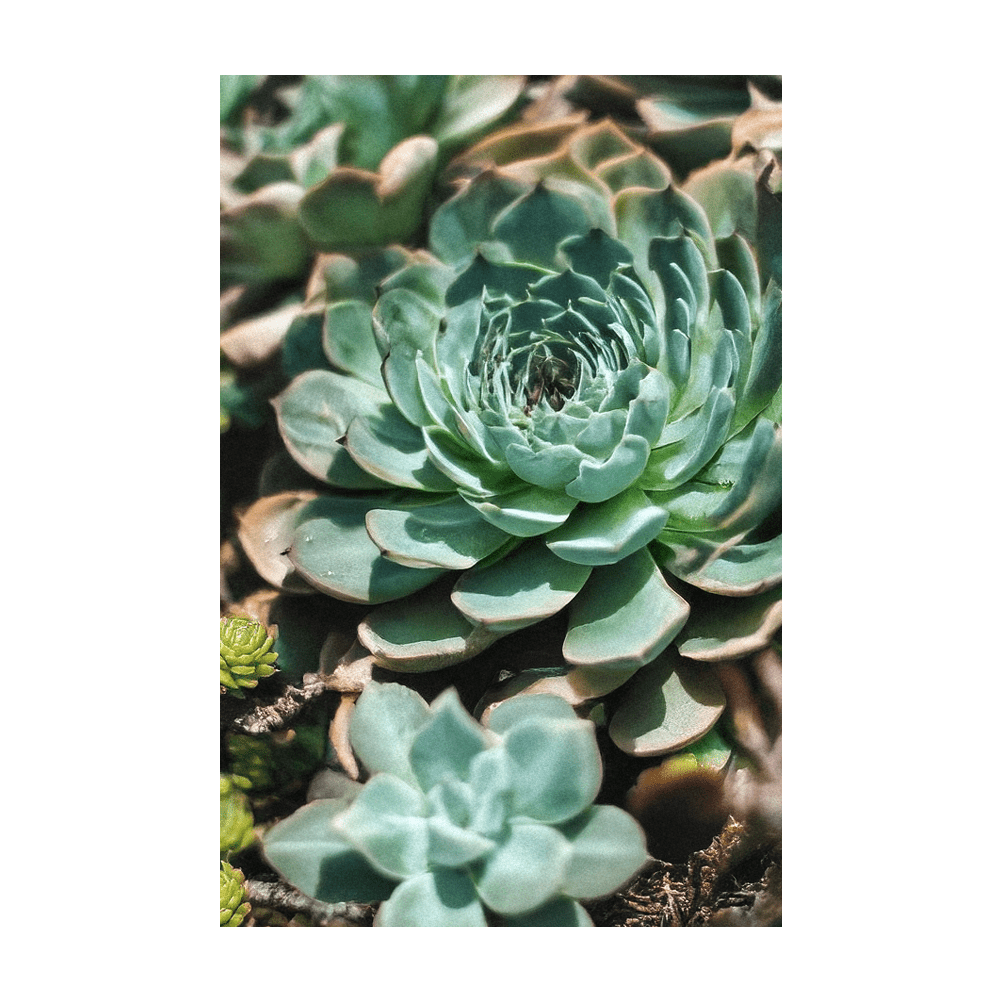
Yes — growing succulents from seed asks only for a small pot, gritty well-draining soil, and brighter light than tropical varieties want at the same stage. Hens and Chicks in this collection is the forgiving entry point. Succulent seedlings grow slowly and dislike overwatering more than they dislike neglect, which suits the owner the species was always destined for. Water sparingly. Wait honestly. The rosette arrives on its own schedule.

What are the easiest houseplants to grow from seed?

Mimosa pudica is the easiest houseplant to grow from seed in this collection — fast to germinate, quick to reach a presentable size, and interactive besides, folding its leaves when touched. Cactus mixes and Hens and Chicks follow close behind on forgiveness. The slow, stately varieties like bird of paradise reward patience instead of ease. Start with the fast one. Let it fund the confidence for the slow ones.

2004 Making ceramics since
200+ Institutions worldwide

RHS Chelsea Flower Show2026 4-star booth award recipient
2 x 5-star booth award — winner
Exhibiting since 2013

About Chive Studio

Chive Studio has designed ceramic wall flowers in Toronto since 2004. Shido Seeds is the
studio's seed line, and this collection is its indoor wing — houseplants grown from seed
rather than bought grown. The full catalog lives under seed packets, the plants' feeding
schedule under indoor plant food, and their glass habitats under glass terrarium.

Learn more about Chive Studio →

Chive in the Press →·