





POTS WITH DRAINAGE COLLECTION
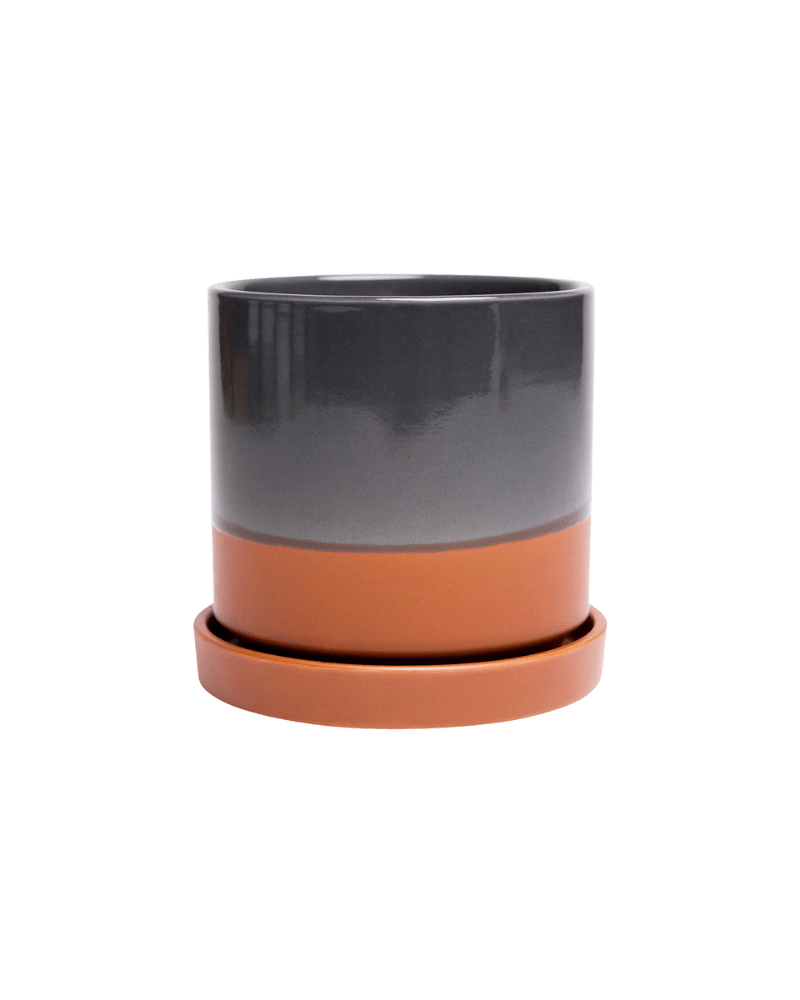
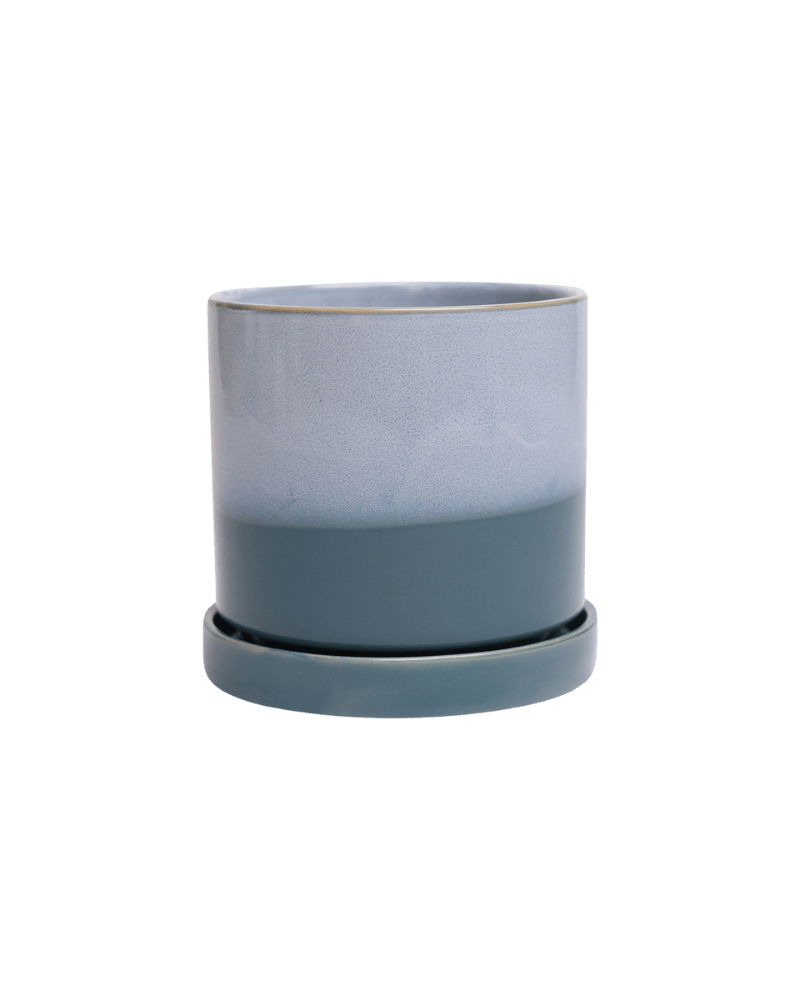
Minute Ceramic Pot with Drainage Hole and Saucer 5" — Cosmos
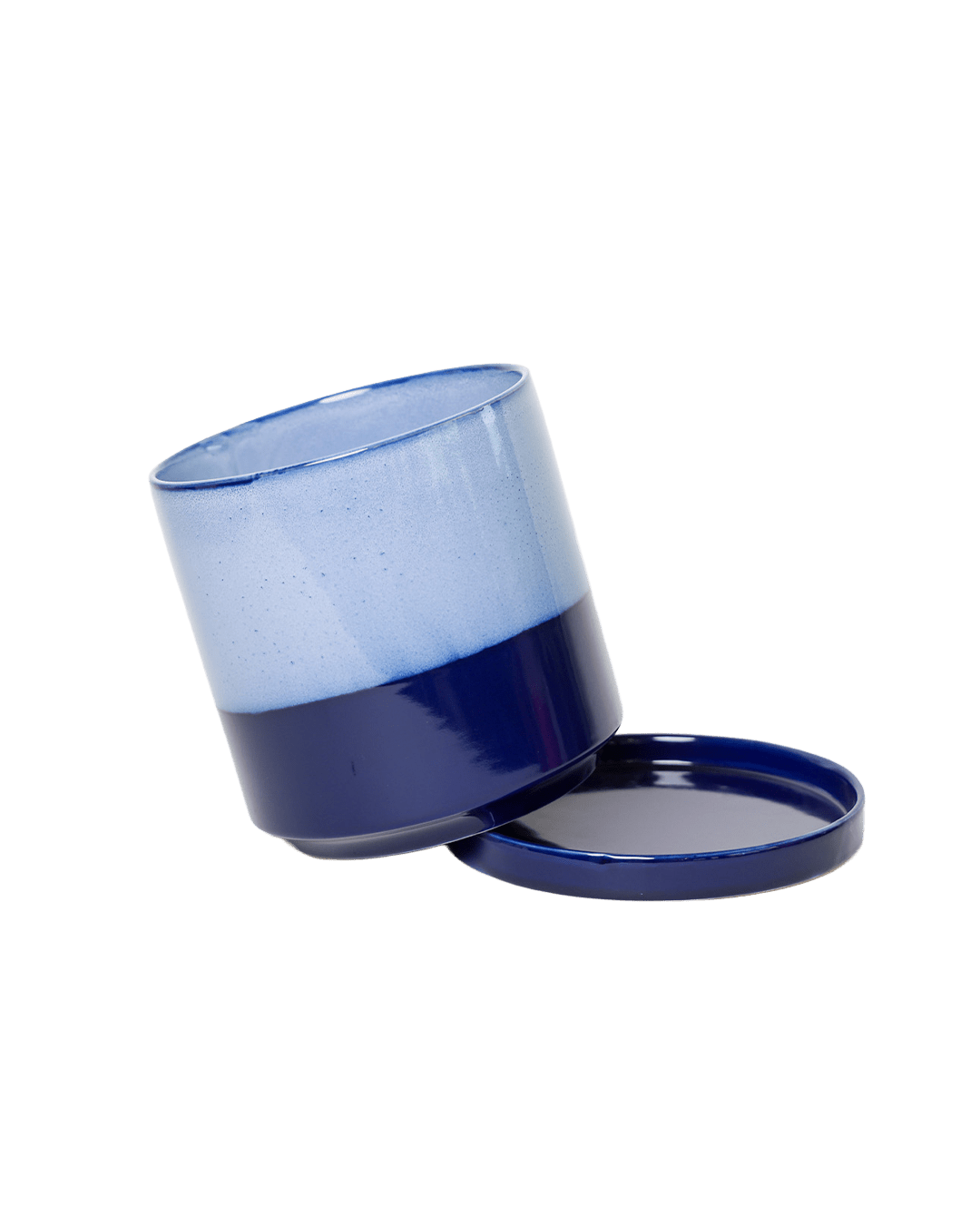
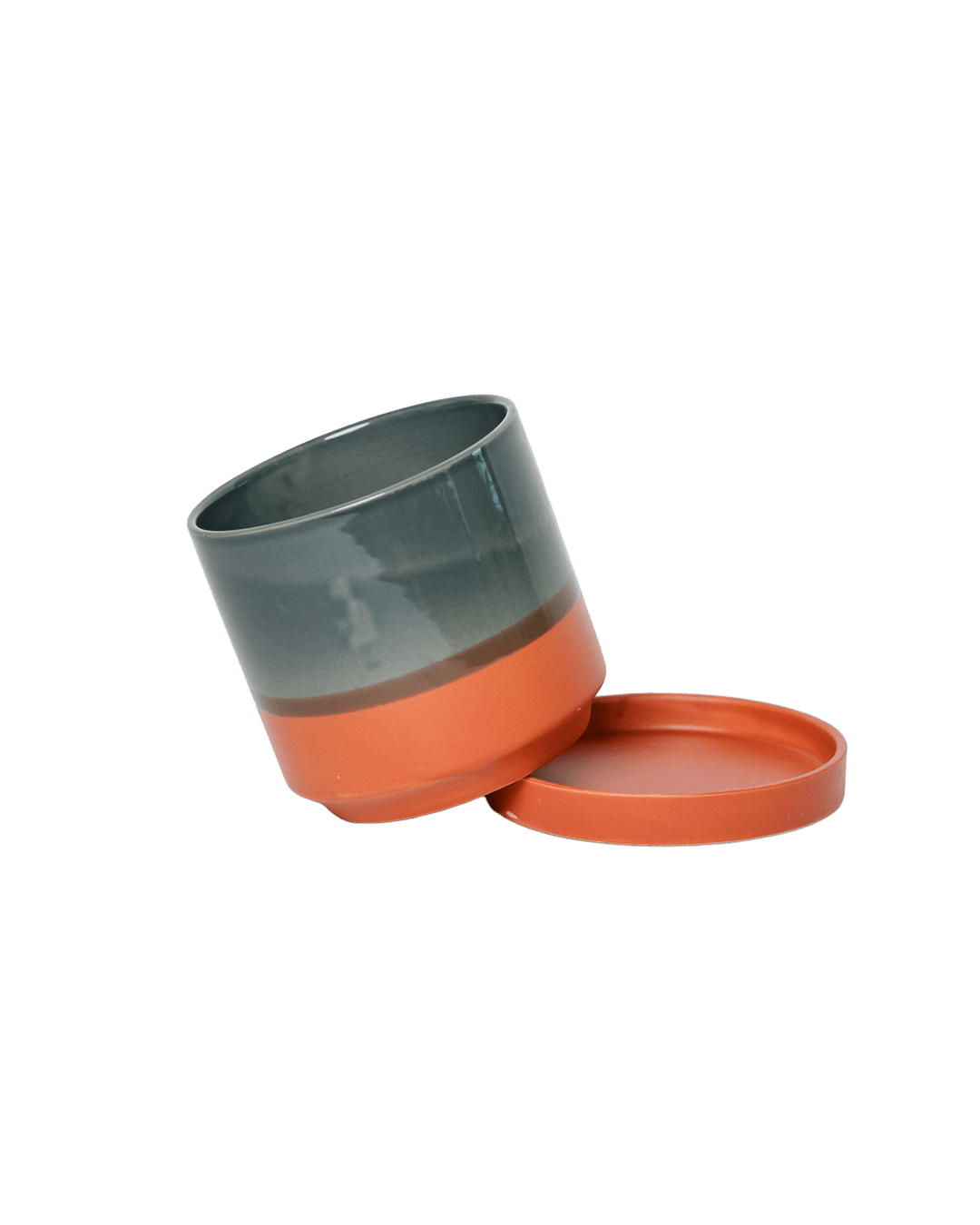
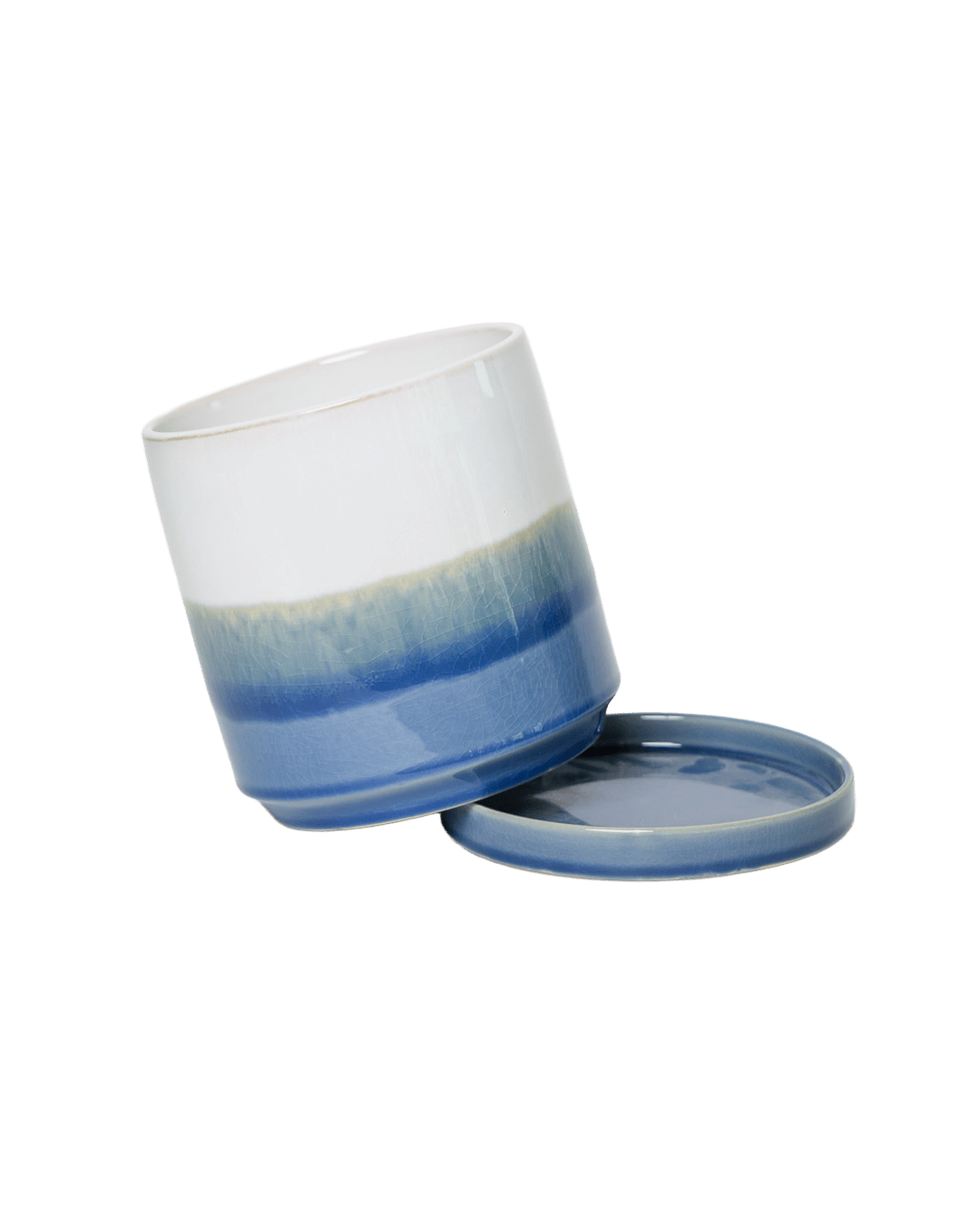
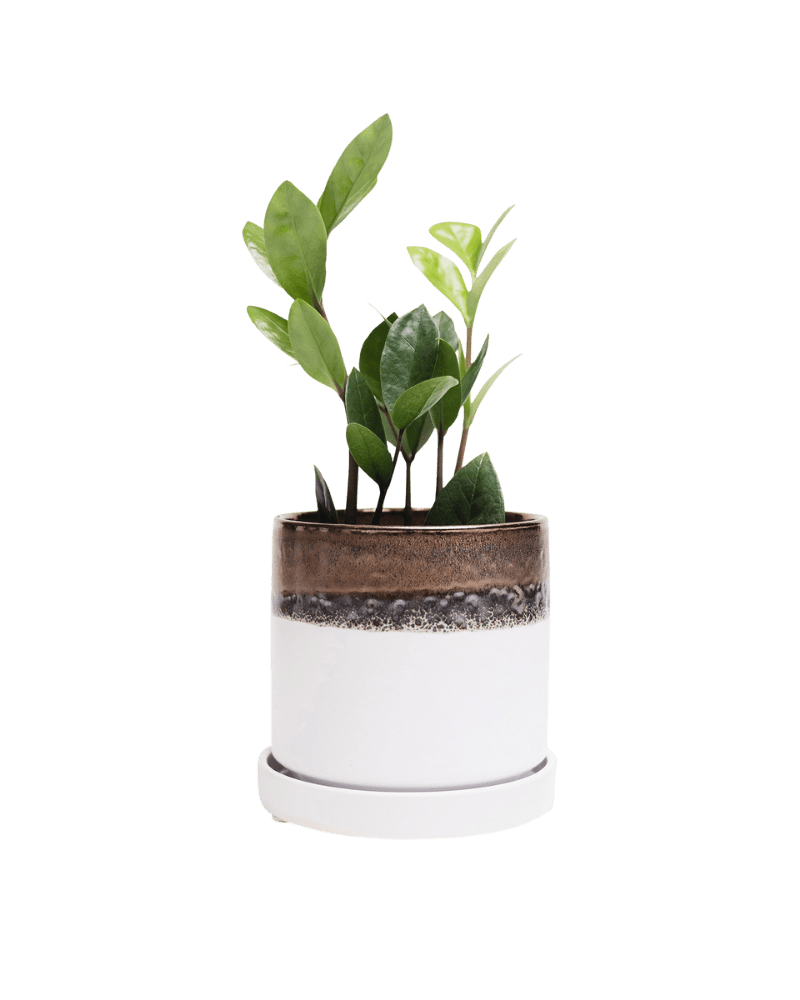
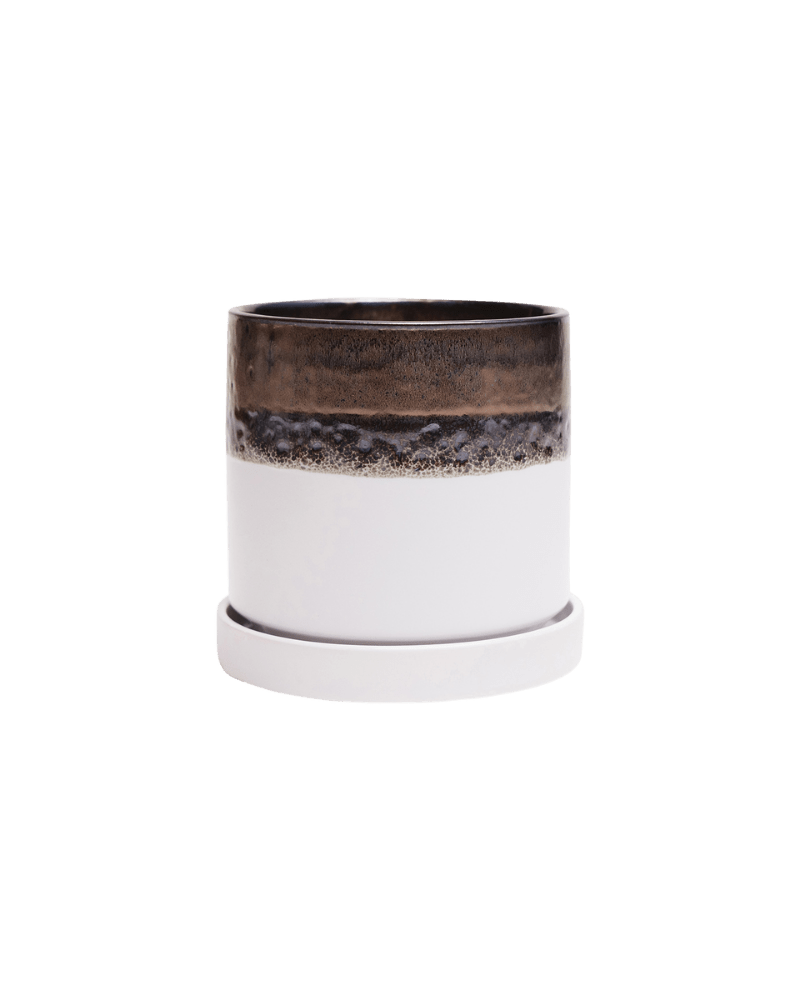
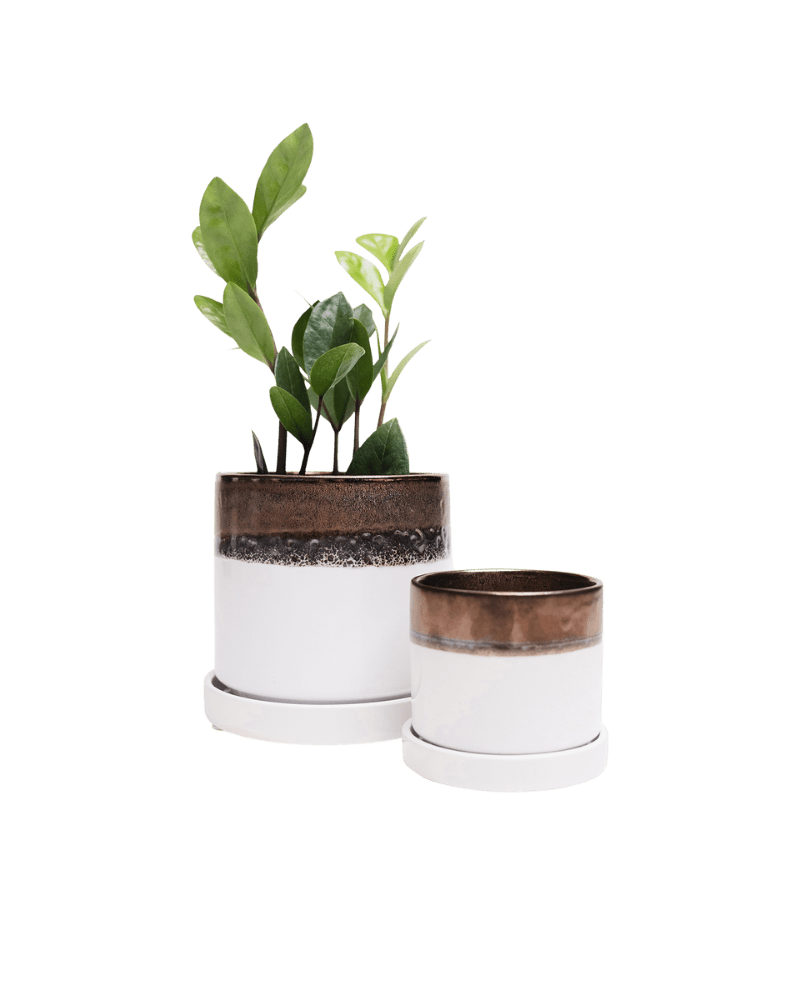
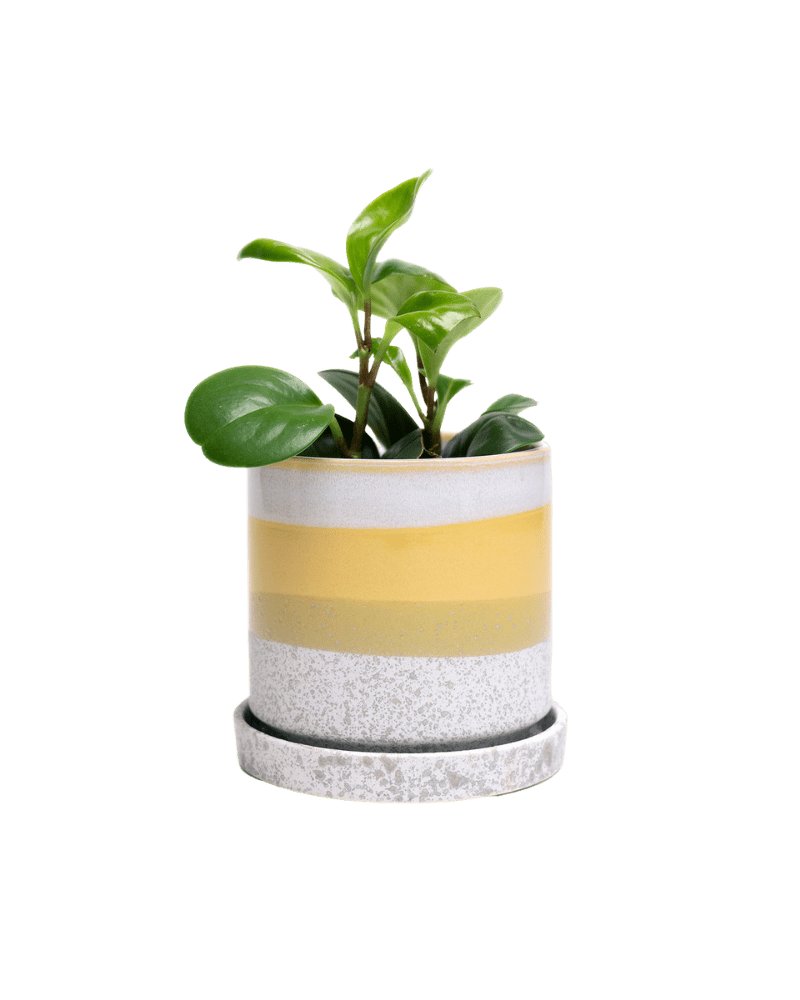
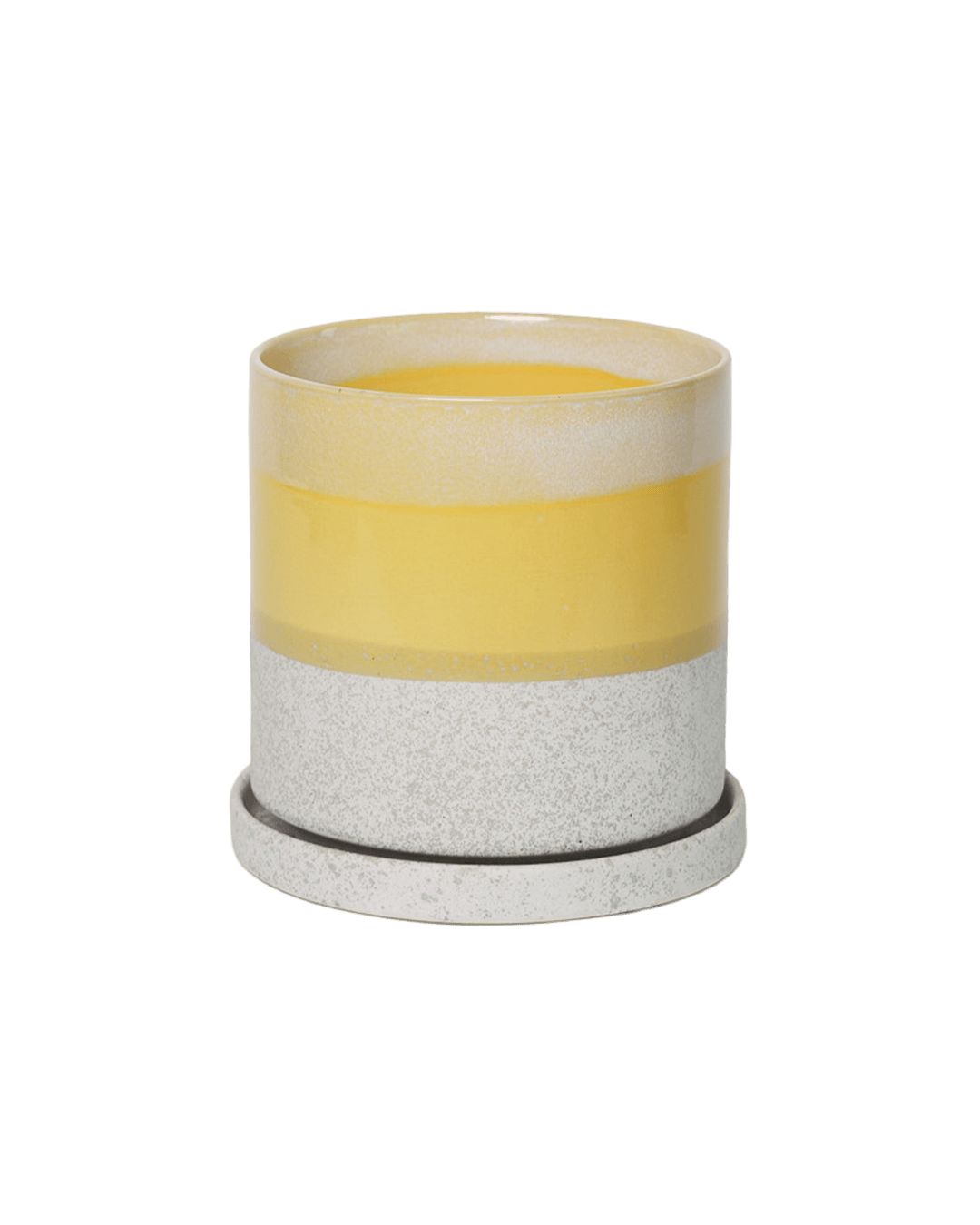
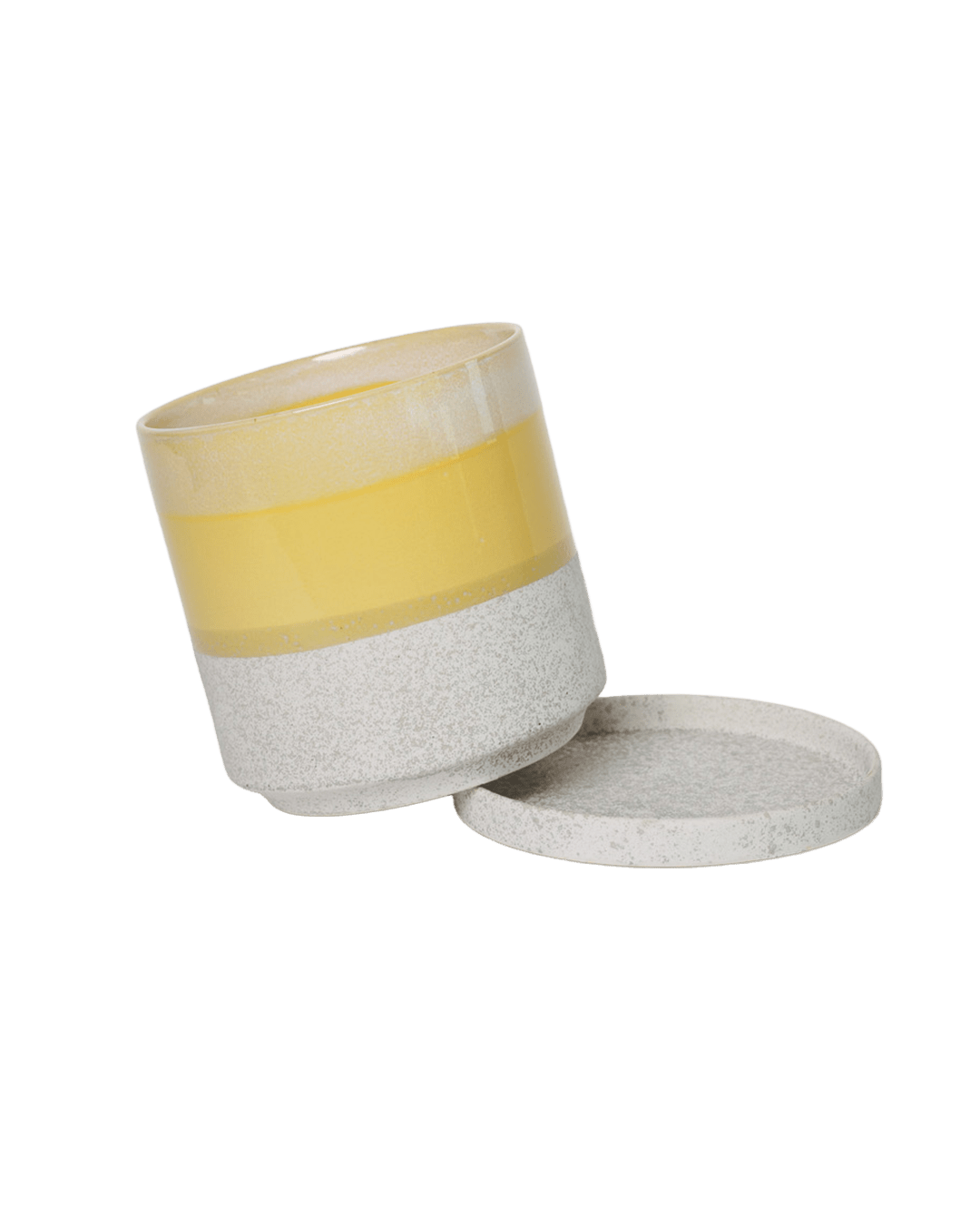
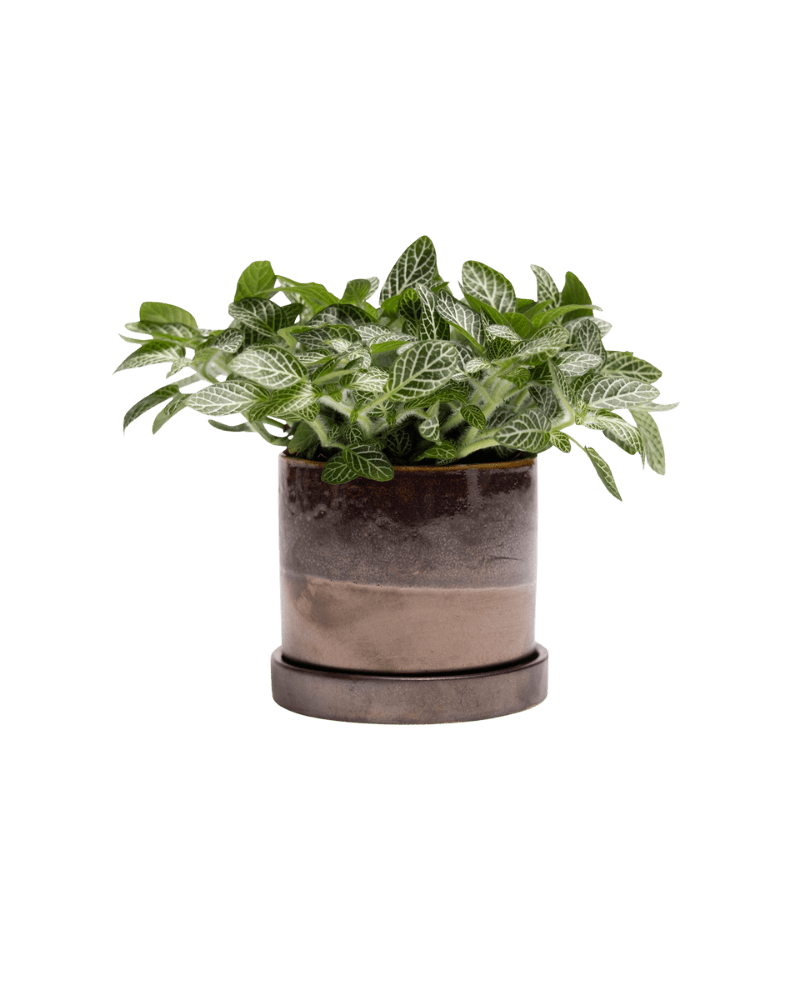
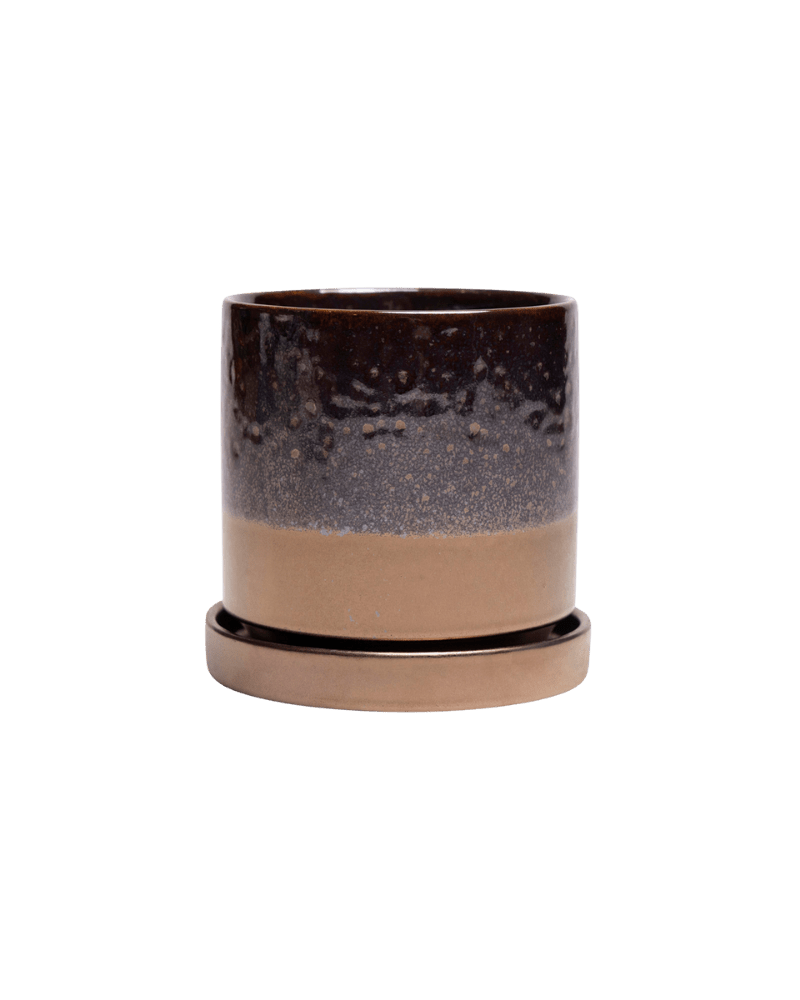
The Minute. It has a saucer. It has a drainage hole and considerably more competent than it looks.
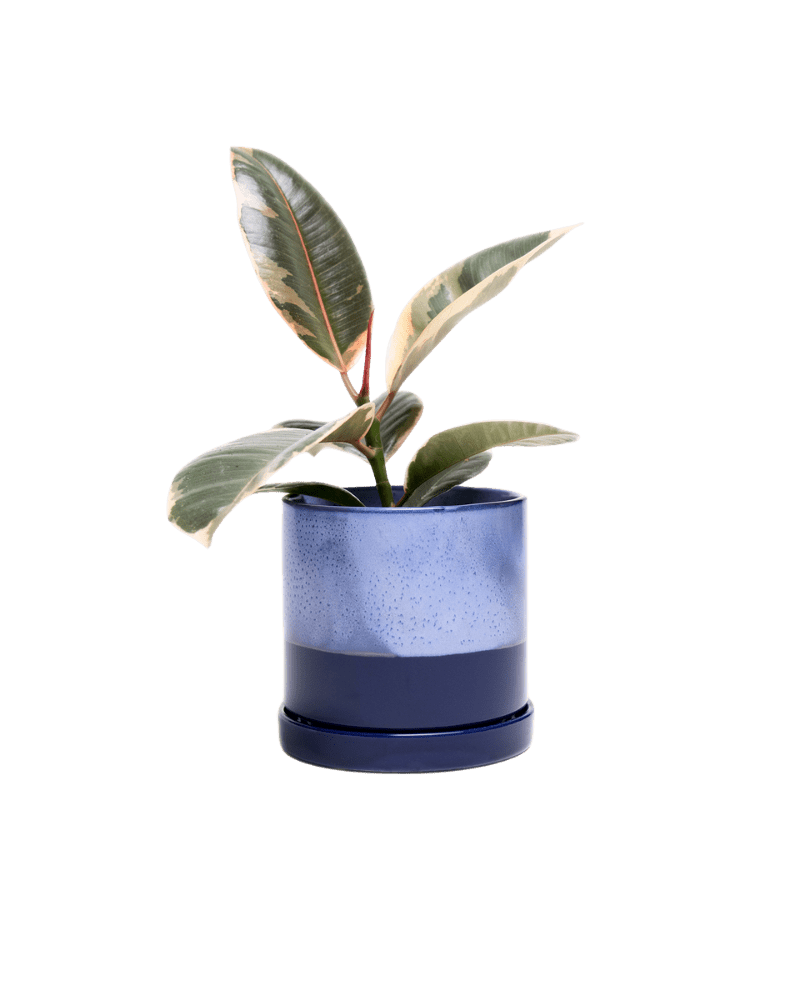
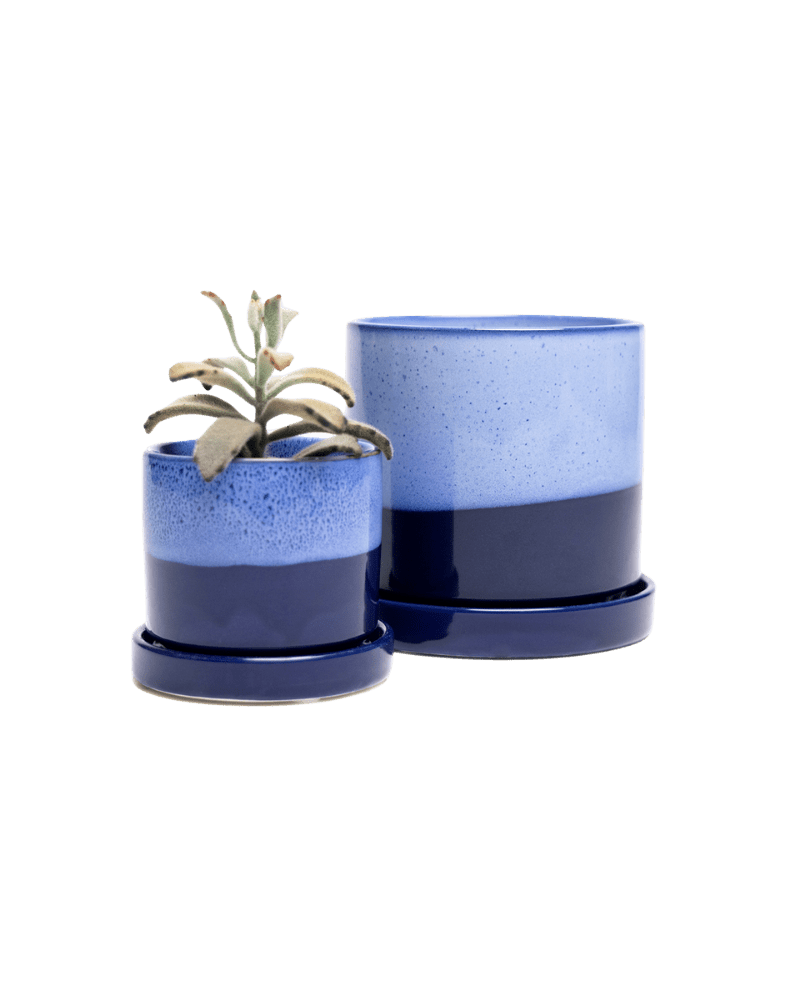
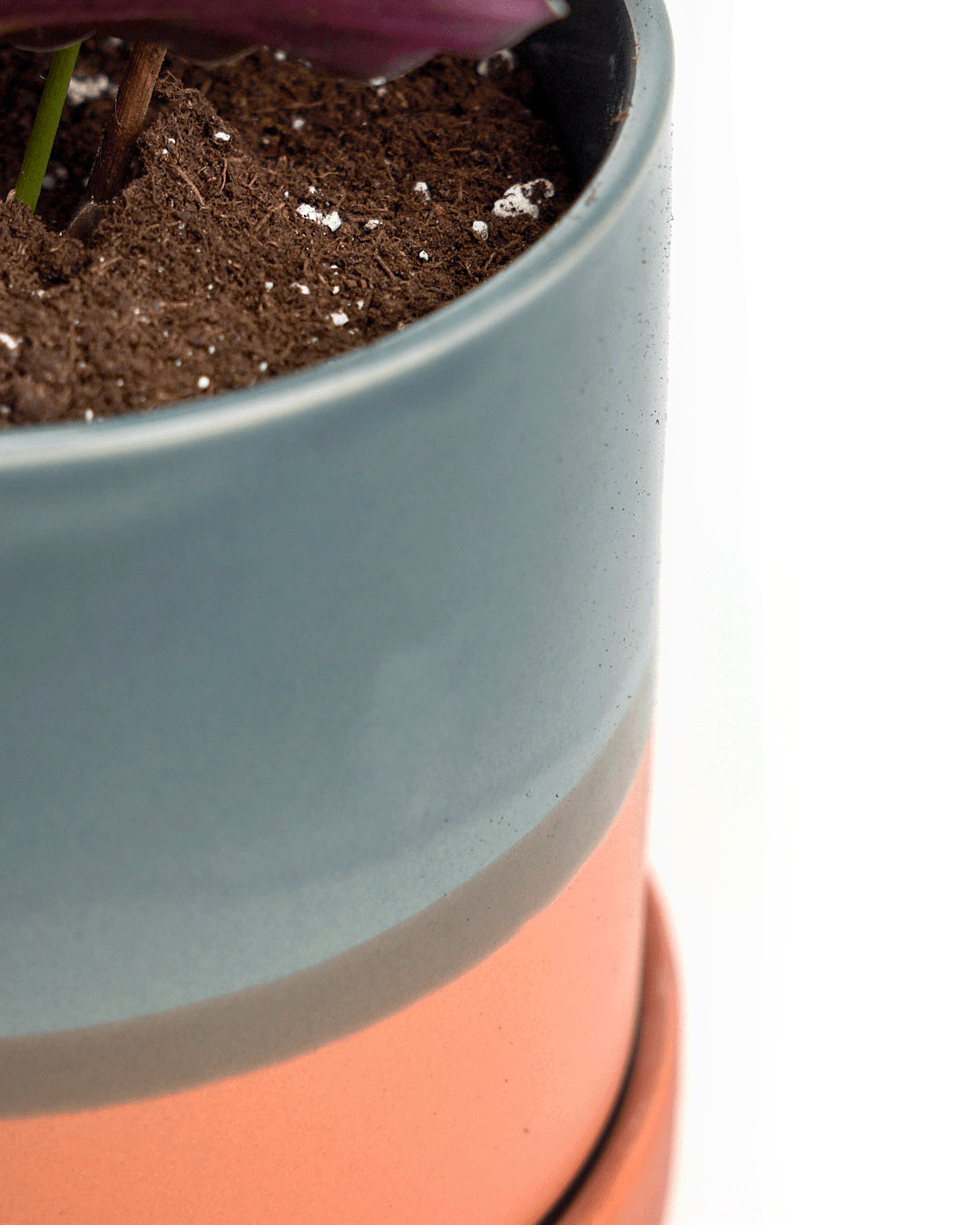
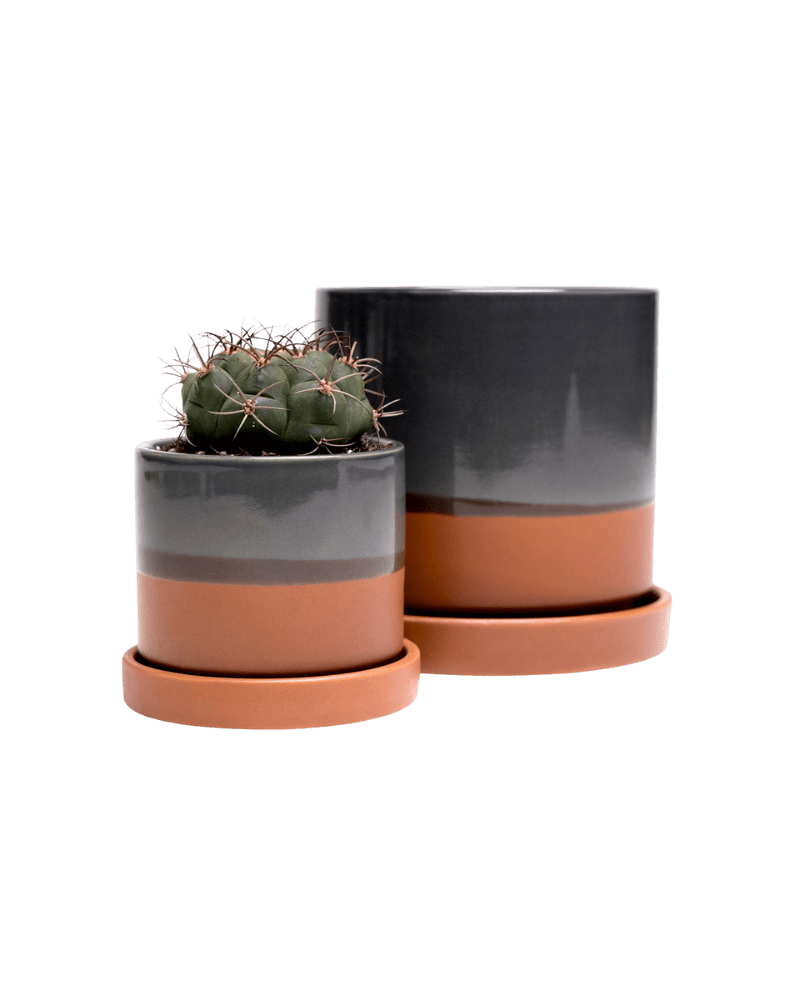
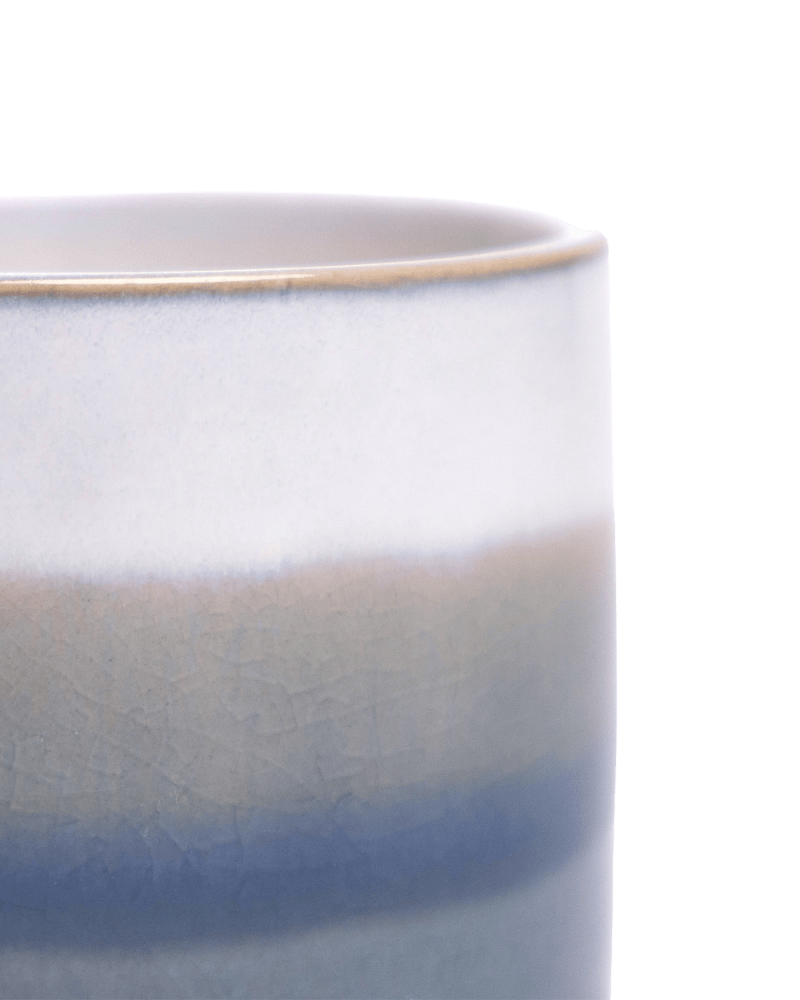
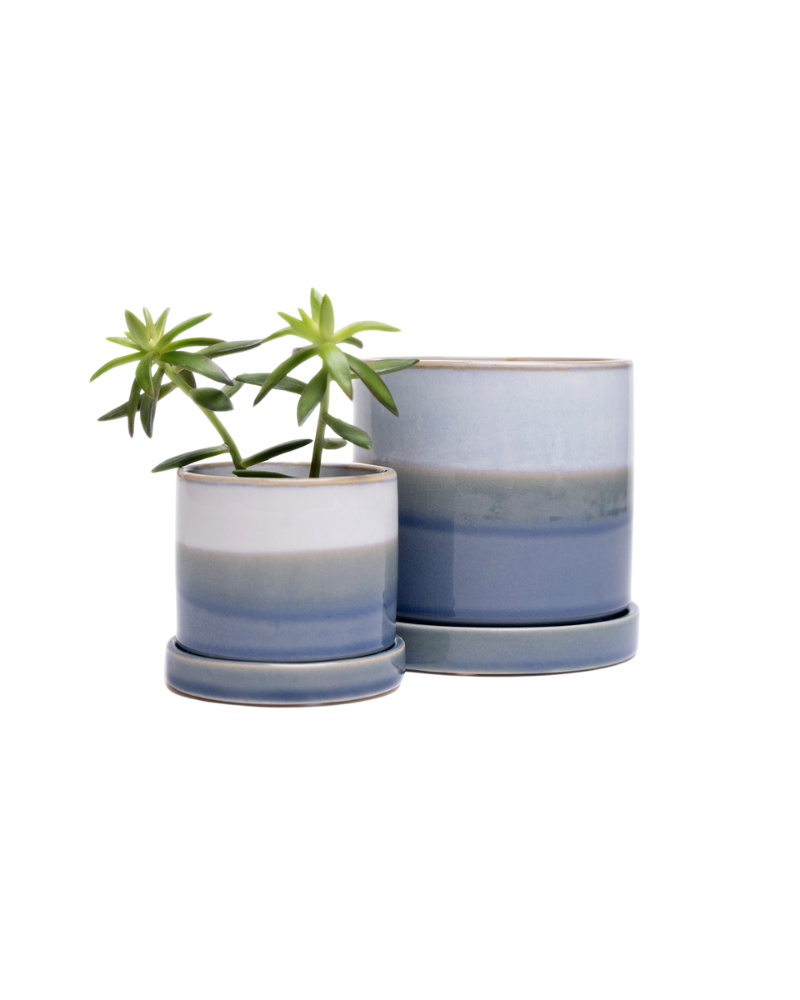
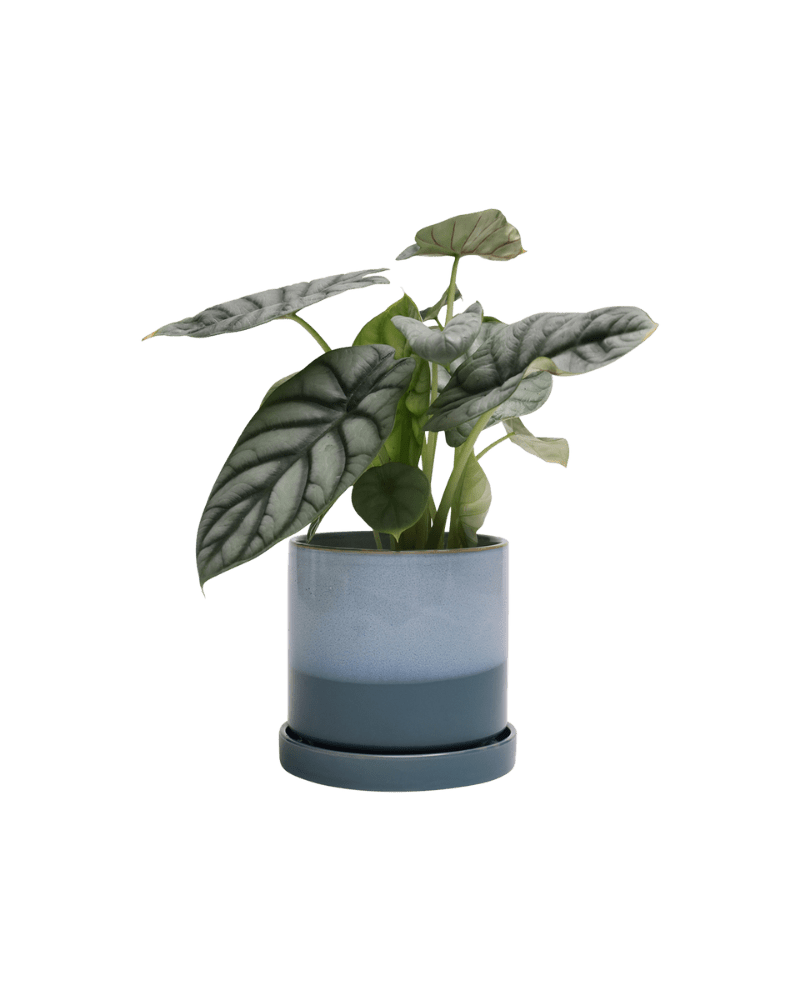
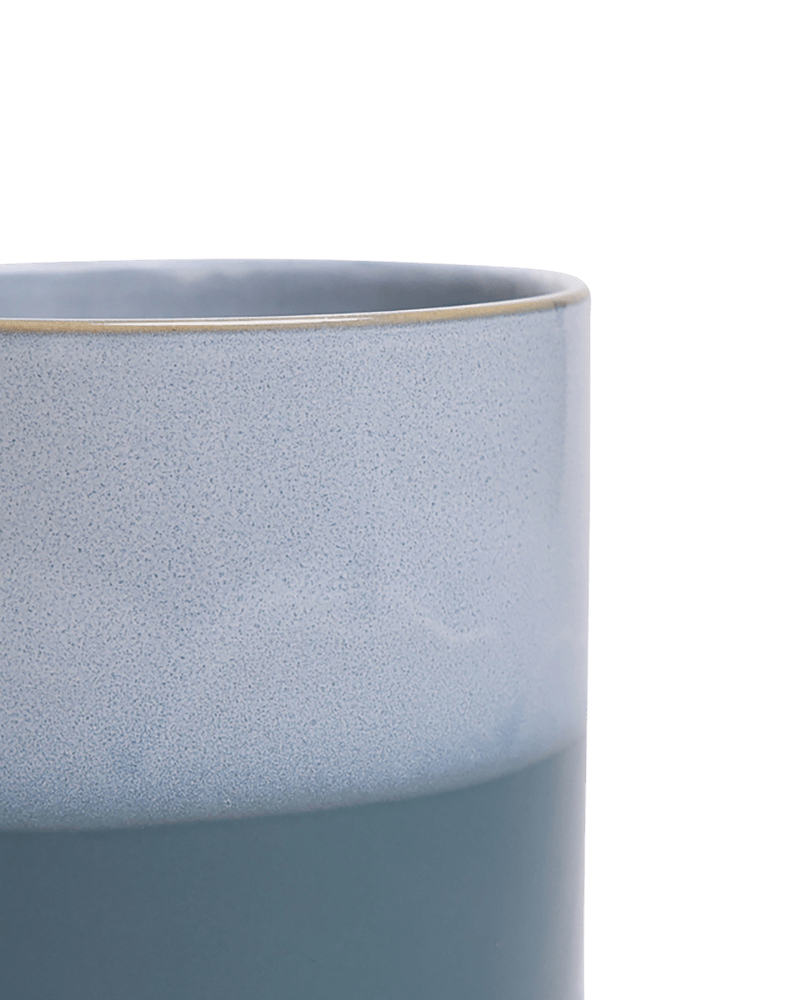
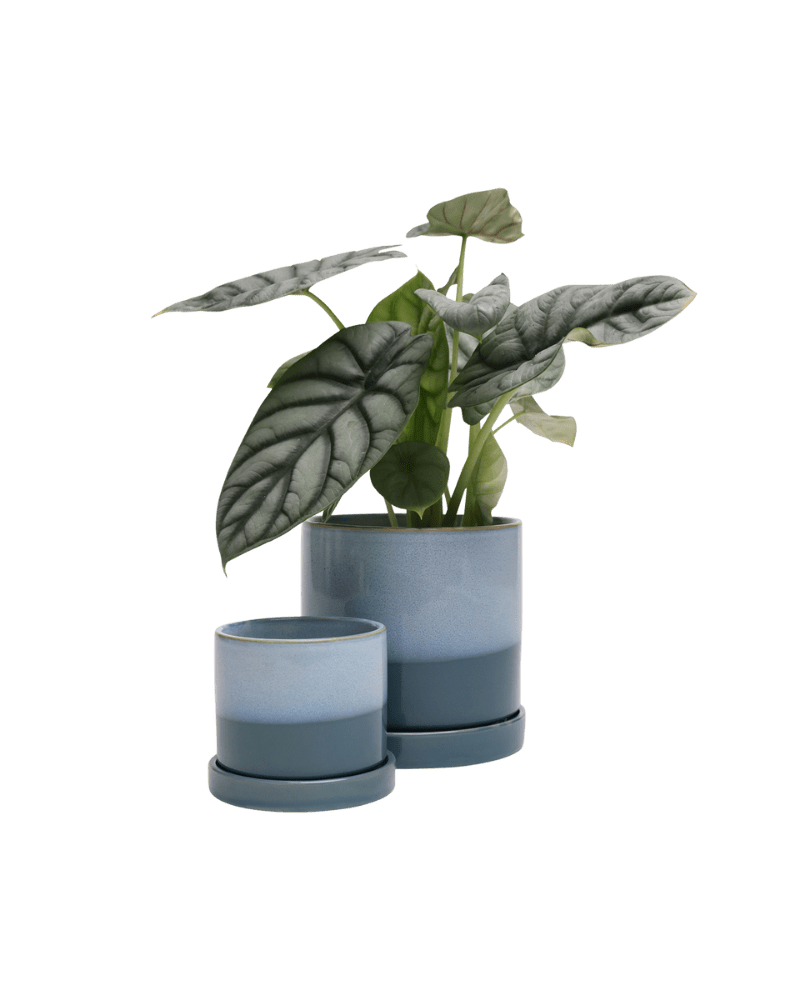
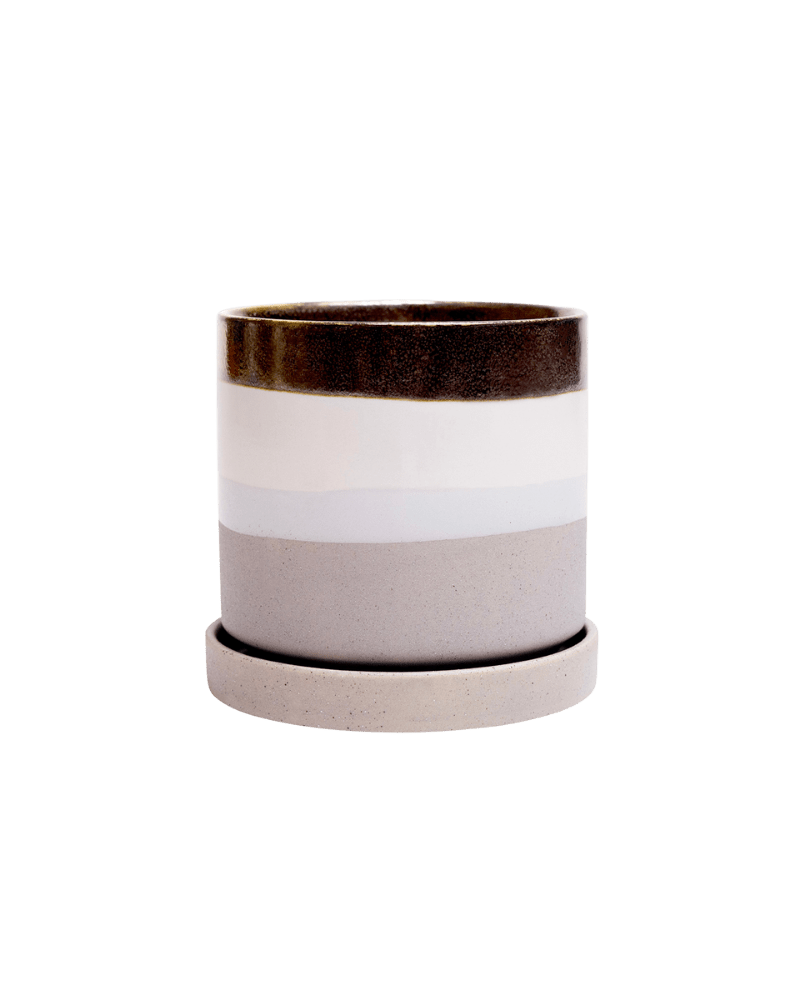
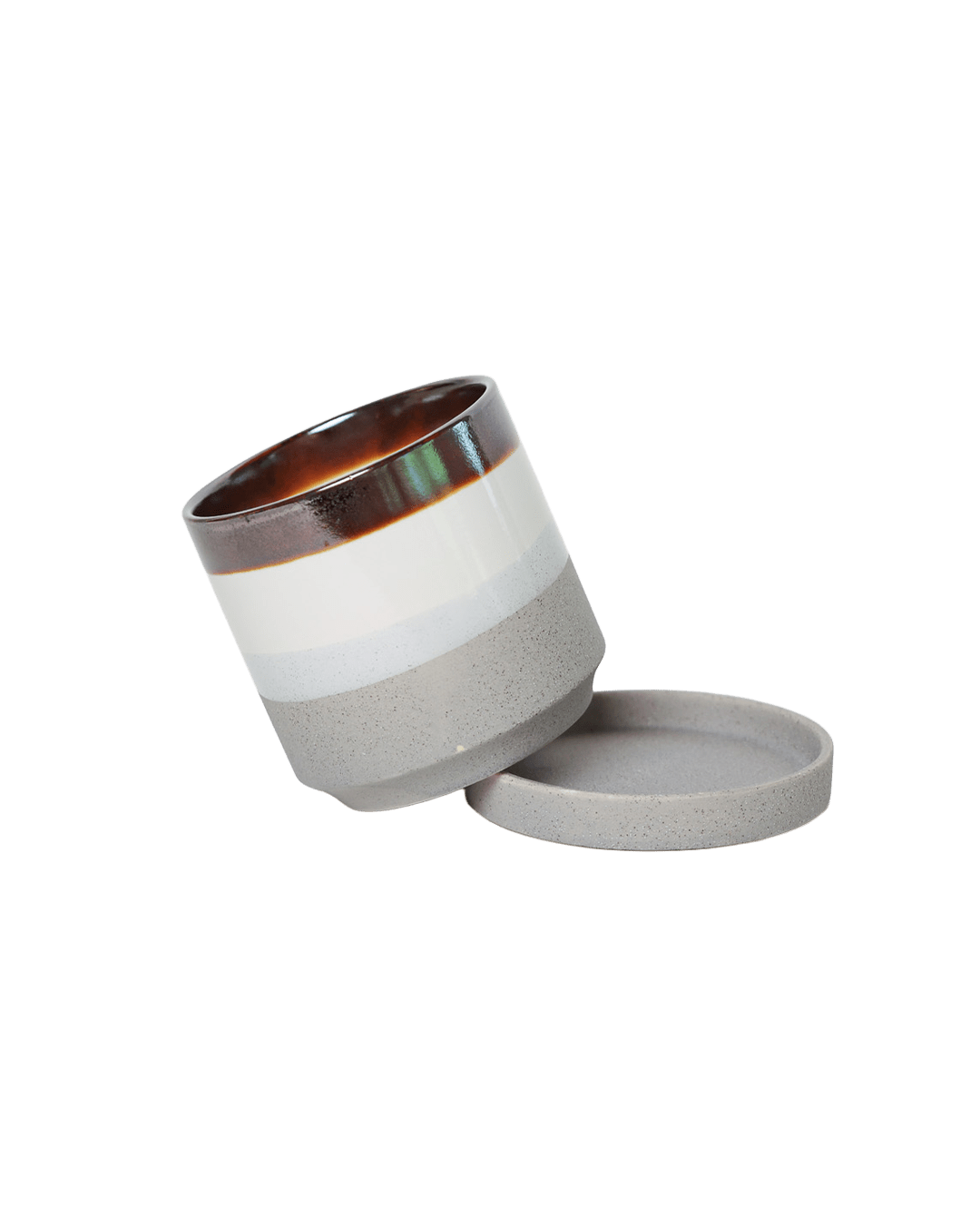
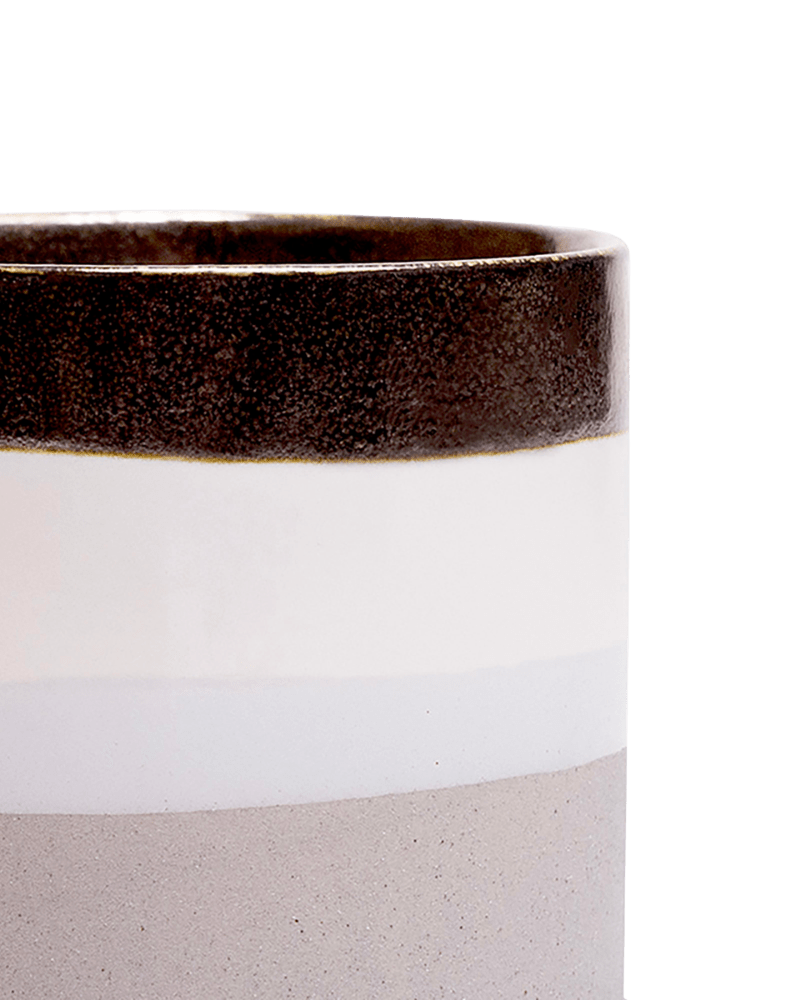
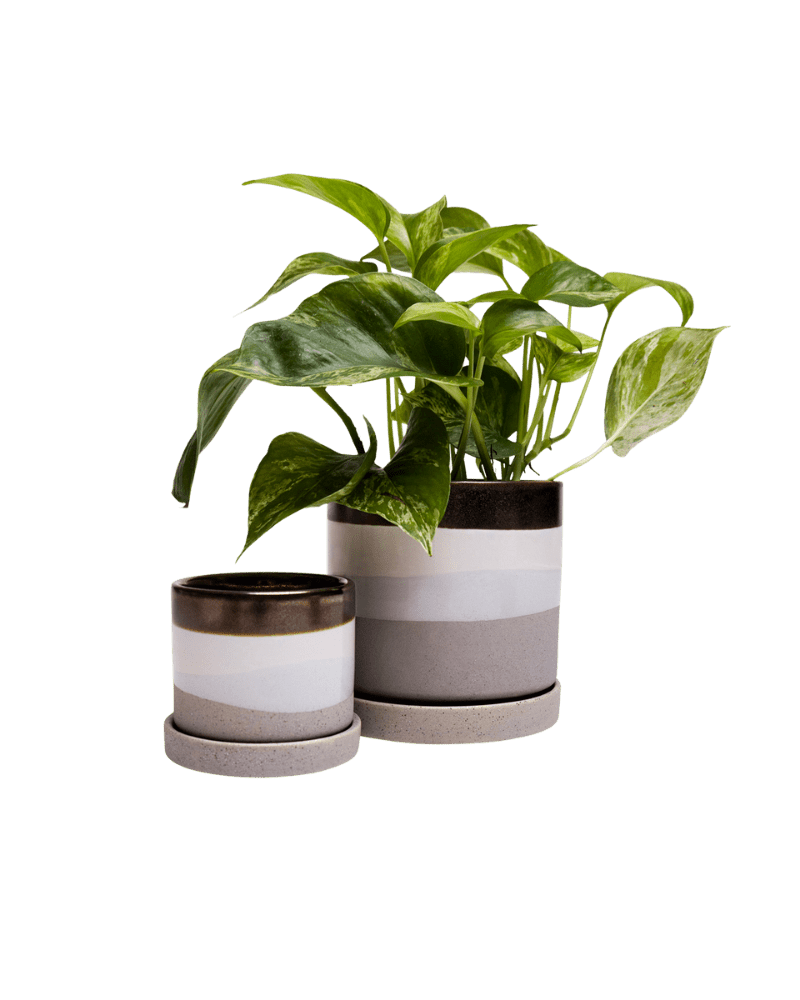
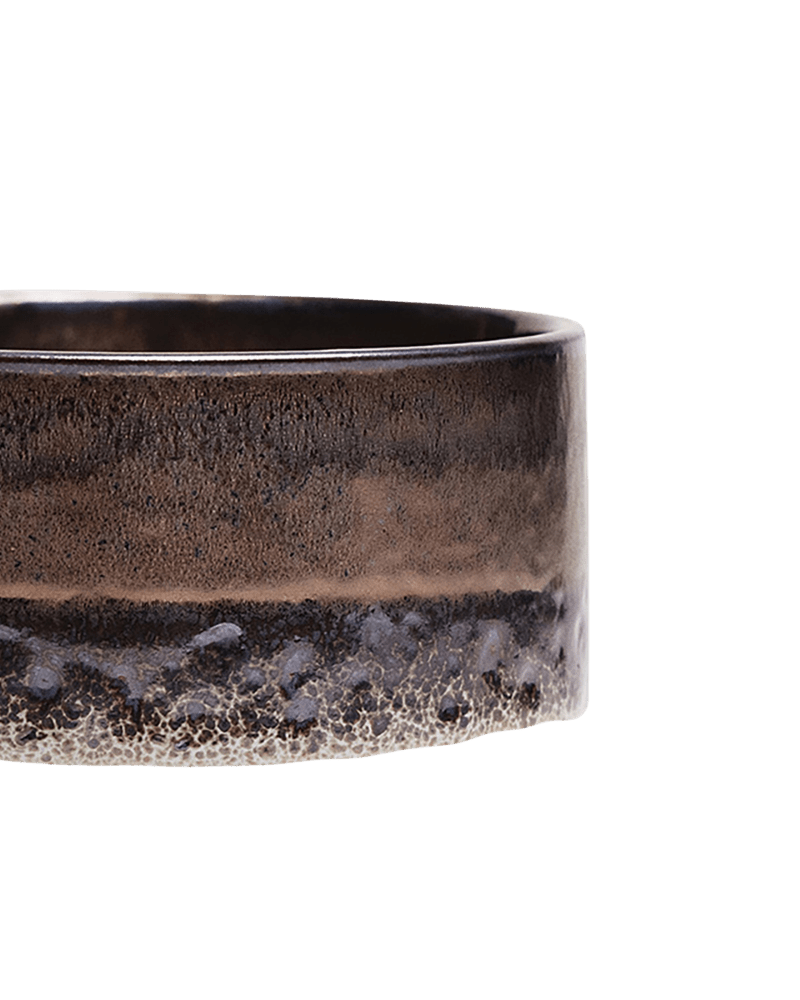
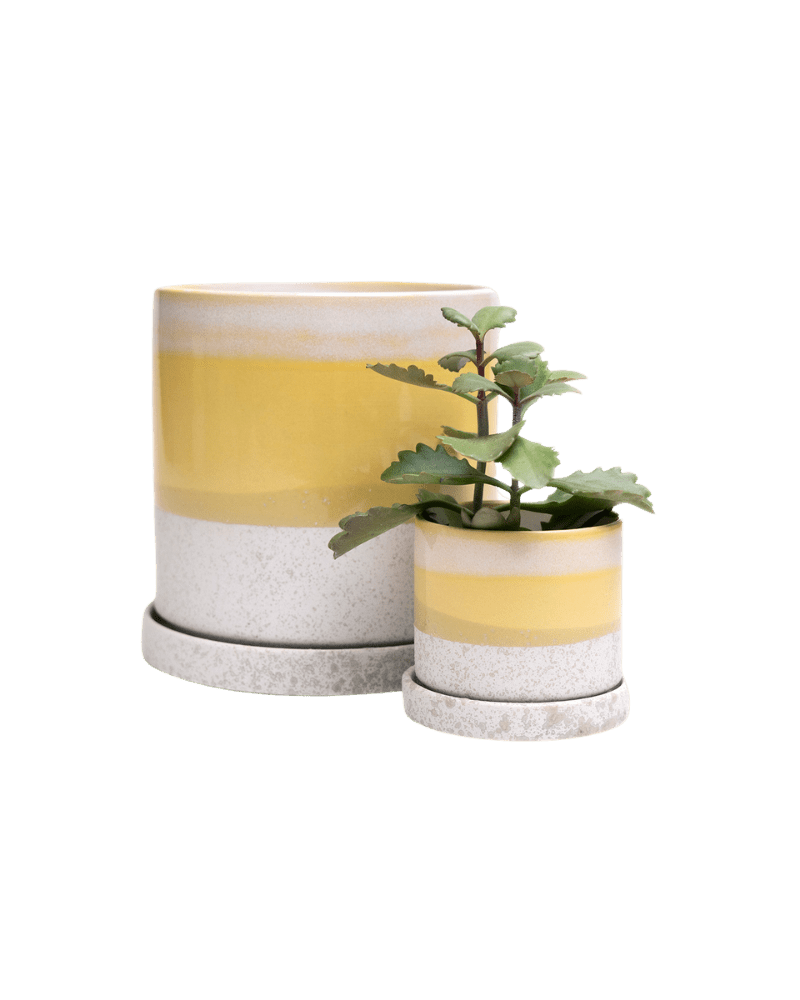
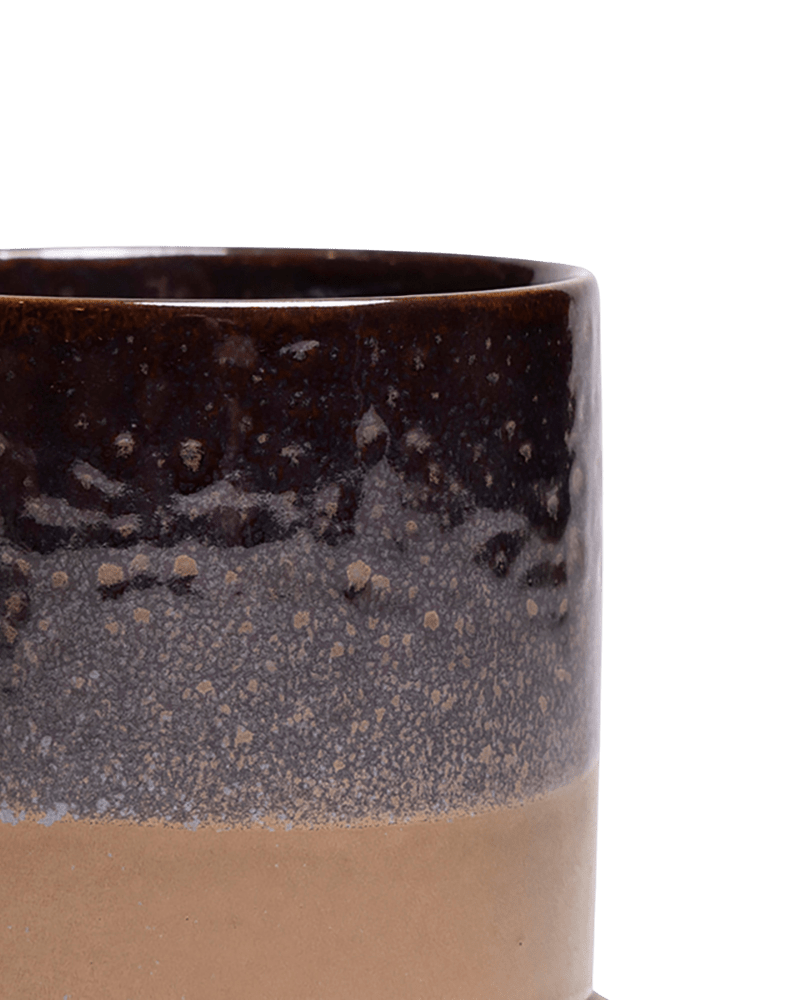
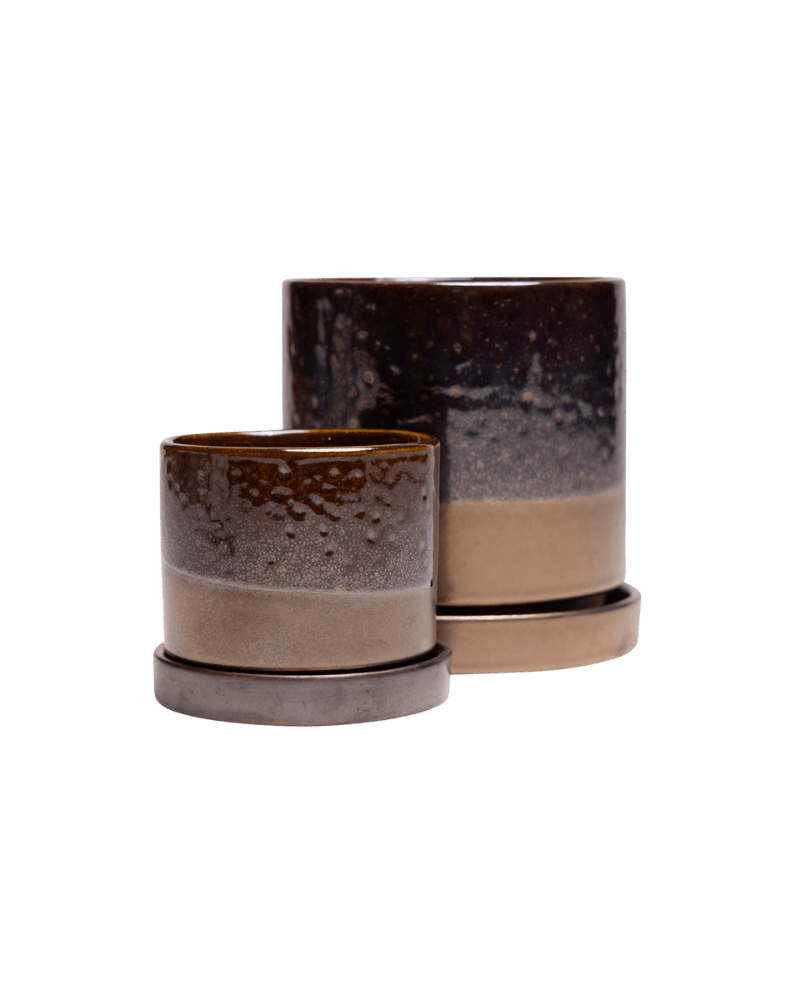
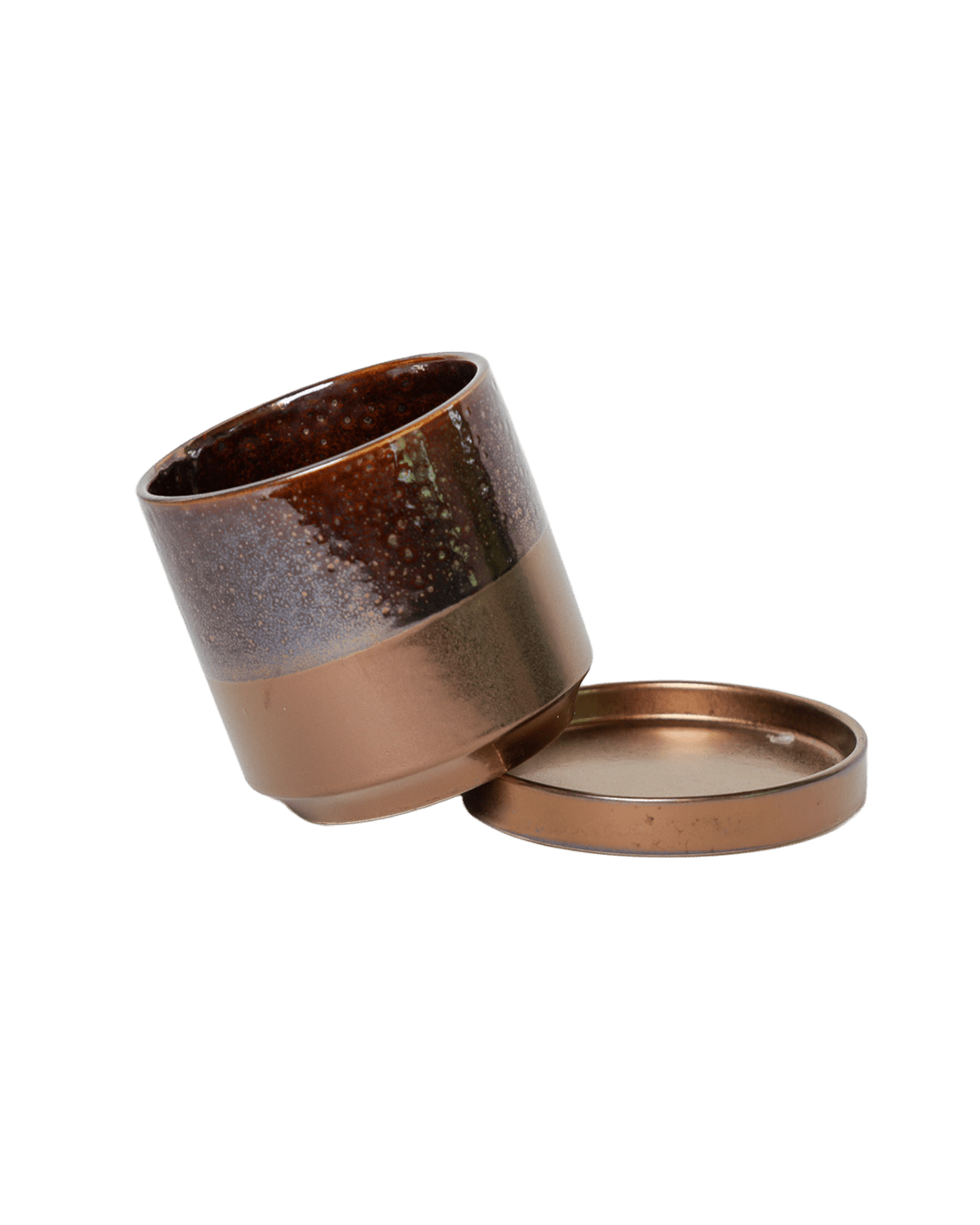
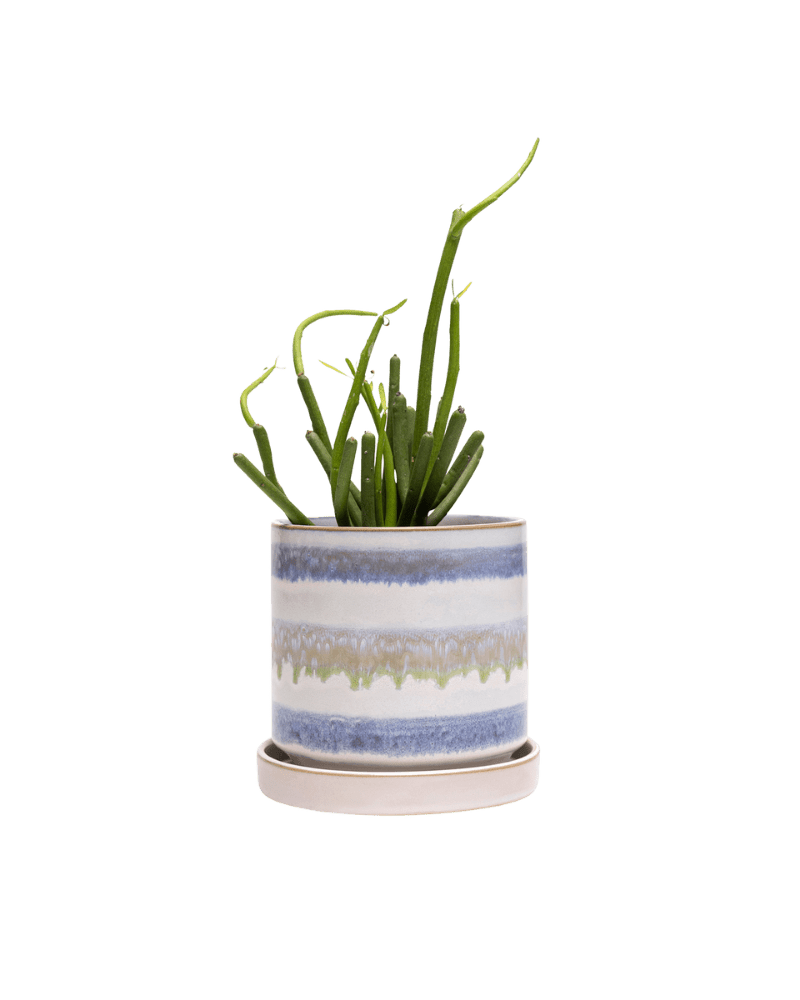
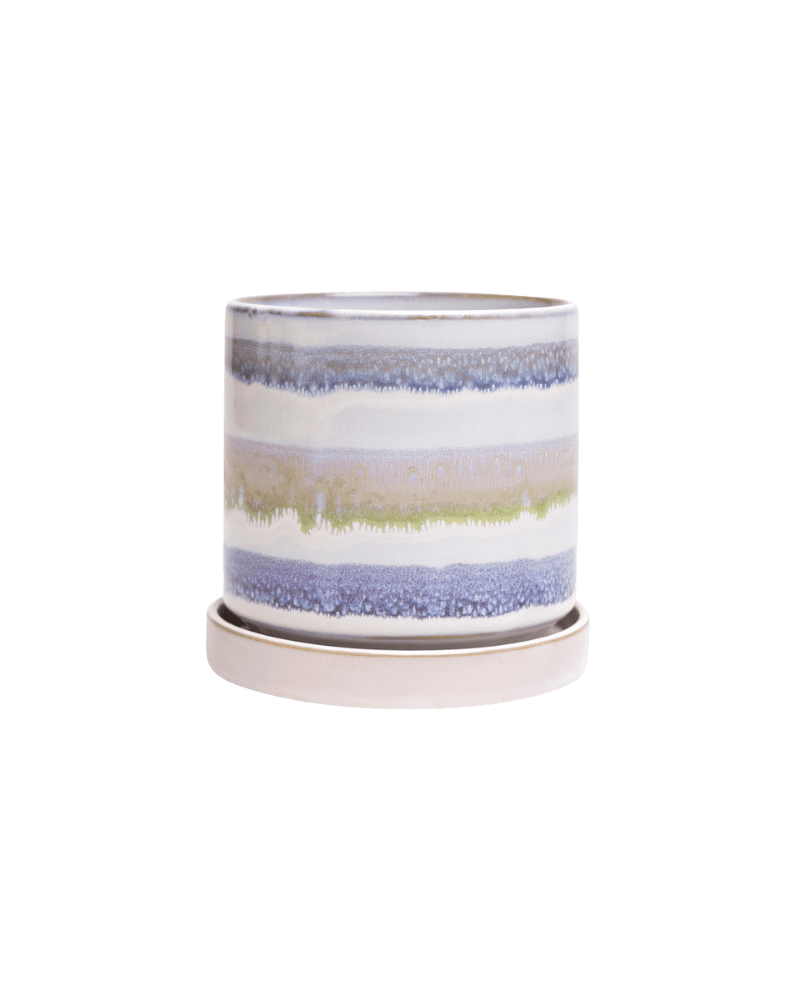
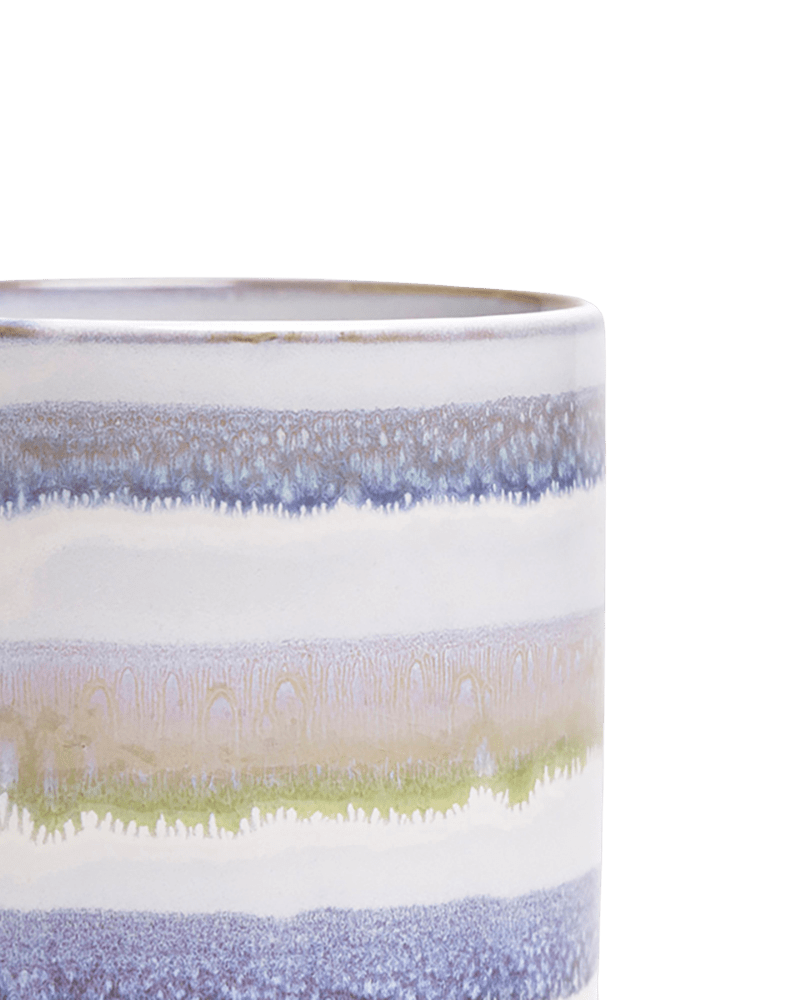
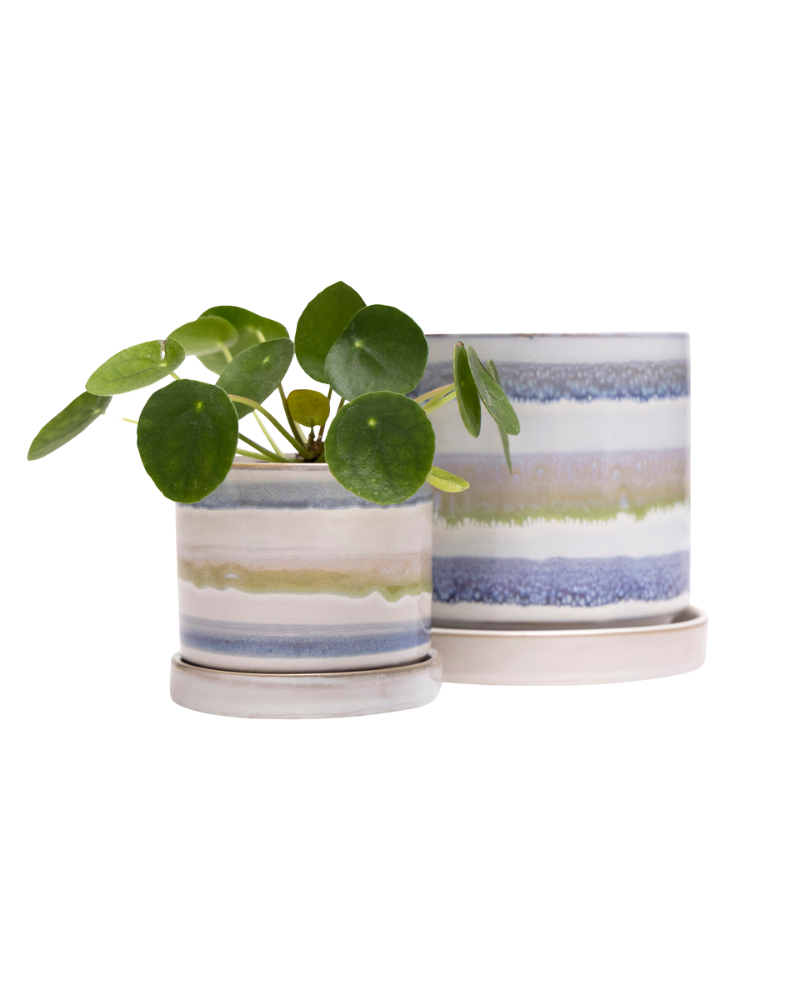
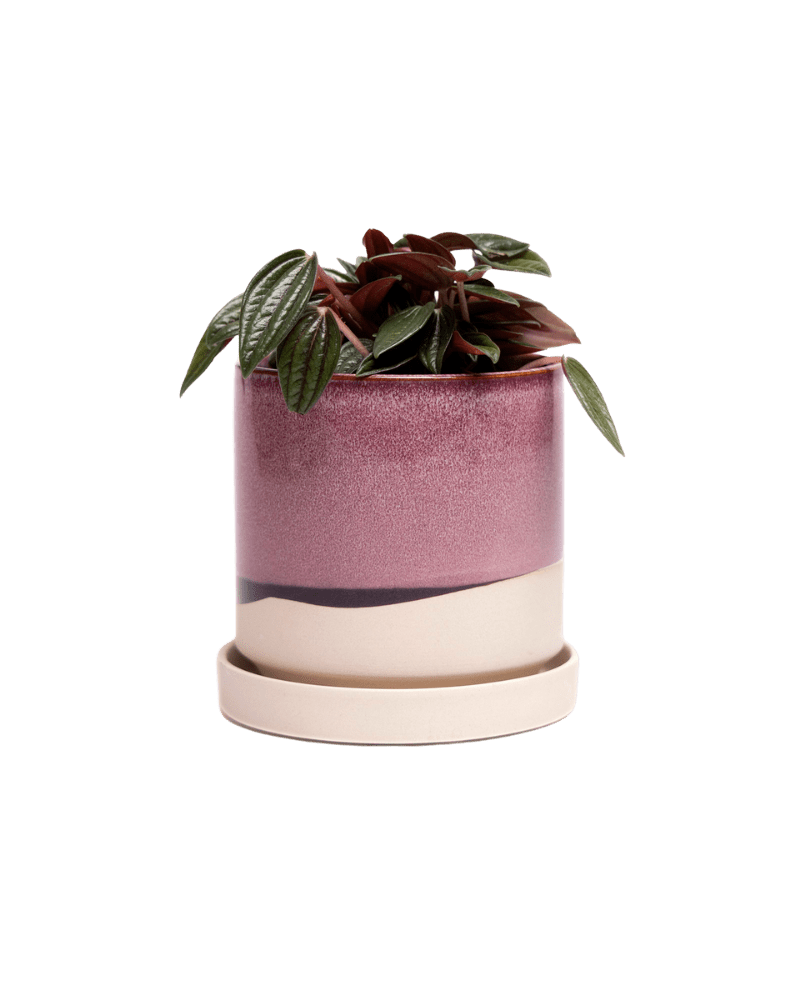
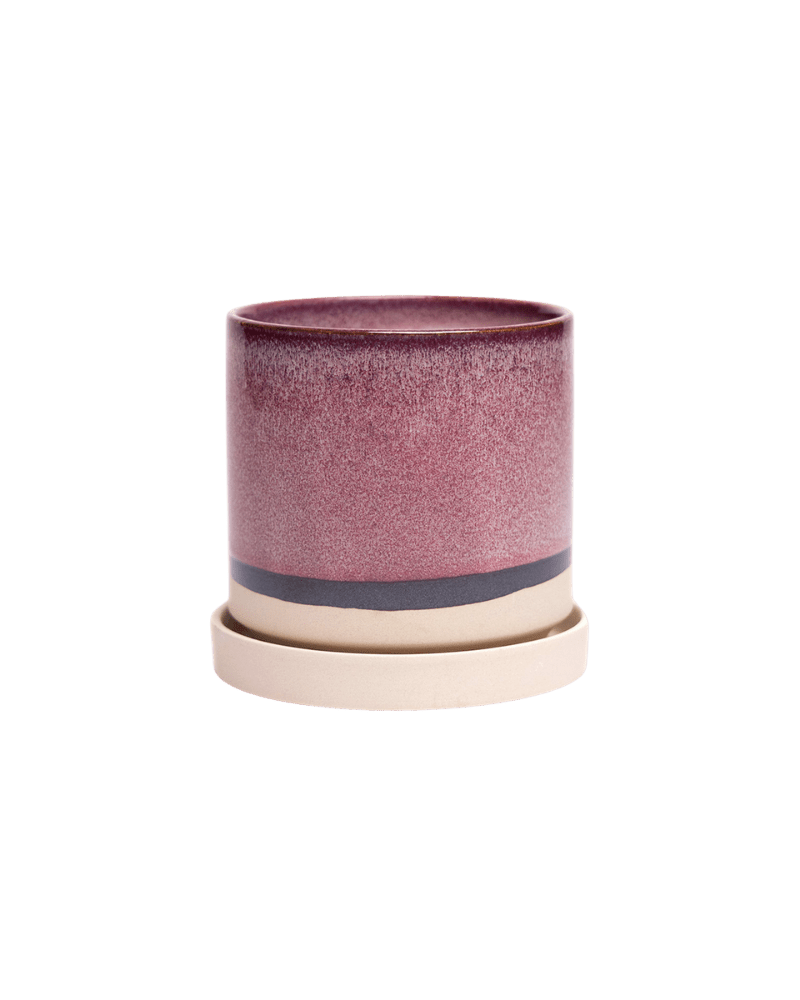
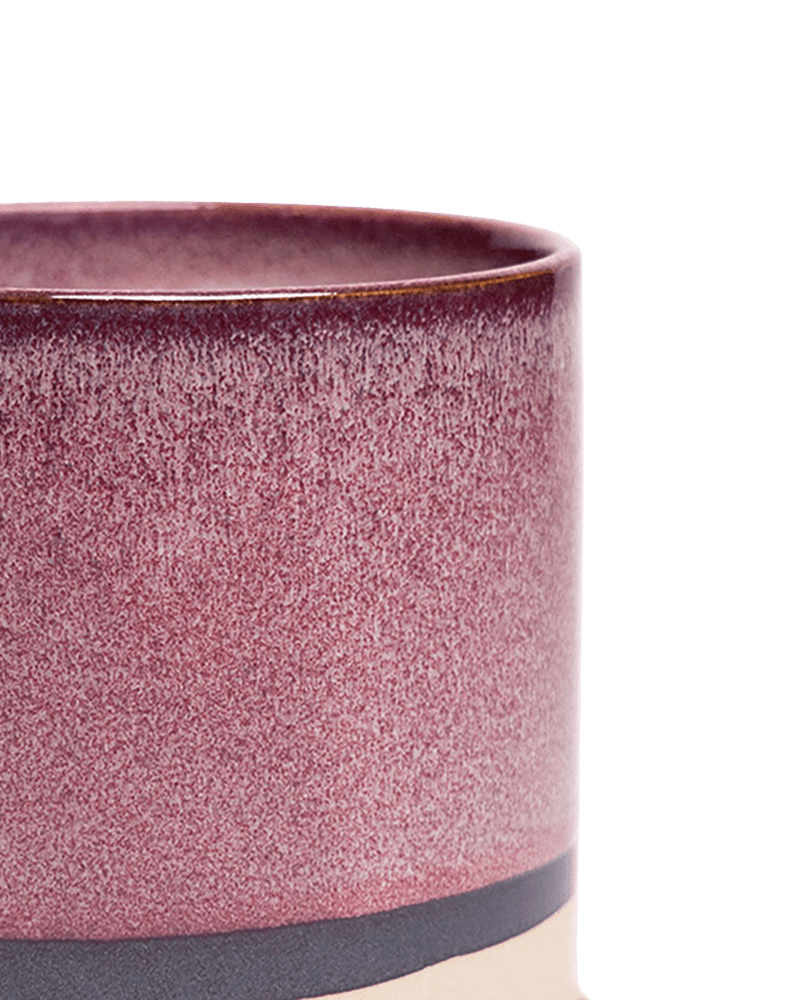
The Minute Cosmo is a ceramic pot built for minimalist home decor that refuses to be boring, with a drainage hole, which sounds like the kind of thing someone mentions at a dinner party to seem more competent than they are. This 5-inch fits a standard 4-inch nursery pot or a 5-inch plant — a haworthia, a dark-tipped aloe, the succulent that looks architectural rather than accidental. The saucer catches the water so the roots don't rot, which is more than most relationships offer. The glaze is deep navy with white speckles fired through the surface — the night sky, if the night sky had drainage and a saucer. It does not need the comparison pointed out.
- Collection:
- Material: Ceramic
- Glaze finish: Glazed
- Glaze variation: Natural variation between pieces
- Drainage: Drainage hole — included on all sizes
- Saucer: Matching saucer included
- Year Designed: 2017
Which pot size for my plant? →
Repotting guide →
- Dishwasher-safe. Can also be hand-washed with warm soapy water and a soft cloth.
- The glaze is dipped three times and kiln-fired — it is sealed, durable, and not looking for trouble. No special cleaning products required.
- Empty the saucer periodically. Standing water in the saucer defeats the purpose of having a drainage hole, which is a thing we feel strongly about.
- Not frost-safe. Designed for indoor use. A covered outdoor shelf in temperate weather is fine. Freezing temperatures are not.
- Handle by the body of the pot, not the rim, when moving with a plant inside.
Shipping
- Free shipping: Orders $200+ within the US
- Standard: 5–8 business daysExpress2–3 business days (at checkout)
- International Ships: to 40 countries — rates at checkout
- Packaging Ships: in outer box to protect gift box
Returns
We accept returns within 30 days of delivery on unused items in original packaging. If your piece arrives damaged, contact us within 14 days with a photo and we will replace it at no charge.
Have a cool shop? Know someone that does?

A pot with a hole in the bottom. You would be amazed how rare this is.


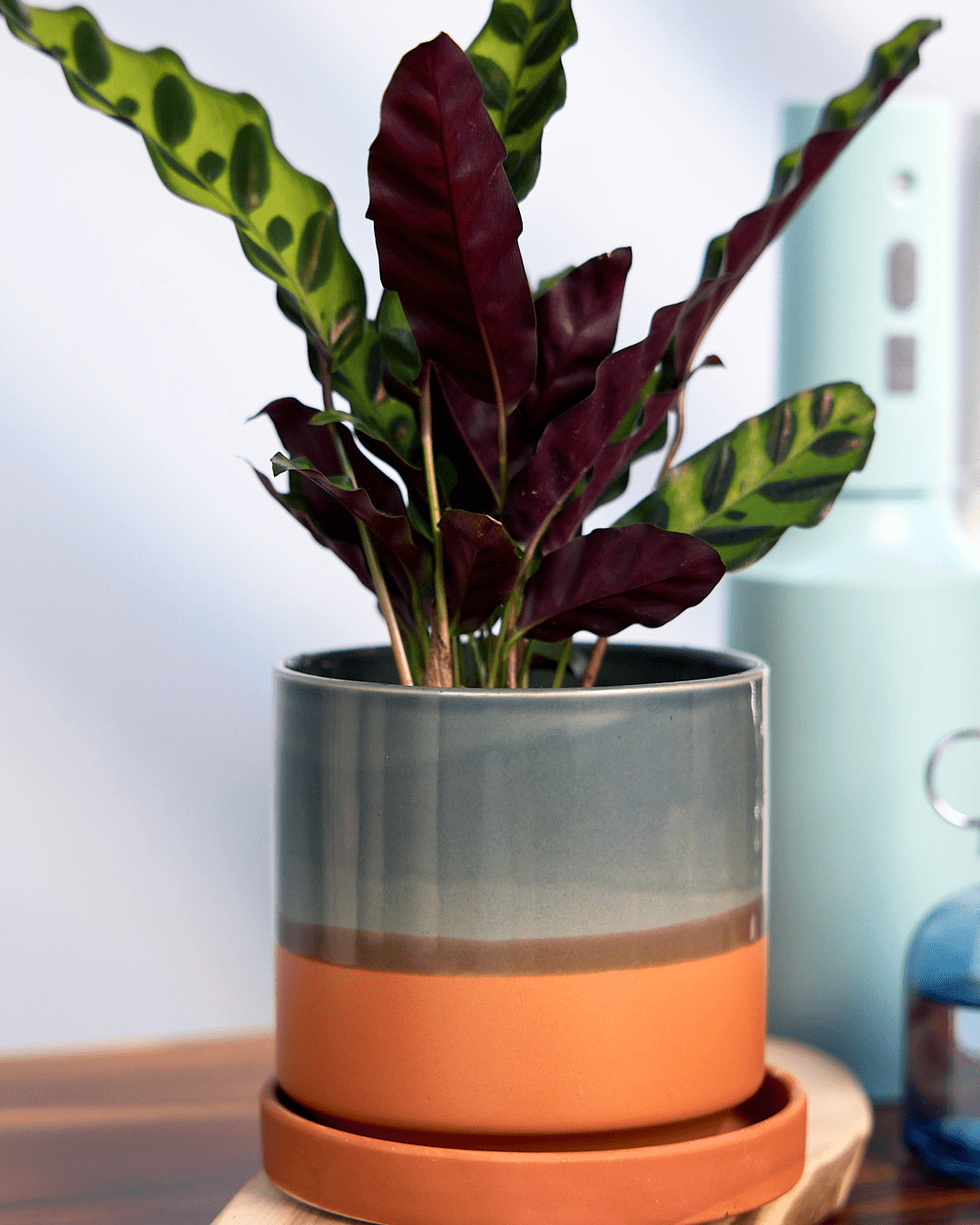
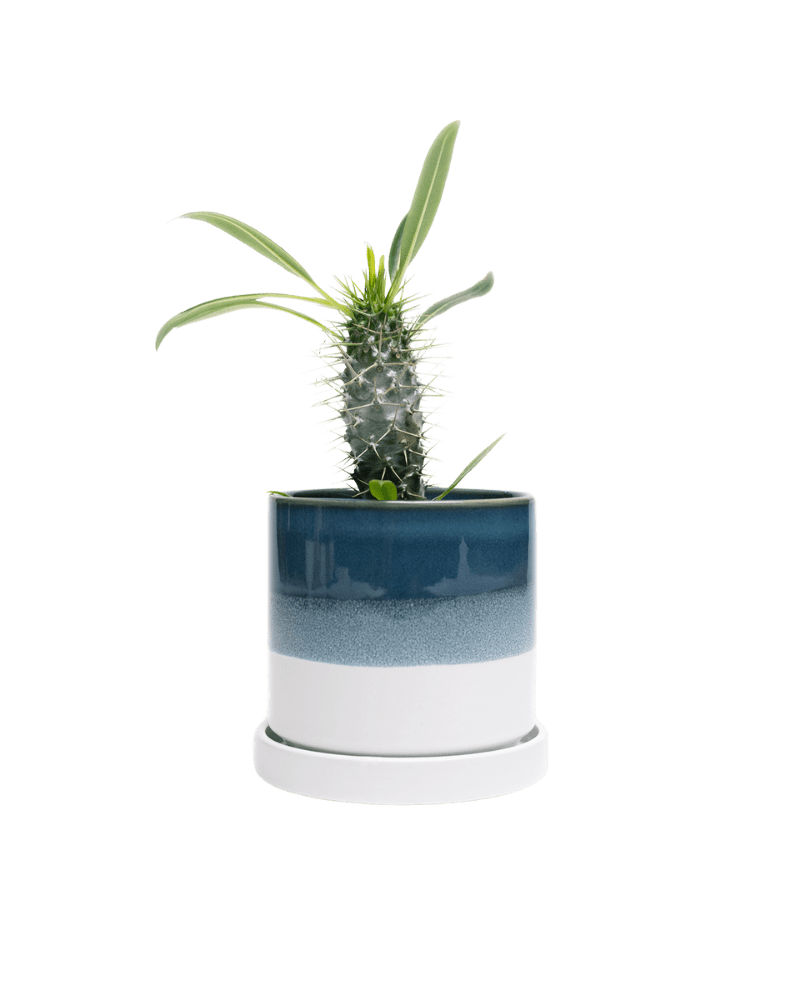
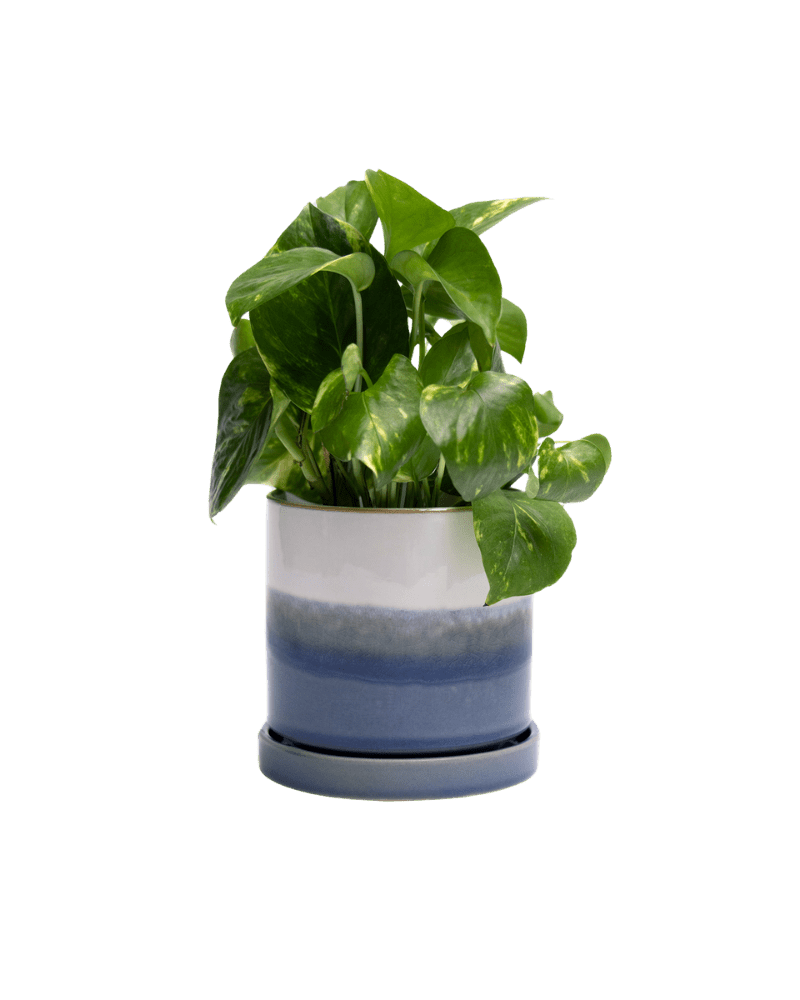
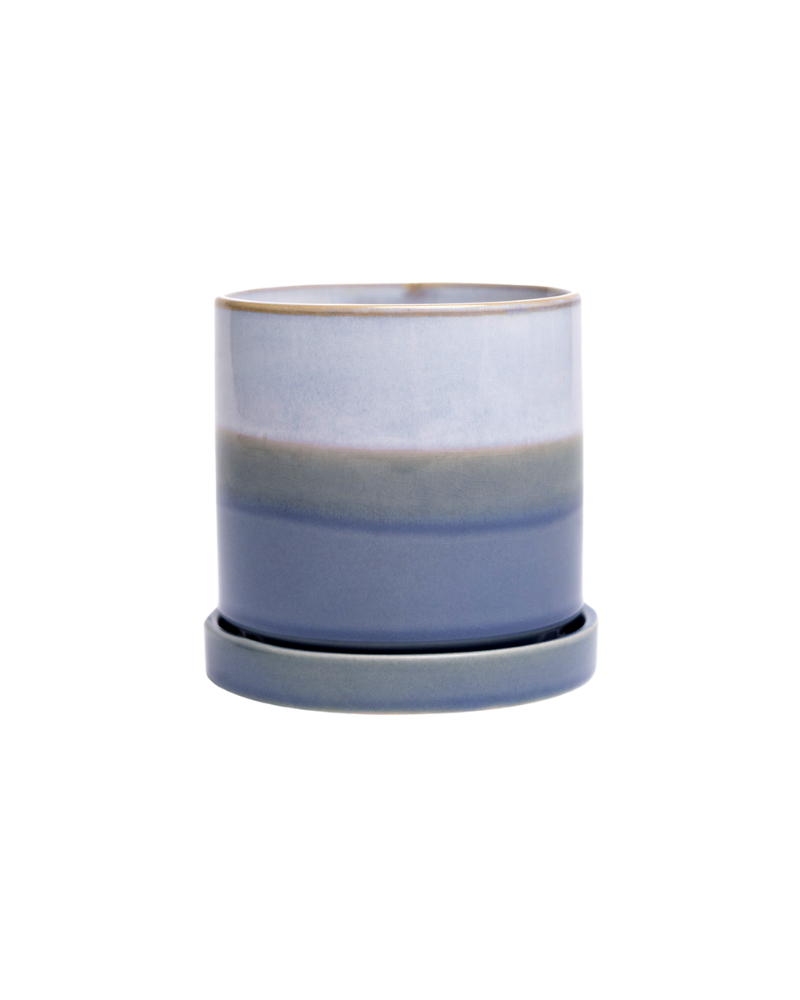

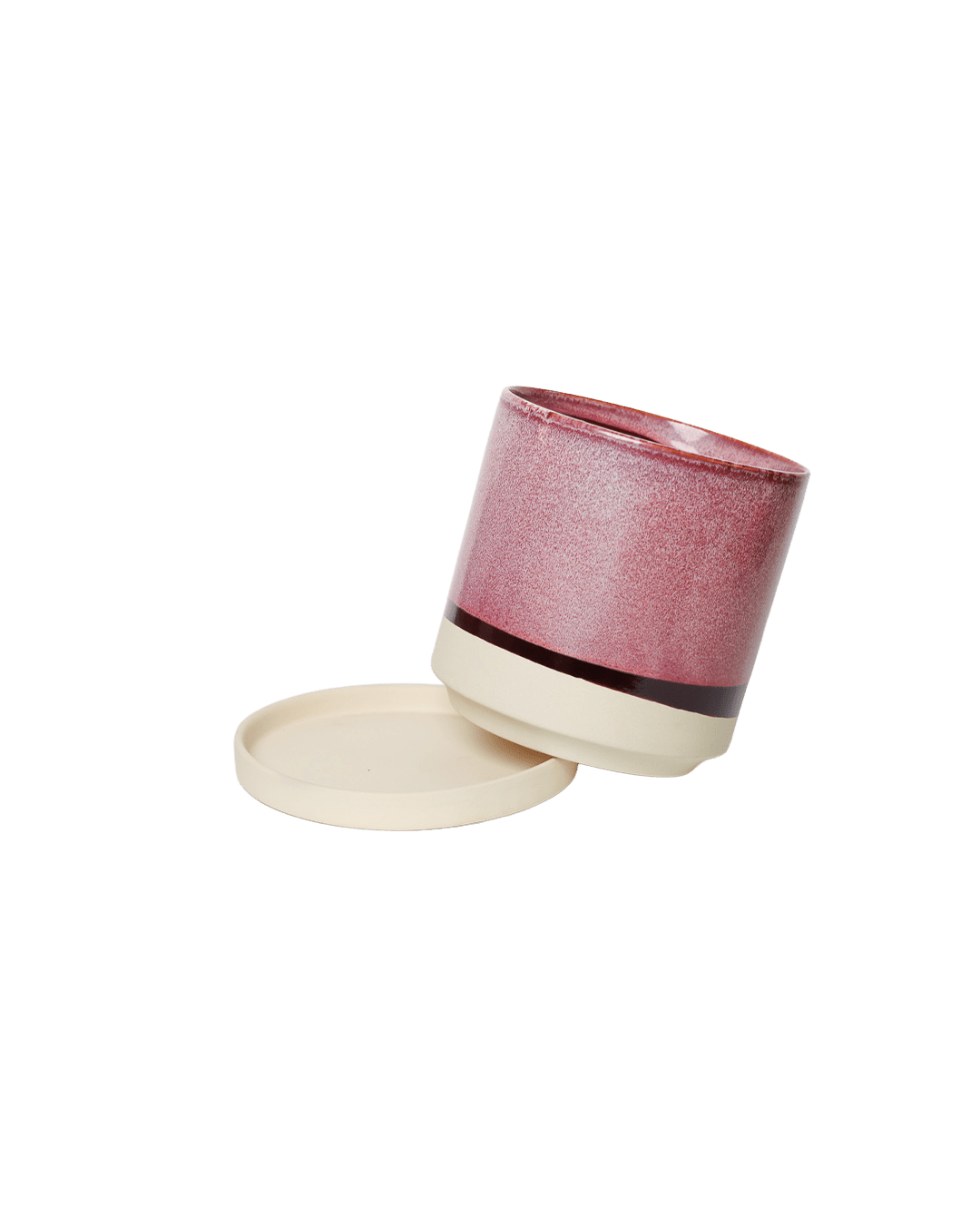
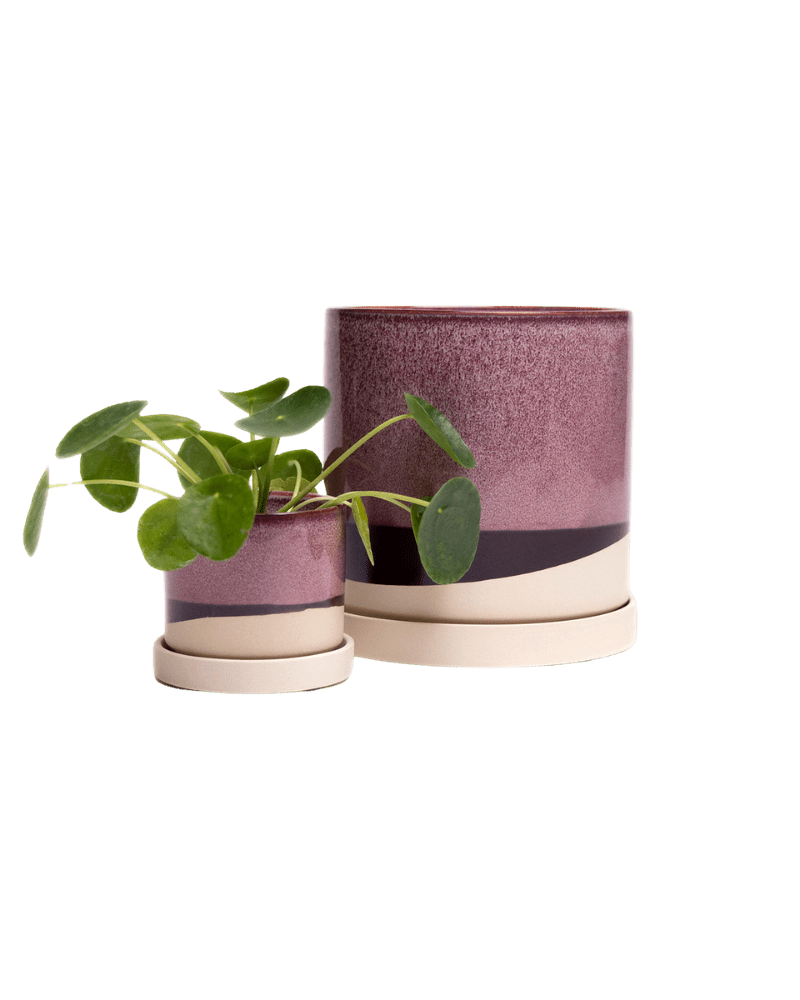

Water has to go somewhere
Root rot is the silent killer
The saucer catches what drains

The Ultimate Repotting Guide
For those who have killed a plant. Or several. Or, frankly, many.
Before you put a plant into the Minute, you have to get it out of the nursery pot — a process that ends badly more often than any gardening influencer will admit. We wrote a full guide: when to repot (early spring, and not when you're feeling impulsive in October), which soil to use, how to tell your plant is root-bound, and how to avoid the three mistakes that kill perfectly healthy plants within a week of a well-intentioned repotting.
It is the guide we wish someone had handed us twenty-five years ago. It is written by people who have personally committed most of the errors in it.

We have been arguing about glazes since 1999.
Every Chive pot begins as a sketch in our Toronto studio, which sounds more romantic than it is. Someone draws a shape. Someone else picks a glaze. We argue about it for longer than is reasonable, and then we make the thing. We have been doing this for 25 years. We are, it turns out, constitutionally incapable of making something we don't mean.
Plant Tips from Chive Studio
Quick tips, straight answers, and the occasional reminder that overwatering kills more houseplants than neglect does.

Are Ceramic Pots Good for Plants?
Ah, the magnificent world of ceramic pots! Gather 'round, plant enthusiasts and decor aficionados, as we embark on a thrilling journey through the realm of glorified dirt hol...
Read the full story →
Pet Friendly Plants
There comes a moment in every plant parent's life when the realization hits like a ceramic plant pot to the skull: that gorgeous monstera deliciosa sitting in the corner might a...
Read the full story →
How to Repot a Plant: The Dirty Truth About Fresh Starts
One might think that repotting plants falls somewhere between folding laundry and organizing the spice rack on the excitement scale. But watching a neighbor attempt this seeming...
Read the full story →