Watercress Vegetable Seeds Packet

Regular price $4.95
Vacuum Sealed
NON-GMO
Seed Pack Guarantee

Build Your Garden With These Shido Seeds

Choose a seed packet as your starting point, then round out the bed with these for that thrown-together-but-somehow-perfect harvest.


Watercress seeds for the kitchen garden that intends to actually produce watercress this year. Watercress is the vegetable that grows in water, which is either a solution to the irrigation problem or an entirely new one.

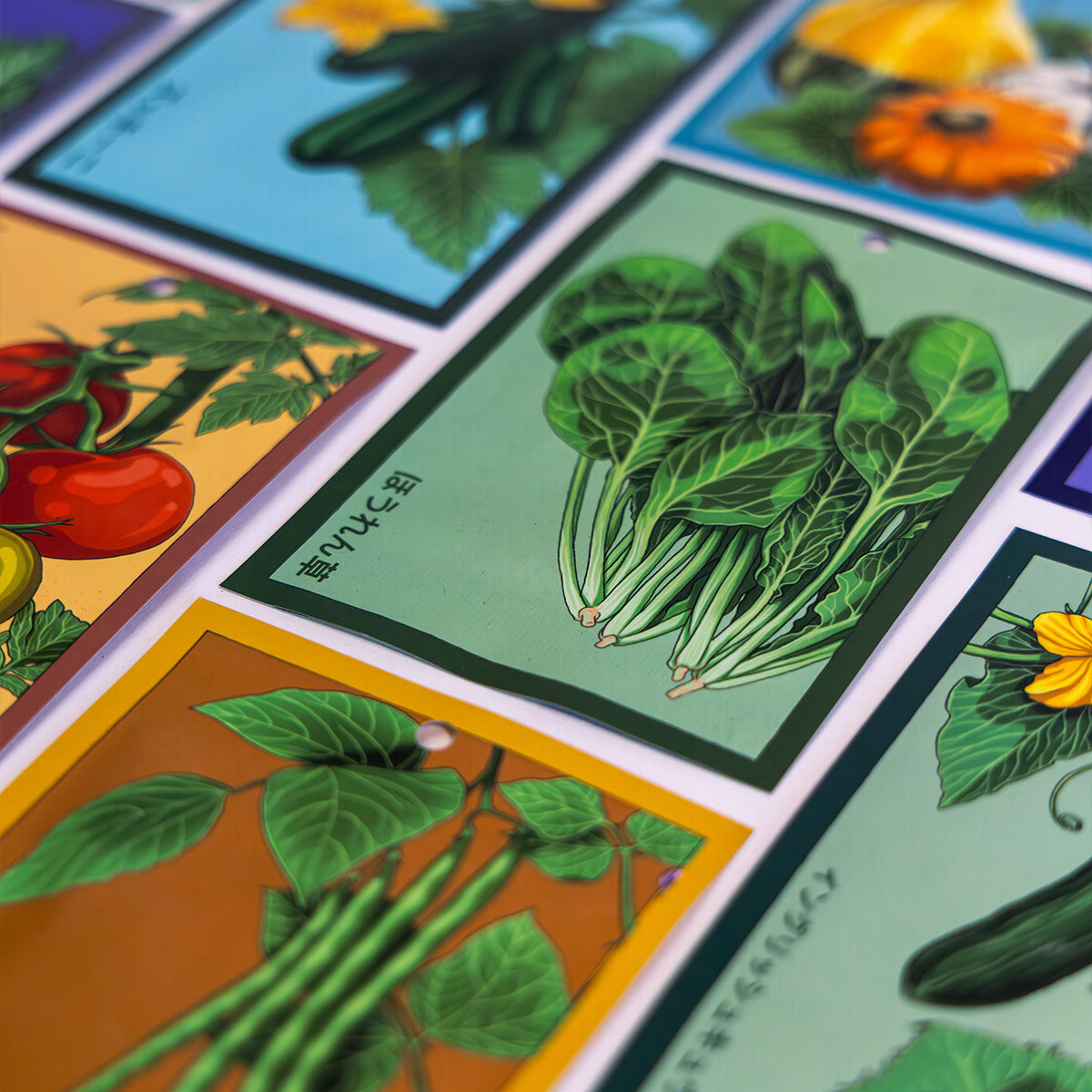
Watercress is a peppery aquatic green that grows in shallow water or constantly moist soil and delivers exceptional nutrition. Each packet is hermetically vacuum-sealed -- removing the oxygen that causes standard paper seed packets to lose germination viability within approximately one year. State law requires a 3-year viability label on sealed packaging. NASA research on hermetic seed storage indicates viability of up to 10 years under proper conditions. Every packet is non-GMO and germination-tested at independent third-party labs before it earns its Japanese woodblock print artwork.

Seed specifications
  • Material: Seed
  • Botanical name: Nasturtium officinale
  • Genus: Nasturtium
  • Plant family: Brassicaceae
  • Species: Officinale
  • Plant type: Perennial
  • Pollination type: Vegetable
  • USDA Hardiness Zones: 3-9
  • Packet contents: ≈ 100 Seeds
  • Packaging: Hermetically vacuum-sealed
  • Non-GMO: Yes
  • Seed viability: Up to 10 years (sealed) / 4–5 years (unsealed, ideal conditions)
  • Difficulty: Easy - Beginner Friendly
Sowing & growing guide

Quick Sowing Guide:

  • When to sow: Sow in consistently wet soil or a container with standing water in spring
  • Sowing depth: Surface sow
  • Initial spacing: 4-6 in
  • Row spacing: N/A - usually grown in trays, containers, or naturalized along water edges
  • Days to germination: 7-14 days
  • Light: Full sun
  • Water: Consistently wet to waterlogged soil
  • Soil: Wet and organically rich
  • Harvest: 45-60 days

Start Growing: Step-by-step sowing and growing guide

About vacuum sealing

Why Vacuum-Sealed Seeds Last Longer

Standard paper seed packets are permeable to oxygen and moisture -- the two primary causes of seed degradation. Most paper-packaged seeds begin losing germination viability after approximately one year, contributing to significant garden-industry waste: packets purchased, not planted, expired, discarded. Shido Seeds are hermetically vacuum-sealed. The packet does not expire quietly in a drawer. It waits.

About the Packaging

Every Shido seed packet is illustrated in the style of Japanese 1910s woodblock printing -- designed and drawn in-house by Chive, that has been exhibiting at the Chelsea Flower Show in London every year and does not, as a matter of principle, sell to big-box retailers. Customers collect the packets as a series. This was not the original plan.

Shipping & returns

Shipping

  • Free shipping: Orders $200+ within the US
  • Standard: 5–8 business days, Express 2–3 business days (at checkout)
  • International Ships: to 40 countries — rates at checkout
  • Packaging Ships: in outer box to protect gift box

View full shipping policy →

Returns

We accept returns within 30 days of delivery on unused items in original packaging. If your piece arrives damaged, contact us within 7 days with a photo and we will replace it at no charge.

View full return policy →

Satisfaction Guarantee

We stand by the quality of our flower seed packets! Every Shido seed packet is lab-tested for germination before it ships. If your seeds do not perform to the stated germination rate under correct growing conditions, contact us and we will replace or refund. Guaranteed!

Wholesale Inquiries

Have a cool shop? Know someone that does?

Chive Wholesale →

Radish Horticultural Specifications

Botanical

Nasturtium officinale

Plant Type

Perennial

Light

Full sun

Water

Consistently wet to waterlogged soil

Soil

Wet and organically rich

Depth

Surface sow

Germination

7-14 days

USDA Zone

3-9

Mature Height

6-12 in

Harvest

45-60 days


Getting to know your Watercress

Watercress is a fast-growing aquatic or semi-aquatic leafy green known for a genuinely peppery flavor that sets it apart from most other salad greens entirely. It thrives in clean, flowing water or consistently moist soil kept in partial shade, conditions considerably wetter than most vegetables actually ask for. The plant carries real nutritional value too, rich in vitamins A, C, and K, which has helped cement its reputation well beyond just a garnish on a plate. Watercress spreads quickly once established, often grown in shallow containers or genuinely near a water source that keeps the roots consistently wet throughout the growing period. It requires frequent harvesting to prevent flowering, since a plant left too long tends to develop a noticeably more bitter flavor once it shifts toward seed production. That quick growth habit makes watercress a rewarding crop for a gardener willing to keep the soil or water source genuinely consistent rather than letting it dry out between waterings. Its peppery bite works well in salads, sandwiches, or as a garnish that adds real flavor rather than just visual appeal. Few greens ask for quite this much moisture while rewarding that attention with quite this much genuine character in return.


History & origin

Ancient Persia & Greece

Watercress (Nasturtium officinale) has a documented history of cultivation and medicinal use stretching back to ancient Persia and Greece, where it was believed to sharpen the mind -- the Greek physician Hippocrates reportedly built a hospital near a stream specifically to grow watercress for his patients.

Roman Use

Roman soldiers and citizens consumed watercress both as food and as a folk remedy for various ailments.

19th Century Commercial Cultivation, England

Commercial watercress farming developed significantly in England in the 19th century, taking advantage of the chalk streams of southern England that provided ideal flowing, mineral-rich water for cultivation.

Modern Nutritional Research

Watercress gained renewed attention in the 21st century after nutritional analyses, including a widely cited CDC-affiliated study, ranked it among the most nutrient-dense vegetables per calorie of any food studied.

Today

Grown commercially in flowing water systems and increasingly by home gardeners in wet containers or garden beds, valued both culinarily and nutritionally.

Shido Vegetable and Flower Seeds Vacuum sealed for peak freshness

Step-by-Step Sowing & Growing Guide

Getting Started

Perennial (with steady water)

Step 1: Plan the water source first - This needs saturated soil or shallow moving water, not a normal garden bed -- decide on a wet container, pond edge, or dedicated setup before sowing.

Step 2: Timing - Sow in spring once the water source is ready.

Step 3: Sowing - ¼ inch deep, pressed in gently -- needs consistent moisture during germination and will not tolerate drying out even briefly.

Step 4: Ongoing care - Use moving or frequently refreshed water rather than stagnant water, which raises root rot risk significantly.

Step 5: Harvest - Snip stems a few inches above the base regularly -- frequent harvesting encourages fresh growth and keeps flavor from turning too peppery.

Before you start

Materials needed to sow

  • A wet container, pond edge, or dedicated hydroponic-style setup: Decide on this before sowing a single seed -- this is the one crop in the whole catalog that needs saturated soil or shallow moving water, not a normal garden bed.
  • Spray bottle: For gentle watering of surface-sown seed without disturbing it.
  • A reliable water source: Since this crop cannot tolerate drying out even briefly, easy access to consistent water matters more here than for anything else in this project.

Materials for harvest and storage

  • Scissors: For snipping stems a few inches above the base.
  • Basket or a container of water: Keeping cut stems in water, similar to fresh herbs, helps maintain crispness after harvest.

Tip: Harvest regularly rather than letting growth get old -- frequent cutting encourages fresh new growth and keeps the flavor from turning too peppery, which happens naturally as stems age.

Growth Requirements

Light:

  • Prefers partial sun to full sun.
  • Ideally, 4-6 hours of sunlight per day.

Soil & Water:

  • Requires moist, nutrient-rich soil.
  • Best grown in shallow water, hydroponics, or bog-like conditions.
  • Can tolerate slightly alkaline conditions (pH 6.5-7.5).

Temperature & Climate:

  • Prefers cool temperatures (50-70°F/10-21°C).
  • Avoid extreme heat, as it can cause the plant to bolt.

Fertilization:

  • Use a diluted liquid fertilizer every few weeks.
  • Organic compost or fish emulsion enhances nutrient levels.

Maintenance

Mulching:

  • Apply light mulch around plants if grown in soil.
  • Helps retain moisture and suppress weeds.

Pruning:

  • Trim stems regularly to encourage bushier growth.
  • Harvest outer leaves first, allowing the center to regrow.

Watering:

  • Requires constant moisture—do not allow soil or water levels to dry out.
  • Change water frequently in hydroponic setups.

Harvesting:

  • Ready for harvest in 4-6 weeks after planting.
  • Cut stems 2-3 inches above the base for continuous regrowth.
  • Best harvested in cooler morning hours for optimal freshness.

Refrigeration:

  • Store fresh watercress in a plastic bag with a damp paper towel.
  • Keeps fresh for 4-5 days.

Freezing:

  • Blanch leaves in boiling water for 30 seconds, then freeze.
  • Can be stored for up to 6 months.

Drying:

  • Not commonly dried, as fresh leaves provide the best flavor.

Troubleshooting and common mistakes

  • Growing it like a normal garden vegetable — this is the single most water-dependent crop in the entire project -- it needs saturated soil or shallow moving water, and will wilt and fail under normal garden bed conditions where overwatering is usually the risk instead
  • Using stagnant, non-flowing water — raises disease risk significantly -- moving or frequently refreshed water keeps watercress much healthier than a still container

Culinary uses & nutritional information

What it's used for

1. Culinary Uses:

  • Adds flavor and nutrition to salads, sandwiches, and soups.
  • Blends well into pestos, dips, and sauces.
  • A staple ingredient in watercress soup.

2. Medicinal Benefits:

  • Rich in antioxidants, vitamin C, and iron.
  • Supports immune function and digestion.
  • Known for its detoxifying and anti-inflammatory properties.

3. Hydroponic and Aquatic Gardening:

  • Grows well in hydroponic systems.
  • Can be cultivated in shallow containers with water.

What parts are edible

  • Leaves and tender stems: The entire above-water portion of the plant is eaten -- older growth becomes more peppery and can turn tough.

Nutritional data

Raw watercress, per 100g

Calories: 11 kcal -- one of the lowest-calorie foods in this entire project

  • Carbohydrates: 1.3 g
  • Protein: 2.3 g
  • Total fat: 0.1 g
  • Dietary fiber: 0.5 g
  • Vitamin C: 43 mg (48% RDA)
  • Folates: 9 µg (2% RDA)
  • Potassium: 330 mg
  • Cholesterol: 0 mg
  • Vitamin K: ~250 µg -- a CDC-led "powerhouse fruits and vegetables" analysis ranked watercress the single most nutrient-dense produce item studied, per calorie, of any food in that analysis

Companion plants, pests & diseases

Companion planting

Good companions

  • Other moisture-loving pond-edge plants — compatible water needs; not a typical companion-planting candidate given its unusual growing method

Poor companions / avoid

  • Drought-tolerant plants generally — combining them would mean overwatering one or underwatering the other -- watercress needs its own dedicated wet growing area

Pests

  • Aphids — cluster on new growth
  • Flea beetles — shot-holes in leaves
  • Watercress leaf beetle — a pest specific to this crop, feeds on leaves and stems

Diseases

  • Root rot — in stagnant, non-flowing water -- this is the main risk, unlike overwatering concerns for most other crops
  • Bacterial leaf spot — favored by consistently wet, poorly circulated conditions
  • Crook root — a soil-borne disease specific to watercress in wet growing systems

Pro Tip

Watercress thrives in constantly moist soil, so grow it near a water source or in a container with shallow water. For the best flavor, harvest young leaves regularly before the plant flowers.

Bonus: Snipping the stems often encourages fresh, tender growth!

Vegetable sprouting in rich dark soil - Shido Seeds
Seeds worth keeping

What makes Shido Seeds different

Shido Seeds are designed by Chive Studio, a ceramic design company. We are not a seed conglomerate. We do not sell through big-box retailers. Each variety in the catalog was selected because it is worth growing — not because it ships well in bulk or photographs well in marketing materials.

Every packet is germination-tested at an independent third-party lab before it earns its woodblock illustration. The vacuum seal removes the oxygen that causes standard paper packets to degrade. The stated germination rate is a floor, not a marketing figure.

If something goes wrong, contact us. We will make it right.

Plants that Grow together look good together...even if they are ceramic

Colorful Shido seed packets with tomato illustrations on a soil background | Chive

A Drier Peppery Alternative

For a similarly peppery green that skips the water requirement, Arugula shares watercress's sharp bite with a much more forgiving growing setup.

Vegetable Shido Seeds packets — by Chive Studio Toronto

The Rest of the Vegetable Garden

This is one of many in Shido's vegetable seed lineup, where water-loving greens sit alongside crops built for standard garden soil.

Peppery Bite, No Water Source Needed

Watercress depends on a consistent water source to thrive, but Chive's Ivory Keiko Peony thrives on a shelf with no water at all.

Chive Shido seed packets with botanical illustrations on a peg rack, showing cherry blossom, tomato, and eggplant designs.

The credentials behind the packet

A crop that depends on genuinely consistent moisture from the very start needs a seed that's just as dependable underneath all that water. The studio protects that reliability with the same care applied across the whole lineup, cutting oxygen exposure well before a packet ever ships rather than trusting paper to hold up over time. Watercress asks for wetter conditions than almost anything else in the catalog, and the seed itself shouldn't be the part of the process working against that. A plant this dependent on its environment deserves a start that isn't also fighting an unreliable packet. That same standard extends across every vegetable in the lineup, water-loving or otherwise.


Plant Care, Simplified with Chive

Keep it alive, keep it thriving. Let's make plant parenthood look easy.

Nobody grows one dahlia. This is what nobody tells you.

Ryan Hearst
How to grow dahlias from seed: start indoors 6–8 weeks before last frost, transplant after frost, and expect first blooms in late summer. Nobody warns you that one bloom is all ...
Read more

Do Seeds Expire? How Long Do Seeds Last

Todd Newgren
Seeds don't expire — they lose viability as oxygen depletes stored energy, and vacuum sealing is the fix. Chive's Shido Seeds are vacuum-sealed, germination-tested, and stocked ...
Read more
  • 5 stars: 0 (0%)
  • 4 stars: 2 (100%)
  • 3 stars: 0 (0%)
  • 2 stars: 0 (0%)
  • 1 star: 0 (0%)
J
Joanne Quigley
Nice fresh flavor

Never tried growing cress before, did good in a damp pot. Fresh peppery taste for sandwiches.

D
Donna Hardie
Peppery bite

Did good in damp pot. Grows fast, sharp flavor for sandwiches. Easy even for beginner like me.

Frequently asked questions

What is the best way to grow watercress from seed?

Watercress needs clean, flowing water or consistently moist soil kept in partial shade, thriving in conditions considerably wetter than most vegetables actually ask for. It spreads quickly once established, often grown in shallow containers or genuinely near a water source. Partial shade also helps prevent the water from warming too much in direct sun.

Why does watercress need so much water?

It's naturally an aquatic or semi-aquatic plant, evolved to grow with its roots consistently wet, which is why standard garden soil that dries between waterings doesn't suit it nearly as well. That evolutionary background is really the entire reason it behaves so differently from a typical garden green. That difference explains why standard garden advice doesn't always apply here.

Can watercress be grown without a pond or stream?

Yes — a shallow container kept consistently moist, refreshed regularly with clean water, can substitute reasonably well for a natural water source in a home garden setting. Refreshing that water every few days helps prevent stagnation and keeps growth genuinely healthy. A simple daily check helps catch any early signs of stagnation quickly.

Why does watercress sometimes taste bitter?

Letting the plant flower rather than harvesting frequently tends to shift its flavor toward something noticeably more bitter, so regular cutting keeps the milder, peppery taste most people actually want. That shift happens gradually, so catching it early with more frequent harvesting helps the most. Catching that shift early keeps the flavor considerably milder overall.

What nutrients does watercress provide?

It carries real nutritional value, rich in vitamins A, C, and K, which has helped its reputation grow well beyond just a garnish on a plate. Adding it fresh to a sandwich is a simple way to make the most of that nutritional density. That nutritional density holds up well even after a quick rinse.

How long do watercress seeds last?

Vacuum-sealed Shido Seeds packets stay viable for up to 10 years when stored properly, compared to roughly one year for a standard paper seed packet exposed to normal air and humidity. A plant this dependent on its environment deserves a seed that isn't fighting an unreliable packet too. That reliability matters given how particular this crop is about consistent moisture.

How often should watercress be harvested?

Frequently — regular cutting encourages fresh new growth and helps prevent the plant from flowering, which is the main trigger behind that unwanted, more bitter flavor. Weekly harvesting generally keeps pace well with this plant's naturally fast growth rate. Most gardeners find that rhythm becomes second nature after the first few cuttings.

Is this seed lab-tested for germination?

Yes — every Shido Seeds packet, watercress included, is germination-tested at independent third-party labs before it ever reaches a shelf, given how particular this crop is about its growing conditions. That scrutiny matters given how specific this crop's growing conditions actually are. That scrutiny matters given how specific this crop's needs actually are.

Verte Rx Shiny Leaves for Plants - Chive Ceramics Studio - Chive Ceramics Studio

The seed is the start. Verte RX handles the rest.

Most seedlings fail not from bad seed but from soil that runs out of what the plant needs before the plant can find it. Verte RX is a liquid plant vitamin formulated for exactly that window — the weeks after germination when the root system is establishing and the margin between thriving and stalling is narrowest.