
English Cucumber Vegetable Seeds Packet

Regular price $4.95
Vacuum Sealed
NON-GMO
Seed Pack Guarantee

Build Your Garden With These Shido Seeds

Choose a seed packet as your starting point, then round out the bed with these for that thrown-together-but-somehow-perfect harvest.


English Cucumber seeds for the kitchen garden that intends to actually produce english cucumber this year. The English Cucumber is the cucumber that decided not to have seeds in the middle, which is either restraint or excellent planning.

English Cucumber is the classic long thin-skinned cucumber with mild flavour and the decency not to require peeling. Each packet is hermetically vacuum-sealed -- removing the oxygen that causes standard paper seed packets to lose germination viability within approximately one year. State law requires a 3-year viability label on sealed packaging. NASA research on hermetic seed storage indicates viability of up to 10 years under proper conditions. Every packet is non-GMO and germination-tested at independent third-party labs before it earns its Japanese woodblock print artwork.

How to Grow English Cucumber from Seed

Sowing and Germination

Start indoors 3-4 weeks before last frost. Transplant into warm soil. Trellis recommended.

Care and Harvest

Long, thin-skinned cucumber with mild flavour. Harvest regularly to encourage production. 55-65 days.

Why Vacuum-Sealed Seeds Last Longer

Standard paper seed packets are permeable to oxygen and moisture -- the two primary causes of seed degradation. Most paper-packaged seeds begin losing germination viability after approximately one year, contributing to significant garden-industry waste: packets purchased, not planted, expired, discarded. Shido Seeds are hermetically vacuum-sealed. The packet does not expire quietly in a drawer. It waits.

About the Packaging

Every Shido seed packet is illustrated in the style of Japanese 1910s woodblock printing -- designed and drawn in-house by Chive, the Toronto ceramics studio that has been exhibiting at the Chelsea Flower Show in London every year and does not, as a matter of principle, sell to big-box retailers. Customers collect the packets as a series. This was not the original plan.

Seed specifications
  • Material: Seed
  • Botanical name: Cucumis sativus
  • Genus: Cucumis
  • Plant family: Cucurbitaceae
  • Species: Sativus
  • Plant type: Annual
  • Pollination type: Vegetable
  • USDA Hardiness Zones: 3-11
  • Packet contents: ≈ 10 Seeds
  • Packaging: Hermetically vacuum-sealed
  • Non-GMO: Yes
  • Seed viability: Up to 10 years (sealed) / 4–5 years (unsealed, ideal conditions)
  • Difficulty: Easy - Beginner Friendly
Sowing & growing guide

Quick Sowing Guide:

  • When to sow: Direct sow after last frost
  • Sowing depth: 1/2 in
  • Initial spacing: 12-24 in
  • Row spacing: 48-60 in
  • Days to germination: 7-10 days
  • Light: Full sun
  • Water: Consistent, generous moisture
  • Soil: Fertile, slightly acidic, well-drained
  • Harvest: 60-70 days

Start Growing: Step-by-step sowing and growing guide

About vacuum sealing

Why Vacuum-Sealed Seeds Last Longer

Standard paper seed packets are permeable to oxygen and moisture -- the two primary causes of seed degradation. Most paper-packaged seeds begin losing germination viability after approximately one year, contributing to significant garden-industry waste: packets purchased, not planted, expired, discarded. Shido Seeds are hermetically vacuum-sealed. The packet does not expire quietly in a drawer. It waits.

About the Packaging

Every Shido seed packet is illustrated in the style of Japanese 1910s woodblock printing -- designed and drawn in-house by Chive, that has been exhibiting at the Chelsea Flower Show in London every year and does not, as a matter of principle, sell to big-box retailers. Customers collect the packets as a series. This was not the original plan.

Shipping & returns

Shipping

  • Free shipping: Orders $200+ within the US
  • Standard: 5–8 business days, Express 2–3 business days (at checkout)
  • International Ships: to 40 countries — rates at checkout
  • Packaging Ships: in outer box to protect gift box

View full shipping policy →

Returns

We accept returns within 30 days of delivery on unused items in original packaging. If your piece arrives damaged, contact us within 7 days with a photo and we will replace it at no charge.

View full return policy →

Satisfaction Guarantee

We stand by the quality of our flower seed packets! Every Shido seed packet is lab-tested for germination before it ships. If your seeds do not perform to the stated germination rate under correct growing conditions, contact us and we will replace or refund. Guaranteed!

Wholesale Inquires

Have a cool shop? Know someone that does?

Find Chive on Faire →

Radish Horticultural Specifications

Botanical

Cucumis sativus

Plant Type

Annual

Light

Full sun

Water

Consistent, generous moisture

Soil

Fertile, slightly acidic, well-drained

Depth

1/2 in

Germination

7-10 days

USDA Zone

3-11

Mature Height

6-8 ft

Harvest

60-70 days


Getting to know your English Cucumber

English cucumbers are long, thin-skinned cucumbers known for their mild flavor and genuinely crisp texture, distinct from the thicker-skinned slicing cucumbers found at most grocery stores. They require warm temperatures, full sun, and trellising to grow straight, since the fruit tends to curl if left to sprawl unsupported across the ground. Regular, consistent watering matters more here than with some other cucumber types, since inconsistent moisture is a common cause of the bitterness that can otherwise creep into an otherwise mild-tasting fruit. English cucumbers suit fresh eating and salads particularly well, thanks to their seedless, tender flesh that needs no peeling or seed-scooping before use. Powdery mildew and cucumber beetles are the more common concerns, both of which respond well to mulching and proper spacing that improves airflow around the vines. A trellis does double duty here, keeping the fruit straight while also lifting the vines off damp ground where fungal problems tend to start in the first place. Few cucumbers reward a simple trellis setup with quite this much improvement in shape and flavor. That small investment upfront saves real disappointment come harvest time. A little structure at planting time makes the whole season easier to manage. Worth doing right from day one.


History & origin

Ancient India

Cucumbers (Cucumis sativus) were domesticated in India, with cultivation dating back at least 3,000 years, making them one of the oldest cultivated vegetables in the world.

Ancient Rome

Roman Emperor Tiberius reportedly demanded cucumbers be available at his table year-round, leading to early forms of greenhouse-like cultivation using wheeled carts and frames to extend the growing season.

19th Century, England

The thin-skinned, seedless "English" cucumber type was developed in English greenhouses in the 19th century, bred specifically for greenhouse cultivation where natural pollinators were often absent, favoring parthenocarpic (self-fruiting) varieties.

Today

English cucumbers remain closely associated with greenhouse production, valued for their mild flavor, thin edible skin, and minimal seeds compared to standard field cucumbers.

Shido Vegetable and Flower Seeds Vacuum sealed for peak freshness

Step-by-Step Sowing & Growing Guide

Getting Started

Annual, direct sow or transplant

Step 1: Timing - Direct sow after last frost, soil 65°F+, or start indoors 3-4 weeks earlier for a head start.

Step 2: Soil - Rich, well-drained loam, pH 6.0-6.8.

Step 3: Sowing - ½-1 inch deep. Germination takes 7-10 days.

Step 4: Trellis - Set up support before or at transplanting -- this type grows straighter, cleaner, and less bitter off the ground than left to sprawl.

Step 5: Harvest - Pick at 12-14 inches while skin is still glossy and thin -- check every 1-2 days during peak season, as fruit oversizes quickly.

Before you start

Materials needed to sow

  • Garden bed or seed trays: Direct sow or start indoors 3-4 weeks early for a head start.
  • Trellis, set up before transplanting: This type grows straighter and less bitter when trained upward rather than left to sprawl.

Materials for harvest and storage

  • A knife or pruners: For cutting the stem rather than pulling, which can damage the vine.
  • Basket: For collecting fruit.

Tip: Pick at 12-14 inches while skin is still glossy and thin -- check every 1-2 days during peak season, since this type can oversize and turn bitter surprisingly fast.

Growth Requirements

Light:

  • Requires full sun (6-8 hours daily) for optimal growth.
  • If growing indoors, provide grow lights for sufficient exposure.

Soil:

  • Prefers well-draining, fertile soil with a pH of 6.0-6.8.
  • Enrich soil with compost and organic matter to improve fertility.

Watering:

  • Requires consistent moisture, particularly during fruit development.
  • Water deeply 1-2 times per week, ensuring soil remains evenly moist but not waterlogged.

Temperature & Climate:

  • Thrives in temperatures between 70-85°F (21-29°C).
  • Sensitive to frost and should only be planted when temperatures are stable.

Fertilization:

  • Use a balanced fertilizer (10-10-10) or organic compost.
  • Avoid excessive nitrogen to prevent excessive vine growth over fruit production.

Maintenance

Watering:

  • Keep soil evenly moist, especially during flowering and fruiting.
  • Water at the base of the plant to prevent leaf diseases.

Trellising & Support:

  • Use trellises, cages, or stakes to support vines and keep fruit off the ground.
  • This promotes better airflow and prevents disease.

Pruning & Training:

  • Remove excess lateral shoots to encourage higher fruit production.
  • Regularly trim dead or damaged leaves to improve plant health.

Harvesting and Seed Collection

1. When to Harvest:

  • Harvest when cucumbers are 10-14 inches long and firm.
  • Pick regularly to encourage continuous production.

2. Collecting Seeds:

  • Most English cucumbers are seedless hybrids and will not produce viable seeds.
  • If growing an open-pollinated variety, allow cucumbers to fully mature and collect seeds.

Troubleshooting and common mistakes

  • Skipping the trellis — English cucumbers grow straighter and cleaner off the ground, and are less prone to the bitterness that develops in fruit lying on soil
  • Letting fruit oversize — tougher skin and bitterness develop past 12-14 inches -- pick every 1-2 days during peak season
  • Not confirming pollination type — greenhouse English types are often parthenocarpic (no pollination needed)

Culinary uses & nutritional information

What it's used for

1. Culinary Uses:

  • Ideal for fresh eating, slicing, and garnishing.
  • Commonly used in salads, sandwiches, wraps, and sushi rolls.
  • Can be blended into smoothies, juices, and cold soups.

2. Nutritional Benefits:

  • High in water content (over 95%), making it hydrating and refreshing.
  • Low in calories, rich in vitamins K and C, and a source of antioxidants.
  • Aids in digestion and hydration, promoting overall health.

3. Companion Planting:

  • Grows well with beans, corn, radishes, and marigolds.
  • Avoid planting near potatoes or aromatic herbs like sage.

What parts are edible

  • Fruit, including skin: This type is bred with thin, tender skin meant to be eaten -- unlike some field cucumbers where peeling is common.

Nutritional data

Raw cucumber with peel, per 100g

Calories: 15 kcal

  • Carbohydrates: 3.6 g
  • Protein: 0.7 g
  • Total fat: 0.1 g
  • Dietary fiber: 0.5 g
  • Vitamin C: 2.8 mg (3% RDA)
  • Folates: 7 µg (2% RDA)
  • Potassium: 147 mg
  • Cholesterol: 0 mg
  • Water content: around 95% -- among the lowest-calorie, highest-water foods in this entire project

Companion plants, pests & diseases

Companion planting

Good companions

  • Beans, corn — classic pairing, beans fix nitrogen
  • Radishes — acts as a trap crop for cucumber beetles
  • Sunflowers — can serve as a living trellis

Poor companions / avoid

  • Potatoes — competitive, shared disease pressure
  • Sage — reportedly stunts cucumber growth nearby

Pests

  • Cucumber beetles — chew leaves and spread bacterial wilt
  • Aphids, spider mites — cluster on new growth
  • Squash bugs — cluster at the base of vines

Diseases

  • Powdery mildew, downy mildew — named hybrid English cucumber varieties often carry resistance to these -- worth confirming for this specific SKU
  • Bacterial wilt — spread by cucumber beetles, no cure
  • Mosaic virus — mottled, distorted leaves

Pro Tip

English cucumbers grow best when trained vertically—use a trellis to keep them off the ground for straighter, cleaner fruit. Keep the soil consistently moist and harvest frequently to encourage continuous production.

Bonus: Pinch off the first few flowers to help the plant focus on strong vine growth early on!

Seeds worth keeping

What makes Shido Seeds different

Shido Seeds are designed by Chive Studio, a ceramic design company. We are not a seed conglomerate. We do not sell through big-box retailers. Each variety in the catalog was selected because it is worth growing — not because it ships well in bulk or photographs well in marketing materials.

Every packet is germination-tested at an independent third-party lab before it earns its woodblock illustration. The vacuum seal removes the oxygen that causes standard paper packets to degrade. The stated germination rate is a floor, not a marketing figure.

If something goes wrong, contact us. We will make it right.

Plants that Grow together look good together...even if they are ceramic

A Different Vine, Similar Setup
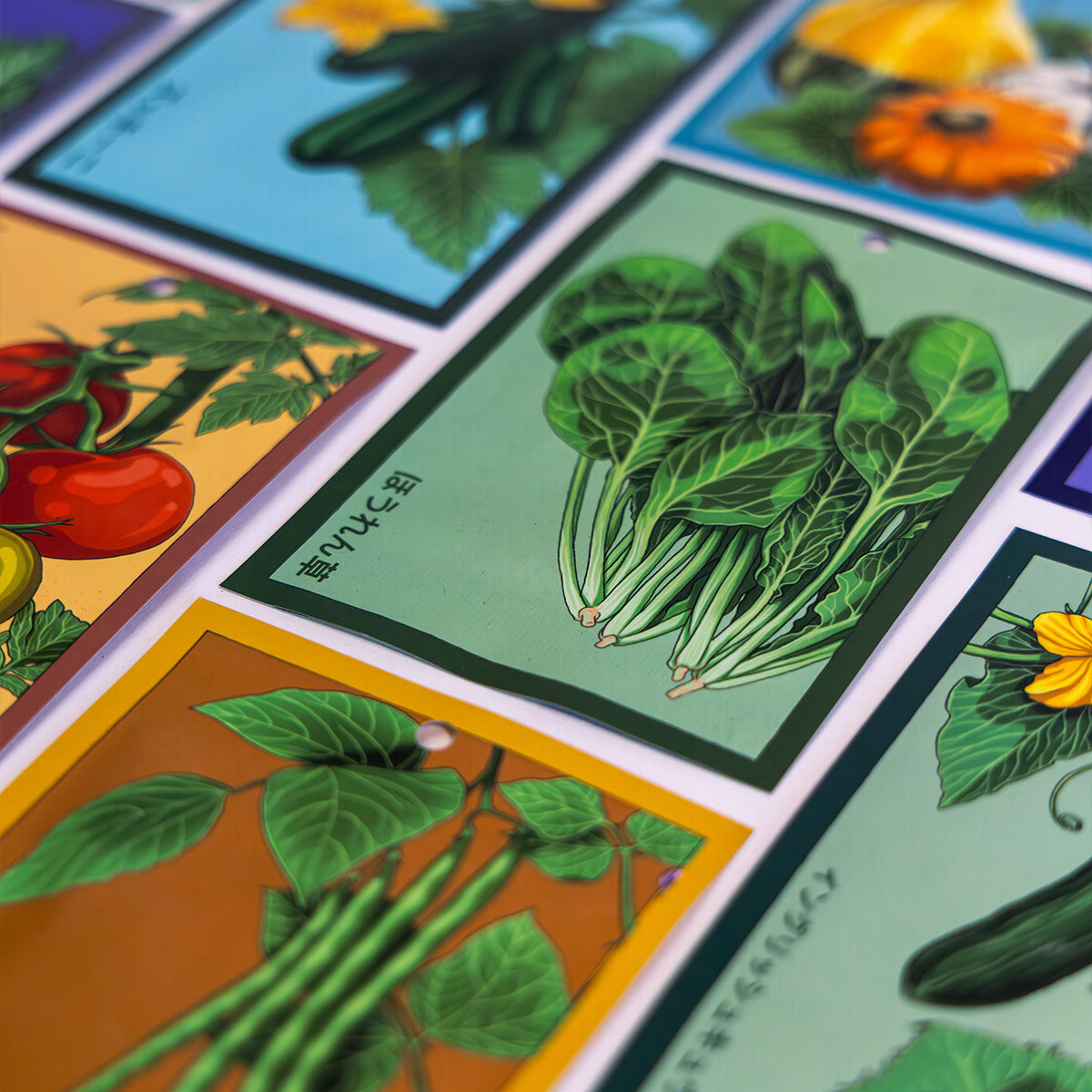
For another trellis-loving vine, Green Beans make good use of the same vertical support cucumbers already need.

Vegetable Shido Seeds packets — by Chive Studio Toronto

More From Shido's Garden

Explore Shido's full vegetable seed lineup for other crops that benefit from the same trellising setup.

Buttercup Yellow Gay Paree Peony - Chive Ceramics Studio - Ceramic Flowers - Chive Ceramics Studio

Crisp That Never Wilts

A fresh cucumber stays crisp for only a few days; Ivory Spider Mum holds its sharp, defined shape on a shelf indefinitely.

Chive Shido seed packets with botanical illustrations on a peg rack, showing cherry blossom, tomato, and eggplant designs.

The credentials behind the packet

A trellised cucumber vine represents real setup work before a single fruit ever appears, which raises the cost of a packet that doesn't perform. The packet stays sealed against oxygen from the moment it's filled, which is the studio's way of protecting that early investment, rather than leaving germination to chance. A crop that asks for structure upfront deserves seed reliable enough to make that effort worthwhile. Nobody wants to build a trellis for vines that were never going to show up. Setup effort spent on a trellis should pay off in fruit, not get wasted on seed that never had a fair shot. A little reliability upfront makes the whole season considerably less stressful.


Plant Care, Simplified with Chive

Keep it alive, keep it thriving. Let's make plant parenthood look easy.

Are Seed Packets GMO? The Honest Answer

Todd Newgren
Are seed packets GMO? No—home garden seed packets, Shido included, are never genetically modified, since GMO seed is only made for large-scale commercial crops. The non-GMO badg...
Read more

Nobody grows one dahlia. This is what nobody tells you.

Ryan Hearst
How to grow dahlias from seed: start indoors 6–8 weeks before last frost, transplant after frost, and expect first blooms in late summer. Nobody warns you that one bloom is all ...
Read more

Frequently asked questions

What is the best way to grow English cucumber seeds?

English cucumbers need warm temperatures, full sun, and trellising to grow straight, since the fruit tends to curl if left to sprawl unsupported across the ground. A simple A-frame or vertical netting works well for most home garden setups. A simple A-frame or vertical netting setup works well for most home garden situations.

Why do English cucumbers need trellising?

Without vertical support, the fruit curls and often develops rot where it rests against damp soil, while trellising keeps it straight, clean, and considerably easier to harvest. That straight growth also makes for a more visually appealing and easier to slice final product. That straight growth also makes for a more visually appealing and easier to slice final product.

Why does English cucumber sometimes taste bitter?

Inconsistent watering is the most common cause, so keeping soil moisture steady throughout the growing season is the most reliable way to prevent that unwelcome bitterness. Deep, less frequent watering tends to work better here than frequent shallow watering. Deep, less frequent watering tends to work better here than frequent shallow watering sessions.

What's different about English cucumbers compared to regular cucumbers?

English cucumbers have thinner skin, fewer seeds, and a milder flavor than standard slicing cucumbers, which is why they're often sold seedless and don't require peeling before eating. That mildness is a big part of why English cucumbers are often preferred for delicate salads and garnishes. That mildness is a big part of why English cucumbers are often preferred for delicate salads and garnishes.

What pests commonly affect cucumbers?

Powdery mildew and cucumber beetles are the most frequent concerns, both of which respond well to mulching and proper spacing that improves airflow around the vines. Rotating crops each season also helps reduce the buildup of these particular pest and disease pressures. Rotating crops each season also helps reduce the buildup of these particular pest and disease pressures.

How long do English cucumber seeds last?

Vacuum-sealed Shido Seeds packets stay viable for up to 10 years when stored properly, well beyond the roughly one-year shelf life typical of a standard paper seed packet. That reliability matters given the upfront investment a trellis setup already requires. Storing unused packets somewhere cool and dry helps preserve that extended viability even further.

Can English cucumbers be grown in a small garden?

Yes, provided there's a trellis or vertical support structure available, since growing the vine upward rather than outward makes efficient use of limited ground space. Growing vertically this way is often the more practical option for gardeners without much horizontal space. Growing vertically this way is often the more practical option for gardeners without much horizontal space to spare.

Are these seeds lab-tested for germination?

Yes — every Shido Seeds packet, English cucumber included, undergoes germination testing at independent third-party labs before reaching a shelf. That reliability matters given the upfront investment a trellis setup already requires from the gardener. That reliability matters given the upfront investment a trellis setup already requires before any fruit appears.

Verte Rx Shiny Leaves for Plants - Chive Ceramics Studio - Chive Ceramics Studio

The seed is the start. Verte RX handles the rest.

Most seedlings fail not from bad seed but from soil that runs out of what the plant needs before the plant can find it. Verte RX is a liquid plant vitamin formulated for exactly that window — the weeks after germination when the root system is establishing and the margin between thriving and stalling is narrowest.