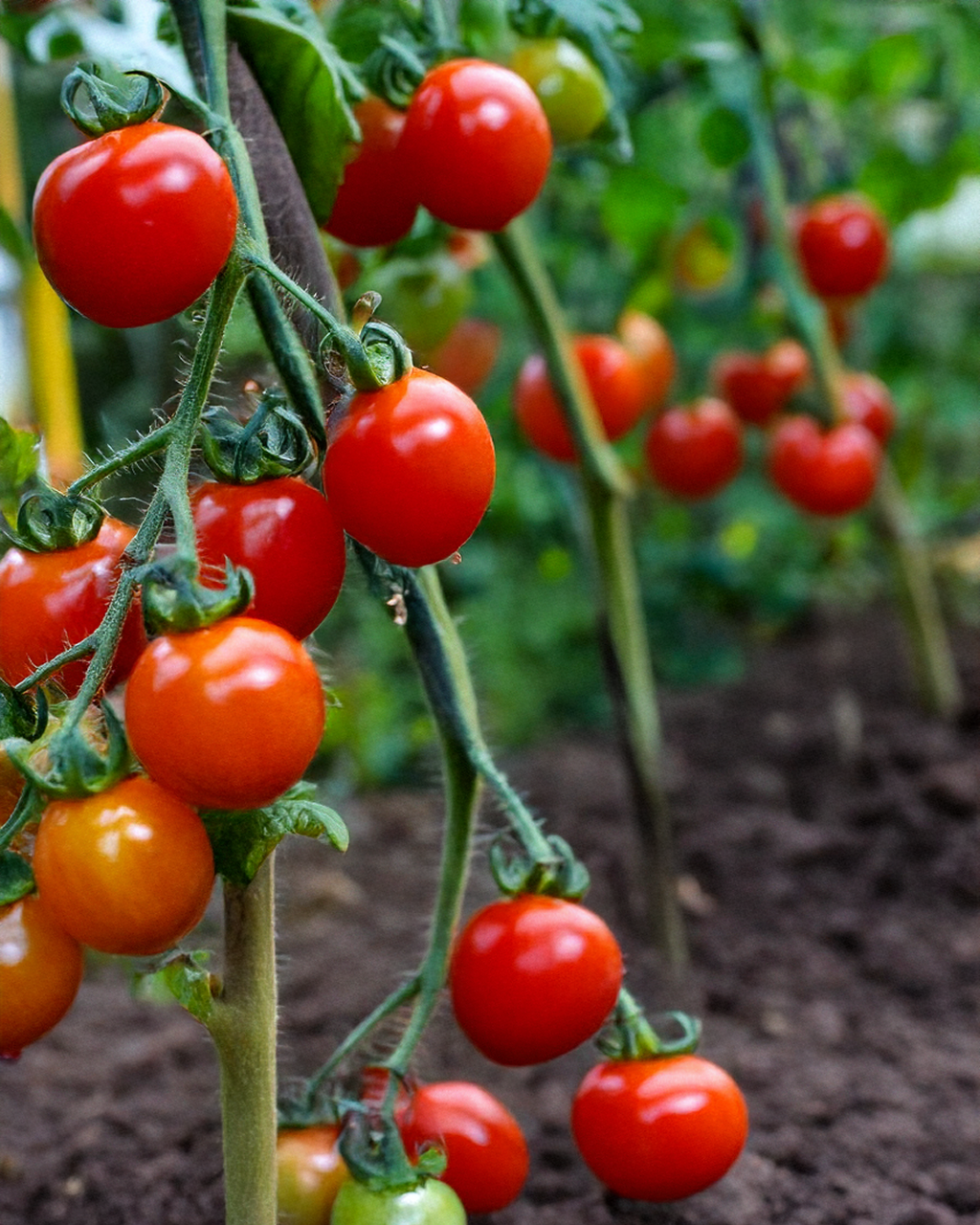
Cherry Tomato Vegetable Seeds Packet

Regular price $4.95
Vacuum Sealed
NON-GMO
Seed Pack Guarantee

Build Your Garden With These Shido Seeds

Choose a seed packet as your starting point, then round out the bed with these for that thrown-together-but-somehow-perfect harvest.


Cherry Tomato seeds for the kitchen garden that intends to actually produce cherry tomato this year. Cherry tomatoes are the only crop that creates a credible argument for eating directly from the vine and considering it lunch.

Cherry Tomato is the prolific cherry tomato that produces sweet, snackable fruit from midsummer until frost. Each packet is hermetically vacuum-sealed -- removing the oxygen that causes standard paper seed packets to lose germination viability within approximately one year. State law requires a 3-year viability label on sealed packaging. NASA research on hermetic seed storage indicates viability of up to 10 years under proper conditions. Every packet is non-GMO and germination-tested at independent third-party labs before it earns its Japanese woodblock print artwork.

Seed specifications
  • Material: Seed
  • Botanical name: Solanum lycopersicum
  • Genus: Solanum
  • Plant family: Solanaceae
  • Species: Lycopersicum
  • Plant type: Annual
  • Pollination type: Vegetable
  • USDA Hardiness Zones: 10-11
  • Packet contents: ≈ 50 Seeds
  • Packaging: Hermetically vacuum-sealed
  • Non-GMO: Yes
  • Seed viability: Up to 10 years (sealed) / 4–5 years (unsealed, ideal conditions)
  • Difficulty: Easy - Beginner Friendly
Sowing & growing guide

Quick Sowing Guide:

  • When to sow: 6-8 wks before last frost
  • Sowing depth: 1/4 in
  • Initial spacing: 18-24 in
  • Row spacing: 36-48 in
  • Days to germination: 6-8 days
  • Light: Full sun
  • Water: Consistent moisture, water at soil level
  • Soil: Rich, loamy, slightly acidic, well-drained
  • Harvest: 60-80 days

Start Growing: Step-by-step sowing and growing guide

About vacuum sealing

Why Vacuum-Sealed Seeds Last Longer

Standard paper seed packets are permeable to oxygen and moisture -- the two primary causes of seed degradation. Most paper-packaged seeds begin losing germination viability after approximately one year, contributing to significant garden-industry waste: packets purchased, not planted, expired, discarded. Shido Seeds are hermetically vacuum-sealed. The packet does not expire quietly in a drawer. It waits.

About the Packaging

Every Shido seed packet is illustrated in the style of Japanese 1910s woodblock printing -- designed and drawn in-house by Chive, that has been exhibiting at the Chelsea Flower Show in London every year and does not, as a matter of principle, sell to big-box retailers. Customers collect the packets as a series. This was not the original plan.

Shipping & returns

Shipping

  • Free shipping: Orders $200+ within the US
  • Standard: 5–8 business days, Express 2–3 business days (at checkout)
  • International Ships: to 40 countries — rates at checkout
  • Packaging Ships: in outer box to protect gift box

View full shipping policy →

Returns

We accept returns within 30 days of delivery on unused items in original packaging. If your piece arrives damaged, contact us within 7 days with a photo and we will replace it at no charge.

View full return policy →

Satisfaction Guarantee

We stand by the quality of our flower seed packets! Every Shido seed packet is lab-tested for germination before it ships. If your seeds do not perform to the stated germination rate under correct growing conditions, contact us and we will replace or refund. Guaranteed!

Wholesale Inquires

Have a cool shop? Know someone that does?

Find Chive on Faire →

Radish Horticultural Specifications

Botanical

Solanum lycopersicum

Plant Type

Annual

Light

Full sun

Water

Consistent moisture, water at soil level

Soil

Rich, loamy, slightly acidic, well-drained

Depth

1/4 in

Germination

6-8 days

USDA Zone

10-11

Mature Height

3-4 ft

Harvest

60-80 days


Getting to know your Cherry Tomato

Cherry tomatoes are small, round, sweet tomatoes that grow in generous clusters on either indeterminate or determinate vines, depending on the variety chosen. They thrive in full sun, warm temperatures, and well-drained, nutrient-rich soil, rewarding that combination with fruit that keeps coming steadily rather than all at once. Cherry tomatoes come in a genuine range of colors beyond the expected red, including yellow, orange, and even a deep purple that surprises people expecting uniformity. Consistent watering and proper staking matter more than gardeners sometimes assume, since an unsupported vine sprawling across the ground invites both rot and easier access for pests. These tomatoes resist cracking better than many larger varieties and stay reliably productive through a long stretch of the season, making them a dependable choice for fresh eating straight off the vine, tossed into salads, or roasted until the skins just start to blister. A single healthy plant can genuinely keep a household in cherry tomatoes for weeks running, provided the watering stays steady and the vine gets the support it needs to keep producing. That kind of steady output is really the whole appeal of growing them over buying a carton at the store. A single well-tended vine can genuinely carry a household through most of summer.


History & origin

Ancient Mesoamerica

Small, cherry-sized tomatoes are considered closer to the wild ancestral form of the tomato than larger modern cultivars, since Solanum lycopersicum var. cerasiforme is believed to represent an earlier stage in tomato domestication.

Wild-to-Cultivated Transition

Cherry tomatoes represent something of a link between fully wild tomato relatives and the large-fruited types developed through extensive later breeding.

20th Century Popularity

Cherry tomatoes saw significant renewed popularity in the latter half of the 20th century as snacking and salad vegetables, valued for their sweetness and convenient size.

Today

One of the most commonly grown tomato types in home gardens, prized for productivity and ease of use.

Shido Vegetable and Flower Seeds Vacuum sealed for peak freshness

Step-by-Step Sowing & Growing Guide

Getting Started

Annual, started indoors

Step 1: Timing - Start indoors 6-8 weeks before last frost.

Step 2: Soil - Well-drained loam, moderate organic matter, pH 6.0-6.8.

Step 3: Sowing - ¼ inch deep, 75-85°F.

Step 4: Transplant - After frost danger passes -- spacing depends on growth habit: 18-24 inches for compact patio types, 24-36 inches for vining types.

Step 5: Harvest - Pick as soon as fruit reaches full color -- check daily during peak season, since ripe cherry tomatoes split and drop quickly, faster than any other tomato type in this project.

Before you start

Materials needed to sow

  • Seed trays or small pots: For the 6-8 week indoor start.
  • Grow light: For strong seedling growth.
  • Stakes, cages, or a large container: Support needs depend on whether the variety is vining or a compact patio type -- confirm which applies once plants develop.

Materials for harvest and storage

  • Scissors or fingers: For snapping fruit free at the stem.
  • A larger collection container: This variety's high fruit volume per plant means you'll be picking more often and in bigger batches than with larger tomato types.

Tip: Pick as soon as fruit reaches full color and check daily during peak season -- ripe cherry tomatoes split and drop quickly once ready, faster than any other tomato type in this catalog.

Growth Requirements

Light:

  • Requires full sun (6-8 hours of direct sunlight daily).

Soil:

  • Prefers well-draining, nutrient-rich soil with a pH of 6.0-6.8.
  • Enrich soil with compost, aged manure, or organic fertilizer.

Watering:

  • Needs consistent, deep watering to prevent fruit cracking.
  • Water at the base of the plant to avoid fungal issues.

Temperature & Climate:

  • Grows best in temperatures between 70-85°F (21-29°C).
  • Protect plants from cold snaps and excessive heat.

Fertilization:

  • Use a balanced fertilizer (10-10-10) or compost tea every 2-3 weeks.
  • Avoid excessive nitrogen, which can lead to lush foliage but fewer fruits.

Maintenance

Watering:

  • Water deeply and consistently, especially during flowering and fruiting.
  • Use mulch to retain moisture and suppress weeds.

Staking & Pruning:

  • Indeterminate varieties need staking or caging for support.
  • Prune suckers (small shoots between the stem and leaves) to promote airflow and fruit production.

Harvesting and Seed Collection

  1. When to Harvest:
    Cherry tomatoes mature 60-75 days after planting.
    Harvest when fruits are fully colored and slightly firm.
    Pick regularly to encourage continuous production.
  2. Storing Cherry Tomatoes:
    Store at room temperature for the best flavor.
    Refrigeration can alter texture but prolongs shelf life.
  3. Saving Seeds:
    Scoop out seeds from ripe tomatoes and ferment them in water for 2-3 days.
    Rinse, dry, and store in a cool, dry place for future planting.

Troubleshooting and common mistakes

  • Infrequent harvesting — high fruit volume means cherry tomatoes need much more frequent picking than large-fruited types -- ripe fruit splits and drops quickly once ready, often within a day or two
  • Underestimating plant size — vining cherry types can reach 6+ feet -- confirm which growth habit (vining vs. compact patio type) this SKU represents before choosing a support structure

Culinary uses & nutritional information

What it's used for

1. Culinary Uses:

  • Eaten raw in salads, salsas, and sandwiches.
  • Used in cooking, roasting, and making sauces.
  • Dried or preserved for extended use.

2. Nutritional Benefits:

  • Rich in vitamins A, C, and K, as well as antioxidants like lycopene.
  • Low in calories and high in fiber.

3. Companion Planting:

  • Grow well with basil, marigolds, carrots, and onions.
  • Avoid planting near potatoes and brassicas, which can compete for nutrients.

What parts are edible

  • Fruit: The only edible part.

Nutritional data

Raw cherry tomato, per 100g

Calories: 18 kcal

  • Carbohydrates: 3.9 g
  • Protein: 0.9 g
  • Total fat: 0.2 g
  • Dietary fiber: 1.2 g
  • Vitamin C: 15.5 mg (17% RDA) -- slightly higher than large tomatoes
  • Folates: 20 µg (5% RDA)
  • Potassium: 237 mg
  • Cholesterol: 0 mg
  • Concentration note: cherry tomatoes have a higher skin-to-flesh ratio than beefsteak types, giving them modestly more concentrated vitamin C and lycopene per gram -- a genuine, if minor, nutritional distinction between the two fruit types

Companion plants, pests & diseases

Companion planting

Good companions

  • Basil — verified pest-defense/yield benefit, not a flavor effect
  • Carrots, alliums — general tomato companions

Poor companions / avoid

  • Brassicas, fennel, potatoes, dill — shared disease pressure and/or competition once dill matures

Pests

Pests

  • Hornworms, aphids, whiteflies, flea beetles — standard tomato pest pressures, though cherry types often outrun some disease pressure simply by maturing faster

Diseases

  • Early blight, late blight, septoria leaf spot — standard tomato fungal pressures -- blossom end rot is notably less common on this fruit type than on beefsteak given the smaller fruit size

Pro Tip

Cherry tomatoes grow fast and abundantly—provide a trellis or cage to keep vines supported and fruit off the ground. Pinch off suckers (small shoots between the stem and branches) to encourage better airflow and higher yields.

Bonus: Harvest regularly to keep the plant producing sweet, juicy tomatoes all season long!

Seeds worth keeping

What makes Shido Seeds different

Shido Seeds are designed by Chive Studio, a ceramic design company. We are not a seed conglomerate. We do not sell through big-box retailers. Each variety in the catalog was selected because it is worth growing — not because it ships well in bulk or photographs well in marketing materials.

Every packet is germination-tested at an independent third-party lab before it earns its woodblock illustration. The vacuum seal removes the oxygen that causes standard paper packets to degrade. The stated germination rate is a floor, not a marketing figure.

If something goes wrong, contact us. We will make it right.

Plants that Grow together look good together...even if they are ceramic

For a Larger Slicing Tomato
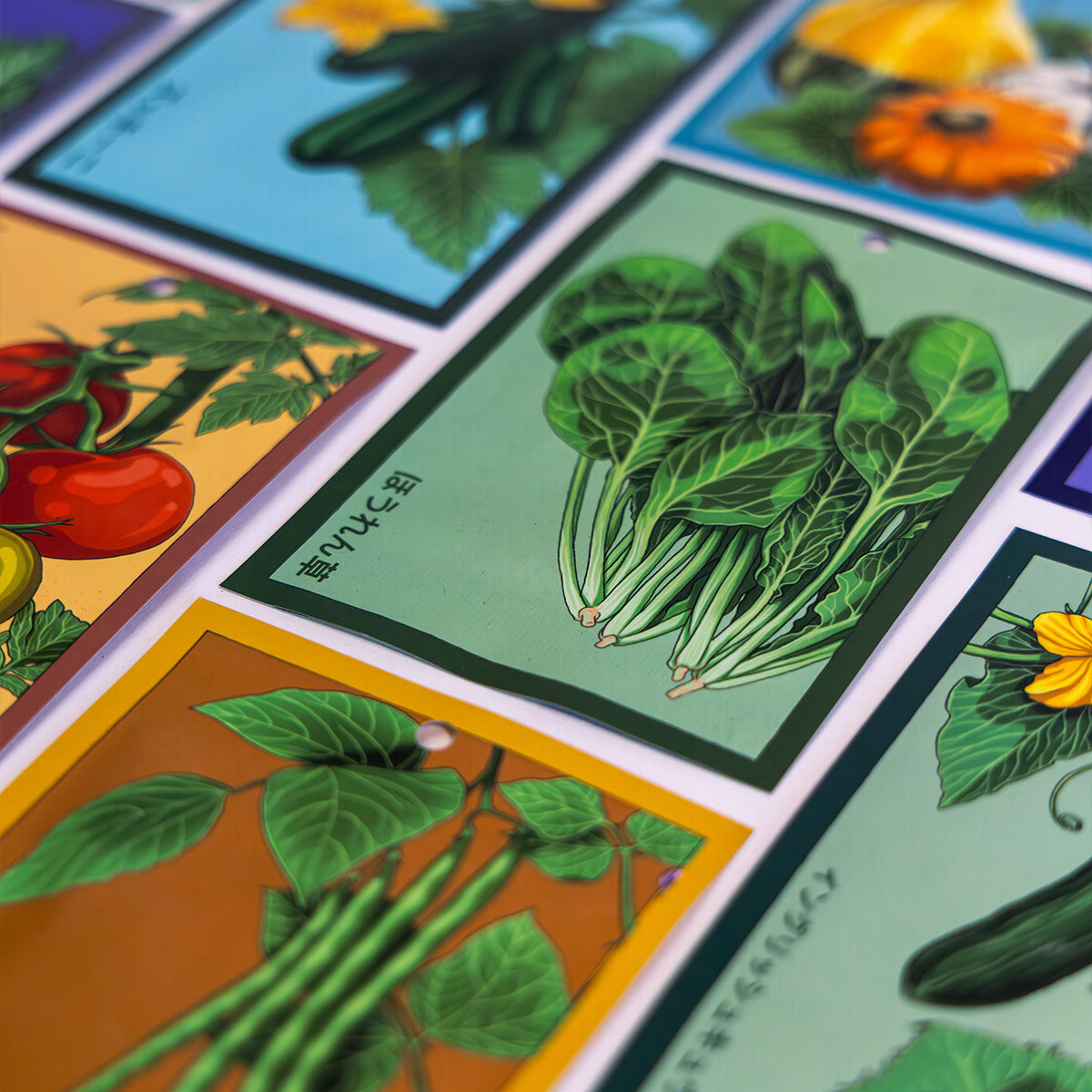
For a tomato built for sandwiches rather than snacking, Beefsteak Tomato trades cherry tomato's small clusters for one substantial slice.

Vegetable Shido Seeds packets — by Chive Studio Toronto

The Rest of the Vegetable Lineup

Explore Shido's full vegetable seed collection for other warm-season crops that share cherry tomato's love of full sun.

Buttercup Yellow Gay Paree Peony - Chive Ceramics Studio - Ceramic Flowers - Chive Ceramics Studio

A Harvest That Doesn't Stop for Winter

Cherry tomato season eventually ends, but Chive's Ivory Charm Peony keeps its color on a shelf all year round.

Chive Shido seed packets with botanical illustrations on a peg rack, showing cherry blossom, tomato, and eggplant designs.

The credentials behind the packet

A tomato this productive puts real pressure on the seed to perform, since one plant is expected to carry a household through weeks of steady harvest. Keeping the packet's oxygen exposure to a minimum is how the studio protects that expectation instead of trusting a paper envelope to do the job. Cherry tomatoes also tend to get replanted year after year once a gardener finds a variety they like, which compounds the value of a packet that actually holds up over time. Reliability here isn't a one-time concern; it's something a repeat grower benefits from every single season. That kind of consistency is what actually earns a seed a permanent spot in someone's yearly rotation.


Plant Care, Simplified with Chive

Keep it alive, keep it thriving. Let's make plant parenthood look easy.

Nobody grows one dahlia. This is what nobody tells you.

Ryan Hearst
How to grow dahlias from seed: start indoors 6–8 weeks before last frost, transplant after frost, and expect first blooms in late summer. Nobody warns you that one bloom is all ...
Read more

Do Seeds Expire? How Long Do Seeds Last | Shido

Todd Newgren
Seeds don't expire — they lose viability as oxygen depletes stored energy, and vacuum sealing is the fix. Chive's Shido Seeds are vacuum-sealed, germination-tested, and stocked ...
Read more

Frequently asked questions

What is the best way to grow cherry tomatoes from seed?

Cherry tomatoes want full sun, warm temperatures, and well-drained, nutrient-rich soil, along with consistent watering and proper staking to support the vine as it fills out with clusters of fruit throughout the season. That combination rewards attention without demanding constant intervention once the plant is established. Feeding regularly through the season also supports the kind of continuous fruit set this variety is known for.

Why are cherry tomatoes so productive compared to other tomatoes?

Cherry tomato varieties are generally bred to prioritize continuous, smaller fruit production over the single large fruits a beefsteak variety focuses on, which is why a healthy vine can keep producing steadily for weeks on end. Determinate varieties tend to ripen more of their fruit at once, while indeterminate types spread production out further.

Do cherry tomatoes need staking?

Yes, generally — an unsupported vine sprawling across the ground invites both rot and easier access for pests, while proper staking keeps fruit clean and makes harvesting considerably more manageable. A simple cage or single stake is usually enough for most home garden setups. Pinching off suckers on indeterminate varieties can also help the plant direct more energy toward fruit rather than foliage.

What colors do cherry tomatoes come in?

Beyond the familiar red, cherry tomatoes come in yellow, orange, and even a deep purple variety, each with subtly different sweetness and acidity despite sharing the same basic growing needs. Flavor differences between colors are often subtle, coming down more to sweetness than any dramatic taste variation. Purple varieties in particular carry a slightly earthier, less acidic profile than the more common red types.

Why do cherry tomatoes sometimes crack?

Cracking usually results from inconsistent watering, particularly a heavy rain or watering session after a dry stretch, which causes the fruit to expand faster than the skin can accommodate. Mulching around the base also helps regulate soil moisture and reduce the chances of a sudden swing. Consistent watering on a regular schedule does more to prevent this than any single fix applied after the fact.

How long do cherry tomato seeds last?

Vacuum-sealed Shido Seeds packets remain viable for up to 10 years under proper storage, a significant improvement over the roughly one-year shelf life of a standard paper seed packet. That reliability matters most for a variety many gardeners plant again every single year without fail. Storing packets somewhere cool and dry helps preserve that extended viability even further over time.

Can cherry tomatoes be grown in containers?

Yes, provided the container is large enough to support the root system and there's something for the vine to climb or lean against as it grows and fills out with fruit. A five-gallon container or larger typically gives the roots enough room to support healthy fruit production. Regular feeding throughout the season also helps a container-grown plant keep pace with its own productivity.

Has Chive shown seeds at a major flower show?

Chive has exhibited its seed line at the RHS Chelsea Flower Show, where feedback from professional growers has genuinely shaped several of the varieties now offered in the catalog. Feedback gathered there has genuinely shaped several tomato varieties currently offered across the catalog. That third-party verification matters even for a reliable variety, since consistency is the entire basis of the claim.

Verte Rx Shiny Leaves for Plants - Chive Ceramics Studio - Chive Ceramics Studio

The seed is the start. Verte RX handles the rest.

Most seedlings fail not from bad seed but from soil that runs out of what the plant needs before the plant can find it. Verte RX is a liquid plant vitamin formulated for exactly that window — the weeks after germination when the root system is establishing and the margin between thriving and stalling is narrowest.