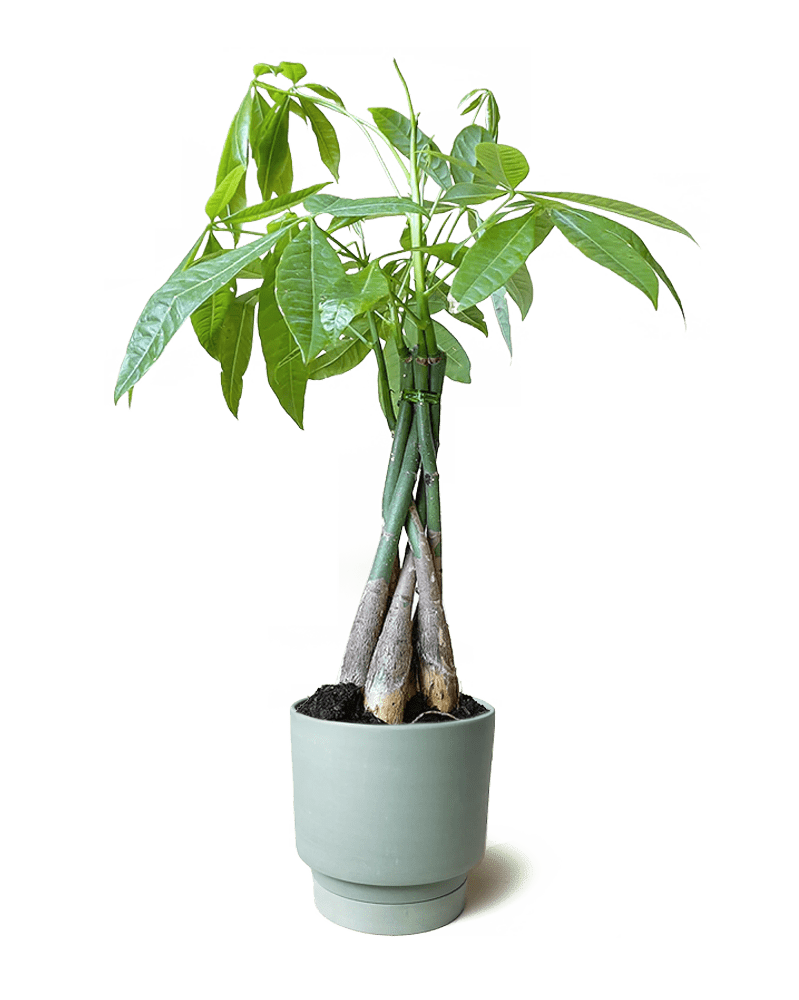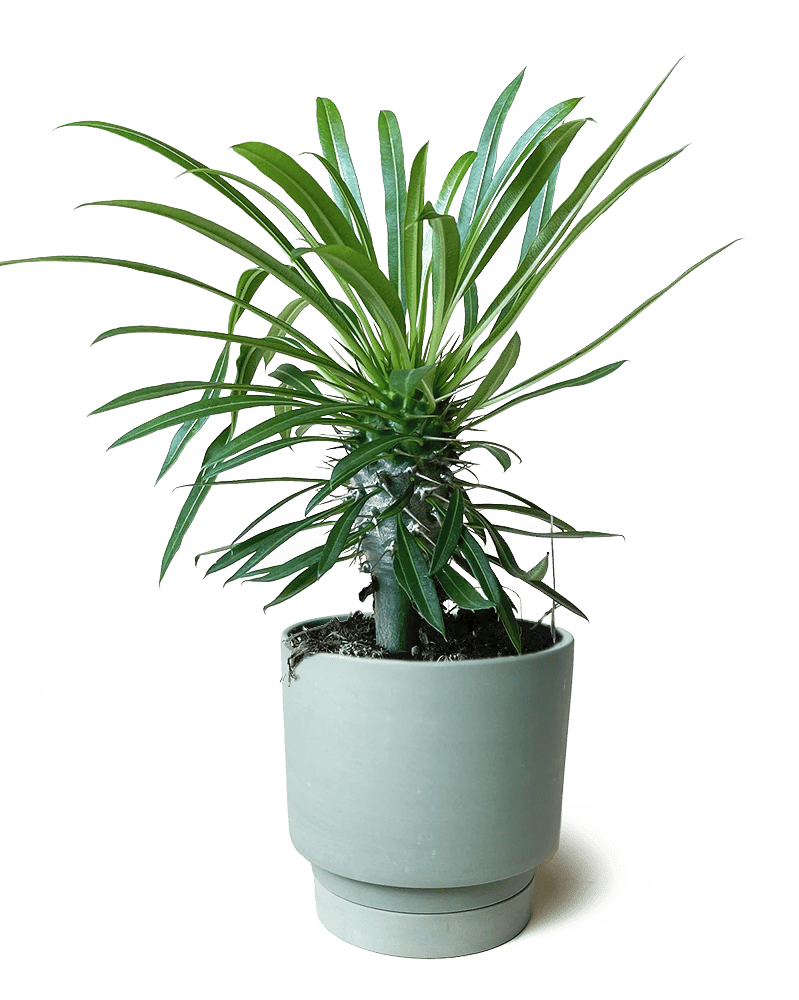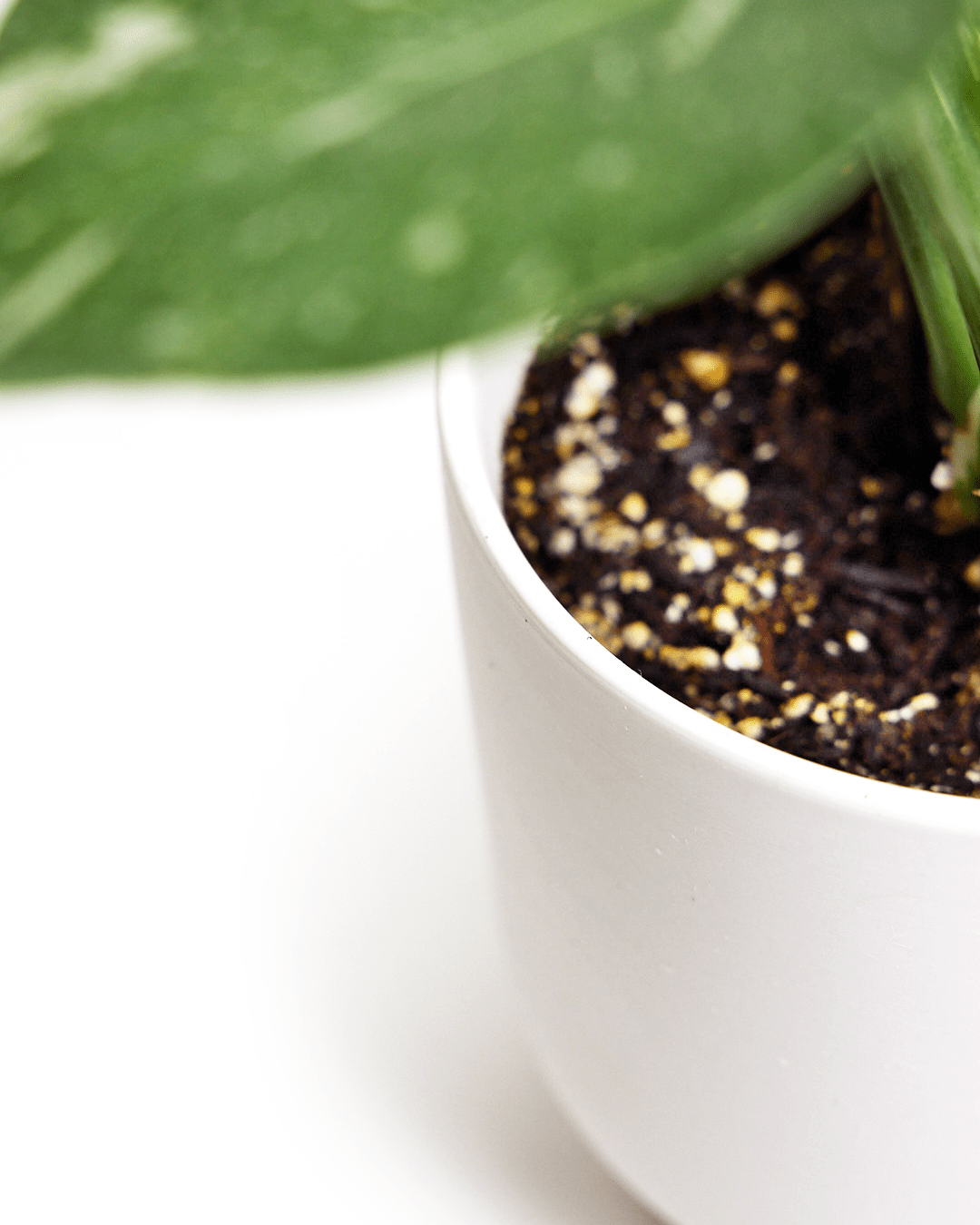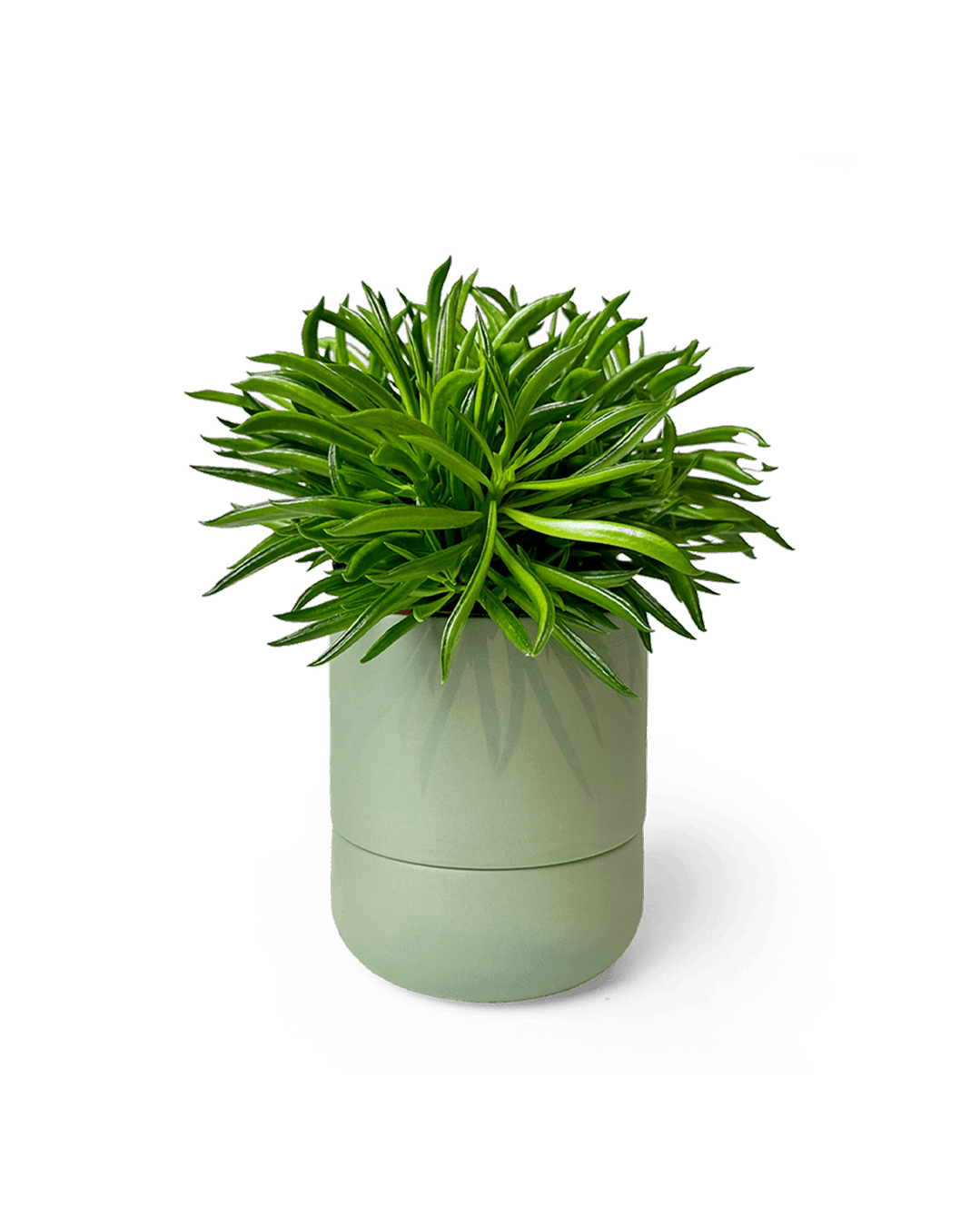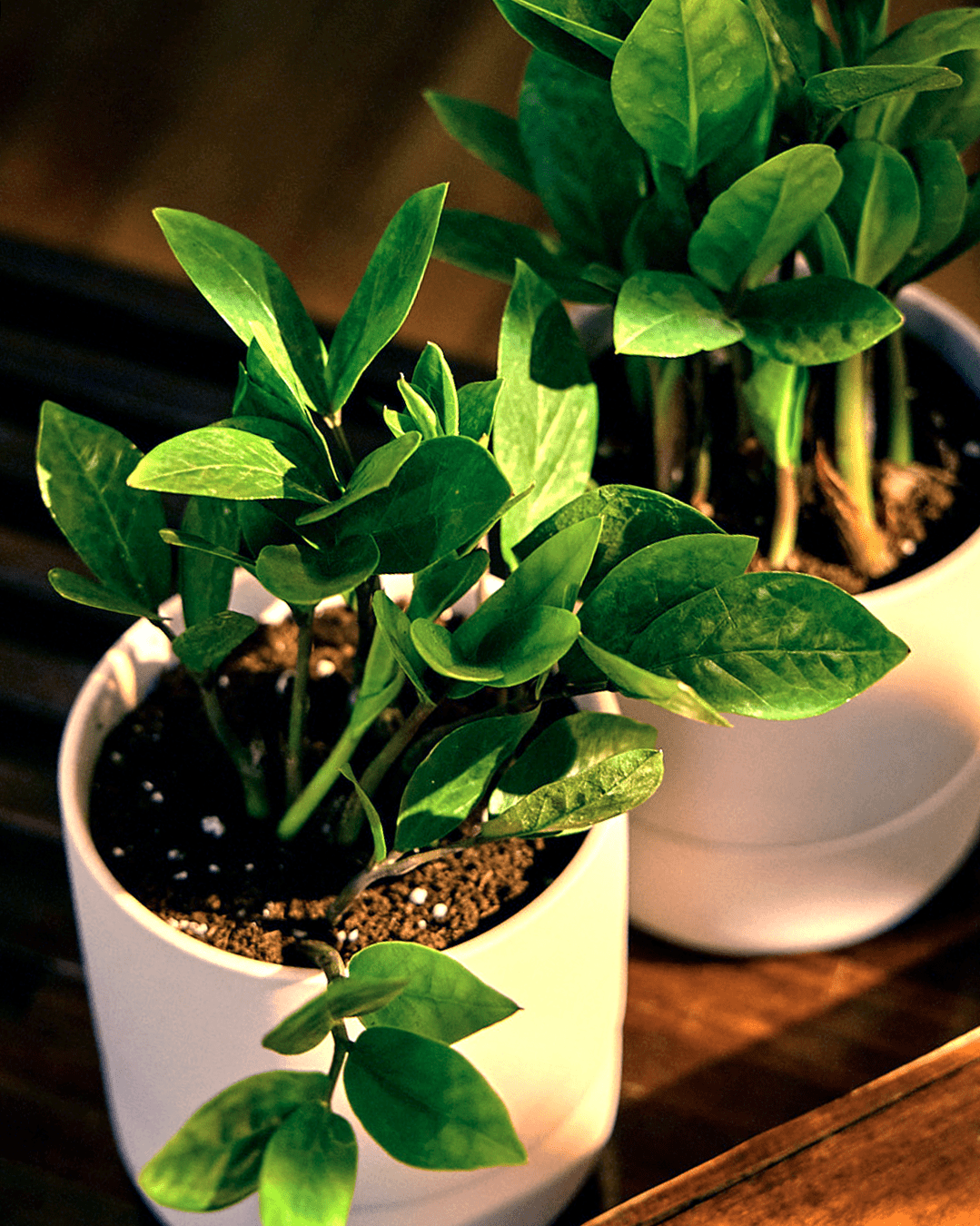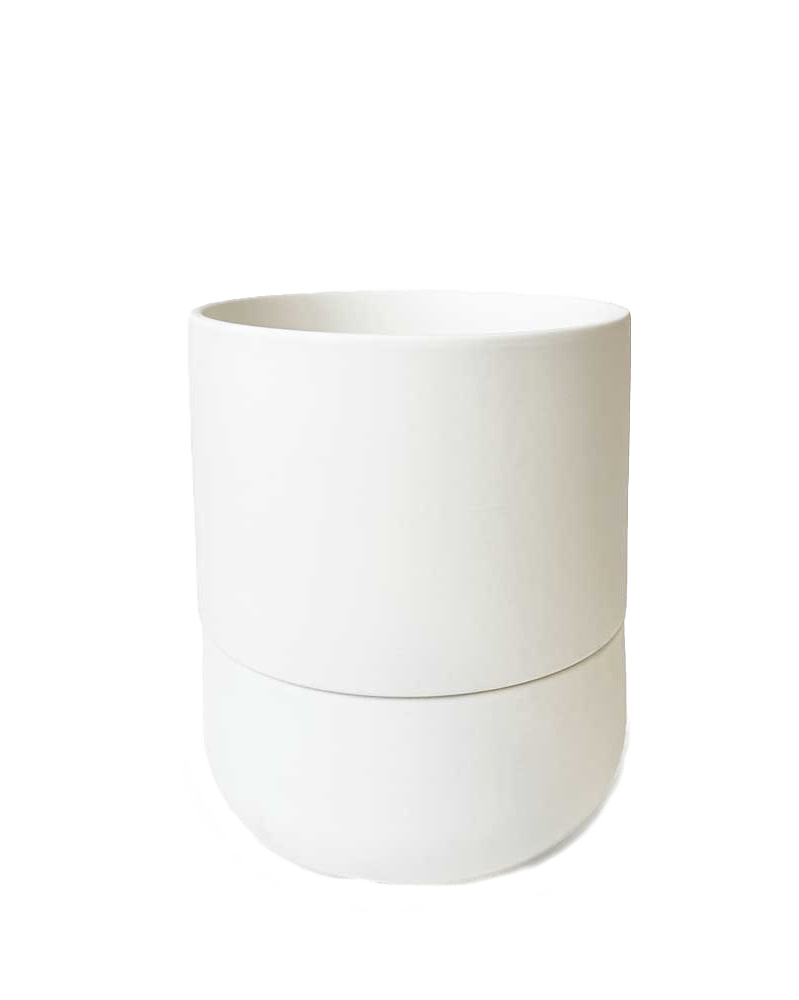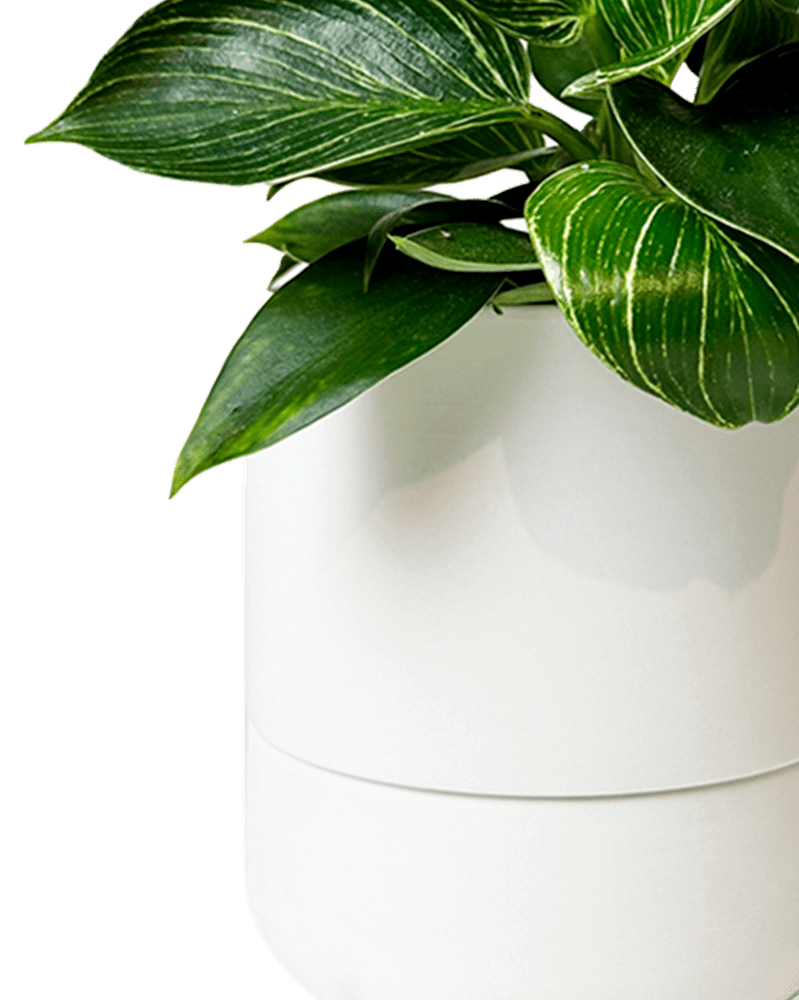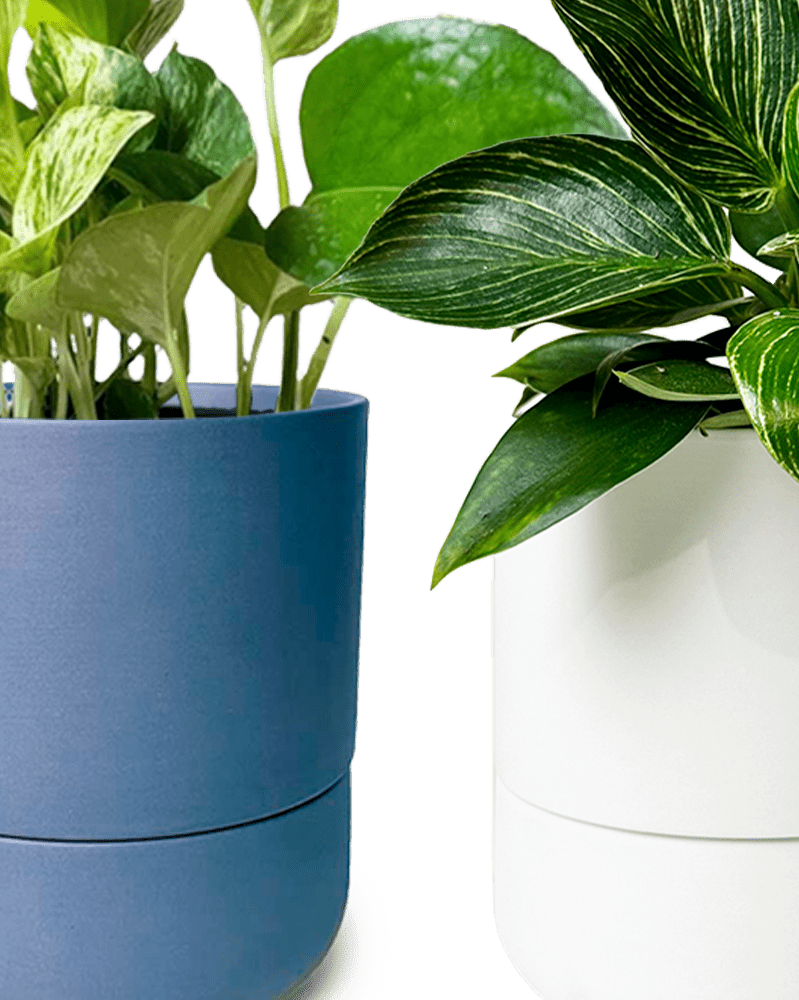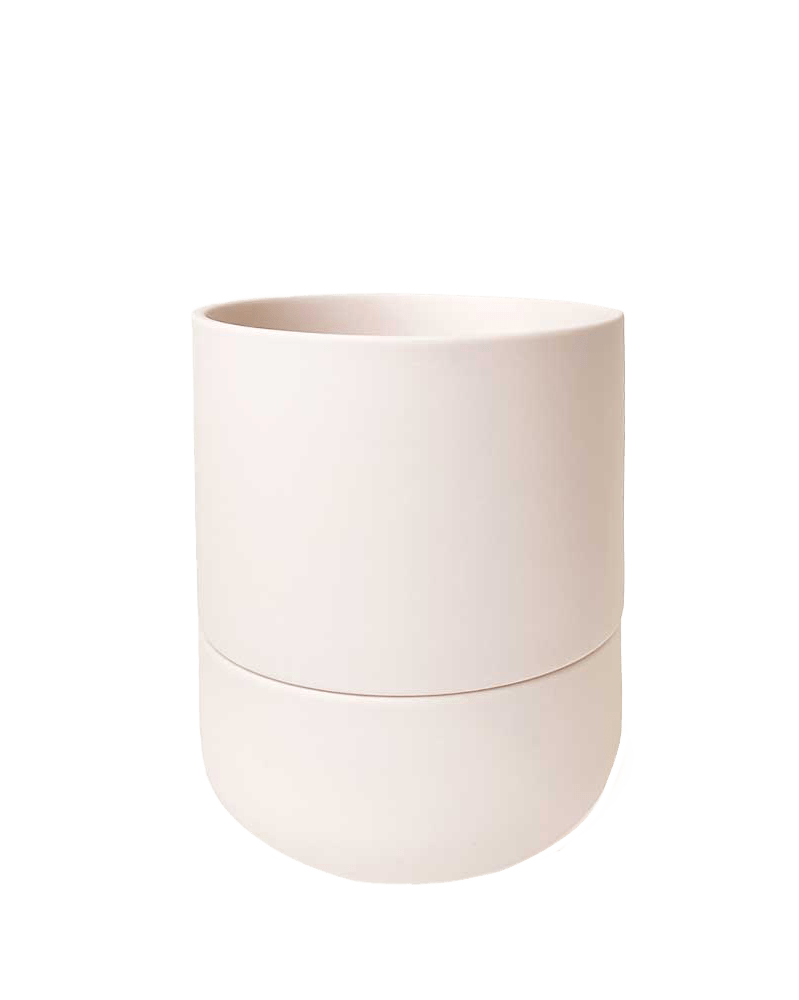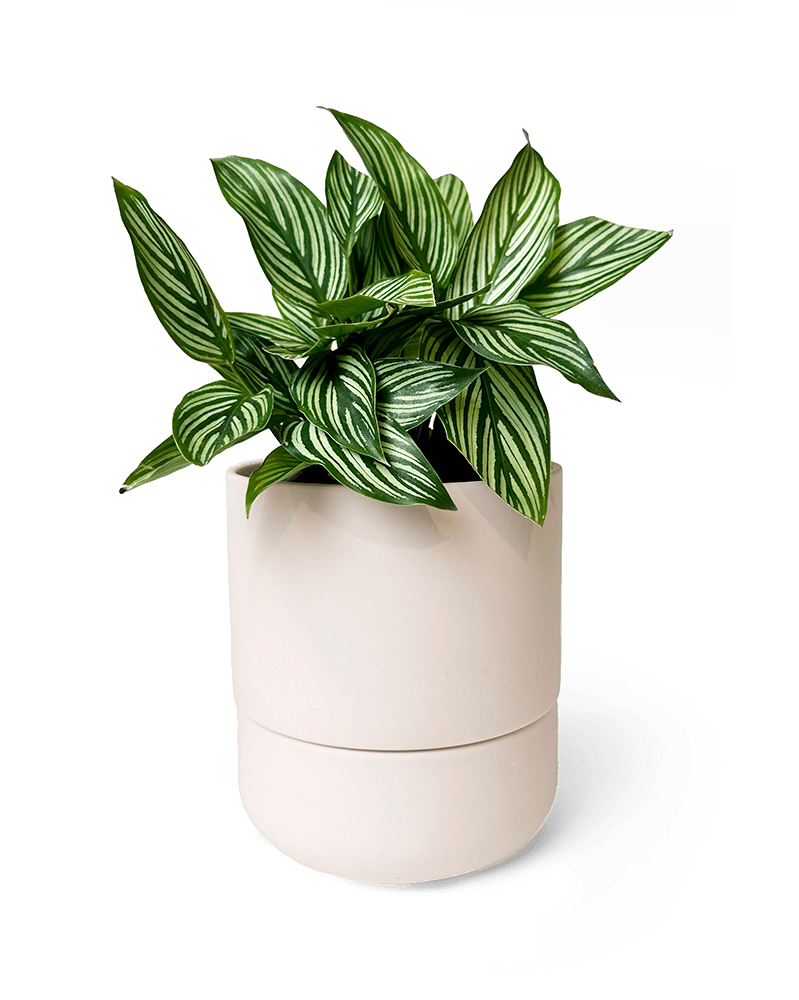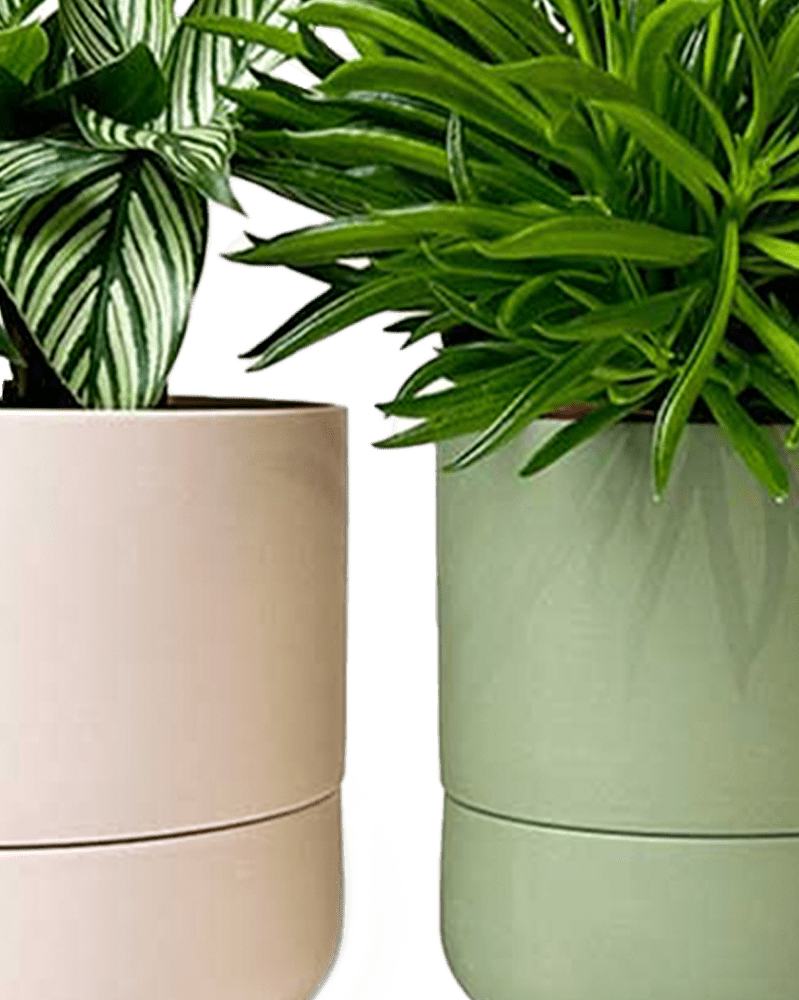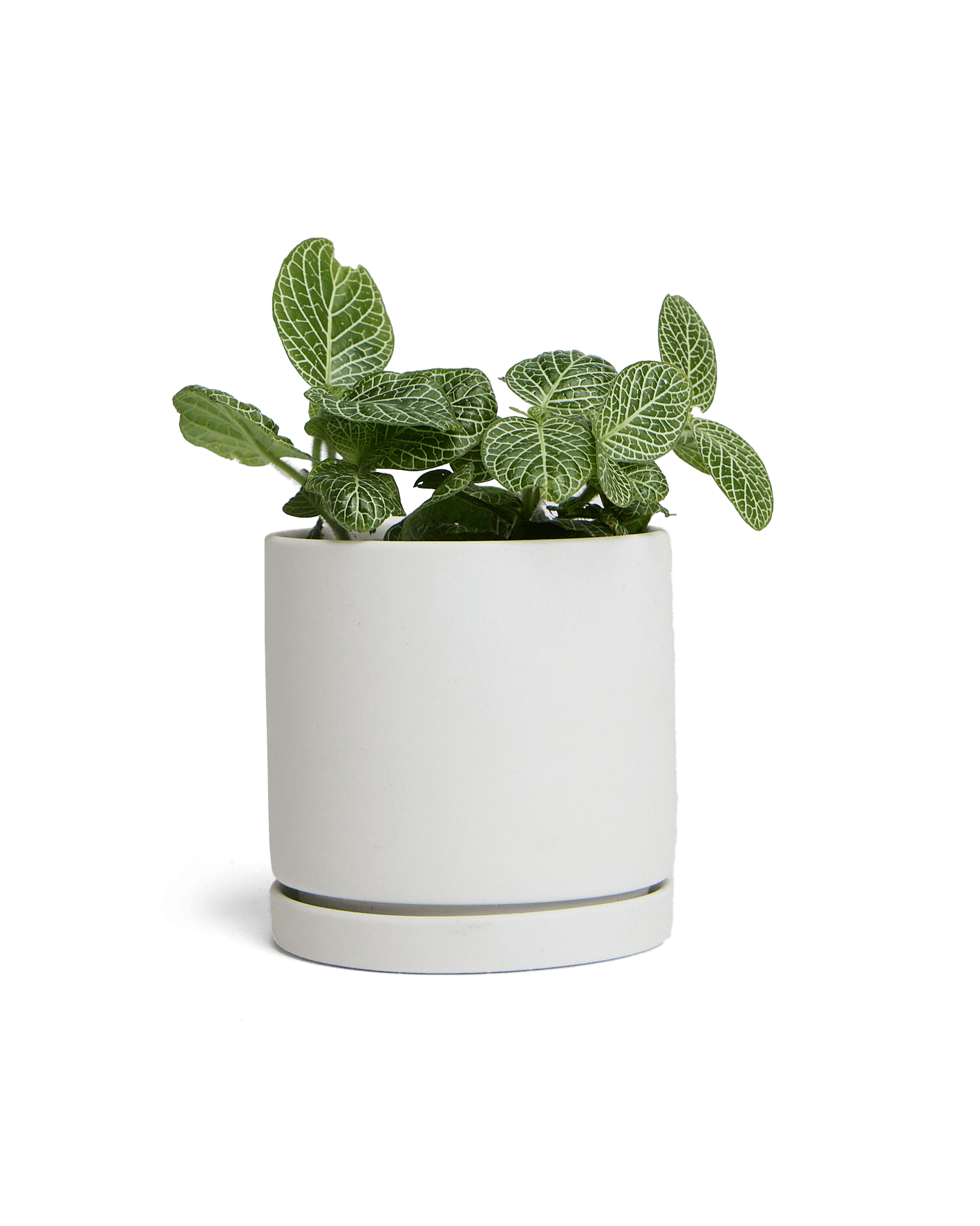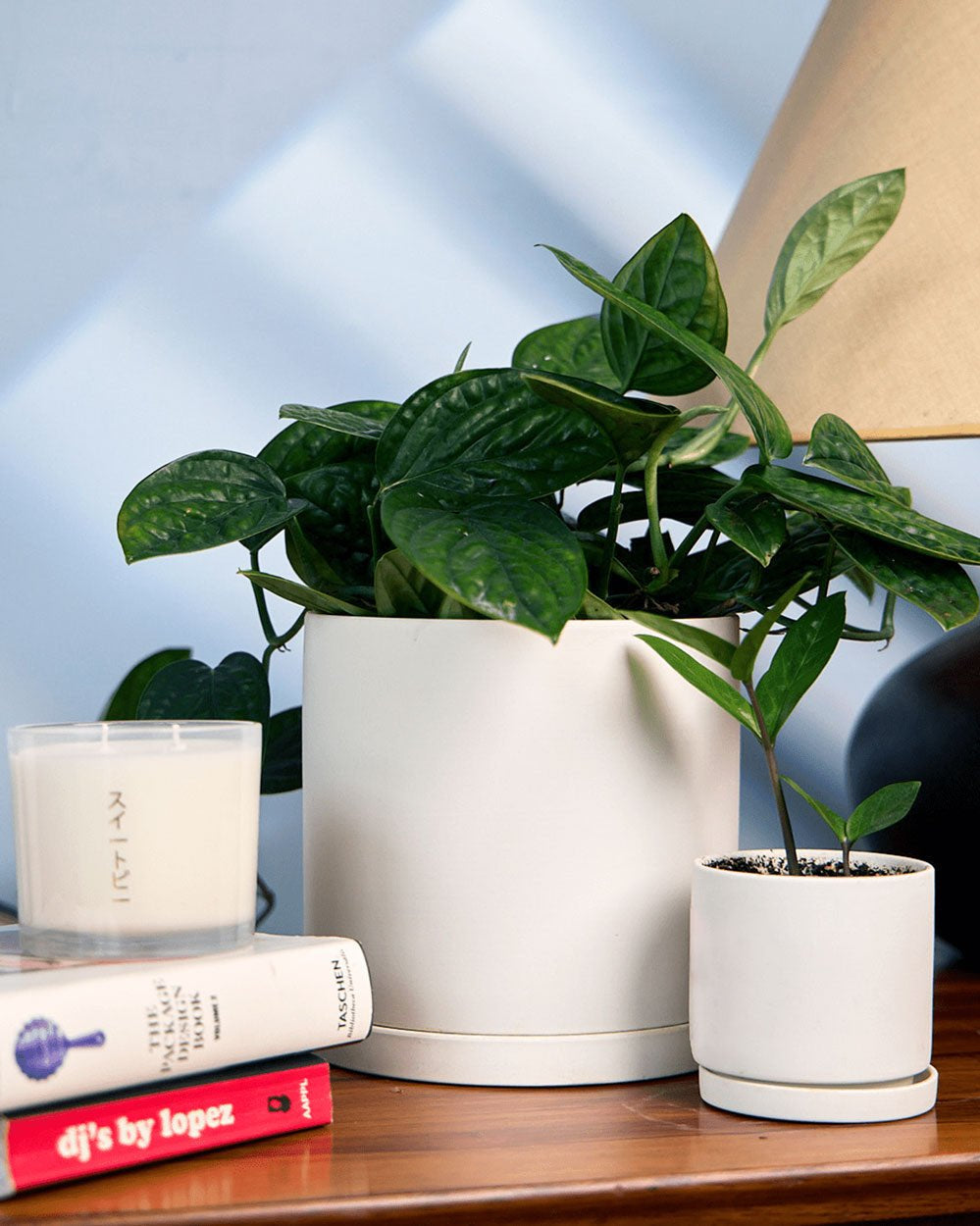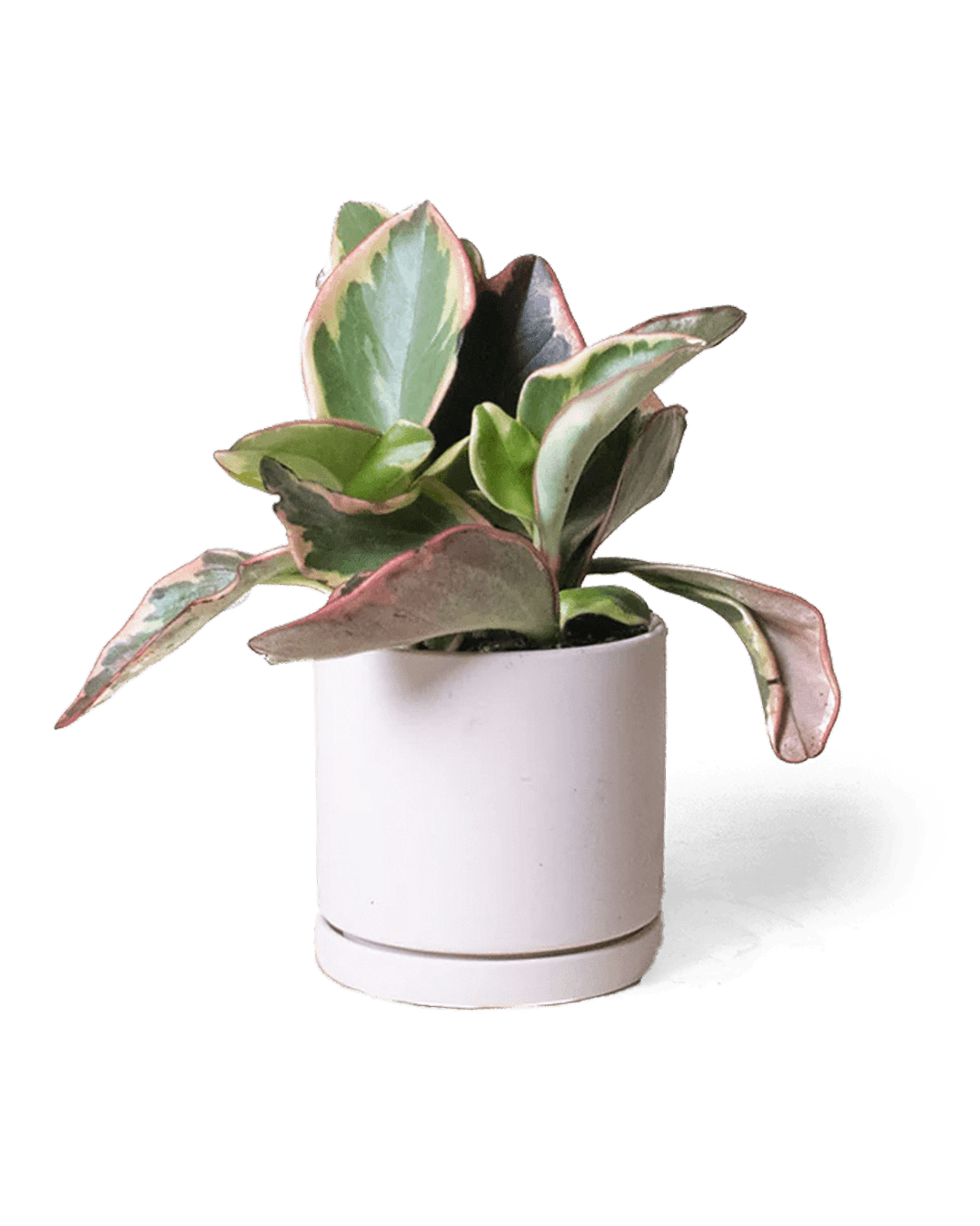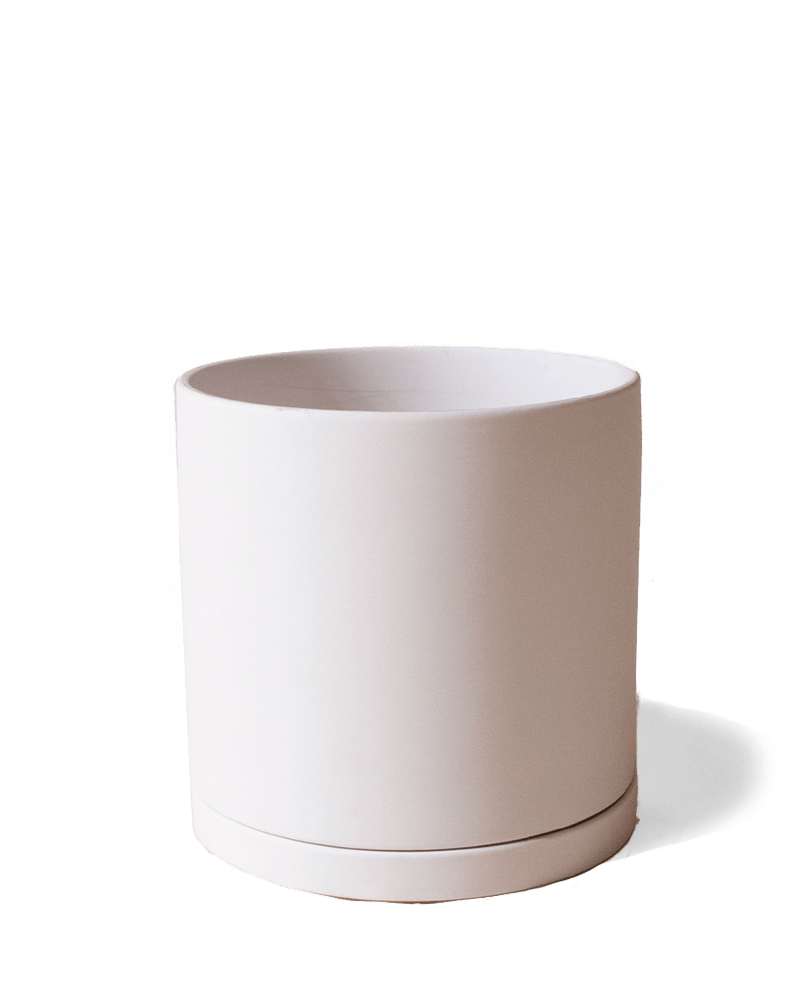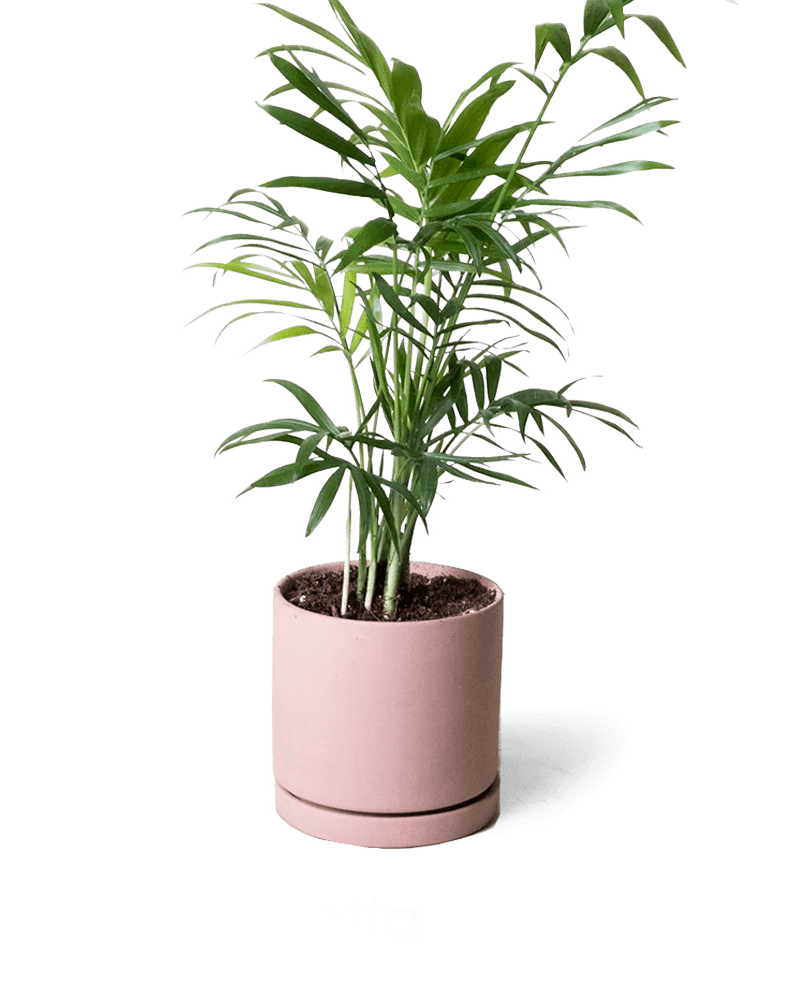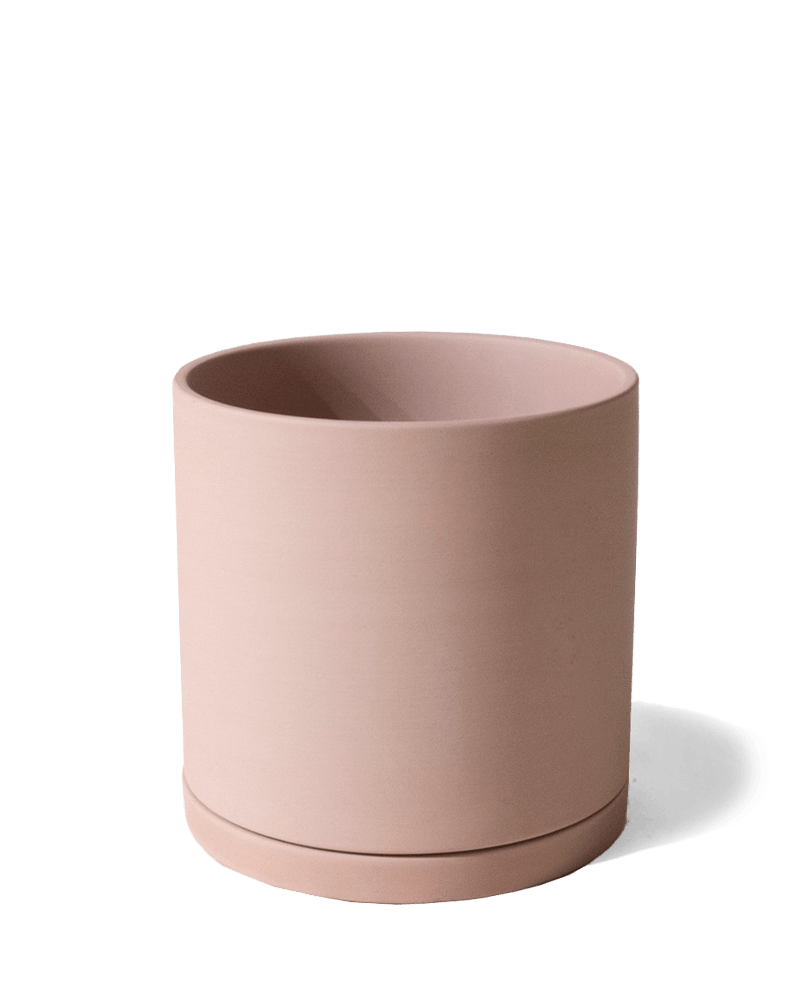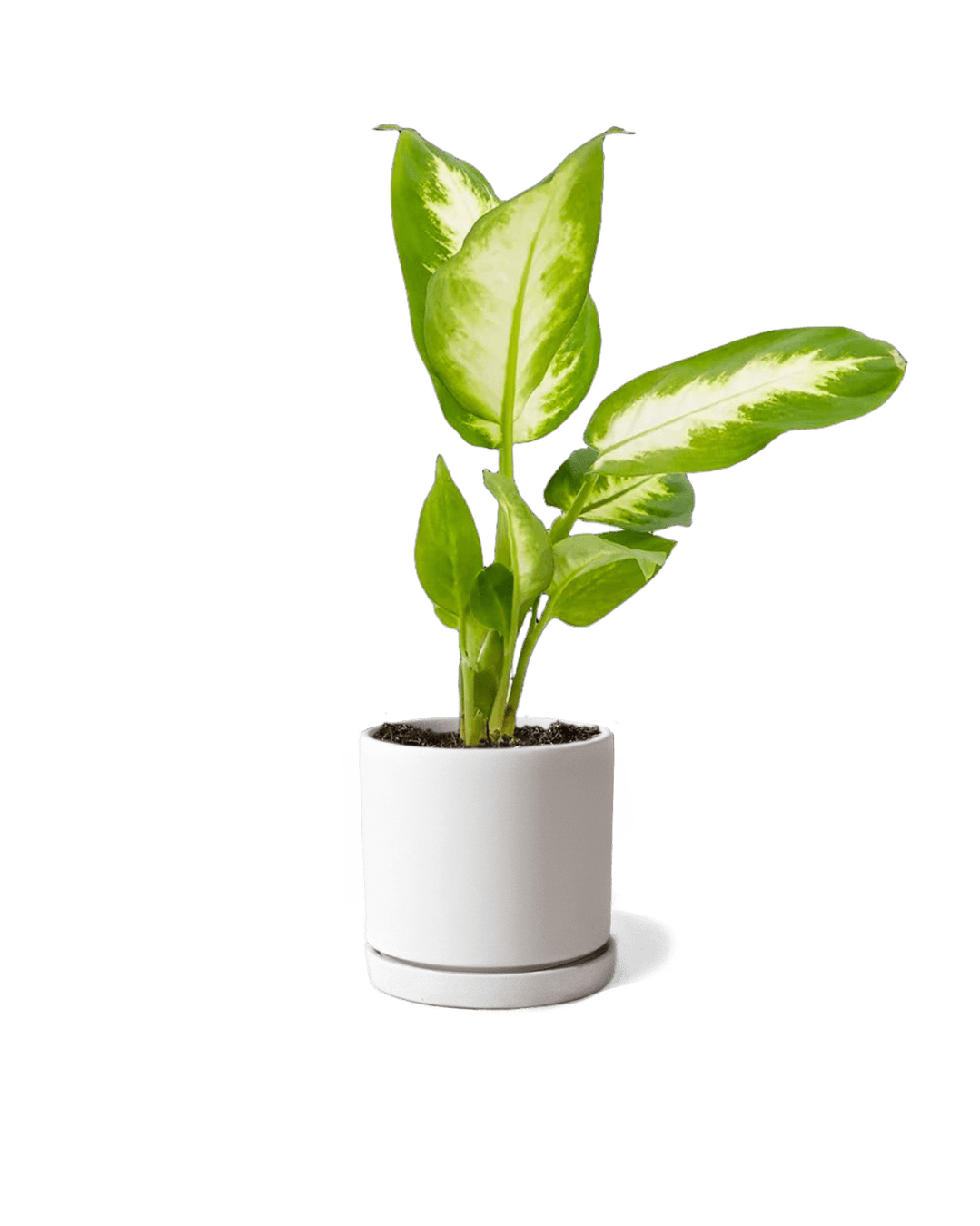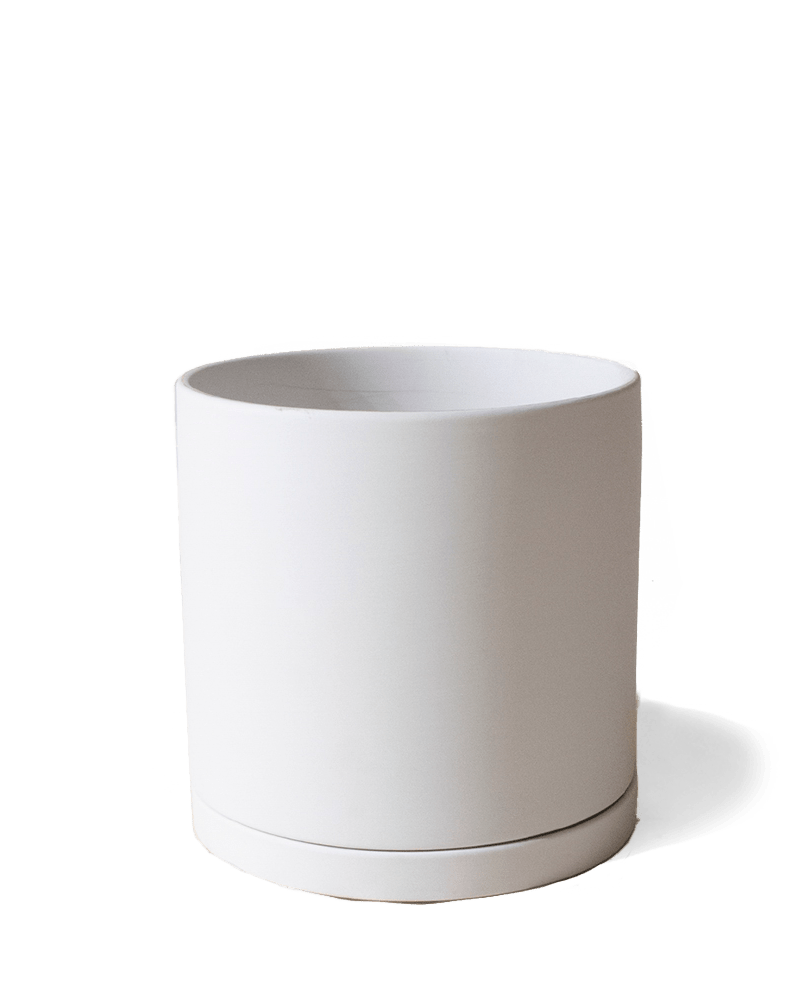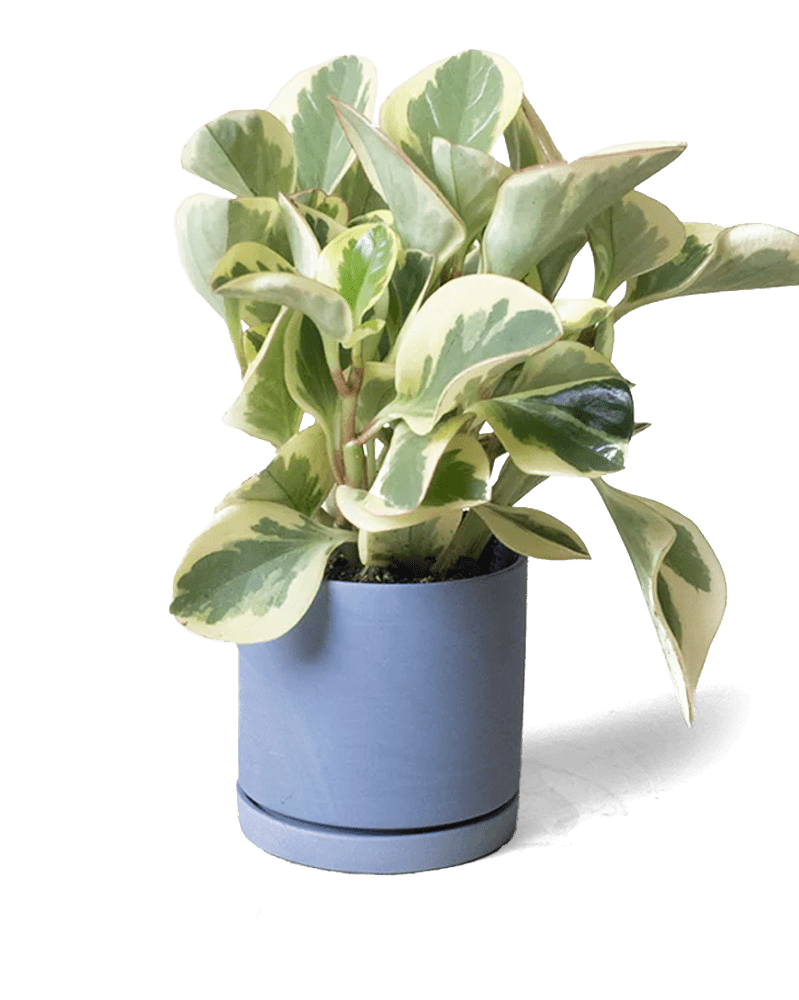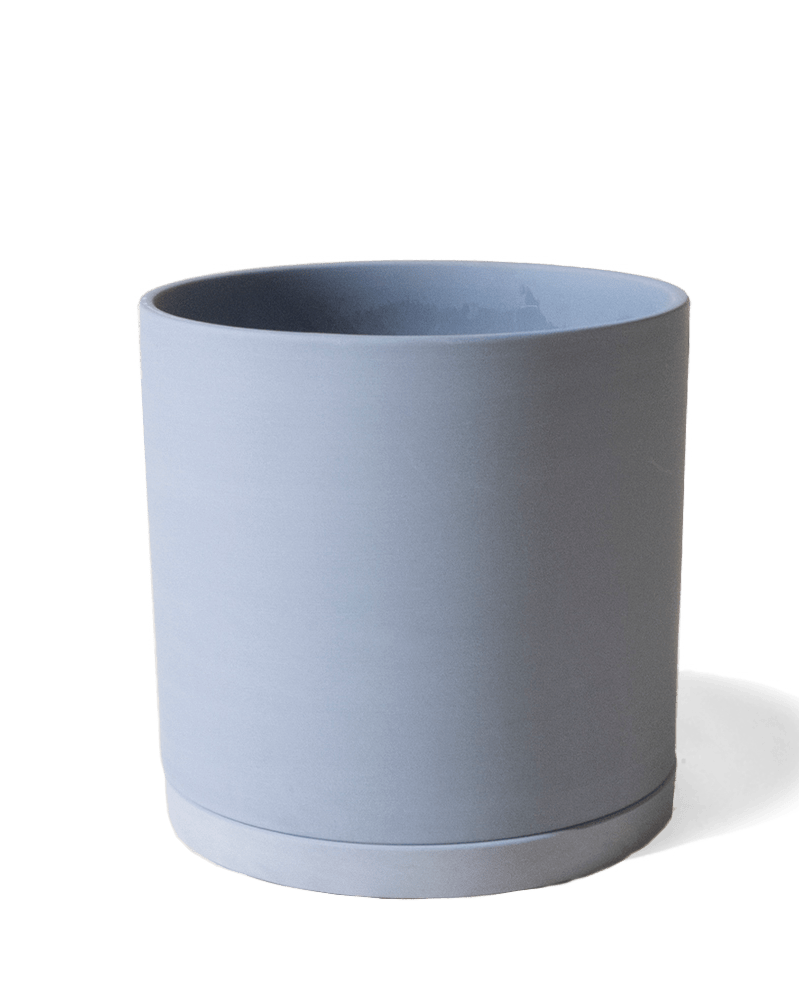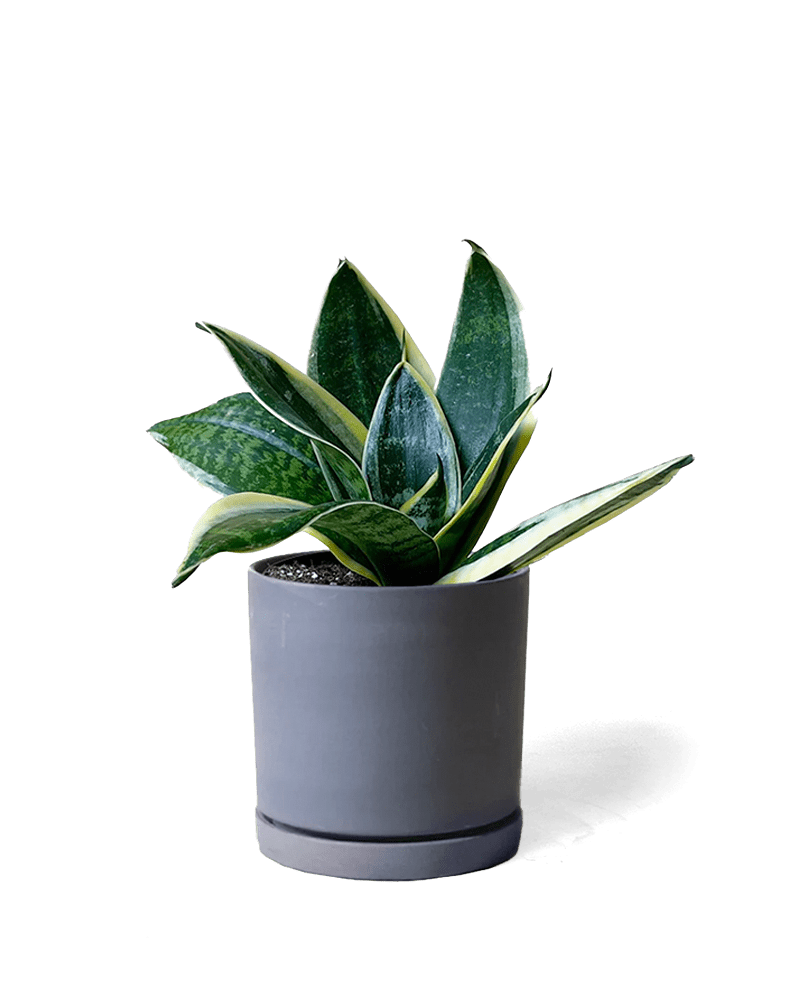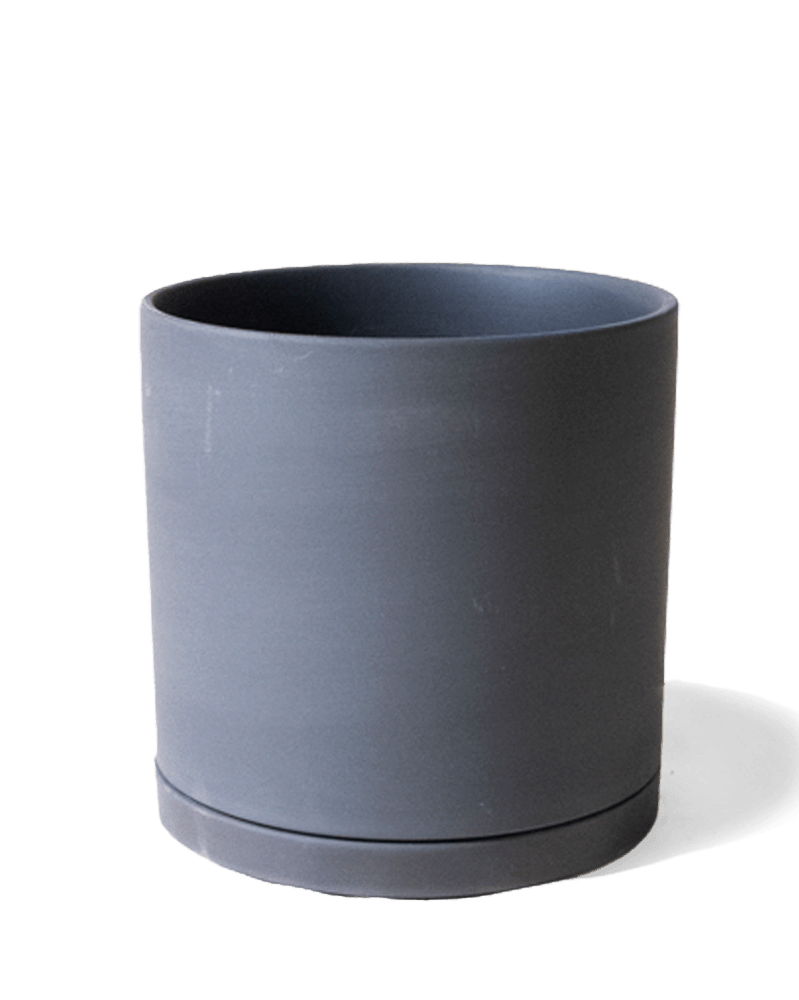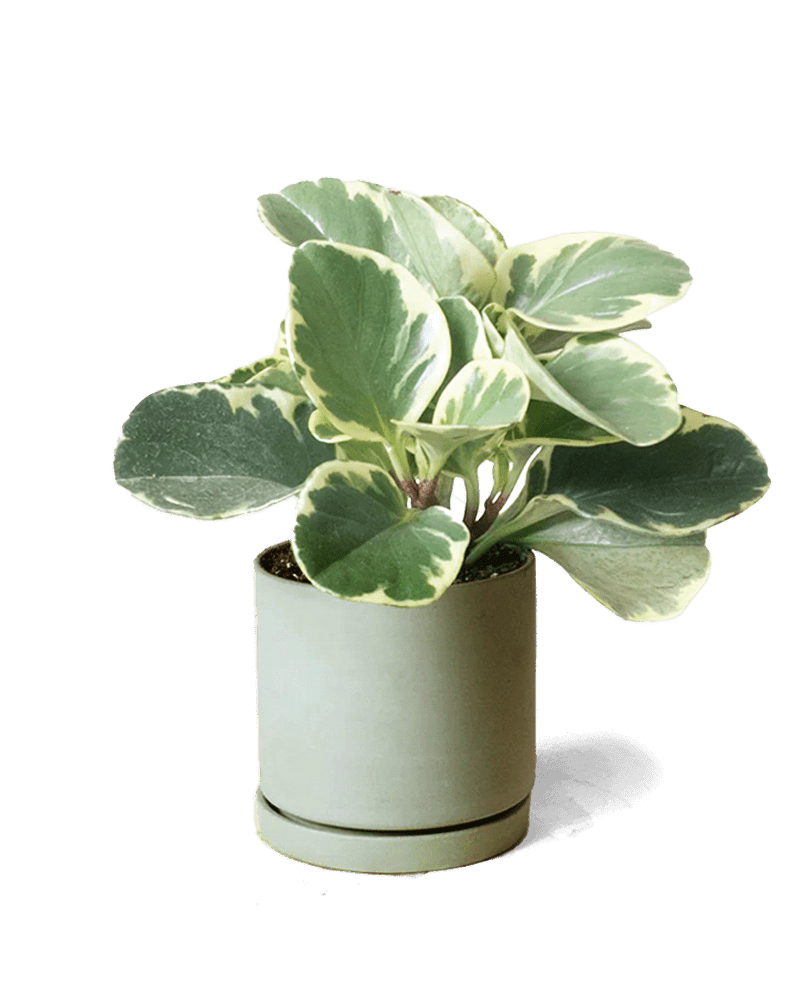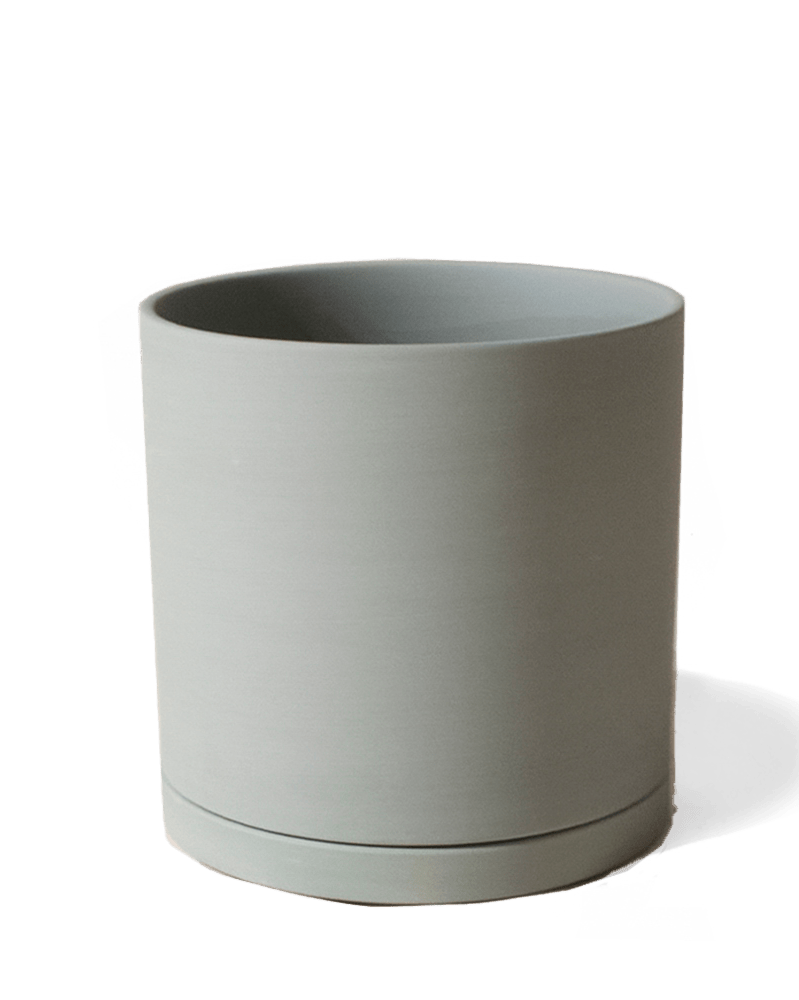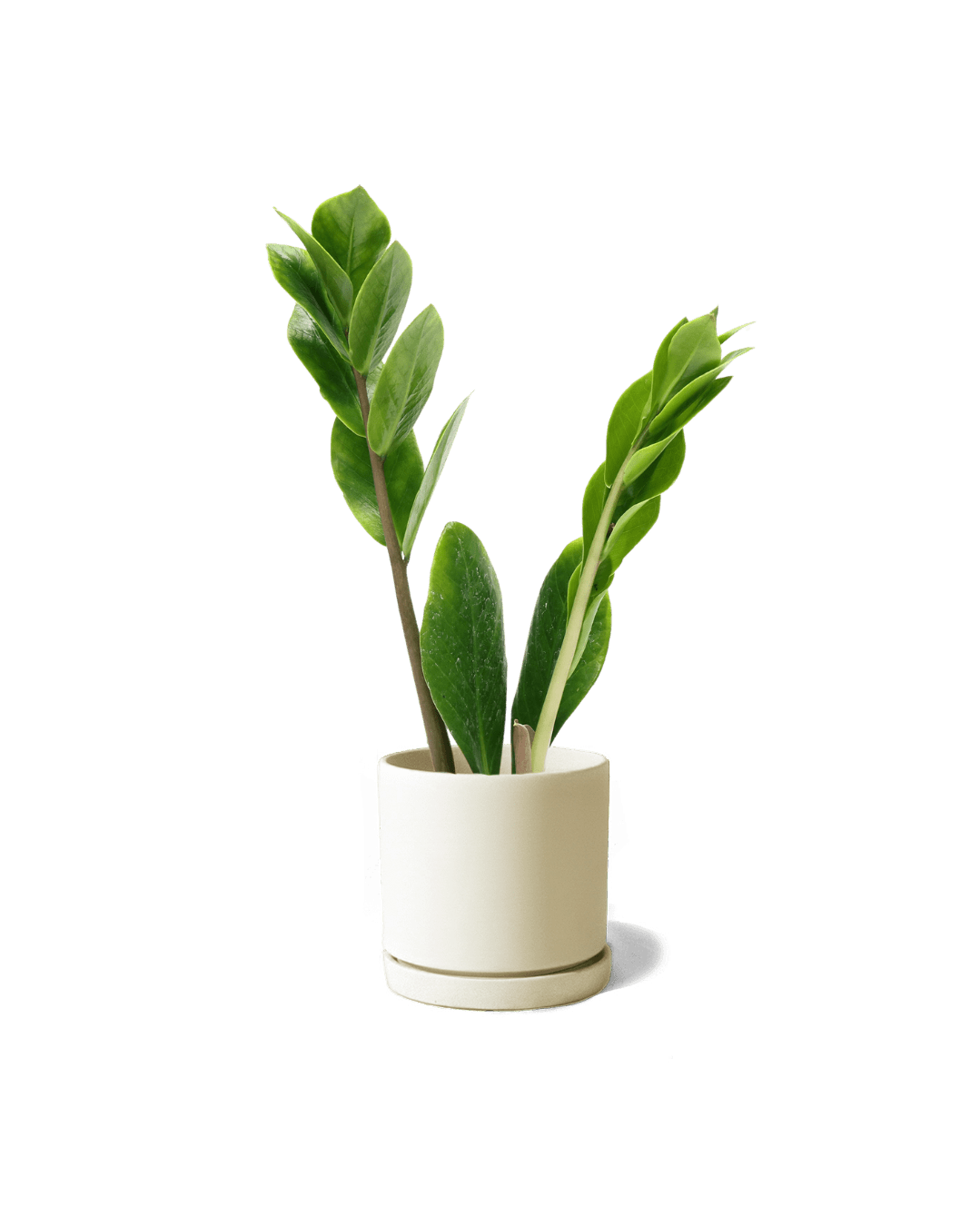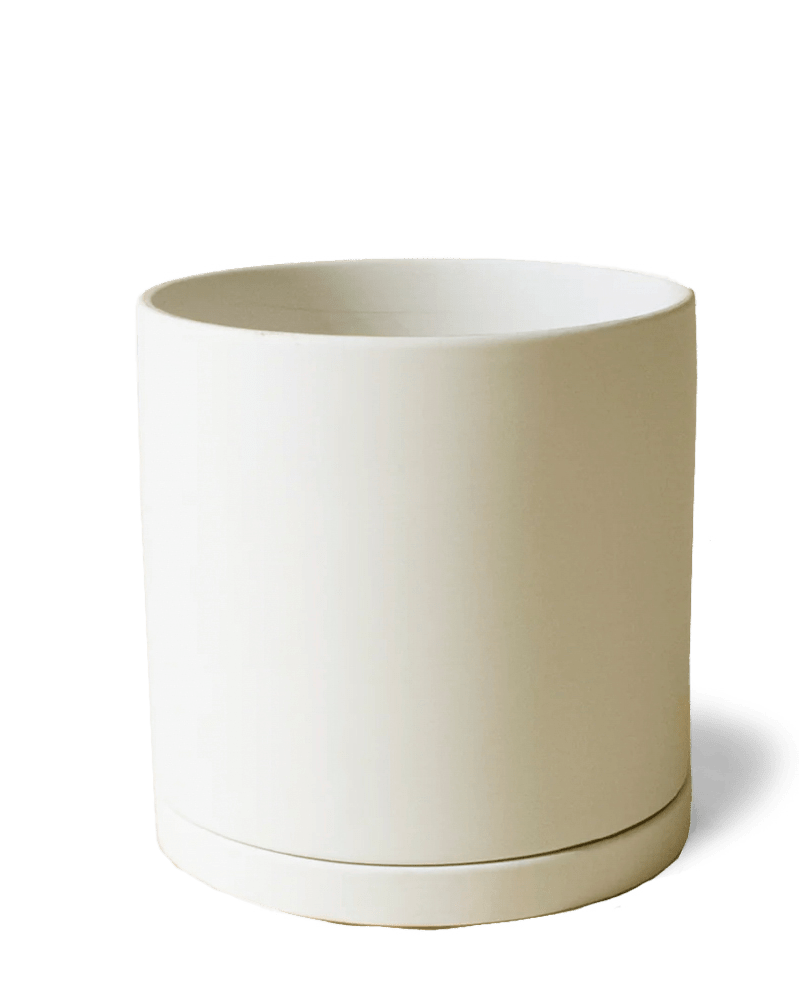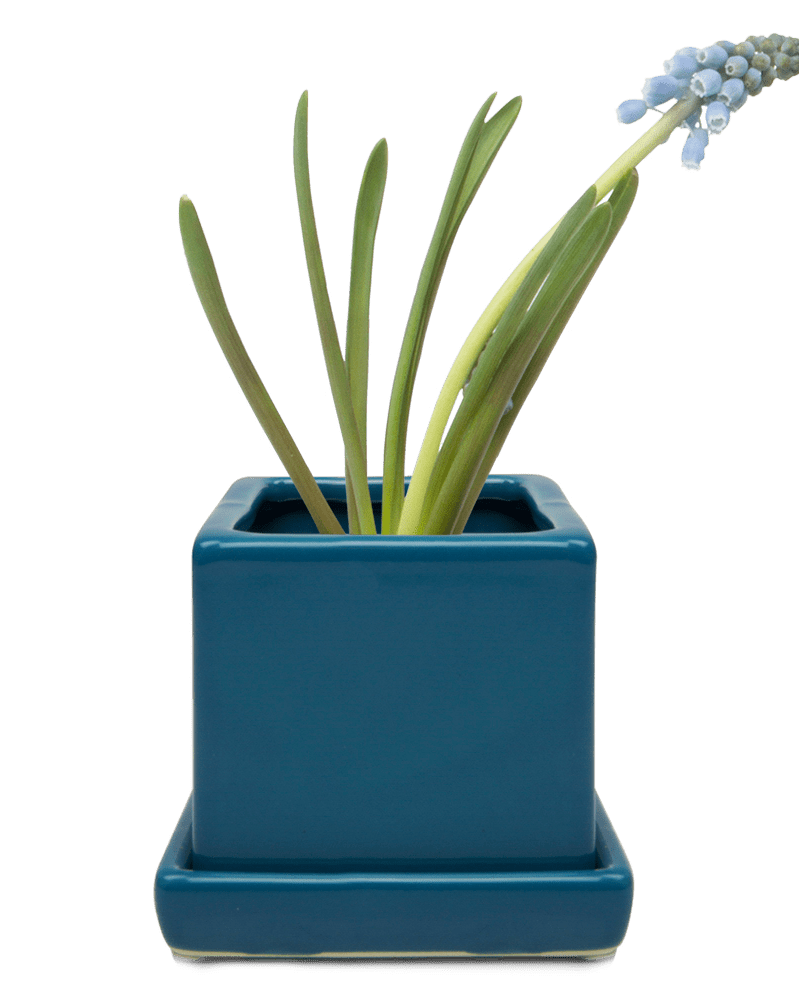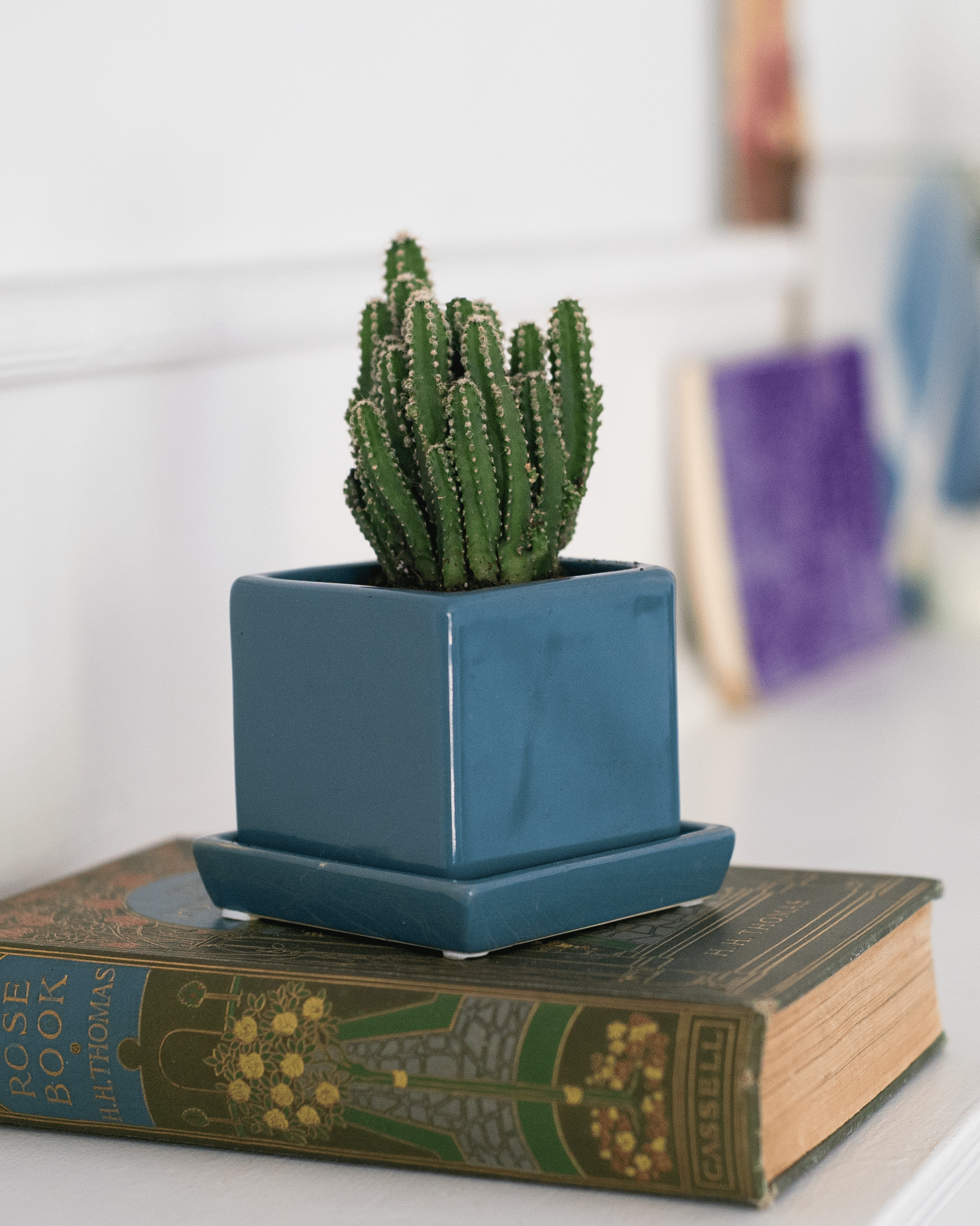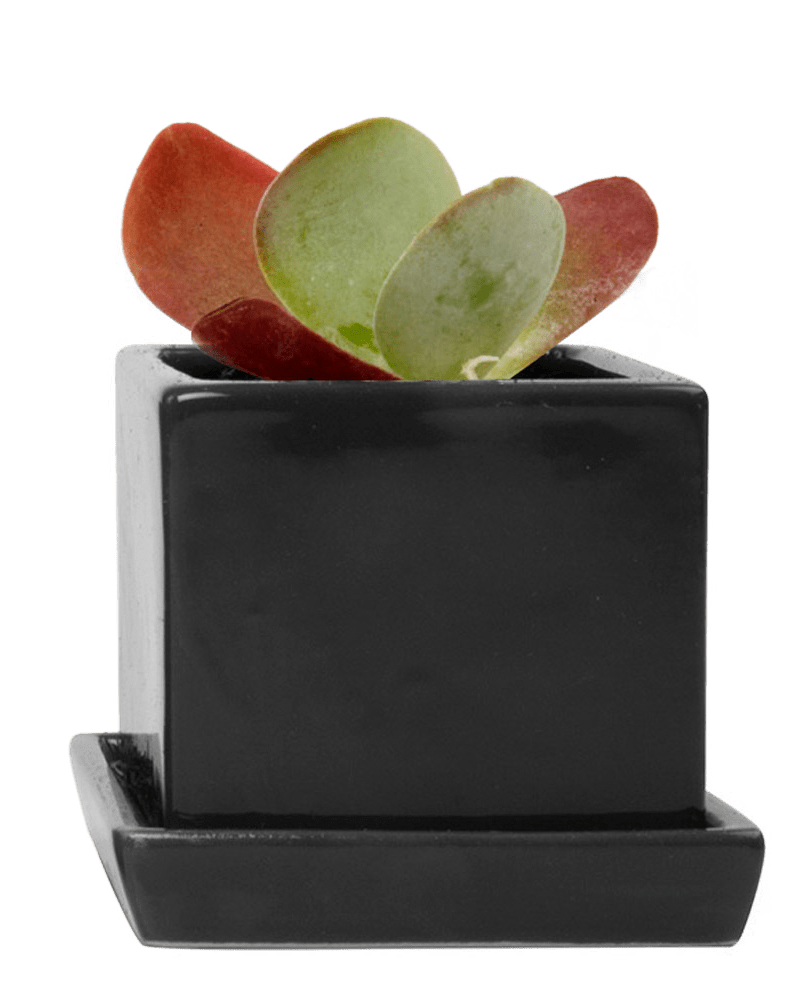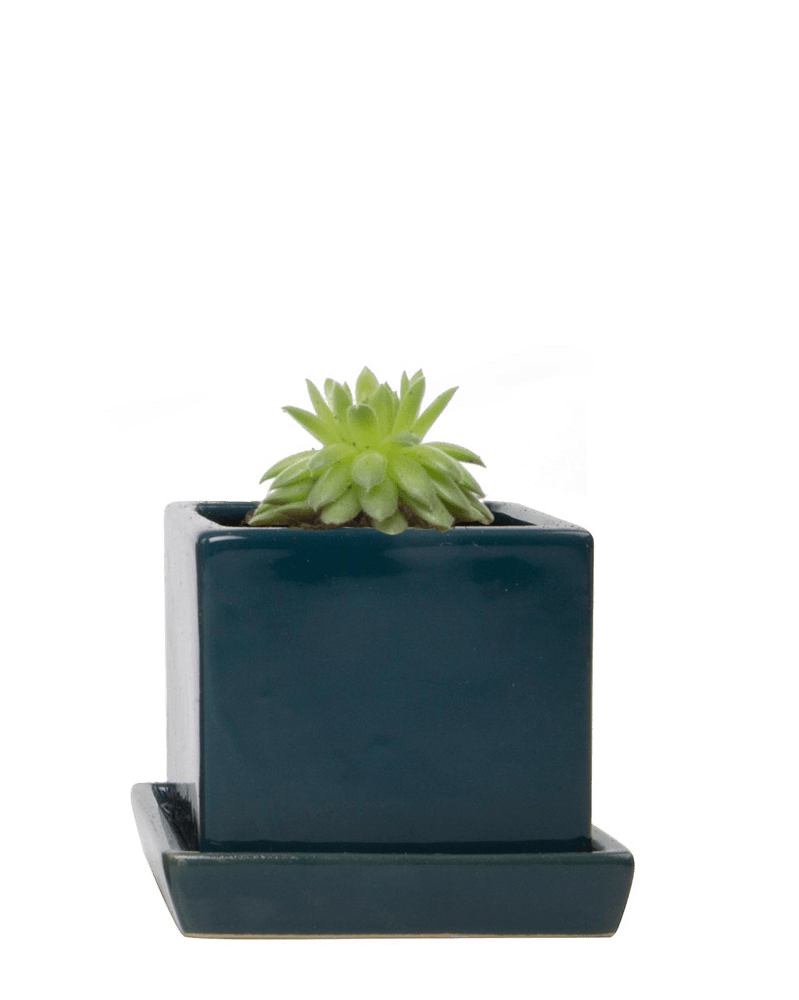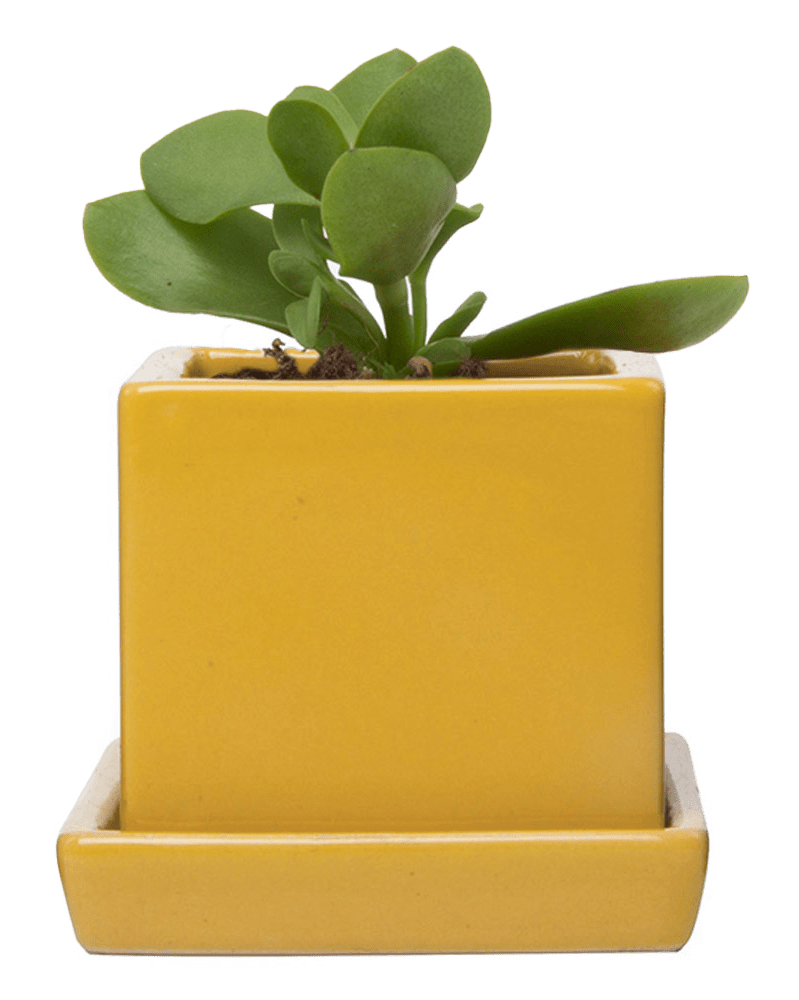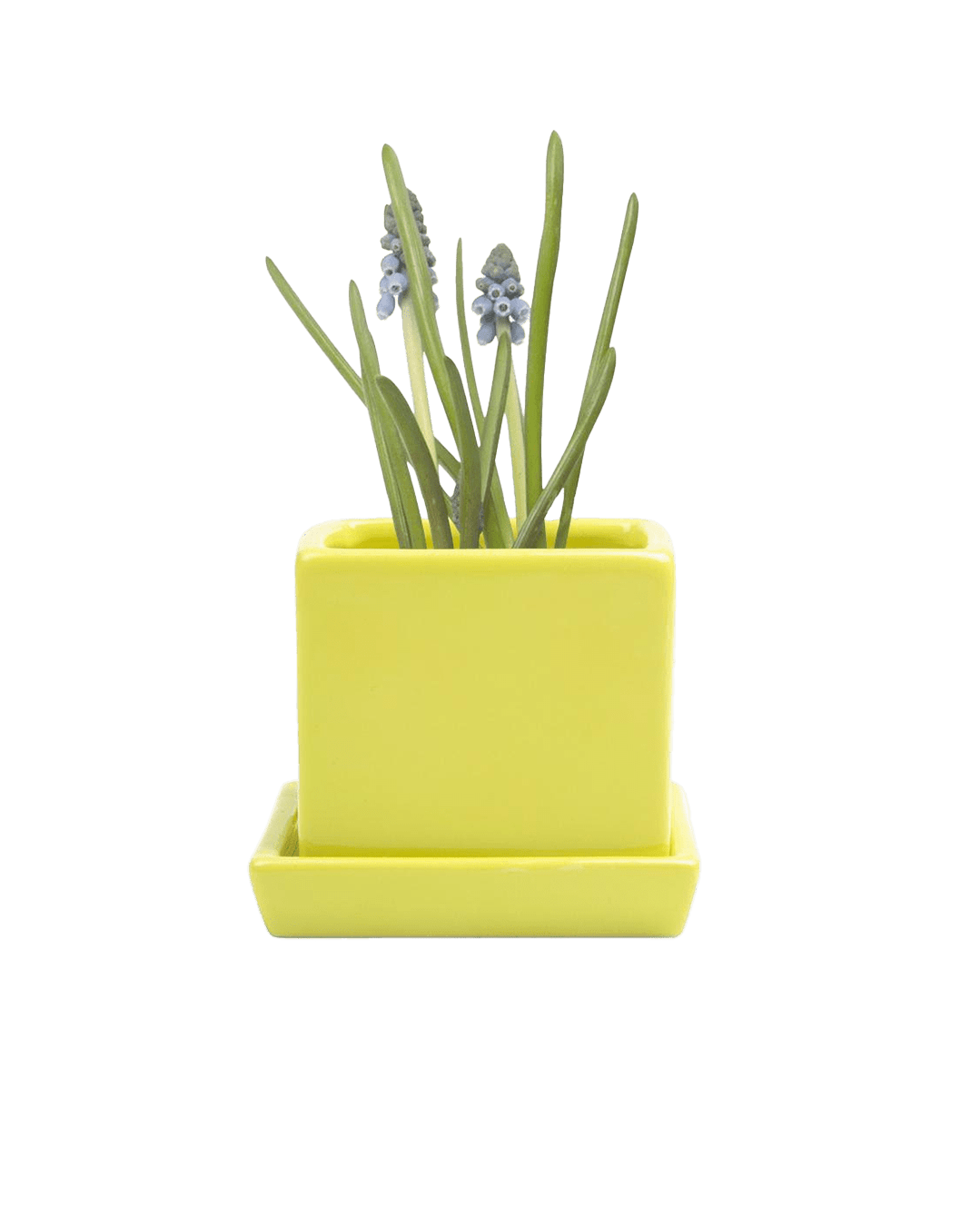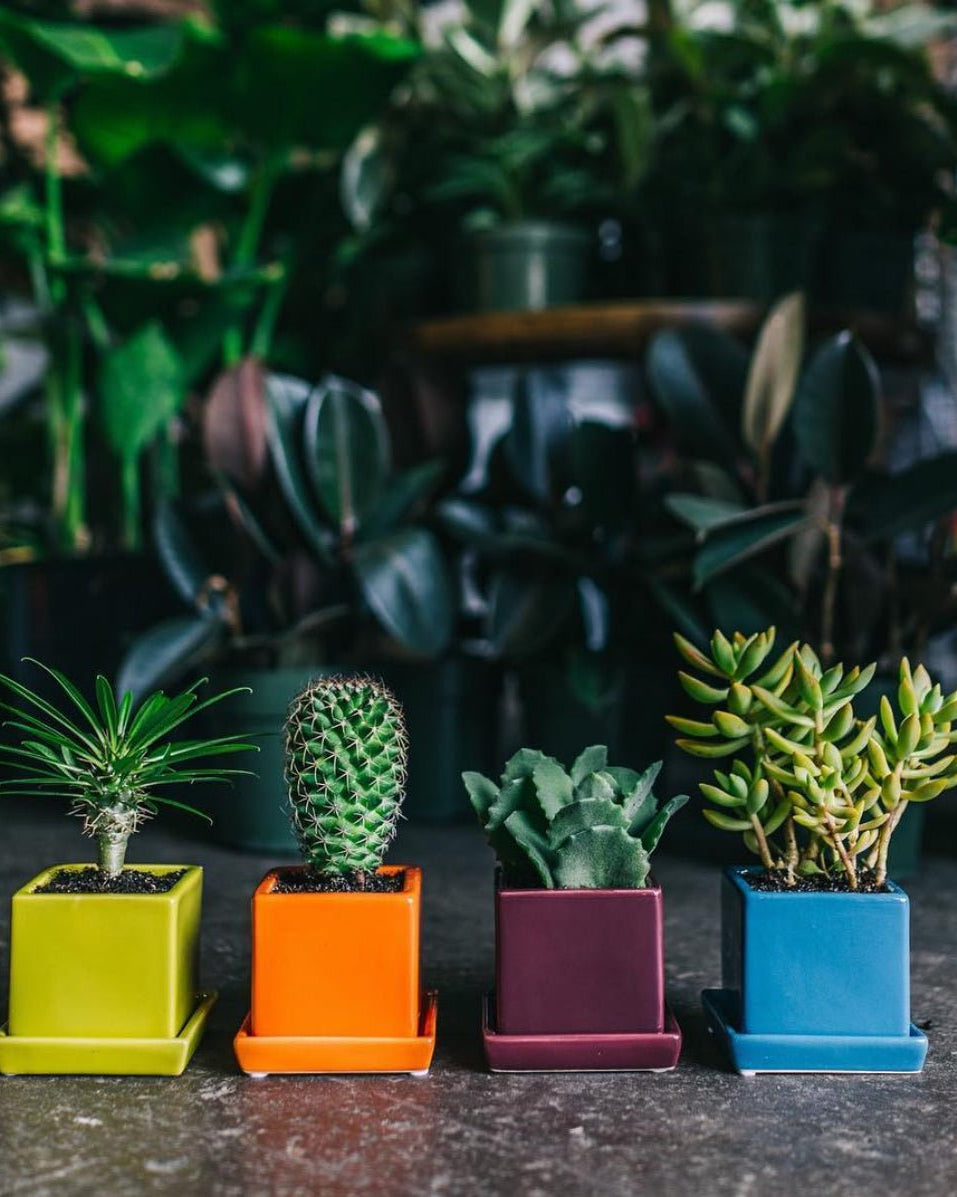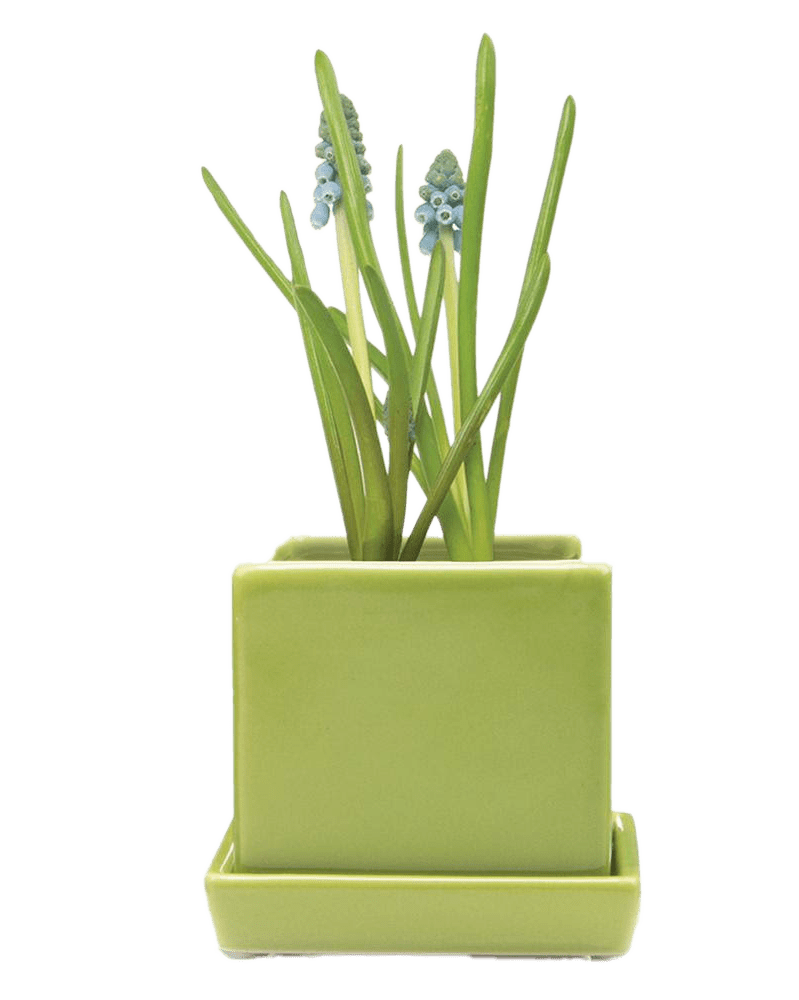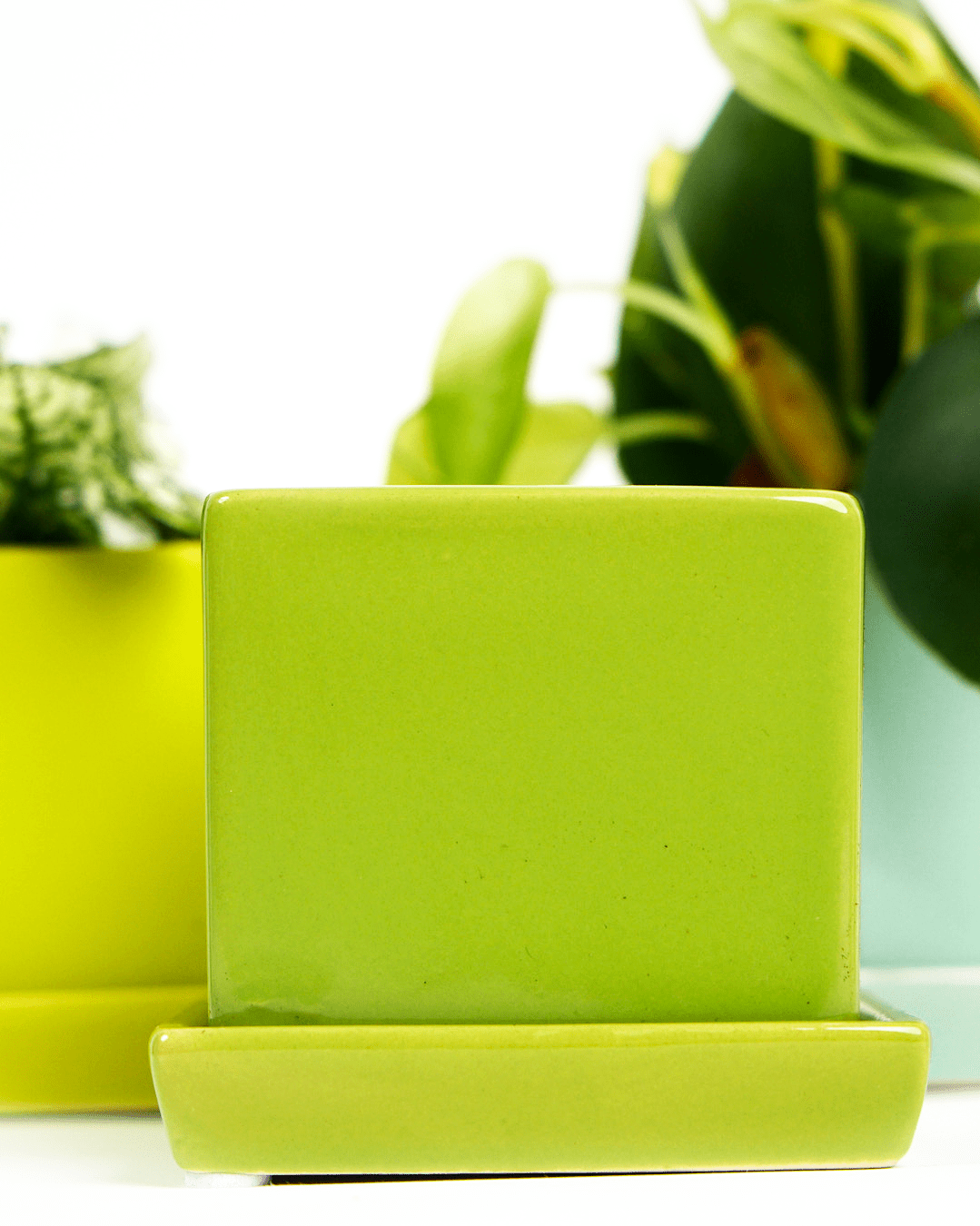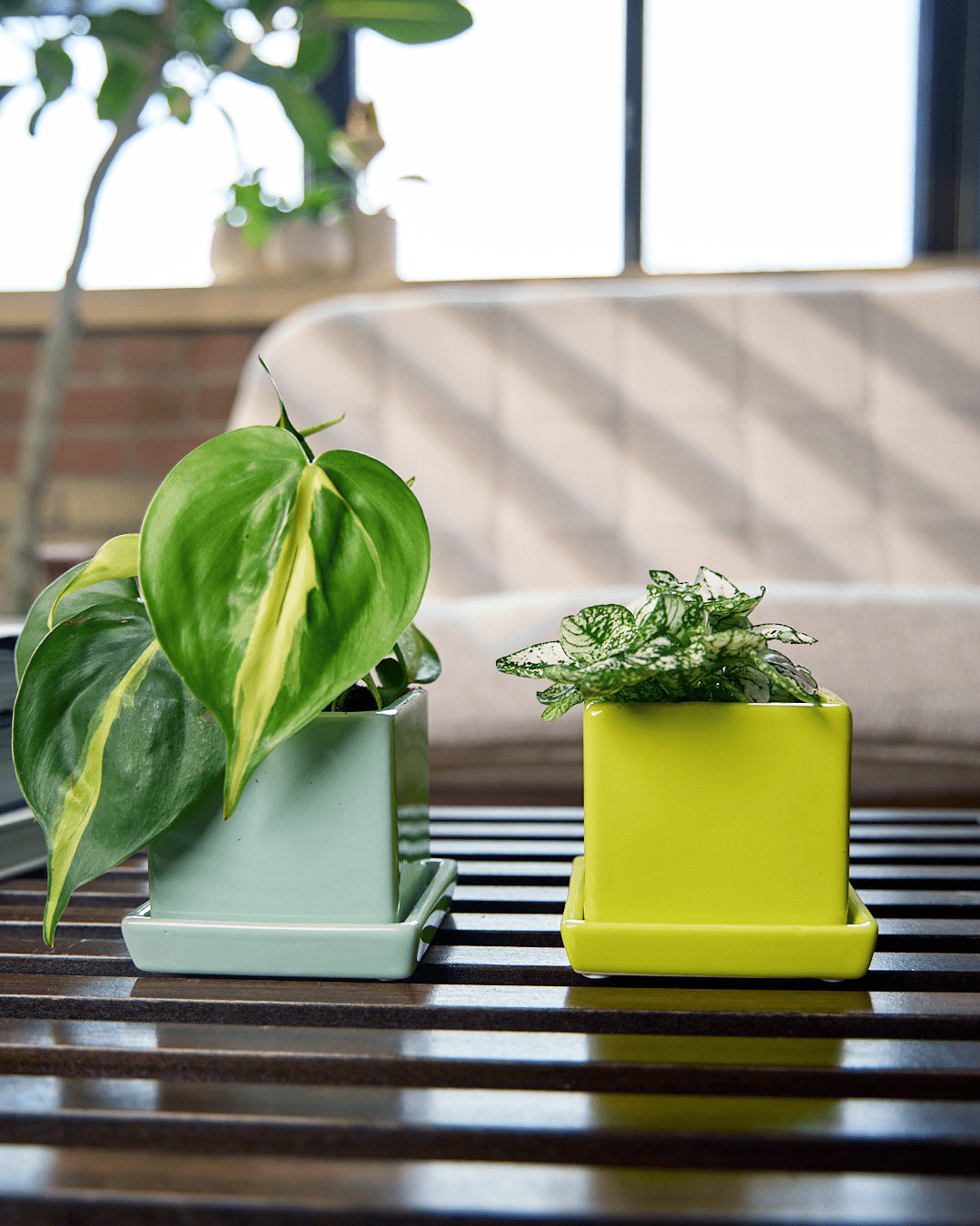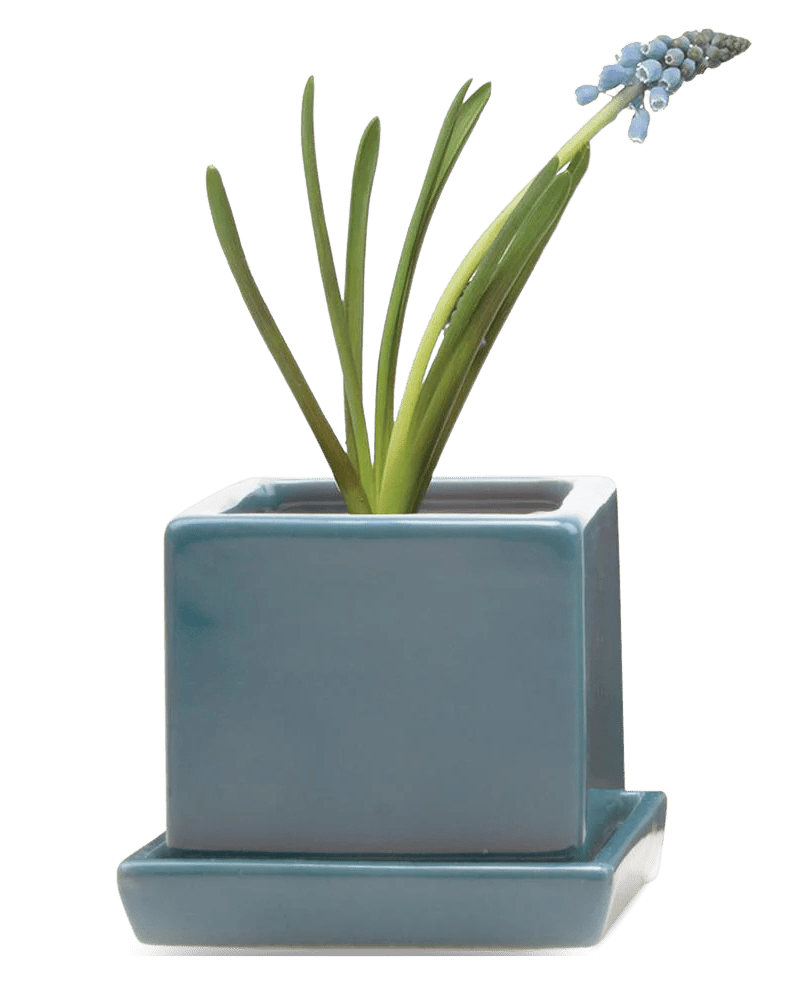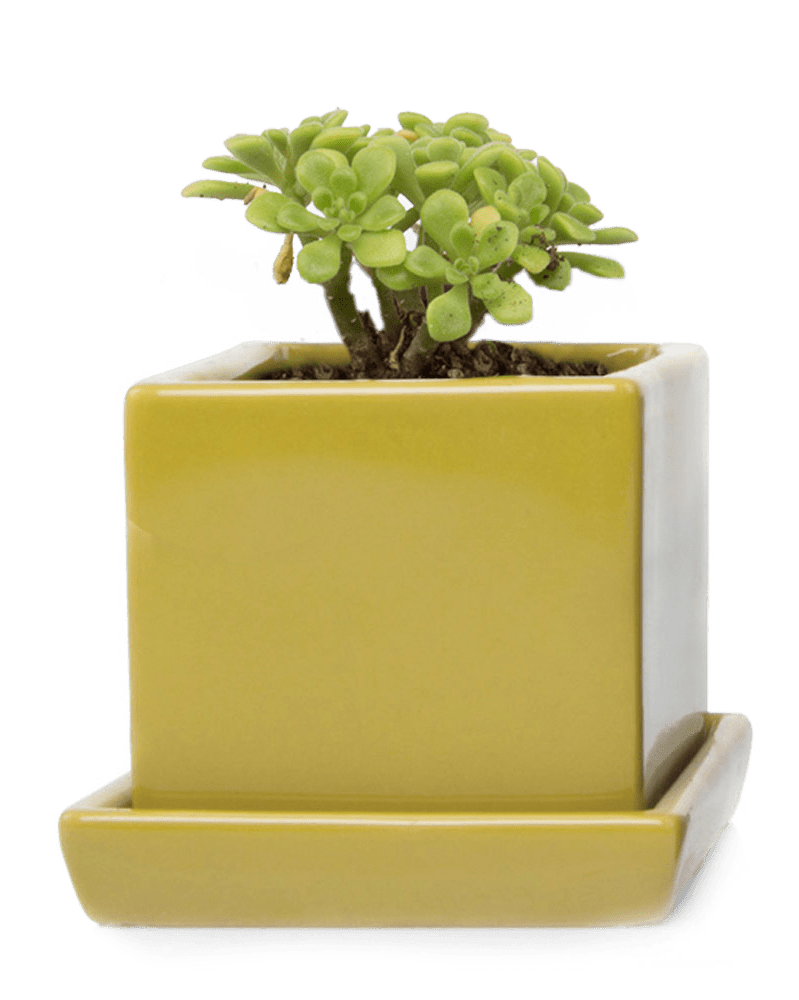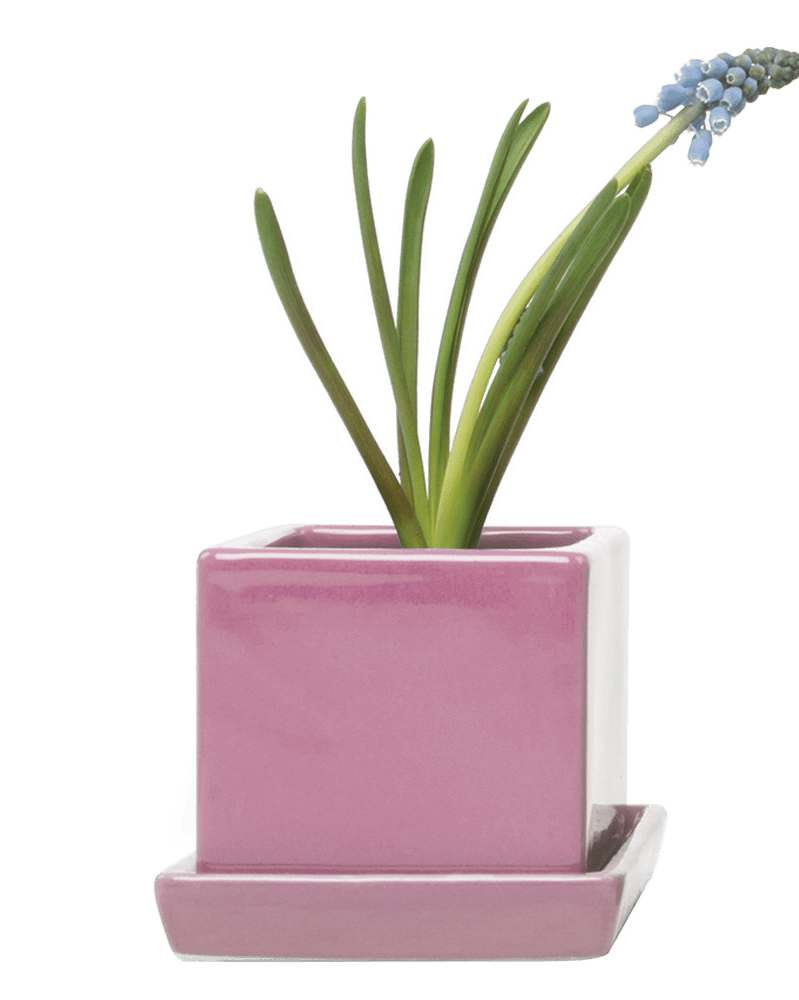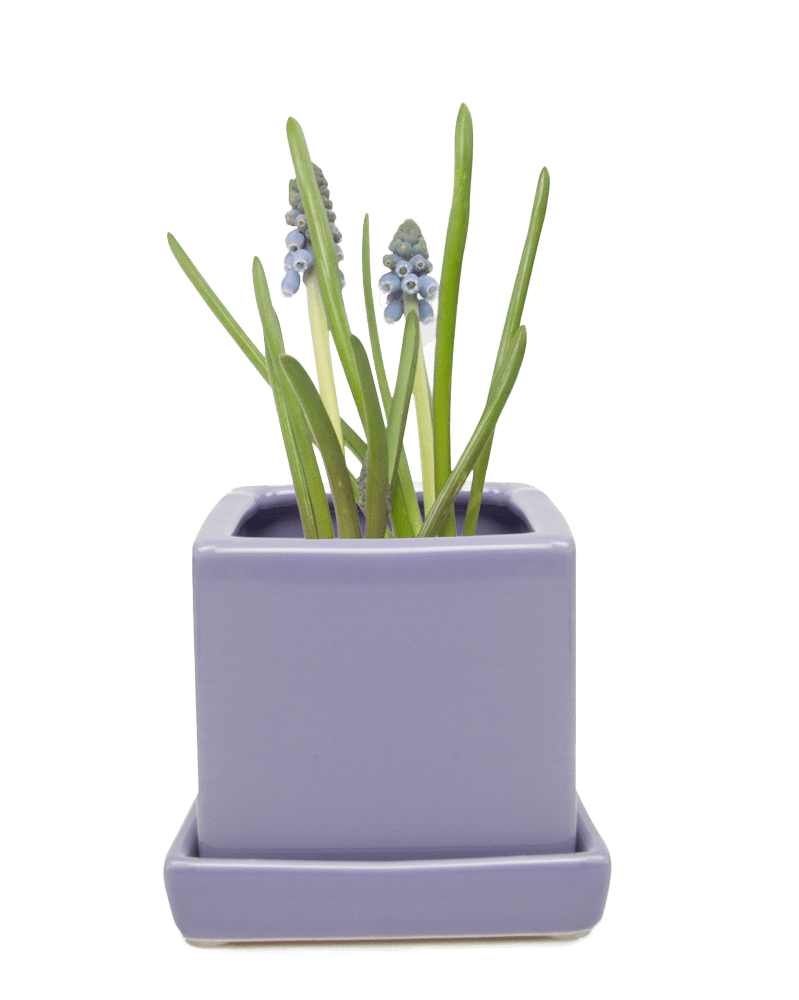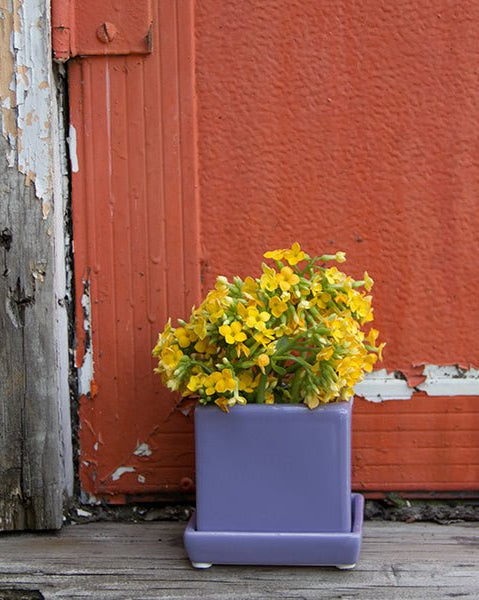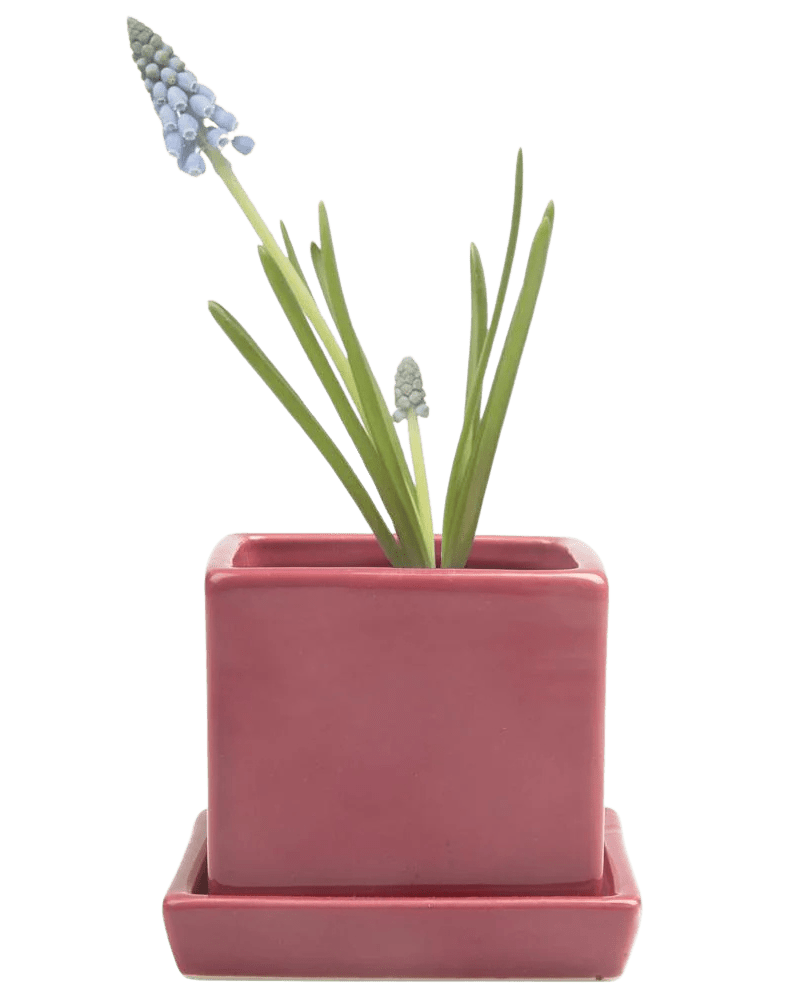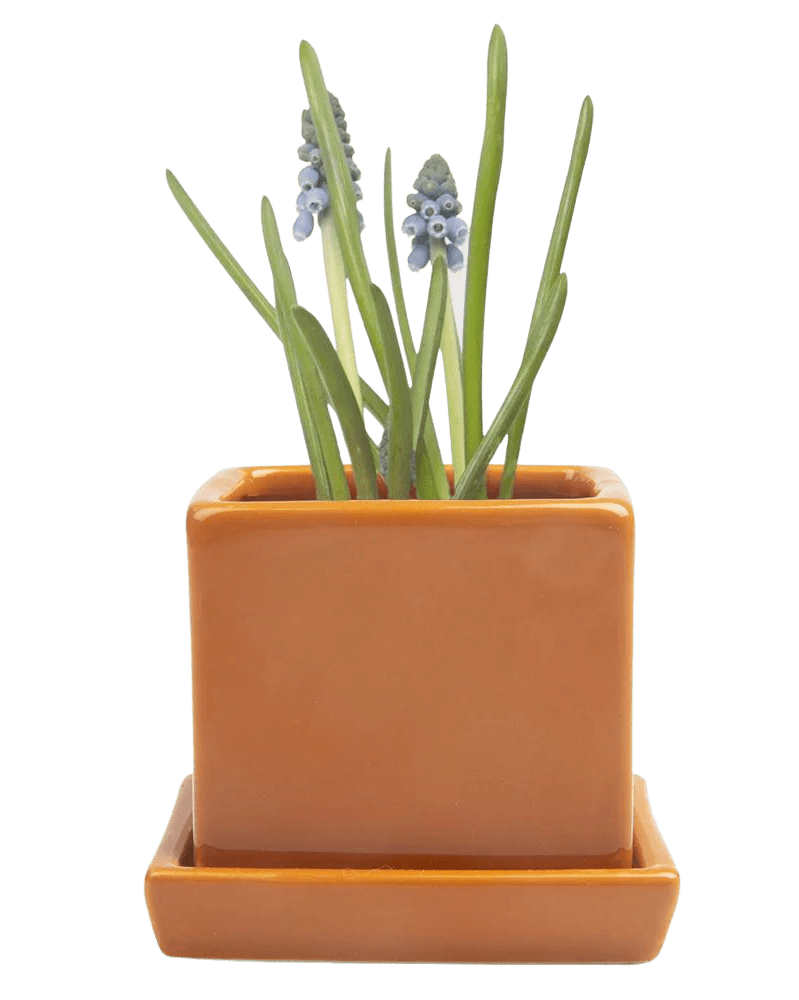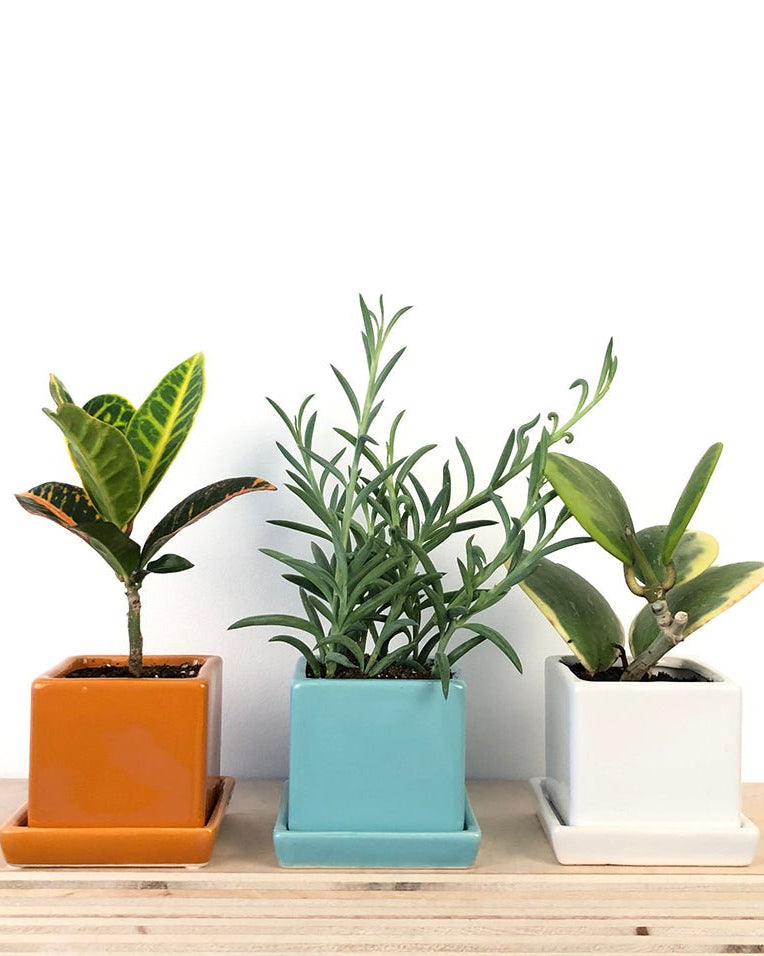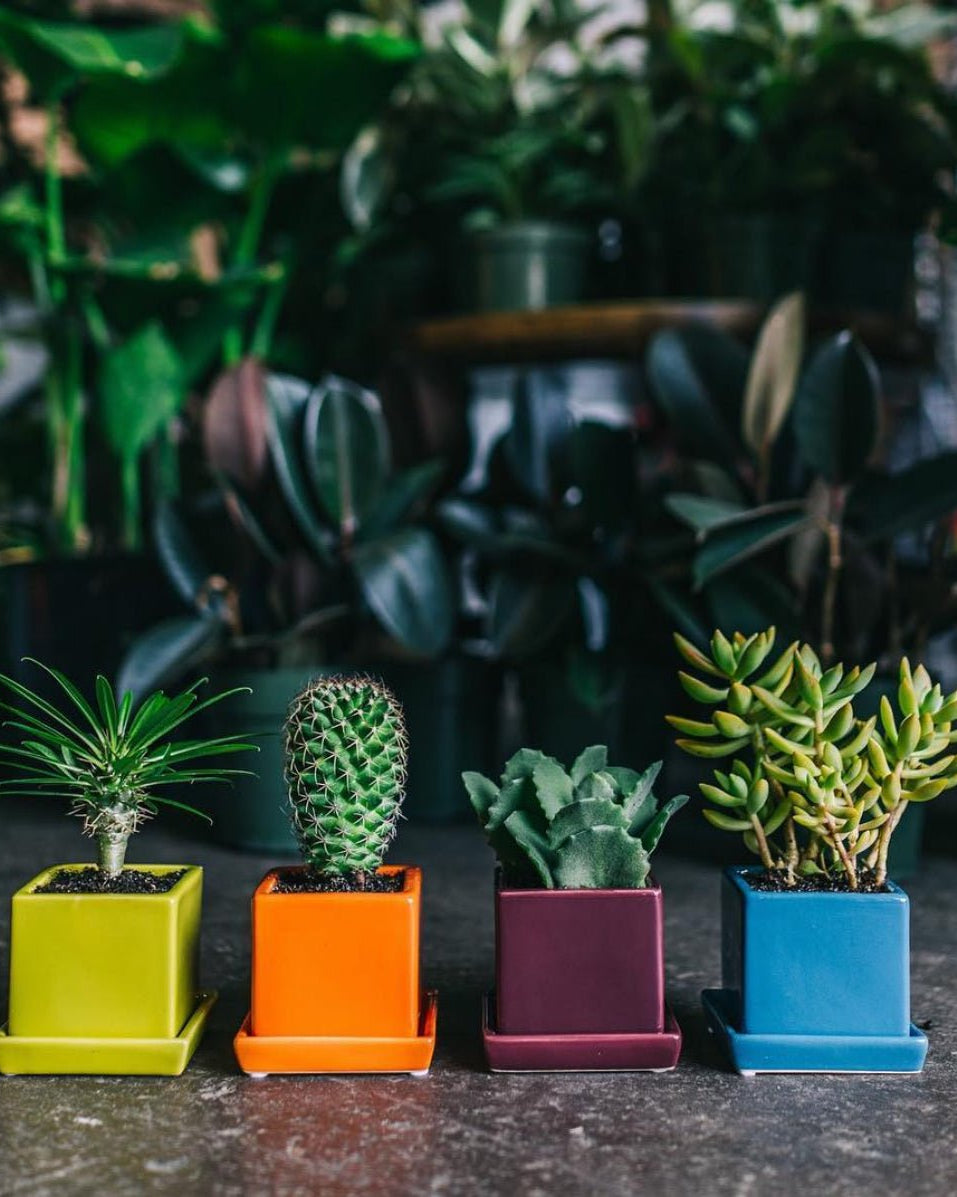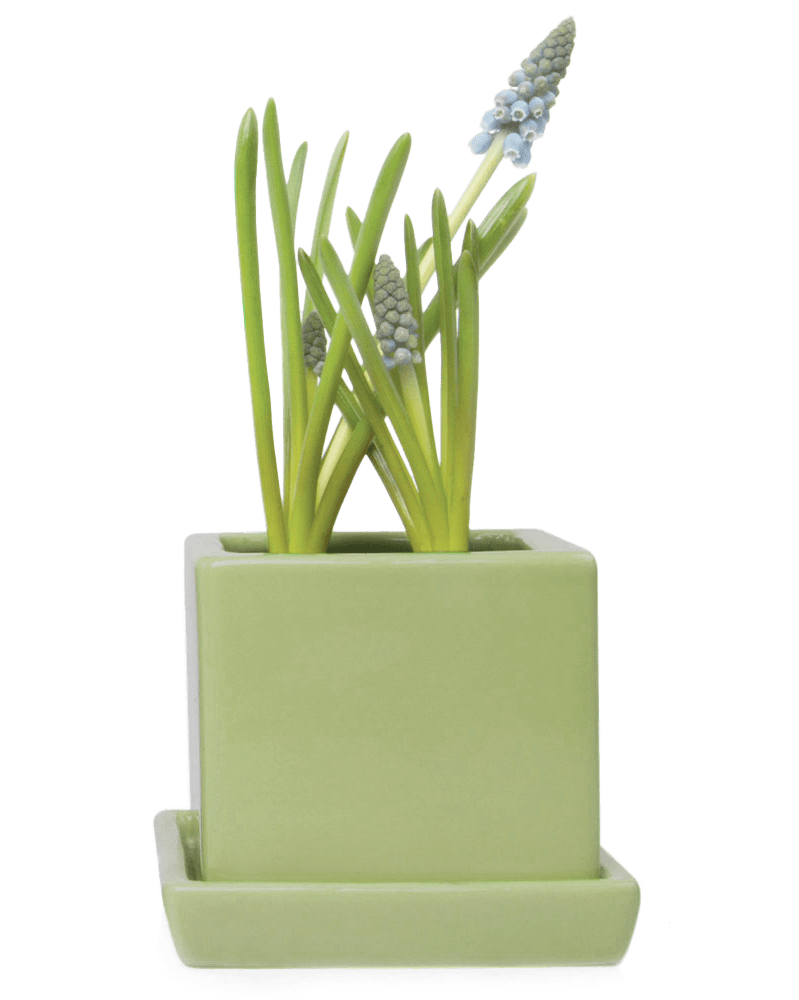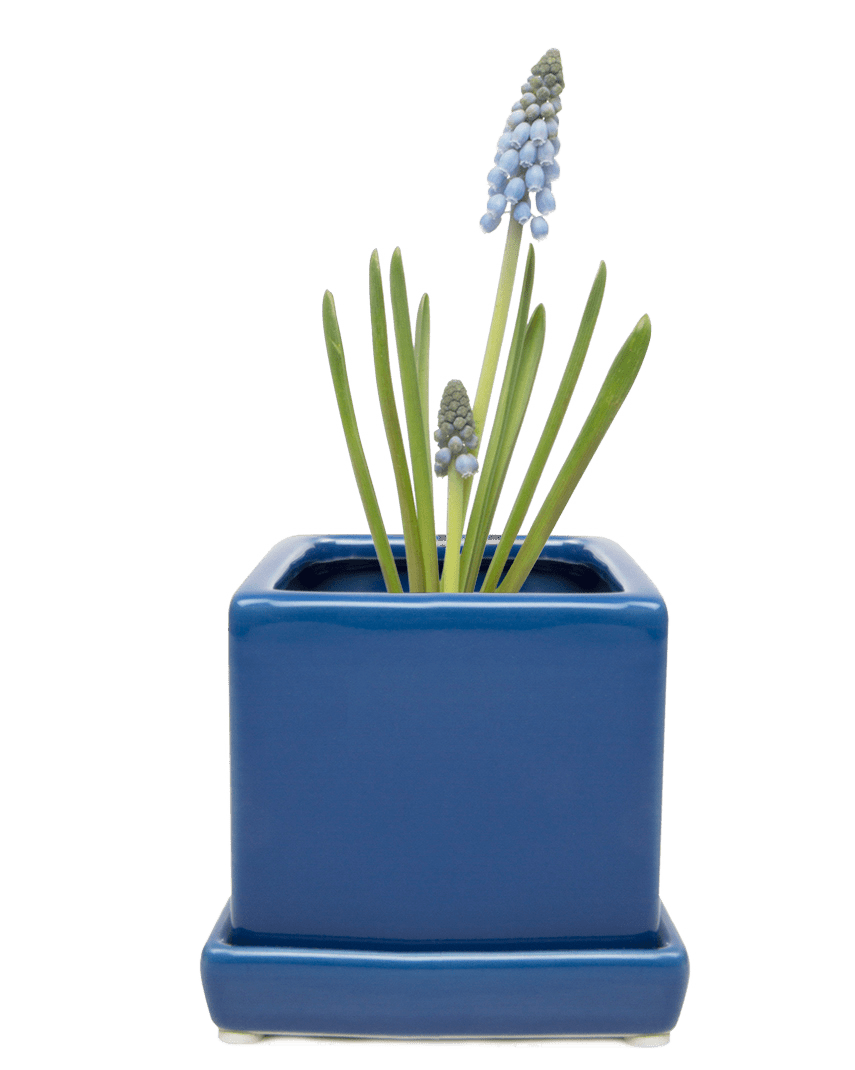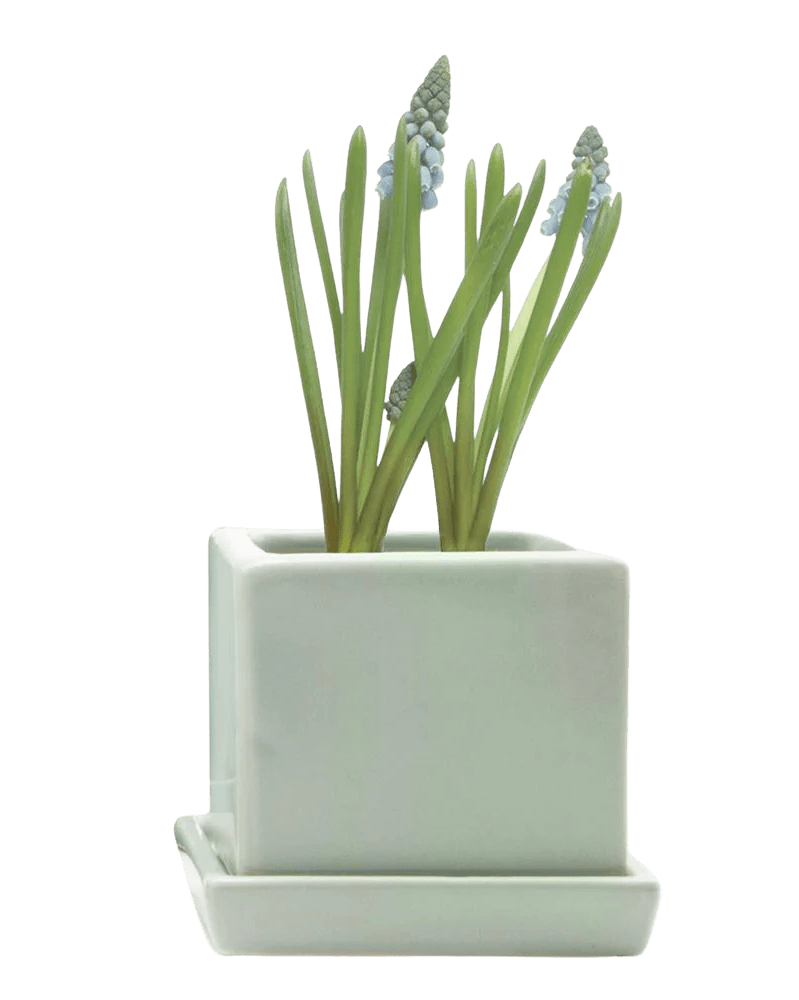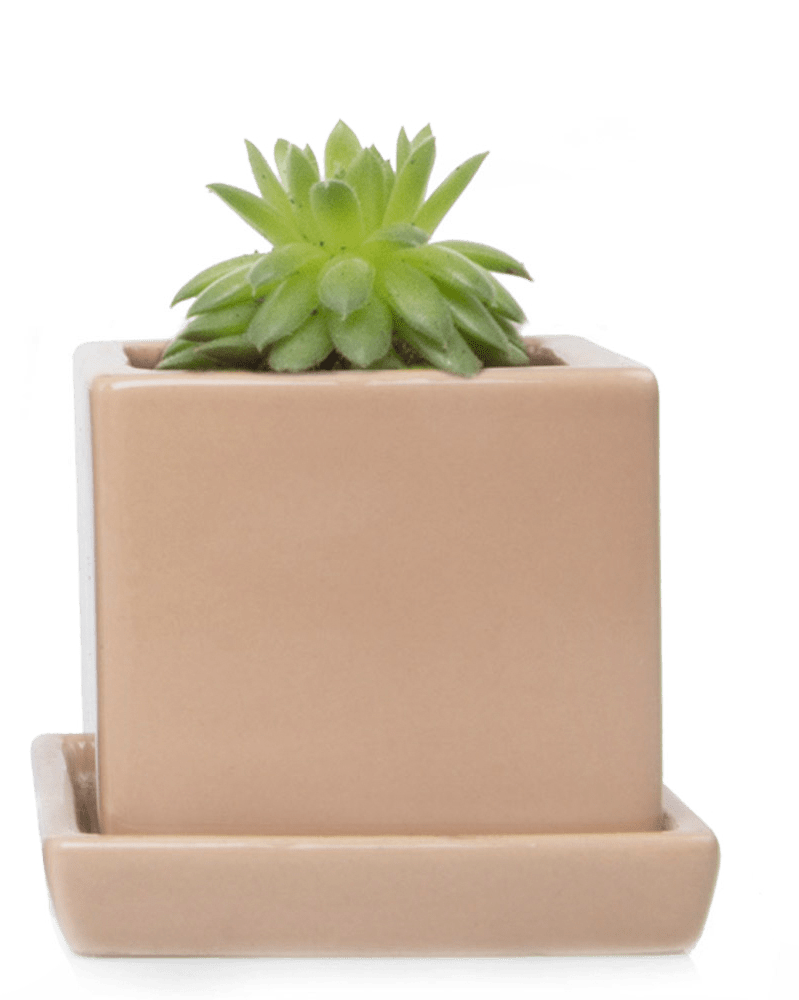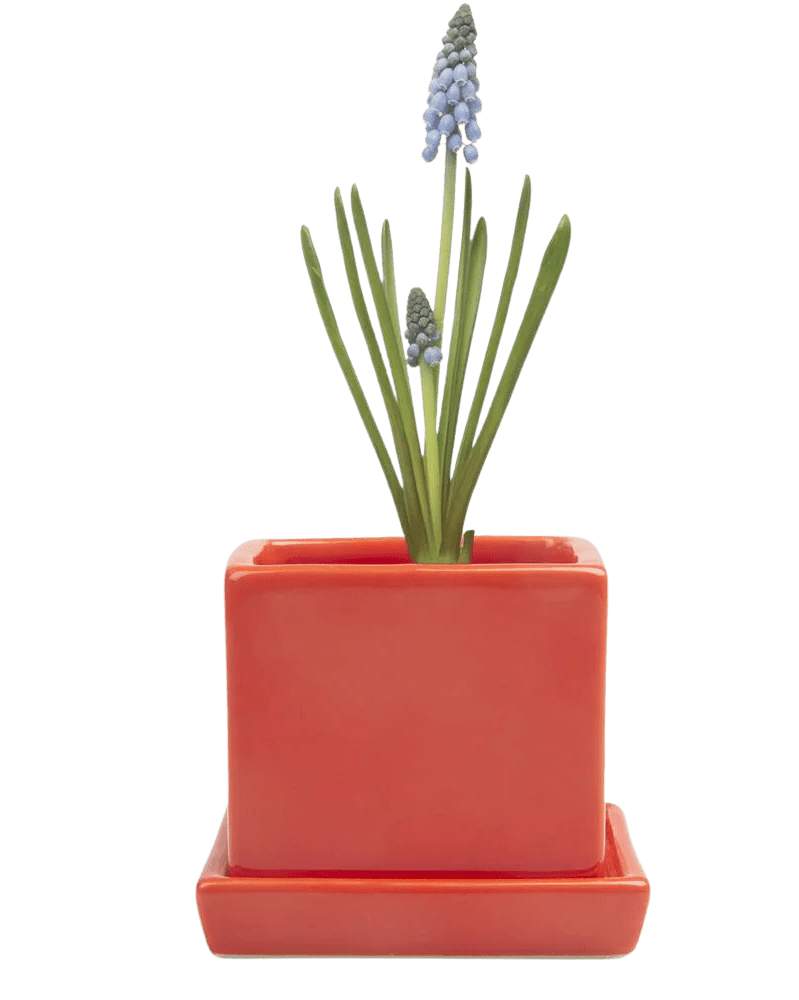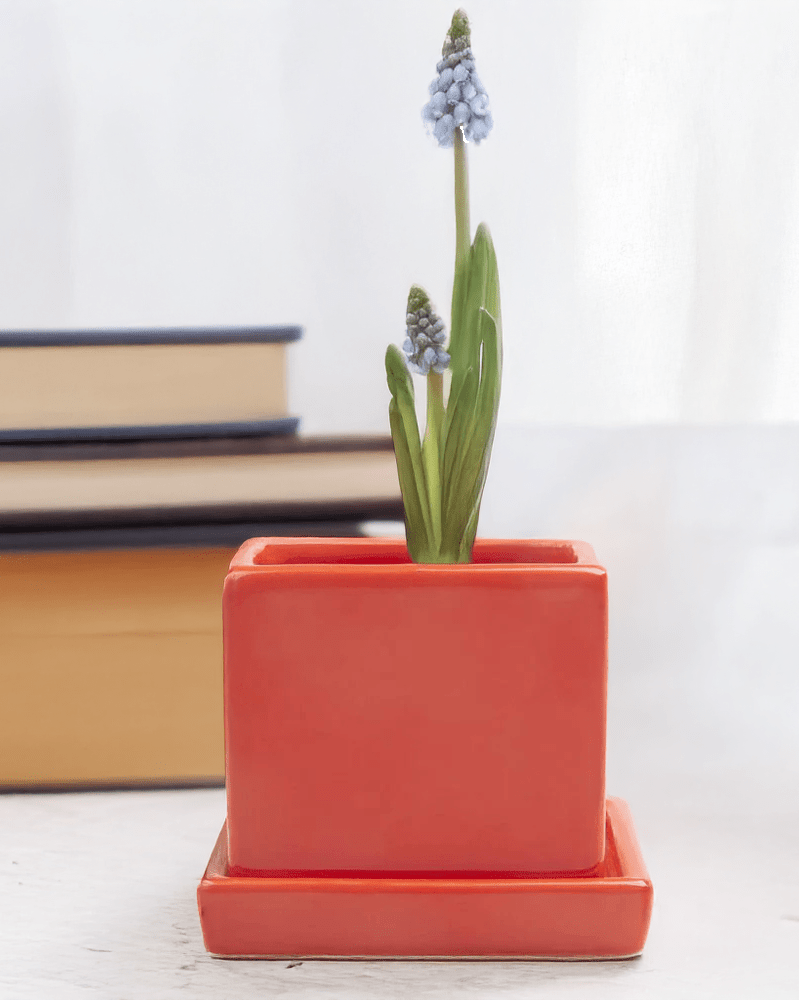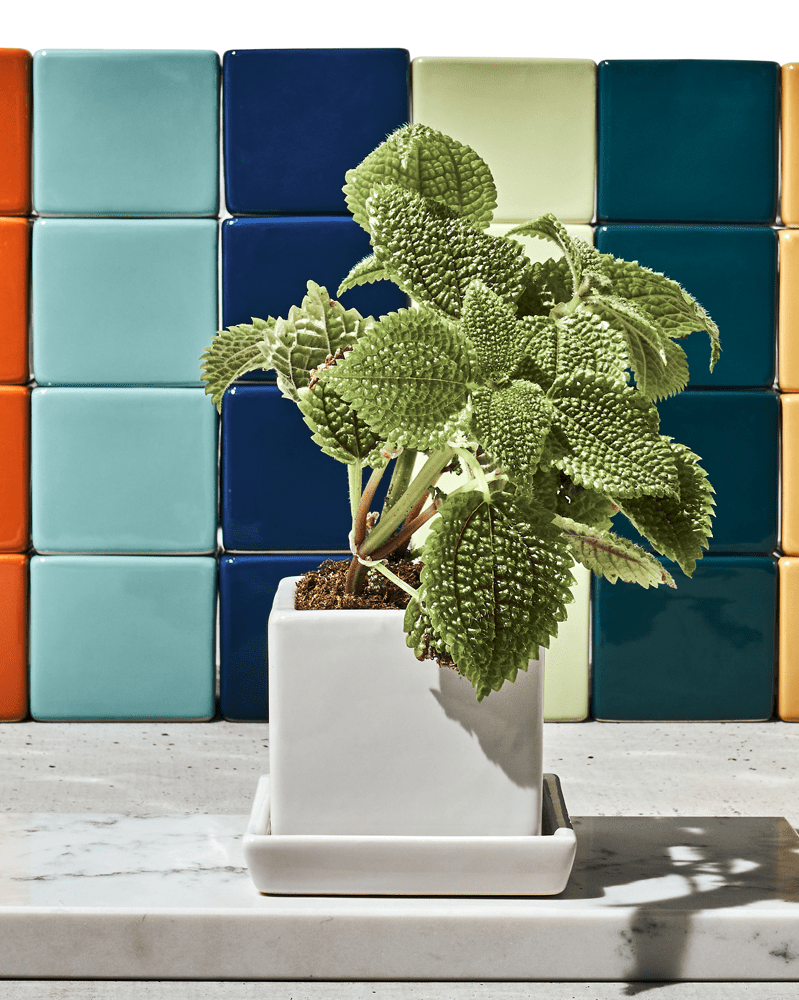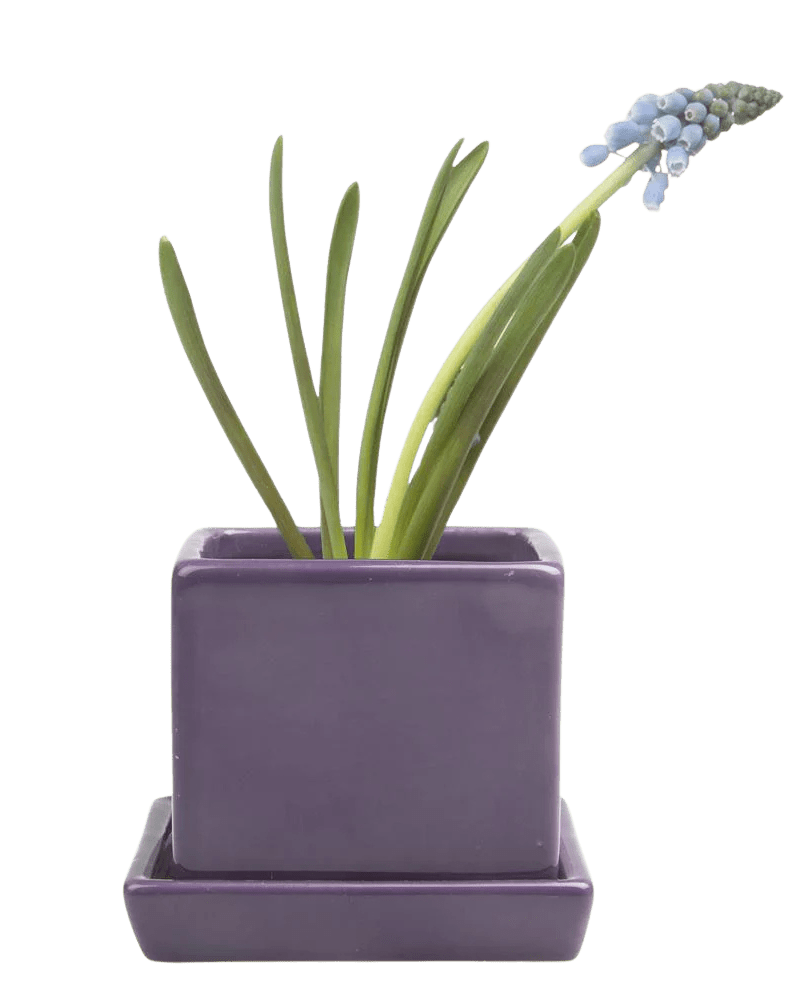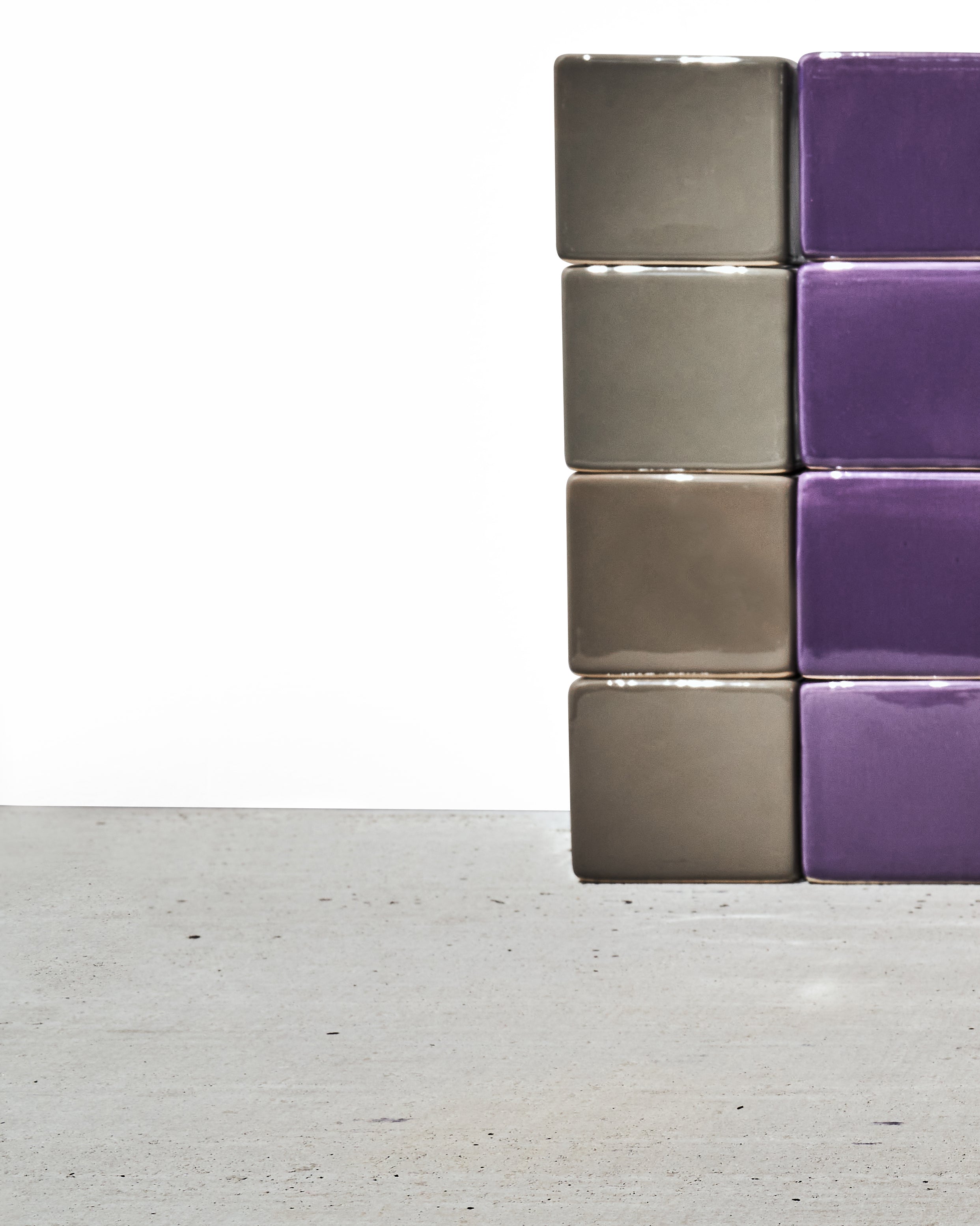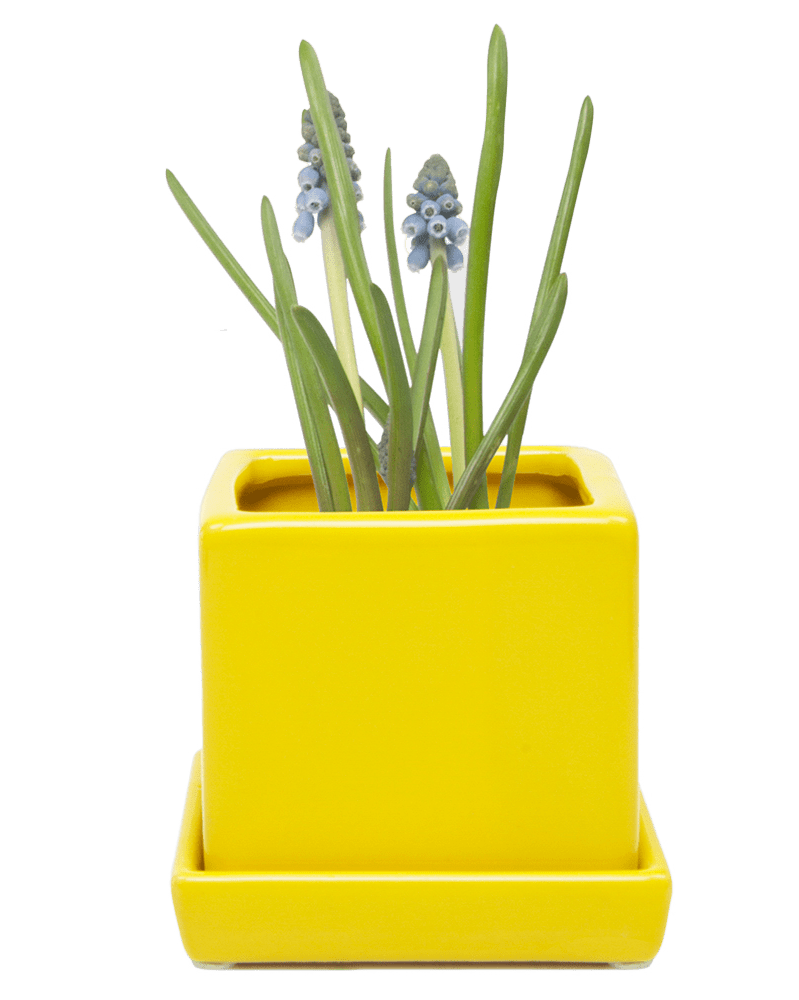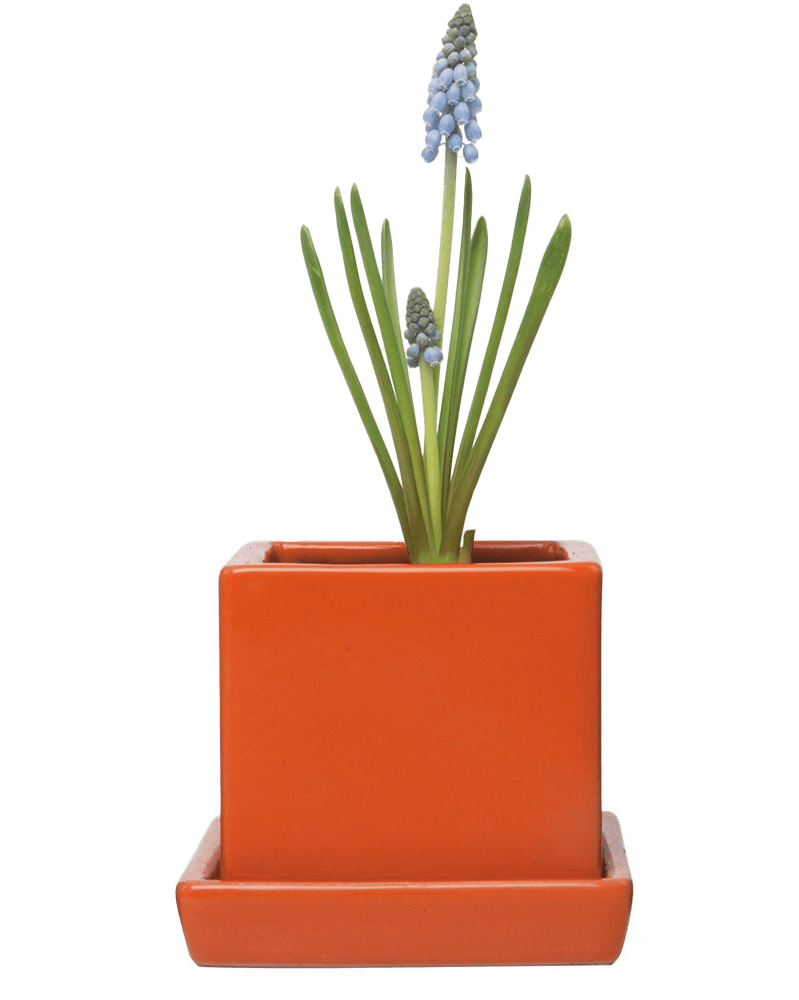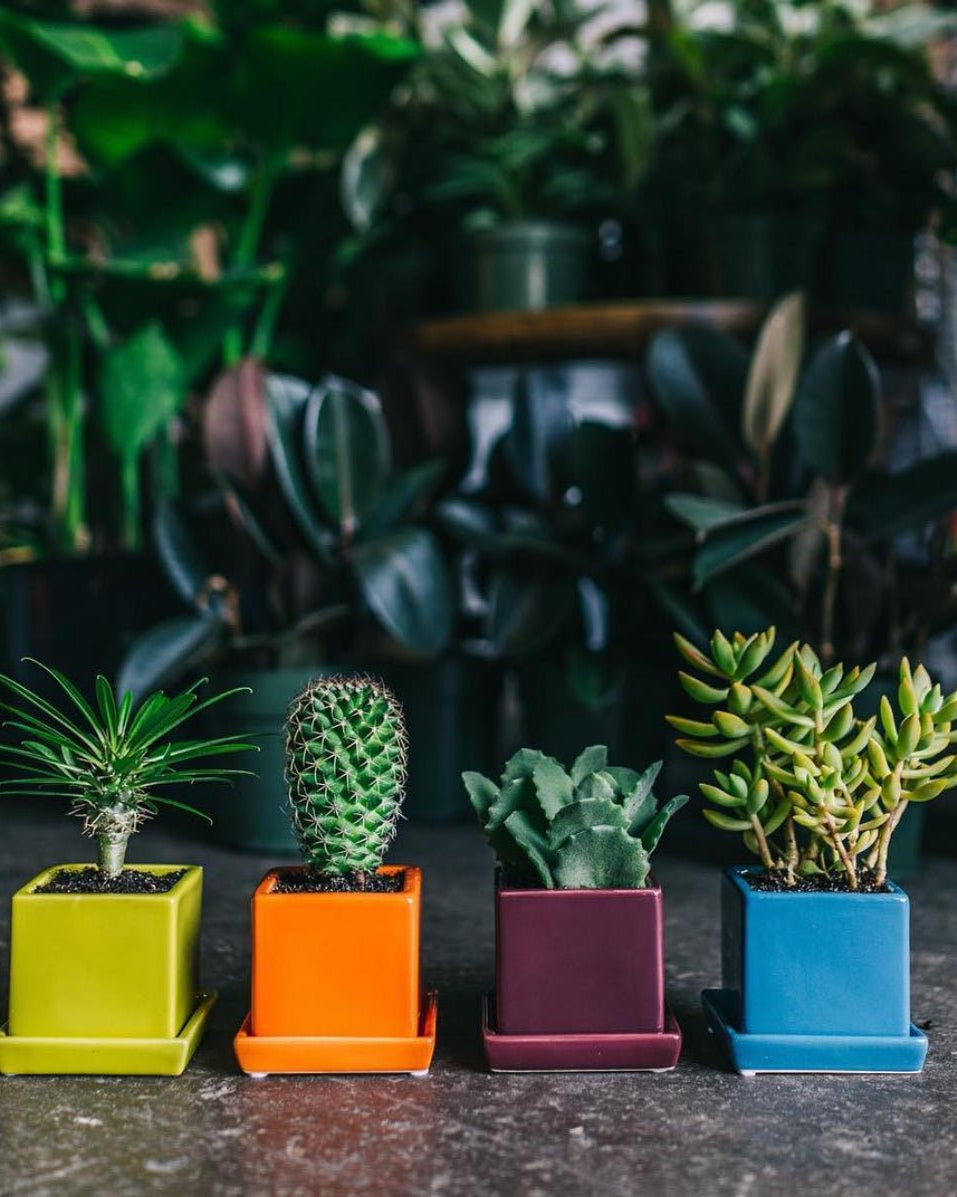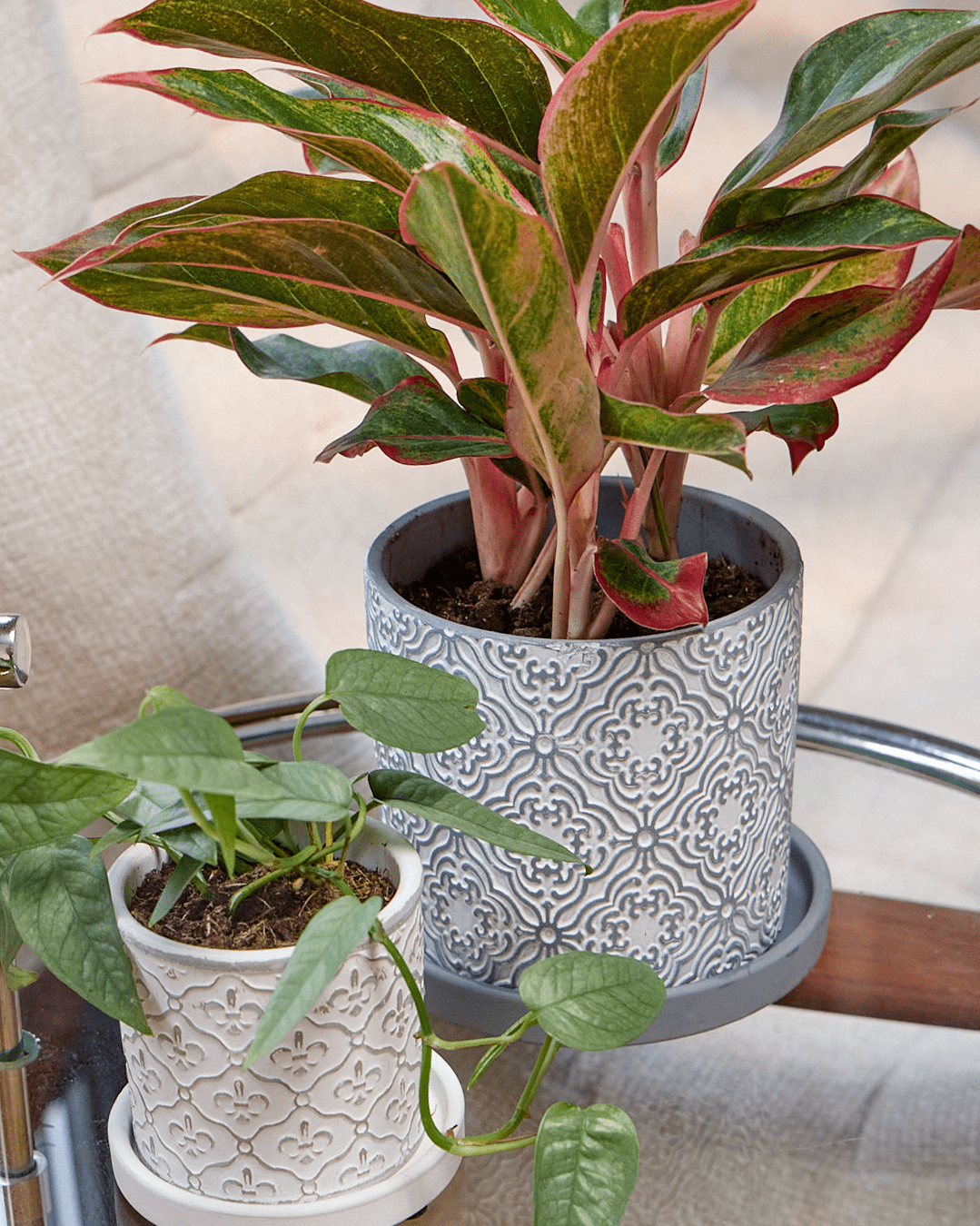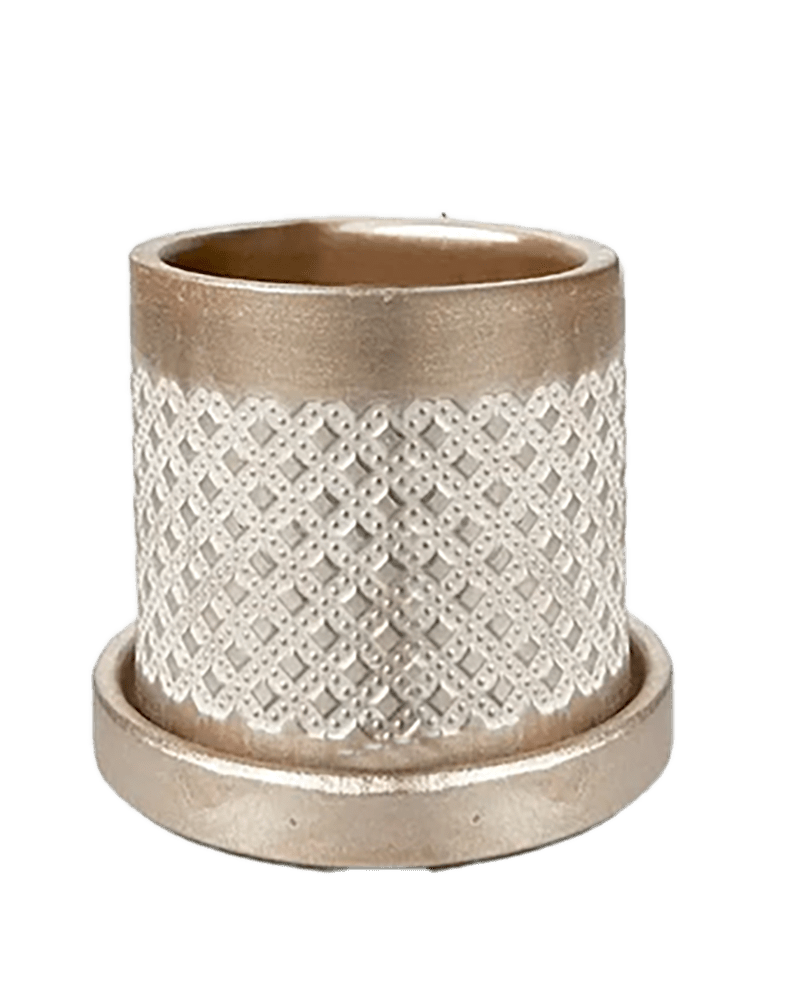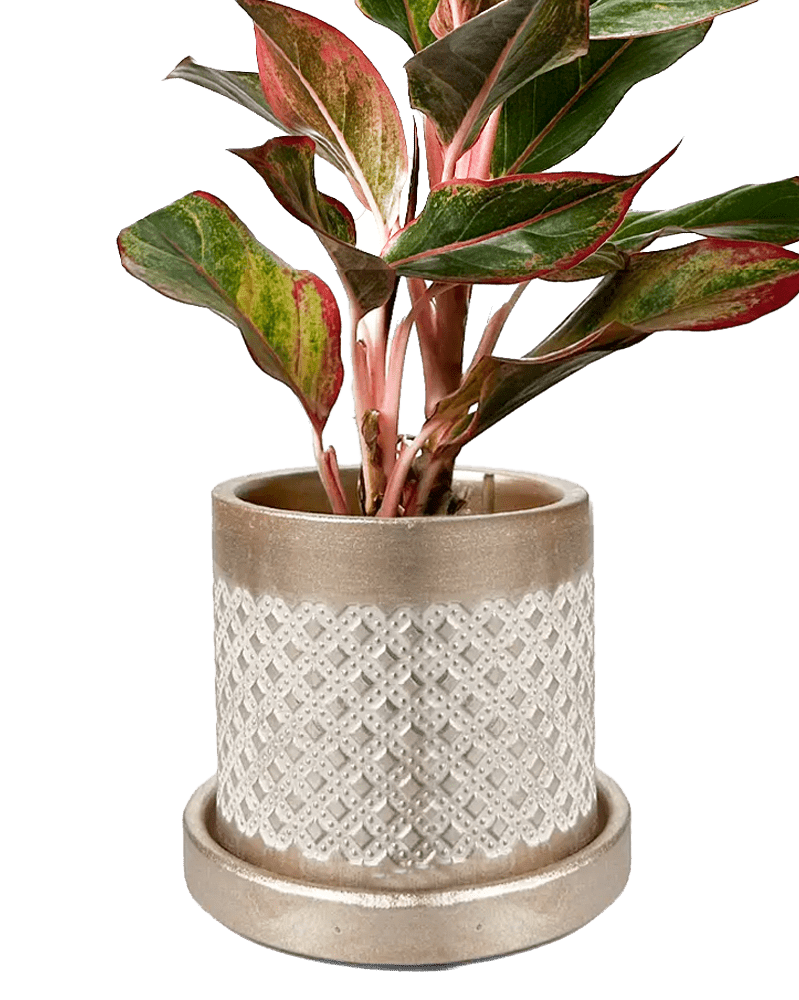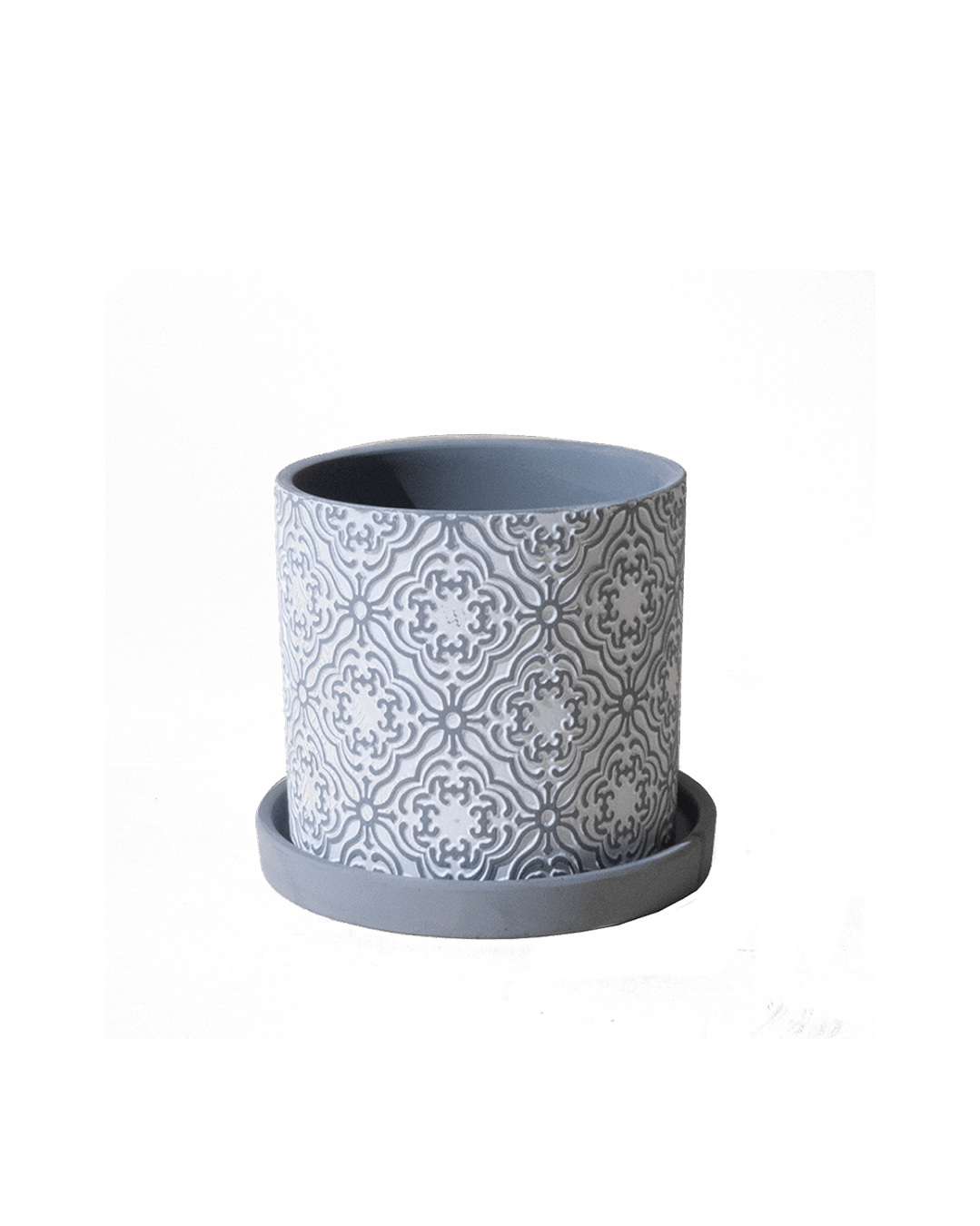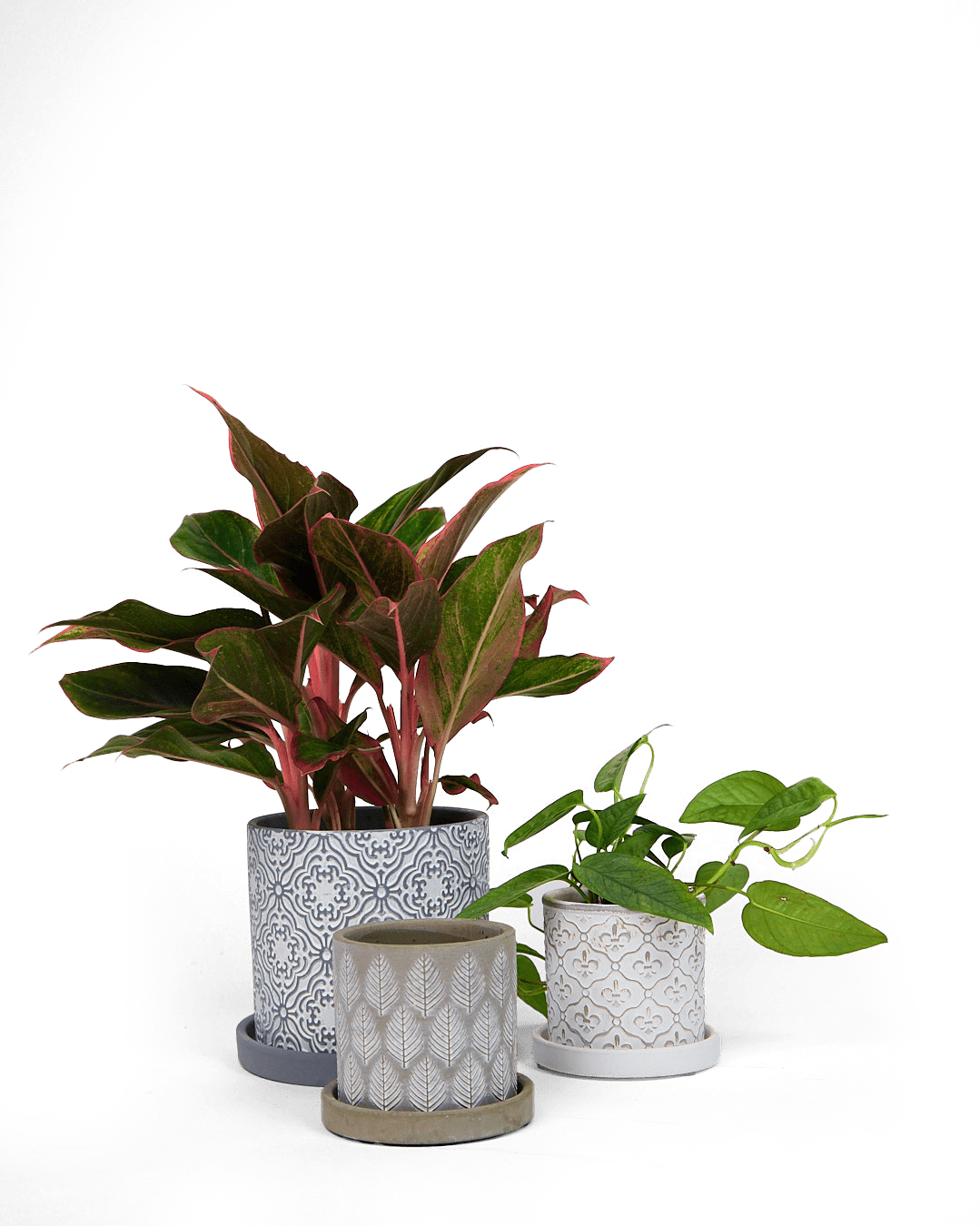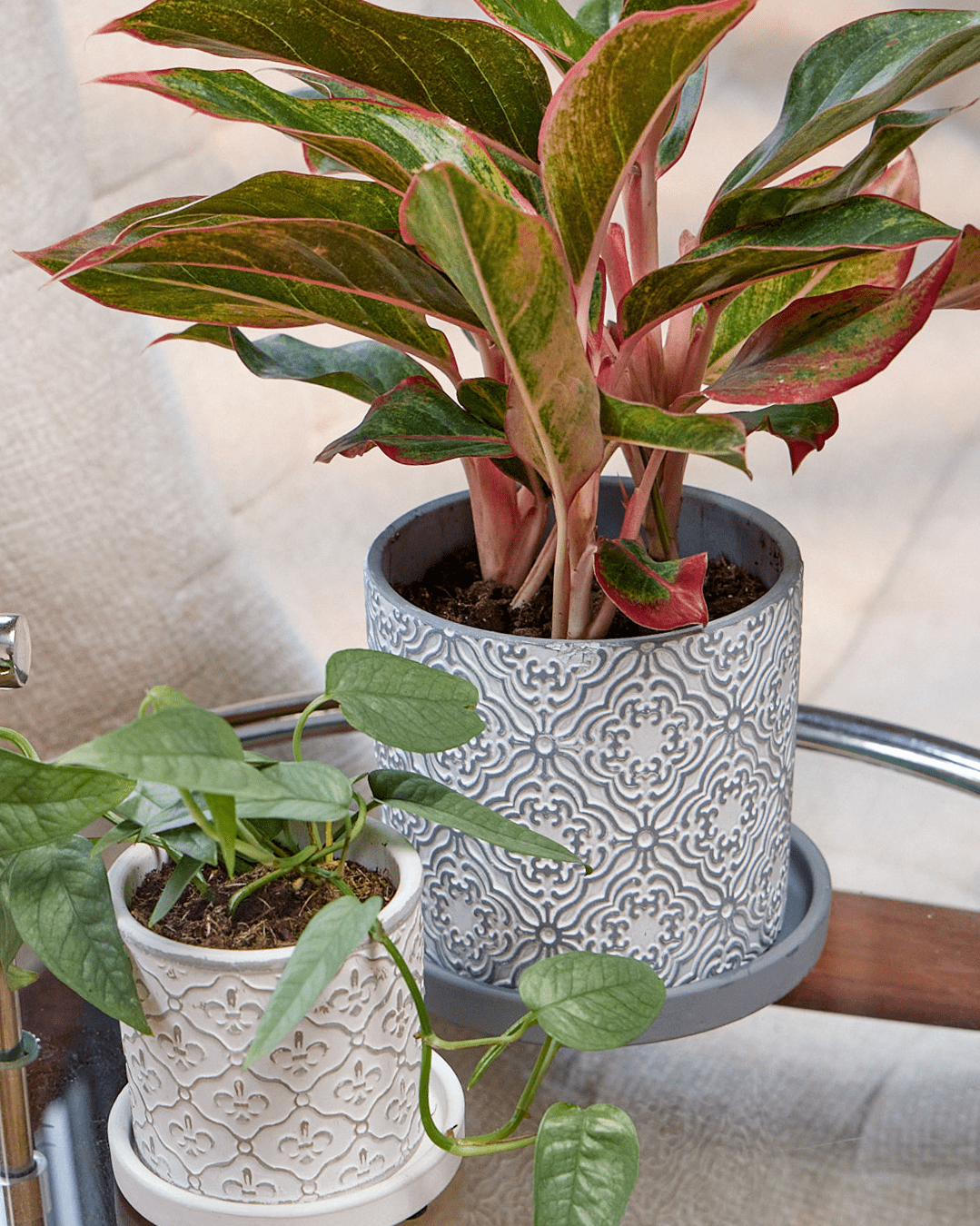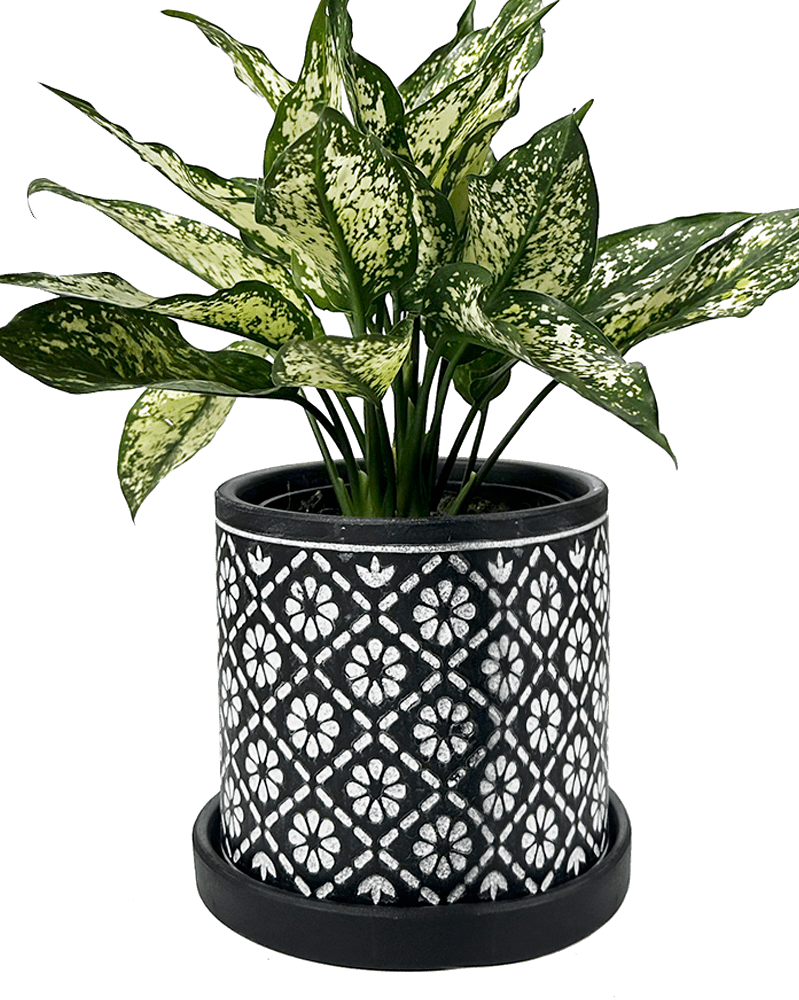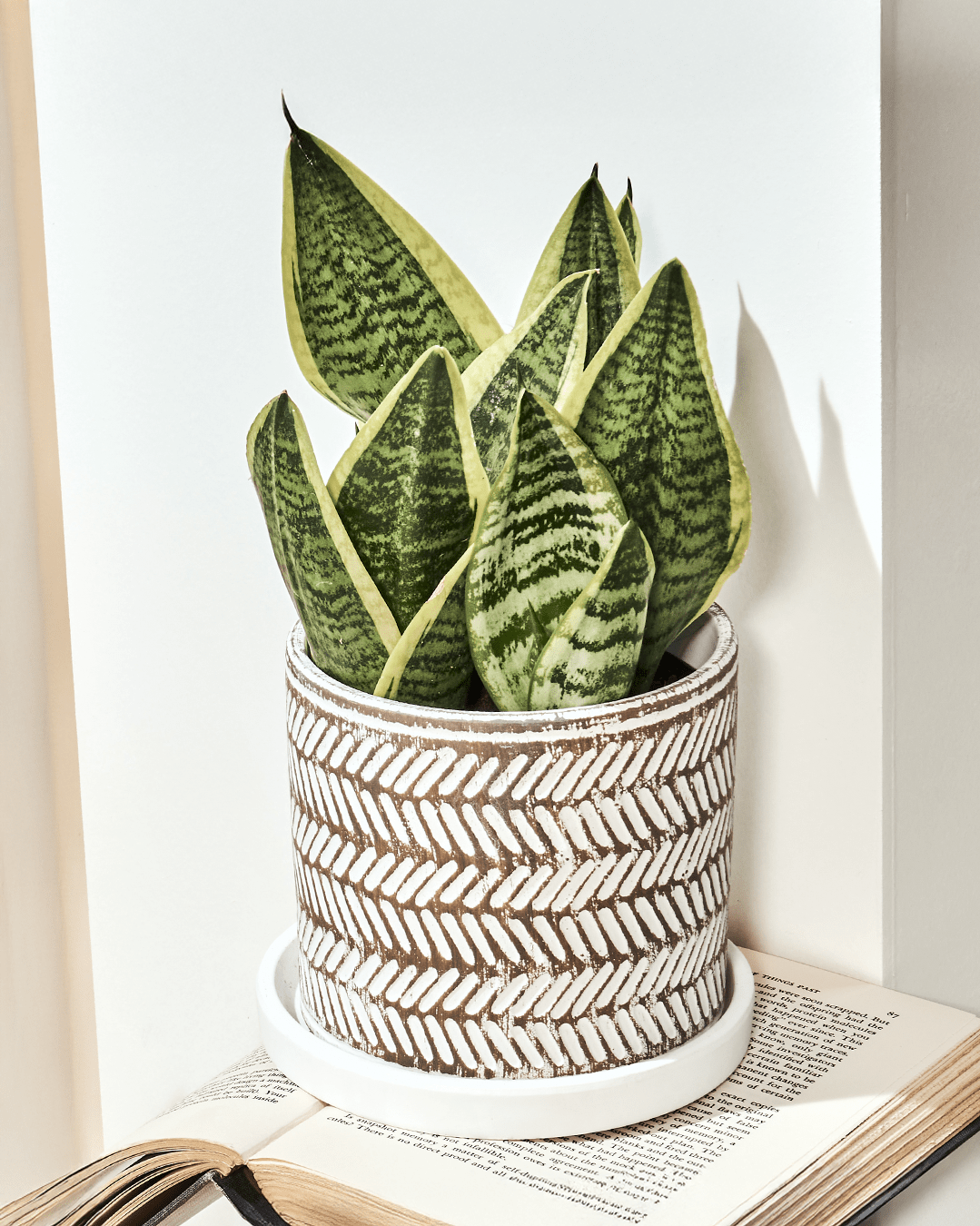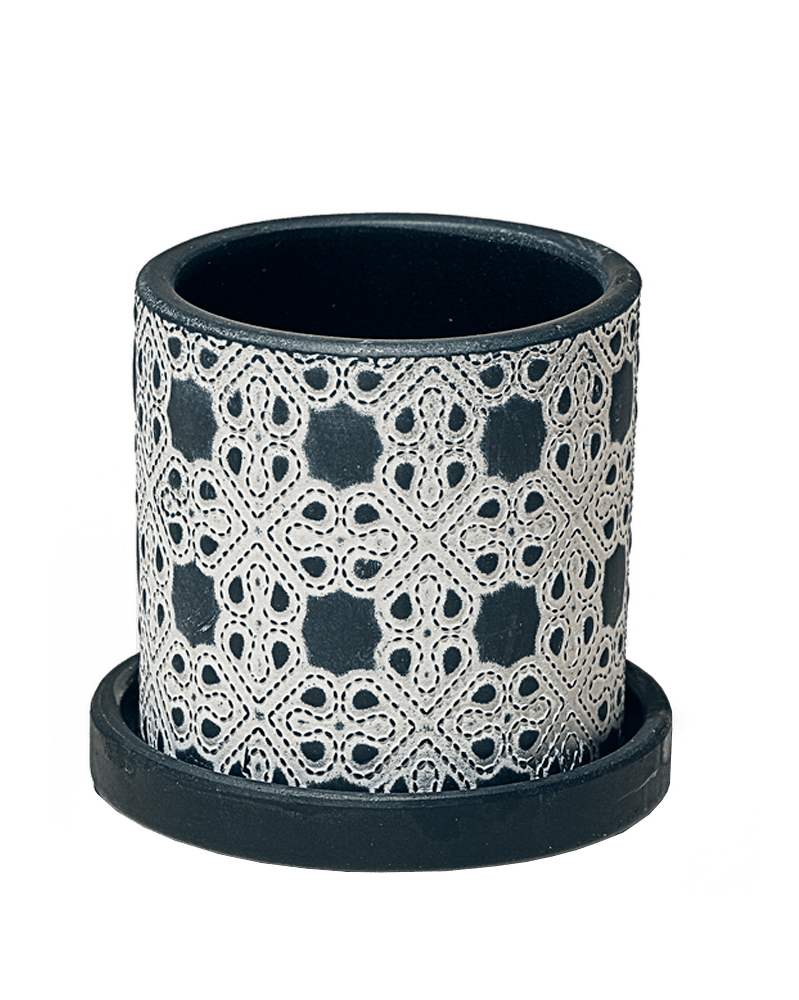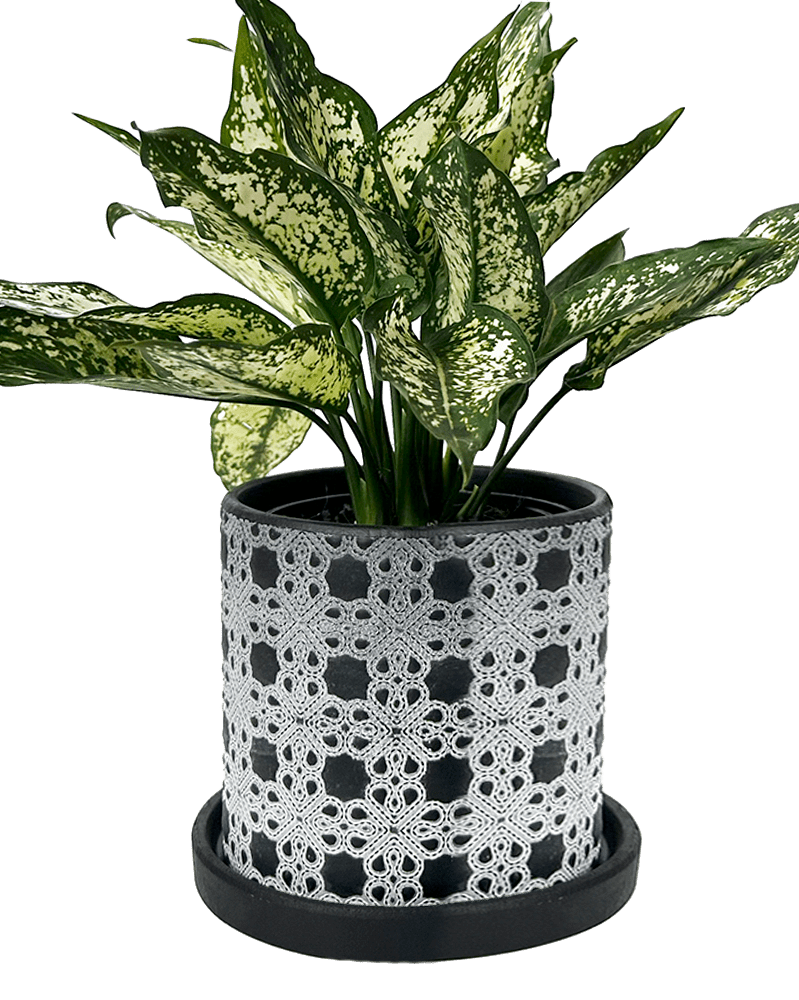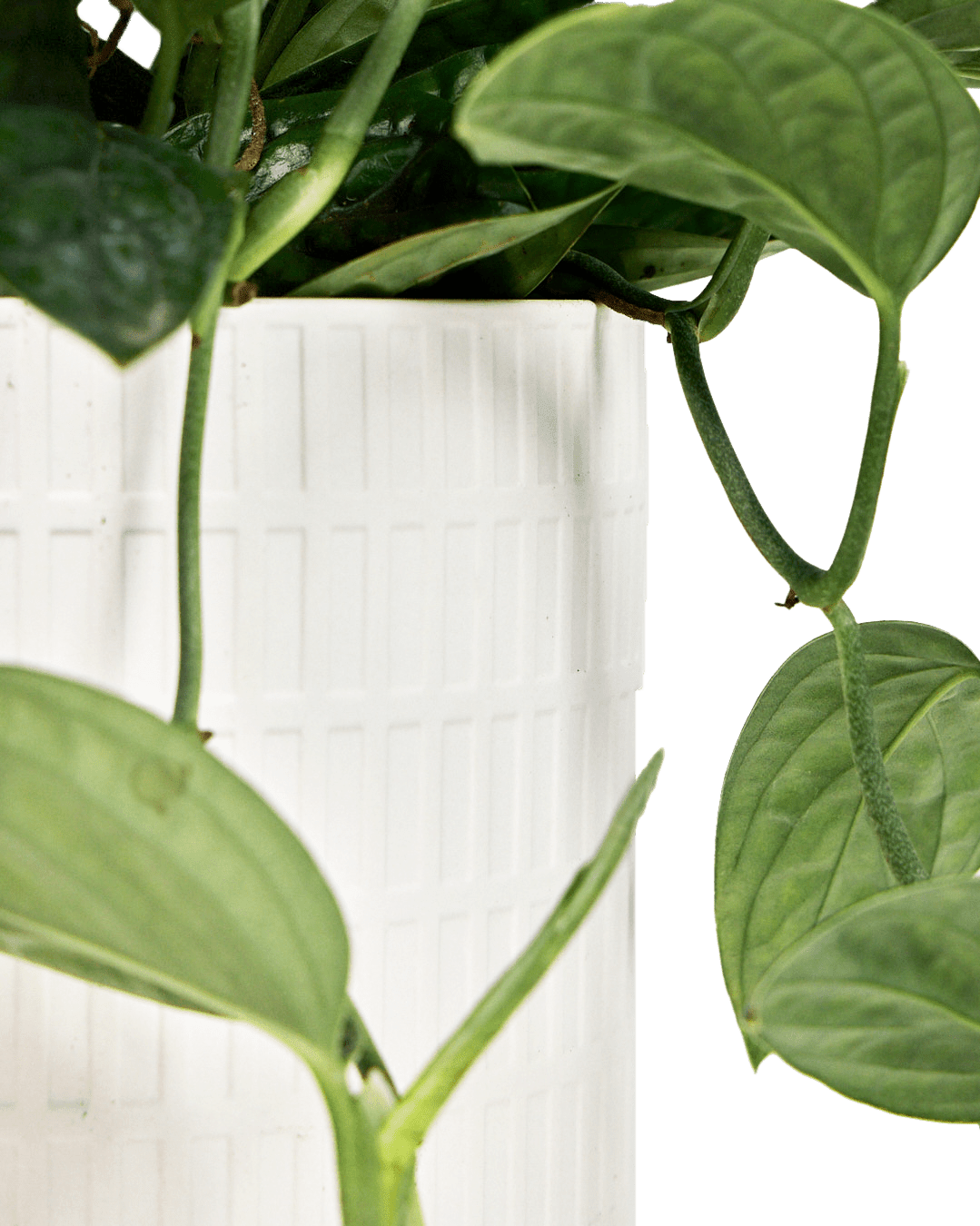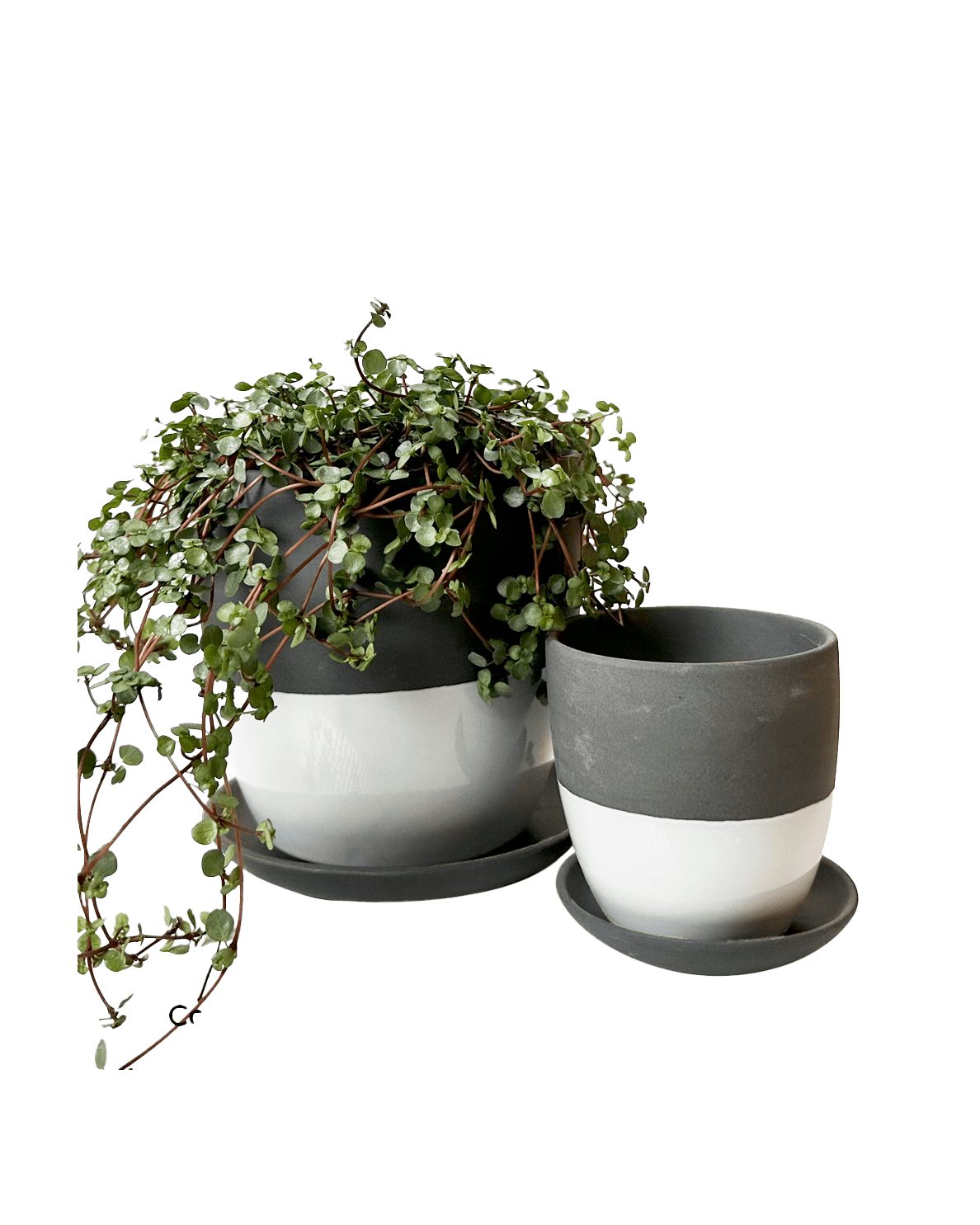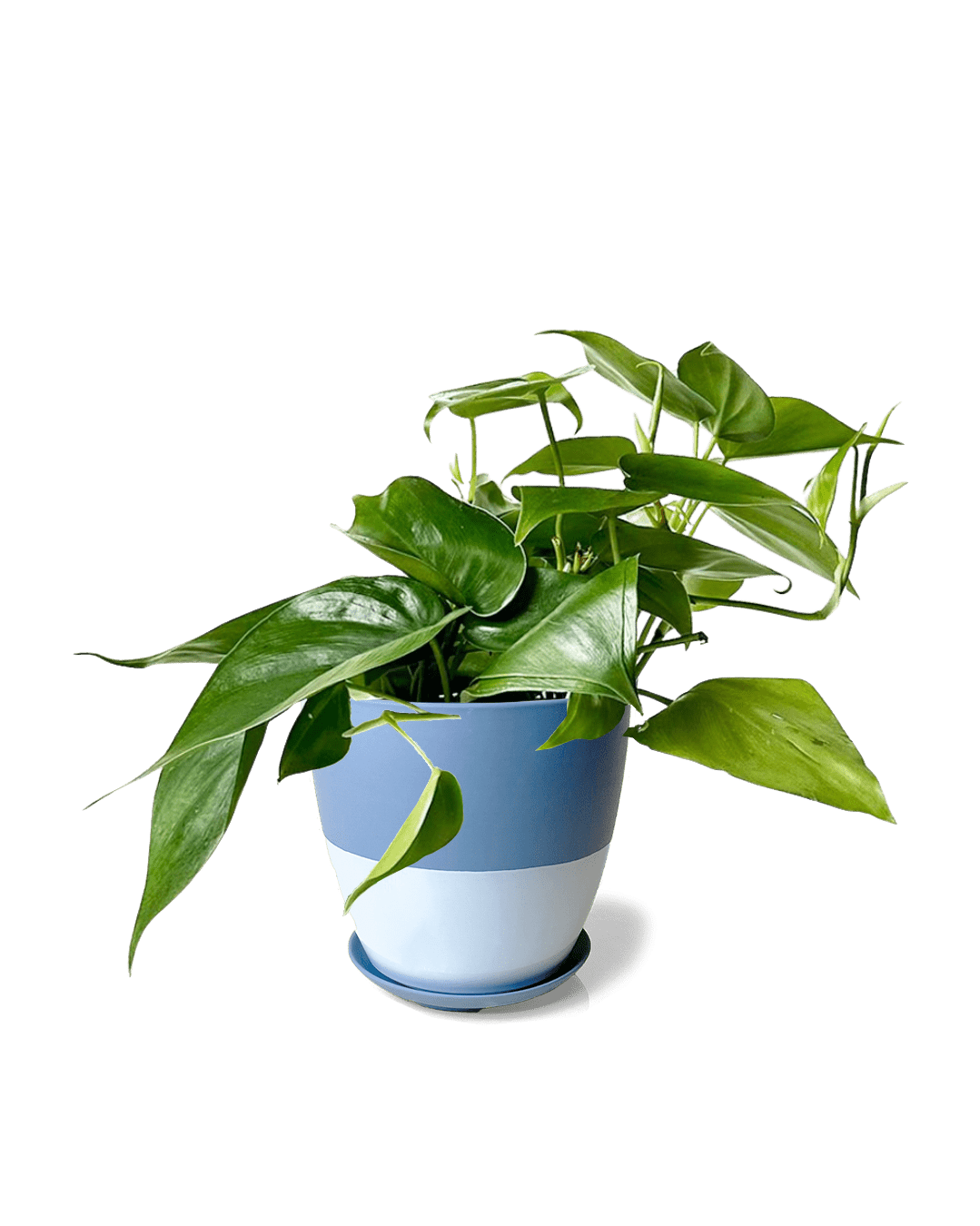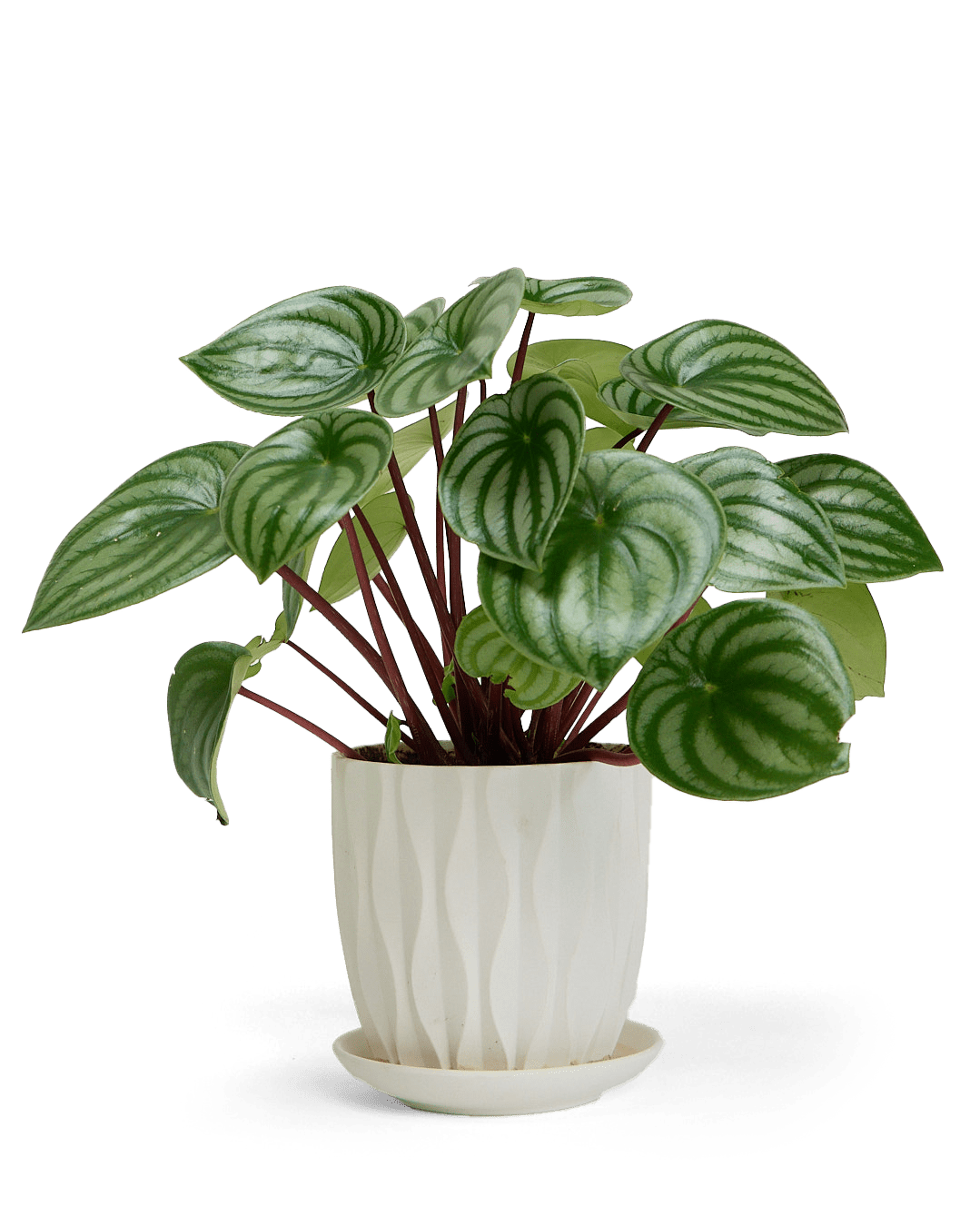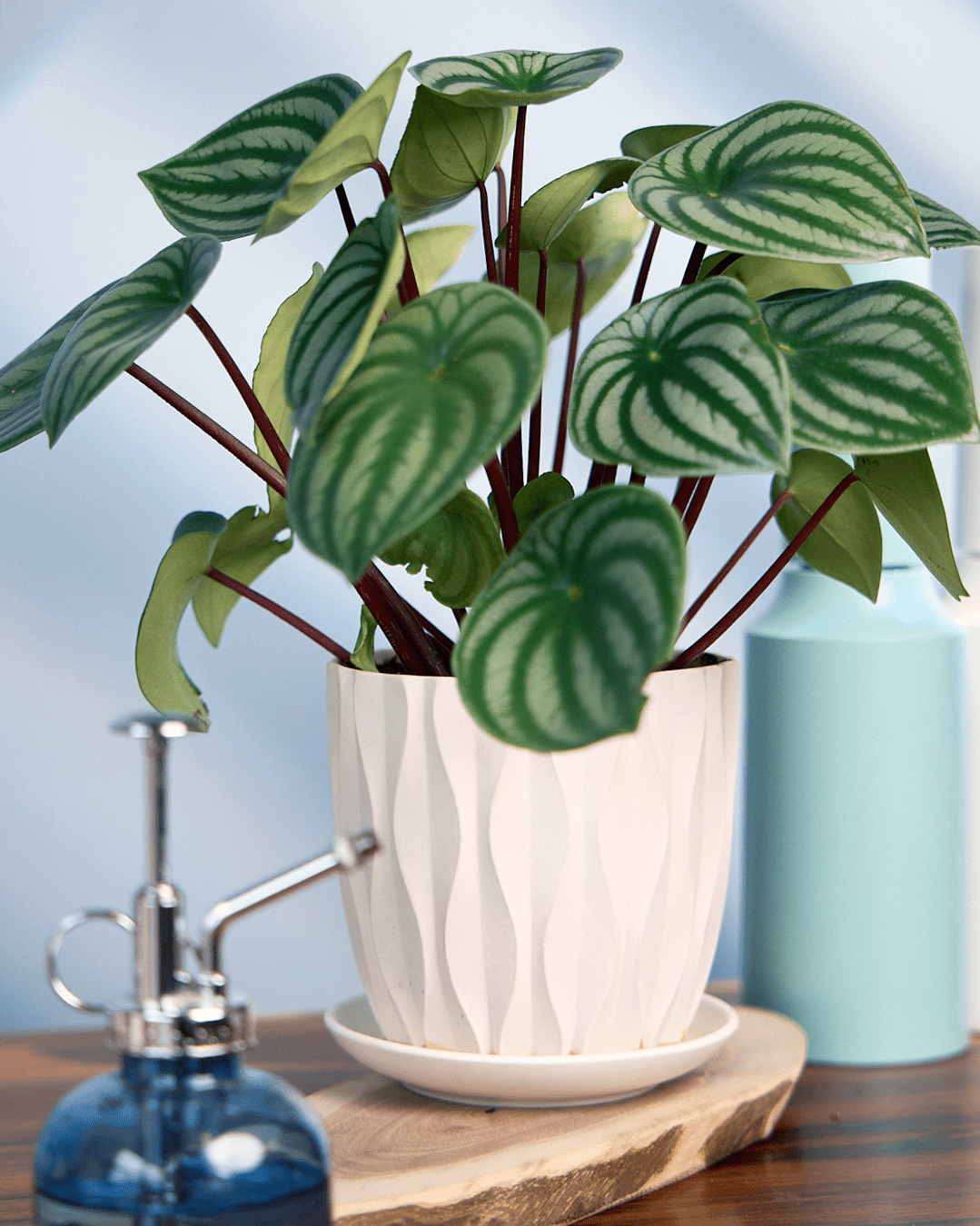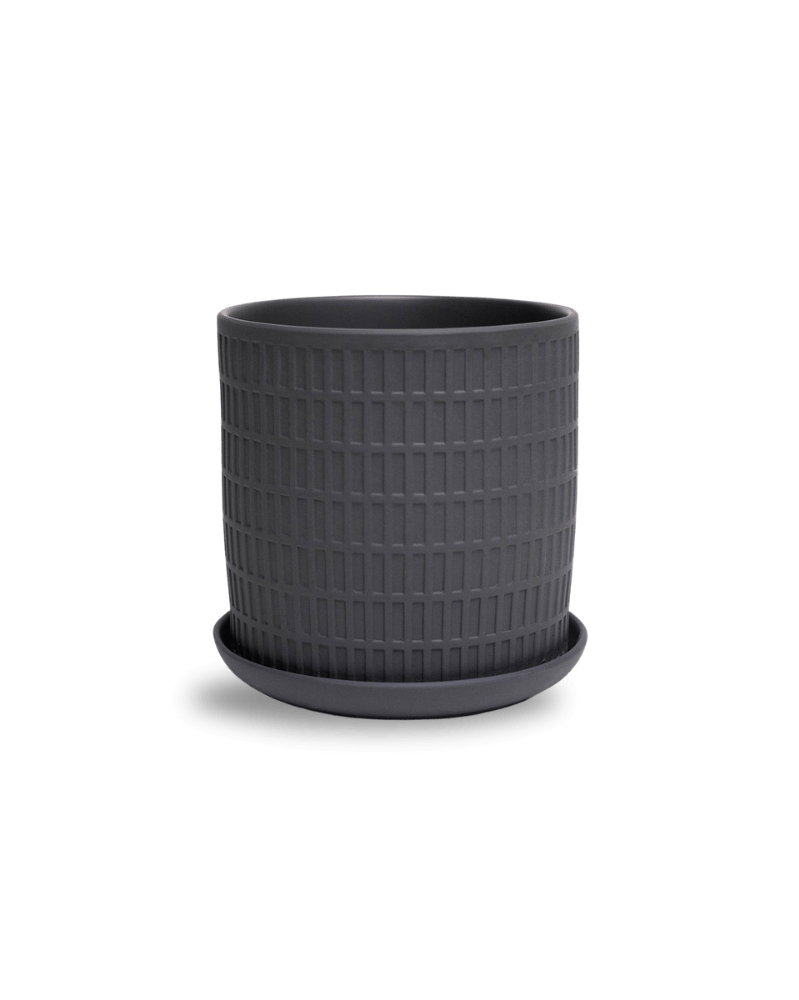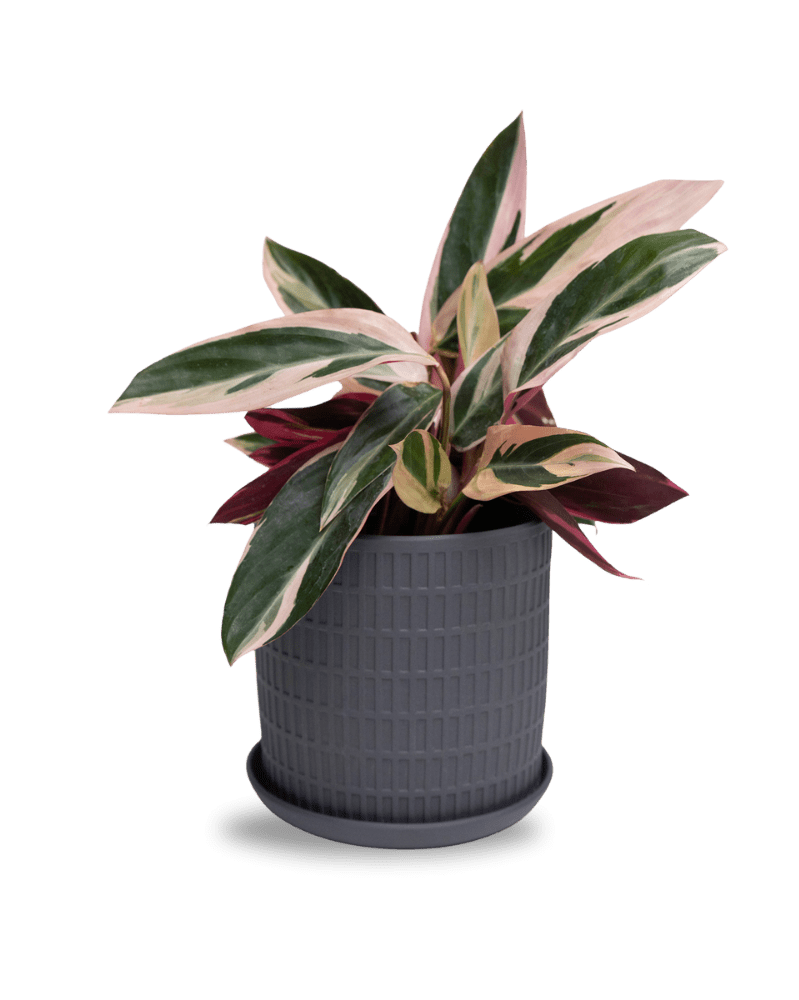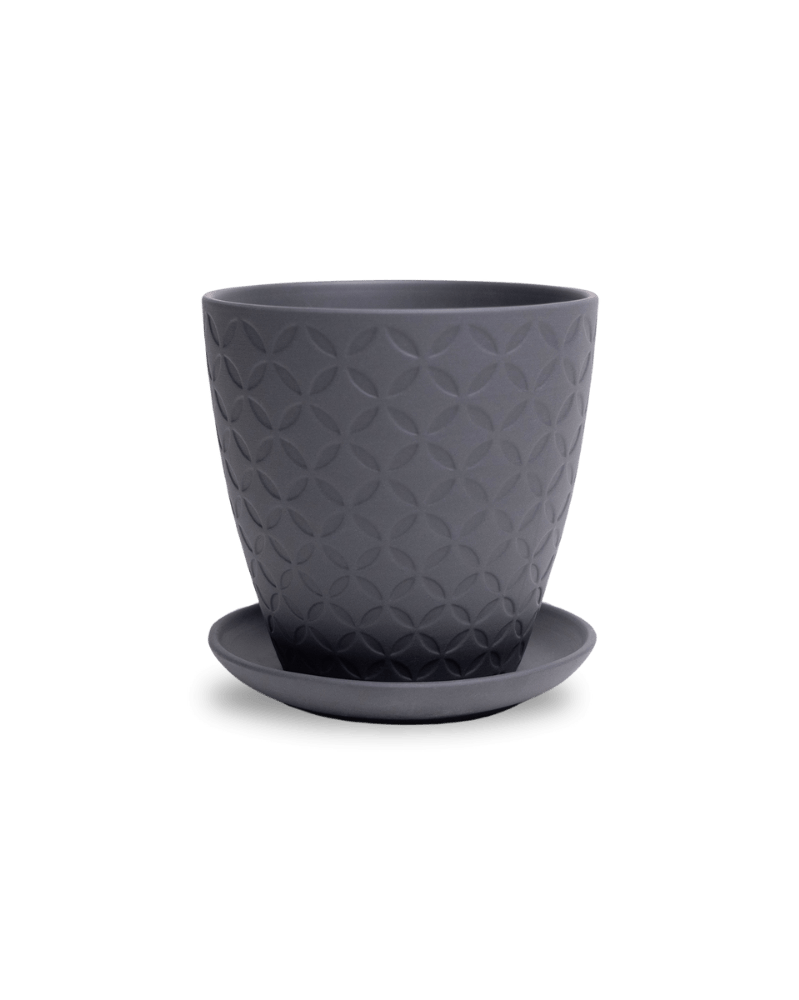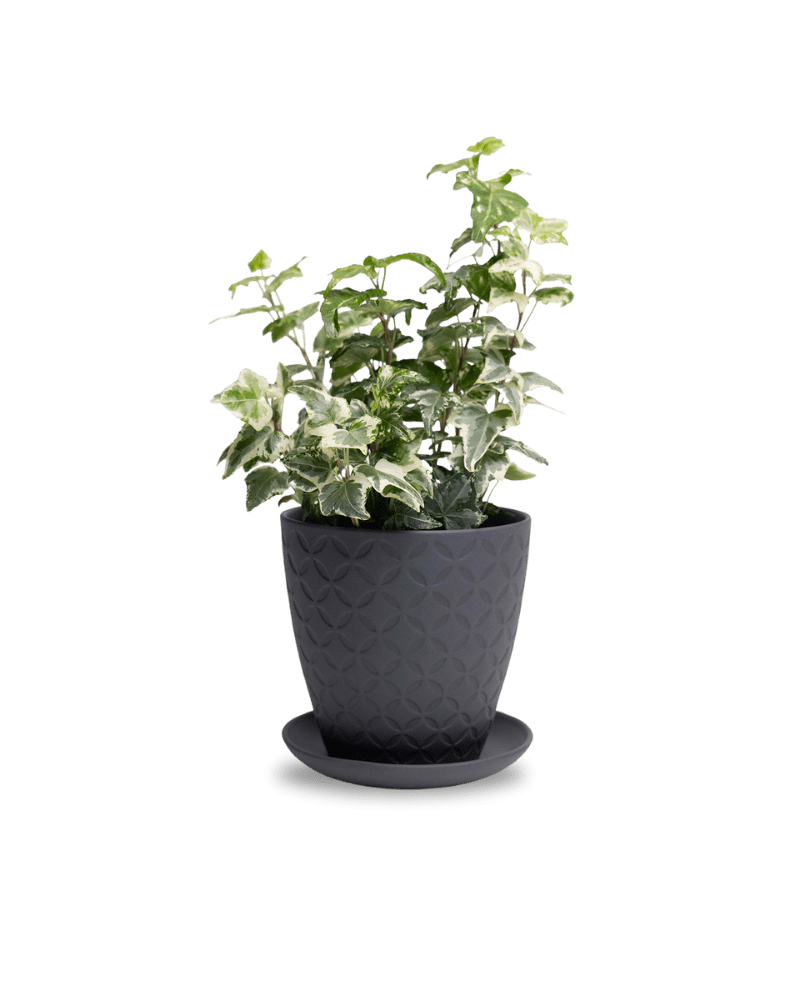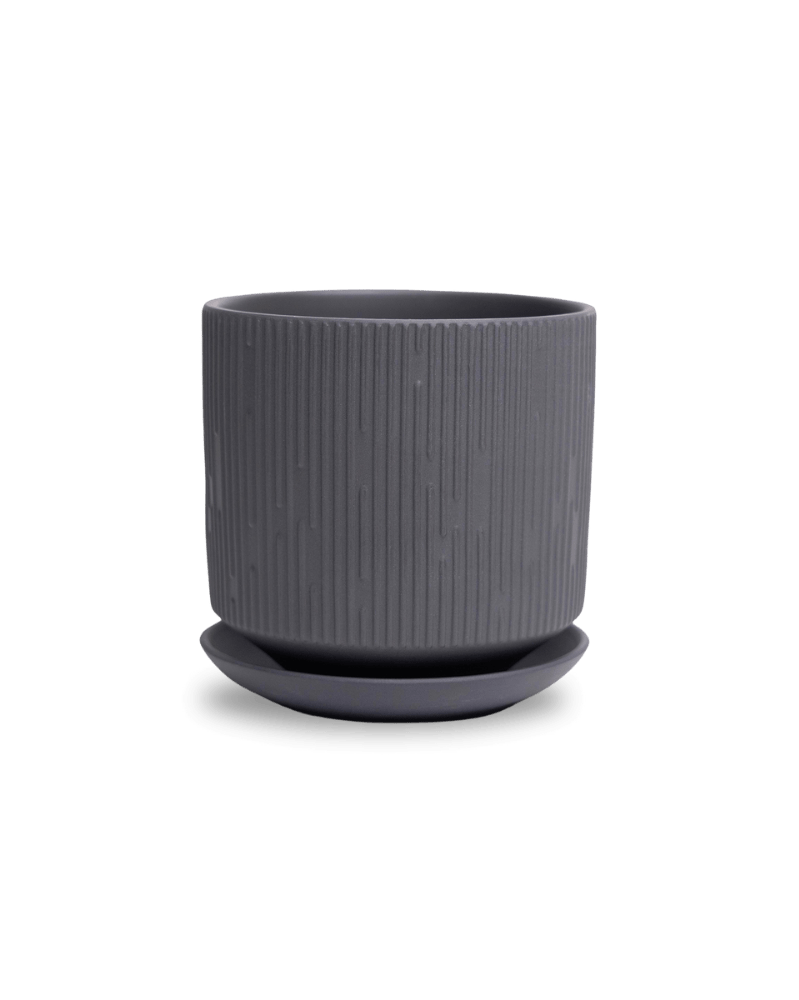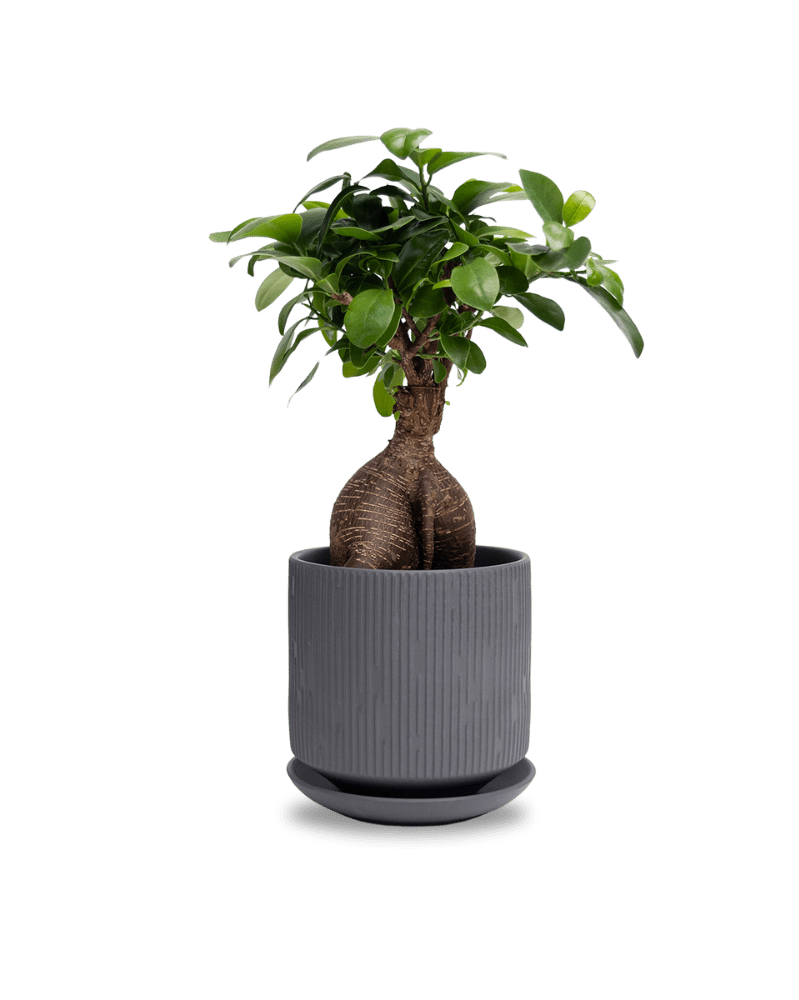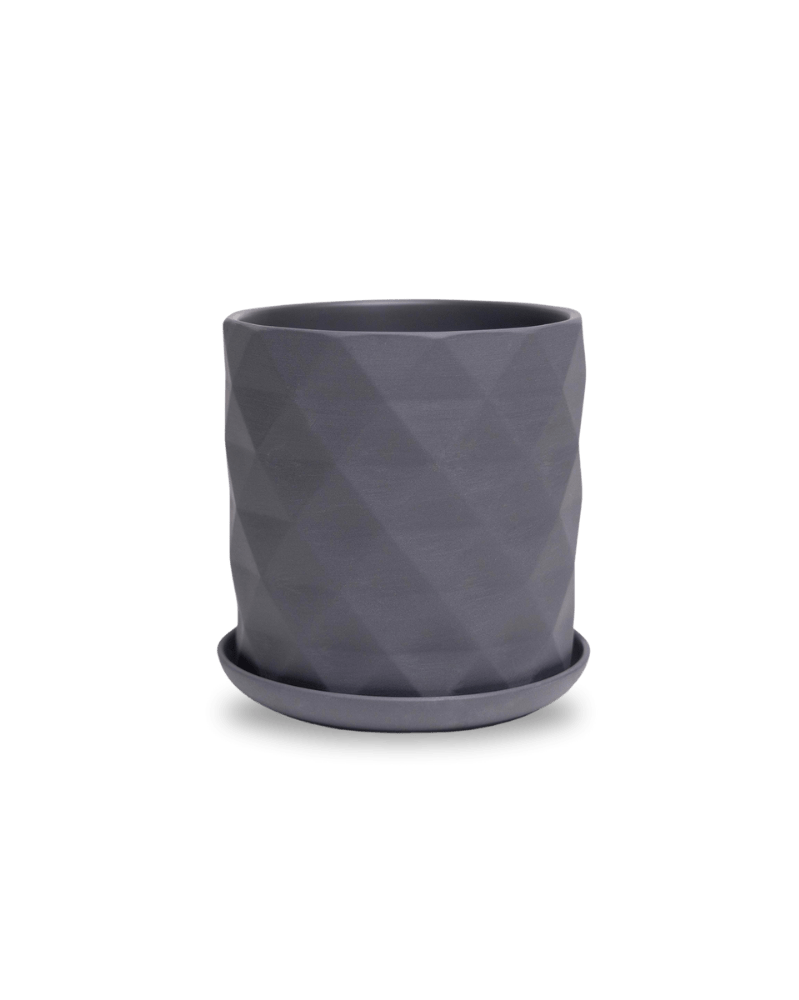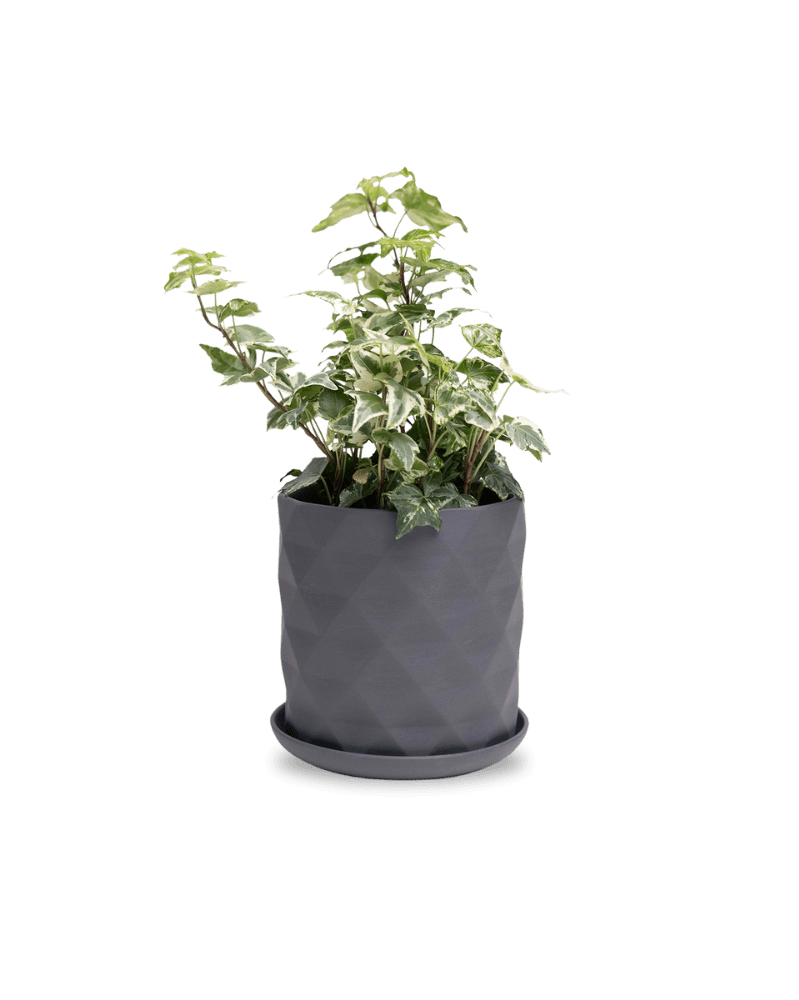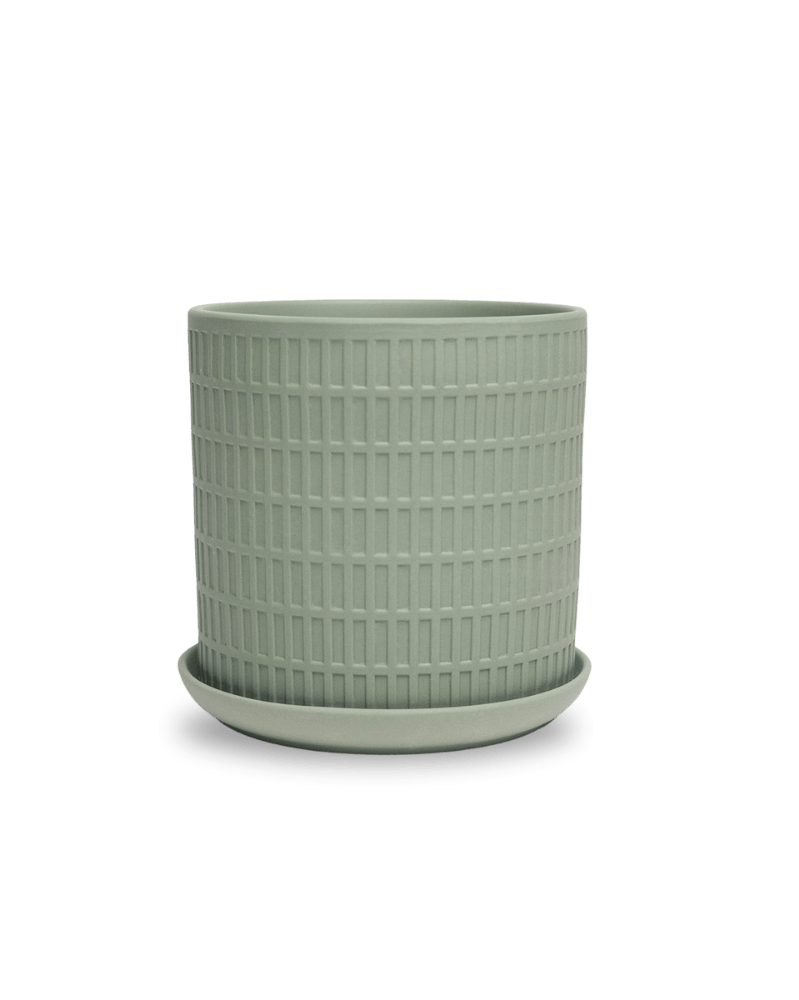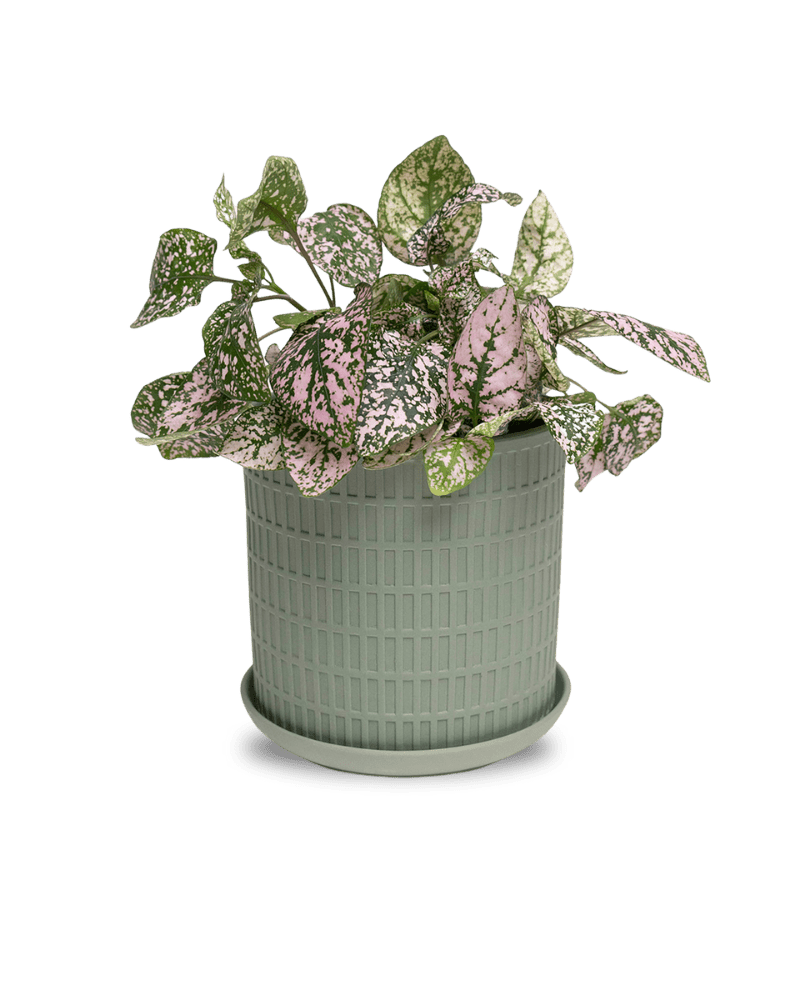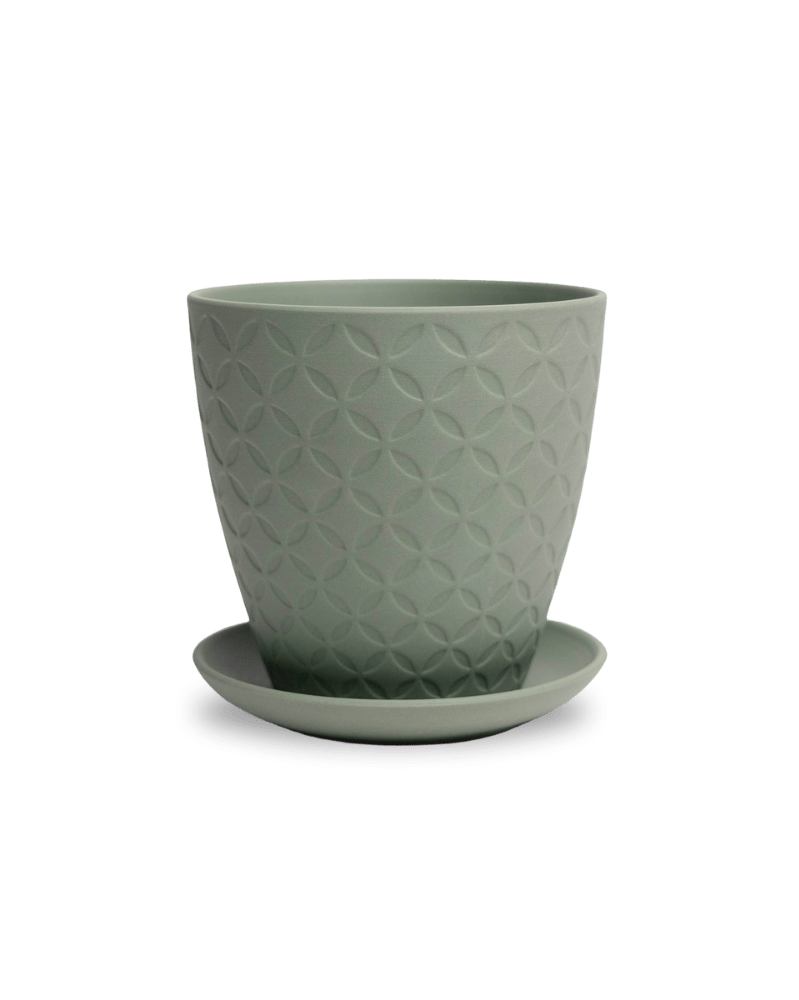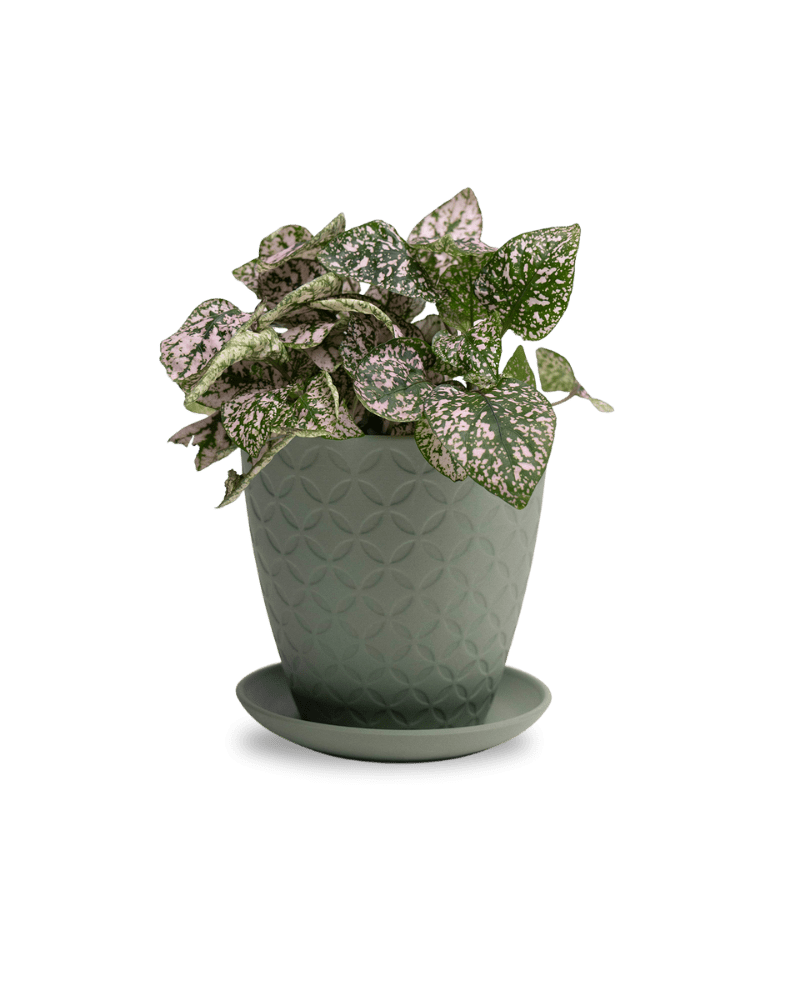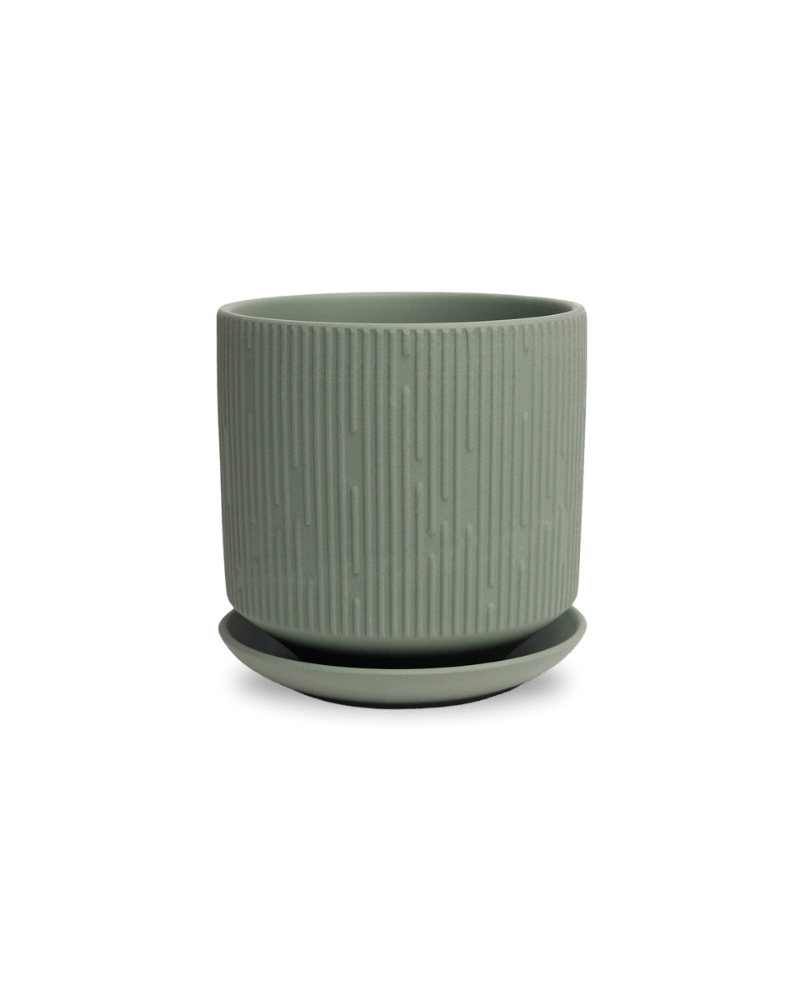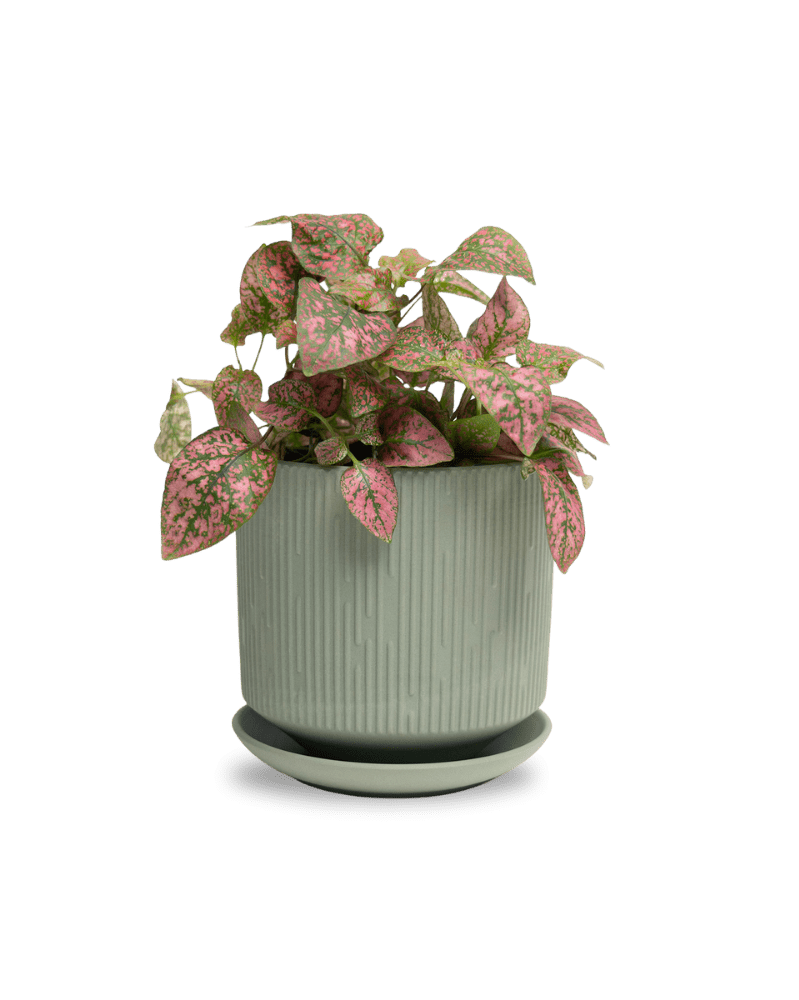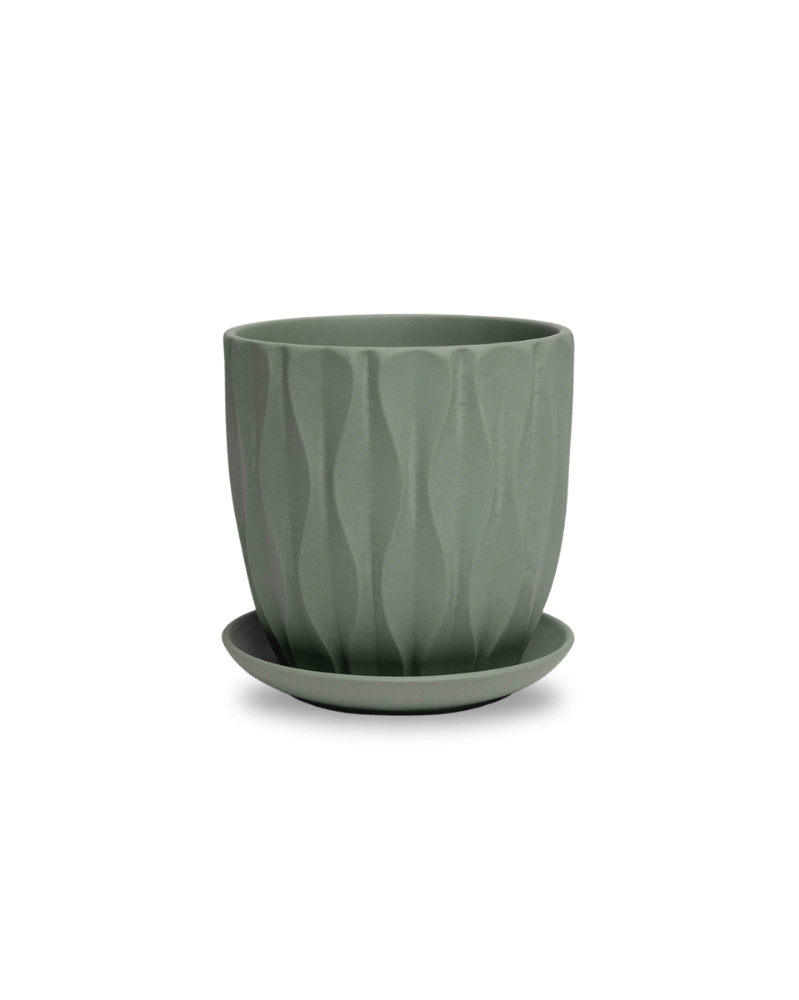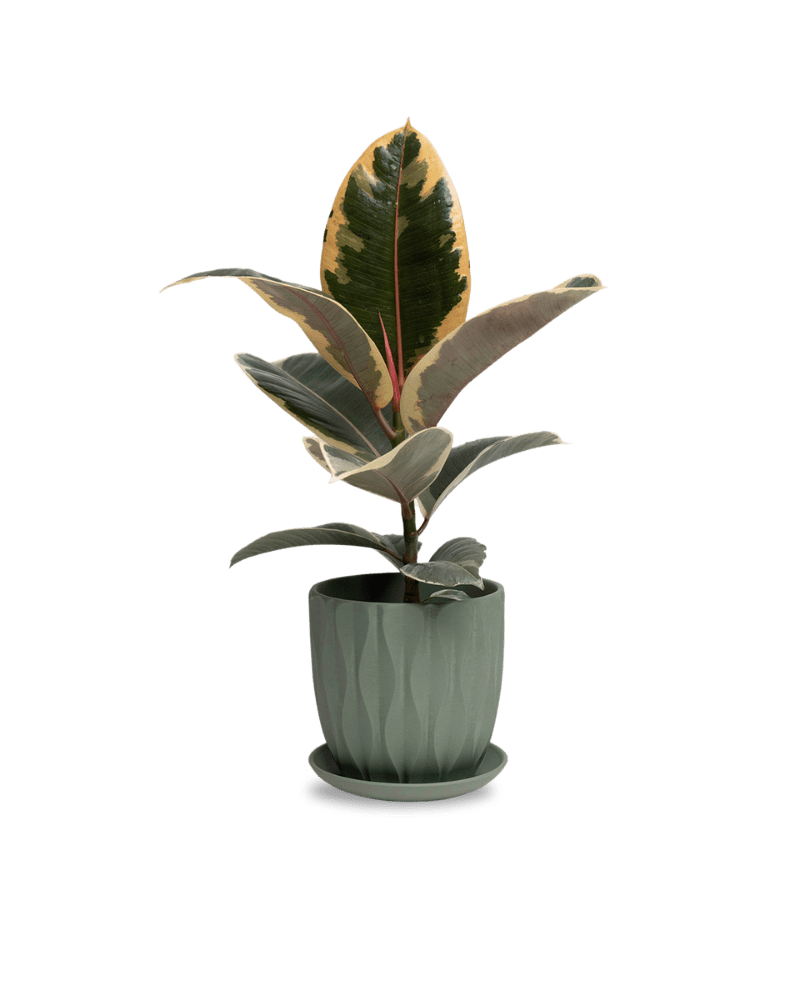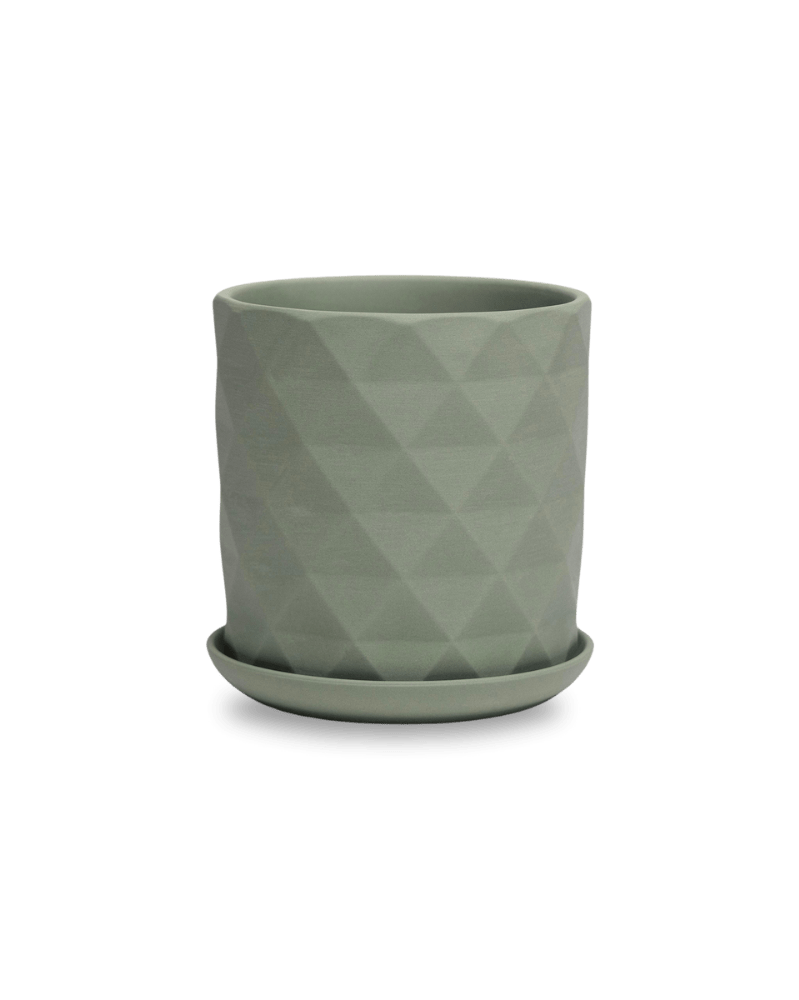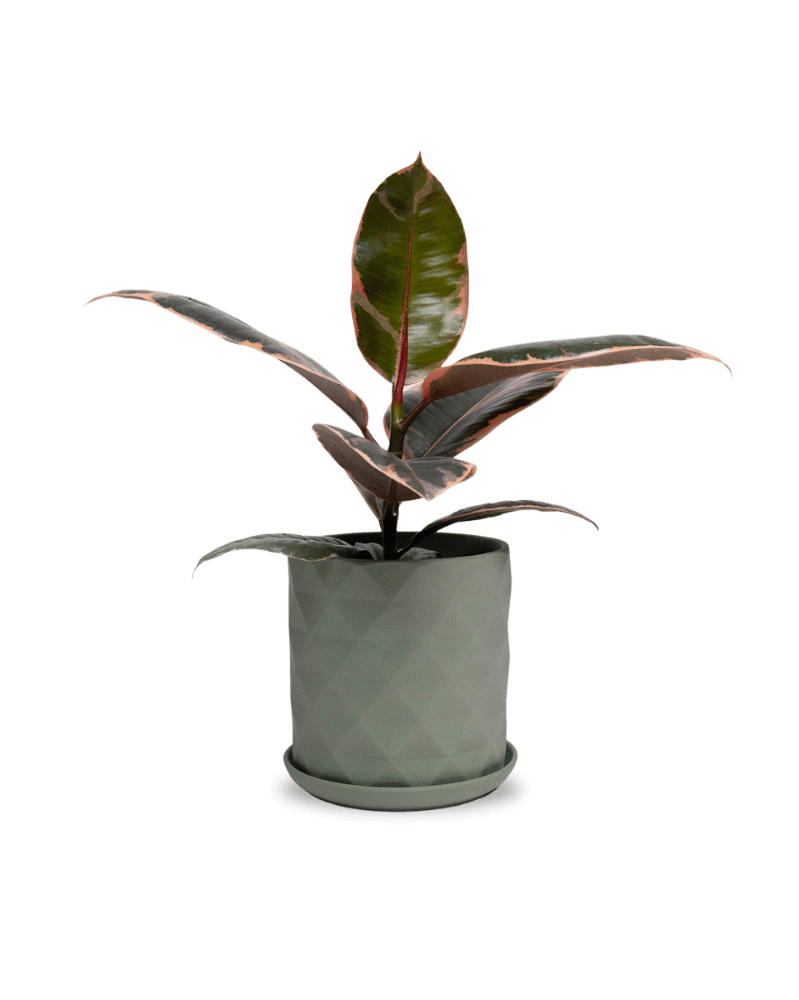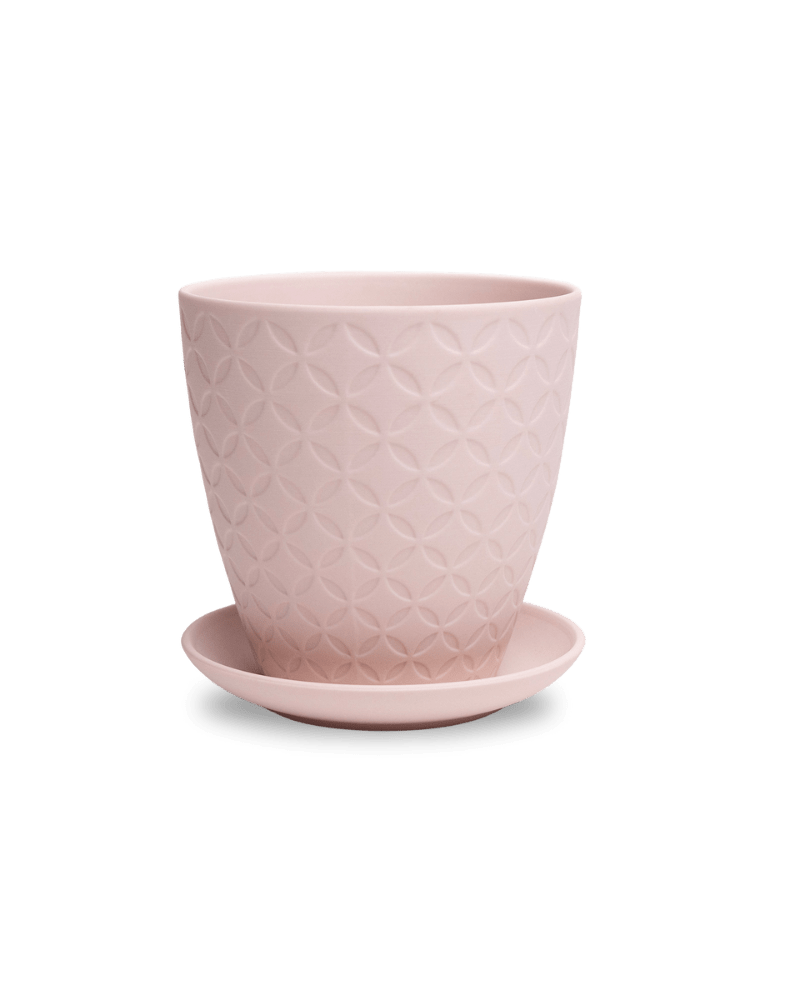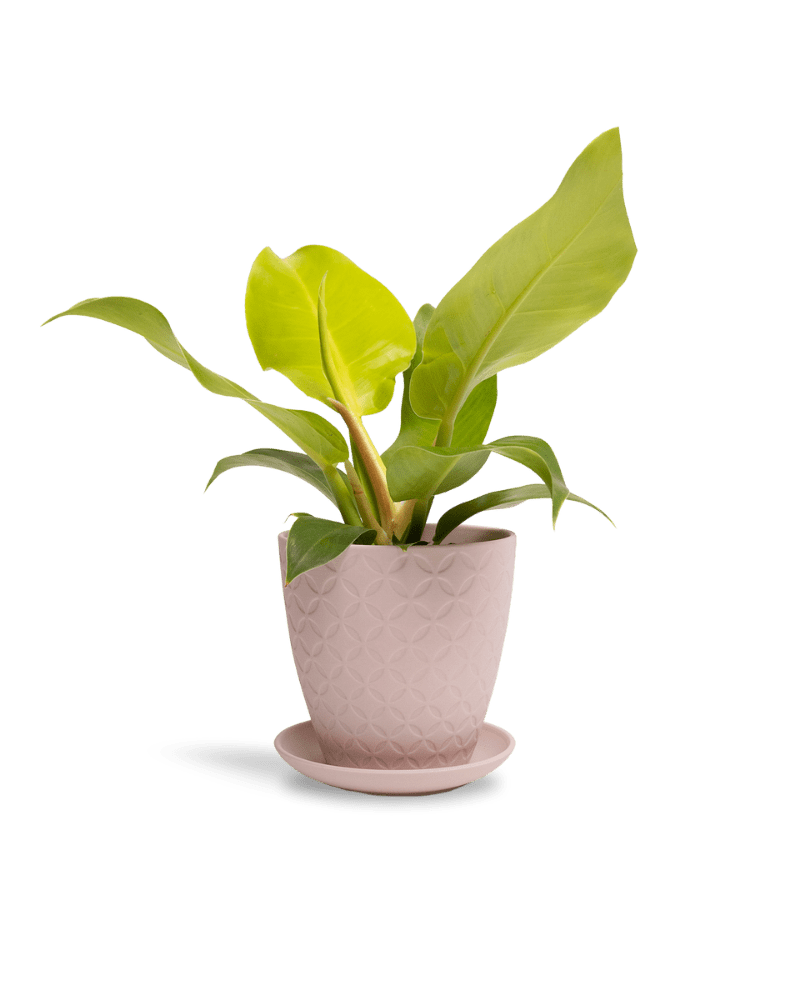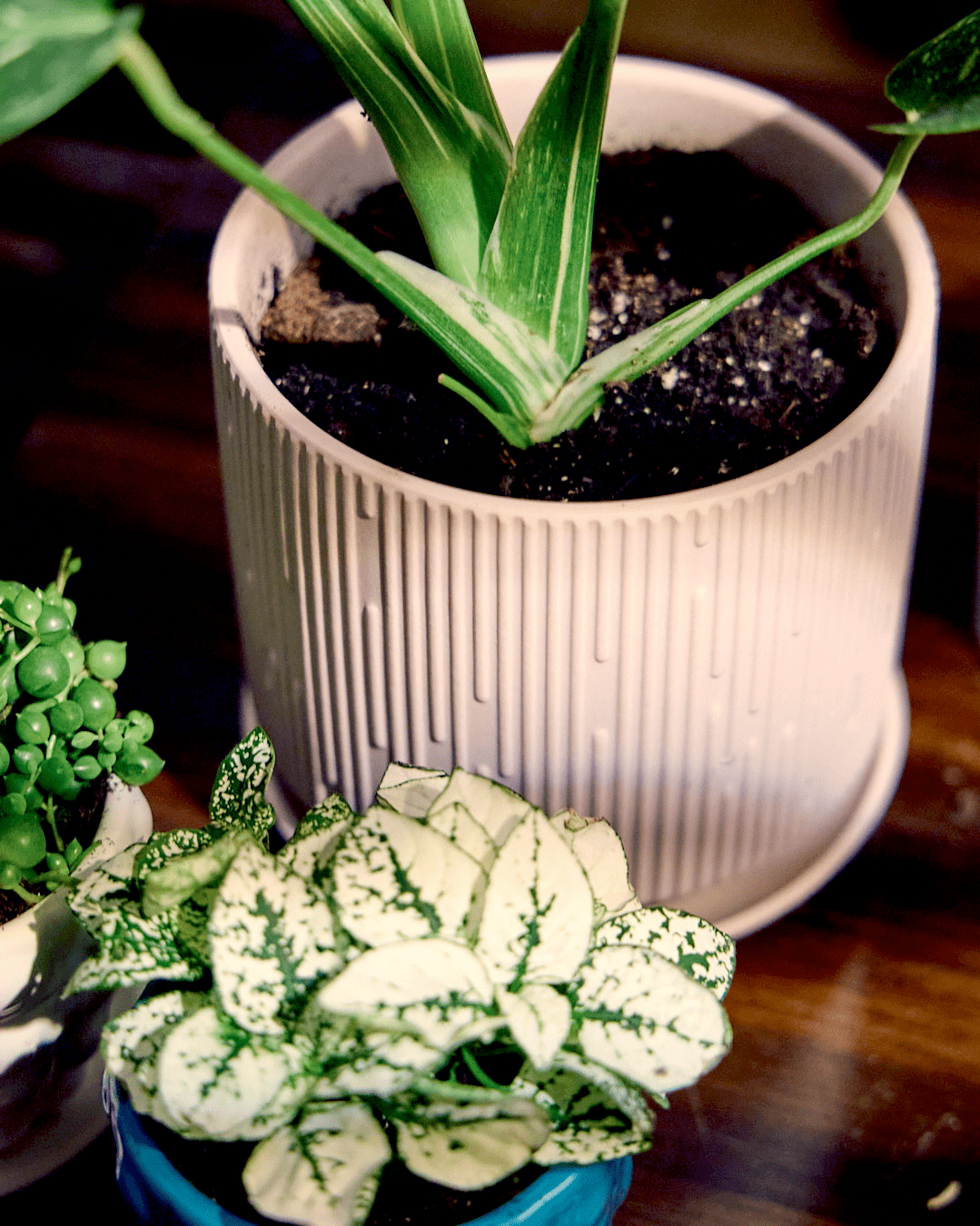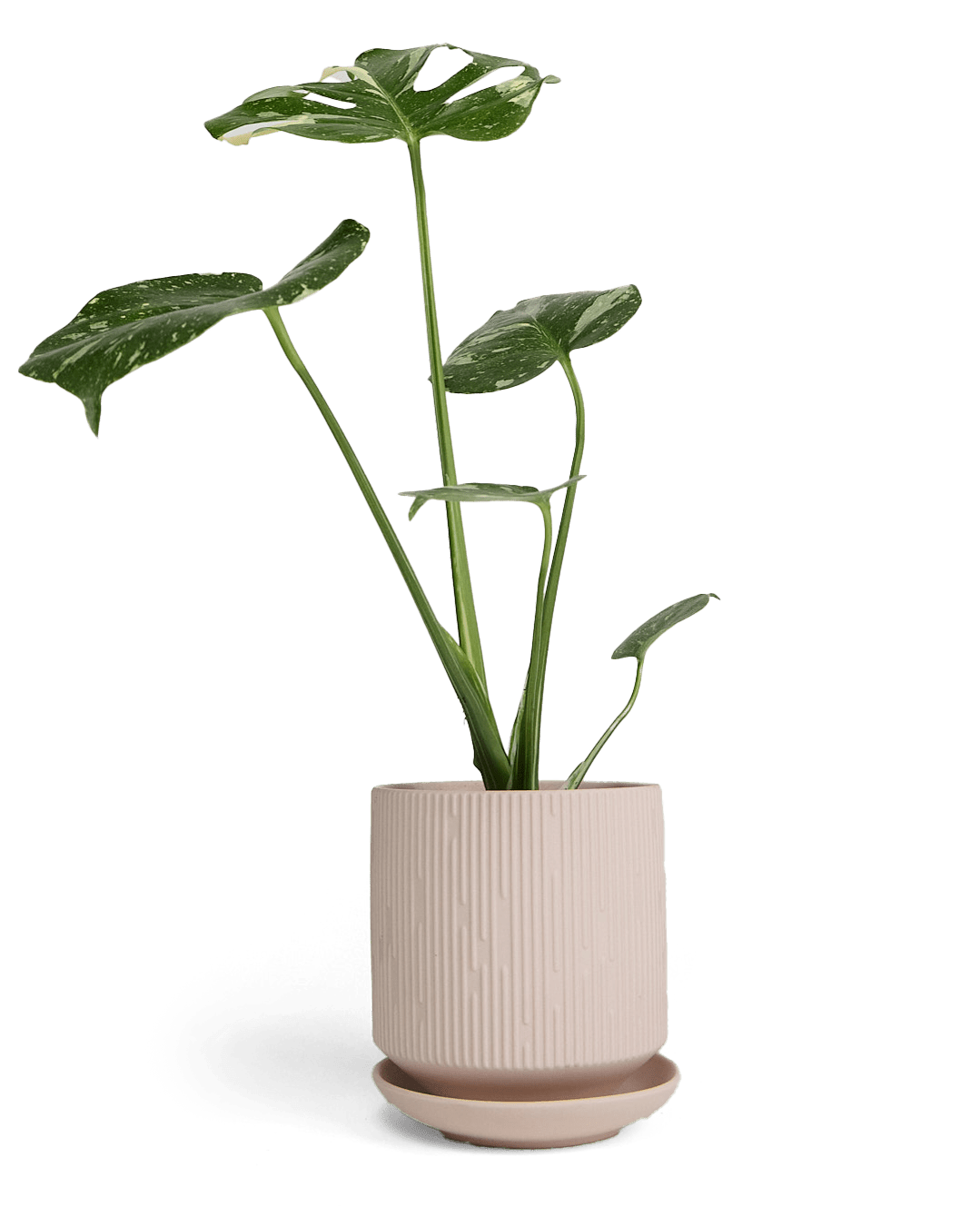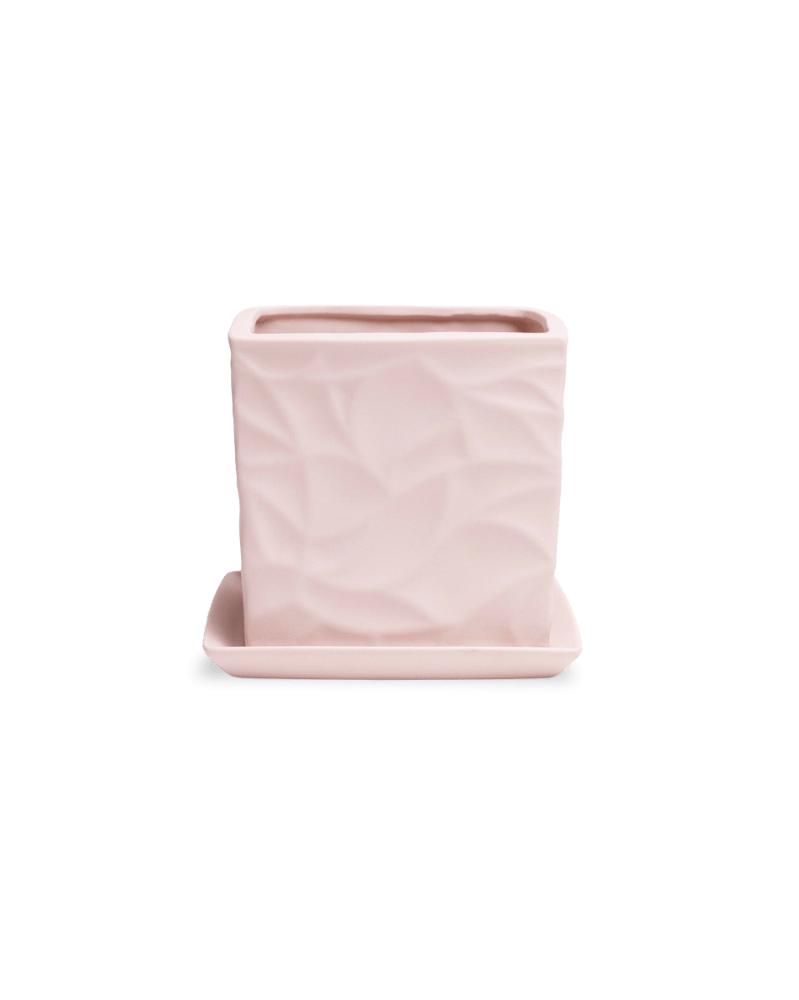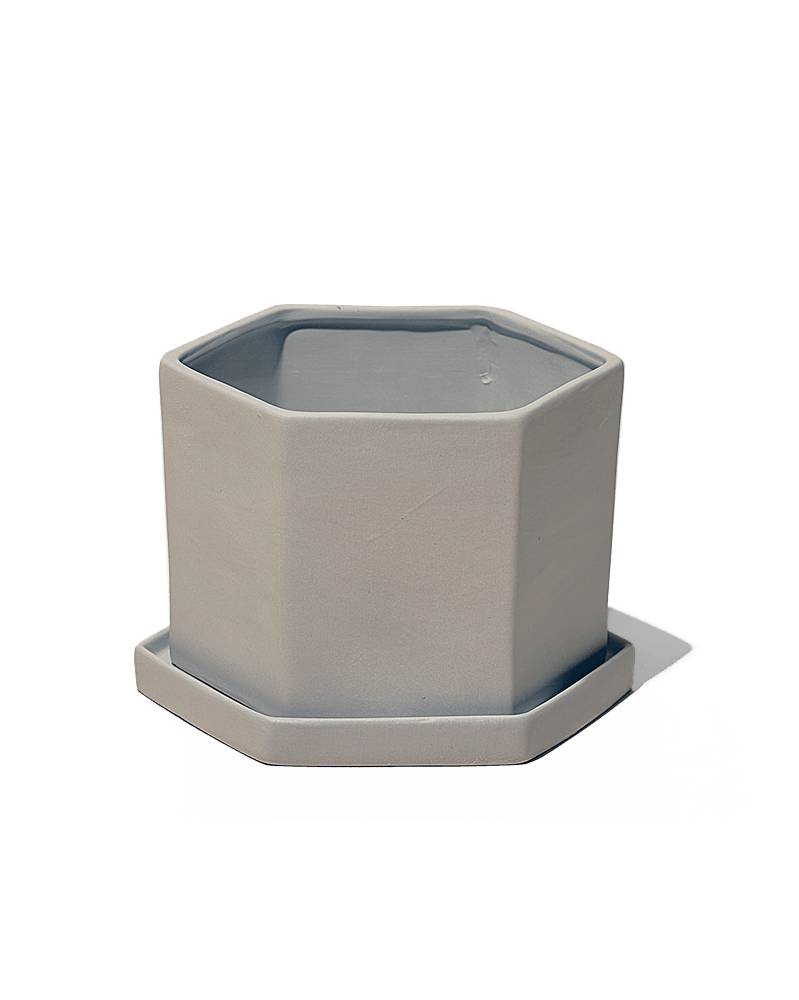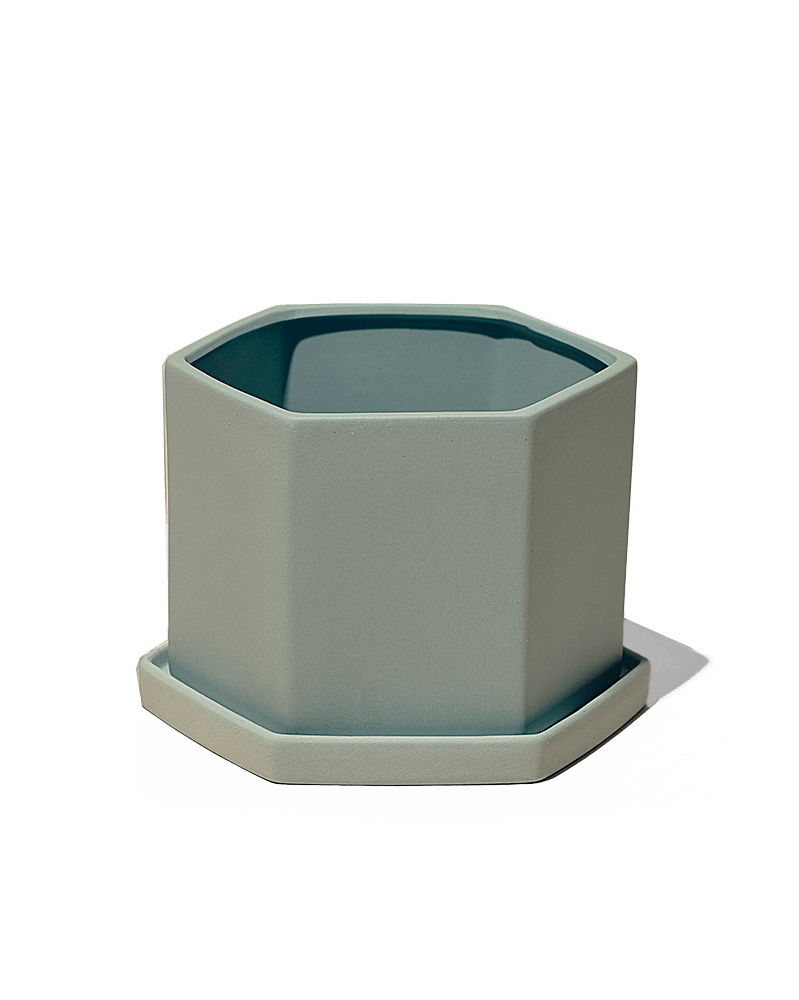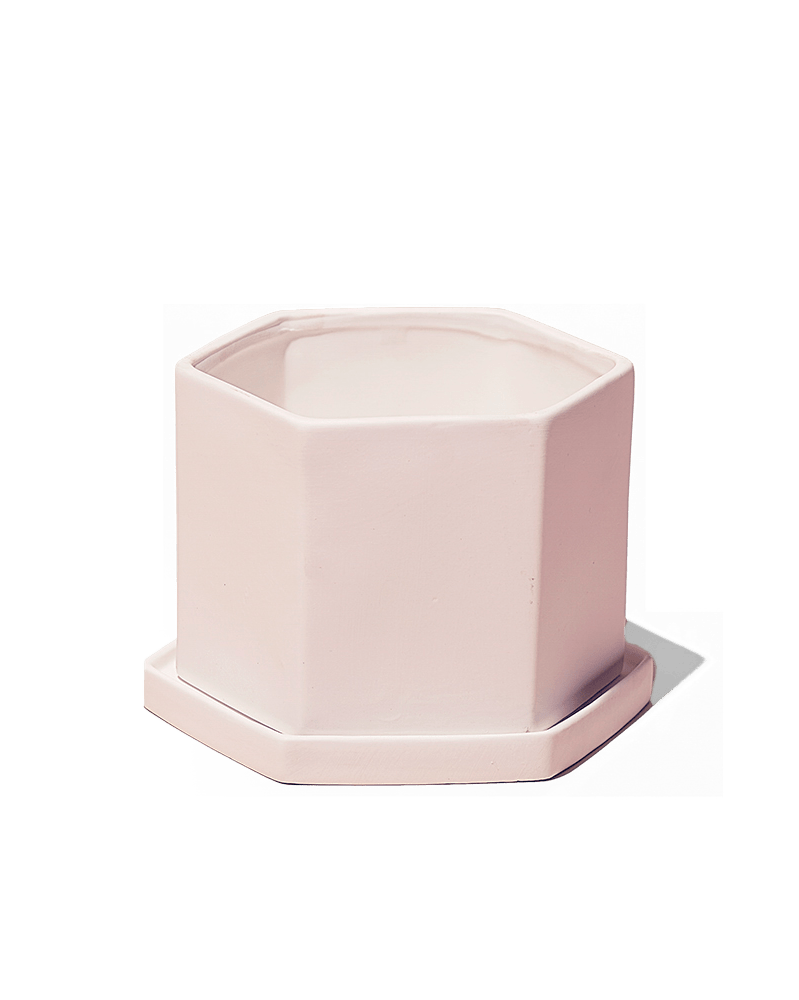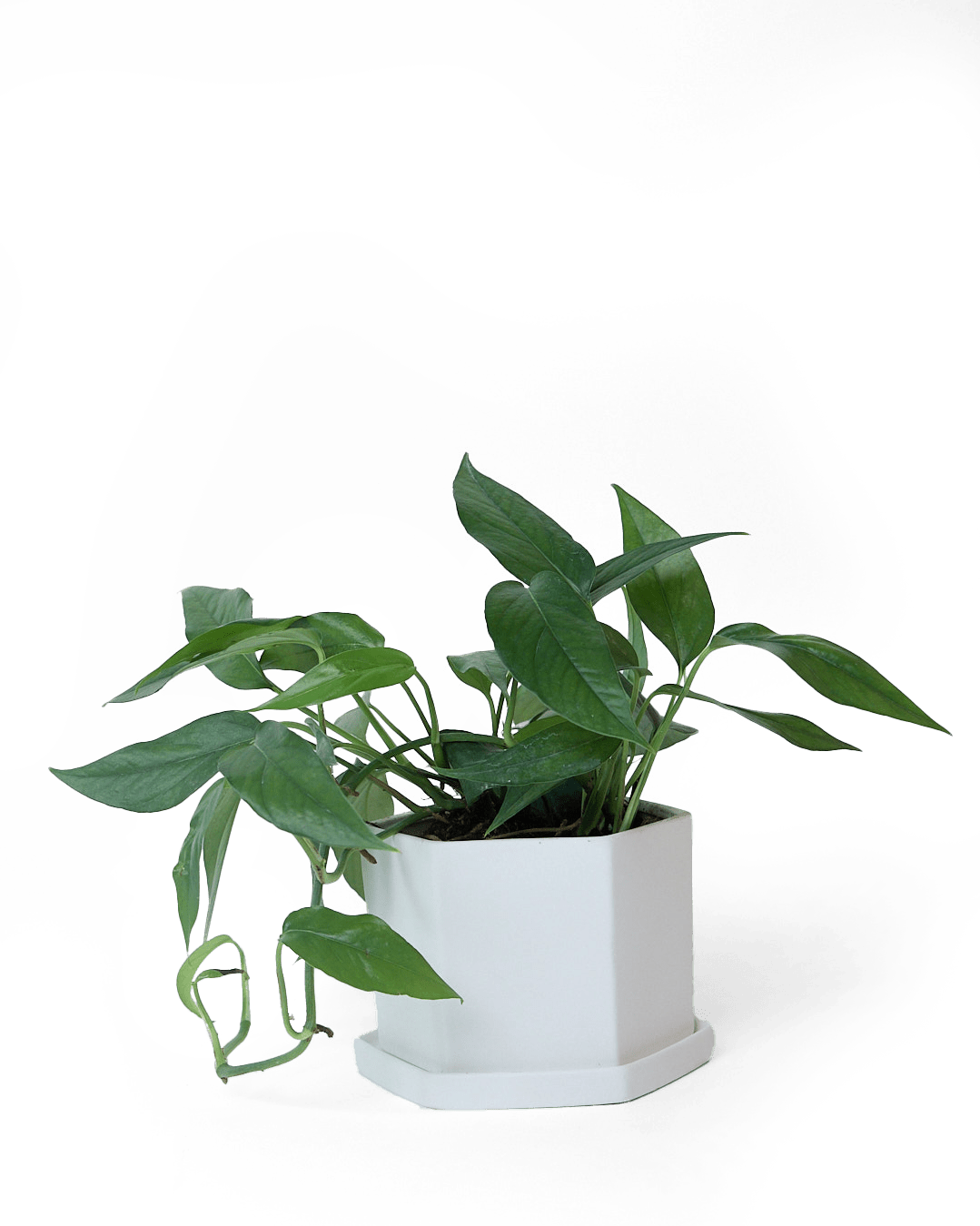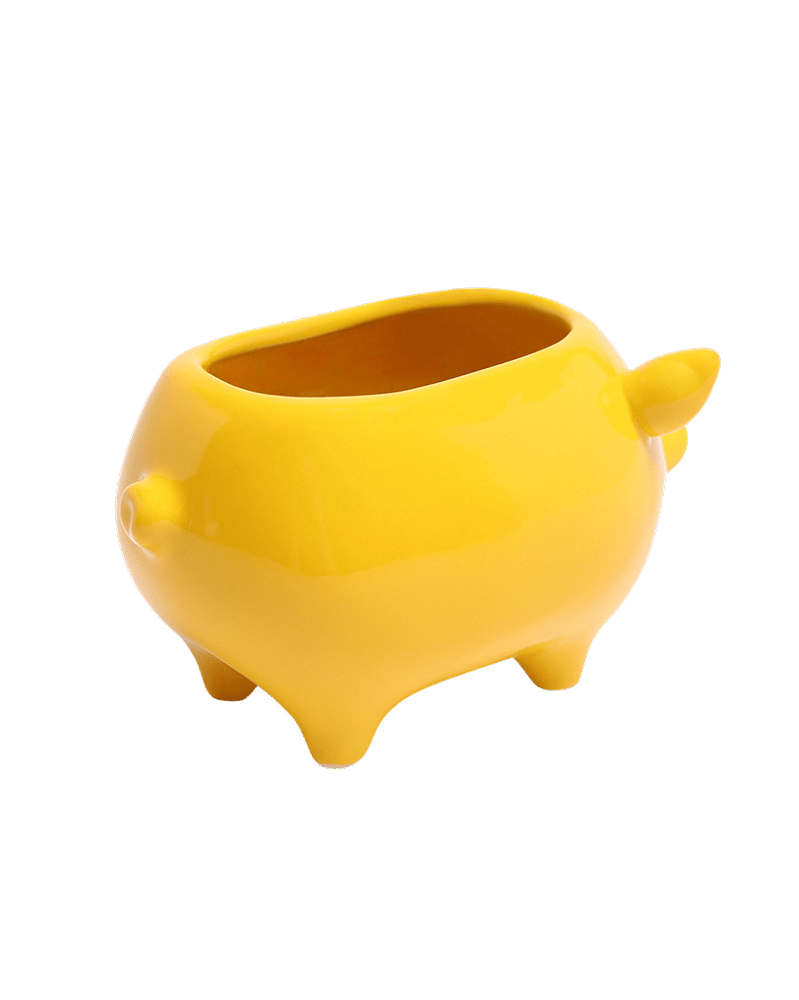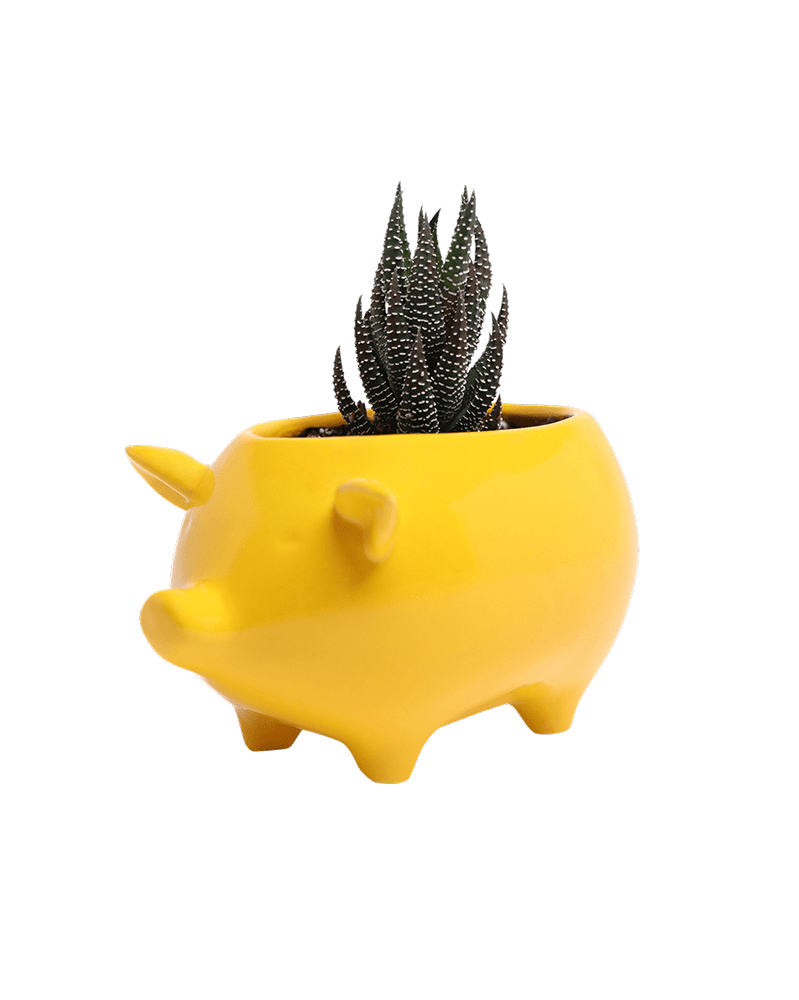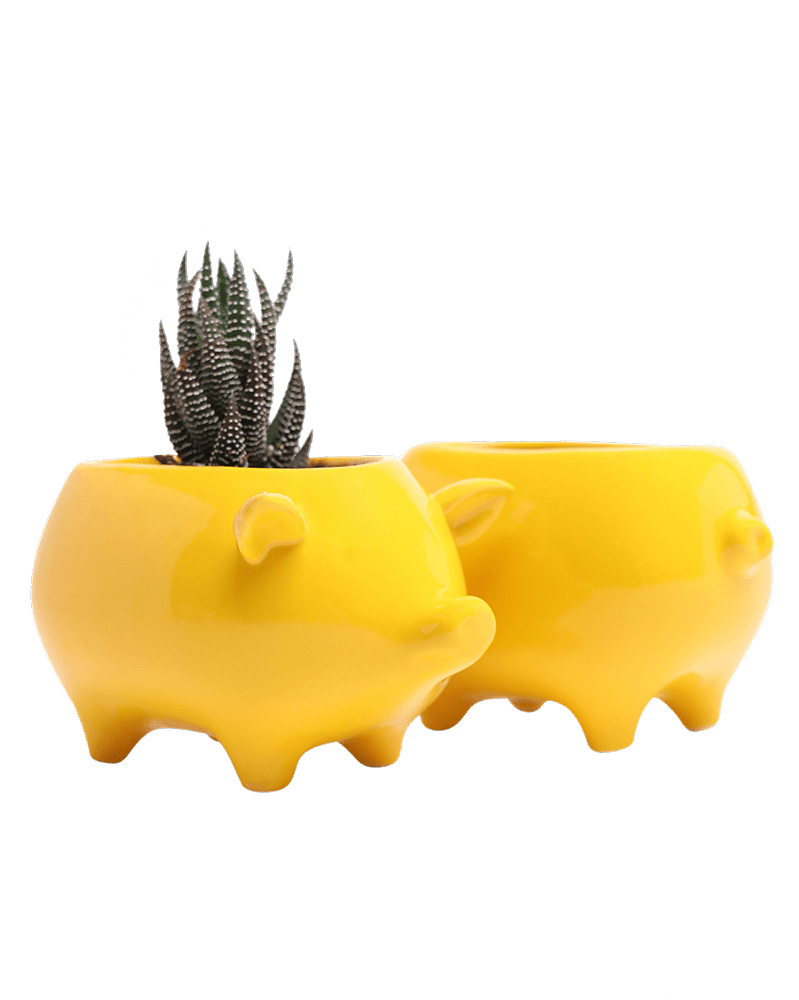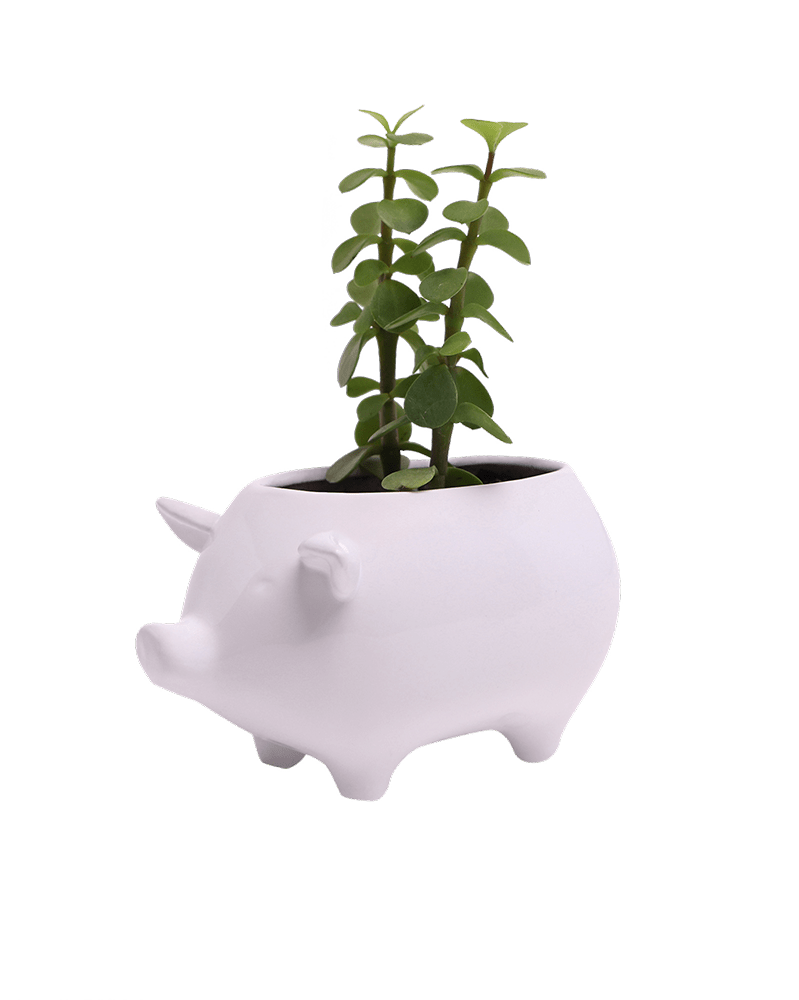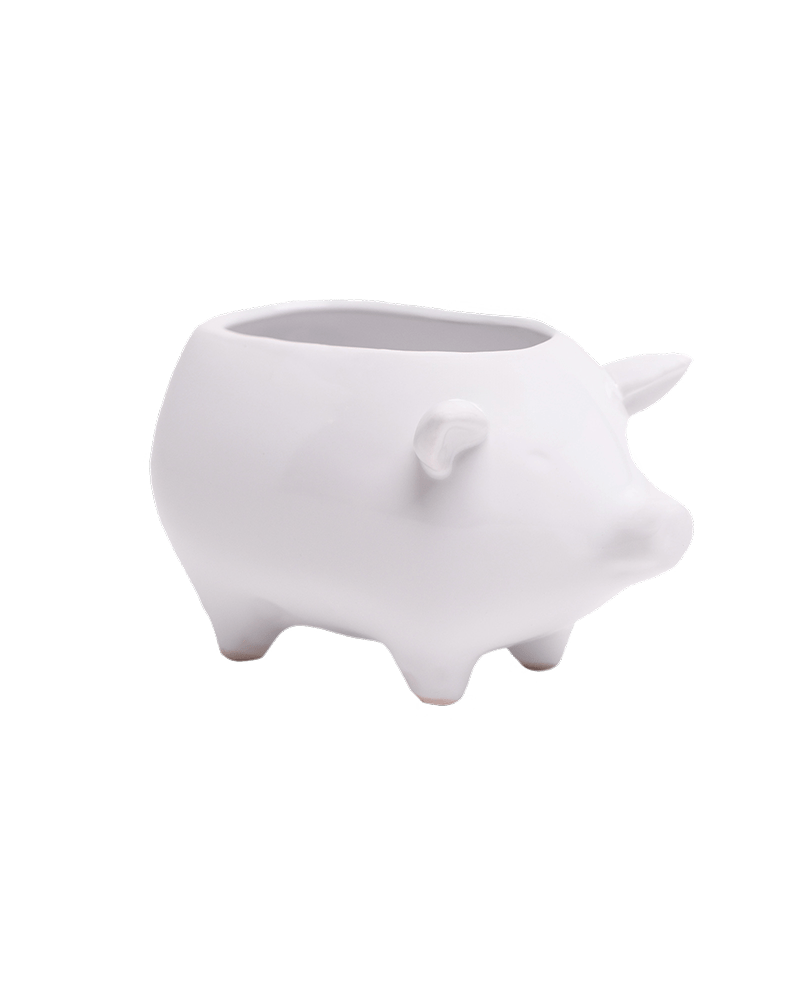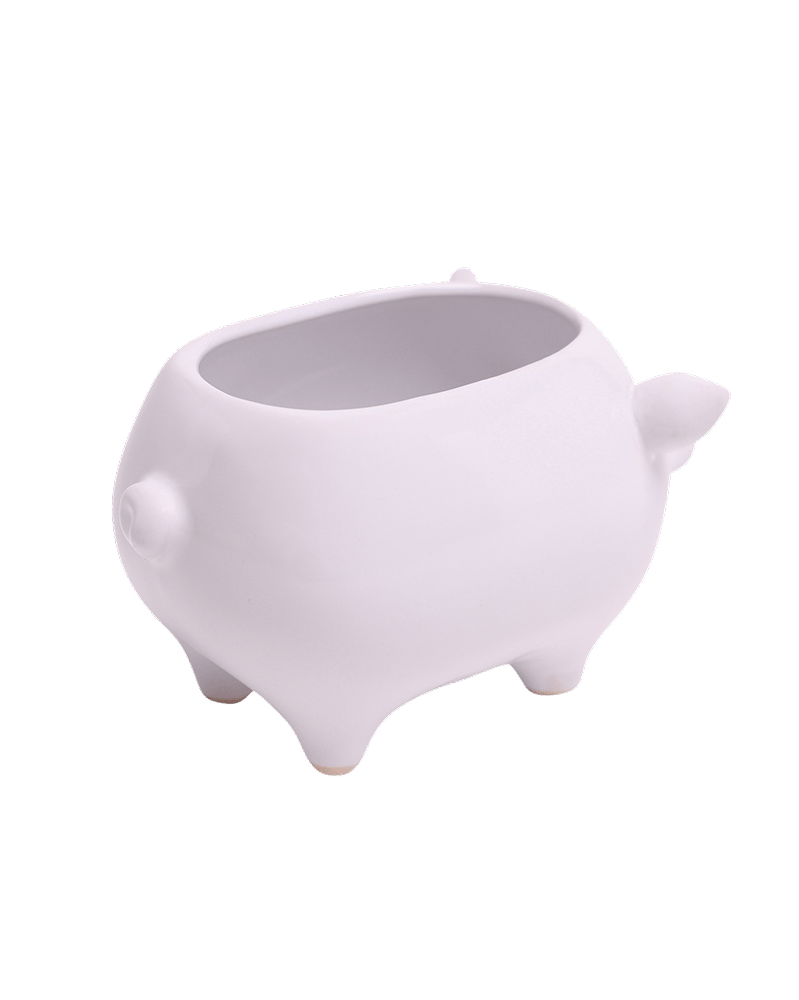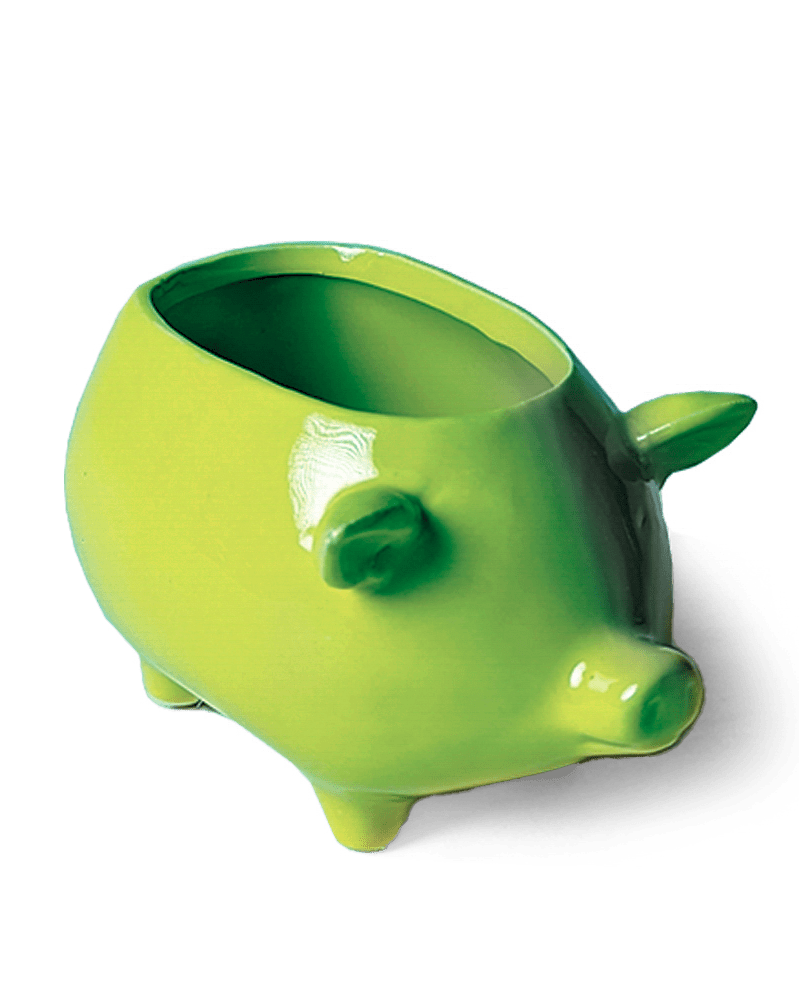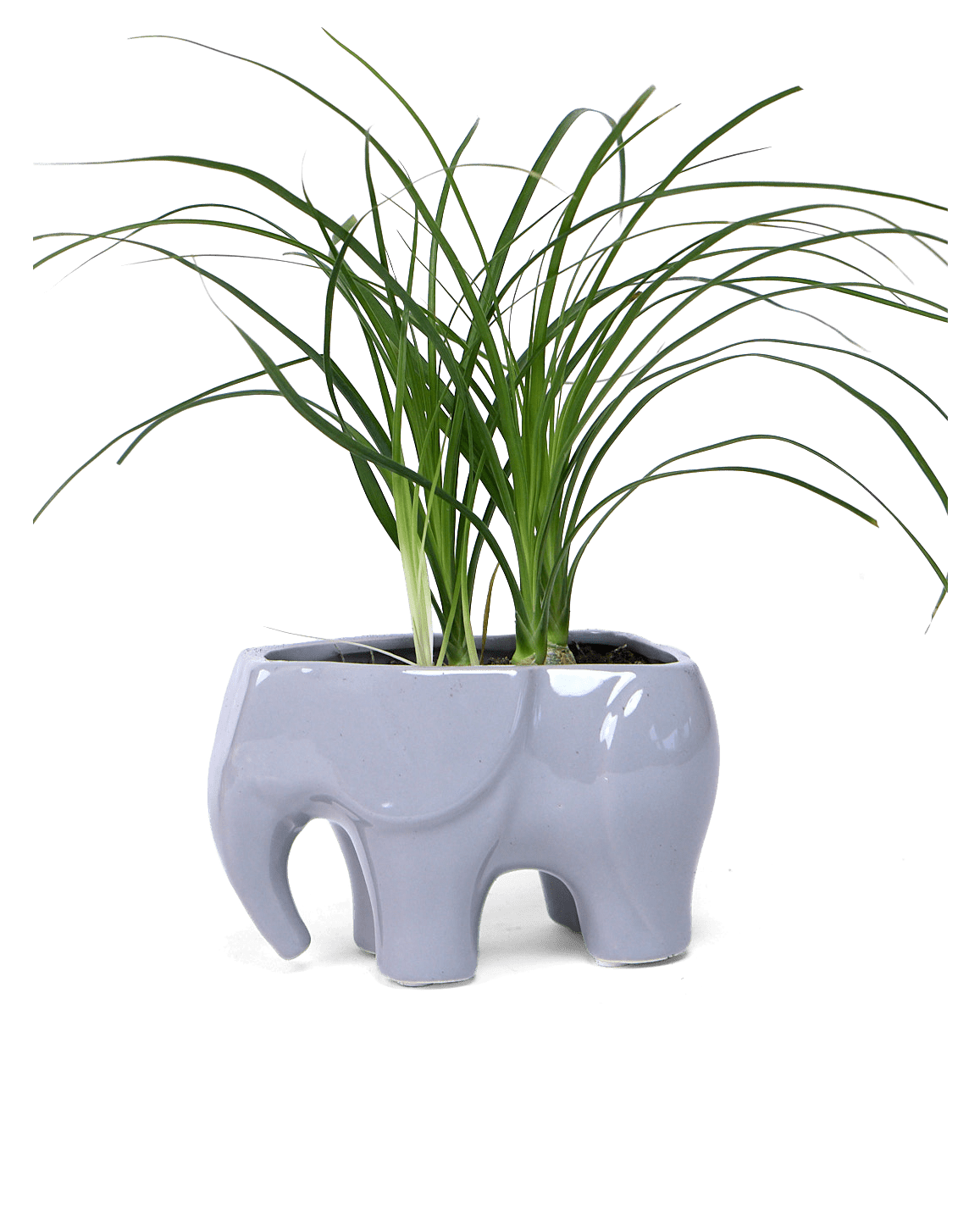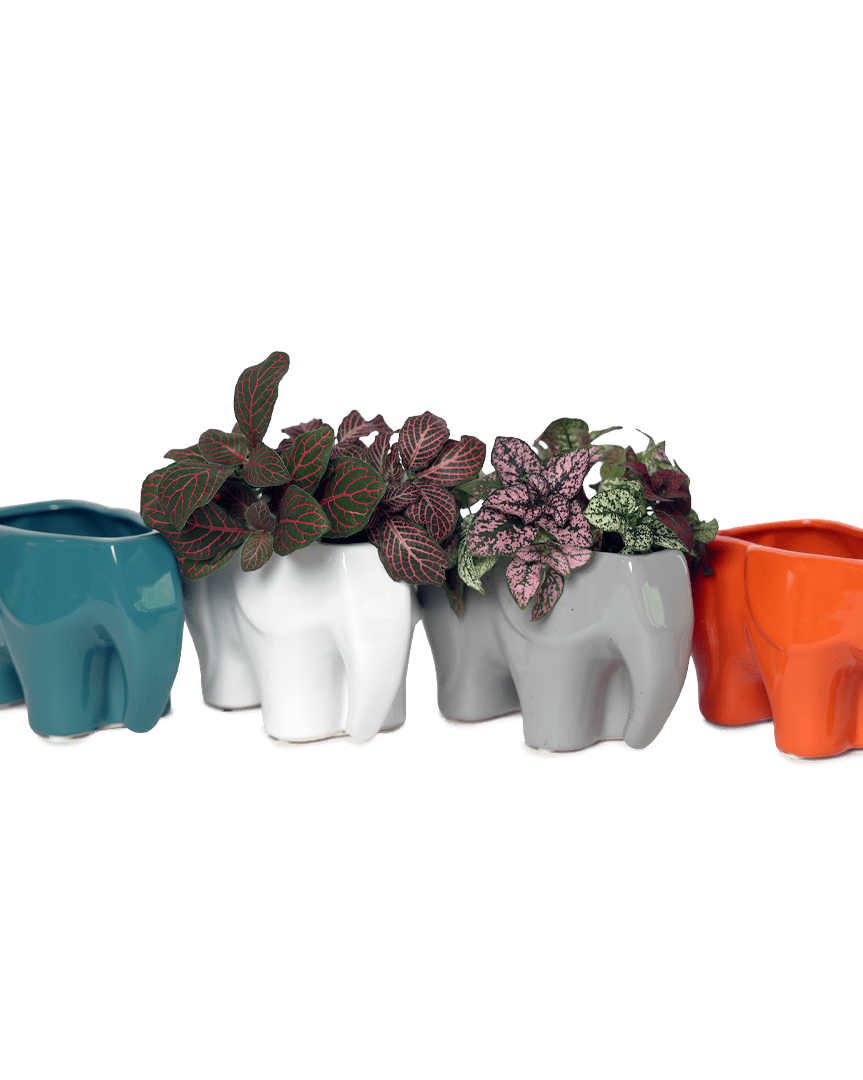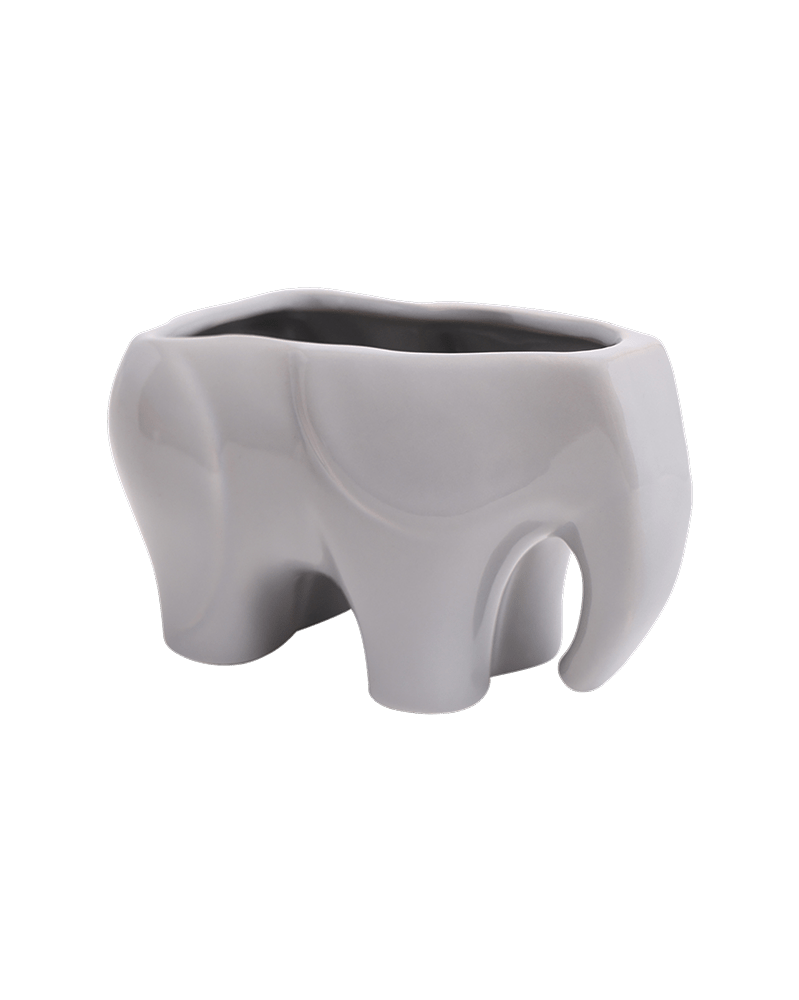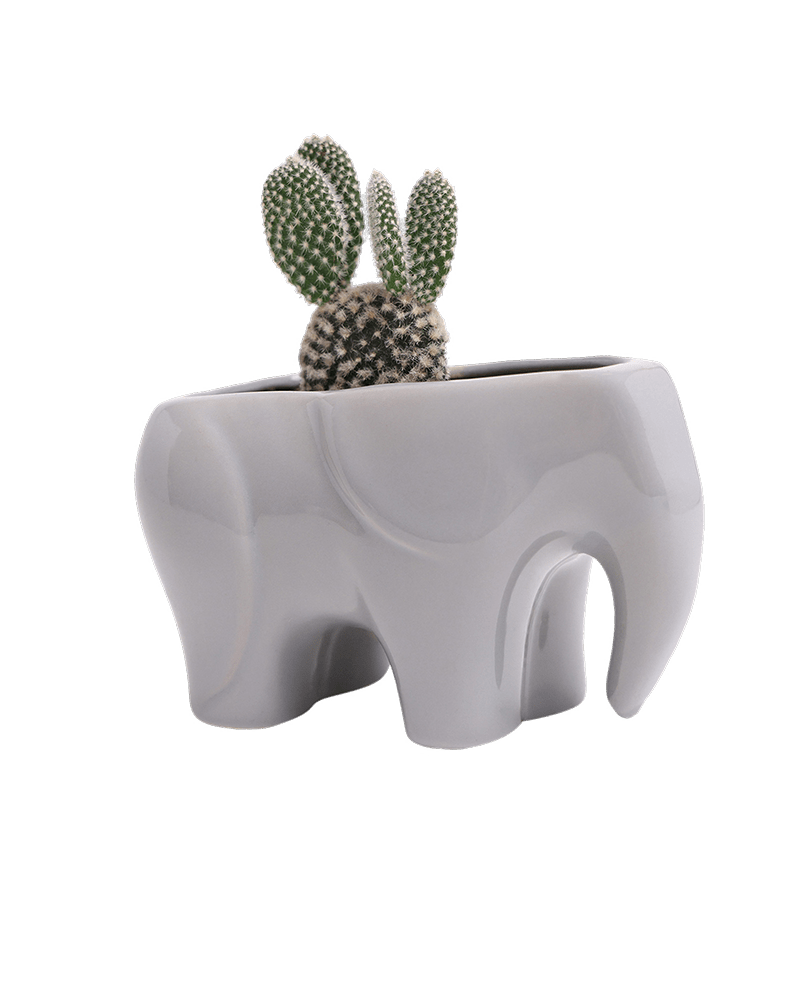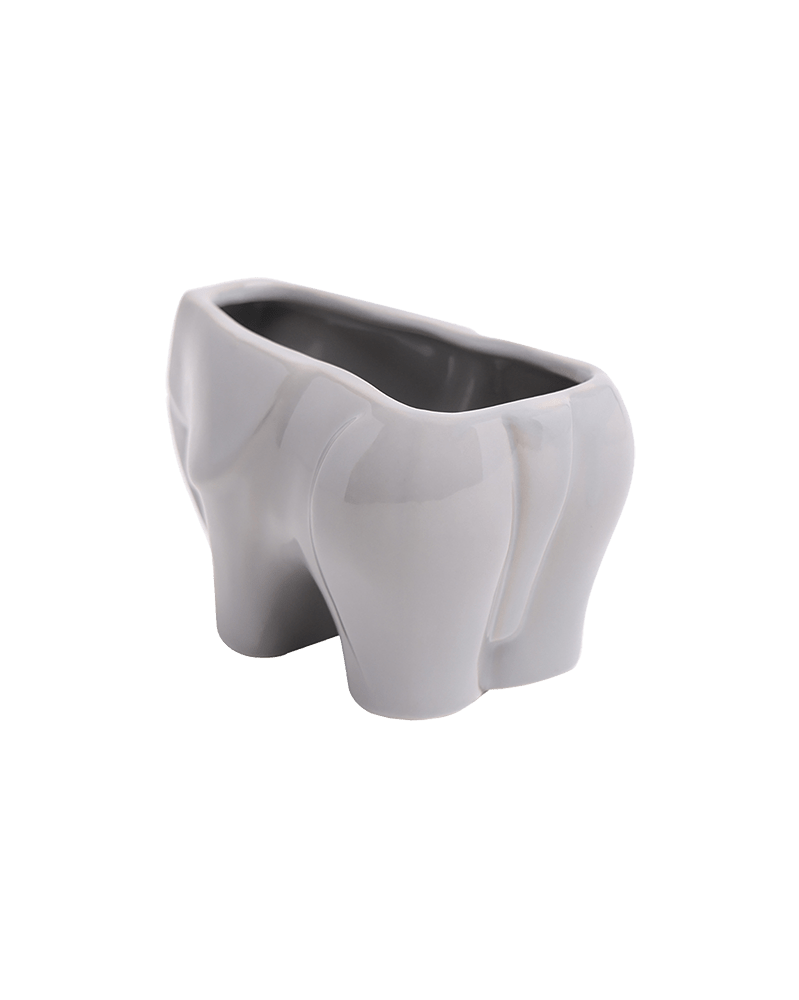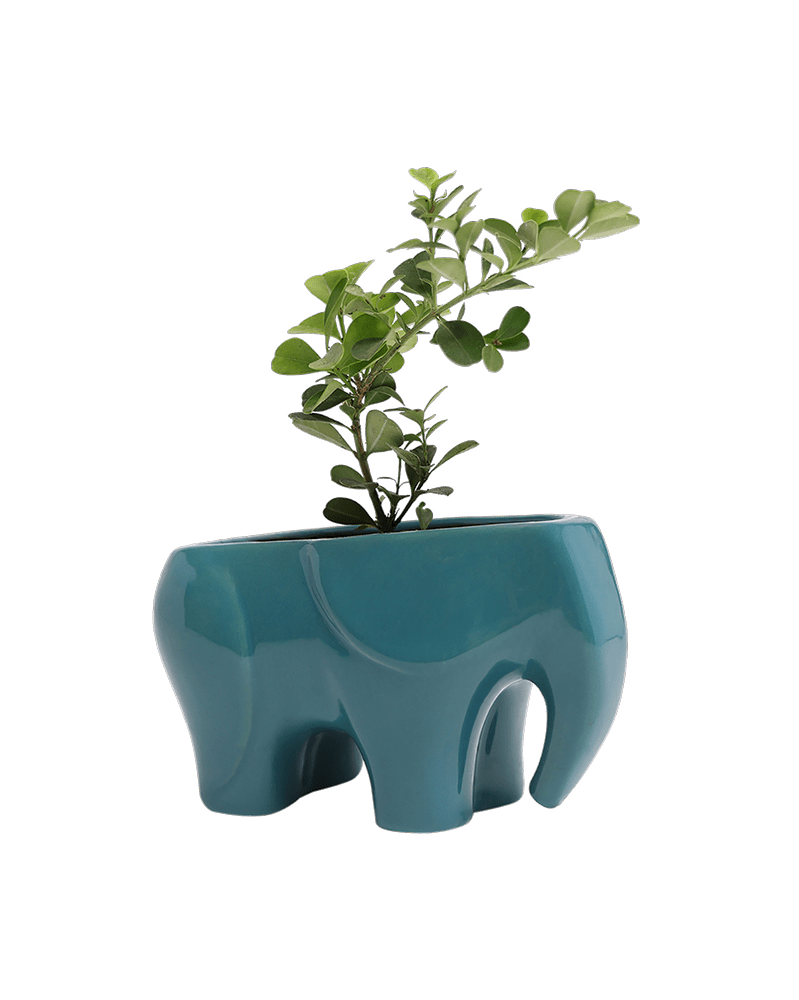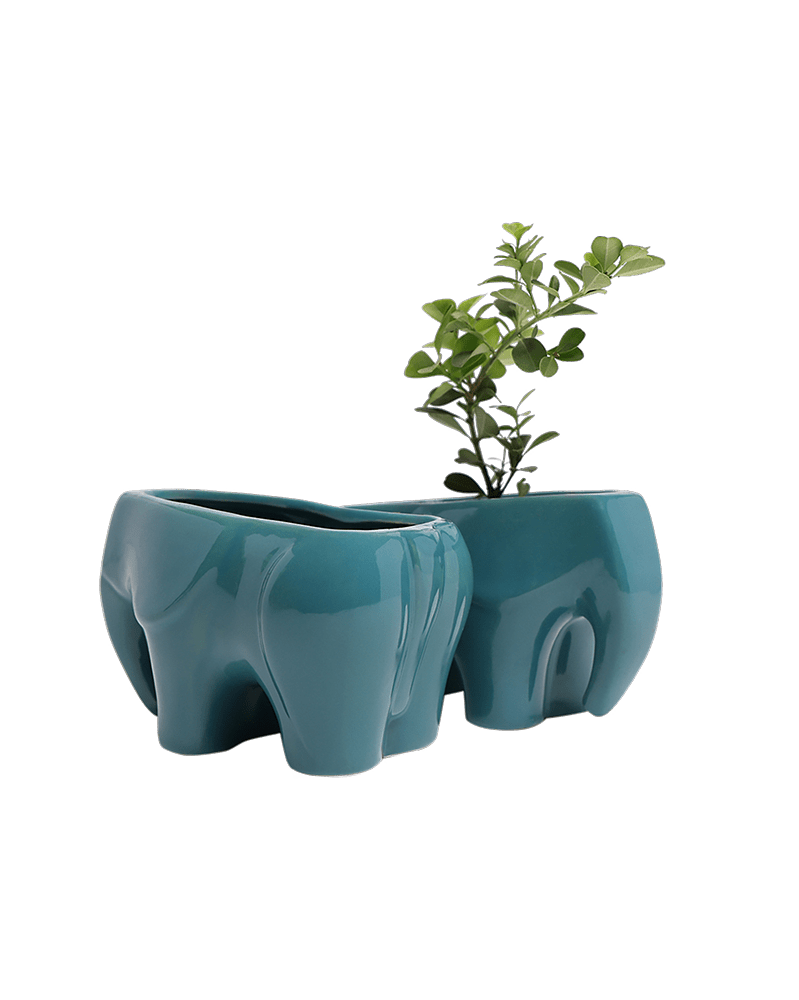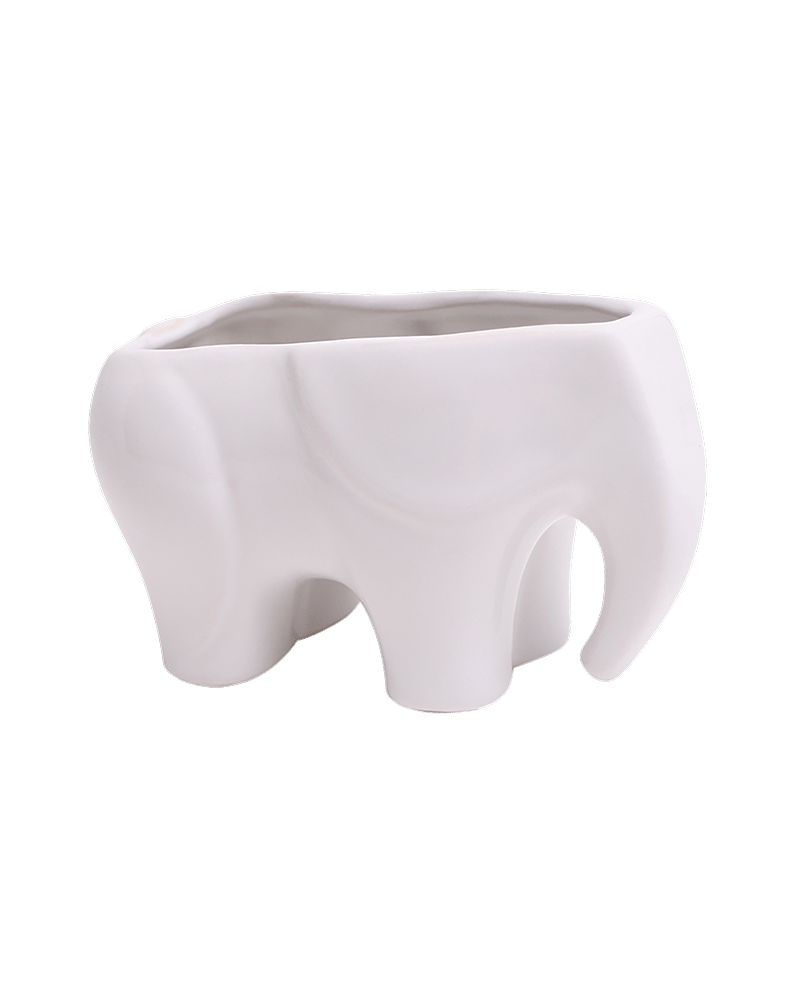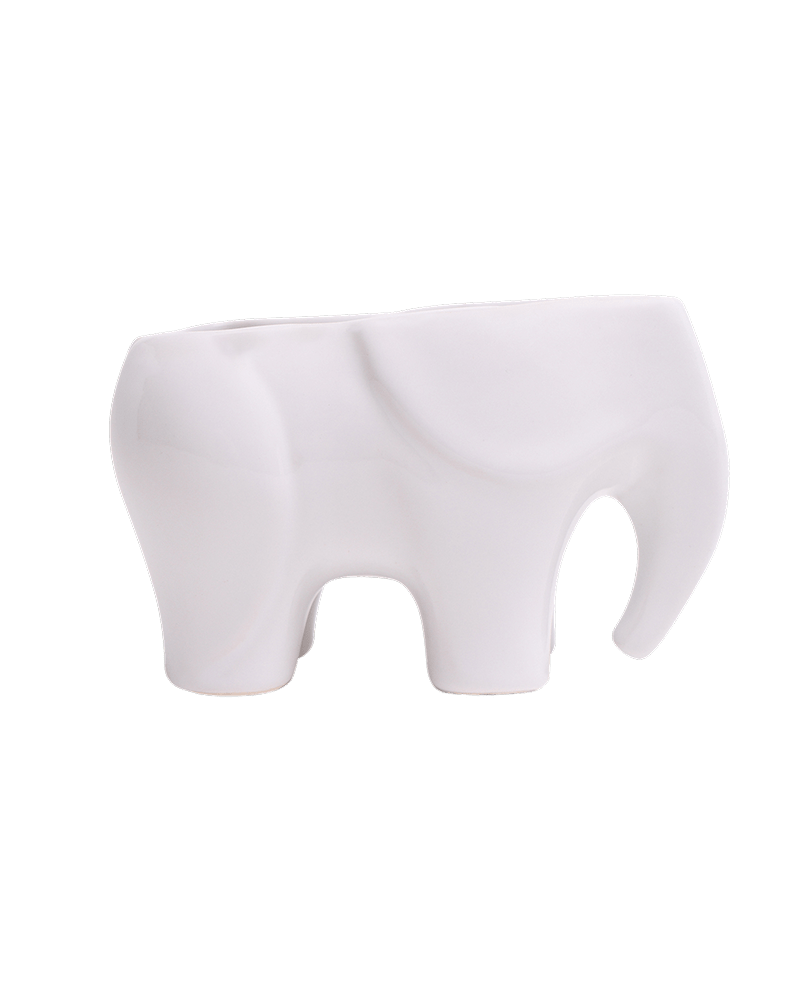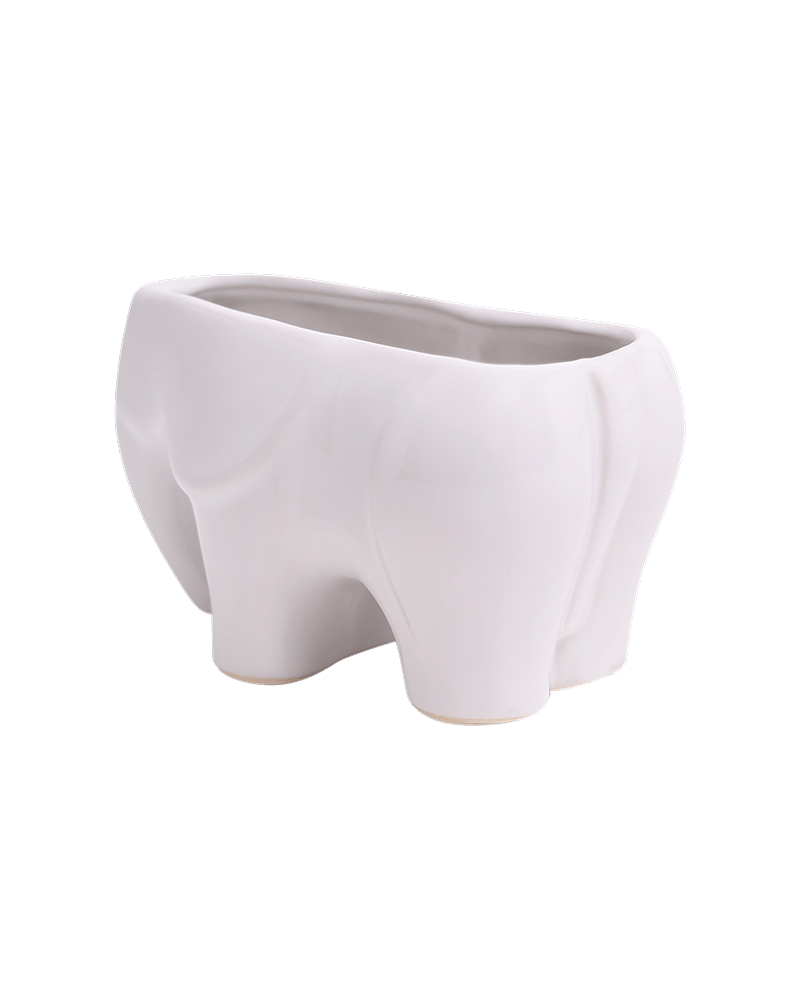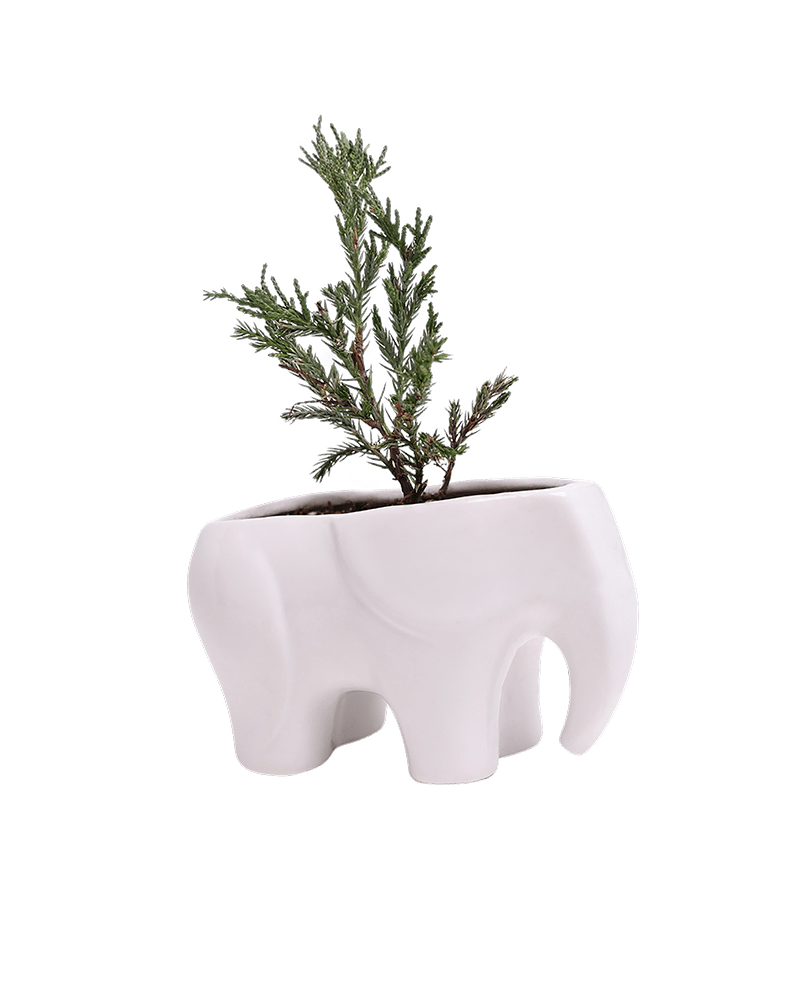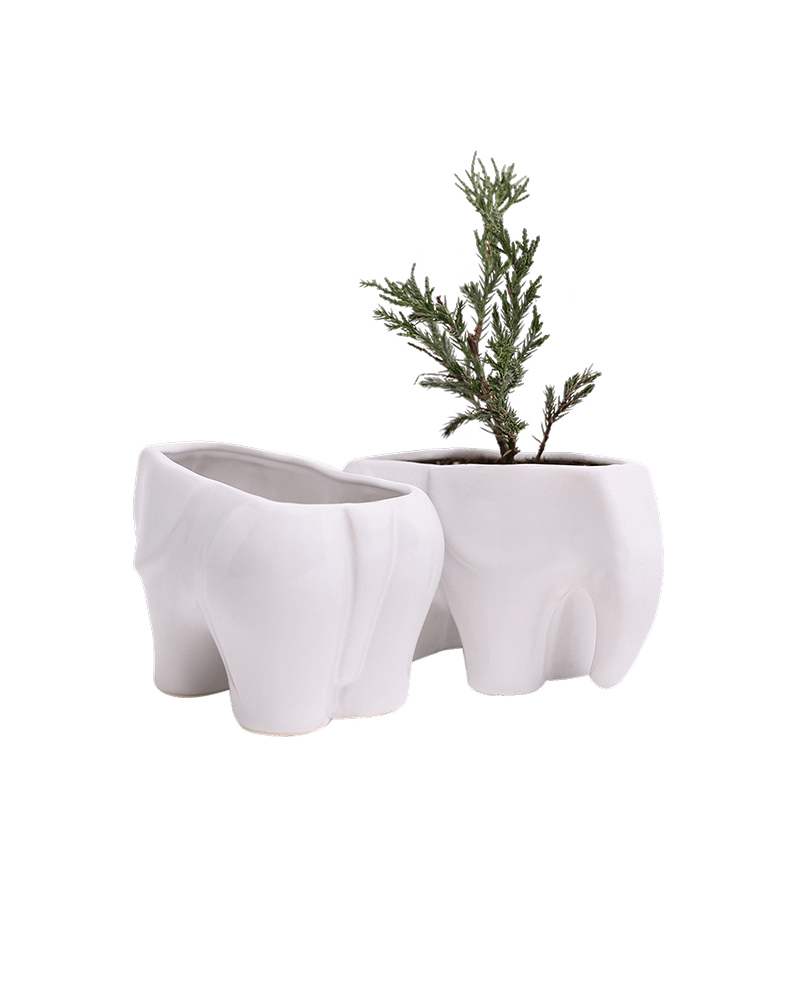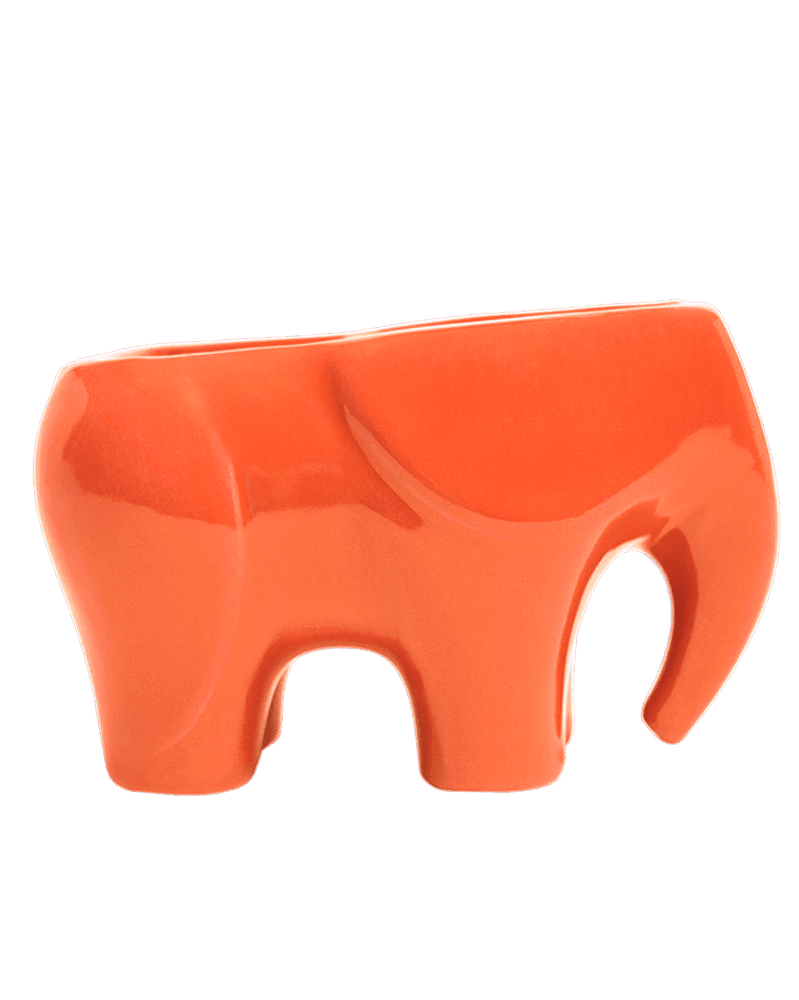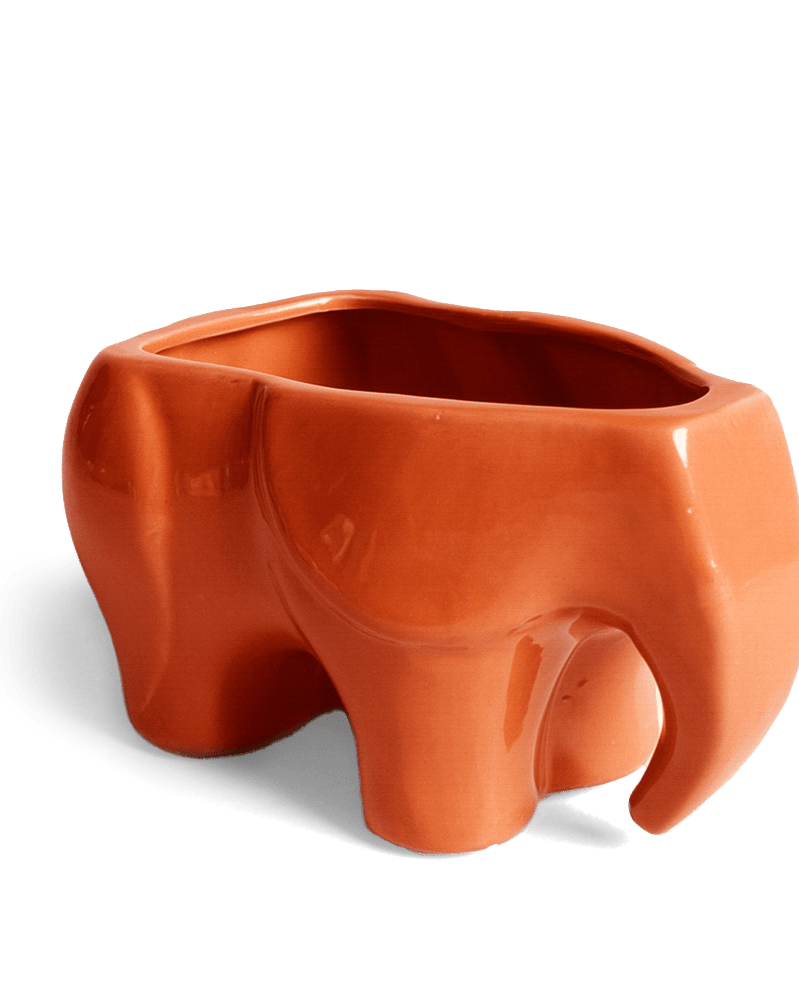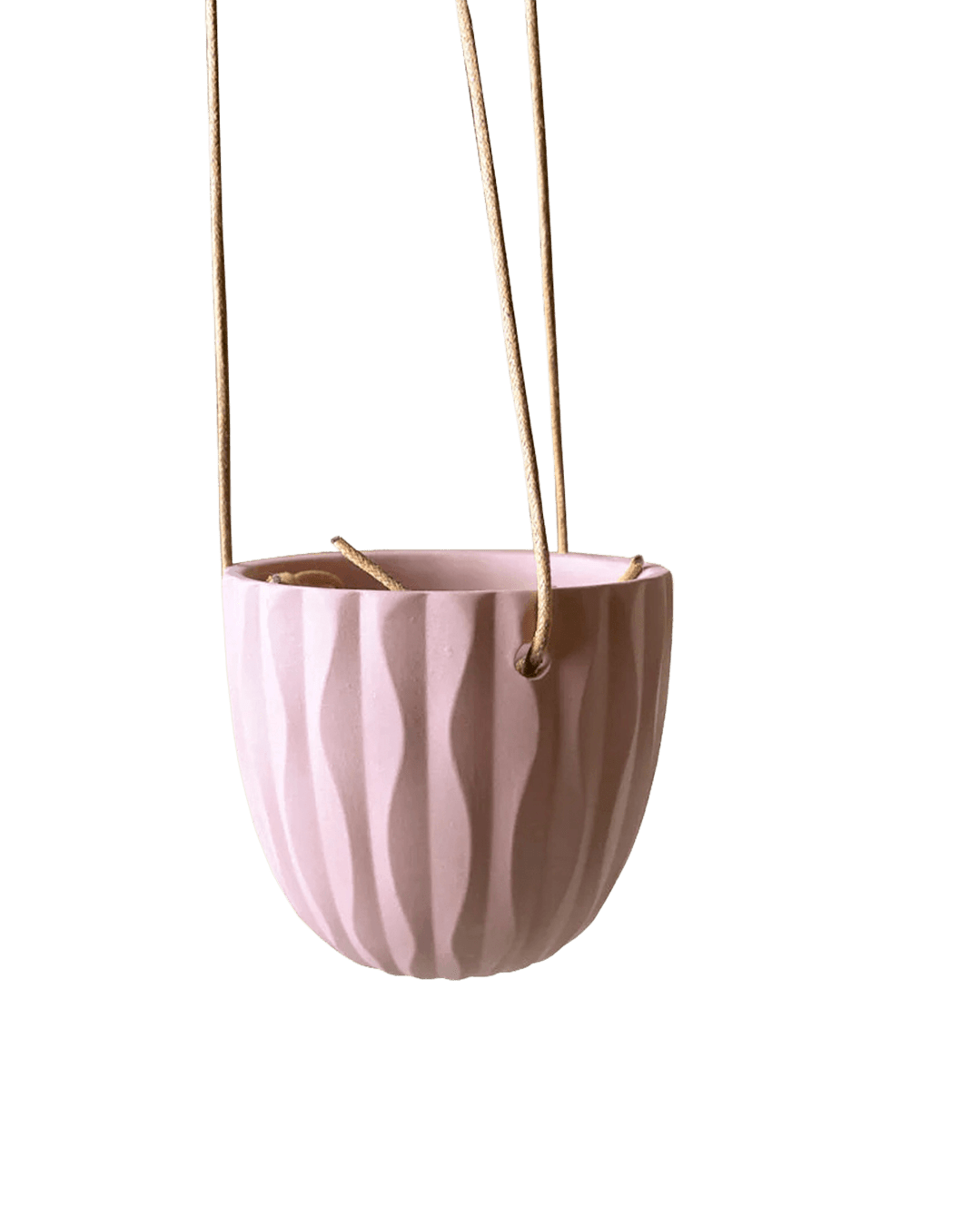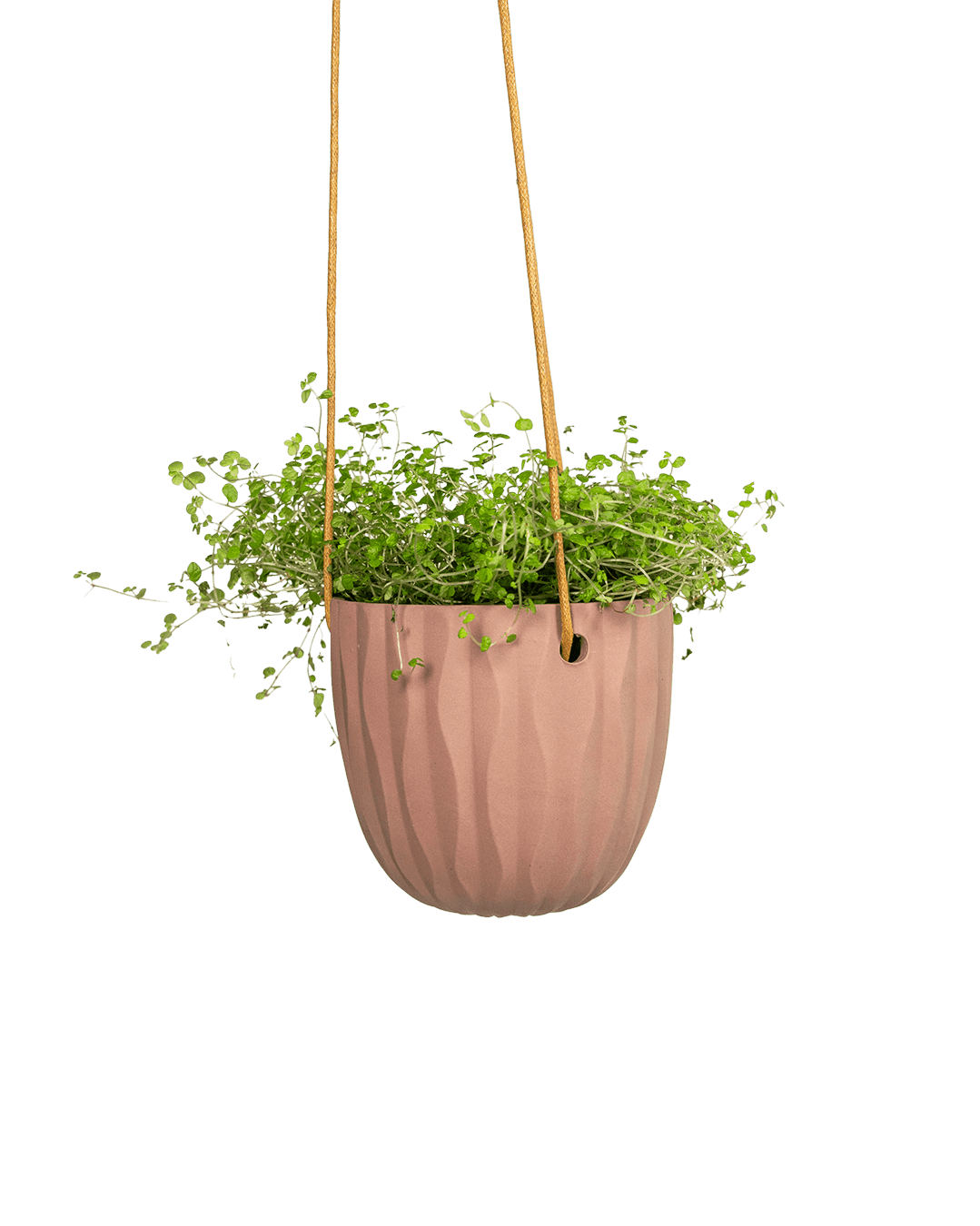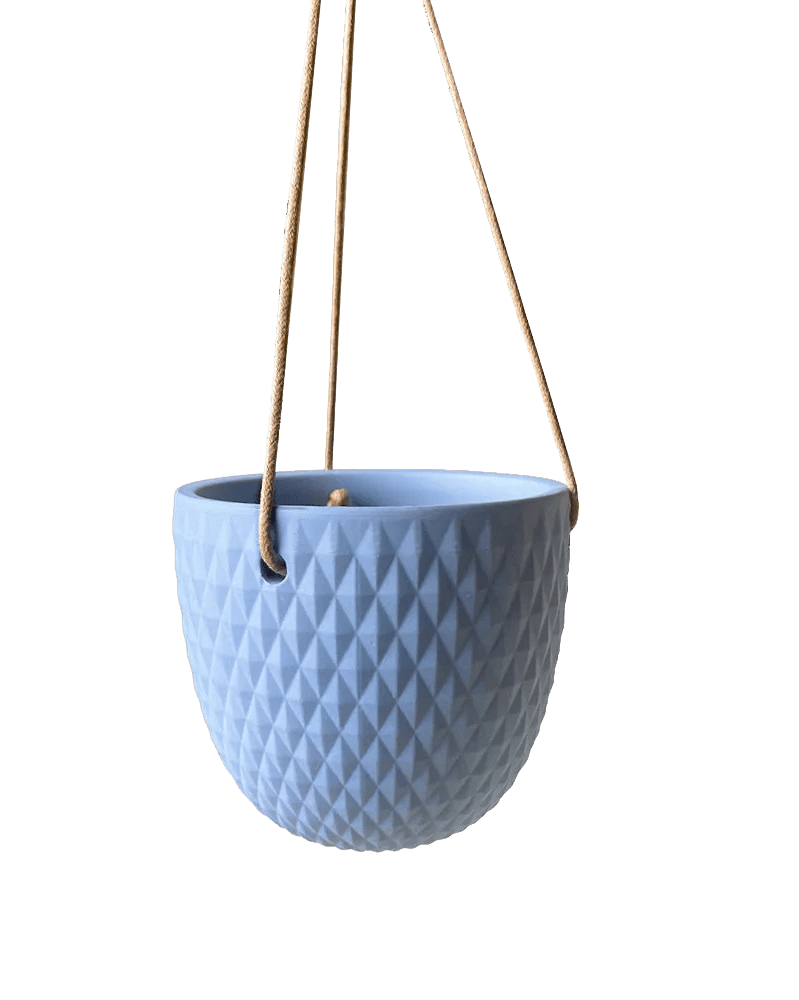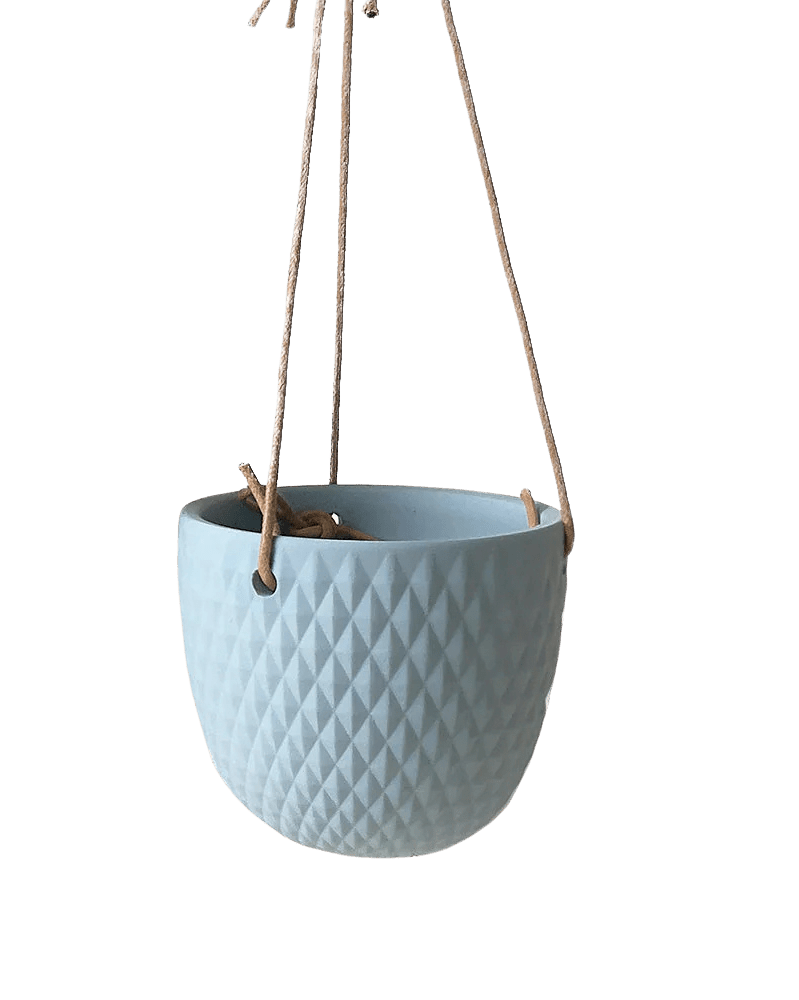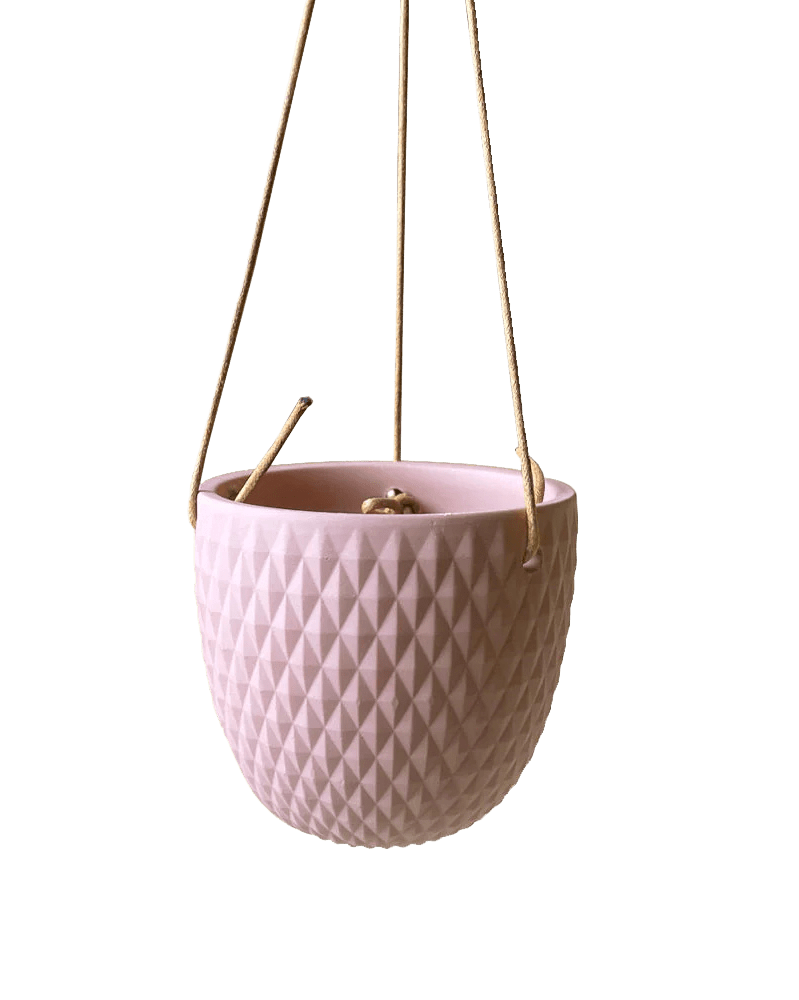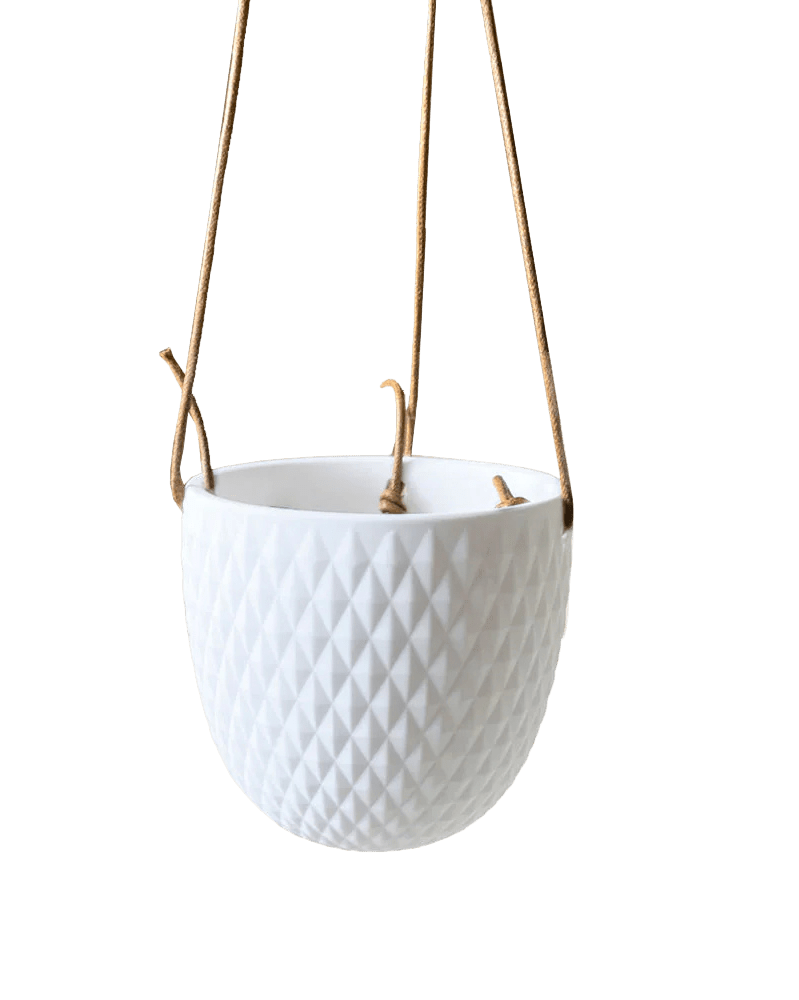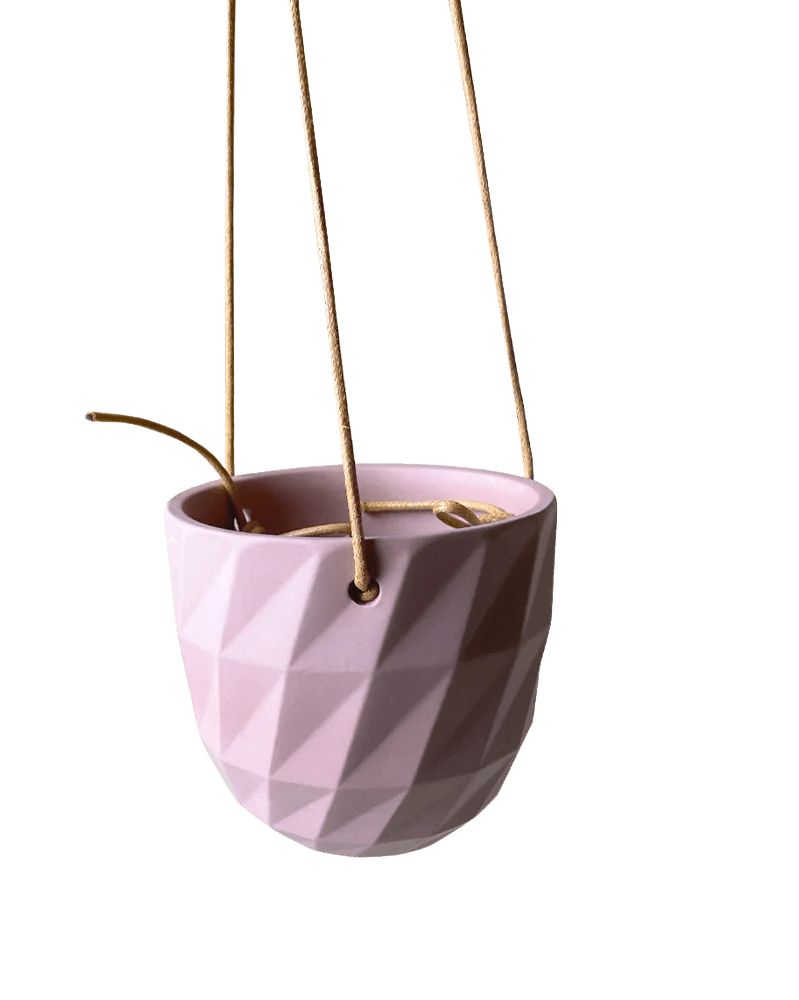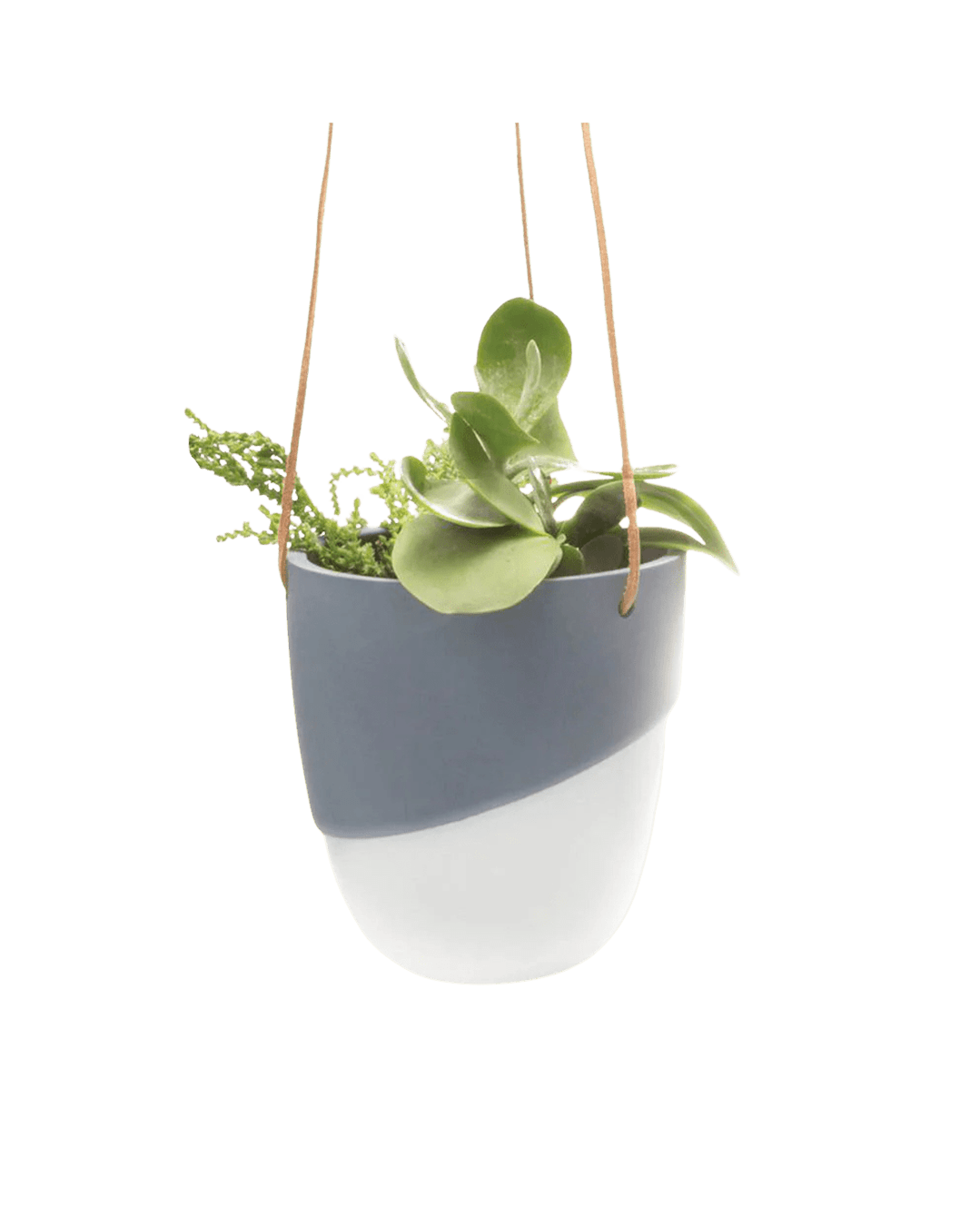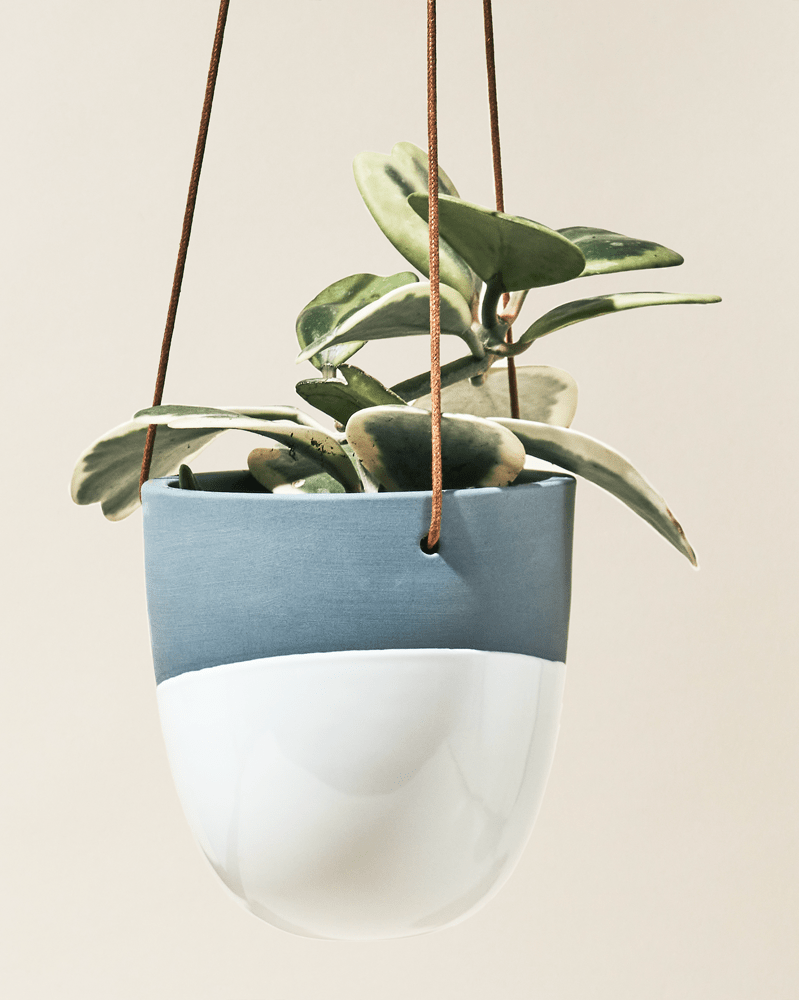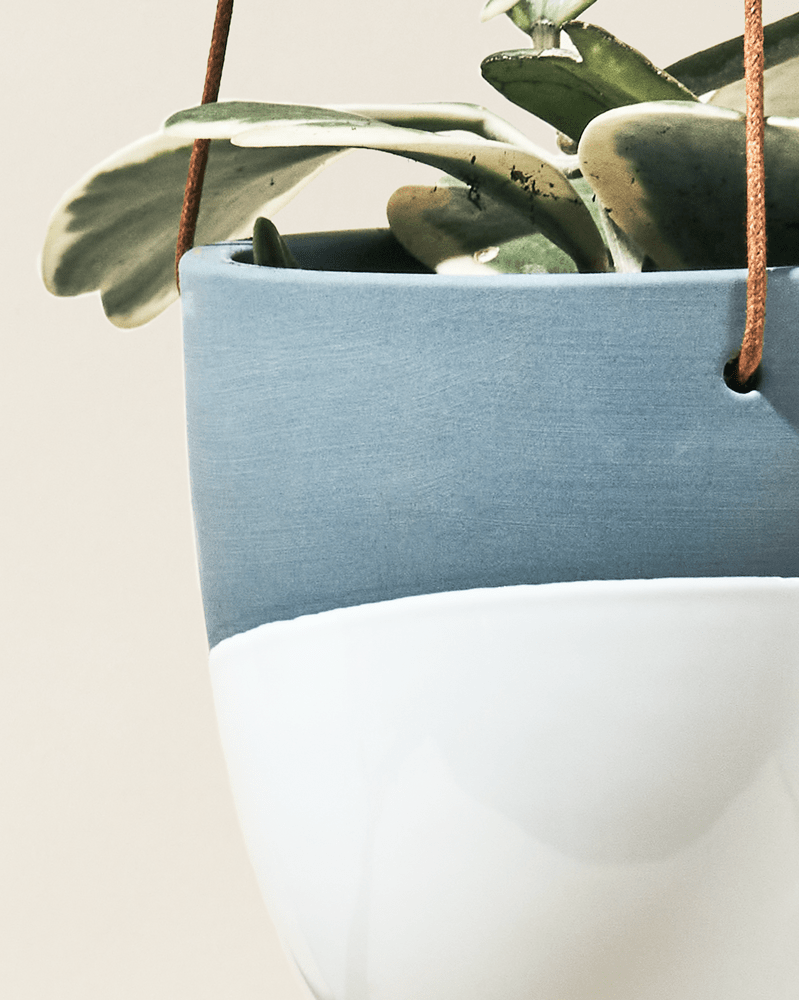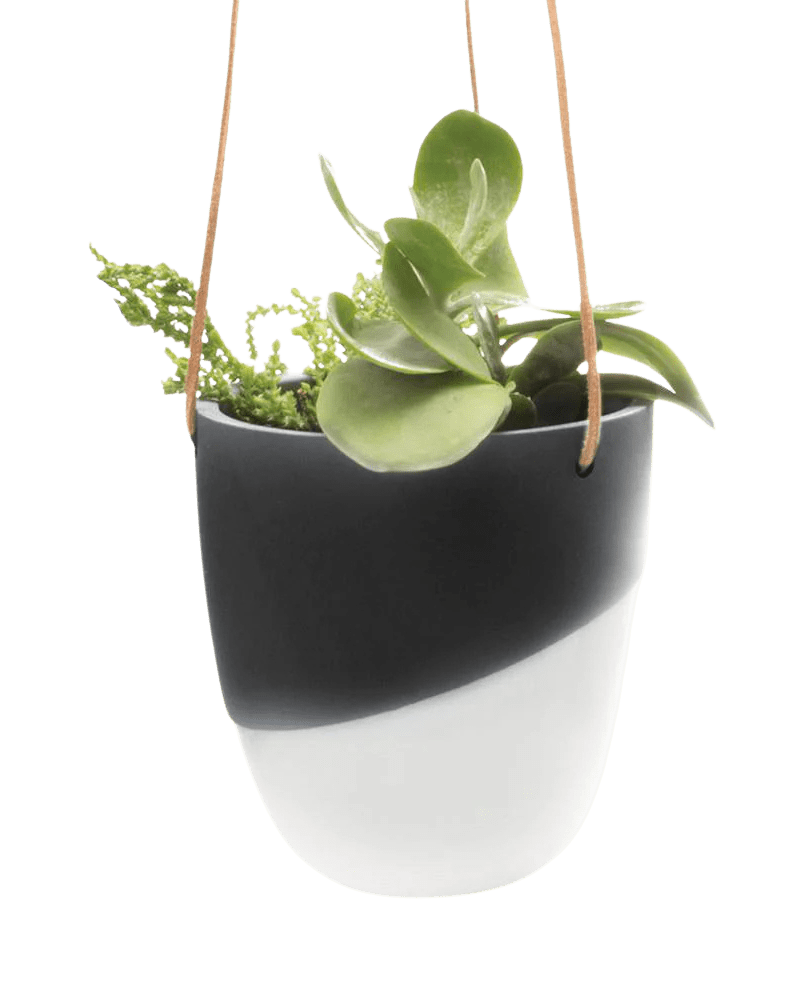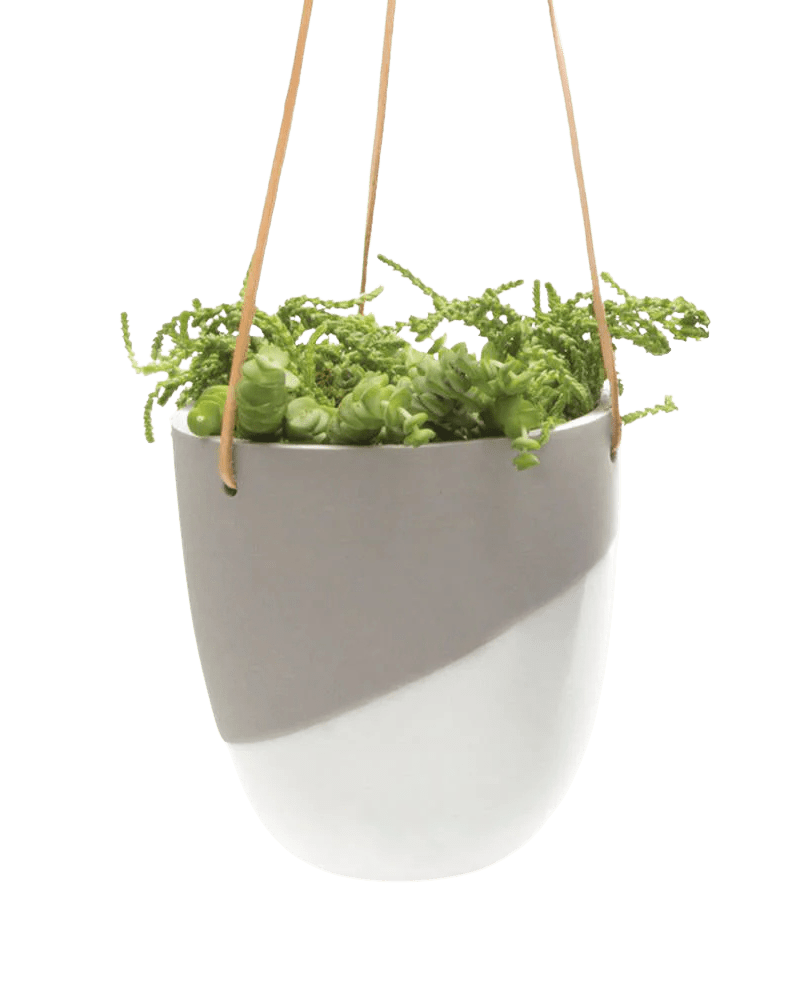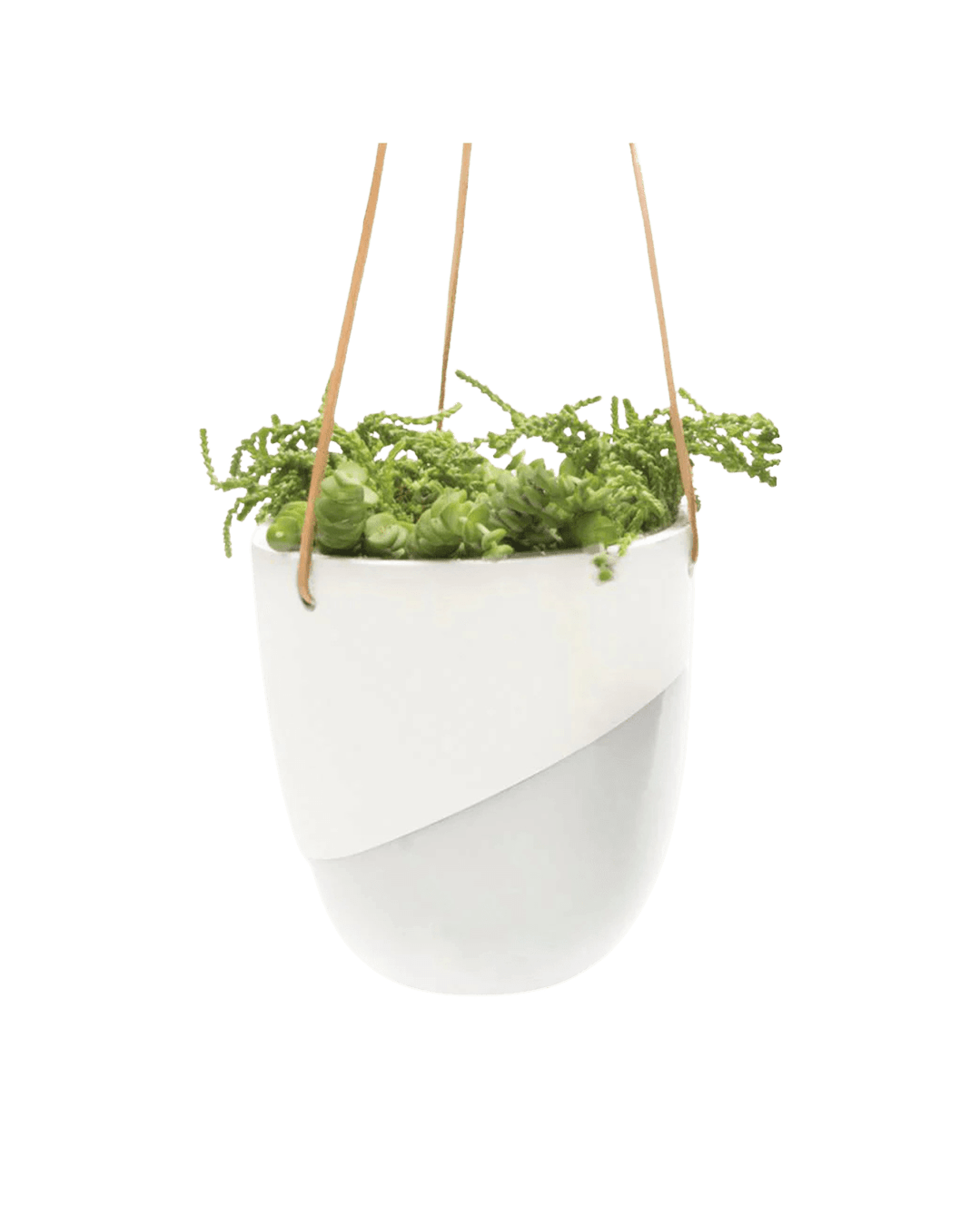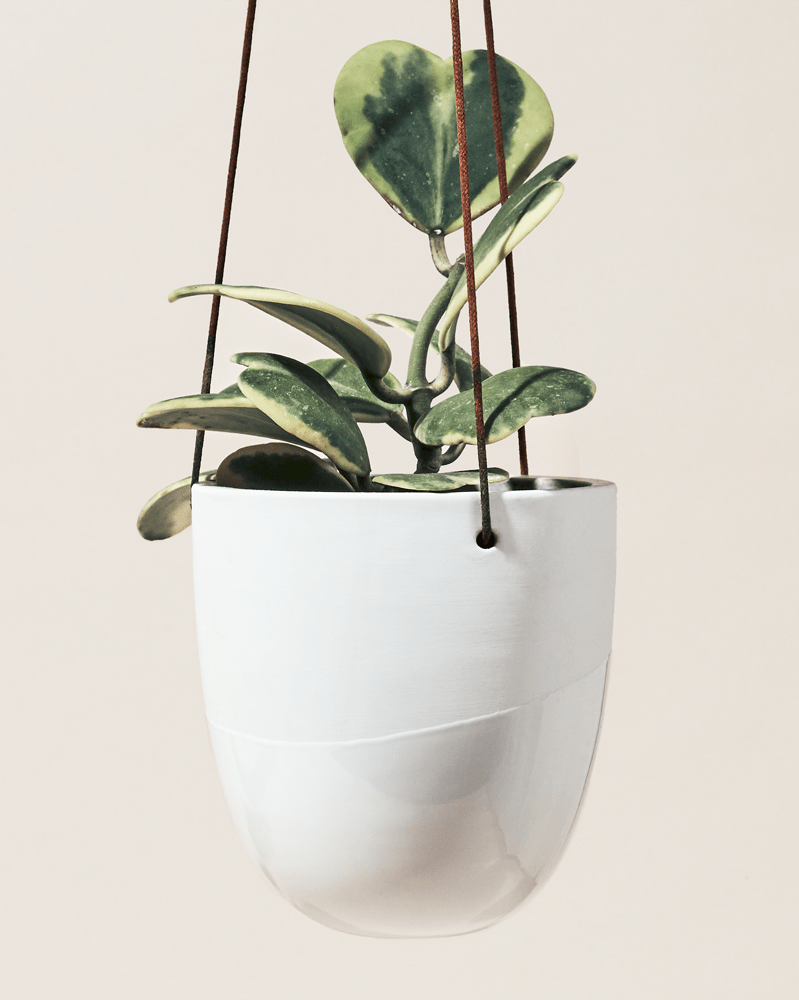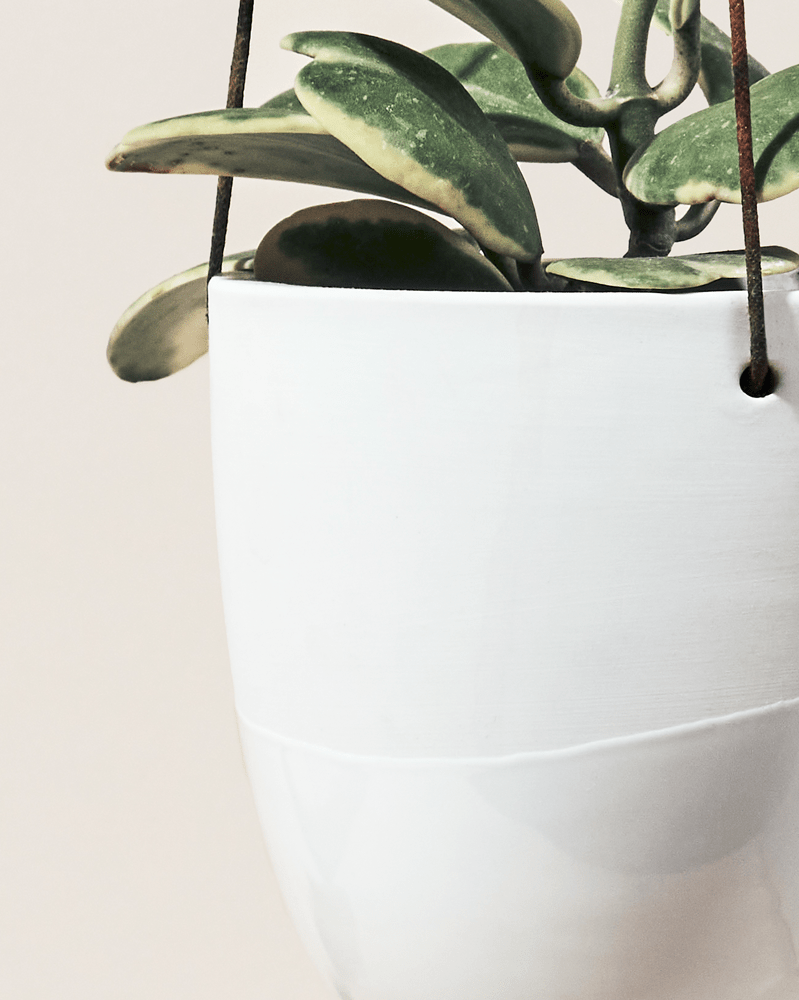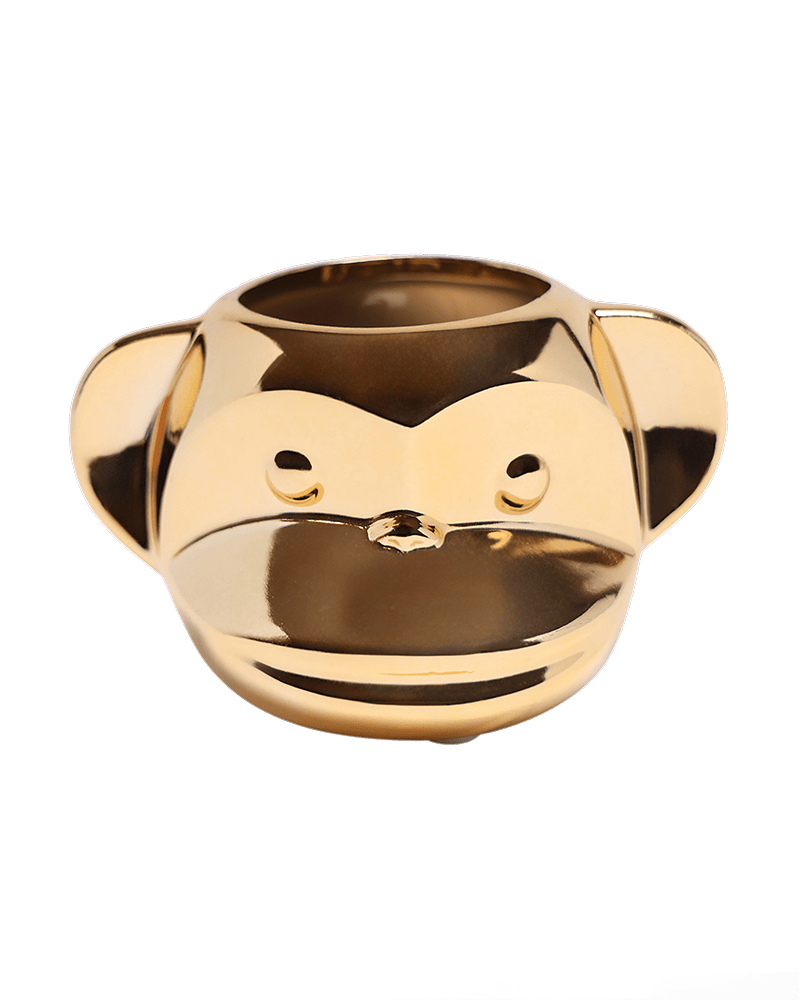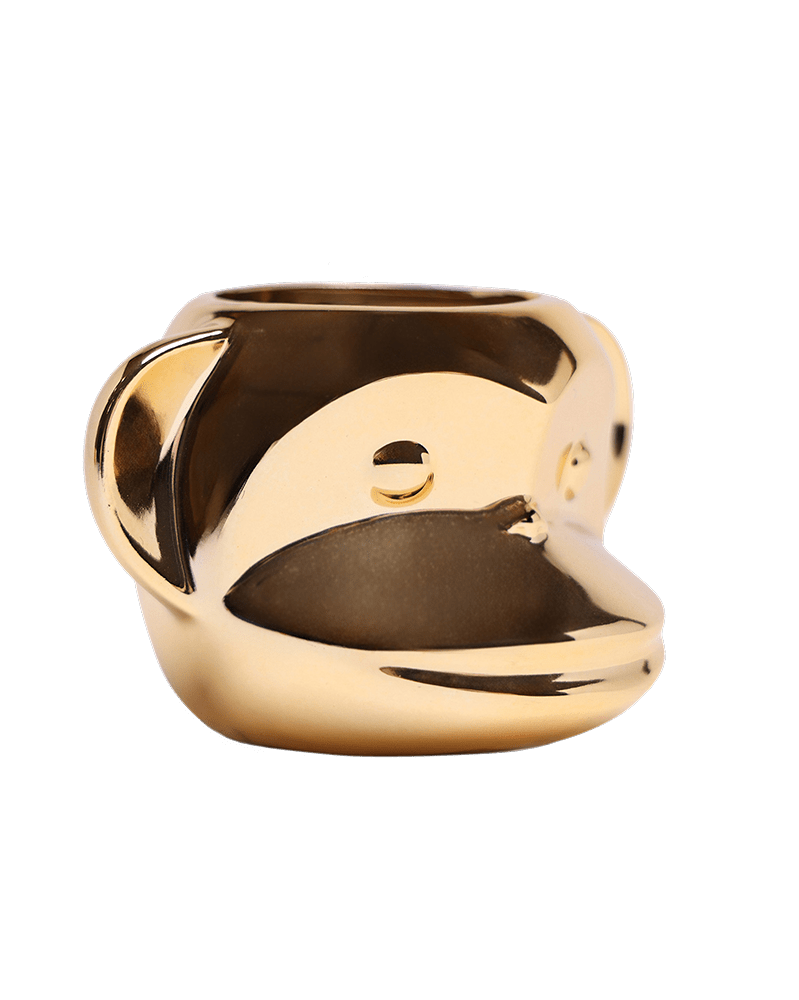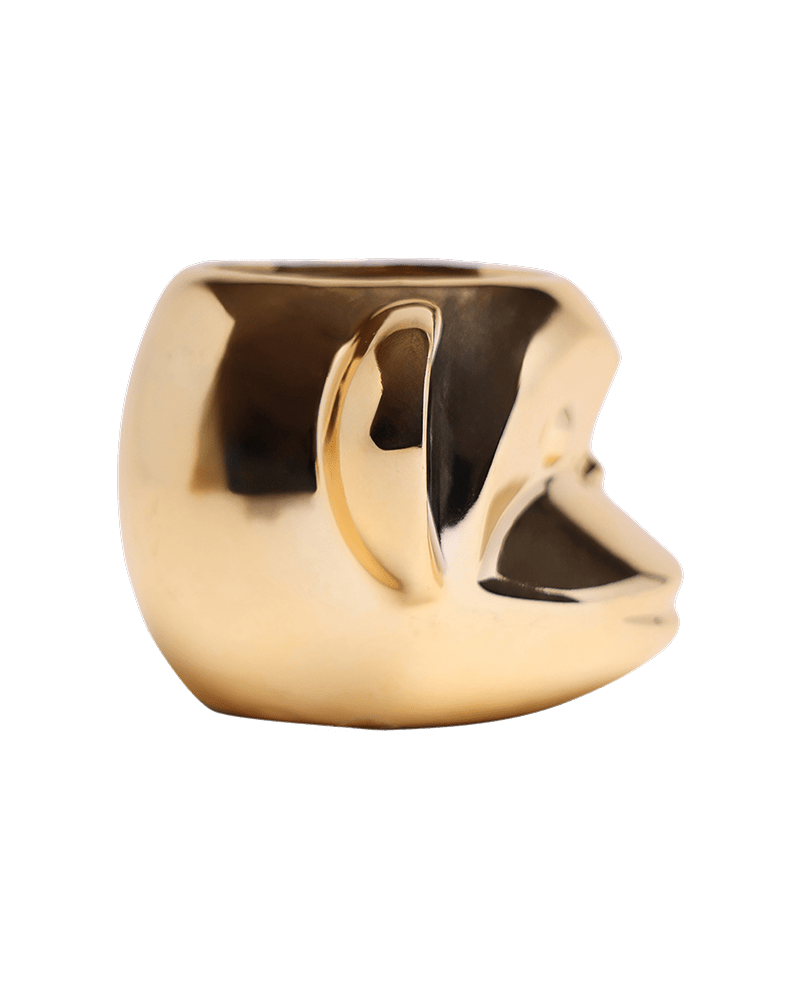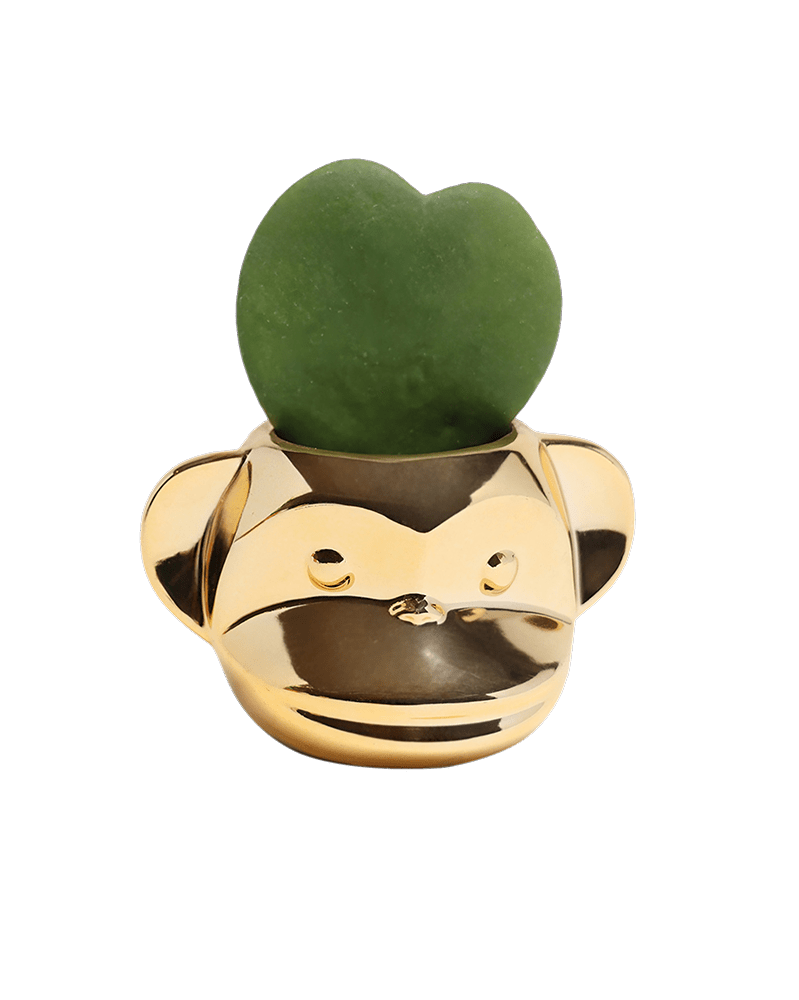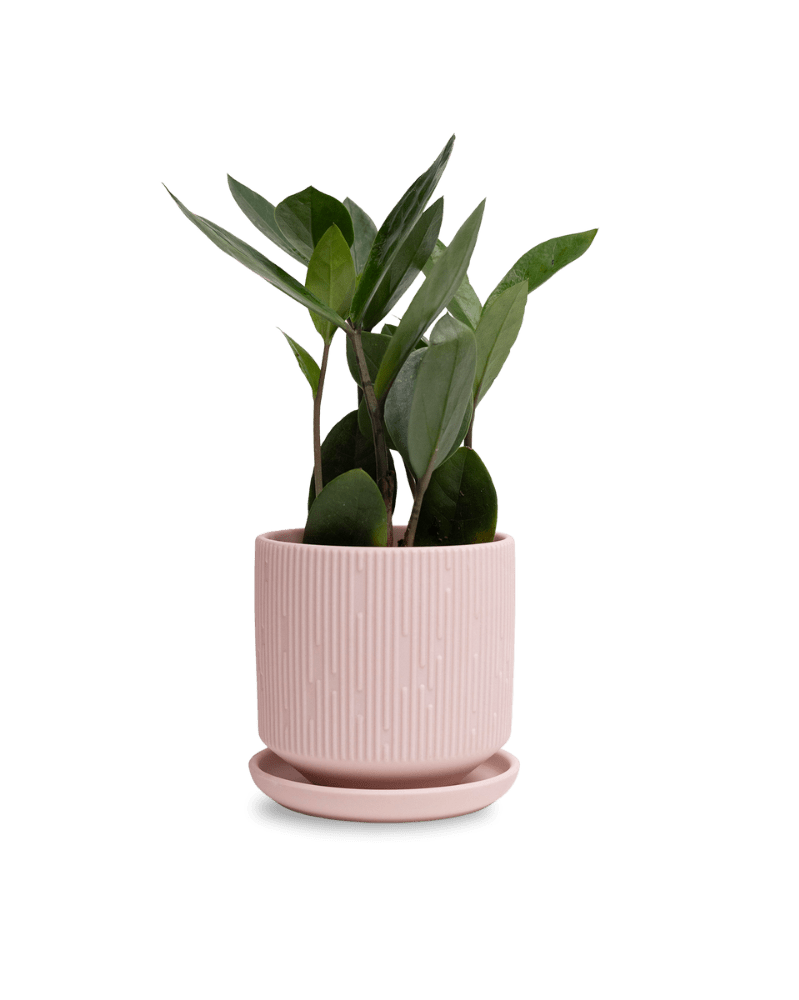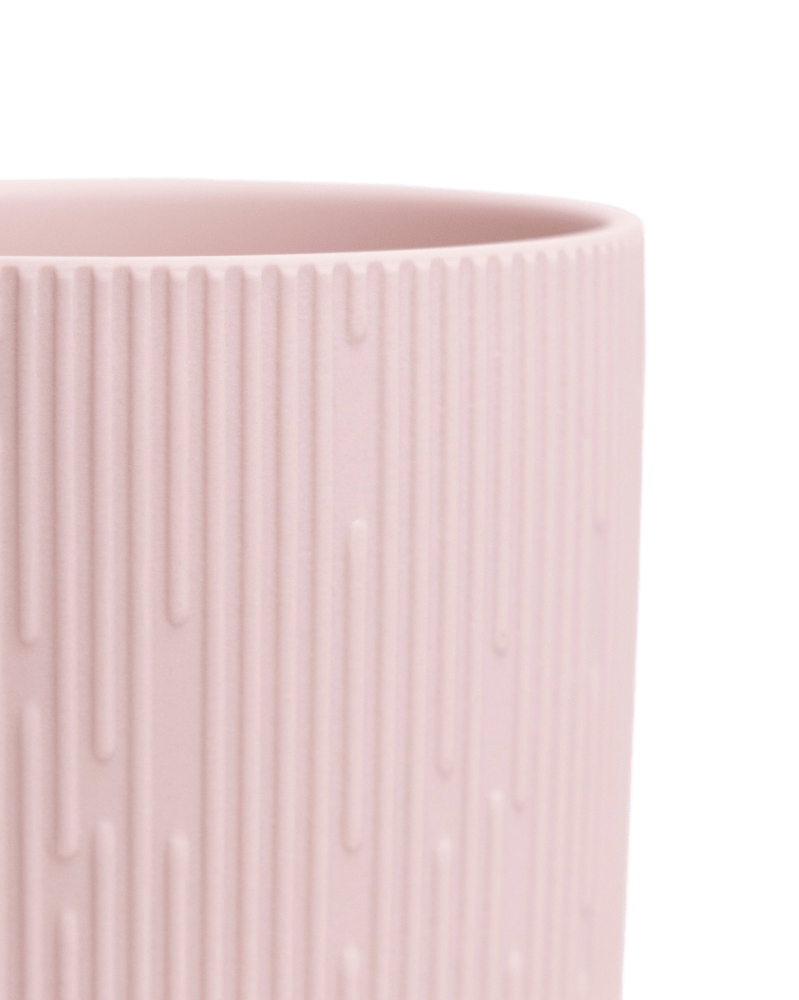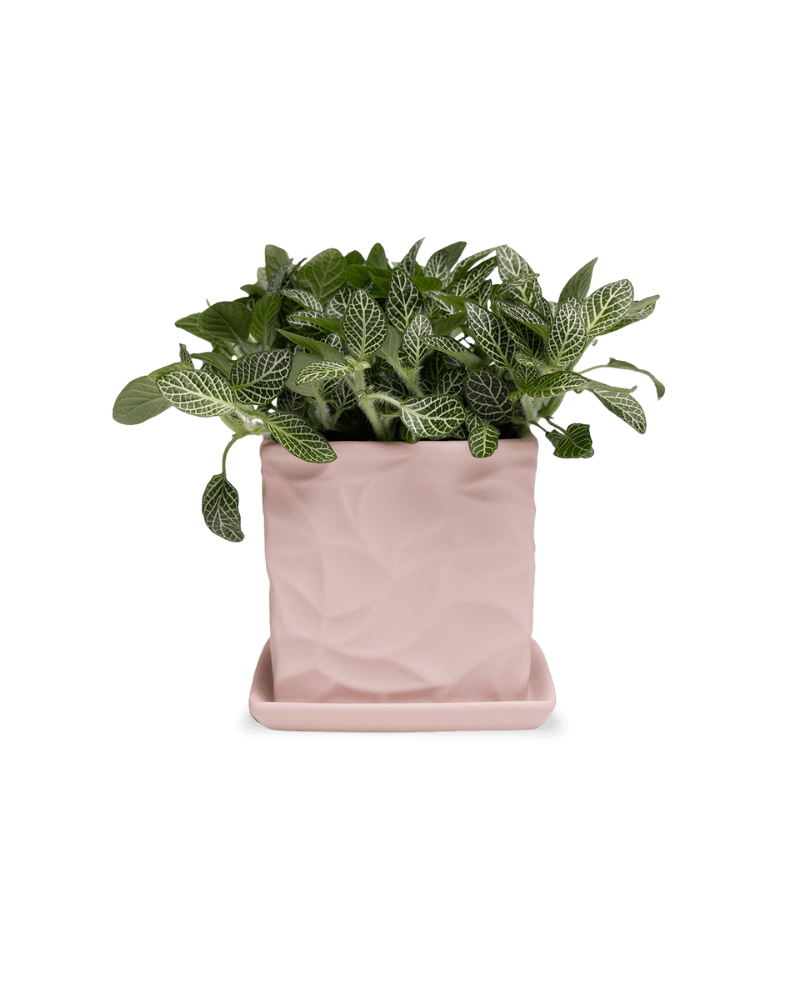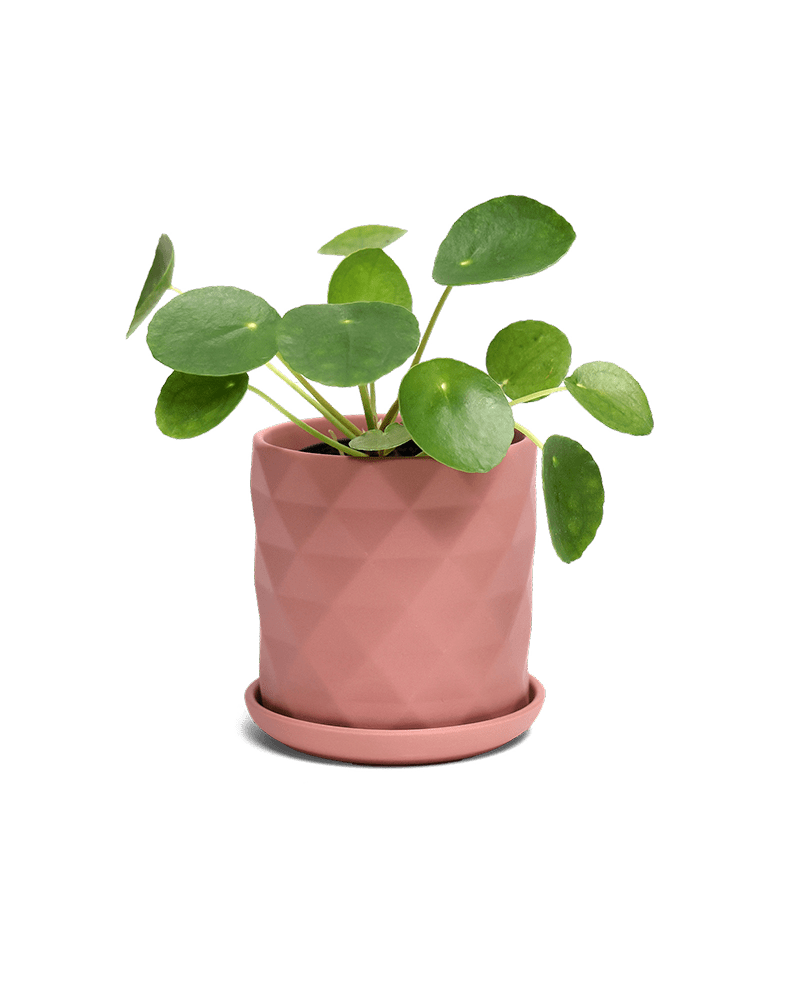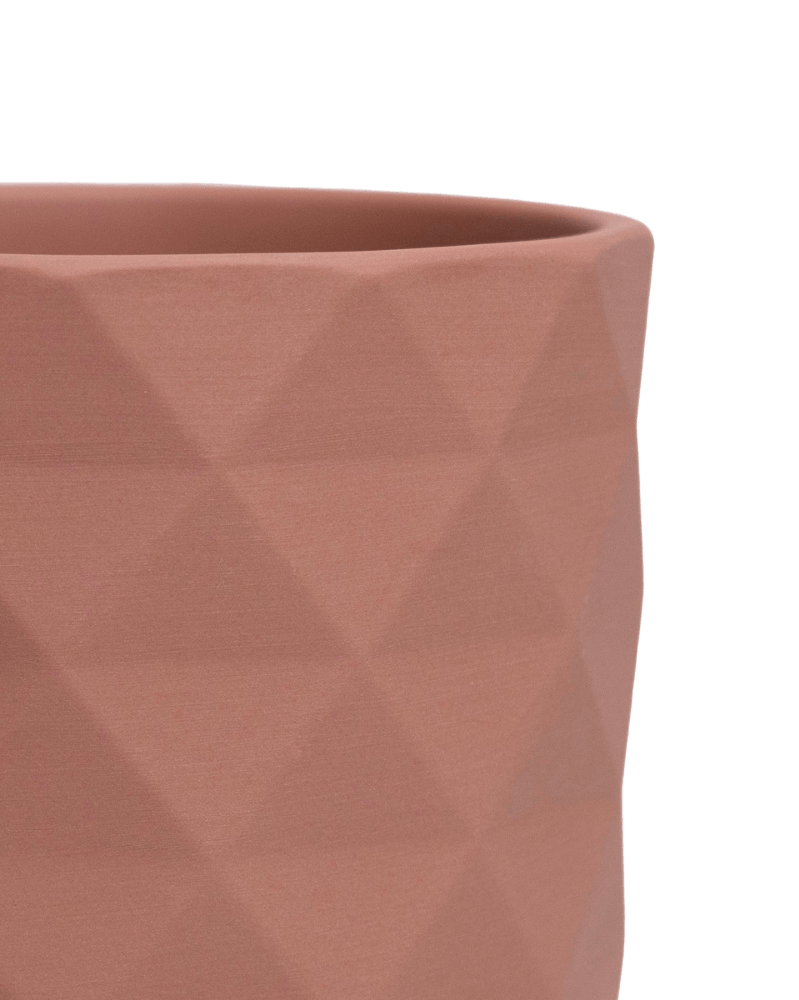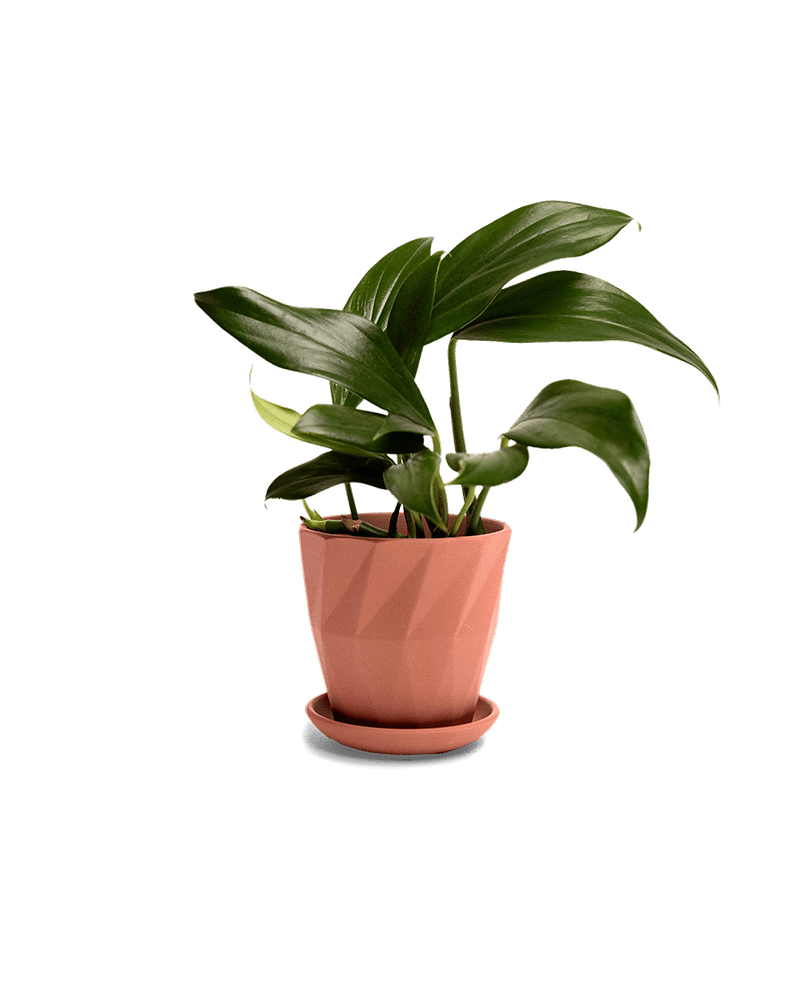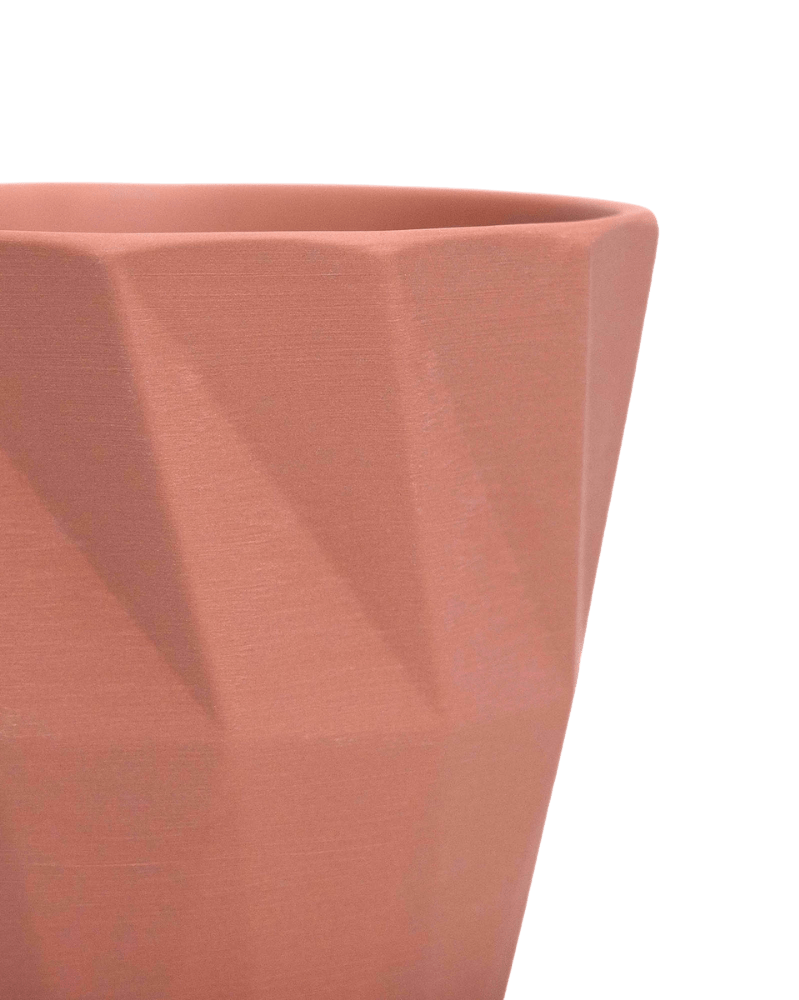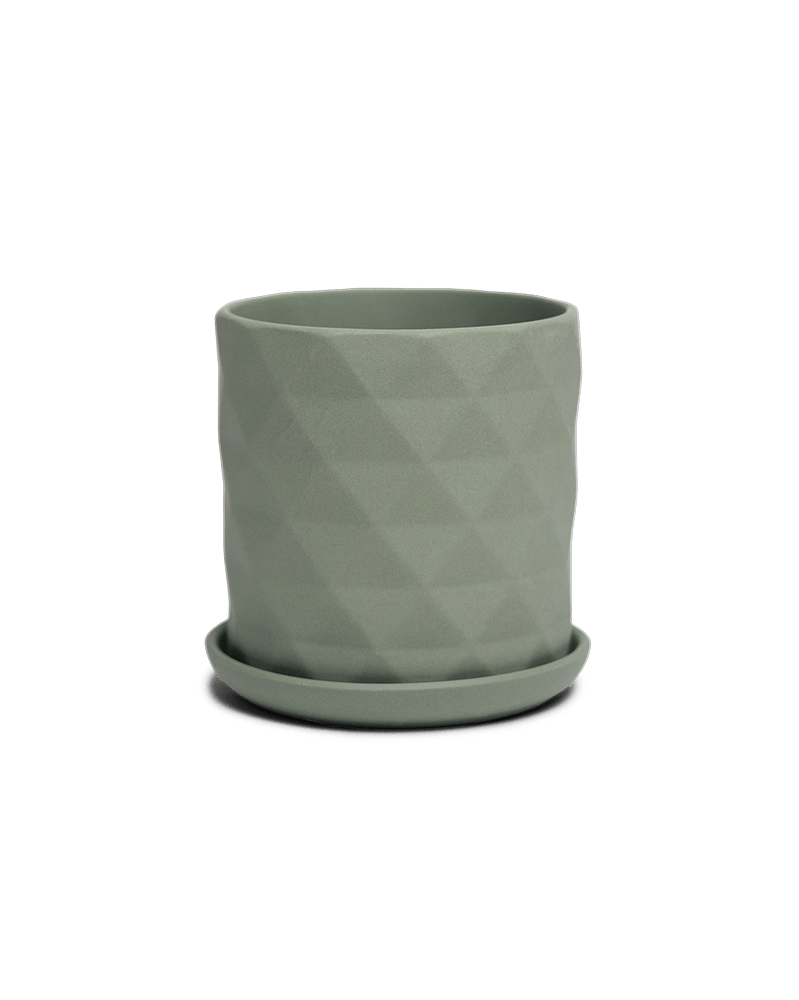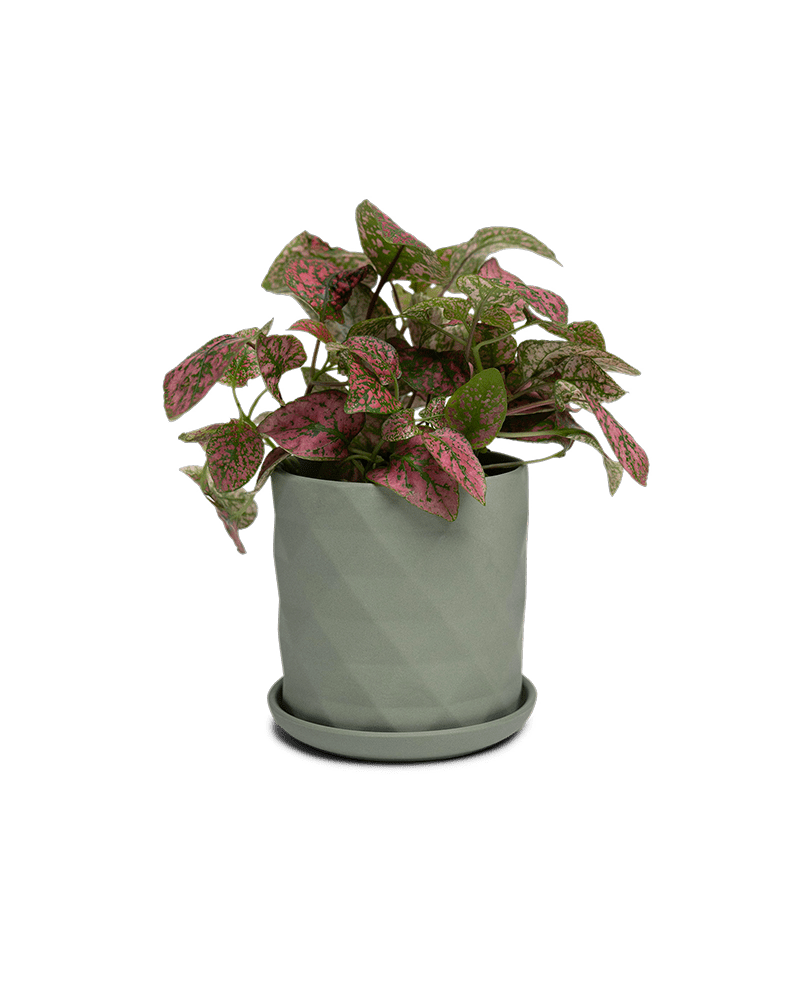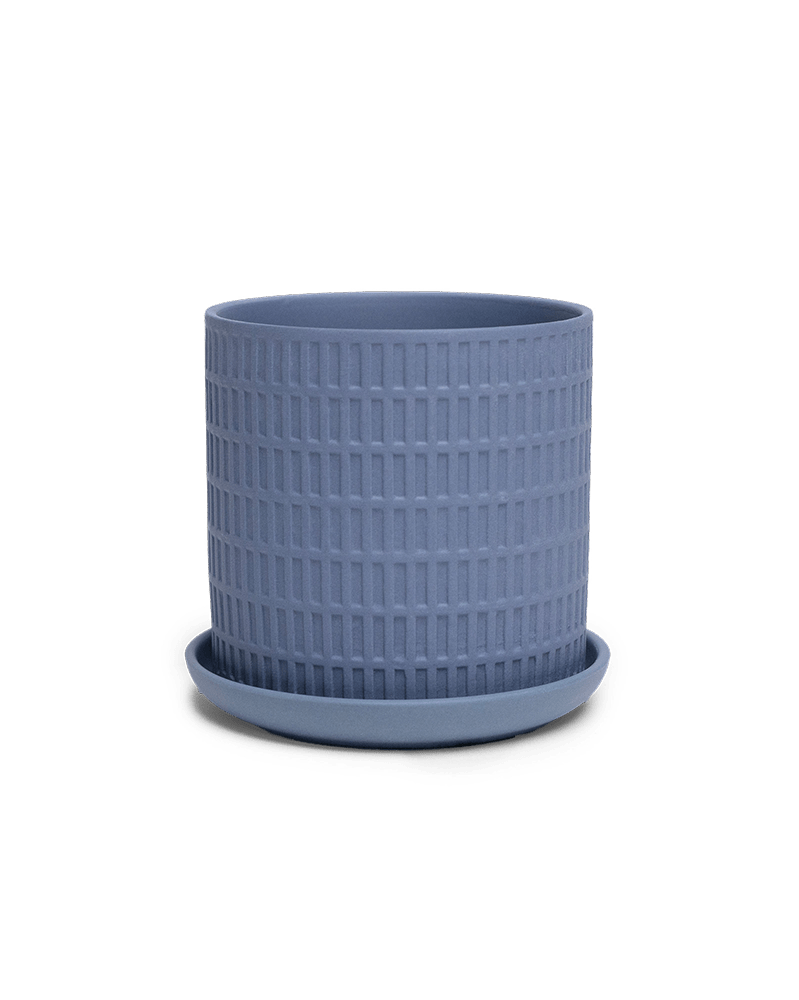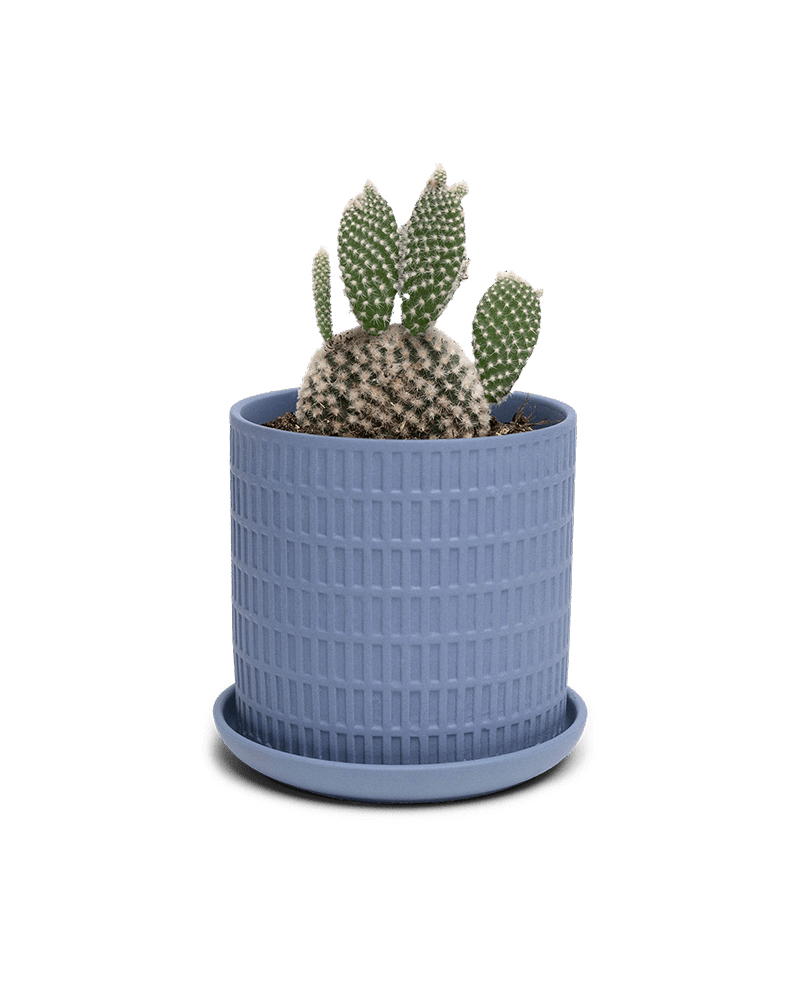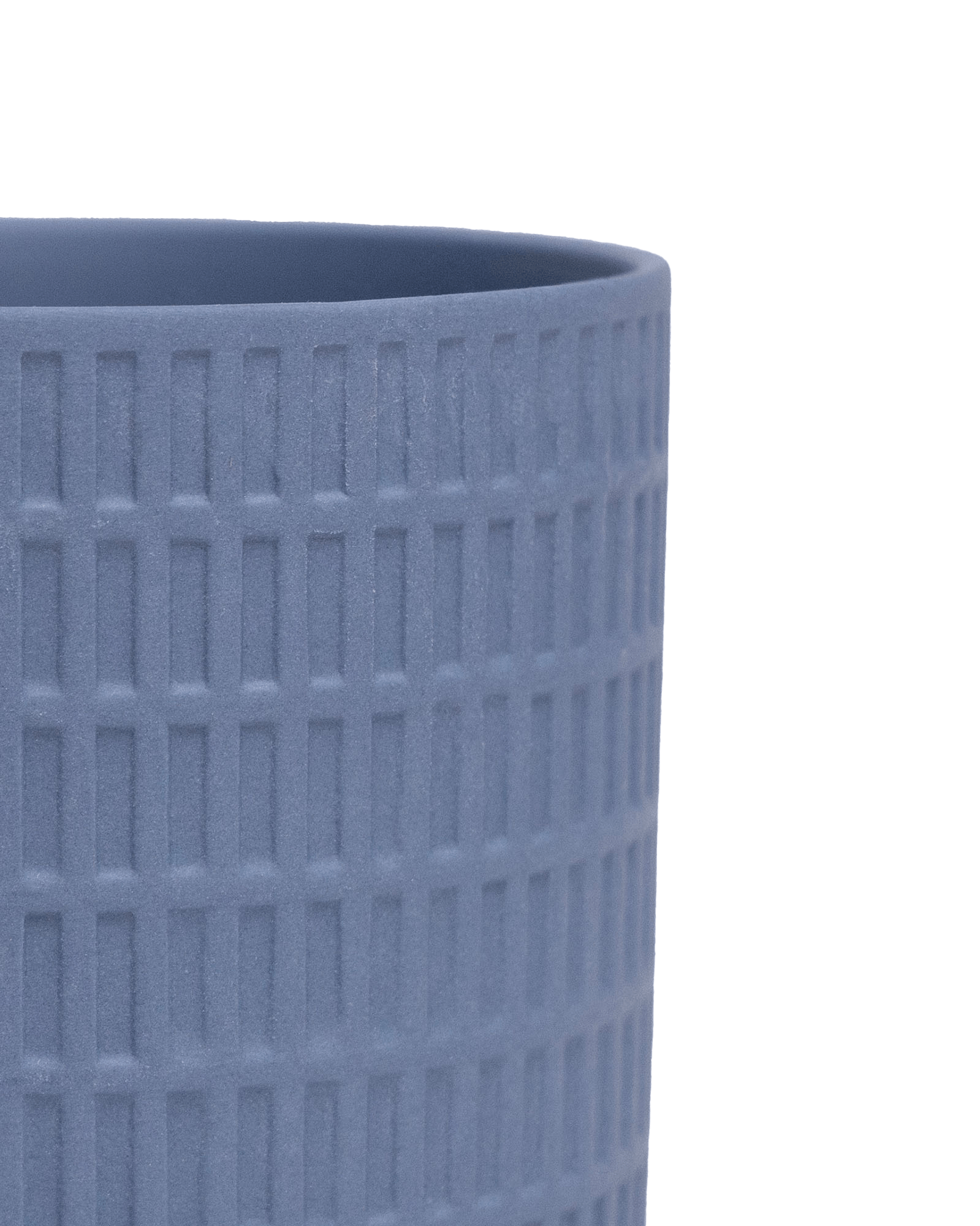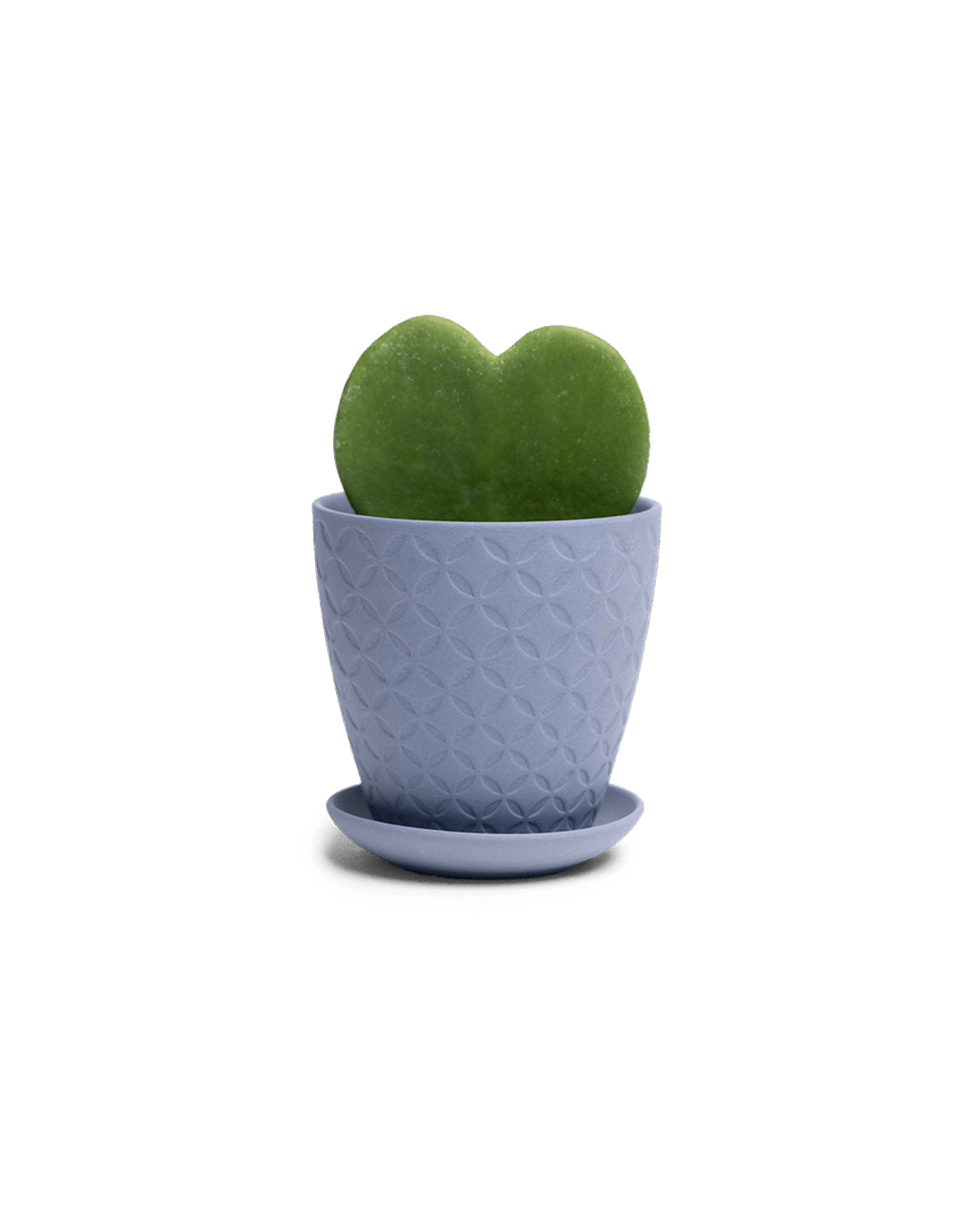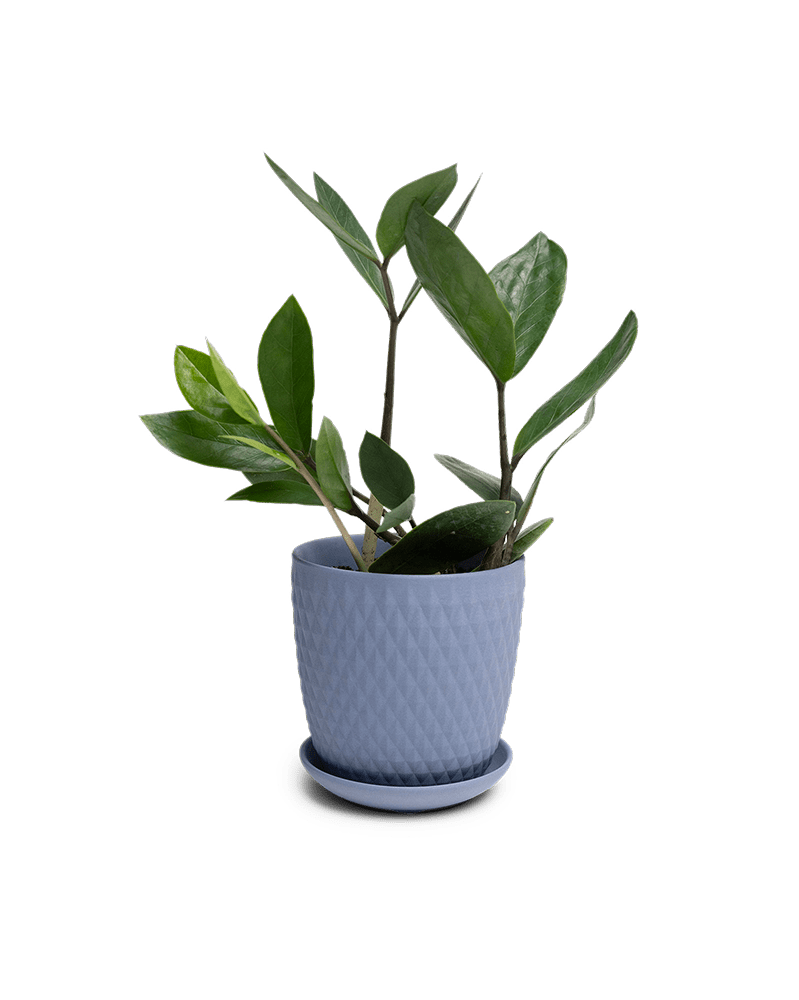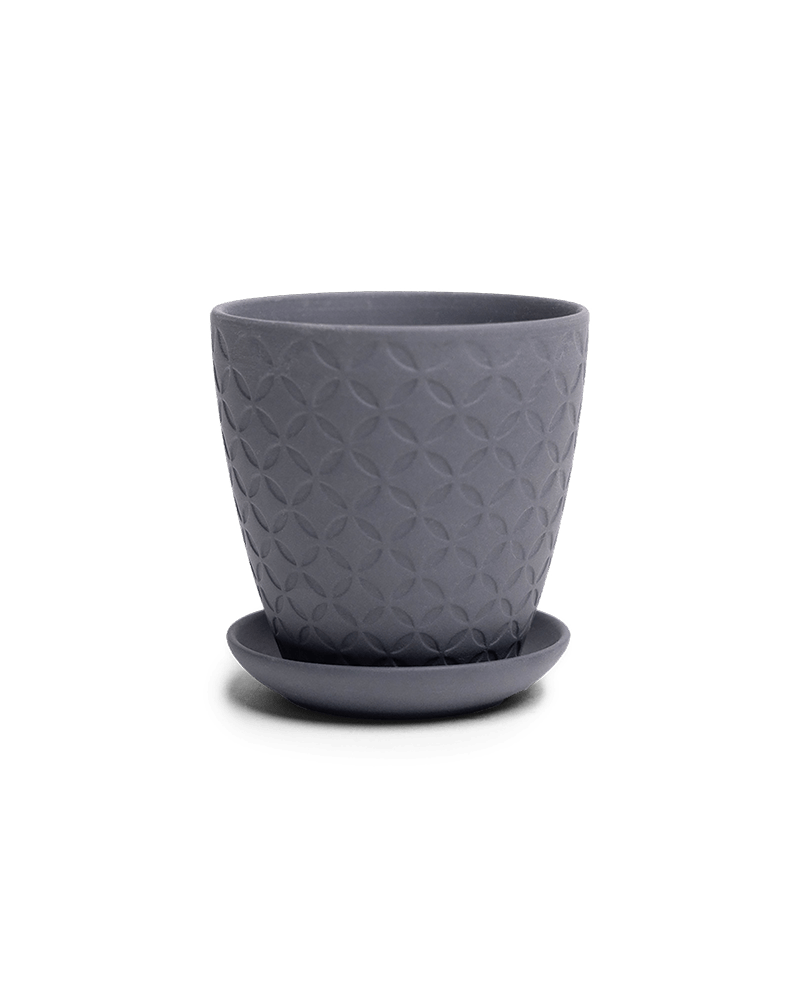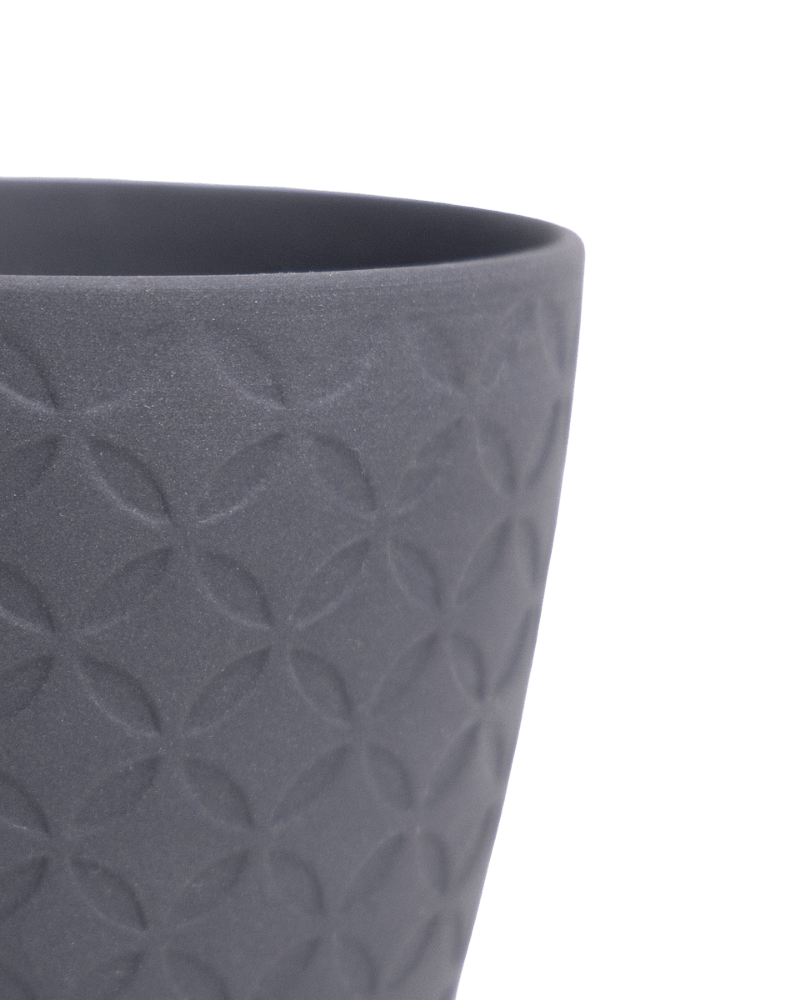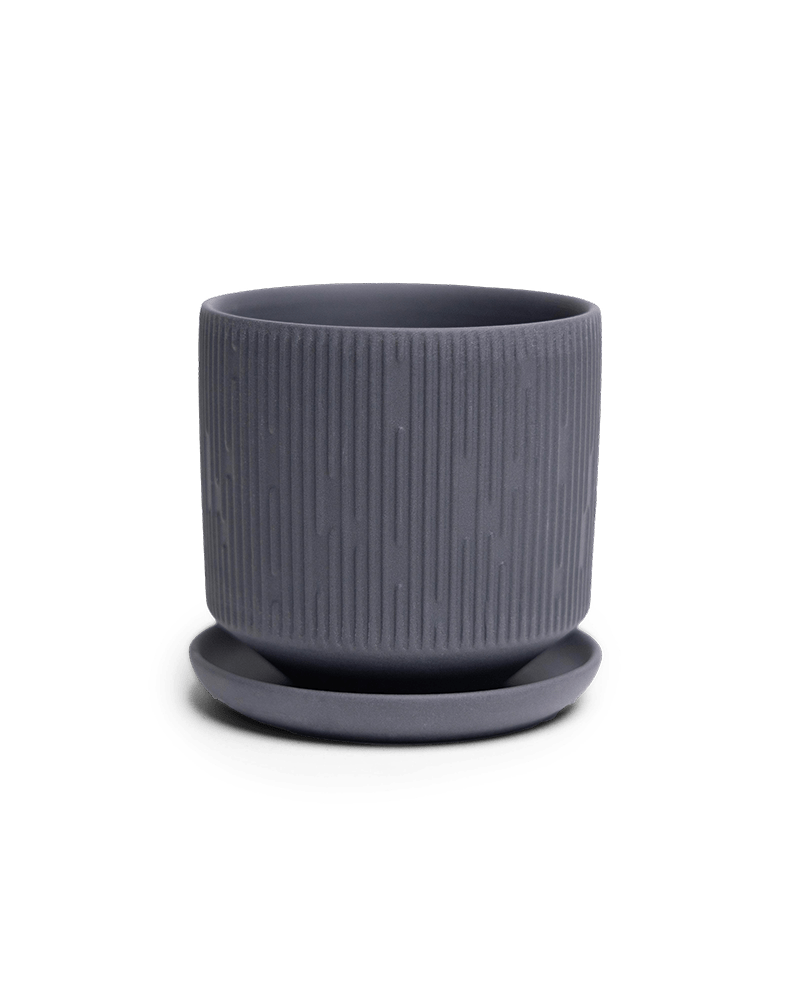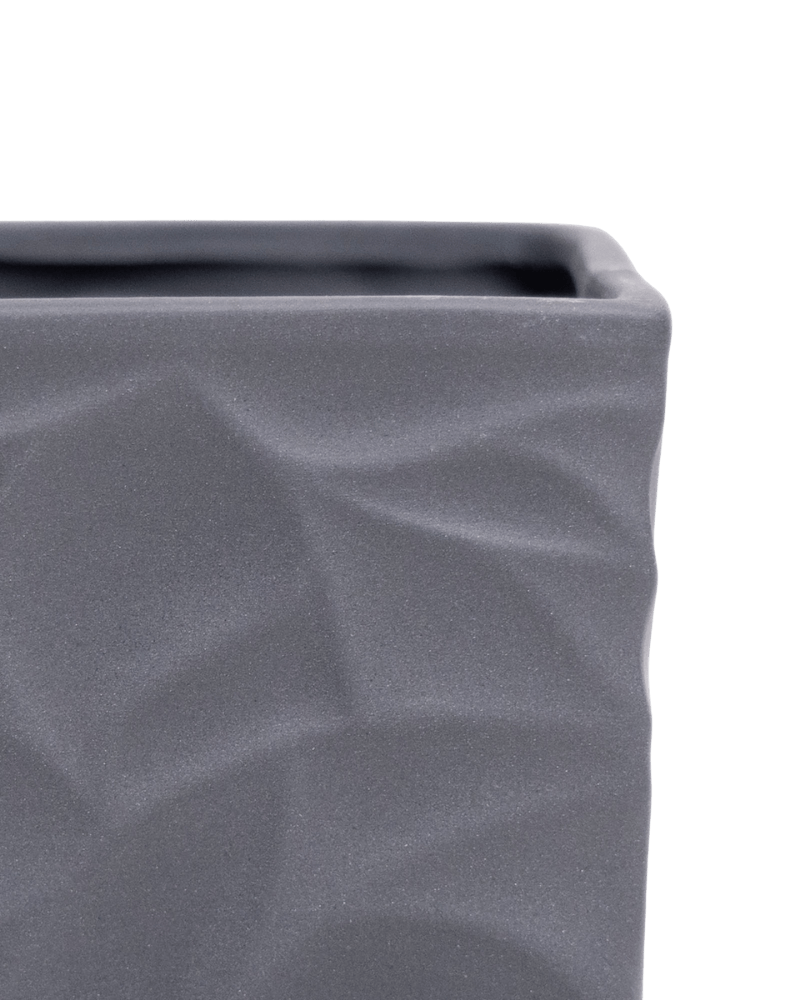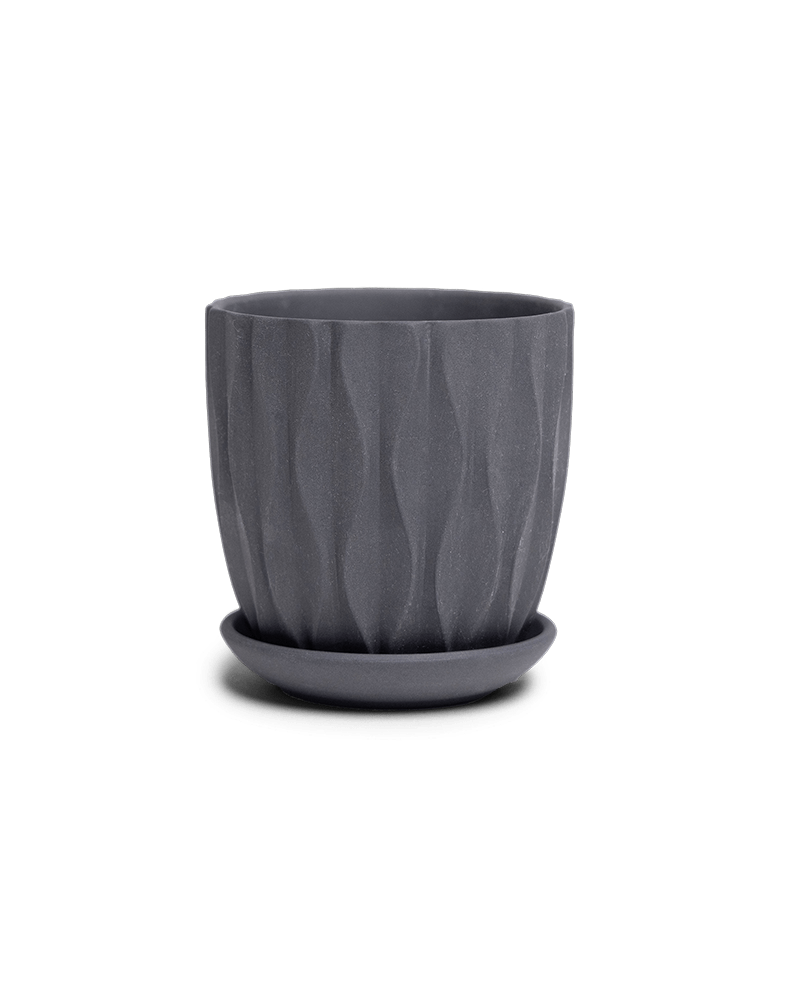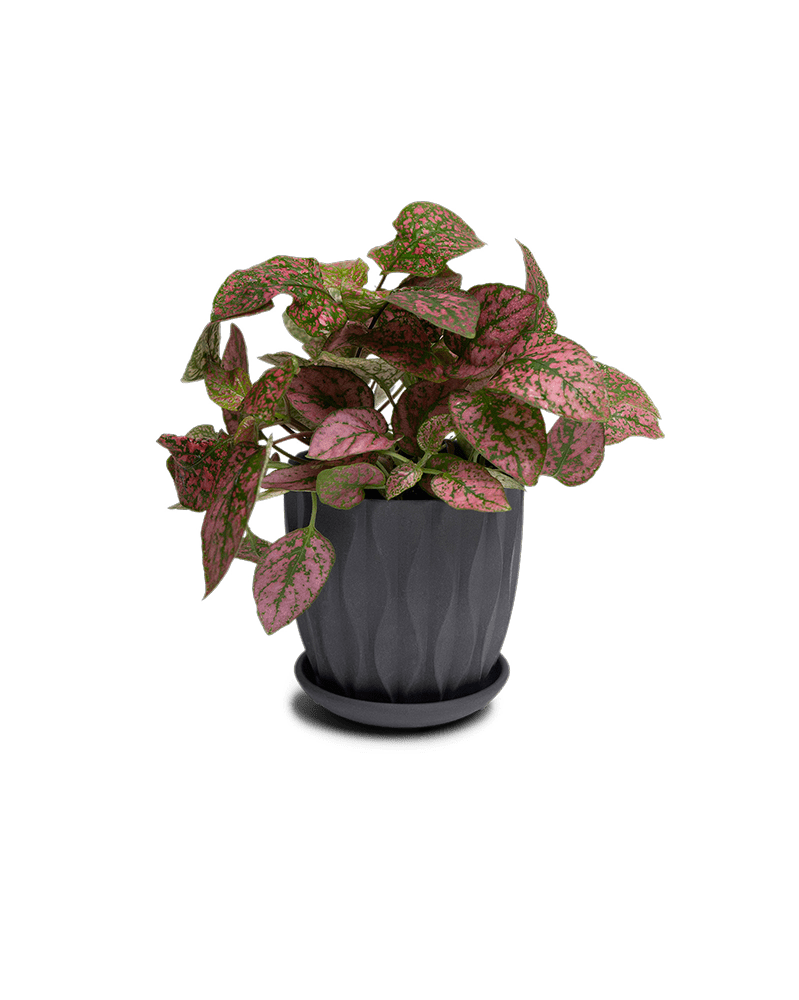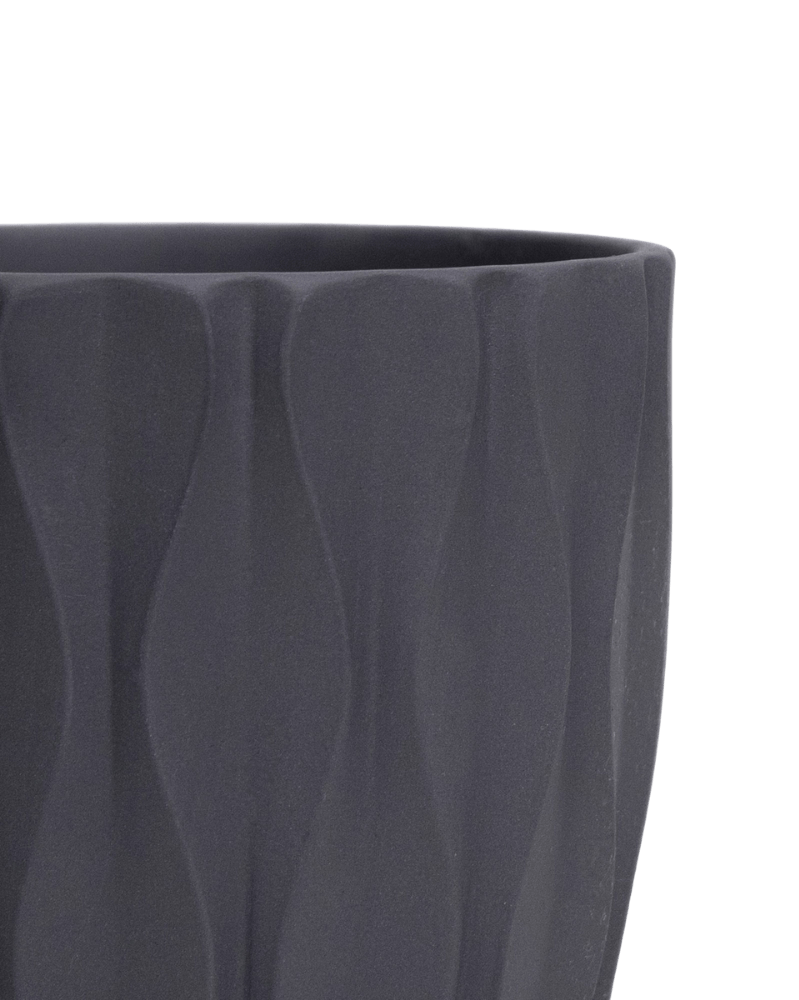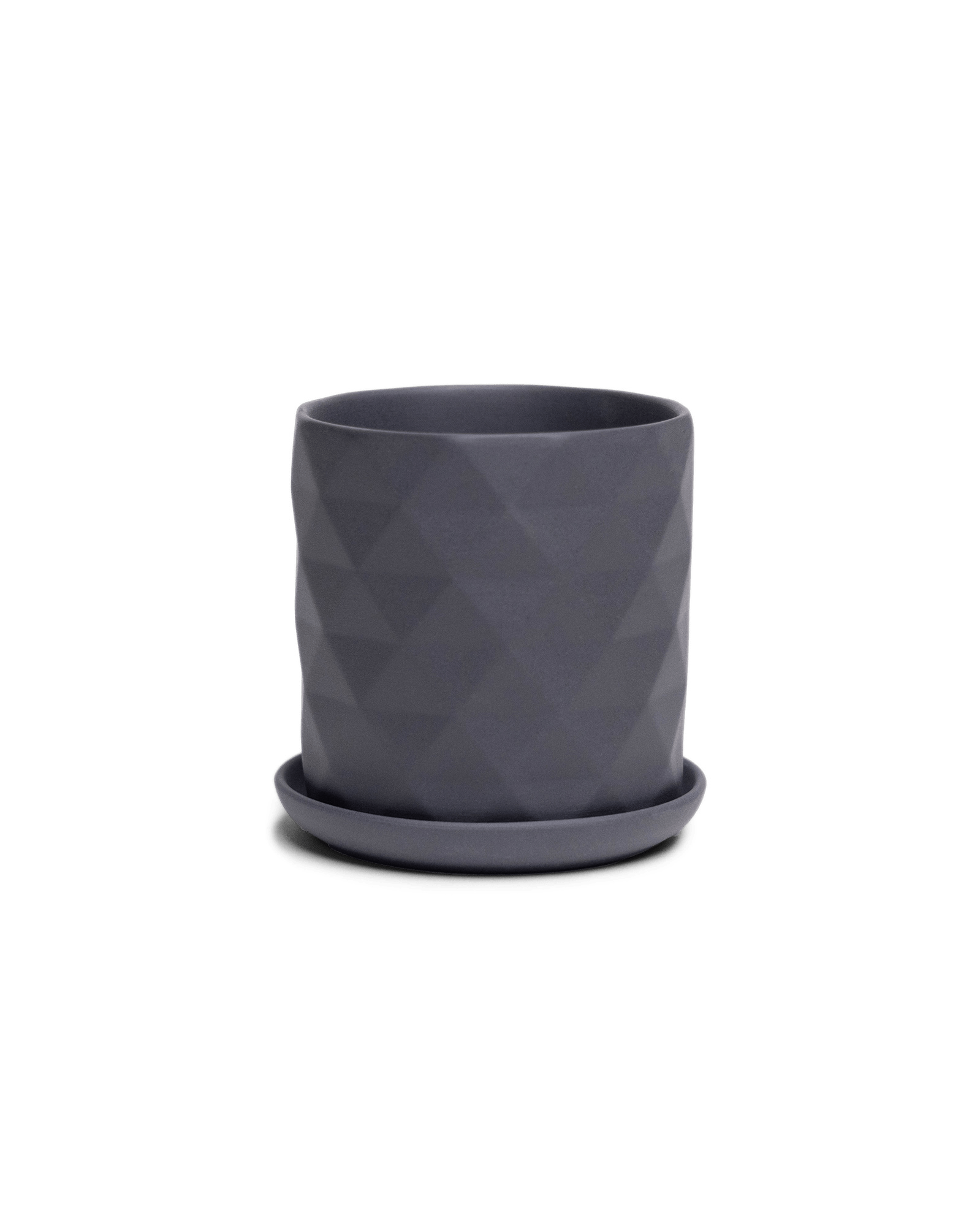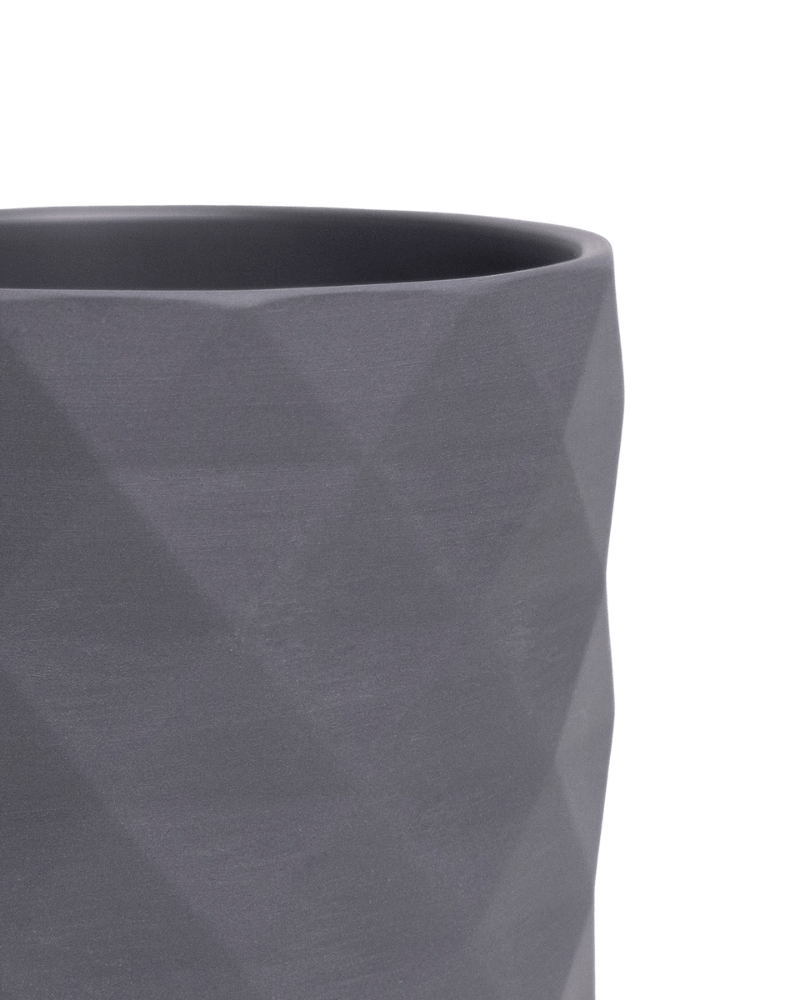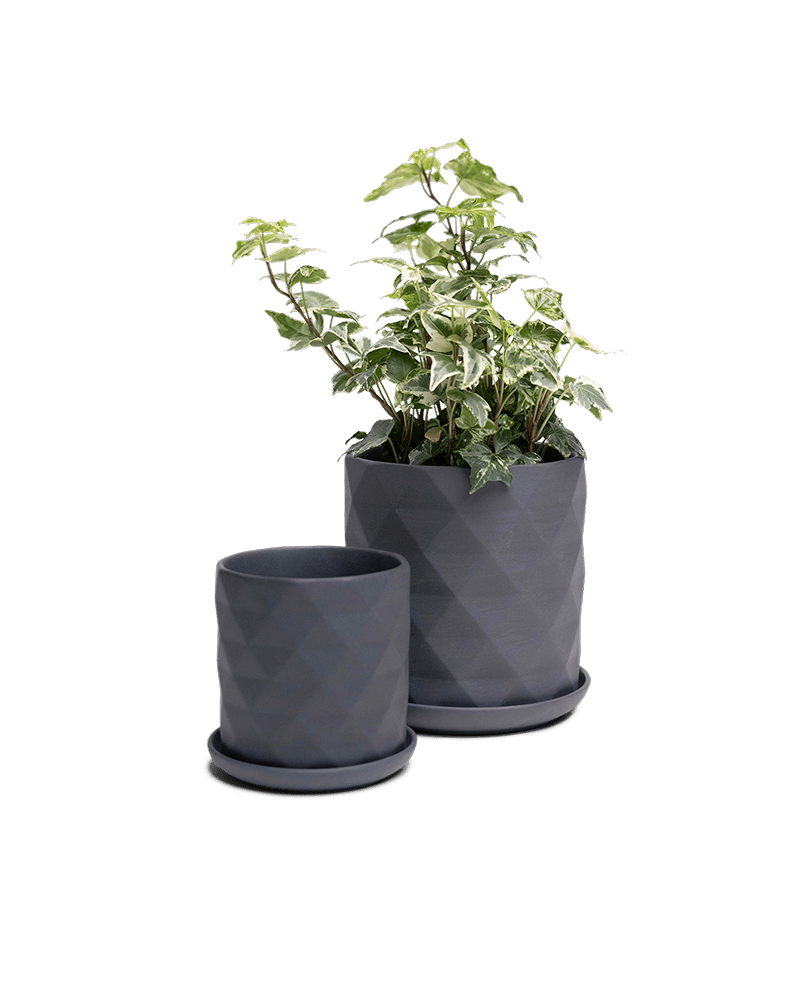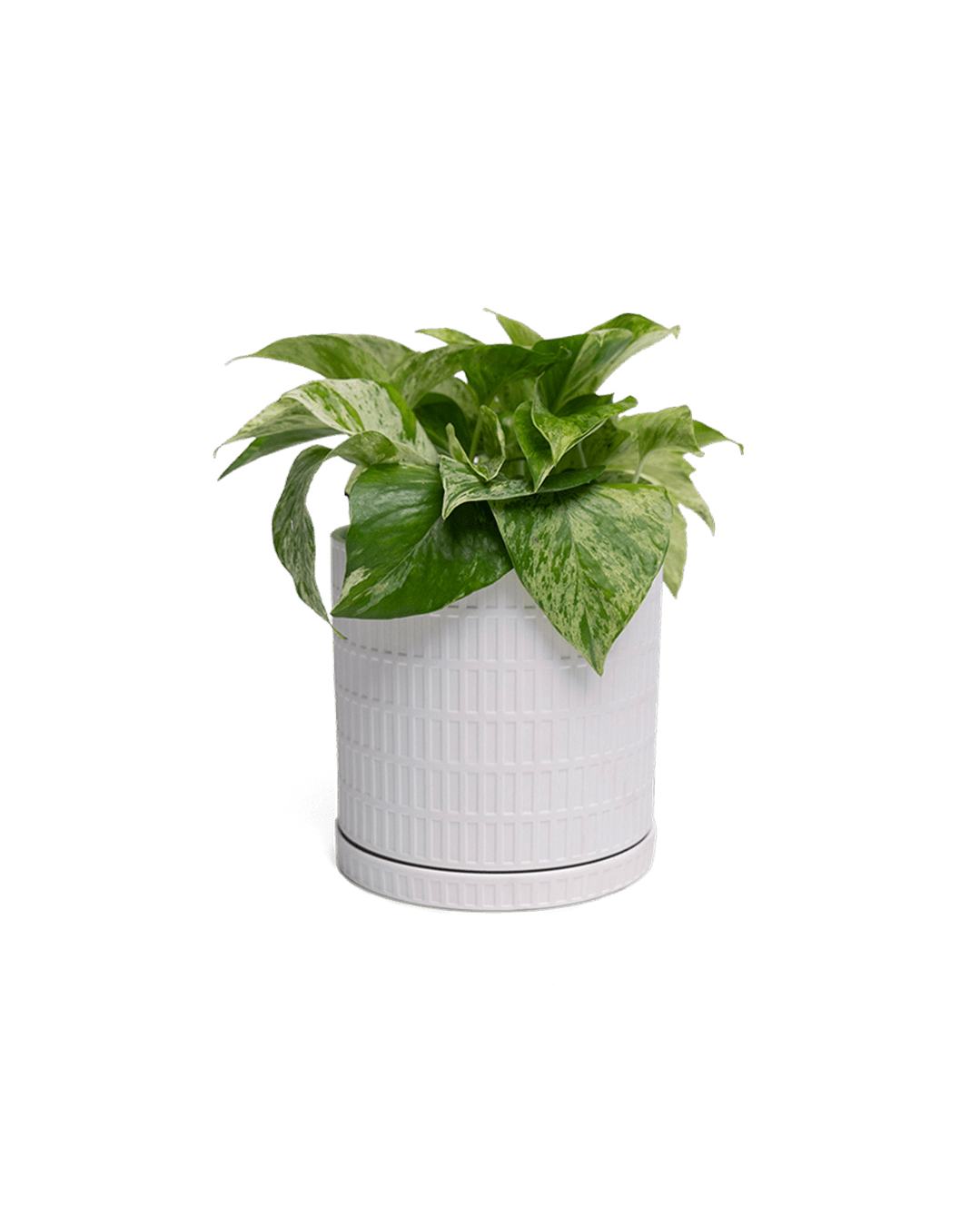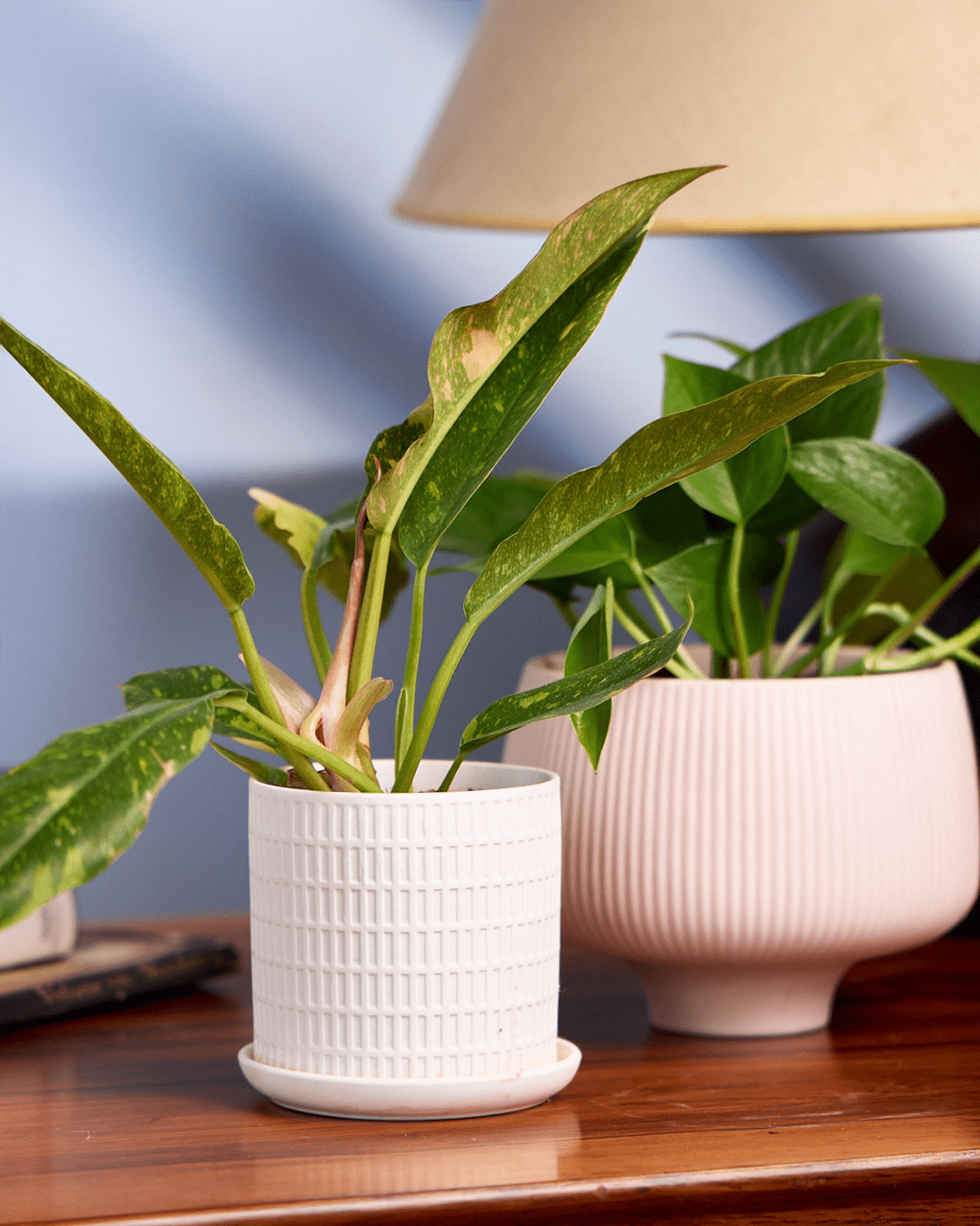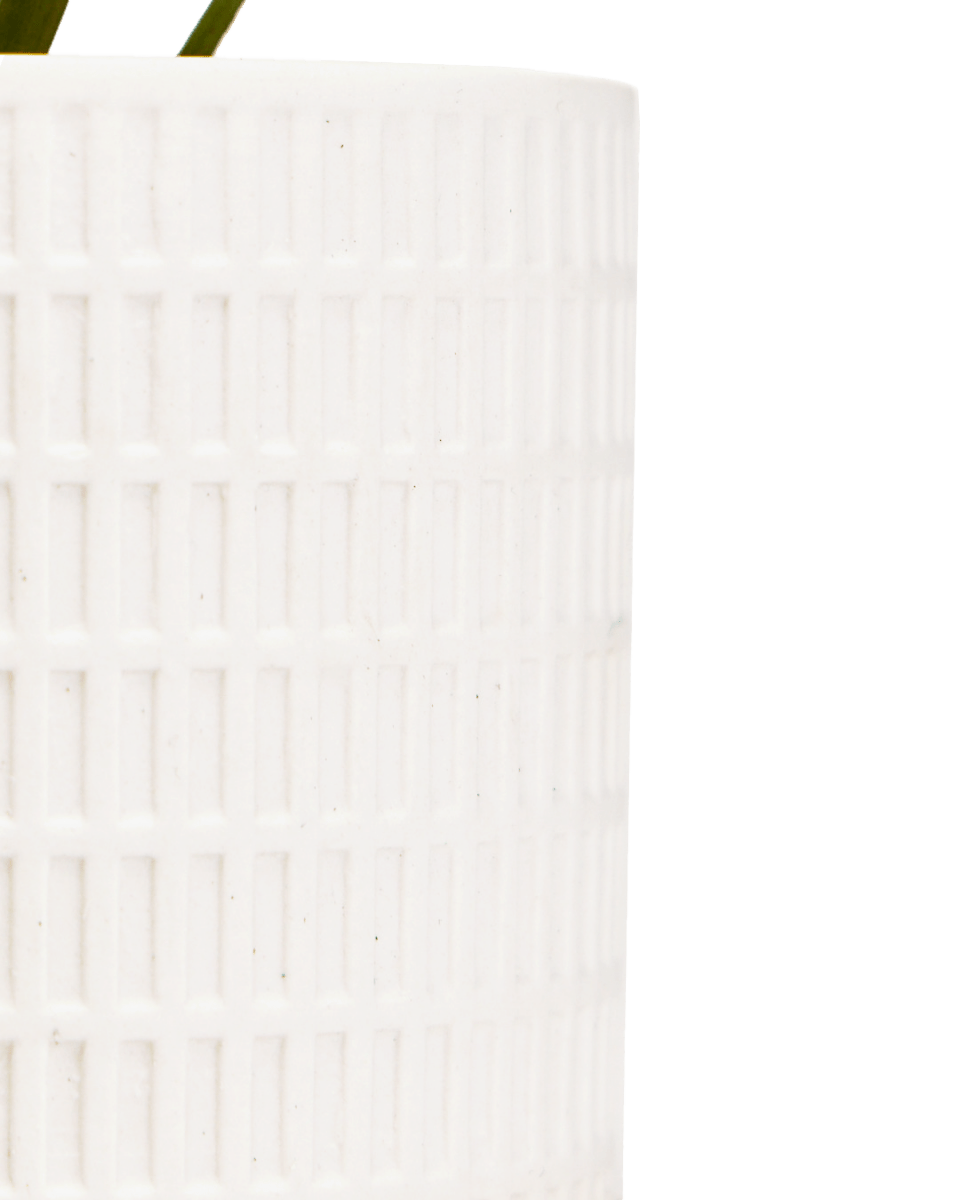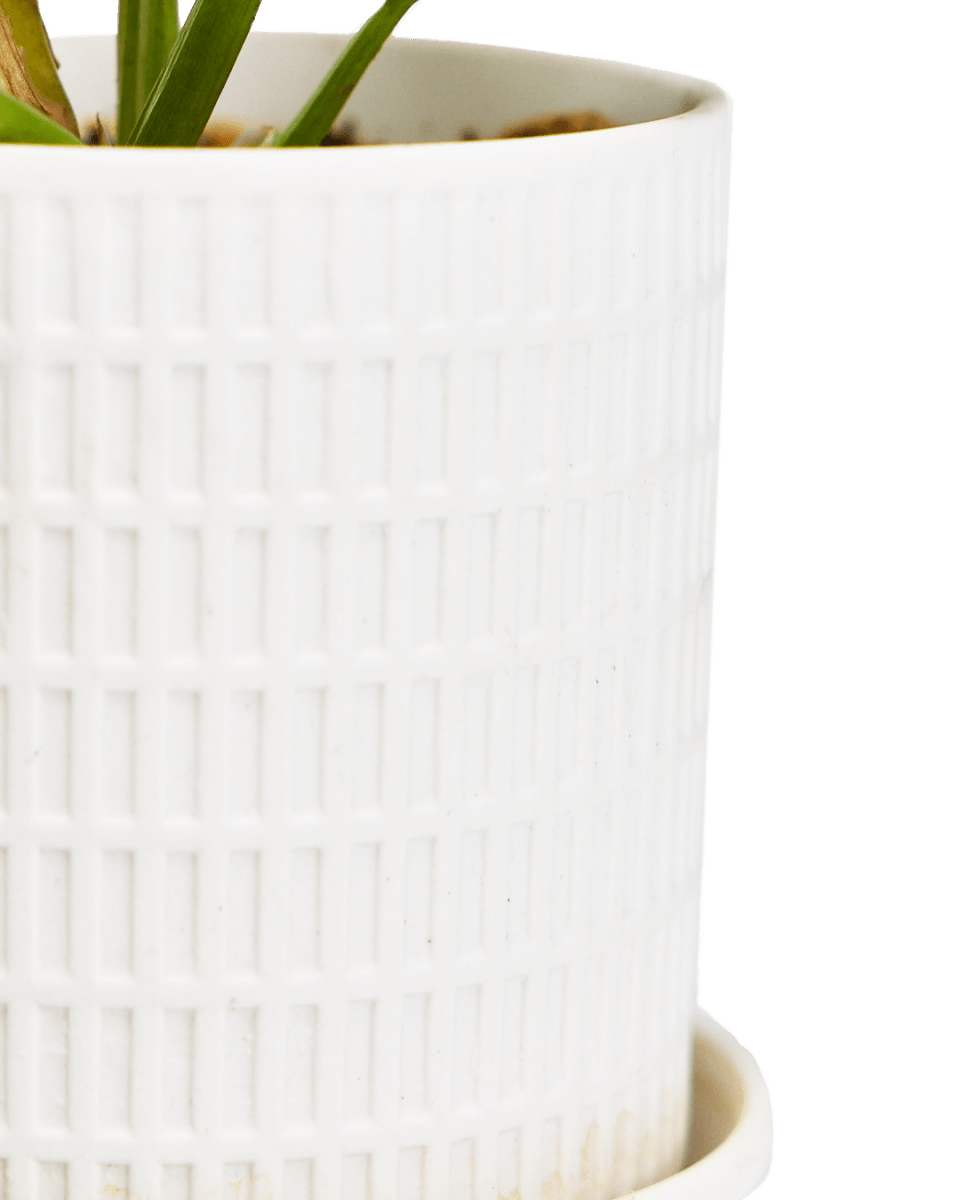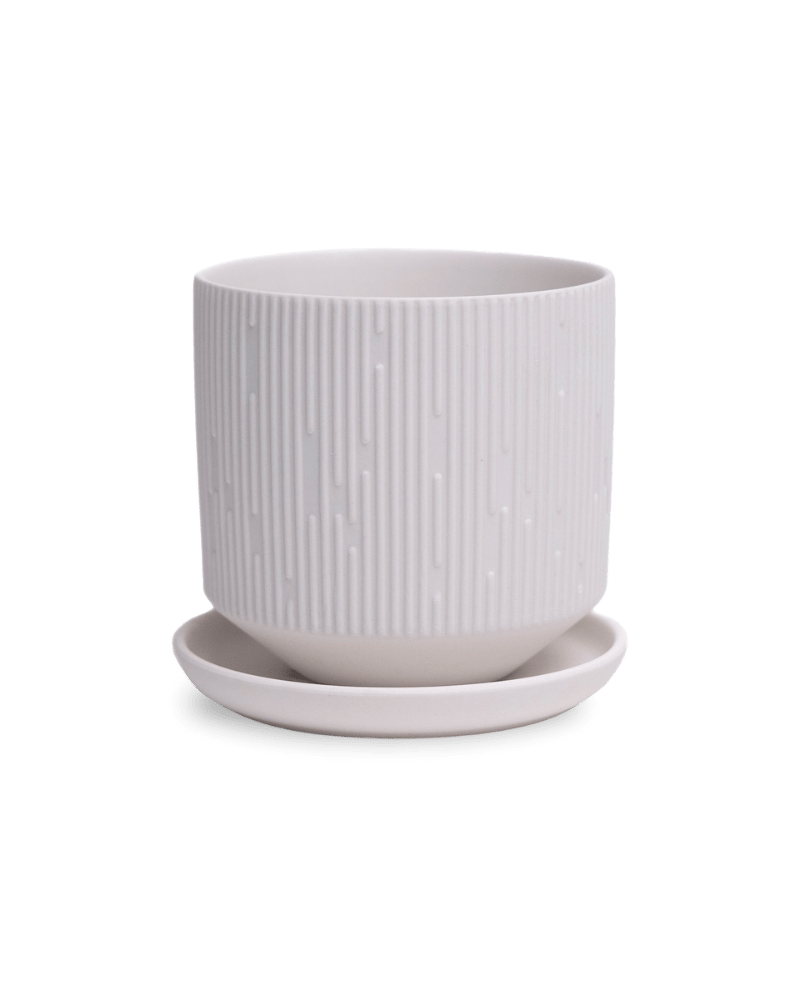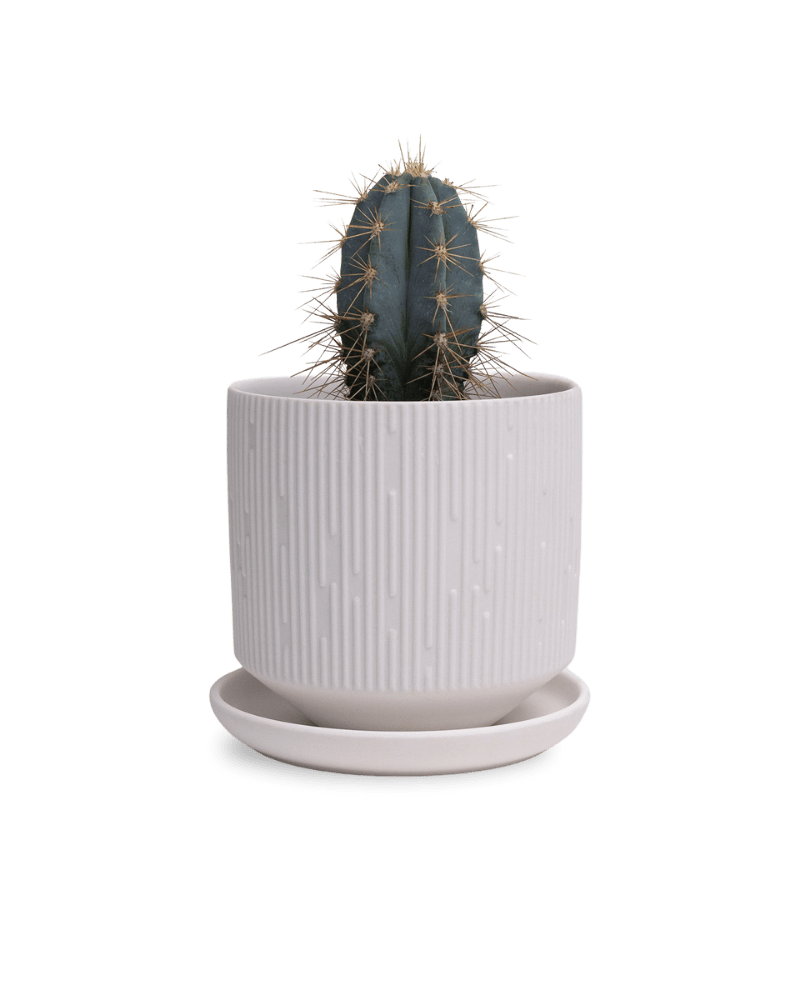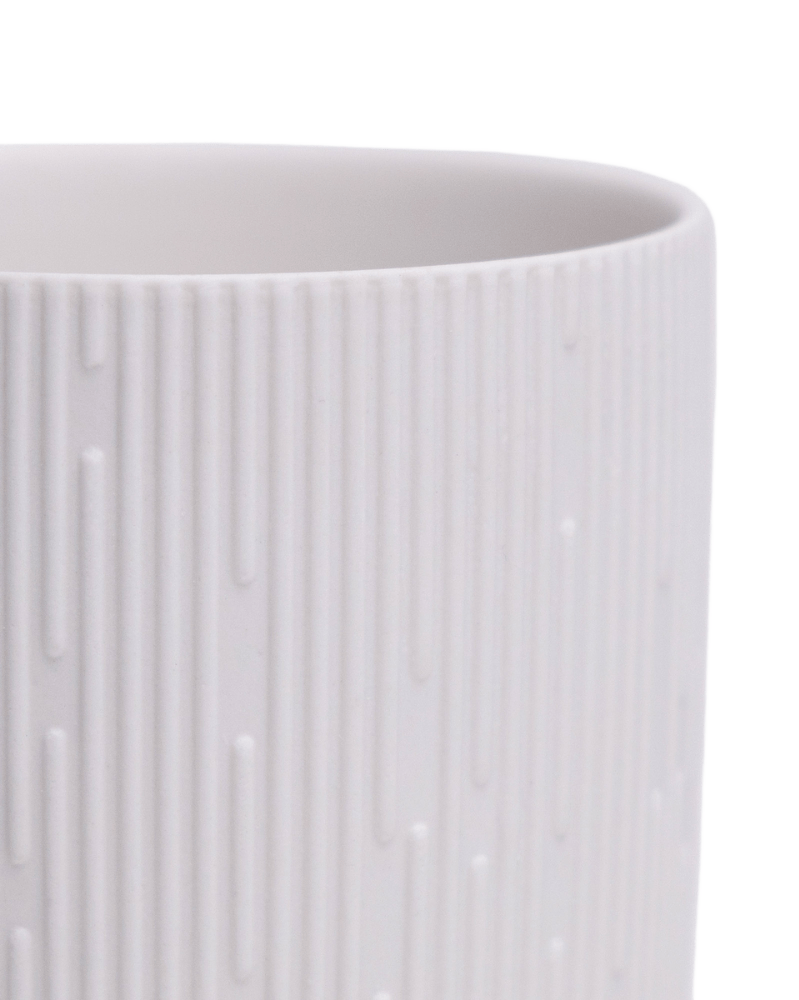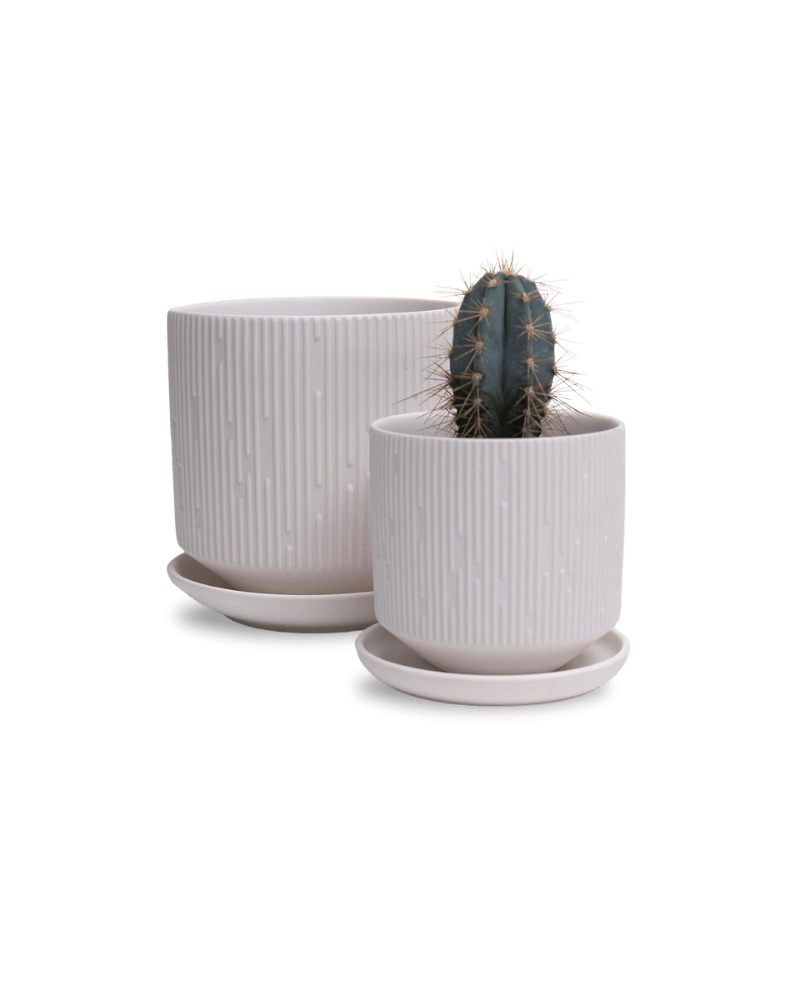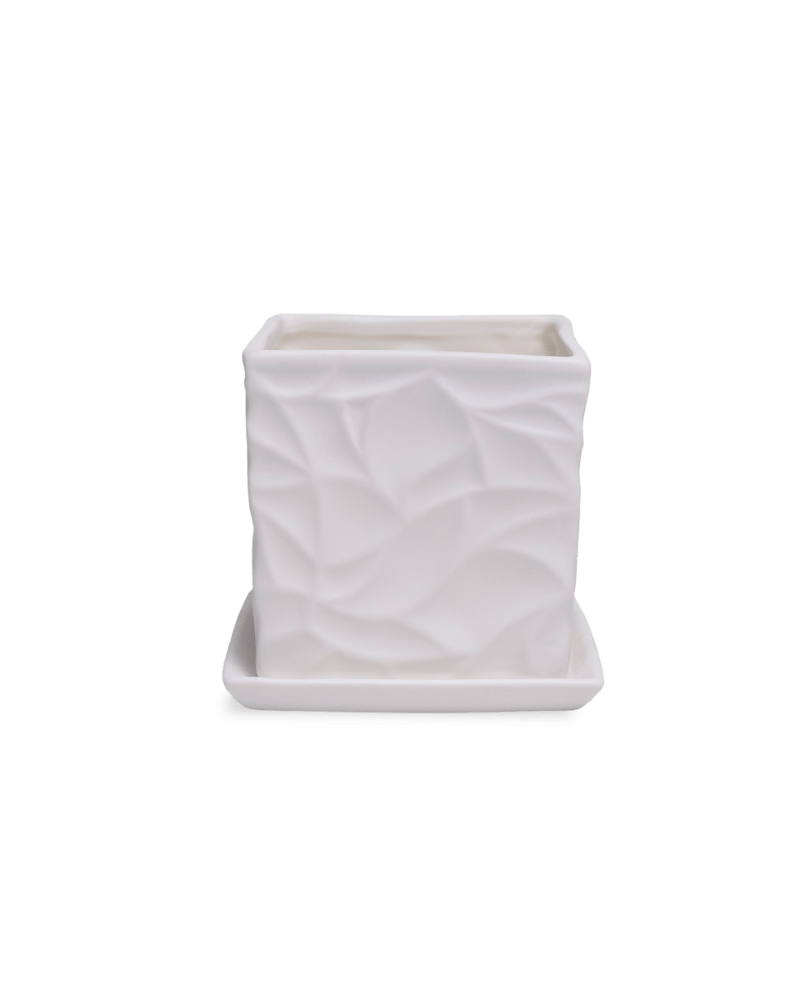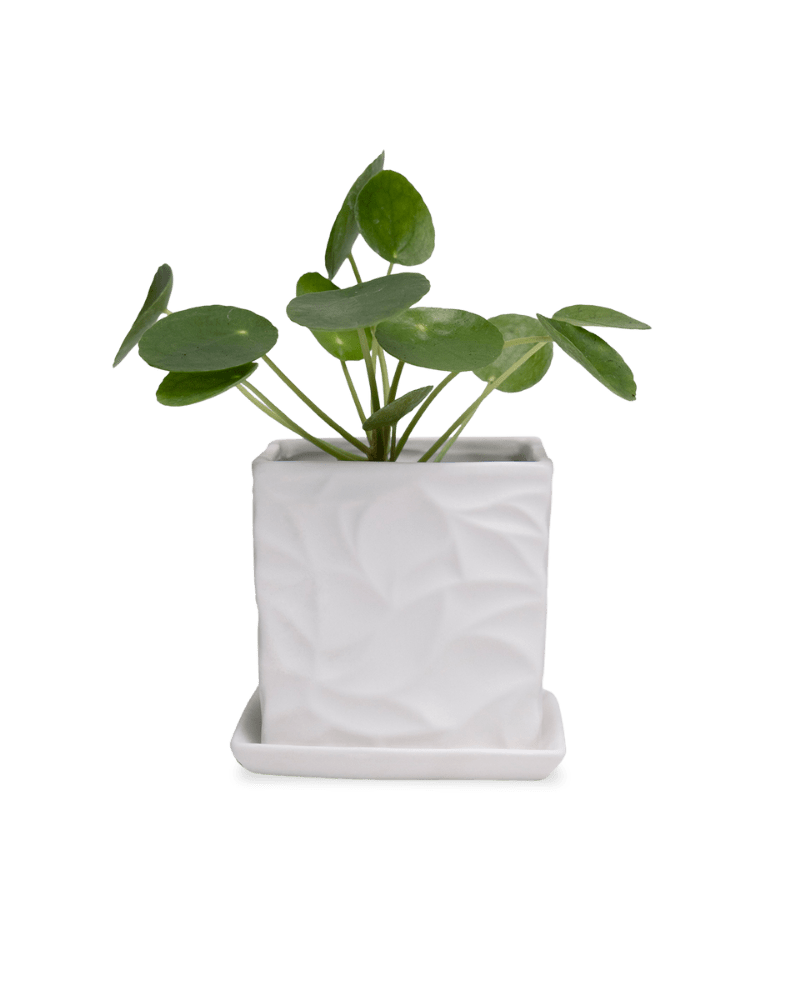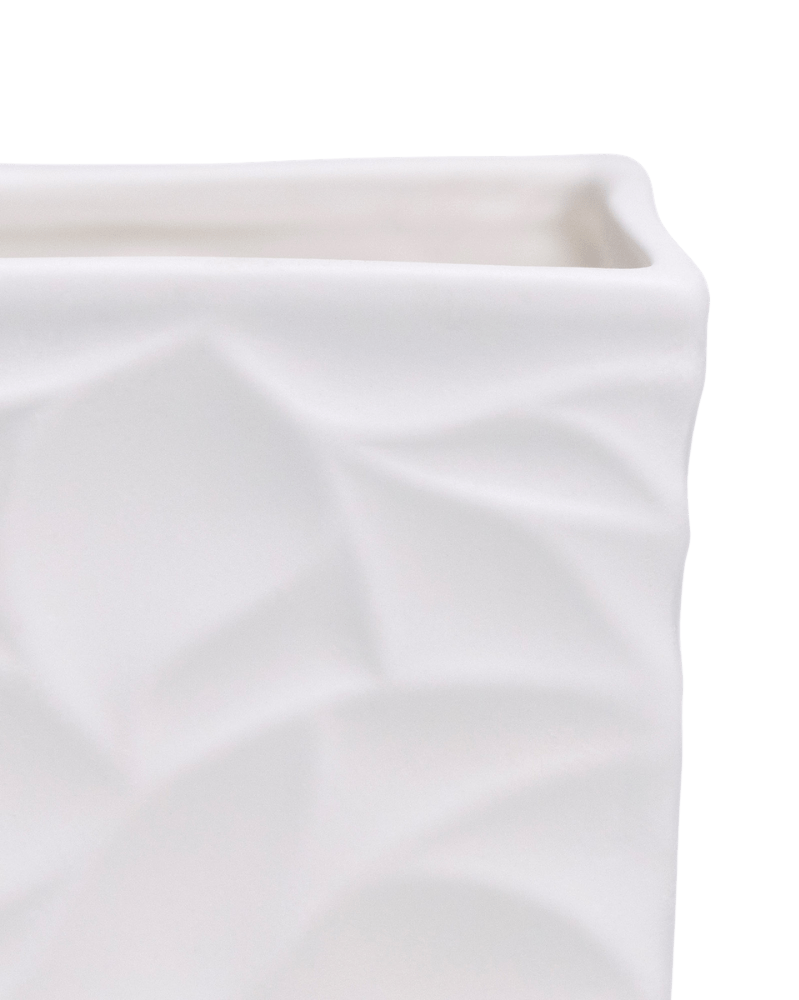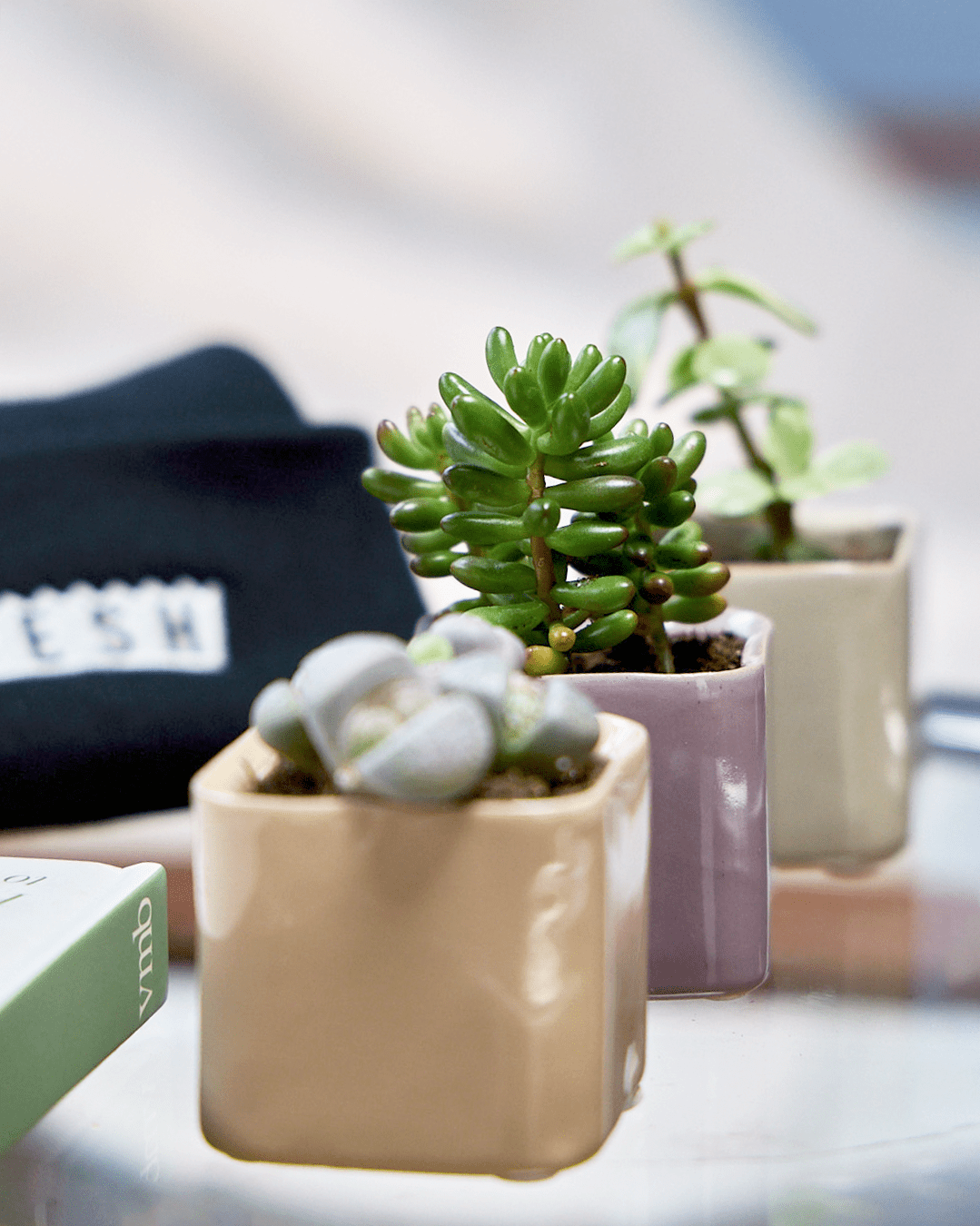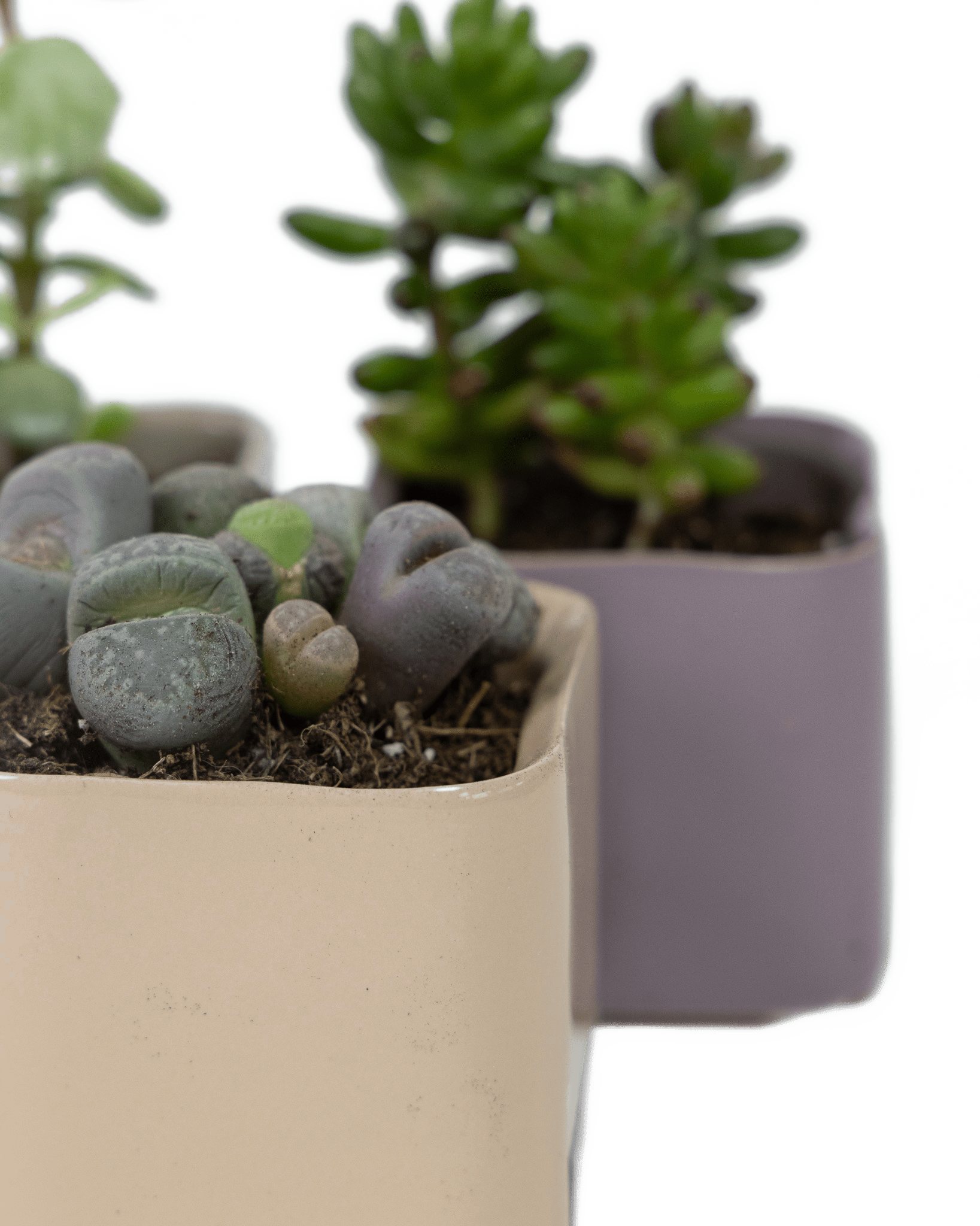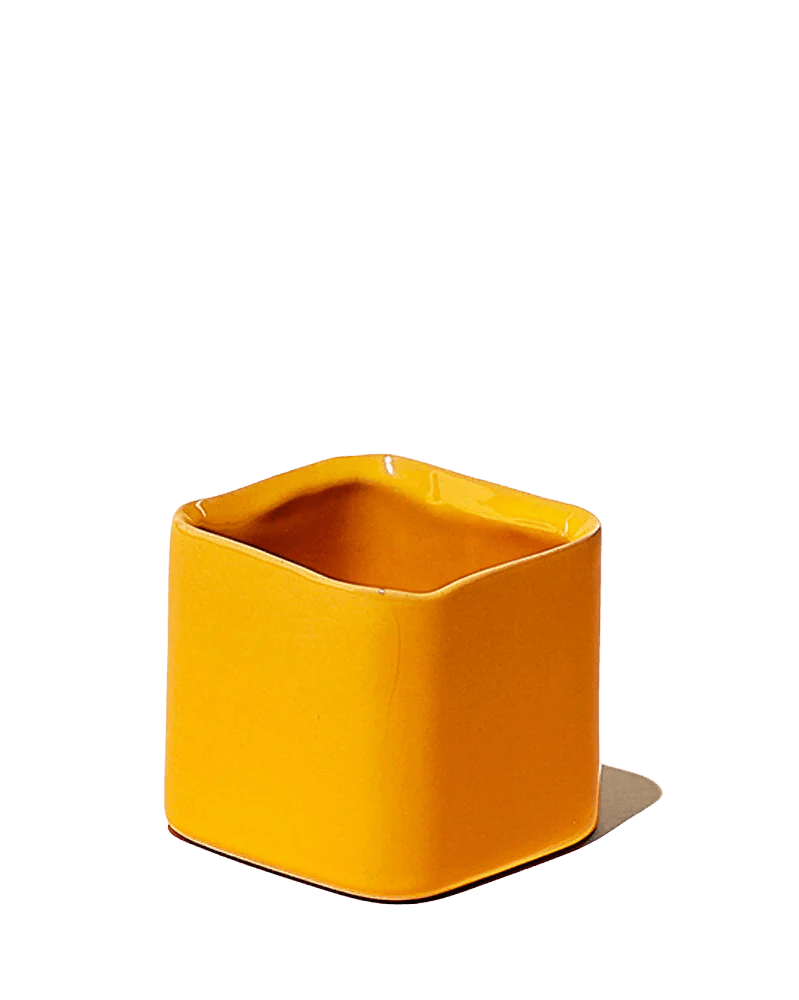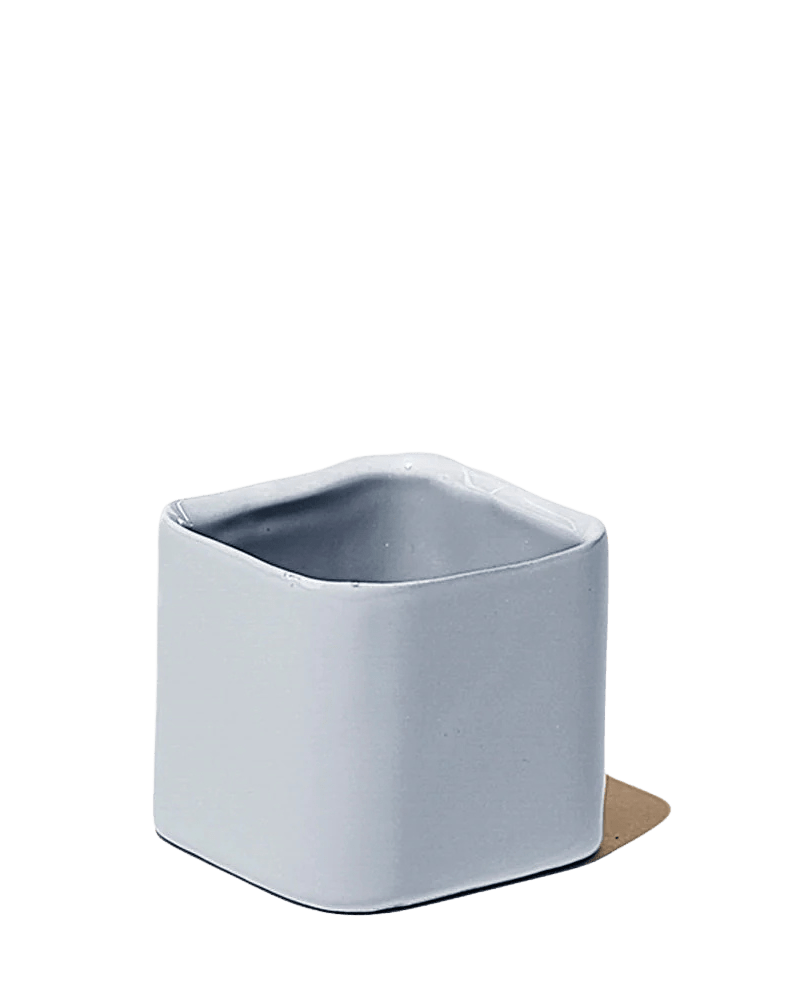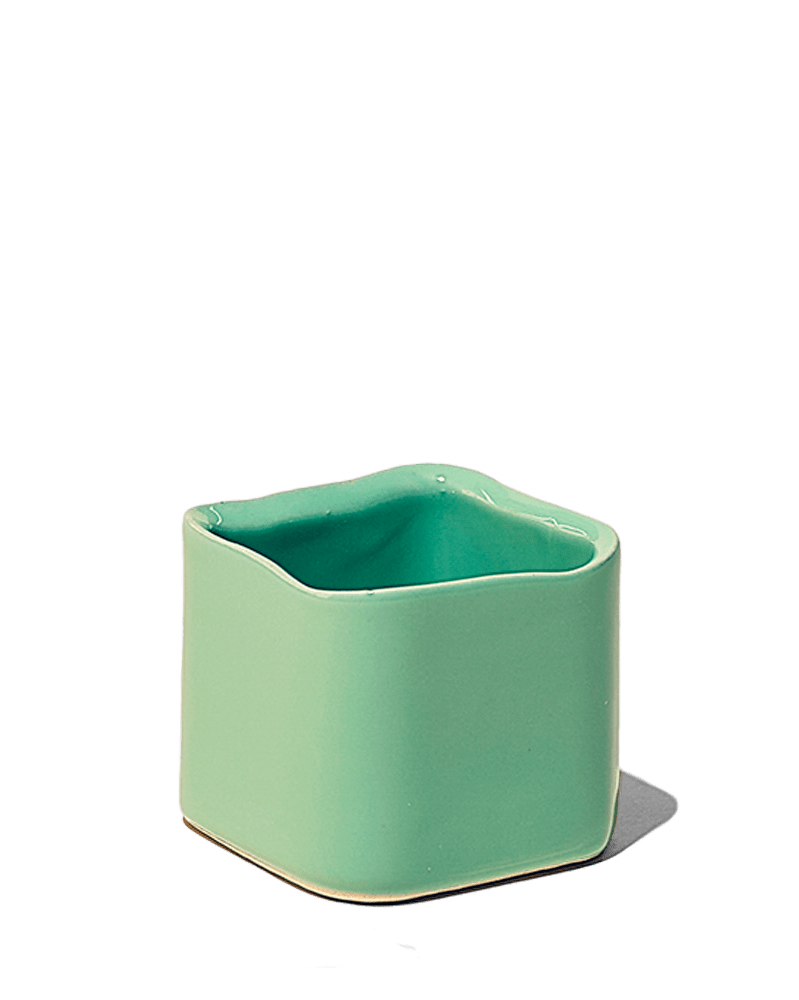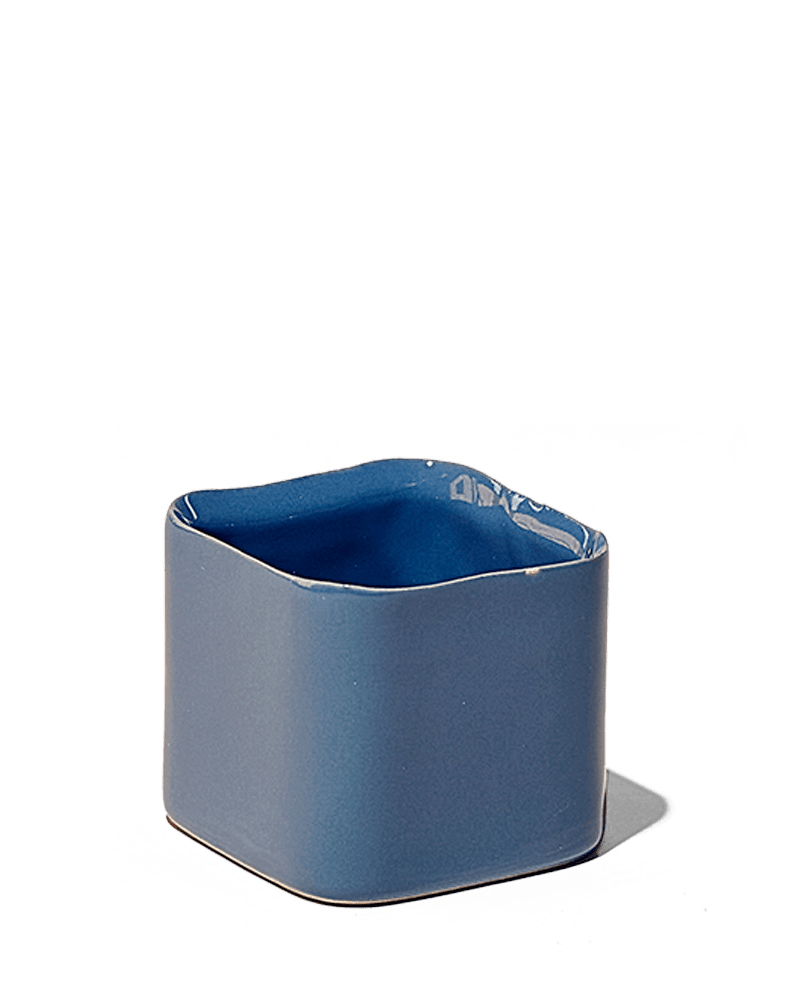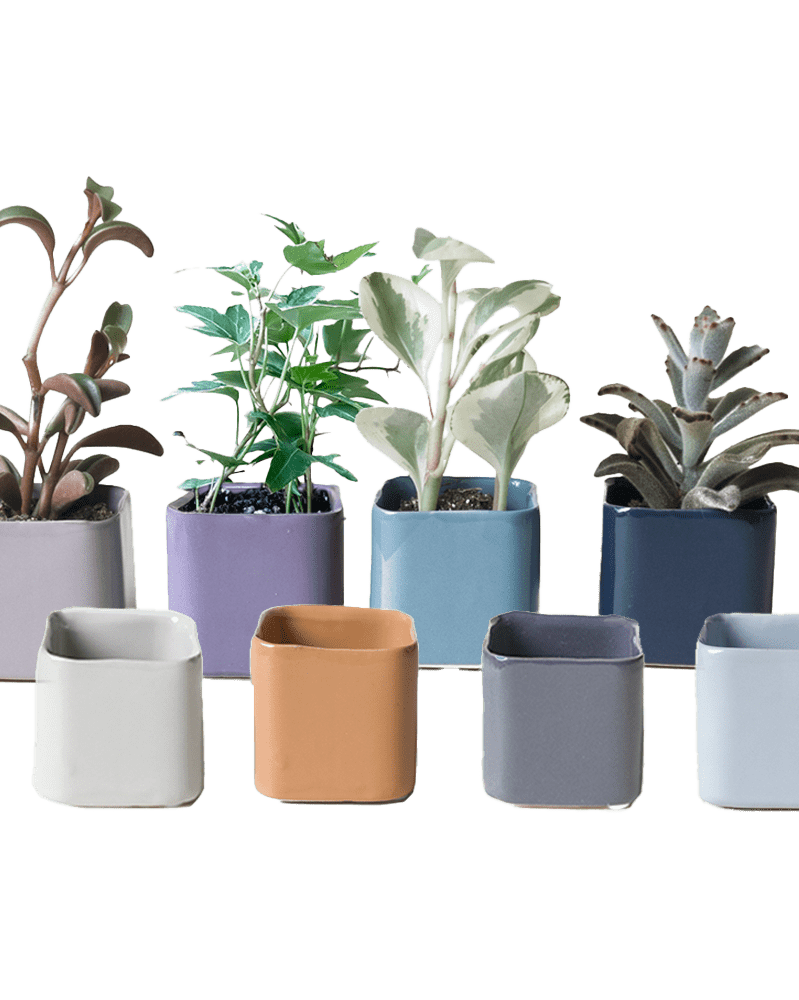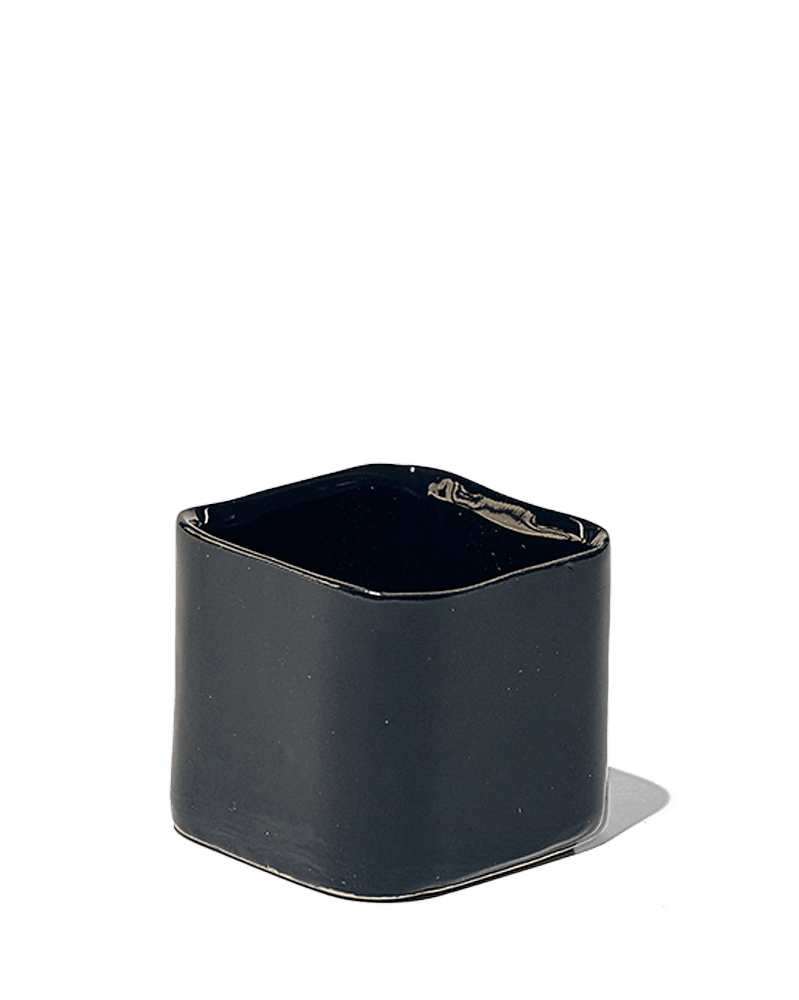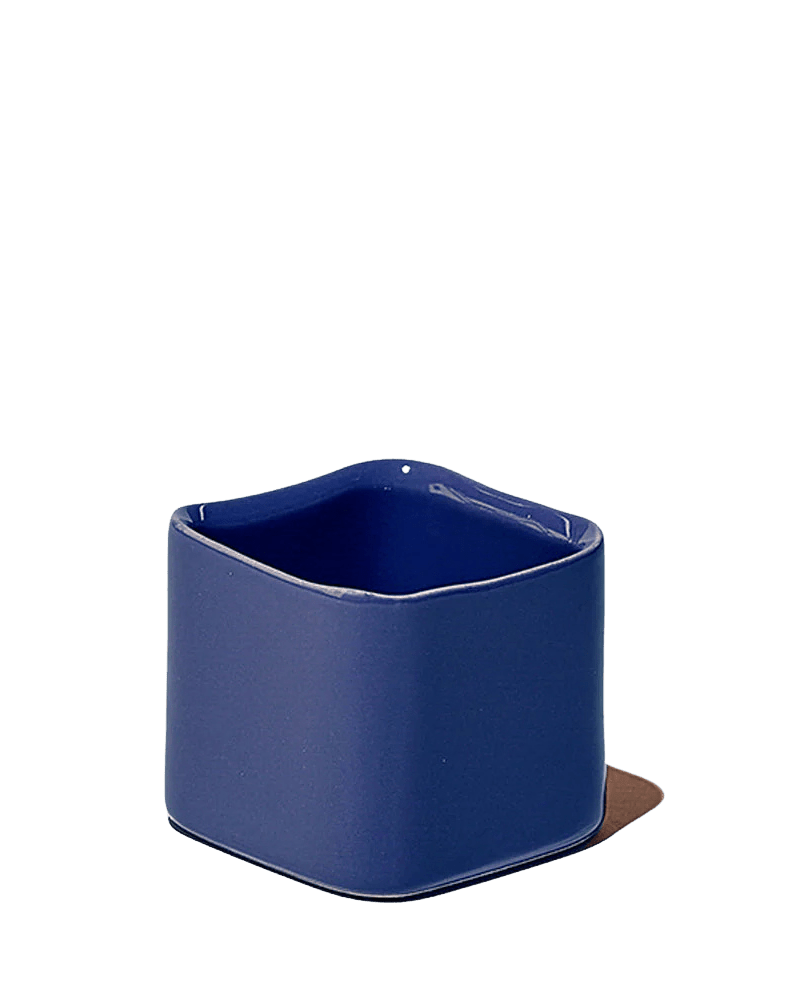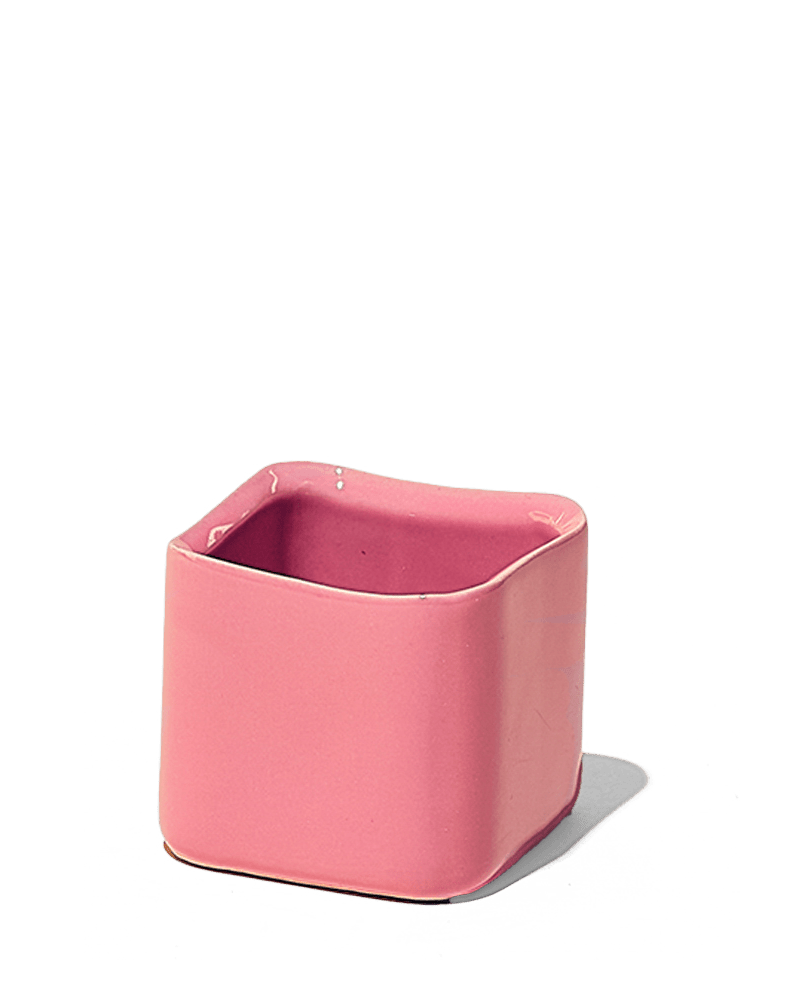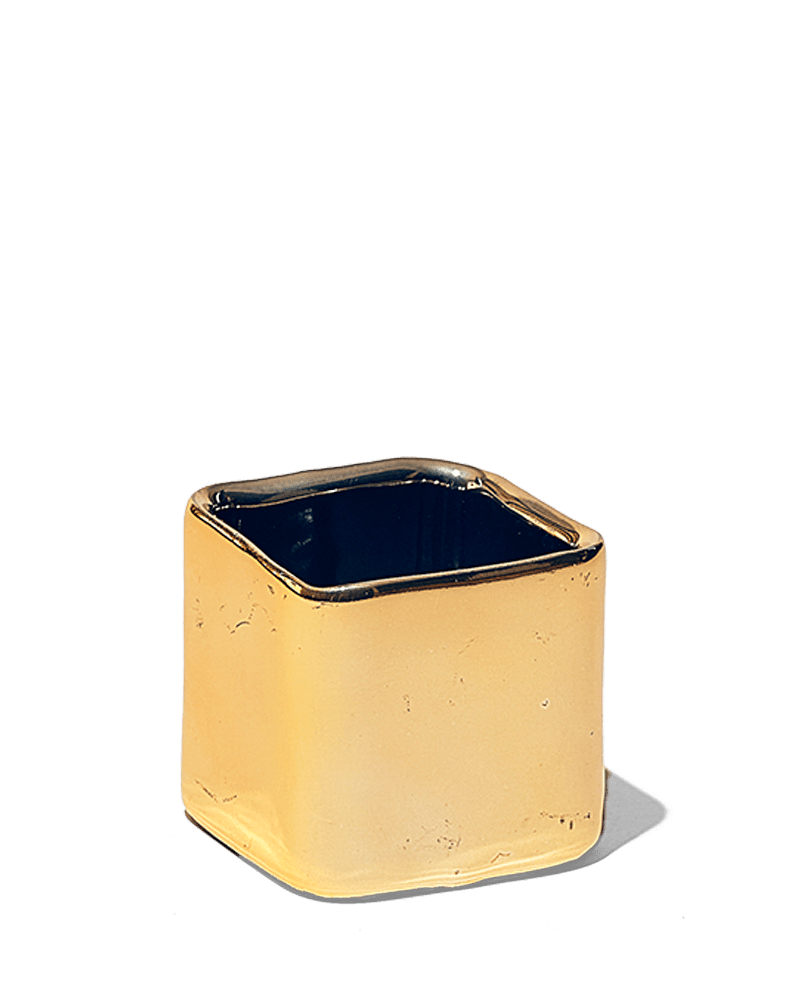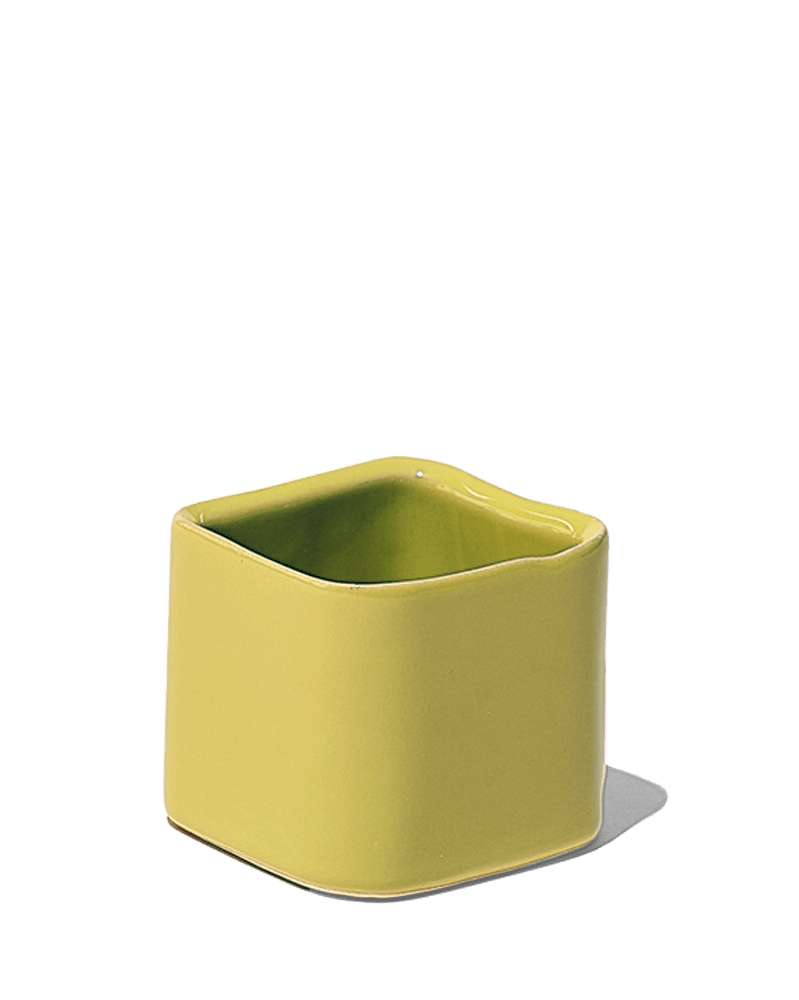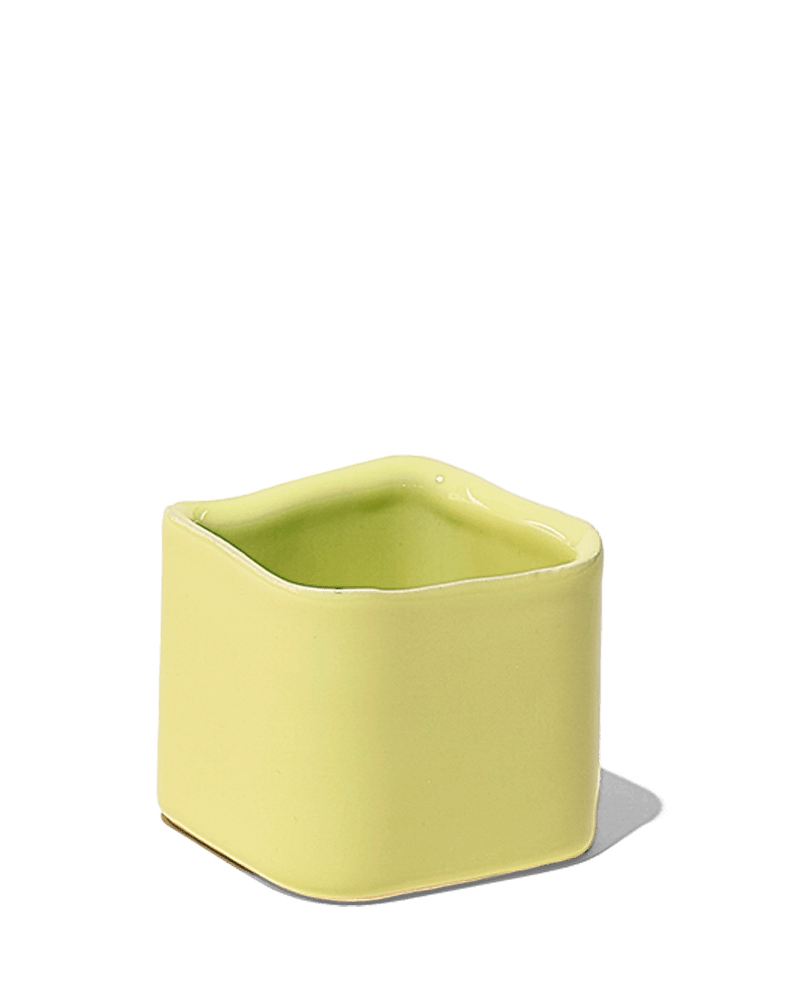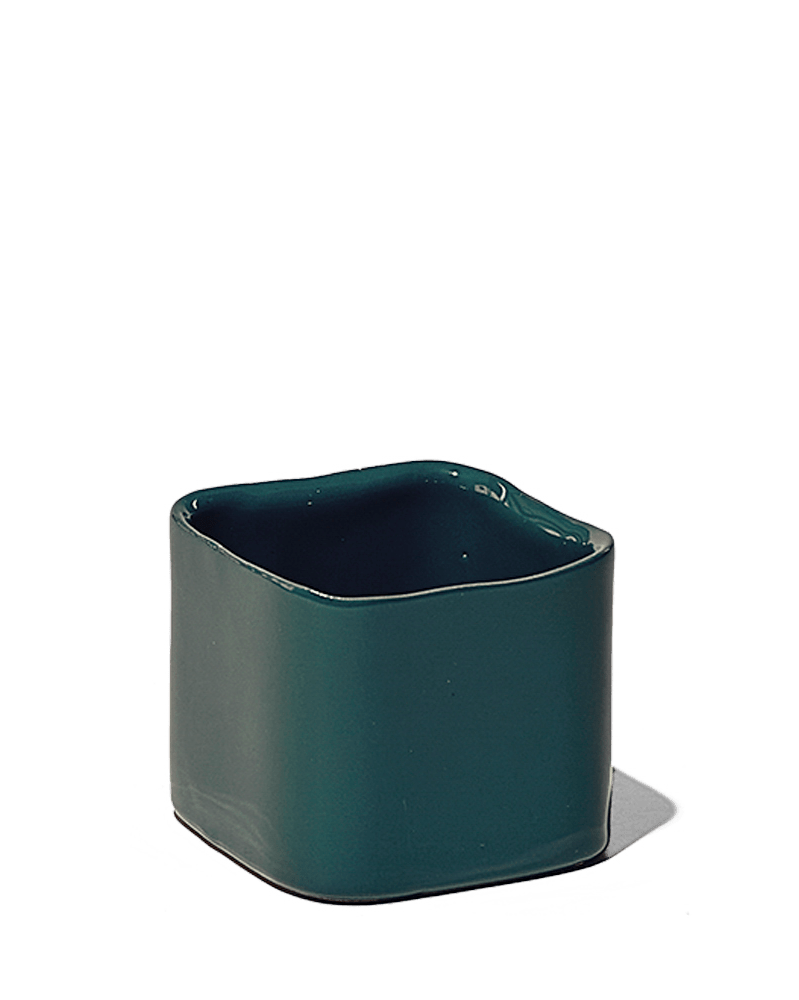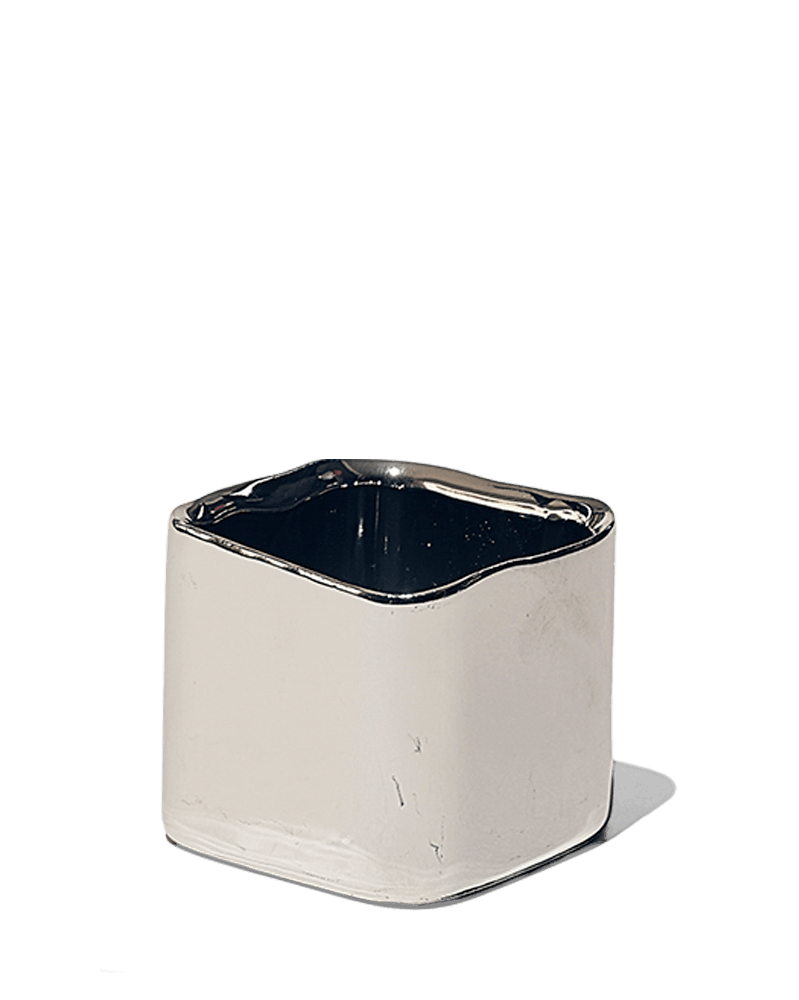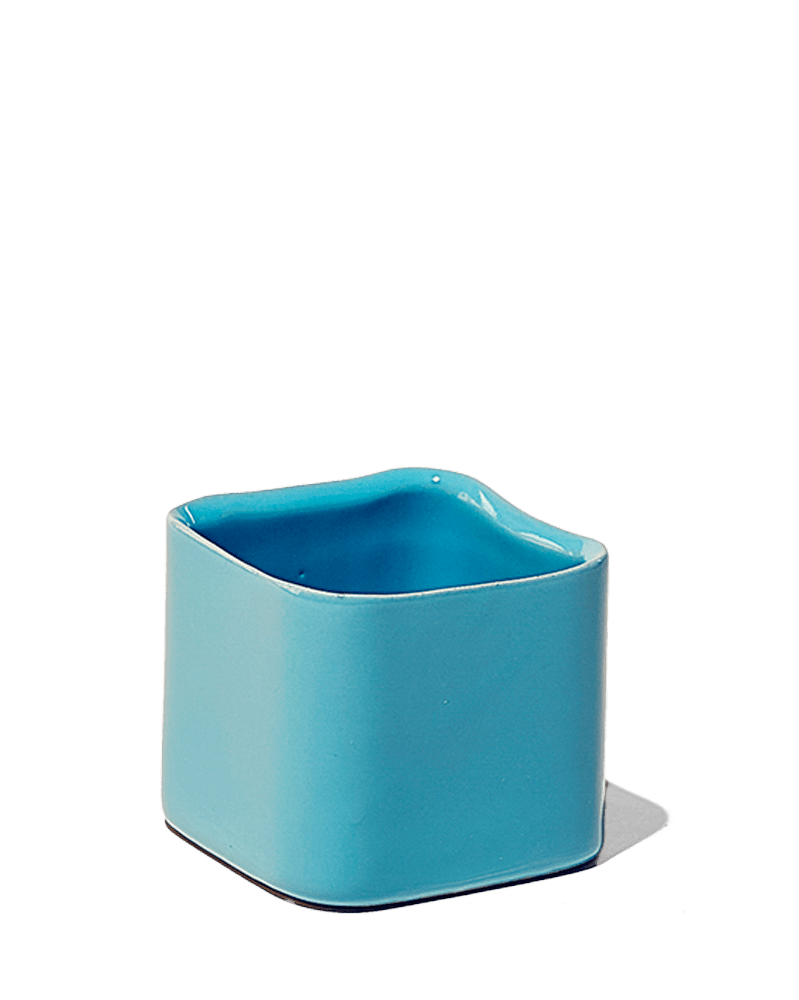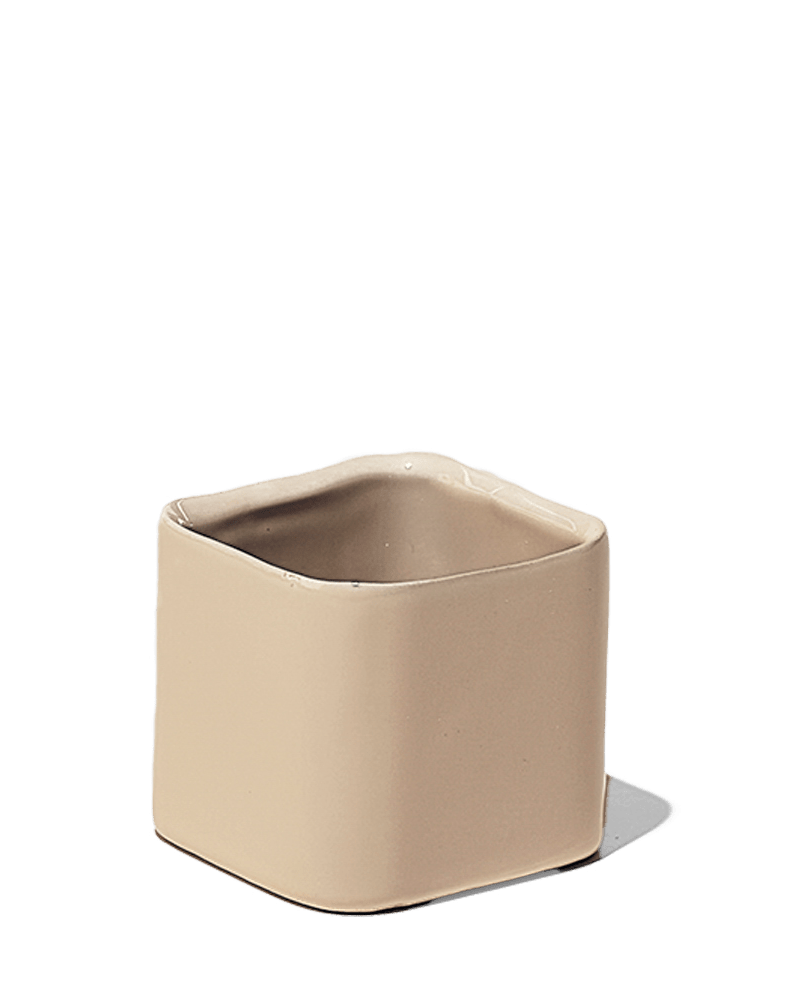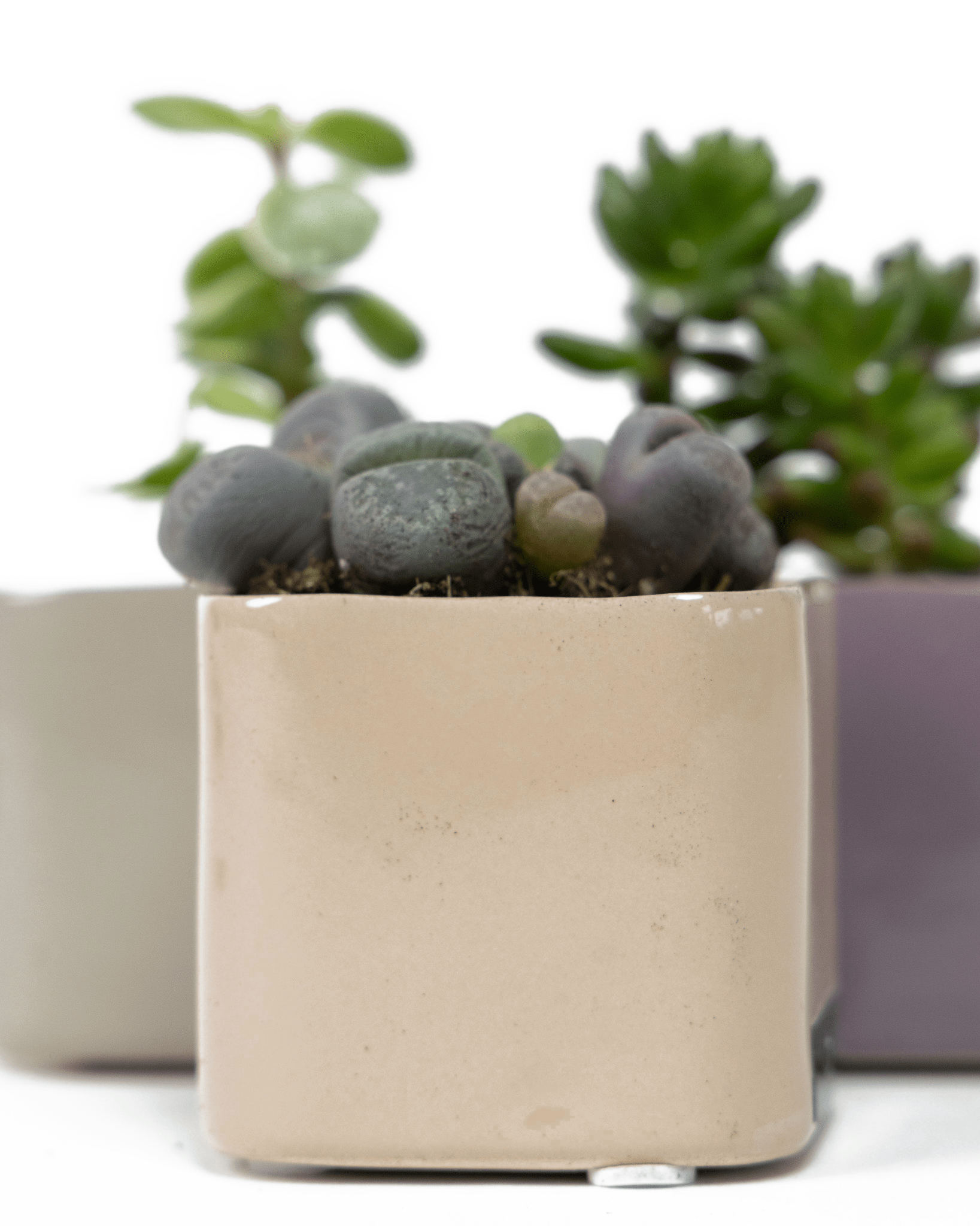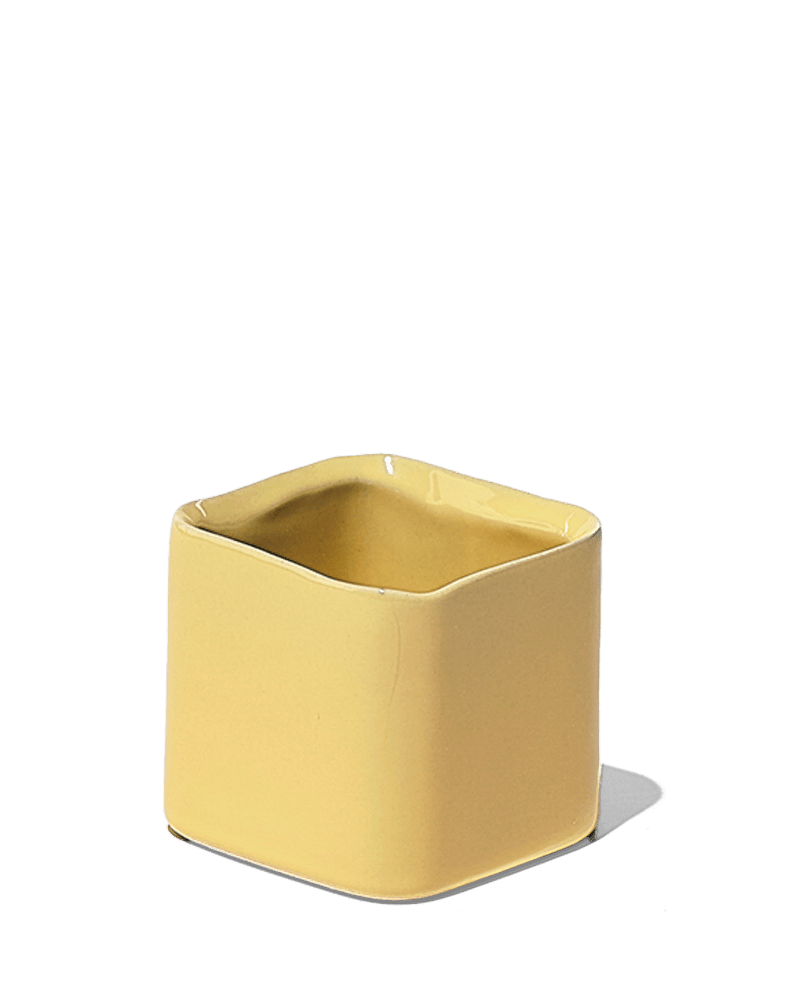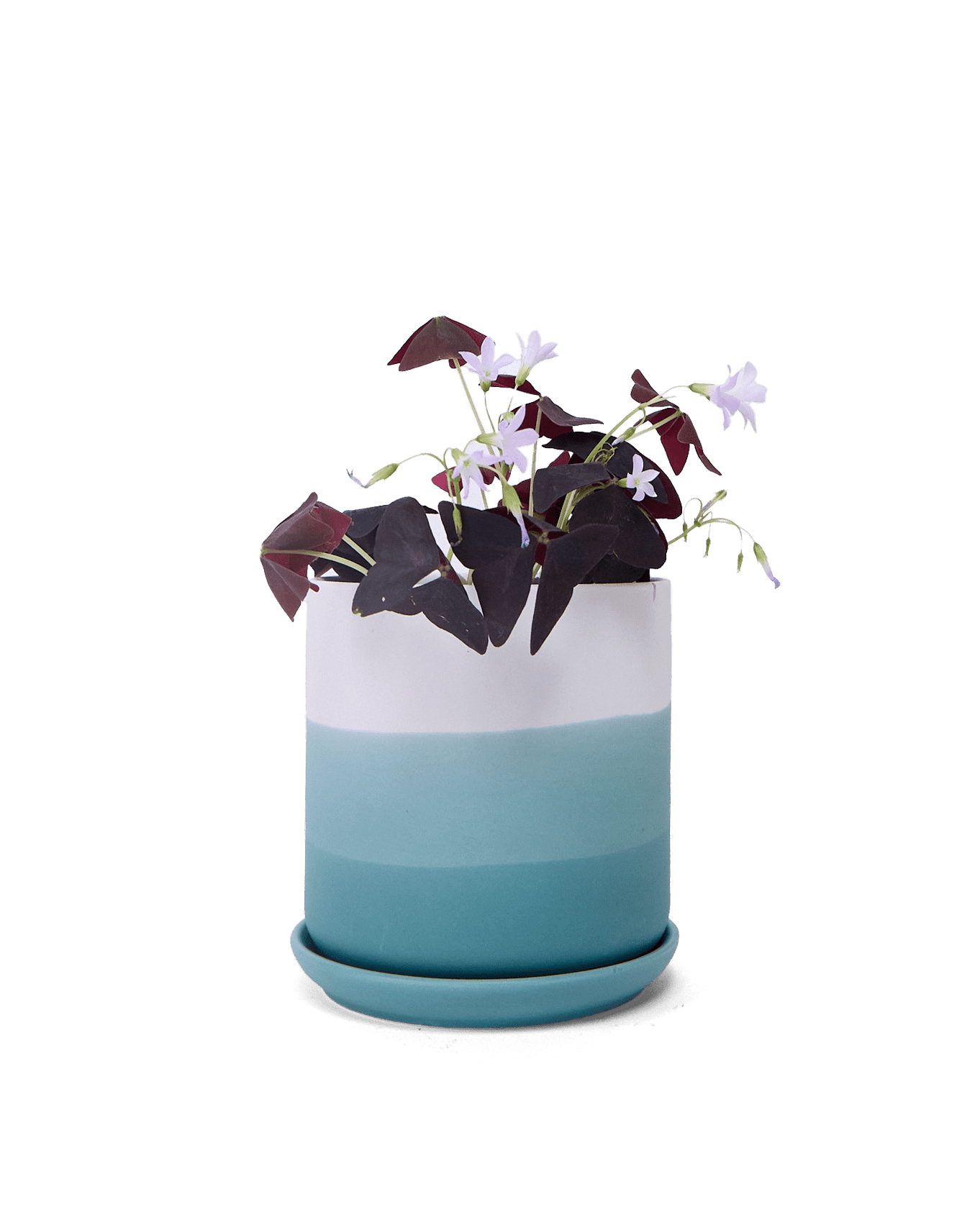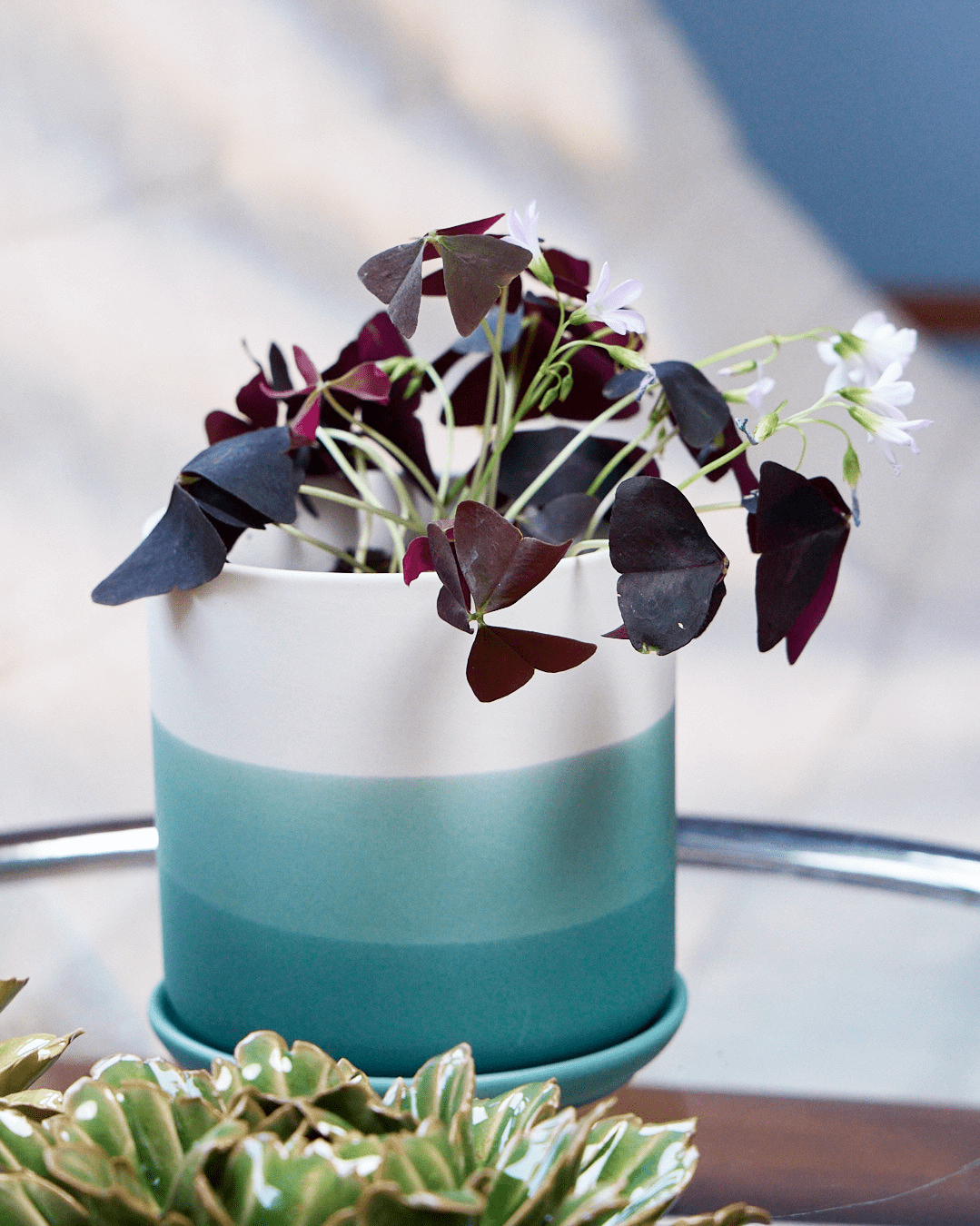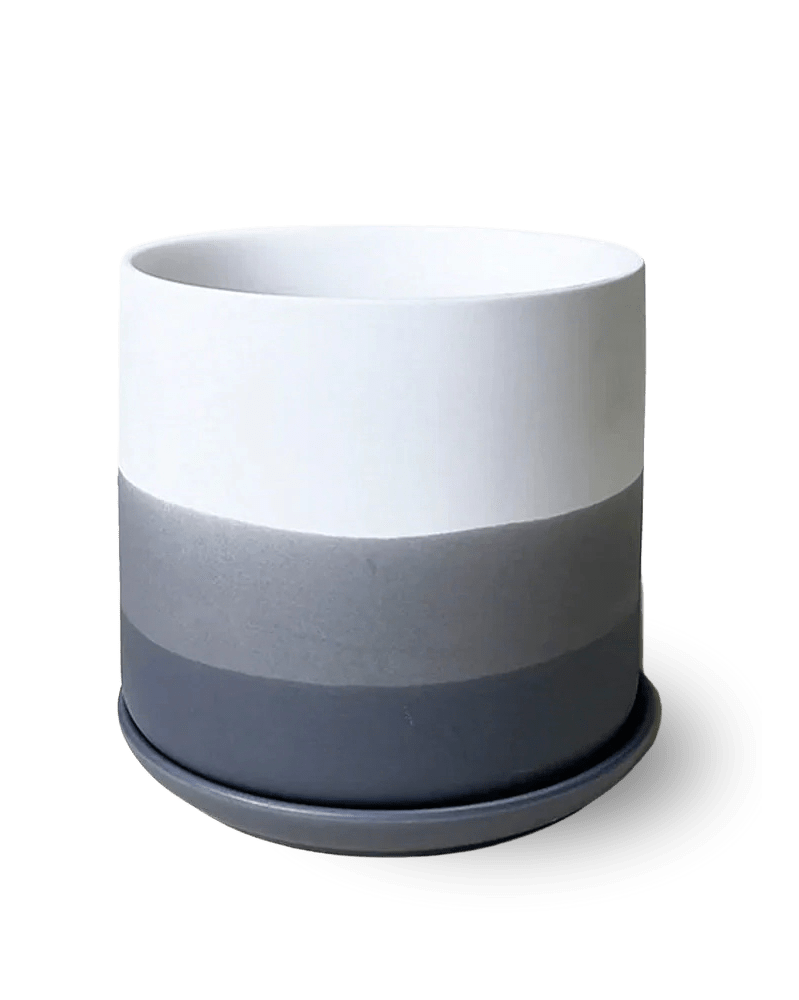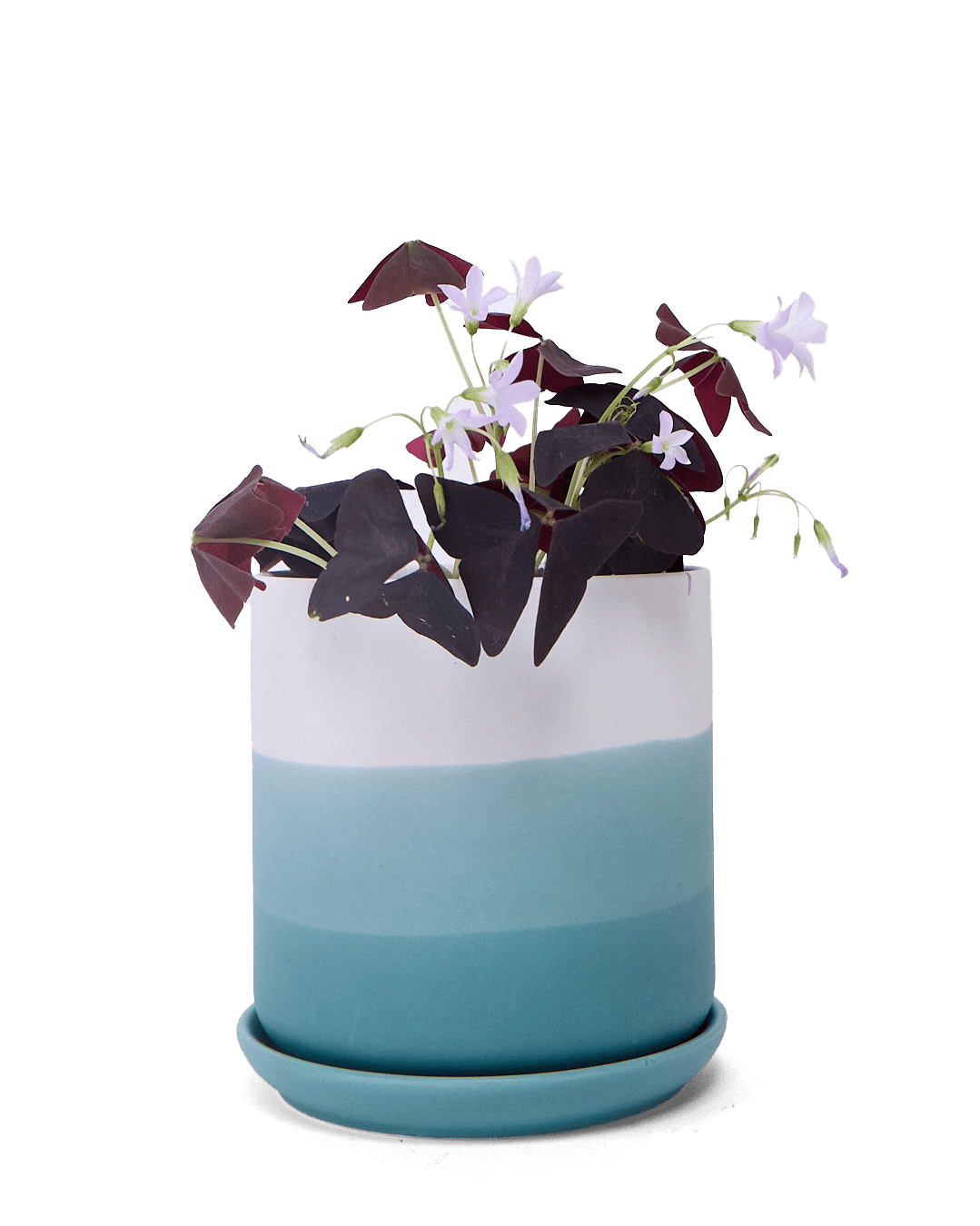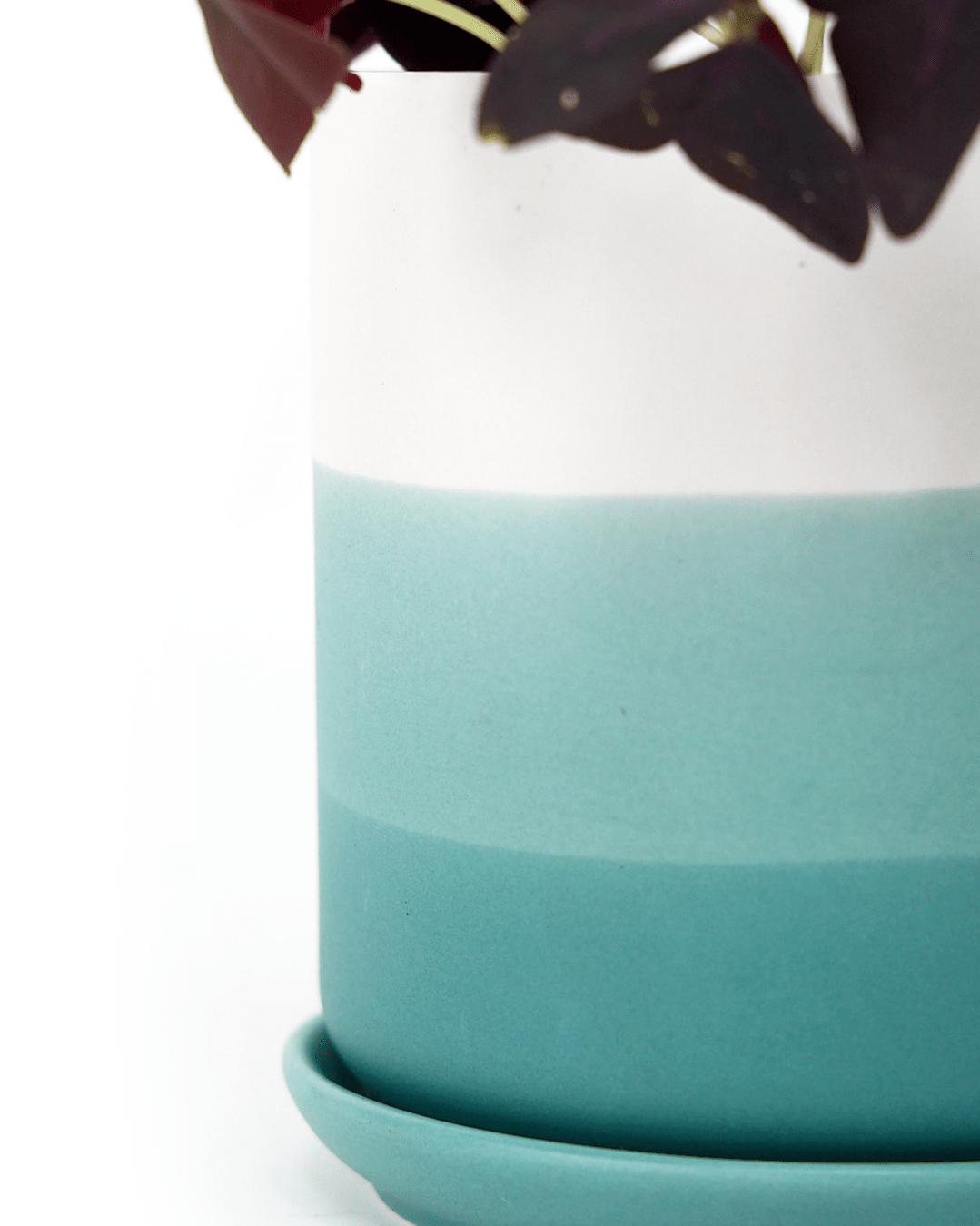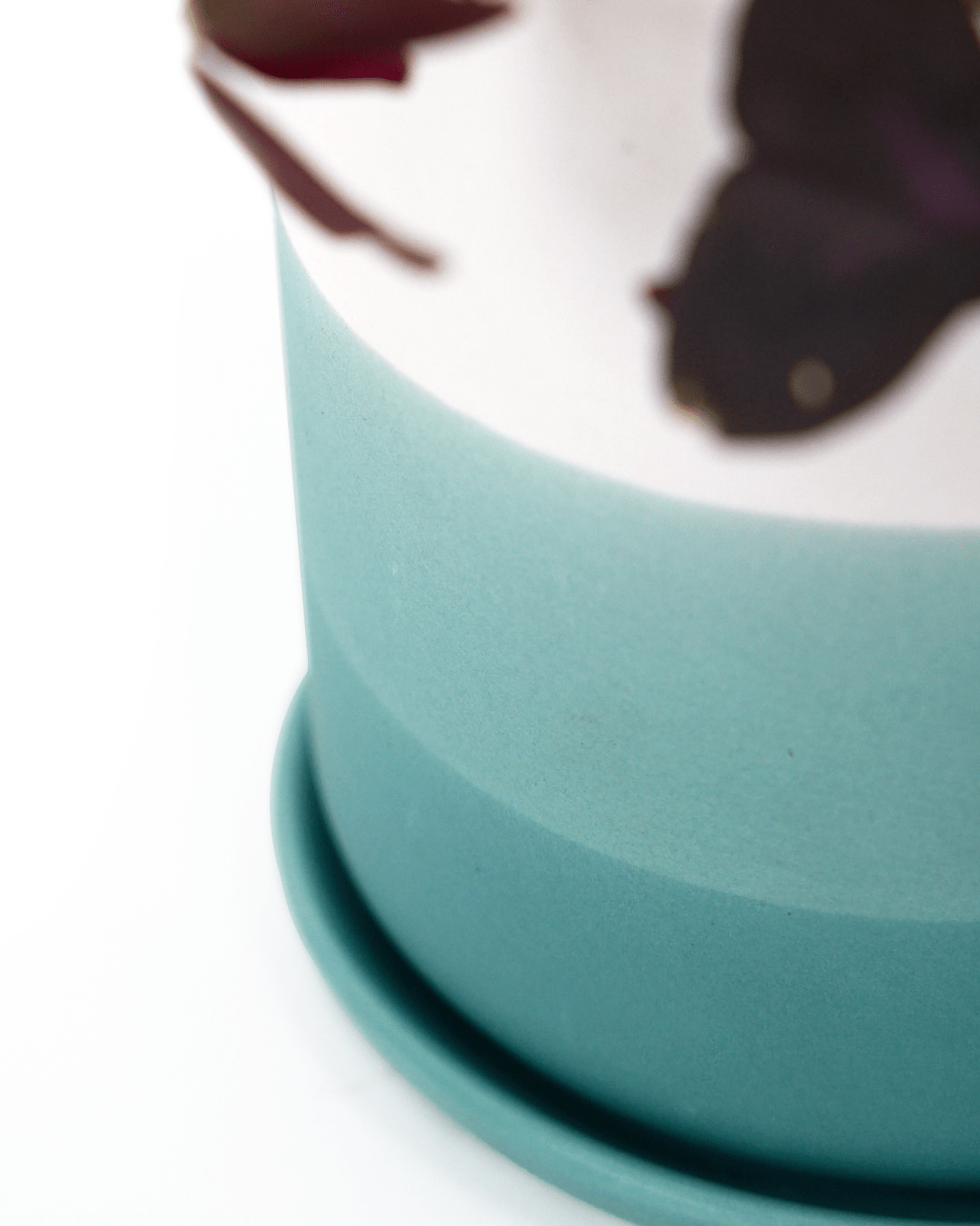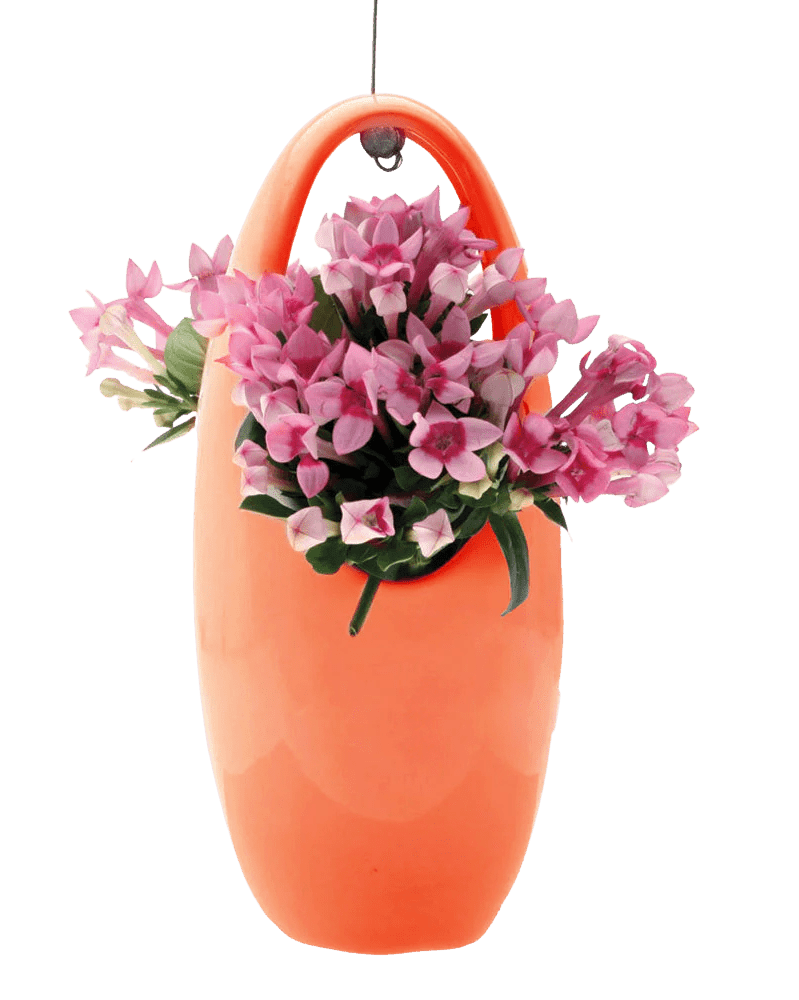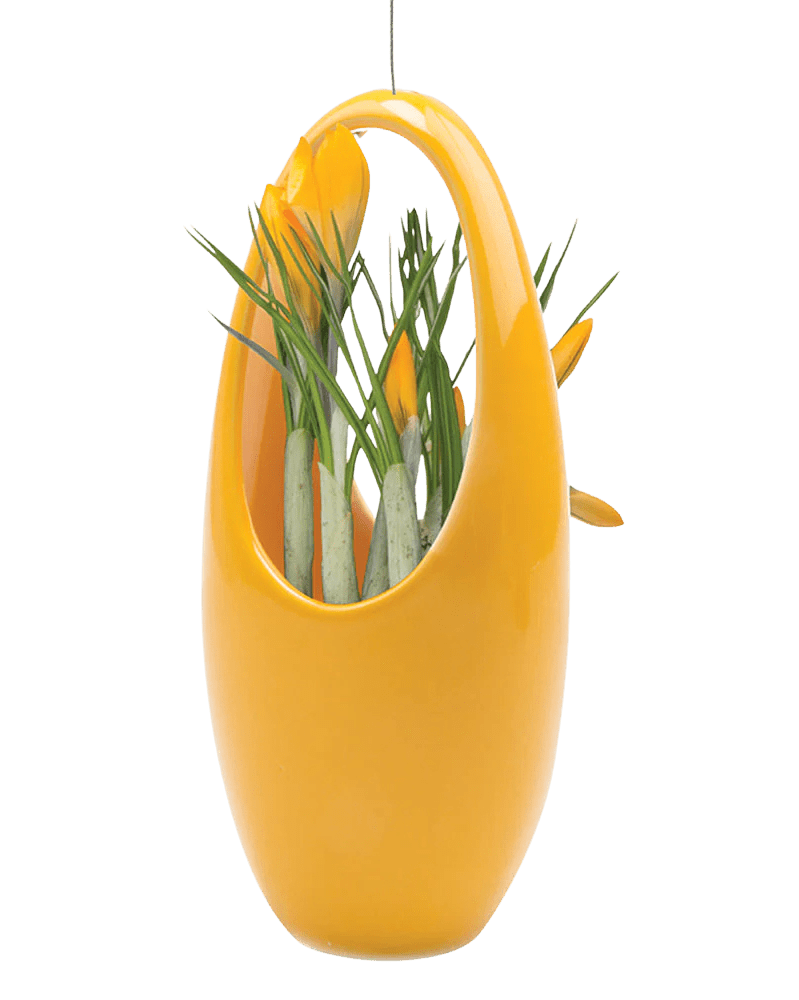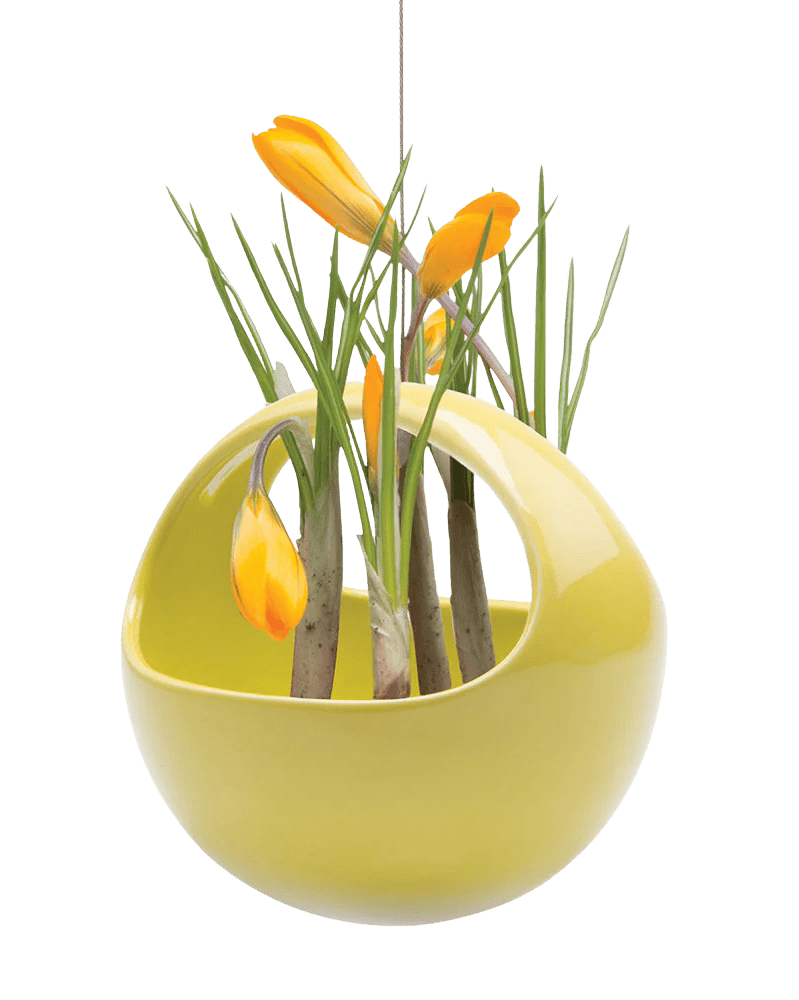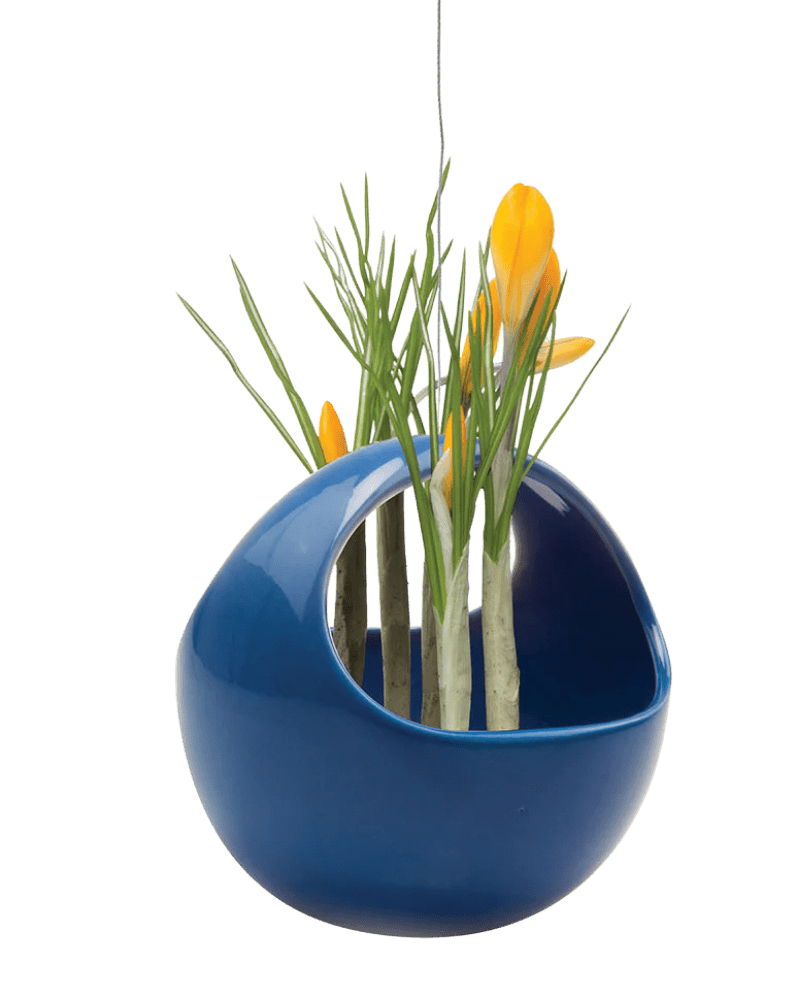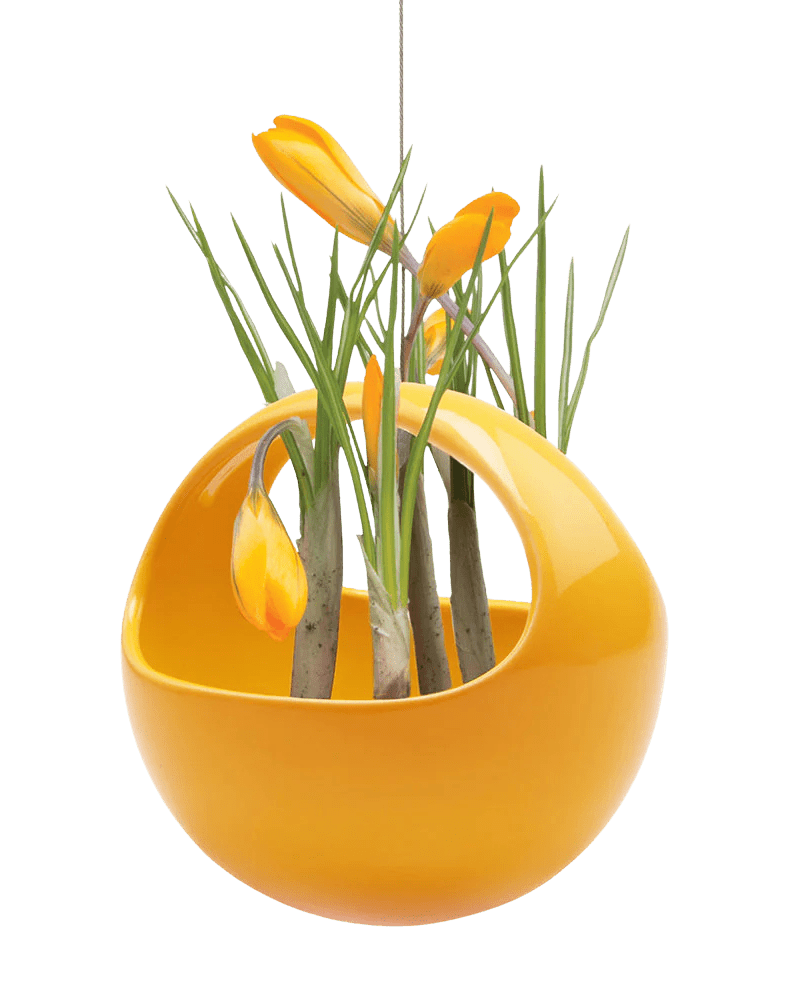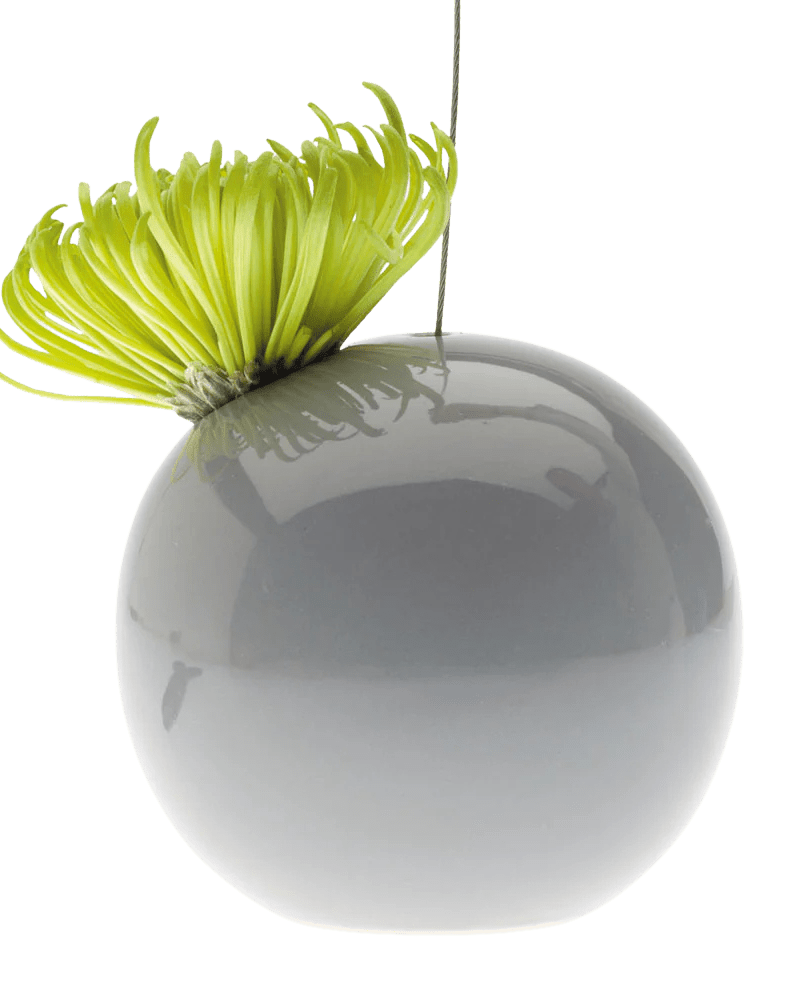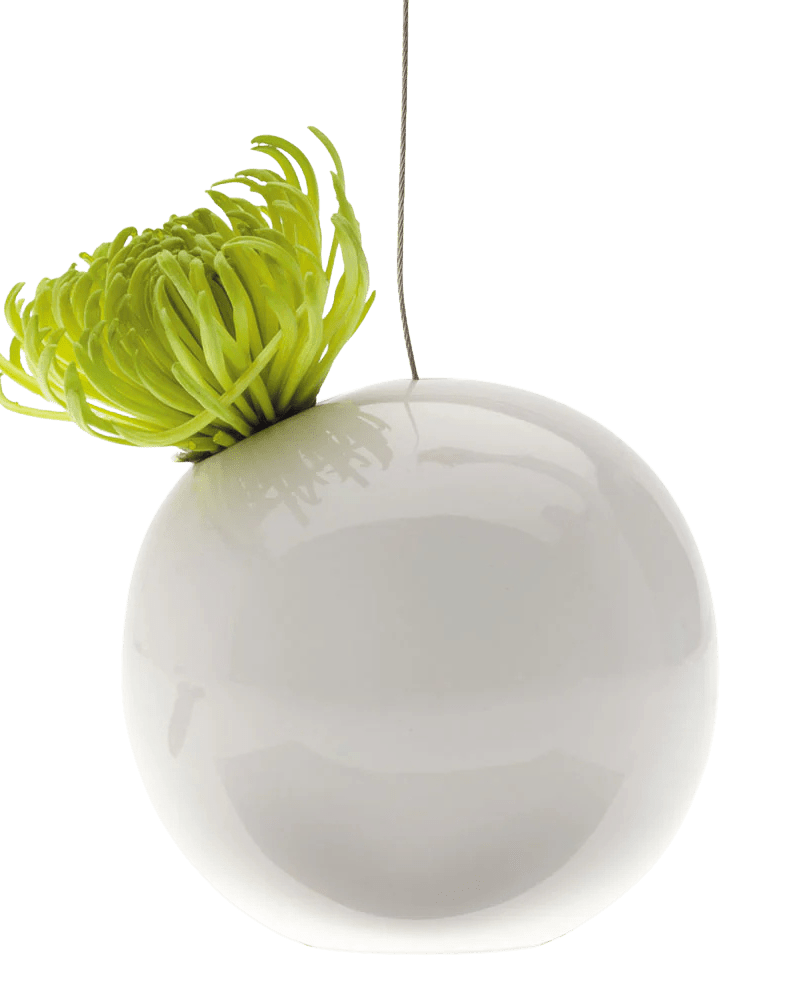
Ceramic plant pots with drainage — handmade by Chive Studio Toronto since 1999
Chive Studio · Toronto · Since 1999

Ceramic Pots for Plants: What 25 Years Taught Us

The honest answer is yes — with one condition. Drainage first. Everything else follows. We have been making ceramic plant pots in Toronto since 1999, and the Getty Museum has been buying them for over a decade.

Ceramic pots for plants — a category that has been quietly winning arguments against plastic for twenty-five years and considers this sufficient. We have been designing and making them in Toronto since 1999. The Getty Museum has been buying them for over a decade. The New York Botanical Garden. The Art Institute of Chicago. We will let you decide which framing is more accurate.

The honest answer to whether ceramic pots are good for plants is yes, with one condition: the pot needs a drainage hole. A ceramic pot without drainage is a slow-motion drowning device with good aesthetics. Everything else — the weight, the breathability, the longevity, the fact that it will outlast every plastic pot you have ever owned — is secondary to that one requirement. Drainage first. Everything else follows.

Are ceramic pots good for plants? Ceramic pots are good for plants when they have drainage holes. The material holds moisture more evenly than terracotta and outlasts plastic by years. Glazed ceramic suits moisture-loving tropicals. Unglazed terracotta suits succulents and cacti that want to dry completely between waterings.

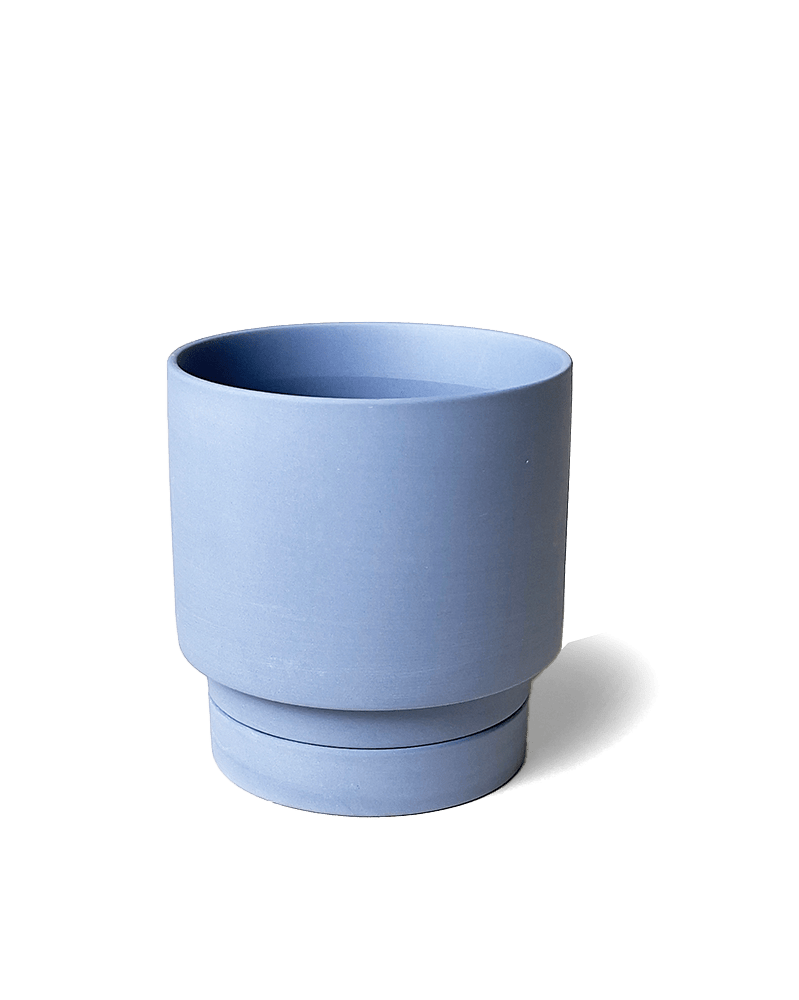
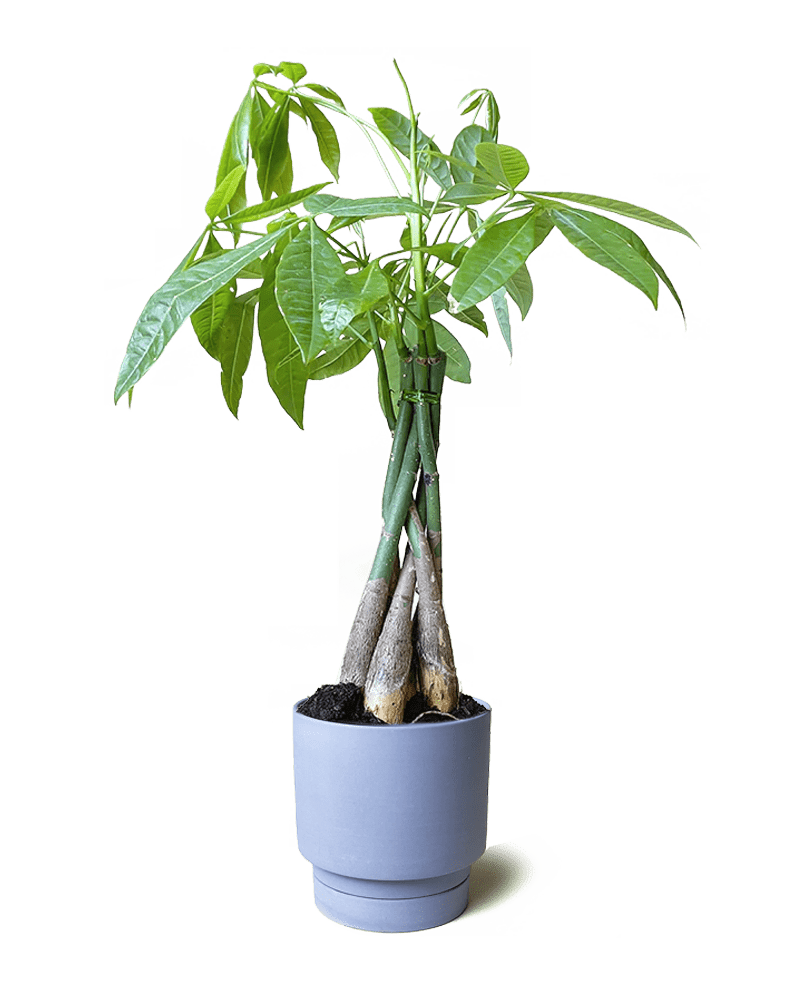
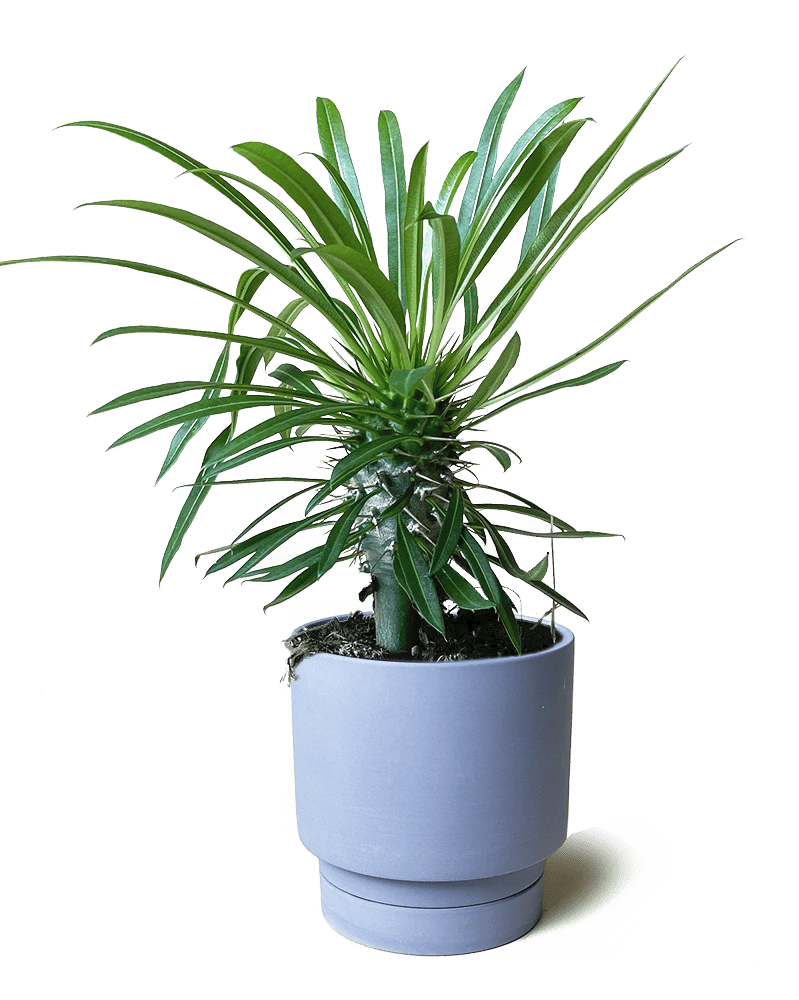
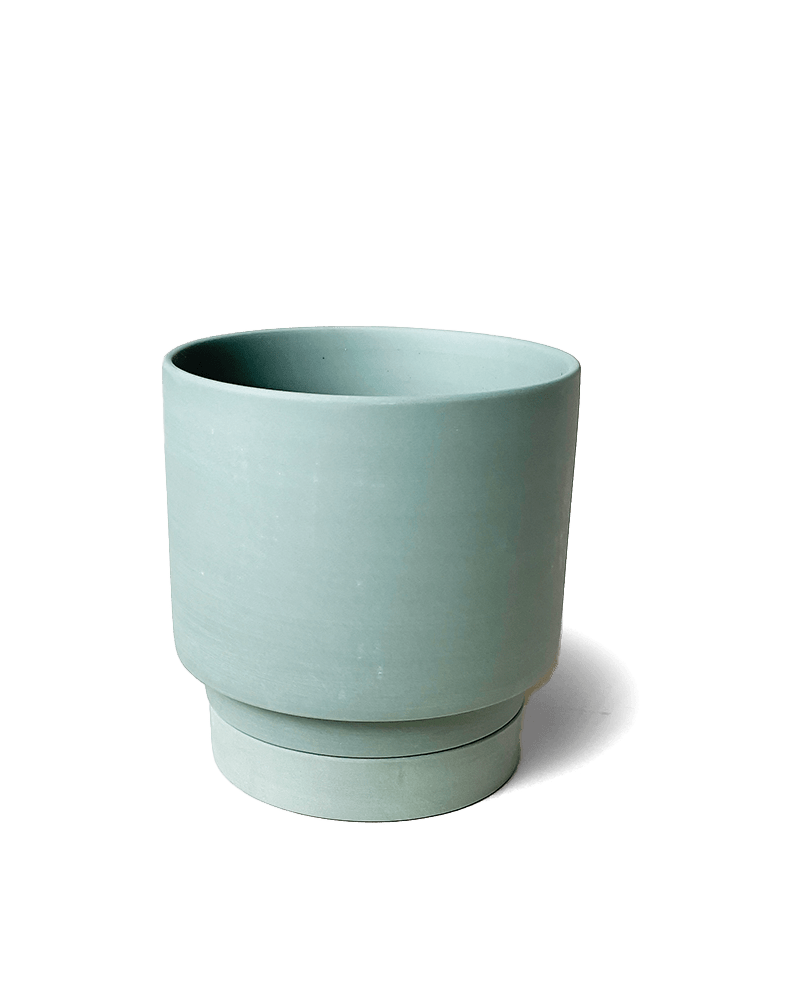
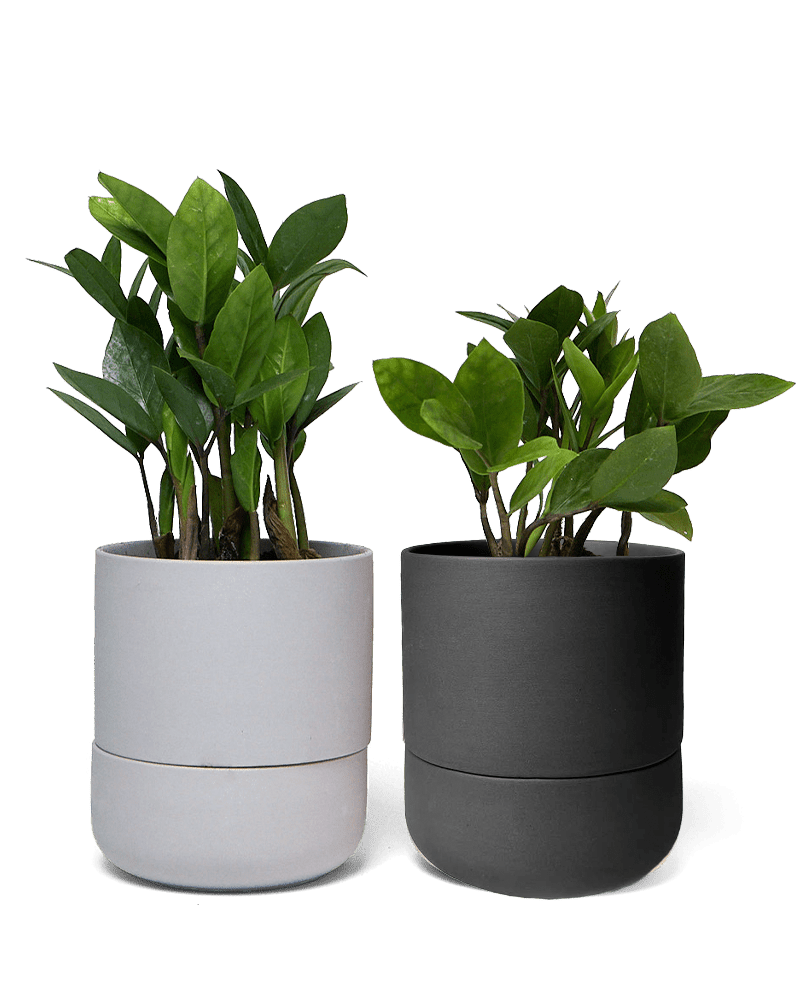
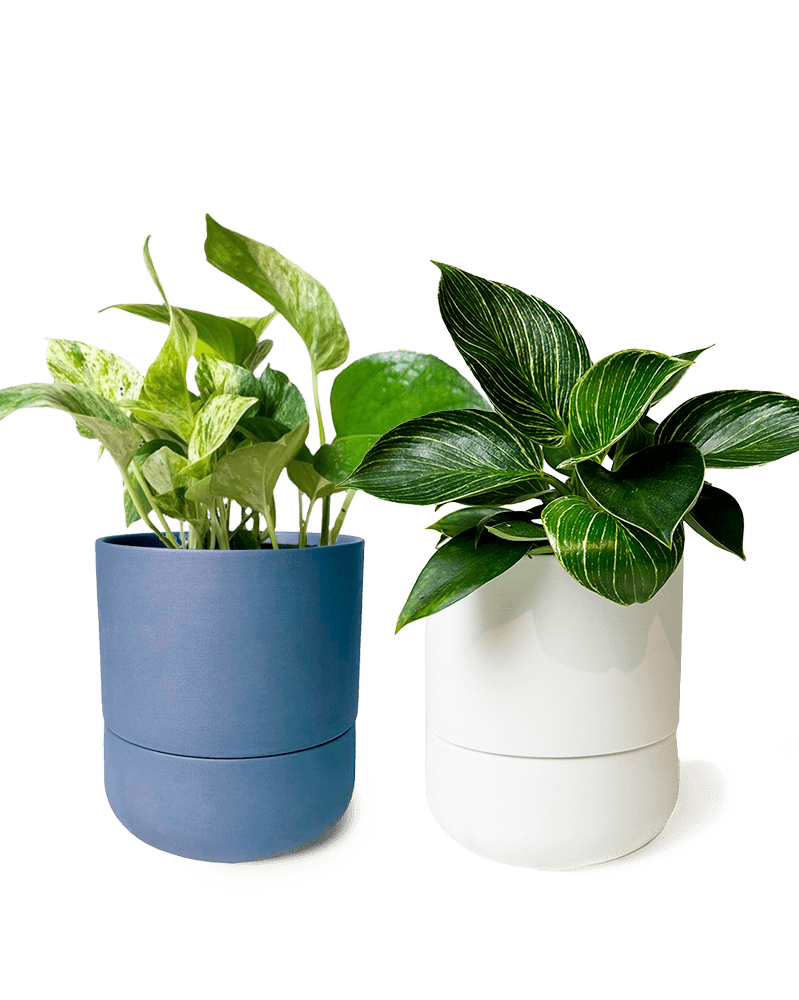
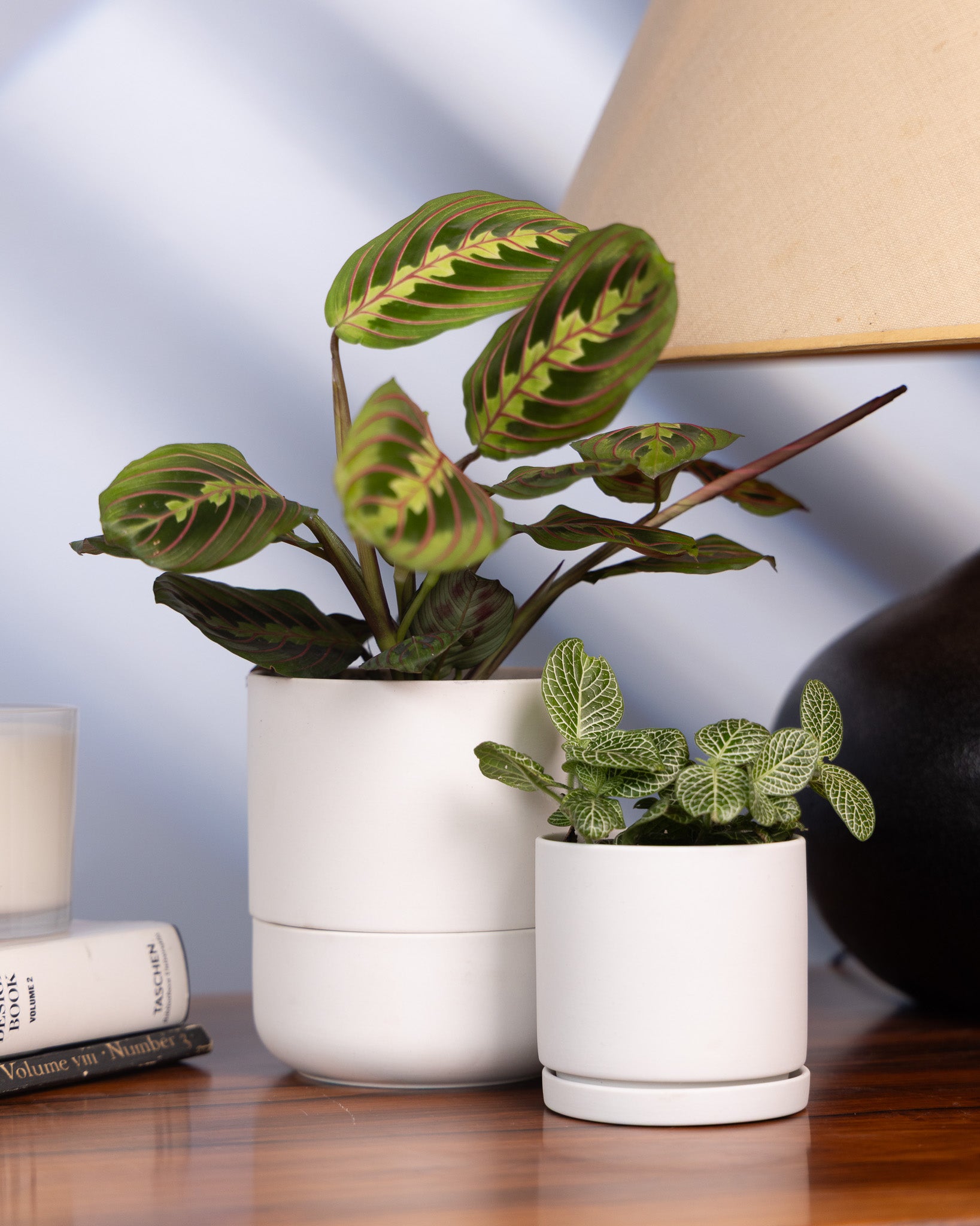
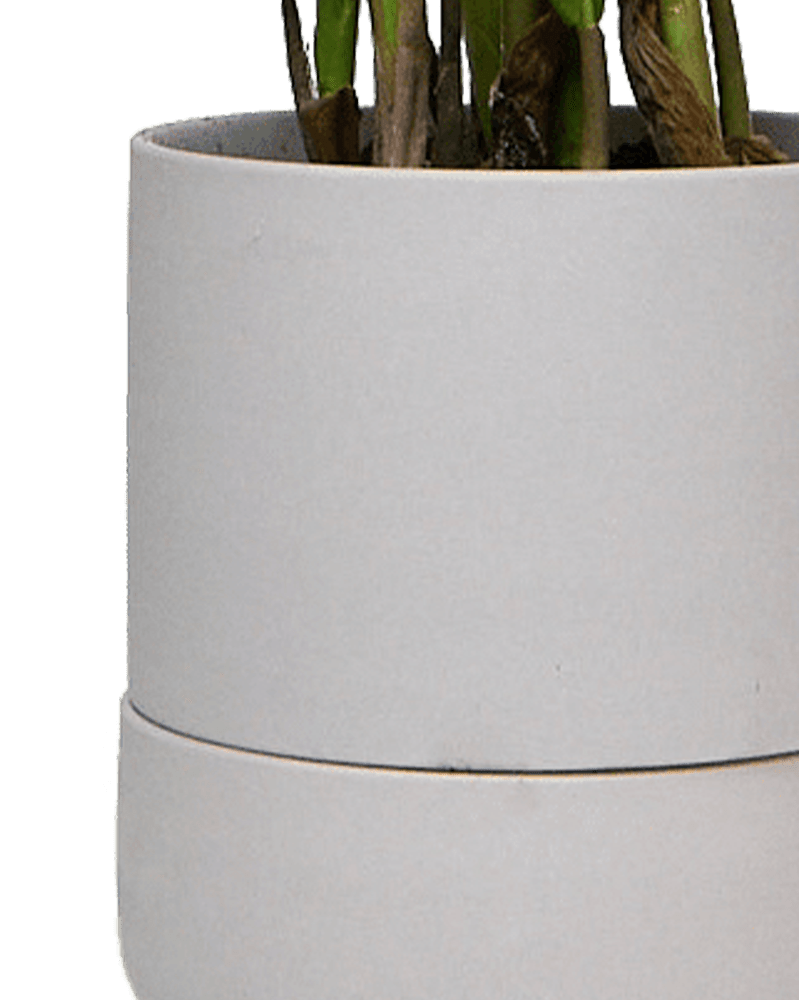
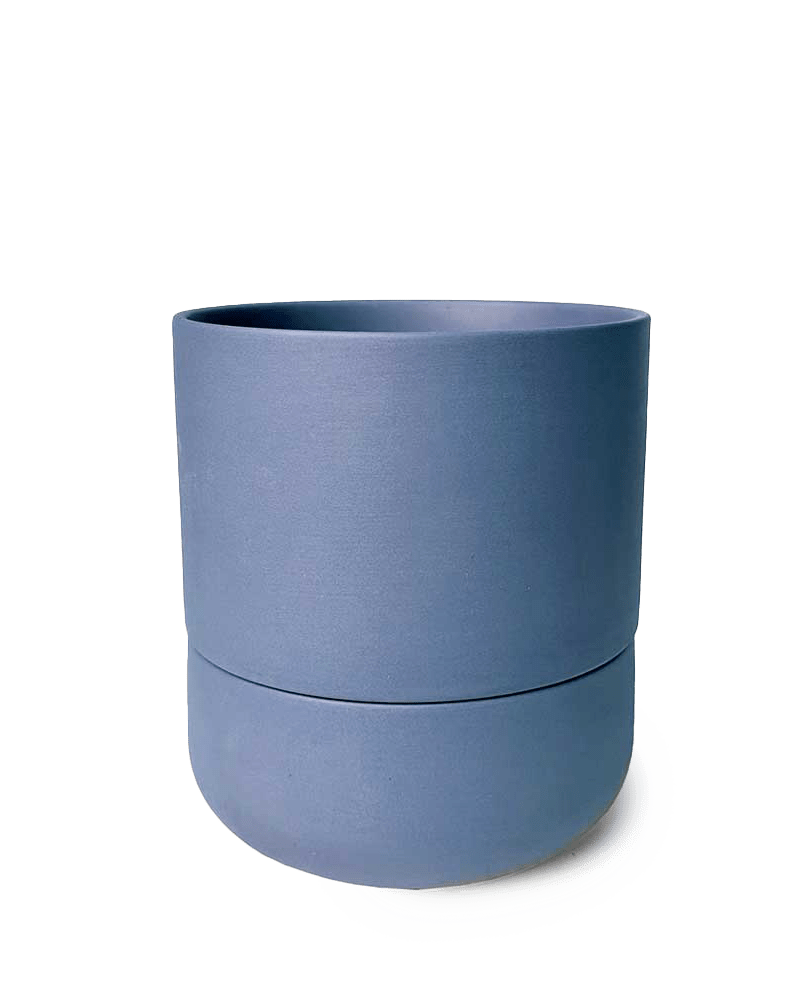
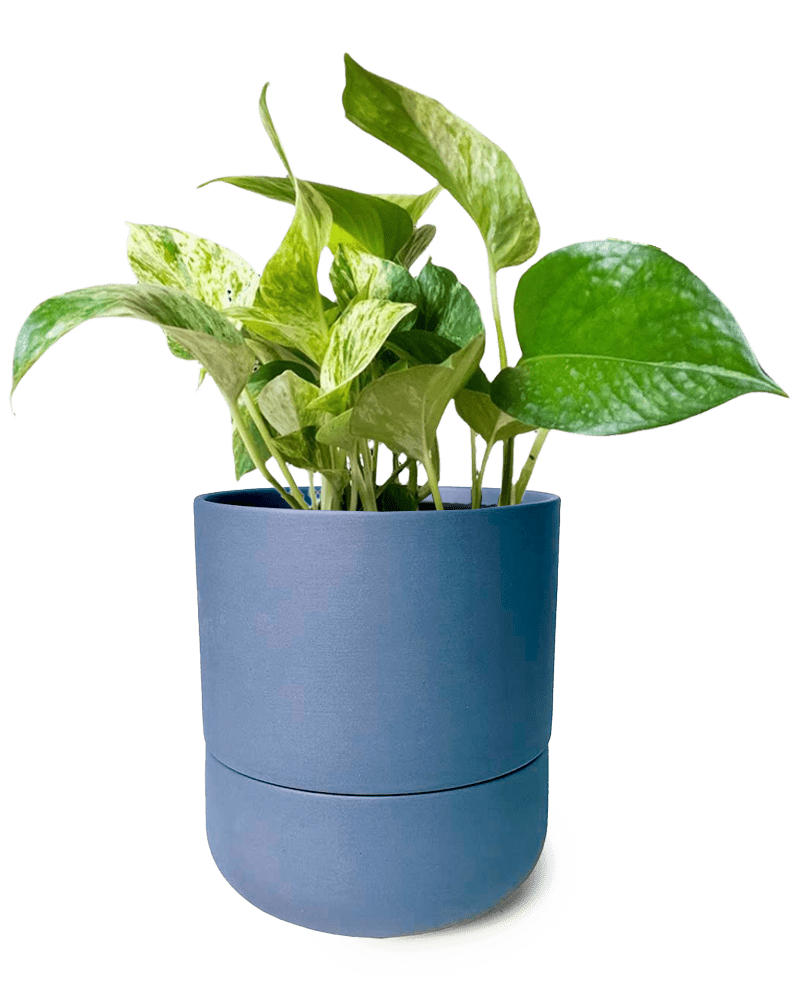
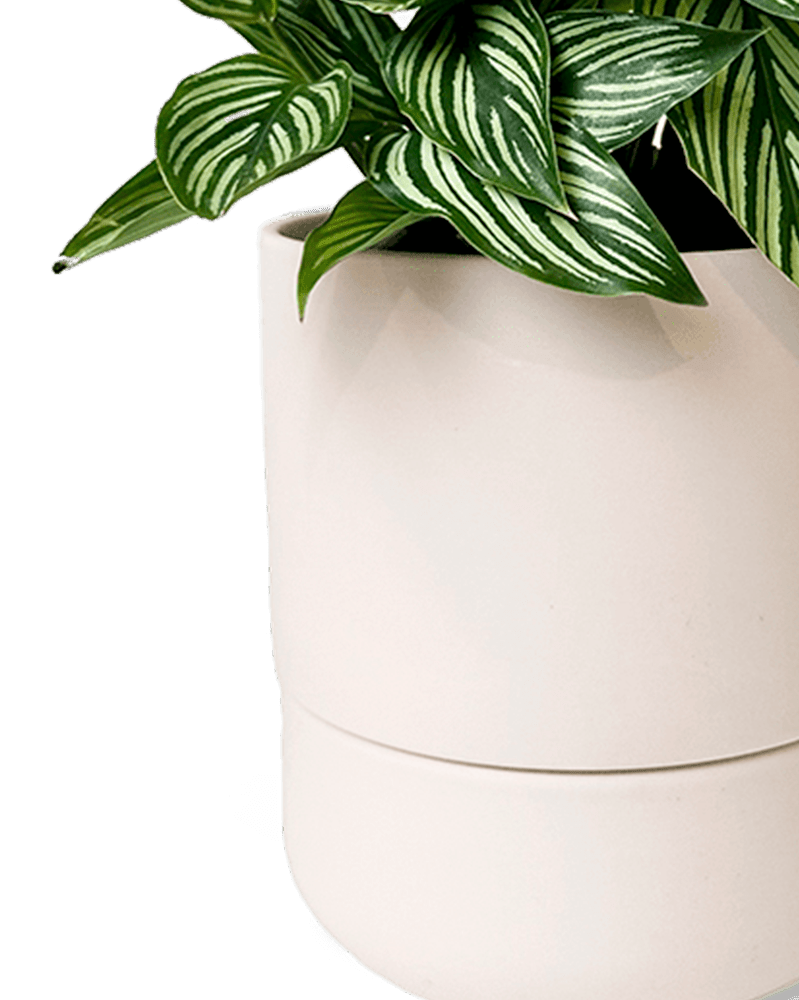
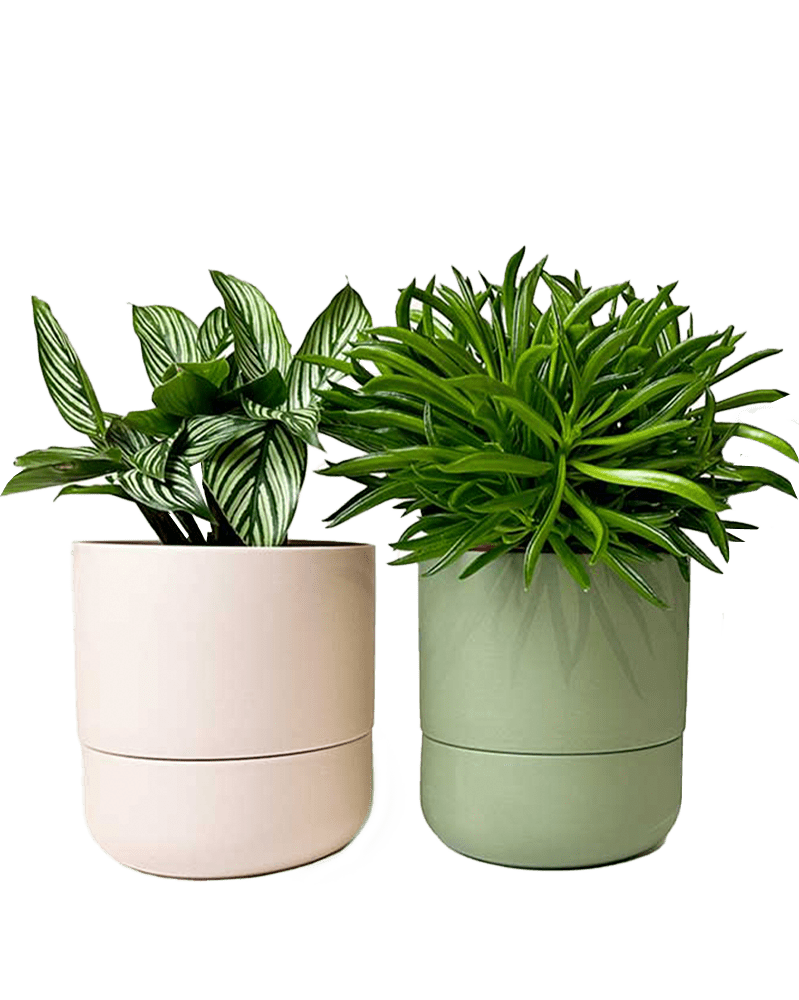
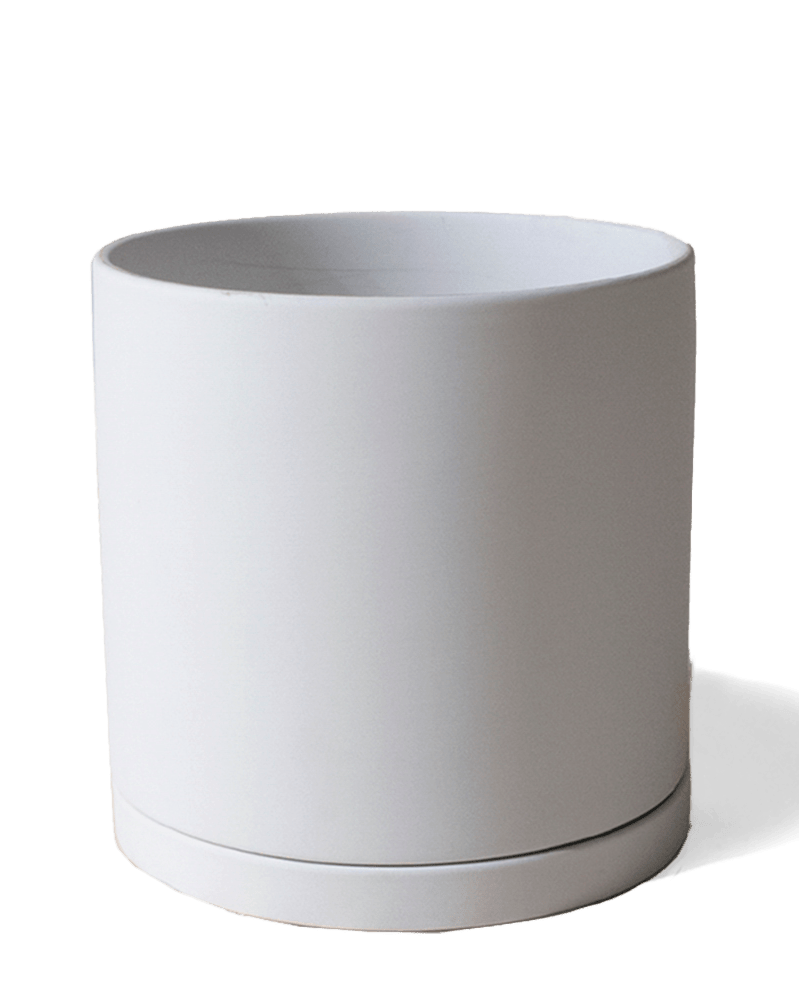
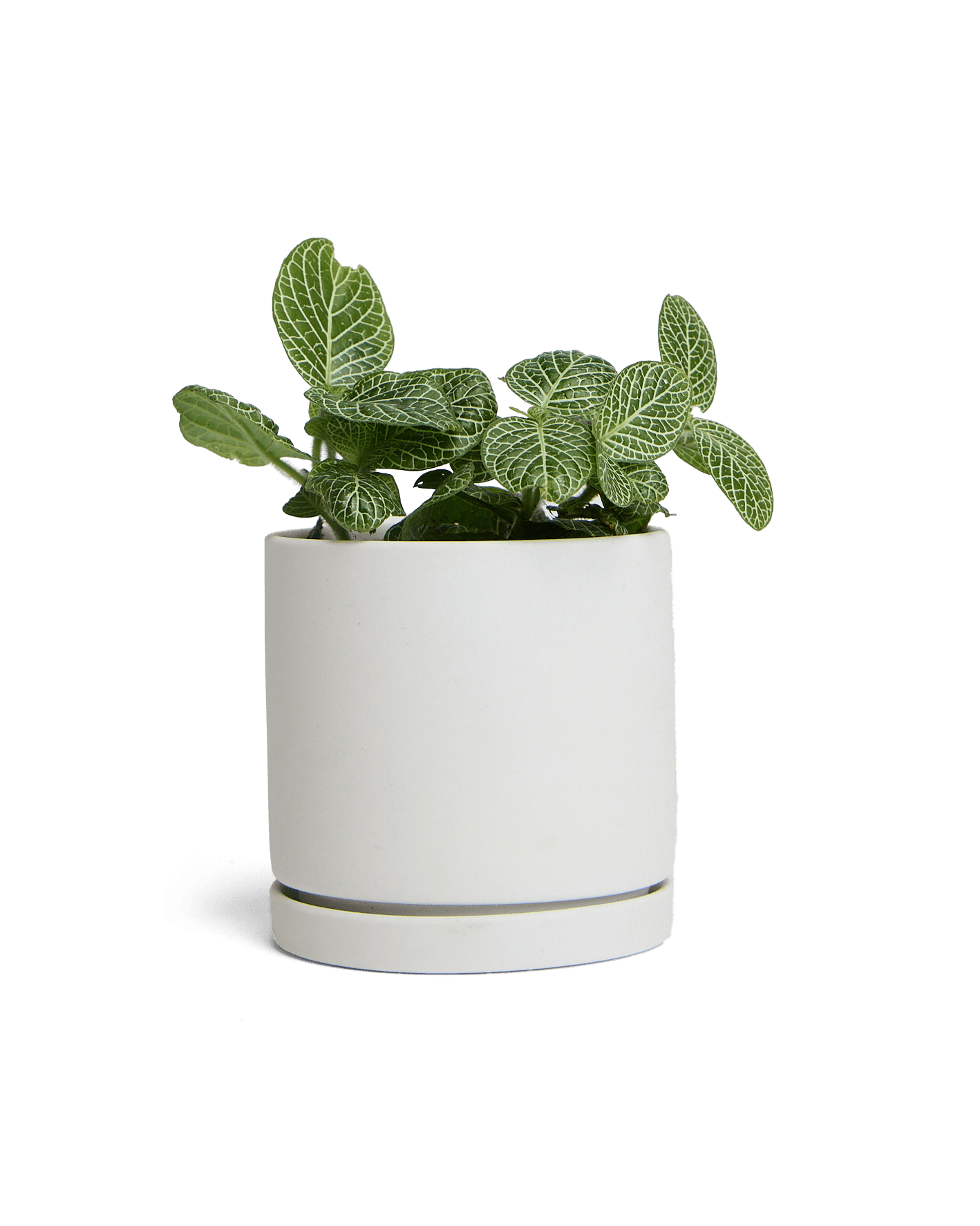
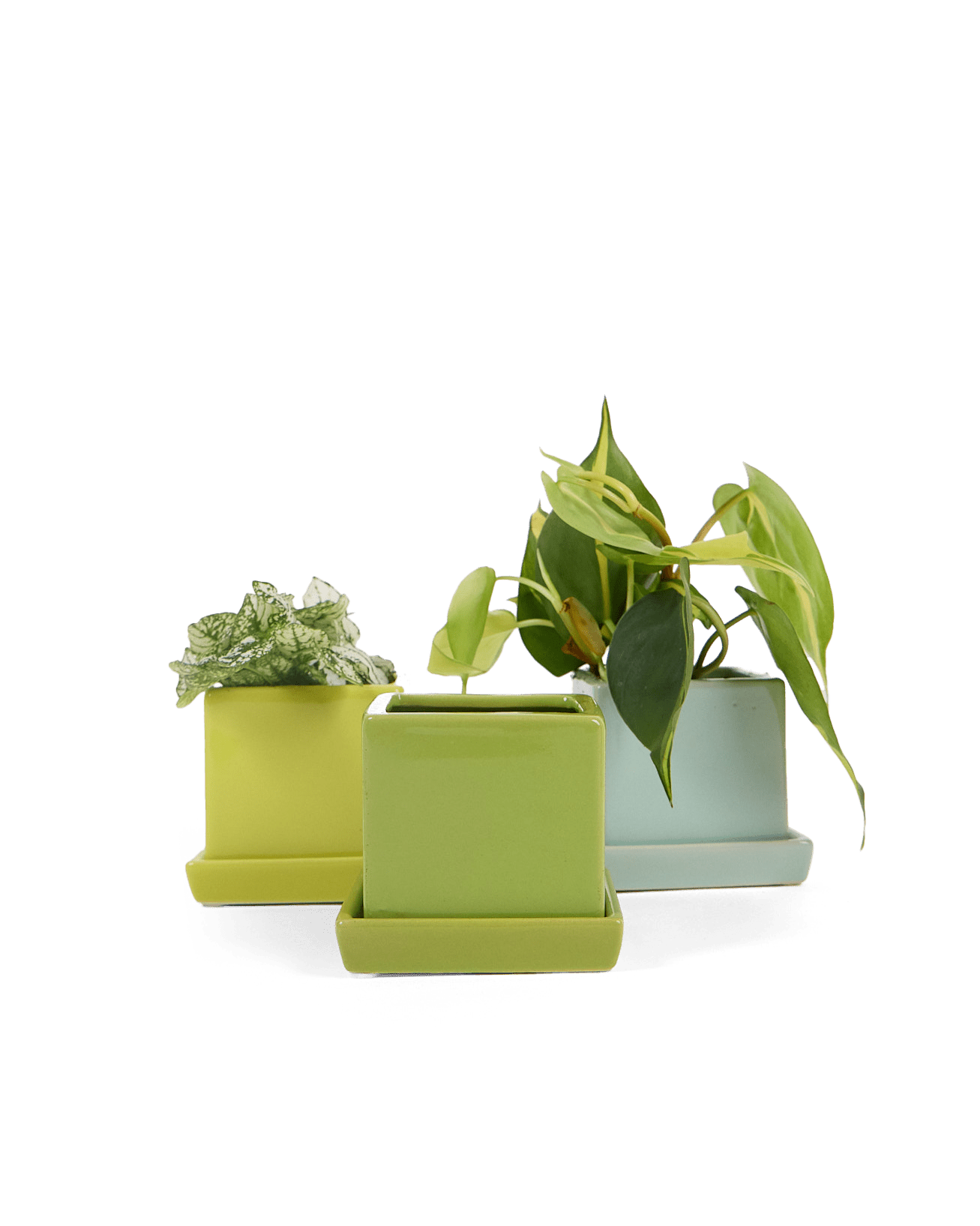
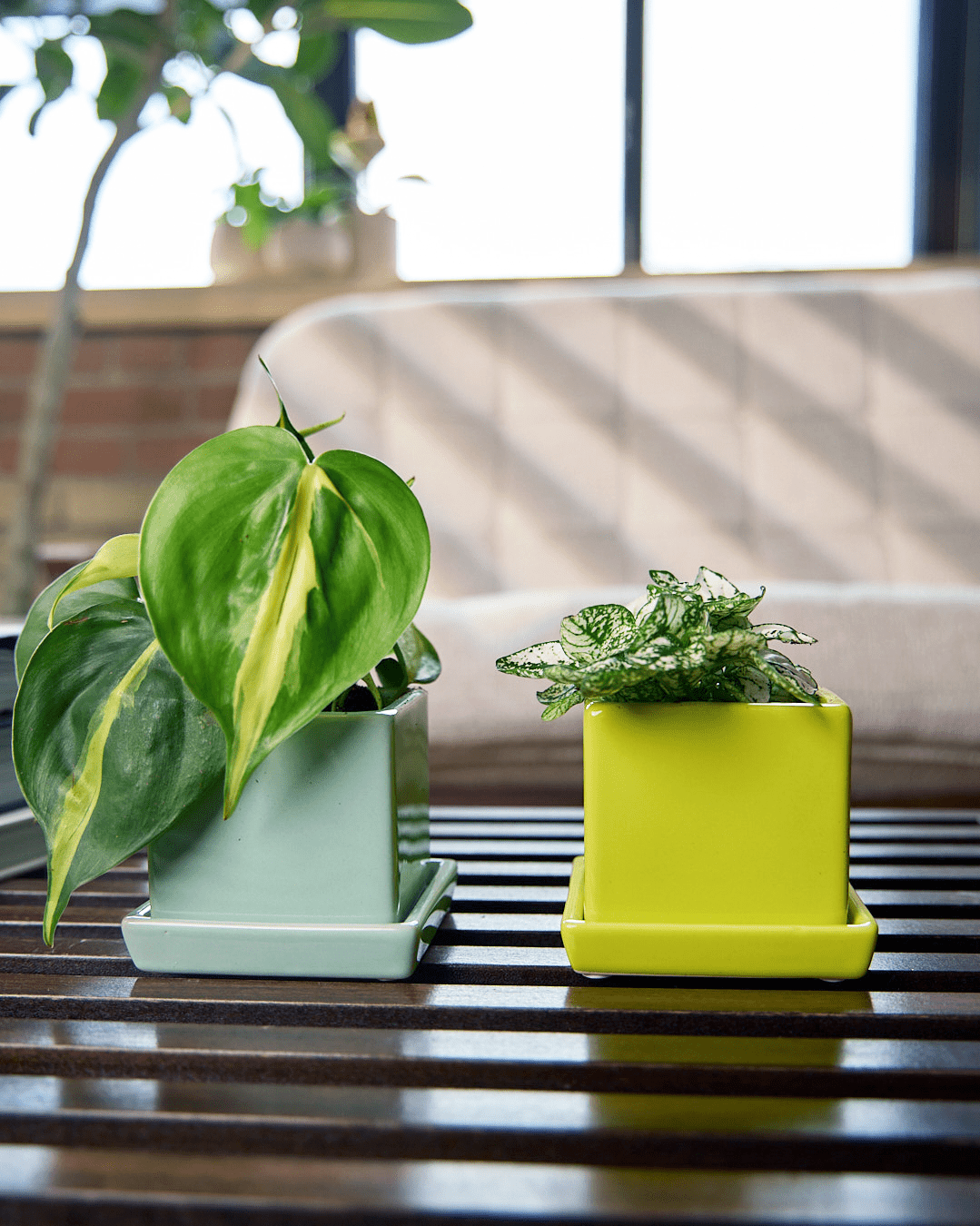
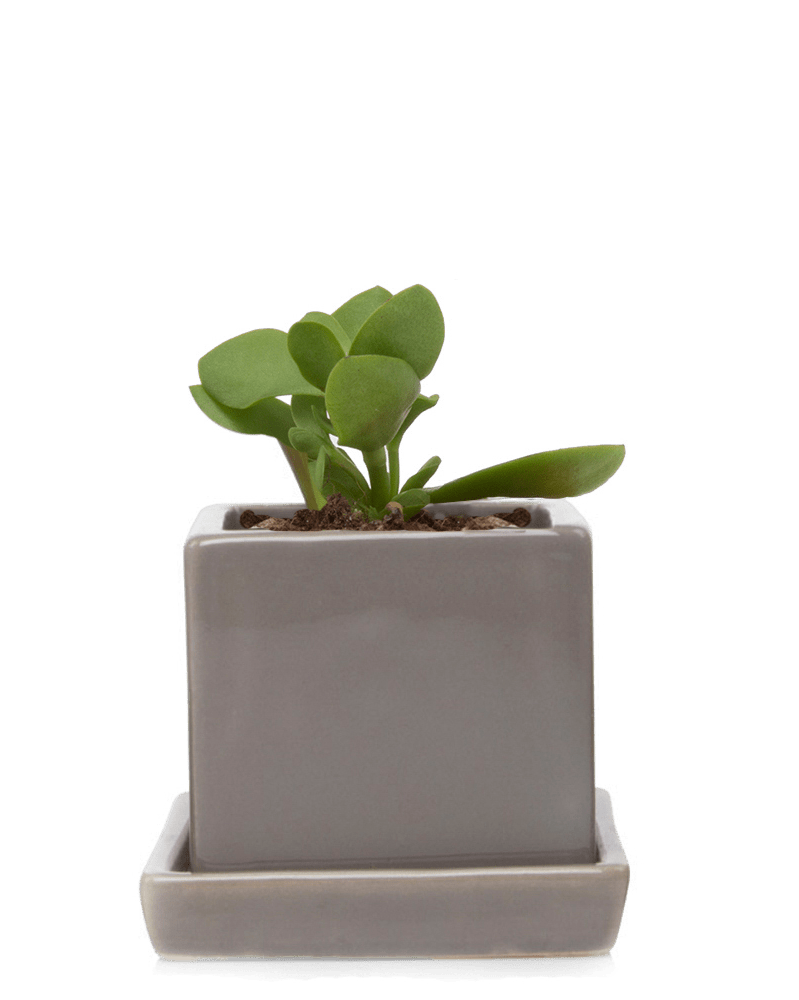
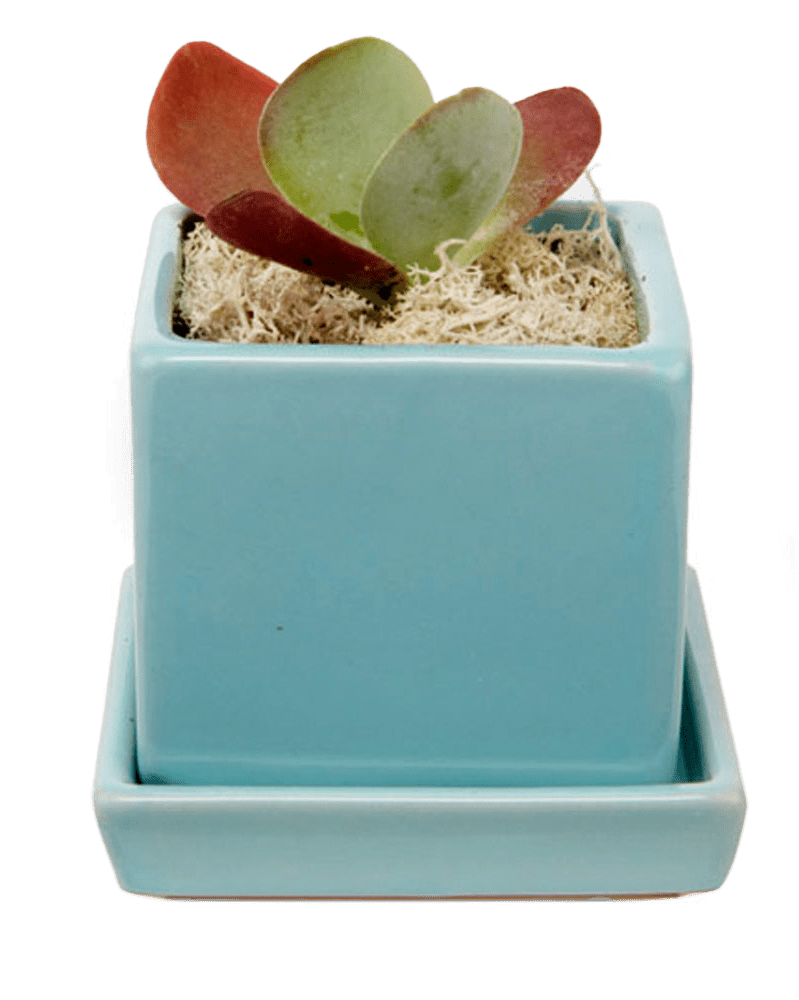
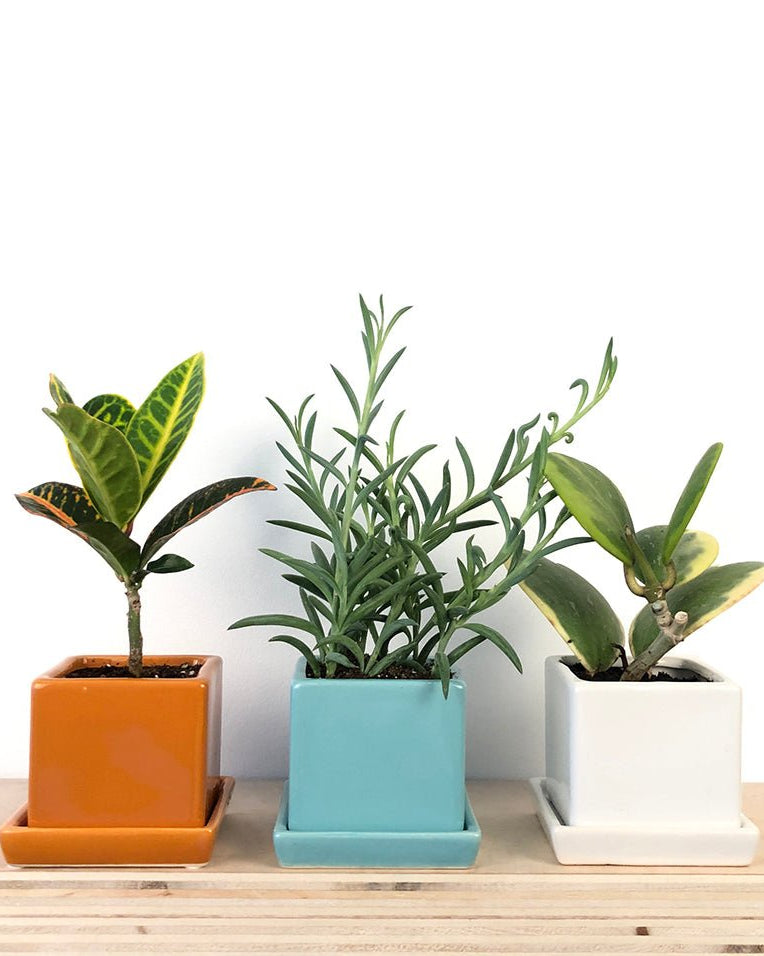
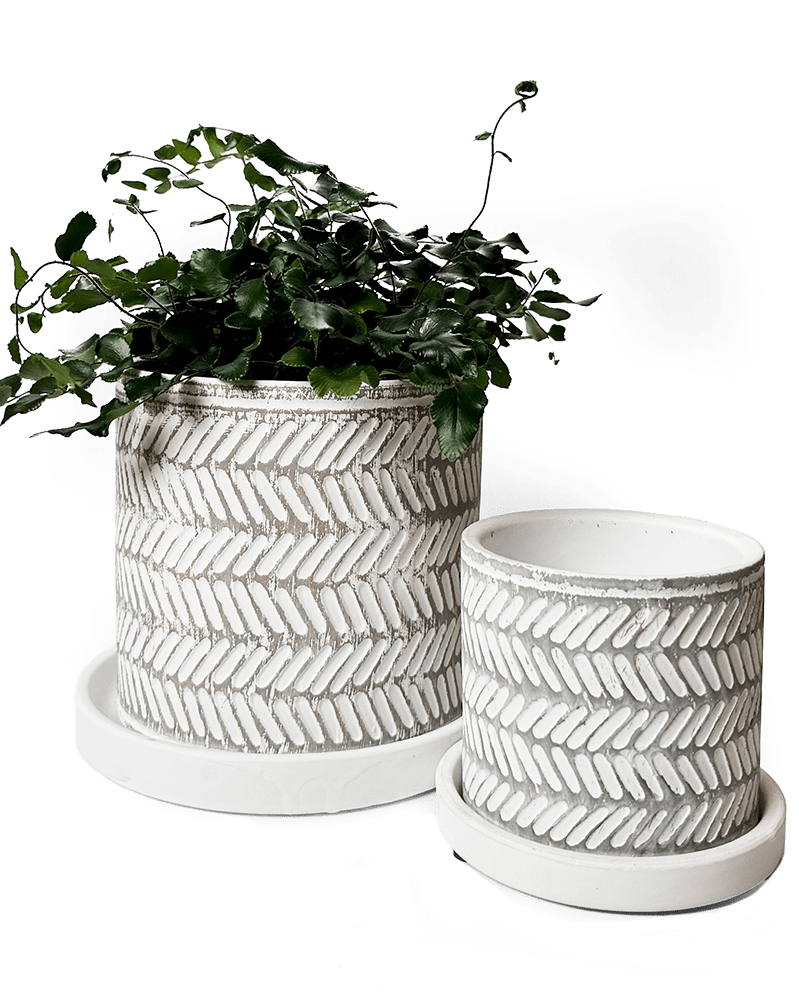
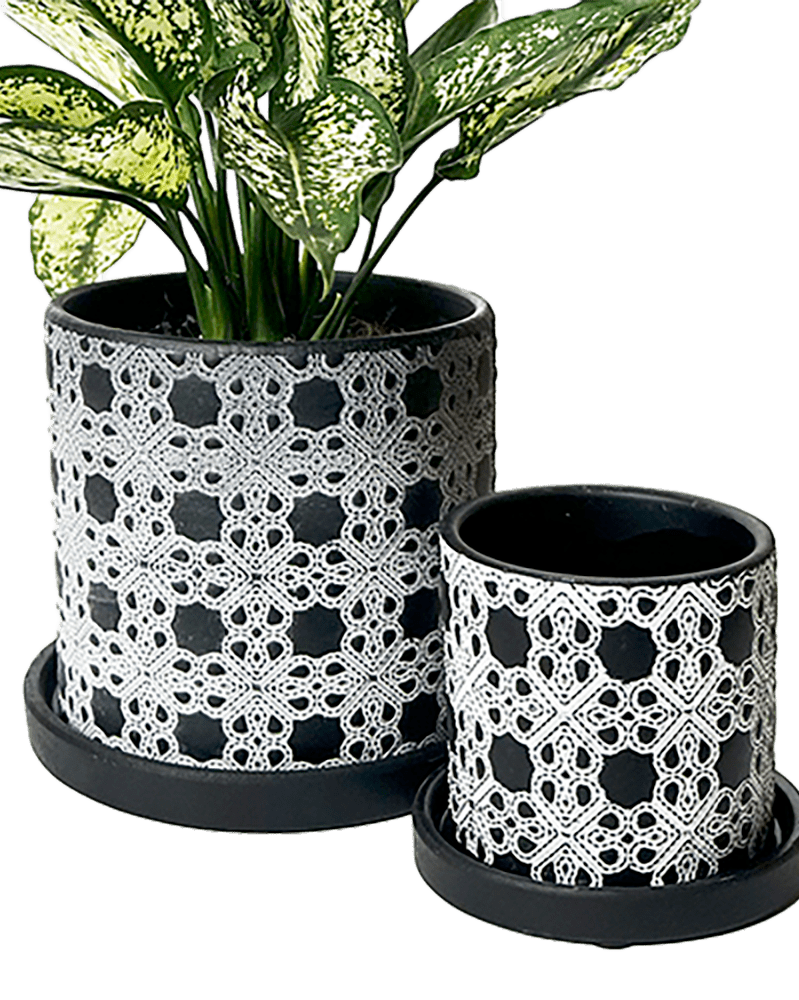
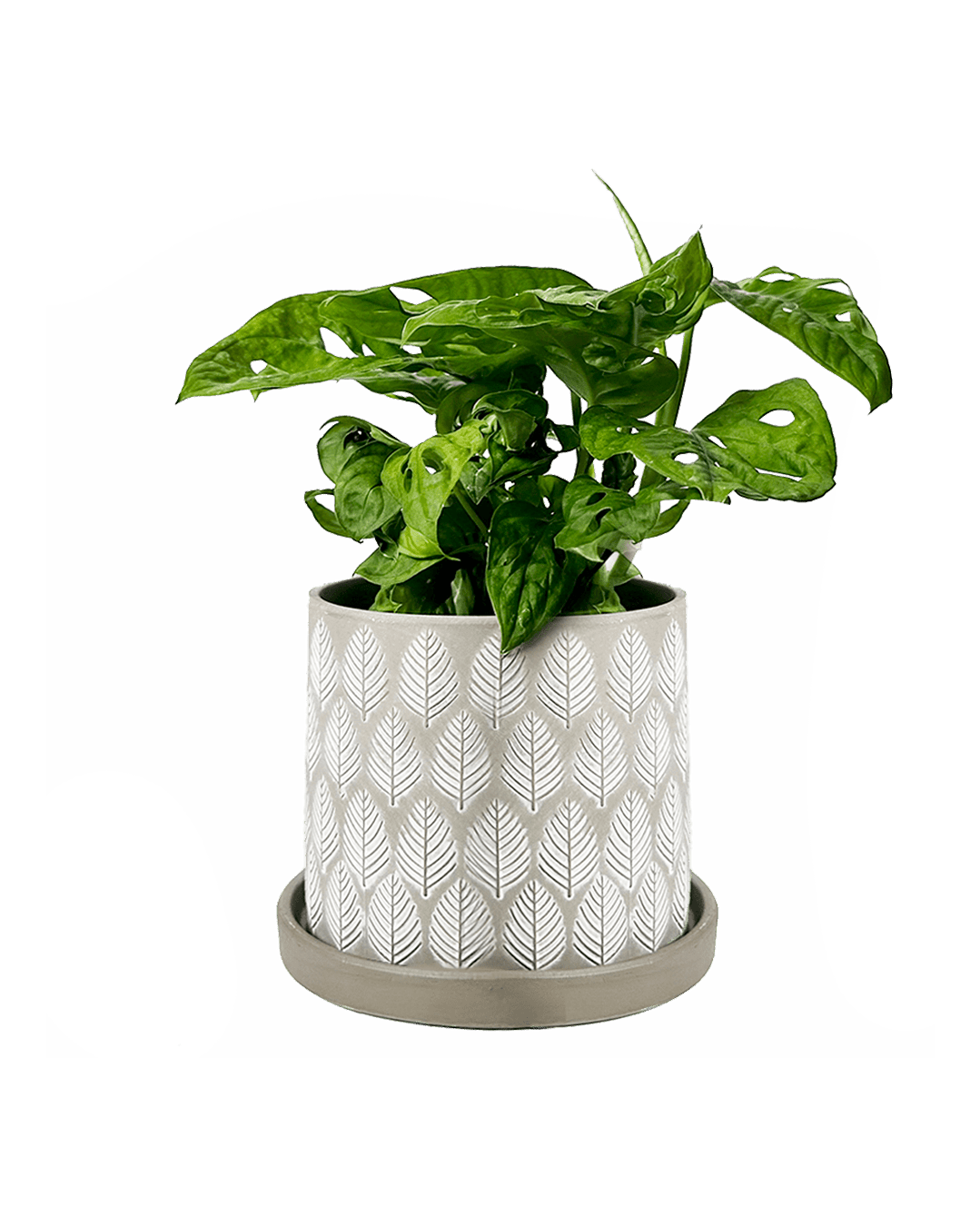
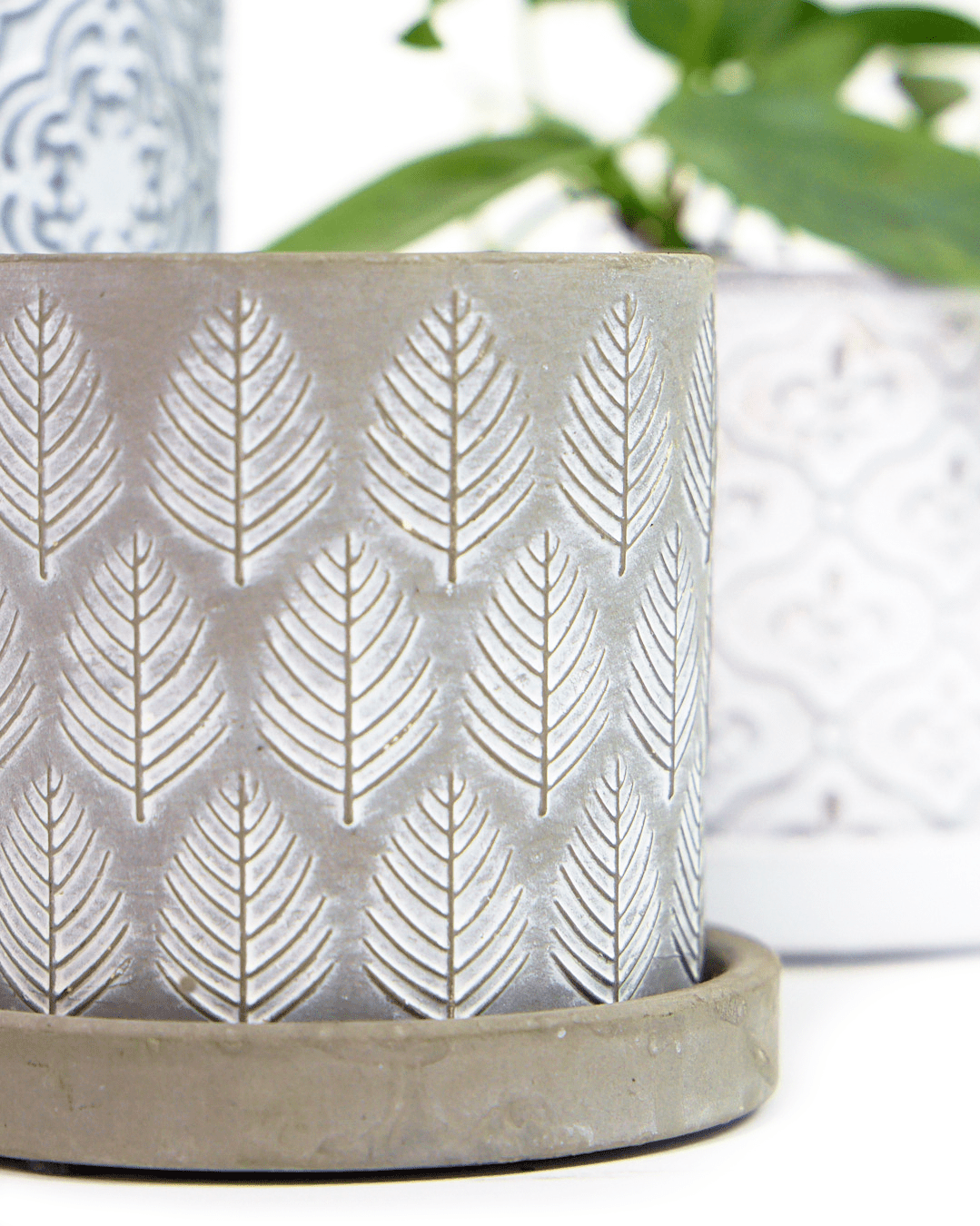
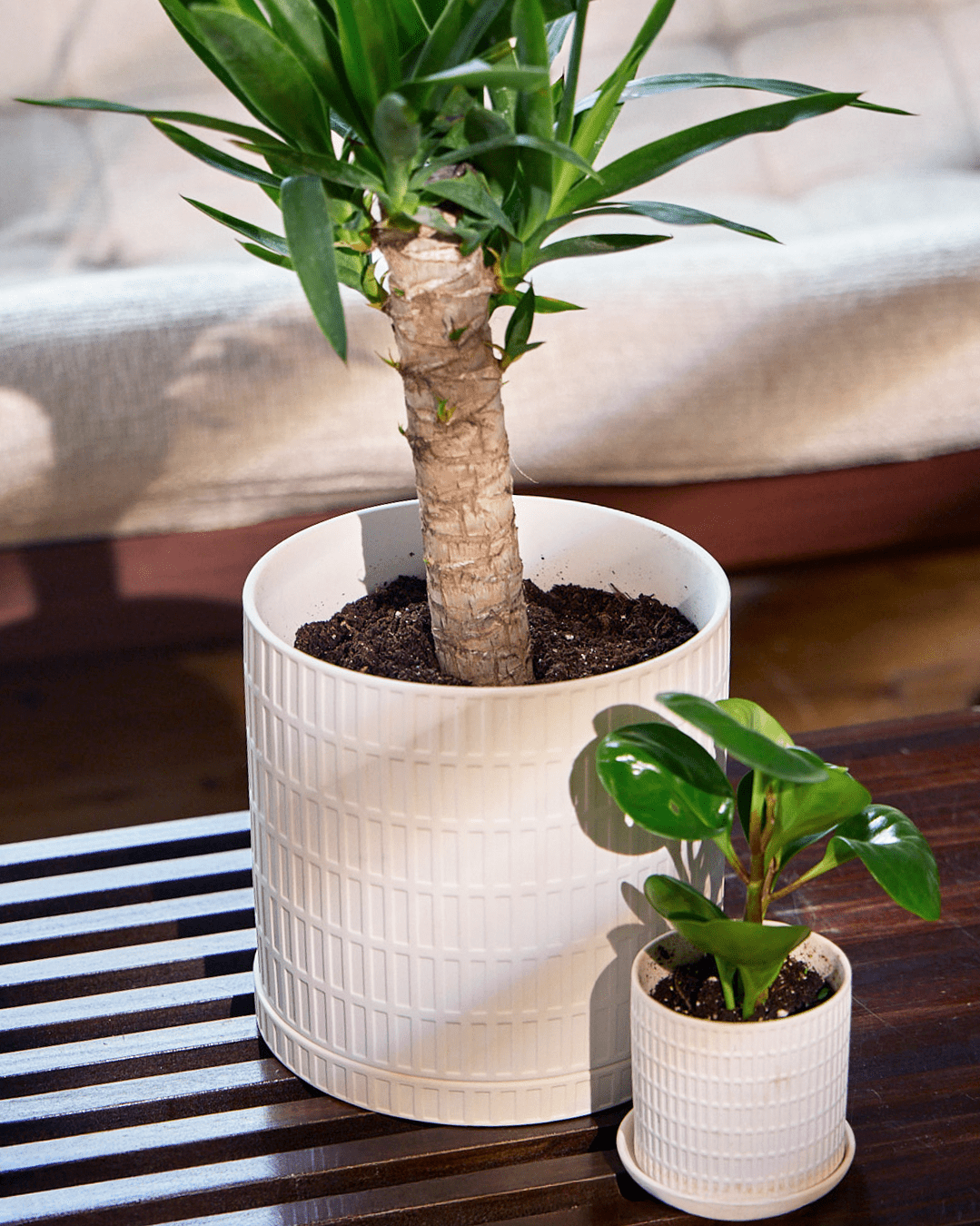
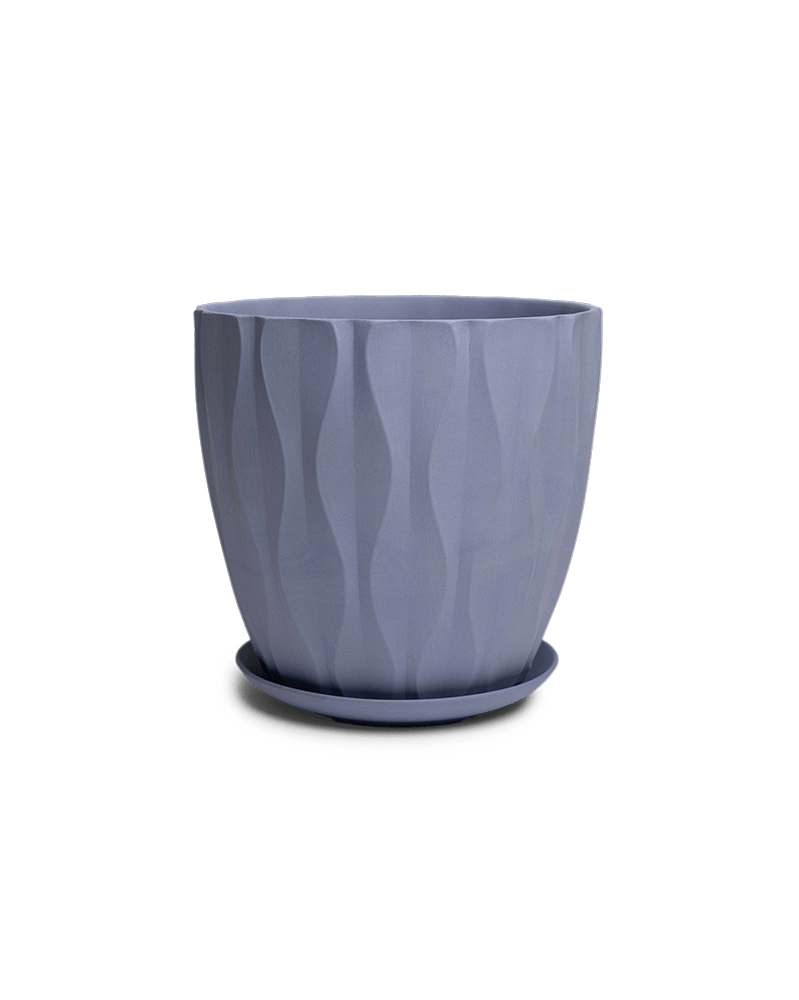
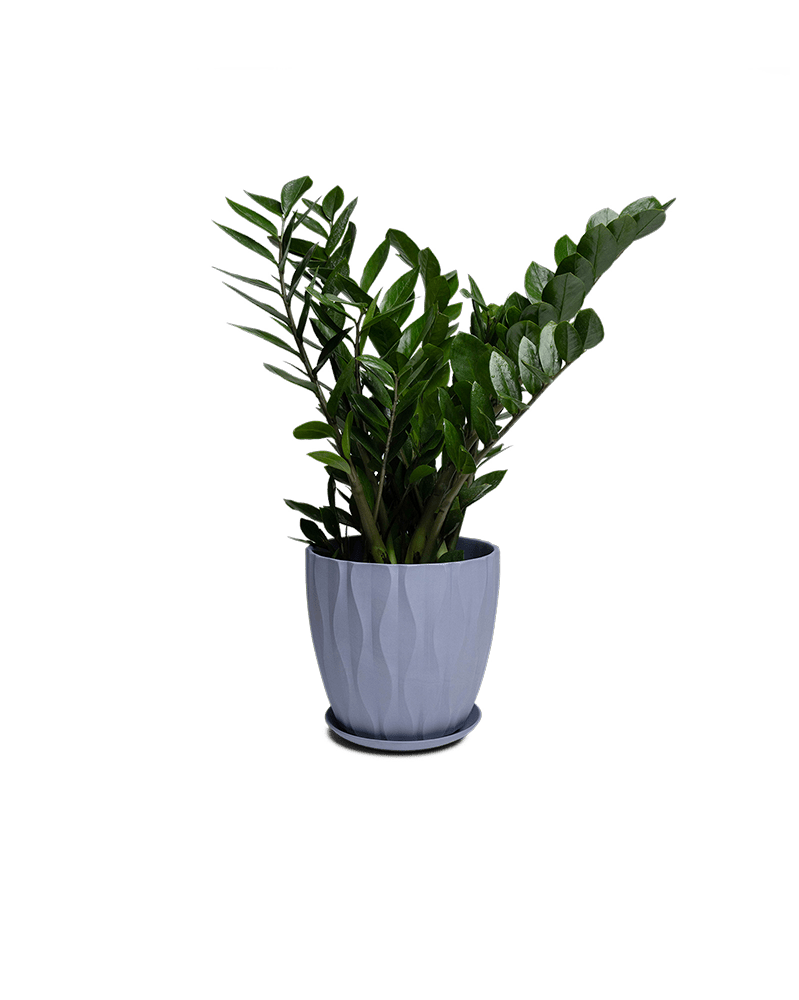
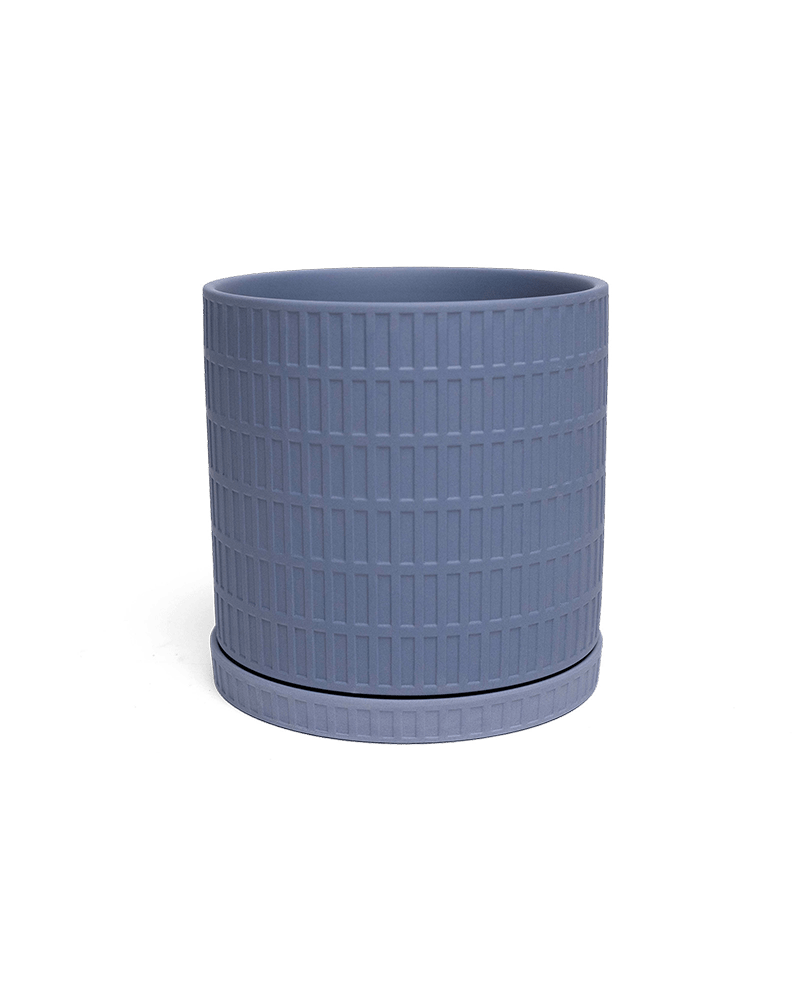
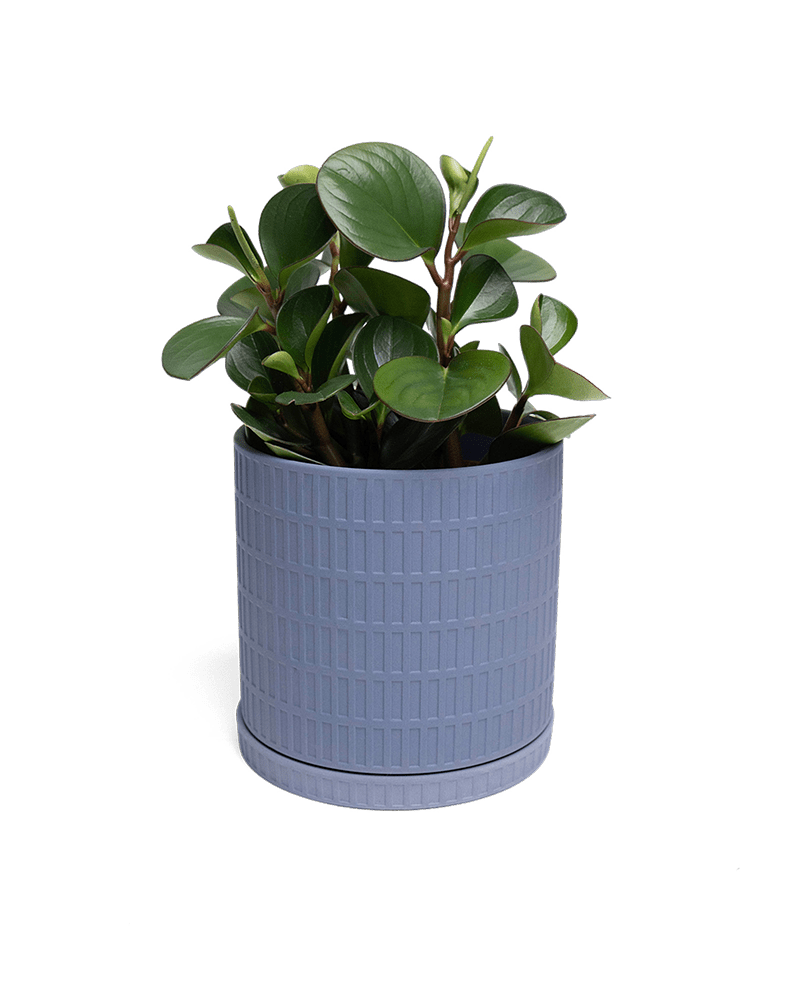
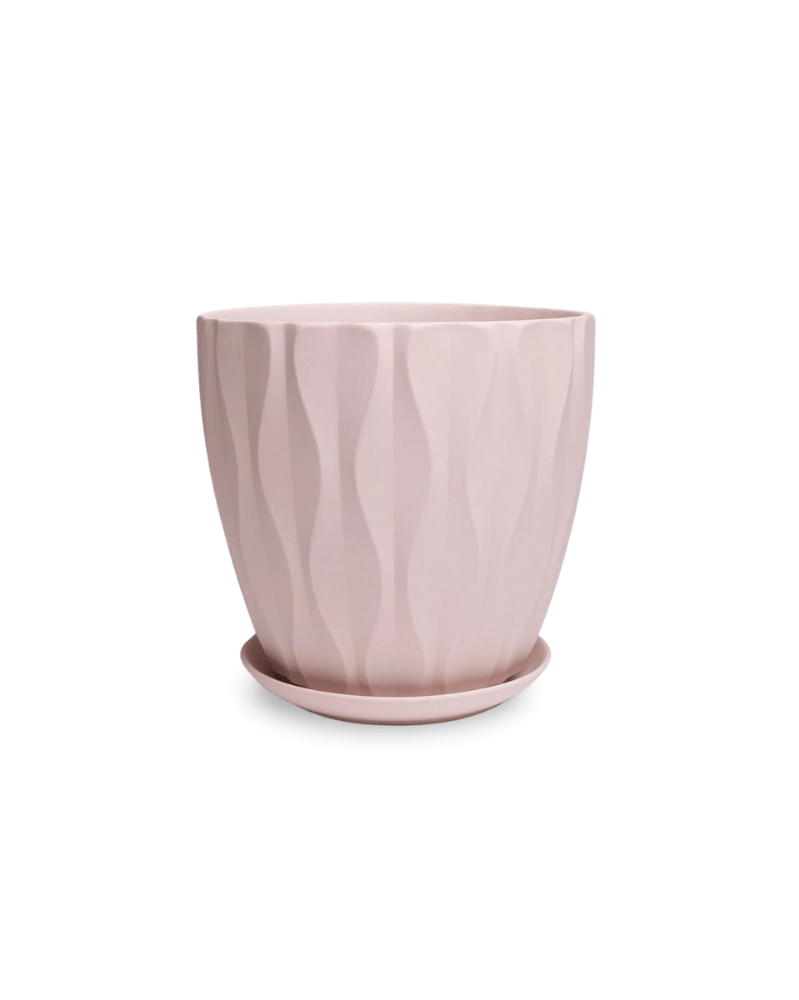
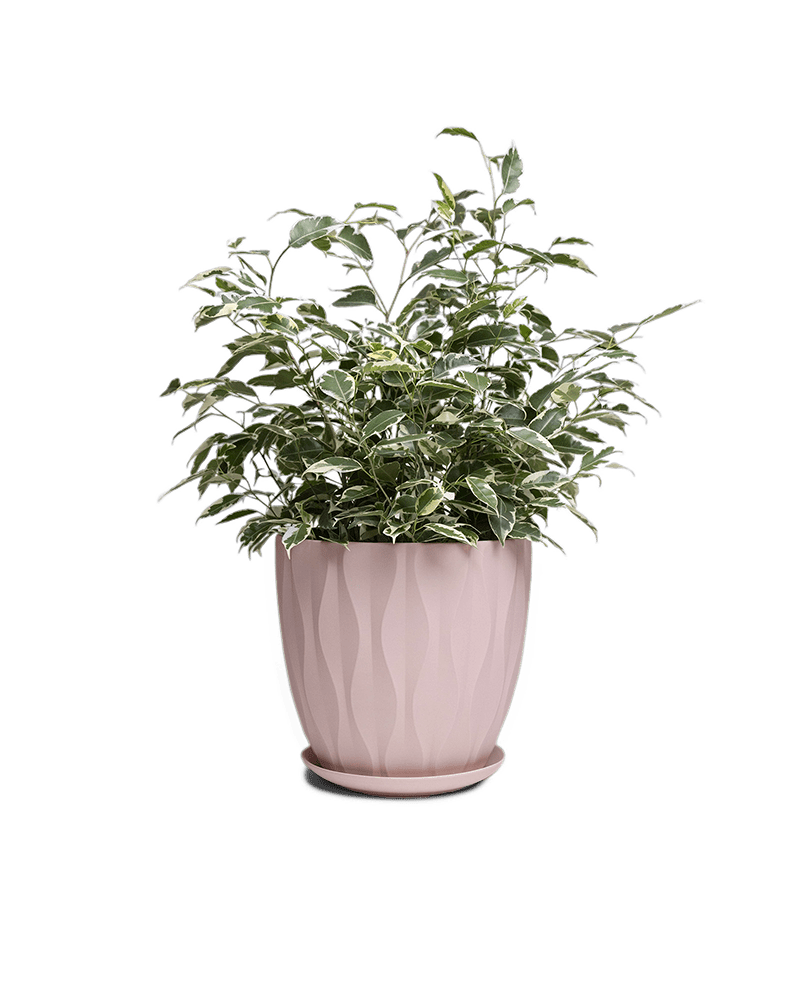
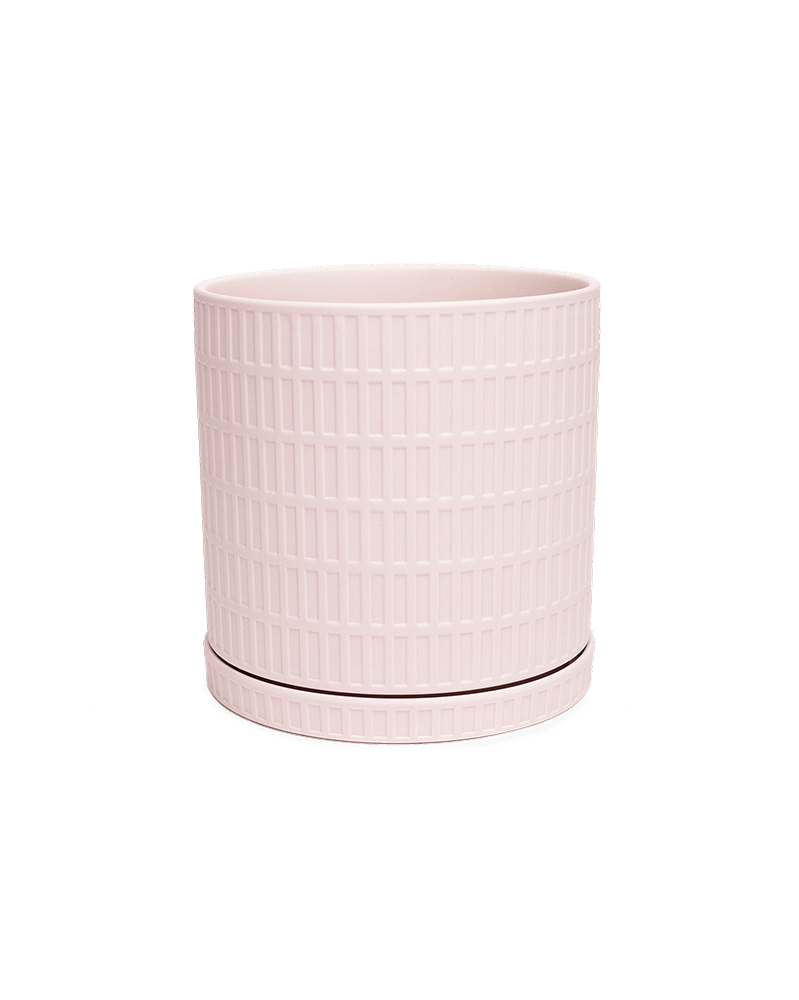
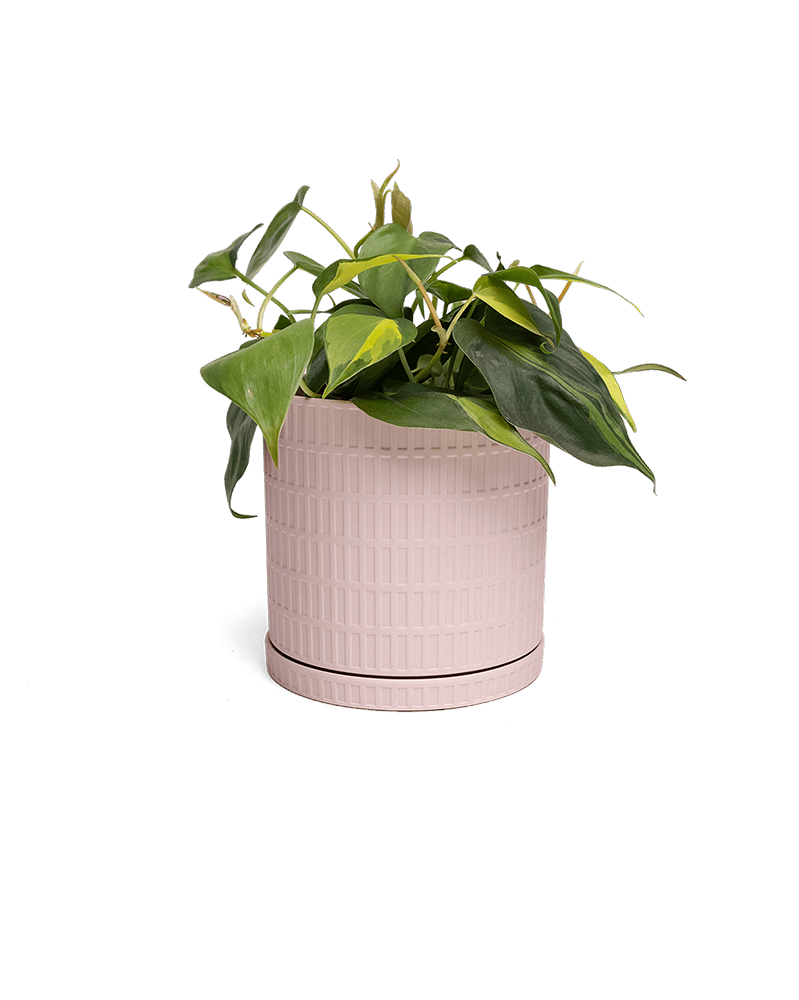
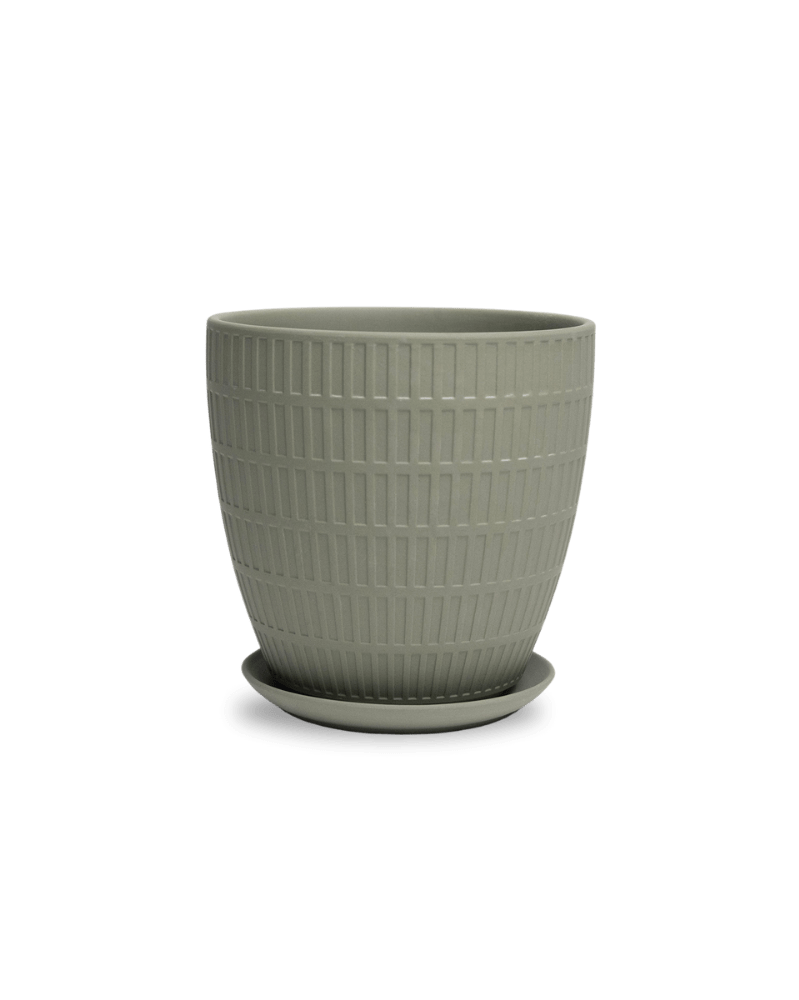
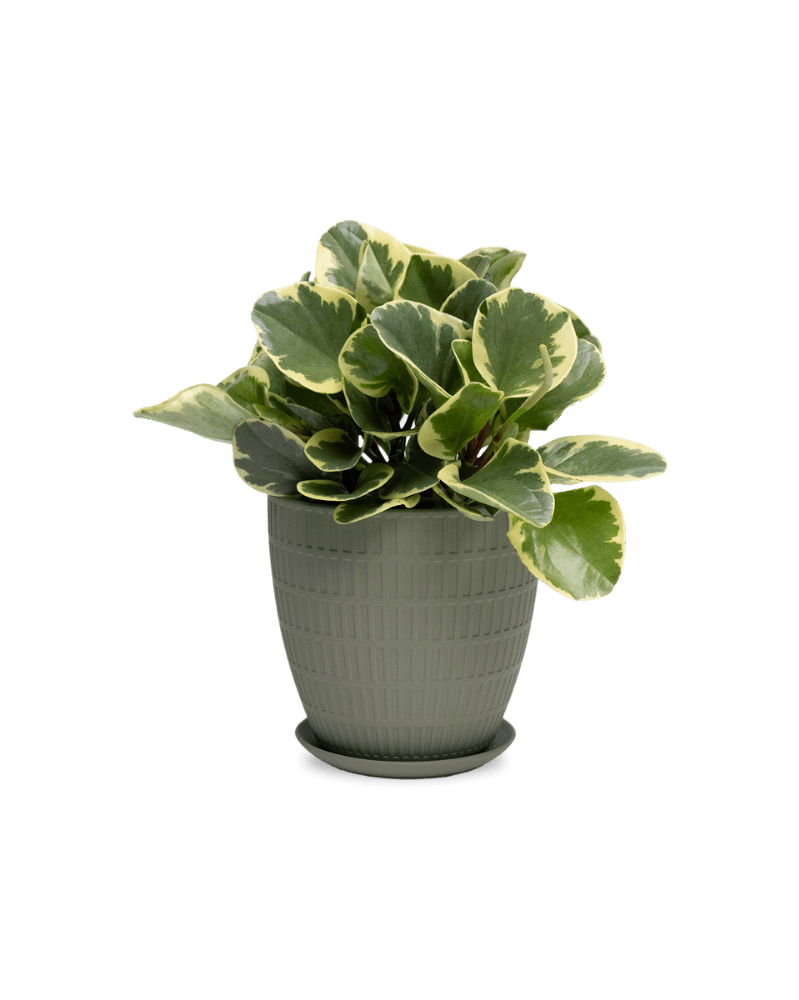
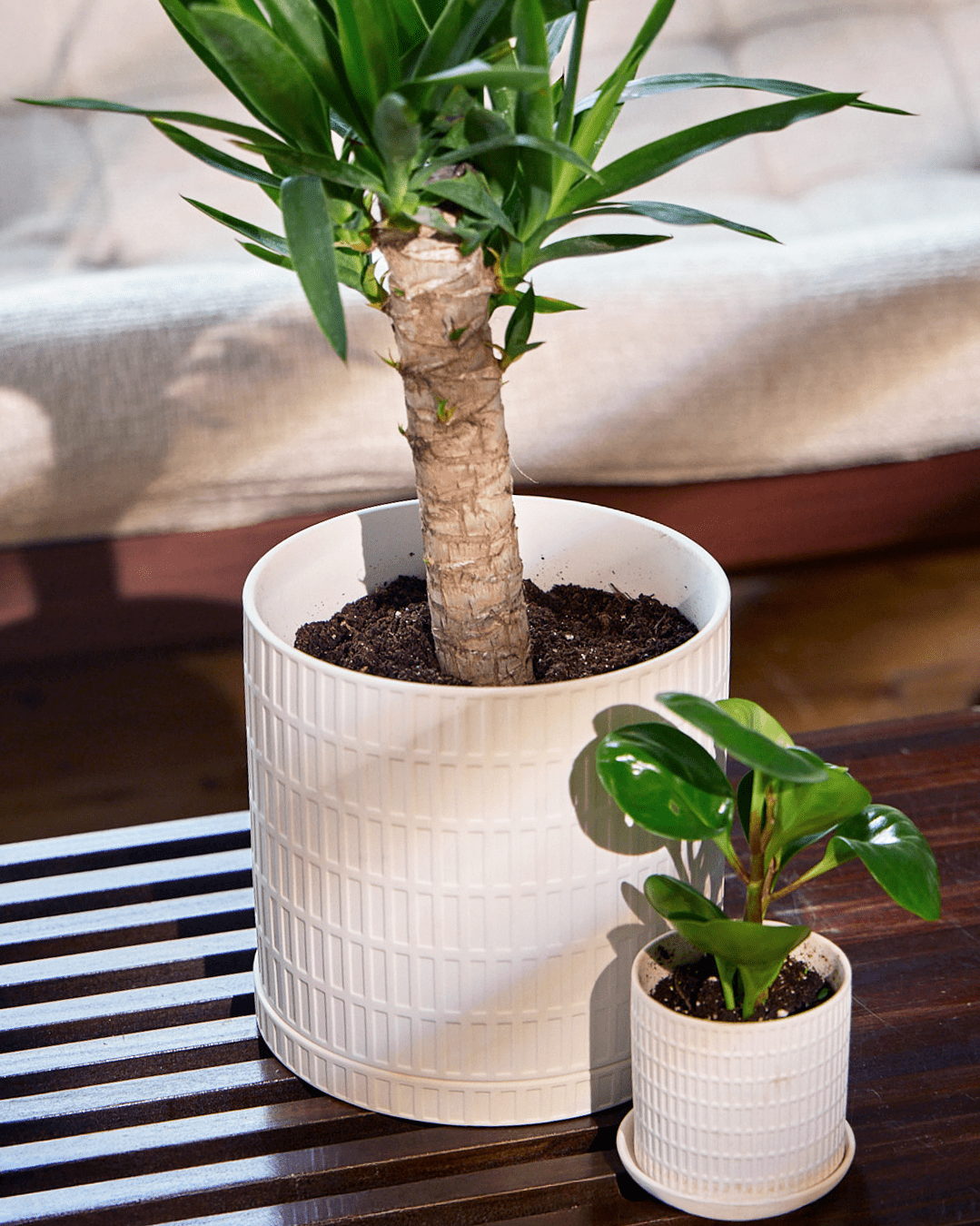
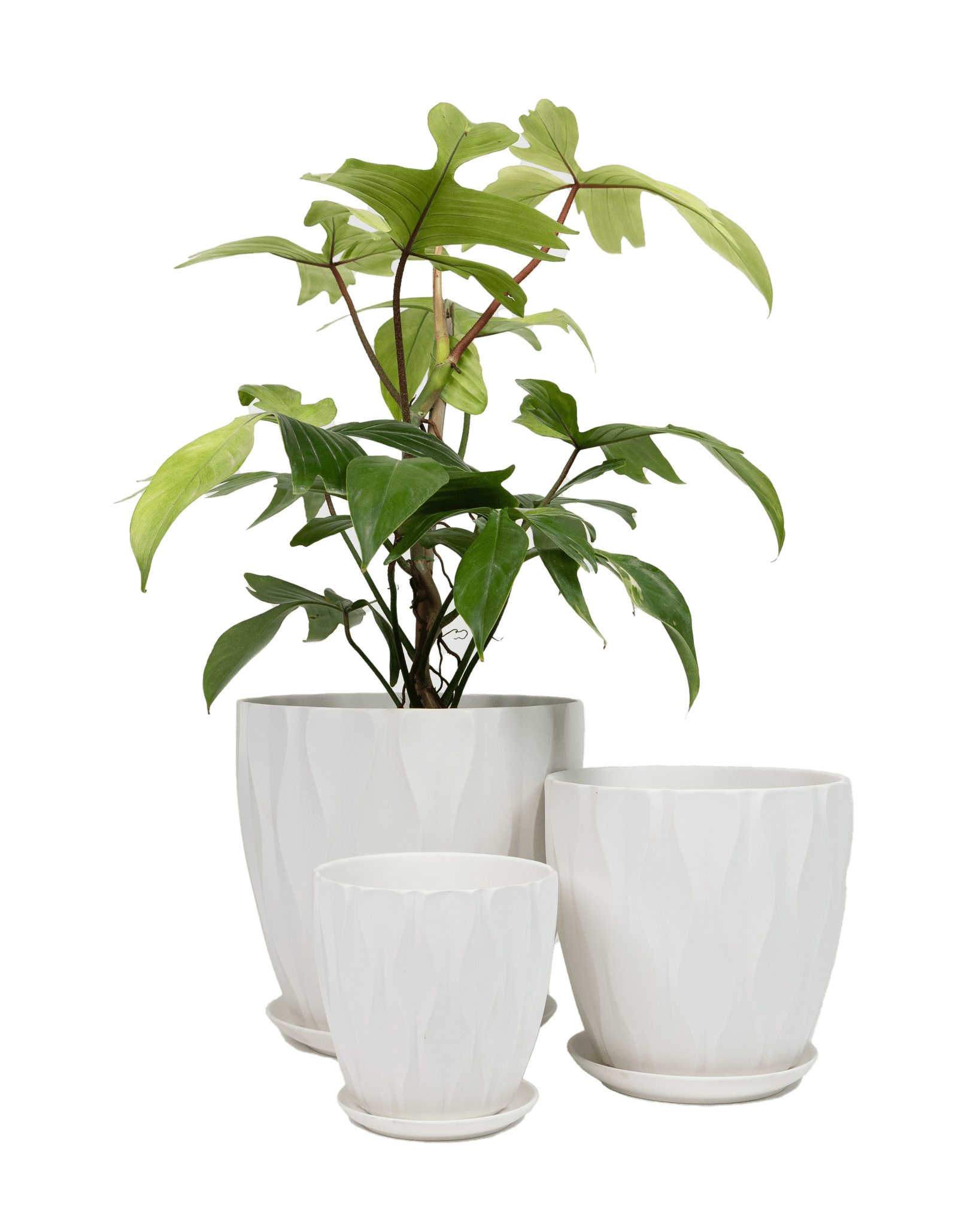
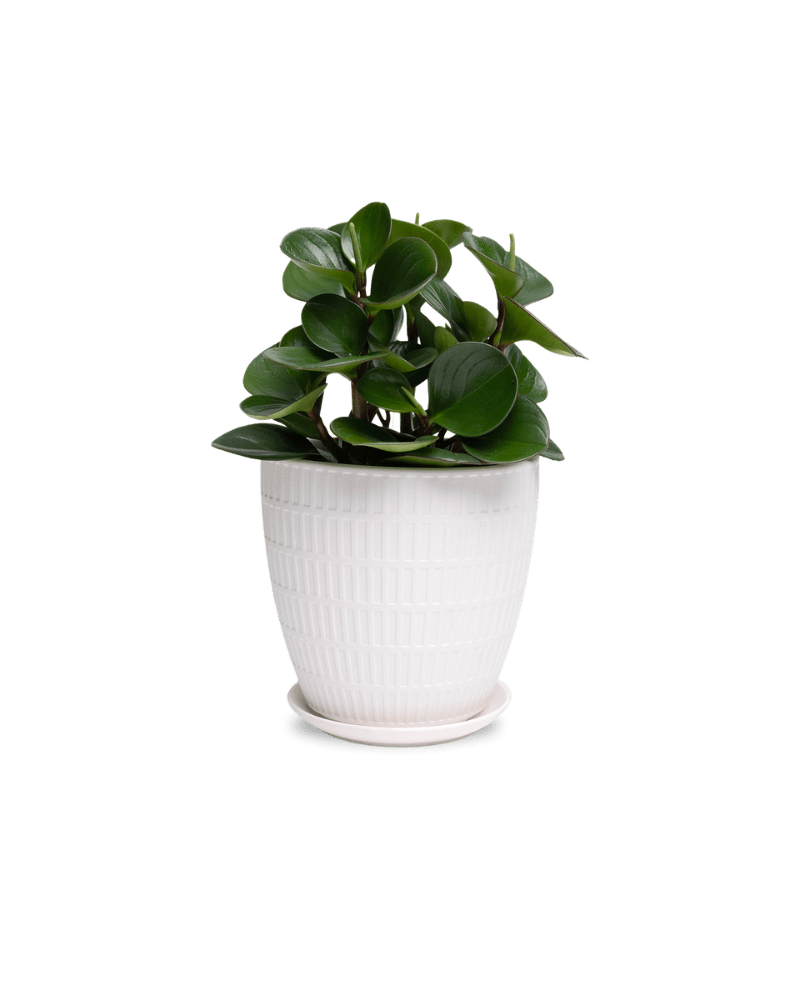
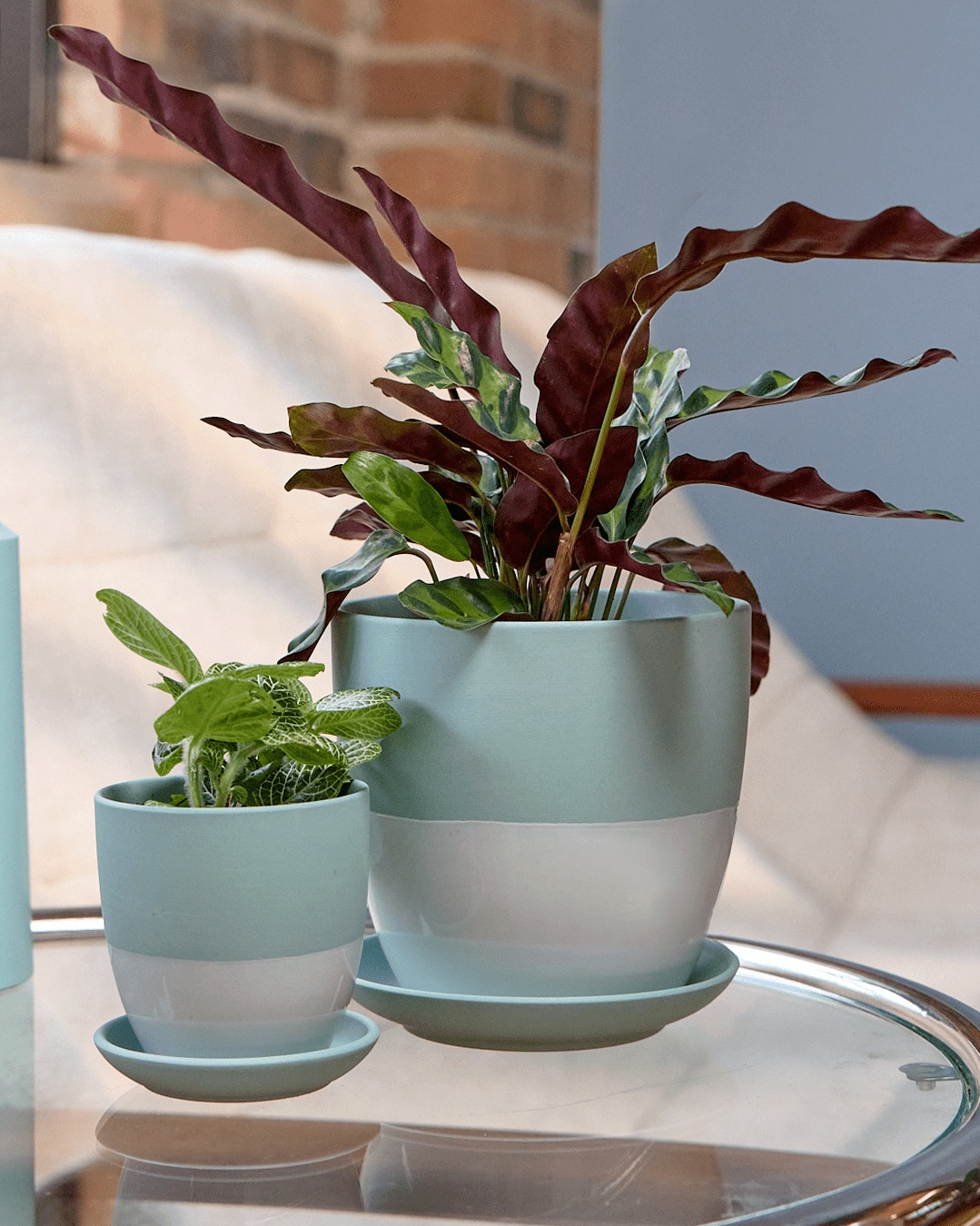
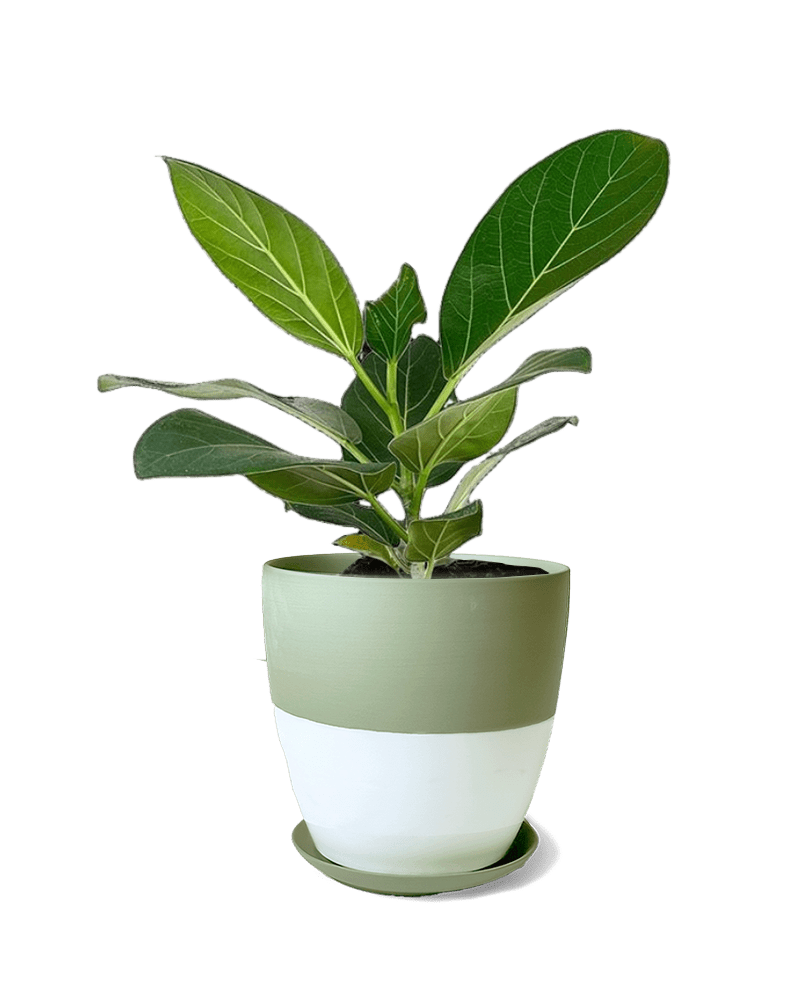
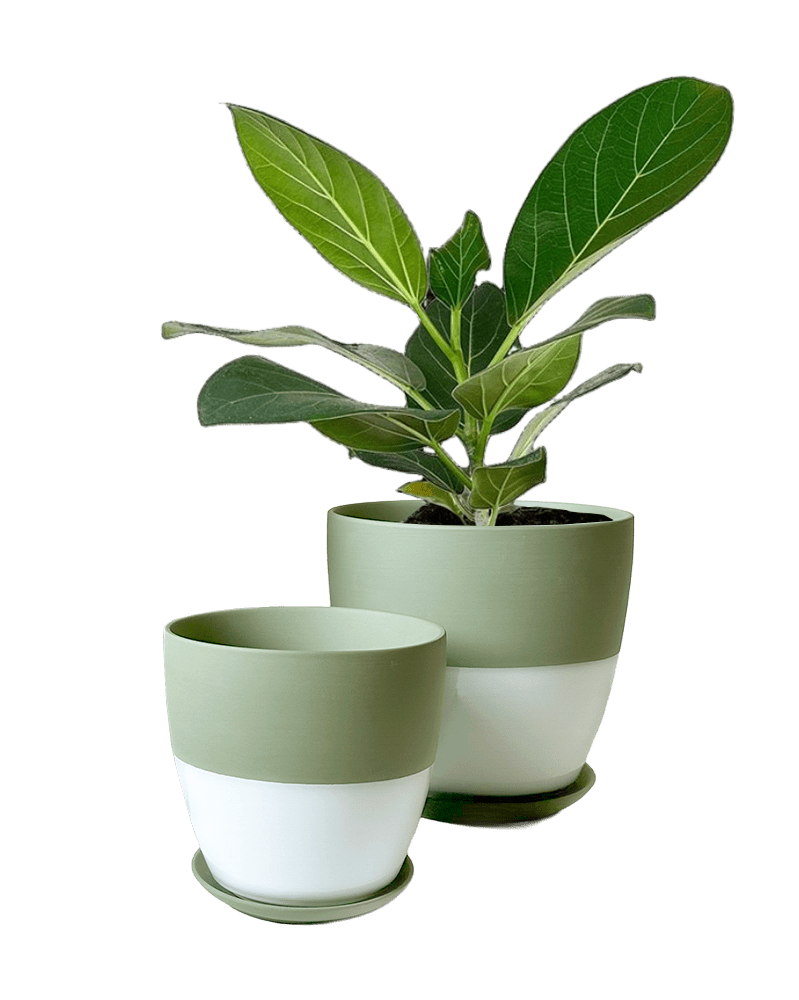
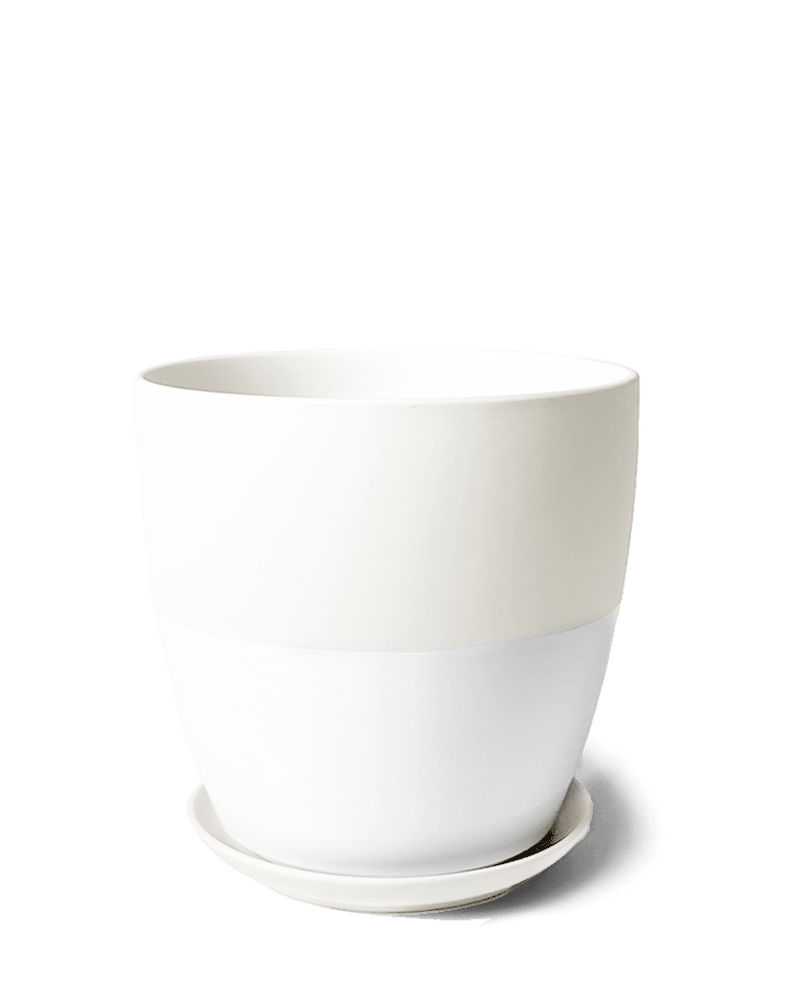
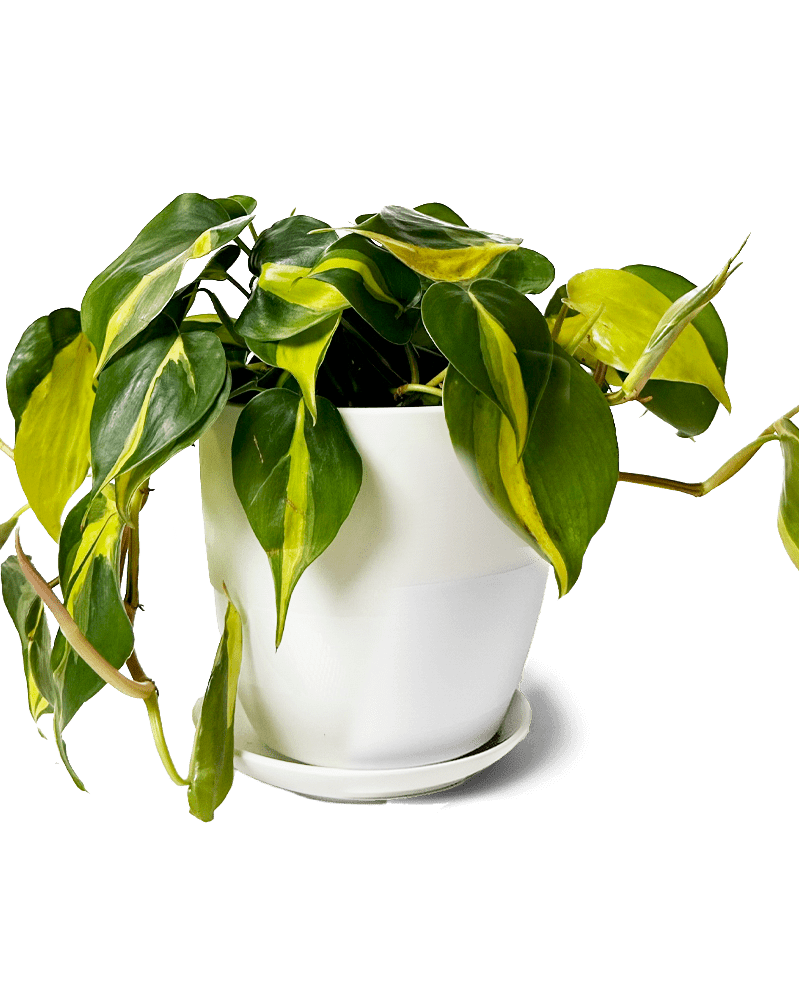
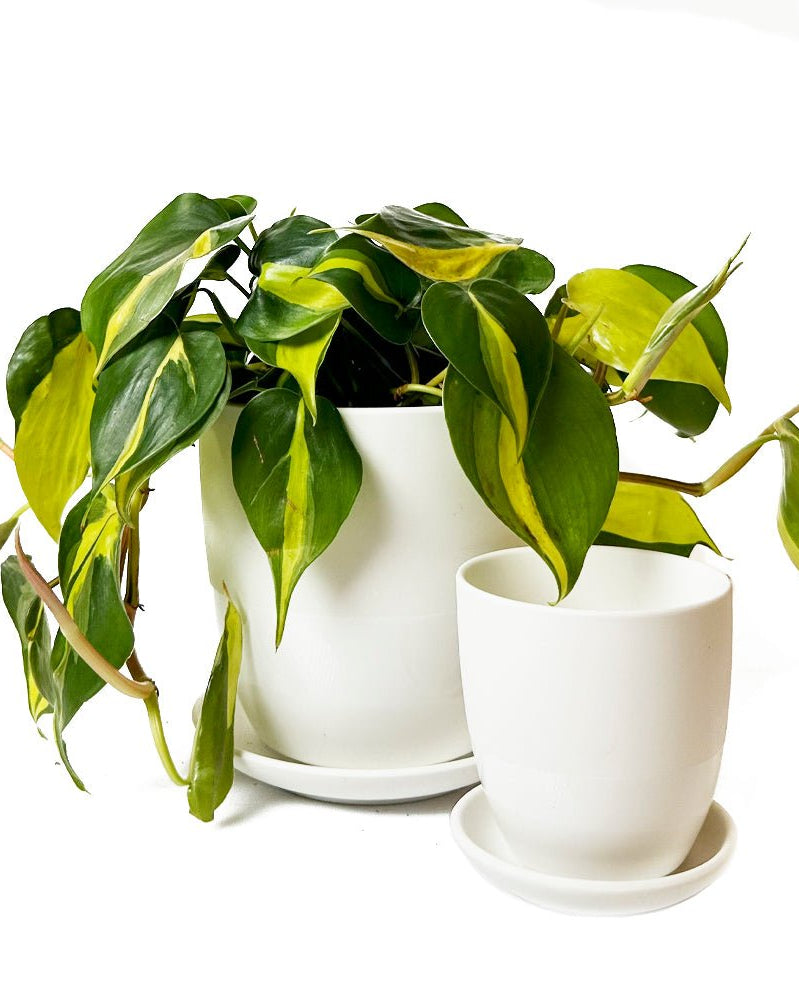
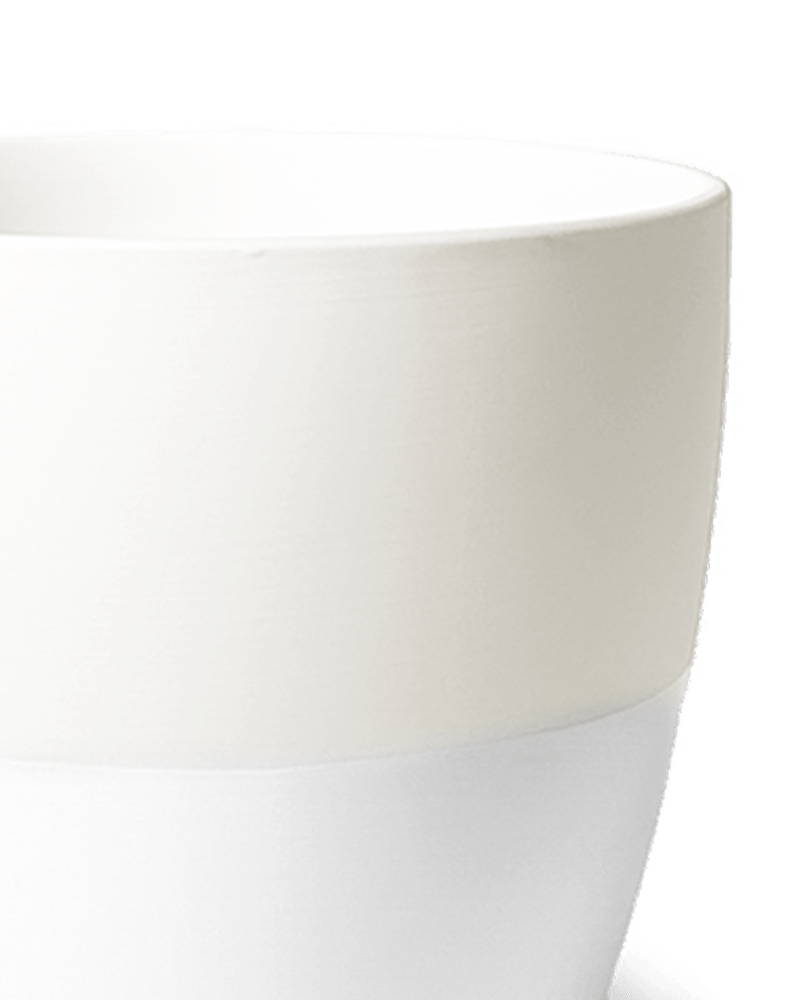
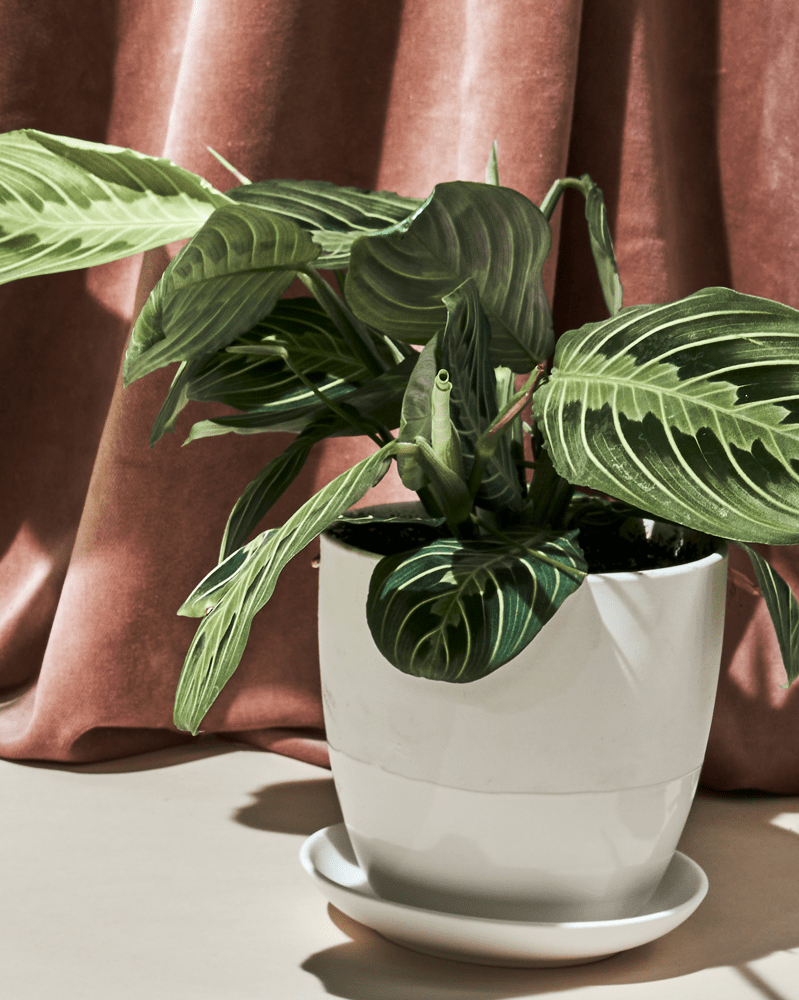
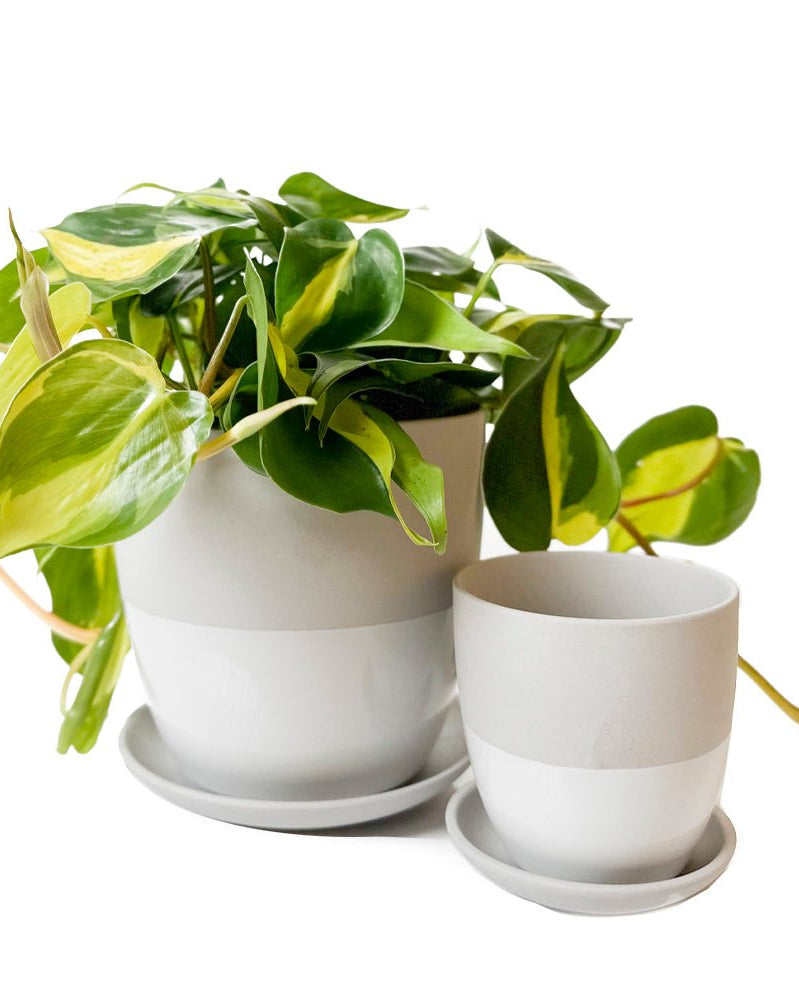
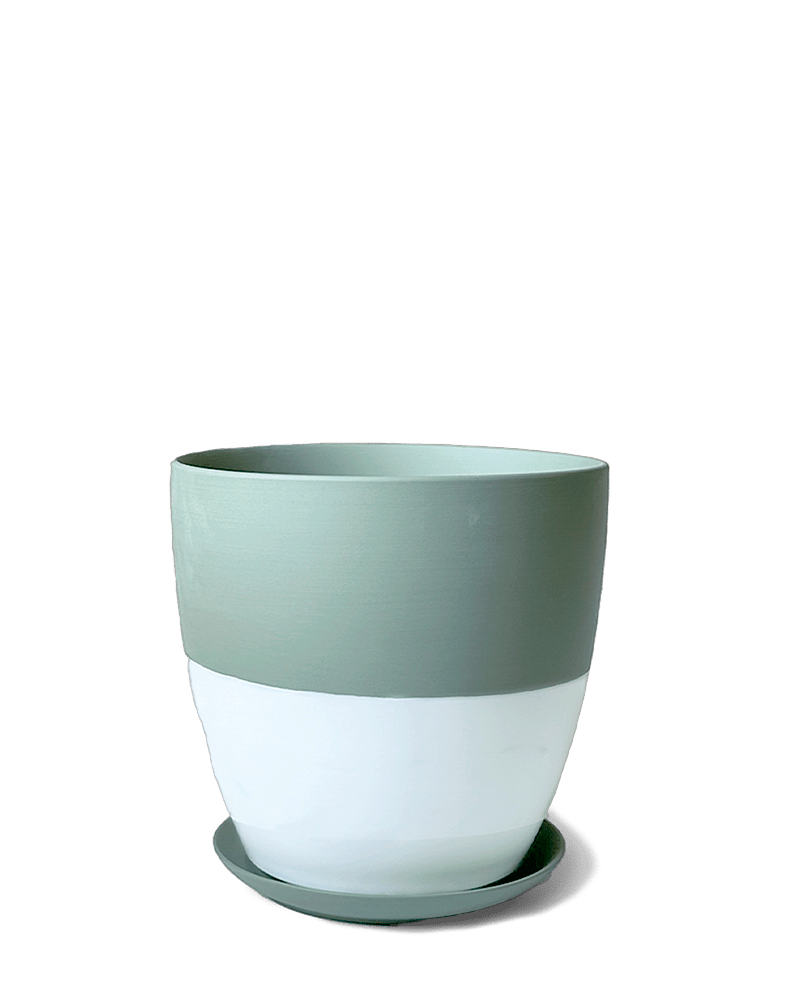
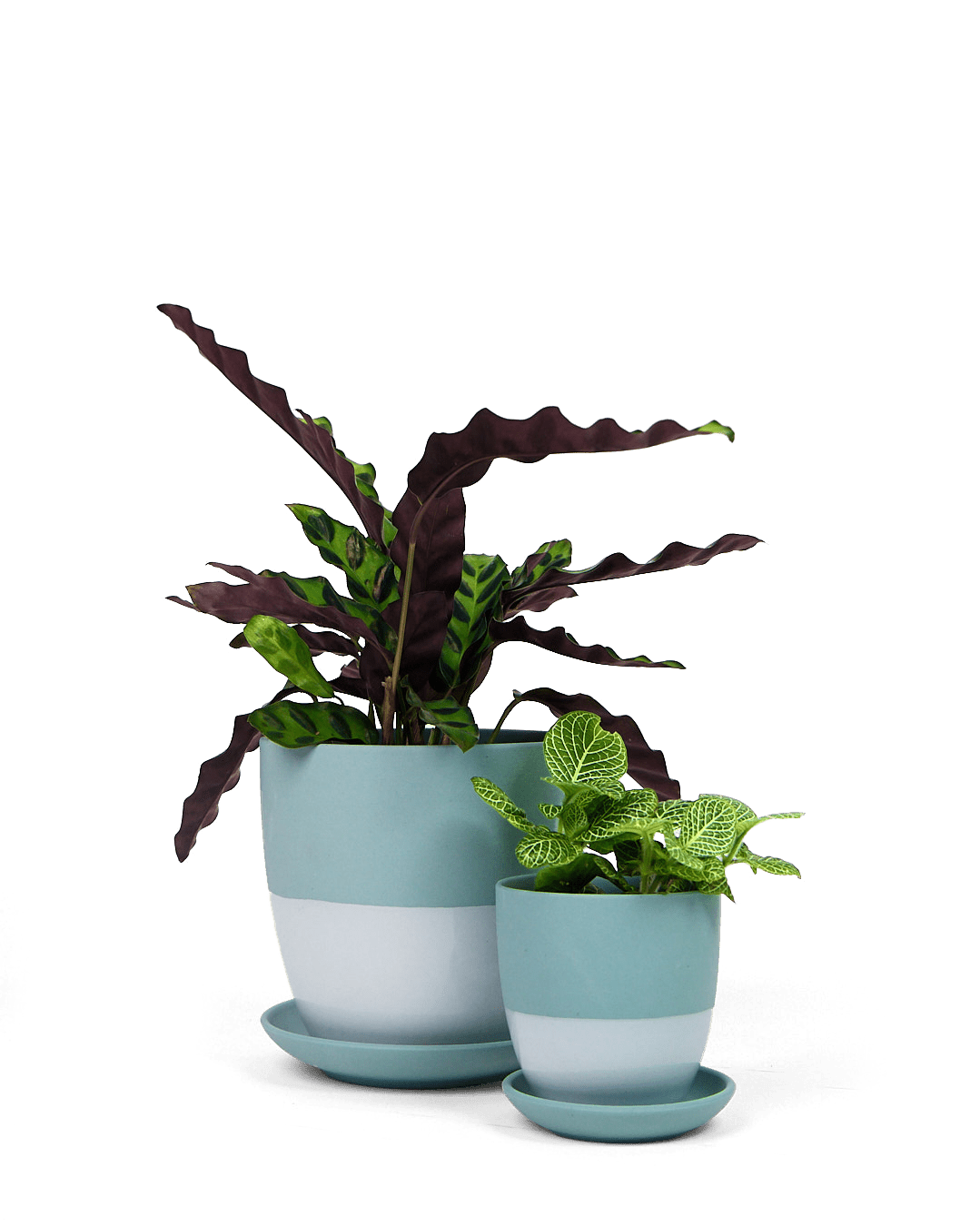
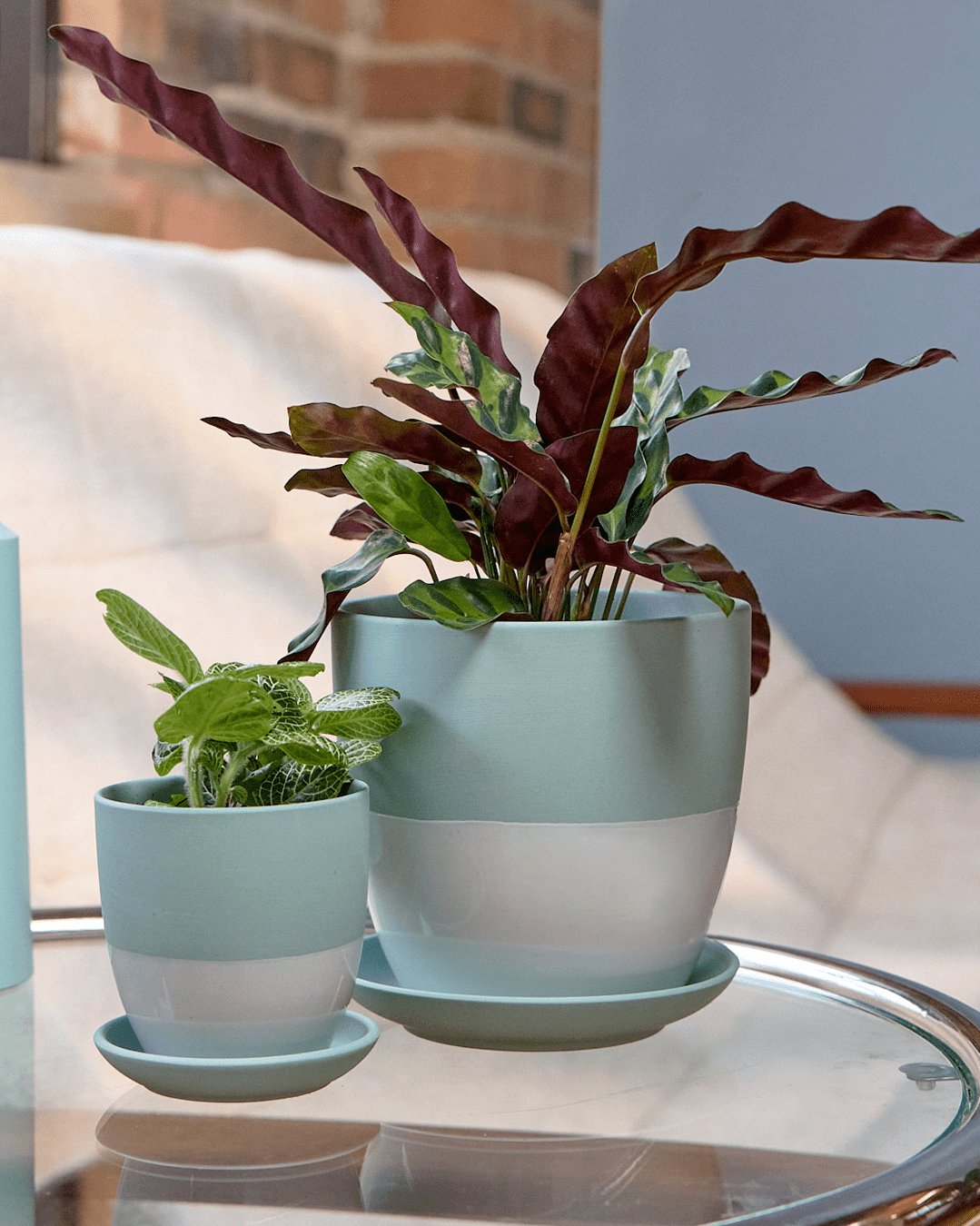
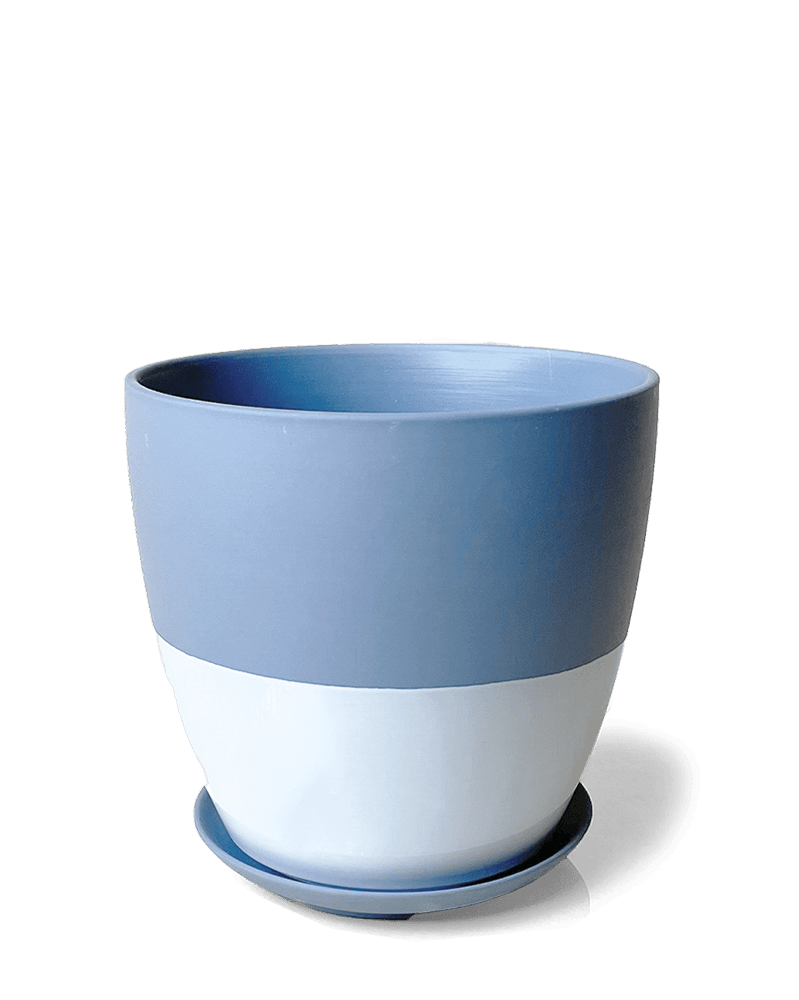
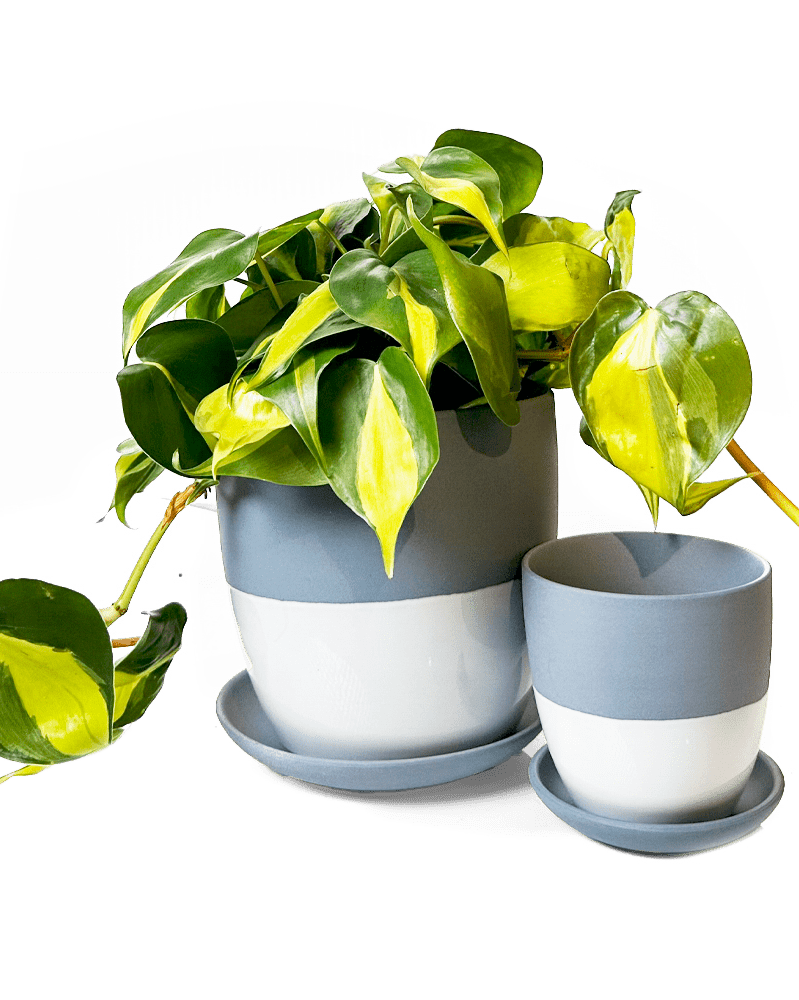
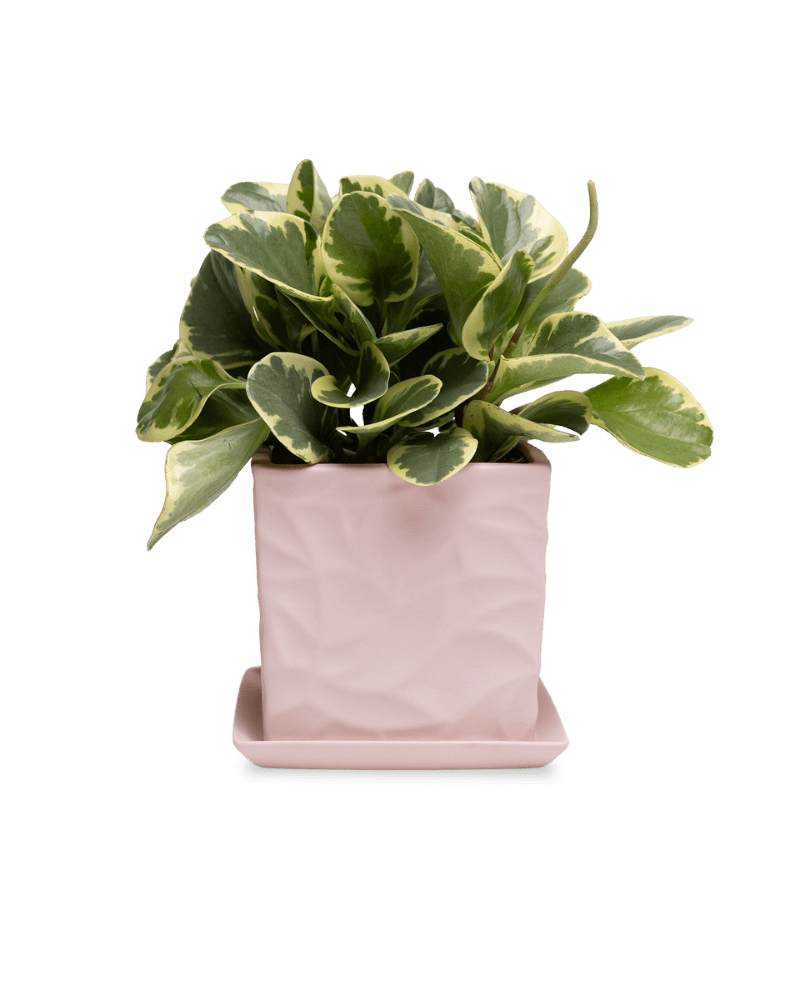
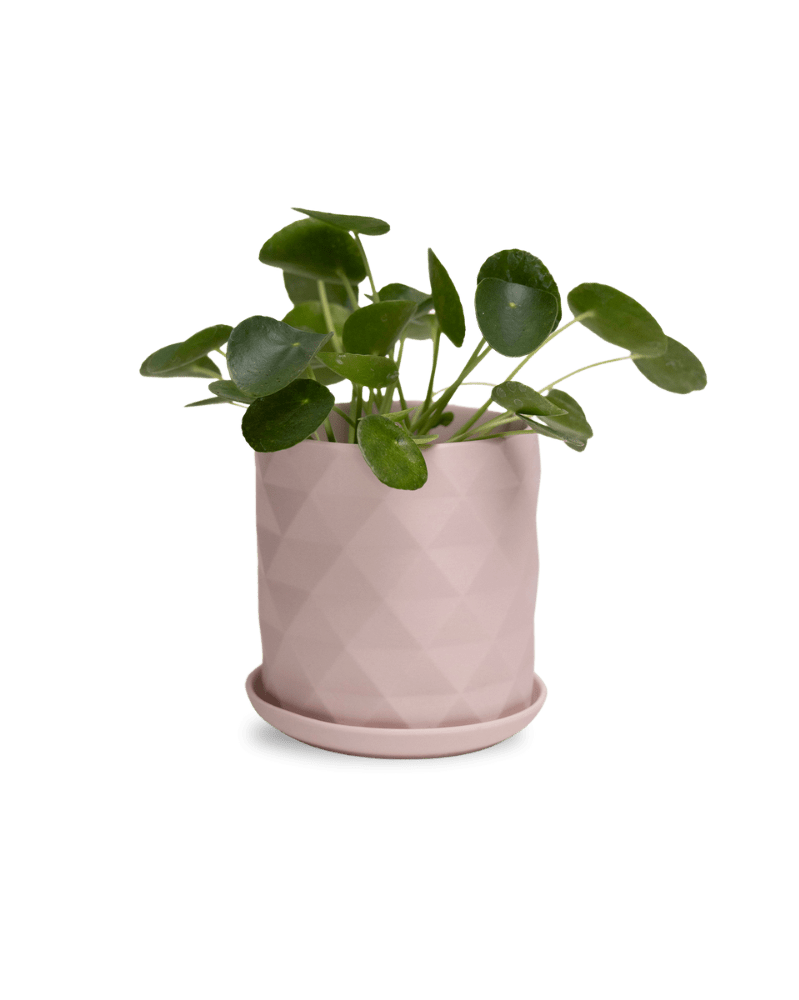
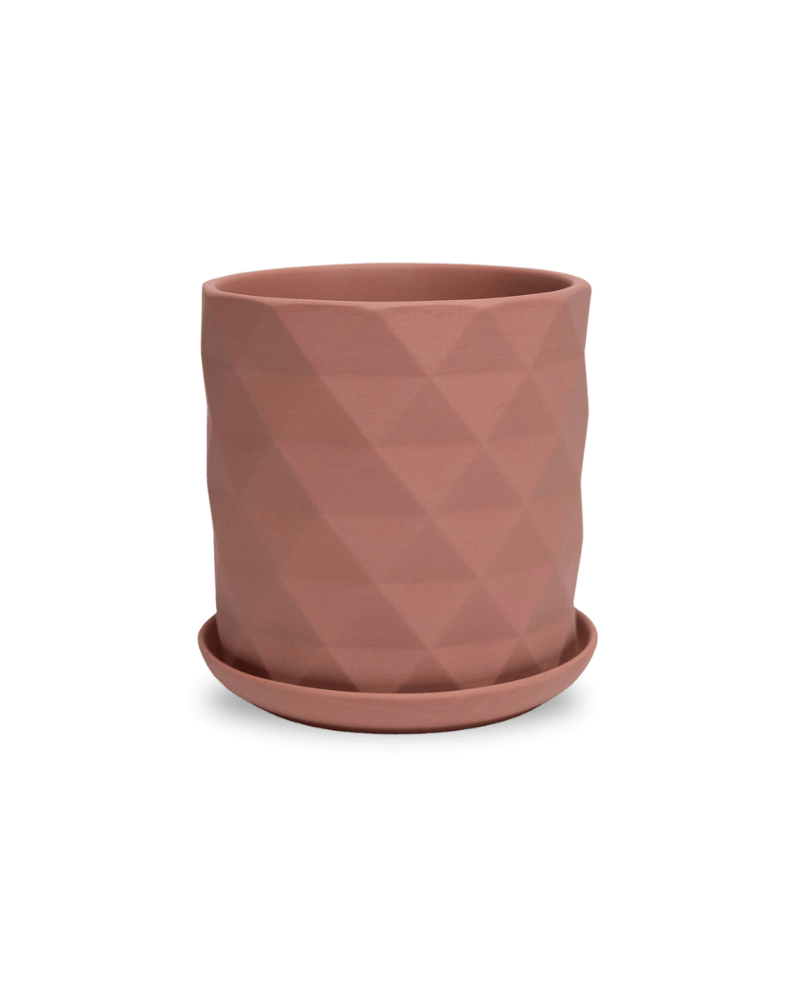
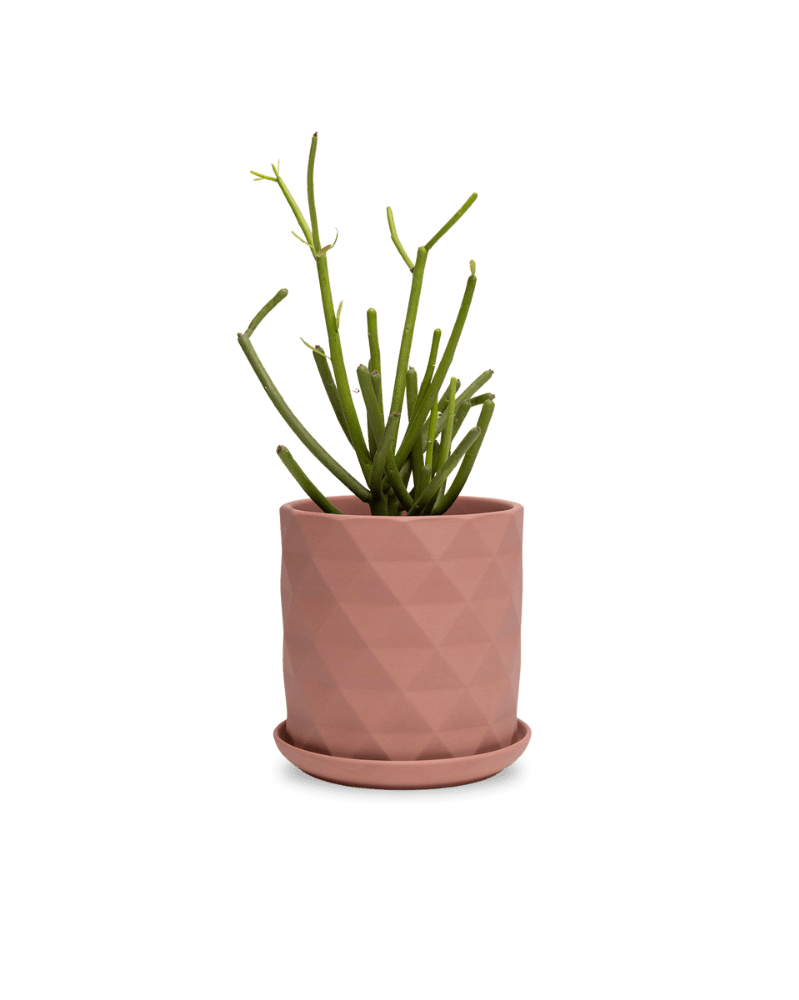
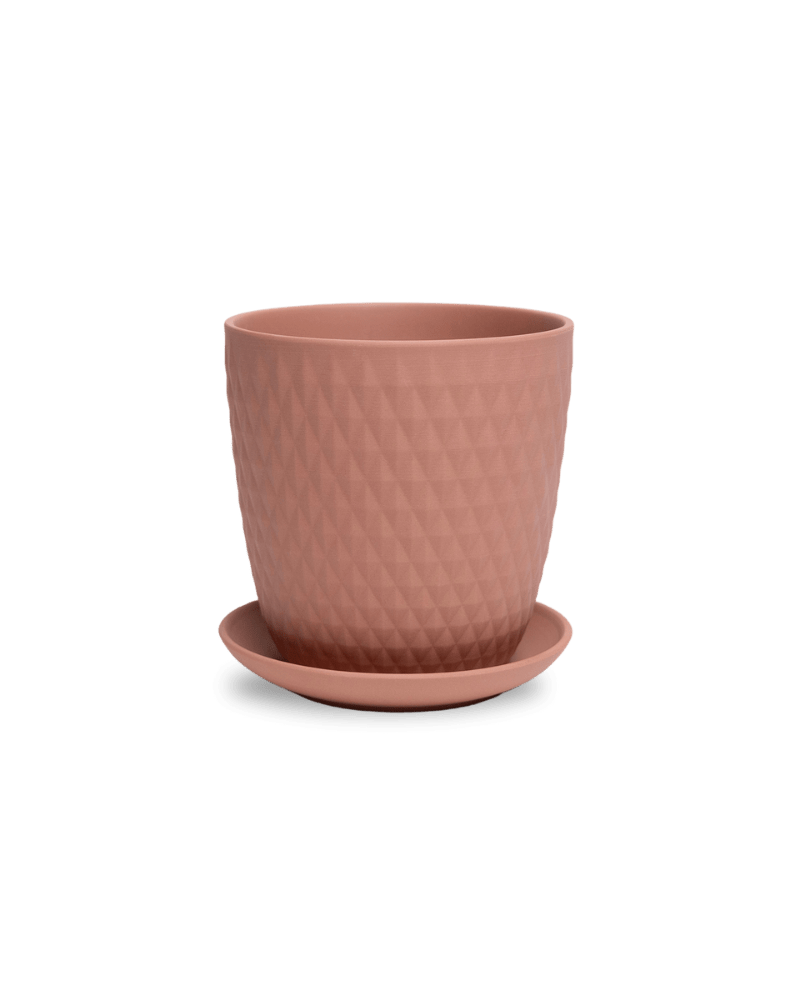
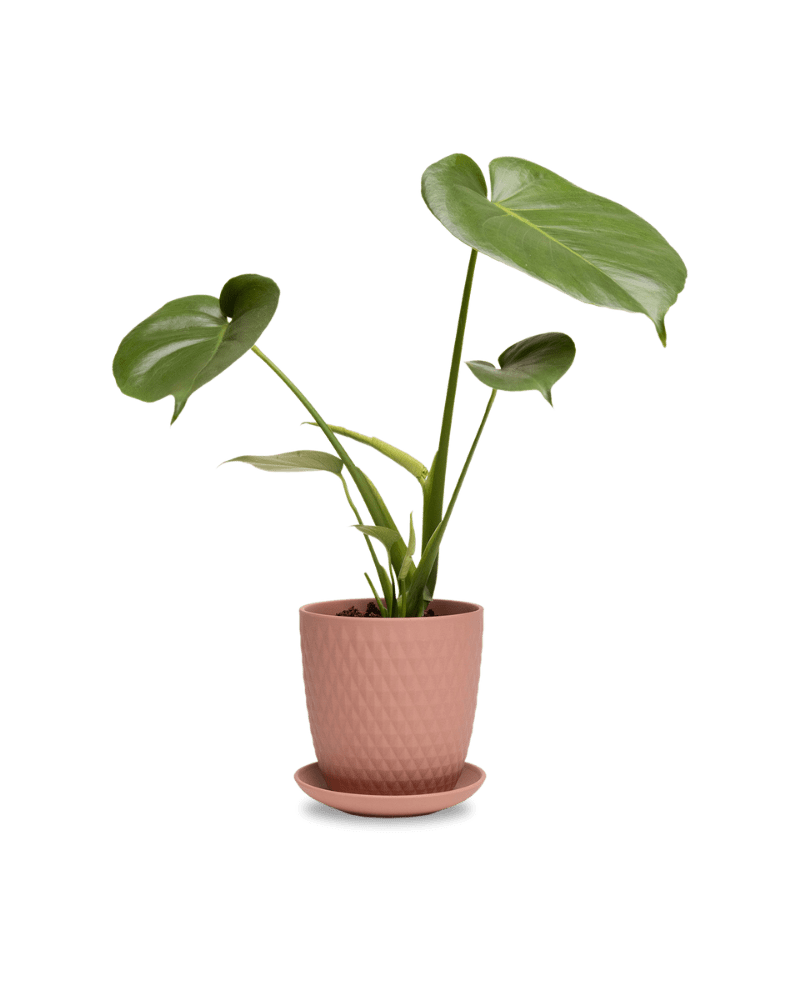
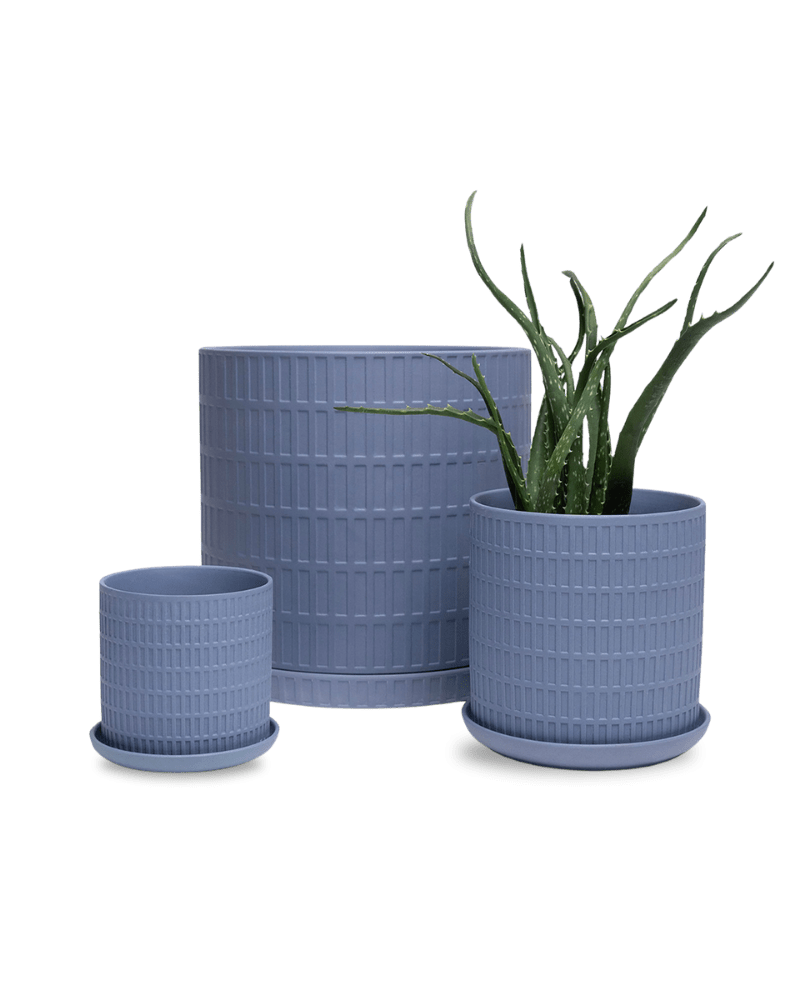
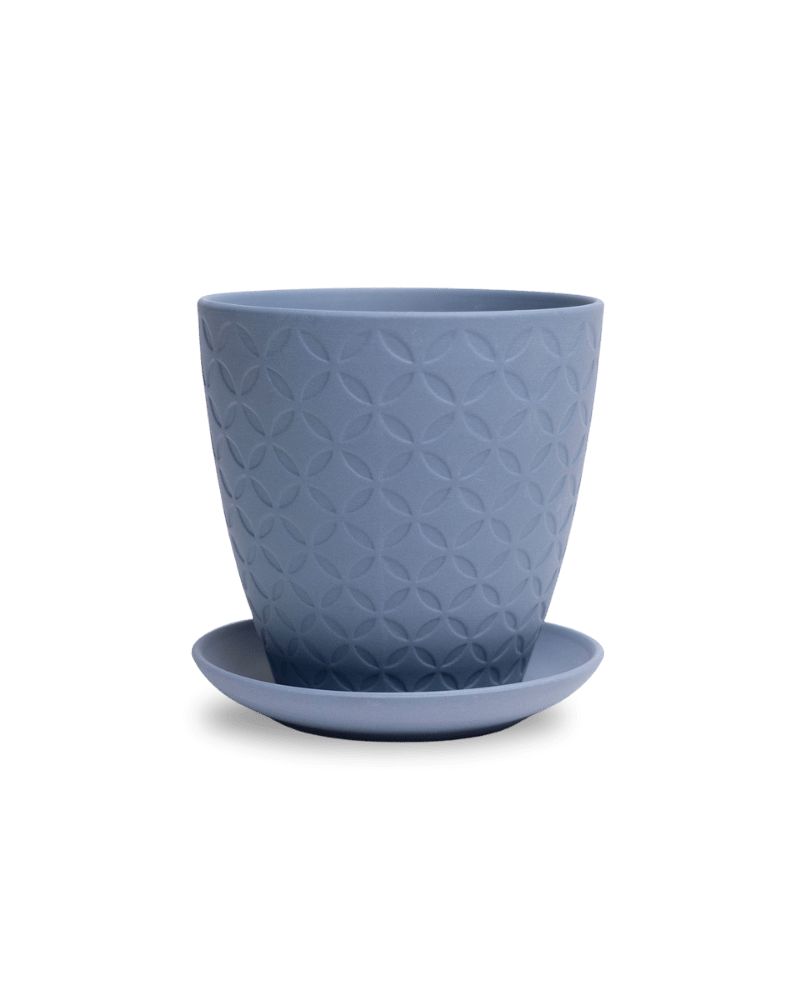
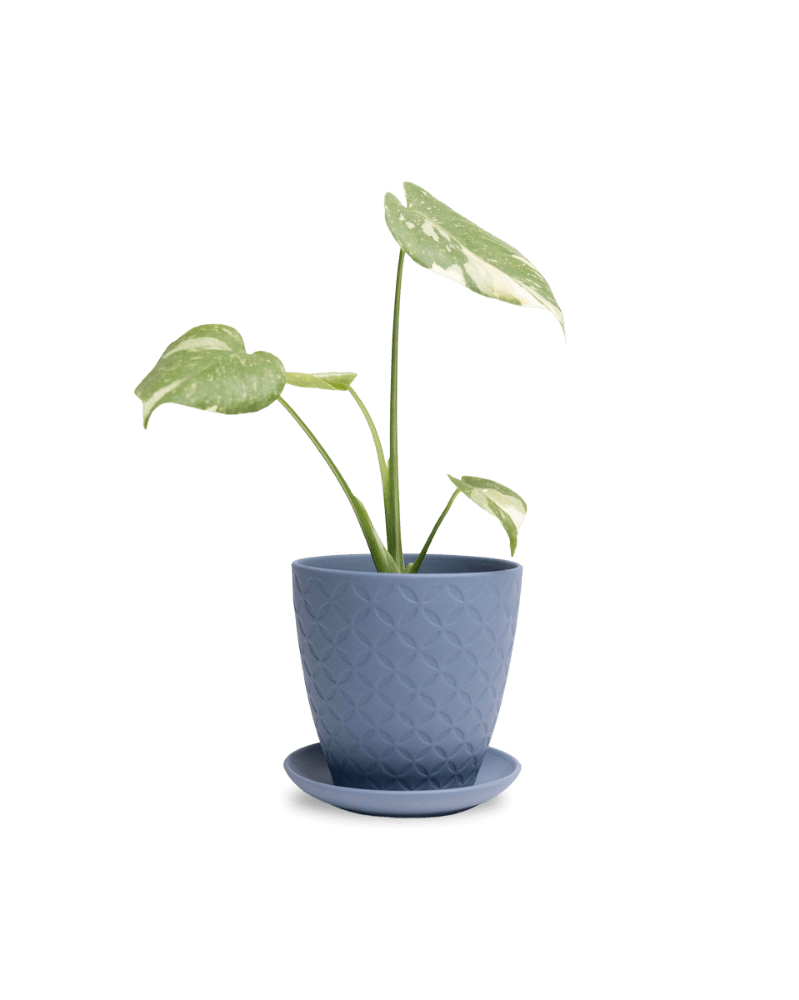
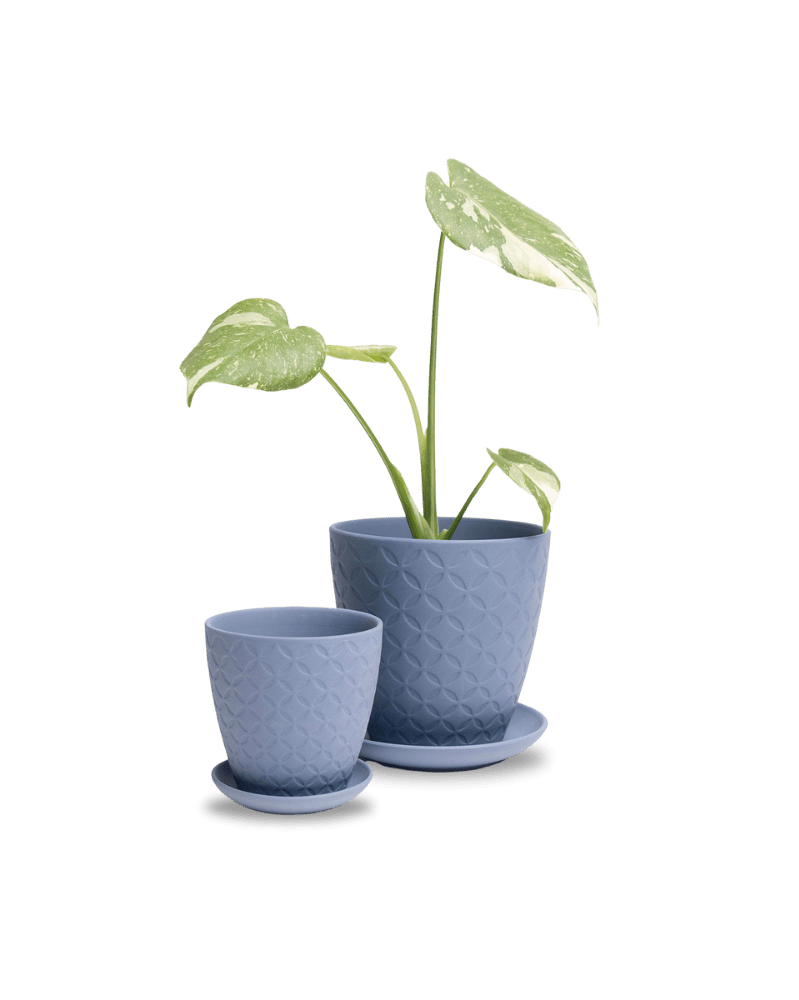
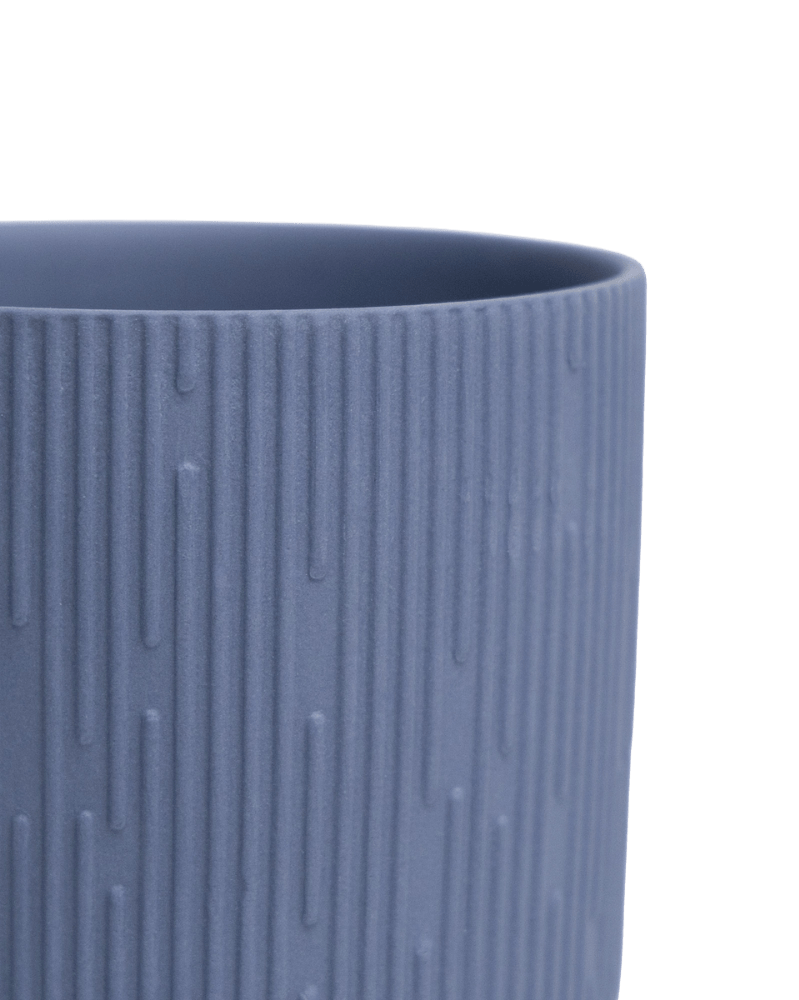
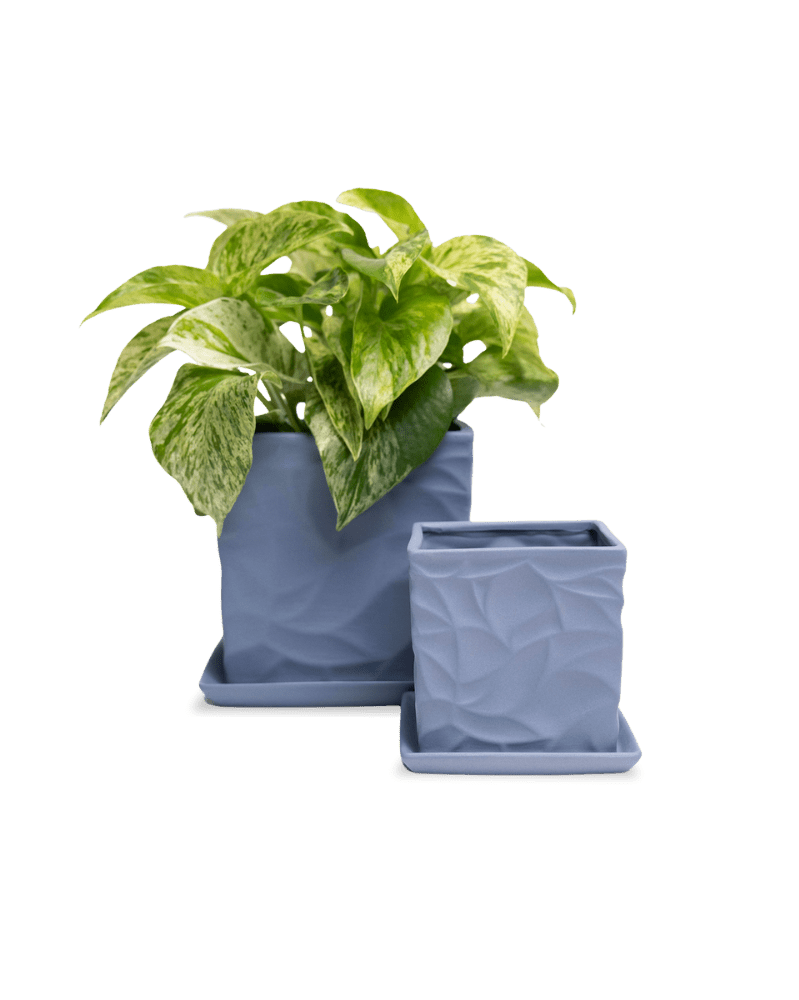
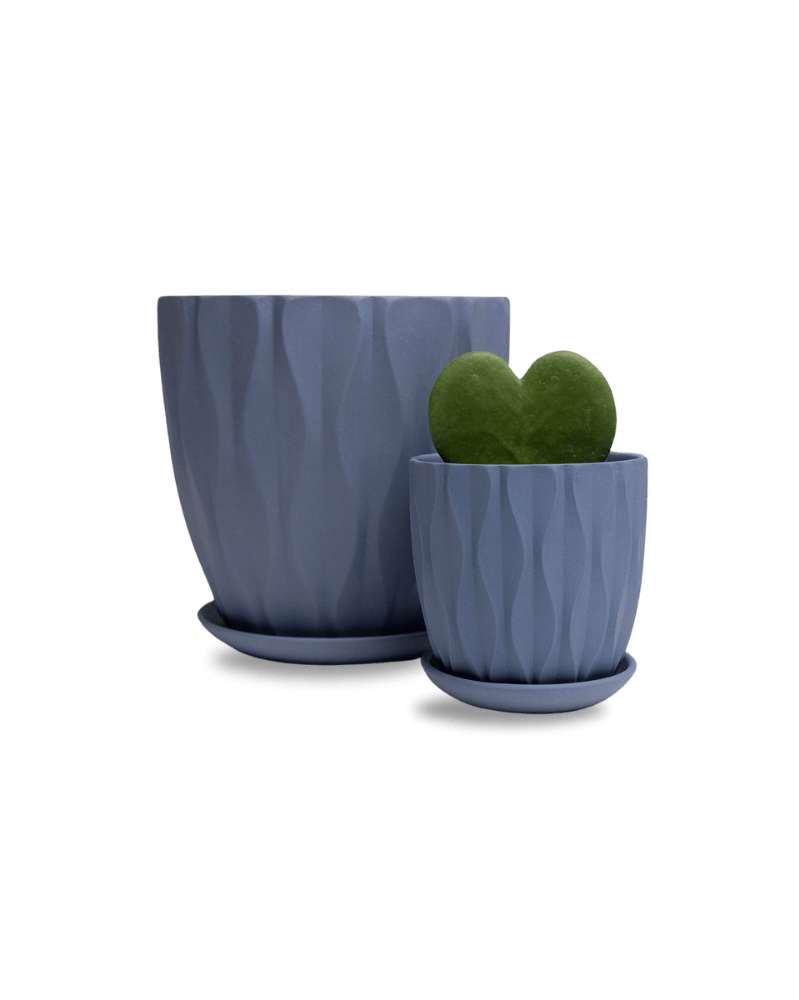
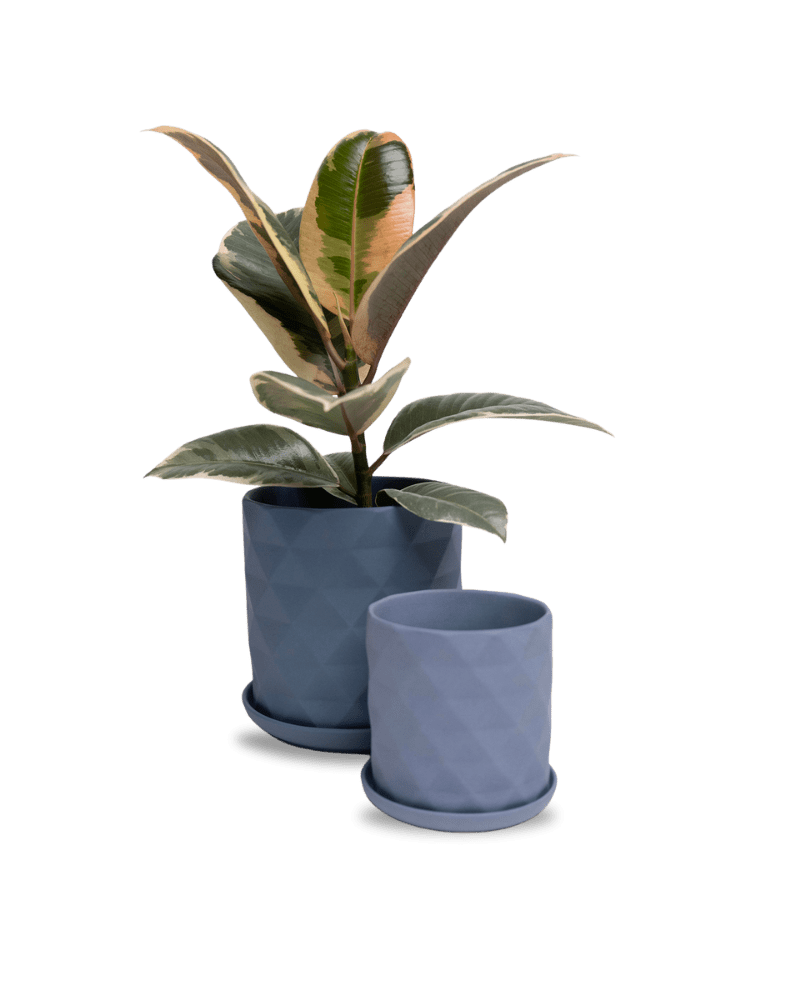
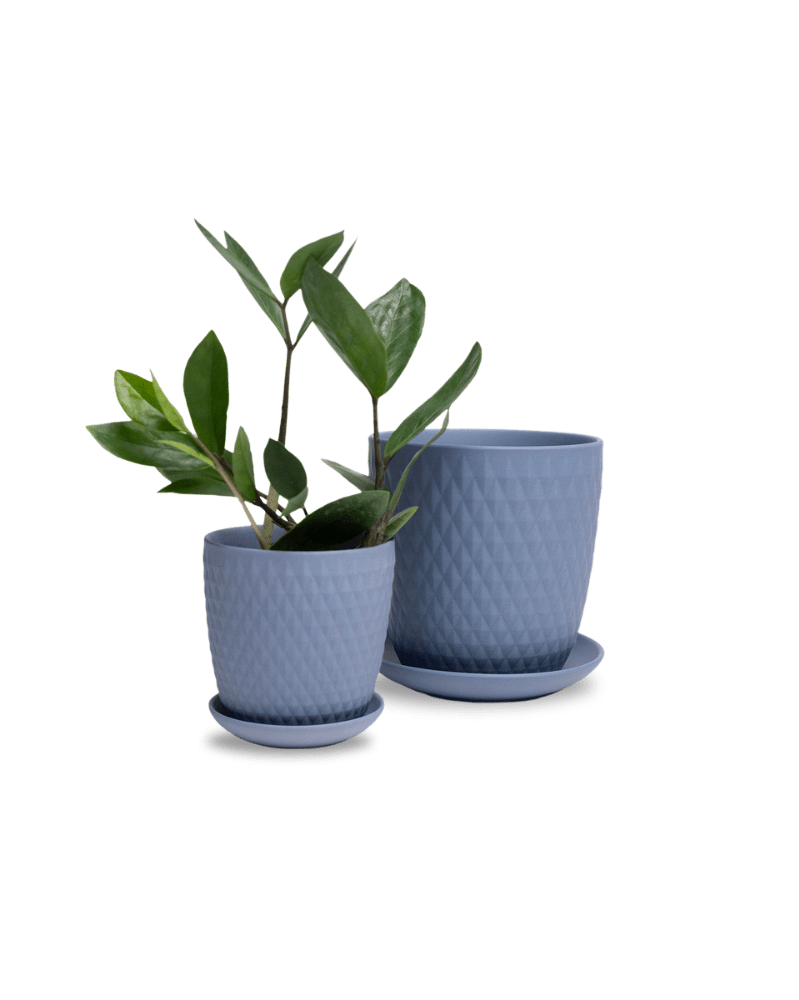
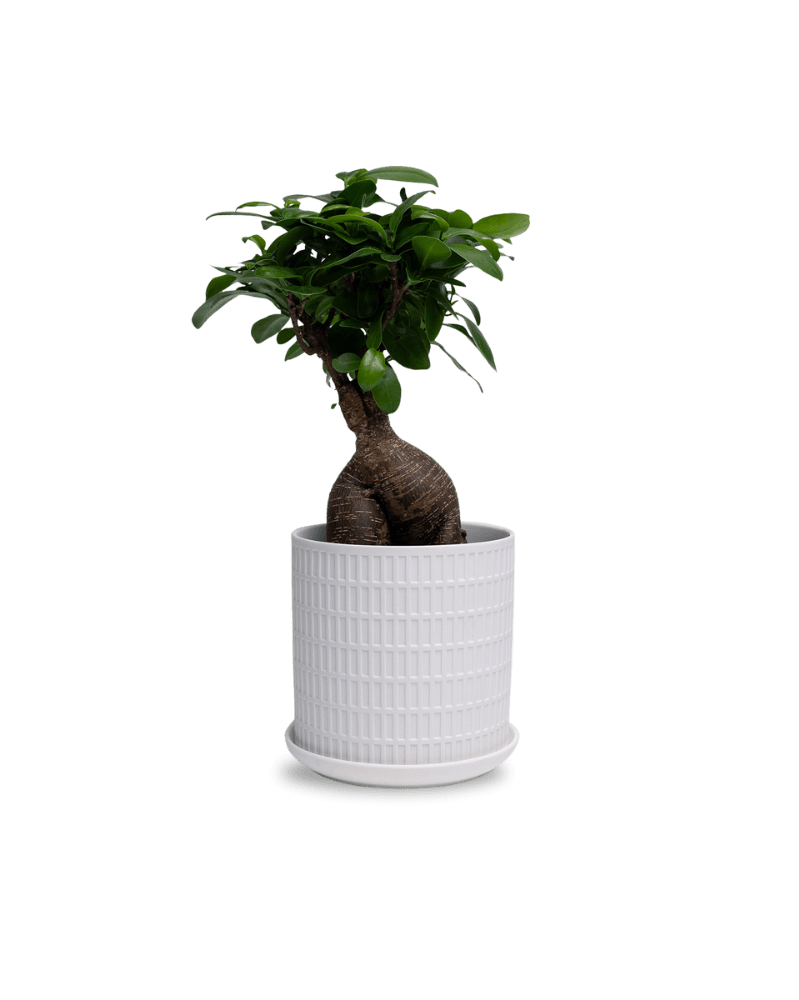
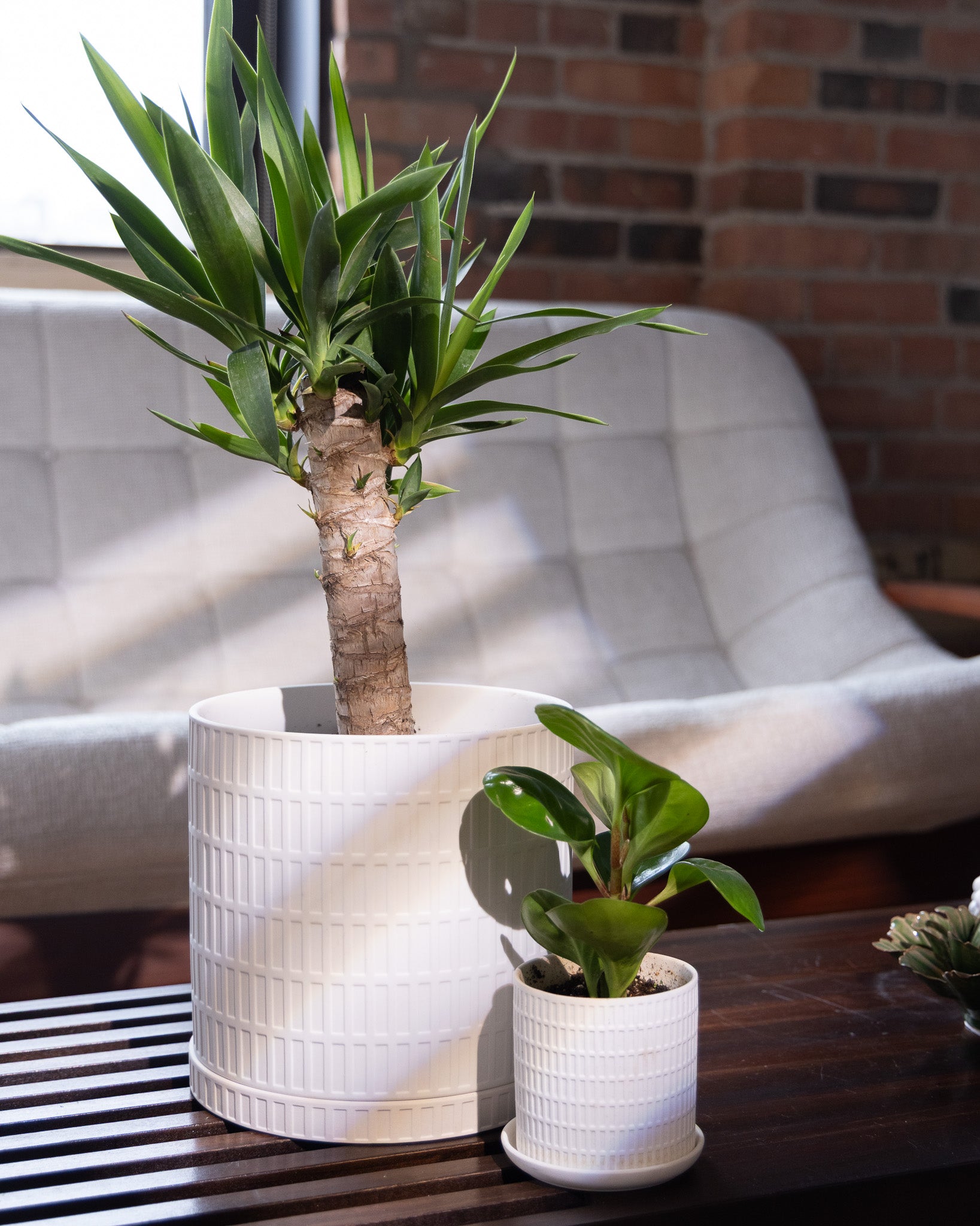
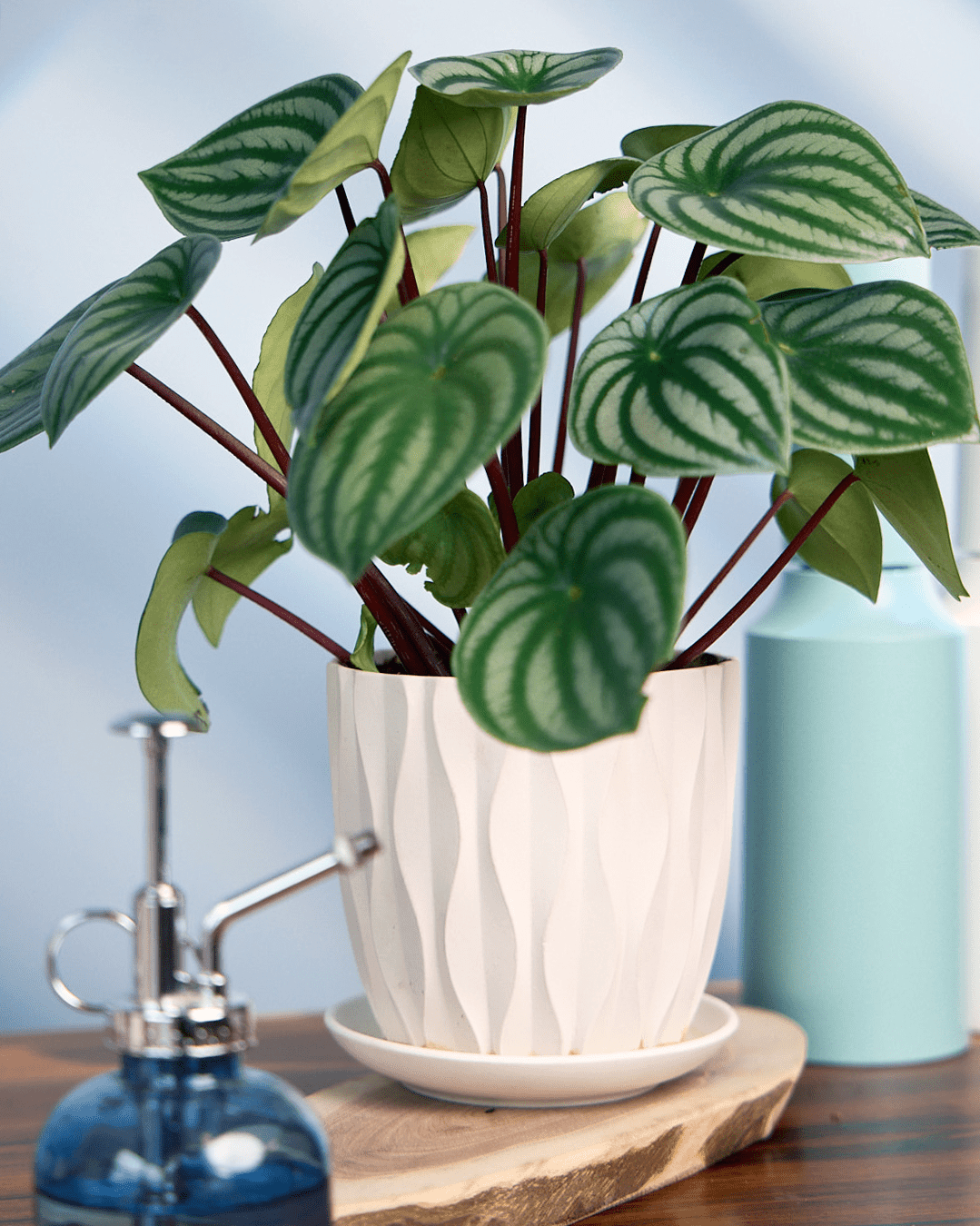
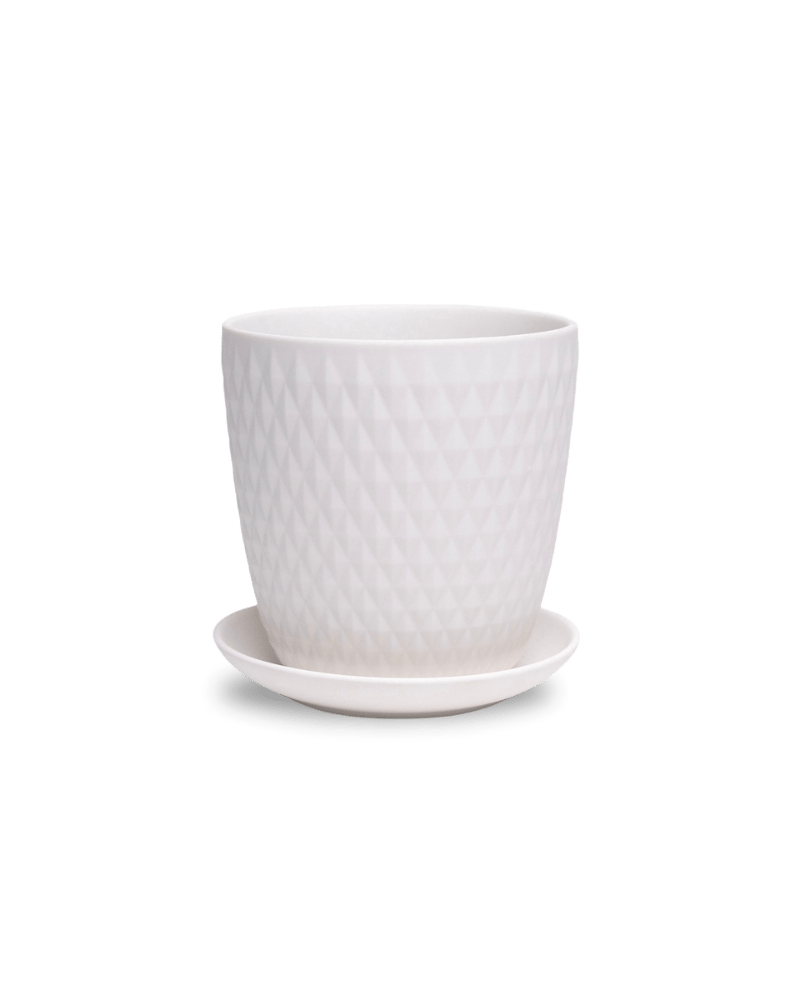
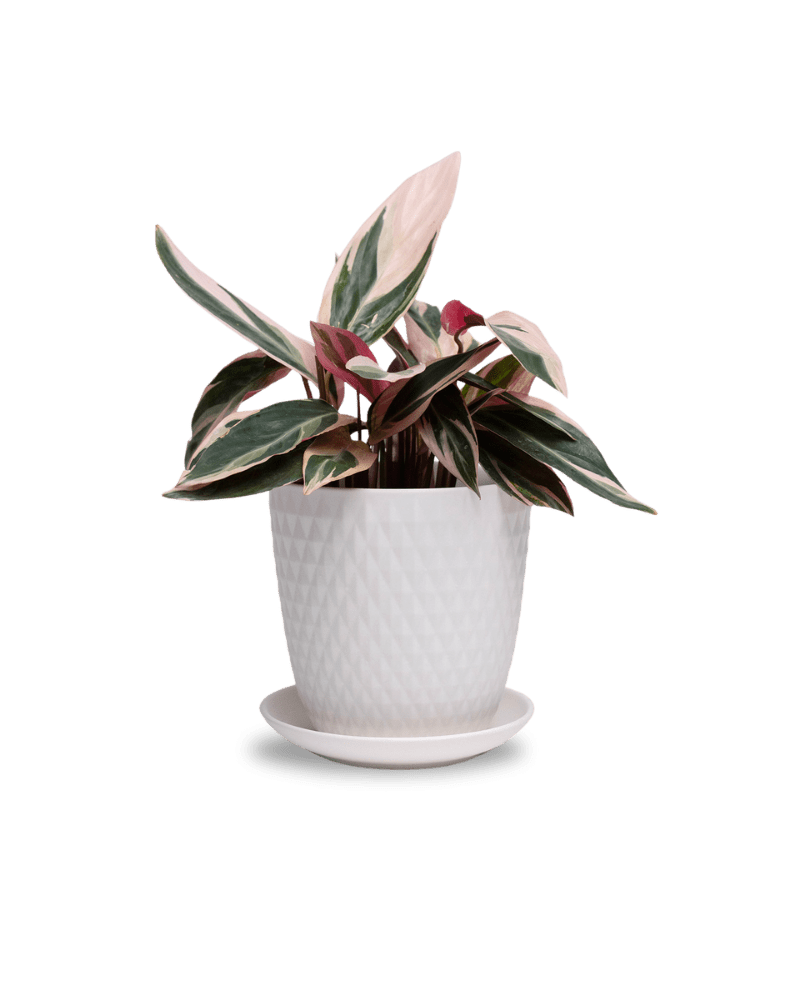
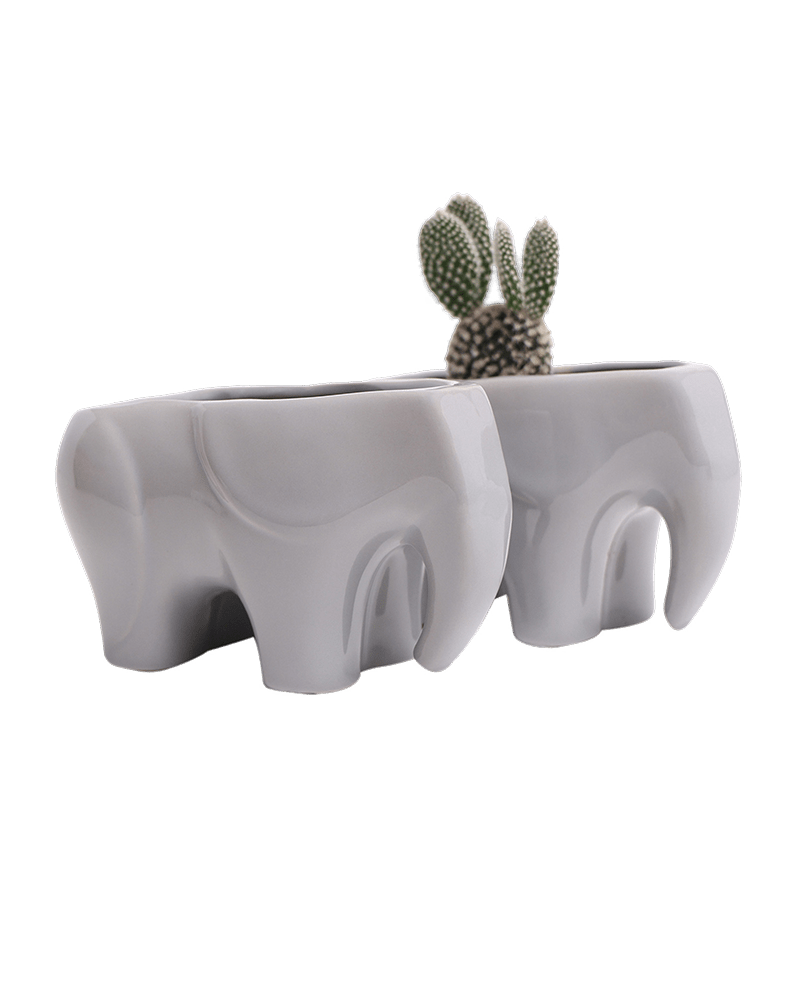
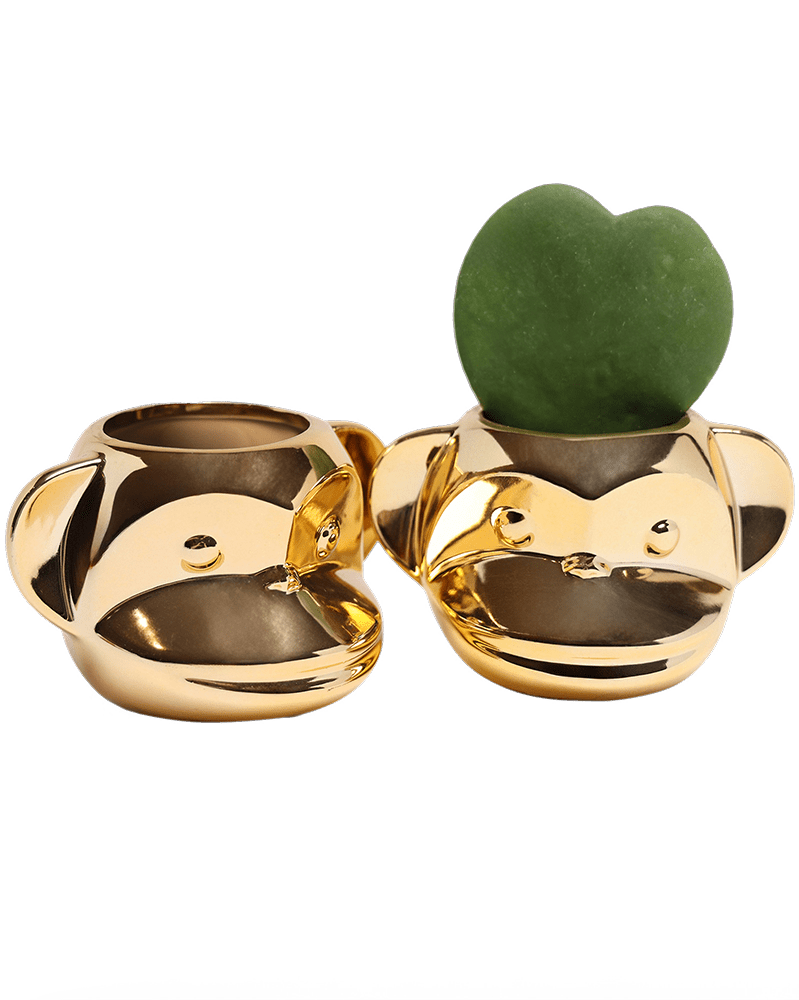
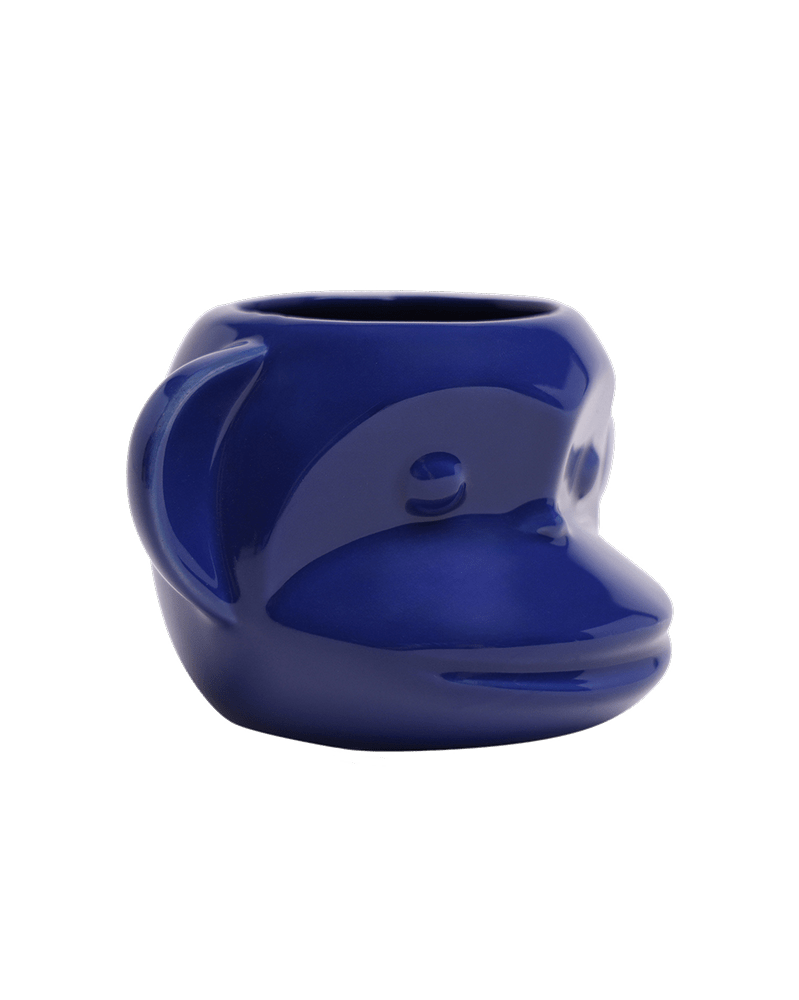
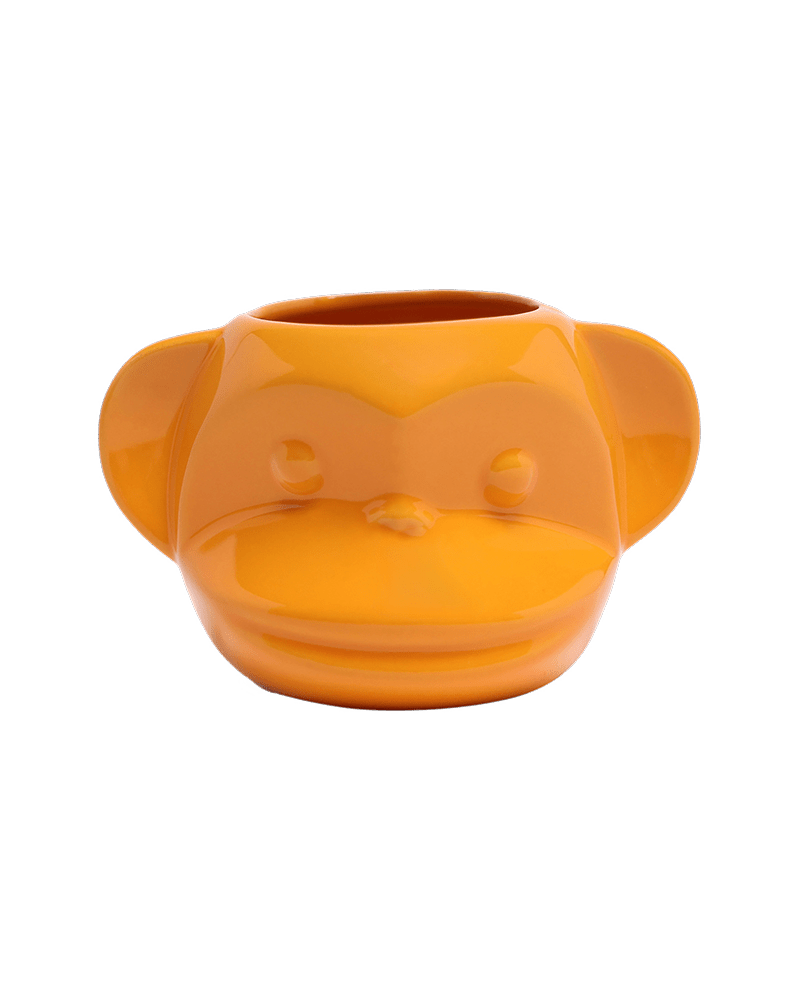
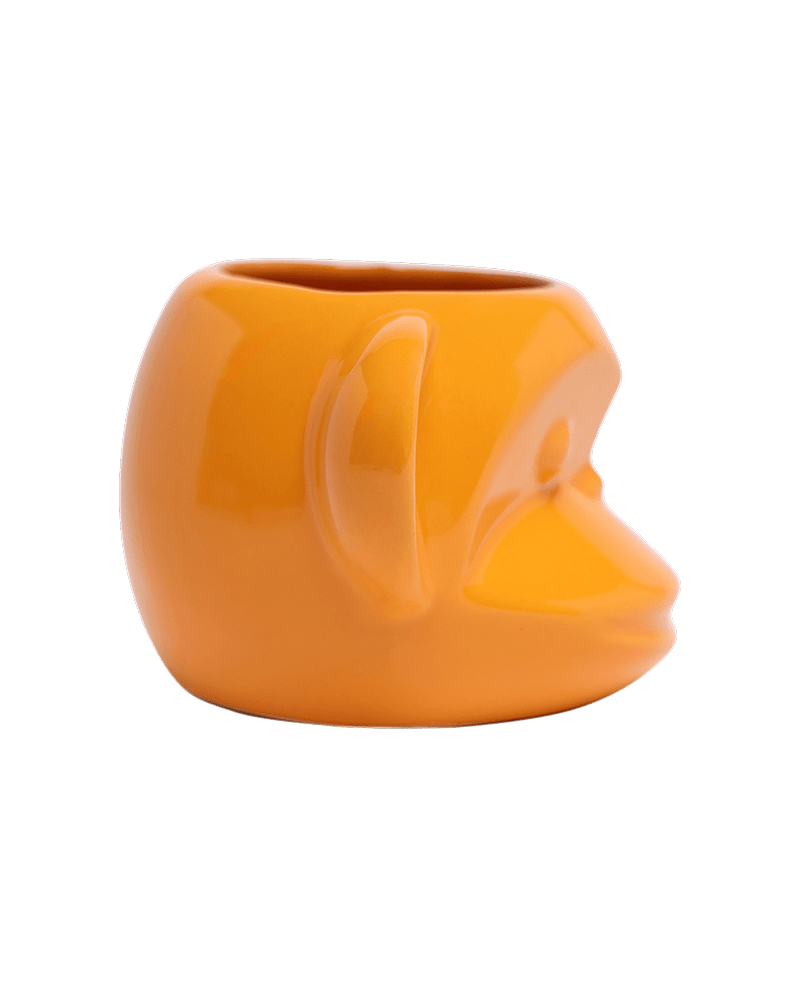
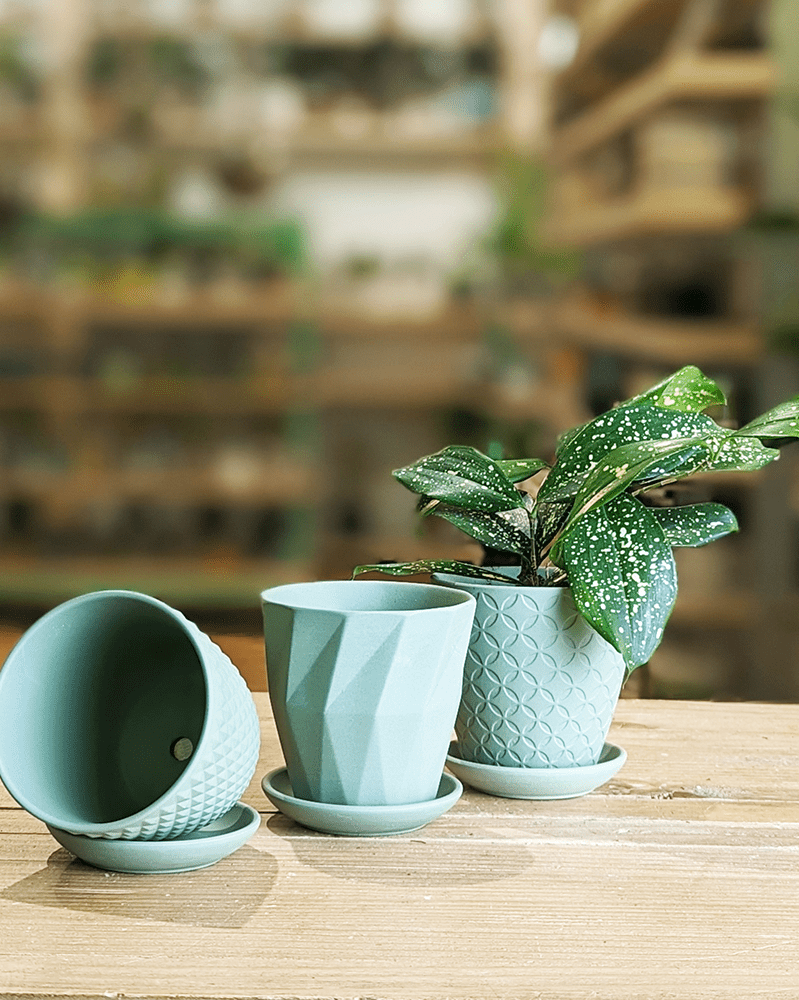
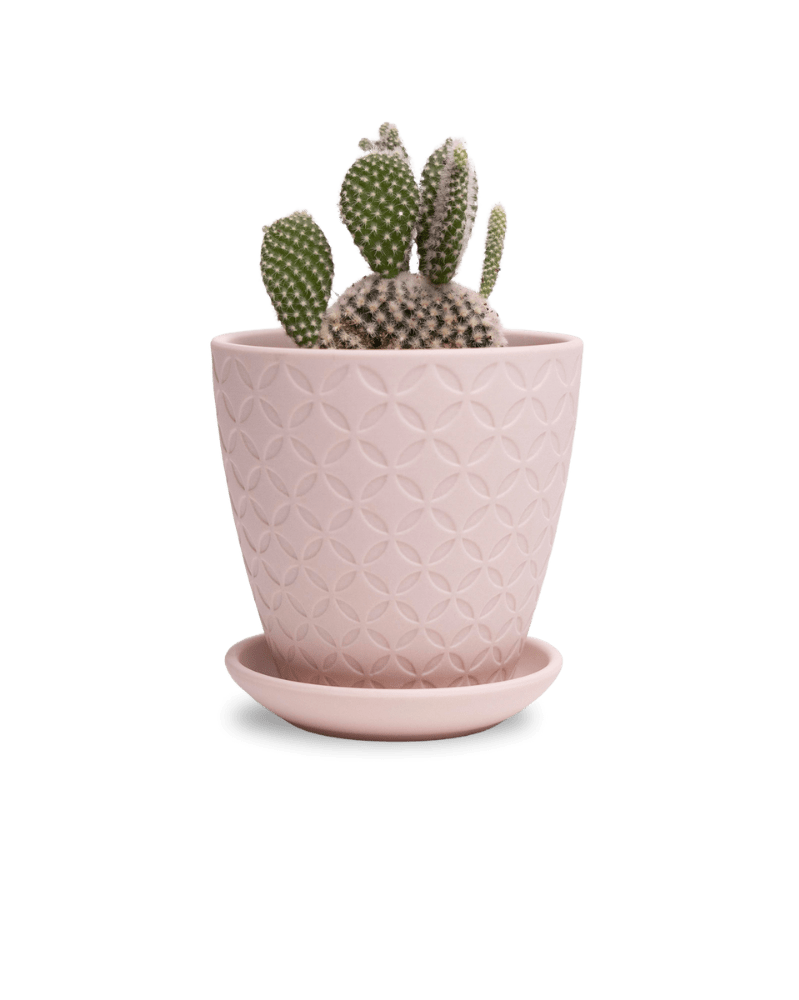
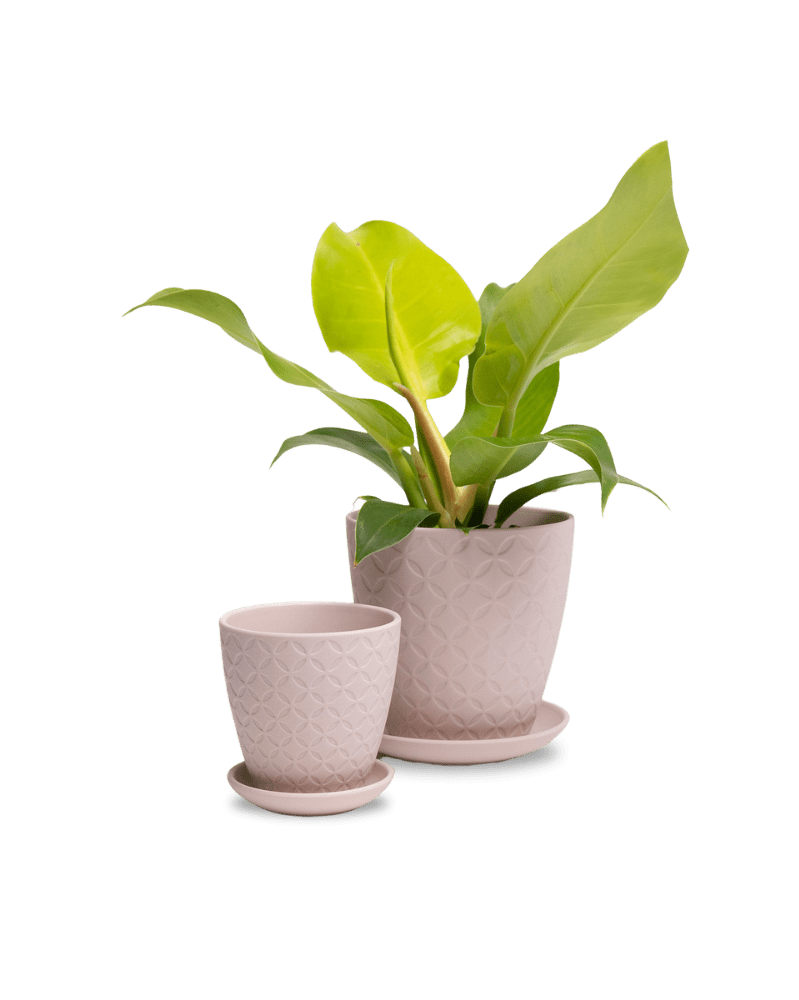
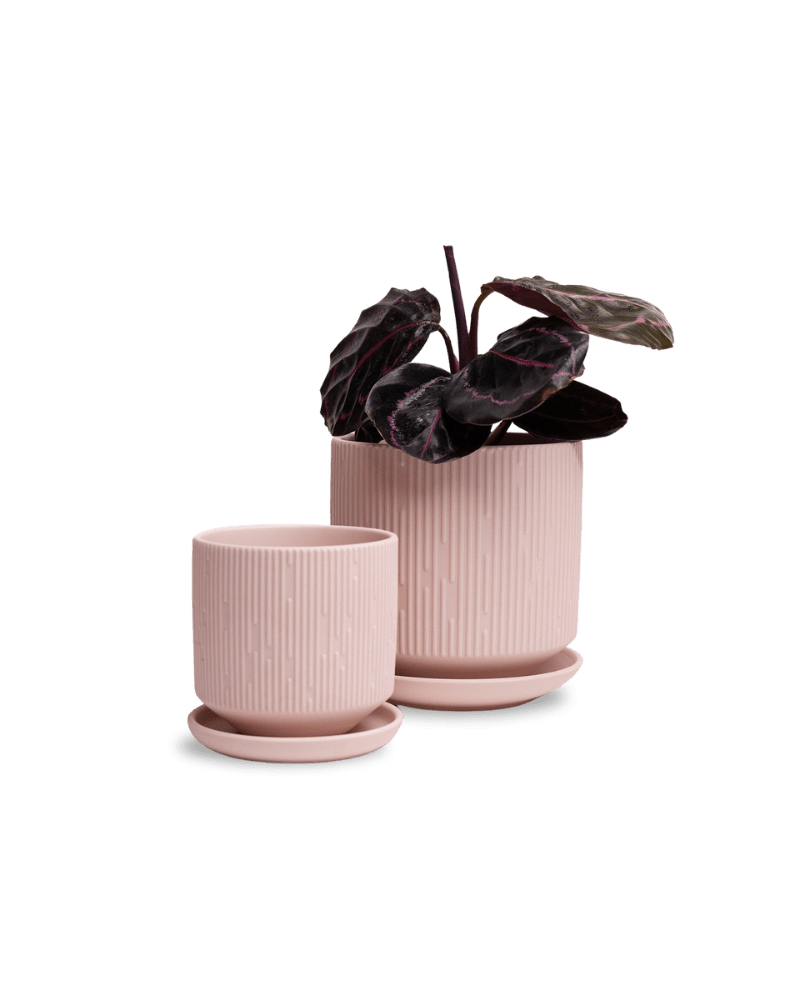
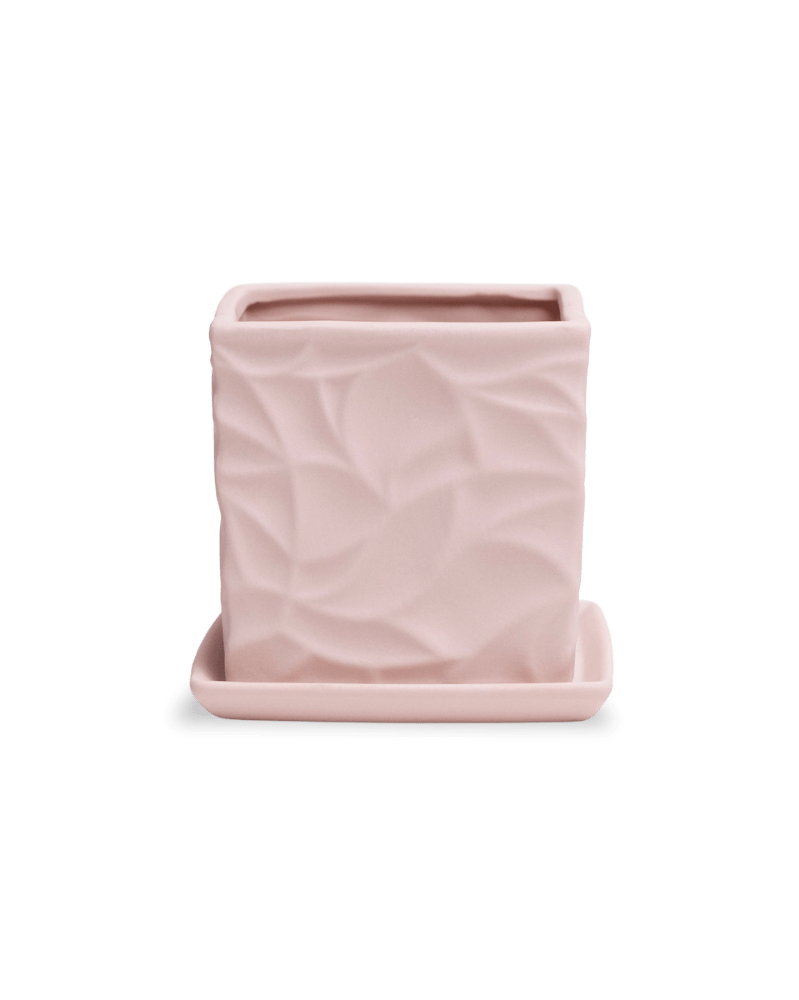
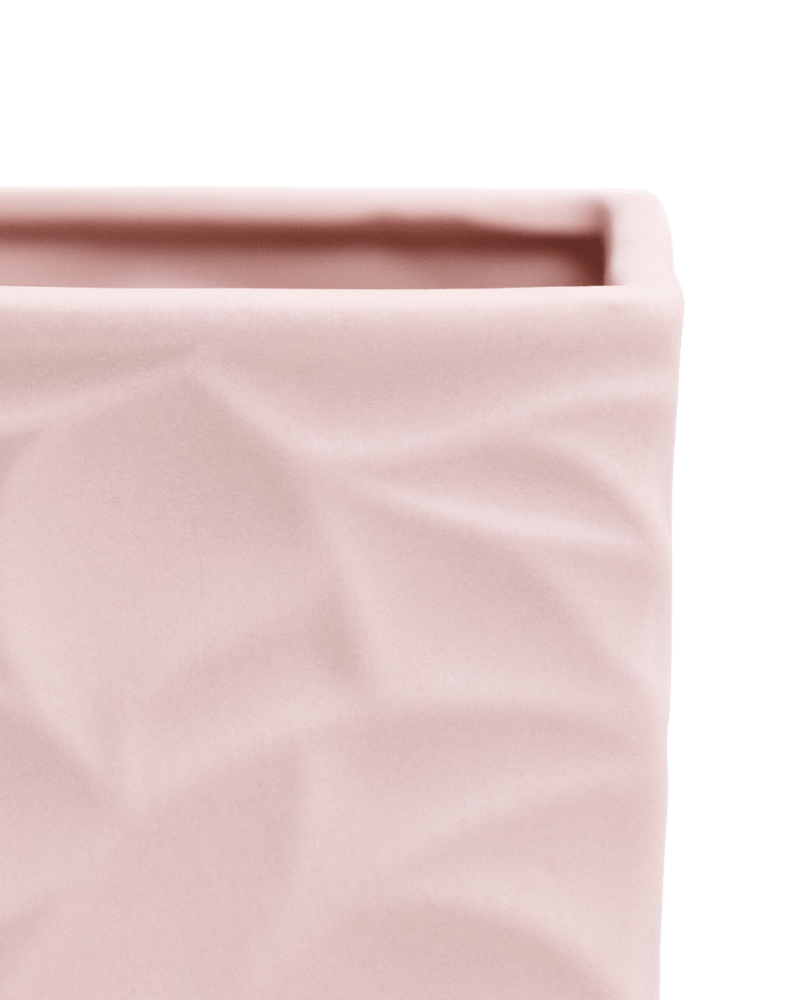
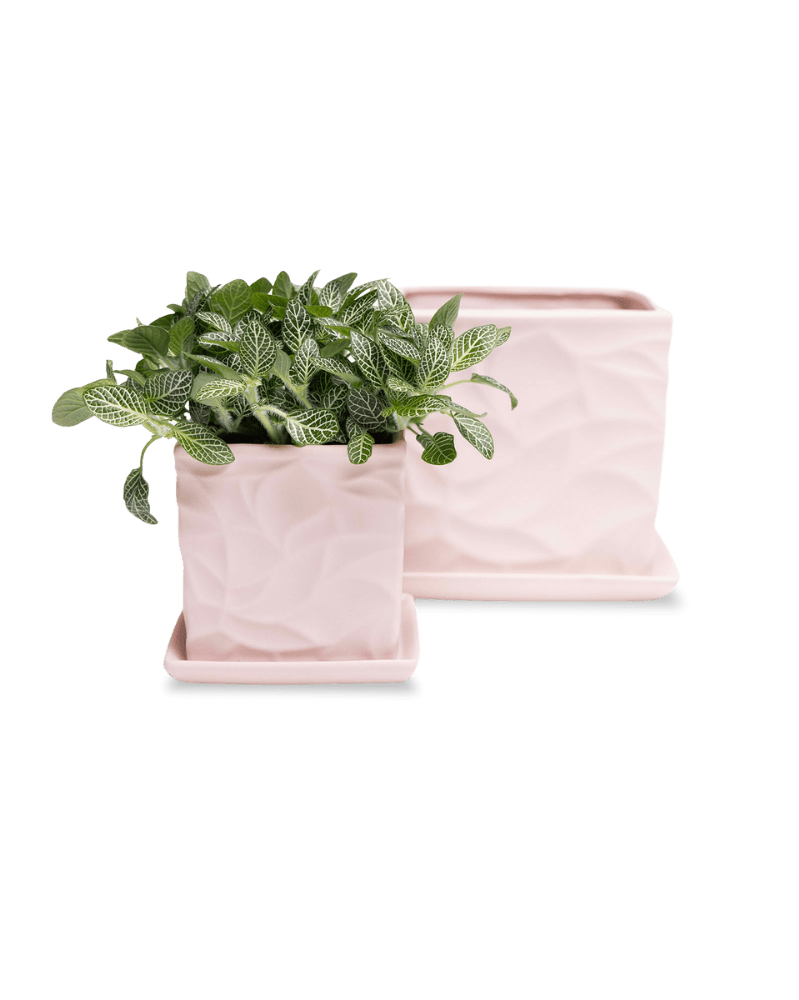
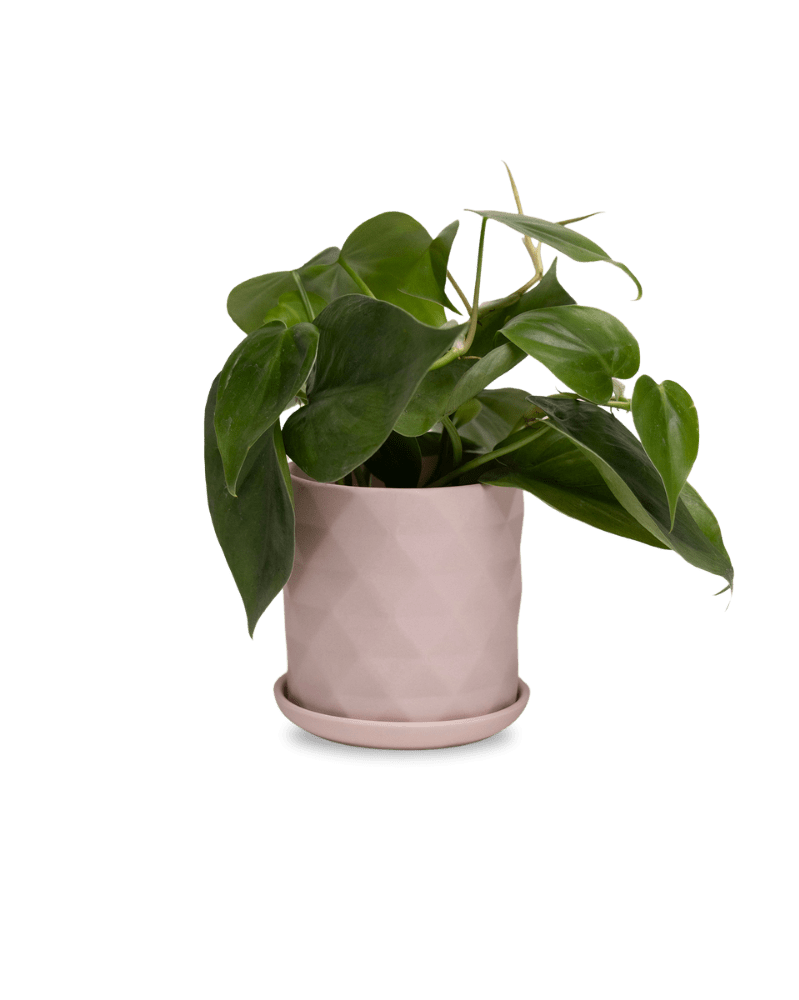
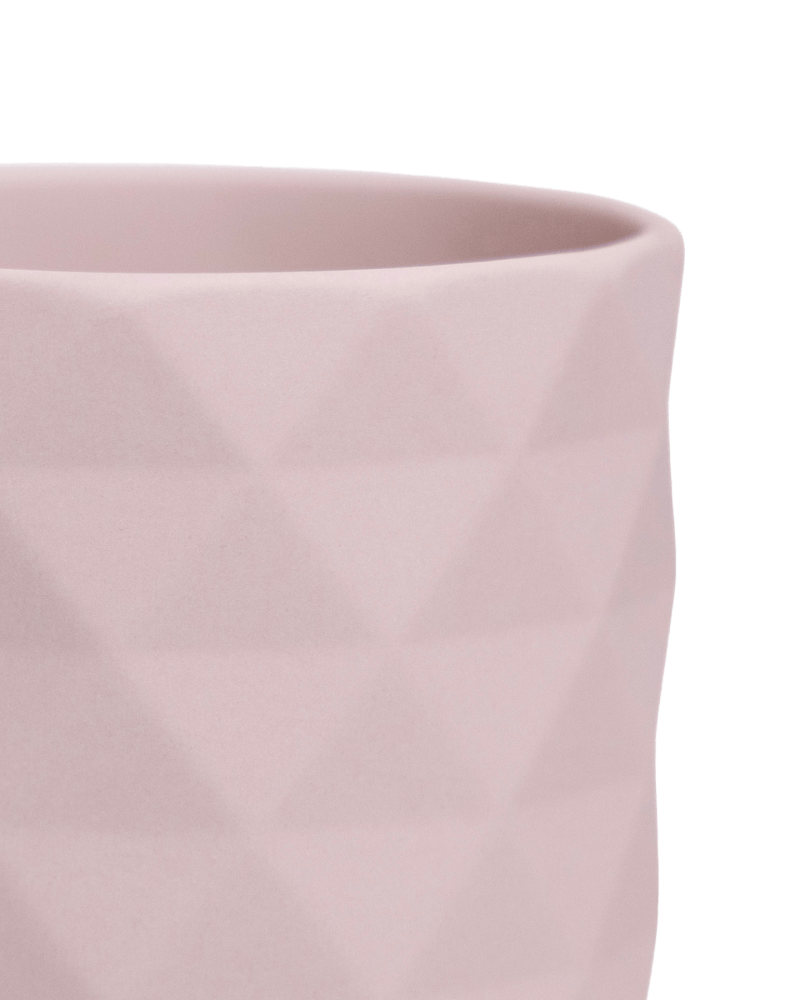
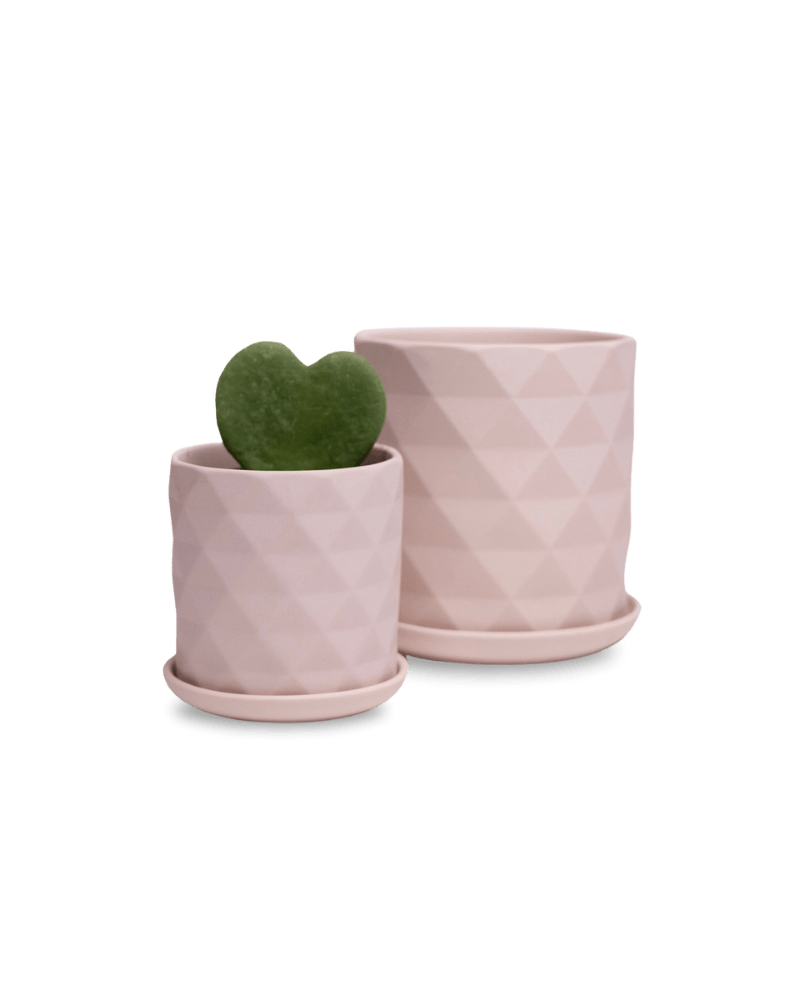
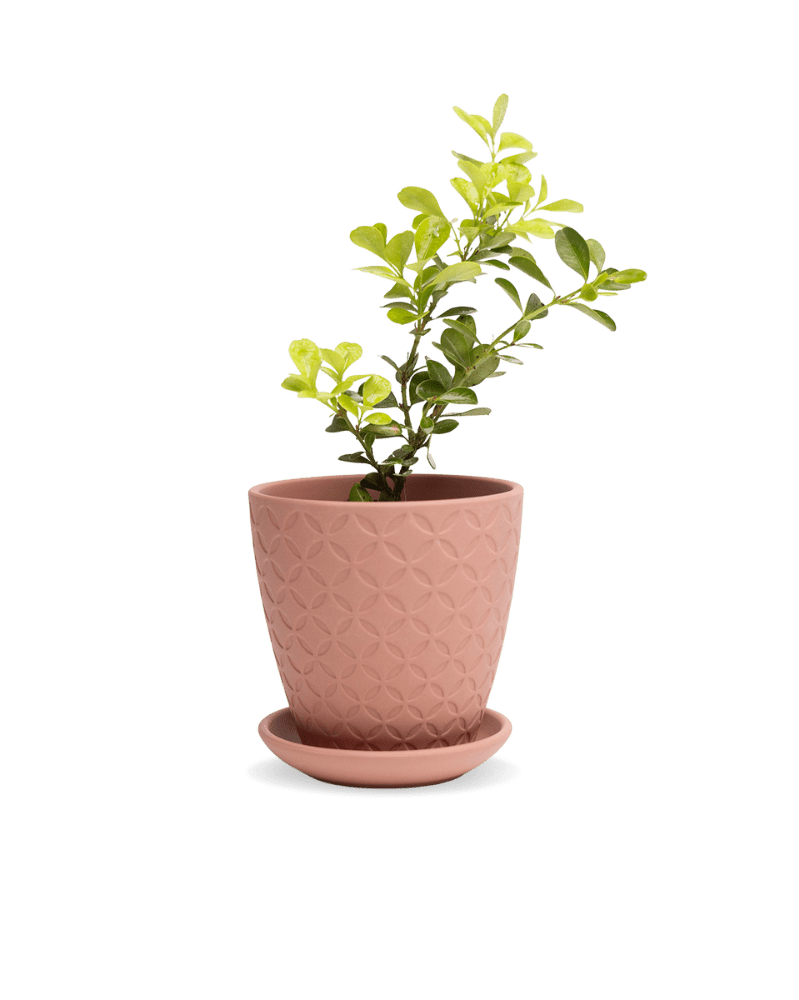
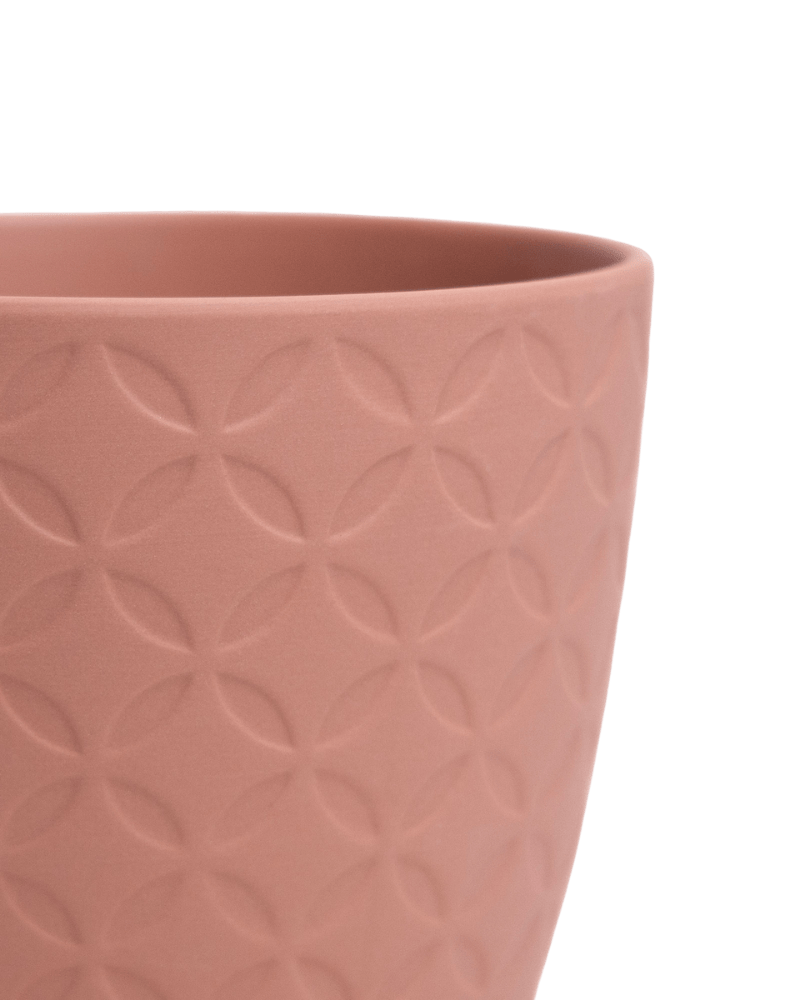
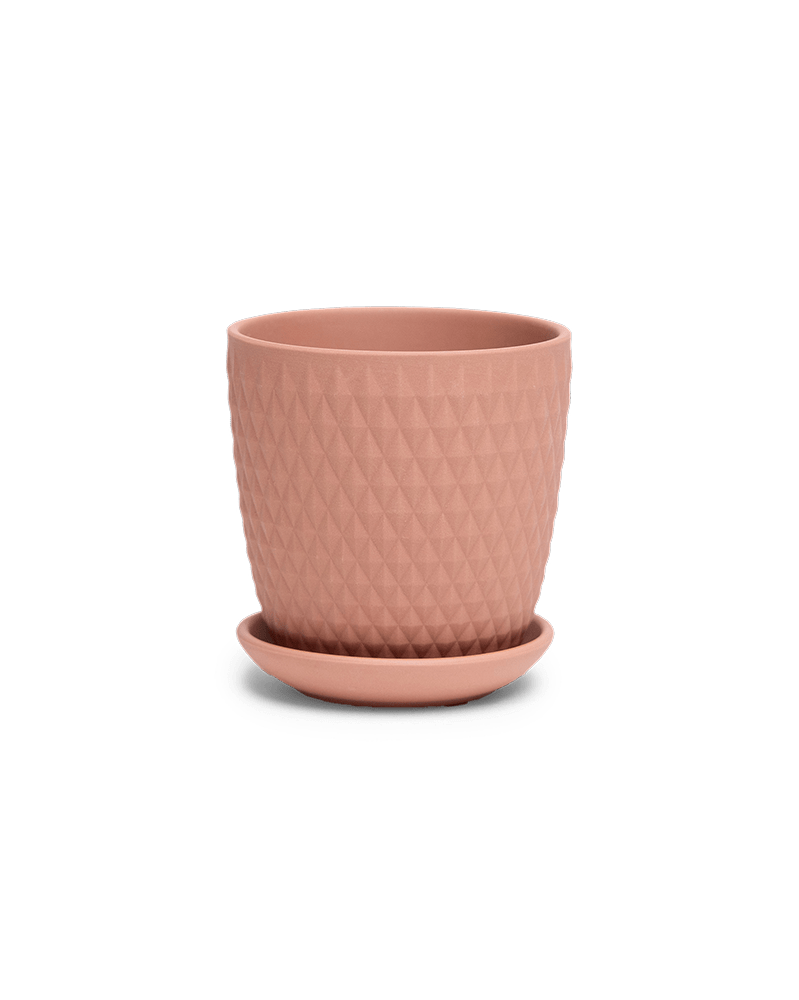
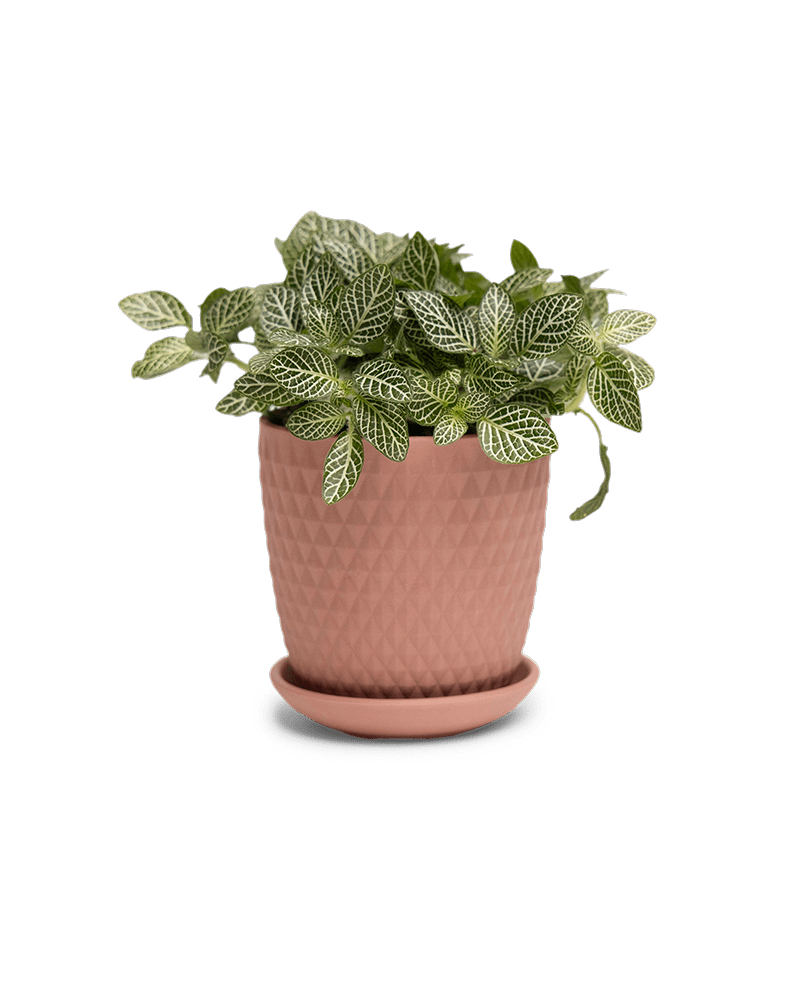
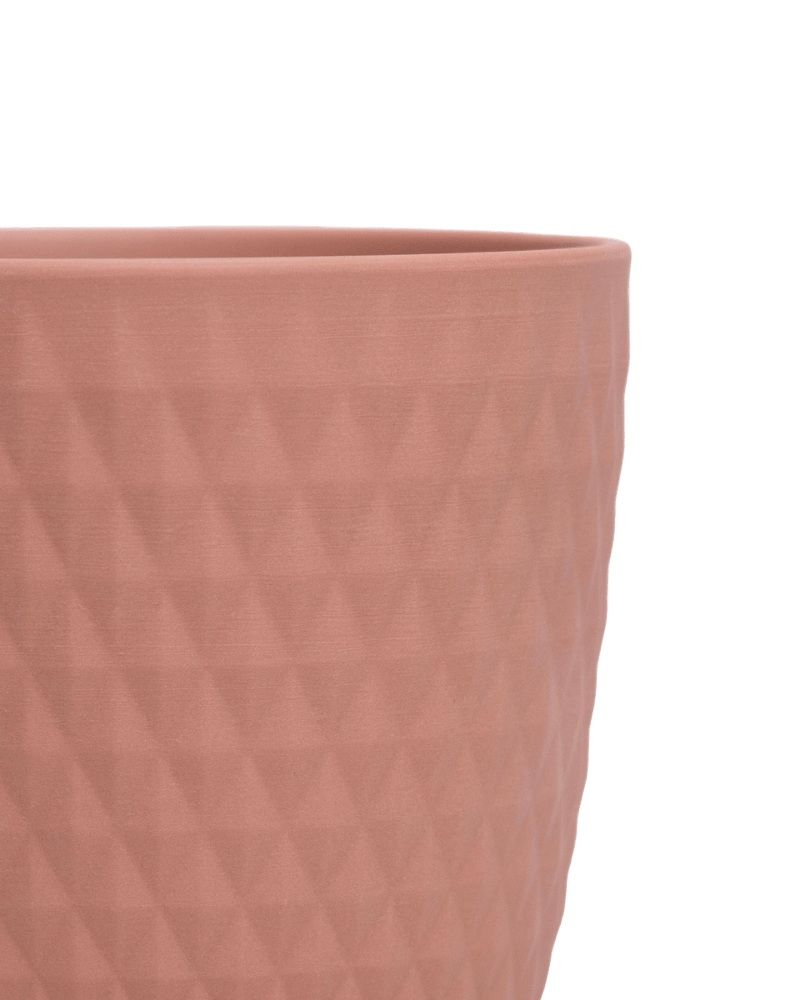
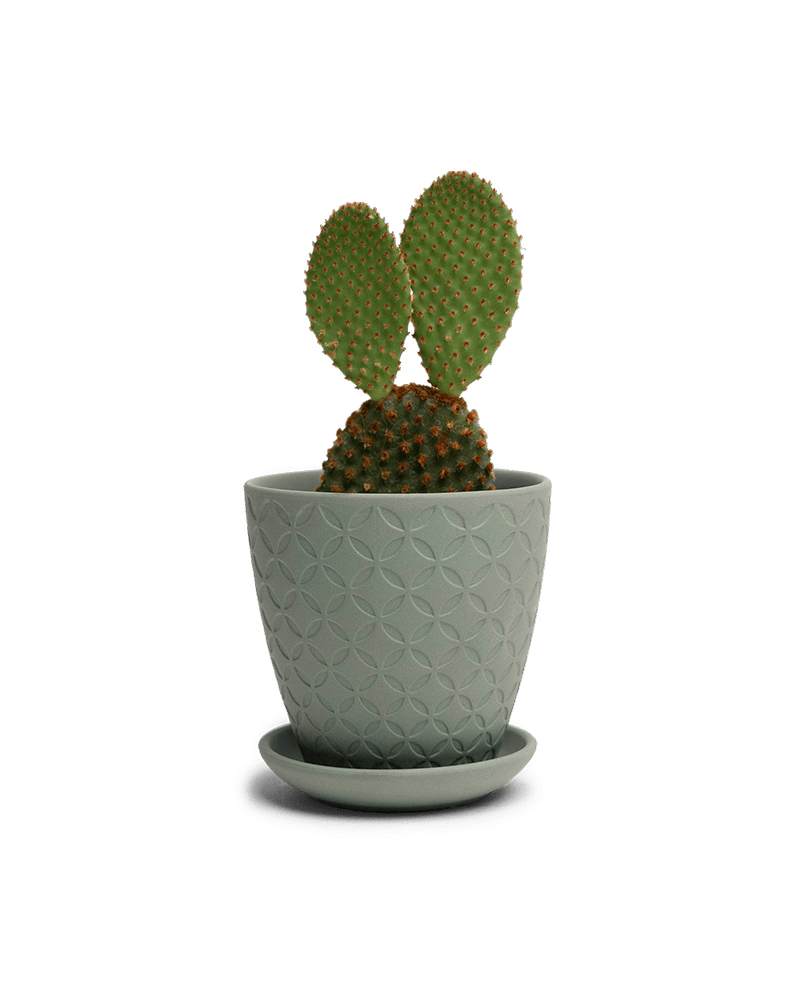
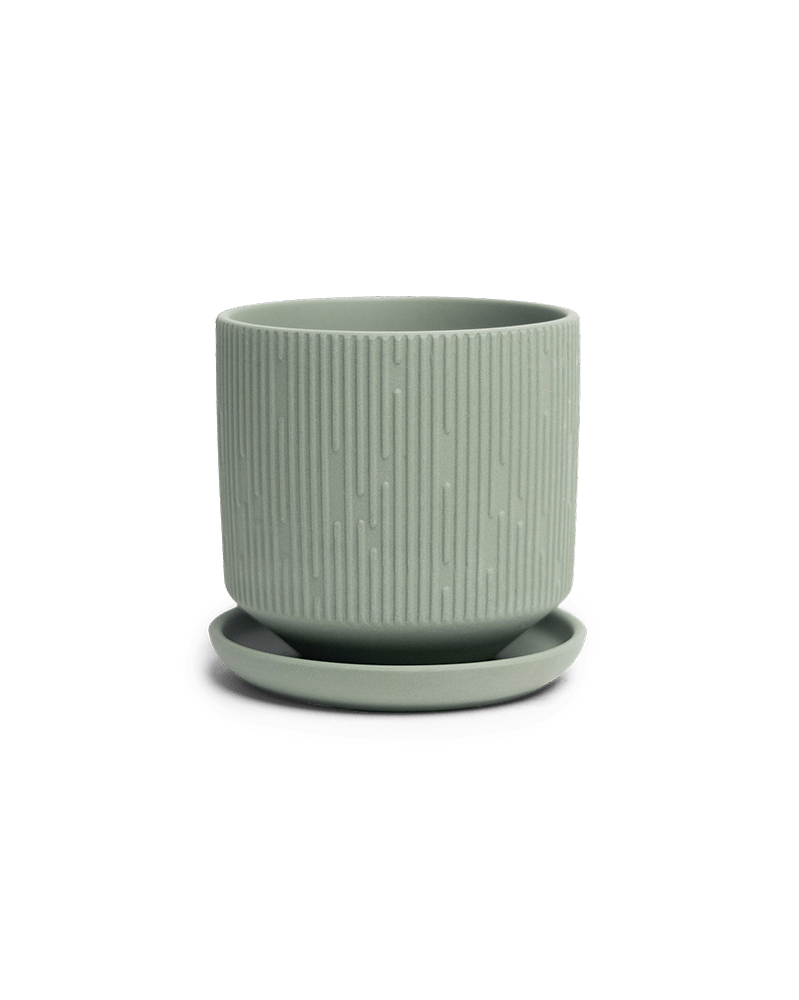
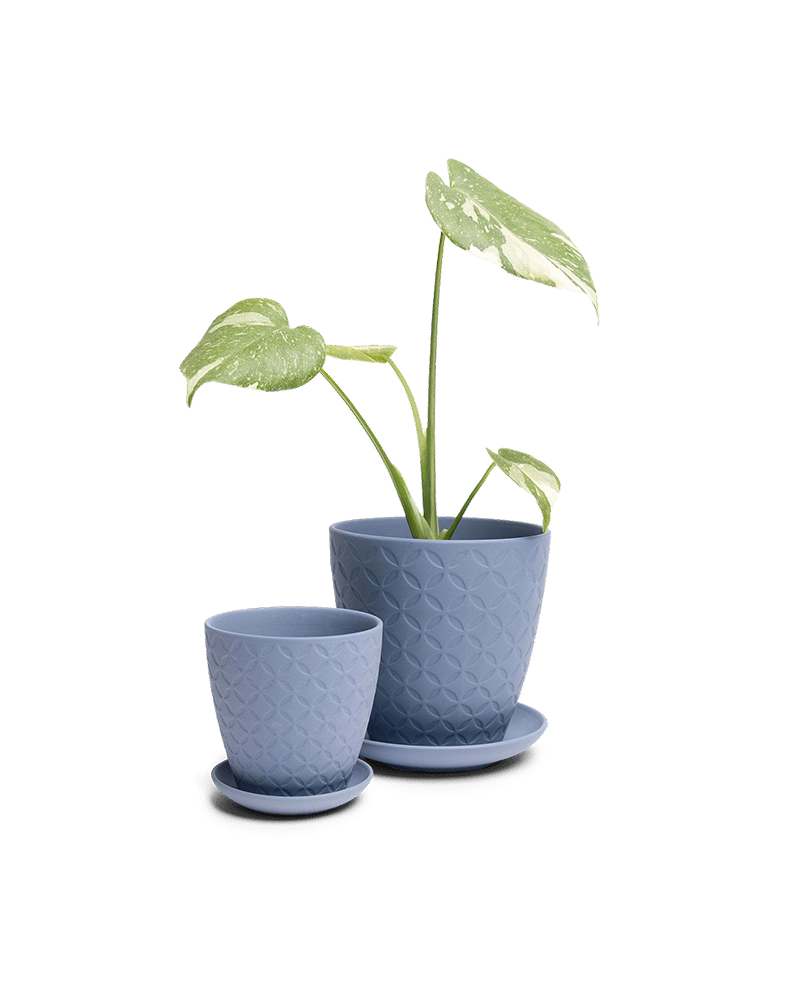
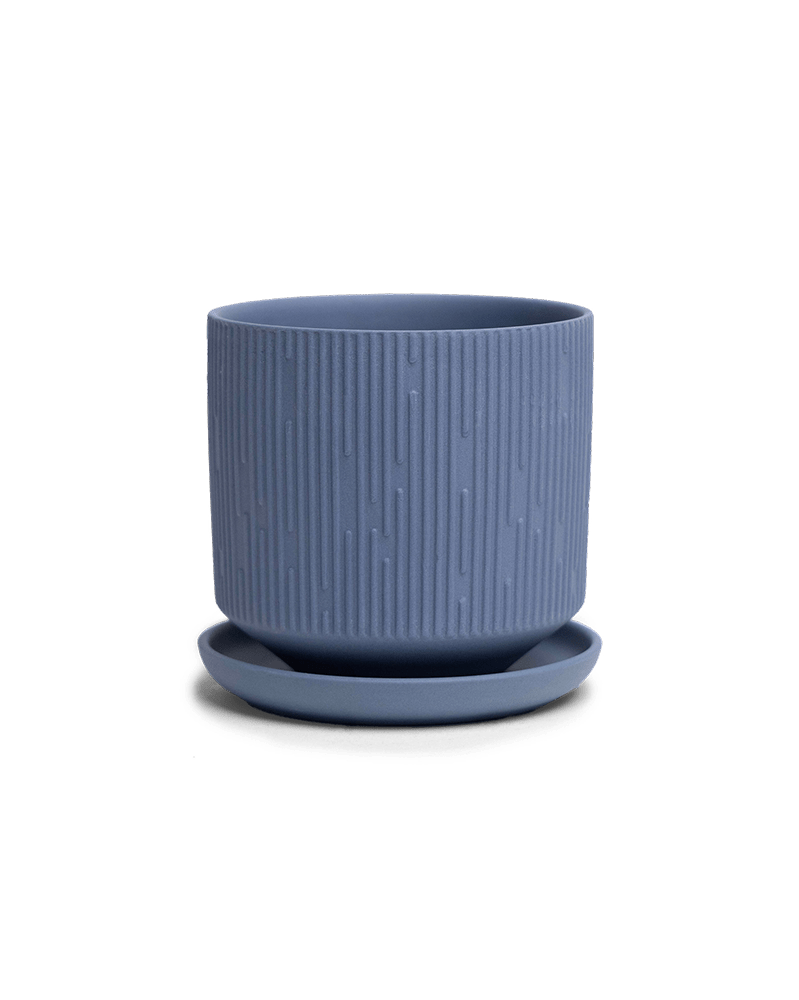
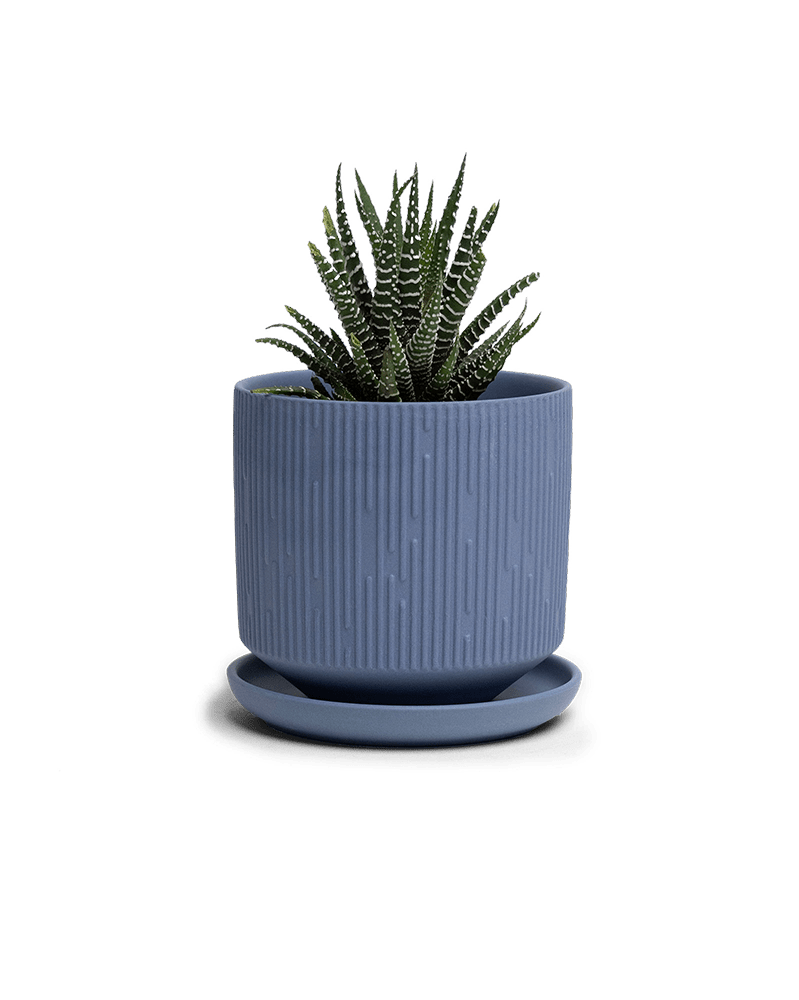
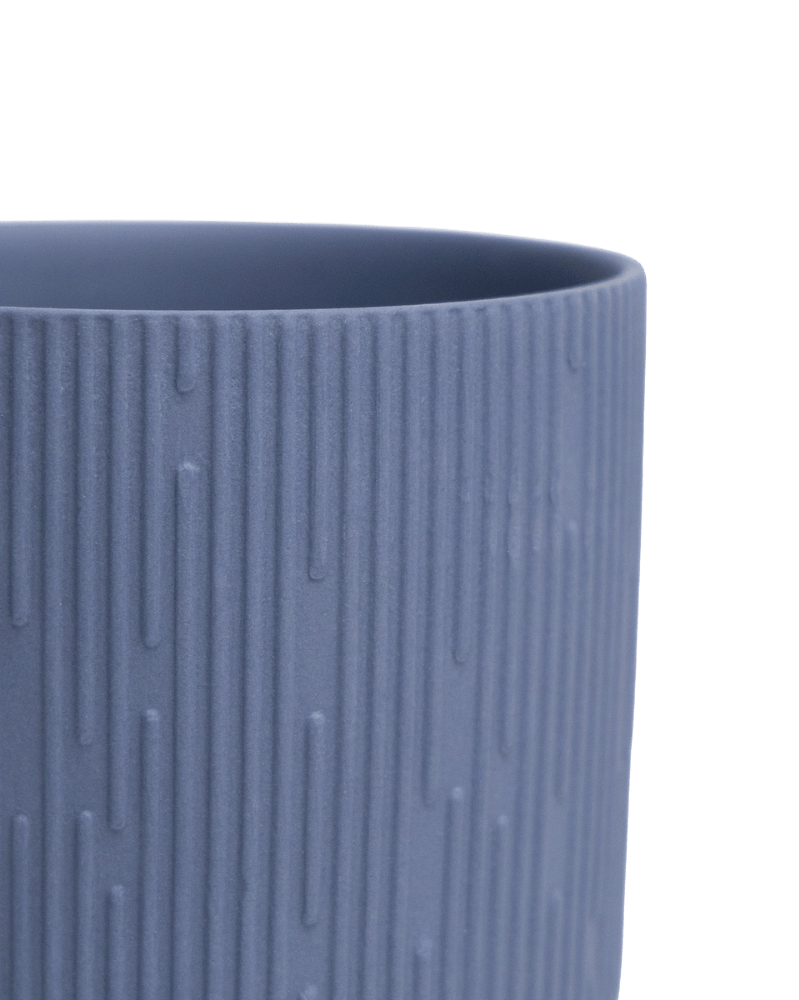
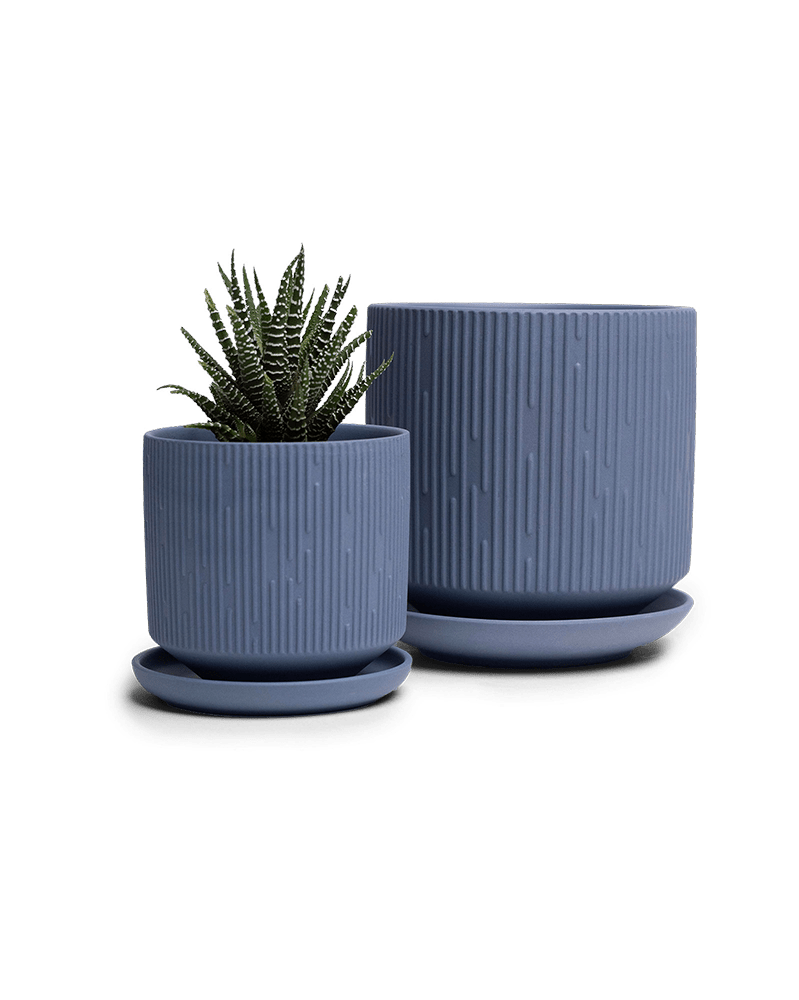
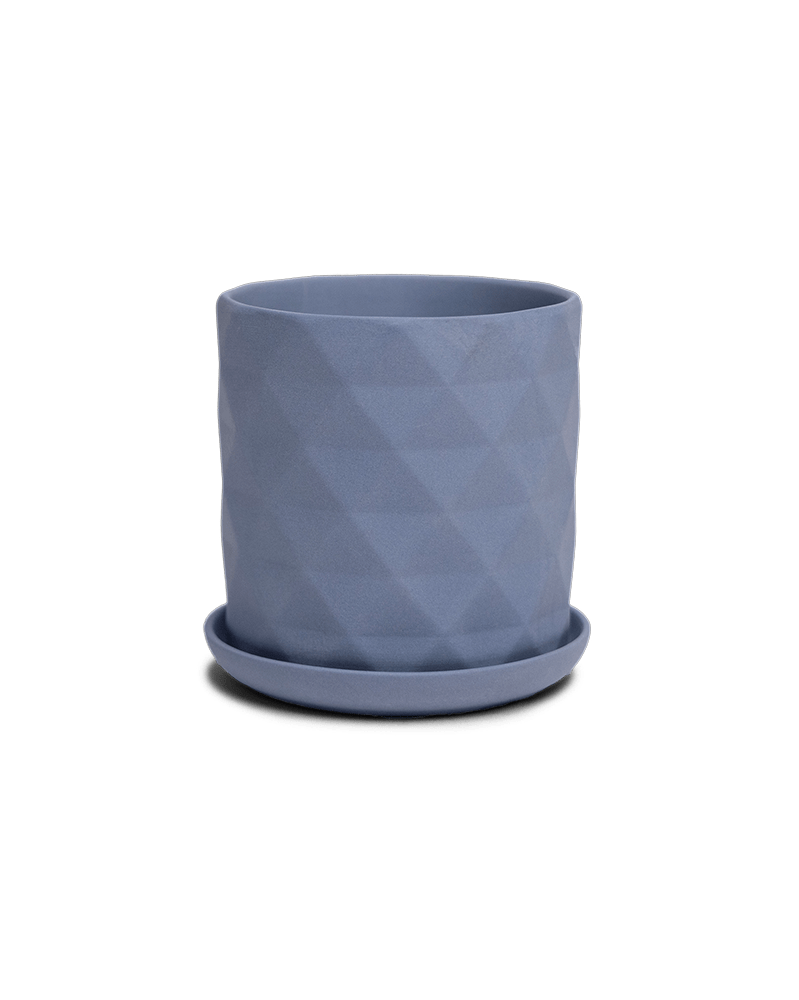
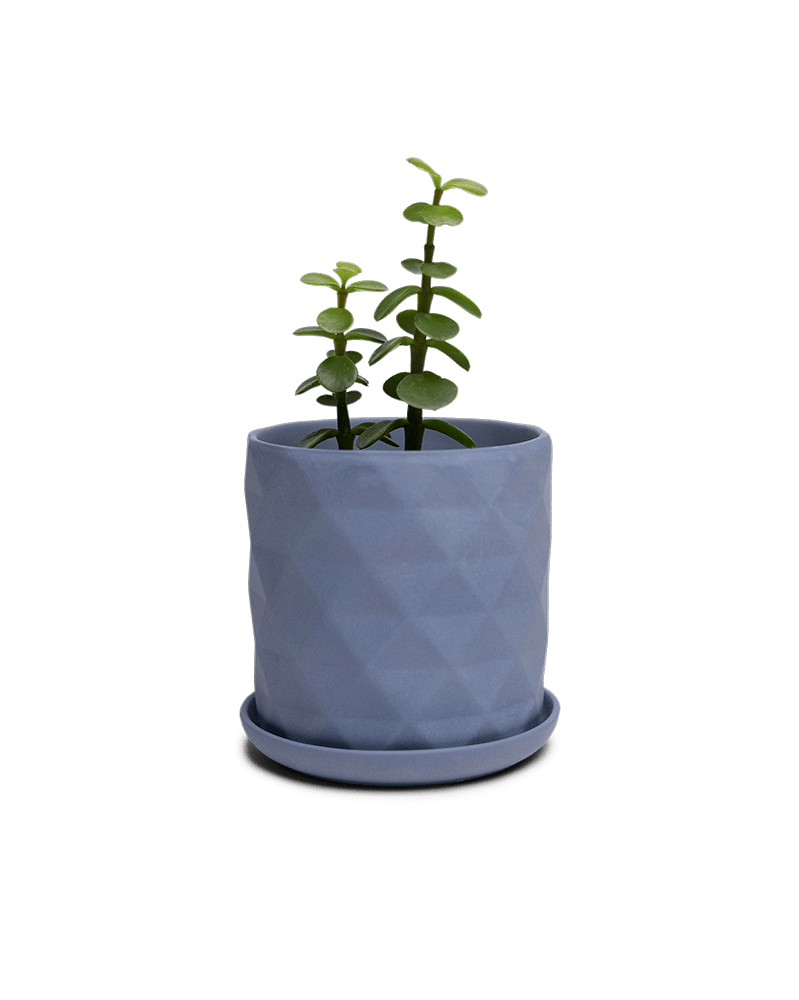
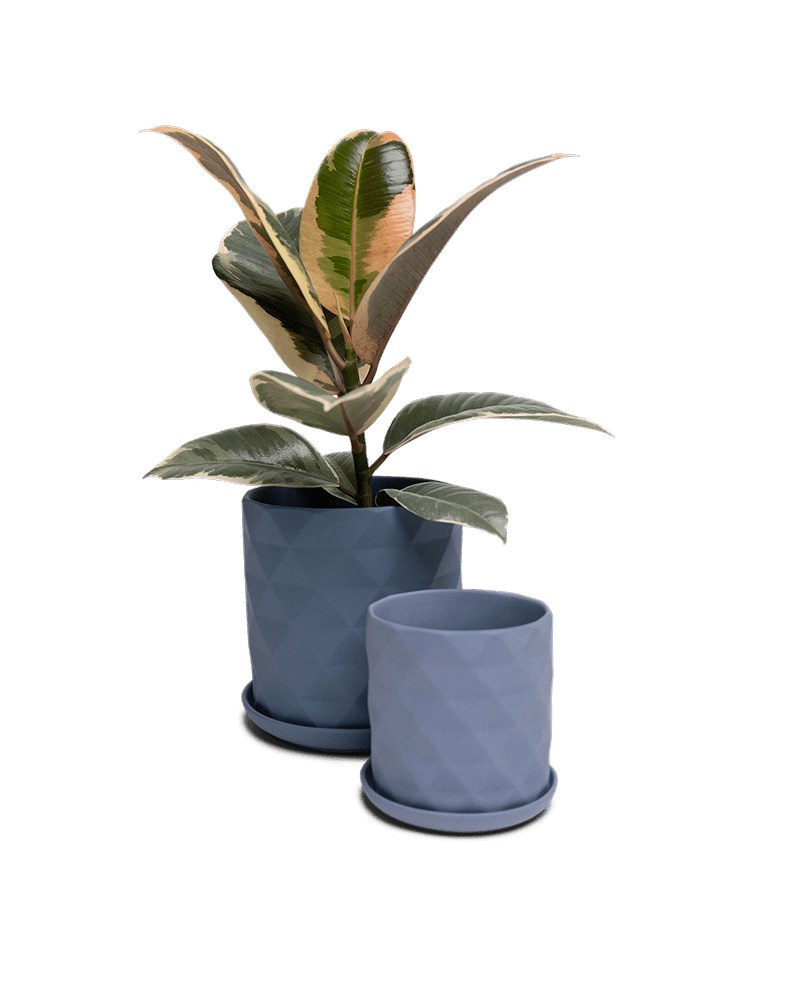
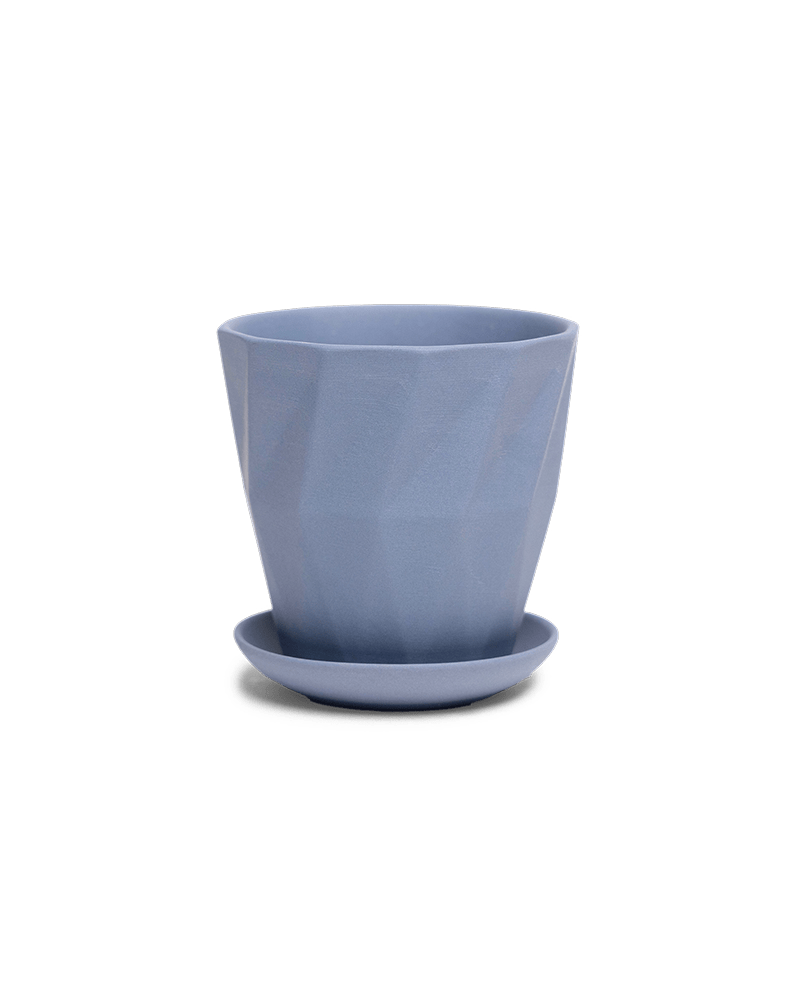
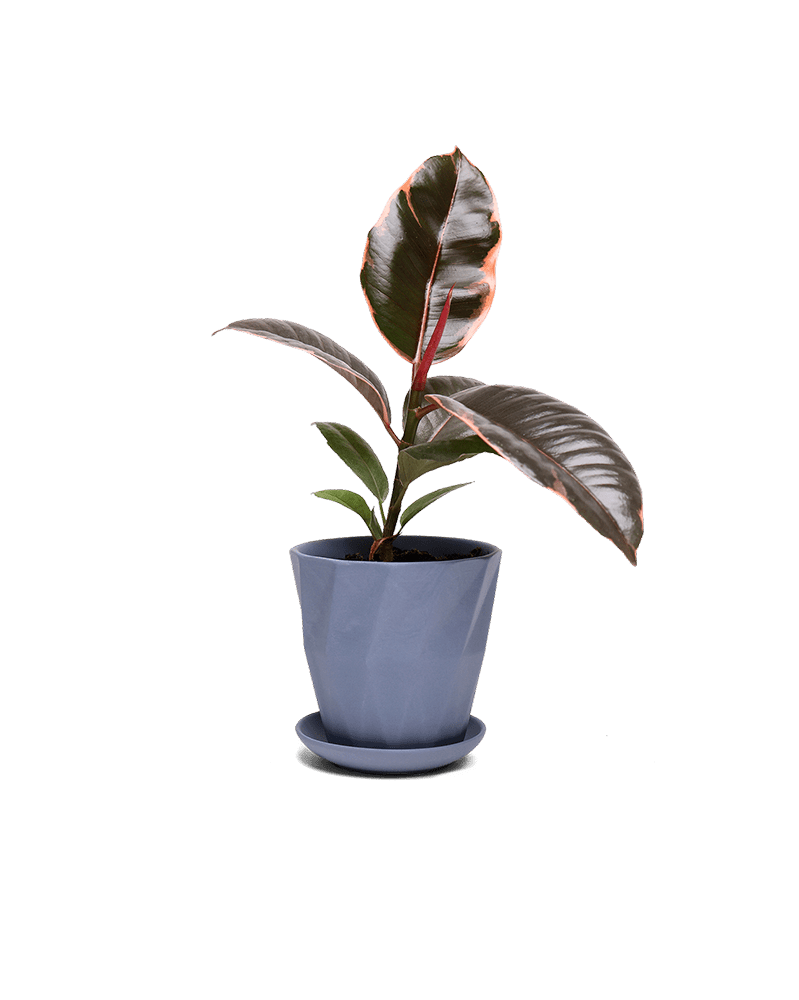
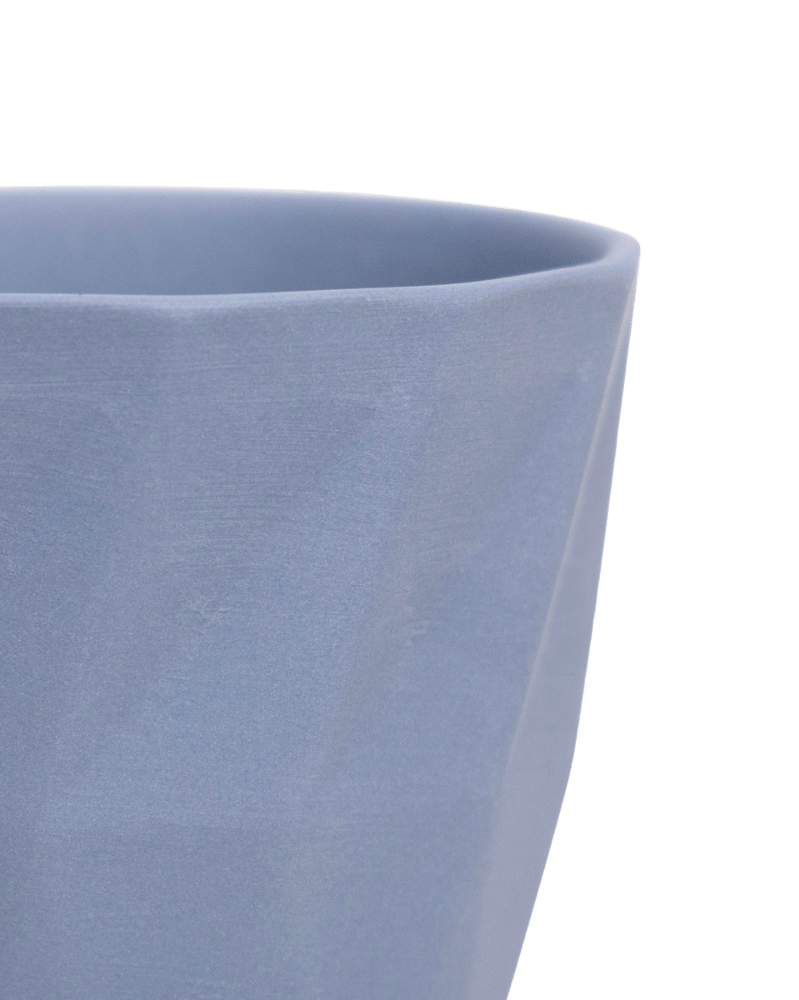
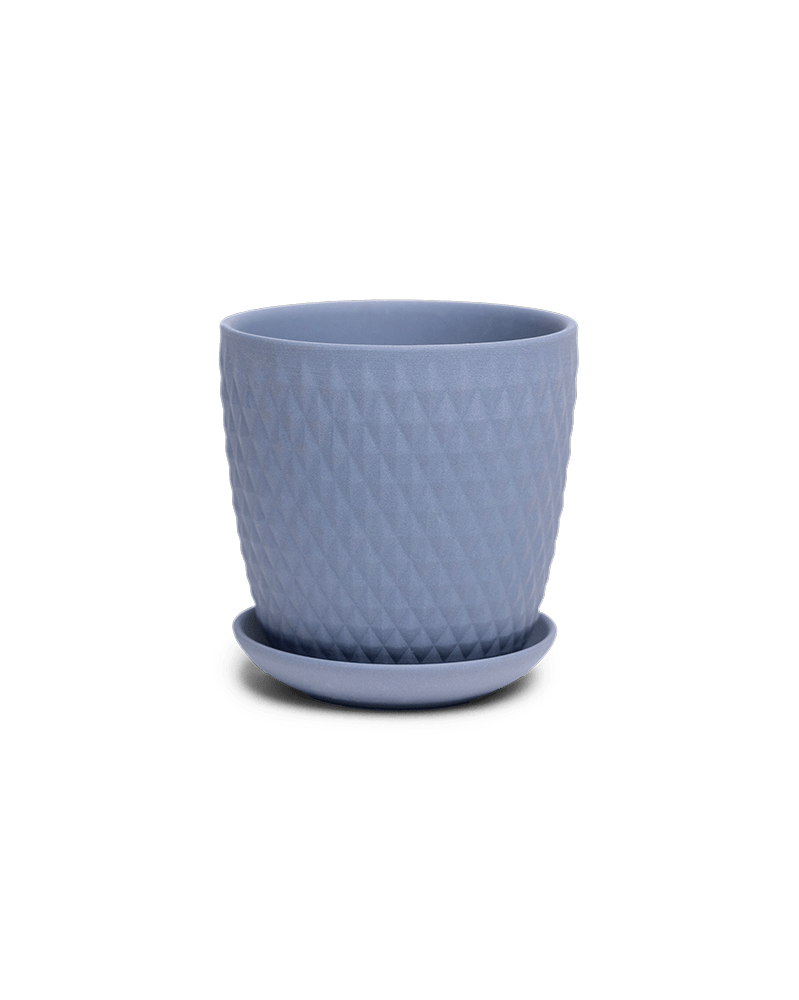
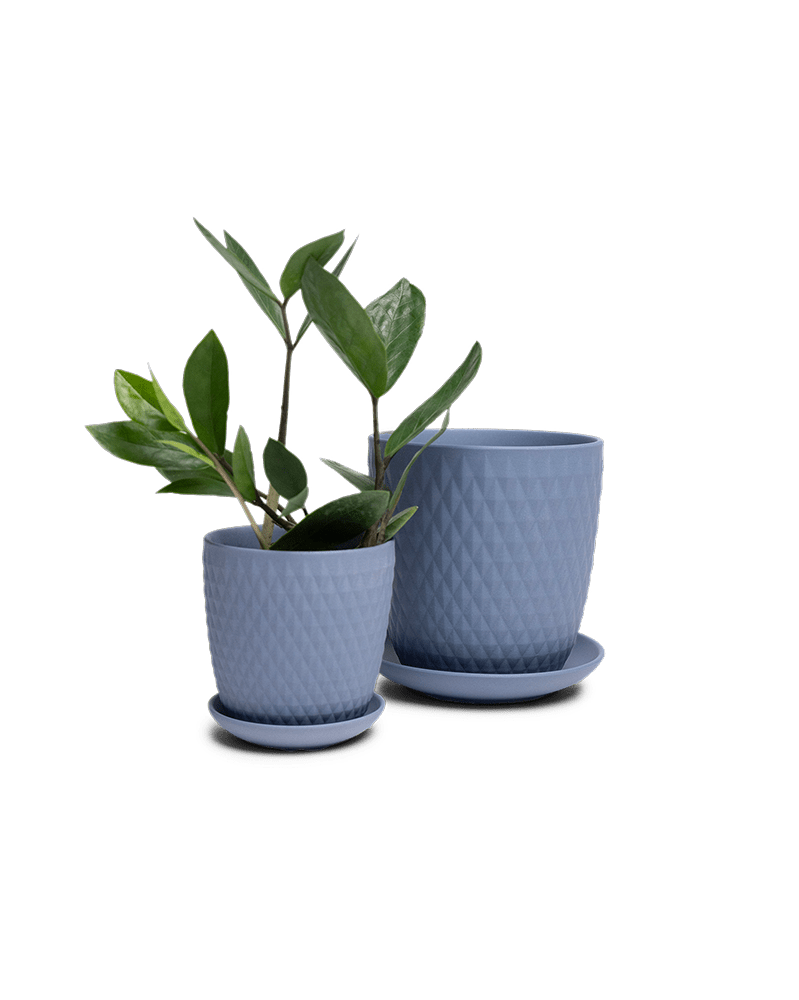
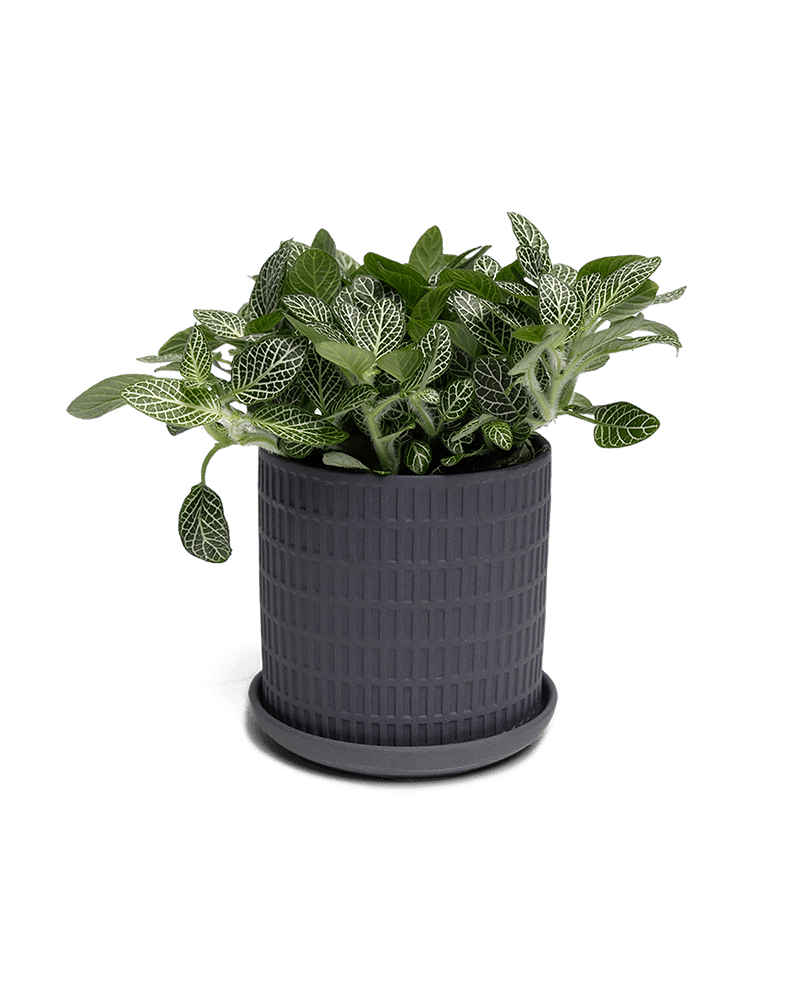
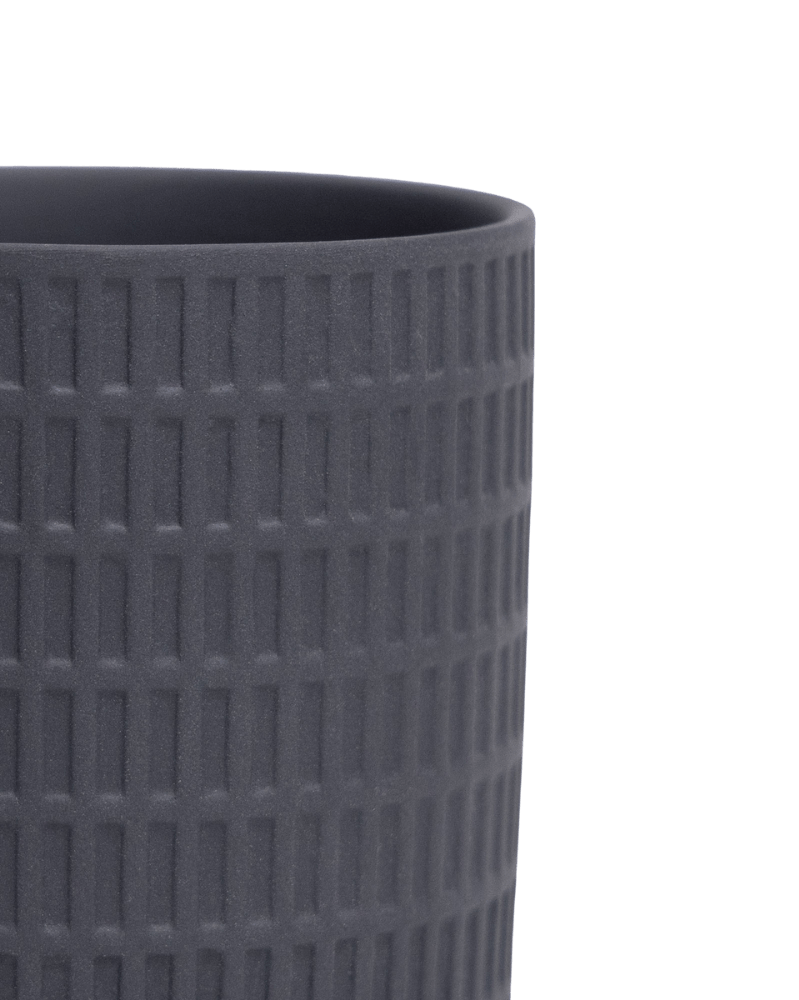
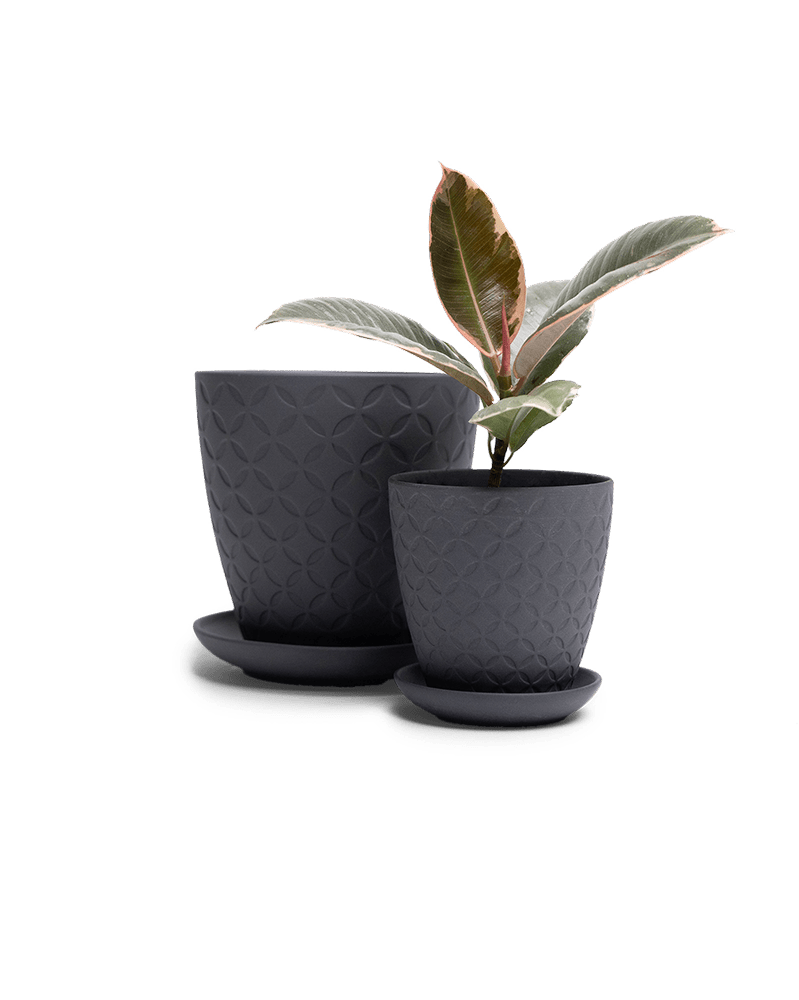
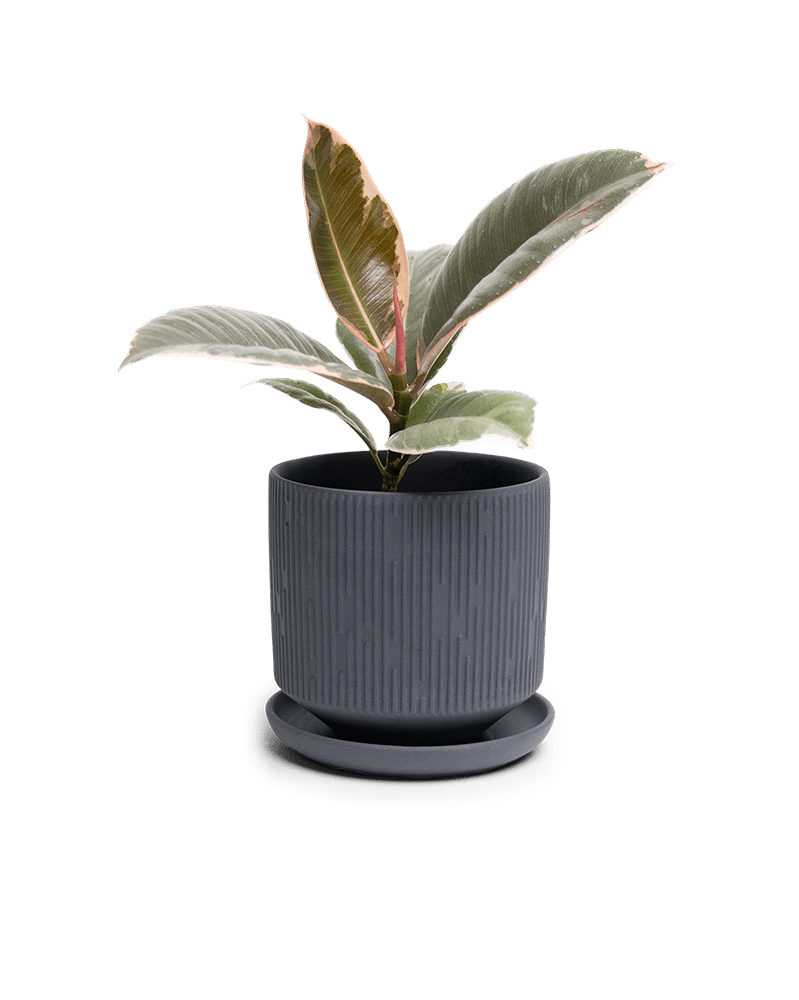
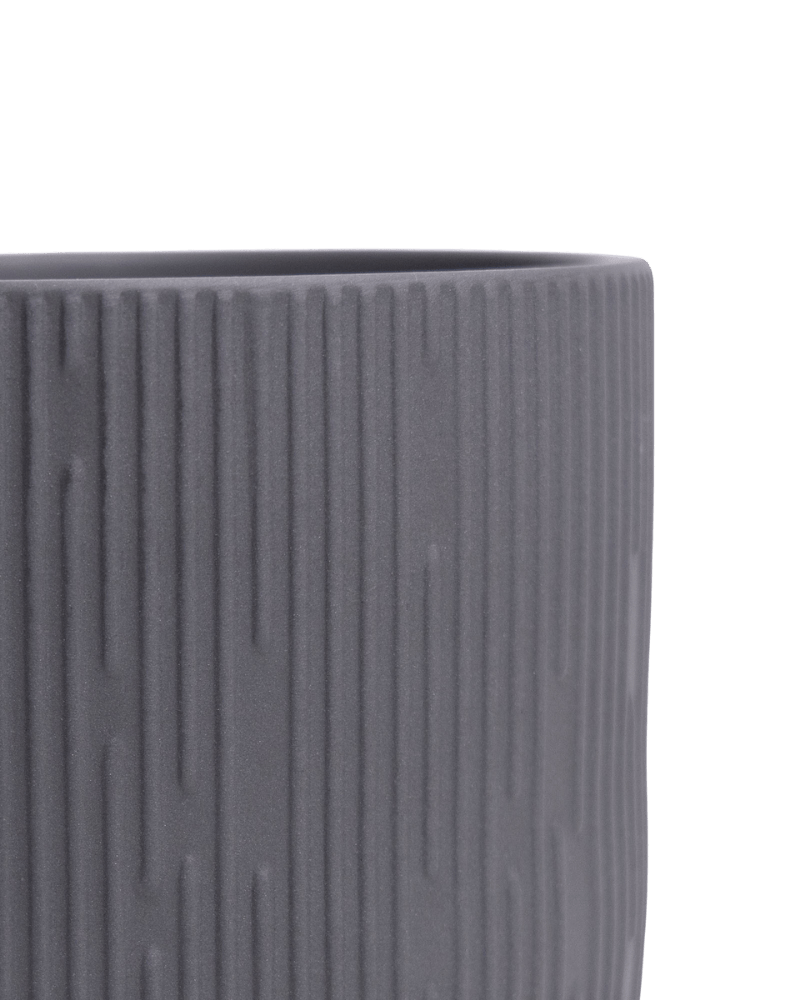
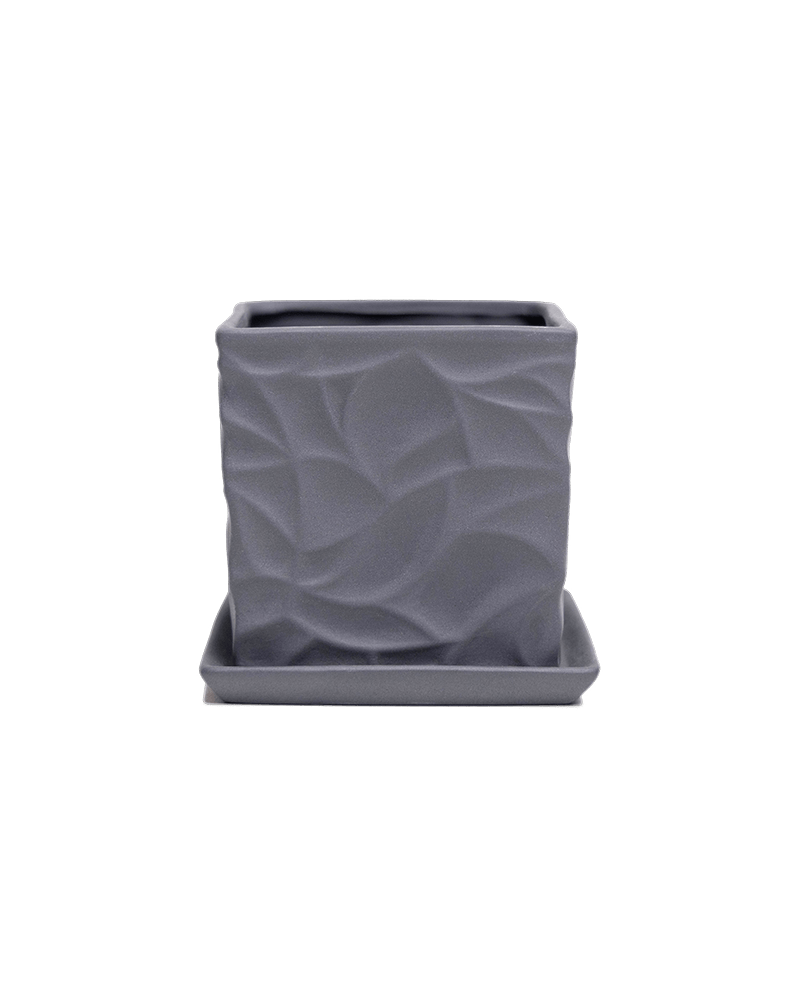
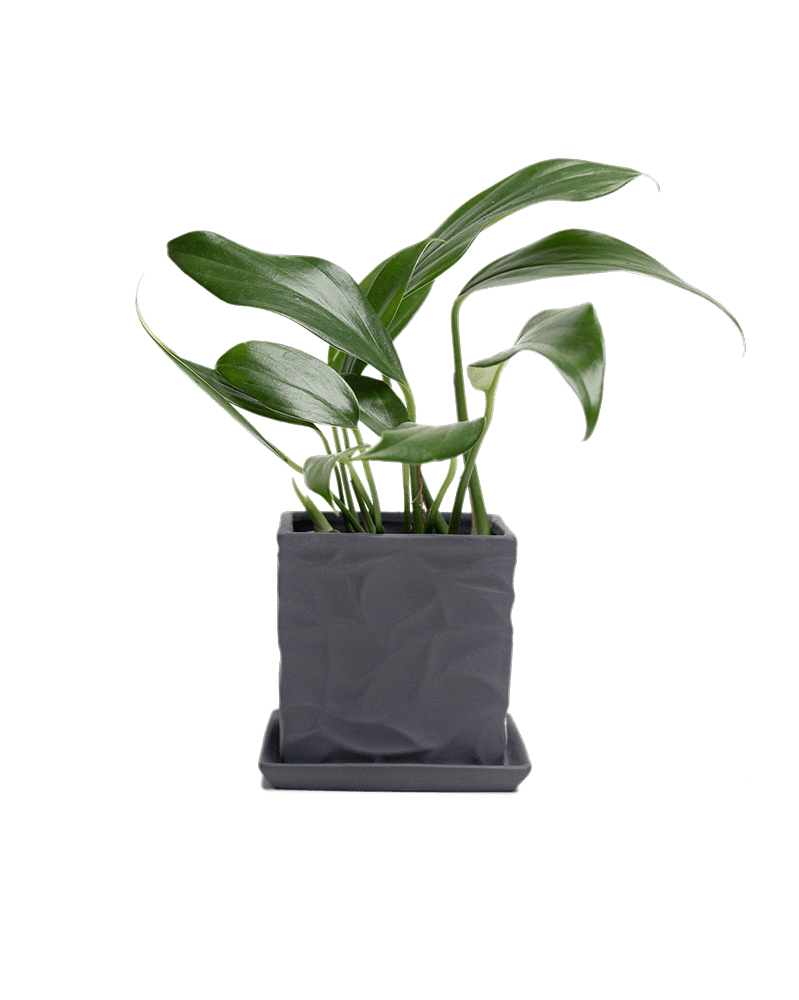
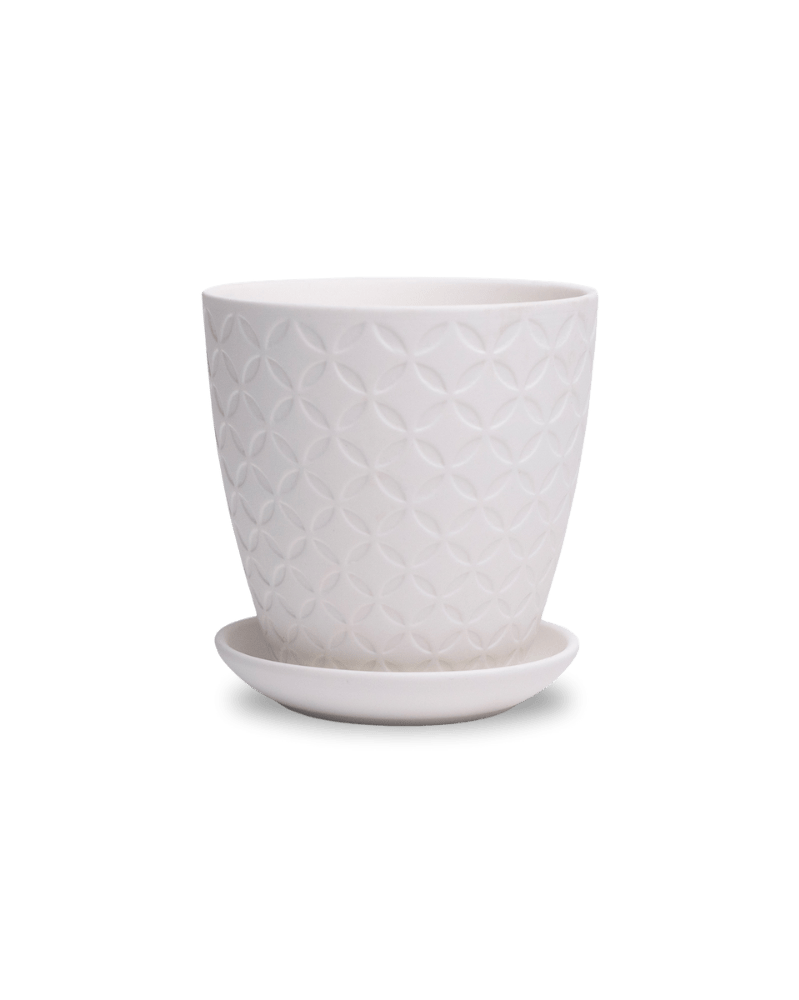
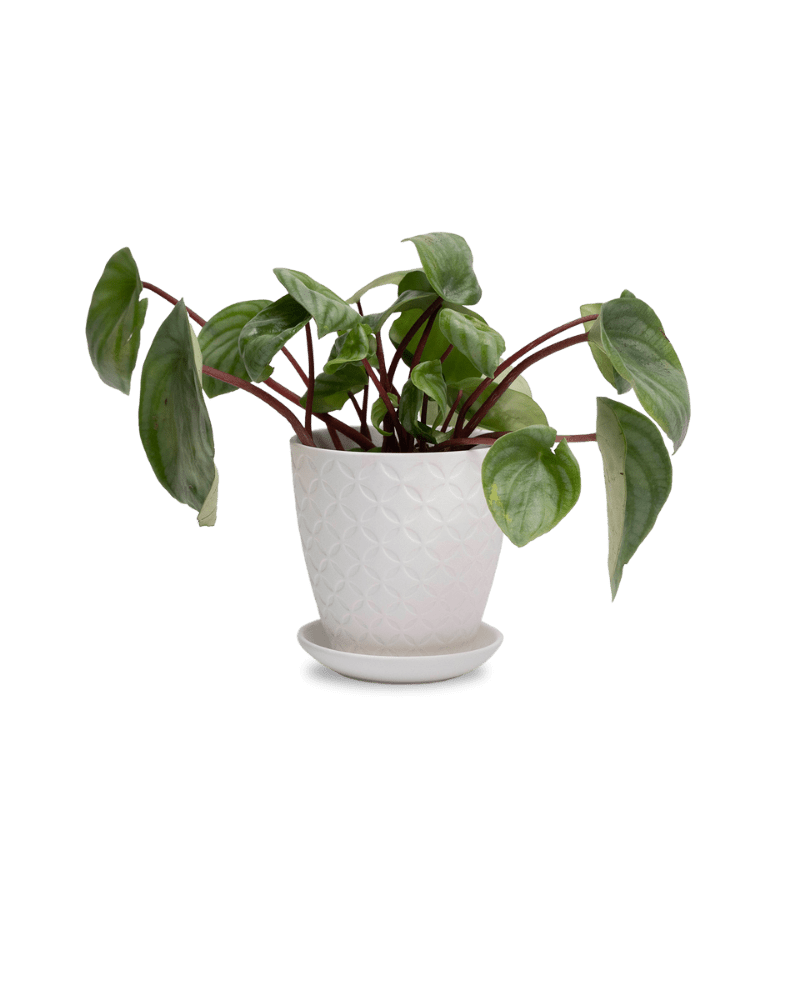
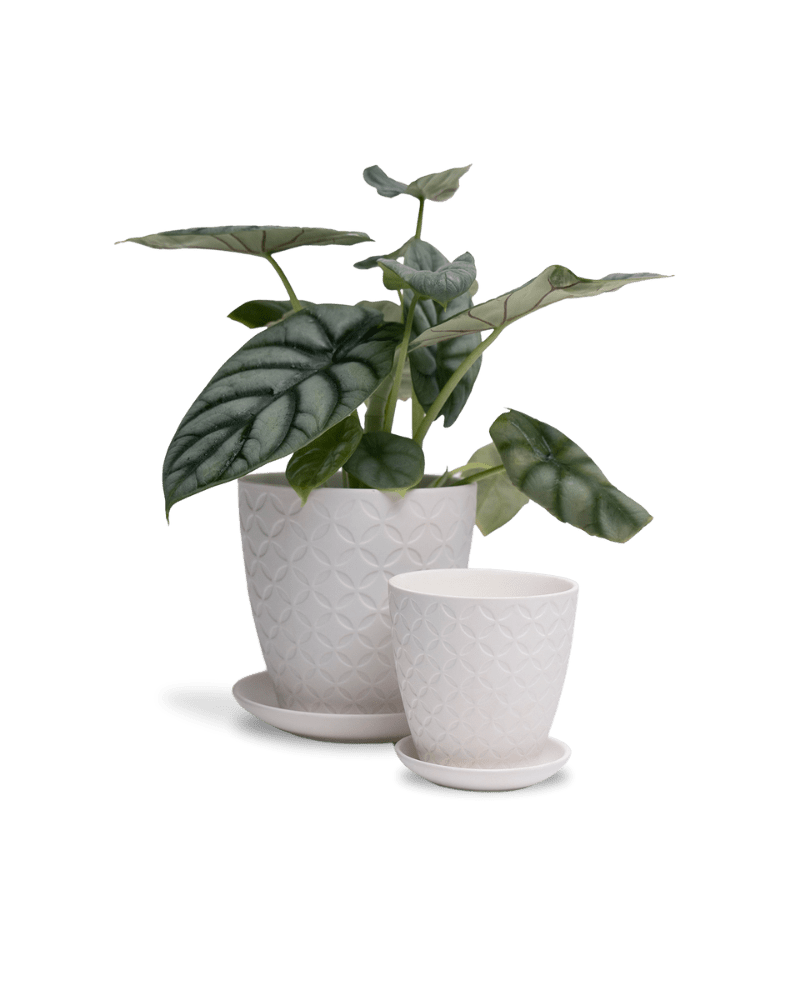
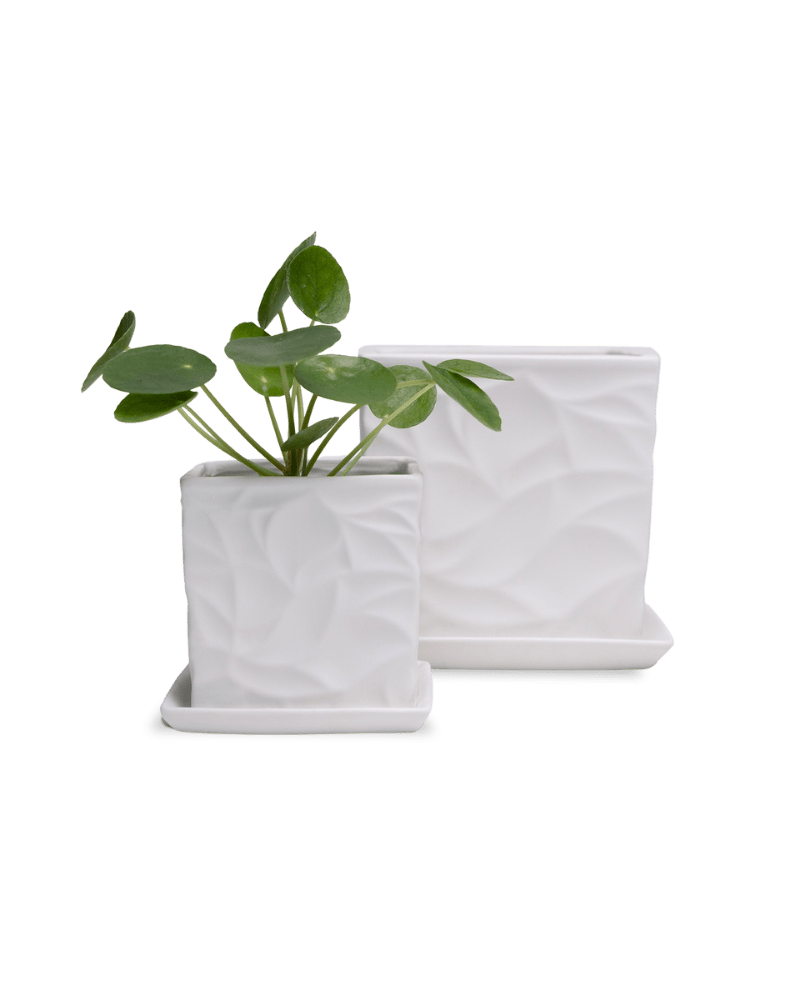
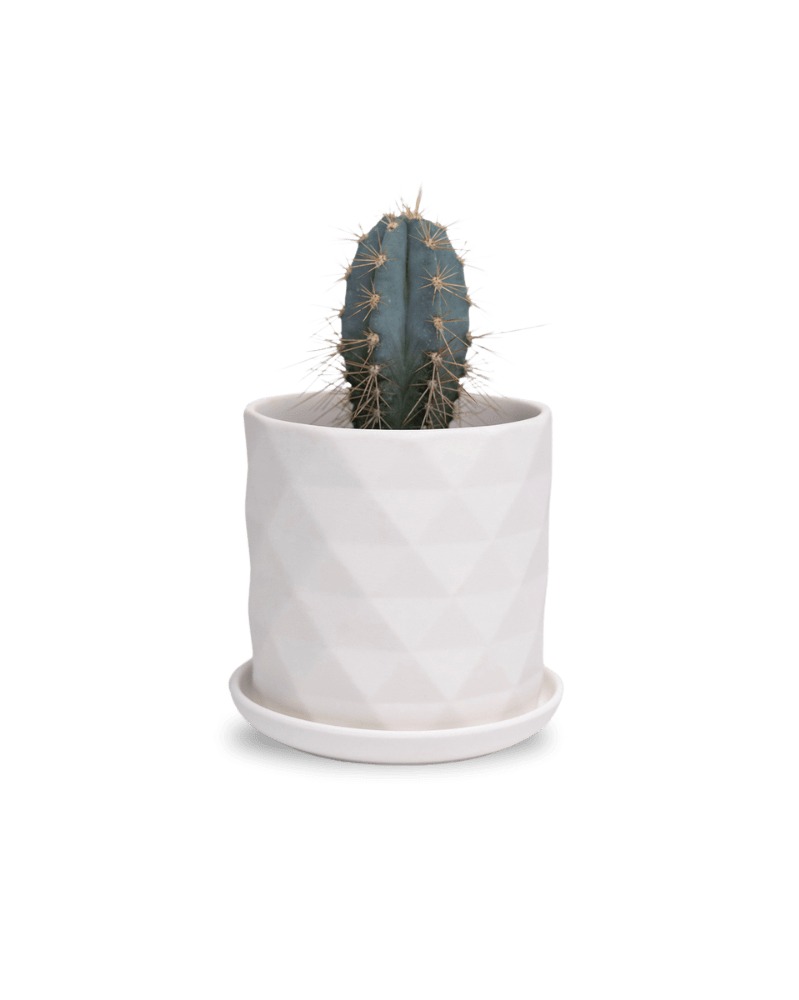
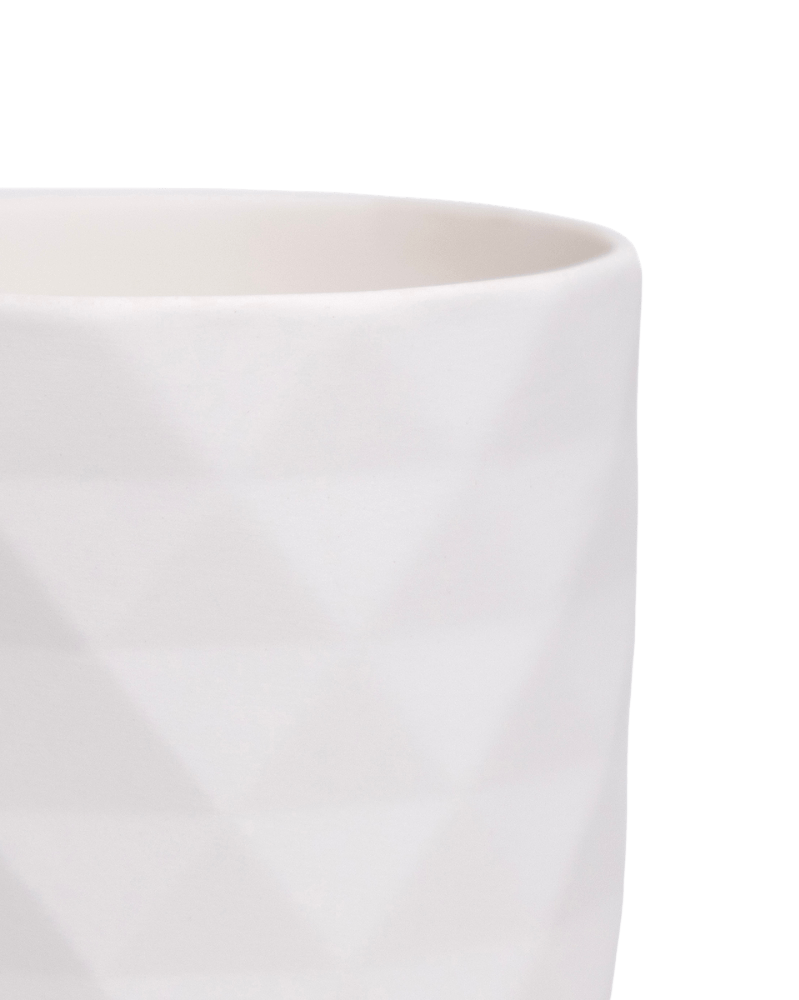
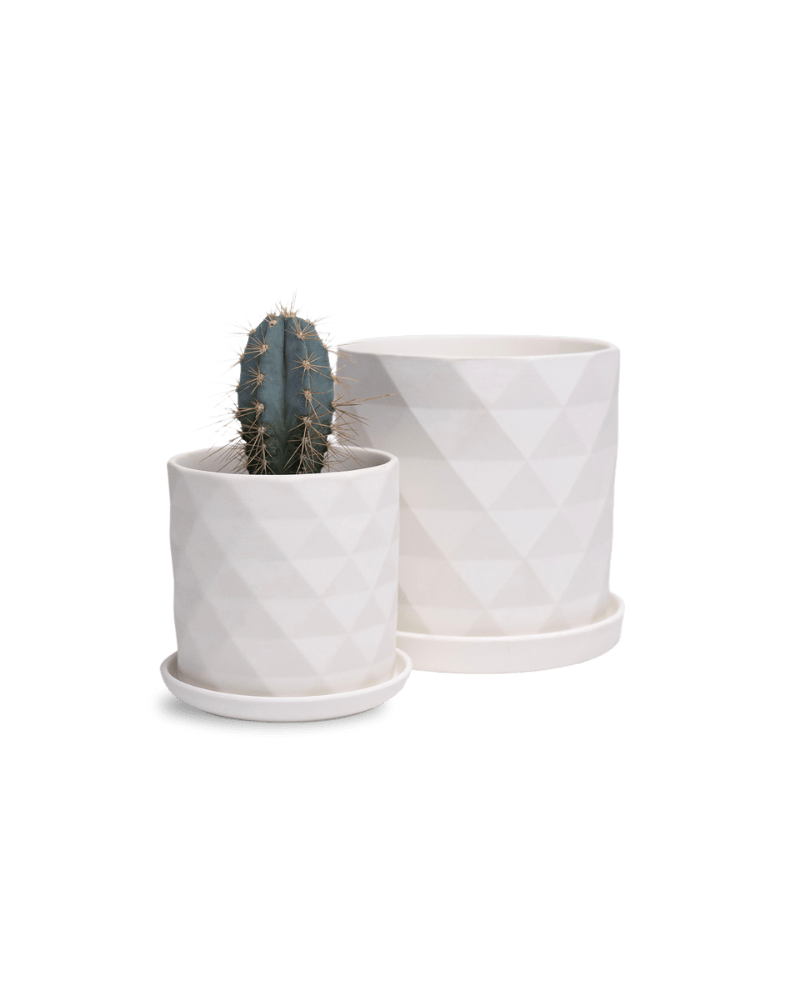
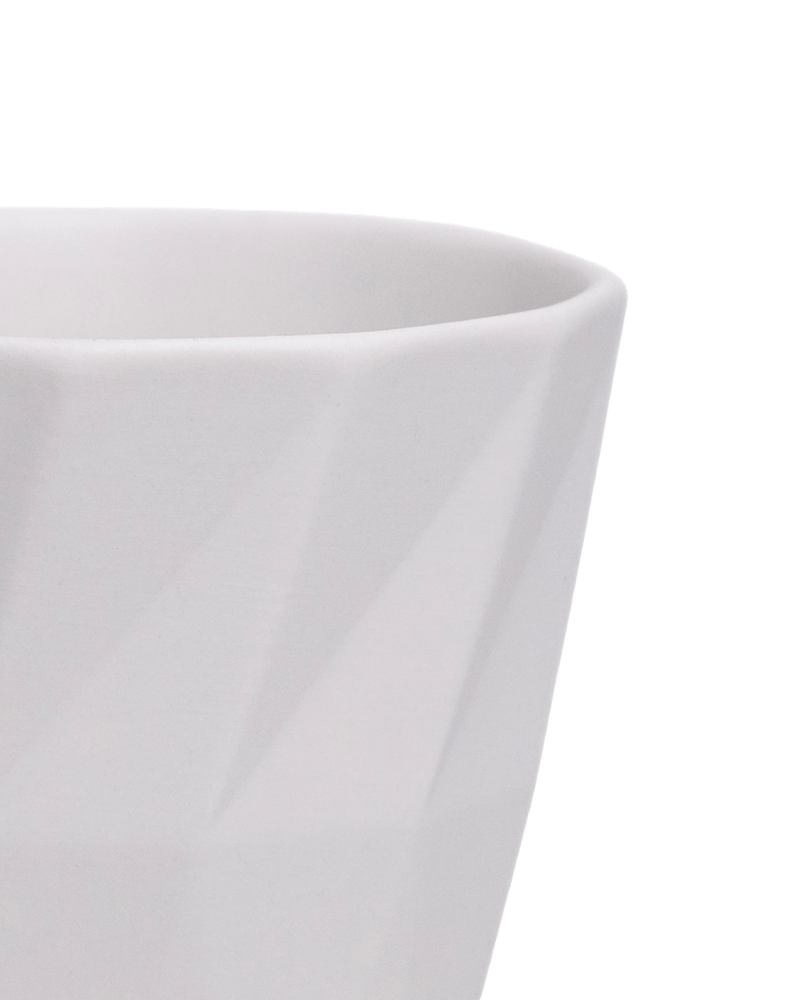
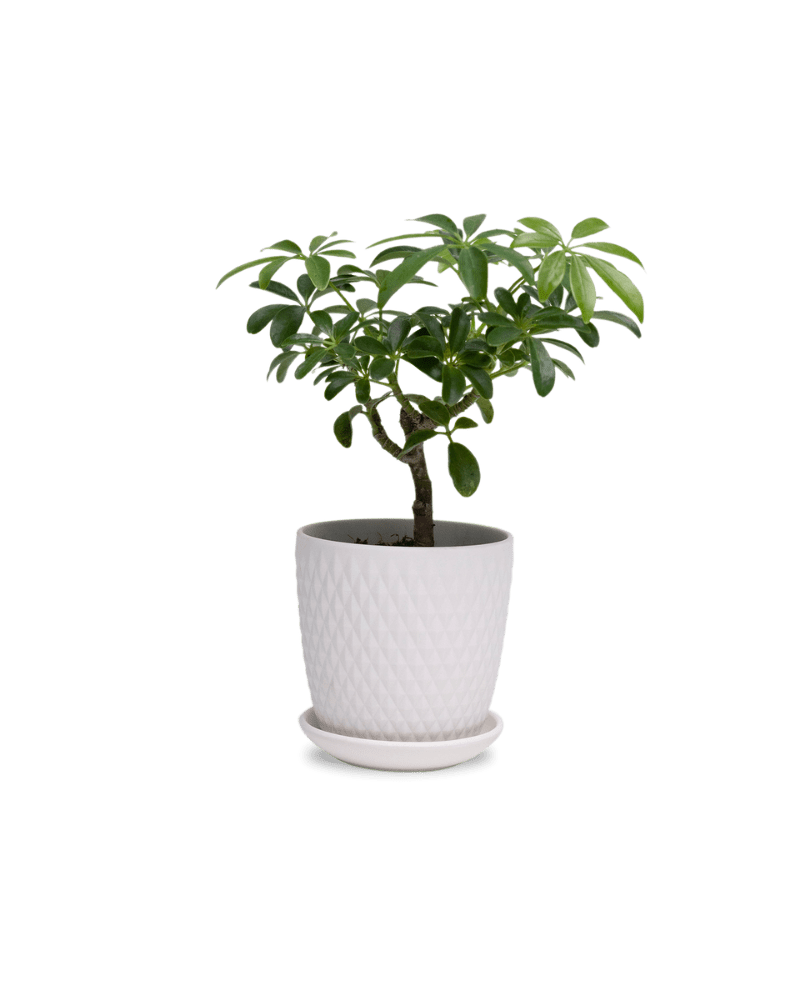
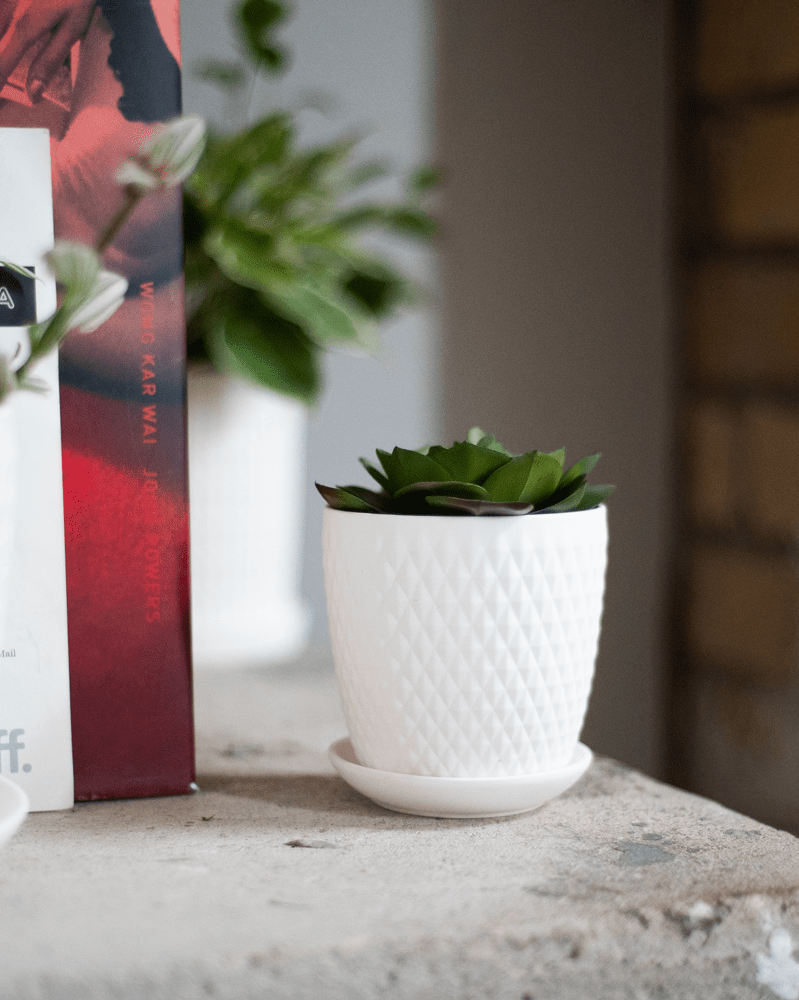
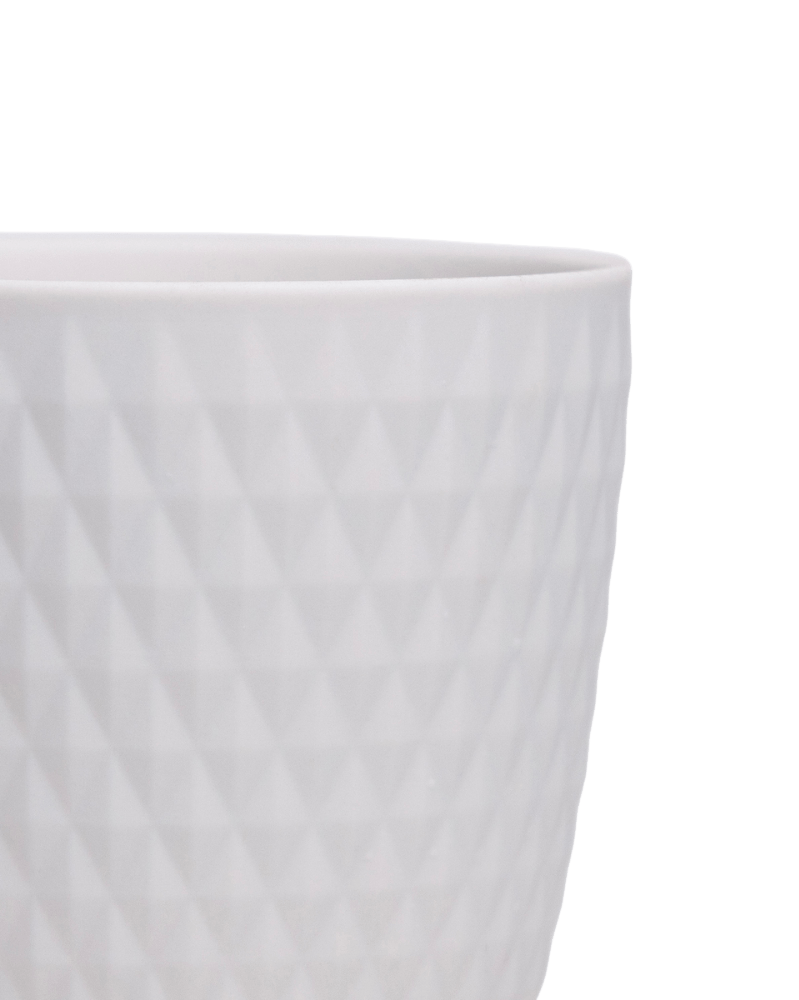
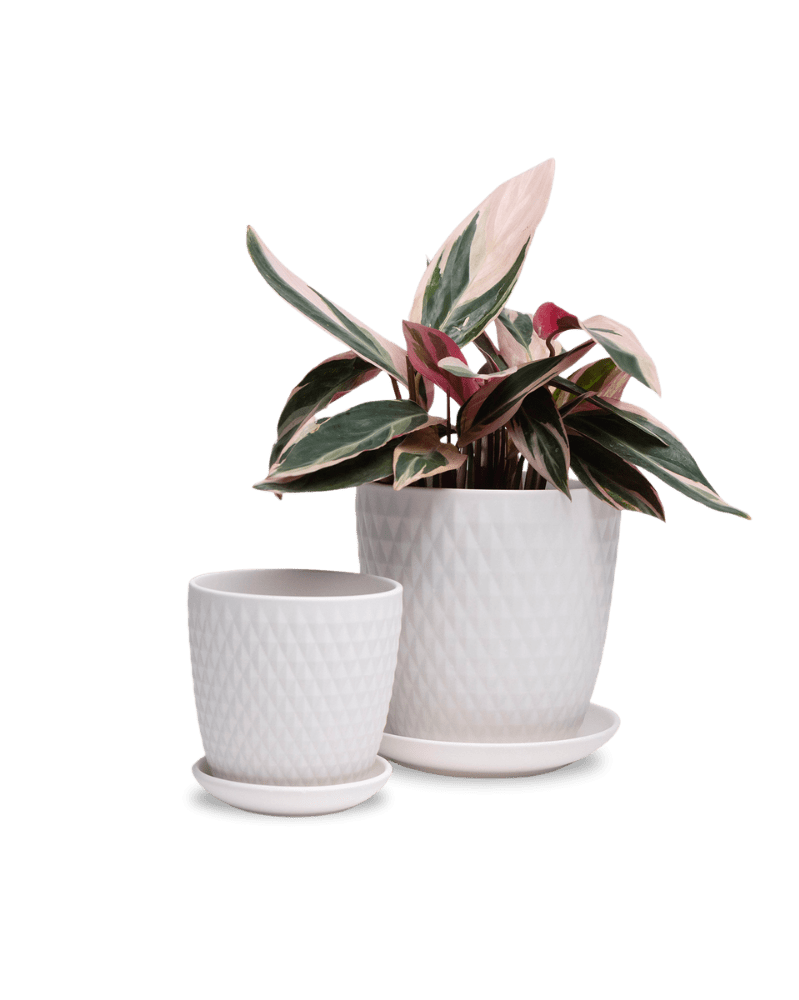
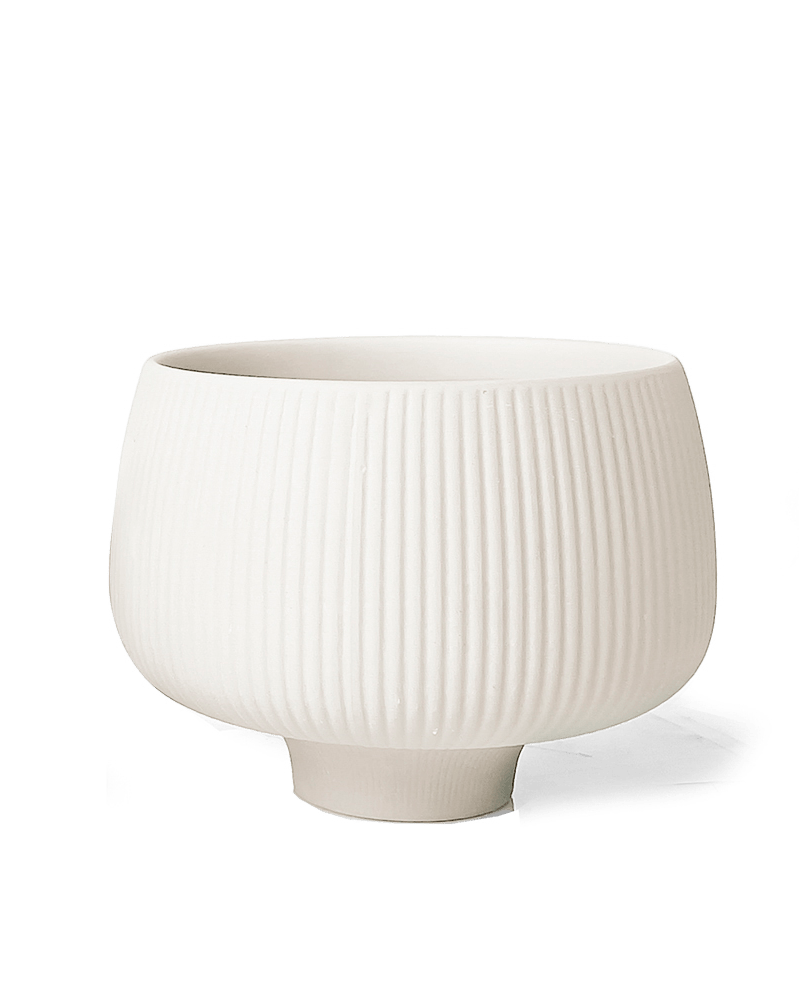
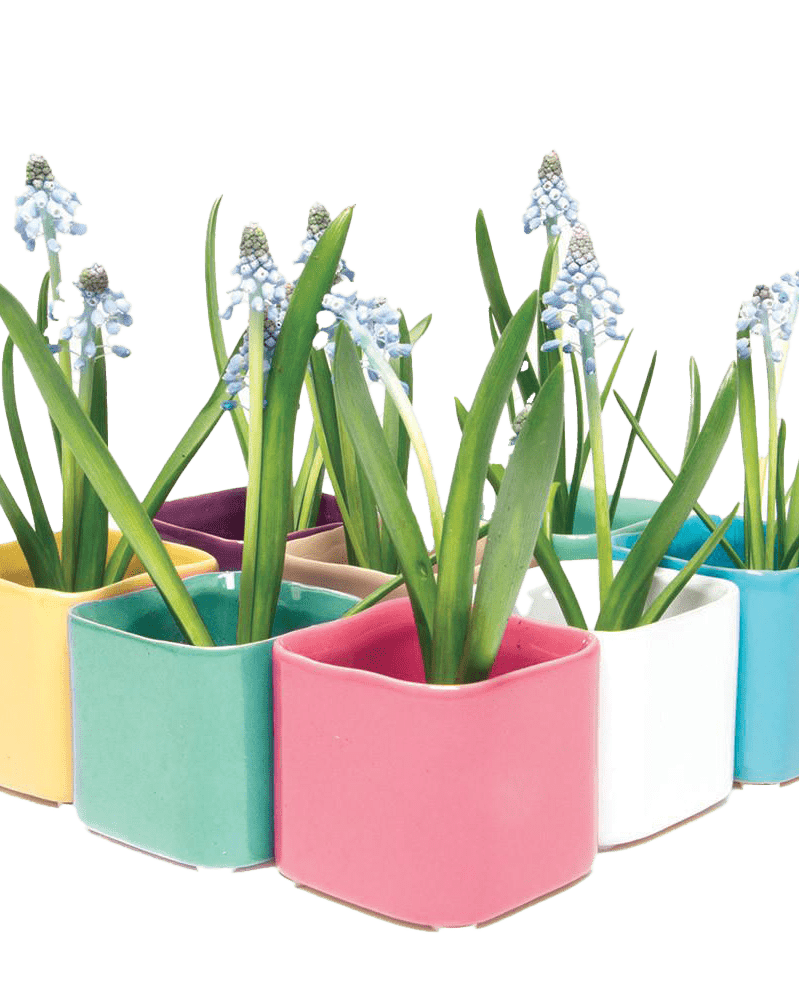
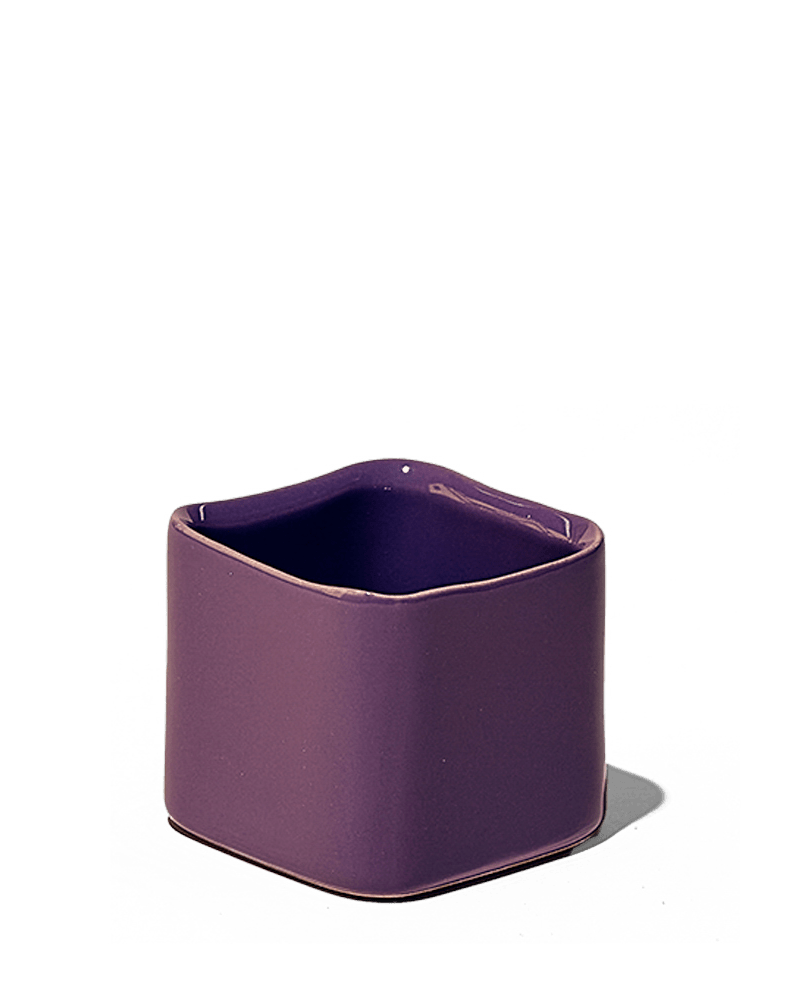
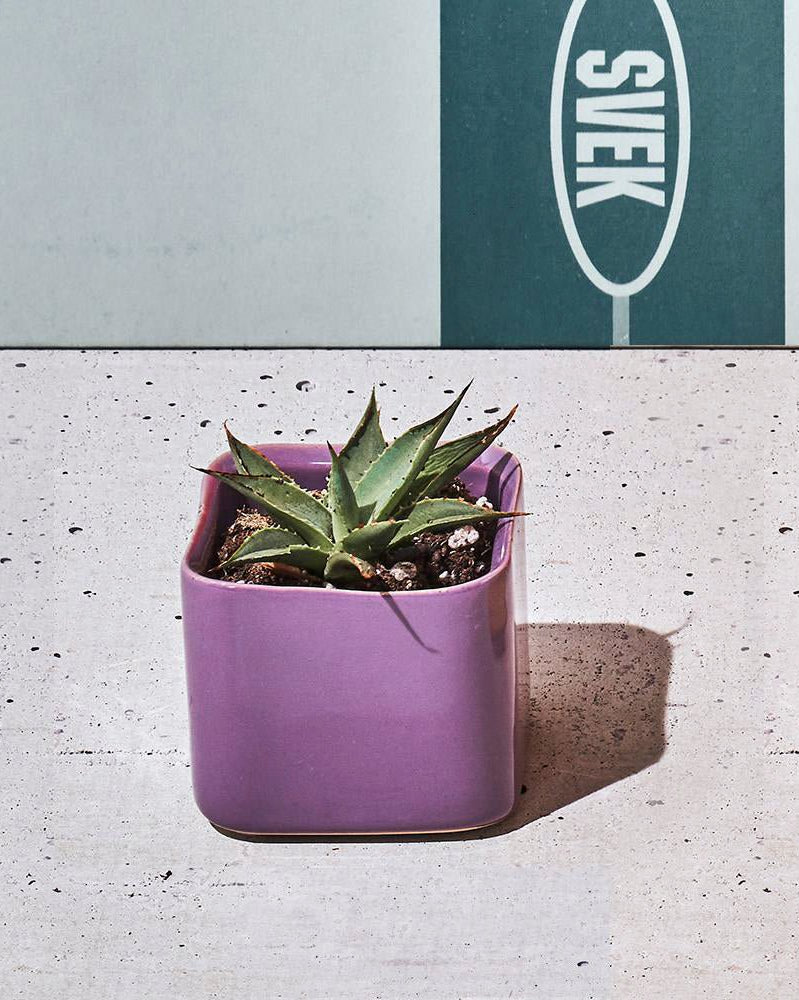
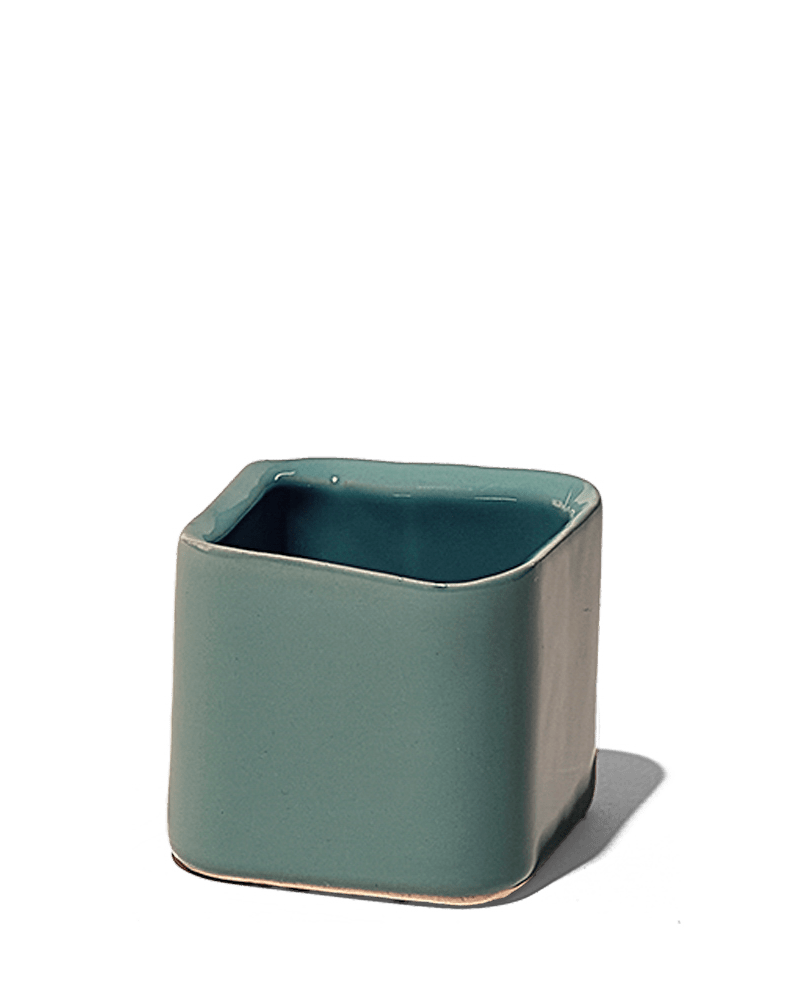
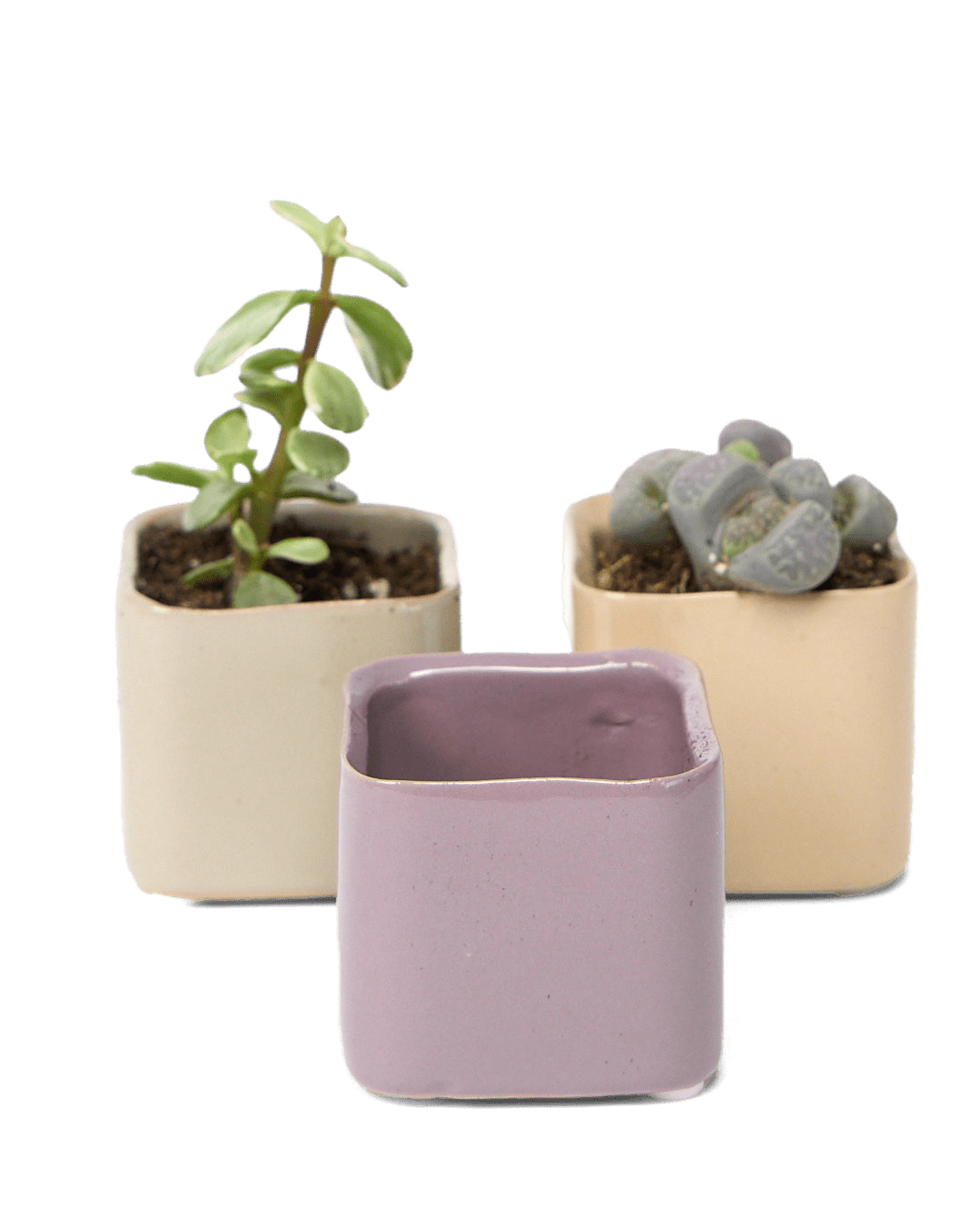
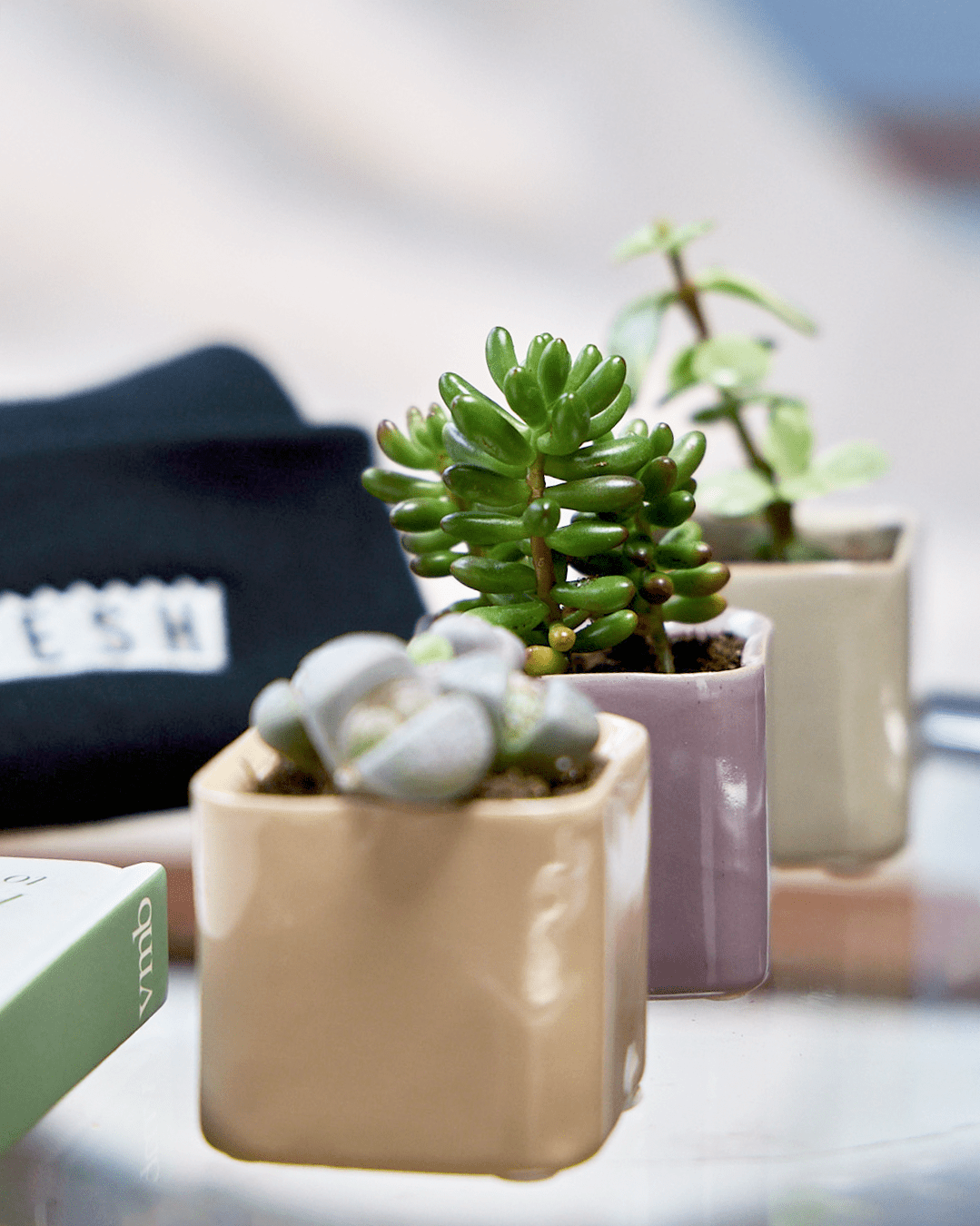
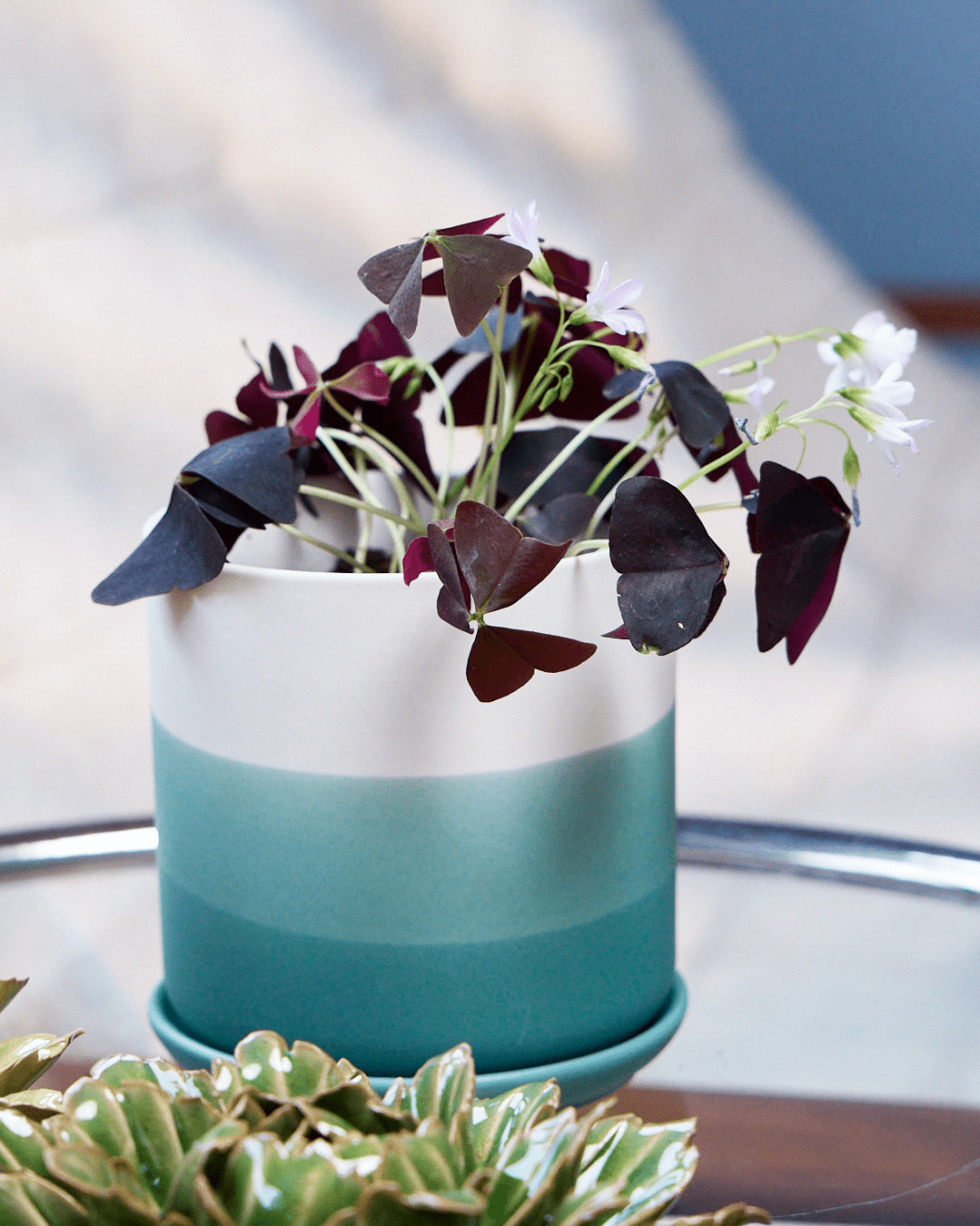
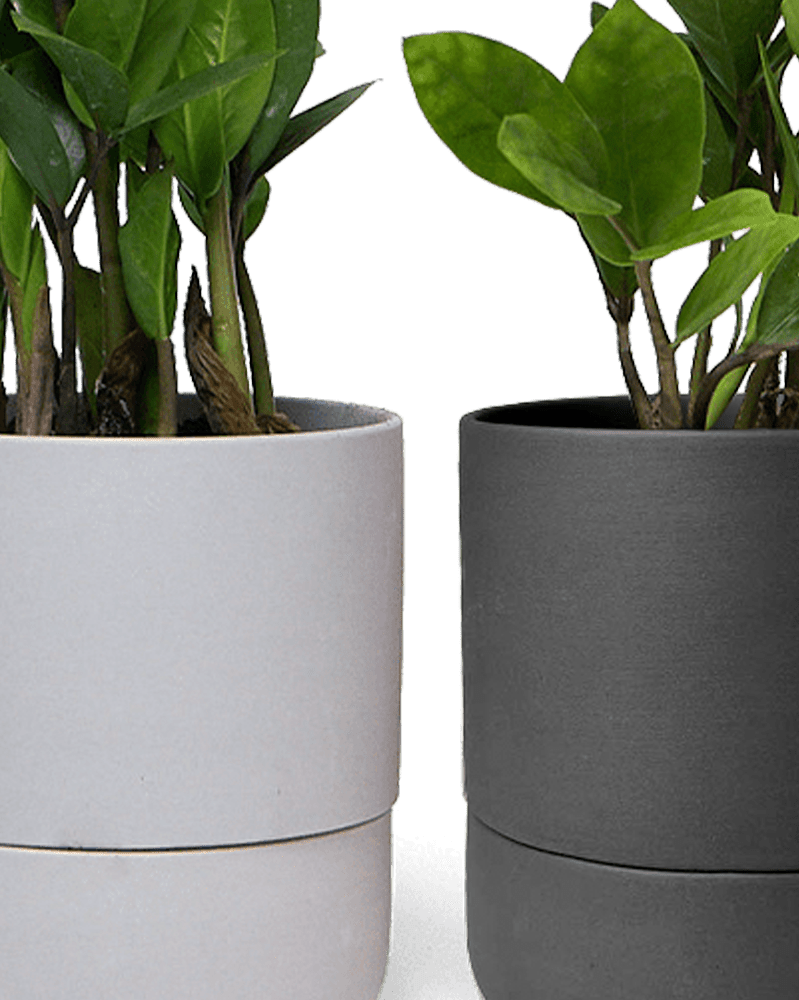
Ceramic plant pots with drainage — Virago and Minute pots by Chive Studio Toronto
Ceramic plant pots by Chive Studio, Toronto. The Minute and Virago — in the Getty Museum and botanical gardens across North America.

Why Ceramic Pots Outperform Plastic for Indoor Plants

Ceramic is porous in a way that plastic is not. Unglazed ceramic — terracotta, raw stoneware — breathes through the walls, which moves moisture away from the root zone between waterings. Glazed ceramic does this less aggressively, which makes it better for most tropical houseplants that want consistent moisture rather than rapid drying. Plastic does neither. Plastic holds moisture uniformly, which sounds fine until your plant has been sitting in damp soil for eleven days because you forgot about it and the roots have begun to make their objections known.

Weight is the second argument for ceramic. A mature monstera, a bird of paradise, a snake plant that has been in the same pot for three years and has opinions about its corner — these plants get top-heavy. Plastic pots tip. Ceramic pots do not tip. This sounds like a minor point until it is two in the morning and you are cleaning soil off a floor you mopped four days ago.

A quality ceramic pot does not crack, fade, warp, or become brittle in sunlight. We have customers who have had the same Chive pot for fifteen years. Nobody has ever emailed us to say their ceramic pot turned yellow and cracked because it sat near a window. — Chive Studio
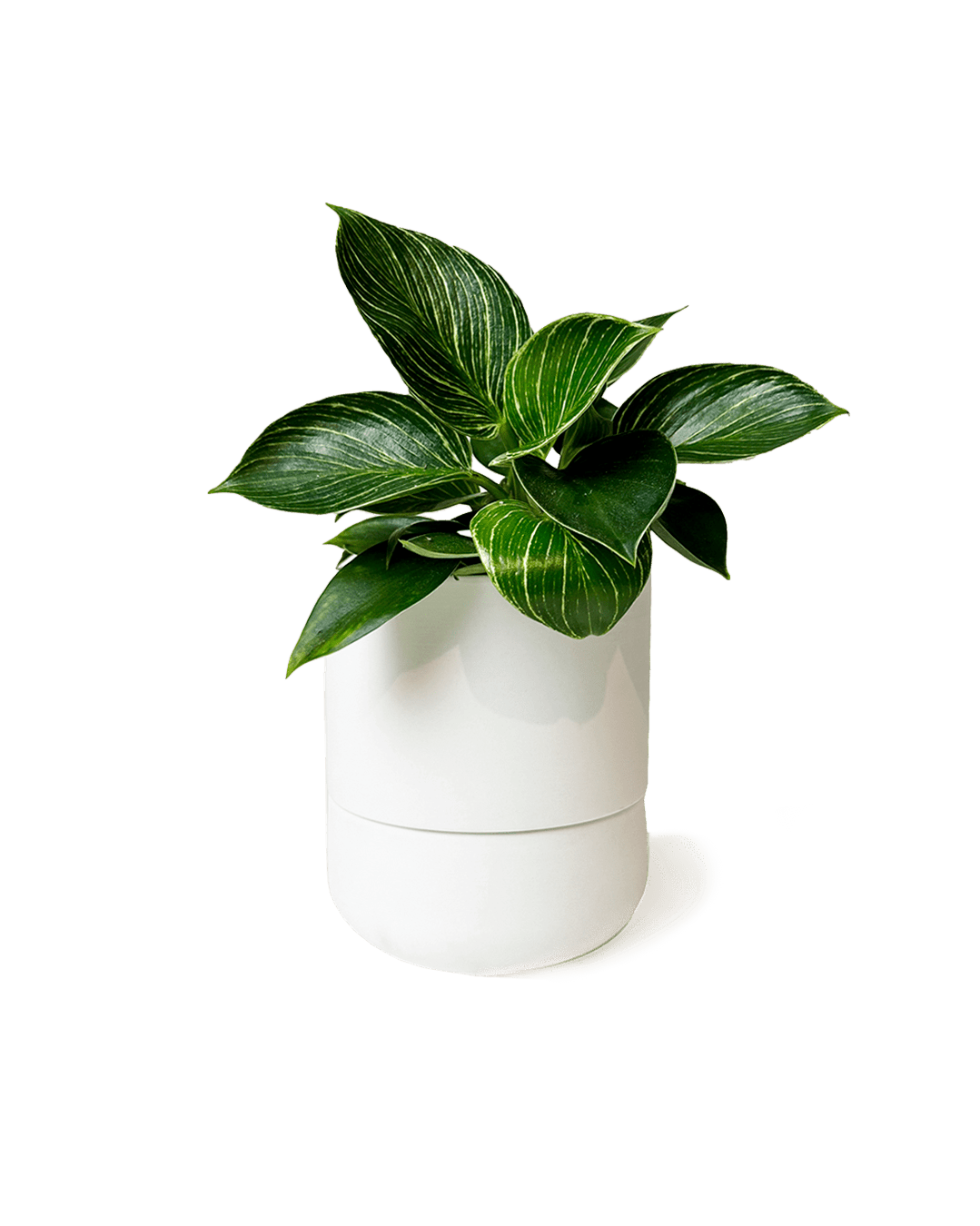
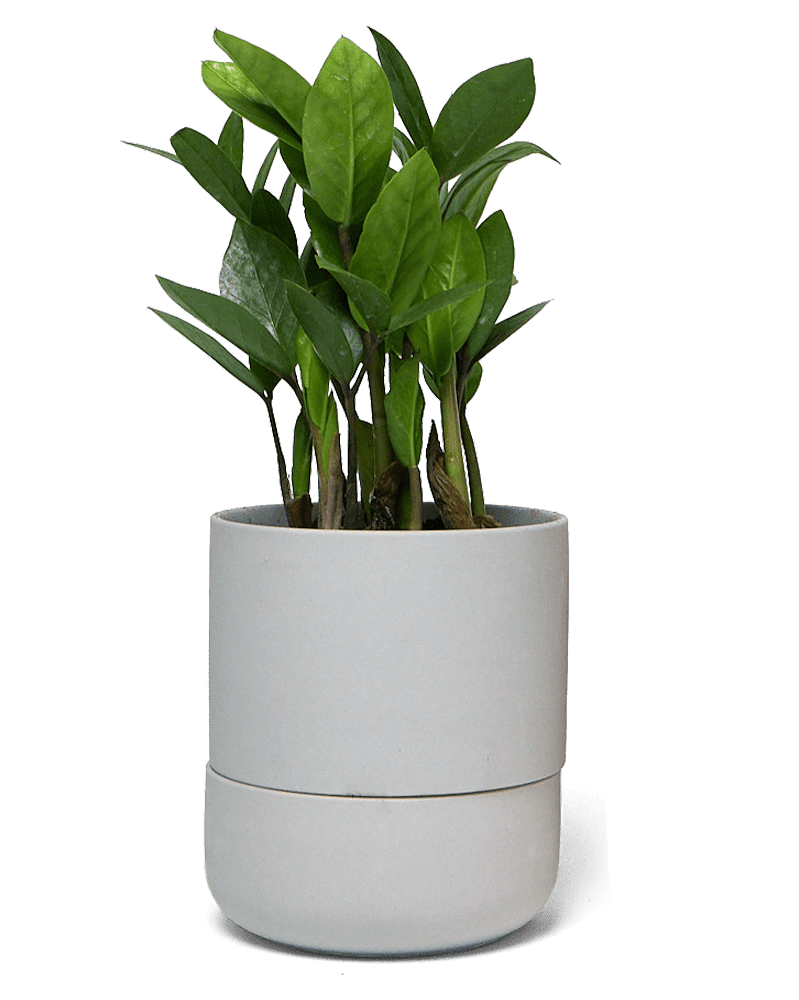
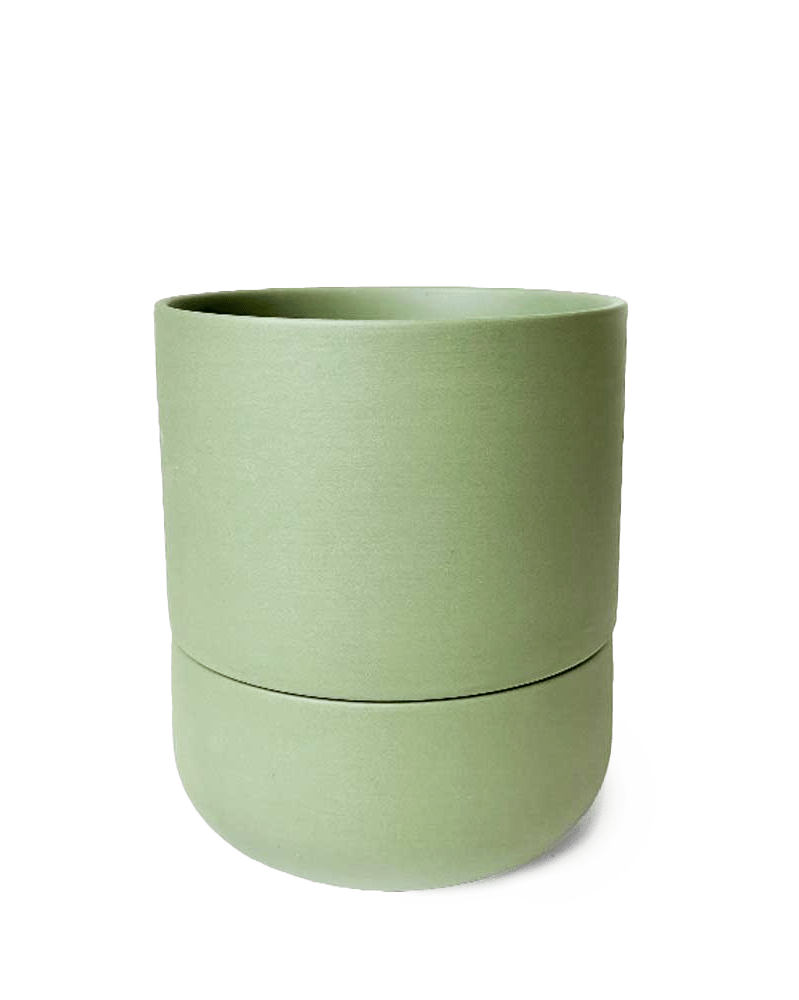
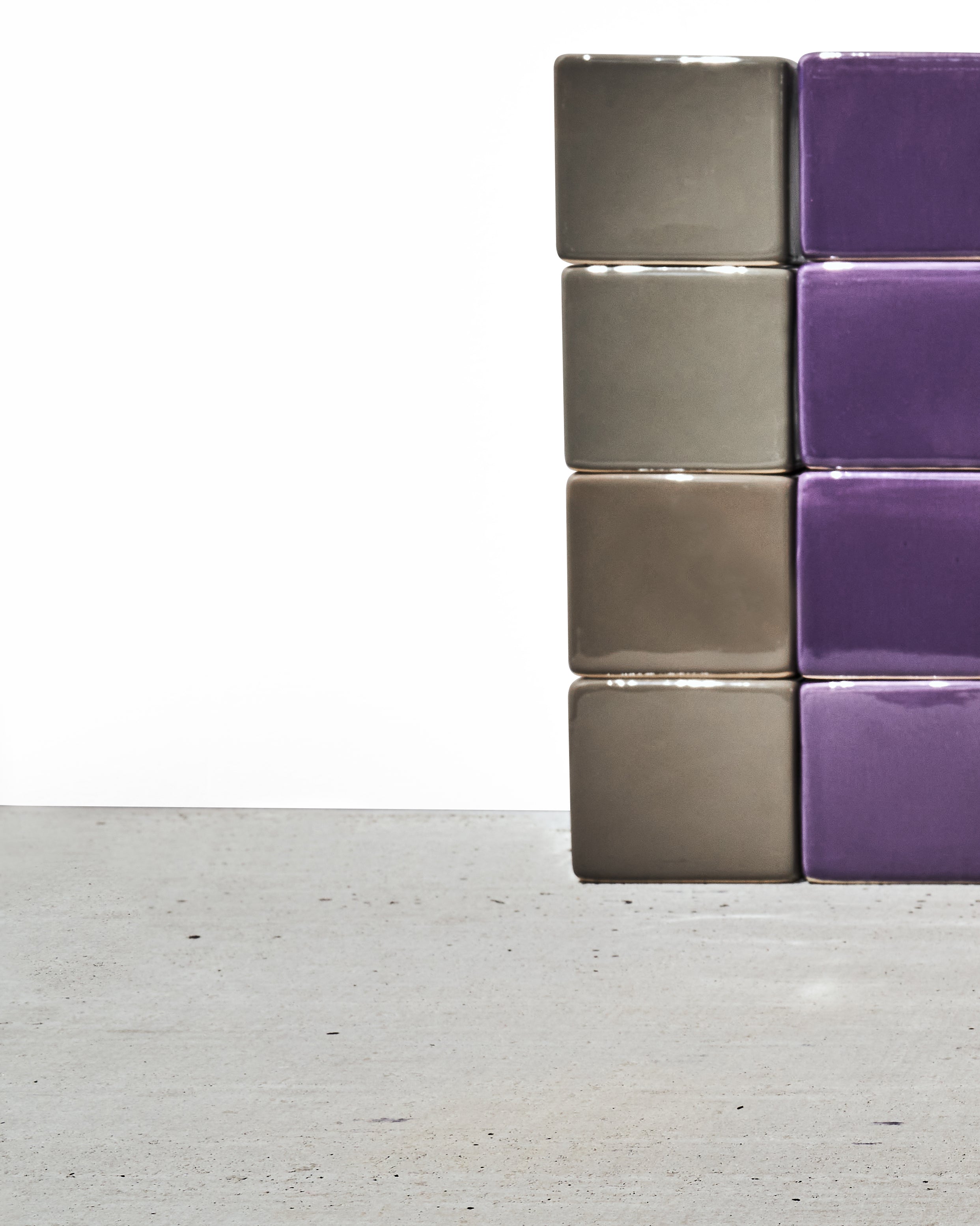
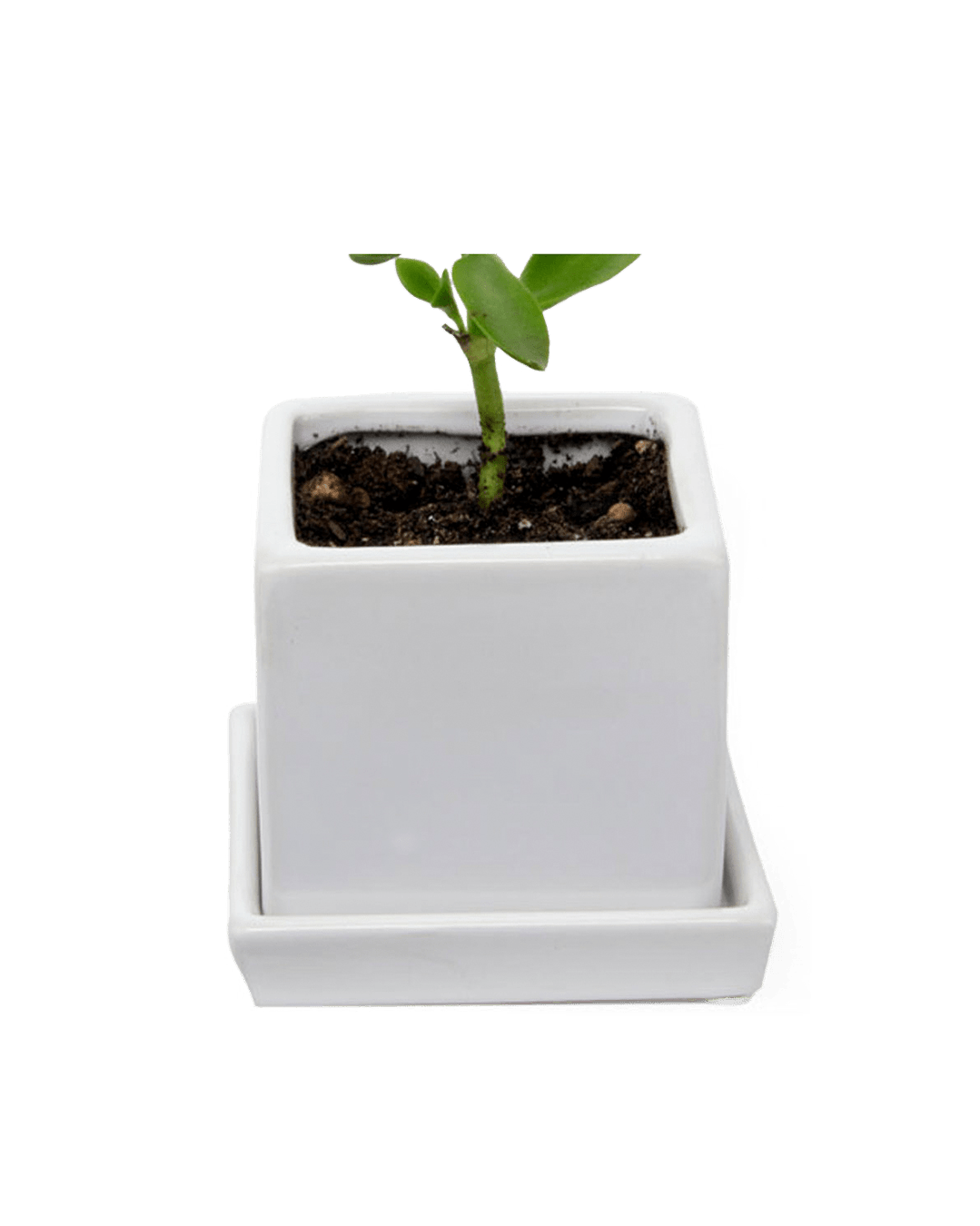
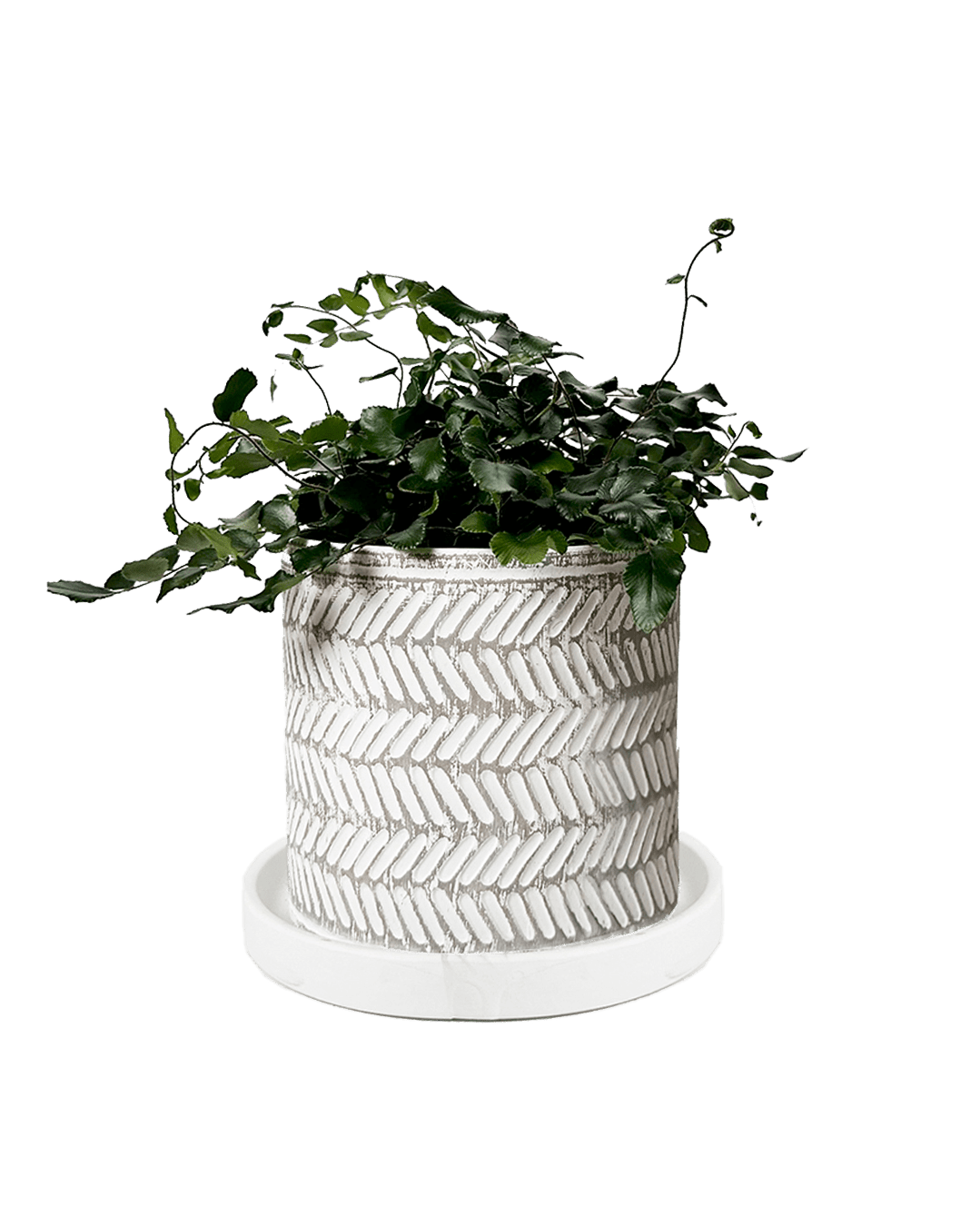
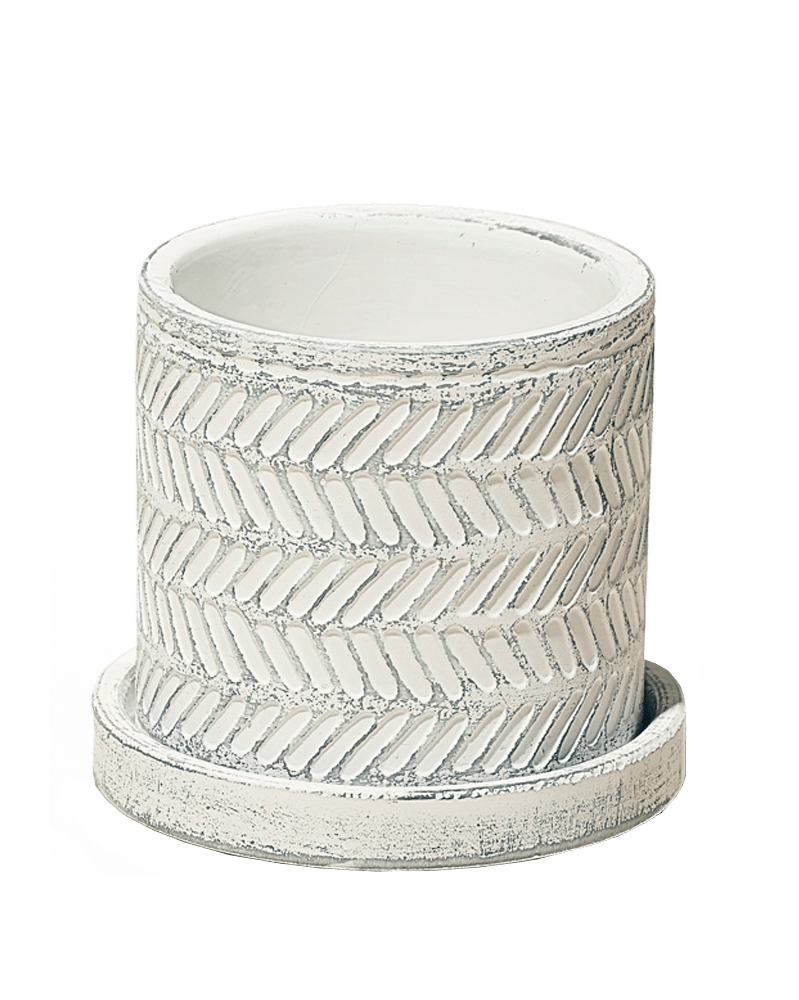
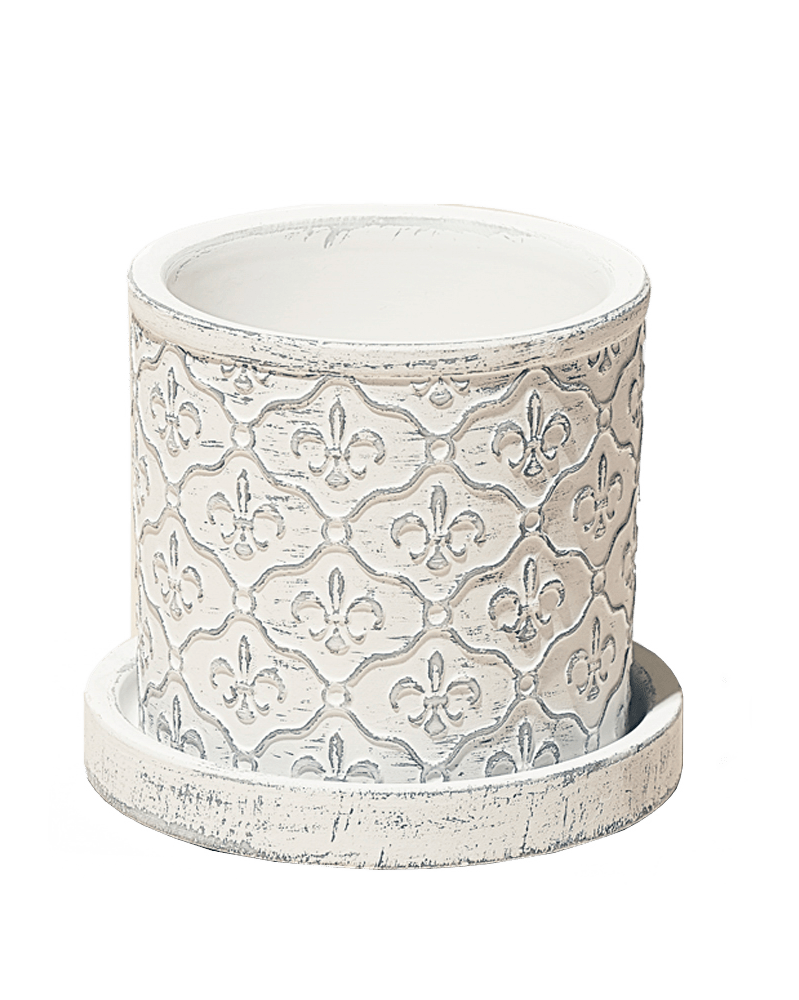
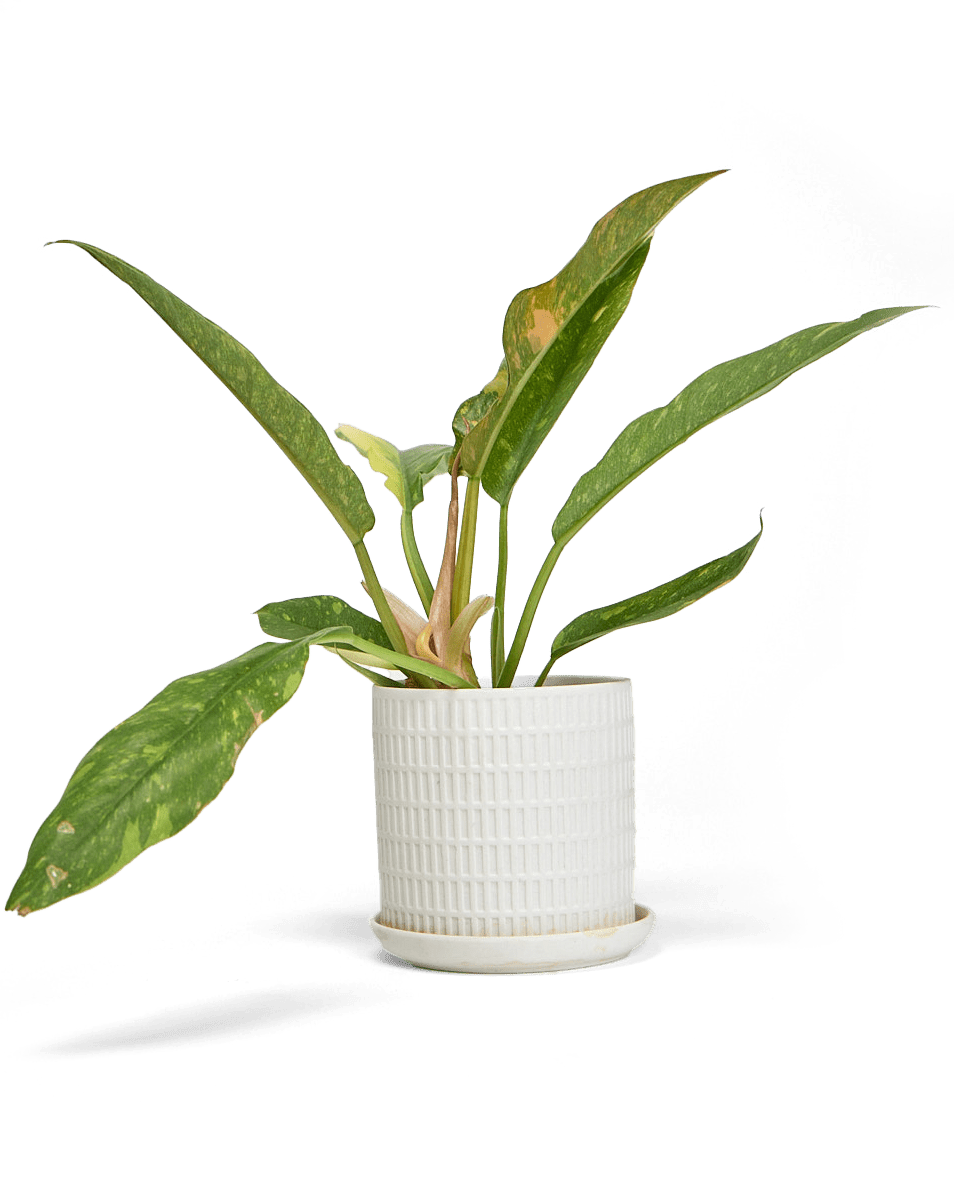
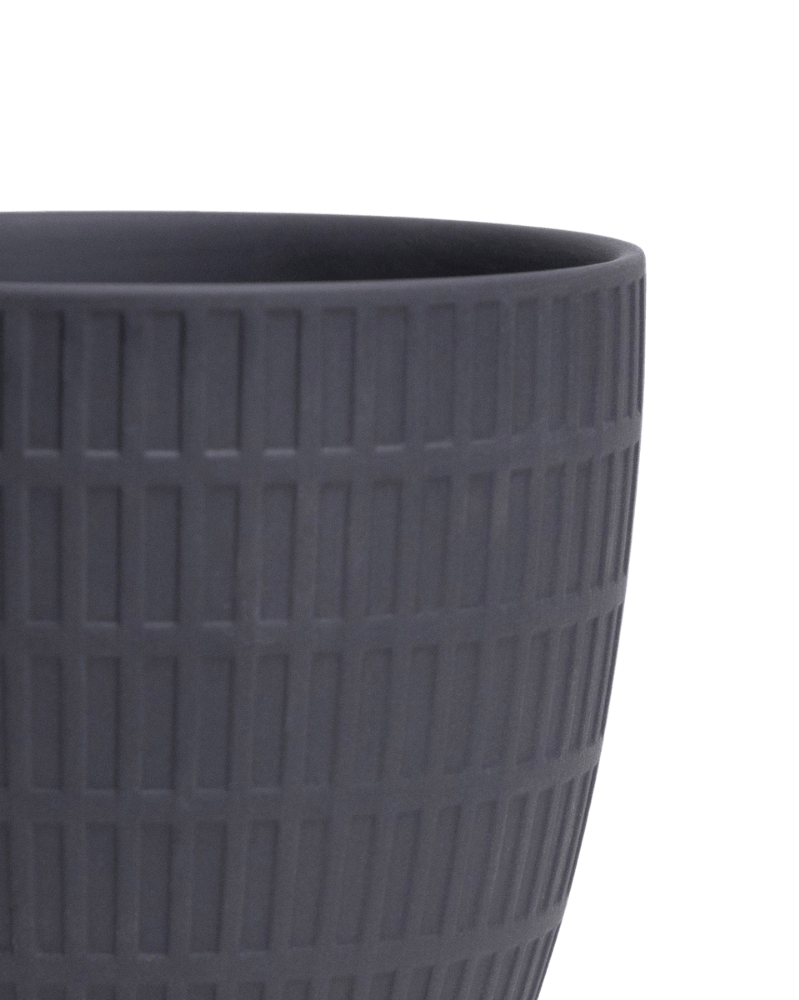
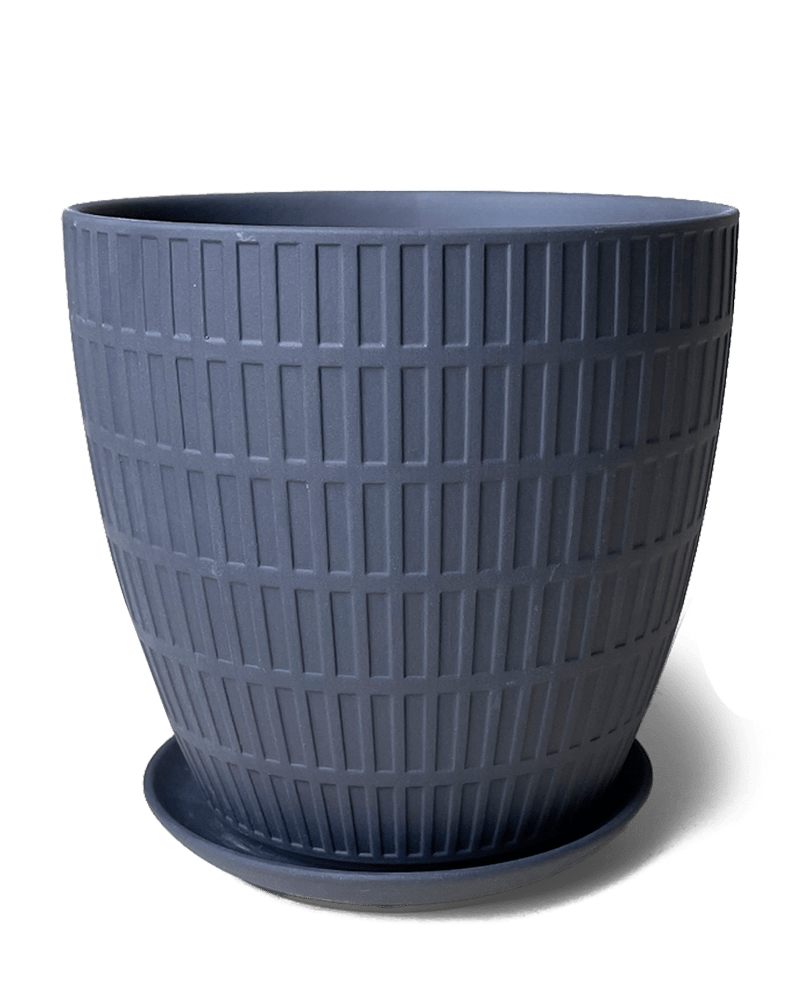
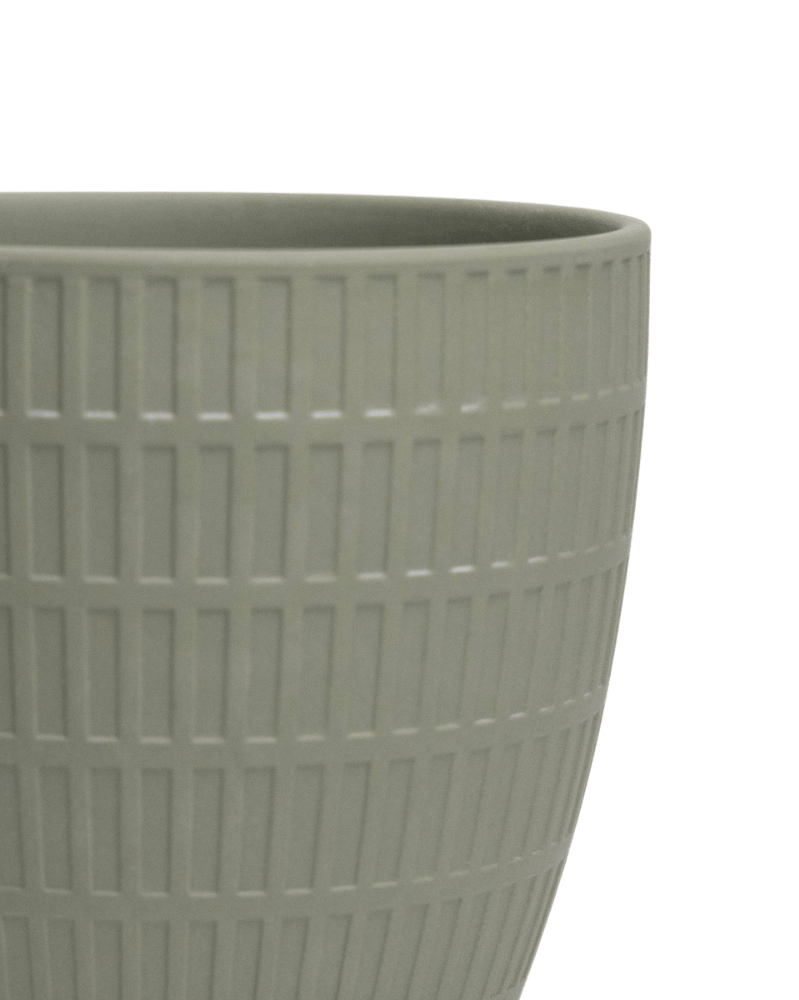
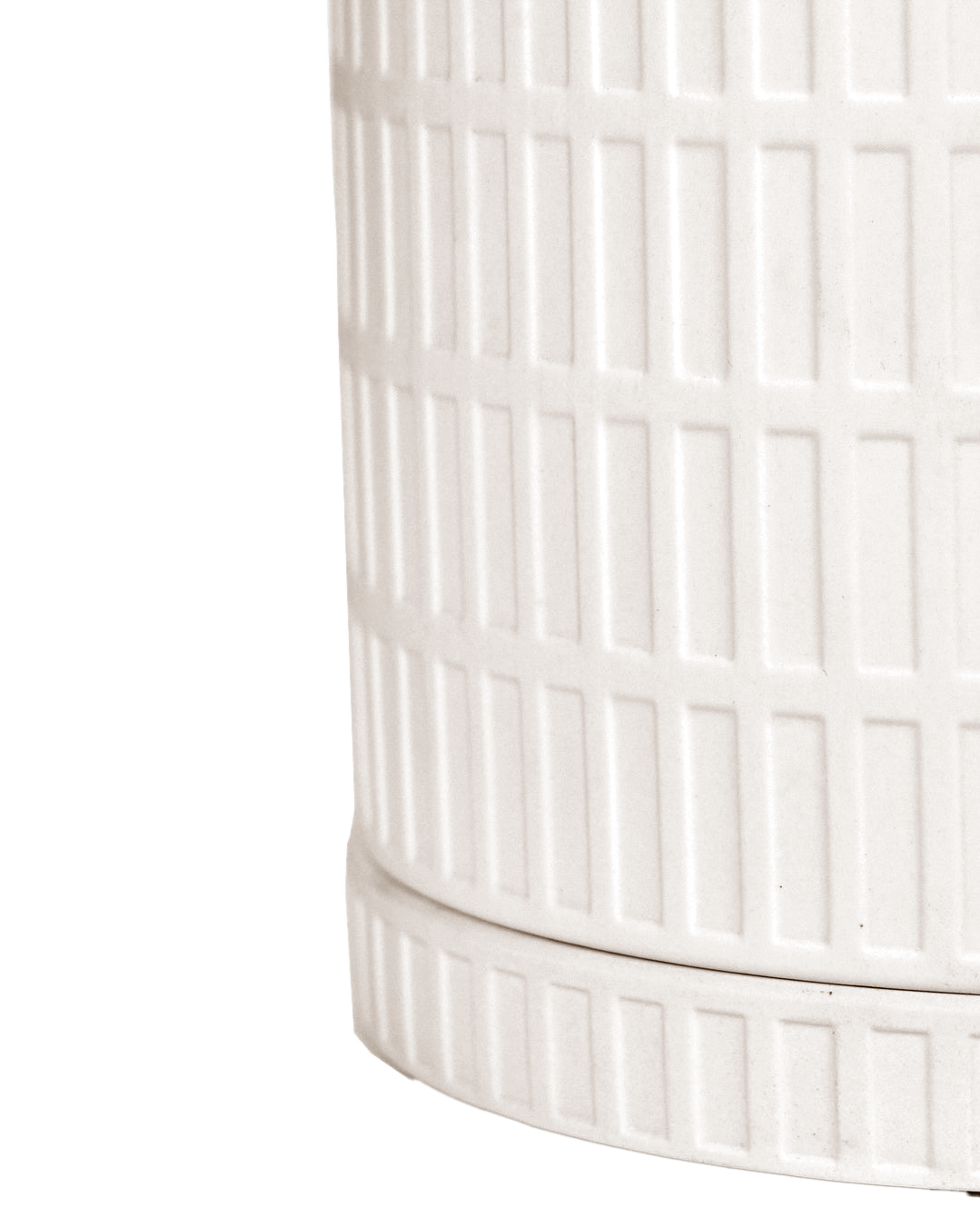
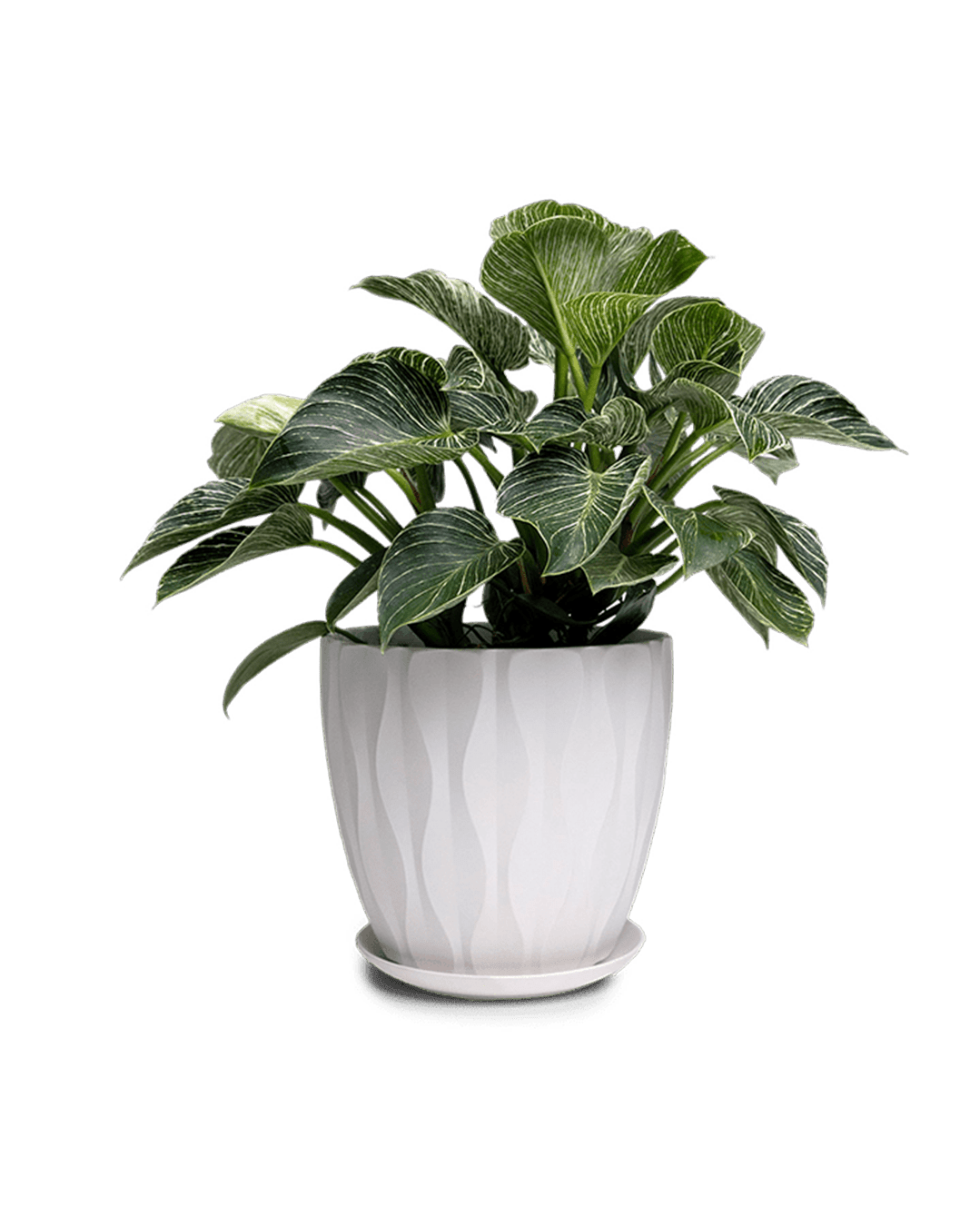
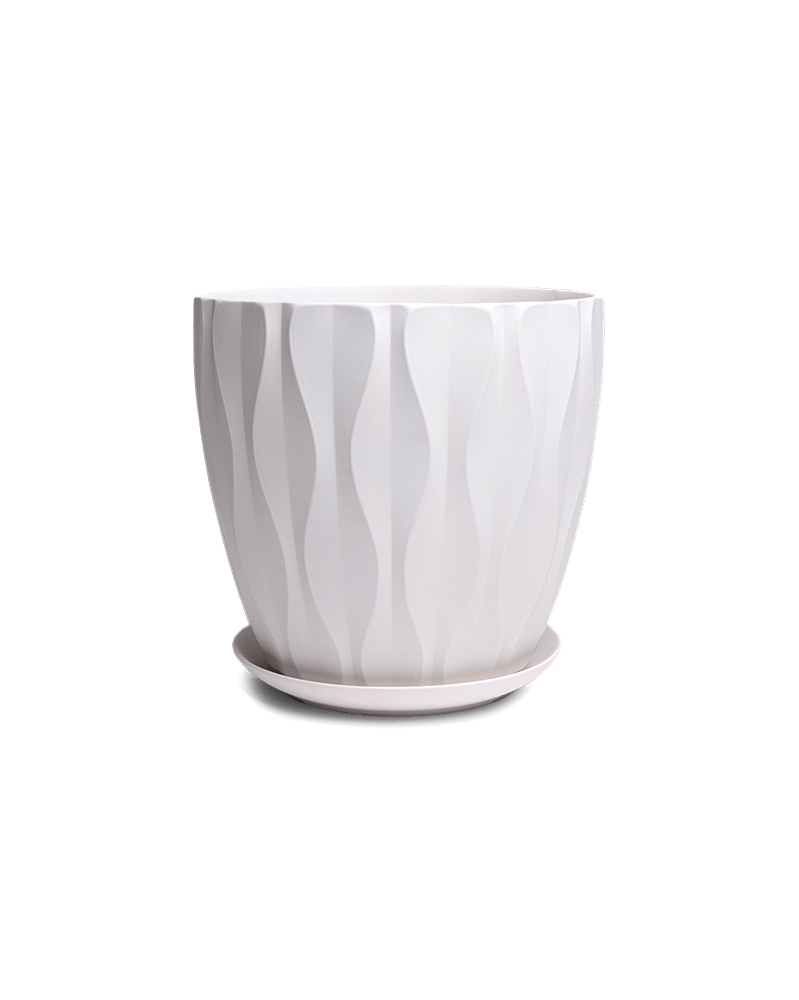
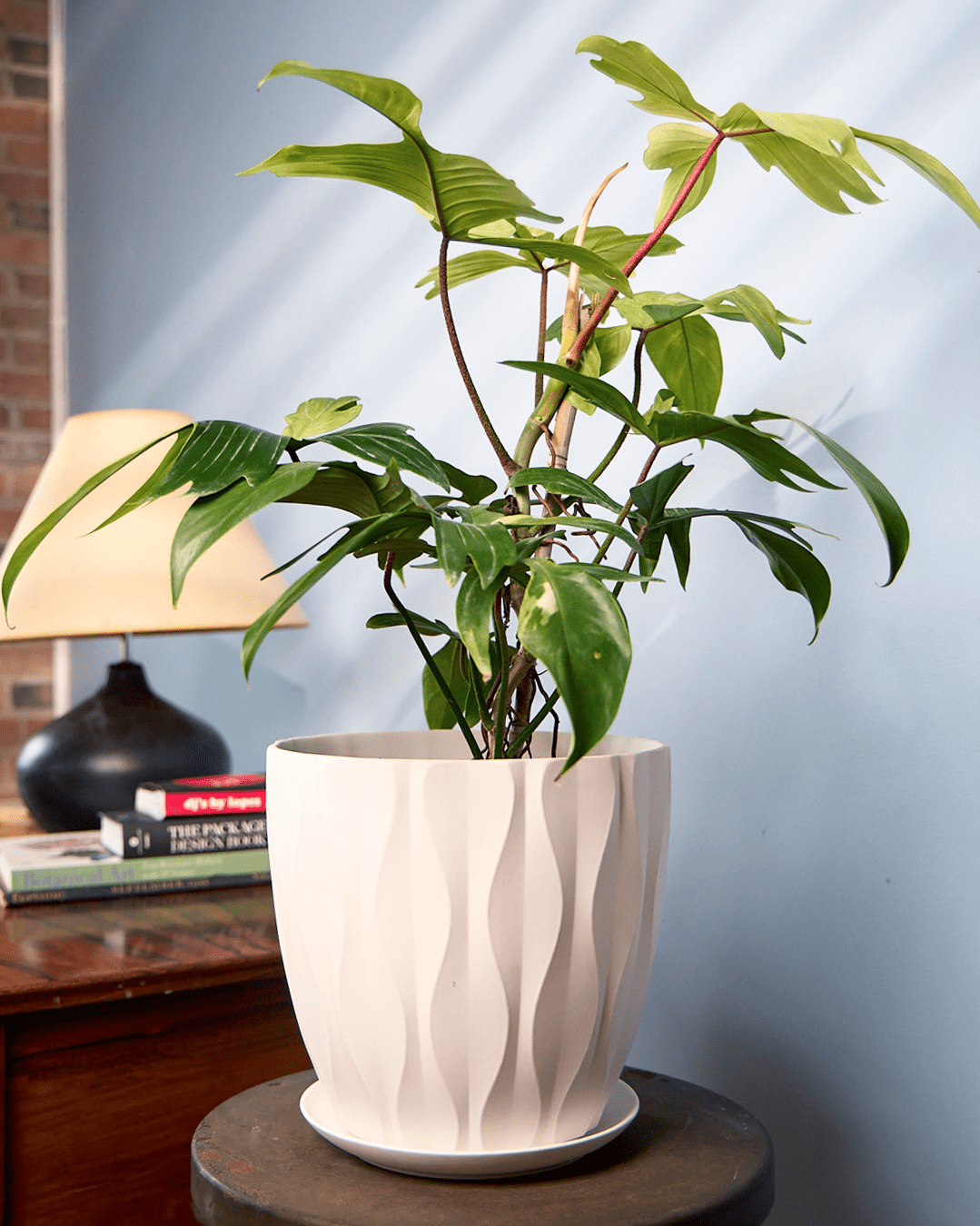
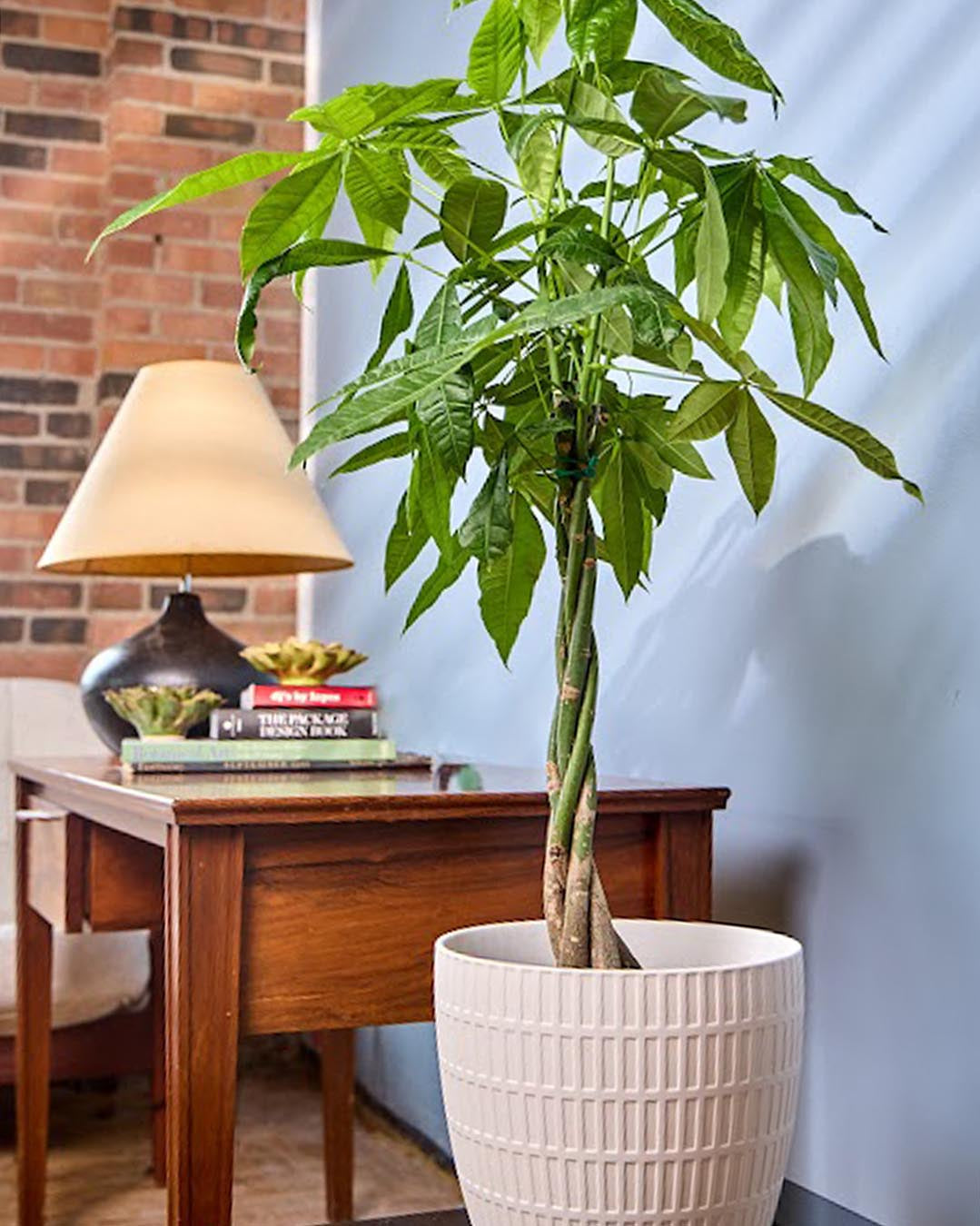
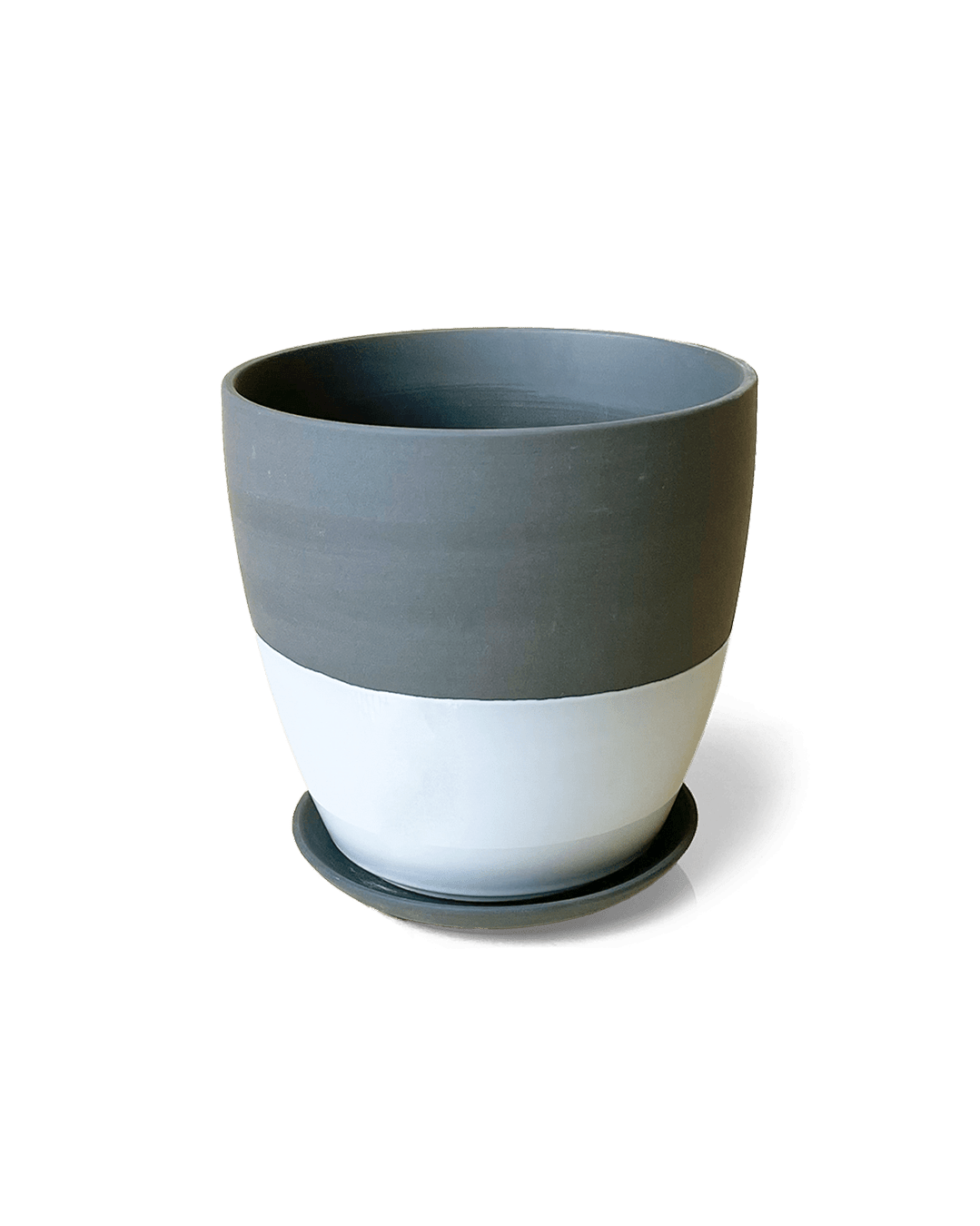
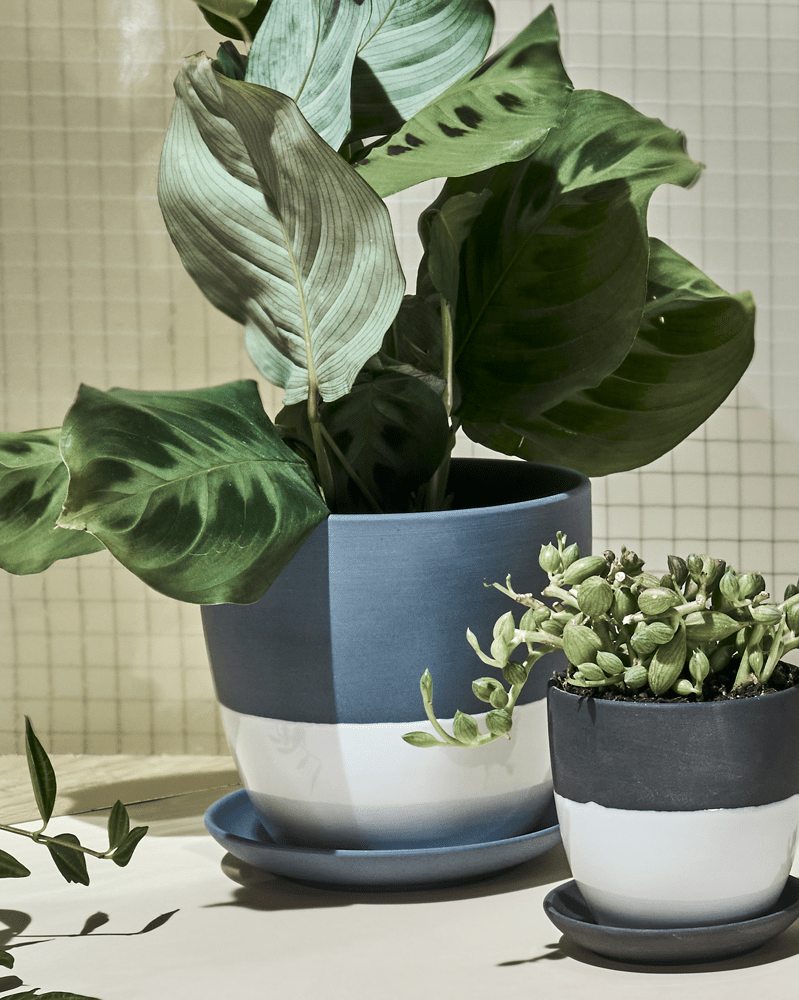
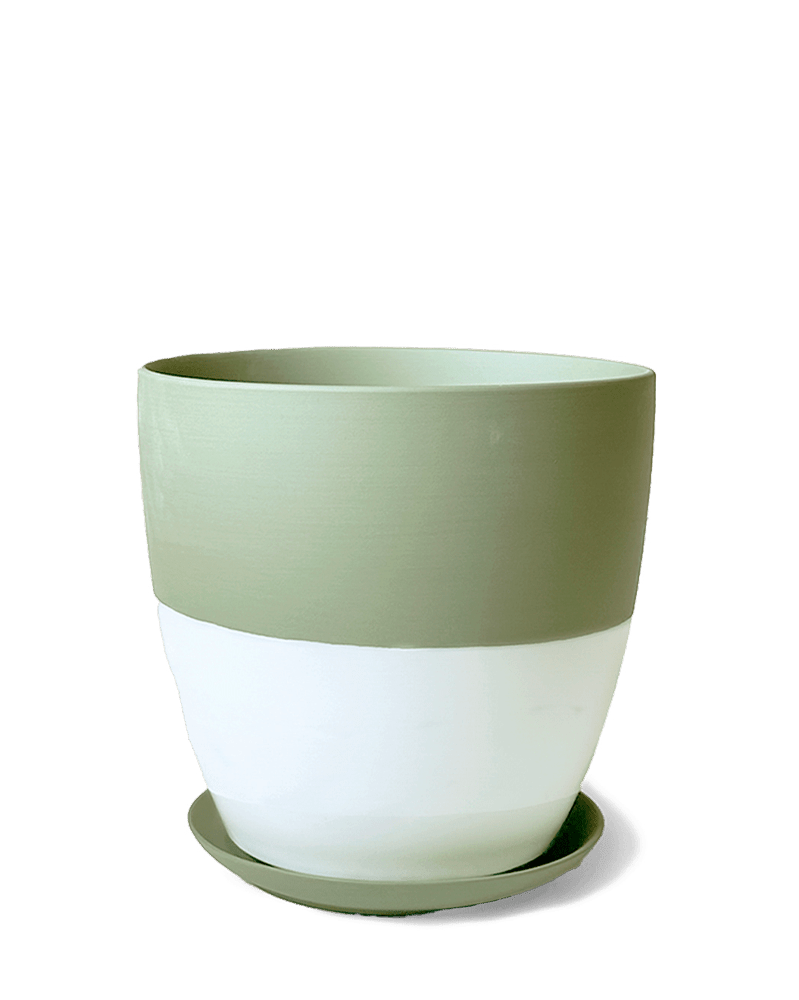
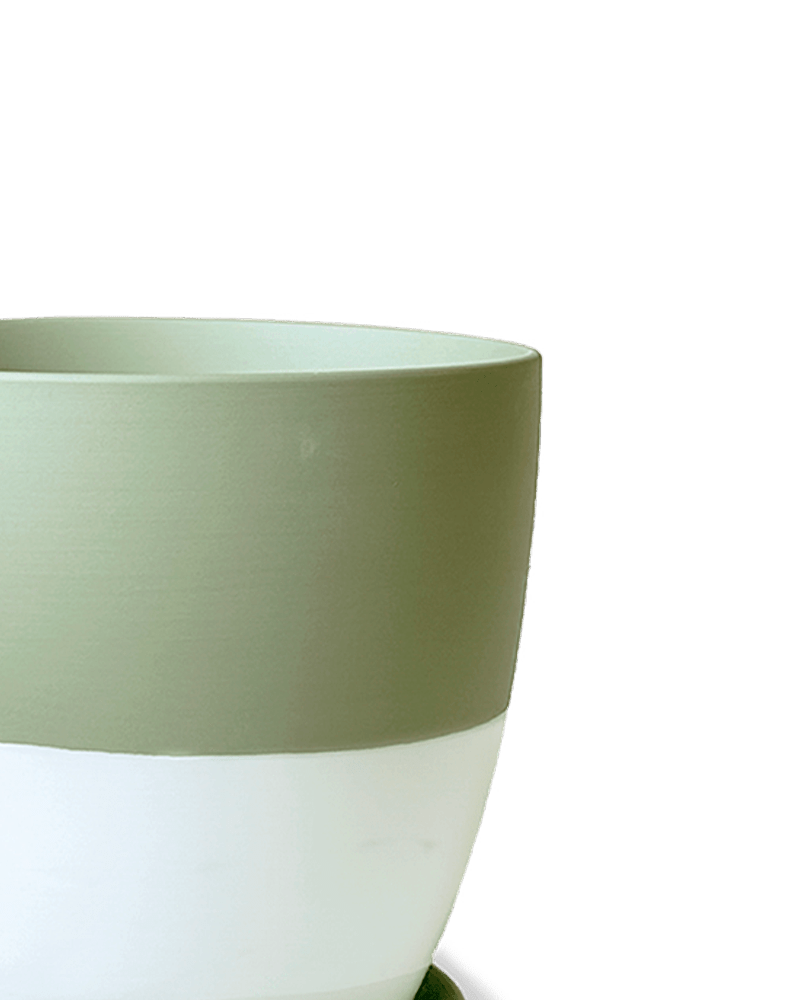
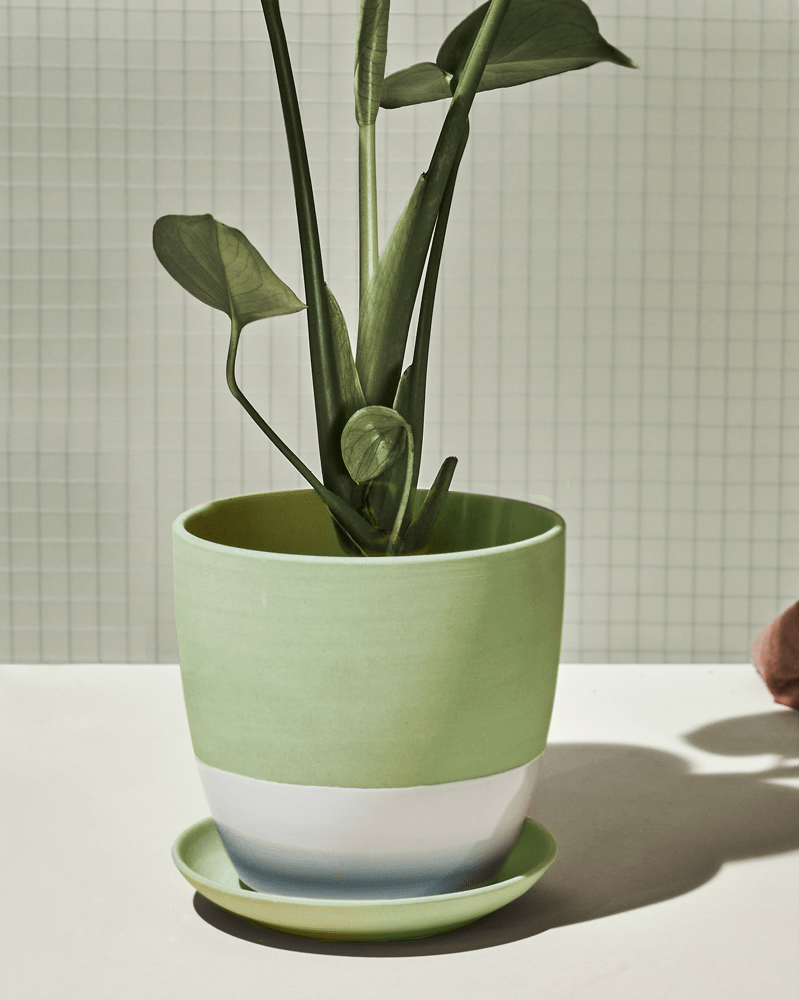
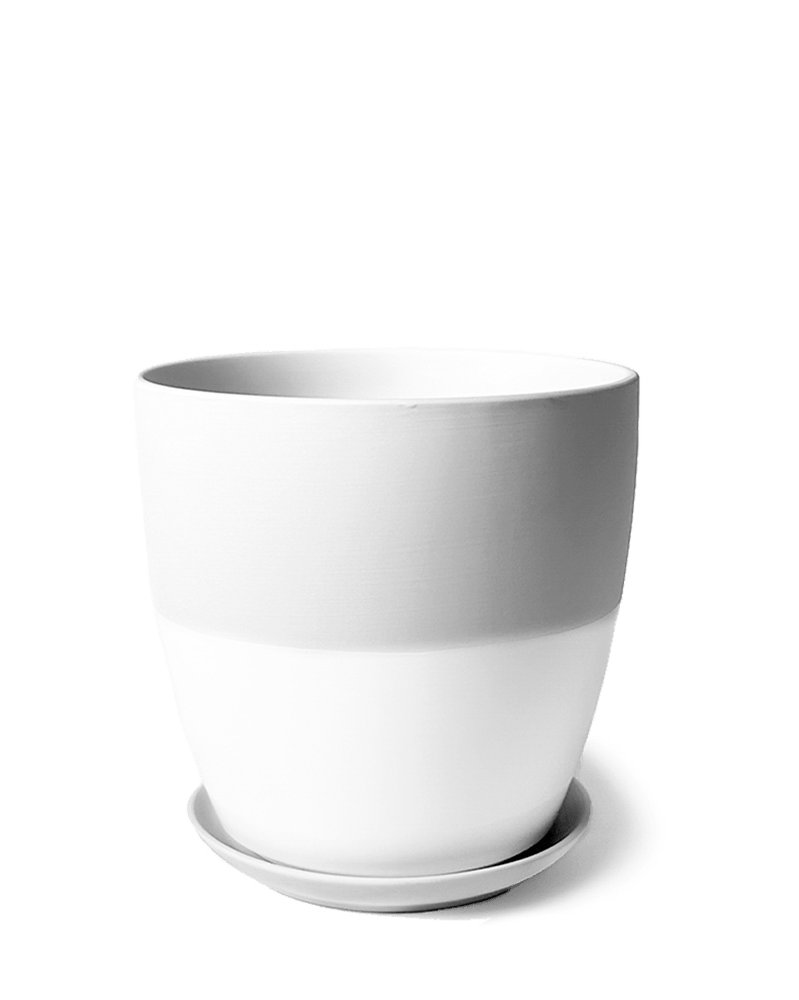
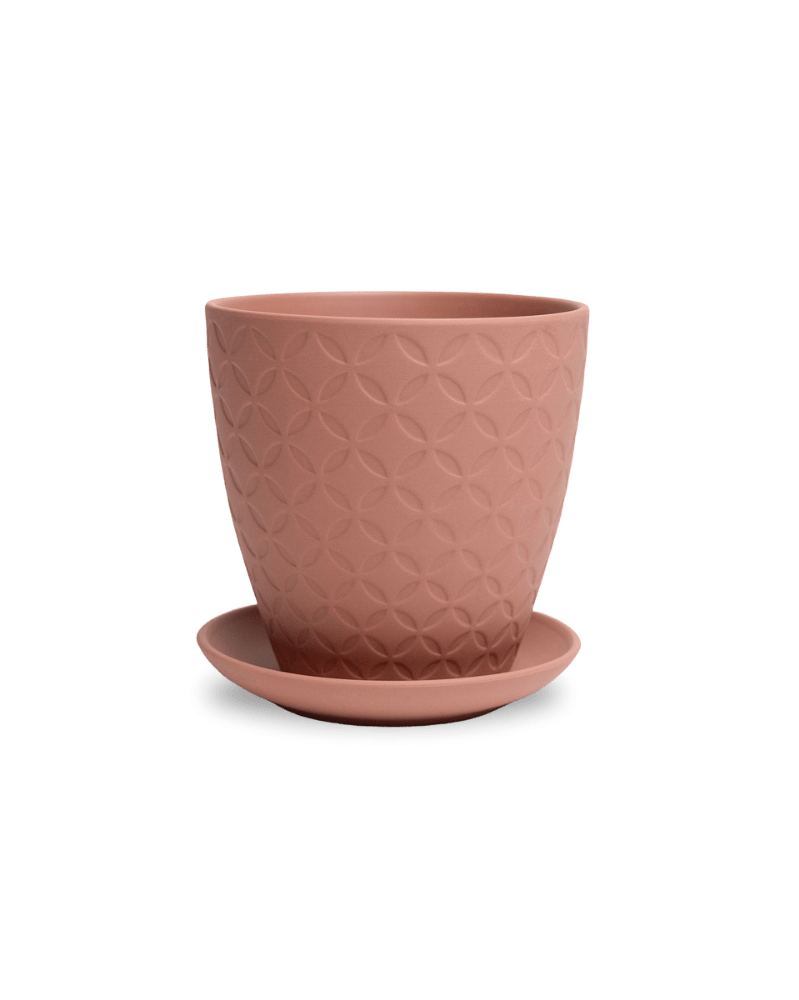
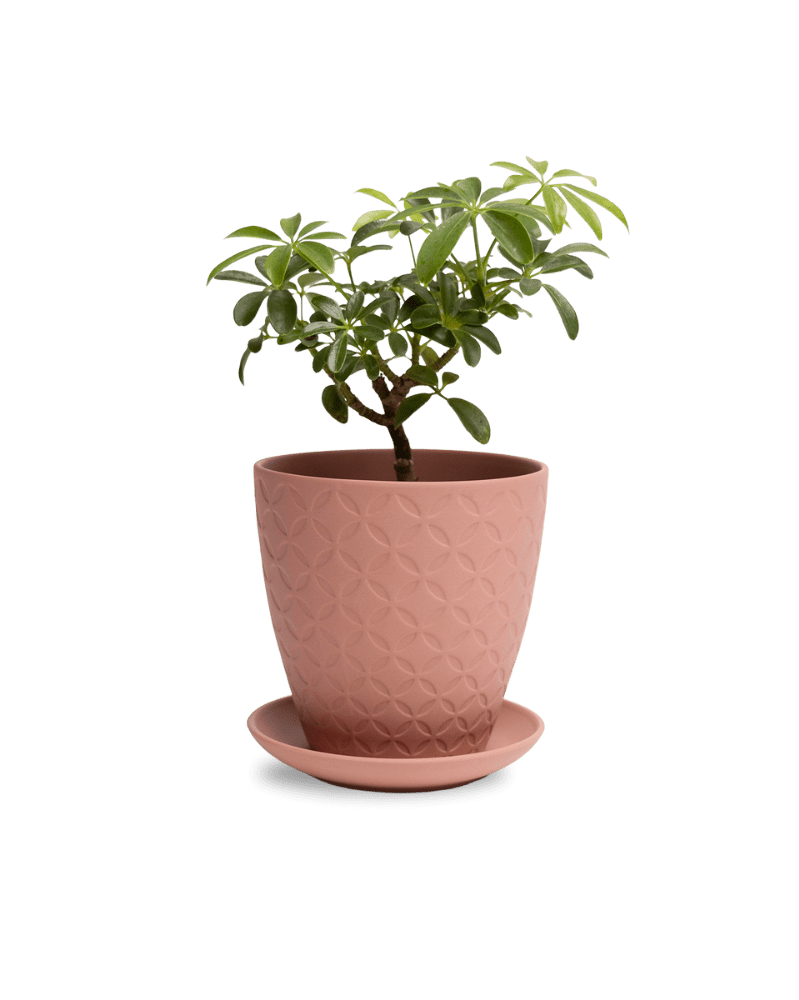
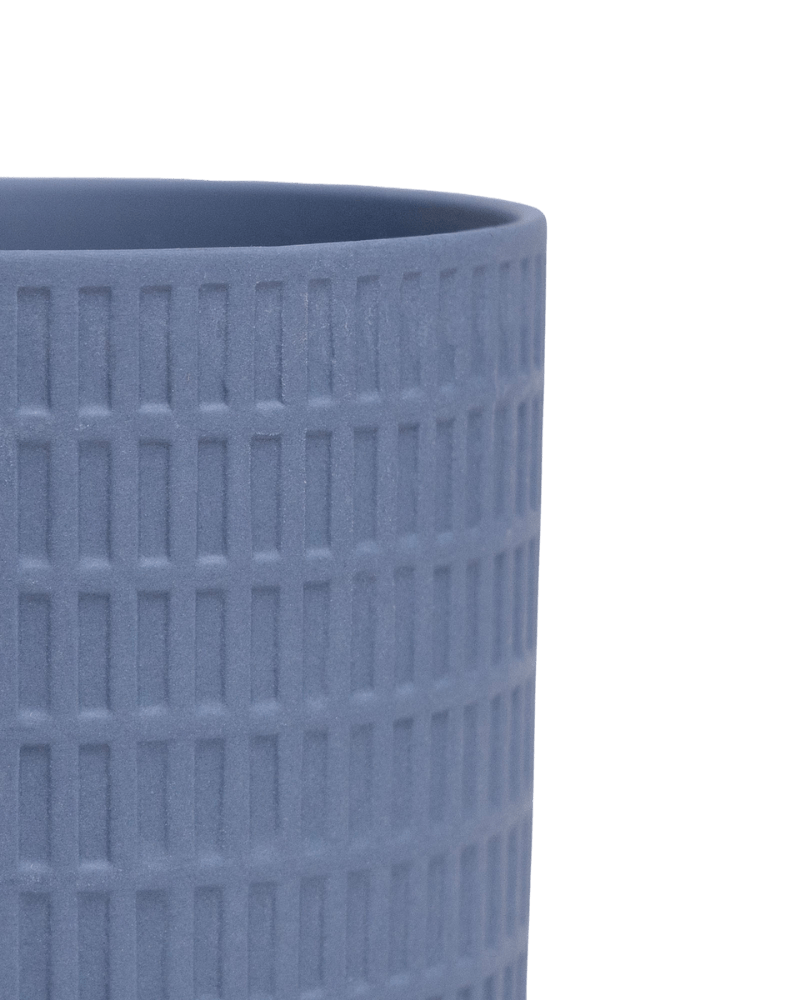
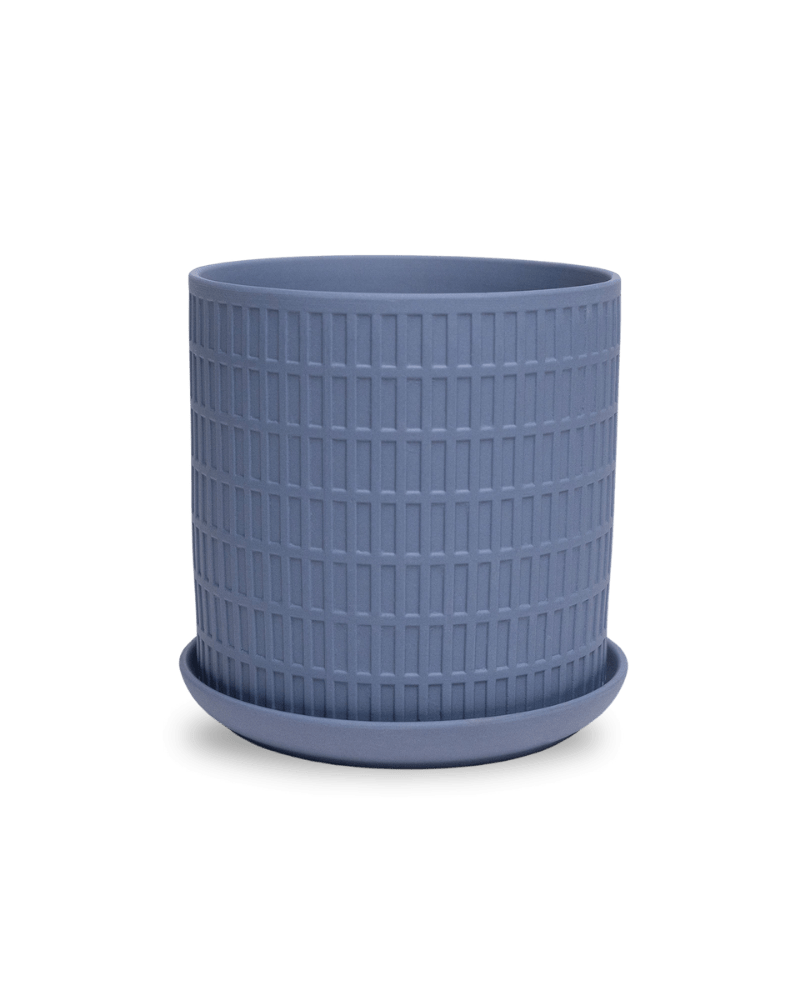
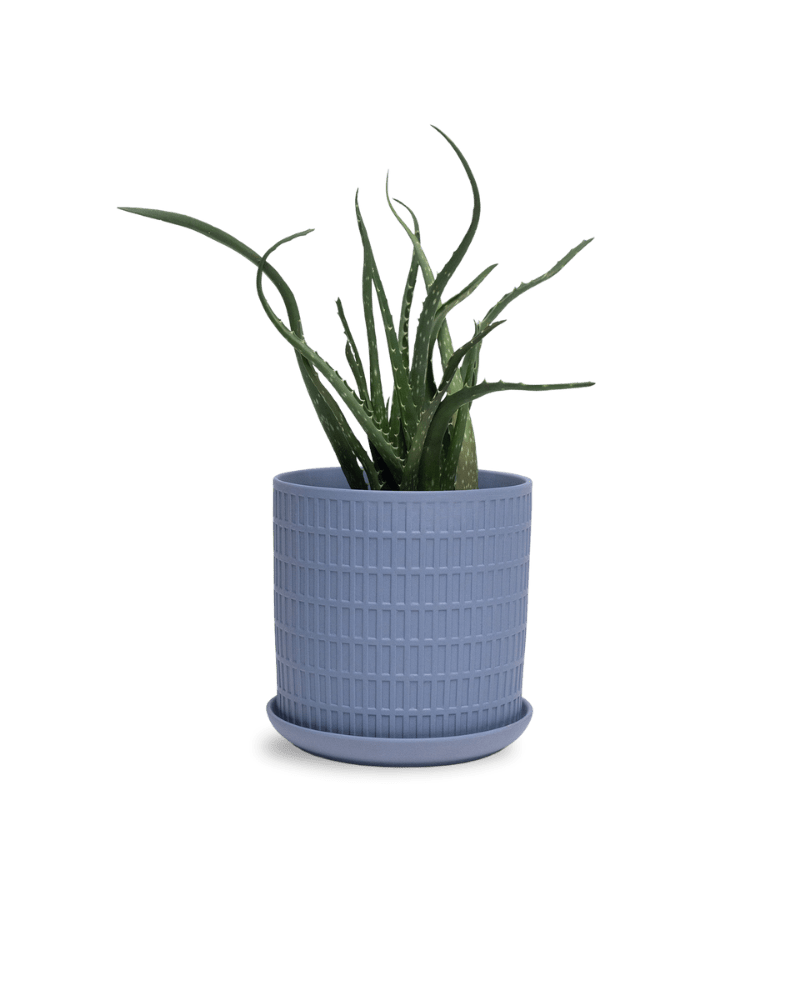
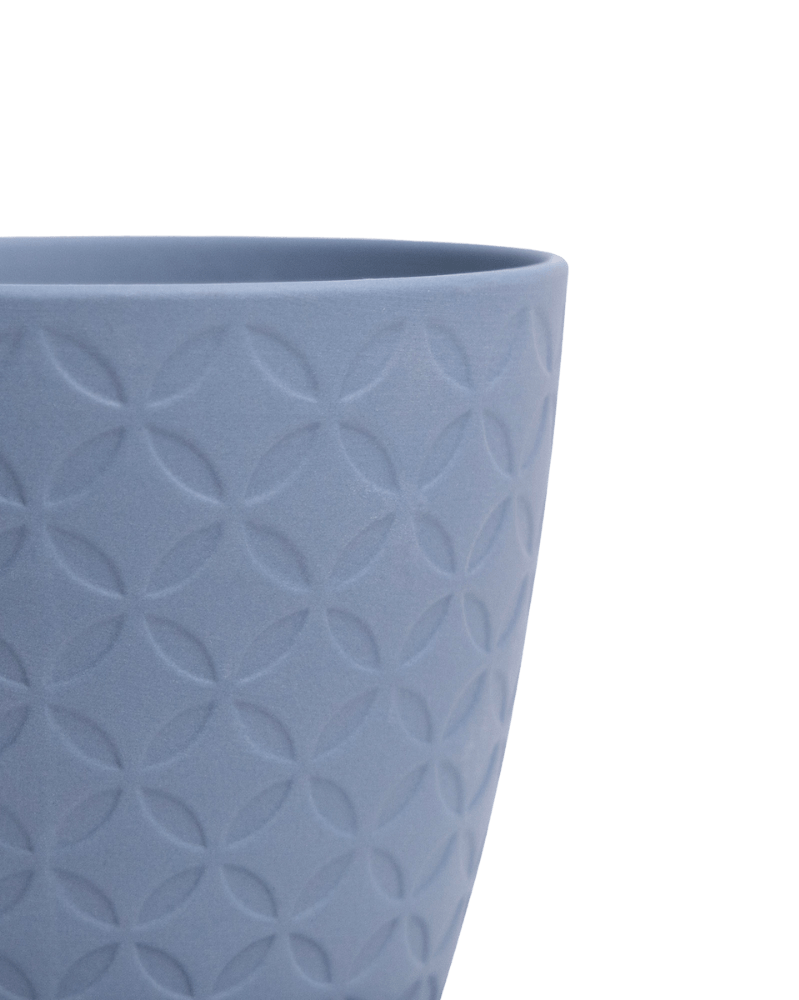
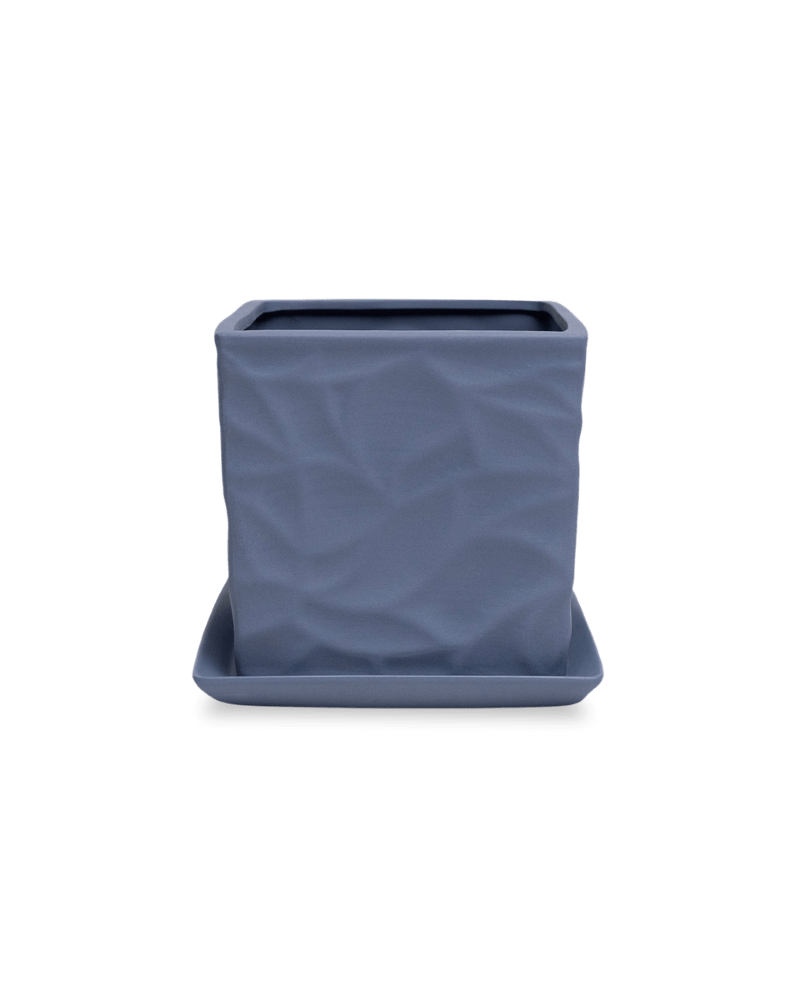
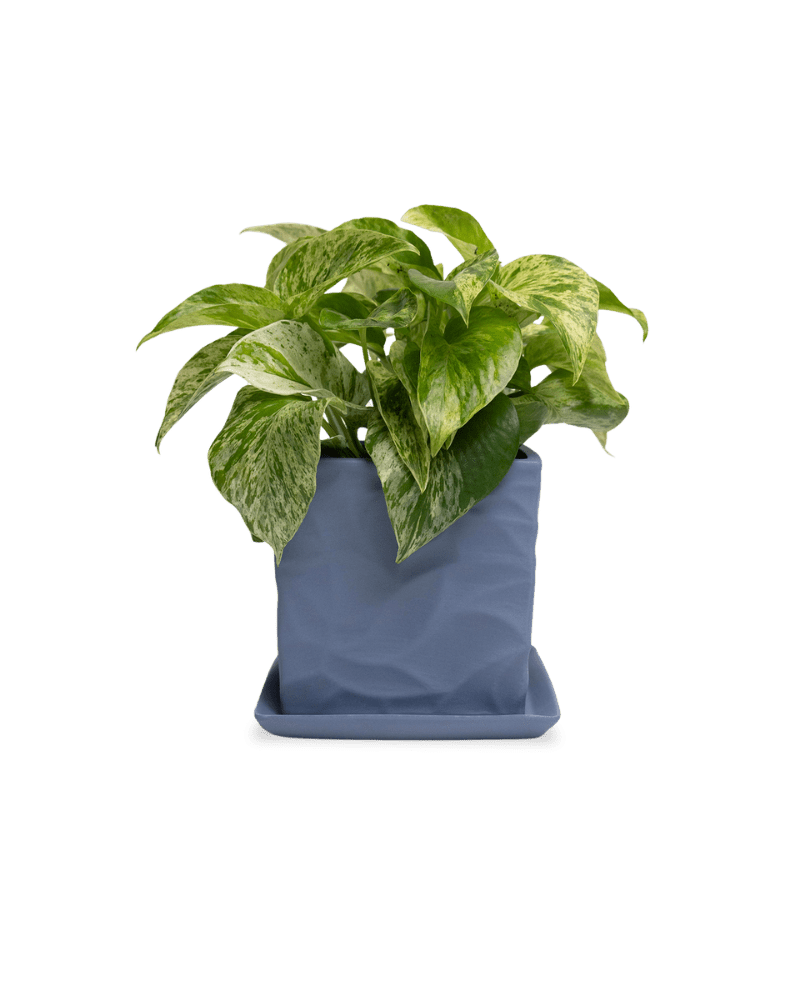
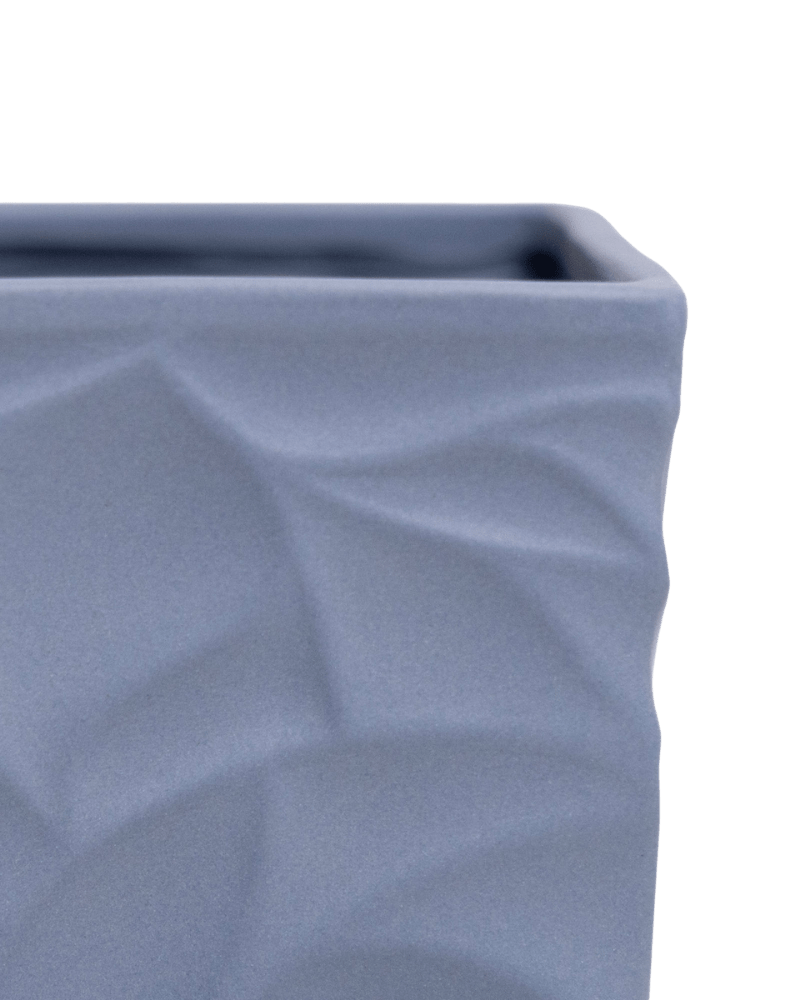
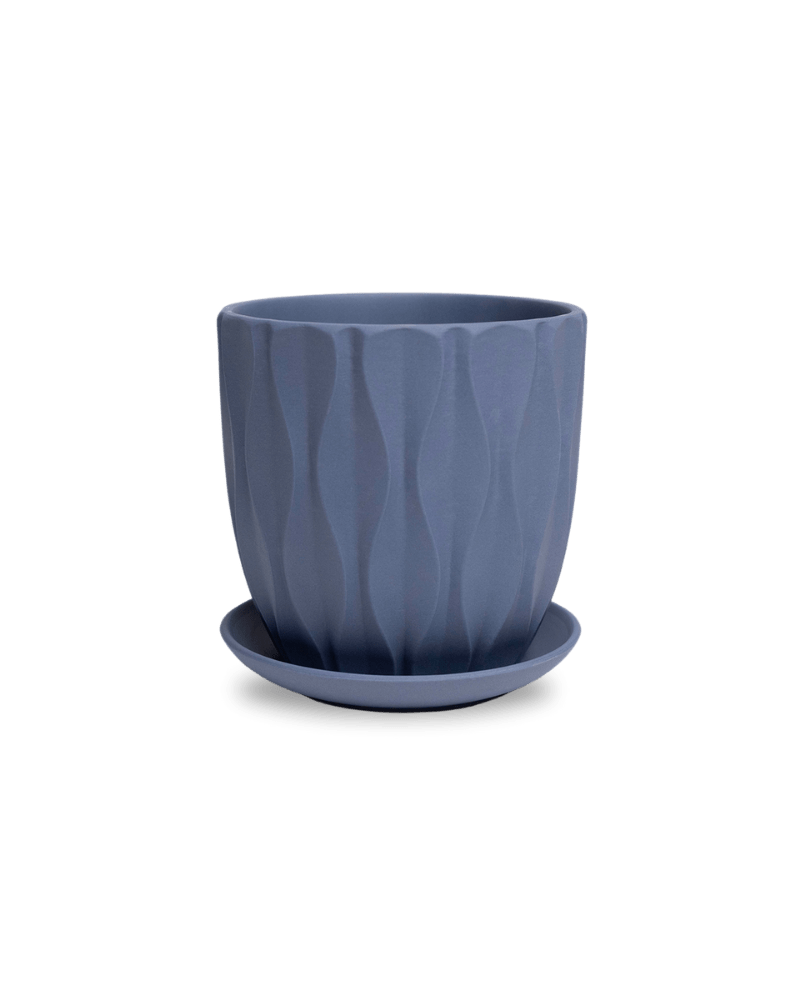
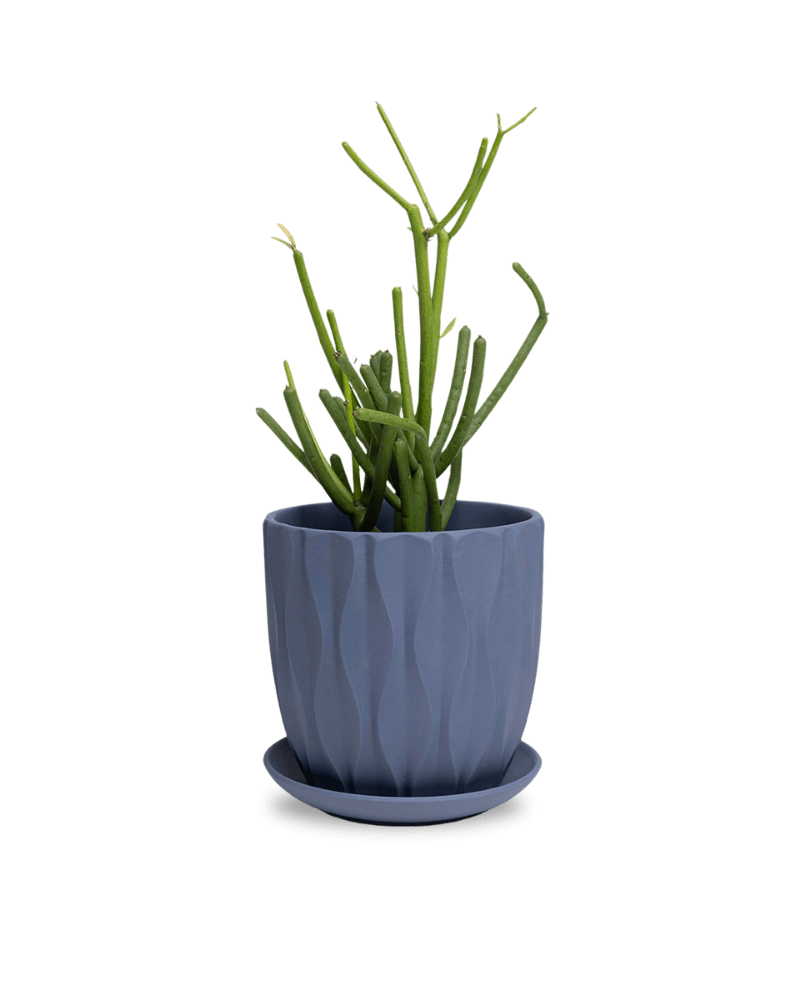
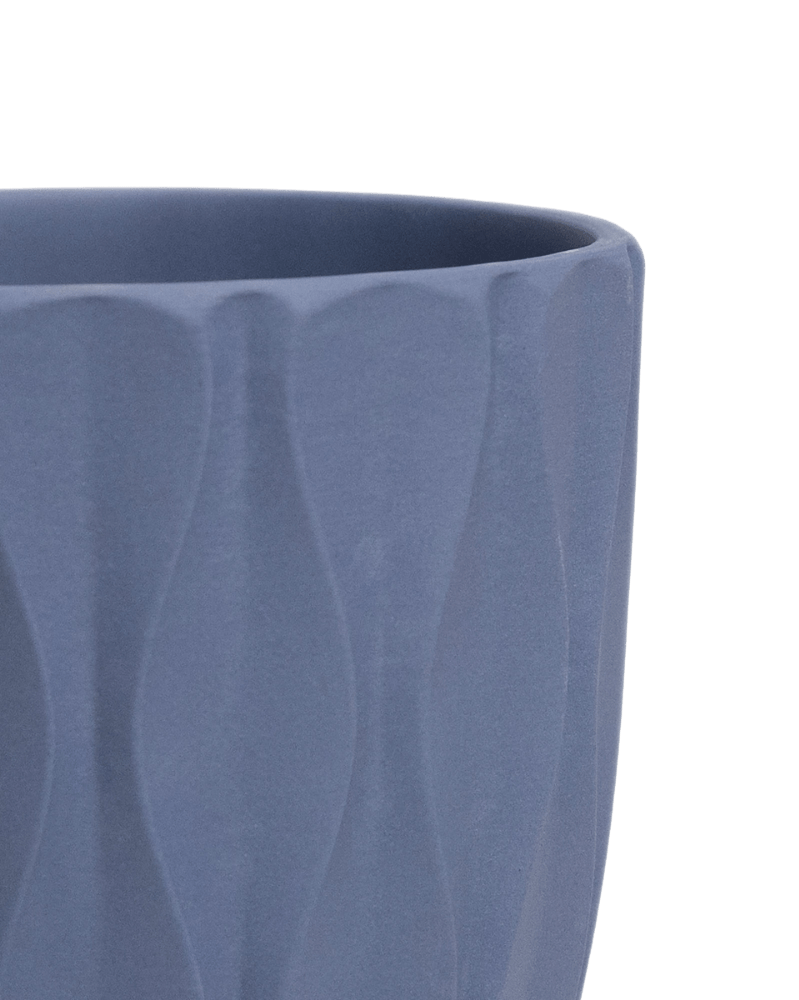
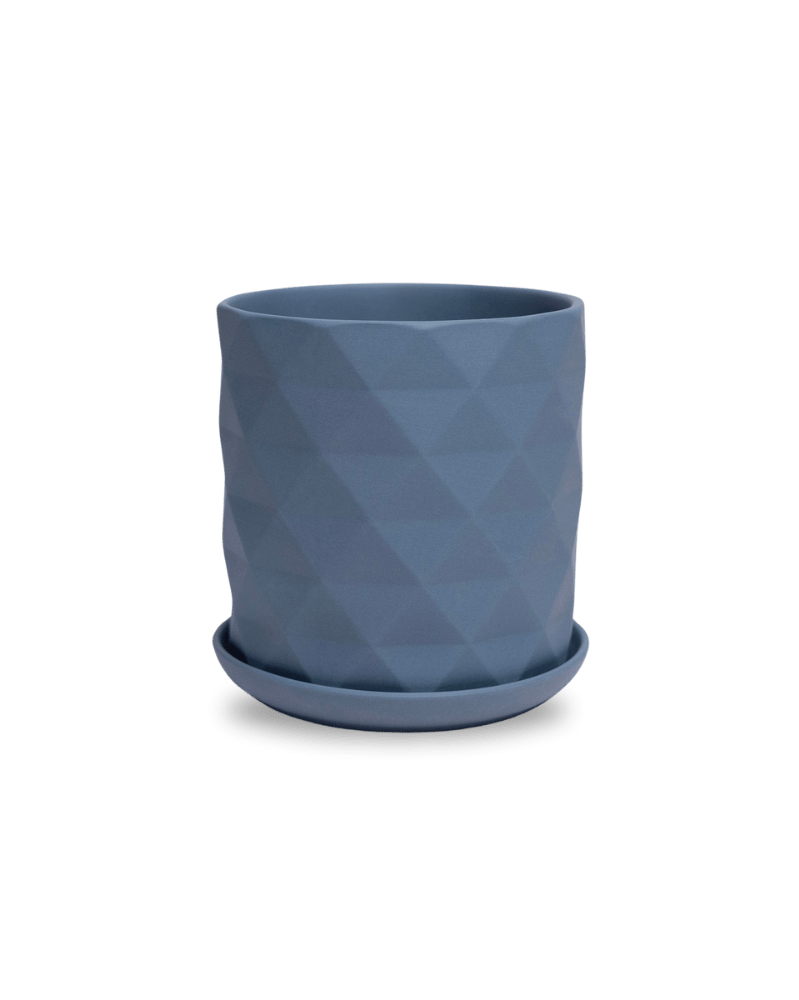
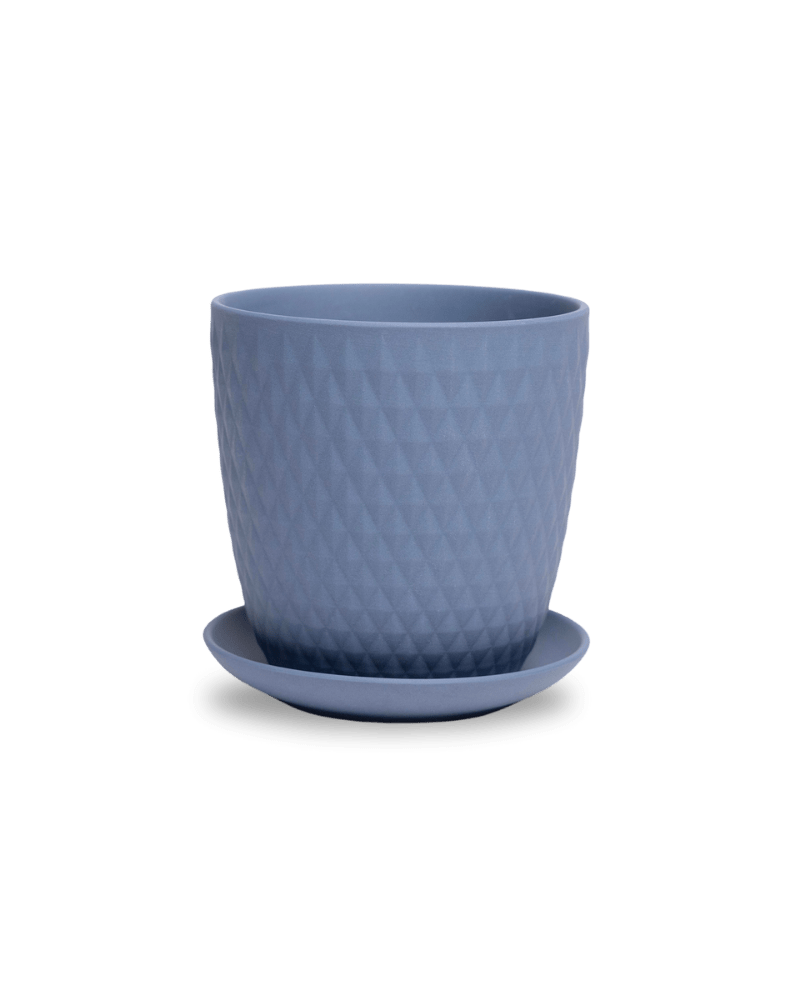
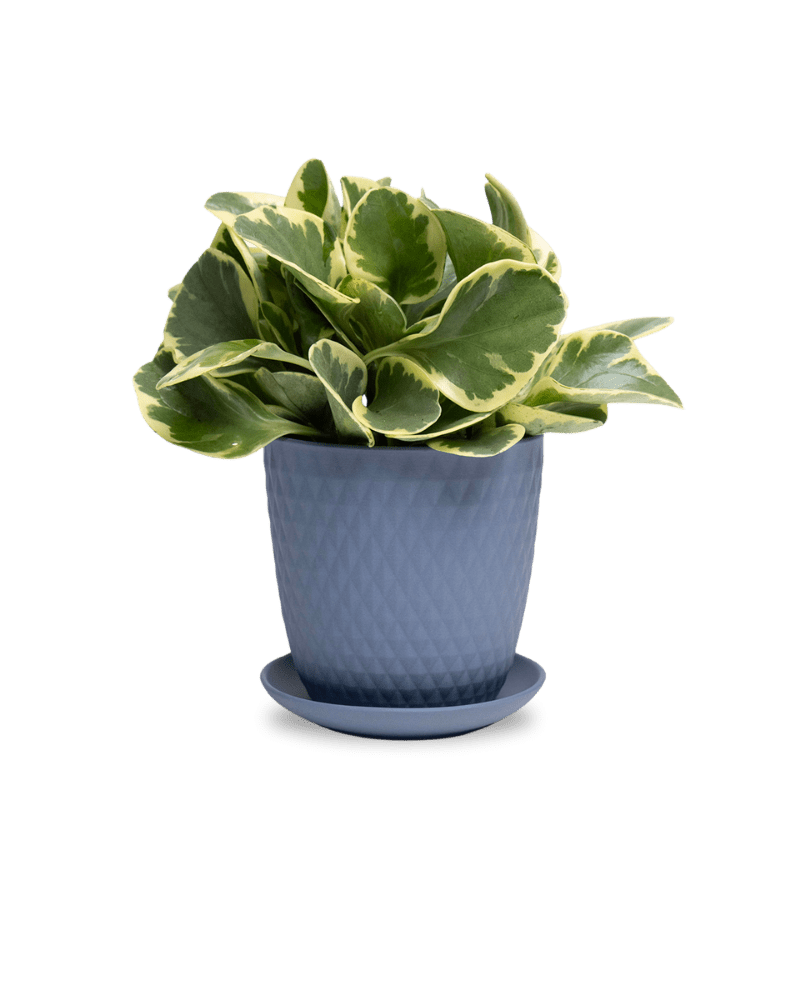
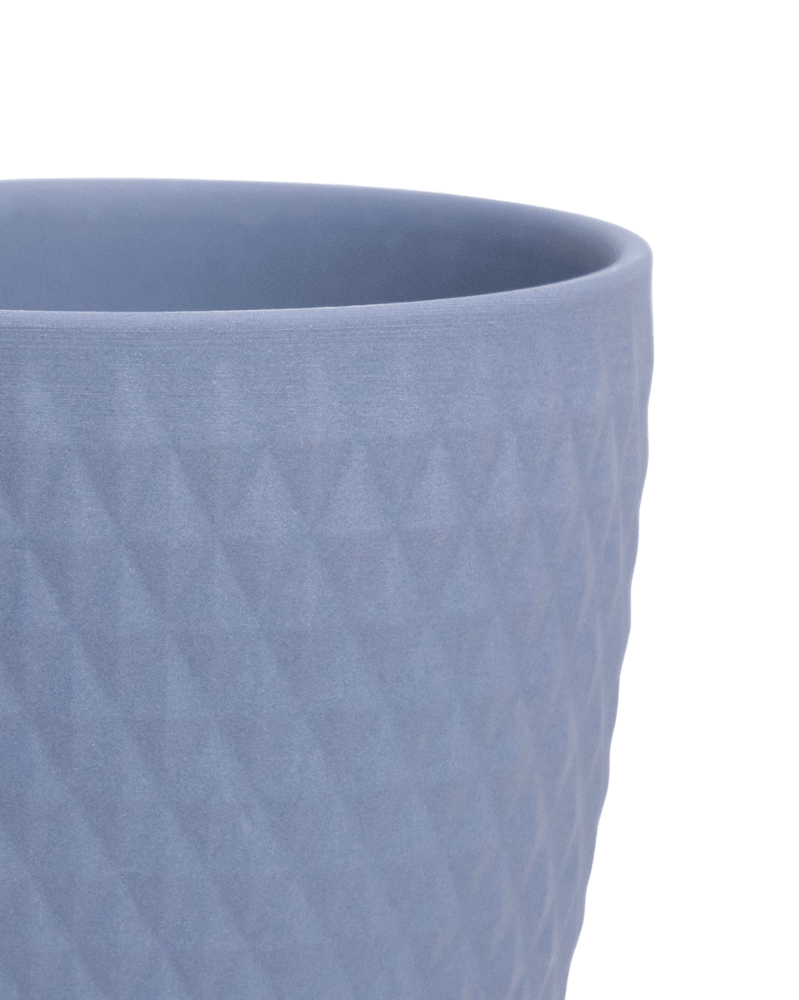
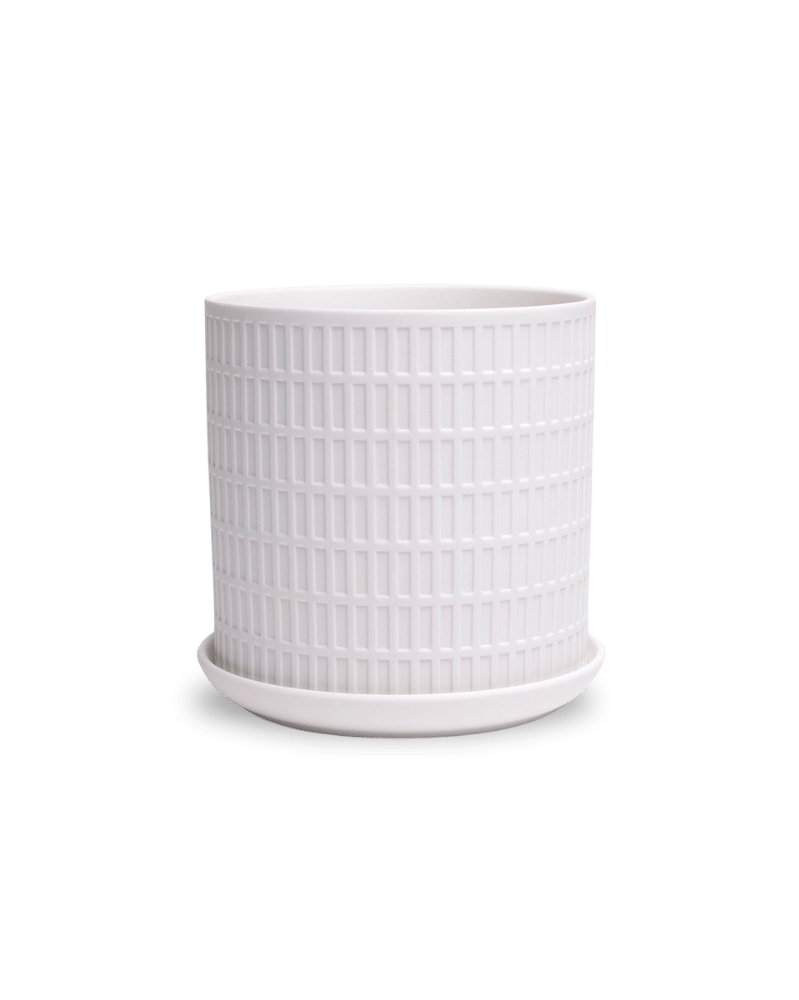
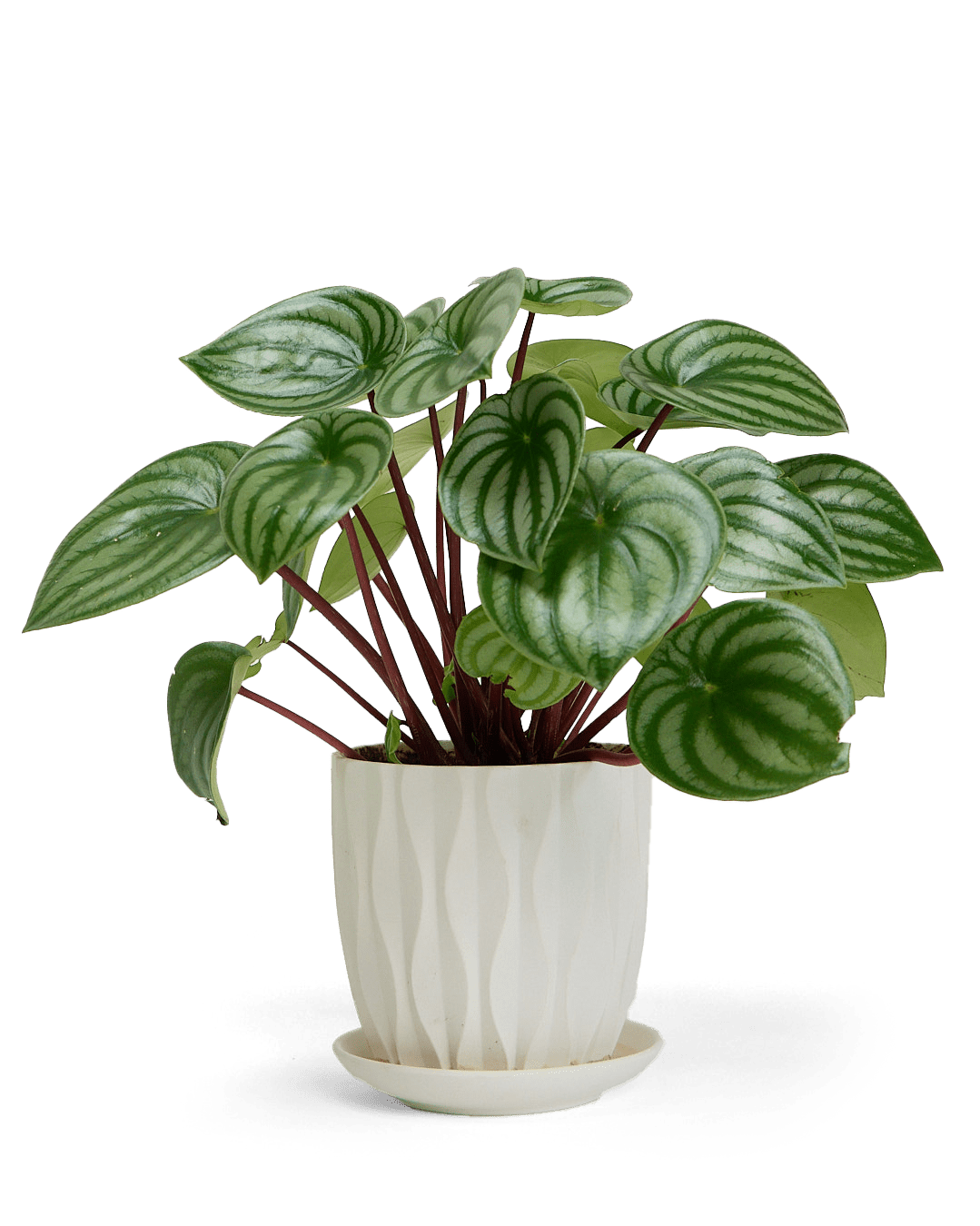
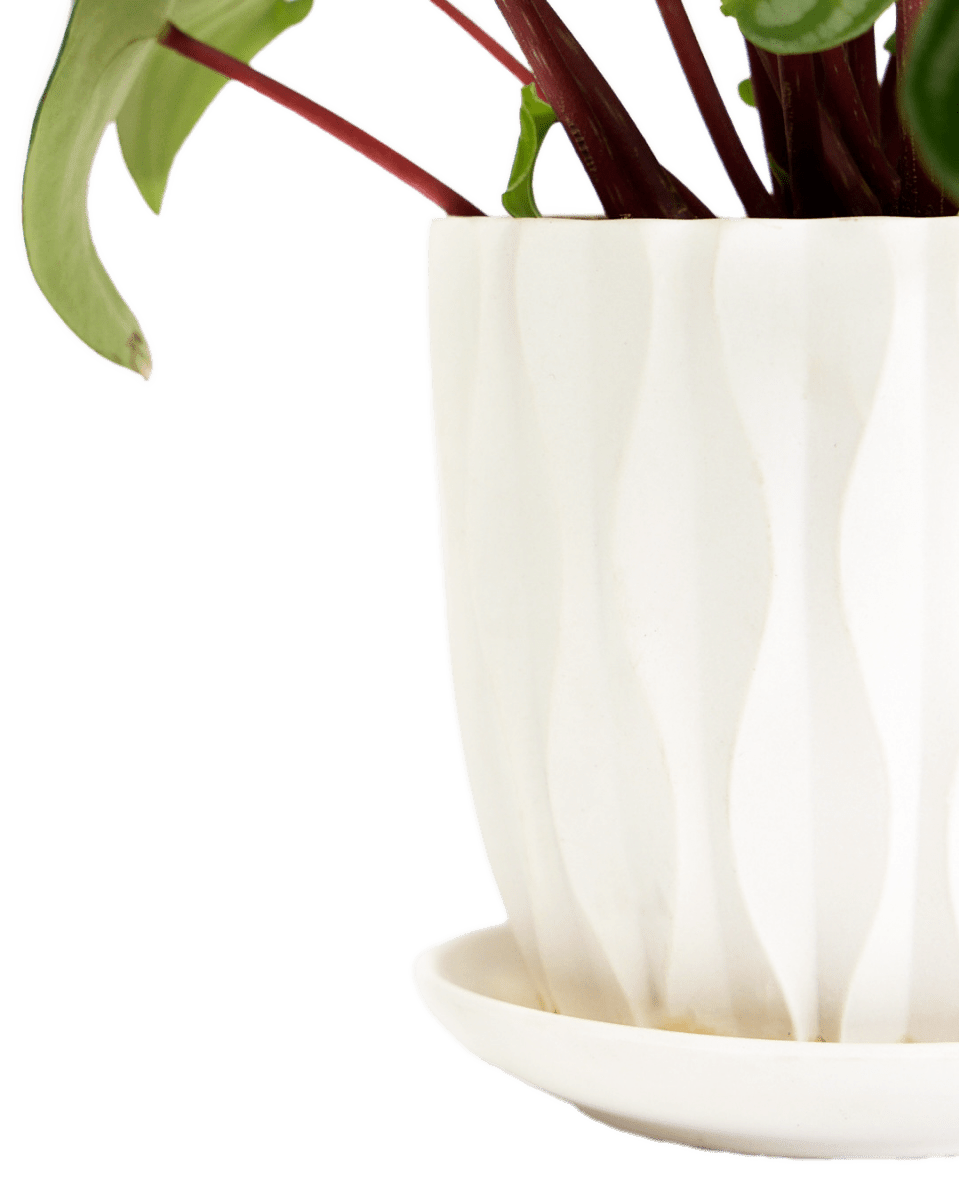
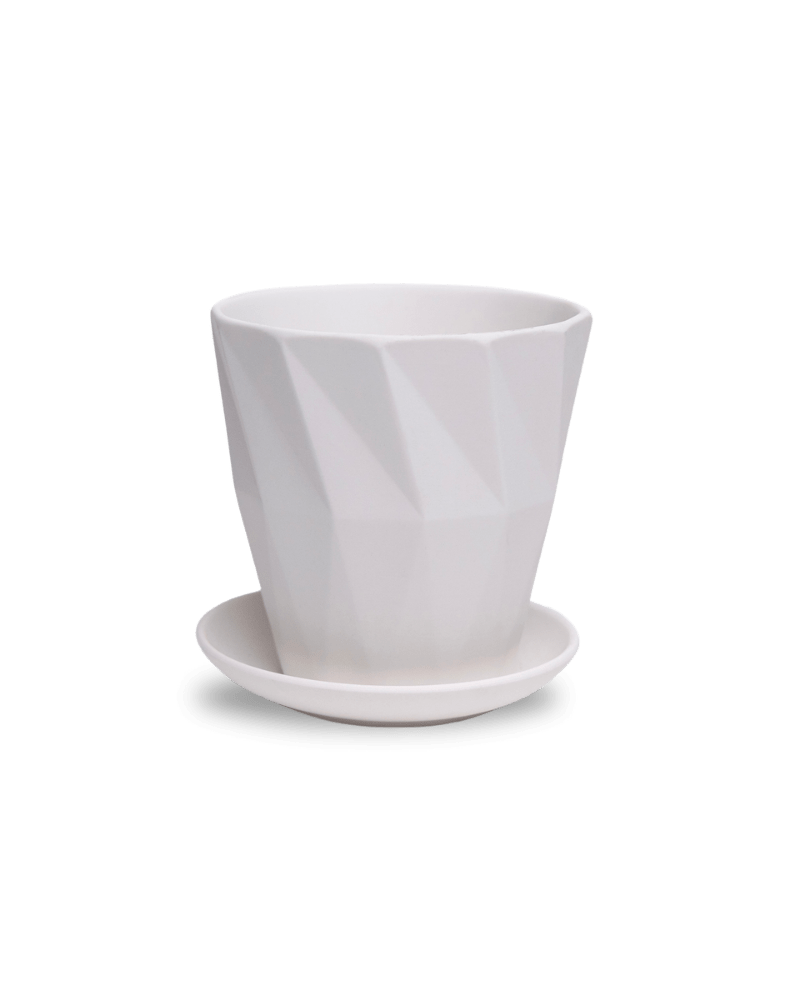
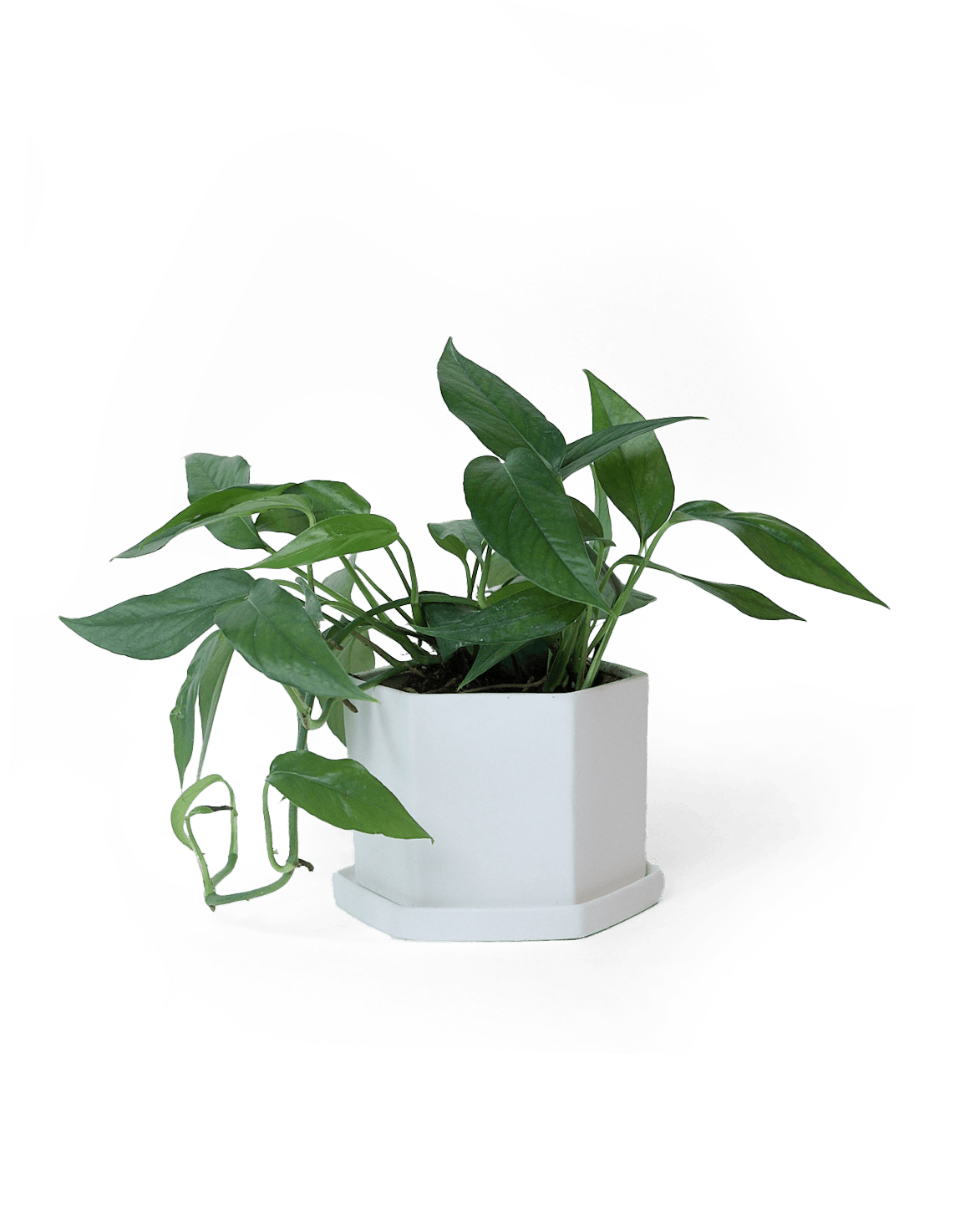
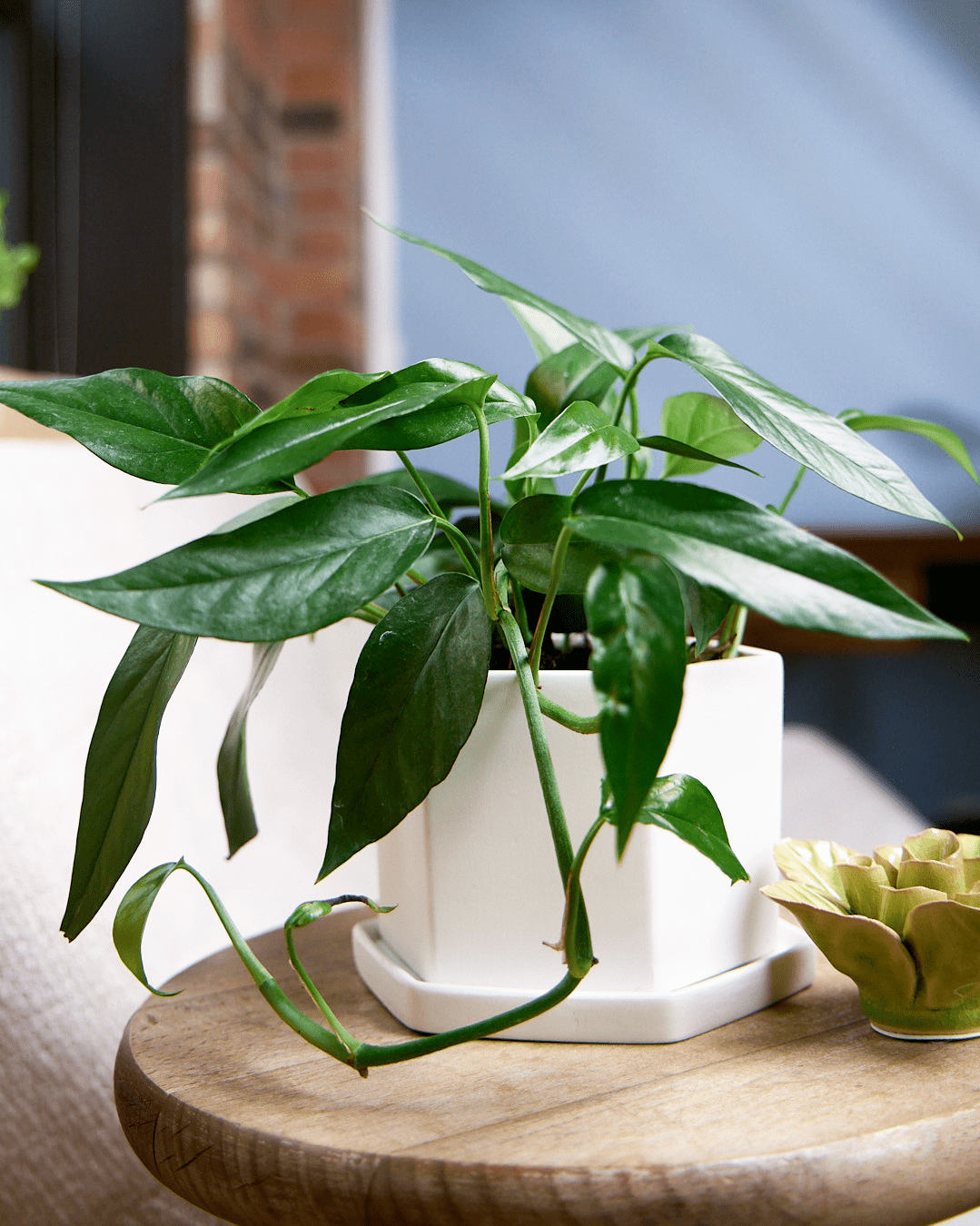
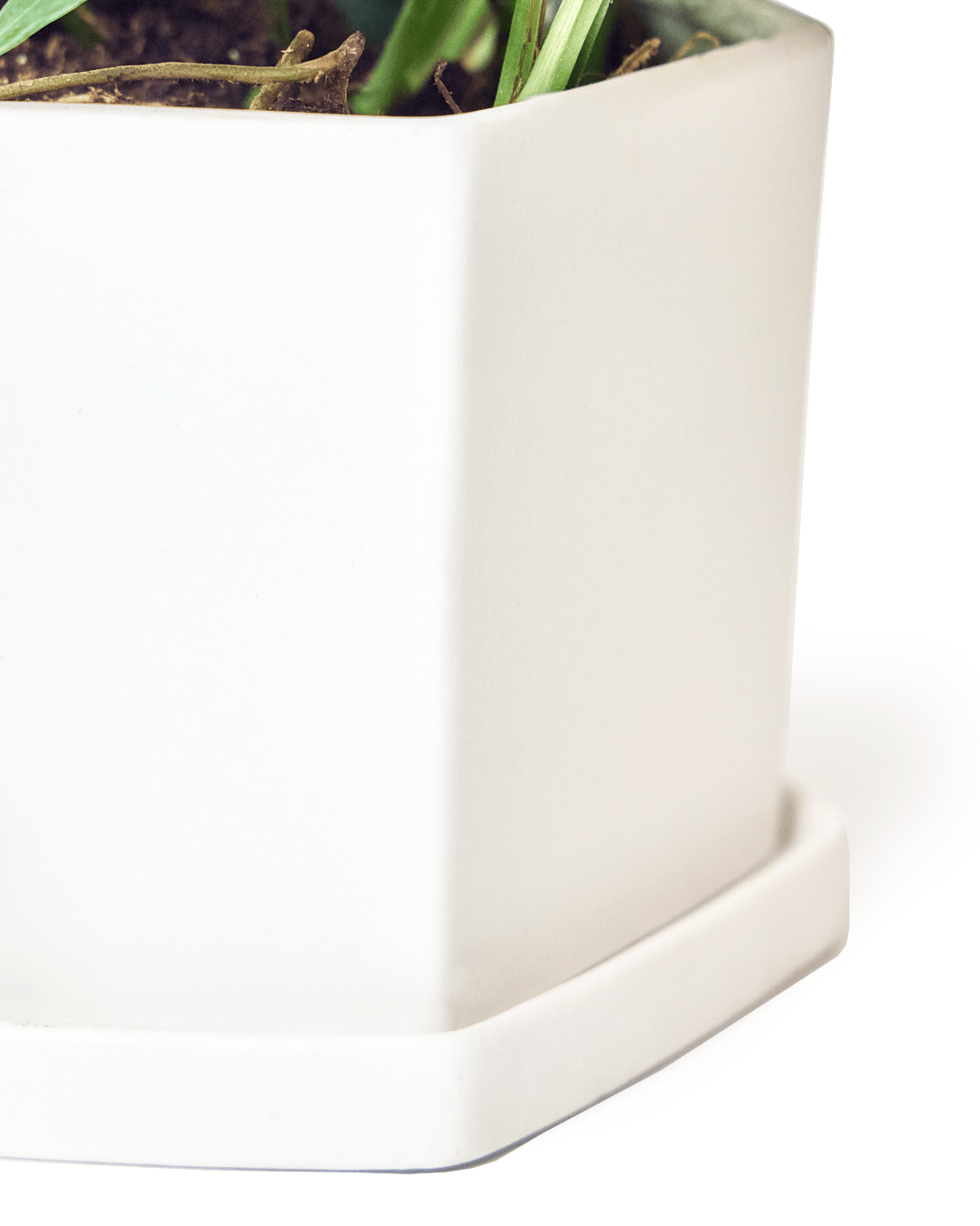
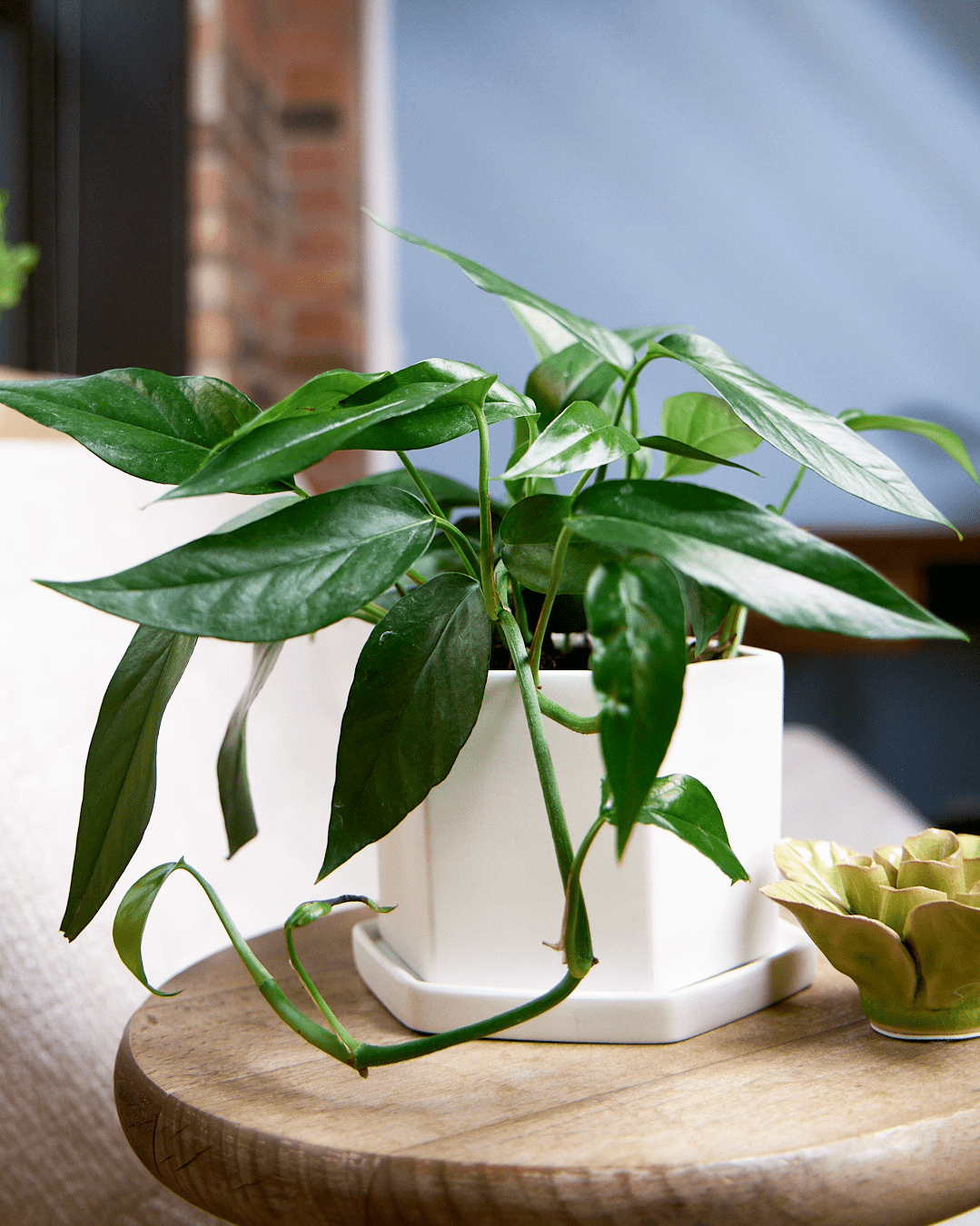
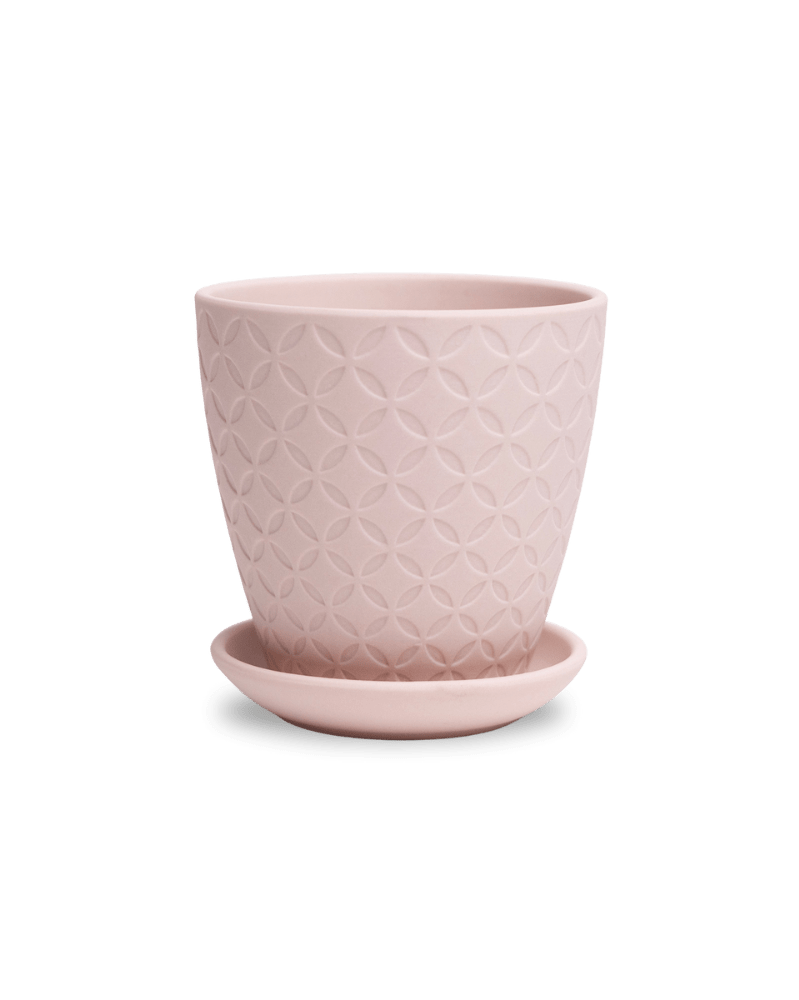
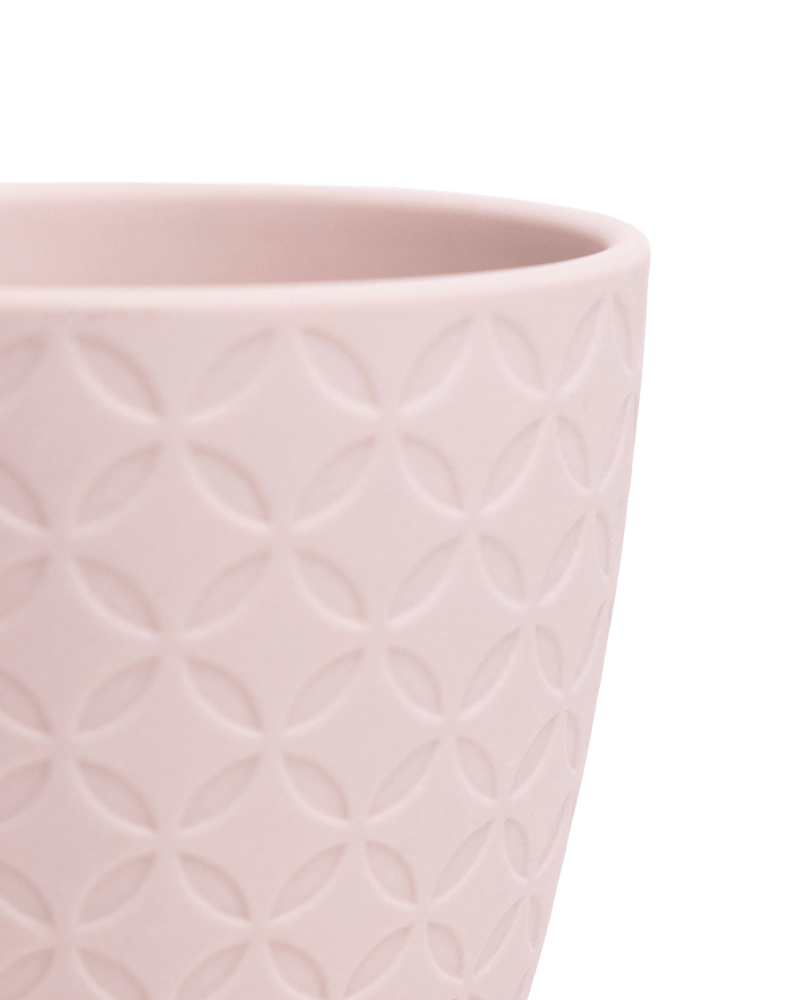
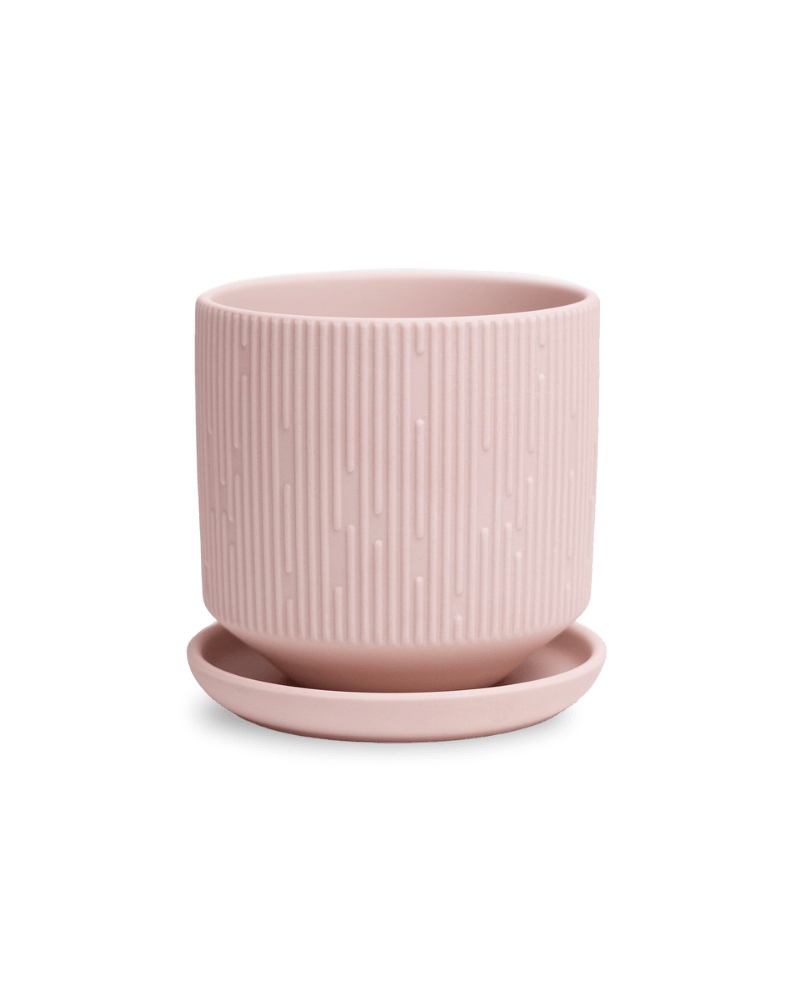
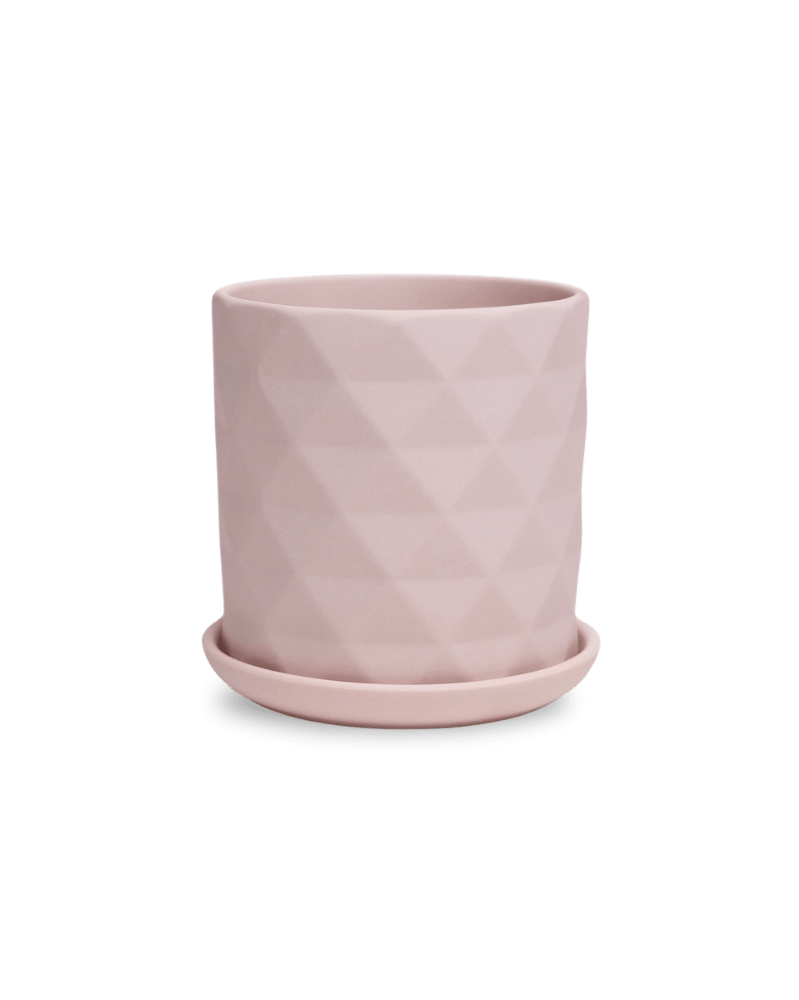
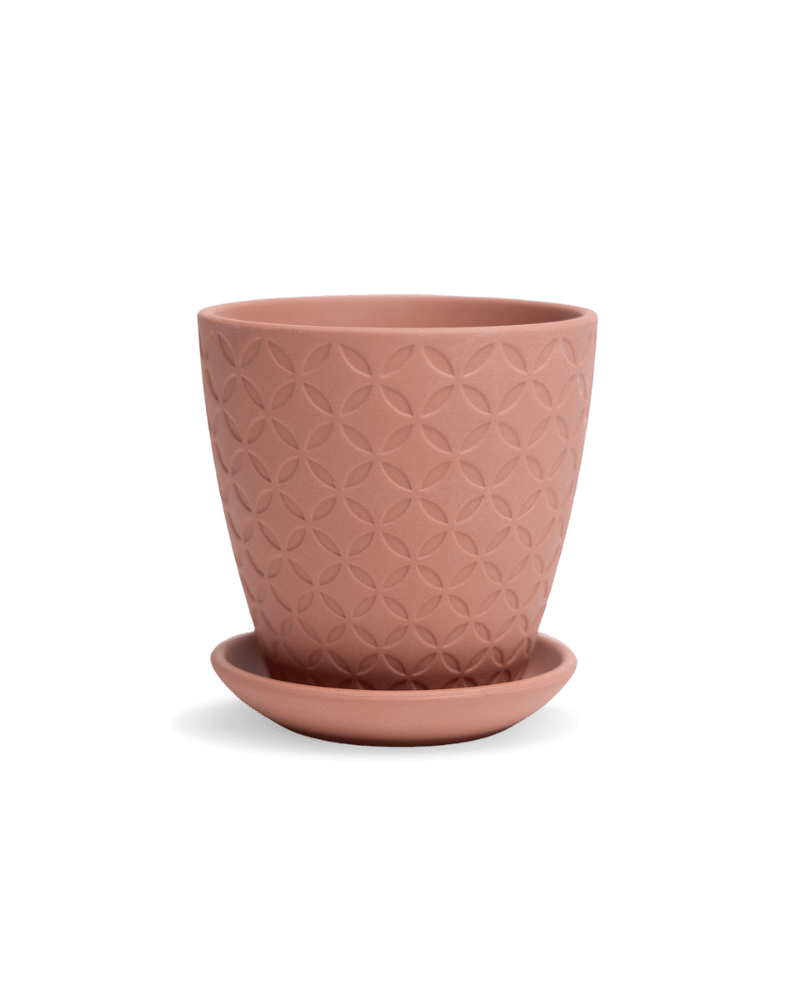
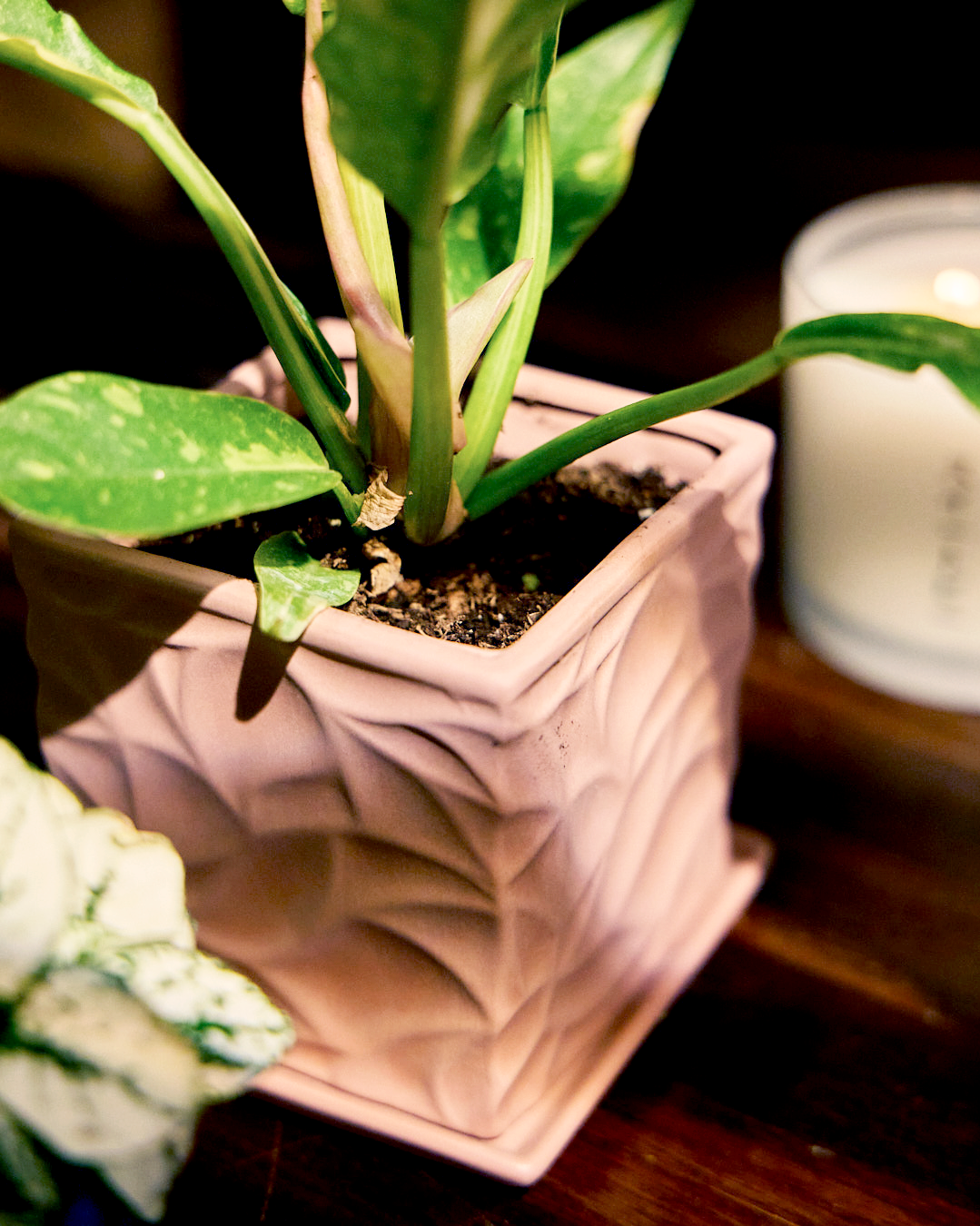
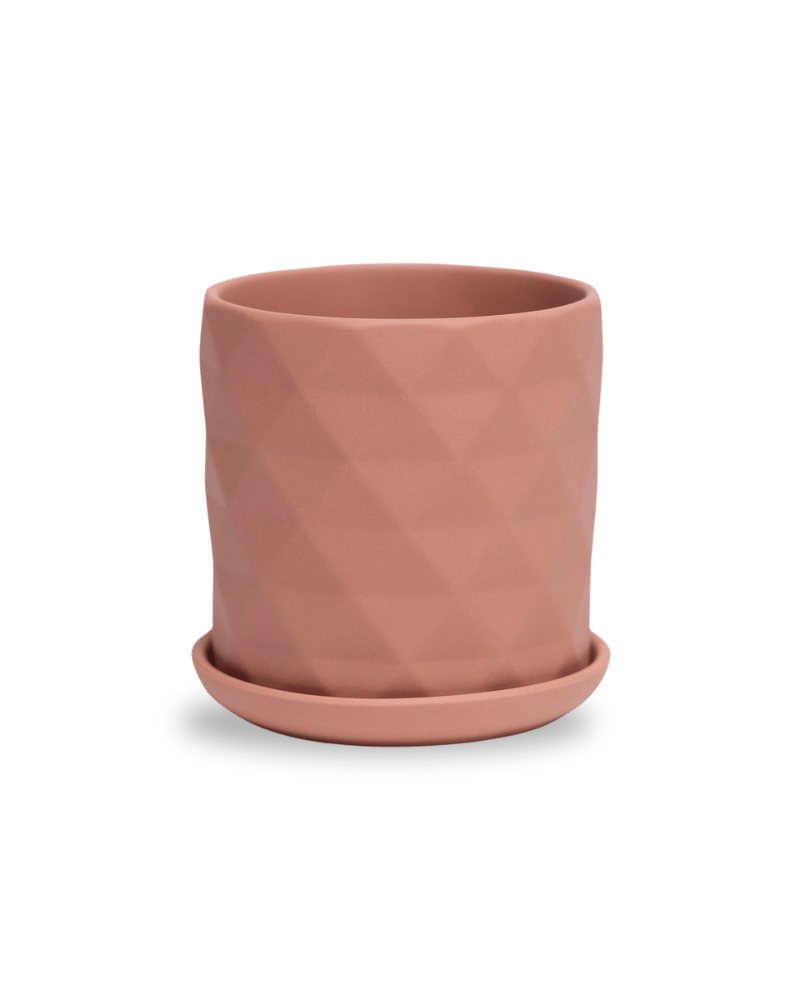
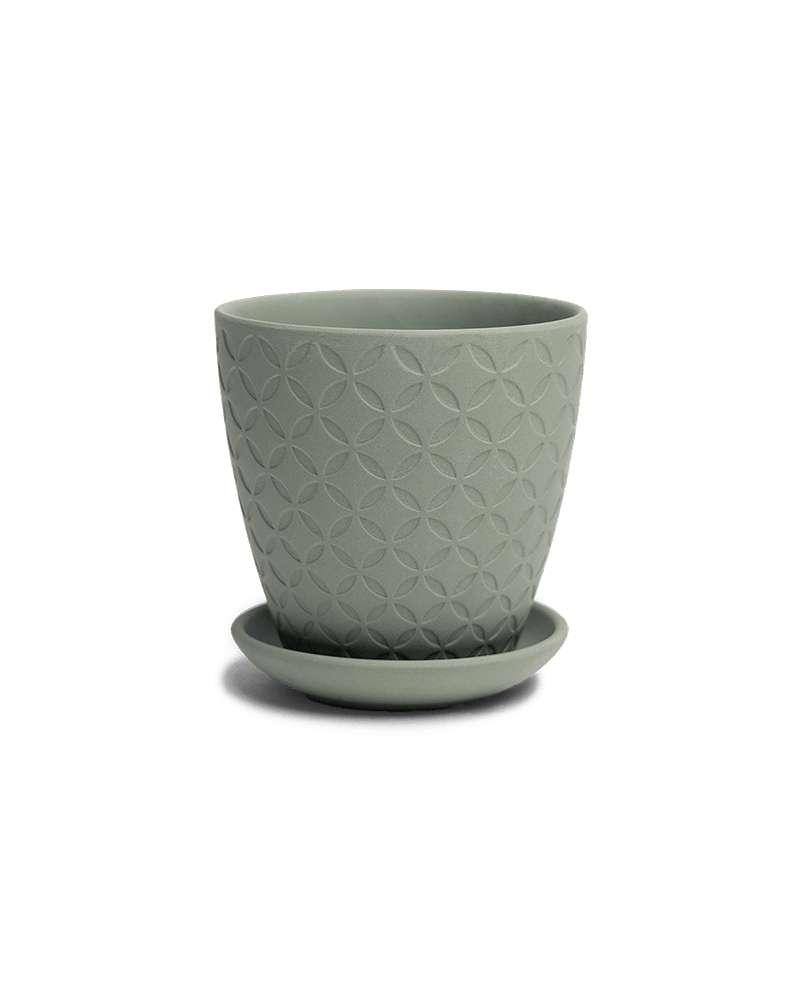
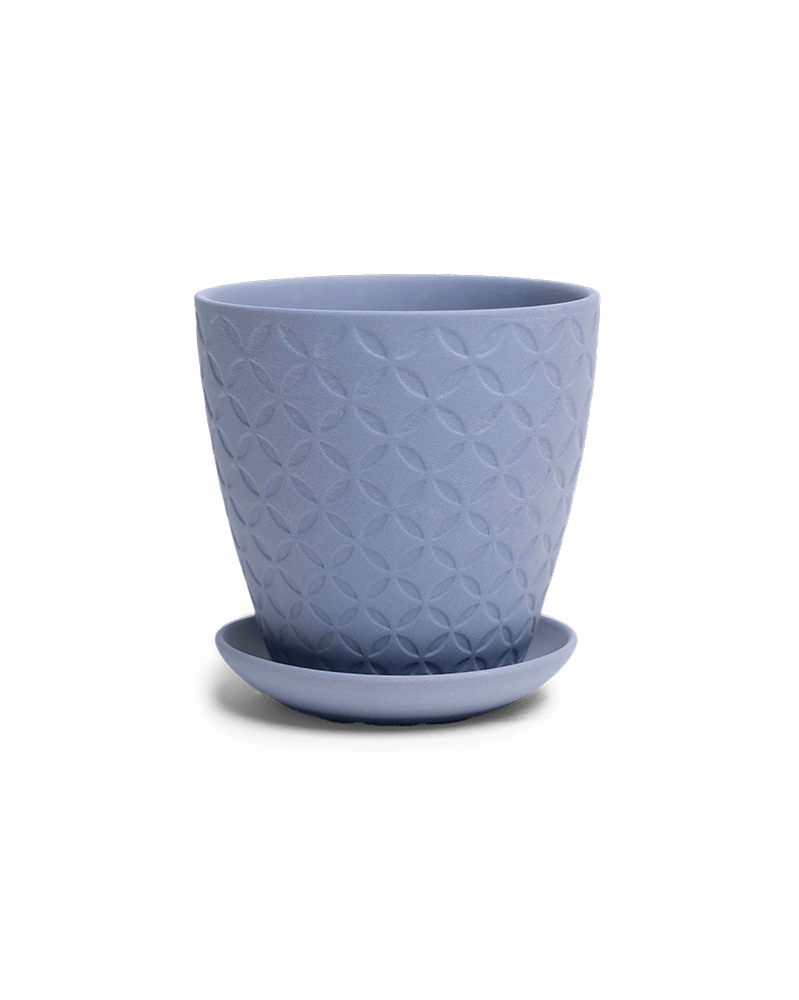
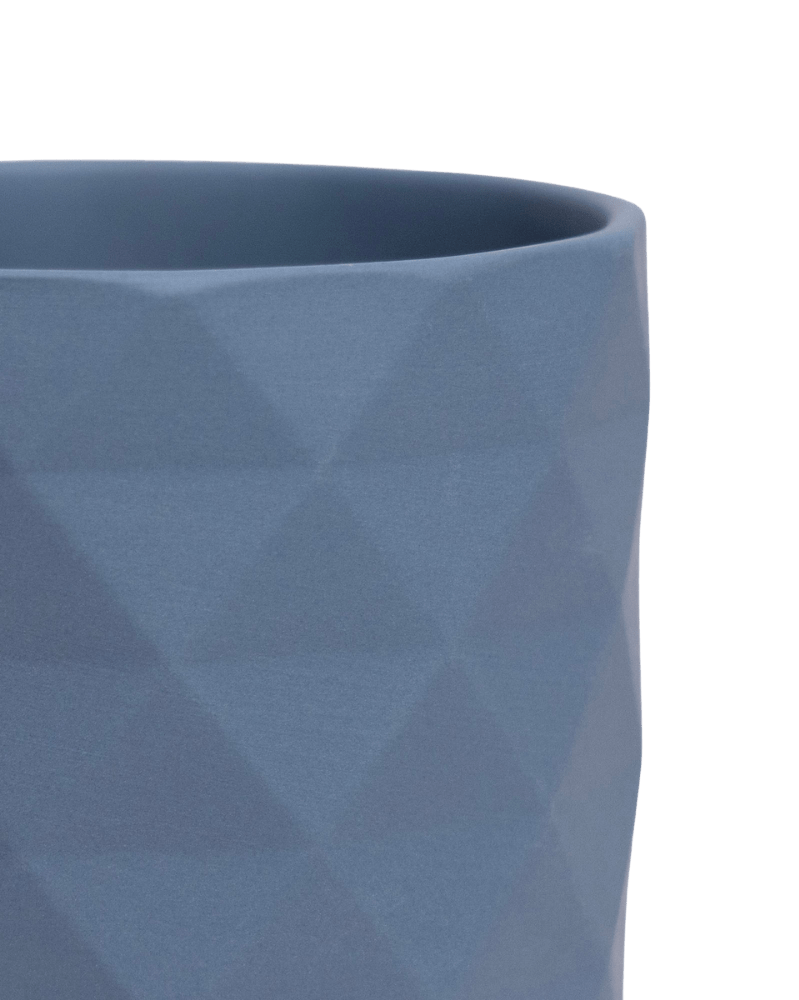
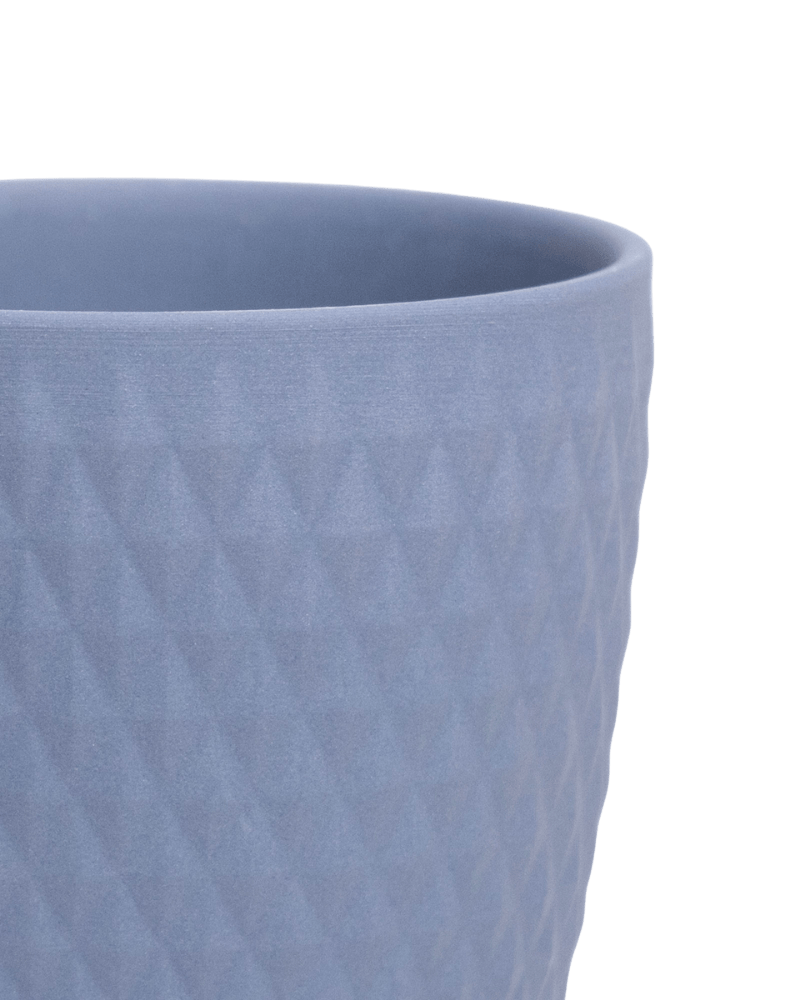
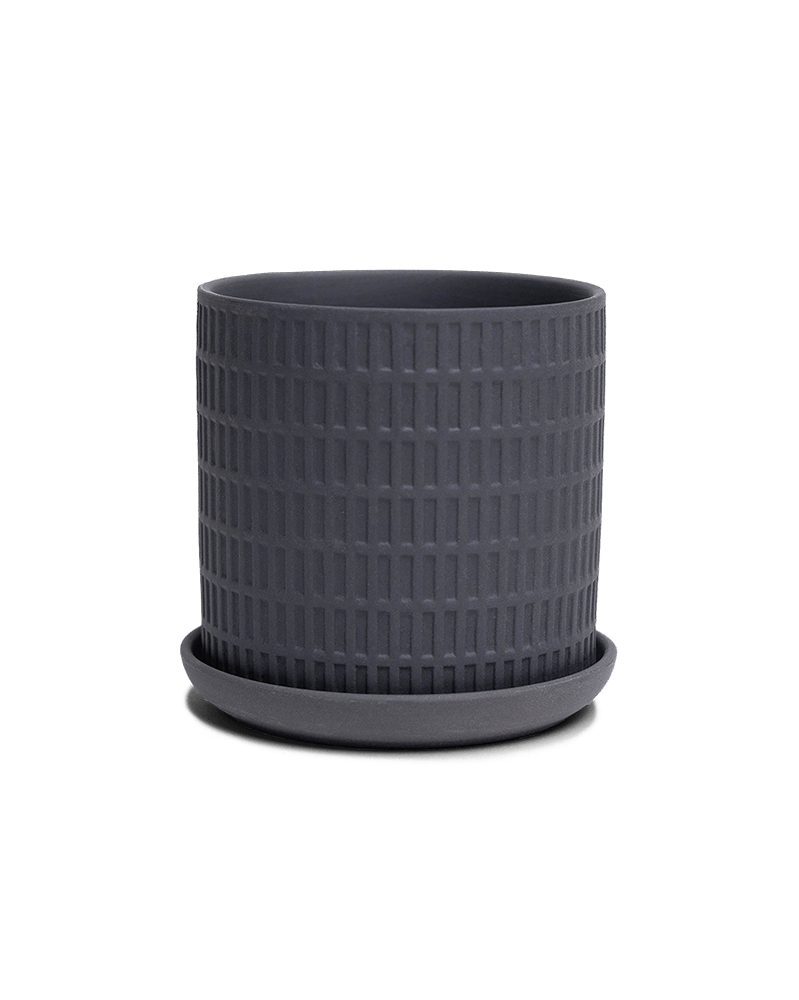
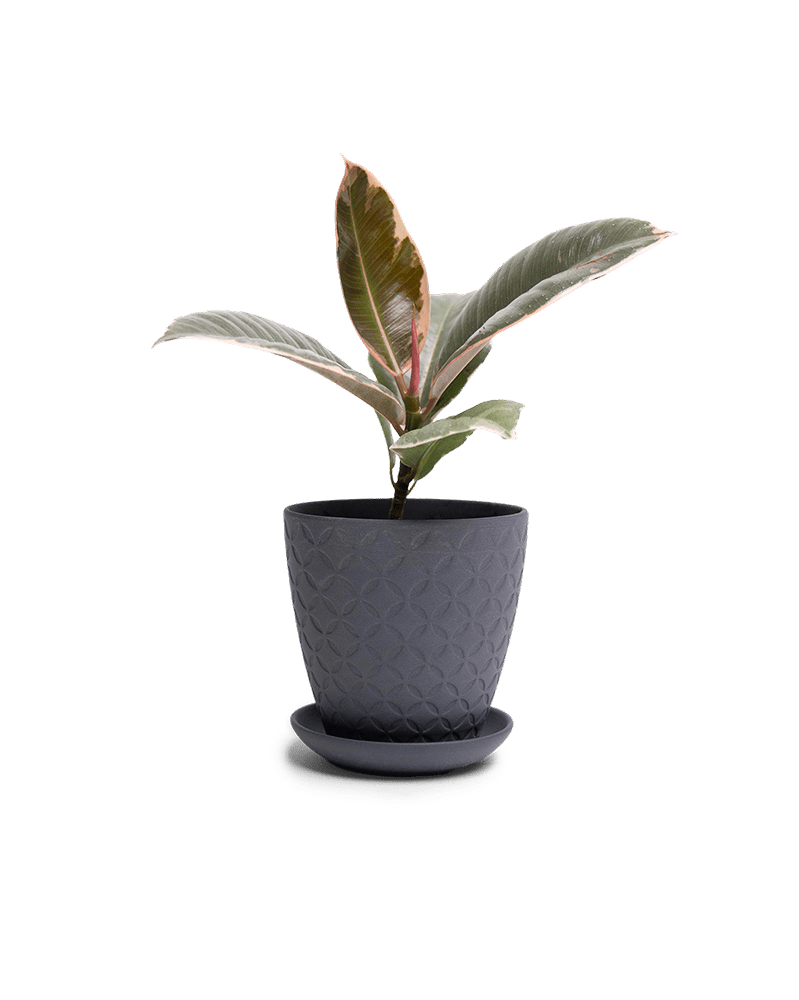
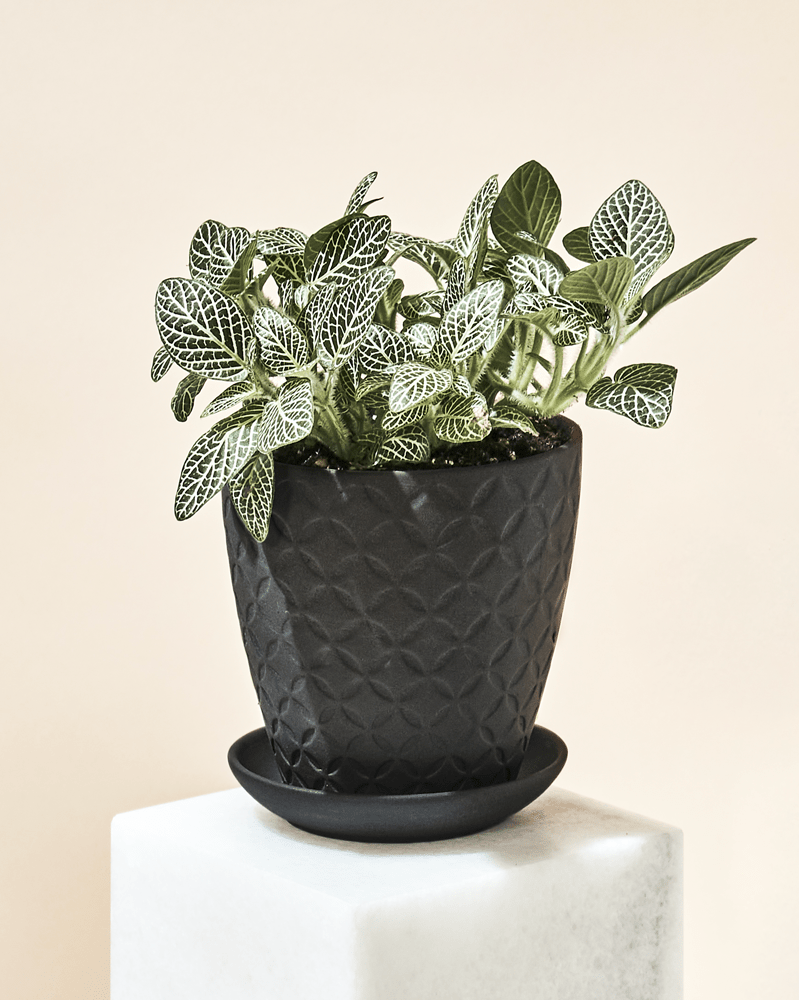
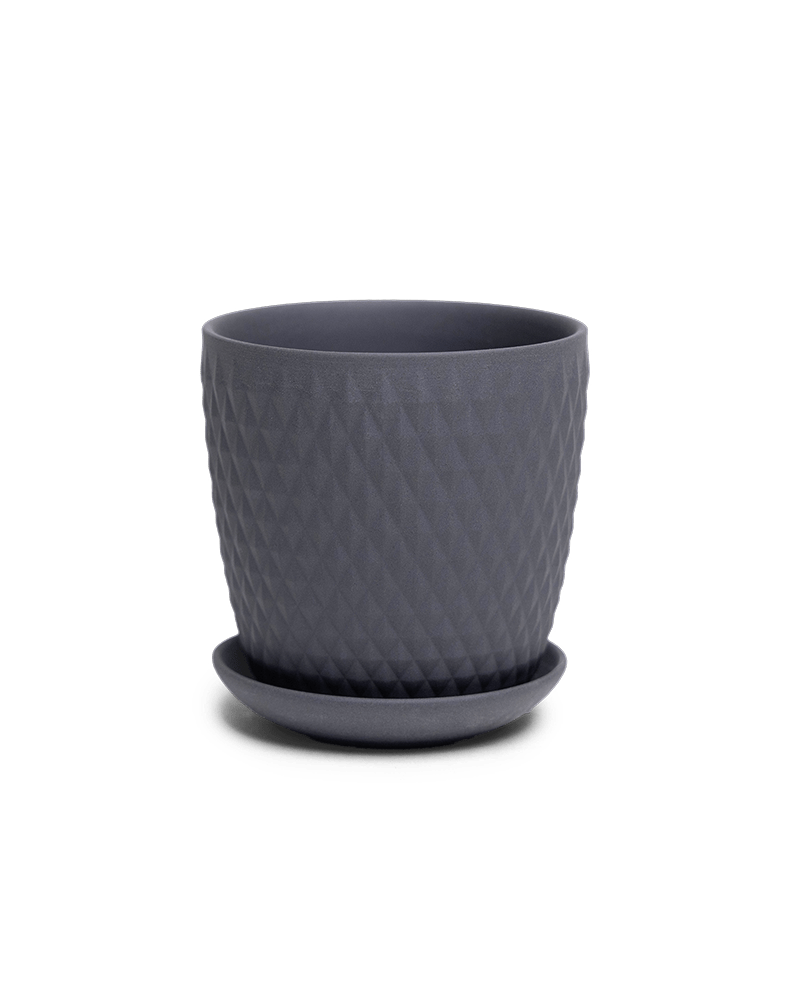
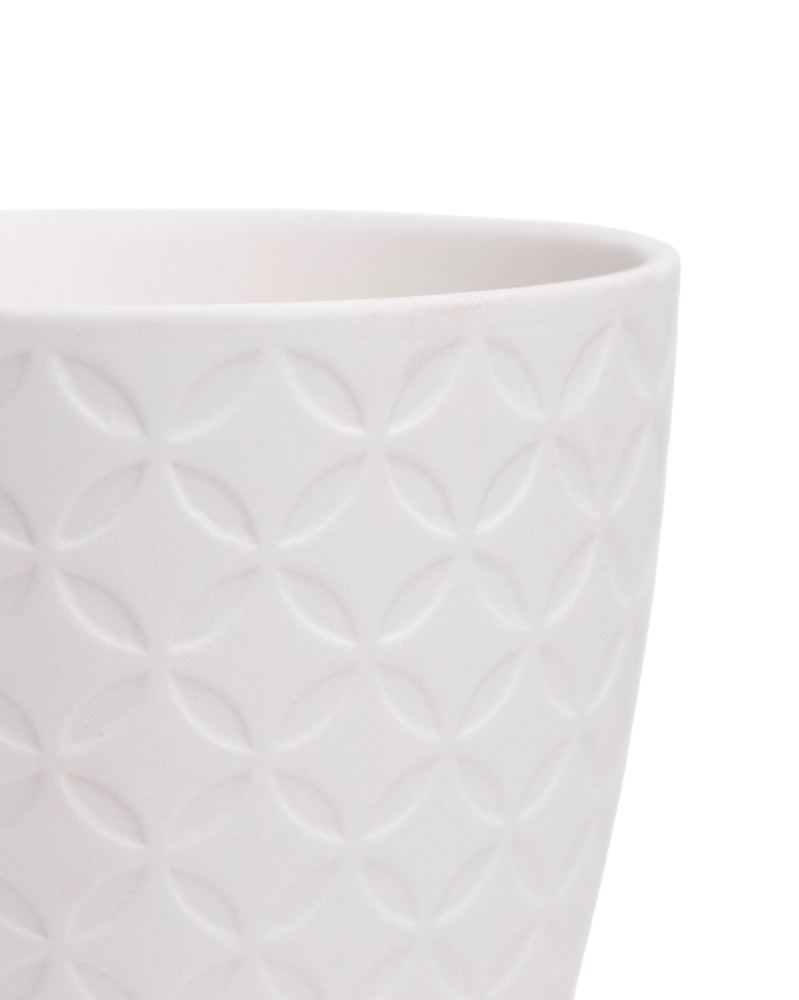
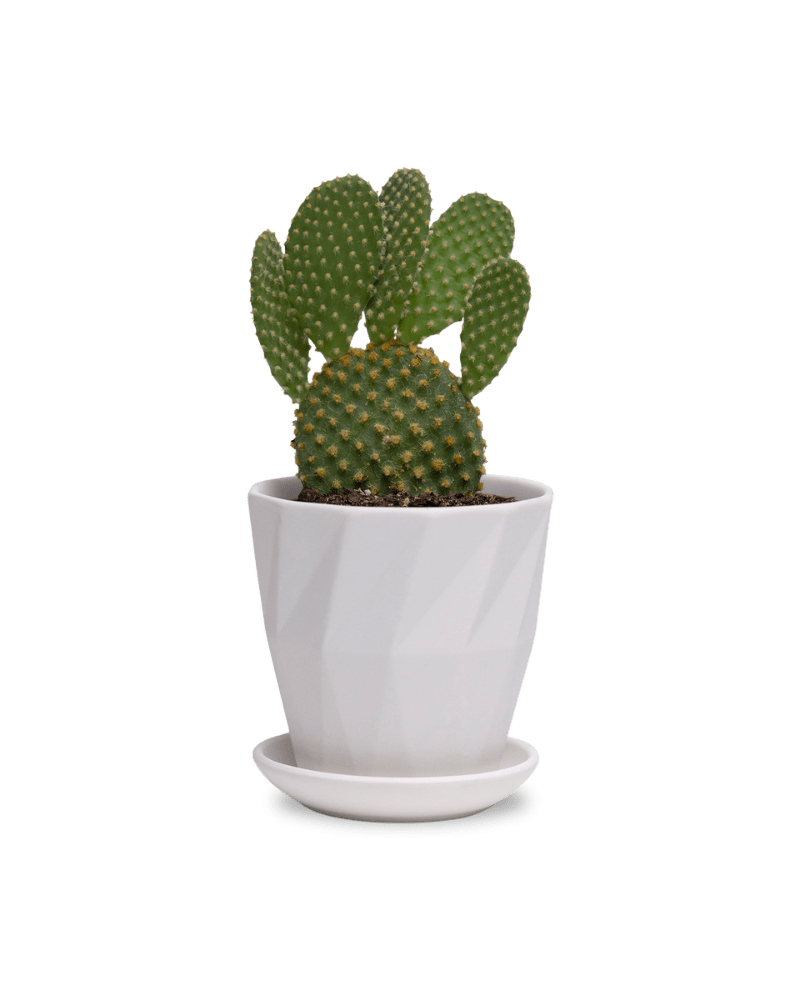
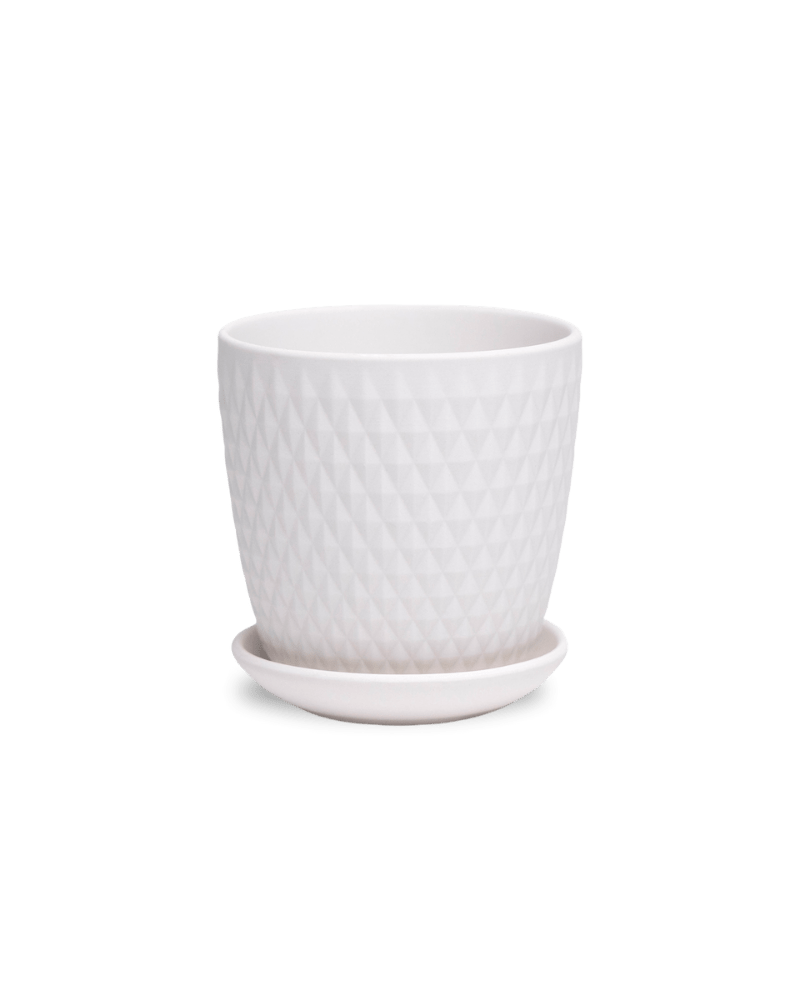
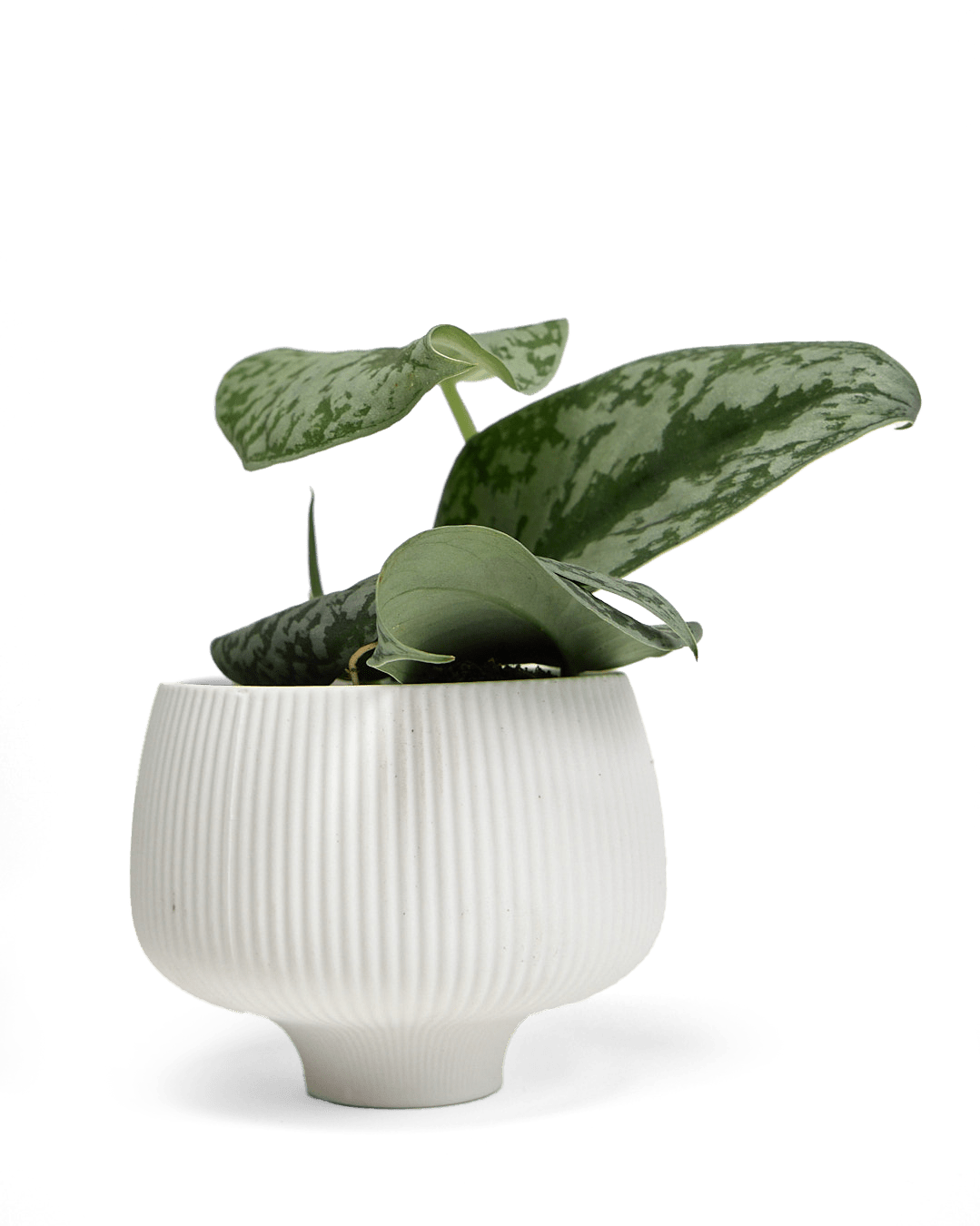
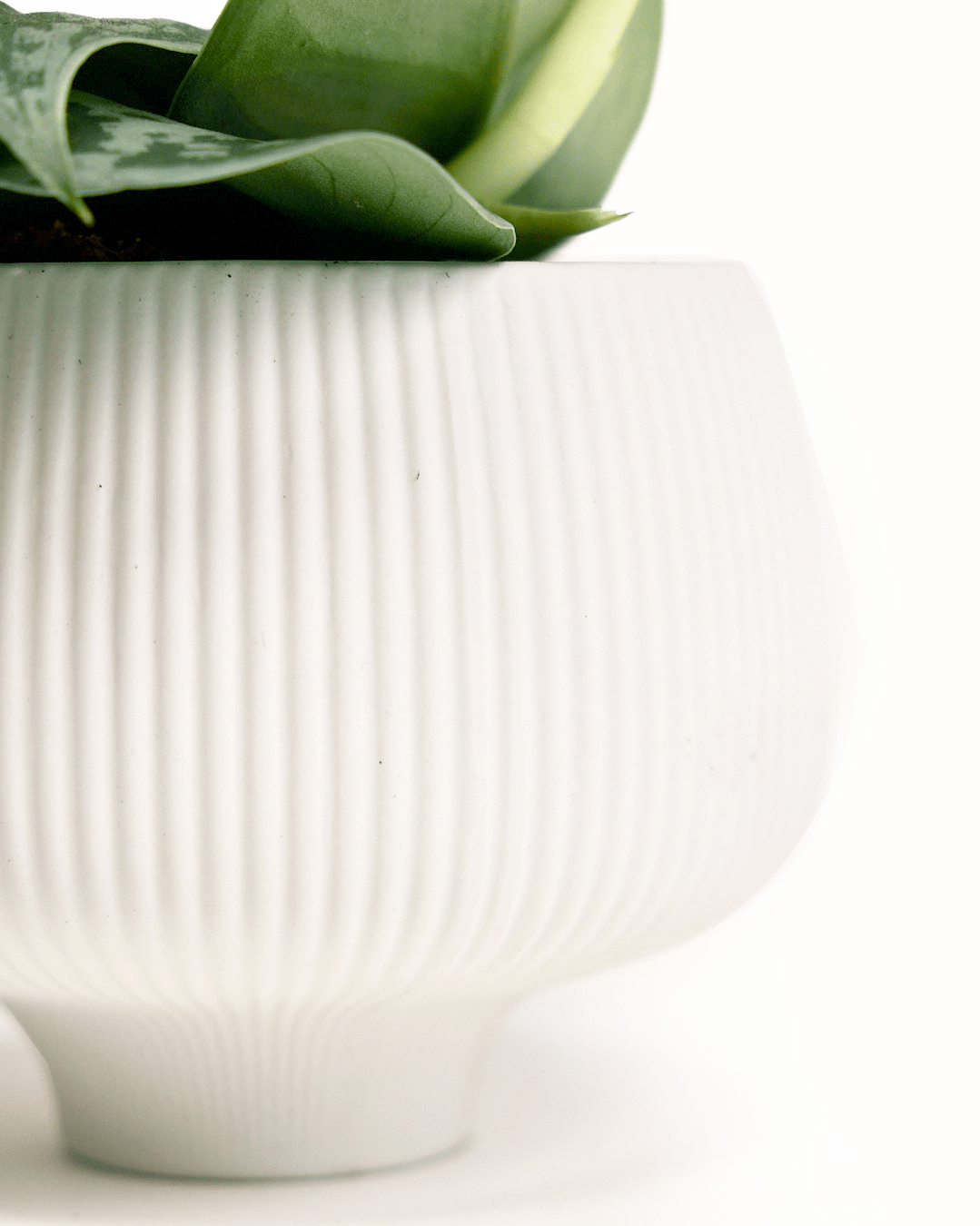
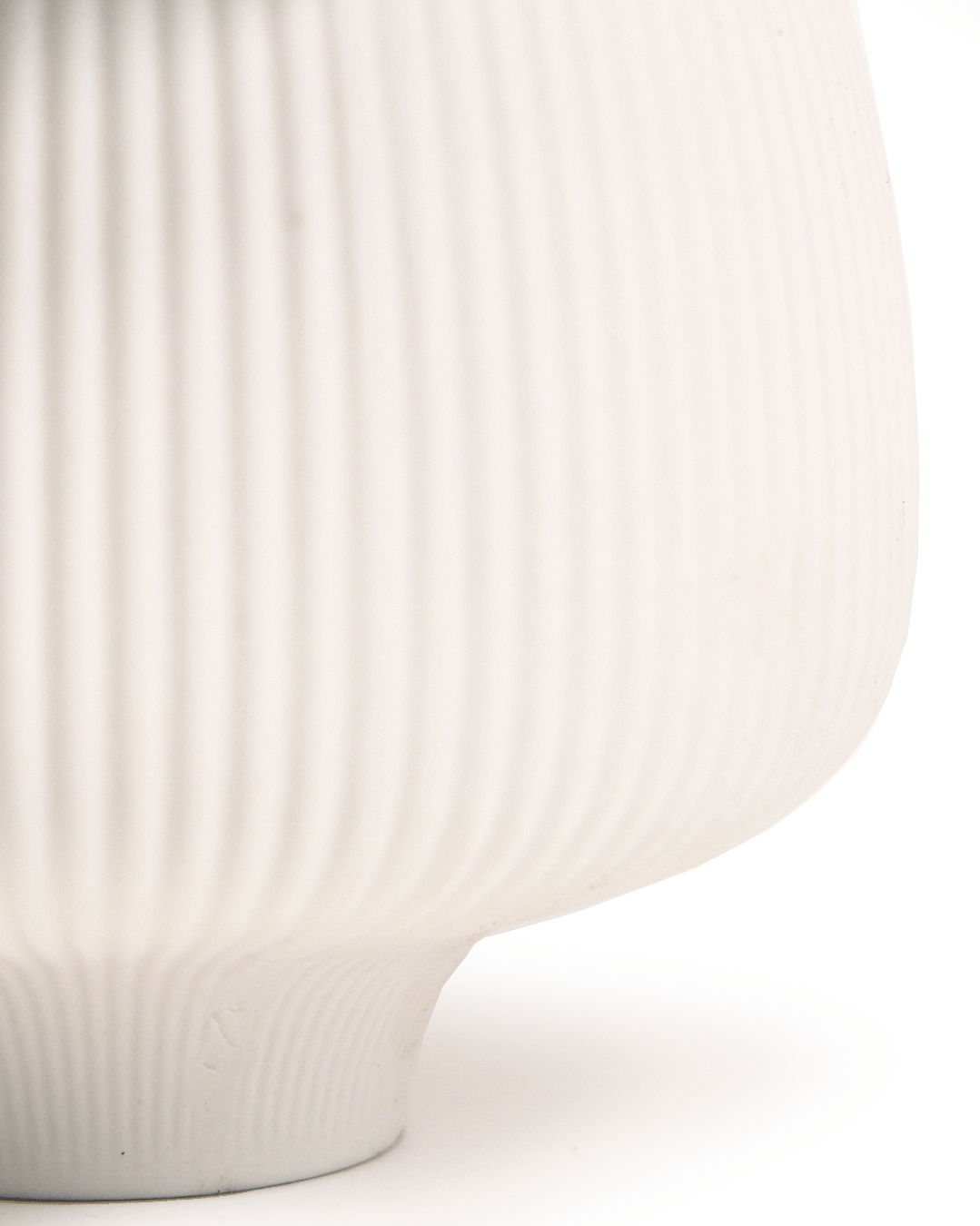
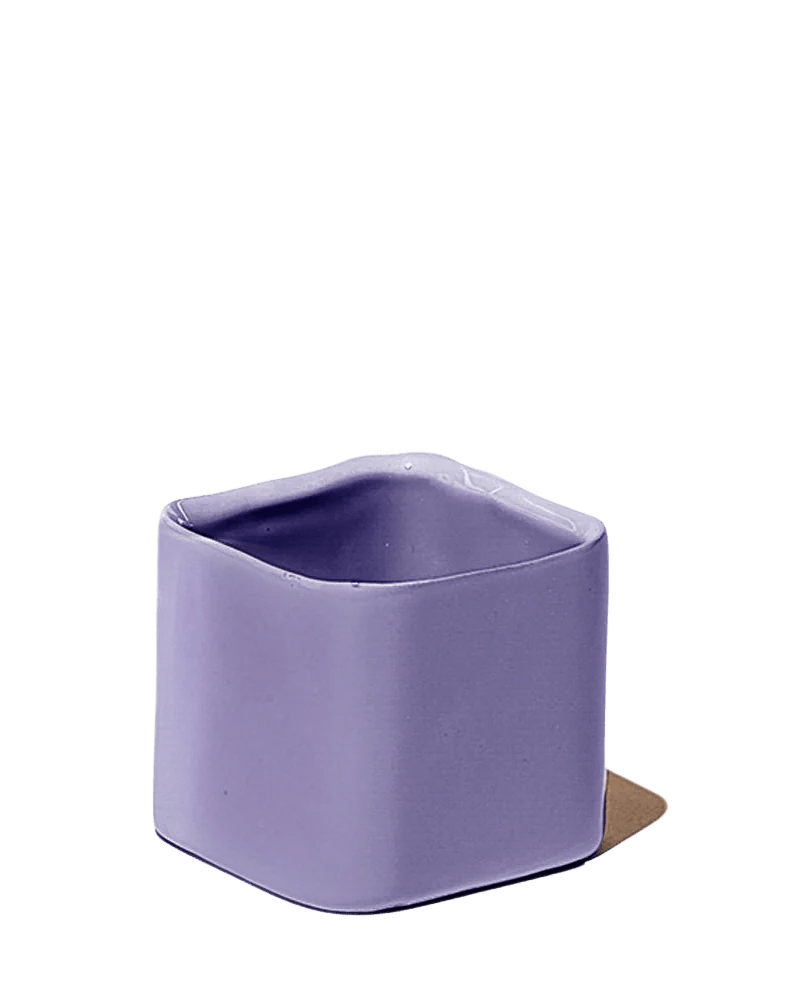
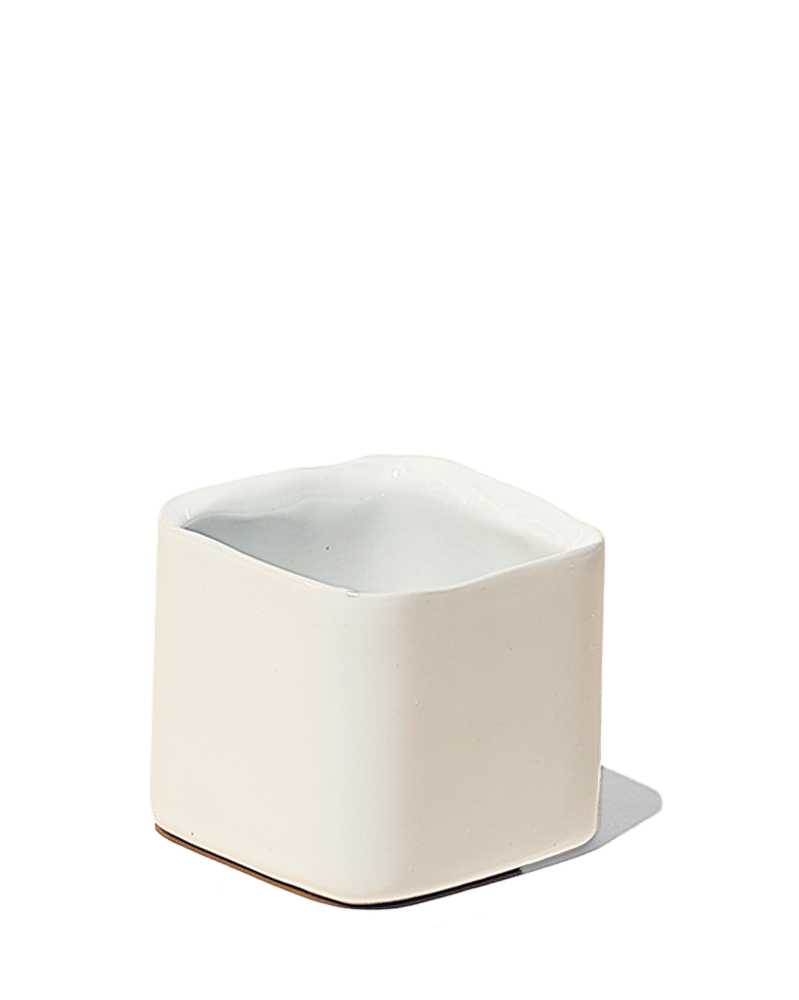
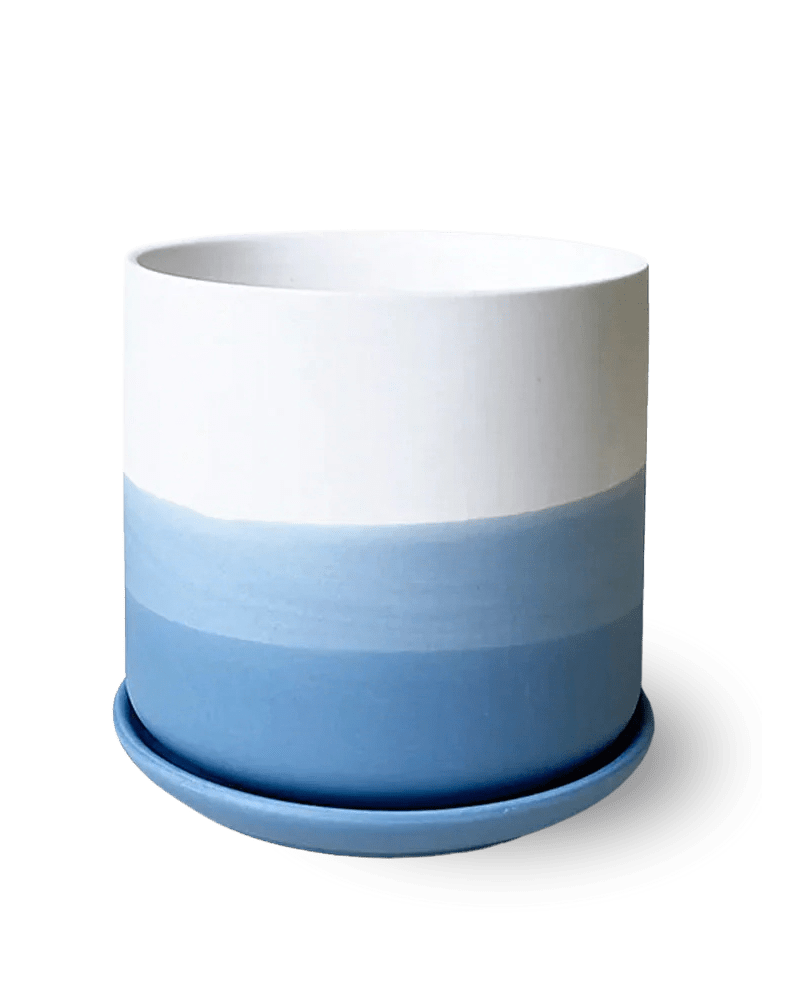
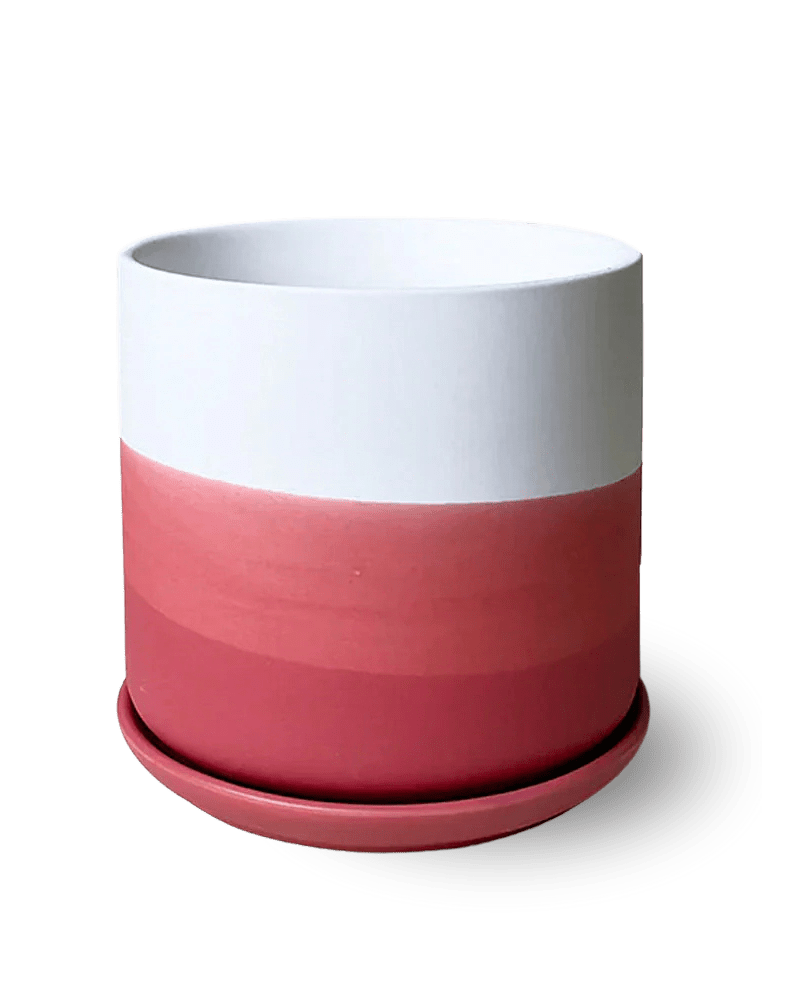
Virago porcelain pot with drainage hole and saucer — Chive Studio Toronto
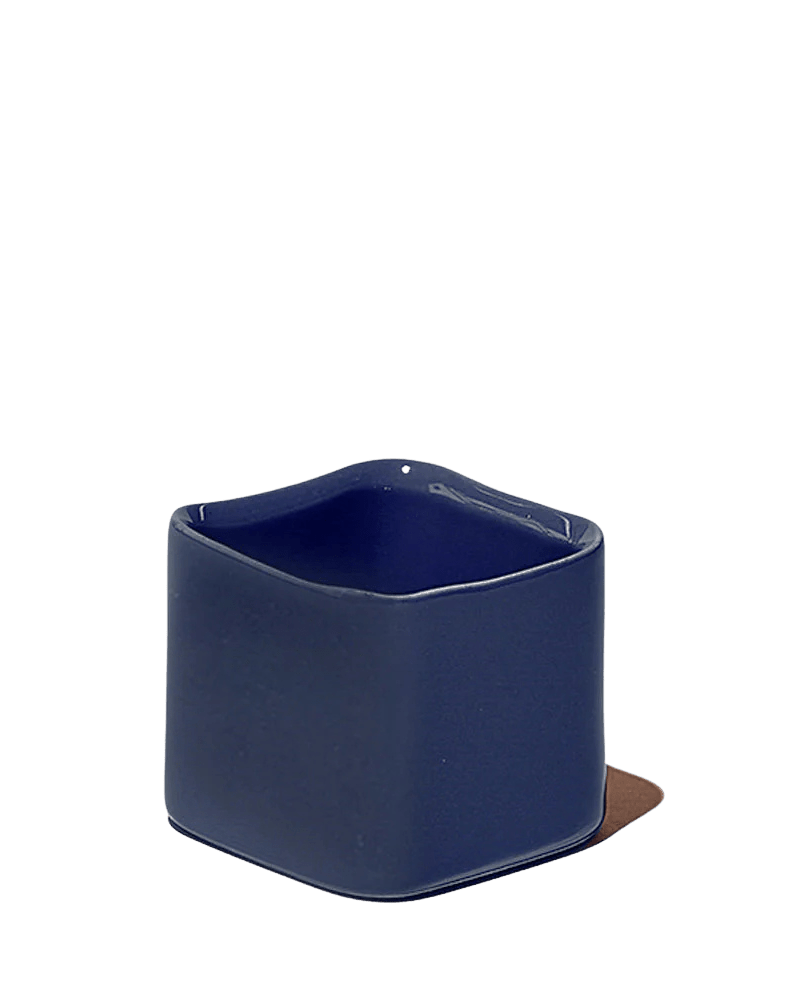
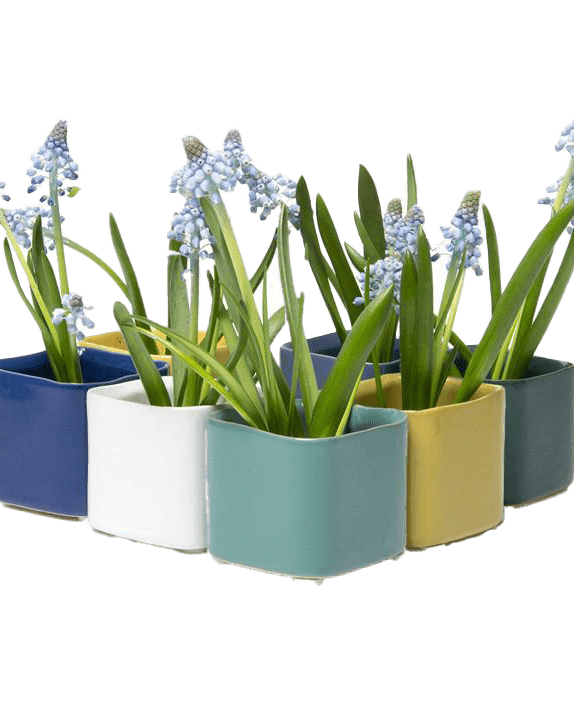
The Virago — 250,000 sold. Drainage hole. Eleven colors. One decade of showing up in corners and on windowsills without requiring a conversation.

Do Ceramic Pots Need Drainage Holes?

Yes. This is not negotiable and we are not going to soften it.

Plant roots require oxygen. Oxygen exists in the air pockets between soil particles. When soil stays saturated — which it does in a pot without drainage because the water has nowhere to go — those air pockets fill with water and the roots suffocate. The plant above the soil looks fine for longer than you would expect, because plants are patient and will not complain until the situation is genuinely dire. By the time the leaves droop, the root damage is already done.

Ceramic pots without drainage holes are for cut flowers, dried botanicals, and remote controls you do not want to lose. Not for living plants.

All Chive ceramic plant pots have drainage holes

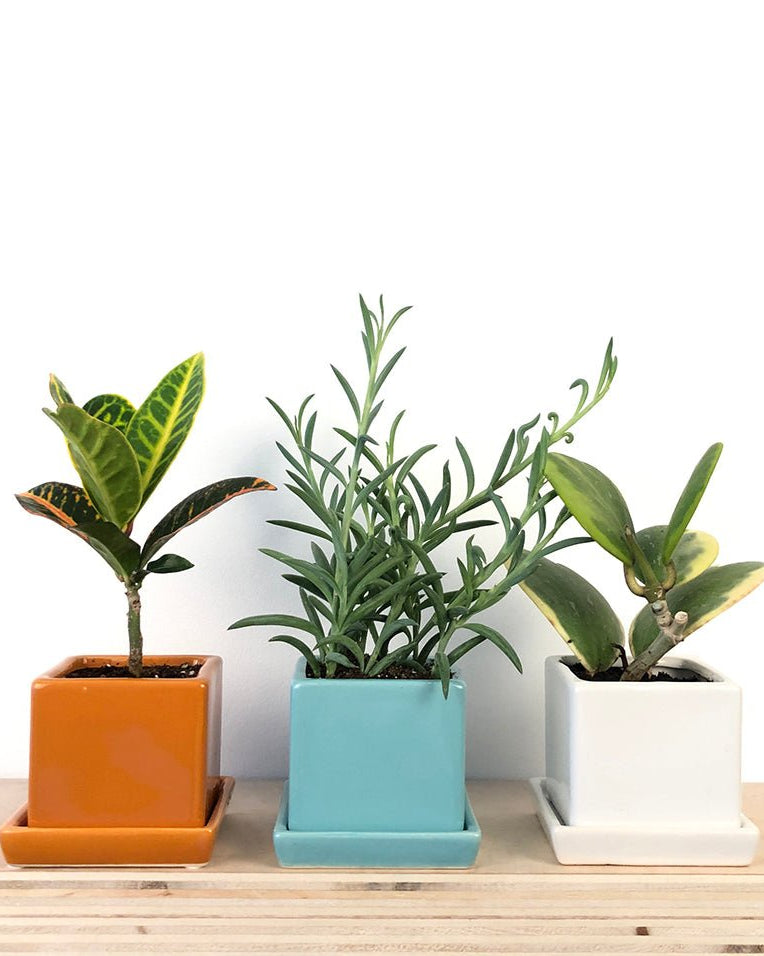
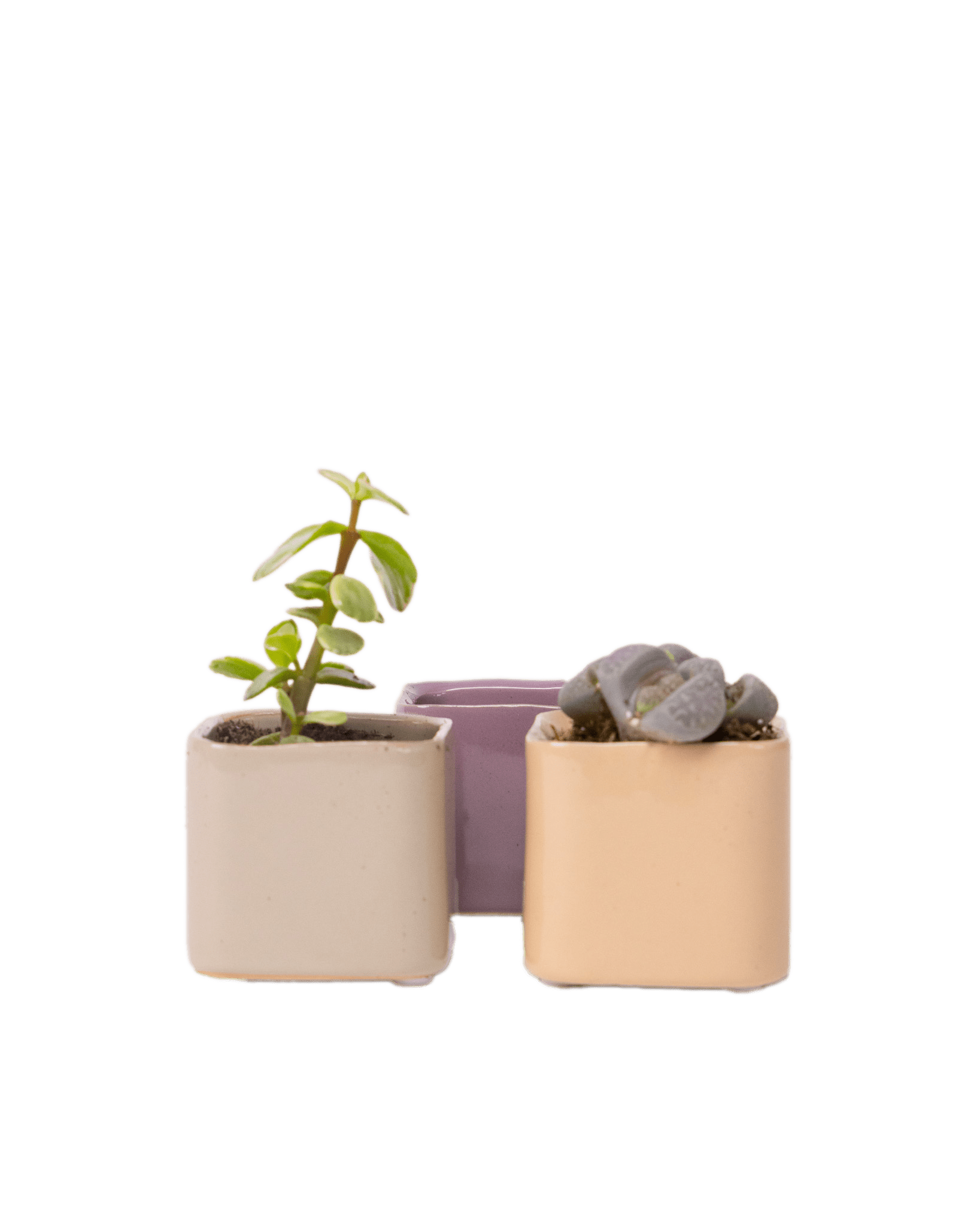
  • The Minute — comes with a matching saucer, covers most houseplants from small succulents to larger tropicals
  • The Virago — drainage hole, ships with a saucer, eleven colours, 250,000 sold
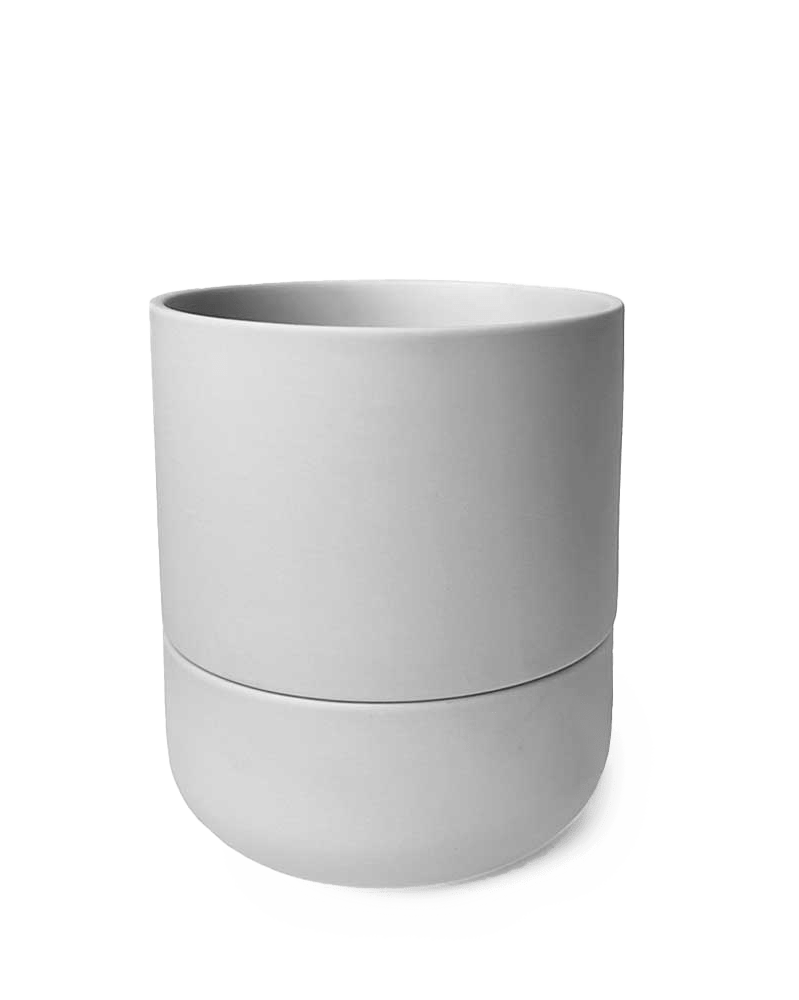
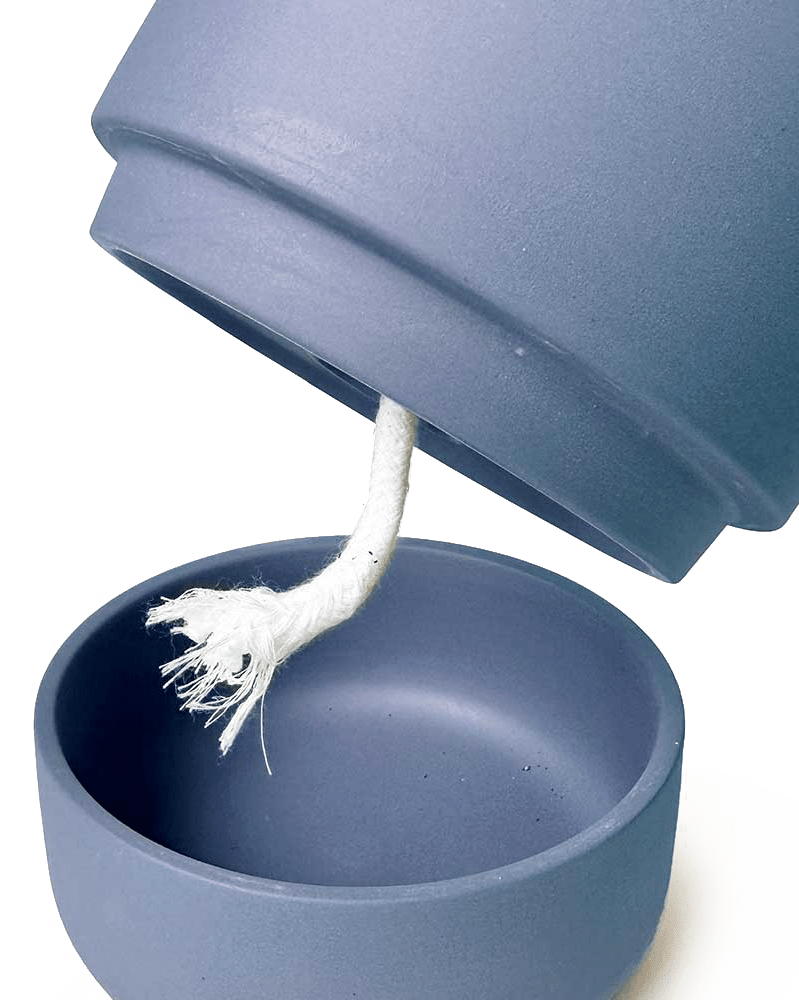
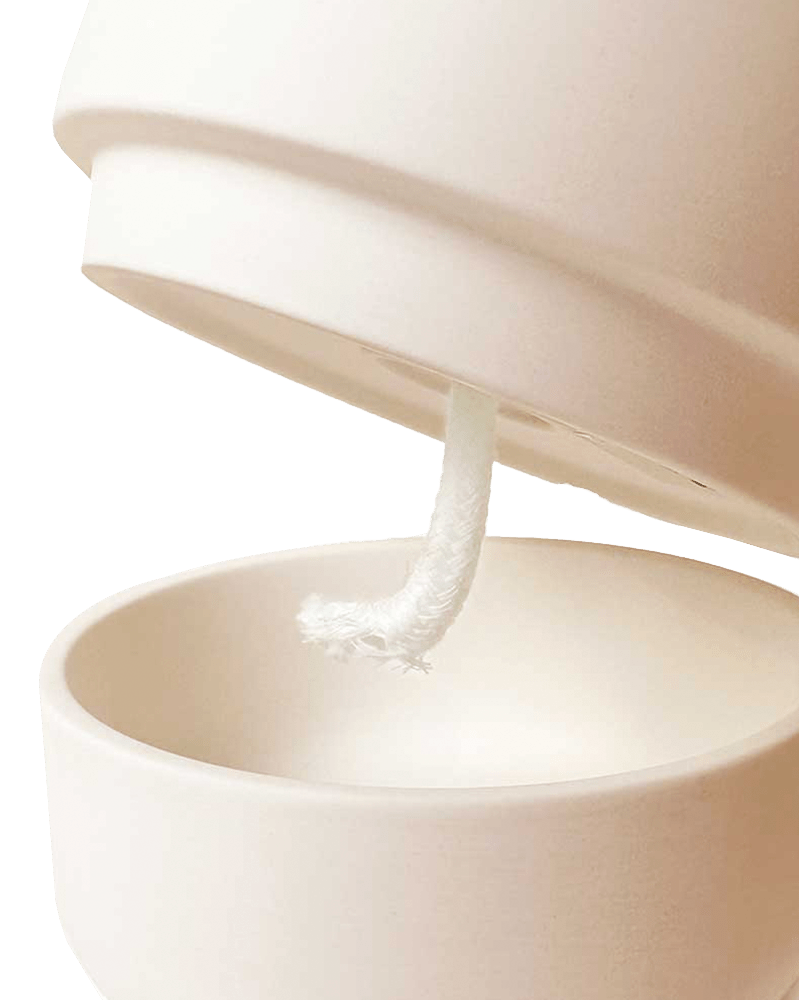
  • The Ryan self-watering pot — reservoir base with capillary action, removes the overwatering variable entirely
  • Every pot in the plant pots with drainage collection is designed the same way
  • We did not make a single pot without a drainage hole for twenty-five years and then start making them

The Case for Self-Watering Ceramic Pots

I have killed plants by overwatering them with genuine affection and good intentions, which is a specific kind of failure that hurts more than neglect because you were trying. You researched the plant. You read about the watering schedule. You checked the soil with your finger the way every guide tells you to. And then you watered it anyway because it seemed dry enough and you wanted to do something useful. The plant died from too much care, which is either a metaphor for something or simply what happens when you water a succulent on a Tuesday because you felt bad about it.

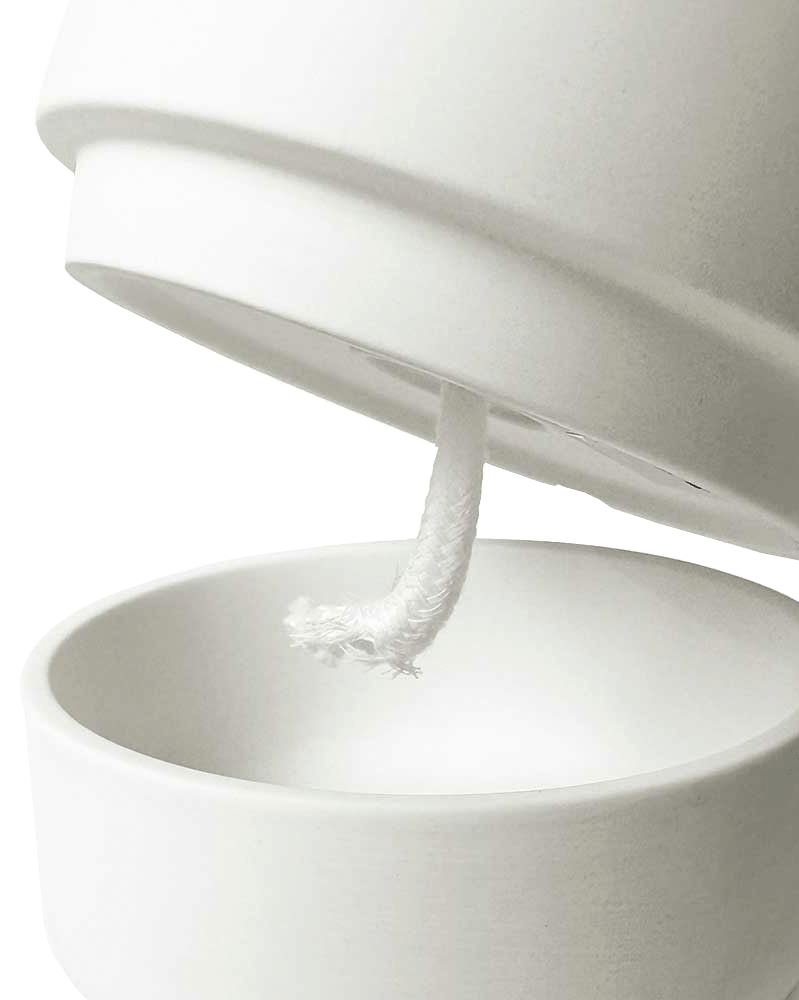
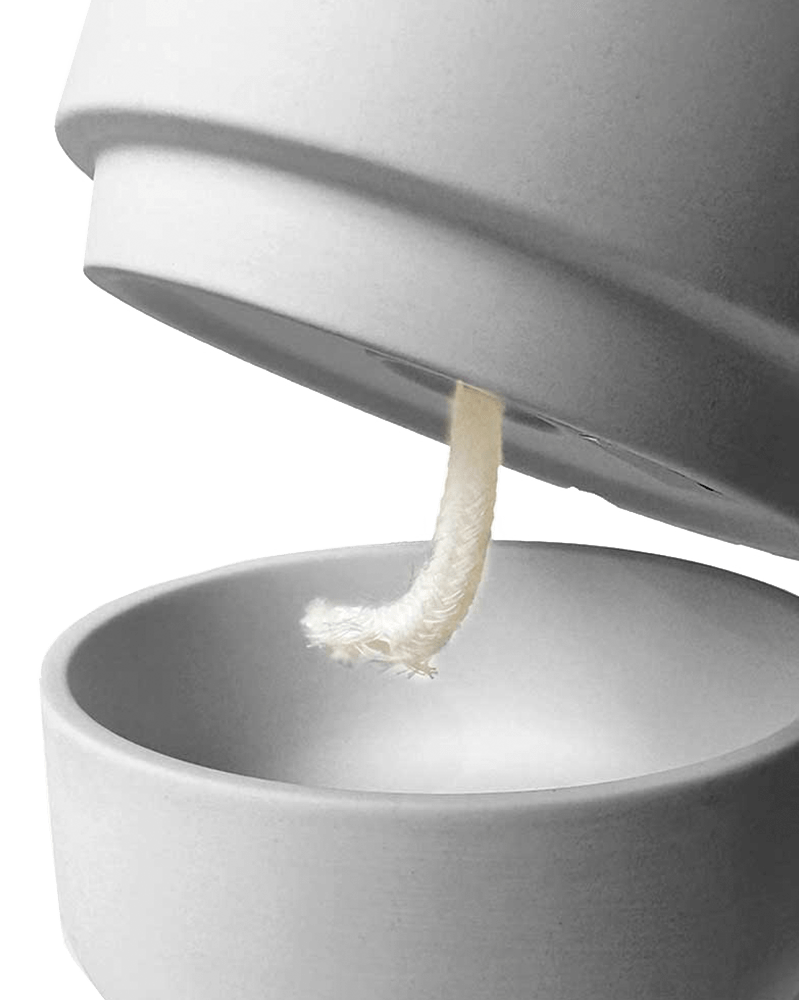
The Ryan self-watering pot was designed for this. The mechanism is a reservoir at the base that the plant draws from through capillary action — roots pull moisture upward as needed, which means the plant waters itself on its own schedule rather than yours. You fill the reservoir when it is empty. That is the entire relationship. The plant is no longer your problem in the best possible way.

This matters for indoor plants specifically because the most common cause of houseplant death in North America is not underwatering. It is overwatering by people who are trying. The Ryan removes the human judgment variable from the equation, which is the most reliable improvement you can make to a watering routine.

Ceramic vs Terracotta: What Actually Matters

Terracotta is unglazed ceramic. It breathes aggressively, dries quickly, and is genuinely the best material for plants that want to dry out completely between waterings — cacti, succulents, most Mediterranean herbs. The tradeoff is that terracotta requires more frequent watering for tropical plants, leaves salt deposits on the exterior over time, and chips more readily than fired porcelain or stoneware.

Glazed ceramic — which is what most Chive pots are — holds moisture longer, does not salt-streak, and is more durable for pots that live on a windowsill or shelf for years without being moved. It is marginally less breathable than terracotta, which for most common houseplants is not a meaningful difference.

The honest answer is that the material matters less than the drainage hole and the pot size. A terracotta pot without drainage will kill your plant. A glazed ceramic pot with drainage will not.

The Virago

The Virago is named for a strong, brave woman. We sold 250,000 of them. It has a drainage hole. It comes in eleven colors. It is the pot we reach for when someone asks what to put their fiddle-leaf fig in, what to put their snake plant in, what to put anything in that needs to look good in a corner for the next decade without requiring a conversation about it. The Virago does not require a conversation. It is simply the correct choice, repeatedly, across a range of plants and rooms that we could not have anticipated when we designed it.

If you are looking for a ceramic pot for indoor plants and do not want to think about it further, the Virago is probably what you want.


Large Minute Ceramic Pots & Saucer | 6", 7" & 8" Indoor Planter - Chive Ceramics Studio - Pots - Chive Ceramics Studio

Prepare to be dazzled by the horticultural wonder that is Chive's ceramic pots.

These aren't just any large ceramic pots and planters; they're the Rolls-Royce of root residences, the crème de la crème of clay containers!

Searching for the best pot to repot in? Look no further! Chive's trio of ceramic masterpieces - the Minute pot, Virago, and Liberty - are here to revolutionize your indoor gardening game. It's like the Holy Trinity of houseplant habitats!

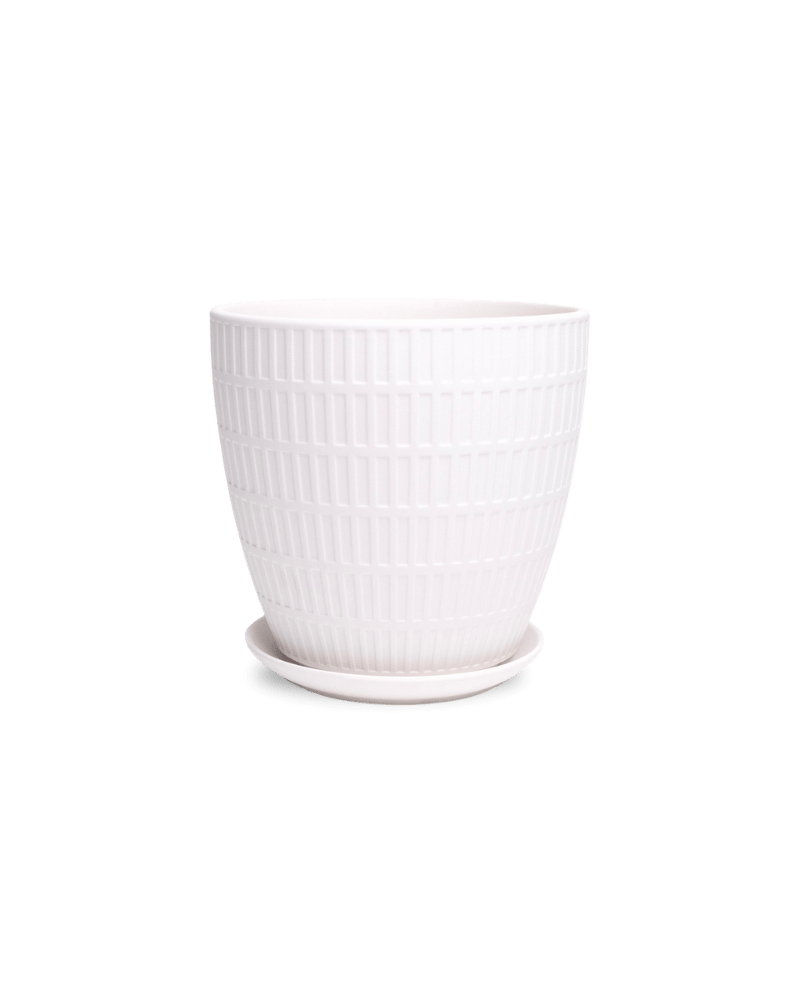
Let's start with the Minute pot, shall we? Don't let the name fool you; there's nothing small about its impact. Available in a range of sizes, it's the perfect ceramic plant pot for everything from tiny succulents to towering Monsteras. It's the Swiss Army knife of the pottery world!

Now, here's a pro tip that'll make you the envy of every green thumb in your neighborhood: when repotting, go up no more than 2 inches. It's like Goldilocks for your greenery - not too big, not too small, but just right. And Chive's pots are always just right, naturally.

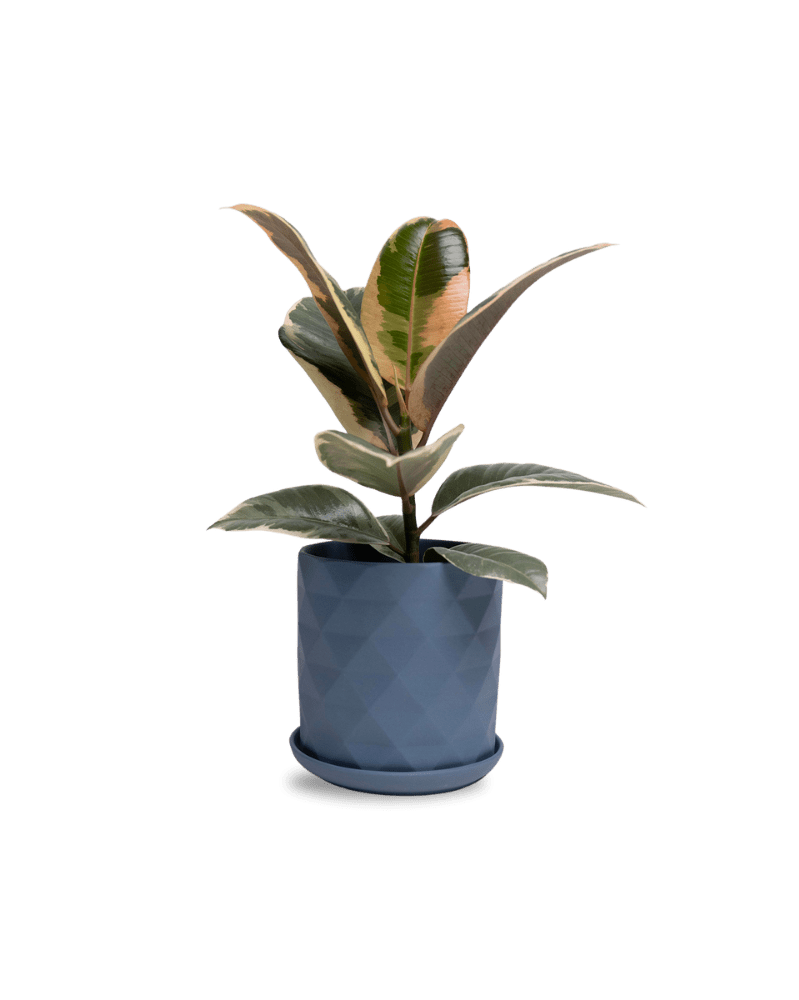
Moving on to the Virago - the ceramic flower pot that screams "I'm a plant parent, and I've got my life together." With its sleek design and array of colors, it's the power suit of the plant world. Your Ficus will feel downright fancy!

Last but not least, we have the Liberte. It's like the Statue of Liberty, but for plants. Give us your tired, your poor, your huddled plant masses yearning to breathe free... and pop them in this pot. It's a beacon of hope for root-bound plants everywhere!

But wait, there's more! Chive doesn't just do small-scale. Oh no, they've mastered the art of large ceramic pots for plants too. Because sometimes, your indoor jungle needs to make a statement louder than your neighbor's wind chimes.

In all seriousness, Chive has been crafting quality ceramic potting pots for years, and it shows. Their attention to detail, range of styles, and commitment to plant health make their pots a top choice for discerning plant parents.

So whether you're housing a finicky ficus, a monstrous monstera, or a slithering snake plant, Chive's got a ceramic pot with plant potential for that. They're durable, they're stylish, and they might just be the reason your plants finally decide to grow. No pressure, plants.

In conclusion, Chive's ceramic pots and planters are the horticultural equivalent of a five-star hotel for your plants. So go ahead, treat your green babies to some luxury living. They might not be able to thank you, but your Instagram followers certainly will. Now that's what we call a pot-ential win-win situation!


Frequently Asked Questions

Are ceramic pots good for plants?

Ceramic pots are good for plants when they have drainage holes, which all quality ceramic pots should. The material holds moisture more evenly than terracotta and outlasts plastic by years — Chive has been making ceramic plant pots in Toronto since 1999 and has customers who are still using the same pot fifteen years later. The key factors are drainage, appropriate pot size, and matching the moisture retention of the glaze to the watering needs of the plant. Glazed ceramic is better for moisture-loving tropicals. Unglazed terracotta is better for succulents and cacti that want to dry completely between waterings.
Do ceramic pots need drainage holes?

Ceramic pots for plants need drainage holes — this is not optional. Without a drainage hole, water accumulates at the base of the pot and saturates the soil, which cuts off oxygen to the root zone and causes root rot. The plant above the soil can look healthy for weeks before the damage becomes visible. All Chive ceramic plant pots have drainage holes and most come with matching saucers. If you have a ceramic pot without a drainage hole, use it as a cachepot — place a pot with drainage inside it — rather than planting directly into it.

What is the best ceramic pot for indoor plants?

The best ceramic pot for indoor plants depends on the plant's size and moisture preference, but for most common houseplants a glazed ceramic pot with a drainage hole and saucer one to two inches larger than the current root ball is the right answer. Chive's Minute pot is available in multiple sizes and covers most houseplants from small succulents to larger tropicals. For plants that need more root space as they mature, the Virago in five or six inches handles the transition from medium to large without requiring an immediate upgrade.

Are ceramic pots better than plastic for plants?

Ceramic pots outperform plastic for indoor plants on three points: drainage consistency, weight stability, and longevity. Ceramic is porous enough to prevent the waterlogged soil that plastic traps. Ceramic is heavy enough that large plants do not tip. Ceramic does not crack, yellow, or become brittle in sunlight the way plastic does after two or three years near a window. The tradeoff is cost and weight. For plants that stay in one location, ceramic is the better long-term investment.

How do self-watering ceramic pots work?

Self-watering ceramic pots use a reservoir at the base separated from the soil by a barrier. The plant draws moisture upward through capillary action — roots pull water from the reservoir as needed rather than receiving it from above on a schedule. You fill the reservoir when it is empty, typically every one to two weeks. Chive's Ryan self-watering pot works on this mechanism and is well suited to tropical houseplants that want consistent moisture — pothos, peace lilies, calathea — and to plant owners who travel or work irregular hours.

Is the Ryan self-watering pot for people who kill plants?

The Ryan self-watering pot is for people who cannot be trusted with a watering schedule. I know this about myself. I have known it for a long time. I have overwatered plants with genuine affection and careful attention and a sincere belief that I was doing the right thing, and the plants died anyway, and I felt terrible about it, which did not help the plants. The Ryan removes you from the equation entirely. You fill the reservoir. The plant decides when it is thirsty. Nobody is hovering. Nobody is second-guessing the soil moisture with a finger that has already decided it needs to water something today. The plant stops being your problem in the best possible way. We named it Ryan because Ryan deserved a pot named after him and also because "the self-watering anxiety-reduction device" was not going on the label.

Can ceramic pots be used outdoors?

Ceramic pots can be used outdoors in climates that do not freeze. In freezing temperatures, water inside the ceramic expands as it freezes and can crack the pot from the inside. Glazed ceramic is slightly more resistant to frost than unglazed terracotta but is not frost-proof. For outdoor use in temperate climates, ceramic pots with drainage holes work well on patios and covered outdoor spaces. In climates with hard winters, bring ceramic pots inside before the first frost or accept that they may not survive the season.

What size ceramic pot do I need for my plant?

Choose a ceramic pot one to two inches larger in diameter than the plant's current root ball. Going significantly larger holds excess moisture and increases the risk of root rot. Move plants up in small increments: from a three-inch pot to a five-inch pot, not from a three-inch pot to a ten-inch pot. When roots begin to circle the bottom or emerge from the drainage hole, it is time to move up one size. Chive's pot range covers three inches through ten inches to accommodate this progression.