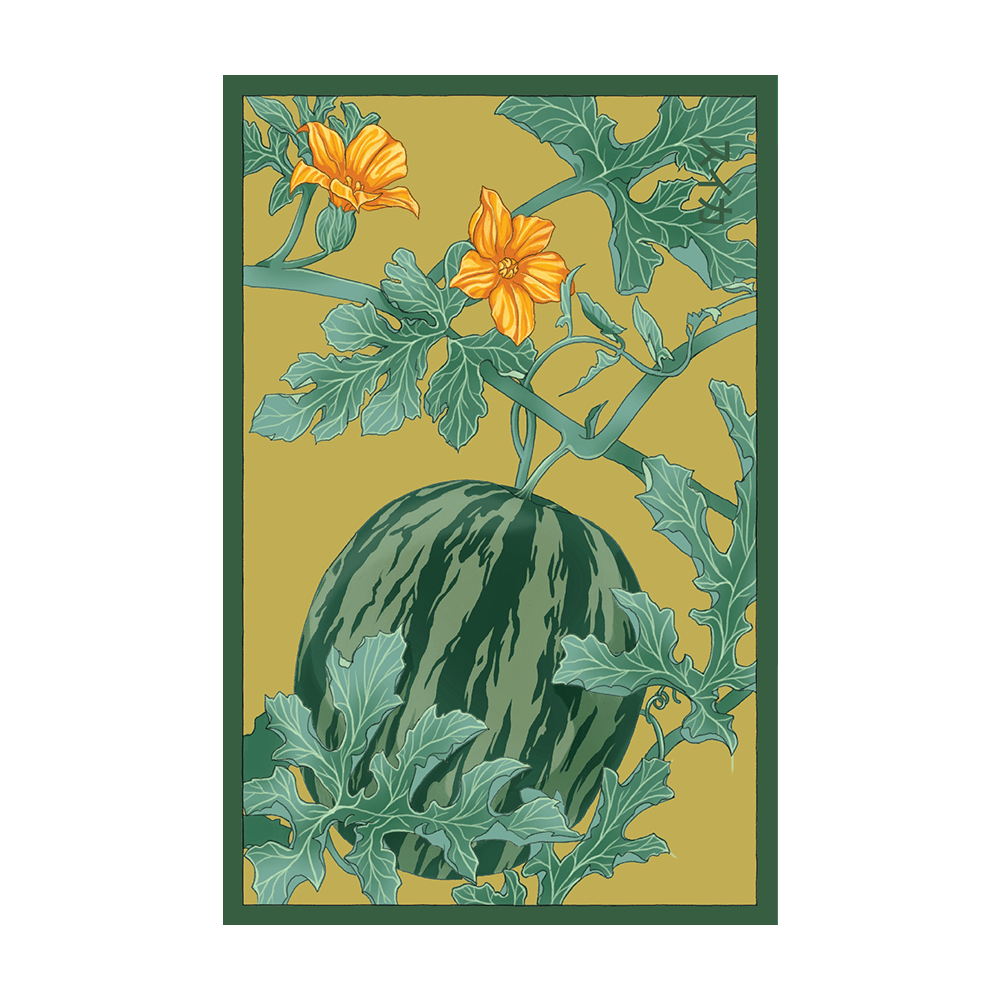
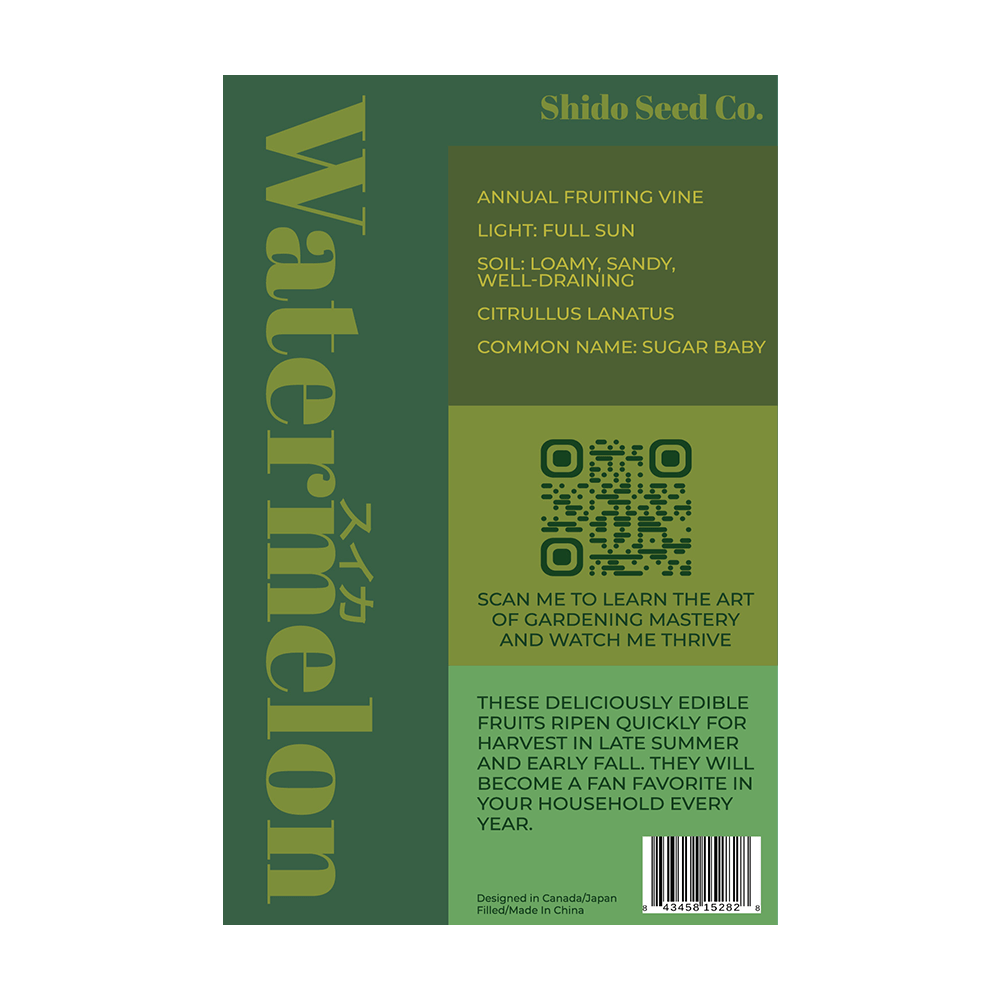
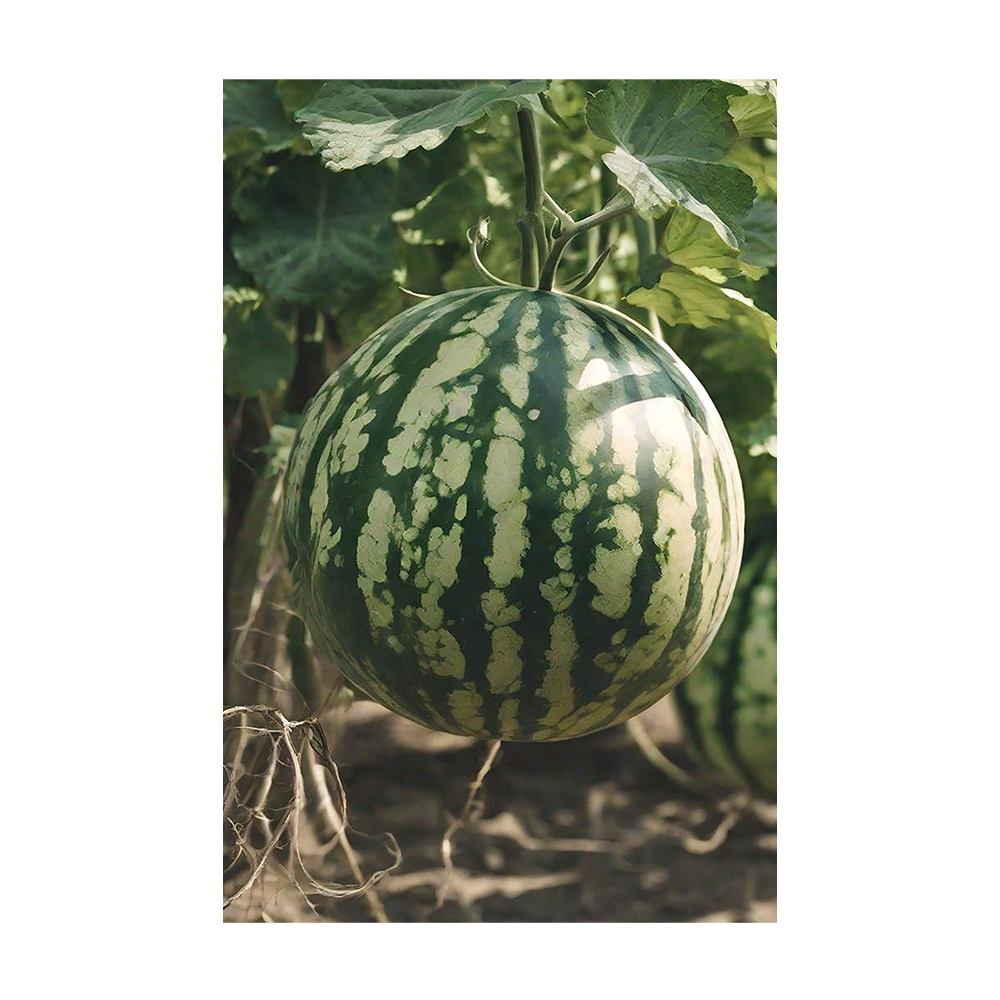
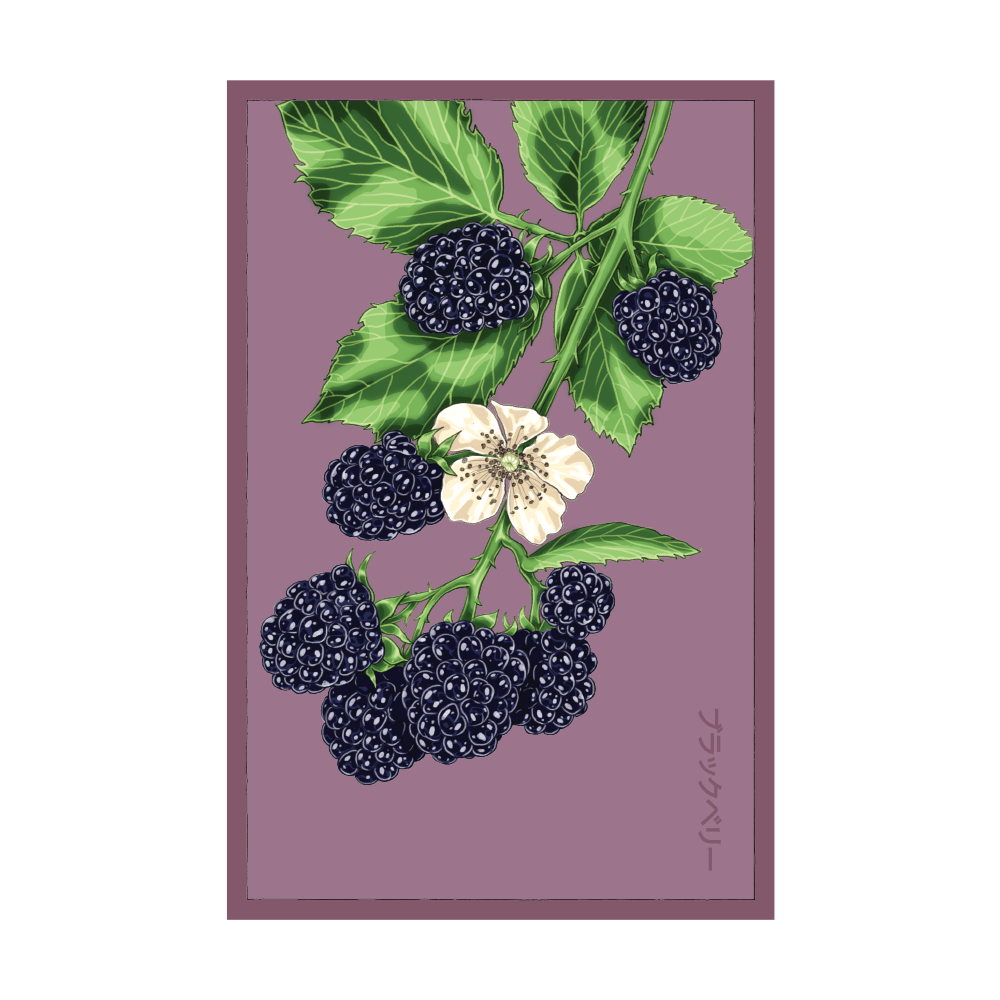

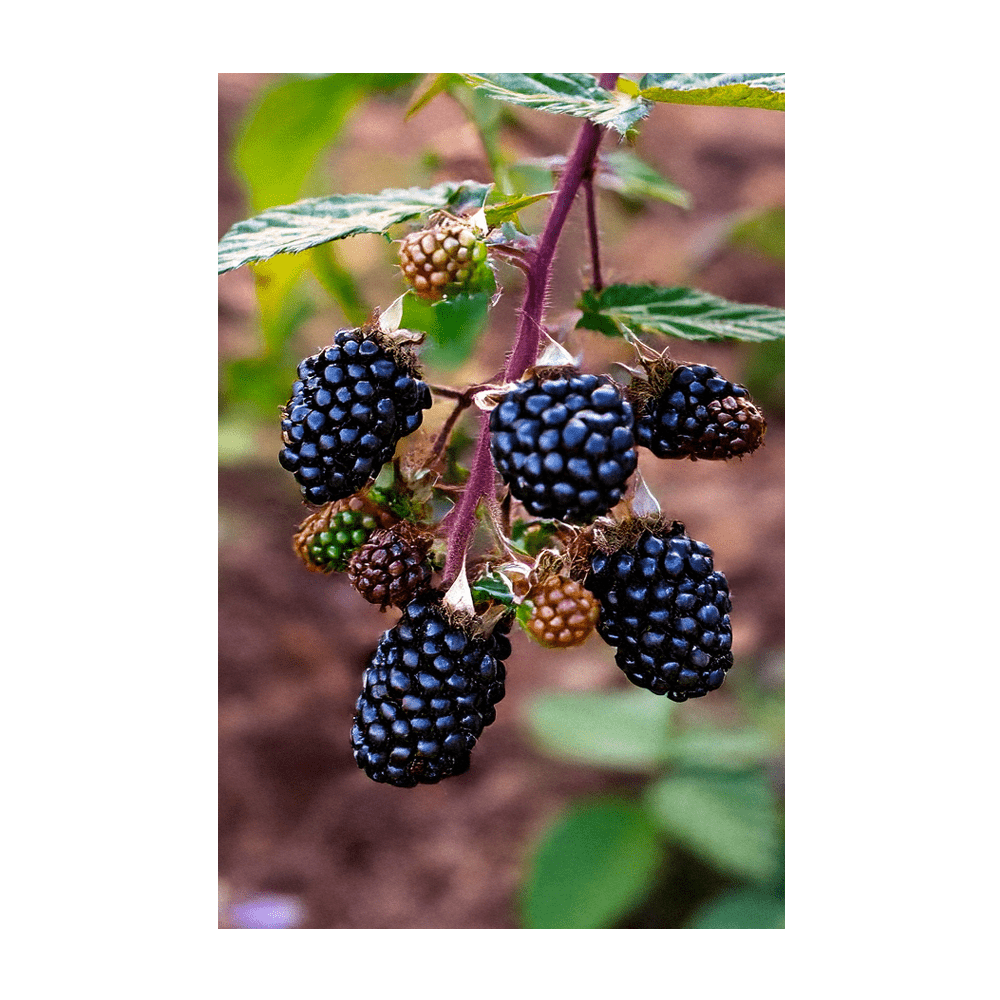
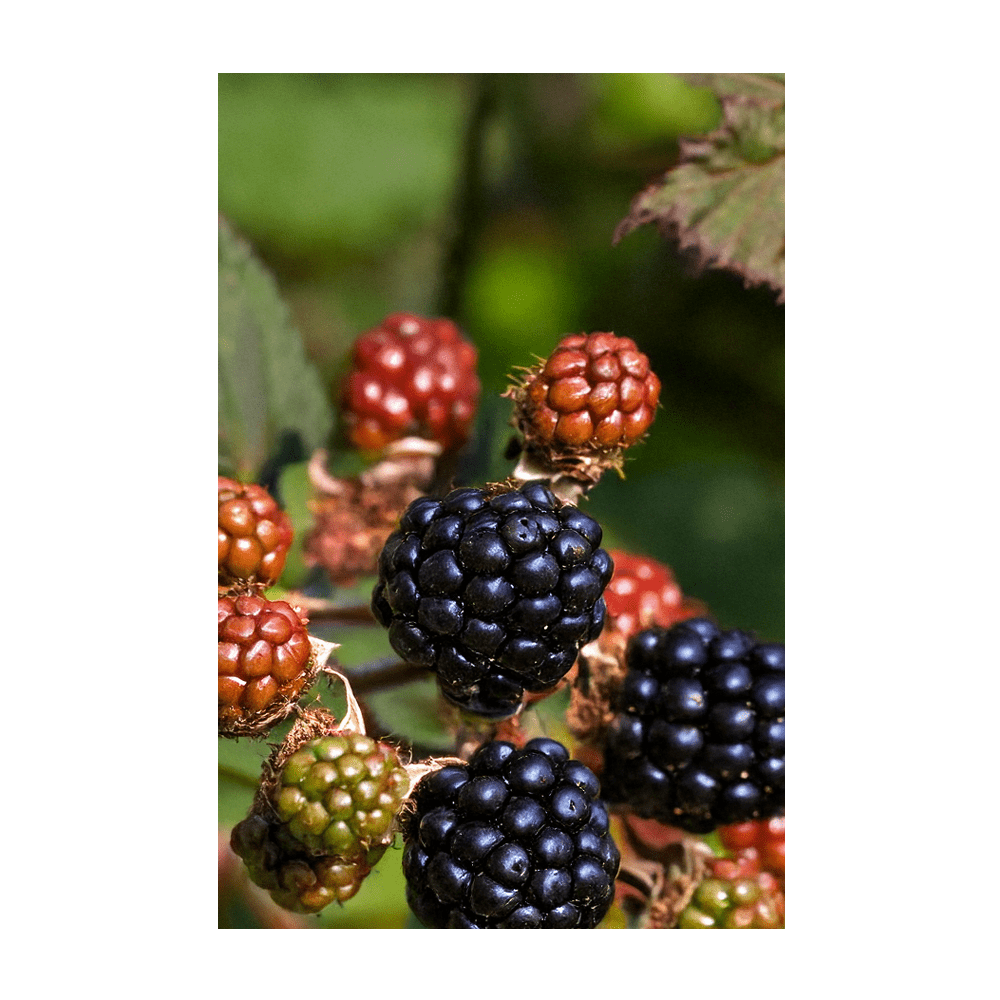
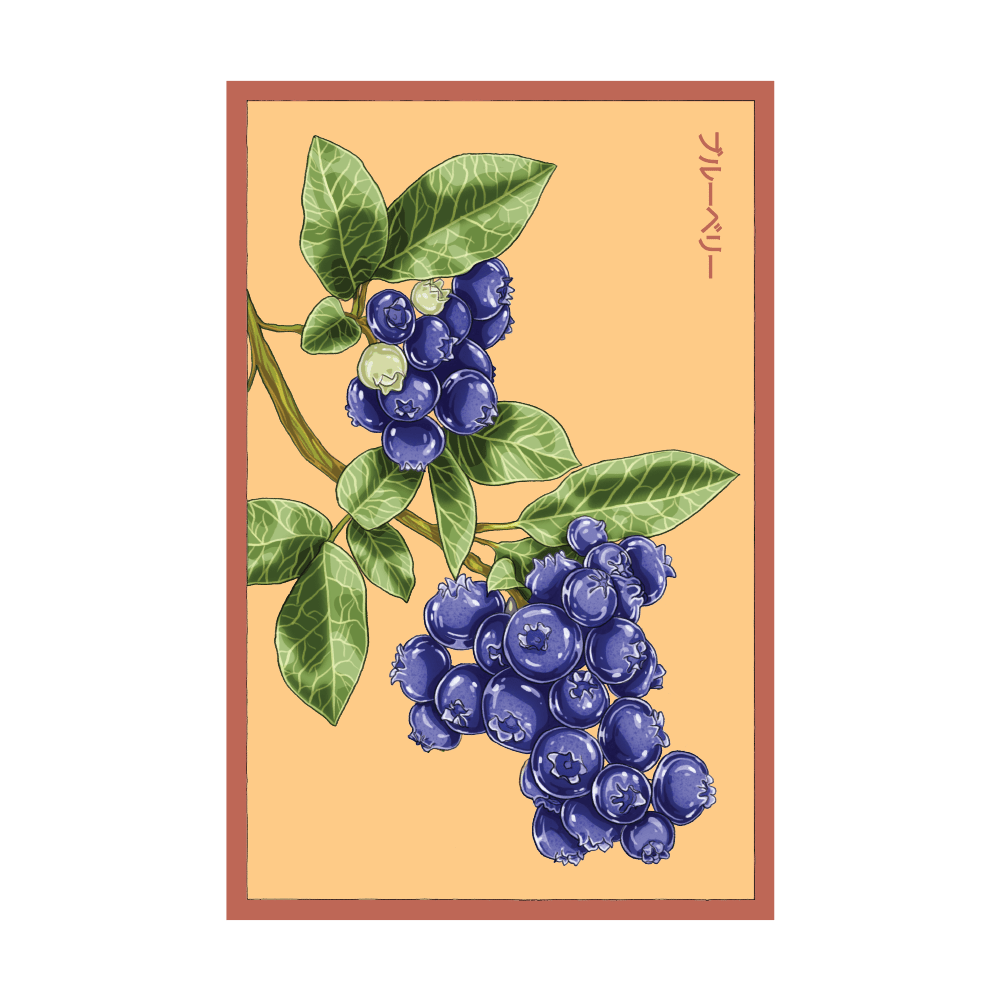
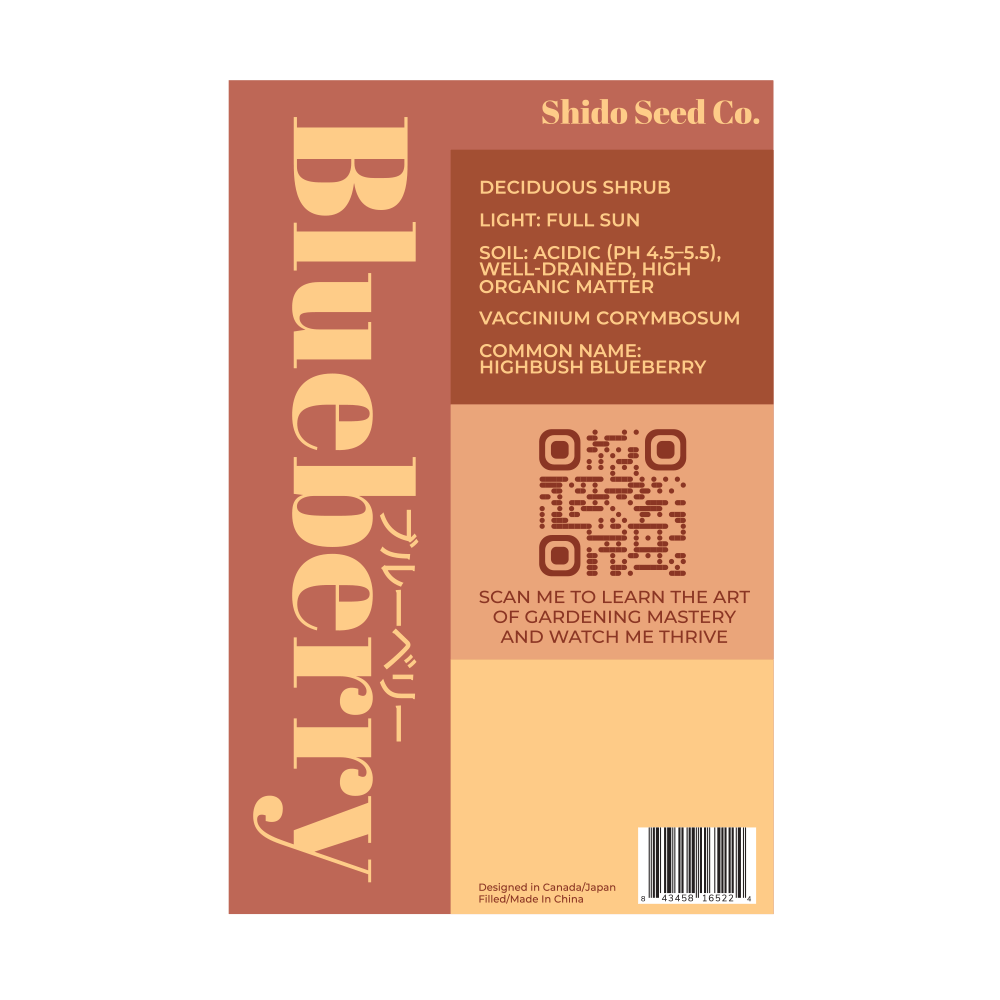
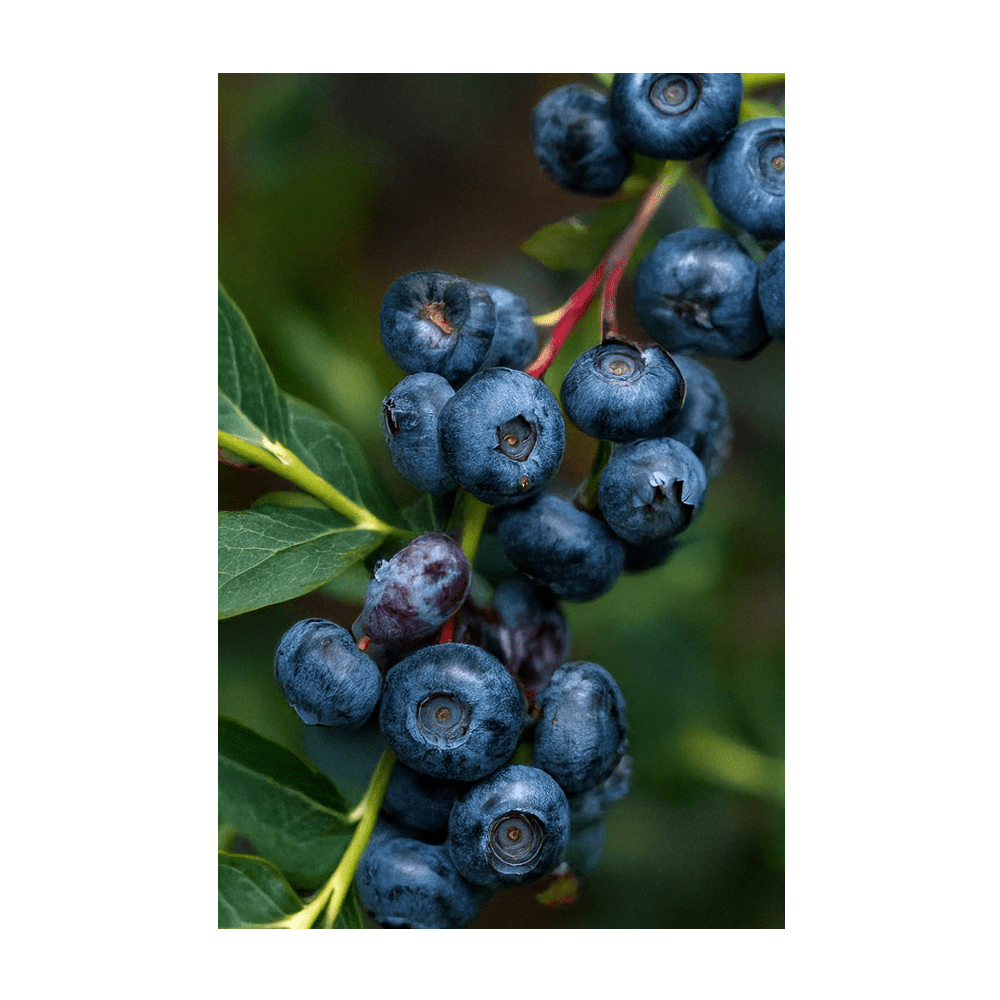
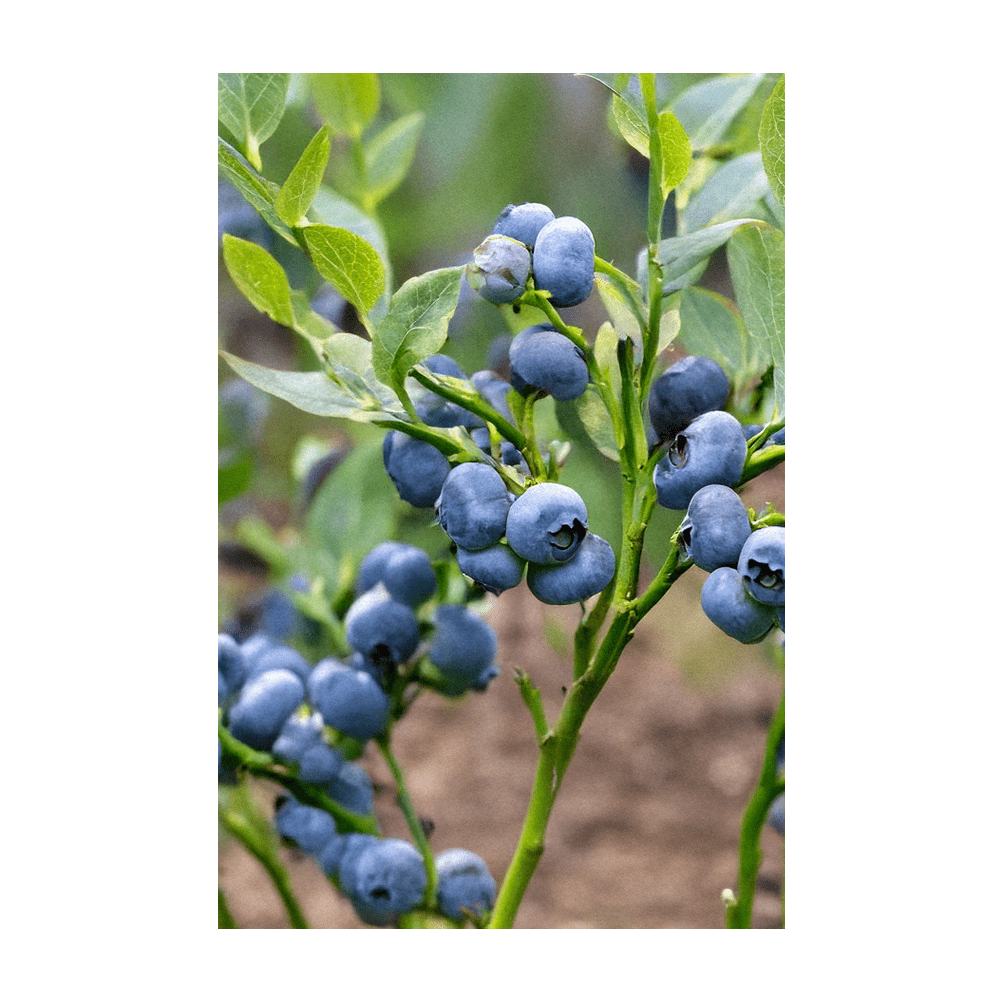
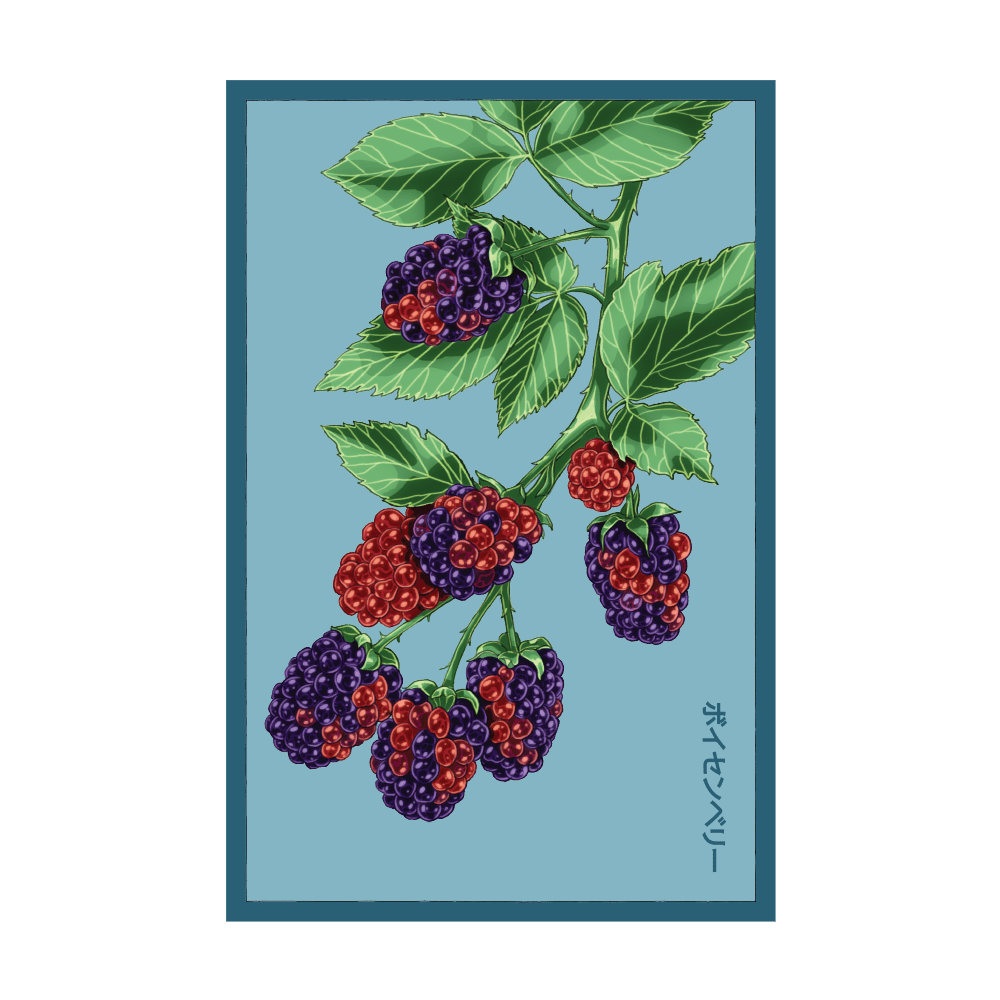

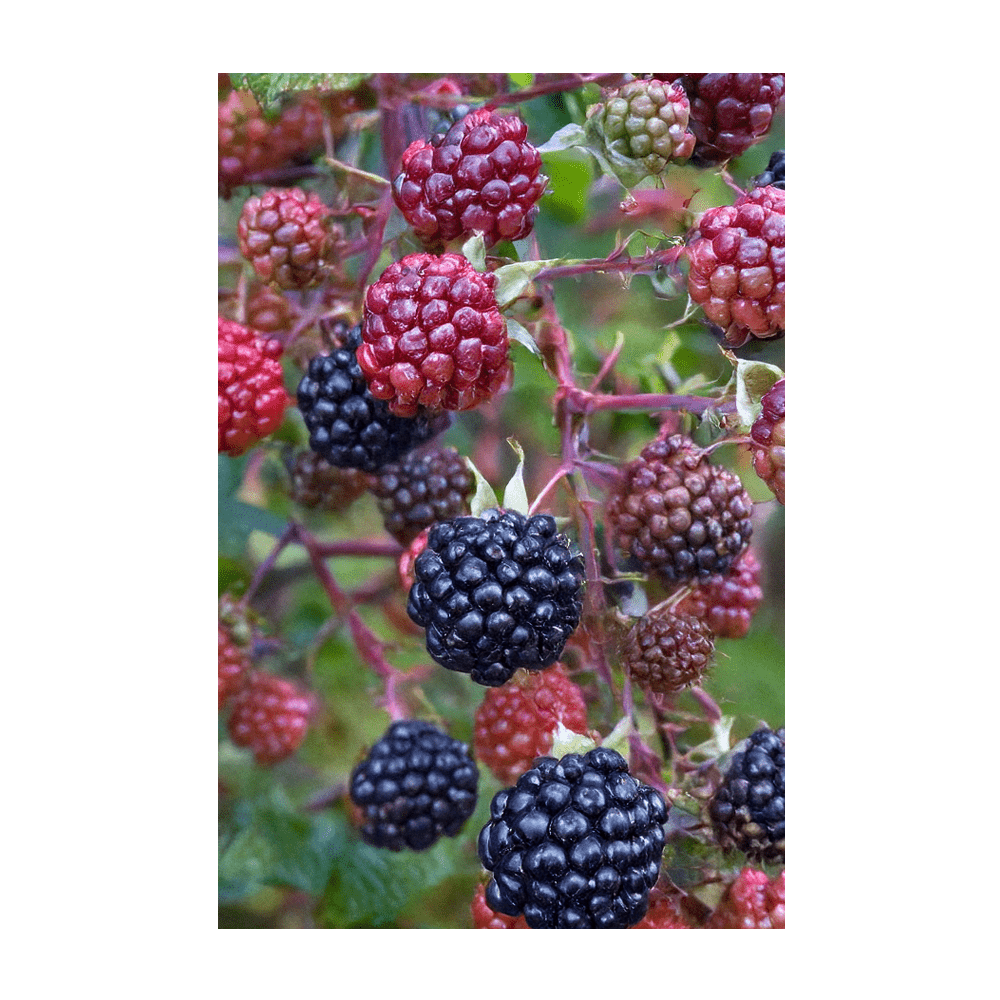
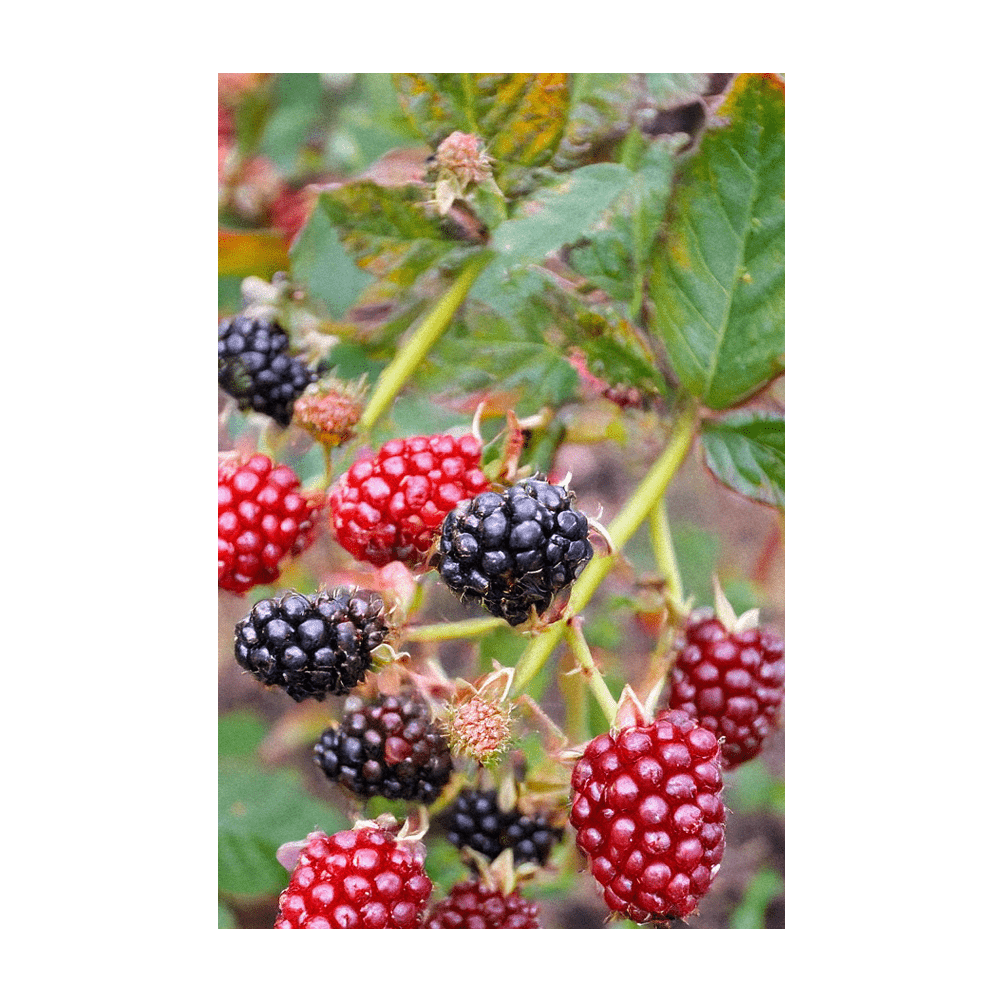
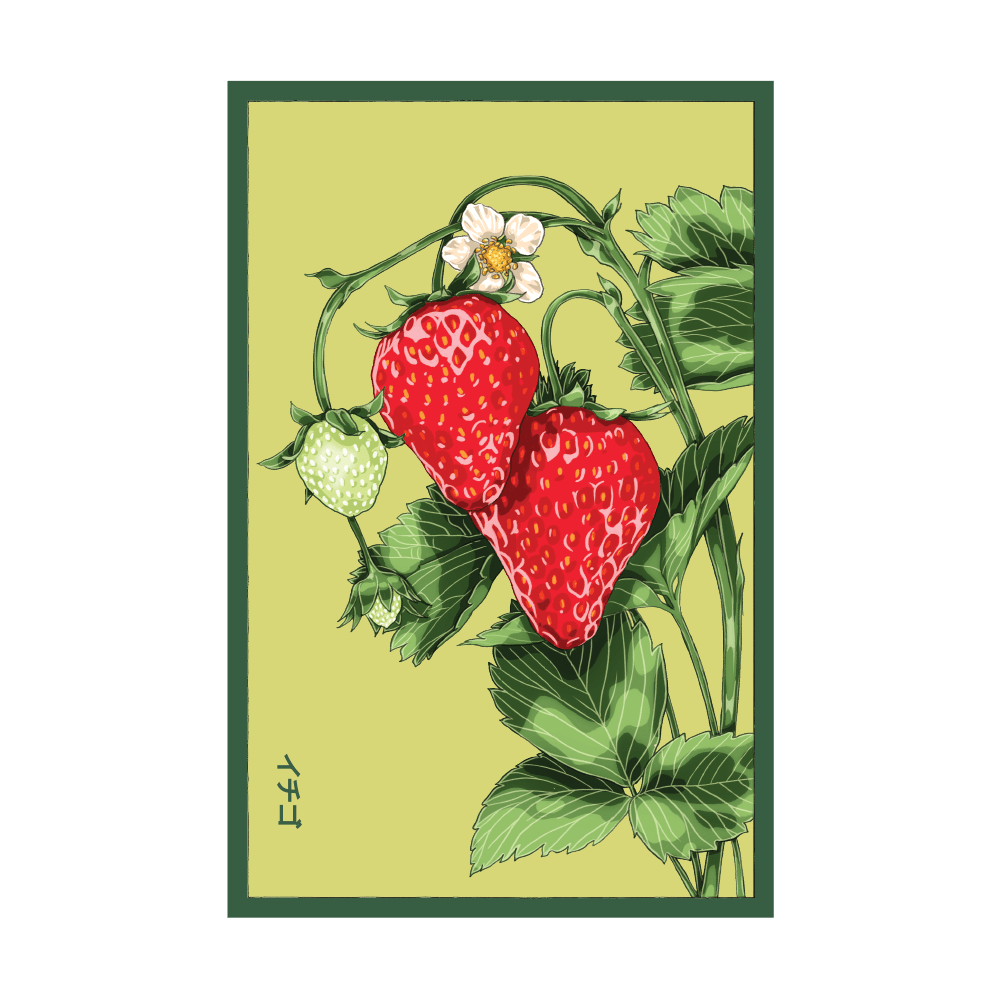
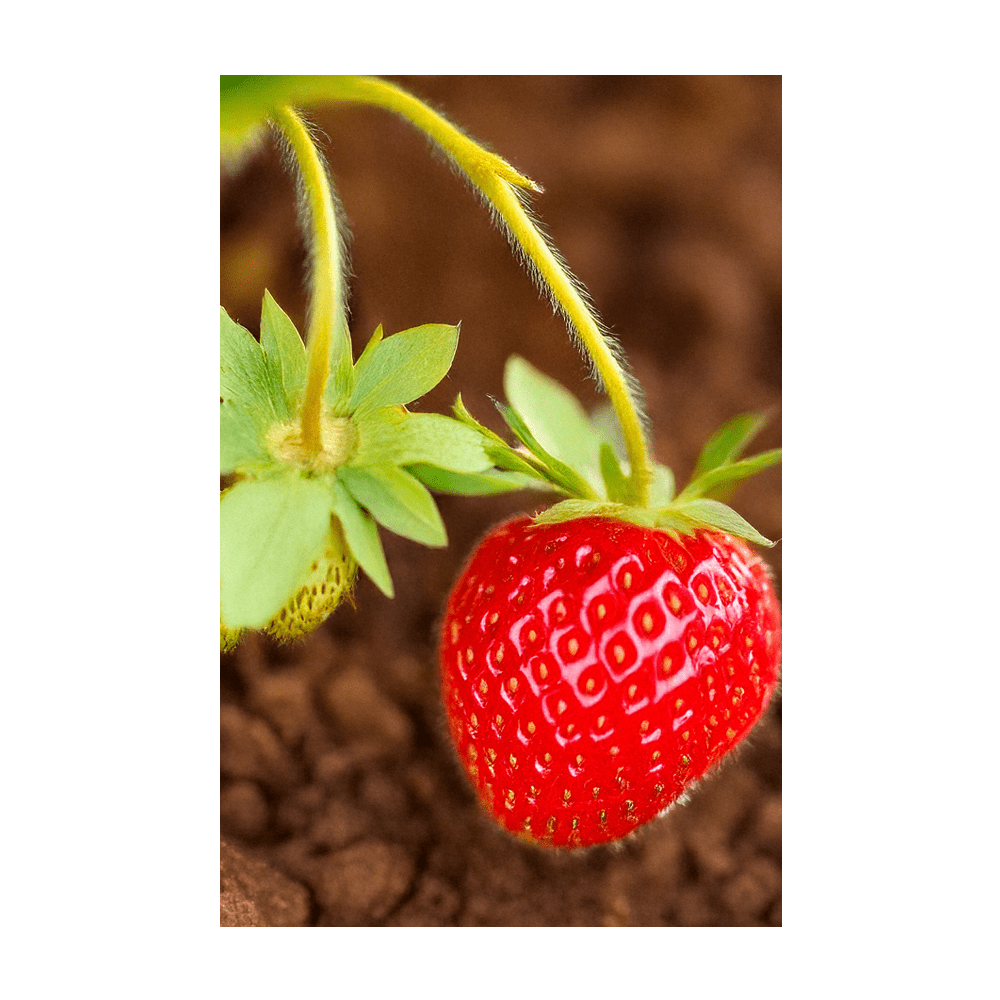
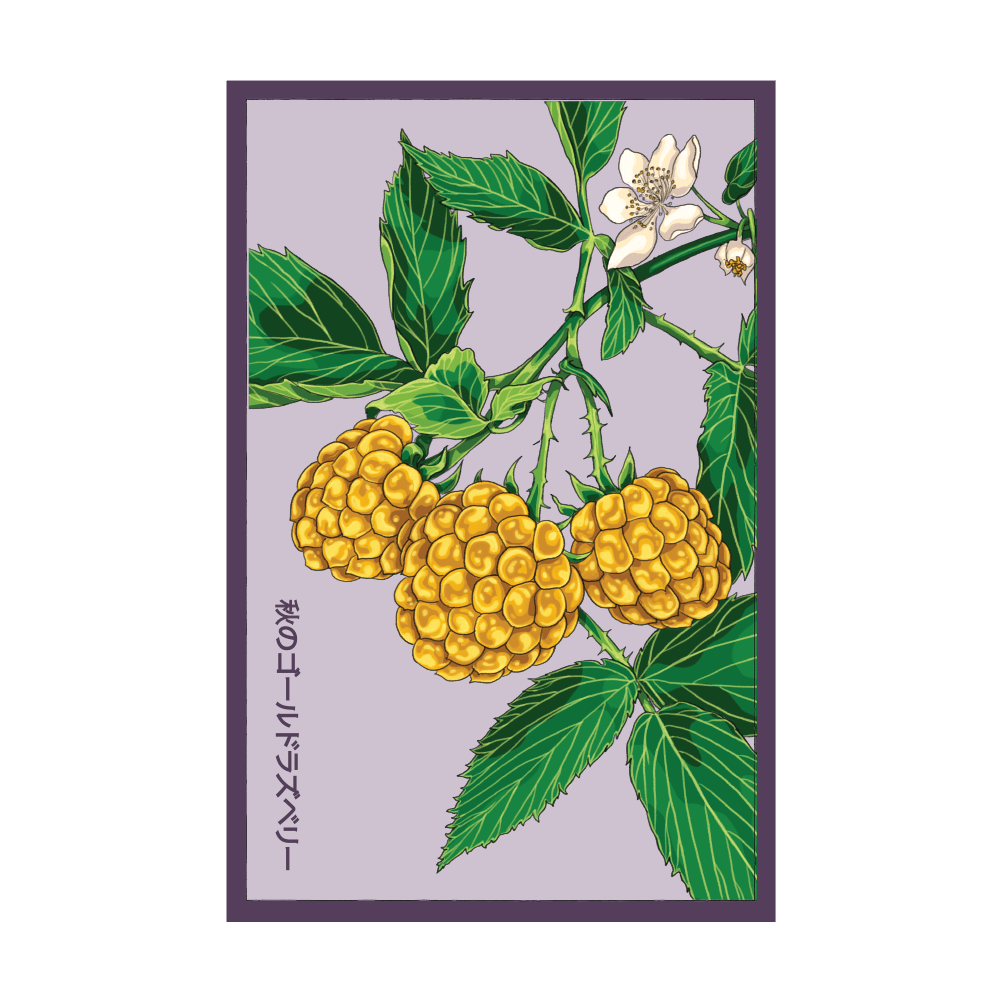

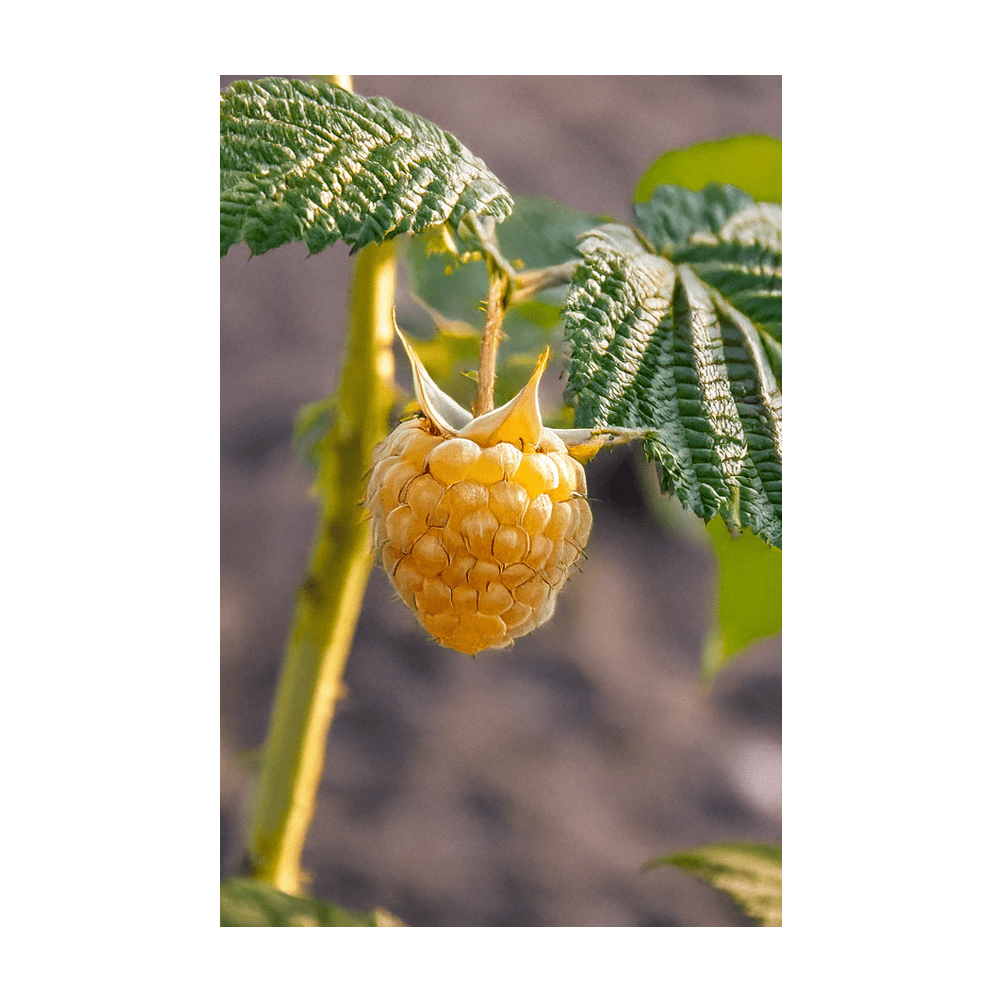
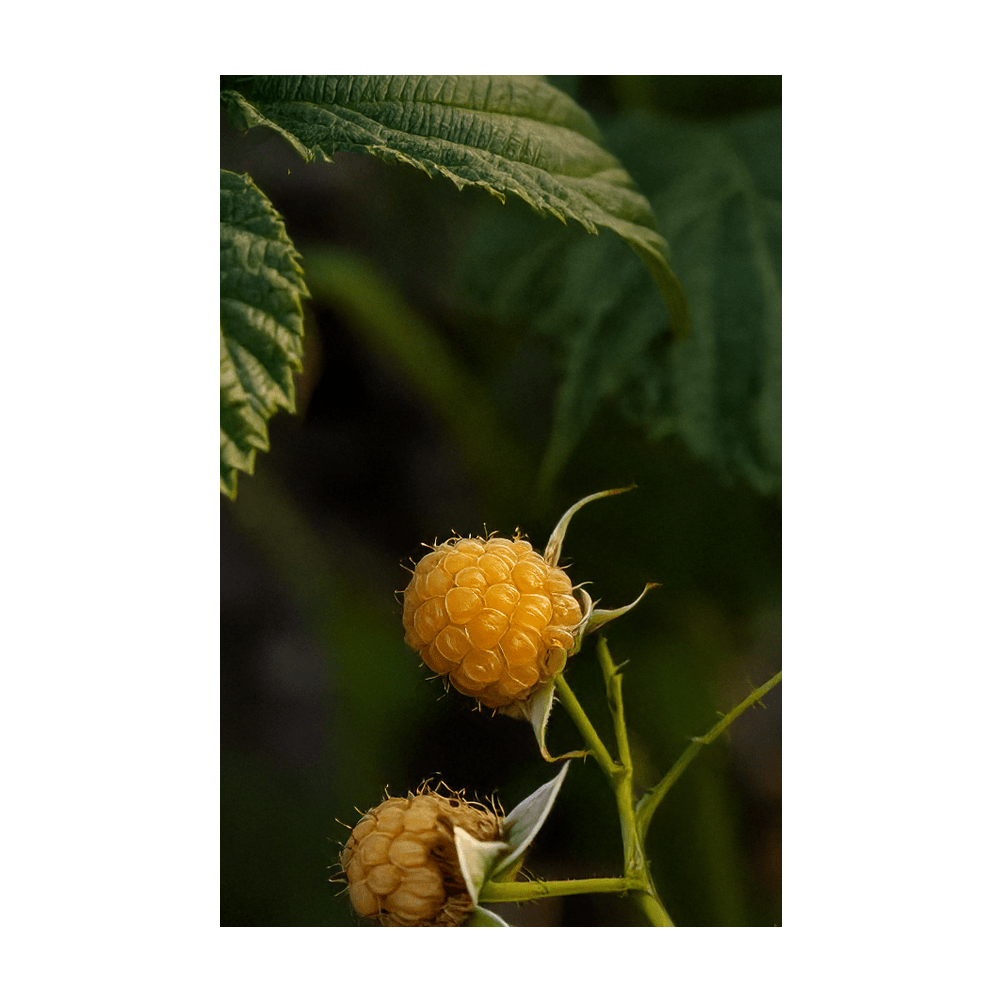
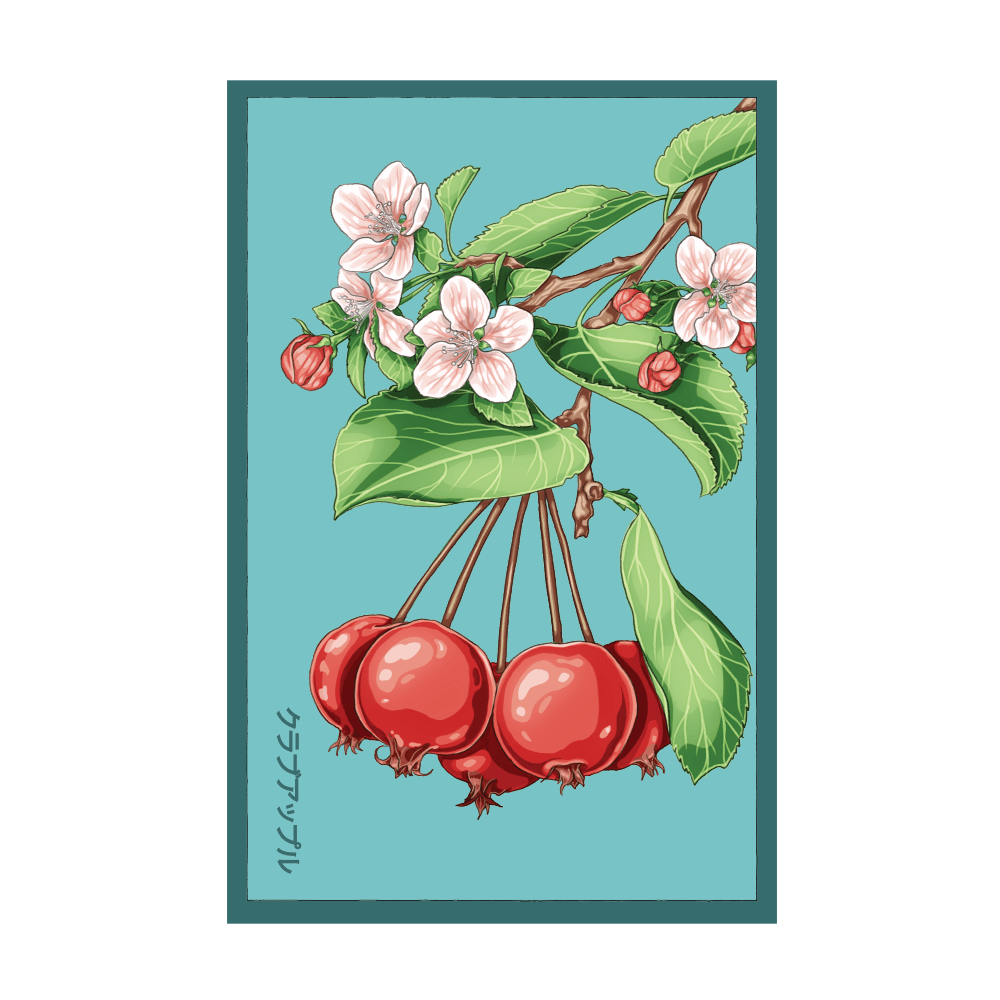


Eight packets of fruit seeds from the Shido fruit and berry collection, arranged together — by Chive Studio

Fruit & Berry Seeds

Plant once. Harvest for a decade. Explain nothing.

Fruit seeds from Shido grow the berry patch from scratch — blackberry, boysenberry, blueberry, and their bramble relatives, nearly all perennials that return and produce year after year once established. Every packet is non-GMO, vacuum-sealed, and germination-tested, with pollination and timeline notes on each product page.

perennial berry varieties · pollination stated per variety · vacuum-sealed non-GMO · lab-tested germination · three-year viability date · Ships gift-ready to 40+ countries

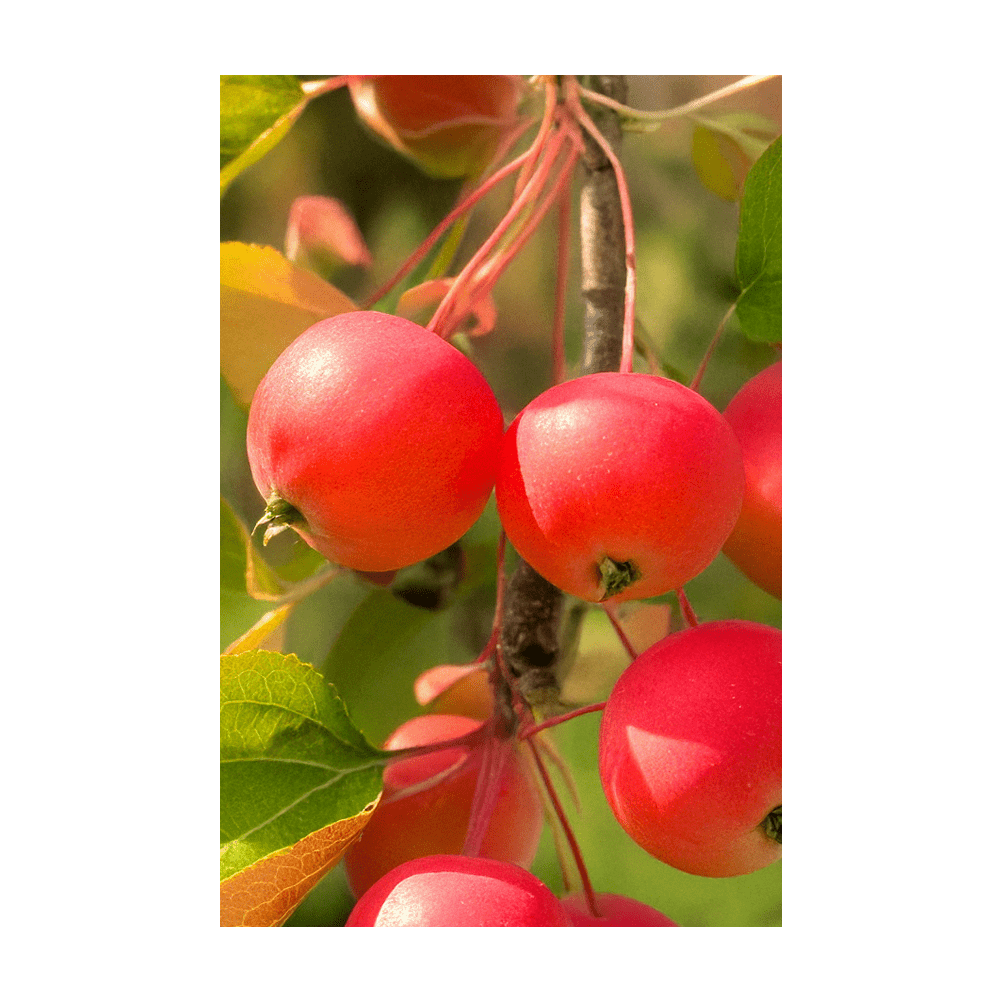
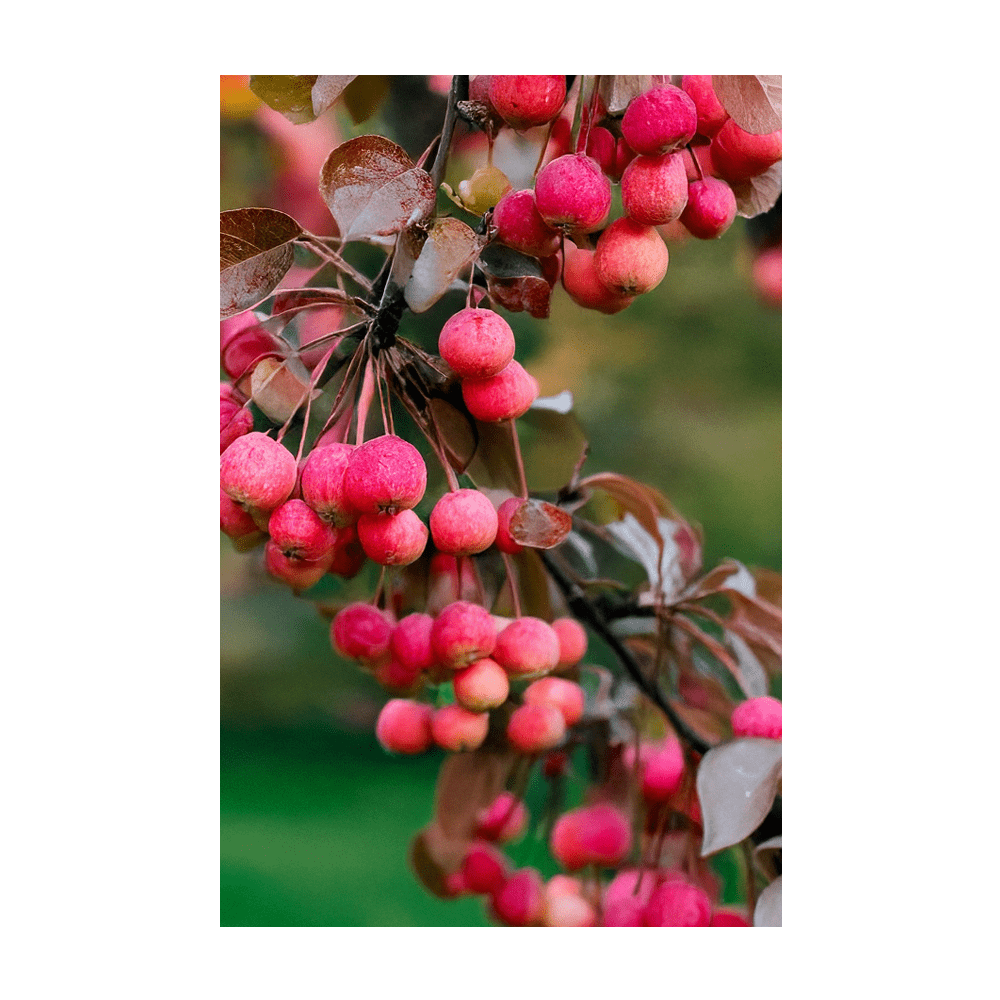
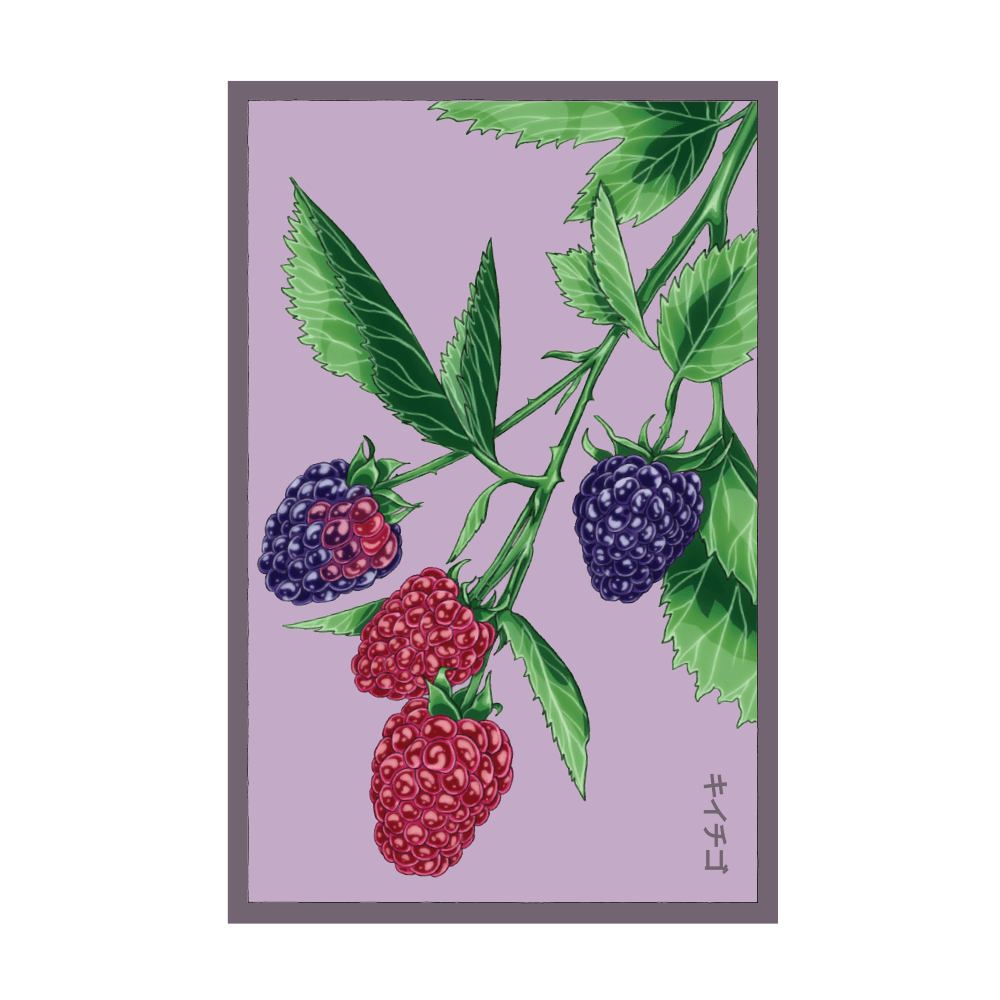
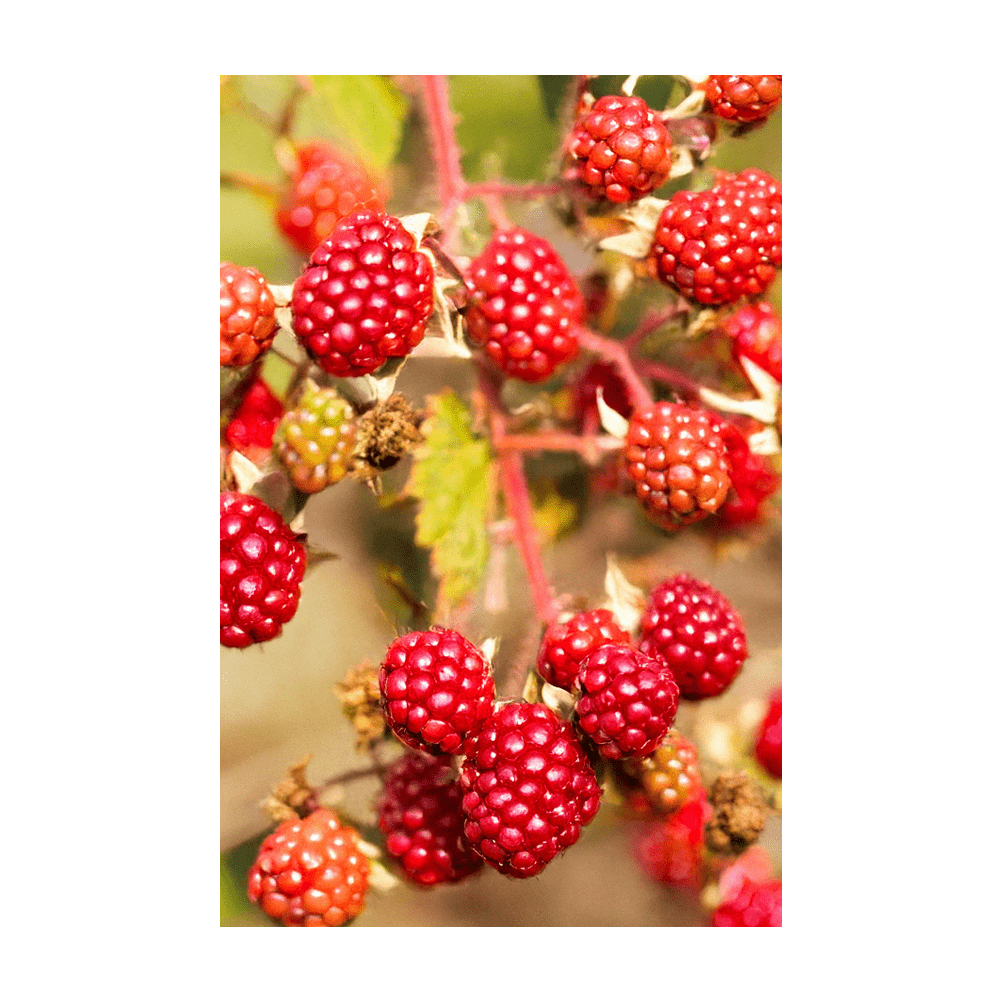
Fruit and berry seeds are the slowest reward in the Shido catalog and the longest-lasting one — most of the varieties here are perennial canes, brambles, and bushes that spend their first season or two building roots, then fruit every year after without replanting. Blackberry, boysenberry, blueberry, raspberry, strawberry, and tummelberry cover the bramble patch; the Siberian Crabapple grows into a tree; the watermelon is the one summer annual in the group.

Every packet is vacuum-sealed and non-GMO, germination-tested at independent labs before packaging, and printed with a state-mandated three-year viability date and its variety's pollination requirement. Blueberries fruit more reliably with a second variety nearby; the rest are self-pollinating. Plant once, prune when asked, and the patch does the returning.

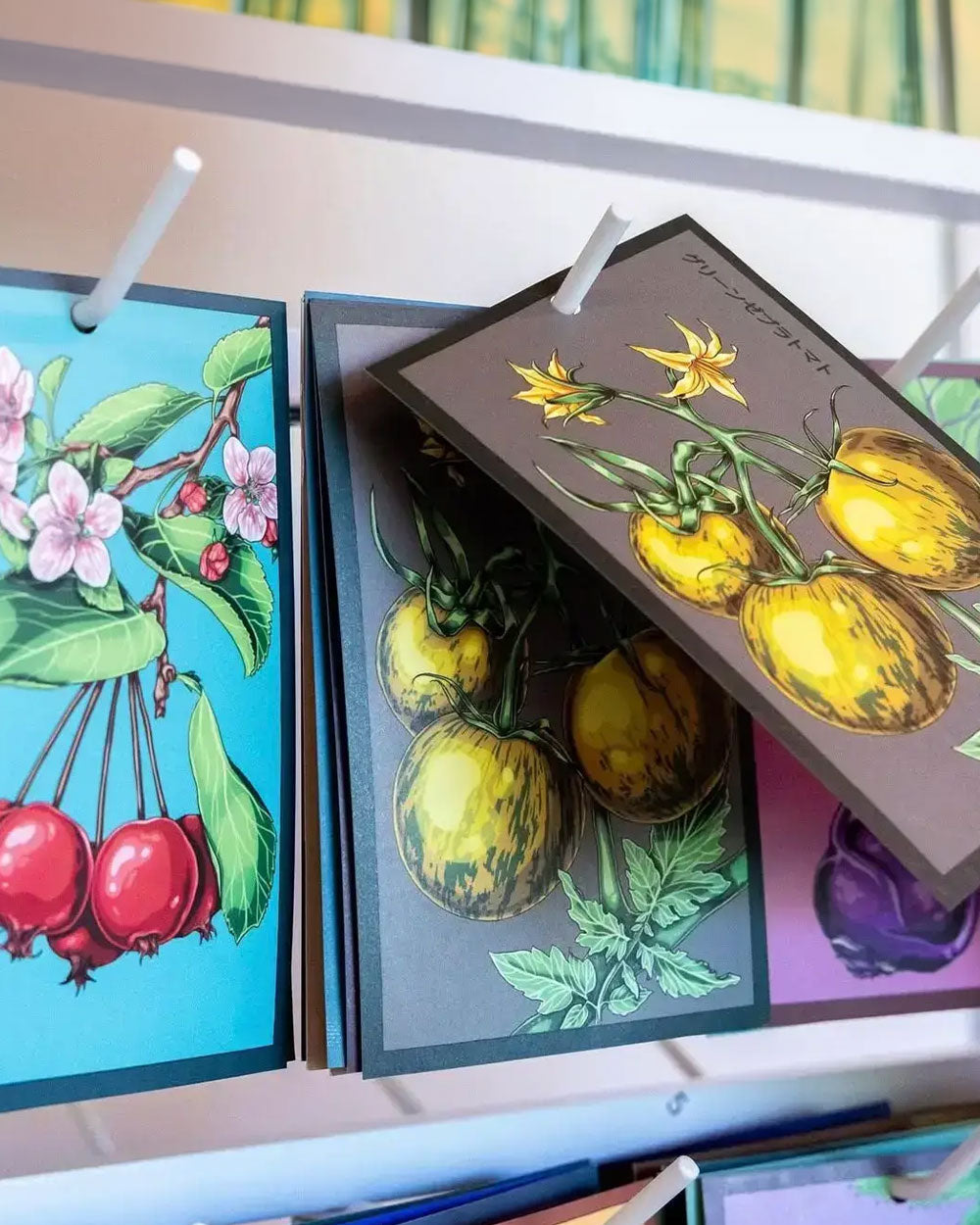
Colorful Shido seed packets with tomato illustrations on a soil background | Chive

Berry seeds

Every packet here is vacuum-sealed and non-GMO, whether it's growing into a low trailing strawberry or a bramble that needs a trellis by year two. Berry seeds ask for more patience at the front end than a vegetable bed — most take two to three years from seed to a meaningful first harvest — but the payoff is a plant that keeps fruiting for a decade with no replanting. Each packet notes pollination needs and days to maturity up front, so there's no guessing before the trowel comes out.

Berry plants

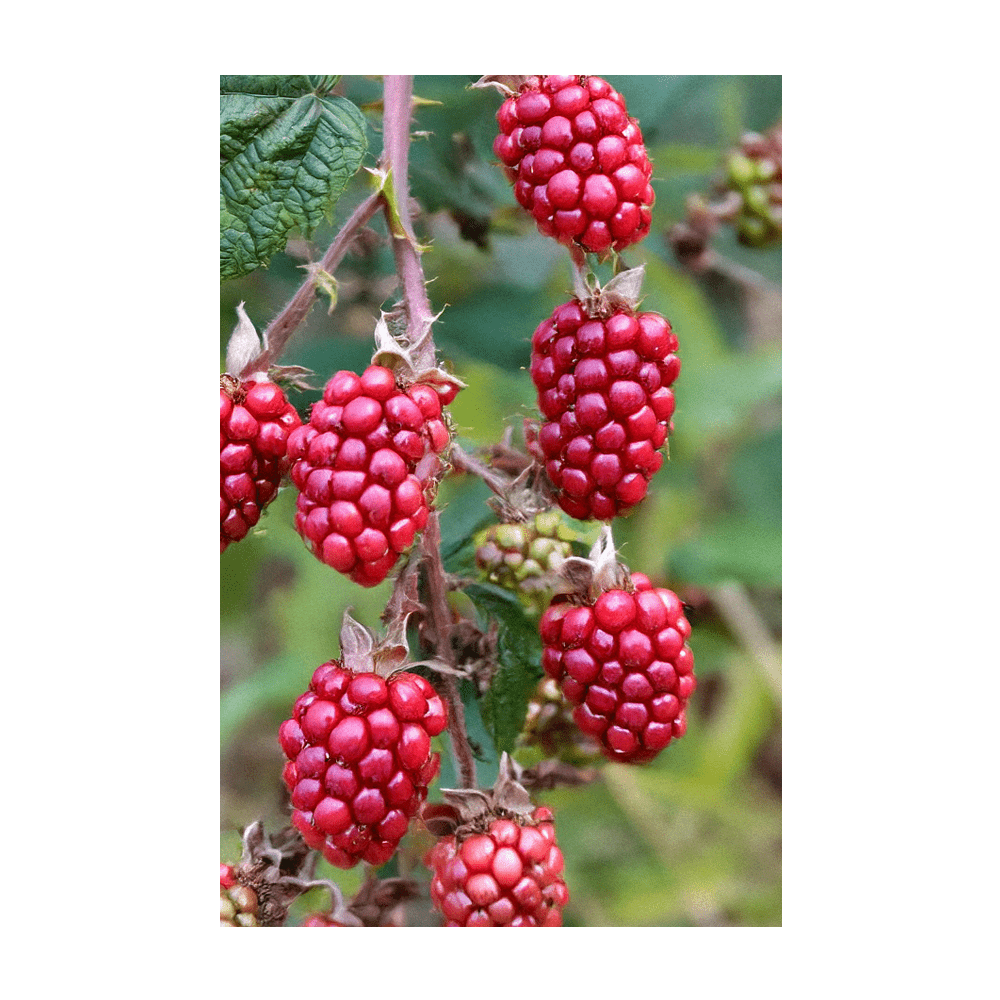
Most of what's in this collection isn't a one-season crop — it's a plant you're making a multi-year commitment to. Blackberry, blueberry, boysenberry, strawberry, raspberry, and tummelberry are all perennial brambles or canes that establish for their first year or two, then produce a real harvest every season after. Blueberries fruit more reliably with a second variety nearby for cross-pollination, while blackberries, boysenberries, strawberries, and raspberries are self-pollinating and fruit fine on their own. Plant once. The plant does the returning.

Shido Seeds is a Chive Studio line, designed in Toronto by the studio that has been designing since 2004. The fruit and berry collection sits inside a catalog of 124 seed varieties across five categories, every lot germination-tested at independent labs, and every packet printed with a state-mandated three-year viability date and its variety's pollination requirement. The line ships to 40+ countries.

Reviewed by Todd Newgren, co-founder · Updated August 2026 

Are Seed Packets GMO? The Honest Answer

Todd Newgren
Are seed packets GMO? No—home garden seed packets, Shido included, are never genetically modified, since GMO seed is only made for large-scale commercial crops. The non-GMO badg...
Read more

Heirloom vs Hybrid Seeds: What Actually Differs

Todd Newgren
Heirloom seeds aren't automatically better than hybrid seeds—each suits different goals, from saving seed year to year to fighting off disease. The real difference is genetics, ...
Read more

Frequently asked questions about the Fruit & Berry Seeds

Do I need more than one plant for fruit and berry seeds to produce?

It depends on the variety. Blackberries, boysenberries, strawberries, and raspberries in this collection are self-pollinating and produce fruit from a single plant. Blueberries fruit more reliably with a second, different variety nearby for cross-pollination. Each fruit seeds product page states which category the variety falls into. One plant is a beginning. Whether it is also sufficient depends on the species, not the gardener.

How long does it take fruit and berry seeds to produce a harvest?

Most berries take two to three years from seed to first meaningful harvest, since canes need a full season of growth before flowering. The Siberian Crabapple takes four to eight years, being a tree rather than a bramble. Growing fruit seeds is an investment in future seasons, not this weekend's dessert. The wait is the price. The decades of harvest that follow are the return.

Are most fruit and berry seeds perennial plants?

Every variety in this collection except the watermelon is a perennial, meaning it returns and produces again year after year once established rather than requiring the annual replanting cycle that makes vegetable gardening feel like a renewable subscription you never explicitly agreed to continue. Fruit seeds planted once produce harvests for a decade or more, which is a genuinely remarkable return on an afternoon's labour. The watermelon is the exception: a summer annual, grown fast, eaten immediately, and mourned until next July. Perennial berry growers and annual watermelon growers are different temperaments, and the garden accommodates both without judgement, which is more than most institutions can say.

What's the easiest fruit or berry to grow from seed?

Boysenberry and blackberry — they tolerate average soil, require only a trellis and basic pruning, and produce fruit with a minimum of intervention once established. Fruit seeds like watermelon and the Siberian Crabapple ask for either more specific conditions or considerably more patience. Start with a bramble. The bramble will cooperate. From there, ambition can escalate at whatever pace the garden and the gardener are both willing to sustain.

What is cold stratification and which seeds need it?

Cold stratification is a chilled, moist rest period that mimics winter — some fruit and berry seeds, particularly tree varieties like the Siberian Crabapple, will not germinate until they have experienced it. The home method is simple: seeds in a damp paper towel, sealed, refrigerated for the weeks the variety requires. Each product page states whether its variety needs the treatment. The seed is not being difficult. It is waiting for spring, and it insists on a winter first.

When should berry bushes be planted?

Early spring or fall — when to plant berry bushes comes down to giving roots a full mild season to establish before
summer heat or hard frost tests them. Seed-started canes follow the same rule at transplant time: move them out once frost has passed in spring, or six weeks before the ground freezes in fall. The establishment year buys every harvest that follows, so give it the calendar's kindest window.

Can you grow berries in containers?

Yes — growing berries in containers works for compact and self-pollinating varieties, with strawberries the natural fit and blueberries a strong candidate because pots make their acidic-soil requirement easy to control. Brambles like blackberry prefer ground and a trellis but tolerate a large container with pruning. Use a pot with genuine drainage and expect more frequent watering than a bed. The balcony harvest is smaller. It is also closer.

Can fruit trees really be grown from seed?

Yes — fruit trees from seed are a genuine long game, and the Siberian Crabapple in this collection is the honest
example: four to eight years from germination to first fruit, most of it spent building a tree. Seed-grown trees may differ from their parent, which is part of the appeal or the risk depending on temperament. The bramble gratifies in two seasons. The tree outlives the gardener's impatience, and then the gardener.

2004 Making ceramics since
200+ Institutions worldwide

RHS Chelsea Flower Show2026 4-star booth award recipient
2 x 5-star booth award — winner
Exhibiting since 2013

About Chive Studio

Chive Studio has designed ceramic wall flowers in Toronto since 2004. Shido Seeds is the studio's seed line, and this collection is its long game — berries and fruit grown from seed into plants that harvest for a decade. The full catalog lives under seed packets, the one-season side under vegetable seeds, and the line's boxed assortments under gardening gifts.

Learn more about Chive Studio →

Chive in the Press →·