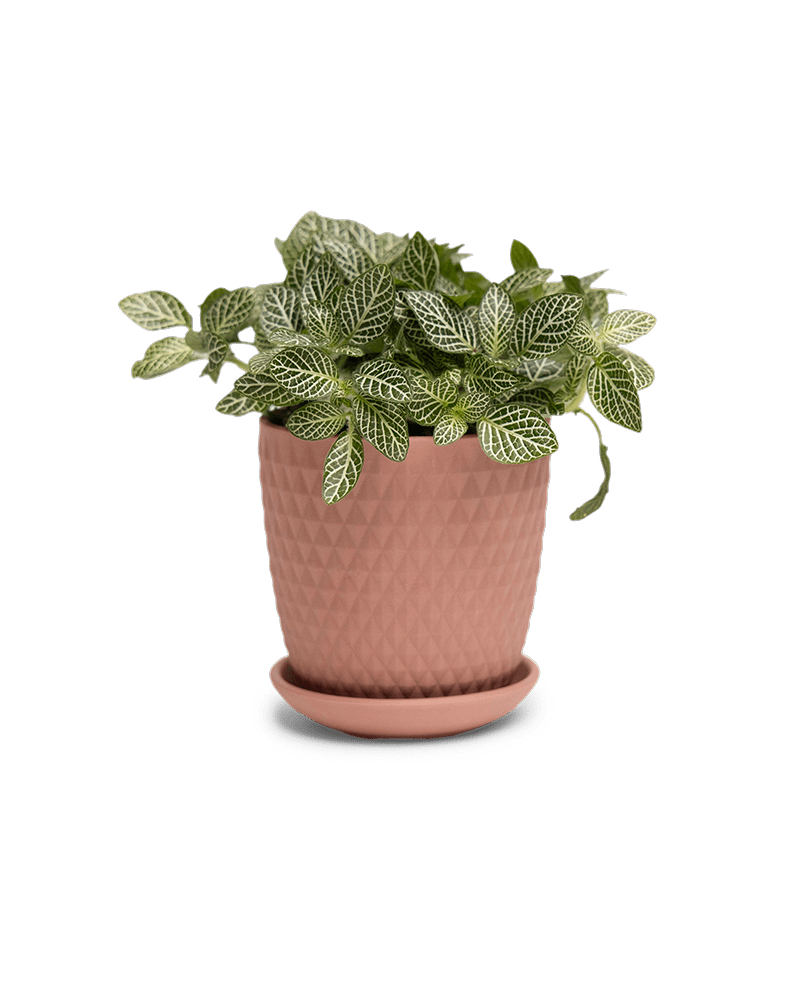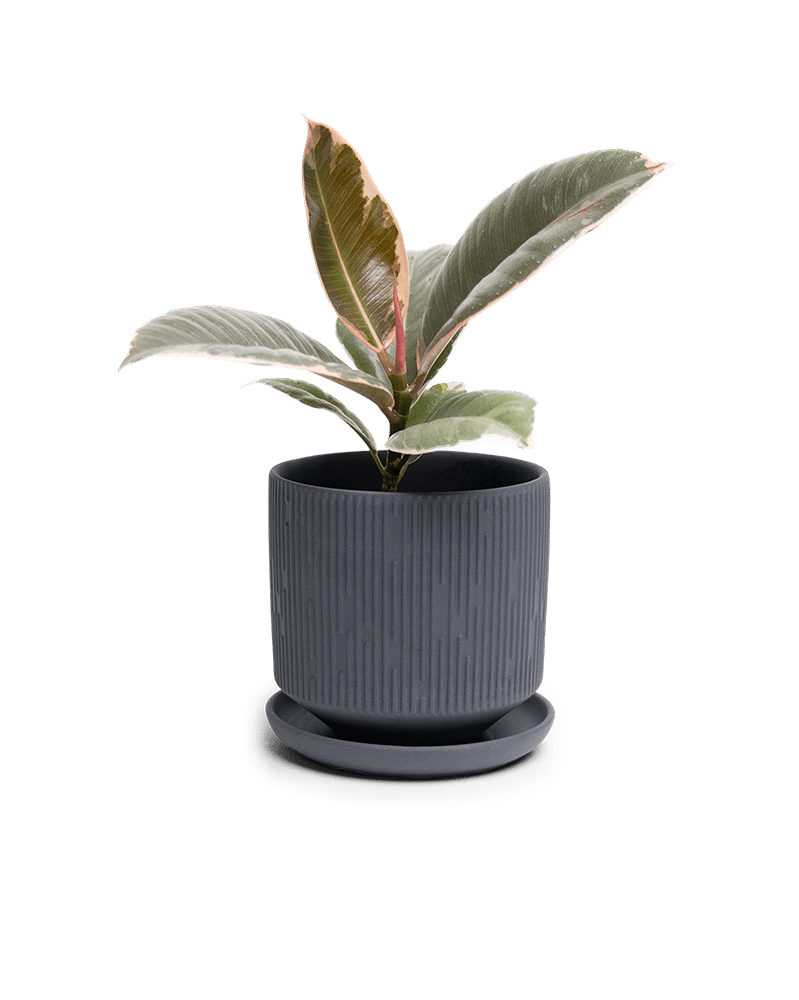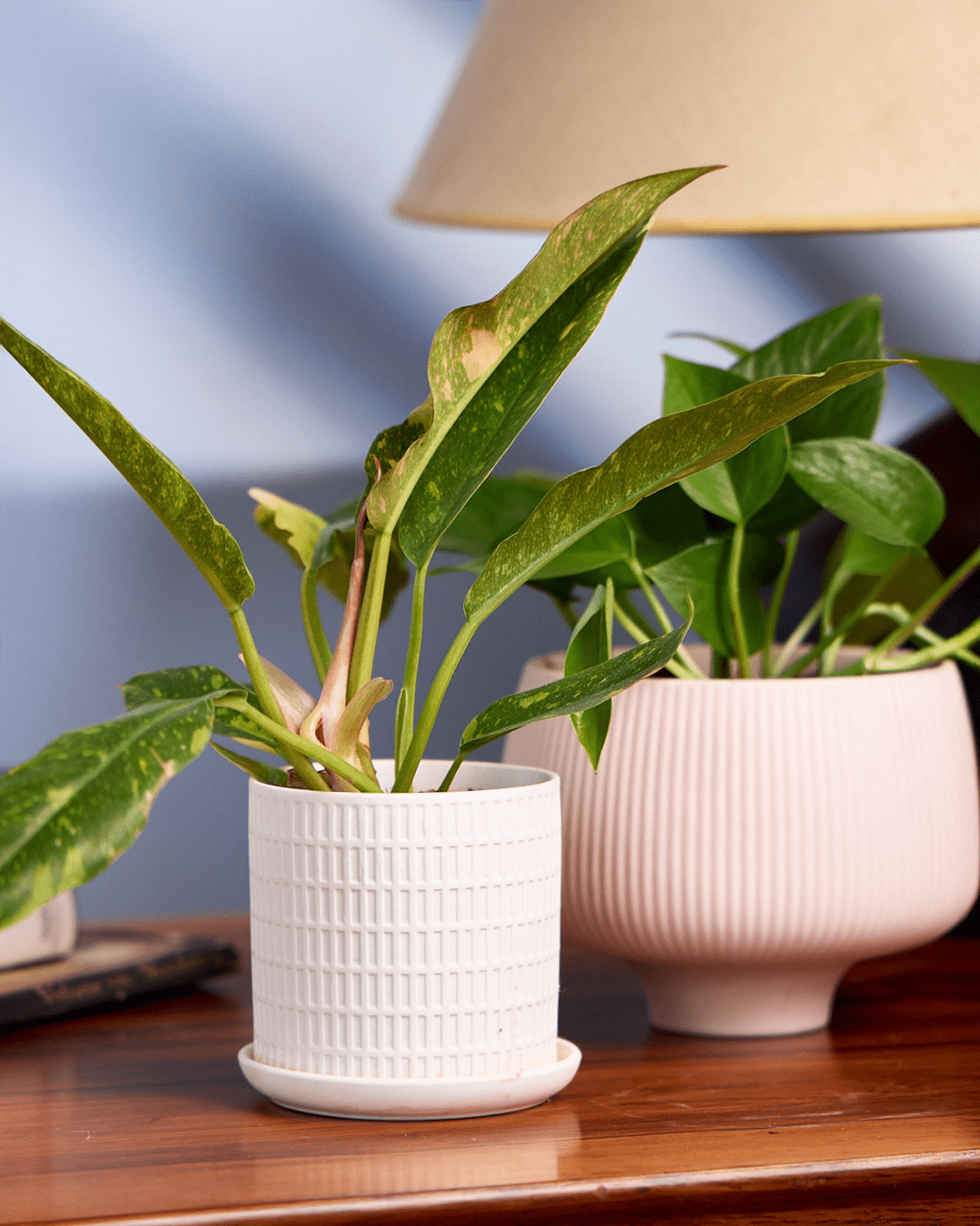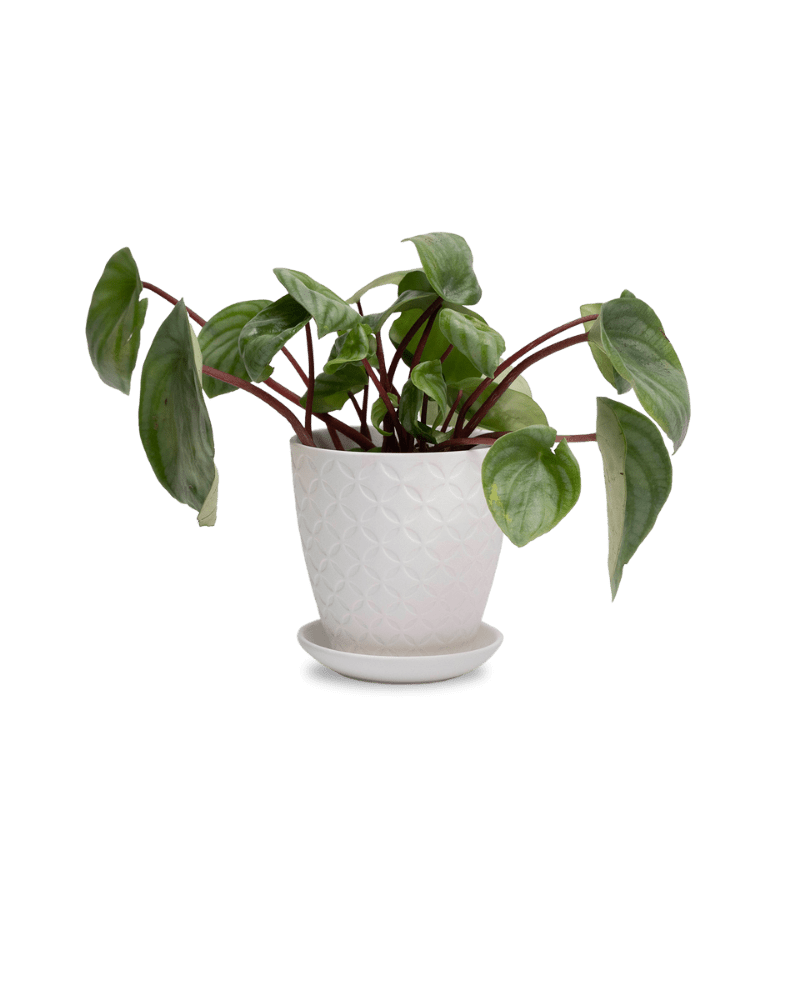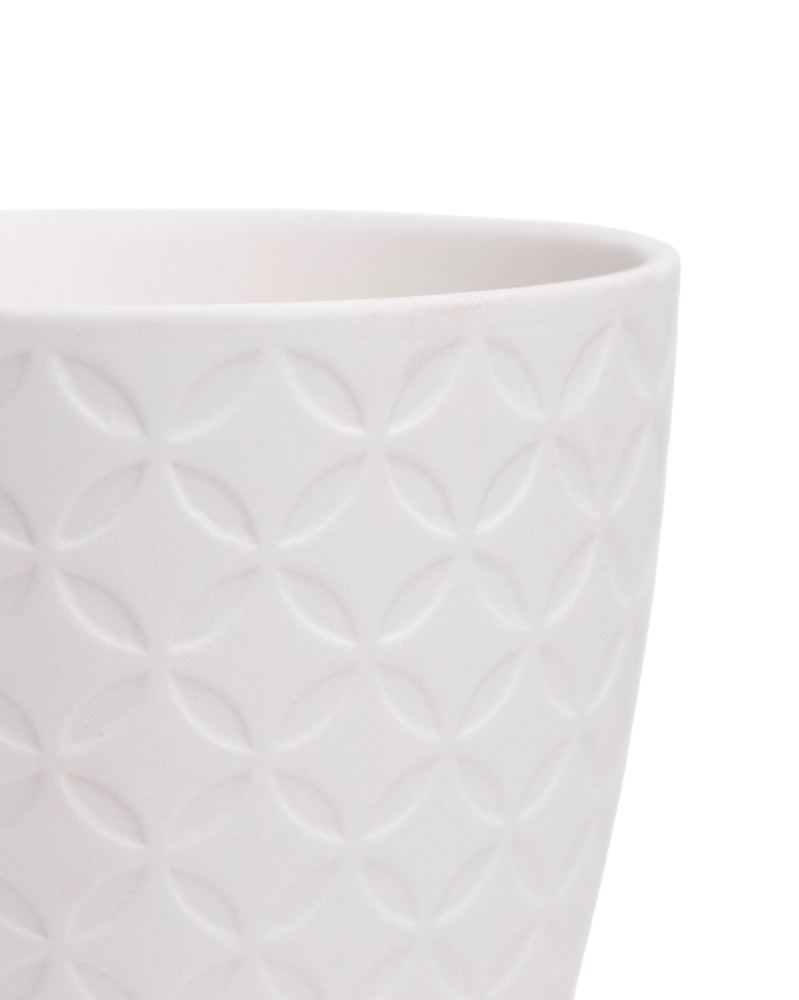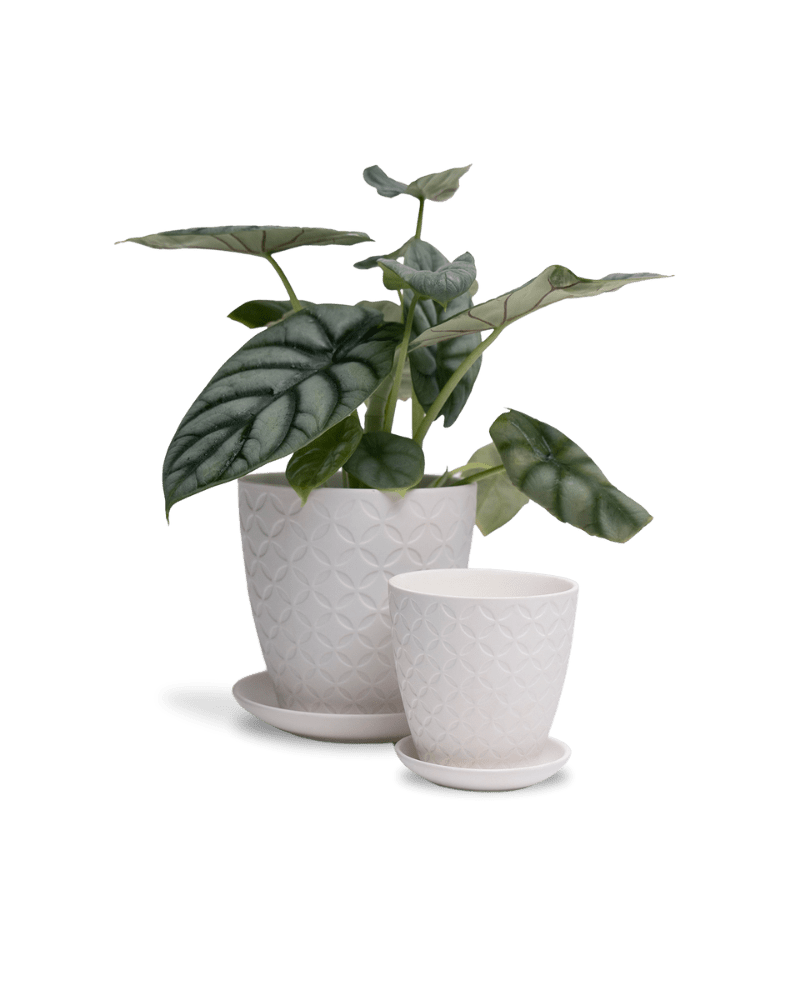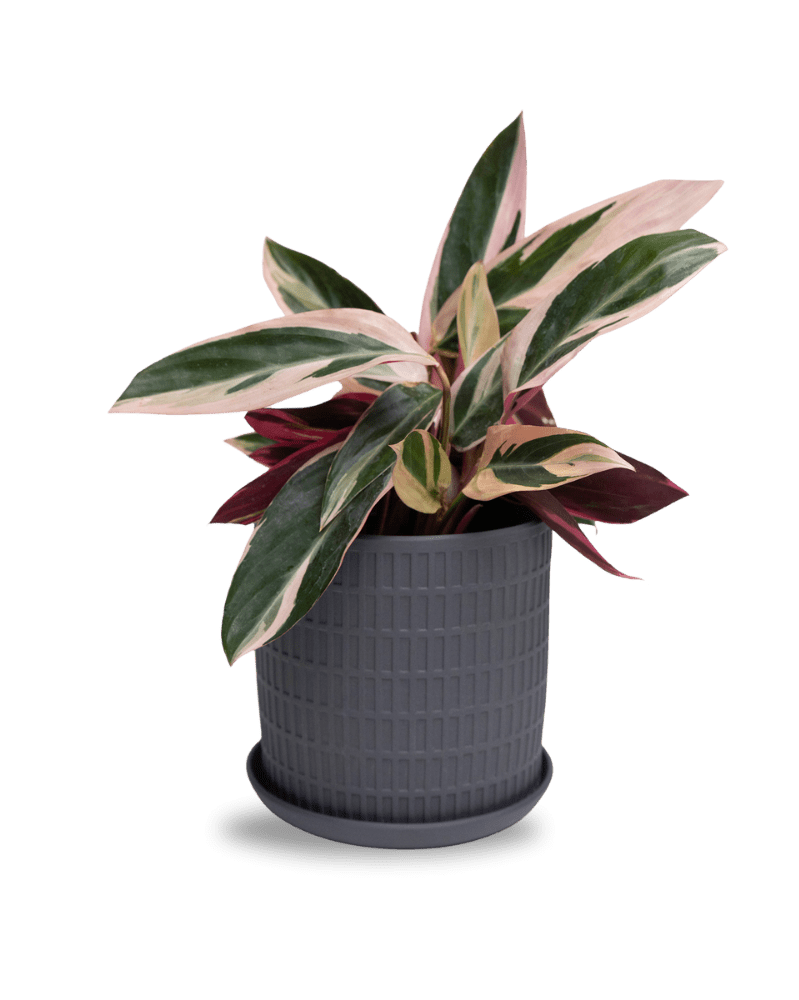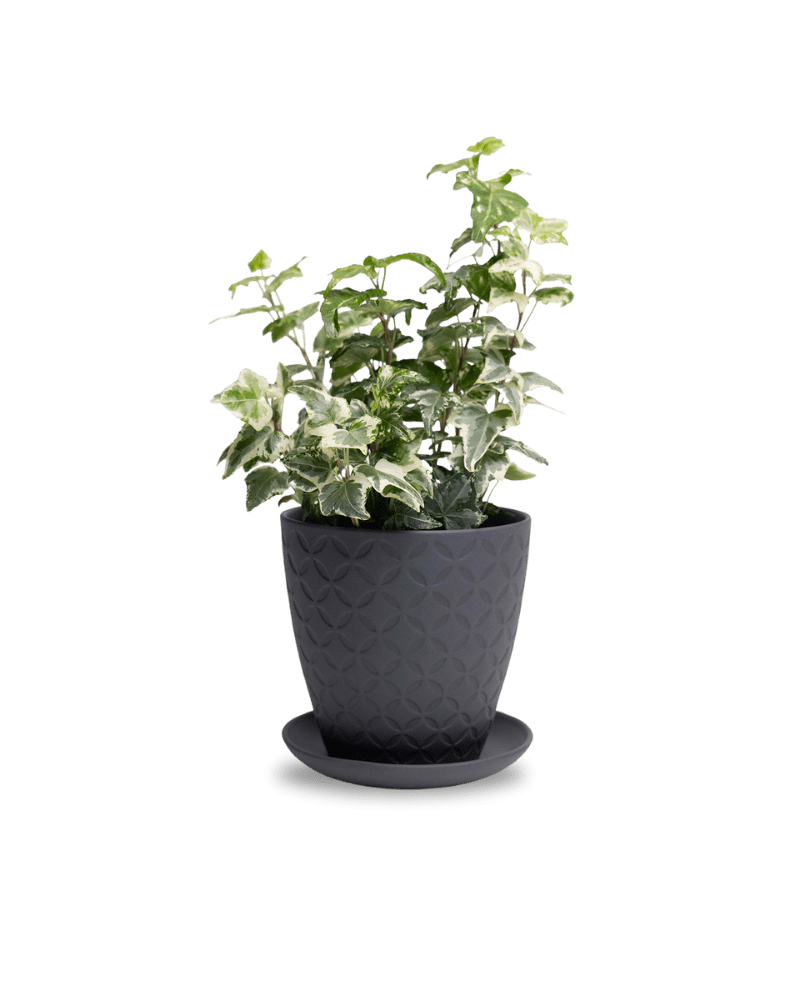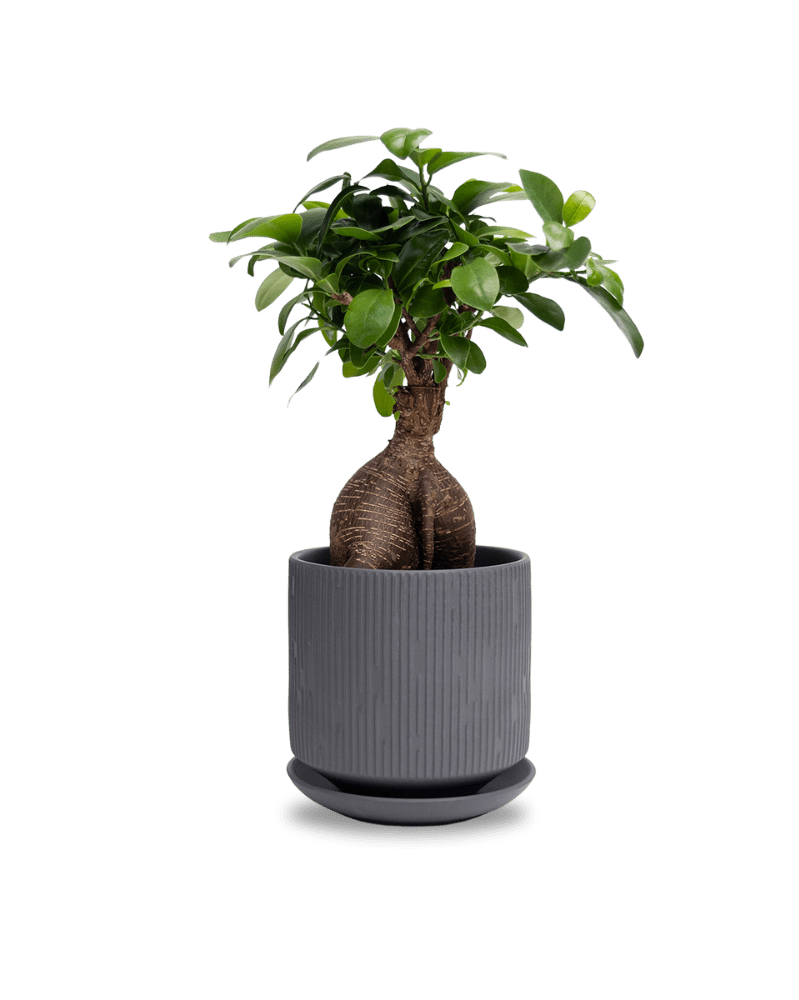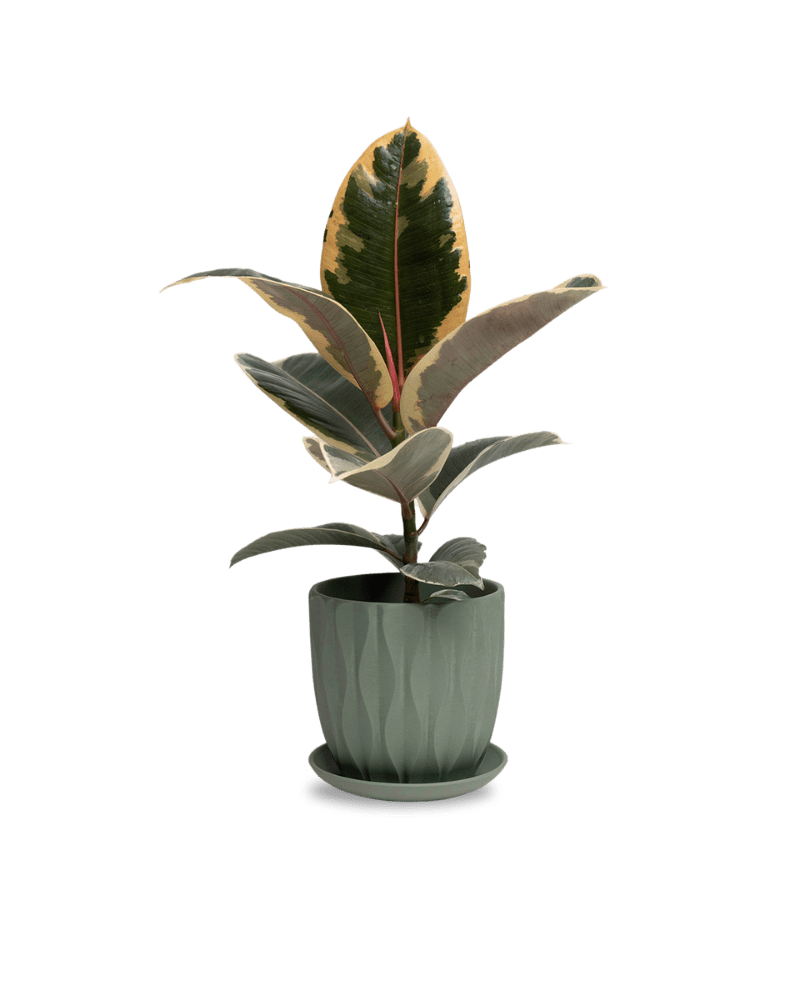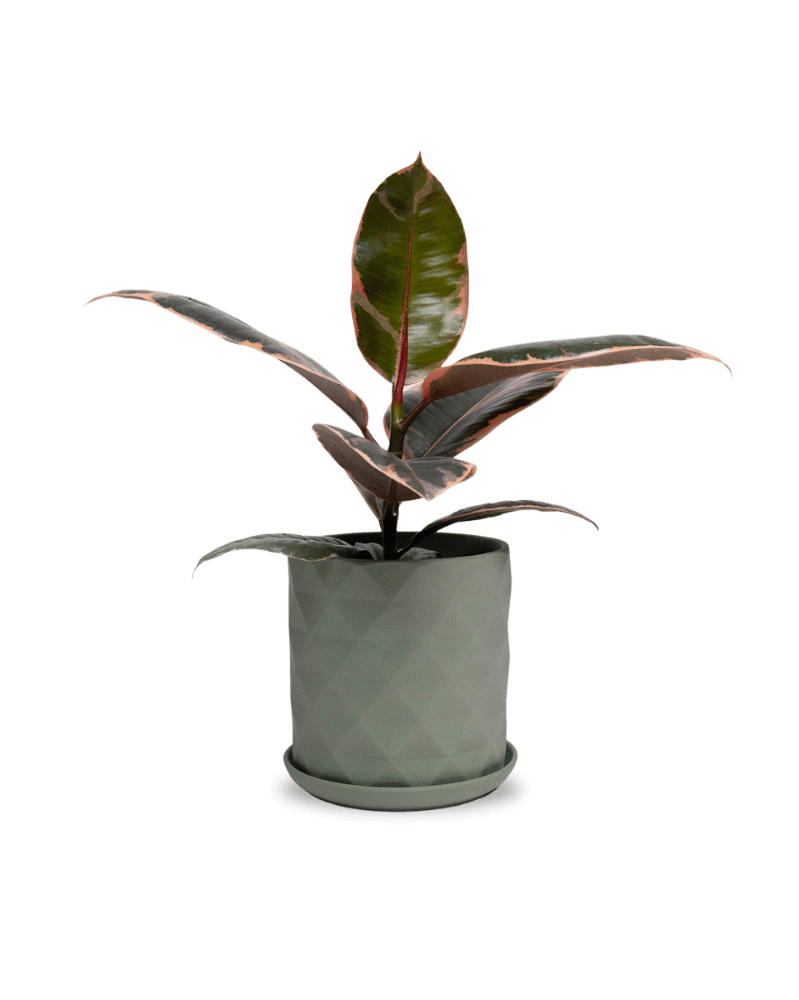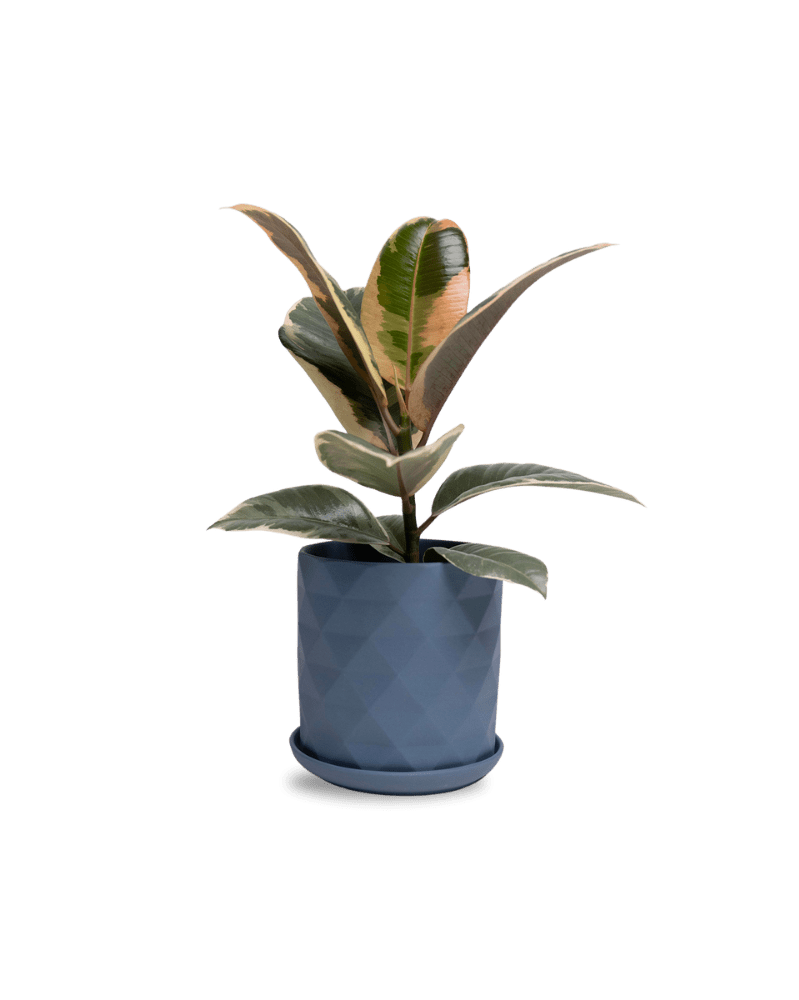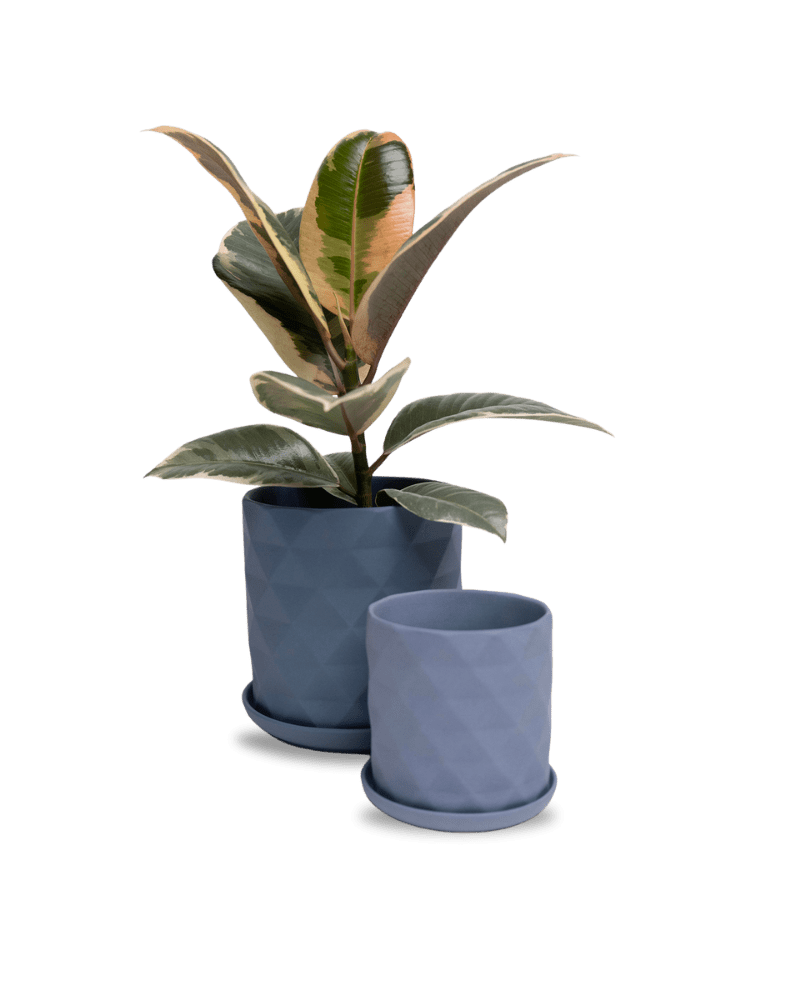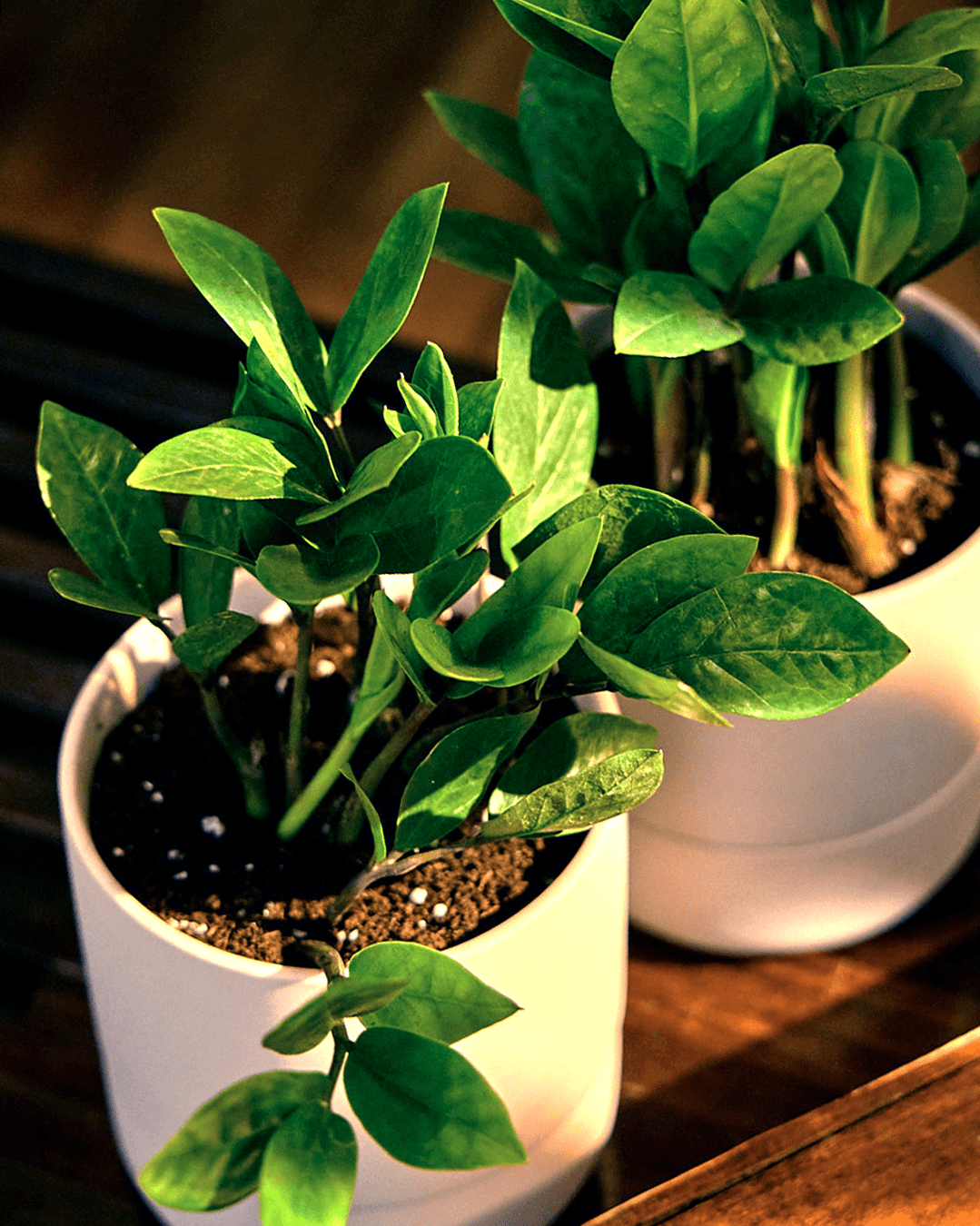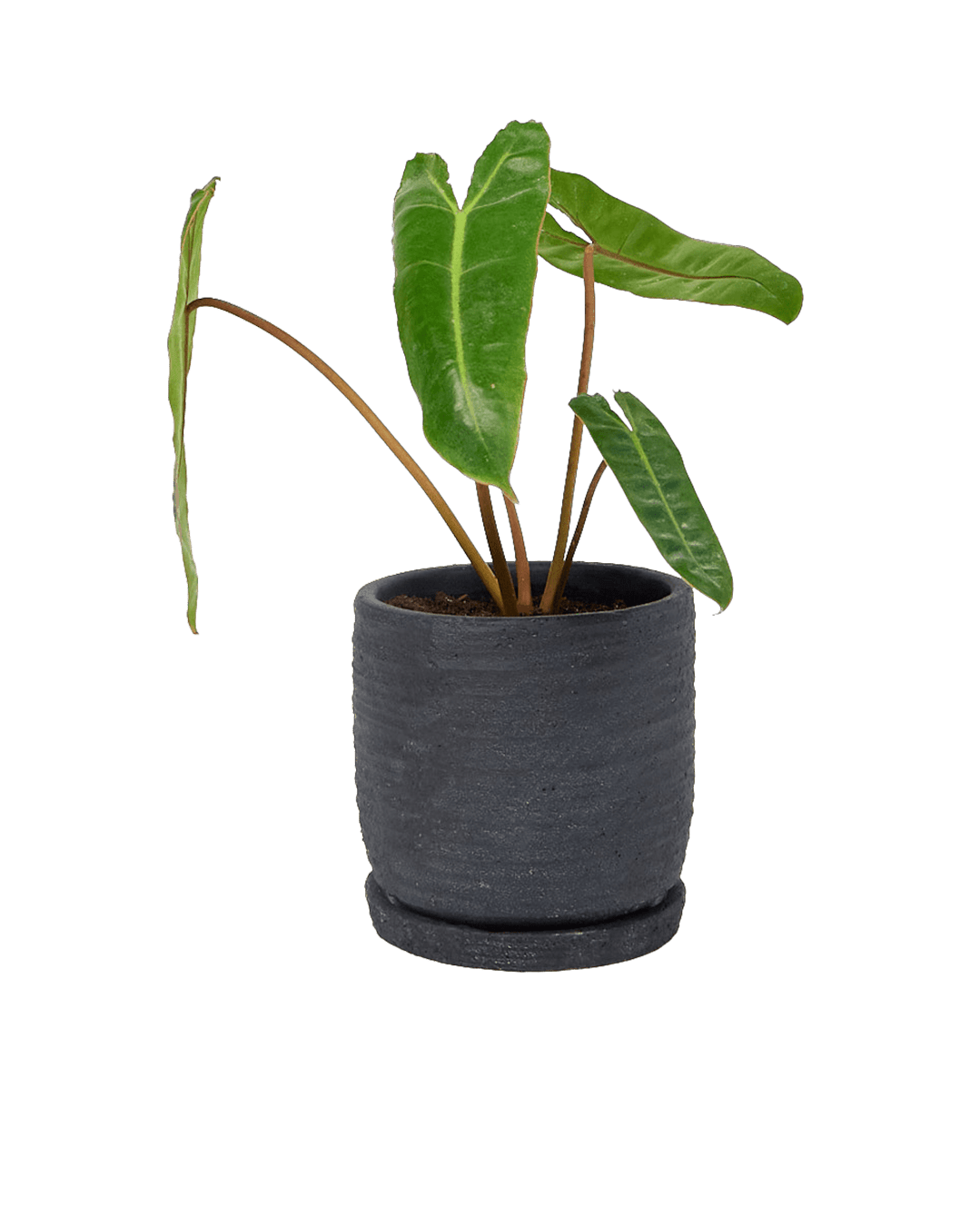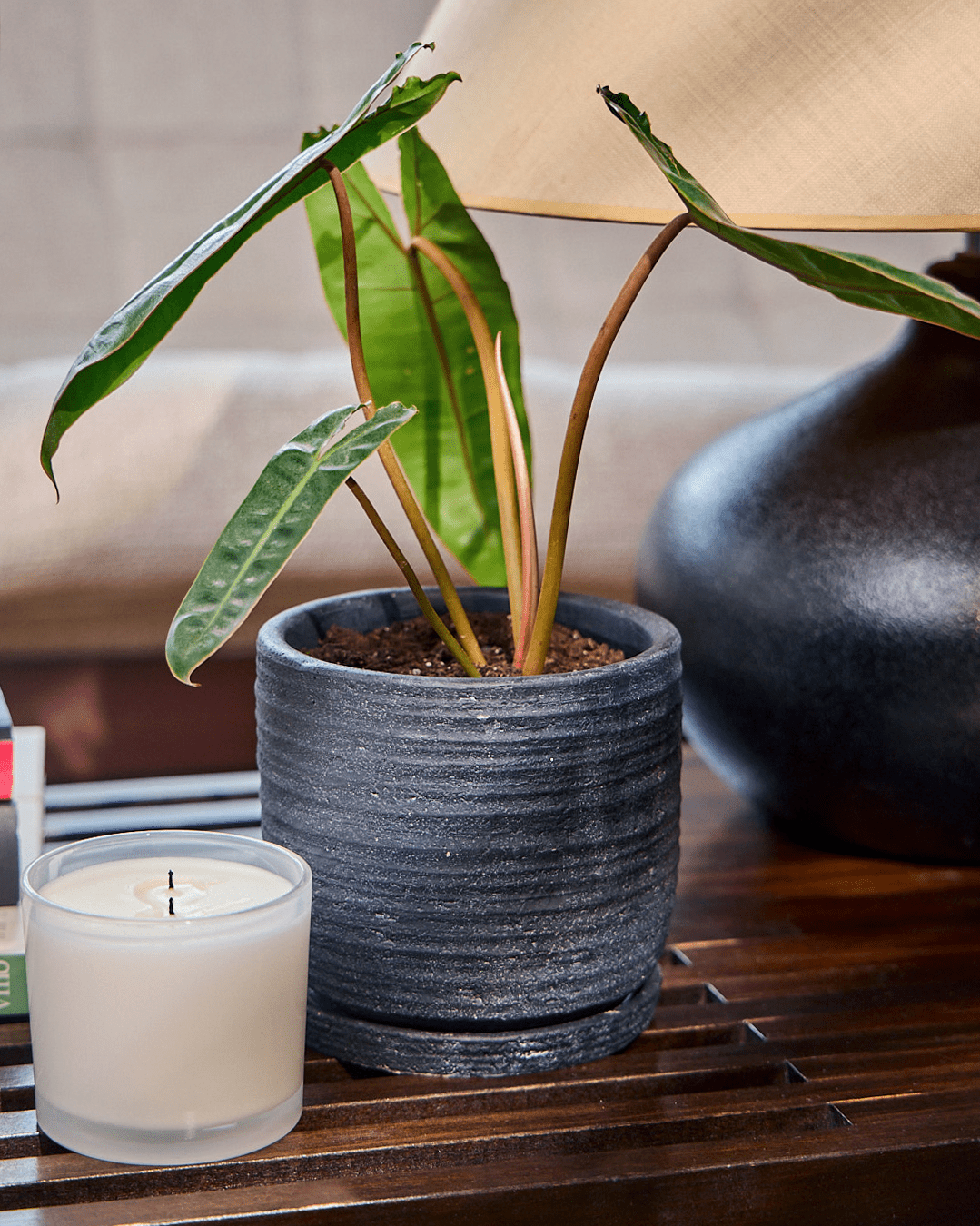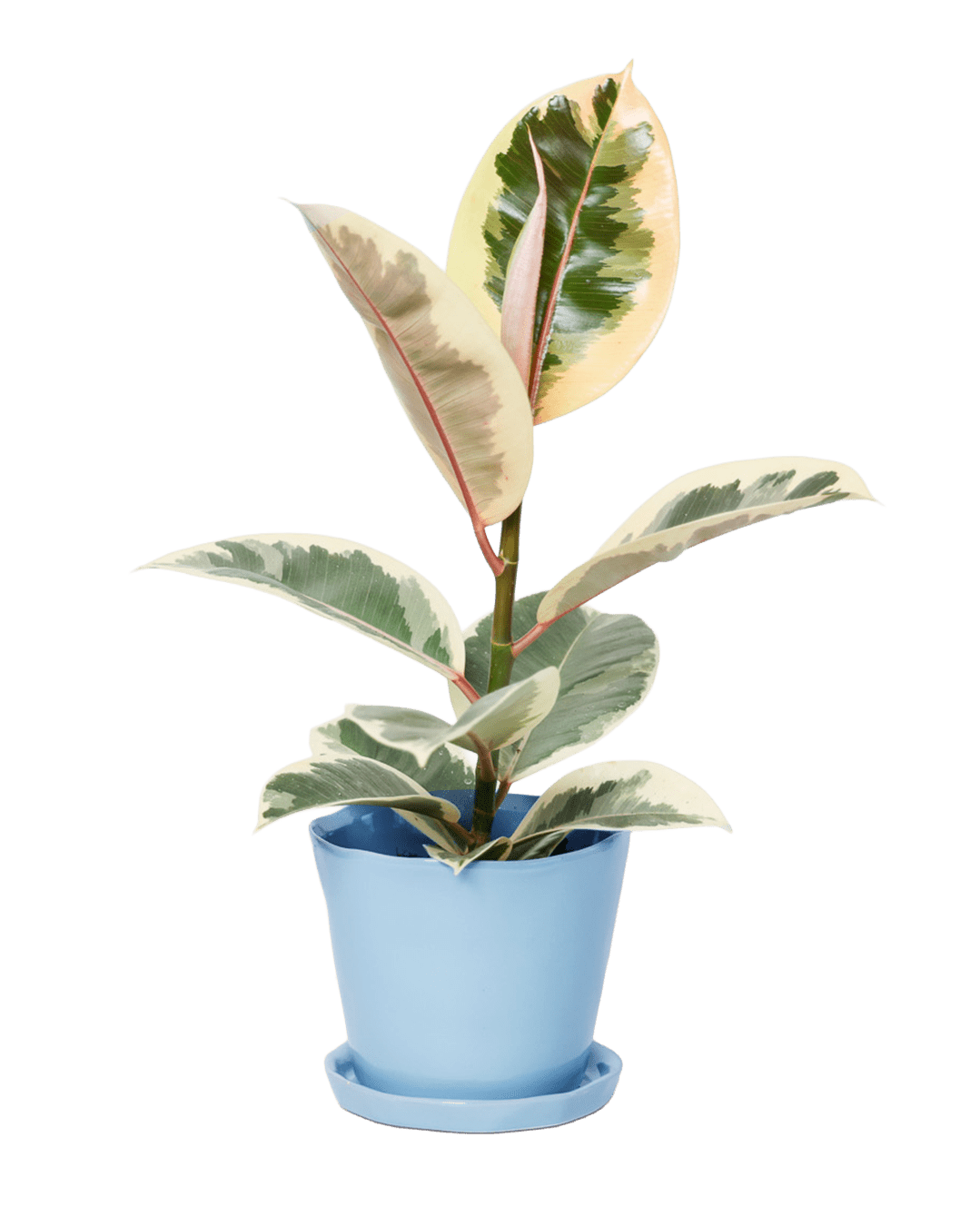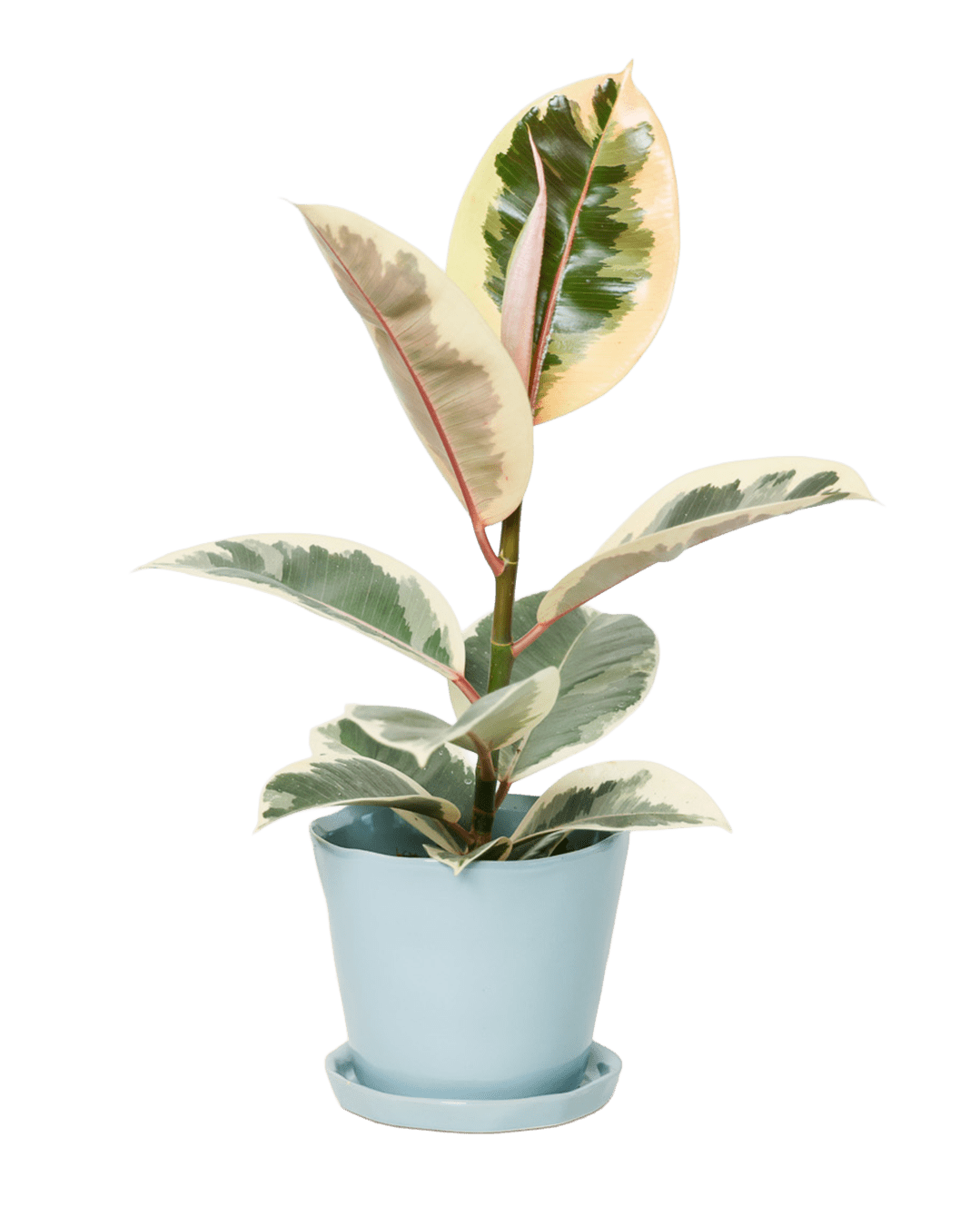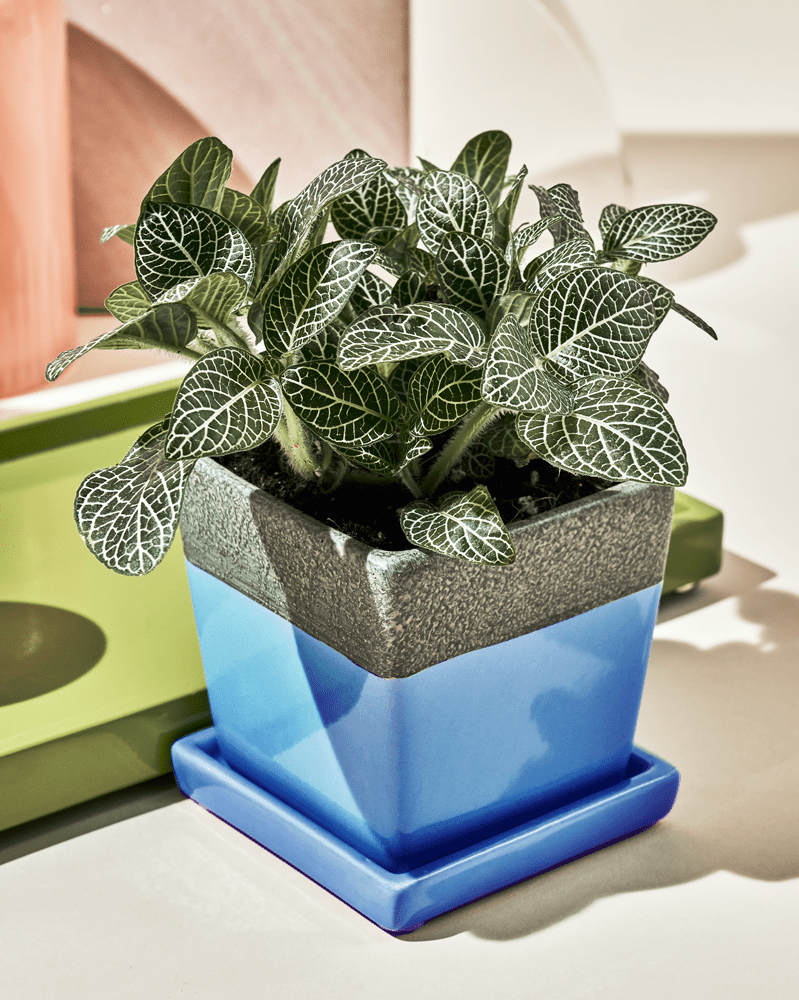


Croton plant care requires one thing above all others: consistency. This will sound simple. It is not simple. It is the kind of consistency that requires you to make a decision about where this plant is going to live and then never revisit that decision, not even briefly, not even to see how it looks against the other wall, because the croton will know you considered it and will respond accordingly.
The croton is a diva. We want to be precise about this because "diva" is a word people use loosely and we are not using it loosely. We are using it to describe a plant that will drop every single leaf in your living room within 72 hours of being moved from one side of the room to the other, not because anything actually changed, but because it noticed that something changed and has decided to register its feelings about this through its foliage, which is the only means of expression available to it and which it deploys with the commitment of someone who has been waiting for an opportunity.
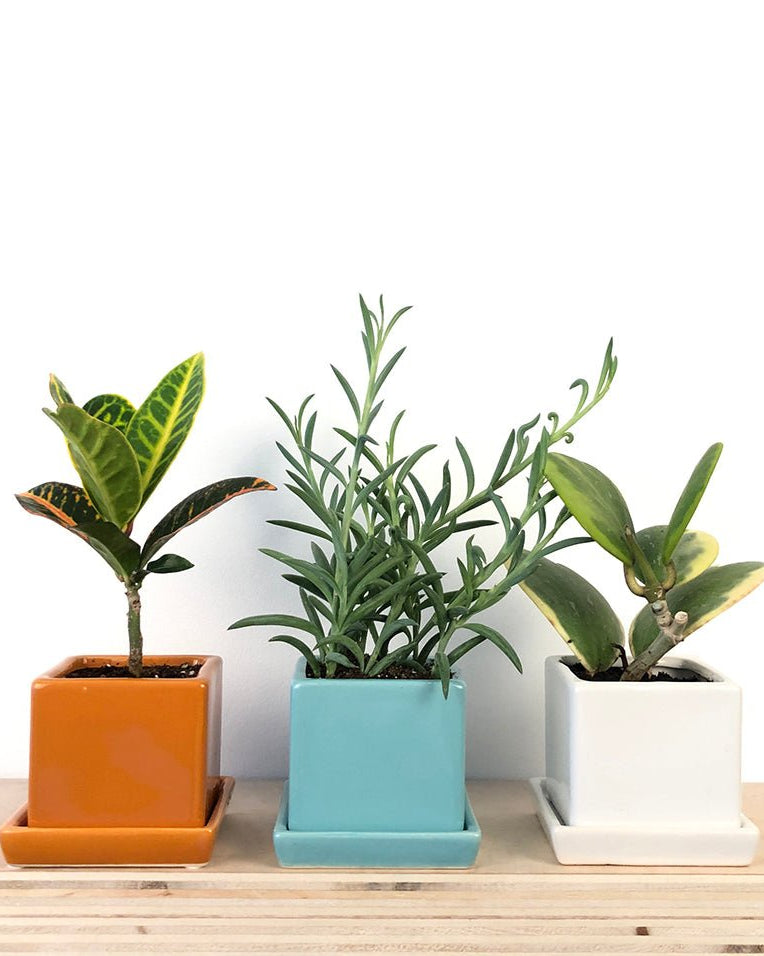
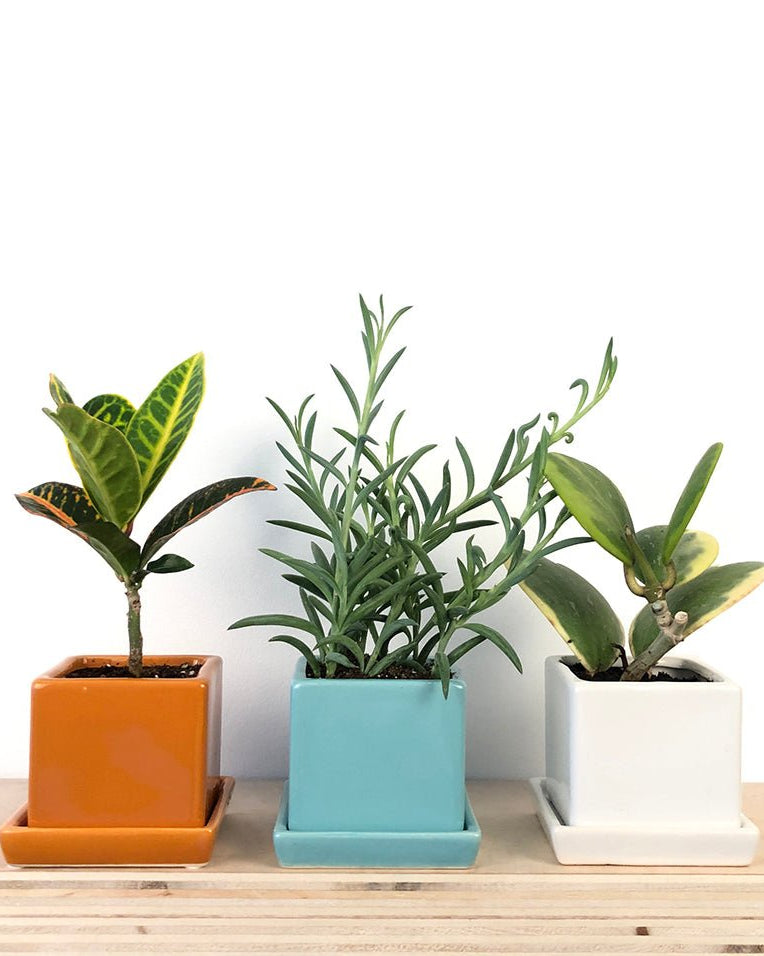
We sold crotons at our shop on Queen Street West for six years. We did not love selling crotons. We loved the crotons themselves — the colors are genuinely extraordinary, the kind of red and orange and yellow that a plant has no business producing simultaneously, the kind of color combination that on any other plant would look accidental and on the croton looks like a decision made by someone who had considered the alternatives and rejected them. But selling a croton requires a conversation we were never fully comfortable having, which is the conversation where you explain to a person who is already carrying it to the register that the plant they are about to take home is under stress.
Plant stress. We have read a great many plant care guides over the years and they all discuss plant stress with the gravity of a medical diagnosis. Stress caused by low humidity. Stress caused by temperature fluctuation. Stress caused by changes in light. What could possibly stress out a plant, we used to think, other than a pack of wild dogs that just drank from the river. And then we sold enough crotons to understand that the croton has answered this question definitively and the answer is: everything. Everything stresses out a croton. Moving it. Not moving it. The draft from a door opening in a room three rooms away. Your intentions, which it can apparently sense, and about which it has reservations.
Croton plant care summary: Bright indirect light from a south or west-facing window, as close to the glass as possible. Water thoroughly when the top inch of soil has dried out; allow complete drainage. Temperatures between 60 and 85°F consistently — no cold drafts, no heating vents, no rooms that drop at night. Monthly fertilizer in spring and summer, nothing in fall and winter. A stable spot, a heavy pot with real drainage, and the discipline to leave it completely alone.

How to Care for Your Croton
Light first. The croton wants the brightest indirect light you can provide — a south or west-facing window, as close to the glass as possible, consistent every single day of the year. It does not want the second-brightest spot because the brightest spot has a chair in it. Move the chair. The chair is not going to drop its leaves at you.
Watering is straightforward by croton standards, which is to say it is still more complicated than it needs to be. Water thoroughly when the top inch of soil has dried out, allow it to drain completely, and do not let it sit in standing water. Do not mist it either, which several plant care guides recommend and which the croton tolerates the way a person tolerates being offered unsolicited advice — technically without incident, but not warmly. If you want to increase humidity, a pebble tray with water beneath the pot is the arrangement we recommend.
Temperature should stay between 60 and 85 degrees Fahrenheit consistently. No cold drafts. No heating vents blasting directly onto it. No rooms that drop below 60 at night. Keep it away from doors that open onto a Canadian winter. Keep it in the most climatically stable room in the house and then do not change anything about that room. — Chive Studio
Fertilize monthly through spring and summer with a balanced liquid fertilizer. Stop in fall and winter. The plant is resting and does not require your intervention.

The Right Pot for a Croton
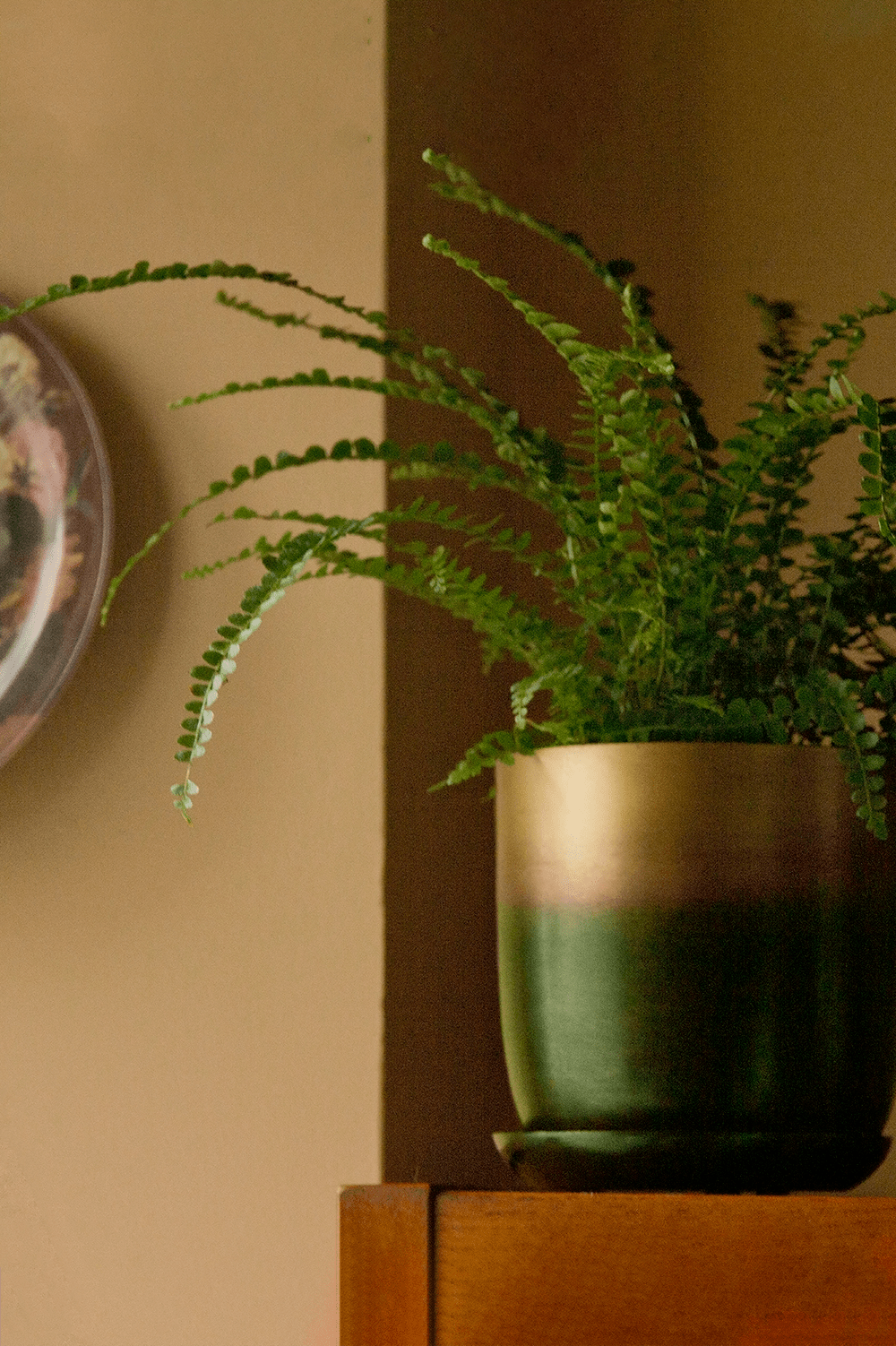
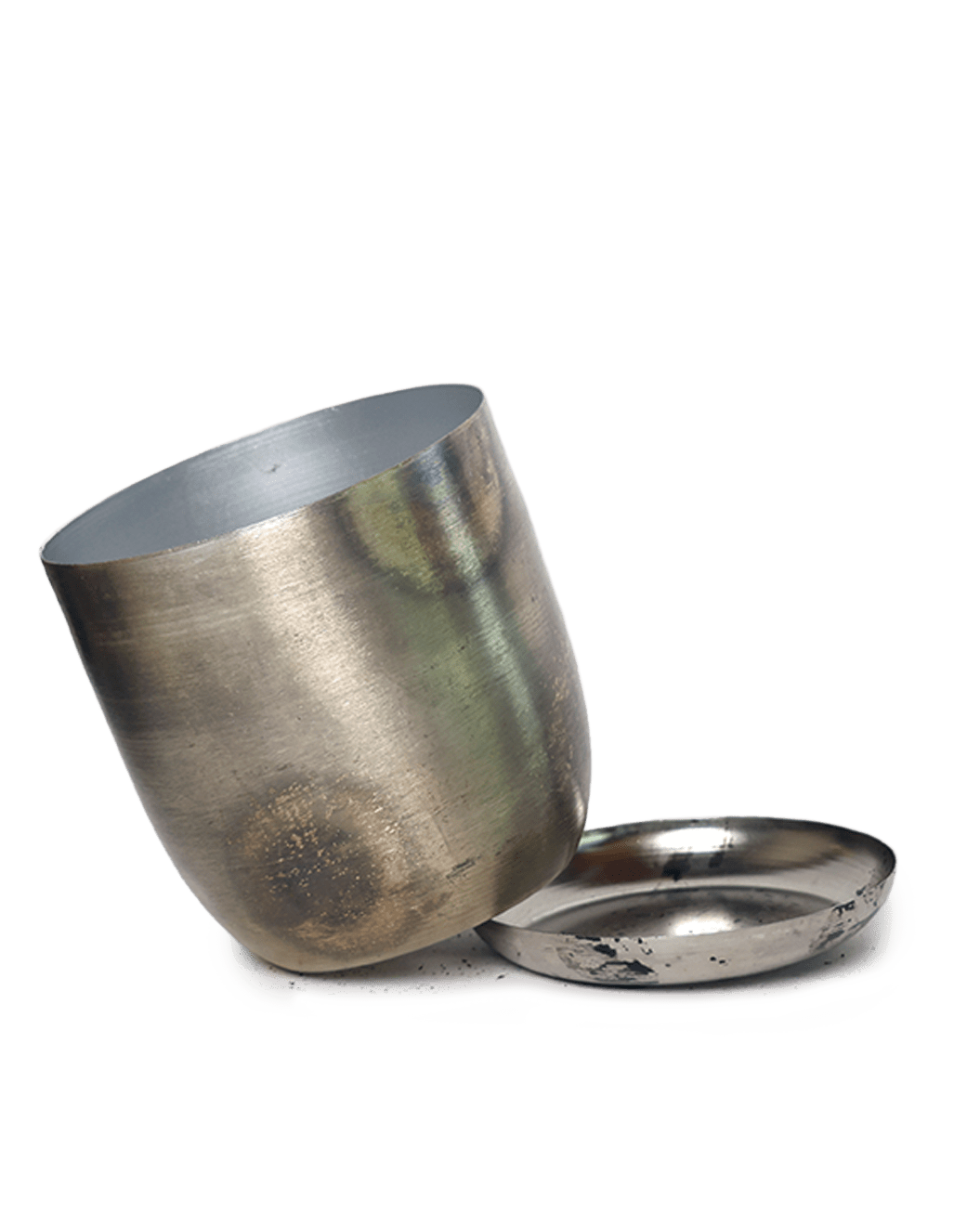
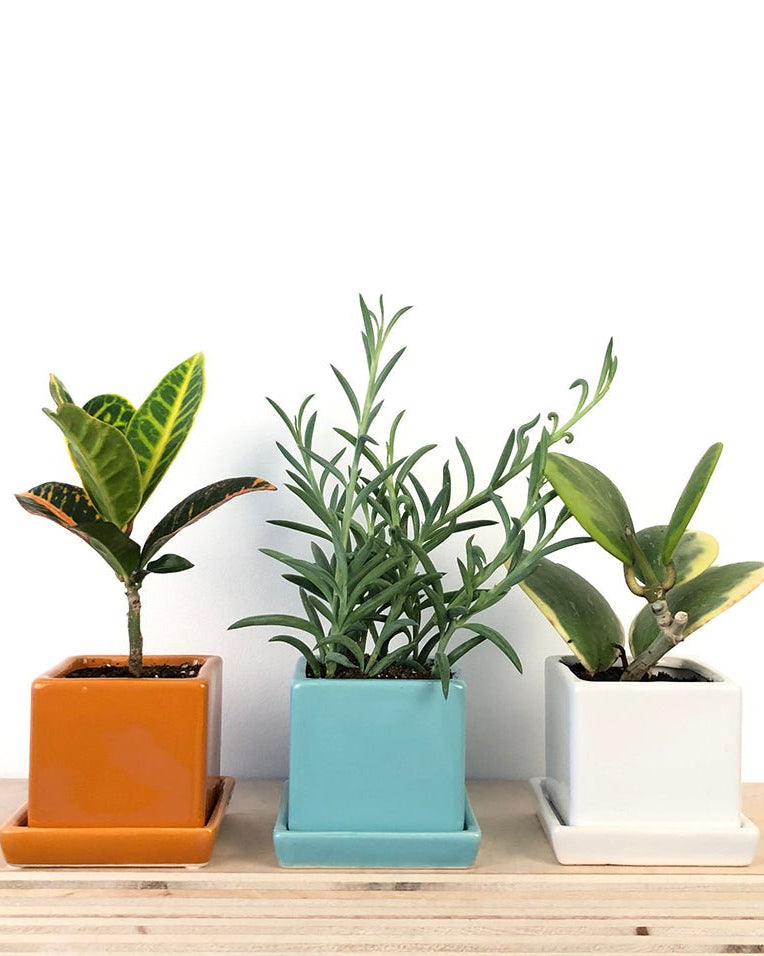
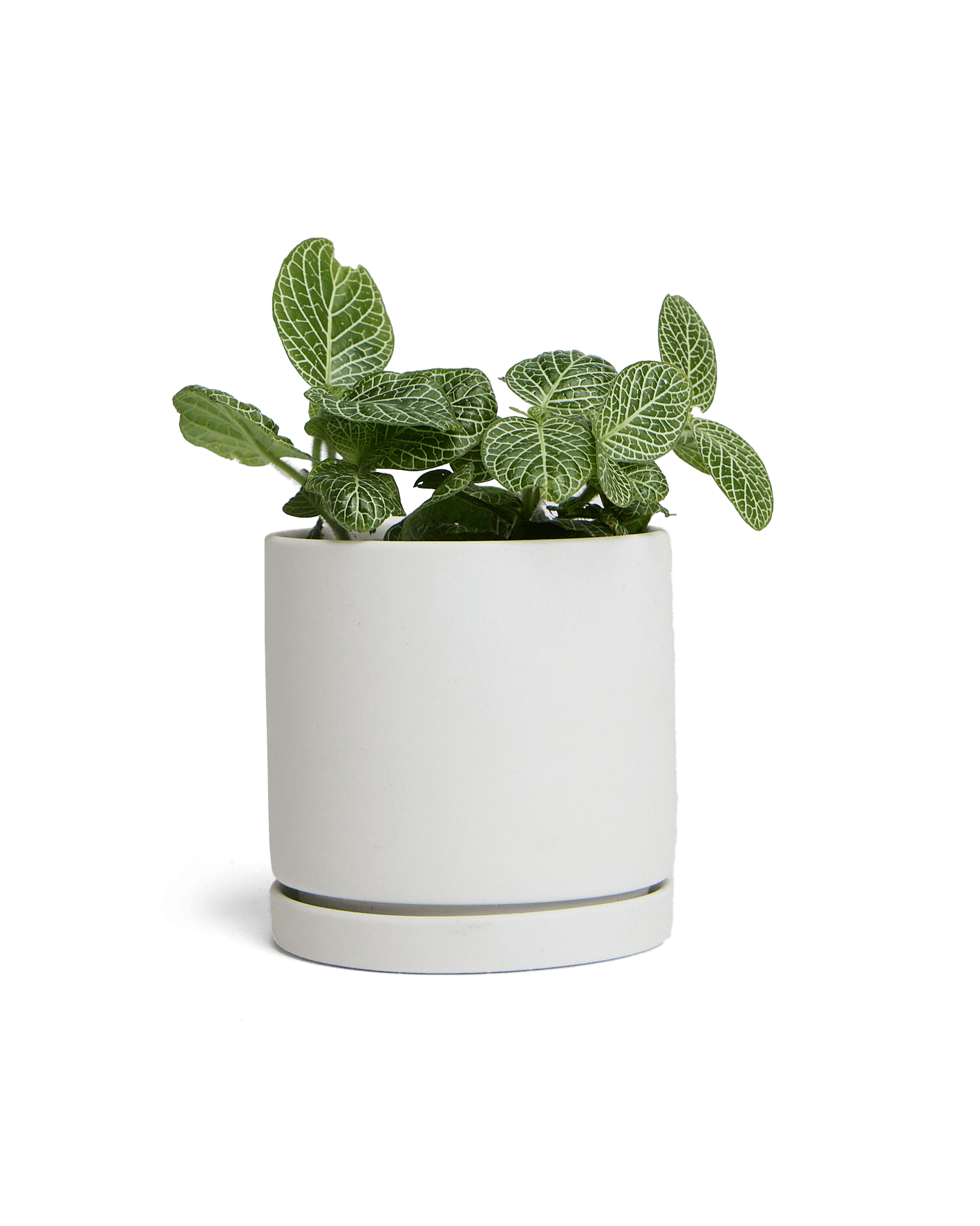
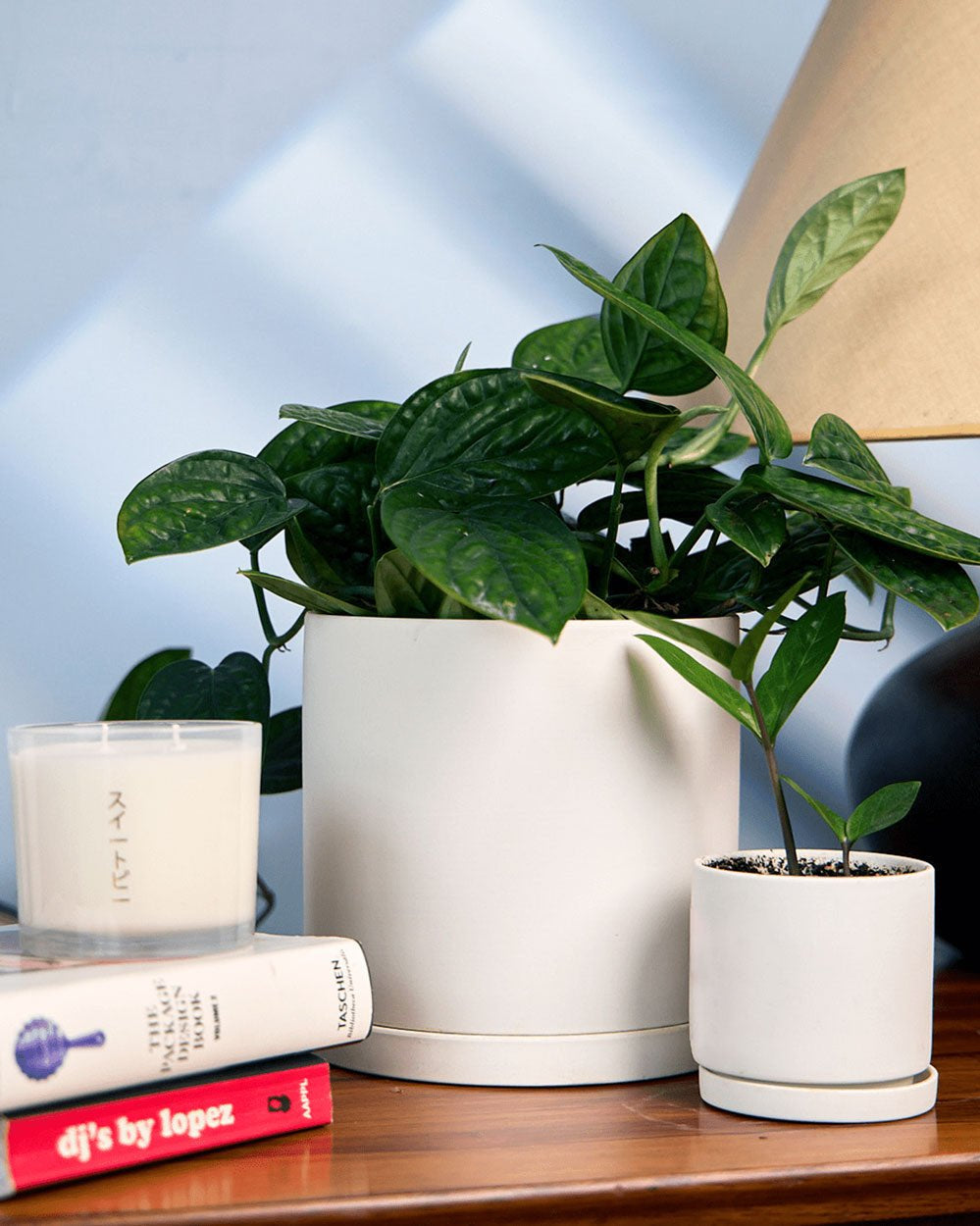
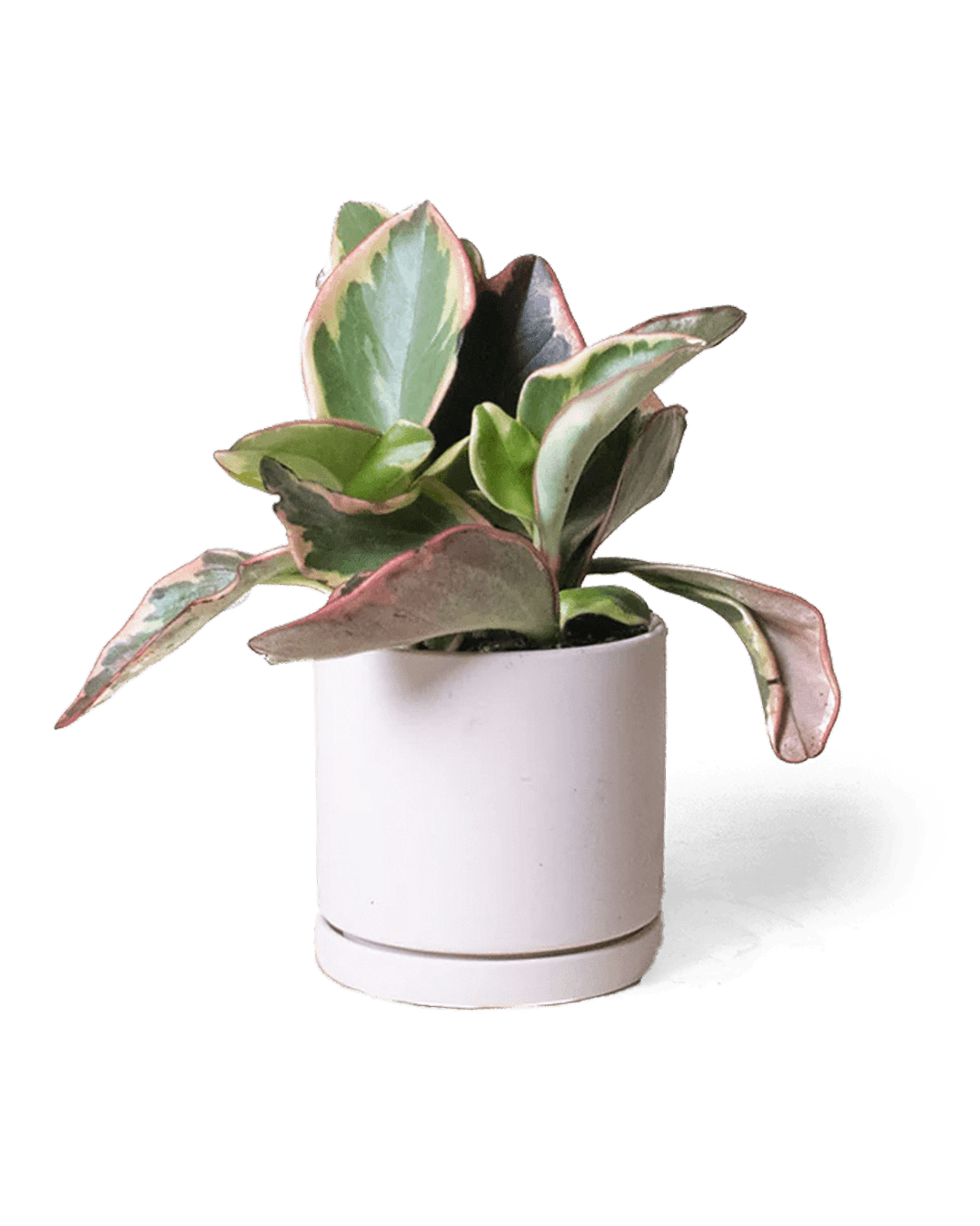
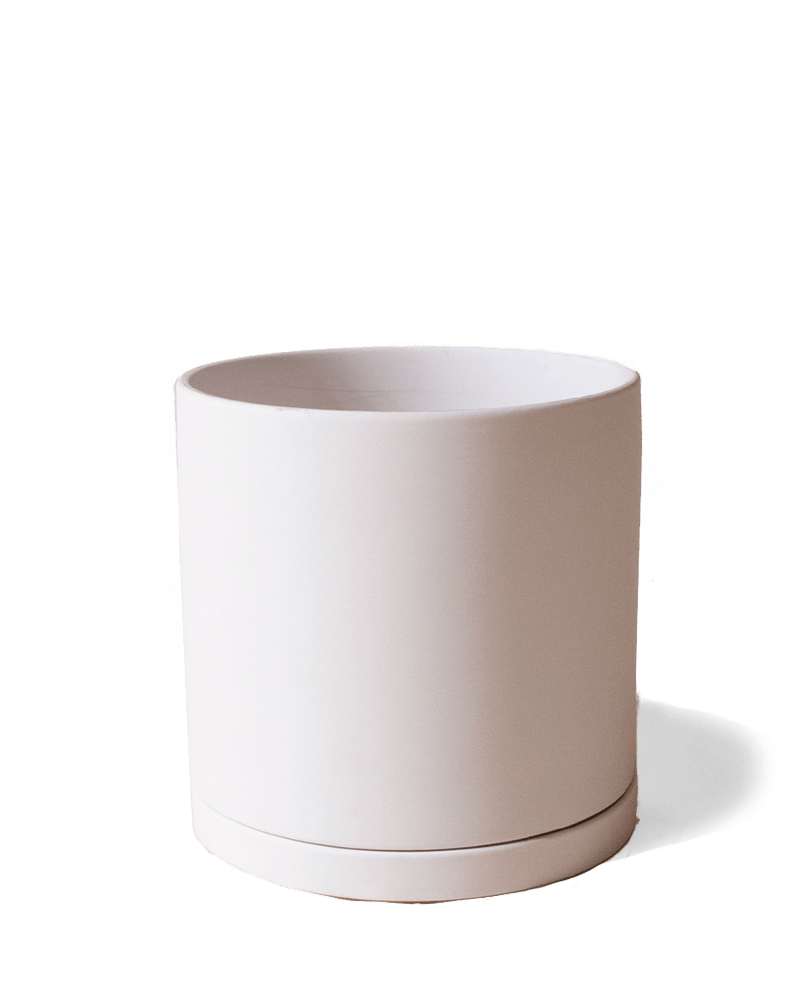
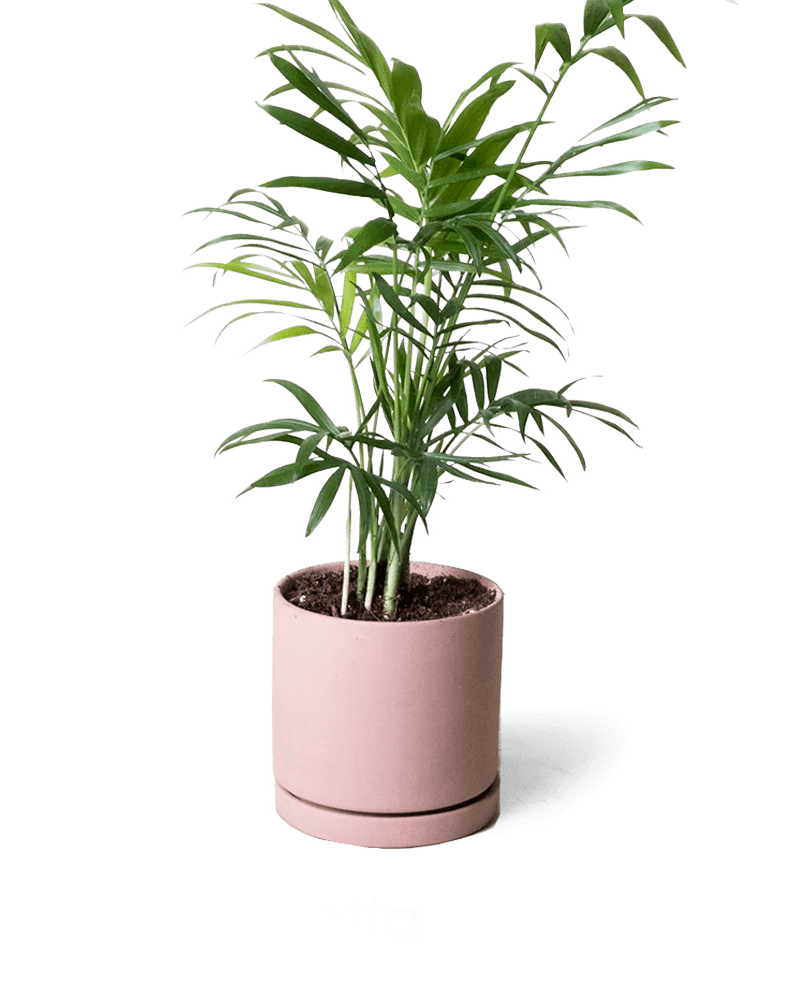
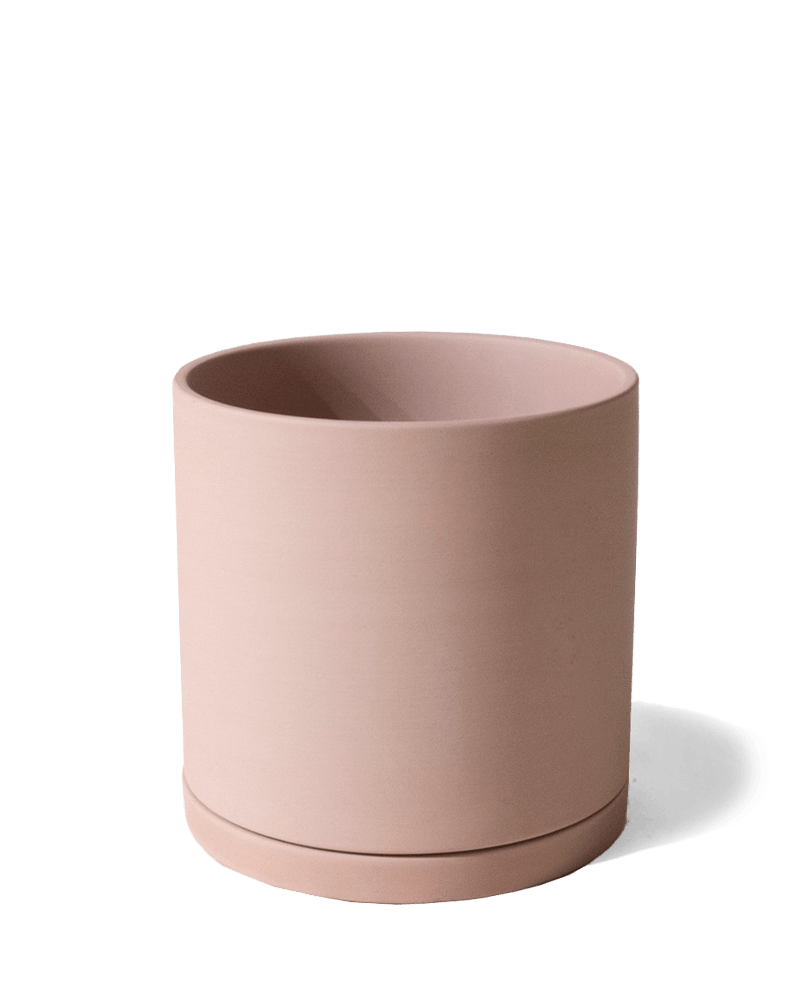
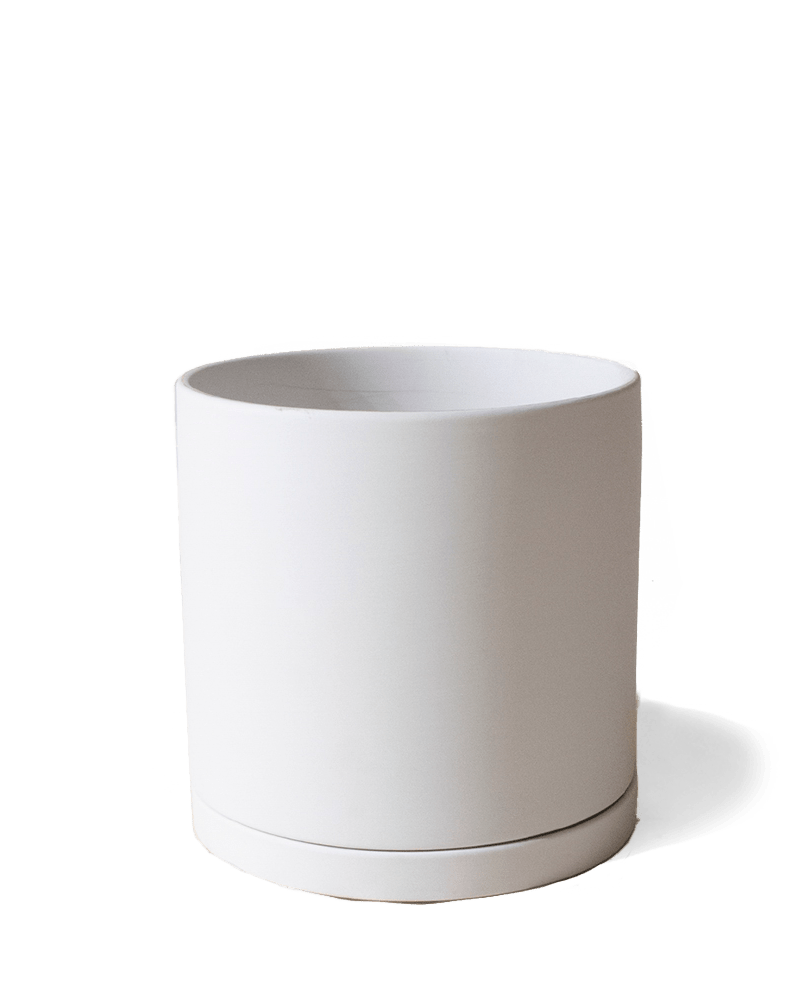
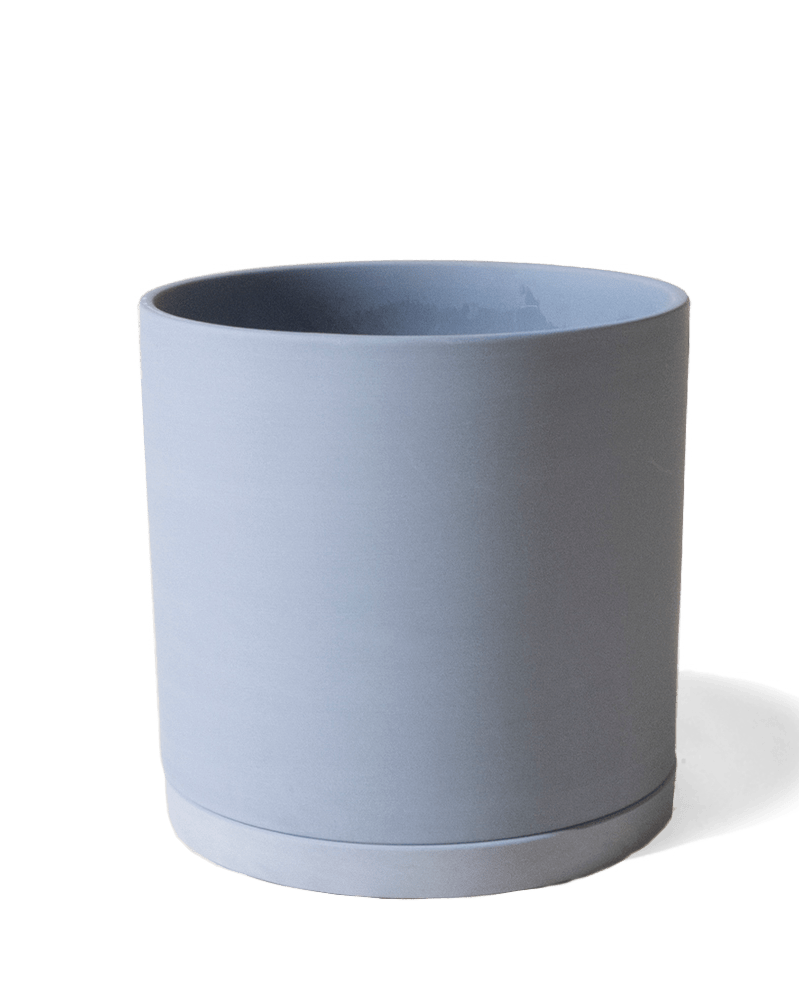
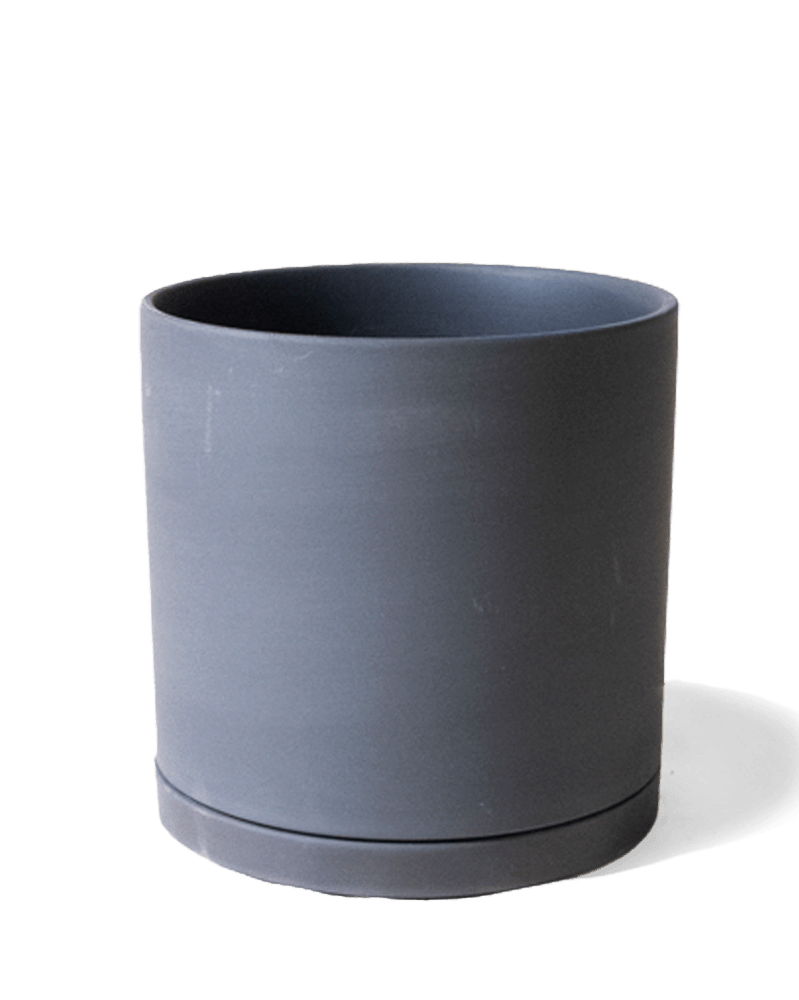
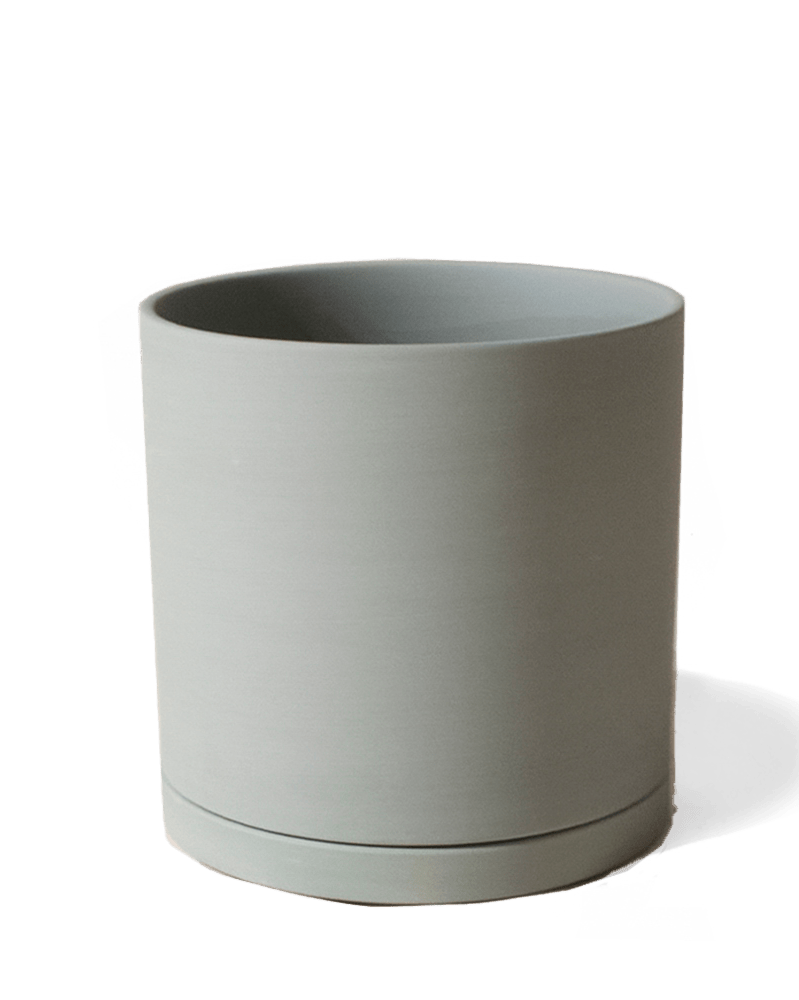
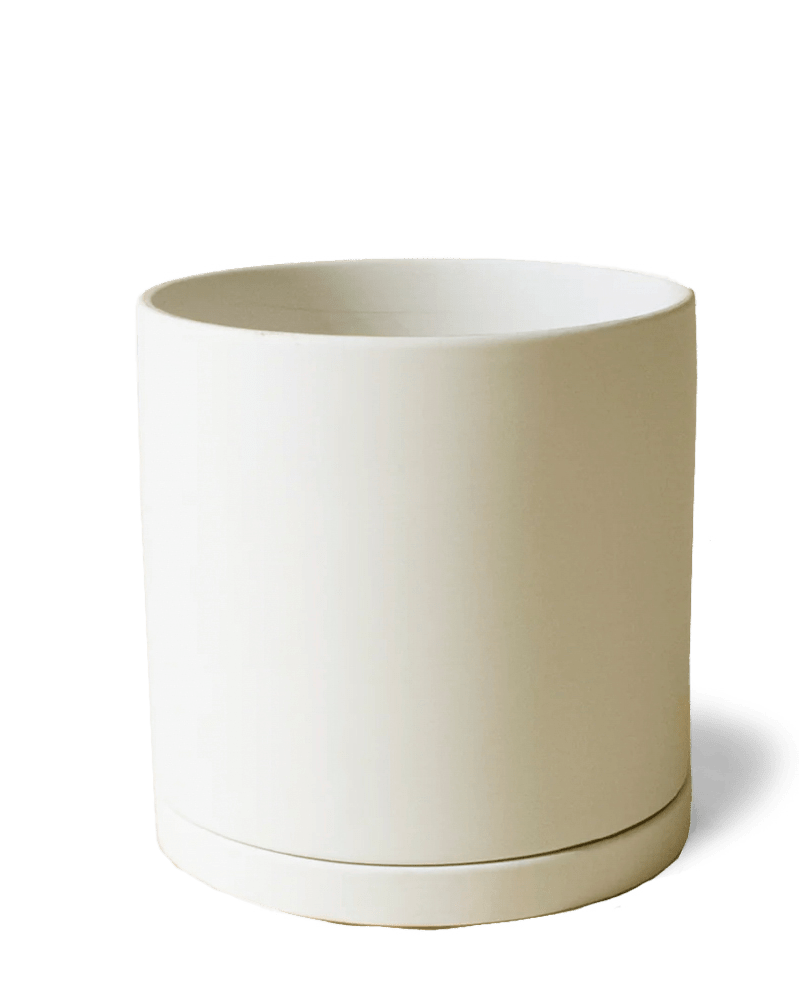
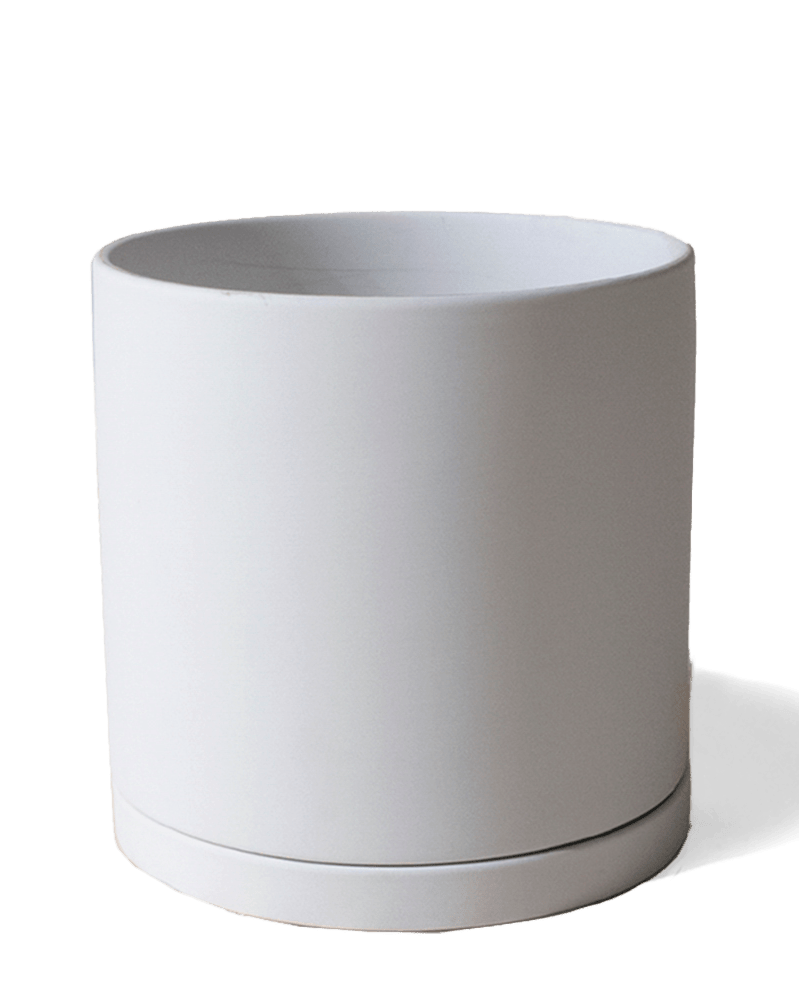
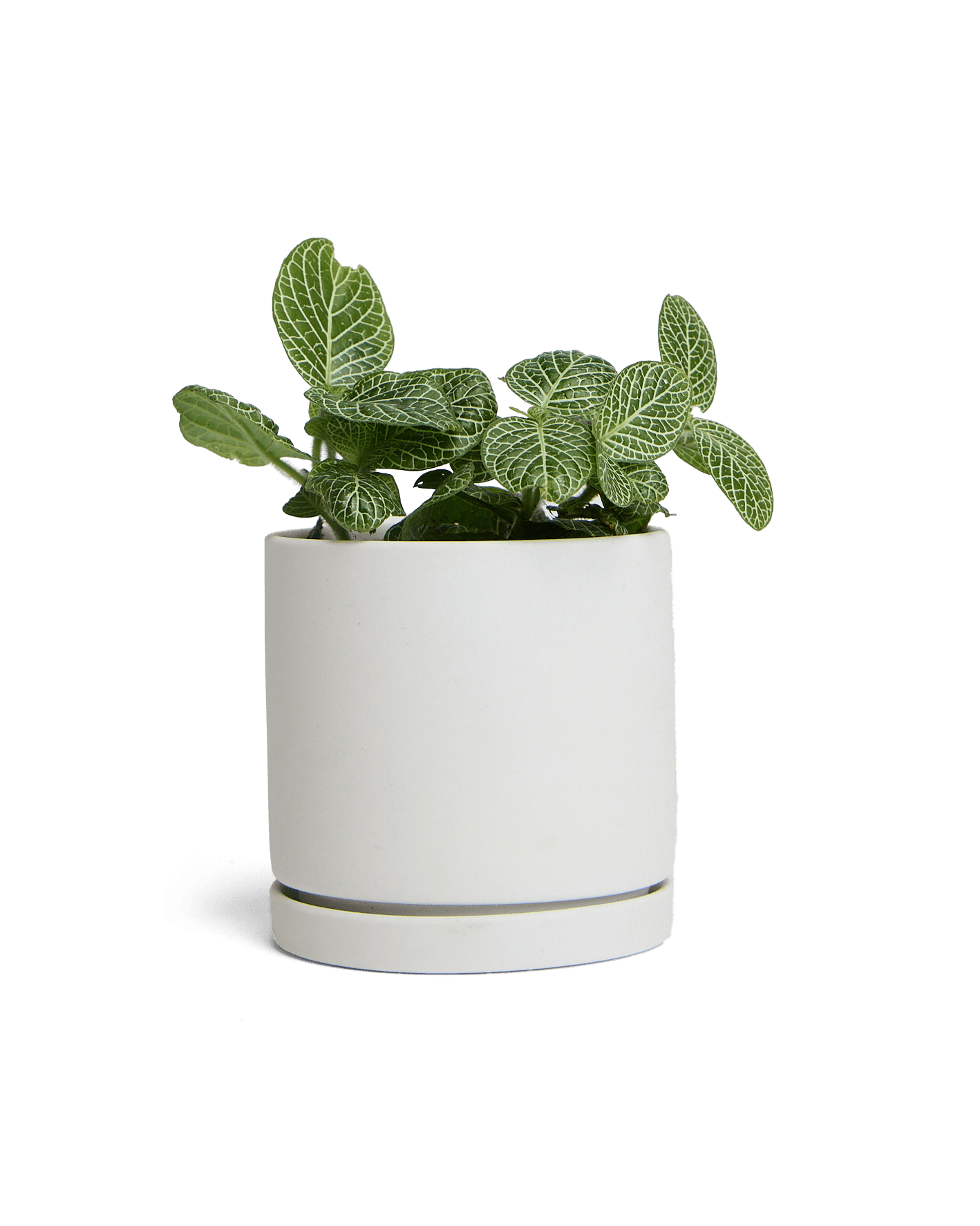
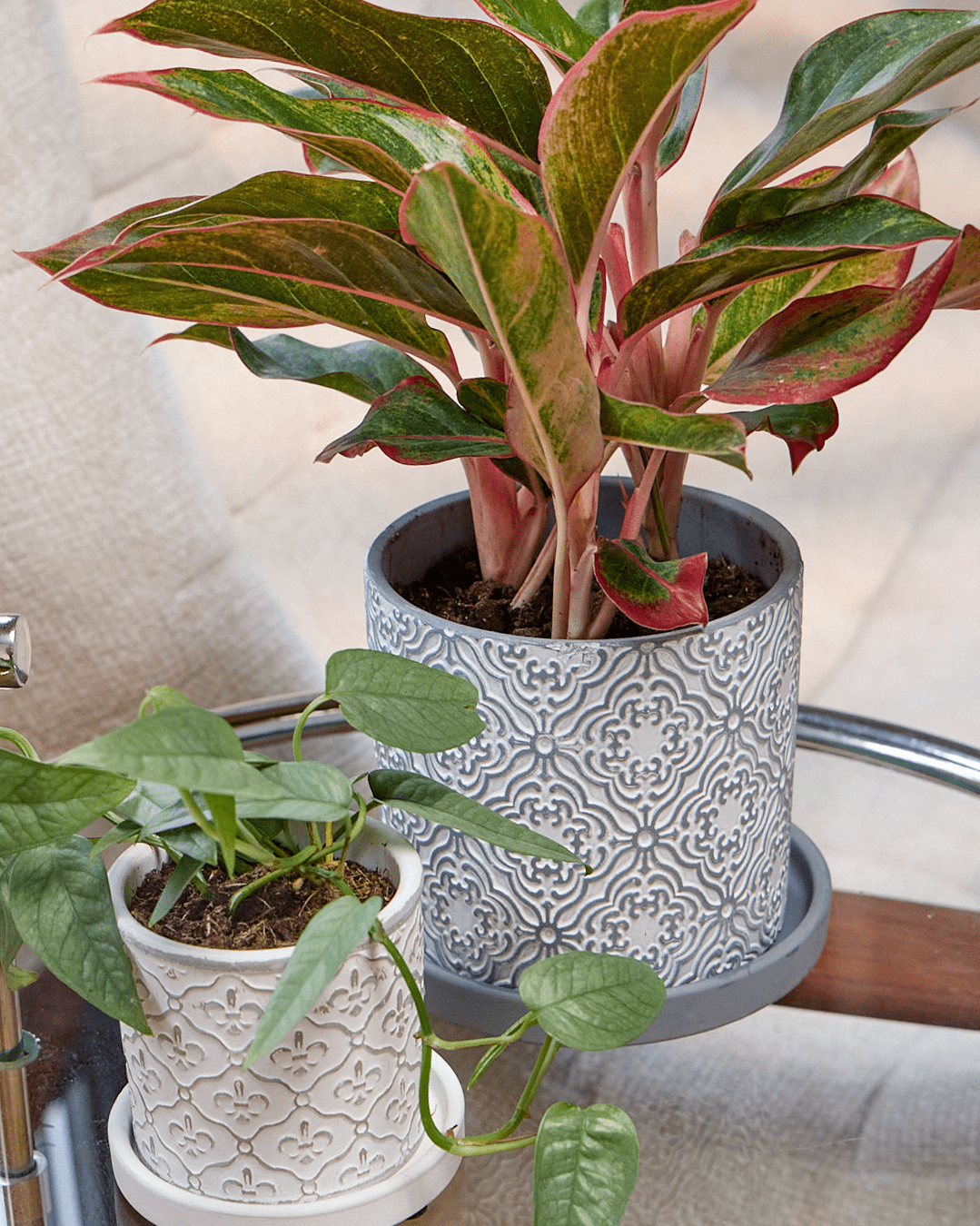
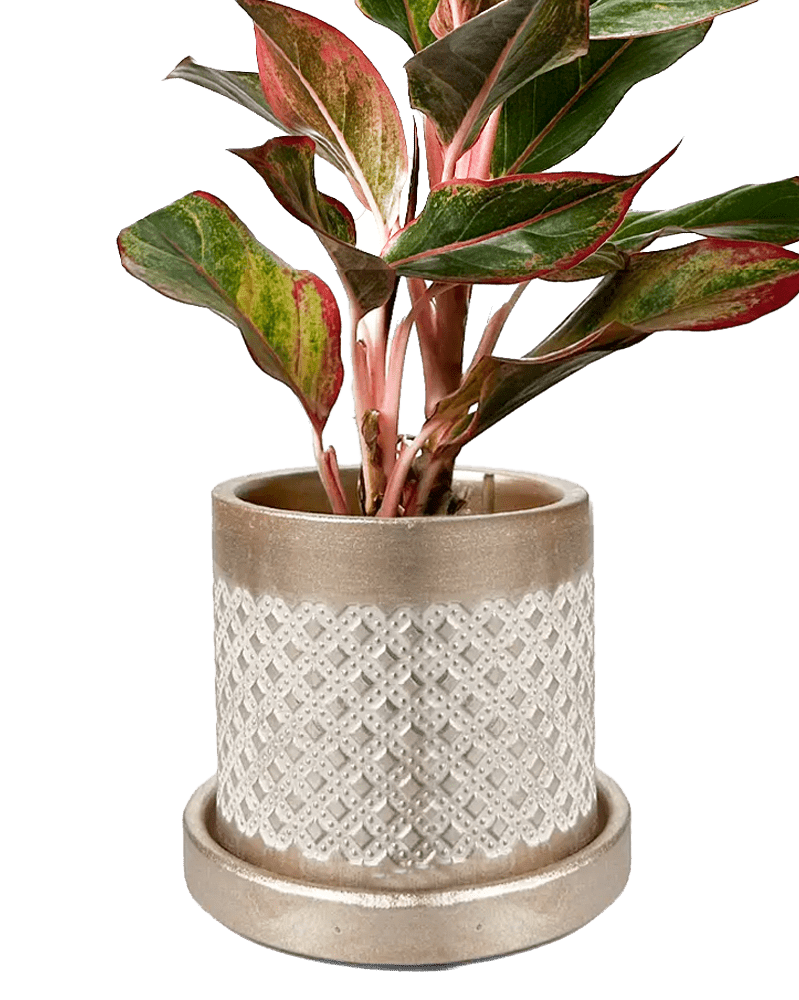
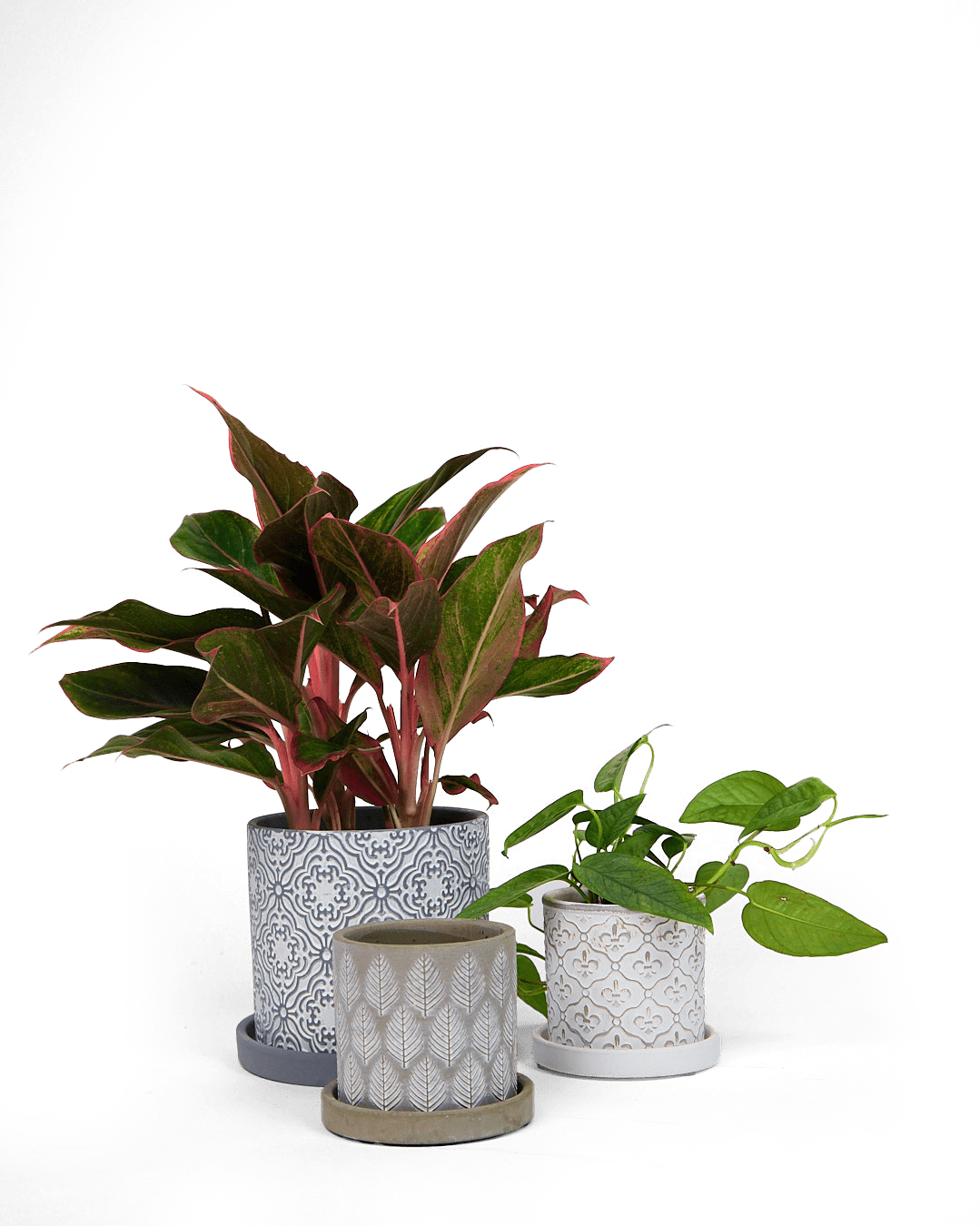
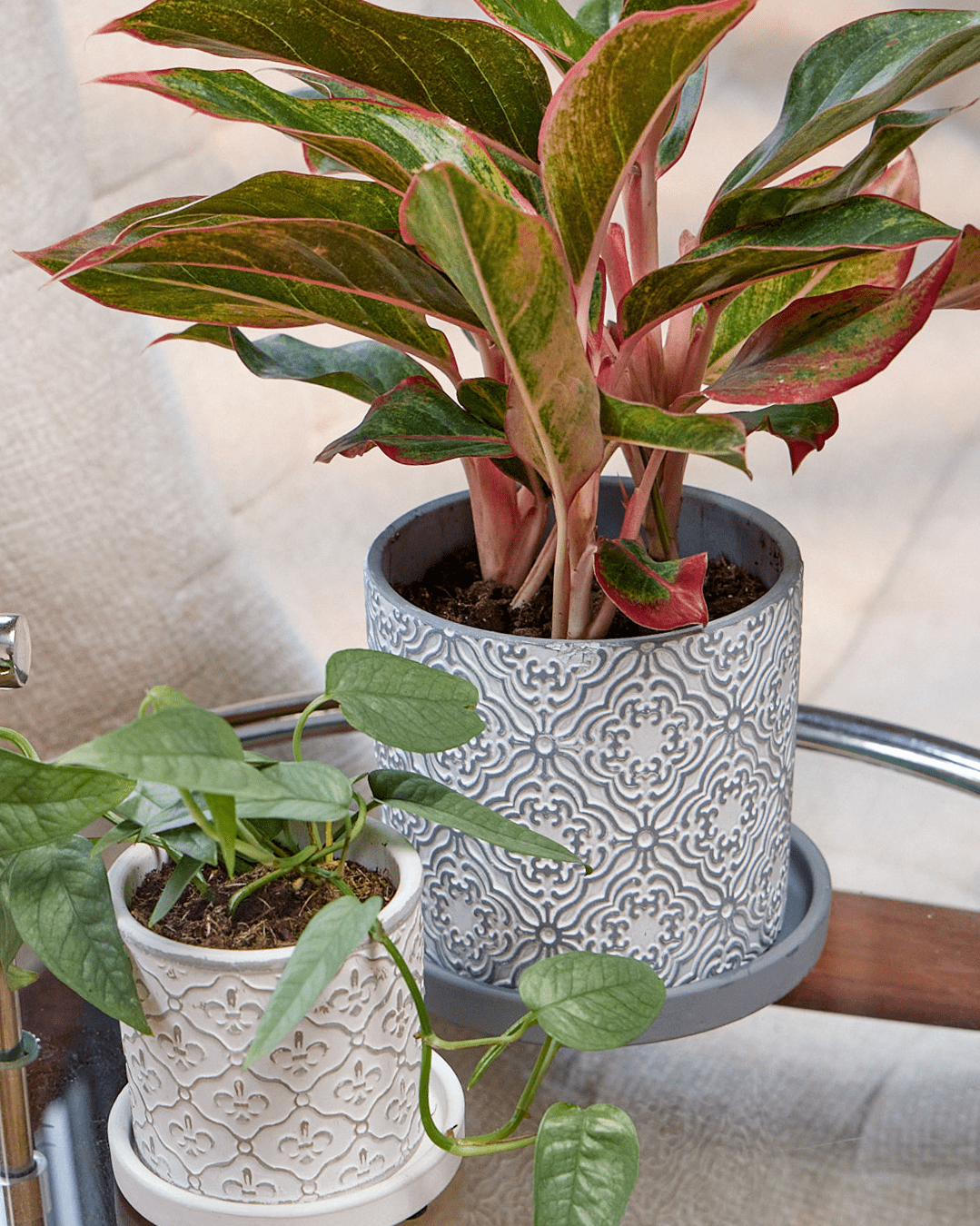
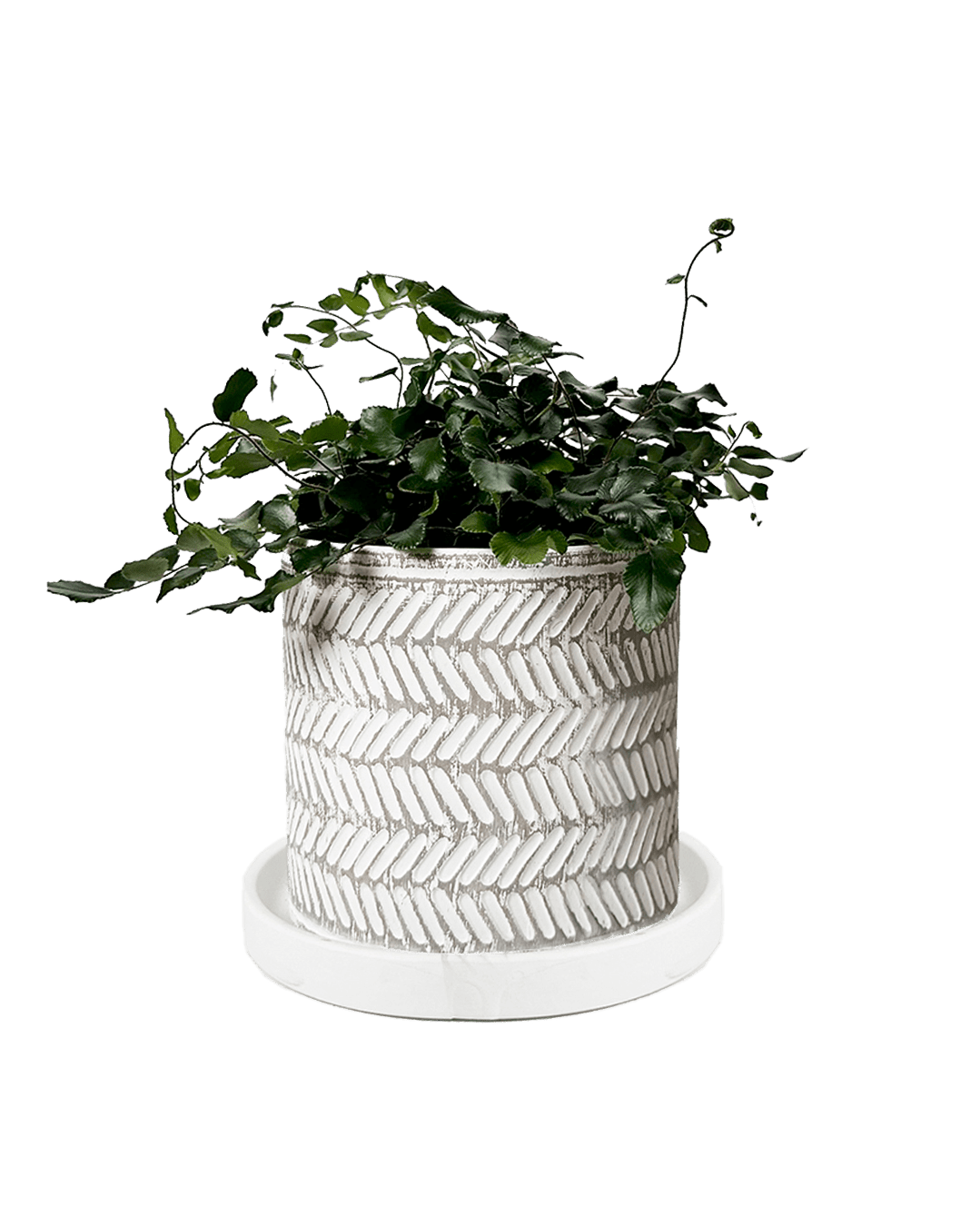
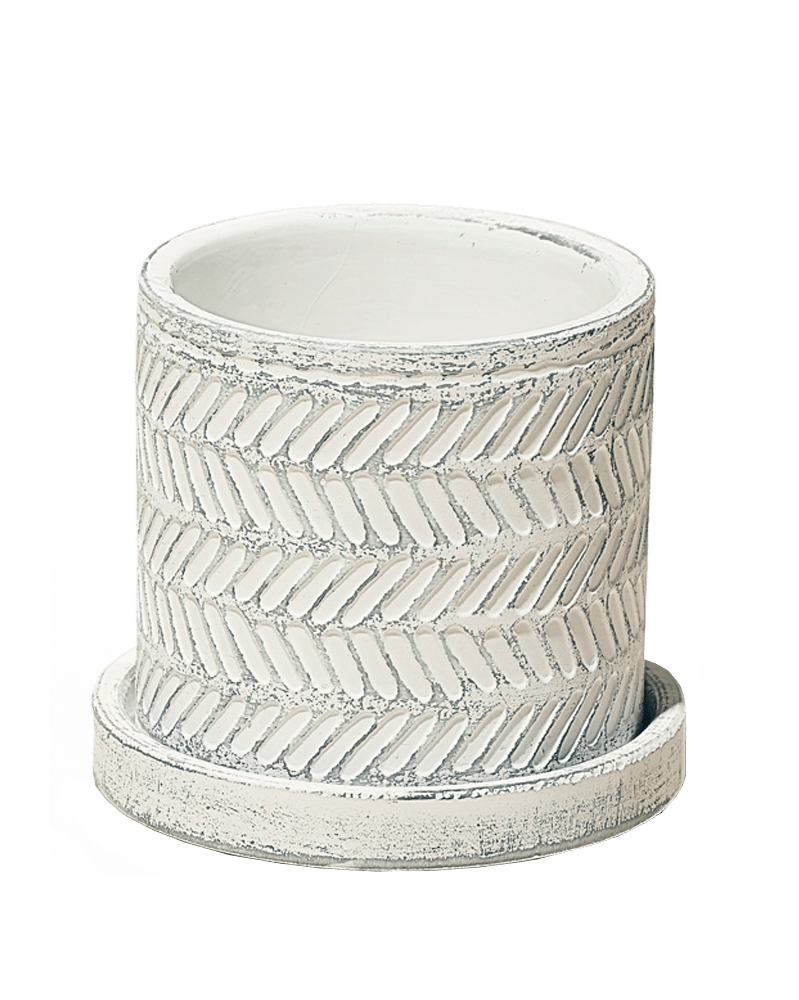
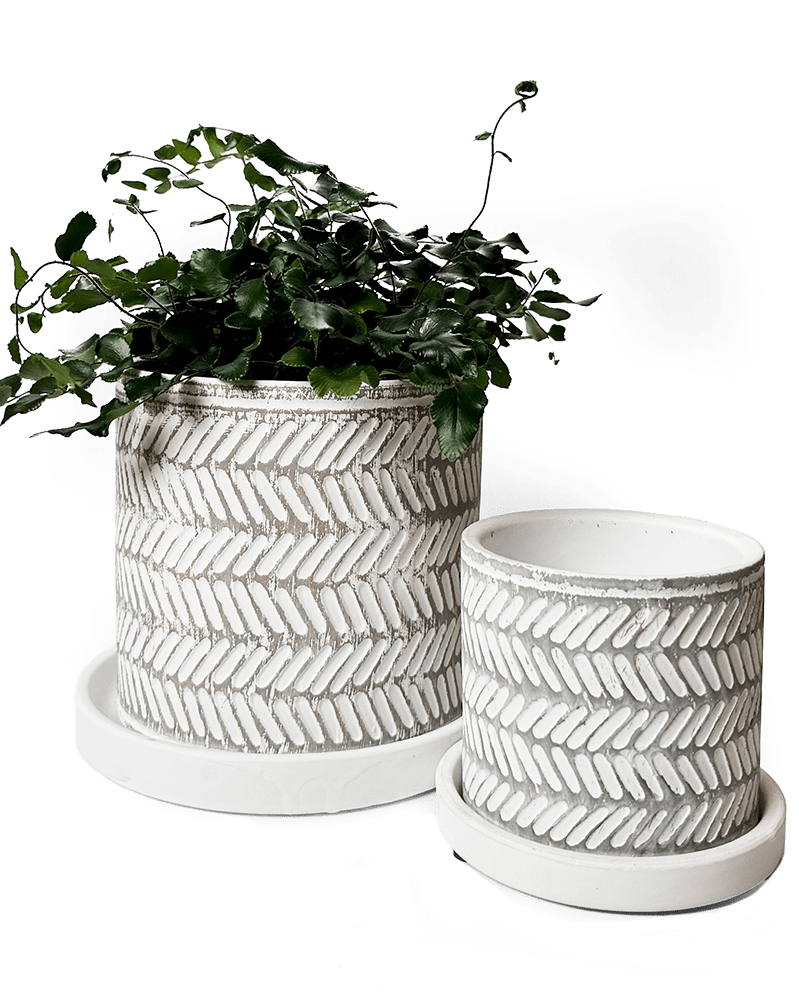
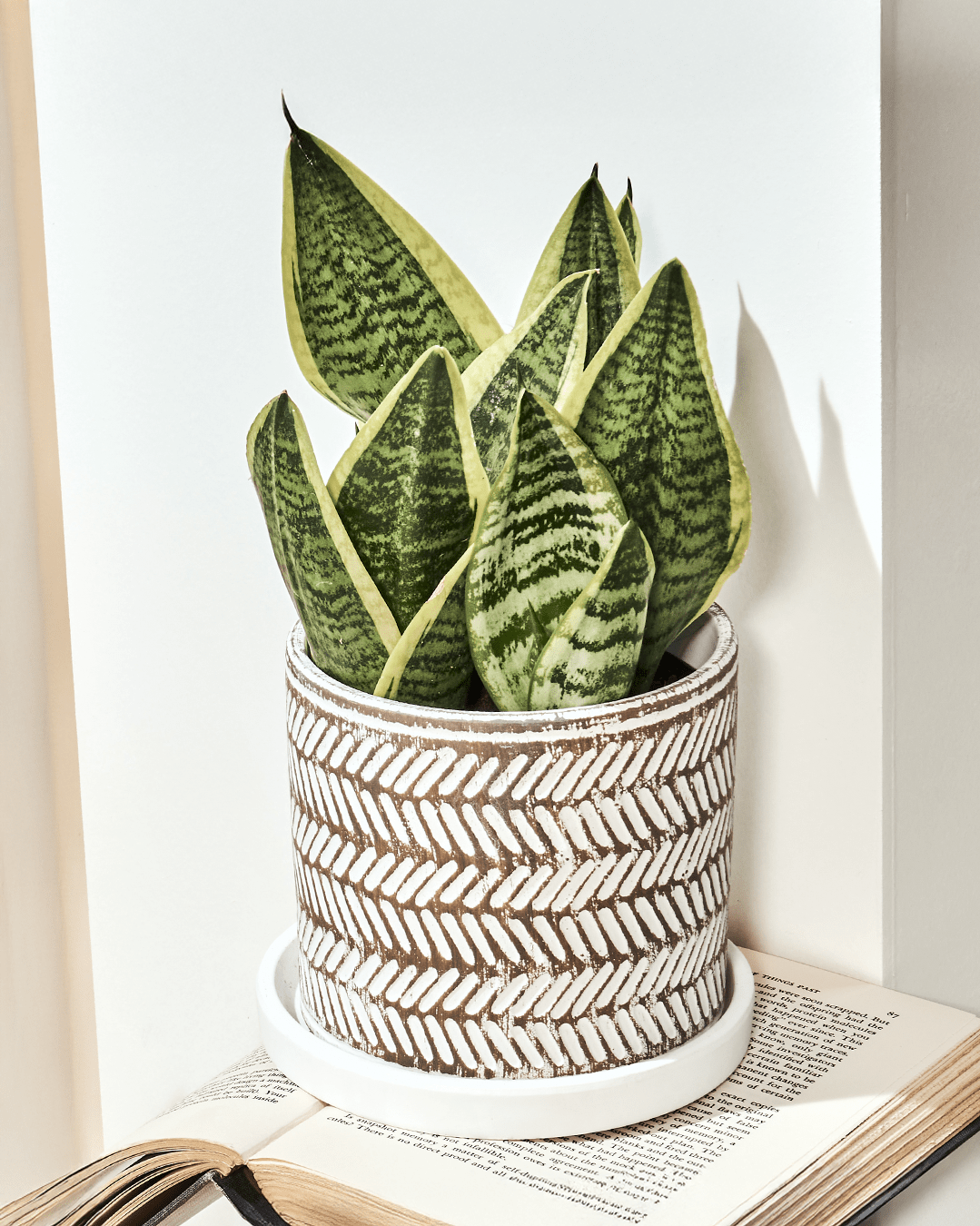
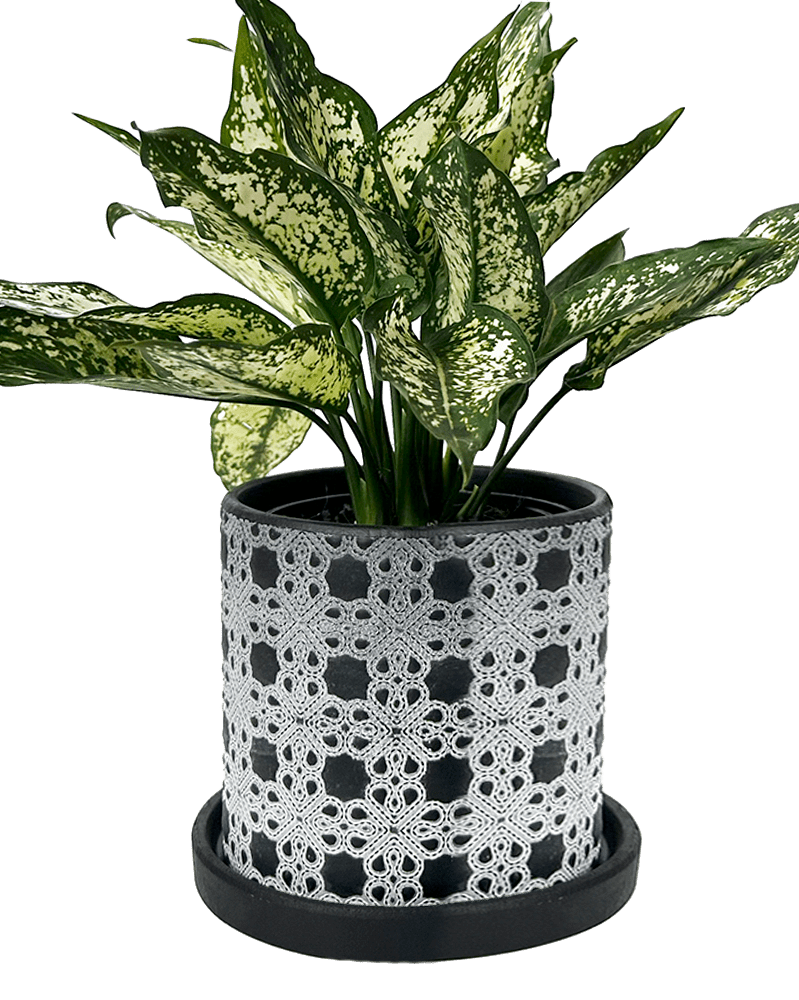
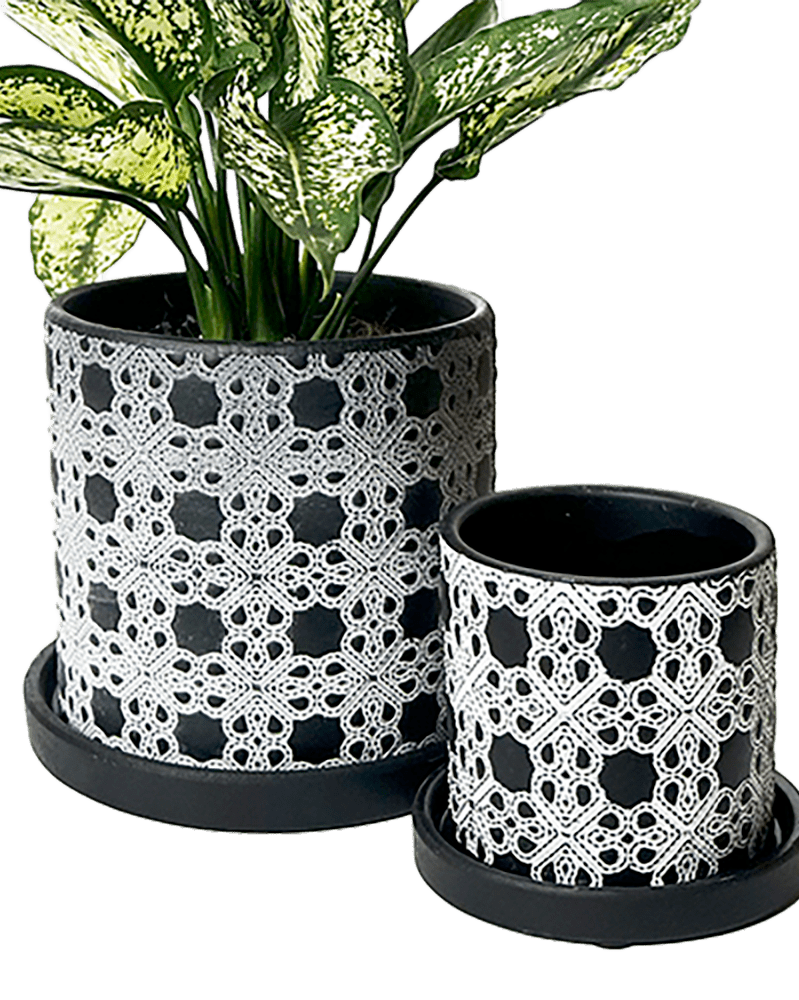
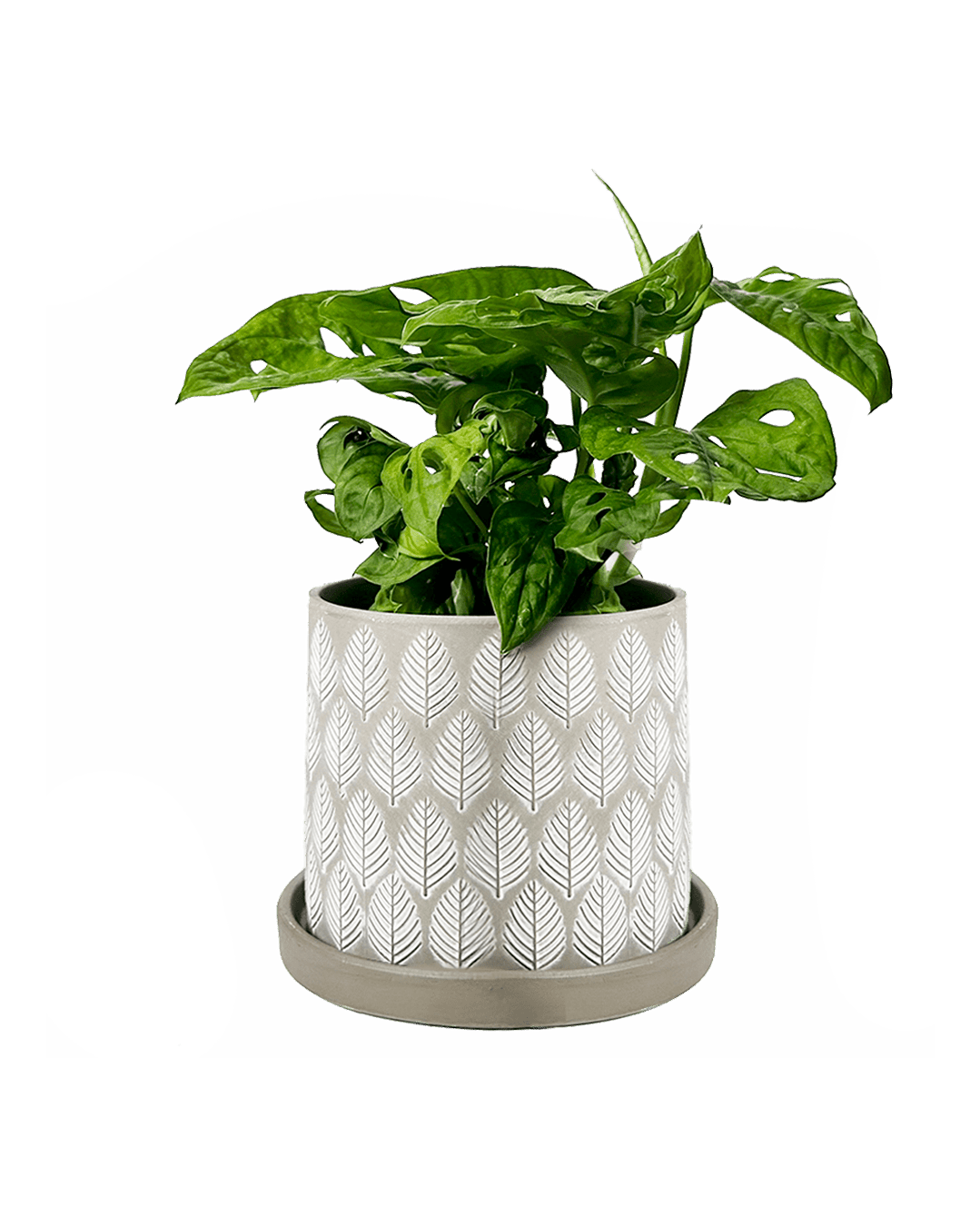
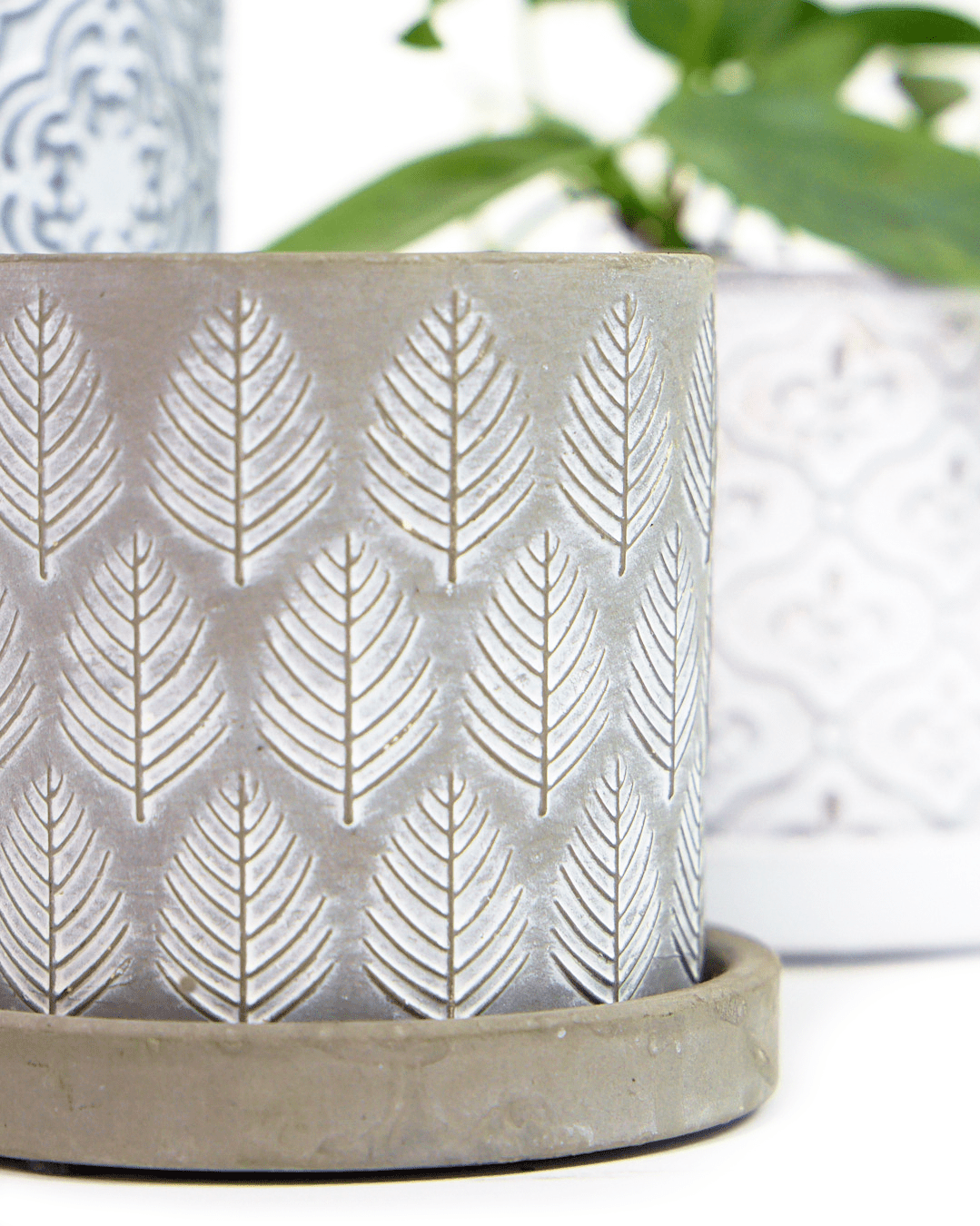
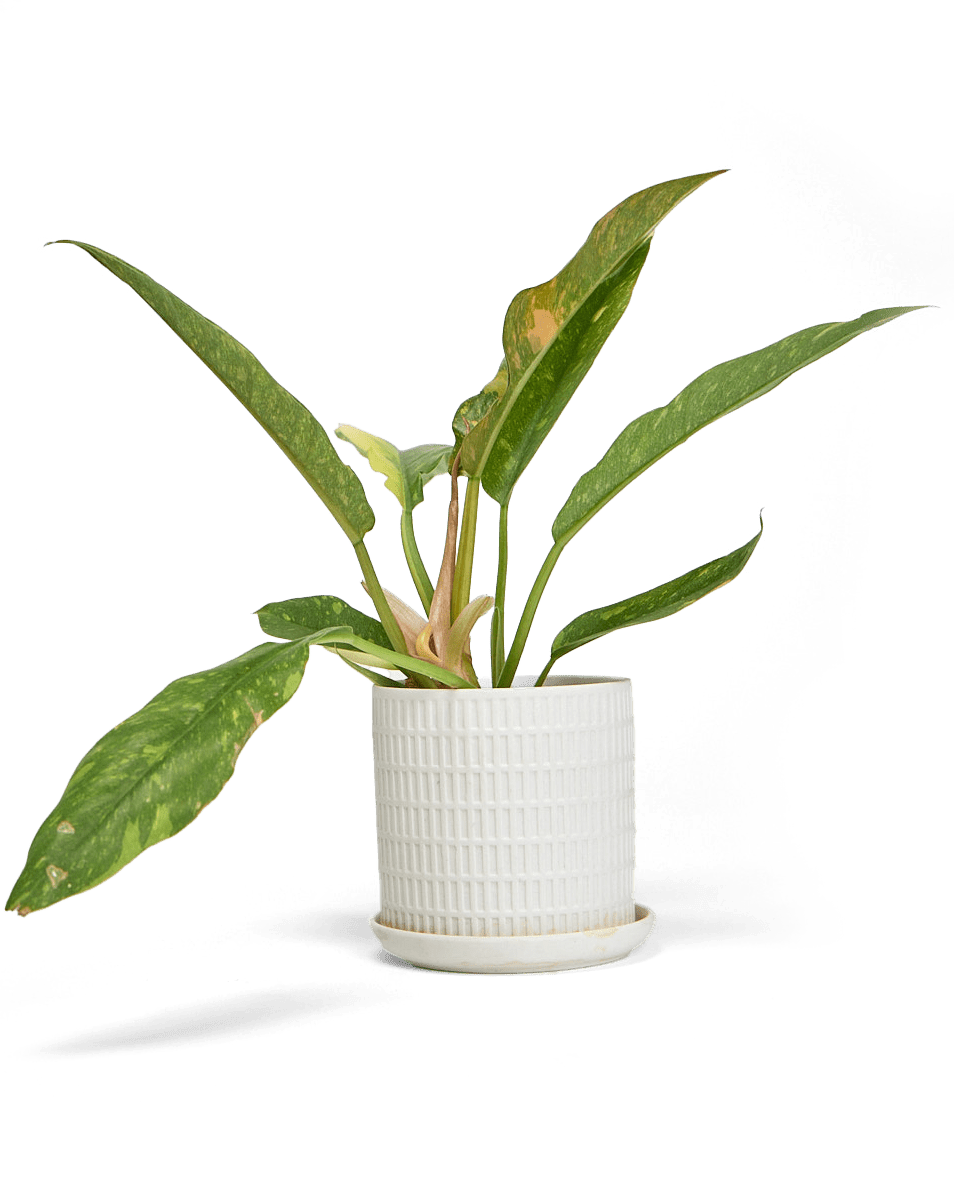
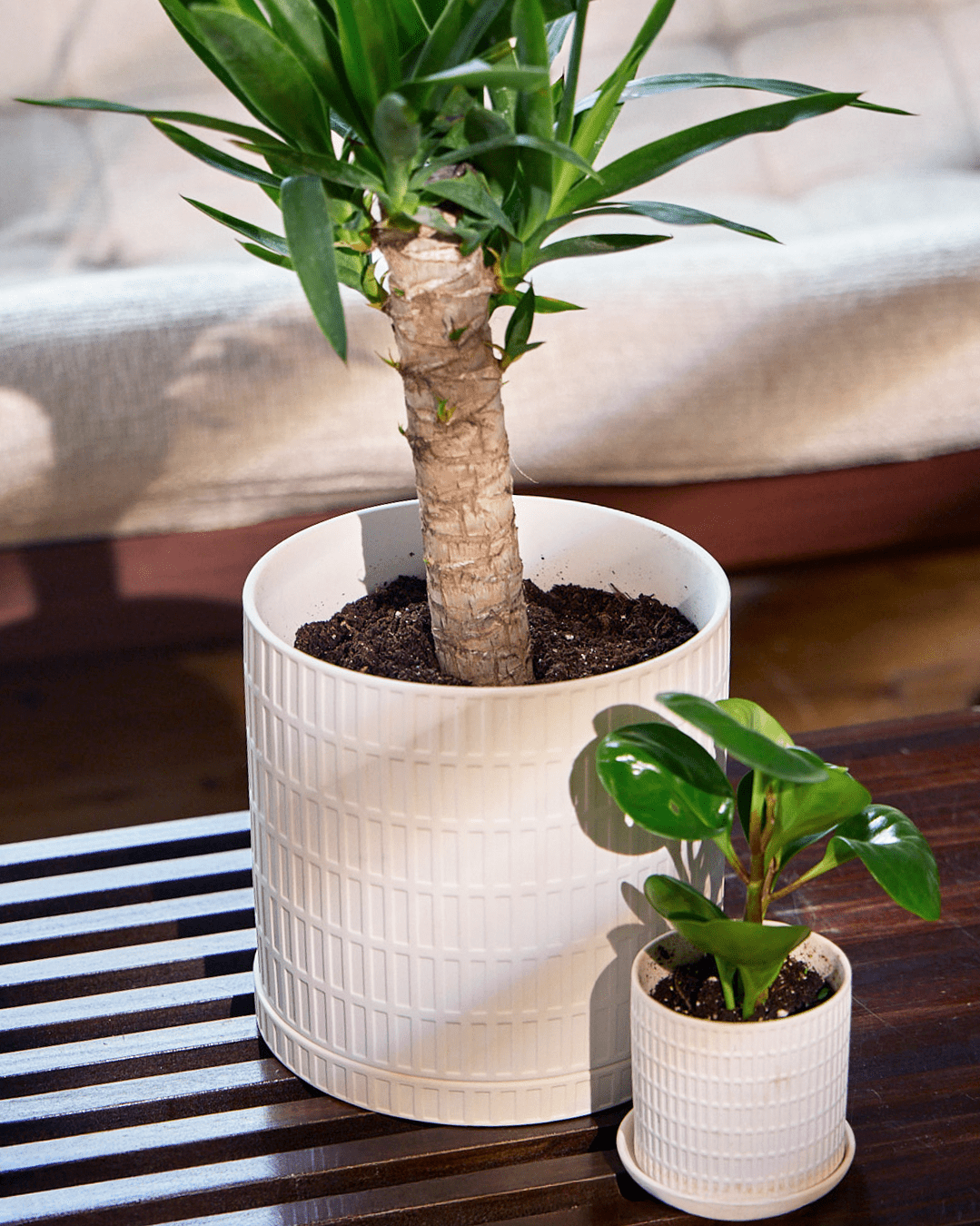
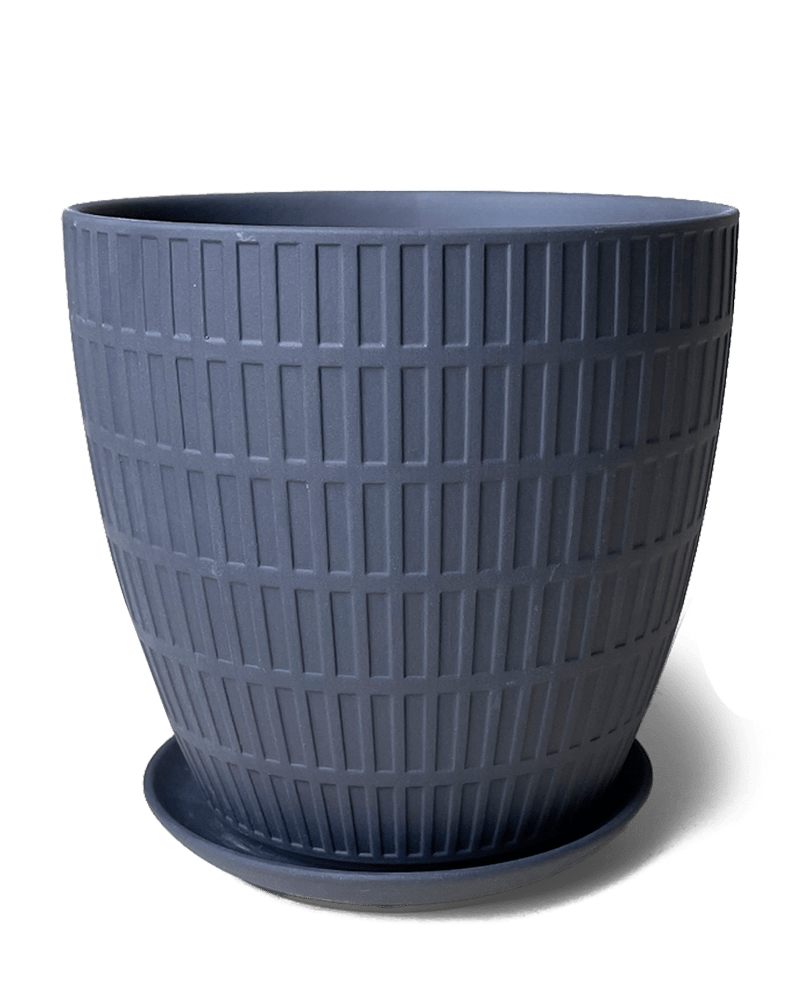
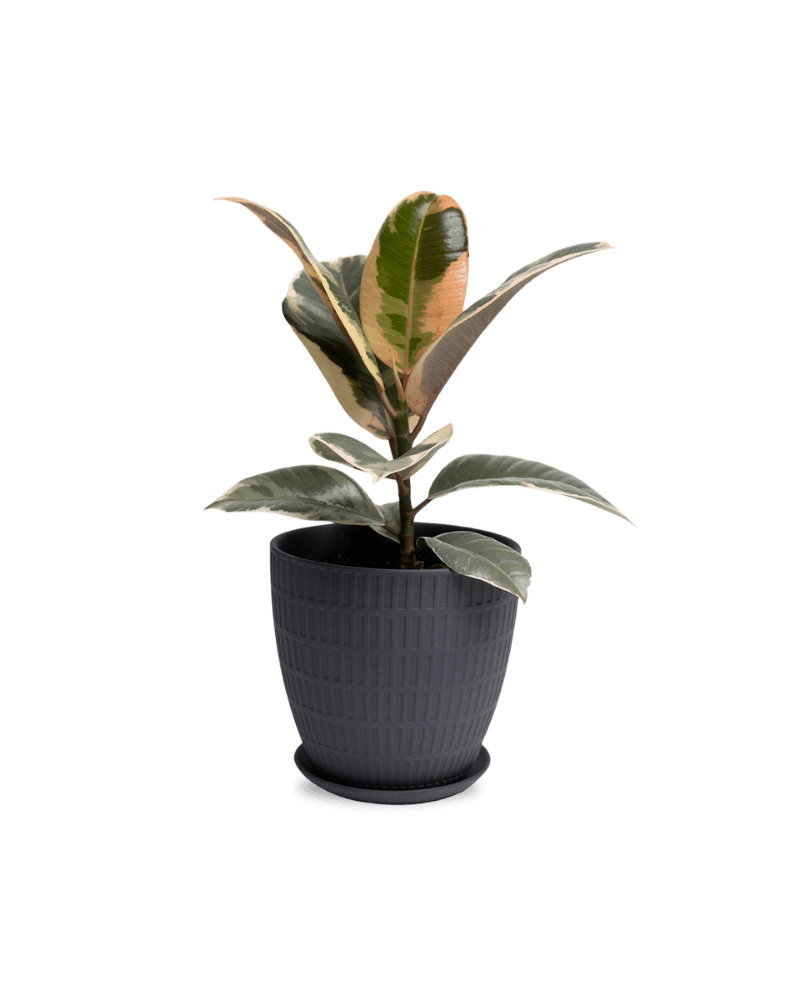
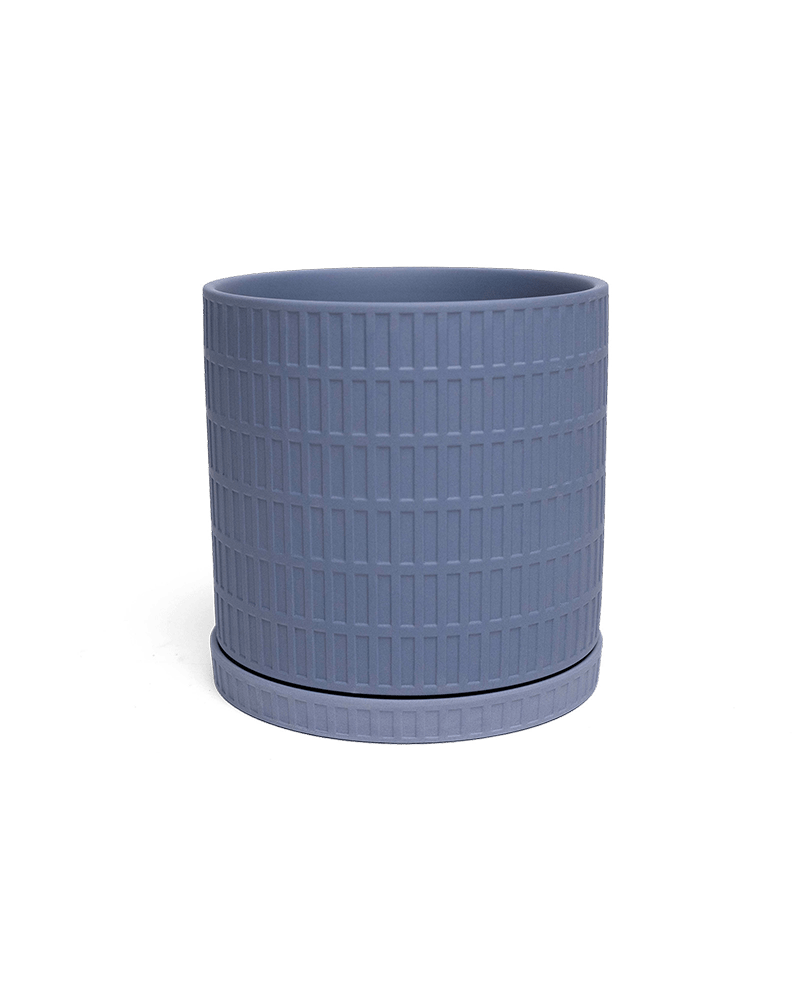
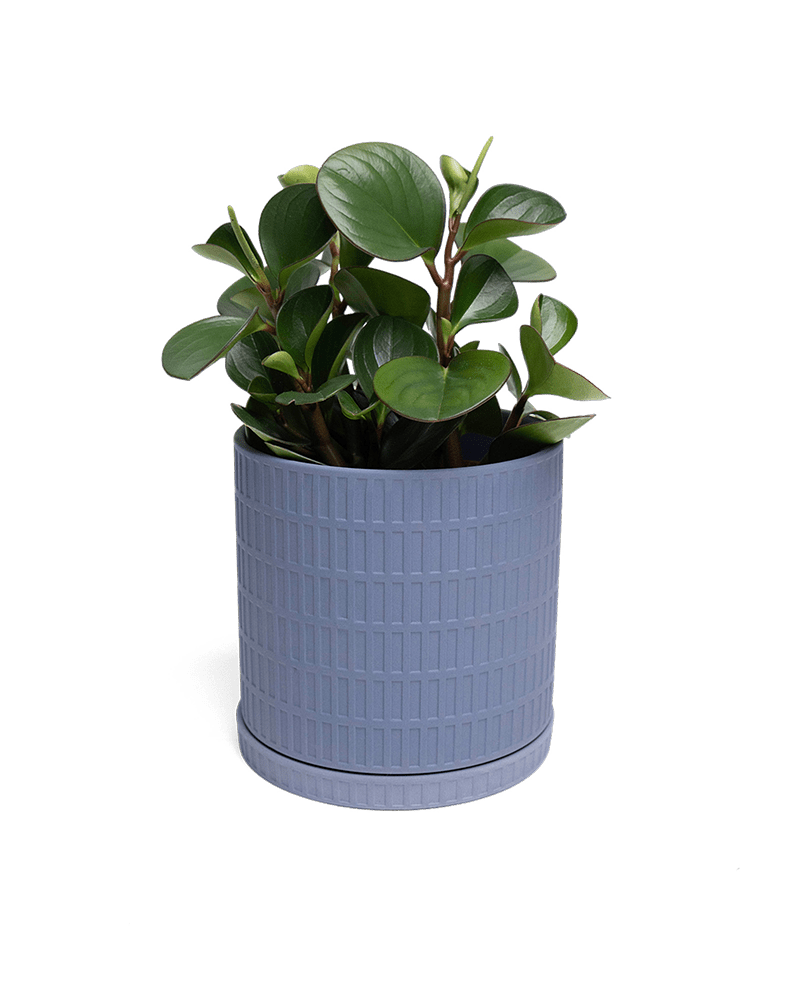
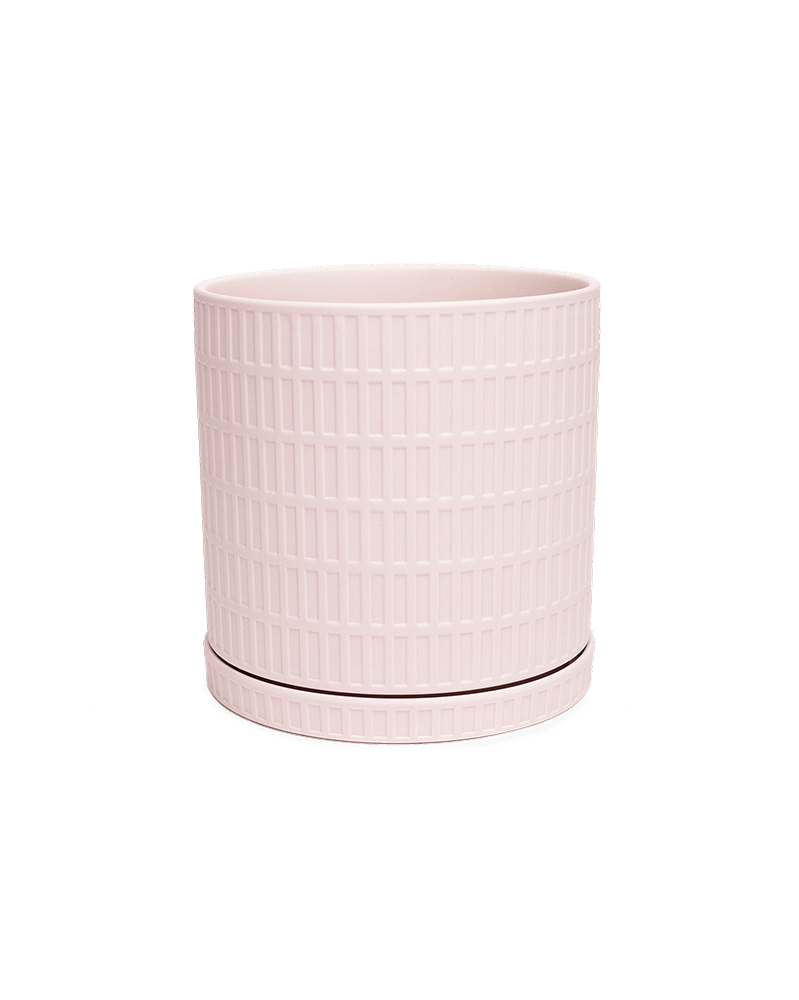
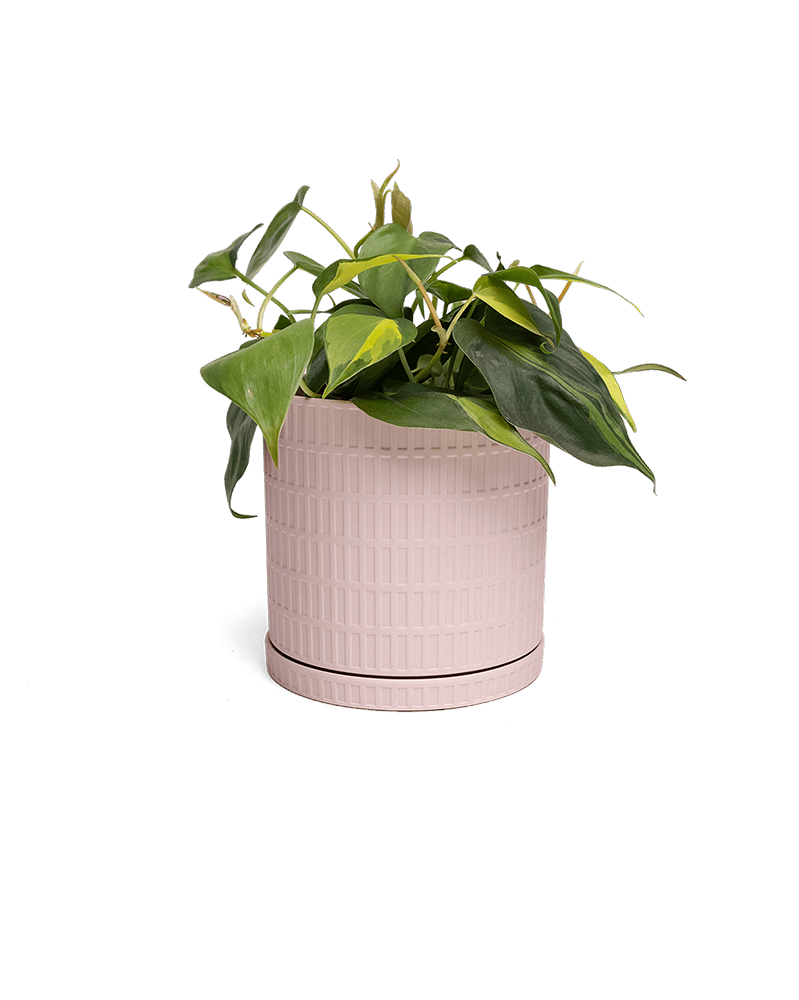
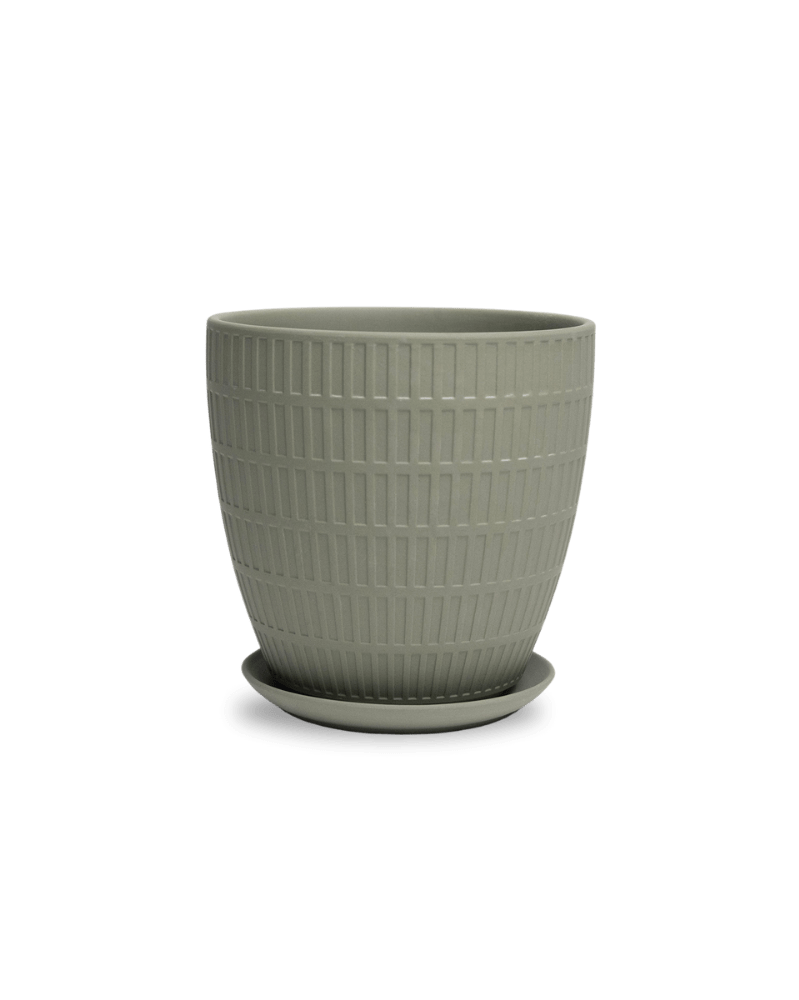
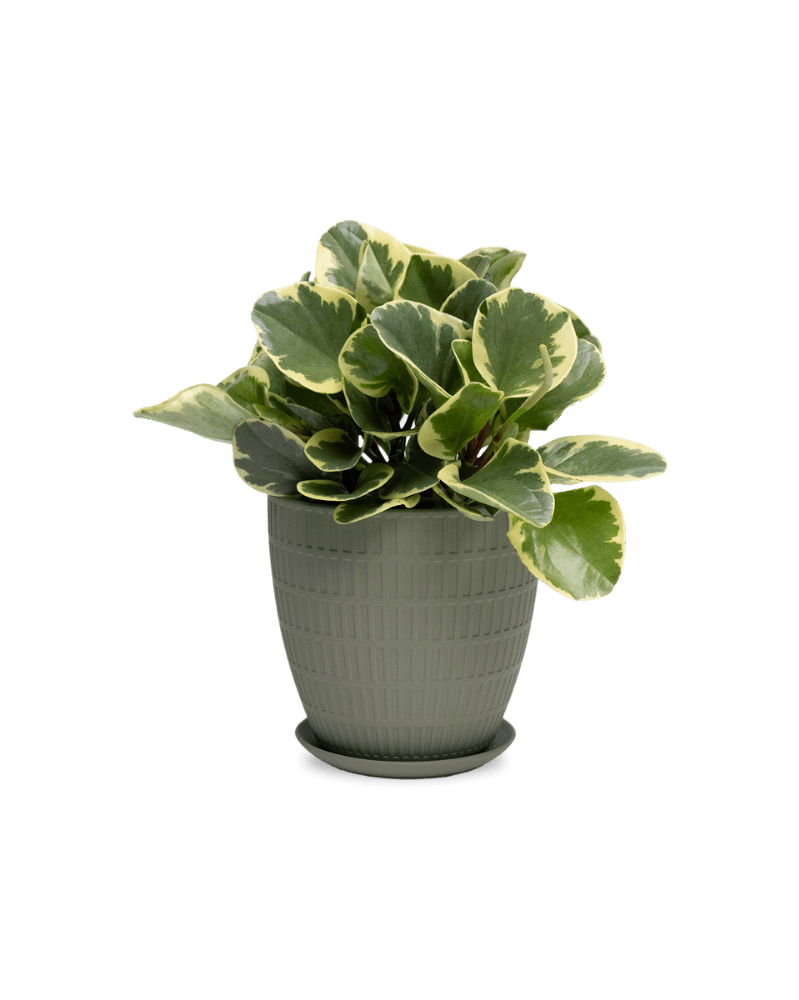
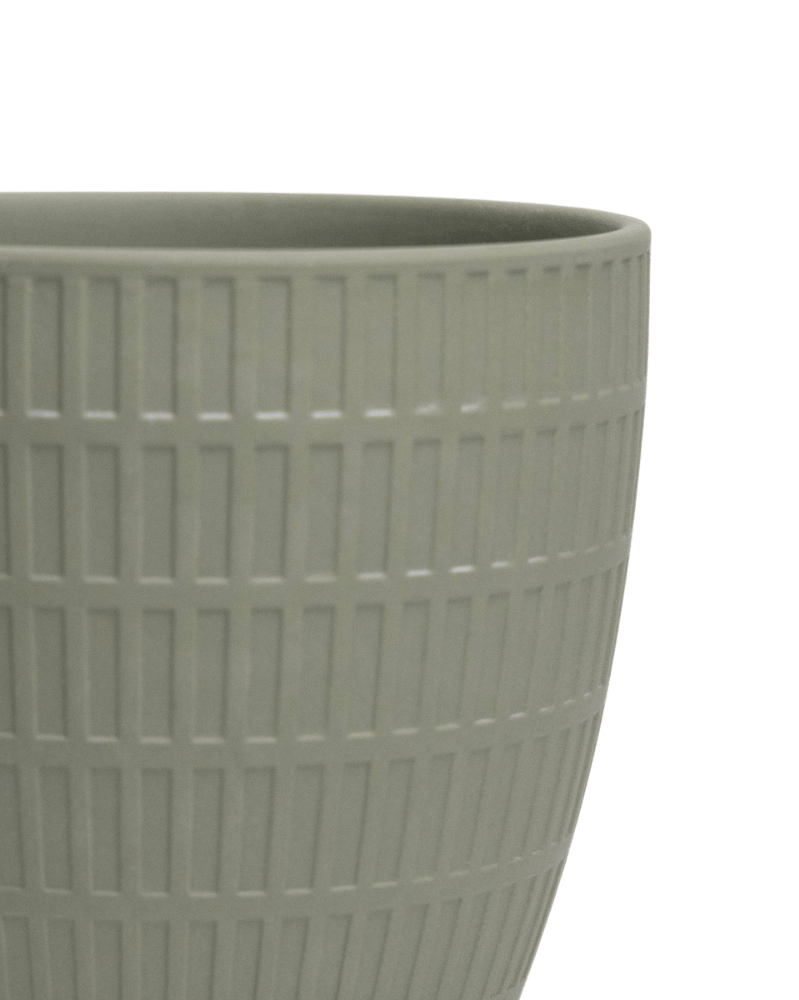
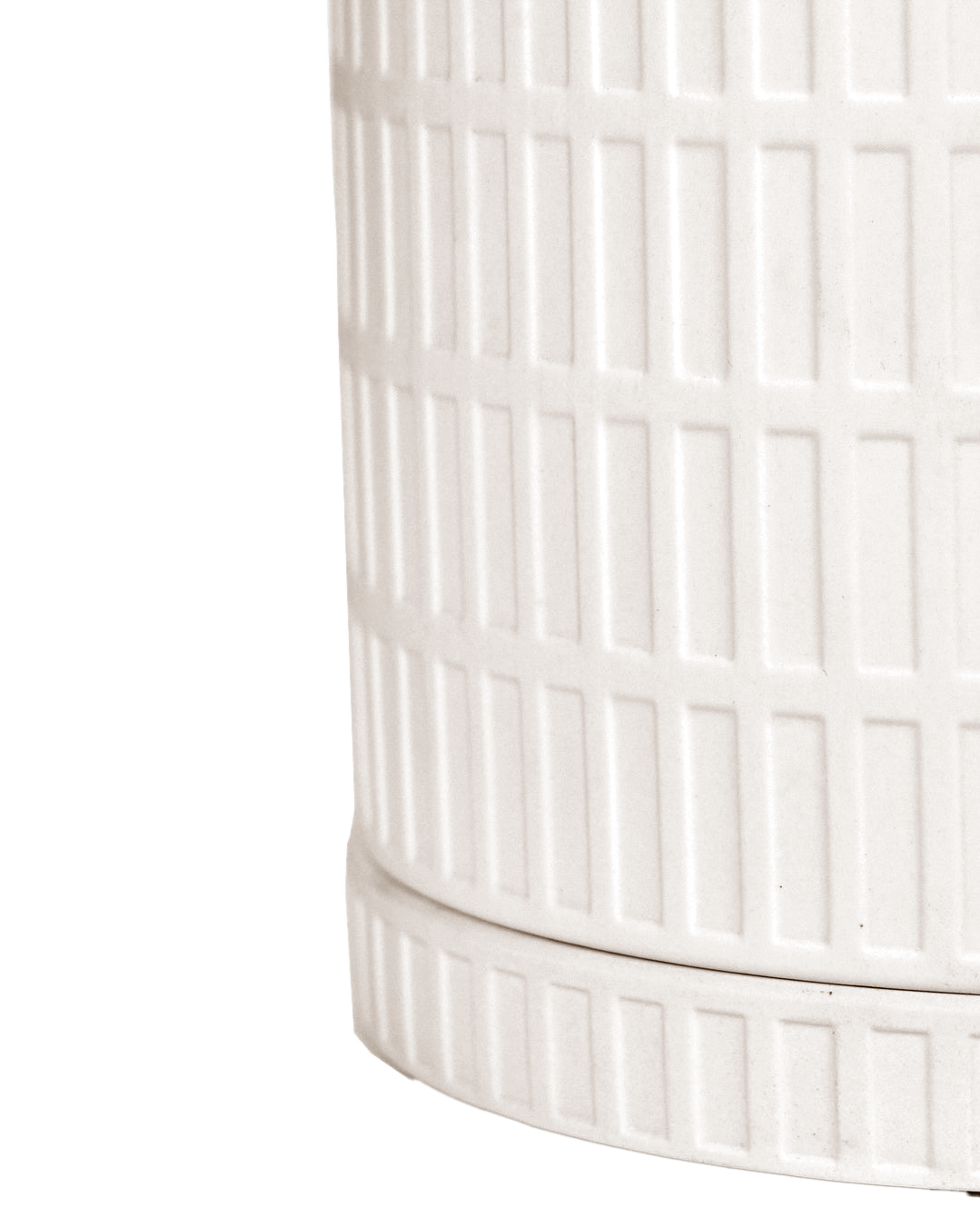
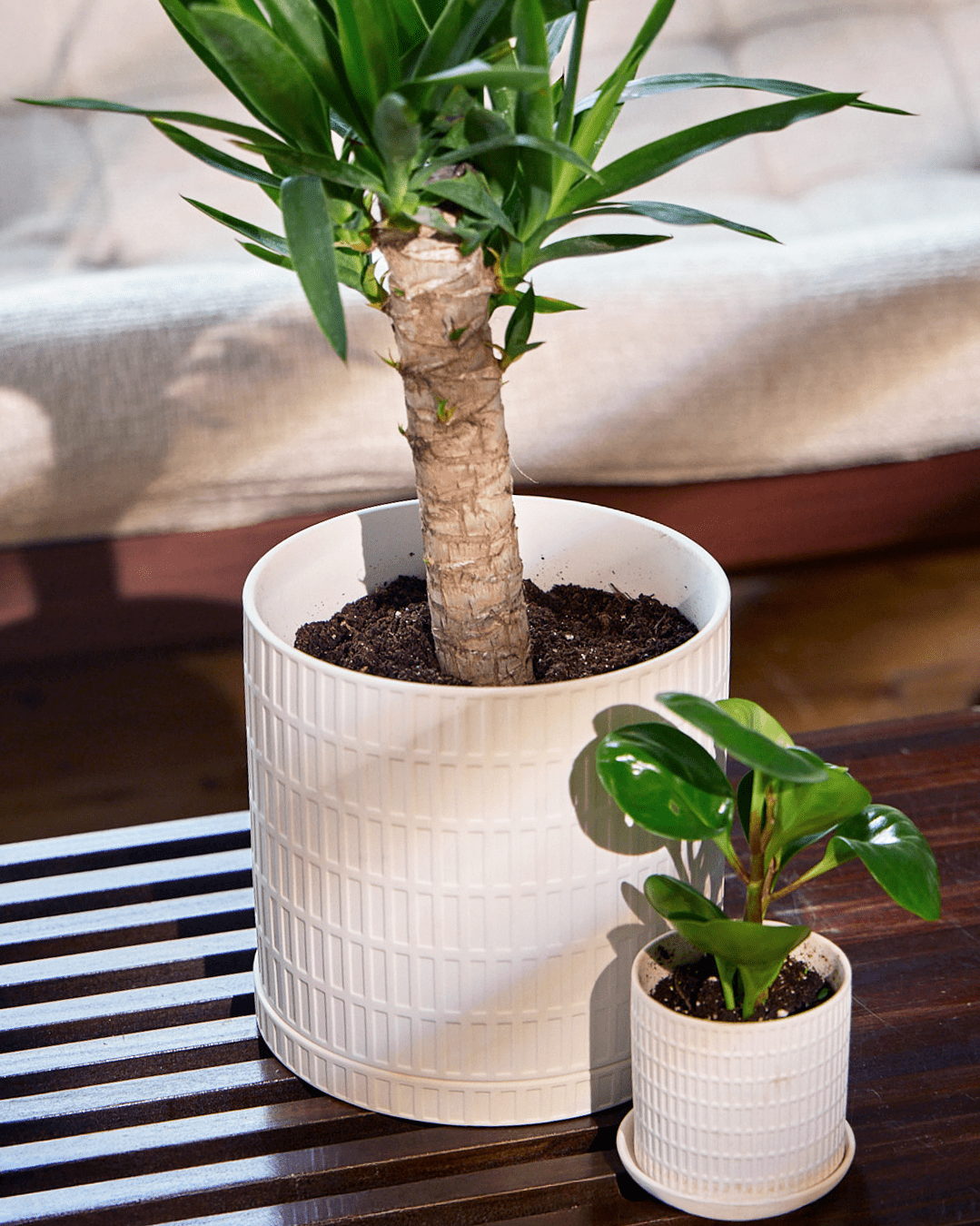
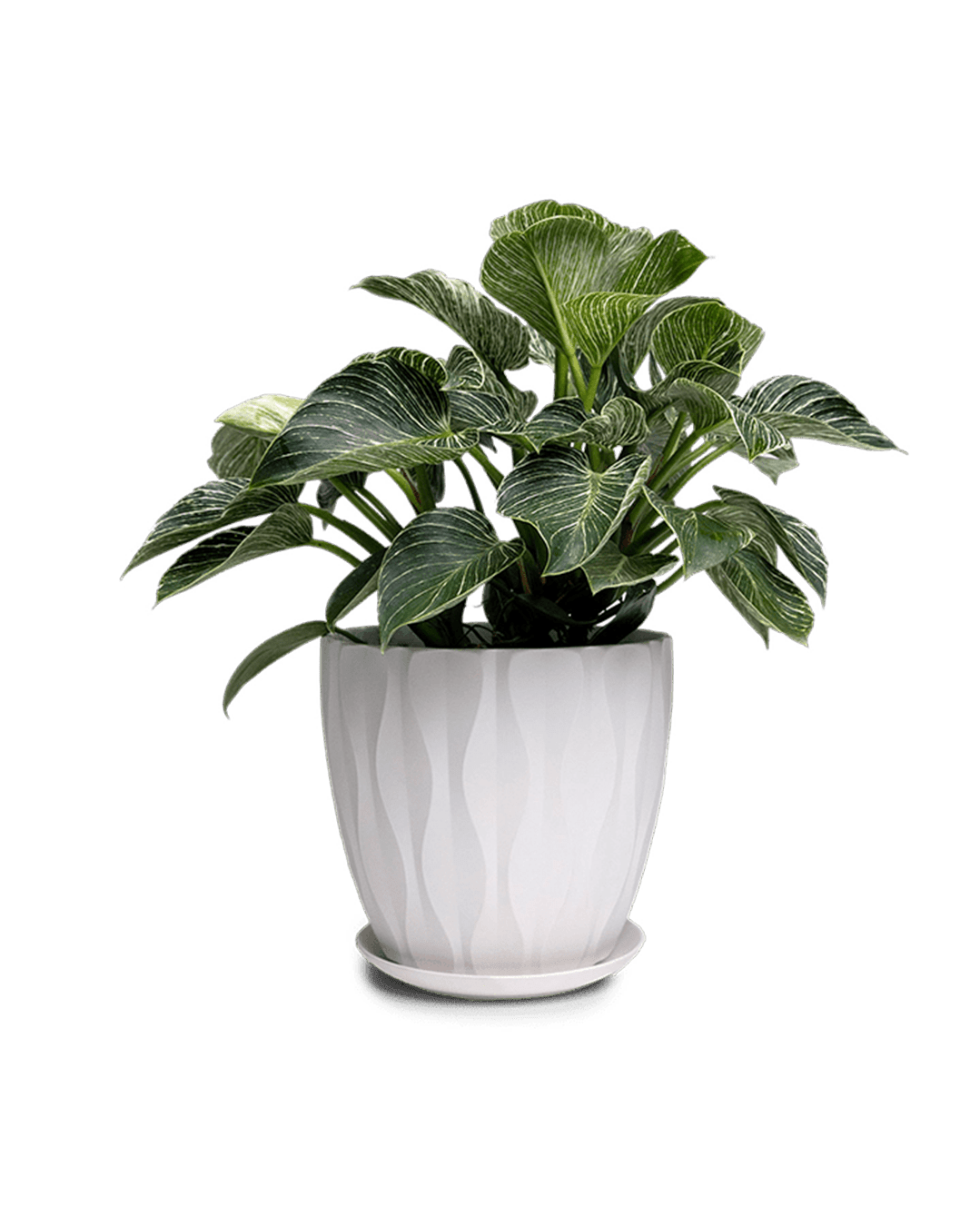
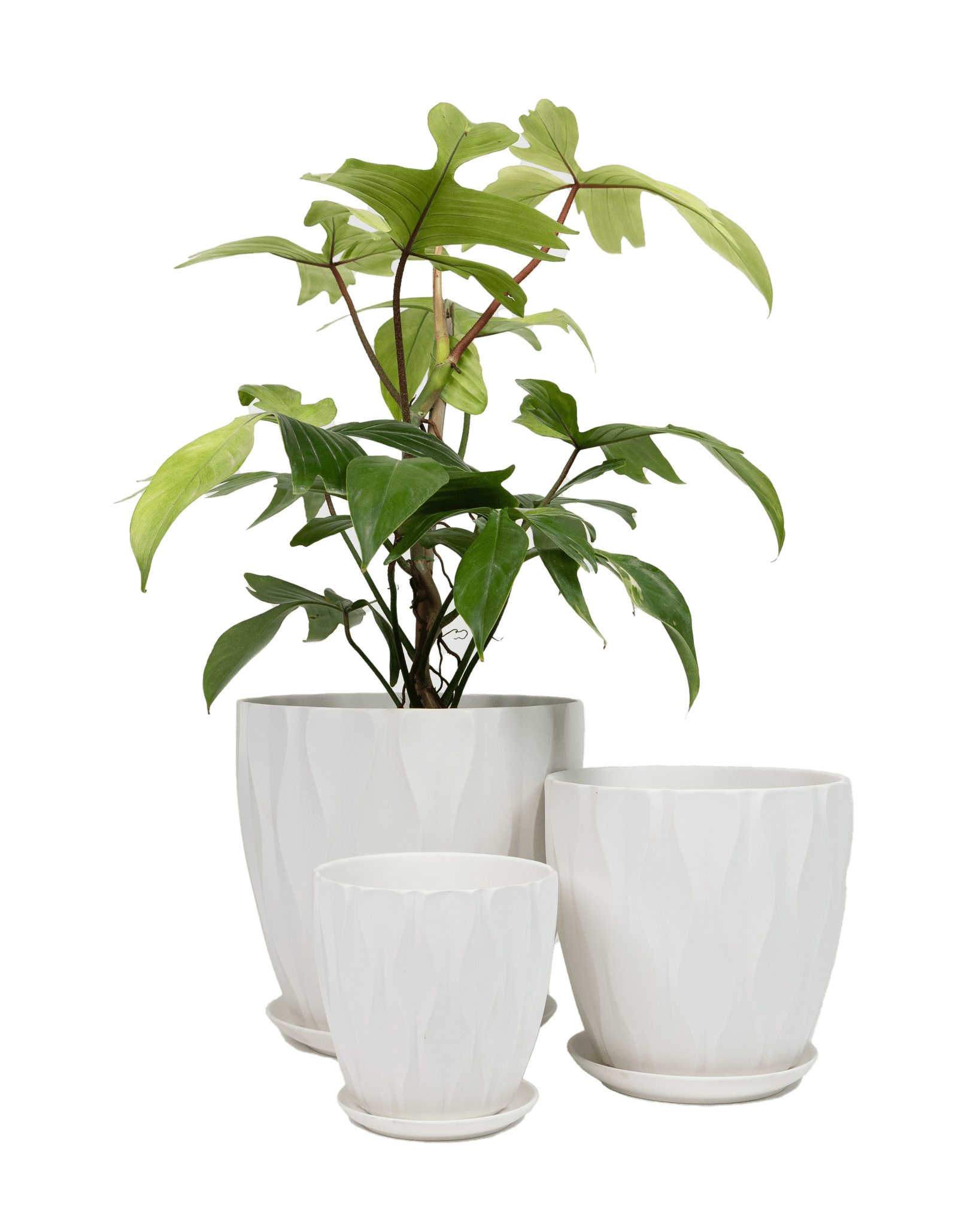
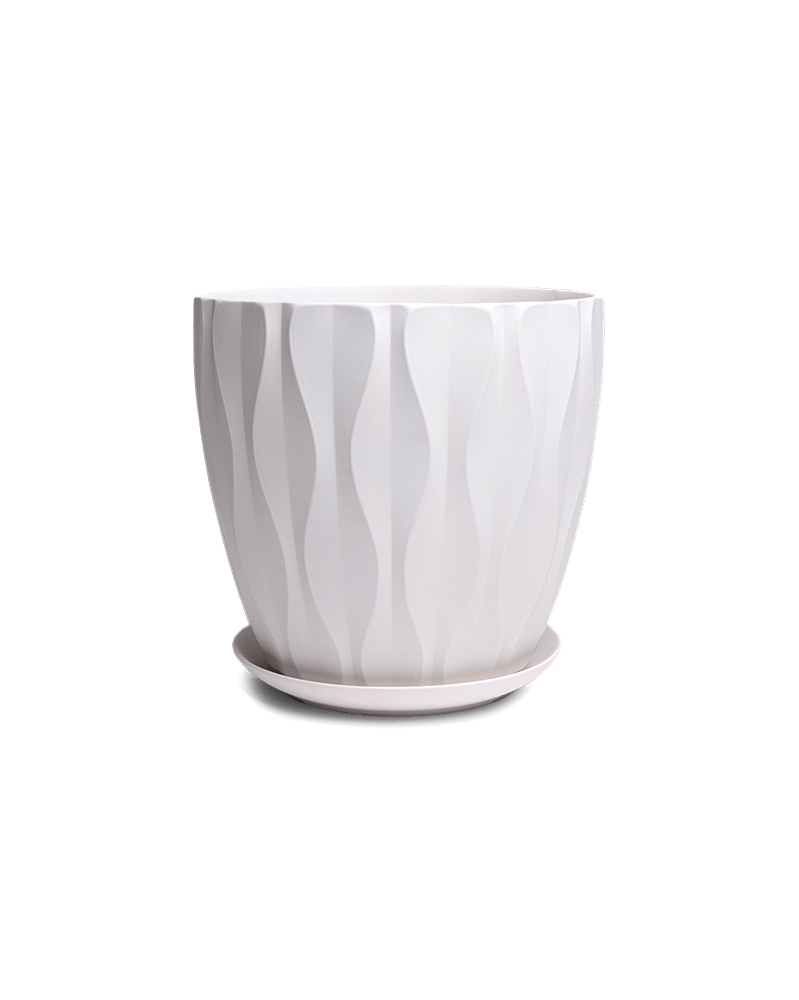
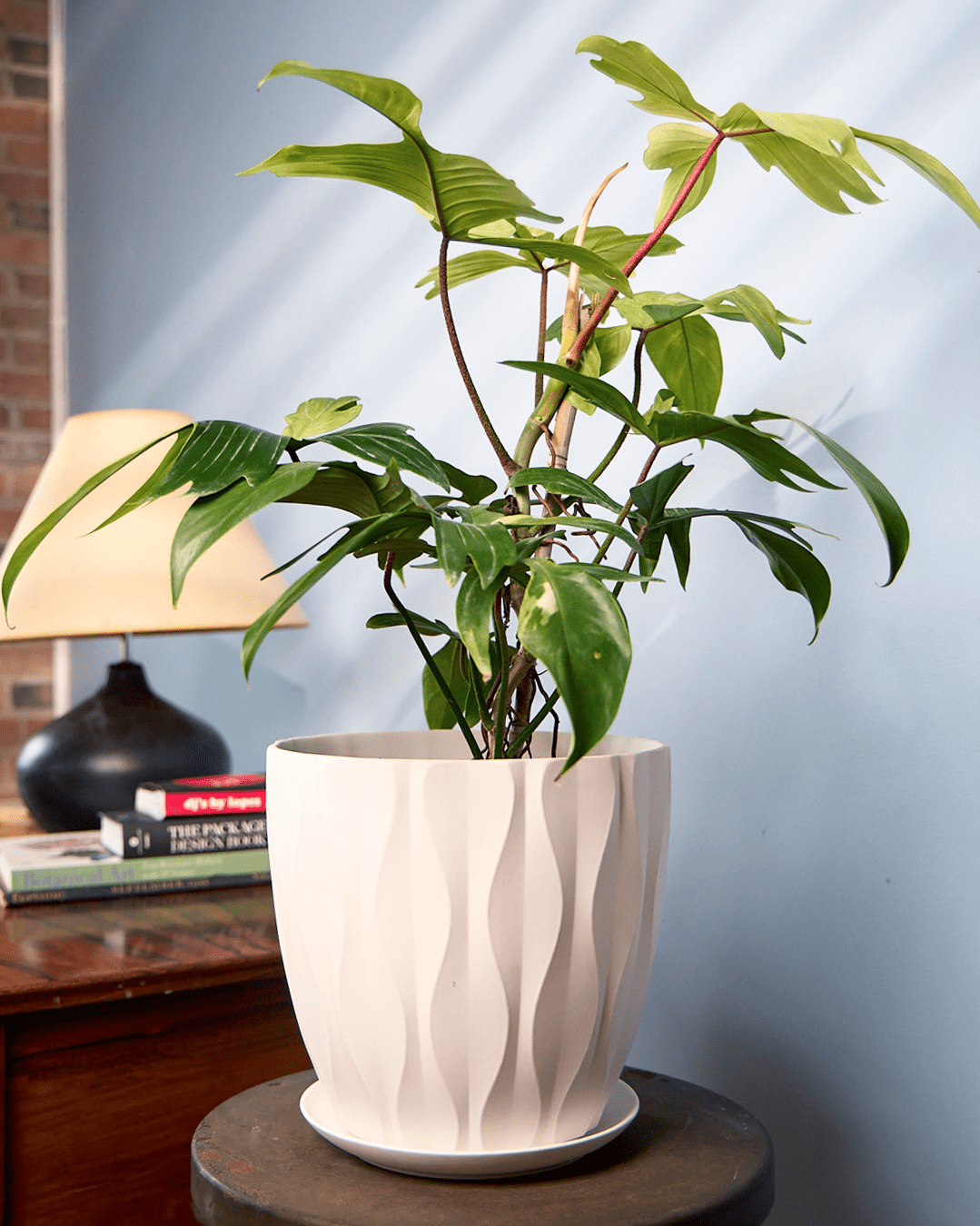
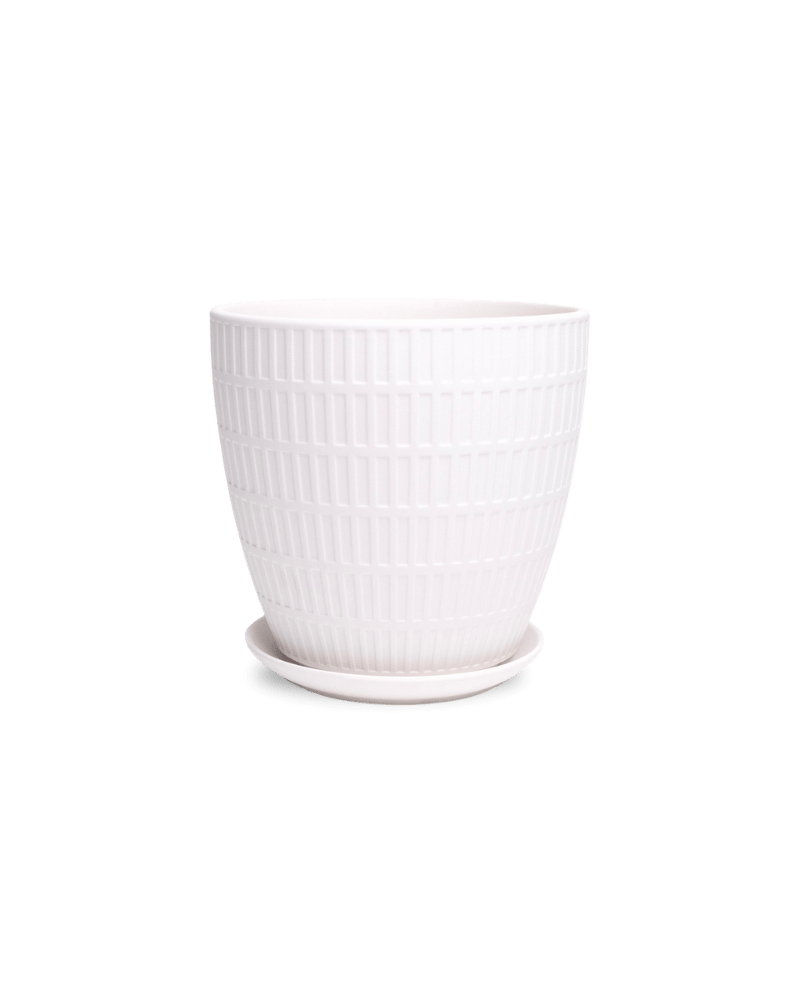
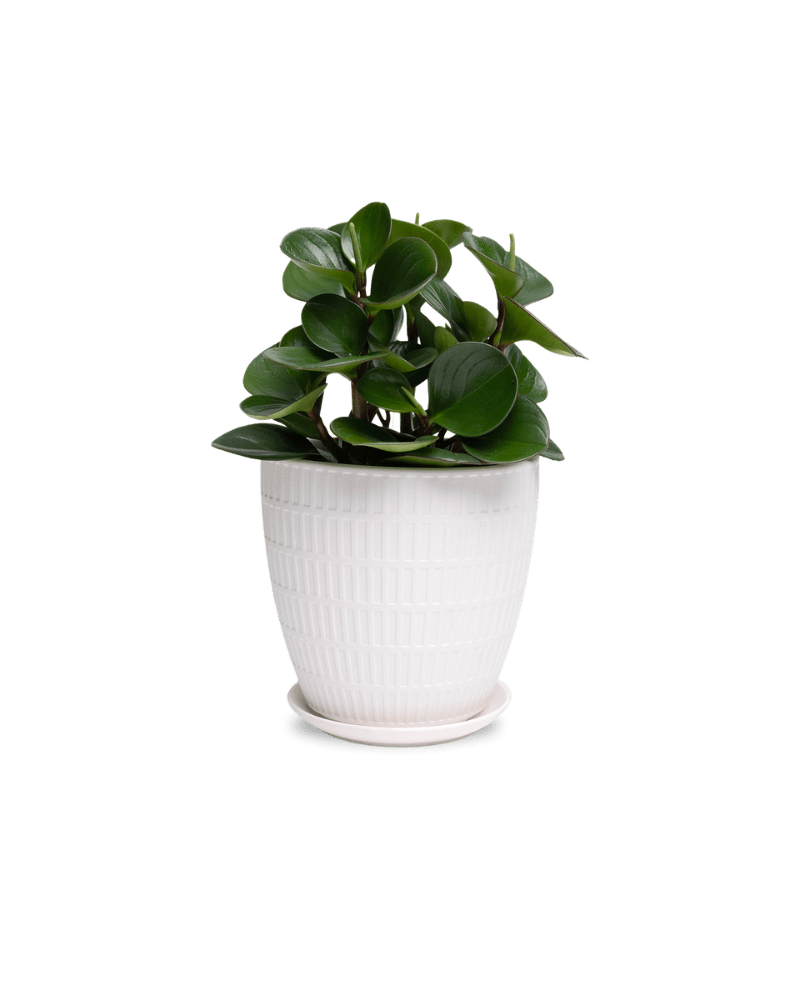
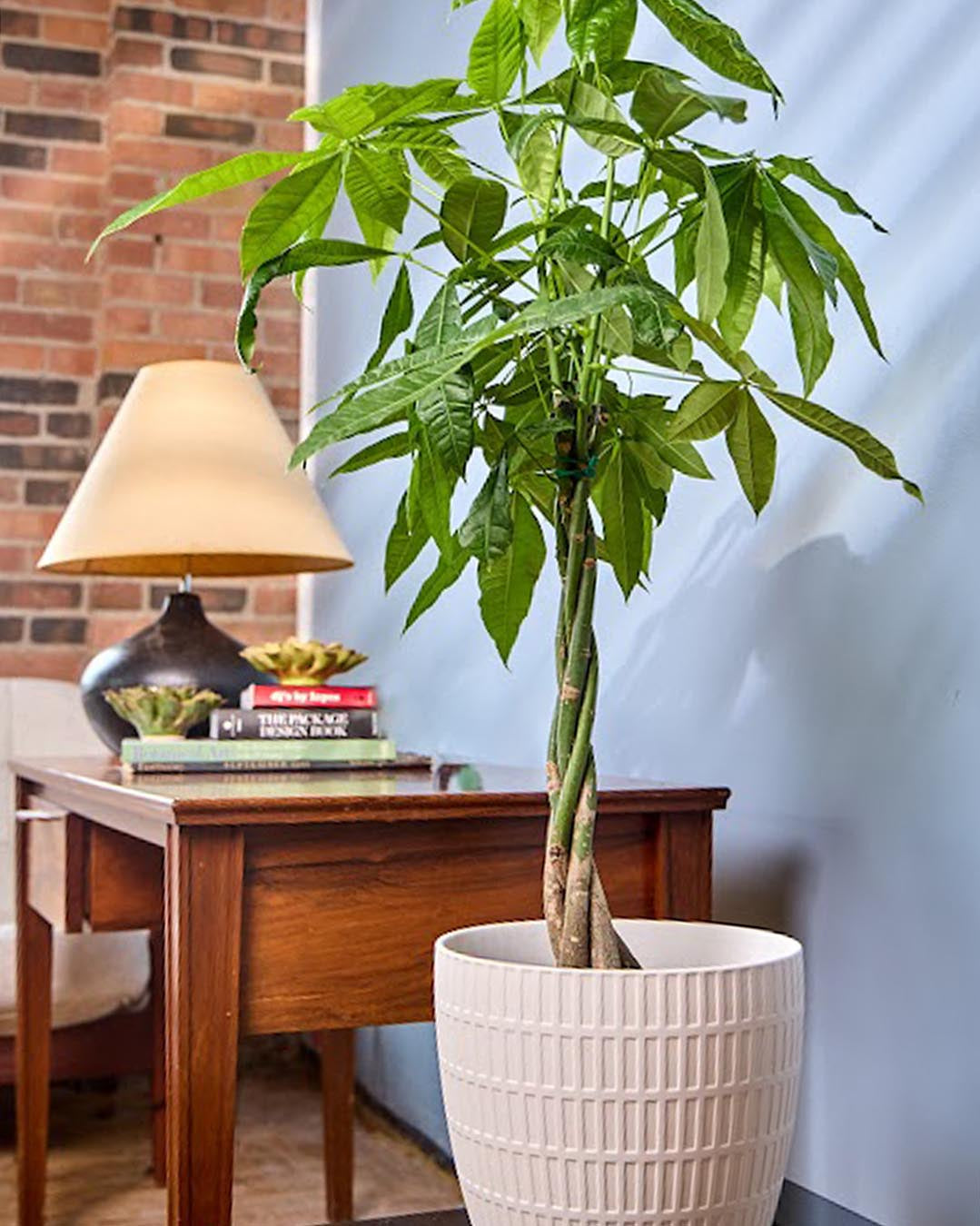
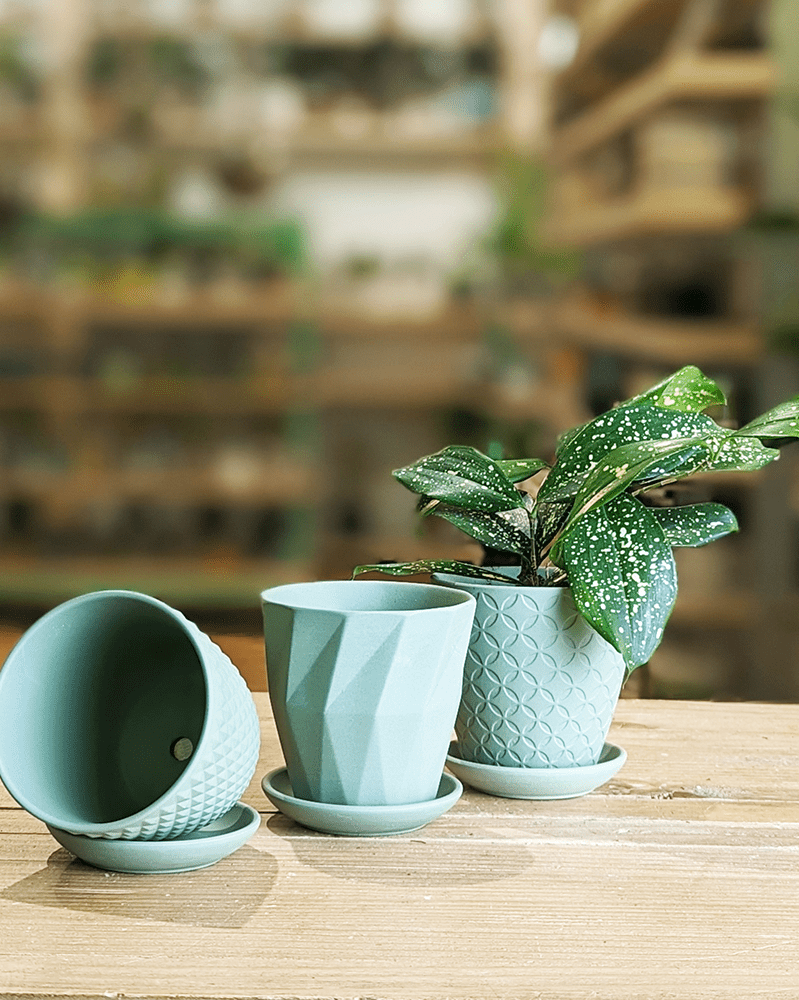
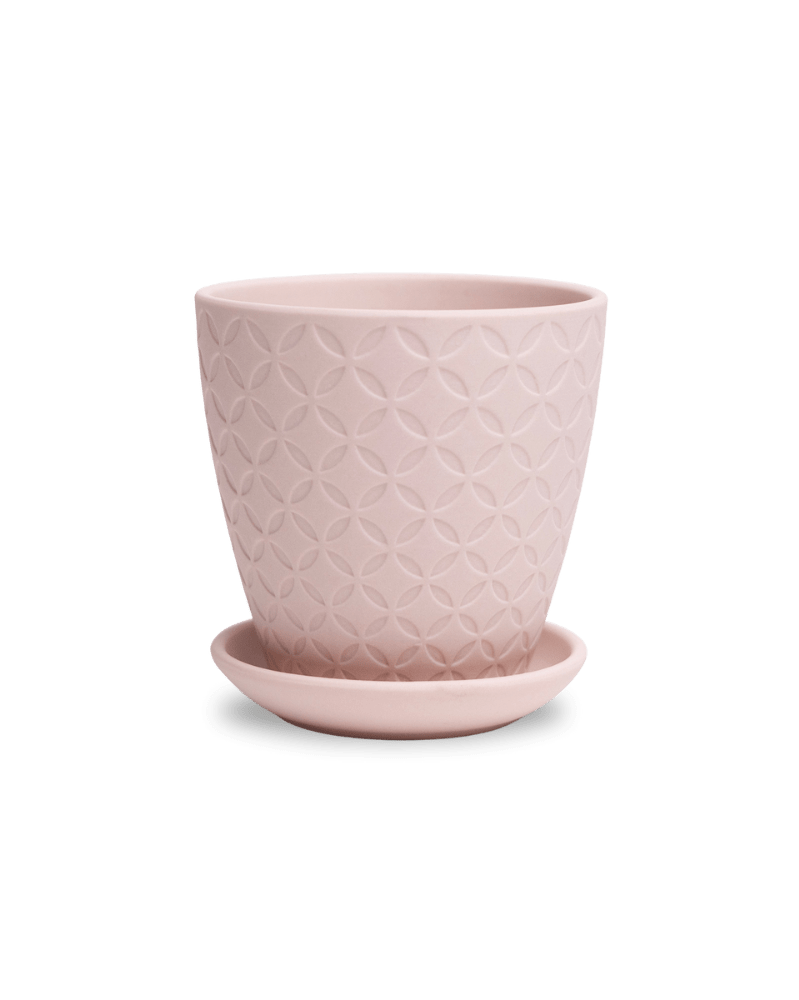
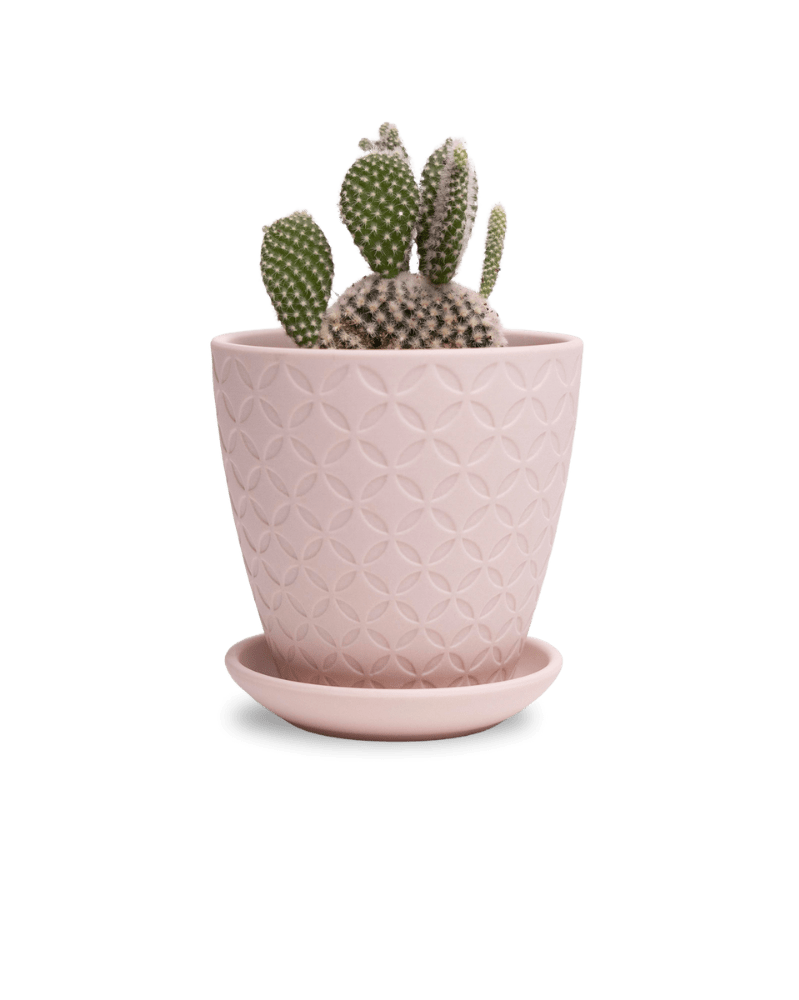
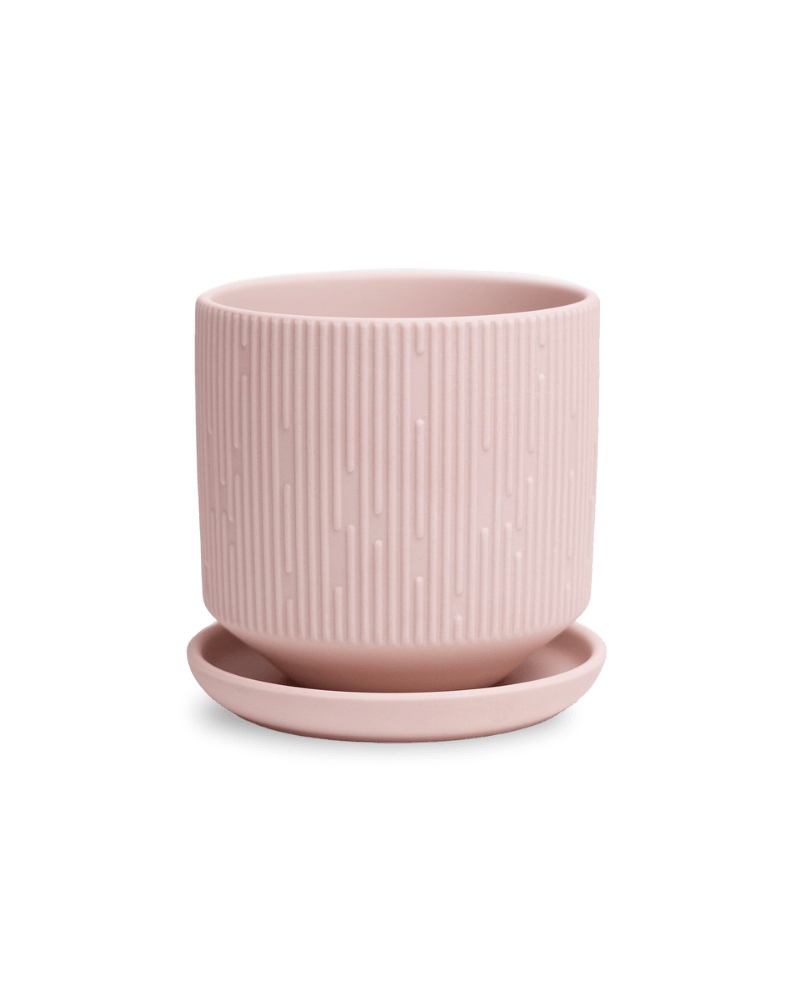
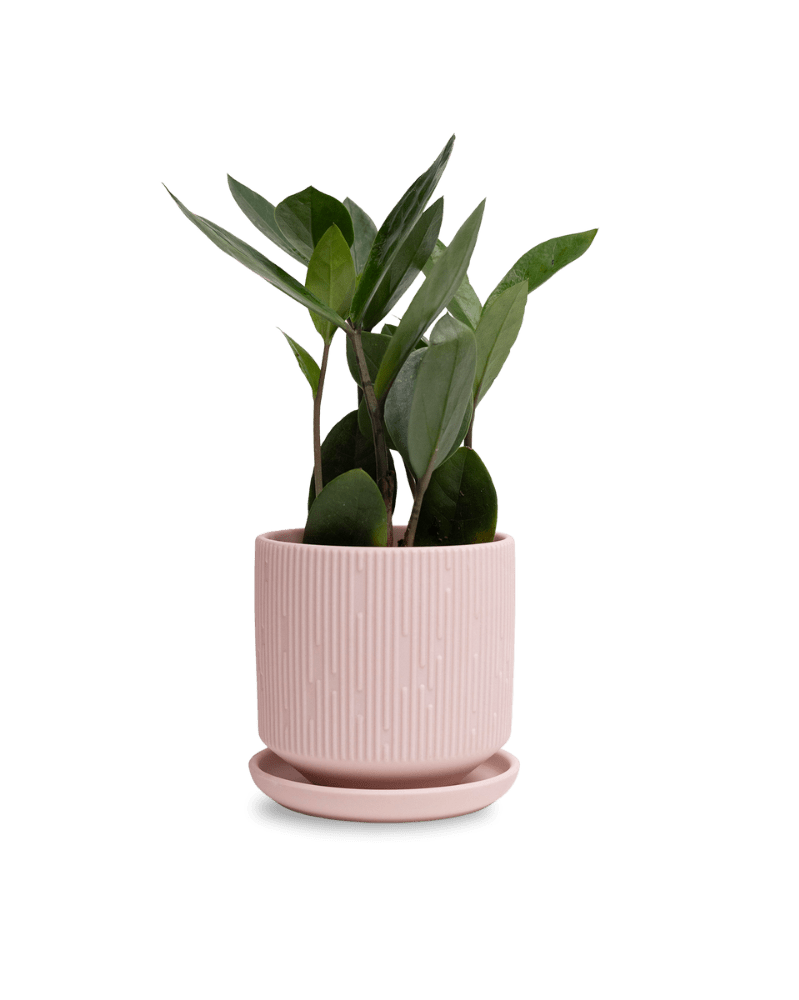
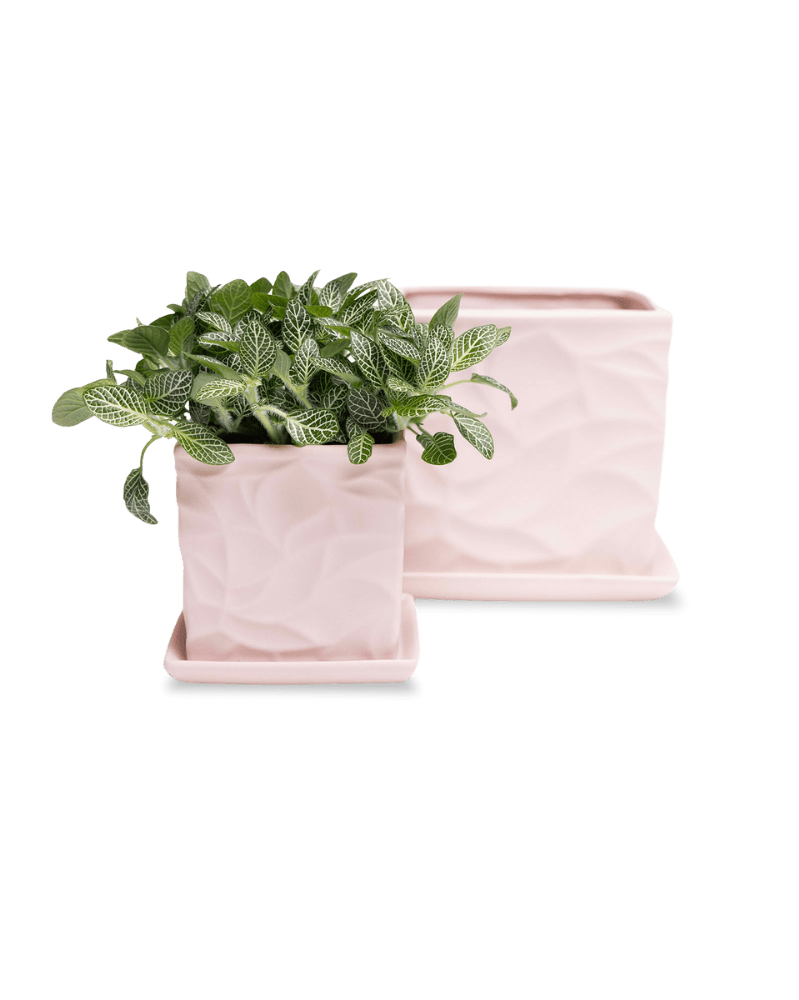
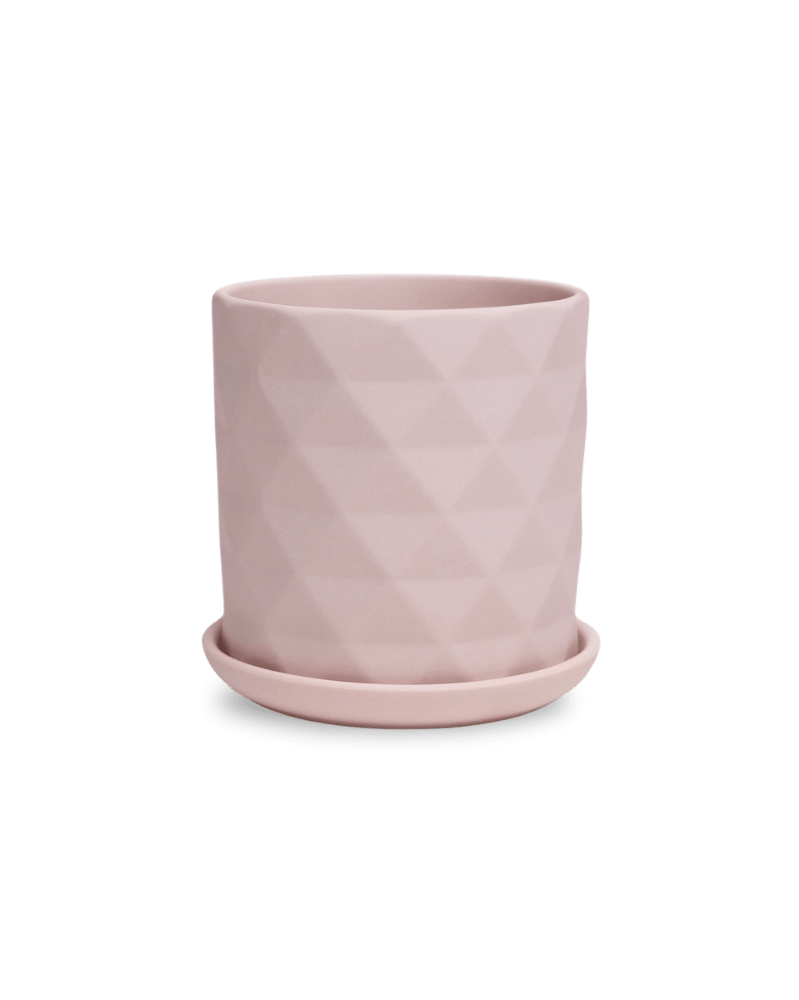
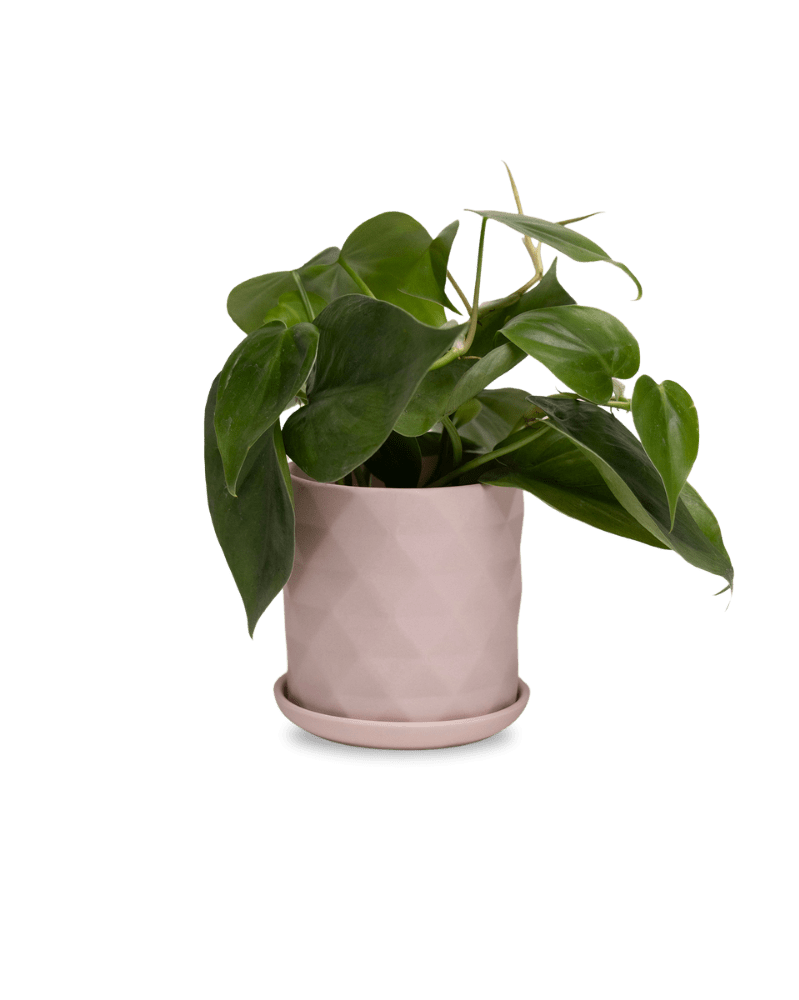
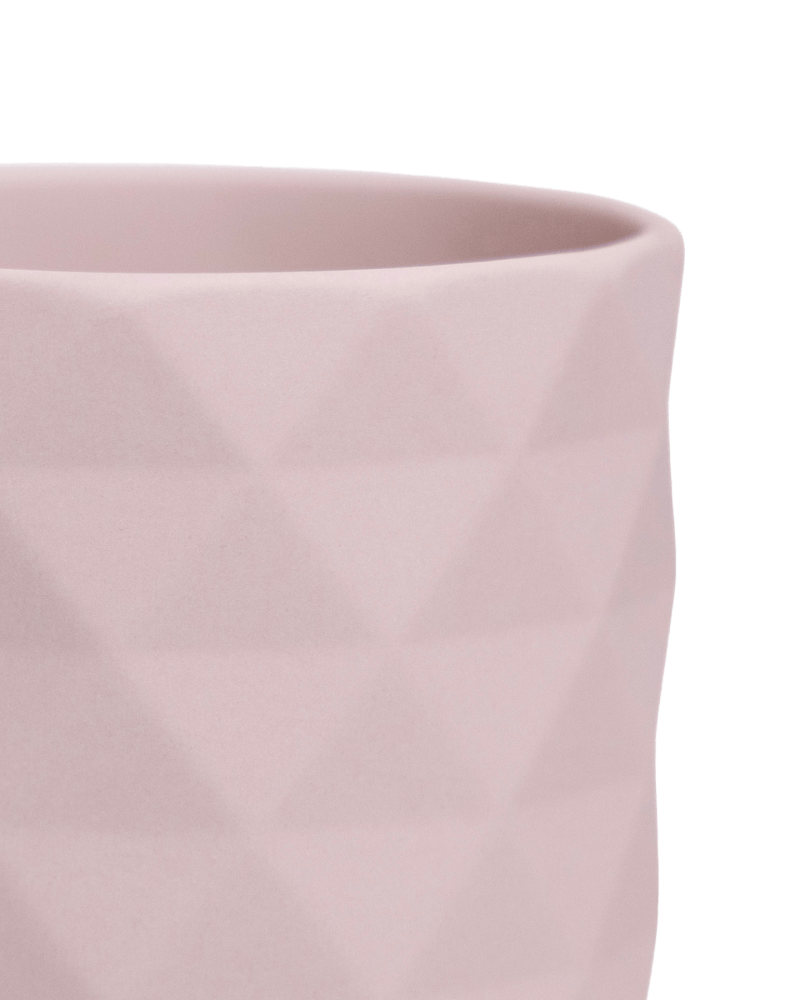
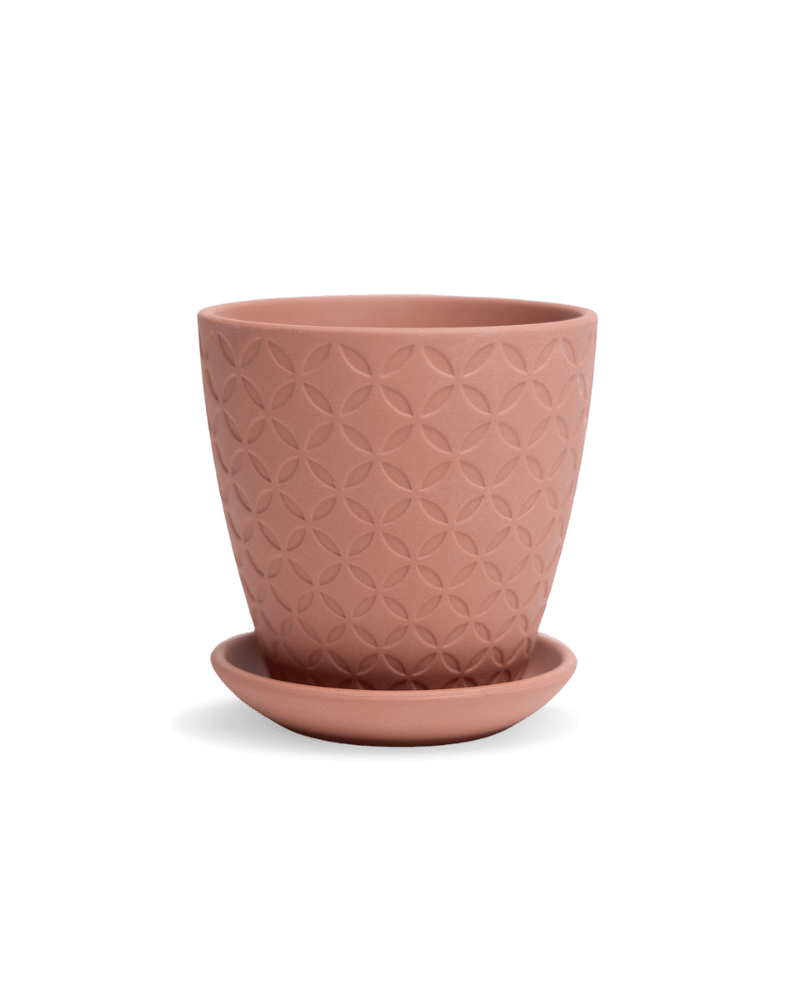
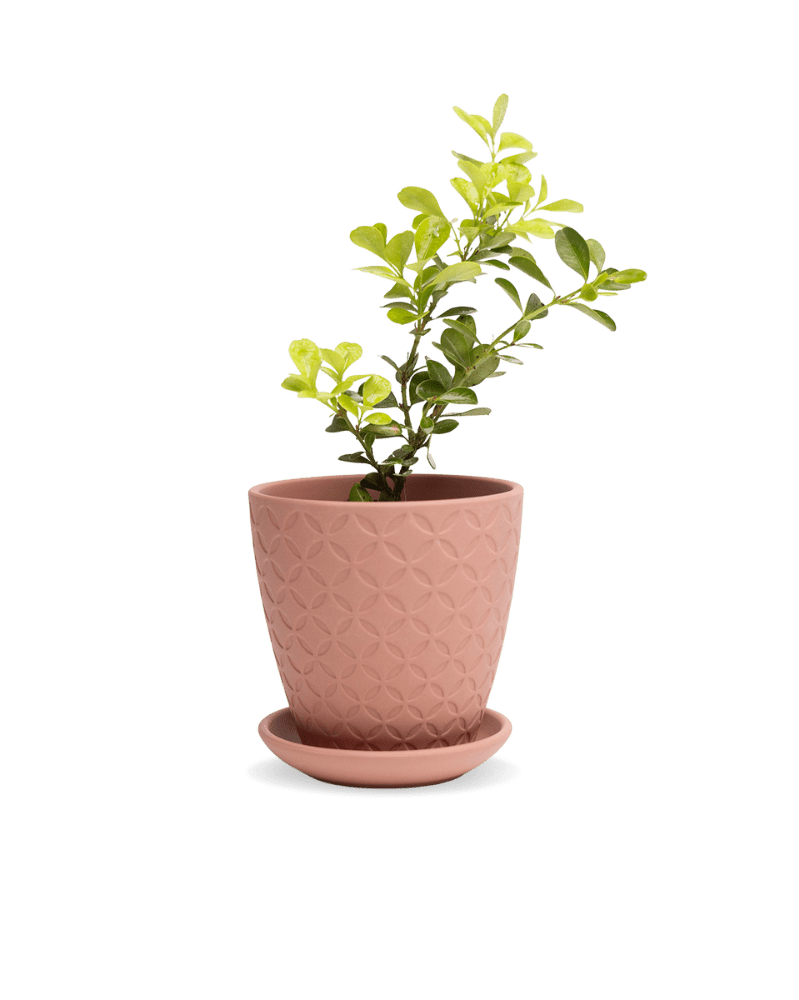
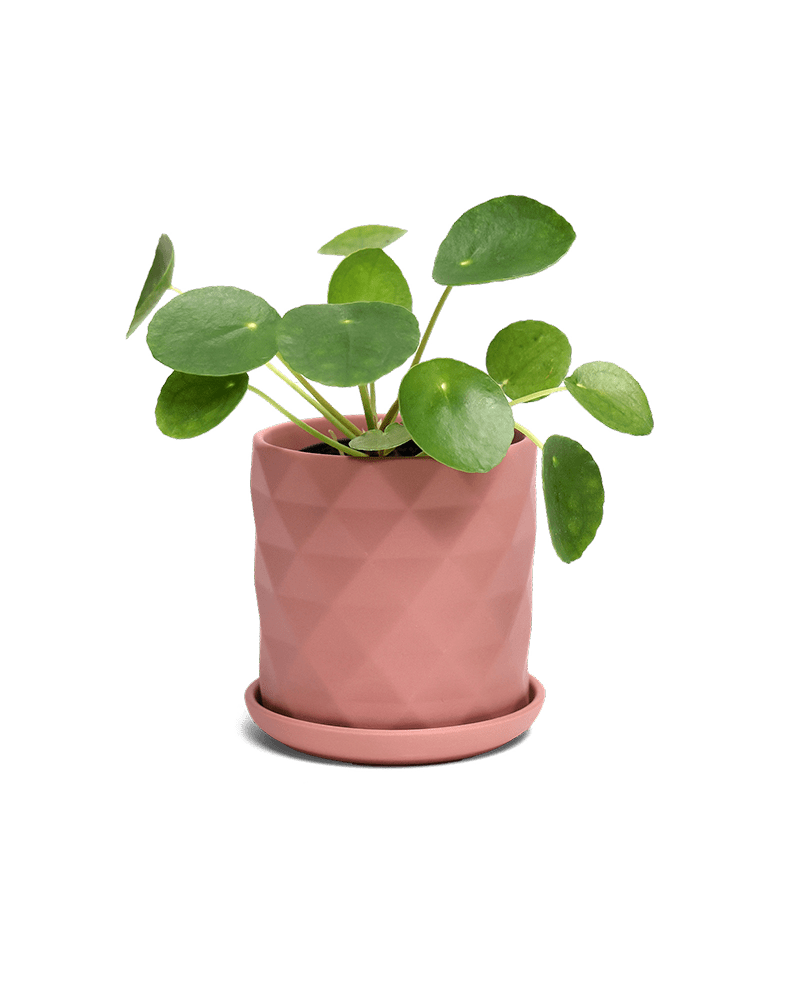
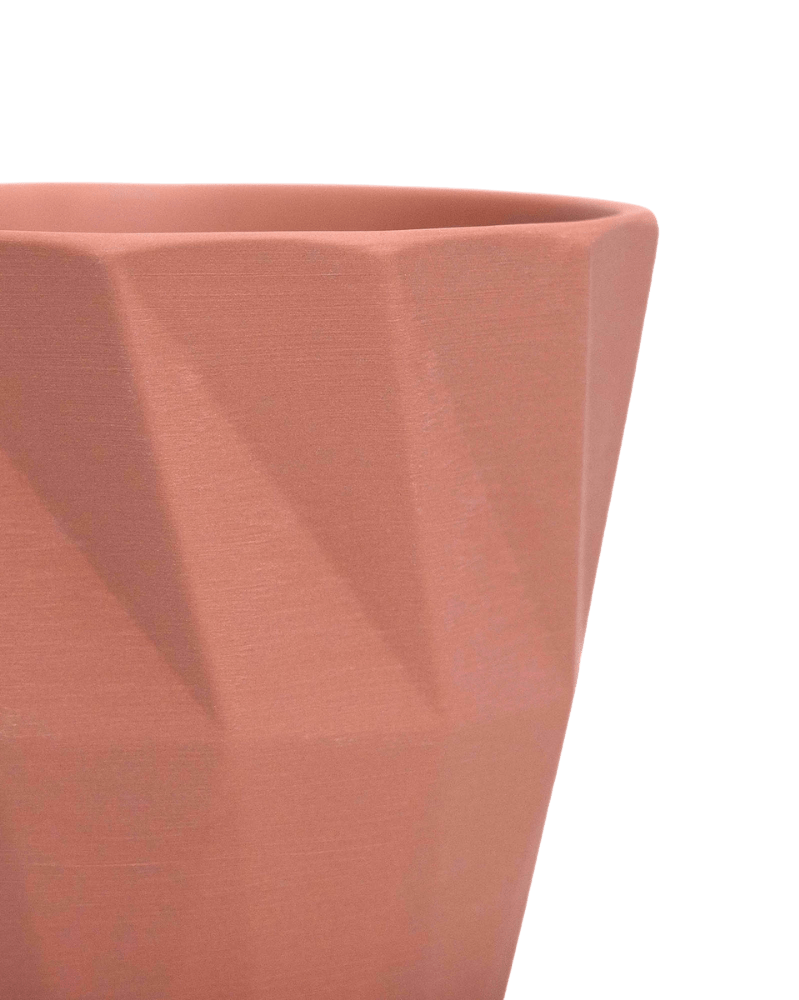
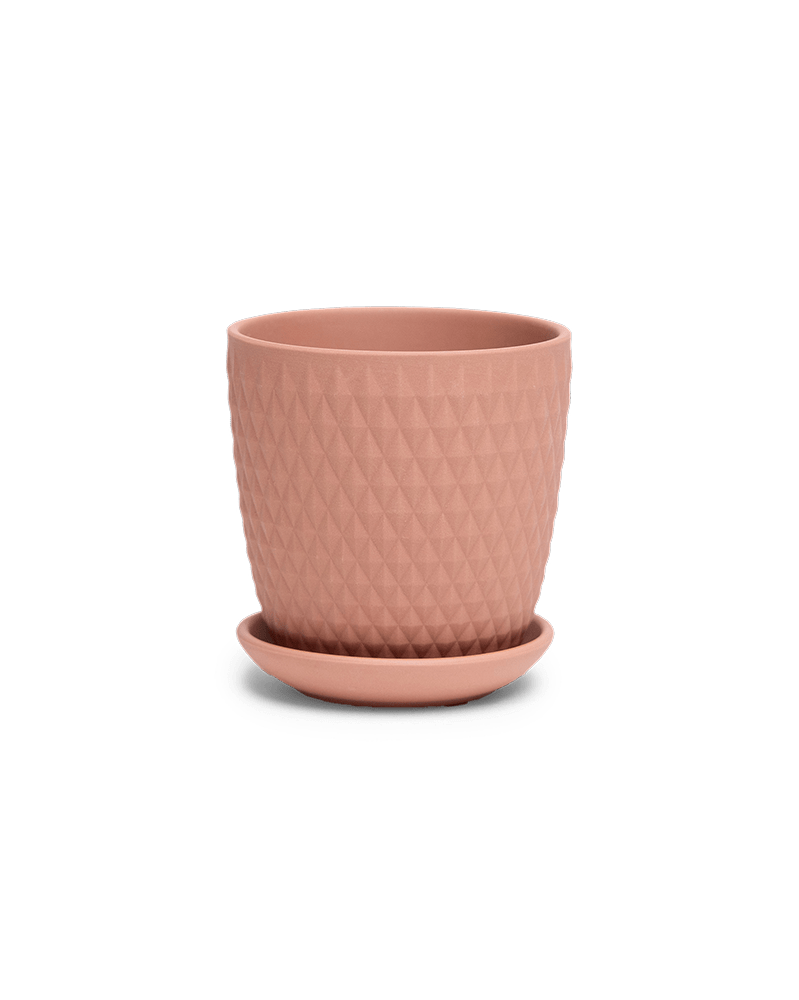
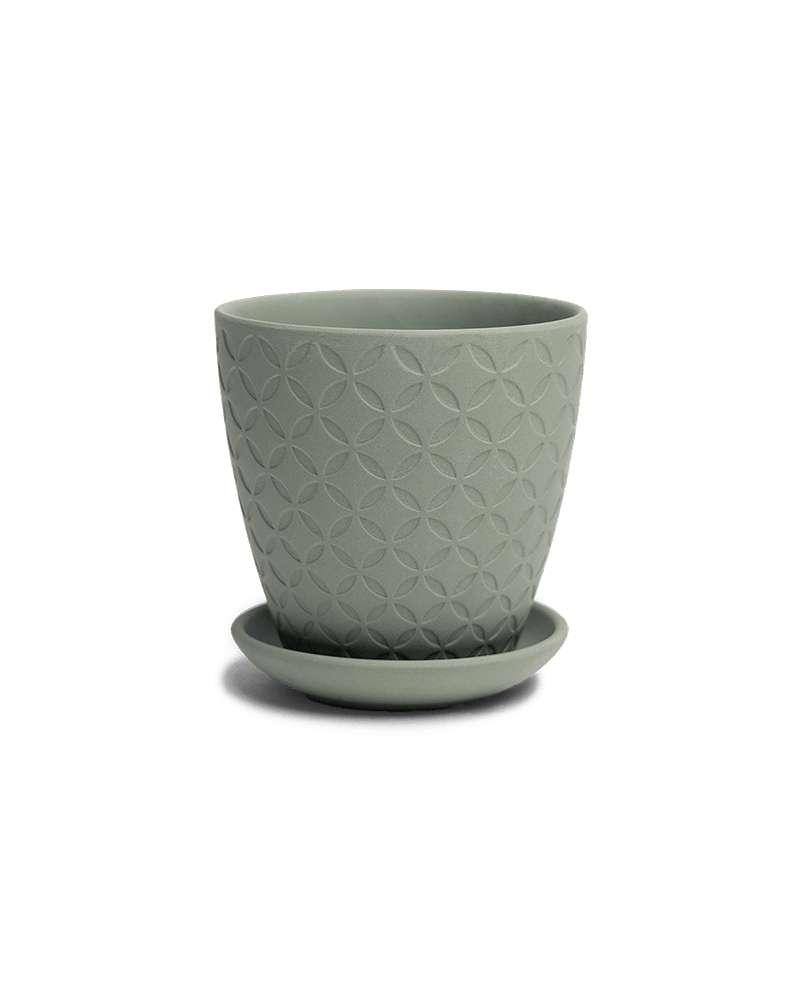
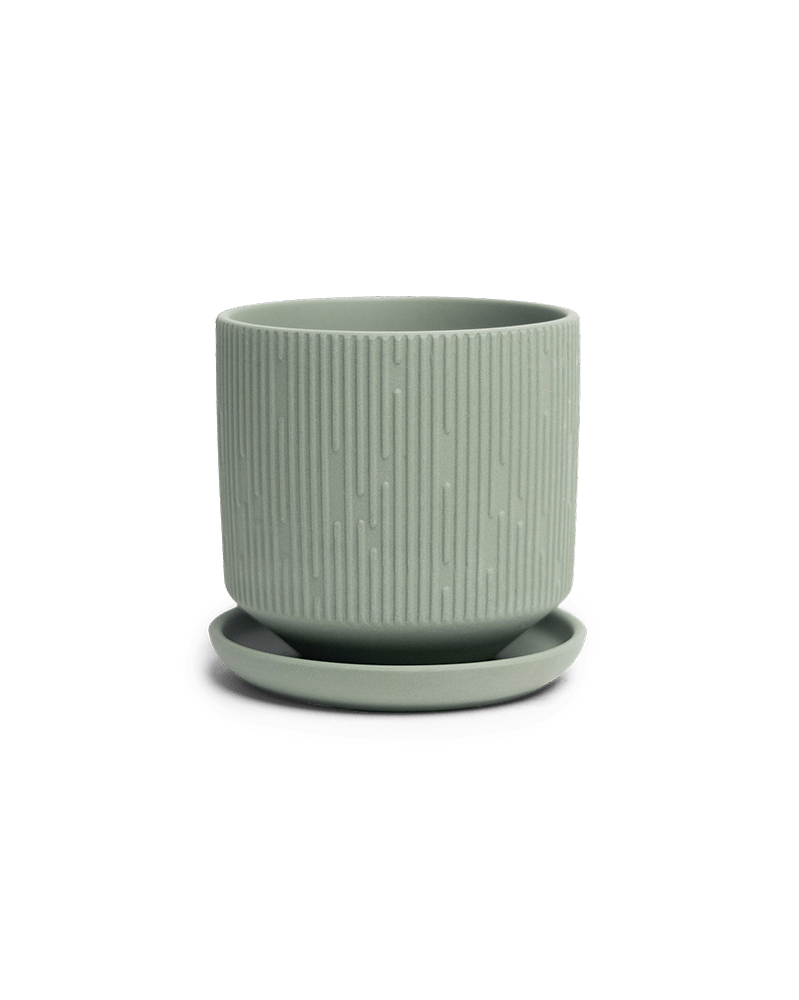
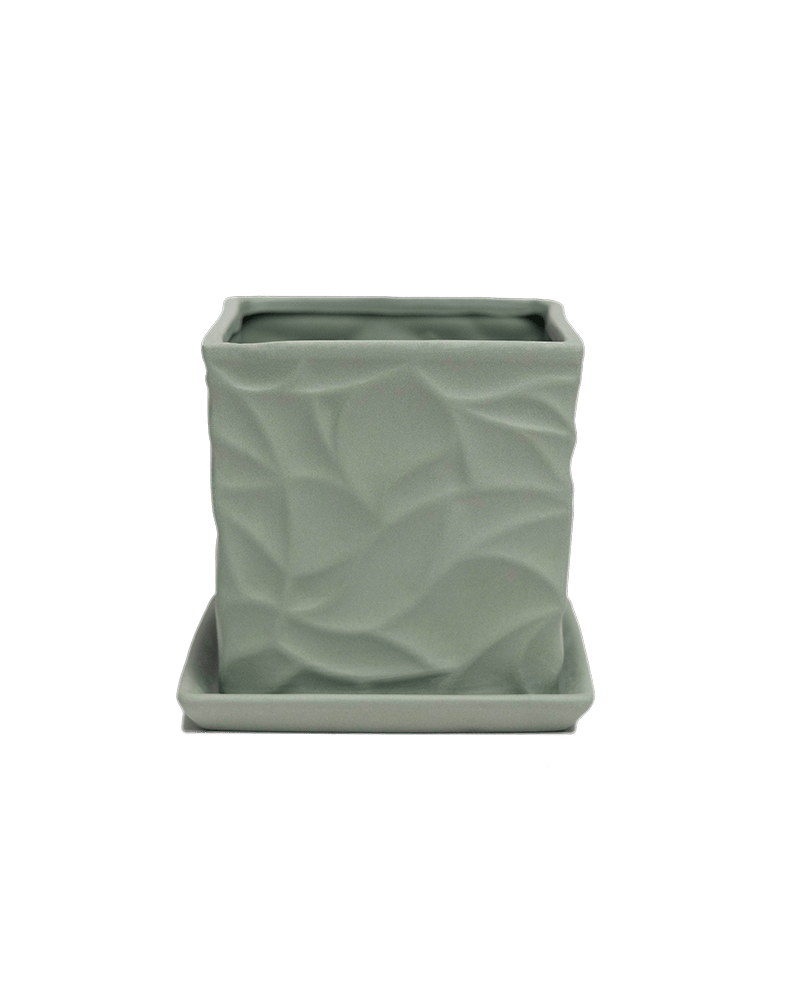
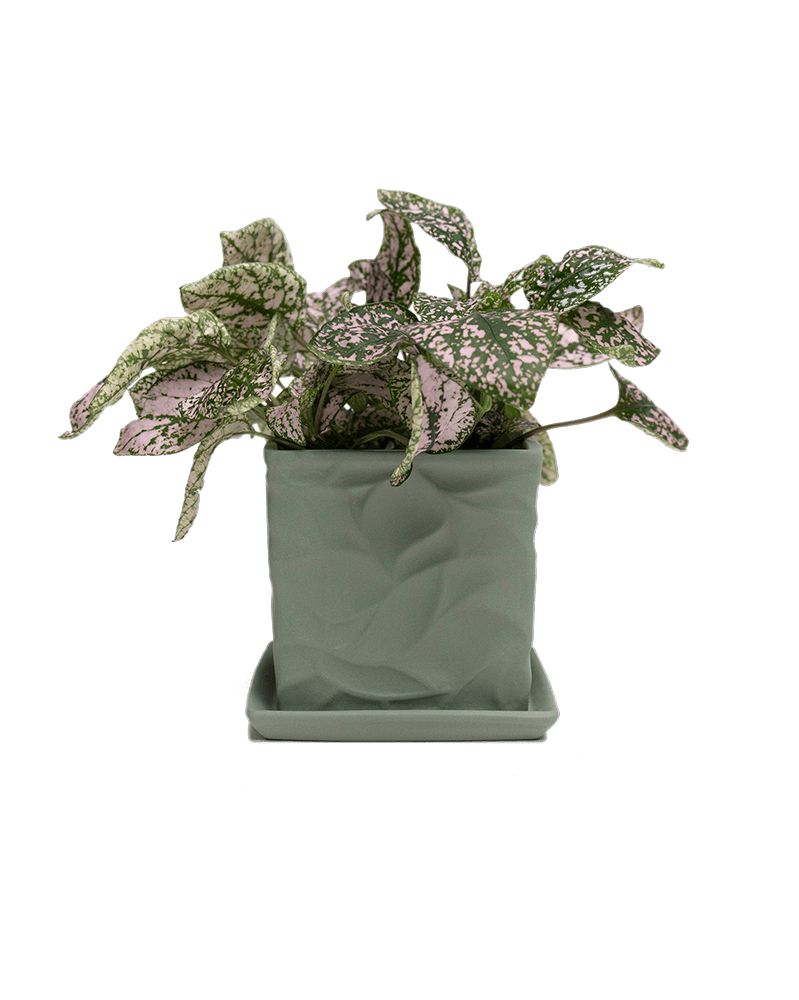
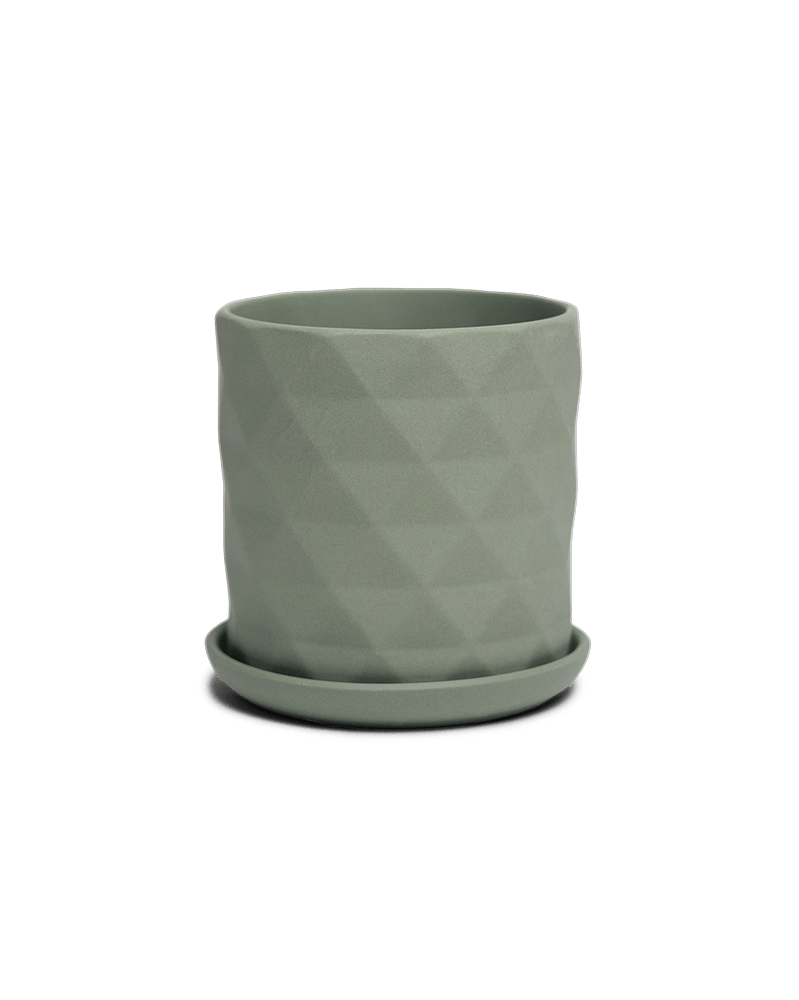
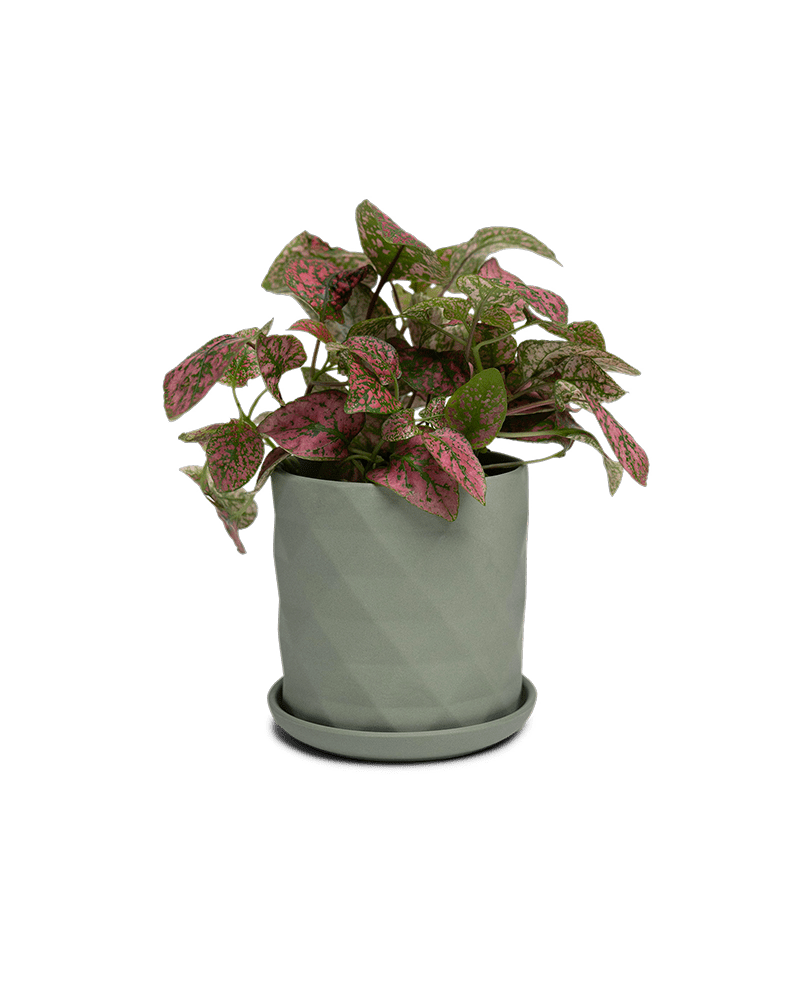
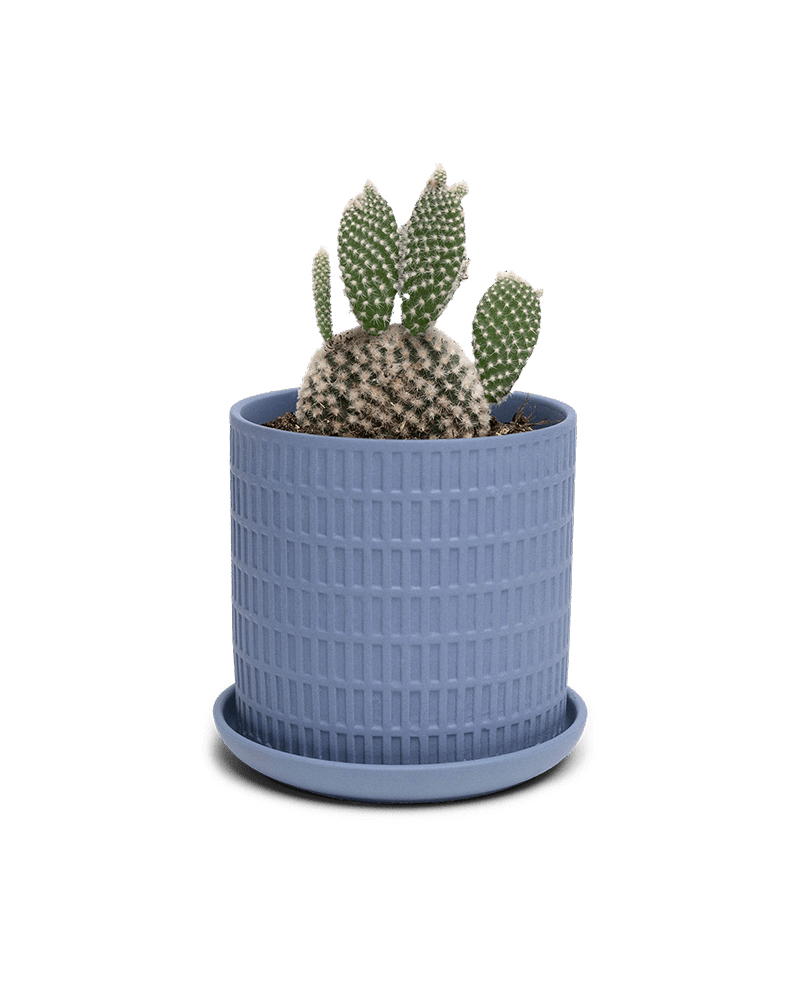
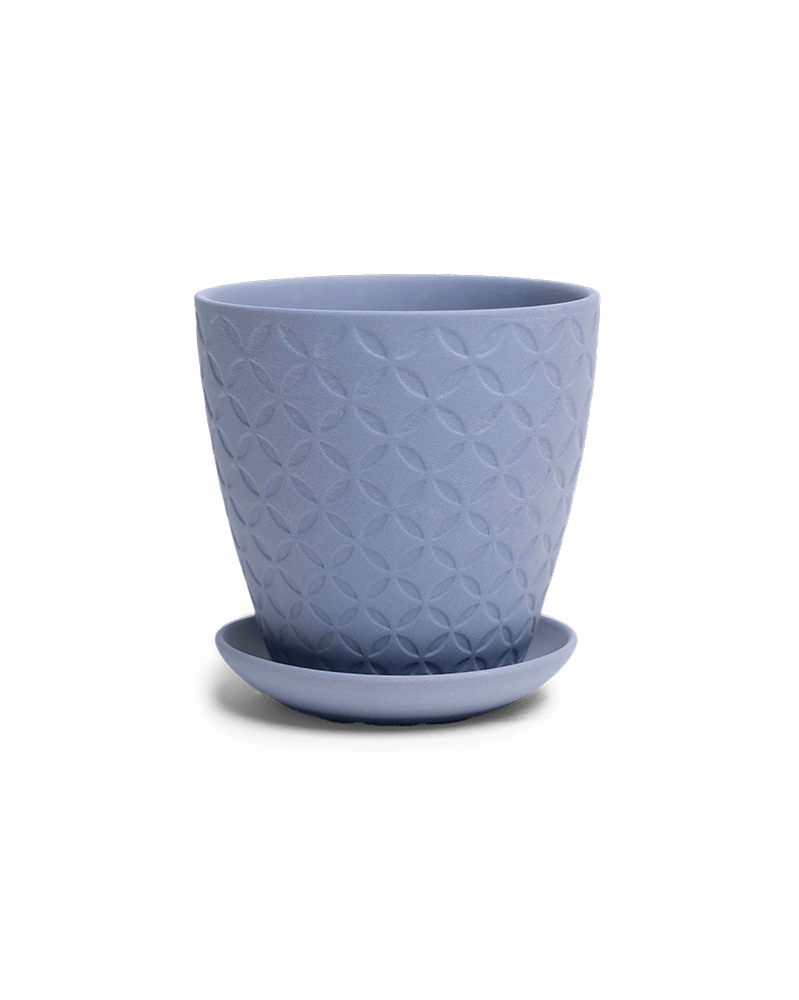
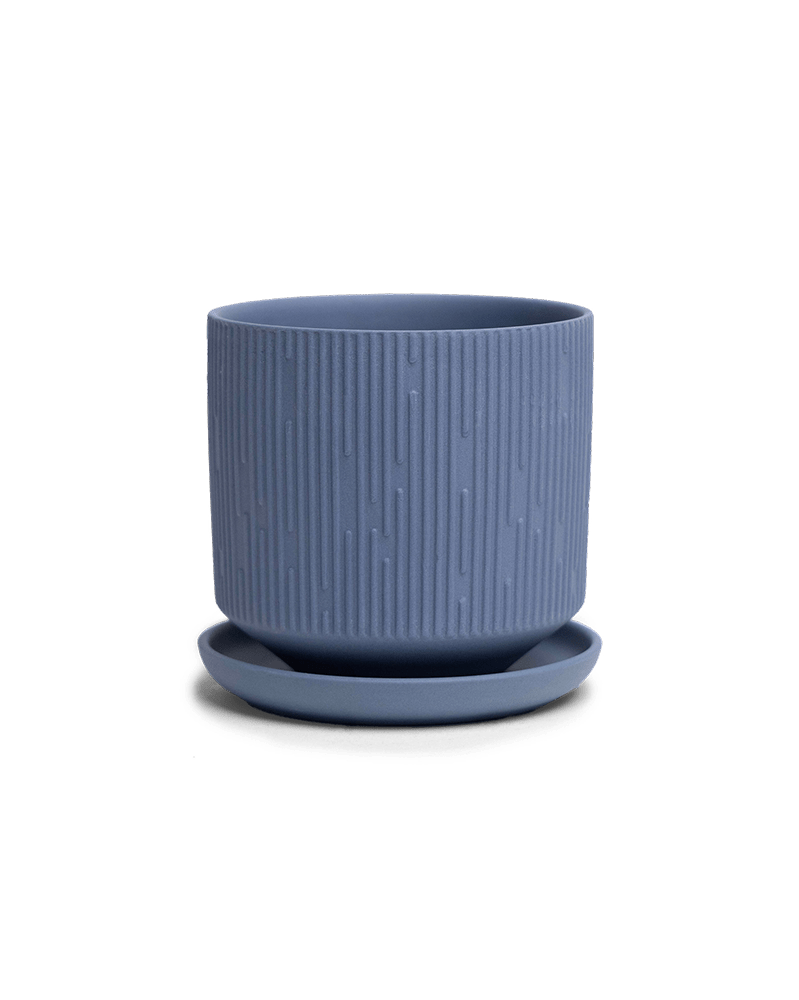
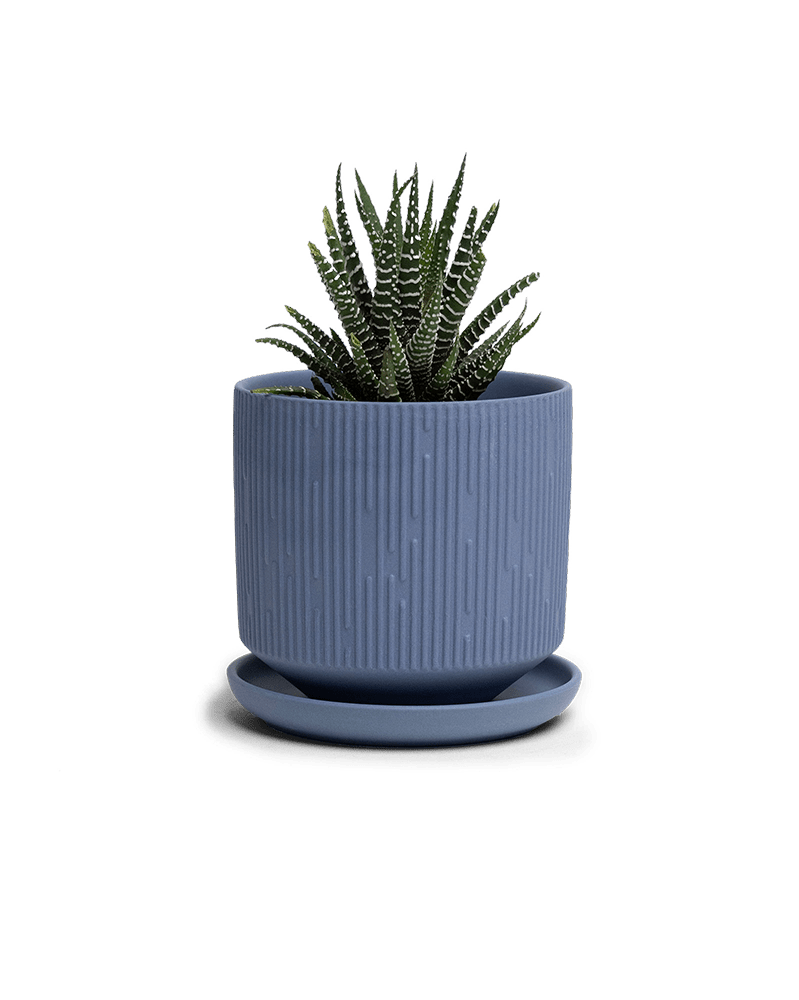
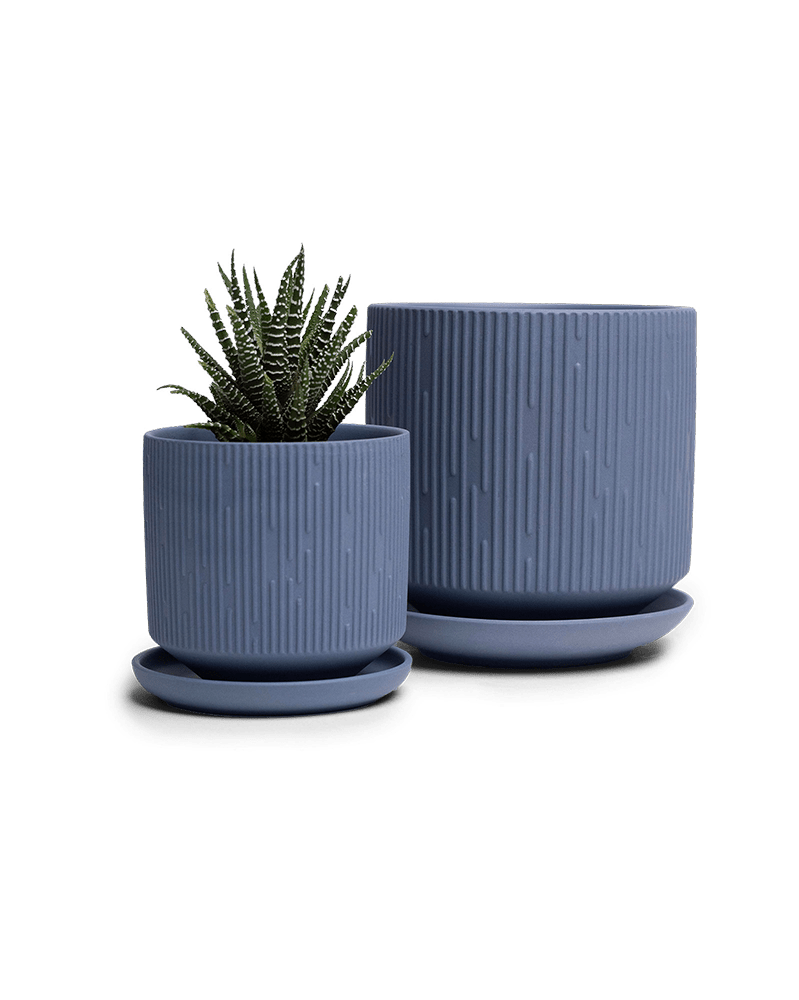
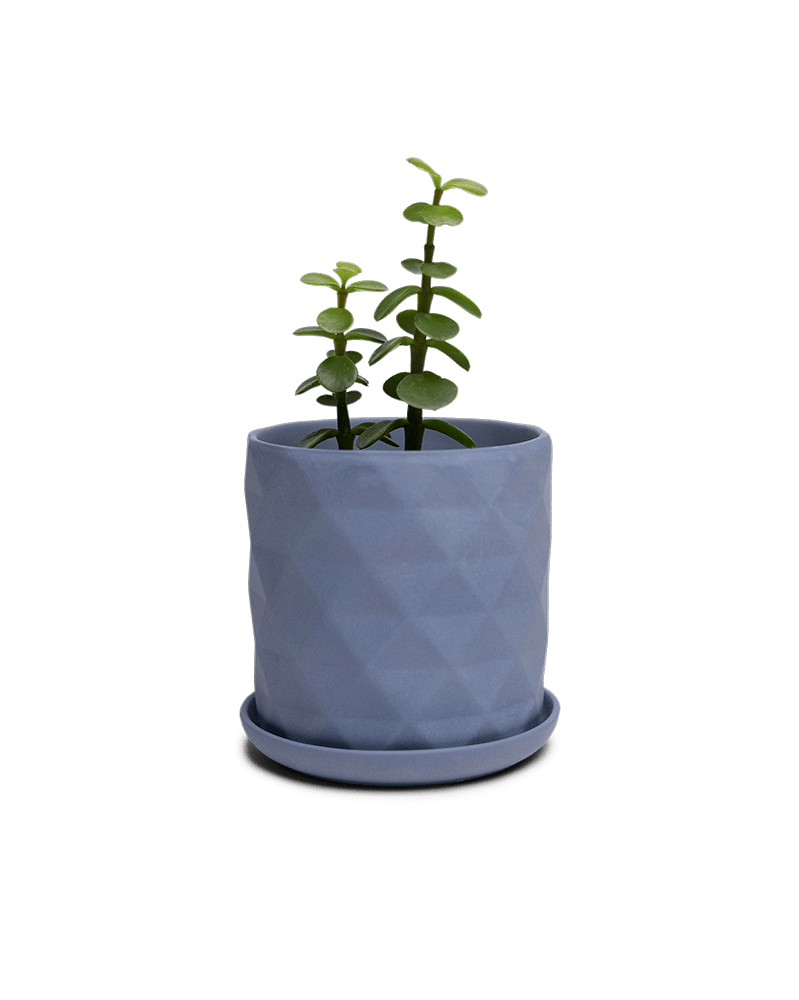
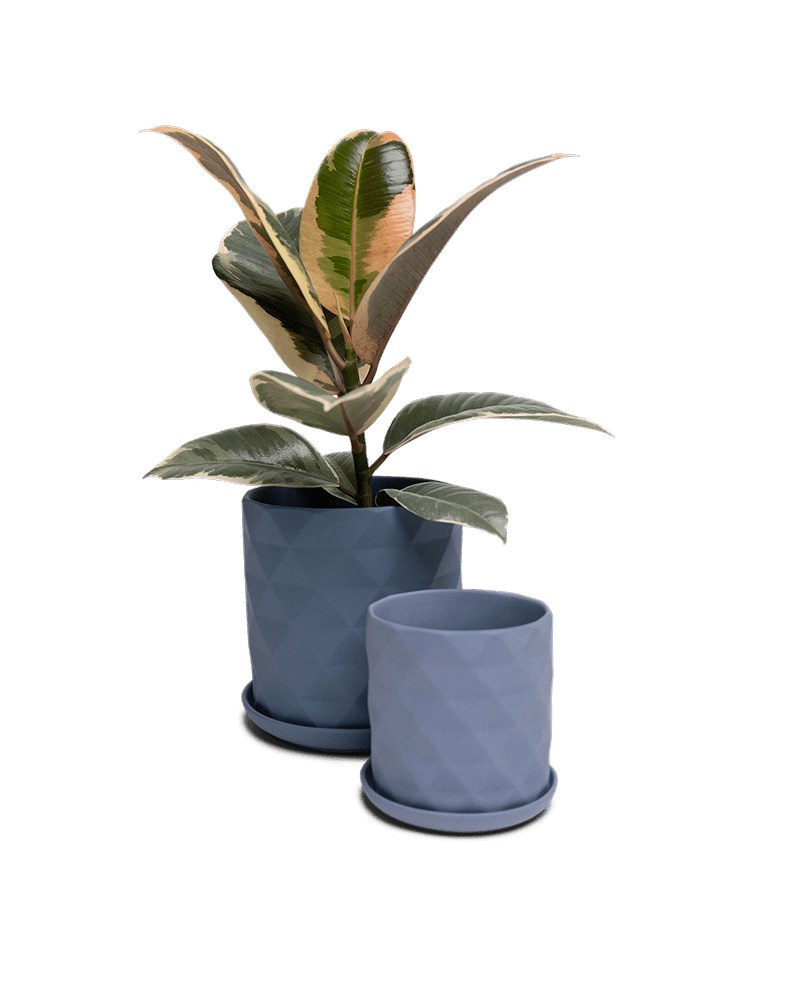
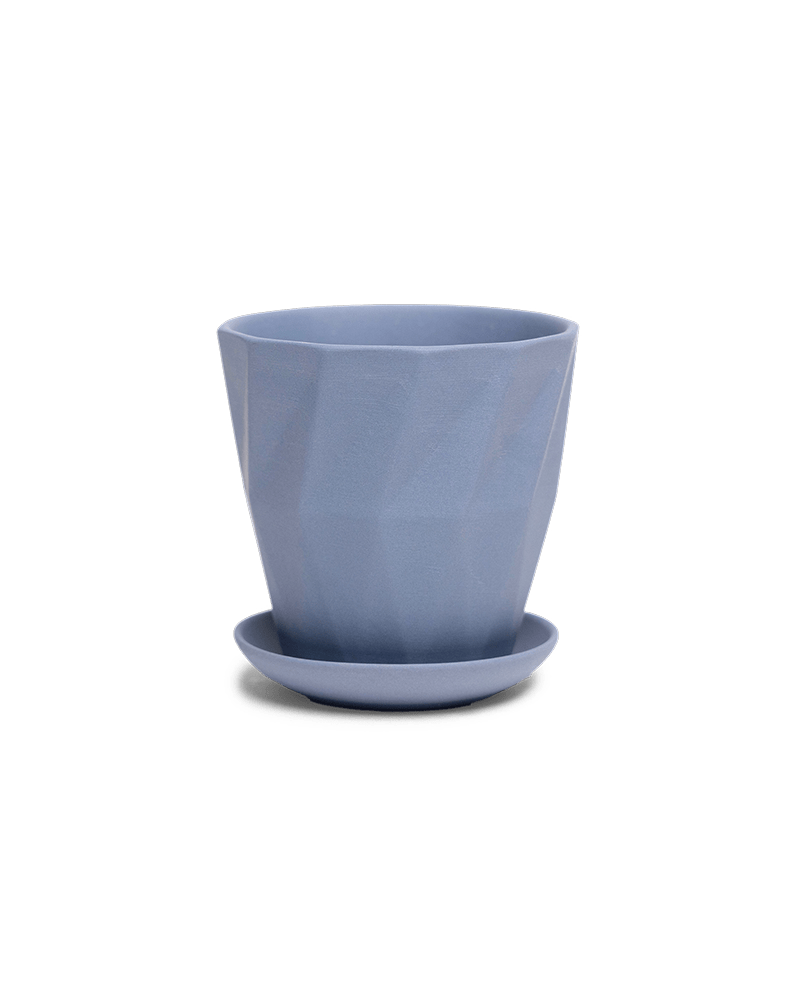
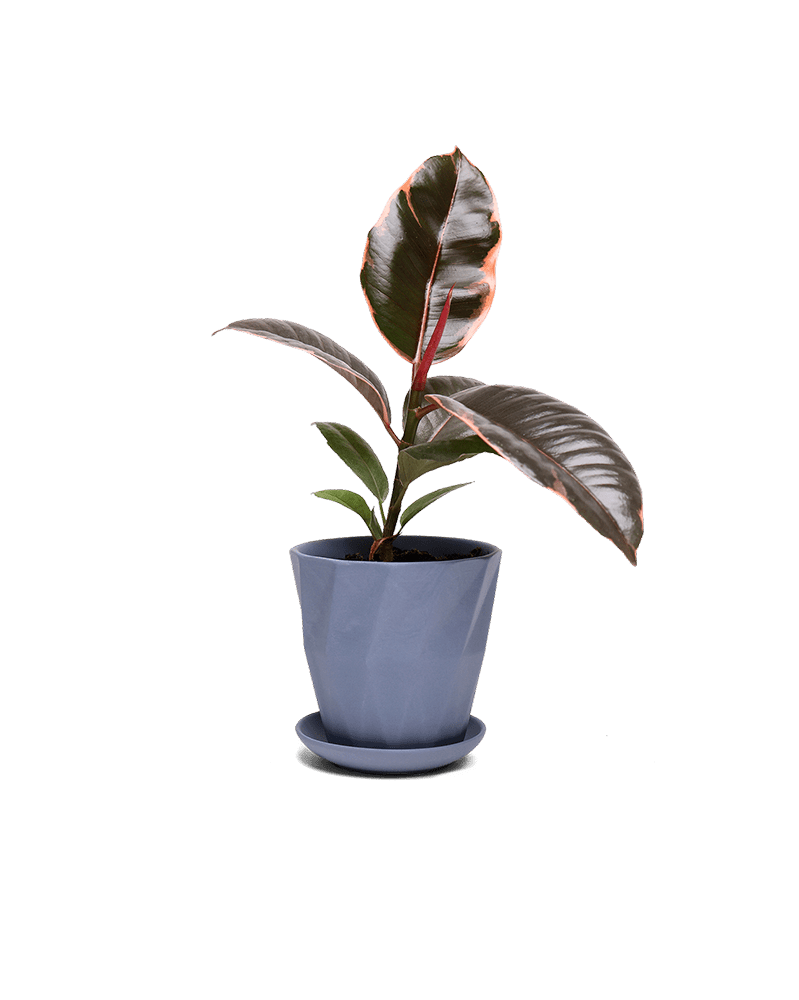
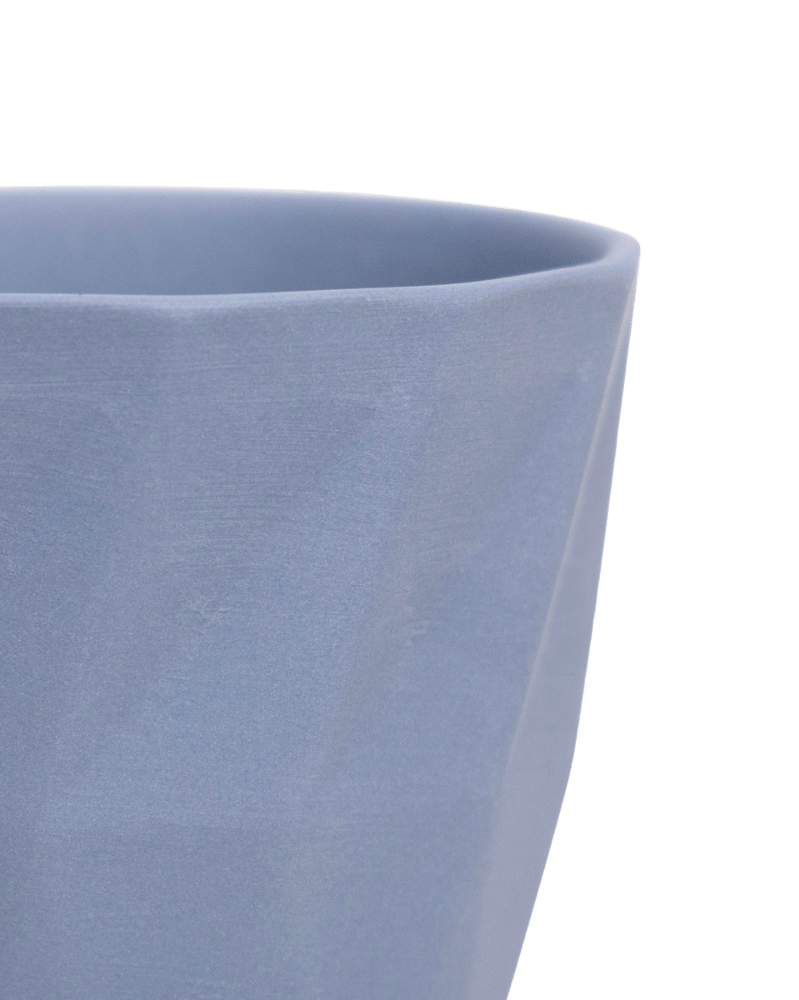
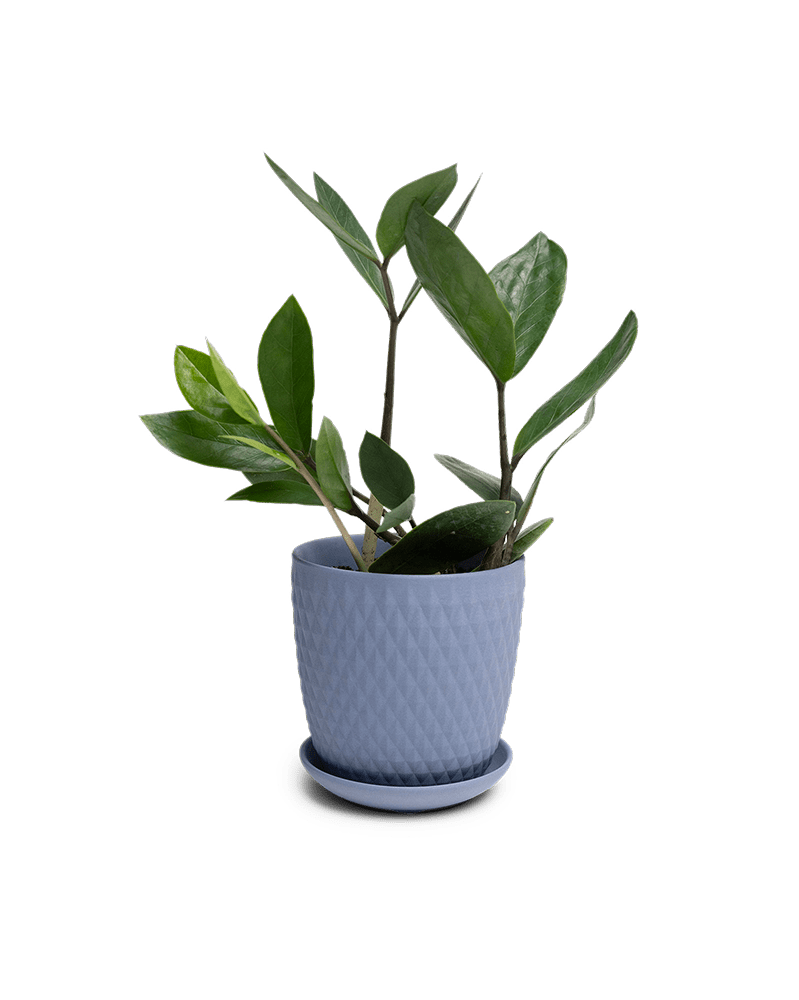
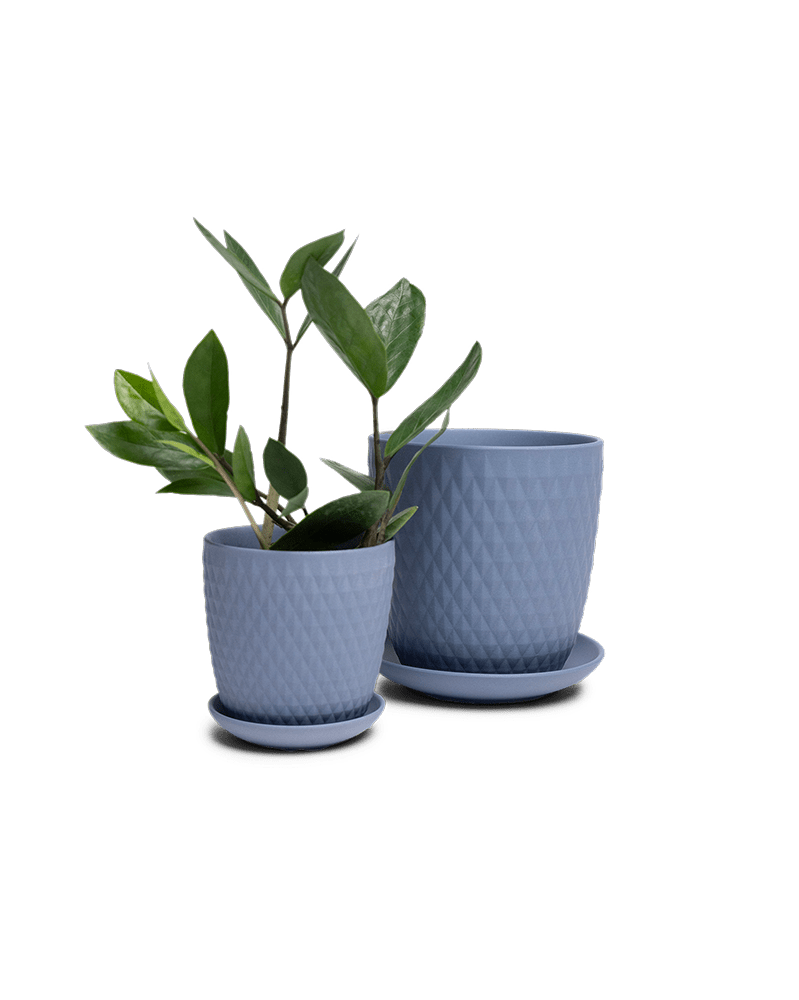
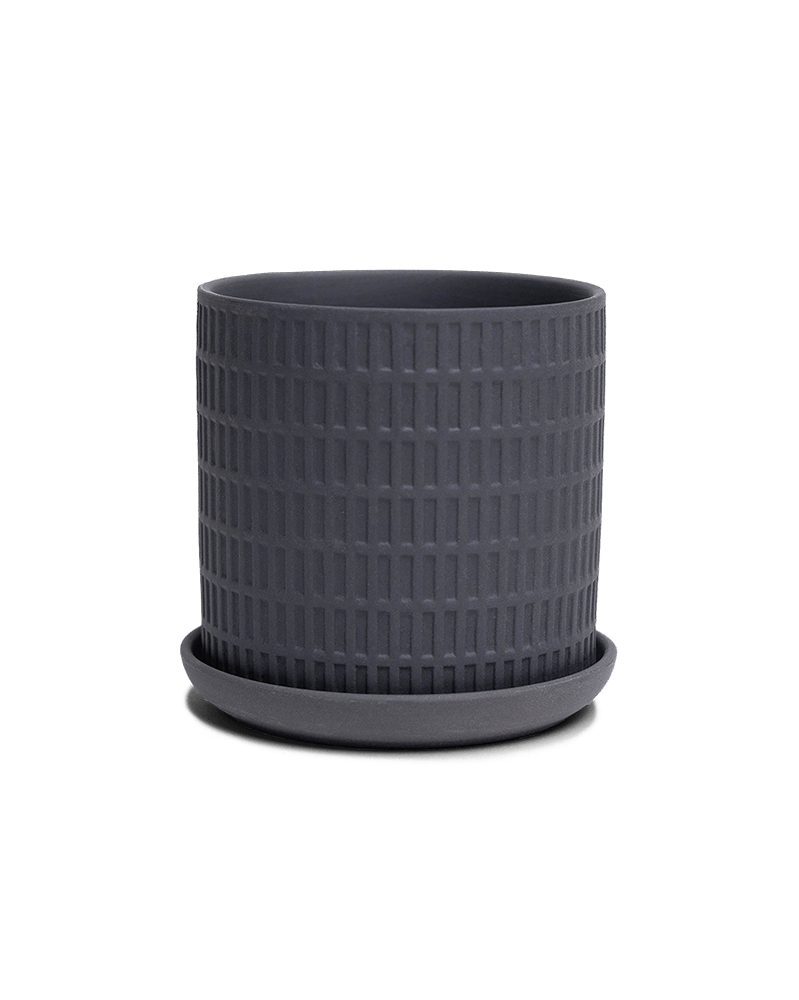
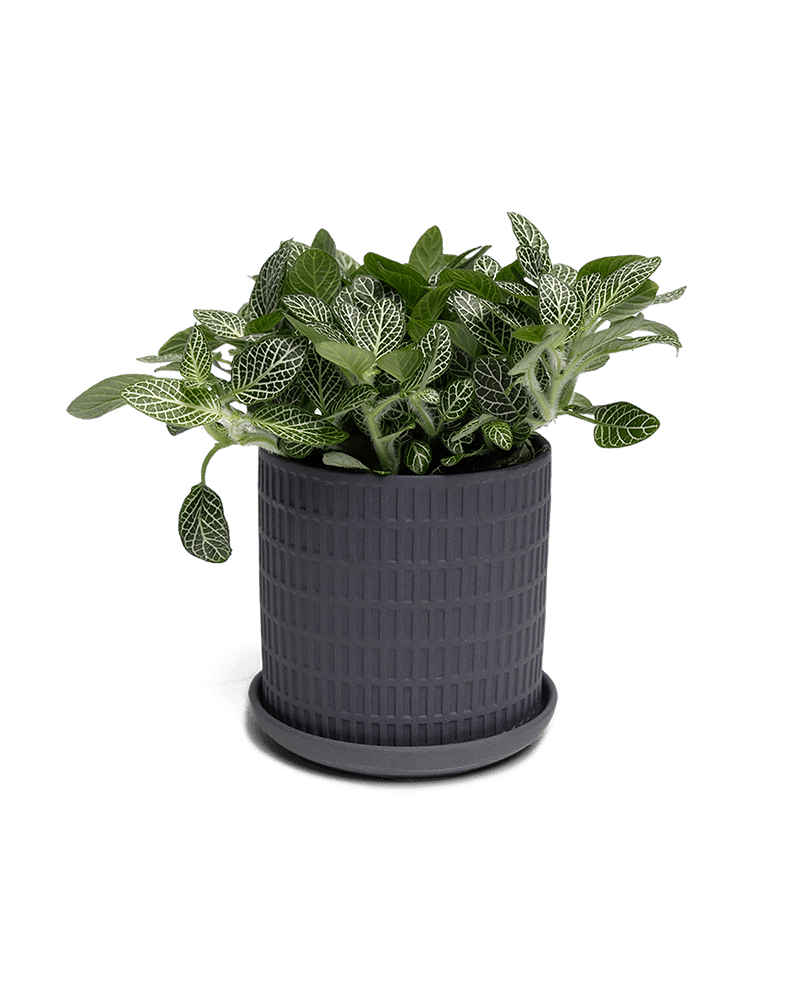
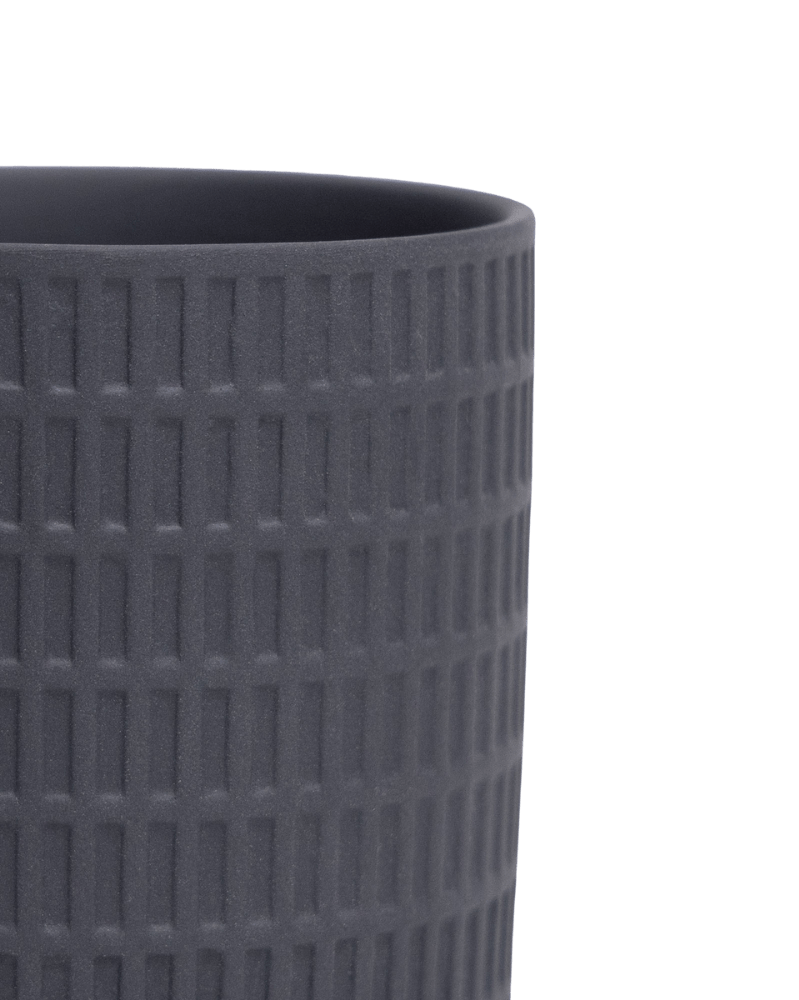
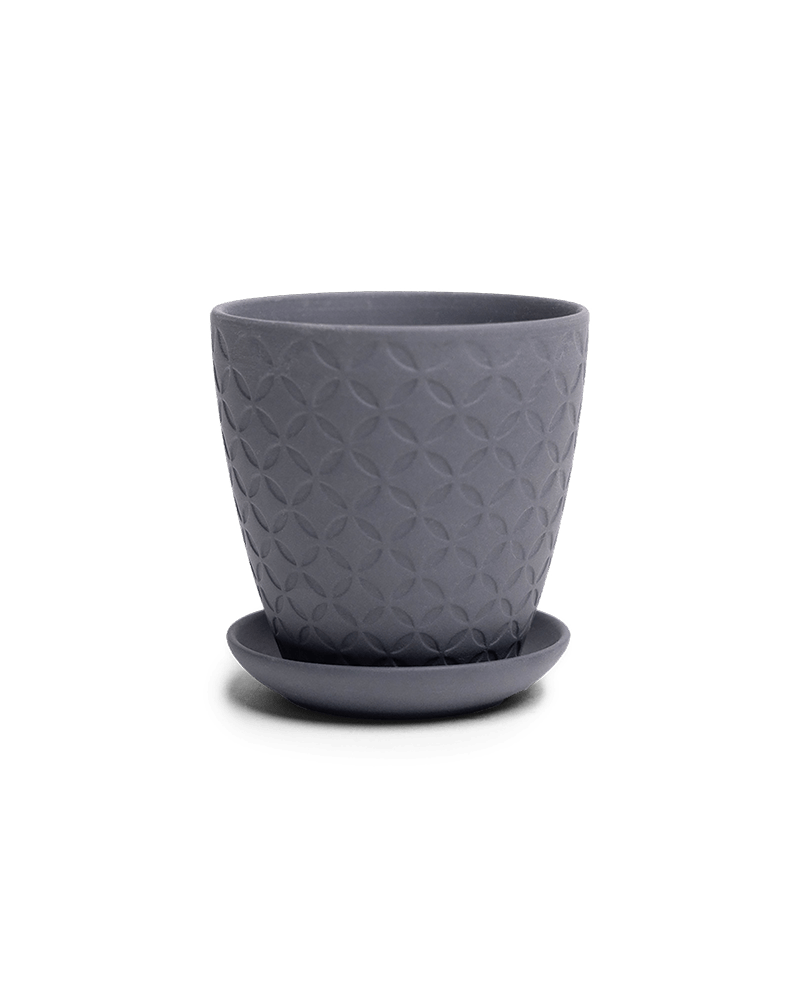
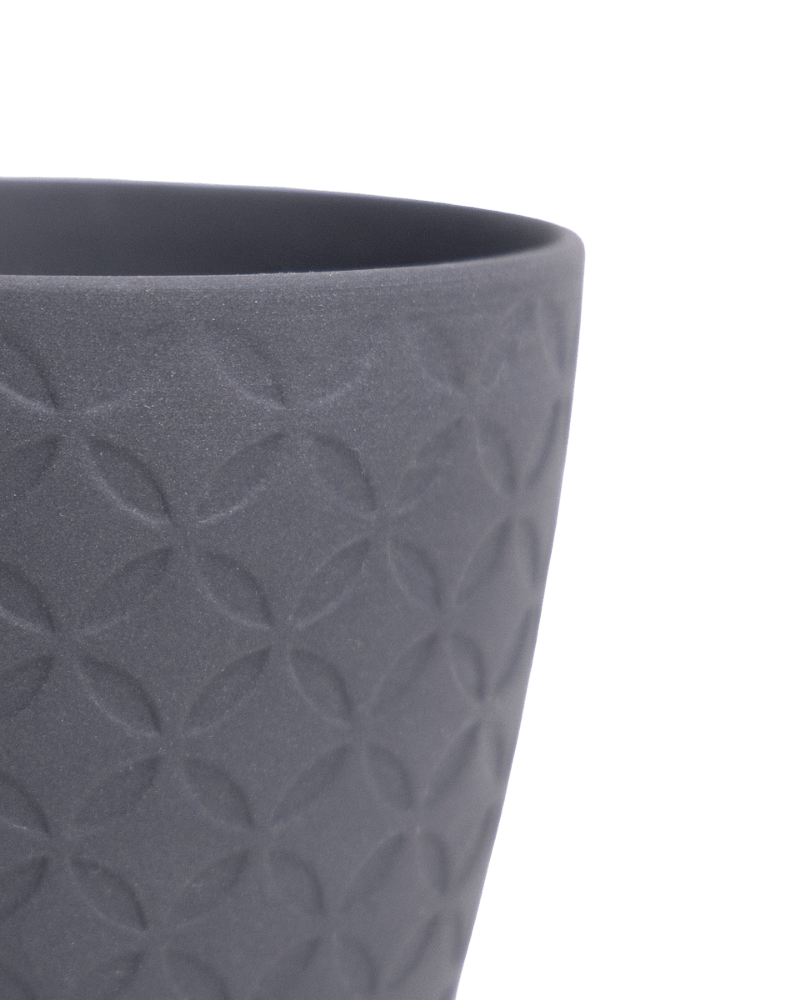
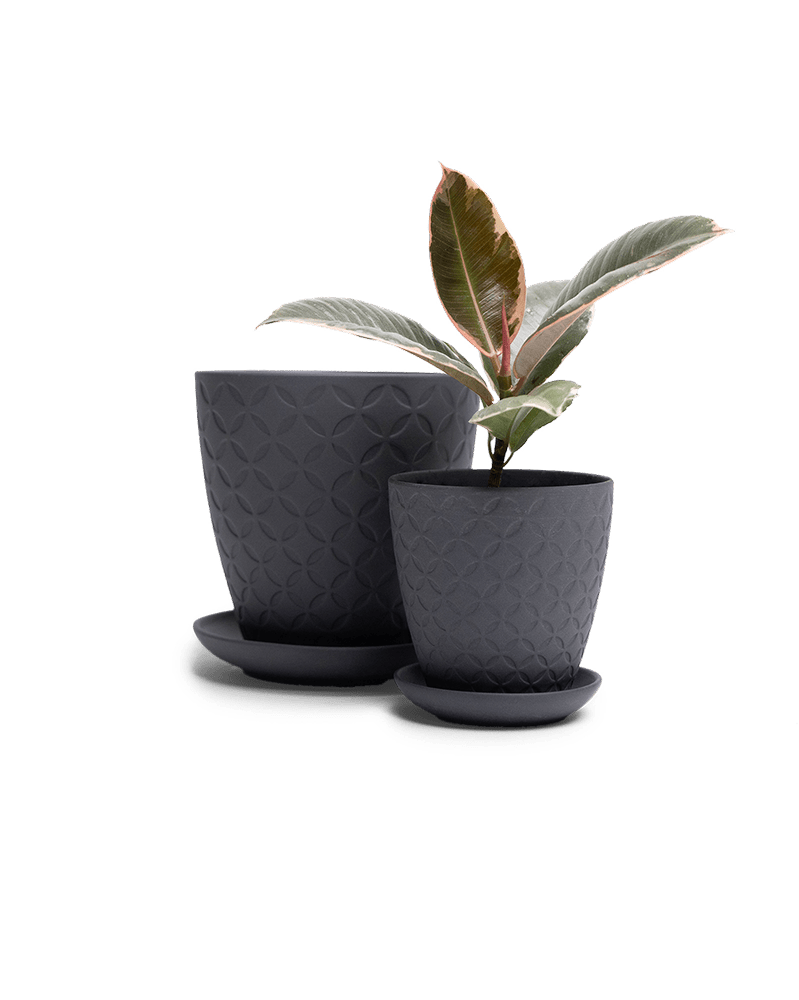
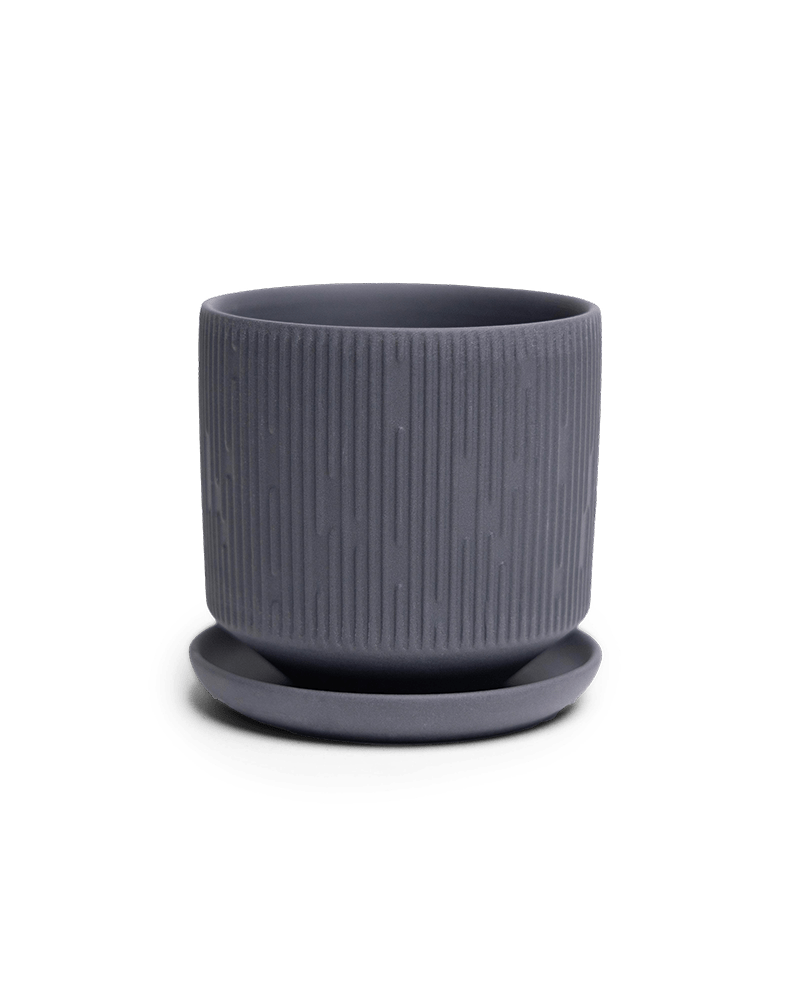
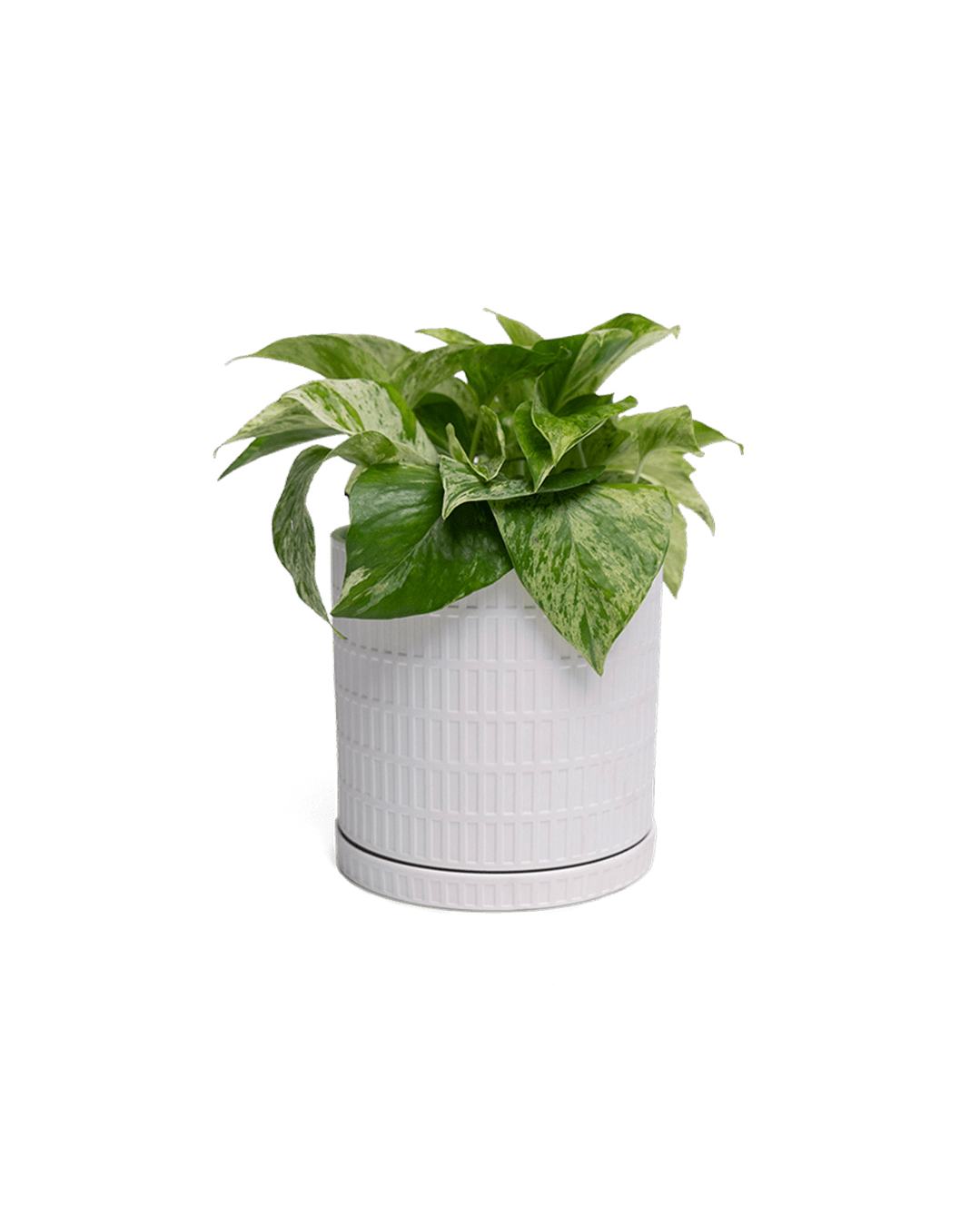
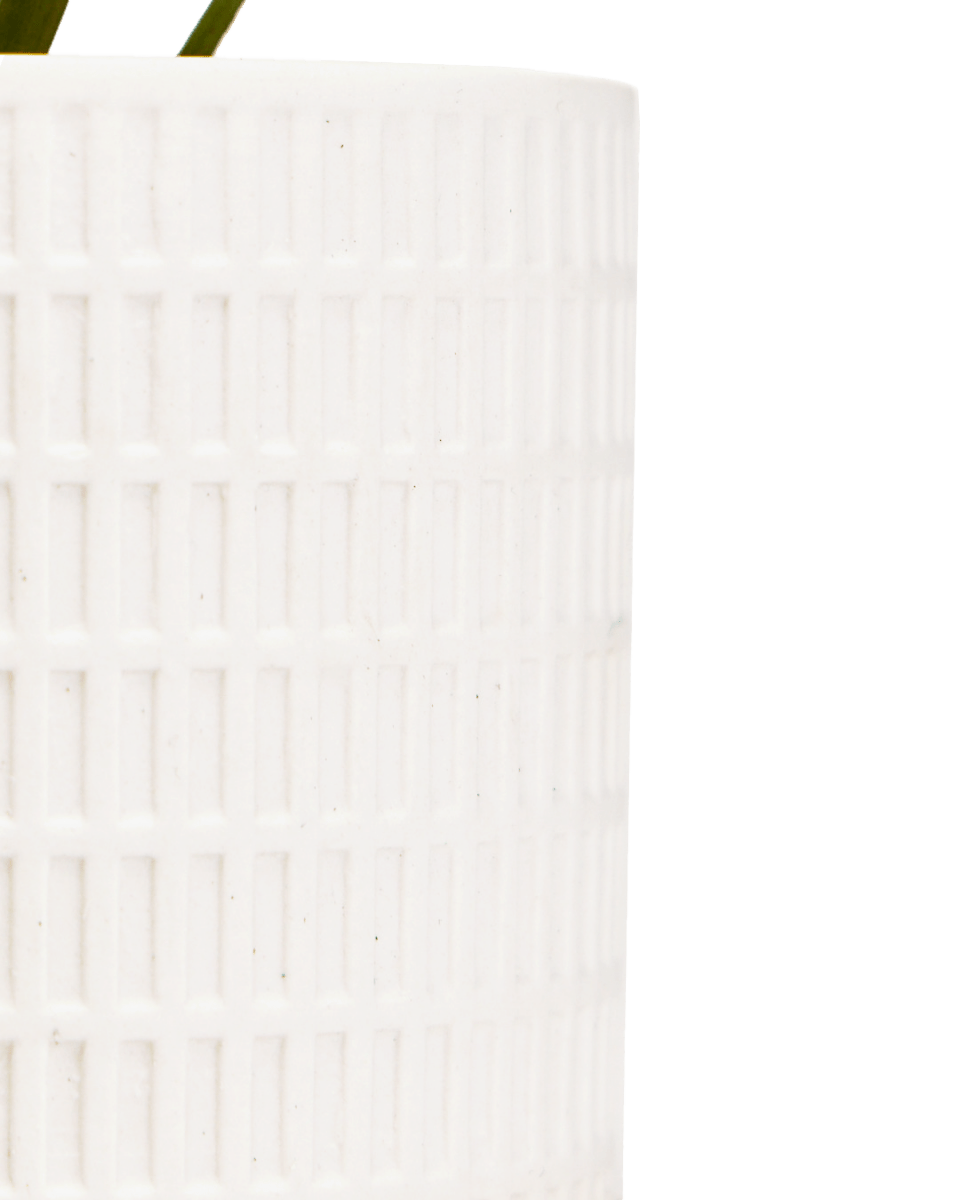
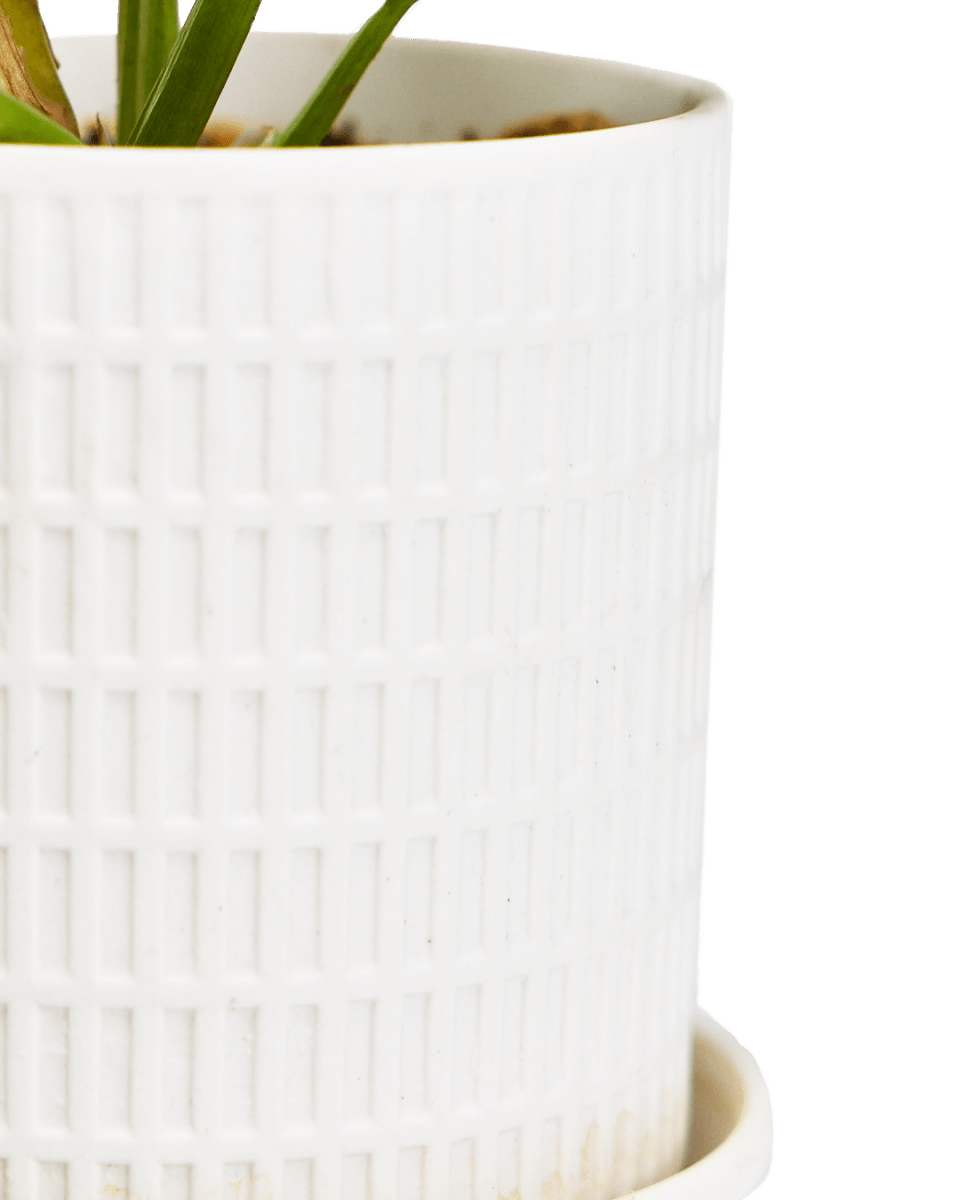
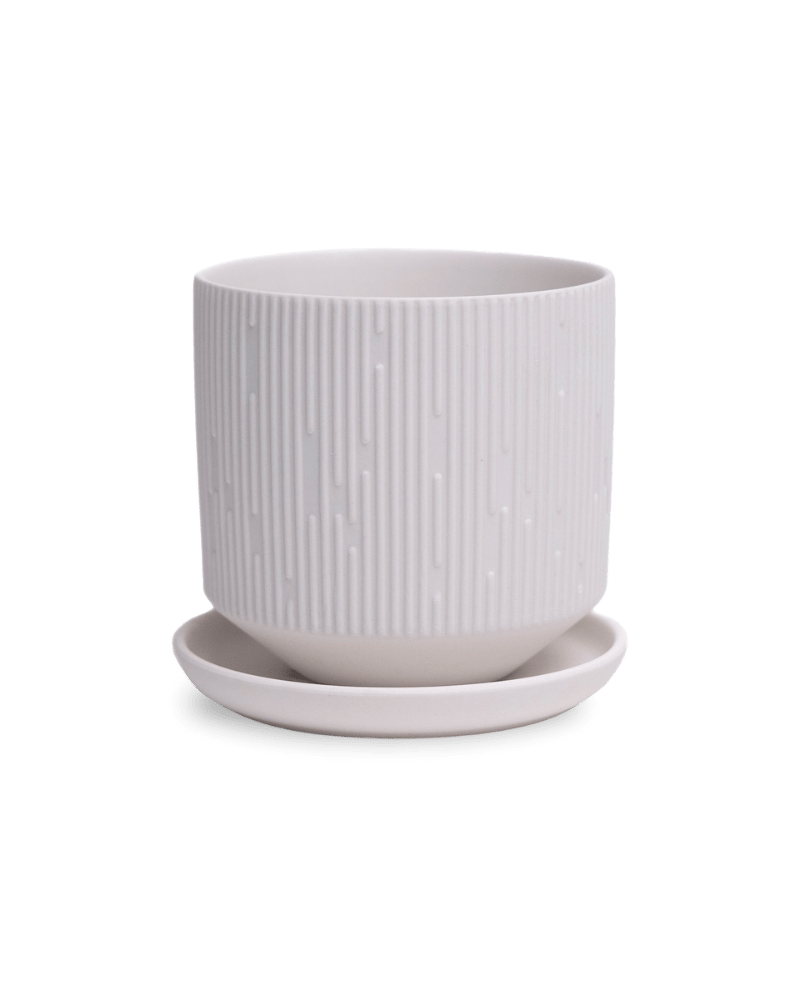
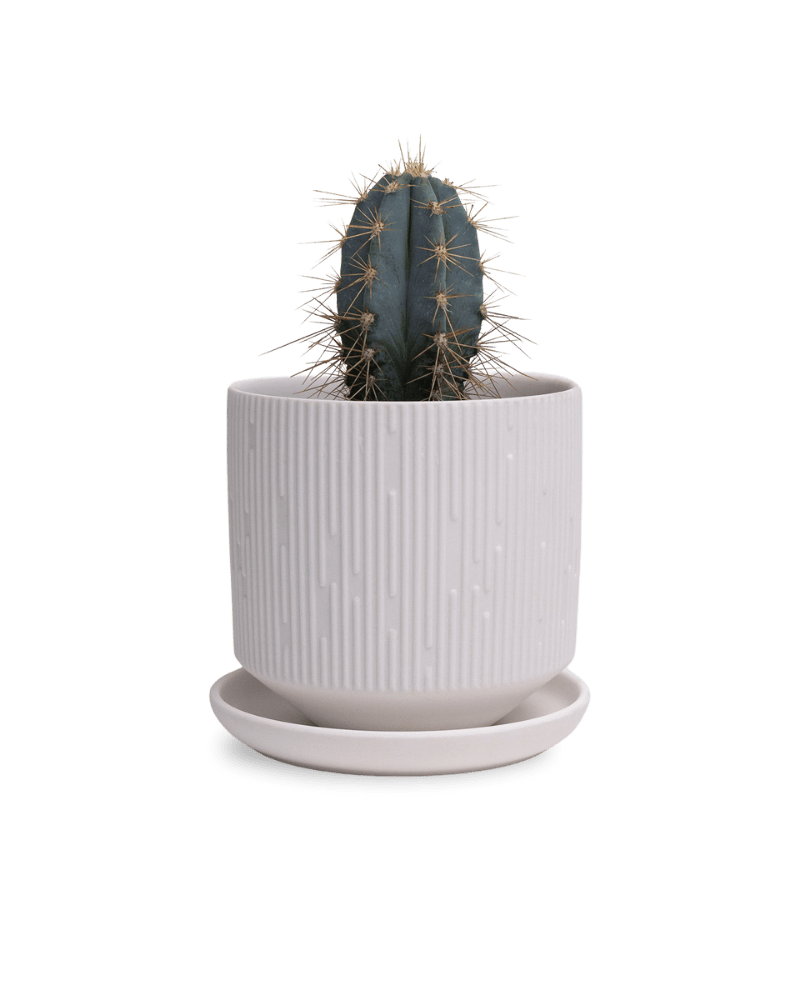
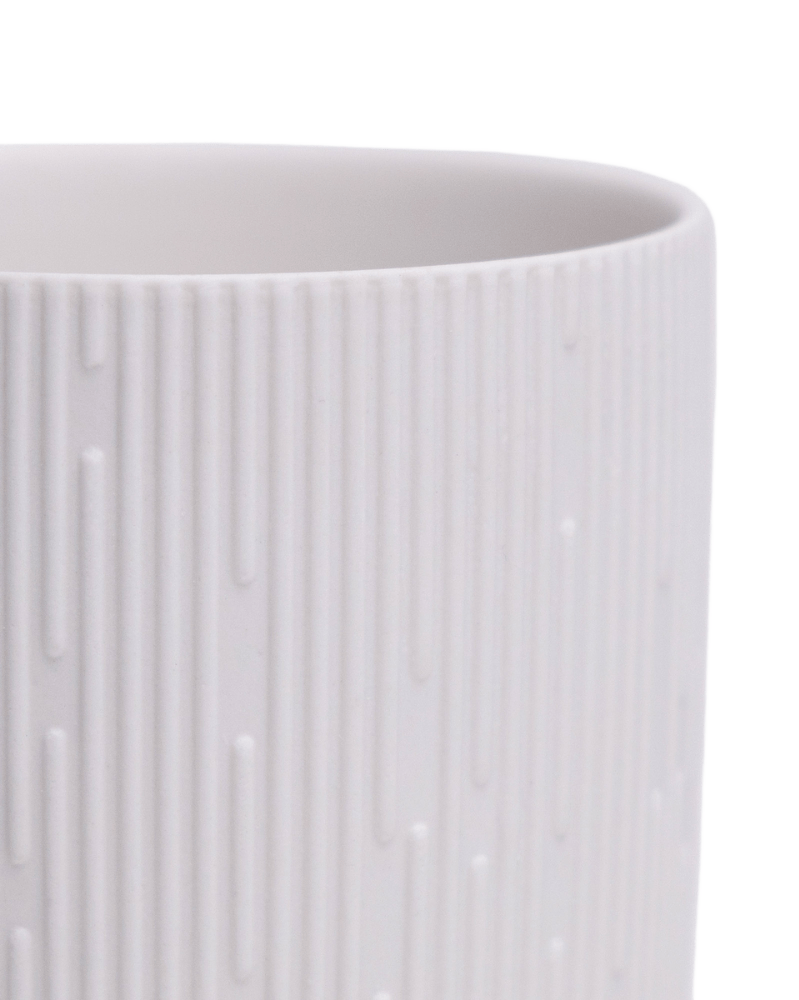
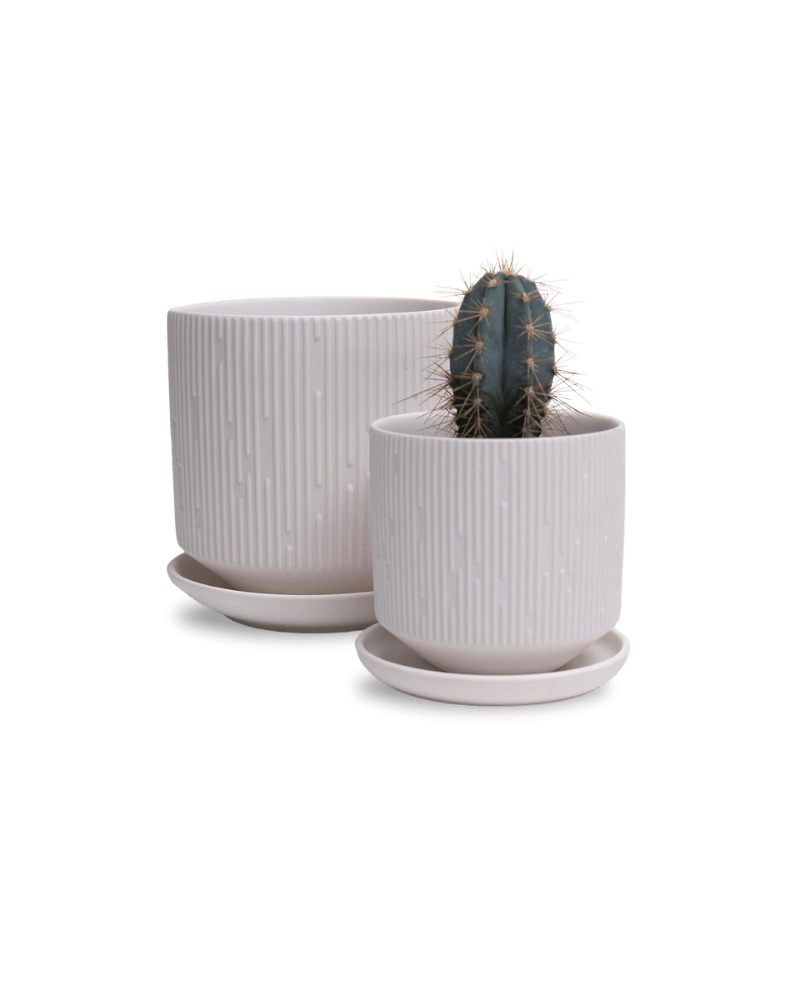
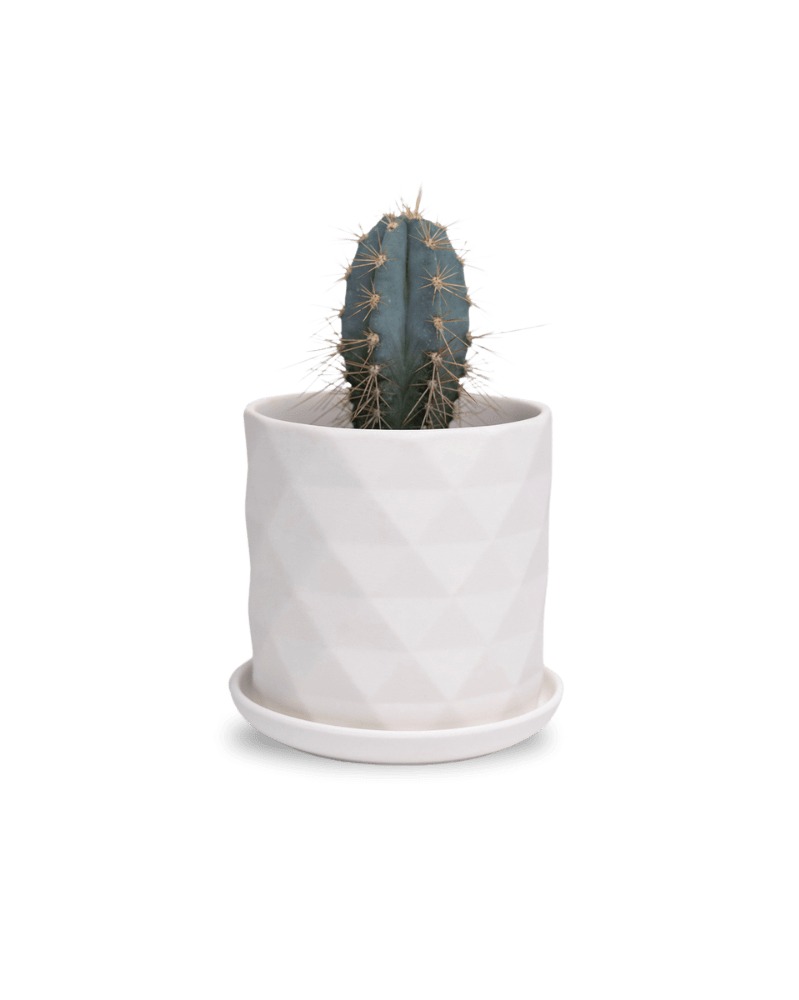
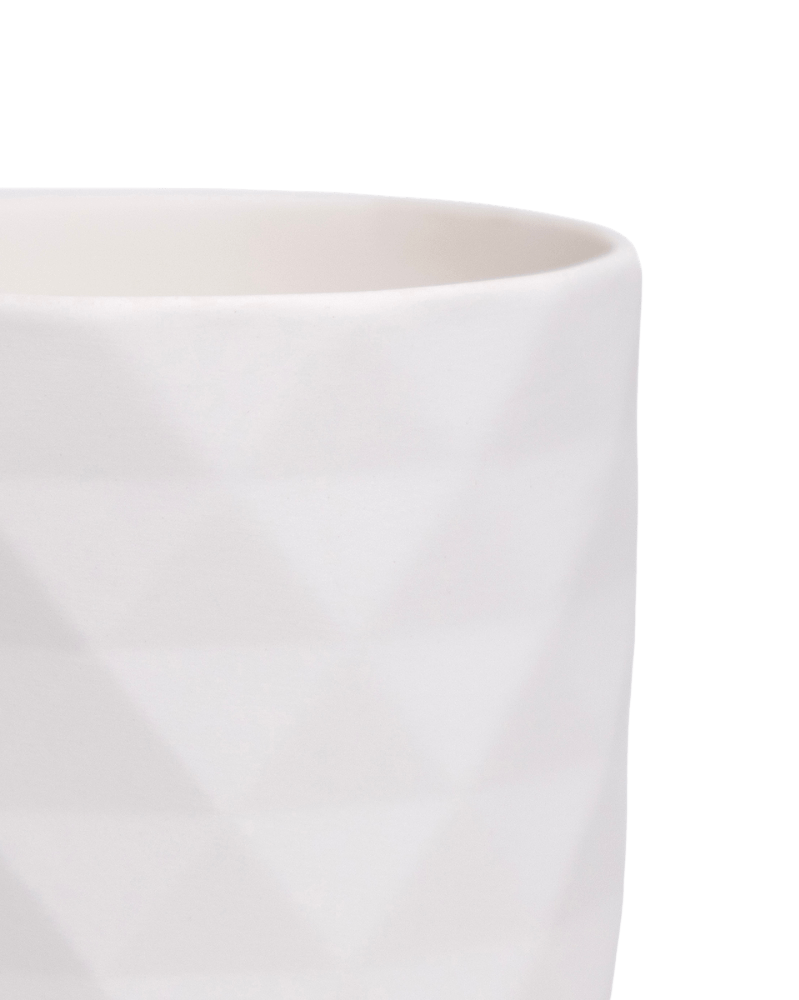
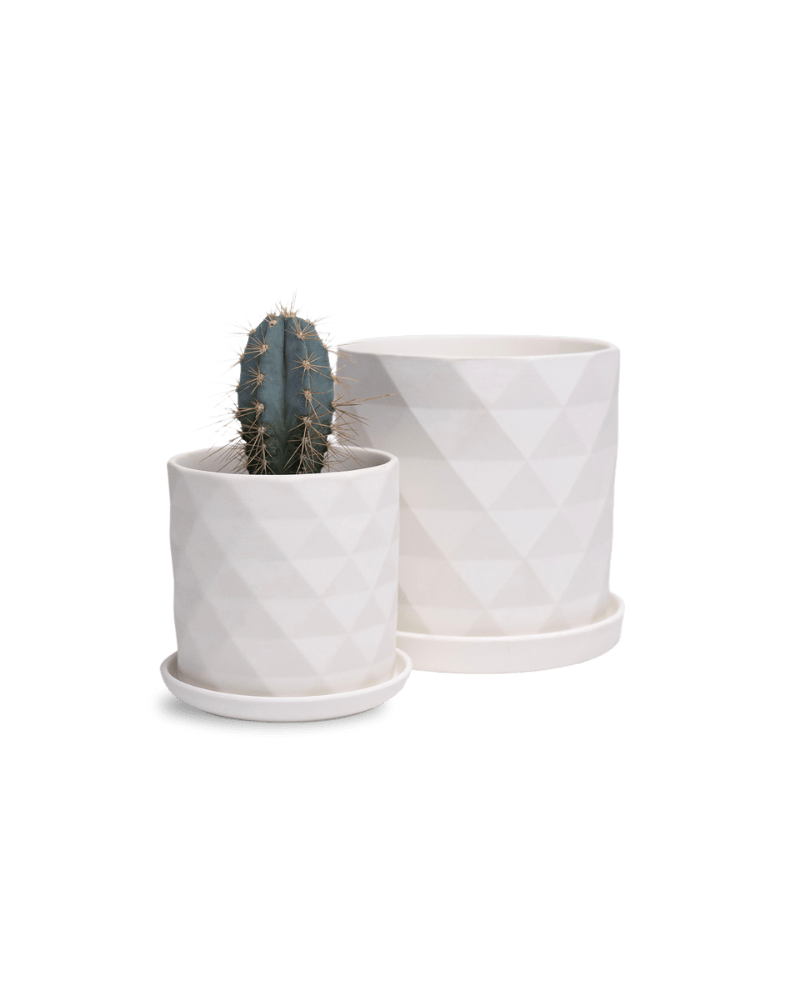
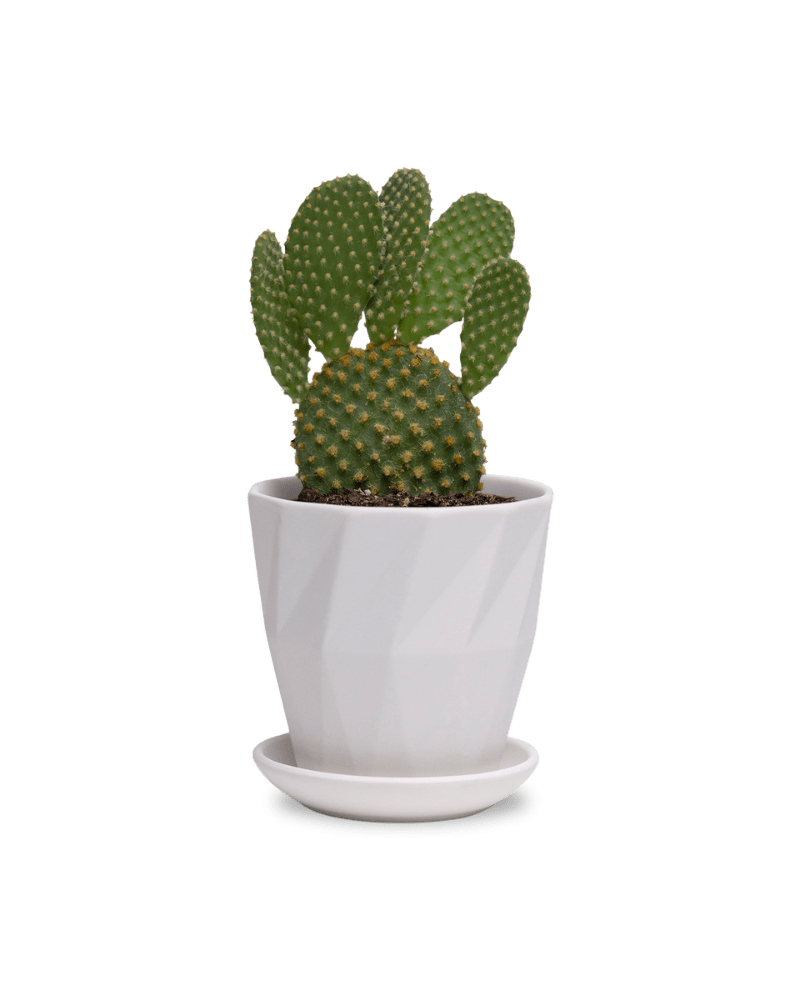
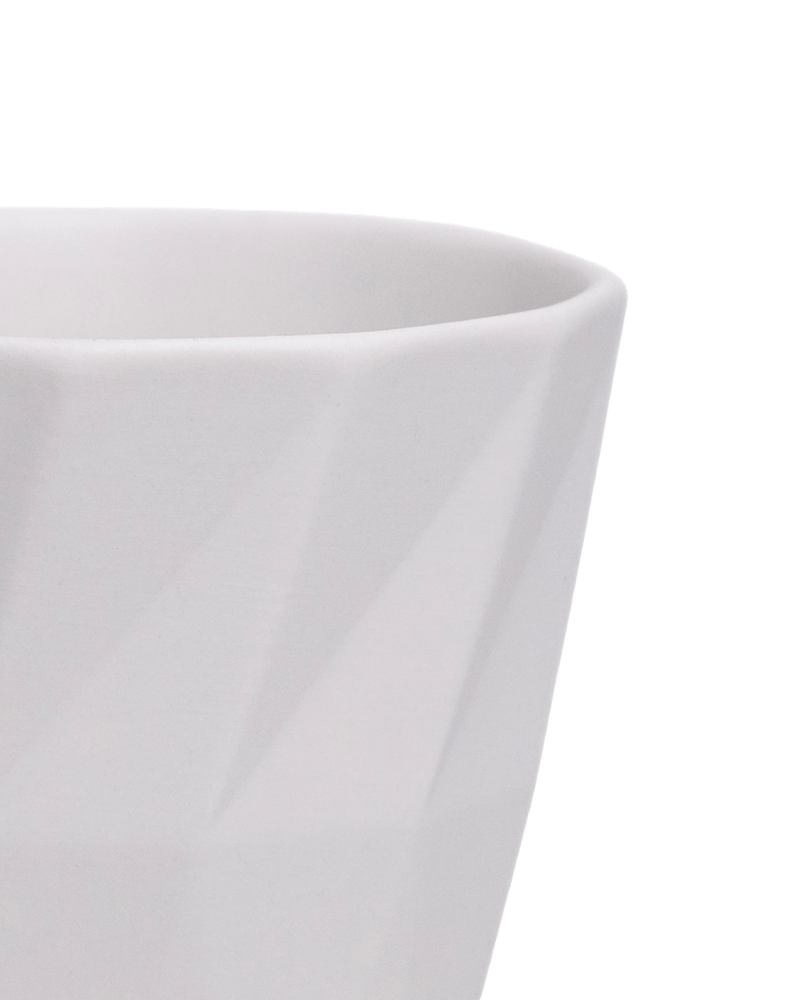
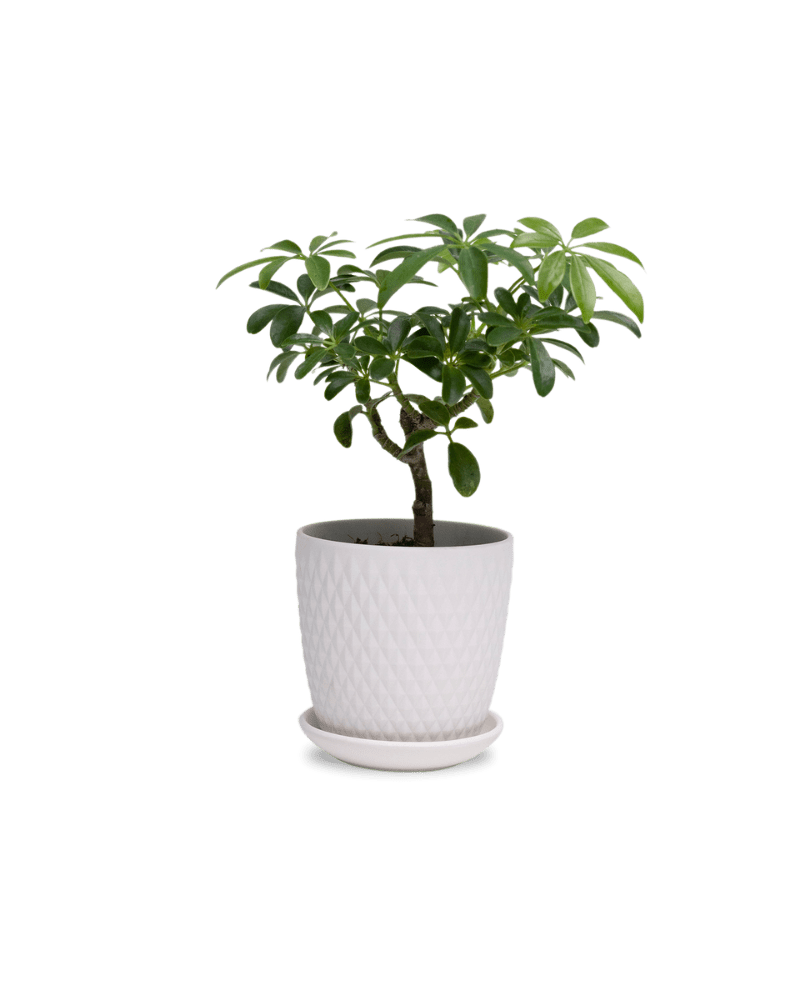
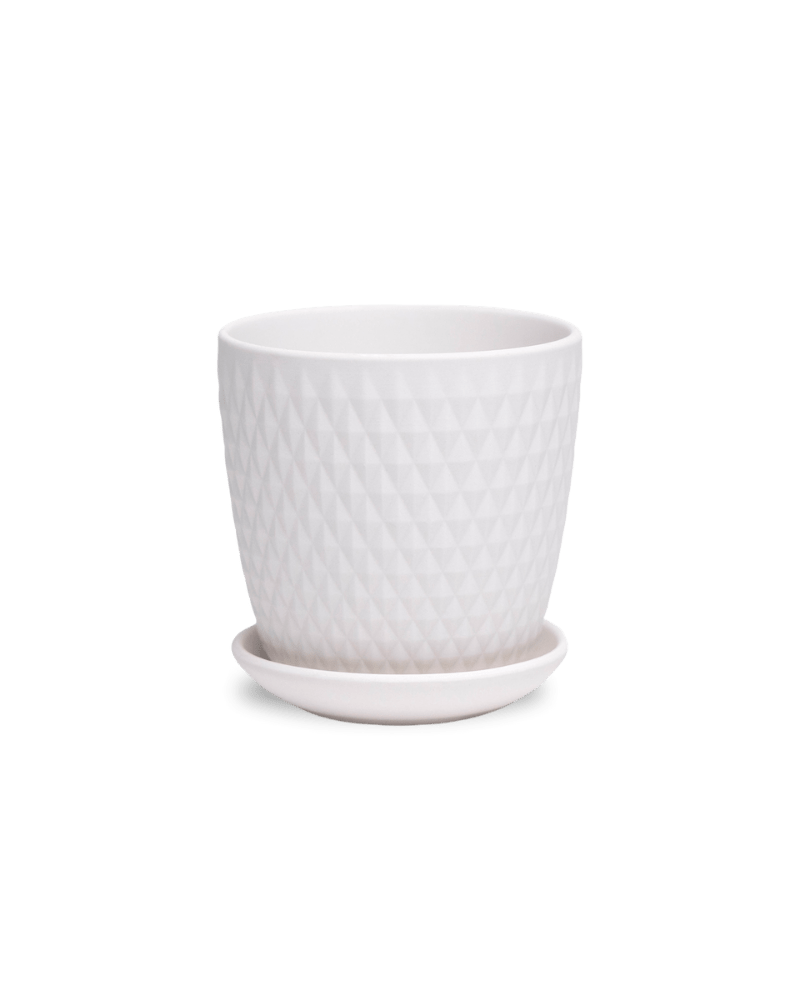
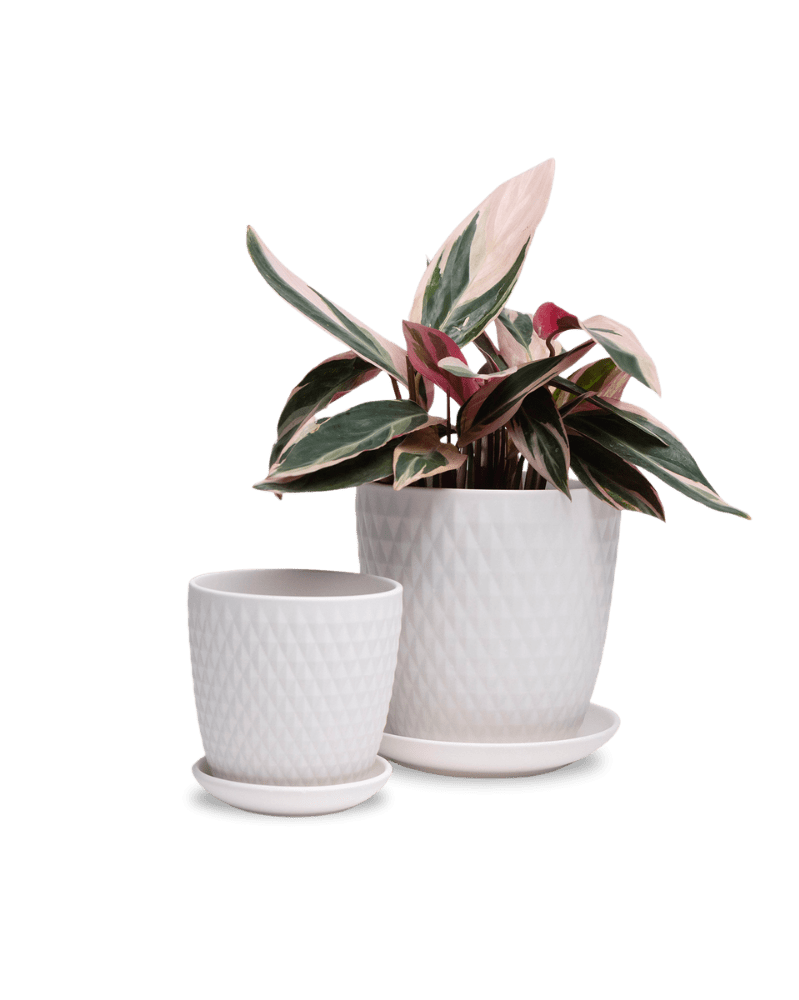
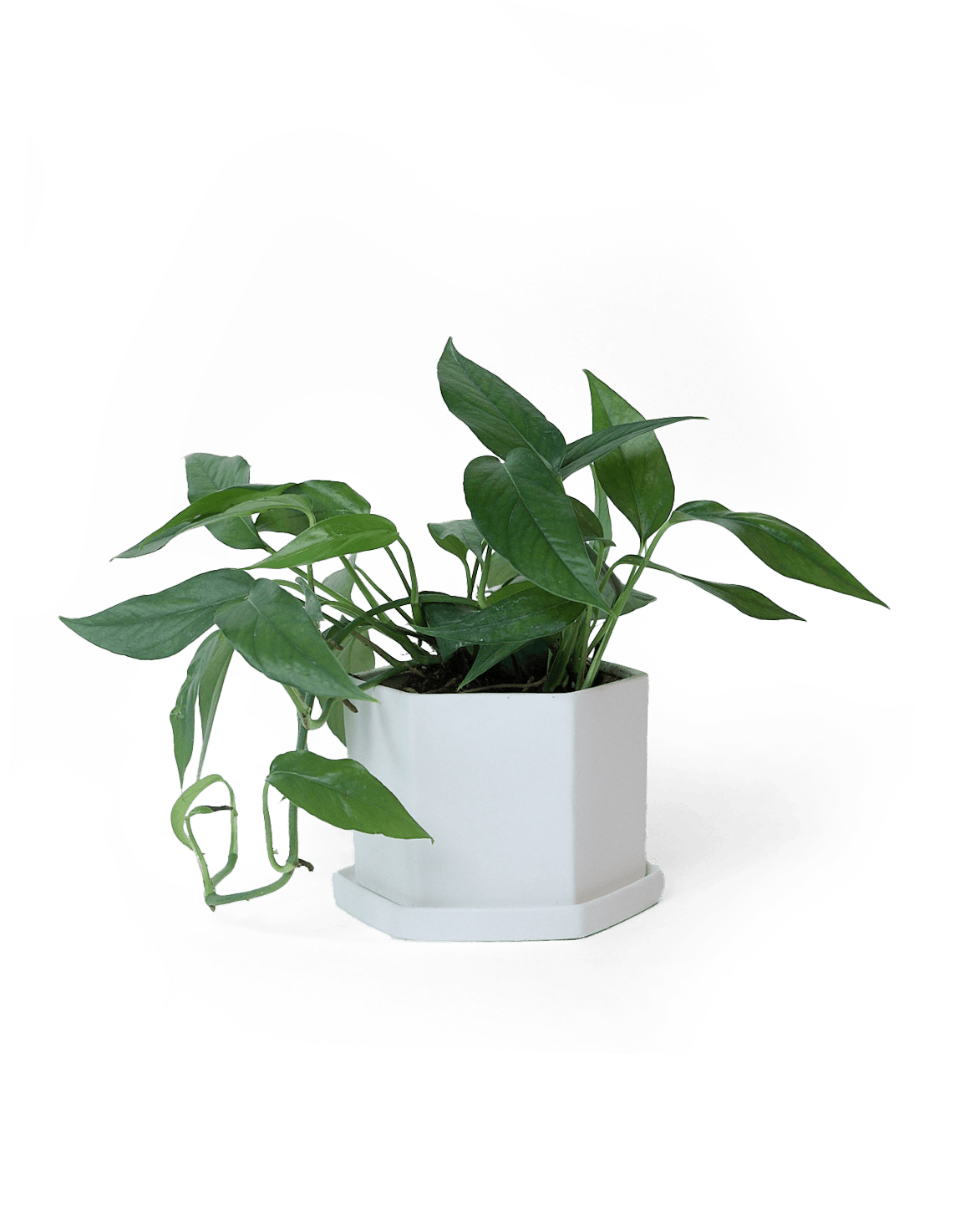
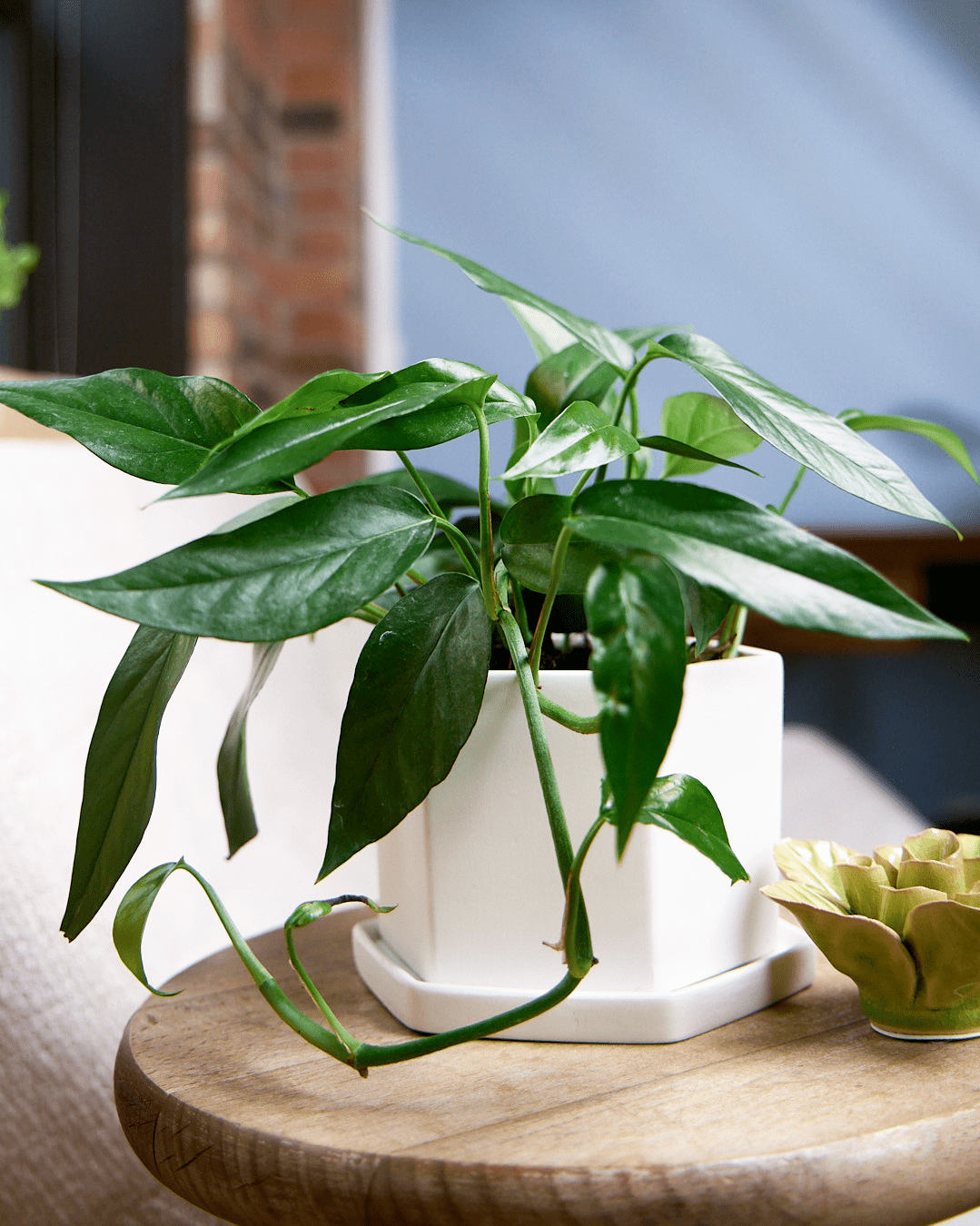
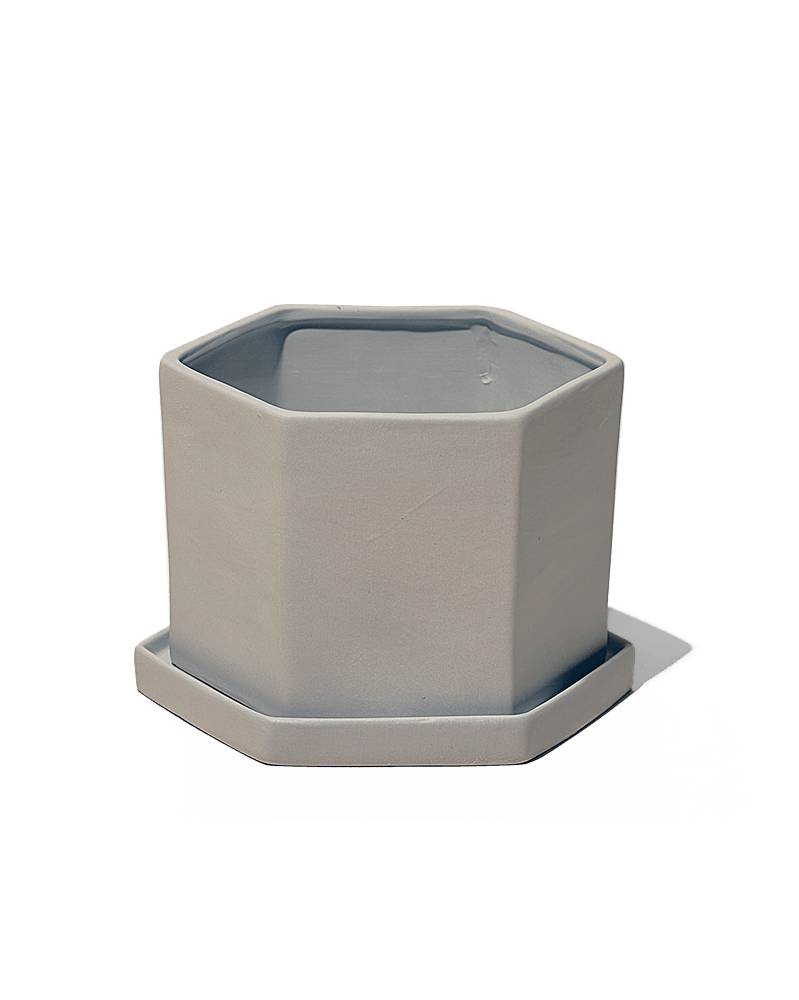
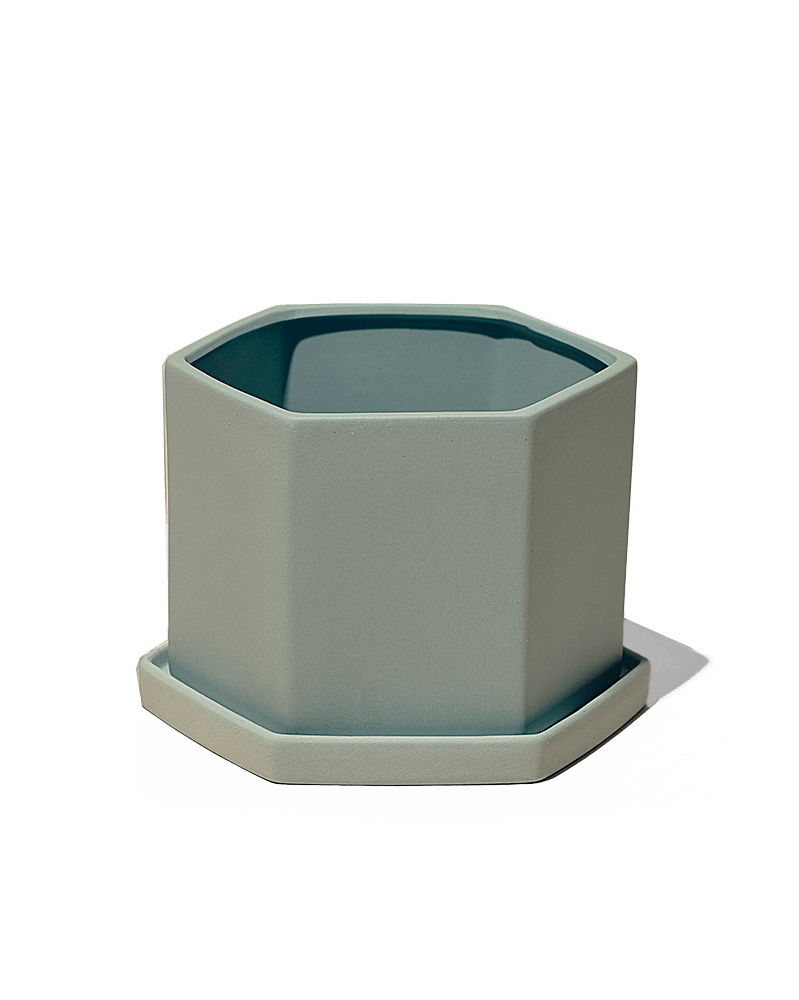
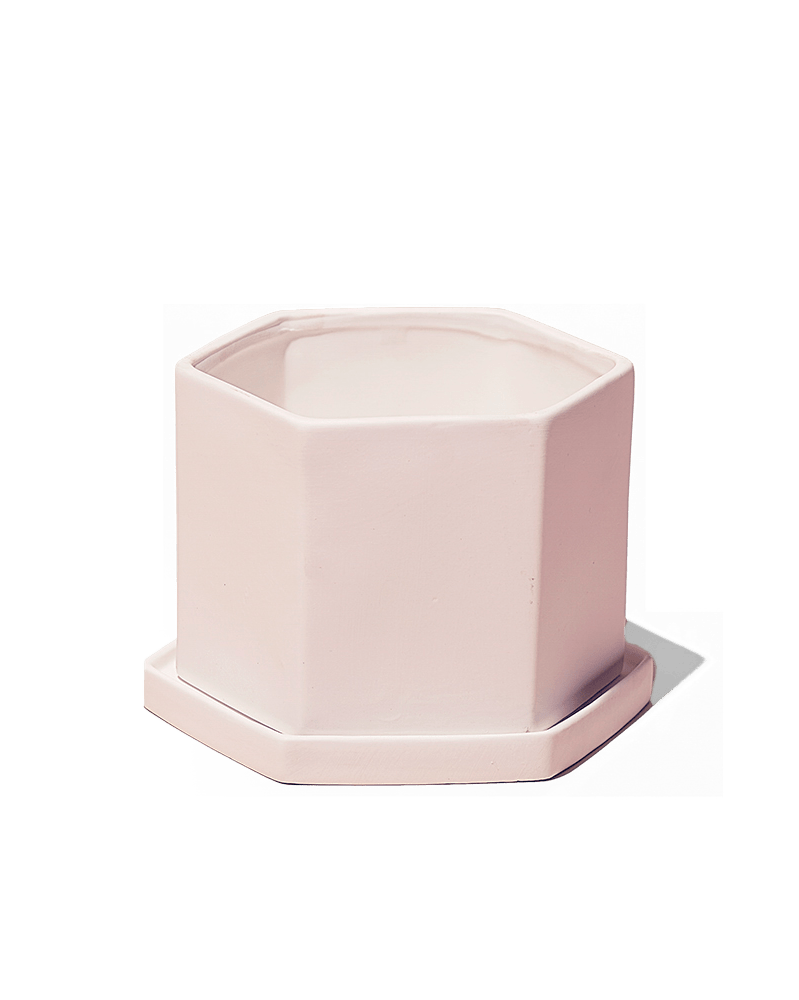
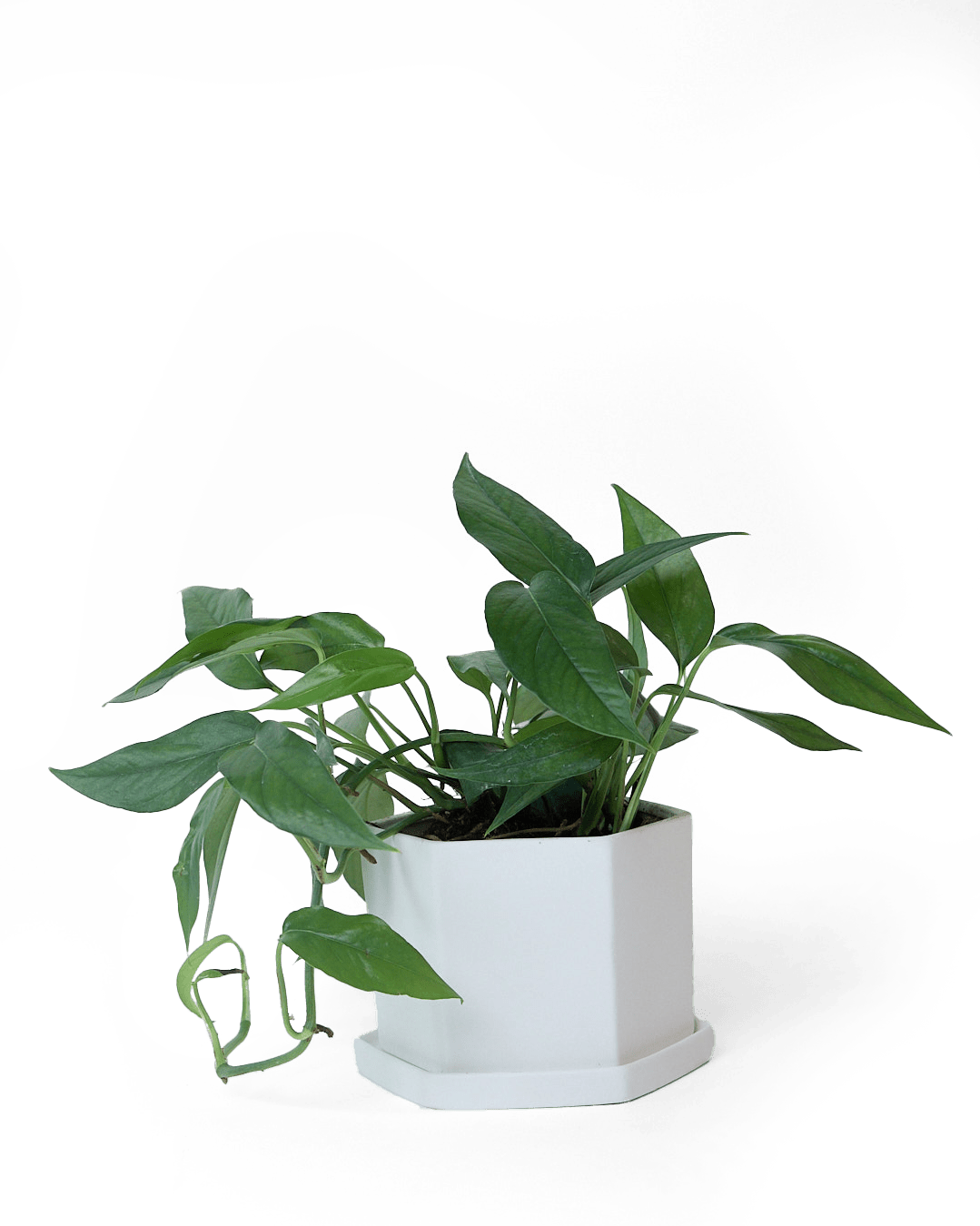
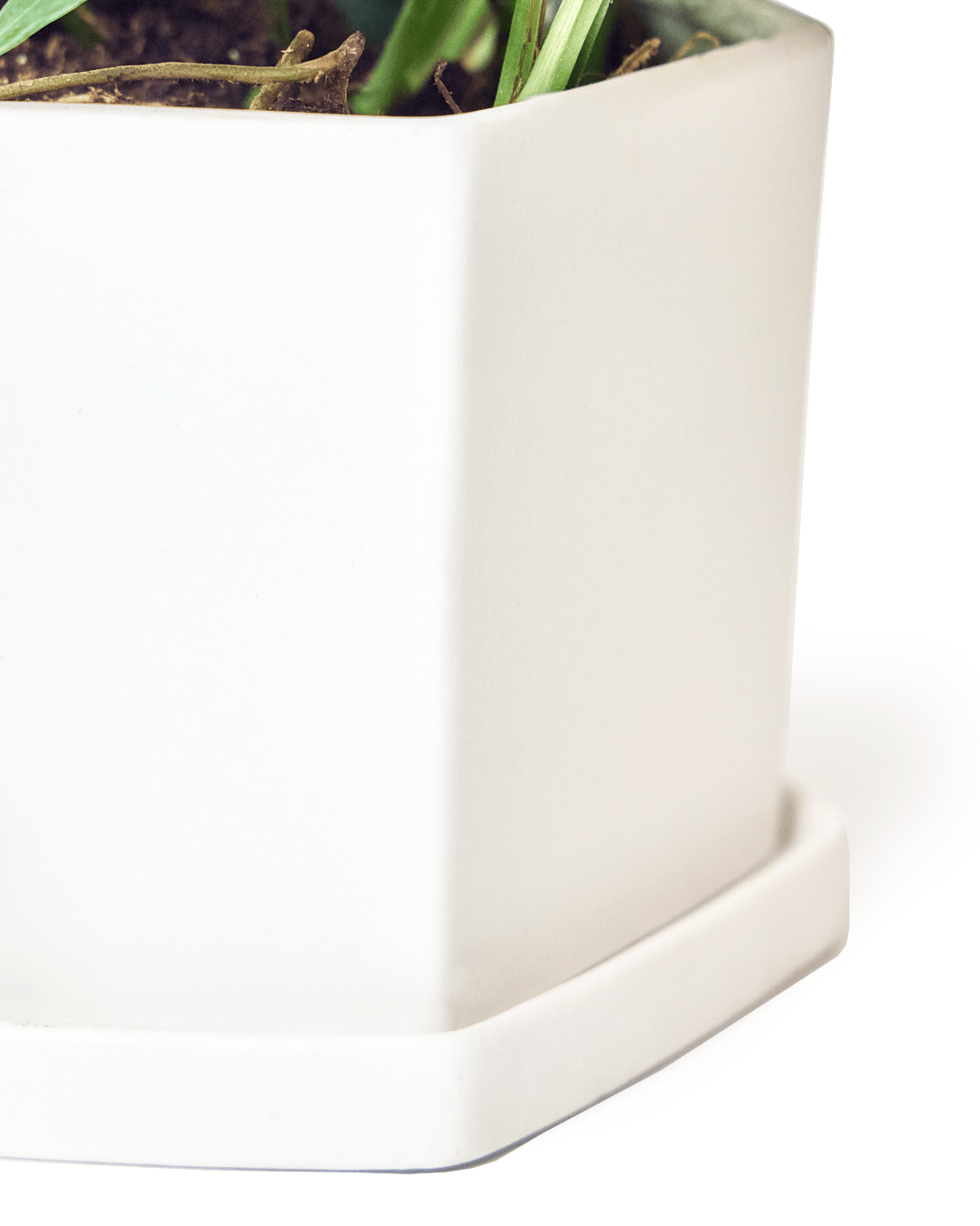
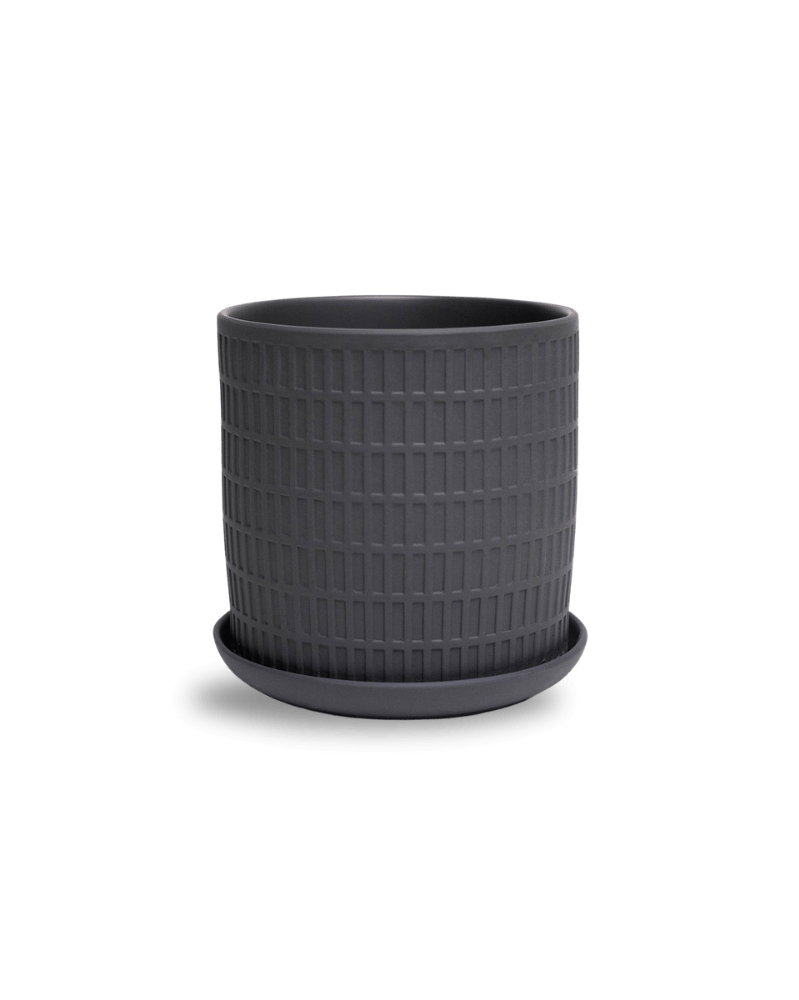
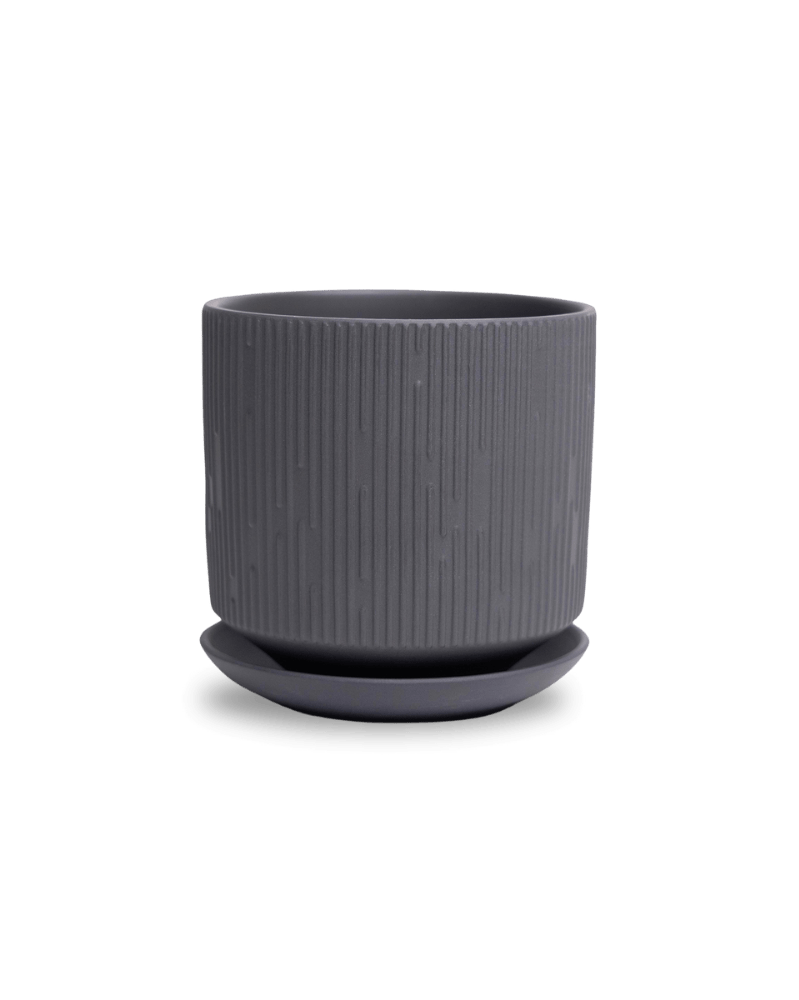
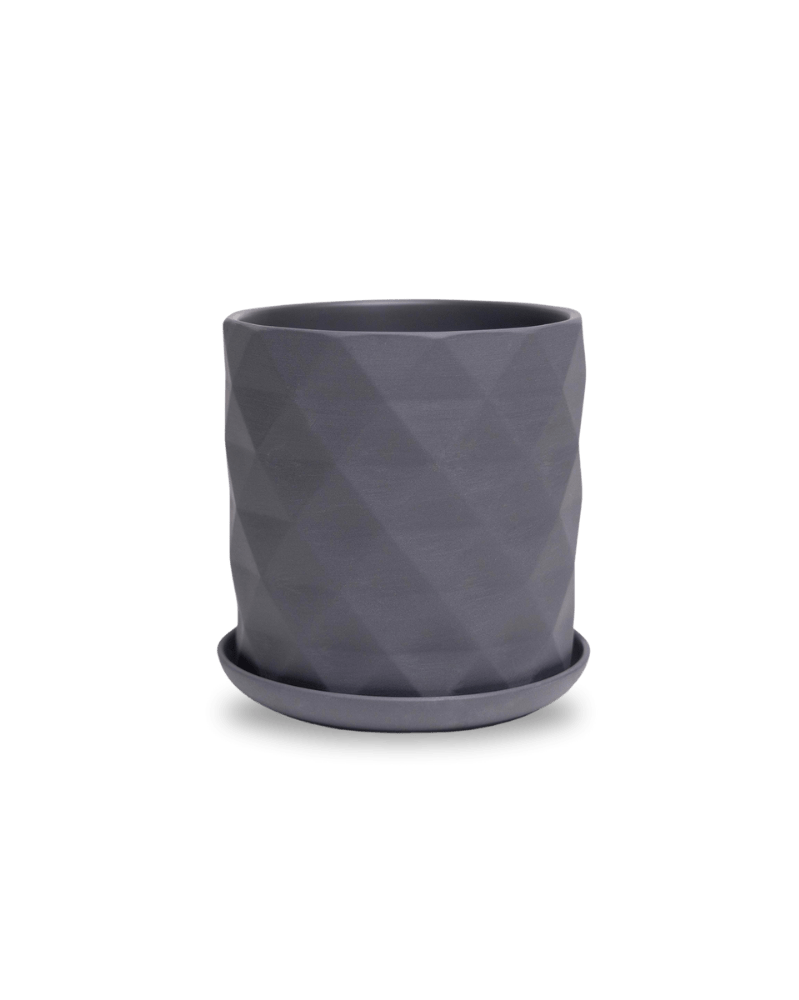
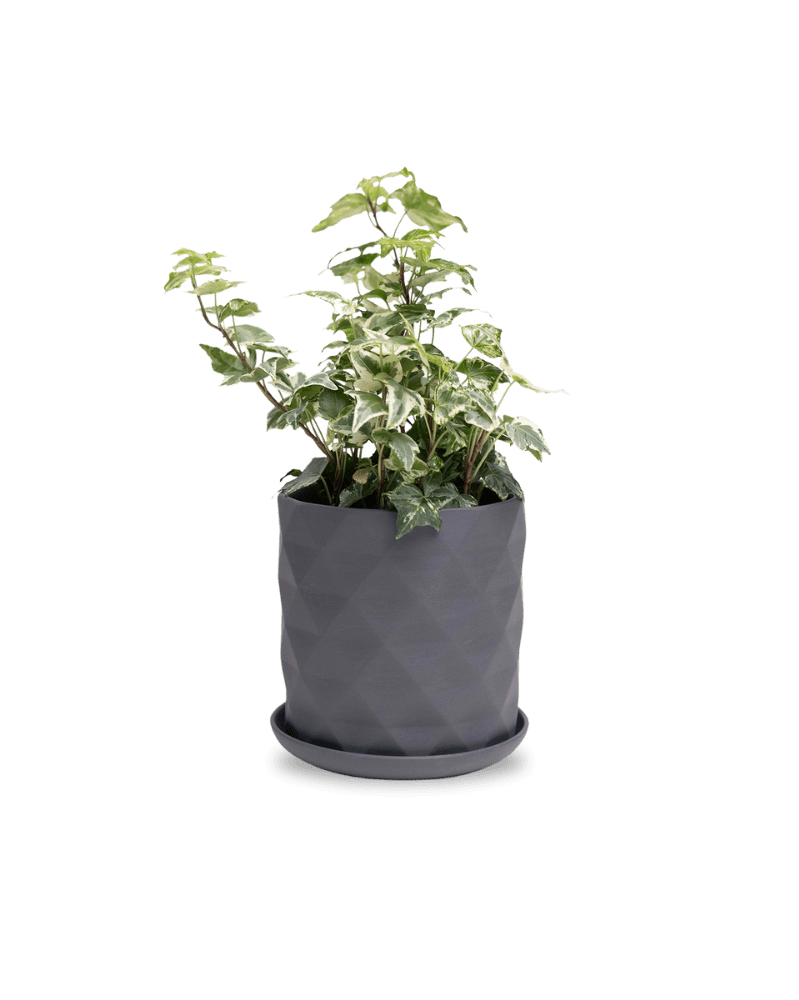
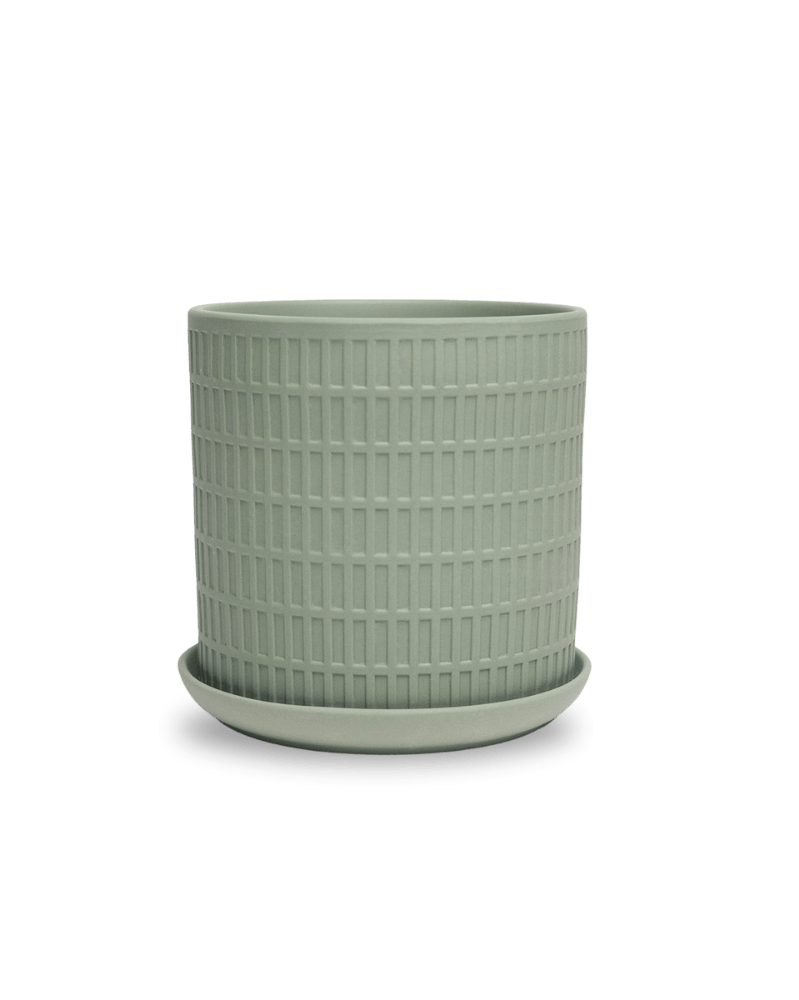
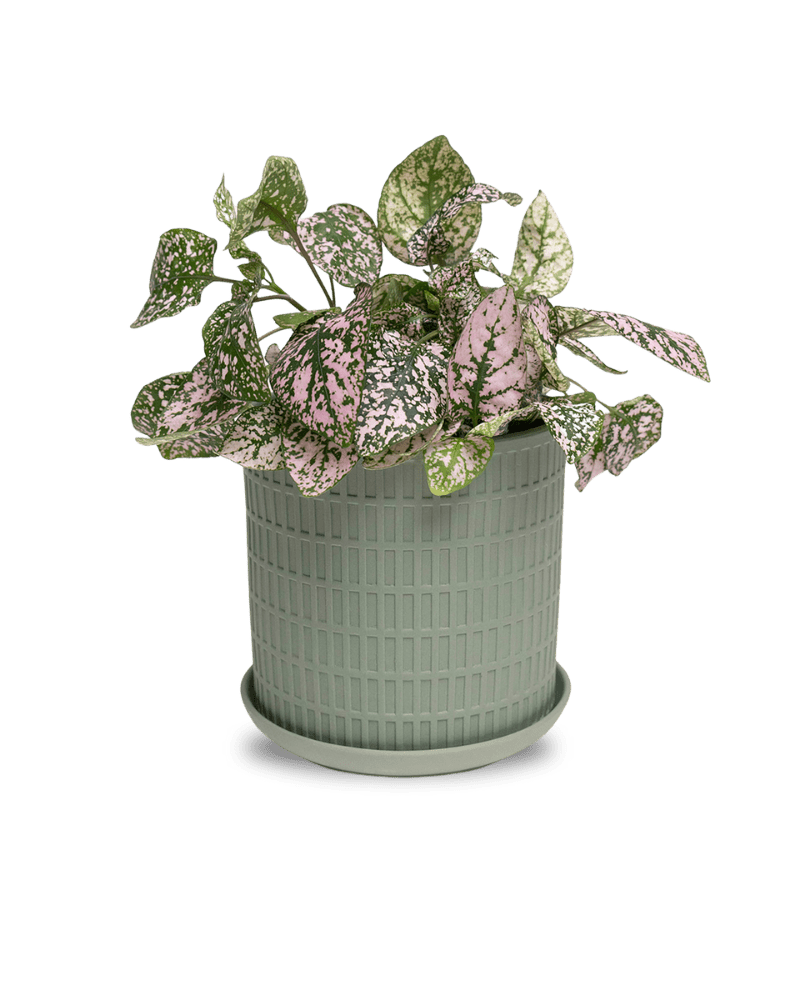
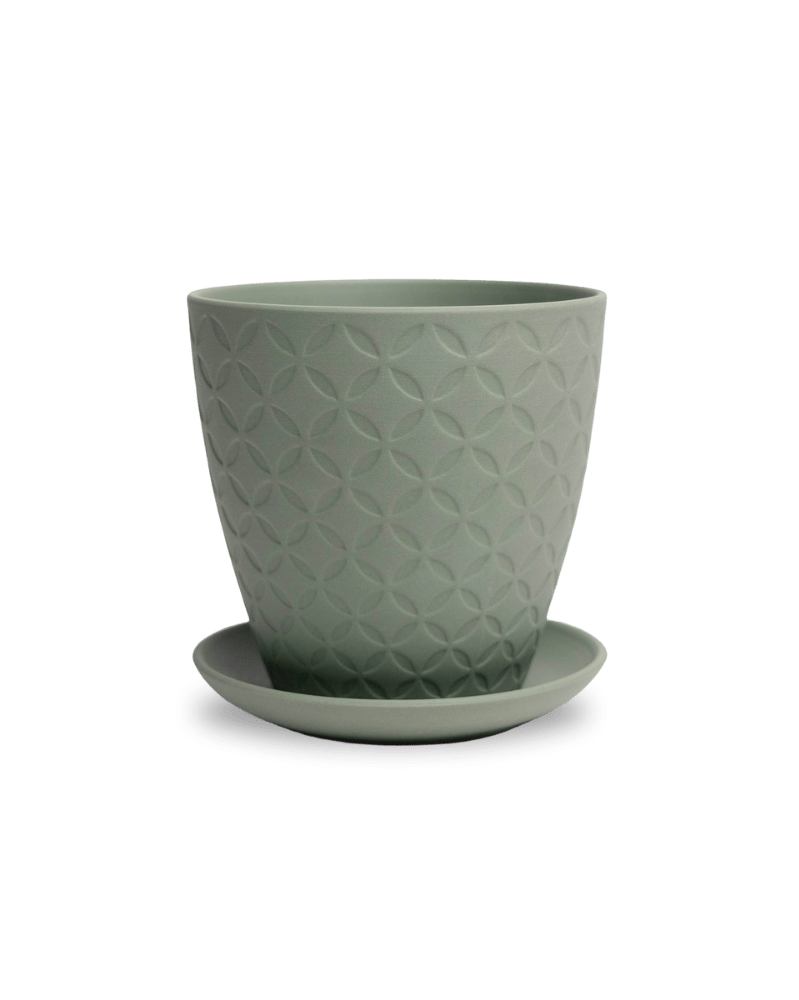
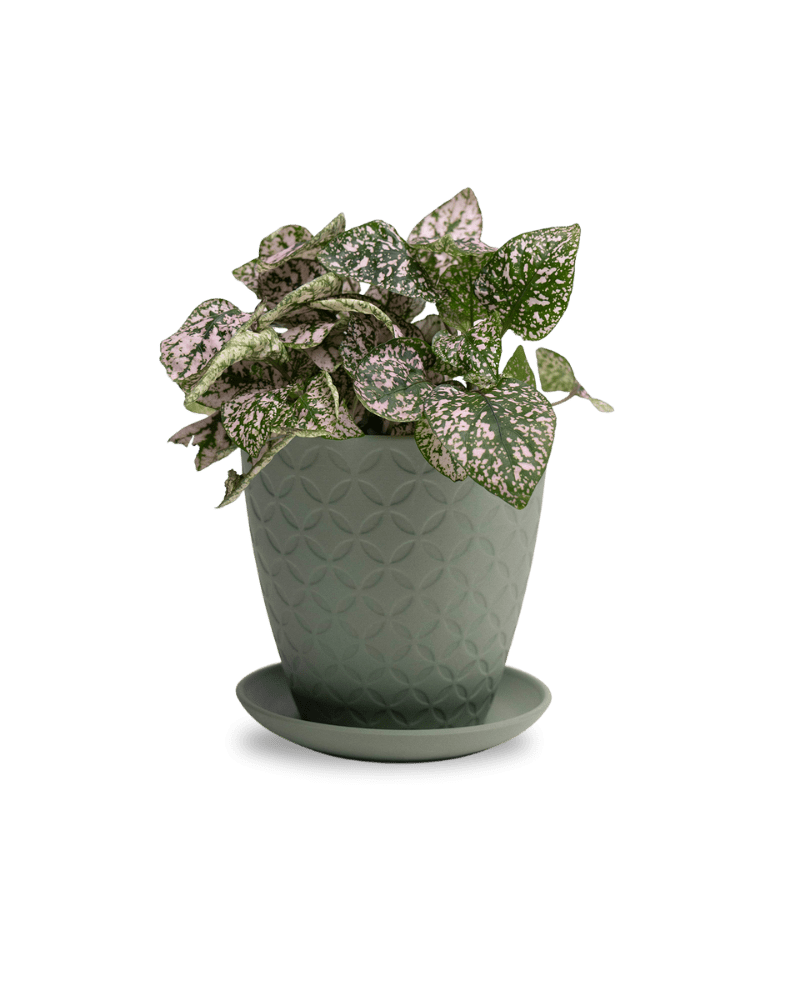
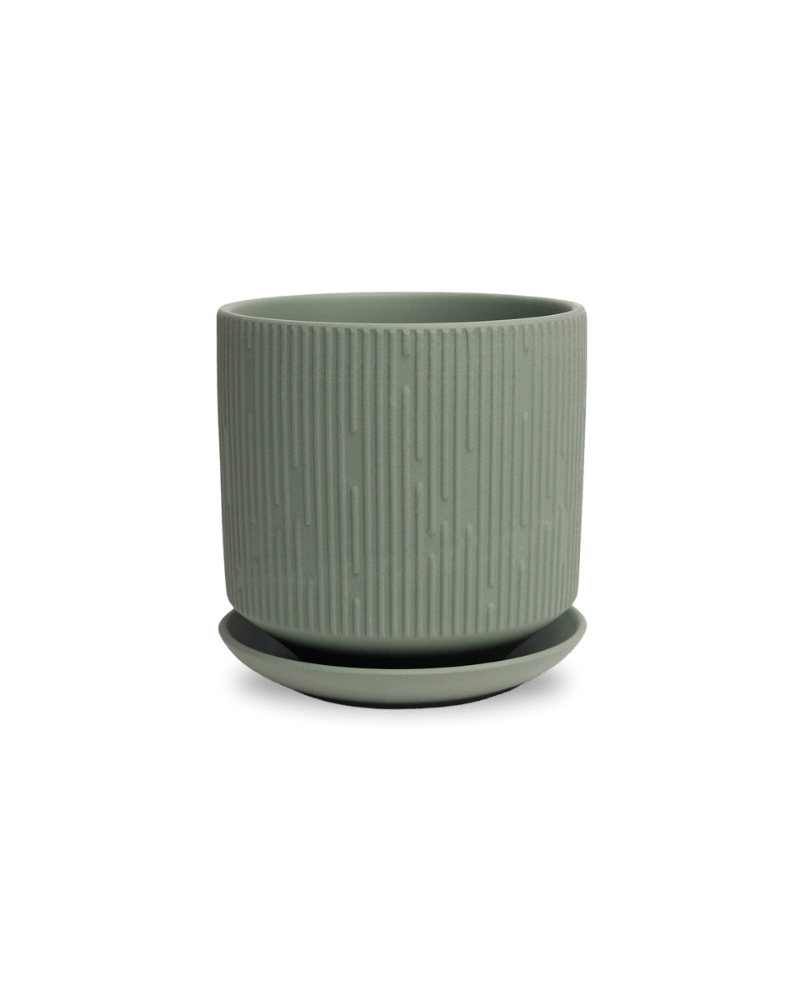
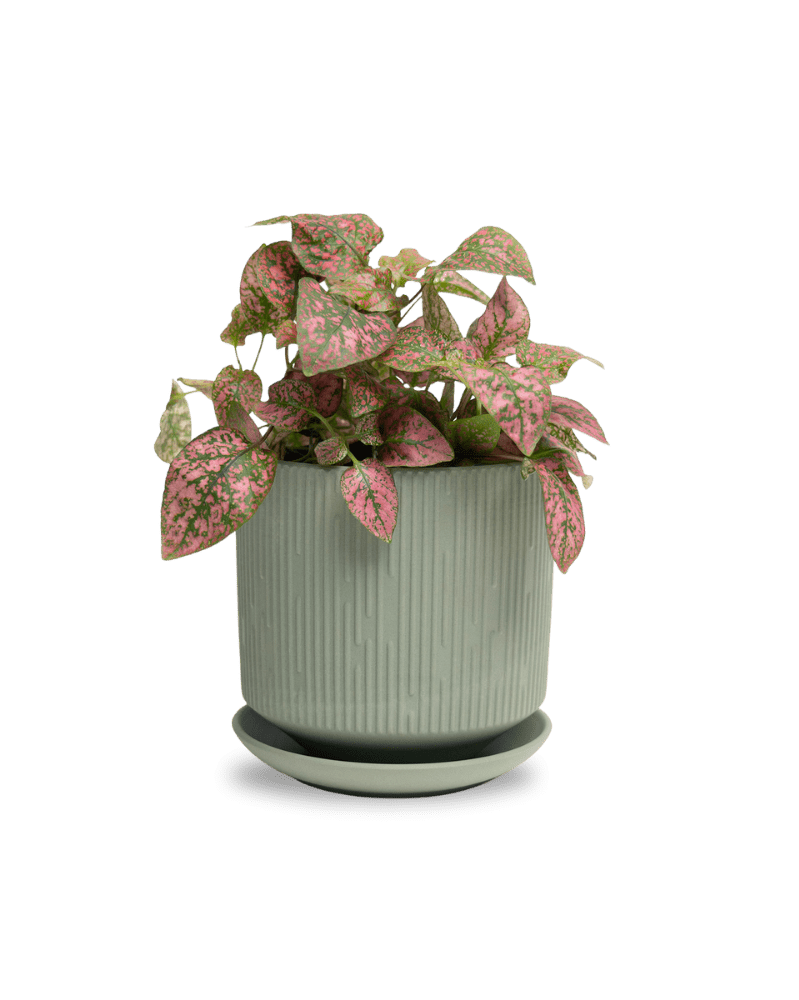
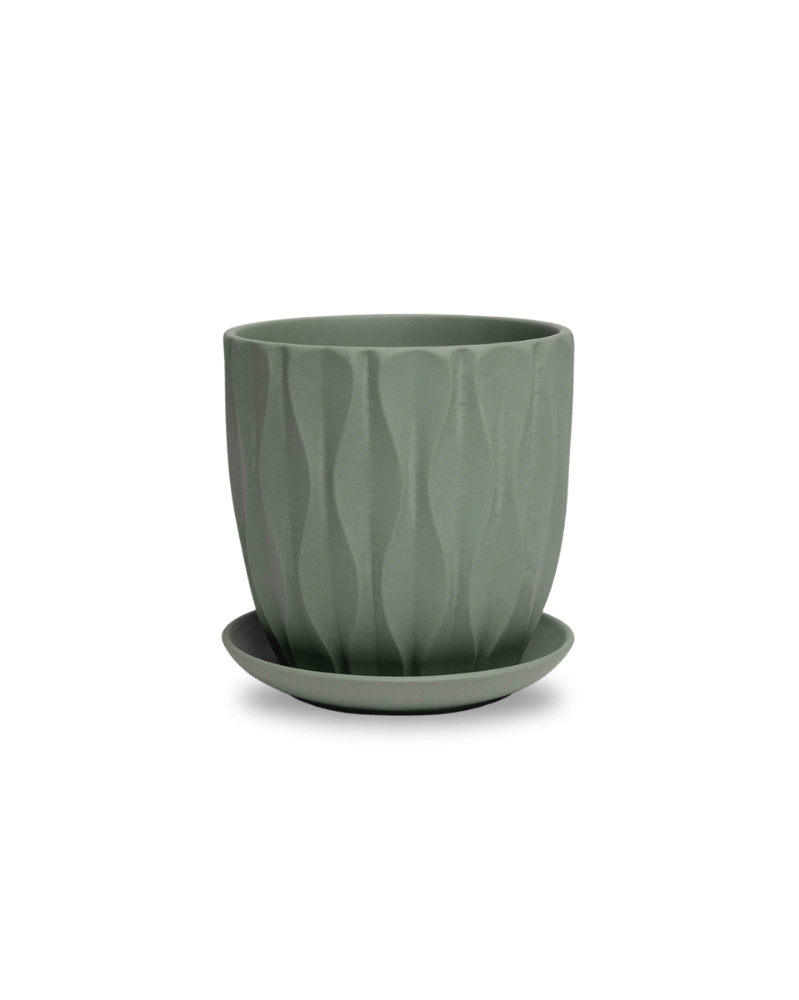
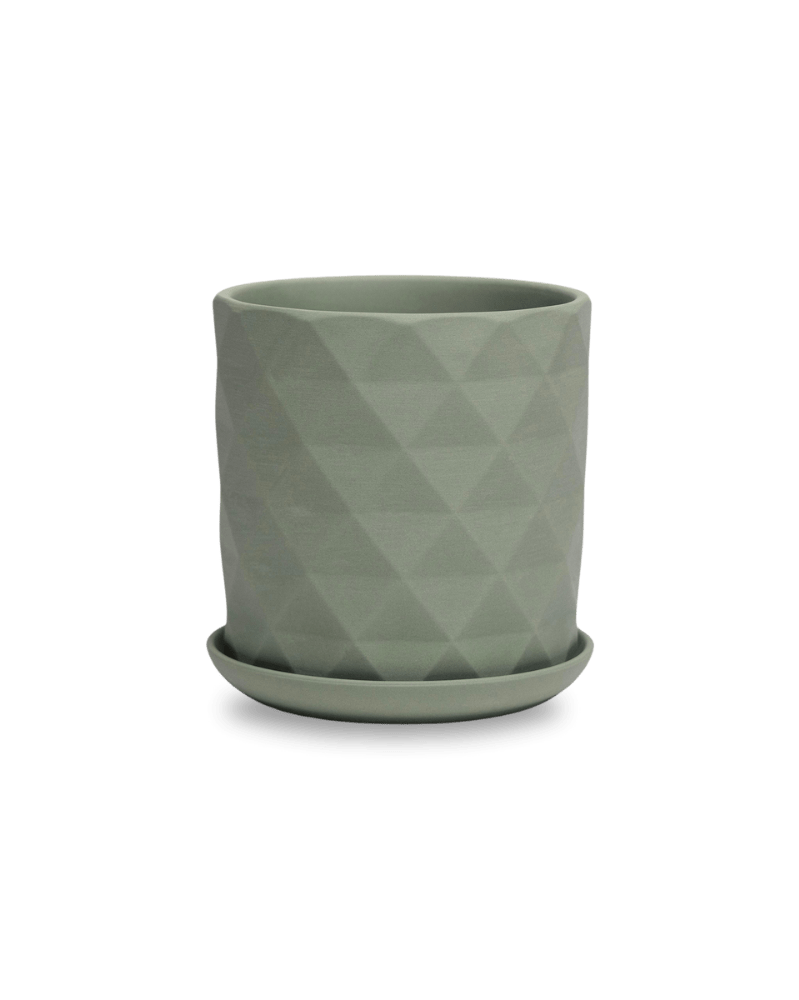
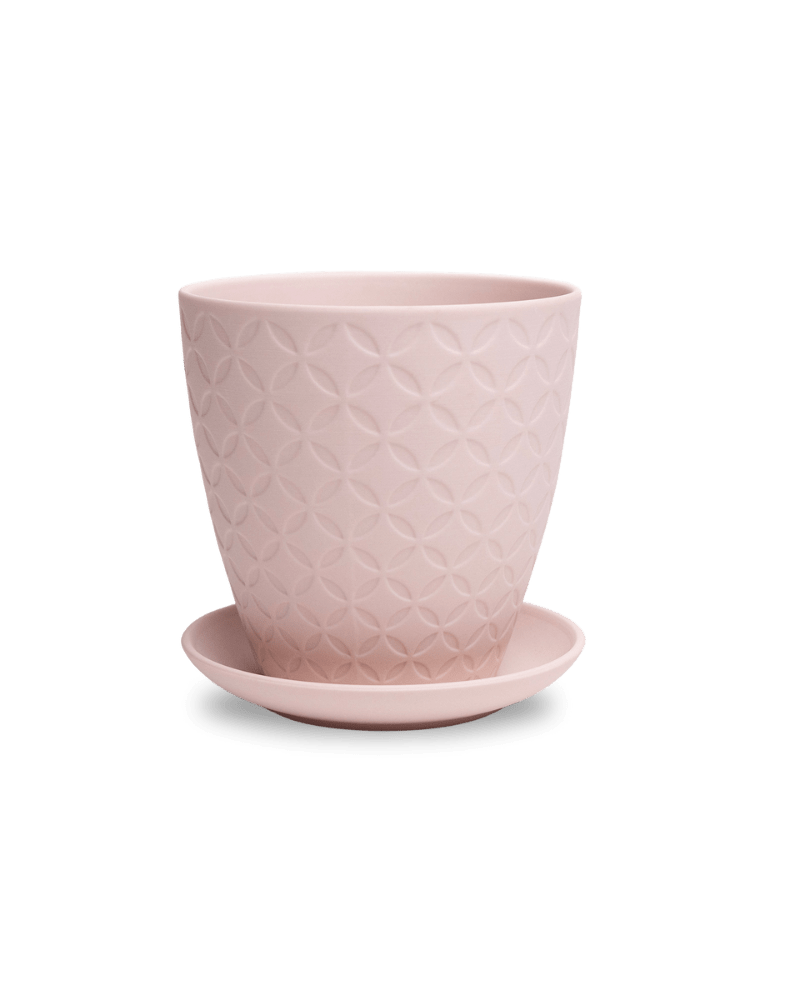
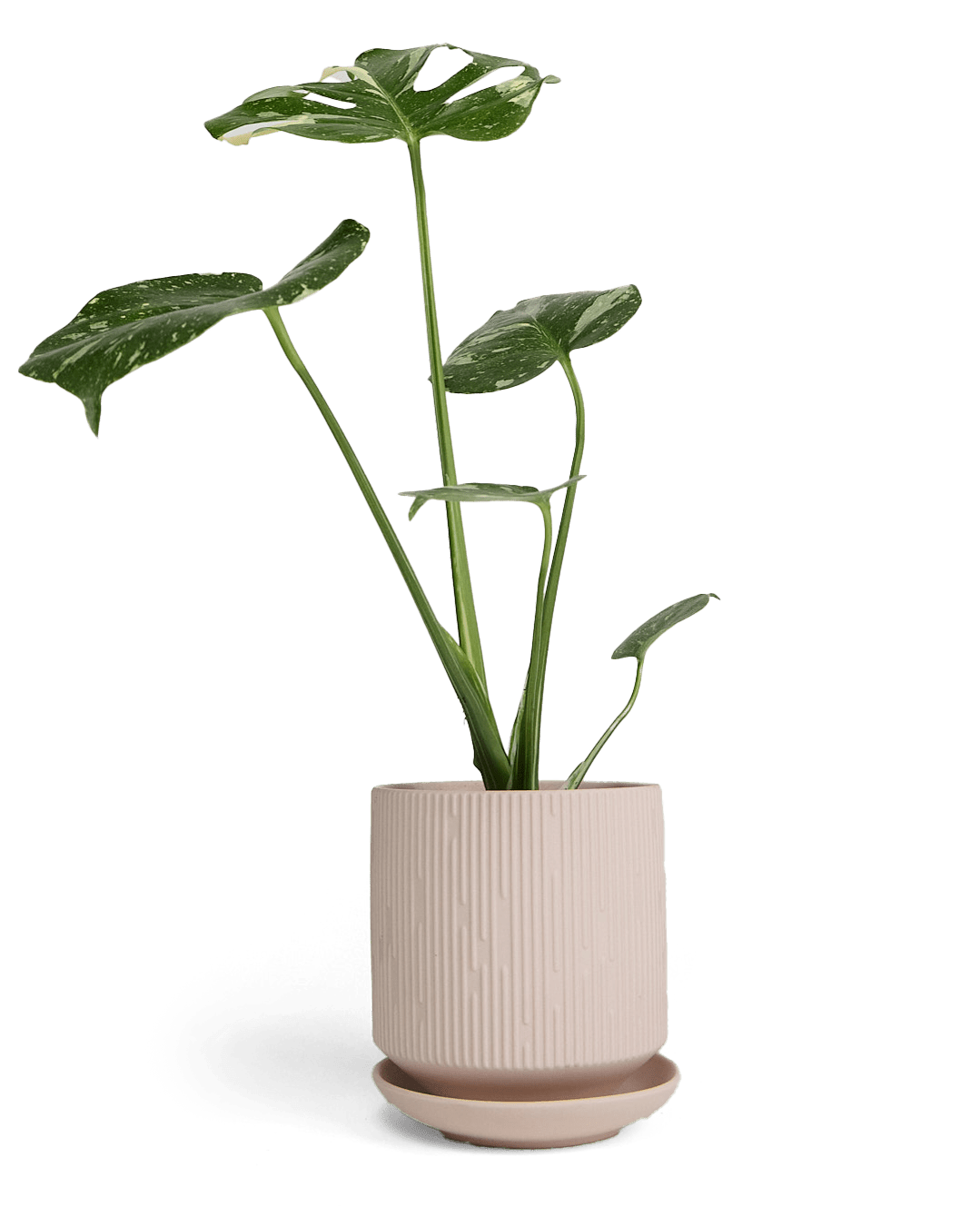
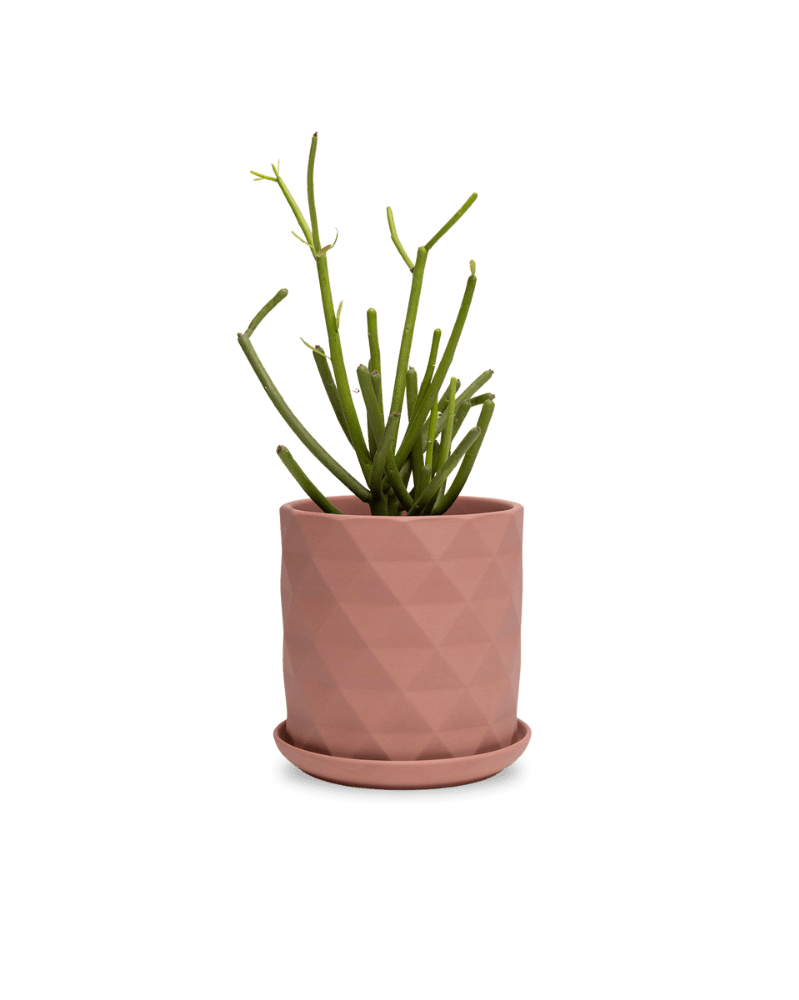
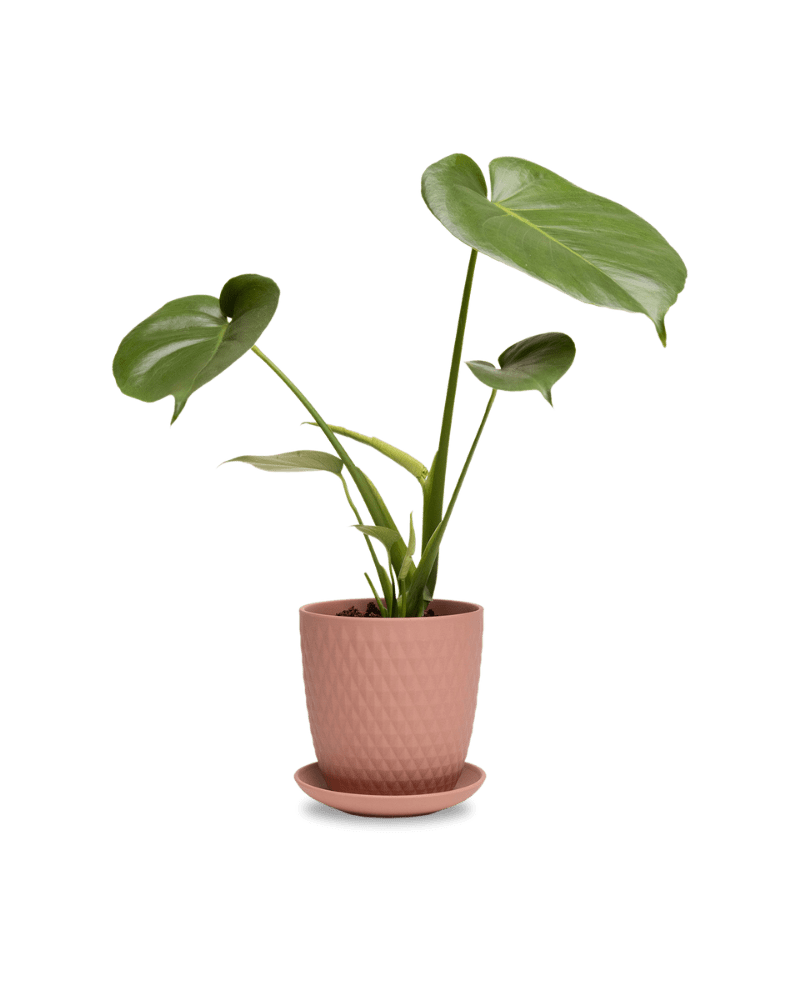
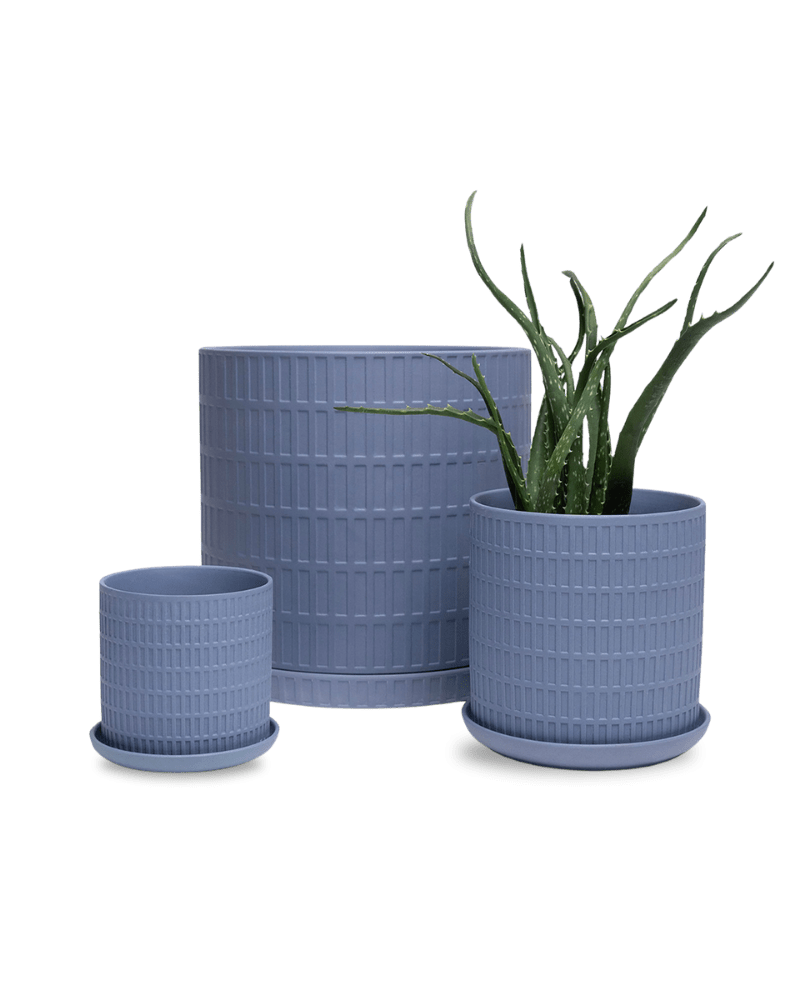
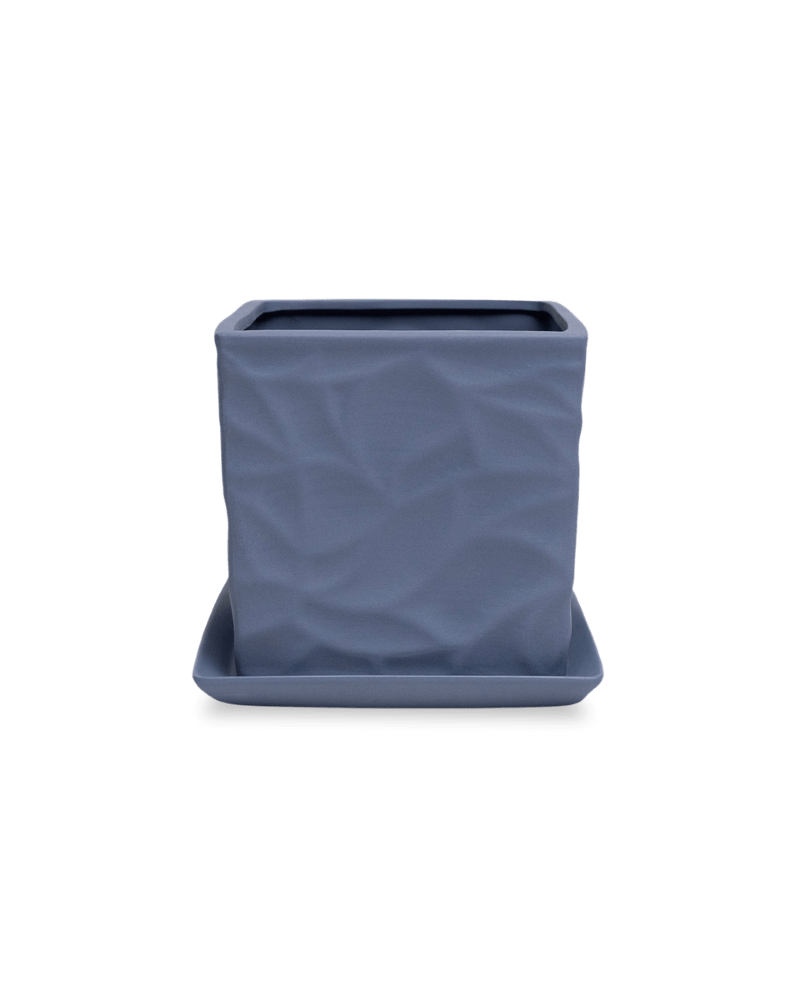
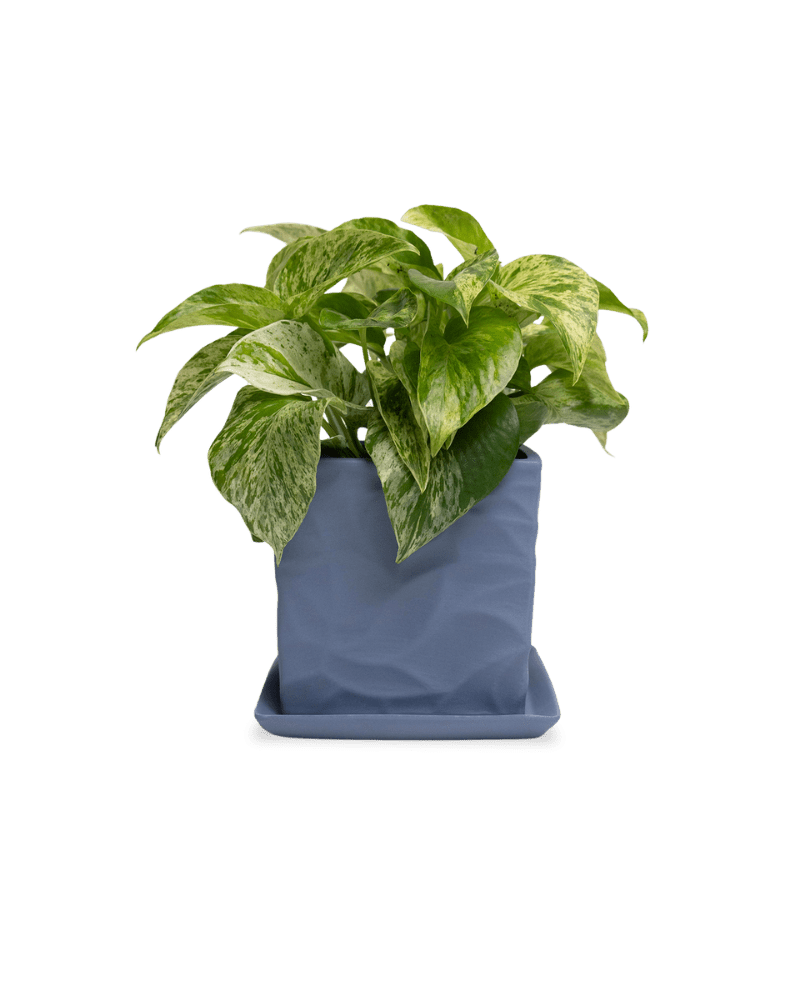
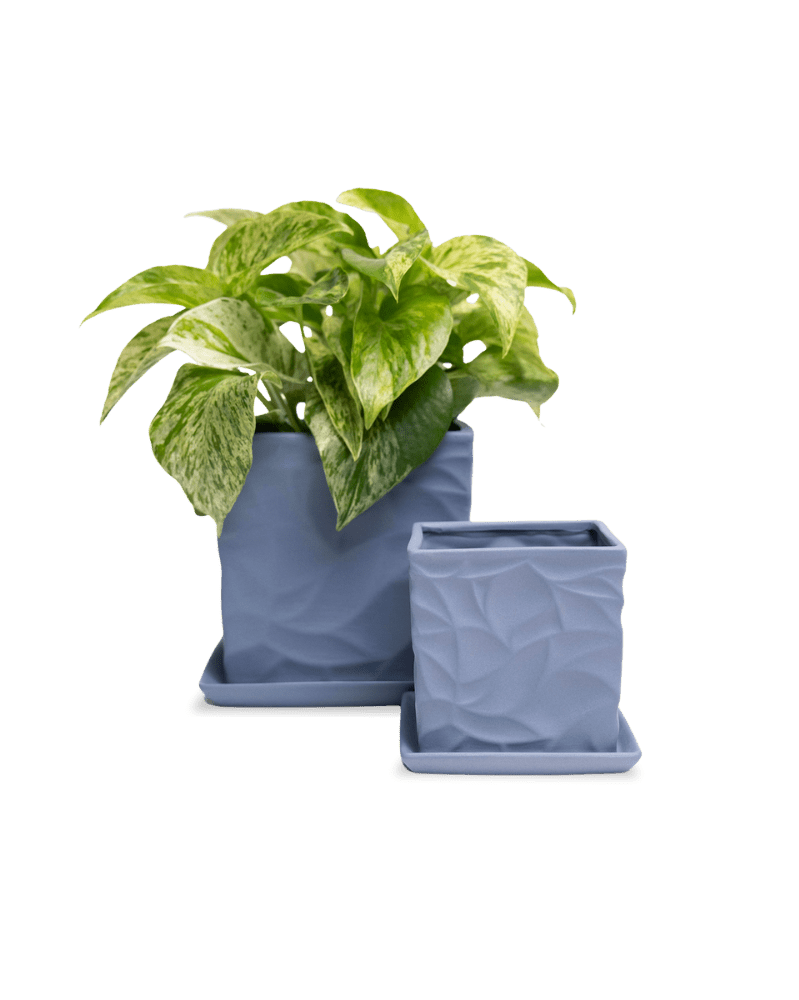
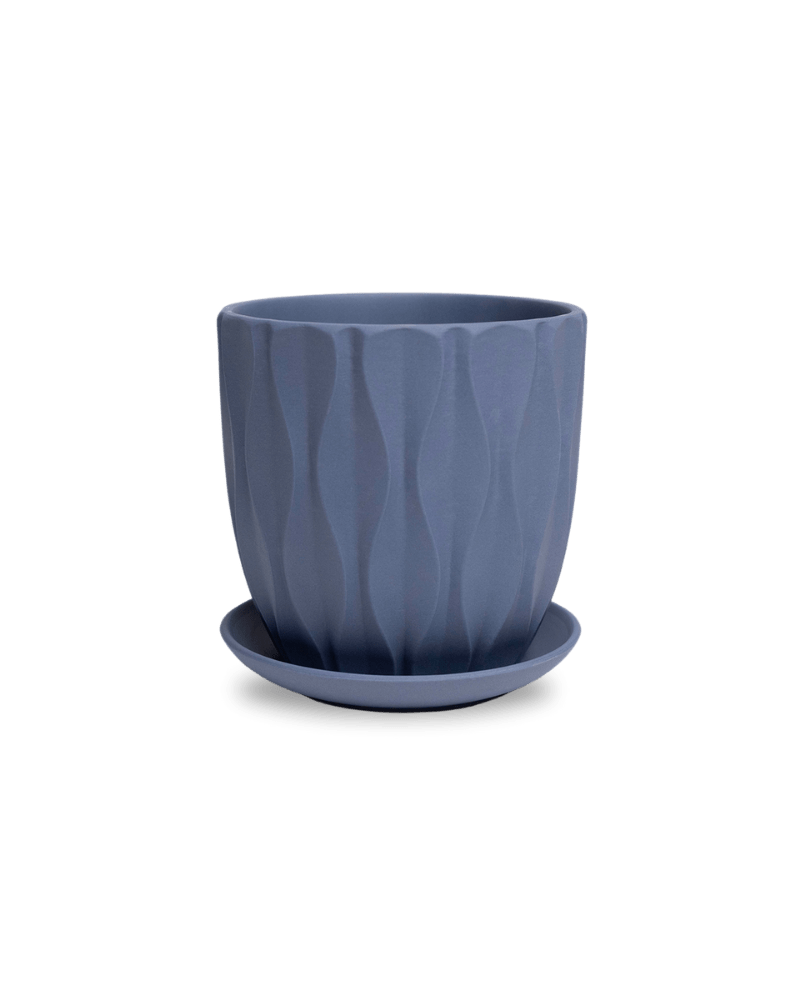
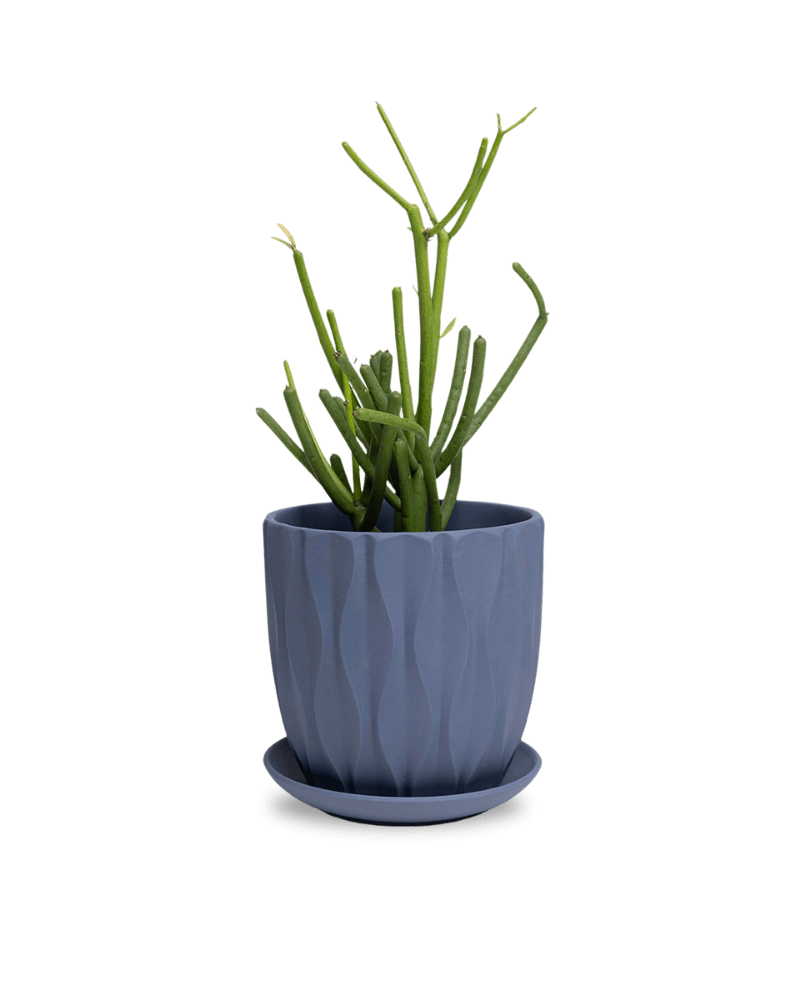
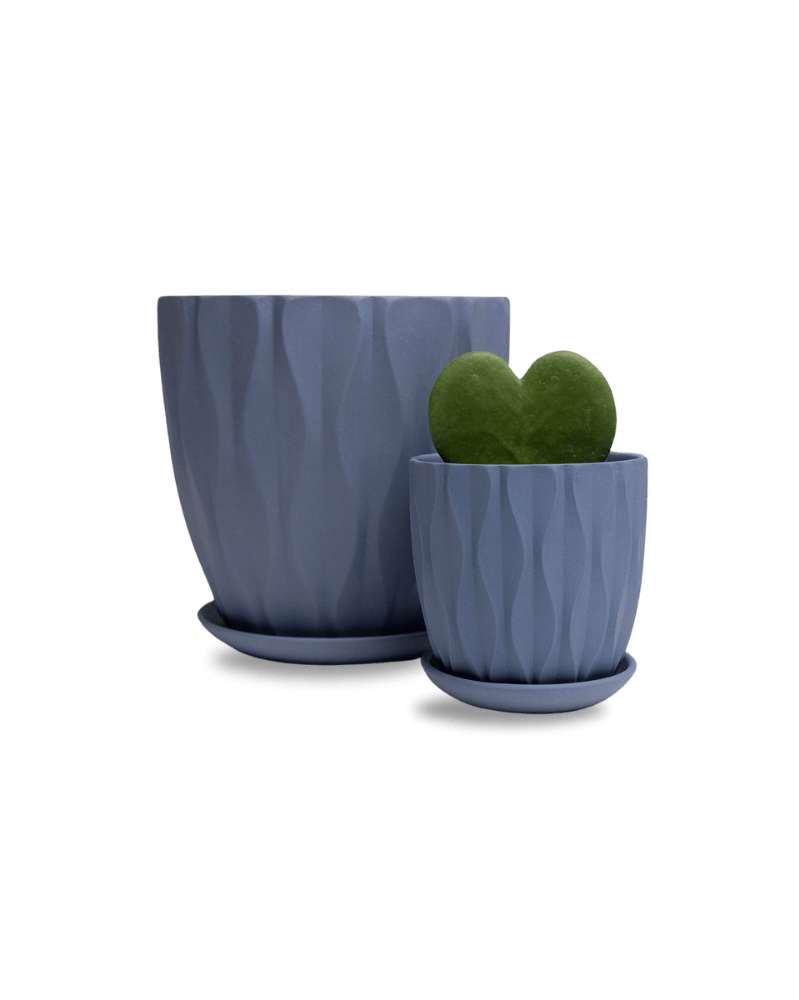
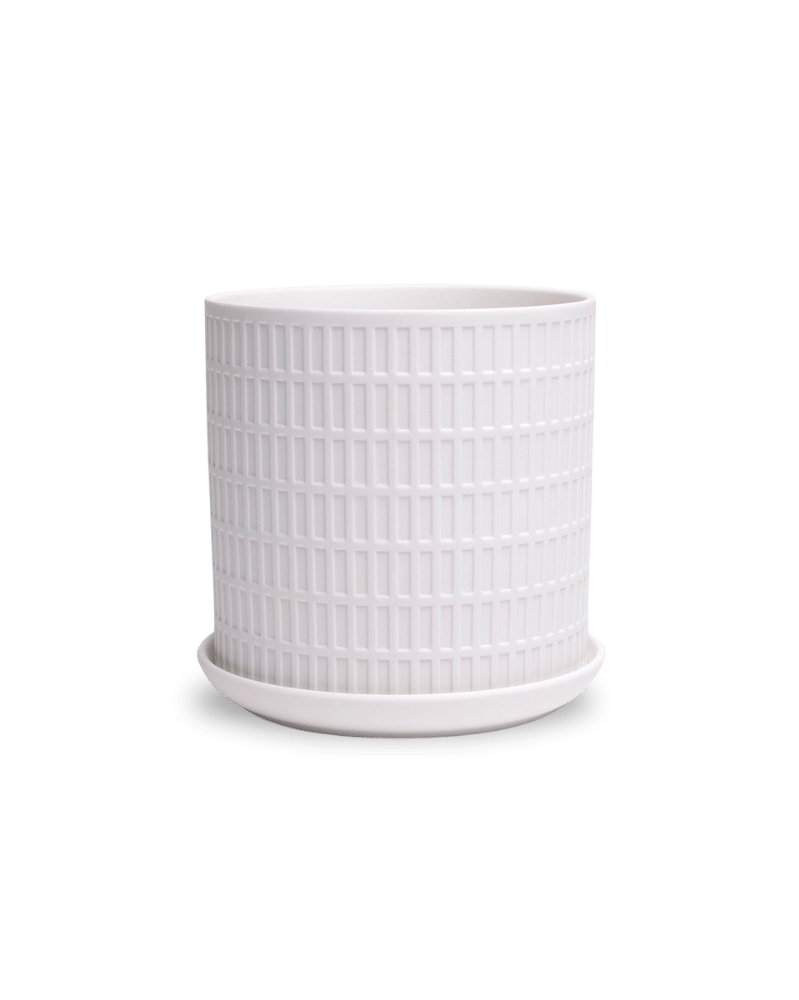
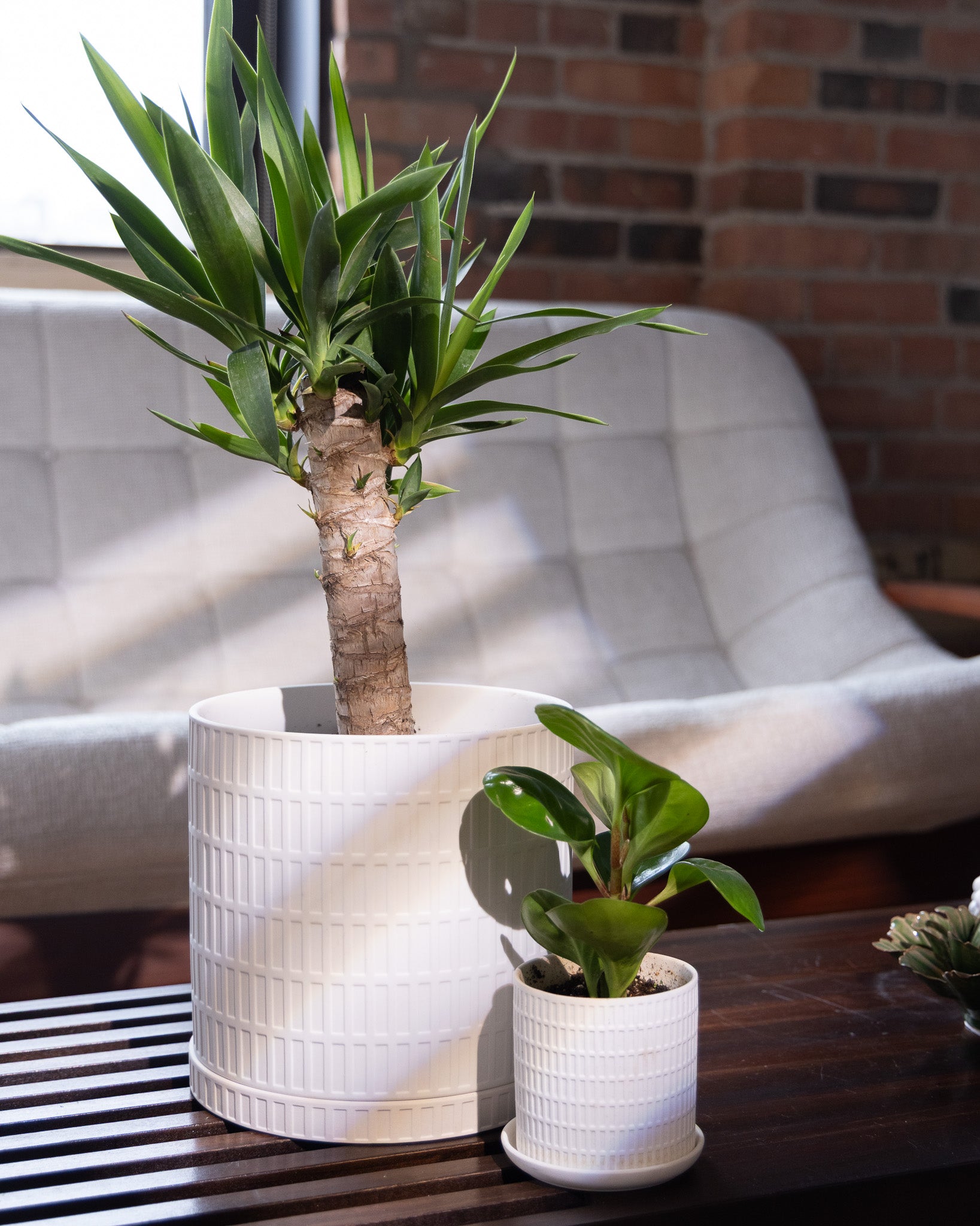
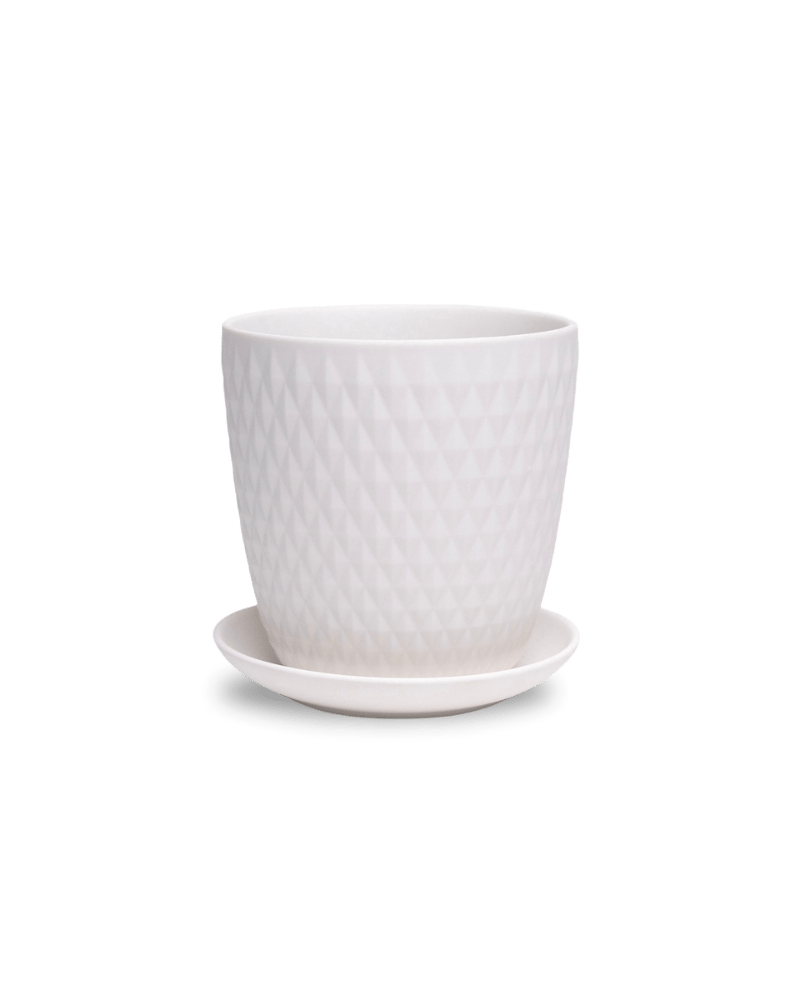
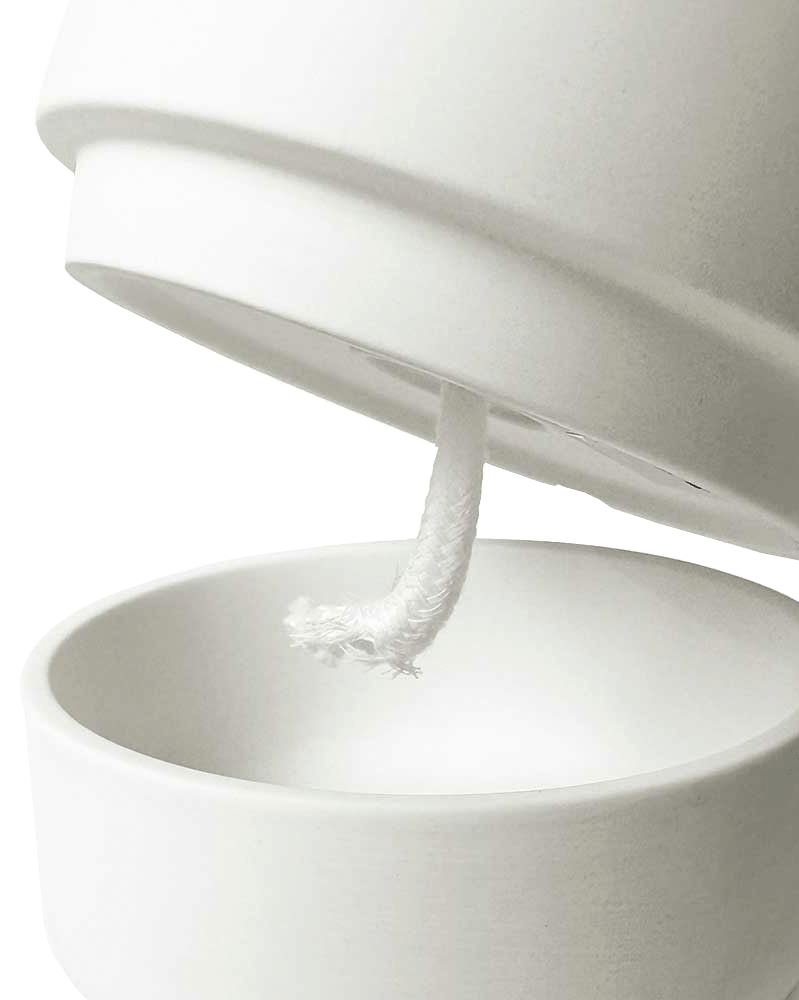
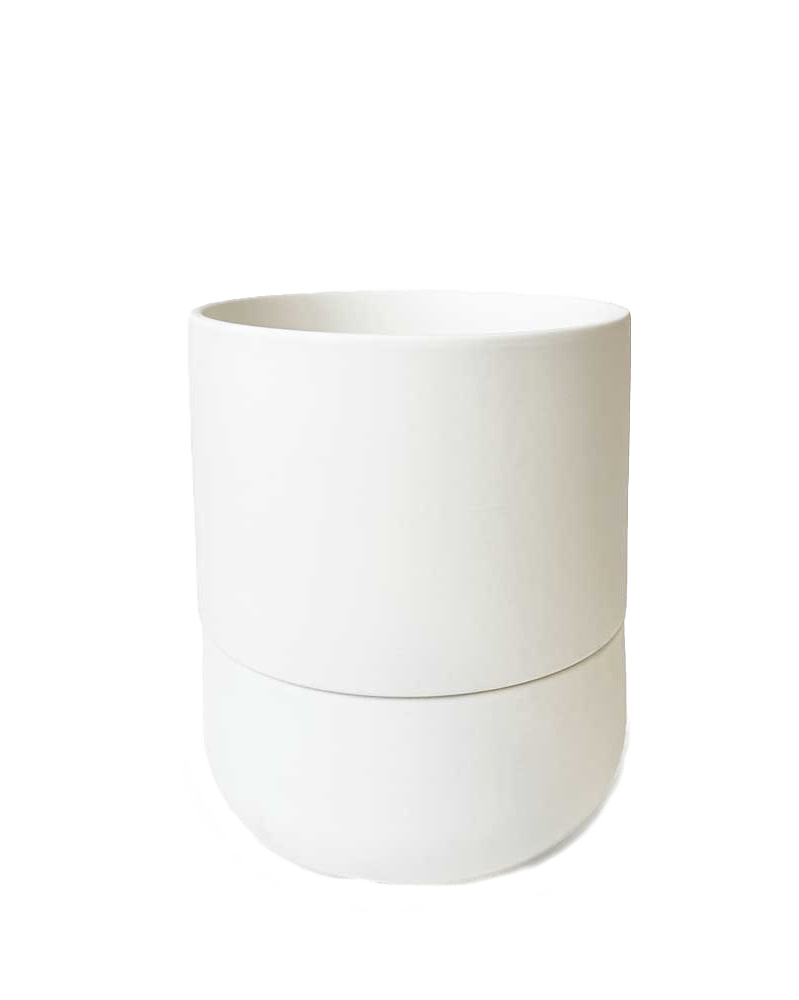
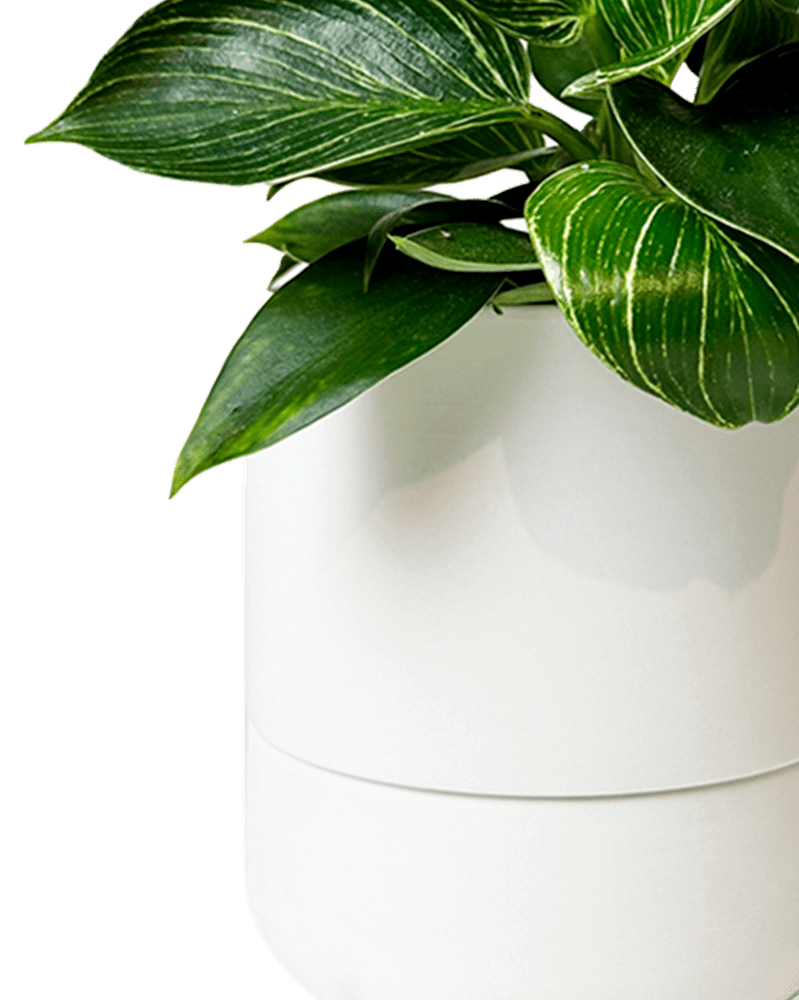
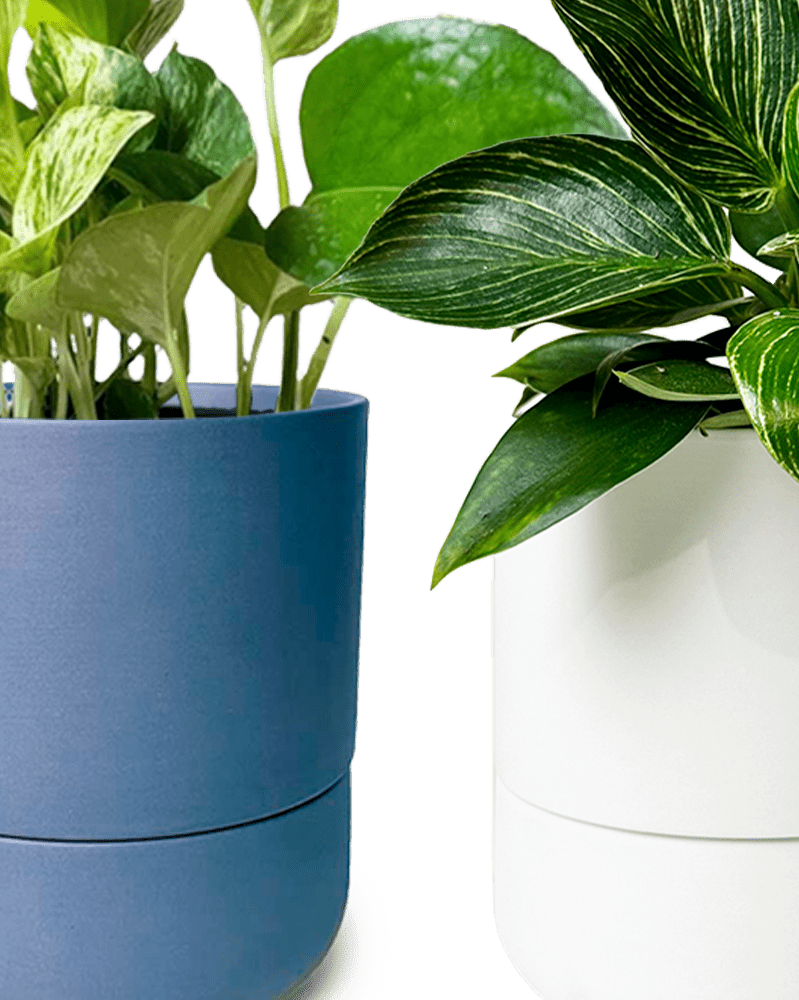
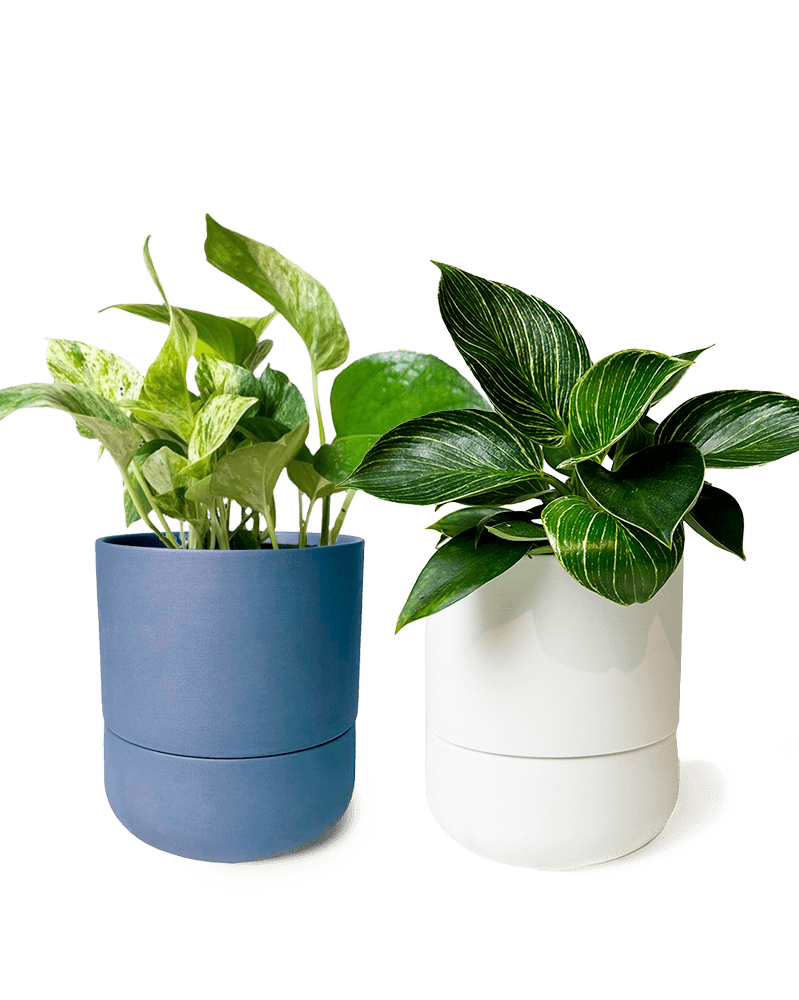
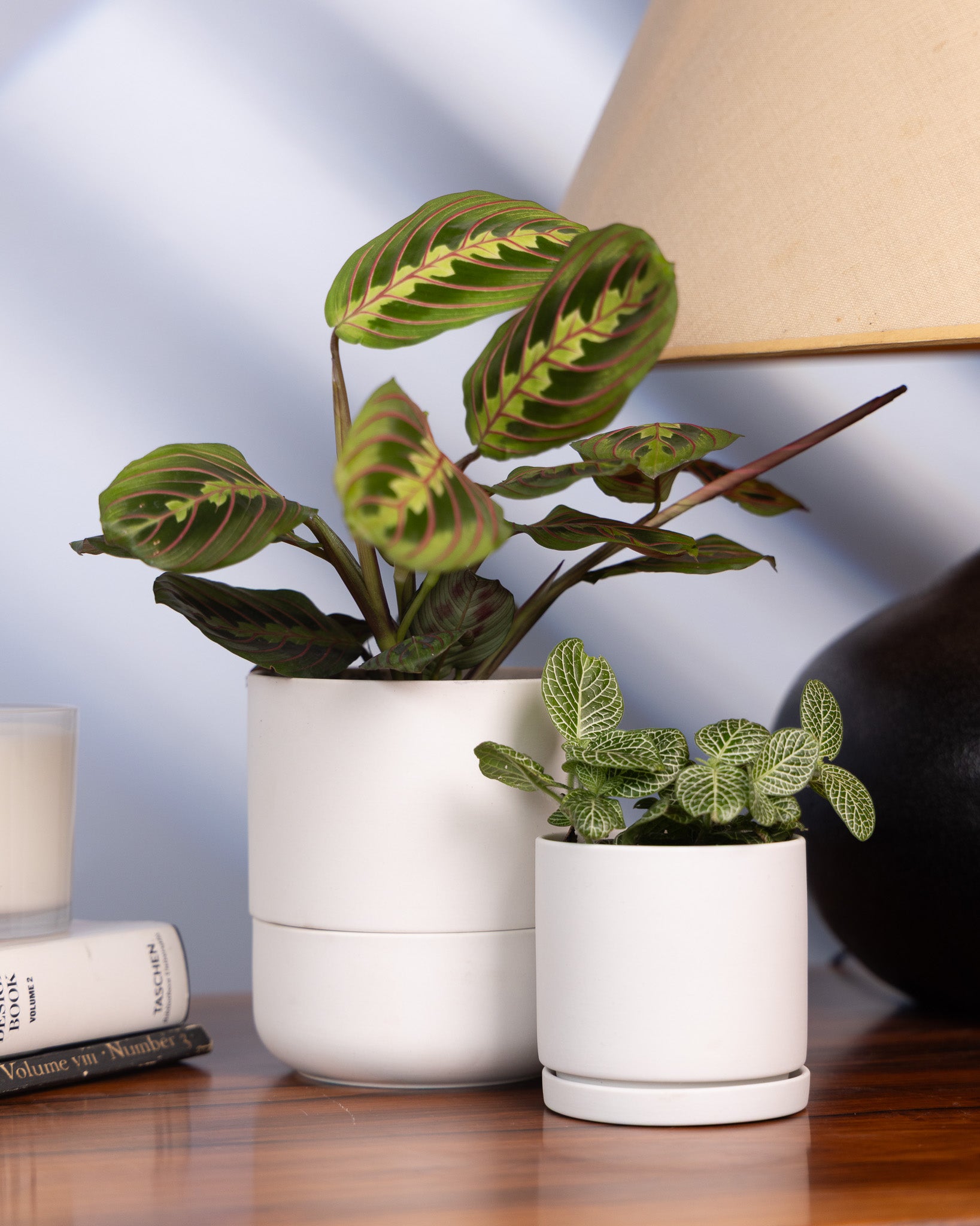
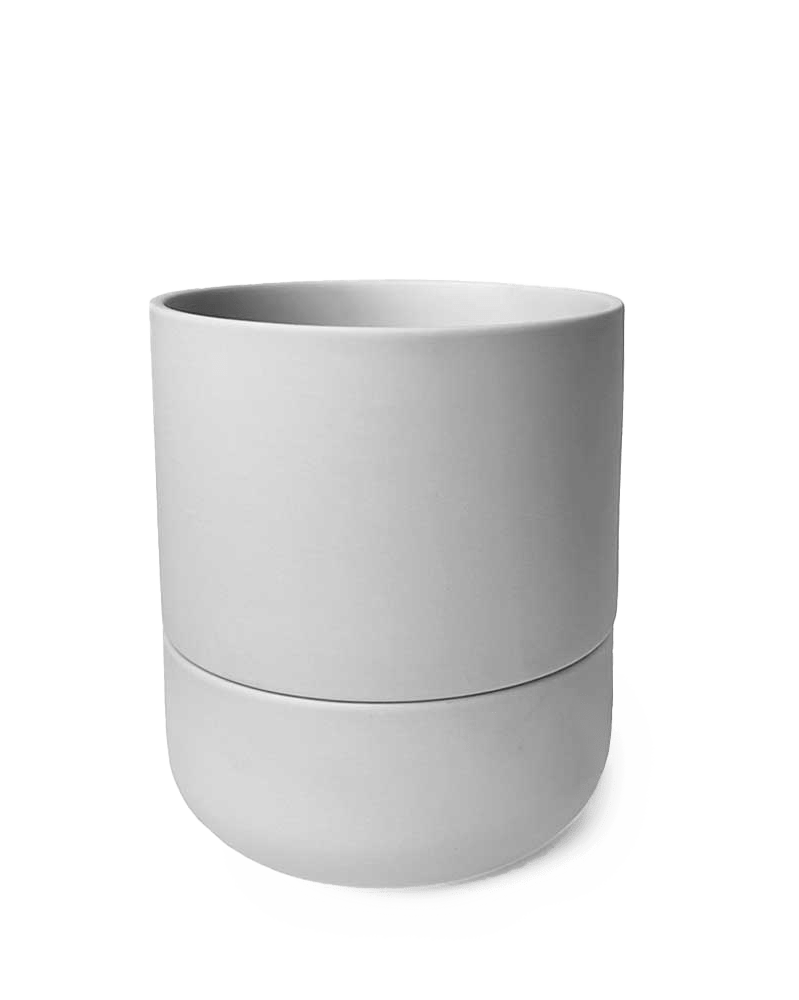
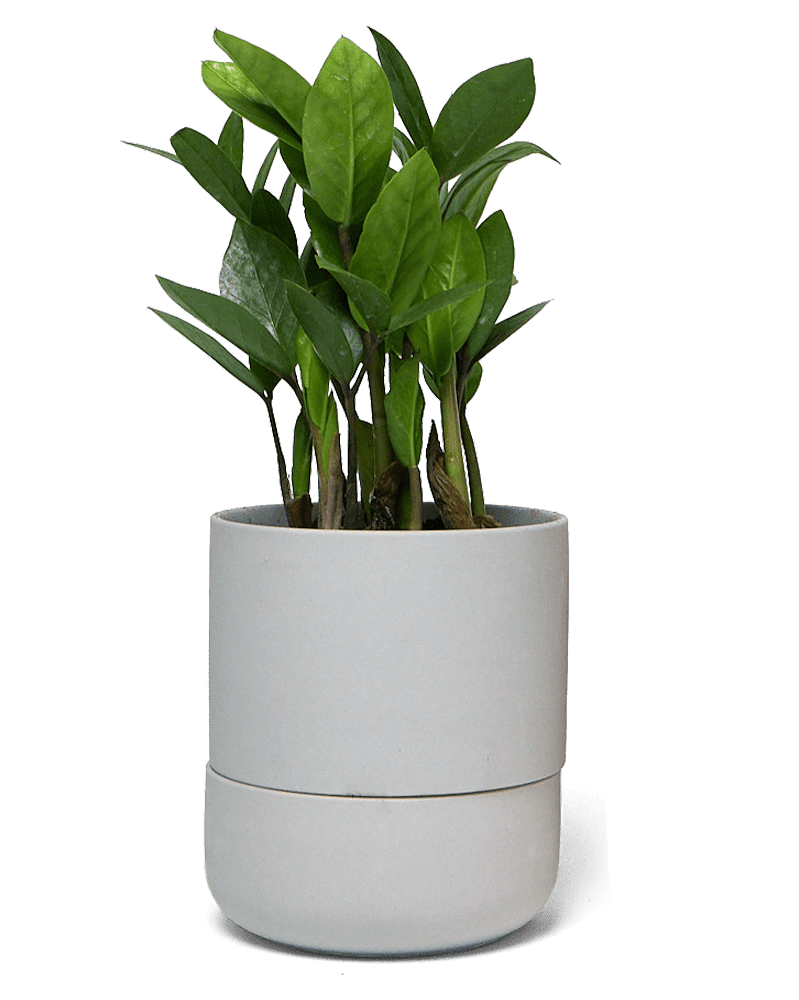
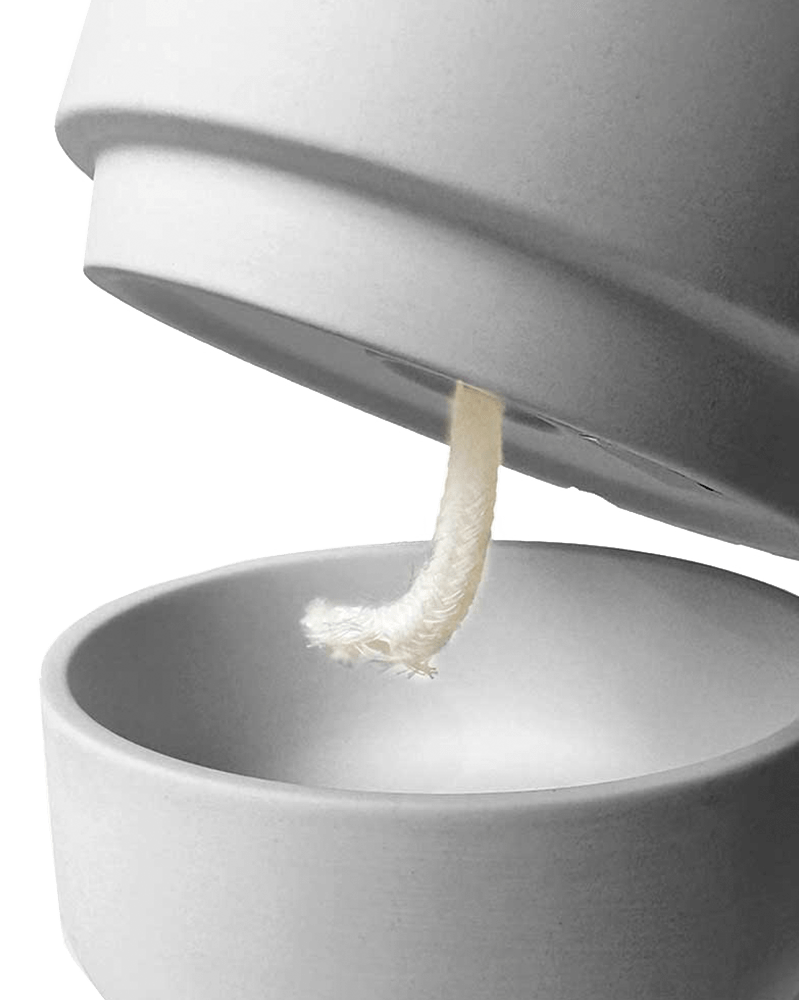
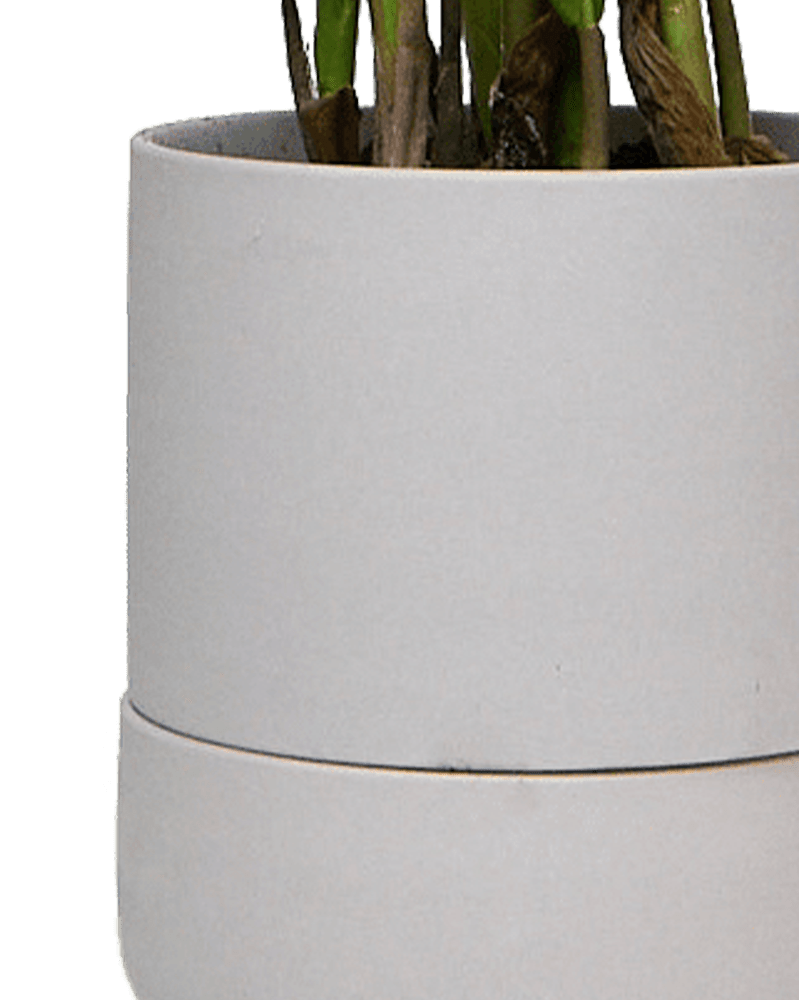
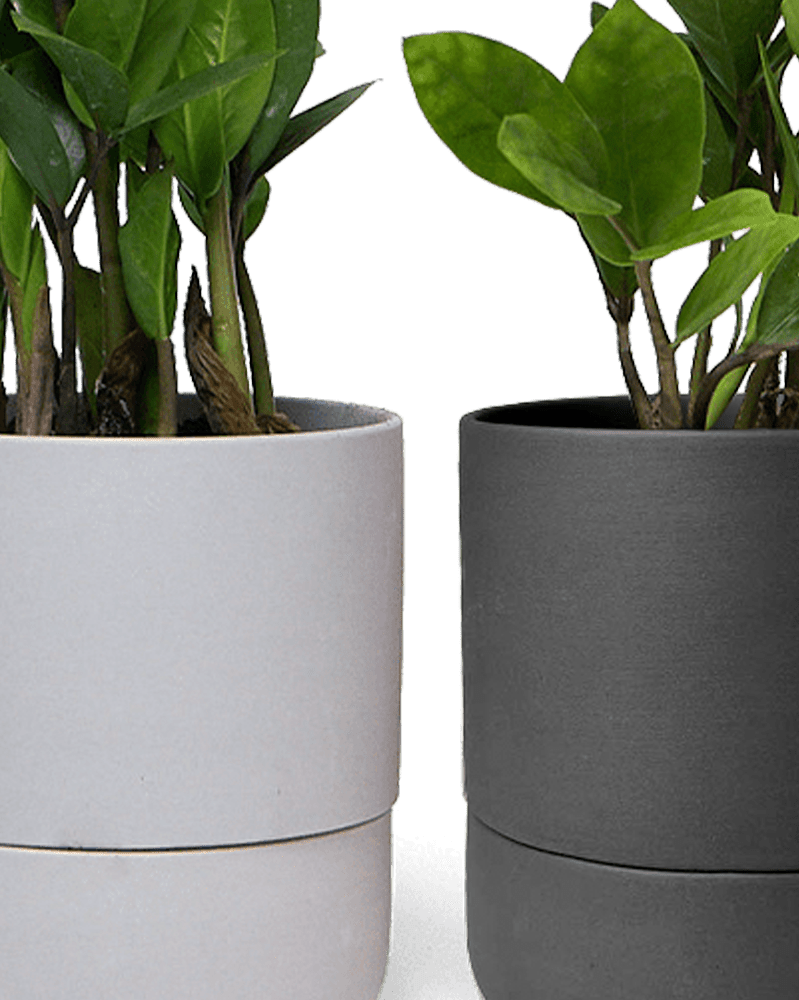
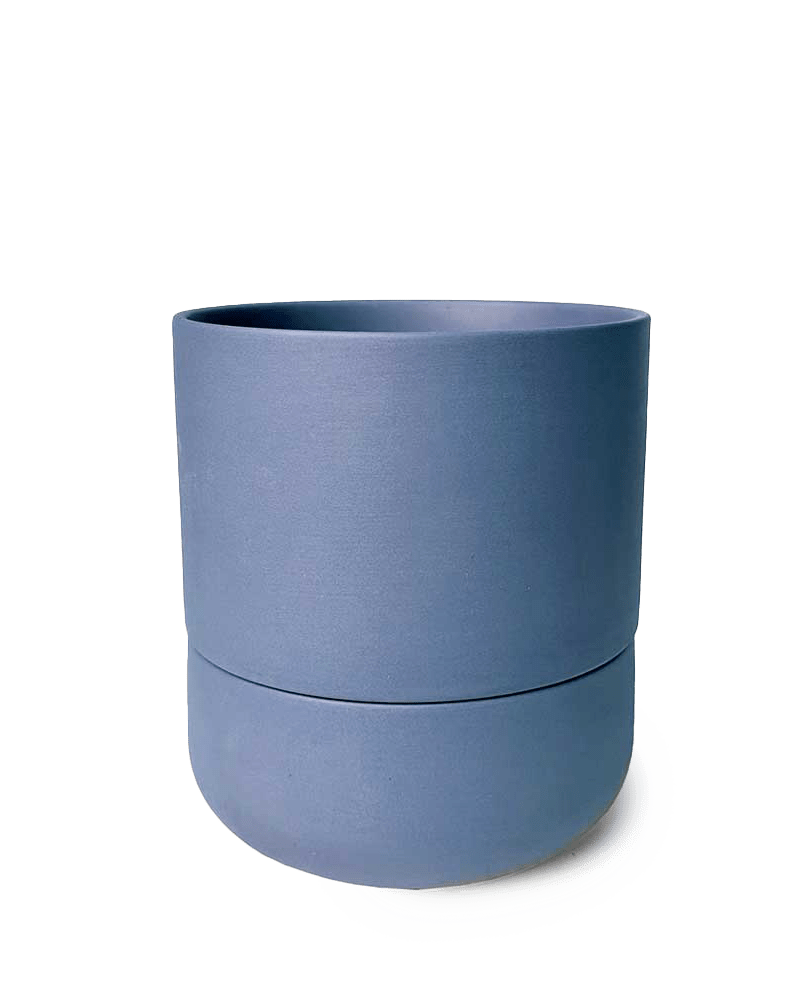
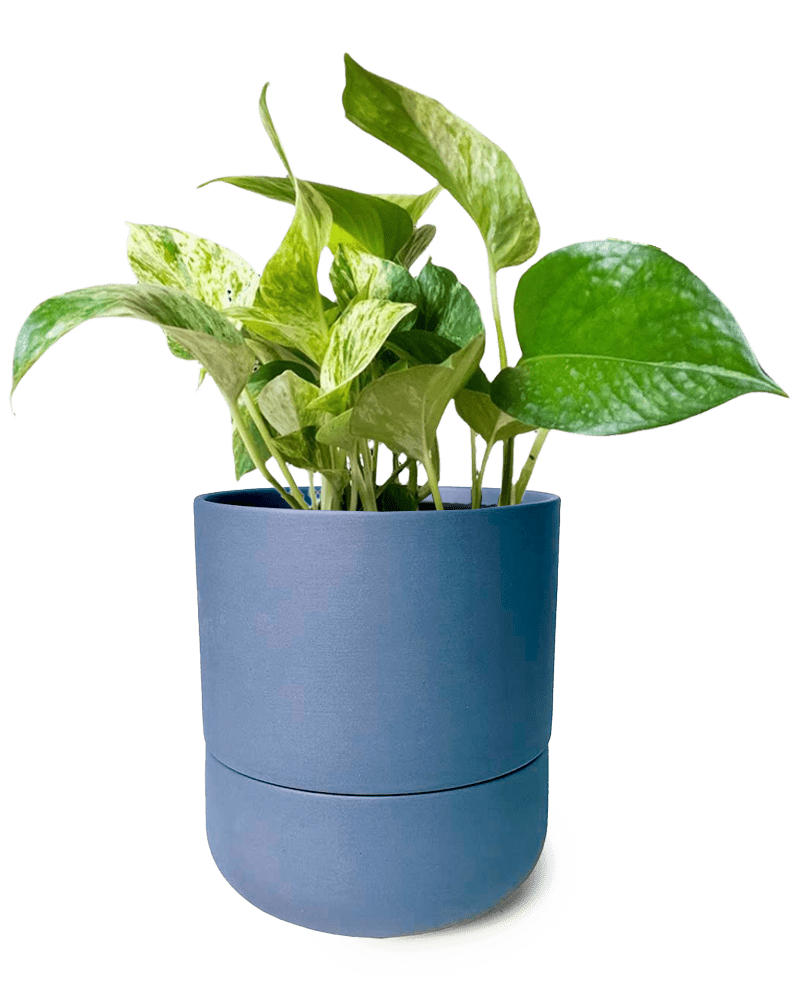
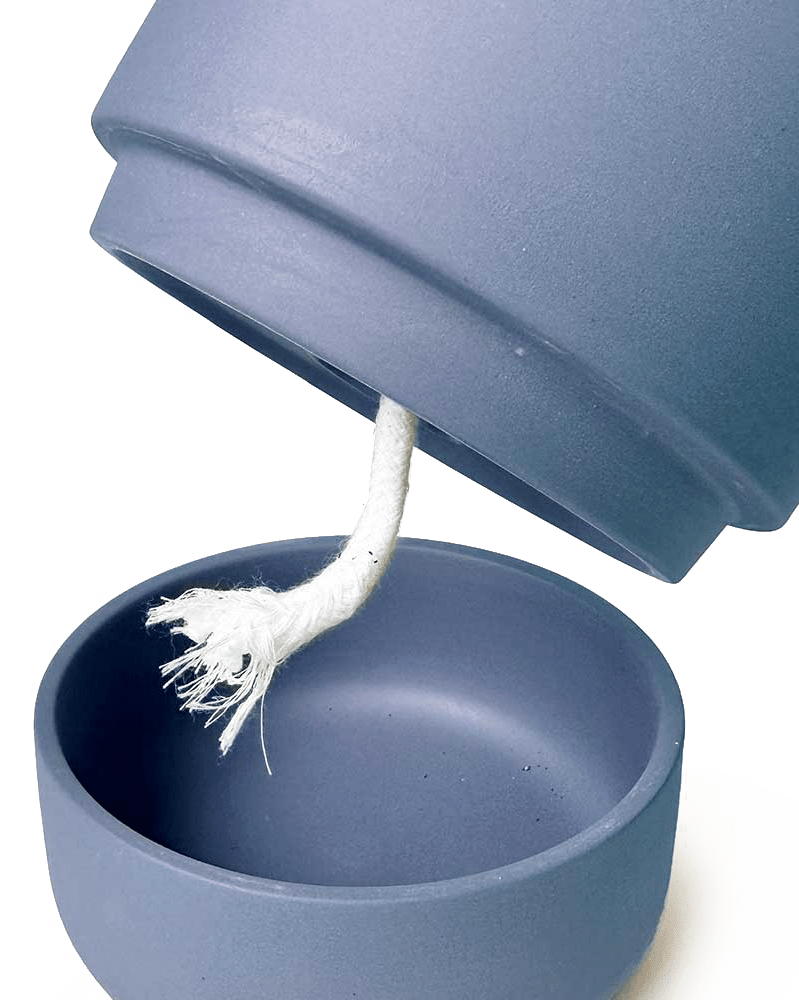
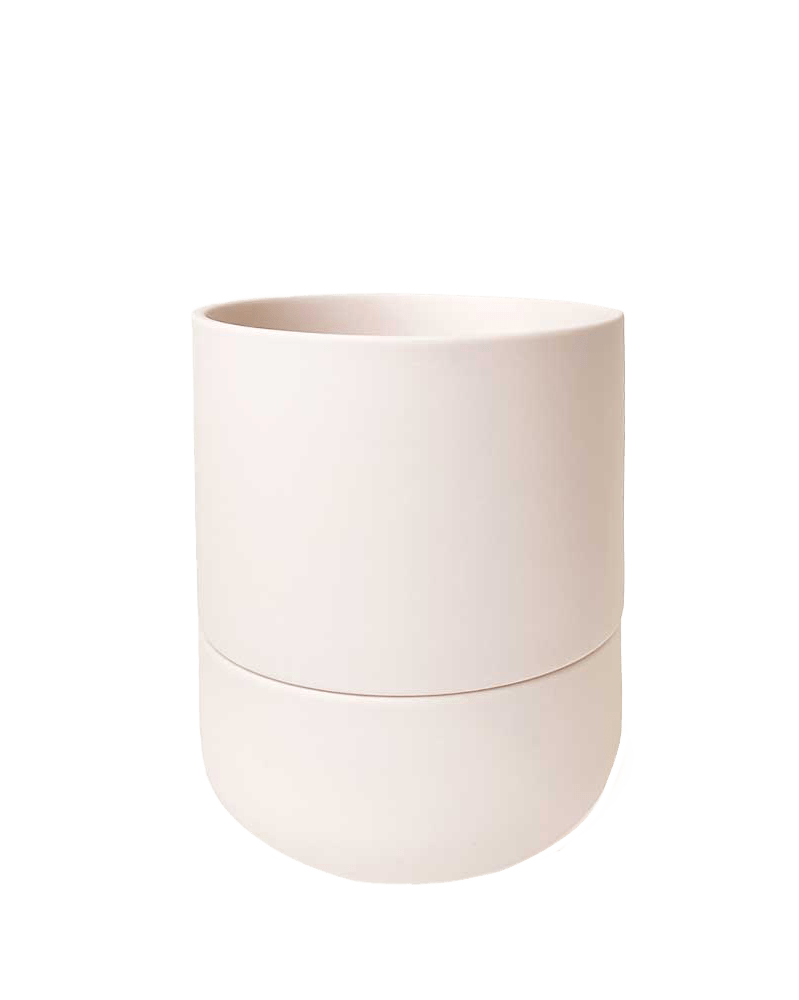
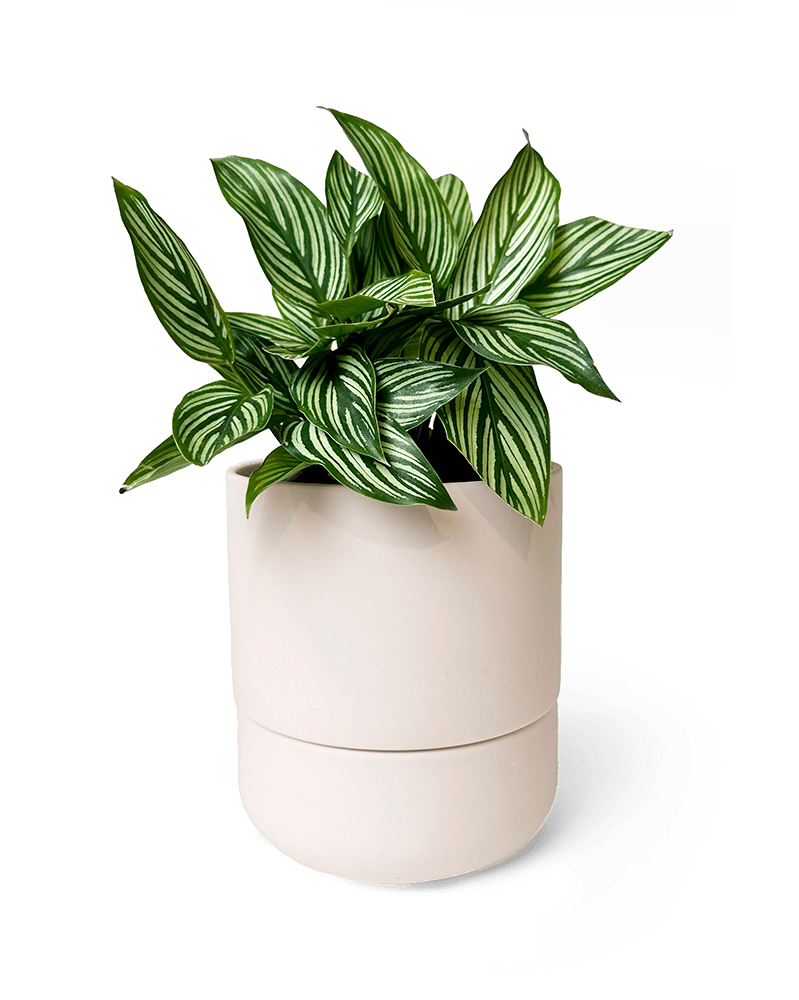
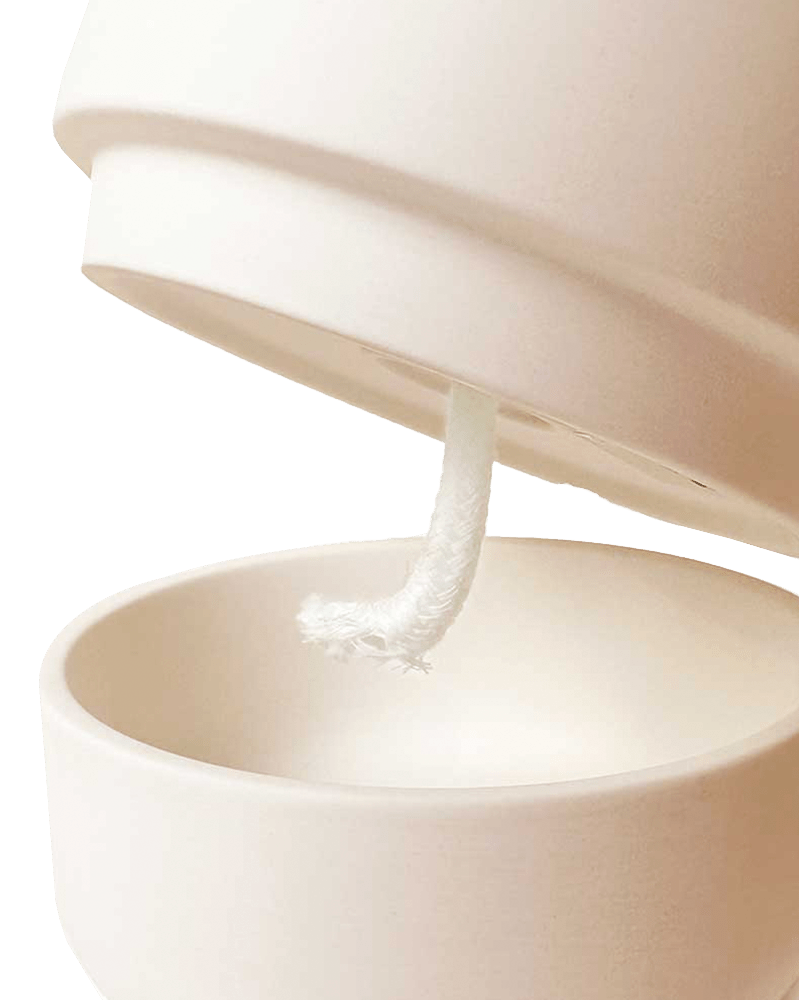
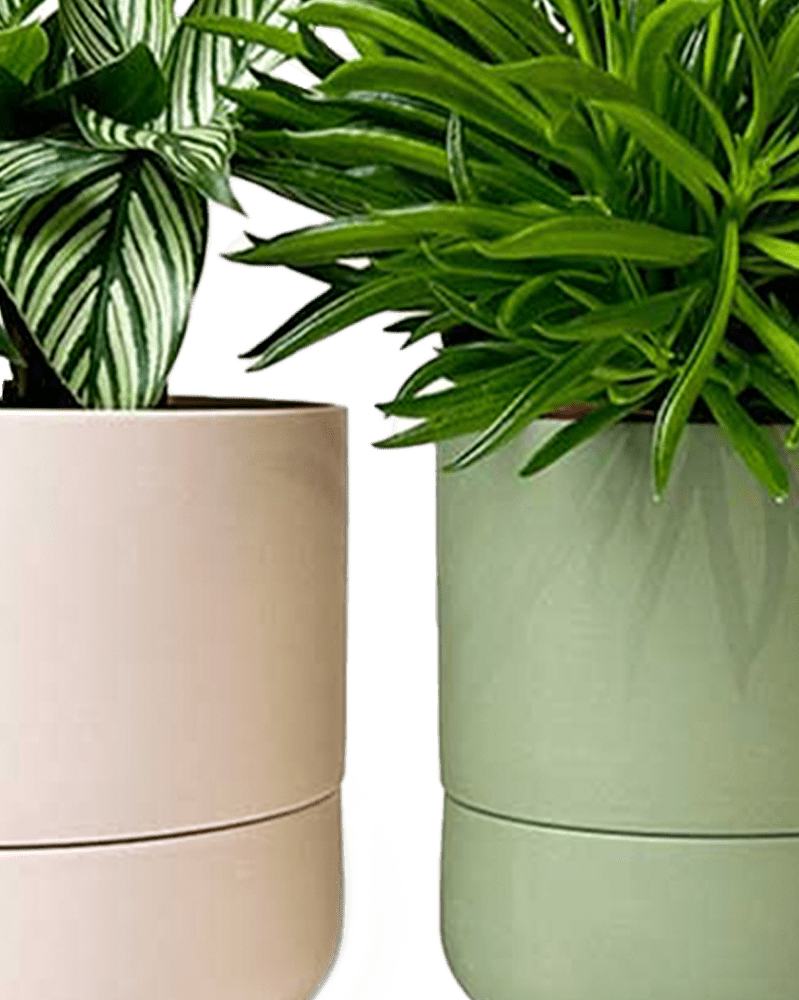
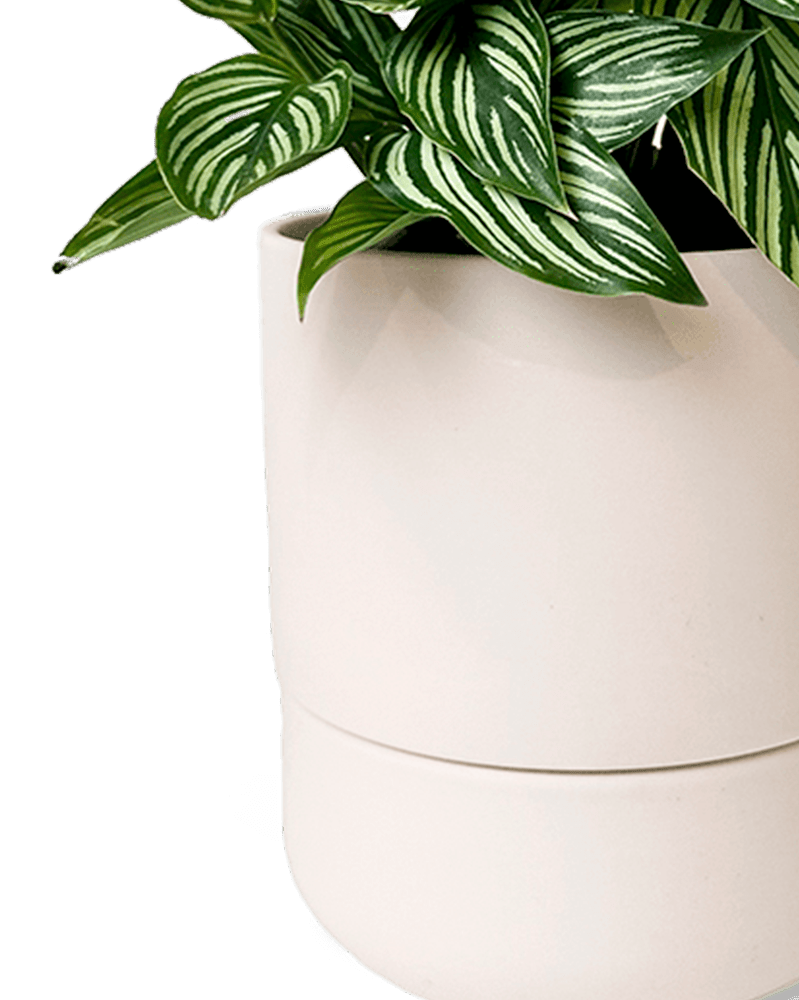
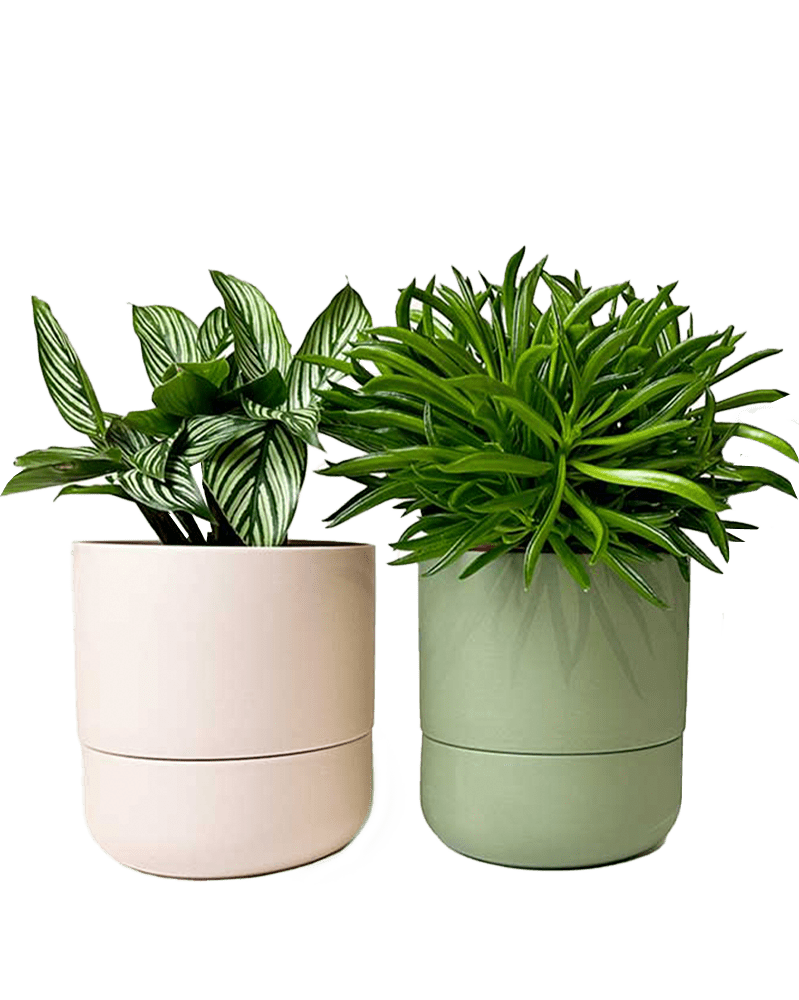
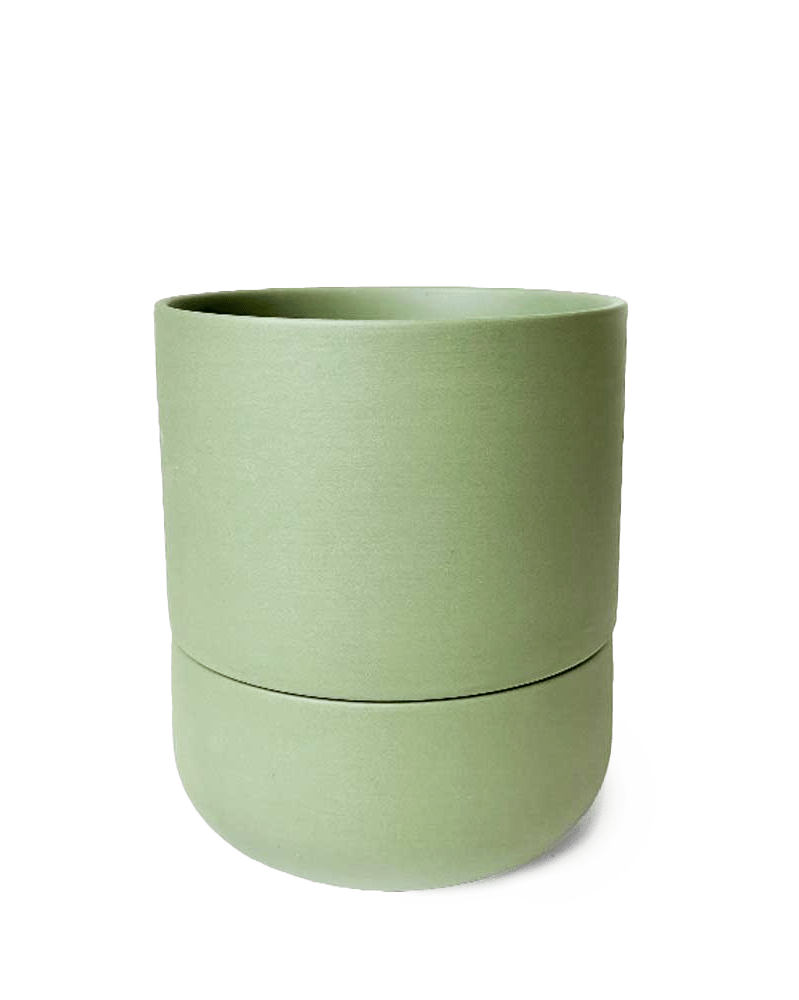
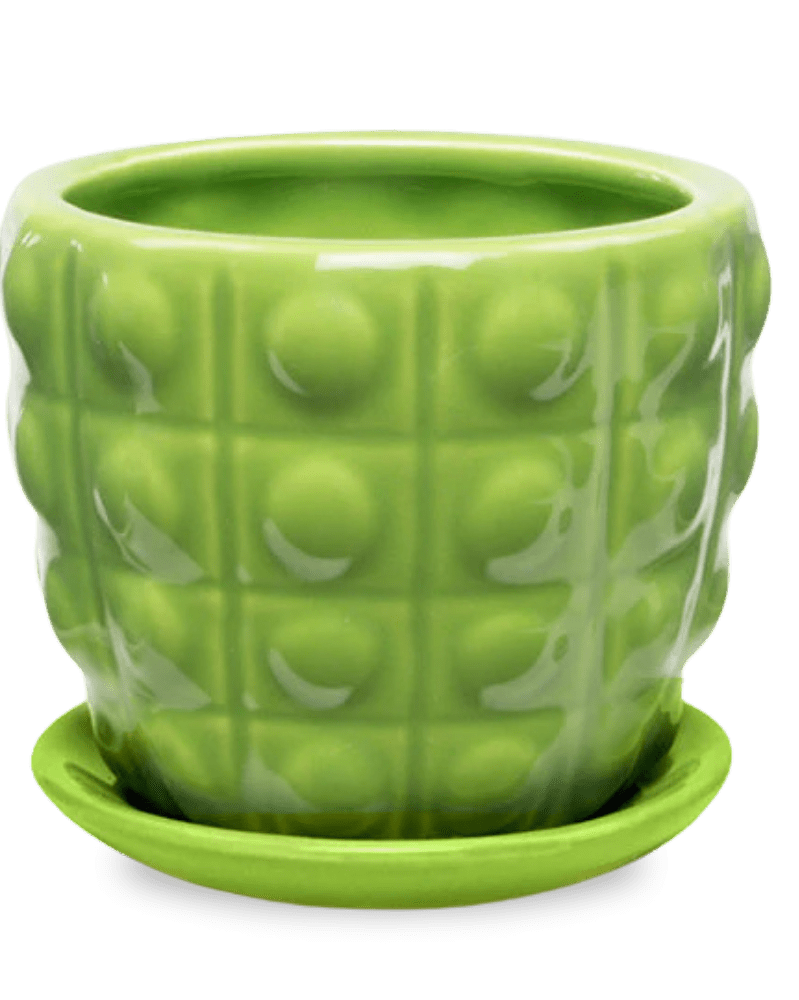
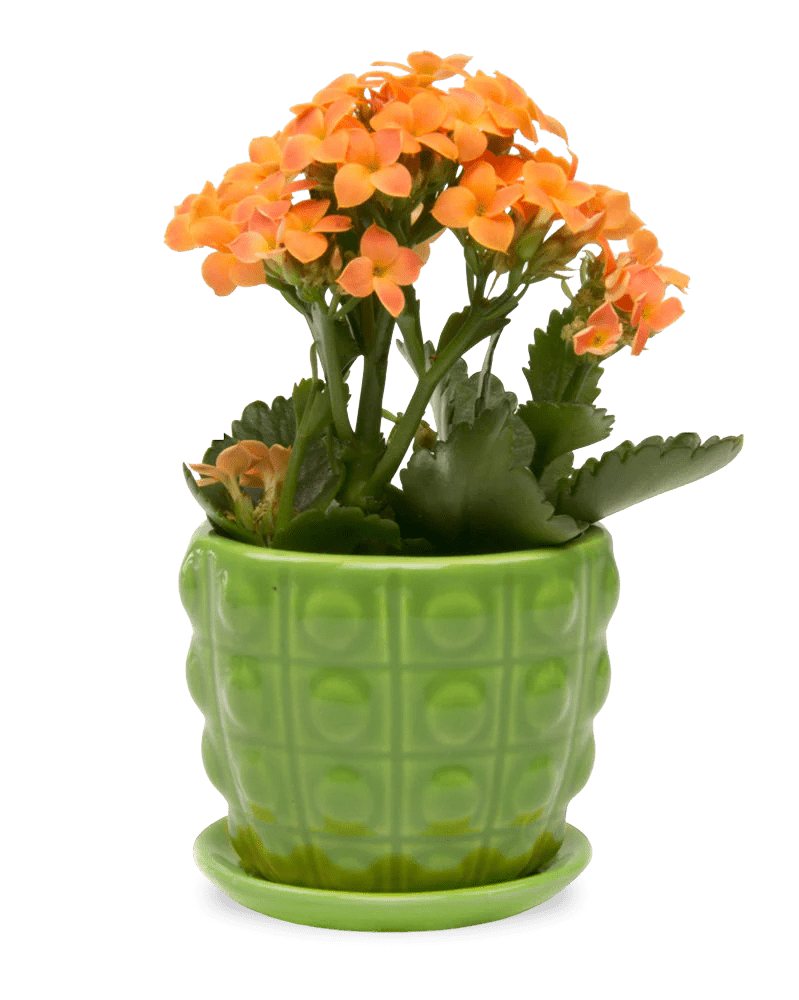
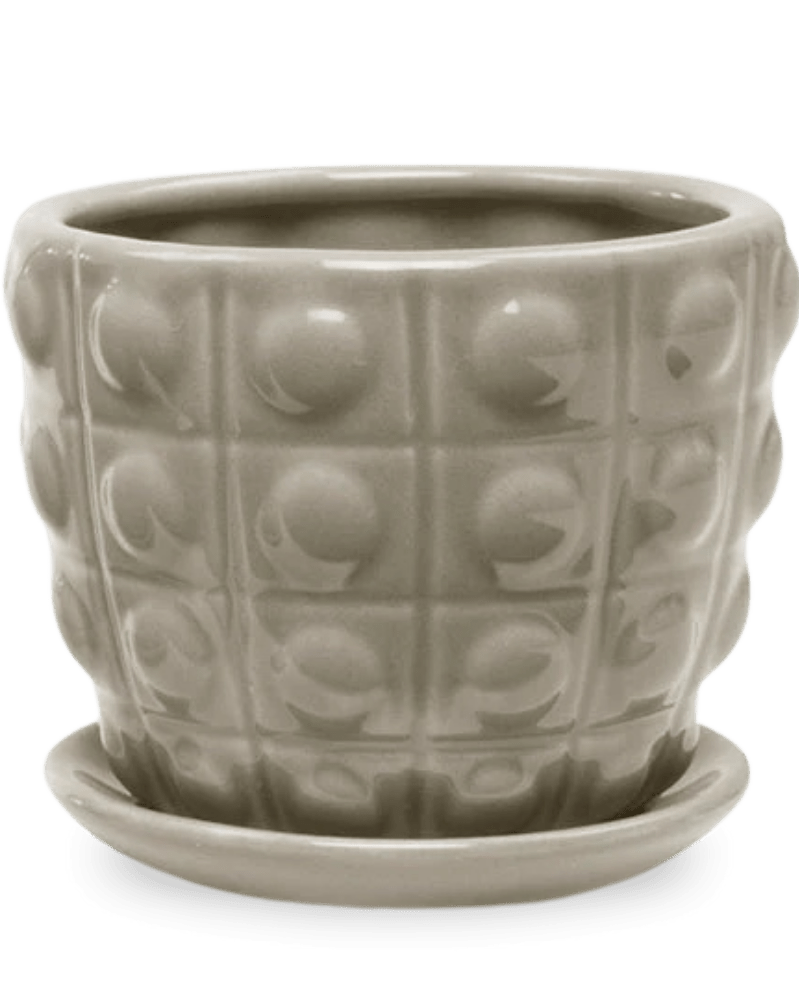
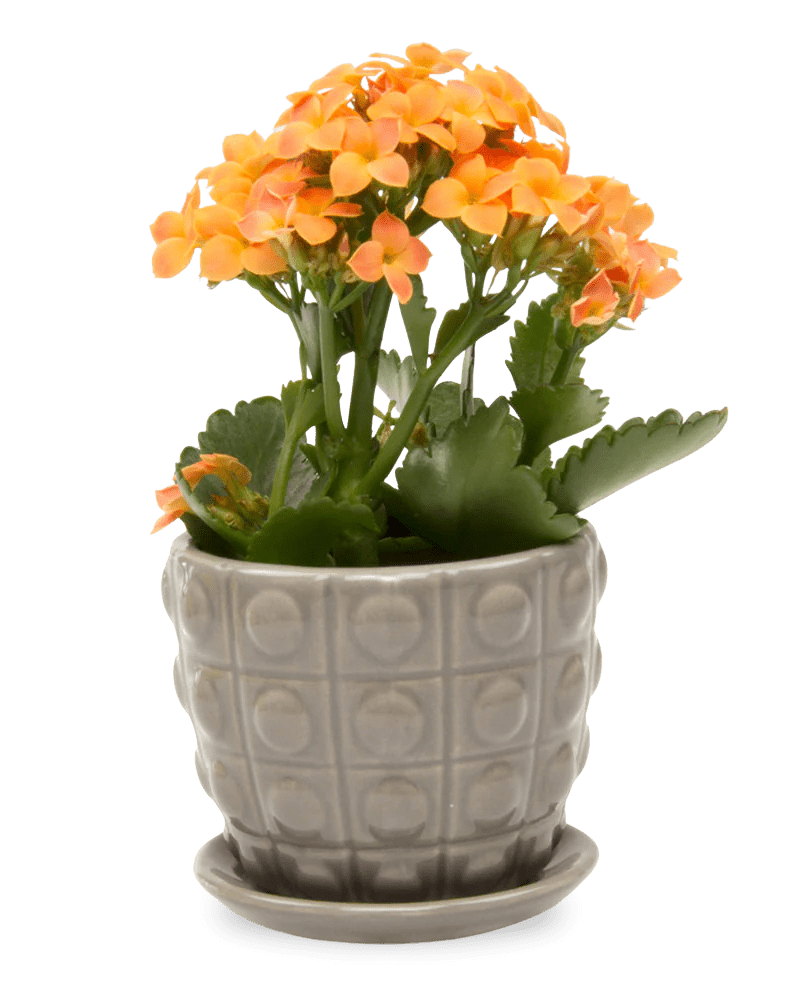
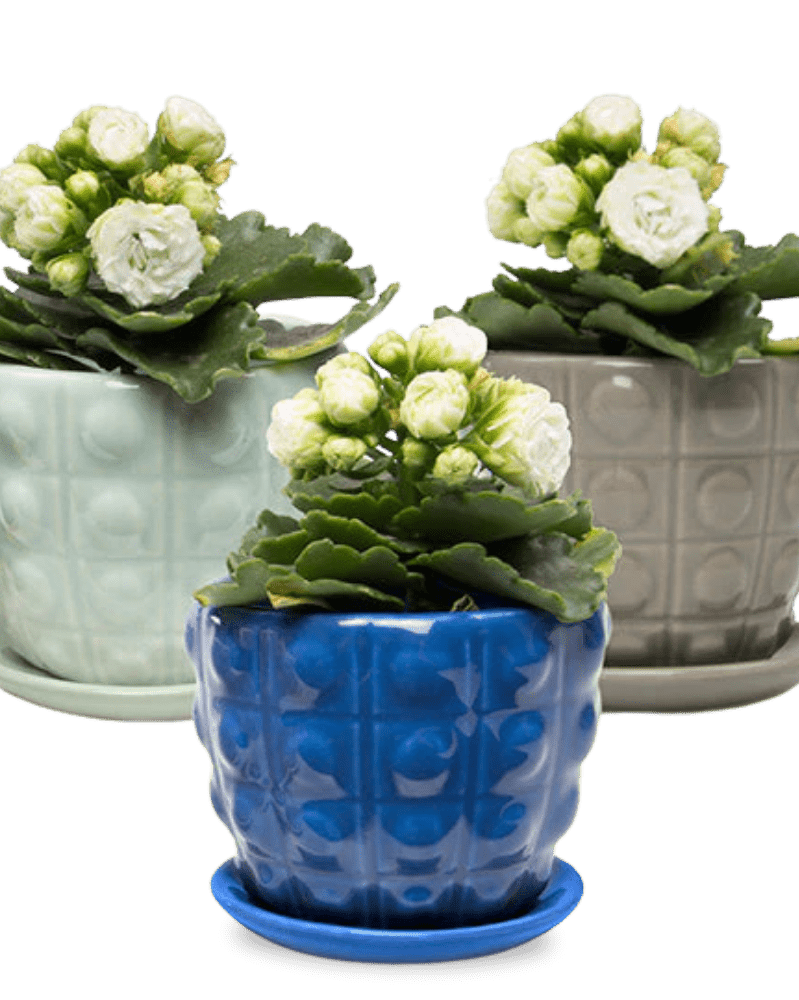
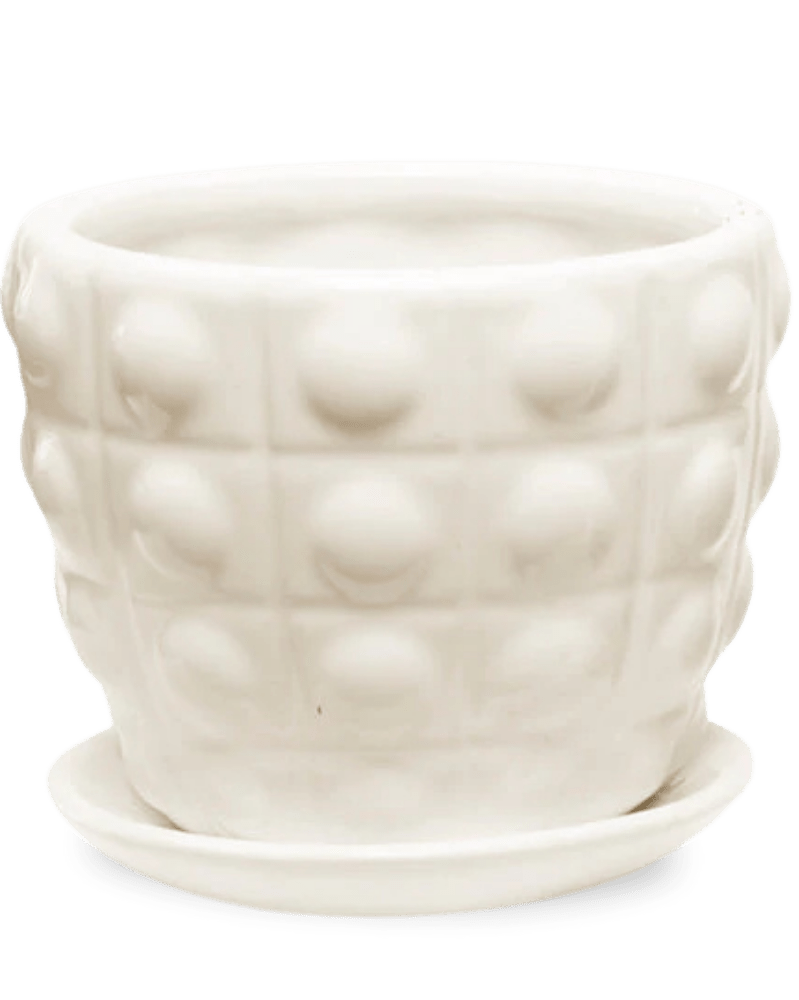
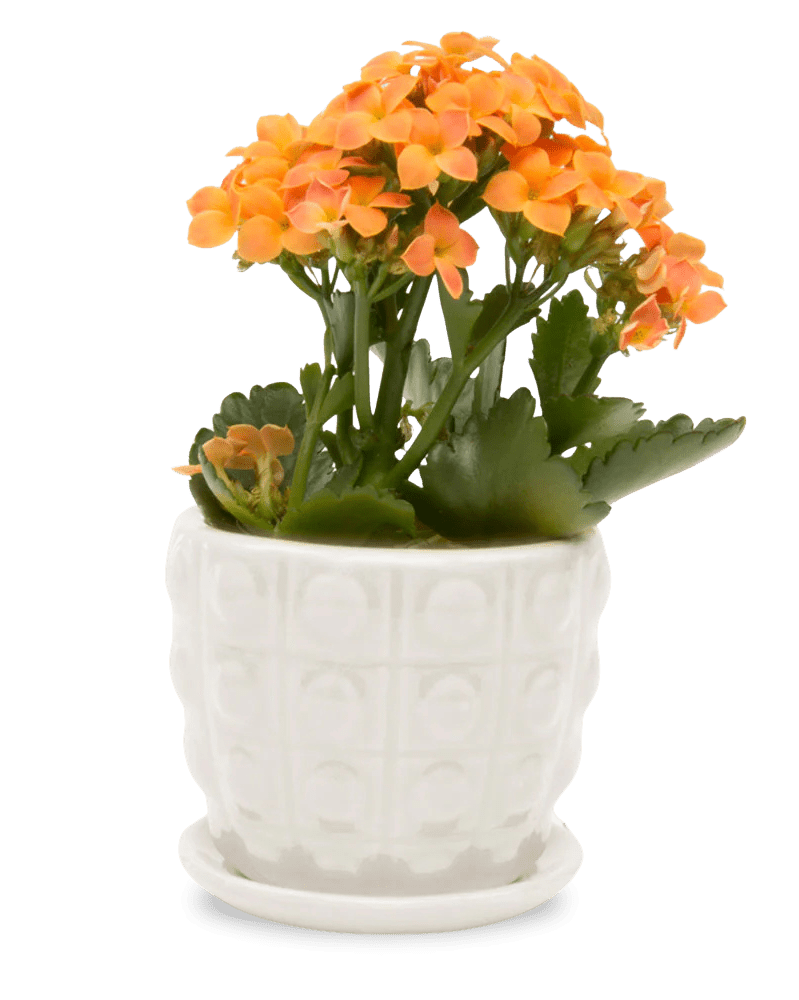
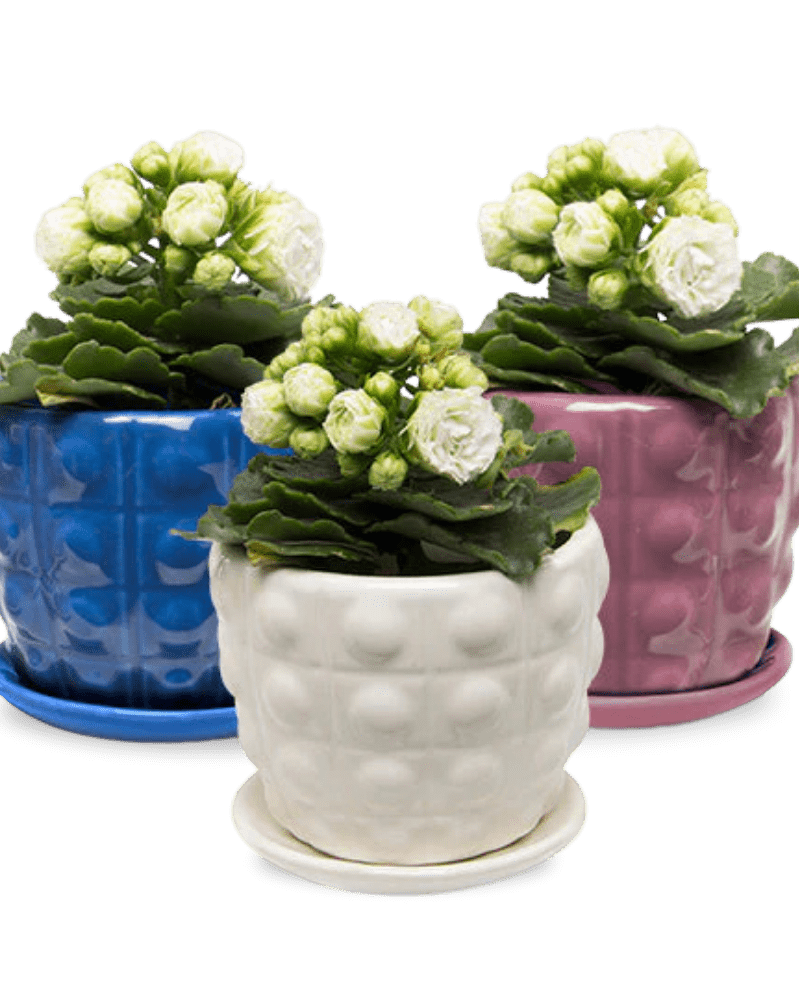
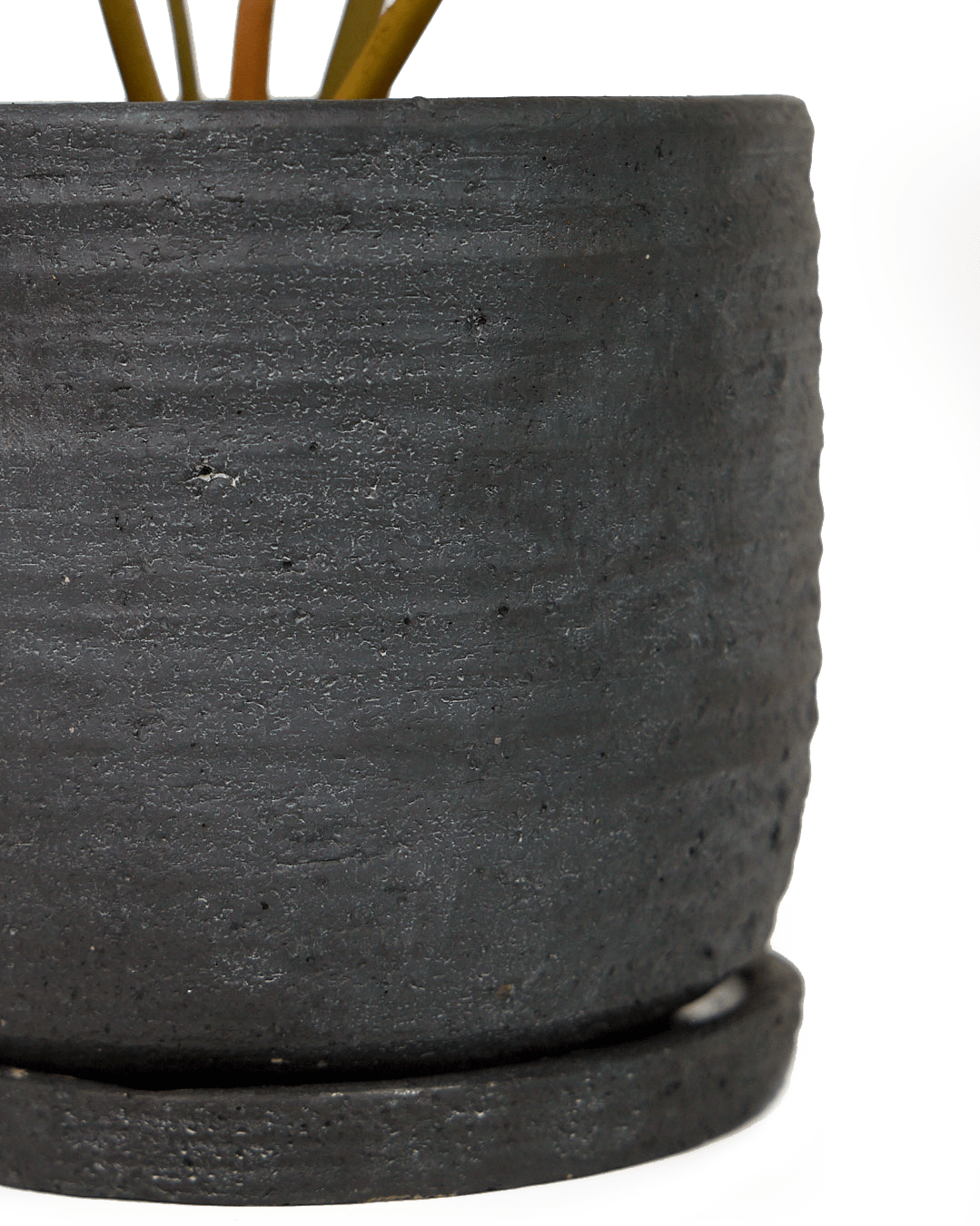
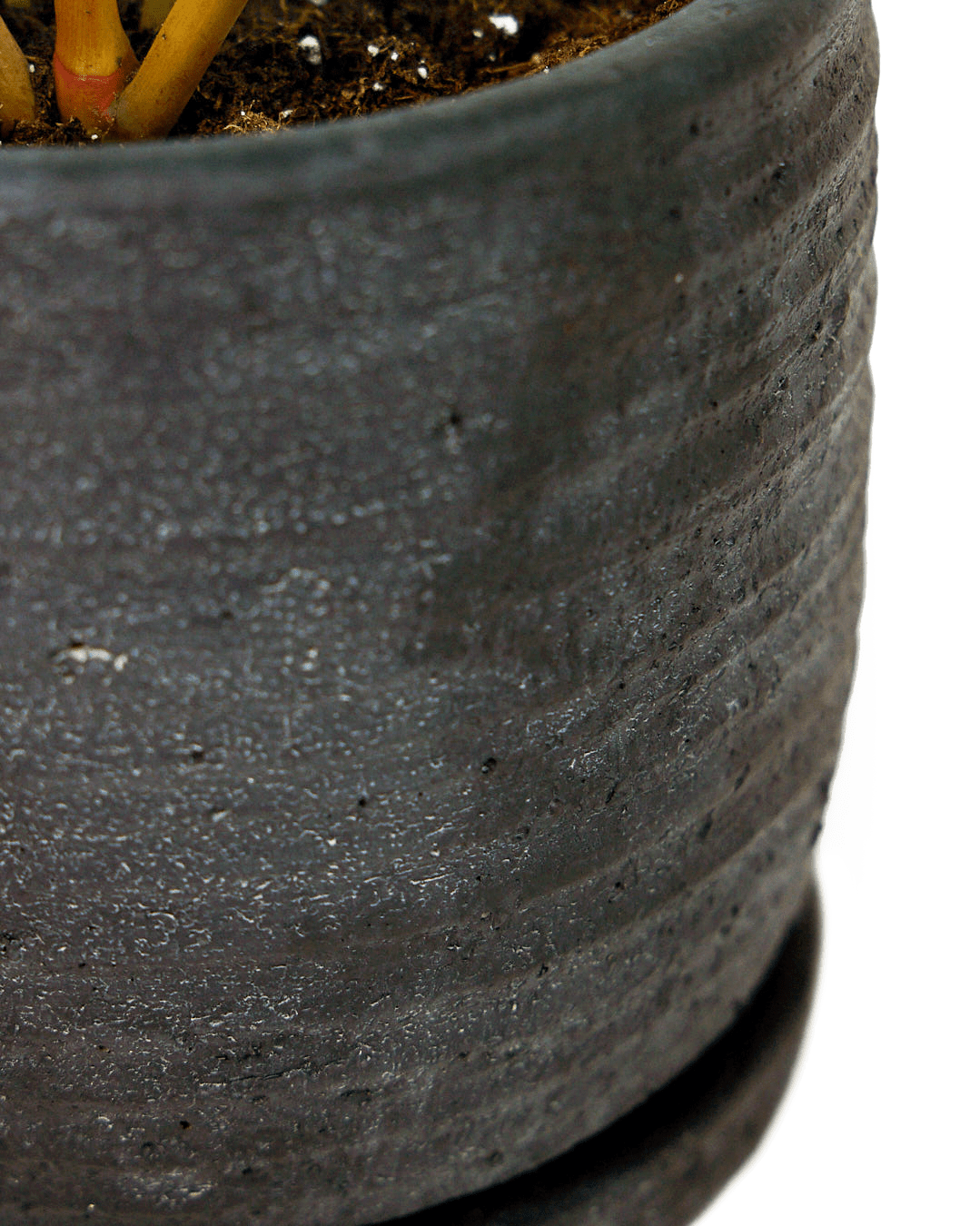
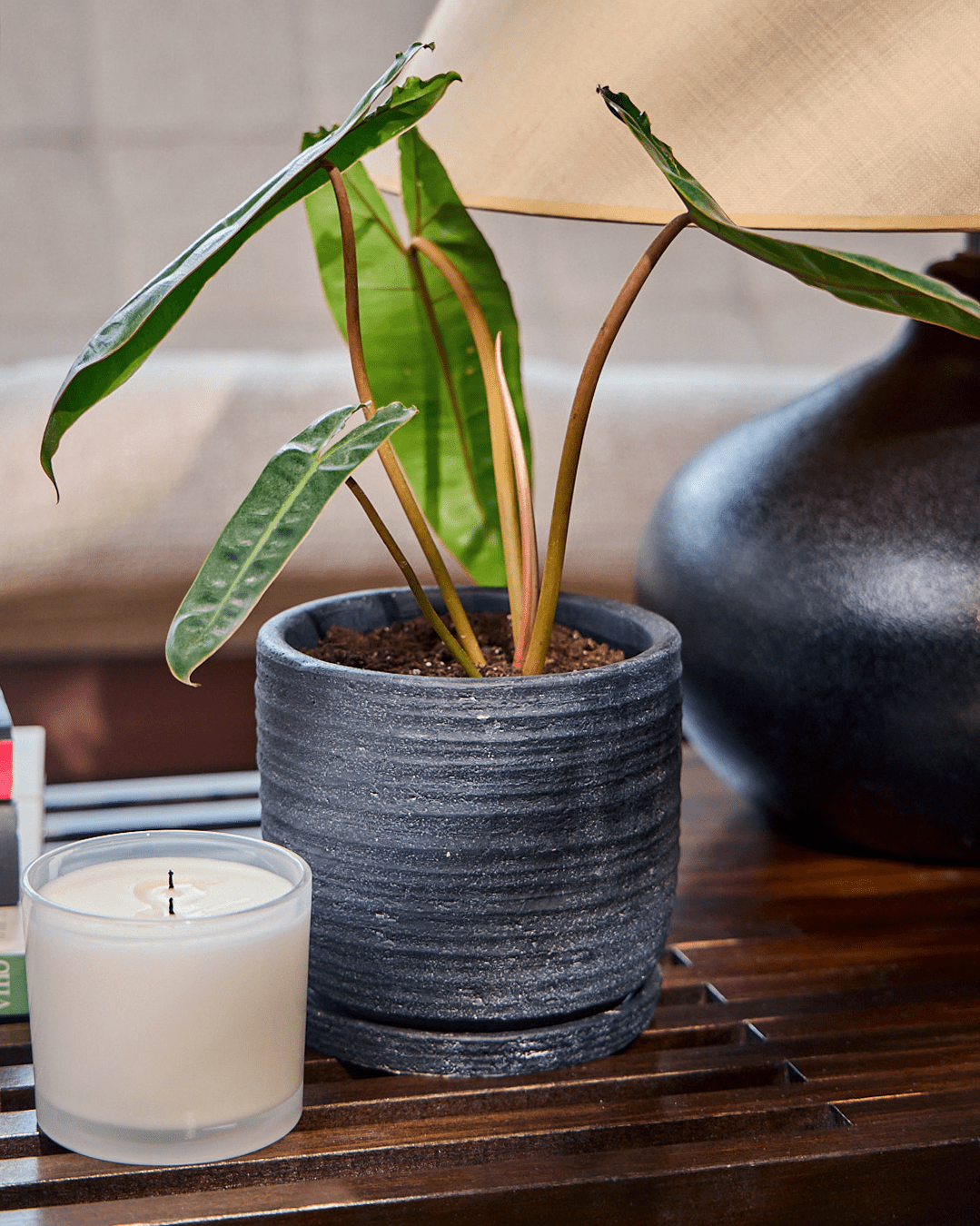
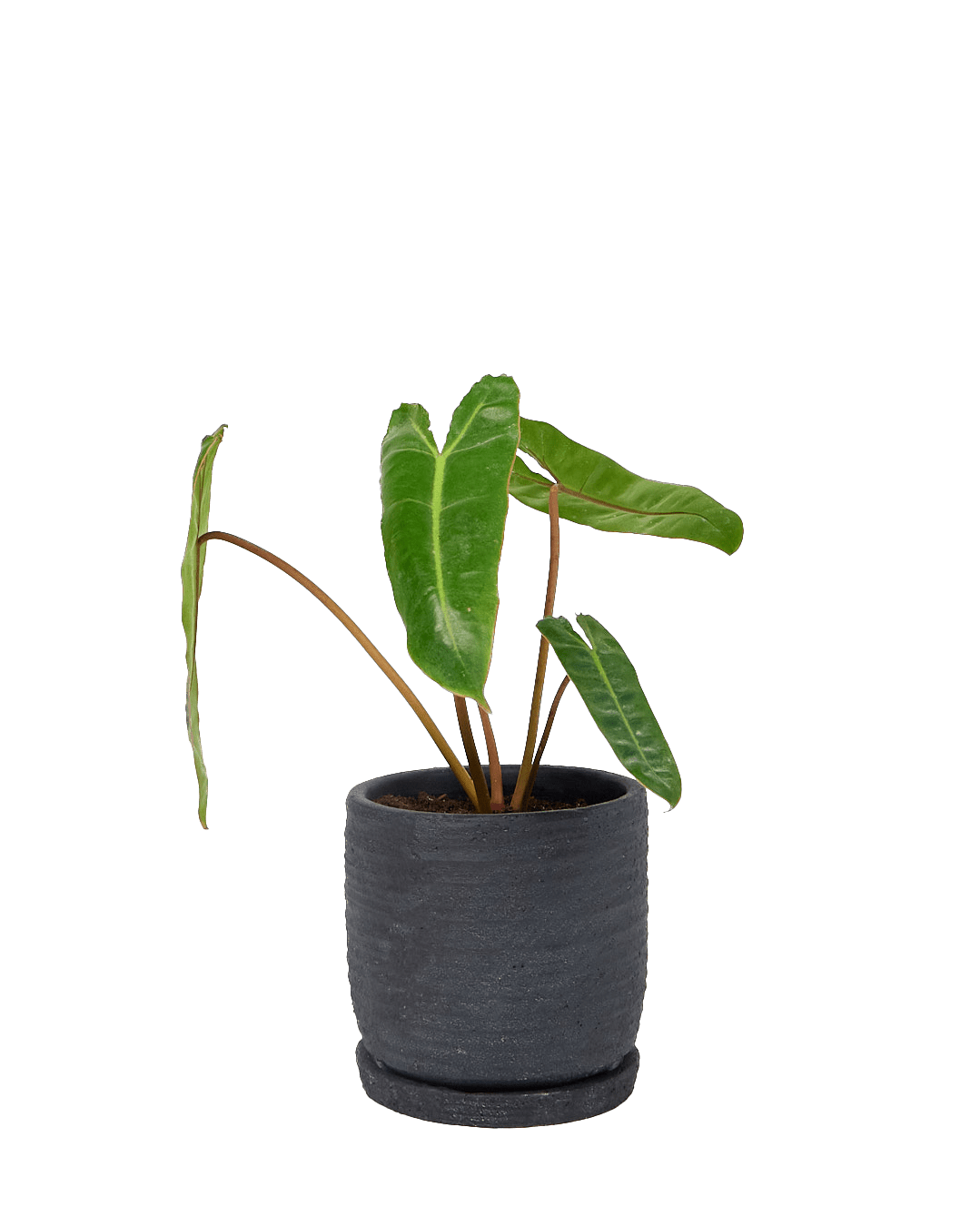
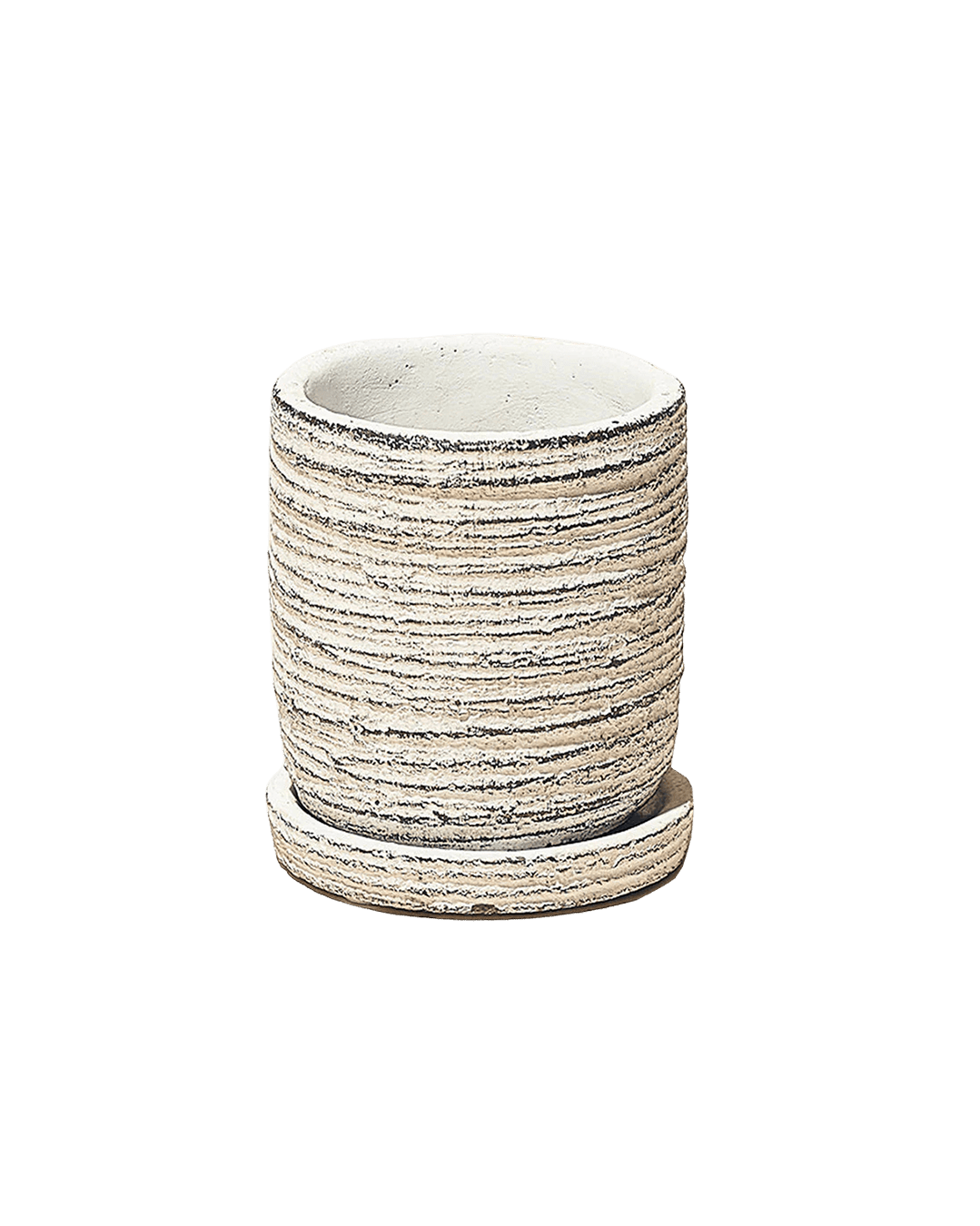
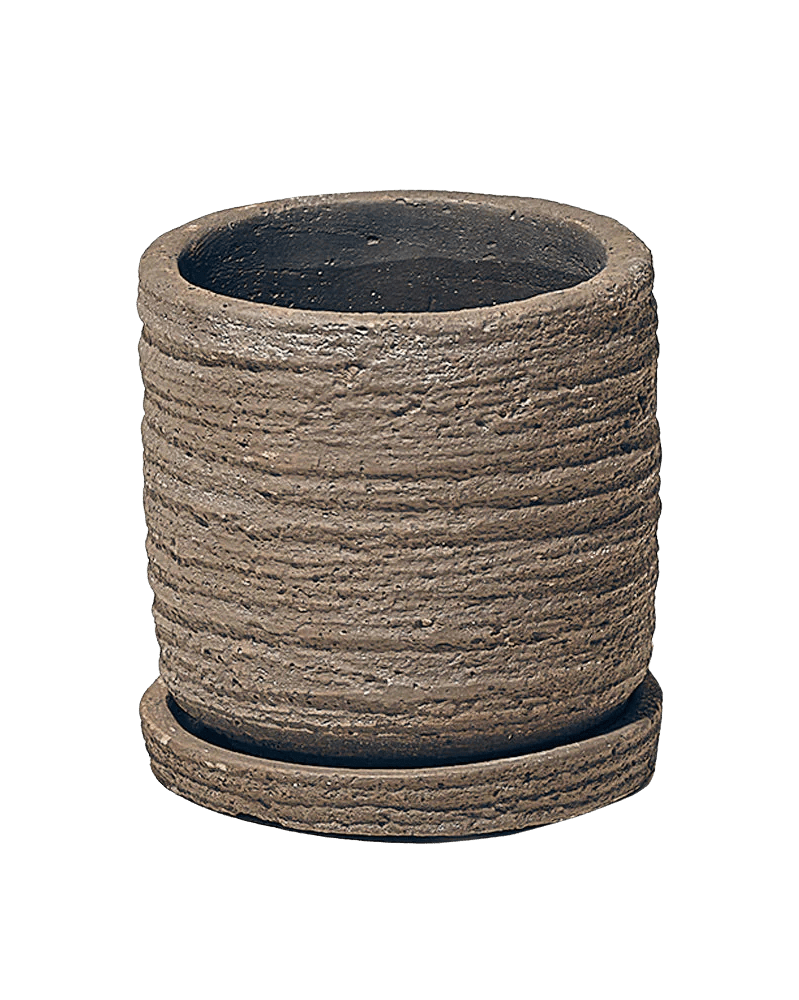
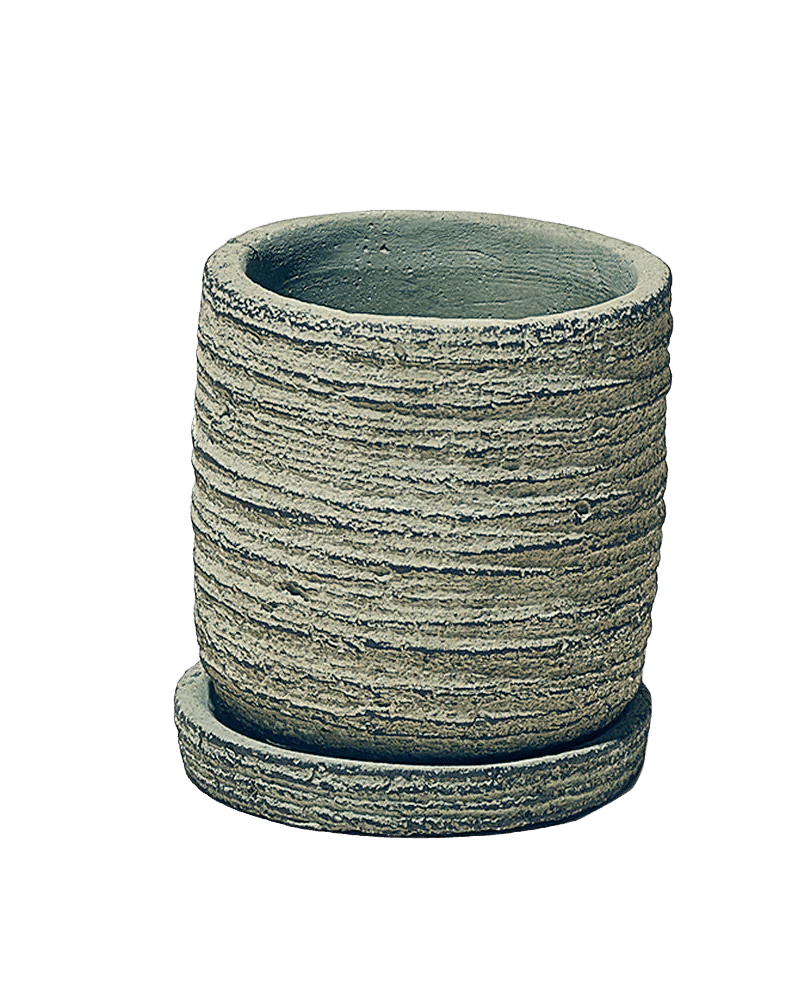
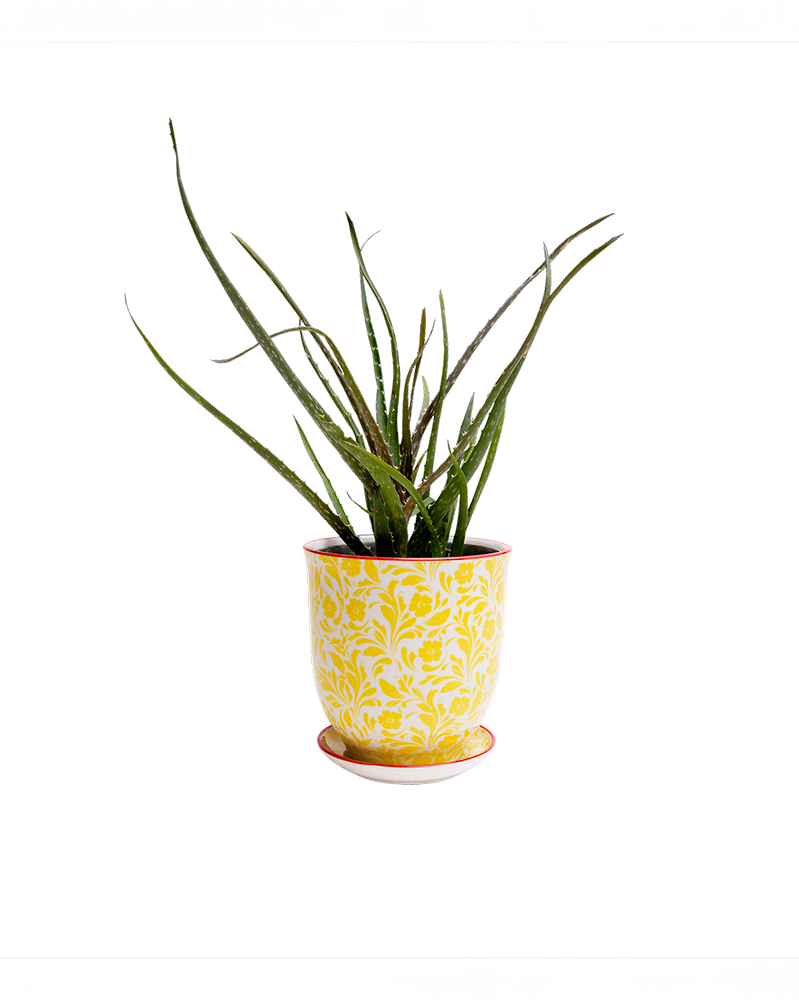
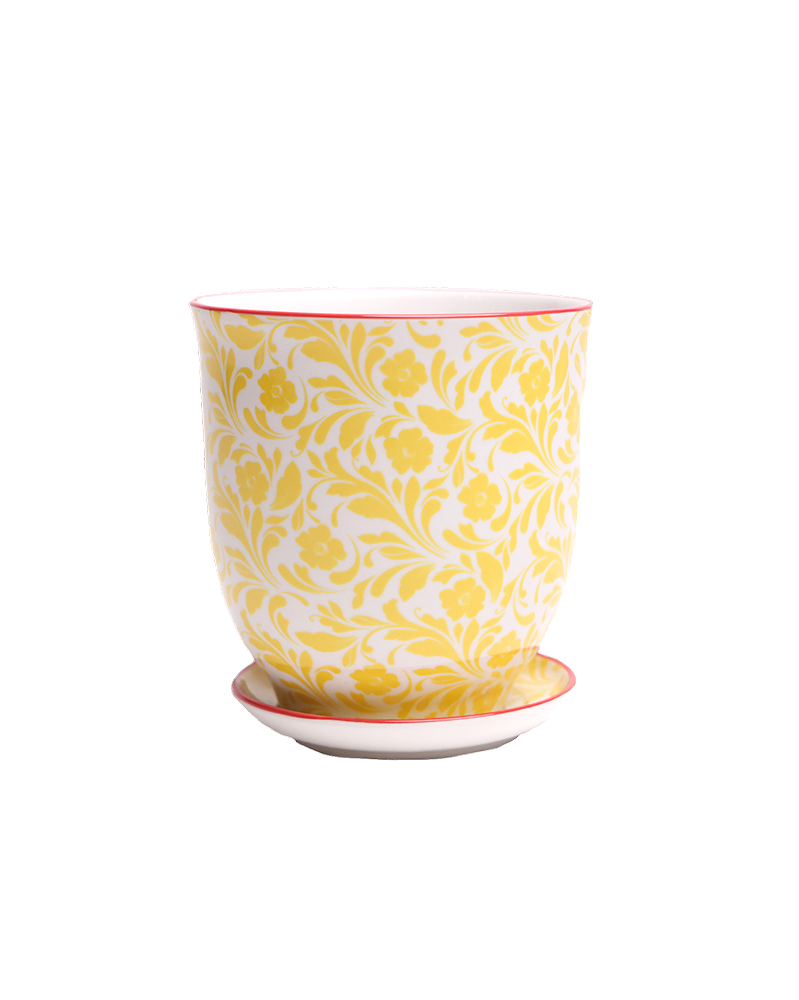
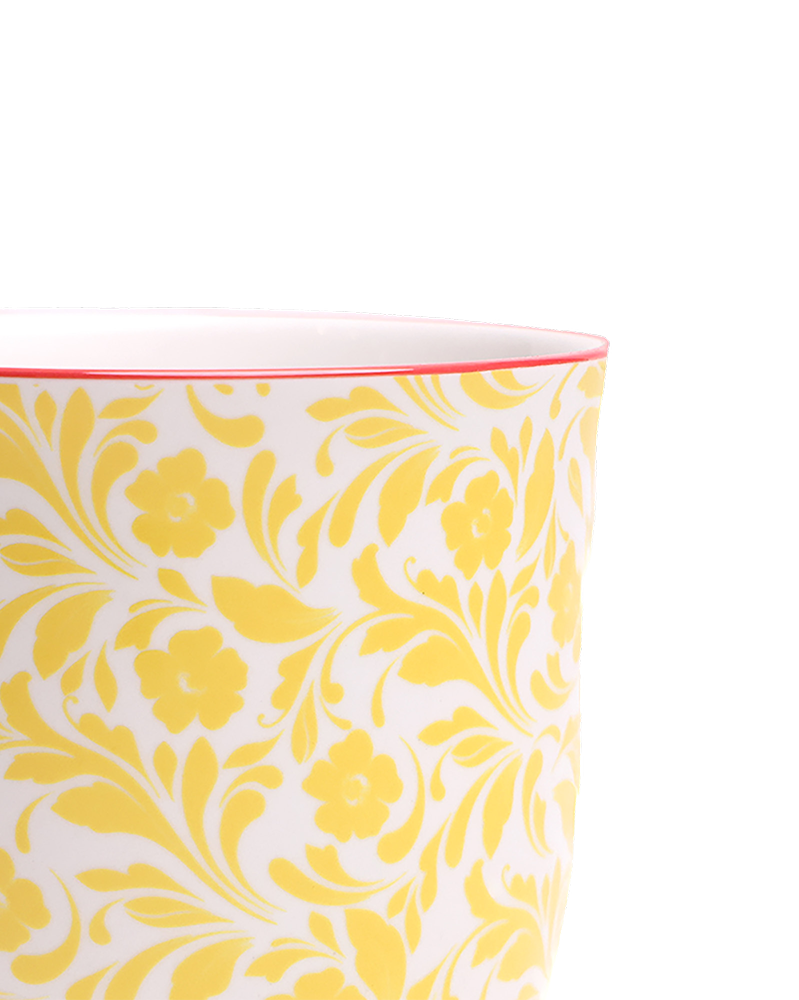
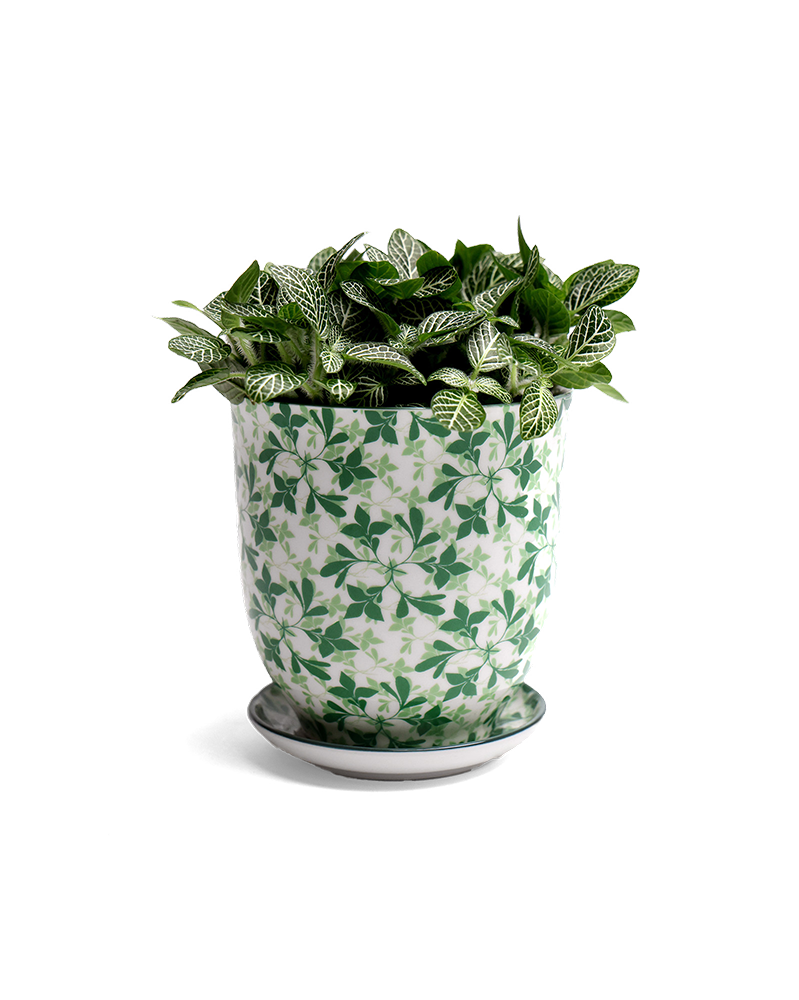
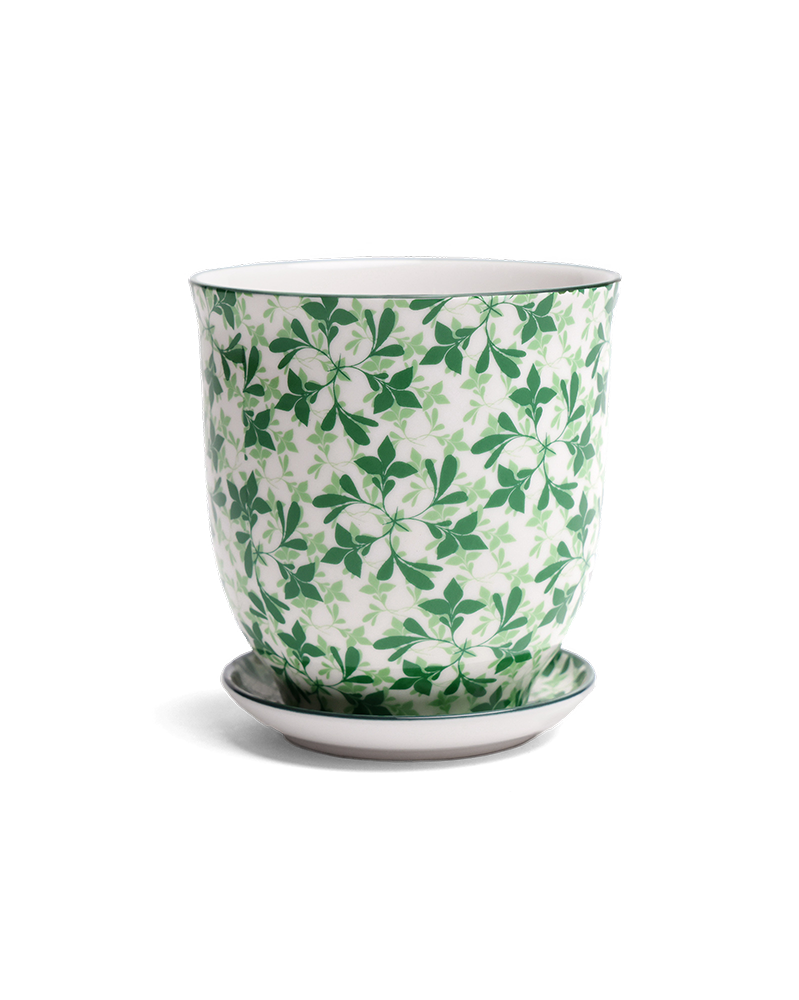
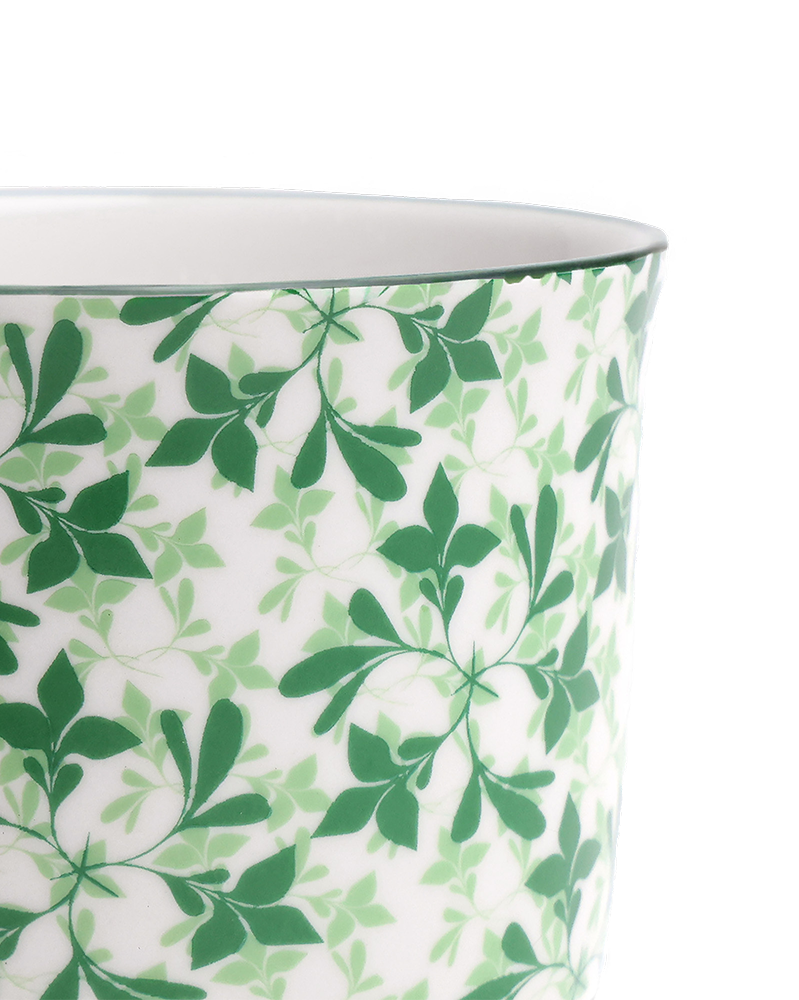
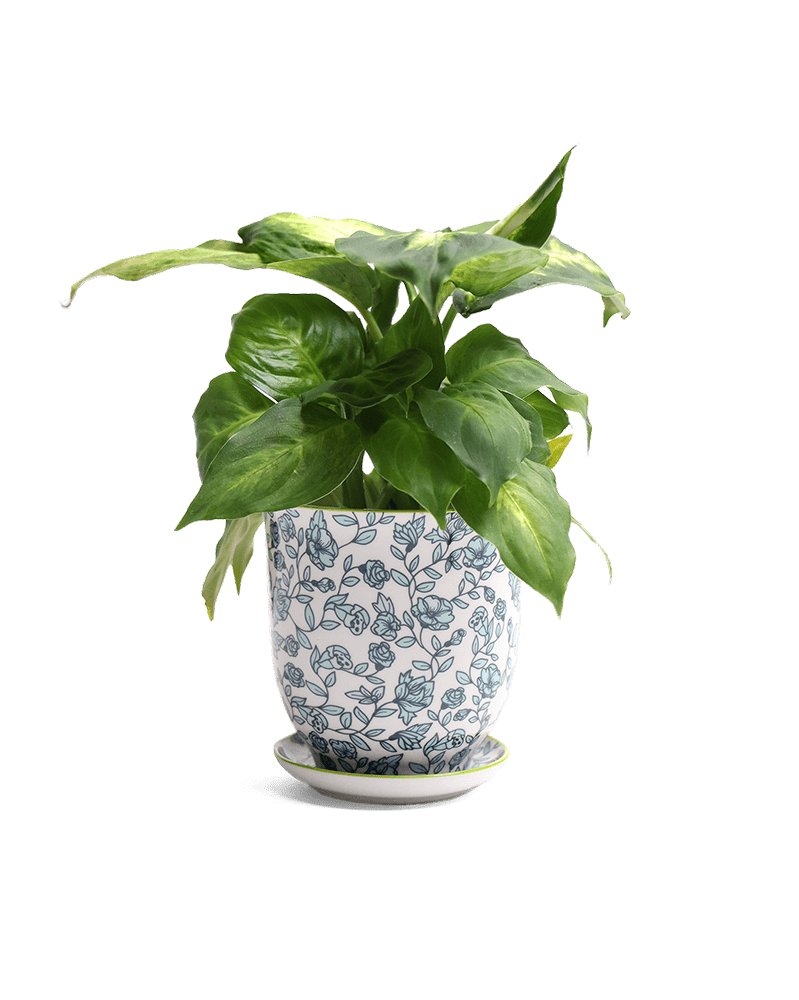
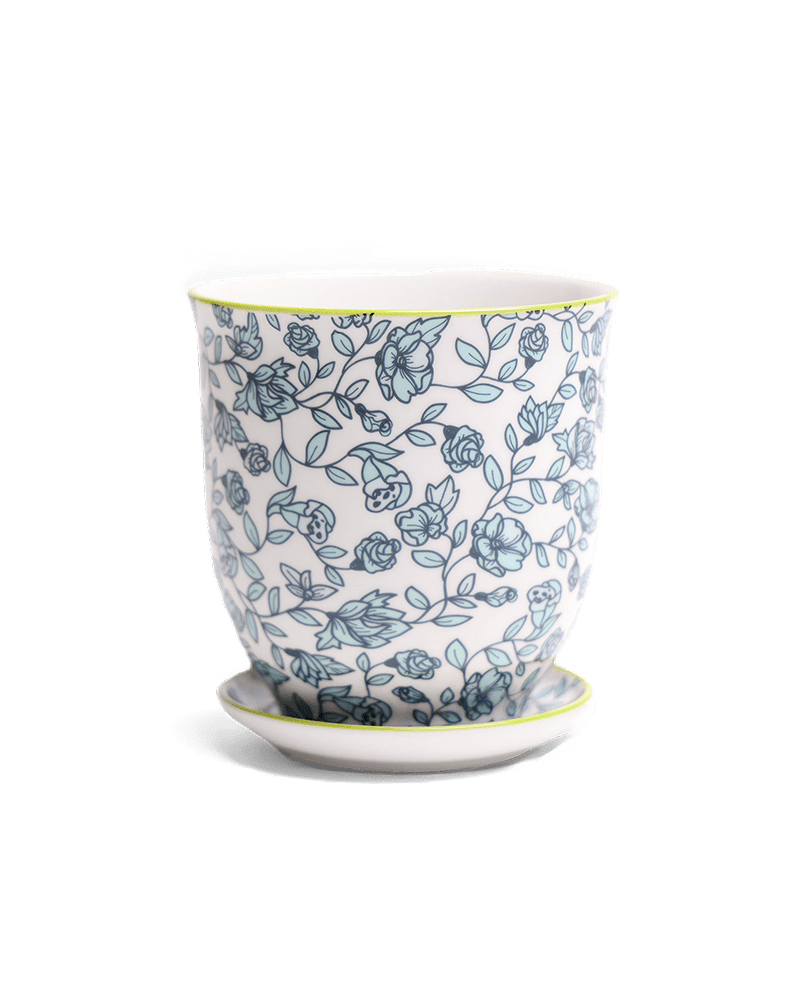
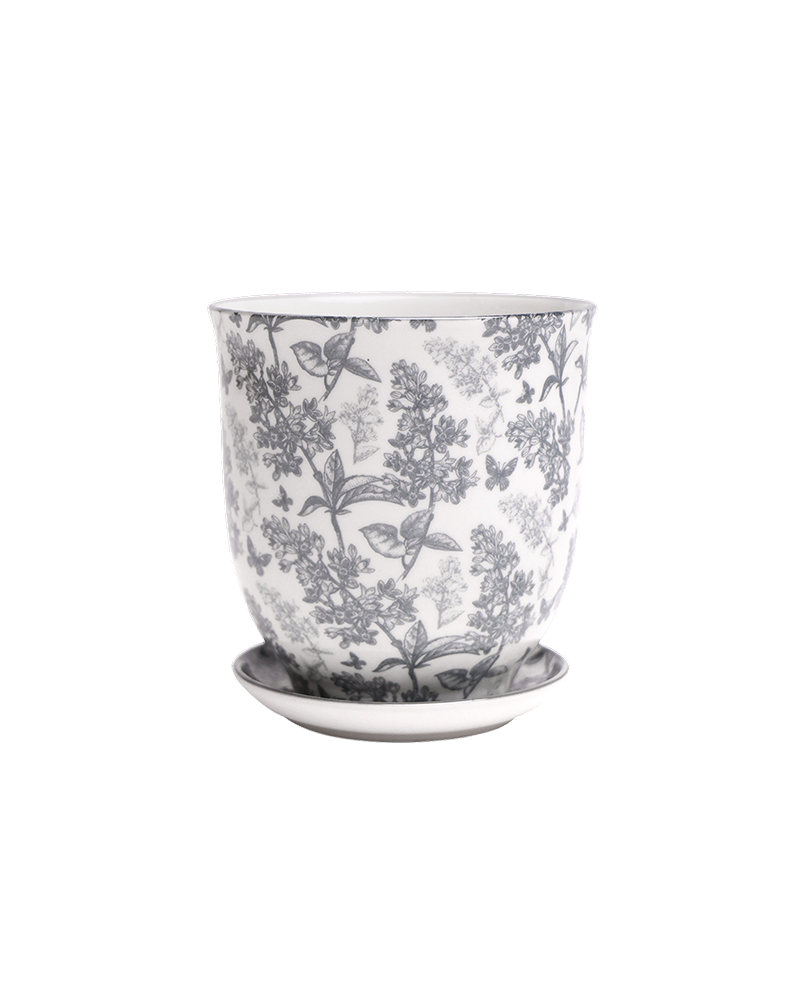
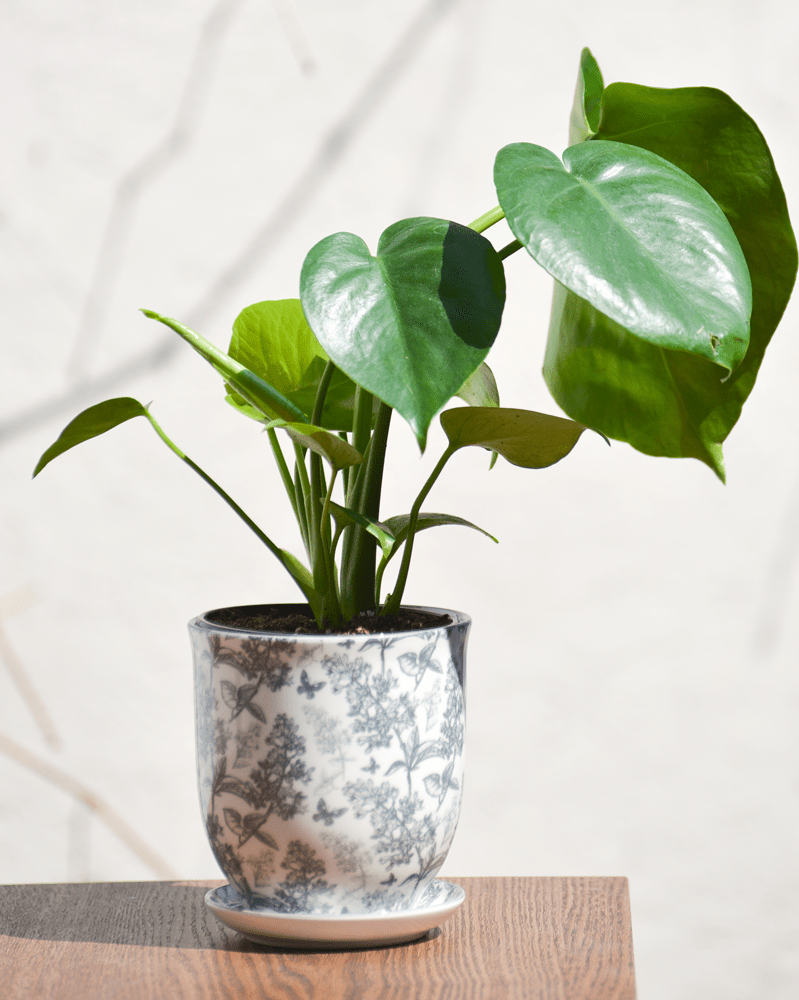
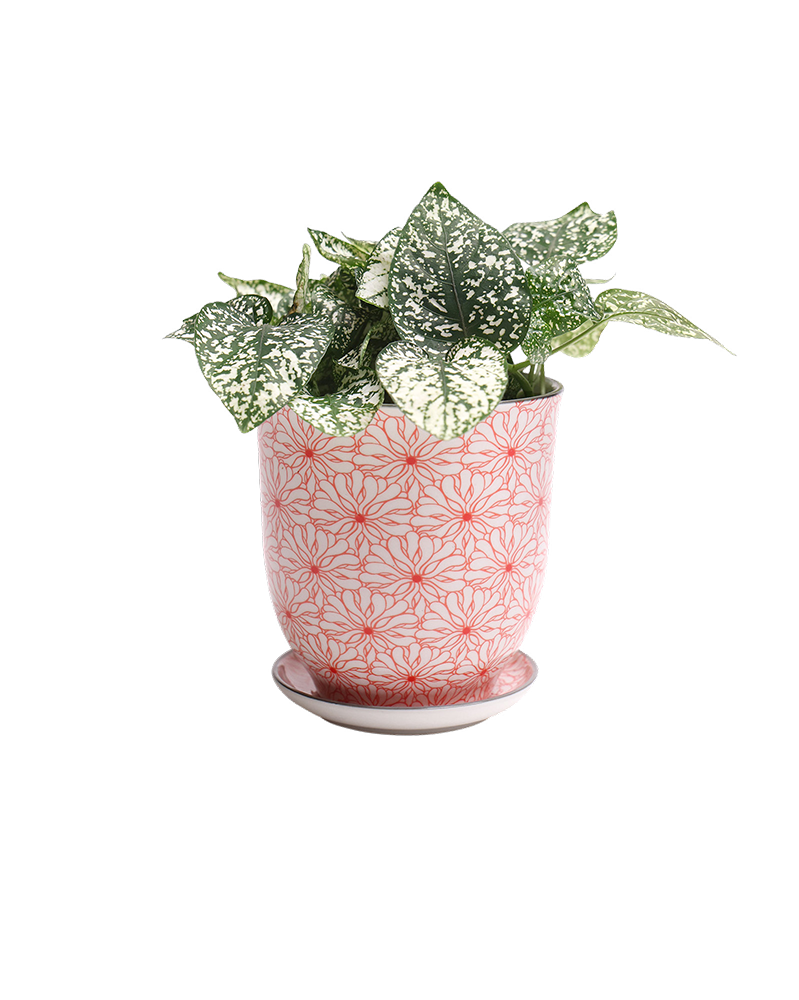
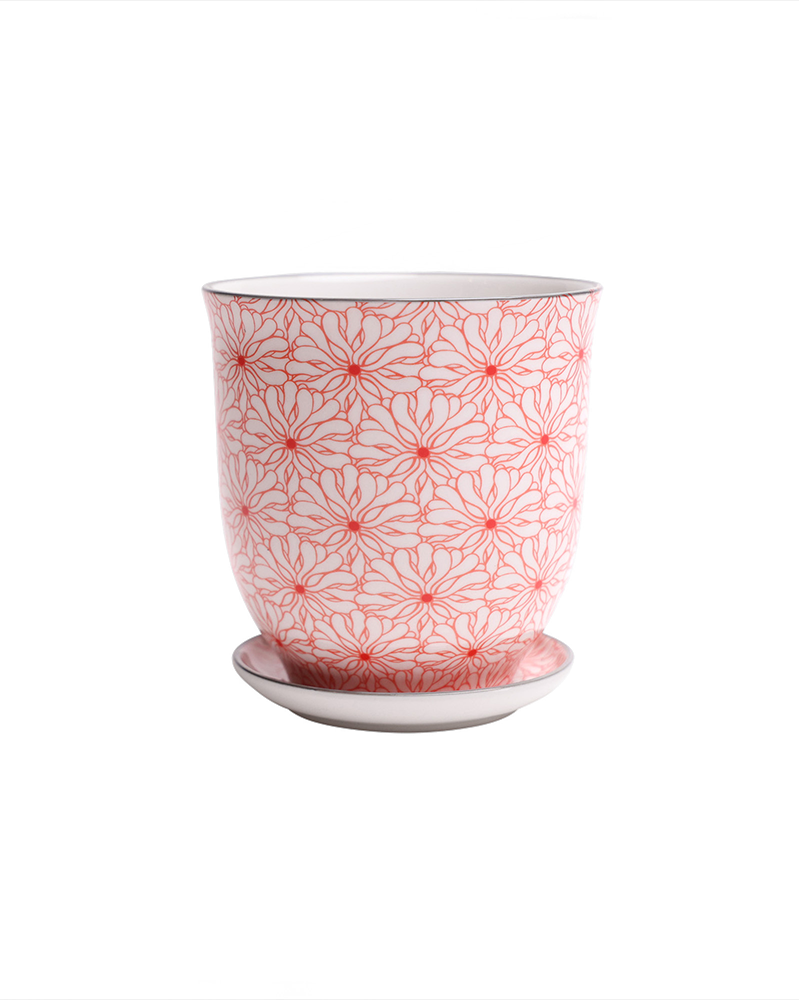
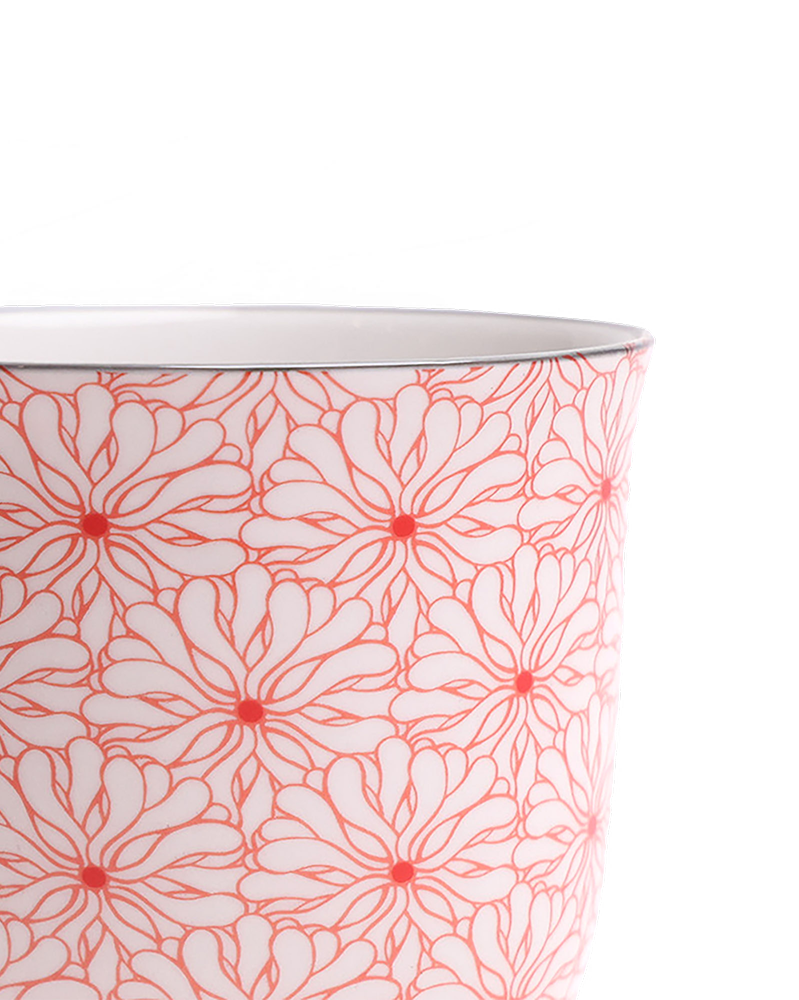
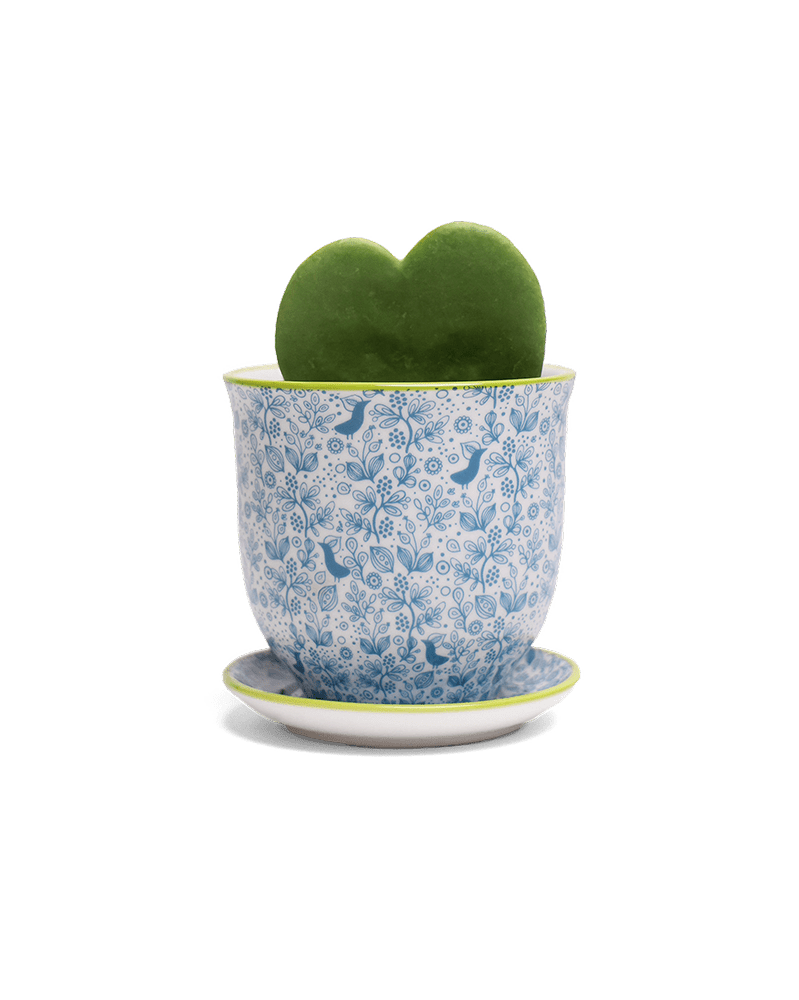
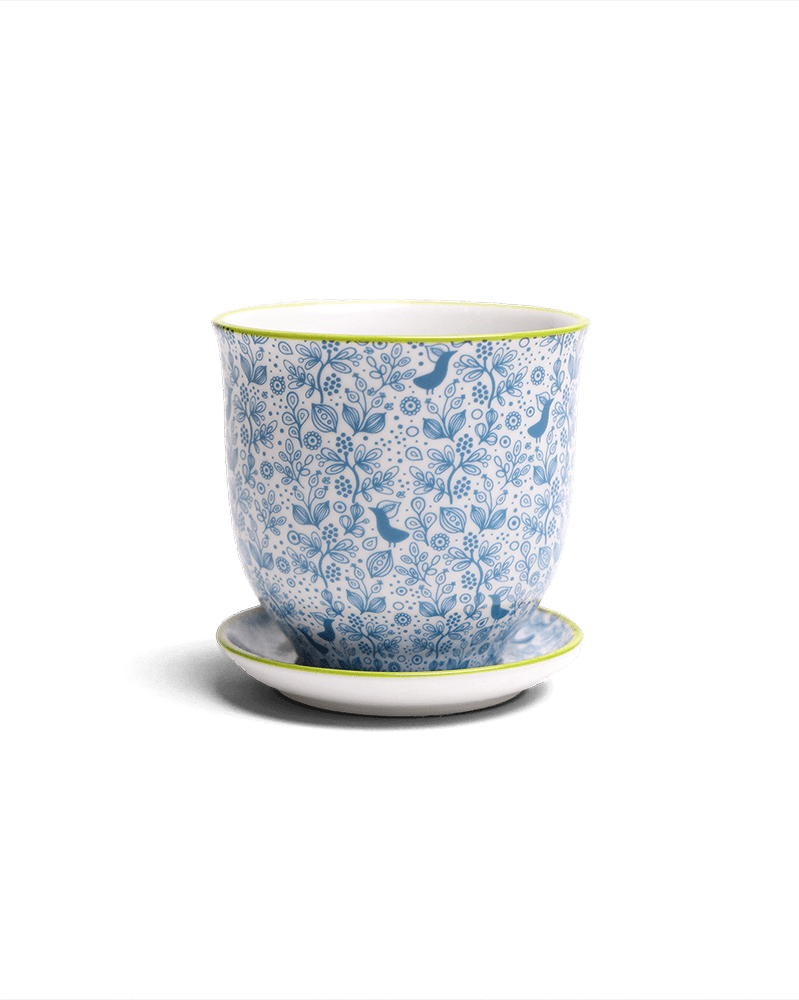
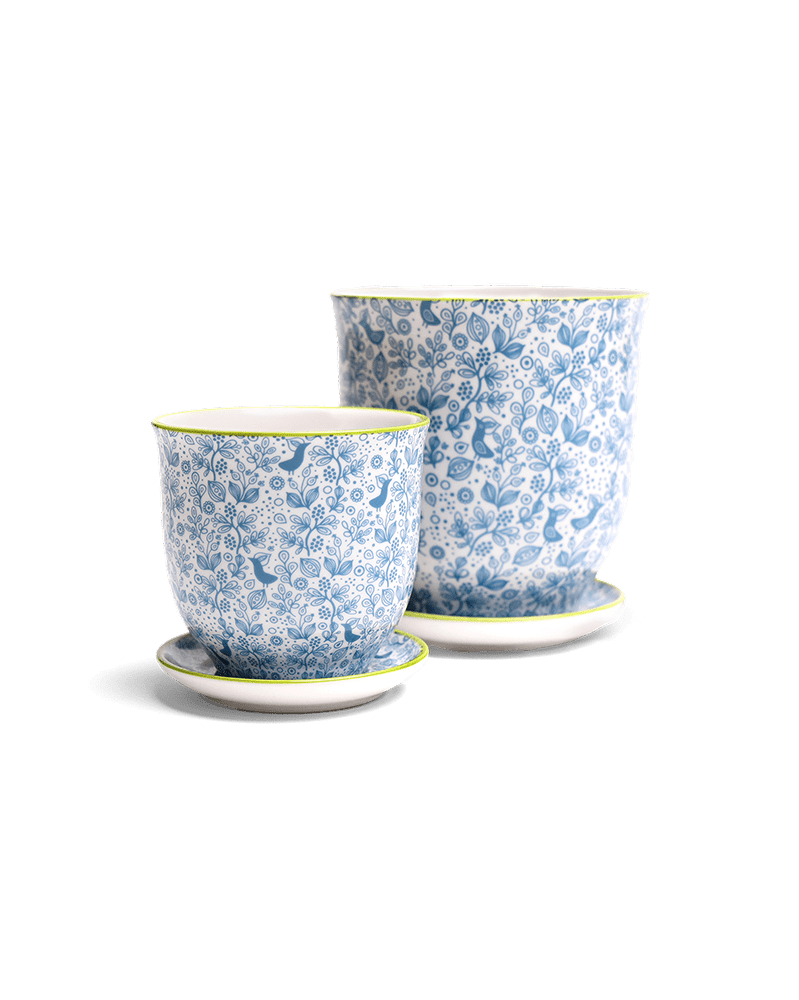
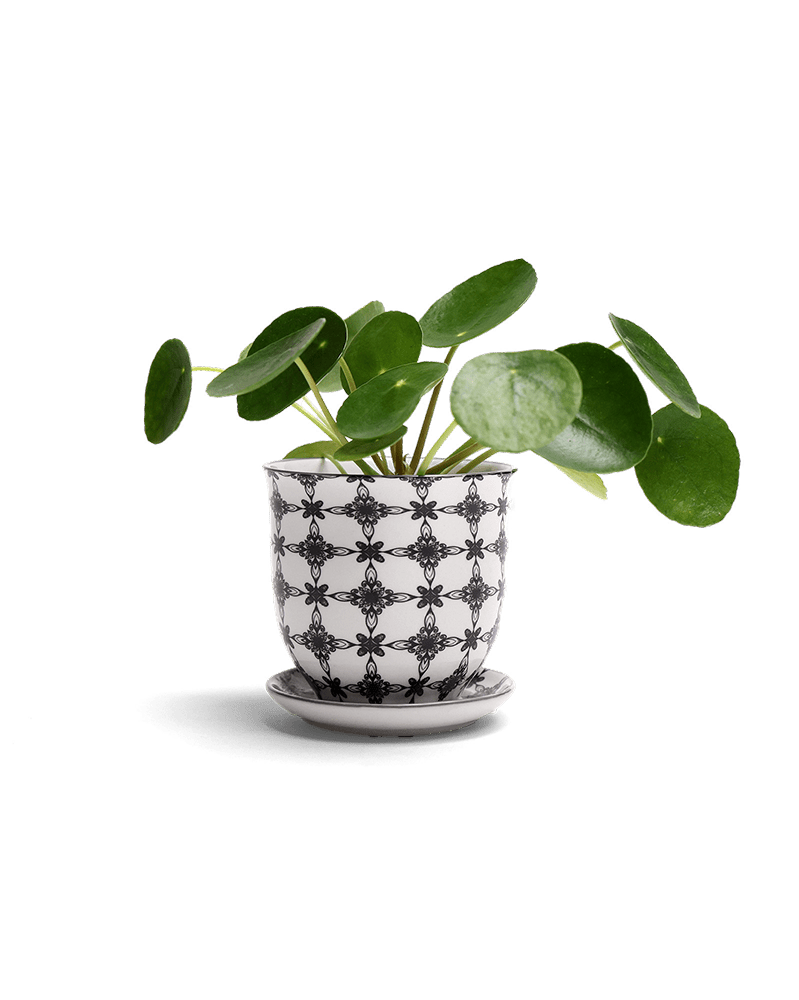
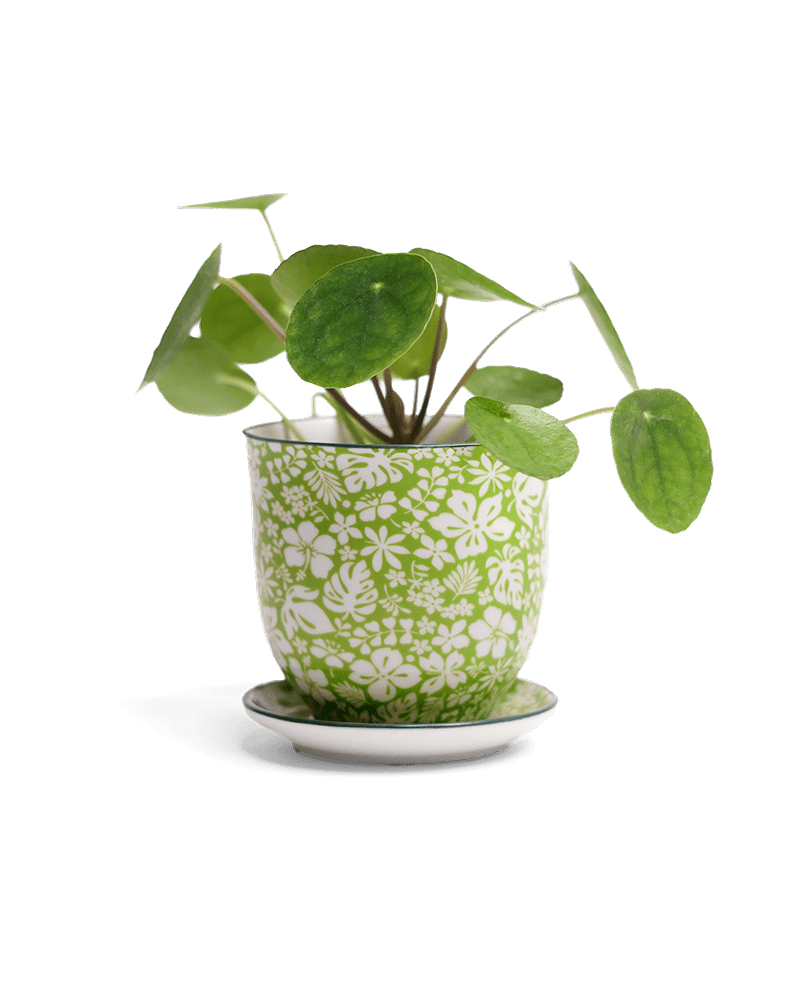
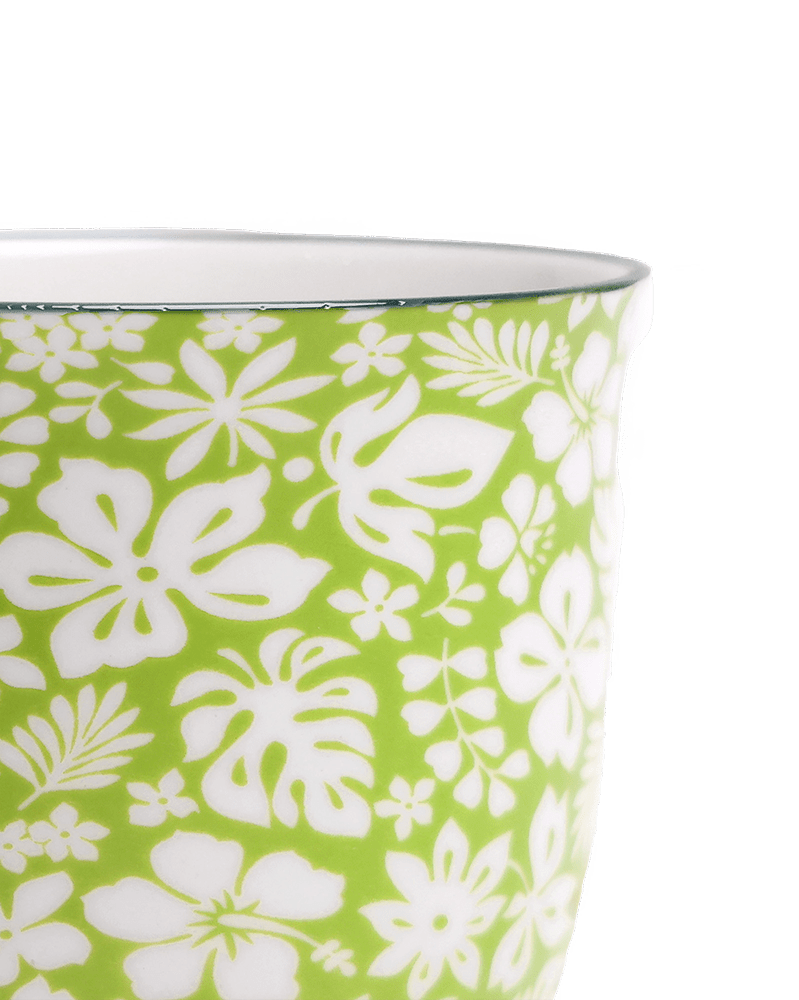
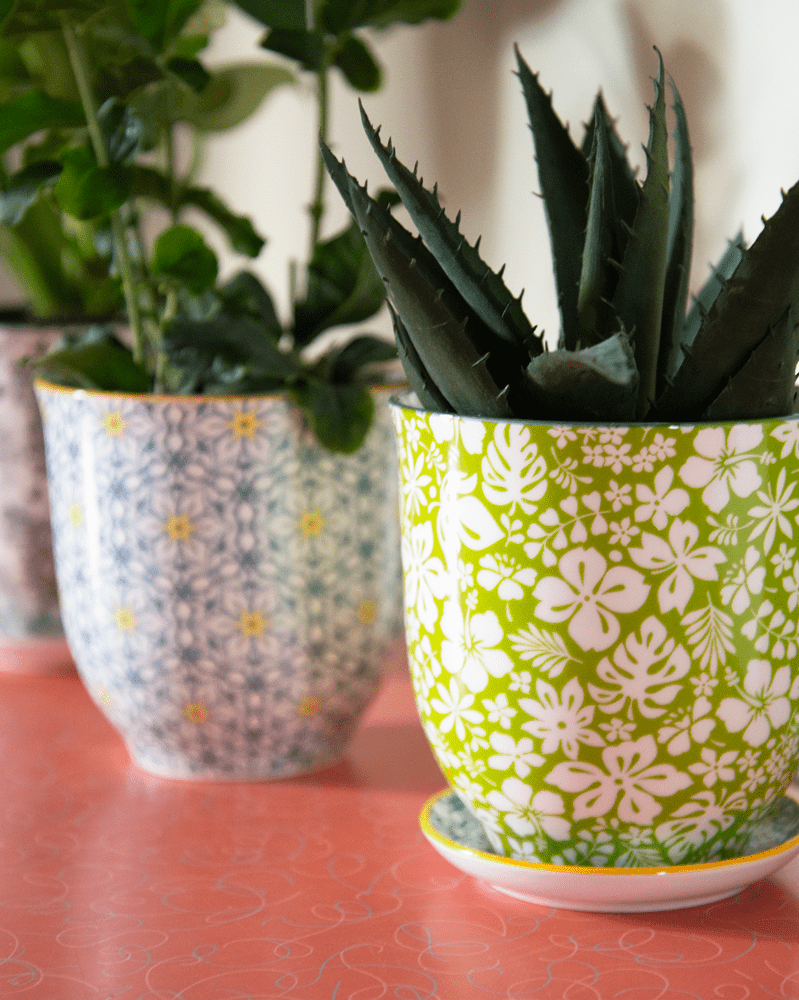
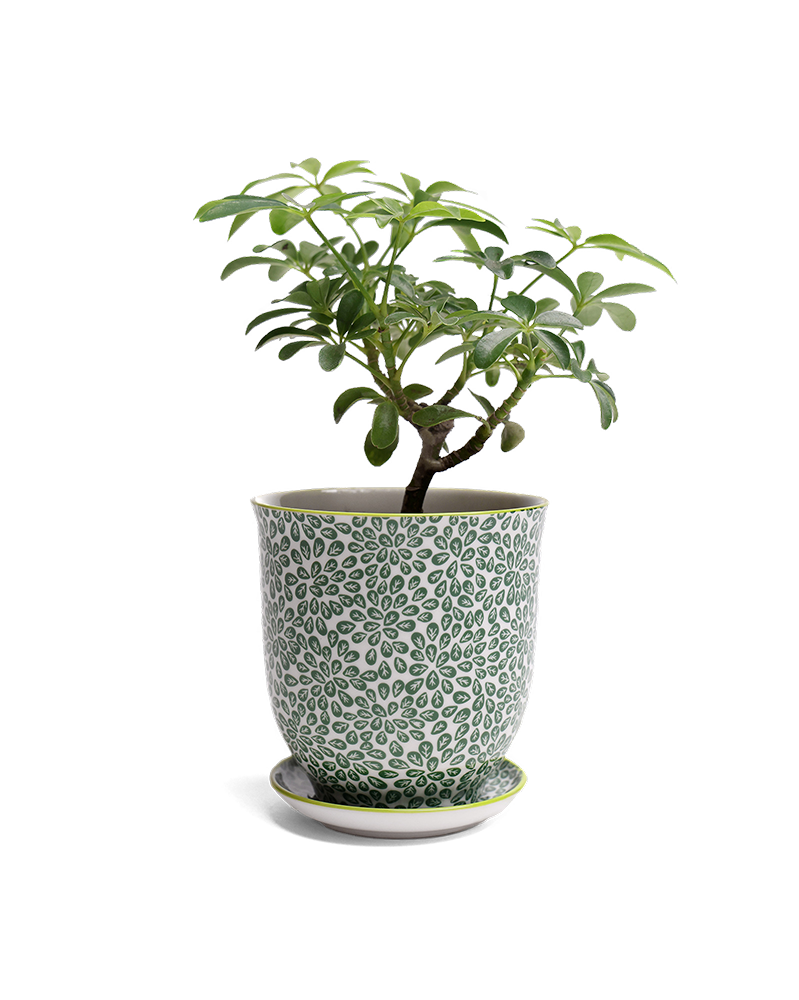
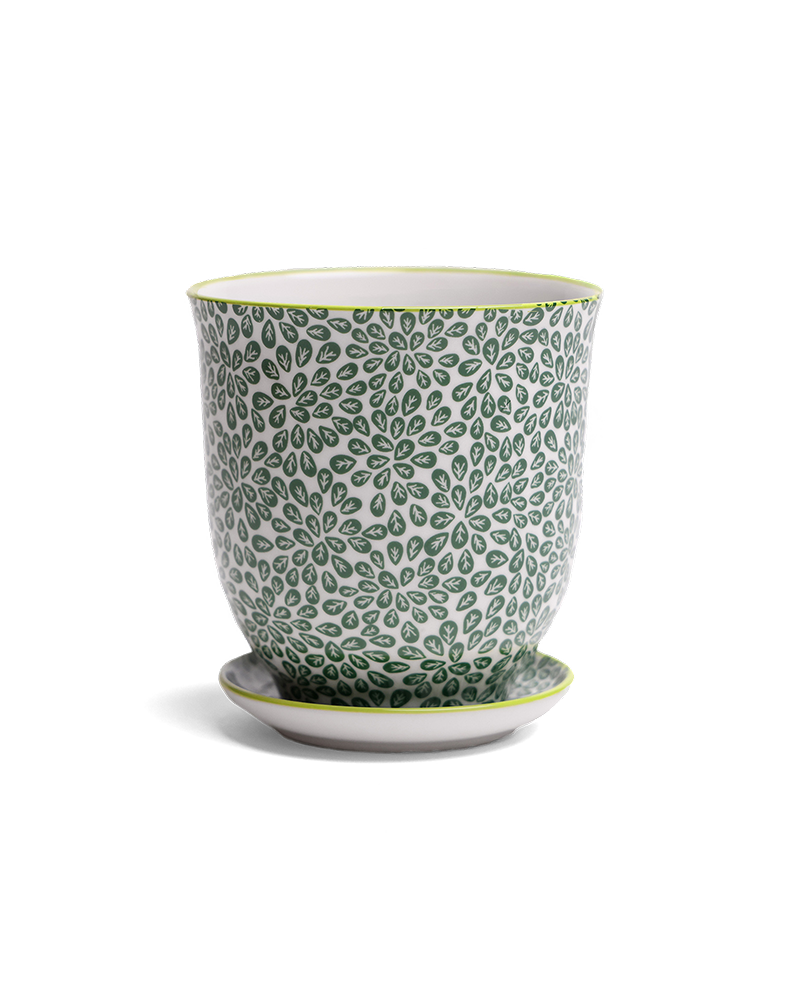
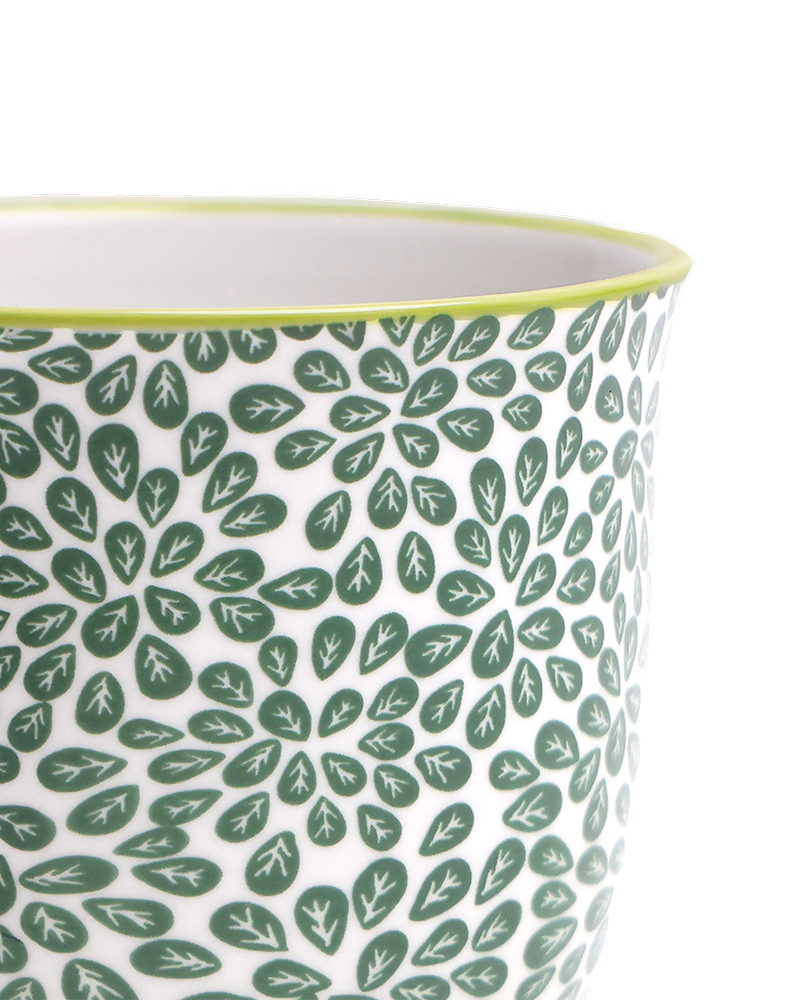
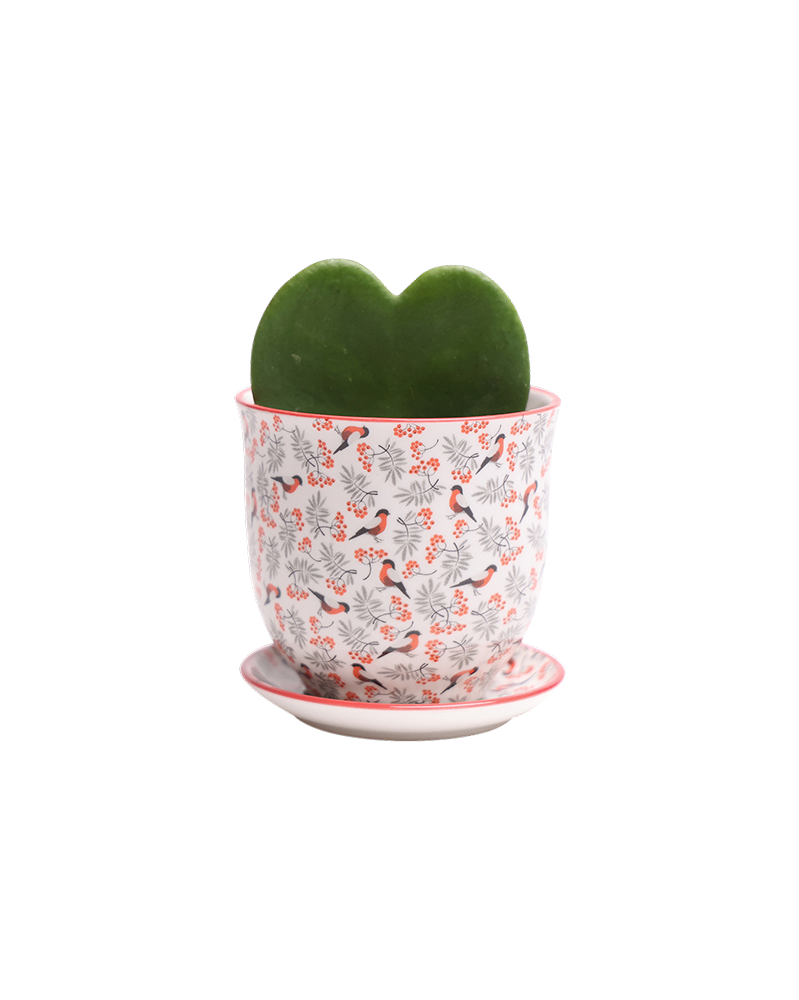
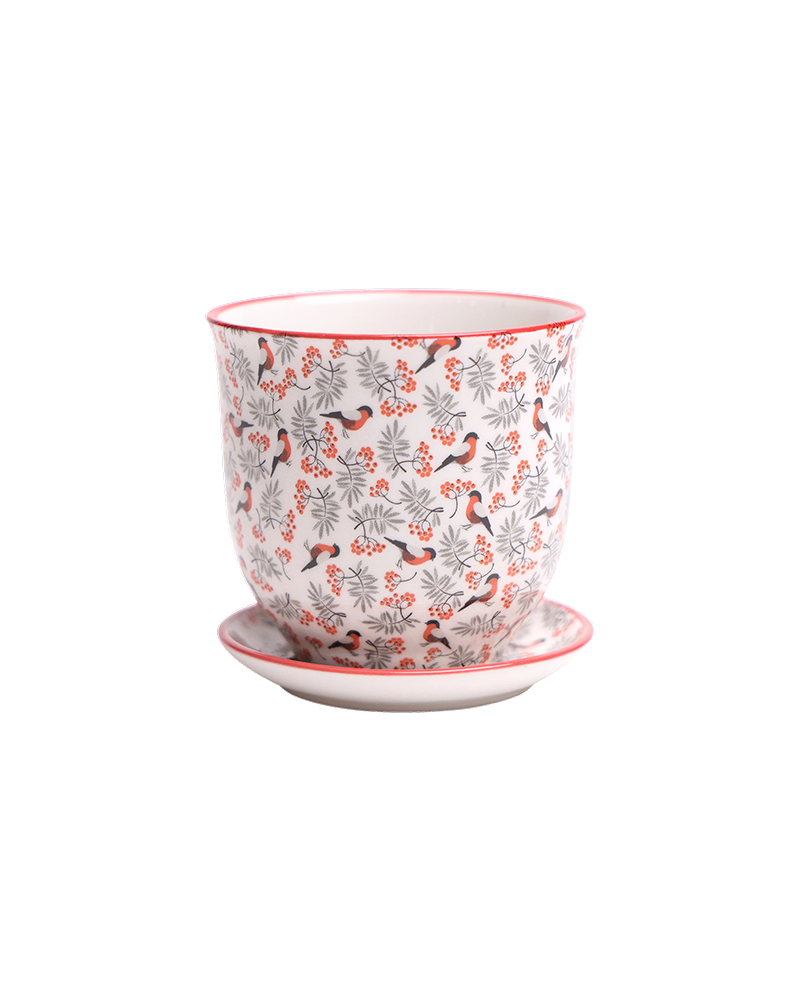
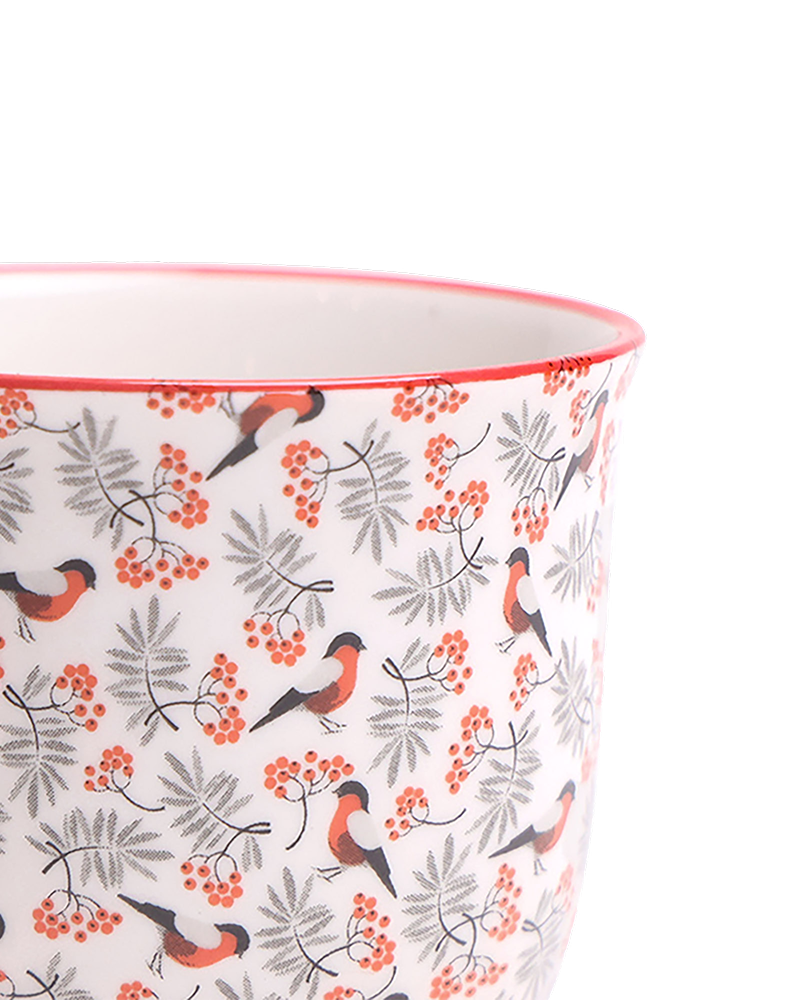
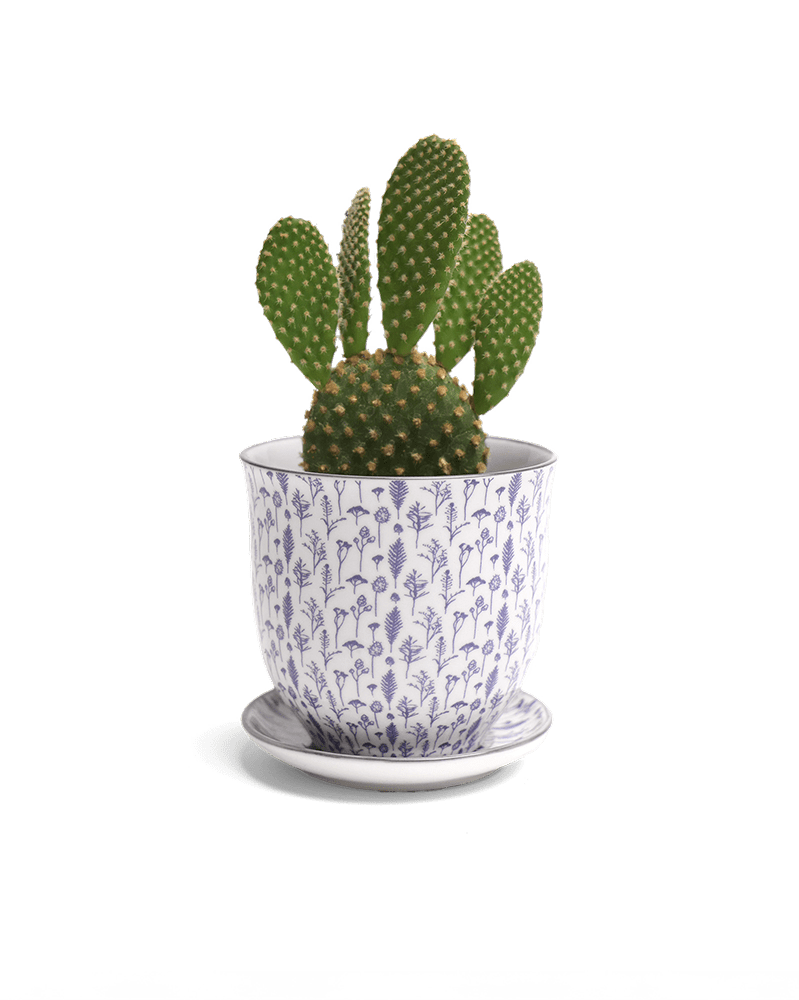
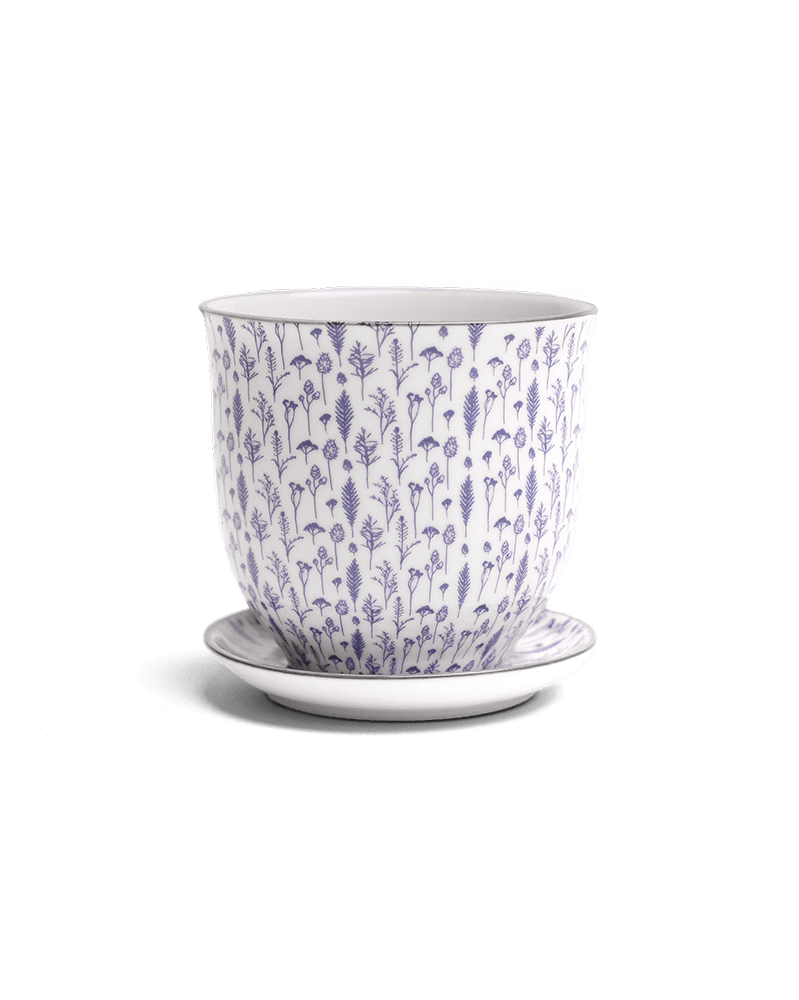
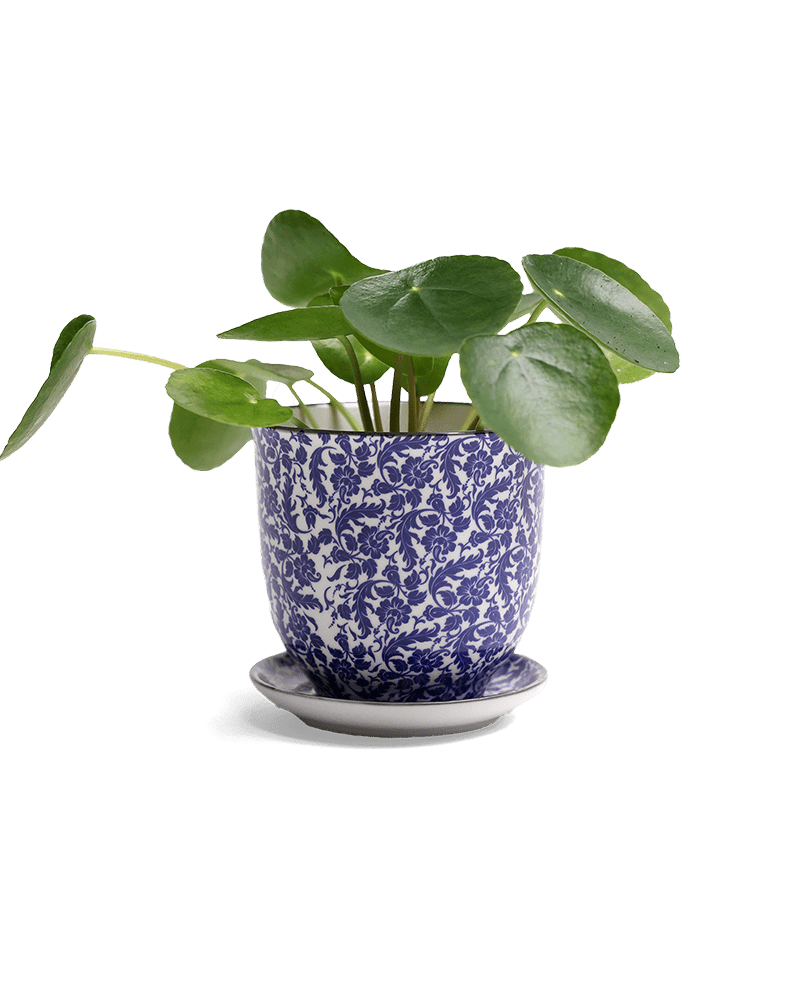
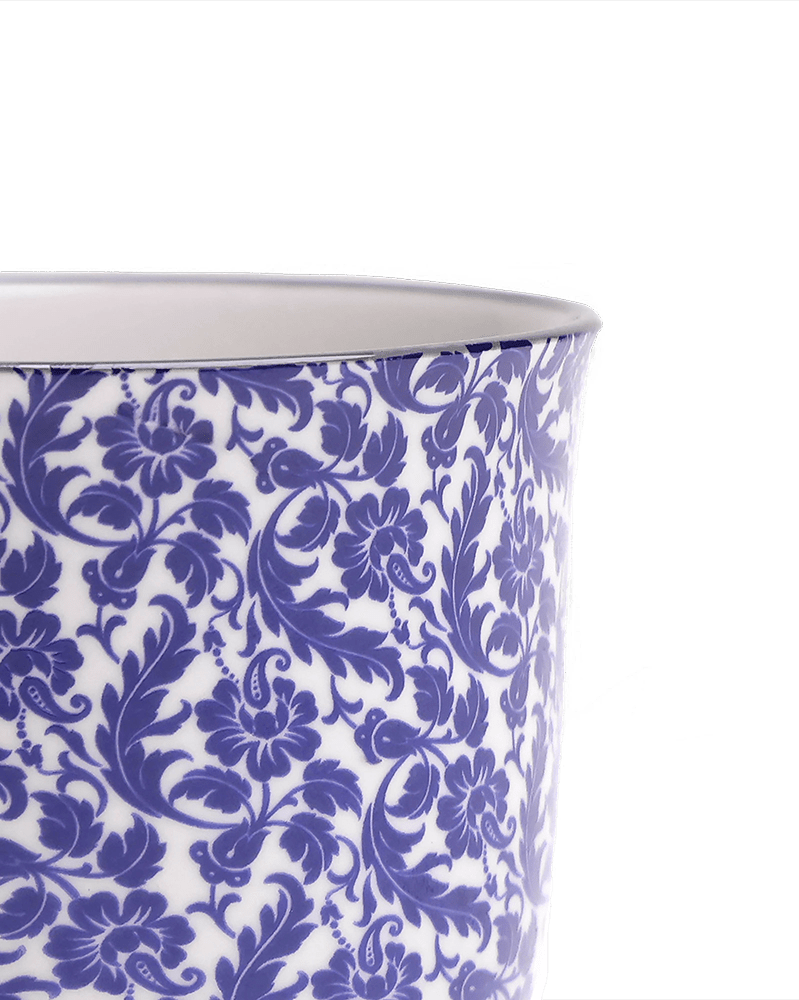
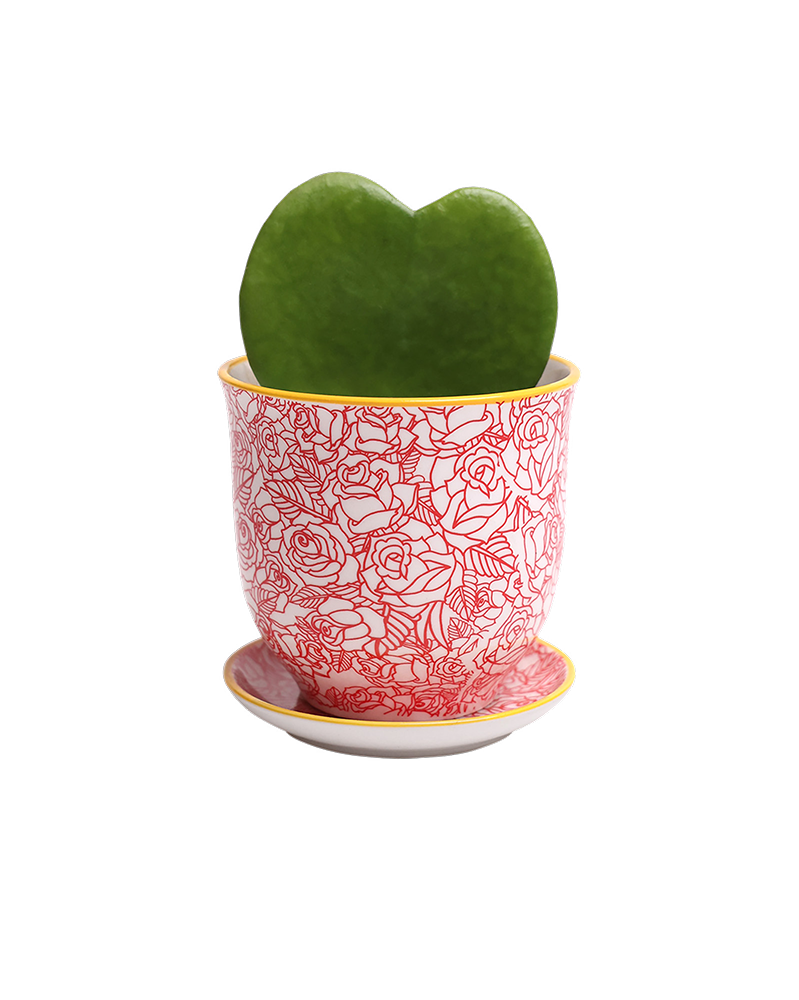
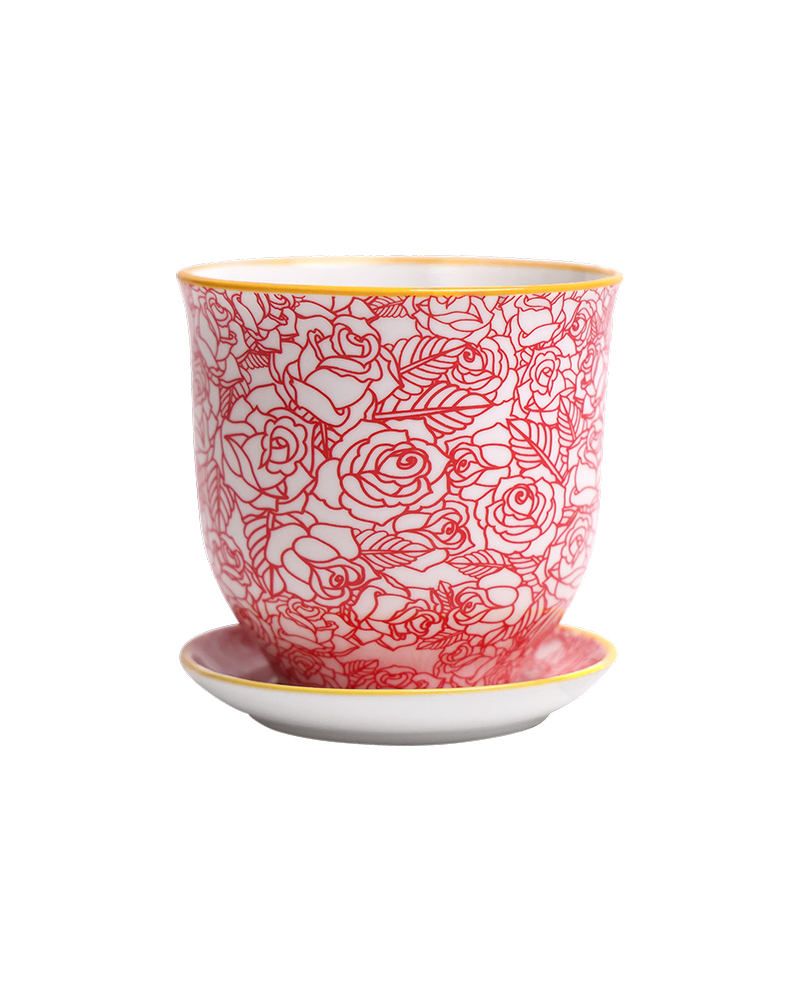
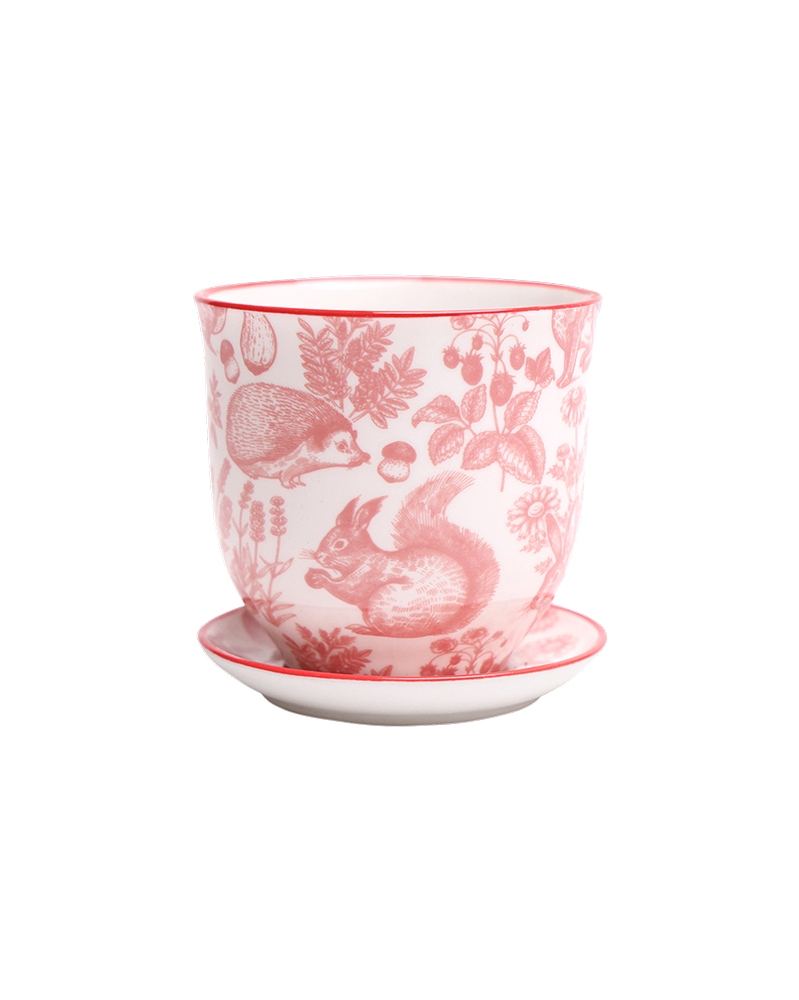
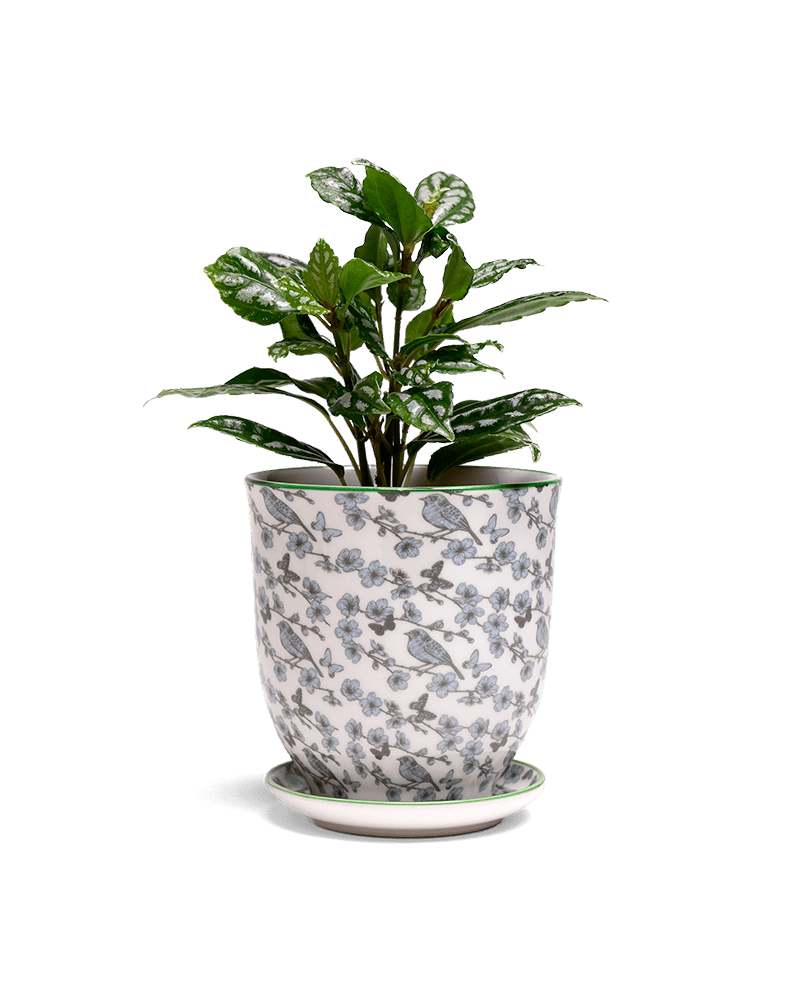
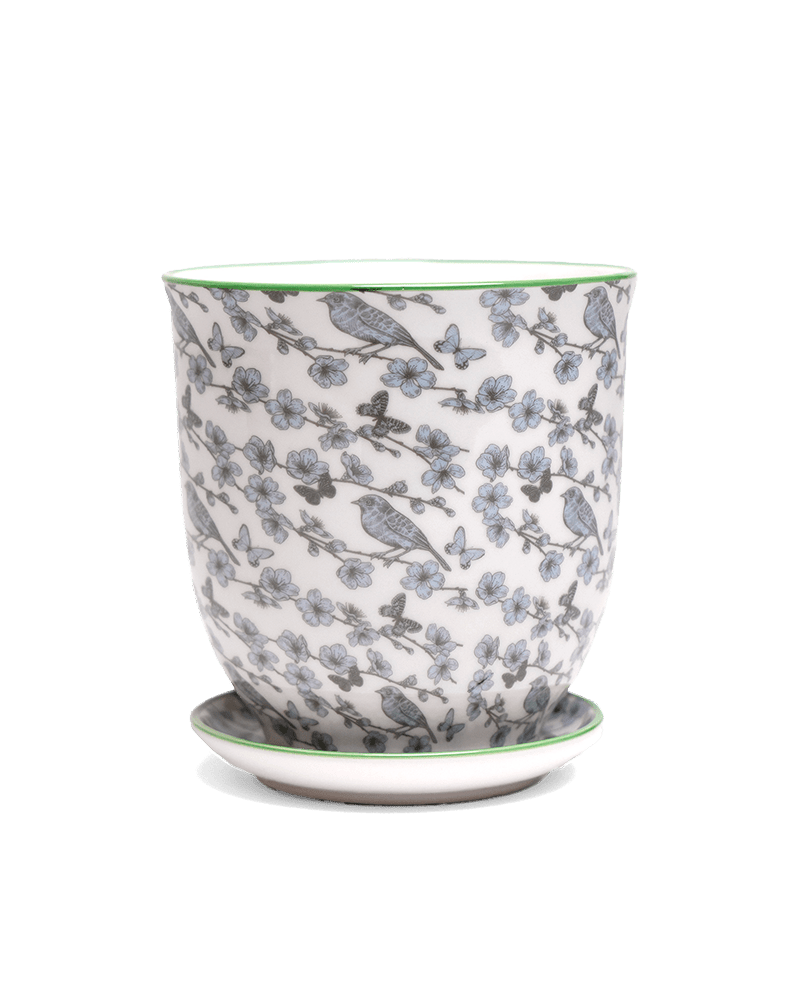
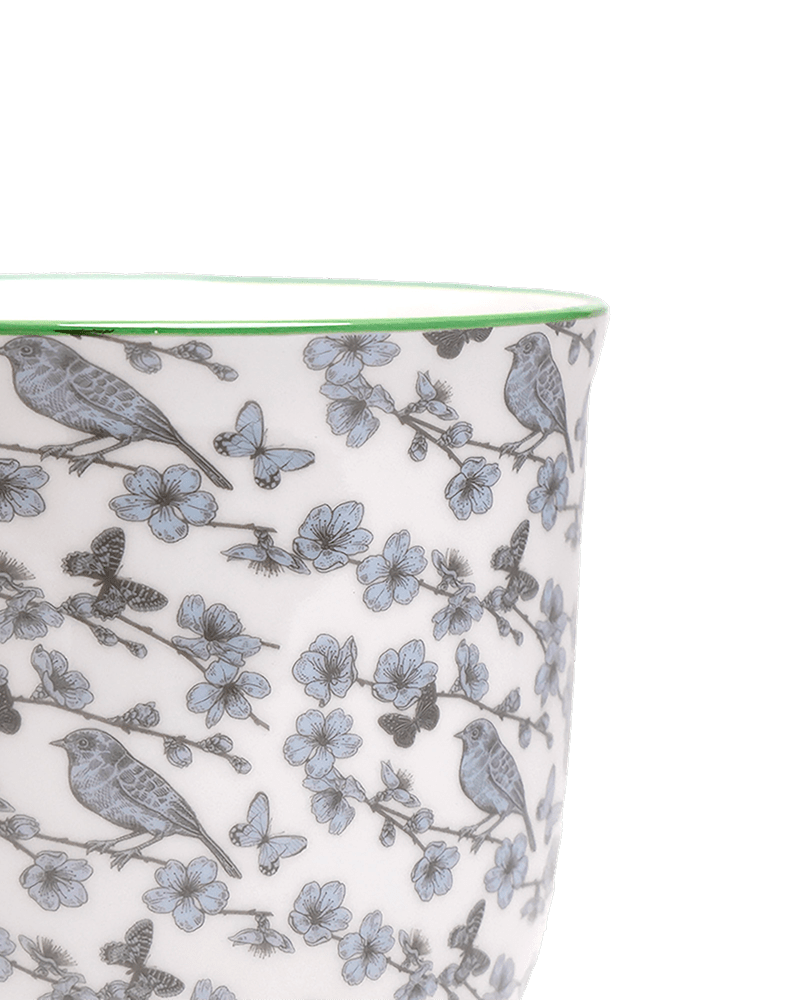
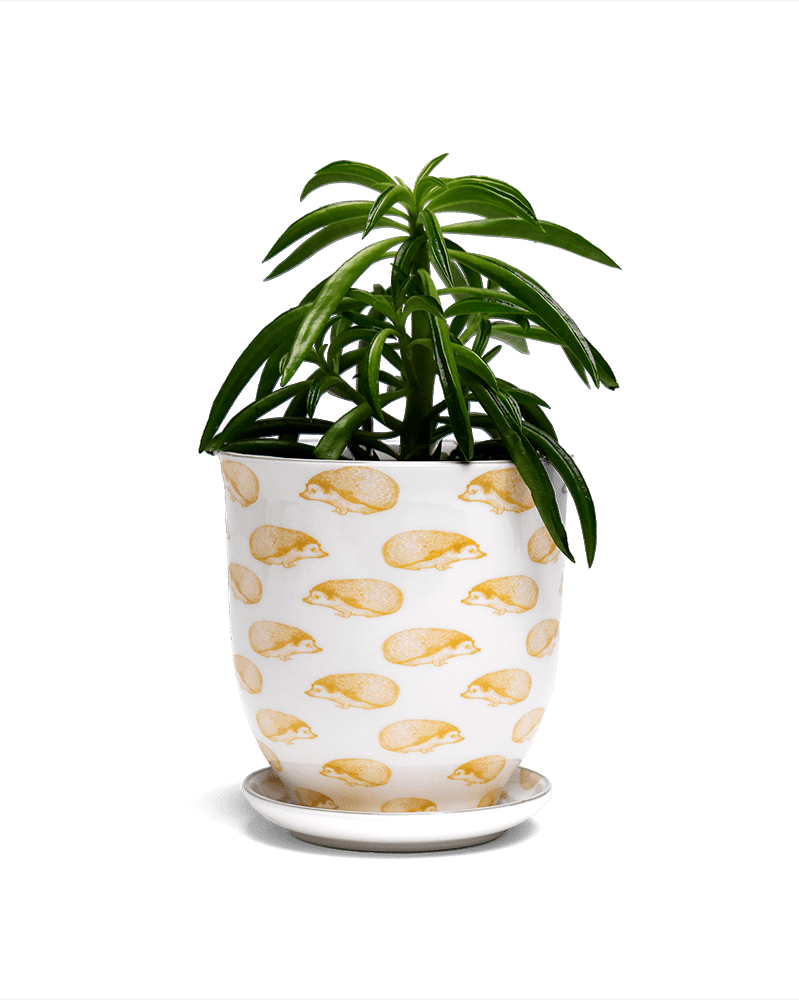
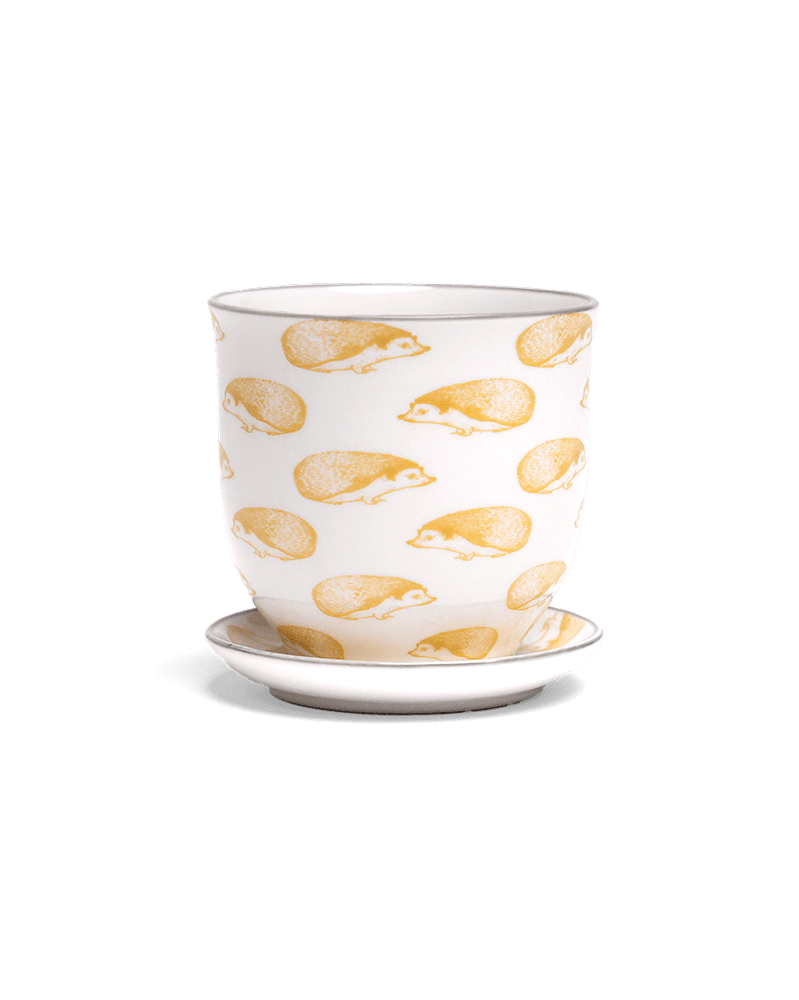
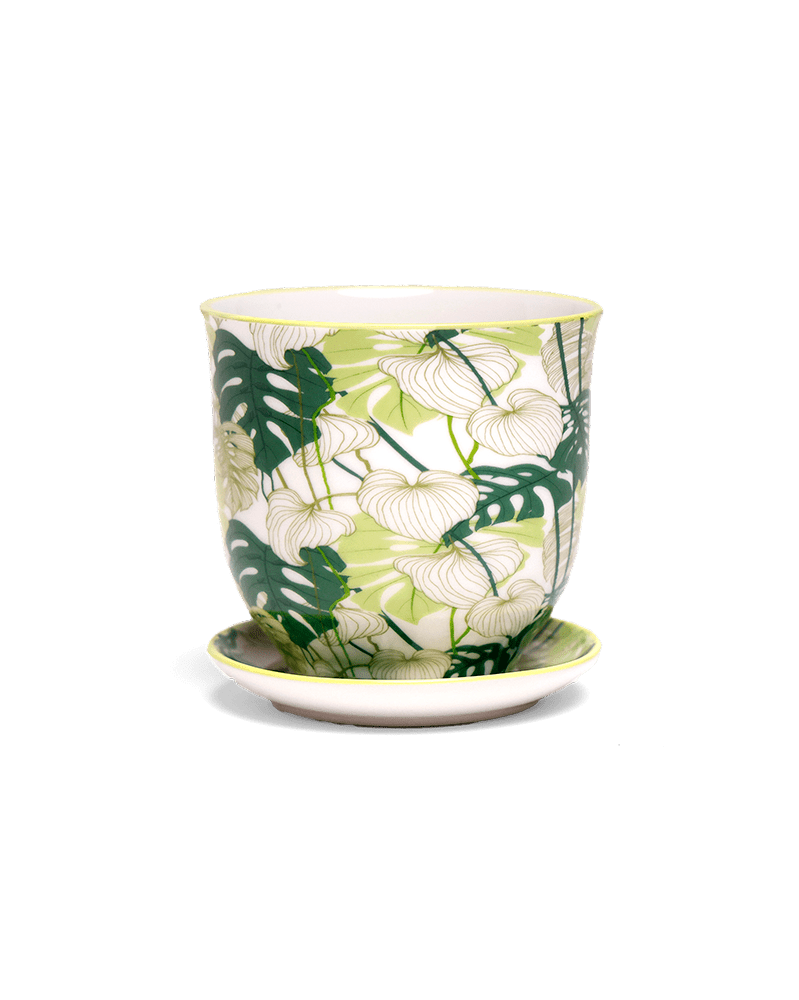
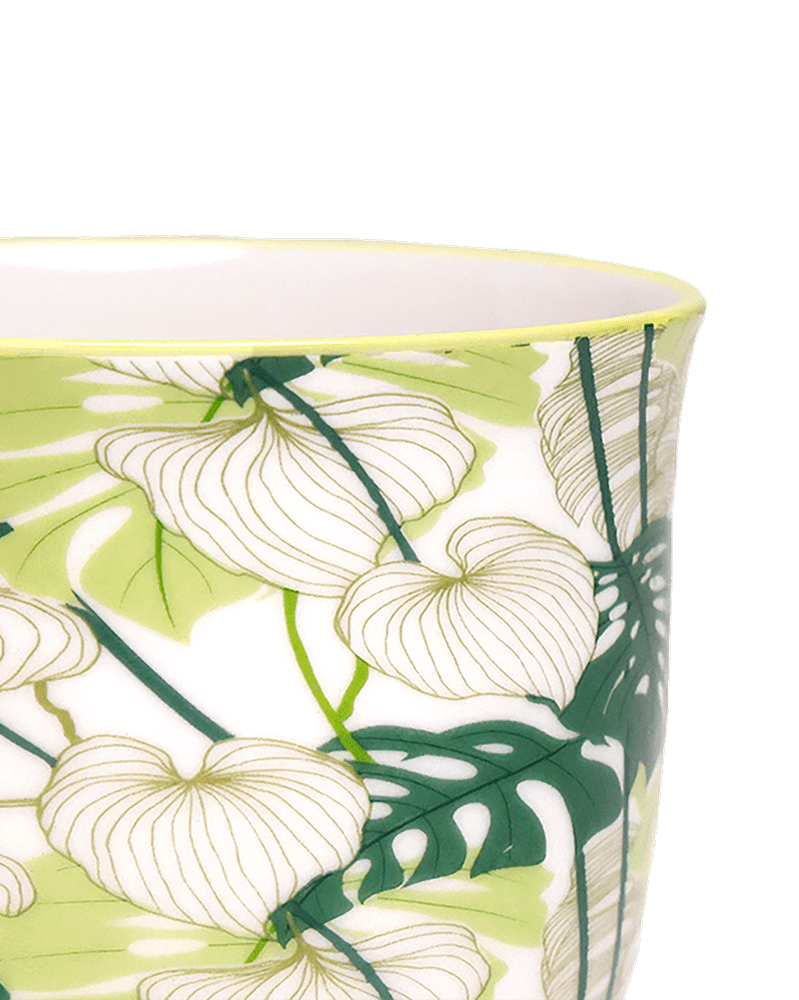
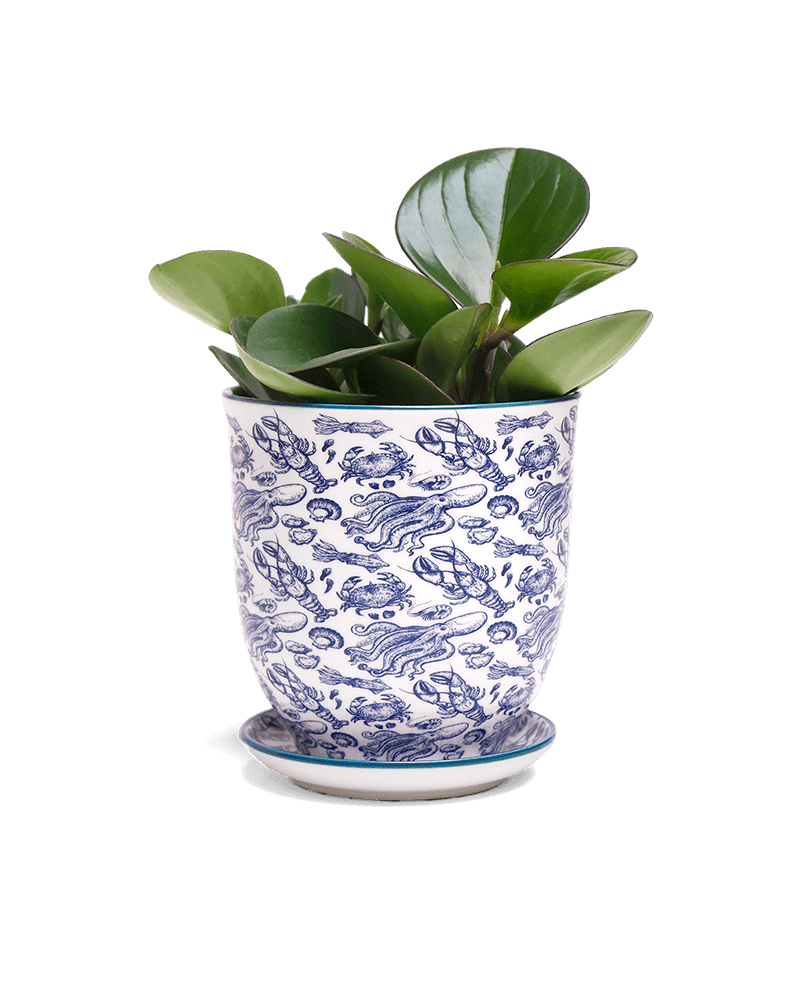
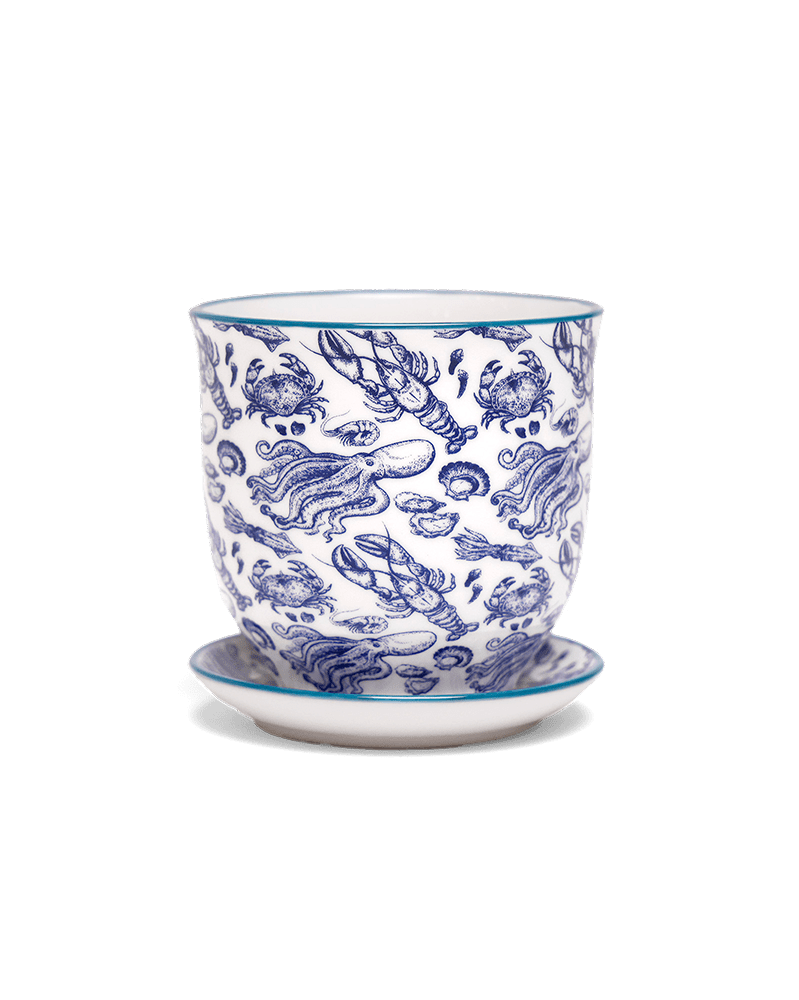
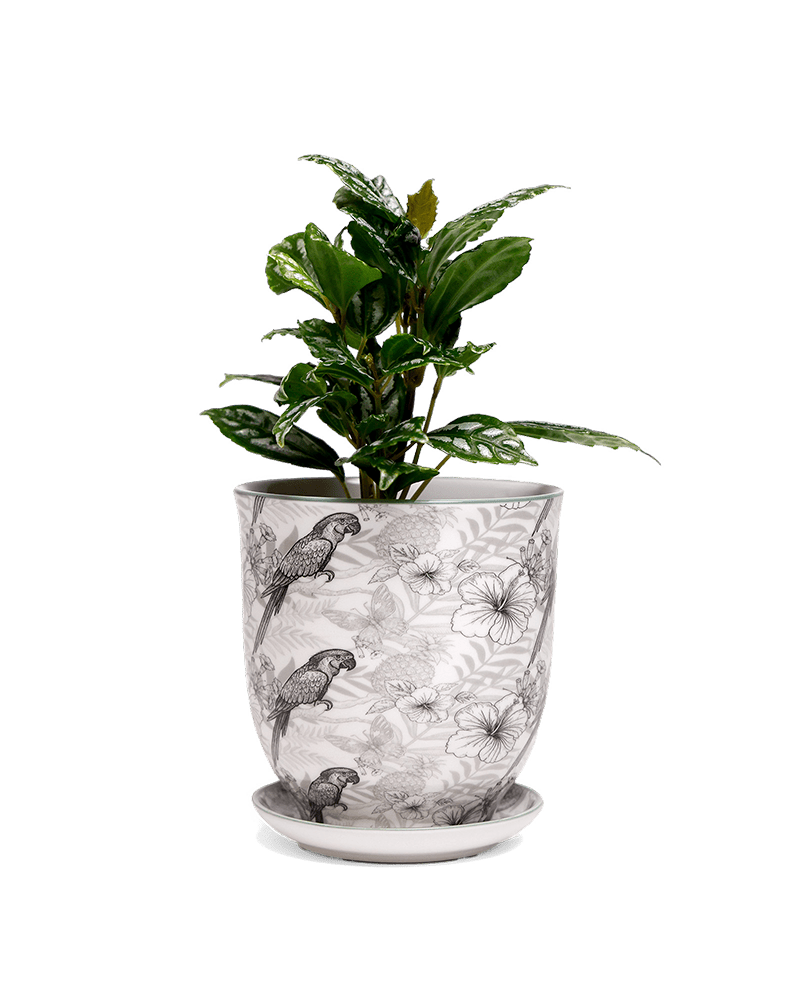
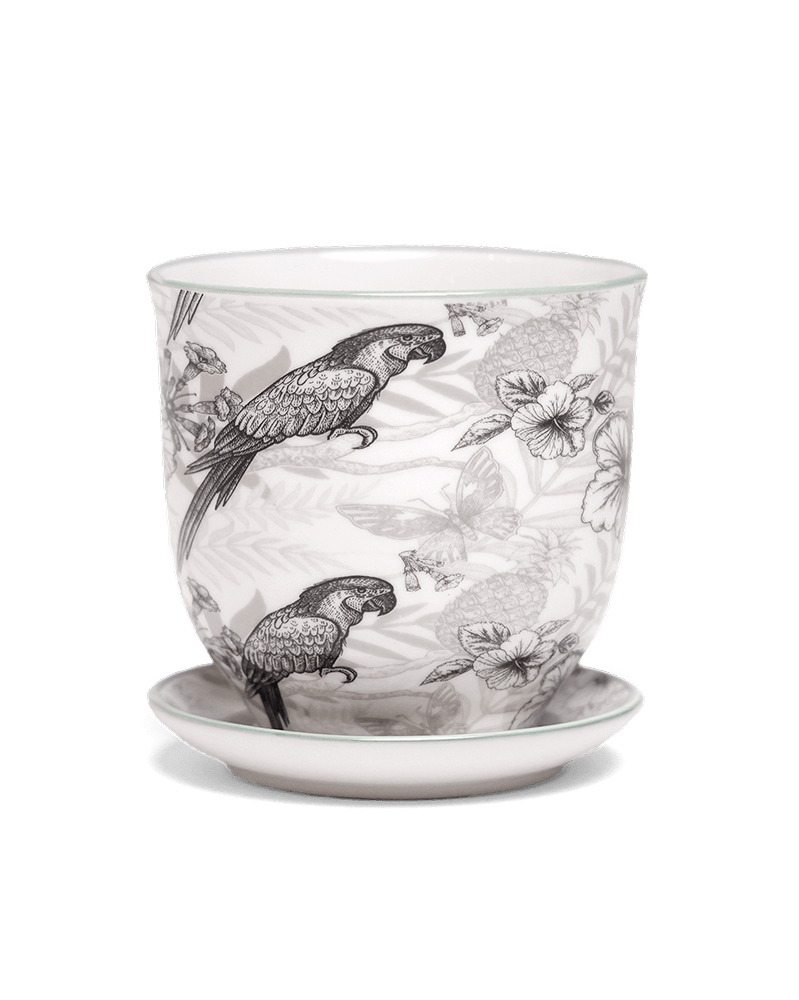
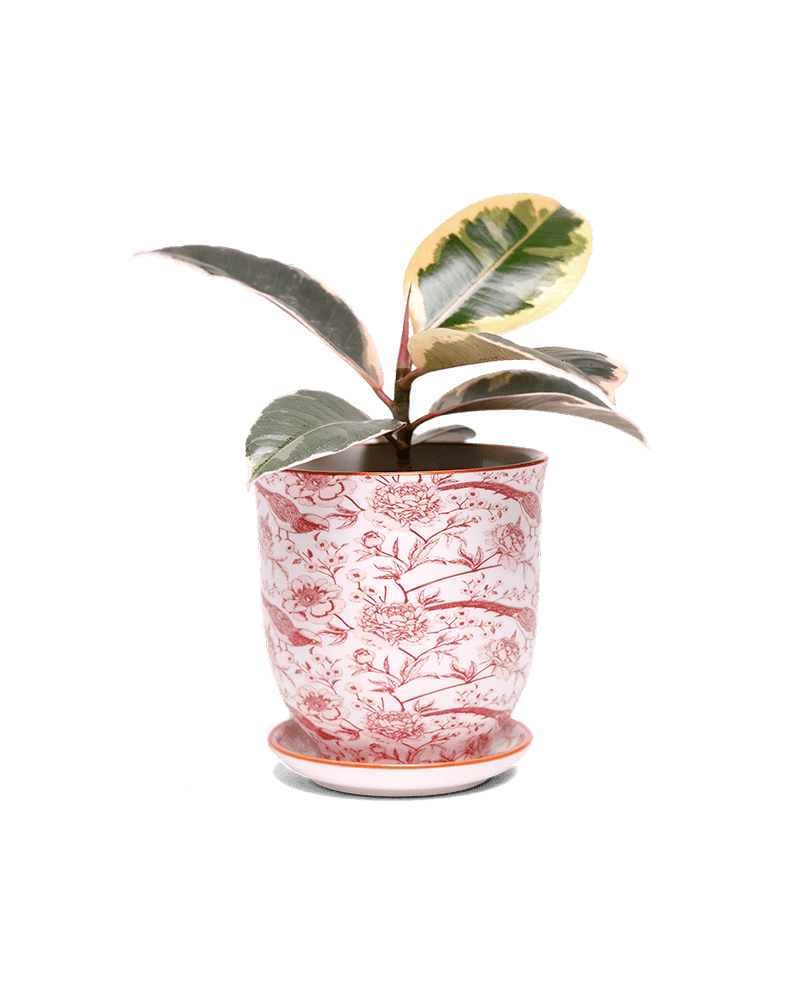
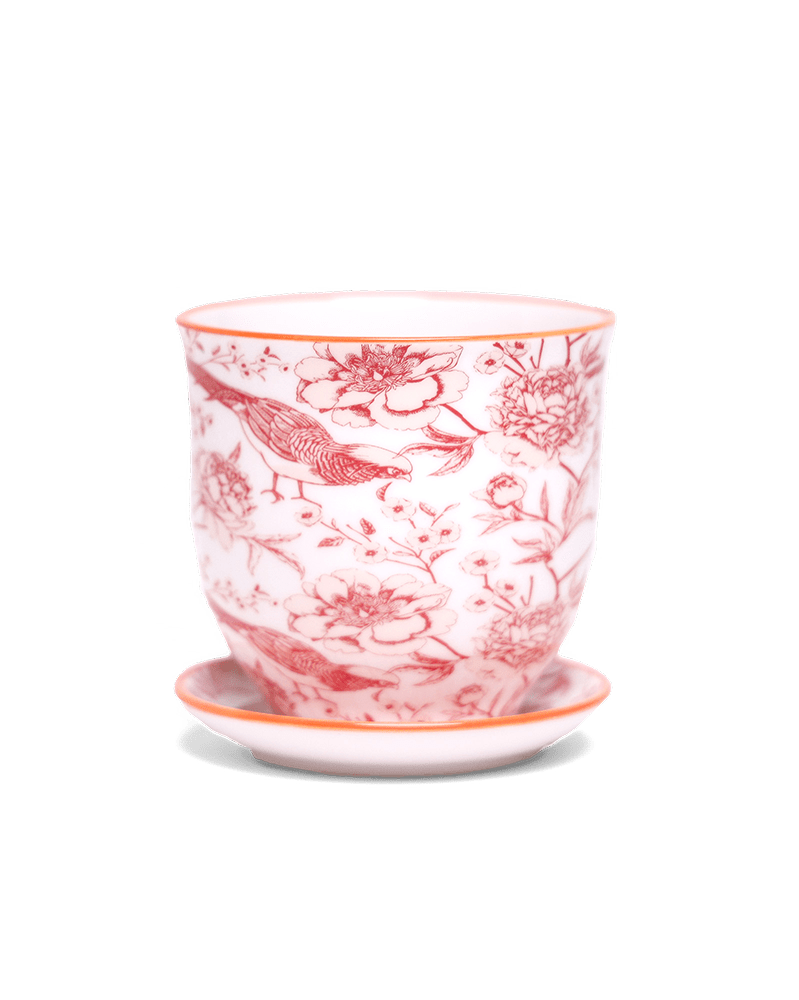
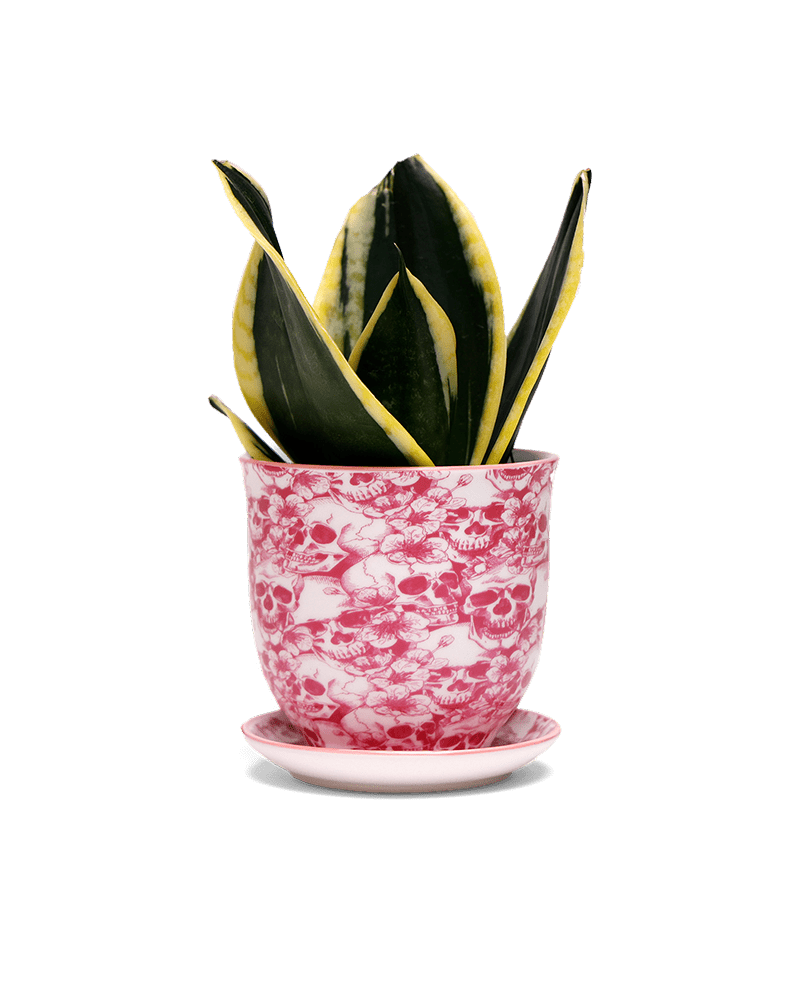
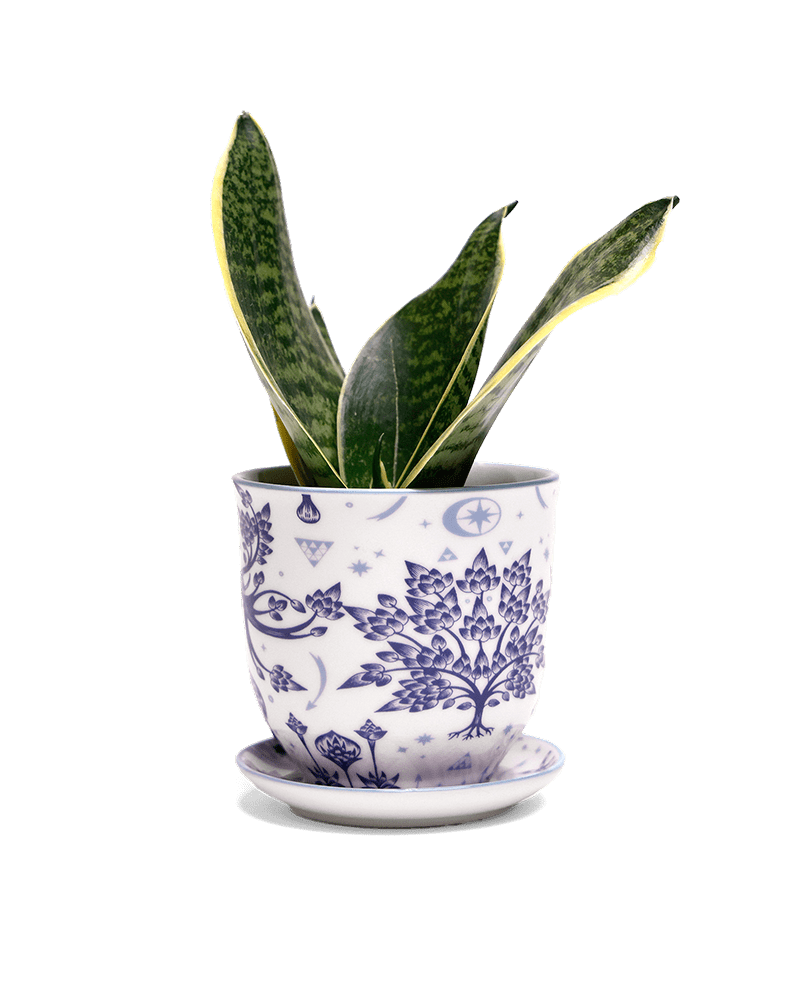
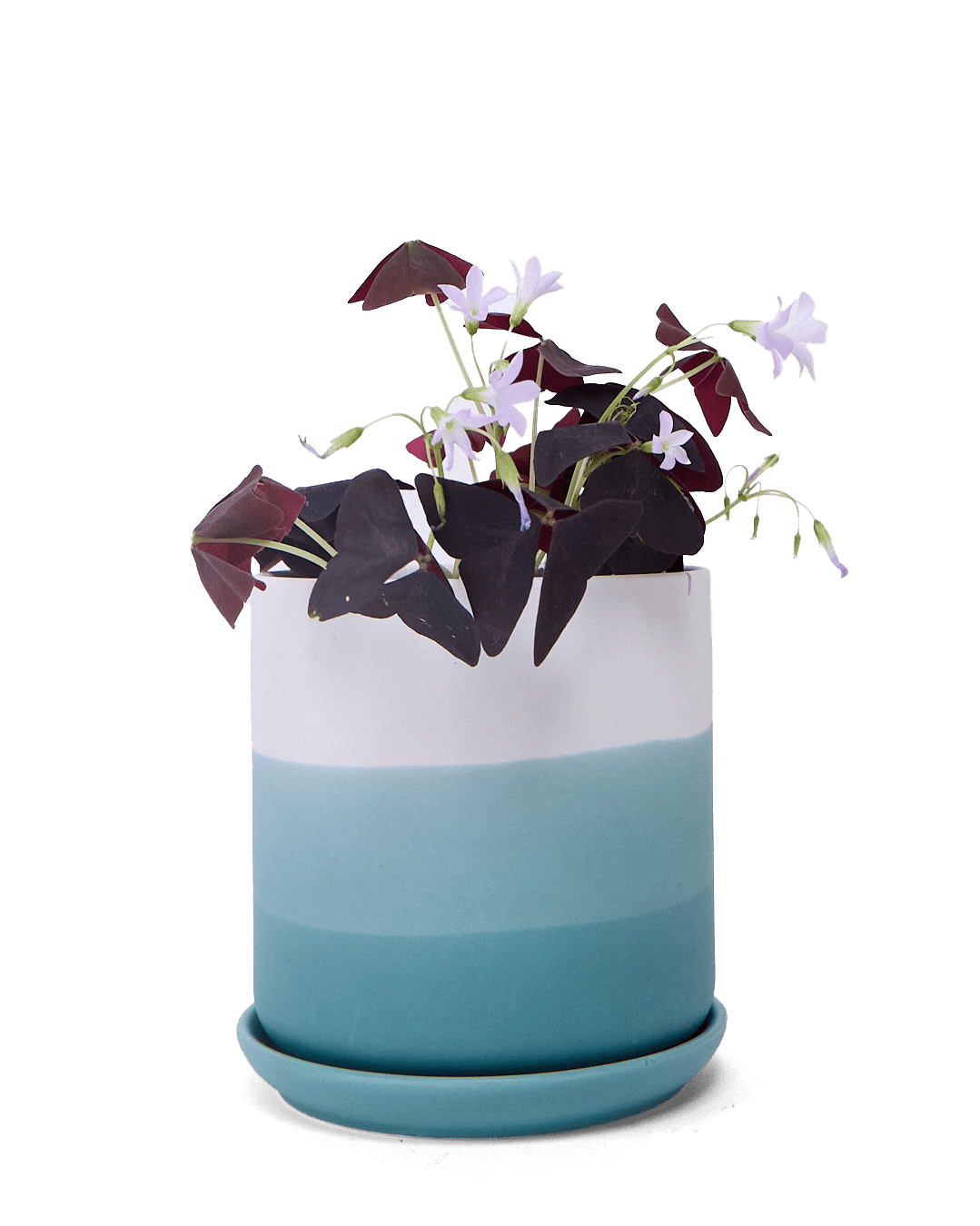
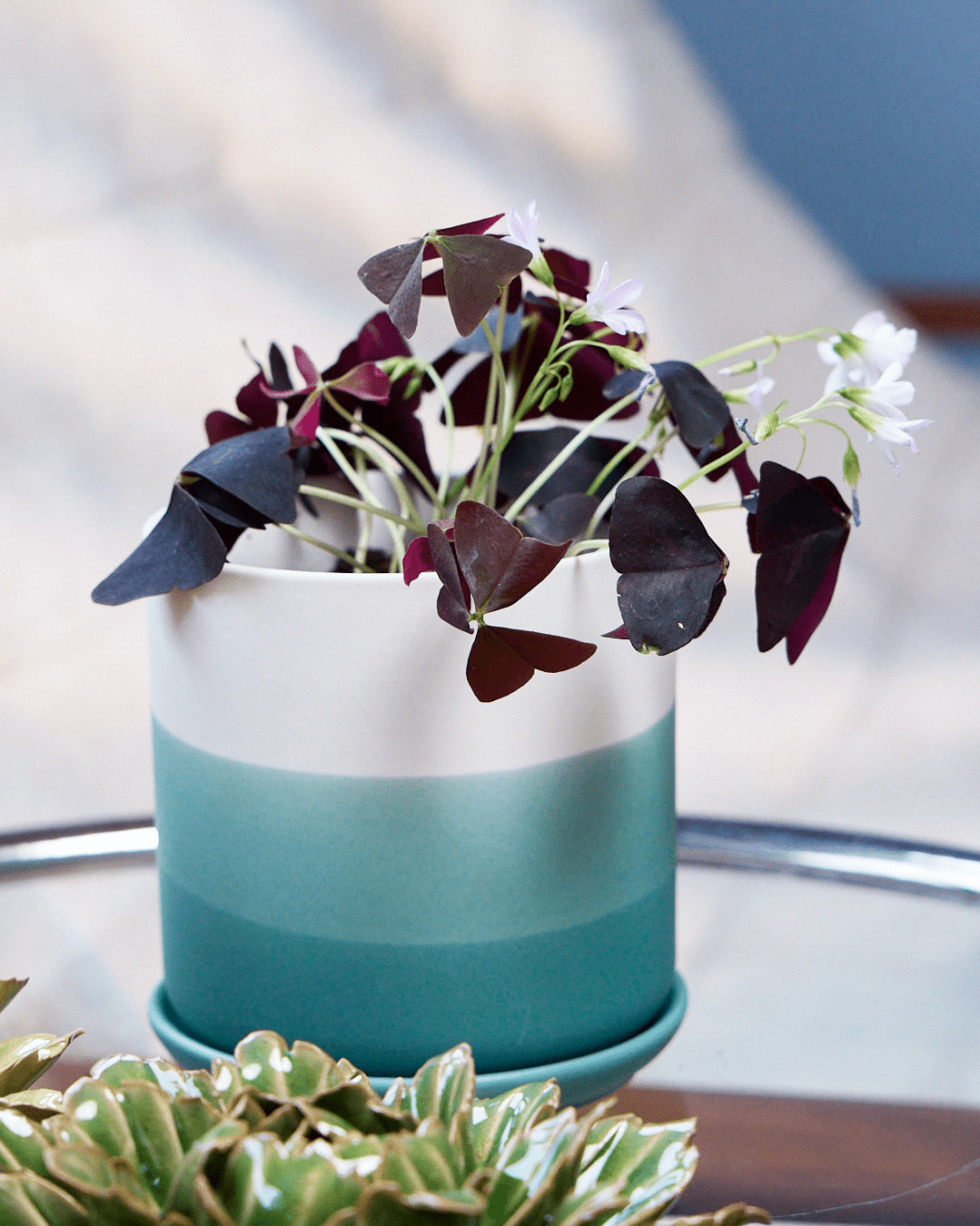
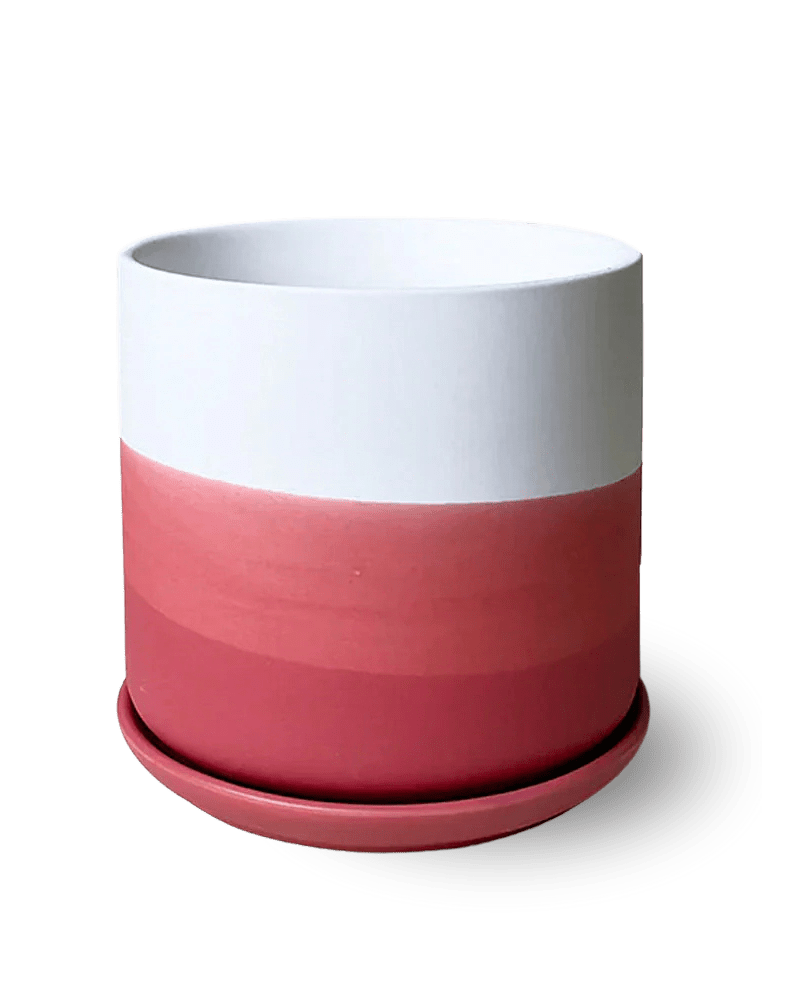
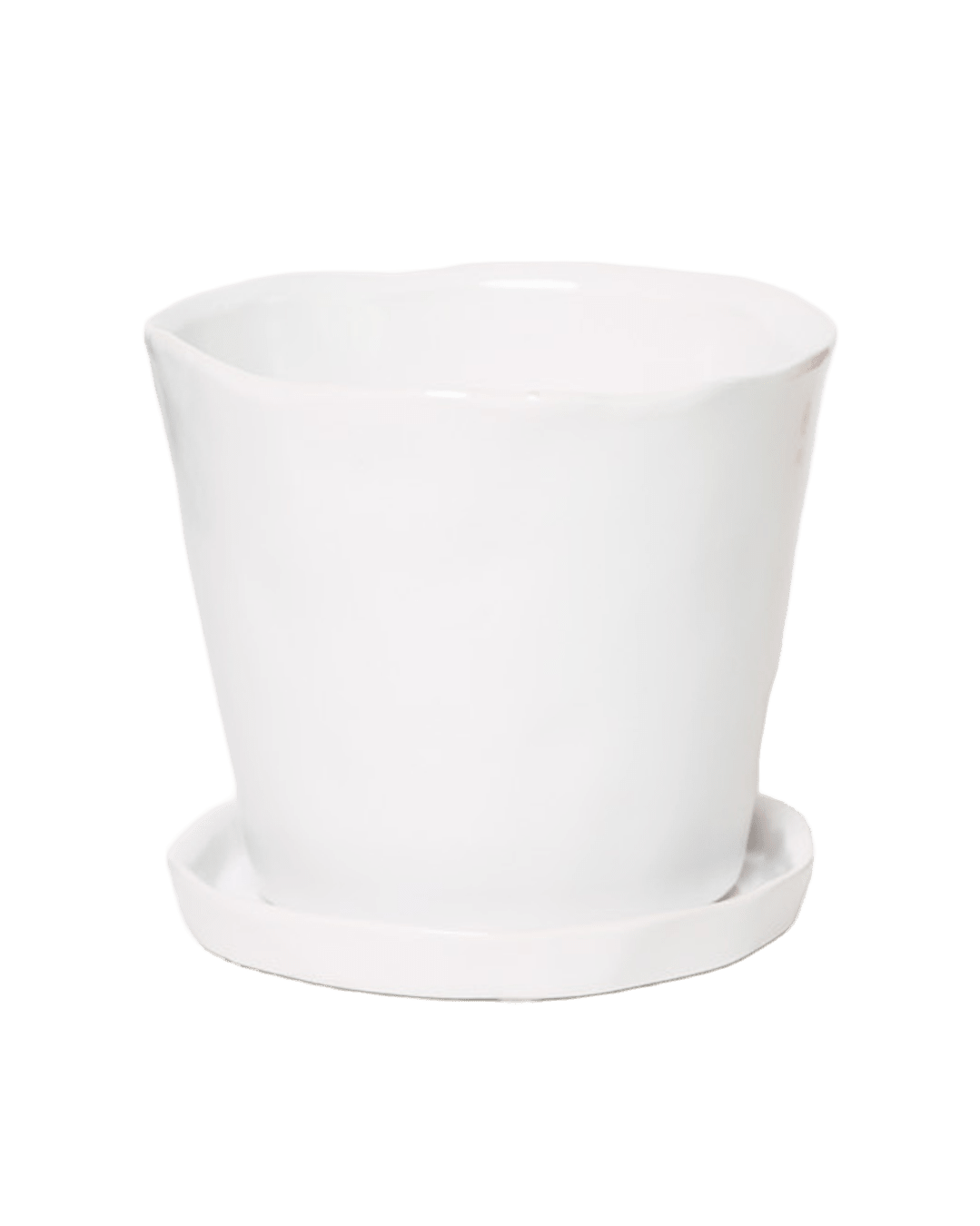
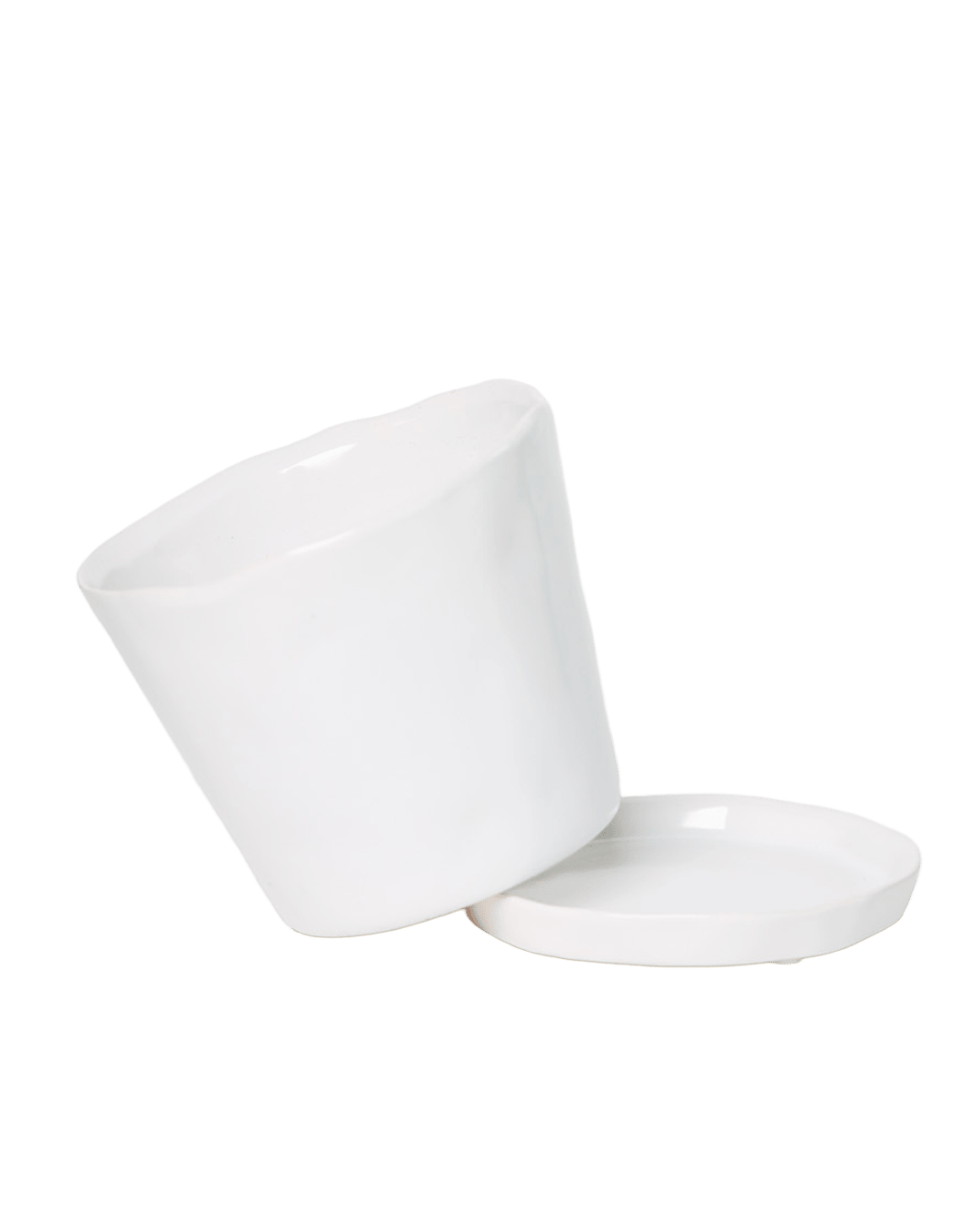
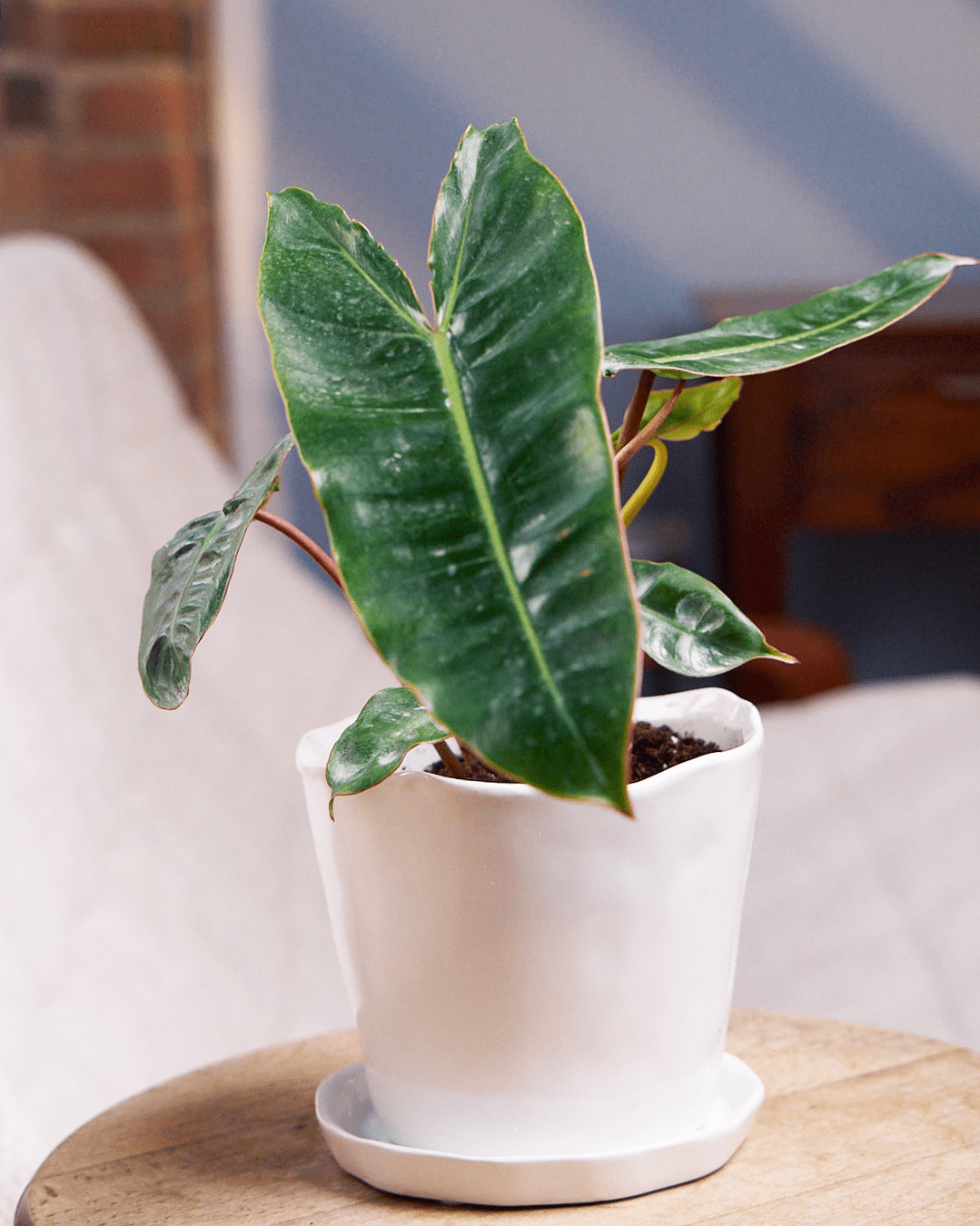
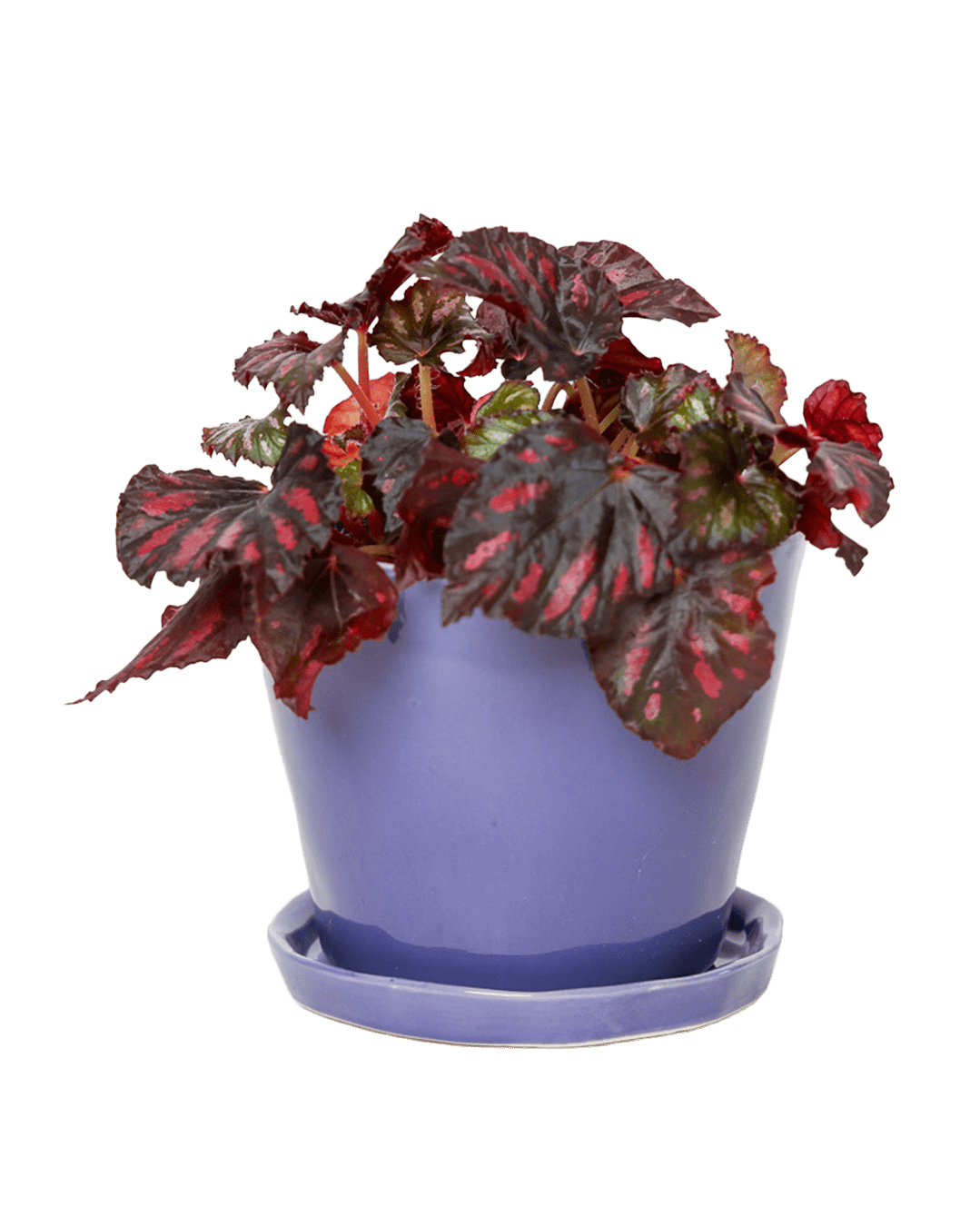
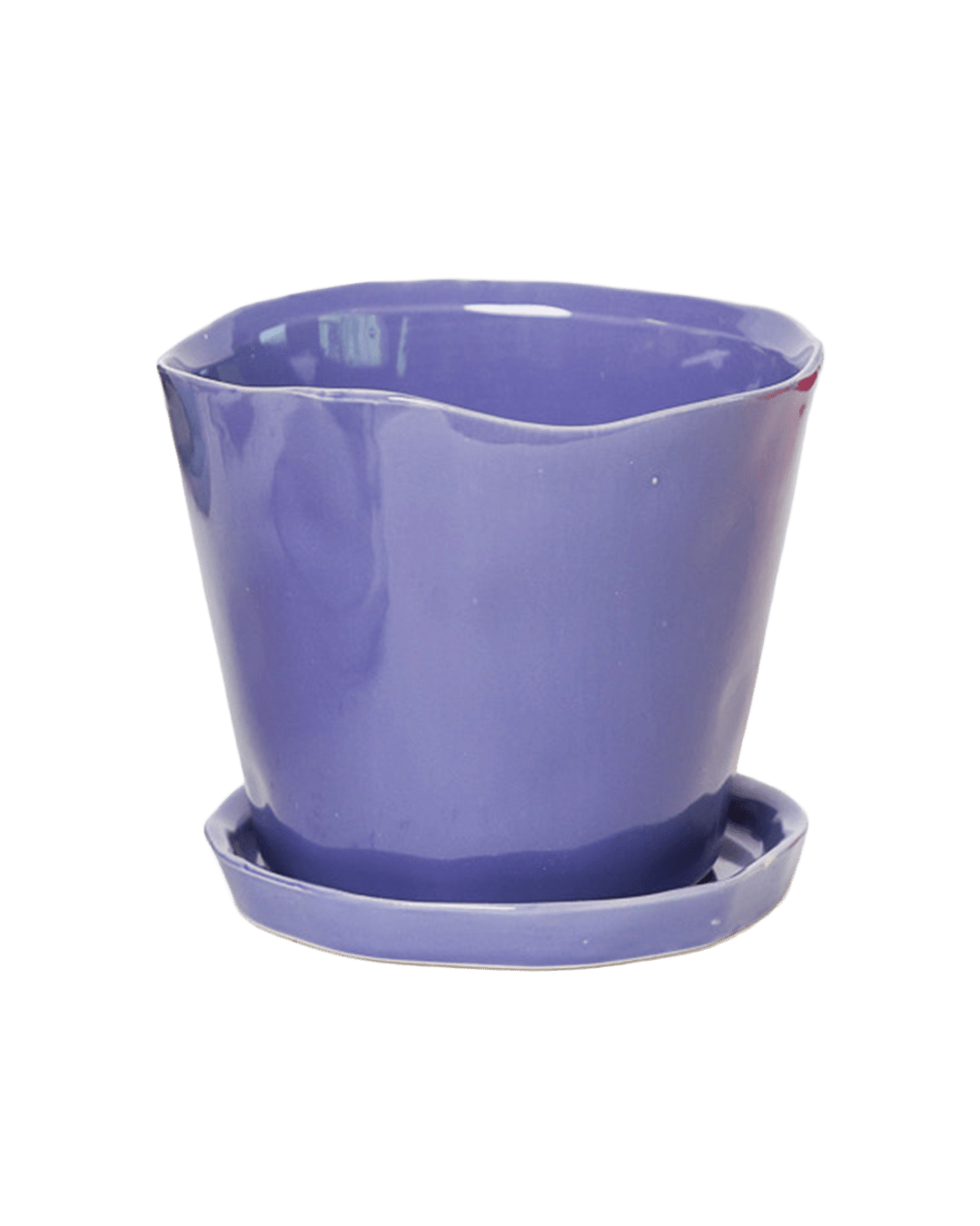
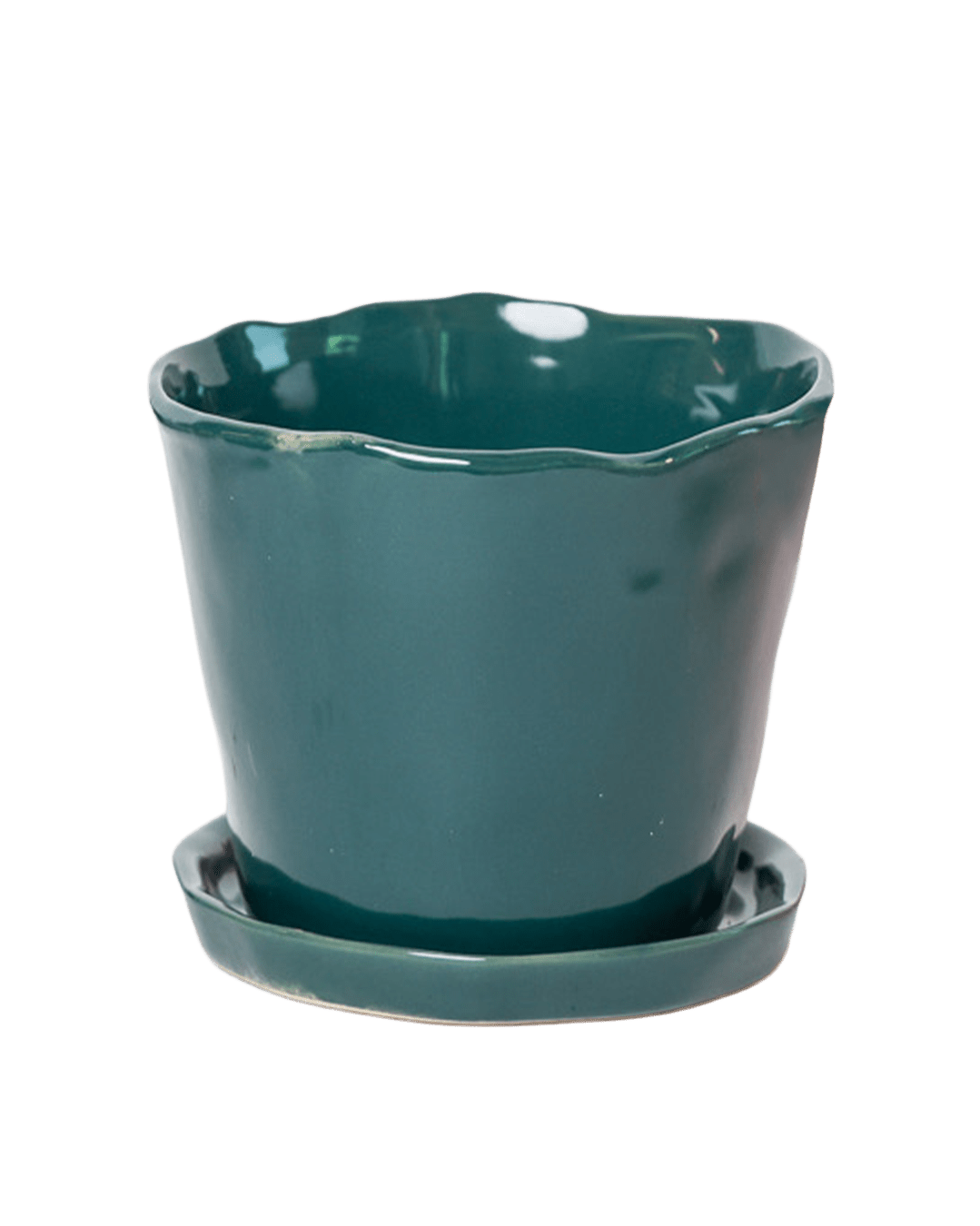
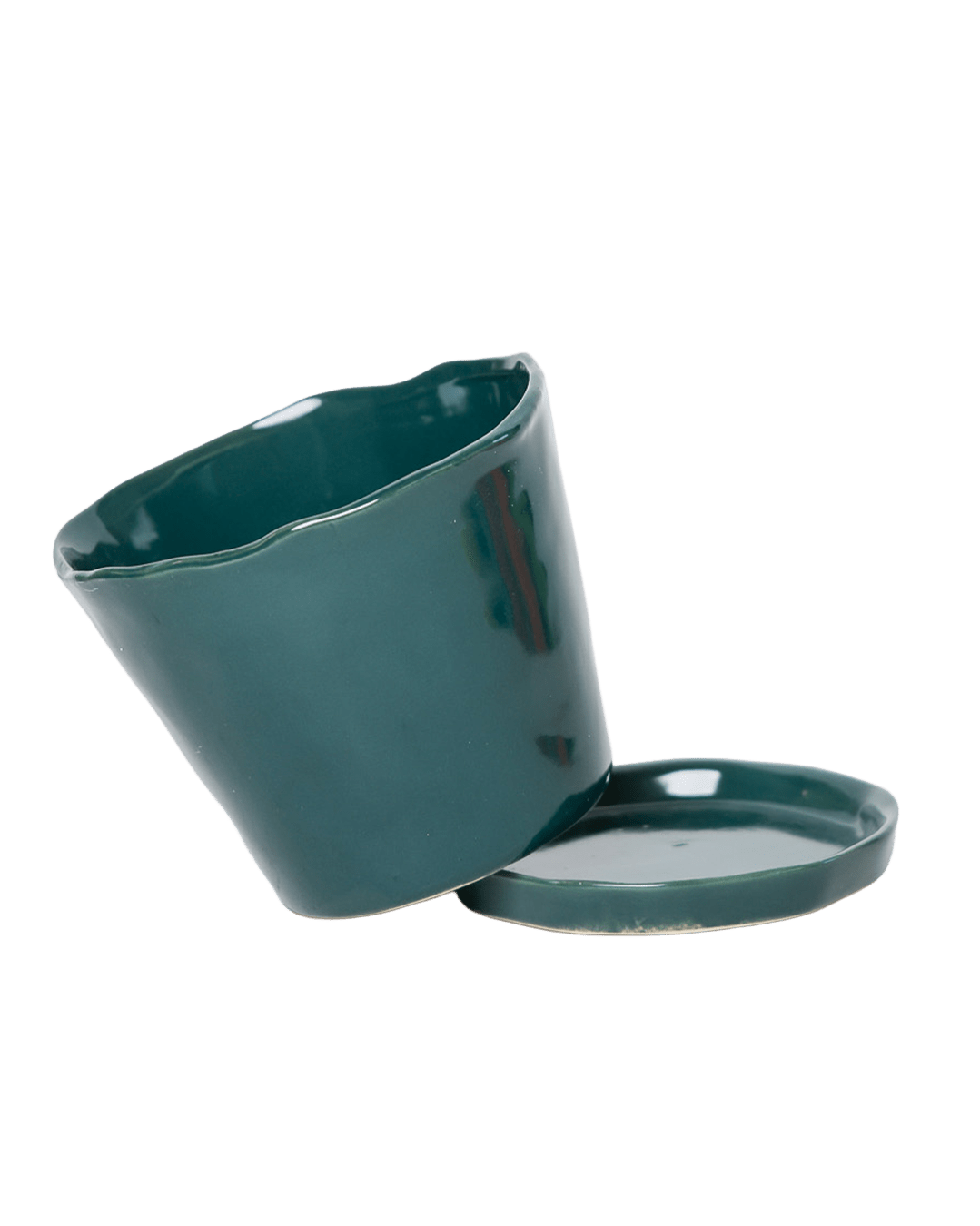
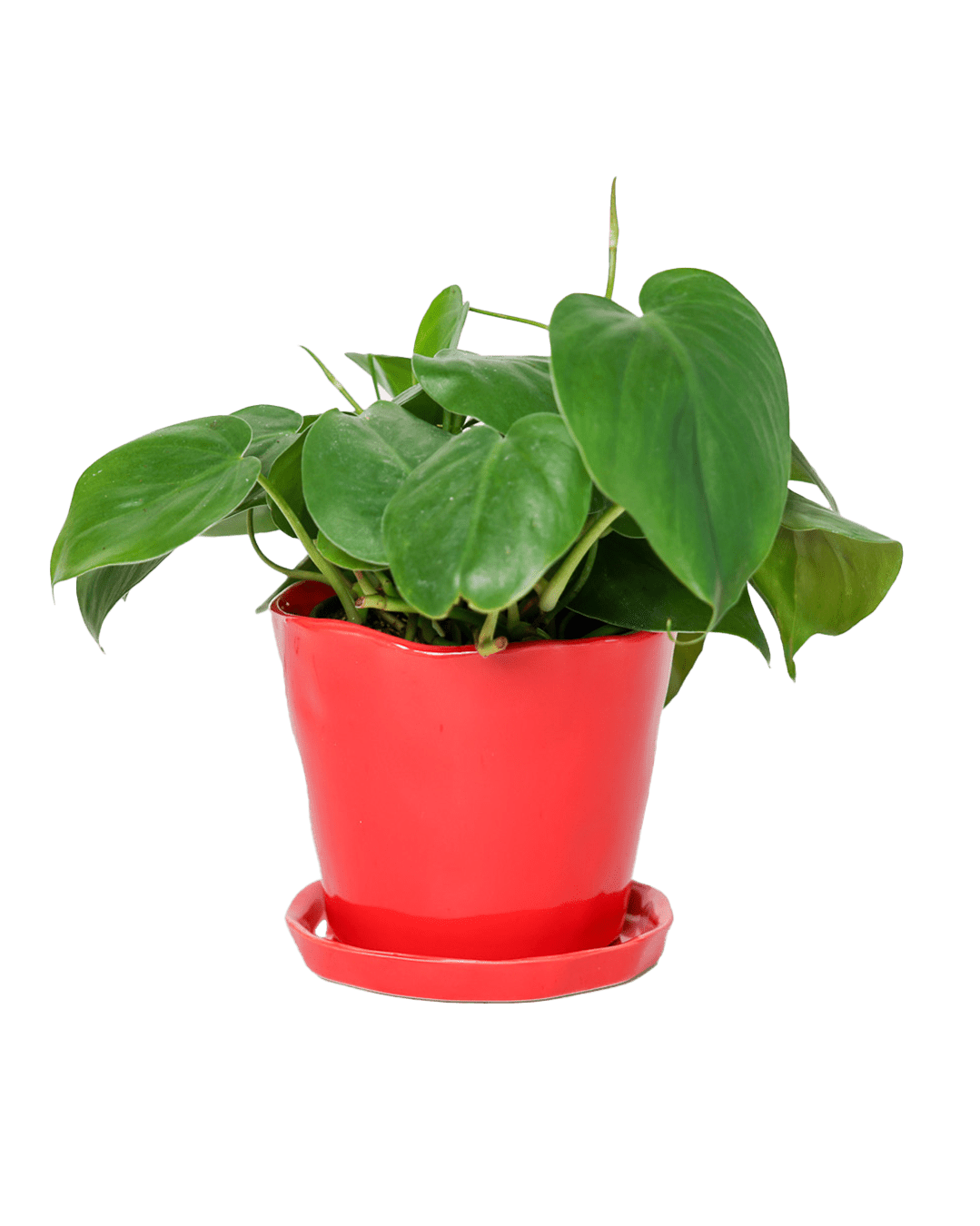
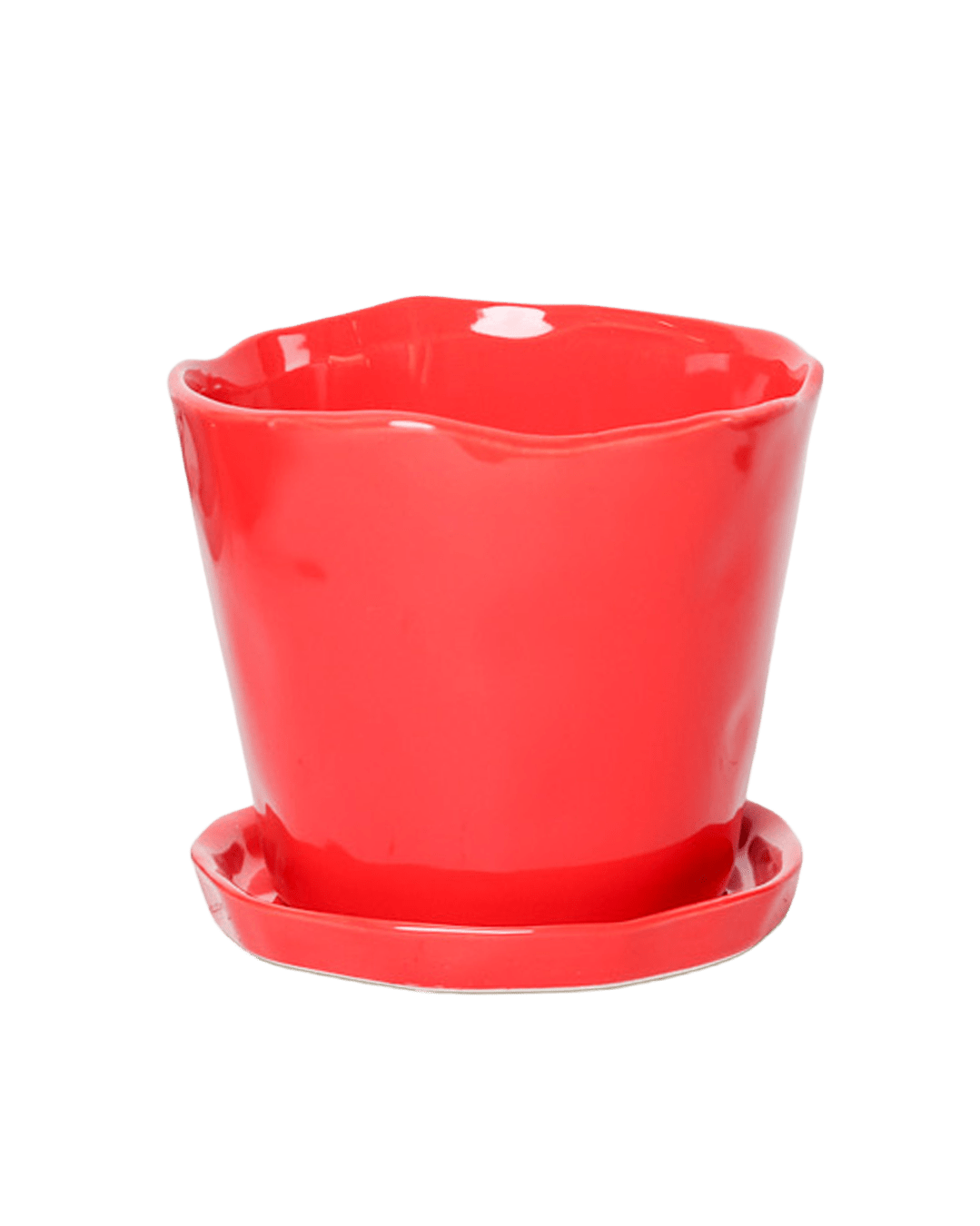
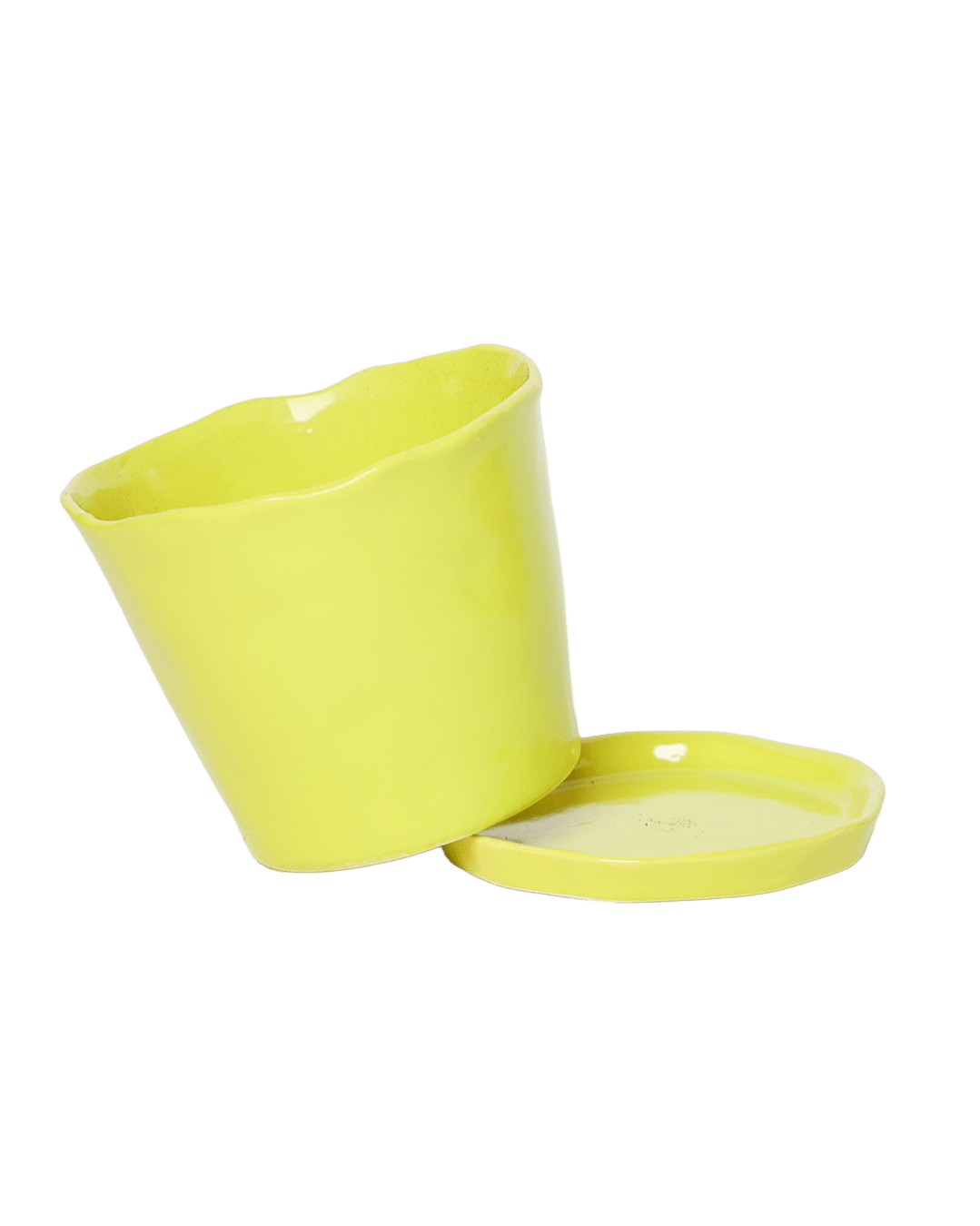
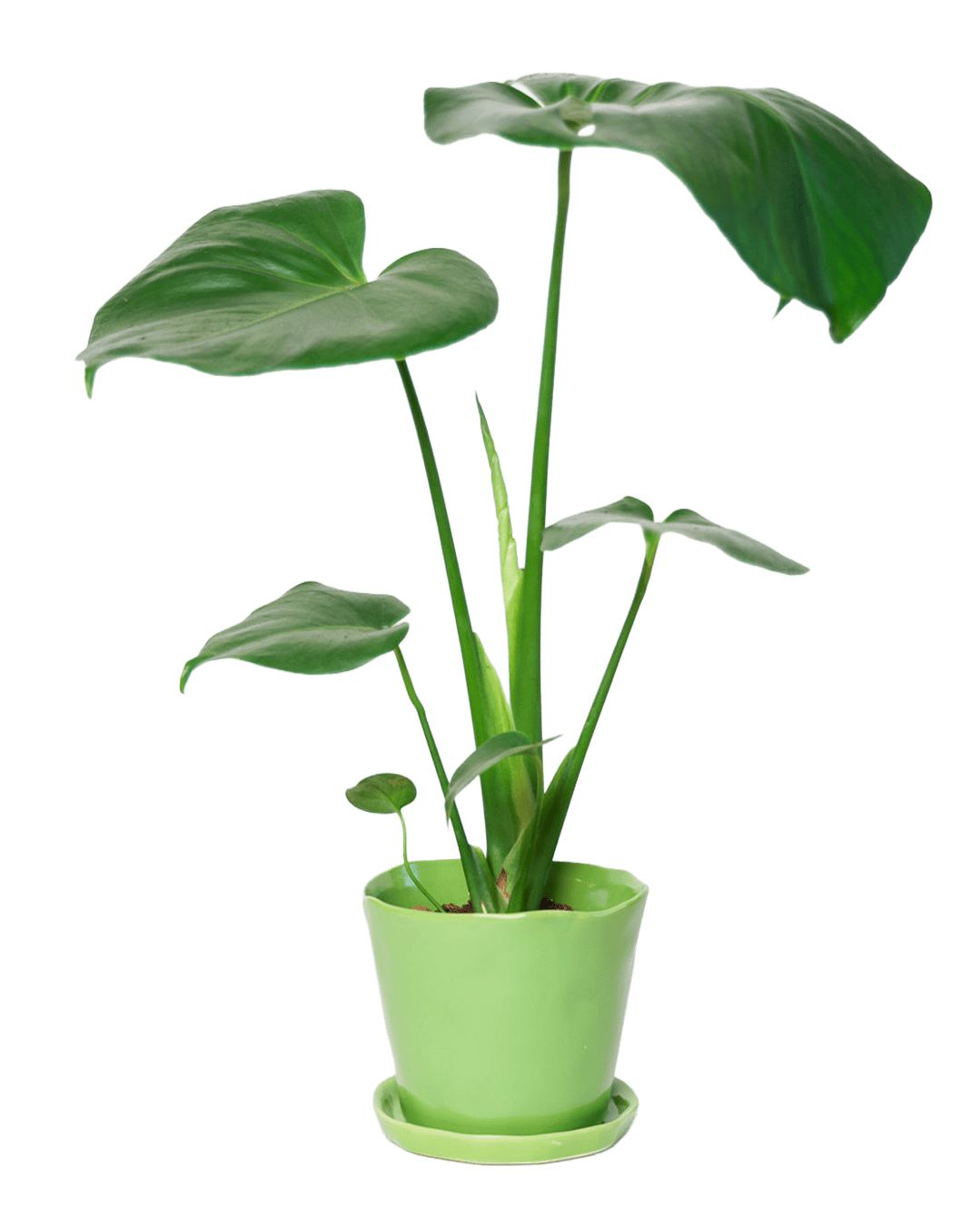
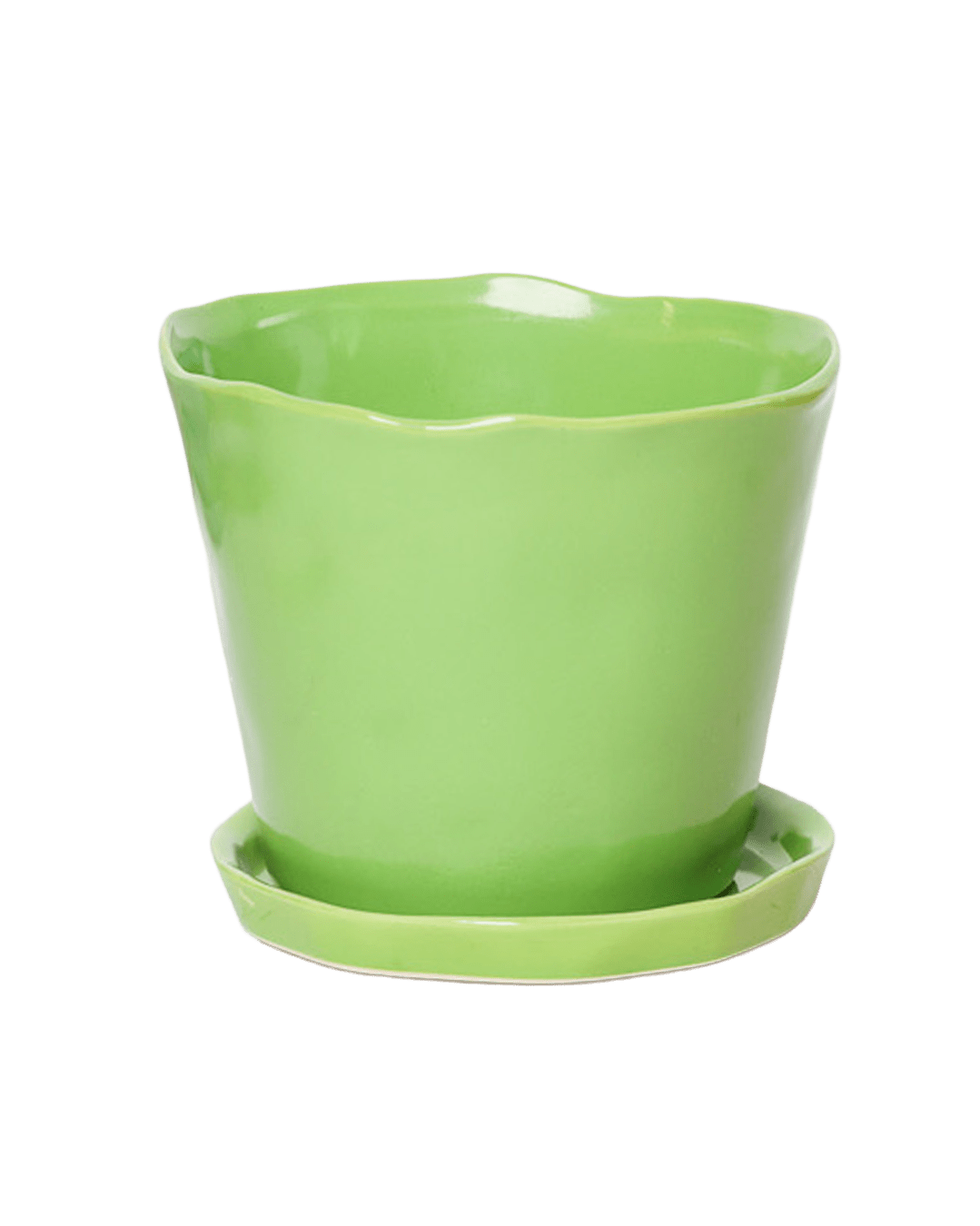
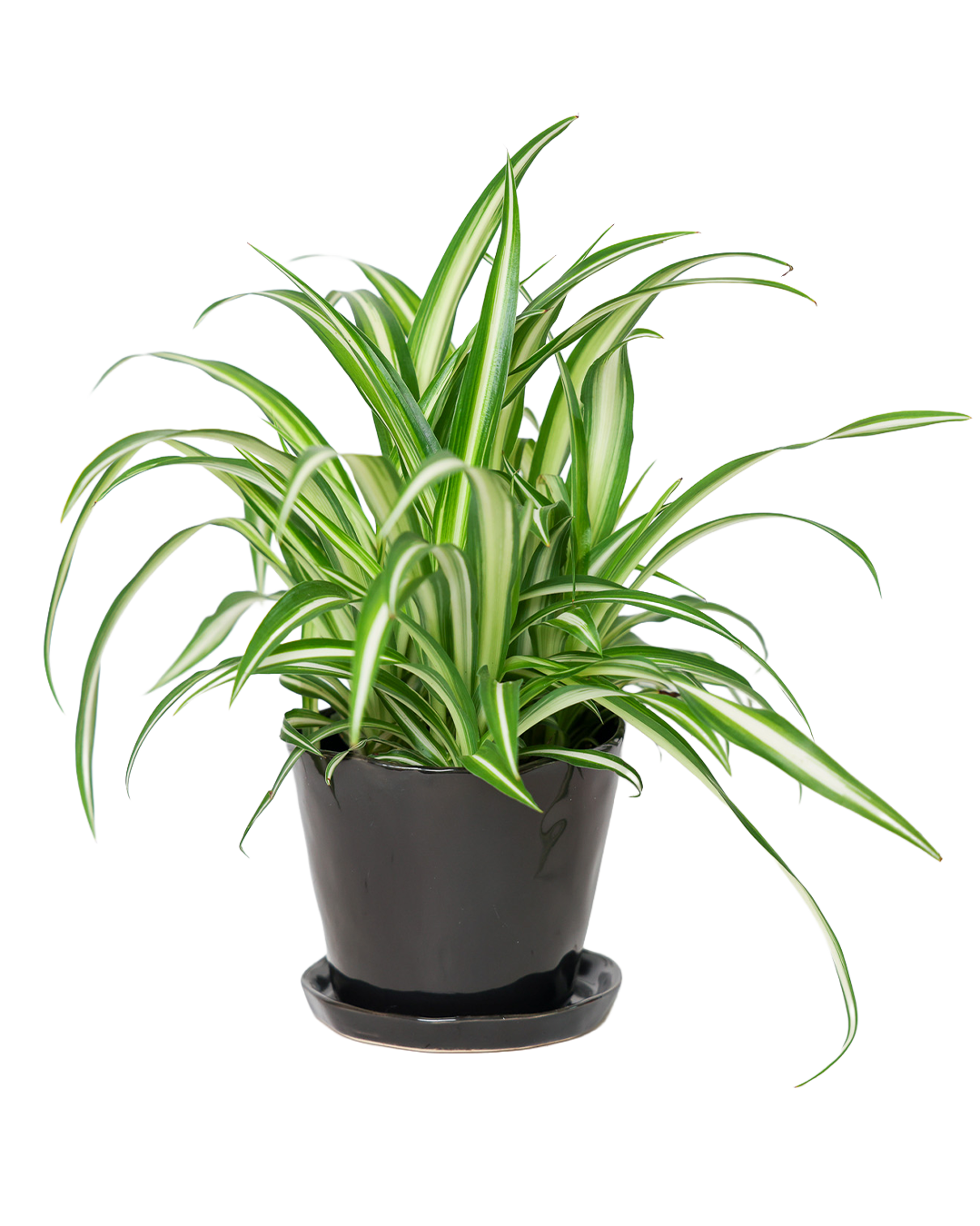
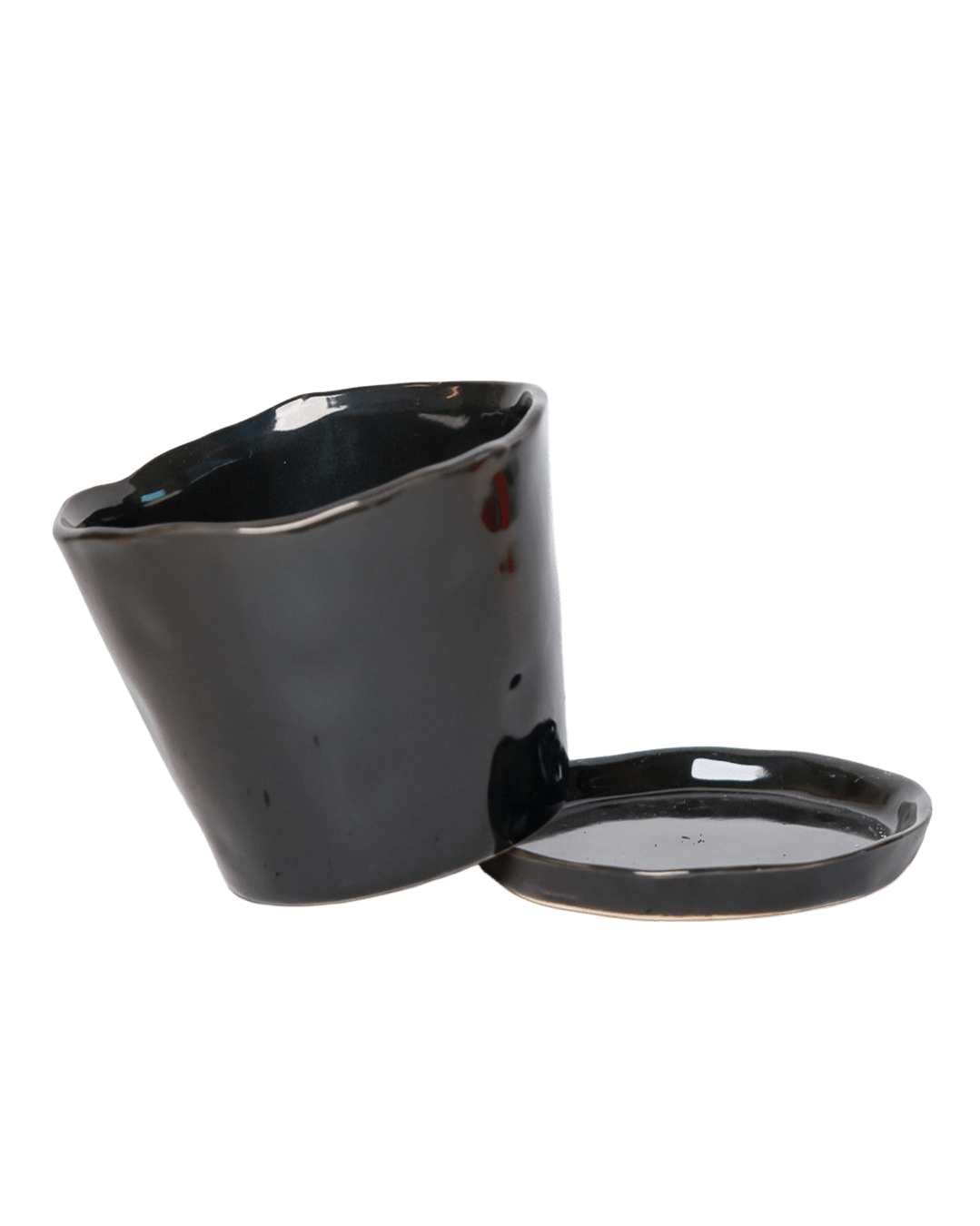
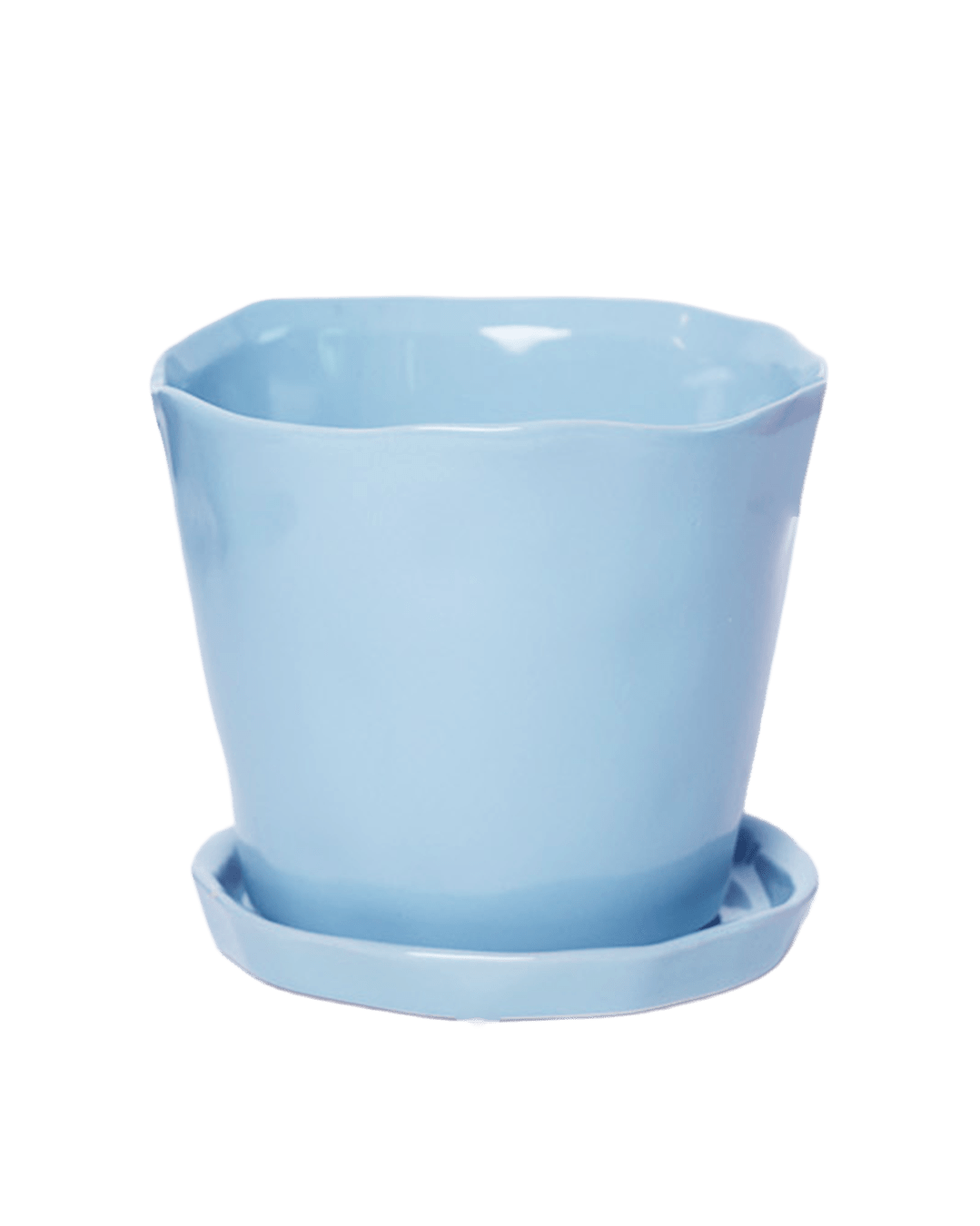
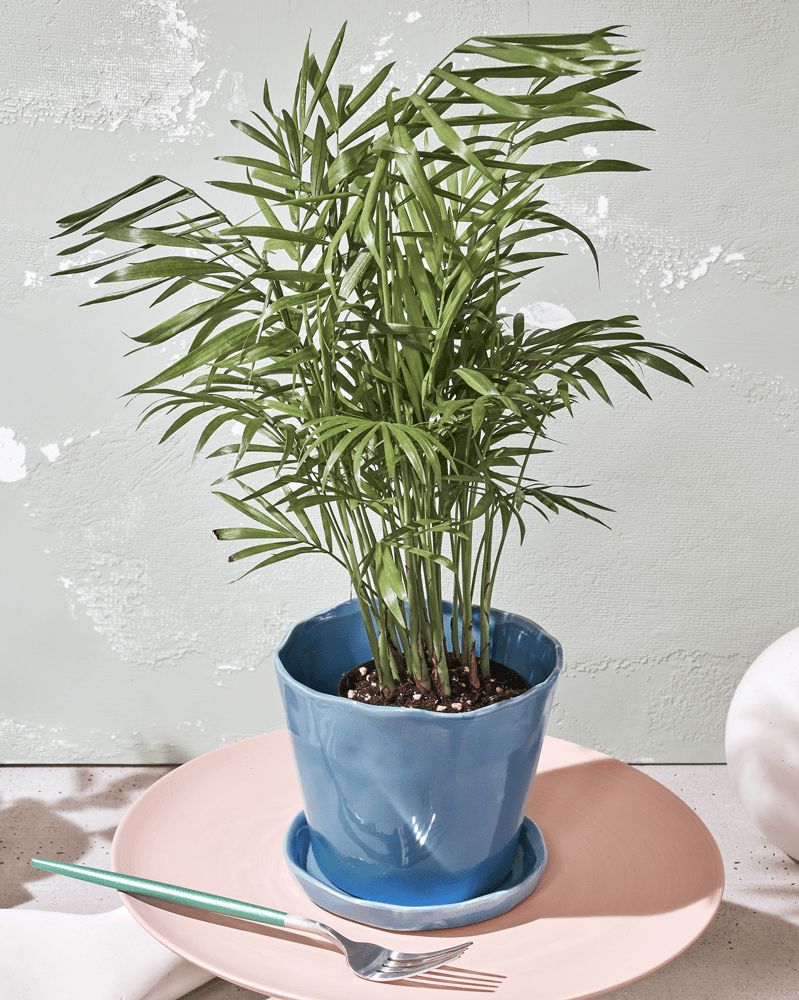
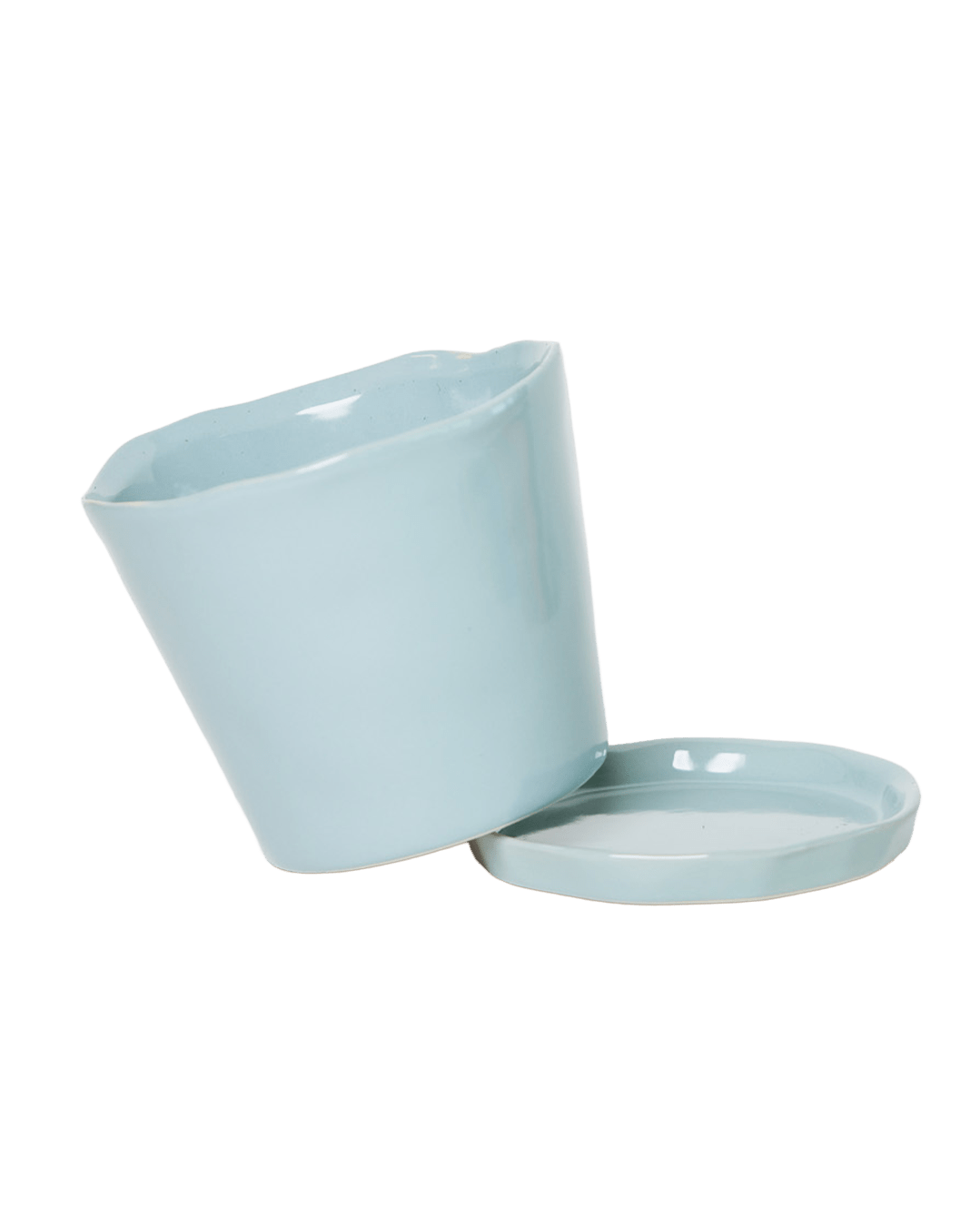
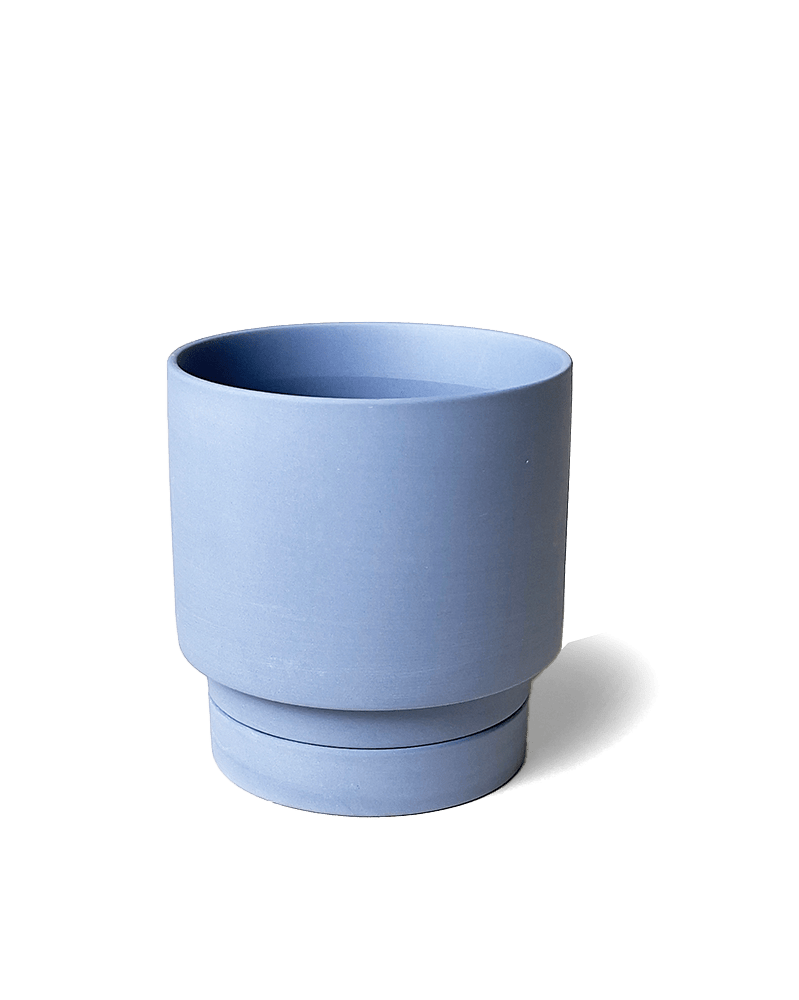
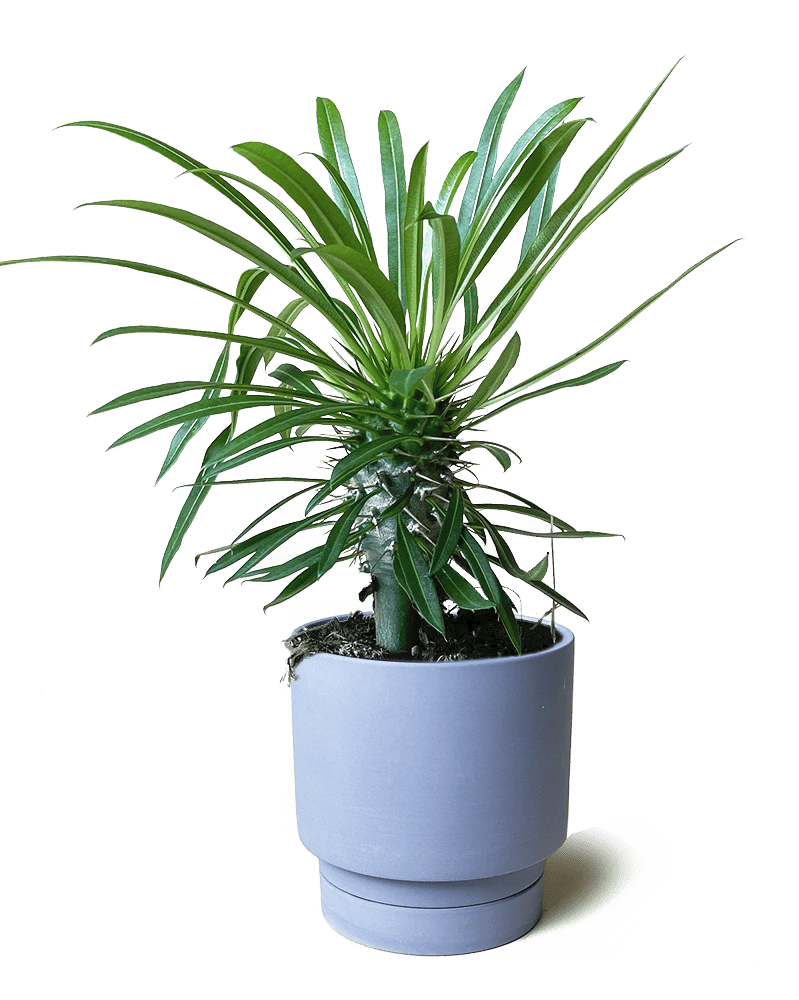
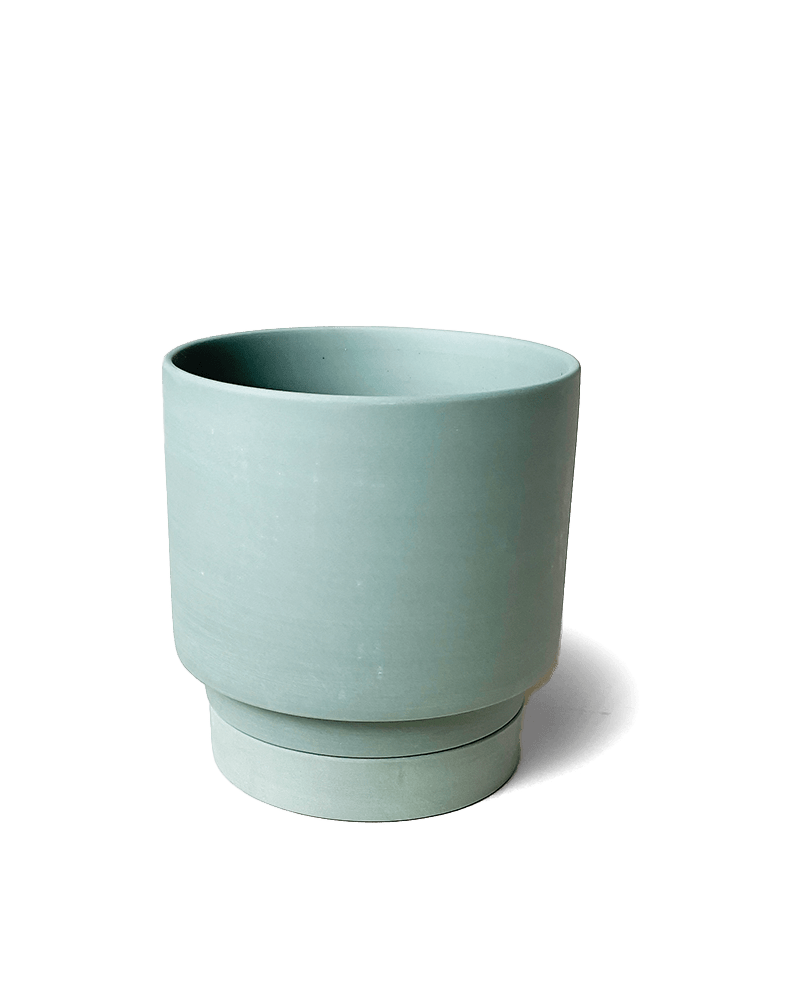
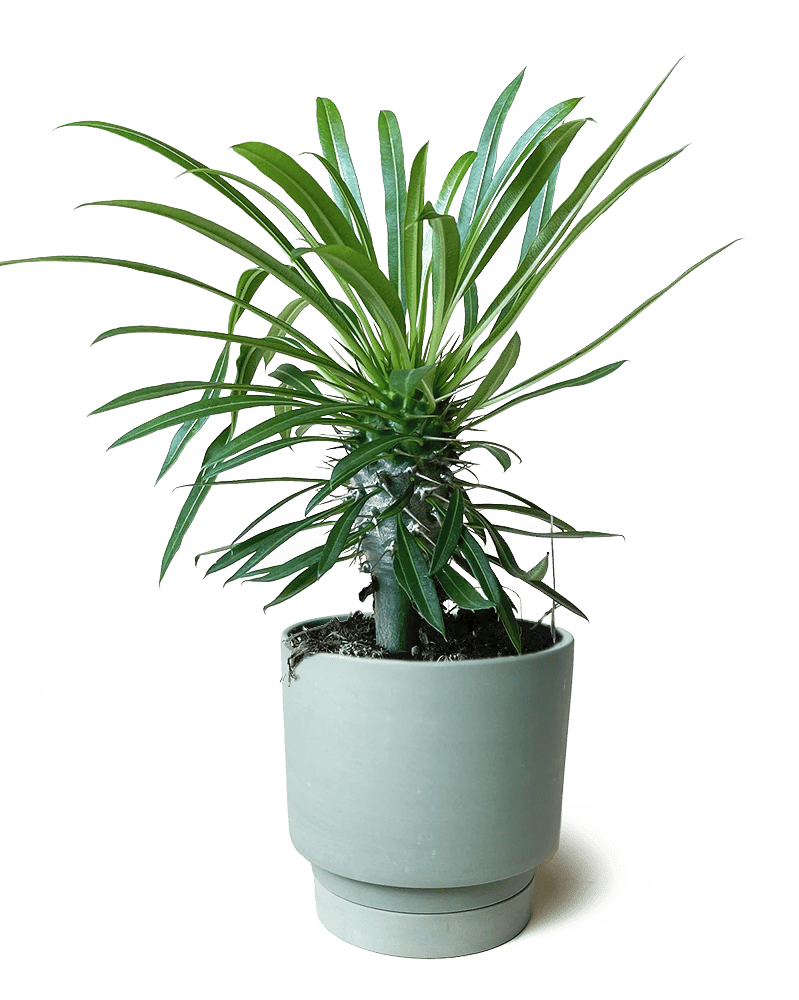
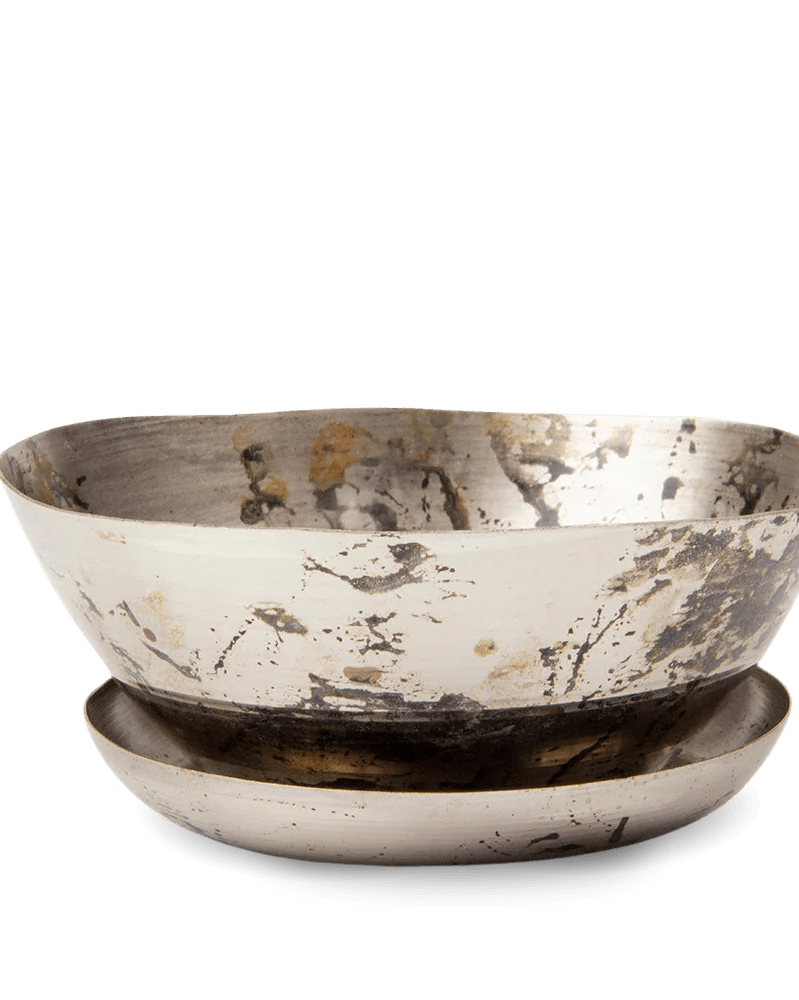
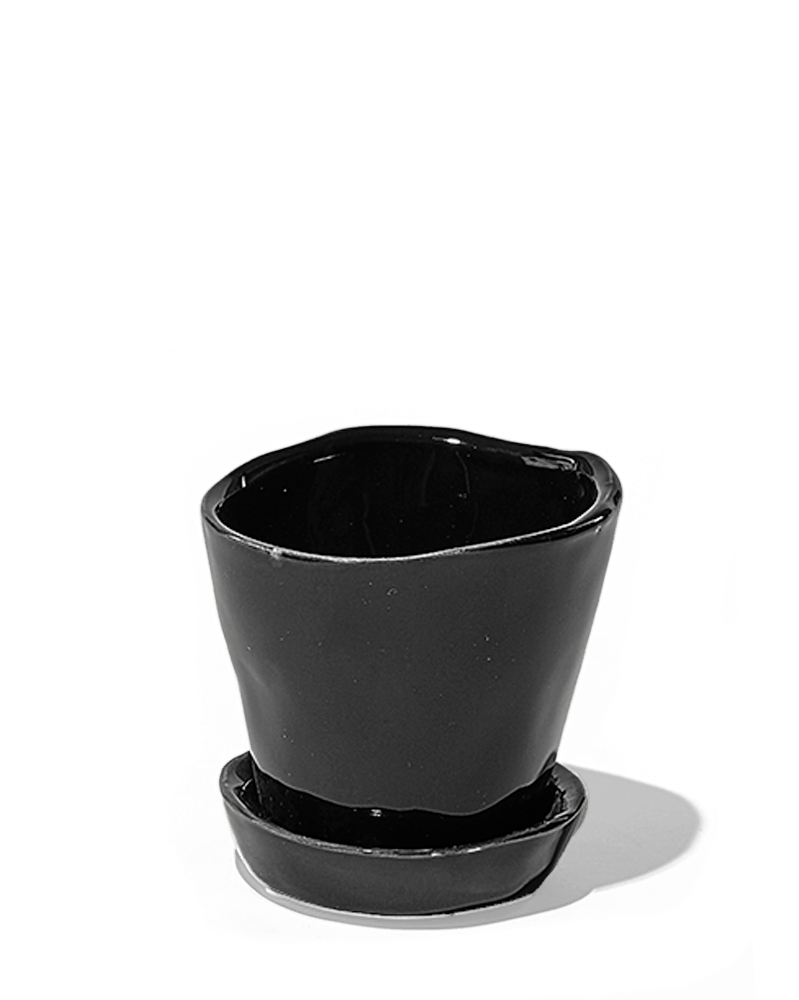
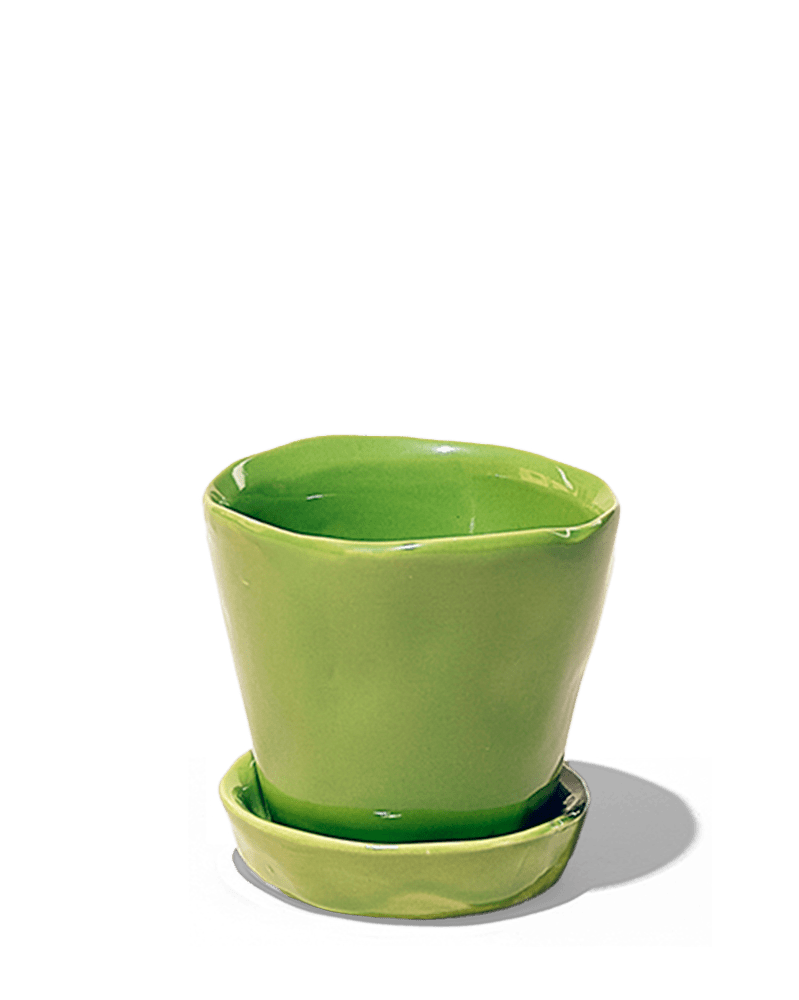
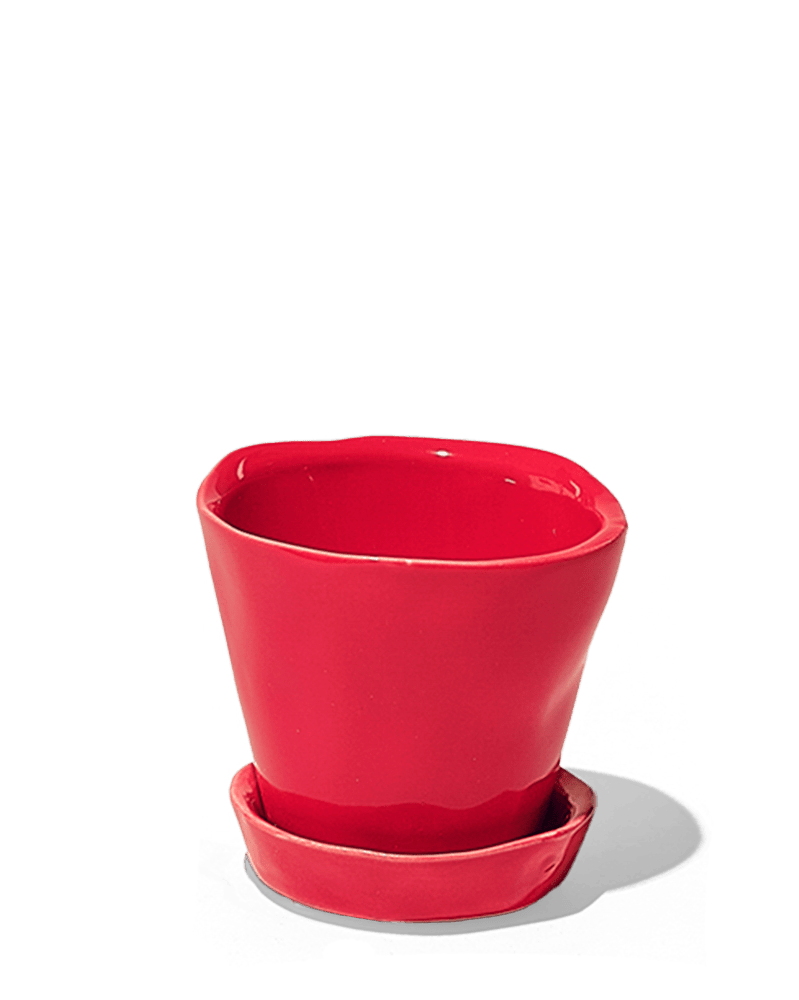
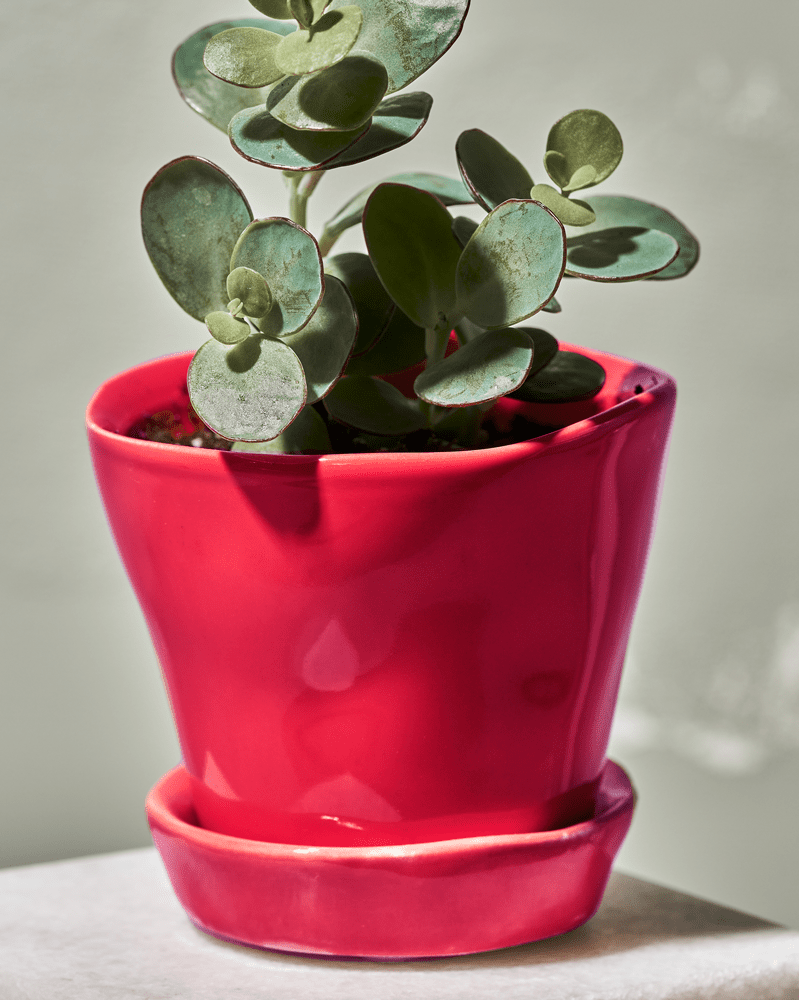
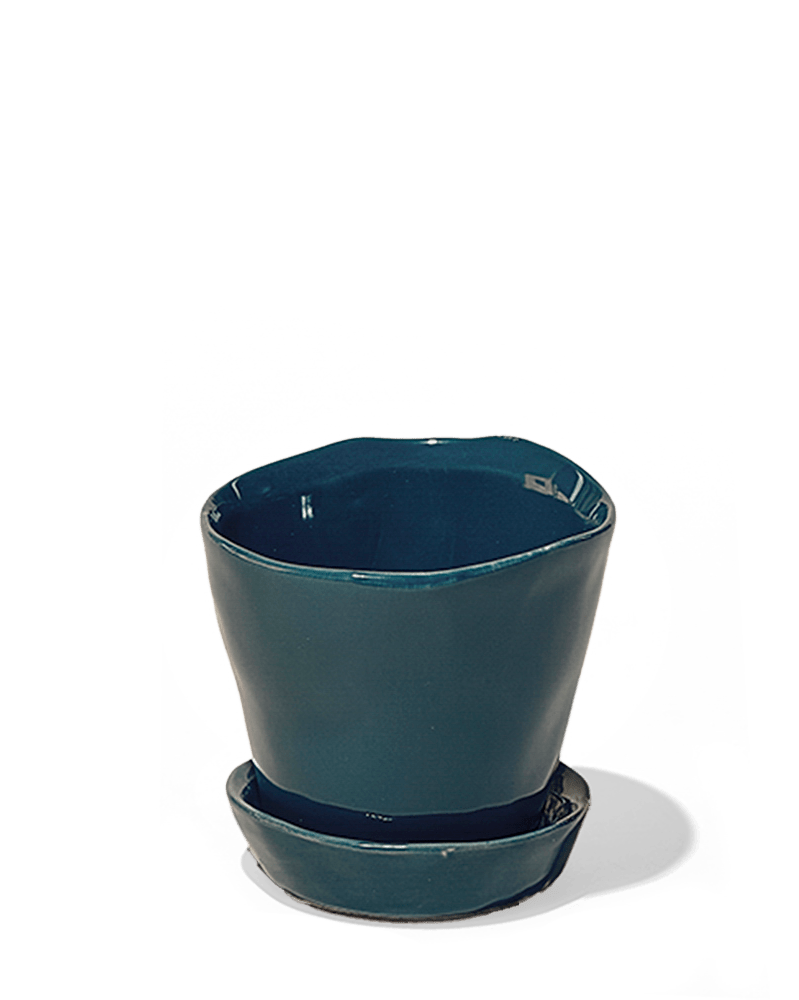
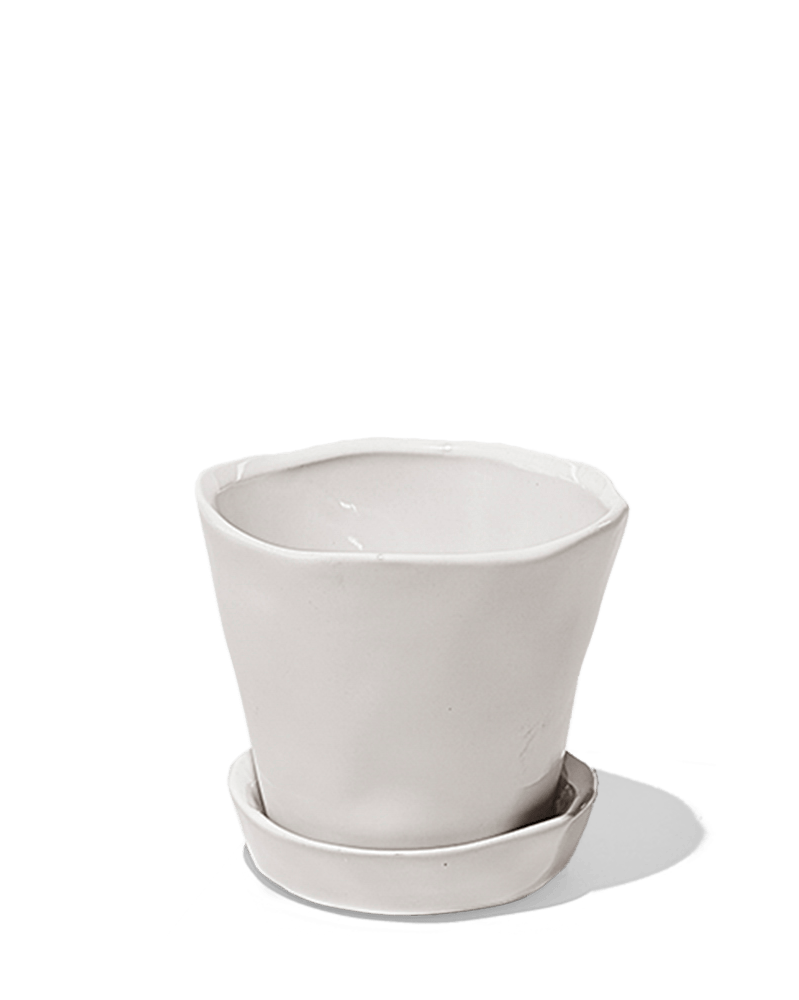
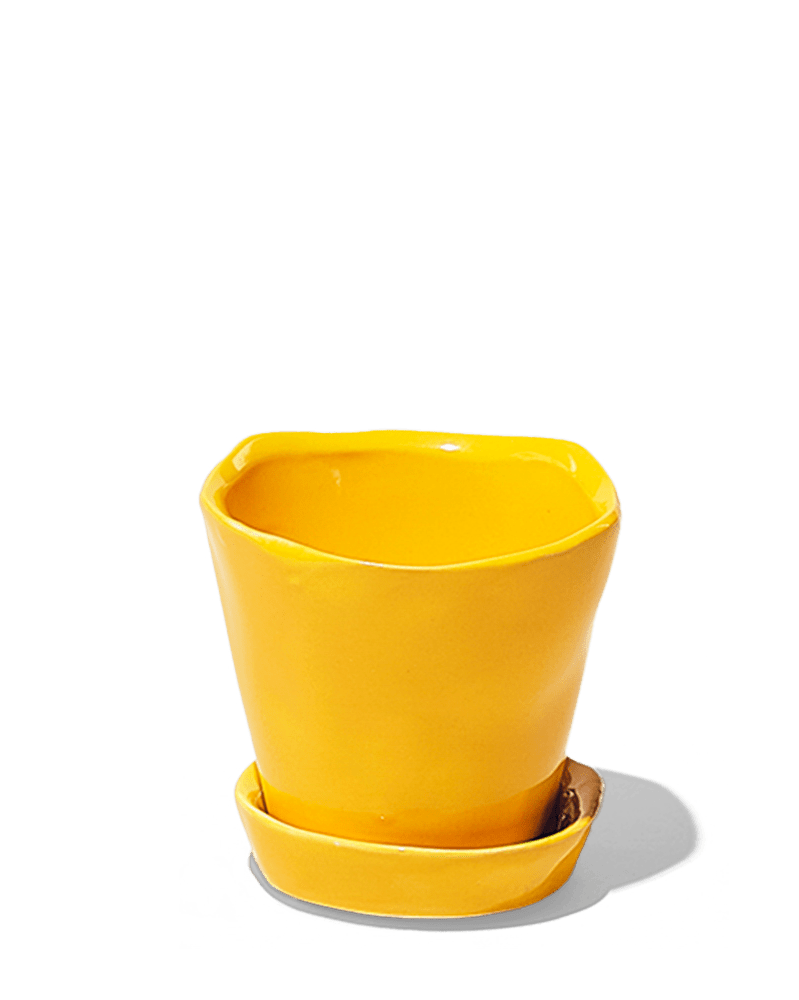
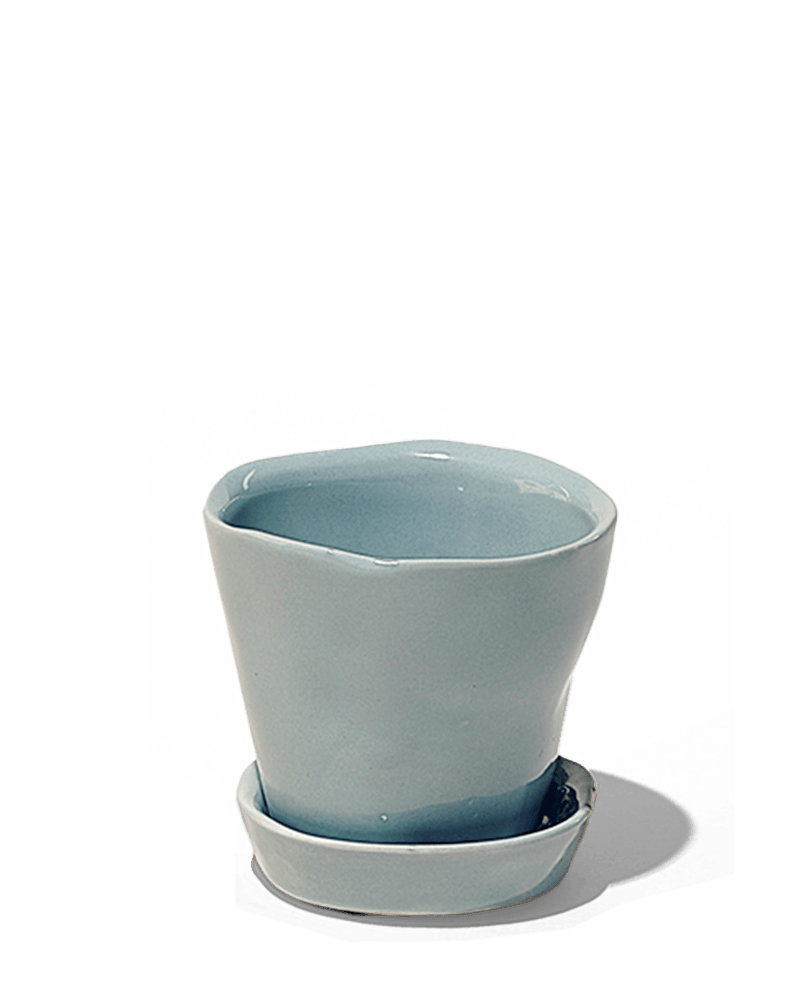
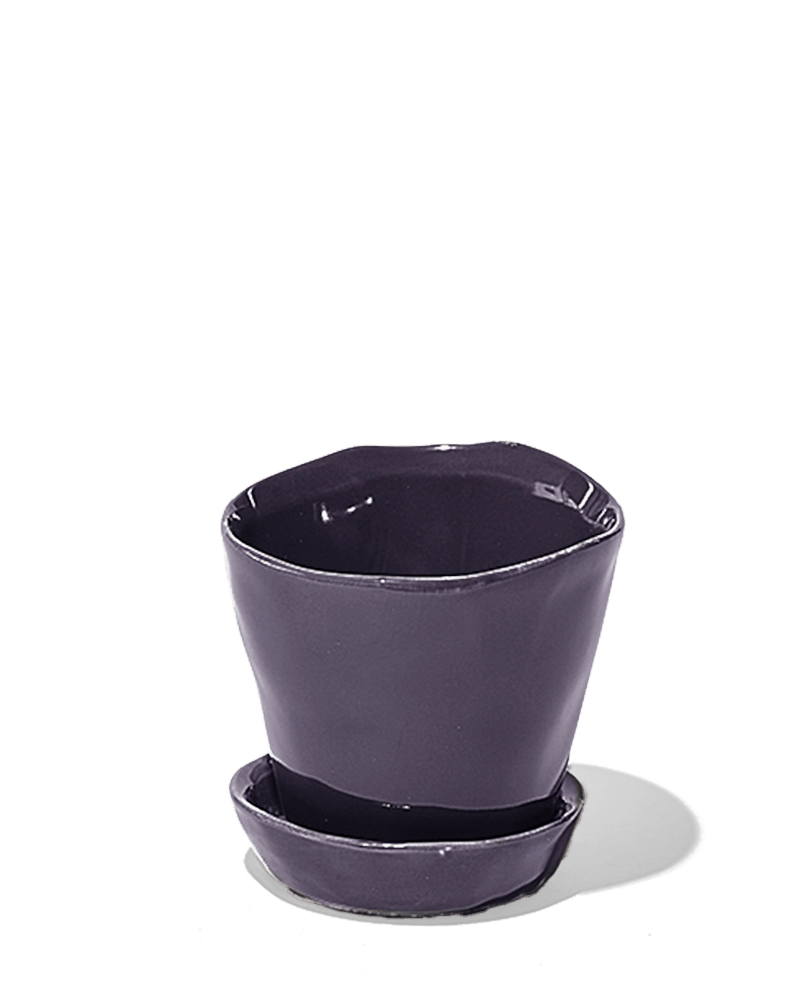
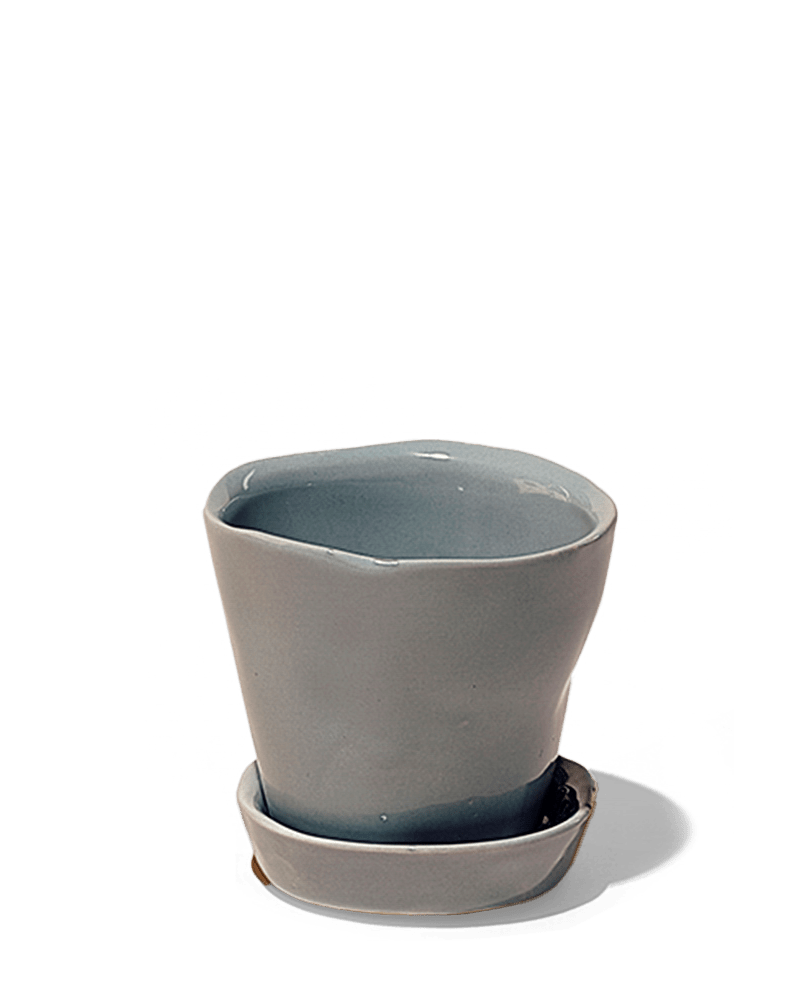
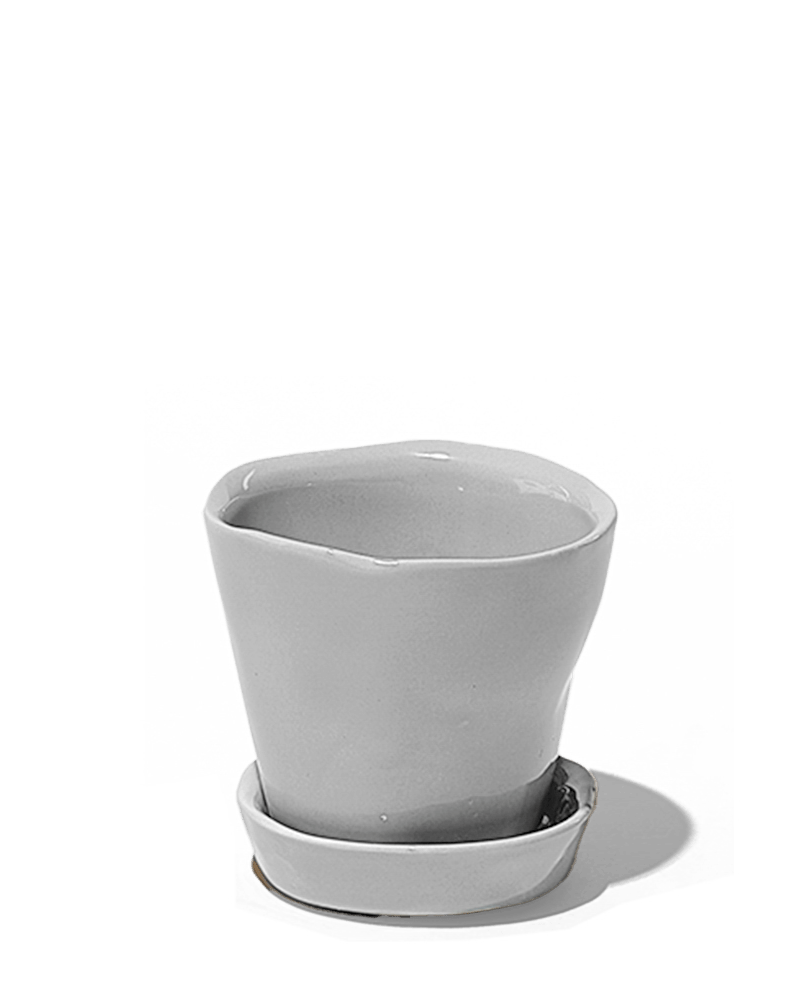
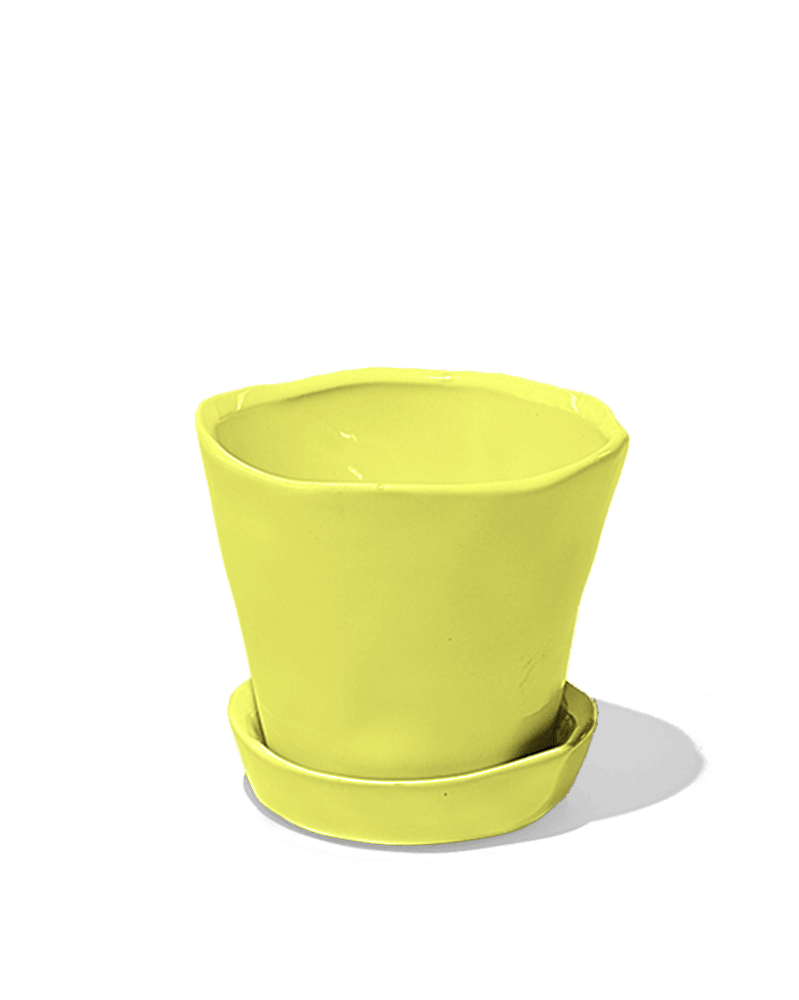
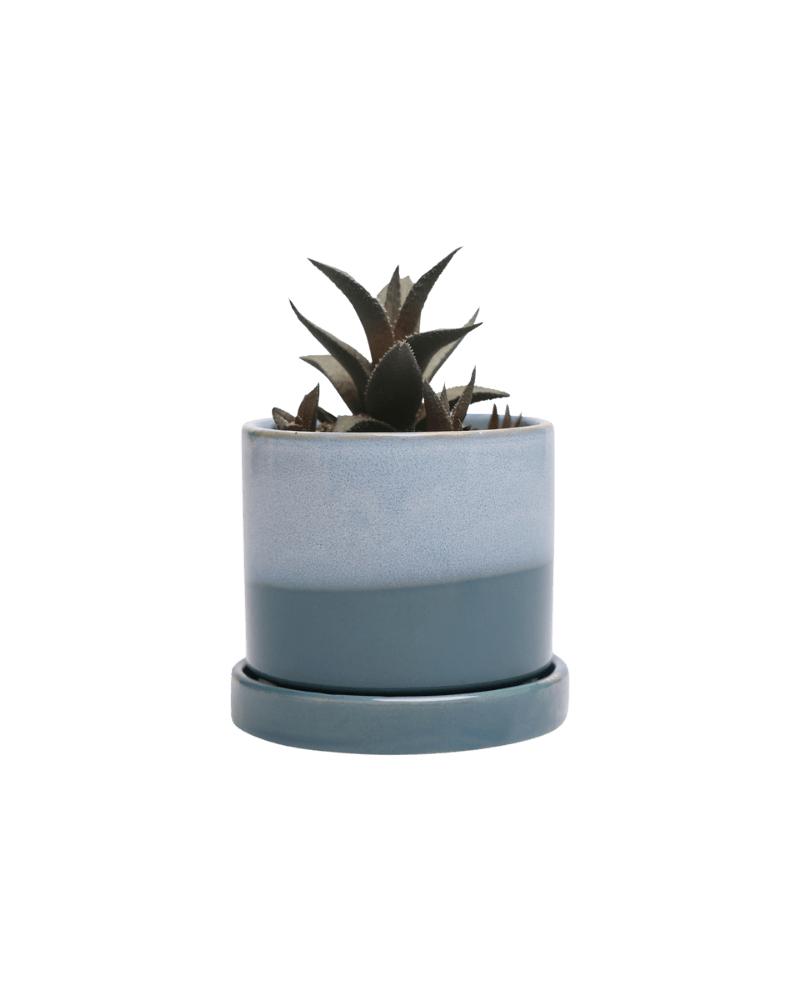
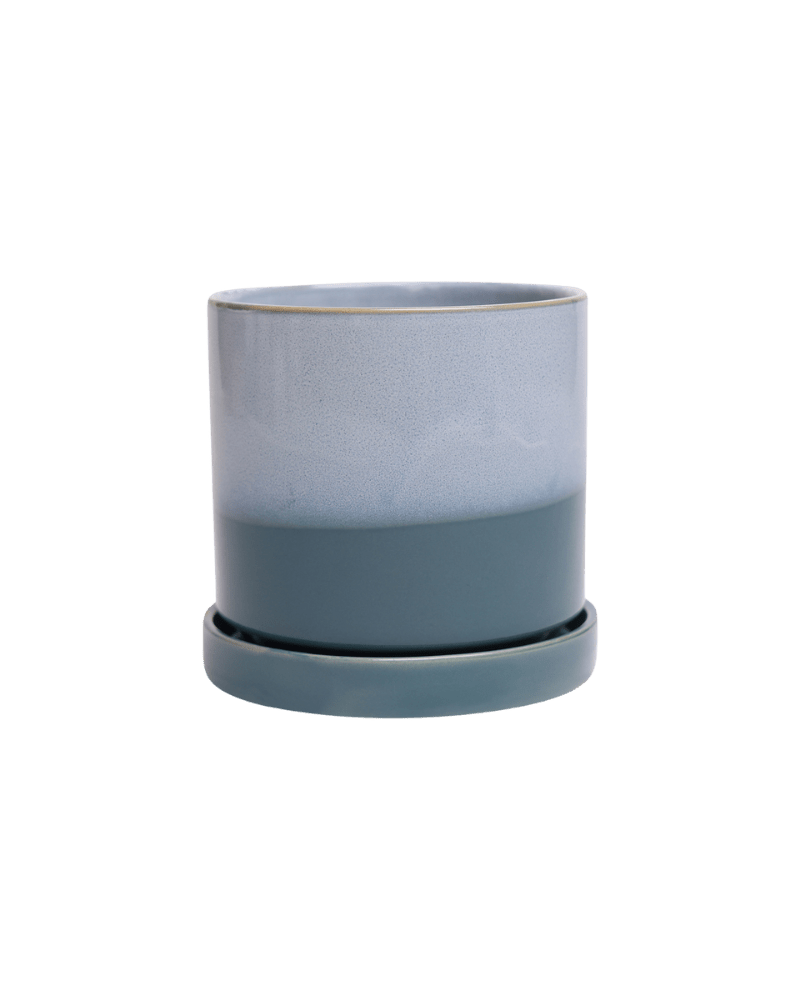
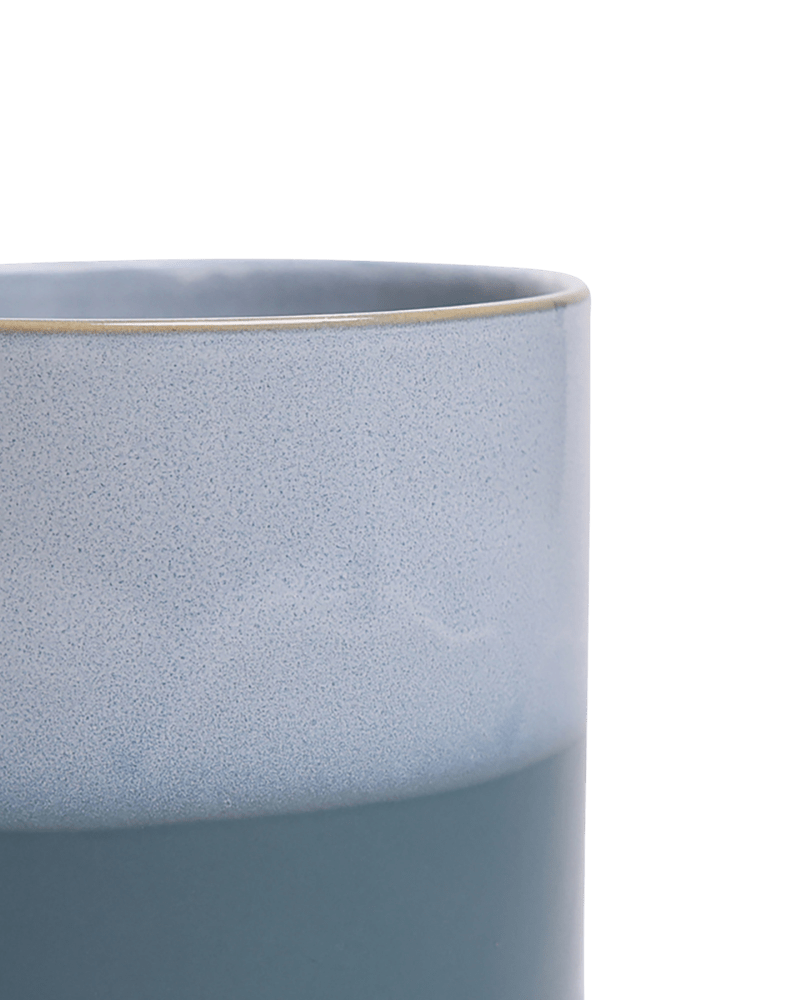
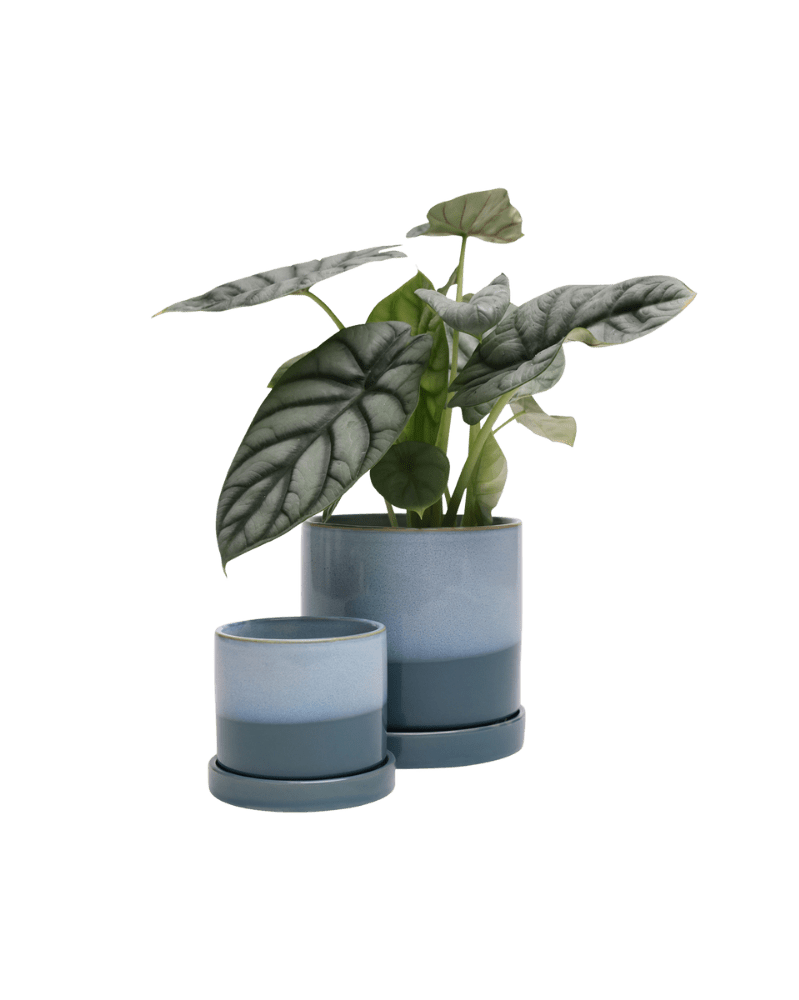
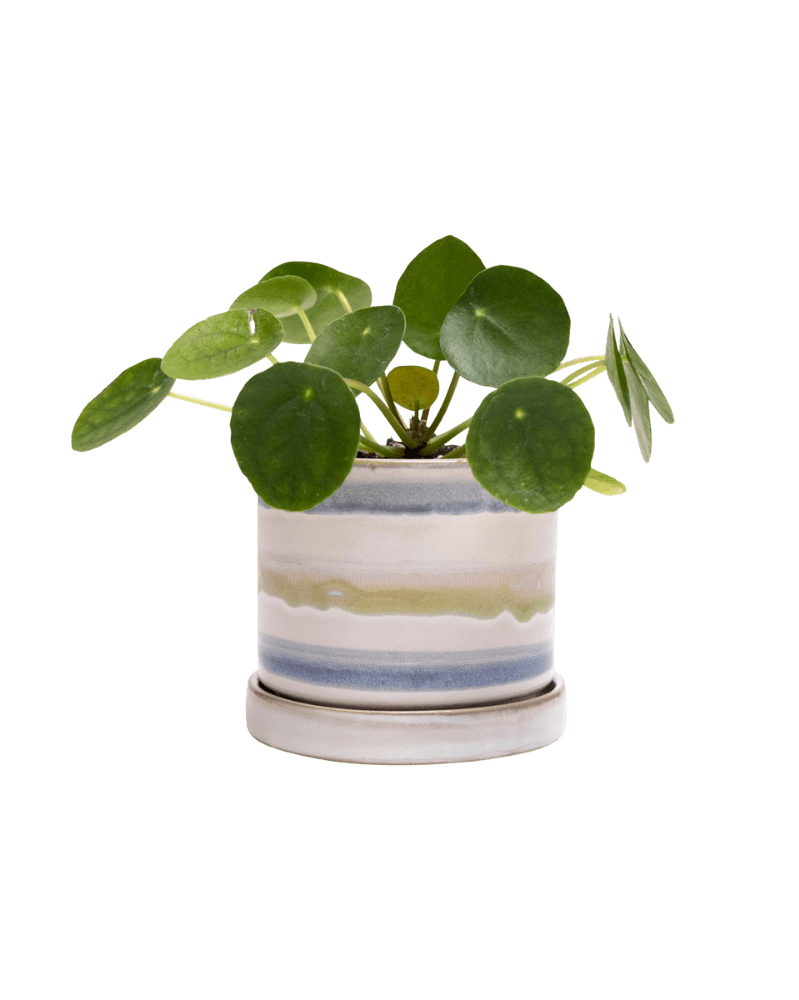
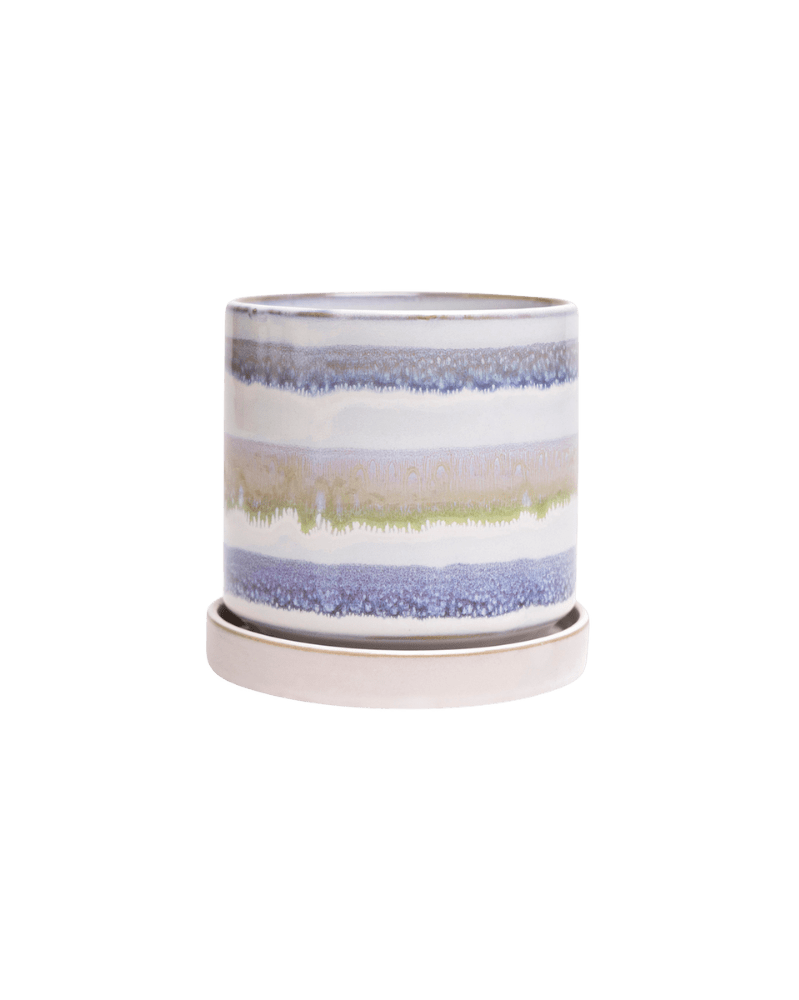
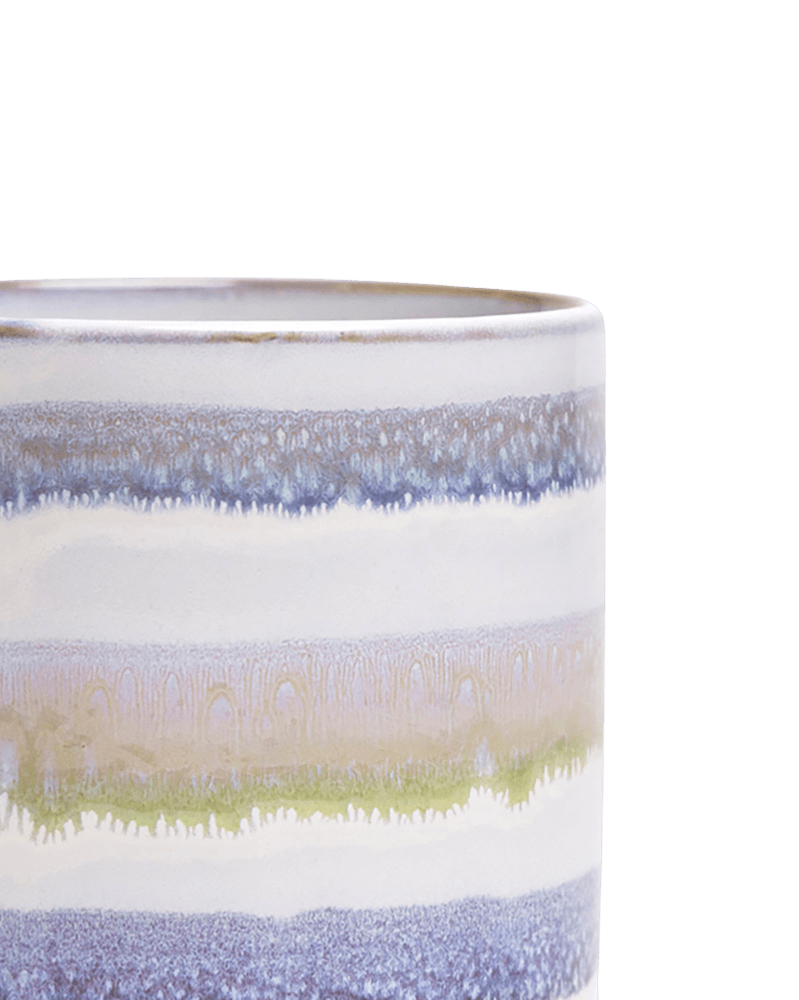
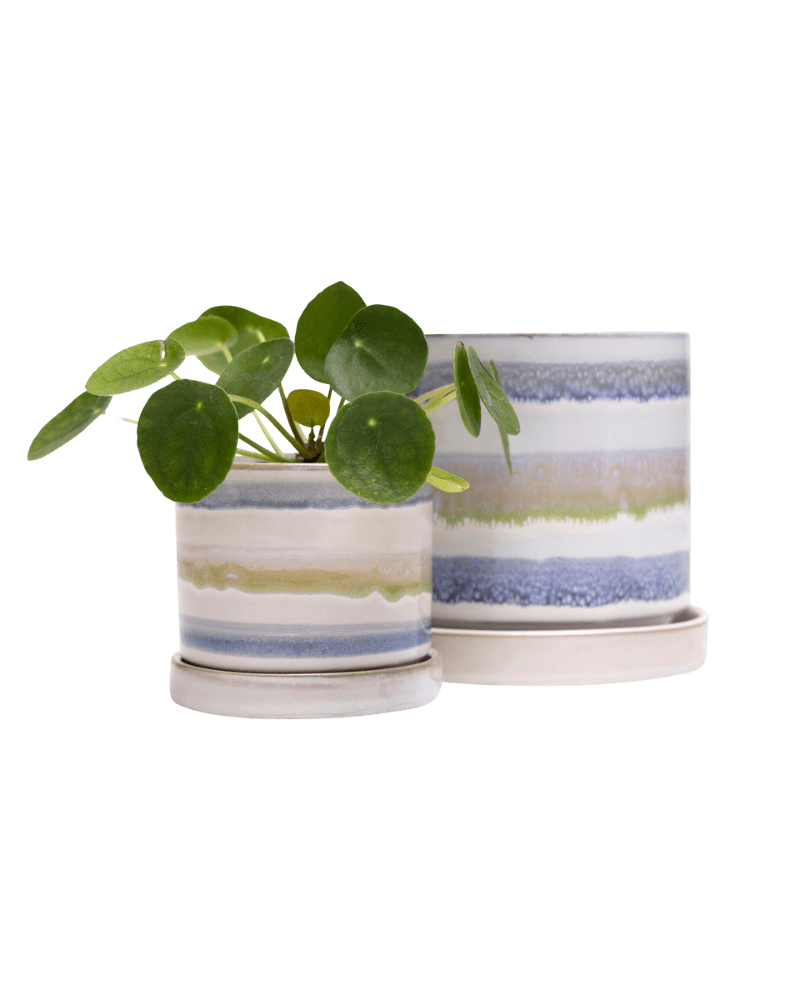
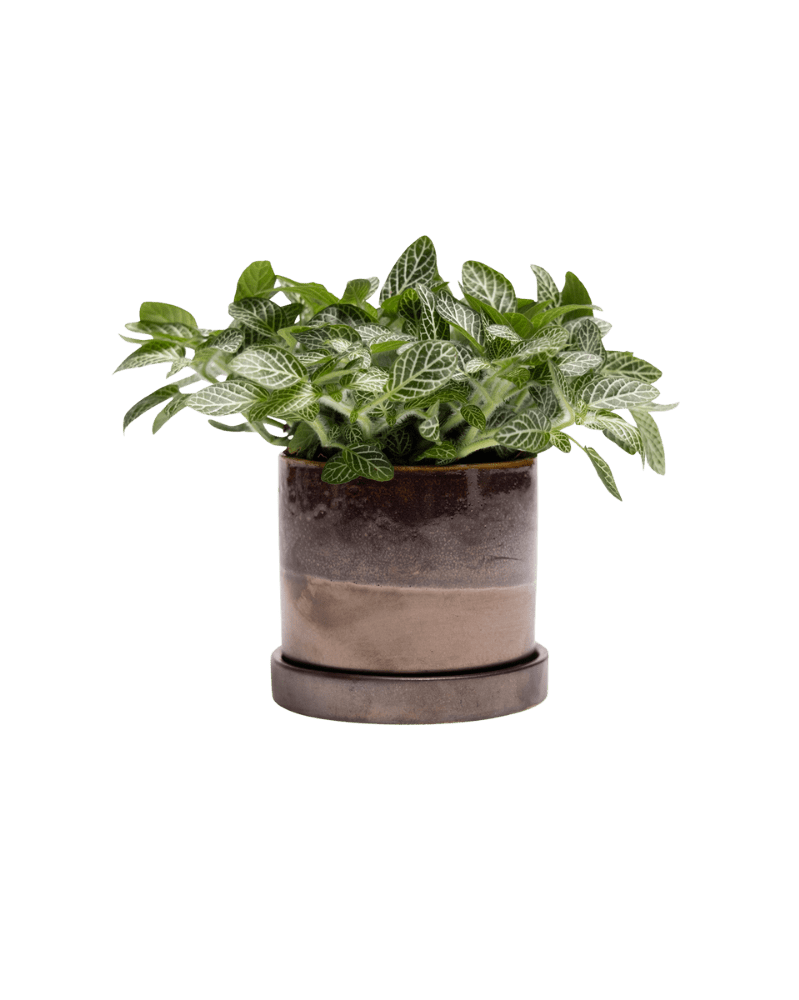
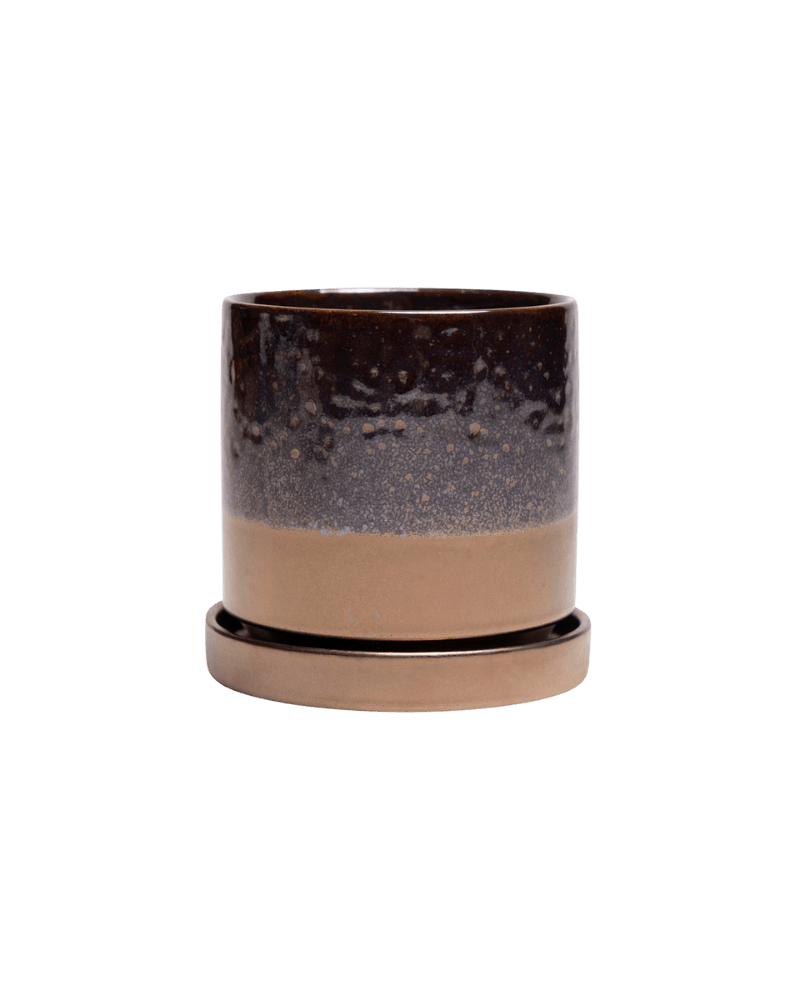
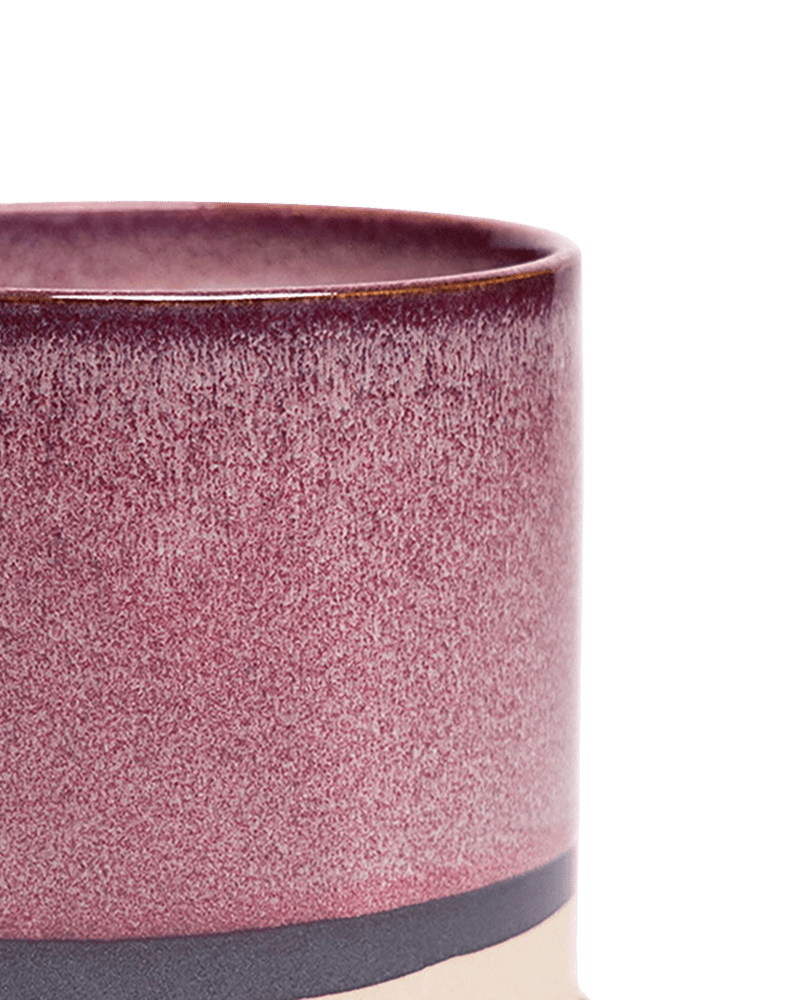
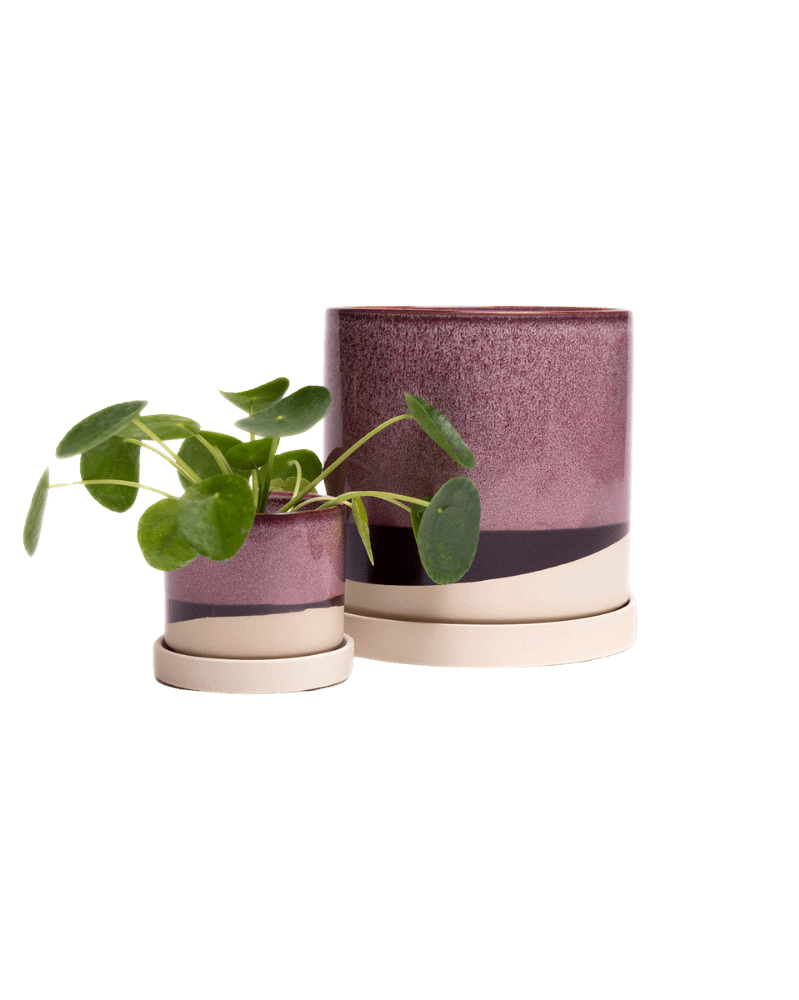
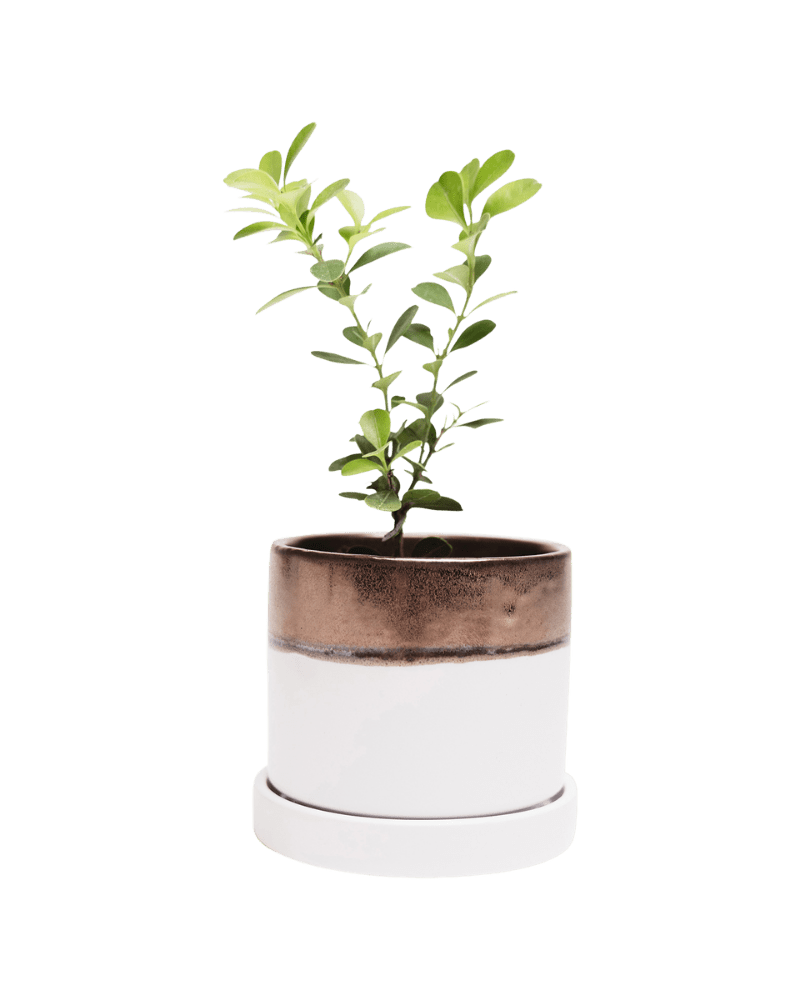
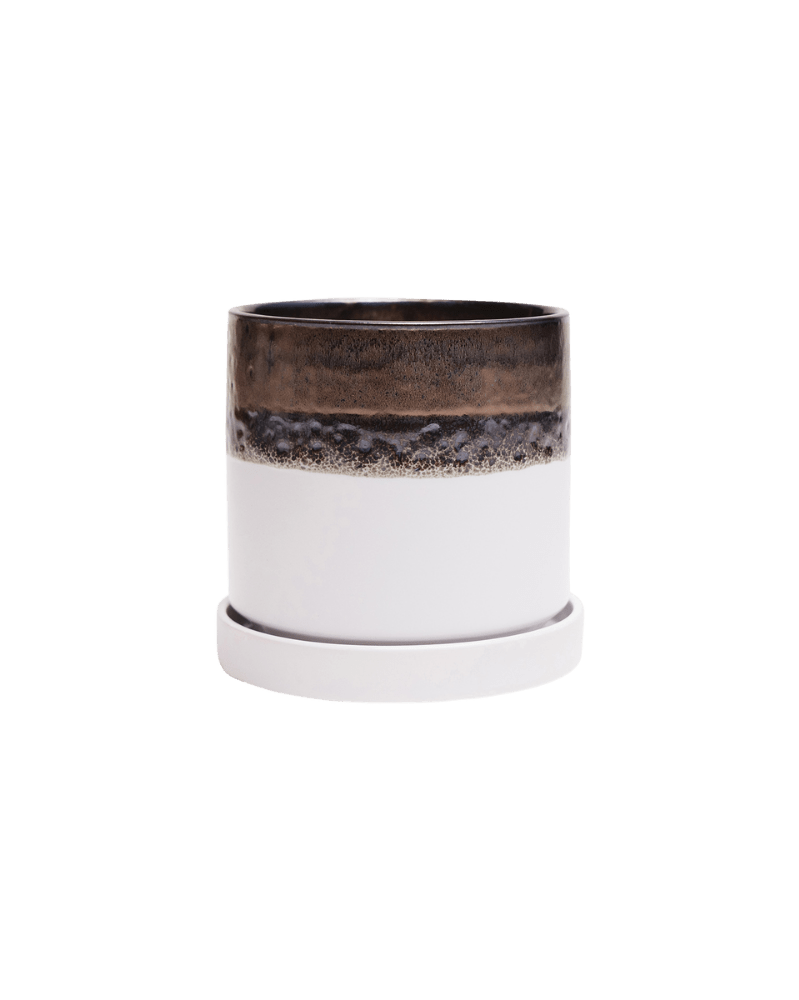
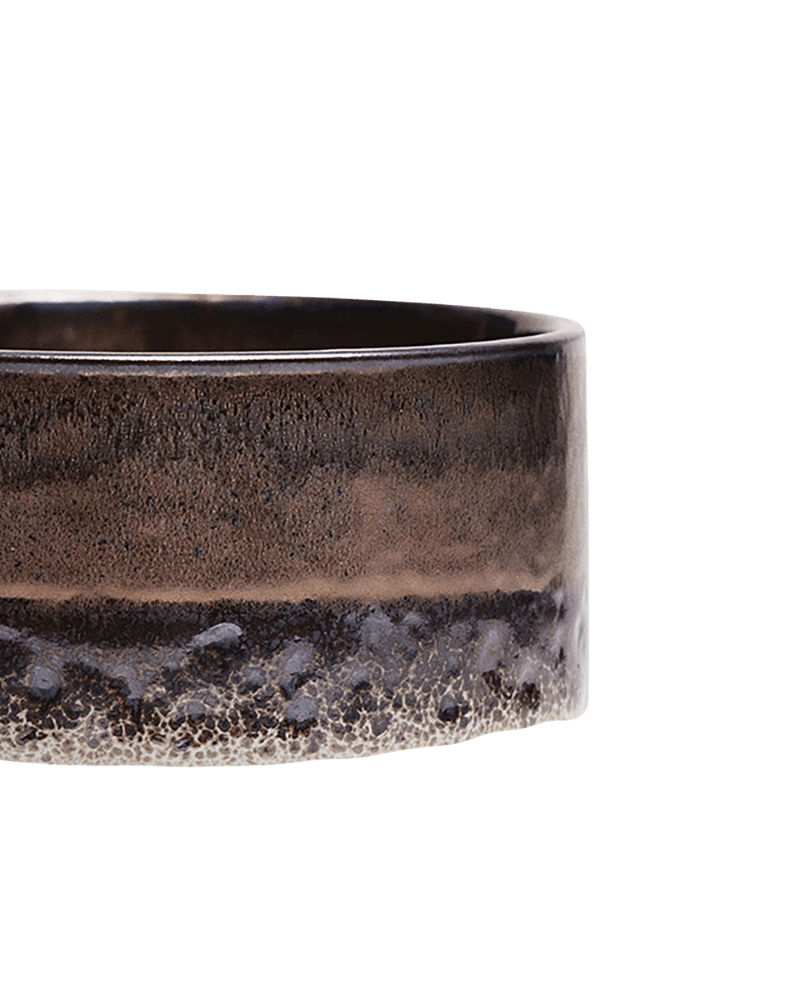
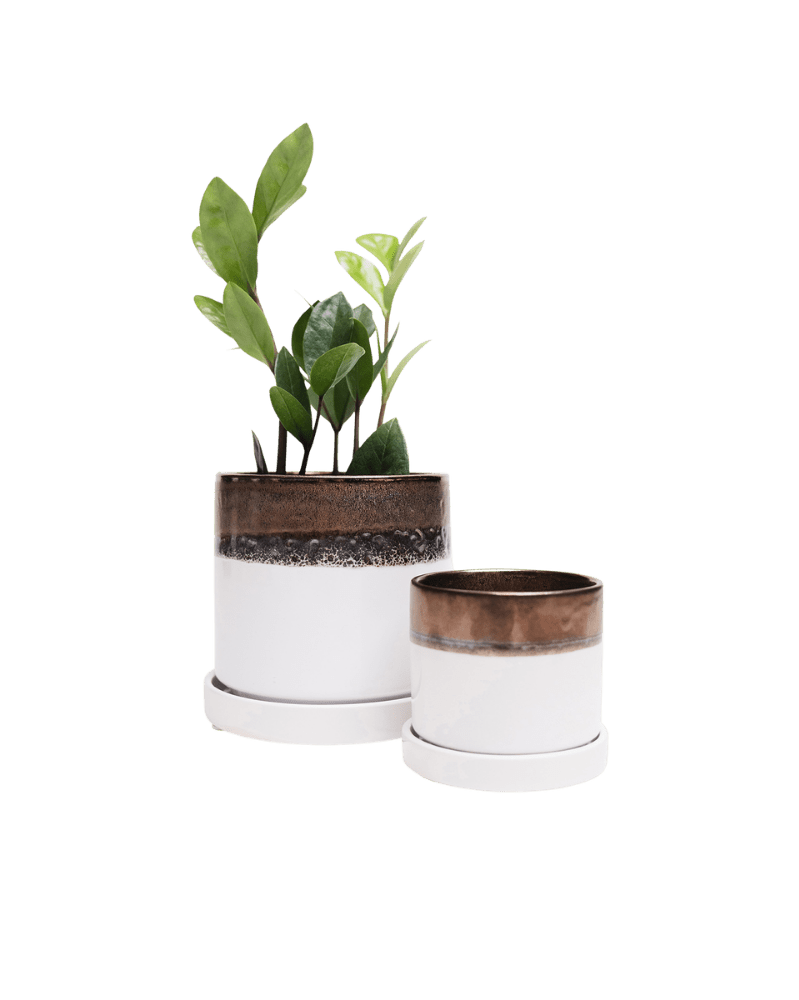
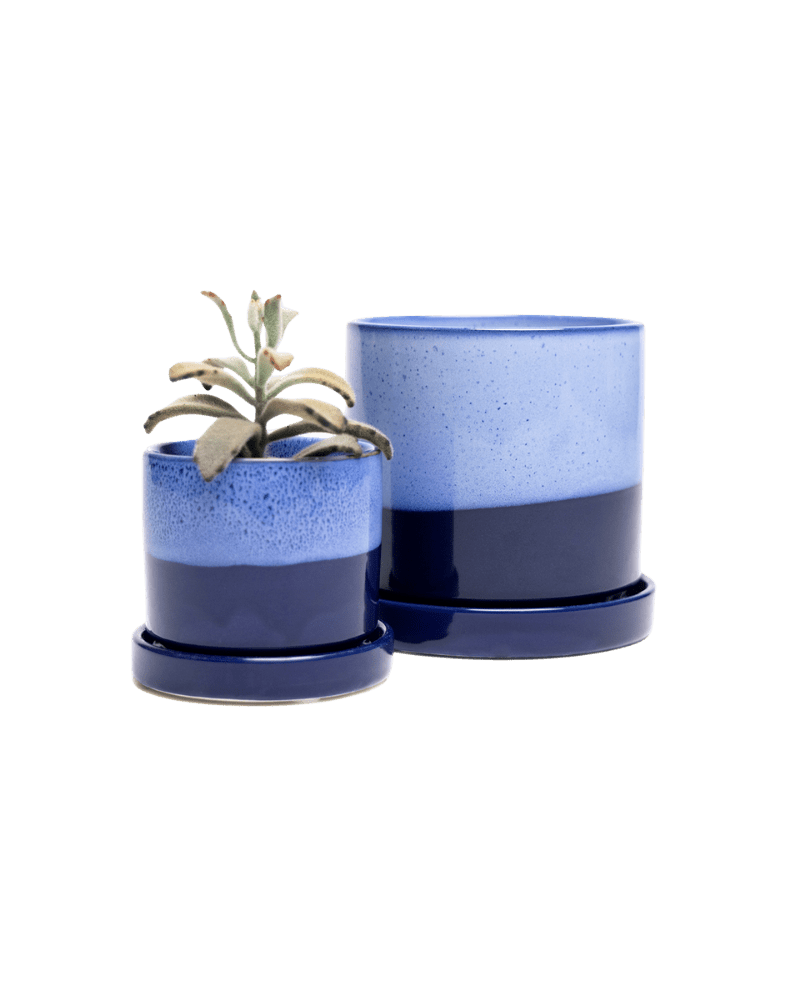
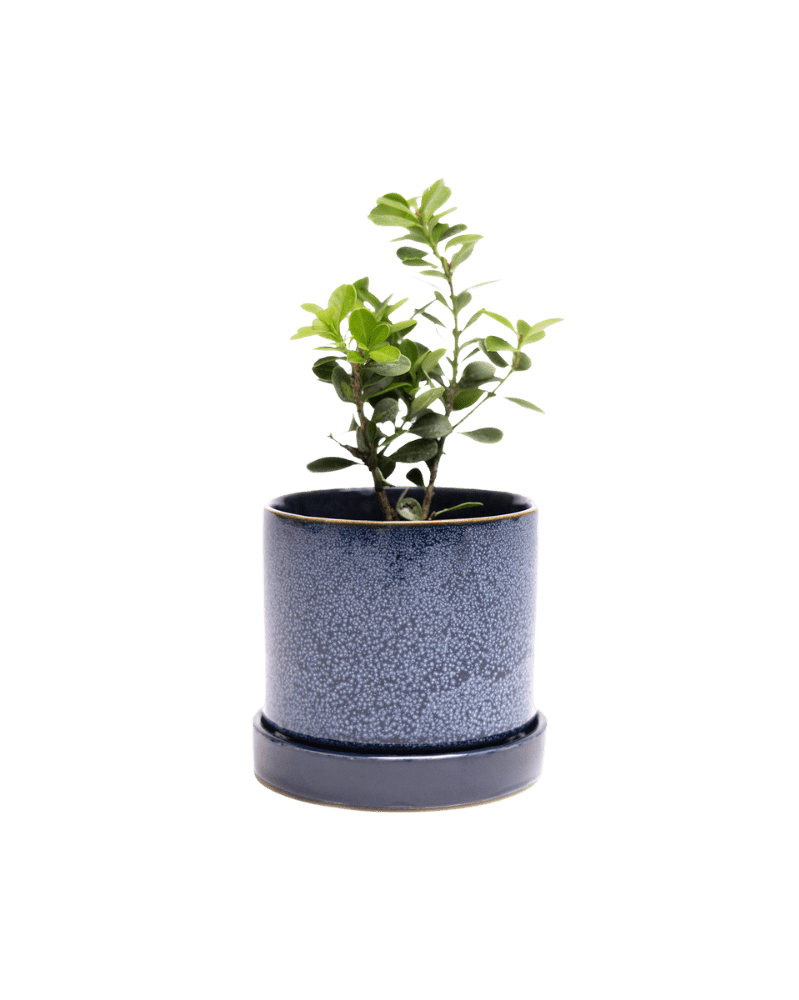
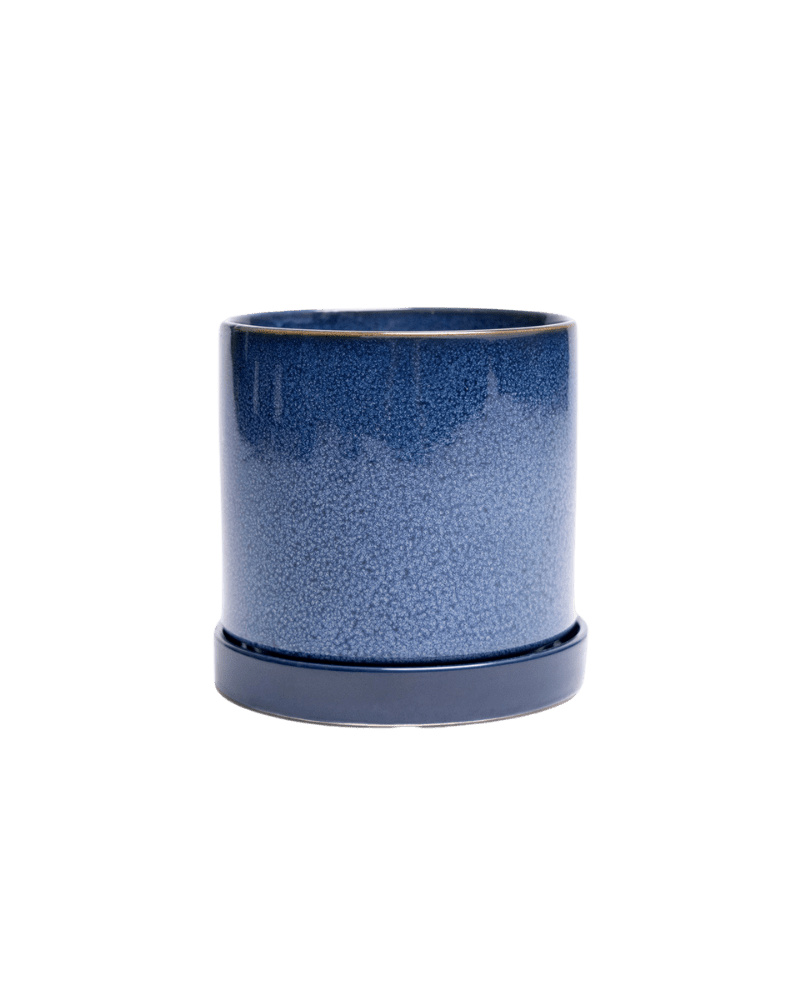
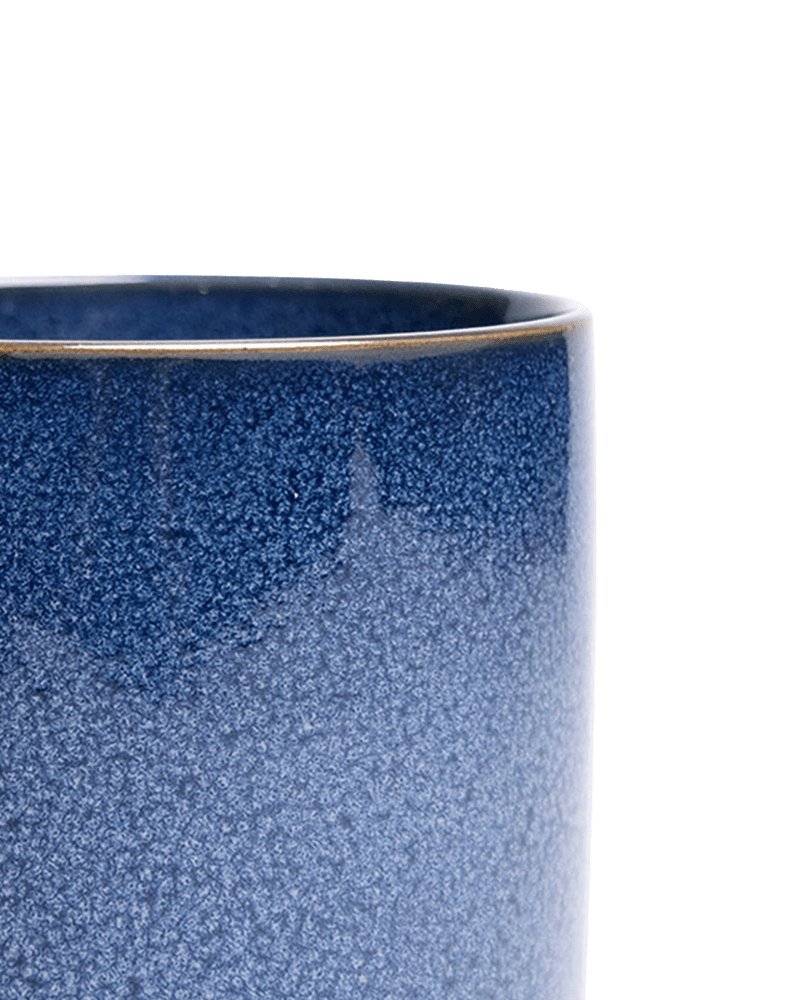
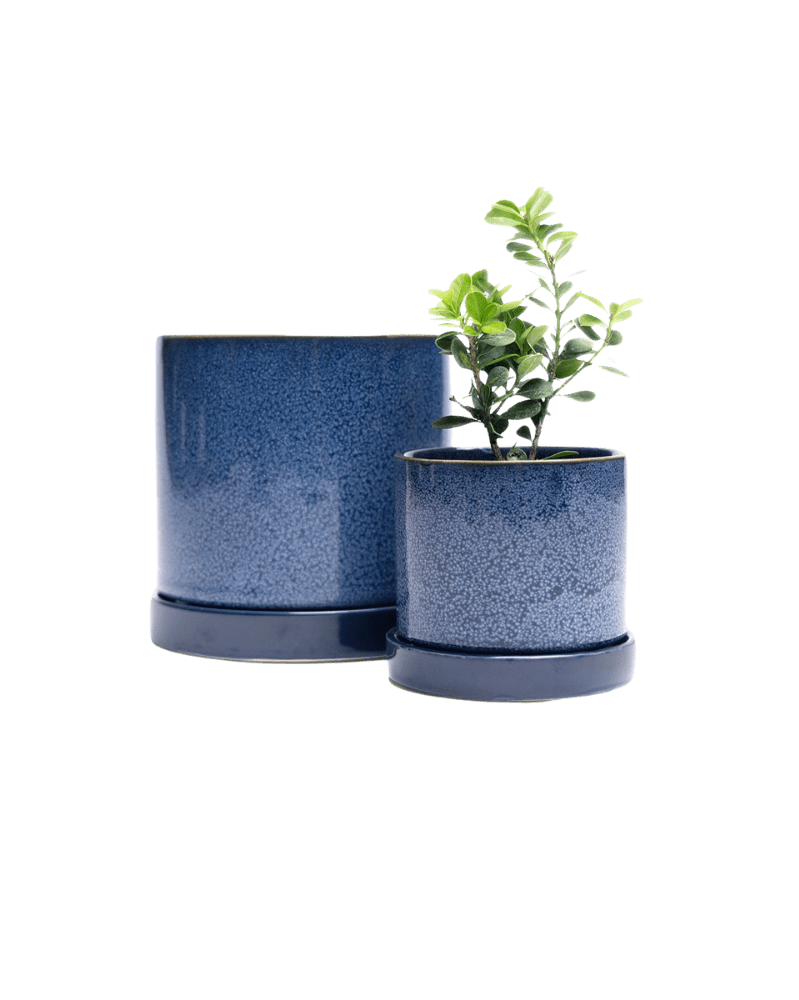
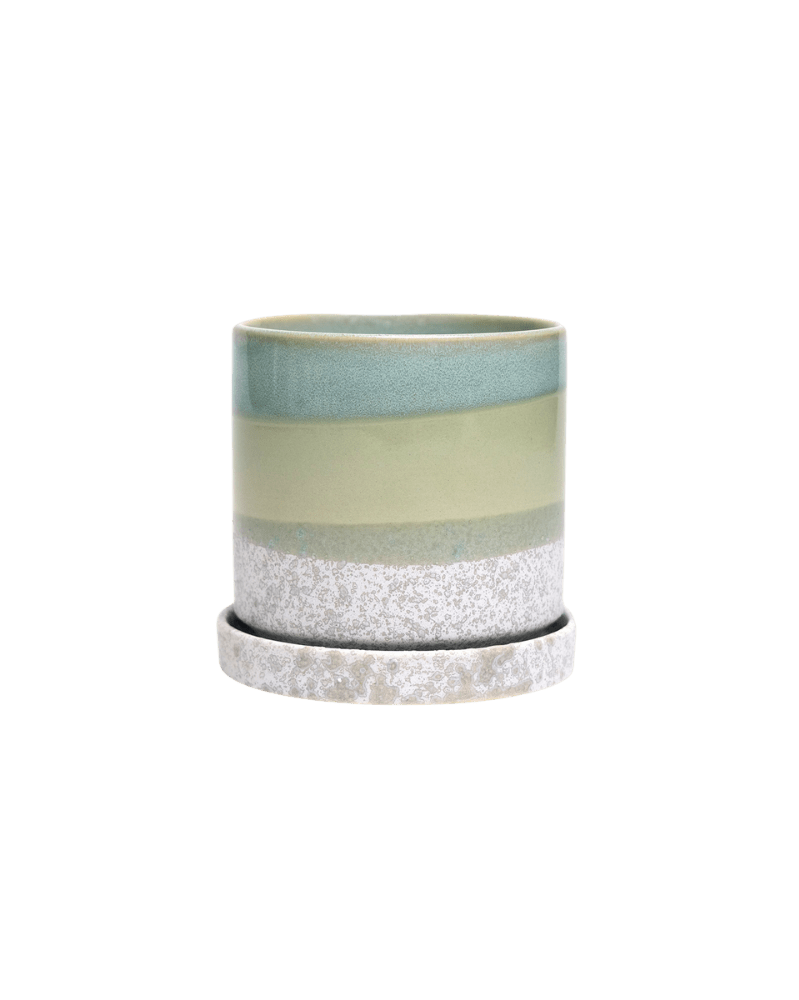
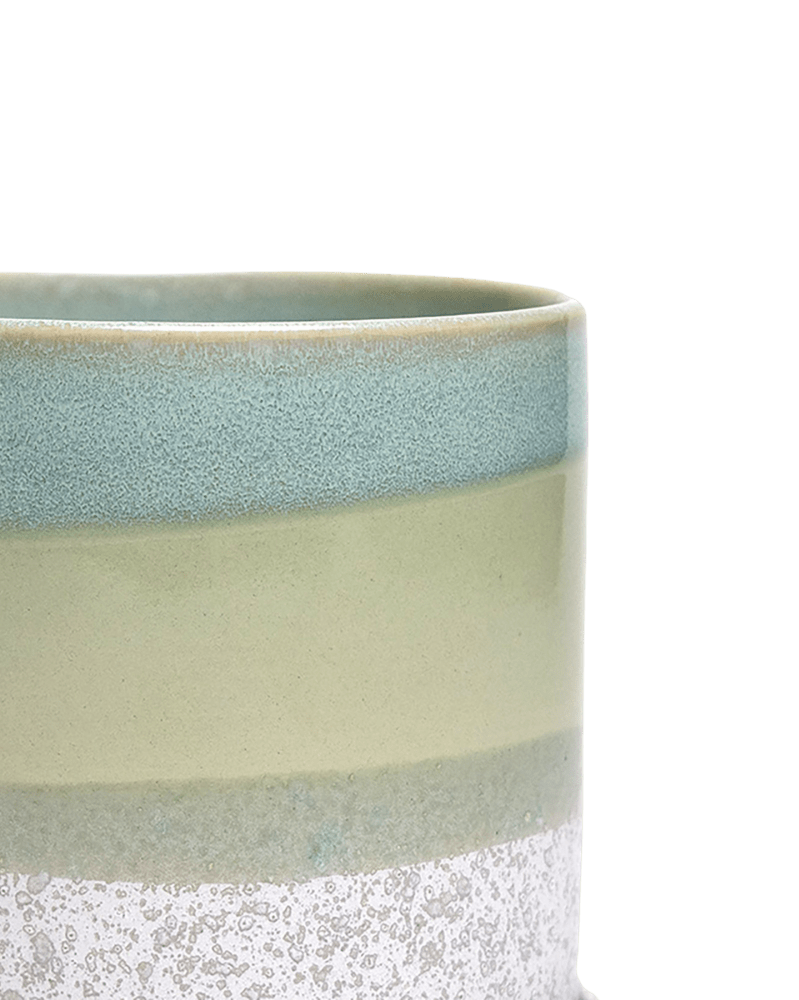
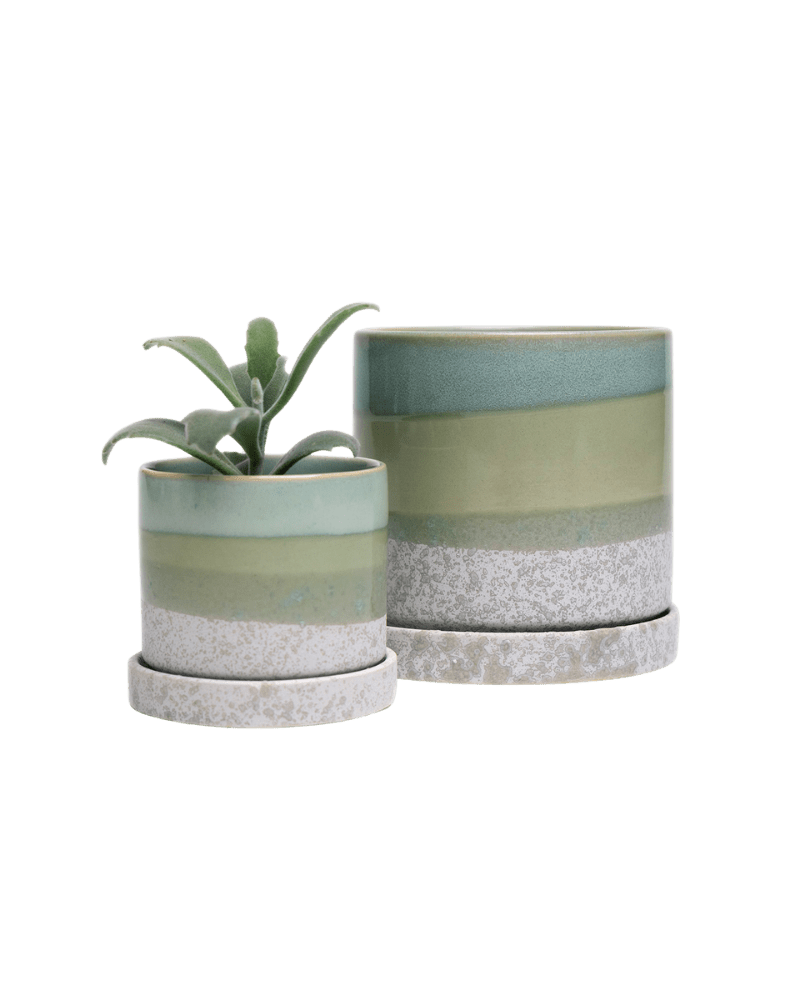
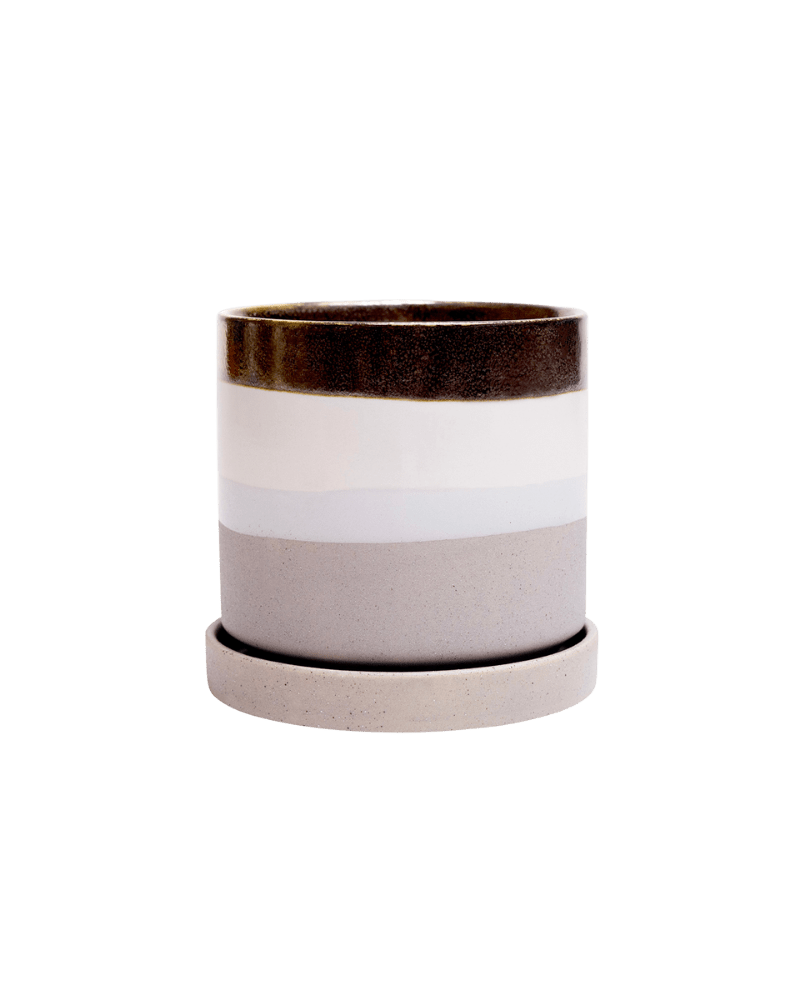
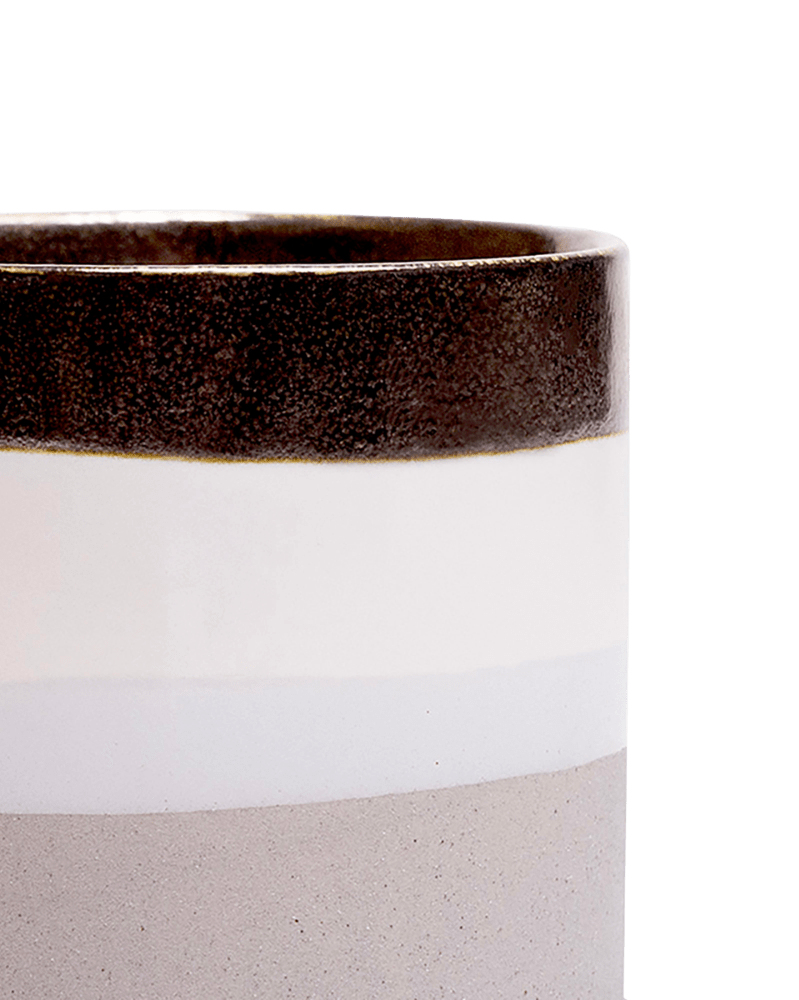
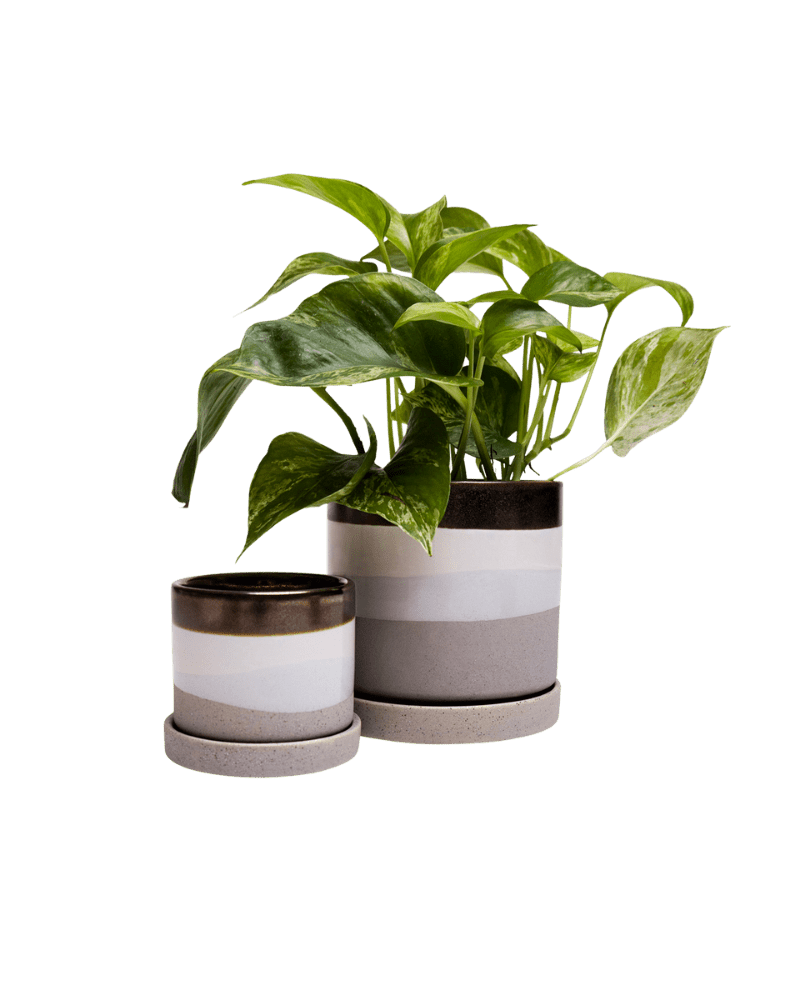
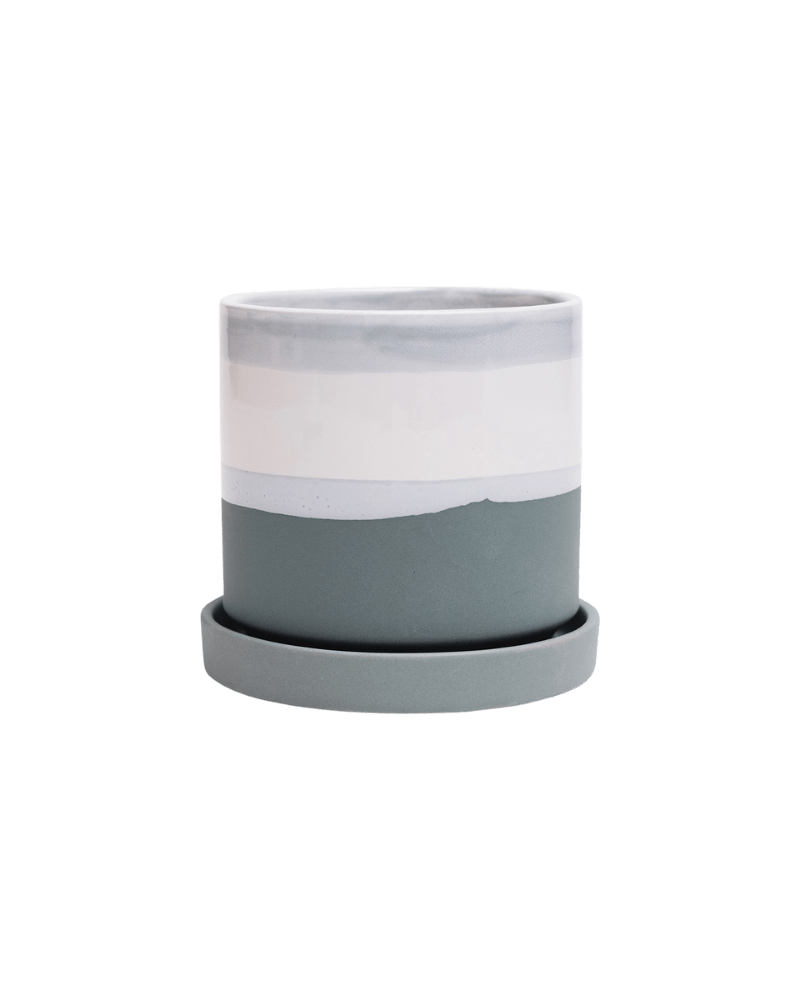
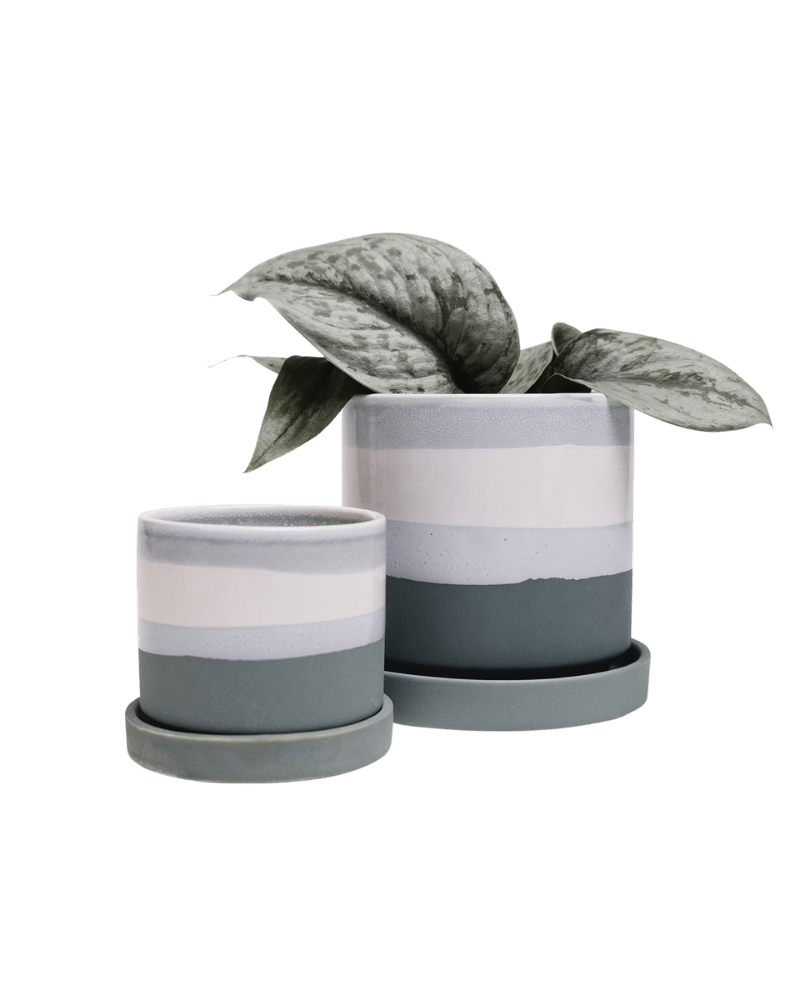
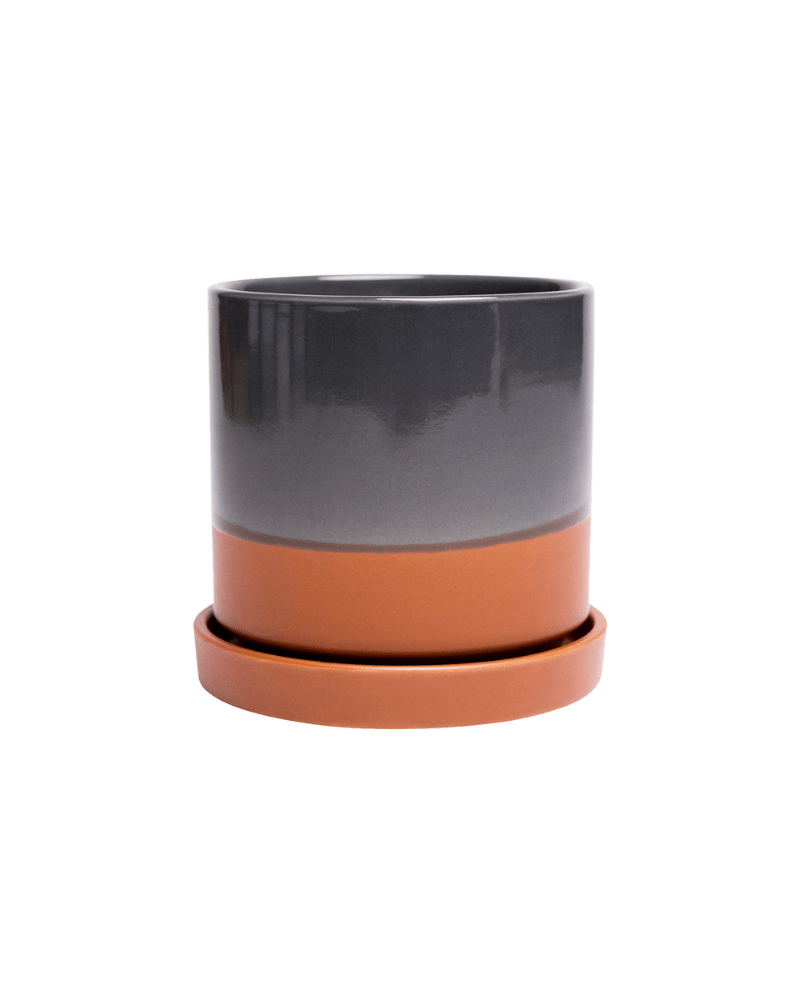
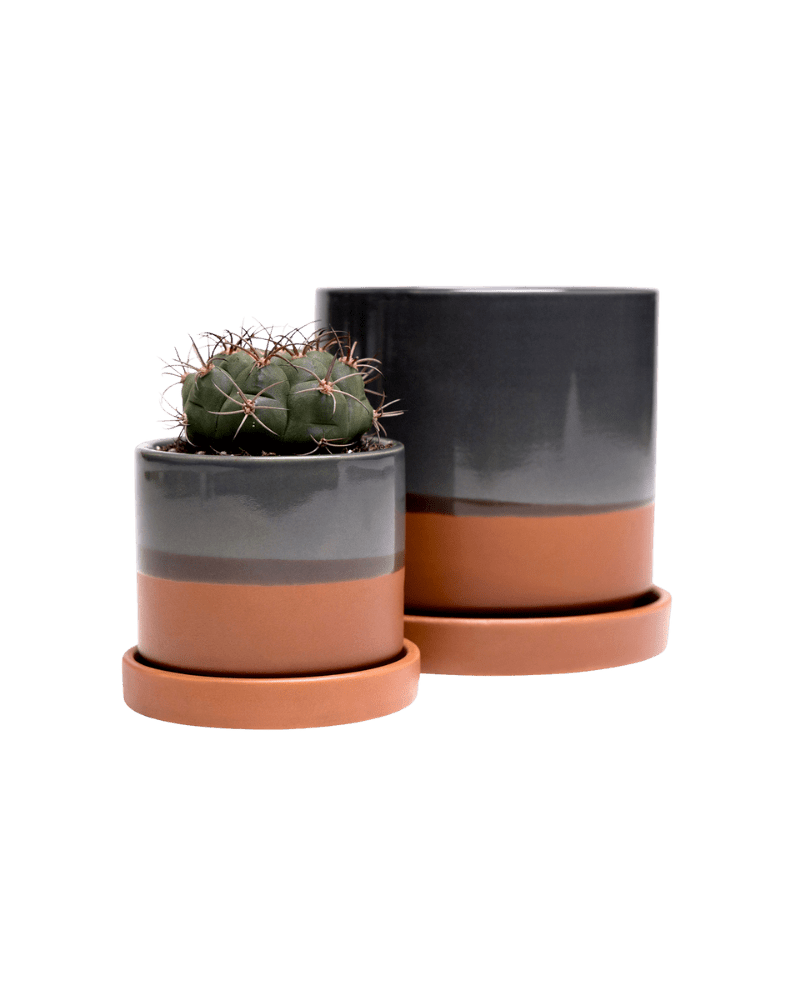
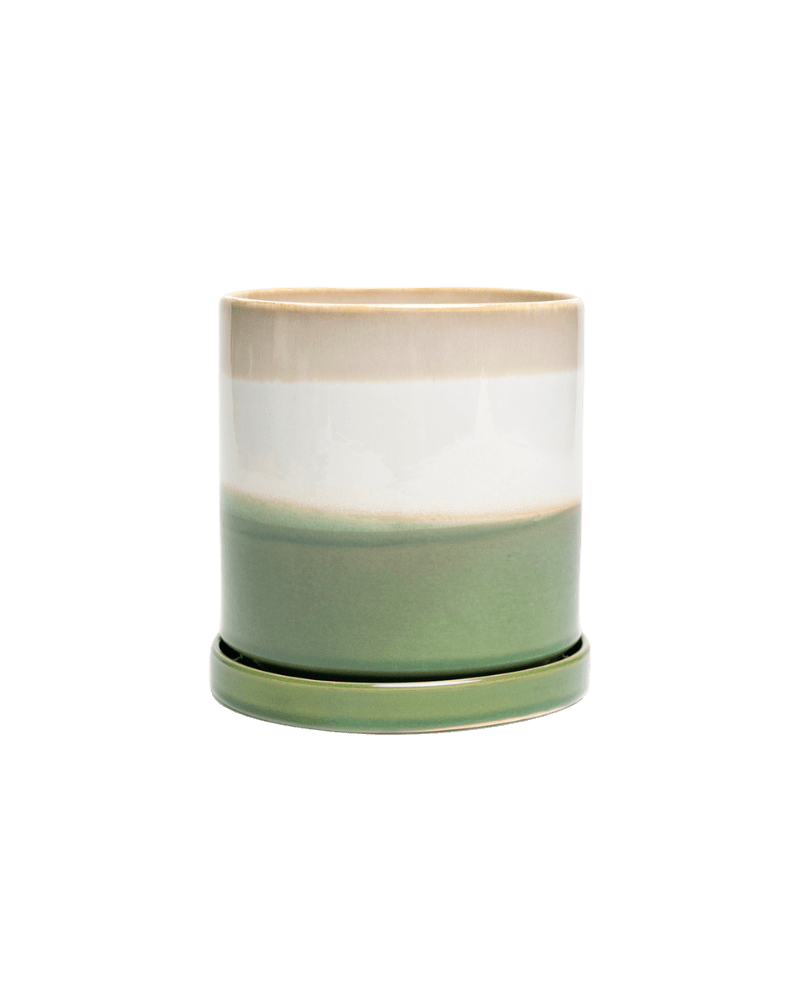
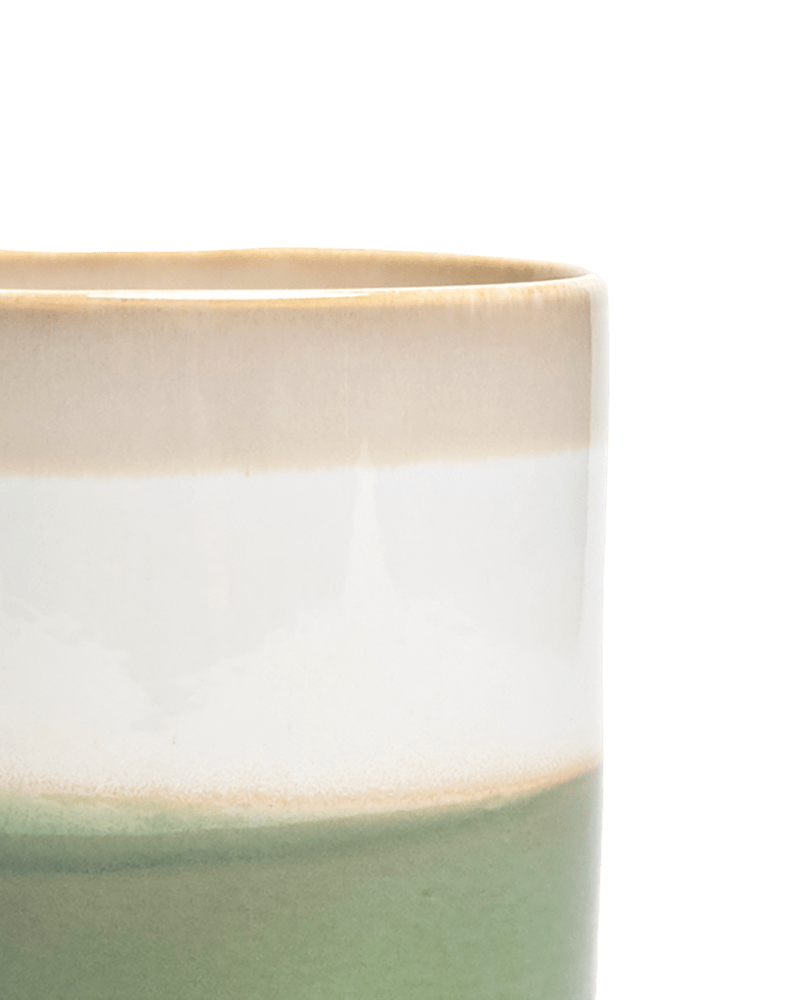
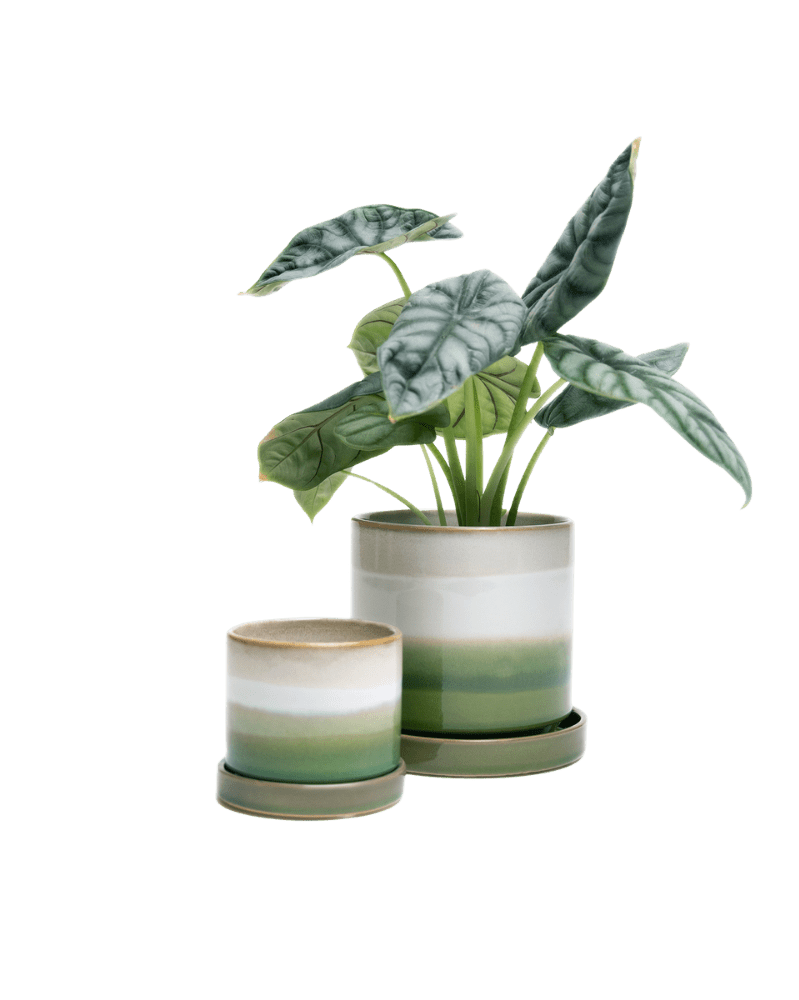
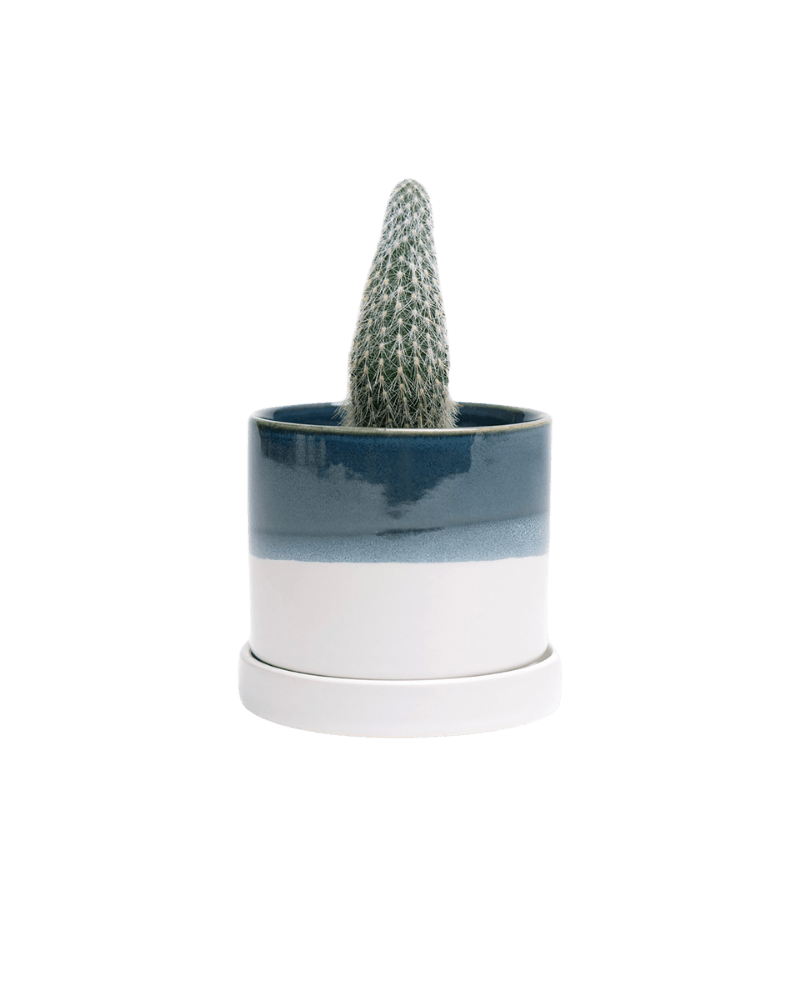
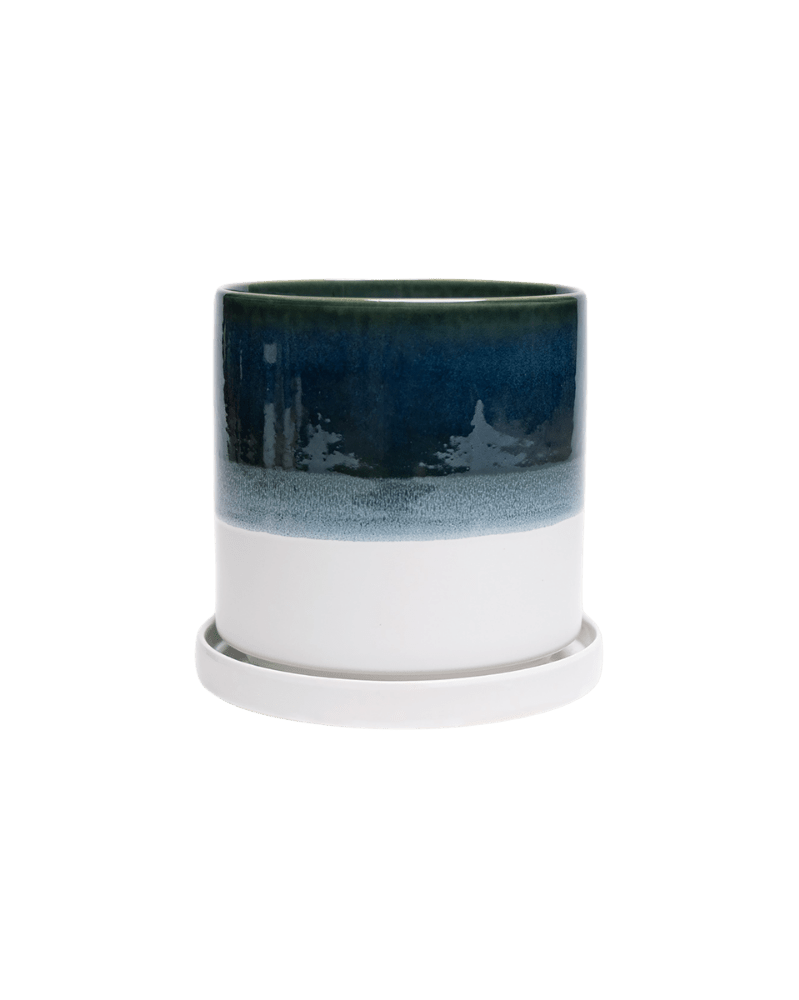
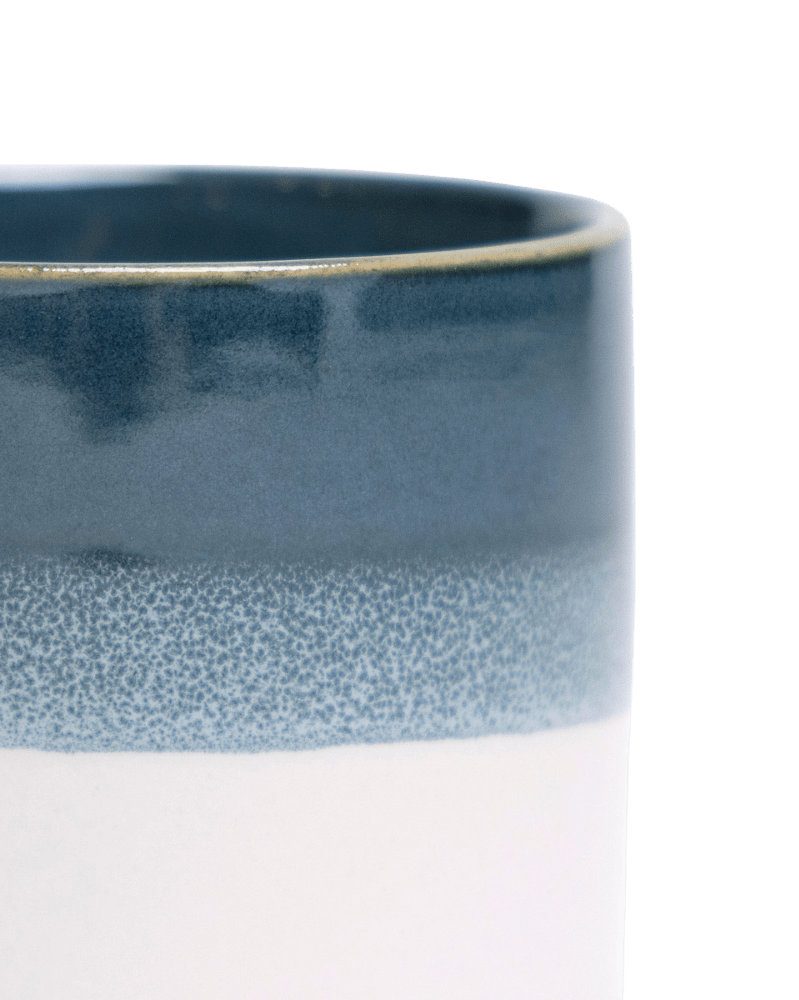
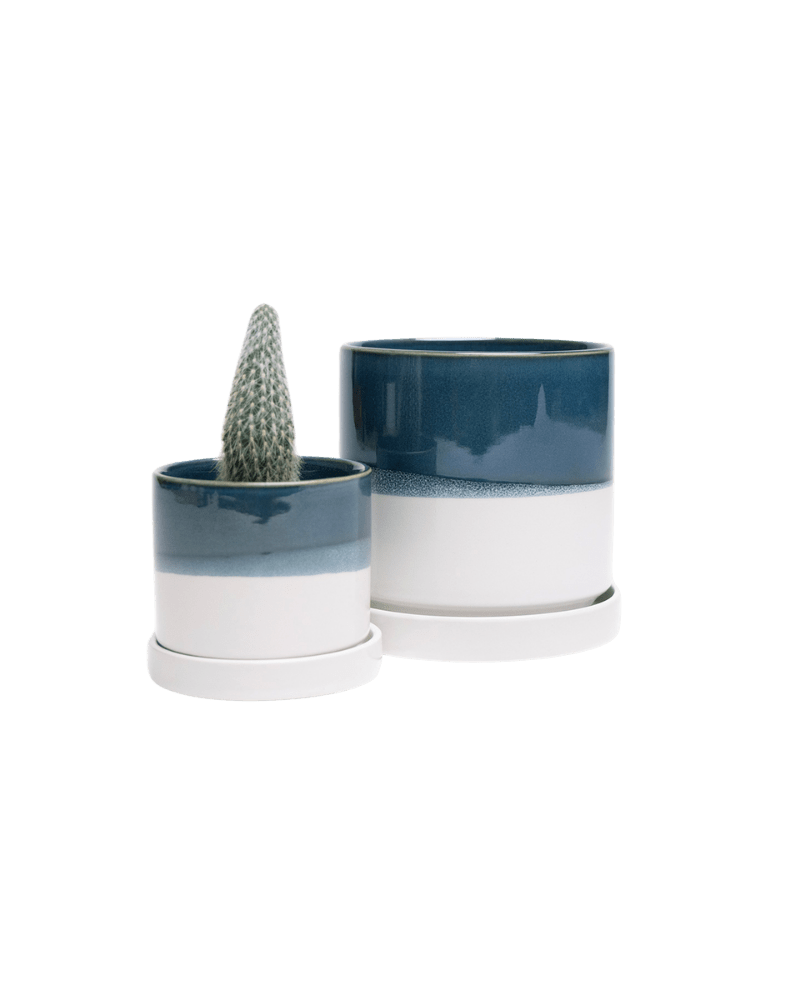
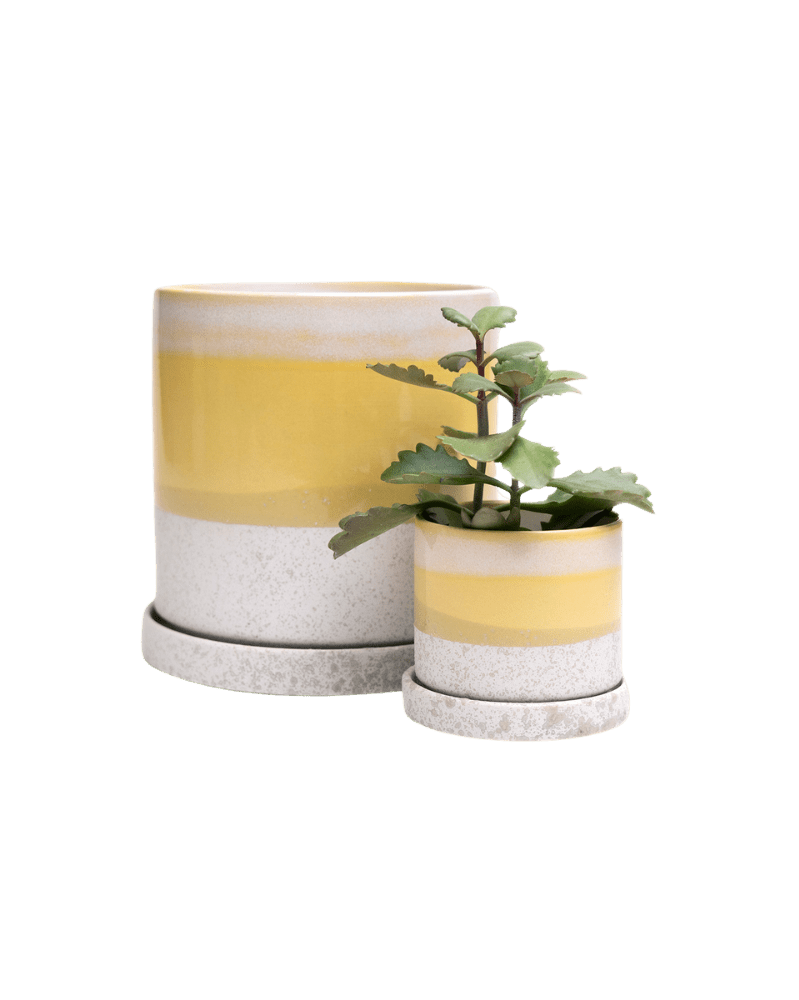
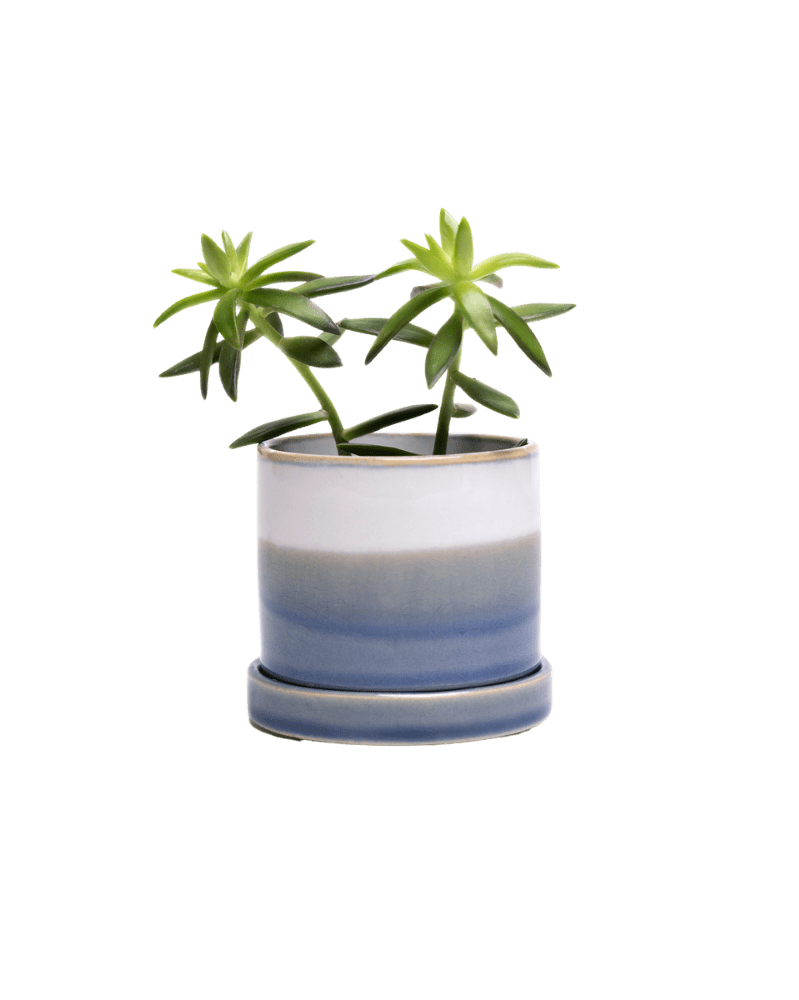
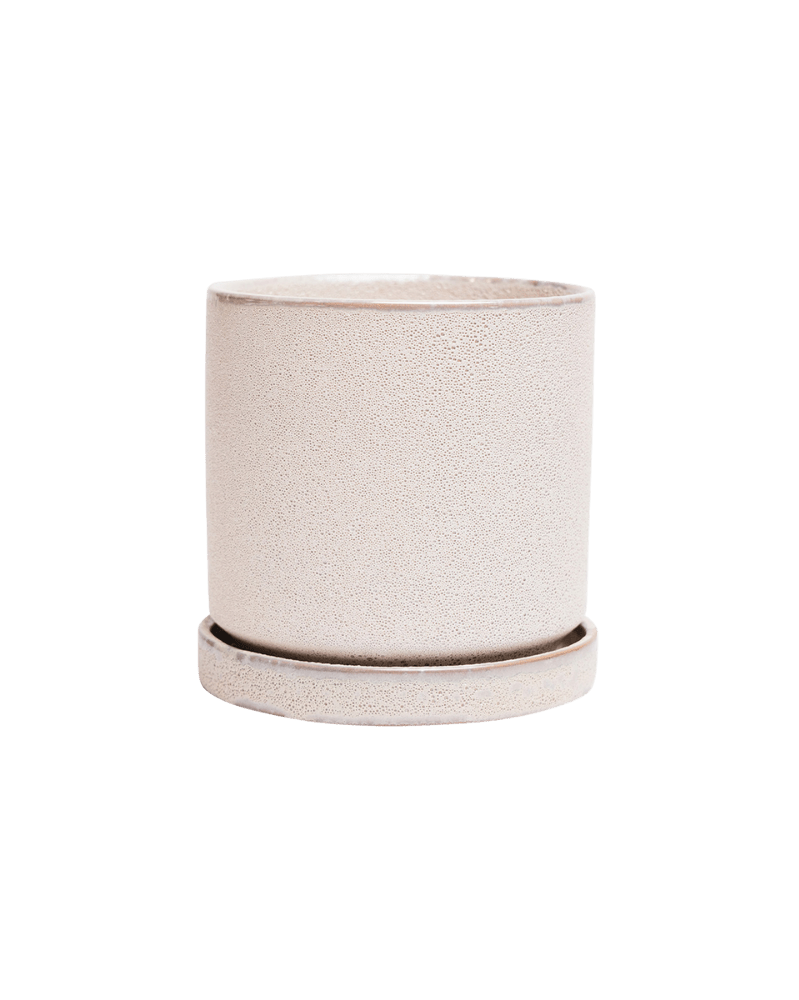
The croton gets top-heavy as it matures. The leaf mass is substantial and the plant's center of gravity rises with it. We put crotons in the Joe — our 10 inch porcelain pot with drainage — because the Joe is wide enough to keep the plant stable, heavy enough to communicate permanence, and the drainage is real and functional rather than decorative.
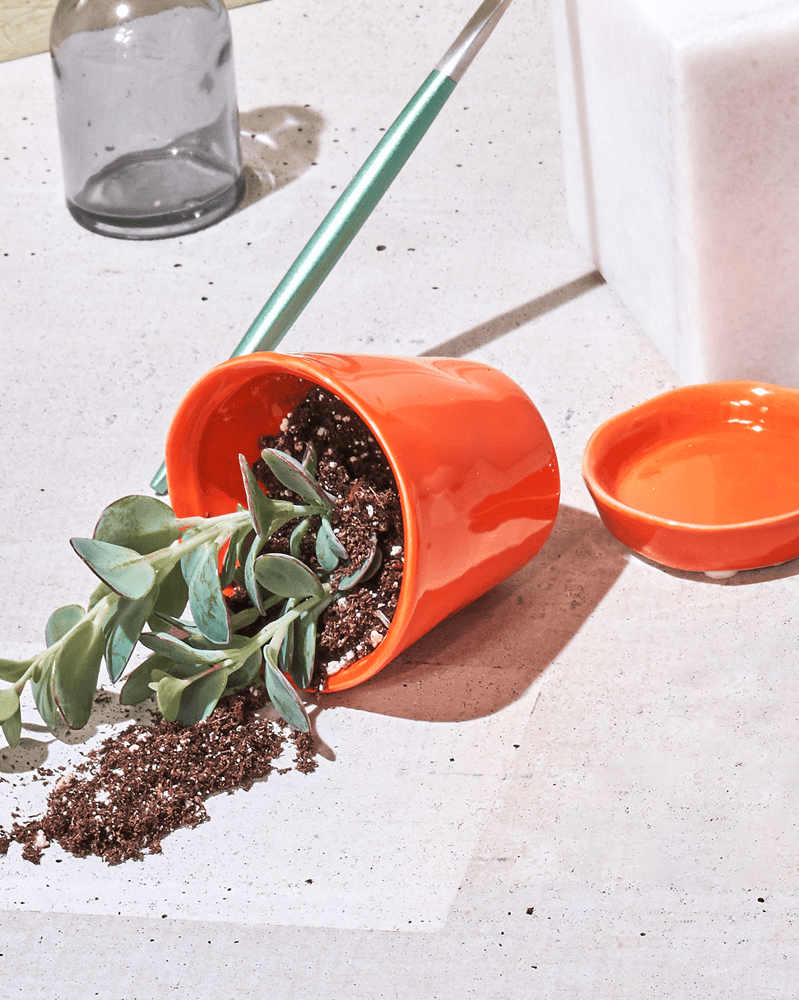
Do not repot more often than necessary. The croton experiences repotting as a significant life event and will spend several weeks processing it through its leaves. When you must repot, go up one size only, use fresh well-draining potting mix, water thoroughly, return it to its exact original position, and then leave it completely alone.
Repotting your croton without incident
- Repot only when roots are visibly emerging from the drainage hole — not on a schedule
- Go up one pot size only; a croton in a pot that is too large will sit in soil the roots cannot reach, retaining moisture and inviting root rot
- Use the 10 inch Joe — wide enough for stability, weighted enough to stay put when the plant becomes top-heavy
- After repotting, return the plant to its exact original position — same window, same orientation, same distance from the glass
- The Joe ships with a drainage hole. Every Chive pot with drainage does. We have never made it otherwise.
What to Put on the Wall Above It
A croton in the right light creates a color moment that most rooms are not prepared for. The reds and oranges and yellows demand the wall above them do something in return. Our ceramic wall flowers extend that moment upward — the warm ochres and burnt oranges of the English Garden collection, the deep greens of the Japan collection, colors that pick up what the croton is already doing rather than competing with it. Three to five flowers above a croton creates a room rather than a corner with an opinionated plant in it.
If you are unsure where to start, the English Garden collection has the warmest palette and the broadest range. It works with almost everything and requires no decision more difficult than which wall.
We have been designing and making ceramic plant pots in Toronto since 1999. In six years of running a plant shop on Queen Street West we have sold a great many crotons and had a great many conversations about what they require, which is consistency, and what they will do without it, which is dramatic. Our ceramic pots are stocked in the Getty Museum, the Art Institute of Chicago, SFMOMA, the New York Botanical Garden, Denver Botanic Gardens, the Rock and Roll Hall of Fame, and more than 200 institutions worldwide. The Joe pot is what we put the croton in. It has drainage, it has weight, and it does not move. Neither, ideally, does the croton.