
Funky Squash Vegetable Seeds Packet

Regular price $4.95
Vacuum Sealed
NON-GMO
Seed Pack Guarantee

Build Your Garden With These Shido Seeds

Choose a seed packet as your starting point, then round out the bed with these for that thrown-together-but-somehow-perfect harvest.


Funky Squash seeds for the kitchen garden that intends to actually produce funky squash this year. Funky Squash is the variety name that is also an honest description of what will emerge from the garden.

Funky Squash is a mix of unusually shaped and coloured squash that looks deliberate even when the specific outcome is a surprise. Each packet is hermetically vacuum-sealed -- removing the oxygen that causes standard paper seed packets to lose germination viability within approximately one year. State law requires a 3-year viability label on sealed packaging. NASA research on hermetic seed storage indicates viability of up to 10 years under proper conditions. Every packet is non-GMO and germination-tested at independent third-party labs before it earns its Japanese woodblock print artwork.

Seed specifications
  • Material: Seed
  • Botanical name: Cucurbita pepo sp.
  • Genus: Cucurbita
  • Plant family: Cucurbitaceae
  • Species: Pepo
  • Plant type: Annual
  • Pollination type: Vegetable
  • USDA Hardiness Zones: 3-11
  • Packet contents: ≈ 10 Seeds
  • Packaging: Hermetically vacuum-sealed
  • Non-GMO: Yes
  • Seed viability: Up to 10 years (sealed) / 4–5 years (unsealed, ideal conditions)
  • Difficulty: Easy - Beginner Friendly
Sowing & growing guide

Quick Sowing Guide:

  • When to sow: Direct sow after last frost
  • Sowing depth: 1 in
  • Initial spacing: 36-48 in
  • Row spacing: 6-8 ft
  • Days to germination: 6-10 days
  • Light: Full sun
  • Water: Consistent moisture, avoid wetting leaves
  • Soil: Moist, loamy
  • Harvest: 90-120 days

Start Growing: Step-by-step sowing and growing guide

About vacuum sealing

Why Vacuum-Sealed Seeds Last Longer

Standard paper seed packets are permeable to oxygen and moisture -- the two primary causes of seed degradation. Most paper-packaged seeds begin losing germination viability after approximately one year, contributing to significant garden-industry waste: packets purchased, not planted, expired, discarded. Shido Seeds are hermetically vacuum-sealed. The packet does not expire quietly in a drawer. It waits.

About the Packaging

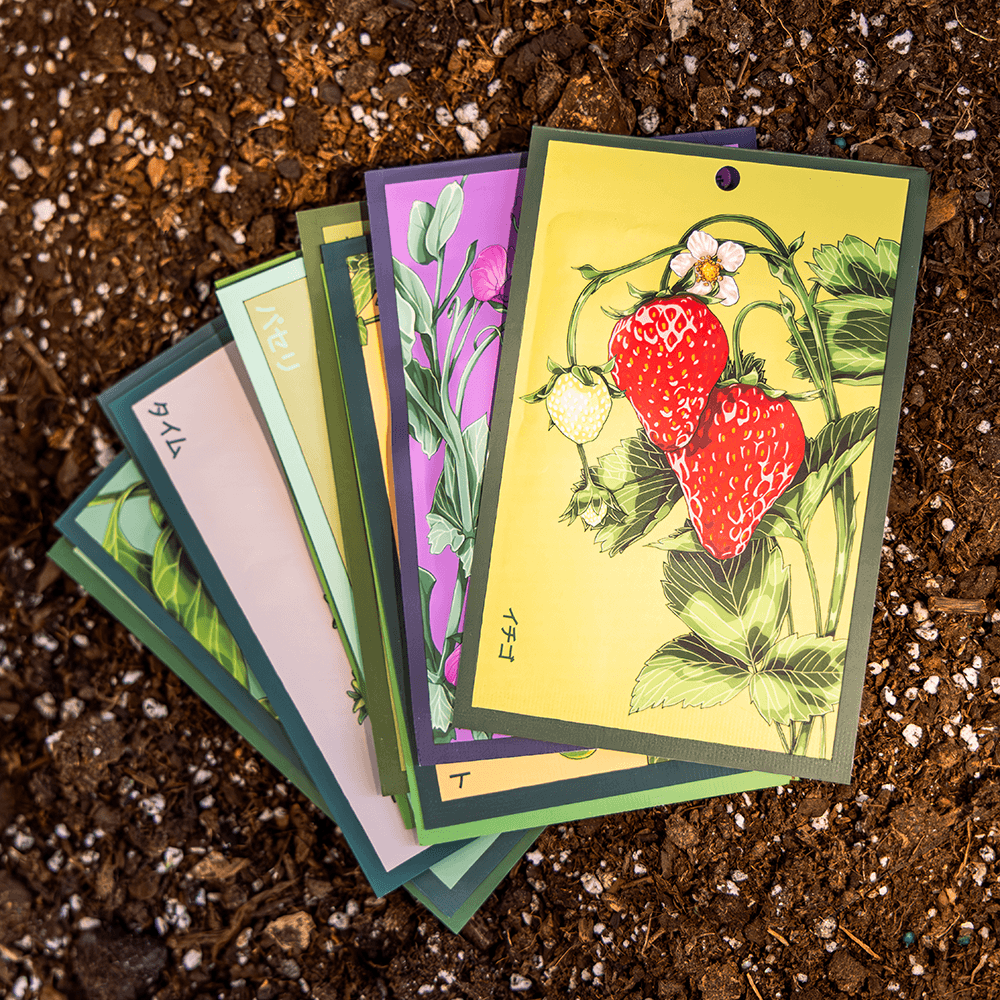
Every Shido seed packet is illustrated in the style of Japanese 1910s woodblock printing -- designed and drawn in-house by Chive, that has been exhibiting at the Chelsea Flower Show in London every year and does not, as a matter of principle, sell to big-box retailers. Customers collect the packets as a series. This was not the original plan.

Shipping & returns

Shipping

  • Free shipping: Orders $200+ within the US
  • Standard: 5–8 business days, Express 2–3 business days (at checkout)
  • International Ships: to 40 countries — rates at checkout
  • Packaging Ships: in outer box to protect gift box

View full shipping policy →

Returns

We accept returns within 30 days of delivery on unused items in original packaging. If your piece arrives damaged, contact us within 7 days with a photo and we will replace it at no charge.

View full return policy →

Satisfaction Guarantee

We stand by the quality of our flower seed packets! Every Shido seed packet is lab-tested for germination before it ships. If your seeds do not perform to the stated germination rate under correct growing conditions, contact us and we will replace or refund. Guaranteed!

Wholesale Inquires

Have a cool shop? Know someone that does?

Find Chive on Faire →

Radish Horticultural Specifications

Botanical

Cucurbita pepo sp.

Plant Type

Annual

Light

Full sun

Water

Consistent moisture, avoid wetting leaves

Soil

Moist, loamy

Depth

1 in

Germination

6-10 days

USDA Zone

3-11

Mature Height

varies

Harvest

90-120 days


Funky Squash seeds growing in garden — Shido Seeds by Chive Studio Toronto

Getting to know your French Funky Squash

Funky Squash is a unique variety of squash known for its unusual shapes, textures, and colors, belonging to the Cucurbita genus alongside both summer and winter squash varieties. It thrives in warm temperatures and requires full sun, well-drained soil, and a generous footprint, since its vines have a habit of wandering well past wherever they were planted. Large lobed leaves and yellow flowers attract pollinators throughout the season, and depending on the specific variety, the fruits themselves may carry warty, ribbed, or bumpy exteriors in shades of green, orange, yellow, or striking multicolored patterns nobody quite plans for. Some gardeners grow Funky Squash purely for ornamental value, letting the odd shapes sit on a windowsill through fall, while others lean into the sweet, nutty flesh underneath, which holds up well to roasting, soups, or baking. Proper watering and fertilization matter more than people expect here, since inconsistent moisture is the most common cause of blossom end rot and disappointing yields. The plant rewards attention without demanding constant fussing, which makes it a reasonable choice for a gardener who wants something visually interesting without babying it daily. Few vegetables split the difference between decoration and dinner quite as literally as this one does. Few crops offer quite this much room for a gardener's curiosity.


History & origin

Ancient Americas

As a Cucurbita blend, this product's genetic background traces to squash domestication in the Americas thousands of years ago, the same broad ancestry shared by zucchini, pumpkin, and other squash in this collection.

Modern Novelty Blending

Unlike the other squash varieties in this project, this product is marketed as a novelty mix rather than one named historical cultivar, meaning its specific breeding history depends on which particular squash types are included -- information not currently available for this listing.

Today

Represents a modern retail trend toward novelty seed blends offering variety and surprise in the garden, rather than the more traditional single-variety seed packet.

Shido Vegetable and Flower Seeds Vacuum sealed for peak freshness

Step-by-Step Sowing & Growing Guide

Getting Started

Annual, novelty blend

Step 1: Timing - Direct sow after last frost, soil 65°F+ -- standard Cucurbita timing applies regardless of which specific types are in this blend.

Step 2: Soil - Rich, fertile, well-drained soil, pH 6.0-7.5.

Step 3: Sowing - 1 inch deep.

Step 4: Confirm what you're growing - Spacing and trellis needs depend on whether the included varieties are bush or vining types -- worth checking as plants develop, since this isn't specified for the blend.

Step 5: Harvest - Timing and method depend on whether a given fruit is a summer type (pick young and tender) or a winter type (leave to mature and cure) -- confirm which applies before finalizing harvest instructions for customers.

Before you start

Materials needed to sow

  • Garden bed, prepared soil: Direct sown, standard Cucurbita timing.
  • Flexible trellis or ground space plan: Space needs depend on which specific varieties are included in this novelty blend -- plan to adjust as plants reveal their actual growth habit.

Materials for harvest and storage

  • A knife or pruners: For cutting fruit from the vine.
  • Basket or wheelbarrow, depending on fruit size: Have both options available given the size range possible in this unnamed blend.
  • Curing area (if any winter-type squash turn out to be included): Worth having ready in case some of the blend's varieties need curing before storage.

Tip: Harvest timing depends entirely on which specific varieties make up this blend -- pick summer types young and tender, and leave winter types to mature and cure, confirming which applies to each fruit before deciding.

Growth Requirements

Light:

  • Requires full sun (6-8 hours daily) for best growth.

Soil:

  • Prefers rich, well-draining soil with a pH of 6.0-7.5.
  • Adding compost or aged manure improves nutrient content.

Watering:

  • Needs consistent moisture, especially during flowering and fruit set.
  • Avoid overhead watering to prevent mildew and fungal issues.

Temperature & Climate:

  • Thrives in warm temperatures between 70-85°F (21-29°C).
  • Requires a frost-free growing season.

Fertilization:

  • Benefits from a balanced fertilizer (5-10-10) or organic compost.
  • Apply fertilizer once vines begin to spread and again when fruit sets.

Maintenance

Watering:

  • Keep soil consistently moist, especially during fruit development.
  • Water at the base of plants to reduce fungal issues.

Pruning & Maintenance:

  • Trim excess vines to promote fruit development.
  • Provide trellises for vining varieties to save space.

Harvesting and Seed Collection

1. When to Harvest:

  • Harvest edible varieties when the skin is firm and the fruit sounds hollow.
  • Ornamental squashes are ready when the skin hardens and the vines begin to dry.

2. Collecting Seeds:

  • Scoop seeds from mature squash and rinse off pulp.
  • Let seeds dry completely before storing in a cool, dark place.

Troubleshooting and common mistakes

  • Treating this as a single known variety — this is a novelty/mixed blend rather than one cultivar -- days to maturity, size, and even whether a given fruit is a summer or winter type all depend on which specific varieties are actually included, which are not currently specified
  • Recommendation — getting the actual variety names in this blend from your supplier would allow real, specific care and harvest guidance instead of this genus-level placeholder -- currently the least specific product in the entire 50-item project

Culinary uses & nutritional information

What it's used for

1. Culinary Uses:

  • Edible varieties are used in a wide range of savory and sweet dishes.
  • Some types have firm flesh that holds up well in stews and roasts.
  • Seeds can be roasted and eaten as a nutritious snack.

2. Decorative Uses:

  • Many funky squashes are used for autumn displays and centerpieces.
  • Can be painted, carved, or dried for long-lasting decor.

3. Companion Planting:

  • Grows well alongside corn, beans, and marigolds.
  • Should not be planted near potatoes or root crops that compete for nutrients.

What parts are edible

  • Fruit (flesh): Edible, though whether it's best eaten young (summer-type) or fully mature and cured (winter-type) depends on which specific varieties are included in this novelty blend.
  • Seeds and flowers: Likely edible following standard Cucurbita patterns, but not confirmed without knowing the specific varieties in the blend.

Nutritional data

Generic Cucurbita average, per 100g

Calories: ~20 kcal (typical squash range)

  • Carbohydrates: ~4-6 g, varies by type
  • Protein: ~1 g
  • Total fat: ~0.2 g
  • Dietary fiber: ~1-2 g
  • Vitamin C: varies significantly by which specific squash types are included
  • Folates: varies
  • Potassium: generally good across squash types
  • Cholesterol: 0 mg

Companion plants, pests & diseases

Companion planting

Good companions

  • Corn, beans, radishes, nasturtiums — standard Cucurbita companions that apply regardless of which specific type is in this blend

Poor companions / avoid

  • Potatoes — competitive, shared disease pressure, standard for the genus

Pests

  • Squash vine borer, cucumber beetles, squash bugs, aphids — standard Cucurbita pest pressures across the genus

Diseases

  • Powdery mildew, downy mildew, bacterial wilt — standard Cucurbita disease pressures

Pro Tip

Hand-pollinate flowers if fruit production is low. Harvest when the squash is young and tender for the best flavor. Regular picking encourages continuous production and prevents oversized, tough fruits!

Seeds worth keeping

What makes Shido Seeds different

Shido Seeds are designed by Chive Studio, a ceramic design company. We are not a seed conglomerate. We do not sell through big-box retailers. Each variety in the catalog was selected because it is worth growing — not because it ships well in bulk or photographs well in marketing materials.

Every packet is germination-tested at an independent third-party lab before it earns its woodblock illustration. The vacuum seal removes the oxygen that causes standard paper packets to degrade. The stated germination rate is a floor, not a marketing figure.

If something goes wrong, contact us. We will make it right.

Plants that Grow together look good together...even if they are ceramic
A Cousin Worth Growing Too
If the unusual shapes here caught your eye, the Pumpkin Squash shares the same Cucurbita genus with a far more classic silhouette.

Vegetable Shido Seeds packets — by Chive Studio Toronto

The Rest of the Vegetable Garden

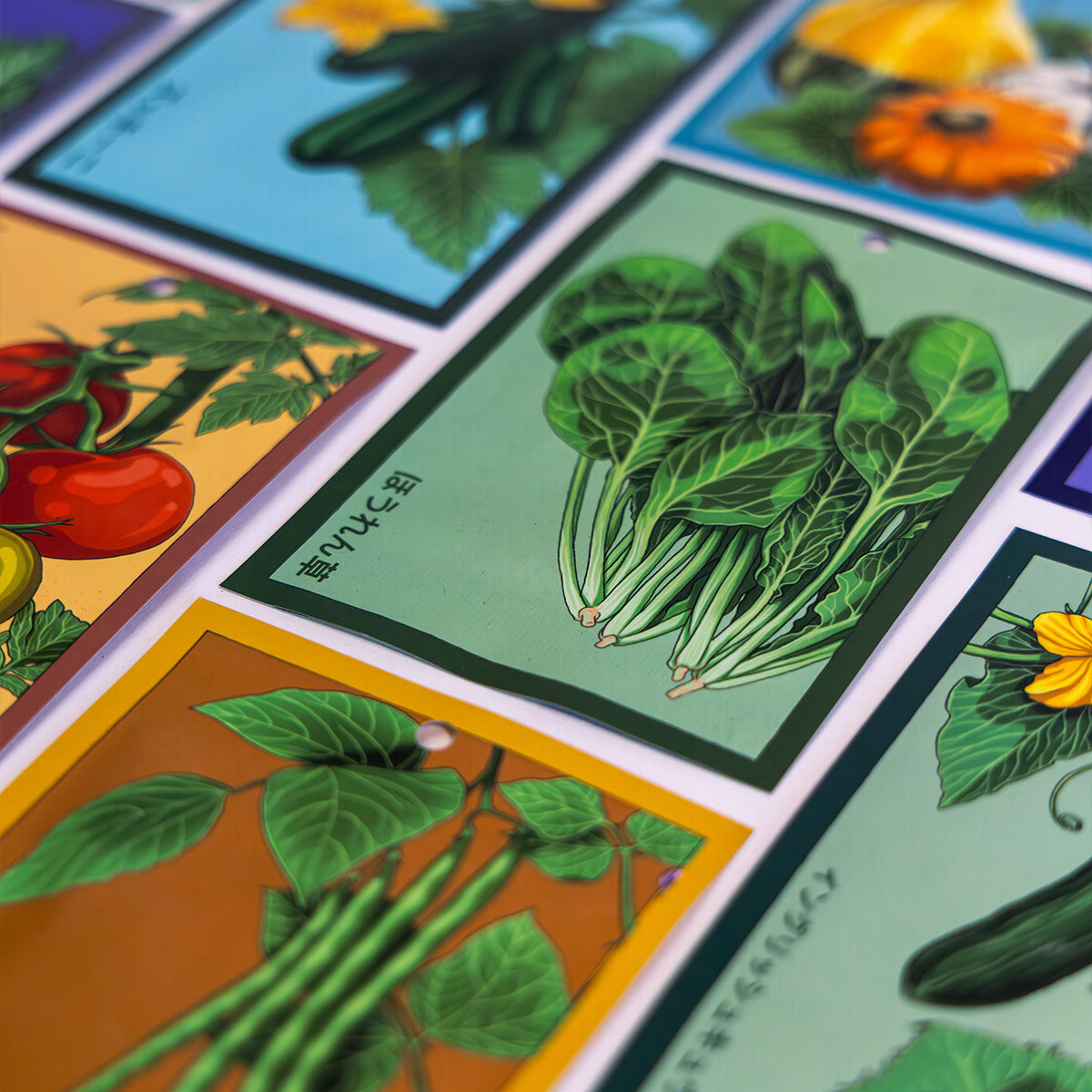
This sits within Shido's vegetable seed collection, where odd shapes and reliable staples get equal shelf space.

Buttercup Yellow Gay Paree Peony - Chive Ceramics Studio - Ceramic Flowers - Chive Ceramics Studio

Something That Never Needs Replanting

A vegetable garden benefits from a permanent centerpiece too, and Chive's Ivory Comanche Peony never needs a second season to look its best.

Chive Shido seed packets with botanical illustrations on a peg rack, showing cherry blossom, tomato, and eggplant designs.

The credentials behind the packet

An odd-shaped vegetable is exactly the kind of thing a gardener plants once out of curiosity and then forgets to reorder, which makes packet viability matter more here than for a reliable staple crop. The studio vacuum-seals its packets rather than relying on paper alone, since oxygen is what actually kills germination rates over time, not age by itself. That means a half-used packet of Funky Squash tucked in a drawer for a year still has a real shot at coming up next season, rather than becoming the thing that quietly convinces someone the whole variety wasn't worth growing again. Mainstream or unusual, nothing in the lineup gets treated any differently on that front. A memorable crop deserves seed that's still around to plant a second time.


Plant Care, Simplified with Chive

Keep it alive, keep it thriving. Let's make plant parenthood look easy.

Are Seed Packets GMO? The Honest Answer

Todd Newgren
Are seed packets GMO? No—home garden seed packets, Shido included, are never genetically modified, since GMO seed is only made for large-scale commercial crops. The non-GMO badg...
Read more

Nobody grows one dahlia. This is what nobody tells you.

Ryan Hearst
How to grow dahlias from seed: start indoors 6–8 weeks before last frost, transplant after frost, and expect first blooms in late summer. Nobody warns you that one bloom is all ...
Read more

Frequently asked questions

Are ornamental squash edible or just decorative?

Most ornamental squash varieties are technically edible, though flavor and texture vary widely by type — some have genuinely good, nutty flesh suited to roasting, while others are tougher and better left as decoration. Funky Squash leans toward the more edible end of that spectrum, making it a reasonable choice for gardeners who want both a striking display piece and something usable in the kitchen.

What growing conditions does ornamental squash need?

Full sun, well-drained soil, and plenty of room to spread are the basics — the vines wander further than most gardeners expect once established. Consistent moisture matters too, since inconsistent watering is the most common cause of blossom end rot on squash generally, ornamental or otherwise. That mix of ornamental appeal and genuine edibility is really the whole draw of growing it in the first place.

How do you tell when ornamental squash is ready to harvest?

Look for a rind that resists a light scratch from a thumbnail and a stem that's started to dry and turn woody rather than staying green and pliable. Color also tends to deepen and fully set once a fruit is genuinely mature, rather than looking washed out or unfinished. Waiting even a few extra days past that point tends to reward the harvest with noticeably better flavor and color.

Can ornamental squash cross-pollinate with other squash varieties?

Yes — squash varieties within the same species readily cross-pollinate if grown near each other, which can affect the seeds saved from this year's fruit even though it won't change the appearance of the current season's harvest. Gardeners hoping to save true-to-type seed should keep varieties reasonably separated. It's worth keeping that in mind if a particular shape or color is the whole reason a variety got planted.

Does ornamental squash attract pollinators?

Very much so — the large yellow flowers are a genuine draw for bees and other pollinators throughout the growing season, which also benefits any other fruiting plants growing nearby that rely on the same pollinator traffic. A garden with even modest pollinator traffic tends to see noticeably better fruit set across the board as a result.

How long do ornamental squash seeds last?

Vacuum-sealed and stored properly, Shido Seeds packets stay viable for up to 10 years, far longer than the roughly one-year shelf life of a standard paper seed packet exposed to normal air and humidity. NASA has used similar vacuum-sealing science for long-duration seed storage, and the same logic applies here at a garden scale.

What's the difference between ornamental and culinary squash?

The distinction is mostly about breeding intent rather than a hard biological line — culinary varieties get bred for flavor and texture, while ornamental types get bred for unusual shape and color first. Funky Squash sits somewhere in between, offering a genuinely interesting look without sacrificing usability. Neither category is strictly better; it really comes down to what a gardener actually wants from the harvest.

Are these seeds lab-tested for germination?

Yes — every Shido Seeds packet is germination-tested at independent third-party labs before it ever reaches a shelf, which is a different standard than most seed racks apply to a novelty variety like this one. That extra step matters more for a less common variety, since a failed germination test would be harder to catch otherwise. That standard applies consistently across the lineup, uncommon varieties included, rather than being reserved for the more popular crops.

Verte Rx Shiny Leaves for Plants - Chive Ceramics Studio - Chive Ceramics Studio

The seed is the start. Verte RX handles the rest.

Most seedlings fail not from bad seed but from soil that runs out of what the plant needs before the plant can find it. Verte RX is a liquid plant vitamin formulated for exactly that window — the weeks after germination when the root system is establishing and the margin between thriving and stalling is narrowest.