Dill Herb Seeds Packet

Regular price $4.95

Vacuum Sealed
NON-GMO
Seed Pack Guarantee

Build Your Garden With These Shido Seeds

Choose a seed packet as your starting point, then round out the bed with these for that thrown-together-but-somehow-perfect harvest.


Dill seeds grow a tall, feathery annual herb built for pickling jars and fish dinners, dependable across zones 3–11. Shido dill seeds are non-GMO and hermetically vacuum-sealed — and if you want to learn how to grow dill from seed, direct sowing is the whole lesson — while standard paper packets lose germination viability inside a year. Let a few plants go to seed each fall and dill simply reappears on its own private schedule every year afterward, like a relative who found out you make good coffee. The flat yellow flower heads also recruit predatory insects that patrol the rest of your garden unpaid and apparently glad for the work. My uncle Walt considers this his entire pest-control budget. Shido packets are sold at the RHS Chelsea Flower Show — Chive has been exhibiting since 2013, winning the 5-star booth award twice.

Seed specifications
  • Material: Seed
  • Botanical name: Anethum Graveolens
  • Genus: Anethum
  • Plant family: Apiaceae
  • Species: Graveolens
  • Plant type: Annual
  • Pollination type: Herb
  • USDA Hardiness Zones: 3-11
  • Packet contents: ≈ 50 Seeds
  • Packaging: Hermetically vacuum-sealed
  • Non-GMO: Yes
  • Seed viability: Up to 10 years (sealed) / 4–5 years (unsealed, ideal conditions)
  • Difficulty: Easy - Beginner Friendly
Sowing & growing guide

Quick Sowing Guide:

  • When to sow: sow after last frost
  • Sowing depth: 1/4 in
  • Initial spacing: 4-8 in
  • Row spacing: 18-24 in
  • Days to germination: 10-21 days
  • Light: Full sun
  • Water: Moderate
  • Soil: Well-drained, average to rich loamy soil
  • Harvest: 40-60 days

Start Growing: Step-by-step sowing and growing guide

About vacuum sealing

Why Vacuum-Sealed Seeds Last Longer

Standard paper seed packets are permeable to oxygen and moisture -- the two primary causes of seed degradation. Most paper-packaged seeds begin losing germination viability after approximately one year, contributing to significant garden-industry waste: packets purchased, not planted, expired, discarded. Shido Seeds are hermetically vacuum-sealed. The packet does not expire quietly in a drawer. It waits.

About the Packaging

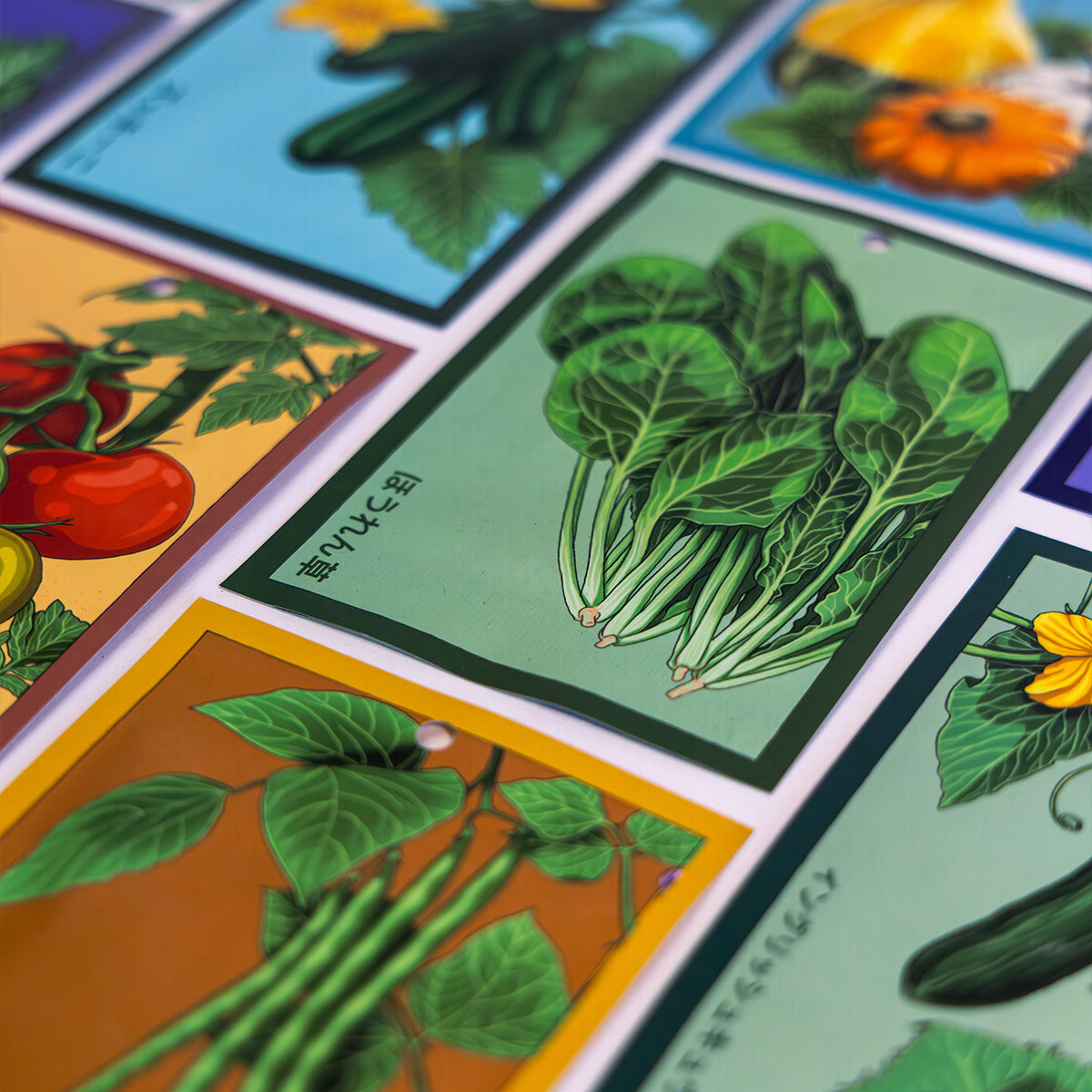
Every Shido seed packet is illustrated in the style of Japanese 1910s woodblock printing -- designed and drawn in-house by Chive, that has been exhibiting at the Chelsea Flower Show in London every year and does not, as a matter of principle, sell to big-box retailers. Customers collect the packets as a series. This was not the original plan.

Shipping & returns

Shipping

  • Free shipping: Orders $200+ within the US
  • Standard: 5–8 business days, Express 2–3 business days (at checkout)
  • International Ships: to 40 countries — rates at checkout
  • Packaging Ships: in outer box to protect gift box

View full shipping policy →

Returns

We accept returns within 30 days of delivery on unused items in original packaging. If your piece arrives damaged, contact us within 7 days with a photo and we will replace it at no charge.

View full return policy →

Satisfaction Guarantee

We stand by the quality of our flower seed packets! Every Shido seed packet is lab-tested for germination before it ships. If your seeds do not perform to the stated germination rate under correct growing conditions, contact us and we will replace or refund. Guaranteed!

Wholesale Inquires

Have a cool shop? Know someone that does?

Find Chive on Faire →

Radish Horticultural Specifications

Botanical

Anethum Graveolens

Plant Type

Annual

Light

Full sun

Water

Moderate

Soil

Well-drained, average to rich loamy soil

Depth

1/4 in

Germination

10-21 days

USDA Zone

3-11

Mature Height

24-36 in

Harvest

40-60 days


Dill seeds growing in garden — Shido Seeds by Chive Studio Toronto

Getting to know your Dill

Dill is the tallest optimist in the garden. It goes up like it has a view to catch, all feather and hollow green stem, and then in early July it opens those flat yellow umbrellas and the entire insect economy relocates to your yard. Standing beside a stand of flowering dill on a warm morning is the closest gardening comes to being popular. The fronds are the crop everyone knows, snipped over potatoes, folded into yogurt, laid across a fish like a small ceremonial sash, but the seed heads are the better secret. Drop one, flowers and all, into a jar of cucumbers and vinegar and you have manufactured August in a form that keeps. What I admire most is its refusal to be managed. Transplant it and it bolts out of principle. Stake it and it leans the other way. But sow it where it wants to live and it asks for nothing further, ever, and next spring you will find its children coming up along the fence line in a spot you did not choose and cannot improve on. Some plants you grow. Dill you host, annually, on its own terms, and the pickles are how it settles the bill.


History & origin

~5,000 Years Ago, Egypt

Dill remains have been found in Egyptian tombs, and the herb is referenced in the Ebers Papyrus (c. 1550 BCE) as a medicinal remedy.

Ancient Greece & Rome

Greeks placed dill over their eyes to induce sleep, valuing its calming reputation. Victorious Roman gladiators were reportedly rubbed with dill oil, and the herb was woven into wedding wreaths as a good-luck symbol.

Biblical Reference

Dill (rendered as "anise" in some translations) is mentioned in the New Testament (Matthew 23:23) as a crop subject to tithing.

Medieval Europe

Used in charms and love potions and believed to offer protection against witchcraft.

Northern & Eastern Europe, Centuries-Long

Became central to Scandinavian, Russian, and Polish cuisine and pickling traditions, particularly paired with cured fish such as gravlax and with pickled cucumbers.

Today

The signature herb of pickling traditions and Scandinavian and Eastern European cooking worldwide; the English name likely traces to the Old Norse "dilla," meaning "to lull," reflecting its historical use in soothing preparations for infants.

Shido Vegetable and Flower Seeds Vacuum sealed for peak freshness

Step-by-Step Sowing & Growing Guide

Getting Started

Annual — direct sow only

Step 1: Timing - Direct sow after last frost. The taproot resents transplanting, same constraint as cilantro.

Step 2: Soil - Well-drained, average to rich. pH 5.5–6.5.

Step 3: Sowing - ¼ inch deep — light aids germination, so don't bury too deep. Germination takes 10–21 days.

Step 4: Succession sow every 3–4 weeks - Keeps fresh fronds coming, since established plants bolt to flower fairly quickly.

Step 5: Stake if needed - Mature plants can reach 2–3 feet and topple in wind — a light stake or cage prevents this in exposed spots.

Step 6: Harvest - Snip fronds anytime for fresh use. For seed, let the plant flower, then cut whole seed heads once they turn brown and dry them upside down in a paper bag.

Before you start

Materials needed to sow

  • A garden bed, prepared soil: Direct sow only -- like cilantro, dill's taproot doesn't transplant well.
  • Garden fork: For working soil before sowing.
  • A stake or two, ready for later: Mature plants can reach 2-3 feet and may need light support in windy spots.

Materials for harvest and storage

  • Scissors: For snipping fronds as needed.
  • Small basket: For collecting the harvest.
  • Freezer bags: Dill fronds don't dry well and lose most of their flavor, so freezing chopped dill works far better.
  • Paper bag and string (if collecting dill seed): For drying whole seed heads upside down once the plant flowers.

Tip: Snip fronds anytime for fresh use, but keep an eye on flowering if seed is the goal -- cut whole seed heads once they've turned brown, before they shatter and drop seed on their own.

Growth Requirements

Light:

  • Requires full sun (6-8 hours of direct sunlight daily).
  • Can tolerate partial shade, but growth may be less vigorous.

Soil:

  • Prefers well-draining, loamy soil with a pH of 5.5-6.5.
  • Enrich soil with compost or organic matter for better growth.

Watering:

  • Needs moderate watering, keeping the soil evenly moist but not waterlogged.
  • Mulching helps retain moisture and prevent weeds.

Temperature & Climate:

  • Ideal temperature range is 60-75°F (15-24°C).
  • Sensitive to frost and extreme heat, requiring protection in harsh conditions.

Fertilization:

  • Generally low-maintenance and does not require heavy fertilization.
  • If needed, apply a balanced fertilizer (10-10-10) once during the growing season.

Maintenance

Watering:

  • Keep soil evenly moist but avoid overwatering.
  • Mulch helps retain moisture and suppress weeds.

Pruning & Harvesting:

  • Start harvesting leaves when plants are 6-8 inches tall.
  • Cut outer leaves first and leave the central stem for continued growth.
  • If harvesting seeds, allow flower heads to dry on the plant before collecting.

Harvesting and Seed Collection

  1. When to Harvest:
    Leaves can be harvested 30-40 days after planting.
    Seeds are ready for harvest 90-100 days after planting.
  2. Collecting Seeds:
    Allow flower heads to dry and turn brown on the plant.
    Cut seed heads and place them in a paper bag.
    Shake the bag to release seeds and store in a cool, dry place.

Troubleshooting and common mistakes

  • Sowing in warm weather: Like cilantro, dill bolts quickly once temperatures rise — timing and succession sowing matter more than most other care factors.
  • Not staking tall varieties: Mature plants reach 2–3 feet and topple easily in wind and rain.
  • Planting near tomatoes or carrots without knowing the antagonism: A commonly overlooked incompatibility that quietly reduces yields in both crops.

Culinary uses & nutritional information

What it's used for

1. Culinary Uses:

  • Fresh dill leaves are widely used in salads, soups, seafood, and pickling.
  • Dill seeds have a warm, slightly bitter flavor and are commonly used in breads, spice blends, and herbal teas.
  • Enhances dishes such as tzatziki, potato salads, and cucumber pickles.

2. Medicinal Benefits:

  • Rich in antioxidants, vitamins A and C, and essential minerals.
  • Known to aid in digestion, reduce bloating, and support gut health.
  • Contains anti-inflammatory and antibacterial properties.

3. Companion Planting:

  • Attracts pollinators such as bees and butterflies.
  • Helps repel pests like aphids and spider mites.
  • Grows well with cabbage, cucumbers, onions, and lettuce but should be kept away from carrots and fennel.

What parts are edible

  • Leaves (fronds): The primary edible part, used fresh in salads, with fish, and in dips and sauces. Loses much of its flavor when dried or cooked for long periods, so it's typically added near the end of cooking.
  • Flowers (umbels): Edible, and specifically prized whole for pickling — a dill flower head dropped into a pickling jar is a traditional flavor source distinct from using just the leaves.
  • Seeds: Dill seed — used as a spice in pickling brines, breads, and spice blends. Notably stronger and more pungent than the fresh fronds, closer to caraway in intensity.
  • Stems: Fibrous and rarely eaten directly, though whole stems are sometimes added to pickling brine for flavor and removed before the jar is sealed.

Nutritional data

Fresh leaf, per 100g

Calories: 43 kcal

  • Carbohydrates: 7.02 g
  • Protein: 3.46 g
  • Total fat: 1.12 g
  • Dietary fiber: 2.1 g
  • Vitamin C: 85 mg (94% RDA)
  • Folates: 150 µg (38% RDA)
  • Potassium: 738 mg
  • Cholesterol: 0 mg
  • Manganese: 1.26 mg (63% RDA)

Companion plants, pests & diseases

Companion planting

Good companions

  • Cabbage family, cucumbers, corn, lettuce — dill's flowers attract ladybugs, parasitic wasps, and other predatory insects that prey on common pests

Poor companions / avoid

  • Carrots, fennel — same family — will cross-pollinate if both are allowed to flower
  • Tomatoes — mature, flowering dill is commonly said to stunt nearby tomato growth

Pests

  • Aphids: Cluster on new growth. Strong water spray.
  • Parsleyworm / dill worm (black swallowtail caterpillar): Same caterpillar that feeds on parsley — many gardeners tolerate the damage since it supports black swallowtail butterflies.
  • Armyworms: Occasional in larger plantings.

Diseases

  • Powdery mildew: White coating in humid, crowded plantings.
  • Damping off: Seedlings collapse at the soil line from overwatering.
  • Leaf blight (Cercospora): Brown spots with concentric rings on leaves. Remove affected foliage, avoid overhead watering.

Pro Tip

To encourage leafy growth, pinch off flower buds until you’re ready to collect seeds. If growing for seeds, allow the flowers to bloom and dry on the plant before harvesting.

Seeds worth keeping

What makes Shido Seeds different

Shido Seeds are designed by Chive Studio, a ceramic design company. We are not a seed conglomerate. We do not sell through big-box retailers. Each variety in the catalog was selected because it is worth growing — not because it ships well in bulk or photographs well in marketing materials.

Every packet is germination-tested at an independent third-party lab before it earns its woodblock illustration. The vacuum seal removes the oxygen that causes standard paper packets to degrade. The stated germination rate is a floor, not a marketing figure.

If something goes wrong, contact us. We will make it right.

Plants that Grow together look good together...even if they are ceramic

Feed Your Plants Like You Actually Know What You’re Doing
After dill's vertical drama, mint is the ground campaign. The Mint Herb Seeds Packet keeps the tea and mojitos supplied while the pickles ferment.

Vegetable Shido Seeds packets — by Chive Studio Toronto

The pickle jar is just the beginning. The full Shido herb collection covers every windowsill ambition from basil to tarragon.

Buttercup Yellow Gay Paree Peony - Chive Ceramics Studio - Ceramic Flowers - Chive Ceramics Studio

Pair the garden's most useful yellow flowers with its most permanent green one: the ceramic Avocado Green Unicorn Zinnia holds the wall year-round.

Chive Shido seed packets with botanical illustrations on a peg rack, showing cherry blossom, tomato, and eggplant designs.

The credentials behind the packet

We came to seeds the long way, through twenty years of ceramics, and dill was on the first Shido list because it is the most sculptural thing you can grow from a packet: a plant with actual architecture. The woodblock-style illustration on this envelope took our artist longer than most. All those fine fronds, cut and printed in the tradition of seed packets from a century ago, when the packaging assumed you might keep it. That assumption is the whole Shido idea. Chive has made objects worth keeping since 2004; this particular one happens to contain next summer's entire pickle supply. Sow the contents. Save the envelope. Both were designed on purpose.


Plant Care, Simplified with Chive

Keep it alive, keep it thriving. Let's make plant parenthood look easy.

Nobody grows one dahlia. This is what nobody tells you.

Todd Newgren
How to grow dahlias from seed: start indoors 6–8 weeks before last frost, transplant after frost, and expect first blooms in late summer. Nobody warns you that one bloom is all ...
Read more

Heirloom vs Hybrid Seeds: What Actually Differs | Shido

Todd Newgren
Heirloom seeds aren't automatically better than hybrid seeds—each suits different goals, from saving seed year to year to fighting off disease. The real difference is genetics, ...
Read more

Frequently asked questions

How do you grow dill from seed?

To grow dill from seed, direct sow shallowly in full sun and thin the seedlings generously; the taproot makes transplanting a losing argument. Keep soil lightly moist until sprouts appear. From a vacuum-sealed Shido packet the stand comes up thick enough to need thinning, which is the correct problem to have. Sow it where the pickles will need it.

When to direct sow dill seeds outdoors?

Direct sow dill seeds outdoors after your last frost, once the soil has genuinely warmed, which is late April through May for most zones. Repeat in short waves into midsummer if you want fresh fronds arriving alongside the cucumbers. Fall sowings work in mild climates. The sealed packet does not care which date you choose; it holds its rate until you do.

Does dill need to be started indoors or direct sown?

Dill should be direct sown, not started indoors: the long taproot sulks through transplanting and usually bolts early to spite you. Sow it once, where it will live, and let it be. This is less work, not more. Since Shido seed arrives at a verified germination rate, direct sowing is not a gamble; it is simply skipping a step the plant never wanted.

Does dill come back every year?

Dill comes back every year in practice, though technically it is an annual. Let a few flower heads mature and drop seed each fall, and volunteers appear the following spring, usually somewhere slightly more fashionable than where you planted them. One sealed Shido packet starts the dynasty. After that, your job is mostly diplomatic recognition of wherever it chooses to settle.

Can you grow dill in a container?

You can grow dill in a container deep enough to flatter that taproot, with full sun and steady moisture. Choose a spot out of the wind, because dill grows tall and faints theatrically. Harvest fronds from the top and the plant stays compact. A windowsill pot will not feed a pickling operation, but it will cover the salmon.

How long do dill seeds last?

Standard paper-packed dill seeds begin losing germination viability after approximately one year. Shido dill seeds are hermetically vacuum-sealed, removing oxygen entirely. State law requires a 3-year viability date on sealed packaging. NASA research on hermetic seed storage suggests viability up to ten years in cool, dry conditions. Your Shido packet waits.

What to do with fresh dill?

Fresh dill belongs on salmon, in potato salad, over cucumbers with vinegar, and in any jar you intend to pickle; add fronds at the end and seed heads at the start. It loses its nerve when dried, so use it green and often. Every Shido lot is germination-tested at independent third-party labs before packaging, which is why the fronds keep arriving on schedule.

Does dill attract beneficial insects?

Dill attracts beneficial insects better than nearly anything in the seed drawer. The flat yellow umbels are a landing pad for ladybugs, lacewings, hoverflies, and parasitic wasps, all of which eat the pests you were about to spray for. Swallowtail caterpillars will also arrive; consider them rent. Plant dill near the tomatoes and the garden begins policing itself.

Verte Rx Shiny Leaves for Plants - Chive Ceramics Studio - Chive Ceramics Studio

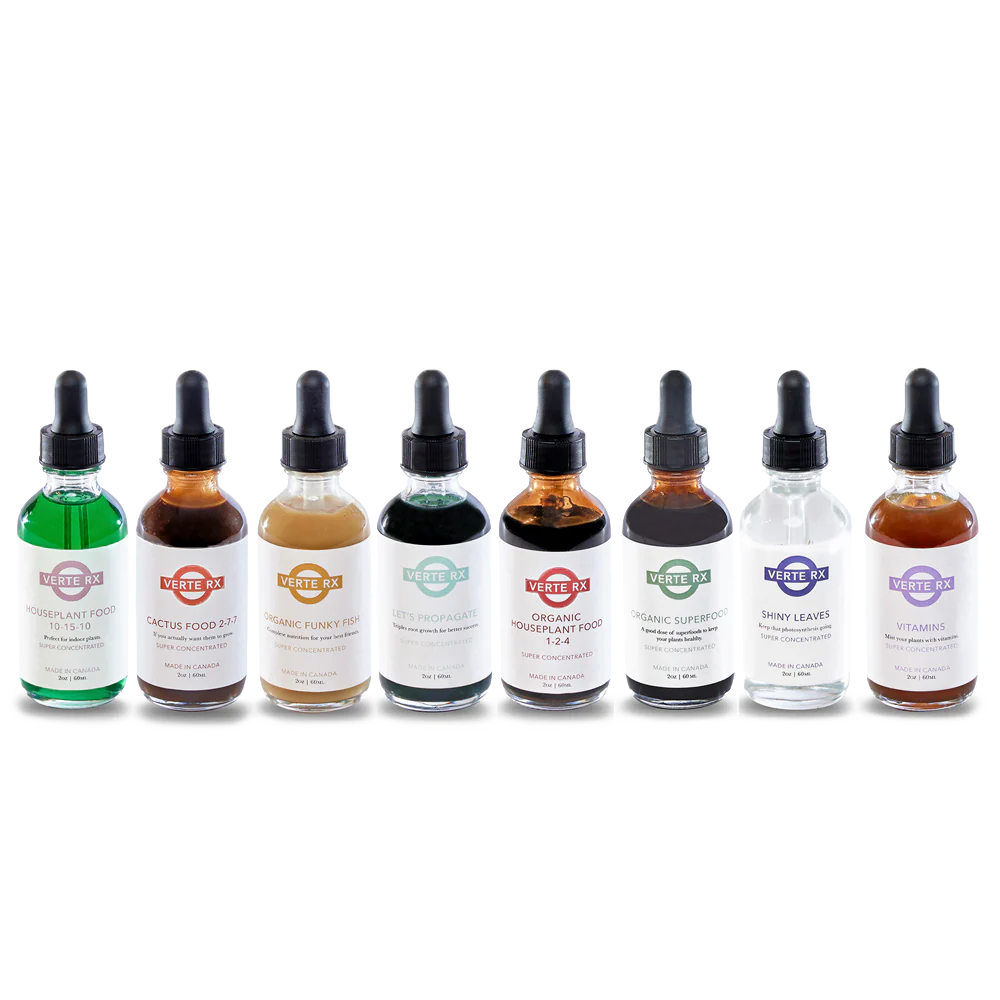
The seed is the start. Verte RX handles the rest.

Most seedlings fail not from bad seed but from soil that runs out of what the plant needs before the plant can find it. Verte RX is a liquid plant vitamin formulated for exactly that window — the weeks after germination when the root system is establishing and the margin between thriving and stalling is narrowest.