
Oregano Herb Seeds Packet

Regular price $4.95

Vacuum Sealed
NON-GMO
Seed Pack Guarantee

Build Your Garden With These Shido Seeds

Choose a seed packet as your starting point, then round out the bed with these for that thrown-together-but-somehow-perfect harvest.


Oregano seeds grow the sprawling perennial herb that pizza depends on, hardy in zones 4–10 and stronger every month it grows. Shido oregano seeds are non-GMO and hermetically vacuum-sealed — growing oregano from seed beats buying the dusty jar — while standard paper packets lose germination viability within roughly a year. The flavor keeps building all season long and peaks just before the plant flowers, so late summer is when you strip down the fragrant stems and feel, however briefly, like a professional. My barber Gino dries his own harvest in paper bags above the register and swears clients tip better for the smell. Side by side, homegrown oregano makes the store-bought jar taste like the memory of a rumor. Each lot is germination-tested at independent third-party labs before packaging, which makes the stated rate a verified result and never a convenient round number.

Seed specifications
  • Material: Seed
  • Botanical name: Origanum Vulgare
  • Genus: Origanum
  • Plant family: Lamiaceae
  • Species: Vulgare
  • Plant type: Perennial
  • Pollination type: Herb
  • USDA Hardiness Zones: 4-10
  • Packet contents: ≈ 100 Seeds
  • Packaging: Hermetically vacuum-sealed
  • Non-GMO: Yes
  • Seed viability: Up to 10 years (sealed) / 4–5 years (unsealed, ideal conditions)
  • Difficulty: Moderate - Recreational Gardener
Sowing & growing guide

Quick Sowing Guide:

  • When to sow: 8-10 wks before last frost
  • Sowing depth: Surface sow, barely cover
  • Initial spacing: 8-12 in
  • Row spacing: 12-18 in
  • Days to germination: 8-14 days
  • Light: Full sun
  • Water: Low to moderate
  • Soil: Sandy, well-drained
  • Harvest: 80-90 days

Start Growing: Step-by-step sowing and growing guide

About vacuum sealing

Why Vacuum-Sealed Seeds Last Longer

Standard paper seed packets are permeable to oxygen and moisture -- the two primary causes of seed degradation. Most paper-packaged seeds begin losing germination viability after approximately one year, contributing to significant garden-industry waste: packets purchased, not planted, expired, discarded. Shido Seeds are hermetically vacuum-sealed. The packet does not expire quietly in a drawer. It waits.

About the Packaging

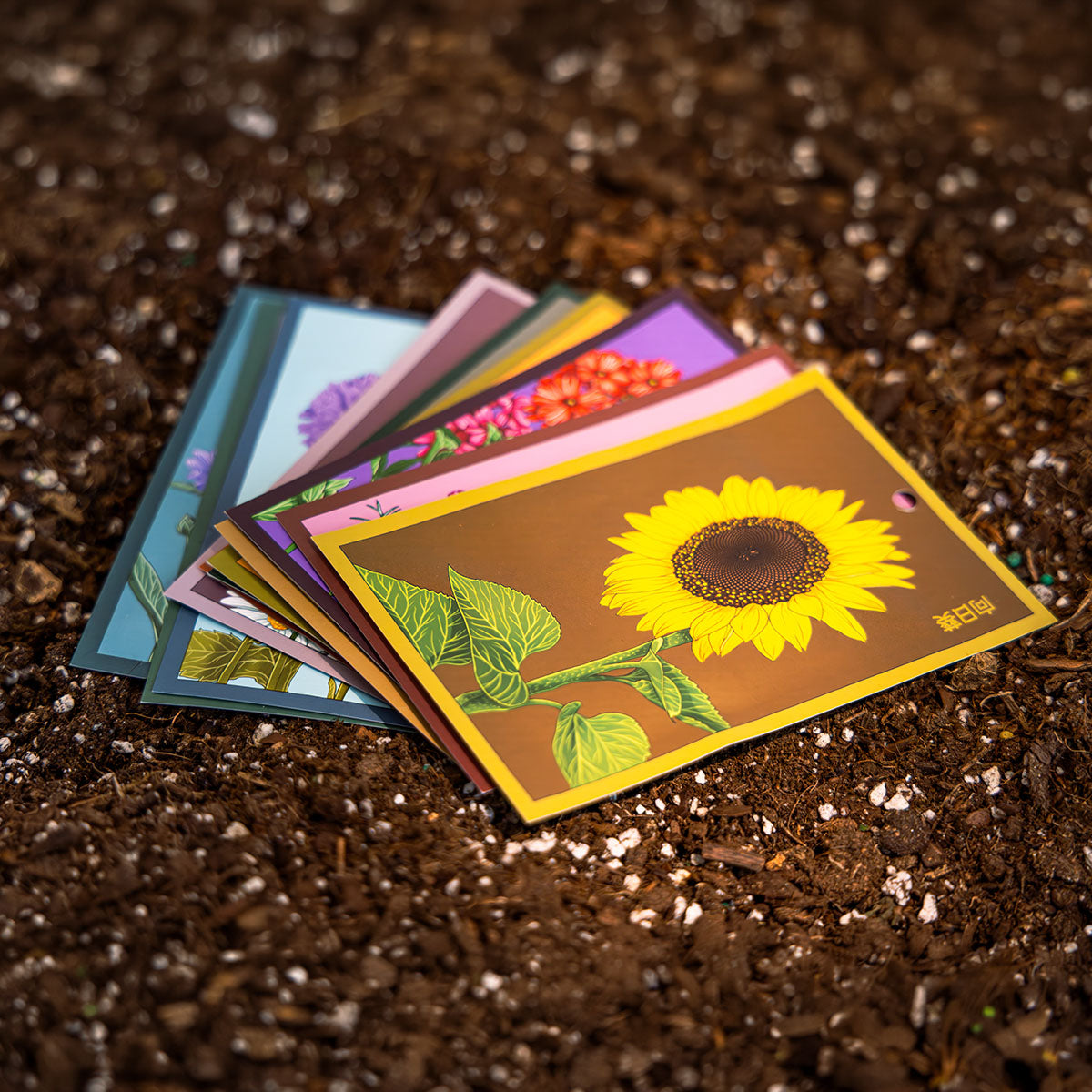
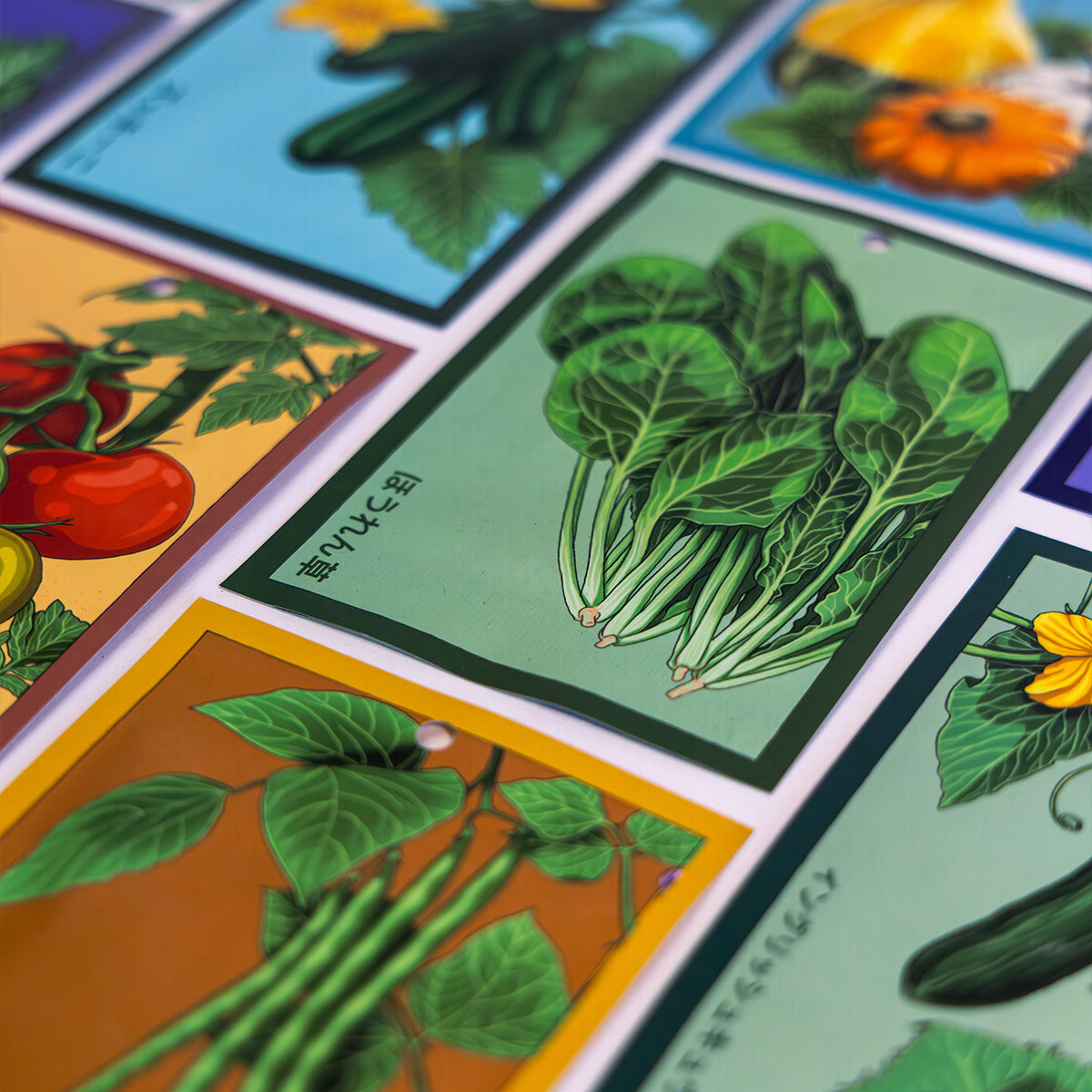
Every Shido seed packet is illustrated in the style of Japanese 1910s woodblock printing -- designed and drawn in-house by Chive, that has been exhibiting at the Chelsea Flower Show in London every year and does not, as a matter of principle, sell to big-box retailers. Customers collect the packets as a series. This was not the original plan.

Shipping & returns

Shipping

  • Free shipping: Orders $200+ within the US
  • Standard: 5–8 business days, Express 2–3 business days (at checkout)
  • International Ships: to 40 countries — rates at checkout
  • Packaging Ships: in outer box to protect gift box

View full shipping policy →

Returns

We accept returns within 30 days of delivery on unused items in original packaging. If your piece arrives damaged, contact us within 7 days with a photo and we will replace it at no charge.

View full return policy →

Satisfaction Guarantee

We stand by the quality of our flower seed packets! Every Shido seed packet is lab-tested for germination before it ships. If your seeds do not perform to the stated germination rate under correct growing conditions, contact us and we will replace or refund. Guaranteed!

Wholesale Inquires

Have a cool shop? Know someone that does?

Find Chive on Faire →

Radish Horticultural Specifications

Botanical

Origanum Vulgare

Plant Type

Perennial

Light

Full sun

Water

Low to moderate

Soil

Sandy, well-drained

Depth

Surface sow, barely cover

Germination

8-14 days

USDA Zone

4-10

Mature Height

12-24 in

Harvest

80-90 days


Getting to know your Oregano

Oregano is the herb everyone has technically been eating for years without ever actually meeting. The jar version, dusty and loyal, has held down pizza night for decades, and nobody ever thinks to question it until the day a fresh sprig gets torn over a hot pie and the room goes quiet. They are not the same substance. Fresh oregano is greener, sharper, almost citrus at the edges, with a peppery finish the jar gave up in a warehouse sometime last year. Growing it corrects the record permanently. The plant is a low, spreading Mediterranean type that wants sun, gravelly indifference, and very little of your attention; water it too kindly and the flavor dilutes, ignore it properly and the oils concentrate until the leaves nearly hum. Harvest just before the buds open, when the plant is at maximum conviction, and hang the surplus upside down in a paper bag. In two weeks you own dried oregano as well, except this version is recognizably related to the fresh one, which the jar never was. One plant runs the whole operation for years: fresh all summer, home-dried all winter, and pizza night quietly upgraded to something the delivery menu cannot answer.


History & origin

Ancient Greece

Name derived from Greek "oros" (mountain) and "ganos" (joy) — "joy of the mountain." Greeks associated the plant with Aphrodite, believing she created it as a symbol of happiness. Used in bridal wreaths for newlyweds and planted on graves as a wish for peaceful rest.

Ancient Greece & Rome — Medicine

Hippocrates prescribed oregano as an antiseptic and for respiratory ailments. Romans adopted similar medicinal uses, valuing it for digestive complaints alongside its role as a culinary herb across the empire.

Middle Ages, Europe

Used in monastery gardens for medicine and, before hops became standard, as a flavoring and preservative agent in brewing beer.

Mediterranean Cultivation, Centuries-Long

Remained a foraged and cultivated staple across Greek, Italian, and Spanish cooking traditions for generations, prized both fresh and dried.

Post–World War II, United States

American soldiers stationed in Italy encountered oregano-seasoned dishes and brought the herb home. U.S. oregano consumption reportedly quadrupled between 1948 and 1956, driven largely by the growing popularity of pizza.

Today

One of the most widely used culinary herbs in the world, essential to Mediterranean, Italian, Greek, and Italian-American cooking, and grown commercially across nearly every temperate region.

Shido Vegetable and Flower Seeds Vacuum sealed for peak freshness

Step-by-Step Sowing & Growing Guide

Getting Started

Perennial, started indoors

Step 1: Timing - Start indoors 8–10 weeks before your average last frost date. Oregano germinates slowly and erratically from seed.

Step 2: Soil - Lean, well-drained, sandy or gritty soil — rich soil is actually counterproductive here, producing floppy growth and diluting the plant's flavor. pH 6.0–8.0.

Step 3: Sowing - Surface sow — press seed in but do not cover, it needs light to germinate. 8–14 days at 70–75°F, often uneven.

Step 4: Transplant - Harden off and move outside after last frost, 8–10 inches apart, rows 12–18 inches.

Step 5: Pinch for shape - Pinch growing tips regularly through the first season. Left alone, oregano grows leggy and sprawling instead of the dense, harvestable mound most gardeners actually want.

Step 6: Harvest - Best flavor comes right before flowering. Snip stems just above a leaf pair — this is what triggers bushier regrowth rather than a single longer stem.

Before you start

Materials needed to sow

  • Seed trays or small pots: For the 8-10 week indoor start this slow-germinating herb needs.
  • Grow light or sunny windowsill: Carries seedlings through the extended indoor period.
  • Spray bottle: For gentle watering of surface-sown seed -- oregano needs light to germinate, so it shouldn't be buried or watered with a heavy stream that could wash it out of place.
  • Humidity dome or plastic wrap: Helps hold consistent moisture during the 8-14 day germination window, which is often uneven.
  • Plant labels: Useful if starting alongside other Mediterranean herbs, since seedlings look similar early on.

Materials for harvest and storage

  • Garden scissors or snips: For cutting whole stems rather than picking individual leaves.
  • Small basket or bowl: For collecting cut stems.
  • Drying rack, screen, or a paper bag with holes punched in it: For air-drying, which oregano handles beautifully -- dried oregano is actually more pungent than fresh, since drying concentrates its oils.
  • Airtight jar: For storing dried leaves once fully cured.

Tip: Harvest in the morning after dew has dried but before the heat of the day, when oil concentration -- and flavor -- is highest, and always before the plant flowers.

Growth Requirements

Light:

  • Prefers full sun (at least 6-8 hours of direct sunlight daily).

Soil:

  • Thrives in well-draining, sandy or loamy soil with a pH of 6.0-8.0.
  • Avoid heavy, compacted soils that retain excess moisture.

Watering:

  • Requires moderate watering; allow soil to dry between waterings.
  • Overwatering can lead to root rot.

Temperature & Climate:

  • Prefers warm temperatures between 60-80°F.
  • Can tolerate drought but is sensitive to frost.

Fertilization:

  • Does not require heavy fertilization; light feeding with compost or balanced fertilizer once in early growth is sufficient.

Maintenance

Mulching:

  • Apply light mulch to retain moisture and suppress weeds.

Pruning:

  • Trim plants regularly to encourage bushier growth.
  • Pinch off flower buds to prolong leaf production.

Watering:

  • Water deeply but infrequently, allowing the soil to dry between watering.

Harvesting:

  • Harvest leaves once the plant reaches 4-6 inches tall.
  • Pick early in the morning for the best flavor.

Refrigeration:

  • Store fresh oregano in a plastic bag with a damp paper towel for up to a week.

Drying:

  • Hang stems upside down in a warm, dry place for 7-10 days.
  • Store dried leaves in an airtight container for long-term use.

Freezing:

  • Chop leaves and freeze them in olive oil or water in ice cube trays.

Troubleshooting and common mistakes

  • Overwatering: By far the most common cause of oregano failure — it wants to dry out between waterings, not stay moist.
  • Sowing seed too deep: Oregano needs light to germinate; burying seed instead of surface-sowing is a frequent first-time mistake.
  • Rich soil or heavy fertilizing: Produces lush, floppy growth with noticeably weaker flavor — oregano performs best when slightly neglected.
  • Skipping the pinch: Unpinched plants grow leggy and sparse instead of the dense, bushy mound most gardeners actually want.

Culinary uses & nutritional information

What it's used for

1. Culinary Uses:

  • Adds flavor to Italian, Greek, and Mexican dishes.
  • Used in marinades, dressings, and spice blends.
  • Pairs well with tomatoes, garlic, and olive oil.

2. Medicinal Benefits:

  • Rich in antioxidants and antibacterial properties.
  • Supports digestion and respiratory health.
  • Can be used to make herbal teas and essential oils.

3. Companion Planting:

  • Grows well with basil, thyme, rosemary, and sage.
  • Helps repel harmful insects and attract pollinators.

What parts are edible

  • Leaves: The primary edible part, used fresh or dried in Mediterranean, Italian, Greek, and Mexican cooking. Dried oregano is actually more pungent than fresh, since drying concentrates its essential oils — the opposite of most herbs. The reason oregano is grown at all.
  • Flowers: Edible, with a milder, slightly sweeter version of the leaf's flavor. Used as a garnish or scattered over salads. Left unpicked, they draw pollinators heavily.
  • Stems: Woody stems are typically added whole to infuse oils, broths, and marinades, then removed before serving rather than eaten directly. Young, tender top growth can be chopped and used along with the leaves.

Nutritional data

Dried leaf, per 100g

Calories: 265 kcal

  • Carbohydrates: 68.92 g
  • Protein: 9.00 g
  • Total fat: 4.28 g
  • Dietary fiber: 42.5 g
  • Vitamin C: 2.3 mg (3% RDA) — dried oregano loses most of the vitamin C present in the fresh leaf
  • Folates: 237 µg (59% RDA)
  • Potassium: 1,260 mg
  • Cholesterol: 0 mg
  • Iron: 36.8 mg (~460% RDA) — among the most iron-dense culinary herbs, though a realistic serving is well under a gram

Companion plants, pests & diseases

Companion planting

Good companions

  • Tomatoes, peppers — same sun and soil needs, easy bed-mates
  • Basil, thyme, rosemary — same Mediterranean growing conditions
  • Cabbage family (broccoli, cabbage, kale) — strong scent may help confuse cabbage moths

Poor companions / avoid

  • Cucumbers, in humid climates — oregano wants drier soil than cucumbers do
  • Tall or shade-casting plants — oregano needs 6+ hours of direct sun

Pests

  • Aphids: Cluster on new growth. Strong water spray; ladybugs and lacewings are natural predators.
  • Spider mites: Fine webbing, stippled leaves — most common in hot, dry conditions, especially indoors. Increase humidity, spray with insecticidal soap.
  • Leafhoppers: Occasional; rarely serious enough to require treatment on established plants.

Diseases

  • Root rot (Phytophthora): Wilting despite moist soil, blackened roots. Caused by poor drainage or overwatering — the most common way to lose an oregano plant. No cure once advanced; improve drainage and reduce watering going forward.
  • Powdery mildew: White powdery coating on leaves in crowded, humid plantings. Improve air circulation; avoid overhead watering.
  • Rust: Occasional orange-brown pustules on leaf undersides. Remove affected foliage; avoid wetting leaves when watering.

Pro Tip

Oregano thrives on neglect—plant it in well-draining soil and go easy on the water for the most flavorful leaves. Regularly trim the stems to encourage bushy growth, and harvest just before flowering for the best taste.

Bonus: Drying oregano intensifies its flavor!

Seeds worth keeping

What makes Shido Seeds different

Shido Seeds are designed by Chive Studio, a ceramic design company. We are not a seed conglomerate. We do not sell through big-box retailers. Each variety in the catalog was selected because it is worth growing — not because it ships well in bulk or photographs well in marketing materials.

Every packet is germination-tested at an independent third-party lab before it earns its woodblock illustration. The vacuum seal removes the oxygen that causes standard paper packets to degrade. The stated germination rate is a floor, not a marketing figure.

If something goes wrong, contact us. We will make it right.

Plants that Grow together look good together...even if they are ceramic
Mist Like a Modern Human—Not a Thirsty Peasant
Oregano covers the Mediterranean; tarragon files the French paperwork. The Tarragon Herb Seeds Packet rounds out the sauce shelf.

Vegetable Shido Seeds packets — by Chive Studio Toronto

Pizza night is a gateway. The rest of the Shido herb seeds collection handles every other evening.

Buttercup Yellow Gay Paree Peony - Chive Ceramics Studio - Ceramic Flowers - Chive Ceramics Studio

For drama that requires zero drainage, the ceramic Buttercup Yellow Gay Paree Peony holds the wall like an exhibit.

Chive Shido seed packets with botanical illustrations on a peg rack, showing cherry blossom, tomato, and eggplant designs.

The credentials behind the packet

The Shido herb list was assembled the way our studio assembles a glaze palette: no redundancies, with every entry earning its slot. Oregano earned it on volume of use alone, since the most-cooked-with herb in the American kitchen deserved a packet that finally takes it seriously. Its woodblock-style illustration renders the sprawling stems and small leaves in carved line, printed on an envelope built to outlive the sowing, the way Chive has built things since 2004. Somewhere between the studio's permanent ceramic botany and a Tuesday marinara sits this packet, quietly holding the connection. Open the packet in spring. Taste the difference by July. The envelope itself earns the fridge door.


Plant Care, Simplified with Chive

Keep it alive, keep it thriving. Let's make plant parenthood look easy.

Are Seed Packets GMO? The Honest Answer

Todd Newgren
Are seed packets GMO? No—home garden seed packets, Shido included, are never genetically modified, since GMO seed is only made for large-scale commercial crops. The non-GMO badg...
Read more

Do Seeds Expire? How Long Do Seeds Last | Shido

Todd Newgren
Seeds don't expire — they lose viability as oxygen depletes stored energy, and vacuum sealing is the fix. Chive's Shido Seeds are vacuum-sealed, germination-tested, and stocked ...
Read more

Frequently asked questions

How do you grow oregano from seed?

To grow oregano from seed, press the fine seed onto the surface of damp mix, skip the covering, and keep it warm and bright until the tiny sprouts show. Transplant to full sun and lean soil once they toughen. Rich ground makes lush, bland oregano; a little hardship makes the good stuff. Shido's vacuum-sealed packet supplies the verified start.

How long does oregano take to germinate?

Oregano takes to germination in warm soil quicker than most of its Mediterranean relatives. The seedlings start minuscule and unpromising, then commit once they decide you are serious. The vacuum-sealed Shido packet guarantees the arrival at its verified rate; the sun supplies the personality. By August you will be drying the surplus.

Can you grow oregano indoors on a windowsill?

You can grow oregano indoors on a windowsill with strong southern light and a fast-draining pot; it asks for sun the way other plants ask for water. Keep it trimmed and it mounds instead of sprawling. A winter windowsill plant runs milder than a summer outdoor one, still miles past the jar. One sealed Shido packet stocks the sill for years.

Is oregano annual or perennial?

Oregano is a perennial in zones 5 through 10, wintering as a low woody mat and relaunching each spring. In colder zones a potted plant simply commutes indoors for the season. Either way you are not buying an annual; you are planting the sauce department's permanent hire. The sealed Shido packet is the one-time paperwork. The plant renews its own contract.

Does oregano come back every year?

Oregano comes back every year where winters stay above roughly minus twenty; mulch the crown in zone 5 and it returns with enthusiasm each April. Cut the whole plant back by half in early spring to keep it dense and productive. The routine is one hard trim and no replanting. From a single vacuum-sealed Shido packet, the return is measured in years.

How long do oregano seeds last?

Standard paper-packed oregano seeds begin losing germination viability after approximately one year. Shido oregano seeds are hermetically vacuum-sealed, removing oxygen entirely. State law requires a 3-year viability date on sealed packaging. NASA research on hermetic seed storage suggests viability up to ten years in cool, dry conditions. Your Shido packet waits.

What do you use fresh oregano for in cooking?

Fresh oregano is used in tomato sauce, on pizza after the oven, over grilled vegetables and lamb, and in the vinaigrette that makes a Greek salad mean it. Add it early to simmers, late to everything else. These same seeds are sold at the RHS Chelsea Flower Show, where Chive has exhibited for 14 consecutive years, winning the 5-star booth award twice.

Does oregano grow well in containers?

Oregano grows well in containers, where drainage is easy to control and the sprawl stays civilized; a ten-inch pot in full sun produces more than a pizza habit consumes. Terracotta helps the soil dry between waterings, which oregano reads as respect. Snip stems just above a leaf pair and the plant branches double. One sealed Shido packet, one committed pot, indefinite marinara.

Verte Rx Shiny Leaves for Plants - Chive Ceramics Studio - Chive Ceramics Studio

The seed is the start. Verte RX handles the rest.

Most seedlings fail not from bad seed but from soil that runs out of what the plant needs before the plant can find it. Verte RX is a liquid plant vitamin formulated for exactly that window — the weeks after germination when the root system is establishing and the margin between thriving and stalling is narrowest.