Cilantro Herb Seeds Packet

Regular price $4.95

Vacuum Sealed
NON-GMO
Seed Pack Guarantee

Build Your Garden With These Shido Seeds

Choose a seed packet as your starting point, then round out the bed with these for that thrown-together-but-somehow-perfect harvest.


Cilantro seeds produce the fast-growing annual herb behind salsa, chutney, and most arguments at dinner tables, thriving outdoors in zones 2–11. Shido cilantro seeds arrive non-GMO and hermetically vacuum-sealed — you can also grow cilantro indoors year-round — whereas paper packets surrender their germination viability within about a year. Cilantro bolts the moment summer clears its throat, which is why my aunt Rosa sows a fresh short new row every few weeks and harvests each row before the plant has even seriously considered flowering. She calls it staying one comfortable step ahead of the gossip. The leaves are at their absolute best while young; wait too long and the plant quietly files a name change and becomes coriander. Each lot is germination-tested at independent third-party labs before packaging, which makes the number on the label a documented result instead of a hopeful round figure.

Seed specifications
  • Material: Seed
  • Botanical name: Coriandrum Sativum
  • Genus: Coriandrum
  • Plant family: Apiaceae
  • Species: Sativum
  • Plant type: Annual
  • Pollination type: Herb
  • USDA Hardiness Zones: 2-11
  • Packet contents: ≈ 50 Seeds
  • Packaging: Hermetically vacuum-sealed
  • Non-GMO: Yes
  • Seed viability: Up to 10 years (sealed) / 4–5 years (unsealed, ideal conditions)
  • Difficulty: Easy - Beginner Friendly
Sowing & growing guide

Quick Sowing Guide:

  • When to sow: sow after last frost
  • Sowing depth: 1/4 in
  • Initial spacing: 4-6 in
  • Row spacing: 12-15 in
  • Days to germination: 7-14 days
  • Light: Full sun to part shade
  • Water: Moderate - consistent moisture
  • Soil: Well-drained, moderately rich loamy soil
  • Harvest: 45-70 days

Start Growing: Step-by-step sowing and growing guide

About vacuum sealing

Why Vacuum-Sealed Seeds Last Longer

Standard paper seed packets are permeable to oxygen and moisture -- the two primary causes of seed degradation. Most paper-packaged seeds begin losing germination viability after approximately one year, contributing to significant garden-industry waste: packets purchased, not planted, expired, discarded. Shido Seeds are hermetically vacuum-sealed. The packet does not expire quietly in a drawer. It waits.

About the Packaging

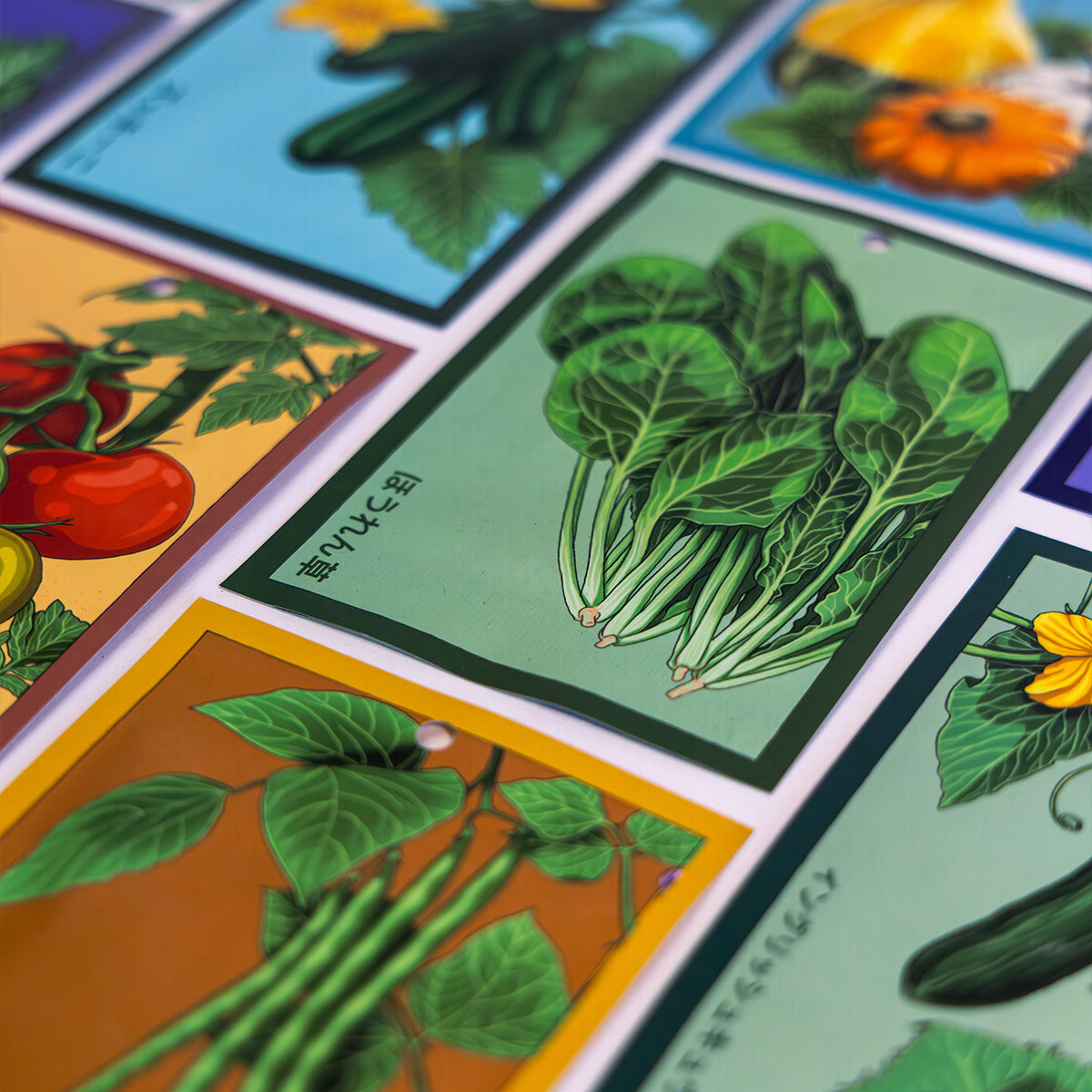
Every Shido seed packet is illustrated in the style of Japanese 1910s woodblock printing -- designed and drawn in-house by Chive, that has been exhibiting at the Chelsea Flower Show in London every year and does not, as a matter of principle, sell to big-box retailers. Customers collect the packets as a series. This was not the original plan.

Shipping & returns

Shipping

  • Free shipping: Orders $200+ within the US
  • Standard: 5–8 business days, Express 2–3 business days (at checkout)
  • International Ships: to 40 countries — rates at checkout
  • Packaging Ships: in outer box to protect gift box

View full shipping policy →

Returns

We accept returns within 30 days of delivery on unused items in original packaging. If your piece arrives damaged, contact us within 7 days with a photo and we will replace it at no charge.

View full return policy →

Satisfaction Guarantee

We stand by the quality of our flower seed packets! Every Shido seed packet is lab-tested for germination before it ships. If your seeds do not perform to the stated germination rate under correct growing conditions, contact us and we will replace or refund. Guaranteed!

Wholesale Inquires

Have a cool shop? Know someone that does?

Find Chive on Faire →

Radish Horticultural Specifications

Botanical

Coriandrum Sativum

Plant Type

Annual

Light

Full sun to part shade

Water

Moderate - consistent moisture

Soil

Well-drained, moderately rich loamy soil

Depth

1/4 in

Germination

7-14 days

USDA Zone

2-11

Mature Height

12-24 in

Harvest

45-70 days


Getting to know your Cilantro

Cilantro is the only herb I know that runs on a deadline. Everything about it is brisk: up in a week, harvestable in a month, flowering the moment you turn your back to answer the phone. People call this difficult. I call it honest, since the plant tells you exactly what it intends to do and then does it, which is more than can be said for most of the perennials. The trick is to stop treating it like a houseplant and start treating it like a subscription. A pinch of seed every few weeks, a short row or a deep pot, and there is always one planting arriving as another departs. Do that and cilantro becomes the most reliable thing in the kitchen. Skip it and you will stand over a flowering plant in July feeling personally betrayed, which is a strange emotion to direct at an annual. The leaves want to be used in fistfuls, not sprigs: piled over tacos, folded through hot rice, drowned in lime juice. And when a planting does escape you, let it finish. The seeds are coriander, the flowers feed the hoverflies, and the whole affair ends with the garden coming out slightly ahead.


History & origin

~7,000 Years Ago

Among the oldest recorded spices in human history. Coriander seeds were found in the tomb of Tutankhamun (c. 1323 BCE), and the plant is referenced in Sanskrit texts and the Old Testament, where manna is compared to coriander seed.

Ancient Egypt

Considered an aphrodisiac and included among offerings left for the dead, alongside its everyday culinary and medicinal uses.

Ancient Greece & Rome

Greeks used coriander to flavor wine; the name may derive from the Greek "koris" (bedbug), a reference to the sharp scent of the unripe seed. Romans combined coriander with cumin and vinegar as an early meat preservative and spread its cultivation throughout the empire, including Britain.

16th Century — Spanish Colonization

Spanish and Portuguese explorers carried cilantro to the Americas, where it merged with existing culinary traditions across Latin America.

Today

One of the most widely used herbs and spices on Earth — cilantro leaves are essential to Mexican, Indian, Southeast Asian, and Middle Eastern cooking, while the dried seed (coriander) remains a global spice. A genetic variation in the OR6A2 gene causes roughly one in ten people to perceive the leaf as tasting like soap.

Shido Vegetable and Flower Seeds Vacuum sealed for peak freshness

Step-by-Step Sowing & Growing Guide

Getting Started

Annual — direct sow only, bolts fast

Step 1: Timing - Direct sow after last frost. Do not start indoors — the taproot resents transplanting and rarely recovers well.

Step 2: Soil - Well-drained, moderately rich. pH 6.2–6.8.

Step 3: Sowing - ¼ inch deep. Germination takes 7–14 days; prefers cooler soil than most herbs here.

Step 4: Succession sow every 2–3 weeks - This is effectively the whole growing strategy for cilantro — any single planting has a short window before it bolts in heat, so continuous new sowings, not care of one planting, keep the leaf supply going.

Step 5: Thinning - Thin to 6–8 inches apart.

Step 6: Harvest - Cut leaves before the plant bolts. If it does bolt, let it flower and set seed — that seed is the coriander spice harvest, ready roughly 90 days after sowing.

Before you start

Materials needed to sow

  • A garden bed, prepared soil: Direct sow only -- cilantro's taproot resents transplanting, so starting it in place matters more than for most herbs.
  • Garden fork: For working soil before sowing.
  • Calendar or planting reminder: Succession sowing every 2-3 weeks is genuinely the core strategy for this herb, given how quickly it bolts -- worth tracking sowing dates from the start.

Materials for harvest and storage

  • Scissors: For cutting whole plants or outer leaves.
  • Small basket: For collecting the harvest.
  • Ice cube trays or freezer bags: Freezing preserves cilantro's fresh flavor far better than drying, which mutes it almost completely.
  • Paper bag and string (if collecting coriander seed): For drying whole seed heads upside down once the plant has bolted and gone to seed.

Tip: Harvest before the plant bolts -- flavor turns bitter fast once flowering begins, so don't wait once you see the first signs of a flower stalk forming.

Growth Requirements

Light:

  • Prefers full sun (6-8 hours of direct sunlight daily) but benefits from partial shade in hotter climates.

Soil:

  • Grows best in well-draining, loamy soil with a pH of 6.2-6.8.
  • Enrich soil with organic matter or compost for optimal growth.

Watering:

  • Requires consistent moisture, but avoid waterlogging.
  • Water deeply once or twice a week, ensuring the soil remains evenly moist.

Temperature & Climate:

  • Cilantro prefers cool temperatures between 50-70°F (10-21°C).
  • Bolts quickly in temperatures above 75°F (24°C).

Fertilization:

  • Apply a balanced fertilizer (5-10-5) every 3-4 weeks to encourage healthy growth.
  • Avoid excessive nitrogen, as it may reduce flavor intensity.

Maintenance

Watering:

  • Keep soil evenly moist, but avoid overwatering.
  • Use mulch to retain moisture and suppress weeds.

Pruning & Harvesting:

  • Begin harvesting leaves when plants are 4-6 inches tall.
  • Snip leaves just above a node to encourage regrowth.
  • If harvesting seeds, allow flowers to dry and collect brown coriander seeds.

Harvesting and Seed Collection

  1. When to Harvest:
    Cilantro leaves can be harvested 20-30 days after planting.
    Coriander seeds are ready for harvest 90-120 days after planting.
  2. Collecting Seeds:
    Allow flowers to dry on the plant.
    Cut seed heads and place them in a paper bag.
    Shake the bag to release seeds and store them in a cool, dry place.

Troubleshooting and common mistakes

  • Sowing in warm weather: Cilantro bolts fast once temperatures climb — the single most common source of frustration with this plant, and largely unavoidable except by timing and succession sowing.
  • Starting seedlings indoors and transplanting: The taproot resents disturbance; direct sowing outperforms transplants almost every time.
  • Overcrowding: Reduces airflow and increases fungal disease risk in an already fast-growing, densely leafed plant.

Culinary uses & nutritional information

What it's used for

1. Culinary Uses:

  • Fresh cilantro leaves are commonly used in Mexican, Asian, and Indian dishes.
  • Coriander seeds add a warm, citrusy flavor to curries, soups, and spice blends.
  • Can be used in pestos, salsas, and chutneys for a burst of fresh flavor.

2. Medicinal Benefits:

  • Rich in vitamins A, C, and K, as well as antioxidants.
  • Believed to aid in digestion and detoxification.
  • May help lower blood sugar levels and improve heart health.

3. Companion Planting:

  • Attracts pollinators like bees and butterflies.
  • Repels pests such as aphids, spider mites, and potato beetles.
  • Grows well with tomatoes, spinach, basil, and carrots but should be kept away from fennel.

What parts are edible

  • Leaves: Cilantro — used raw in salsas, garnishes, and as a finishing herb across Mexican, Southeast Asian, and Indian cooking. A genetic variation (OR6A2 gene) causes roughly one in ten people to perceive the leaf as tasting soapy.
  • Stems: More flavorful than the leaves and far too often discarded. Finely chopped stems are used the same way as the leaves and hold up better to cooking.
  • Flowers: Edible, with a delicate, citrusy version of the leaf flavor. Used as a garnish once the plant begins to bolt.
  • Seeds: Coriander — the dried seed, used whole or ground as a spice in curries, pickling brines, and baking. Warm and citrusy, with a flavor profile distinct from the fresh leaf.
  • Root: The most flavorful part of the plant after the seed, and central to Thai cooking, where it's pounded into curry pastes along with garlic and peppercorns. Rarely sold with the root intact outside specialty markets.

Nutritional data

Fresh leaf, per 100g

Calories: 23 kcal

  • Carbohydrates: 3.67 g
  • Protein: 2.13 g
  • Total fat: 0.52 g
  • Dietary fiber: 2.8 g
  • Vitamin C: 27 mg (30% RDA)
  • Folates: 62 µg (16% RDA)
  • Potassium: 521 mg
  • Cholesterol: 0 mg
  • Vitamin K: 310 µg — high; the leaf and the seed (coriander) have distinct, separately documented nutrient profiles

Companion plants, pests & diseases

Companion planting

Good companions

  • Spinach, potatoes — compatible timing, low competition
  • Tomatoes — left to flower, attracts beneficial insects that help control tomato pests

Poor companions / avoid

  • Fennel — allelopathic — inhibits the growth of many nearby plants

Pests

  • Aphids: Cluster on new growth. Strong water spray or insecticidal soap.
  • Armyworms: Occasional, more damaging to larger plantings. Handpick or use row covers.
  • Cutworms: Can sever seedlings at the soil line. Collars around young stems help protect them.

Diseases

  • Bacterial leaf spot: Water-soaked spots that turn brown. Avoid overhead watering, remove affected leaves.
  • Powdery mildew: White coating in crowded, humid conditions. Improve spacing and air circulation.
  • Damping off: Seedlings collapse at the soil line from overwatering or unsterile mix.

Pro Tip

Cilantro bolts quickly in warm weather, so plant it in cool seasons or provide partial shade in summer. To keep a steady supply, sow new seeds every 2–3 weeks.

Bonus: Let some plants go to seed—coriander seeds are just as useful in the kitchen!

Seeds worth keeping

What makes Shido Seeds different

Shido Seeds are designed by Chive Studio, a ceramic design company. We are not a seed conglomerate. We do not sell through big-box retailers. Each variety in the catalog was selected because it is worth growing — not because it ships well in bulk or photographs well in marketing materials.

Every packet is germination-tested at an independent third-party lab before it earns its woodblock illustration. The vacuum seal removes the oxygen that causes standard paper packets to degrade. The stated germination rate is a floor, not a marketing figure.

If something goes wrong, contact us. We will make it right.

Plants that Grow together look good together...even if they are ceramic

Cilantro handles the salsa; dill handles the pickle jar. The Dill Herb Seeds Packet is the logical second sowing for anyone building a working kitchen row.

Vegetable Shido Seeds packets — by Chive Studio Toronto

Every herb in the Shido lineup is vacuum-sealed and windowsill-ready. See the complete herb seeds collection and plan the season in one sitting.

Buttercup Yellow Gay Paree Peony - Chive Ceramics Studio - Ceramic Flowers - Chive Ceramics Studio

When the cilantro finally bolts, the ceramic Buttercup Yellow Elegance Ranunculus will still be blooming on the wall, entirely unbothered by July.

Chive Shido seed packets with botanical illustrations on a peg rack, showing cherry blossom, tomato, and eggplant designs.

The credentials behind the packet

A ceramics studio selling seeds makes more sense than it first appears: we spent two decades making permanent flowers, and eventually we wanted to hand people the impermanent kind too. Cilantro was an early, argumentative favorite. No herb divides a dinner table faster, and we respect anything with that kind of conviction. The packet wears an original woodblock-style illustration, drawn and printed with the same care we give a glaze test, because the envelope sitting on your counter in March is part of the garden too. Chive has worked this way since 2004: make the object beautiful, make the contents honest. The cilantro packet holds both, plus about a season and a half of salsa.


Heirloom vs Hybrid Seeds: What Actually Differs | Shido

Todd Newgren
Heirloom seeds aren't automatically better than hybrid seeds—each suits different goals, from saving seed year to year to fighting off disease. The real difference is genetics, ...
Read more

Are Seed Packets GMO? The Honest Answer

Todd Newgren
Are seed packets GMO? No—home garden seed packets, Shido included, are never genetically modified, since GMO seed is only made for large-scale commercial crops. The non-GMO badg...
Read more

Frequently asked questions

How do you grow cilantro from seed?

To grow cilantro from seed, direct sow shallowly where it will live, because cilantro resents transplanting the way some people resent surprise parties. Thin the seedlings so each has breathing room and keep the soil evenly moist. Shido's vacuum-sealed packets hold their verified germination rate, so a short row sown every few weeks stays a short row of results.

When to direct sow cilantro seeds outdoors?

Direct sow cilantro seeds outdoors as soon as the soil can be worked in spring; it shrugs off light frost and actively prefers cool weather. Sow again in late summer for a fall crop that lasts longer than the spring one ever manages. Heat is the enemy here, not cold. The vacuum seal means the packet is ready whenever the calendar is.

How long does cilantro take to germinate?

Cilantro takes to germination promptly and prefers cool soil while it does it, one of the few herbs that would rather the ground stayed unheated. Each seed is actually a husk holding two true seeds, so what looks like generosity is simply botany. Crush the husks gently before sowing to speed things along. Shido seals every lot at its verified rate, so the schedule is a schedule, not a hope.

Is cilantro annual or perennial?

Cilantro is an annual, and a brisk one: it sprints from seed to harvest to flower inside a single short season, then becomes coriander and considers its work complete. Plan for succession rather than permanence, a fresh short row every few weeks. One vacuum-sealed Shido packet carries a whole season of sowings and then some. The relay is the point.

Can you grow cilantro on a windowsill?

You can grow cilantro on a windowsill if the pot is deep, deeper than looks necessary, because the taproot is longer than the plant lets on, and the window is bright but not baking. Cool and sunny is the winning combination. Snip outer leaves and the center keeps producing. Sown from a sealed Shido packet in October, it makes salsa possible in December.

How long do cilantro seeds last?

Standard paper-packed cilantro seeds begin losing germination viability after approximately one year. Shido cilantro seeds are hermetically vacuum-sealed, removing oxygen entirely. State law requires a 3-year viability date on sealed packaging. NASA research on hermetic seed storage suggests viability up to ten years in cool, dry conditions. Your Shido packet waits.

What to do with fresh cilantro?

Fresh cilantro finishes salsa, guacamole, curries, and pho, always added at the end, since heat erases it politely but completely. The stems carry more flavor than the leaves and belong in the blender, not the bin. You can pick up these same packets at the Philadelphia Flower Show, where Chive exhibited six times, most recently in 2026 after a thirteen-year absence.

Why does cilantro bolt so quickly?

Cilantro bolts quickly because rising heat and lengthening days tell it the season is closing, and it would rather make coriander than apologize. You cannot argue it out of this, but you can outmaneuver it: sow small amounts often, harvest young, keep pots out of afternoon sun. Shido's sealed packet makes the every-three-weeks habit cheap. Bolting stops being a defeat. It becomes scenery.

Verte Rx Shiny Leaves for Plants - Chive Ceramics Studio - Chive Ceramics Studio

The seed is the start. Verte RX handles the rest.

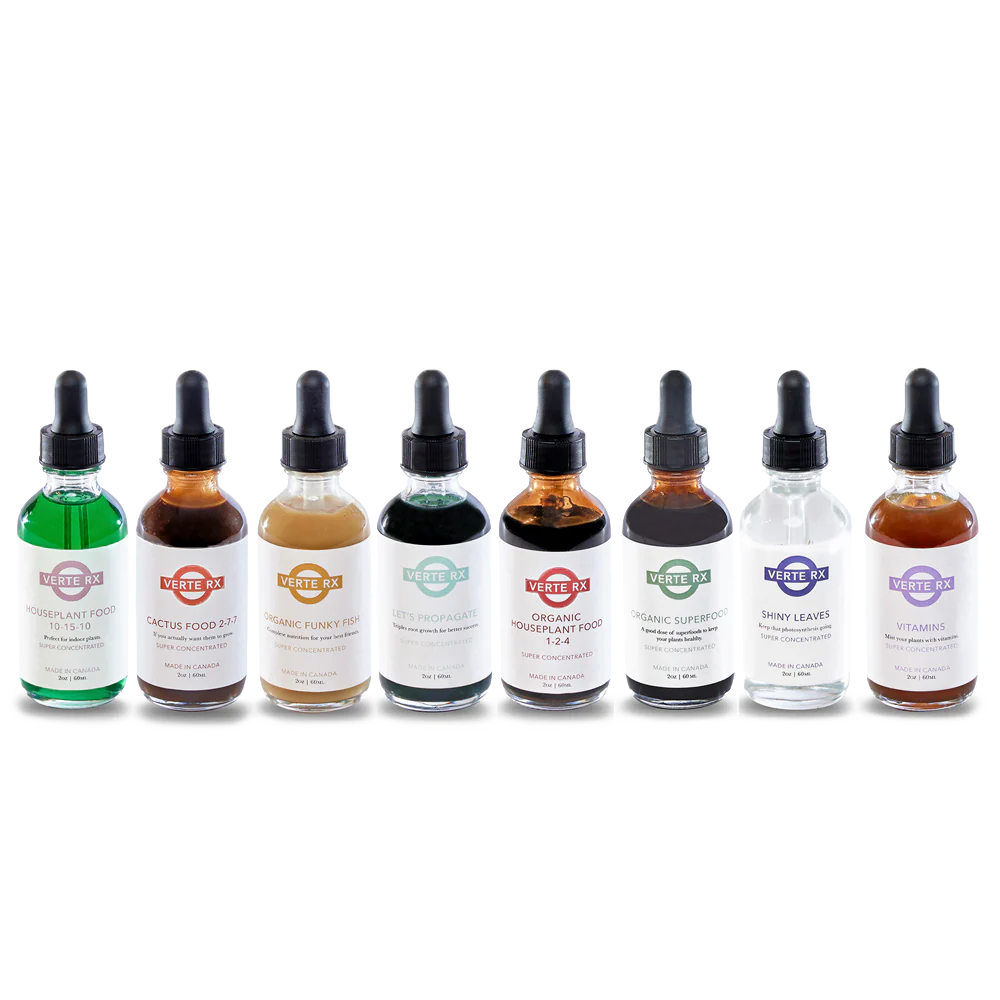
Most seedlings fail not from bad seed but from soil that runs out of what the plant needs before the plant can find it. Verte RX is a liquid plant vitamin formulated for exactly that window — the weeks after germination when the root system is establishing and the margin between thriving and stalling is narrowest.