
Sage Herb Seeds Packet

Regular price $4.95

Vacuum Sealed
NON-GMO
Seed Pack Guarantee

Build Your Garden With These Shido Seeds

Choose a seed packet as your starting point, then round out the bed with these for that thrown-together-but-somehow-perfect harvest.


Sage seeds grow the silver-leaved woody perennial that seasons stuffing and outlives garden trends, hardy in zones 8–11. Shido sage seeds are non-GMO and hermetically vacuum-sealed — growing sage indoors keeps the leaves within easy arm's reach — while ordinary paper packets lose their germination viability within about a year. Culinary sage tolerates drought, poor soil, and inattention better than nearly anything else you can plant, and some specimens carry on for ten years or more, gray and completely unbothered, like a comfortably retired professor. My landlord Stavros keeps one specimen older than his second marriage and waters it only on anniversaries, out of principle. The foliage stays ornamental straight through winter, which is more than most tenants manage. Every lot is germination-tested at independent third-party labs before packaging, so the rate on this packet is a measured laboratory fact and not a mood.

Seed specifications
  • Material: Seed
  • Botanical name: Salvia Farinacea
  • Genus: Salvia
  • Plant family: Lamiaceae
  • Species: Farinacea
  • Plant type: Perennial
  • Pollination type: Herb
  • USDA Hardiness Zones: 8-11
  • Packet contents: ≈ 50 Seeds
  • Packaging: Hermetically vacuum-sealed
  • Non-GMO: Yes
  • Seed viability: Up to 10 years (sealed) / 4–5 years (unsealed, ideal conditions)
  • Difficulty: Easy - Beginner Friendly
Sowing & growing guide

Quick Sowing Guide:

  • When to sow: 6-8 wks before last frost
  • Sowing depth: 1/4 in
  • Initial spacing: 18-24 in
  • Row spacing: 24-30 in
  • Days to germination: 14-21 days
  • Light: Full sun
  • Water: Low - drought tolerant
  • Soil: Well-drained, sandy or loamy soil
  • Harvest: 75-90 days

Start Growing: Step-by-step sowing and growing guide

About vacuum sealing

Why Vacuum-Sealed Seeds Last Longer

Standard paper seed packets are permeable to oxygen and moisture -- the two primary causes of seed degradation. Most paper-packaged seeds begin losing germination viability after approximately one year, contributing to significant garden-industry waste: packets purchased, not planted, expired, discarded. Shido Seeds are hermetically vacuum-sealed. The packet does not expire quietly in a drawer. It waits.

About the Packaging

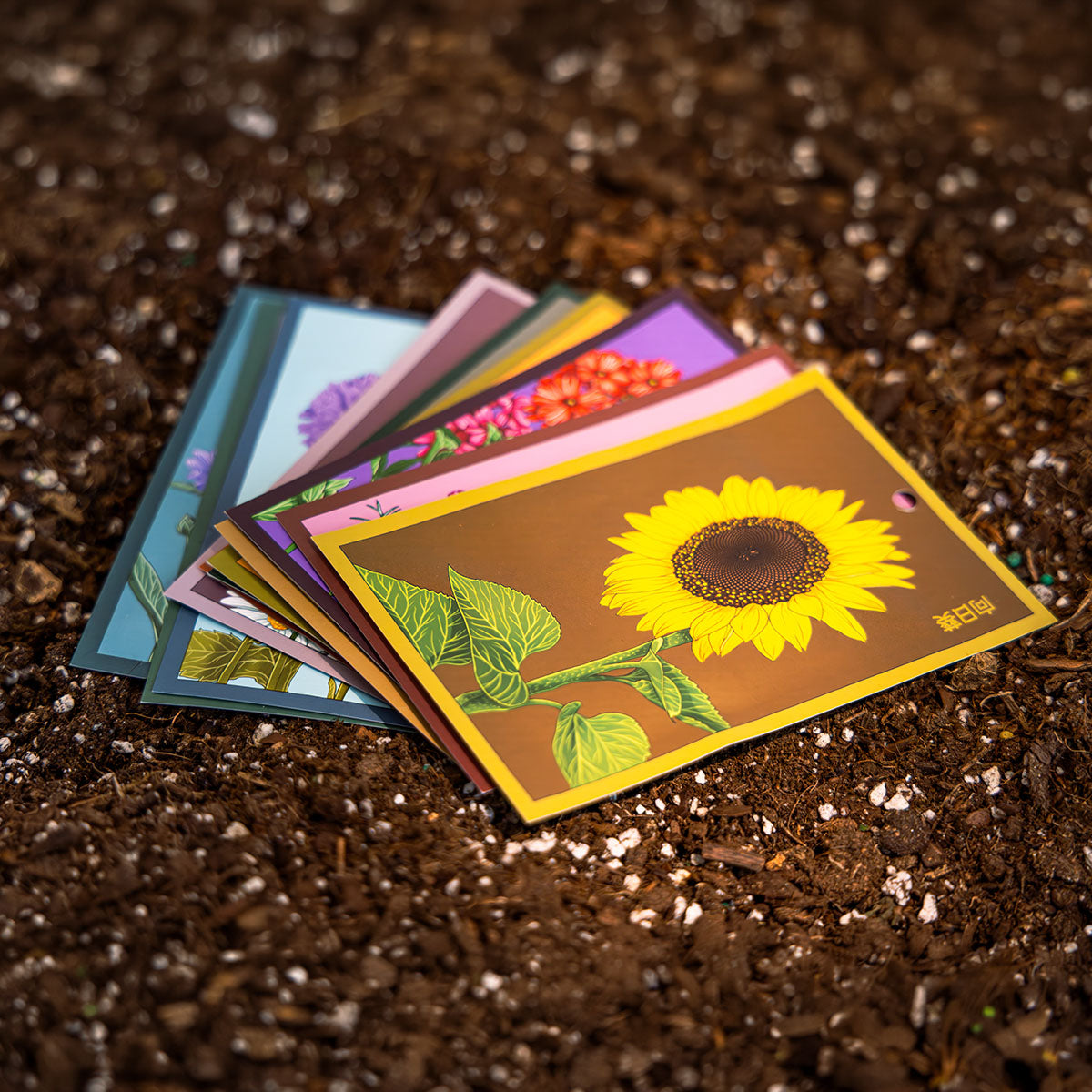
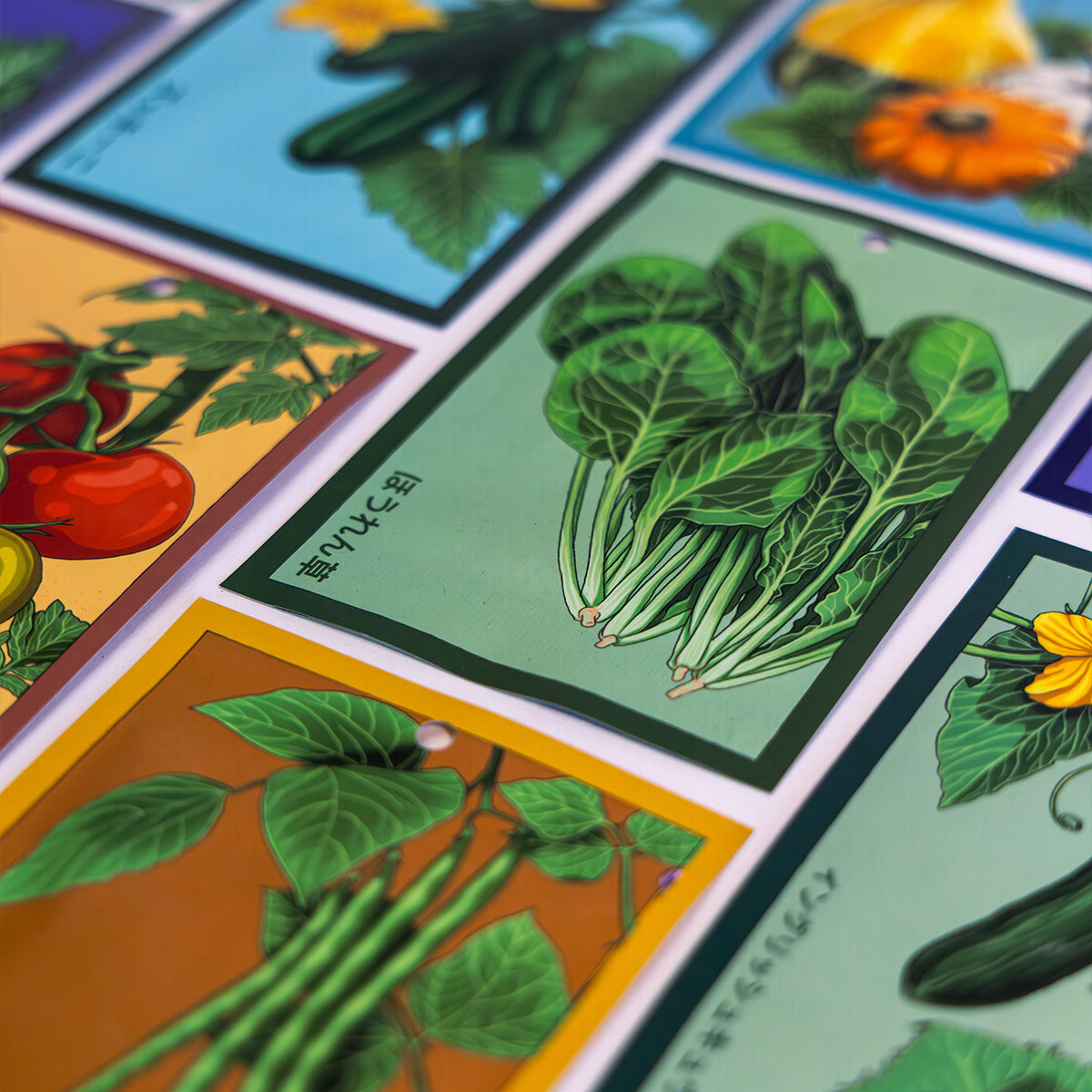
Every Shido seed packet is illustrated in the style of Japanese 1910s woodblock printing -- designed and drawn in-house by Chive, that has been exhibiting at the Chelsea Flower Show in London every year and does not, as a matter of principle, sell to big-box retailers. Customers collect the packets as a series. This was not the original plan.

Shipping & returns

Shipping

  • Free shipping: Orders $200+ within the US
  • Standard: 5–8 business days, Express 2–3 business days (at checkout)
  • International Ships: to 40 countries — rates at checkout
  • Packaging Ships: in outer box to protect gift box

View full shipping policy →

Returns

We accept returns within 30 days of delivery on unused items in original packaging. If your piece arrives damaged, contact us within 7 days with a photo and we will replace it at no charge.

View full return policy →

Satisfaction Guarantee

We stand by the quality of our flower seed packets! Every Shido seed packet is lab-tested for germination before it ships. If your seeds do not perform to the stated germination rate under correct growing conditions, contact us and we will replace or refund. Guaranteed!

Wholesale Inquires

Have a cool shop? Know someone that does?

Find Chive on Faire →

Radish Horticultural Specifications

Botanical

Salvia Farinacea

Plant Type

Perennial

Light

Full sun

Water

Low - drought tolerant

Soil

Well-drained, sandy or loamy soil

Depth

1/4 in

Germination

14-21 days

USDA Zone

8-11

Mature Height

18-24 in

Harvest

75-90 days


Getting to know your Blue Sage

Sage is the herb that ages into its looks. The first summer it is a modest gray-green tuft, pleasant enough, easily overlooked next to the show-offs. By its third summer it has become a small silver shrub with actual presence, the kind of plant that visitors touch without asking, and the kitchen has quietly reorganized several of its habits around the supply. Because here is the thing about sage: a few leaves do the work of a whole bunch of anything else. Two leaves in a pot of white beans. Four crisped in a skillet until the foam goes quiet and nutty, the entire dish somehow now about them. One velvety leaf pressed flat under chicken skin like a note slipped into a pocket. The velvet is not decorative, either; those fine hairs are where the oils live, which is why the flavor survives long cooking that would erase daintier herbs. And it earns its keep even off-duty. In November, when the windowsill has otherwise resigned, sage sits there silver and composed, faintly architectural, looking like it was placed by someone with taste. It was. You planted it years ago, exactly once, which is the entire trick of the thing.


History & origin

Ancient Egypt

Used medicinally, with some historical accounts describing its use to support fertility.

Ancient Rome

The name derives from the Latin "salvere," meaning "to be saved" or "to heal." Romans considered sage sacred enough to harvest under ceremonial conditions — with a special knife, bare feet, and clean clothing, avoiding iron tools entirely. A Latin proverb asked, "Cur moriatur homo cui salvia crescit in horto?" — "Why should a man die while sage grows in his garden?"

Medieval Europe

Used medicinally for a remarkably wide range of ailments and grown in monastery physic gardens; Charlemagne ordered its cultivation in the imperial gardens.

17th Century — European–Chinese Trade

Dutch traders reportedly exchanged several chests of tea for a single chest of dried European sage, reflecting how highly Chinese merchants valued the herb as medicine at the time.

Today

A staple culinary herb, especially in poultry stuffing and Italian cooking, and a continued subject of research into memory and cognitive benefits — echoing its ancient reputation almost exactly.

Shido Vegetable and Flower Seeds Vacuum sealed for peak freshness

Step-by-Step Sowing & Growing Guide

Getting Started

Perennial, becomes woody over time

Step 1: Timing - Start indoors 6–8 weeks before last frost.

Step 2: Soil - Lean, well-drained. pH 6.0–7.0.

Step 3: Sowing - ¼ inch deep. Germination takes 14–21 days.

Step 4: Transplant - After last frost, 18–24 inches apart, rows 24–30 inches — sage becomes a substantial woody shrub over a few seasons.

Step 5: Prune annually - Cut plants back by about a third every early spring. Without this, the base turns woody and unproductive within a few years — this is the maintenance step that keeps a sage plant worth harvesting long-term.

Step 6: Harvest - Pick leaves anytime once established; flavor is most concentrated just before flowering.

Before you start

Materials needed to sow

  • Seed trays or small pots: For the 8-10 week indoor start.
  • Grow light: For seedling growth.
  • Well-drained, sandy seed-starting mix: Matches this plant's coastal, drought-tolerant origins better than a standard moisture-retentive mix.

Materials for harvest and storage

  • Sharp scissors or pruners: For cutting stems cleanly.
  • Rubber bands: Better than string for bundling -- they hold snugly even as stems shrink while drying.
  • A dark, dry, well-ventilated space for hanging: Direct sunlight fades the color during drying, so a shaded spot matters.

Tip: Cut stems once most of the small papery flowers on that stem have opened -- this is the point of best color retention, whether the stems are headed for a fresh vase or a dried arrangement.

Growth Requirements

Light:

  • Prefers full sun (6-8 hours of direct sunlight daily).
  • Can tolerate partial shade but blooms best in sunny conditions.

Soil:

  • Thrives in well-draining, sandy, loamy, or rocky soils.
  • Ideal soil pH: 6.0-7.5.
  • Avoid heavy, clay-rich soils that retain excessive moisture.

Watering:

  • Drought-tolerant once established.
  • Water occasionally during prolonged dry spells.
  • Avoid overwatering, which can lead to root rot.

Temperature & Climate:

  • Prefers warm temperatures between 65-85°F (18-30°C).
  • Tolerates heat and dry conditions well.
  • In colder climates, mulching around the base can help overwintering.

Fertilization:

  • Requires minimal fertilization.
  • A light application of compost or balanced fertilizer in spring can encourage growth.
  • Avoid excessive nitrogen, which may reduce flowering.

Maintenance

Mulching:

  • Apply a light layer of mulch (gravel or straw) to retain moisture and suppress weeds.
  • Helps insulate roots during winter in colder climates.

Pruning & Deadheading:

  • Trim back in late fall or early spring to promote bushy growth.
  • Deadhead spent flowers to encourage prolonged blooming.

Overwintering:

  • In colder zones, cut back stems in late fall and apply mulch for protection.
  • In warmer regions, plants may remain evergreen or semi-evergreen.

Troubleshooting and common mistakes

  • Overwatering: The main cause of root rot and the most common way to lose an established sage plant.
  • Skipping annual pruning: Without a yearly cutback, the base turns woody and unproductive within a few seasons.
  • Sowing too deep: Reduces germination rates on an already moderately slow seed.

Culinary uses & nutritional information

What it's used for

1. Ornamental Uses:

  • Adds color and height to wildflower gardens, prairie restorations, and xeriscapes.
  • Attracts bees, butterflies, and hummingbirds with its nectar-rich flowers.
  • Works well in borders, pollinator gardens, and naturalized areas.

2. Medicinal Benefits:

  • Traditionally used by Native American tribes for respiratory and digestive health.
  • Contains antibacterial and anti-inflammatory properties.
  • Blue sage tea is sometimes used for relaxation and wellness.

3. Ecological Benefits:

  • Provides nectar for pollinators and habitat for beneficial insects.
  • Drought-tolerant, making it ideal for water-wise landscaping.
  • Supports biodiversity in prairie and meadow ecosystems.

What parts are edible

  • Leaves: The primary edible part, fresh or dried. Central to poultry stuffing, Italian pasta dishes (brown butter sage sauce), and roasted meats. Strong and slightly bitter — used in smaller quantities than milder herbs.
  • Flowers: Edible, with a softer sage flavor than the leaves. Purple-blue blooms are a strong pollinator draw and make a delicate garnish.
  • Stems: Woody stems are generally discarded; young tender stem tips near the leaf clusters can occasionally be used but are not a standard part of the harvest.

Nutritional data

Dried leaf, per 100g

Calories: 315 kcal

  • Carbohydrates: 60.73 g
  • Protein: 10.63 g
  • Total fat: 12.75 g
  • Dietary fiber: 40.3 g
  • Vitamin C: 32.4 mg (36% RDA)
  • Folates: 274 µg (68% RDA)
  • Potassium: 1,070 mg
  • Cholesterol: 0 mg
  • Vitamin K: ~1,714.5 µg — one of the highest vitamin K concentrations of any dried culinary herb

Companion plants, pests & diseases

Companion planting

Good companions

  • Thyme — planted together, shown to reduce certain moth pests on nearby cabbage-family crops
  • Rosemary, tomatoes — compatible growing conditions

Poor companions / avoid

  • Cucumbers — needs much less water than cucumbers do

Pests

  • Spider mites: Occasional in hot, dry conditions.
  • Whiteflies: Uncommon, mainly indoor/greenhouse issue.
  • Spittlebugs: Foamy residue on stems, mostly cosmetic.
  • Slugs: A risk to young seedlings specifically, less so to established plants.

Diseases

  • Root rot: The most common problem, almost always from wet soil rather than the plant's underlying health.
  • Powdery mildew: In crowded, humid conditions.
  • Verticillium wilt: Soil-borne, causes wilting that doesn't recover. No cure — remove affected plants and avoid replanting sage in the same soil.

Pro Tip

Deadhead spent blooms to encourage continuous flowering, and prune in early spring to promote bushy growth.

Bonus: Blue sage attracts pollinators like bees and butterflies and is deer-resistant, making it a great low-maintenance addition to any garden!

Seeds worth keeping

What makes Shido Seeds different

Shido Seeds are designed by Chive Studio, a ceramic design company. We are not a seed conglomerate. We do not sell through big-box retailers. Each variety in the catalog was selected because it is worth growing — not because it ships well in bulk or photographs well in marketing materials.

Every packet is germination-tested at an independent third-party lab before it earns its woodblock illustration. The vacuum seal removes the oxygen that causes standard paper packets to degrade. The stated germination rate is a floor, not a marketing figure.

If something goes wrong, contact us. We will make it right.

Plants that Grow together look good together...even if they are ceramic
Feed Your Plants Like You Actually Know What You’re Doing
Sage brings gravity; chives bring the punchline. The Chives Herb Seeds Packet delivers onion-bright snips and edible purple flowers all season.

Vegetable Shido Seeds packets — by Chive Studio Toronto

The silver shrub is one chapter. Browse the remaining chapters in the Shido herb seeds catalog before the season starts.

Buttercup Yellow Gay Paree Peony - Chive Ceramics Studio - Ceramic Flowers - Chive Ceramics Studio

The ceramic Buttercup Yellow Chrysanthemum holds autumn's color without autumn's deadline.

Chive Shido seed packets with botanical illustrations on a peg rack, showing cherry blossom, tomato, and eggplant designs.

The credentials behind the packet

Silver is a difficult color in ceramics and an easy one in sage, which may be why our studio holds this plant in specific esteem. The Shido packet's woodblock-style illustration renders those soft gray leaves in carved line and flat ink, the way Japanese printmakers handled foliage a century back, and it hangs together so well we considered selling the envelope without the seeds. We did not. Chive has been a hands-on studio since 2004, and Shido exists to put living things beside the permanent ones we already make. Sage splits the difference: a plant with the lifespan of an object. Grow it near the ceramic flowers. Let them compare notes.


Plant Care, Simplified with Chive

Keep it alive, keep it thriving. Let's make plant parenthood look easy.

Are Seed Packets GMO? The Honest Answer

Todd Newgren
Are seed packets GMO? No—home garden seed packets, Shido included, are never genetically modified, since GMO seed is only made for large-scale commercial crops. The non-GMO badg...
Read more

Do Seeds Expire? How Long Do Seeds Last | Shido

Todd Newgren
Seeds don't expire — they lose viability as oxygen depletes stored energy, and vacuum sealing is the fix. Chive's Shido Seeds are vacuum-sealed, germination-tested, and stocked ...
Read more

Frequently asked questions

How do you grow sage from seed?

To grow sage from seed, sow shallowly in warm, well-drained mix and keep it consistently warm; seedlings appear without hurry and grow with calm determination. Give each one its own pot early, since sage builds a root system with long-term intentions. Shido's vacuum-sealed packet delivers its verified rate, and sage delivers the following ten years.

How long does sage take to germinate?

Sage takes an unhurried while to germinate in warm soil, but it is dependable about arriving. Keep the mix warm and barely moist, never soggy, and resist checking under the surface, a temptation everyone denies and everyone commits. The sealed Shido packet has already done its waiting on the shelf. The seed handles this stretch. You handle the watering can.

Can you grow sage indoors on a windowsill?

You can grow sage indoors on a windowsill given serious sun, six hours or better, and soil that drains before it broods. The silvery leaves make it the best-looking herb in the window through winter. Snip a few leaves at a time and the plant restocks steadily. Started from a vacuum-sealed Shido packet, one sowing furnishes a sill for years.

Is sage a perennial herb?

Sage is a perennial herb in the fullest sense, a woody evergreen that carries on for five to ten years and sometimes beyond, gaining character each season. The soft first-year plant becomes a small silver shrub with opinions. From one sealed Shido packet you are planting something closer to a shrub than a crop. Site it accordingly. It intends to stay.

Does sage come back every year?

Sage comes back every year in zones 4 through 8, taking winter in stride and pushing new gray-green growth each spring. Prune it back by a third after the last frost and it stays dense rather than leggy. There is no annual replanting ritual, only an annual haircut. The vacuum-sealed Shido packet starts this exactly once. The shrub keeps its own calendar afterward.

How long do sage seeds last?

Standard paper-packed sage seeds begin losing germination viability after approximately one year. Shido sage seeds are hermetically vacuum-sealed, removing oxygen entirely. State law requires a 3-year viability date on sealed packaging. NASA research on hermetic seed storage suggests viability up to ten years in cool, dry conditions. Your Shido packet waits.

What do you cook with fresh sage?

You cook with fresh sage anywhere butter is involved: crisped in brown butter over pasta, layered into stuffing, tucked under poultry skin, or fried whole as a garnish that finally earns the word. A few leaves go far. These same seeds are sold at the RHS Chelsea Flower Show, where Chive has exhibited for 14 consecutive years, winning the 5-star booth award twice.

Does sage grow well in containers or pots?

Sage grows well in containers and pots, provided the pot drains fast and sits in full sun; a ten-inch terracotta pot suits a mature plant for years. Container life also keeps the silver foliage at picking height beside the door. Water when dry, prune each spring, and that is the entire maintenance contract. Sown once from a sealed Shido packet, honored for a decade.

Verte Rx Shiny Leaves for Plants - Chive Ceramics Studio - Chive Ceramics Studio

The seed is the start. Verte RX handles the rest.

Most seedlings fail not from bad seed but from soil that runs out of what the plant needs before the plant can find it. Verte RX is a liquid plant vitamin formulated for exactly that window — the weeks after germination when the root system is establishing and the margin between thriving and stalling is narrowest.