Rosemary Herb Seeds Packet

Regular price $4.95
Vacuum Sealed
NON-GMO
Seed Pack Guarantee

Build Your Garden With These Shido Seeds

Choose a seed packet as your starting point, then round out the bed with these for that thrown-together-but-somehow-perfect harvest.


Rosemary seeds grow the slow, resinous perennial shrub that anchors Mediterranean cooking, hardy outdoors in zones 7–11. Shido rosemary seeds are non-GMO and hermetically vacuum-sealed — growing rosemary indoors works beautifully on a bright sill — while ordinary paper packets give up their germination viability within about a year. This is the honest part: rosemary germinates at roughly fifty percent and takes its time doing it, so sow twice what you need and then go find something else entirely to worry about for a good long while. My friend Marguerite started hers the week she quit smoking and still credits the slow little plant with both outcomes. Once established, a single rosemary bush will outlast most appliances and several friendships. Every lot is germination-tested at independent third-party labs before packaging, so that fifty percent figure arrives as a verified measurement and not as a confession.

Seed specifications
  • Material: Seed
  • Botanical name: Rosmarinus Officinalis
  • Genus: Salvia
  • Plant family: Lamiaceae
  • Species: Rosmarinus
  • Plant type: Perennial
  • Pollination type: Herb
  • USDA Hardiness Zones: 8-10
  • Packet contents: ≈ 10 Seeds
  • Packaging: Hermetically vacuum-sealed
  • Non-GMO: Yes
  • Seed viability: Up to 10 years (sealed) / 4–5 years (unsealed, ideal conditions)
  • Difficulty: Moderate - Recreational Gardener
Sowing & growing guide

Quick Sowing Guide:

  • When to sow: 8-10 weeks before last frost
  • Sowing depth: Surface sow or barely cover
  • Initial spacing: 6-8 in
  • Row spacing: 18-24 in
  • Days to germination: 14-25 days
  • Light: Full sun
  • Water: Let soil dry out between waterings
  • Soil: Well-draining, slightly alkaline
  • Harvest: 80-90 days

Start Growing: Step-by-step sowing and growing guide

About vacuum sealing

Why Vacuum-Sealed Seeds Last Longer

Standard paper seed packets are permeable to oxygen and moisture -- the two primary causes of seed degradation. Most paper-packaged seeds begin losing germination viability after approximately one year, contributing to significant garden-industry waste: packets purchased, not planted, expired, discarded. Shido Seeds are hermetically vacuum-sealed. The packet does not expire quietly in a drawer. It waits.

About the Packaging

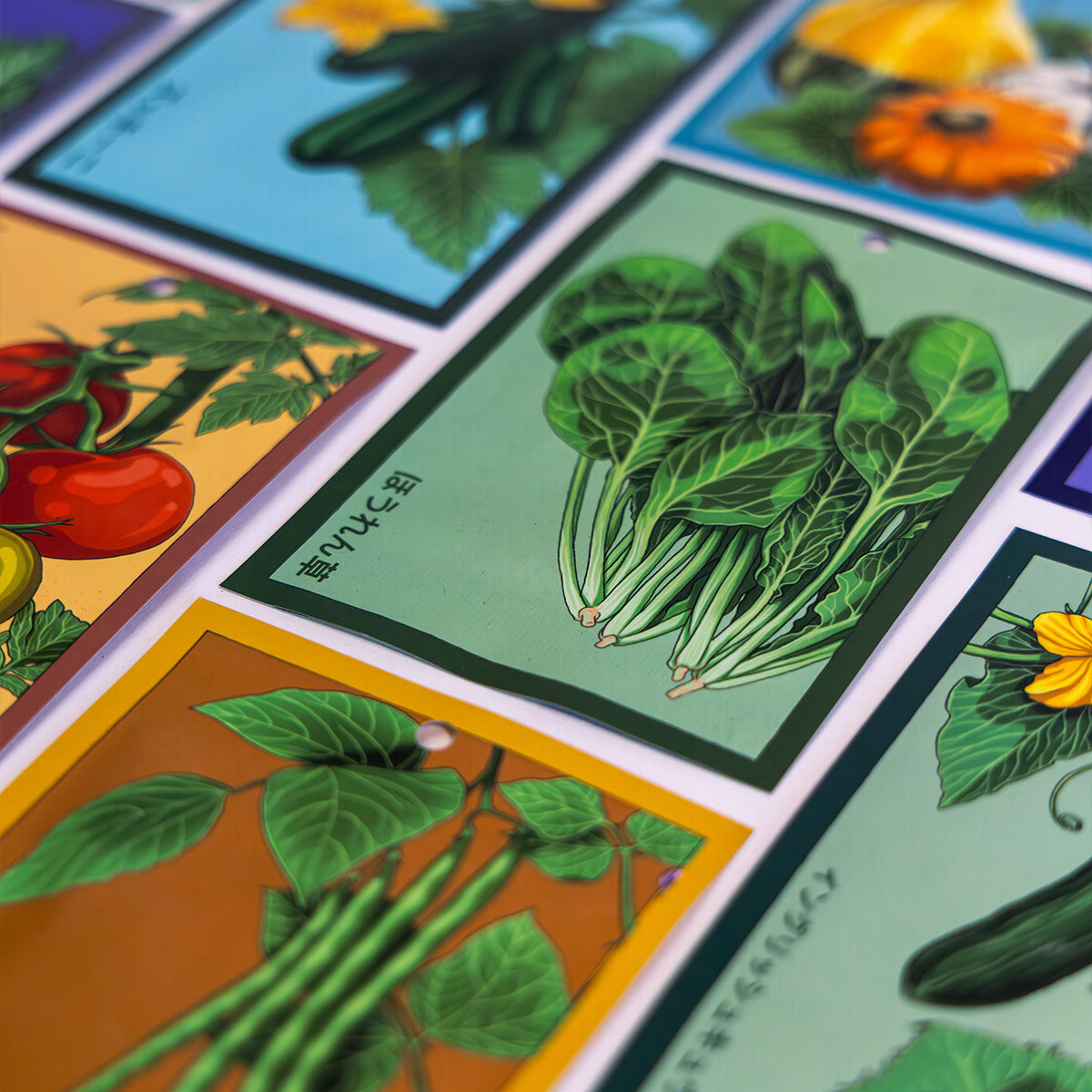
Every Shido seed packet is illustrated in the style of Japanese 1910s woodblock printing -- designed and drawn in-house by Chive, that has been exhibiting at the Chelsea Flower Show in London every year and does not, as a matter of principle, sell to big-box retailers. Customers collect the packets as a series. This was not the original plan.

Shipping & returns

Shipping

  • Free shipping: Orders $200+ within the US
  • Standard: 5–8 business days, Express 2–3 business days (at checkout)
  • International Ships: to 40 countries — rates at checkout
  • Packaging Ships: in outer box to protect gift box

View full shipping policy →

Returns

We accept returns within 30 days of delivery on unused items in original packaging. If your piece arrives damaged, contact us within 7 days with a photo and we will replace it at no charge.

View full return policy →

Satisfaction Guarantee

We stand by the quality of our flower seed packets! Every Shido seed packet is lab-tested for germination before it ships. If your seeds do not perform to the stated germination rate under correct growing conditions, contact us and we will replace or refund. Guaranteed!

Wholesale Inquires

Have a cool shop? Know someone that does?

Chive Wholesale →

Radish Horticultural Specifications

Botanical

Rosmarinus Officinalis

Plant Type

Perennial

Light

Full sun

Water

Let soil dry out between waterings

Soil

Well-draining, slightly alkaline

Depth

Surface sow or barely cover

Germination

14-25 days

USDA Zone

8-10

Mature Height

Harvest

80-90 days


Rosemary is the herb for people who understand that the best things in a kitchen are the permanent ones. It does everything slowly: germinates slowly, grows slowly, considers your watering schedule slowly and finds it excessive. For the first few months you are raising something the size of a paperclip and wondering what the fuss is about. Then one day you brush against it reaching for a pan, and the whole kitchen smells like a roast you have not started yet, and you understand. This is not a plant. It is an appliance that runs on sunlight. Strip a stem backward between two fingers, drop the needles over potatoes with oil and too much salt, and you have produced the dish that convinces people you can cook. The bare stem goes onto the coals or straight into the bean pot. Nothing is wasted; nothing is hurried. By its second year the plant has grown woody at the base, settling in like it holds the lease, and every single gray afternoon from November onward it sits on the sill, evergreen and faintly smug, waiting patiently for you to need it. You will. That is the entire business model, and it works.


History & origin

Ancient Egypt

Rosemary sprigs have been found in tombs dating back roughly 5,000 years, placed with the dead as protective offerings and used in embalming practices of the time.

Ancient Greece

Sacred to Aphrodite and burned in temple rituals in her honor. Students preparing for exams wove rosemary into crowns or wore it in their hair, believing it sharpened memory and improved recall. Rosemary crowns were also worn by brides as a symbol of love and fidelity.

Ancient Rome

Romans believed the scent of rosemary helped preserve dead bodies, and its evergreen leaves came to symbolize eternity. It was carried at funerals and cast into graves, and burned as incense on household altars dedicated to the Lares and Penates, the protective household gods.

Middle Ages, Europe

Rosemary was widely burned in homes and hospitals across Europe for purification and to ward off illness, a practice that intensified during outbreaks of plague. Sprigs were placed under pillows to prevent nightmares, and Charlemagne ordered its cultivation in imperial monastery gardens in the 9th century.

Renaissance England

Rosemary became a fixture of wedding tradition, worked into bridal wreaths and wedding attire as a symbol of loyalty and remembrance — a meaning cemented in English literature, most famously when Shakespeare's Ophelia declares, "There's rosemary, that's for remembrance" in Hamlet.

Today

A cornerstone Mediterranean culinary herb, essential to roasted meats, breads, and infused oils, while retaining its old symbolic association with memory and remembrance in modern herbalism and aromatherapy.

Shido Vegetable and Flower Seeds Vacuum sealed for peak freshness

Step-by-Step Sowing & Growing Guide

Getting Started

Perennial — drainage is the defining task

Step 1: Plan drainage first - Choose a pot with holes or a raised, sandy bed before sowing. This matters more for rosemary than any other step here — in heavy or waterlogged soil, roots rot and the plant dies regardless of how well everything else is done.

Step 2: Timing - Start indoors 8-10 weeks before last frost. Germination is slow and uneven, so build in extra buffer beyond what other herbs need.

Step 3: Soil - Well-draining, sandy or gritty, slightly alkaline. Let it run dry between waterings — this is not a thirsty plant.

Step 4: Sowing - Surface sow or barely cover, press in lightly. Germination takes 14-25 days and can be inconsistent; bottom heat helps.

Step 5: Ongoing care - Water only once the top 1-2 inches of soil are dry. Full sun, 6-8+ hours daily. Many growers propagate from cuttings instead of seed for more reliable results.

Step 6: Harvest - Snip sprigs from the top down, taking no more than a third of the plant at once. Regular light harvesting keeps it bushy rather than woody.

Before you start

Materials needed to sow

  • Seed trays or small pots: For the 8-10 week indoor head start, plus the extra weeks slow-germinating rosemary often needs
  • Heat mat: Speeds up notoriously slow, uneven germination
  • Grow light: Prevents leggy stretching during the long indoor period
  • Humidity dome: Helps hold moisture during the extended germination window
  • Plant labels: Useful since rosemary seedlings are unremarkable and easy to mix up with other herb starts

Materials for harvest and storage

  • Scissors or pruning snips: Clean cuts heal faster and reduce disease risk on woody stems
  • Basket or bowl: For collecting sprigs as harvested
  • Drying rack or bundles: Rosemary dries well hung upside down in a dark, ventilated space

Tip: Harvest sprigs from the top down, never more than a third of the plant at once, to keep it productive and bushy rather than woody and sparse.

Growth Requirements

Light:

  • Requires full sun — at least 6-8 hours of direct sunlight daily.
  • Insufficient light leads to leggy, sparse growth and weak flavor.

Soil:

  • Thrives in well-draining, sandy or gritty soil, slightly alkaline (pH 6.0-7.5).
  • Lean, poor soil is preferred — rich or heavily amended soil dulls its aromatic oils and flavor.
  • Good drainage matters more for rosemary than for almost any other herb.

Watering:

  • Drought-tolerant once established; let soil dry out between waterings.
  • Overwatering is the most common cause of death — root rot sets in quickly in soggy soil.
  • Water deeply but infrequently rather than little and often.

Temperature & Climate:

  • Prefers temperatures between 60-80°F.
  • Hardy to USDA zones 8-10 as a perennial; treated as an annual or brought indoors in colder zones.
  • Tolerates heat well but is sensitive to hard freezes and wet winter conditions.

Fertilization:

  • Needs very little feeding — apply a light, balanced fertilizer once or twice a season at most.
  • Over-fertilizing produces lush growth at the expense of flavor and aromatic intensity.

Maintenance

Mulching:

  • Apply light mulch (gravel or sand) rather than heavy organic mulch to keep the crown dry.
  • Helps regulate soil temperature and suppress weeds without trapping excess moisture against the stem.

Pruning & Harvesting:

  • Trim regularly to encourage bushy, compact growth and prevent woodiness.
  • Harvest sprigs once stems reach 6-8 inches long, taking no more than a third of the plant at a time.
  • Use sharp scissors or pruning snips, cutting just above a leaf node to promote branching.

Overwintering:

  • In colder climates, mulch around the base or move container-grown plants indoors before the first frost.
  • Indoors, place near a bright window and reduce watering, since rosemary's growth slows over winter.
  • Watch for root rot indoors — winter overwatering is a common cause of dieback.

Fresh Storage:

  • Wrap sprigs in a damp paper towel and refrigerate for 1-2 weeks.
  • Alternatively, stand stems upright in a small jar of water on the counter, like cut flowers.

Drying:

  • Hang stems upside down in a warm, dry, well-ventilated place out of direct sun.
  • Once fully dry, strip leaves and store in airtight jars for up to a year.

Freezing:

  • Freeze whole sprigs or stripped leaves in ice cube trays with olive oil or water.
  • Store frozen cubes in freezer bags for up to 6 months.

Troubleshooting and common mistakes

  • Yellowing or dropping needles — usually overwatering or poor drainage, not underwatering
  • Leggy, sparse growth — insufficient light; move to a sunnier spot or add grow light
  • Slow/no germination — common with seed; consider propagating from a cutting instead for reliability

Culinary uses & nutritional information

What it's used for

1. Culinary Uses:

  • Used fresh or dried to flavor roasted meats, poultry, and potatoes, its piney aroma standing up well to high heat.
  • Infused into olive oils, vinegars, and butters for a fragrant finishing touch.
  • Added to breads, focaccia, and savory baked goods, often paired with sea salt.
  • Steeped in syrups or cocktails for an aromatic, herbaceous note.
  • Used whole-sprig as a skewer for grilled vegetables or meats, imparting flavor as it cooks.

2. Nutritional & Wellness Benefits:

  • Rich in antioxidants, including rosmarinic acid and carnosic acid, which support cellular health.
  • Contains compounds studied for their potential to support memory and mental alertness, an association dating back to ancient Greece.
  • Used in aromatherapy and herbal preparations for its stimulating, clarifying scent.
  • Traditionally brewed as a tea for digestive support.

3. Companion Planting:

  • Grows well with sage, thyme, cabbage-family plants, and beans, which may benefit from its natural pest-repelling properties.
  • Avoid planting with basil and cucumbers, since their higher water needs conflict with rosemary's preference for dry soil.

4. Other Uses:

  • Dried sprigs added to potpourri, sachets, and drawer liners for long-lasting fragrance.
  • Used in wreaths and floral arrangements, especially for winter and remembrance occasions.
  • Rosemary oil is a common ingredient in shampoos and scalp treatments.

What parts are edible

Leaves (needles): The primary edible part, used fresh or dried in cooking. Fresh leaves have a stronger, more resinous flavor; dried leaves are more concentrated and slightly more bitter. The most widely used part by a wide margin.

Flowers: Edible, with a milder, slightly sweeter flavor than the leaves. Pale blue to purple in color, they make a delicate garnish for salads and desserts and are a strong draw for pollinators.

Stems: Woody stems are not eaten directly but are often used as skewers for grilling, imparting flavor as food cooks on them. Young, tender stem tips can occasionally be minced along with the leaves.

Nutritional data

Fresh leaf, per 100g

Calories: 131 kcal

  • Carbohydrates: 20.7 g
  • Protein: 3.3 g
  • Total fat: 5.9 g
  • Dietary fiber: 14.1 g (56% RDA)
  • Vitamin A: 2,924 IU (~97% RDA)
  • Vitamin C: 21.8 mg (~24% RDA)
  • Folates: 109 µg (~27% RDA)
  • Calcium: 317 mg (~32% RDA)
  • Potassium: 668 mg
  • Iron: 6.7 mg (~37-83% RDA depending on source)
  • Manganese: 0.96 mg (~42% RDA)
  • Cholesterol: 0 mg

Companion plants, pests & diseases

Companion planting

Good companions

  • Sage, thyme — same Mediterranean water/soil preferences
  • Cabbage family (brassicas) — may help repel cabbage moths
  • Beans — mutually beneficial pest deterrence reported

Poor companions / avoid

  • Basil — conflicting water needs (basil wants consistent moisture, rosemary wants dry)
  • Cucumbers — same water-need conflict

Pests

  • Spider mites — fine webbing, worse in hot dry indoor conditions
  • Whiteflies — small white flying insects on undersides of leaves; yellow sticky traps or insecticidal soap
  • Aphids — cluster on new growth; strong water spray or insecticidal soap

Diseases

  • Root rot — caused by overwatering/poor drainage, the single most common cause of rosemary death; no cure once advanced, prevention is the only real treatment
  • Powdery mildew — white powdery coating, worsened by poor air circulation; increase spacing and airflow
  • Botrytis (gray mold) — grayish fuzzy mold in humid, crowded conditions

Pro Tip

Rosemary hates wet feet, so err on the side of underwatering and make sure your pot or bed drains well. It thrives in full sun and lean, sandy soil — rich soil actually dulls its flavor and weakens its aromatic oils. Don't fertilize heavily.

Bonus: Regular light pruning keeps growth bushy and productive instead of woody and sparse!

Vegetable sprouting in rich dark soil - Shido Seeds
Seeds worth keeping

What makes Shido Seeds different

Shido Seeds are designed by Chive Studio, a ceramic design company. We are not a seed conglomerate. We do not sell through big-box retailers. Each variety in the catalog was selected because it is worth growing — not because it ships well in bulk or photographs well in marketing materials.

Every packet is germination-tested at an independent third-party lab before it earns its woodblock illustration. The vacuum seal removes the oxygen that causes standard paper packets to degrade. The stated germination rate is a floor, not a marketing figure.

If something goes wrong, contact us. We will make it right.

Plants that Grow together look good together...even if they are ceramic
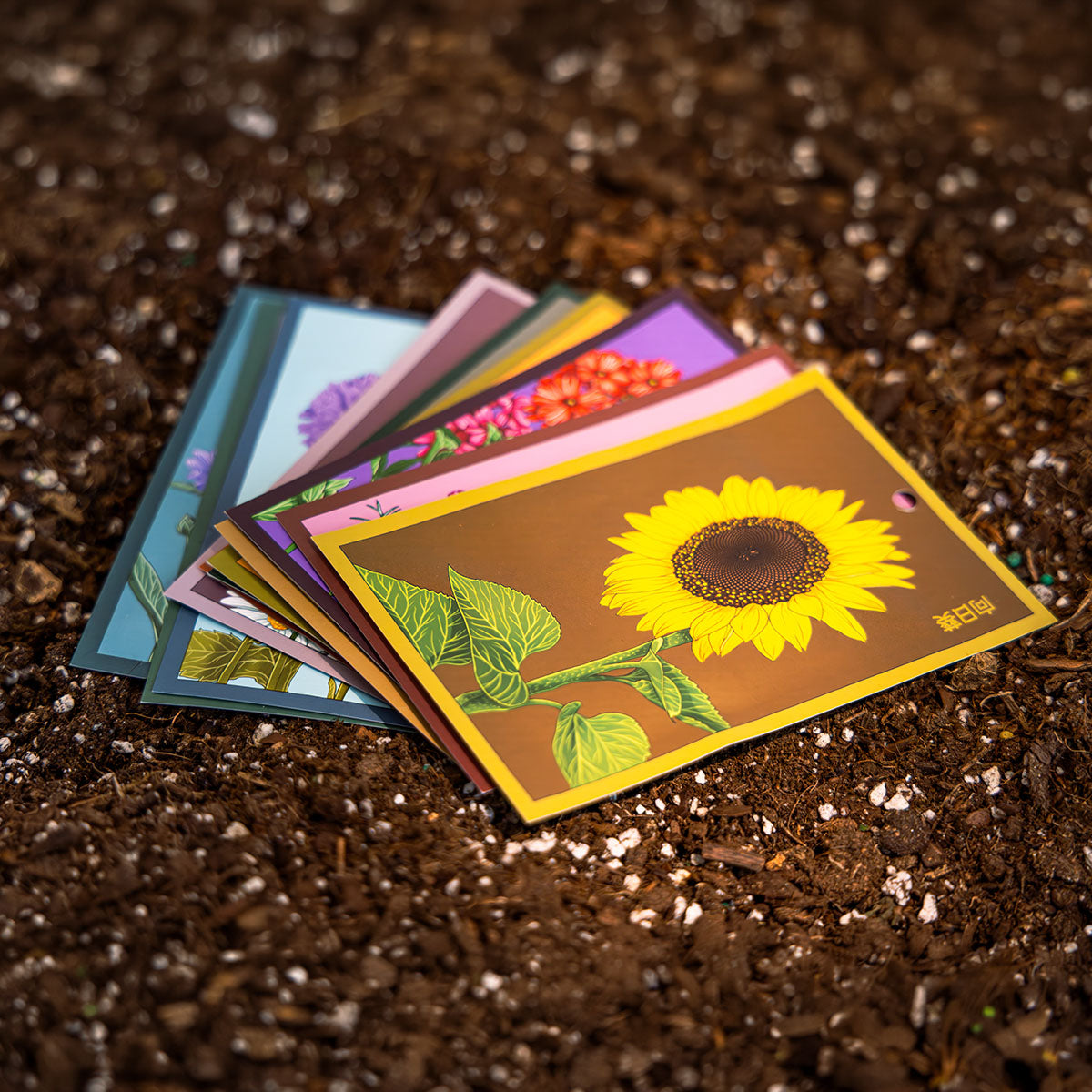
Set of Chive Shido Seeds packets with fruit and flower illustrations on a soil background.

Rosemary handles dinner; chamomile handles the hour after. The Chamomile Flower Seeds Packet closes out the evening shift of the windowsill.

Vegetable Shido Seeds packets — by Chive Studio Toronto

Perennials, annuals, and one very committed shrub: the Shido herb seeds lineup covers the whole rotation.

Buttercup Yellow Gay Paree Peony - Chive Ceramics Studio - Ceramic Flowers - Chive Ceramics Studio

For color that requires no decade of patience, the ceramic Lime Yellow Tiger Lily blooms on day one and never stops.

Chive Shido seed packets with botanical illustrations on a peg rack, showing cherry blossom, tomato, and eggplant designs.

The credentials behind the packet

There is a reason a ceramics studio ended up selling rosemary seed: we are professionally interested in things that improve as they age, and rosemary is the rare herb that does. The packet's woodblock-style illustration leans into the plant's structure, needle and branch, printed like the old botanical plates people used to frame. Chive has made slow, permanent objects by hand since 2004, and Shido is that same instinct applied to living things: choose varieties worth a decade, seal them properly, print the envelope like it matters. Rosemary was the first perennial on the list and the easiest vote we have ever held. Plant it just once. Argue about everything else.


Plant Care, Simplified with Chive

Keep it alive, keep it thriving. Let's make plant parenthood look easy.

  • 5 stars: 2 (100%)
  • 4 stars: 0 (0%)
  • 3 stars: 0 (0%)
  • 2 stars: 0 (0%)
  • 1 star: 0 (0%)
L
Lisa Vettese
lovely packet art

I gave these seed packets as a gift, and the packages themselves were seen as works of art. Thank you.

G
Gretchen Fitzsimmons
Growing rosemary from seed is challenging but rewarding!

Took almost 2 months to germinate and grow large enough to transplant. Very slow growing but the flavor is incredible - so much more aromatic than store plants. Perfect for roasted potatoes and lamb dishes. Plants need protection in winter here in Ohio. Worth the effort for fresh rosemary year-round. Patience is key with these seeds!

Frequently asked questions

How do you grow rosemary from seed?

To grow rosemary from seed, surface sow onto moist seed-starting mix, cover with the thinnest dusting of soil, and keep it consistently warm with steady patience. Sow twice what you need; rosemary germinates selectively, like a club with a door policy. Shido's vacuum-sealed packet gives every seed its verified best chance. The ones that commit stay for a decade.

How long does rosemary take to germinate?

Rosemary takes longer to germinate than nearly anything else on the rack, wanting steadily warm soil, and it will not be rushed by anyone. Mark the tray, water gently, and go live your life for a while. The sealed Shido packet held its viability for months so the seed could take its time now. Slow starts are how permanent plants begin.

What is the germination rate for rosemary seeds?

The germination rate for rosemary seeds runs around fifty percent even in ideal conditions, which is the species being itself, not the packet failing you. Shido seals every lot at its verified tested rate, so the number you plan around is a measurement. Sow double, keep the survivors, and remember that each one is a ten-year plant. The math works out.

Does rosemary come back every year?

Rosemary comes back every year in zones 7 through 11, where it grows into a woody evergreen shrub that outlasts fences. In colder zones, bring the pot indoors before frost and it continues as a houseplant until spring. Either way the plant is a keeper, not an annual appointment. One sealed Shido packet, one good decade. Possibly two.

Can you grow rosemary in a pot indoors?

You can grow rosemary in a pot indoors on the brightest sill you own, in fast-draining soil watered only when dry an inch down. It would rather be slightly thirsty than slightly soggy, a preference it enforces with root rot. Give it a south window and benign neglect. A February pot of rosemary makes winter roasting feel personal.

How long do rosemary seeds last?

Standard paper-packed rosemary seeds begin losing germination viability after approximately one year. Shido rosemary seeds are hermetically vacuum-sealed, removing oxygen entirely. State law requires a 3-year viability date on sealed packaging. NASA research on hermetic seed storage suggests viability up to ten years in cool, dry conditions. Your Shido packet waits.

What can you cook with homegrown rosemary?

You can cook nearly anything with homegrown rosemary: roasted potatoes, focaccia, white beans, lamb, or a whole chicken with sprigs tucked under the skin. The woody stems make skewers that season from the inside. These are the same packets available at the Philadelphia Flower Show, where Chive exhibited six times, most recently in 2026 after a thirteen-year absence.

Are rosemary plants deer resistant?

Rosemary plants are reliably deer resistant; the resinous, camphor-edged foliage reads as inedible to deer and rabbits alike, which is why it anchors so many front-yard herb borders. Plant it at the garden's exposed corners as fragrant security. The deer move along to your neighbor's hostas. Grown from one sealed Shido packet, the guard shrub costs less than a fence.

Verte Rx Shiny Leaves for Plants - Chive Ceramics Studio - Chive Ceramics Studio

The seed is the start. Verte RX handles the rest.

Most seedlings fail not from bad seed but from soil that runs out of what the plant needs before the plant can find it. Verte RX is a liquid plant vitamin formulated for exactly that window — the weeks after germination when the root system is establishing and the margin between thriving and stalling is narrowest.