
Thyme Herb Seeds Packet

Regular price $4.95
Vacuum Sealed
NON-GMO
Seed Pack Guarantee

Build Your Garden With These Shido Seeds

Choose a seed packet as your starting point, then round out the bed with these for that thrown-together-but-somehow-perfect harvest.


Thyme seeds grow a low, woody perennial herb that carpets the front of a bed and flavors half of French cooking, hardy in zones 4–9. Shido thyme seeds are non-GMO and hermetically vacuum-sealed — growing thyme indoors suits it fine — while standard paper packets shed their germination viability within roughly a year. Thyme thrives on the kind of neglect that would finish off a houseguest: sharp drainage, plenty of full sun, and a watering can that gets used only sparingly. My brother-in-law Ted drowns his every spring out of pure love every single time, then blames the seeds. Give it a plain terracotta pot and steady indifference and a single plant will quietly season a full decade of stews. Every lot is germination-tested at independent third-party labs before packaging, which makes the printed rate a verified number instead of a friendly seasonal estimate.

Seed specifications
  • Material: Seed
  • Botanical name: Thymus Vulgaris
  • Genus: Thymus
  • Plant family: Lamiaceae
  • Species: Vulgaris
  • Plant type: Perennial
  • Pollination type: Herb
  • USDA Hardiness Zones: 4-9
  • Packet contents: ≈ 100 Seeds
  • Packaging: Hermetically vacuum-sealed
  • Non-GMO: Yes
  • Seed viability: Up to 10 years (sealed) / 4–5 years (unsealed, ideal conditions)
  • Difficulty: Moderate - Recreational Gardener
Sowing & growing guide

Quick Sowing Guide:

  • When to sow: 8-10 wks before last frost
  • Sowing depth: Surface sow, barely cover
  • Initial spacing: 6-12 in
  • Row spacing: 12-18 in
  • Days to germination: 14-21 days
  • Light: Full sun
  • Water: Low - drought tolerant
  • Soil: Well-drained, sandy or rocky soil
  • Harvest: 70-90 days

Start Growing: Step-by-step sowing and growing guide

About vacuum sealing

Why Vacuum-Sealed Seeds Last Longer

Standard paper seed packets are permeable to oxygen and moisture -- the two primary causes of seed degradation. Most paper-packaged seeds begin losing germination viability after approximately one year, contributing to significant garden-industry waste: packets purchased, not planted, expired, discarded. Shido Seeds are hermetically vacuum-sealed. The packet does not expire quietly in a drawer. It waits.

About the Packaging

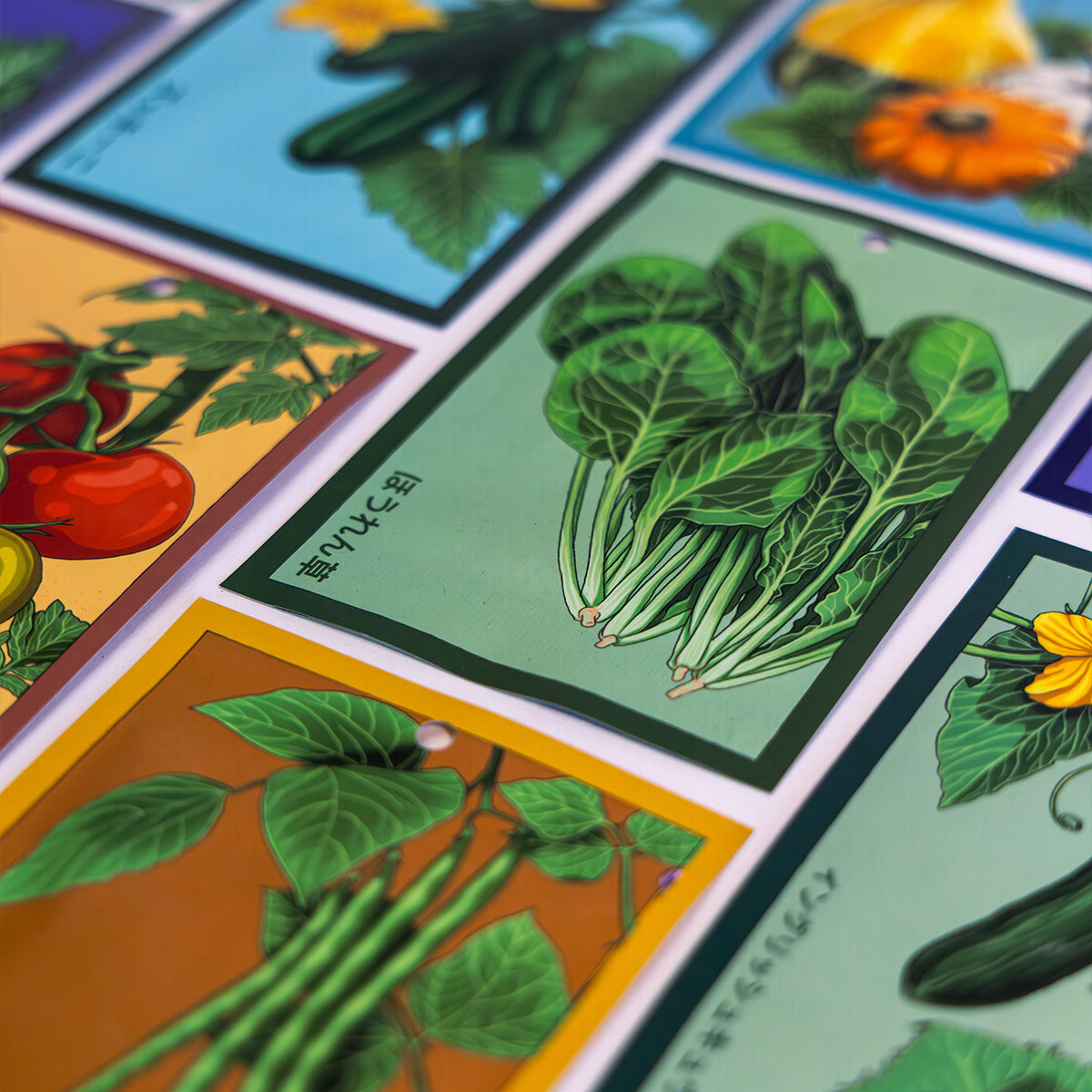
Every Shido seed packet is illustrated in the style of Japanese 1910s woodblock printing -- designed and drawn in-house by Chive, that has been exhibiting at the Chelsea Flower Show in London every year and does not, as a matter of principle, sell to big-box retailers. Customers collect the packets as a series. This was not the original plan.

Shipping & returns

Shipping

  • Free shipping: Orders $200+ within the US
  • Standard: 5–8 business days, Express 2–3 business days (at checkout)
  • International Ships: to 40 countries — rates at checkout
  • Packaging Ships: in outer box to protect gift box

View full shipping policy →

Returns

We accept returns within 30 days of delivery on unused items in original packaging. If your piece arrives damaged, contact us within 7 days with a photo and we will replace it at no charge.

View full return policy →

Satisfaction Guarantee

We stand by the quality of our flower seed packets! Every Shido seed packet is lab-tested for germination before it ships. If your seeds do not perform to the stated germination rate under correct growing conditions, contact us and we will replace or refund. Guaranteed!

Wholesale Inquiries

Have a cool shop? Know someone that does?

Chive Wholesale →

Radish Horticultural Specifications

Botanical

Thymus Vulgaris

Plant Type

Perennial

Light

Full sun

Water

Low - drought tolerant

Soil

Well-drained, sandy or rocky soil

Depth

Surface sow, barely cover

Germination

14-21 days

USDA Zone

4-9

Mature Height

6-12 in

Harvest

70-90 days


Close-up of lush green thyme plants growing densely in a garden setting - Shido Seeds.

Getting to know your Thyme

Thyme is the herb equivalent of a good background actor: never the star, in absolutely everything, and the whole production falls apart without it. A single branch dropped into simmering beans, a teaspoon of leaves over roasting mushrooms, a few sprigs under a chicken. Nothing announces itself, and yet every dish comes out tasting like it was made by someone with a plan. What I love about growing it is the economy of the arrangement. Thyme asks for one good decision, a sunny spot with sharp drainage, and then essentially retires from asking. It shrugs off drought. It blooms tiny purple flowers the bees treat like a festival. It stays green when the rest of the windowsill has given up on the year. Stroke it once in passing, because you will not be able not to, and your hand smells like a Sunday afternoon for an hour. Over the years the stems go woody at the base, and even that is useful: the old branches go onto the grill and smoke everything above them into sophistication. A plant that spends a decade making your cooking look deliberate and its own retirement taste delicious is not an herb. It is staff.


History & origin

Ancient Egypt

Used as part of embalming practices.

Ancient Greece

The name may derive from the Greek "thymos," associated with courage and spirit. Burned as temple incense, and Greek soldiers reportedly bathed in thyme-infused water before battle.

Ancient Rome

Used to purify living spaces, flavor cheeses and liqueurs, and scent bathwater.

Middle Ages, Europe

A medieval tradition held that ladies gave knights embroidered scarves bearing a sprig of thyme as a symbol of courage before they departed for battle. Also placed under pillows to ward off nightmares and used as a strewing herb.

14th Century — Black Death Era

Thyme and other aromatic herbs were carried in nosegays in the belief they offered protection against plague.

Today

An essential Mediterranean and French culinary herb, central to bouquet garni and herbes de Provence blends worldwide.

Shido Vegetable and Flower Seeds Vacuum sealed for peak freshness

Step-by-Step Sowing & Growing Guide

Getting Started

Perennial, started indoors

Step 1: Timing - Start indoors 8–10 weeks before last frost.

Step 2: Soil - Lean, well-drained, sandy or rocky — thyme performs worse, not better, in rich garden soil. pH 6.0–8.0.

Step 3: Sowing - Surface sow, barely covered — the seed is tiny. Germination takes 14–21 days at 70°F.

Step 4: Transplant - After last frost, 9–12 inches apart, rows 12–18 inches.

Step 5: Ongoing care - Water sparingly — thyme is prone to crown rot in soil that stays wet. Trim lightly after flowering to keep growth compact rather than sprawling.

Step 6: Harvest - Snip whole sprigs; flavor peaks just before flowering.

Before you start

Materials needed to sow

  • Seed trays or small pots: For the 8-10 week indoor start.
  • Grow light: For seedling growth.
  • Spray bottle: For gentle watering of the tiny, surface-sown seed.
  • Humidity dome: Helps hold moisture during the 14-21 day germination window.

Materials for harvest and storage

  • Scissors: For snipping whole sprigs.
  • Small basket: For collecting the harvest.
  • String for hanging bundles, or a drying rack: Thyme dries easily and keeps its flavor well.
  • Airtight jar: For storing dried leaves, stripped from the woody stem, once fully dry.

Tip: Harvest whole sprigs just before the plant flowers, when flavor is strongest -- and don't be shy about it, since established thyme tolerates fairly heavy, repeated harvesting.

Growth Requirements

Light:

  • Requires full sun (6-8 hours of direct sunlight daily).

Soil:

  • Prefers well-draining, sandy or loamy soil.
  • Ideal soil pH: 6.0-8.0.
  • Avoid heavy, clay-rich soils that trap moisture.

Watering:

  • Drought-tolerant once established.
  • Water sparingly, allowing soil to dry between watering.
  • Avoid overwatering, which can cause root rot.

Temperature & Climate:

  • Thrives in temperatures between 60-85°F (15-30°C).
  • Tolerates mild frost but needs protection from harsh winters.
  • Performs well in dry, Mediterranean-like conditions.

Fertilization:

  • Requires minimal fertilization.
  • Apply a light dose of balanced organic fertilizer in spring.
  • Avoid excessive nitrogen, which leads to leggy growth.

Maintenance

Mulching:

  • Apply light mulch (gravel or sand) to improve drainage.
  • Helps retain moisture and prevent weed growth.

Pruning & Harvesting:

  • Trim plants regularly to encourage bushy growth.
  • Harvest thyme when stems are 6-8 inches long.
  • Use sharp scissors to cut stems, leaving 1-2 inches above ground.

Overwintering:

  • In colder climates, cover plants with straw or mulch in winter.
  • For container-grown thyme, bring pots indoors before frost.

Fresh Storage:

  • Wrap thyme in a damp paper towel and refrigerate for 1-2 weeks.

Drying:

  • Hang stems upside down in a warm, dry place.
  • Once dry, store in airtight jars for up to a year.

Freezing:

  • Freeze thyme leaves in ice cube trays with olive oil.
  • Store in freezer bags for long-term use.

Troubleshooting and common mistakes

  • Overwatering / poor drainage: The main cause of winter dieback and root rot in thyme.
  • Sowing seed too deep: The seed is tiny and needs light — burying it is a common reason for poor germination.
  • Skipping regular trimming: Untrimmed plants turn woody and sparse at the base within a couple of seasons.

Culinary uses & nutritional information

What it's used for

1. Culinary Uses:

  • Used fresh or dried in soups, stews, roasts, and sauces.
  • Enhances the flavor of meats, vegetables, and bread.
  • A staple in Mediterranean, French, and Middle Eastern cuisine.

2. Medicinal Benefits:

  • Contains antibacterial, antifungal, and antioxidant properties.
  • Used in herbal teas to soothe coughs and sore throats.
  • Essential oils are used for aromatherapy and skincare.

3. Companion Planting:

  • Grows well with rosemary, oregano, sage, and lavender.
  • Repels pests from cabbage, tomatoes, and eggplants.

What parts are edible

  • Leaves: The primary edible part, fresh or dried, and the standard component of bouquet garni. Used in soups, stews, roasts, and slow-cooked dishes.
  • Flowers: Edible, with a lighter thyme flavor. A major bee plant — thyme honey is a distinct, prized product in regions where the plant grows wild in quantity.
  • Stems: Whole sprigs, stem included, are frequently added to slow-cooked dishes for flavor and then removed before serving, since the woody stem itself is not meant to be eaten.

Nutritional data

Fresh leaf, per 100g

Calories: 101 kcal

  • Carbohydrates: 24.45 g
  • Protein: 5.56 g
  • Total fat: 1.68 g
  • Dietary fiber: 14.0 g
  • Vitamin C: 160.1 mg (178% RDA)
  • Folates: 45 µg (11% RDA)
  • Potassium: 609 mg
  • Cholesterol: 0 mg
  • Iron: 17.45 mg (~218% RDA) — thyme is unusually dense in both iron and vitamin C, fresh

Companion plants, pests & diseases

Companion planting

Good companions

  • Cabbage family (broccoli, kale, cauliflower) — well documented to reduce cabbage worm and moth damage
  • Sage, oregano, rosemary — same dry Mediterranean growing conditions

Poor companions / avoid

  • Basil, cilantro, parsley, mint, cucumbers — all want more water than thyme tolerates

Pests

  • Spider mites: Occasional in hot, dry conditions. Increase humidity if severe.
  • Aphids: Rare on established thyme — its strong aromatic oils make it one of the more pest-resistant herbs on this list.
  • Whiteflies: Uncommon, mainly a greenhouse issue.

Diseases

  • Root rot: The most common problem — nearly always from wet soil rather than disease pressure itself.
  • Grey mold (Botrytis): Fuzzy grey growth in humid, crowded conditions. Improve air circulation.

Pro Tip

Trim regularly to encourage bushy growth and prevent legginess. In colder climates, mulch in winter to protect the roots.

Bonus: Thyme is drought-tolerant and low-maintenance, making it perfect for herb gardens, borders, or containers!

Vegetable sprouting in rich dark soil - Shido Seeds
Seeds worth keeping

What makes Shido Seeds different

Shido Seeds are designed by Chive Studio, a ceramic design company. We are not a seed conglomerate. We do not sell through big-box retailers. Each variety in the catalog was selected because it is worth growing — not because it ships well in bulk or photographs well in marketing materials.

Every packet is germination-tested at an independent third-party lab before it earns its woodblock illustration. The vacuum seal removes the oxygen that causes standard paper packets to degrade. The stated germination rate is a floor, not a marketing figure.

If something goes wrong, contact us. We will make it right.

Plants that Grow together look good together...even if they are ceramic

Feed Your Plants Like You Actually Know What You’re Doing
Thyme runs the background; parsley works the finish. The Parsley Herb Seeds Packet covers the last thirty seconds of every dish.

Vegetable Shido Seeds packets — by Chive Studio Toronto

More From Shido's Garden

Build the spice rack while it is still alive. The complete Shido herb seed collection starts here.

Ceramic Flowers That Never Wilt

The ceramic Pistachio Green Rose keeps its composure through every season, which is very thyme of it.

Chive Shido seed packets with botanical illustrations on a peg rack, showing cherry blossom, tomato, and eggplant designs.

The credentials behind the packet

The Shido list was supposed to be ten herbs. Thyme made it thirteen, because leaving it off felt like publishing a cookbook with no salt. Our studio has spent two decades, since 2004, on the craft of small things done precisely, a glaze edge, the curve of a petal, and thyme is the culinary version of that instinct: tiny leaves, exact effect. The packet's woodblock-style illustration honors the scale, all fine sprigs and small flowers, printed like the botanical studies that used to hang in kitchens on purpose. Keep the envelope near the stove. Refill the pot from it for years. Small, precise, permanent: that is the whole house style, the plant's and ours.


Plant Care, Simplified with Chive

Keep it alive, keep it thriving. Let's make plant parenthood look easy.

Are Seed Packets GMO? The Honest Answer

Todd Newgren
Are seed packets GMO? No—home garden seed packets, Shido included, are never genetically modified, since GMO seed is only made for large-scale commercial crops. The non-GMO badg...
Read more

Do Seeds Expire? How Long Do Seeds Last

Todd Newgren
Seeds don't expire — they lose viability as oxygen depletes stored energy, and vacuum sealing is the fix. Chive's Shido Seeds are vacuum-sealed, germination-tested, and stocked ...
Read more
  • 5 stars: 4 (80%)
  • 4 stars: 1 (20%)
  • 3 stars: 0 (0%)
  • 2 stars: 0 (0%)
  • 1 star: 0 (0%)
M
Margaret Powell
Hardy Herb

Sprouted well, fragrant and hardy. Great for cooking, very low maintenance for herbs.

R
Robert K.
Smells Like Summer

Thyme grows strong and steady, smells wonderful when I brush past it. Been using fresh sprigs in the kitchen, can’t beat it.

C
Conrad F.
These thyme seeds produced the most fragrant plants!

Takes forever to germinate (almost gave up) but so worth the wait. Perfect for Mediterranean cooking - lamb dishes, roasted vegetables, herb blends. The tiny leaves are packed with flavor. Plants stayed green all winter under snow cover. Dried some for winter use but fresh is so much better. Essential herb for any serious cook!

E
Earl Reid
Tiny but Mighty

Thyme was slow to start but once it did it filled the pot nice. Smells so good when cooking chicken. Even I didn’t kill it!

M
Michelle Harms
boy do they take their time

almost threw them out thinking they were duds but my neighbor told me to be patient. Good thing I listened, now I have lovely little thyme plants that smell like heaven. Perfect for my pot roasts and herb crusted pork chops. The tiny leaves pack a big flavor punch. Takes a full season to get established but worth every minute of waiting.

Frequently asked questions

How do you grow thyme from seed?

To grow thyme from seed, scatter the dust-fine seed over moist mix, press it in without covering, and keep it warm and bright. Seedlings start tiny and toughen quickly. Water sparingly from the beginning; thyme trains you early. Shido's vacuum-sealed packet holds a verified rate, which is useful when each seed is nearly too small to audit. Sow confidently, water less.

How long does thyme take to germinate?

Thyme takes its time to germinate, wanting steadily warm soil, and emerges as seedlings small enough to mistake for moss with plans. Growth stays slow at first and then quietly accelerates. The vacuum-sealed Shido packet spent its wait patiently; the seed asks you to do the same. By midsummer the slow start is a cushion of fragrance.

Can you grow thyme indoors on a windowsill?

You can grow thyme indoors on a windowsill better than almost any herb: it wants strong sun, lean soil, and a gardener who forgets it exists for days at a time. A south-facing sill and a terracotta pot are the whole recipe. Sown from a sealed Shido packet, one plant seasons an entire winter of stews from a hand-span of window.

Is thyme a perennial herb?

Thyme is a true perennial herb, a woody evergreen subshrub rather than a soft annual, and a single plant commonly works the same pot or border for five to ten years. It earns permanent placement, so choose the spot like it matters. From one vacuum-sealed Shido packet you are not planting a season. You are appointing a small, fragrant fixture.

Does thyme come back every year?

Thyme comes back every year in zones 4 through 9, holding some green foliage through winter and resuming growth in early spring. Shear it lightly after flowering and the plant stays dense instead of woody and bare-legged. No lifting, no replanting, no drama. The sealed Shido packet starts the cycle exactly once; the plant runs all the following years itself.

How long do thyme seeds last?

Standard paper-packed thyme seeds begin losing germination viability after approximately one year. Shido thyme seeds are hermetically vacuum-sealed, removing oxygen entirely. State law requires a 3-year viability date on sealed packaging. NASA research on hermetic seed storage suggests viability up to ten years in cool, dry conditions. Your Shido packet waits.

What dishes is thyme used for in cooking?

Thyme is used for roast chicken, braised vegetables, mushrooms, slow-cooked beans, and nearly every stock and stew that wants a backbone; strip the leaves for finishing or drop whole sprigs in to simmer. These same packets are available at the Philadelphia Flower Show, where Chive exhibited six times, most recently in 2026 after a thirteen-year absence.

Does thyme grow well in containers?

Thyme grows well in containers, arguably better than in beds, because pots deliver the sharp drainage it insists on. Terracotta suits it best; the clay breathes and the soil dries between waterings the way thyme prefers. One plant per eight-inch pot, full sun, restraint with the watering can. The container does half the horticulture. Thyme quietly does the rest.

Verte Rx Shiny Leaves for Plants - Chive Ceramics Studio - Chive Ceramics Studio

The seed is the start. Verte RX handles the rest.

Most seedlings fail not from bad seed but from soil that runs out of what the plant needs before the plant can find it. Verte RX is a liquid plant vitamin formulated for exactly that window — the weeks after germination when the root system is establishing and the margin between thriving and stalling is narrowest.