

My mother used to say that January was God's way of making February look good. She was not a warm woman — not in the emotional sense, though she did keep the house at a temperature that required a vest — but she had opinions about the calendar, and about flowers, and about the particular cruelty of being born in a month that the rest of the year treats as a rough draft. She would have recognized the January birth flower
immediately. A snowdrop, she would have said, in the tone she reserved for things
she secretly admired. Of course it's a snowdrop.
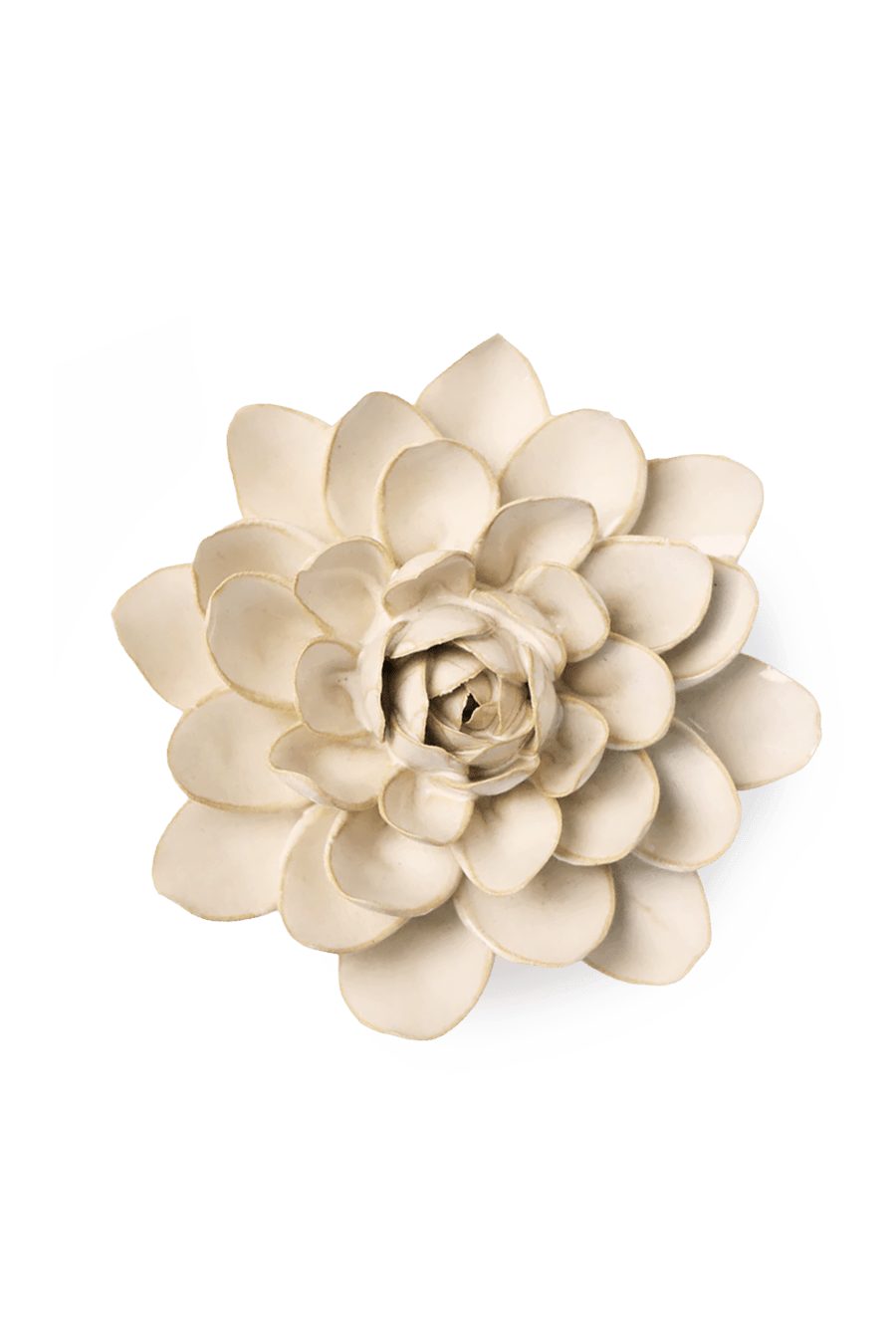
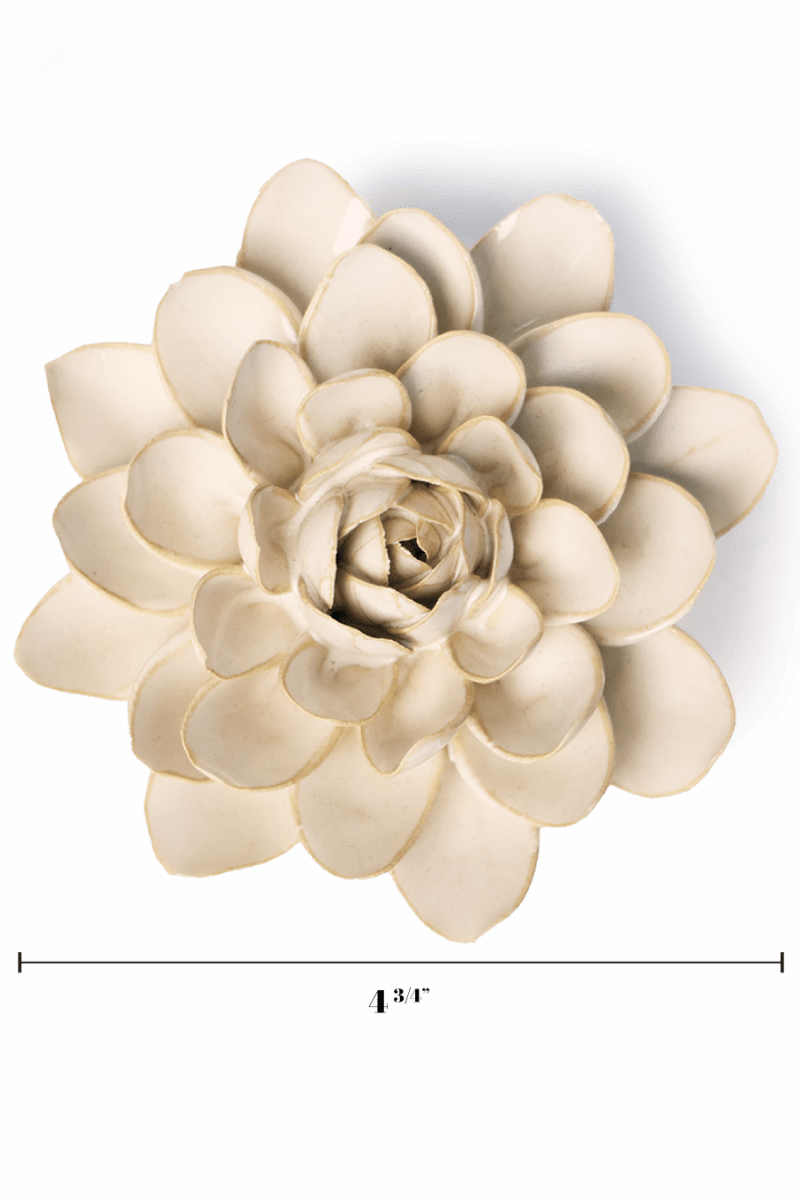
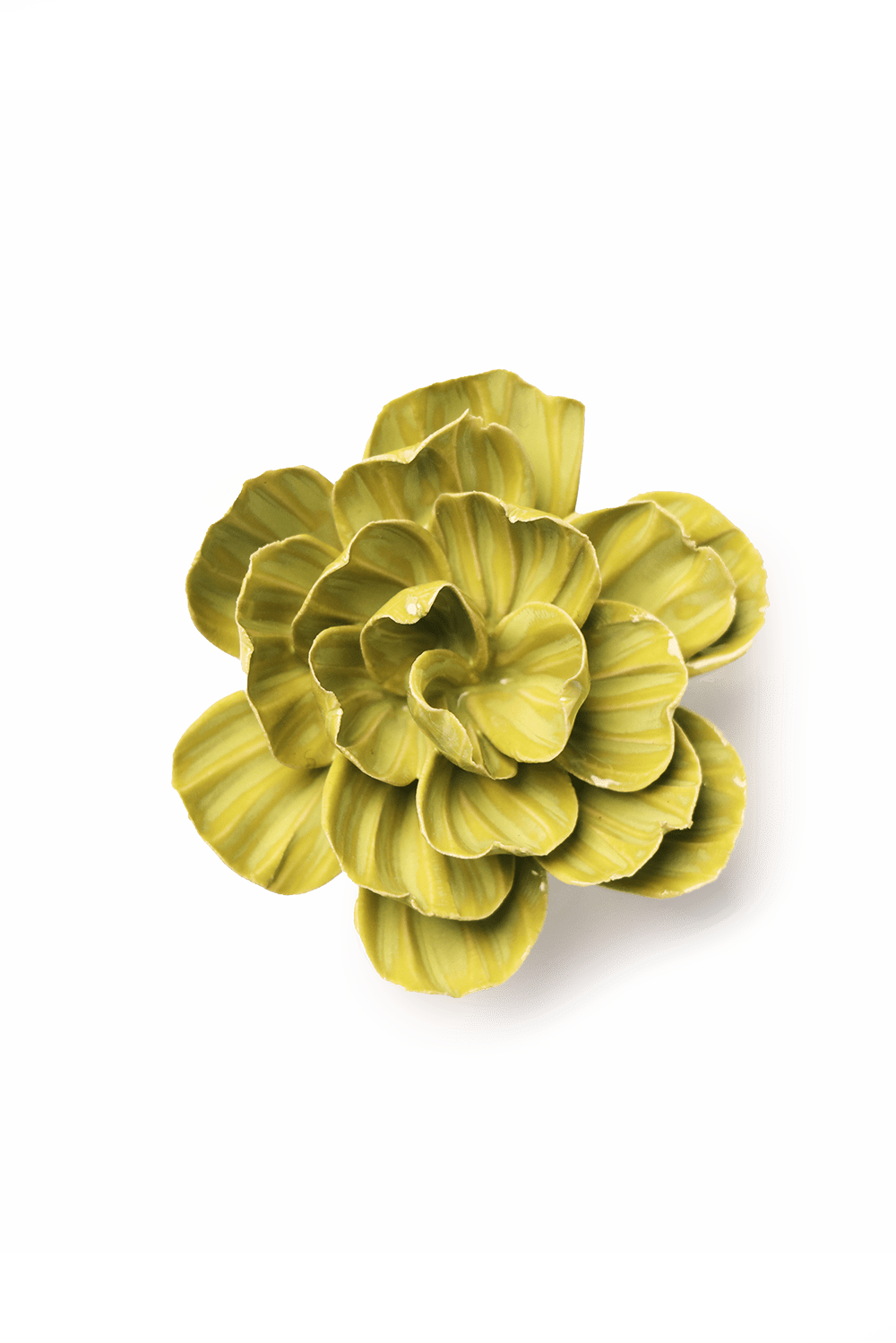
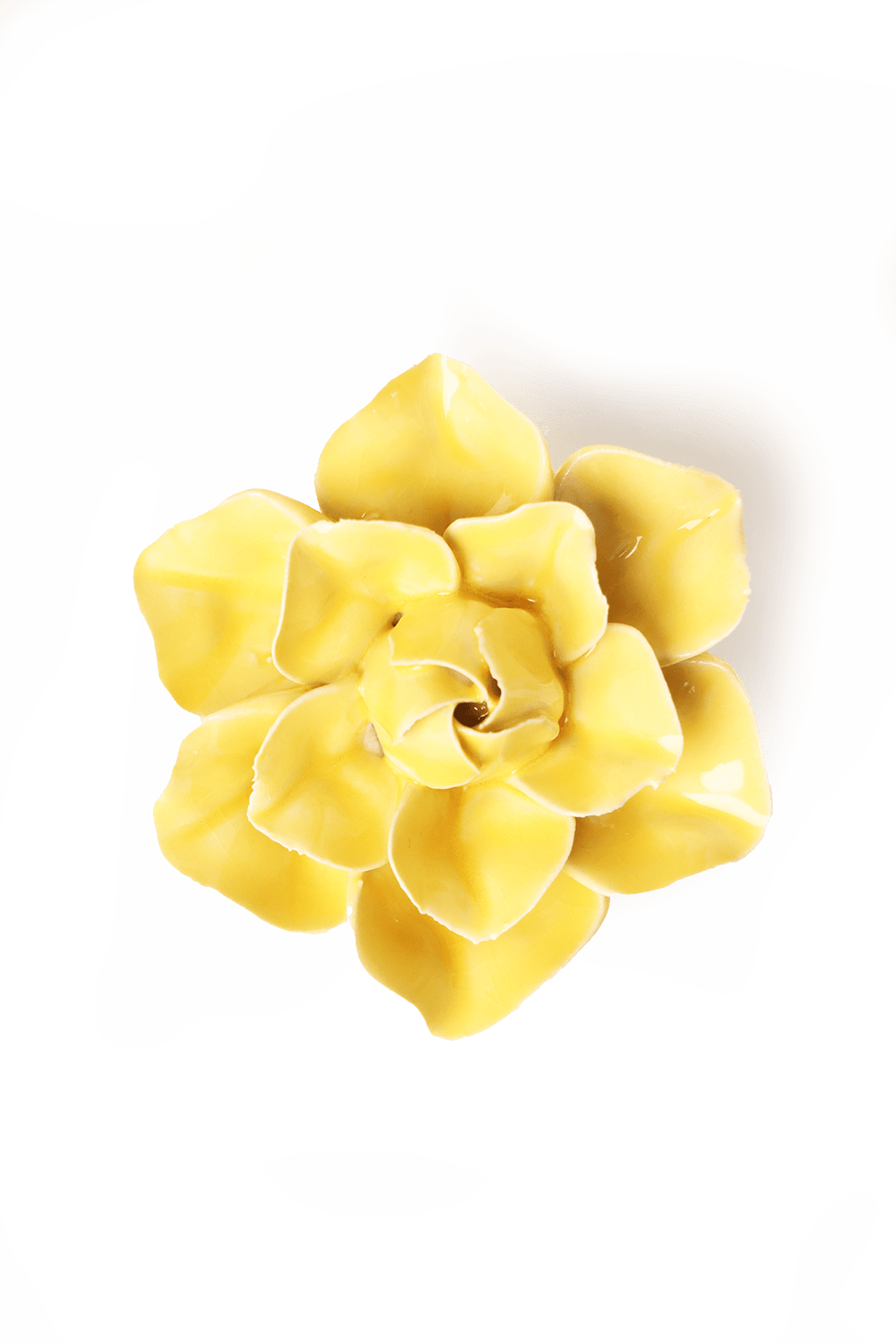
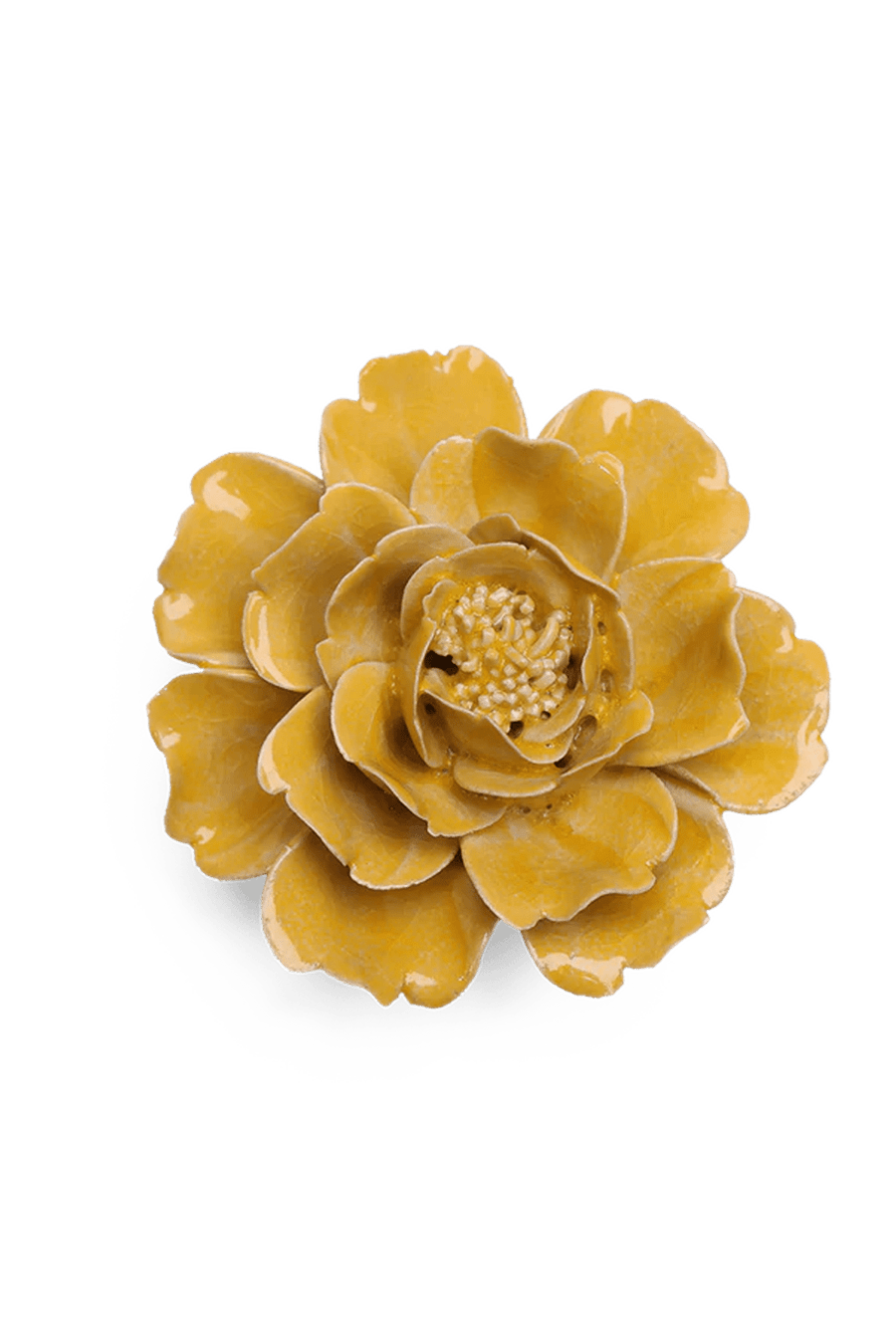
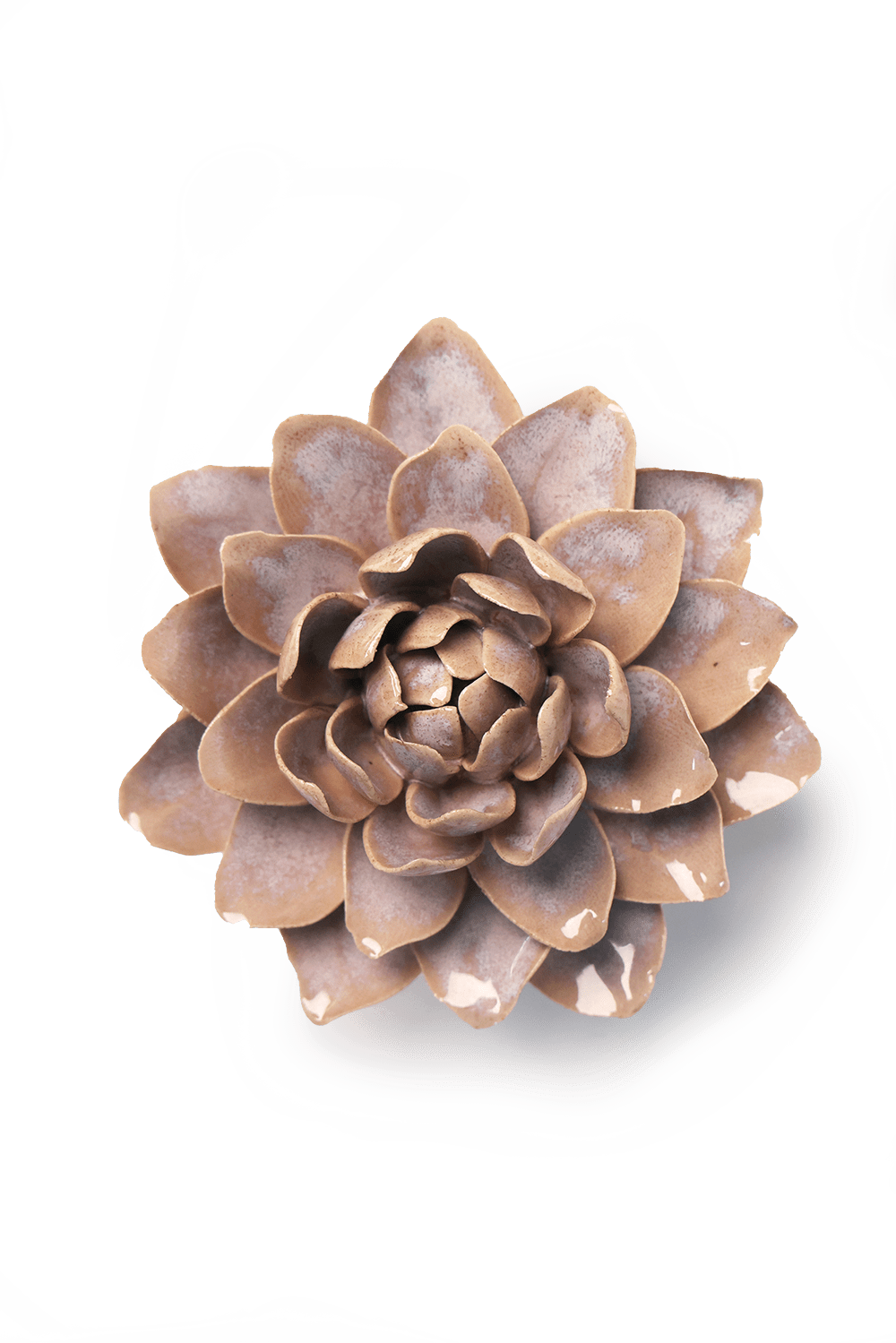
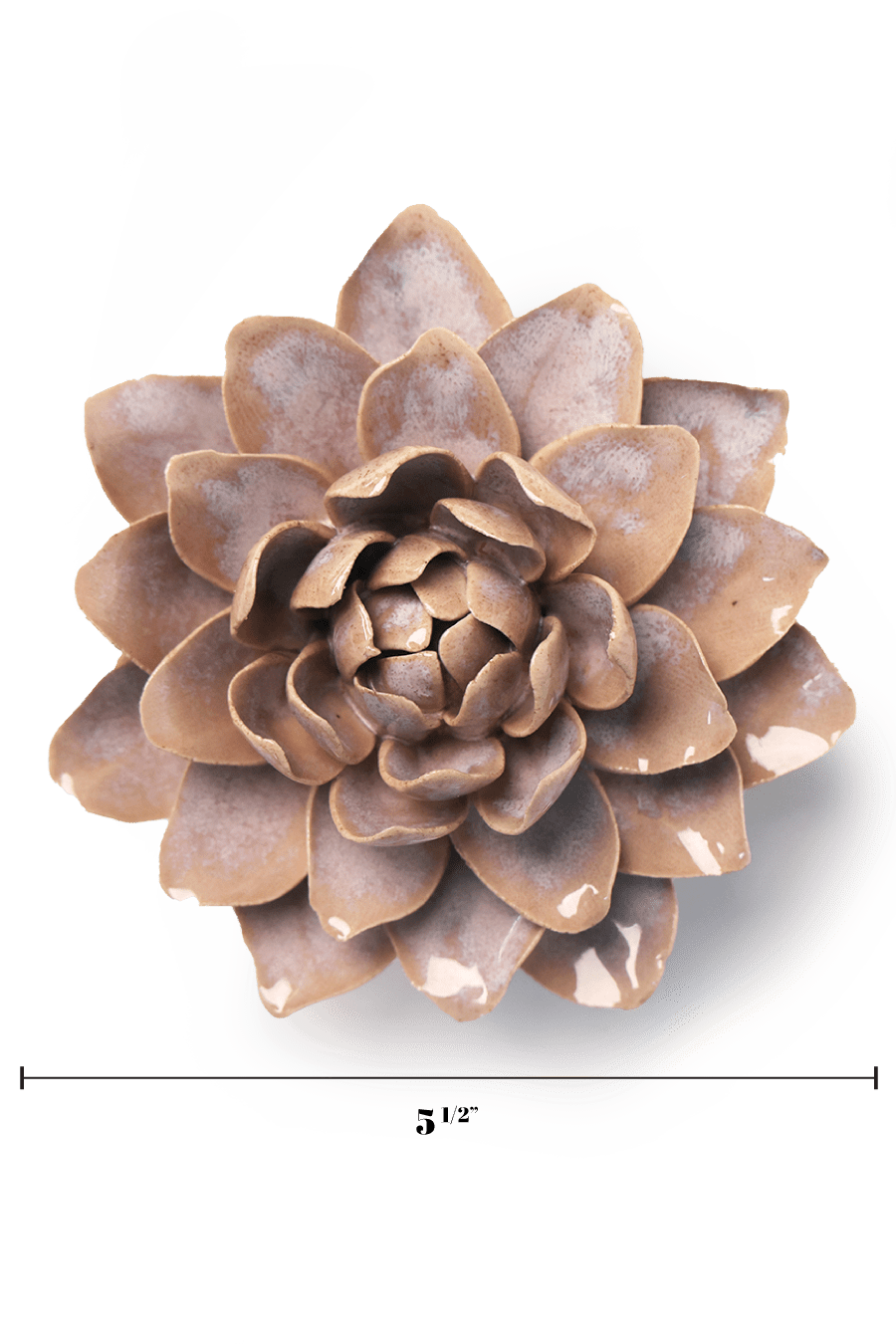
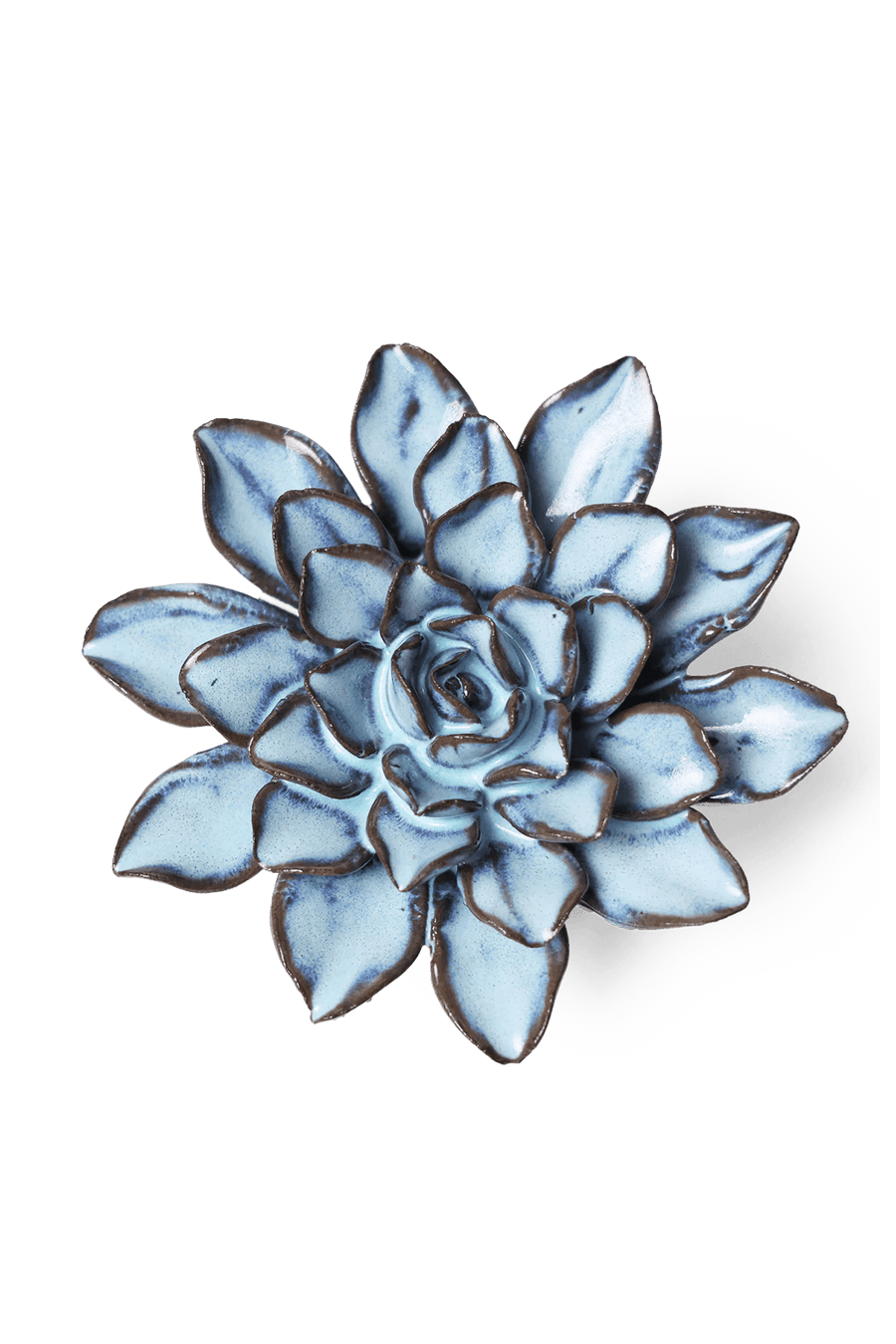
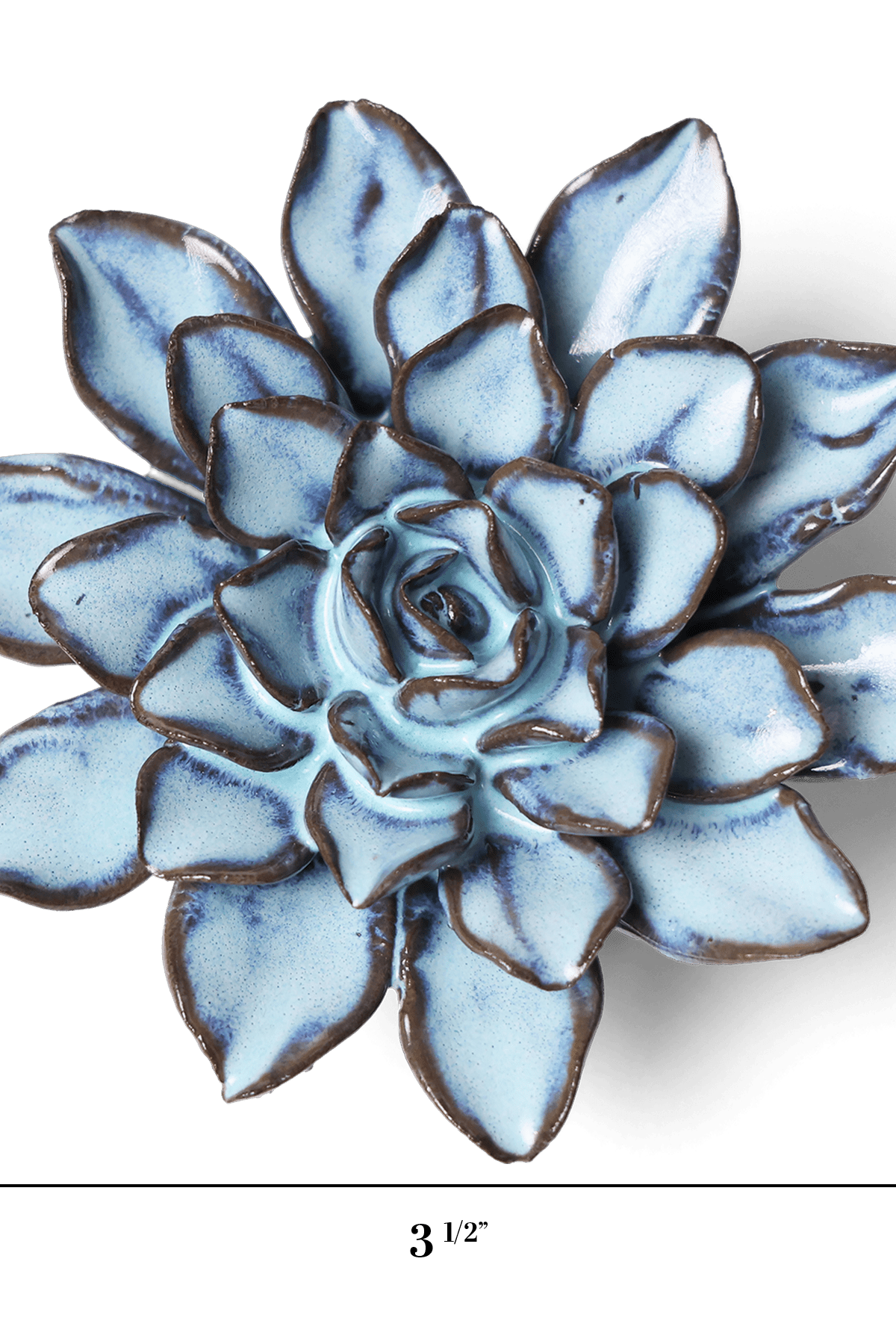
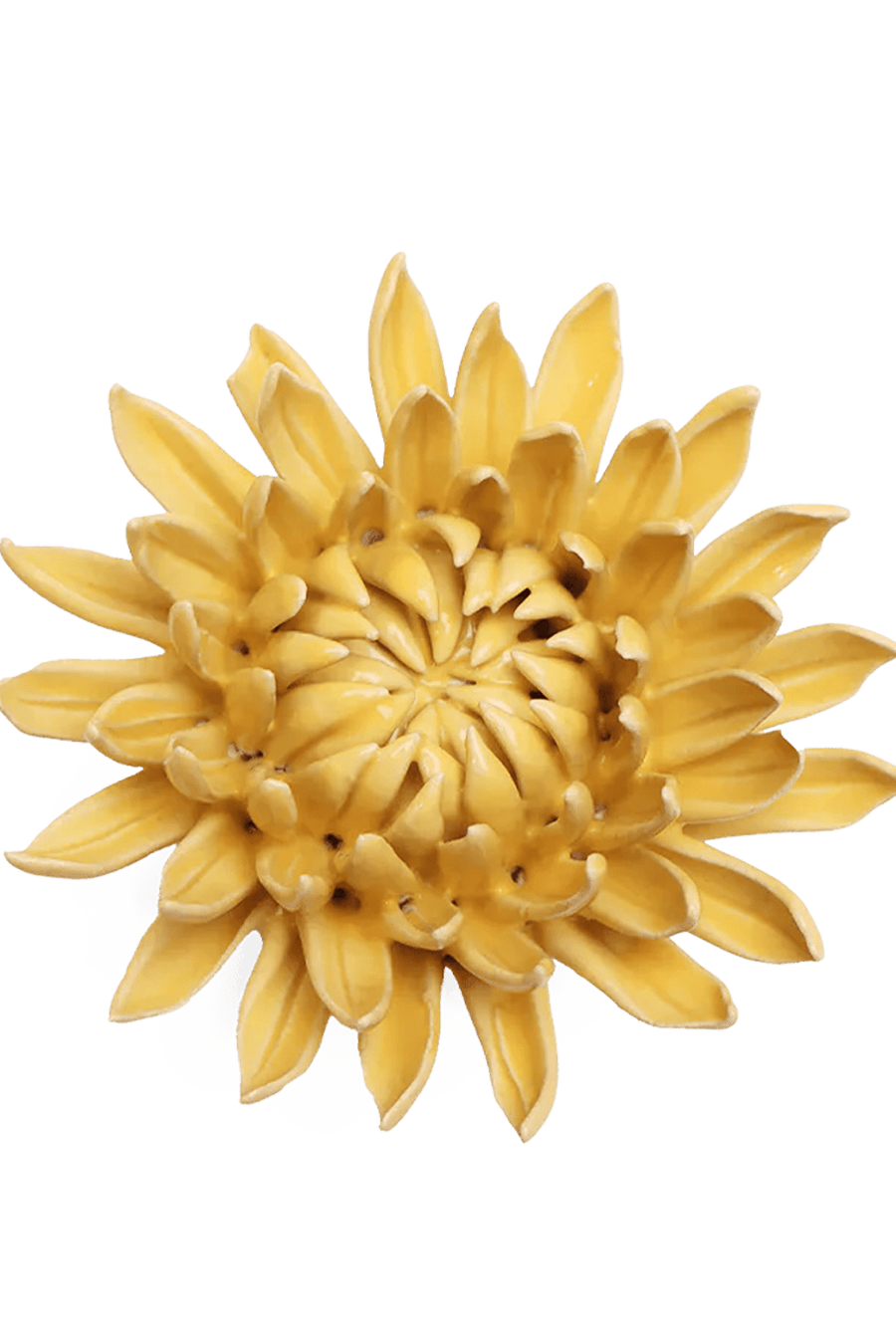
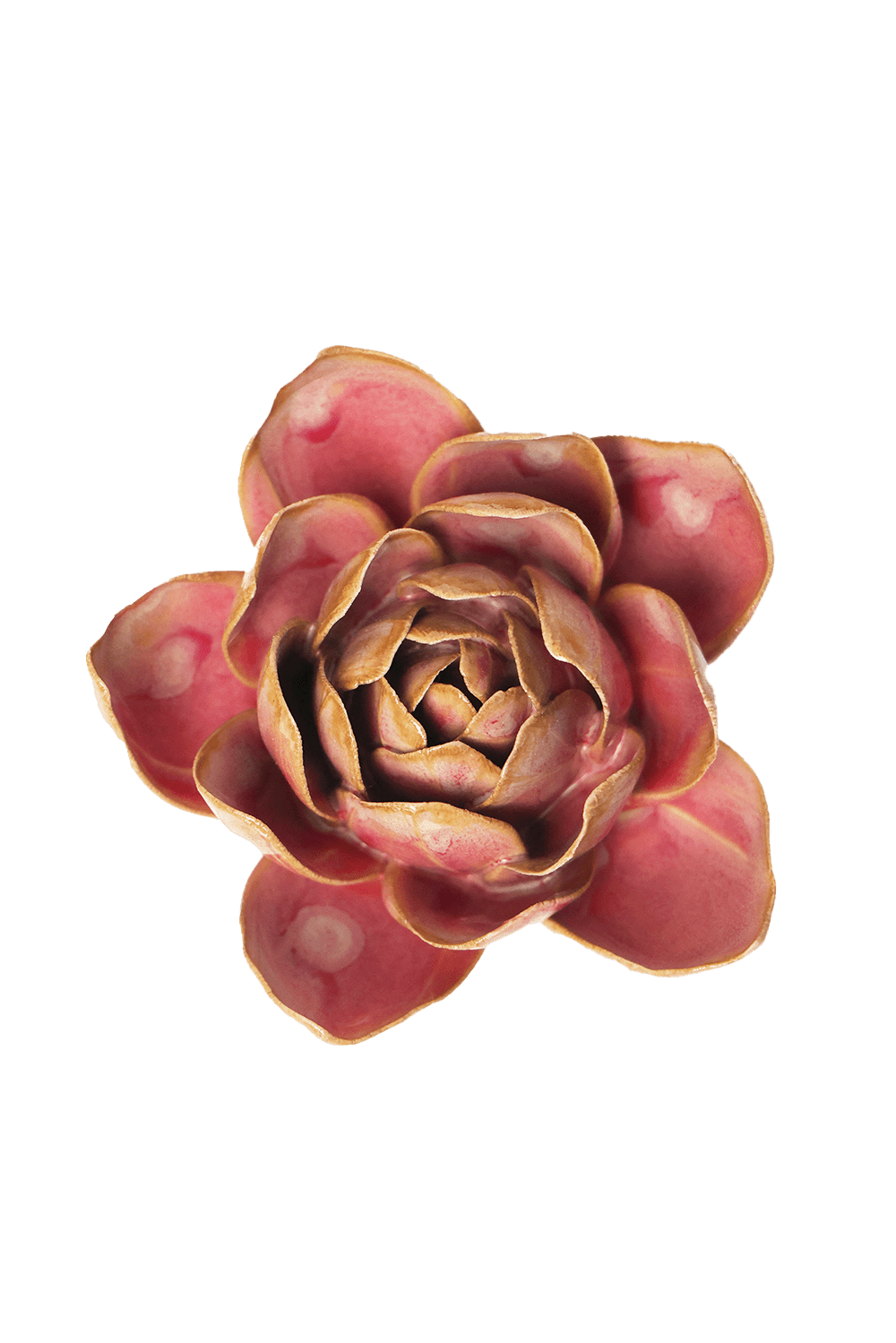
The January birth flower ceramic is the snowdrop — a small, ivory, gently drooping
bloom that appears through frozen ground while the rest of the plant kingdom is
sensibly unconscious. If you know someone born in January, this is their flower. If you would like to give it to them rendered permanently in handmade ceramic, you can find it at chive.com/products/january-birth-flower.
We have been making it for 25 years. We have never used a mold.

⭐ ⭐ ⭐ ⭐ ⭐ Emily Sanders
Beautiful January Bloom! - I received the Snowdrop ceramic flower as a gift for my birthday and I absolutely love it! Knowing it's January's birth flower makes it even more special. It's delicate, perfectly crafted, and looks stunning on my desk. Definitely my favorite gift this year!
What is the January birth flower?
The snowdrop is Galanthus nivalis, which is Latin for milk flower of the snow, which is
either very poetic or something a botanist said during an unusually productive evening. It is one of the earliest flowers to appear each year, blooming in January and February in climates where sensible vegetation has the good sense to stay underground. It is small — perhaps three inches tall — with three outer white petals that open outward and three inner petals that cup inward with a small green notch at their tips, like a little room with a secret.
It belongs to the Amaryllidaceae family, which sounds like it was named by someone who wanted to win an argument about Scrabble. It is, in other words, a cousin of the daffodil, the narcissus, and the snowflake — a family of flowers that have collectively agreed to bloom earlier than anyone expects them to, seemingly for the pure drama of it.
Snowdrops are native to Europe and the Middle East, though they have naturalized
cheerfully across the Northern Hemisphere in the manner of people who are not technically from here but seem to belong entirely. In the British Isles, where we have exhibited at the Chelsea Flower Show for thirteen consecutive years, they are
associated less with decoration and more with something closer to relief. When snowdrops appear in an English garden, winter is, contractually, nearly over.

⭐ ⭐ ⭐ ⭐ ⭐ ELLIE YOSHIDA
Flowers That Instantly Upgrade Any Room - Best purchase I made all year. The flowers add such a beautiful touch to my space. Already planning my next order!
What does the snowdrop symbolize?
The snowdrop has acquired an amount of symbolic meaning that is disproportionate to its size, which is itself part of the point. Across most of the cultures that have paid attention to it — and a surprising number have — the snowdrop means hope. Not the aggressive, motivational-poster kind of hope, but the quieter, more useful kind: the
conviction that this particular difficulty is, in fact, going to end.
It also means renewal, which is different from hope only in that it implies you've already
done this before and survived. Purity. New beginnings. The particular resilience of things that appear fragile and turn out not to be. These are qualities that get associated with January people, and whether or not you believe that your birth month says anything about your character, it is considerably more interesting to think about than your sun sign.
There is also, in certain Northern European traditions, a slightly darker association with snowdrops — they were sometimes called death's flower or used in churchyard plantings, which makes them among the more complicated birth flowers in the set. We mention this not to alarm anyone but because the tension between that history and their current role as symbols of hope is the most interesting thing about them, and because David Sedaris once wrote an essay about a French Christmas tradition involving a donkey, so we know that you can handle complexity.

⭐ ⭐ ⭐ ⭐ ⭐
Unique addition to any decore. - These delicate flowers are so beautiful. A great diversion from typical wall art. The three dimension design draws your eye in and the colors are just beautiful. Love them.
A ceramic snowdrop made without molds
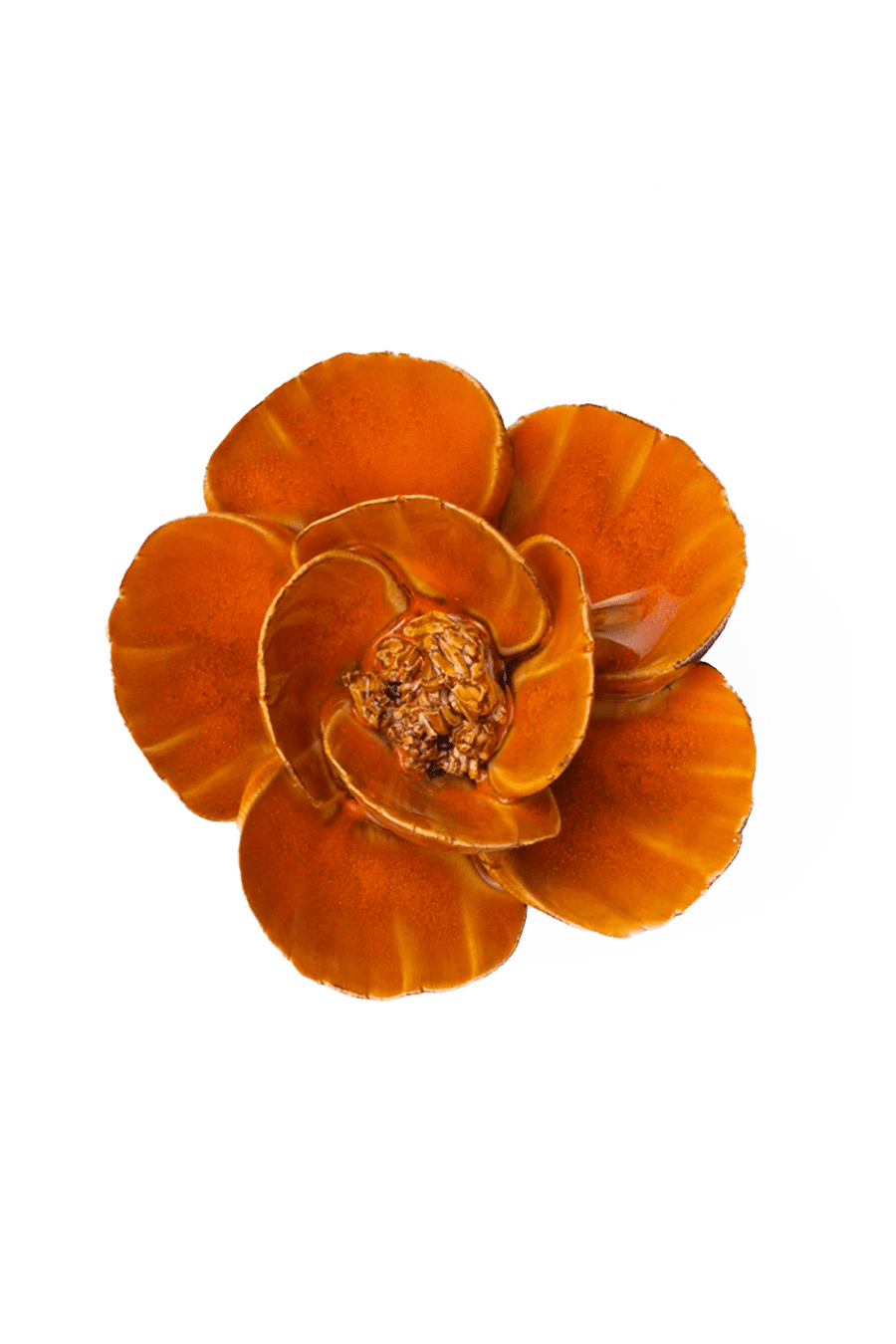
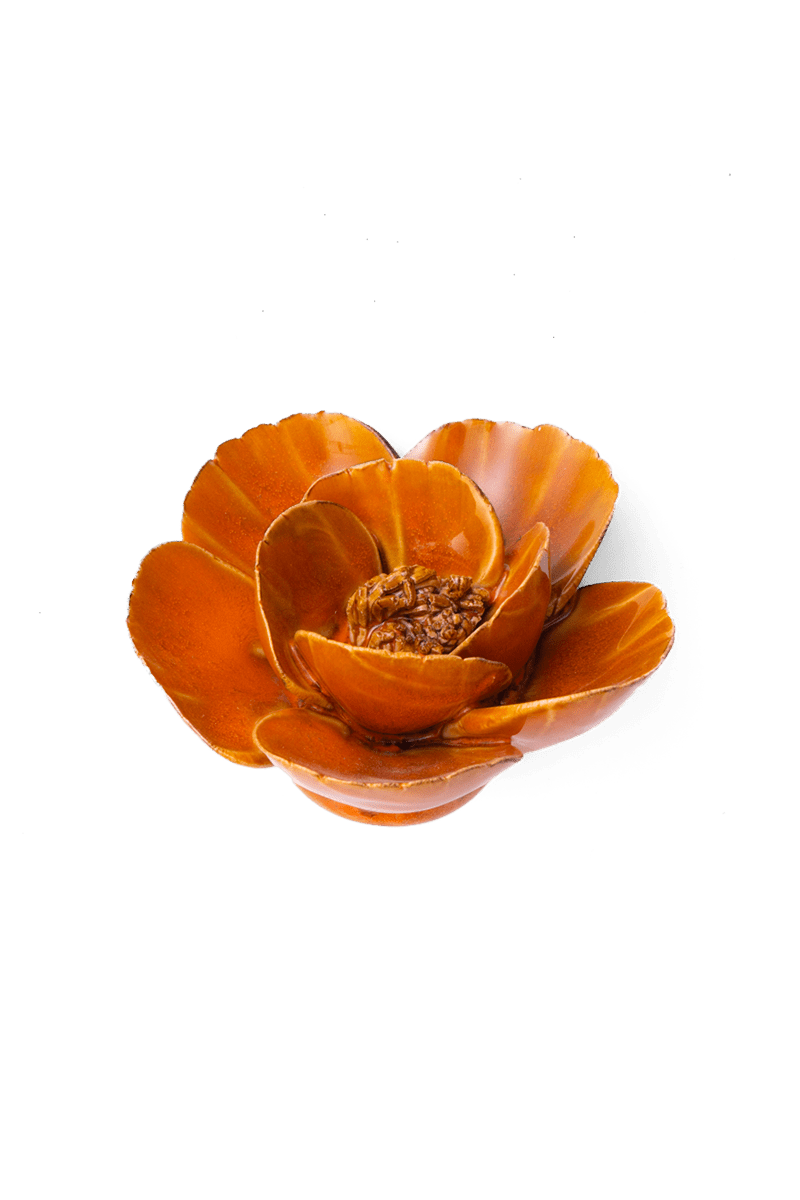
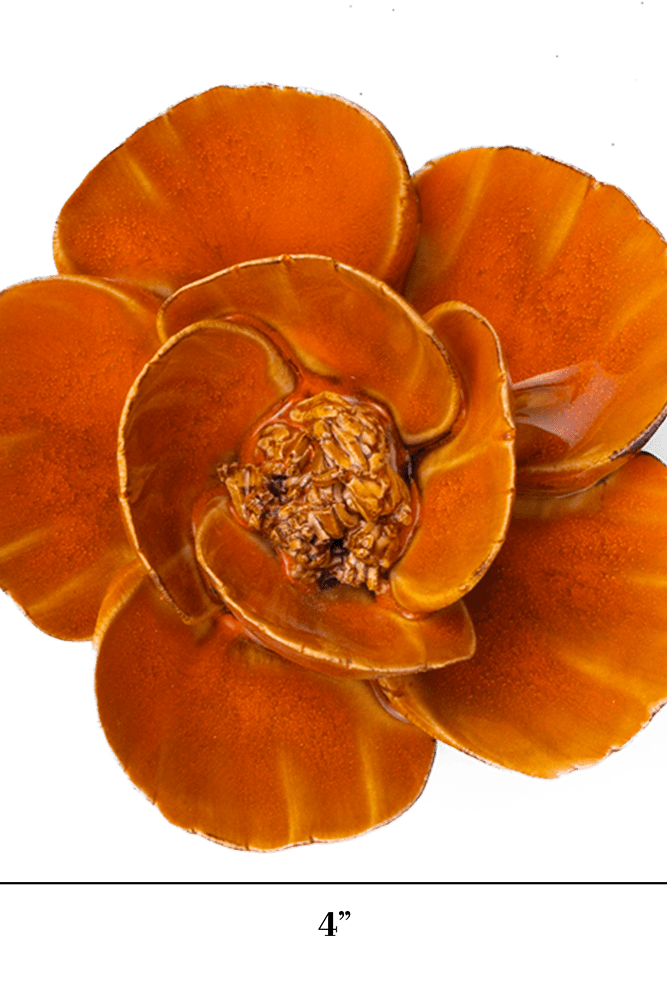
The first thing people ask, when they find out that our ceramic flowers are made without molds, is why. It is a fair question. Molds would be faster. Molds would be cheaper. Molds would produce flowers that are, in a perfectly objective sense, more consistent with each other — every petal in the right place, every curve at the expected angle, every snowdrop precisely as snowdroppy as the last one. This is, if you are manufacturing something, what you want.
We are not manufacturing something. We have been making ceramic flowers in Toronto for 25 years, and we have never made the same flower twice, and this is not an
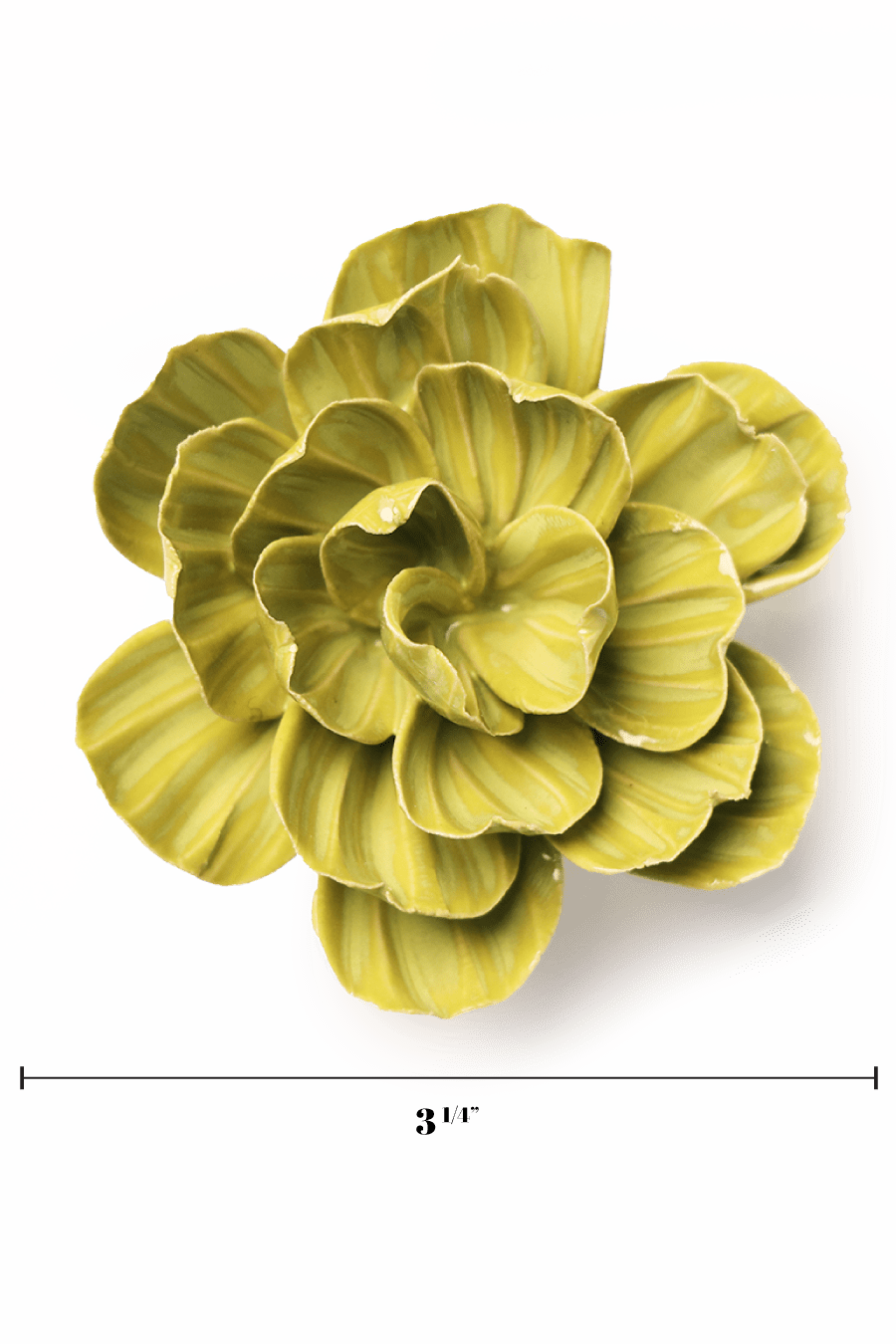
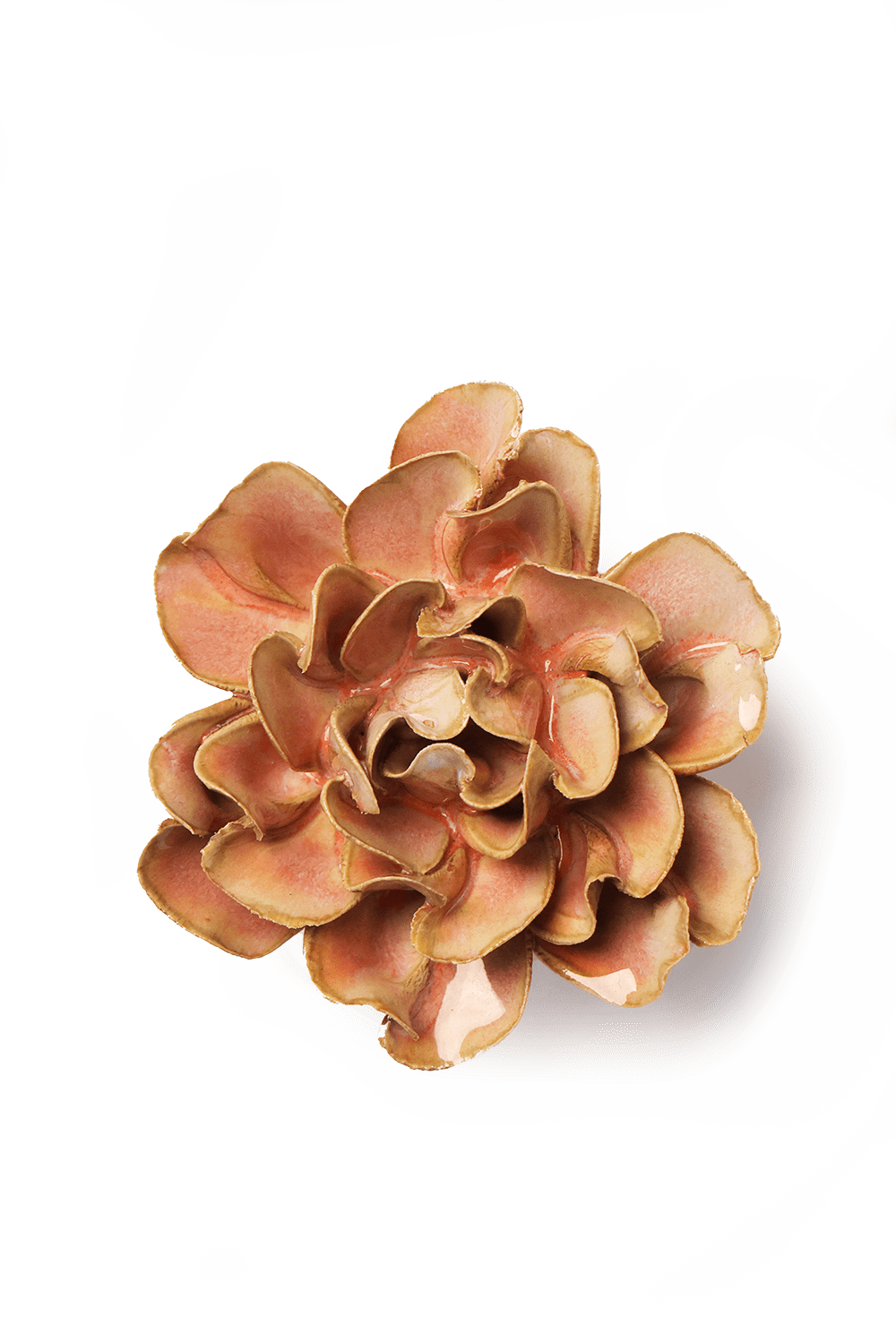
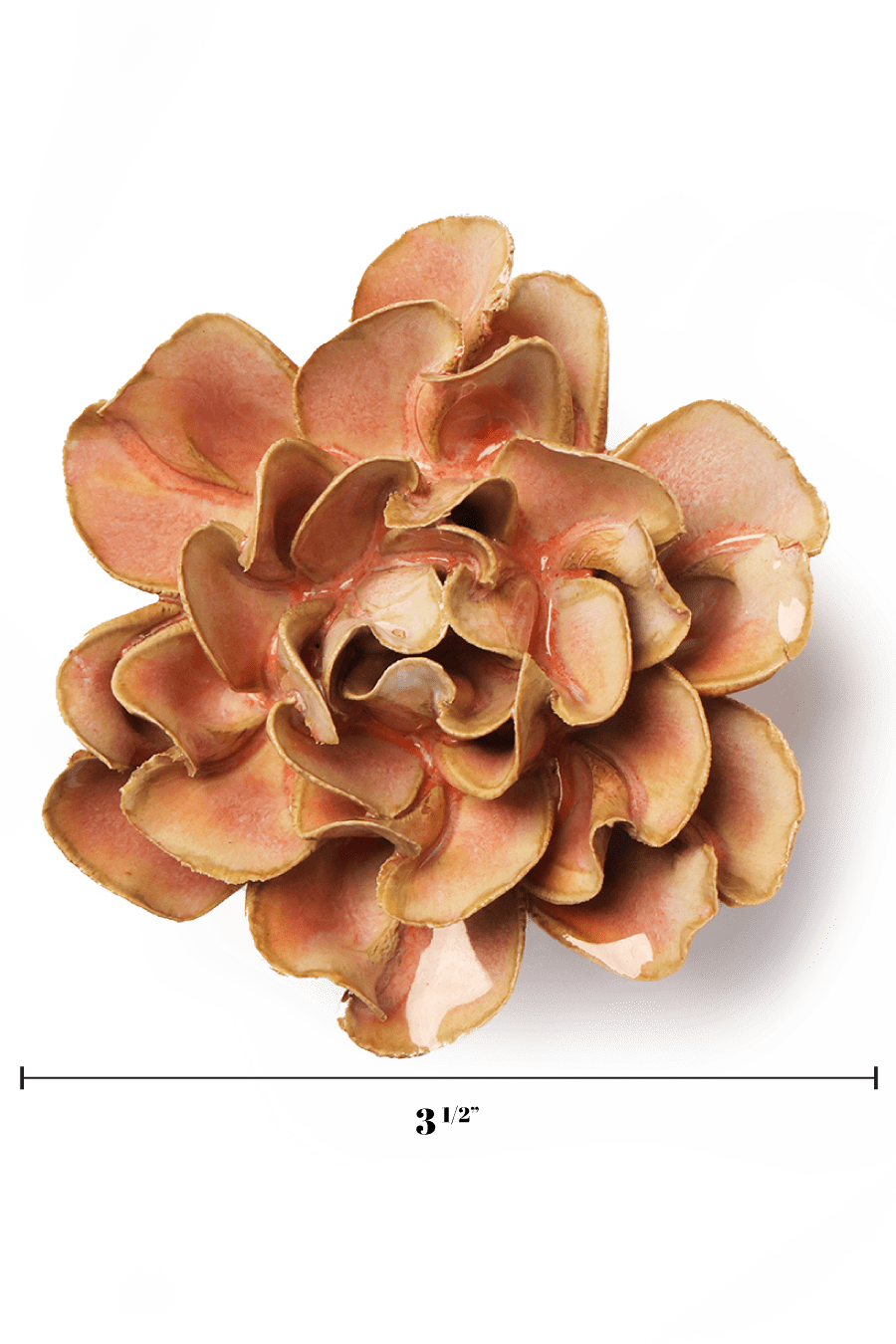
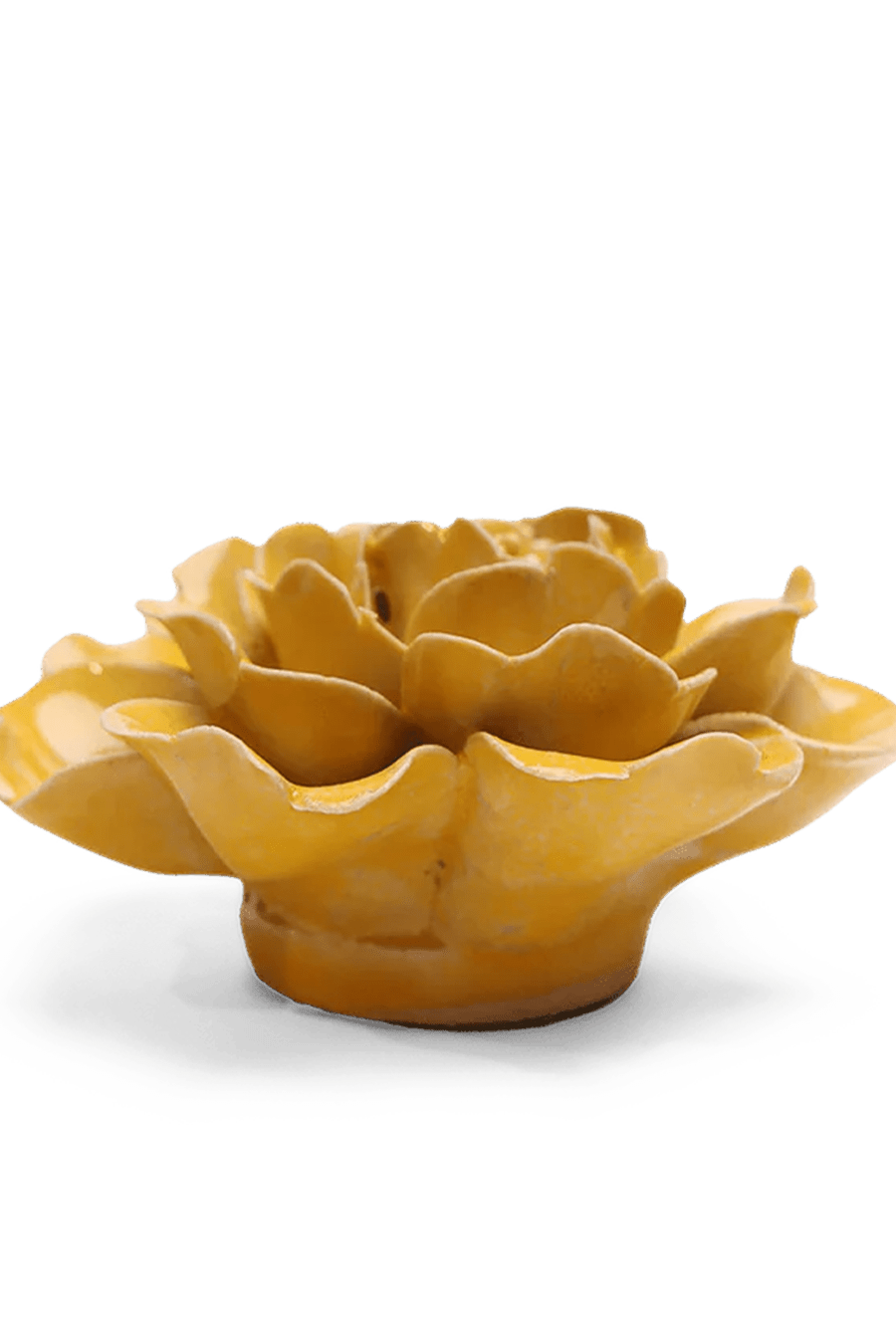
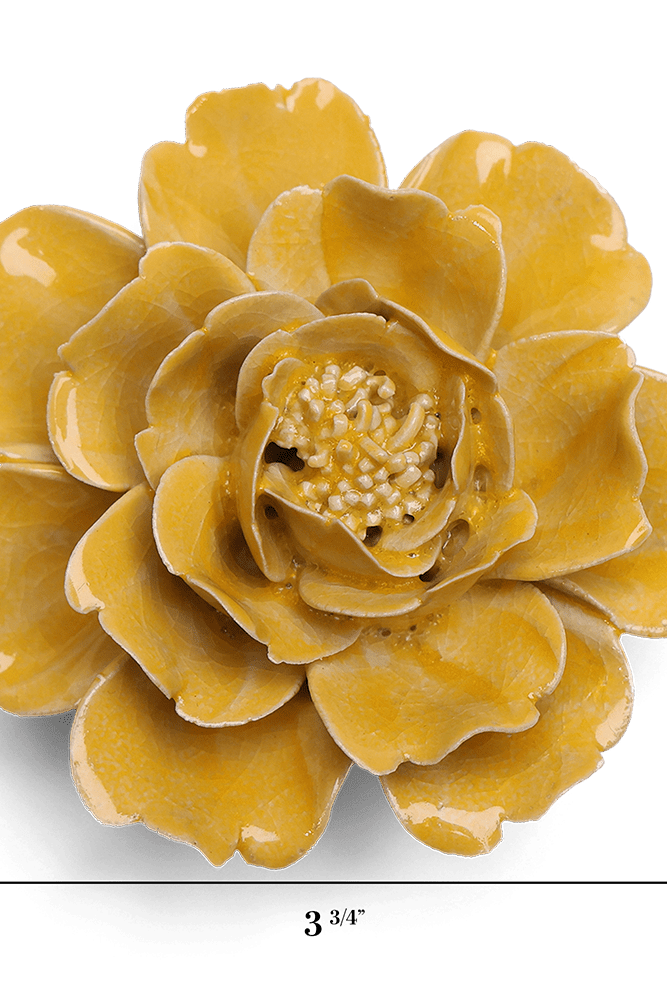
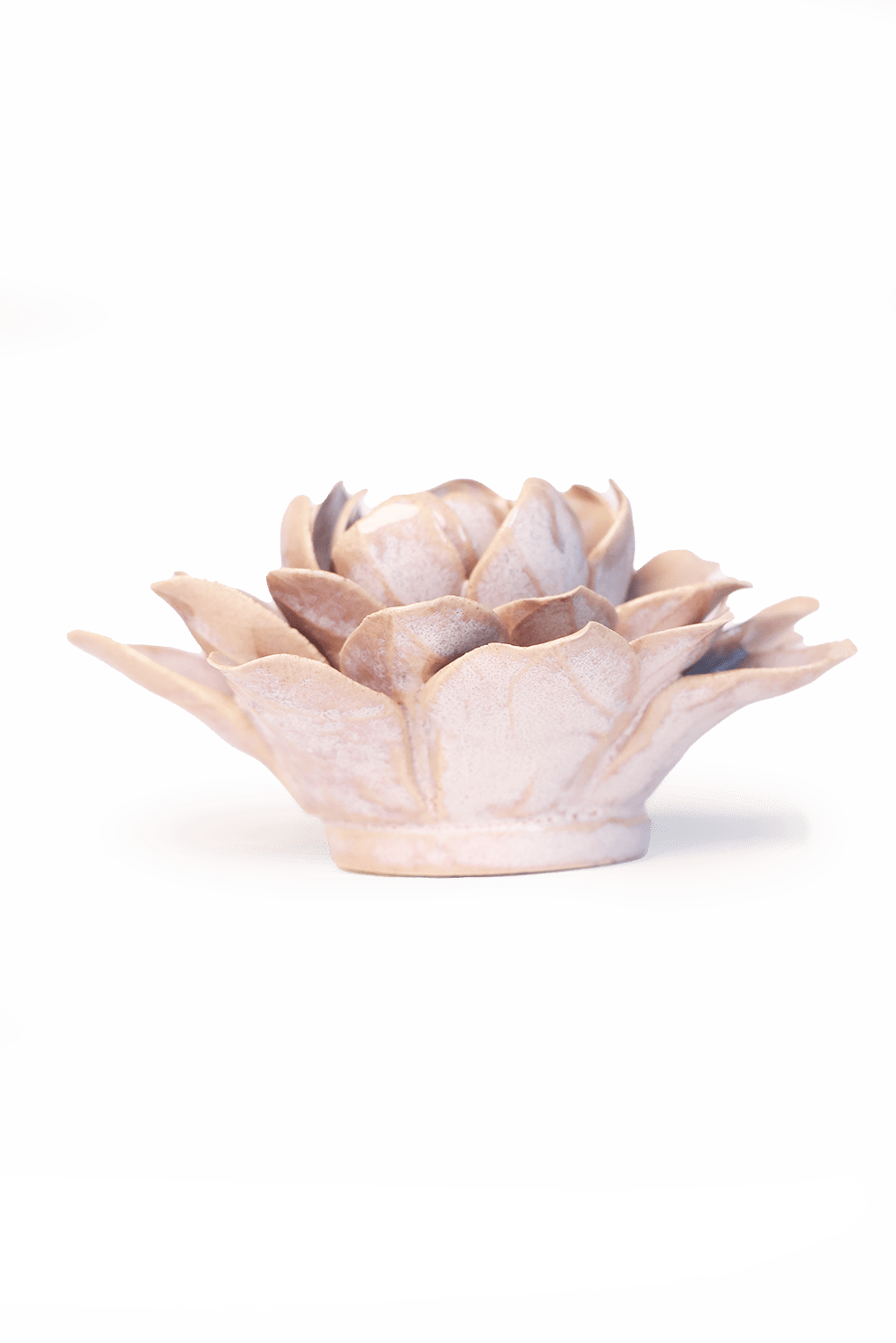
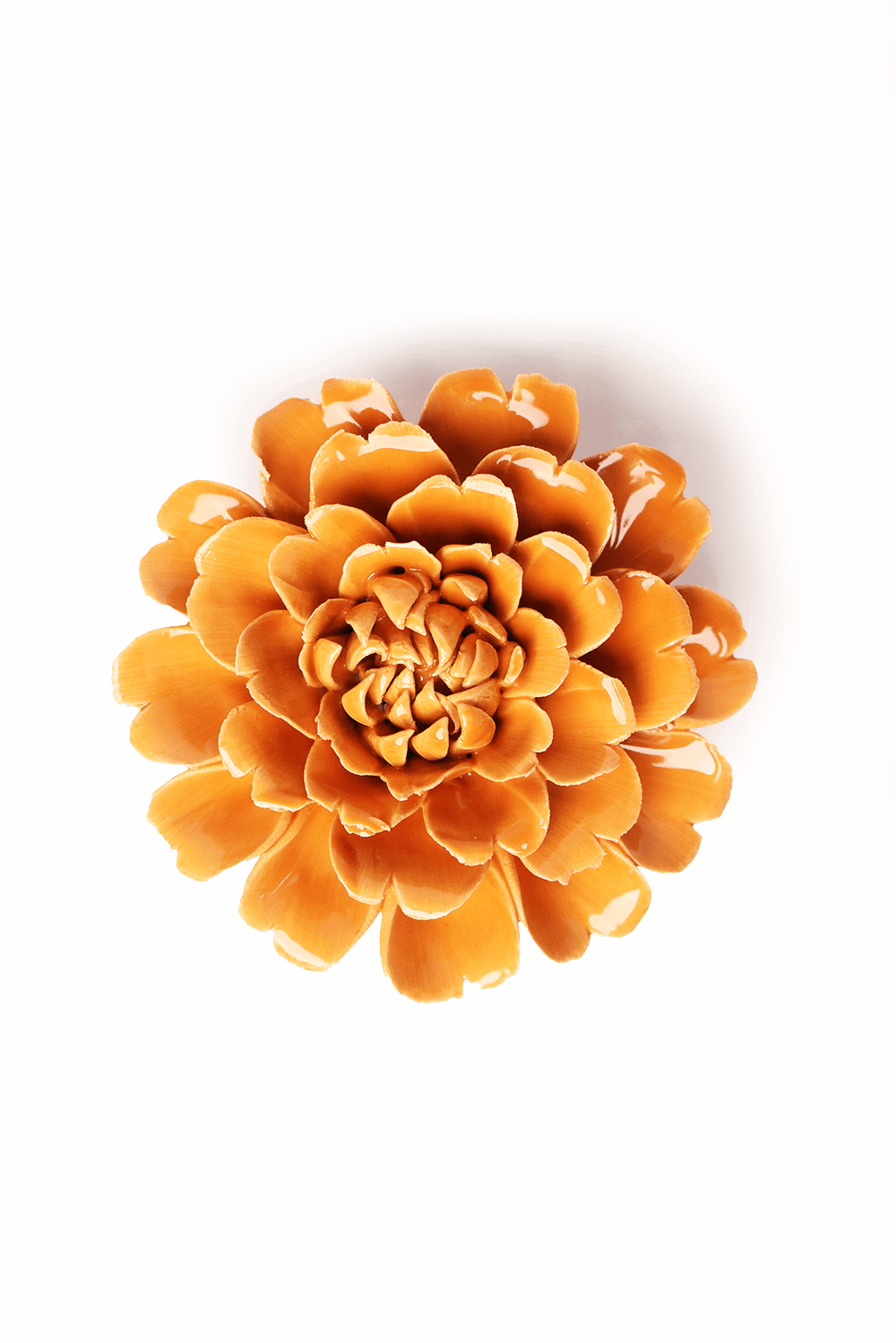
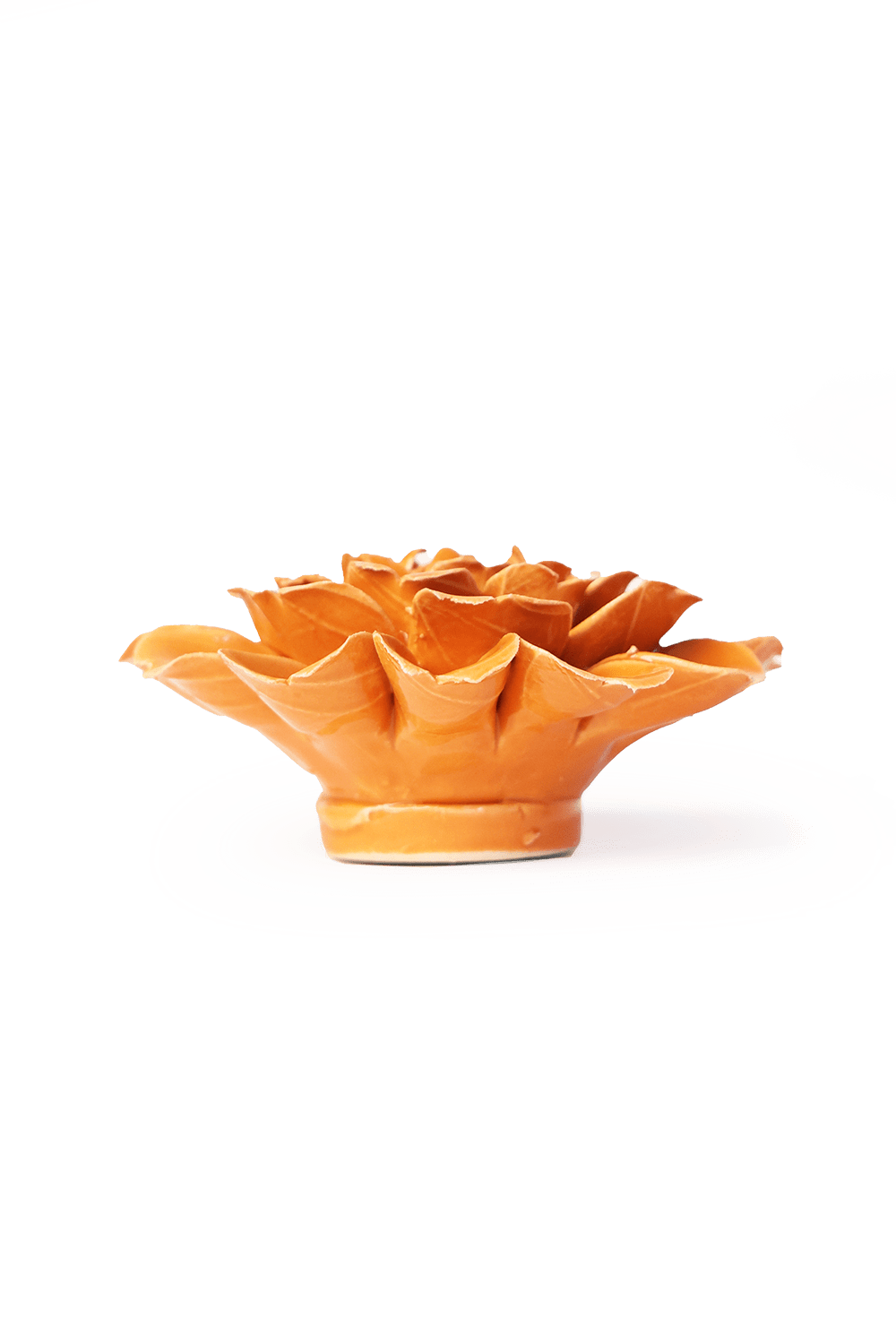
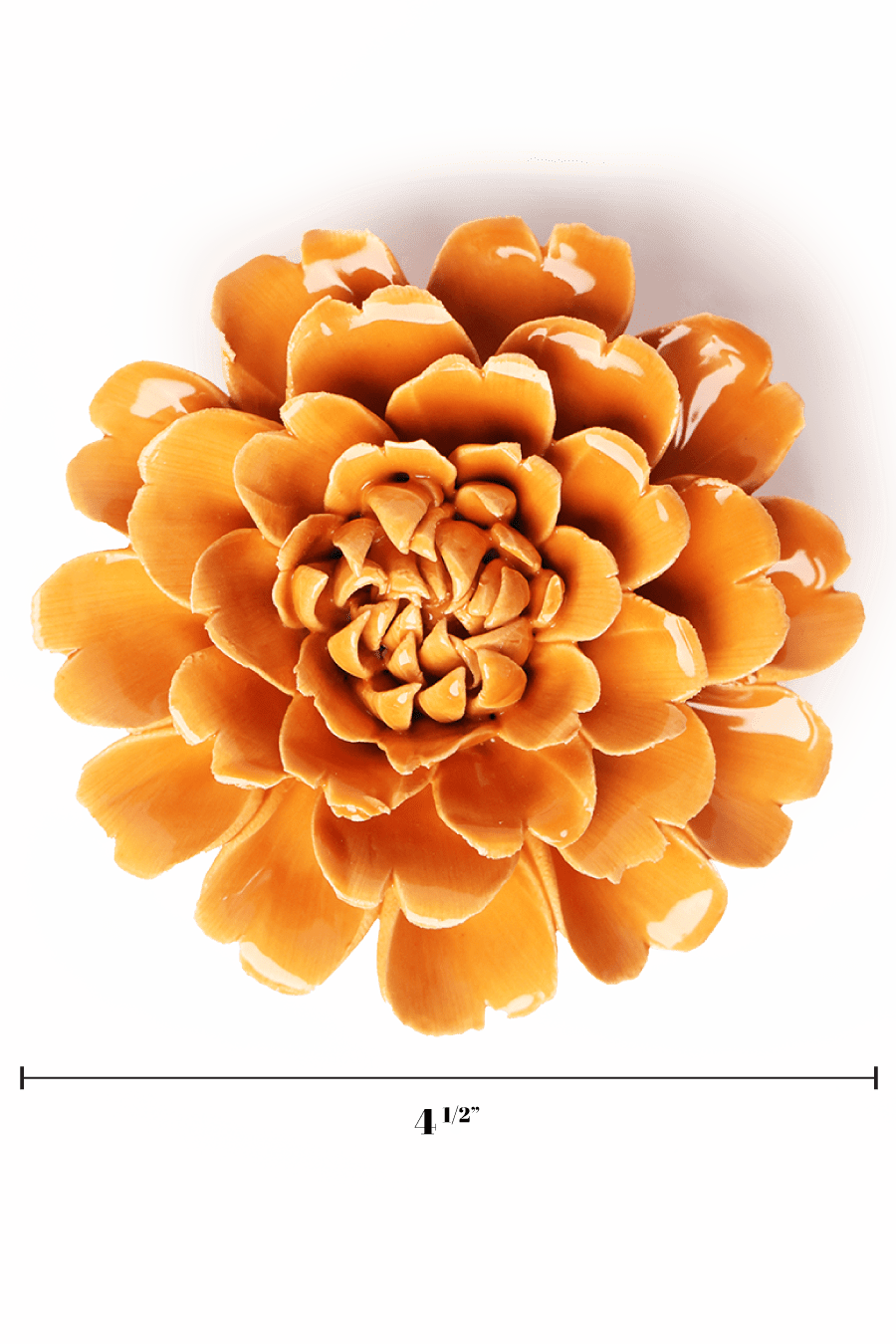
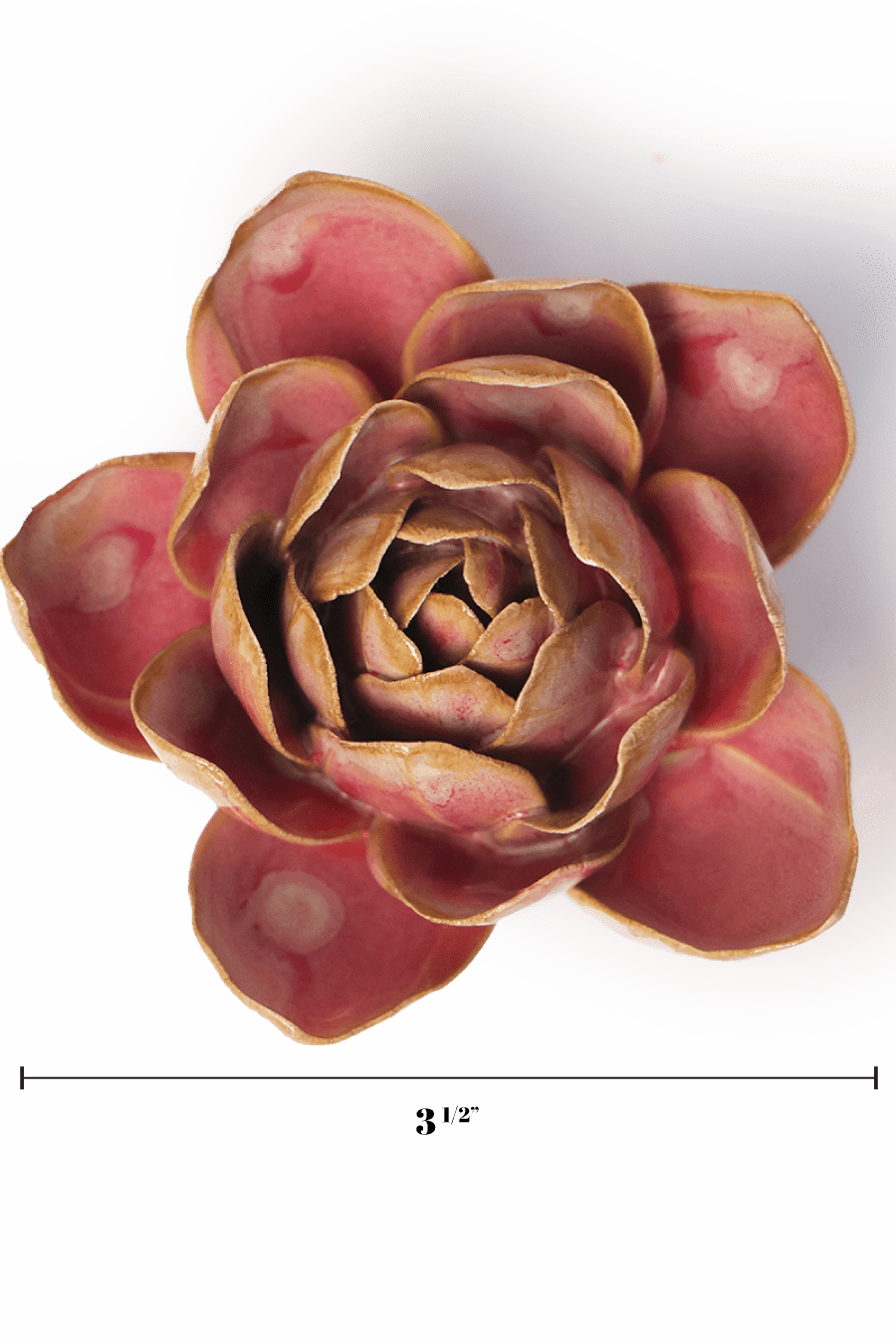
oversight. Each petal is shaped by hand. The slight asymmetry in the outer petals of your snowdrop is not a defect. It is the mark of the person who made it, which is to say, it is the mark of a person, which is to say, it is what makes it worth having.
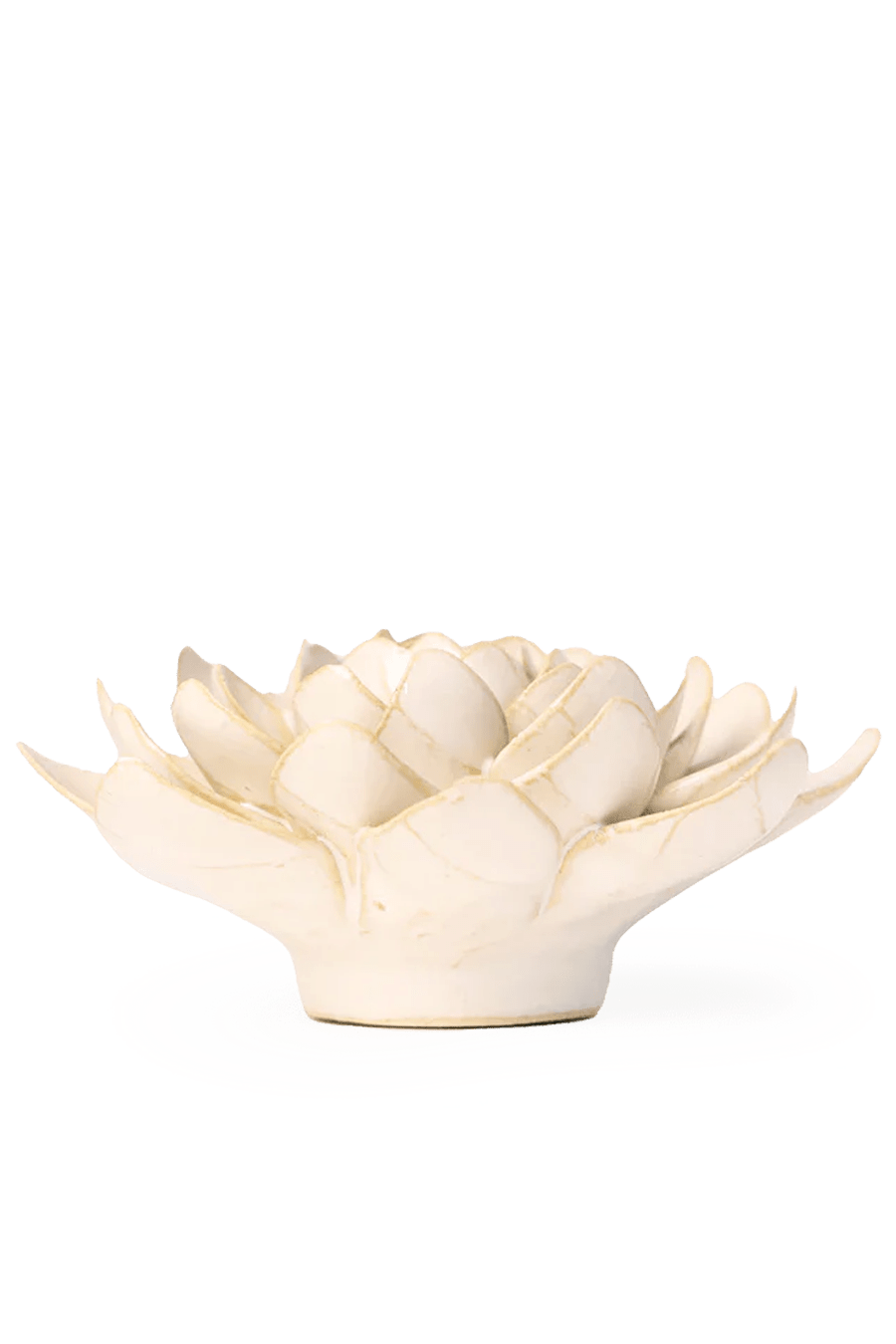
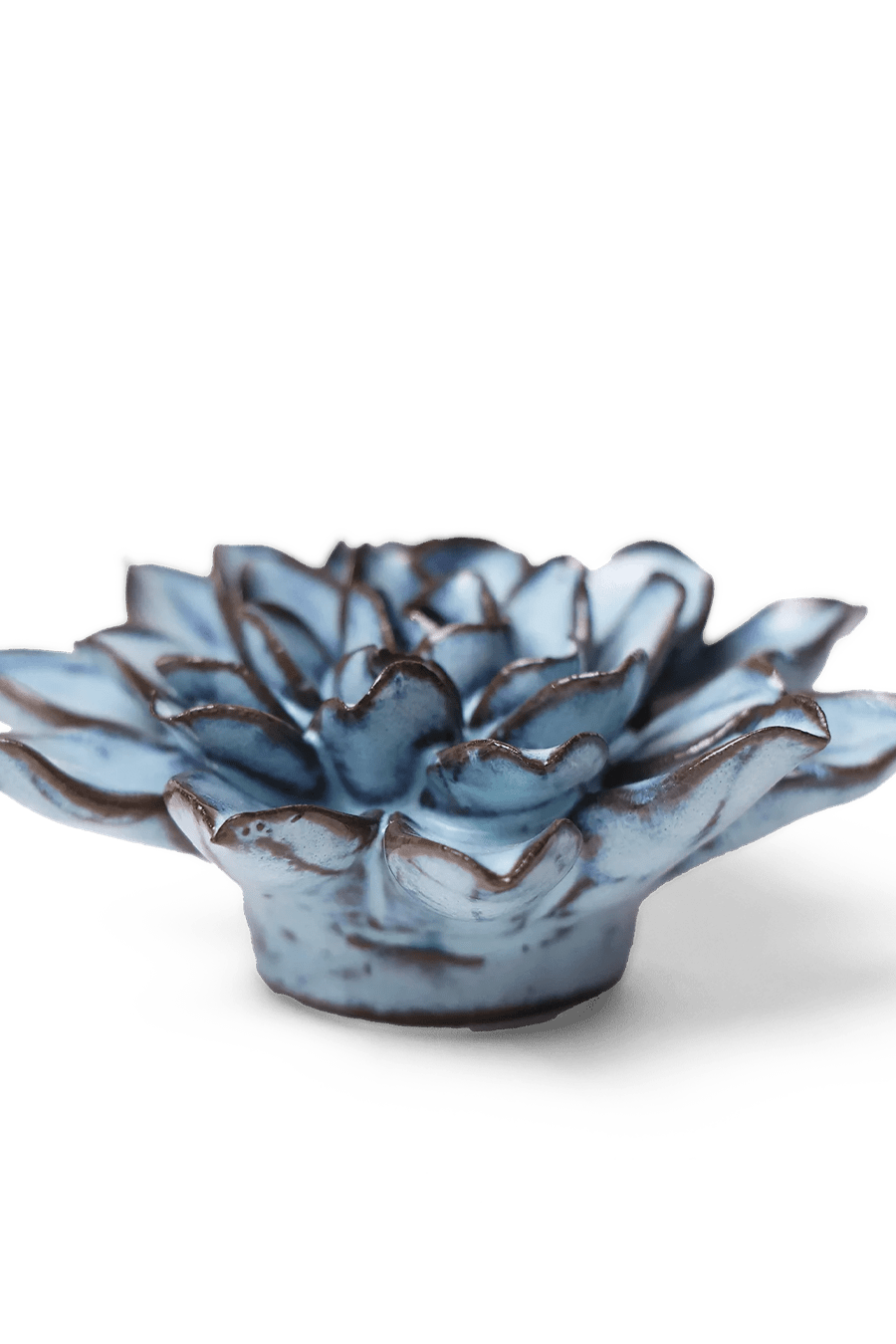
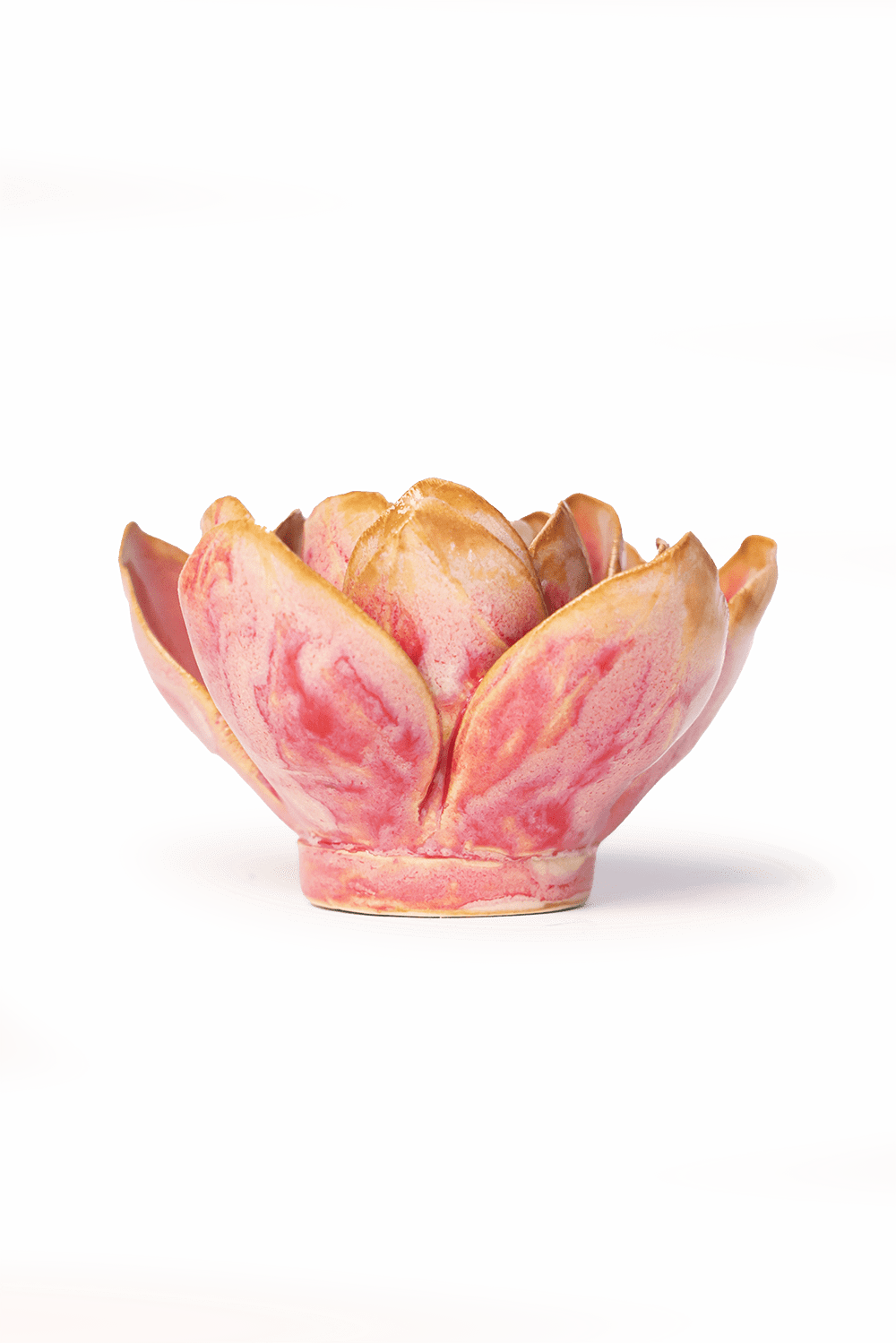
The result is a snowdrop that has been kiln-fired and glazed and will look, in twenty years, exactly as it looks today. It will not wilt. It will not develop the slightly accusatory brown tinge of a vase flower on its third day. It will not require water, which we mention because the number of people who have asked whether they need to water it is, at this point, genuinely moving. You do not. It hangs on your wall on a single screw — the
keyhole design on the back makes installation a two-minute exercise — and it stays there, doing exactly what it was made to do, indefinitely. See it a chive.com/products/january-birth-flower.
Oprah recommended our ceramic flowers. Martha Stewart recommended our ceramic flowers. We include this not to seem important — we include it because when two women who have collectively overseen more interior spaces than most municipalities have weighed in on the same product, it seems irresponsible not to mention it.

⭐ ⭐ ⭐ ⭐ ⭐ KATHY SPANGENBERG
I first saw your ceramic flowers in a store in Wildwood, NJ. I made a comment to my daughter, unknown to me she brought me one.
I love it! I got home and realized I want to a collection on the wall, so I went to your website and ordered more and loved the way they look on the wall. I just placed a second order.
The best January birthday gift (we know how hard this is)
Buying a gift for a January person is a situation that has, at one point or another, made
most of us feel genuinely bad about ourselves. The problem is structural and has nothing to do with how much you care. You care enormously. You are simply operating in the immediate aftermath of a month during which you were expected to produce a Christmas gift and a New Year's gesture and possibly a small but sincere hostess token for a party you attended on the 28th, and now, a week later, someone's birthday has arrived, and you are standing in a shop holding something that came in a bag already and trying to convince yourself it doesn't show.
It shows.
The ceramic snowdrop solves this problem at the level of structure, not just sentiment. It arrives in a beautiful box — not beautiful in the way that boxes are described as beautiful when no other word is available, but actually considered packaging that does the wrapping for you. The flower sits correctly inside it. It looks like a real gift from the first moment, before you have said a single word about what it means.
And then you say what it means, which is that this is their birth flower — the snowdrop, symbol of hope and renewal, associated with January people since the calendars were being organized and someone thought to assign a flower to each month and probably felt very pleased with themselves for doing it. This is their flower, made by hand, in ceramic, designed to be on their wall for the rest of their life.
It ships to over 40 countries. It hangs on one screw. Oprah and Martha Stewart have
both recommended it. The person who receives it will talk about it to other people. We
have read the emails. We know what happens next. chive.com/products/january-birth-
flower.

⭐ ⭐ ⭐ ⭐ ⭐ GRACE STEVENS
Affordable, Gorgeous, and Easy to Install - Absolutley gorgeous! The attention to detail is amazing. They look high-end but are actually affordable. Easy to install too. Love everything about them!
How the keyhole hanger works — and why it matters
There is a particular kind of anxiety that attaches itself to wall art and refuses to let go. It begins at the moment you decide where to hang something and escalates through the selection of hardware, the drilling of the pilot hole, the discovery that the stud is not
where you thought it was, the second hole, the third hole, the paste that is supposed to
conceal the third hole but does not quite conceal it, and the eventual hanging of the
thing at a slight angle that you decide to live with rather than address. We have all been there. Some of us have stayed there for years.
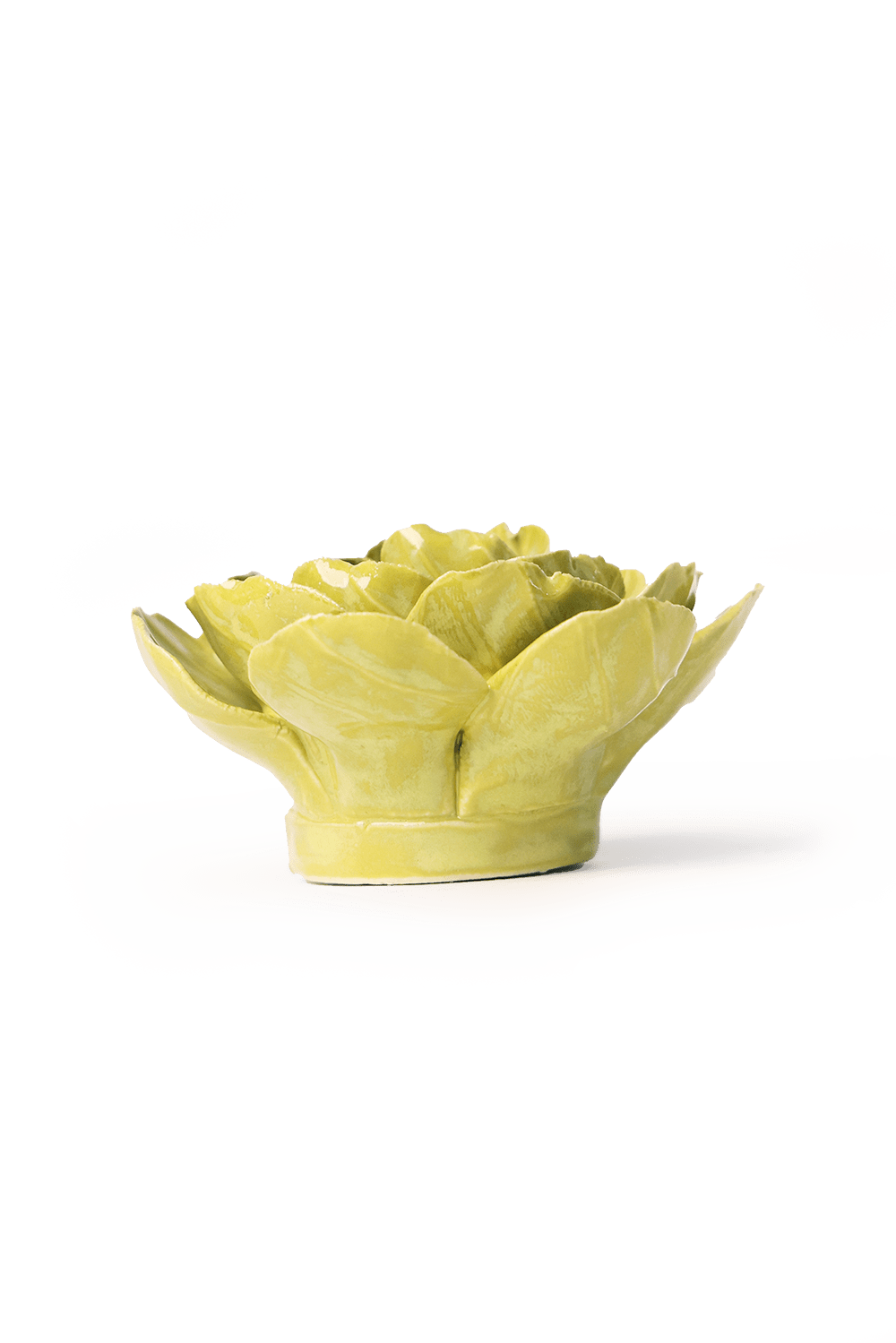
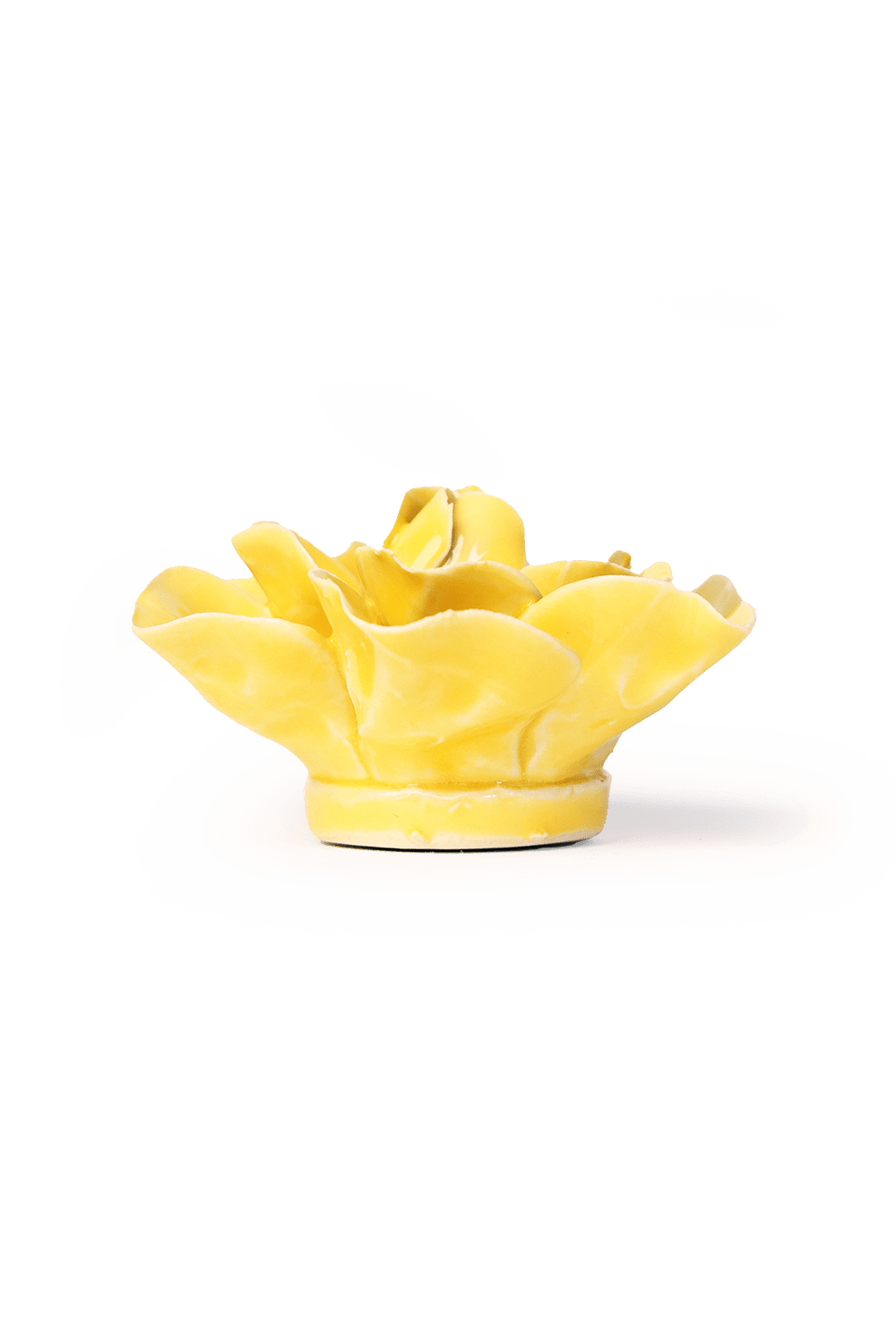
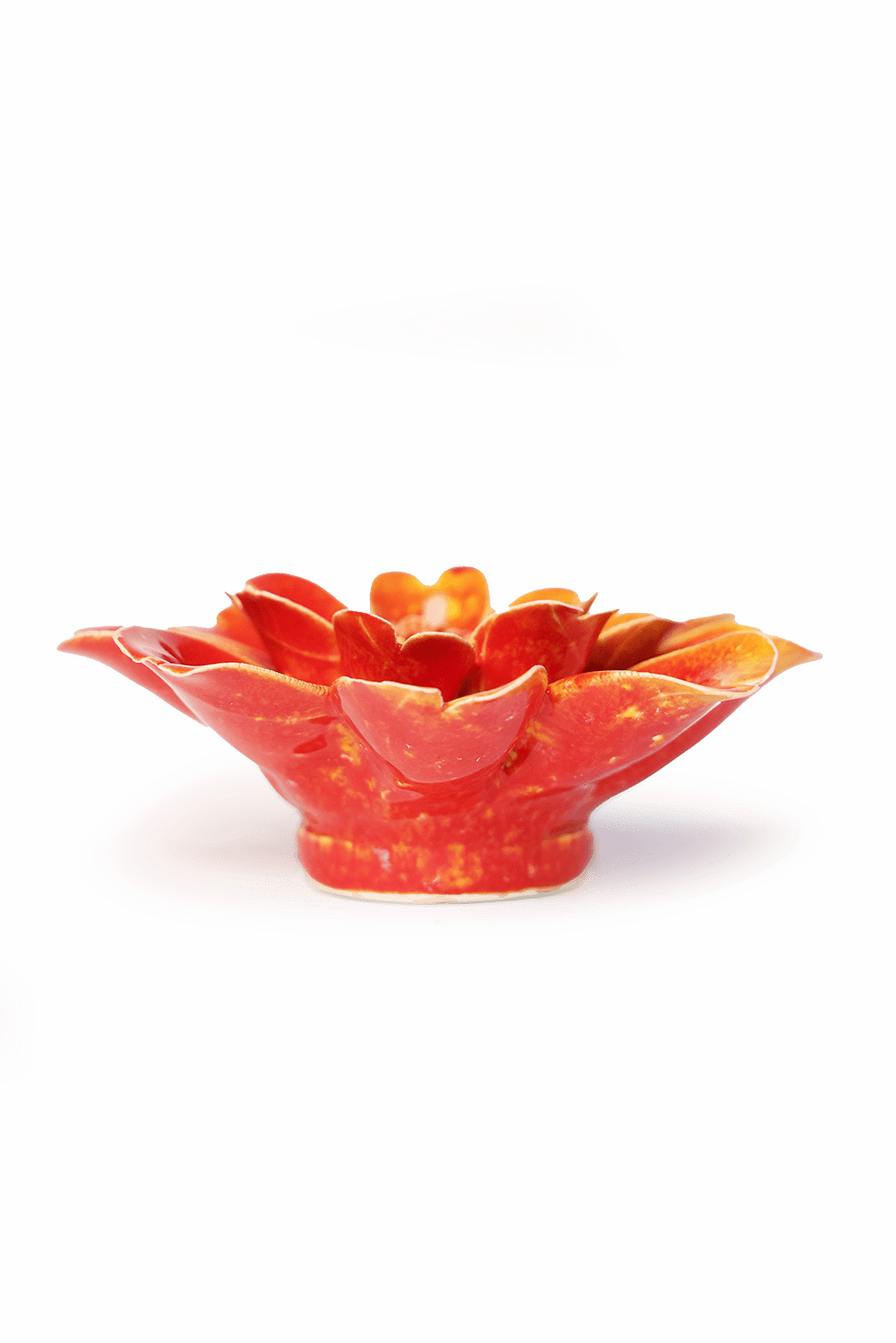
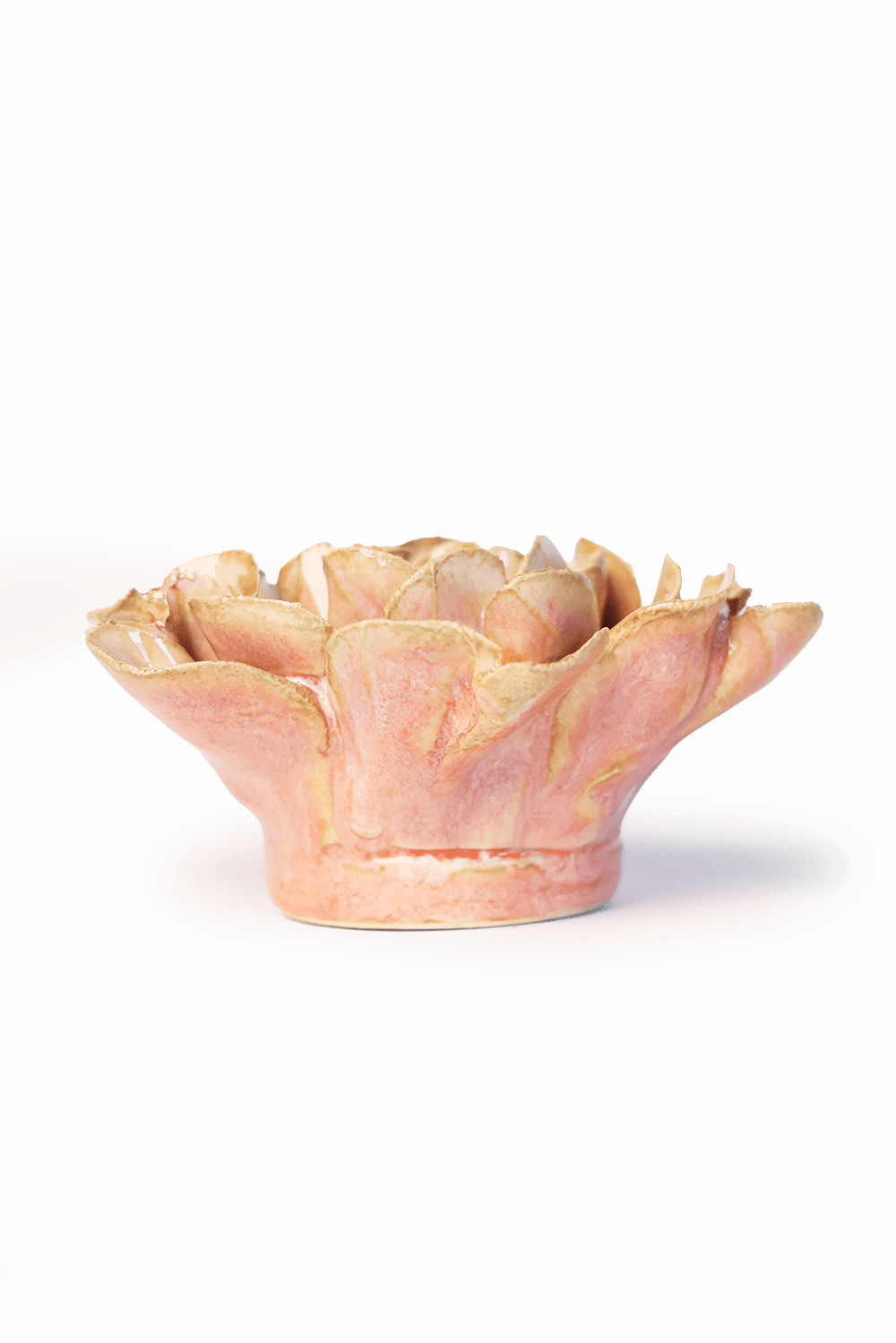
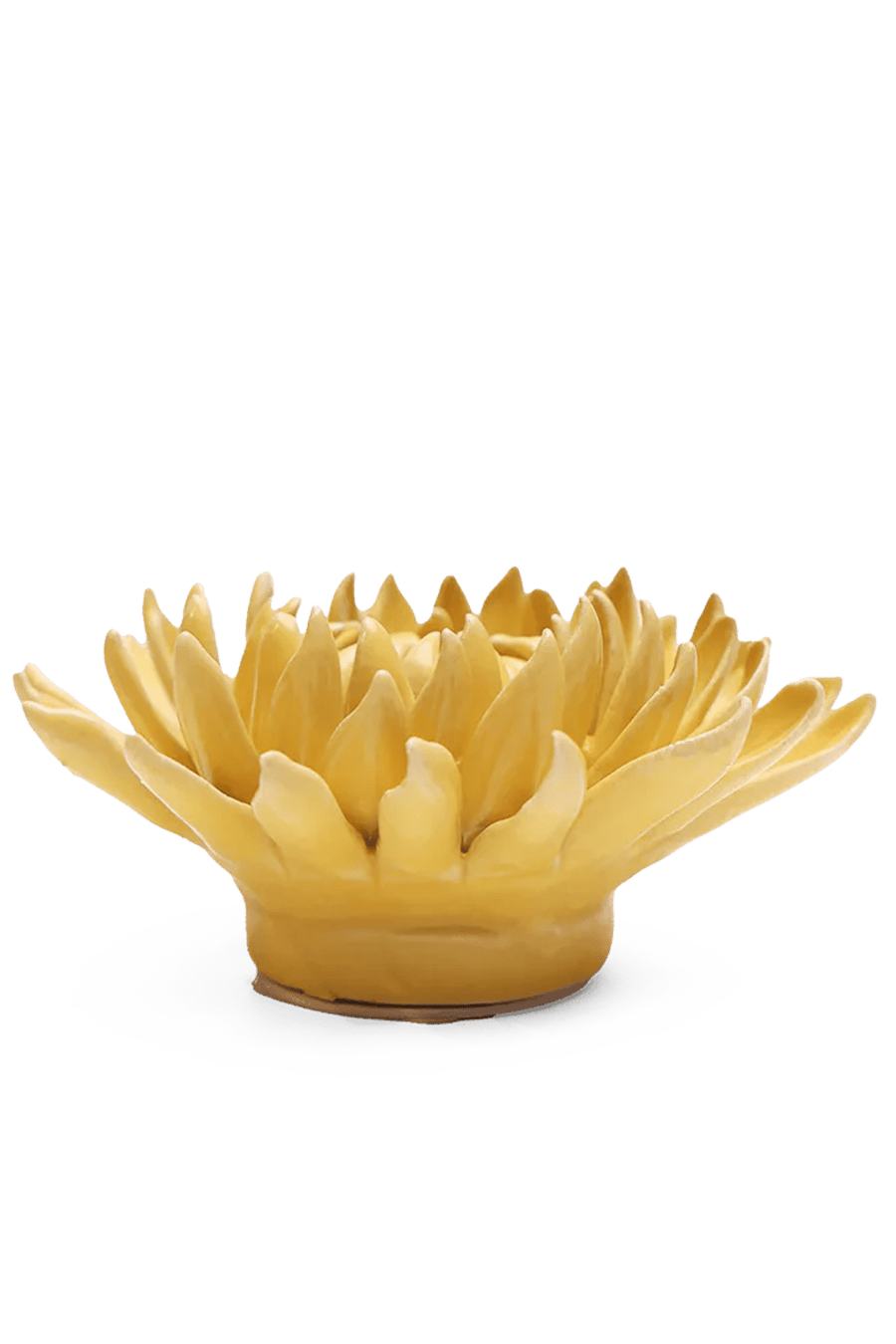
Chive ceramic flowers do not do this to you. On the back of every flower is a keyhole slot — a small opening designed to slide over the head of a screw that is already in your wall. You drive one small screw. You slide the flower onto it. You take a step back. The entire process has taken less time than the deliberation about whether to do it at all.
If you want more than one flower on your wall — and nearly every person who buys one eventually wants more than one, a pattern we have observed over 25 years with the calm certainty of people who have seen it happen several thousand times — the process is the same for each. One screw each. The arrangement grows in exactly the direction you want it to grow. We have customers with 52 flowers on one wall who
describe the experience of accumulating them as one of the more satisfying decisions
they have made. We believe them.

⭐ ⭐ ⭐ ⭐ ⭐
January Treasure - Since it’s January’s birth flower, it made the perfect birthday gift. The delicate detail and versatility—hang it or display it—make it truly special.
Combine the snowdrop with other birth flower ceramics
One of the more appealing things about Chive ceramic flowers is that they have been designed to coexist, which is to say they have been designed in a way that makes it impossible to combine them badly. This is not a claim we make casually. We have
watched people attempt to make bad combinations for 25 years and we have never
once seen it happen. The flowers from the birth flower collection are made from the
same materials, fired in the same kiln, and designed to a shared sensibility. You can put January's snowdrop next to June's rose and the result will be coherent. You can put it
next to three different months and the wall will look as though someone made a
decision rather than just adding things.
Many of our customers collect multiple birth months — their own flower, their partner's, their children's, their mother's. A wall that documents a family in this way turns out to be more interesting than a wall hung with photographs, partly because the photographs require people to agree on which ones to use, and partly because the flowers, being ceramic and handmade and already beautiful, require no further discussion. The English Garden collection pairs particularly well with the snowdrop — its palette of English-countryside tones sits alongside the ivory of the snowdrop as though they were always meant to be near each other, which is possibly true.

⭐ ⭐ ⭐ ⭐ ⭐
Love at First Sight - I’m in love with my new flower collection of 12, including my latest, Ivory Snowdrop. They’re so beautiful and unique, especially as a wall display. I can’t wait to show them off! Thank you for your genius idea!
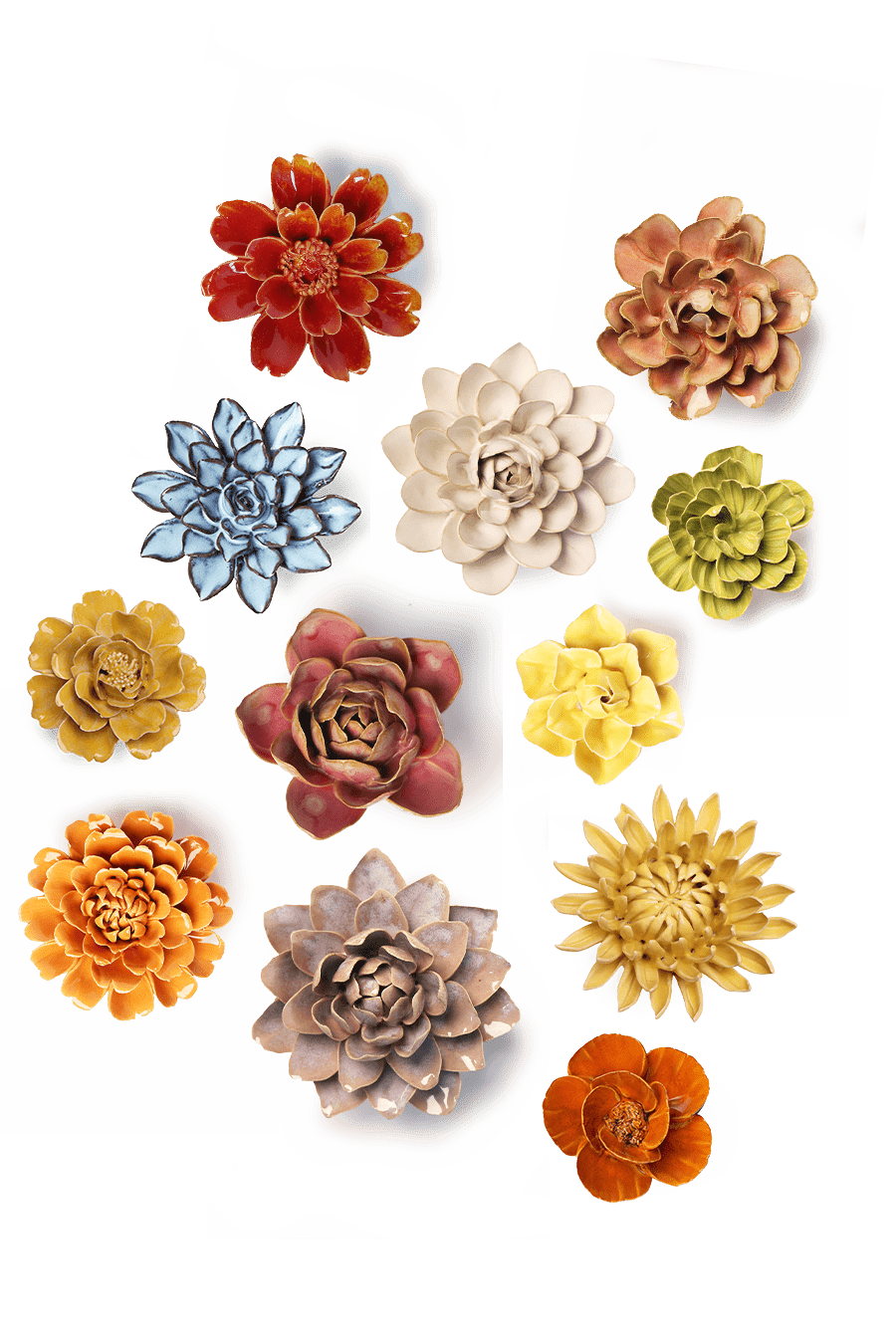
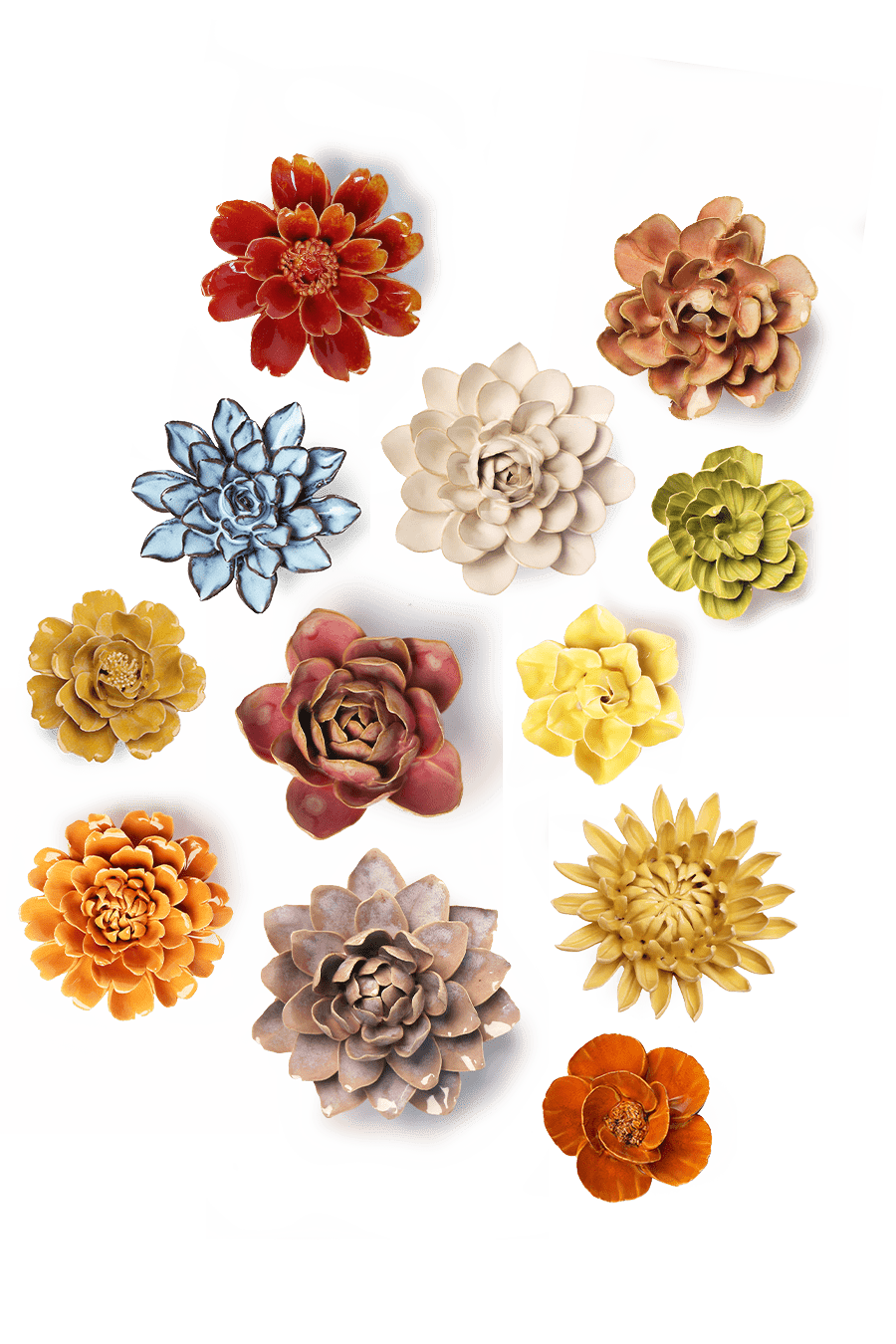
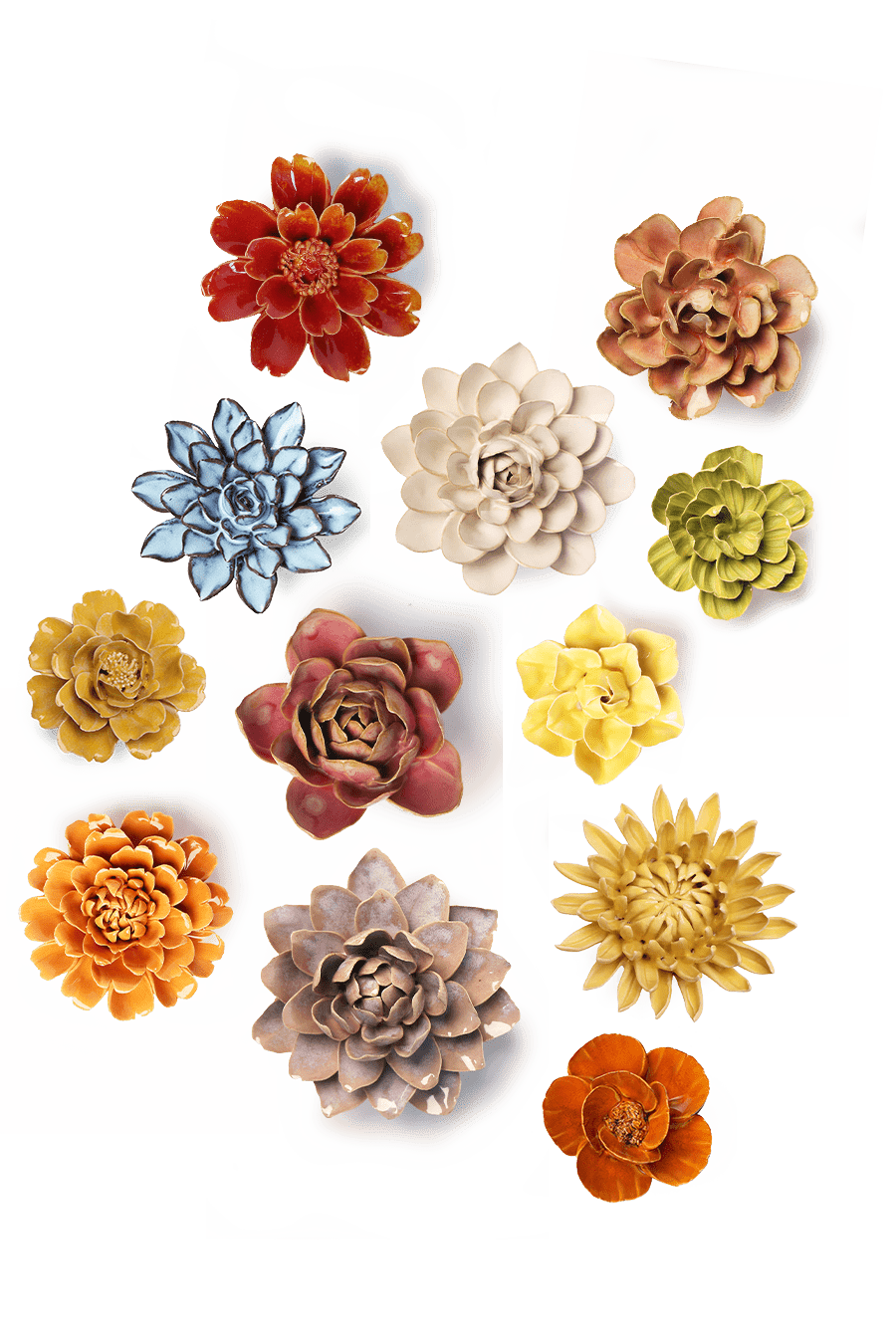
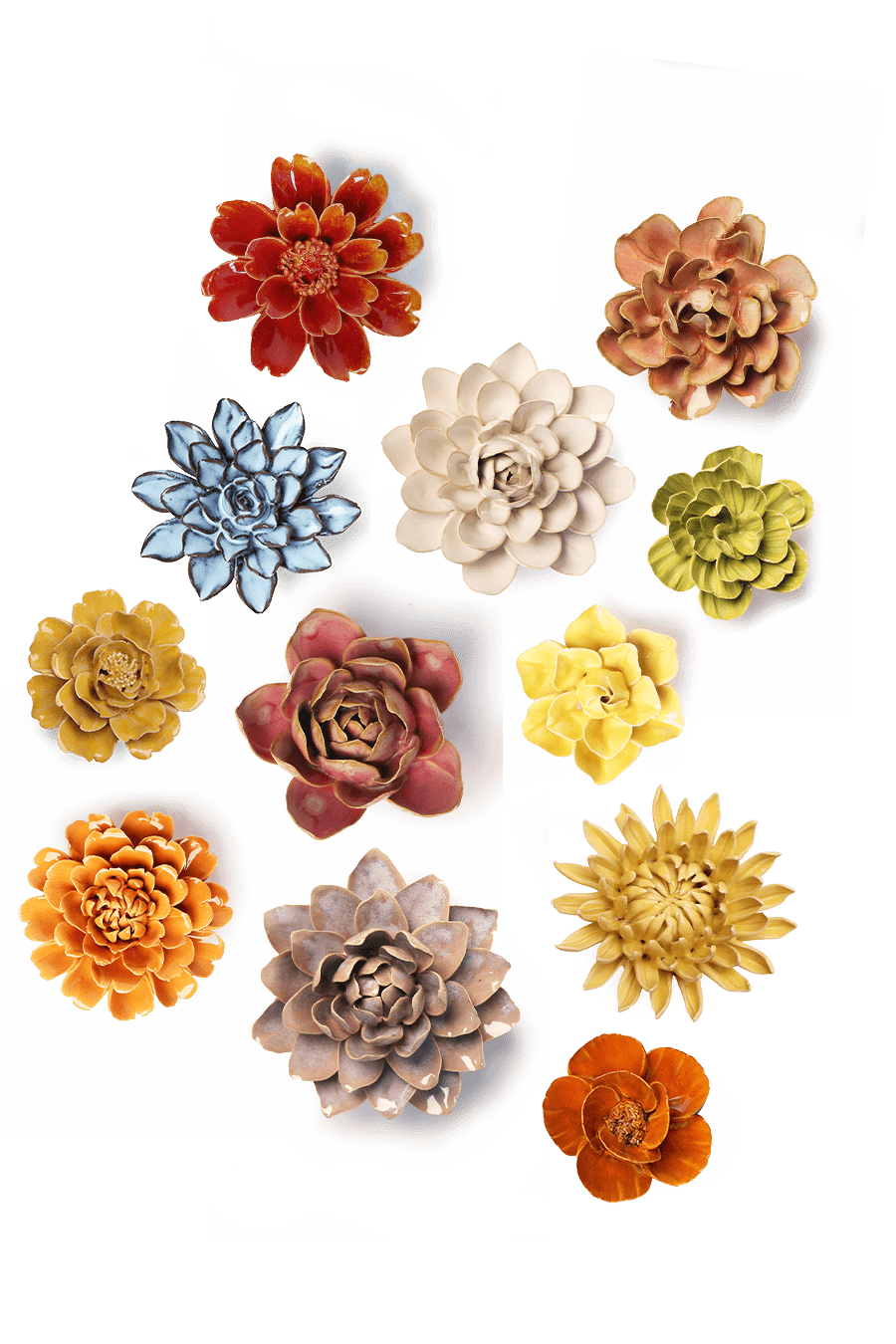
Shop all 12 birth flower ceramics
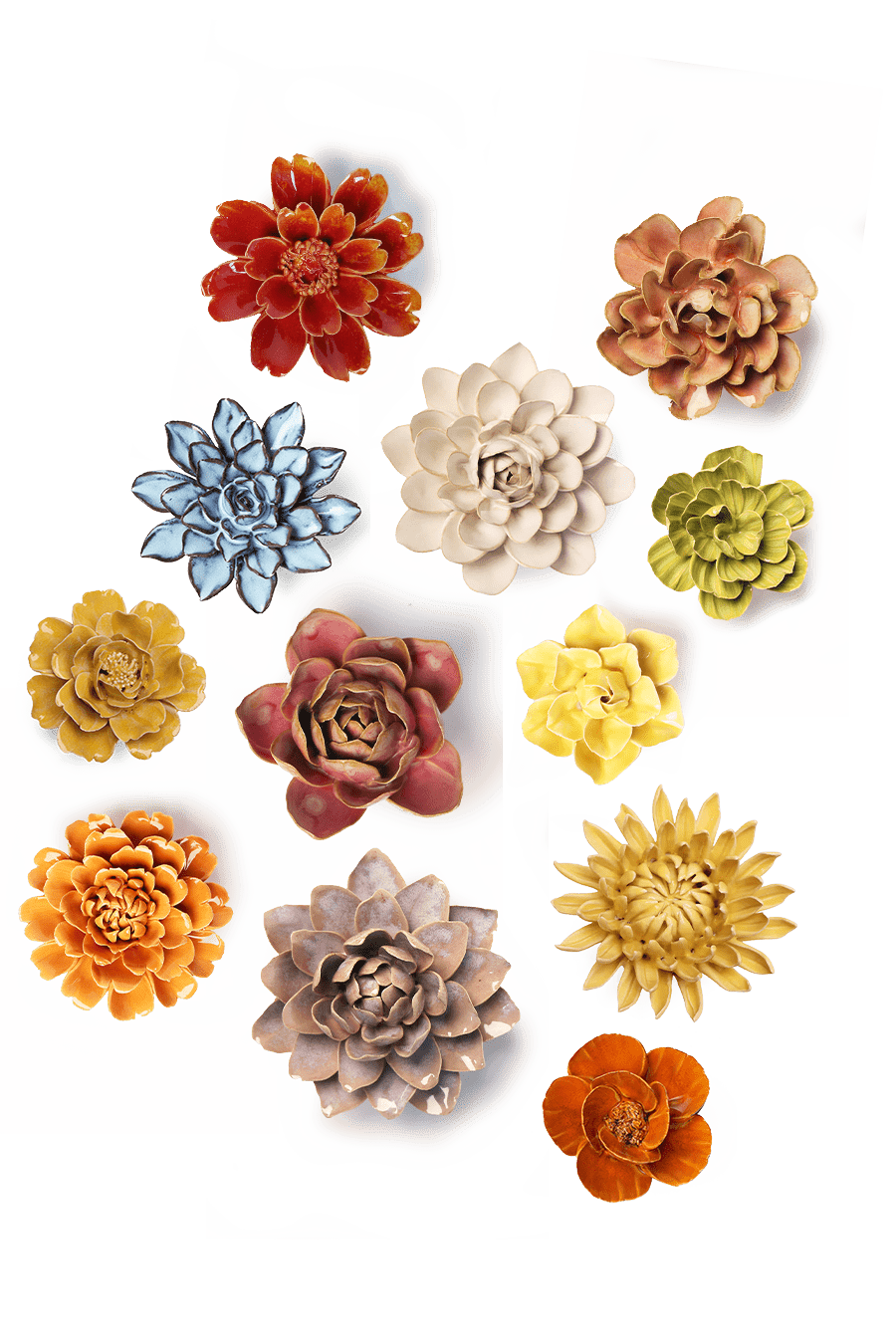
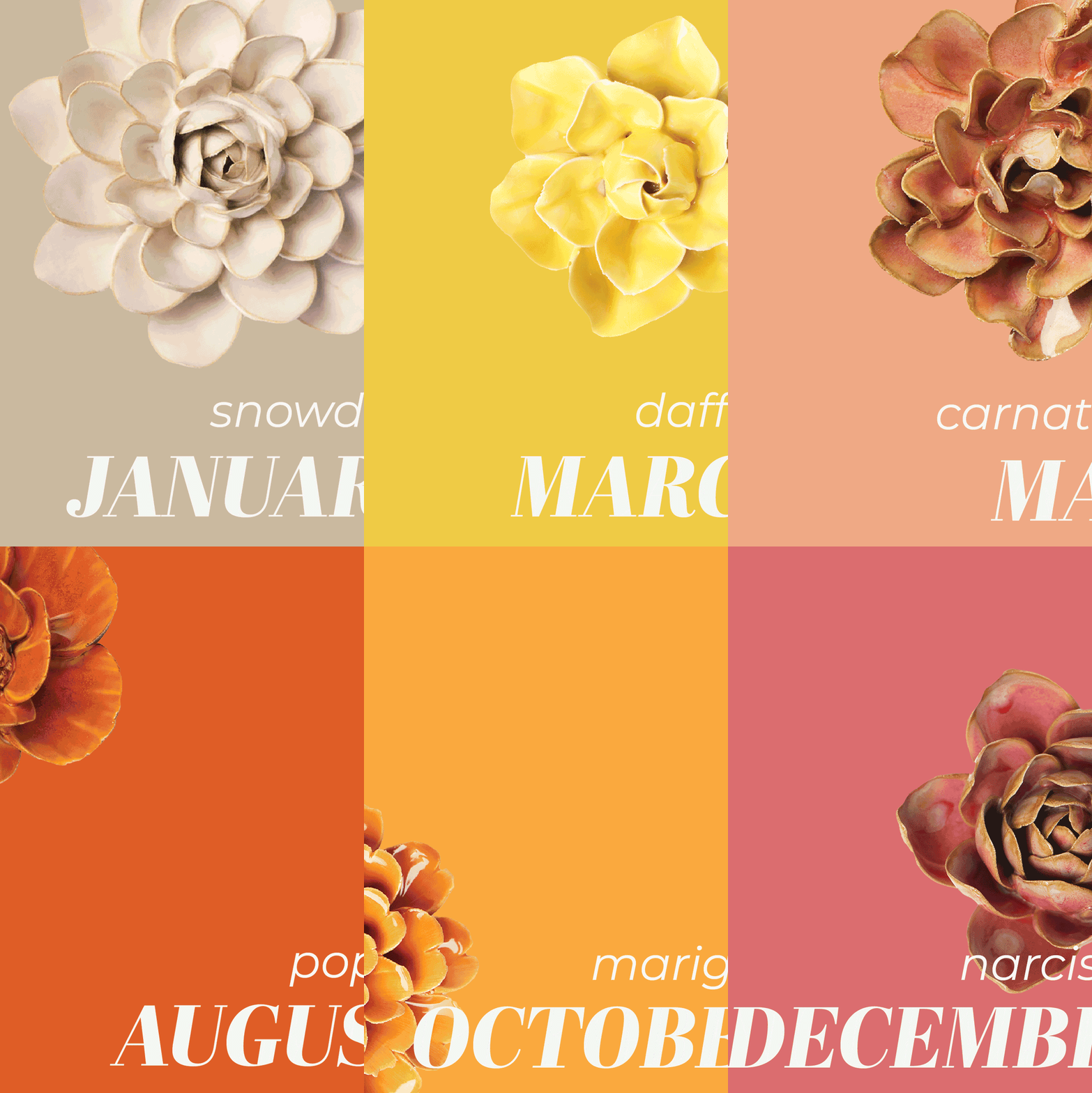
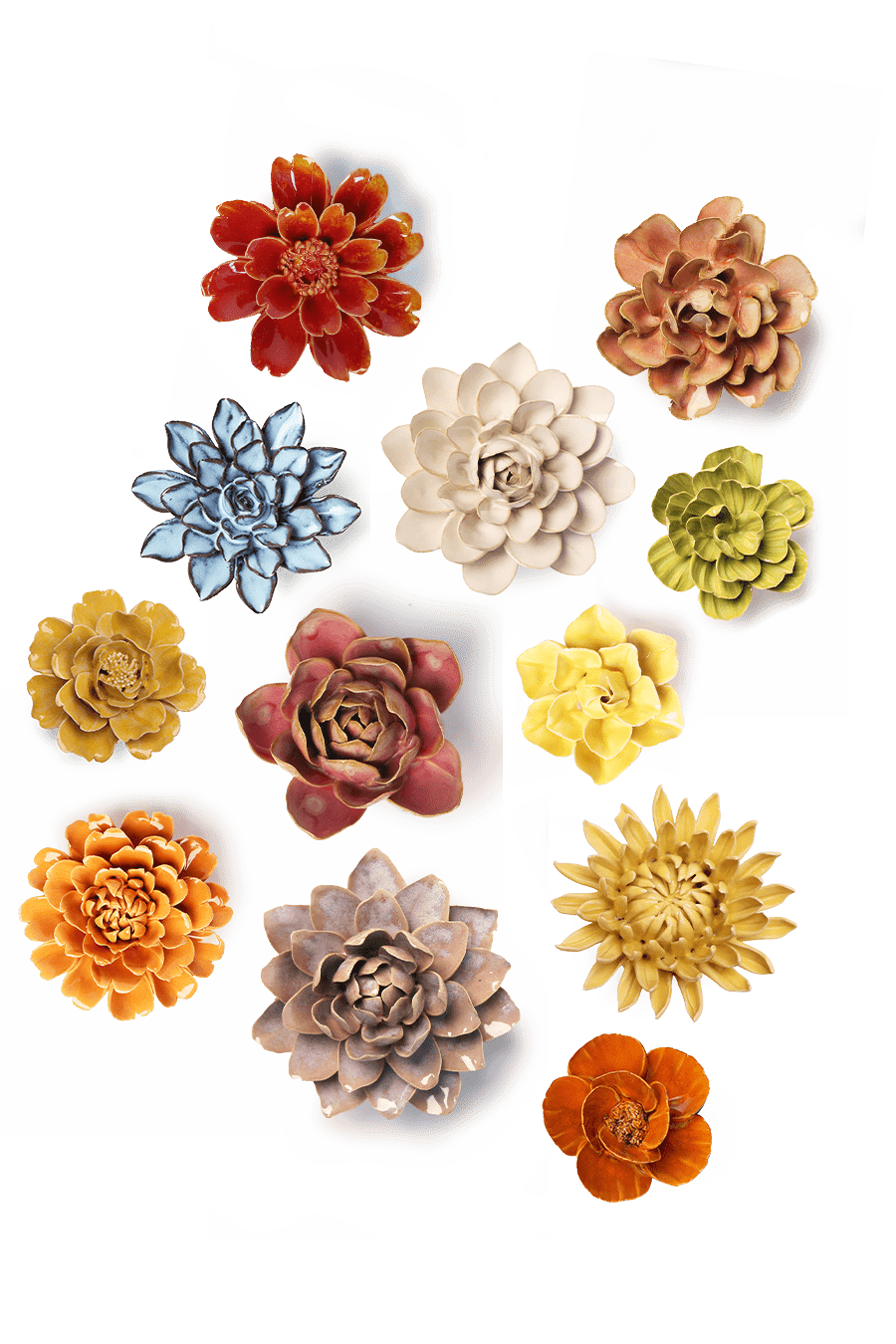
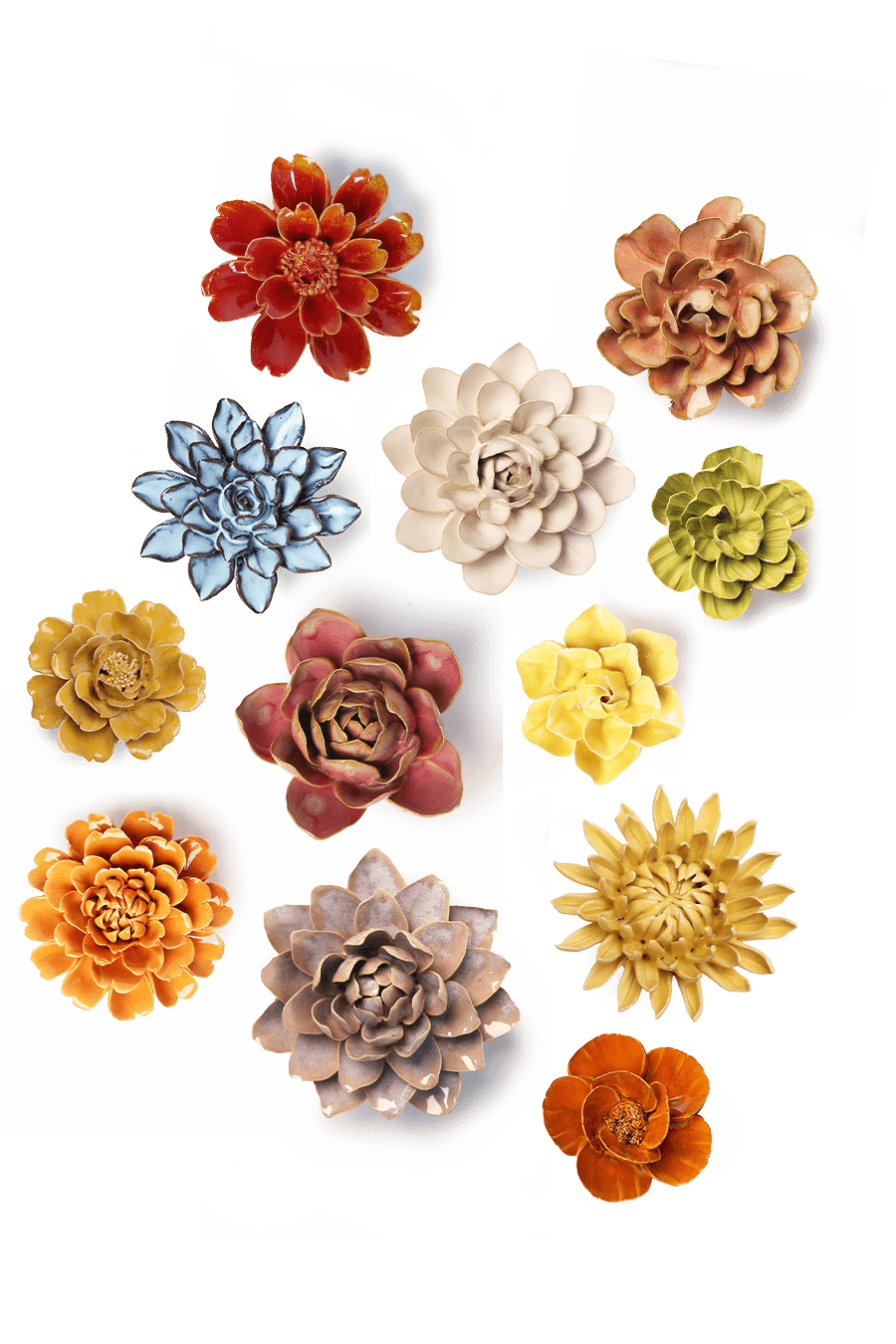
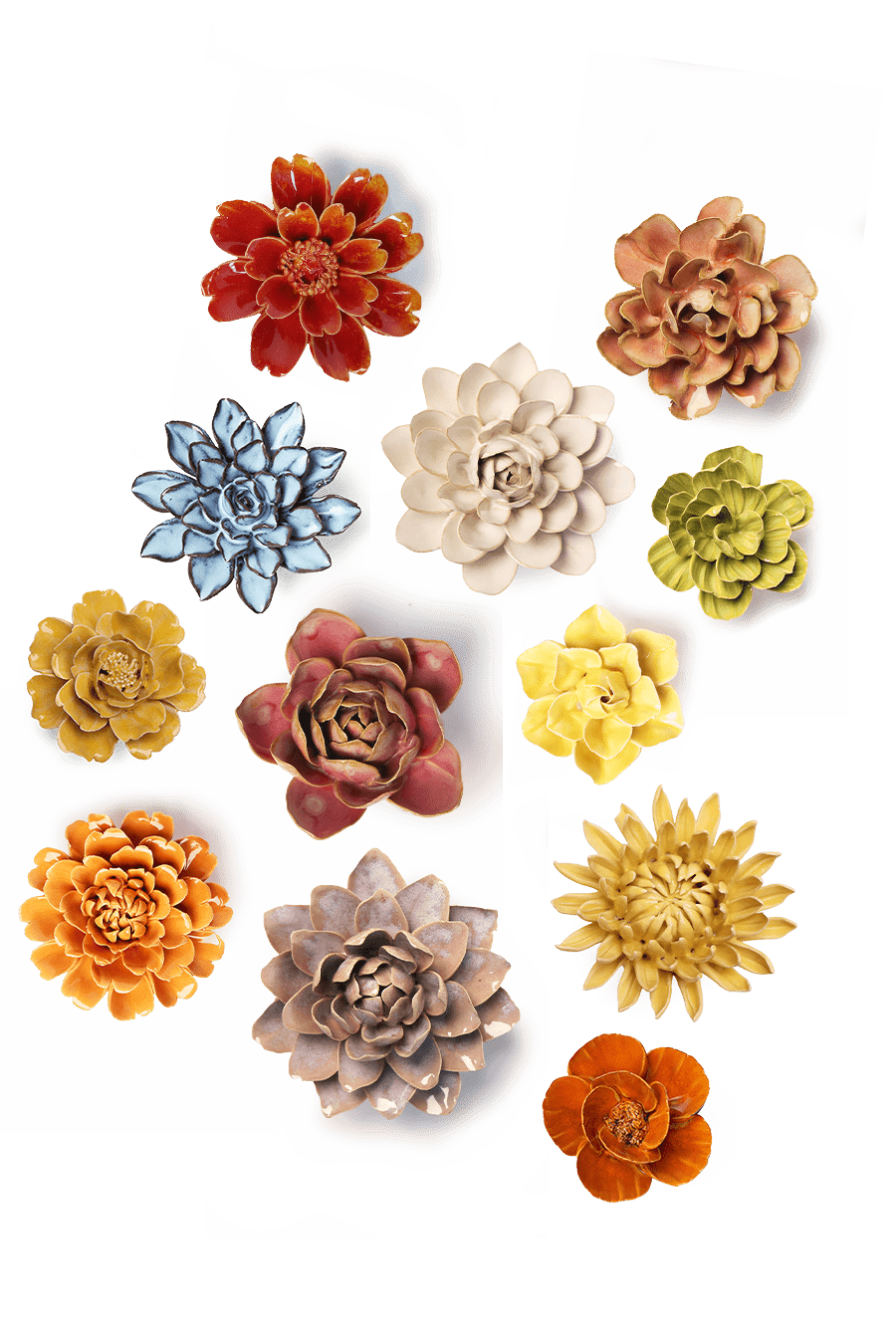
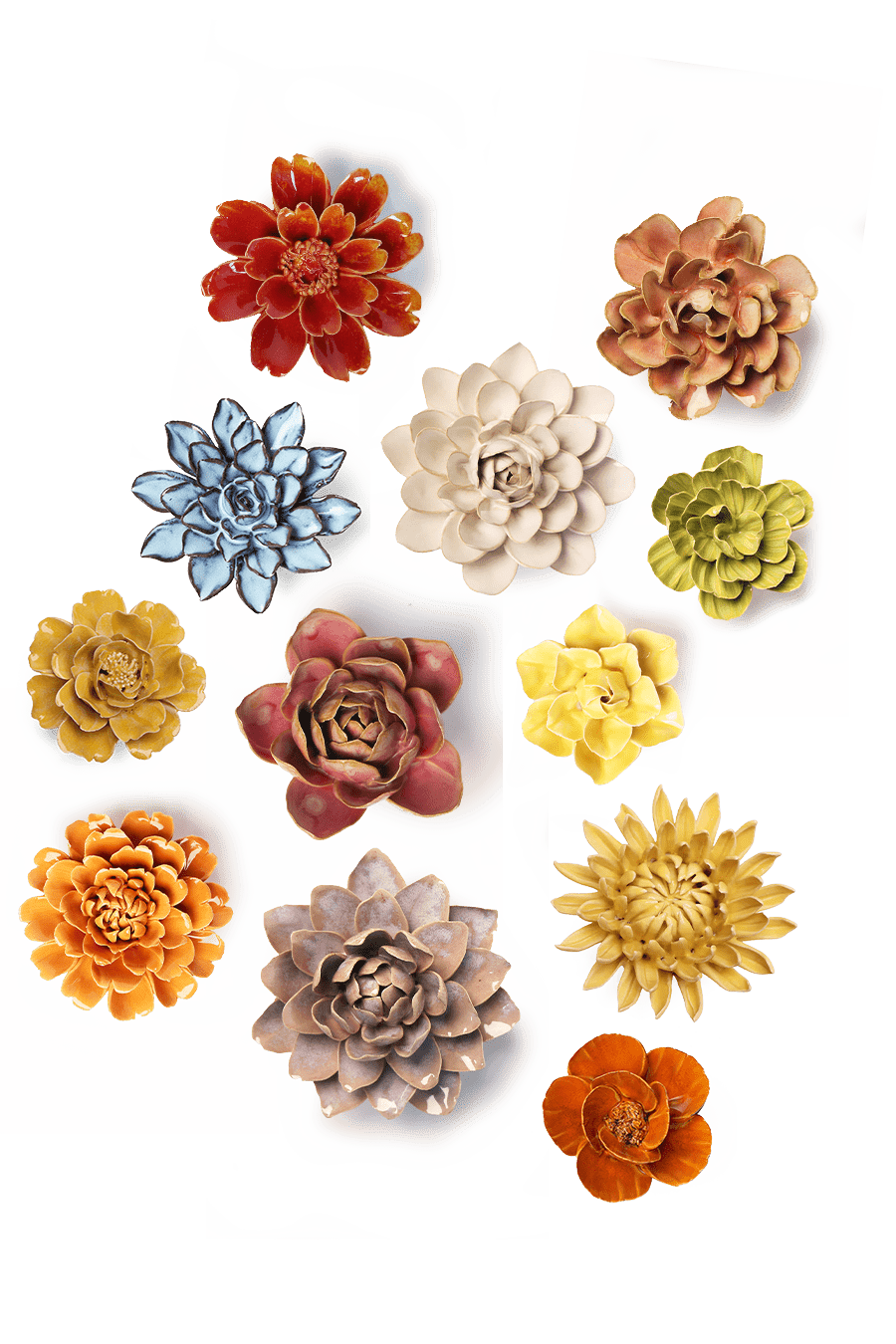
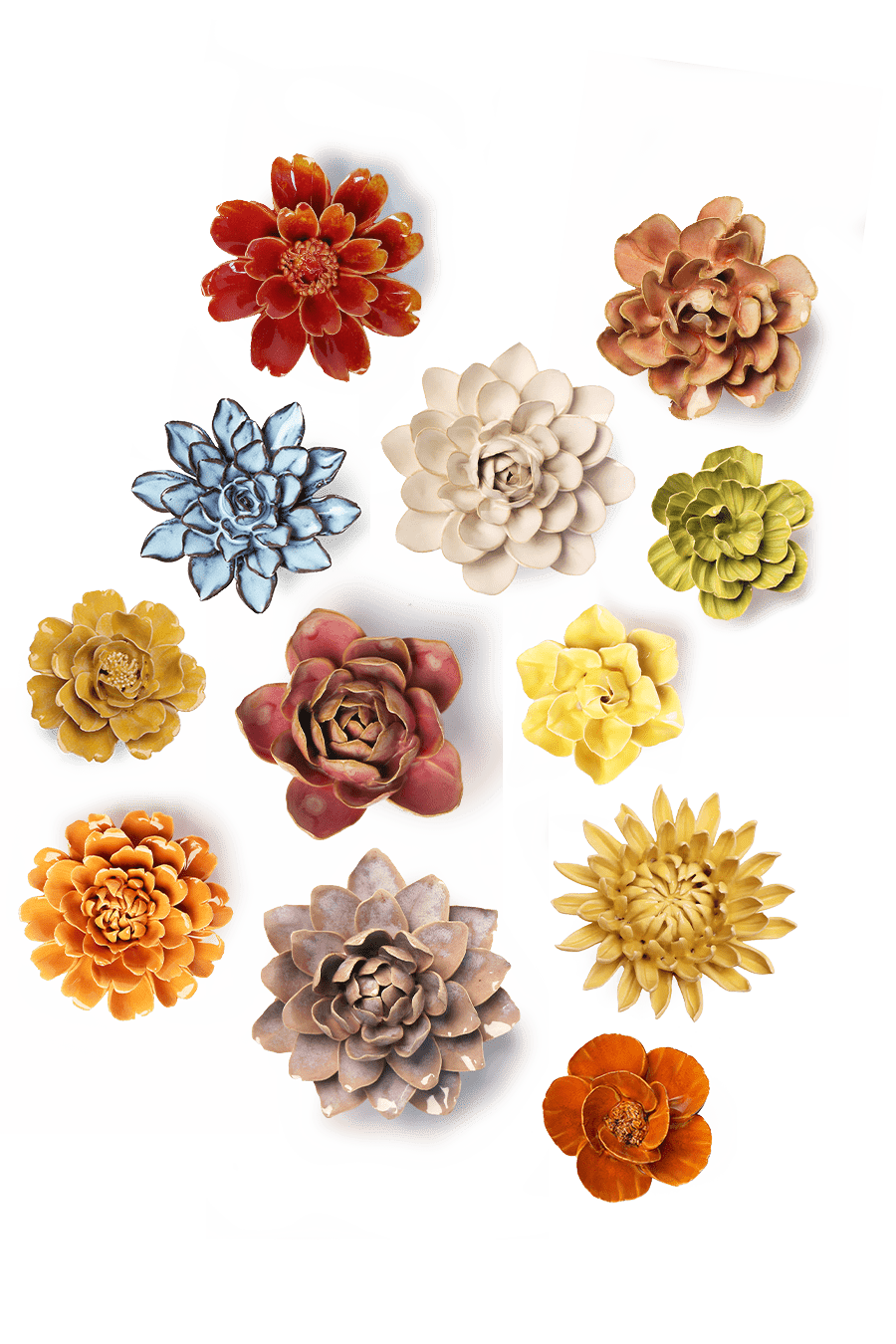
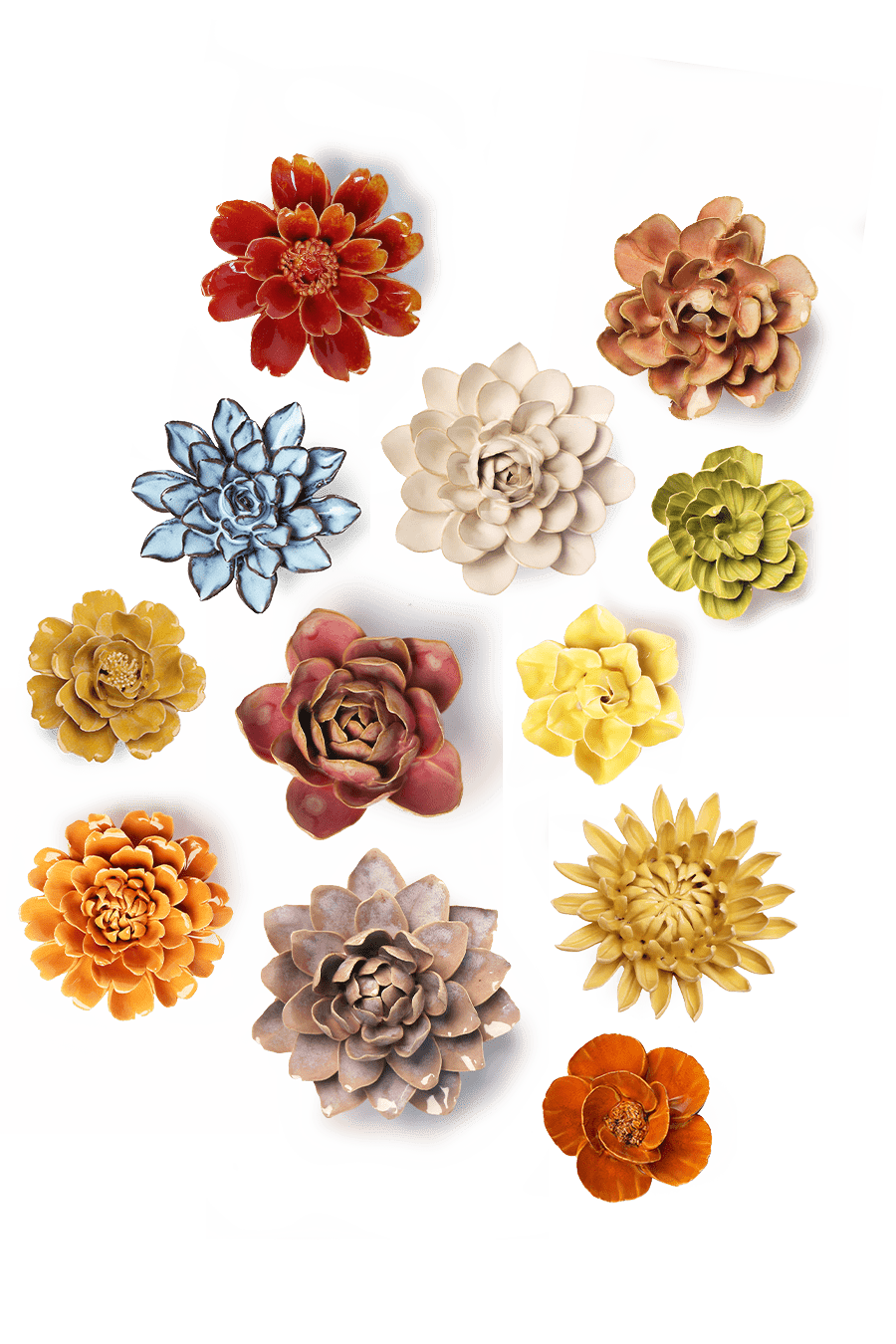
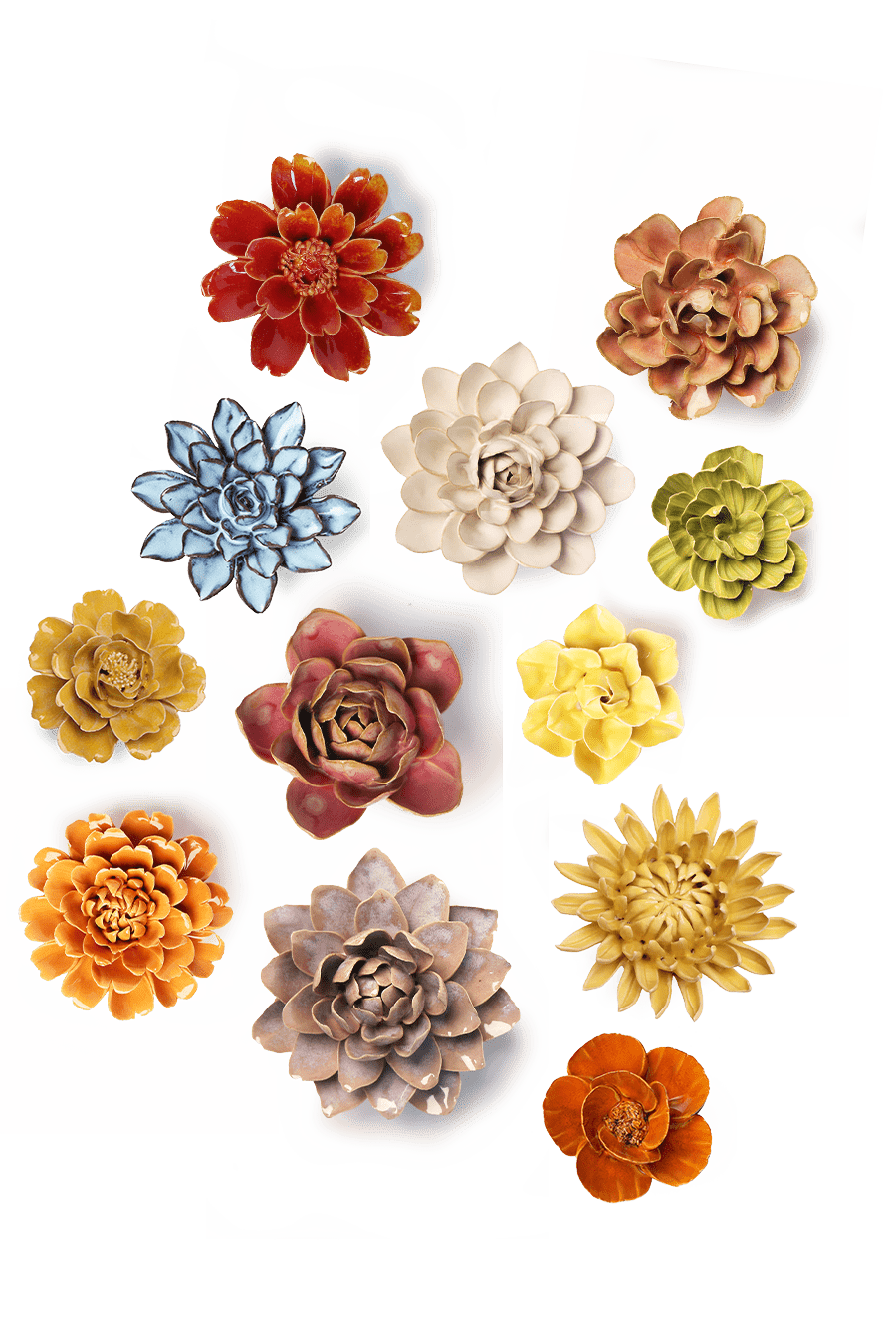
January is the beginning. Chive makes a handmade ceramic birth flower for every month of the year — twelve flowers, twelve stories, and twelve opportunities to give someone something that is specifically about the month they were born in rather than the general idea of a gift. The complete collection is at chive.com/collections/birth-
flower-ceramic-collection.
All 12 months:
• January — Snowdrop (you are here)
• February — Primrose
• March — Daffodil
• April — Daisy
• May — Hawthorn
• June — Rose
• July — Water Lily
• August — Poppy
• September — Morning Glory
• October — Marigold
• November — Chrysanthemum
• December — Narcissus