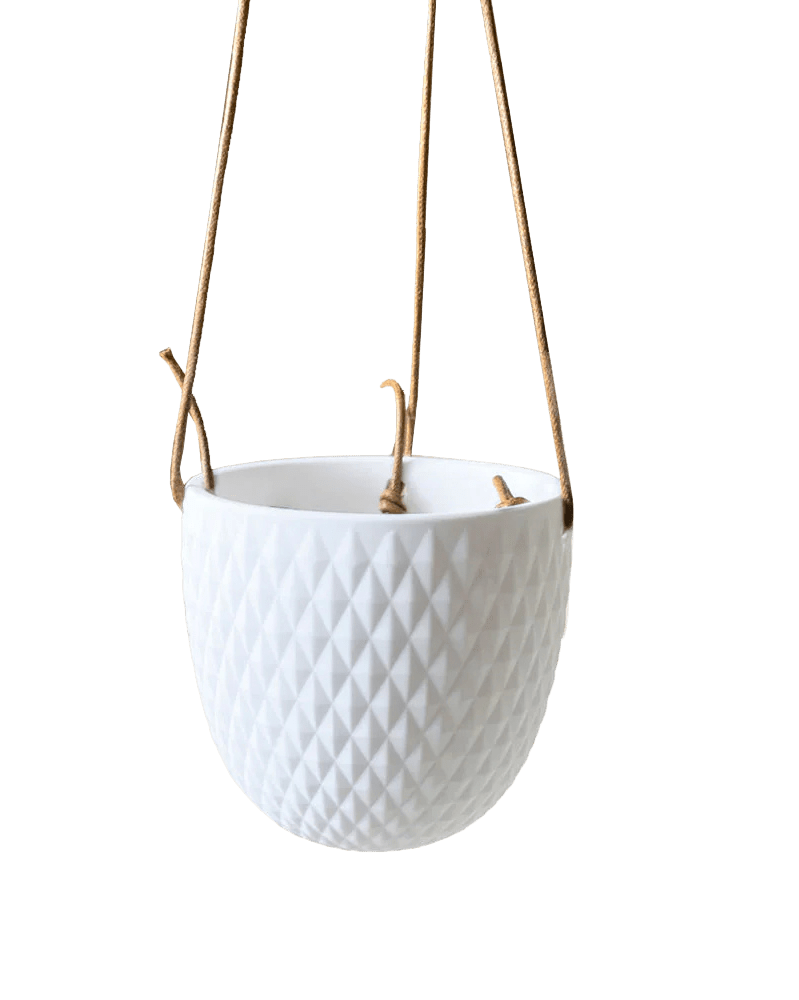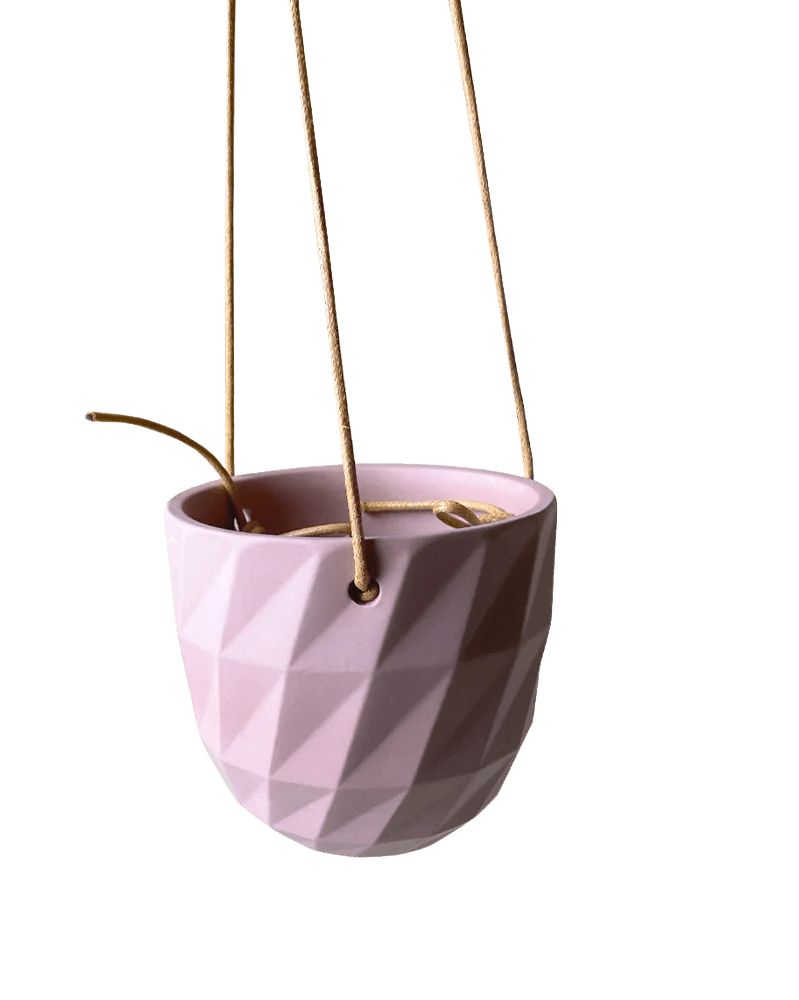


The thing about plant people is they're never satisfied with just one plant. It starts innocently enough—a small succulent on a desk, a modest pothos in the kitchen—but before long, every horizontal surface in the home becomes occupied. Tables, countertops, windowsills: all claimed by an ever-expanding chlorophyll army. That's when the truly desperate gardeners turn their gaze upward, to the final frontier of domestic horticulture—the ceiling.
"Oh, you've gone vertical," a friend might say upon entering an apartment where plants dangle from macramé slings like performers in a vegetative Cirque du Soleil. This observation is typically delivered with the same tone one might use when noticing someone has adopted a particularly demanding pet or joined a cult.

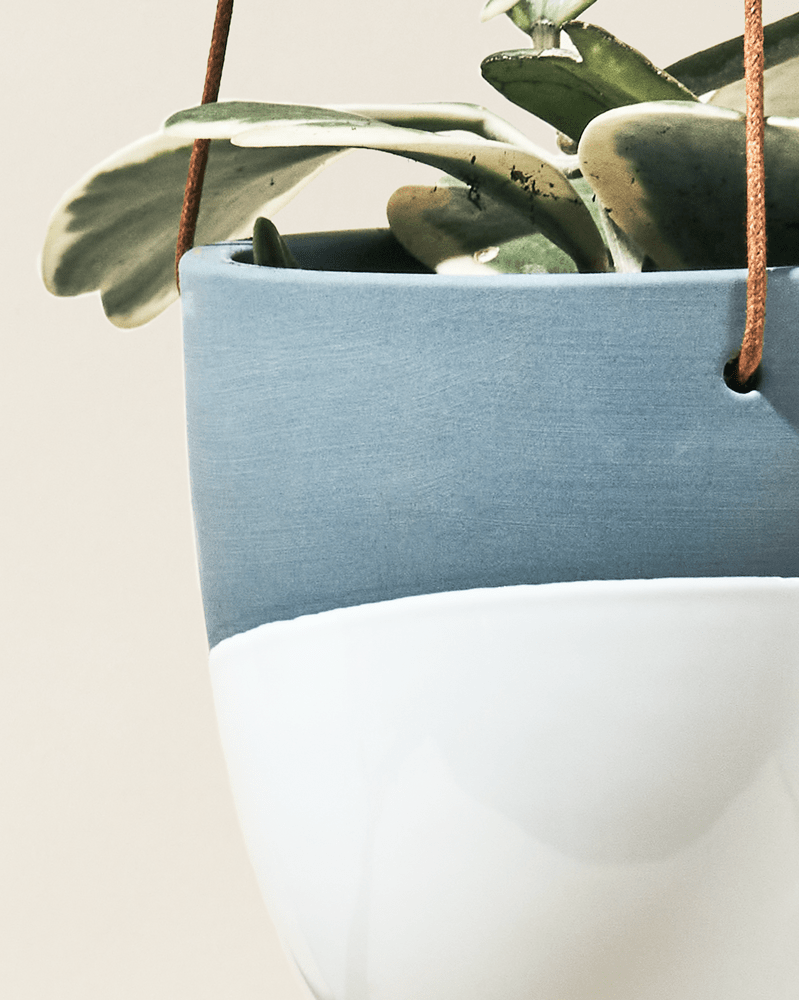
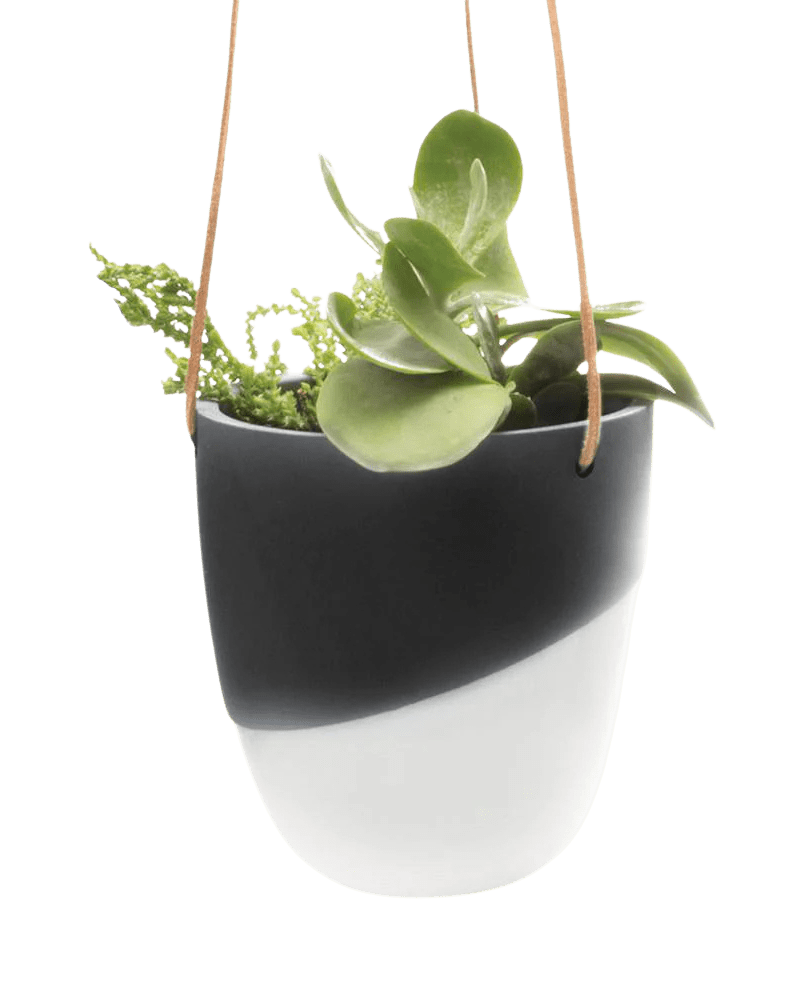
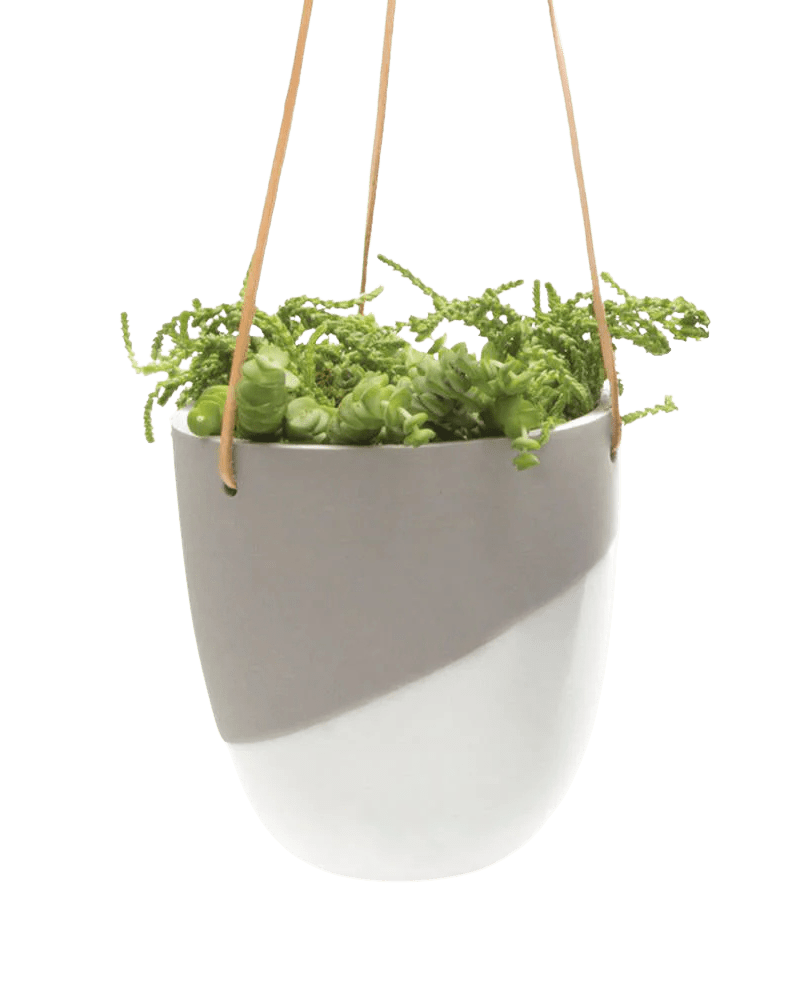
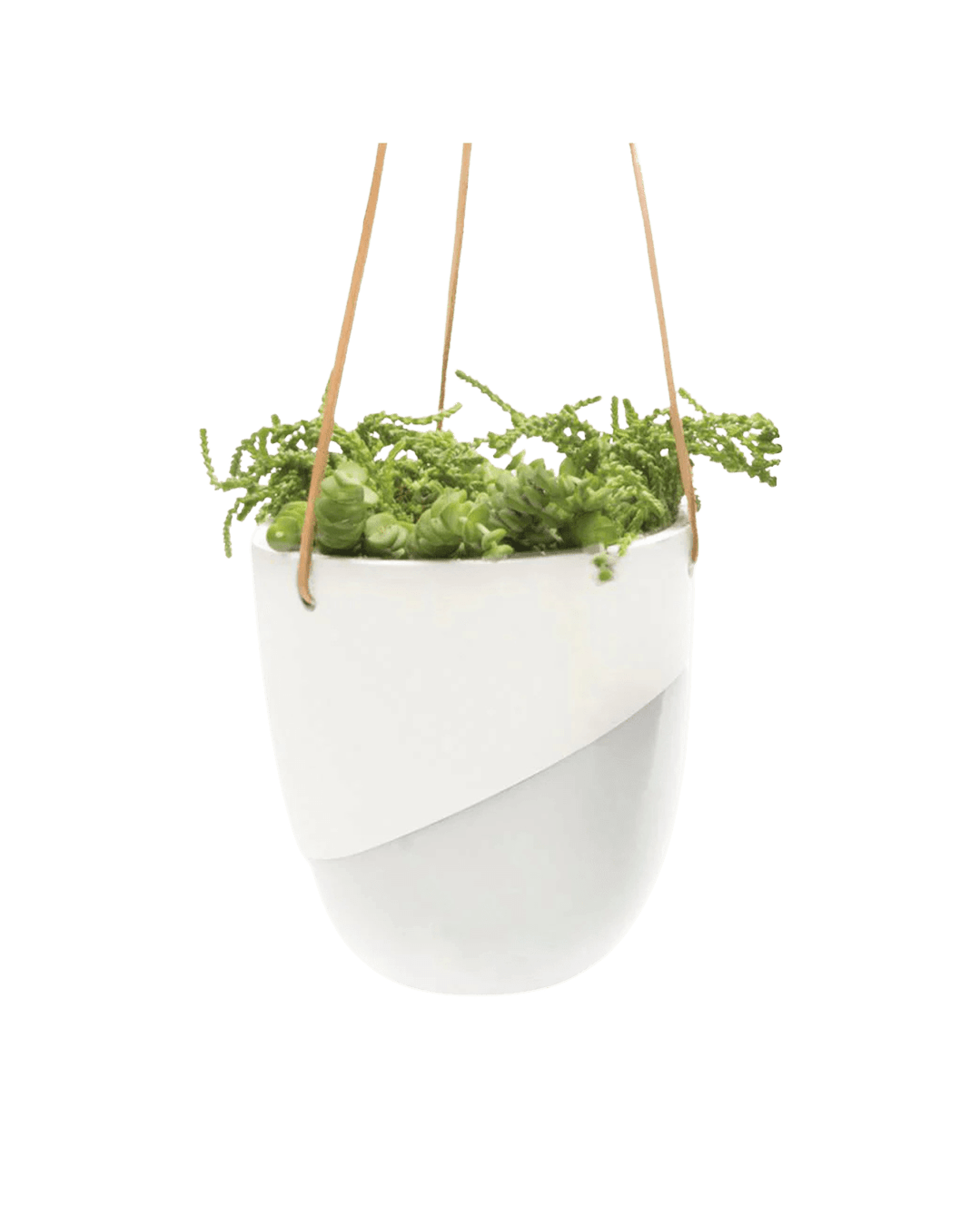
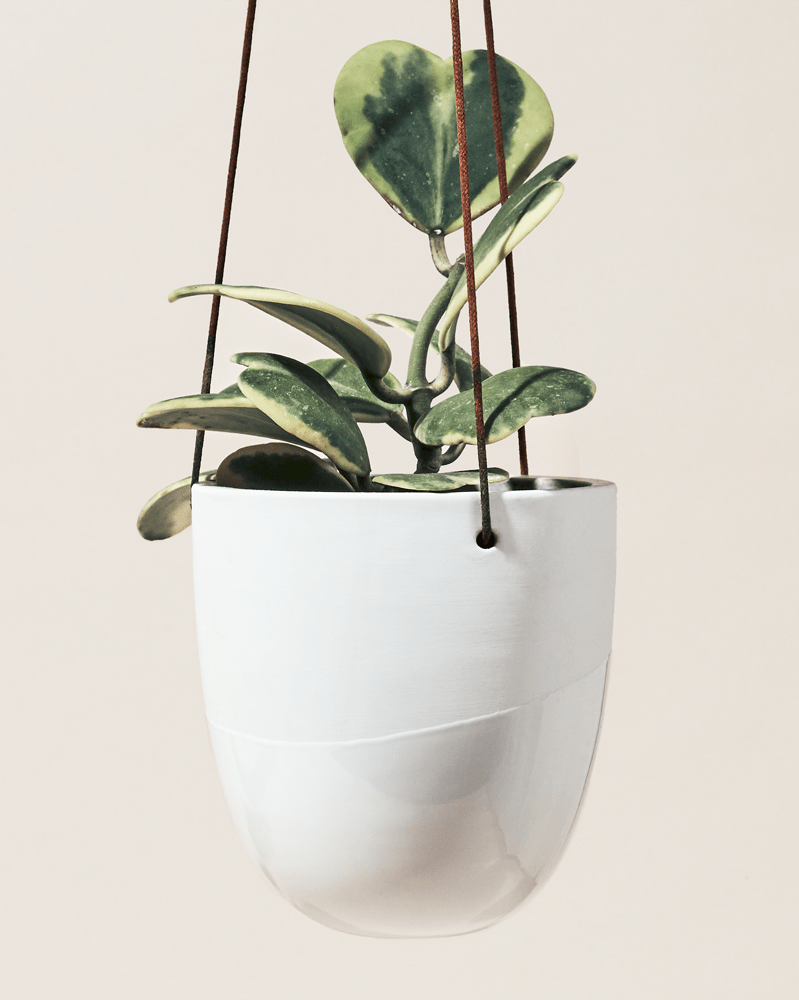
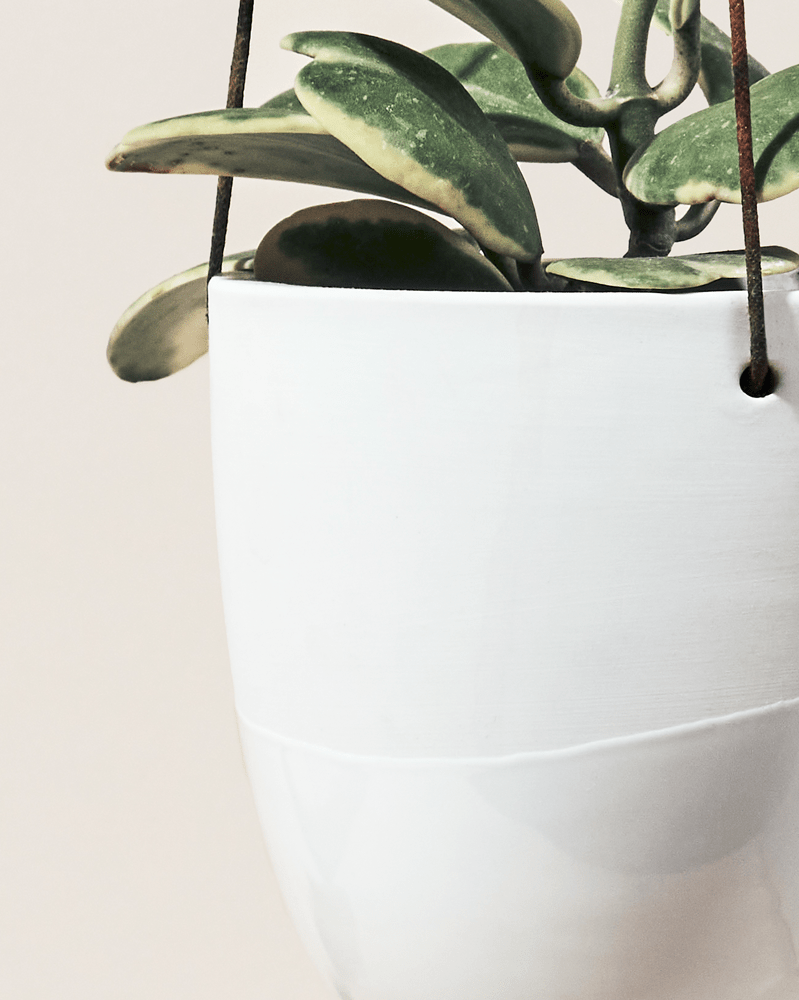
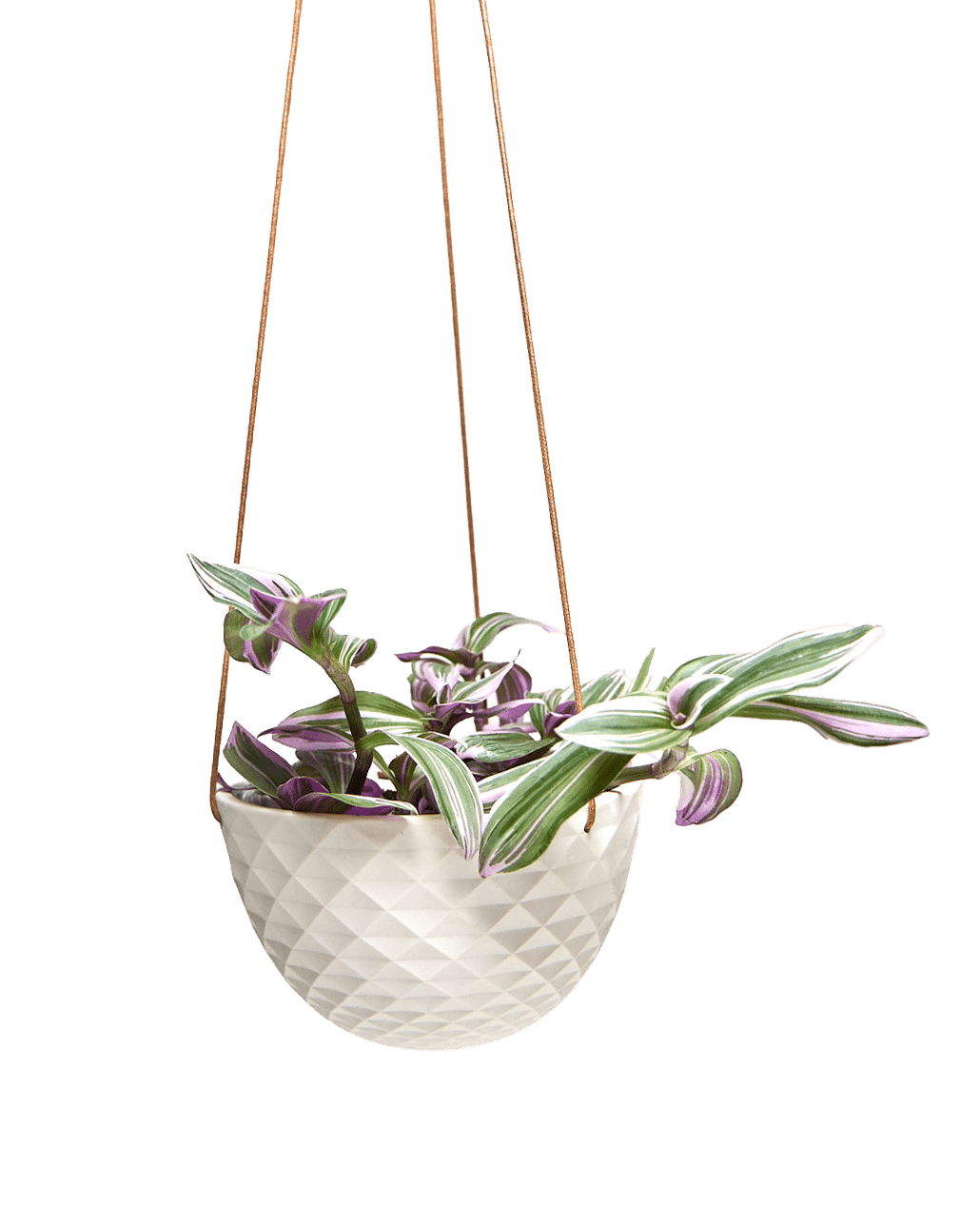
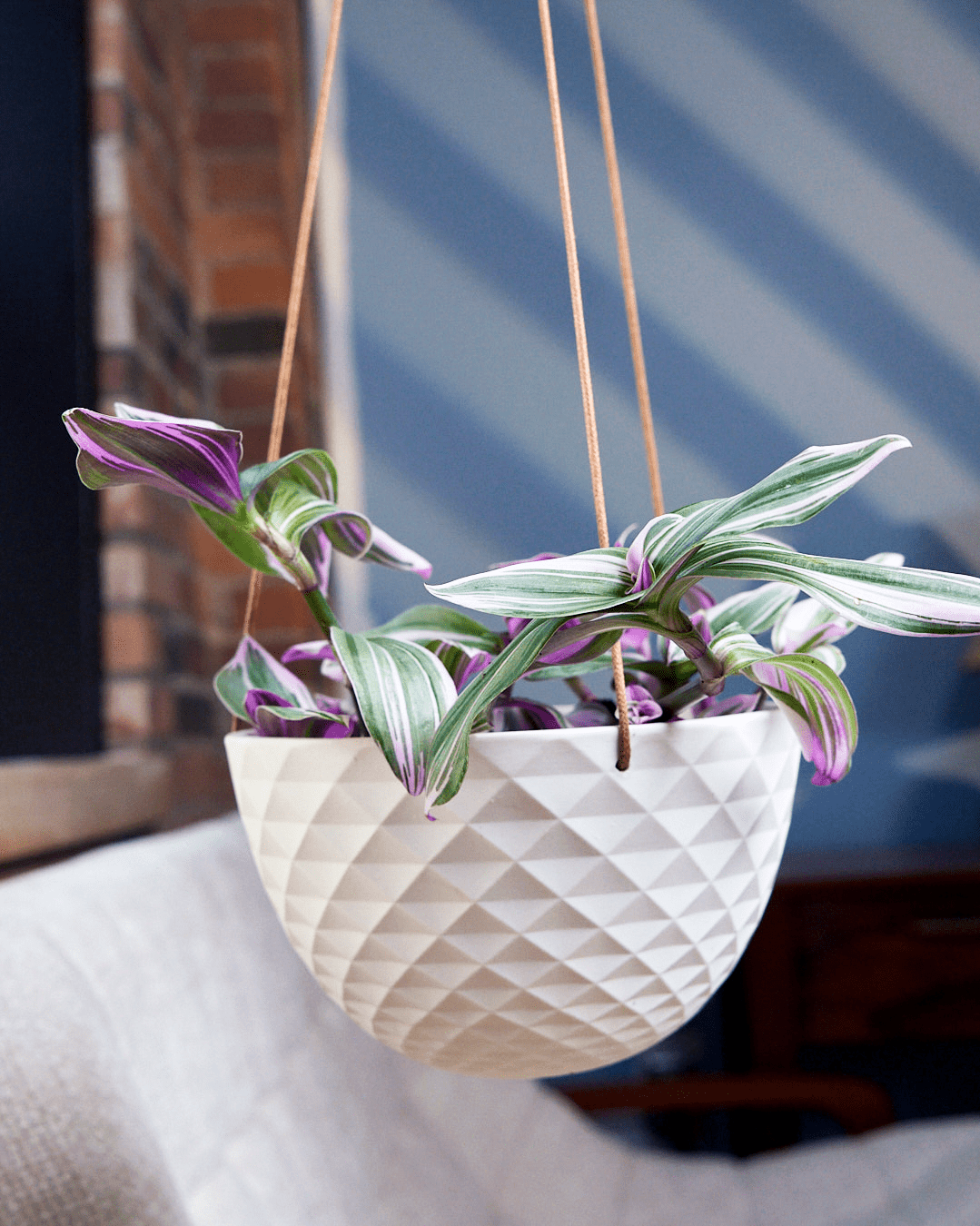
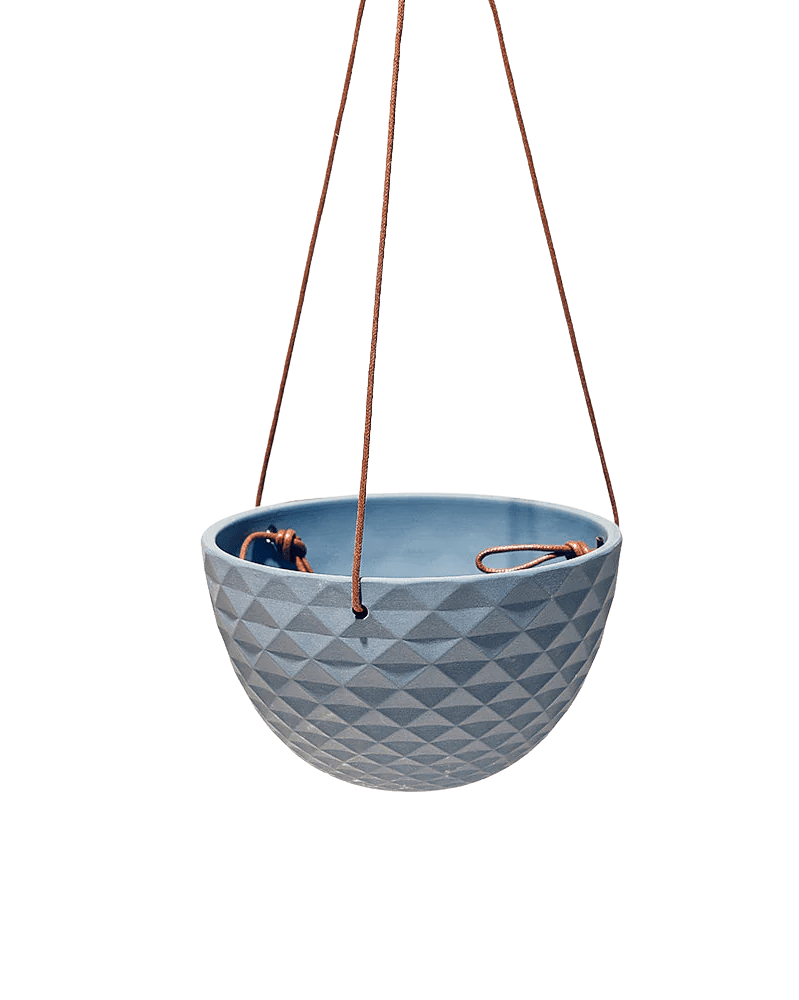
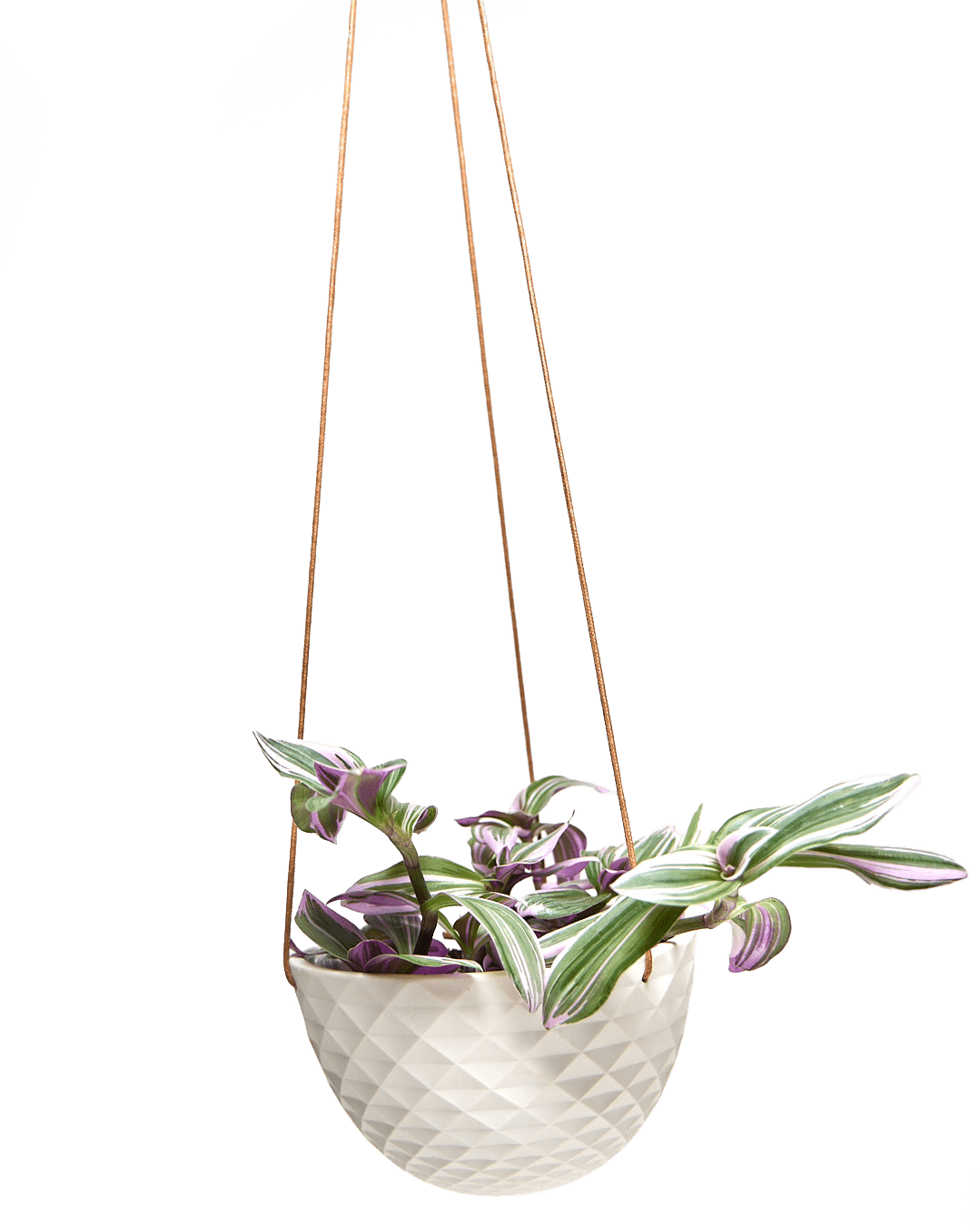
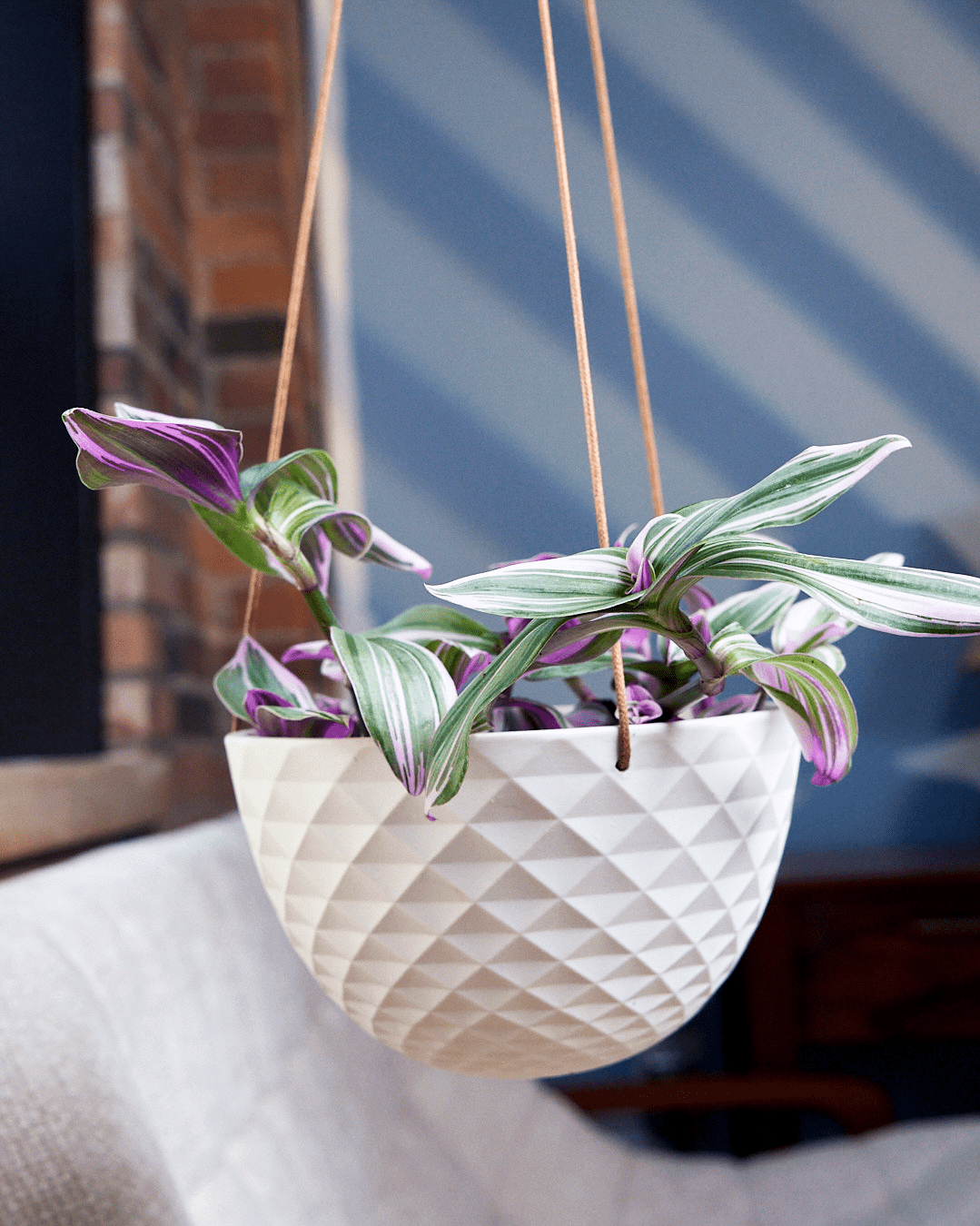
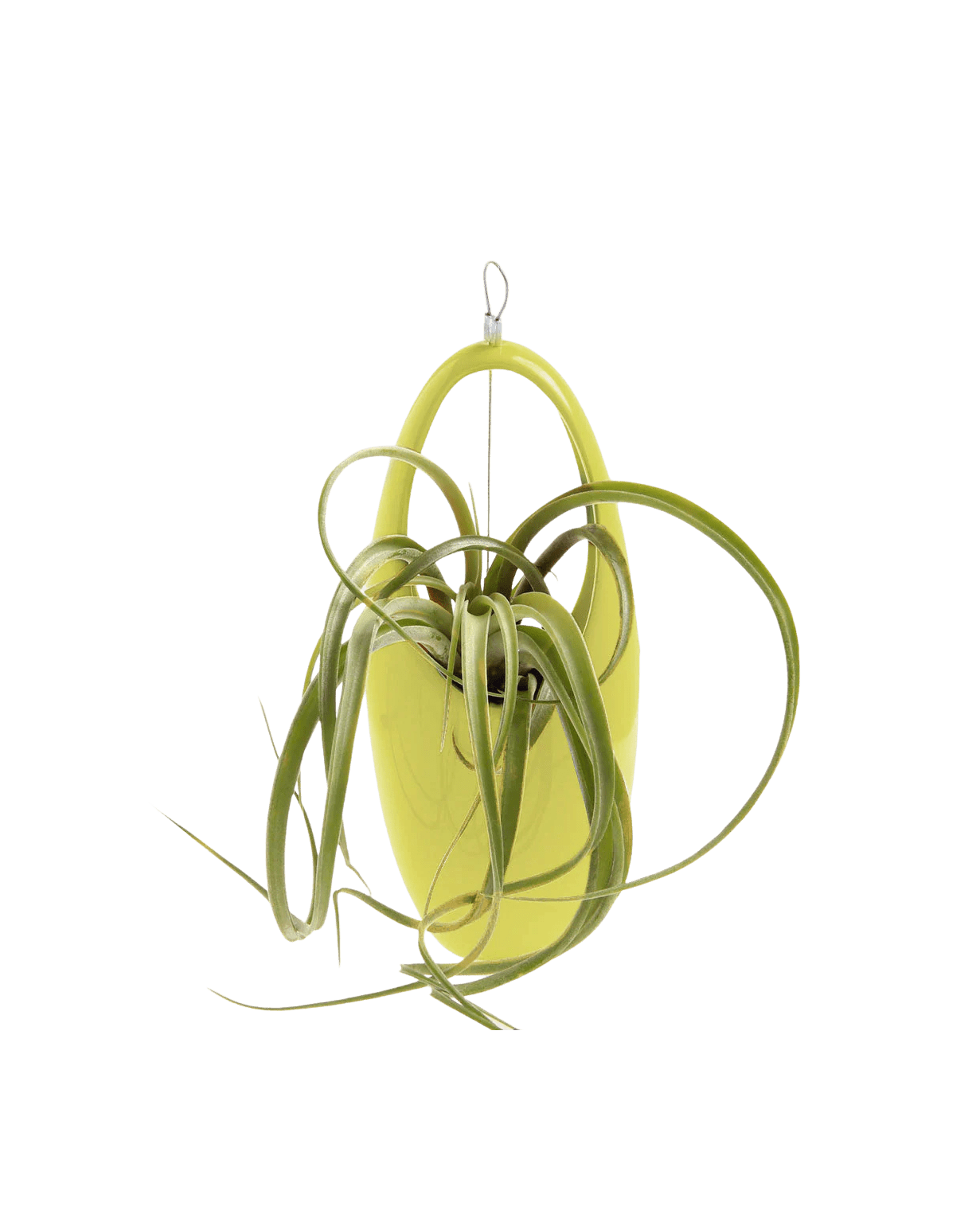
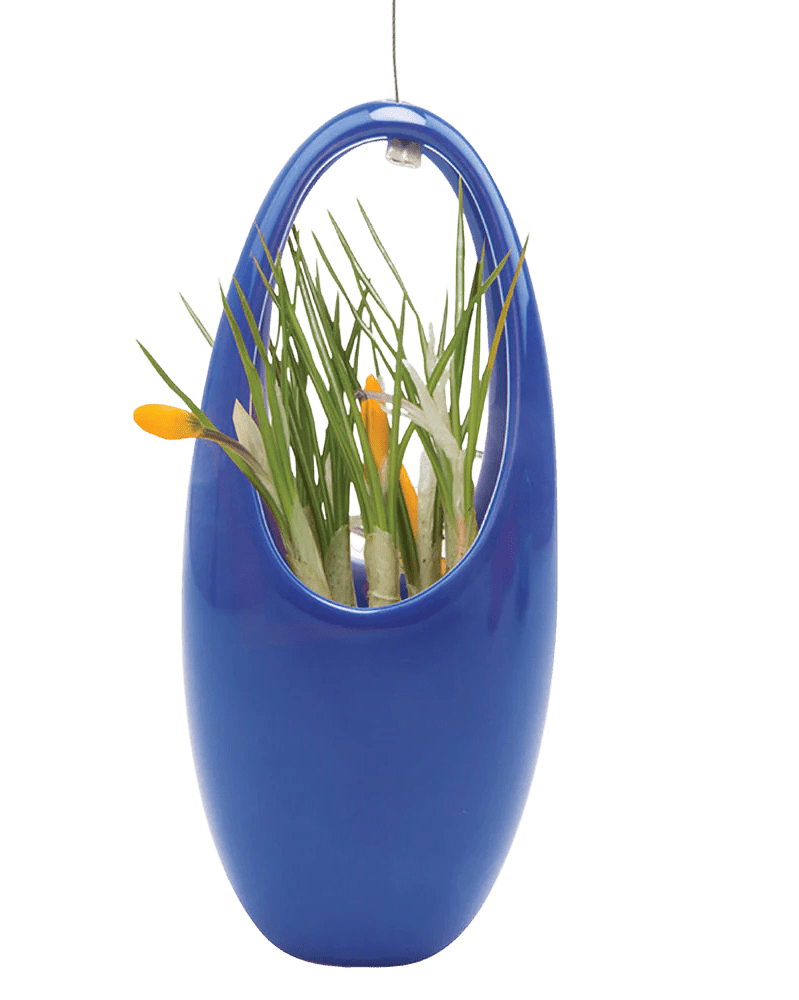
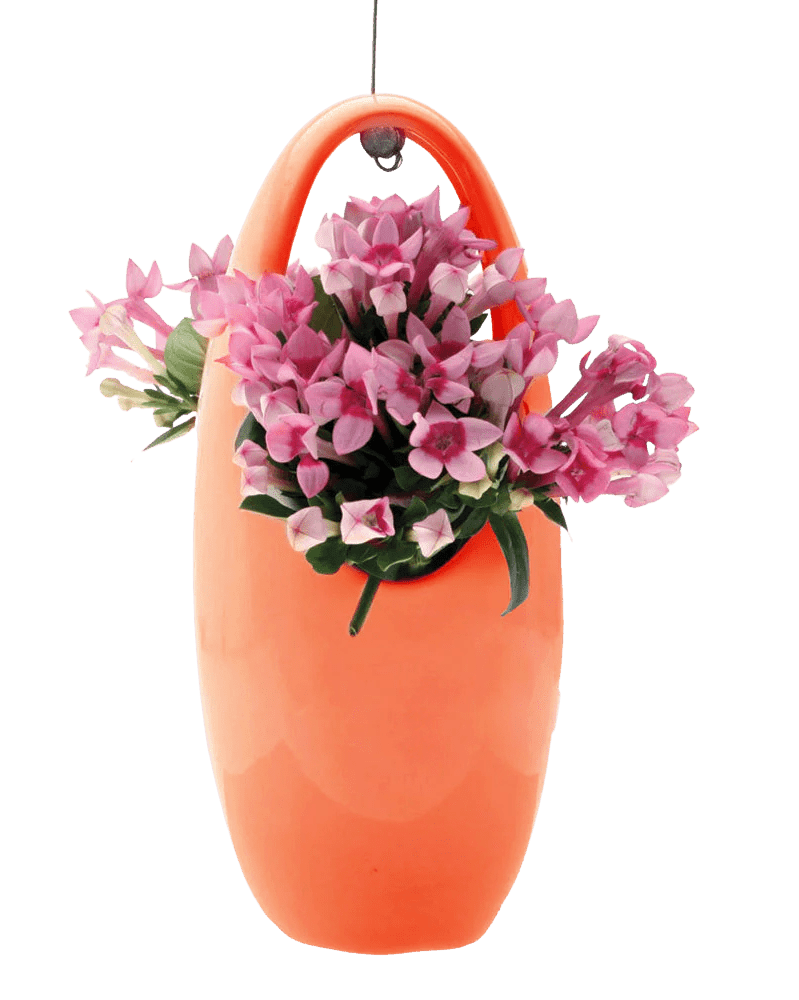
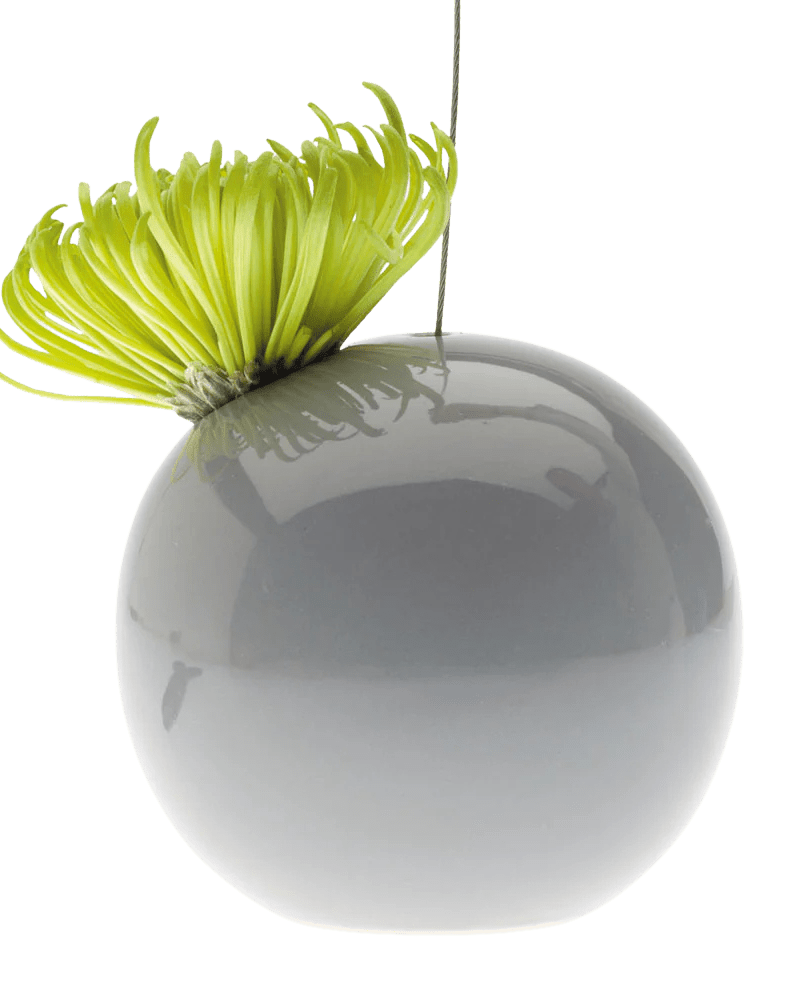
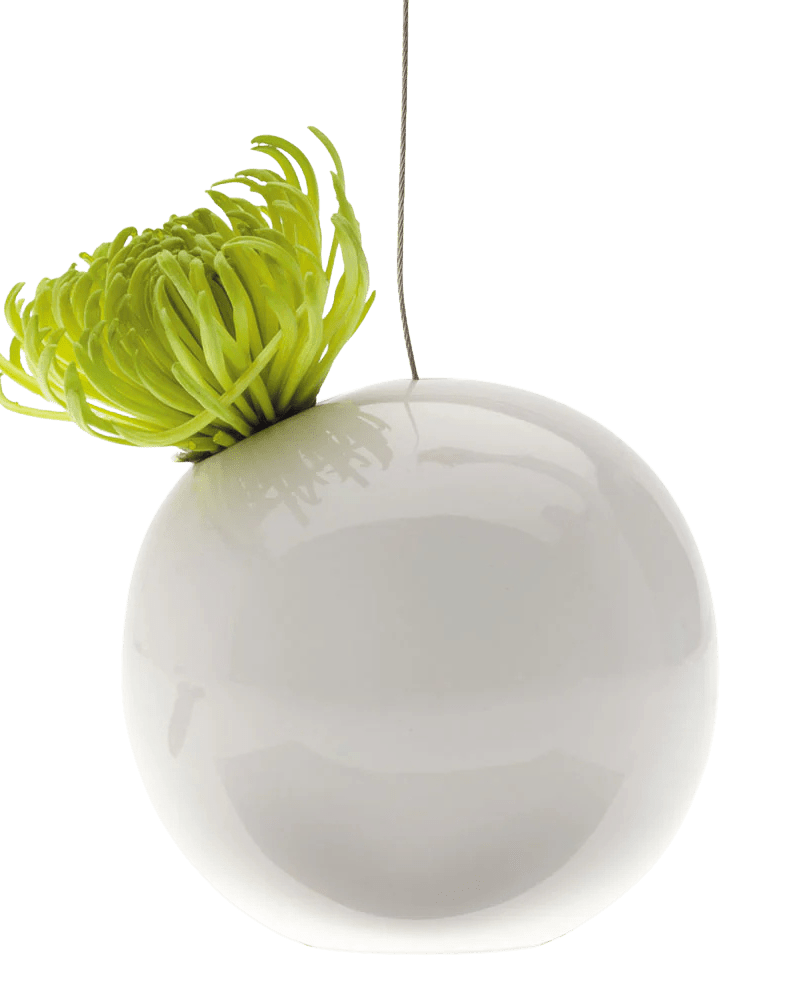
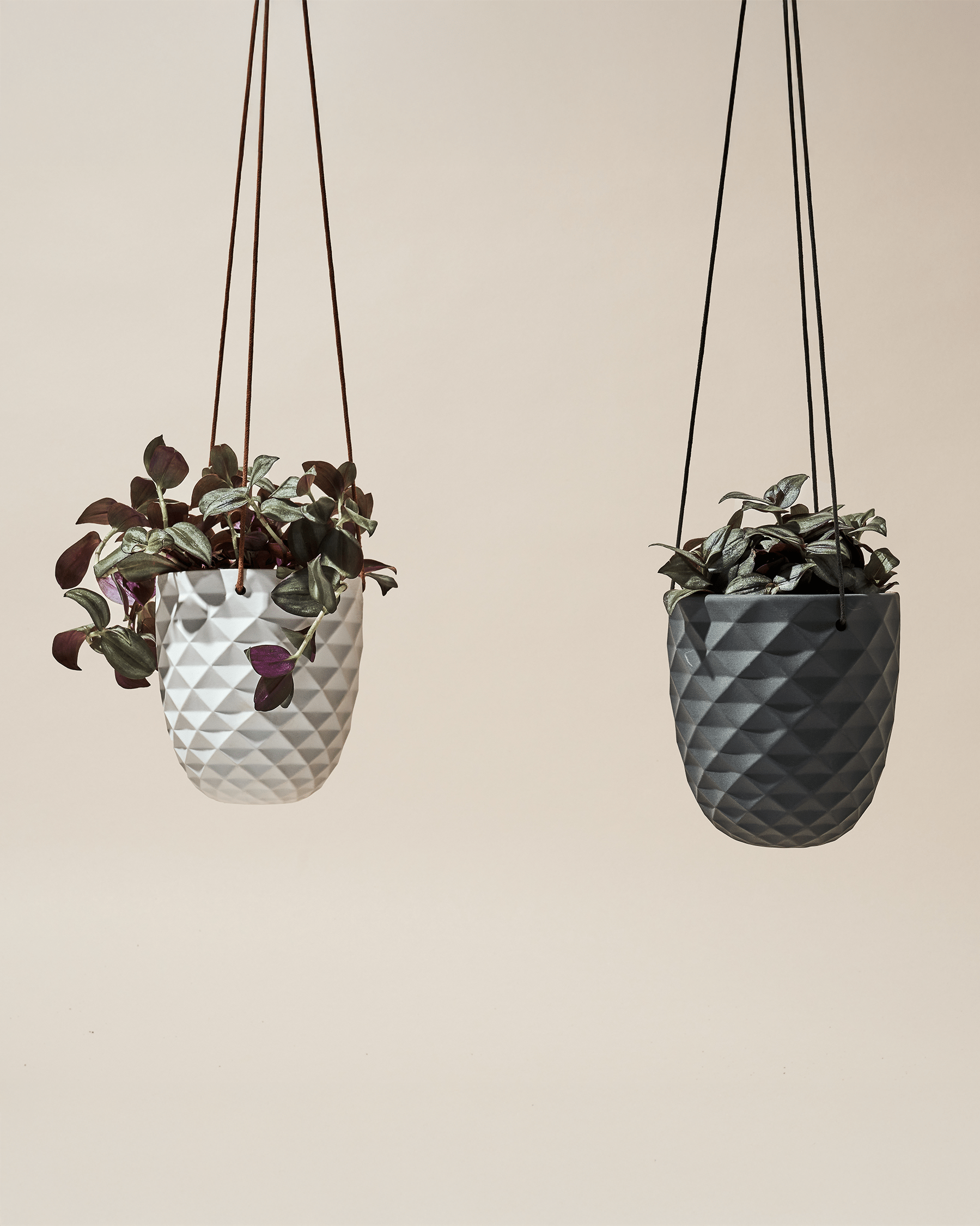
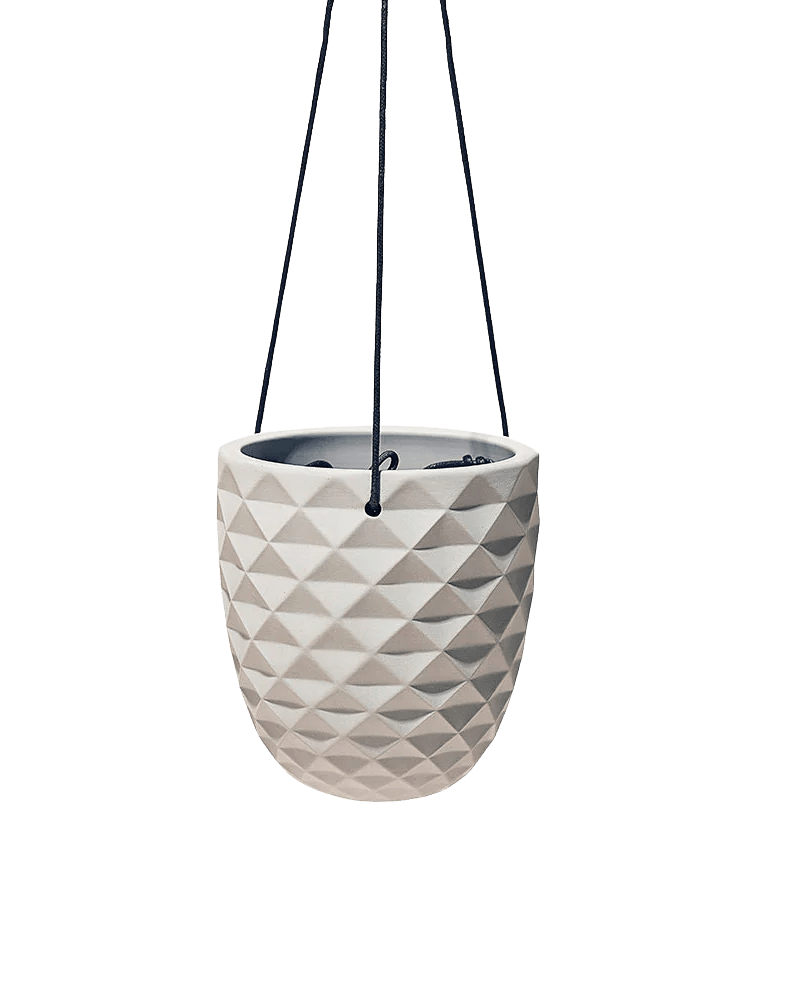
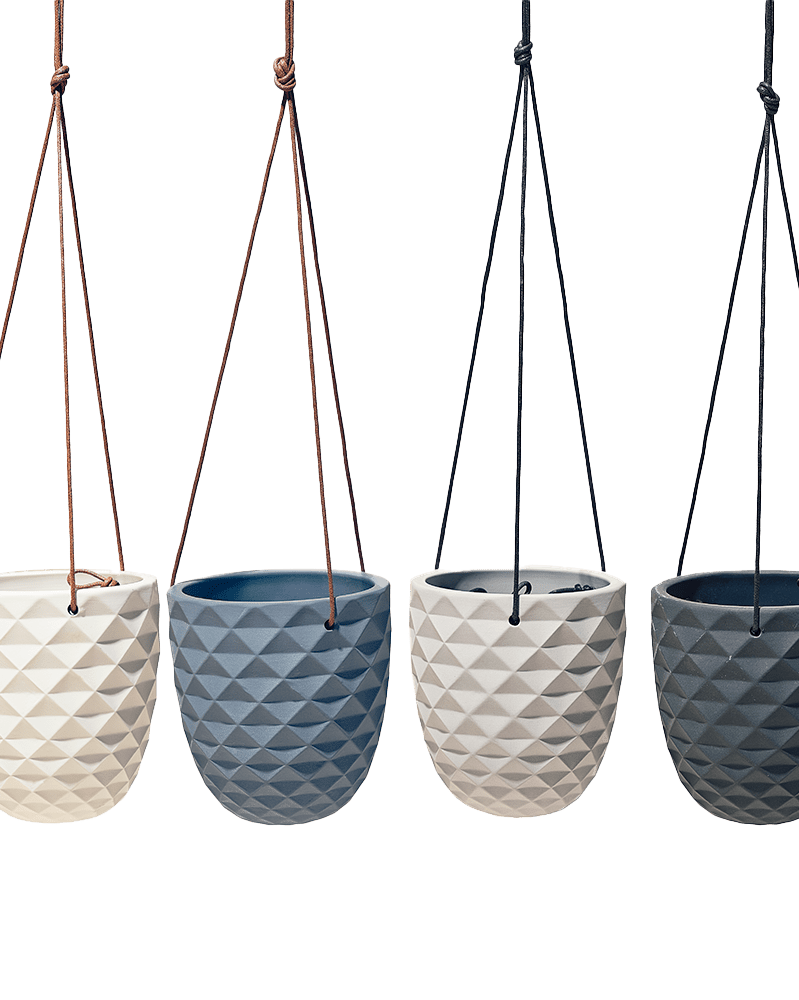
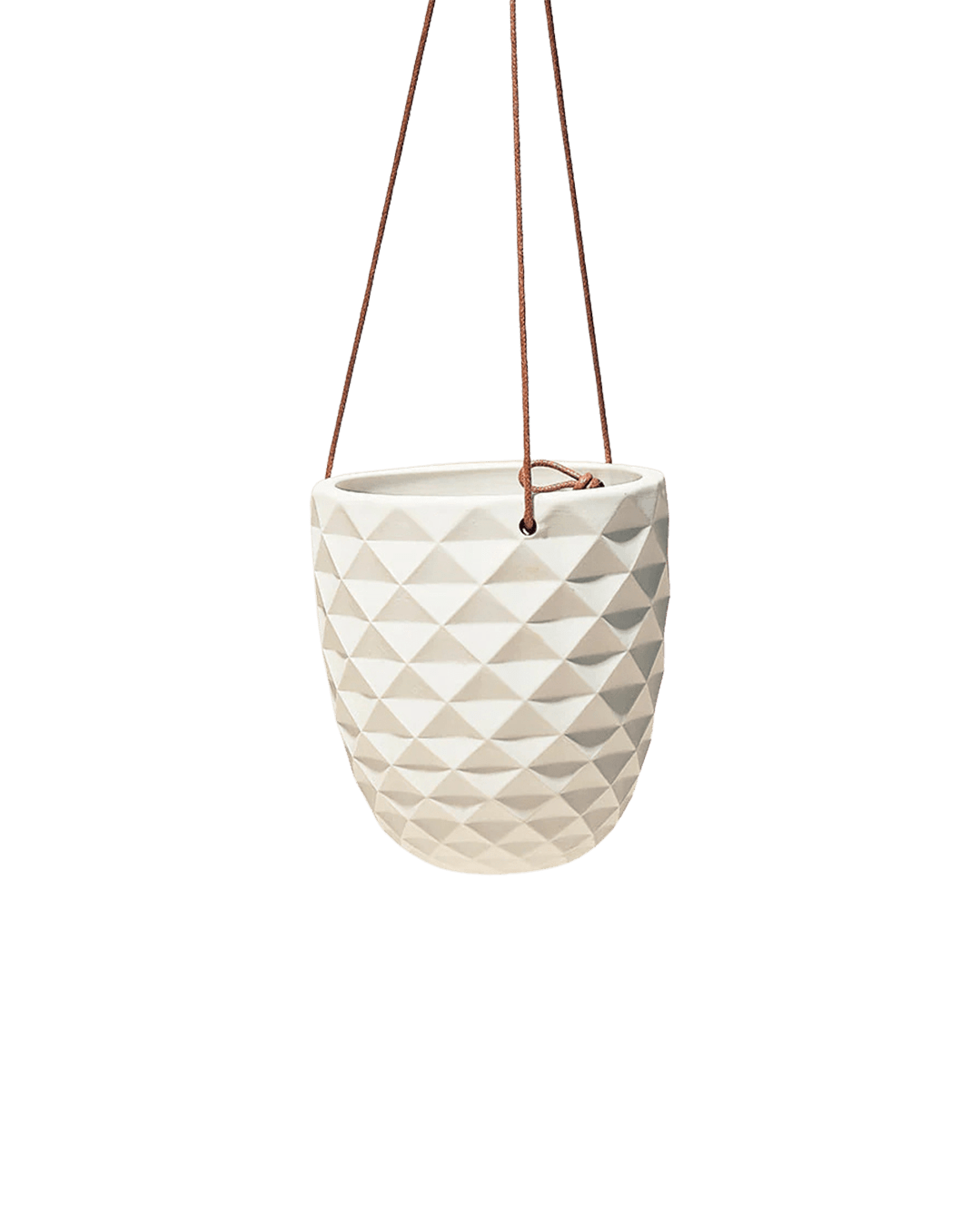
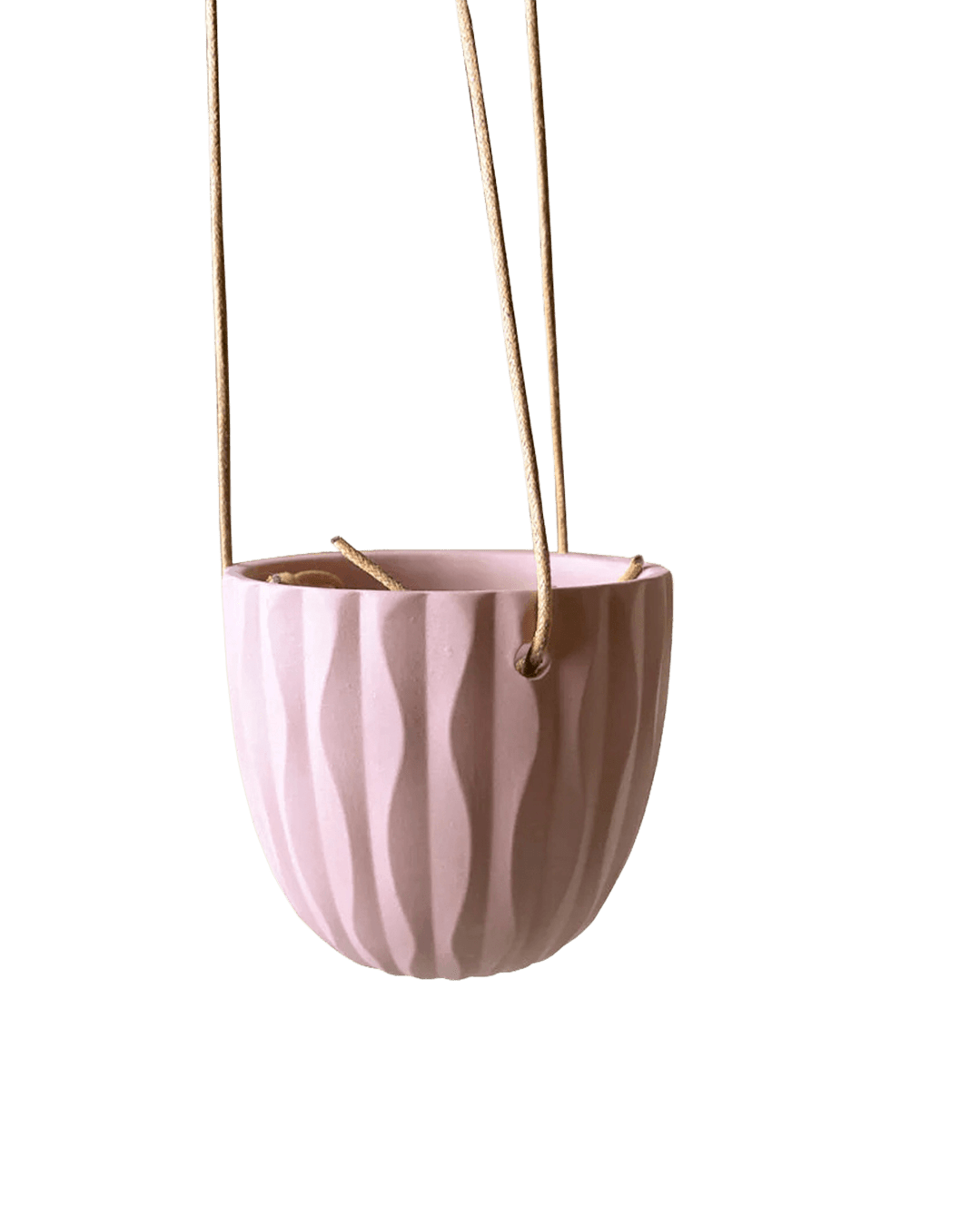
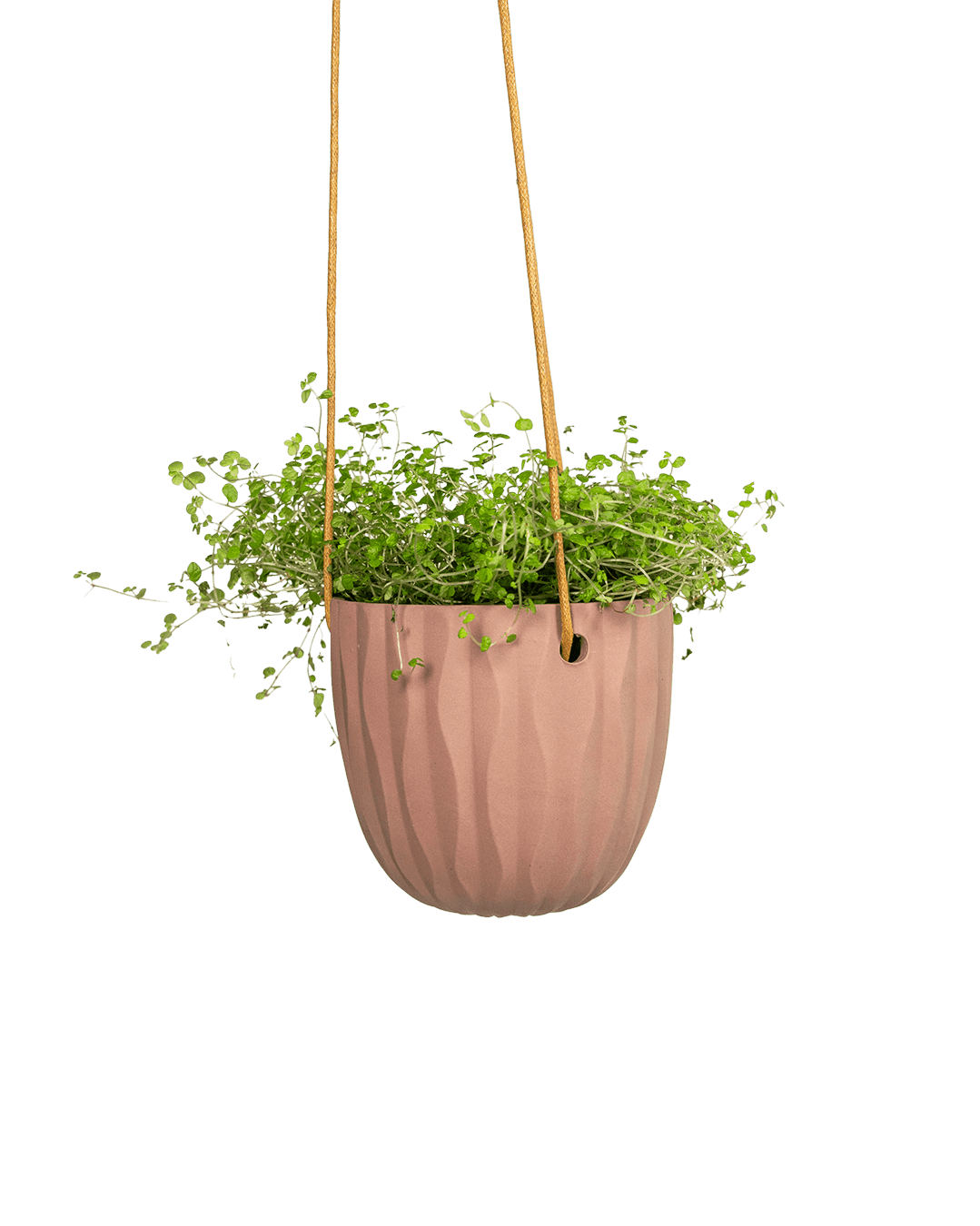
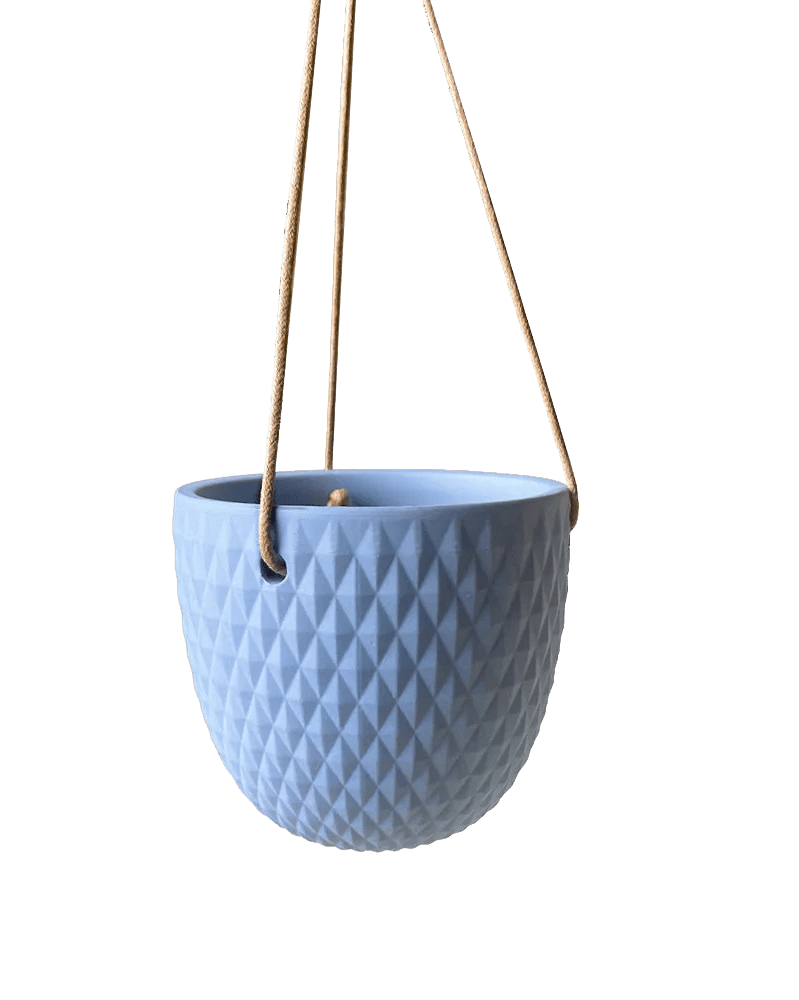
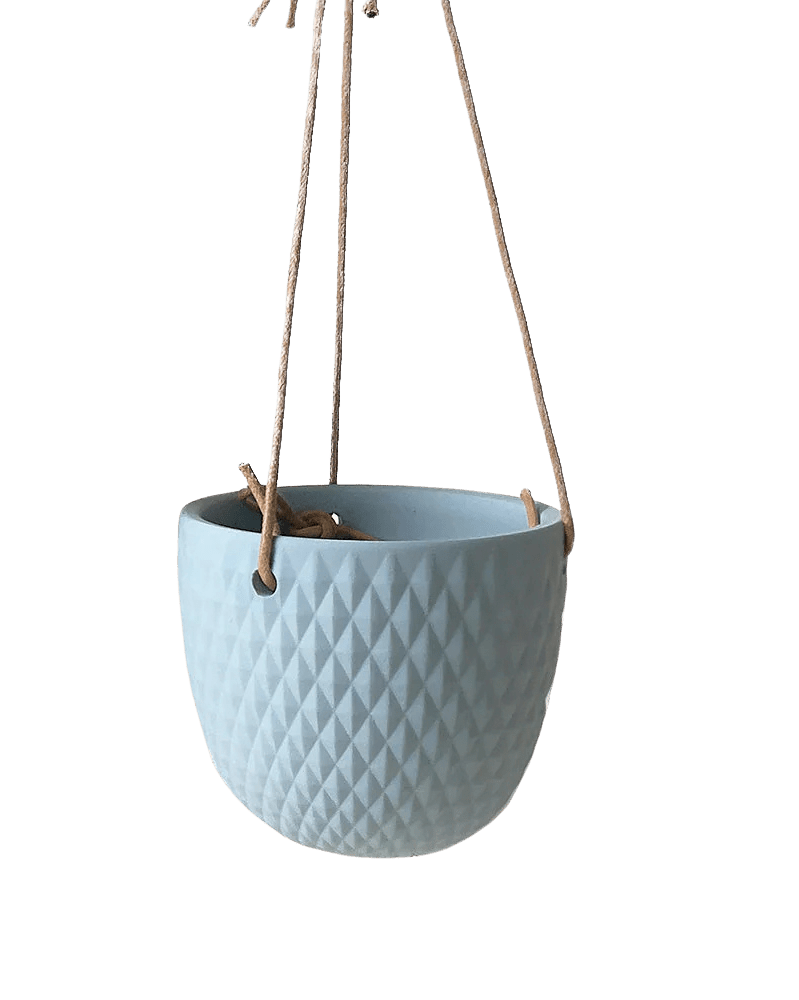
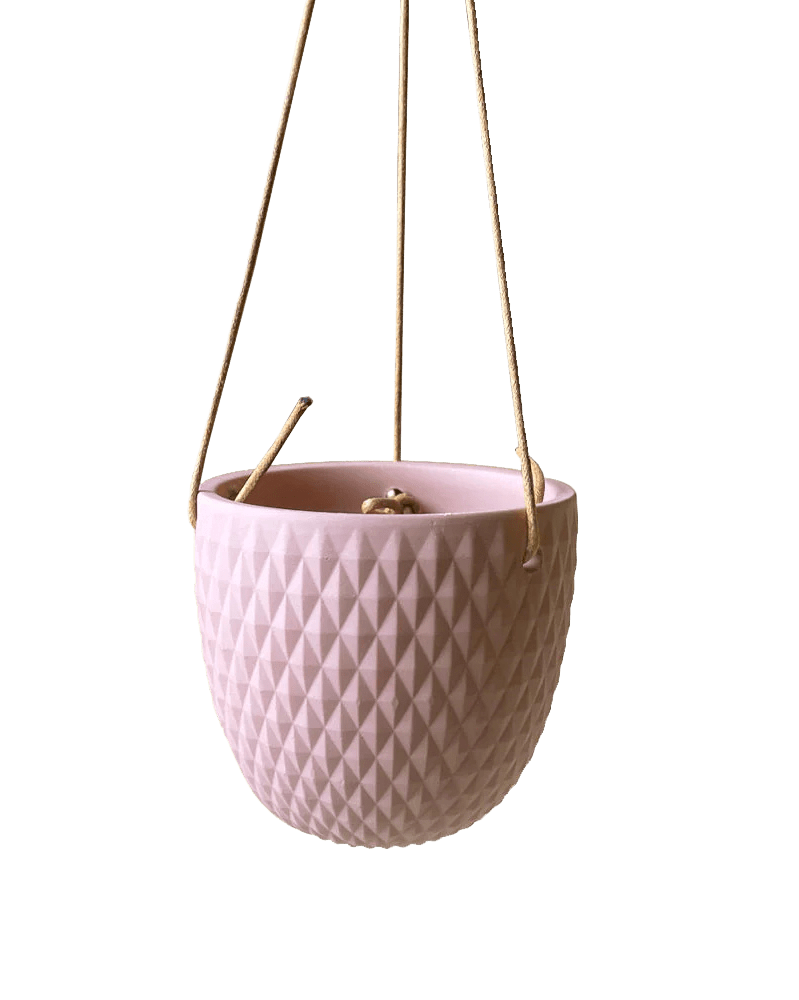
Indoor Hanging Planter
The search for the perfect indoor hanging planter can drive otherwise reasonable people to extremes. There's Martha from the building across the street, who once spent three weekends constructing an elaborate pulley system that allows her to lower and raise her hanging plants for watering without climbing on furniture. The neighbors below complained about the constant squeaking until Martha, ever resourceful, fashioned tiny felt booties for the pulleys.
"They're like little shoes for the mechanism," she explained, demonstrating the system while her cat watched with undisguised judgment. "The neighbors don't hear a thing now, and honestly, they look quite fetching."
Then there's the couple in 4B who installed so many hanging planters that their apartment resembles a jungle canopy. Guests must navigate a veritable obstacle course of suspended greenery, ducking and weaving through tendrils and vines. Last Christmas, someone inadvertently decorated a trailing pothos with ornaments, and nobody noticed until Valentine's Day.

Plants for a Hanging Basket
Selecting plants for a hanging basket requires a certain emotional fortitude. The nursery attendant watches with knowing eyes as customers pace the aisles, muttering about light conditions and growth habits.
"South-facing window, partial shade in the afternoon," a woman announces to no one in particular while eyeing a string of pearls. The plant, for its part, dangles seductively, its bead-like leaves promising to grow just enough to impress visitors but not so much that they'll drag along the floor like some botanical Rapunzel.
The pros know that the best hanging plants possess three essential qualities: they must be attractive even when viewed from below (a decidedly unflattering angle for most living things), they must not drop leaves with the enthusiasm of a shedding pet, and they must forgive the occasional watering lapse with grace and resilience.

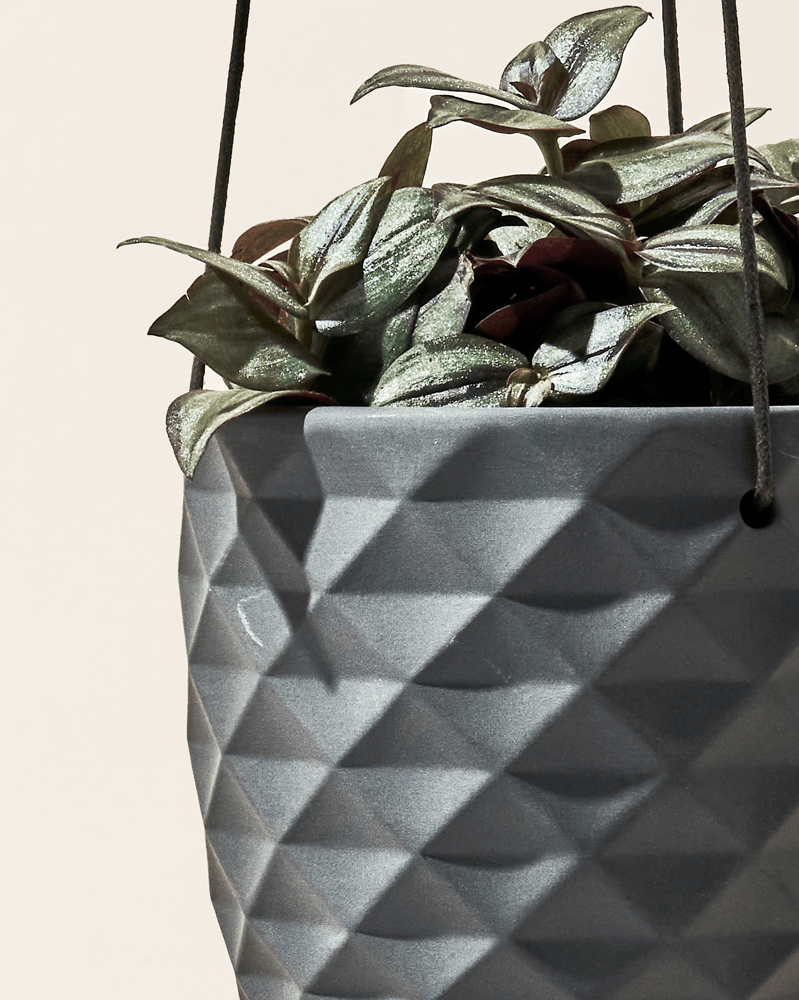
Hanging Plants
The most committed hanging plant enthusiasts develop relationships with their suspended flora that border on the mystical. Take old Mr. Finkelstein from the garden society, who swears his hanging ferns respond to Mozart but wilt noticeably during heavy metal. Nobody has the heart to tell him about studies on plant response to sound vibrations, partly because his dedication is so touching, and partly because last year his Boston fern won "Most Luxuriant Foliage" at the community garden show.
"It's all about the conversation," Mr. Finkelstein insists, adjusting his hearing aid. "The plants and the music and me—we have an understanding." He pauses, leaning in conspiratorially. "Though between us, the fern has terrible taste in sonatas."
Monstera Ceramic Planter
The monstera plant has achieved a celebrity status that other houseplants can only dream of. Its stylized leaves appear on everything from wallpaper to tote bags, making it the botanical equivalent of that actor everyone recognizes but whose name they can never quite remember.
Finding the right ceramic planter for such a distinguished plant becomes a quest worthy of an epic poem. Local pottery studios report a surge in attendance for their "Make Your Own Planter" workshops, where aspiring ceramicists produce vessels that range from "charmingly lopsided" to "possibly possessed by demons."
One such workshop participant, a mild-mannered accountant named Gerald, discovered an unexpected talent for creating planters shaped like various woodland creatures. His hollow ceramic hedgehog, complete with drainage holes for eyes, now houses a thriving monstera and has spawned a waitlist of 37 people hoping to commission their own animal planters.
"The raccoon is particularly popular," Gerald notes with the quiet pride of someone who has accidentally found their calling. "Though the drain holes are in a somewhat unfortunate location."

Philodendron Cute Plant Pots
The pairing of philodendrons with cute plant pots has become something of an art form. The contrast between the plant's elegant, heart-shaped leaves and pots shaped like everything from cartoon characters to miniature bathtubs creates a whimsical tableau that brings joy to even the most dedicated minimalist.
Mrs. Abernathy from the garden club caused quite a stir when she displayed her philodendron collection in pots designed to look like tiny kitchen appliances. Her philodendron Brasil trailing from a ceramic toaster was deemed either "inspired genius" or "absolute madness," depending on whom you asked.
"People take themselves too seriously," Mrs. Abernathy declared, adjusting her plant in a pot shaped like a vintage blender. "If my philodendron living in a miniature washing machine brings a smile to someone's day, then my work here is done."
And isn't that what hanging planters are truly about? Beyond the aesthetic appeal, beyond the clever use of vertical space, these suspended gardens bring a certain whimsy to everyday life. They transform ordinary rooms into extraordinary spaces where plants float like green constellations against the white sky of the ceiling. In a world where gravity constantly pulls everything downward, there's something quietly rebellious about a plant that reaches upward while simultaneously cascading down, defying expectations from its macramé throne.