

Large Plants for North Facing Windows: When Sunlight Plays Hard to Get
One might think that north-facing windows are where houseplants go to die, like some kind of vegetative purgatory. The neighbor's teenage son once described these shadowy corners as "where chlorophyll goes to cry." Dramatic, sure, but not entirely wrong. North-facing windows receive about as much direct sunlight as a vampire's basement apartment.
But certain plants thrive in this moody lighting, like cast members of a botanical film noir. The ZZ plant stands tall and glossy, unbothered by the lack of sunshine, much like that one friend who somehow looks immaculate even after a red-eye flight. Peace lilies flourish too, their white blooms resembling tiny surrender flags, though they're actually celebrating victory over difficult conditions.
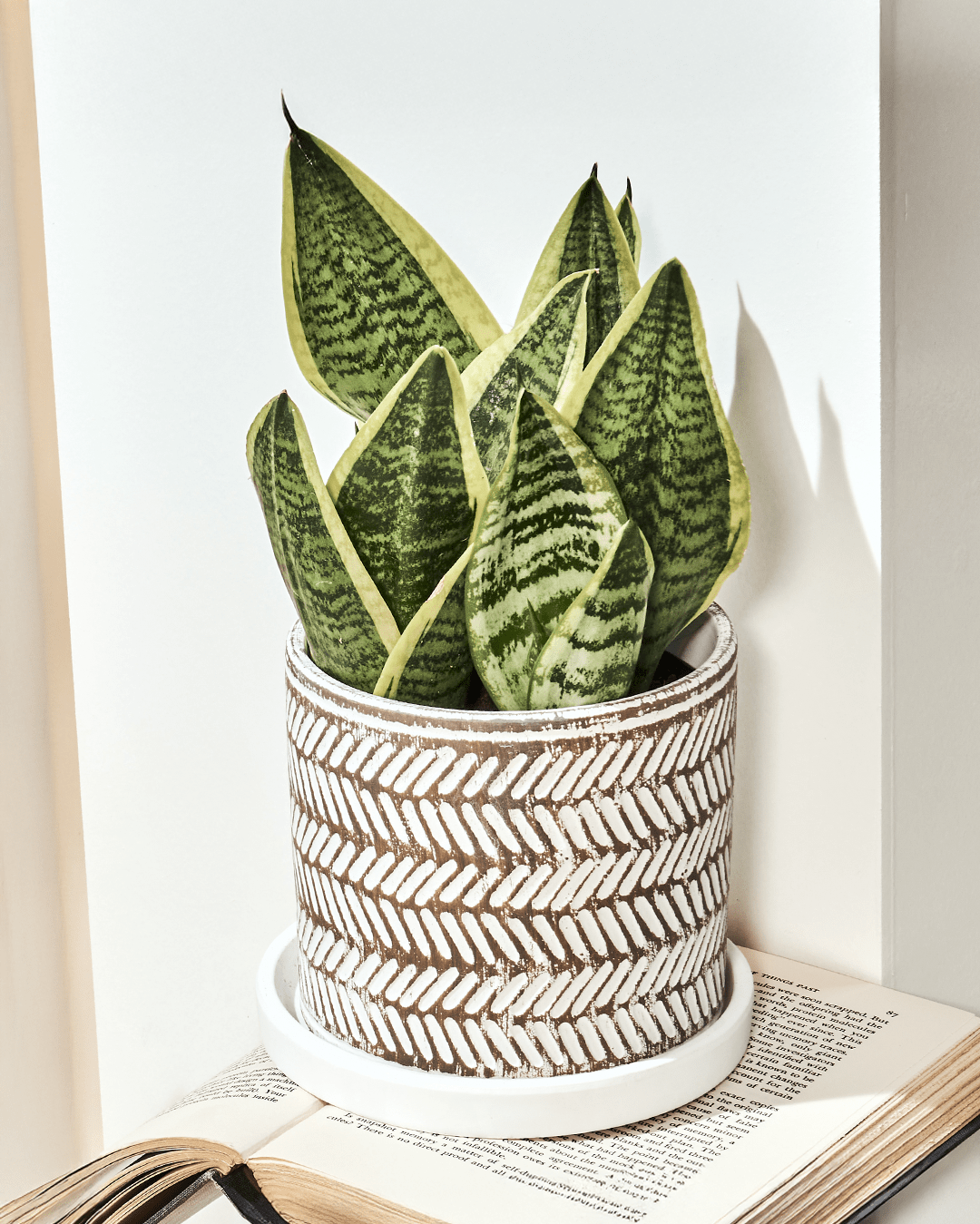
Then there's the cast iron plant, aptly named because it's practically indestructible. This plant would survive a nuclear winter, let alone a north-facing window. Mother-in-law's tongue stands sentinel in these dim corners, growing straight and tall as if trying to eavesdrop on conversations in the next room.

Large Plants Easy to Care For: Botanical Roommates Who Don't Demand Attention
Some houseplants behave like needy roommates, constantly demanding attention, special food, and specific environmental conditions. Others, mercifully, are more like that perfect roommate who pays rent on time, cleans up after themselves, and doesn't mind if you forget they exist for weeks at a time.
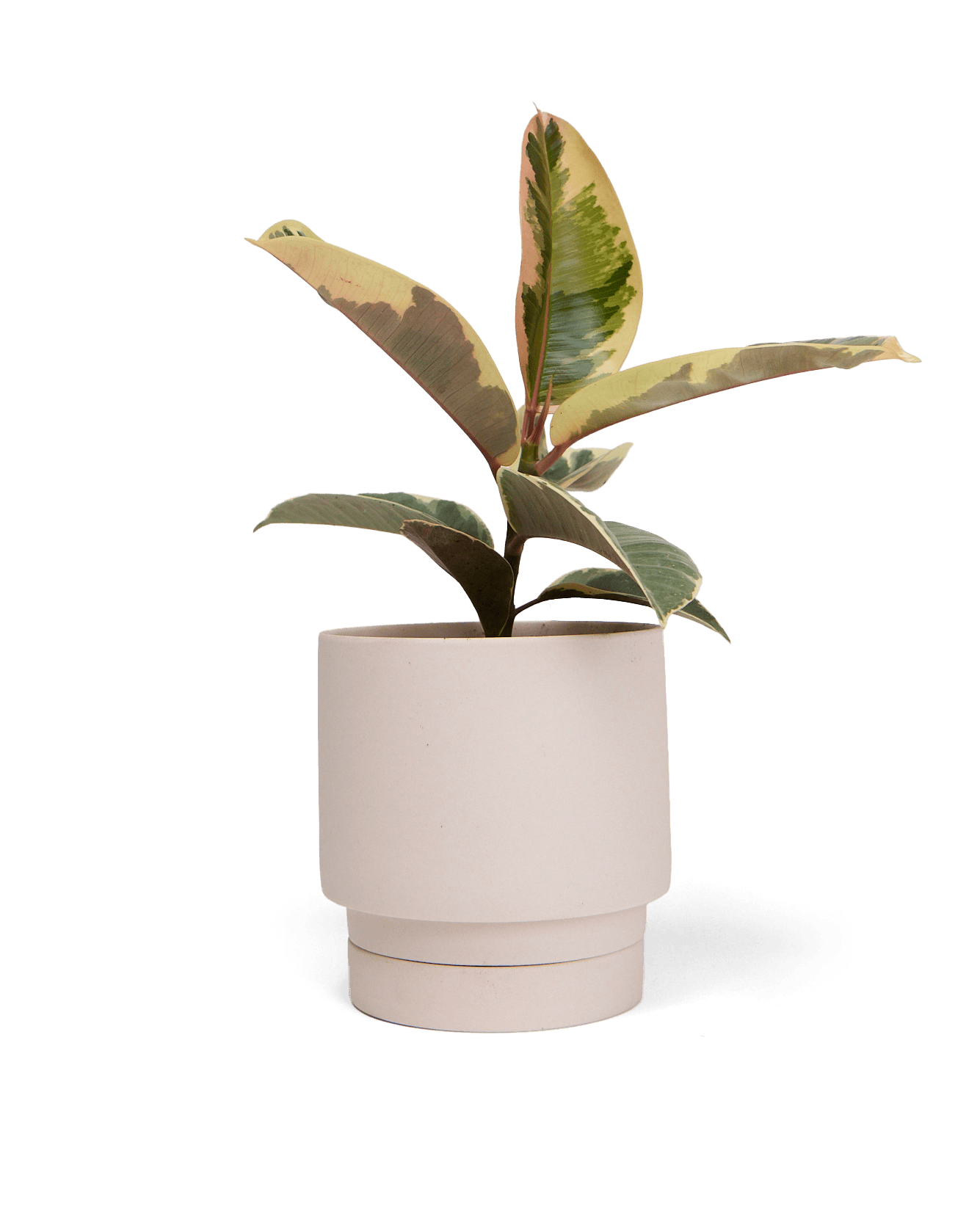
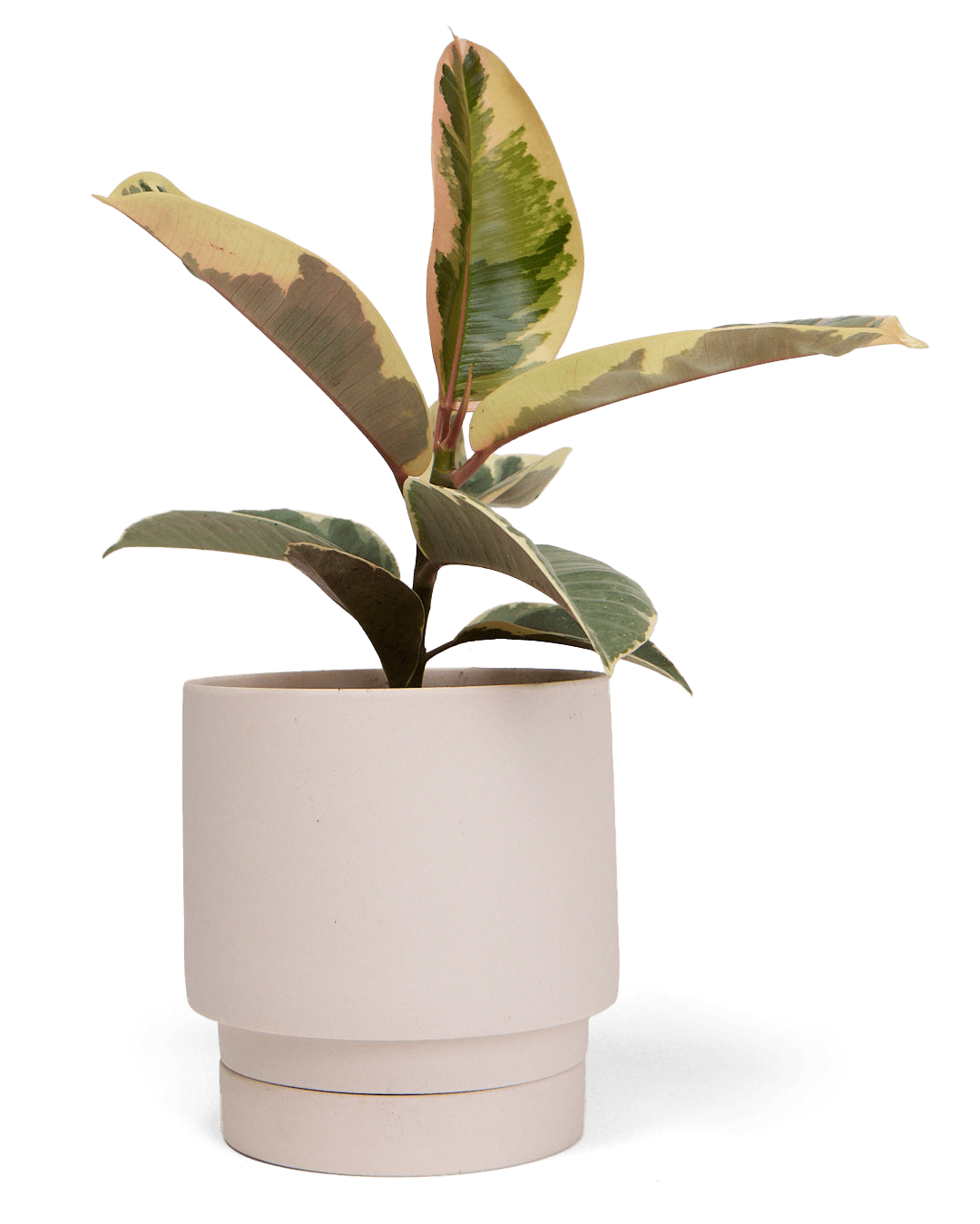
The rubber plant stands tall in this category, growing steadily while requiring about as much maintenance as a plastic decoration. Snake plants thrive on neglect the way some artists thrive on rejection – it only makes them stronger. They'll sit in that corner for months, silently judging your life choices while requiring nothing more than an occasional splash of water.
Pothos plants dangle their vines like gossipy neighbors leaning over balcony railings, but they never complain when forgotten. They'll forgive weeks of neglect with the benevolence of a grandparent who hasn't received a phone call in months but still slips a twenty-dollar bill into your birthday card.
Large Plants Indoor: When Botanical Companions Become Architectural Features
Walking into some apartments feels like stumbling into a jungle where the plants have staged a successful coup against human inhabitants. These aren't mere houseplants; they're botanical roommates who've taken over the lease.
The fiddle leaf fig stands like that one tall friend who makes everyone else look short in group photos. Bird of paradise plants spread their leaves like showgirls' fans, demanding attention while adding a touch of tropical drama to even the most mundane Tuesday evening.
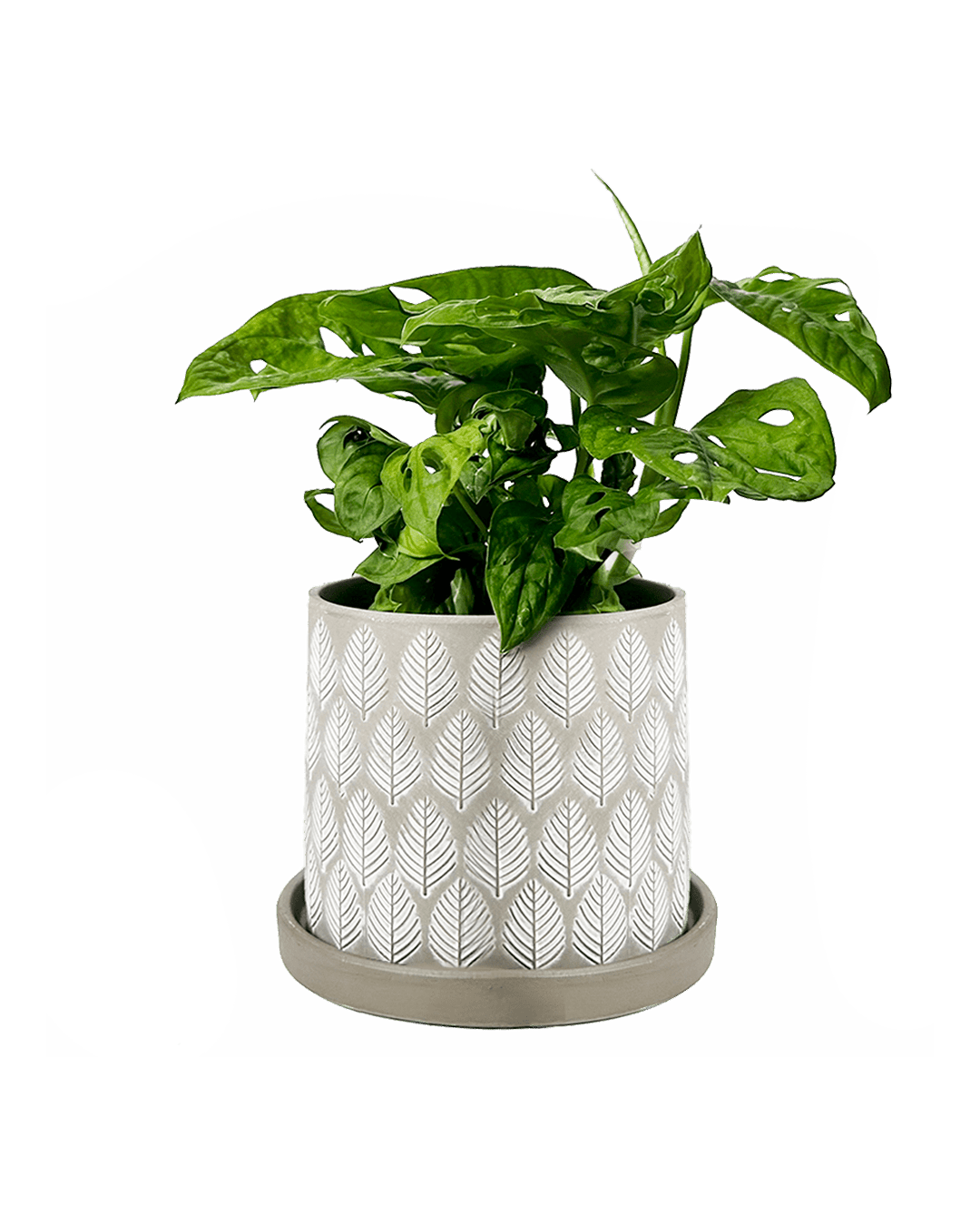
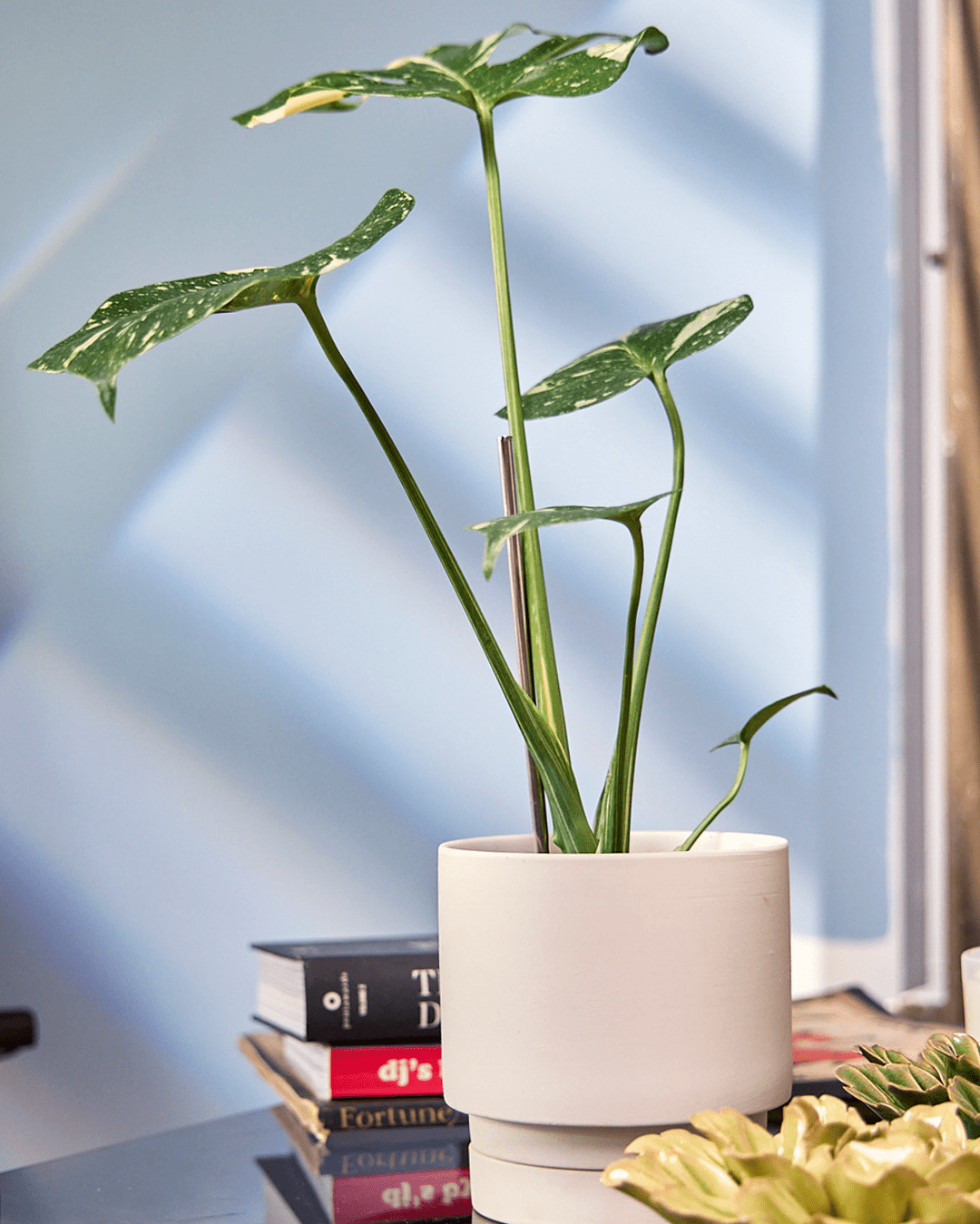
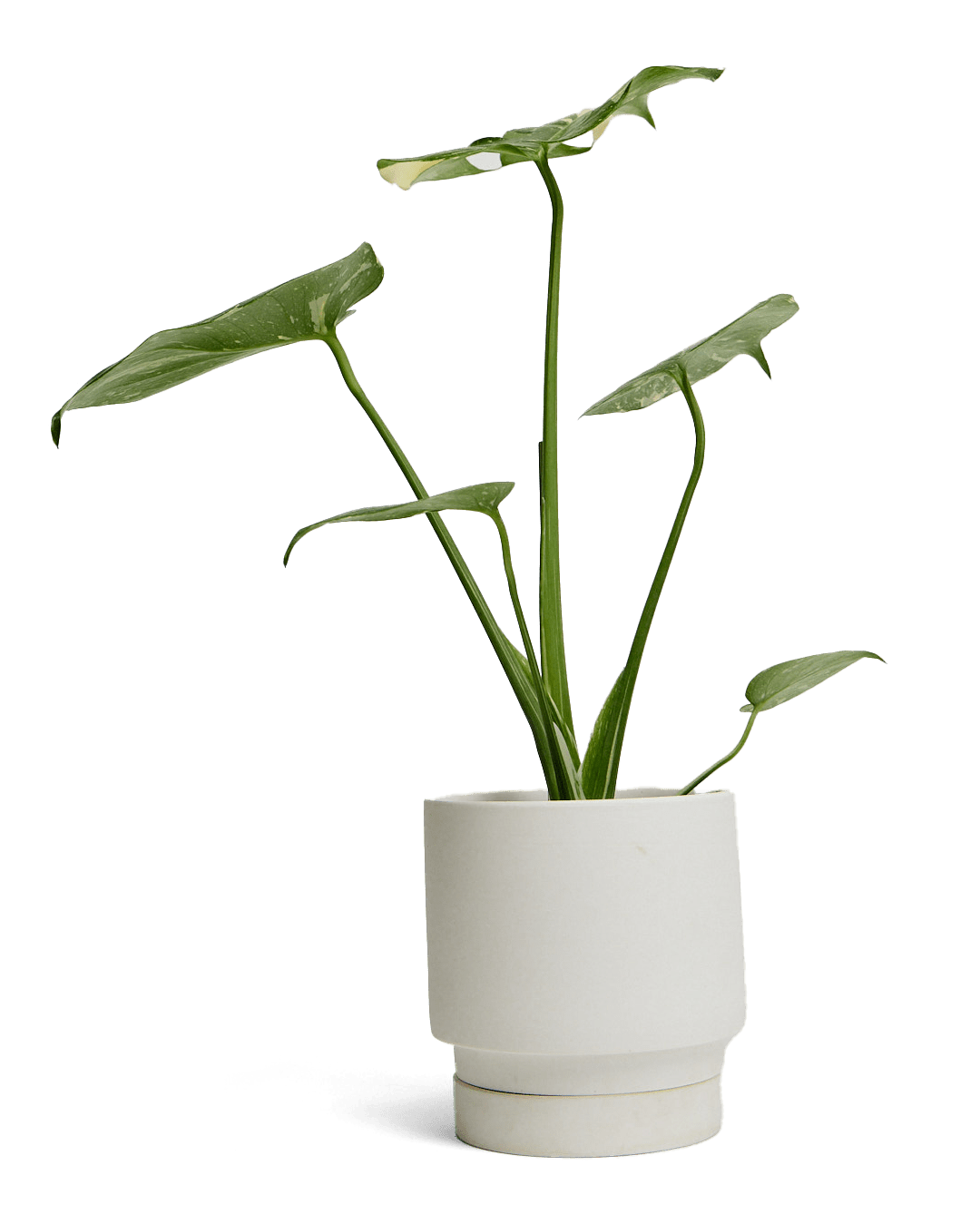
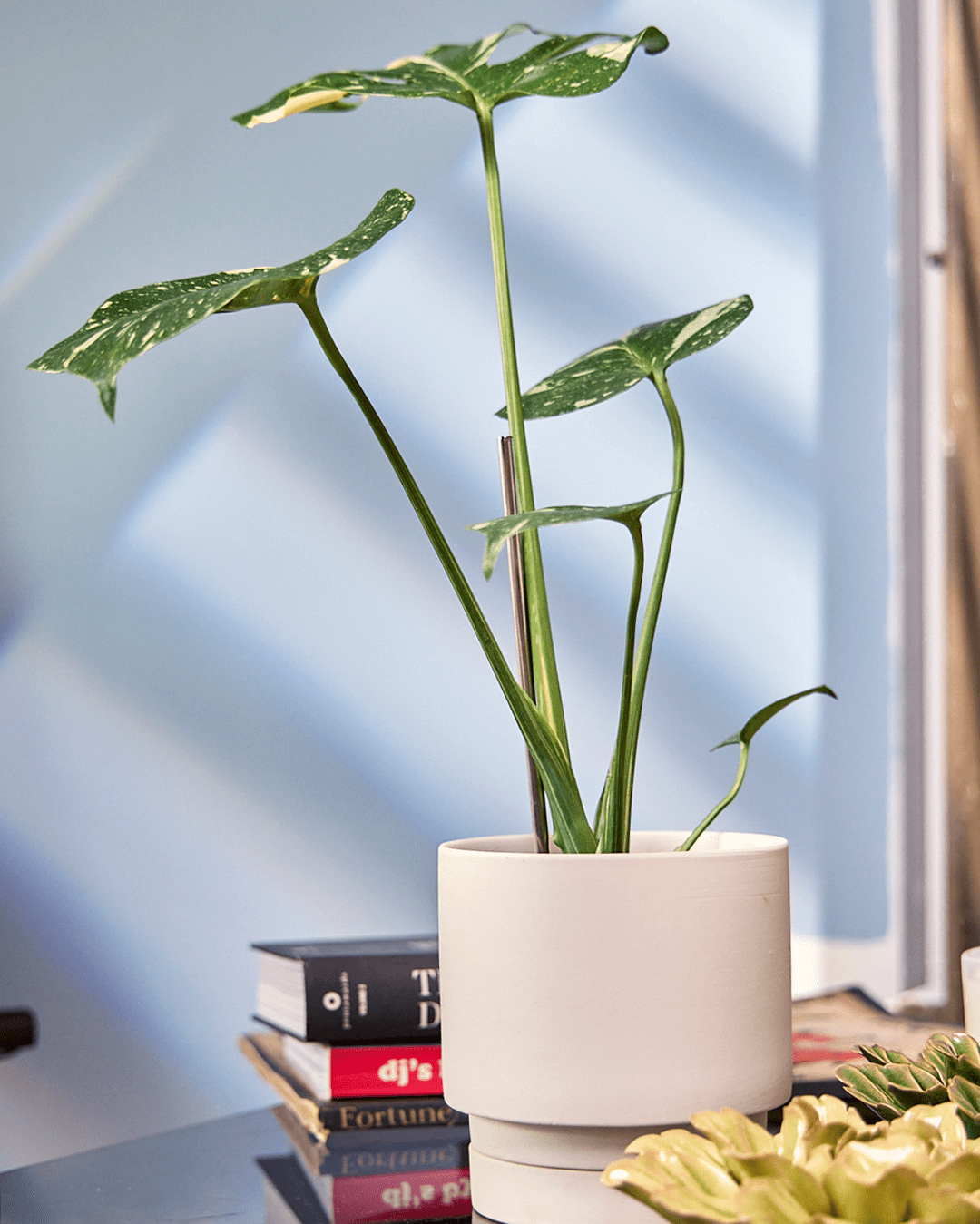
Monstera plants grow with reckless abandon, their split leaves creating shadows on walls that resemble modern art installations. They don't just occupy space; they transform it, turning bland corners into Instagram-worthy vignettes without even trying. These aren't just plants – they're statements, living sculptures that just happen to improve air quality while making design magazines jealous.

Large Plants for South Facing Windows: Sun Worshippers and Light Enthusiasts
South-facing windows are the botanical equivalent of beachfront property – prime real estate where the sun lavishes attention like an overindulgent parent. Plants here don't just grow; they perform, stretching toward the light with the enthusiasm of Broadway understudies who've just been told the lead is sick.
Citrus trees bask in this abundant sunshine, producing fruit and fragrance as if showing off to the less fortunate plants across the room. Jade plants grow thick and lush, their succulent leaves storing sunlight like misers hoarding gold coins. Aloe vera stretches toward the glass, its spiky arms reaching up as if perpetually surprised by good news.
In these sunny spots, cacti stand proud, having evolved over millennia for precisely this moment – to sit on someone's windowsill and receive compliments from dinner guests who marvel at how "artistic" and "low-maintenance" they are, never knowing the quiet satisfaction these desert dwellers feel, having found their perfect home.
Large Plants for East Facing Windows: Morning Glory Seekers
East-facing windows offer the gentle awakening of morning light, the botanical equivalent of being roused by a soft-spoken hotel concierge rather than an aggressive alarm clock. This light is kind and forgiving, perfect for plants that prefer their sunshine as a subtle suggestion rather than a demanding presence.
Dracaena plants thrive here, their striped leaves adding visual interest without requiring constant attention. Like that friend who's always put-together but never makes a big deal about it. Chinese evergreens sit contentedly in these spots, their variegated leaves catching the morning rays like nature's stained glass.
Ferns unfurl their delicate fronds in this gentle eastern exposure, their prehistoric forms suggesting they know something about survival that modern plants have forgotten. They've been around since dinosaurs roamed the earth, after all, which makes any apartment problems seem rather trivial by comparison.

Large Plants for West Facing Windows: Afternoon Delight Devotees
West-facing windows receive the day's final performance of light – that golden-hour glow that makes everyone look like they've been professionally lit for a film scene. This afternoon sunshine brings warmth and drama, perfect for plants that appreciate a flair for the theatrical.
Palms thrive in this setting, their fronds creating shadow puppets on walls as the sun makes its descent. Succulents bask in this light, their geometric shapes highlighted like living sculptures. Philodendrons stretch their vines toward this westering sun, their heart-shaped leaves like a botanical connect-the-dots leading toward the fading light.
The rubber tree stands tall here too, its burgundy leaves absorbing the afternoon rays like a sunbather who's arrived at the beach fashionably late. These west-window dwellers have learned the value of patience – the best light comes to those who wait.
Clay Dreams and Ceramic Creations
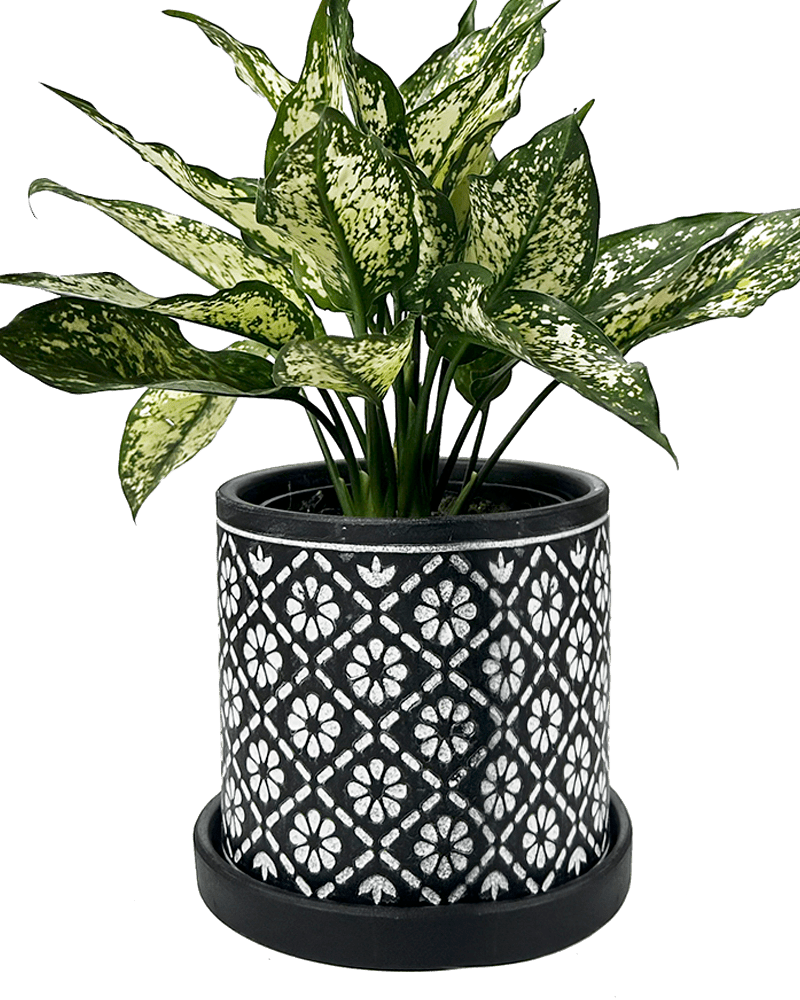
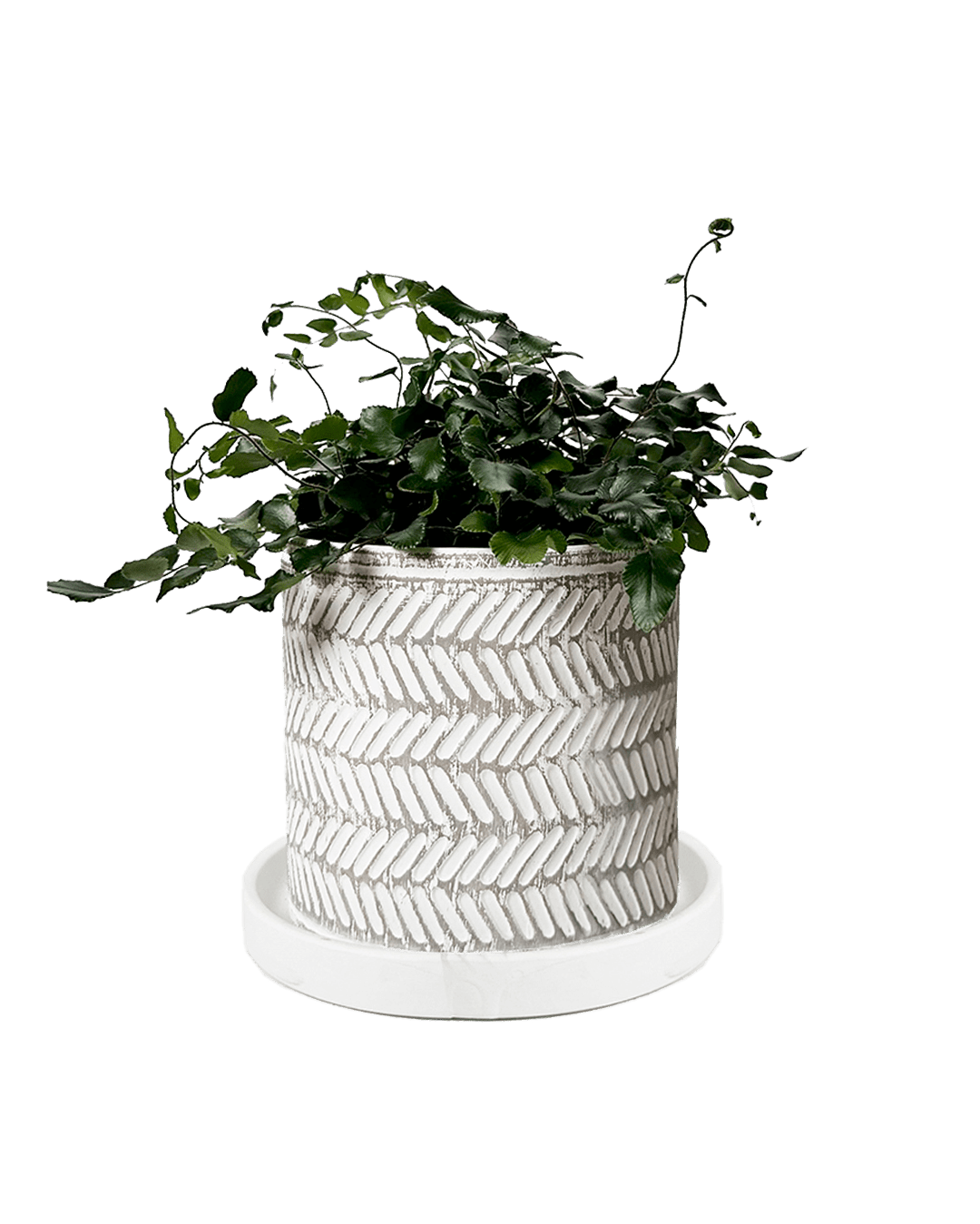
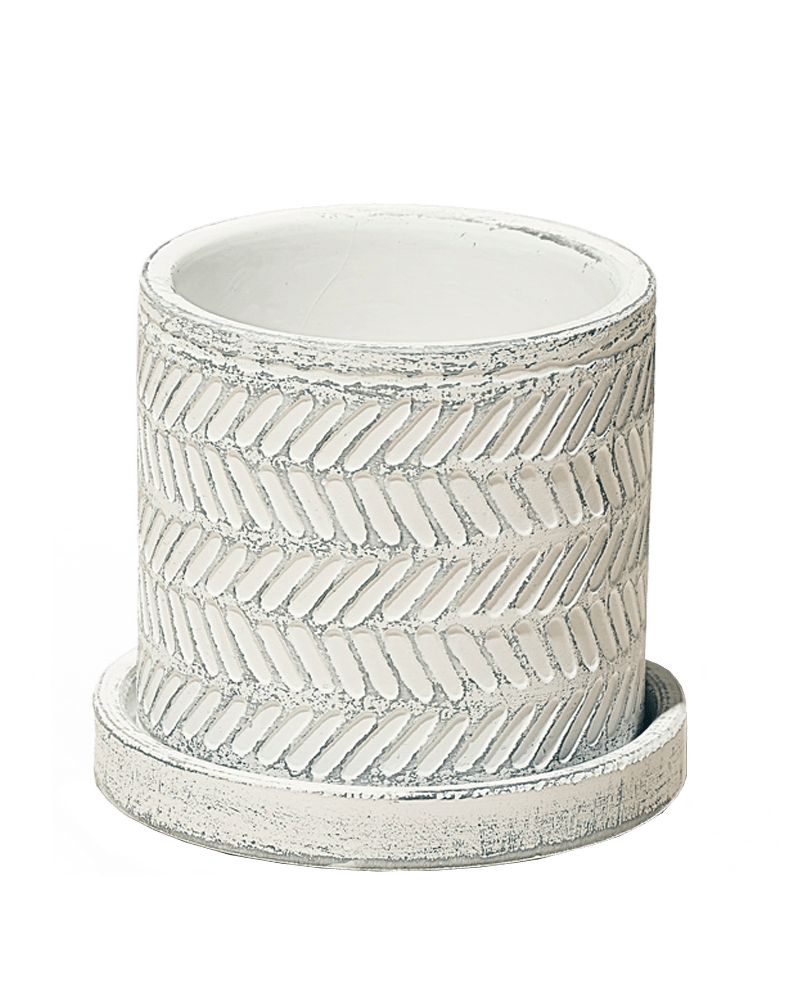
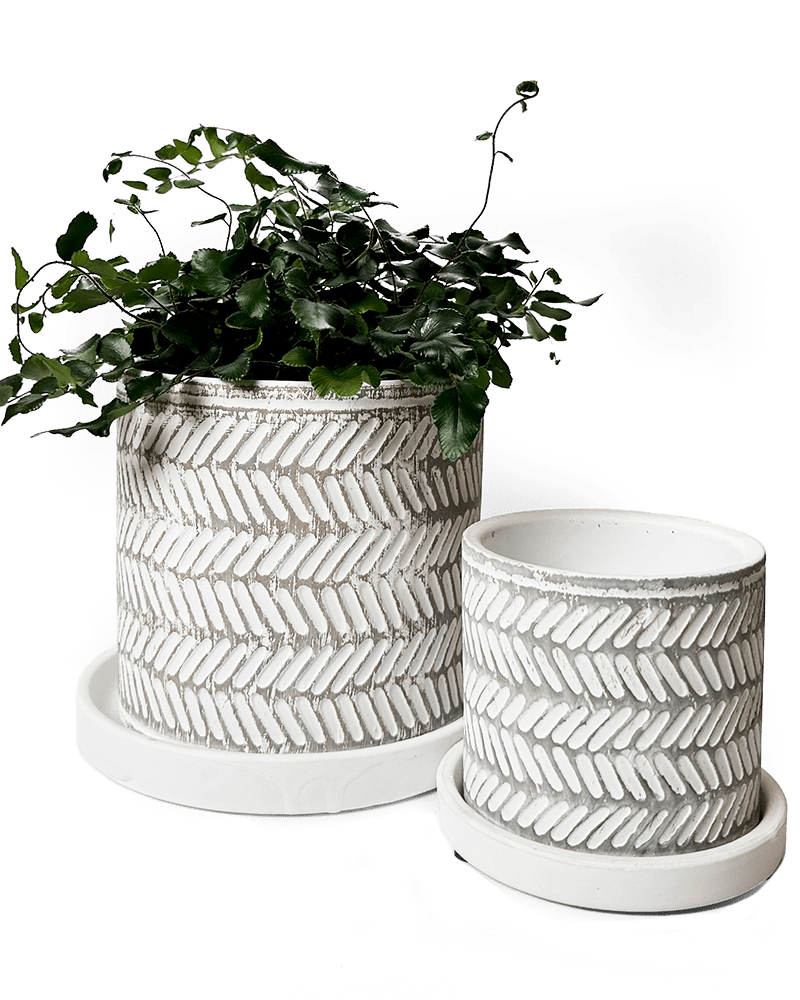
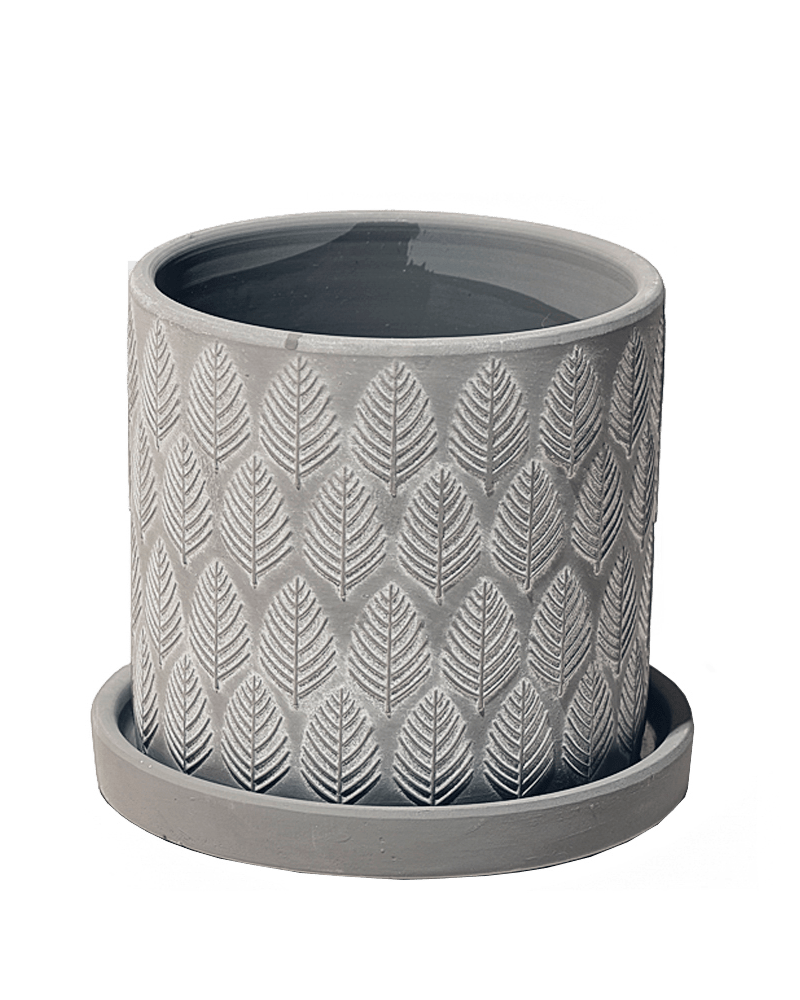
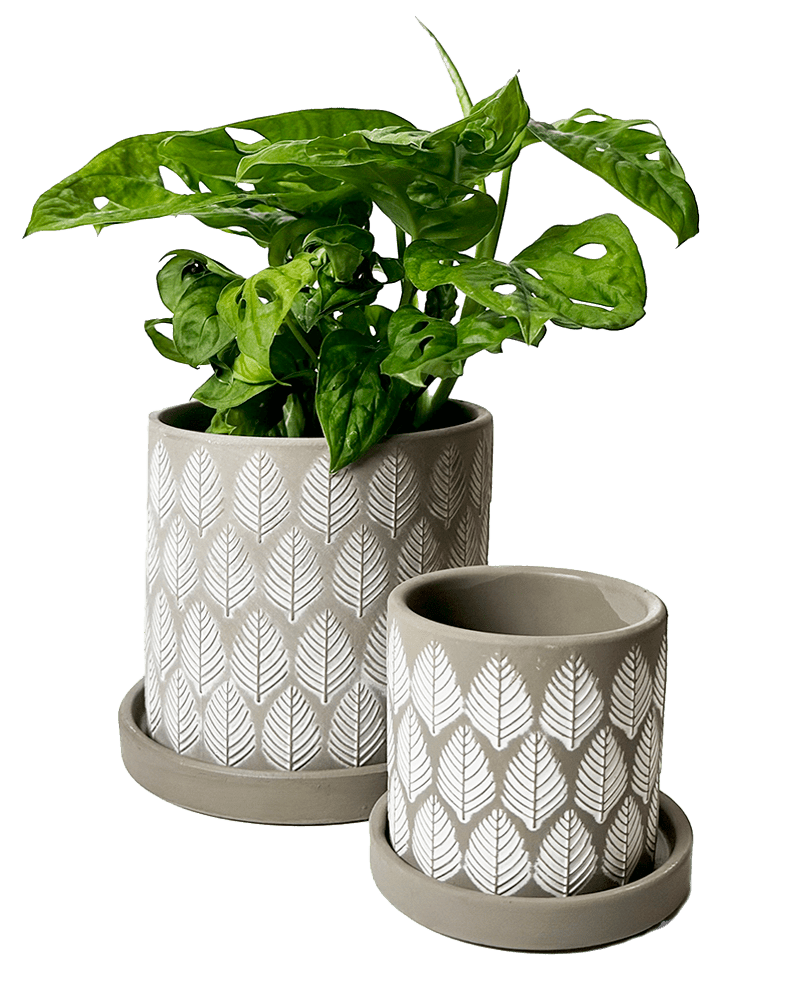
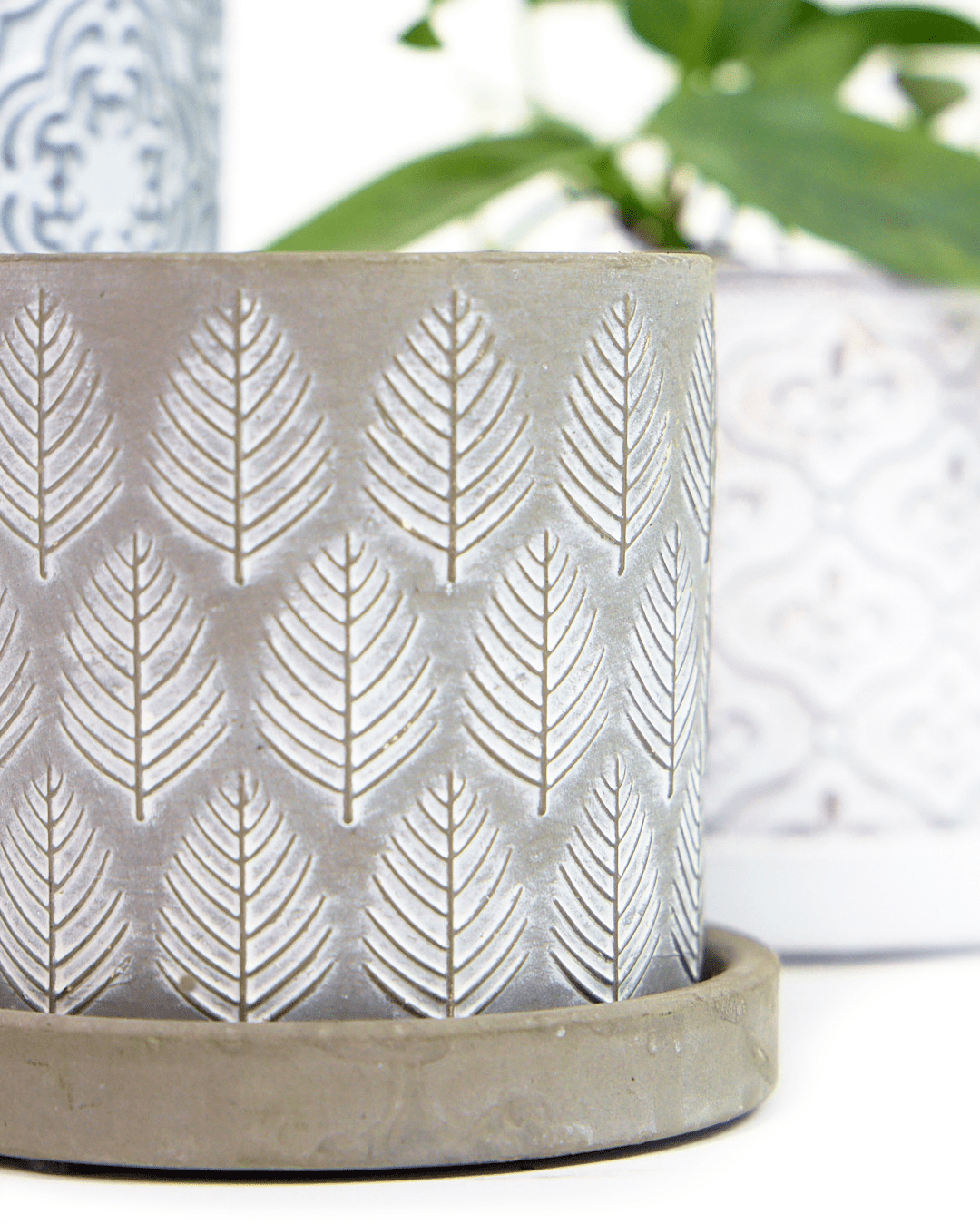
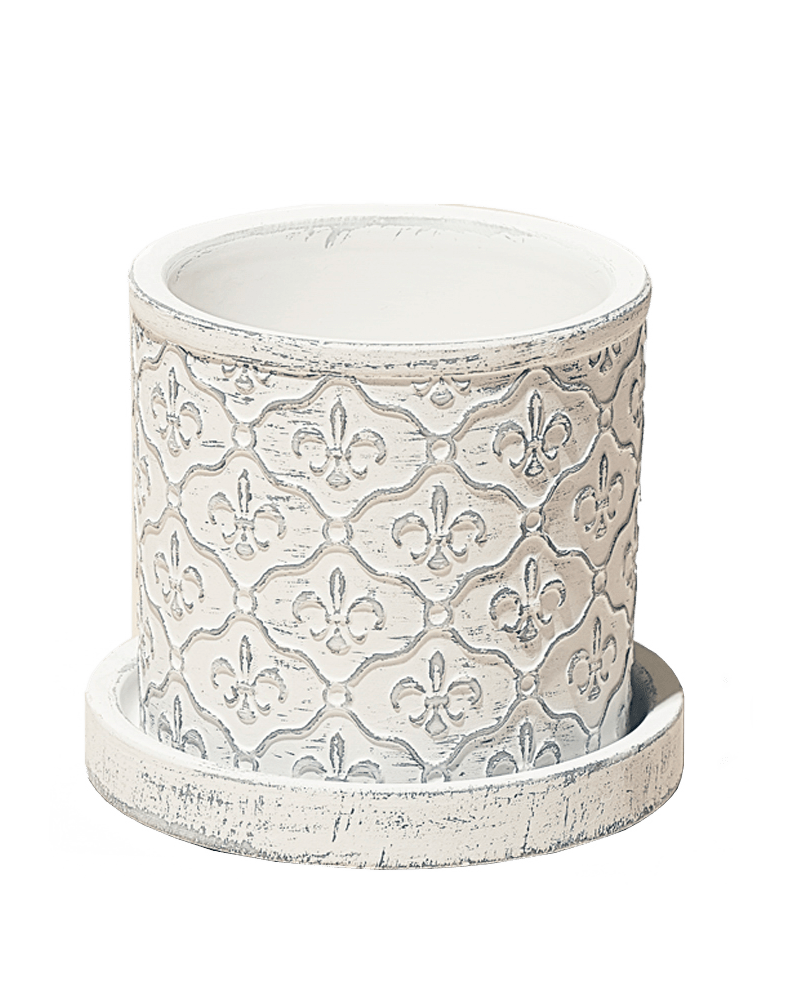
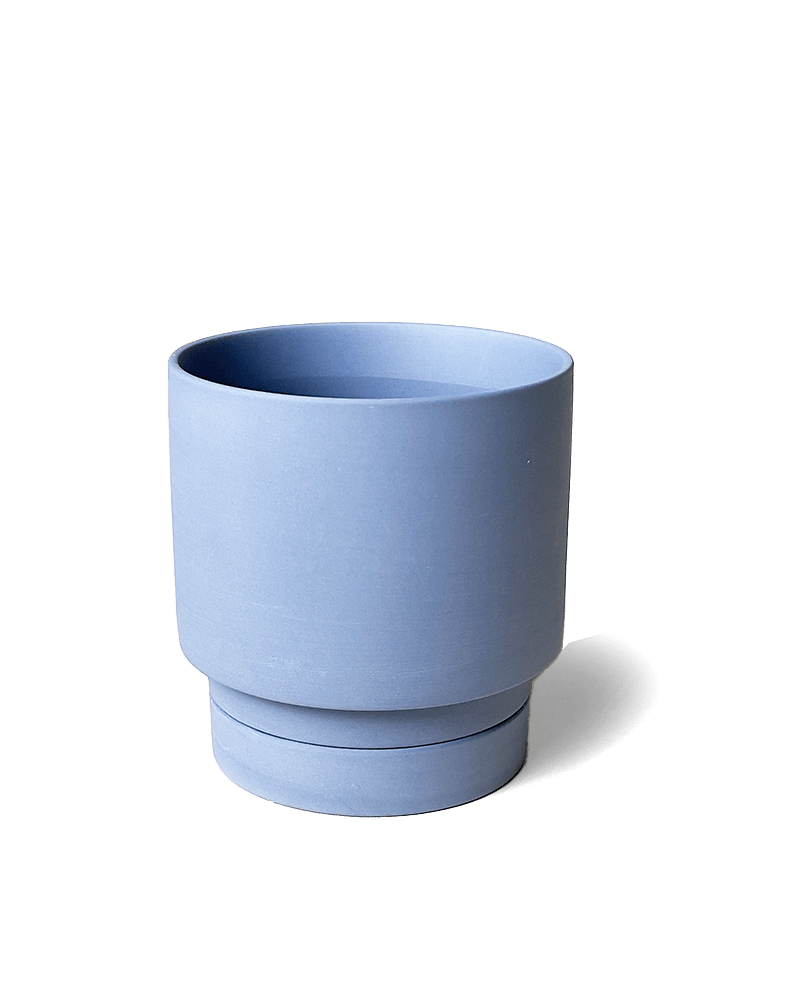
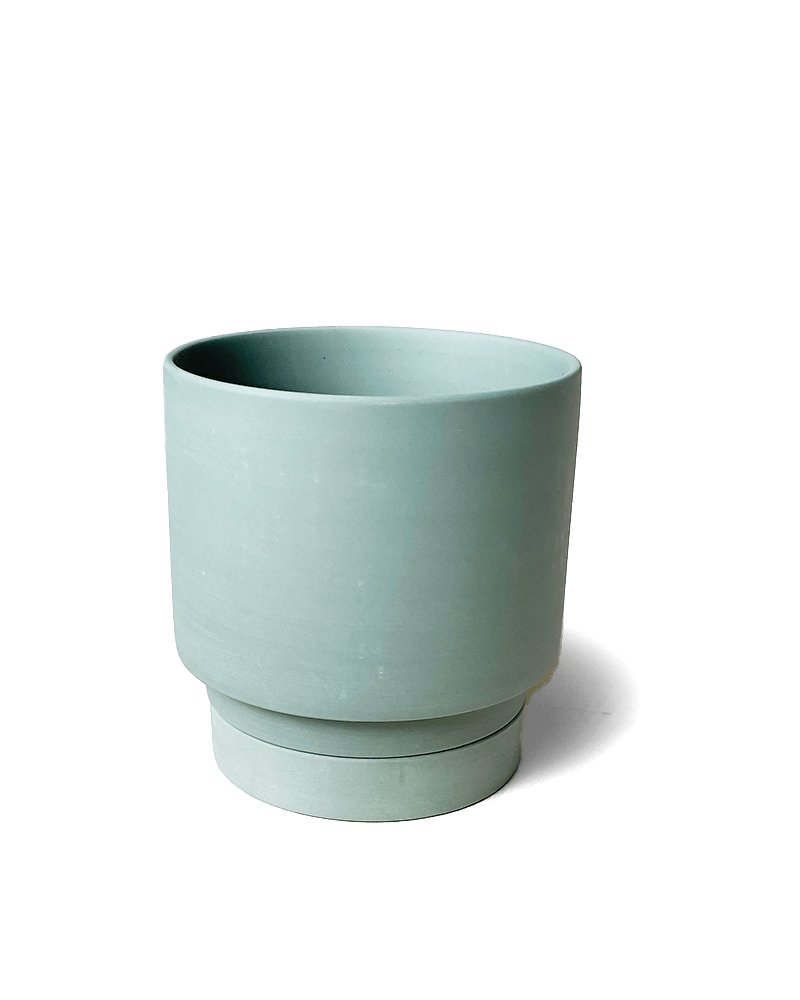
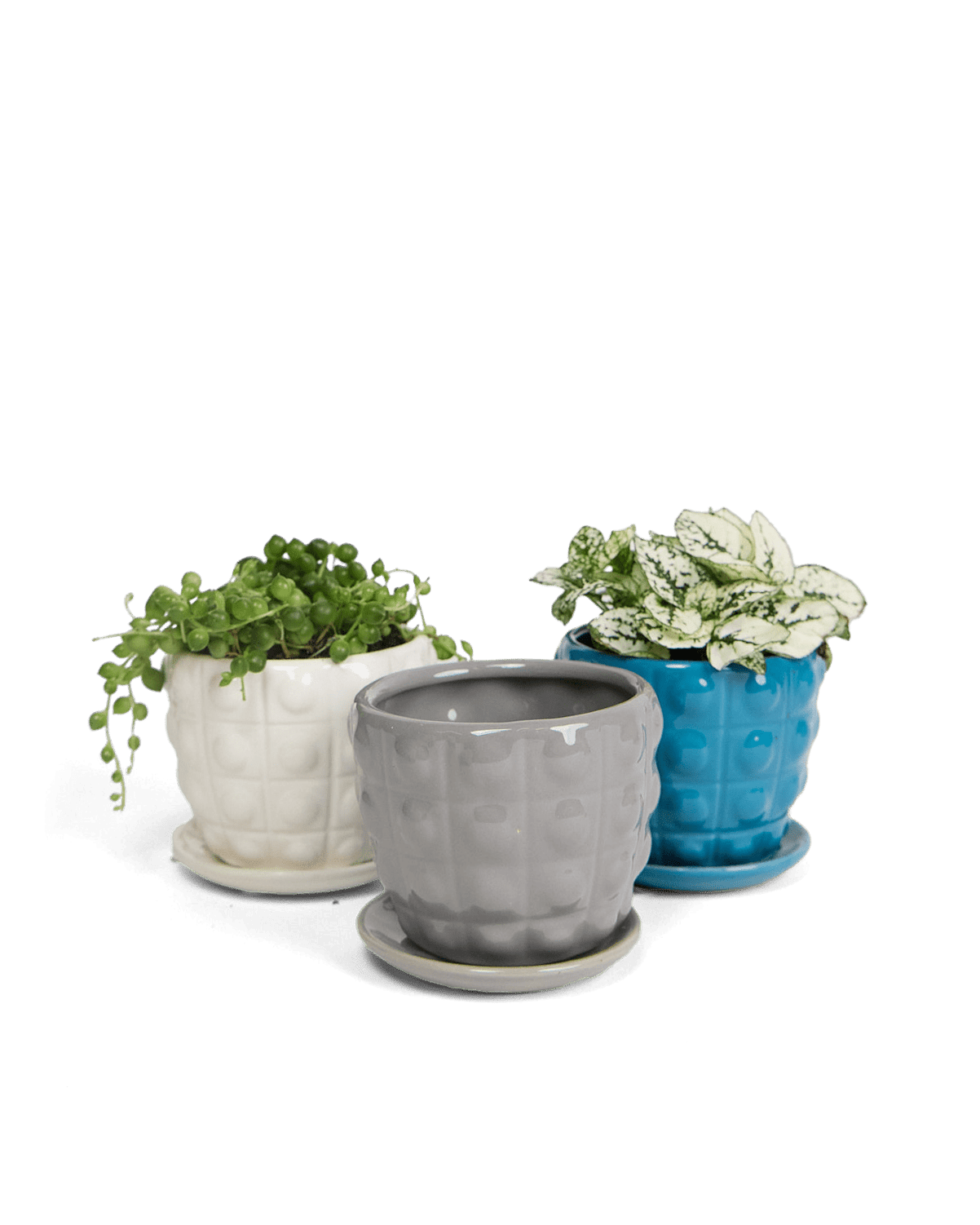
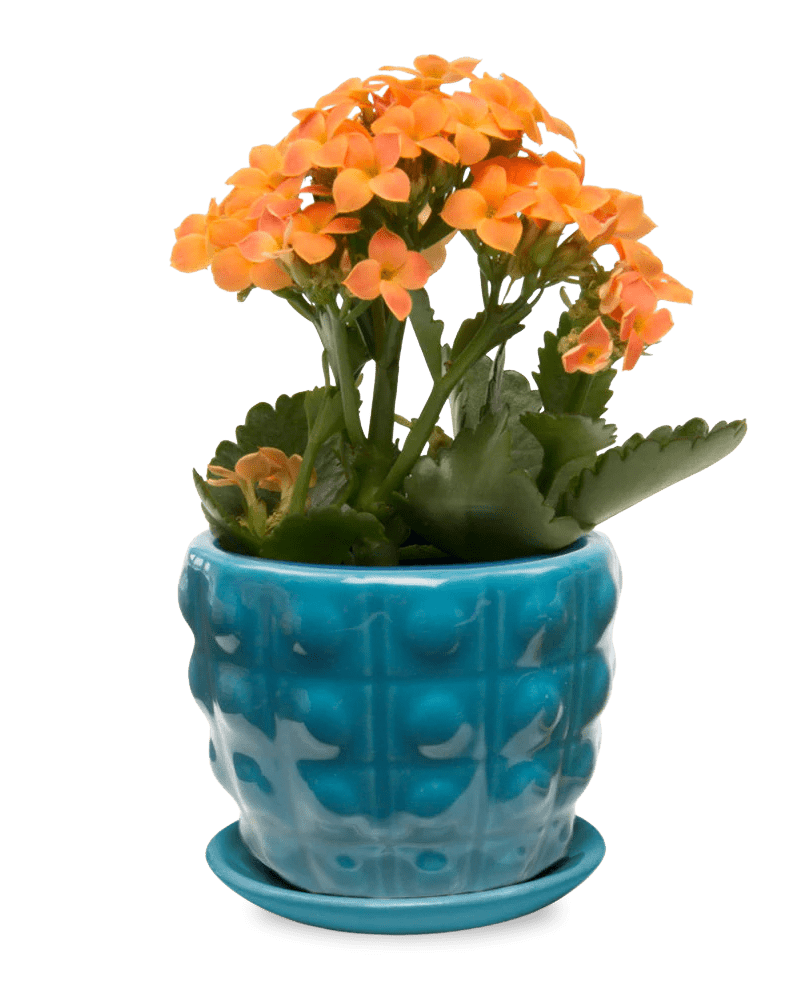
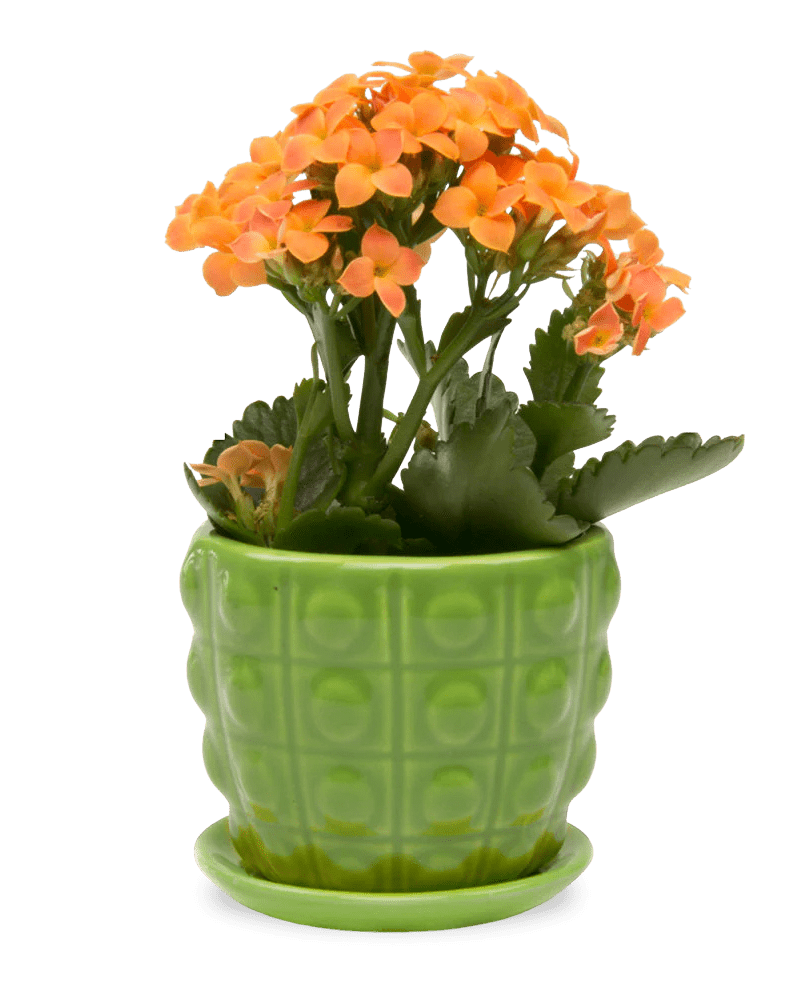
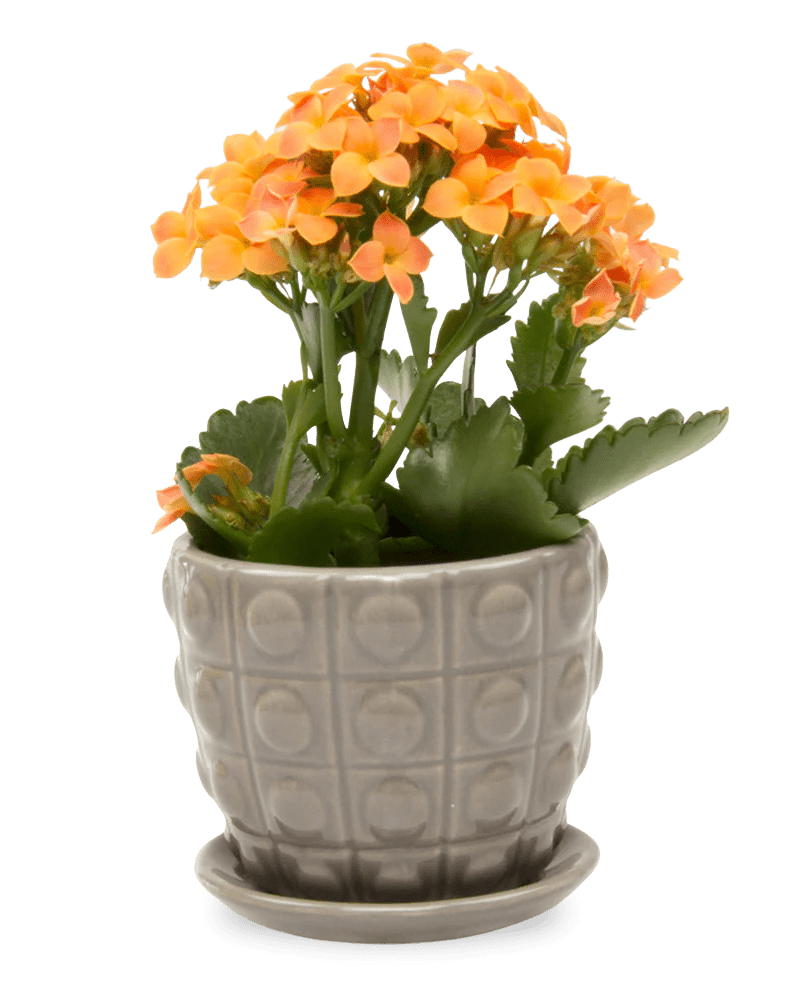
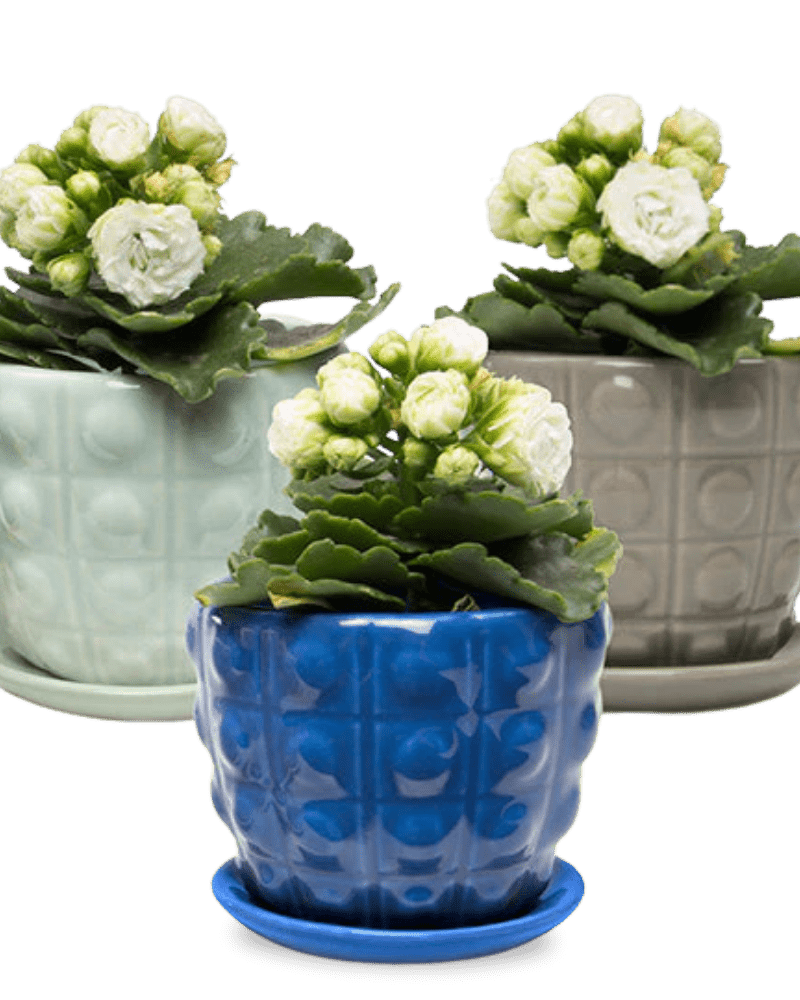
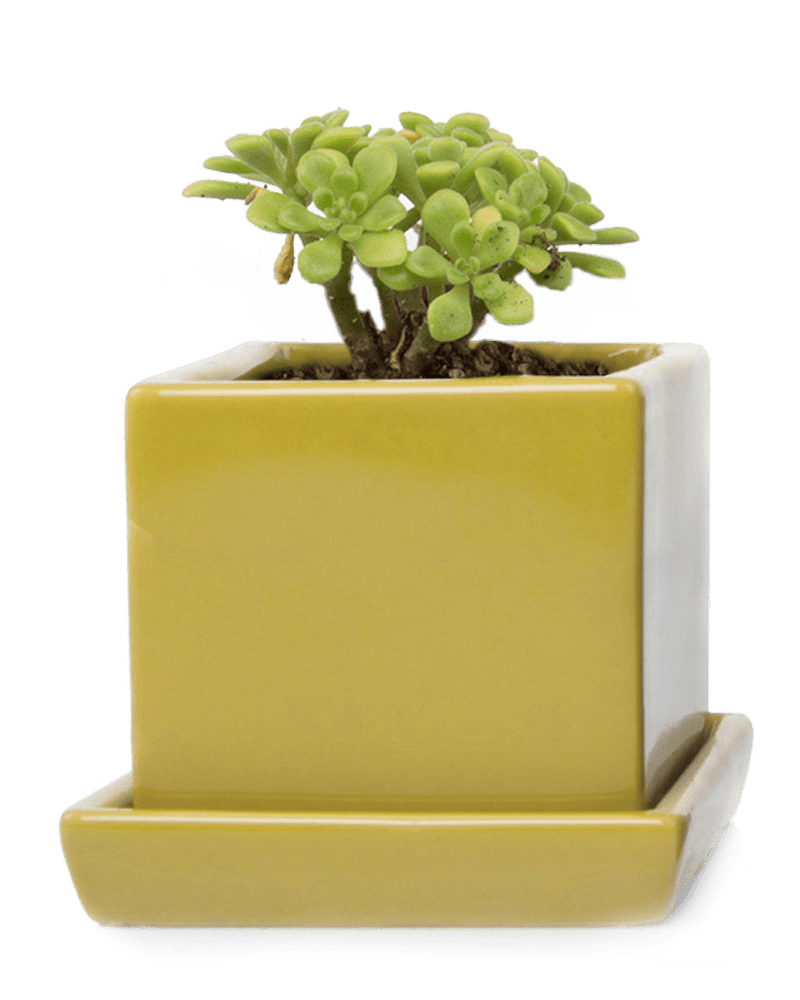
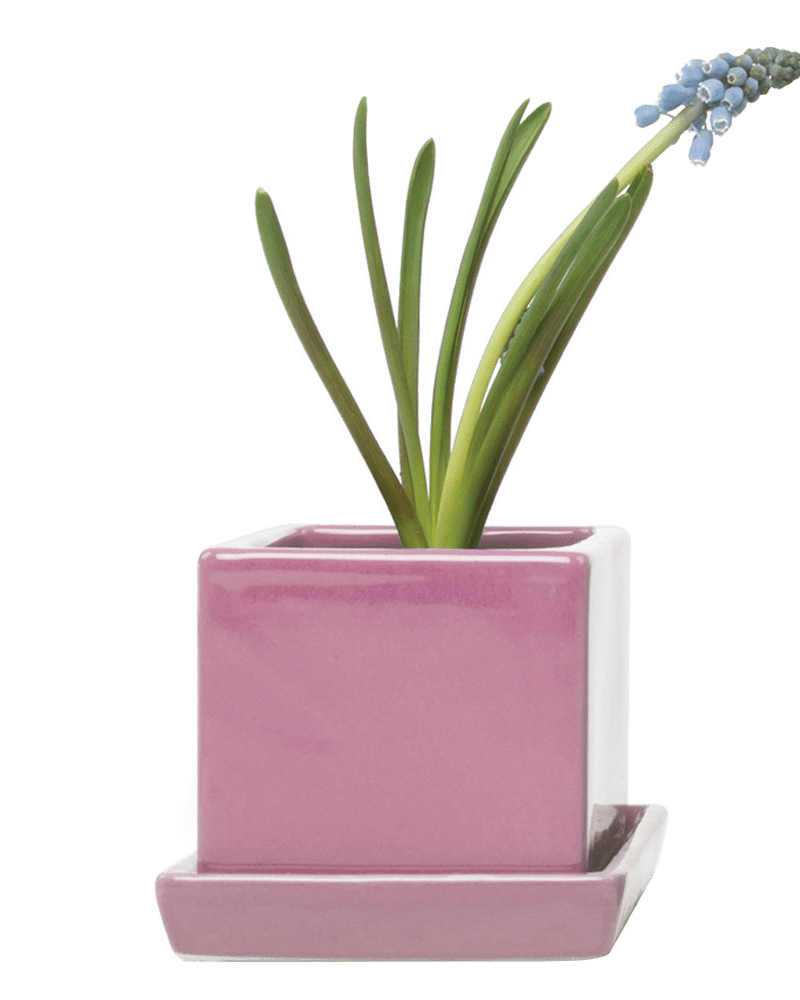
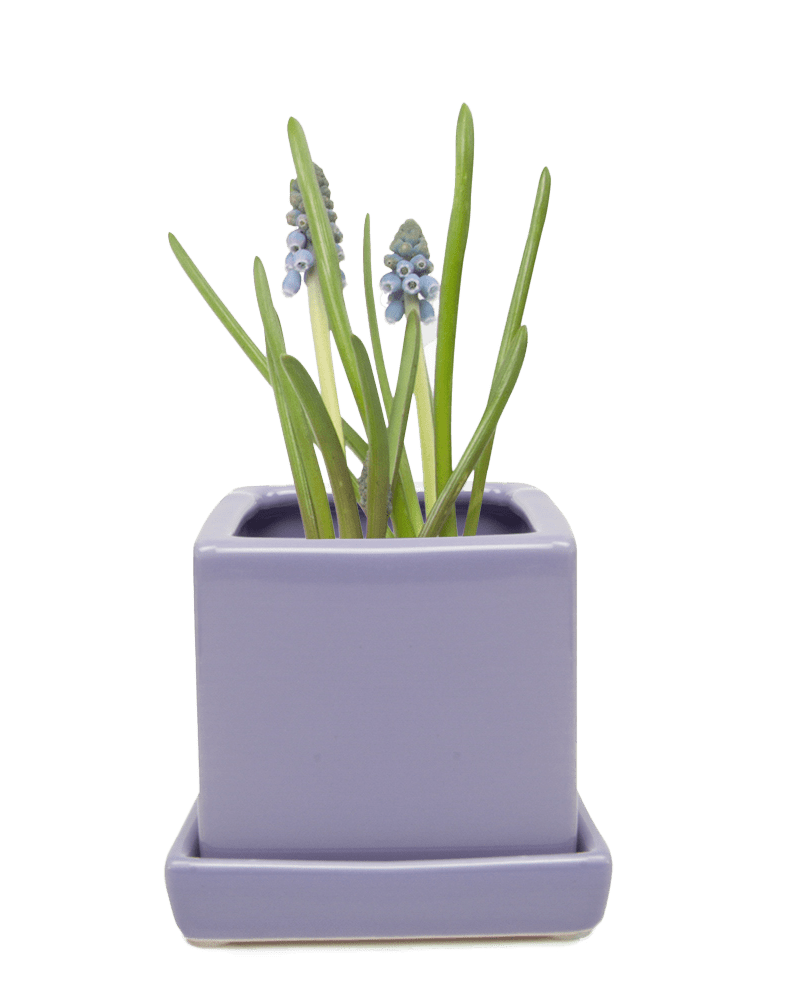
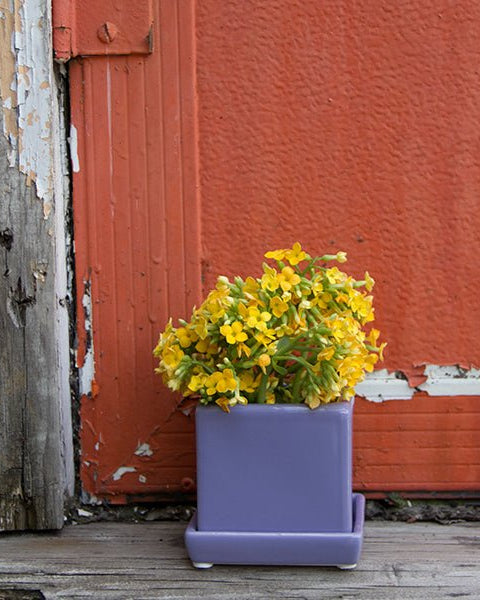
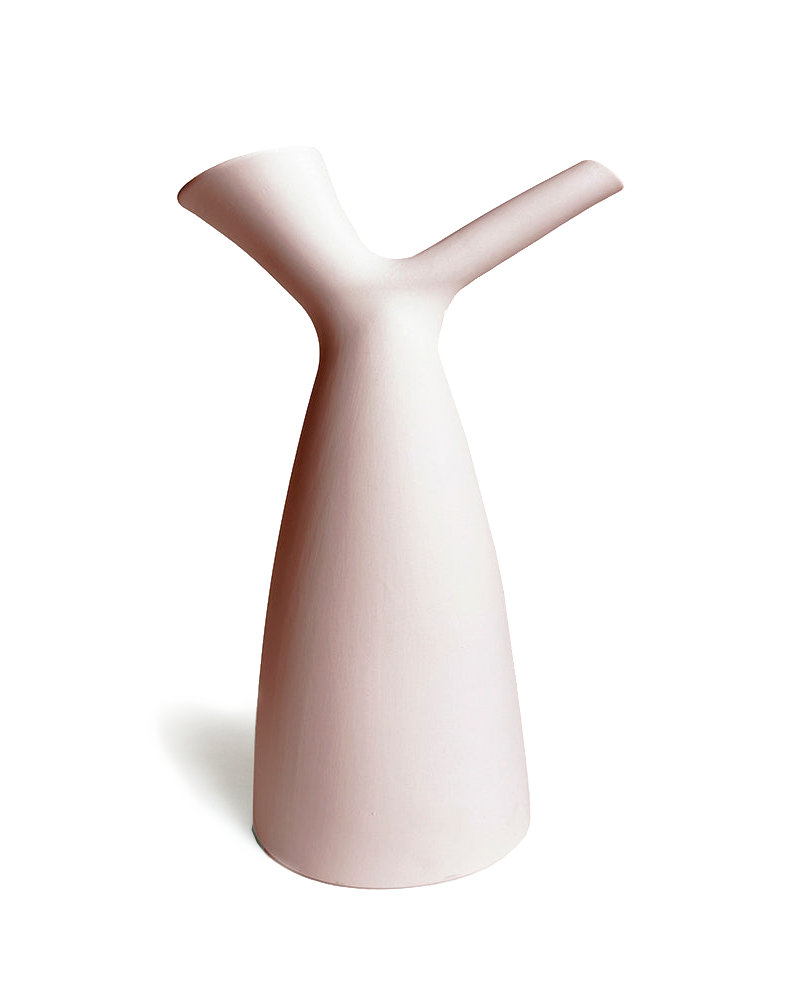
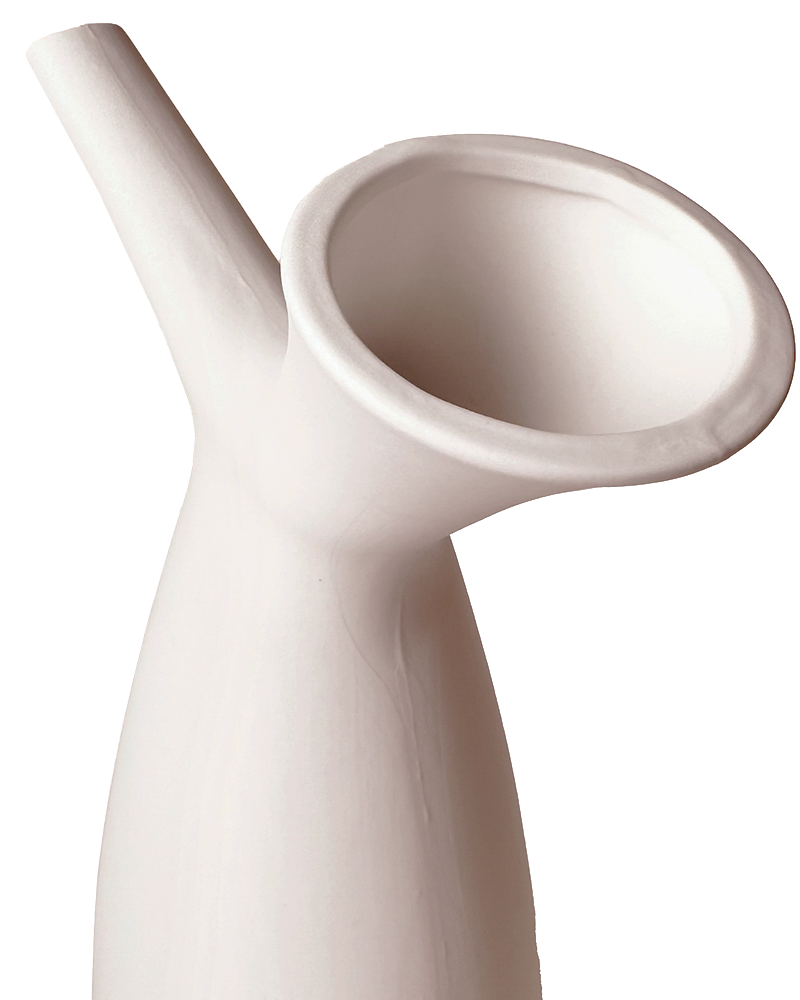
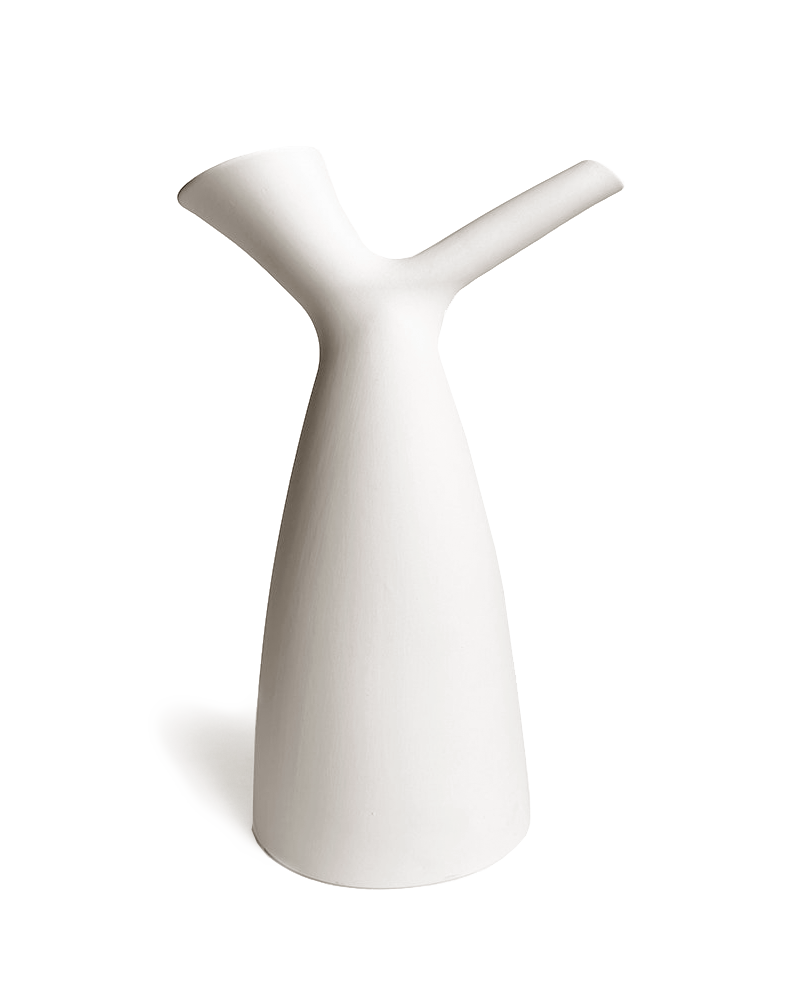
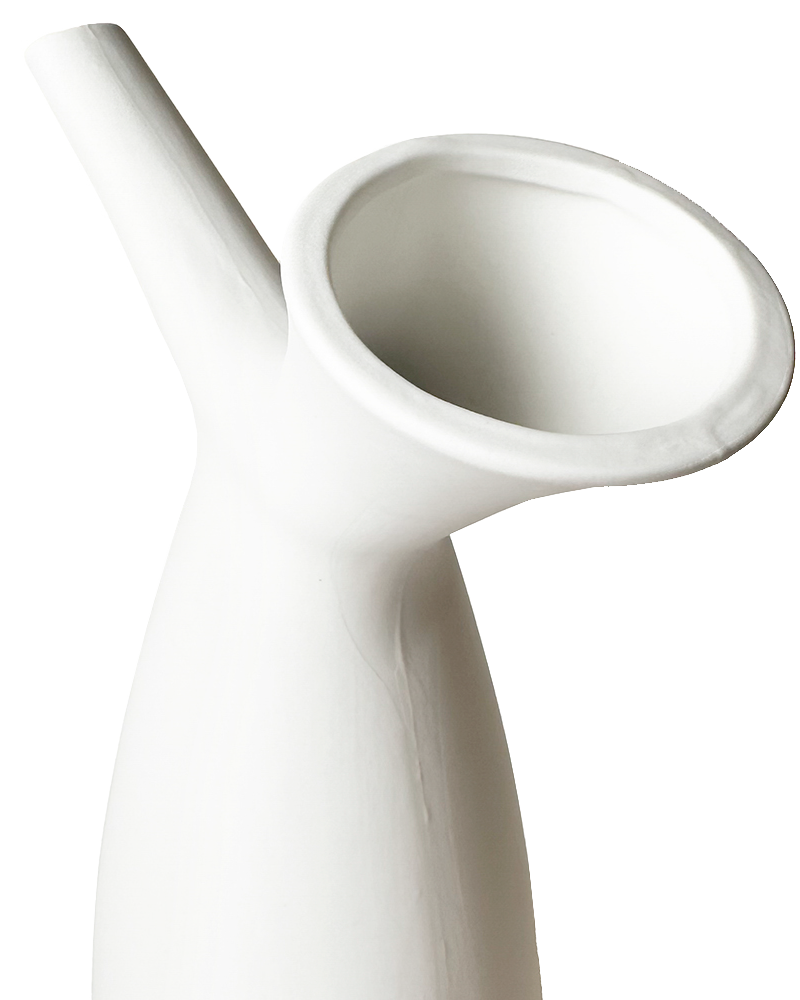
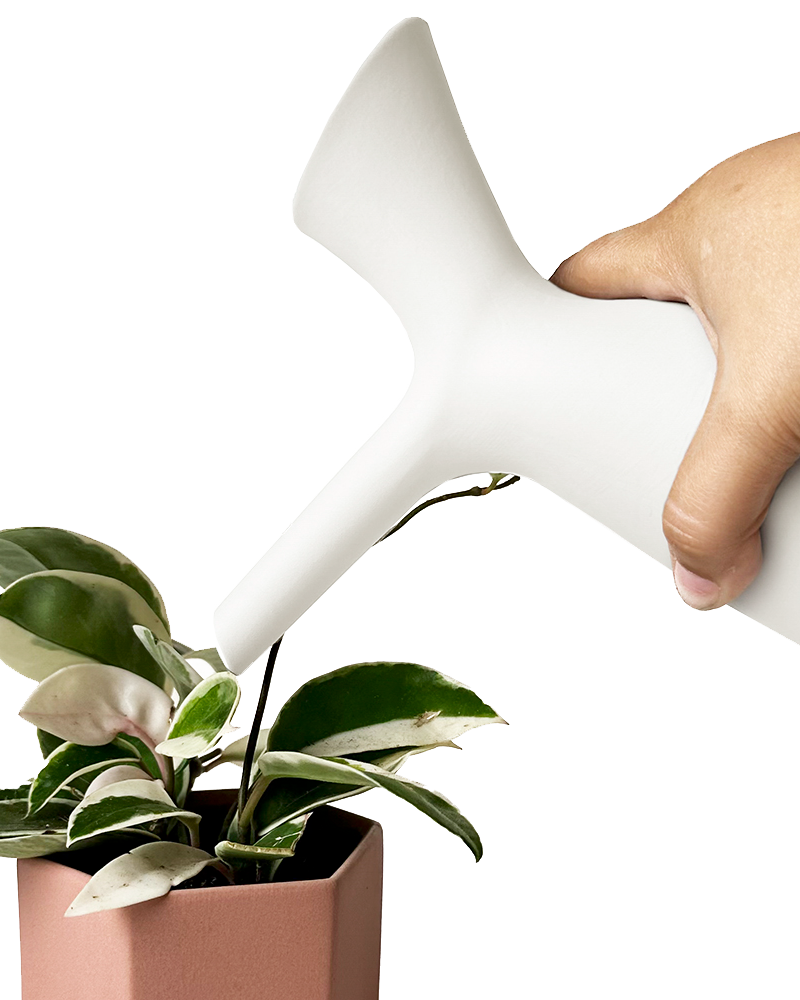
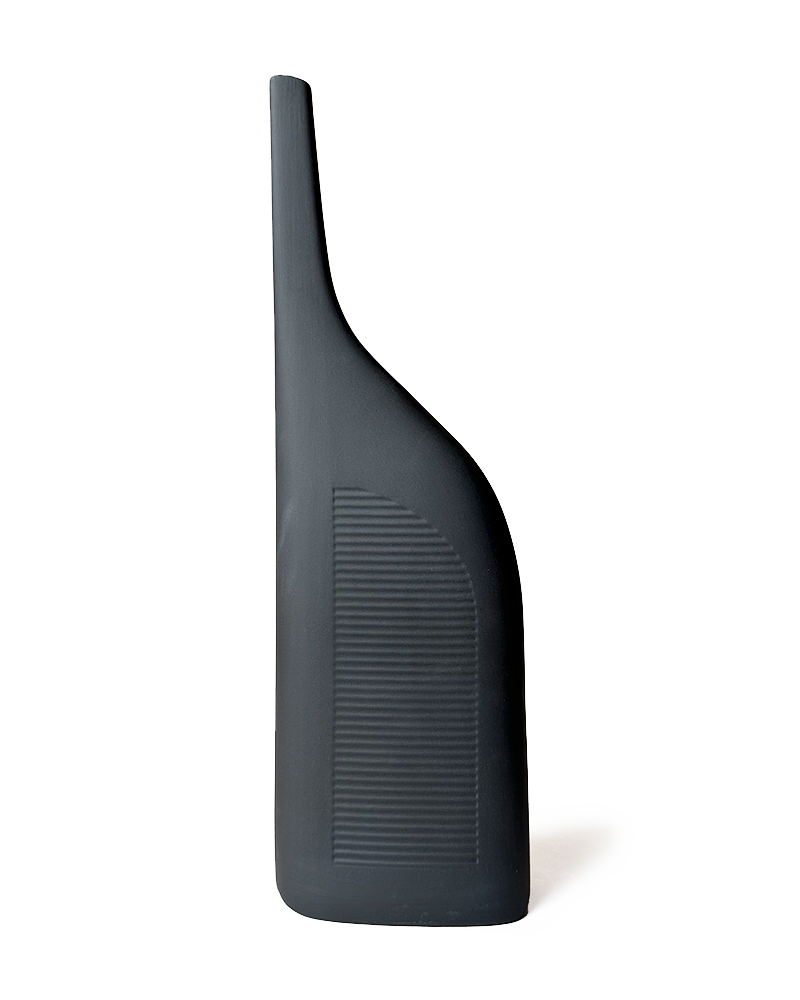
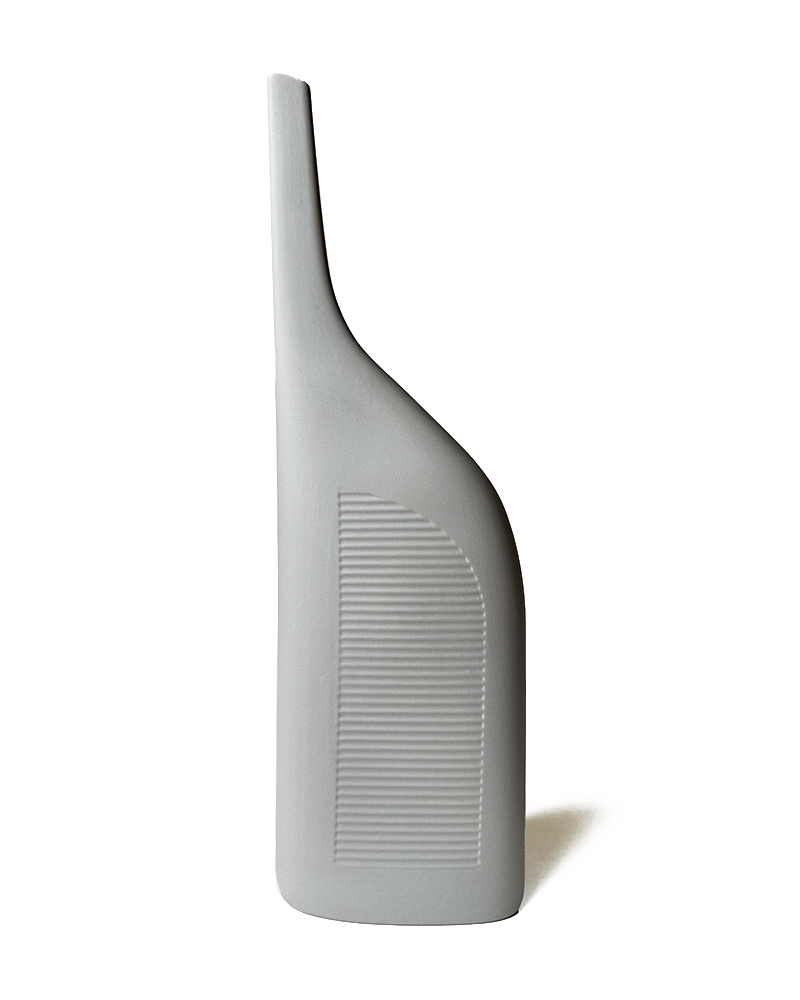
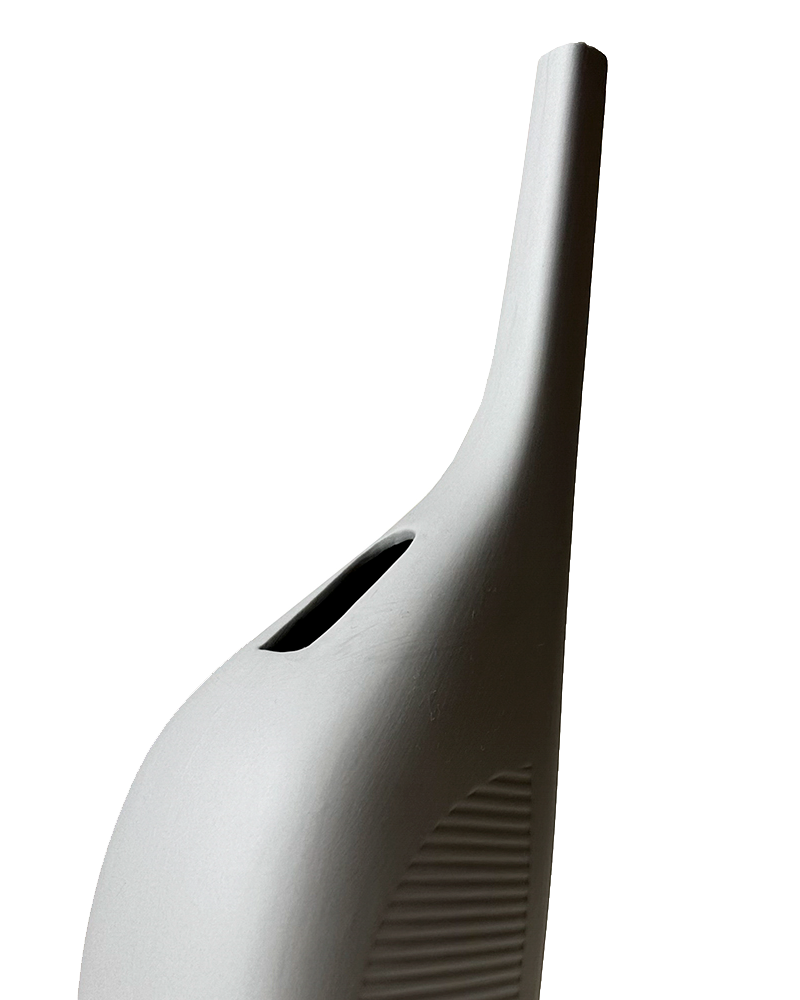
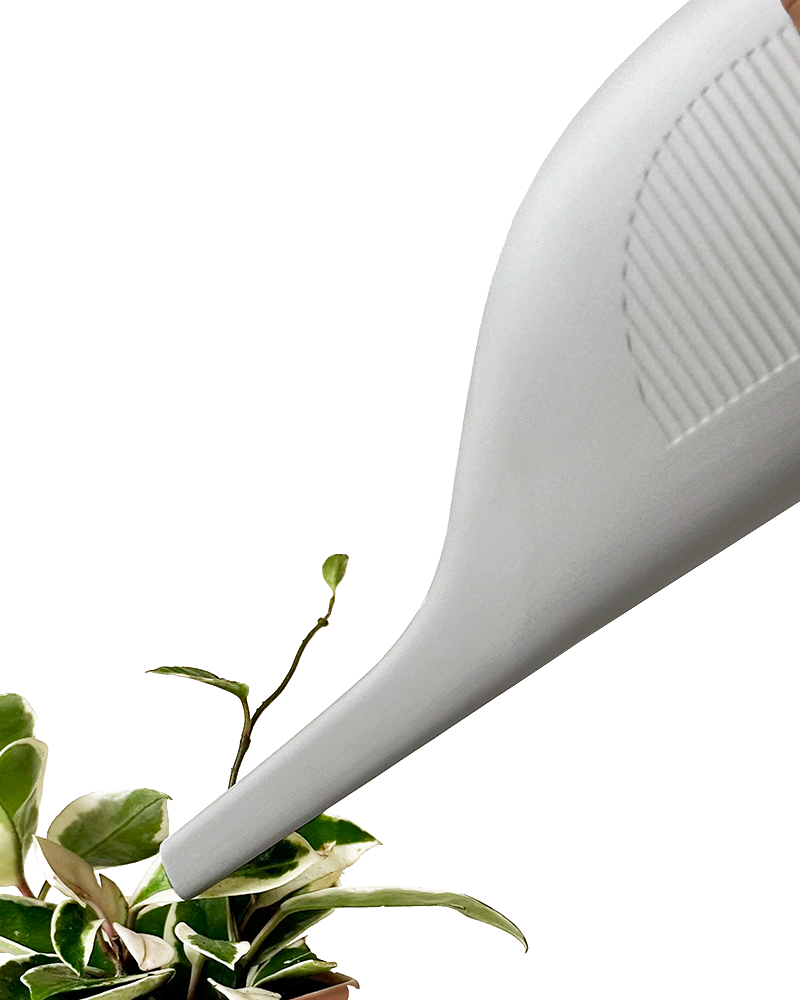
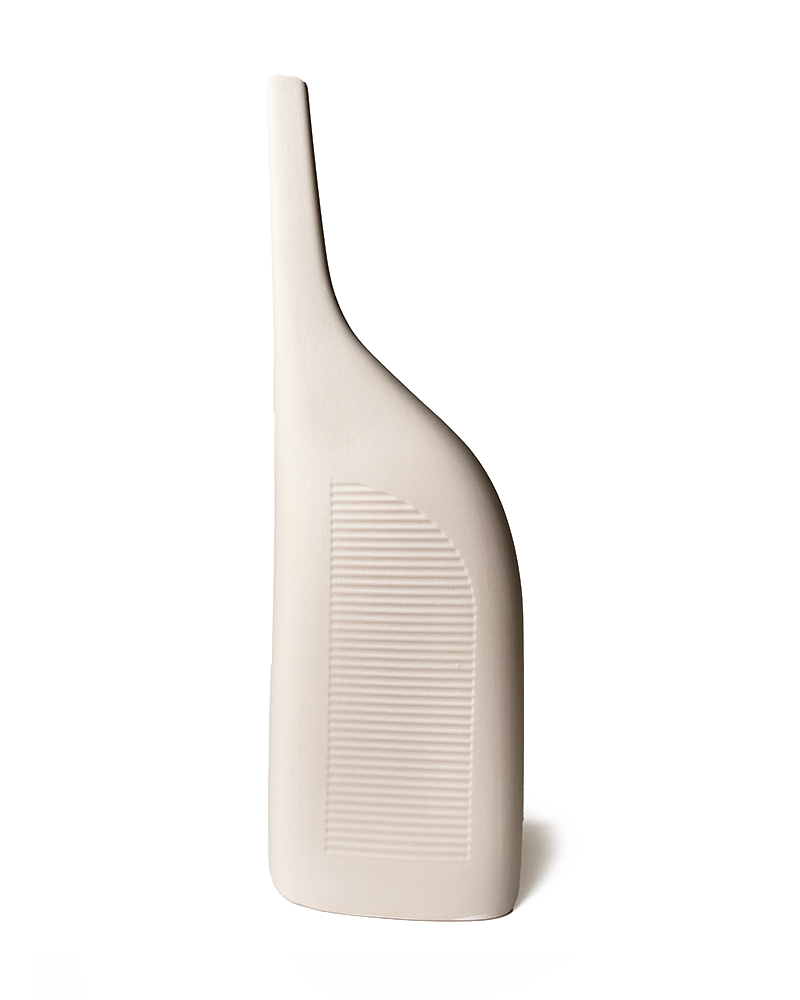
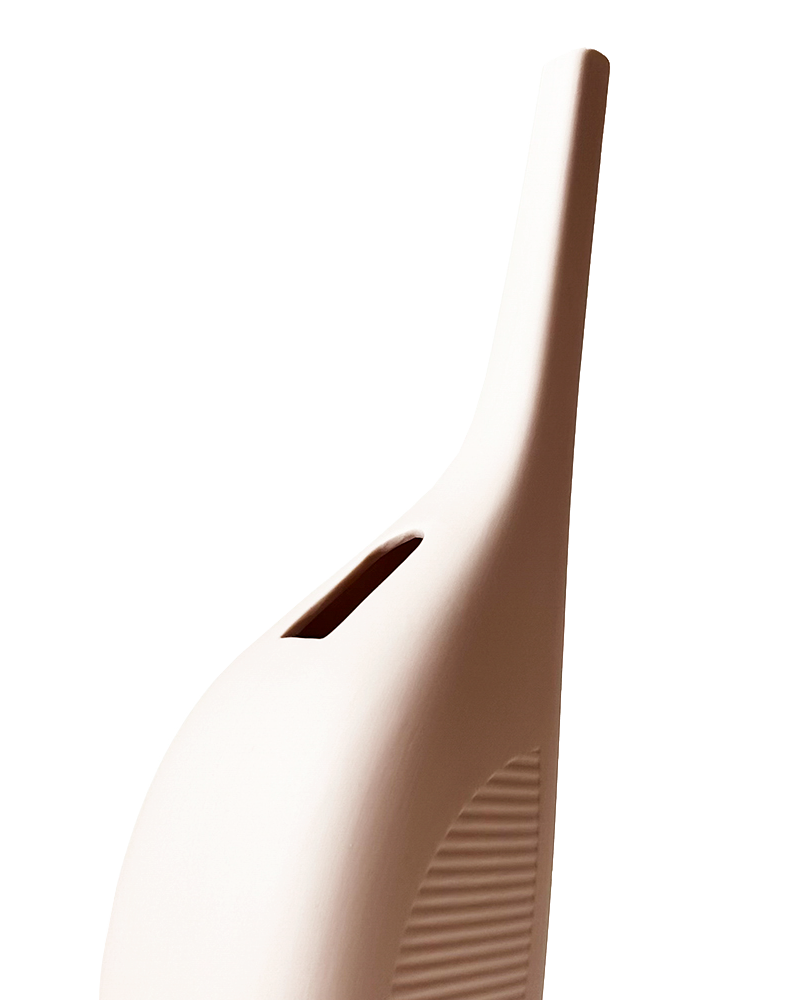
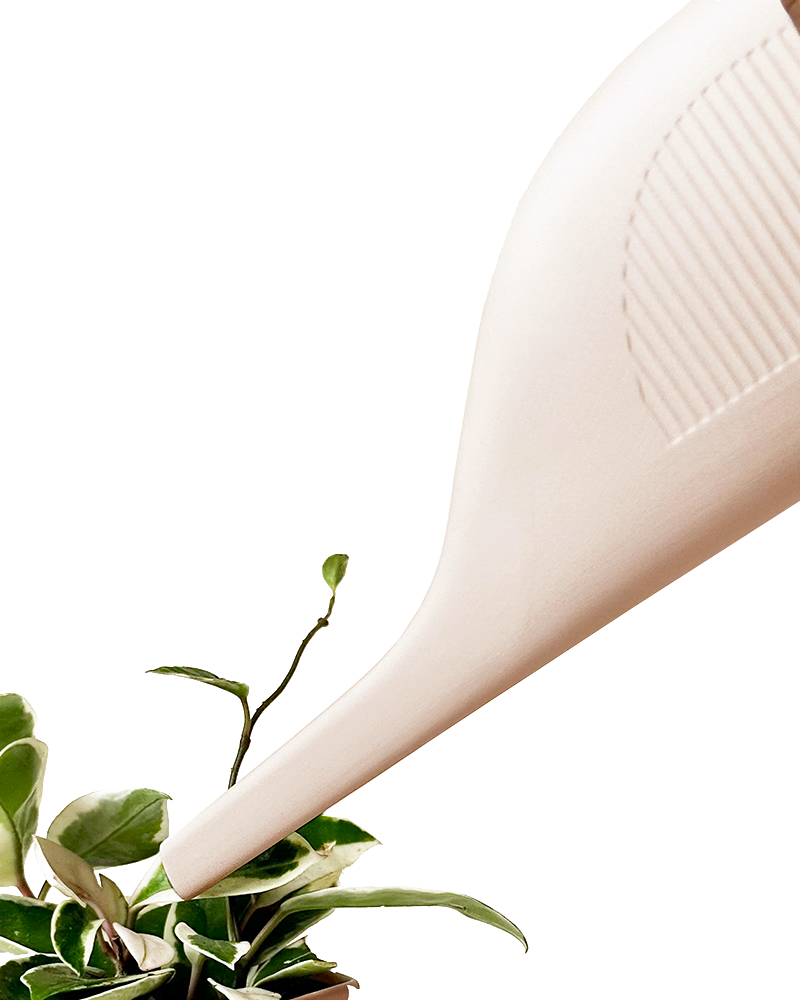
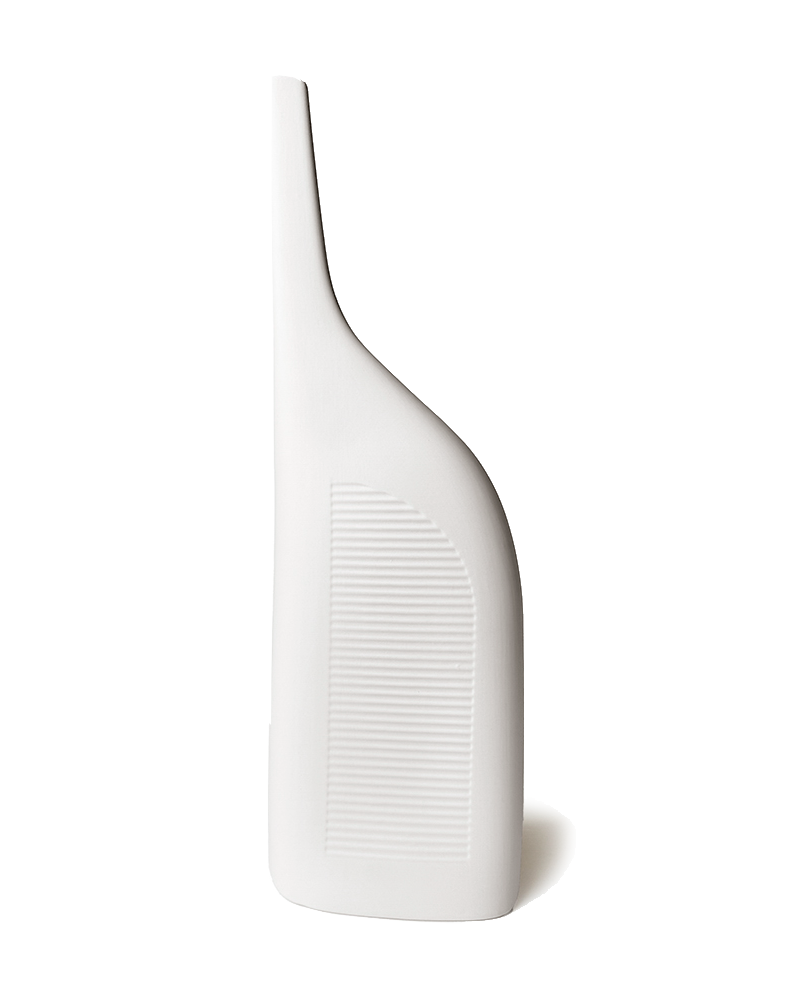
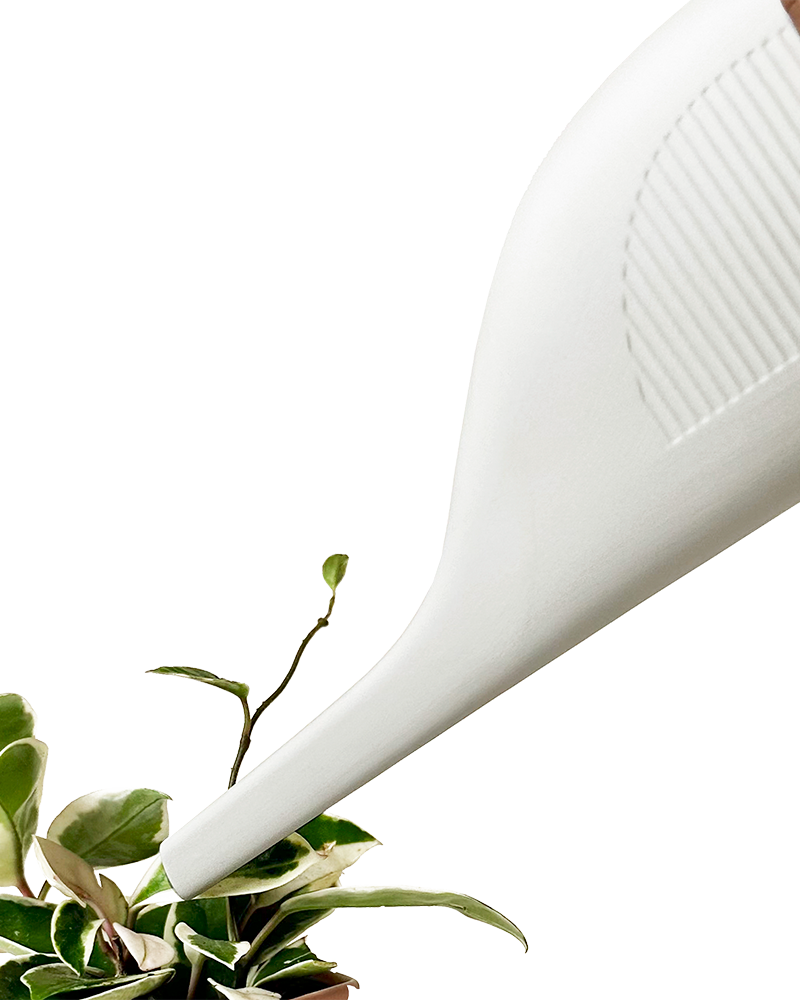
For twenty-one years, vases, planters, and ceramic flowers have erupted from the Chive studio like family secrets at a funeral. What began as a humble project has slithered its way into 8,000 garden centers worldwide—evidence that even pottery harbors delusions of grandeur. The designs waver between tasteful and deranged, each somehow finding adoption like peculiar shelter pets.
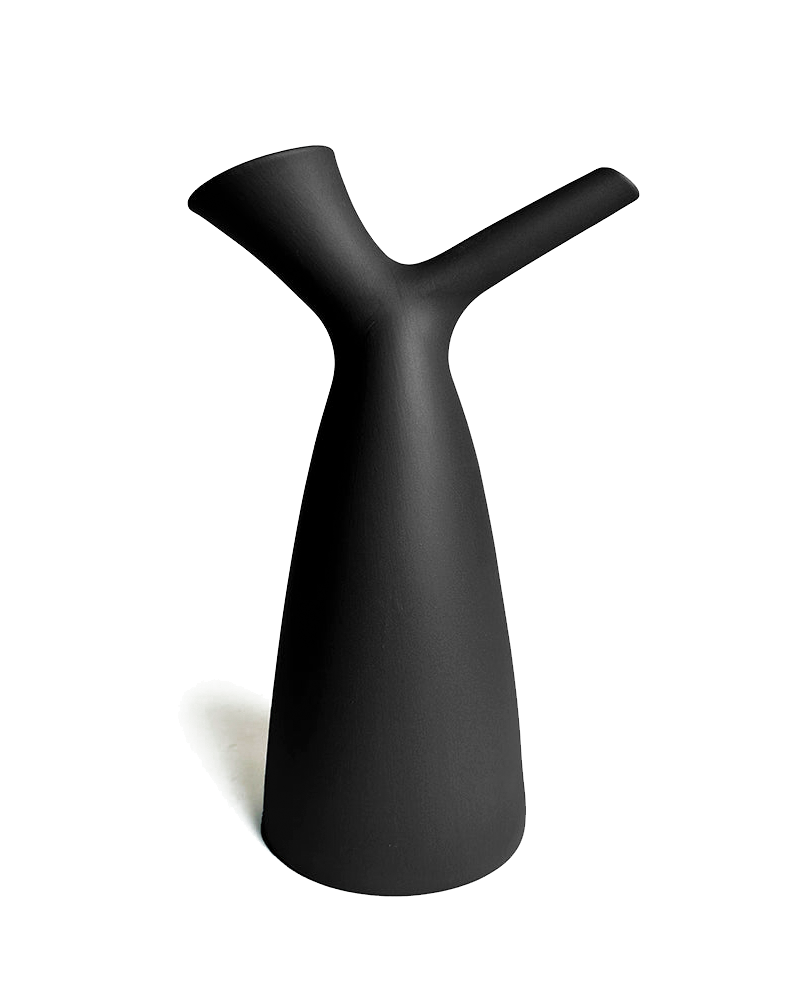
The Queen Street flagship in Toronto operates less as retail and more like an asylum for wayward clay. Customers wander through, squinting at vases resembling anatomically confused sea creatures, their faces registering that unique expression reserved for encountering something simultaneously hideous and irresistible.
The annual pilgrimage to London's Chelsea Flower Show unfolds with the predictability of family dysfunction. Sunburned enthusiasts return yearly to praise or condemn the latest oddities. Unrecognizable celebrities drift past—famous to people who read magazines in dentist offices.
Then there's the ceramic flower collection—the shop's crown jewel. Each bloom possesses the authenticity of a politician's smile and twice the staying power. These delicate imposters, neither dying nor truly alive, exist in a limbo state of perpetual perfection. Customers arrange and rearrange them with the feverish concentration of someone diffusing a bomb, producing countless combinations of beautiful, unnecessary nonsense. Like everything worth loving.