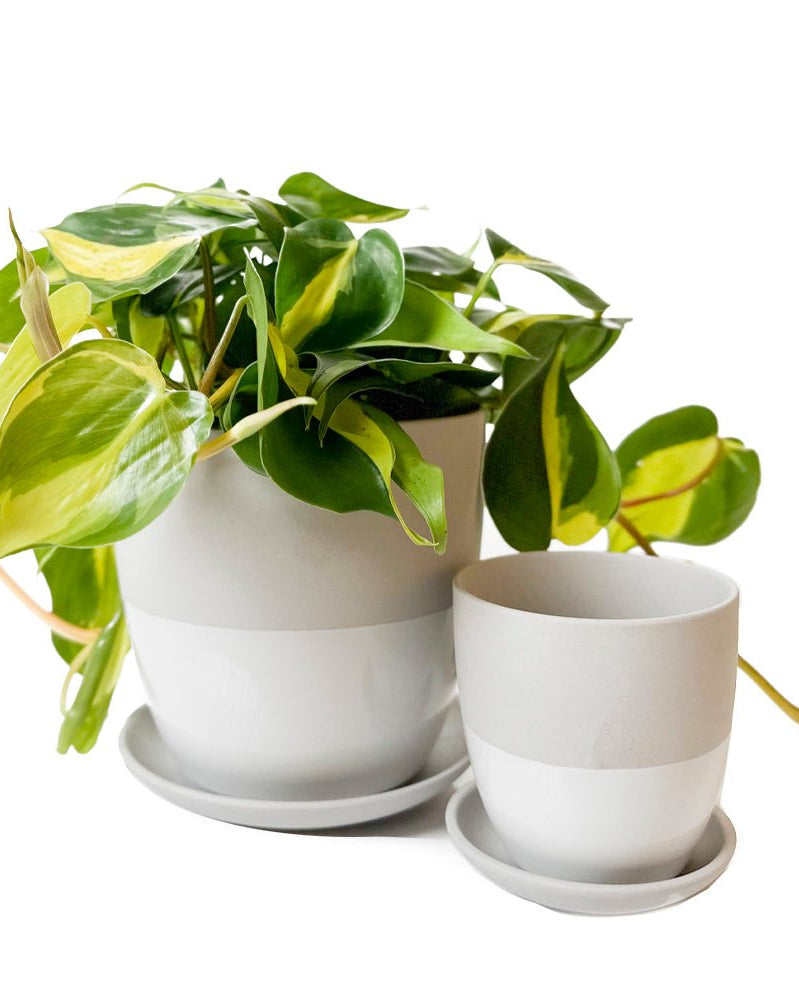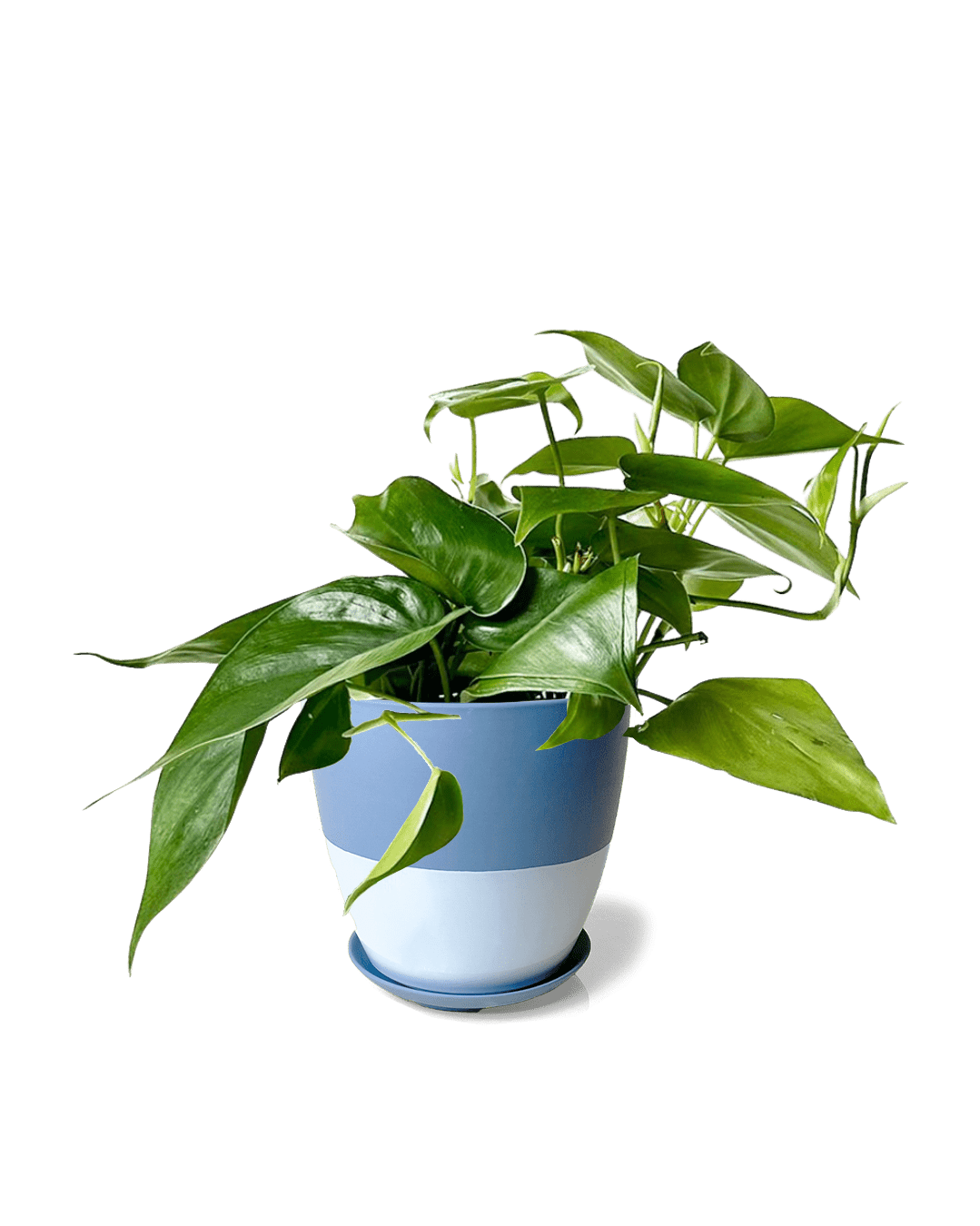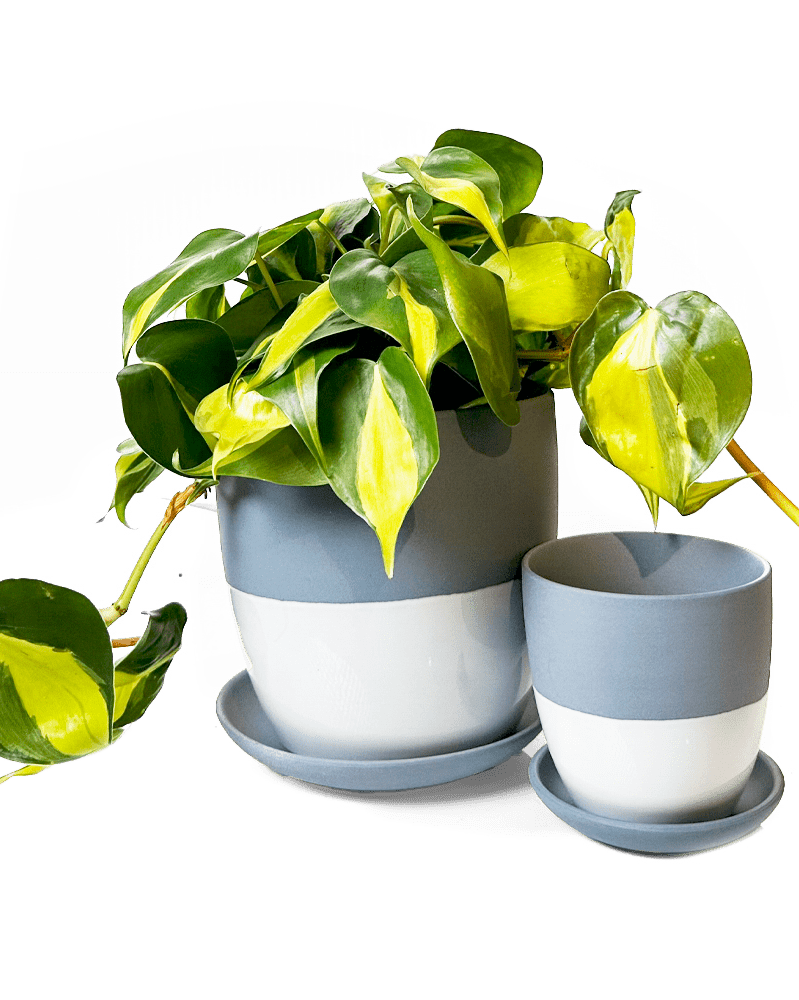


One might think that repotting plants falls somewhere between folding laundry and organizing the spice rack on the excitement scale. But watching a neighbor attempt this seemingly simple task can change that perspective entirely. There she stood in her pristine white linen pants (first mistake), balancing a monstrous pothos on her knee while simultaneously trying to pry it from its plastic prison with a butter knife (second mistake). The soil—apparently having formed some kind of blood pact with the pot—refused to budge until suddenly releasing in a magnificent explosion that resembled a small volcanic eruption in her living room.
The pothos seemed as shocked as she was.
Perhaps there's more to this plant relocation business than meets the eye. A sort of botanical real estate transaction requiring finesse, timing, and significantly less white clothing than previously calculated.
Repotting Plants: Signs Your Plant Is Desperate for New Digs

Plants, unlike roommates, rarely complain verbally about their living conditions. Yet they have ways of communicating discontent. Roots circling the bottom of the pot like desperate inmates planning an escape? Time for a bigger cell. Water disappearing faster than cookies at an office party? The roots have likely colonized every available inch, leaving no room for moisture retention.
The neighbor's pothos had been sending distress signals for months—roots poking through drainage holes like tiny explorers seeking new territory, leaves yellowing despite dutiful watering ceremonies. The plant equivalent of hanging a "Help Wanted" sign in the window.
Some plants simply outgrow their homes. Others become root-bound, their underground systems turning into tangled knots reminiscent of holiday lights retrieved from attic storage. In either case, the message remains clear: eviction notice served.
Best Soil for Pothos: A Recipe for Success

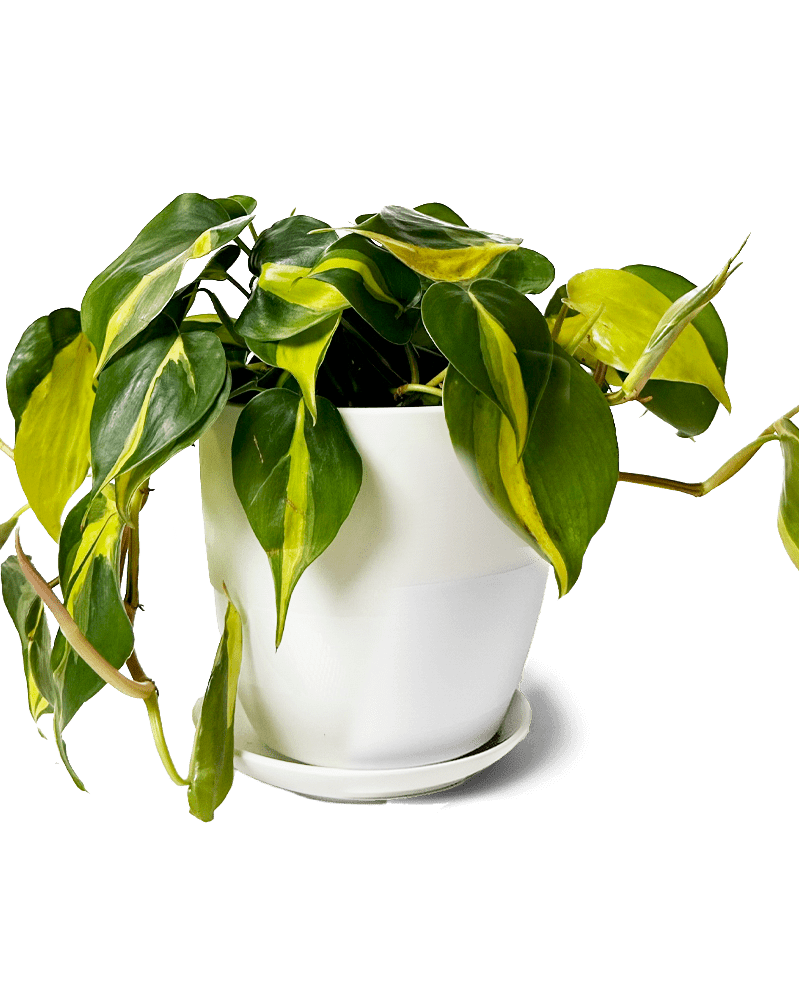
Pothos plants—those cascading vines of seemingly indestructible greenery—have earned their reputation as starter plants for good reason. Yet even these forgiving creatures appreciate the right growing medium.
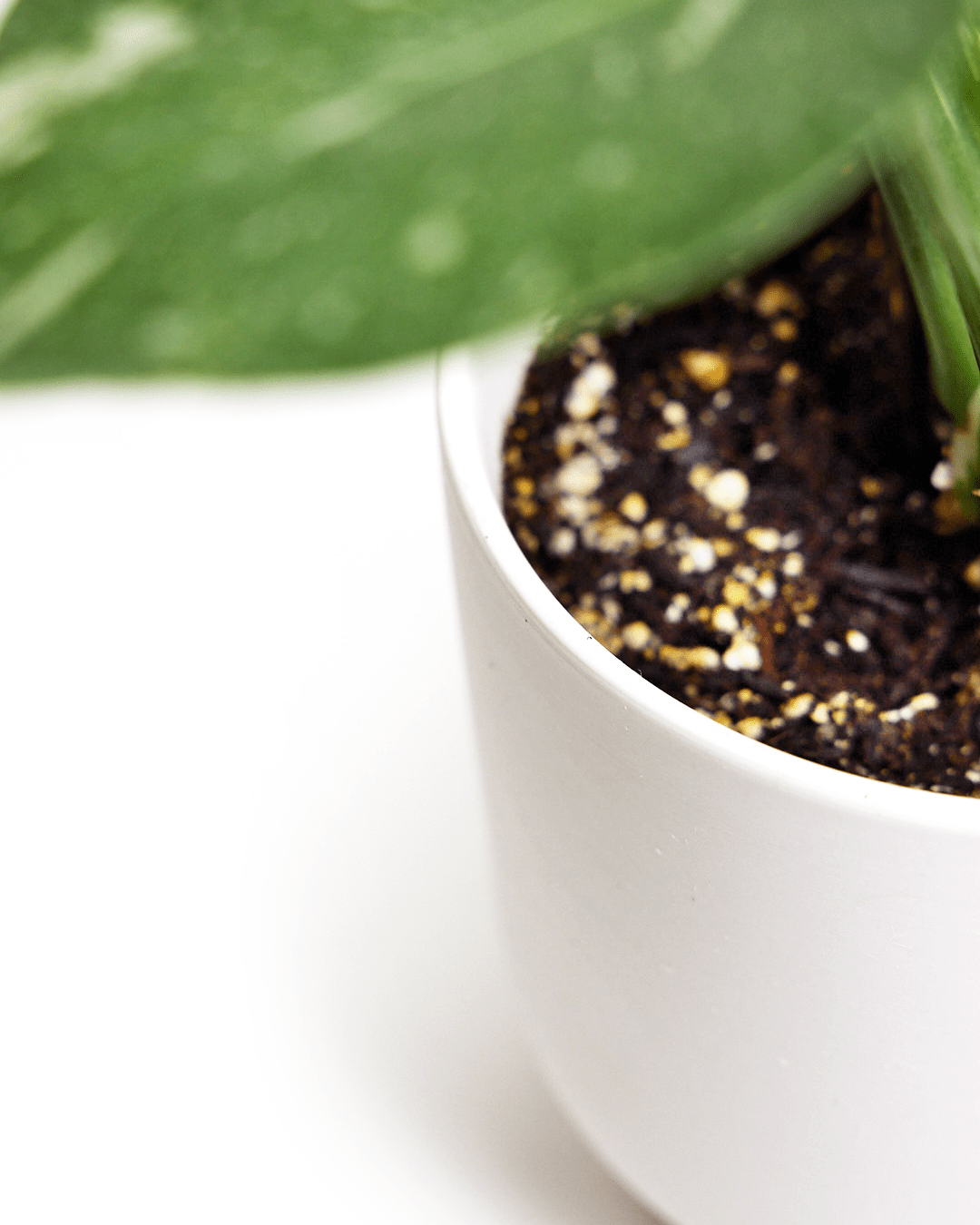
Standard potting mix often benefits from amendments. Perlite for drainage. Orchid bark for aeration. Perhaps a sprinkle of worm castings for nutrients (which sounds significantly more appealing than "worm poop," though that's precisely what it is).
The neighbor once created a custom blend after watching seventeen YouTube videos on the subject. The resulting concoction—meticulously measured like a complex baking recipe—produced pothos growth that threatened to take over an entire corner of her apartment within weeks. Success with plants occasionally creates new problems.
Snake Plant: When to Repot These Sturdy Survivors
Snake plants—architectural specimens with sword-like leaves pointing accusingly toward the ceiling—could likely survive in a thimble filled with gravel. Their reputation for indestructibility has led many owners to neglect proper repotting.
These plants grow slowly but surely, gradually filling their containers with rhizomes until they literally break free from their pottery prisons. The neighbor's snake plant once cracked its ceramic home during the night, creating a sound she initially mistook for an intruder.
Every few years, these stoic plants appreciate fresh quarters and soil. Their gratitude manifests in new growth and occasionally, if particularly pleased, offspring that emerge unexpectedly from the soil like botanical surprises.
Transplanting: The Delicate Art of Uprooting

Relocating plants requires a certain gentleness—a quality not everyone possesses naturally. Watching the neighbor attempt to free a root-bound specimen by banging it against the patio railing brought to mind a caveman discovering tools for the first time.
The proper technique involves squeezing the container sides, turning the plant sideways (supporting the base with splayed fingers), and gently coaxing it free. Sometimes this works beautifully. Other times intervention with a knife around the edges becomes necessary, like performing a cesarean delivery for vegetation.
Either approach beats the neighbor's eventual solution: breaking the pot with a hammer while muttering apologies to both the plant and the ceramic casualty.
Rubber Tree: Managing These Magnificent Monsters
Rubber trees start innocently enough—small, manageable specimens with glossy leaves that catch the light just so. Fast forward two years, and they've become household monuments requiring their own ZIP code.
Repotting these giants presents unique challenges. Their weight alone makes the process resemble a small moving operation rather than simple plant care. The neighbor once drafted two friends to help relocate her rubber tree, bribing them with pizza and promises of plant cuttings they didn't particularly want.
Choose containers only slightly larger than the current root ball—two inches in diameter at most. Any larger and the excess soil holds moisture that can lead to root rot, the silent killer of otherwise healthy specimens.
Indoor Plant Pot Drainage: The Non-Negotiable Feature

Beautiful pots without drainage holes are the botanical equivalent of shoes that cause blisters—lovely to look at but ultimately problematic. The neighbor's collection of Instagram-worthy containers without proper drainage led to a series of unfortunate plant deaths she referred to as "The Great Drowning."
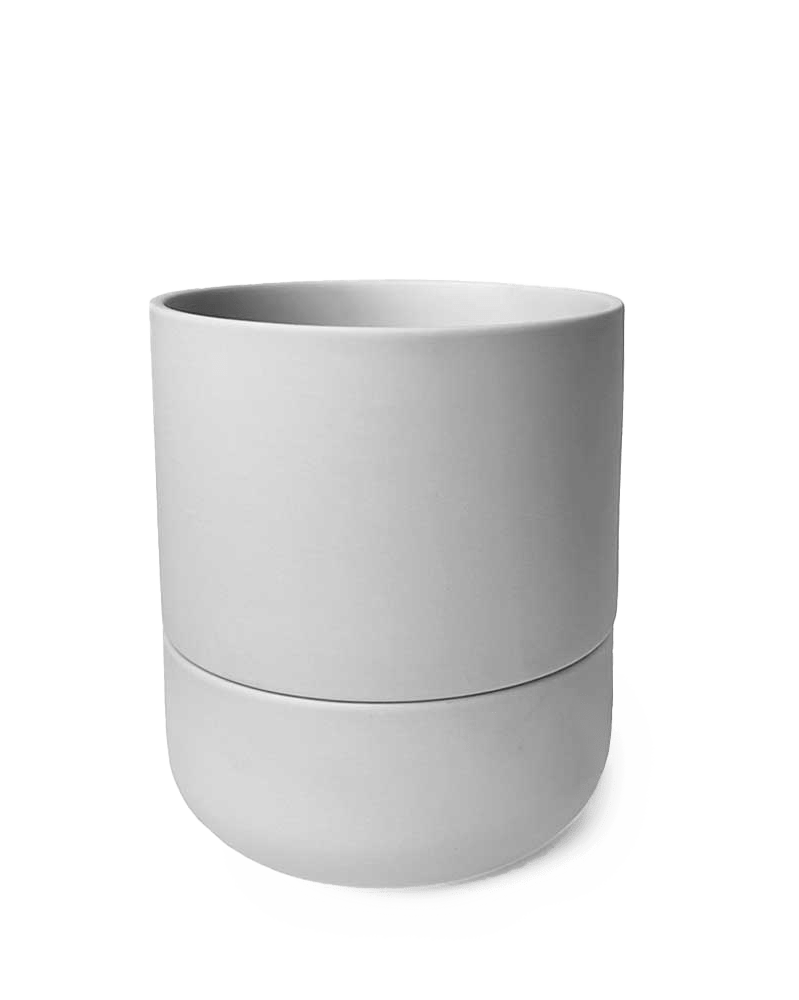
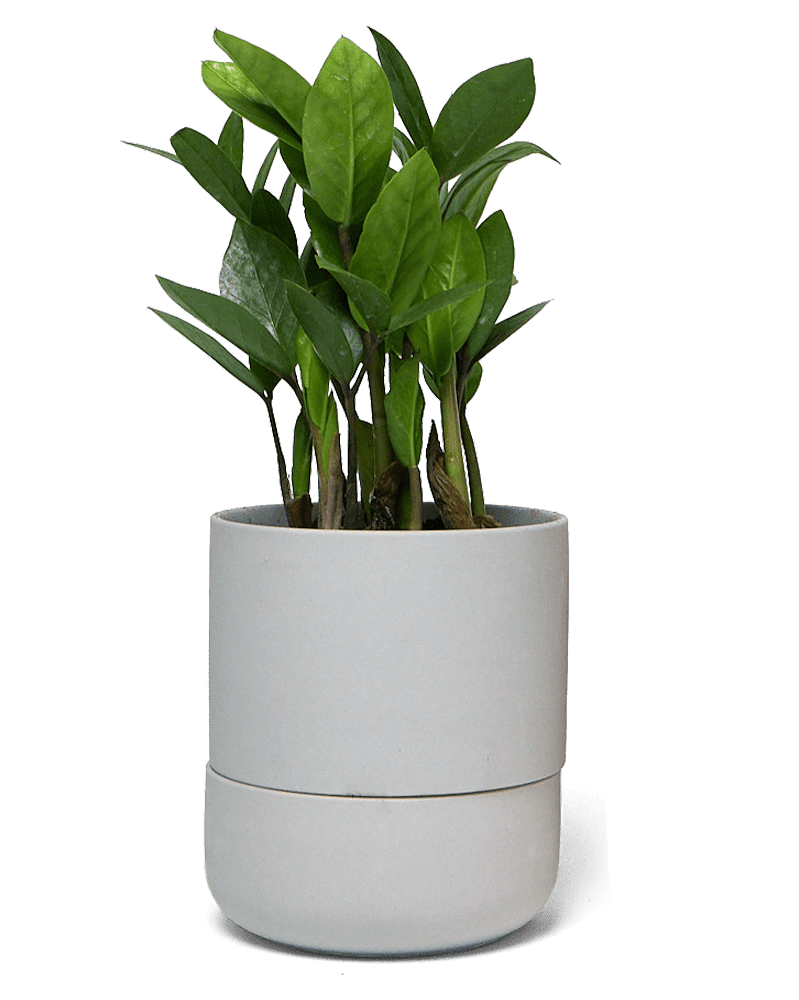
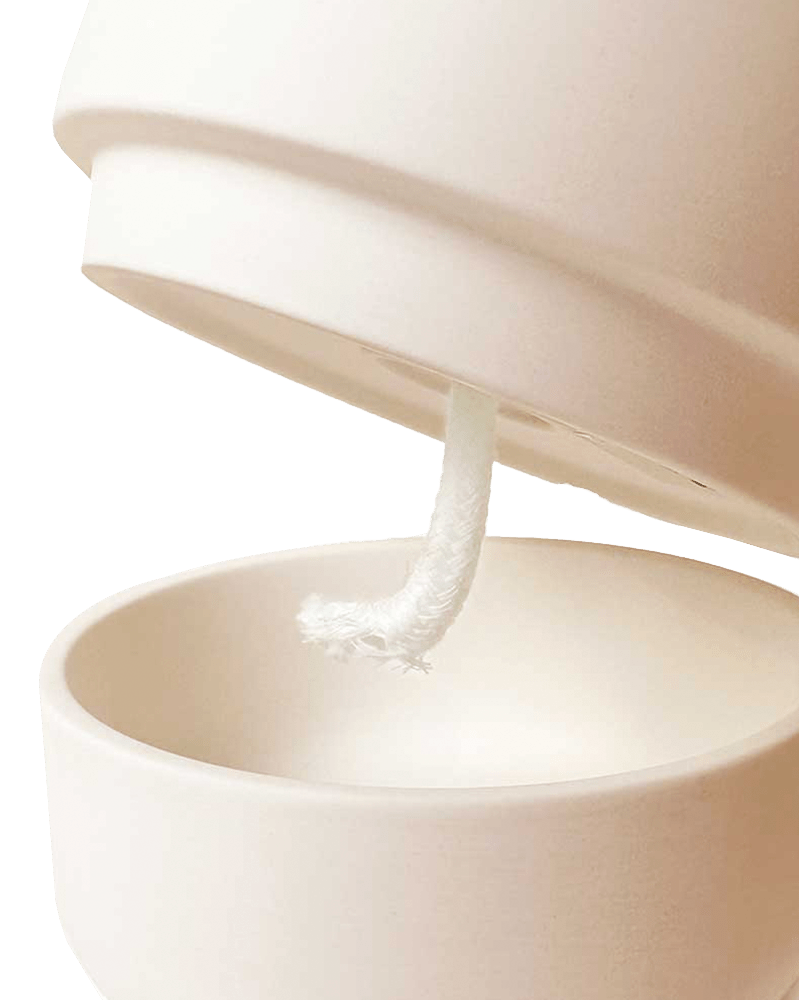
Solutions exist for the drainage-challenged. Drill holes (carefully). Use plastic nursery pots inside decorative containers. Create drainage layers with activated charcoal and pebbles, though plant scientists increasingly debate the effectiveness of this last approach.
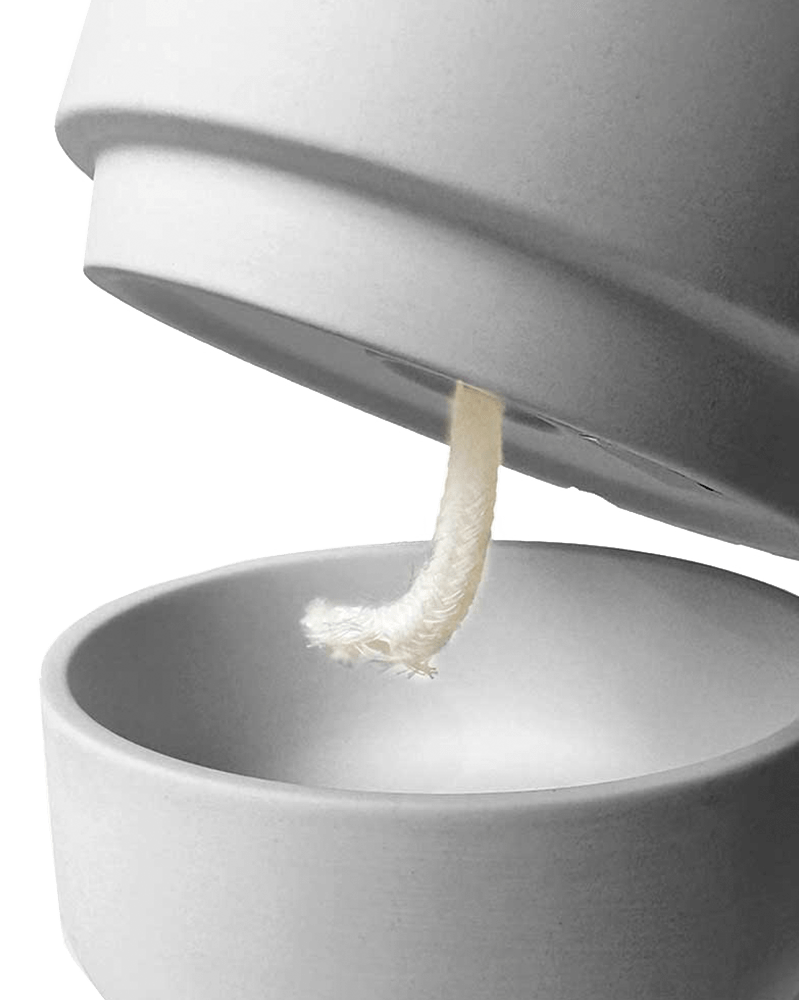
Water needs escape routes. Without them, roots suffocate in soggy conditions that invite fungus and rot. Not even the most photogenic pot justifies such plant abuse.
Ceramic Confessions
After twenty-one years molding whimsical planters, one develops an eye for people who'll purchase utterly unnecessary pottery. The Chive operation now supplies 8,000 shops globally from our Queen Street laboratory in Toronto, where ceramic experiments await public judgment.
The annual Chelsea Flower Show pilgrimage involves nodding enthusiastically at returning customers while pretending to recognize British celebrities who could be politicians or contestants from some obscure gardening program.
Verte RX's Shiny Leaves remains the product that still provokes genuine excitement. Just apply, wipe, and admire the transformation—like witnessing a homely caterpillar emerge as a butterfly, except it's just a philodendron that suddenly looks expensive.