

One might consider the Monstera plant the botanical equivalent of that neighbor who seems perfectly normal from a distance but reveals increasingly bizarre quirks the longer one knows them. What starts as a simple houseplant quickly becomes an obsession, a status symbol, and eventually, the reason the living room has been converted into a tropical jungle complete with artificial rainfall and imported Costa Rican soil.

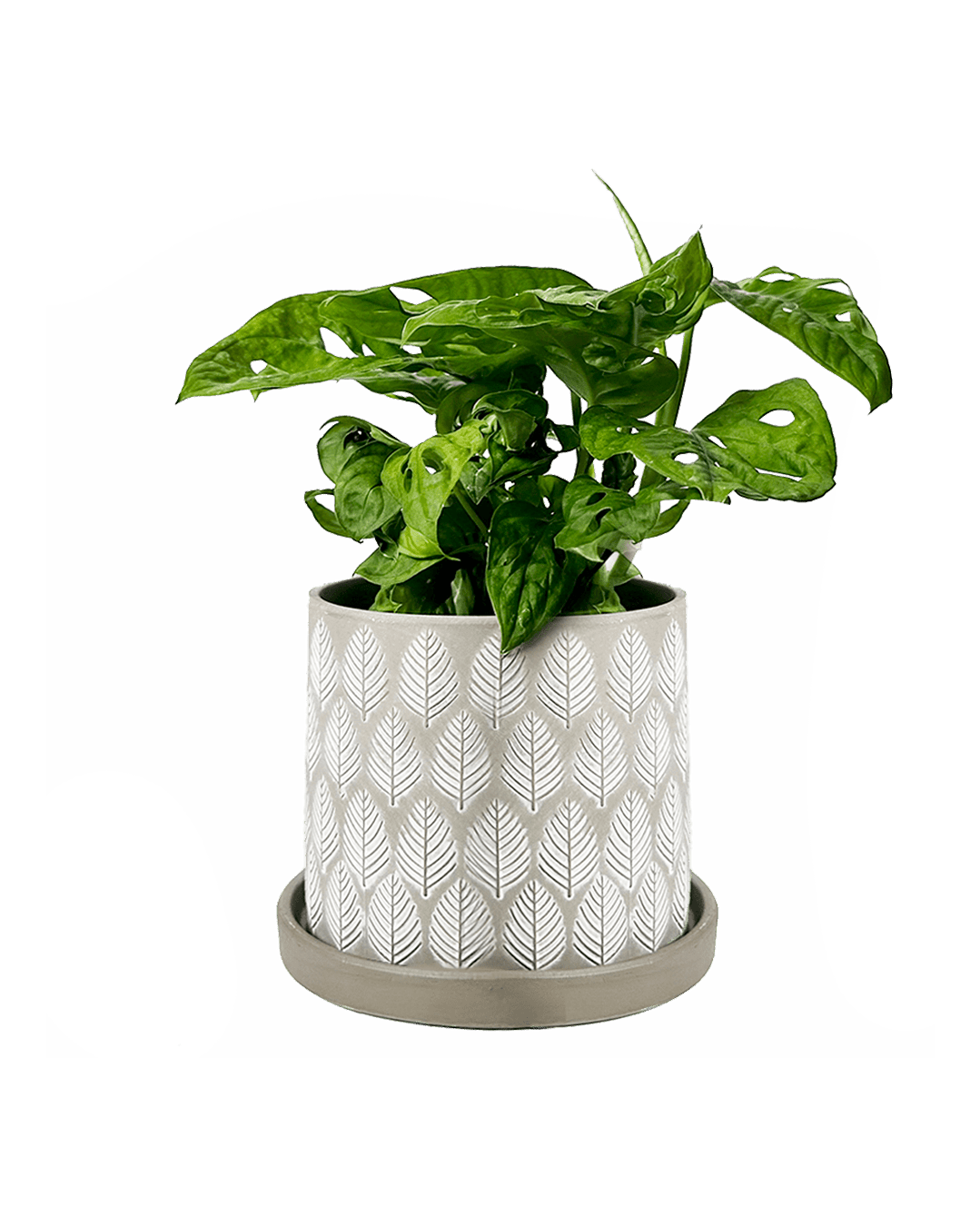
Monstera Adansonii
The Monstera adansonii, commonly referred to as the "Swiss Cheese Vine" by people who prefer their plants to sound like delicatessen items, features leaves perforated with holes that evolutionarily developed to let light reach lower leaves. Nature apparently never considered curtains. These plants climb and vine with the determination of a retiree trying to reach the top shelf at the grocery store, stretching ever upward with a tenacity that would be admirable if it weren't constantly threatening to take over the ceiling fan.
The kind of plant that makes visitors say, "Oh, how lovely," while secretly wondering if it's plotting world domination.
Monstera Swiss Cheese
The redundantly named Monstera Swiss Cheese (because apparently "cheese" must be mentioned twice for proper identification) bears an uncanny resemblance to what would happen if someone took an ordinary leaf and invited a group of particularly enthusiastic moths to a dinner party. These lacy, hole-filled specimens dangle from their pots like green doilies designed by someone who had only vague instructions on what a doily should look like.
For people who've always wanted their houseplants to look like they've been attacked by a particularly artistic garden pest.

Monstera Deliciosa
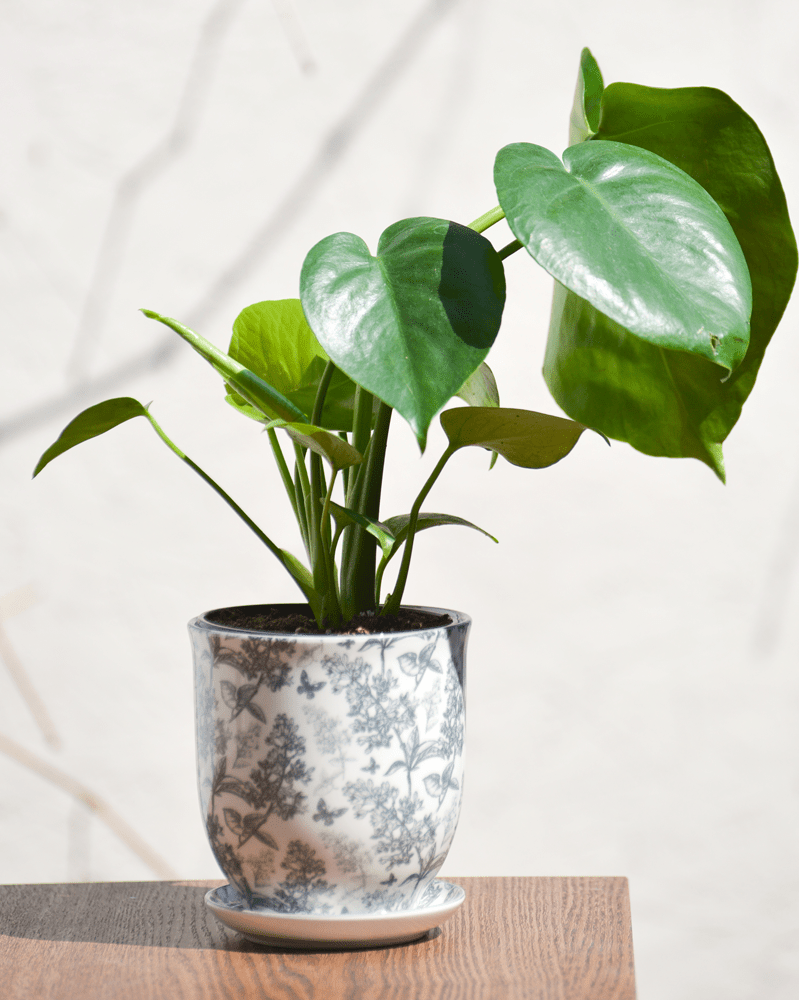
The Monstera deliciosa earns its name not from its appearance but from its fruit, which supposedly tastes like a combination of pineapple, banana, and the satisfaction of successfully keeping a tropical plant alive in a fifth-floor apartment. The mature leaves split and develop holes with the dramatic flair of a soap opera character revealing they've been evil all along. Plant enthusiasts often measure their worth by the number of fenestrations their Monstera deliciosa has developed, conveniently forgetting that in nature, these plants grow without anyone posting their progress on Instagram.
The plant equivalent of that friend who somehow gets more attractive and interesting with age, while everyone else just gets more bitter.
Thai Constellation
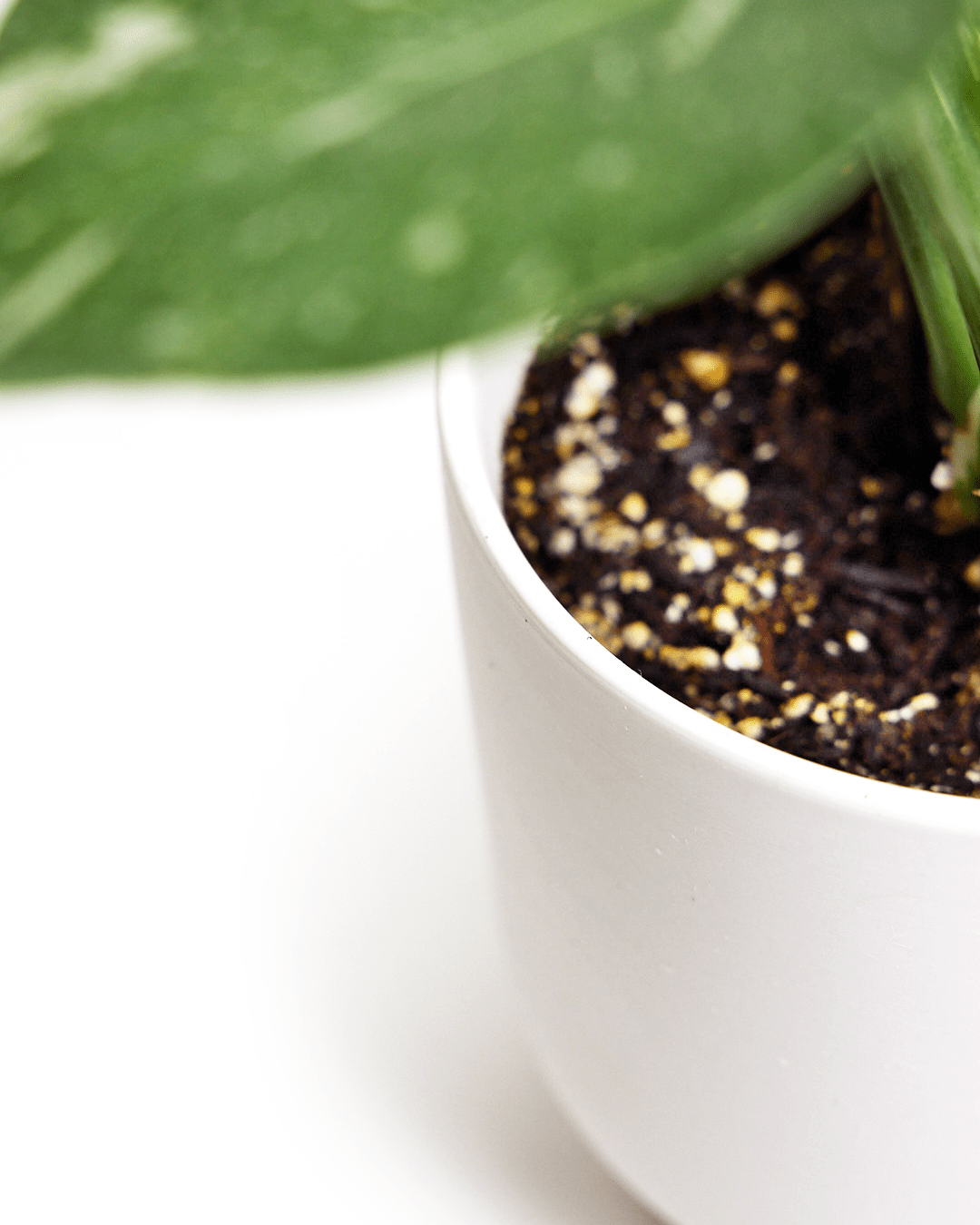
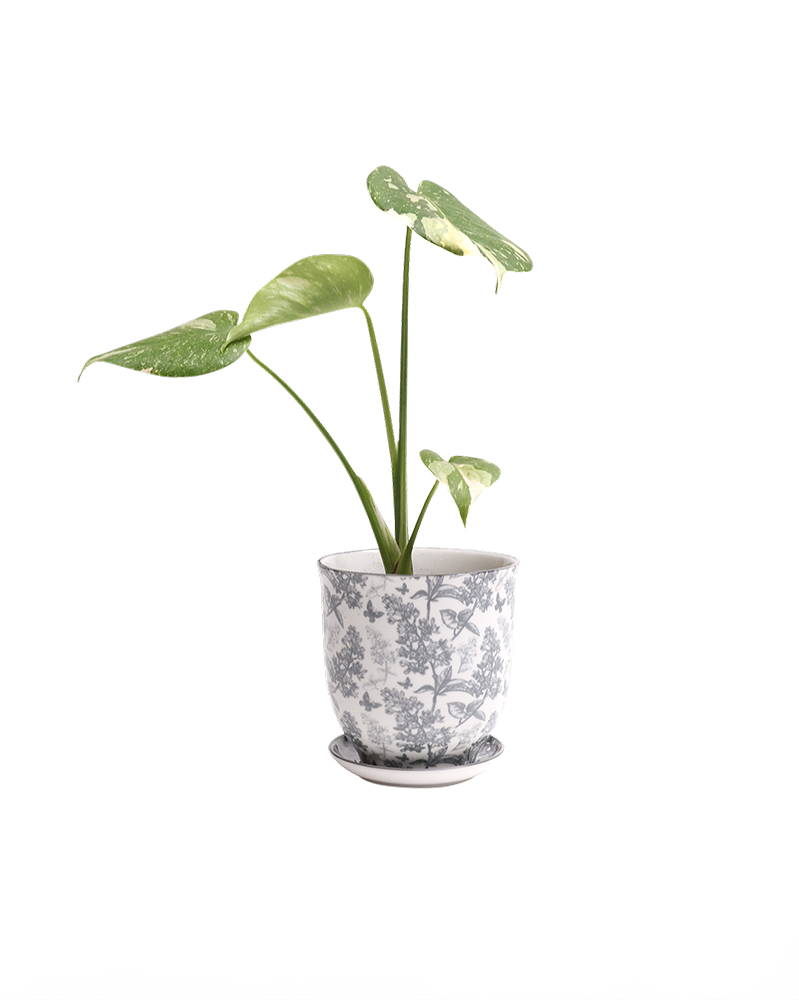
The Thai Constellation, with its variegated white-speckled leaves, costs roughly the same as a used car and requires the care and attention typically reserved for newborn royalty. People willingly pay hundreds or thousands of dollars for what is essentially a regular Monstera with a genetic mutation that makes it partially unable to photosynthesize properly. Only humans would consider a plant's disadvantage to be aesthetically superior and worthy of financial investment.
Owning this plant is like having a celebrity in the home—expensive to maintain, temperamental, and certain to make all other plants seem disappointingly ordinary by comparison.

Monstera Dubia
The Monstera dubia begins its life pressed flat against trees like an obsessive fan waiting outside a stage door. The juvenile leaves cling so tightly to surfaces that one might suspect they're trying to avoid paying rent for the space they occupy. As they mature, they suddenly develop dimension and personality, much like teenagers who spend years pressed to their phones before discovering there's an actual world out there with three dimensions.
The botanical equivalent of that shy person at parties who suddenly becomes the life of the room after exactly two and a half glasses of wine.
Monstera Peru
The Monstera Peru isn't technically a Monstera at all, but rather an impostor that managed to sneak into the family reunion and has been passing as a relative ever since. Its textured, leathery leaves lack the characteristic holes and splits of true Monsteras, yet it continues to be invited to all the Monstera family gatherings. The horticultural community allows this deception to continue, perhaps out of politeness or perhaps because plant taxonomy is the kind of scientific field where being precise might ruin a perfectly good plant sale.
Like that "cousin" no one can quite place on the family tree but who shows up for every holiday dinner anyway.
The Monstera craze shows no signs of abating, with plant parents creating shrine-like displays for their leafy children, complete with humidifiers, grow lights, and custom-built moss poles that cost more than the couch they're slowly overtaking. Non-plant people watch this behavior with the same confused expression dogs have when watching humans voluntarily submerge themselves in bath water. Meanwhile, somewhere in a tropical forest, wild Monsteras are growing just fine without being misted twice daily or having their soil's pH levels obsessively monitored, blissfully unaware of their status as the botanical equivalent of a reality TV star.