
Butterhead Lettuce Vegetable Seeds Packet

Regular price $4.95

Vacuum Sealed
NON-GMO
Seed Pack Guarantee

Build Your Garden With These Shido Seeds

Choose a seed packet as your starting point, then round out the bed with these for that thrown-together-but-somehow-perfect harvest.


Butterhead Lettuce seeds for the kitchen garden that intends to actually produce butterhead lettuce this year. Butterhead lettuce is what salad looks like when it has been given adequate space and something to do.

Butterhead Lettuce is soft, loose-headed lettuce with buttery texture and mild flavour -- the easiest and most useful salad base. Each packet is hermetically vacuum-sealed -- removing the oxygen that causes standard paper seed packets to lose germination viability within approximately one year. State law requires a 3-year viability label on sealed packaging. NASA research on hermetic seed storage indicates viability of up to 10 years under proper conditions. Every packet is non-GMO and germination-tested at independent third-party labs before it earns its Japanese woodblock print artwork.

Seed specifications
  • Material: Seed
  • Botanical name: Lactuca sativa var. capitata
  • Genus: Lactuca
  • Plant family: Asteraceae
  • Species: Sativa
  • Plant type: Annual
  • Pollination type: Vegetable
  • USDA Hardiness Zones: 2-11
  • Packet contents: ≈ 100 Seeds
  • Packaging: Hermetically vacuum-sealed
  • Non-GMO: Yes
  • Seed viability: Up to 10 years (sealed) / 4–5 years (unsealed, ideal conditions)
  • Difficulty: Easy - Beginner Friendly
Sowing & growing guide

Quick Sowing Guide:

  • When to sow: Direct sow or transplant in early spring and again in late summer for fall
  • Sowing depth: 1/4 in
  • Initial spacing: 4-8 in
  • Row spacing: 12-18 in
  • Days to germination: 7-10 days
  • Light: Full sun
  • Water: Consistent, even moisture
  • Soil: Loamy, slightly acidic, well-drained
  • Harvest: 65-75 days

Start Growing: Step-by-step sowing and growing guide

About vacuum sealing

Why Vacuum-Sealed Seeds Last Longer

Standard paper seed packets are permeable to oxygen and moisture -- the two primary causes of seed degradation. Most paper-packaged seeds begin losing germination viability after approximately one year, contributing to significant garden-industry waste: packets purchased, not planted, expired, discarded. Shido Seeds are hermetically vacuum-sealed. The packet does not expire quietly in a drawer. It waits.

About the Packaging

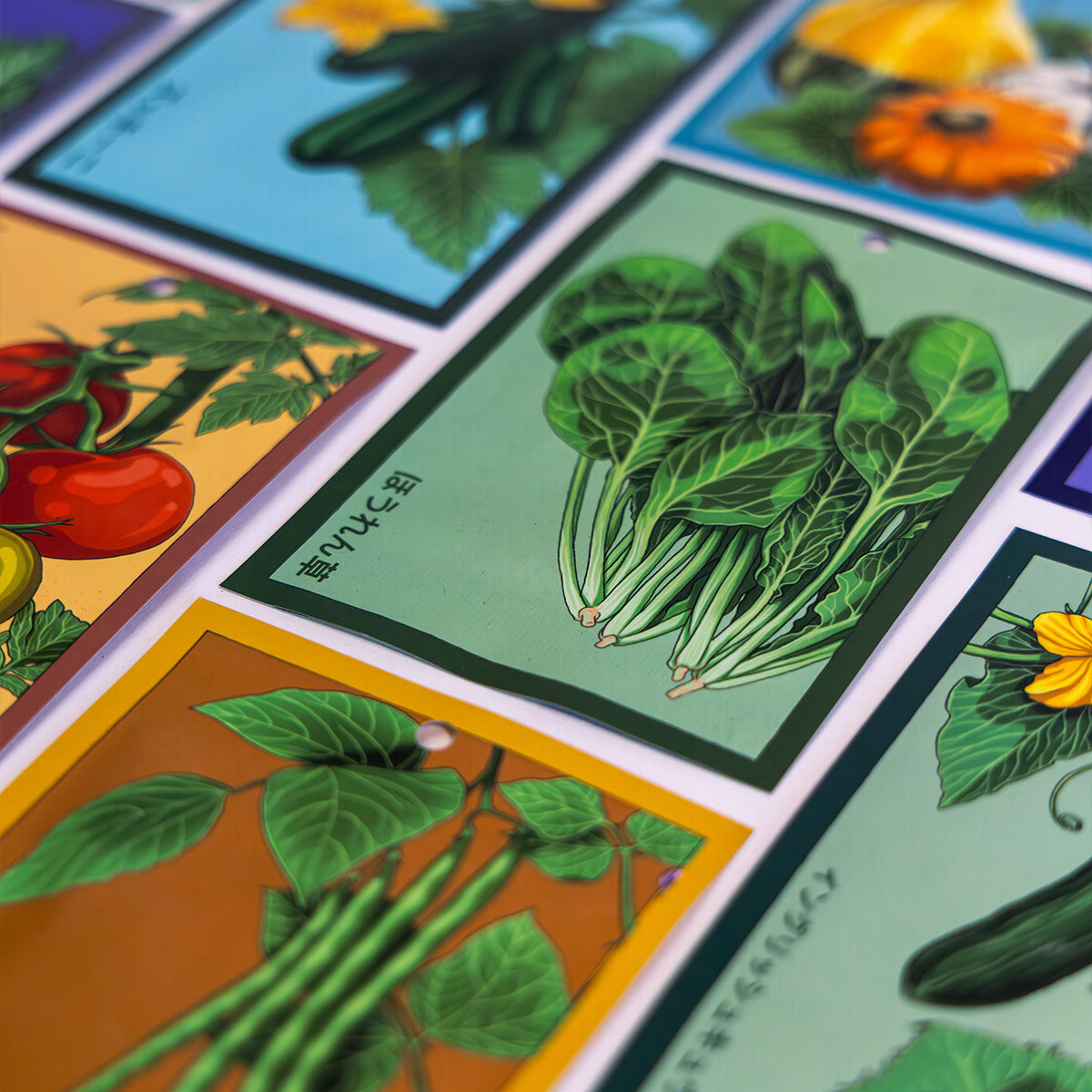
Every Shido seed packet is illustrated in the style of Japanese 1910s woodblock printing -- designed and drawn in-house by Chive, that has been exhibiting at the Chelsea Flower Show in London every year and does not, as a matter of principle, sell to big-box retailers. Customers collect the packets as a series. This was not the original plan.

Shipping & returns

Shipping

  • Free shipping: Orders $200+ within the US
  • Standard: 5–8 business days, Express 2–3 business days (at checkout)
  • International Ships: to 40 countries — rates at checkout
  • Packaging Ships: in outer box to protect gift box

View full shipping policy →

Returns

We accept returns within 30 days of delivery on unused items in original packaging. If your piece arrives damaged, contact us within 7 days with a photo and we will replace it at no charge.

View full return policy →

Satisfaction Guarantee

We stand by the quality of our flower seed packets! Every Shido seed packet is lab-tested for germination before it ships. If your seeds do not perform to the stated germination rate under correct growing conditions, contact us and we will replace or refund. Guaranteed!

Wholesale Inquires

Have a cool shop? Know someone that does?

Find Chive on Faire →

Radish Horticultural Specifications

Botanical

Lactuca sativa var. capitata

Plant Type

Annual

Light

Full sun

Water

Consistent, even moisture

Soil

Loamy, slightly acidic, well-drained

Depth

1/4 in

Germination

7-10 days

USDA Zone

2-11

Mature Height

6-8 in

Harvest

65-75 days


Getting to know your Butterhead Lettuce

Butterhead Lettuce forms loose, rounded heads with soft, buttery-textured leaves that give the variety its name, and it thrives in cool weather alongside well-drained, fertile soil. The flavor is mild and delicate, which is exactly why the tender leaves show up so often in salads and wraps rather than heartier dishes that would overwhelm them. Classic Butterhead varieties, including Bibb and Boston lettuce, mature at a comfortable pace relative to other lettuce types, forming heads that stay slightly more compact than loose-leaf varieties while remaining noticeably looser than a dense crisphead. Regular watering keeps the leaves genuinely tender rather than tough, and it also helps prevent the plant from bolting prematurely once warmer weather sets in, a common frustration with lettuce generally. Butterhead can attract slugs and aphids like most leafy greens, though organic pest control methods handle both without much difficulty for a gardener paying reasonable attention. The appeal of Butterhead really comes down to texture as much as flavor — those soft, almost silky leaves fold naturally around other ingredients in a wrap in a way crisper lettuces never quite manage, which is probably why chefs reach for it specifically when texture matters as much as taste. Few lettuces manage that particular balance quite as well.


History & origin

Ancient Egypt

Like all lettuce, butterhead types trace back to Egyptian cultivation of Lactuca sativa several thousand years ago.

European Refinement

Soft-headed "butterhead" lettuce types, including Bibb and Boston varieties, were refined through European breeding, valued for their tender, buttery texture distinct from crisper types.

Bibb Lettuce, 1800s Kentucky

One especially well-known butterhead type, Bibb lettuce, was developed in the mid-1800s by John Bibb, a Kentucky horticulturalist, and remains one of the most recognized named butterhead varieties.

Today

Prized in fine dining and home cooking for its delicate texture, often used whole as individual lettuce cups.

Shido Vegetable and Flower Seeds Vacuum sealed for peak freshness

Step-by-Step Sowing & Growing Guide

Getting Started

Annual, cool-season

Step 1: Timing - Direct sow or transplant in early spring and again in late summer -- avoid peak heat.

Step 2: Soil - Rich, well-drained loam, pH 6.0-7.0.

Step 3: Sowing - ⅛-¼ inch deep.

Step 4: Ongoing care - Handle gently -- this variety's soft, low head bruises more easily than firmer lettuce types.

Step 5: Harvest - Cut the whole head at soil level once reasonably full and firm -- harvest before hot weather arrives, since this type bolts faster than romaine.

Before you start

Materials needed to sow

  • Garden bed or seed trays: Direct sow or transplant, timed to avoid peak summer heat.
  • Row cover (optional): Helps extend the cool-season window.

Materials for harvest and storage

  • A knife: For cutting the whole head at soil level.
  • Basket, handled gently: This variety's soft, low head bruises more easily than firmer lettuce types.

Tip: Harvest before hot weather arrives, since this type bolts faster than romaine -- and handle the head gently throughout, since its soft texture shows damage more readily than crisper lettuces.

Growth Requirements

Light:

  • Requires full sun to partial shade.
  • In warm climates, partial shade helps prevent bolting.

Soil:

  • Prefers well-drained, nutrient-rich soil with a pH of 6.0-6.8.
  • Amending soil with compost and organic matter improves fertility.

Watering:

  • Needs consistent moisture; keep soil evenly moist.
  • Avoid overhead watering to prevent fungal diseases.

Temperature & Climate:

  • Ideal growing temperatures: 45-75°F (7-24°C).
  • Grows best in spring and fall.
  • Can tolerate light frost, but extreme heat can cause bolting.

Fertilization:

  • Apply a balanced fertilizer (10-10-10) at planting time.
  • Side-dress with compost or organic fertilizers as needed.

Maintenance

Watering:

  • Water regularly to keep soil moist but avoid waterlogging.
  • Mulch around plants to retain moisture and regulate soil temperature

Fertilization:

  • Apply a light nitrogen-rich fertilizer every 3-4 weeks for optimal growth.

Weeding & Mulching:

  • Keep weeds under control to reduce competition.
  • Mulch with straw or organic material to maintain soil health.

Harvesting

  1. When to Harvest:
    Harvest when heads are firm and full, about 45-55 days after planting.
    Pick outer leaves for a continuous harvest or cut the whole head at the base.
  2. Saving Seeds:
    Allow plants to bolt and produce flowers.
    Collect dried seed pods and store seeds in a cool, dry place.

Troubleshooting and common mistakes

  • Planting through summer heat — bolts and turns bitter quickly -- plant early enough to mature before hot weather
  • Rough handling — the soft, low head bruises more easily than firmer lettuce types

Culinary uses & nutritional information

What it's used for

1. Culinary Uses:

  • Commonly used in salads, sandwiches, wraps, and garnishes.
  • Ideal for lettuce wraps due to its soft, pliable leaves.
  • Can be used in soups and light sautés.

2. Nutritional Benefits:

  • High in vitamins A, C, and K.
  • Contains fiber, folate, and antioxidants that support digestion and immune health.

3. Companion Planting & Soil Improvement:

  • Grows well with carrots, radishes, beets, and herbs.
  • Helps suppress weeds due to its dense growth habit

What parts are edible

  • Leaves: The whole soft head is eaten.

Nutritional data

Raw butterhead/Bibb lettuce, per 100g

Calories: 13 kcal

  • Carbohydrates: 2.2 g
  • Protein: 1.4 g
  • Total fat: 0.2 g
  • Dietary fiber: 1.1 g
  • Vitamin C: 3.7 mg (4% RDA)
  • Folates: 73 µg (18% RDA)
  • Potassium: 238 mg
  • Cholesterol: 0 mg
  • Overall: notably higher folate and Vitamin A than pale iceberg-type lettuce, despite a similarly soft, watery texture

Companion plants, pests & diseases

Companion planting

Good companions

  • Carrots, radishes, cucumbers, strawberries, onions — classic companion pairing, low competition

Poor companions / avoid

  • Crowded plantings generally — no strongly antagonistic companion documented, but this variety's loose, low-growing head traps moisture near the soil, slightly raising disease risk if crowded

Pests

  • Aphids — cluster in the loose head, harder to spot than on open-leaf types
  • Slugs and snails — damage at soil level, worse in wet conditions
  • Leafminers — tunneling trails in leaves

Diseases

  • Downy mildew — named modern varieties often carry resistance to specific races
  • Lettuce drop (Sclerotinia) — sudden collapse at the base
  • Bottom rot — this variety's low, loose head is somewhat more prone to this than upright types like romaine

Pro Tip

For tender, sweet butterhead lettuce, plant in cool weather (spring or fall) and provide consistent moisture to prevent bitterness.

Bonus: Harvest outer leaves as needed or cut the whole head when full-sized but before it bolts (sends up a flower stalk). To extend the harvest, plant in succession every 2–3 weeks.

Seeds worth keeping

What makes Shido Seeds different

Shido Seeds are designed by Chive Studio, a ceramic design company. We are not a seed conglomerate. We do not sell through big-box retailers. Each variety in the catalog was selected because it is worth growing — not because it ships well in bulk or photographs well in marketing materials.

Every packet is germination-tested at an independent third-party lab before it earns its woodblock illustration. The vacuum seal removes the oxygen that causes standard paper packets to degrade. The stated germination rate is a floor, not a marketing figure.

If something goes wrong, contact us. We will make it right.

Plants that Grow together look good together...even if they are ceramic

A Crisper Alternative
For a leaf with more crunch and a different growth habit, the Green Leaf Lettuce trades Butterhead's soft texture for something considerably crisper.

Vegetable Shido Seeds packets — by Chive Studio Toronto

The Rest of the Vegetable Garden

Shido's vegetable seed collection spans tender lettuces like this one alongside crops built for a much longer season.

Buttercup Yellow Gay Paree Peony - Chive Ceramics Studio - Ceramic Flowers - Chive Ceramics Studio

Texture That Never Wilts

Butterhead's tender leaves don't last long once picked, but Chive's Ivory Amandine Ranunculus keeps its delicate look on a shelf indefinitely.

Chive Shido seed packets with botanical illustrations on a peg rack, showing cherry blossom, tomato, and eggplant designs.

The credentials behind the packet

That soft, buttery texture is the whole reason Butterhead Lettuce becomes a repeat favorite once someone grows it successfully, and repeat growers are exactly who benefits most from a packet that actually holds up in storage. Oxygen exposure is the real enemy of a stored seed's germination rate, which is why every packet in the lineup gets sealed against it before it ever reaches a shelf. A delicate variety like Butterhead gets treated to that same standard as anything sturdier in the catalog, since fragile flavor shouldn't come paired with fragile seed. A seed line only earns real trust once its least dependable packet stops being the exception people quietly work around.


Plant Care, Simplified with Chive

Keep it alive, keep it thriving. Let's make plant parenthood look easy.

Are Seed Packets GMO? The Honest Answer

Todd Newgren
Are seed packets GMO? No—home garden seed packets, Shido included, are never genetically modified, since GMO seed is only made for large-scale commercial crops. The non-GMO badg...
Read more

Nobody grows one dahlia. This is what nobody tells you.

Todd Newgren
How to grow dahlias from seed: start indoors 6–8 weeks before last frost, transplant after frost, and expect first blooms in late summer. Nobody warns you that one bloom is all ...
Read more

Frequently asked questions

What is the best way to grow butterhead lettuce seeds?

Cool weather and well-drained, fertile soil suit Butterhead best, and regular watering keeps the leaves genuinely tender rather than tough while also helping prevent premature bolting once warmer weather arrives. Either variety works well in the kitchen, so the choice mostly comes down to personal preference on size and shape.

What's the difference between Bibb and Boston lettuce?

Both are classic Butterhead varieties with the same soft, buttery texture — Bibb tends to form a slightly smaller, more compact head, while Boston lettuce grows a bit larger and looser, though the flavor between them is very similar. That same softness is also part of why the leaves bruise more easily than crisper lettuce during harvest and storage.

Why is butterhead lettuce good for wraps?

The soft, pliable leaves fold naturally around fillings in a way crisper lettuce varieties don't manage as well, which is why chefs often reach for Butterhead specifically when texture needs to work with the wrap rather than fight it. Providing a bit of afternoon shade in warmer climates can also help delay bolting further into the season.

How do you prevent butterhead lettuce from bolting?

Consistent watering and cooler growing conditions are the biggest factors — bolting tends to happen when the plant experiences heat stress or inconsistent moisture, prompting it to rush toward seed production instead of continuing leaf growth. Checking leaves regularly for early signs of either pest makes treatment much easier before an infestation takes hold.

Is butterhead lettuce susceptible to pests?

Yes, particularly slugs and aphids, both of which are manageable through organic pest control methods without needing anything harsher for a home garden. Both pests are more likely to appear in consistently damp conditions, so good airflow around plants helps reduce the risk somewhat. Checking leaves regularly for early signs helps catch either problem before it spreads across a whole bed.

How long do butterhead lettuce seeds last?

Vacuum-sealed Shido Seeds packets stay viable for up to 10 years with proper storage, well beyond the roughly one-year shelf life typical of a standard paper seed packet. A sunny spot near a window generally works well enough to get a reasonable indoor harvest going. That kind of shelf life means a favorite variety doesn't have to be repurchased every single year out of caution.

Can butterhead lettuce be grown indoors?

Yes, provided it gets adequate light — a sunny windowsill or grow light setup can support Butterhead through at least part of its growth, though outdoor conditions generally produce fuller heads. A grow light can help supplement natural light in spaces that don't get consistent direct sun throughout the day.

Have these seeds been tested for germination reliability?

Yes — every Shido Seeds packet, including this one, is germination-tested at independent third-party labs before it ever reaches a shelf. That extra scrutiny matters for a delicate variety like this one, where a weak germination rate is harder to compensate for later. That standard applies to Butterhead just as much as any other variety in the catalog, delicate or not.

Verte Rx Shiny Leaves for Plants - Chive Ceramics Studio - Chive Ceramics Studio

The seed is the start. Verte RX handles the rest.

Most seedlings fail not from bad seed but from soil that runs out of what the plant needs before the plant can find it. Verte RX is a liquid plant vitamin formulated for exactly that window — the weeks after germination when the root system is establishing and the margin between thriving and stalling is narrowest.