
Beefsteak Tomato Vegetable Seeds Packet

Regular price $4.95
Vacuum Sealed
NON-GMO
Seed Pack Guarantee

Build Your Garden With These Shido Seeds

Choose a seed packet as your starting point, then round out the bed with these for that thrown-together-but-somehow-perfect harvest.


Beefsteak Tomato seeds for the kitchen garden that intends to actually produce beefsteak tomato this year. The Beefsteak Tomato is large enough to change the character of any dish it joins.

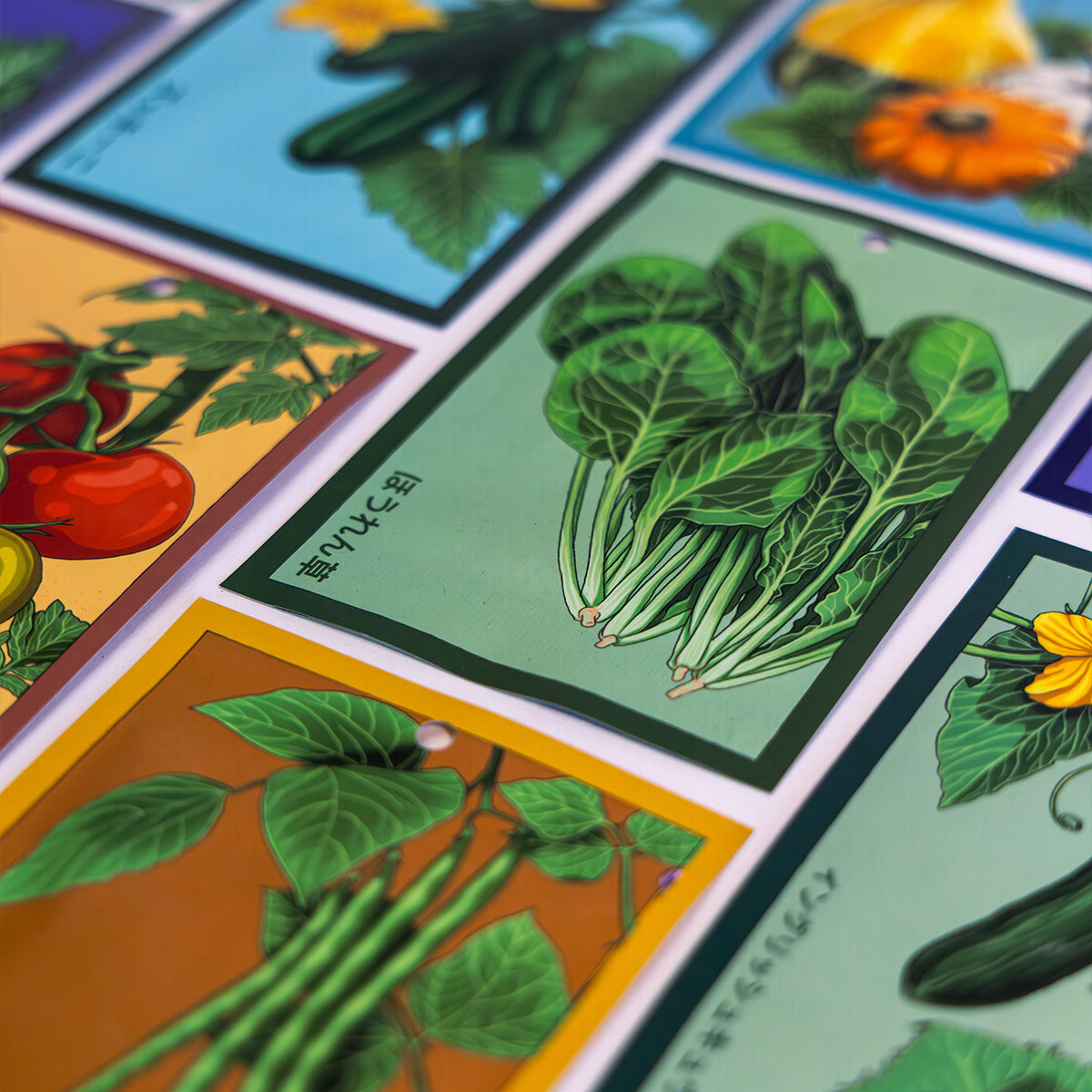
Beefsteak Tomato is the classic large, meaty slicing tomato that makes a sandwich feel like a statement. Each packet is hermetically vacuum-sealed -- removing the oxygen that causes standard paper seed packets to lose germination viability within approximately one year. State law requires a 3-year viability label on sealed packaging. NASA research on hermetic seed storage indicates viability of up to 10 years under proper conditions. Every packet is non-GMO and germination-tested at independent third-party labs before it earns its Japanese woodblock print artwork.

Seed specifications
  • Material: Seed
  • Botanical name: Solanum lycopersicum 'Big Beef'
  • Genus: Solanum
  • Plant family: Solanaceae
  • Species: Lycopersicum
  • Plant type: Annual
  • Pollination type: Vegetable
  • USDA Hardiness Zones: 10-11
  • Packet contents: ≈ 50 Seeds
  • Packaging: Hermetically vacuum-sealed
  • Non-GMO: Yes
  • Seed viability: Up to 10 years (sealed) / 4–5 years (unsealed, ideal conditions)
  • Difficulty: Moderate - Recreational Gardener
Sowing & growing guide

Quick Sowing Guide:

  • When to sow: 6-8 wks before last frost
  • Sowing depth: 1/4 in
  • Initial spacing: 24-36 in
  • Row spacing: 36-48 in
  • Days to germination: 6-8 days
  • Light: Full sun
  • Water: Consistent moisture, water at soil level
  • Soil: Rich, loamy, slightly acidic, well-drained
  • Harvest: 80-100 days

Start Growing: Step-by-step sowing and growing guide

About vacuum sealing

Why Vacuum-Sealed Seeds Last Longer

Standard paper seed packets are permeable to oxygen and moisture -- the two primary causes of seed degradation. Most paper-packaged seeds begin losing germination viability after approximately one year, contributing to significant garden-industry waste: packets purchased, not planted, expired, discarded. Shido Seeds are hermetically vacuum-sealed. The packet does not expire quietly in a drawer. It waits.

About the Packaging

Every Shido seed packet is illustrated in the style of Japanese 1910s woodblock printing -- designed and drawn in-house by Chive, that has been exhibiting at the Chelsea Flower Show in London every year and does not, as a matter of principle, sell to big-box retailers. Customers collect the packets as a series. This was not the original plan.

Shipping & returns

Shipping

  • Free shipping: Orders $200+ within the US
  • Standard: 5–8 business days, Express 2–3 business days (at checkout)
  • International Ships: to 40 countries — rates at checkout
  • Packaging Ships: in outer box to protect gift box

View full shipping policy →

Returns

We accept returns within 30 days of delivery on unused items in original packaging. If your piece arrives damaged, contact us within 7 days with a photo and we will replace it at no charge.

View full return policy →

Satisfaction Guarantee

We stand by the quality of our flower seed packets! Every Shido seed packet is lab-tested for germination before it ships. If your seeds do not perform to the stated germination rate under correct growing conditions, contact us and we will replace or refund. Guaranteed!

Wholesale Inquires

Have a cool shop? Know someone that does?

Find Chive on Faire →

Radish Horticultural Specifications

Botanical

Solanum lycopersicum 'Big Beef'

Plant Type

Annual

Light

Full sun

Water

Consistent moisture, water at soil level

Soil

Rich, loamy, slightly acidic, well-drained

Depth

1/4 in

Germination

6-8 days

USDA Zone

10-11

Mature Height

6 to 8 ft

Harvest

80-100 days


Getting to know your Beefsteak Tomato

Beefsteak tomatoes are large, meaty tomatoes prized for their rich flavor and thick, genuinely juicy texture that sets them apart from smaller slicing varieties. These indeterminate plants demand strong staking or caging, since the sheer weight of a mature beefsteak fruit can snap an unsupported stem without much warning. They thrive in full sun and well-drained, loamy soil rich in organic matter, and unlike faster-maturing tomatoes, beefsteak varieties take real patience, rewarding a longer wait with fruit best suited for slicing, sandwiches, and sauces where its size and texture actually matter. Their scale also demands regular pruning to encourage air circulation and keep disease at bay, since dense foliage around heavy fruit creates exactly the damp, still conditions fungal problems thrive in. Beefsteak plants attract their share of common tomato pests, including hornworms and aphids, which benefit from regular monitoring rather than a wait-and-see approach. Consistent watering throughout fruit development helps prevent both blossom end rot and cracking, two of the more common disappointments with a tomato this size. Few tomatoes reward careful staking and steady water quite as generously as this one does. That extra effort is really the entire trade for a slice this substantial. Nobody who's grown one well regrets the extra staking.


History & origin

Ancient Mesoamerica

Like all tomatoes, this fruit type traces to domestication in Mexico.

19th Century Naming

The term "beefsteak" for large, meaty tomato types emerged in the United States in the 19th century, describing tomatoes prized for their substantial size and dense flesh, well suited to slicing for sandwiches.

Today

Beefsteak-type tomatoes are grown in countless named varieties worldwide, unified by their large size and meaty texture rather than being one specific cultivar.

Shido Vegetable and Flower Seeds Vacuum sealed for peak freshness

Step-by-Step Sowing & Growing Guide

Getting Started

Annual, started indoors

Step 1: Timing - Start indoors 6-8 weeks before last frost.

Step 2: Soil - Rich, well-drained loam, high organic matter, pH 6.0-6.8.

Step 3: Sowing - ¼ inch deep, 75-85°F.

Step 4: Transplant - After frost danger passes, 24-36 inches apart -- stake or cage sturdily, as this fruit type gets heavy.

Step 5: Ongoing care - Keep watering even -- large fruit is especially prone to cracking and blossom end rot from water fluctuation.

Step 6: Harvest - Pick at full color with slight give -- handle carefully, large fruit bruises easily.

Before you start

Materials needed to sow

  • Seed trays or small pots: For the 6-8 week indoor start.
  • Grow light: For strong seedling growth.
  • Sturdy stakes or cages, set up early: This fruit type gets heavy -- undersized support is a common mistake.

Materials for harvest and storage

  • Pruners or garden scissors: For a clean cut rather than pulling.
  • Basket, lined: This fruit type's large size and weight make it especially prone to bruising if stacked without padding.
  • Mesh drying rack (optional): For processing a larger harvest.

Tip: Pick at full color with slight give under gentle pressure, and handle carefully -- large fruit bruises easily, more so than smaller tomato types.

Growth Requirements

Light:

  • Requires full sun (at least 6-8 hours daily).

Soil:

  • Prefers well-drained, nutrient-rich soil with a pH of 6.2-6.8.
  • Adding organic compost and aged manure improves soil quality.

Watering:

  • Requires consistent watering, about 1-2 inches per week.
  • Avoid overwatering or underwatering to prevent fruit cracking and diseases.

Temperature & Climate:

  • Thrives in warm temperatures between 70-85°F (21-29°C).
  • Sensitive to frost, so plant after the last frost date.

Fertilization:

  • Apply a balanced fertilizer at planting time.
  • Side-dress with potassium and phosphorus to encourage fruit development.

Maintenance

Staking & Pruning:

  • Use stakes, cages, or trellises to support heavy fruit.
  • Prune suckers (side shoots) to improve air circulation and fruit production.

Watering:

  • Water deeply and consistently, preferably in the morning.
  • Use mulch to retain soil moisture and prevent weeds.

Fertilization:

  • Use a low-nitrogen fertilizer once flowering begins to promote fruit growth.
  • Avoid excessive nitrogen, which encourages leaf growth over fruiting.

Harvesting Beefsteak Tomatoes

  1. When to Harvest:
    Ready for harvest 70-90 days after transplanting.
    Fruit should be firm, evenly colored, and slightly soft to the touch.
  2. Harvesting Tips:
    Use pruning shears or gently twist the fruit to remove it from the vine.
    Handle carefully to avoid bruising.
  3. Storage & Usage:
    Store at room temperature for the best flavor.
    Can be refrigerated for longer shelf life, but this may reduce flavor.
    Preserve by canning, freezing, or making sauces.

Troubleshooting and common mistakes

  • Inconsistent watering — large beefsteak fruit is especially prone to cracking and blossom end rot from water fluctuation
  • Undersized stakes or cages — beefsteak plants get heavy with large fruit -- support needs to be sturdy from the start

Culinary uses & nutritional information

What it's used for

1. Culinary Uses:

  • Ideal for sandwiches and burgers due to their large size and sturdy texture.
  • Great for salads, salsas, and fresh eating.
  • Can be used in soups, sauces, and stews, though less commonly than paste tomatoes.
  • Excellent for grilling, roasting, and stuffing.

2. Nutritional Benefits:

  • Rich in vitamins A, C, and K.
  • Contains antioxidants like lycopene, known for heart health benefits.
  • Low in calories and high in fiber.

What parts are edible

  • Fruit: The only edible part.

Nutritional data

Raw tomato, per 100g

Calories: 18 kcal

  • Carbohydrates: 3.9 g
  • Protein: 0.9 g
  • Total fat: 0.2 g
  • Dietary fiber: 1.2 g
  • Vitamin C: 13.7 mg (15% RDA)
  • Folates: 15 µg (4% RDA)
  • Potassium: 237 mg
  • Cholesterol: 0 mg
  • Lycopene: present at standard red-tomato levels

Companion plants, pests & diseases

Companion planting

Good companions

  • Basil — verified pest-defense/yield benefit, not a flavor effect
  • Carrots, alliums — general tomato companions

Poor companions / avoid

  • Brassicas, fennel, potatoes, dill — shared disease pressure and/or competition once dill matures

Pests

  • Hornworms — strip foliage quickly
  • Aphids, whiteflies, flea beetles — standard tomato pest pressures

Diseases

  • Early blight, late blight, septoria leaf spot — standard tomato fungal pressures
  • Blossom end rot — this fruit type is particularly prone to this given its large size -- even watering matters more here than for smaller tomato types

Pro Tip

Beefsteak tomatoes need strong support—use sturdy stakes or cages to keep heavy fruit off the ground. Prune lower leaves and suckers to improve airflow and focus energy on fruit production.

Bonus: For the juiciest tomatoes, water deeply but infrequently to encourage strong root growth!

Seeds worth keeping

What makes Shido Seeds different

Shido Seeds are designed by Chive Studio, a ceramic design company. We are not a seed conglomerate. We do not sell through big-box retailers. Each variety in the catalog was selected because it is worth growing — not because it ships well in bulk or photographs well in marketing materials.

Every packet is germination-tested at an independent third-party lab before it earns its woodblock illustration. The vacuum seal removes the oxygen that causes standard paper packets to degrade. The stated germination rate is a floor, not a marketing figure.

If something goes wrong, contact us. We will make it right.

Plants that Grow together look good together...even if they are ceramic

For a Faster, Smaller Harvest
For quicker turnaround and less staking effort, Cherry Tomato shares the same growing conditions with a much shorter wait.

Vegetable Shido Seeds packets — by Chive Studio Toronto

The Rest of the Vegetable Lineup

Shido's full vegetable seed collection covers everything from this slow, demanding tomato to faster crops ready in a fraction of the time.

Buttercup Yellow Gay Paree Peony - Chive Ceramics Studio - Ceramic Flowers - Chive Ceramics Studio

Weight Without the Staking

A beefsteak vine needs real support to hold its fruit — Ivory Empire Cabbage Flower holds its own substantial shape on a shelf with no staking required.

Chive Shido seed packets with botanical illustrations on a peg rack, showing cherry blossom, tomato, and eggplant designs.

The credentials behind the packet

A beefsteak tomato asks for a whole season's patience, staking, and pruning, which raises the cost of a packet that doesn't come through compared to a faster-growing crop. Vacuum-sealing at the source is the studio's answer, pulling out the oxygen that would otherwise chip away at germination rates well before harvest ever arrives. Effort this substantial deserves a starting point that isn't working against the gardener from day one. Nobody puts this much staking and pruning into a plant only to be let down by the seed itself. That's really the whole argument for treating every seed in the lineup with the same standard. A tomato this ambitious in scale is exactly where that consistency actually shows.


Plant Care, Simplified with Chive

Keep it alive, keep it thriving. Let's make plant parenthood look easy.

Are Seed Packets GMO? The Honest Answer

Todd Newgren
Are seed packets GMO? No—home garden seed packets, Shido included, are never genetically modified, since GMO seed is only made for large-scale commercial crops. The non-GMO badg...
Read more

Nobody grows one dahlia. This is what nobody tells you.

Ryan Hearst
How to grow dahlias from seed: start indoors 6–8 weeks before last frost, transplant after frost, and expect first blooms in late summer. Nobody warns you that one bloom is all ...
Read more

Frequently asked questions

What is the best way to grow beefsteak tomatoes from seed?

Beefsteak tomatoes need full sun and well-drained, loamy soil rich in organic matter, along with strong staking or caging from early on, since the sheer weight of a mature fruit can snap an unsupported stem. Rich, well-amended soil at planting time sets the stage for the kind of fruit size this variety is known for.

Why do beefsteak tomatoes need more staking than other varieties?

Their fruit grows considerably larger and heavier than smaller varieties, which puts real strain on the stem as it matures. Strong support prevents breakage and keeps the developing fruit off the ground where rot is more likely. A sturdy cage installed early avoids the disruption of trying to add support after the plant has already grown large.

Why does beefsteak tomato pruning matter?

Regular pruning encourages better air circulation around the dense foliage a beefsteak plant produces, which helps prevent the damp, still conditions that invite fungal disease in a crop already prone to it. Spacing plants further apart than usual also helps improve airflow across an entire row rather than just one plant.

What pests commonly affect beefsteak tomatoes?

Hornworms and aphids are the most frequent visitors, both of which respond well to regular monitoring and early intervention rather than waiting until visible damage has already spread. Removing affected leaves promptly can also help slow the spread of fungal issues once they appear. Pruning also improves how much sunlight actually reaches the developing fruit lower on the plant.

How do you prevent blossom end rot on beefsteak tomatoes?

Consistent watering is the single biggest factor, since irregular moisture disrupts calcium uptake in the developing fruit, which is the underlying cause of that dark, sunken spot on the fruit's bottom. Mulching helps maintain that consistency by reducing how quickly the soil dries out between waterings. A layer of mulch around the base further helps maintain that steady moisture level between waterings.

How long do beefsteak tomato seeds last?

Vacuum-sealed Shido Seeds packets stay viable for up to 10 years when stored properly, compared to roughly one year for a standard paper seed packet left exposed to normal conditions. That reliability matters considerably given how much time and effort a beefsteak plant already demands. Storing unused packets somewhere cool and dry extends that shelf life even further in practice.

What is beefsteak tomato best used for in cooking?

Its size, thick texture, and meaty flesh make it especially well suited to slicing for sandwiches, layering into a caprese salad, or simmering down into a rich, flavorful sauce. Its thick slices also hold up particularly well on a burger or in a stack of caprese. Its lower moisture content compared to smaller tomatoes also makes it less likely to make a sandwich soggy.

Were these seeds shown at a flower show?

Chive has exhibited its seed line at the RHS Chelsea Flower Show, where professional grower feedback has helped refine several tomato varieties currently in the catalog. That extra scrutiny matters most for a variety already asking this much patience and effort from the gardener. That extra scrutiny matters most for a variety already asking this much patience from the gardener growing it.

Verte Rx Shiny Leaves for Plants - Chive Ceramics Studio - Chive Ceramics Studio

The seed is the start. Verte RX handles the rest.

Most seedlings fail not from bad seed but from soil that runs out of what the plant needs before the plant can find it. Verte RX is a liquid plant vitamin formulated for exactly that window — the weeks after germination when the root system is establishing and the margin between thriving and stalling is narrowest.