Basil Herb Seeds Packet

Regular price $4.95

Vacuum Sealed
NON-GMO
Seed Pack Guarantee

Build Your Garden With These Shido Seeds

Choose a seed packet as your starting point, then round out the bed with these for that thrown-together-but-somehow-perfect harvest.


Anyone learning how to grow basil from seed should start with Genovese basil, a fragrant annual culinary herb that grows reliably in zones 4–11. Shido basil seeds are non-GMO and hermetically vacuum-sealed — ideal for growing basil in pots on a sunny sill — while ordinary paper-packed seeds lose germination viability within roughly a year. My neighbor Dennis treats his basil like a bonsai he is afraid of, trimming one leaf at a time and apologizing to it afterward in a low voice. Pinch the whole growing tip instead, before it flowers, and the plant repays you with leaves so dense Dennis now calls it showing off. Never let it bolt; bolted basil tastes like regret. Every lot is germination-tested at independent third-party labs before packaging, so the rate printed on this packet is a verified measurement rather than a marketing department's best mood.

Seed specifications
  • Material: Seed
  • Botanical name: Ocimum basilicum
  • Genus: Ocimum
  • Plant family: Lamiaceae
  • Species: Basilicum
  • Plant type: Annual
  • Pollination type: Herb
  • USDA Hardiness Zones: 4-11
  • Packet contents: ≈ 50 Seeds
  • Packaging: Hermetically vacuum-sealed
  • Non-GMO: Yes
  • Seed viability: Up to 10 years (sealed) / 4–5 years (unsealed, ideal conditions)
  • Difficulty: Easy - Beginner Friendly
Sowing & growing guide

Quick Sowing Guide:

  • When to sow: 6-8 wks before last frost
  • Sowing depth: 1/4 in
  • Initial spacing: 6-12 in
  • Row spacing: 18-24 in
  • Days to germination: 5-10 days
  • Light: Full sun
  • Water: Moderate - consistent moisture
  • Soil: Rich, well-drained loamy soil
  • Harvest: 60-90 days

Start Growing: Step-by-step sowing and growing guide

About vacuum sealing

Why Vacuum-Sealed Seeds Last Longer

Standard paper seed packets are permeable to oxygen and moisture -- the two primary causes of seed degradation. Most paper-packaged seeds begin losing germination viability after approximately one year, contributing to significant garden-industry waste: packets purchased, not planted, expired, discarded. Shido Seeds are hermetically vacuum-sealed. The packet does not expire quietly in a drawer. It waits.

About the Packaging

Every Shido seed packet is illustrated in the style of Japanese 1910s woodblock printing -- designed and drawn in-house by Chive, that has been exhibiting at the Chelsea Flower Show in London every year and does not, as a matter of principle, sell to big-box retailers. Customers collect the packets as a series. This was not the original plan.

Shipping & returns

Shipping

  • Free shipping: Orders $200+ within the US
  • Standard: 5–8 business days, Express 2–3 business days (at checkout)
  • International Ships: to 40 countries — rates at checkout
  • Packaging Ships: in outer box to protect gift box

View full shipping policy →

Returns

We accept returns within 30 days of delivery on unused items in original packaging. If your piece arrives damaged, contact us within 7 days with a photo and we will replace it at no charge.

View full return policy →

Satisfaction Guarantee

We stand by the quality of our flower seed packets! Every Shido seed packet is lab-tested for germination before it ships. If your seeds do not perform to the stated germination rate under correct growing conditions, contact us and we will replace or refund. Guaranteed!

Wholesale Inquires

Have a cool shop? Know someone that does?

Find Chive on Faire →

Radish Horticultural Specifications

Botanical

Ocimum basilicum

Plant Type

Annual

Light

Full sun

Water

Moderate - consistent moisture

Soil

Rich, well-drained loamy soil

Depth

1/4 in

Germination

5-10 days

USDA Zone

4-11

Mature Height

12-24 in

Harvest

60-90 days


Getting to know your Basil

The first thing basil teaches you is that a plant can have a work ethic. Give it a warm sill and a drink on schedule and it produces leaves the way some people produce opinions: constantly, and mostly at dinner. I started a pot the same week I swore off those plastic clamshells of supermarket basil, the ones that cost four dollars and die of grief in the crisper drawer by Thursday. The pot outlasted the vow, the summer, and two attempts by the cat. What nobody mentions is the smell. You brush past it reaching for the coffee and suddenly the whole morning smells like August, like someone nearby is about to make something with tomatoes and mean it. Tear the leaves instead of chopping them; basil bruises like a soft-hearted uncle and tastes better for being handled gently. And harvest more than feels polite. This plant reads restraint as an insult and timidity as a plan to replace it. Cut it back by a third and it returns denser, greener, slightly smug. By July you are giving pesto to neighbors you have never formally met. That is how basil operates. It makes you generous, then takes the credit.


History & origin

Ancient Origins, India & Southeast Asia

Cultivated for more than 5,000 years, with strong roots in South Asia. A closely related sacred species, Tulsi (Holy Basil), was worshipped and planted around Hindu temples and homes as a manifestation of a goddess.

Ancient Greece

The name derives from the Greek "basilikon," meaning "royal" or "kingly." Greek folklore held that basil needed to be sown while shouting curses for it to thrive, giving rise to the old saying "sow basil, sow slander."

Ancient Rome

Superstitions persisted — some Romans believed basil left under a pot would attract scorpions, while in other contexts it symbolized love and prosperity.

Spice Trade Era

Spread westward from India through the Middle East to the Mediterranean along ancient trade routes, likely aided by the trade networks opened in the wake of Alexander the Great's campaigns.

Renaissance Italy Onward

Became deeply woven into Italian cooking, with the now-iconic basil-and-tomato pairing solidifying as tomatoes, introduced from the New World, spread through Italian cuisine over the following centuries.

Today

A cornerstone herb of Italian, Thai, and Vietnamese cooking, with distinct cultivars — Genovese, Thai, and holy basil — serving very different culinary traditions worldwide.

Shido Vegetable and Flower Seeds Vacuum sealed for peak freshness

Step-by-Step Sowing & Growing Guide

Getting Started

Annual, frost-tender

Step 1: Timing - Start indoors 6–8 weeks before last frost. Never move it outside, as seed or transplant, until nights are reliably above 50°F.

Step 2: Soil - Rich, well-drained. pH 6.0–7.0.

Step 3: Sowing - ¼ inch deep, kept at 70°F+. Germination takes 5–10 days, among the fastest herbs here.

Step 4: Transplant - Wait until soil has warmed to 60°F or higher — usually 2–3 weeks after the last frost date, not right at it. 10–12 inches apart, rows 18–24 inches.

Step 5: Pinch flower buds - Do this continuously through the season. Once basil flowers, leaf production slows and flavor turns bitter — regular pinching is what extends the harvest, not just watering and feeding.

Step 6: Harvest - Pinch stem tips just above a leaf pair — this forces the plant to branch into two new stems instead of one.

Before you start

Materials needed to sow

  • Seed trays or small pots: For the 6-8 week indoor start.
  • Heat mat: Basil germinates fastest in consistently warm soil, 70°F or above.
  • Grow light: For strong seedling growth.
  • Humidity dome: Helps hold moisture during germination.

Materials for harvest and storage

  • Scissors or fingers, for pinching: Pinch stem tips just above a leaf pair, which forces the plant to branch into two new stems.
  • Small basket: For collecting the harvest.
  • Ice cube trays or small freezer bags, plus olive oil: Basil blackens and turns bitter when air-dried, so freezing -- chopped in oil, or blended into a paste -- is the better preservation method.

Tip: Pinch off flower buds regularly through the season -- this is what keeps the leaves coming and stops them from turning bitter, more important than watering or feeding for keeping a plant productive.

Growth Requirements

Light:

  • Prefers full sun (at least 6-8 hours daily).
  • Can tolerate partial shade, but growth may be slower.

Soil:

  • Thrives in well-drained, fertile soil with a pH of 6.0-7.5.
  • Adding organic compost enhances growth.

Watering:

  • Requires consistent moisture, but avoid overwatering.
  • Water at the base to prevent fungal diseases.

Temperature & Climate:

  • Prefers warm temperatures (70-90°F/21-32°C).
  • Frost-sensitive; should be grown after the last frost.

Fertilization:

  • Benefits from light feeding with a balanced fertilizer every 3-4 weeks.

Maintenance

Pruning:

  • Pinch off flower buds to encourage leafy growth.
  • Regular harvesting prevents leggy growth and maintains a bushy shape.

Watering:

  • Water deeply 1-2 times per week, depending on climate.
  • Avoid wetting leaves to prevent fungal issues.

Mulching:

  • Apply a thin layer of organic mulch to conserve moisture.

Container Growing:

  • Use pots with drainage holes and well-aerated soil.
  • Bring pots indoors when temperatures drop below 50°F (10°C).

Harvesting

  1. For Fresh Use:
    Harvest leaves once the plant has at least 6-8 leaves.
    Pinch off the top above a leaf pair to encourage bushy growth.
  2. For Drying & Storing:
    Air-dry basil in a warm, shaded area.
    Store dried leaves in an airtight container.
  3. For Seeds:
    Allow some plants to flower and form seed pods.
    Once dried, collect seeds and store them for next season.

Troubleshooting and common mistakes

  • Planting or sowing outdoors too early: Basil is frost-sensitive and even a light chill can blacken and stunt it permanently — wait for reliably warm nights, not just the last frost date.
  • Not pinching flower buds: Once basil flowers, leaf production slows and flavor turns bitter — regular pinching is what keeps a plant productive all season.
  • Mistaking downy mildew for a nutrient problem: Yellowing leaves get fed and watered instead of treated for disease, which allows the mildew to spread before it's identified correctly.

Culinary uses & nutritional information

What it's used for

1. Culinary Uses:

  • Commonly used in pasta dishes, sauces, salads, and soups.
  • Key ingredient in pesto sauce and pairs well with tomatoes, garlic, and olive oil.
  • Thai basil is used in stir-fries and Asian dishes.

2. Medicinal Benefits:

  • Contains anti-inflammatory, antibacterial, and antioxidant properties.
  • Aids in digestion, stress relief, and immune support.

3. Companion Planting & Garden Benefits:

  • Repels mosquitoes, aphids, and whiteflies.
  • Enhances the growth and flavor of tomatoes and peppers when planted nearby.

What parts are edible

  • Leaves: The primary edible part — pesto, caprese, and the base of most basil cooking, whether raw or lightly cooked. Different cultivars (Genovese, Thai, holy basil) carry distinct flavor profiles suited to different cuisines.
  • Flowers: Edible, with a milder version of the leaf's flavor. Gardeners typically pinch flower buds off to keep the plant producing leaves, so flowers are more often a byproduct than a deliberate harvest.
  • Seeds: Basil seeds (sold as sabja or tukmaria in South and Southeast Asian markets) swell into a gel-like coating when soaked in liquid, used in drinks and desserts — a very different use case from the culinary leaf.
  • Stems: Tender young stems can be chopped and used along with the leaves; mature stems turn woody and are usually discarded.

Nutritional data

Fresh leaf, per 100g

Calories: 23 kcal

  • Carbohydrates: 2.65 g
  • Protein: 3.15 g
  • Total fat: 0.64 g
  • Dietary fiber: 1.6 g
  • Vitamin C: 18 mg (20% RDA)
  • Folates: 68 µg (17% RDA)
  • Potassium: 295 mg
  • Cholesterol: 0 mg
  • Vitamin K: 414.8 µg (~346% RDA) — basil's signature nutrient

Companion plants, pests & diseases

Companion planting

Good companions

  • Tomatoes — the best-researched herb pairing there is — basil primes tomatoes' natural pest defenses and reduces hornworm and thrips damage

Poor companions / avoid

  • Rue — well-documented mutual growth inhibition between the two

Pests

  • Japanese beetles: Skeletonize leaves. Handpick in the early morning, or use row covers on young plants.
  • Aphids: Cluster on new growth. Strong water spray.
  • Whiteflies: Common in warm, still conditions. Yellow sticky traps.
  • Slugs: Mainly a threat to young seedlings. Diatomaceous earth or beer traps.

Tip - Basil as a tomato-pest deterrent: Beyond flavor pairing, basil planted alongside tomatoes is one of the more evidence-supported companion pairings on this list — its scent is reported to disrupt the egg-laying behavior of tomato hornworm moths, giving basil a functional role in the vegetable bed that goes beyond the kitchen.

Diseases

  • Fusarium wilt: Soil-borne, causes one-sided wilting and yellowing with no recovery. No cure — remove affected plants entirely and do not replant basil in that soil for several years.
  • Downy mildew (Peronospora belbahrii): Yellow patches on upper leaf surfaces with grey-brown fuzz underneath — an increasingly common and serious basil-specific disease, easy to mistake for a nutrient deficiency at first. Improve air circulation, avoid overhead watering, remove affected leaves immediately.
  • Bacterial leaf spot: Dark, water-soaked spots. Avoid wetting foliage when watering.

Pro Tip

Pinch off the tops of your basil plants regularly to encourage bushy growth and prevent flowering, which can make the leaves bitter. Plant in well-draining soil, keep it consistently moist, and give it plenty of sunlight.

Bonus: Harvest often—more picking means more basil!

Seeds worth keeping

What makes Shido Seeds different

Shido Seeds are designed by Chive Studio, a ceramic design company. We are not a seed conglomerate. We do not sell through big-box retailers. Each variety in the catalog was selected because it is worth growing — not because it ships well in bulk or photographs well in marketing materials.

Every packet is germination-tested at an independent third-party lab before it earns its woodblock illustration. The vacuum seal removes the oxygen that causes standard paper packets to degrade. The stated germination rate is a floor, not a marketing figure.

If something goes wrong, contact us. We will make it right.

Plants that Grow together look good together...even if they are ceramic
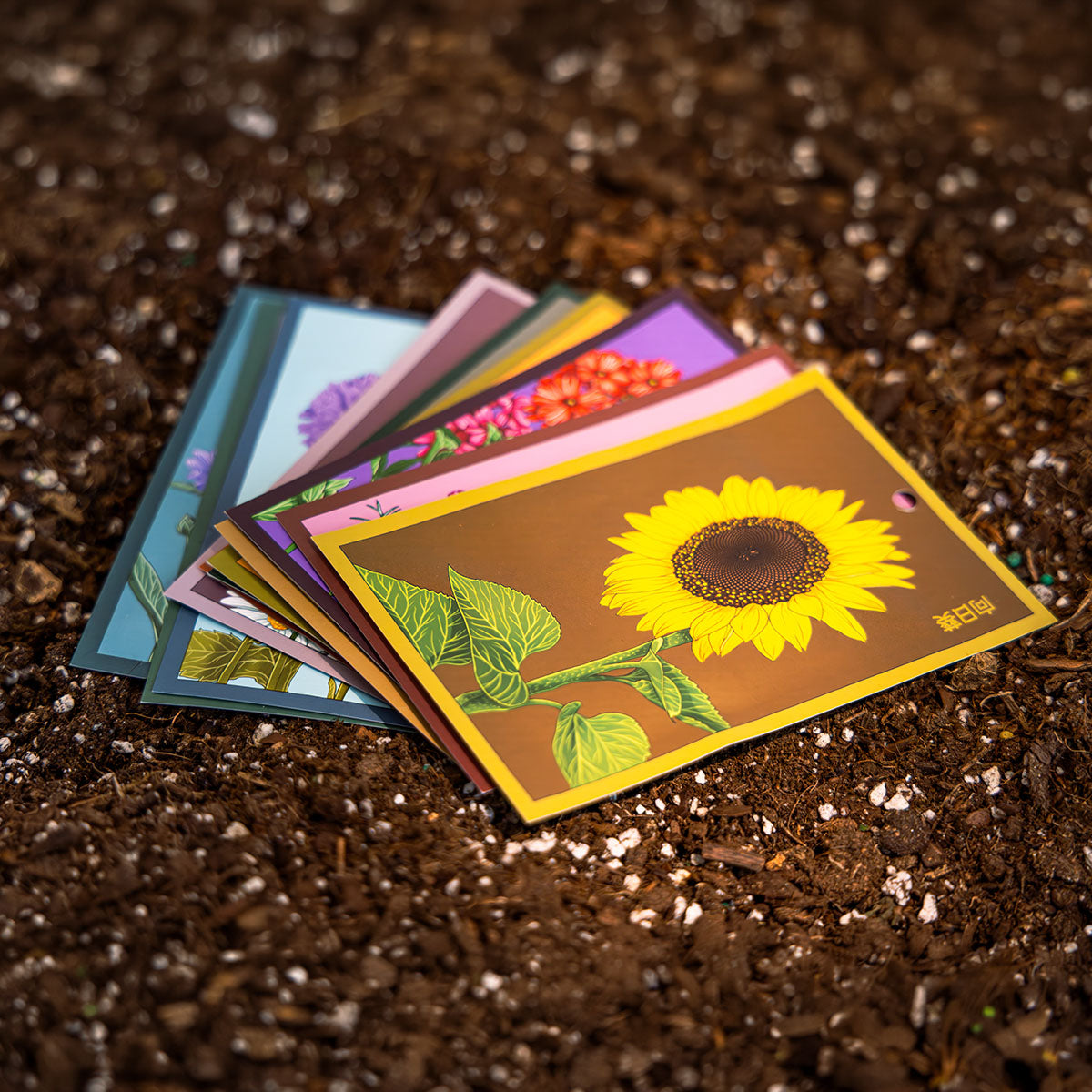
Mist Like a Modern Human—Not a Thirsty Peasant
Basil rarely works alone. The other half of the salsa-and-caprese axis is our Cilantro Herb Seeds Packet — same vacuum seal, same windowsill, opposite temperament.

Vegetable Shido Seeds packets — by Chive Studio Toronto

Thirteen culinary herbs, one growing philosophy. Browse the full Shido Herb Seeds collection and build the windowsill from scratch.

Buttercup Yellow Gay Paree Peony - Chive Ceramics Studio - Ceramic Flowers - Chive Ceramics Studio

For the wall above the herb pots: the Buttercup Yellow Gay Paree Peony, a ceramic bloom that never needs pinching.

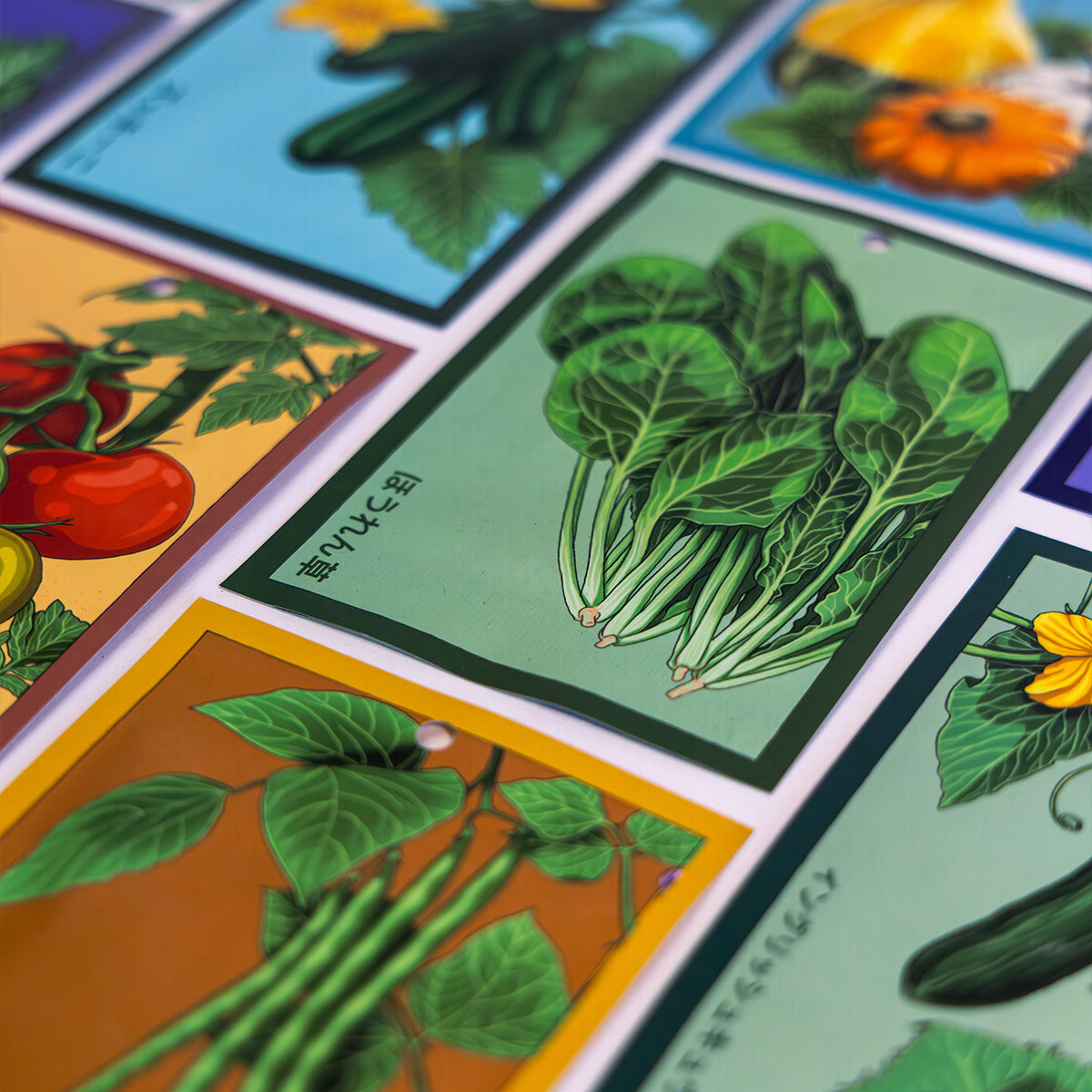
Chive Shido seed packets with botanical illustrations on a peg rack, showing cherry blossom, tomato, and eggplant designs.

The credentials behind the packet

Shido began because we kept designing ceramic flowers of plants we wanted people to actually grow. Basil made the first list without debate: it is the plant most likely to move someone from admiring a garden to starting one, usually on a kitchen sill. Each packet carries an original Japanese woodblock-style illustration, printed the way seed art looked when packets were worth saving, because the thing you plant in March deserves better graphic design than a stock photo with a price sticker. Chive has been making things by hand since 2004; seeds are the first product we sell that finishes the work on your windowsill instead of ours. The basil packet is the one we restock most often. Draw your own conclusions.


Plant Care, Simplified with Chive

Keep it alive, keep it thriving. Let's make plant parenthood look easy.

Do Seeds Expire? How Long Do Seeds Last | Shido

Todd Newgren
Seeds don't expire — they lose viability as oxygen depletes stored energy, and vacuum sealing is the fix. Chive's Shido Seeds are vacuum-sealed, germination-tested, and stocked ...
Read more

How to Plant Zinnia Seeds | Shido Seeds Guide

Todd Newgren
Zinnia seeds germinate in 7 days and bloom all summer long. You plant one packet thinking "a little color." By August, the zinnias have taken over. Learn the one rule that keeps...
Read more

Frequently asked questions

How do you grow basil from seed?

To grow basil from seed, sow shallowly in warm soil, keep the room genuinely warm, and sprouts appear quickly once the ground obliges. After that basil wants what everyone wants: sun, water, and not to be moved. Because Shido packets are hermetically vacuum-sealed, the seed you sow germinates like the day it was packed. Pinch early and often. It forgives you.

When to plant basil seeds indoors?

Plant basil seeds indoors in the weeks before your last frost date, which for most of the country means March or April. Basil is genuinely offended by cold, so never rush the move outside; wait until nights stay reliably mild. I have watched impatient gardeners lose whole trays to one smug late frost. The vacuum-sealed packet kept its half of the bargain. Keep yours.

How long does basil take to germinate?

Basil takes hardly any time to germinate once the soil is genuinely warm. Cooler soil stretches the wait and thins the results, which is not the seed's fault. Shido lots are sealed at verified germination rates, so if your kitchen is warm the calendar is short. A slow tray means a cold windowsill, not a bad packet. Move the pot.

Is basil annual or perennial?

Basil is an annual: it lives one enthusiastic season, sets seed, and exits. This is not a flaw; it is a schedule. One vacuum-sealed Shido packet holds enough seed for several years of sowings, so treat each summer's plant as a fresh appointment rather than a loss. My neighbor mourns his every October. By May he has forgotten entirely.

Can you grow basil in a pot indoors?

You can grow basil in a pot indoors year-round given a south-facing window or a modest grow light. A six-inch pot suits one plant; water when the surface dries and it stays glossy and productive. Since Shido seed is vacuum-sealed, you can sow a fresh pot in January without wondering whether the packet spent its viability in a warehouse. It did not.

How long do basil seeds last?

Standard paper-packed basil seeds begin losing germination viability after approximately one year. Shido basil seeds are hermetically vacuum-sealed, removing oxygen entirely. State law requires a 3-year viability date on sealed packaging. NASA research on hermetic seed storage suggests viability up to ten years in cool, dry conditions. Your Shido packet waits.

What to do with fresh basil?

Fresh basil goes into pesto, caprese, and torn rather than chopped over anything involving tomatoes; add it off the heat or the perfume leaves first. Freeze surplus leaves in olive oil cubes for winter. These are the same seeds sold at the RHS Chelsea Flower Show, where Chive has exhibited for 14 consecutive years, winning the 5-star booth award twice.

Does basil grow well on a windowsill?

Basil grows well on a windowsill provided the window faces south and nobody keeps the kitchen arctic to prove a point. Rotate the pot weekly so the plant grows straight instead of yearning sideways. A sill within reach of the stove means ten seconds from plant to pan, which is the entire argument for growing it. The packet handles the rest.

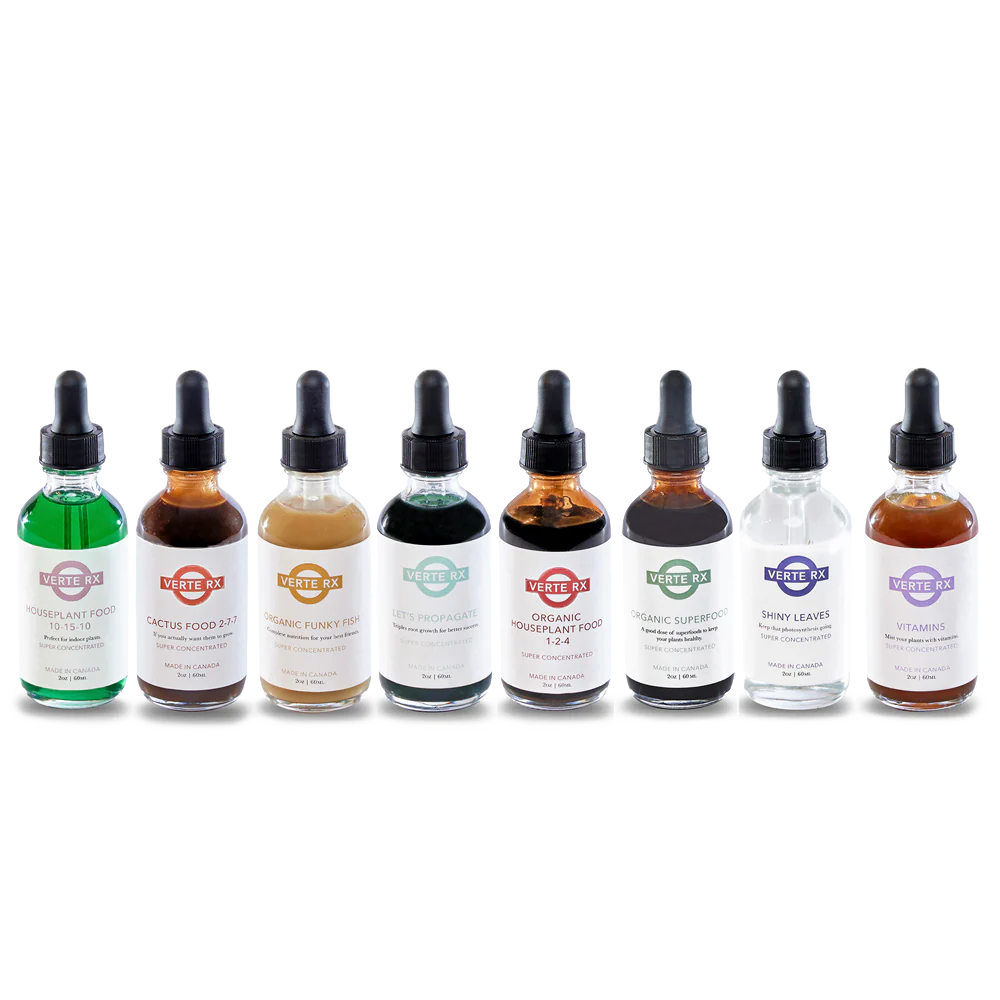
Verte Rx Shiny Leaves for Plants - Chive Ceramics Studio - Chive Ceramics Studio

The seed is the start. Verte RX handles the rest.

Most seedlings fail not from bad seed but from soil that runs out of what the plant needs before the plant can find it. Verte RX is a liquid plant vitamin formulated for exactly that window — the weeks after germination when the root system is establishing and the margin between thriving and stalling is narrowest.