Mint Herb Seeds Packet

Regular price $4.95

Vacuum Sealed
NON-GMO
Seed Pack Guarantee

Build Your Garden With These Shido Seeds

Choose a seed packet as your starting point, then round out the bed with these for that thrown-together-but-somehow-perfect harvest.


Mint seeds grow the most enthusiastic perennial herb in the catalog, hardy in zones 3–10 and famously unwilling to stay put. Shido mint seeds are non-GMO and hermetically vacuum-sealed — the packet includes true peppermint seeds — while paper-packed seed loses its germination viability within a year or so. Plant mint in a container even when it lives outdoors; loosed into a bed, it annexes neighboring territory like a small ambitious empire. My cousin Lorraine cheerfully ignored this particular advice back in 2019 and now now refers to the entire backyard, without irony, as the mint district. One plant in a six-inch pot on a windowsill will keep the tea, mojitos, and lamb dinners supplied all year. Every lot is germination-tested at independent third-party labs before packaging, meaning the germination rate on this packet was earned in a lab, not composed in a meeting.

Seed specifications
  • Material: Seed
  • Botanical name: Mentha Canadensis
  • Genus: Mentha
  • Plant family: Lamiaceae
  • Species: Canadensis
  • Plant type: Perennial
  • Pollination type: Herb
  • USDA Hardiness Zones: 3-10
  • Packet contents: ≈ 100 Seeds
  • Packaging: Hermetically vacuum-sealed
  • Non-GMO: Yes
  • Seed viability: Up to 10 years (sealed) / 4–5 years (unsealed, ideal conditions)
  • Difficulty: Easy - Beginner Friendly
Sowing & growing guide

Quick Sowing Guide:

  • When to sow: 8-10 wks before last frost
  • Sowing depth: Surface sow, press in, do not cover
  • Initial spacing: 18-24 in
  • Row spacing: 18-24 in
  • Days to germination: 10-15 days
  • Light: Full sun to part shade
  • Water: Consistent moisture
  • Soil: Moist, rich loamy soil
  • Harvest: 60-90 days

Start Growing: Step-by-step sowing and growing guide

About vacuum sealing

Why Vacuum-Sealed Seeds Last Longer

Standard paper seed packets are permeable to oxygen and moisture -- the two primary causes of seed degradation. Most paper-packaged seeds begin losing germination viability after approximately one year, contributing to significant garden-industry waste: packets purchased, not planted, expired, discarded. Shido Seeds are hermetically vacuum-sealed. The packet does not expire quietly in a drawer. It waits.

About the Packaging

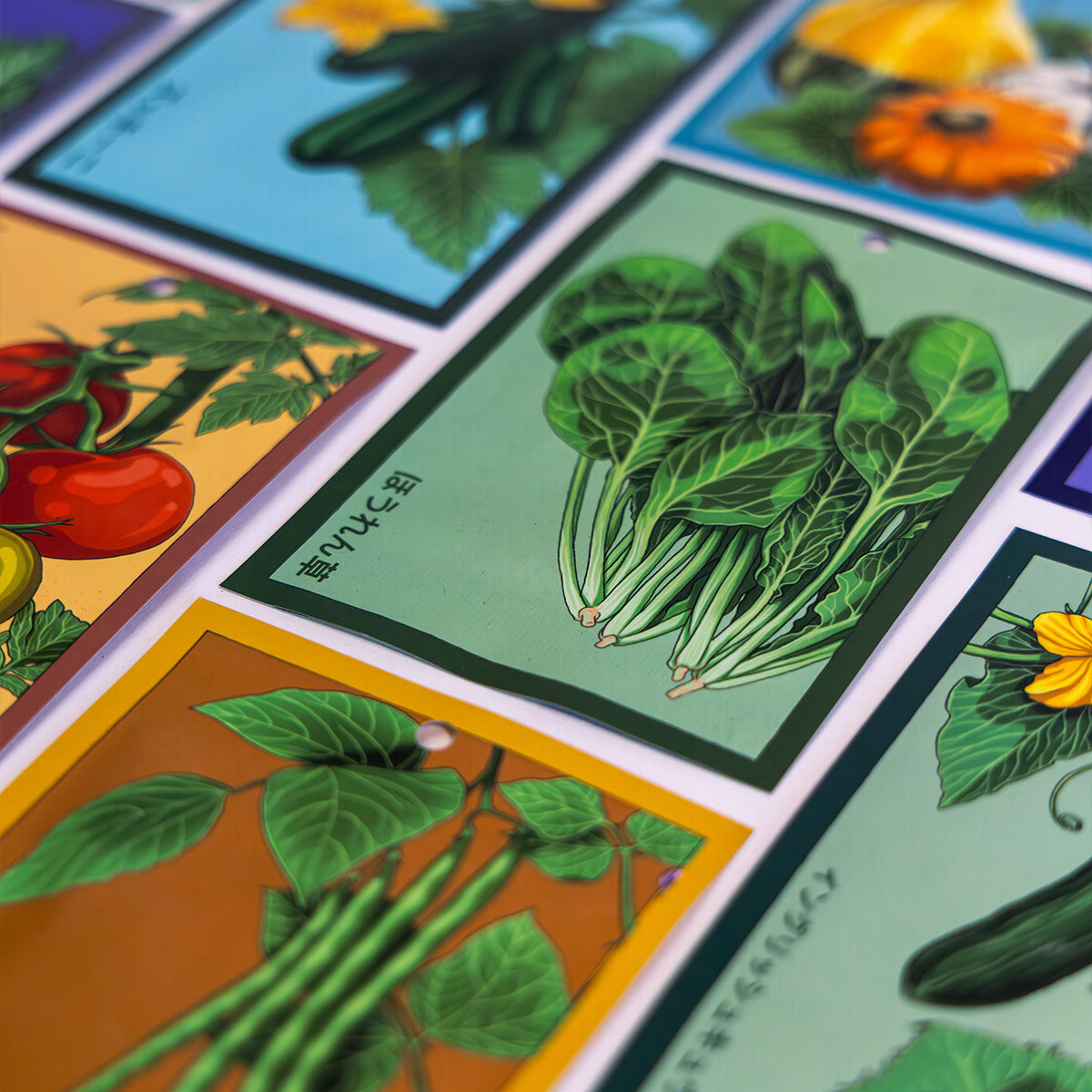
Every Shido seed packet is illustrated in the style of Japanese 1910s woodblock printing -- designed and drawn in-house by Chive, that has been exhibiting at the Chelsea Flower Show in London every year and does not, as a matter of principle, sell to big-box retailers. Customers collect the packets as a series. This was not the original plan.

Shipping & returns

Shipping

  • Free shipping: Orders $200+ within the US
  • Standard: 5–8 business days, Express 2–3 business days (at checkout)
  • International Ships: to 40 countries — rates at checkout
  • Packaging Ships: in outer box to protect gift box

View full shipping policy →

Returns

We accept returns within 30 days of delivery on unused items in original packaging. If your piece arrives damaged, contact us within 7 days with a photo and we will replace it at no charge.

View full return policy →

Satisfaction Guarantee

We stand by the quality of our flower seed packets! Every Shido seed packet is lab-tested for germination before it ships. If your seeds do not perform to the stated germination rate under correct growing conditions, contact us and we will replace or refund. Guaranteed!

Wholesale Inquires

Have a cool shop? Know someone that does?

Find Chive on Faire →

Radish Horticultural Specifications

Botanical

Mentha Canadensis

Plant Type

Perennial

Light

Full sun to part shade

Water

Consistent moisture

Soil

Moist, rich loamy soil

Depth

Surface sow, press in, do not cover

Germination

10-15 days

USDA Zone

3-10

Mature Height

12-24 in

Harvest

60-90 days


Getting to know your Mint

Mint operates on the assumption that everything you own is future mint territory, and the honest way to live with it is to agree on borders early. A pot. One good pot, the largest you can spare, and inside that pot mint is not a menace but a miracle: the most productive, least demanding, most frequently visited plant in the house. I say visited because that is what happens. You do not merely water mint. You stop by. You crush one leaf between two fingers on your way past for no reason an accountant could defend, and for the next full minute the day is measurably better. The harvest schedule is simple: constantly. Morning leaves for tea, evening leaves for whatever the glass requires, afternoon leaves for the pot of peas that was almost interesting. Cutting it back hard every few weeks is not pruning so much as negotiation, and mint honors the terms by returning thicker within days. It will die back in winter and you will assume, briefly, that you have finally lost it. You have not. Sometime in March it reappears, unannounced and completely certain of its welcome, and the arrangement resumes. Few tenants are this reliable. None smell as good.


History & origin

Greek Mythology

Named for the nymph Minthe, who, according to myth, was transformed into the plant by Persephone out of jealousy over Hades' affection.

Ancient Egypt

Dried mint has been identified in Egyptian tombs dating to roughly 1000 BCE, used in embalming practices and early medicine.

Ancient Greece & Rome

Used to scent bathwater, flavor sauces, and aid digestion. Roman expansion carried mint cultivation throughout Europe along with the rest of the empire's trade and agriculture.

Medieval Europe

A common strewing herb, scattered on floors to mask odors and freshen homes, and cultivated in monastery physic gardens for its medicinal reputation.

Colonial America

Brought over by European settlers and quickly naturalized; became closely associated with Southern American drinking traditions, most famously the mint julep, by the 18th and 19th centuries.

Today

Among the most widely cultivated herbs on Earth, used across food, confectionery, cosmetics, and pharmaceuticals, with menthol extraction remaining a significant global industry.

Shido Vegetable and Flower Seeds Vacuum sealed for peak freshness

Step-by-Step Sowing & Growing Guide

Getting Started

Perennial — containment is the defining task

Step 1: Plan containment first - Decide on a pot or a sunken barrier before sowing a single seed. This matters more for mint than any other step on this list — left unchecked in open ground, it spreads by runners and takes over a bed within a season or two.

Step 2: Timing - Start indoors 8–10 weeks before last frost, or direct sow after.

Step 3: Soil - Tolerant of a wide range, including heavier soil than most herbs prefer. Keep it moist.

Step 4: Sowing - Surface sow, press in, do not cover. Germination takes 10–15 days.

Step 5: Ongoing care - Keep soil consistently moist — mint is one of the few herbs here that wants steady water rather than drought tolerance. Cut back hard mid-season to force fresh, tender growth.

Step 6: Harvest - Snip stems just above a leaf node — this makes the plant branch rather than just get taller. Can be harvested repeatedly all season.

Before you start

Materials needed to sow

  • A container or pot, decided before sowing: This is the single most important planning step for mint -- decide on containment before a single seed goes in soil, since it spreads aggressively if given the chance.
  • Seed trays (for starting indoors): If not sowing directly into the final container.
  • Spray bottle: For gentle watering of surface-sown seed, which needs light to germinate.
  • Humidity dome: Helps hold consistent moisture during germination.

Materials for harvest and storage

  • Scissors: For cutting stems just above a leaf node, which encourages branching.
  • Small basket: For collecting the harvest.
  • Drying rack or screen: Mint dries well for tea -- hang small bundles in a dark, airy spot until leaves crumble easily.
  • Airtight jar: For storing dried leaves whole, out of the light.

Tip: Harvest just before flowering for the best flavor -- mint can be cut repeatedly all season without much risk of overharvesting, since it regrows so readily.

Growth Requirements

Light:

  • Prefers full sun to partial shade (at least 4-6 hours of direct sunlight daily).

Soil:

  • Thrives in rich, well-draining, slightly acidic to neutral soil (pH 6.0-7.5).
  • Adding organic compost enhances soil quality.

Watering:

  • Requires consistent moisture but avoid waterlogging.
  • Water regularly, especially in hot weather.

Temperature & Climate:

  • Prefers temperatures between 55-80°F.
  • Can tolerate light frosts but thrives in moderate climates.

Fertilization:

  • Apply a balanced organic fertilizer every 4-6 weeks.
  • Over-fertilization can reduce flavor intensity.

Maintenance

Containment Strategies:

  • Mint spreads aggressively; use containers or raised beds to prevent overgrowth.
  • If planting in the ground, use barriers or bottomless pots to contain roots.

Mulching:

  • Apply organic mulch to retain moisture and suppress weeds.

Pruning:

  • Trim back regularly to encourage bushy growth and prevent legginess.
  • Remove flowering stems to prolong leaf production.

Watering:

Keep soil evenly moist but avoid standing water.

Harvesting:

  • Harvest once plants reach 6-8 inches tall.
  • Pick leaves as needed, but avoid removing more than ⅓ of the plant.

Storing:

  • Store fresh leaves in the refrigerator for up to 1 week.
  • Dry or freeze for long-term storage.

Troubleshooting and common mistakes

  • Planting directly in garden soil without a barrier: The most common mint mistake by far — it will spread far beyond where it was planted within one to two seasons.
  • Assuming seed-grown mint matches the parent plant: Mint cross-pollinates readily, so seed saved from a mint plant grown near a different variety often produces something different from either parent.
  • Letting containers become root-bound: Vigor drops noticeably in mint left in the same pot for several years without dividing or repotting.

Culinary uses & nutritional information

What it's used for

1. Culinary Uses:

  • Enhances drinks, desserts, salads, and sauces.
  • Often used in Middle Eastern, Indian, and Mediterranean cuisines.

2. Medicinal & Health Benefits:

  • Rich in antioxidants, vitamins A & C, and menthol.
  • Helps with digestion, nausea, and respiratory issues.
  • Used in aromatherapy for relaxation and stress relief.

3. Companion Planting:

  • Deters aphids, mosquitoes, and cabbage moths.
  • Grows well with tomatoes, cabbage, and carrots but can be invasive.

What parts are edible

  • Leaves: The primary edible part, used raw in salads, drinks, and cocktails (mojitos, mint juleps) or cooked into sauces, and dried for tea. The most widely used part by a wide margin.
  • Flowers: Edible, with a softer mint flavor than the leaves. A strong draw for pollinators — mint left to flower is a reliable bee plant, and the flowers make a delicate garnish.
  • Stems: Young, tender stems can be used interchangeably with the leaves. Older stems turn fibrous and are usually removed.

Nutritional data

Fresh leaf, per 100g

Calories: 44 kcal

  • Carbohydrates: 8.41 g
  • Protein: 3.29 g
  • Total fat: 0.73 g
  • Dietary fiber: 6.8 g
  • Vitamin C: 13.3 mg (15% RDA)
  • Folates: 105 µg (26% RDA)
  • Potassium: 569 mg
  • Cholesterol: 0 mg
  • Manganese: 1.12 mg (~56% RDA)

Companion plants, pests & diseases

Companion planting

Good companions

  • Cabbage family — strong scent may help deter cabbage moths
  • Tomatoes, peas — said to help deter aphids nearby

Poor companions / avoid

  • Almost anything, unless contained — mint spreads fast and will take over a bed within a season

Pests

  • Aphids: Cluster on new growth. Strong water spray or insecticidal soap.
  • Spider mites: Fine webbing on undersides of leaves, worse in hot, dry conditions.
  • Mint flea beetle: Small holes in leaves, specific to mint and its relatives. Diatomaceous earth around the base helps.
  • Whiteflies: Common in greenhouse or indoor growing. Yellow sticky traps and insecticidal soap.

Tip - Mint as a contained pest barrier: Grown in a pot sunk into the ground at the edge of a bed, mint's strong scent can help mask the presence of more attractive vegetable crops from some pests, functioning as a living barrier — but only if the pot keeps the roots from escaping into the surrounding soil. The pest-deterrent benefit and the containment requirement are the same plant characteristic looked at from two angles.

Diseases

  • Mint rust (Puccinia menthae): Orange, powdery pustules on leaf undersides — a mint-specific disease. Remove and destroy infected plants; do not compost them.
  • Verticillium wilt: Soil-borne, causes wilting and yellowing that doesn't recover. No cure — remove affected plants and avoid replanting mint in the same soil.
  • Powdery mildew: Common in crowded plantings with poor air circulation.

Pro Tip

Mint spreads aggressively, so plant it in a container to keep it from taking over your garden. It thrives in partial shade and moist soil, but don’t over-fertilize—too much nitrogen can weaken its flavor.

Bonus: Regular harvesting encourages even more growth!

Seeds worth keeping

What makes Shido Seeds different

Shido Seeds are designed by Chive Studio, a ceramic design company. We are not a seed conglomerate. We do not sell through big-box retailers. Each variety in the catalog was selected because it is worth growing — not because it ships well in bulk or photographs well in marketing materials.

Every packet is germination-tested at an independent third-party lab before it earns its woodblock illustration. The vacuum seal removes the oxygen that causes standard paper packets to degrade. The stated germination rate is a floor, not a marketing figure.

If something goes wrong, contact us. We will make it right.

Plants that Grow together look good together...even if they are ceramic

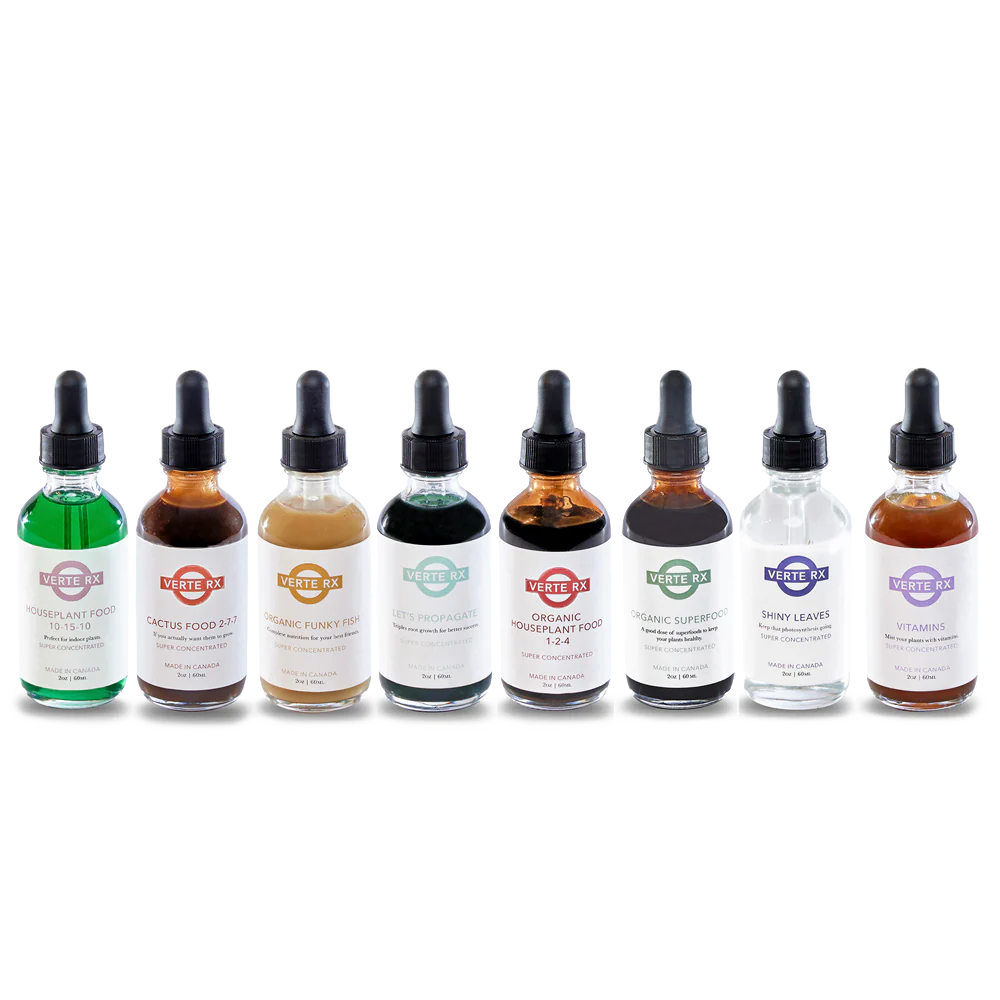
Feed Your Plants Like You Actually Know What You’re Doing
Mint sprints; rosemary marathons. The Rosemary Herb Seeds Packet plays the slow, resinous counterweight to all this enthusiasm.

Vegetable Shido Seeds packets — by Chive Studio Toronto

One pot rarely stays one pot. The complete Shido herb seeds collection maps out the rest of the windowsill.

Buttercup Yellow Gay Paree Peony - Chive Ceramics Studio - Ceramic Flowers - Chive Ceramics Studio

The ceramic Blush Pink Tahitian Gardenia stays exactly where you hang it — a quality mint will never understand.

Chive Shido seed packets with botanical illustrations on a peg rack, showing cherry blossom, tomato, and eggplant designs.

The credentials behind the packet

Every Shido packet starts as a drawing. For mint, our woodblock-style illustration went through more proofs than any herb in the line, because the leaves are all texture, and texture is the whole argument of a woodblock print. We are a ceramics studio; we hold opinions about surfaces. That is really why Chive sells seeds at all: after two decades of making permanent botany by hand, since 2004, we wanted to put something living next to it, and mint is the living thing people reach for first. The packet is printed to be kept. The seed is sealed to keep itself. Fill the pot, save the envelope; both will still be around next year.


Plant Care, Simplified with Chive

Keep it alive, keep it thriving. Let's make plant parenthood look easy.

Do Seeds Expire? How Long Do Seeds Last | Shido

Todd Newgren
Seeds don't expire — they lose viability as oxygen depletes stored energy, and vacuum sealing is the fix. Chive's Shido Seeds are vacuum-sealed, germination-tested, and stocked ...
Read more

How to Plant Zinnia Seeds | Shido Seeds Guide

Todd Newgren
Zinnia seeds germinate in 7 days and bloom all summer long. You plant one packet thinking "a little color." By August, the zinnias have taken over. Learn the one rule that keeps...
Read more

Frequently asked questions

How do you grow mint from seed?

To grow mint from seed, press the seeds onto the surface of moist potting mix, cover barely or not at all, and keep the pot warm and bright until sprouts appear. Always give mint its own container; this is not a suggestion but a treaty. From one vacuum-sealed Shido packet you get the last mint planting you will ever need to start.

How long does mint take to germinate?

Mint takes its own quiet while to germinate in warm soil, arriving as seedlings so small they look like a clerical error. Do not be fooled. This is the quiet before the takeover. Shido seals each lot at a verified rate, so patience is the only input the packet does not include. The ambition shows soon enough.

Can you grow mint indoors on a windowsill?

You can grow mint indoors on a windowsill happily: bright light, a roomy pot, water before it wilts, and it produces all year without complaint. Indoors is actually mint's best behavior, since the container settles all territorial questions in advance. A six-inch pot beside the kettle keeps tea in fresh leaves through February, which is when you most need convincing that spring exists.

Does mint come back every year?

Mint comes back every year. It is a hardy perennial in zones 3 through 10, dying back in winter and returning in spring with interest. Returning undersells it, honestly; mint compounds. This is wonderful in a pot and a diplomatic incident in a bed. One sealed Shido packet is therefore a decades-long commitment. Enter into it with clear eyes and a container.

Does mint spread and take over the garden?

Mint spreads and will absolutely take over the garden. Underground runners travel farther in a season than seems structurally possible, surfacing wherever they sense you were not looking. The fix is prevention: grow it in a pot, or sink that pot into the bed as a moat. Gardeners who skip this step become cautionary tales at dinner parties. The mint is never sorry.

How long do mint seeds last?

Standard paper-packed mint seeds begin losing germination viability after approximately one year. Shido mint seeds are hermetically vacuum-sealed, removing oxygen entirely. State law requires a 3-year viability date on sealed packaging. NASA research on hermetic seed storage suggests viability up to ten years in cool, dry conditions. Your Shido packet waits.

How do you make mint tea from garden mint?

To make mint tea from garden mint, tear a dozen fresh leaves, pour just-boiled water over them, and steep five minutes. No bag, no ceremony, no dried anything. Sweeten or do not. These same seeds are sold at the RHS Chelsea Flower Show, where Chive has been exhibiting since 2013, winning the 5-star booth award twice.

What is the difference between spearmint and peppermint from seed?

The difference between spearmint and peppermint from seed is temperament: spearmint is the sweeter, milder mint for mojitos and lamb, while peppermint runs sharper and menthol-forward, the one that means business in tea. This Shido packet carries true peppermint seed, hermetically vacuum-sealed at its verified rate. If you want the cool intensity rather than the garden-party sweetness, sow this one. The kettle will notice.

Verte Rx Shiny Leaves for Plants - Chive Ceramics Studio - Chive Ceramics Studio

The seed is the start. Verte RX handles the rest.

Most seedlings fail not from bad seed but from soil that runs out of what the plant needs before the plant can find it. Verte RX is a liquid plant vitamin formulated for exactly that window — the weeks after germination when the root system is establishing and the margin between thriving and stalling is narrowest.