


Green Beans Vegetable Seeds Packet
Couldn't load pickup availability
Green Beans seeds for the kitchen garden that intends to actually produce green beans this year. Green beans are the vegetable that grows fast, produces generously, and asks for nothing except to be picked before they get tough.
Green Beans is the reliable, prolific bean that is equally happy raw, blanched, or forgotten in the colander. Each packet is hermetically vacuum-sealed -- removing the oxygen that causes standard paper seed packets to lose germination viability within approximately one year. State law requires a 3-year viability label on sealed packaging. NASA research on hermetic seed storage indicates viability of up to 10 years under proper conditions. Every packet is non-GMO and germination-tested at independent third-party labs before it earns its Japanese woodblock print artwork.
How to Grow Green Beans from Seed
Sowing and Germination
Direct sow after last frost, 5cm deep. Do not start indoors.
Care and Harvest
Harvest when pods snap cleanly. Pick regularly for continued production. 55-65 days.
Why Vacuum-Sealed Seeds Last Longer
Standard paper seed packets are permeable to oxygen and moisture -- the two primary causes of seed degradation. Most paper-packaged seeds begin losing germination viability after approximately one year, contributing to significant garden-industry waste: packets purchased, not planted, expired, discarded. Shido Seeds are hermetically vacuum-sealed. The packet does not expire quietly in a drawer. It waits.
About the Packaging
Every Shido seed packet is illustrated in the style of Japanese 1910s woodblock printing -- designed and drawn in-house by Chive, the Toronto ceramics studio that has been exhibiting at the Chelsea Flower Show in London every year and does not, as a matter of principle, sell to big-box retailers. Customers collect the packets as a series. This was not the original plan.
We stand by the quality of our flower seed packets! With high germination rates and vibrant blooms, your garden is sure to flourish. If you're not completely satisfied, we’ll replace or refund—guaranteed!
Why Shido Seeds Are the Best
Our flower and vegetable seeds are beautifully packaged little packets of magic. Guaranteed to turn your garden into the envy of the neighborhood. Get your hands dirty and let nature simply do its thing.

How to Plant Green Beans from Seed

When to Plant Seeds

Seed Preparation

For Bush Beans

For Pole Beans
Pro Tip

Getting to know your Green Beans
What it's used for
Growth Requirements
Maintenance
Pests and Diseases

Growing Together with Shido
At Shido, everything we do starts with one goal: helping you have a truly successful growing experience. We know that planting seeds is just the beginning — your time, energy, and love for gardening are the real magic. That’s why we make sure the seeds you plant are fresh, full of life, and top-quality. When you choose Shido, you’re planting with confidence. We guarantee it.
Our mission is simple: bring you exceptional varieties of high-quality seeds at prices you’ll love, share detailed sowing and growing tips so you can thrive as a home gardener, and deliver the best customer service in the industry — with a smile.
Our Seed Safety Promise
We do not sell genetically modified seeds — ever. And we don’t use genetic engineering to breed new varieties. Instead, our skilled breeders use traditional, natural crossing methods to create hybrid seeds that are healthy, safe, and packed with potential.
Our Seed Quality Guarantee
At Shido, we believe great gardens start with great seeds — and that means quality comes first. Every seed lot we offer is ensure to generate top-notch germination because your garden deserves nothing less.
To keep our seeds at their peak, we run thorough pathology tests at trusted outside labs. When you open a Shido seed packet, you can trust it’s been nurtured, tested, and approved to give you strong, healthy plants from the very first sprout.
Types of Seeds We Offer
Hybrid Seeds (F1)
F1 hybrid seeds are the garden’s high achievers — created by crossing two specially chosen parent plants for superior vigor, uniformity, and performance. We use only traditional breeding methods to produce these powerhouse seeds.
Open-Pollinated & Heirloom Seeds
Our open-pollinated (OP) seeds naturally reproduce through wind, insects, water, or self-pollination. When grown in isolation, they produce true-to-type plants year after year.
Among our OP seeds are treasured heirloom varieties — old favorites that have been carefully passed down for generations. While OP plants can be less uniform than hybrids, we run our Open-Pollinated Project to select the most reliable, flavorful, and beautiful strains. Many are also available as certified organic seeds.
Non-GMO: What It Means and Why It Matters
A GMO (Genetically Modified Organism) is created when scientists alter a plant’s DNA in a lab — often by inserting genes from completely unrelated species — to achieve certain traits, like pest resistance or herbicide tolerance. This is a far cry from natural plant breeding.
At Shido, we believe gardening should stay as close to nature as possible. All our seeds — whether hybrid, heirloom, organic, or open-pollinated — are Non-GMO. They’re bred using traditional methods that respect natural biodiversity, giving you safe, wholesome seeds that grow into plants just as nature intended.
When you plant Shido Non-GMO seeds, you’re choosing purity, sustainability, and peace of mind — along with a garden full of flavor, color, and beauty.
Vacuum-Sealed for Freshness — Good for 10 Years
Every Shido seed packet is vacuum-sealed to lock in freshness and protect your seeds from moisture, air, and pests. This careful packaging not only preserves their quality but also extends their shelf life dramatically. Stored properly in a cool, dry place, our seeds remain viable for up to 10 years — so you can plant them now, next season, or even years down the road. Whether you’re planning a garden this spring or building a long-term seed stash, Shido seeds are ready when you are.
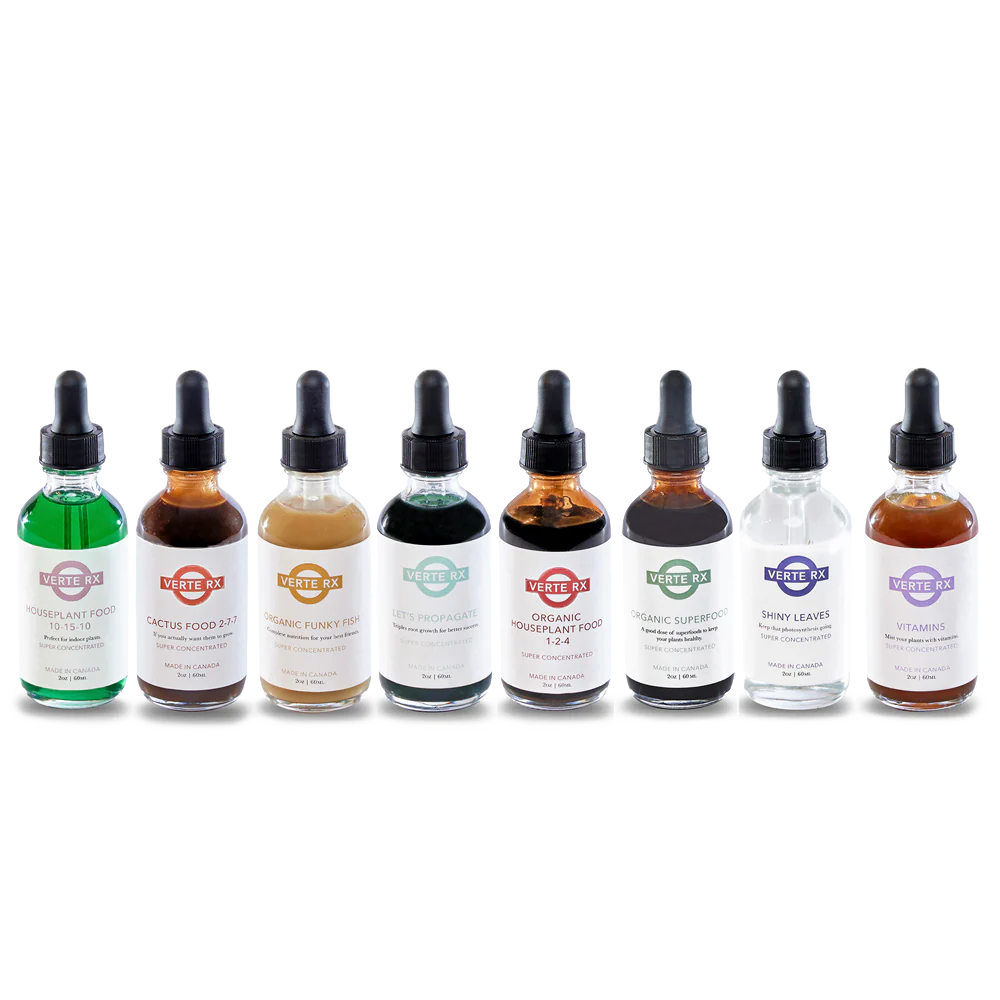
Feed Your Plants Like You Actually Know What You’re Doing
Your plants called—they're tired of your "just water and hope" approach. Give them VerteRx, the premium plant food packed with vitamins and growth boosters. Stronger roots, lusher leaves, and fewer judgmental stares from your fiddle-leaf fig. Because even plants deserve proper nutrition (unlike your diet).
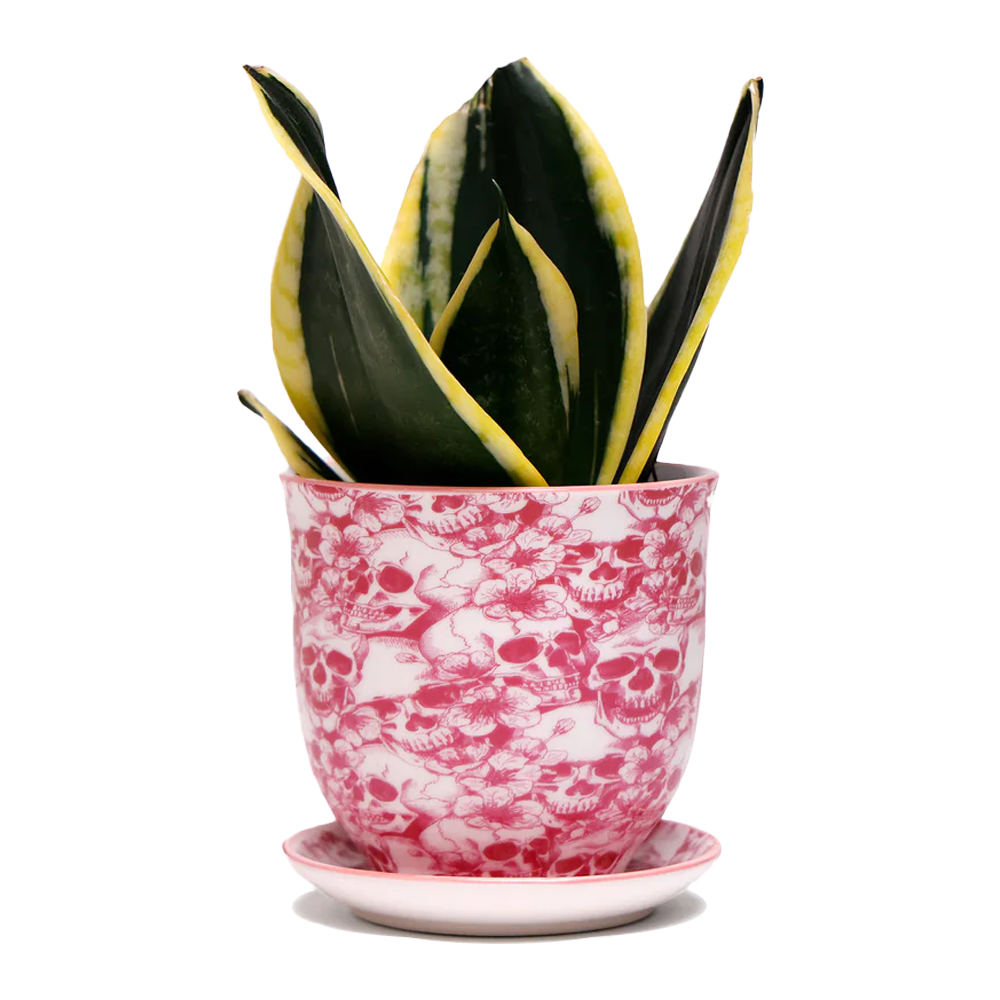
Pretty Pots for Pretty Plants
Your plants work hard to look good—shouldn’t their pots do the same? Choose from our gorgeous flower pots and let your greenery thrive in style. Because plain plastic is just rude.