Hanging Plant Pots

Hanging Plant Pots

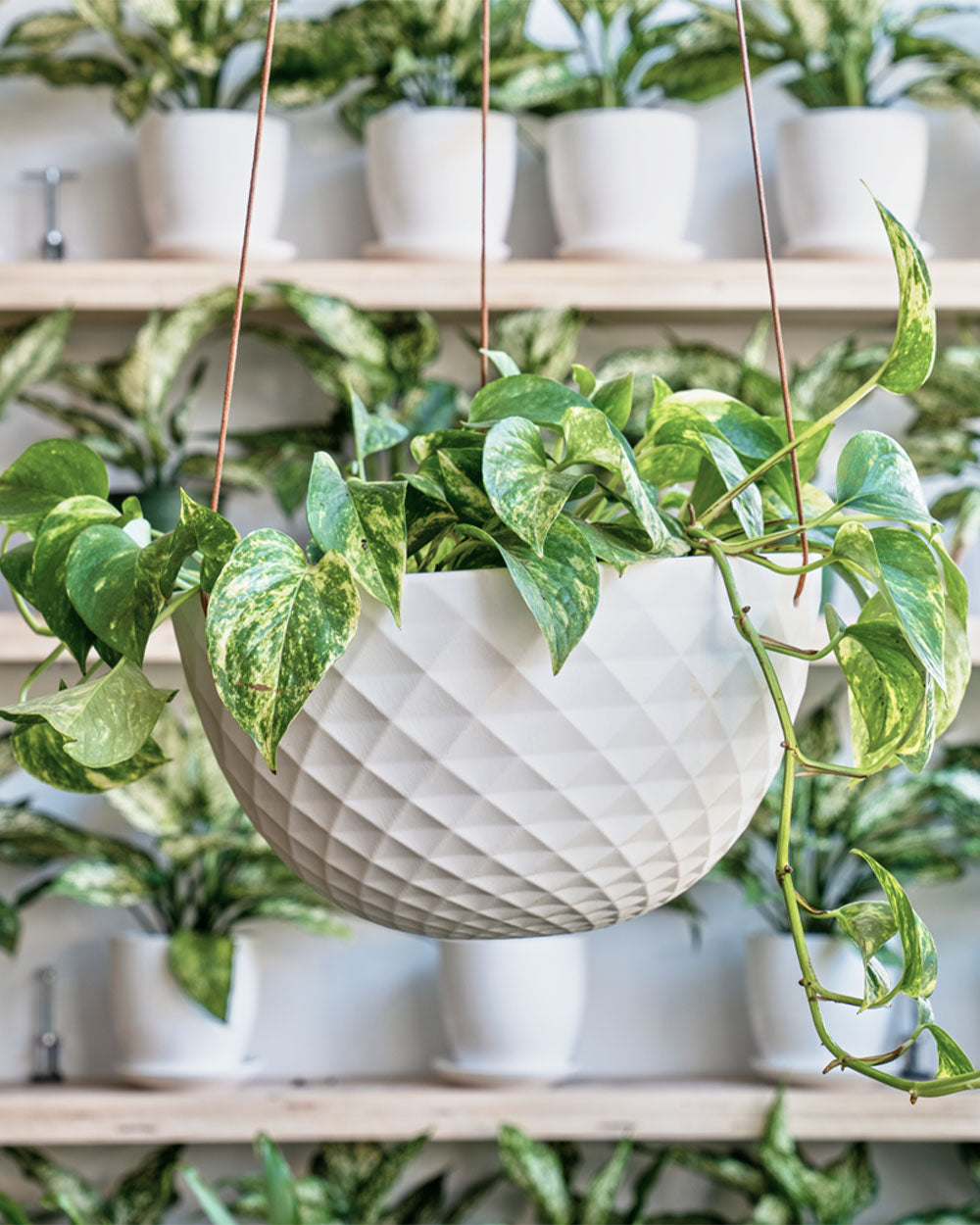
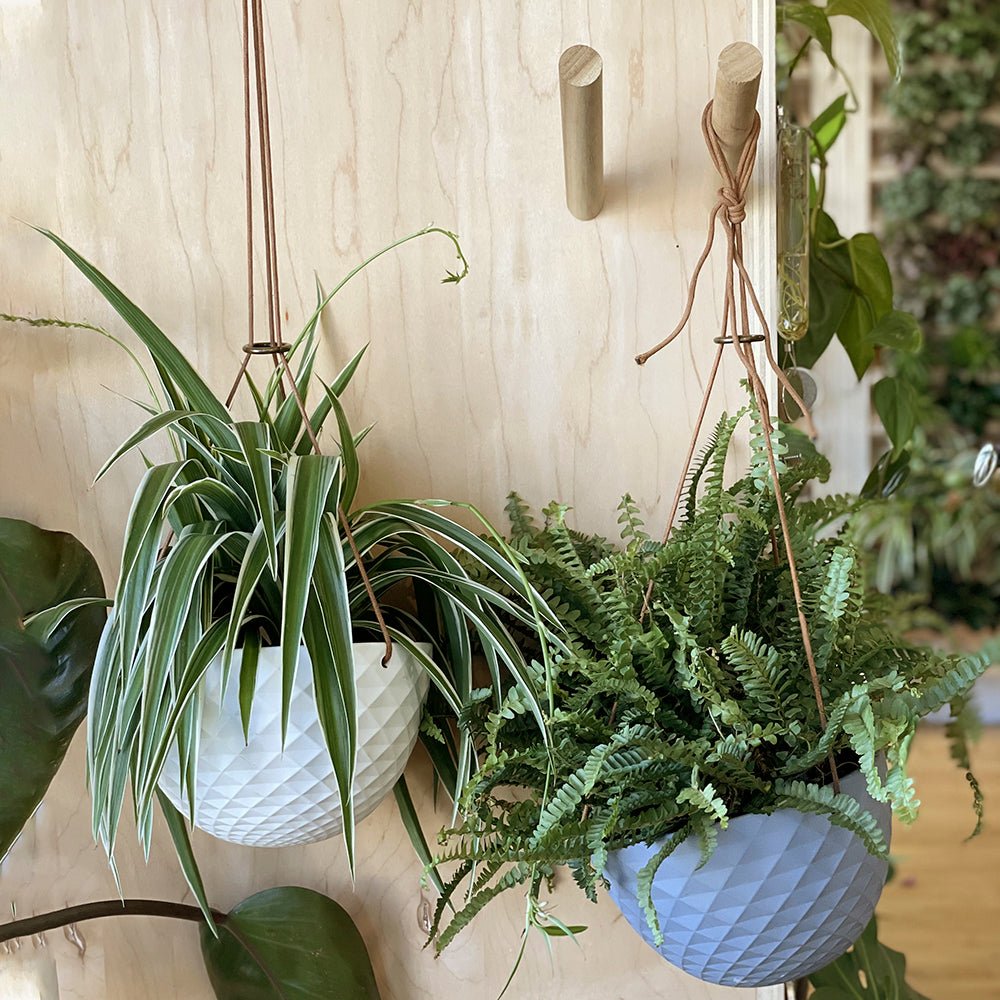
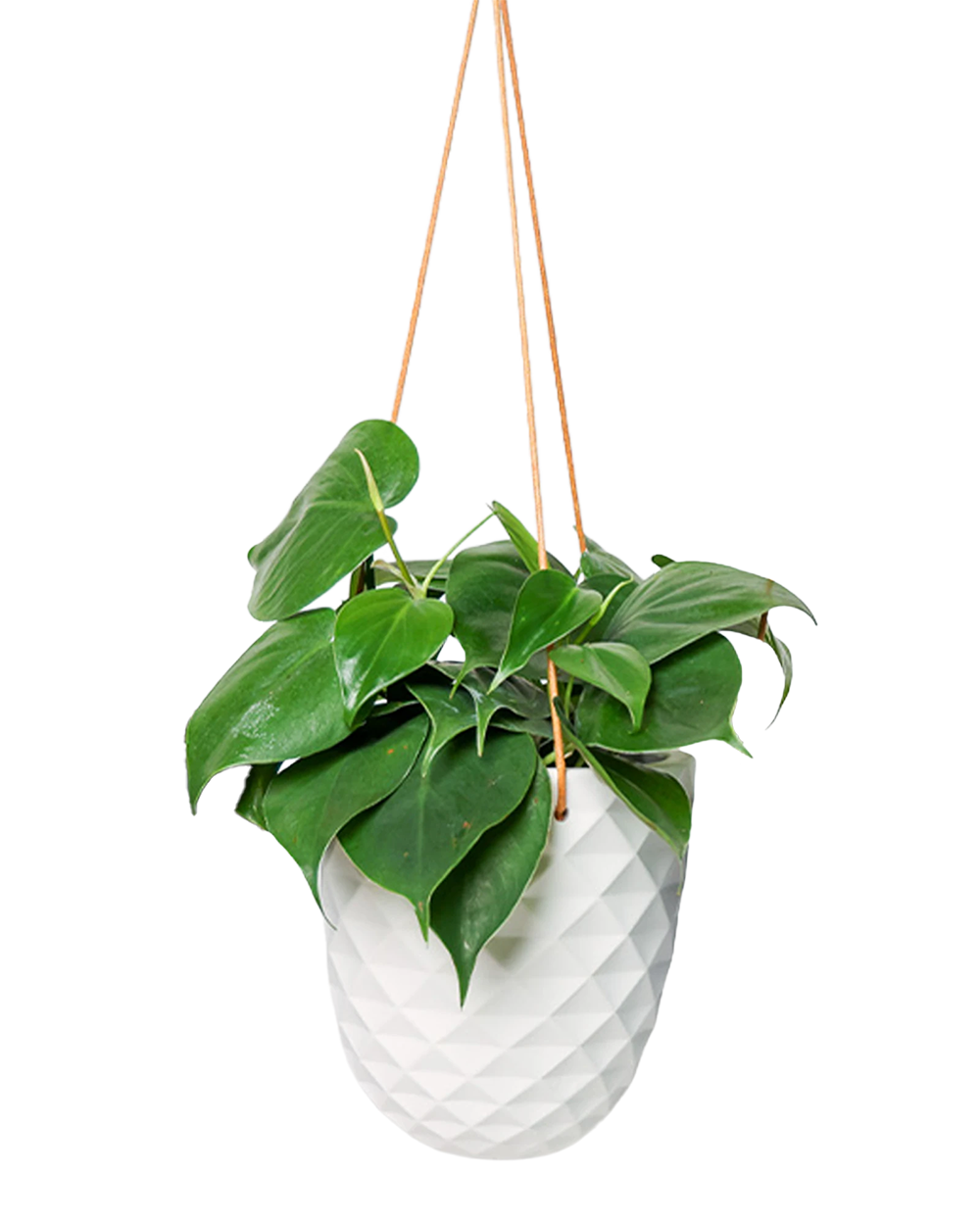
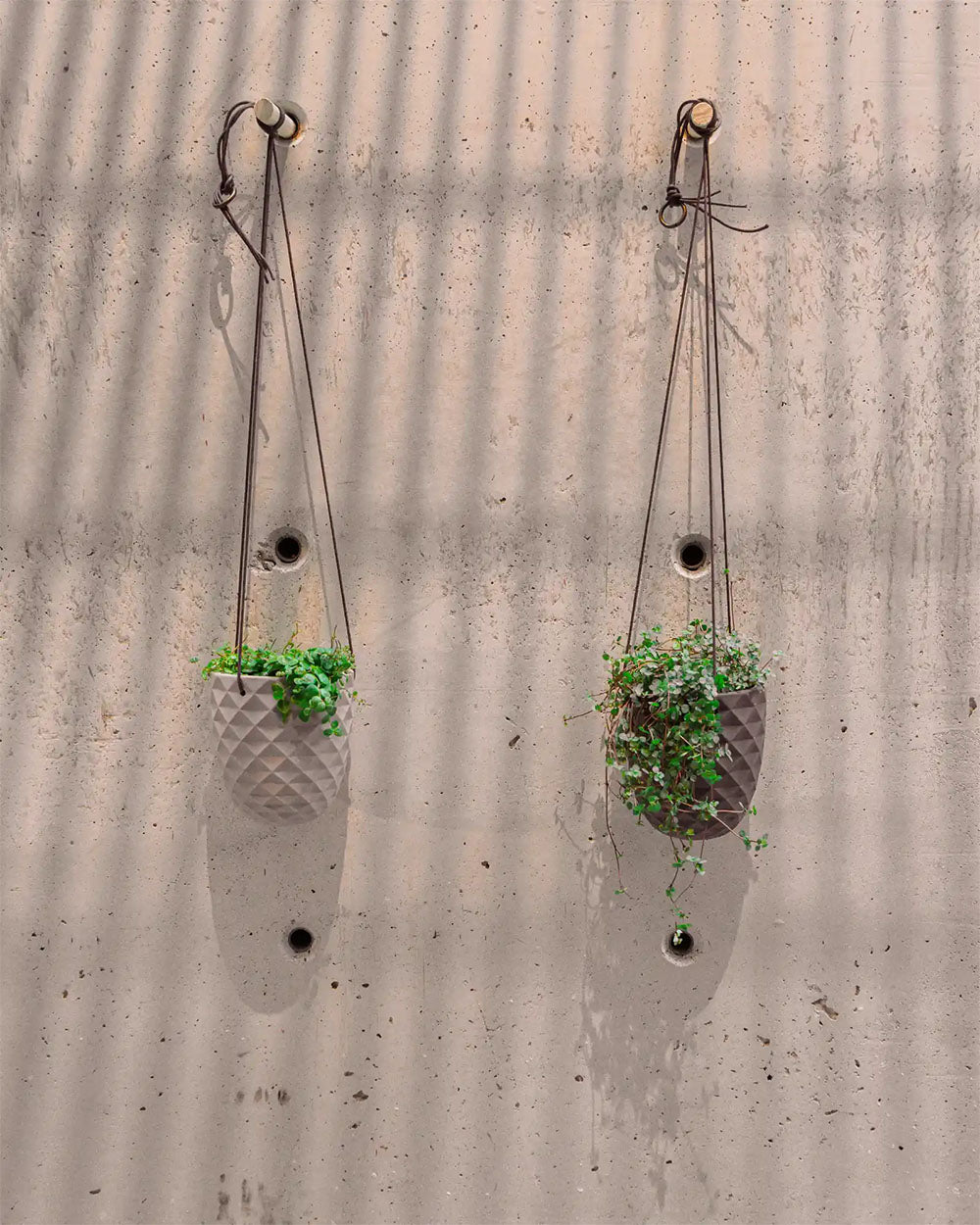
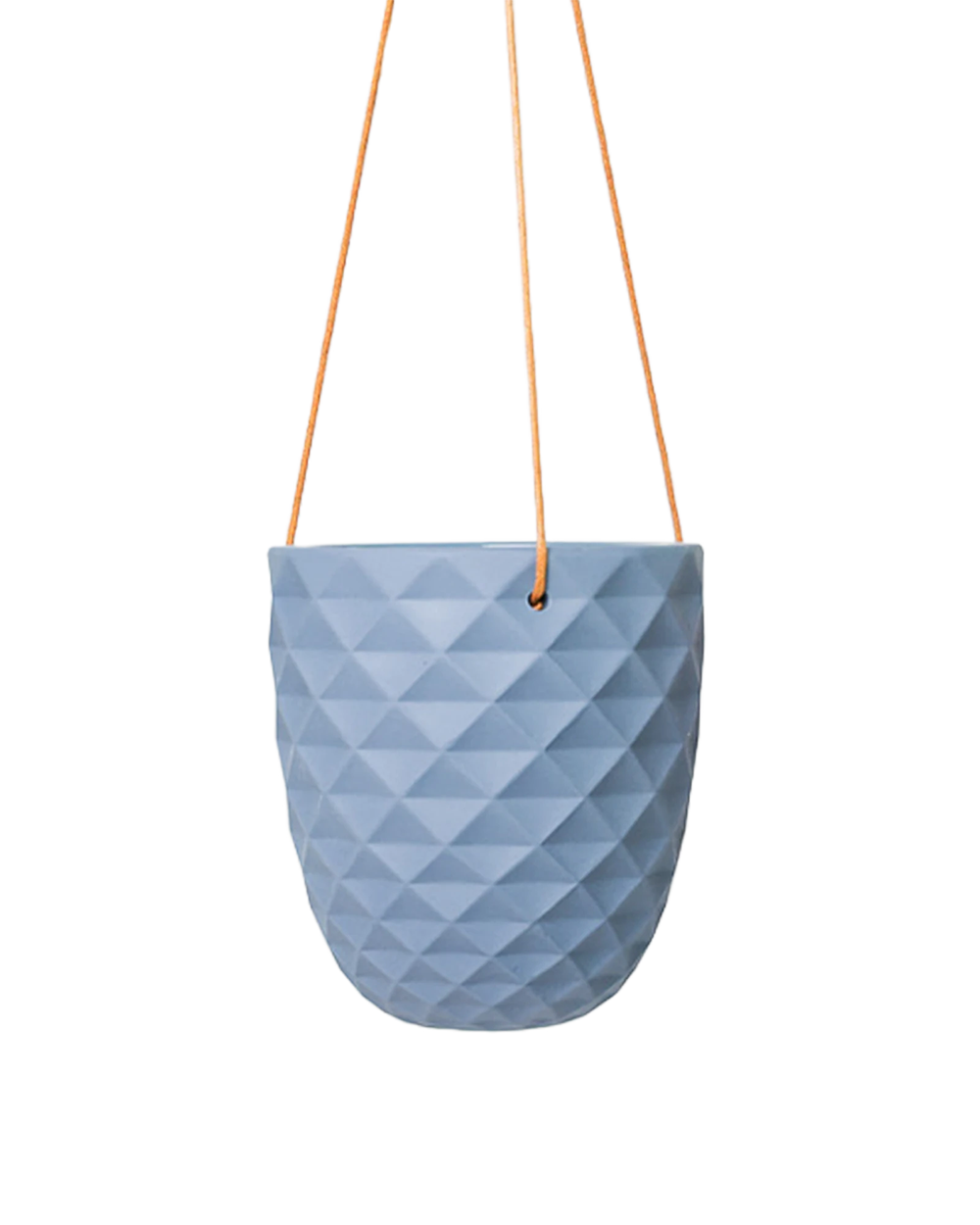
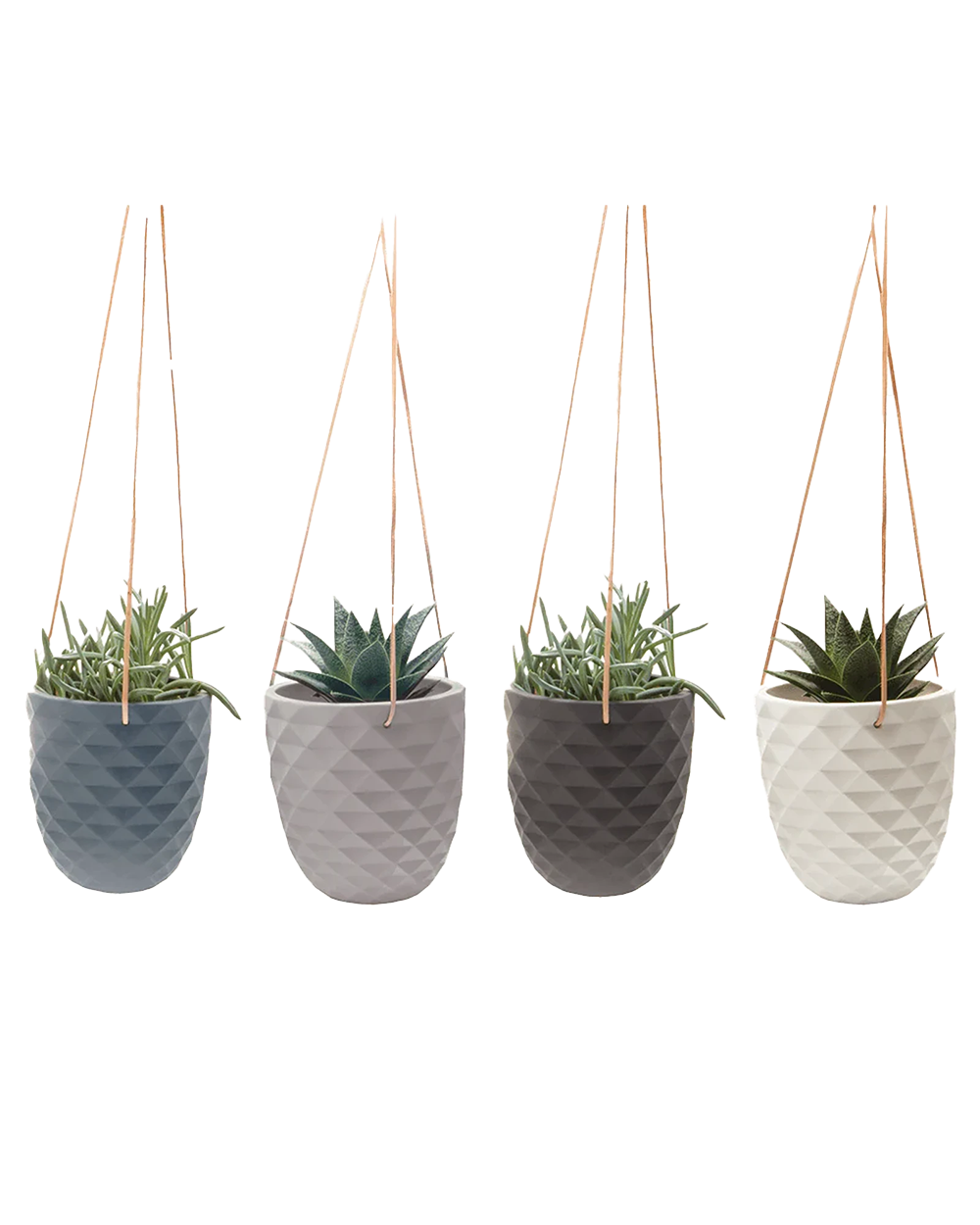
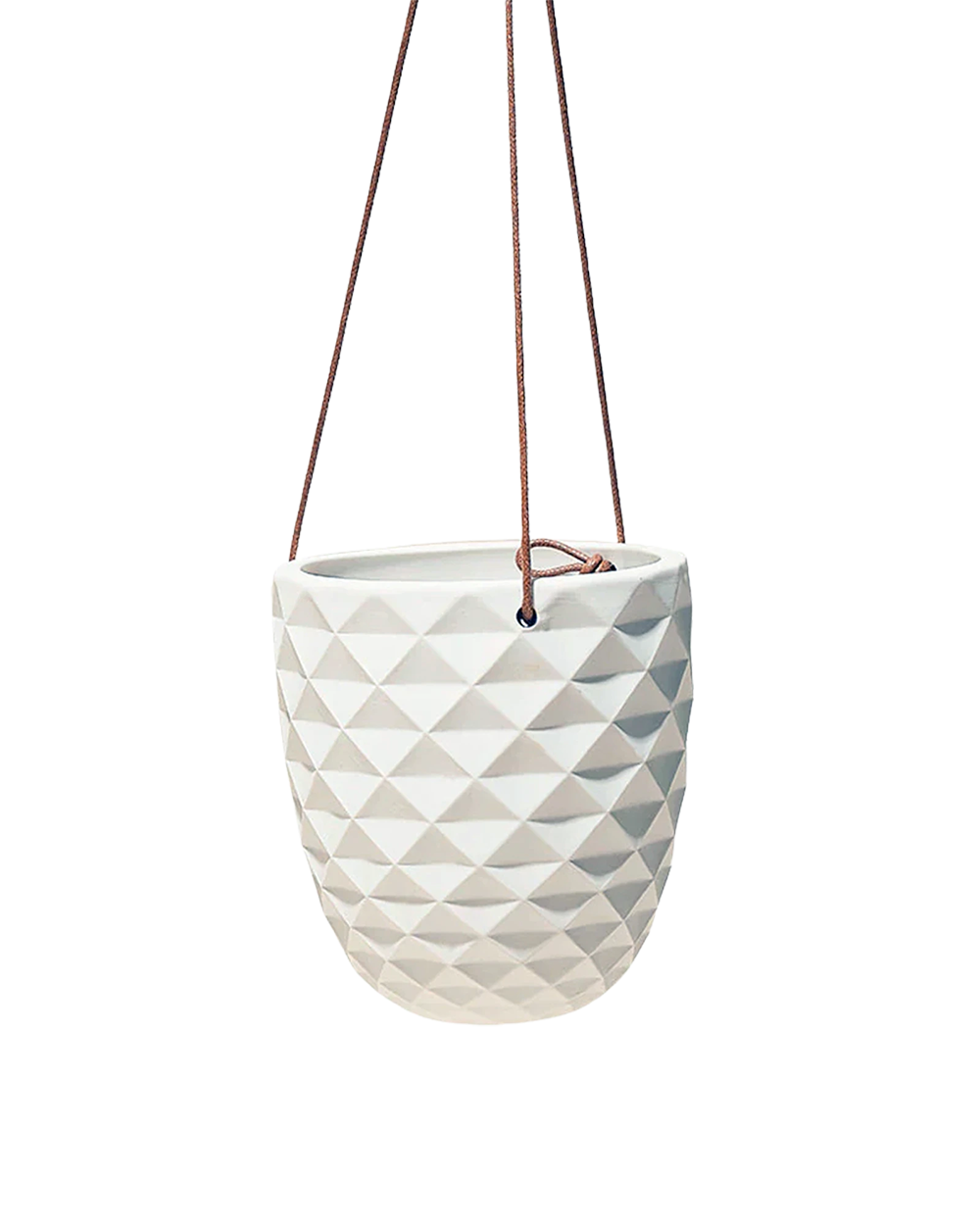
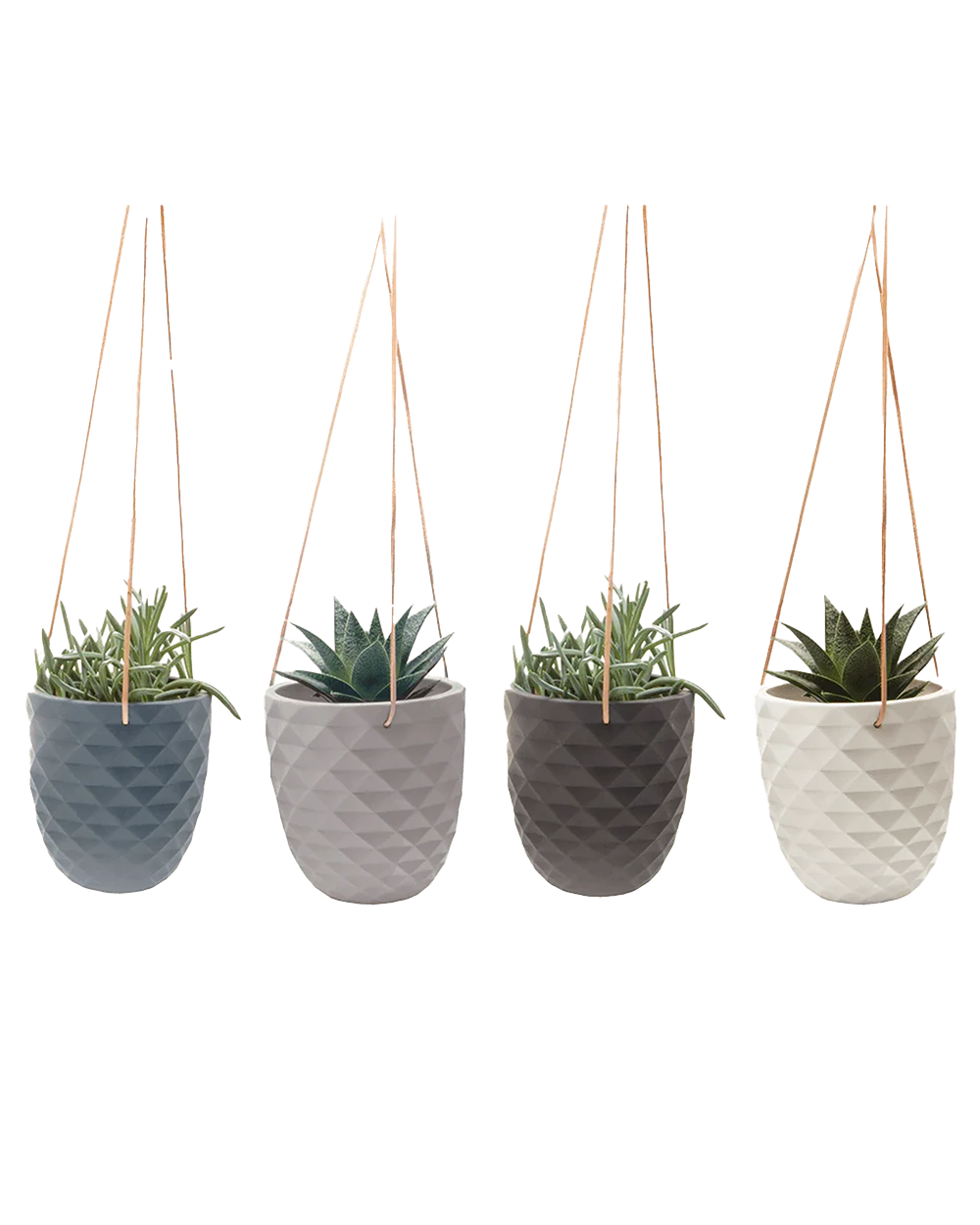
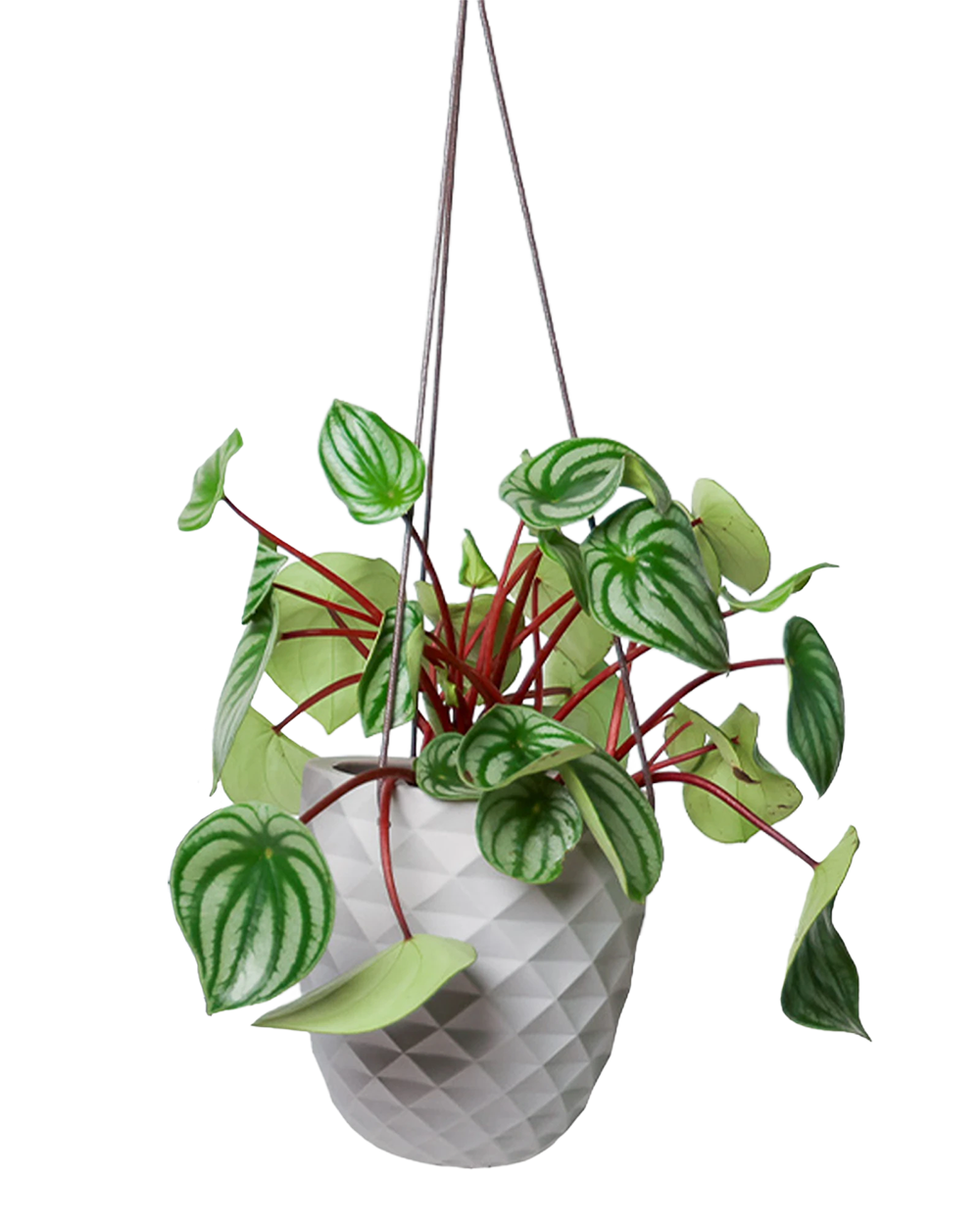
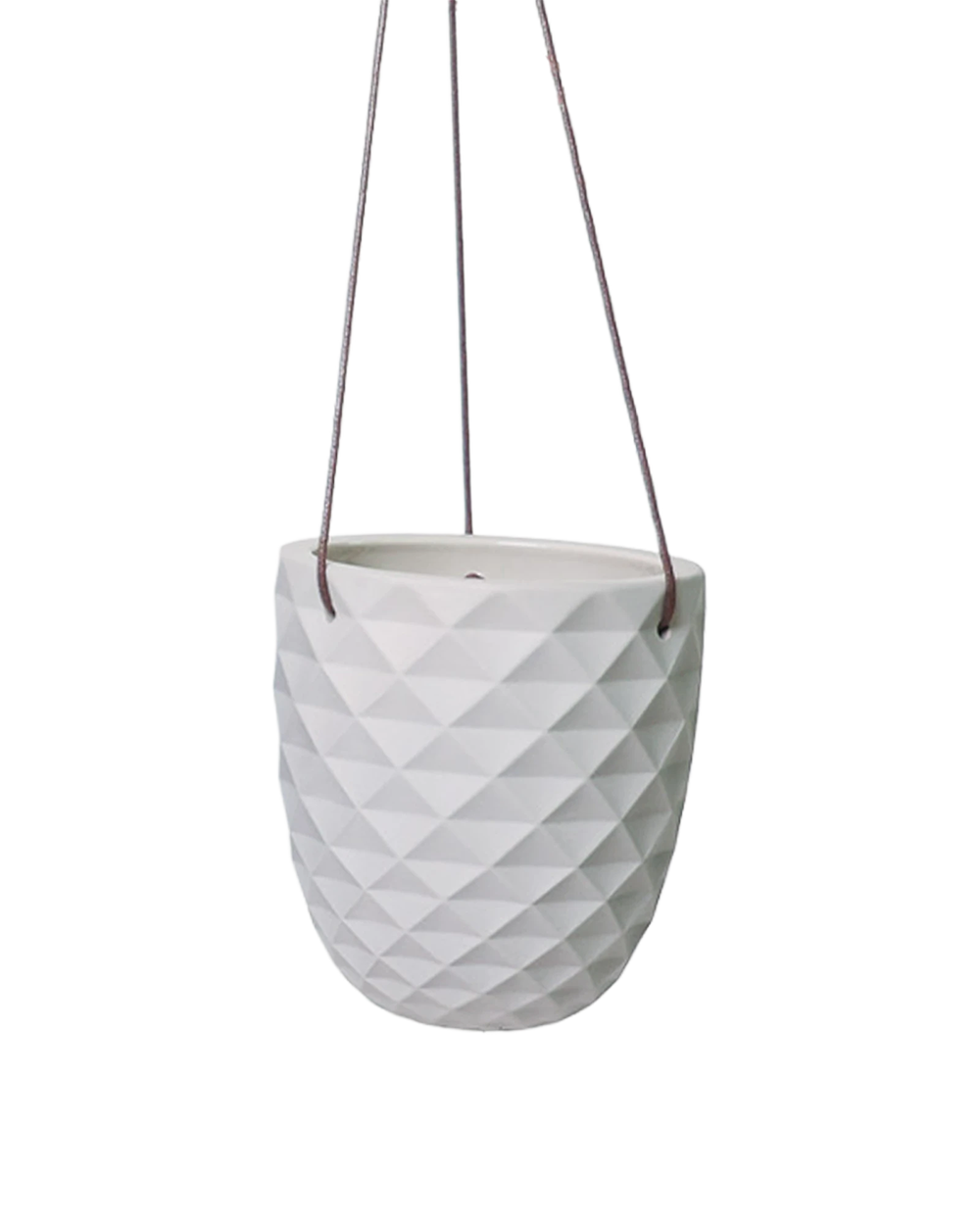
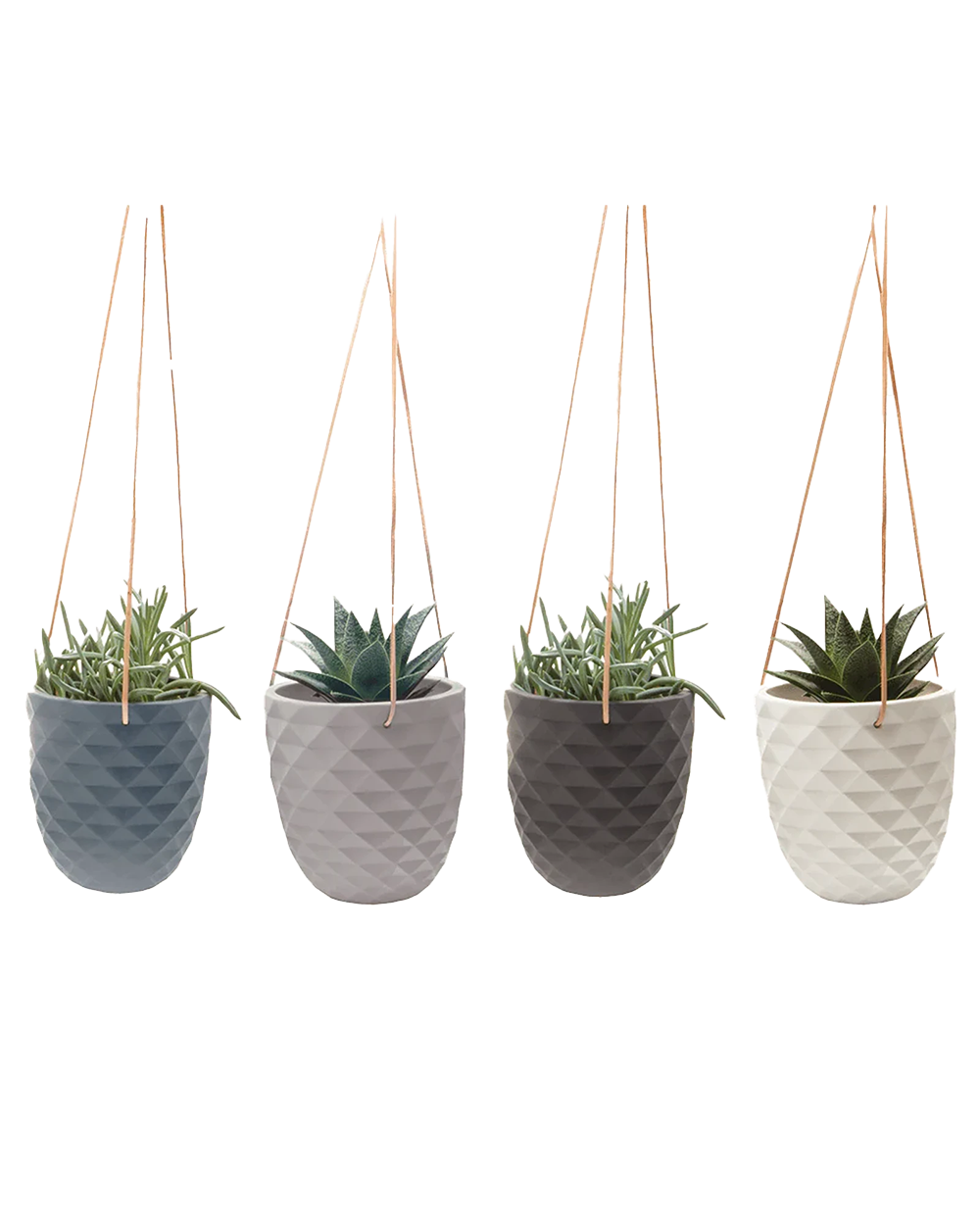
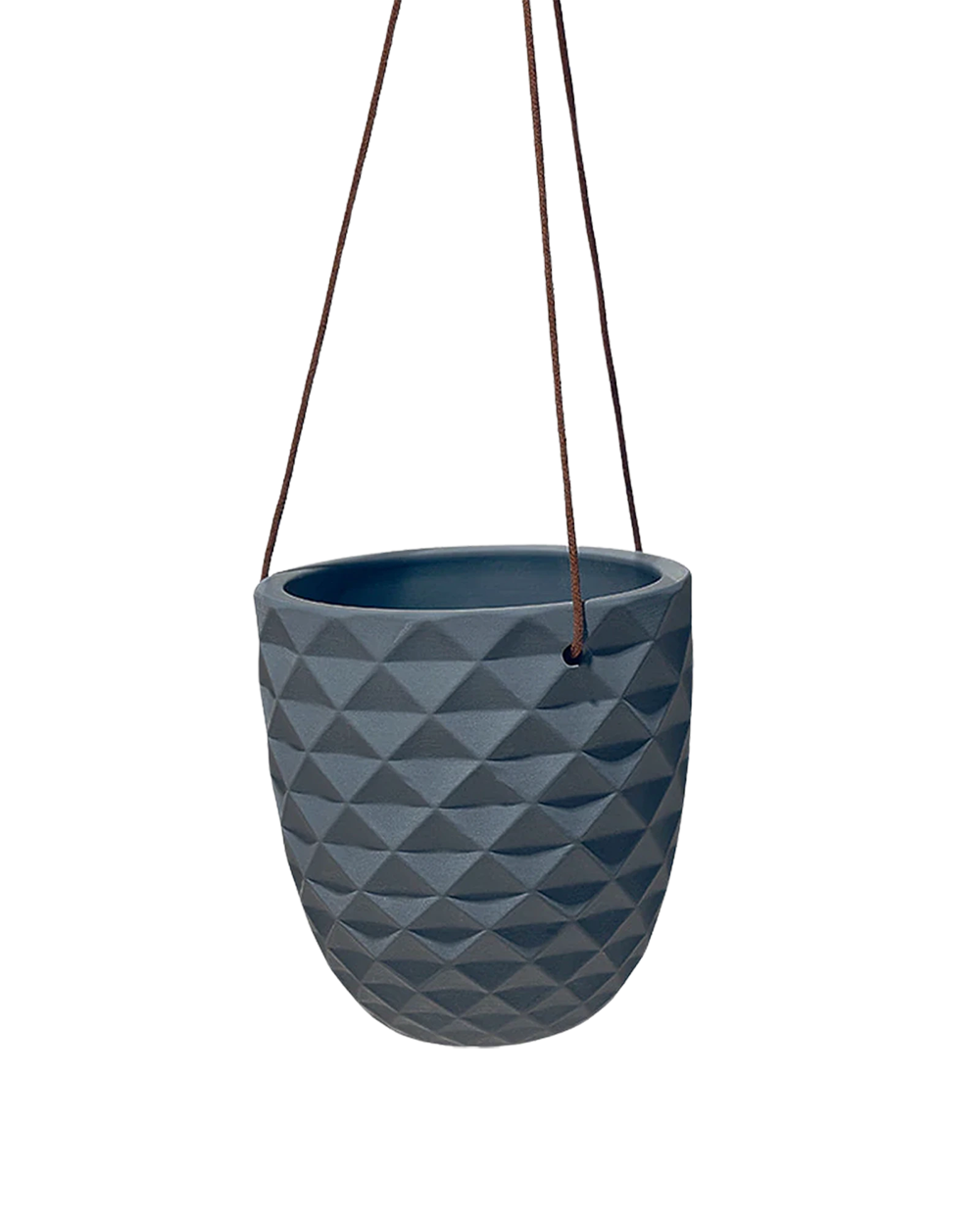
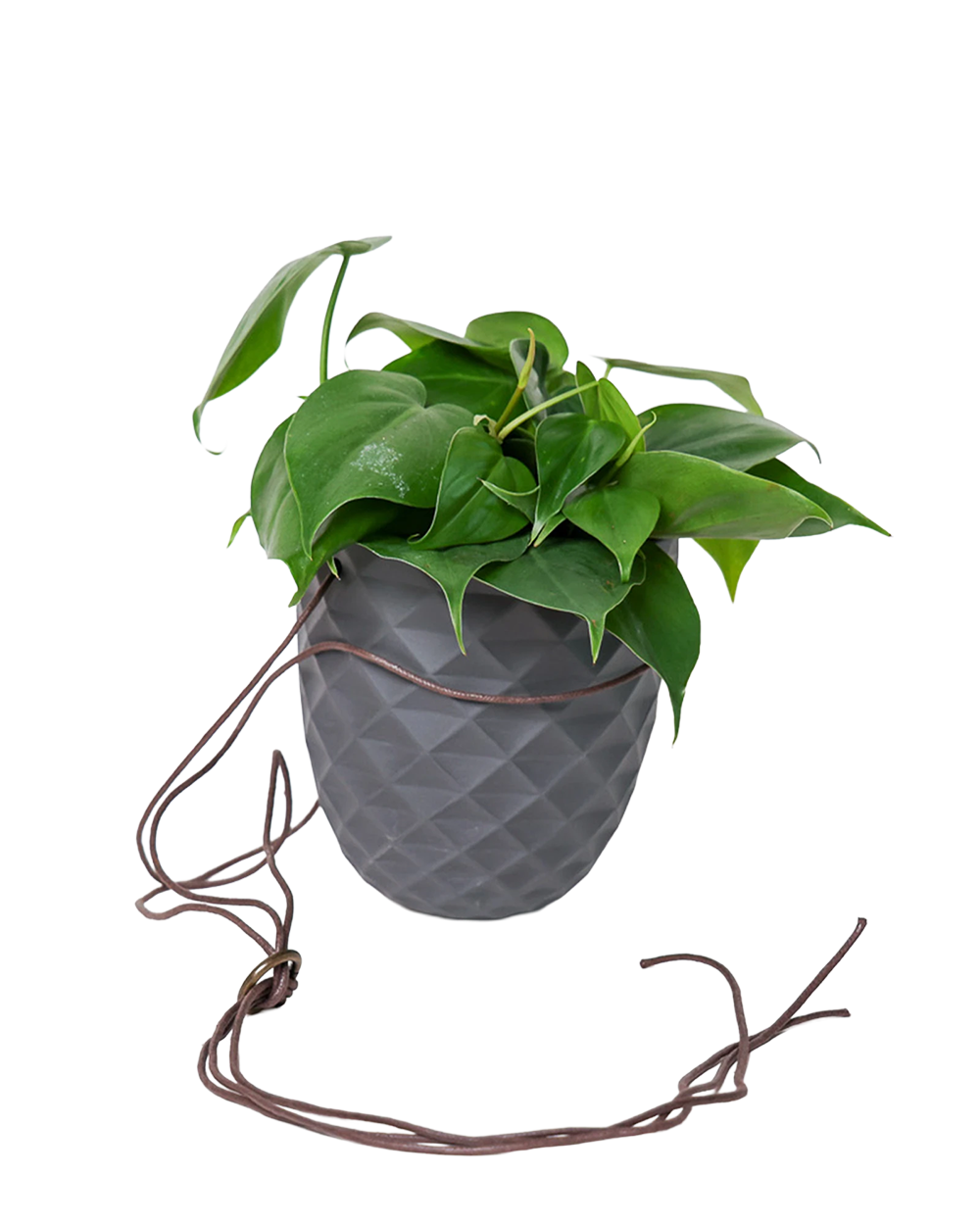
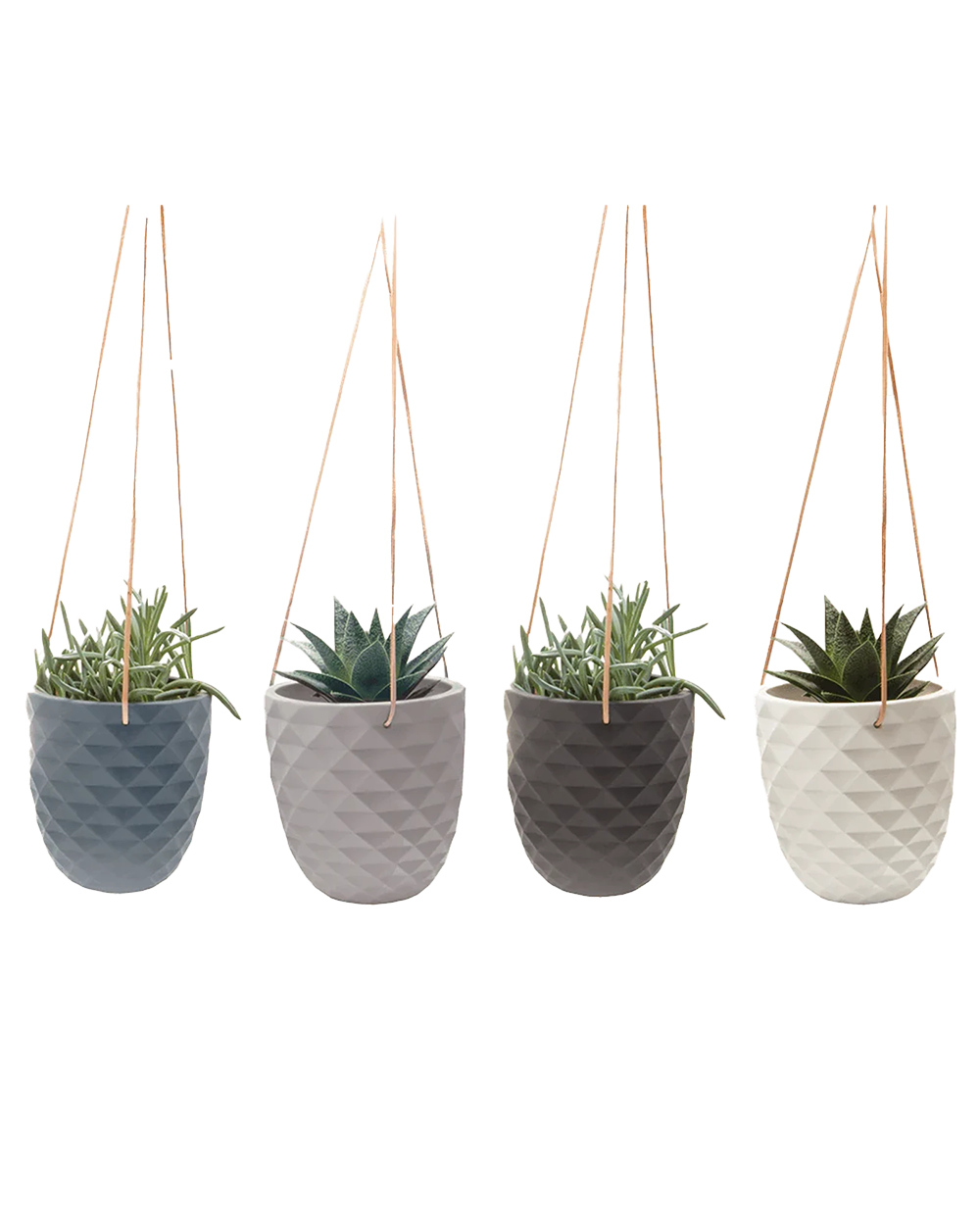
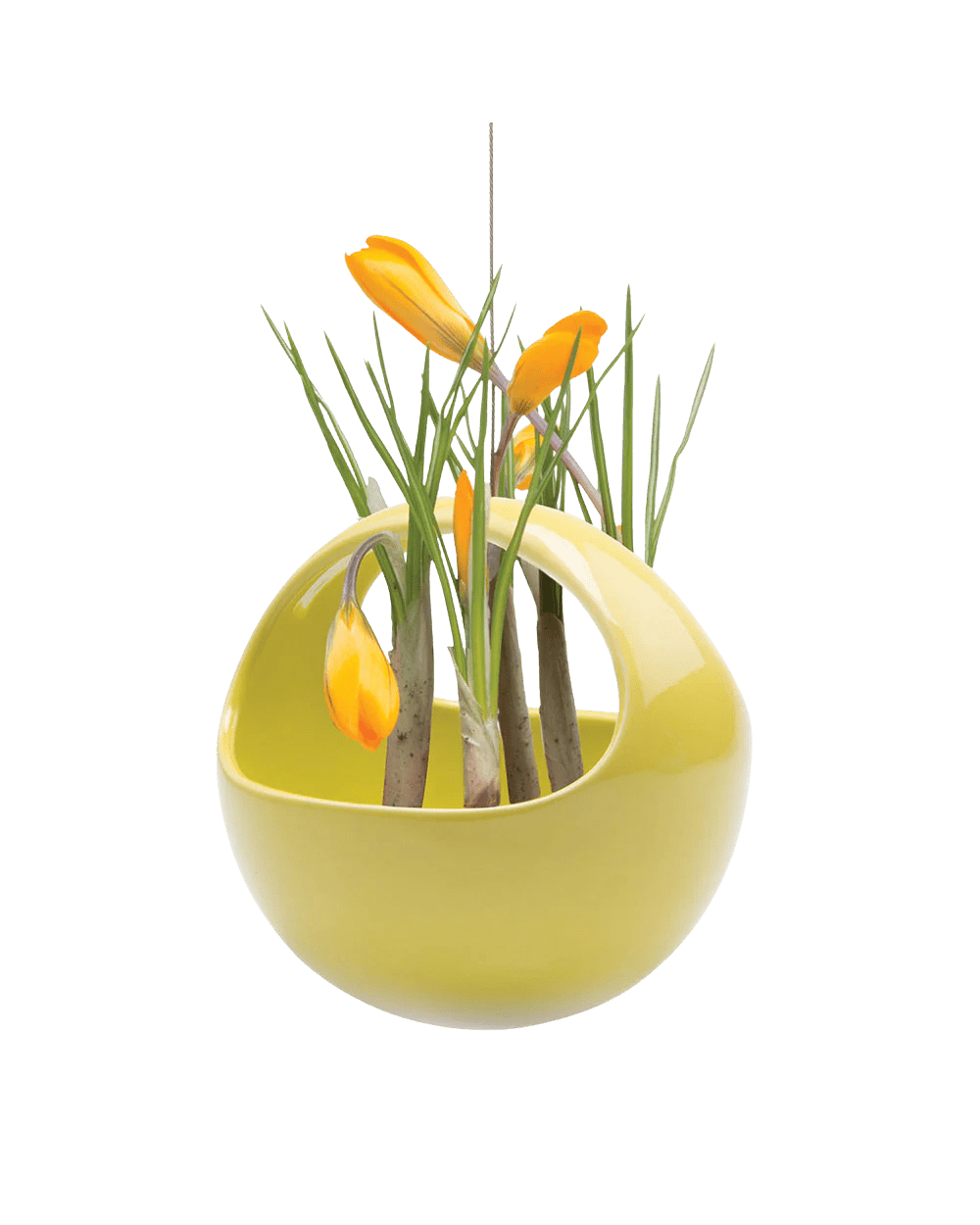
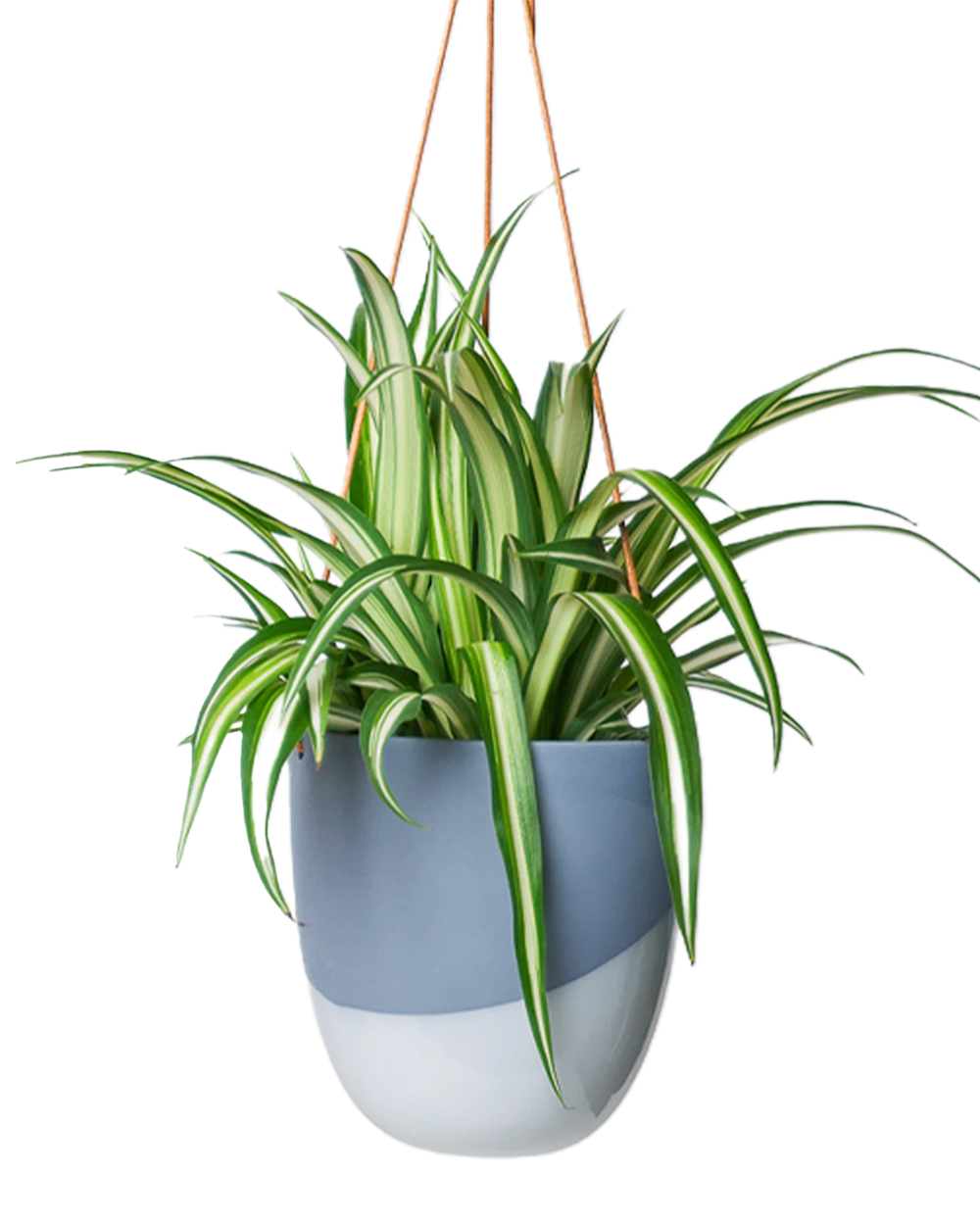
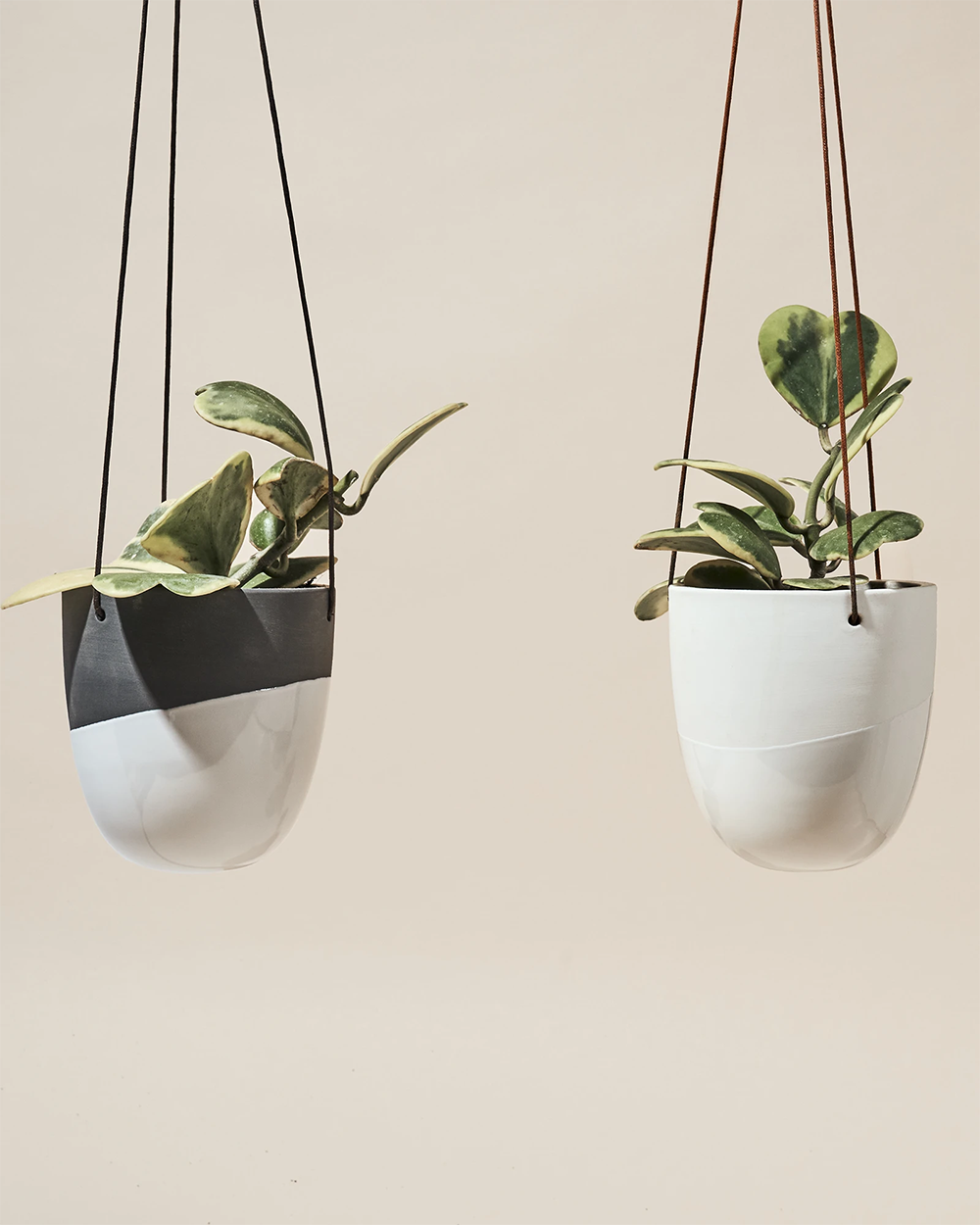
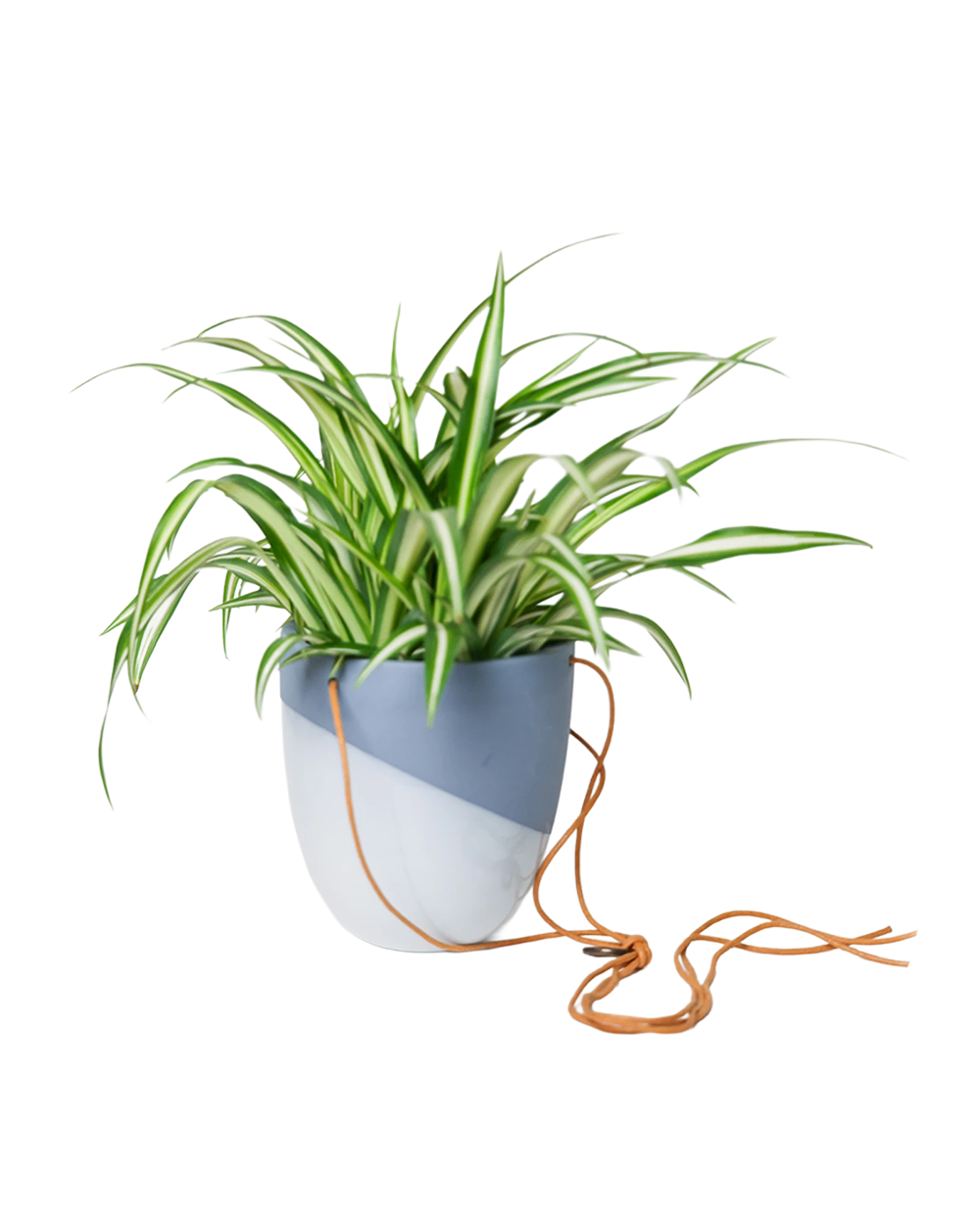
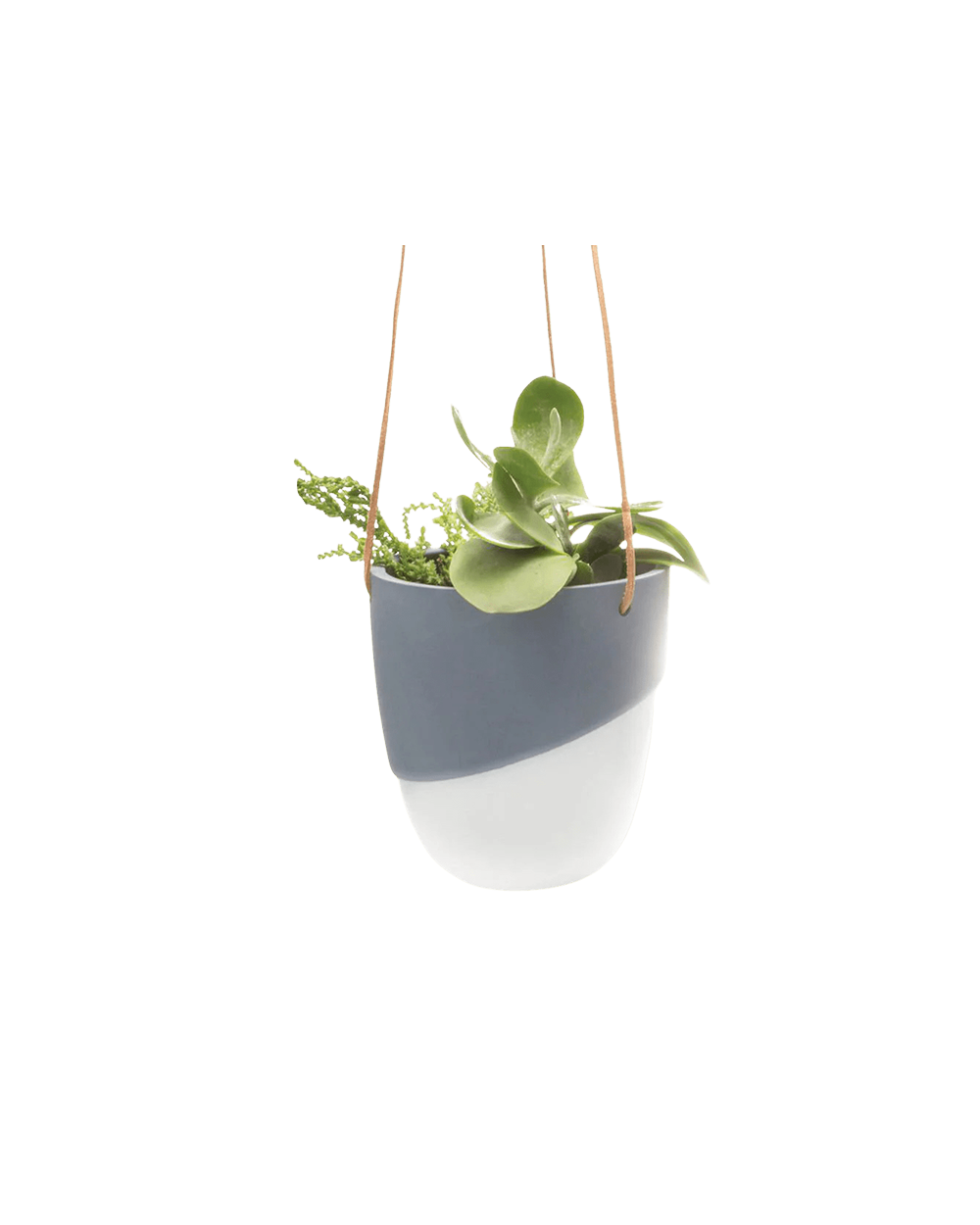
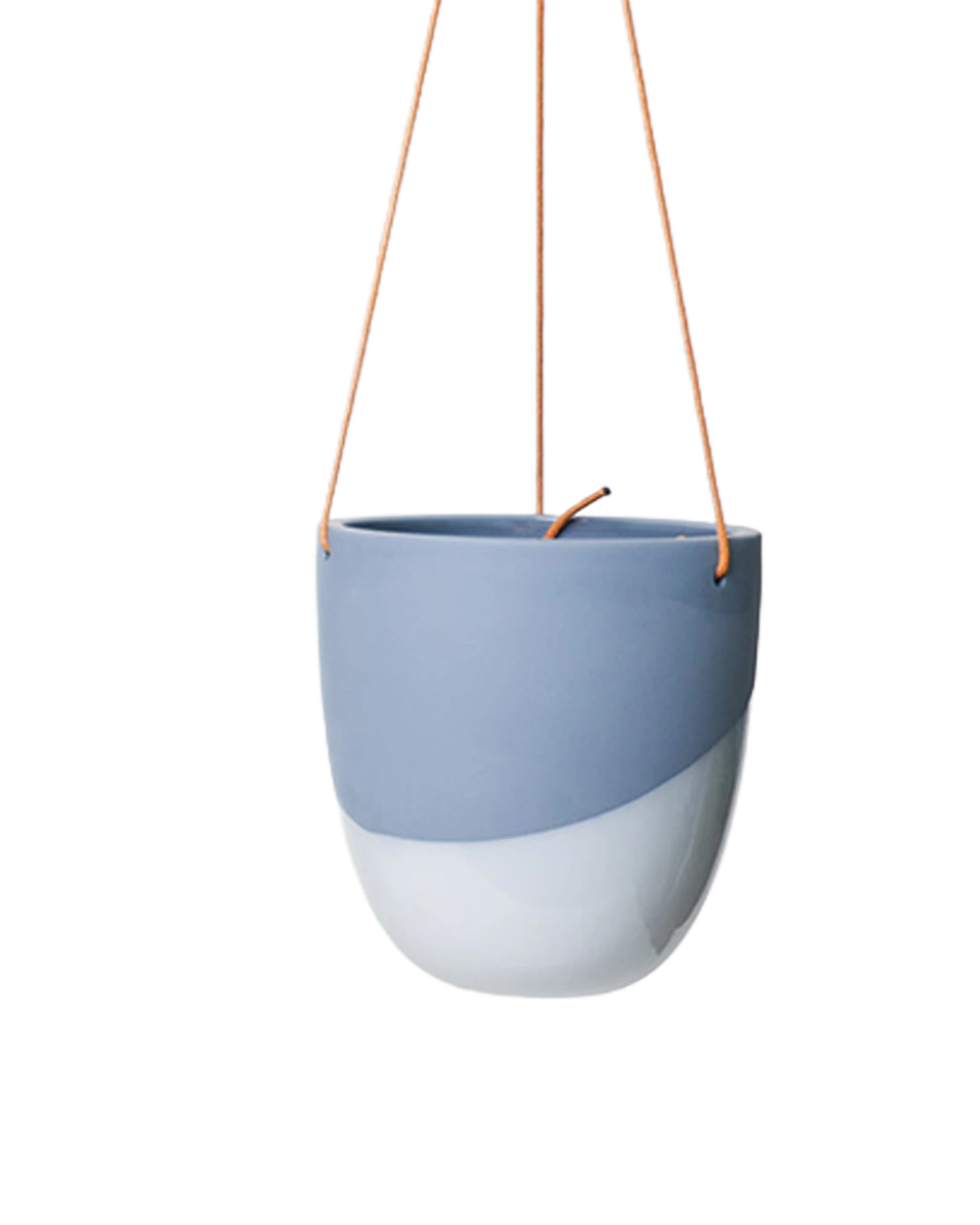
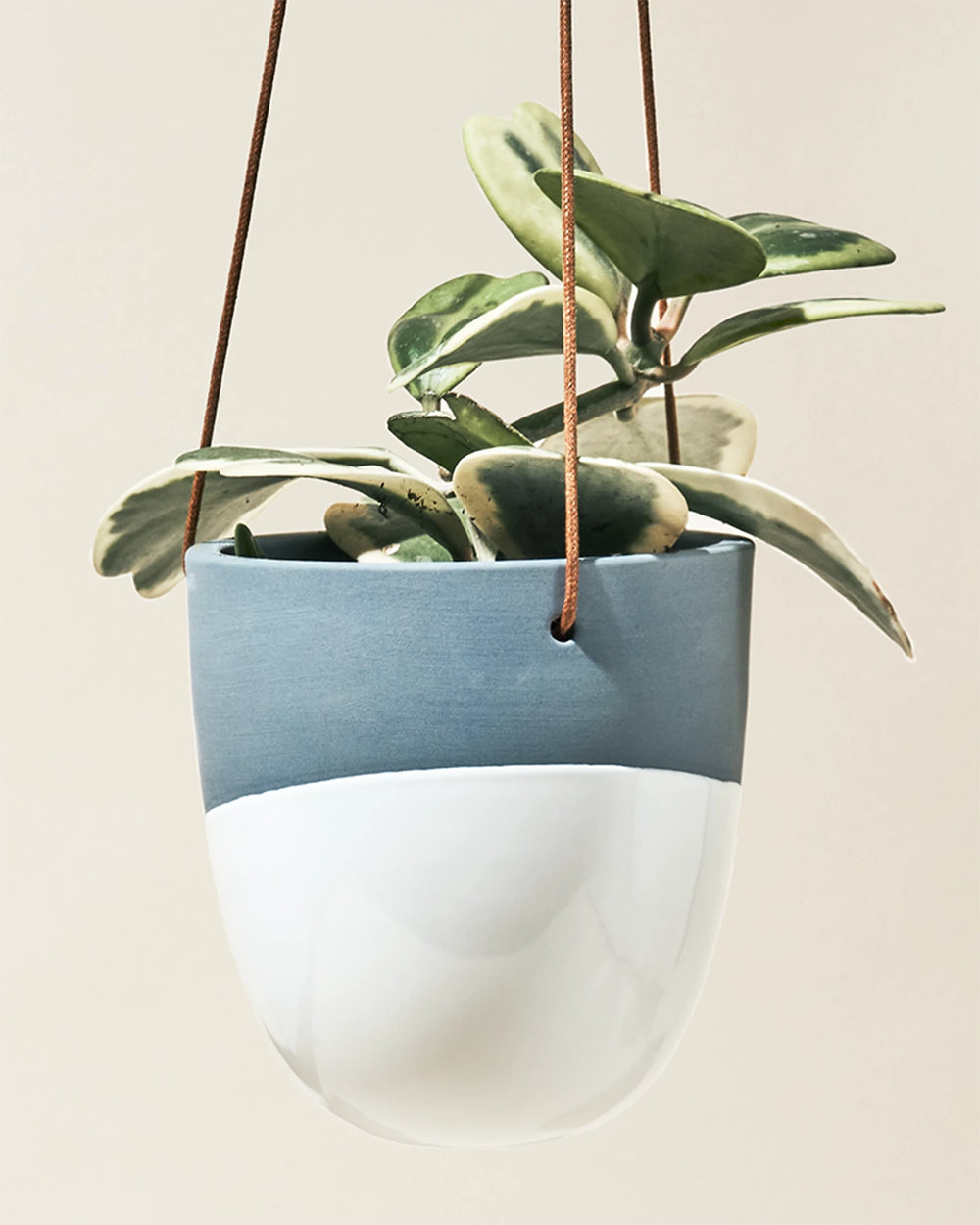
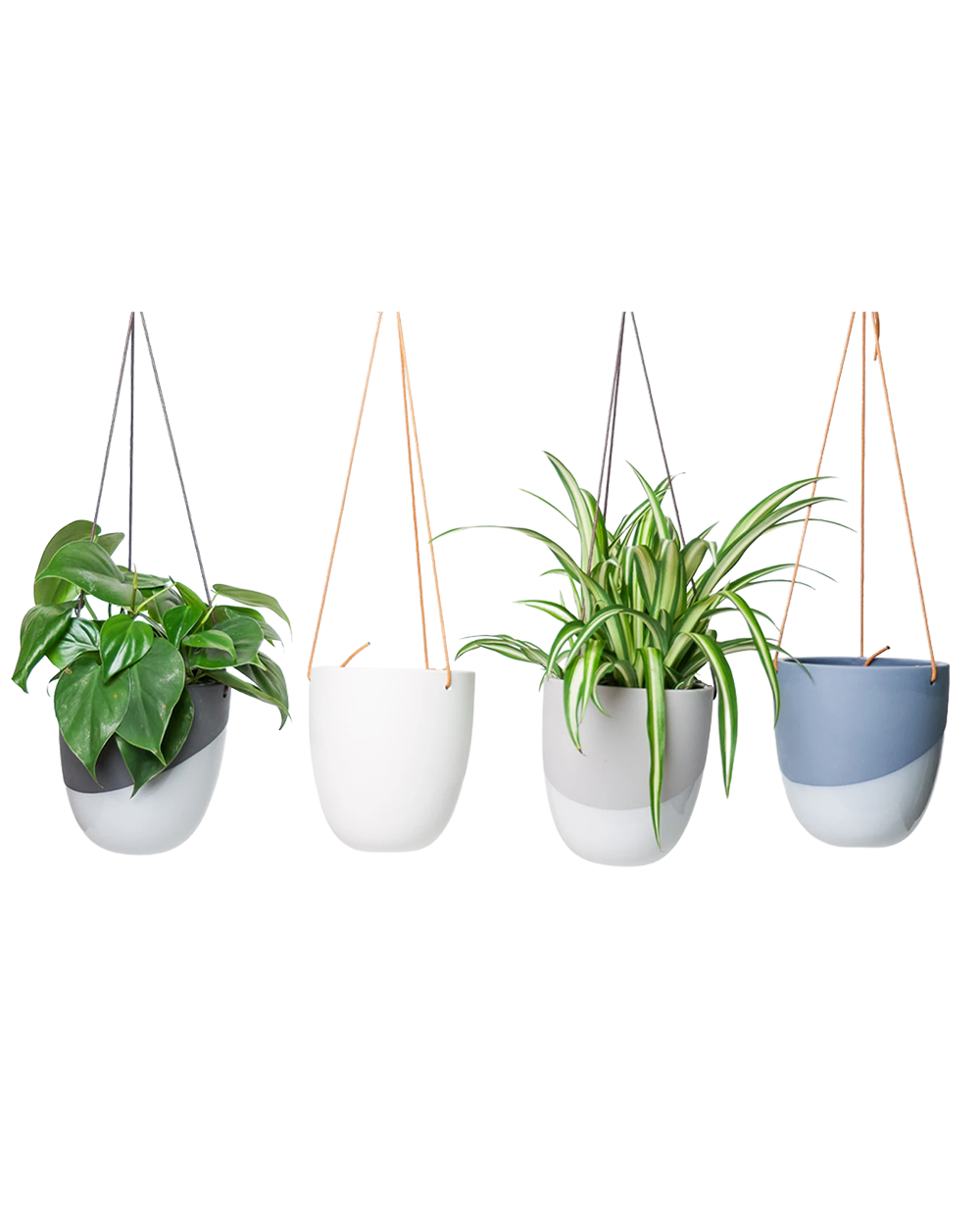
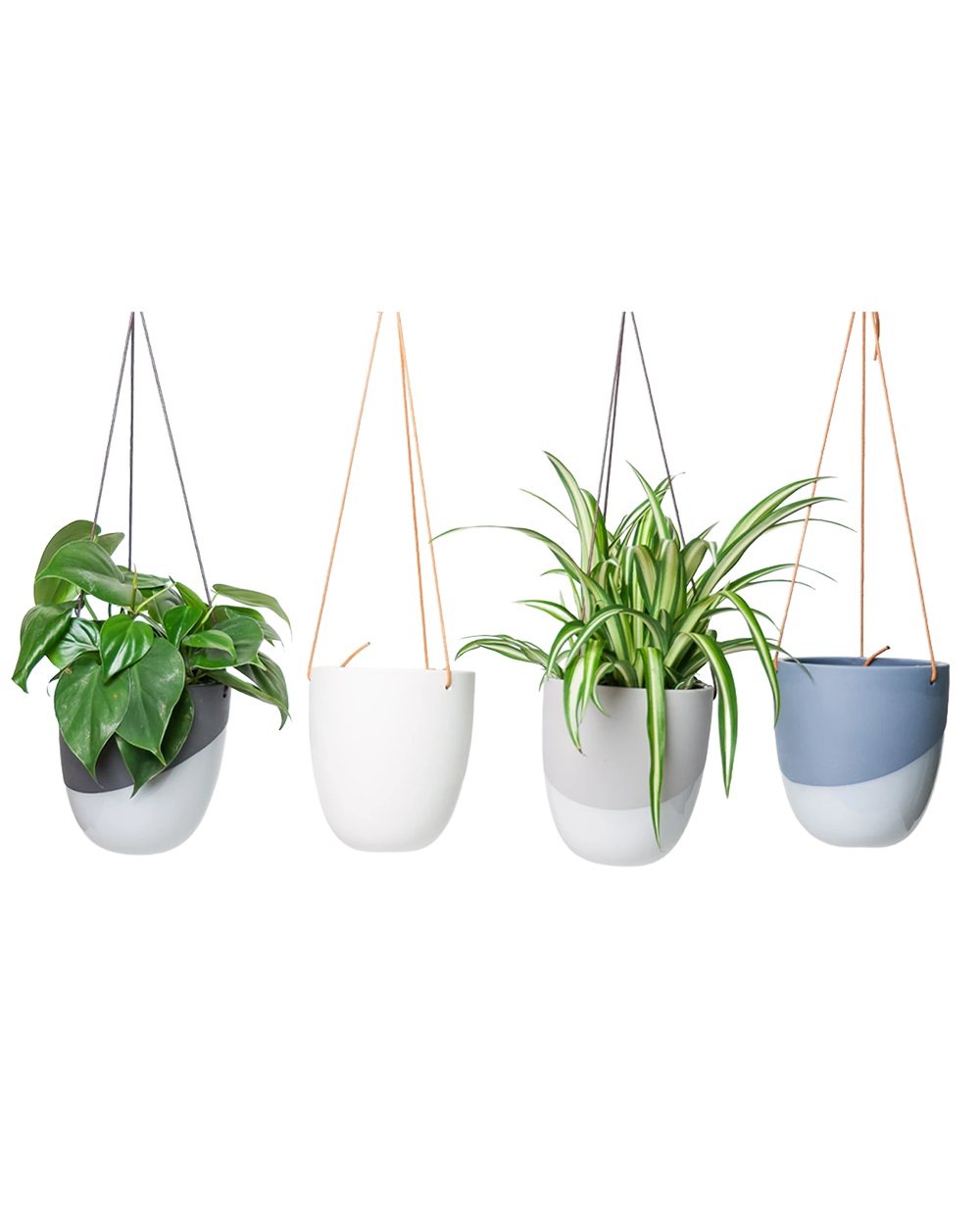
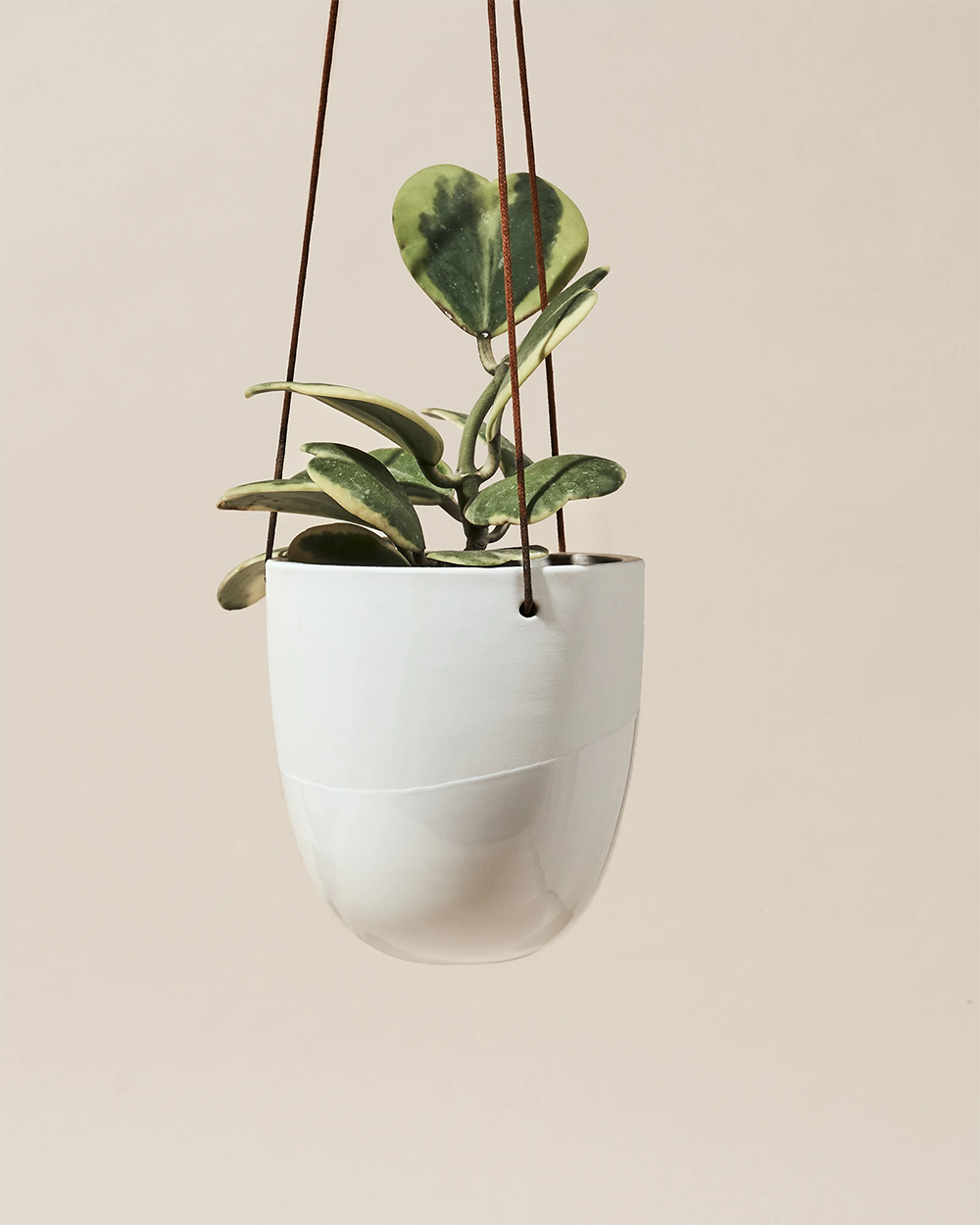
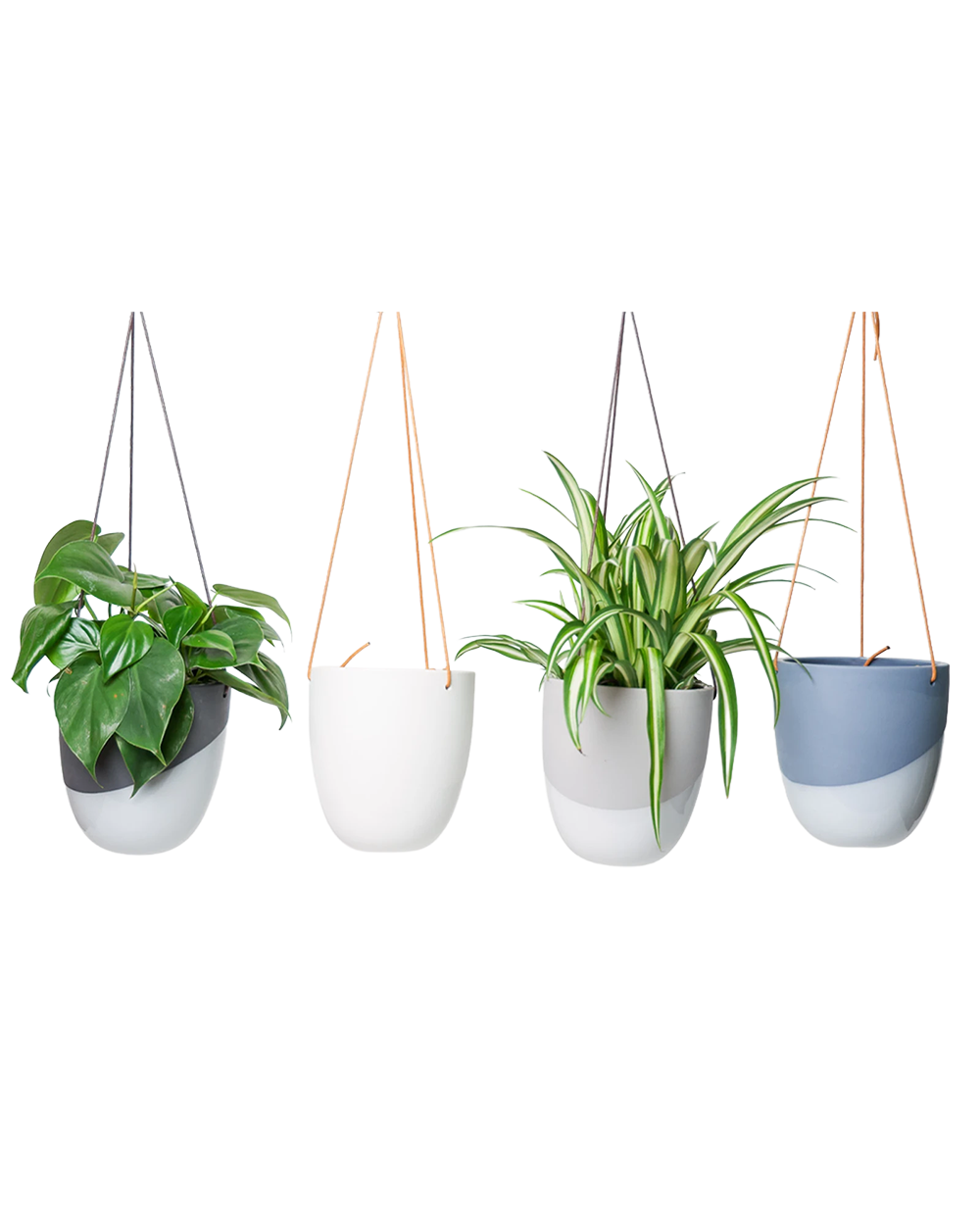
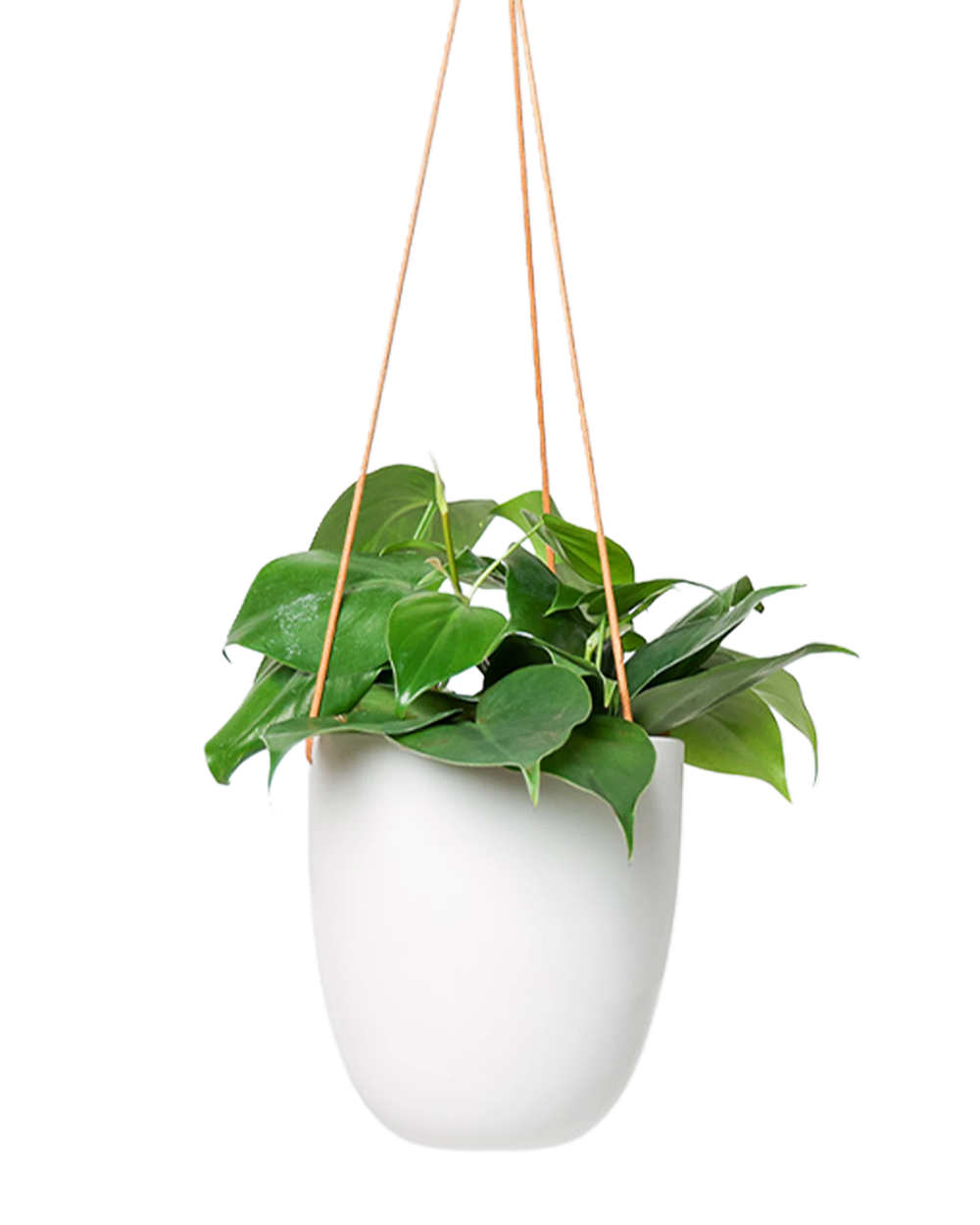
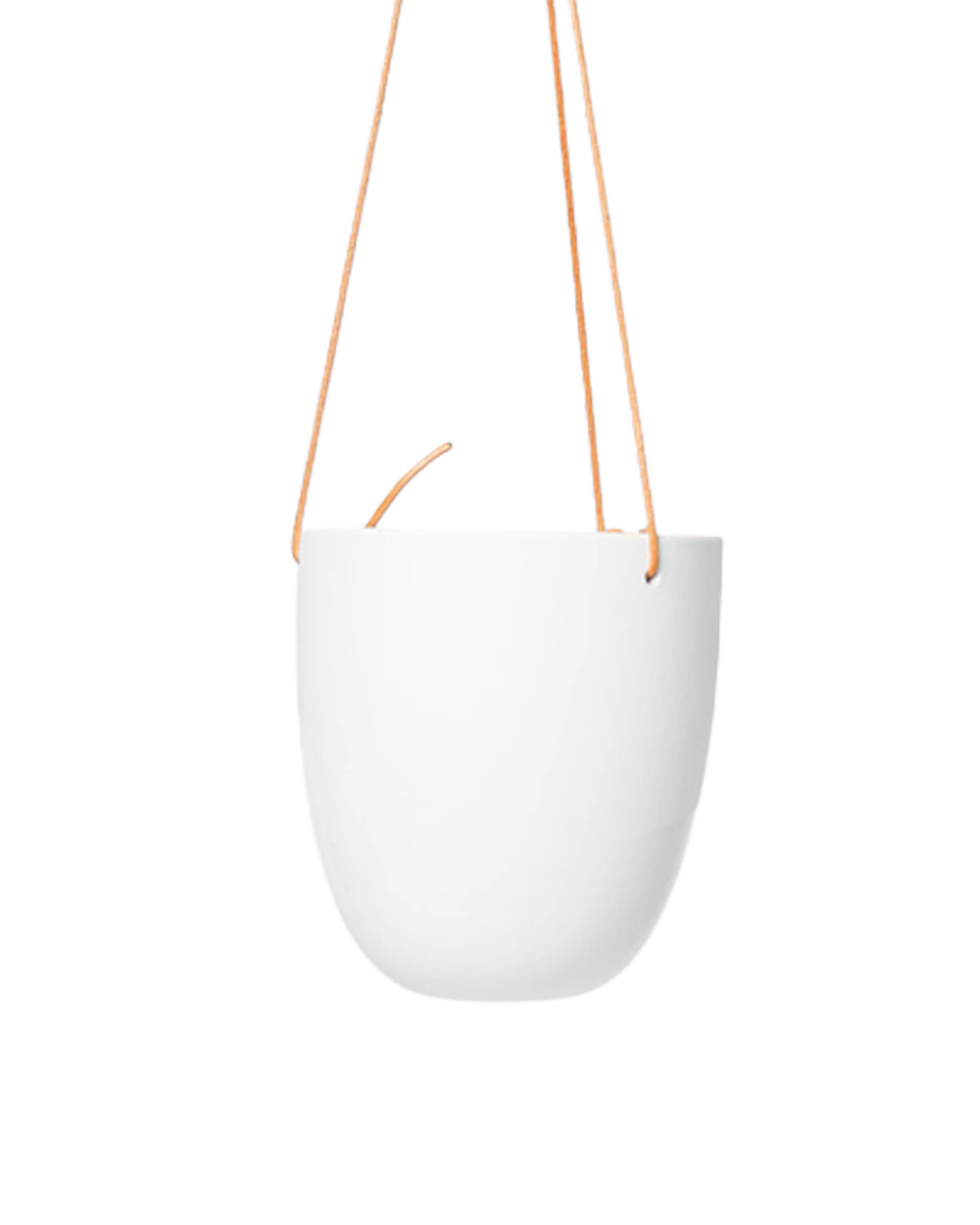
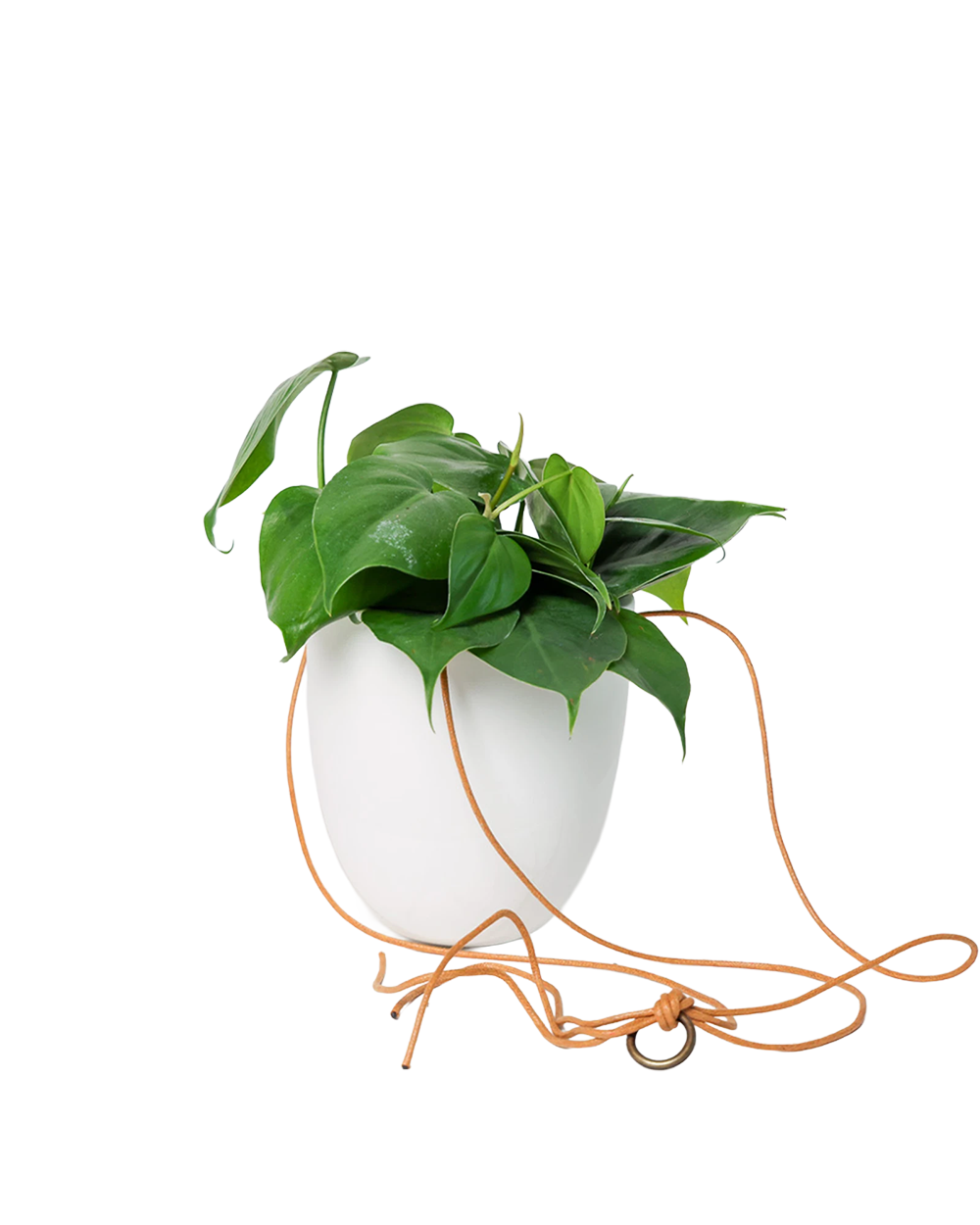
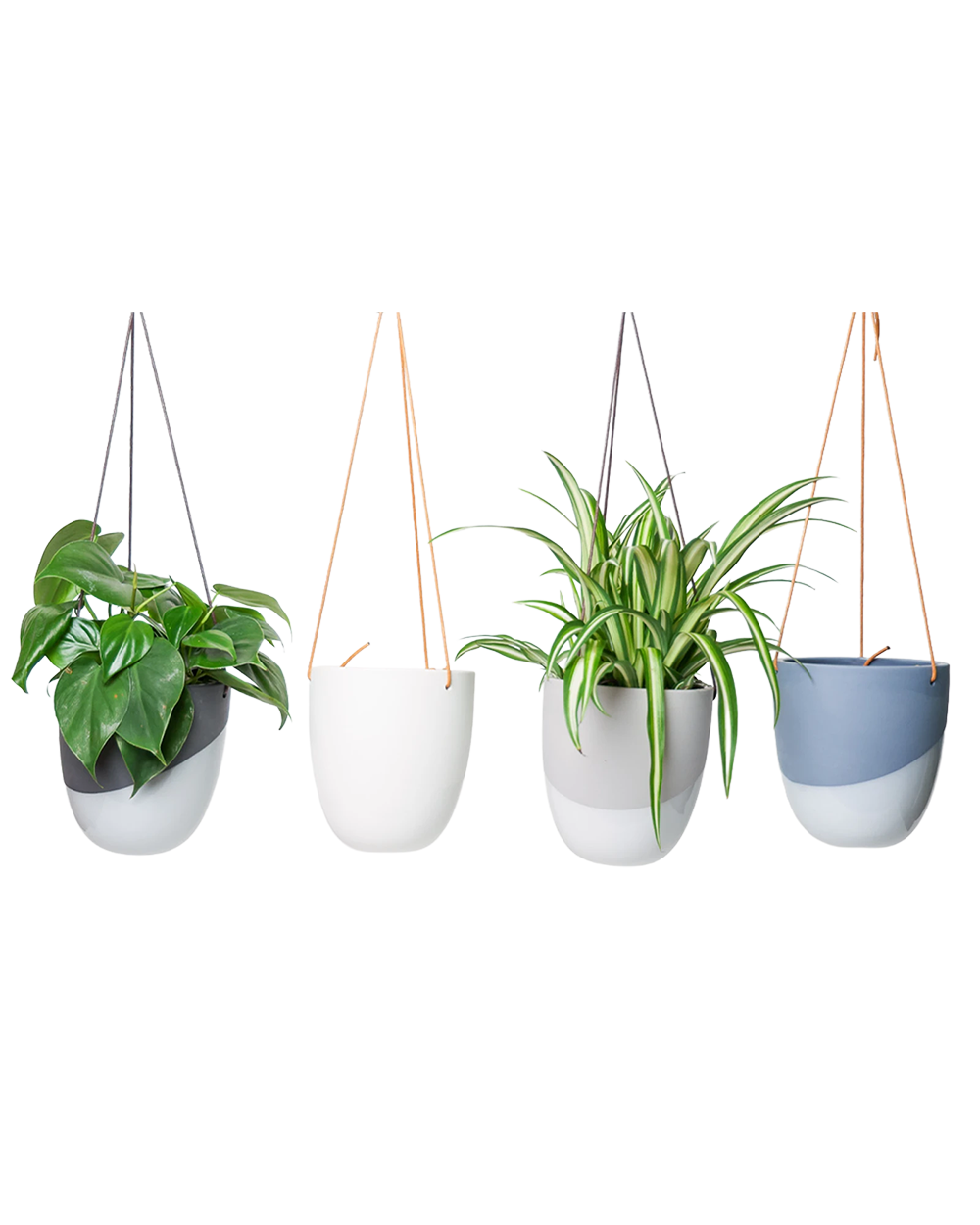
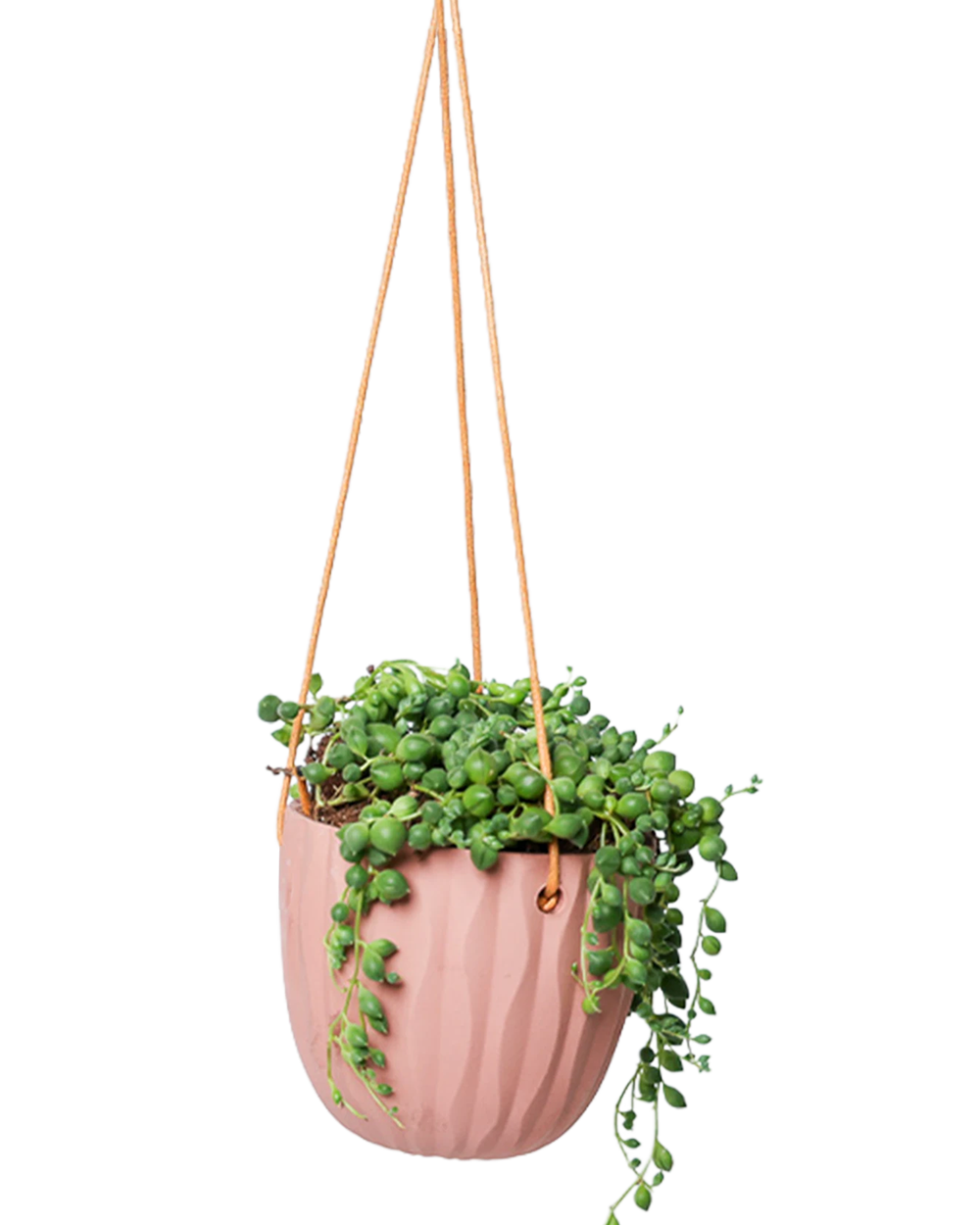
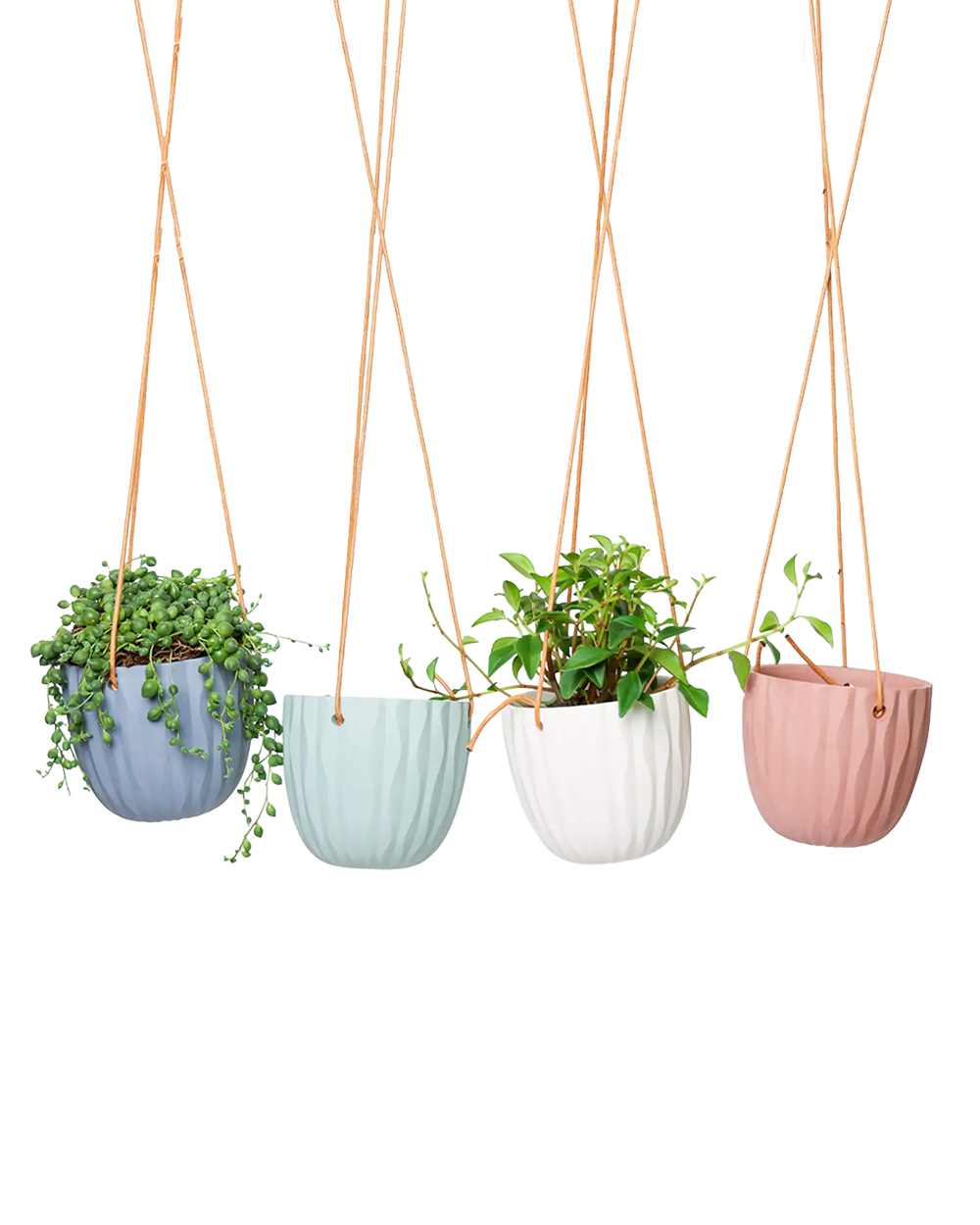
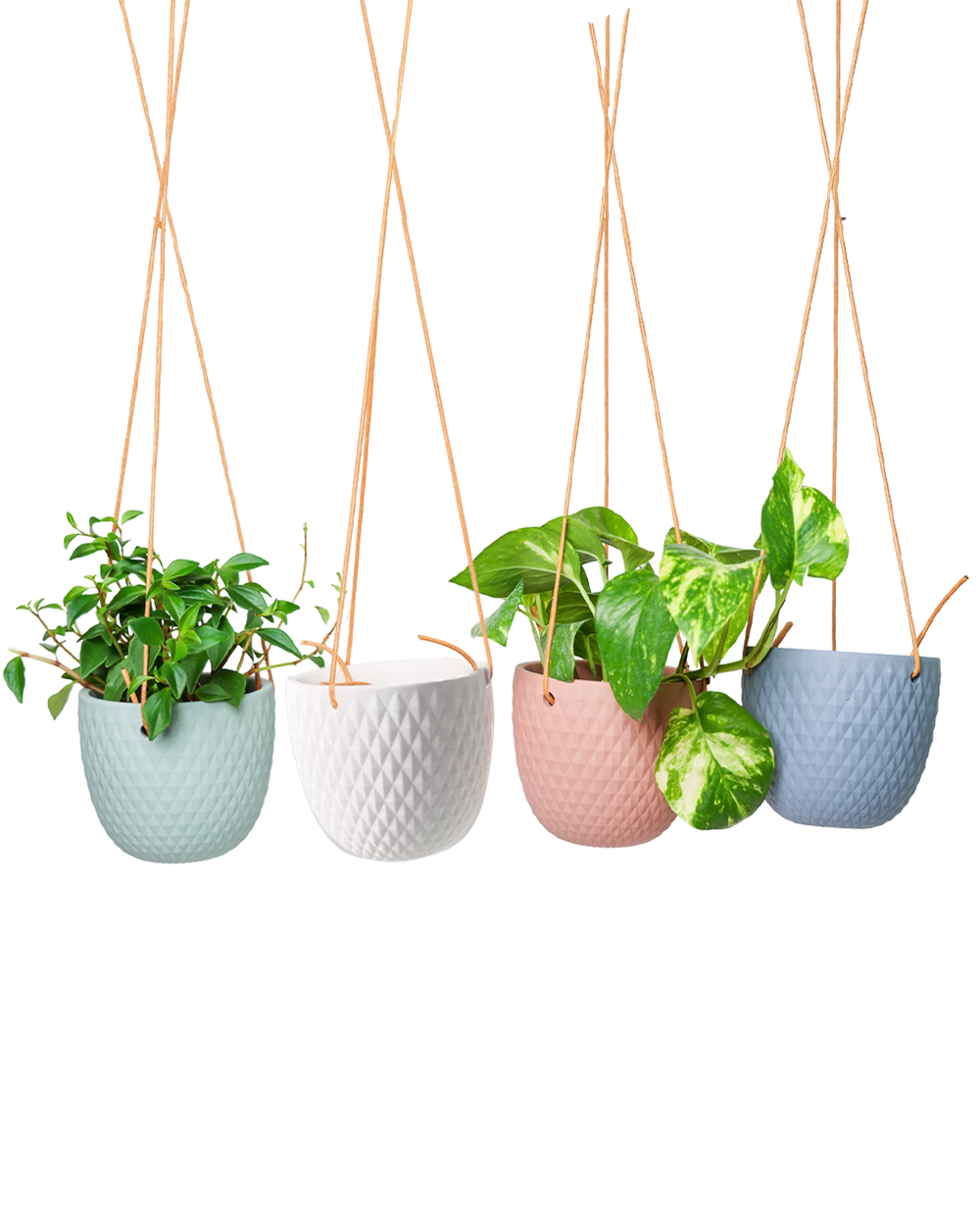
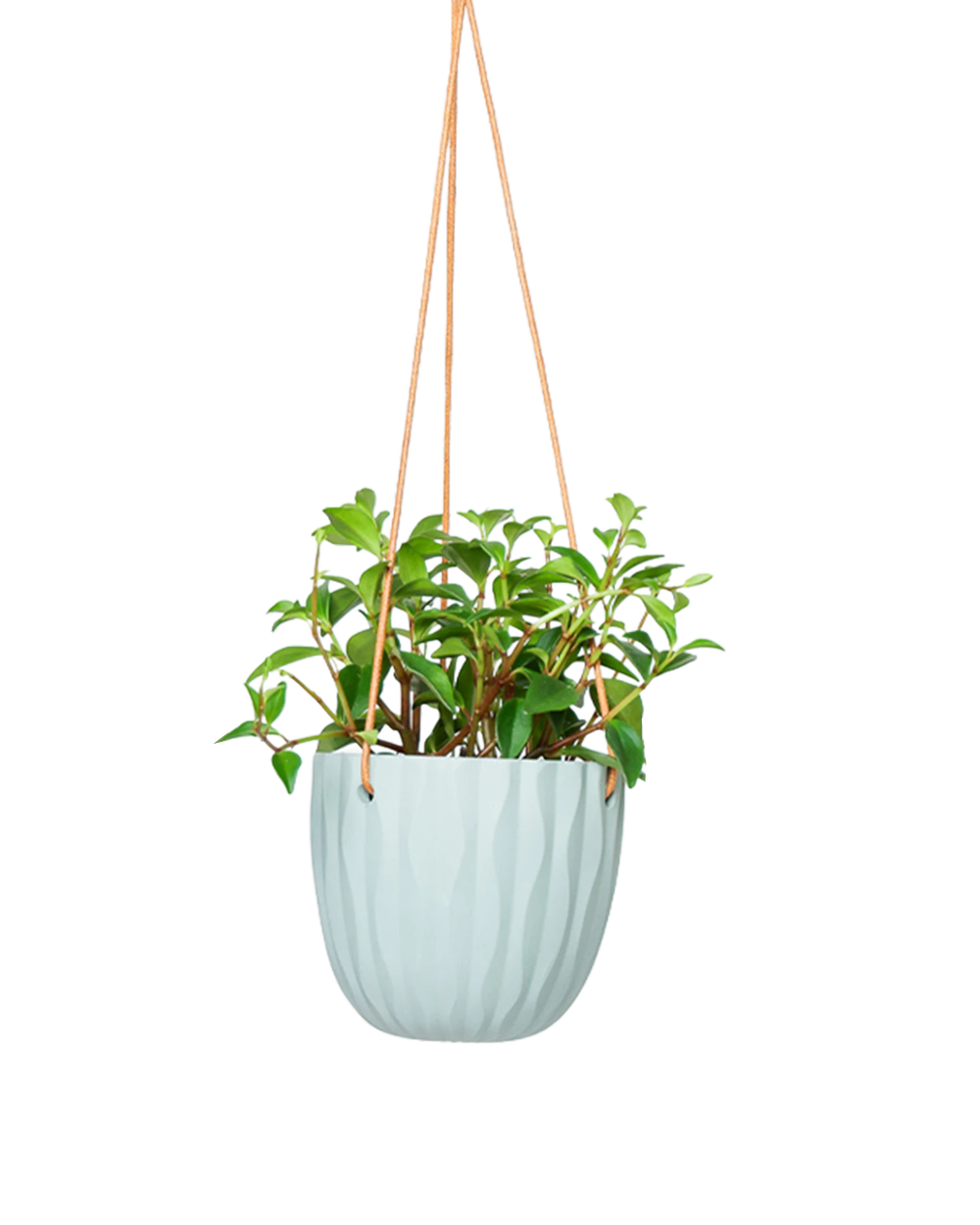
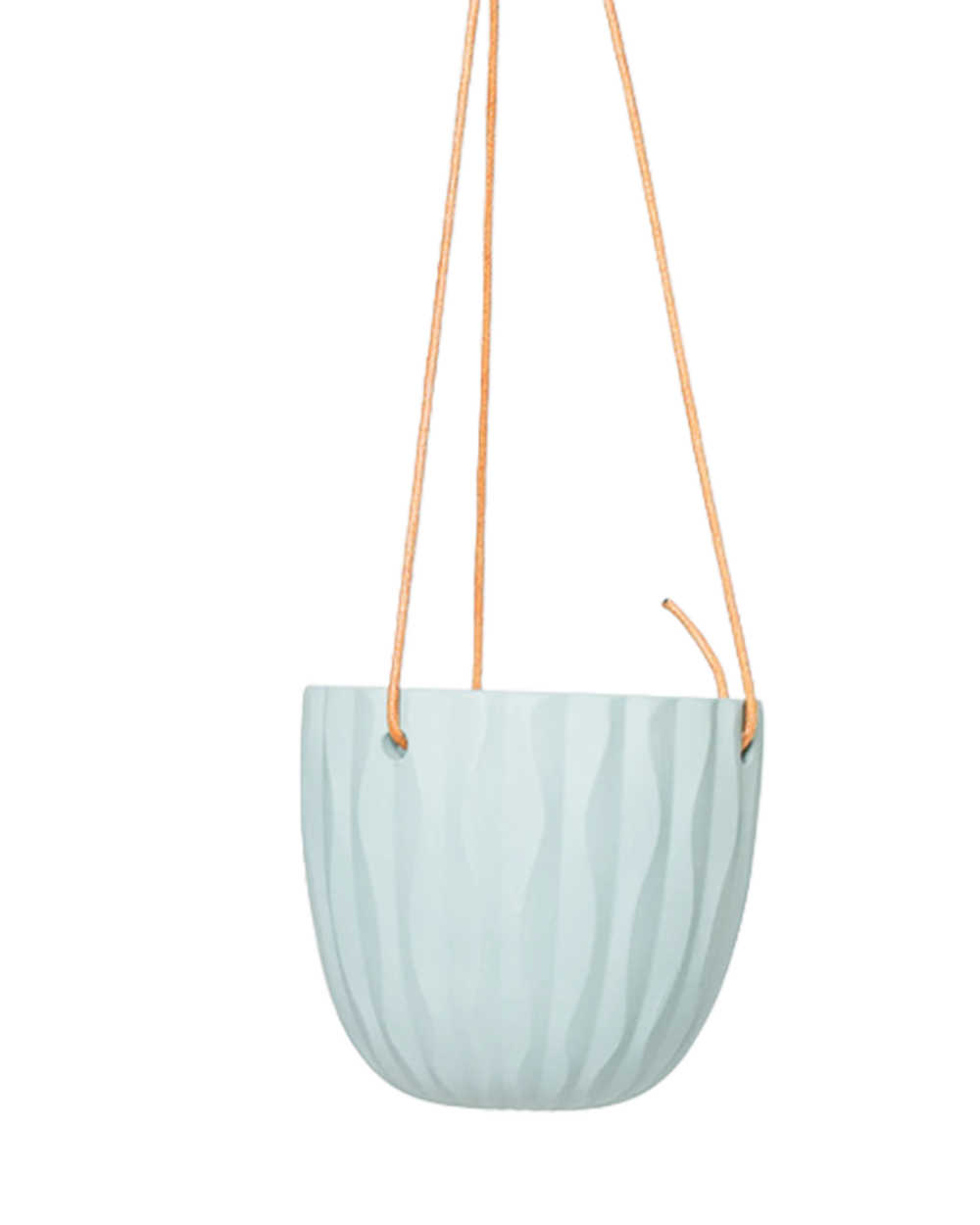
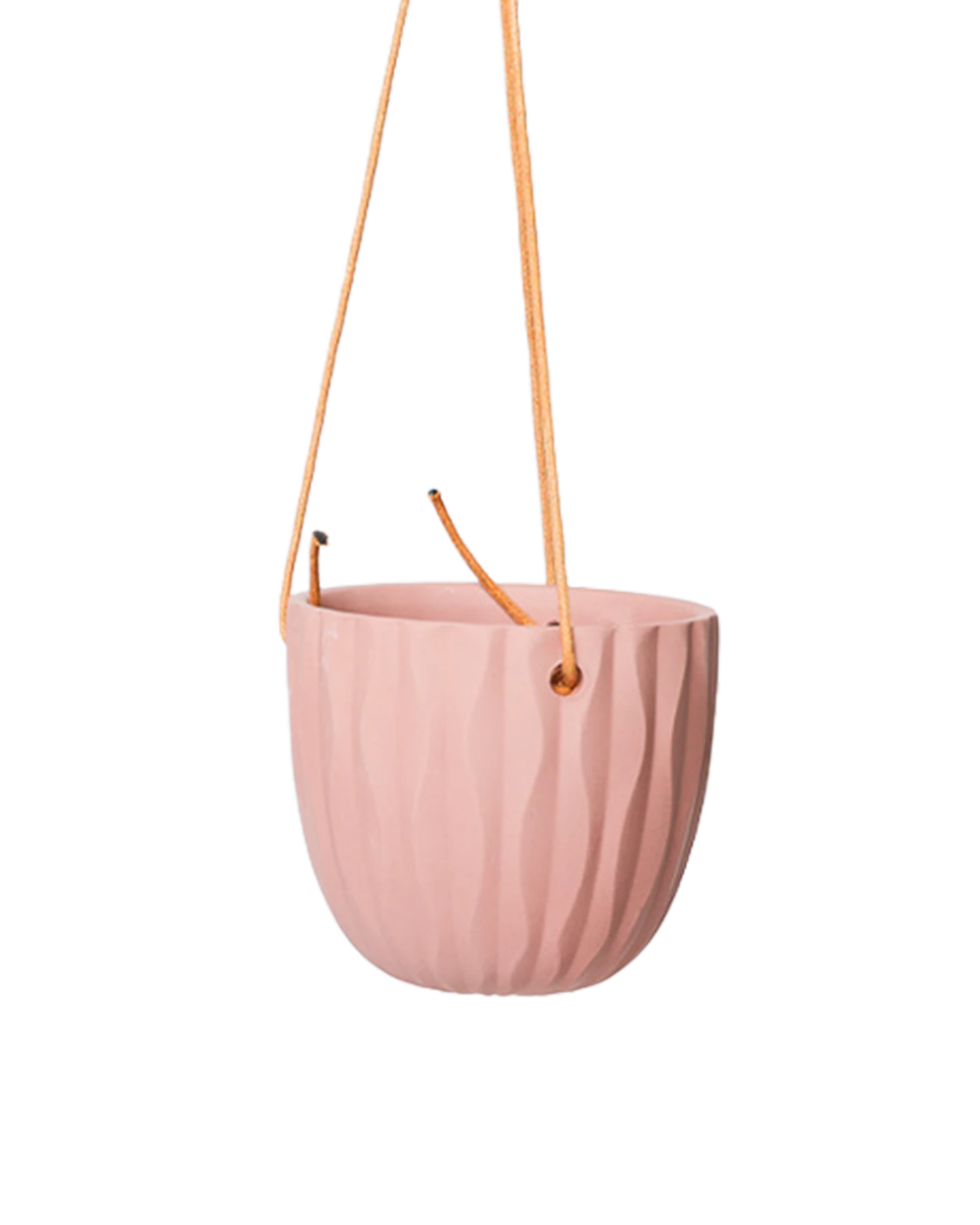
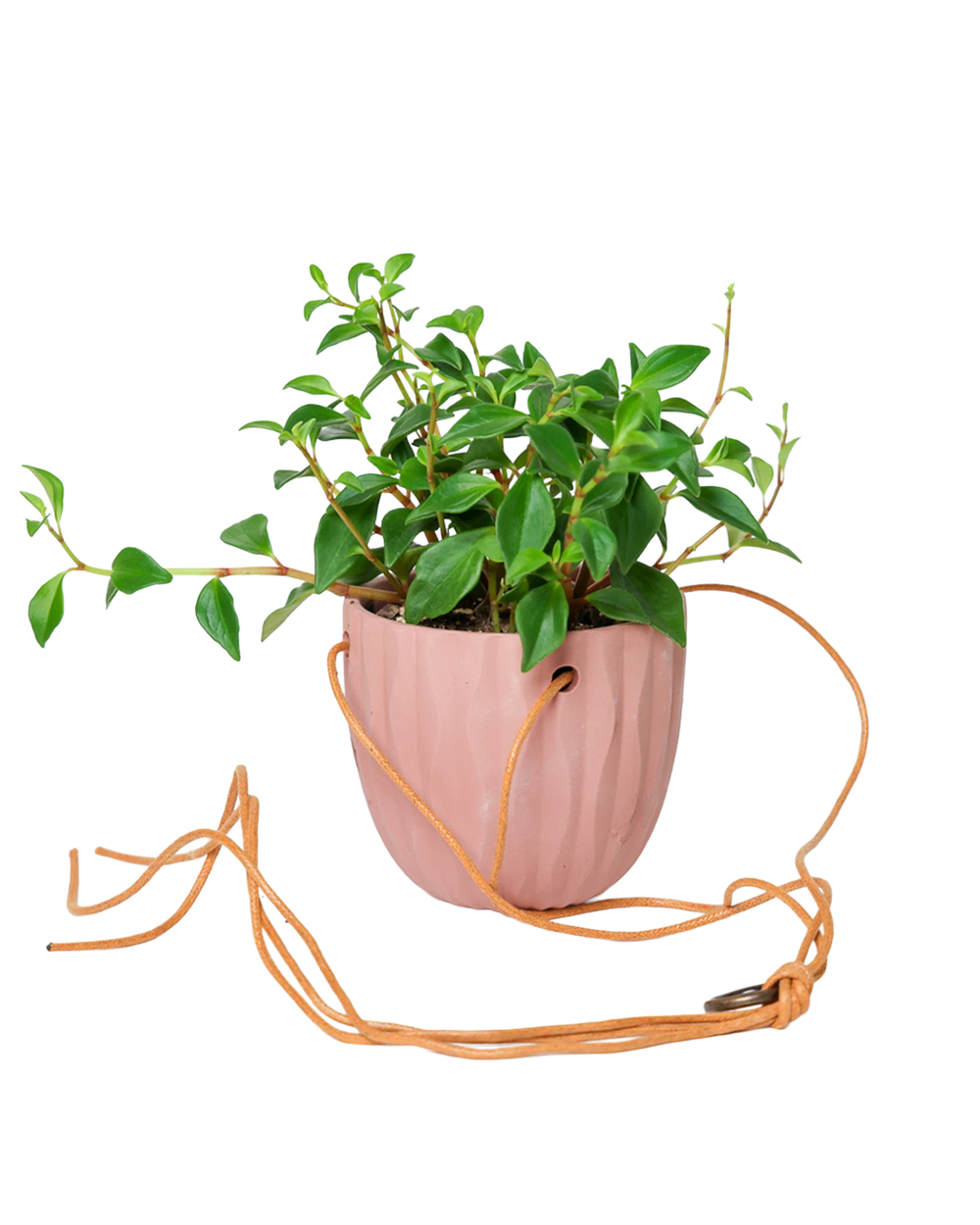
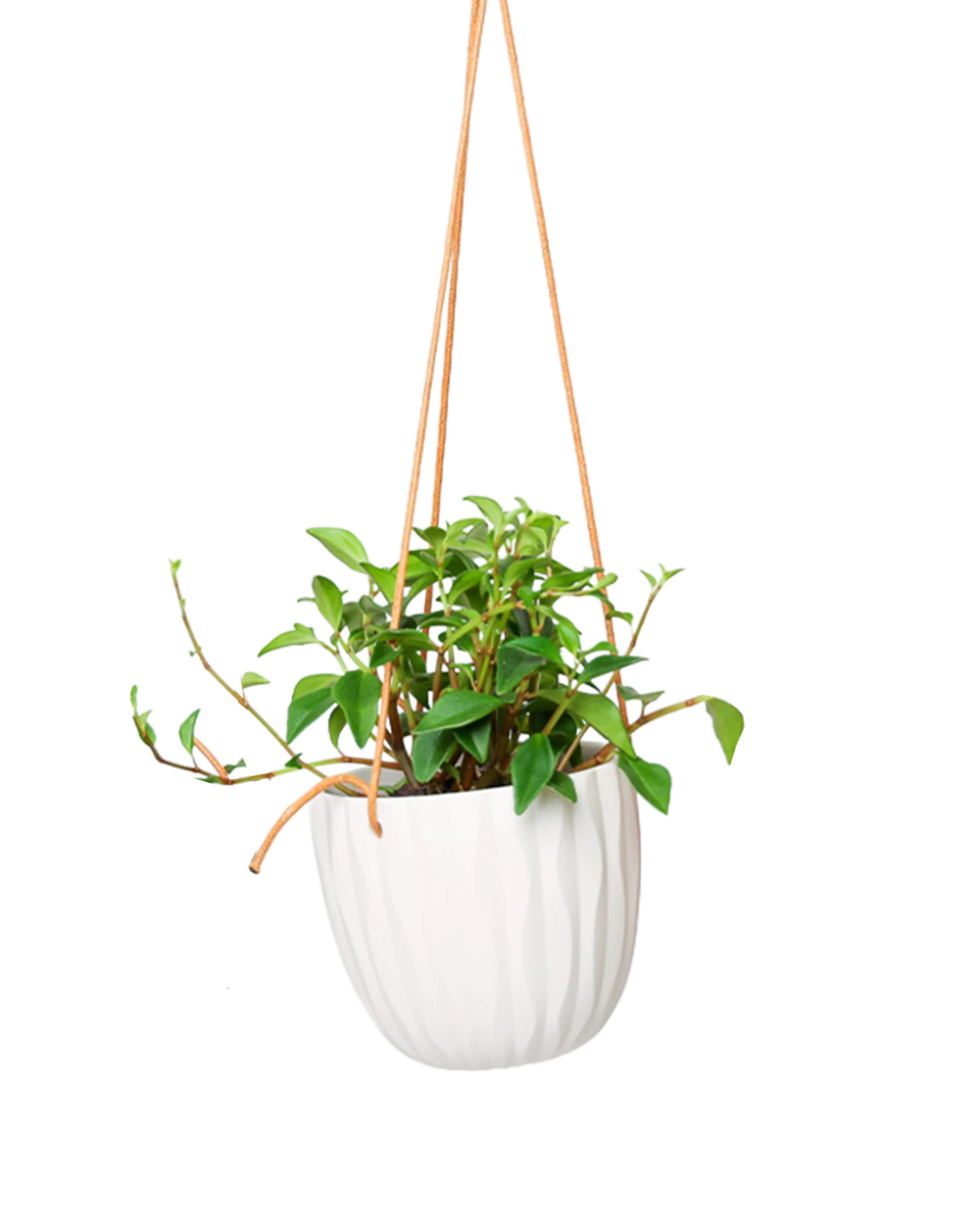
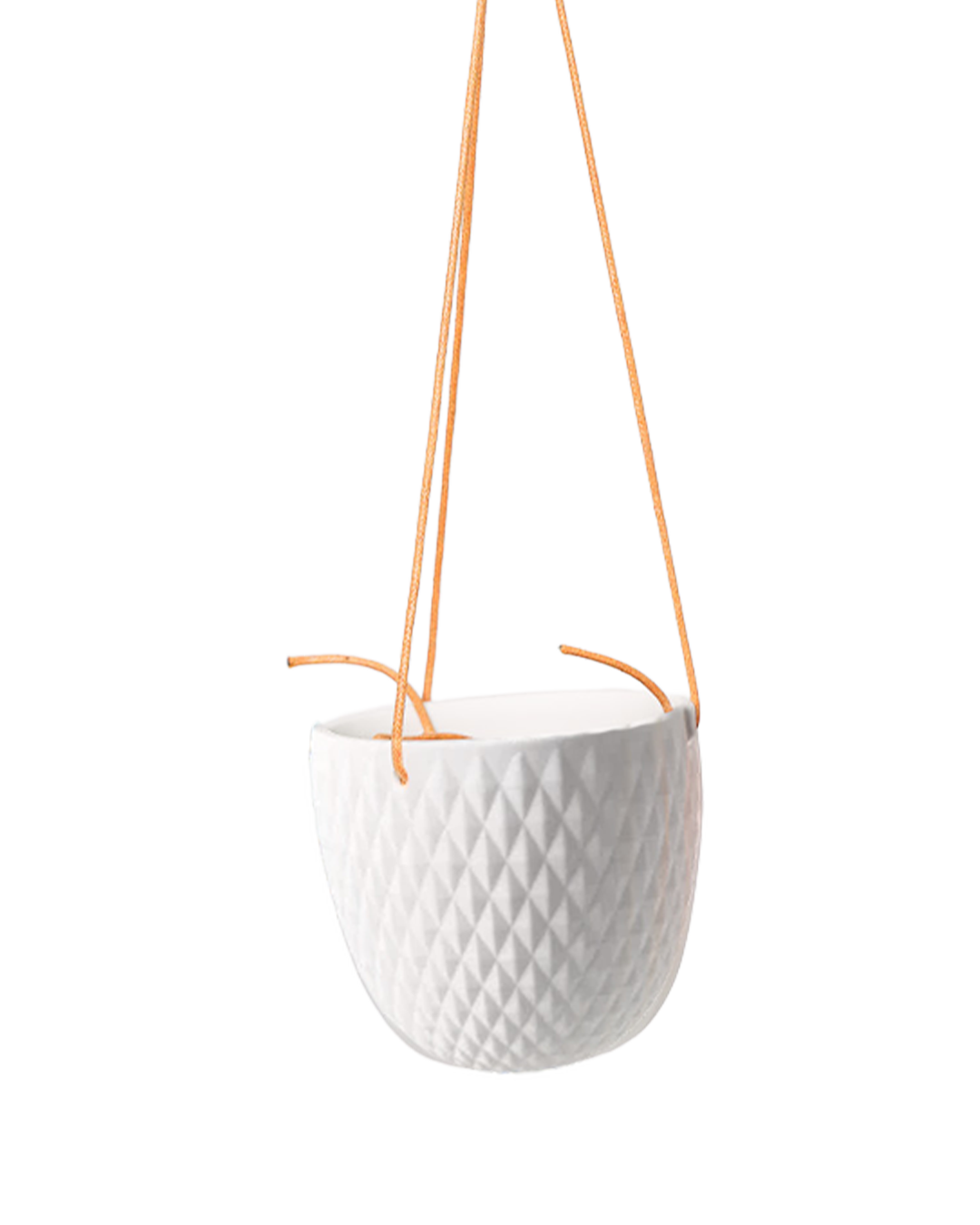
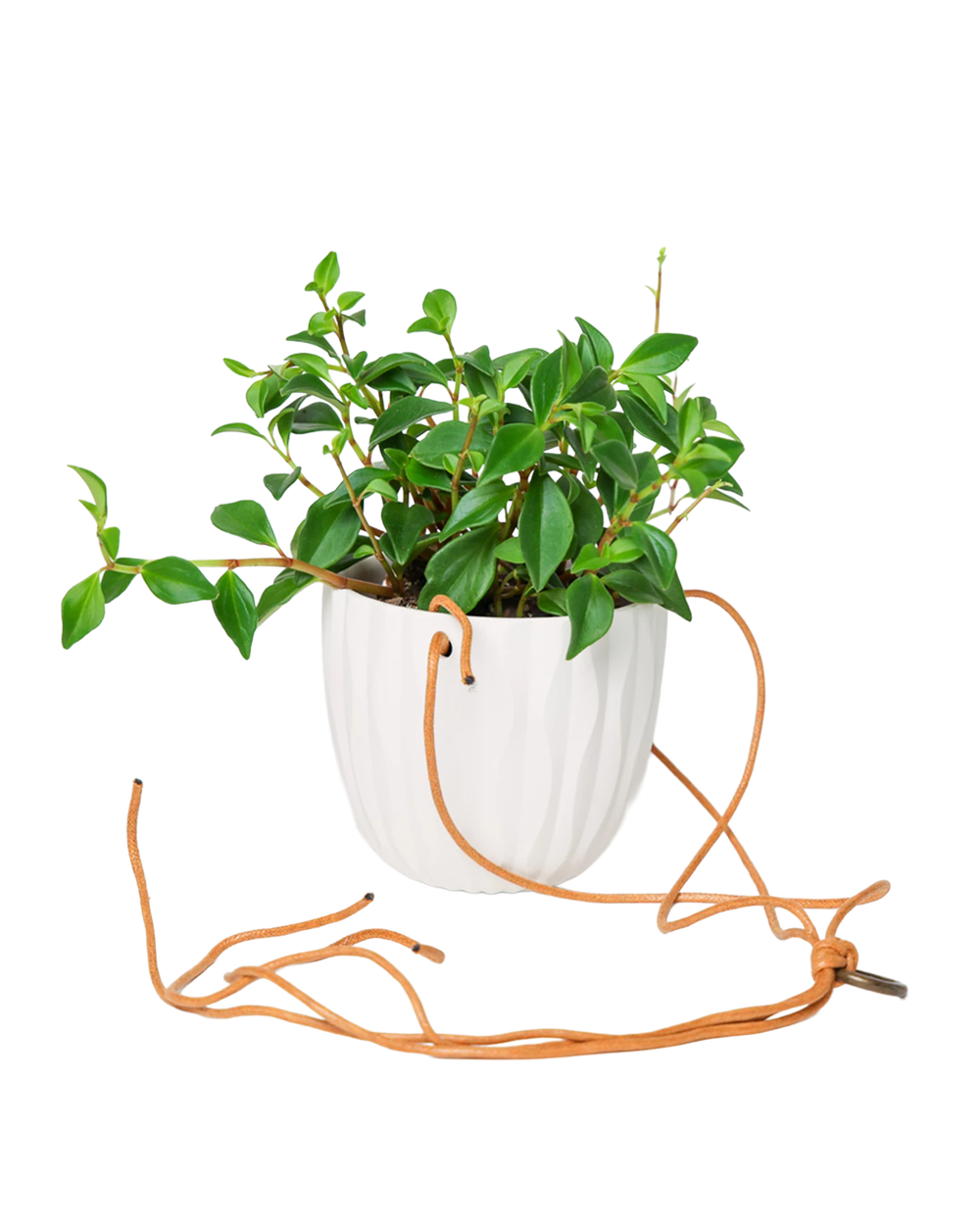
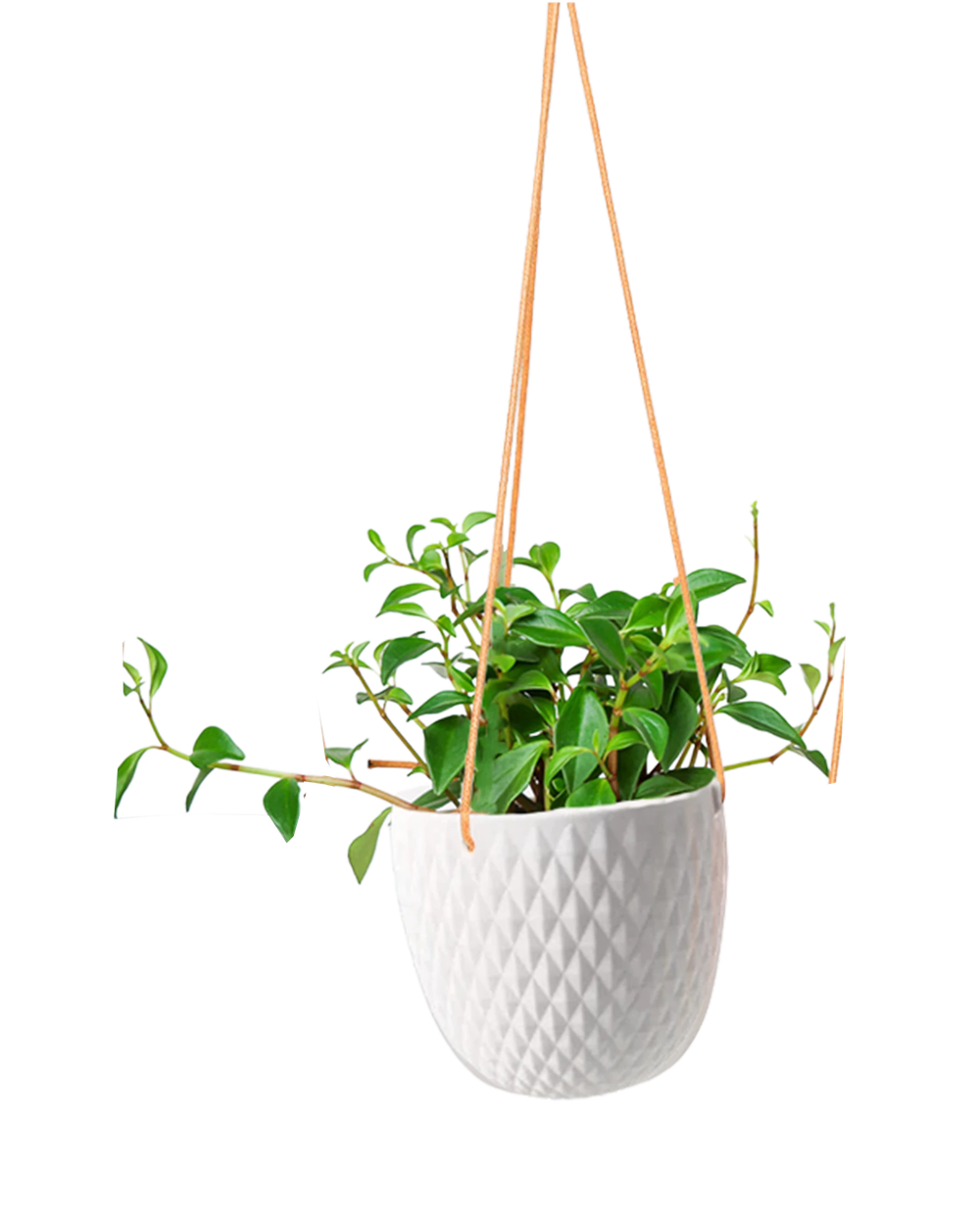
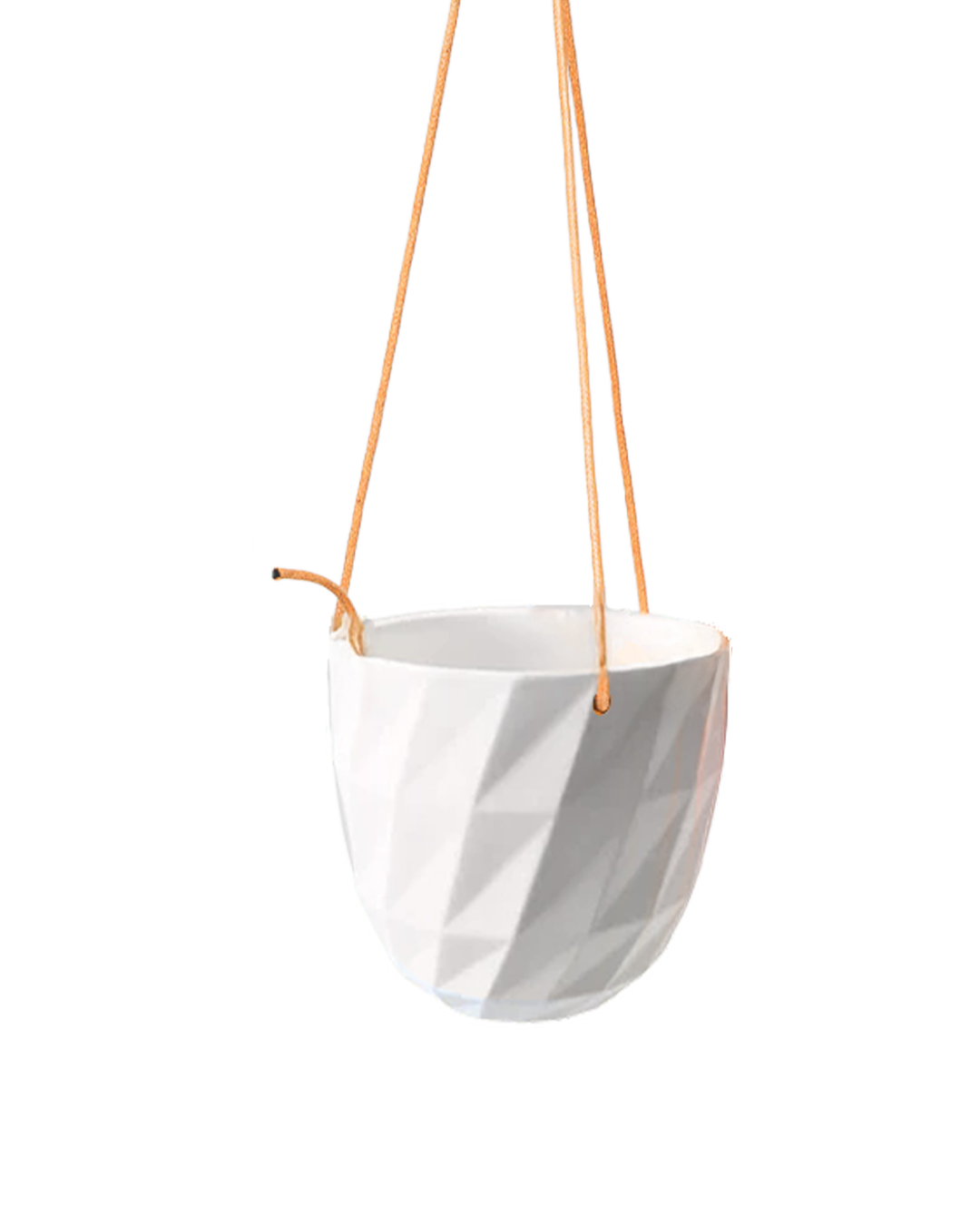
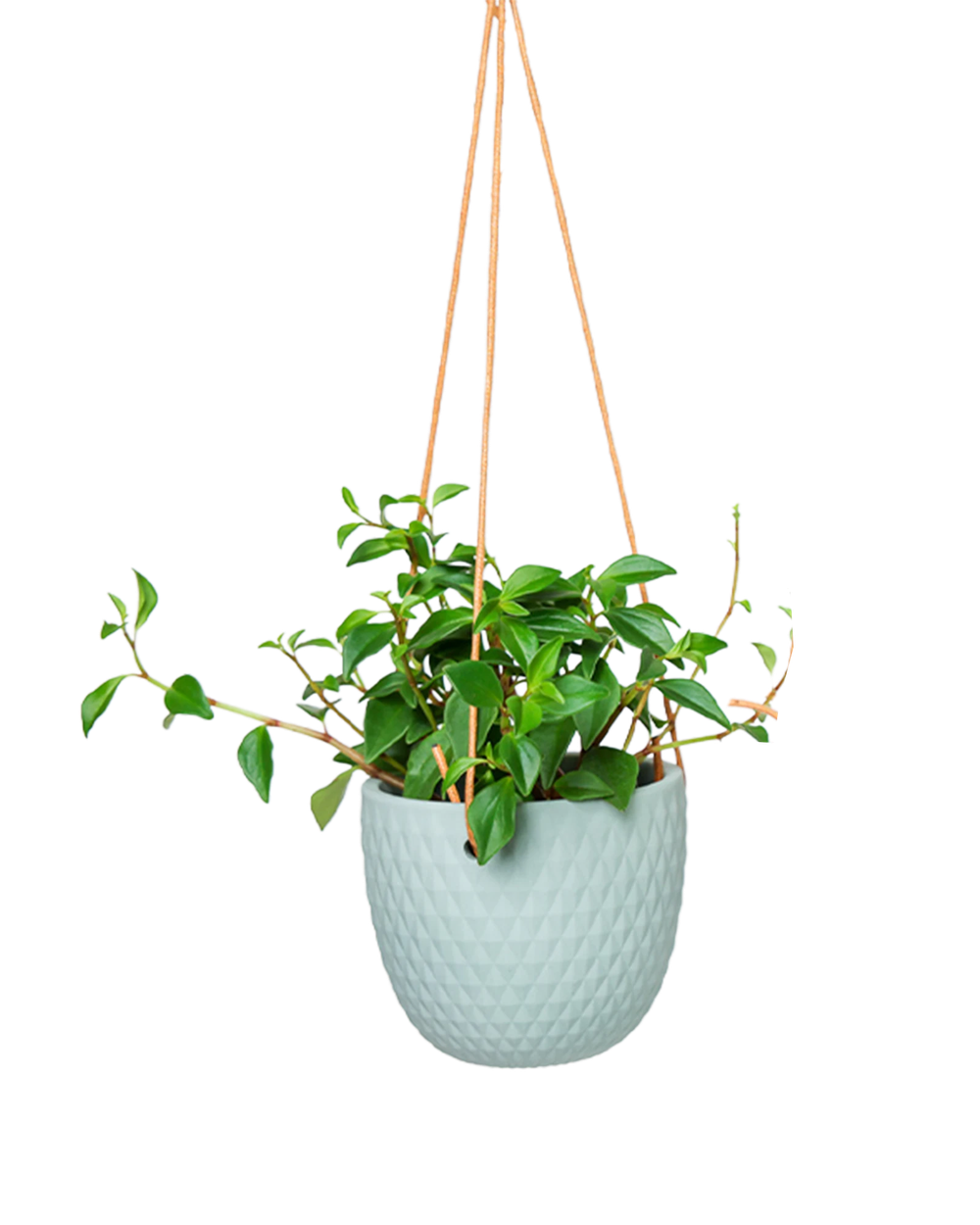
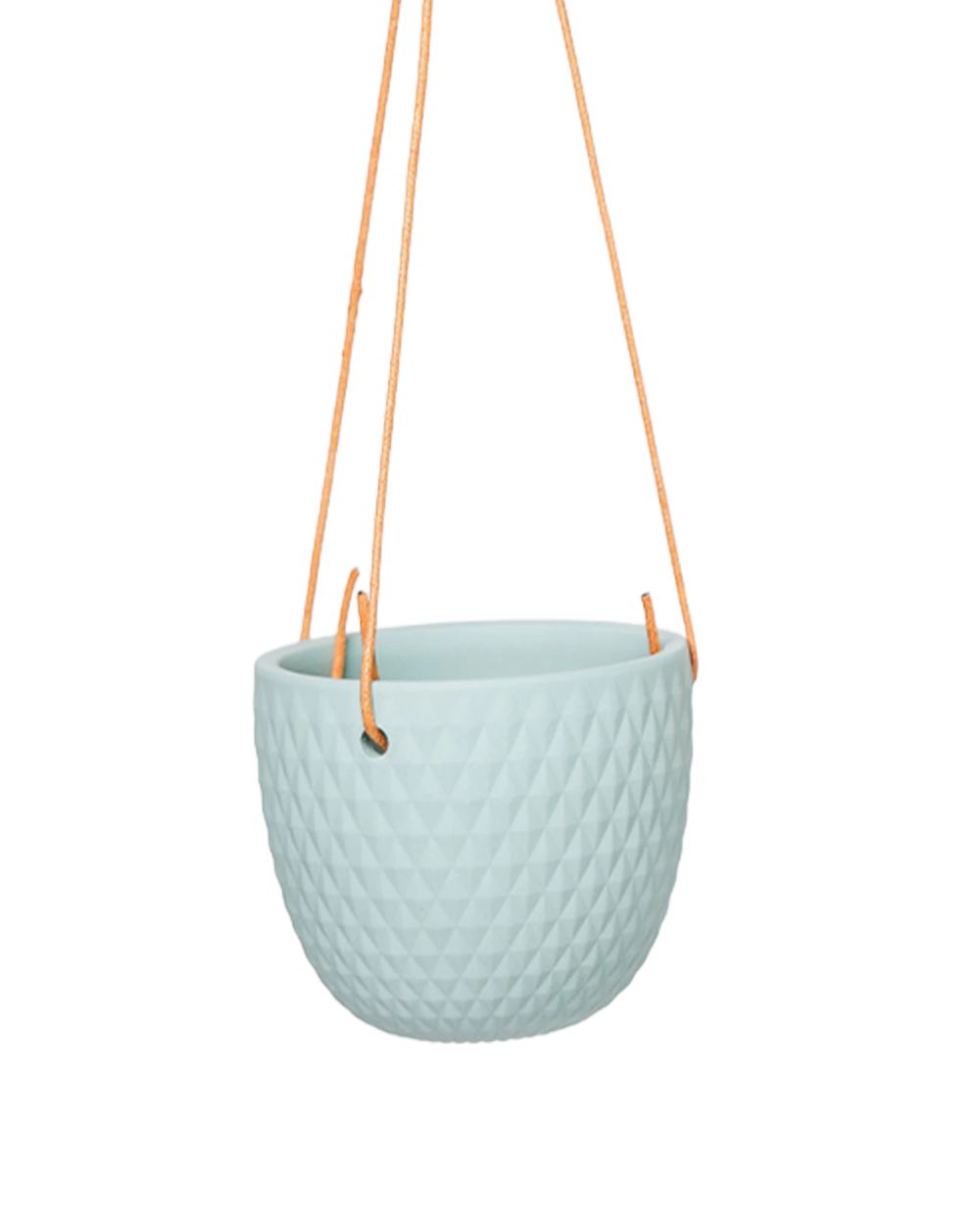
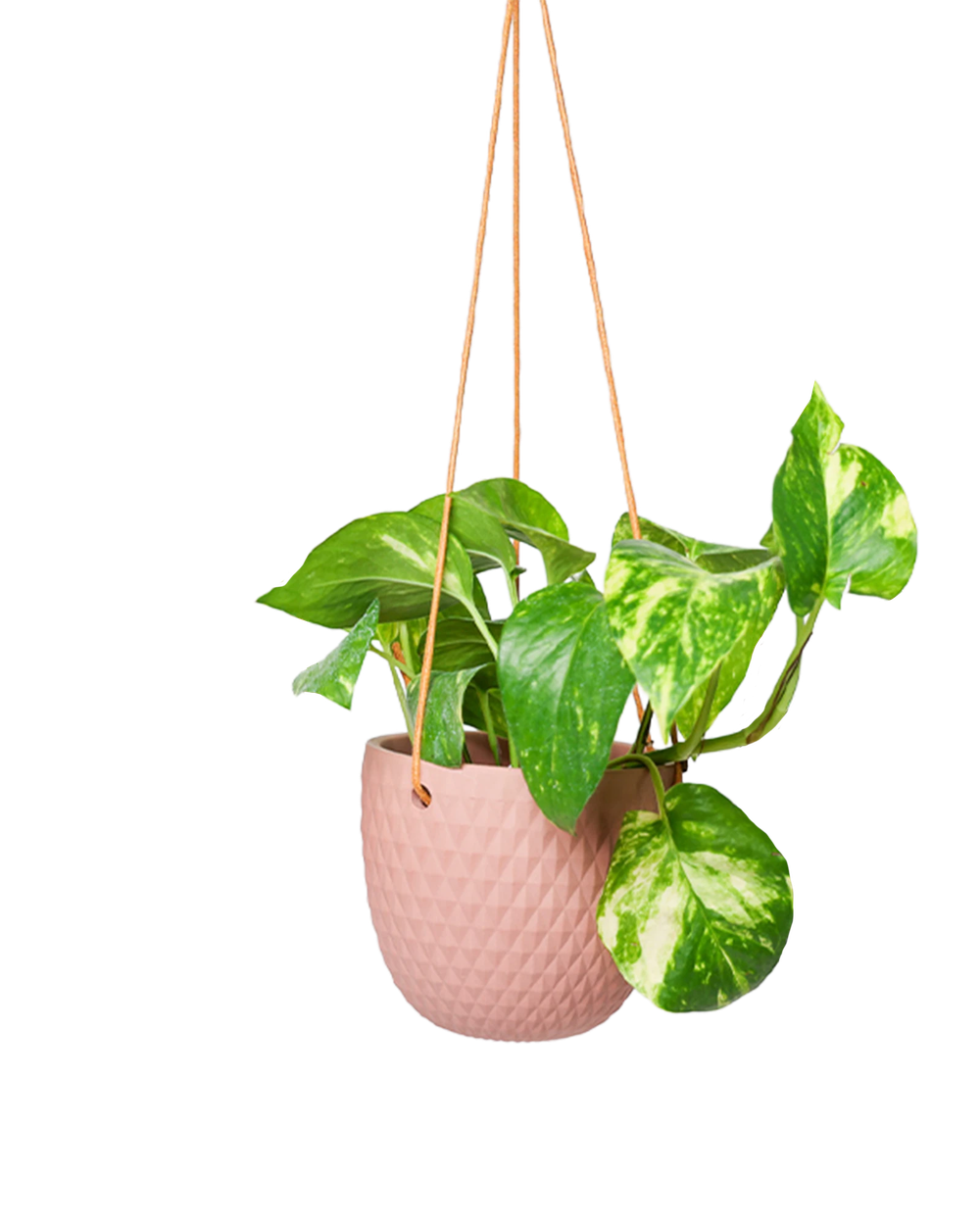
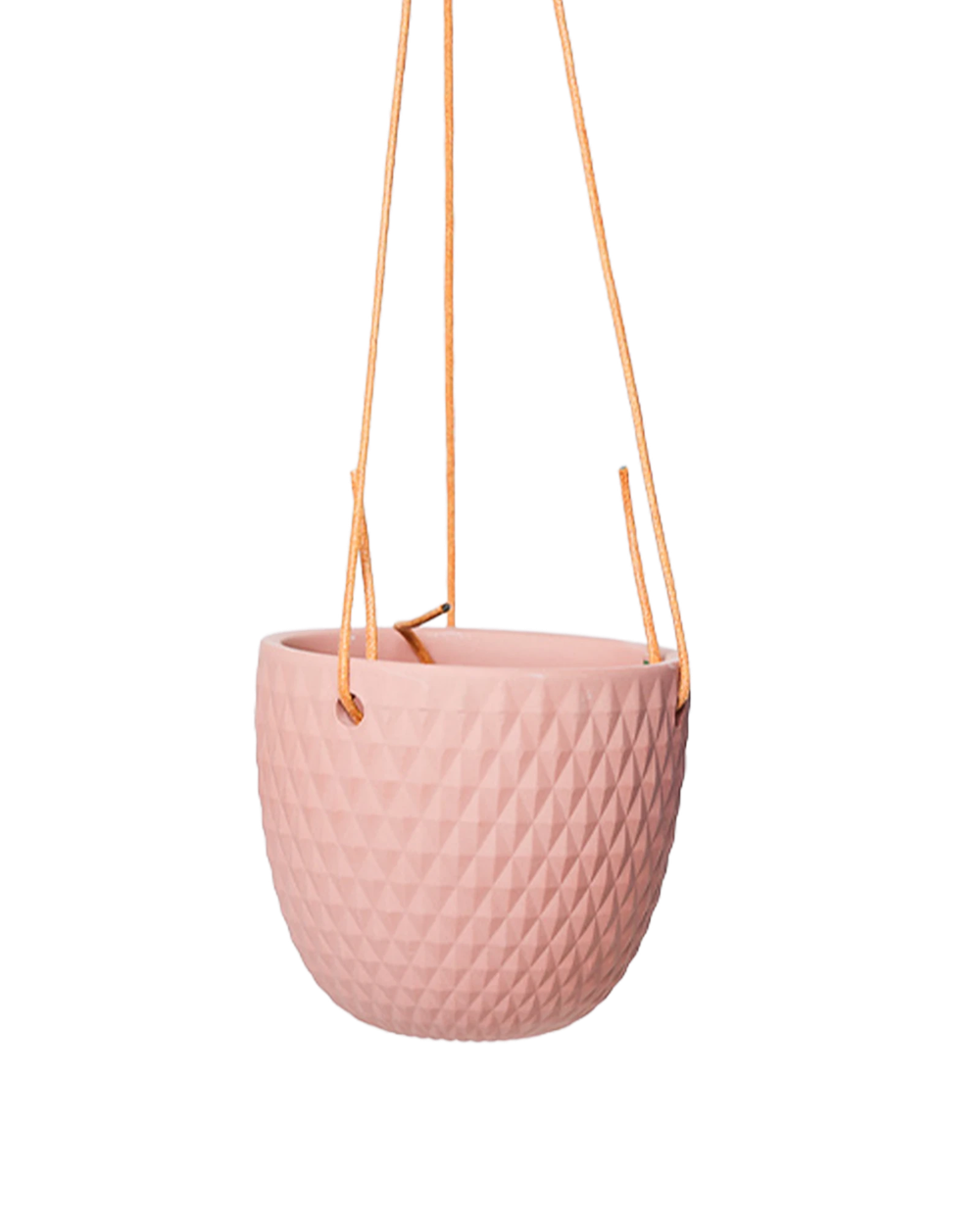
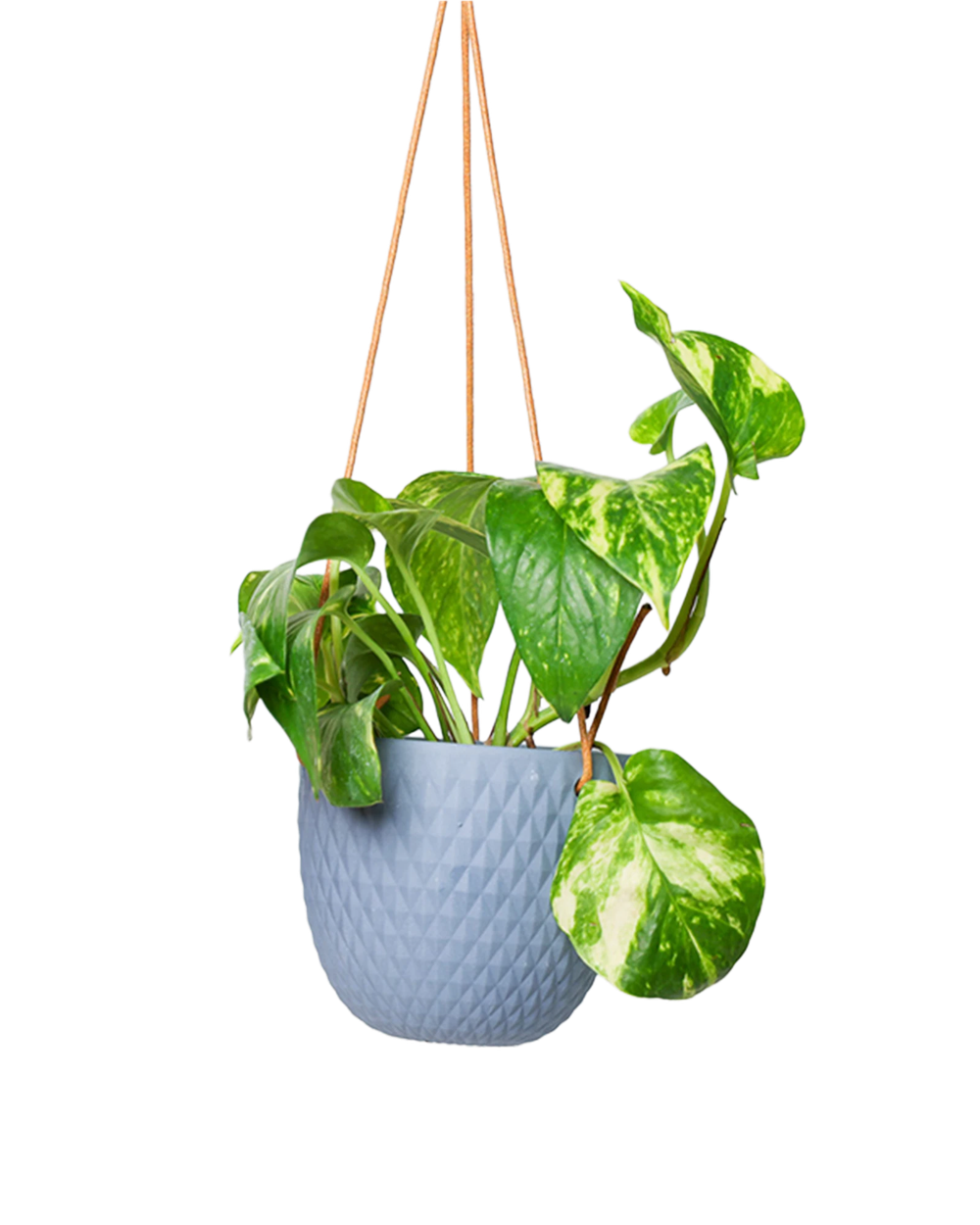
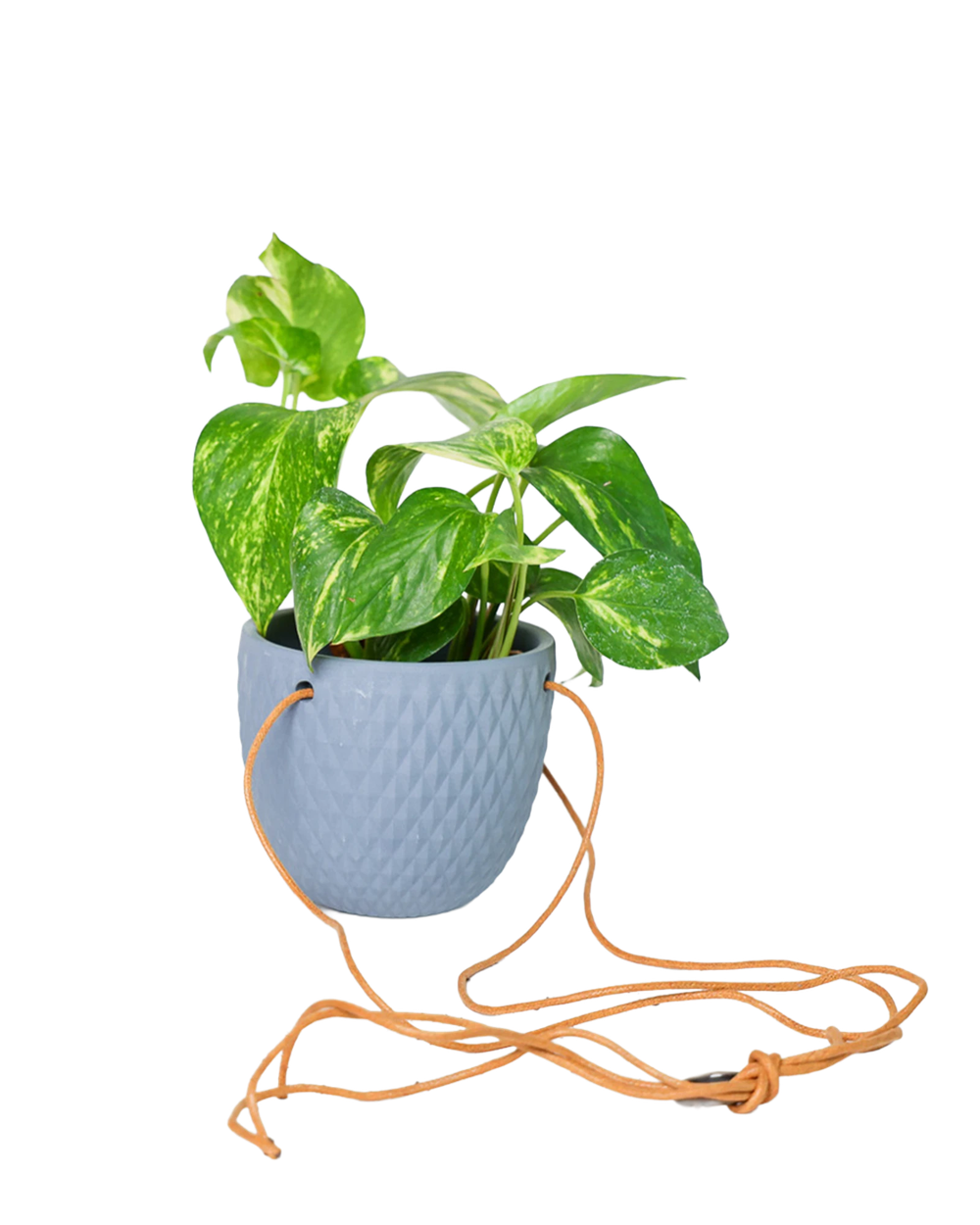
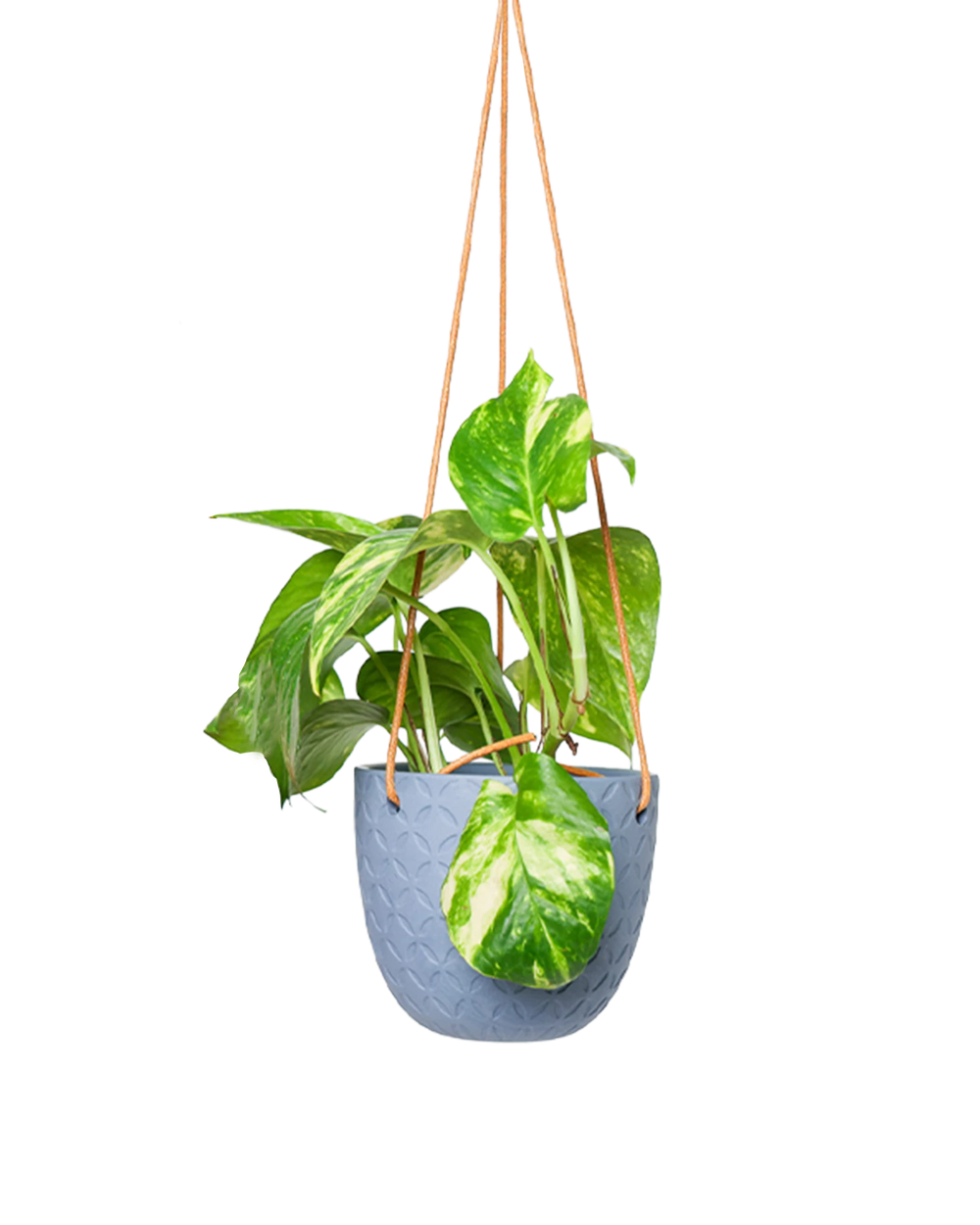
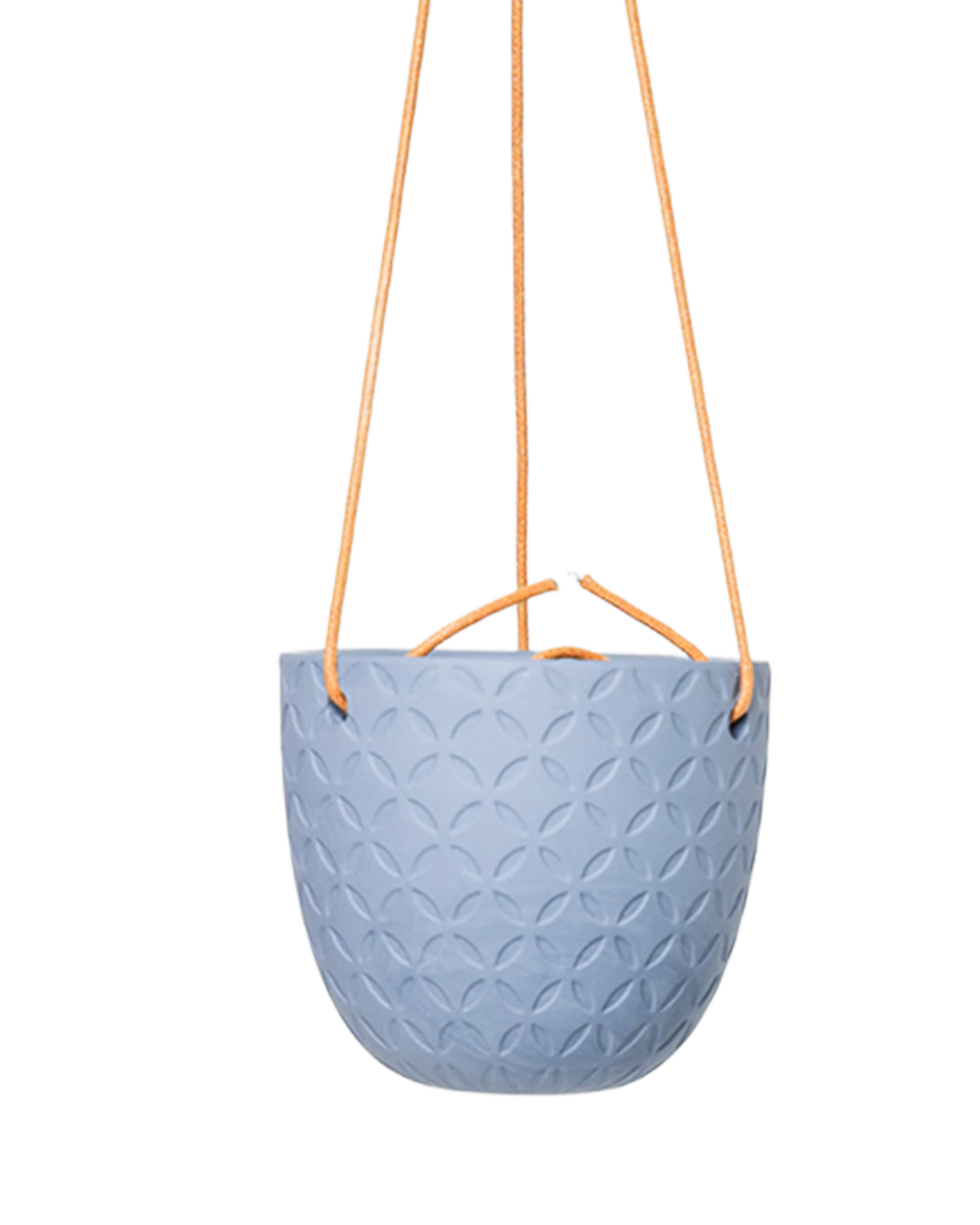
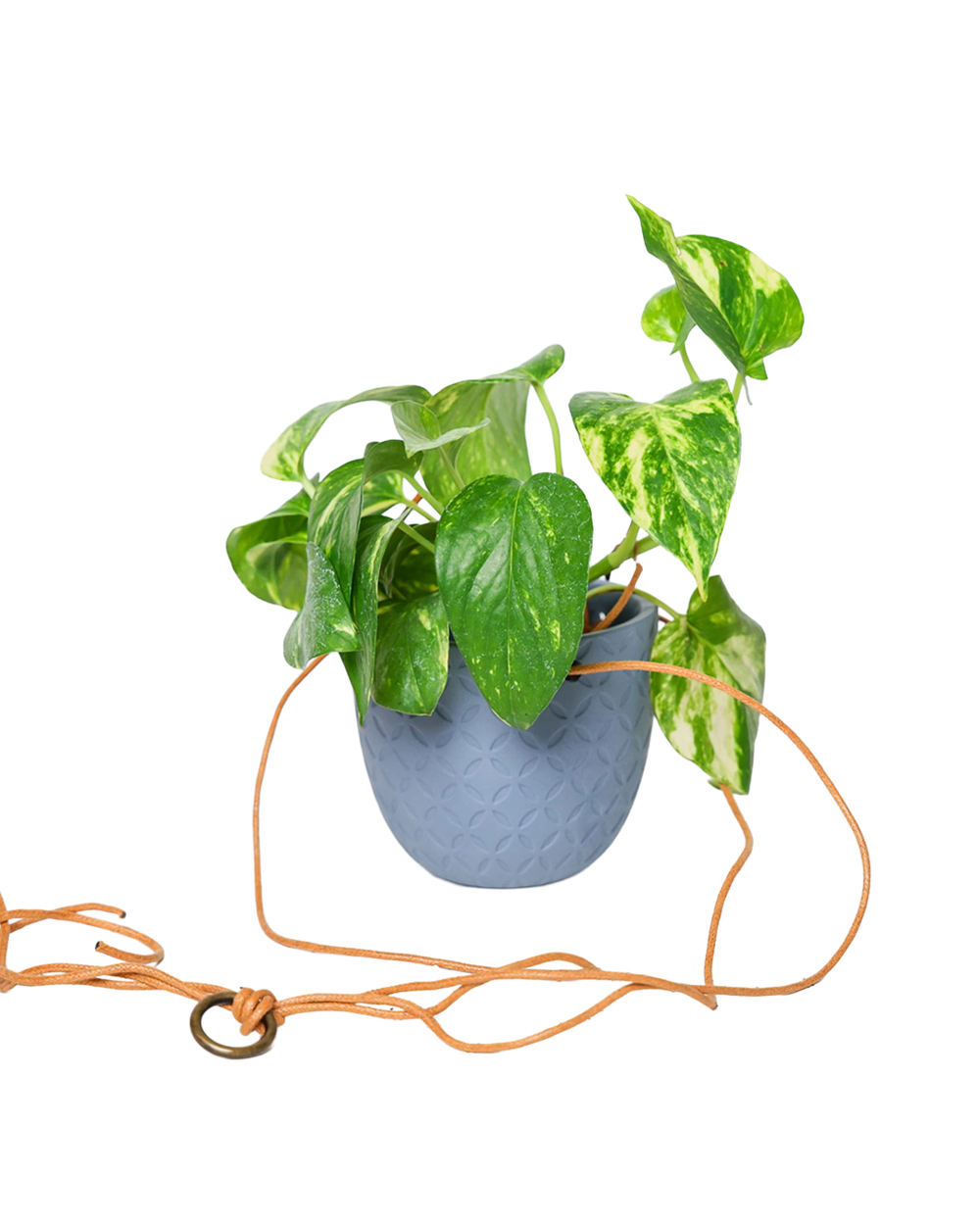
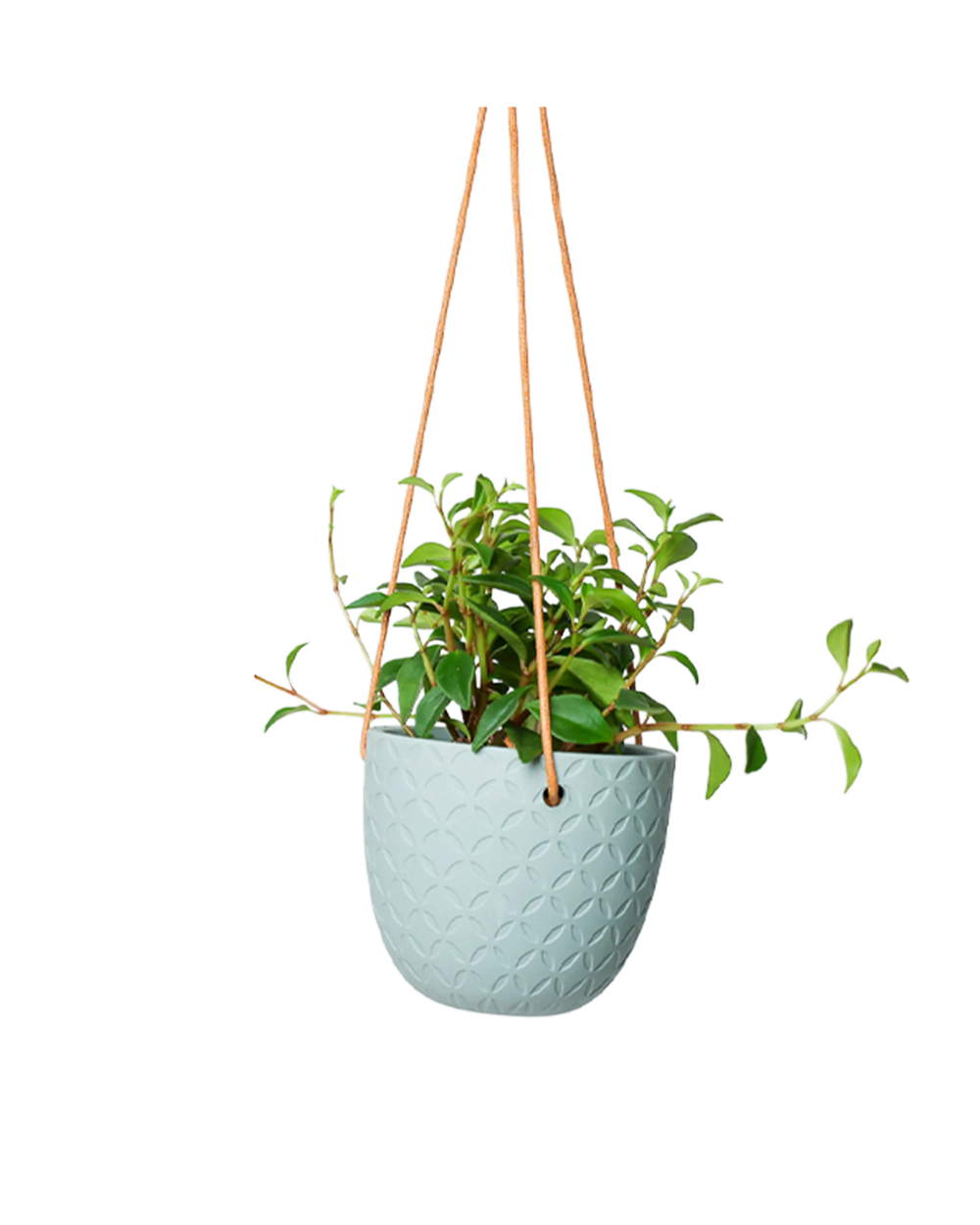
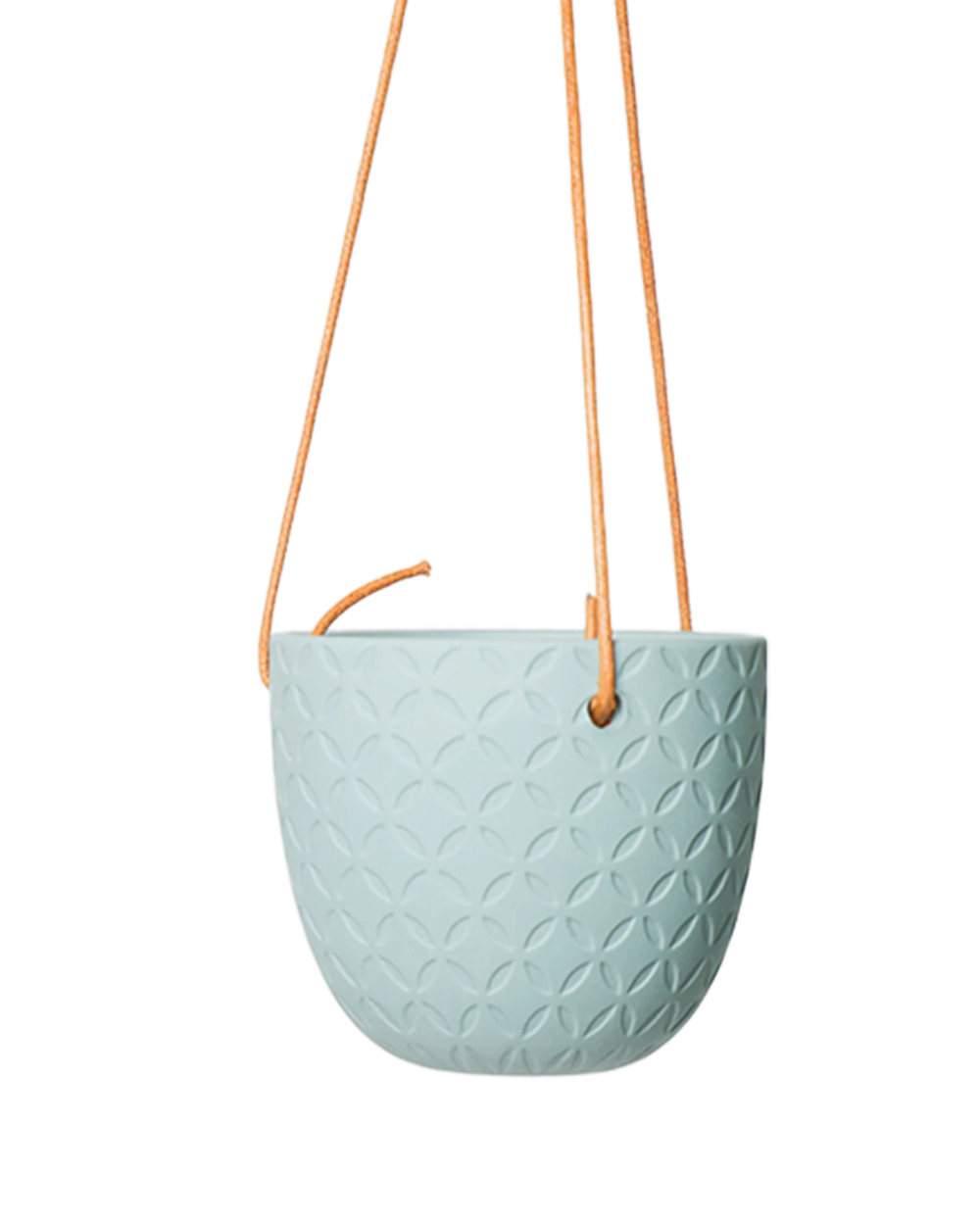
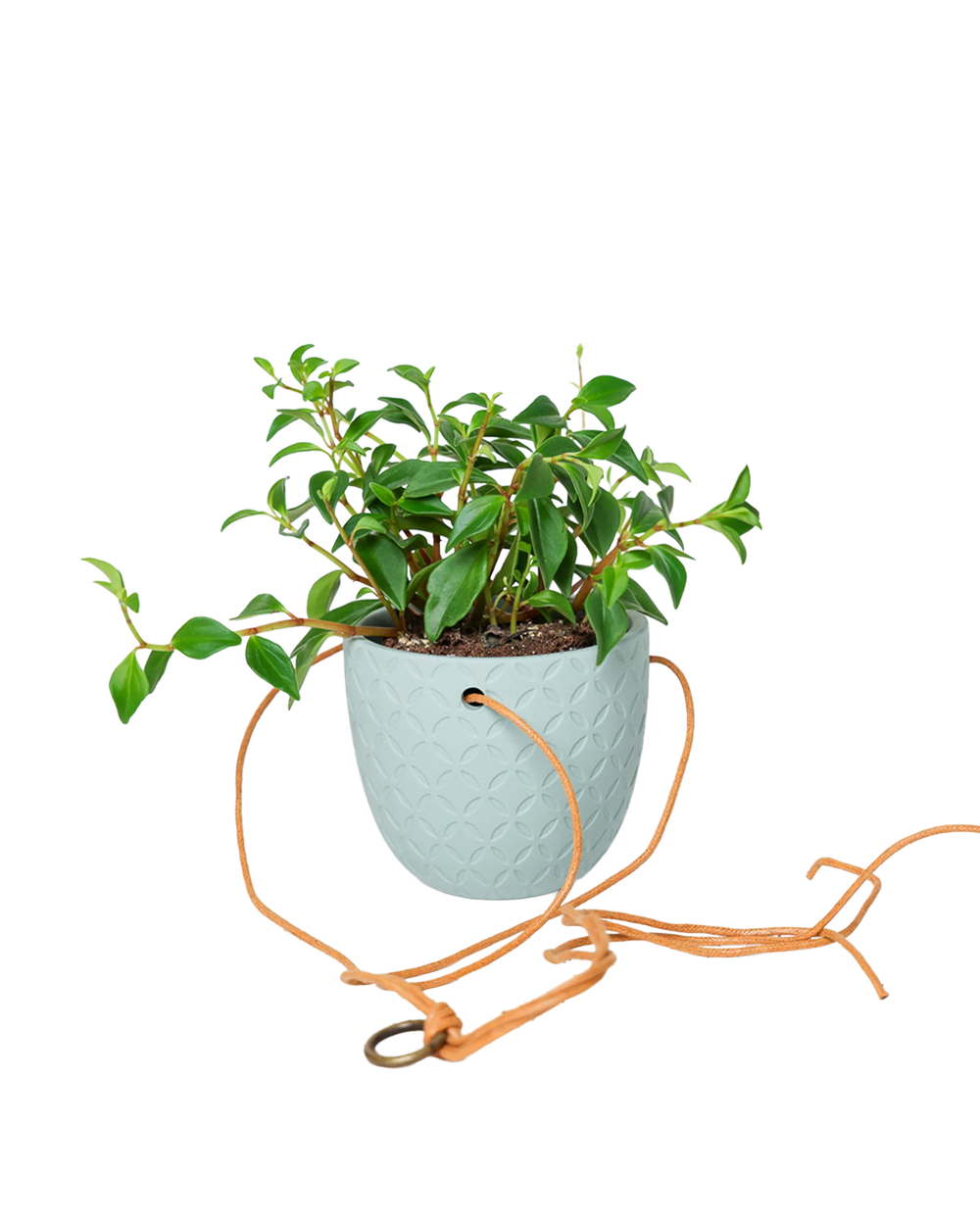
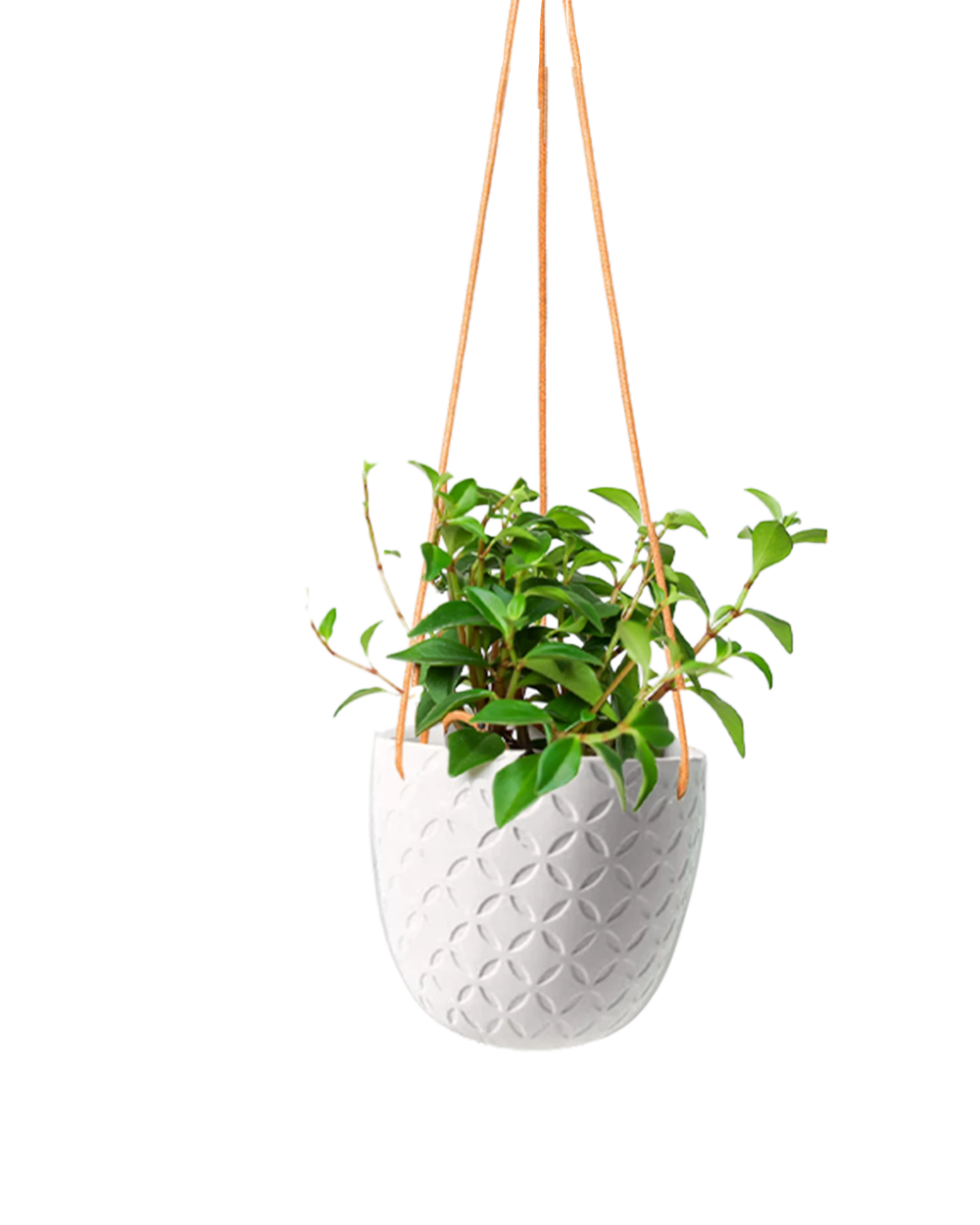
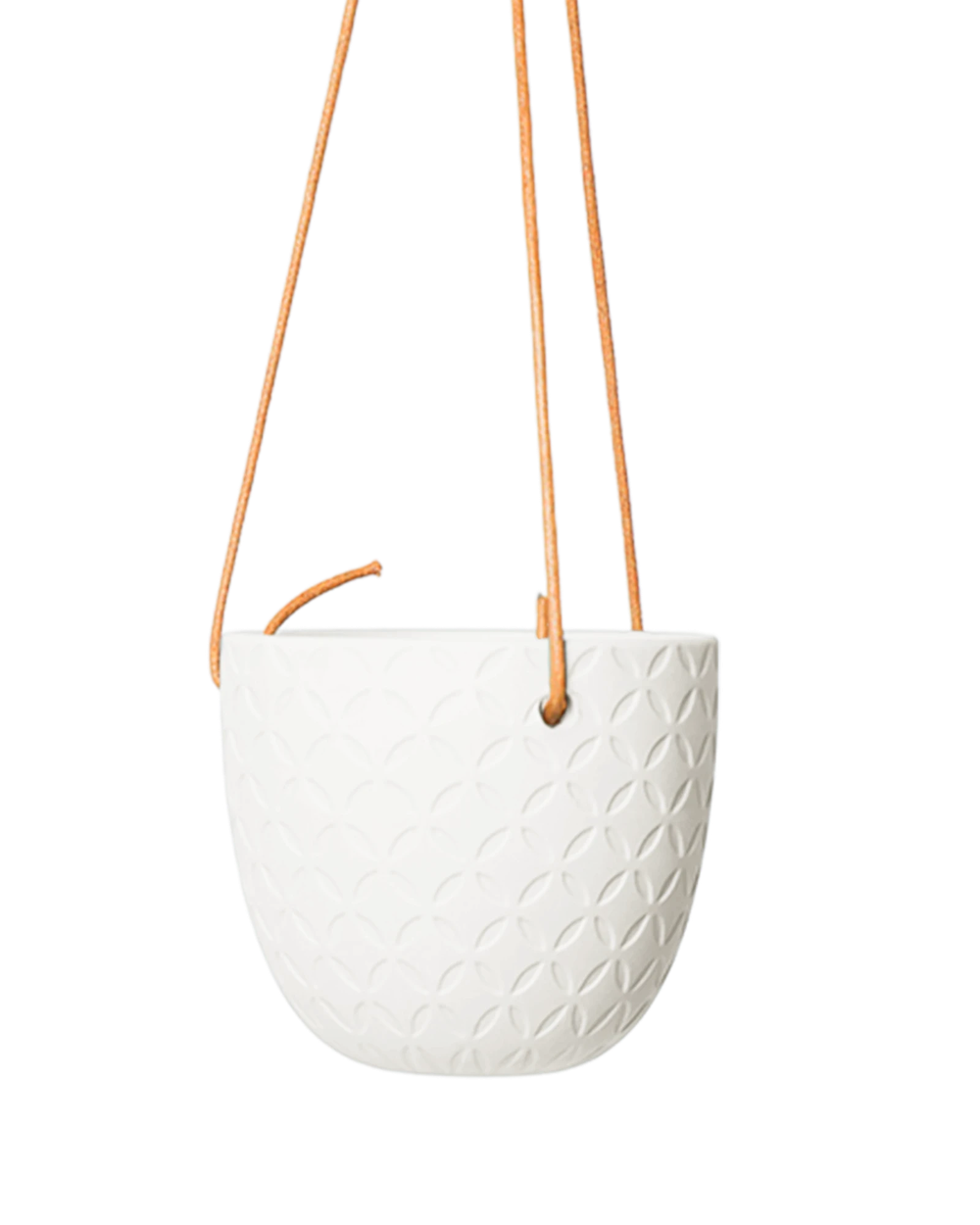
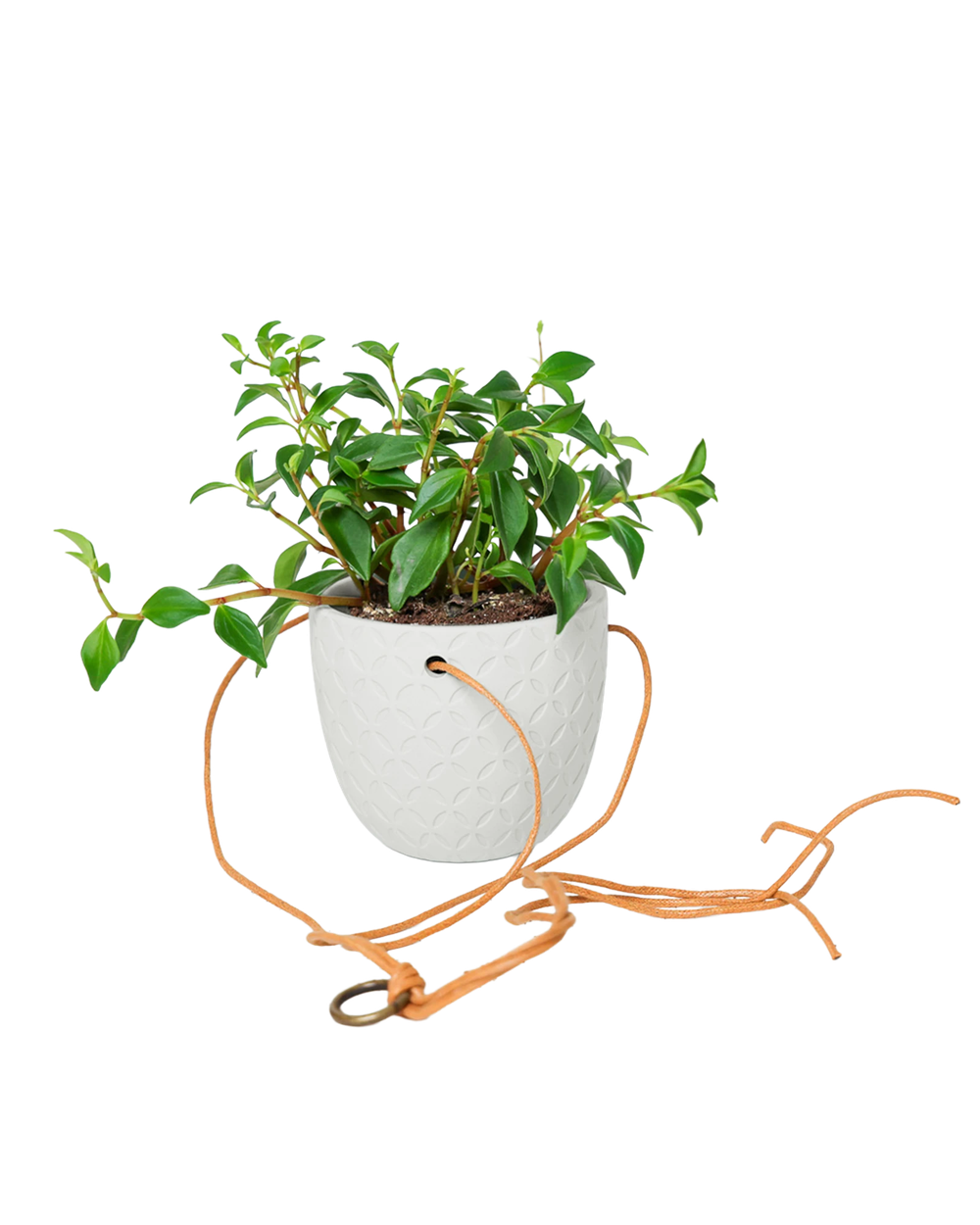
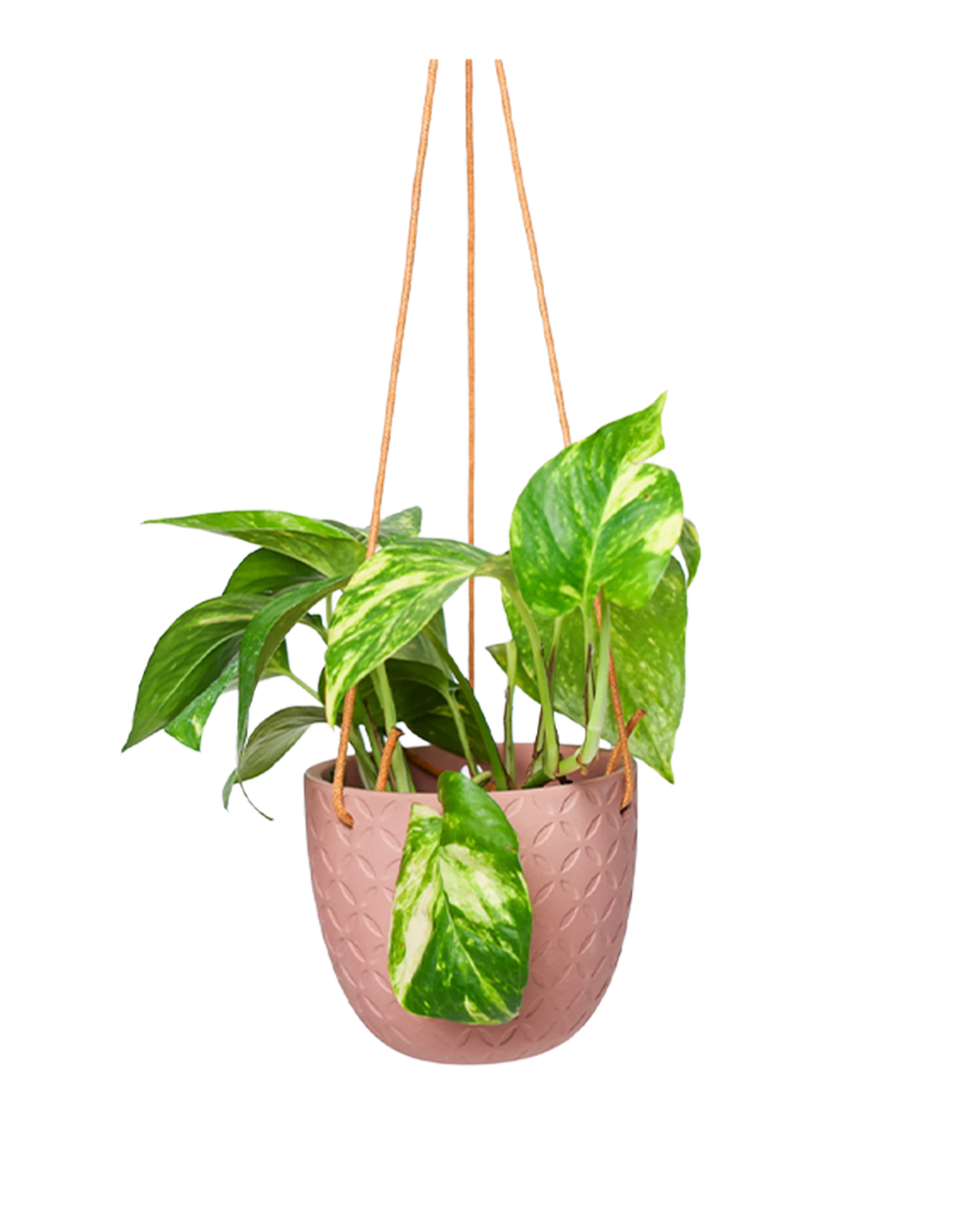
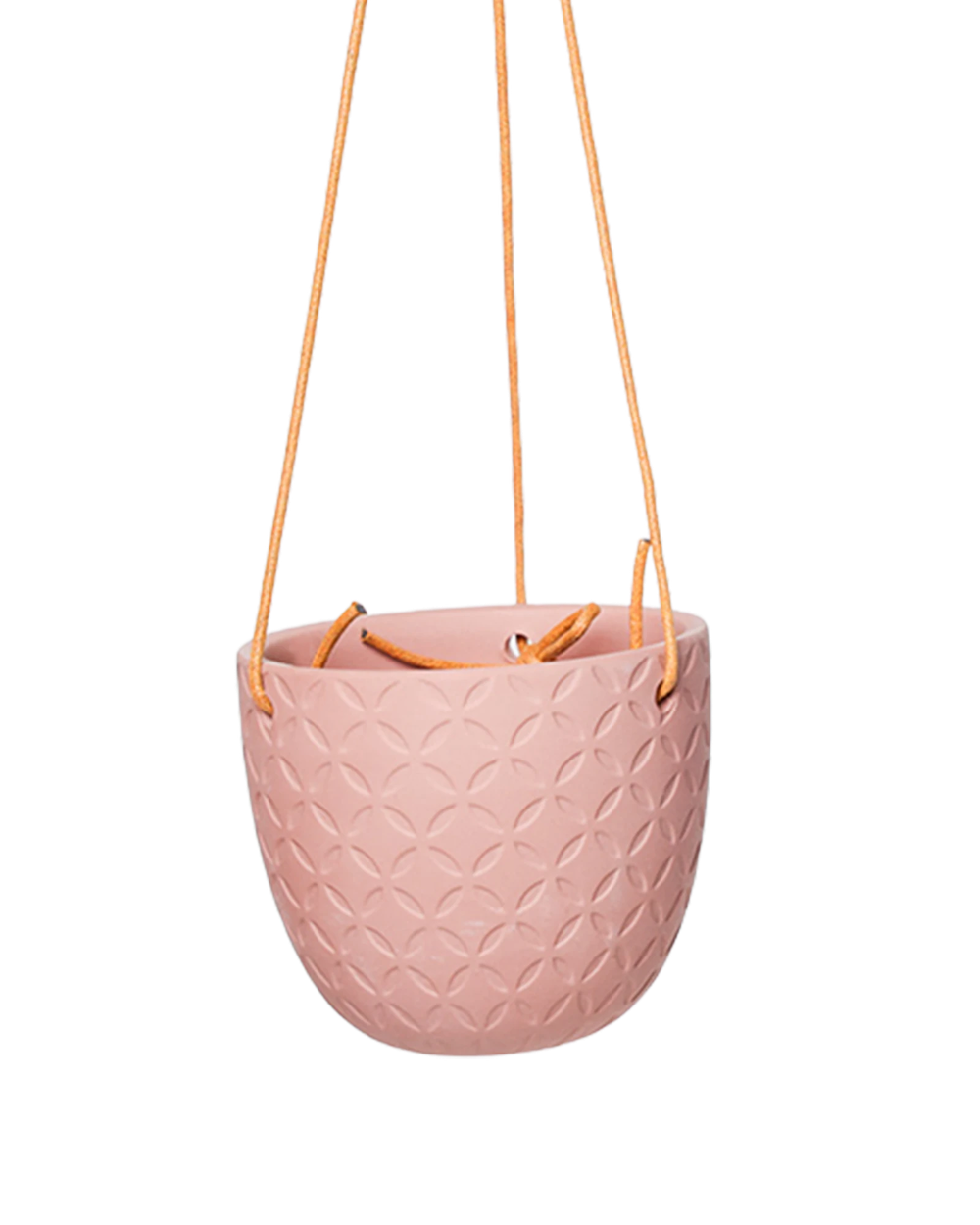
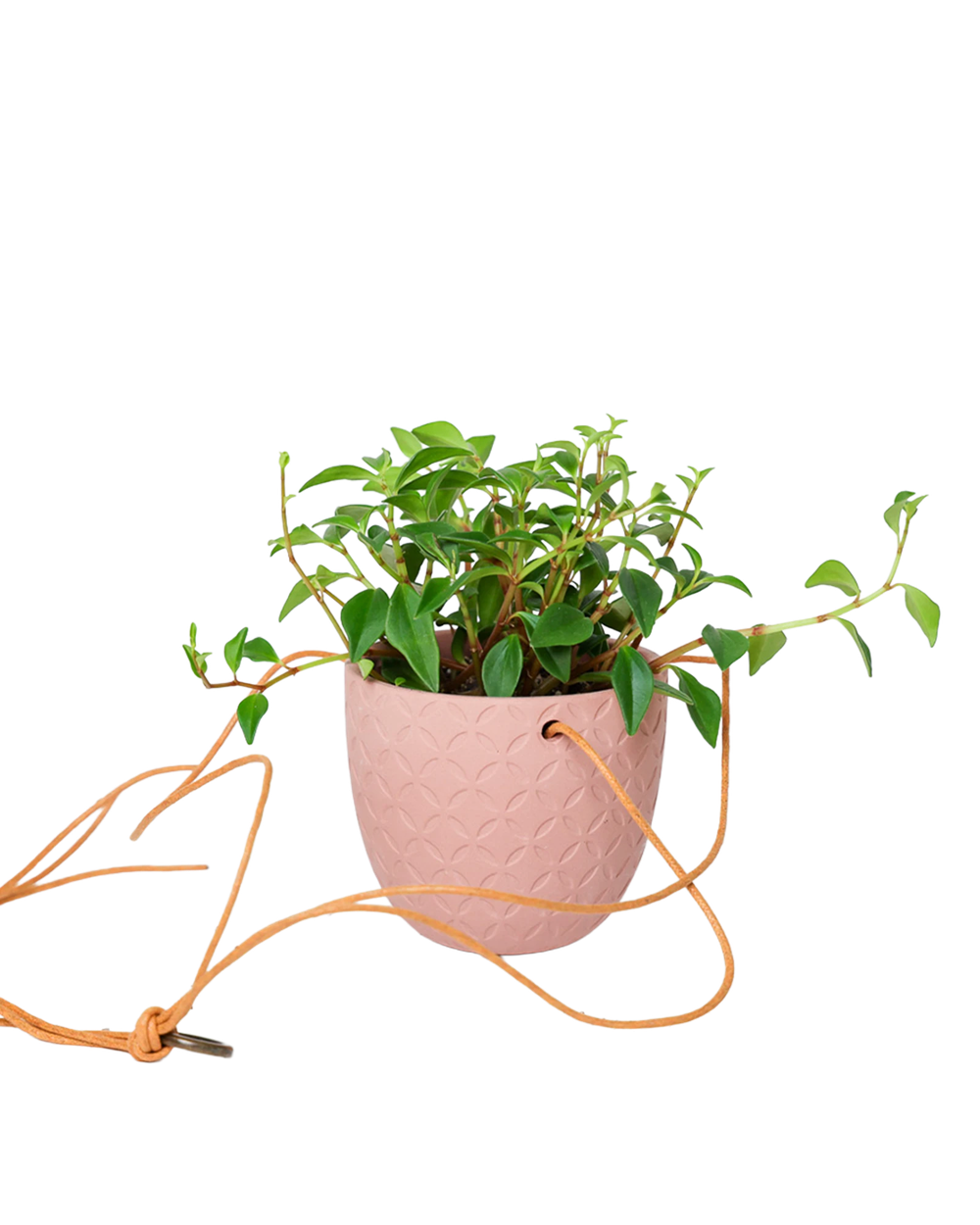
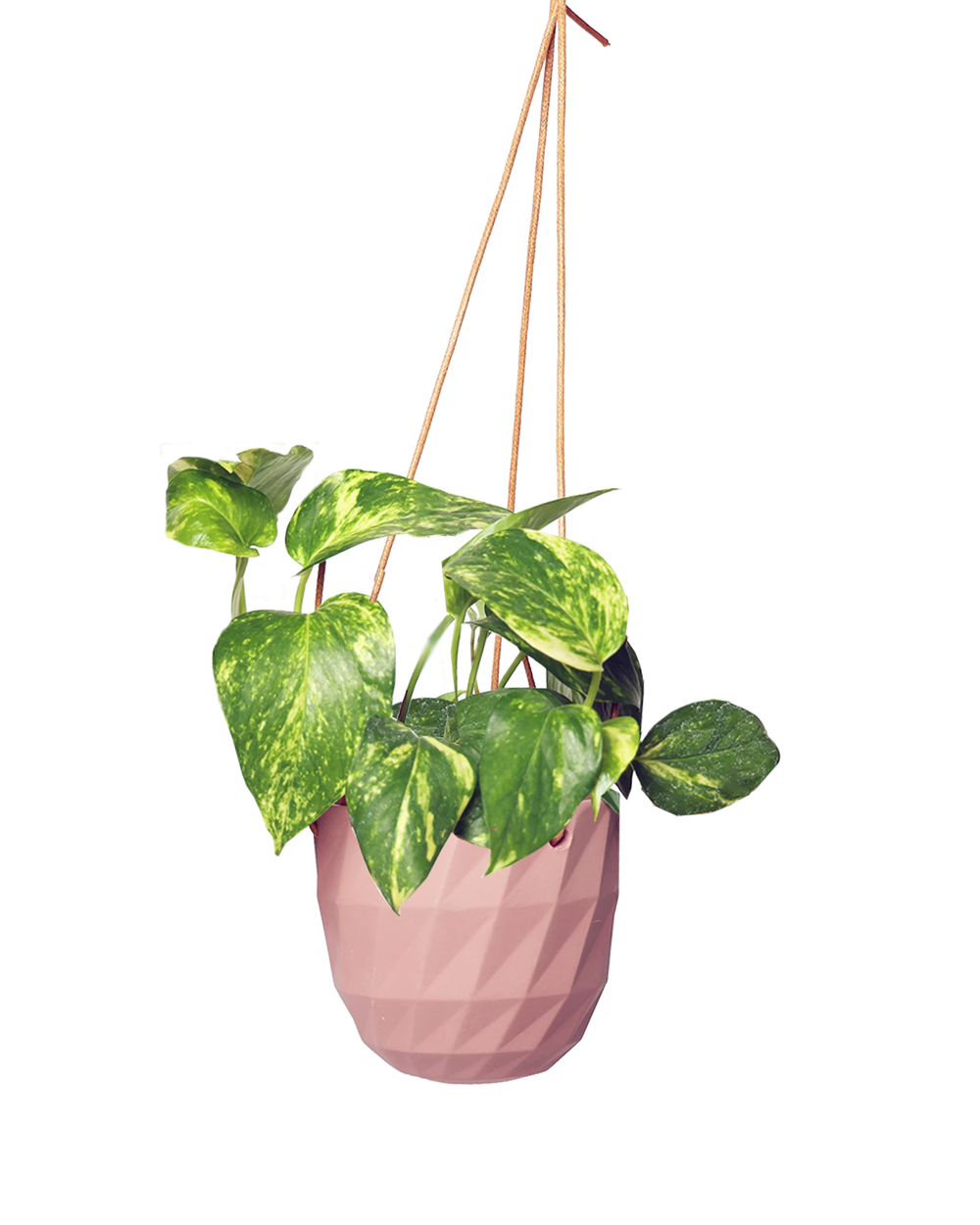
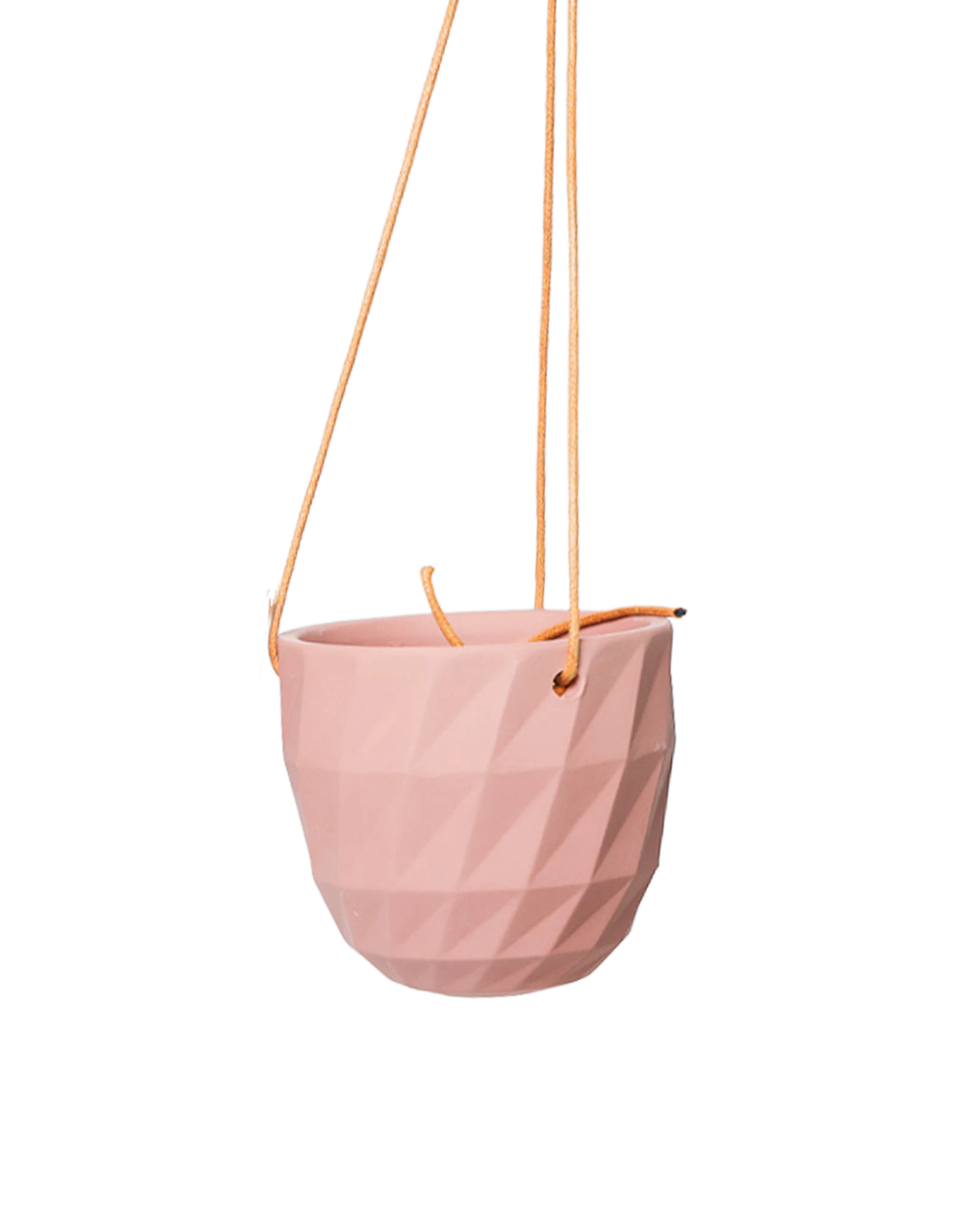
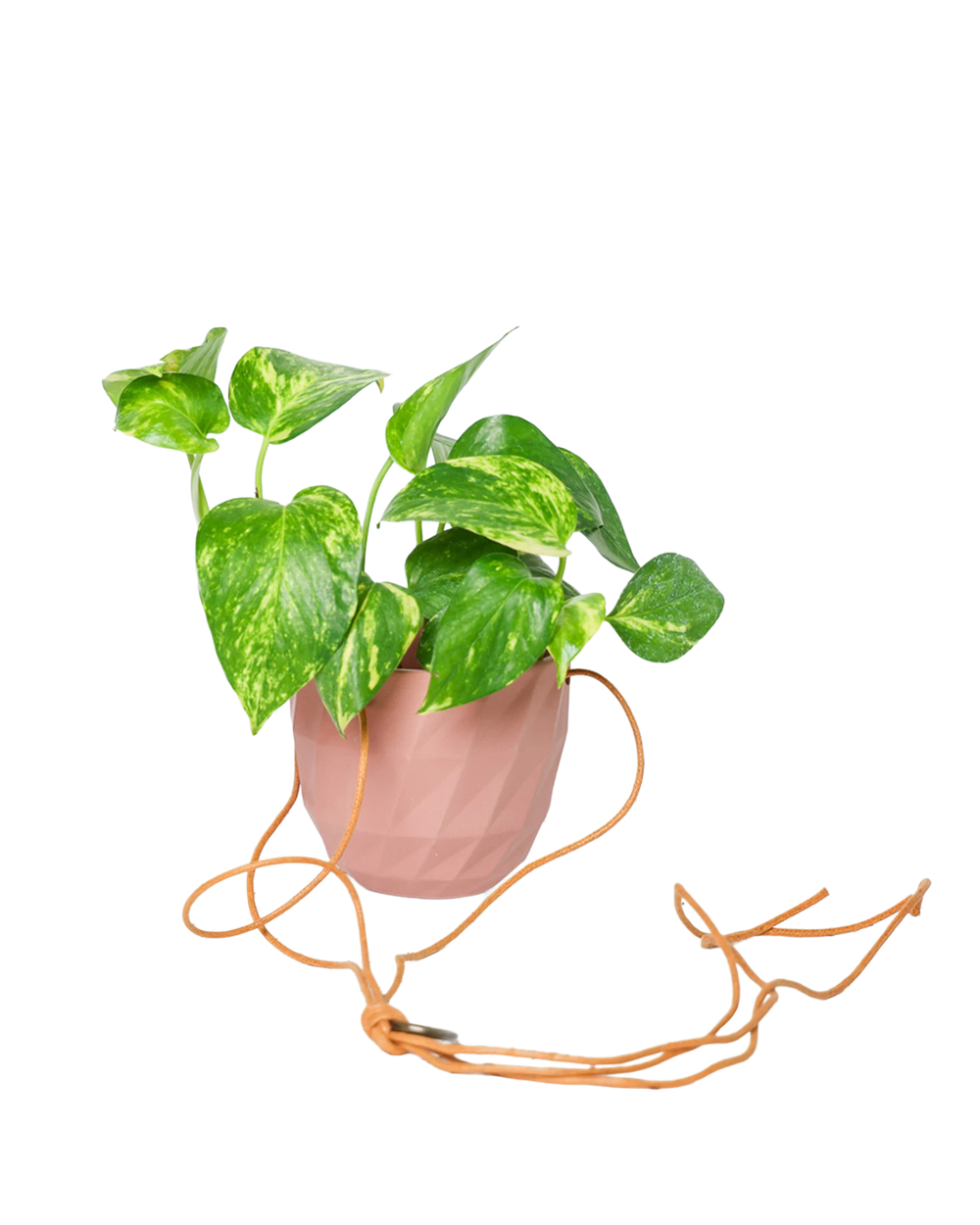
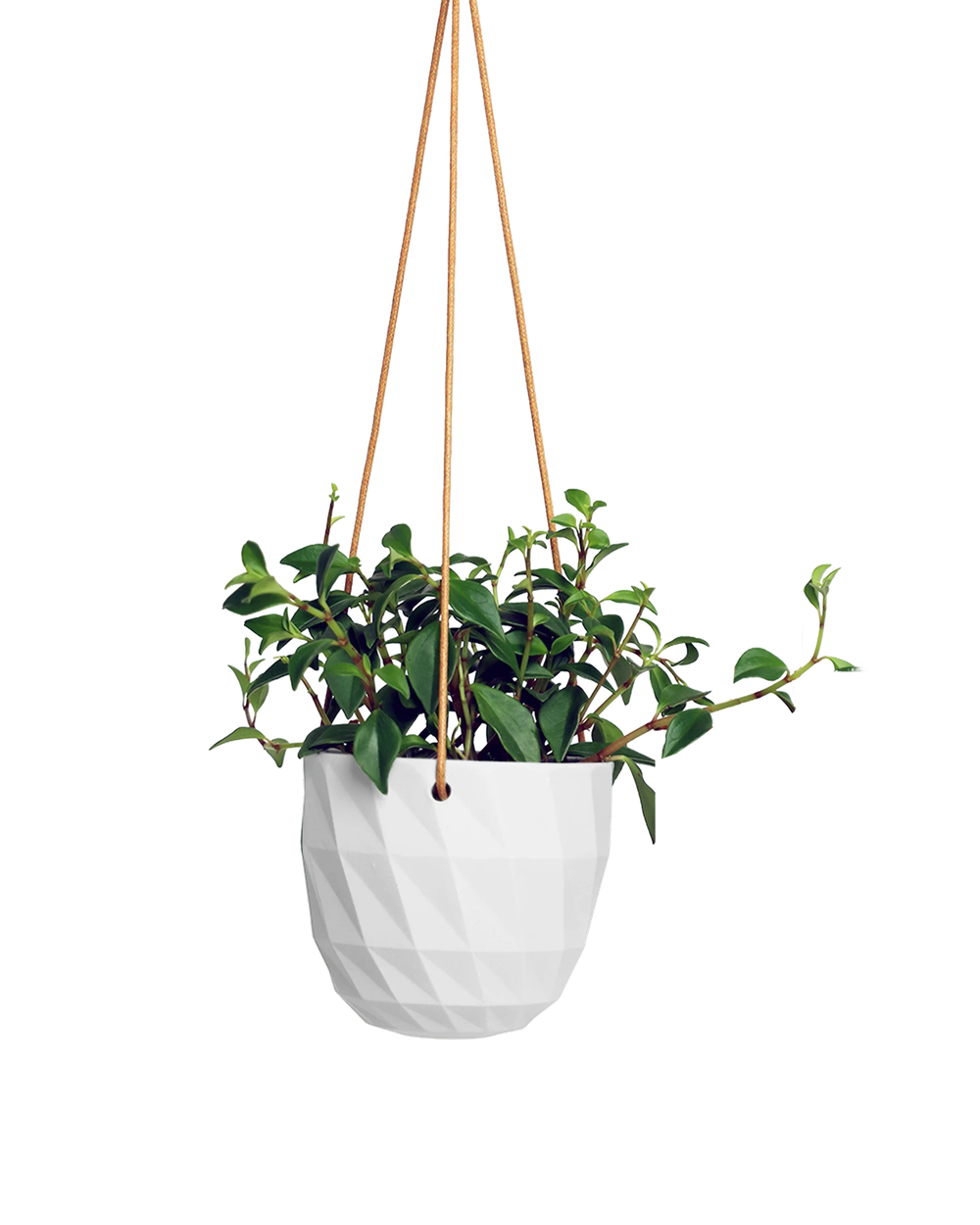
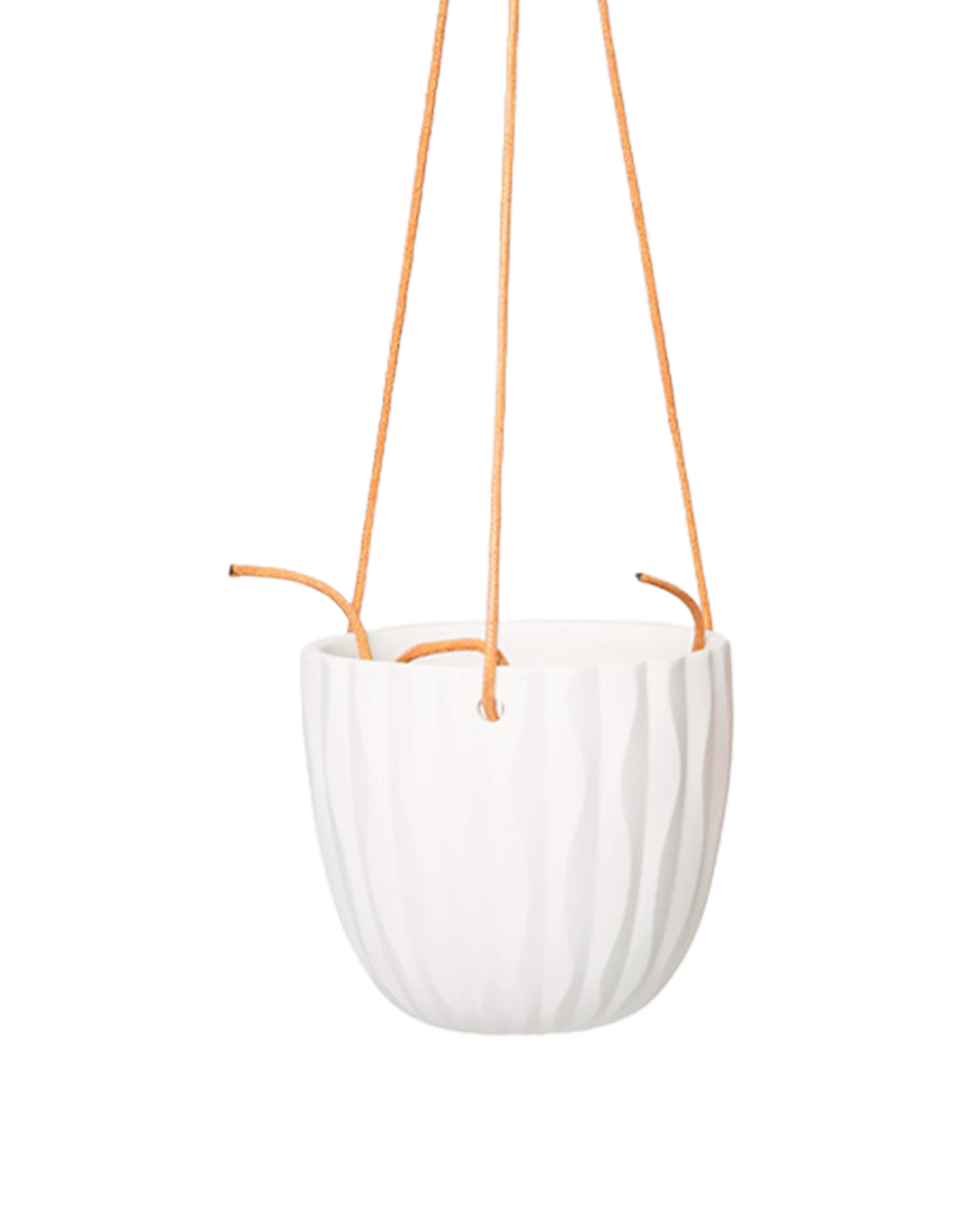
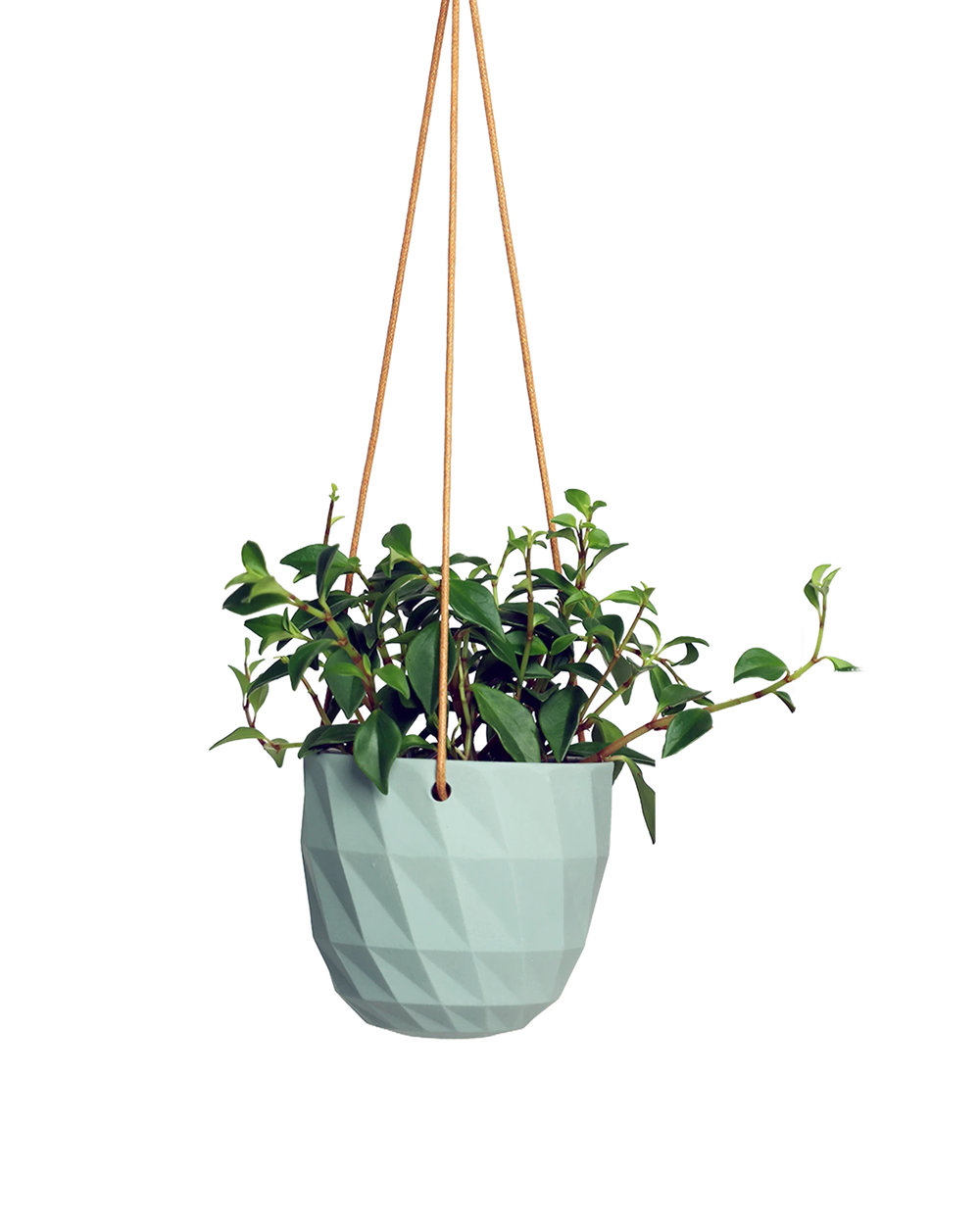
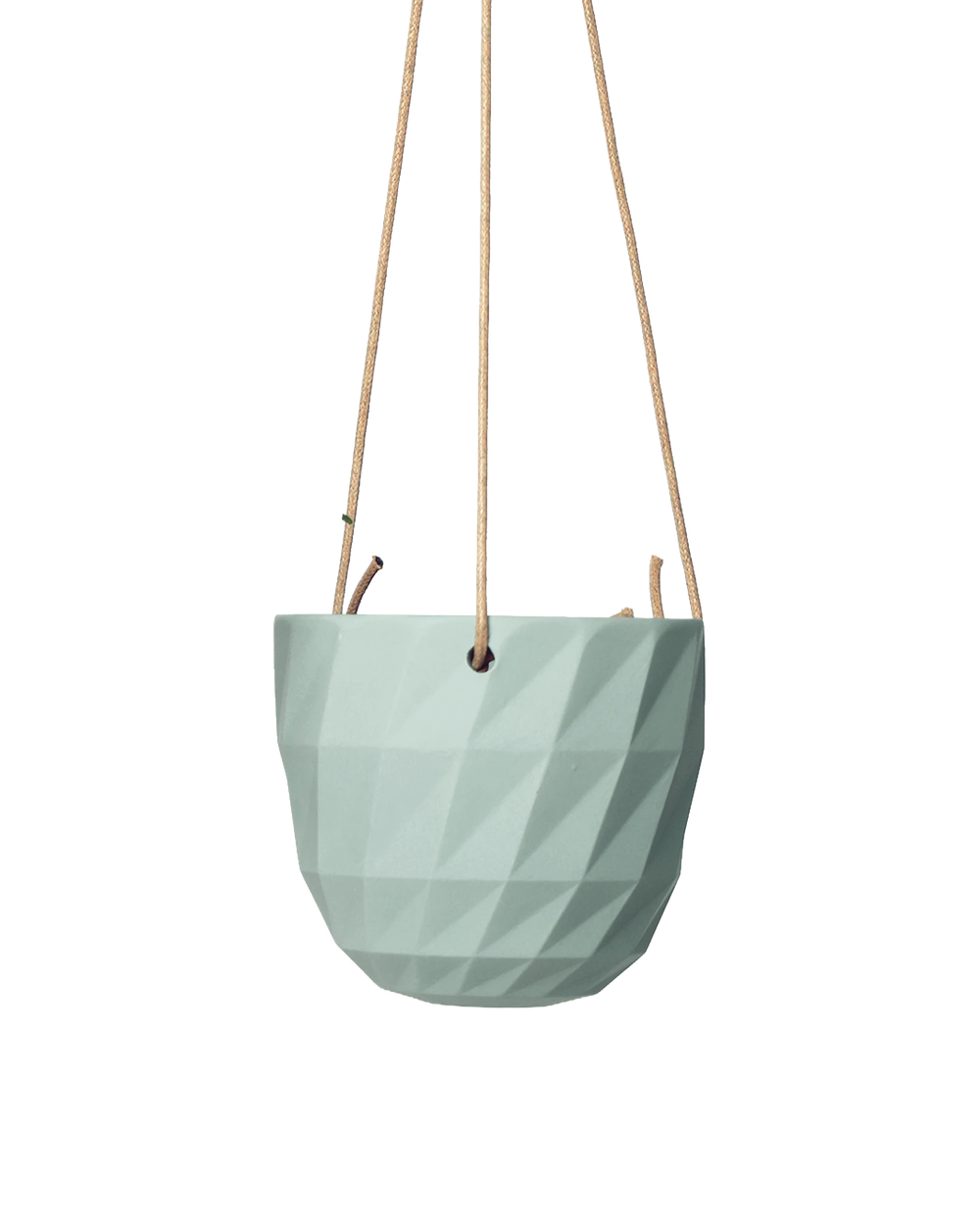
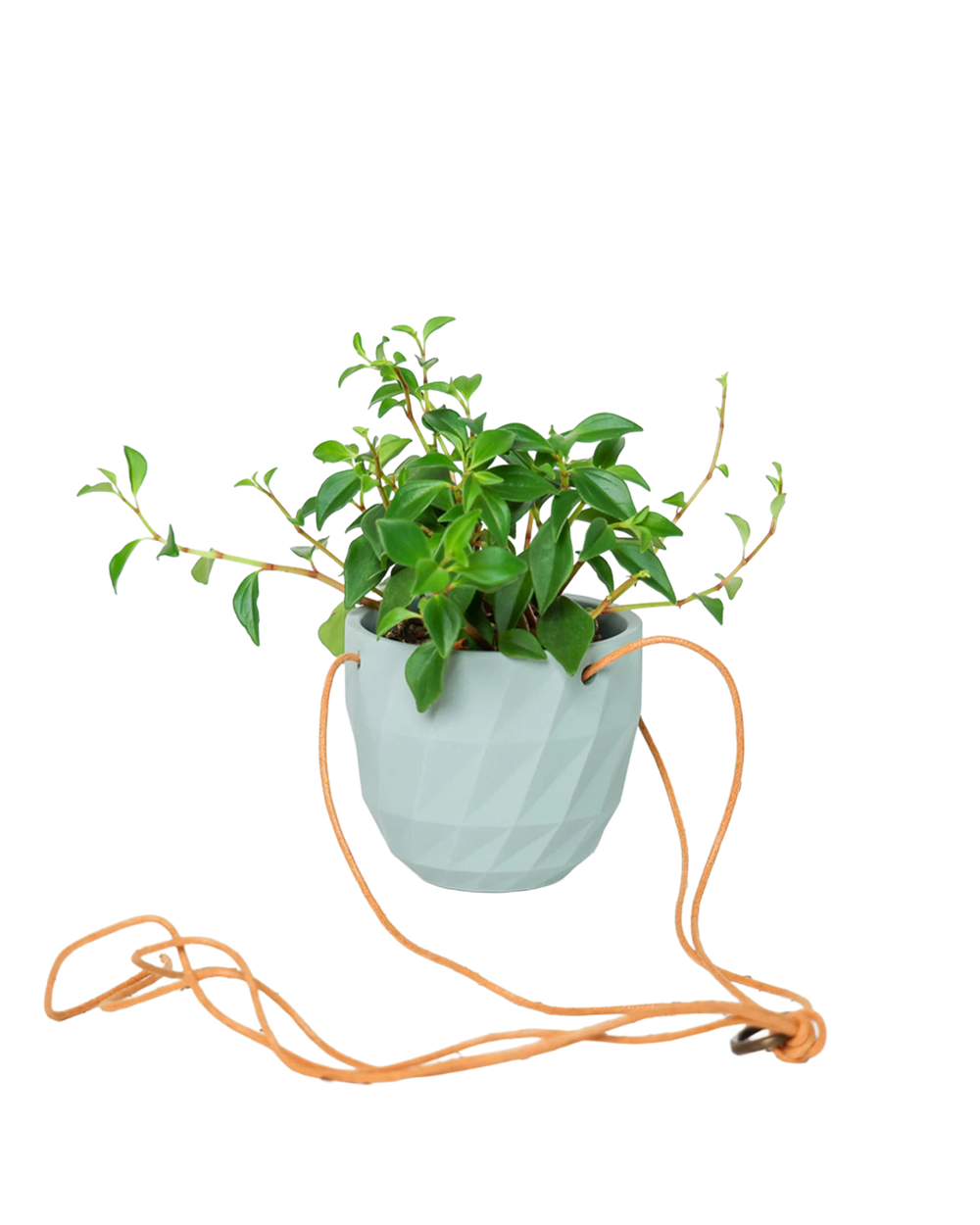
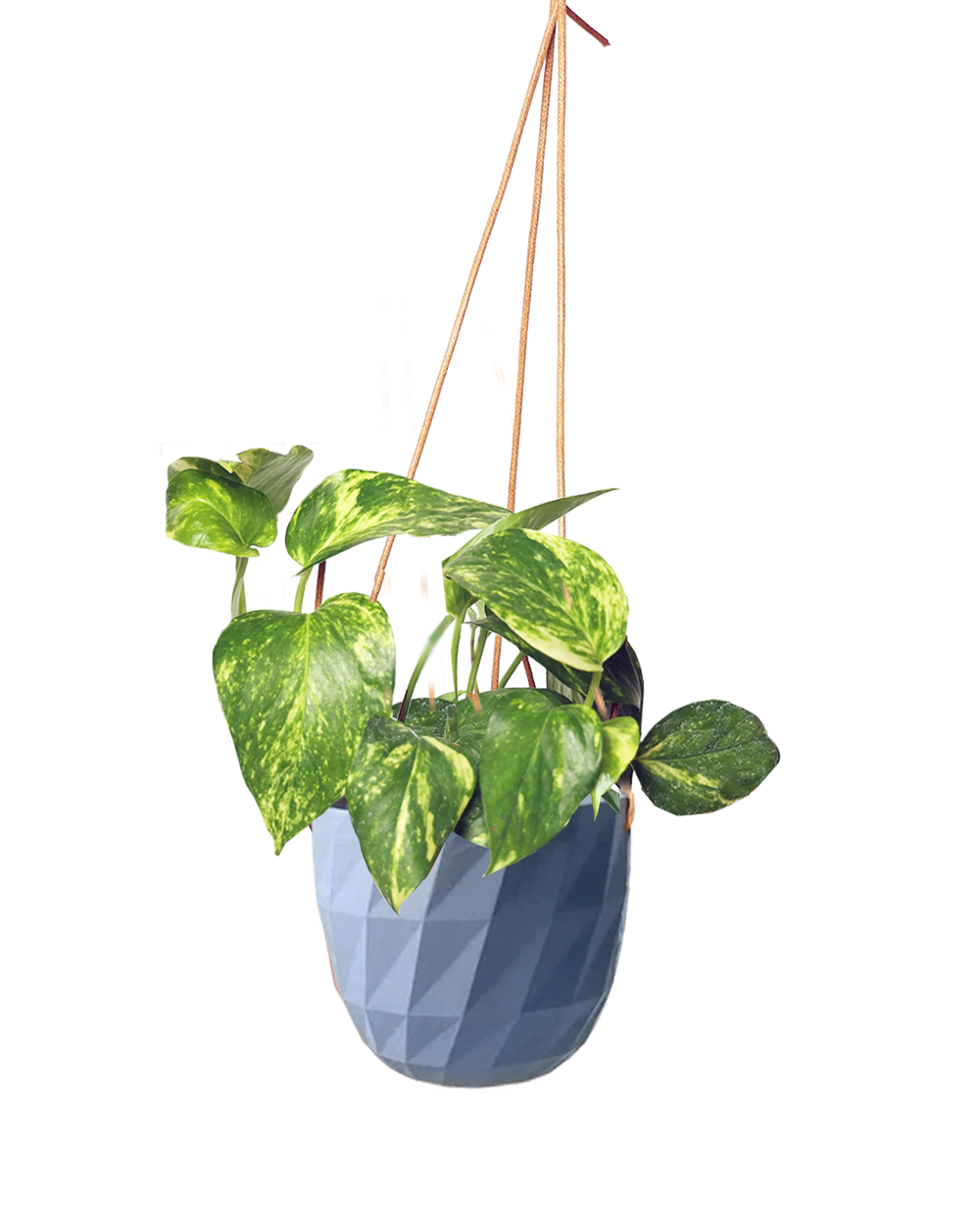
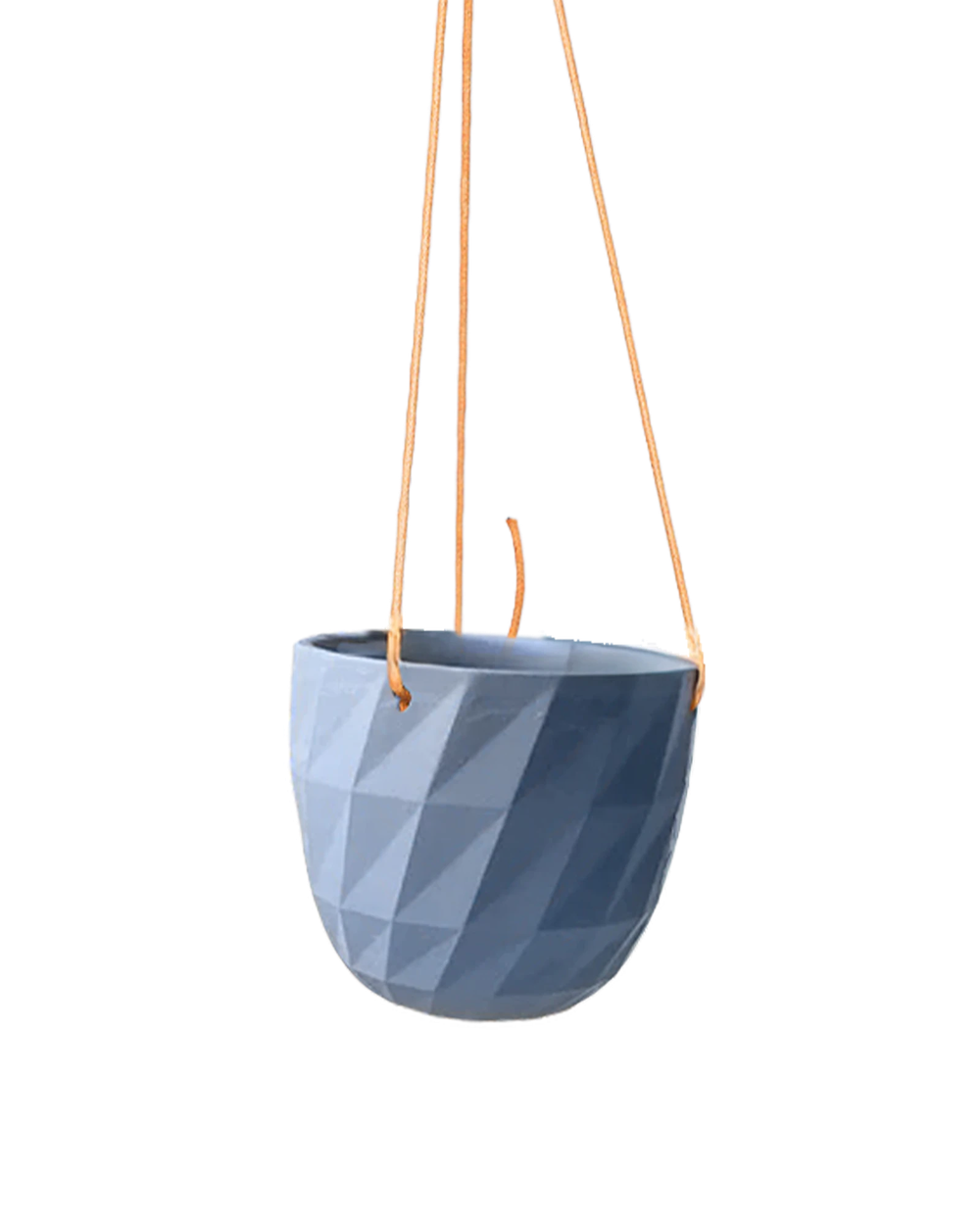
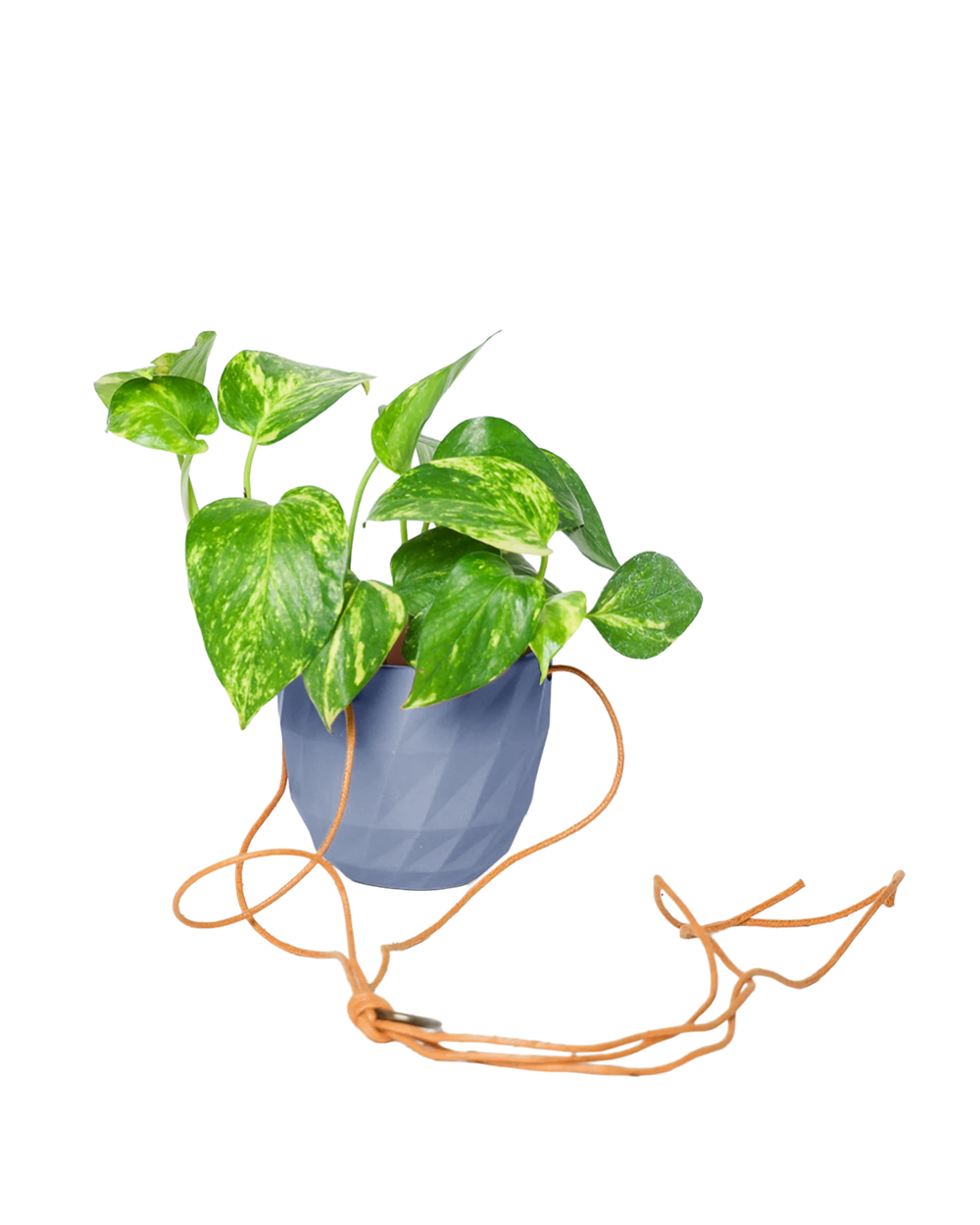
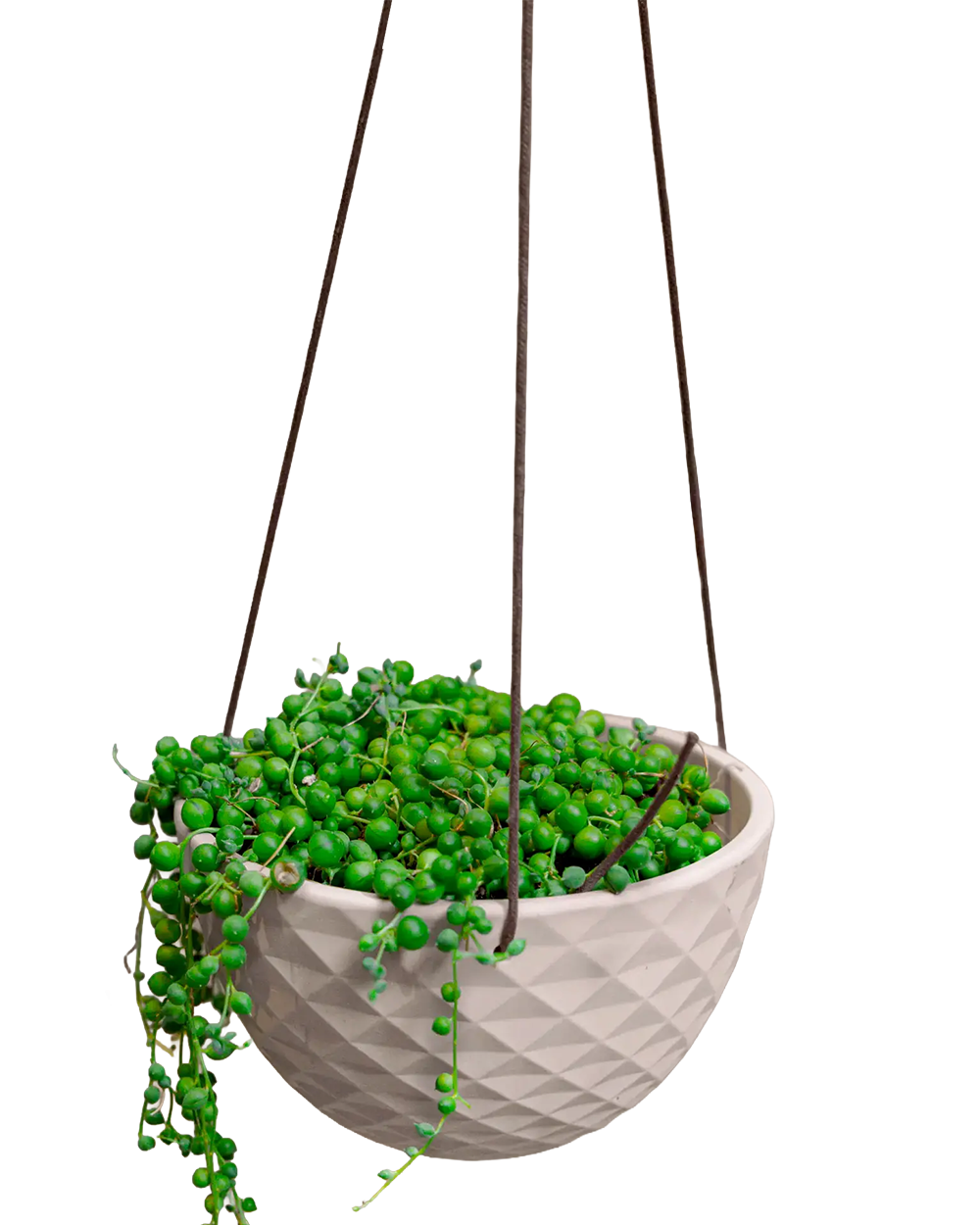
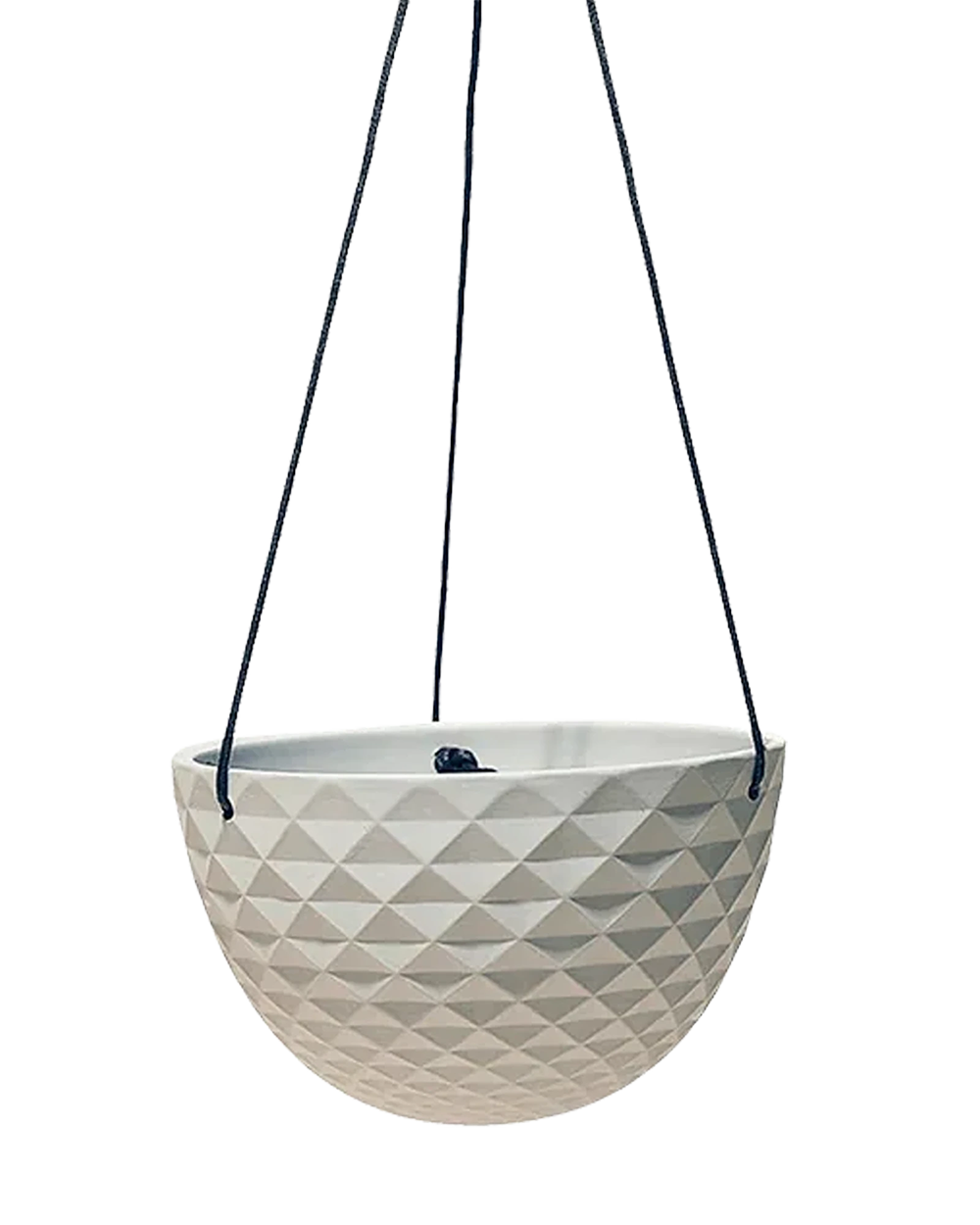
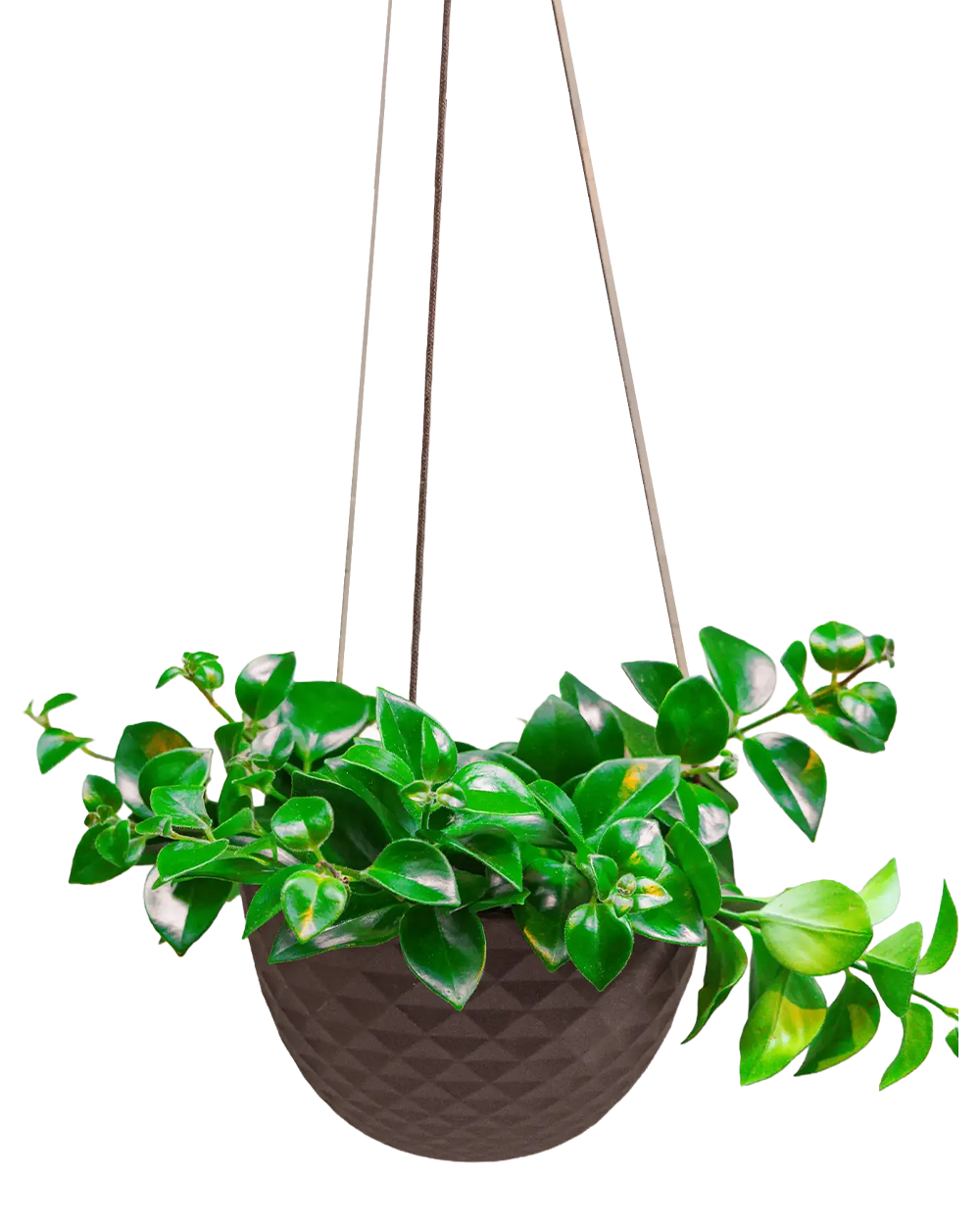
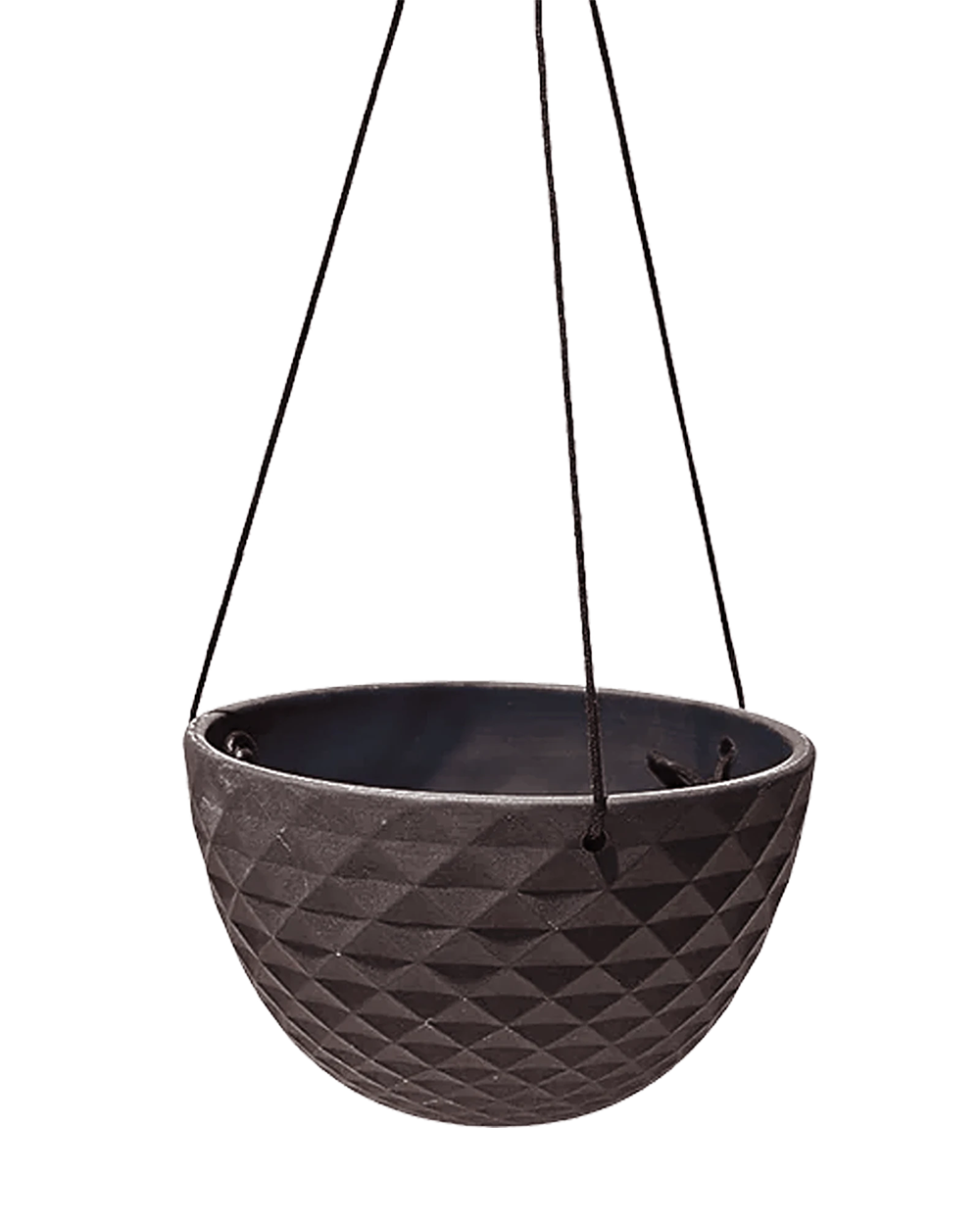
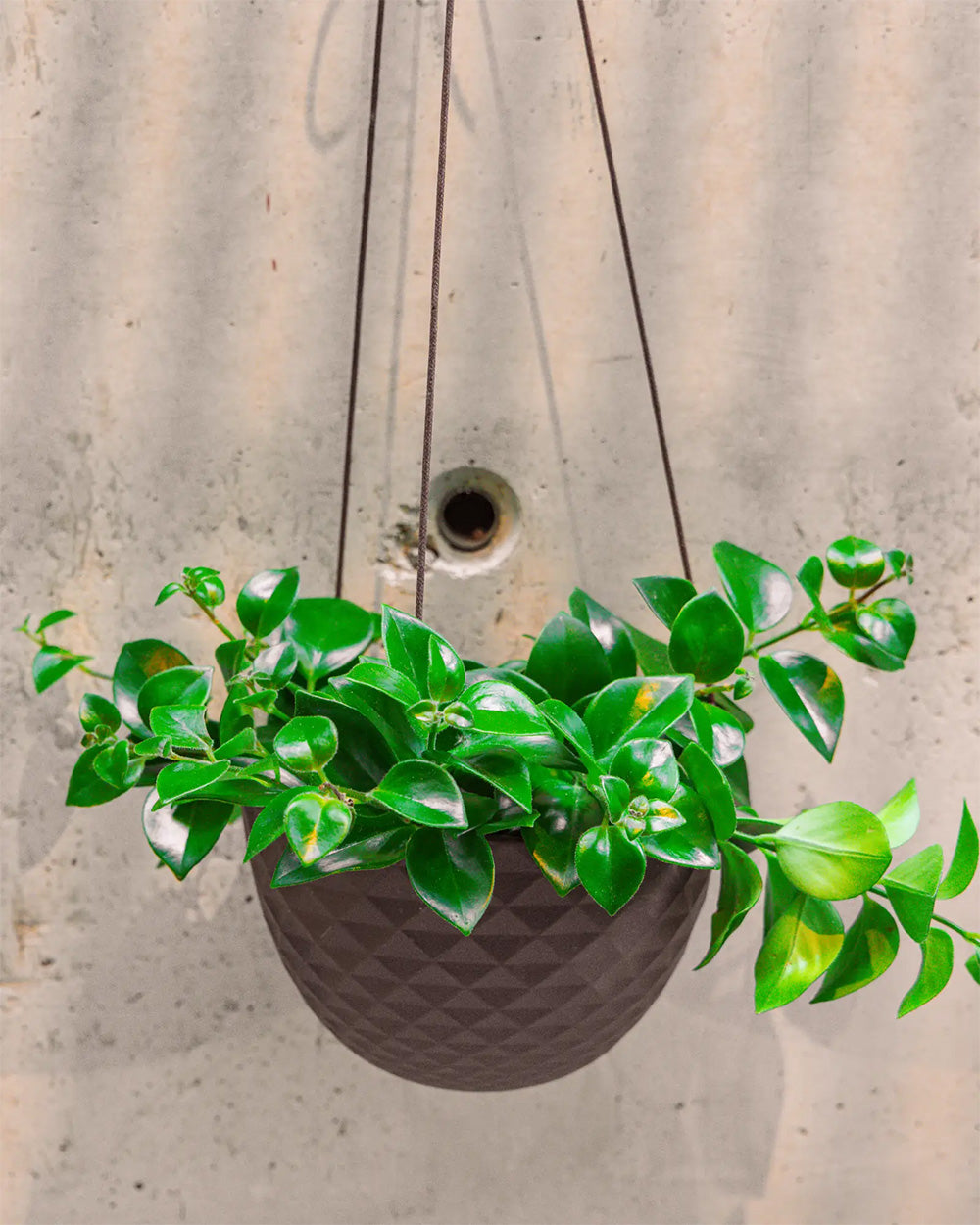
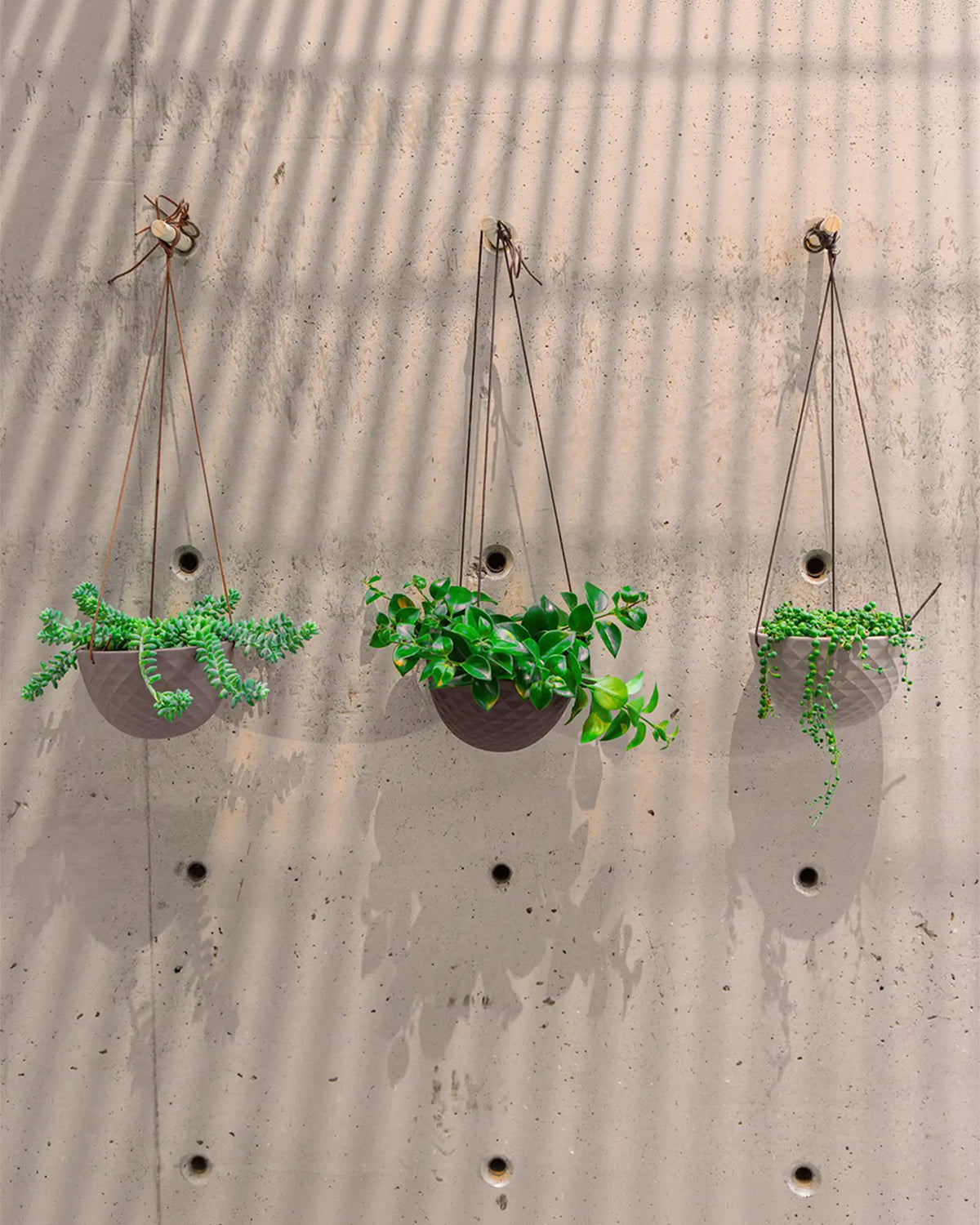
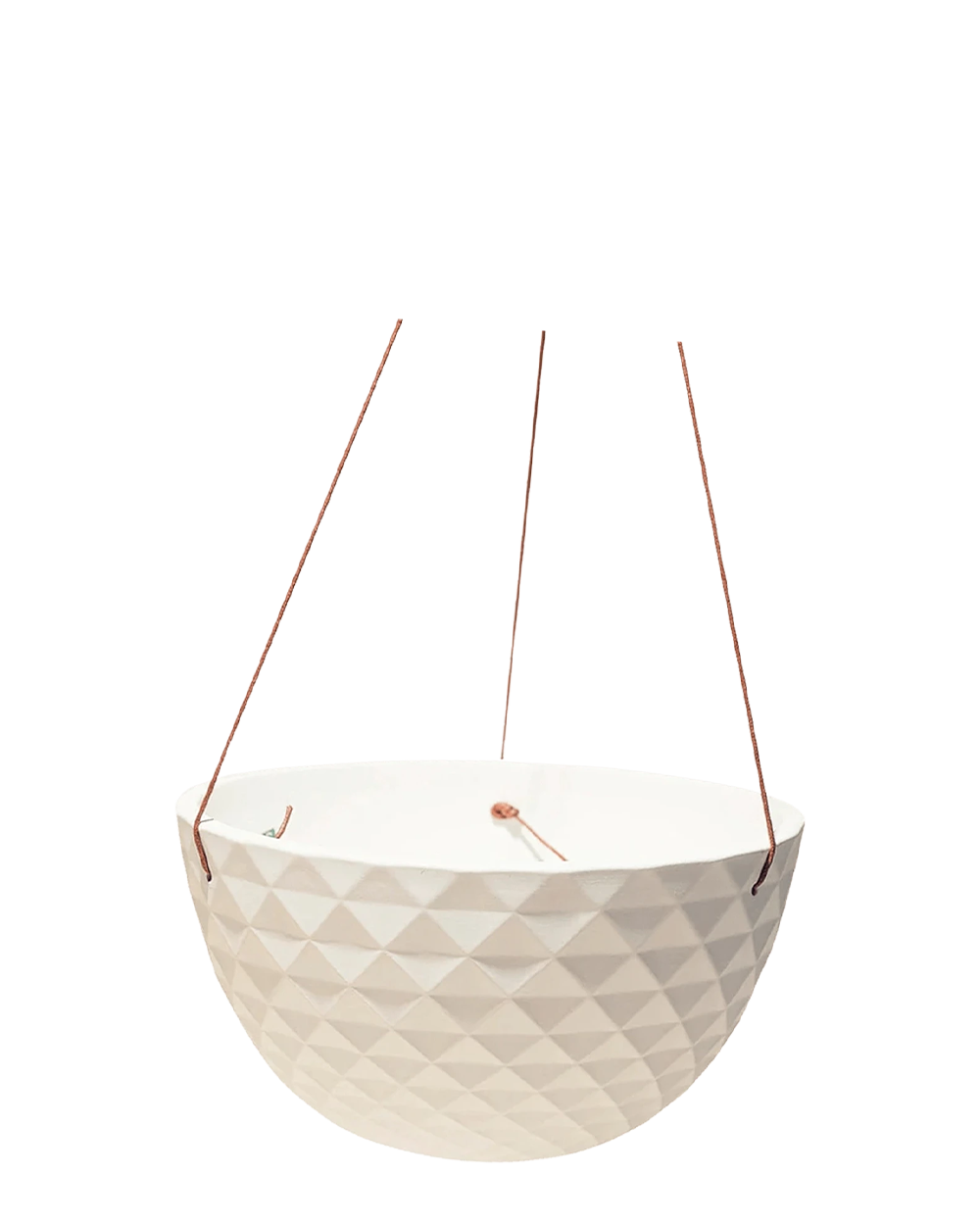
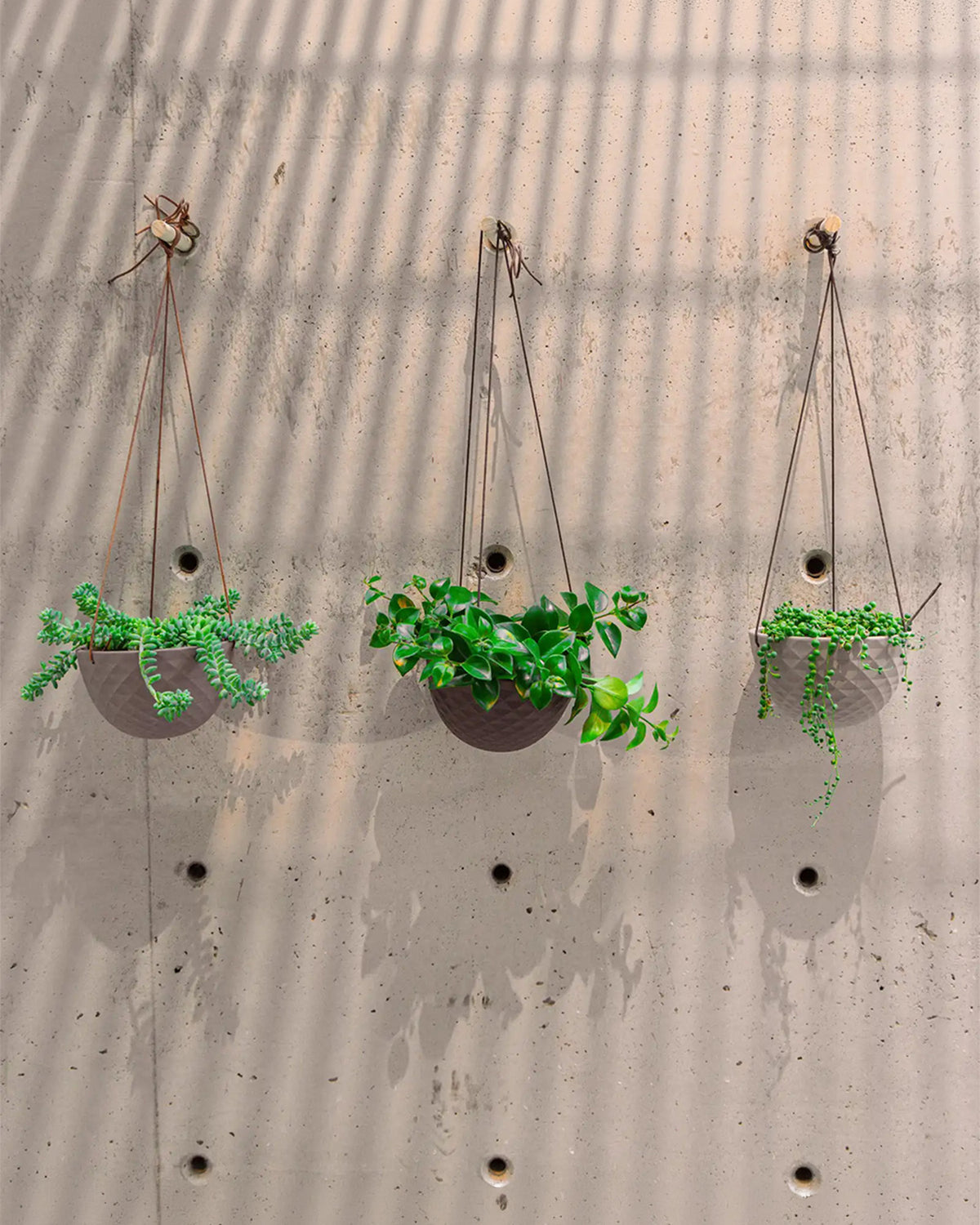
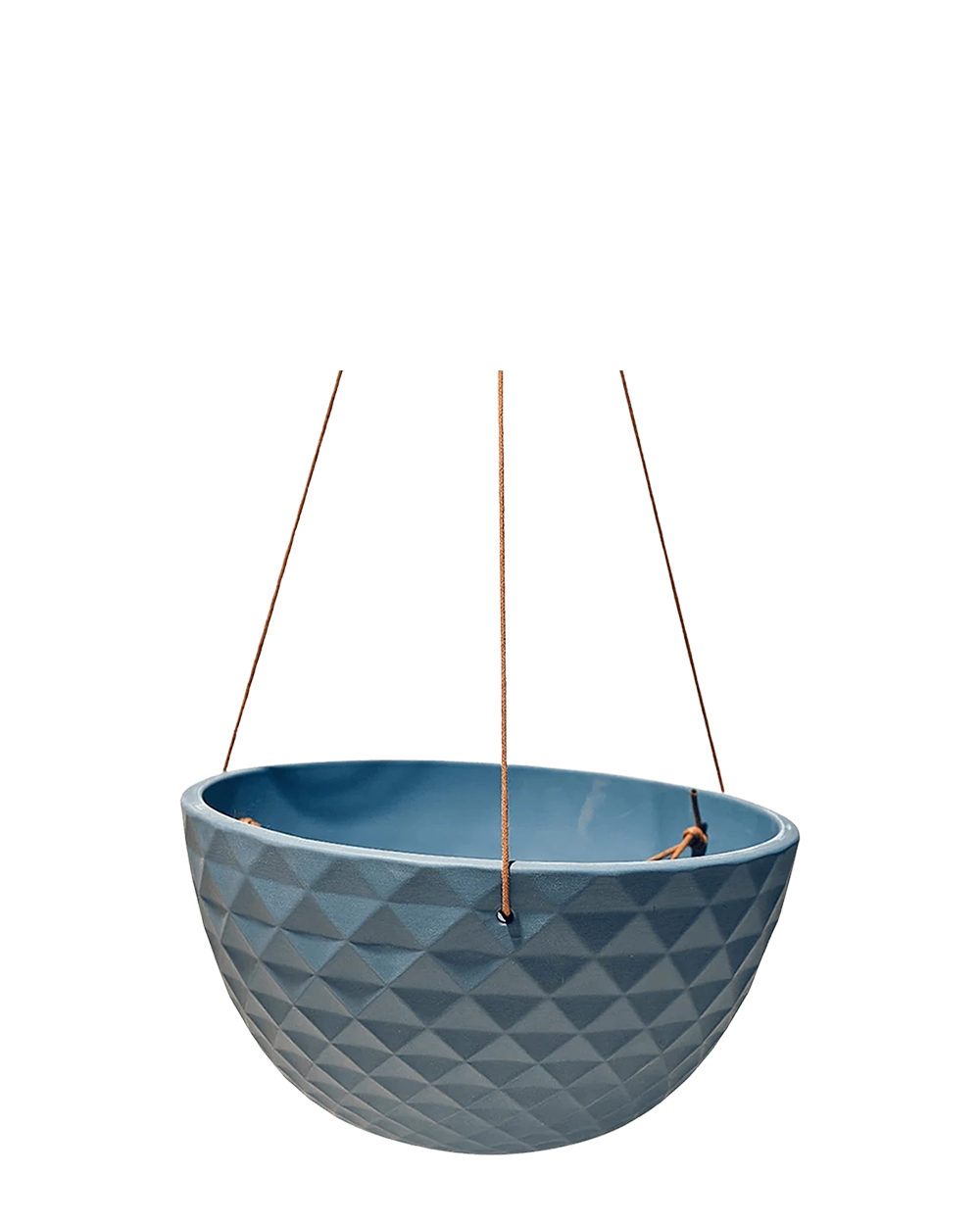
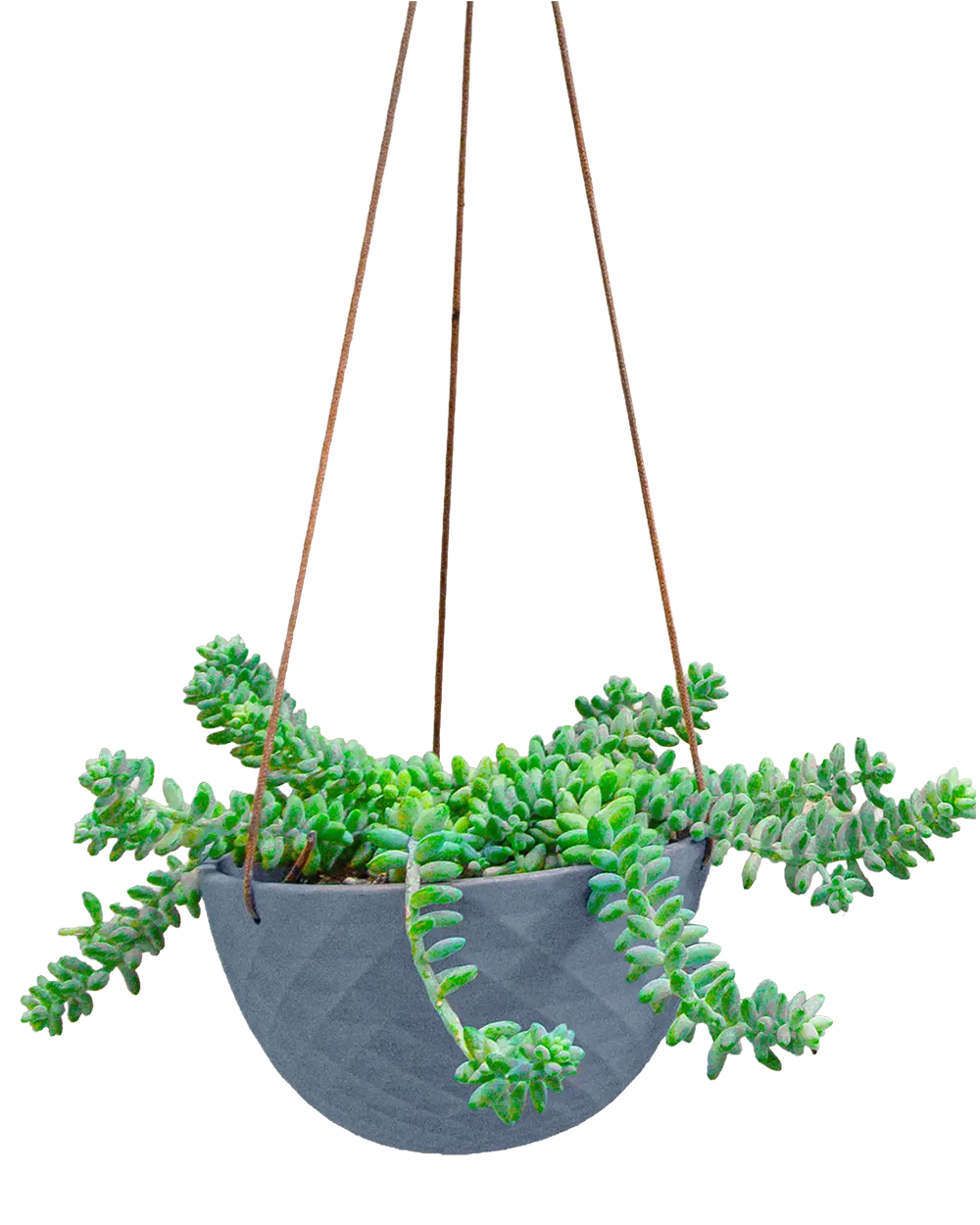
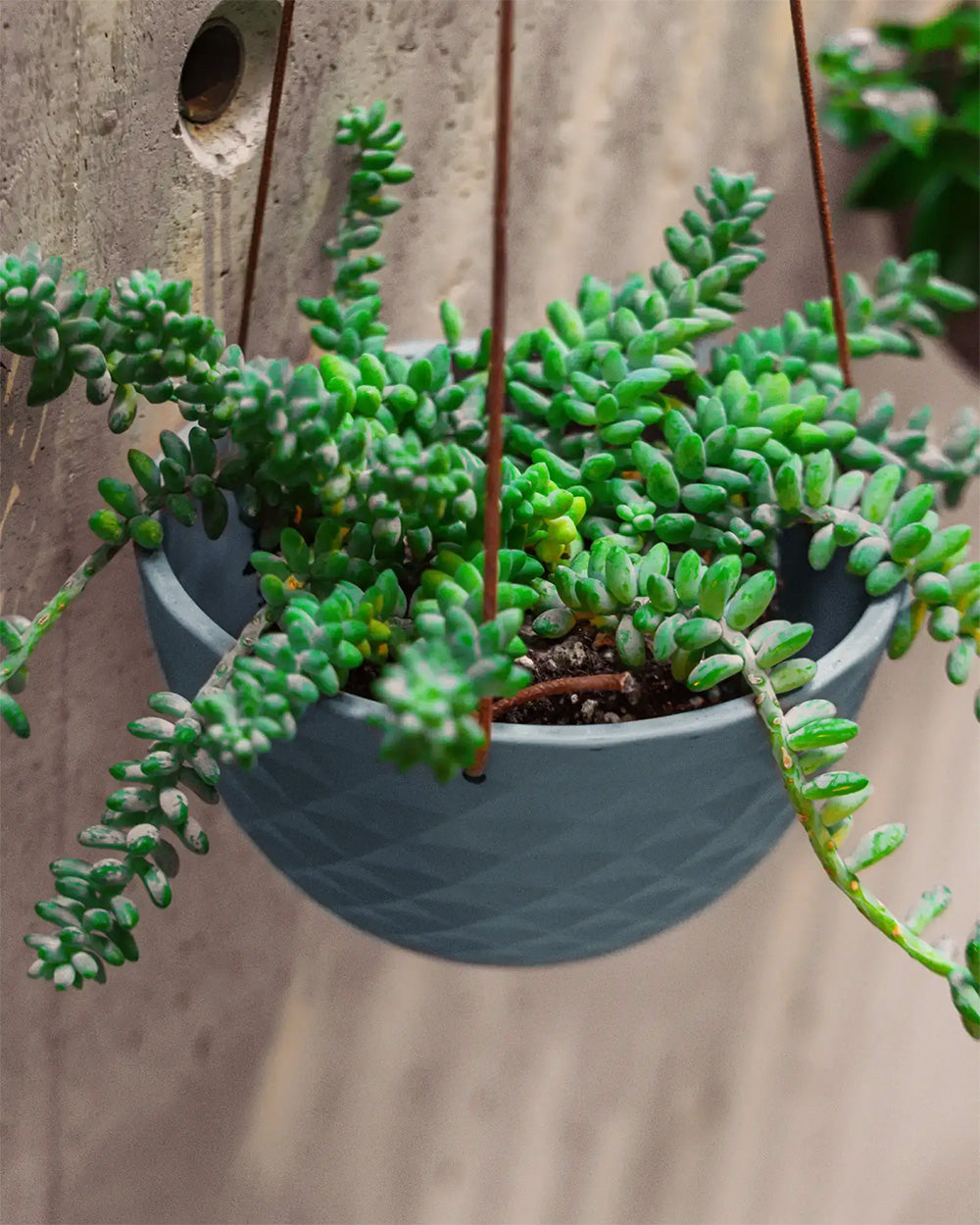
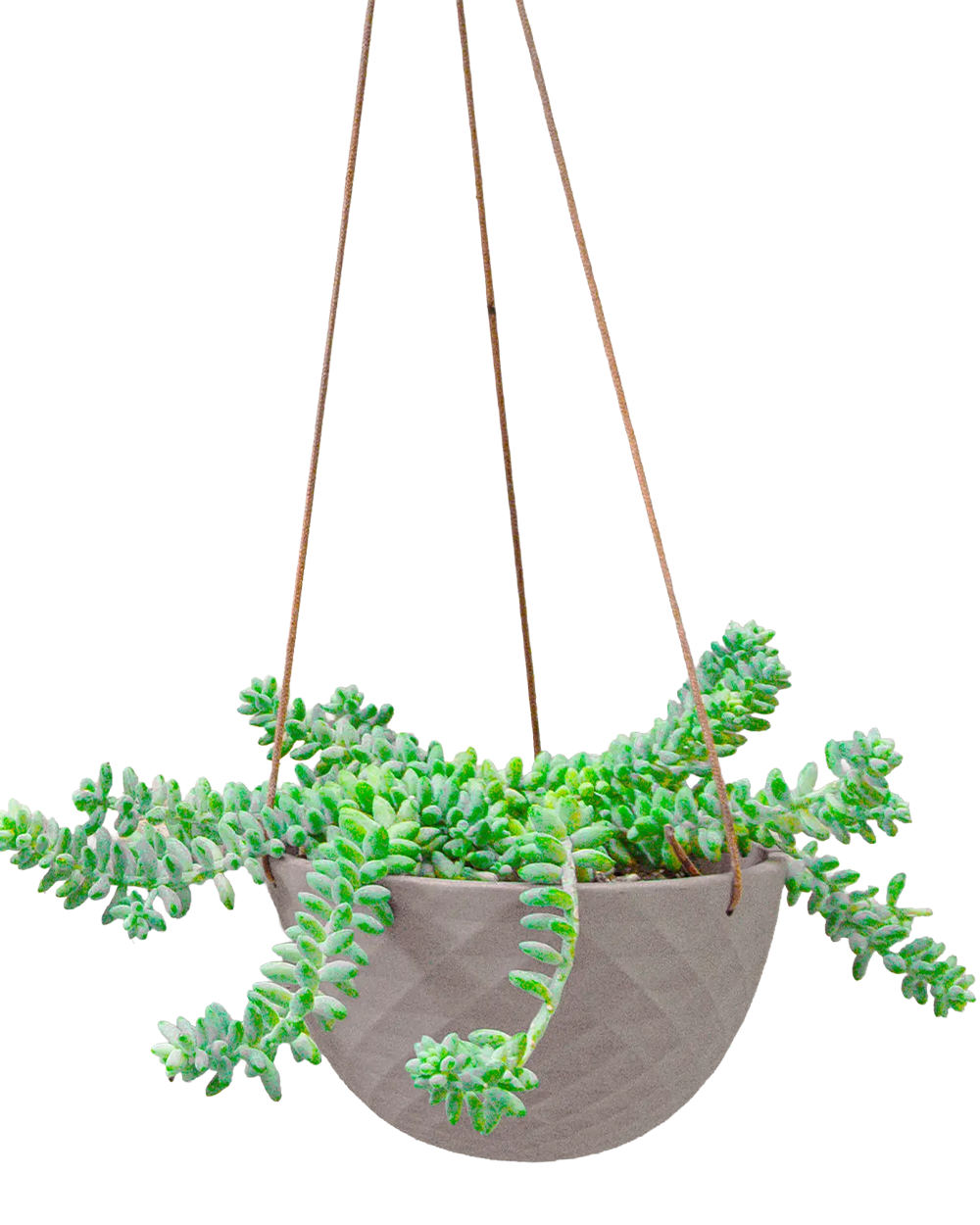
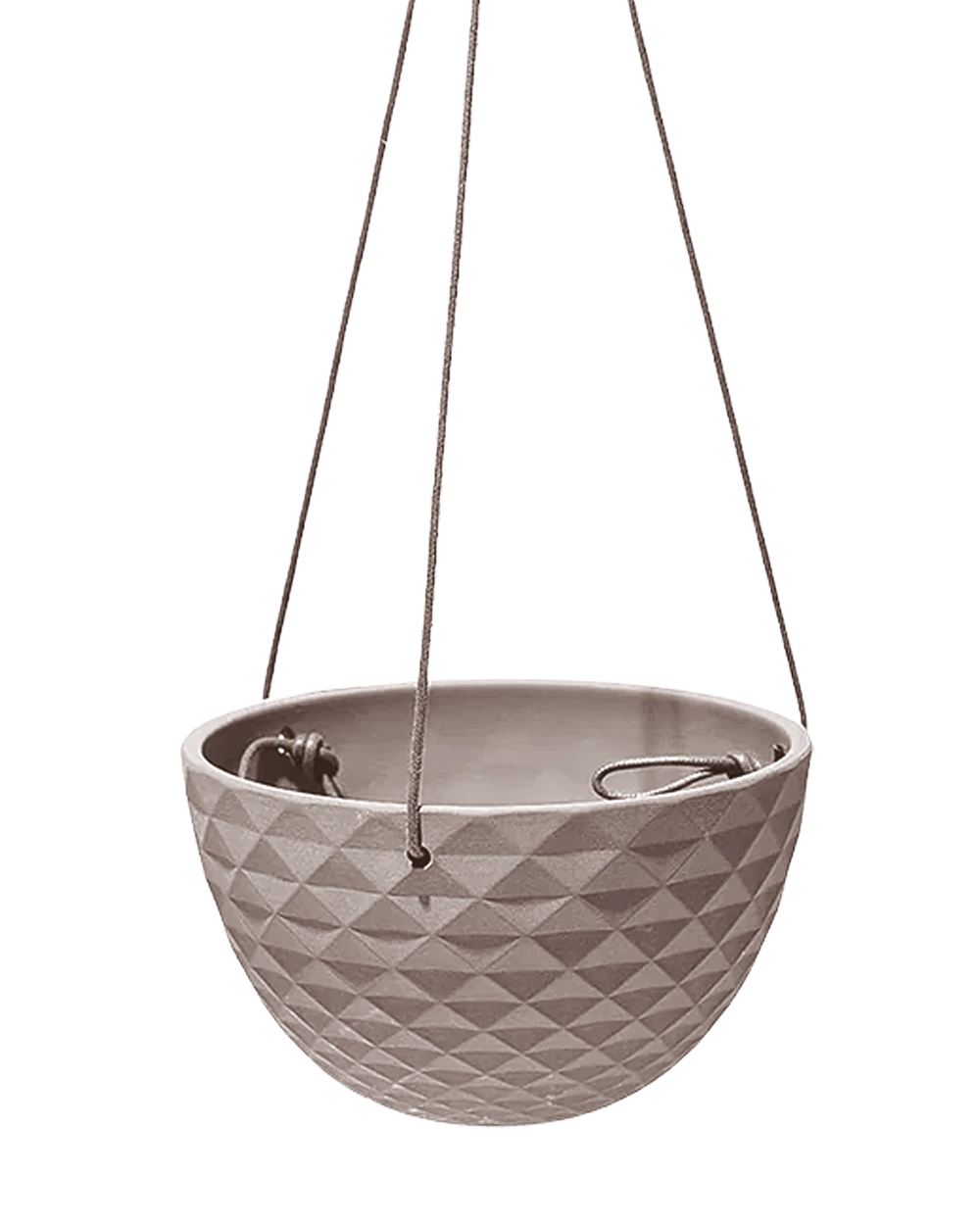
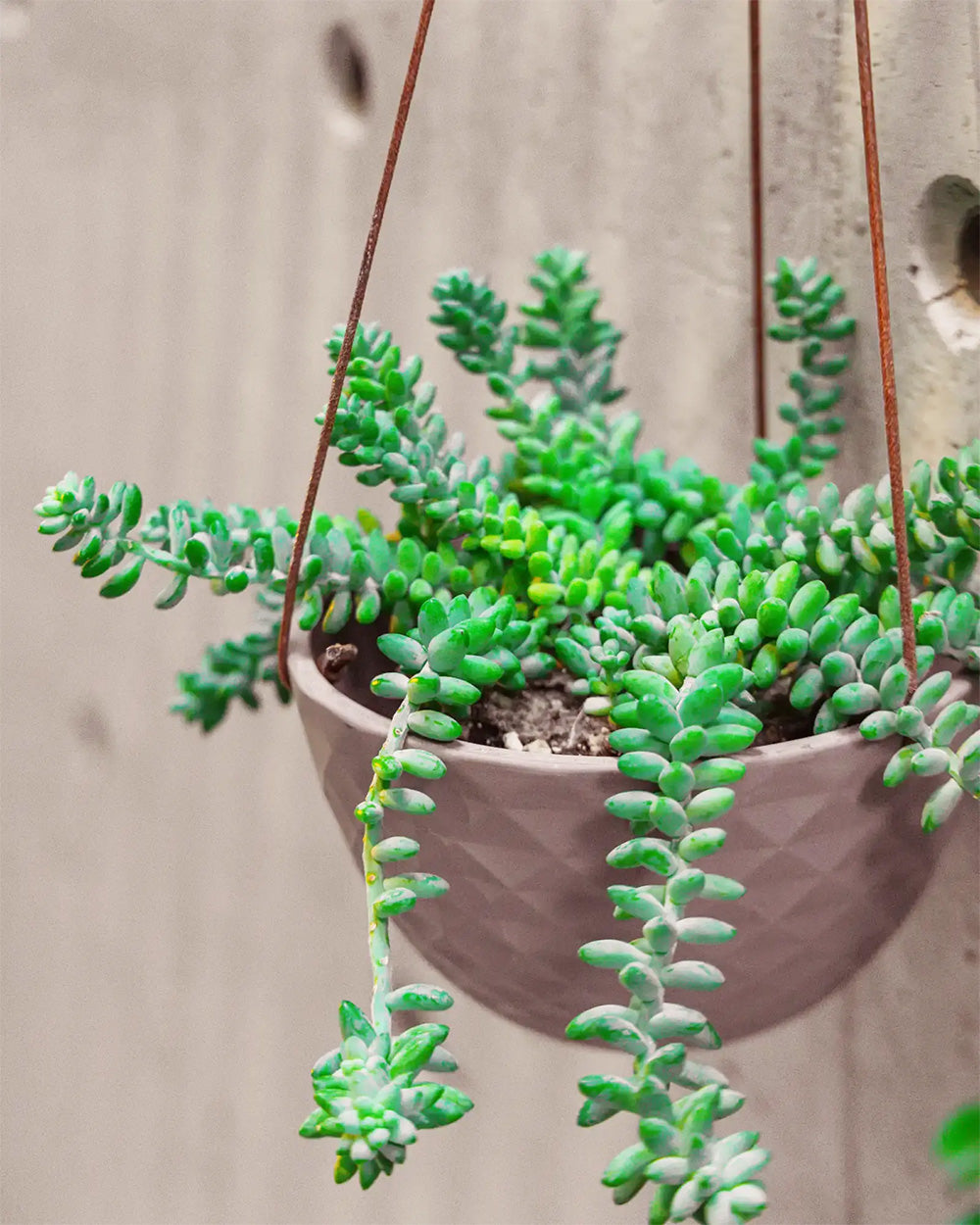
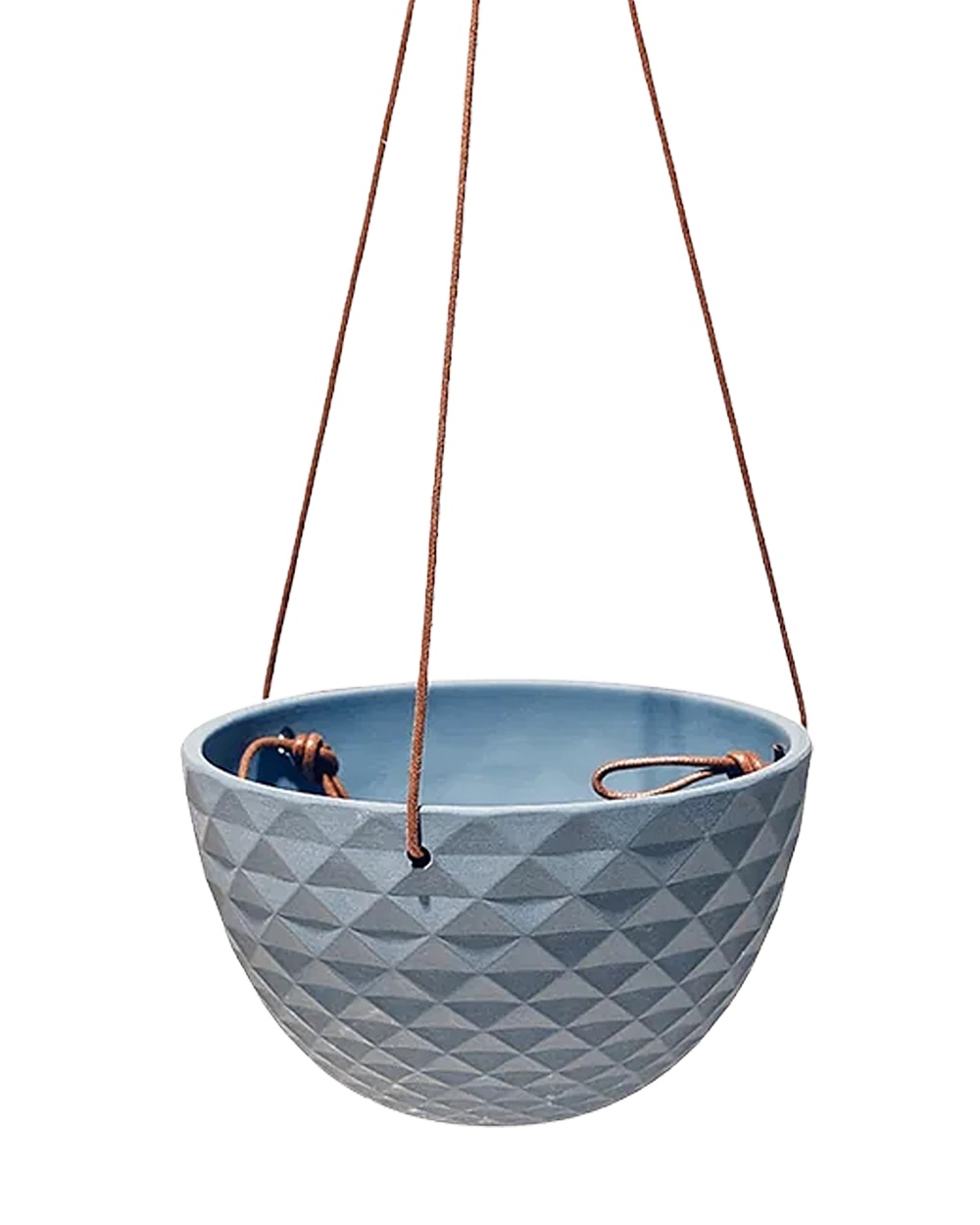
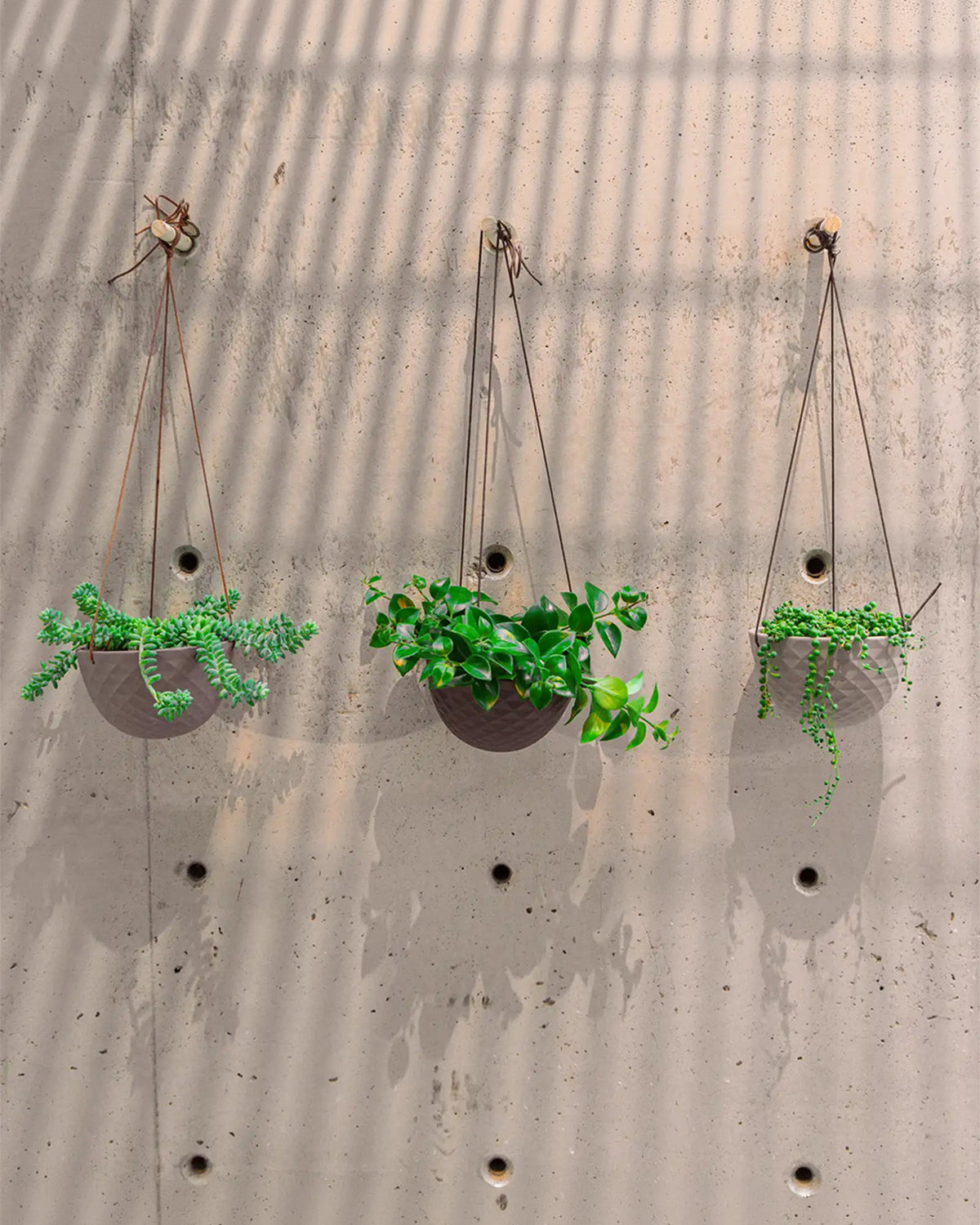
Ceramic hanging planters from Chive Studio. One-screw installation. No drainage holes — use with a liner. For trailing plants that have decided the floor is not for them. Stocked at Chicago Botanic Garden and Longwood Gardens.

Filters
Out of stock
Size
Color
Sort by

We designed the hanging planter for plants that have decided the floor is not for them.

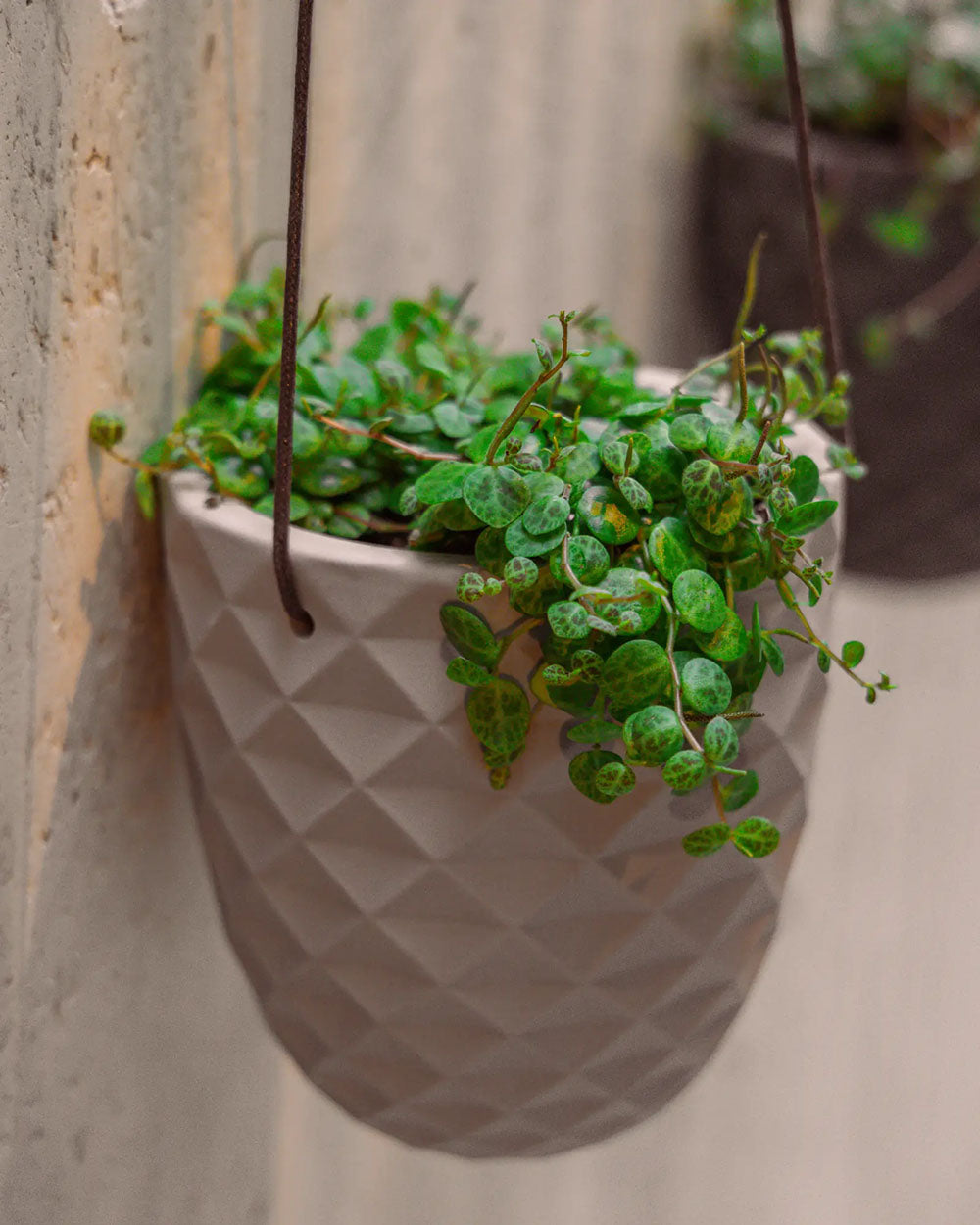
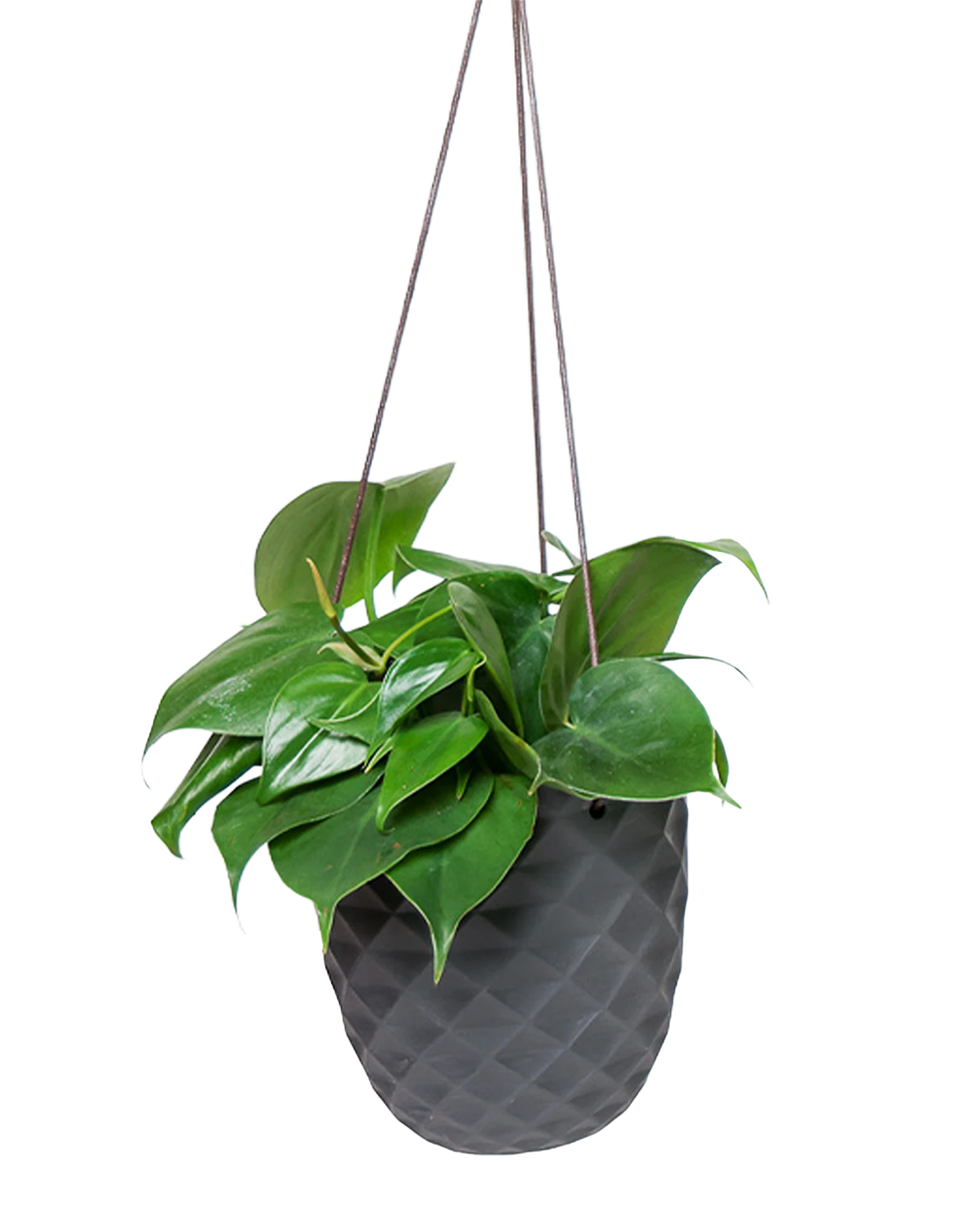
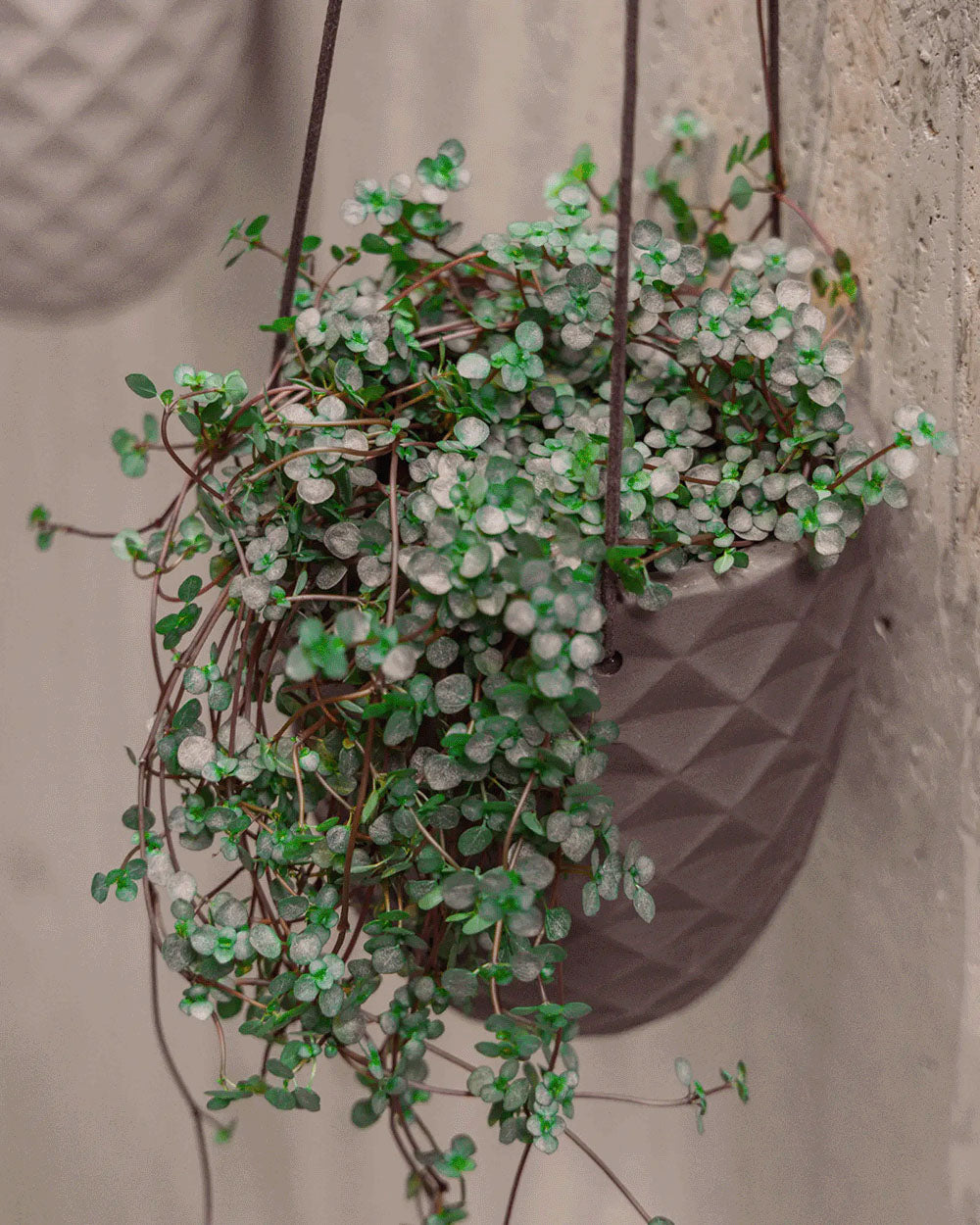
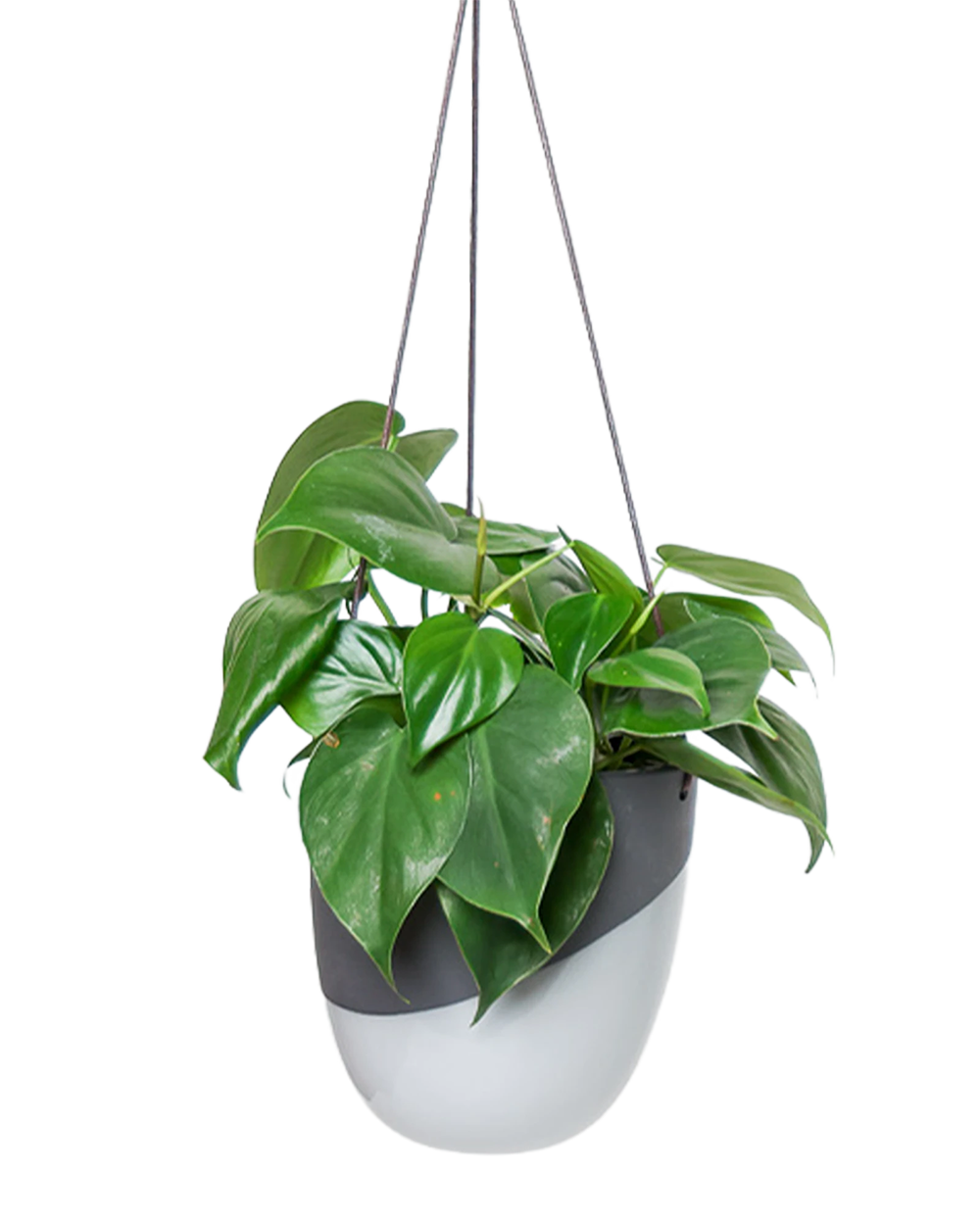
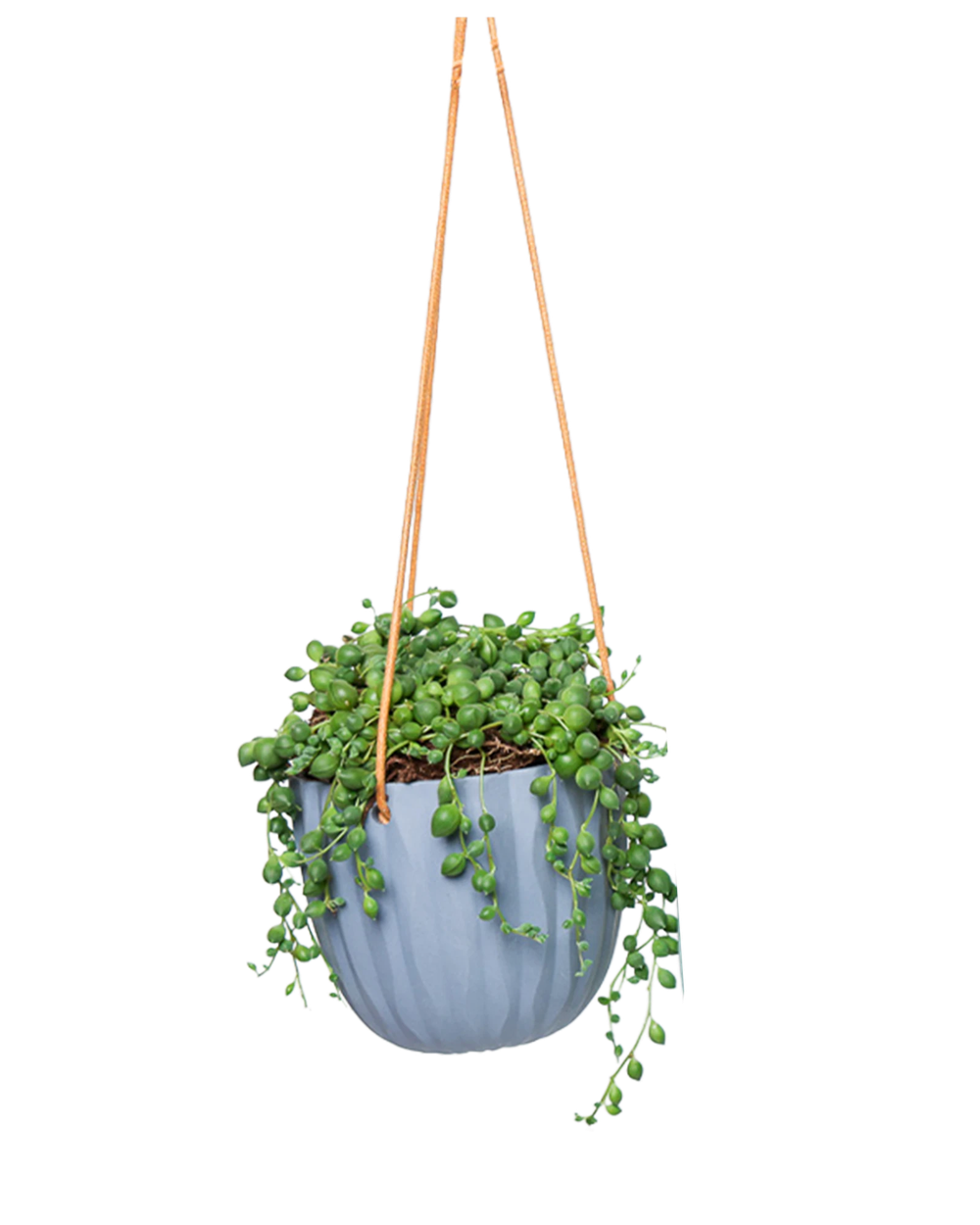
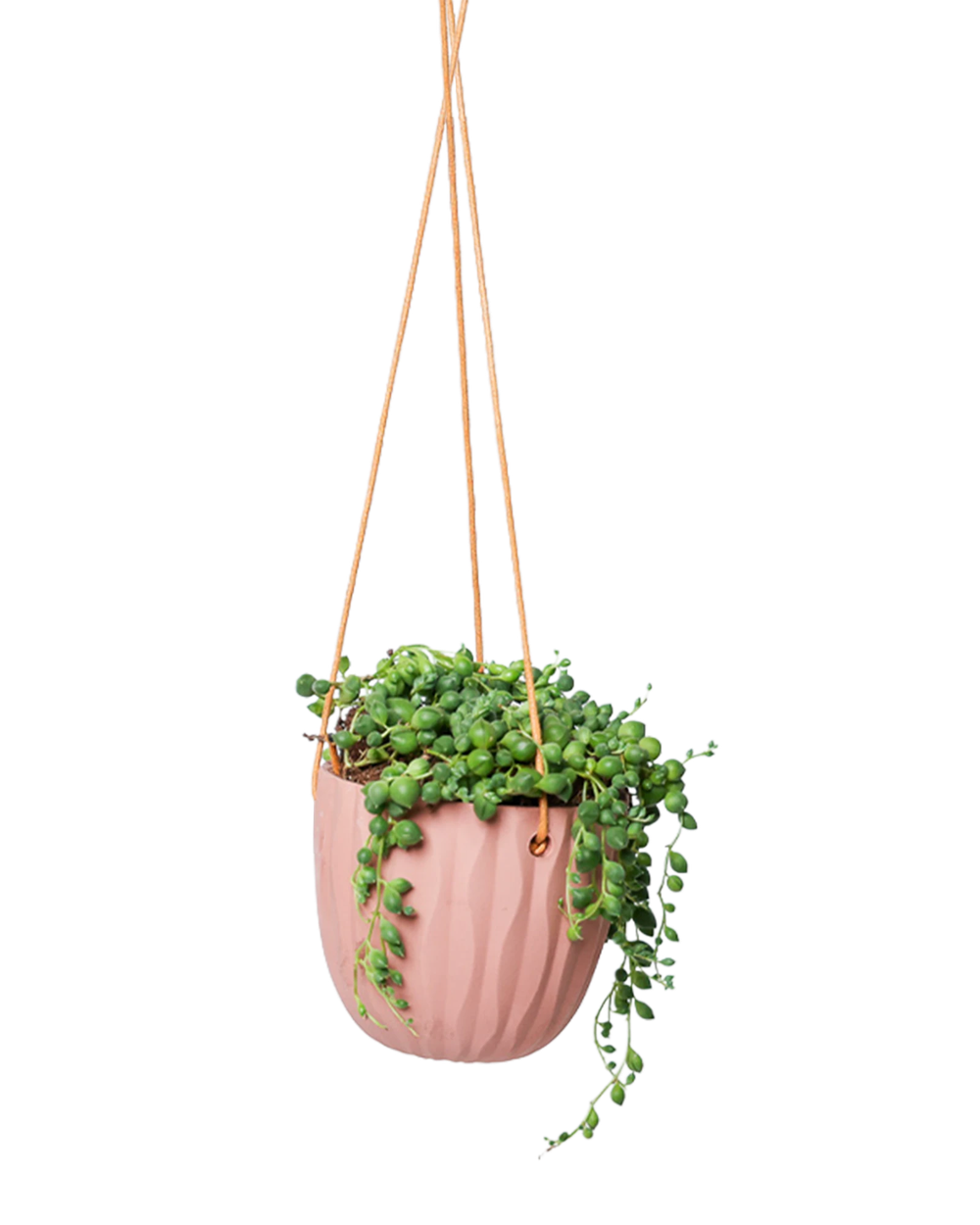
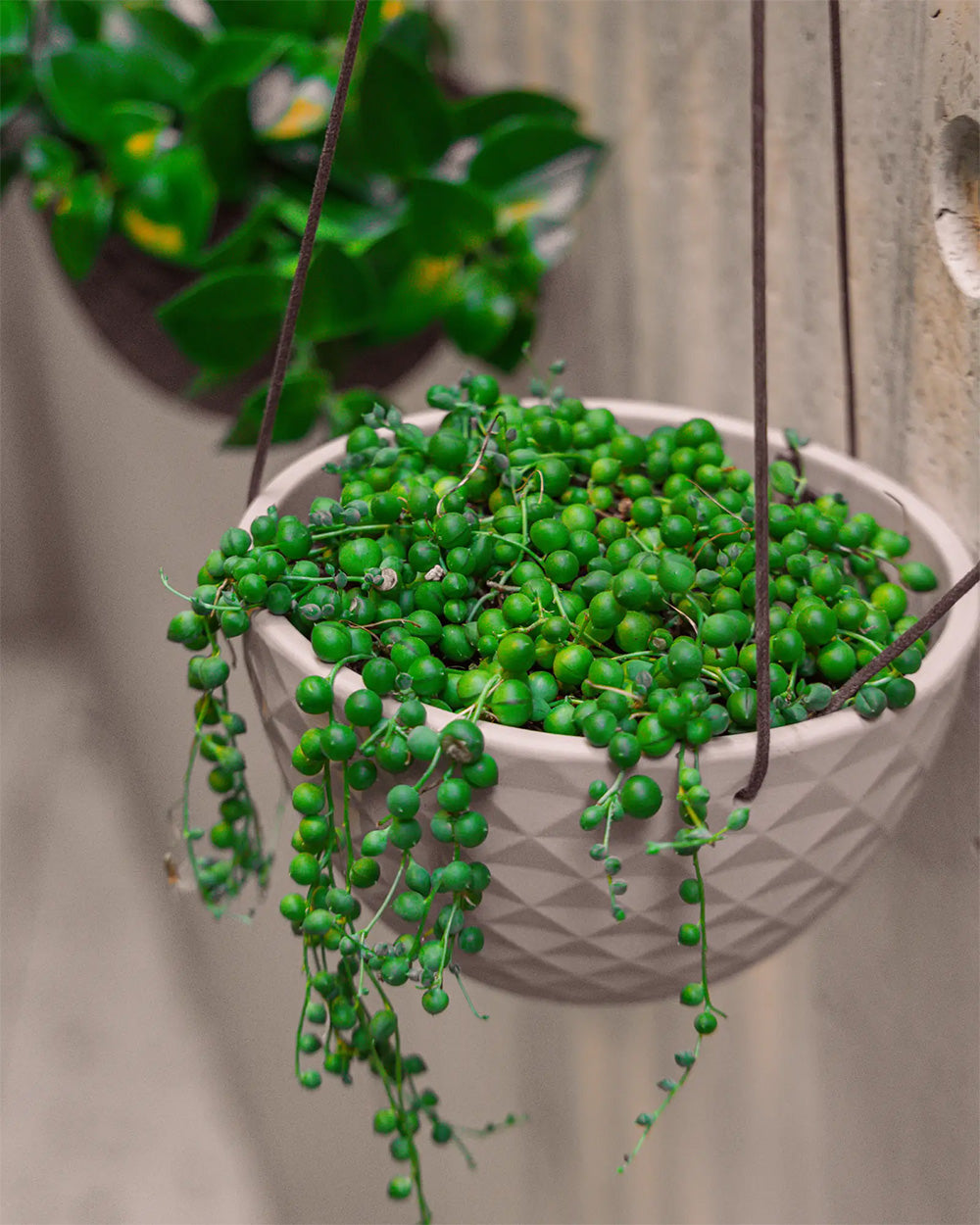
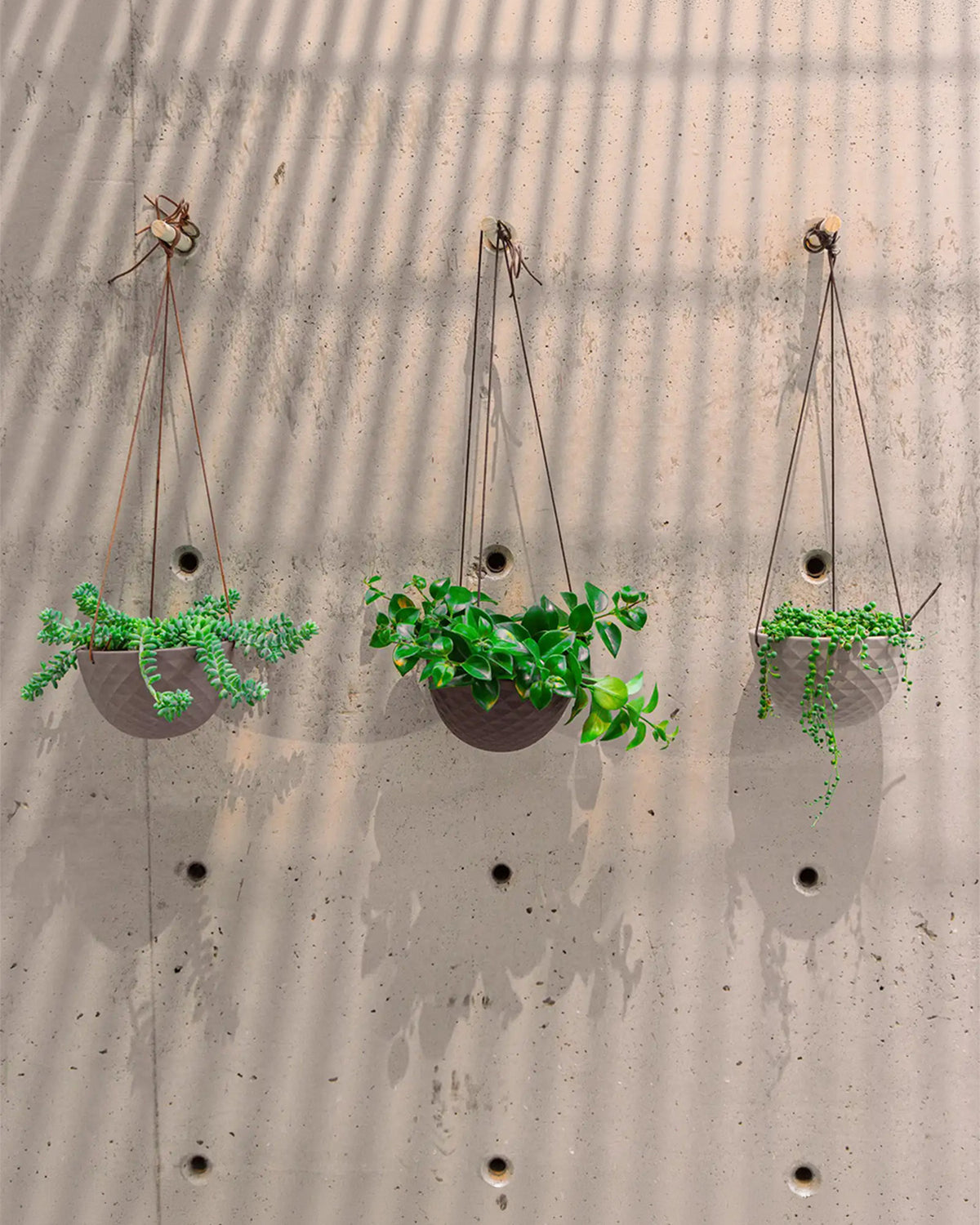
We are Chive Studio. We design ceramic hanging planters for trailing plants — pothos, string of pearls, heartleaf philodendron, ivy. One-screw installation. No drainage holes: use with a liner. Stocked at Chicago Botanic Garden and Longwood Gardens.

We has a theory about why trailing plants specifically decide the floor is not for them.

The theory involves their native growth direction, the angle of light in most domestic interiors, and a general disposition toward upward movement that Todd finds admirable and slightly pointed — as if the plant is making a comment. We don't take it personally. The first prototype installed with one screw. It held. We found this satisfying.

Wood Wall Hook For Planters - Chive Ceramics Studio - Tools & Accessories - Chive US

Why this collection exists

Some plants have decided the floor is not for them. Chive doesn't have a theory about why. The pothos, the string of pearls, the heartleaf philodendron — they arrive on the floor and immediately look upward. The hanging planter range exists for these plants. No drainage holes. Use with a liner.

We design ceramic plant pots in Toronto and our full range — small, medium, large, hanging, animal, self-watering, and cachepot — is stocked in botanical institutions across North America. The New York Botanical Garden has carried Chive pots for over a decade. Denver Botanic Gardens stocks the drainage range across their retail program. The Huntington Library and Botanical Gardens carries the large pot collection for visitors arriving with floor plants in mind. Chicago Botanic Garden stocks the hanging planters and medium range. Longwood Gardens in Pennsylvania carries the drainage designs. Monterey Bay Aquarium stocks the animal pots. Norfolk Botanical Garden carries the full collection. Chive Studio has been designing ceramic pots in Toronto since 1999.

Best Hanging Planters for Indoor Plants

Lexi Bertolas
The thing about plant people is they're never satisfied with just one plant. It starts innocently enough—a small succulent on a desk, a modest pothos in the kitchen—but before l...
Read more

Hanging Plants Indoor: The Complete Guide

Todd Newgren
Hanging plants indoor transform your space by activating the vertical dimension most rooms leave unused. Choose trailing varieties like pothos or string of hearts based on your ...
Read more

Plants for Beginners: A Foolproof Guide to Starting Your Plant Journey

Lexi Bertolas
The transformation from plant killer to plant parent represents one of the more optimistic ventures of modern domestic life. Countless individuals have gazed upon the lush Insta...
Read more
1999 Making ceramics since
200+ Institutions worldwide

RHS Chelsea Flower Show 5-star booth award — won twice in 13 consecutive years of exhibiting

About Chive Studio

Chive makes ceramic plant pots, ceramic wall flowers, and Shido Seeds. Every drainage pot ships with a matching saucer included — it has always been this way, and we remain genuinely curious about what the rest of the industry is waiting for. Ships to 40+ countries. Find the full range of plant pots with drainage on the site, including small ceramic plant pots, medium ceramic plant pots, and large ceramic plant pots.


Learn more about Chive Studio →

Chive in the Press →


· Ceramic Plant Pots · Planters with Drainage holes and Saucers · Ships to 40+ countries

Hanging Planter FAQ's

What is a hanging planter?

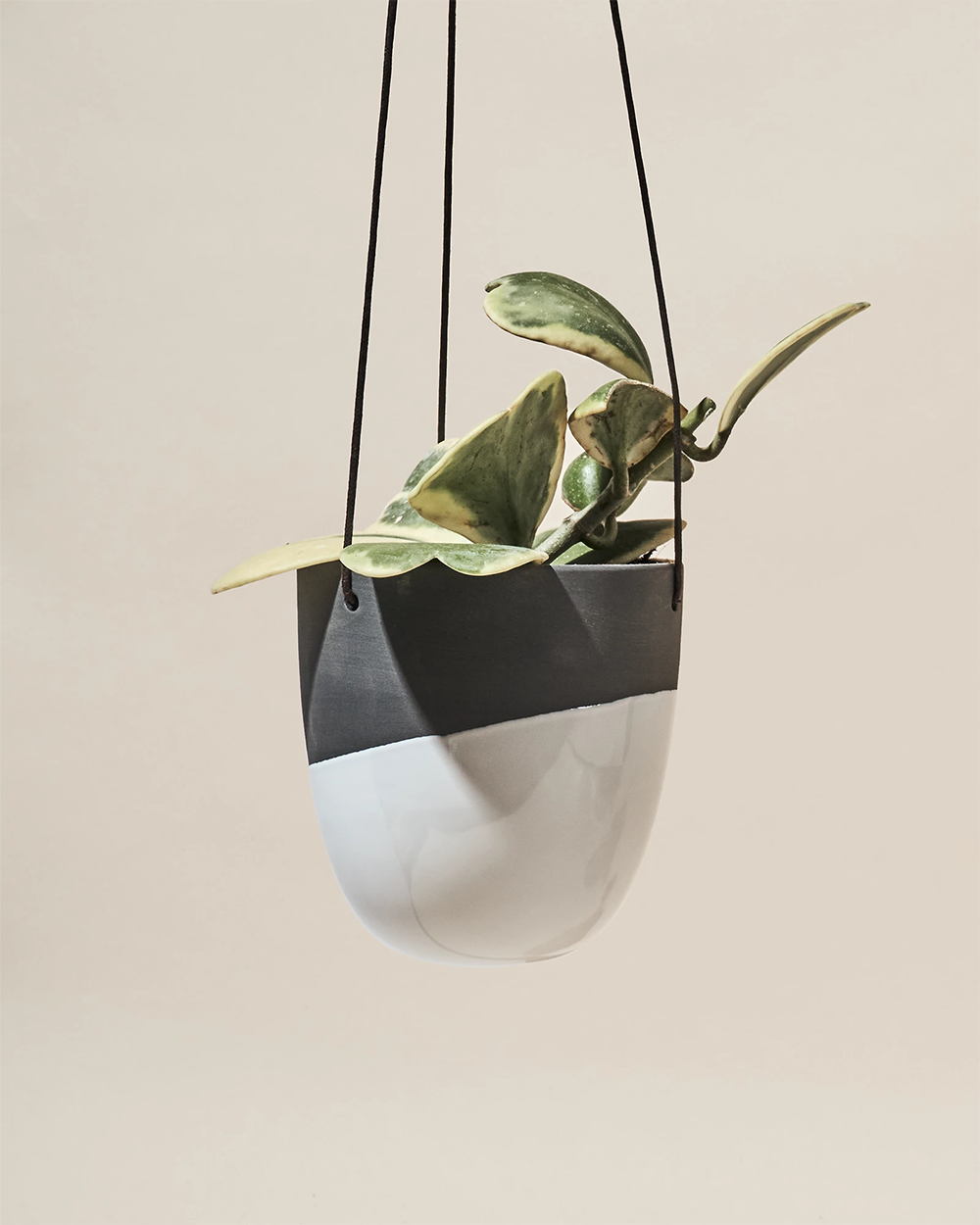
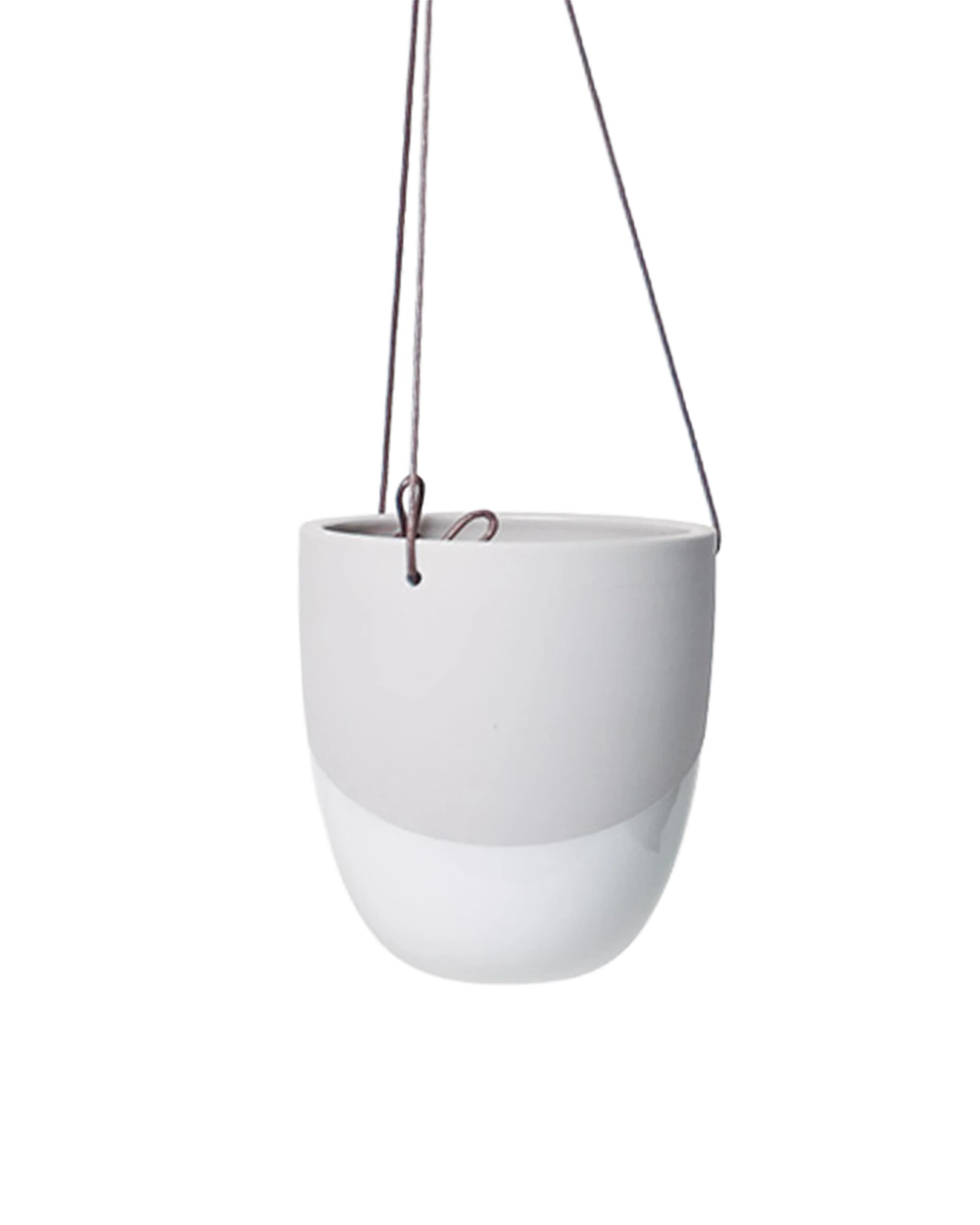
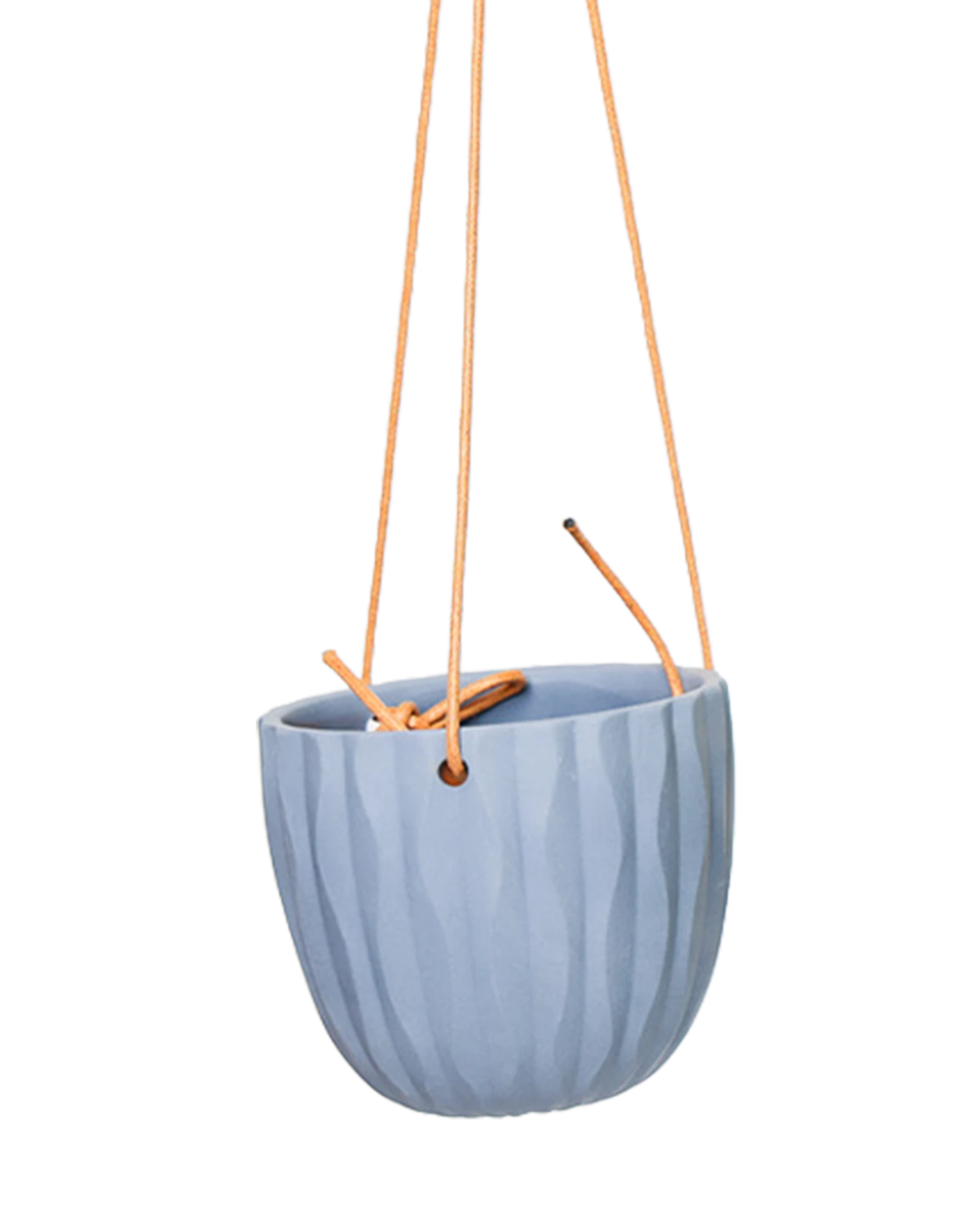
A hanging planter is a pot designed to hang from the ceiling or a wall bracket rather than sit on a surface. The hanging mechanism is part of the design — cord, chain, or bracket, set at the correct angle to keep it level. Chive hanging planters are ceramic, install with one screw, and have no drainage holes: use with a liner or grower pot inside, or choose plants that don't need drainage.

What are the best trailing plants for hanging planters?

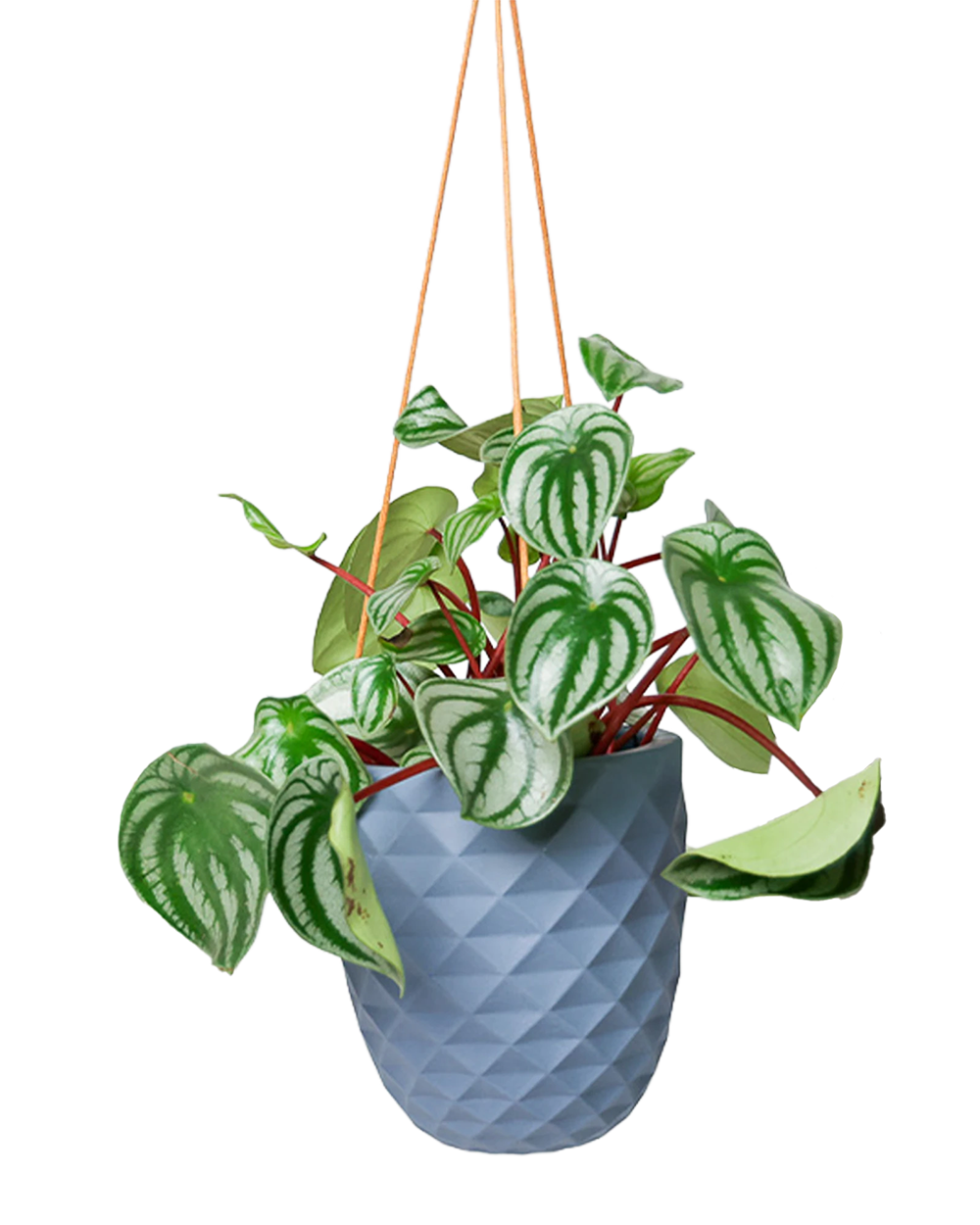
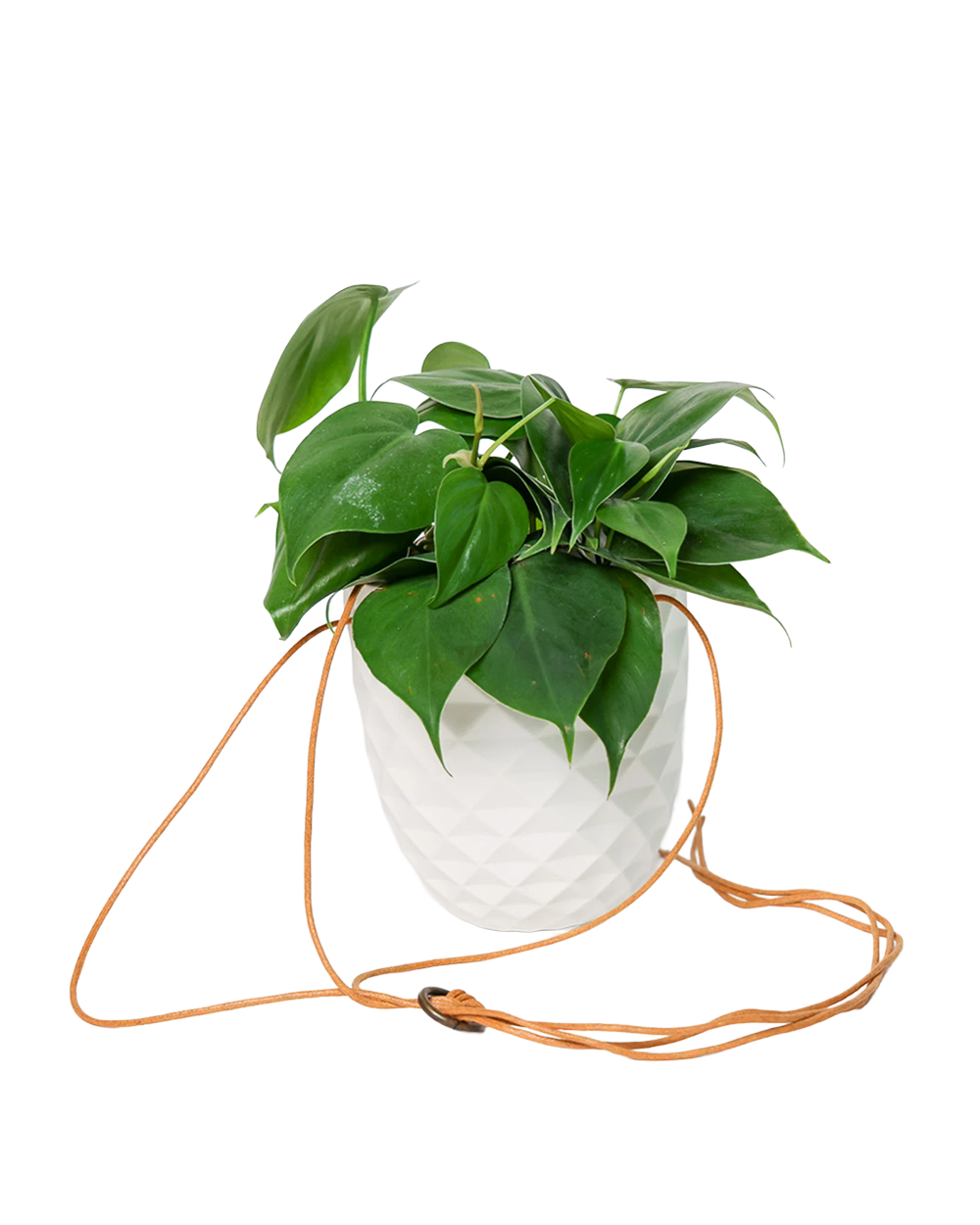
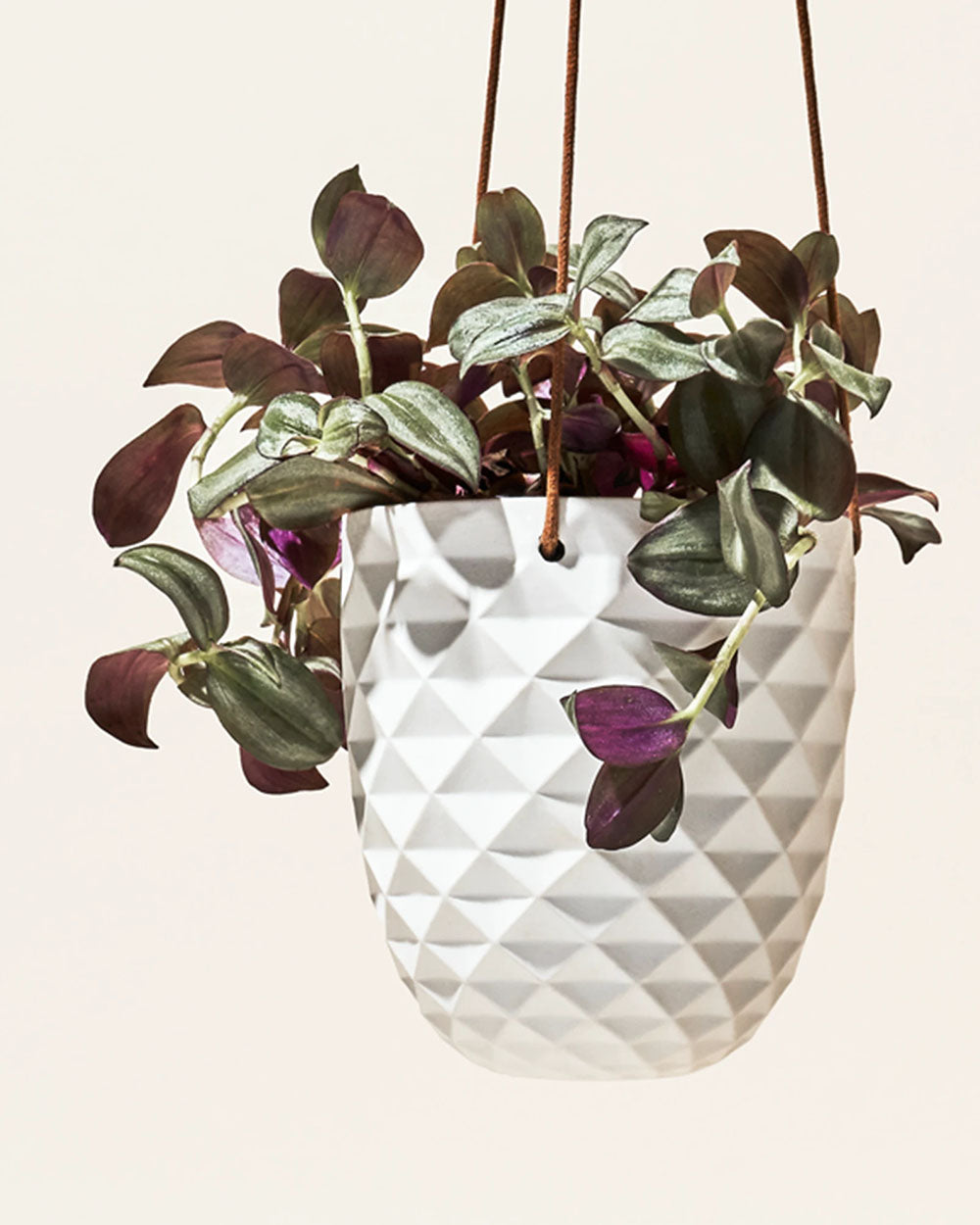
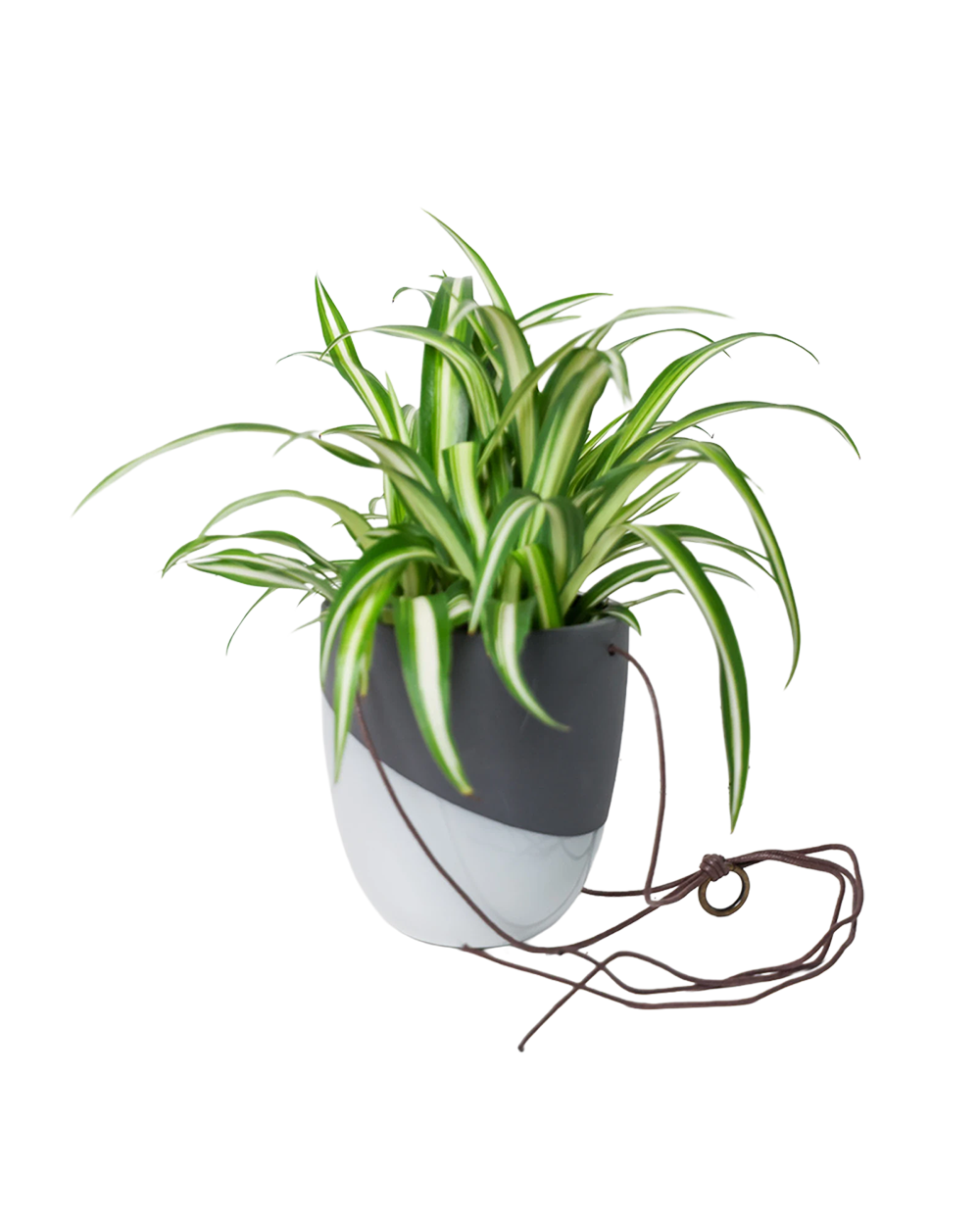
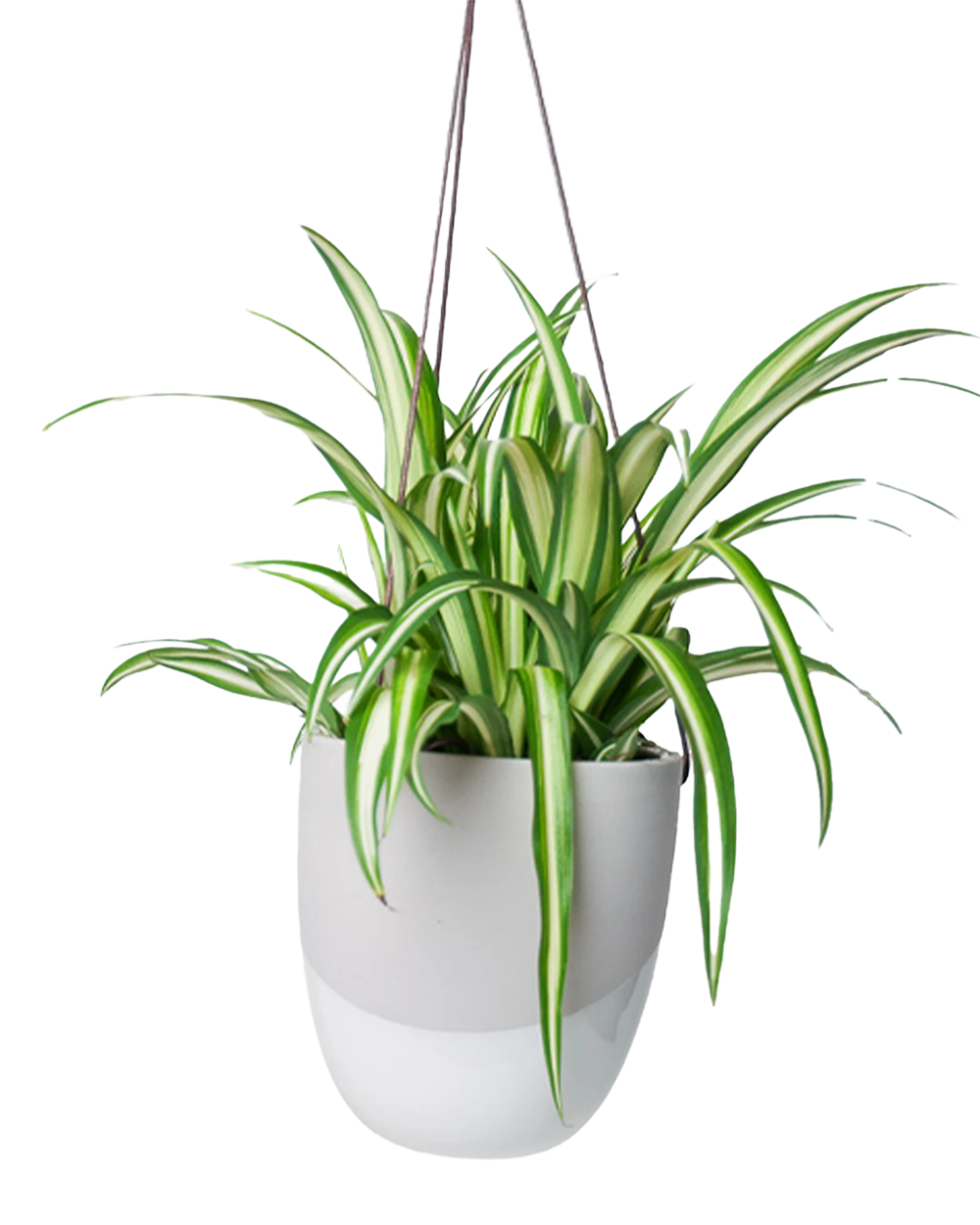
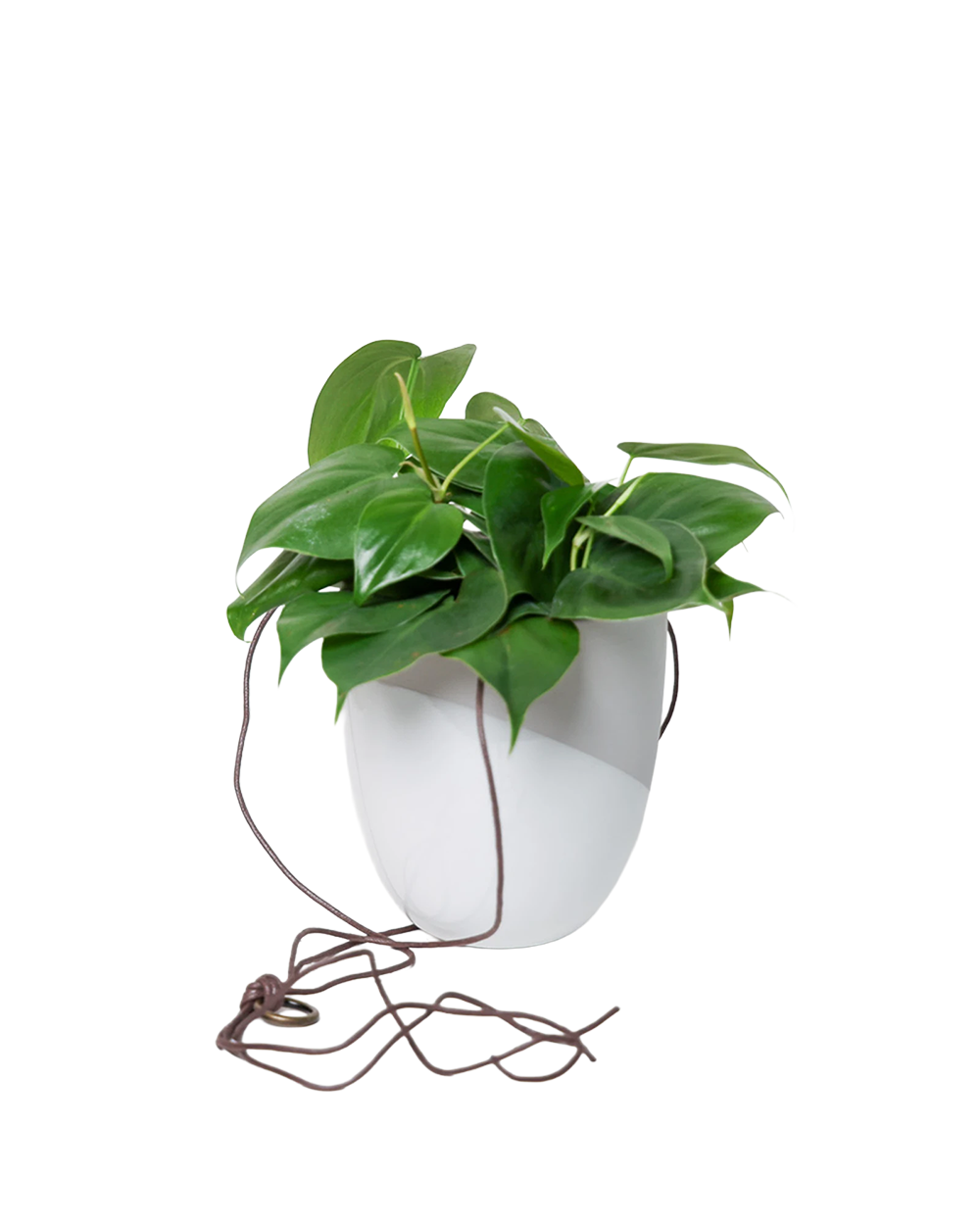
The best trailing plants for hanging planters are pothos, string of pearls, heartleaf philodendron, English ivy, spider plants, and tradescantia. Pothos are the most forgiving — they trail in low light, forgive inconsistent watering, and recover quickly from neglect. String of pearls is the most dramatic — it trails quickly and looks correct at the length that most people have between ceiling and furniture. Heartleaf philodendron is the most adaptable — it trails in almost any direction and in almost any light condition without complaint. All three work well in Chive hanging planters at the 4-inch to 5-inch diameter that covers most trailing plants at nursery size.

What are good new home gifts for plant lovers?

A ceramic hanging planter works as a new home gift because every home has at least one spot where a trailing plant would be welcome and where there's no surface to put one. A Chive hanging planter installs with one screw. No drainage holes — pair with a liner for soil-grown trailing plants.

How do I hang a hanging planter?

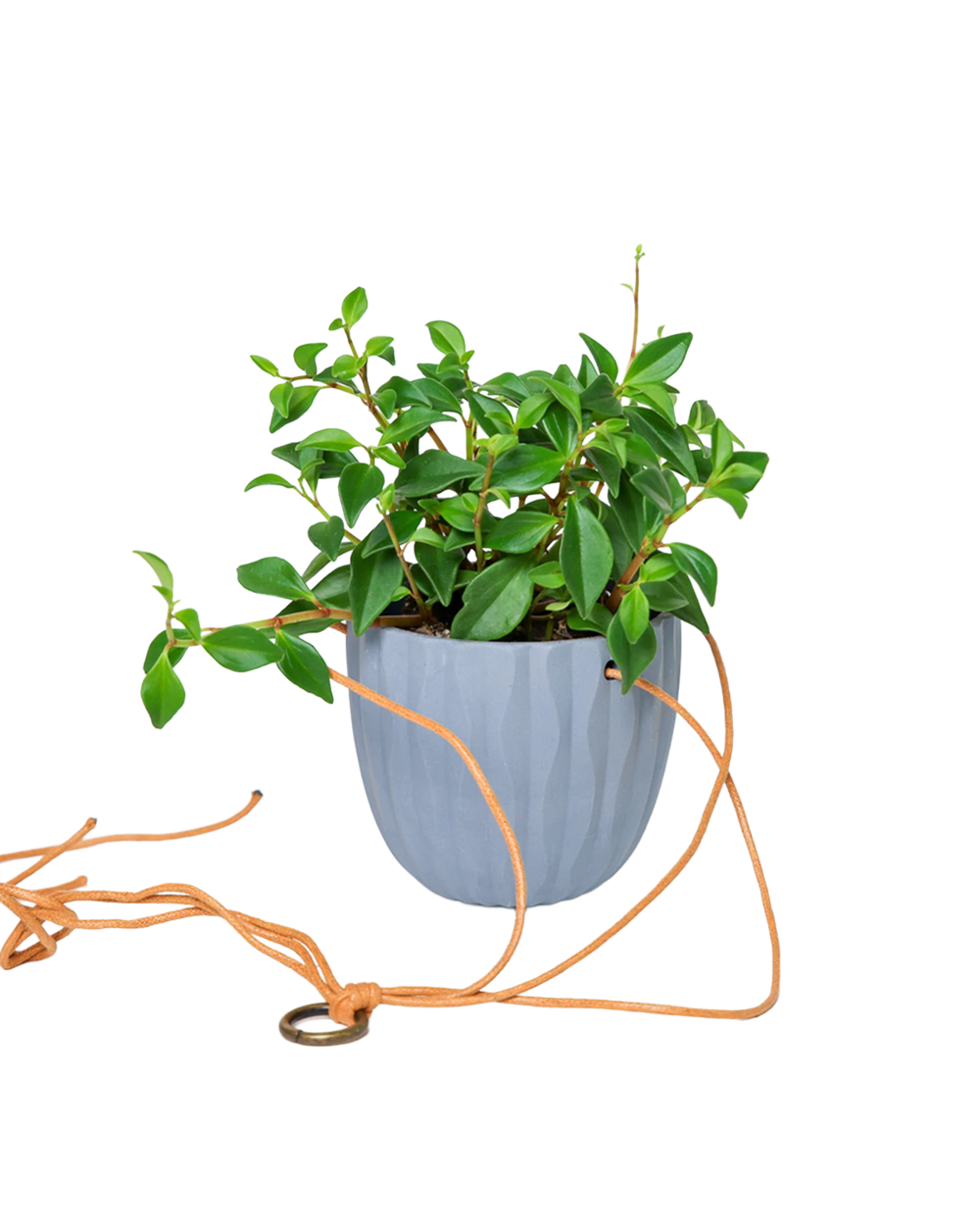
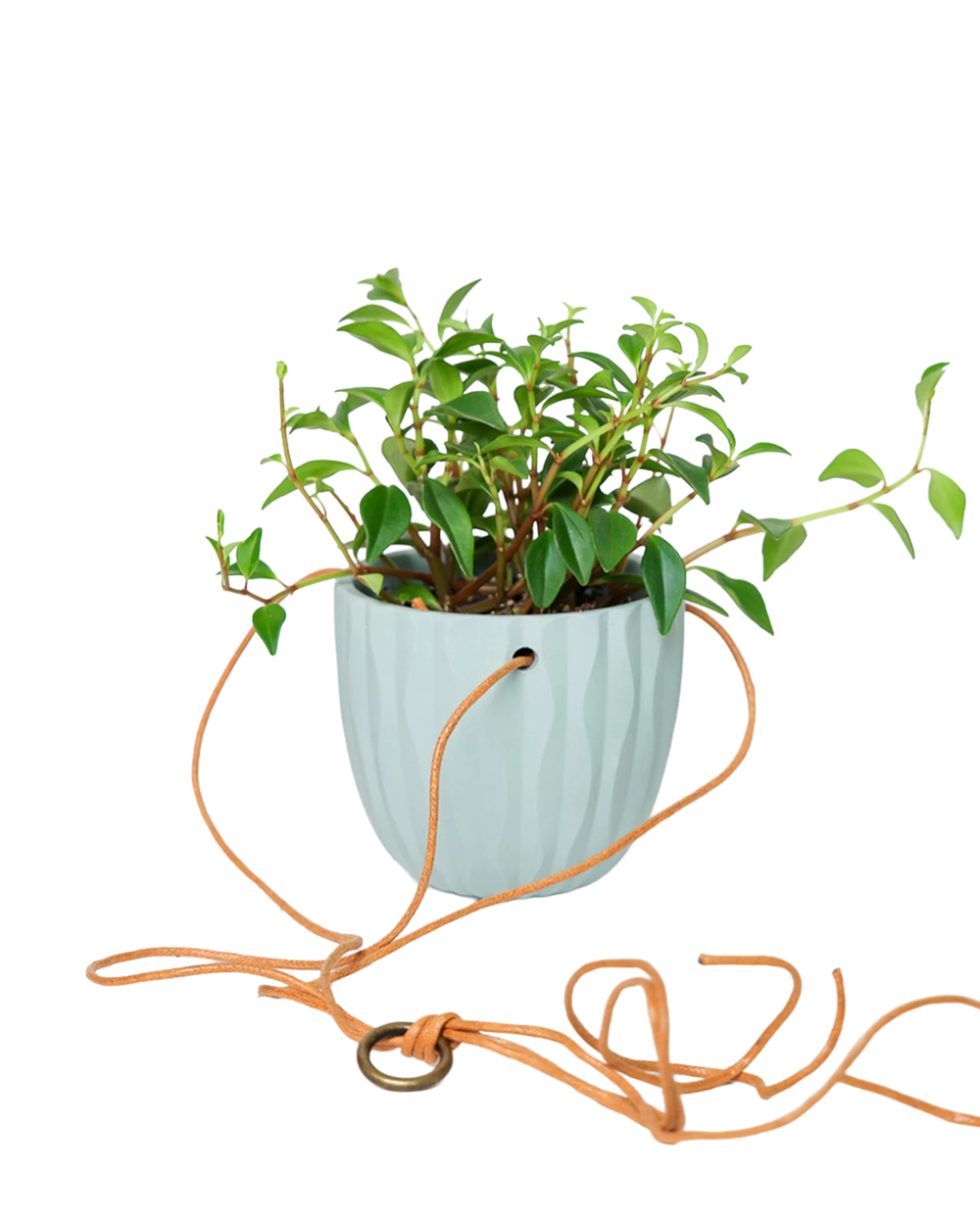
Install a Chive hanging planter with one screw and ninety seconds. The screw goes into a ceiling stud or a wall anchor rated for the weight of the pot, the plant, and the moist soil combined. Find the stud with a stud finder or use a wall anchor appropriate for drywall. Drive the screw at the angle specified for the anchor type. Hang the planter. Adjust the cord or chain length to the desired height. The pot will be level because the hanging system is designed to keep it level. That is the installation. One screw. Ninety seconds.

What size hanging planter do I need?

The correct hanging planter size is two inches larger in diameter than the current root ball of the trailing plant. For a pothos purchased from a nursery in a 3-inch grower pot: a 5-inch hanging planter. For an established pothos that has been growing for a year: a 6-inch hanging planter. The vertical space below the hanging planter should be at least eighteen inches for trailing plants to develop without contacting the furniture or floor below. More vertical space produces a more dramatic trail. The plant will use the space it is given.

Do Chive hanging planters have a drainage hole?

Chive hanging planters have no drainage holes. For trailing plants that need drainage, put a liner or grower pot inside and water carefully — let it drain from the liner before replacing. Pothos, philodendron, and string of hearts manage well in a no-drainage setup with careful watering. They're forgiving plants, which is part of why they're trailing plants.

Do Chive hanging planters have a drainage hole?

Chive hanging planters have no drainage holes. For trailing plants that need drainage, put a liner or grower pot inside and water carefully — let it drain from the liner before replacing. Pothos, philodendron, and string of hearts manage well in a no-drainage setup with careful watering. They're forgiving plants, which is part of why they're trailing plants.

What is the best hanging planter for indoors?

The best hanging planter for indoors is ceramic, installs with one point of contact, and holds the pot level when hanging. The Chive ceramic hanging planter meets these criteria: ceramic with a glaze that does not fade, one-screw installation, level hang confirmed before the design was finalized. No drainage holes — designed for use with a liner or for plants that tolerate a no-drainage setup.

Have you considered that your plant may not actually want to hang, and that it has simply been too polite to mention it, and that this is between you and the plant?

Most plants have no preference about hanging. They trail in the direction that gravity suggests and absorb light from whatever angle it comes from. The trailing plants specifically — pothos, string of pearls, philodendron — have evolved for exactly this situation and experience hanging as a correct and expected condition rather than an imposition. If your plant seems reluctant to trail, the issue is usually insufficient light from below rather than an objection to the concept of hanging, and repositioning the planter to a location with better light will resolve it without a conversation.