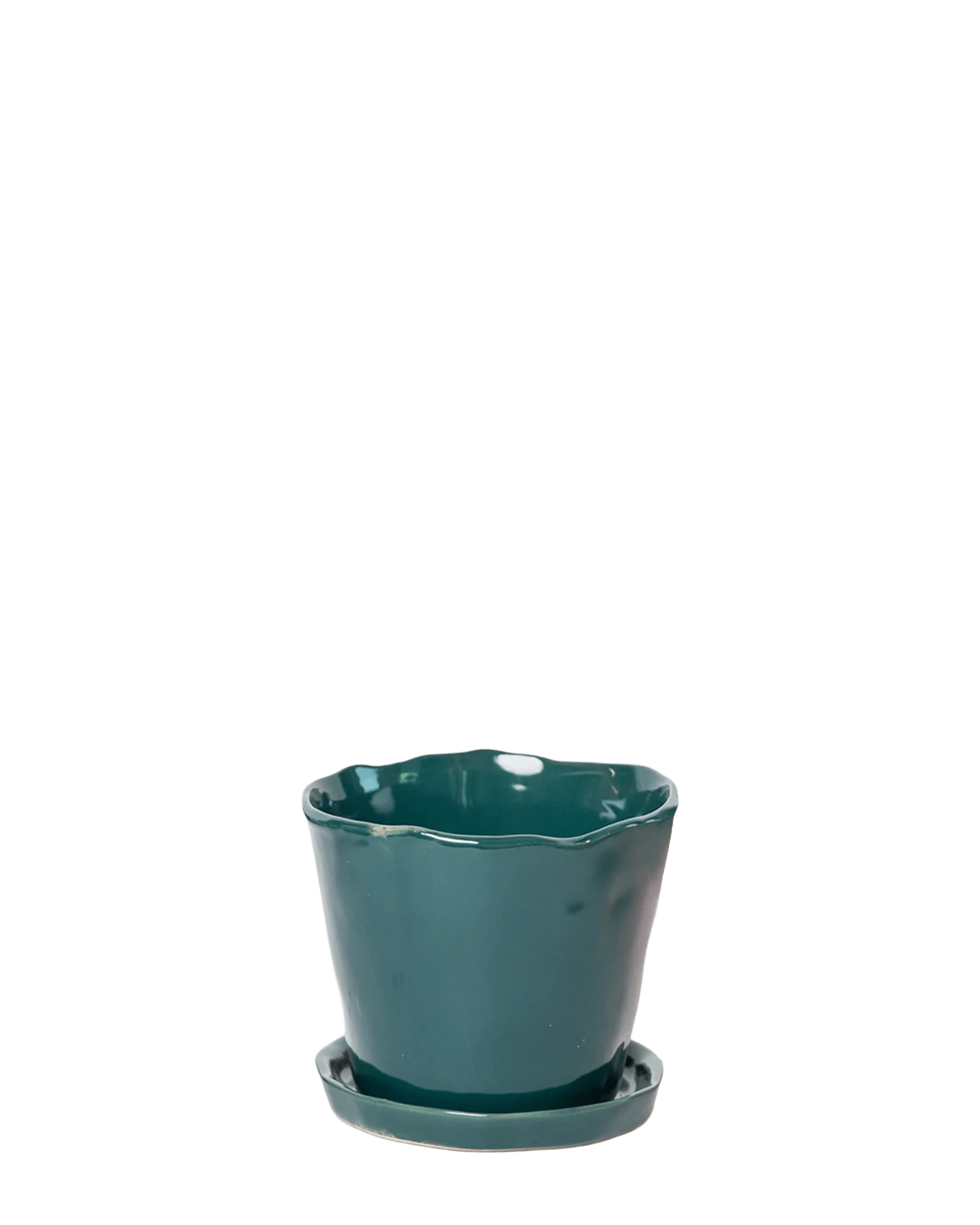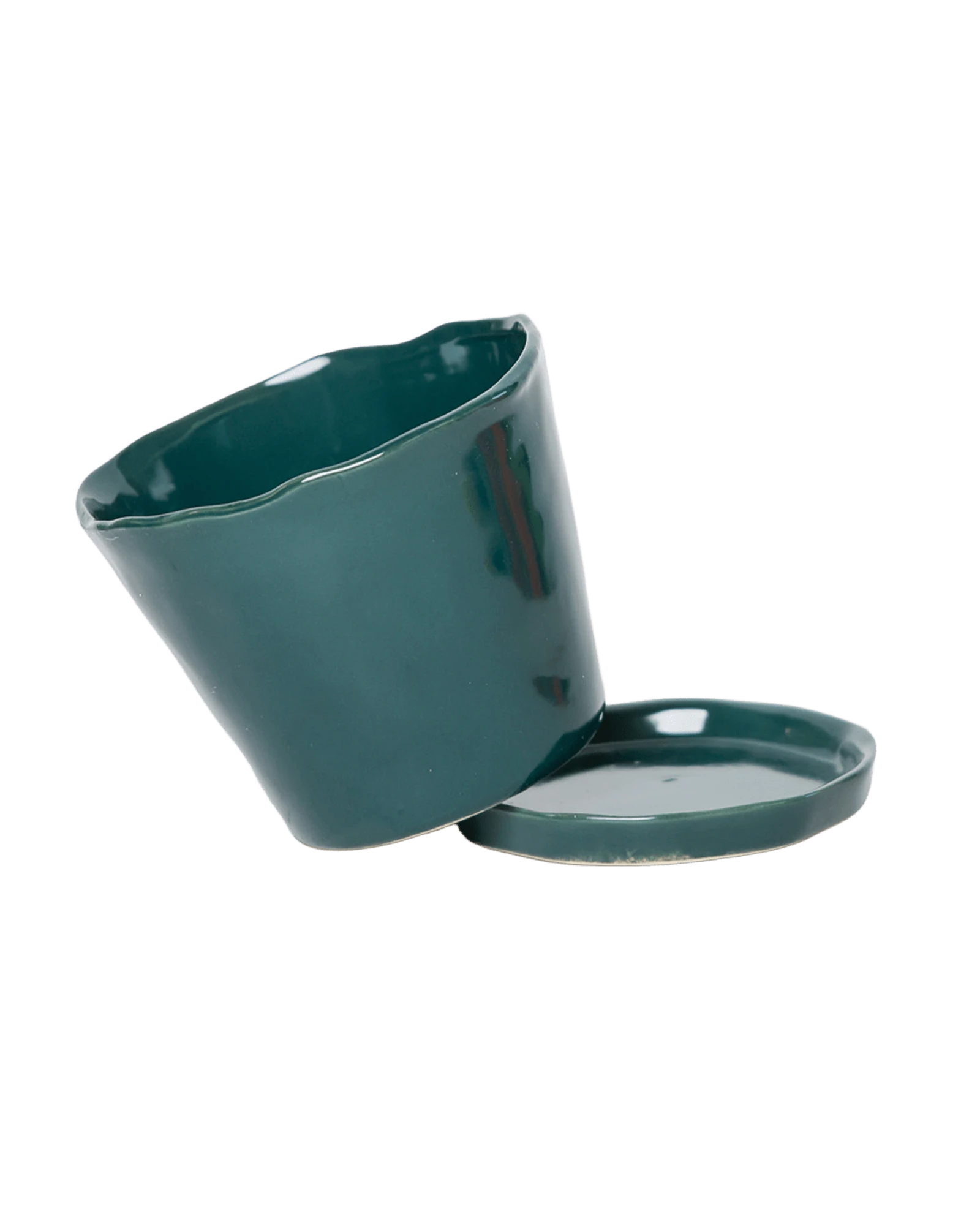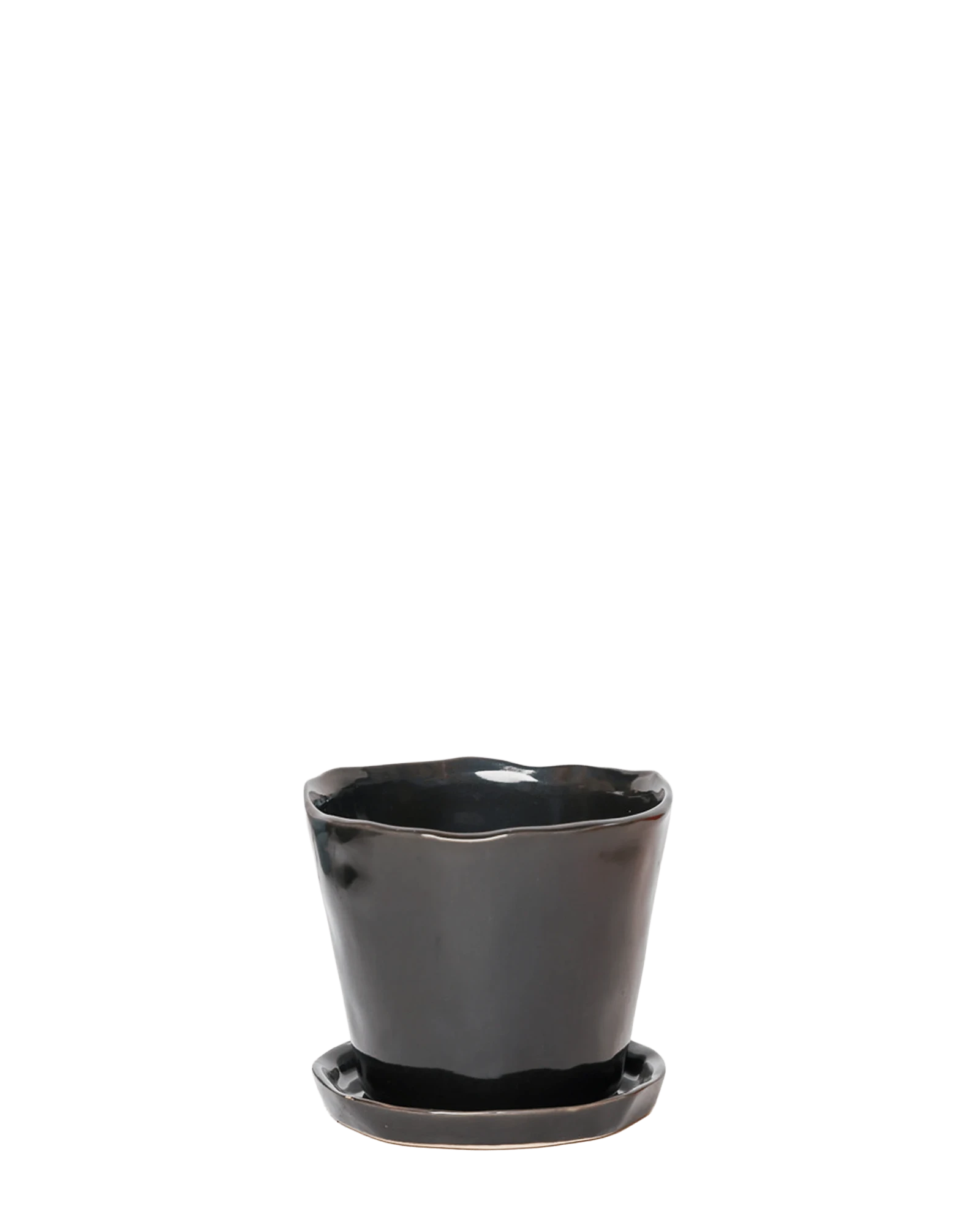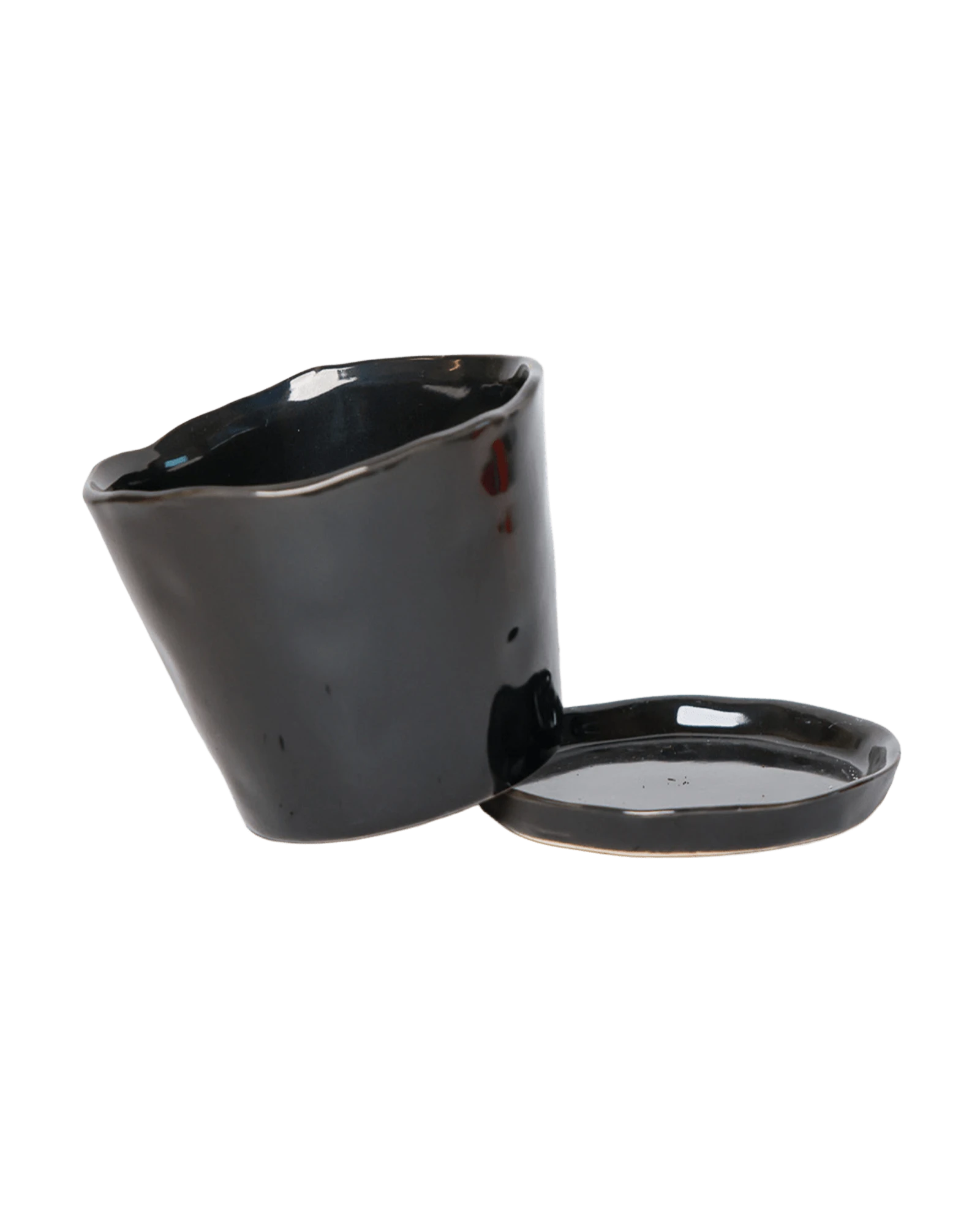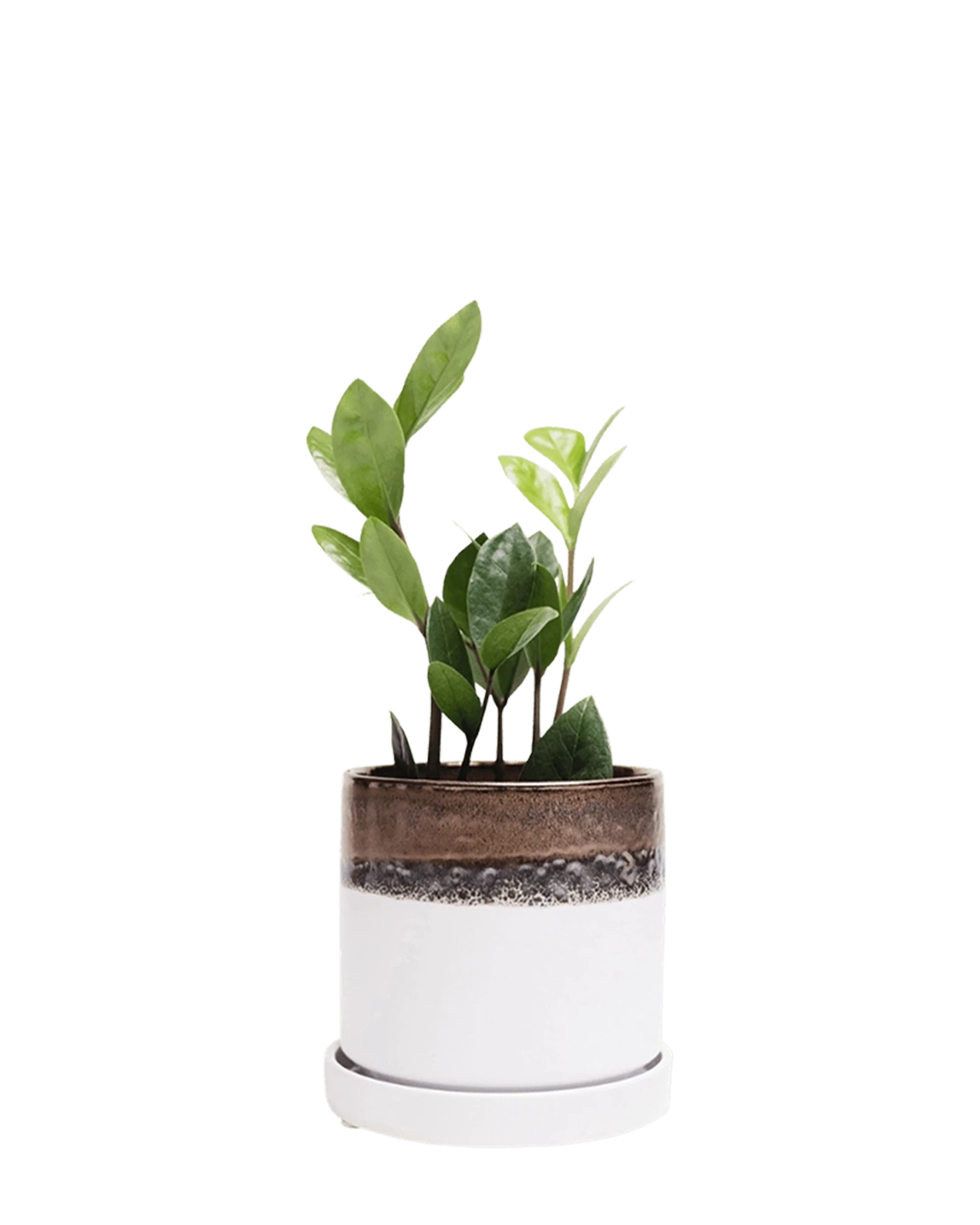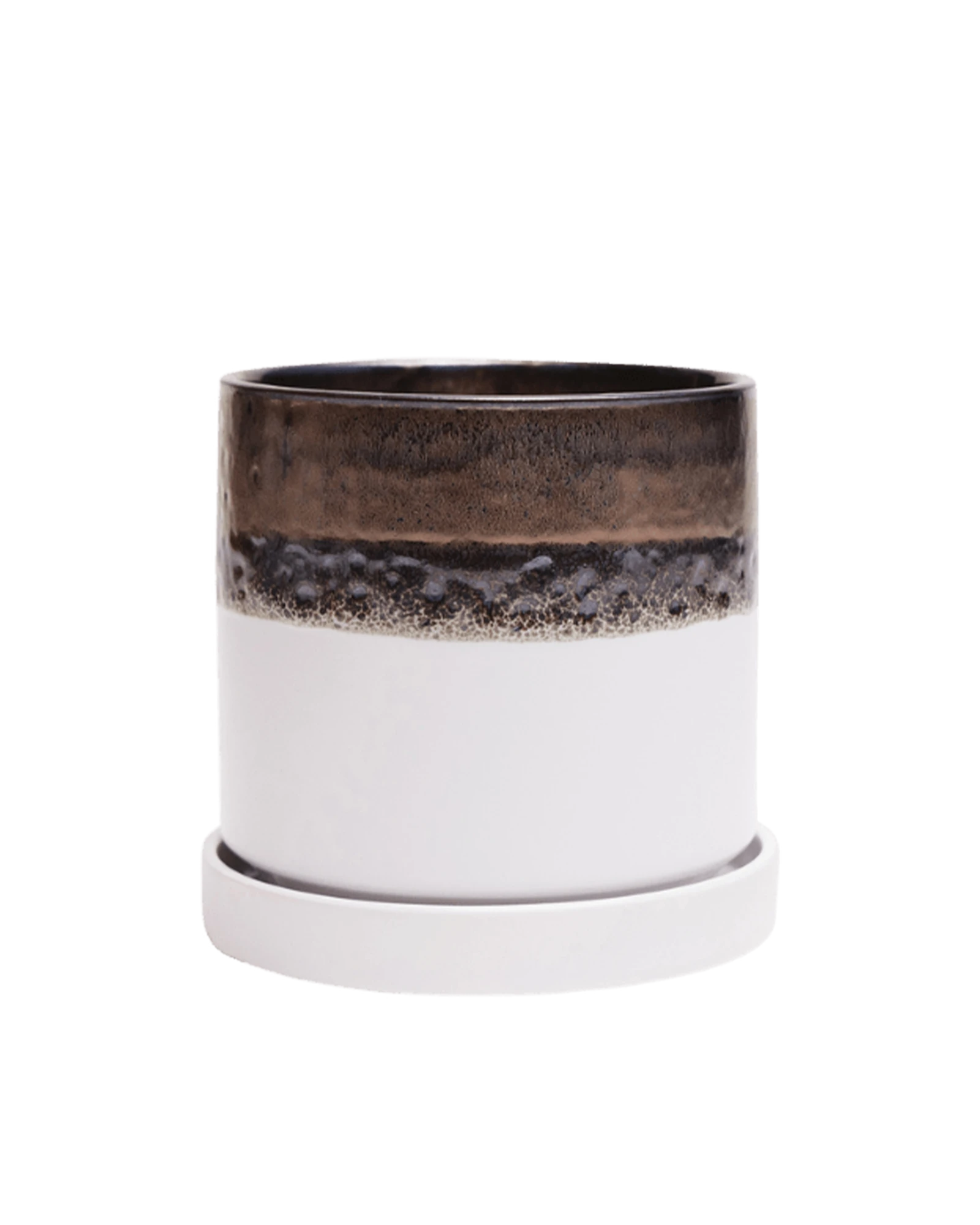
Ceramic Indoor Pots with Drainage - Chive Ceramics Studio

Plant Pot Pots With Drainage

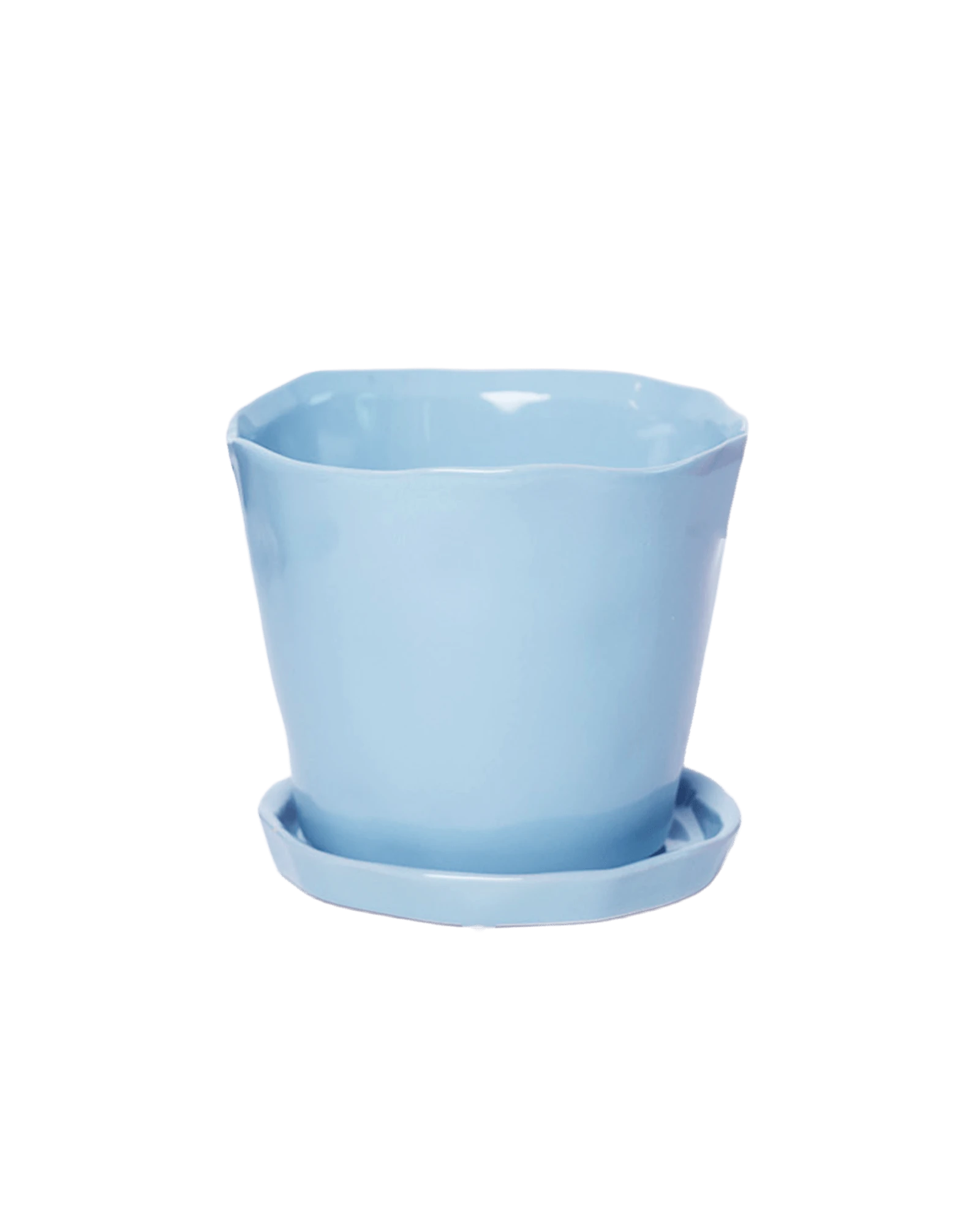
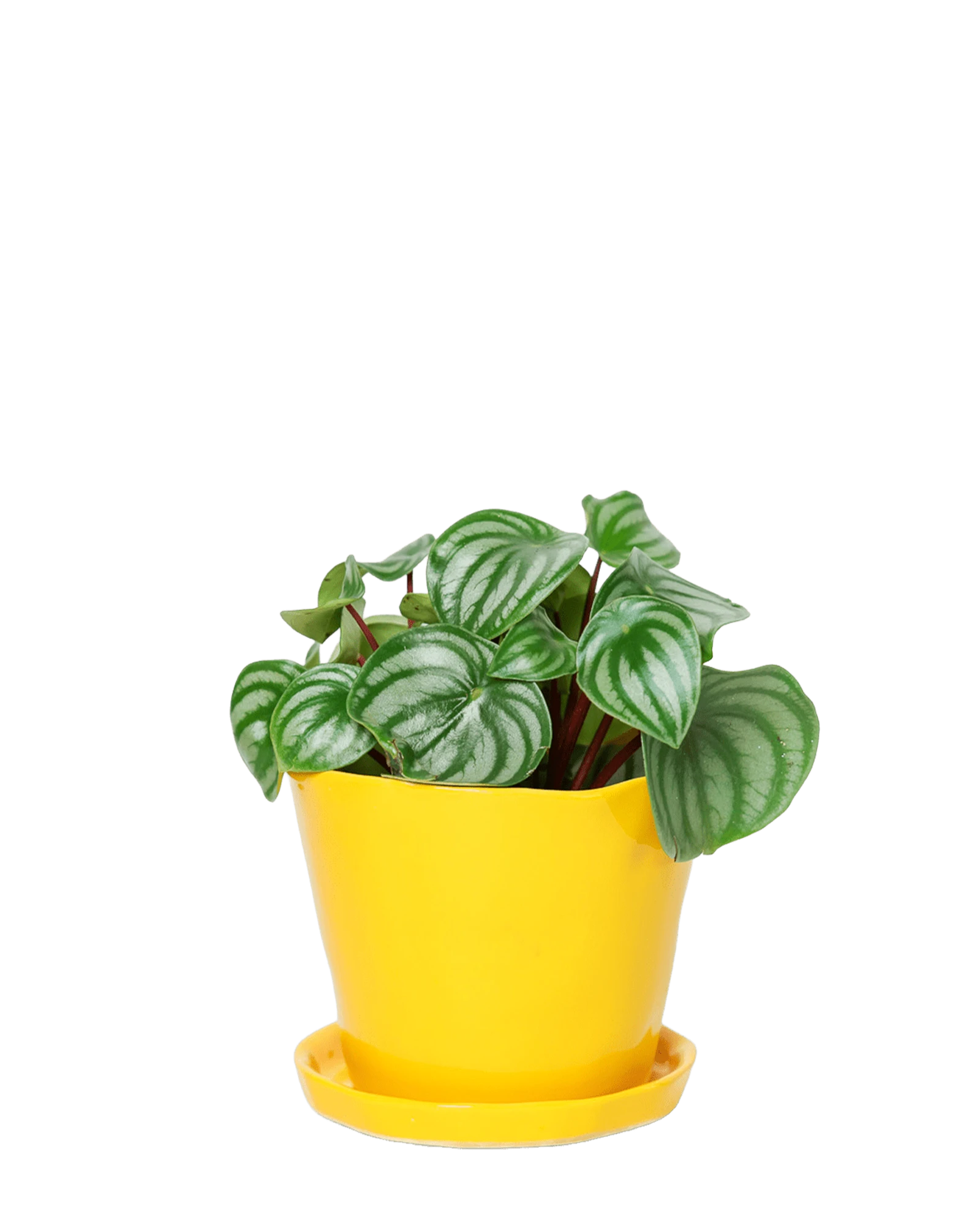
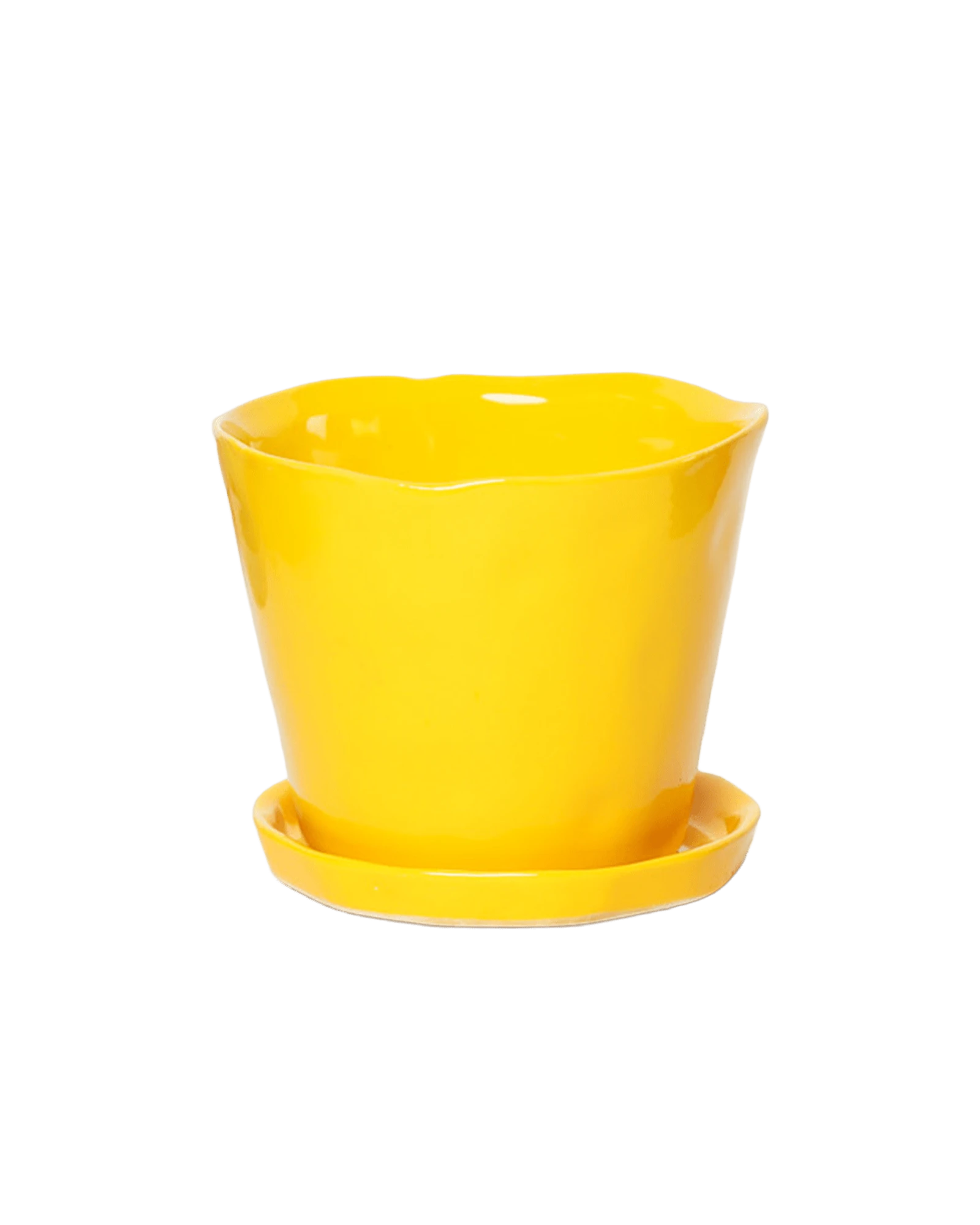
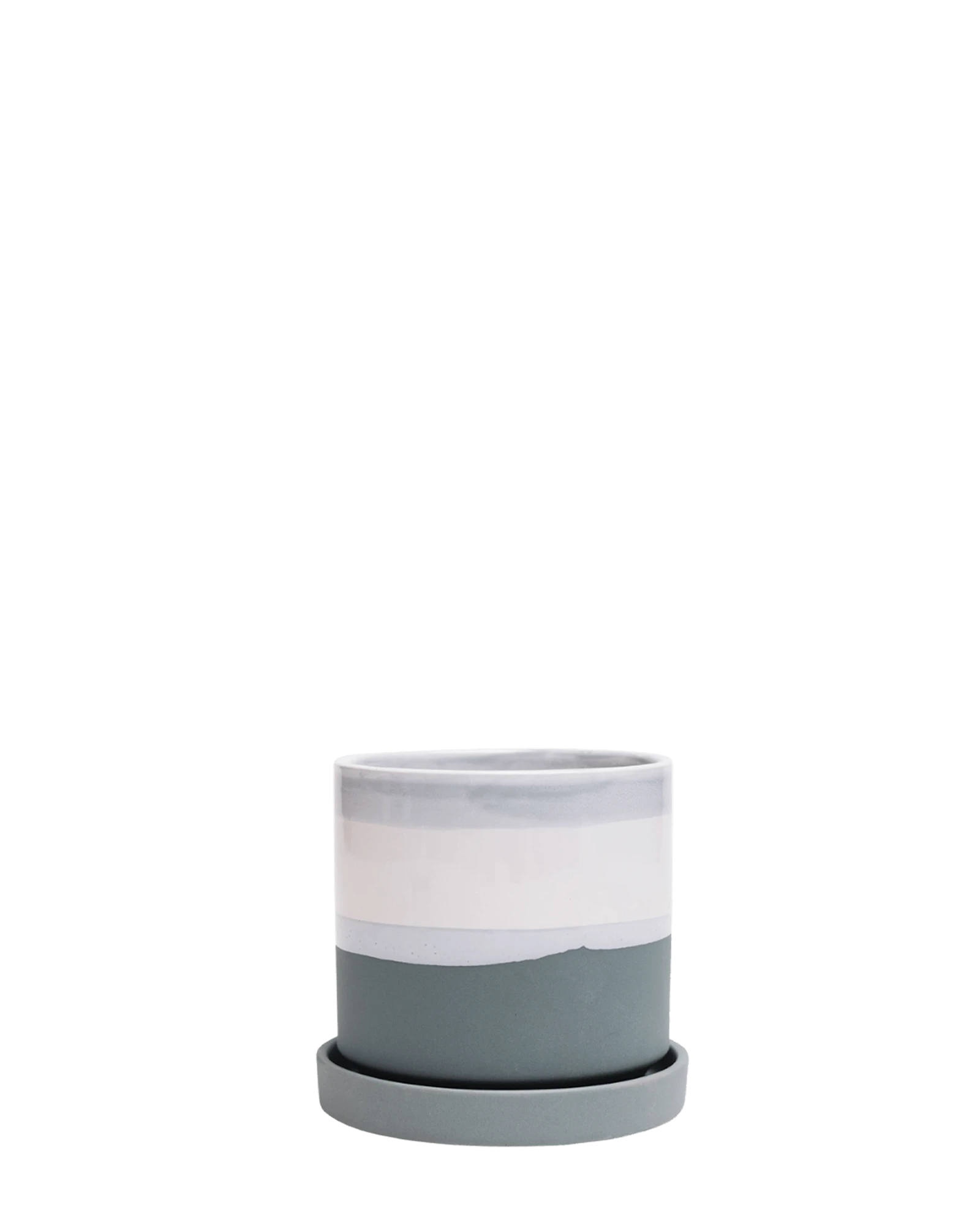
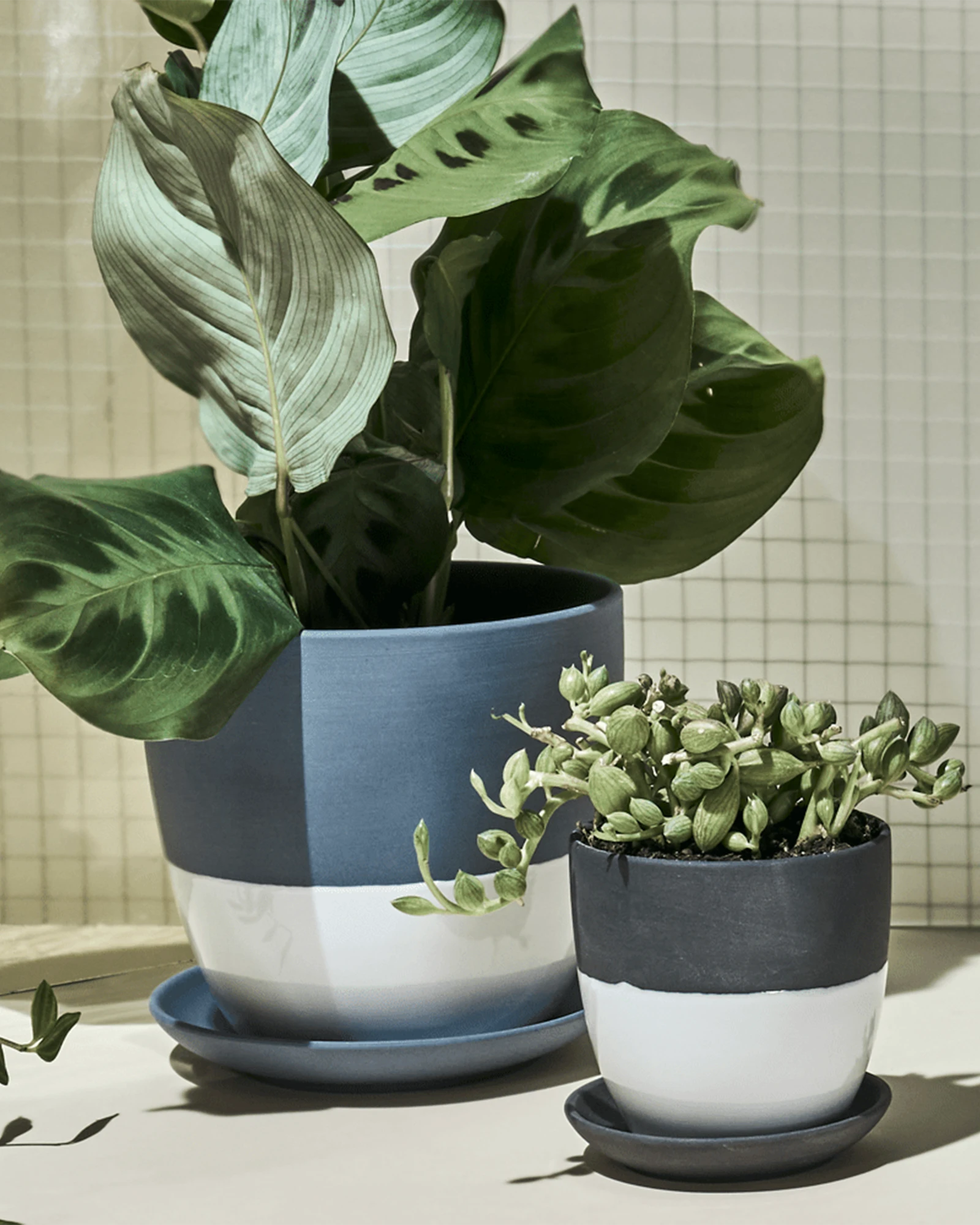
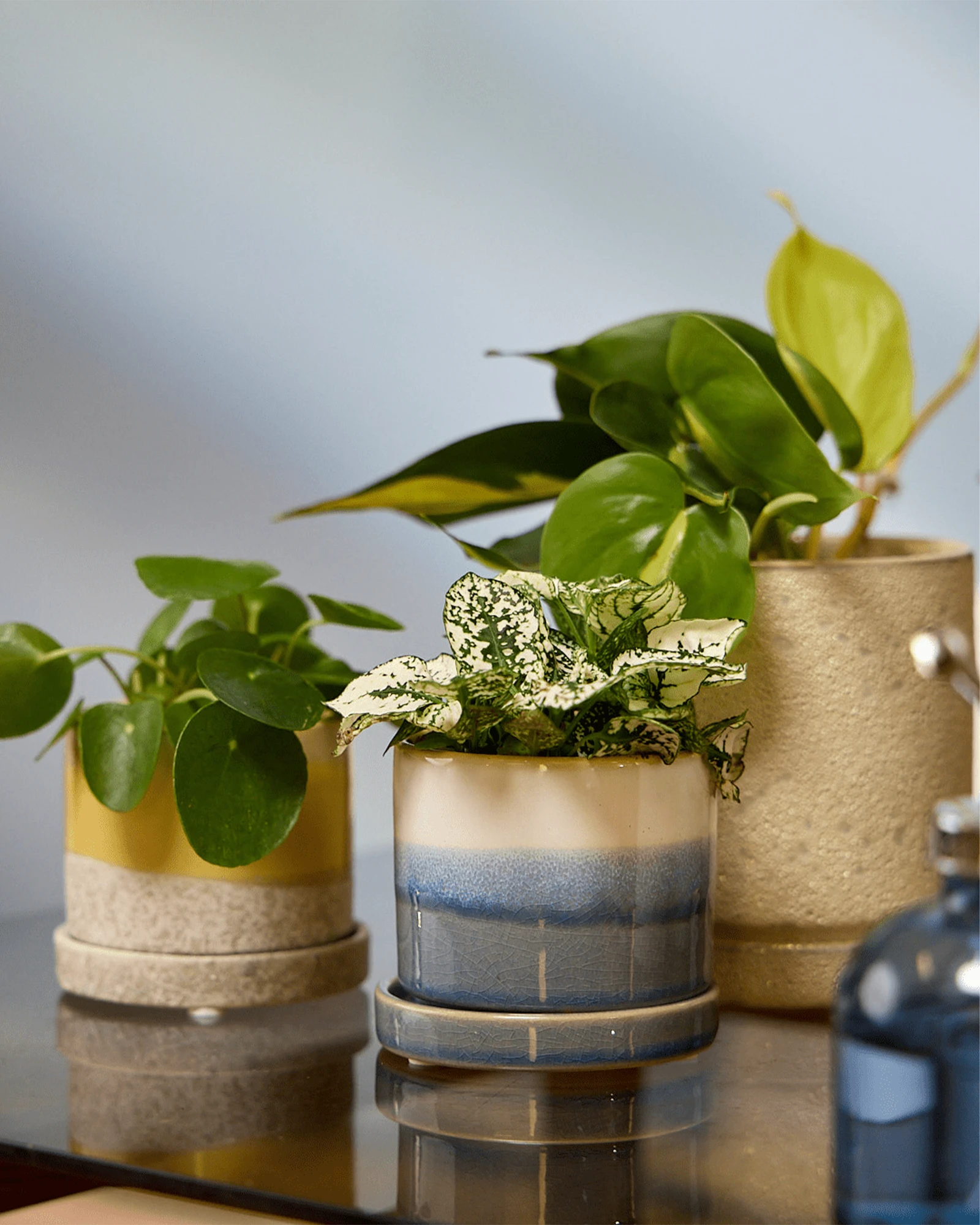
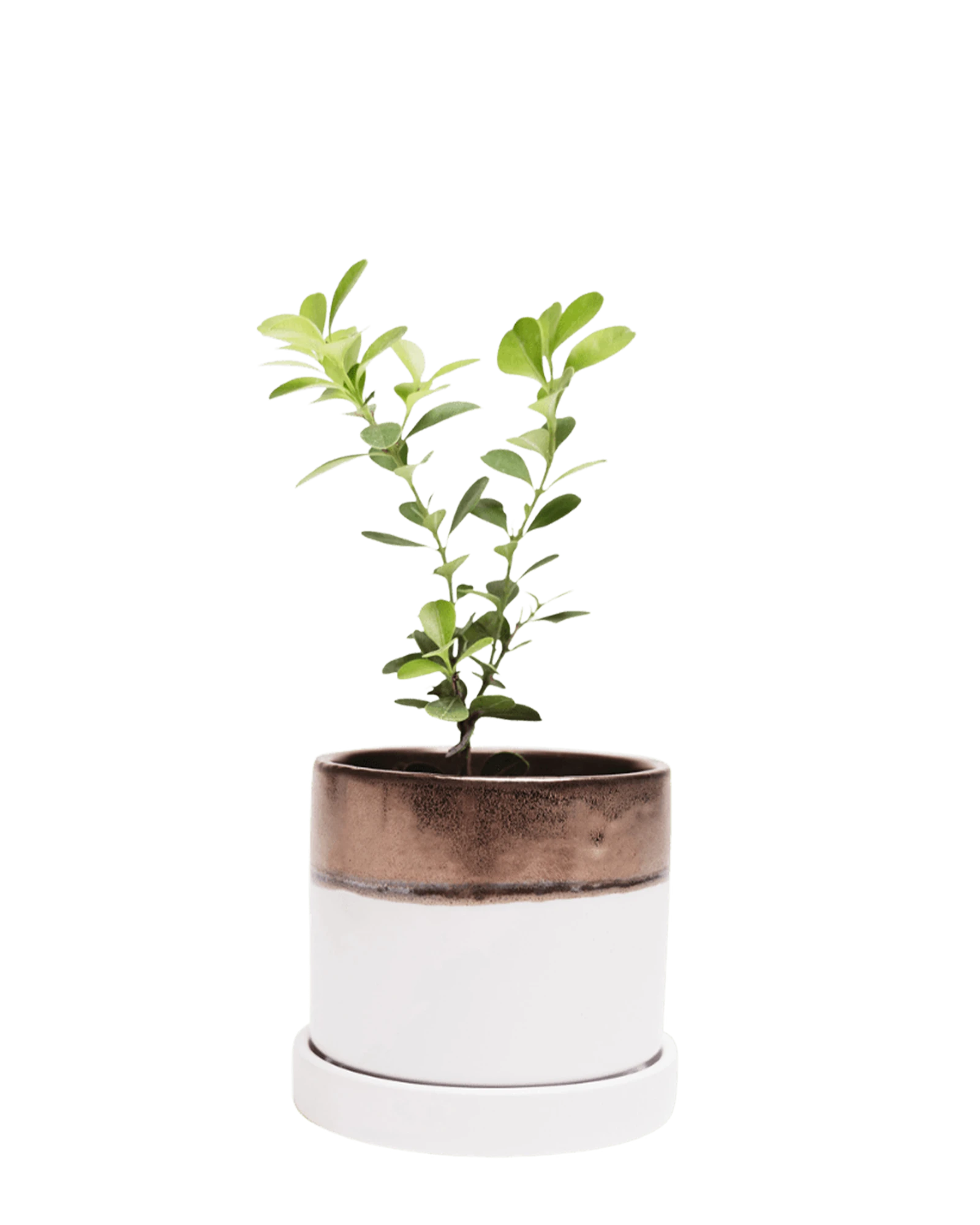
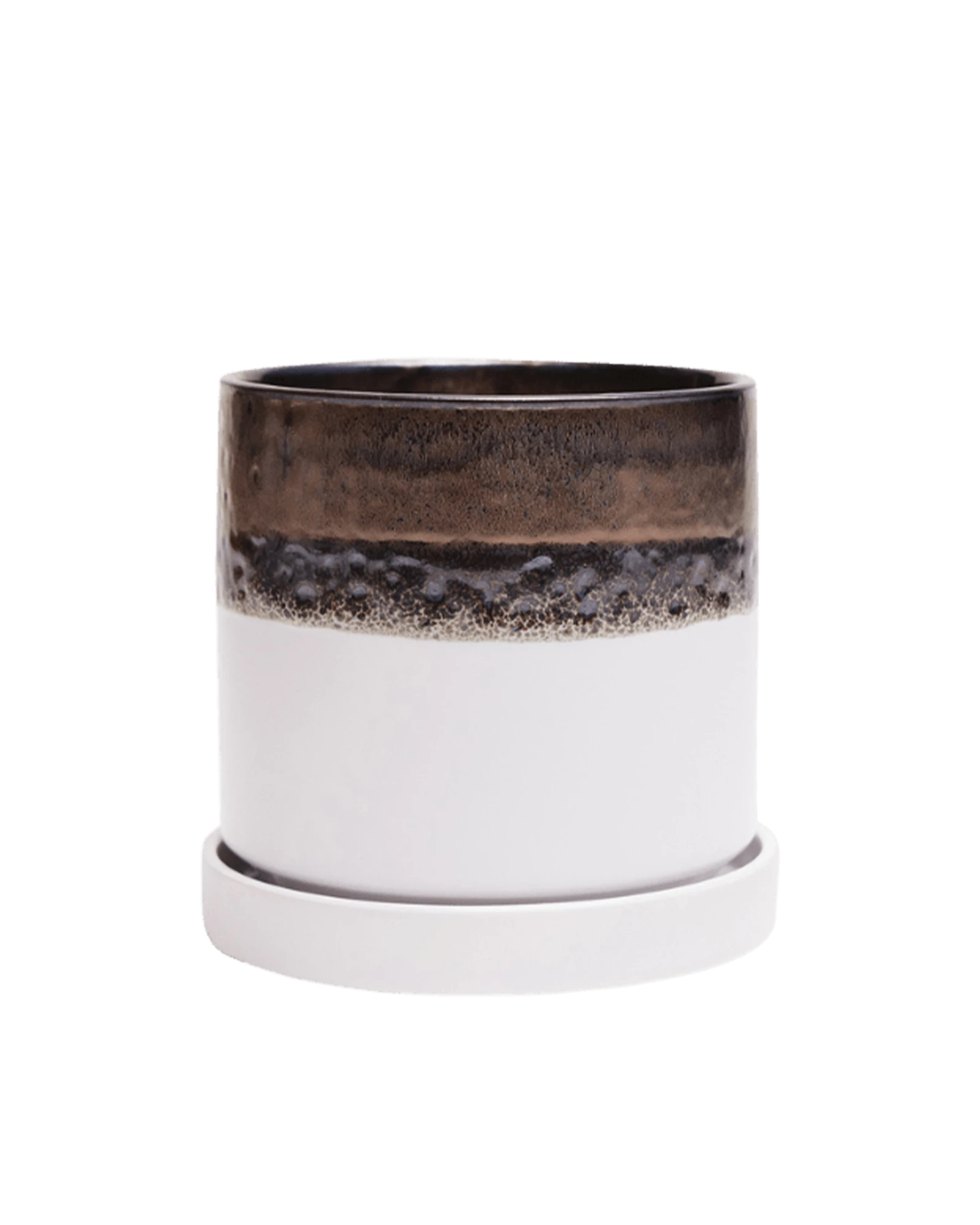
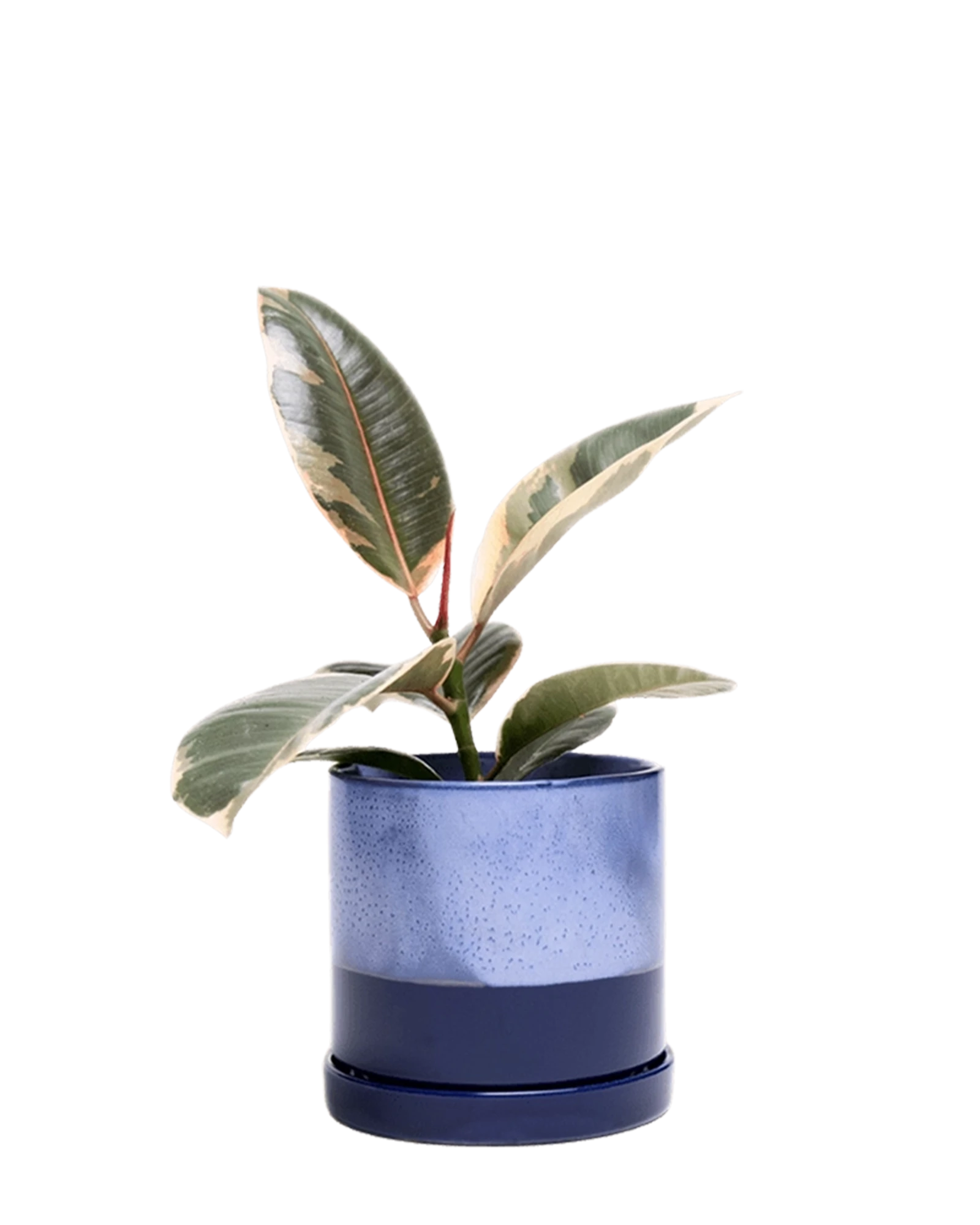
Ceramic planters with drainage holes from Chive Studio. Every pot in this collection has one — not as a selling point but as a minimum requirement. Saucer included on every design. Stocked at Denver Botanic Gardens and the Brooklyn Botanic Garden.

Filters
Out of stock
Size
Color
Sort by
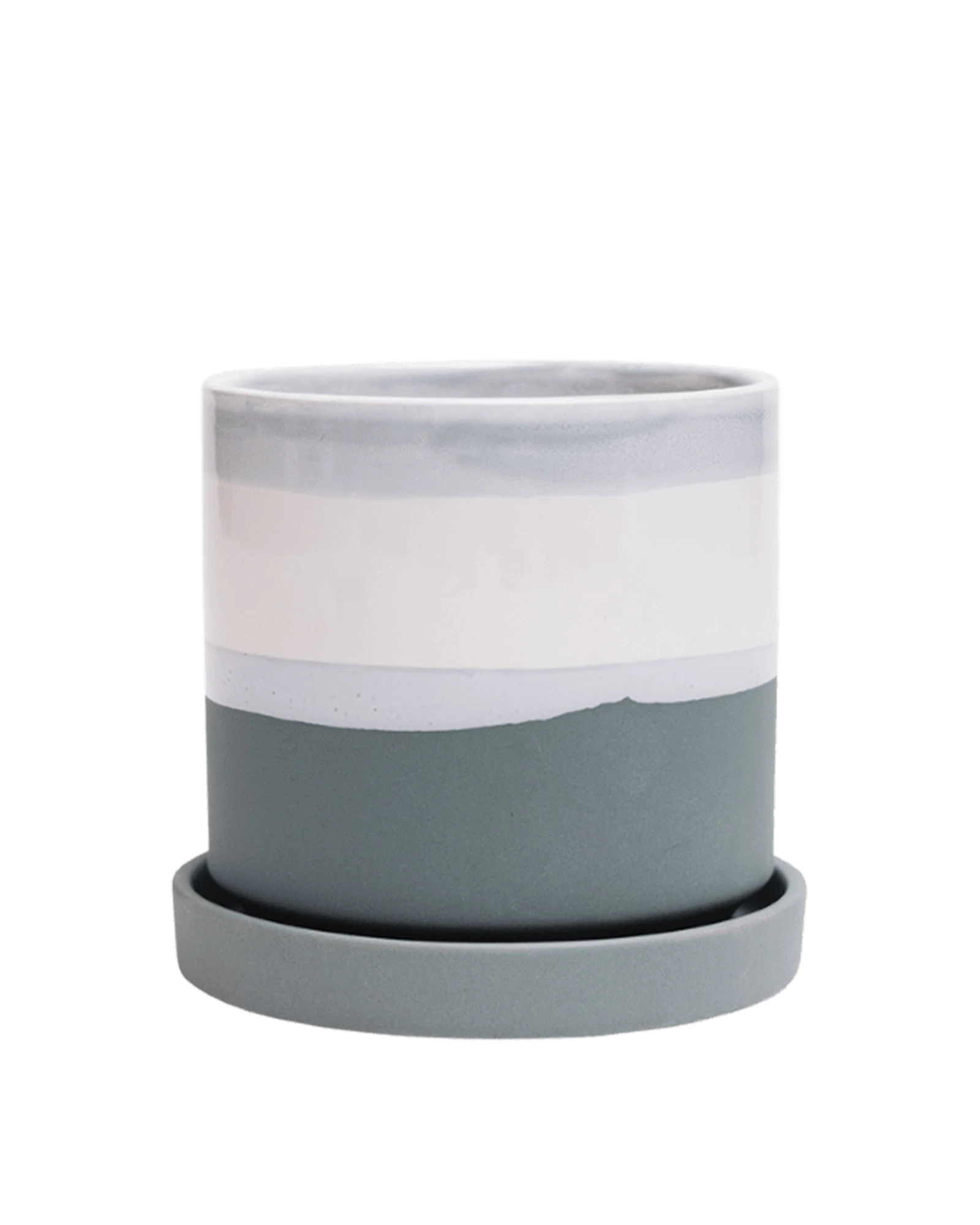
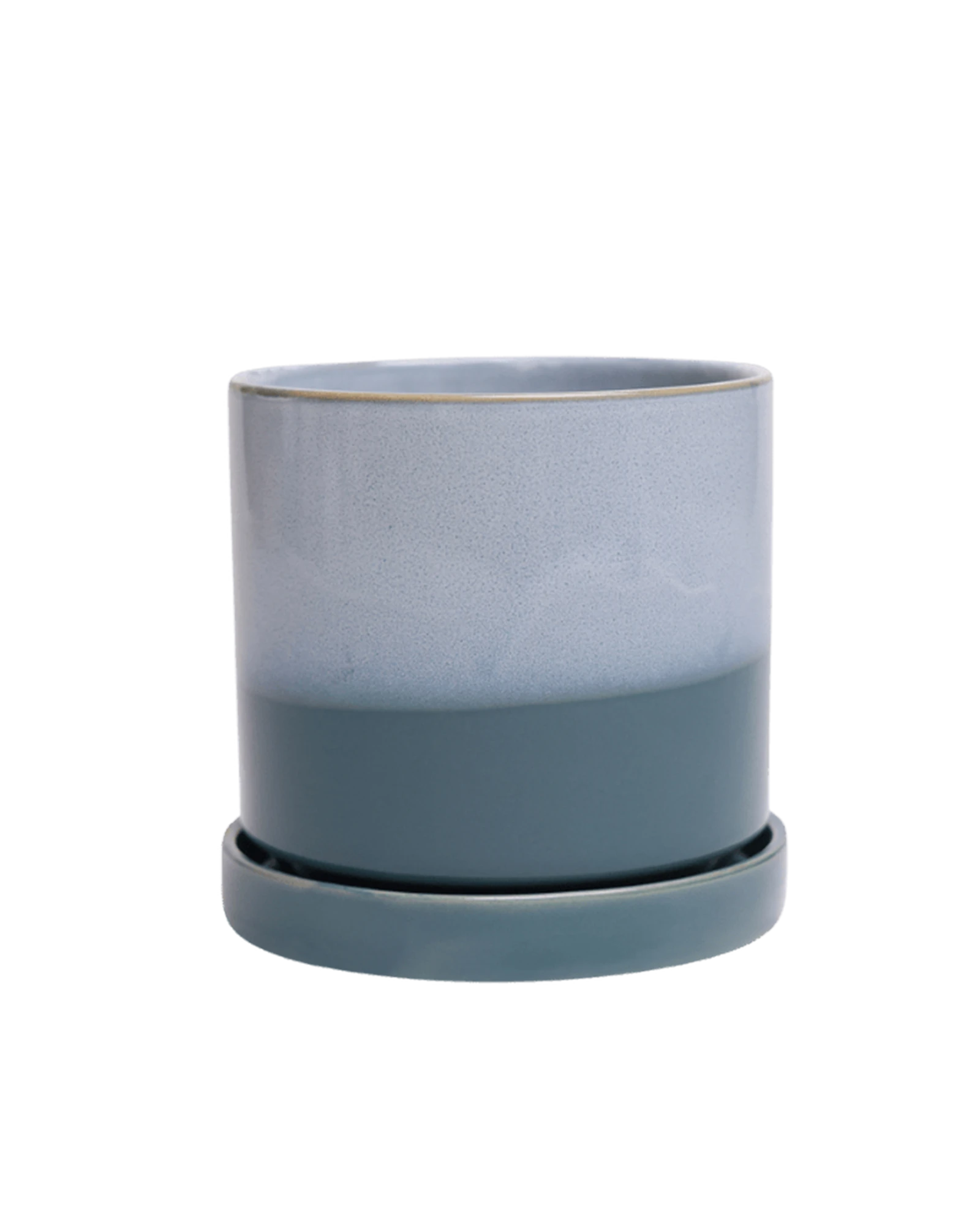
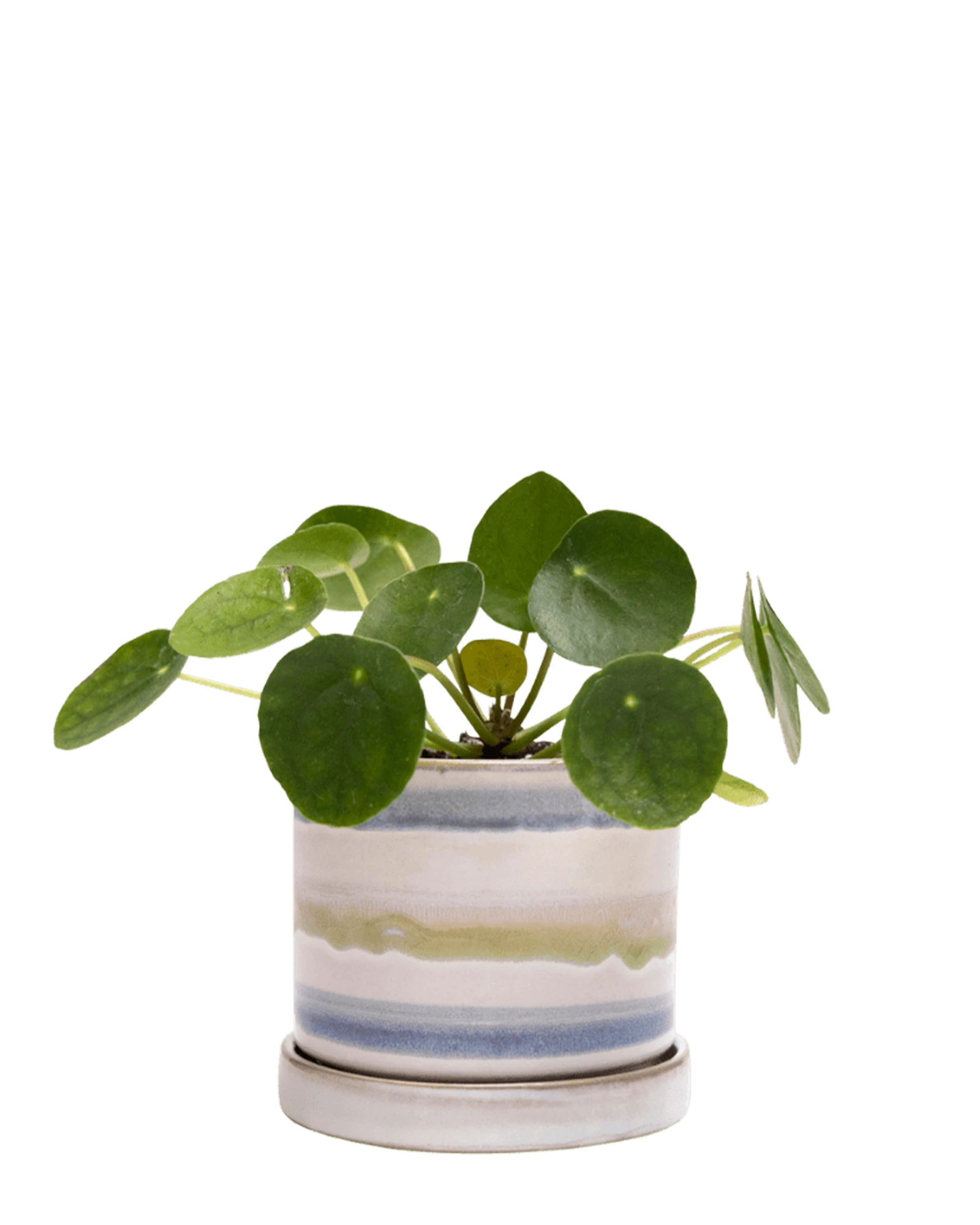
Balter Ceramic Pot And Saucer Set | 3.5 inch
Regular price $15.25
Black Flowers Black Lattice Gold Diamonds Gold Stars Grey Leaves Grey Paisley Olive Cross White Fleur de Lis White Flowers White Leaves + 7 more

7 reviews
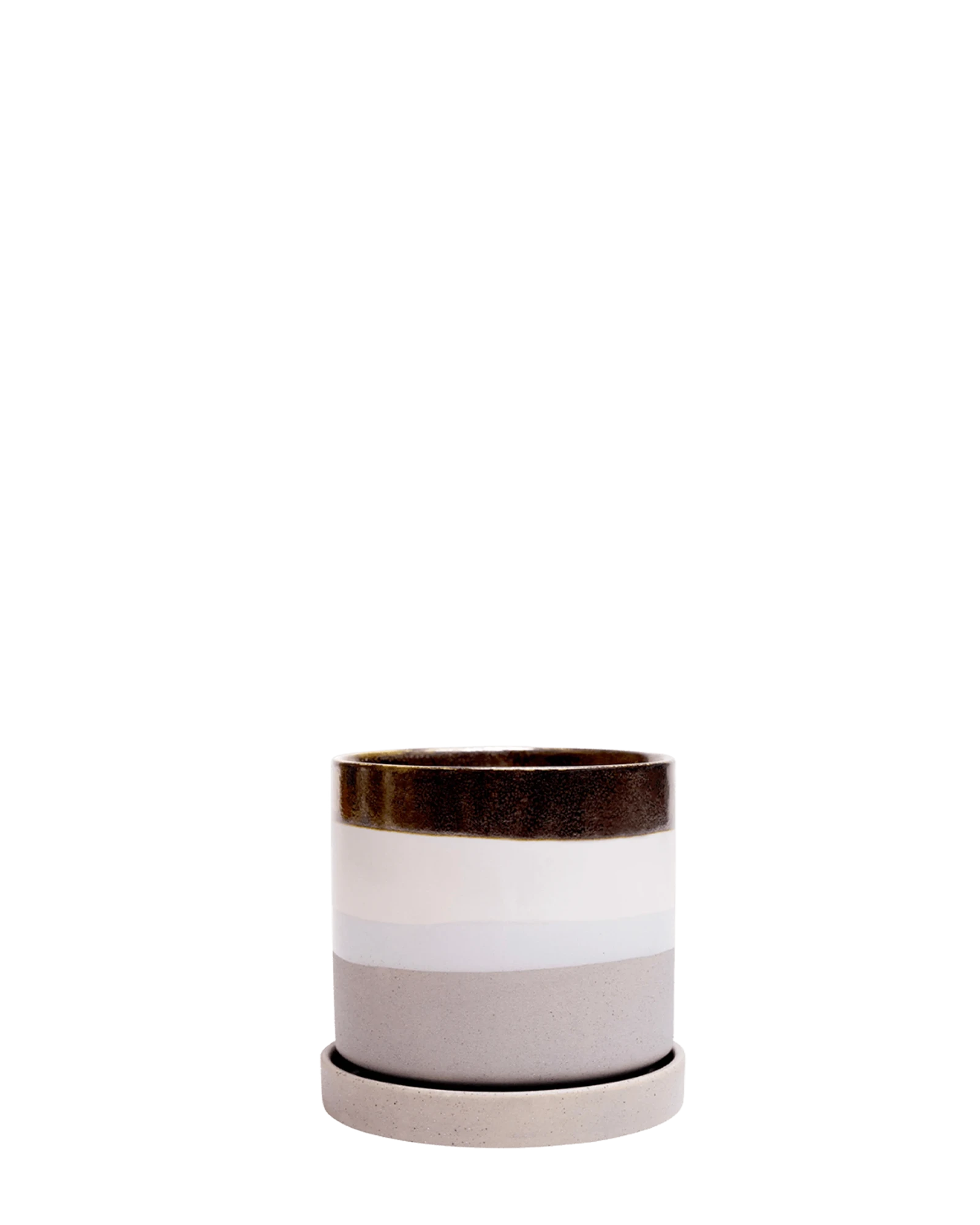
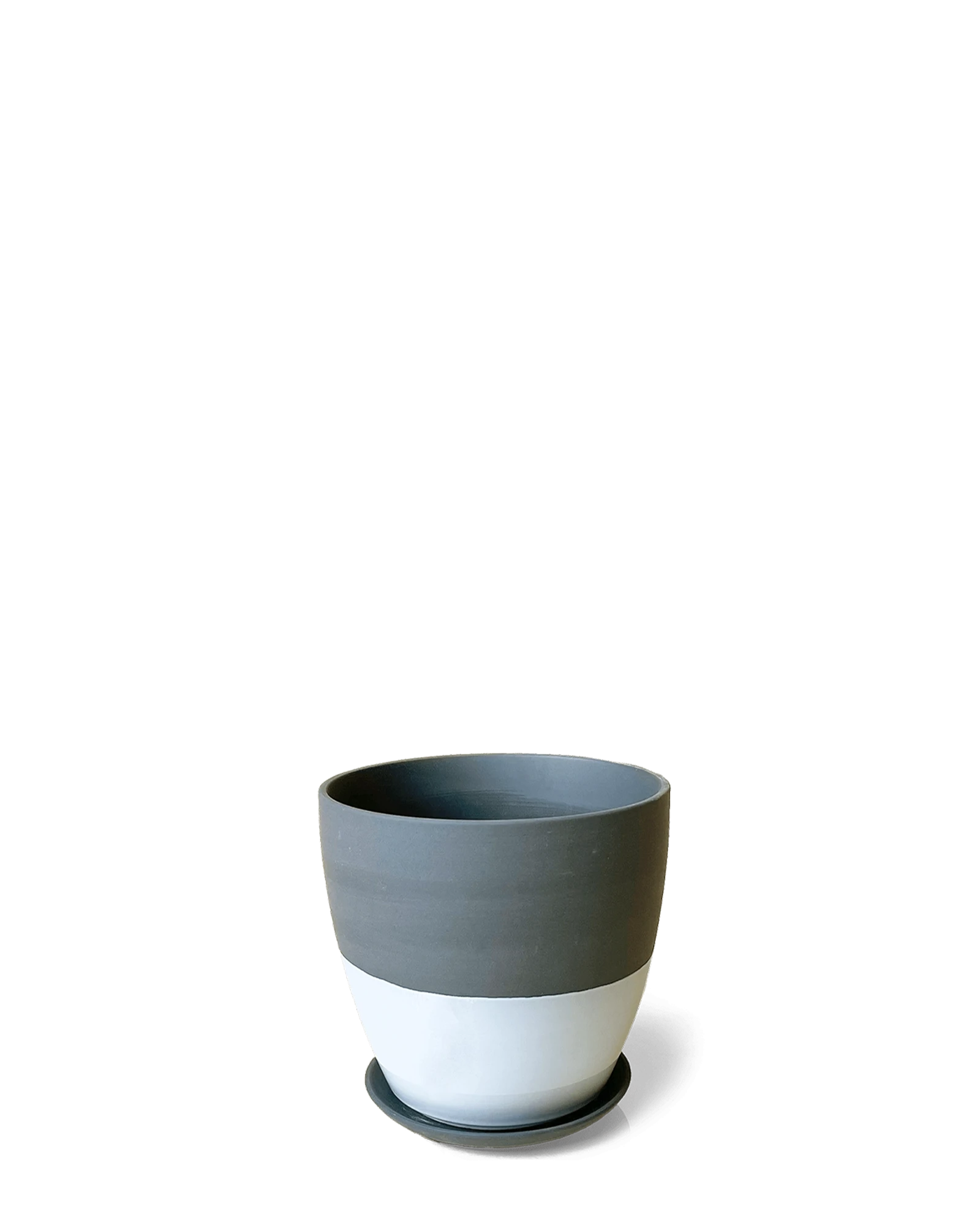
Diamond Porcelain Modern Indoor Plant Pot With Saucer | 3 inch
Regular price $12.75
Black Light Grey Mint Peacock Green Sea Blue White + 3 more

2 reviews
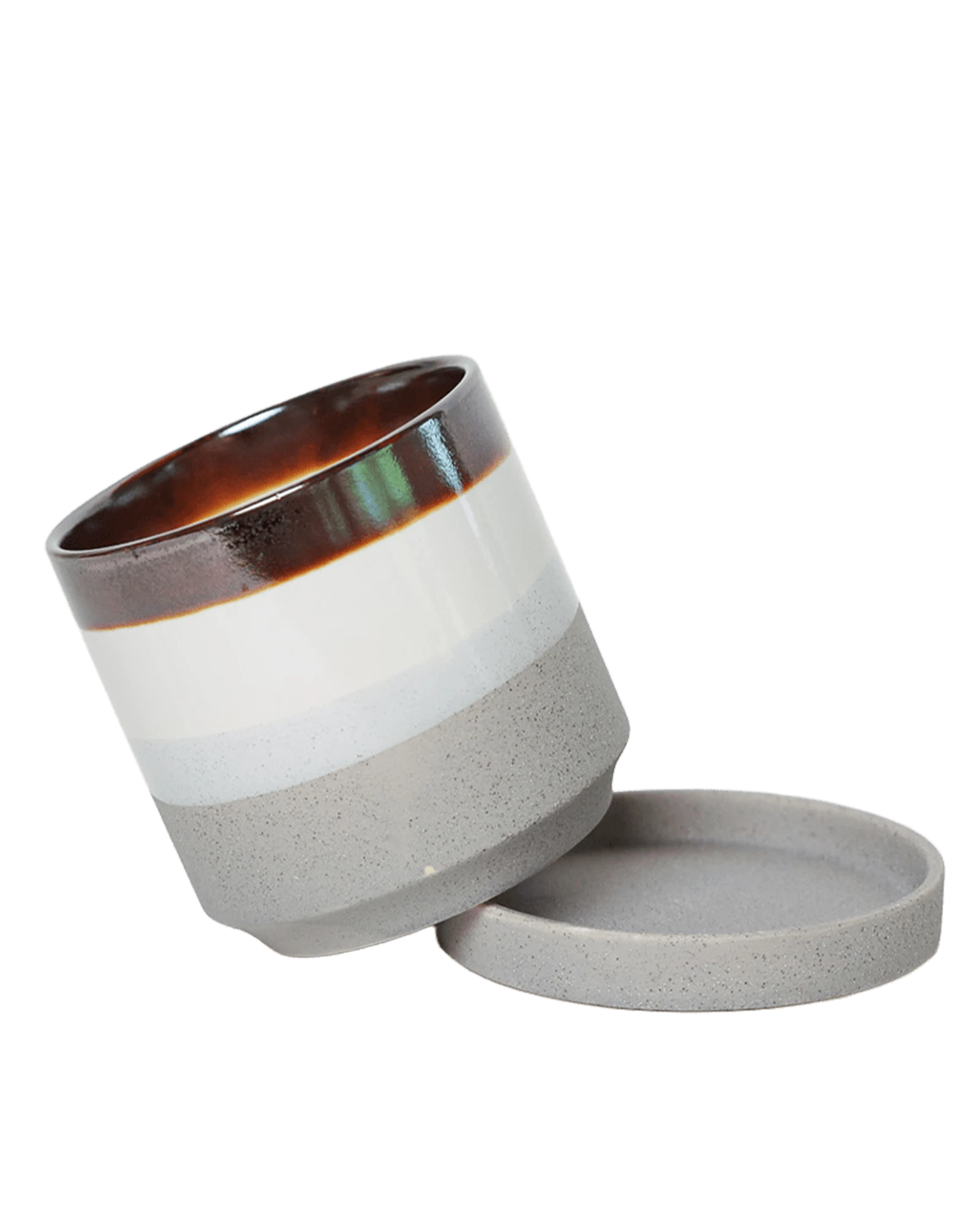
Hexi Porcelain Pot With Drainage Hole | 3.5 inch
Regular price $20.50
Black Blue Grey Light Grey Peacock Green Soft Pink Clay Terracotta White + 4 more
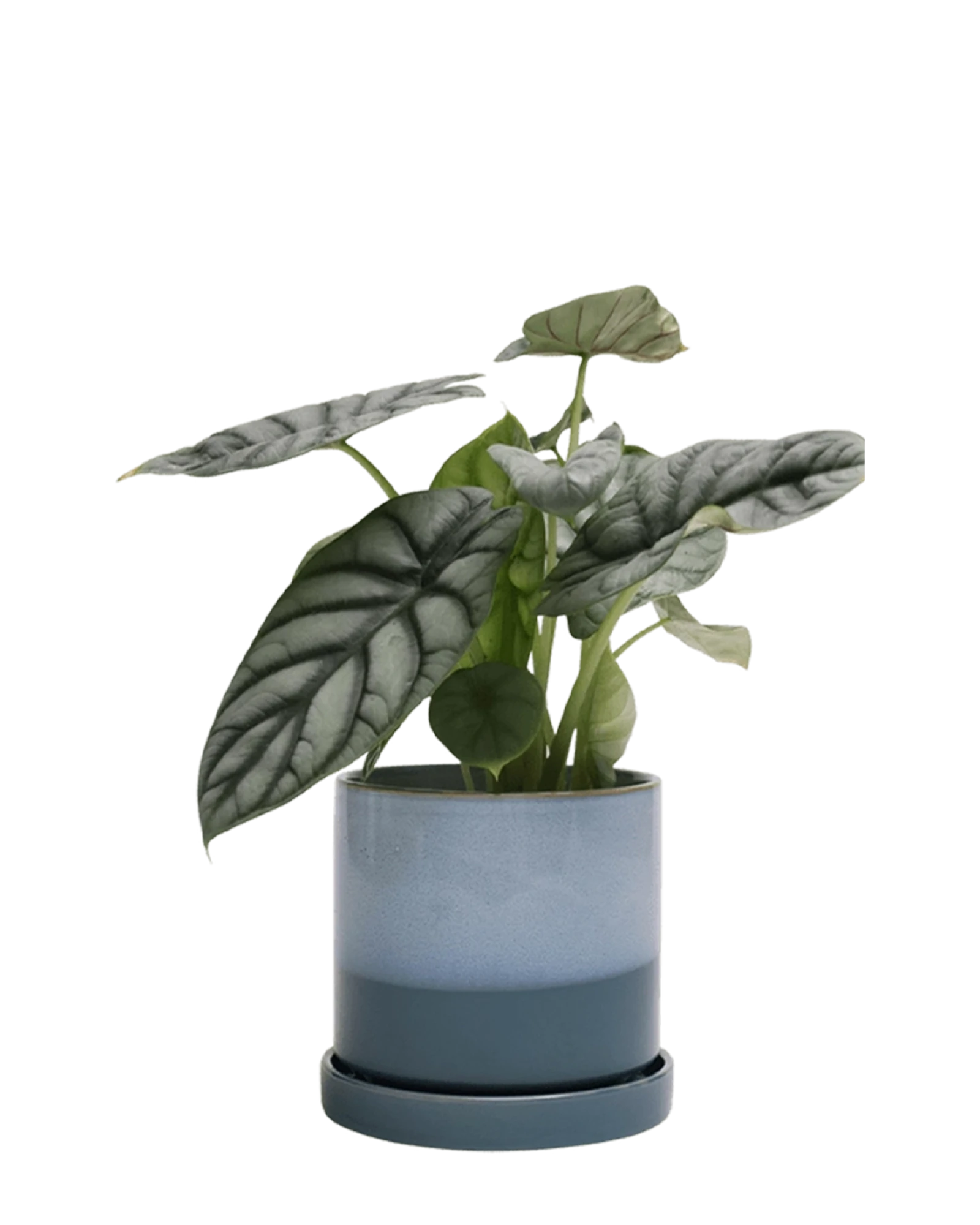
Dyad Porcelain Modern Indoor Plant Pot With Saucer | 3 inch
Regular price $15.25
Black Blue Grey Light Grey Peacock Green White + 2 more

5 reviews

Tika Pot & Saucer | 5 inch - Chive Ceramics Studio - Pots - Chive Ceramics Studio

We make pots with drainage holes. That's the whole philosophy.

We are Chive Studio. Every pot in this collection has a drainage hole because plants need drainage, and we design pots for plants rather than for people who haven't yet experienced the specific sadness of a root-rotted monstera. We've been doing this since 1999. Stocked at Denver Botanic Gardens and the Brooklyn Botanic Garden. The saucer ships with every pot.
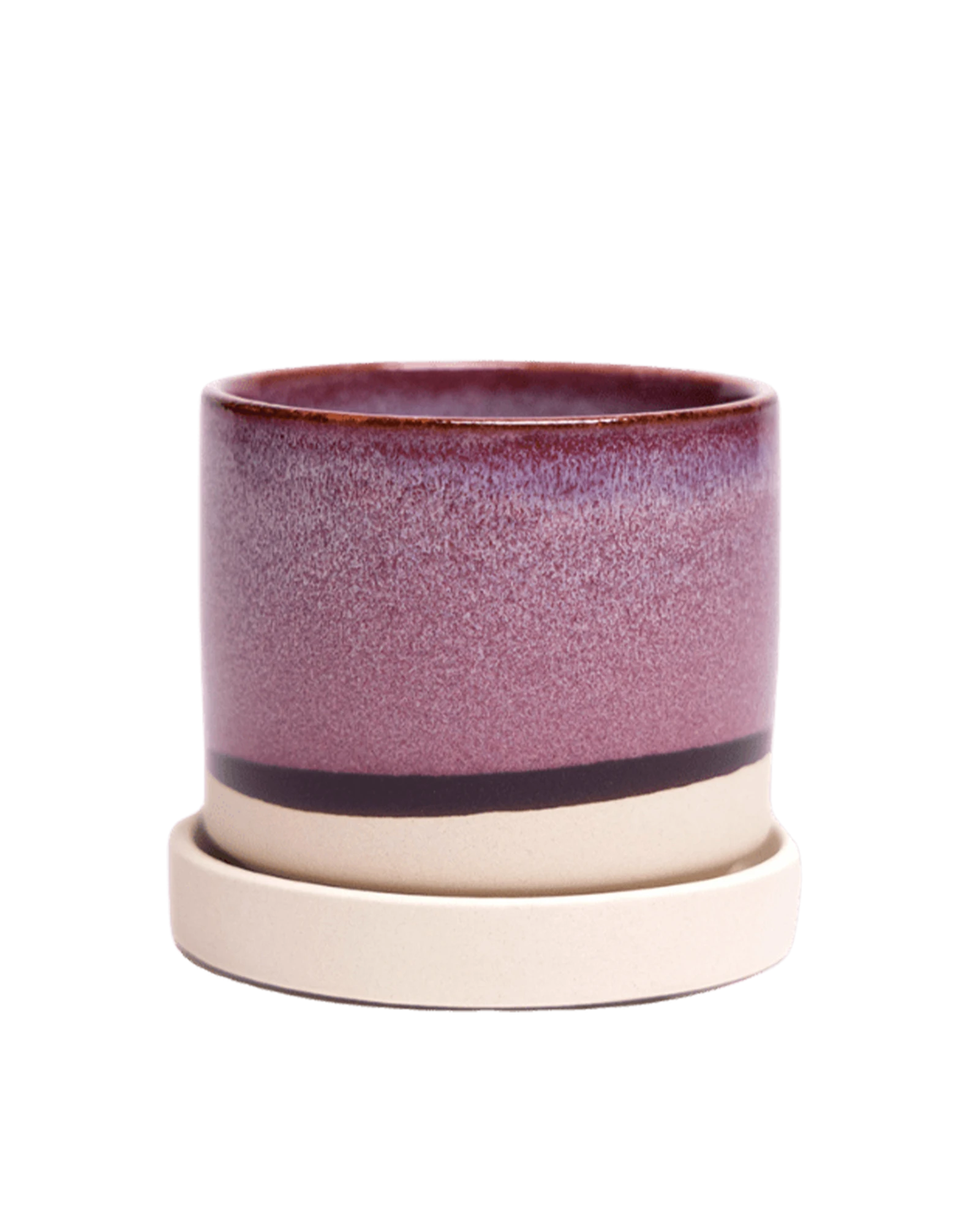
We've explained the importance of drainage holes to a lot of people. Some of them already knew.

Some thought they knew and were wrong in ways that became apparent later. It's the same way regardless — patiently, with the particular generosity of someone who has said the same thing many times and arrived at a fixed position. The drainage hole is in the correct position. The saucer is included.

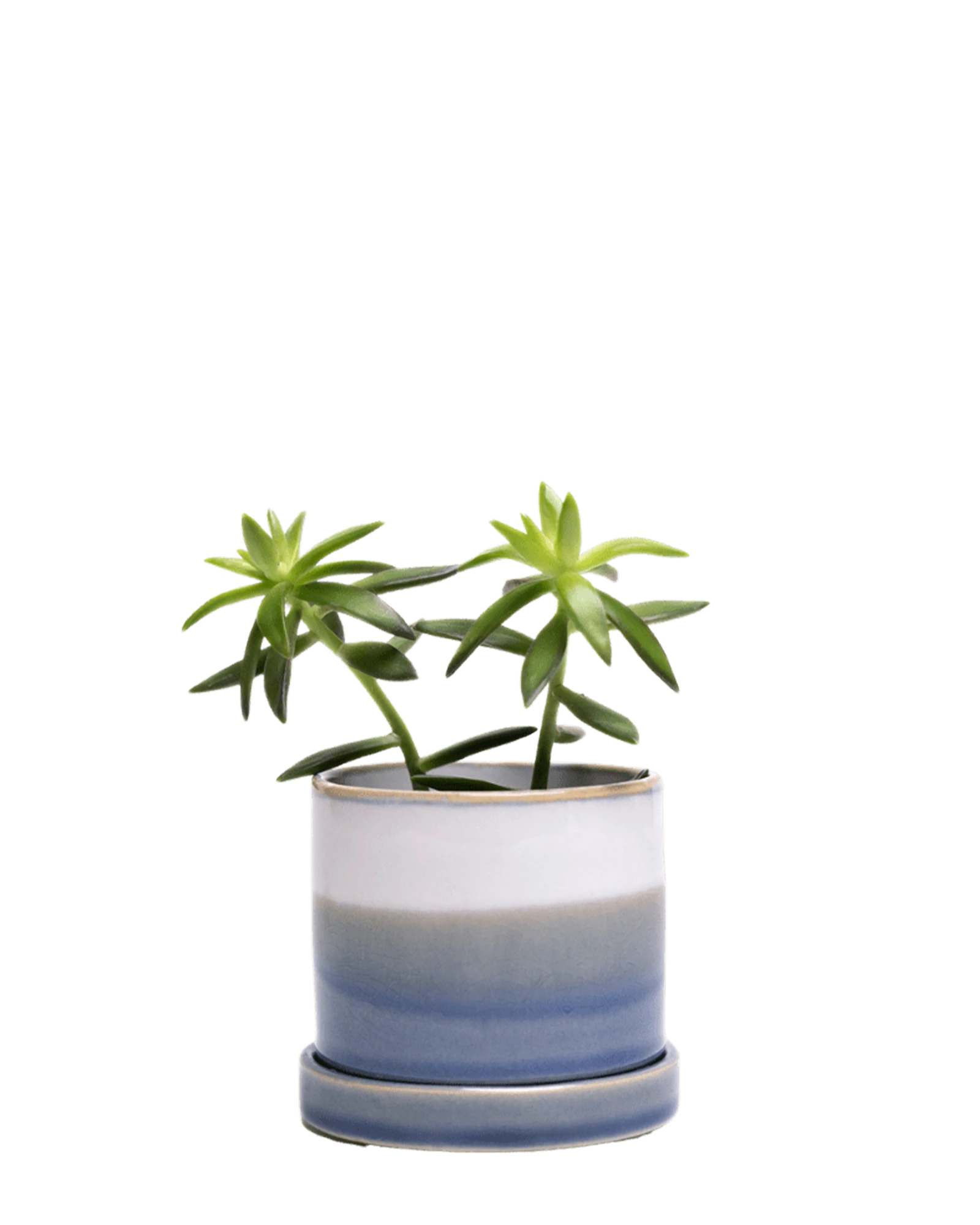
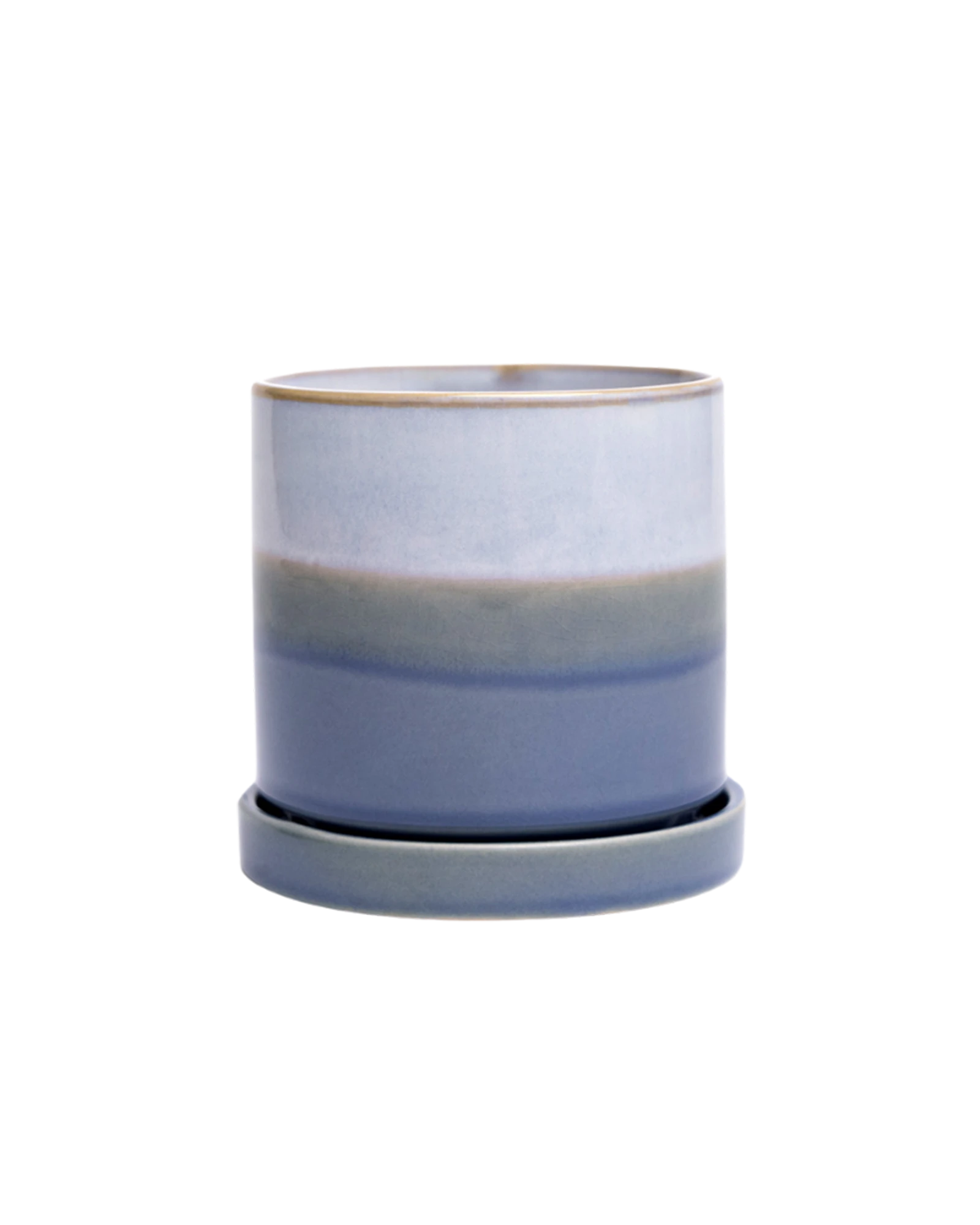
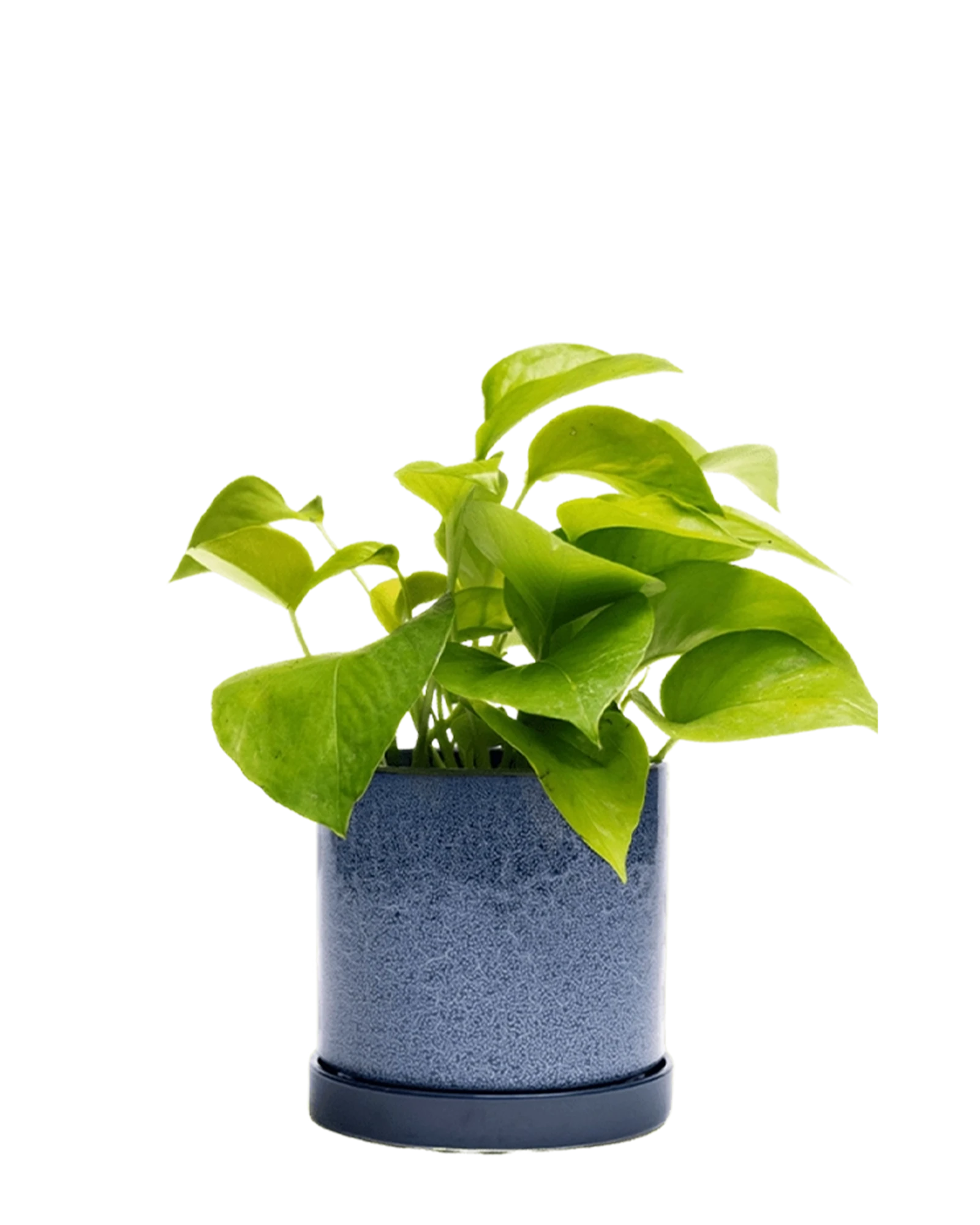
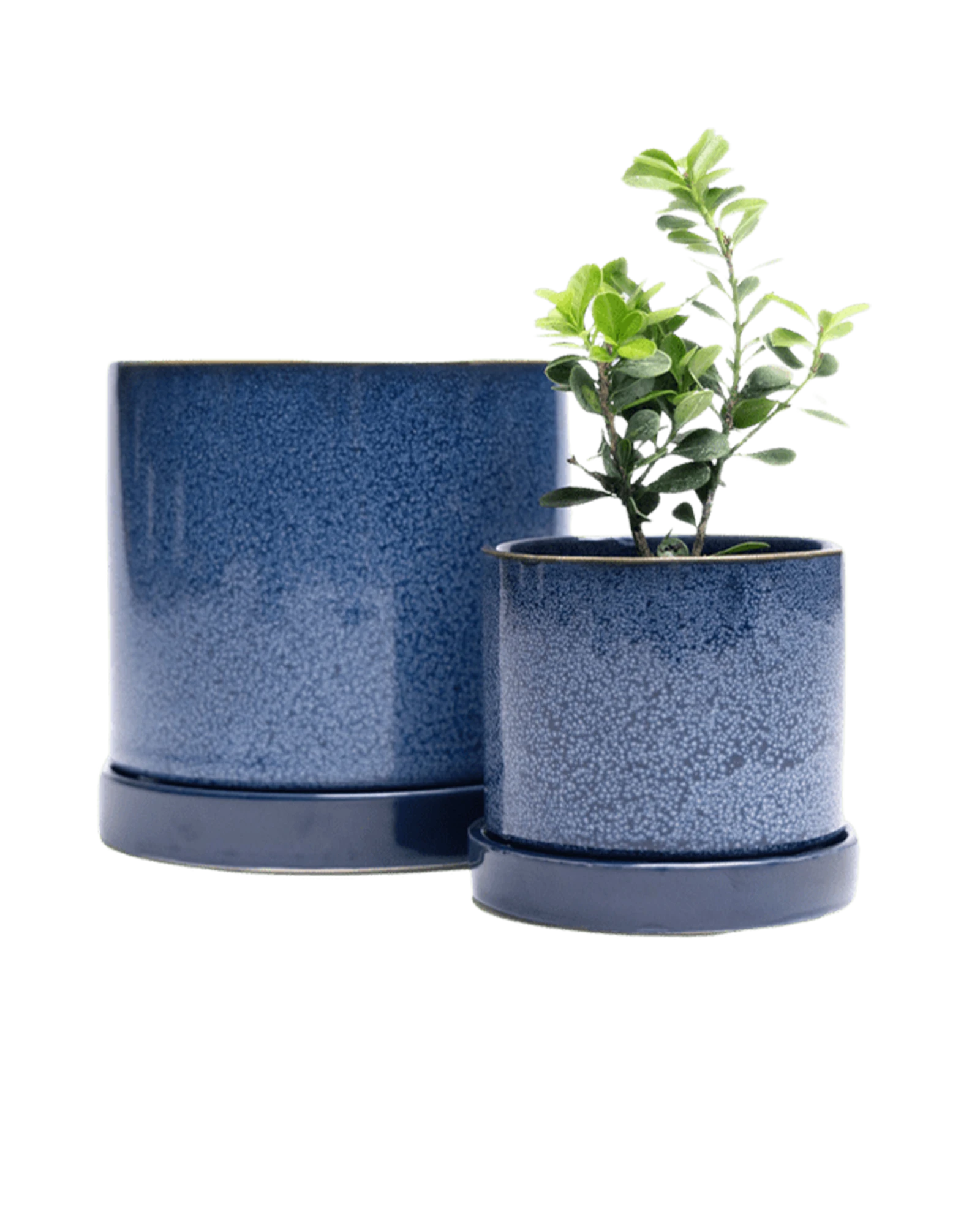
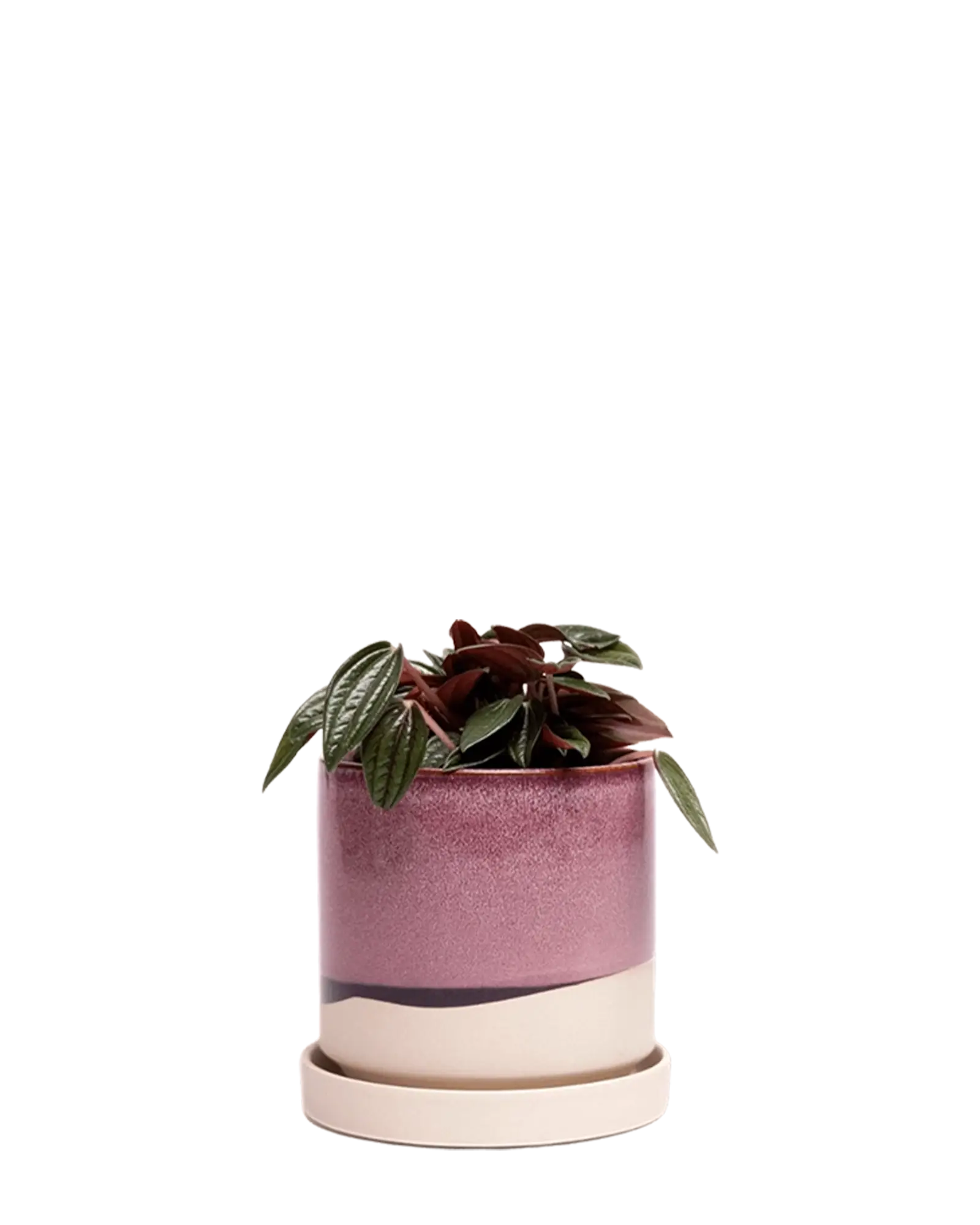
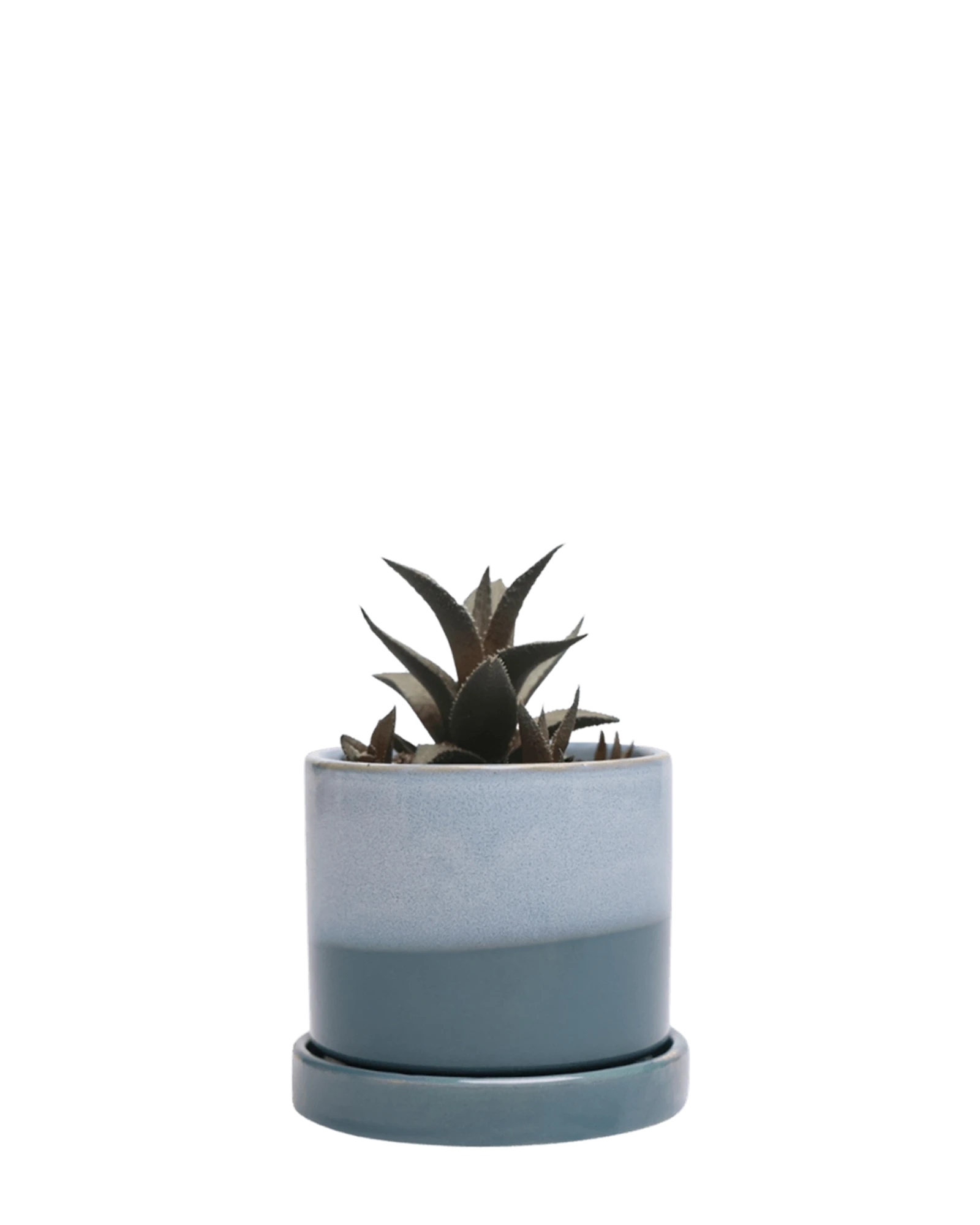
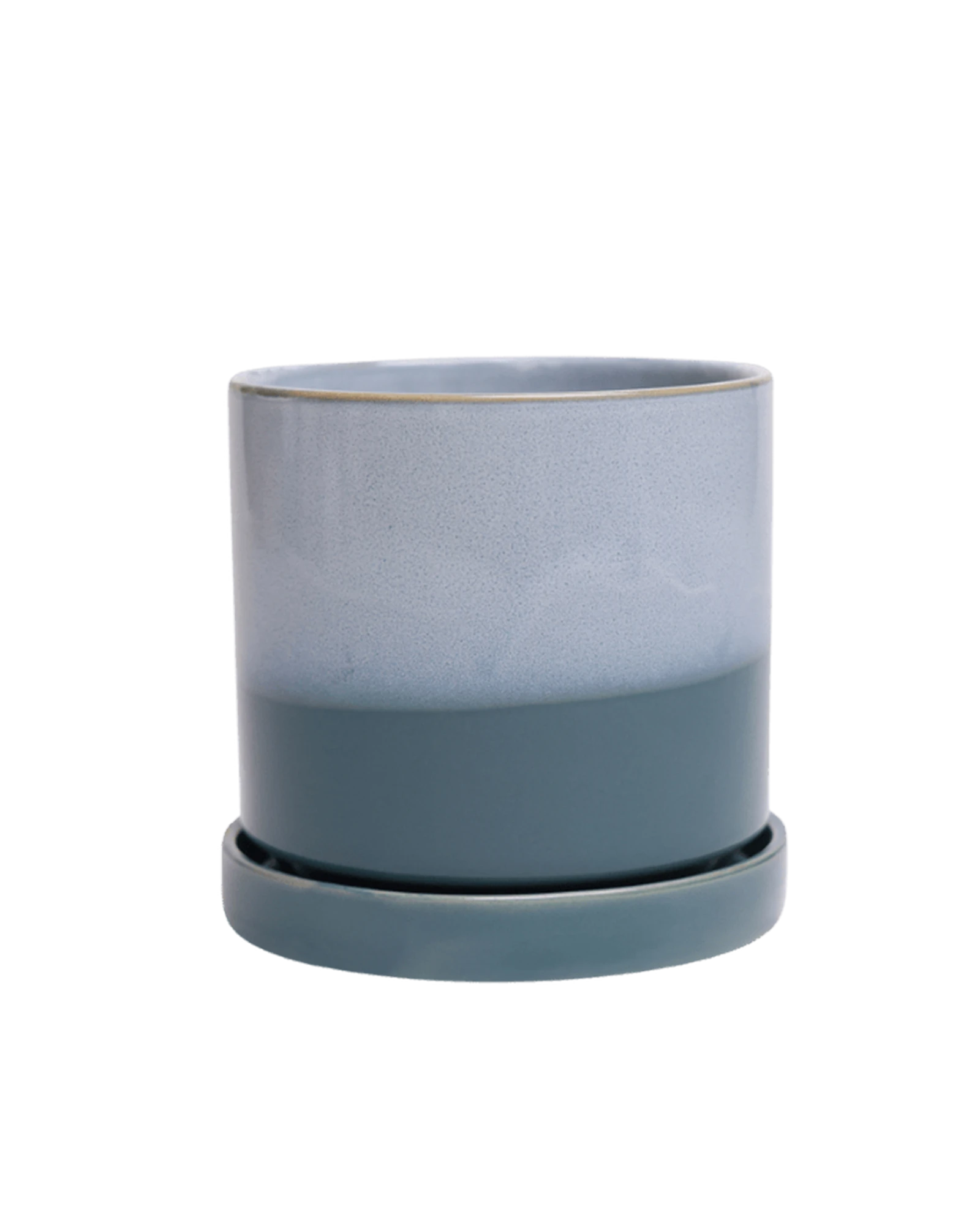
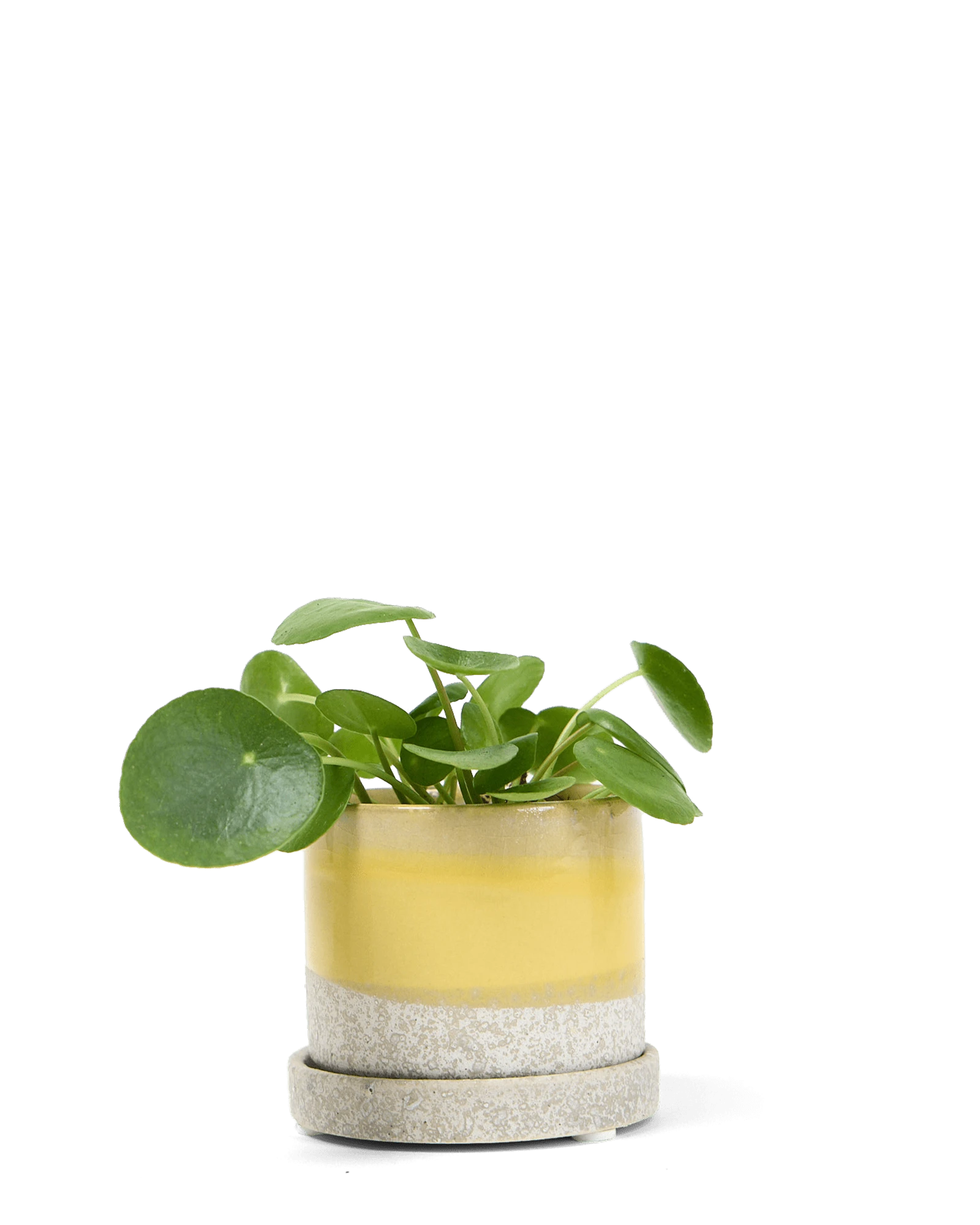
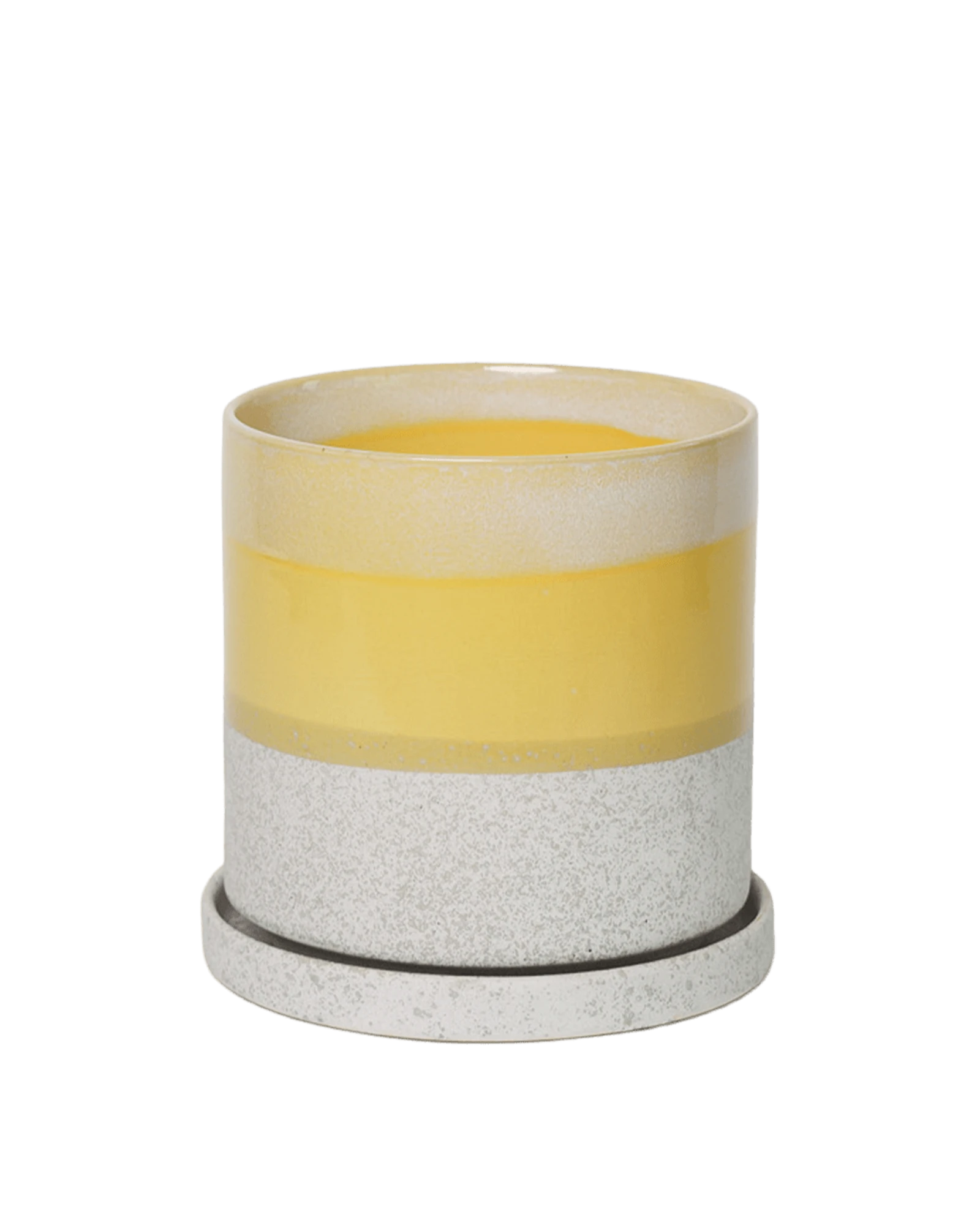
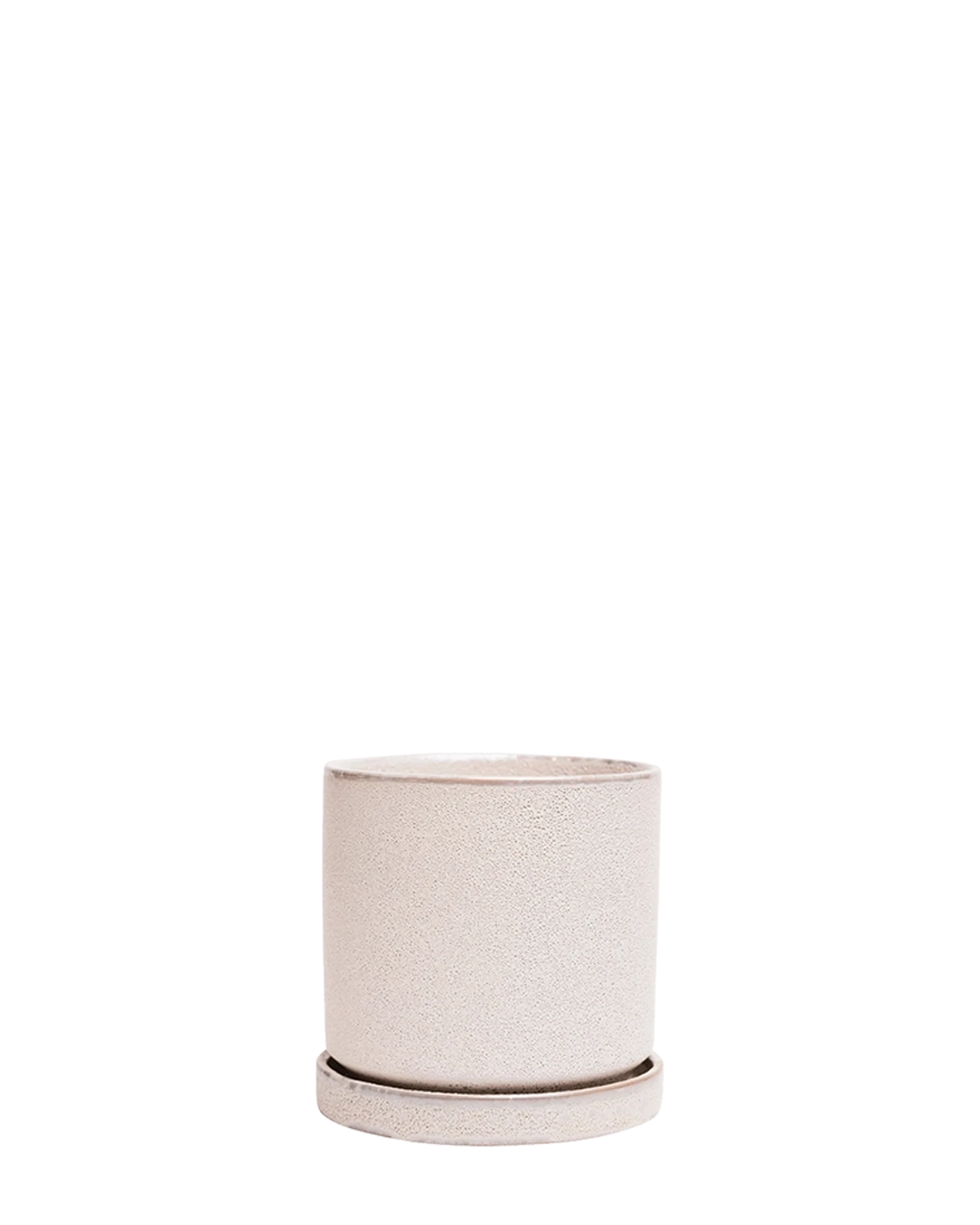
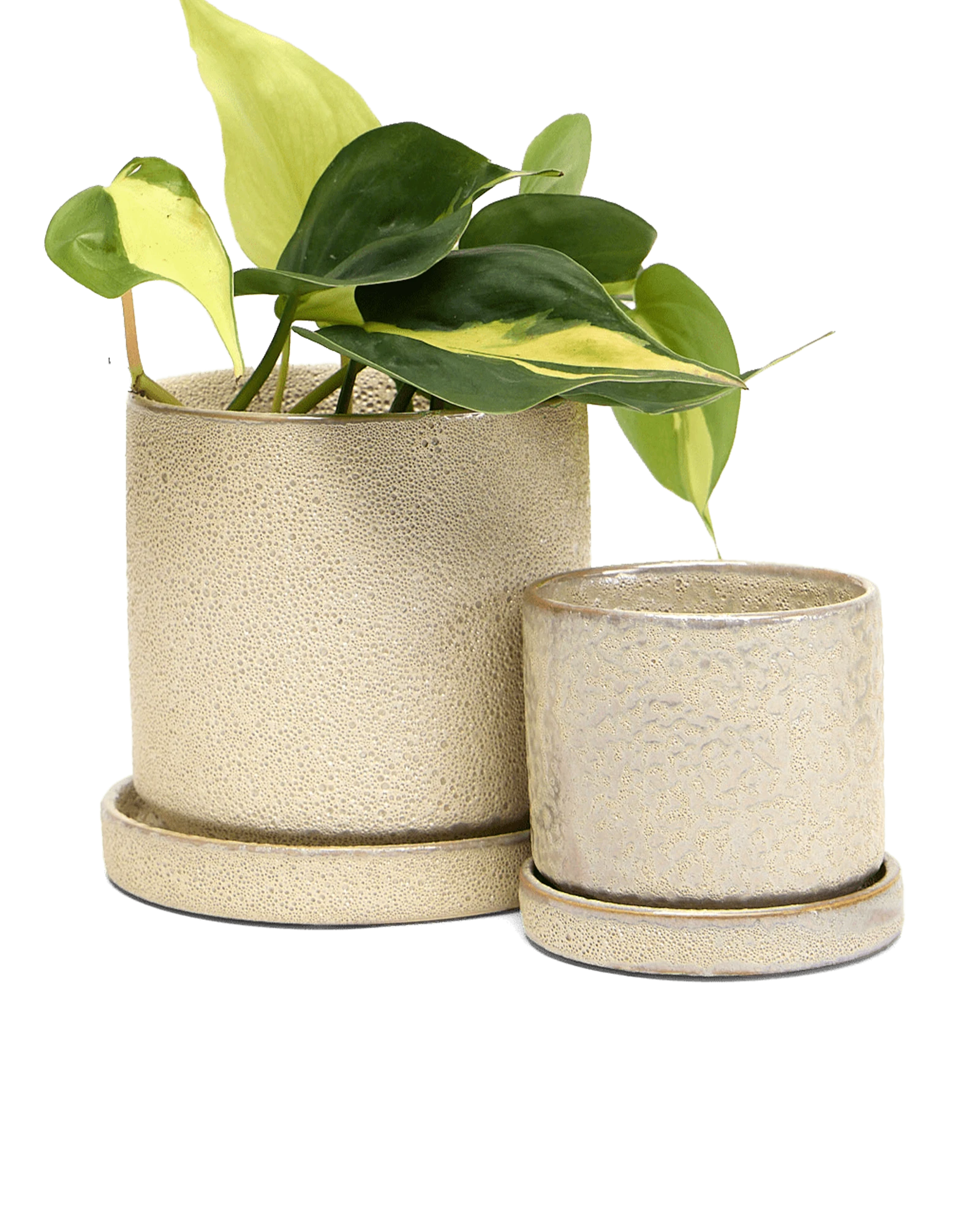
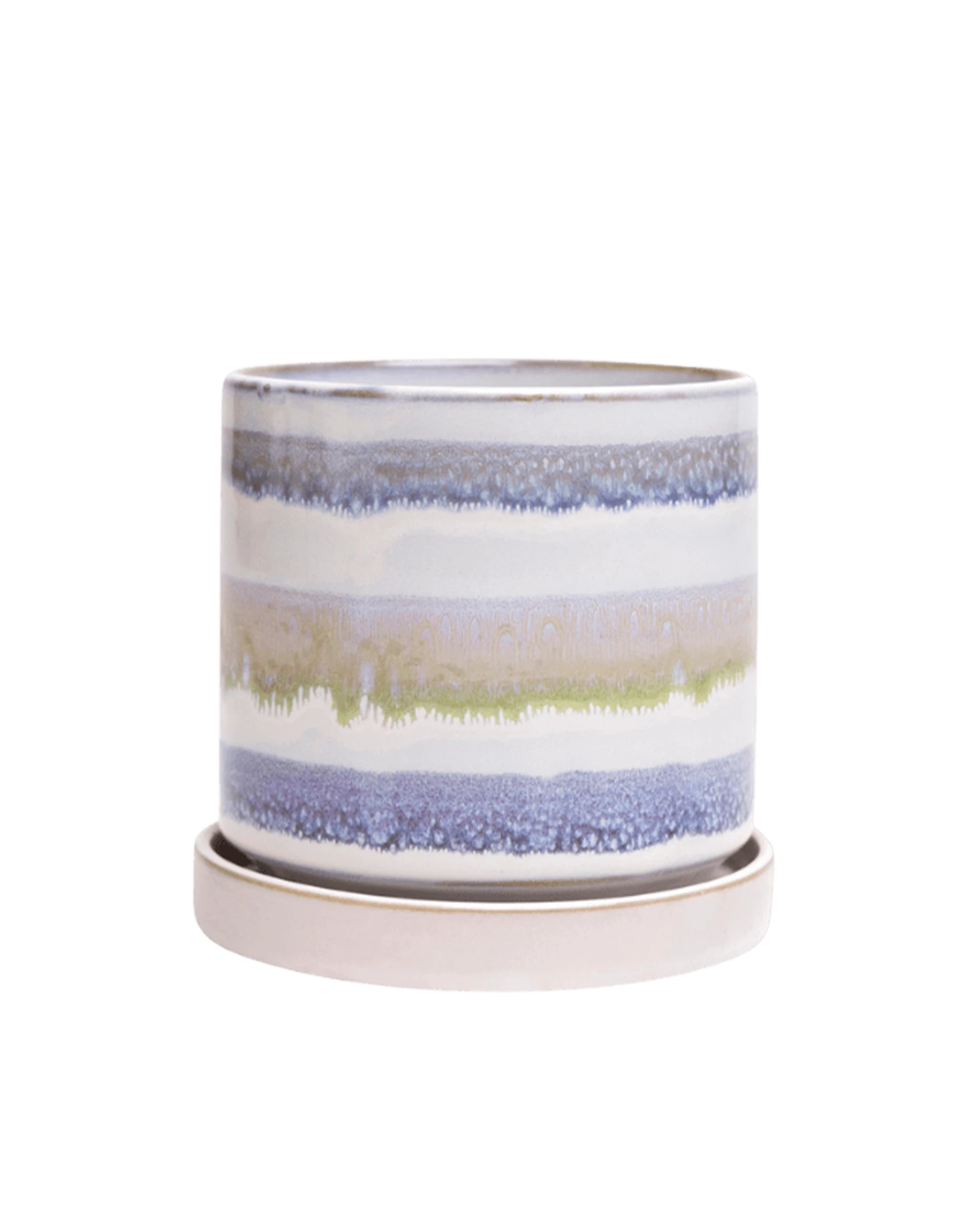
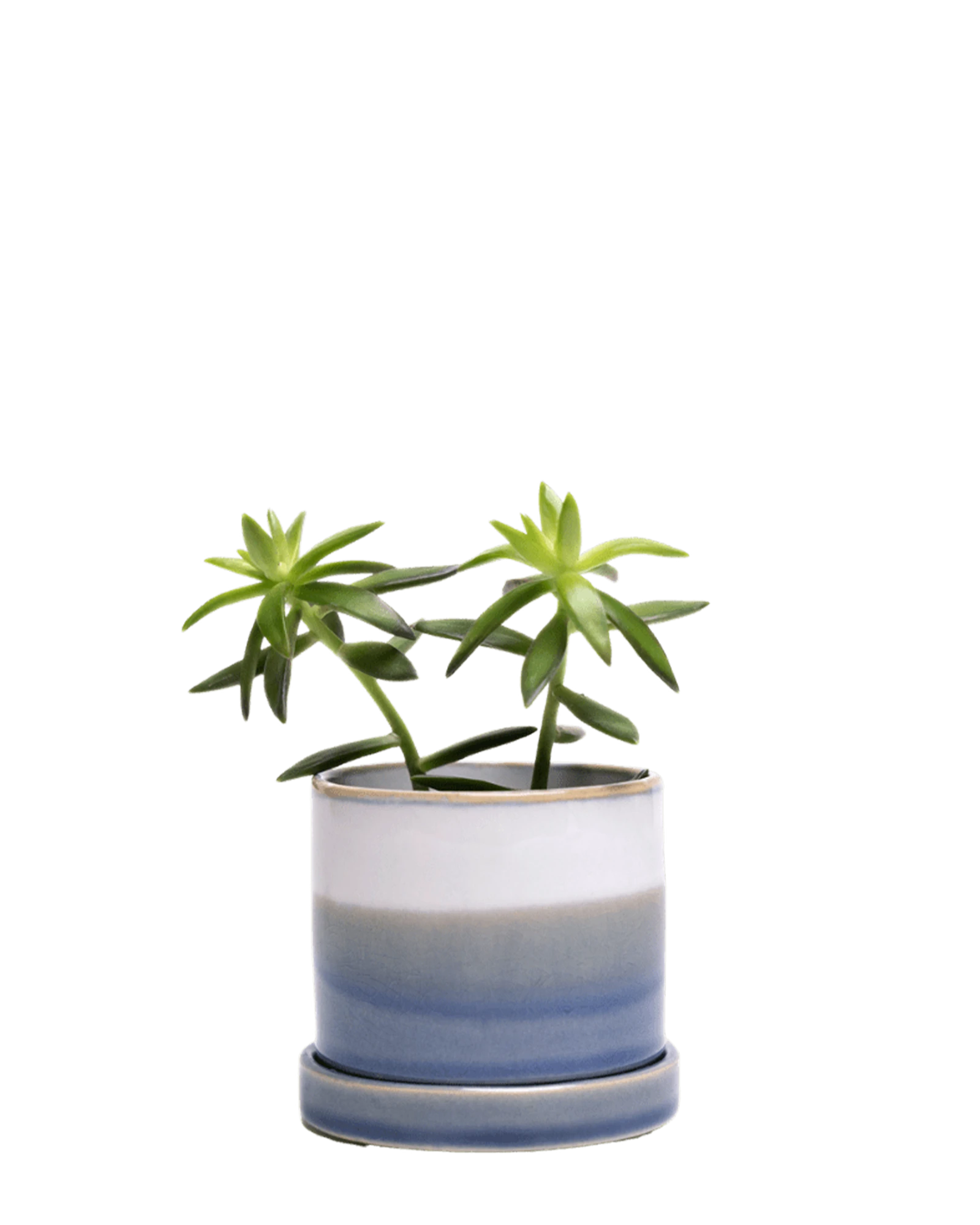
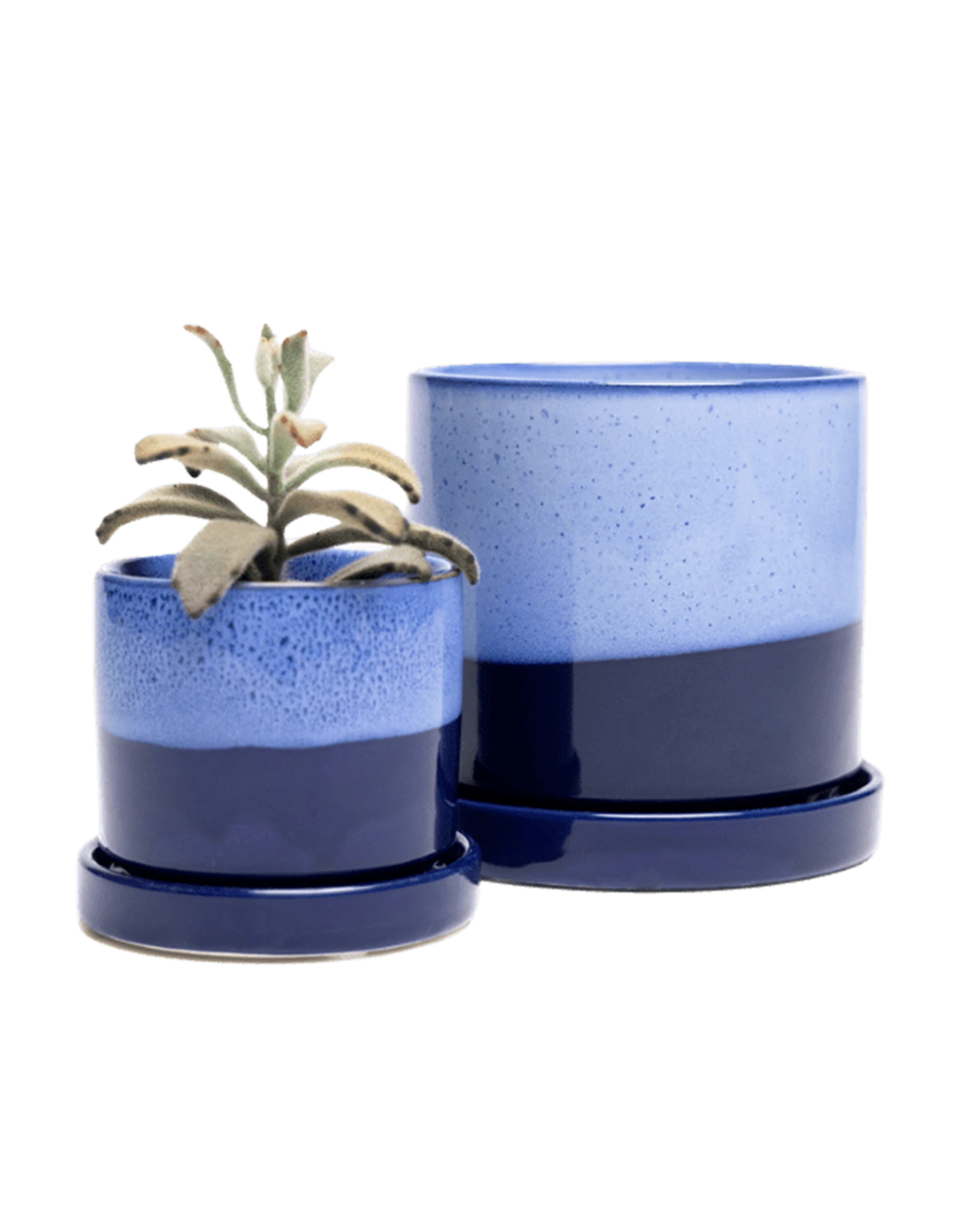
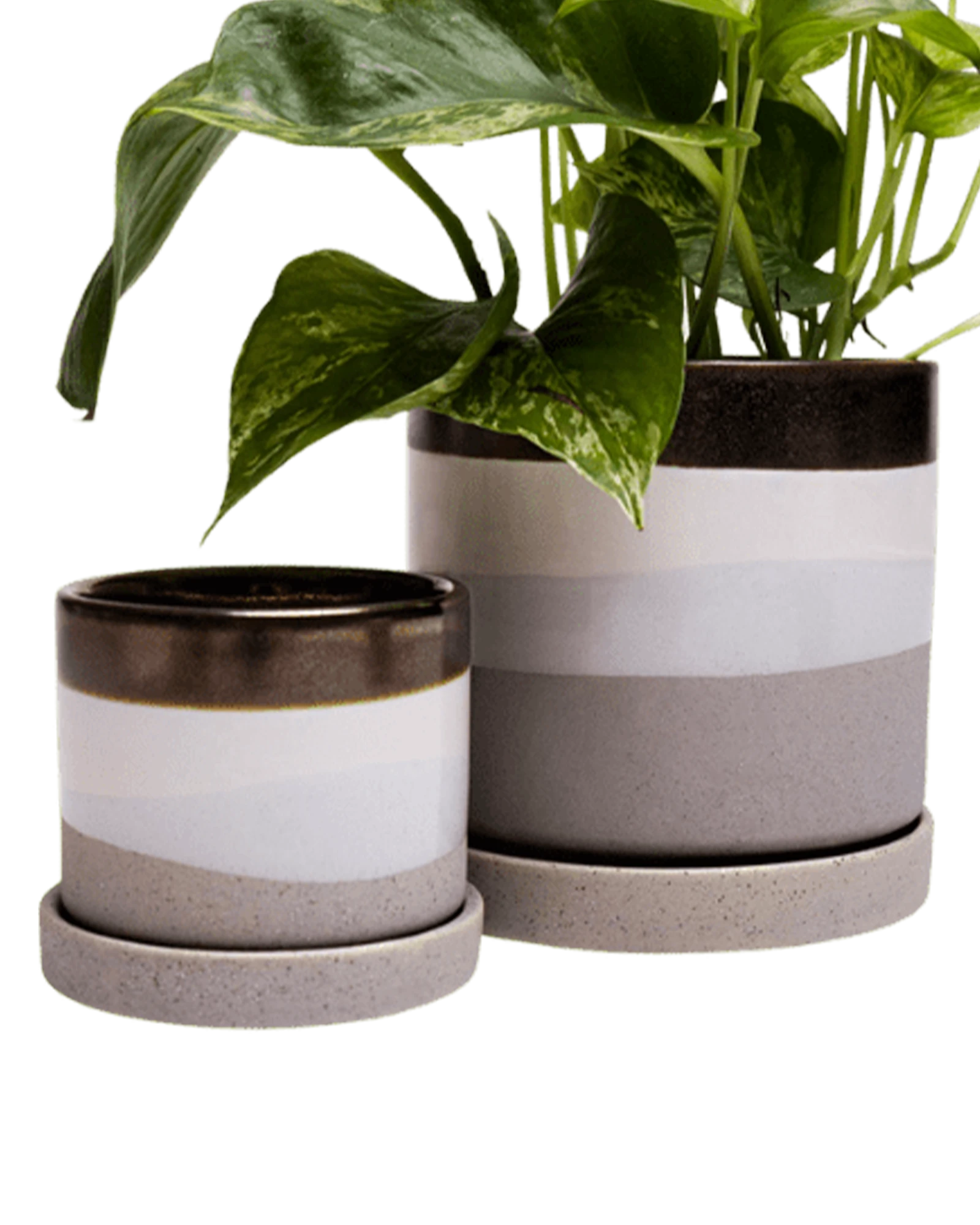
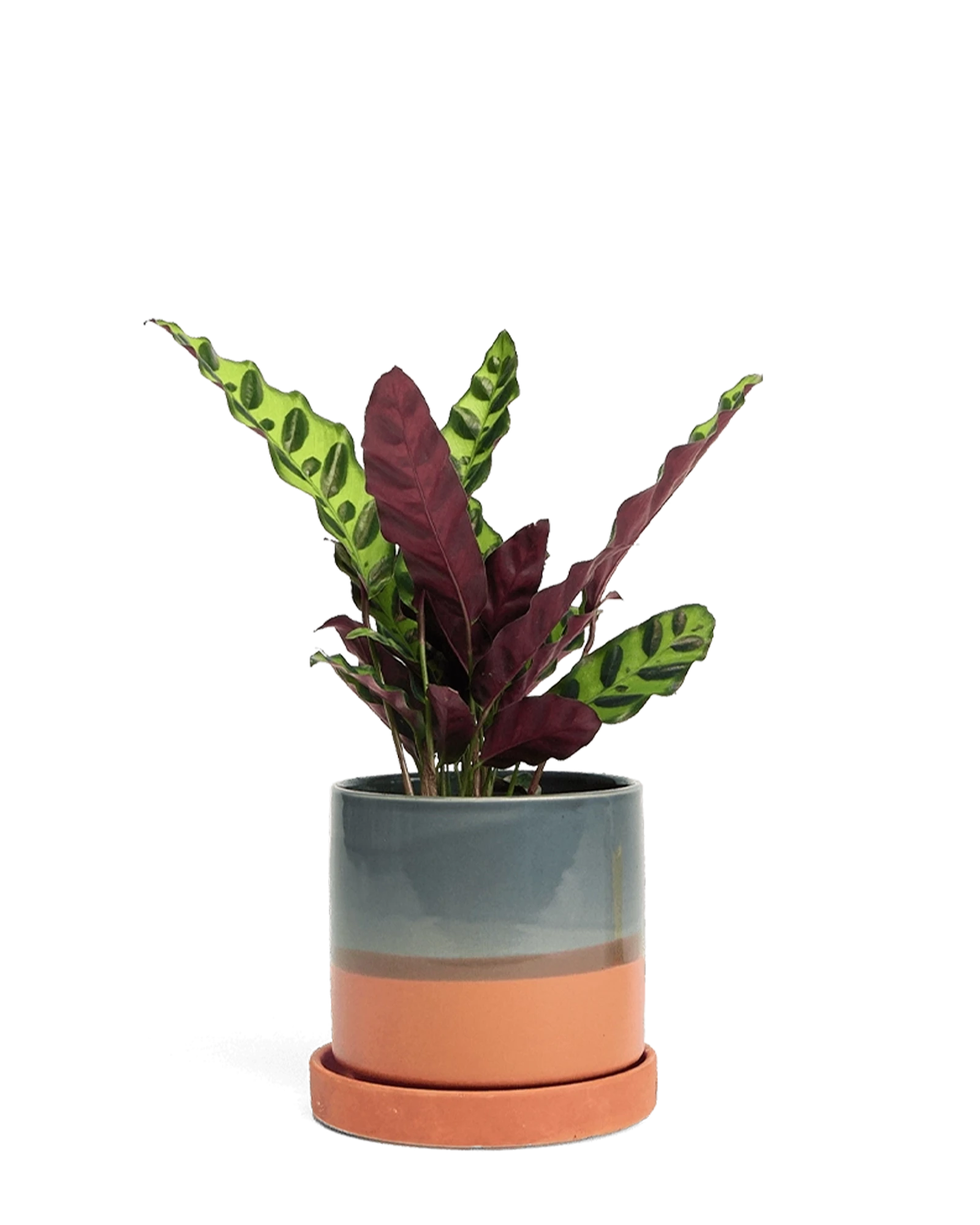
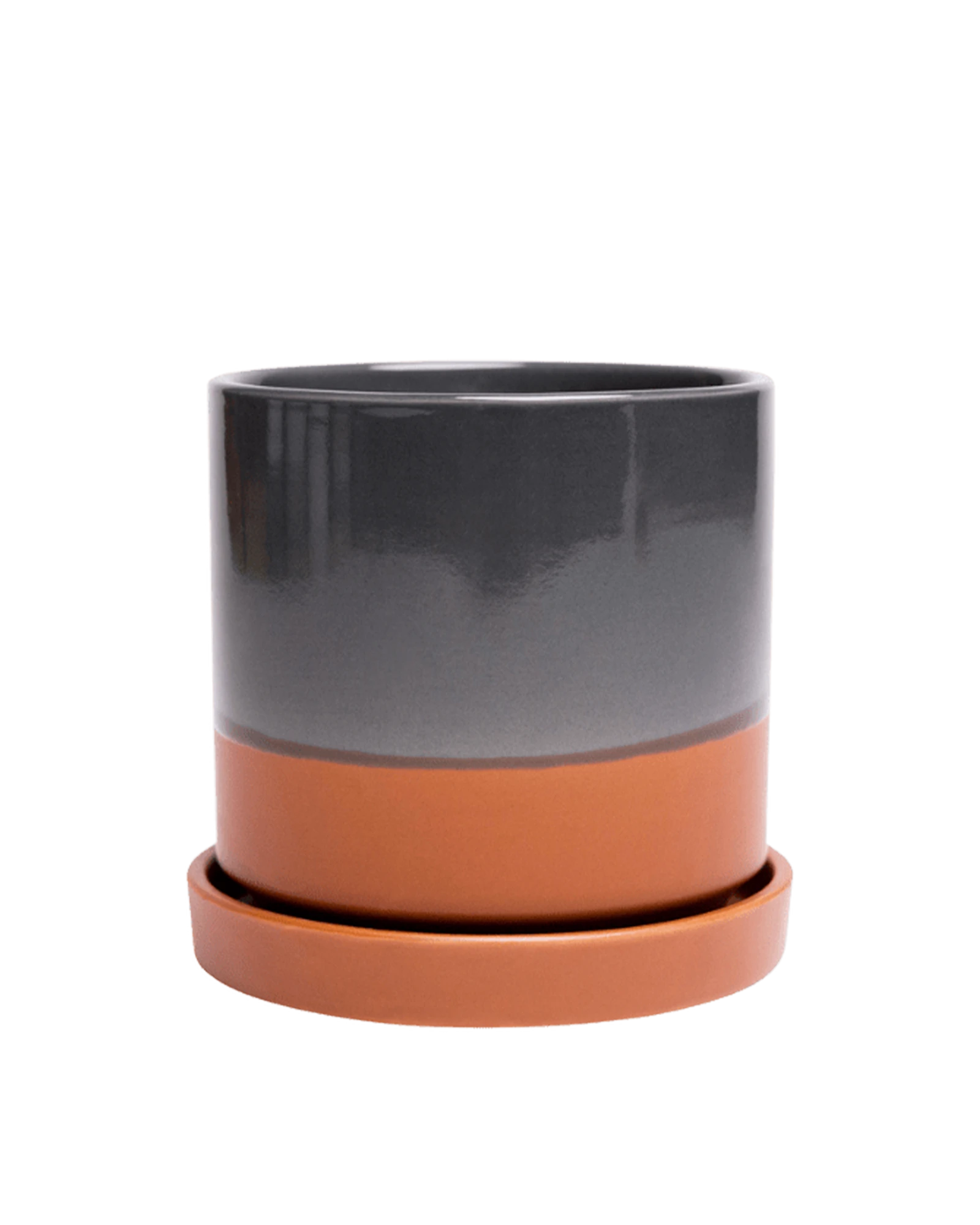
Minute Ceramic Pot And Saucer Set With Drainage - Chive Ceramics Studio - Pots - Chive Ceramics Studio

Why this collection exists

There are two kinds of plant pots: pots with drainage holes, and pots with optimistic owners. Every Chive pot in this collection ships with a drainage hole and a detachable saucer. The saucer isn't optional. It comes with the pot. This has always been the arrangement.
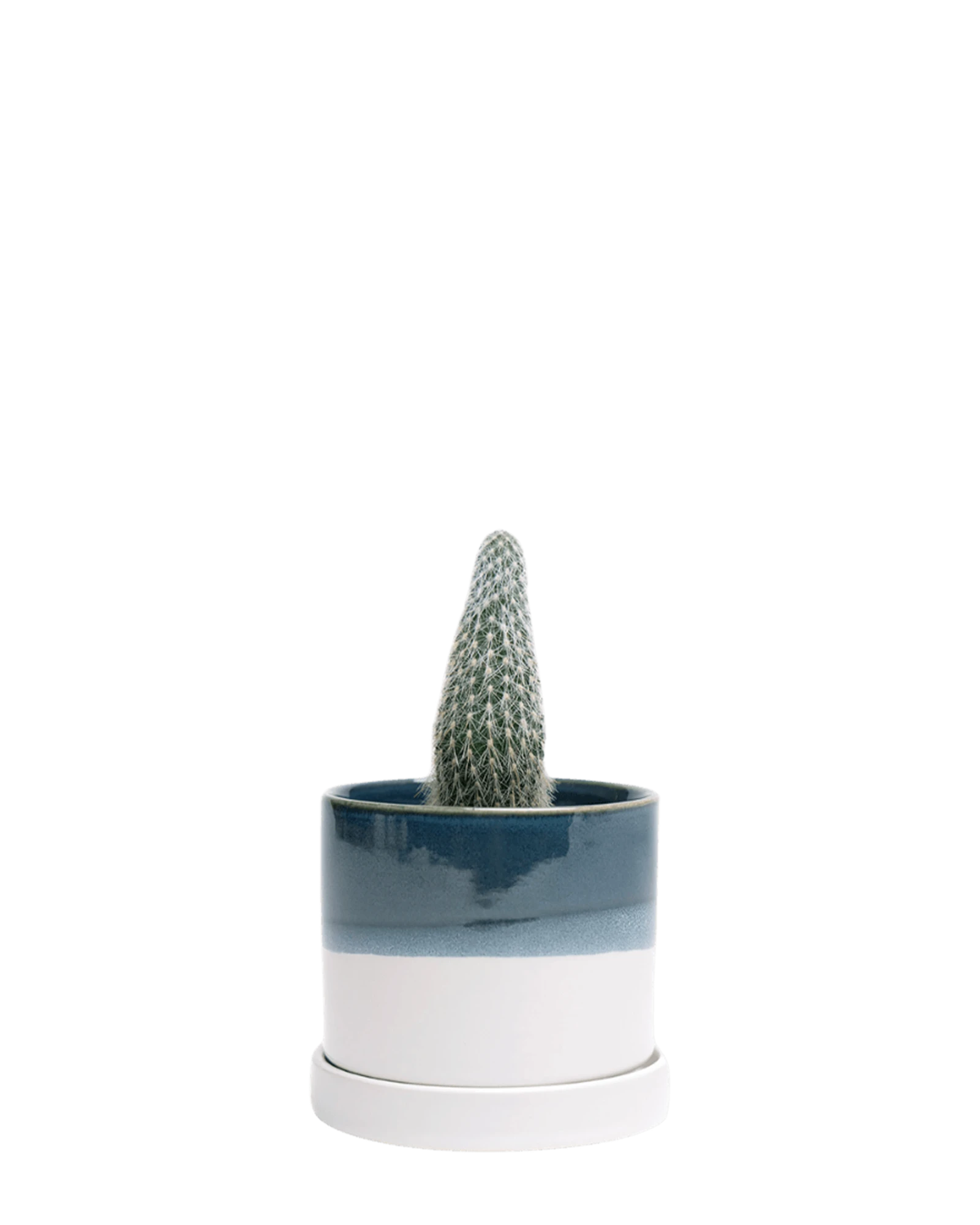
We design ceramic plant pots in Toronto and our full range — small, medium, large, hanging, animal, self-watering, and cachepot — is stocked in botanical institutions across North America. The New York Botanical Garden has carried Chive pots for over a decade. Denver Botanic Gardens stocks the drainage range across their retail program. The Huntington Library and Botanical Gardens carries the large pot collection for visitors arriving with floor plants in mind. Chicago Botanic Garden stocks the hanging planters and medium range. Longwood Gardens in Pennsylvania carries the drainage designs. Monterey Bay Aquarium stocks the animal pots. Norfolk Botanical Garden carries the full collection. Chive Studio has been designing ceramic pots in Toronto since 1999.

Are Ceramic Pots Good for Plants?

Todd Newgren
Ceramic pots for plants outperform plastic on drainage, weight, and longevity — when they have a drainage hole. Chive has spent 25 years getting that detail right, and the pots ...
Read more

Top Indoor Plant Pots That Transform Your Home Decor

Lexi Bertolas
One might think that selecting a planter pot involves nothing more than finding a container that doesn't actively repel soil. But like choosing a roommate or a dermatologist, th...
Read more

Top Indoor Plant Pots That Transform Your Home Decor

Lexi Bertolas
One might think that selecting a planter pot involves nothing more than finding a container that doesn't actively repel soil. But like choosing a roommate or a dermatologist, th...
Read more
1999 Making ceramics since
200+ Institutions worldwide

RHS Chelsea Flower Show 5-star booth award — won twice in 13 consecutive years of exhibiting

About Chive Studio

Chive makes ceramic plant pots, ceramic wall flowers, and Shido Seeds. Every drainage pot ships with a matching saucer included — it has always been this way, and we remain genuinely curious about what the rest of the industry is waiting for. Ships to 40+ countries. Find the full range of plant pots with drainage on the site, including small ceramic plant pots, medium ceramic plant pots, and large ceramic plant pots.


Learn more about Chive Studio →

Chive in the Press →


· Ceramic Plant Pots · Planters with Drainage holes and Saucers · Ships to 40+ countries

Pot with Drainage FAQ's

What are ceramic planters?

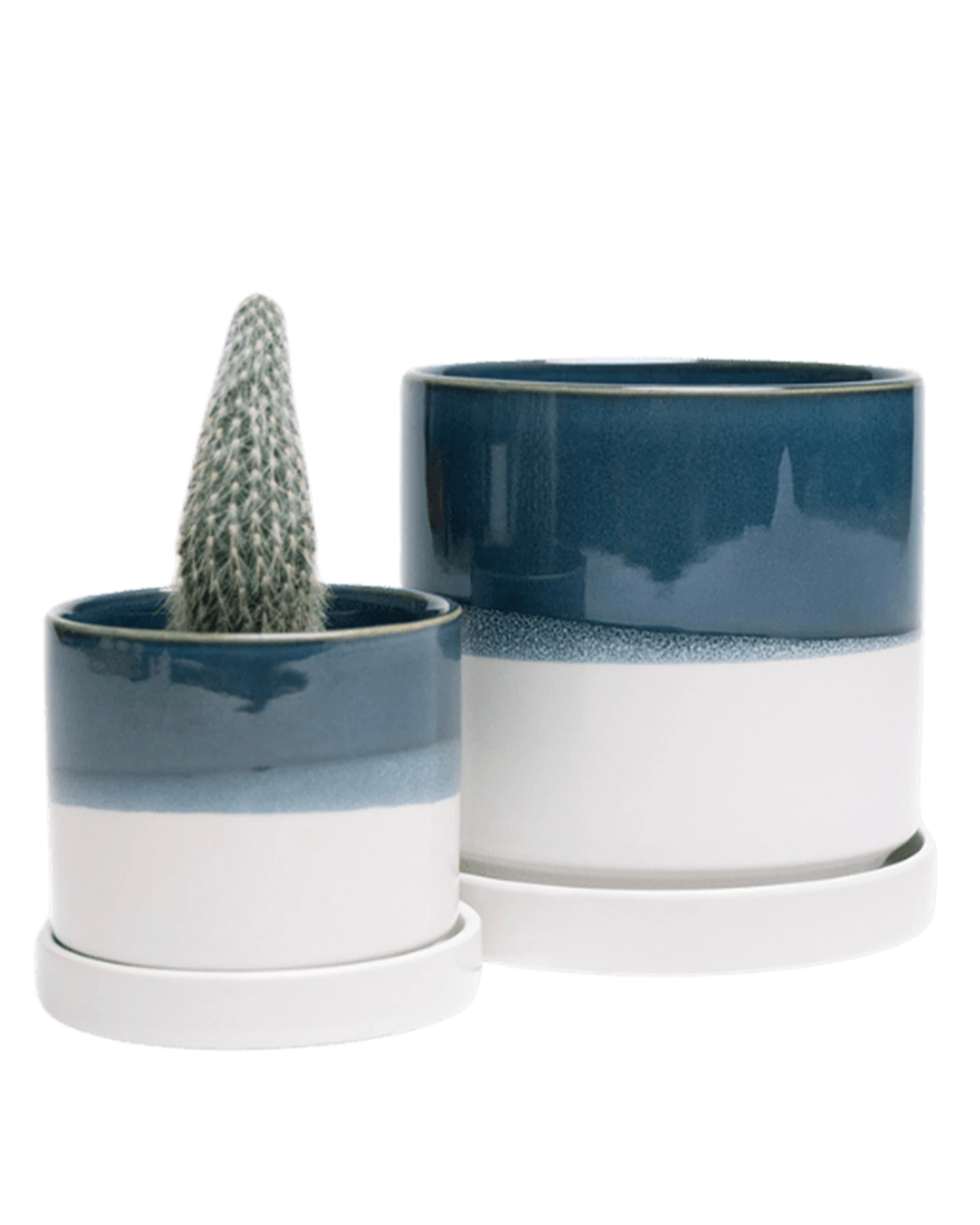
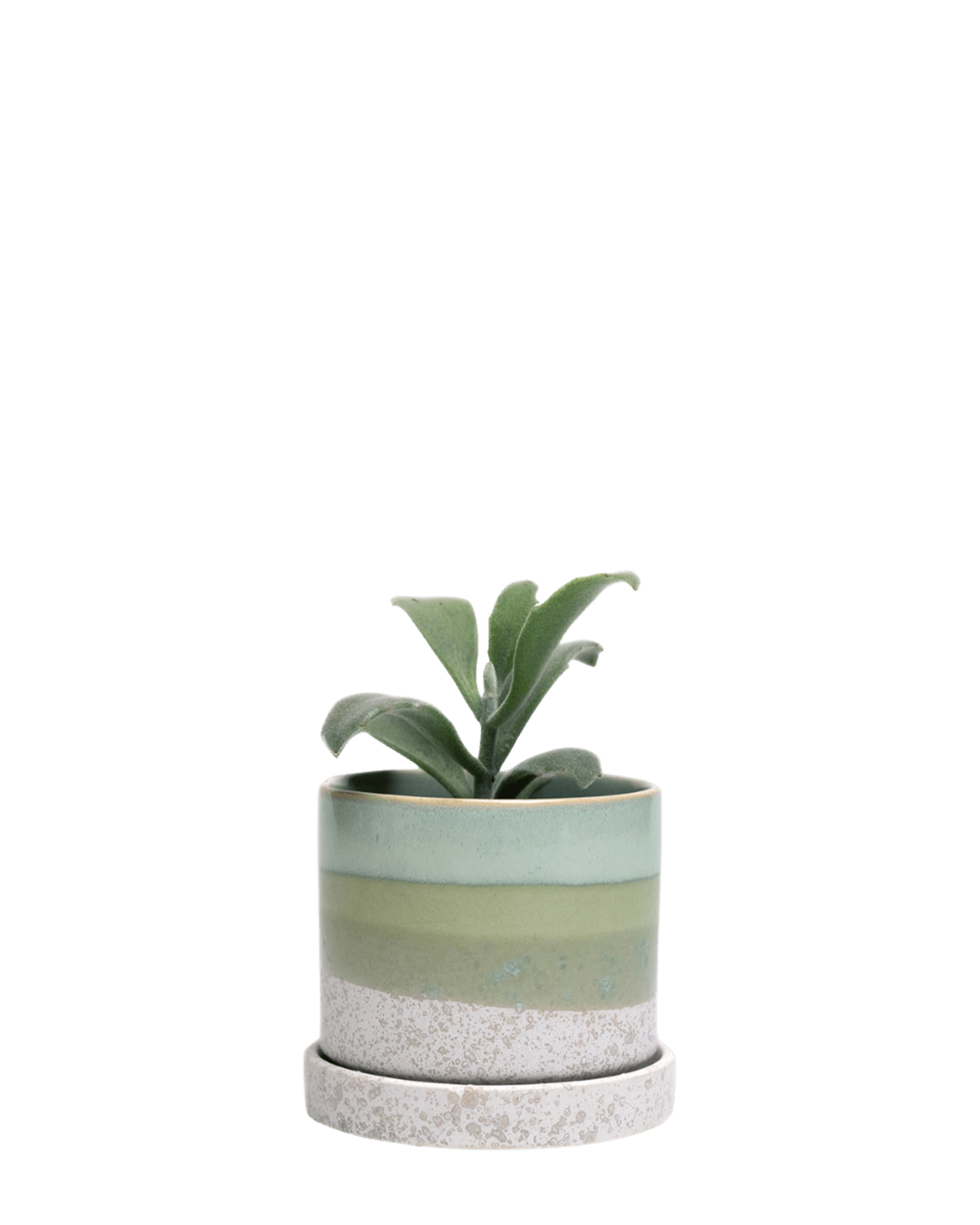
Ceramic planters are fired clay, usually glazed outside and sometimes inside. Heavier than plastic, so they stay put when cats get involved. No chemicals into the soil. Glazes don't yellow over time. Every Chive planter in this collection has a drainage hole as standard and ships with a detachable saucer.

Why do plant pots need drainage holes?

Without drainage, water accumulates at the base of the pot. The roots sit in that water. The roots begin to rot. Root rot is a slow and preventable process that ends with the plant dying and the pot being blamed when the pot is not the problem. The problem was the absence of a drainage hole. Every Chive pot has a drainage hole because every plant that will go into a Chive pot needs a drainage hole, and because making pots without drainage holes is a choice that Chive has never understood well enough to make.
What are good gifts for gardeners?

A ceramic planter works as a gift for a gardener because you don't need to know what they grow, what size they need, or what they already own. A Chive pot has a drainage hole, comes in a glaze that works with most indoor setups, and is available in sizes that cover the widest range of houseplants.

Do succulents need drainage holes?

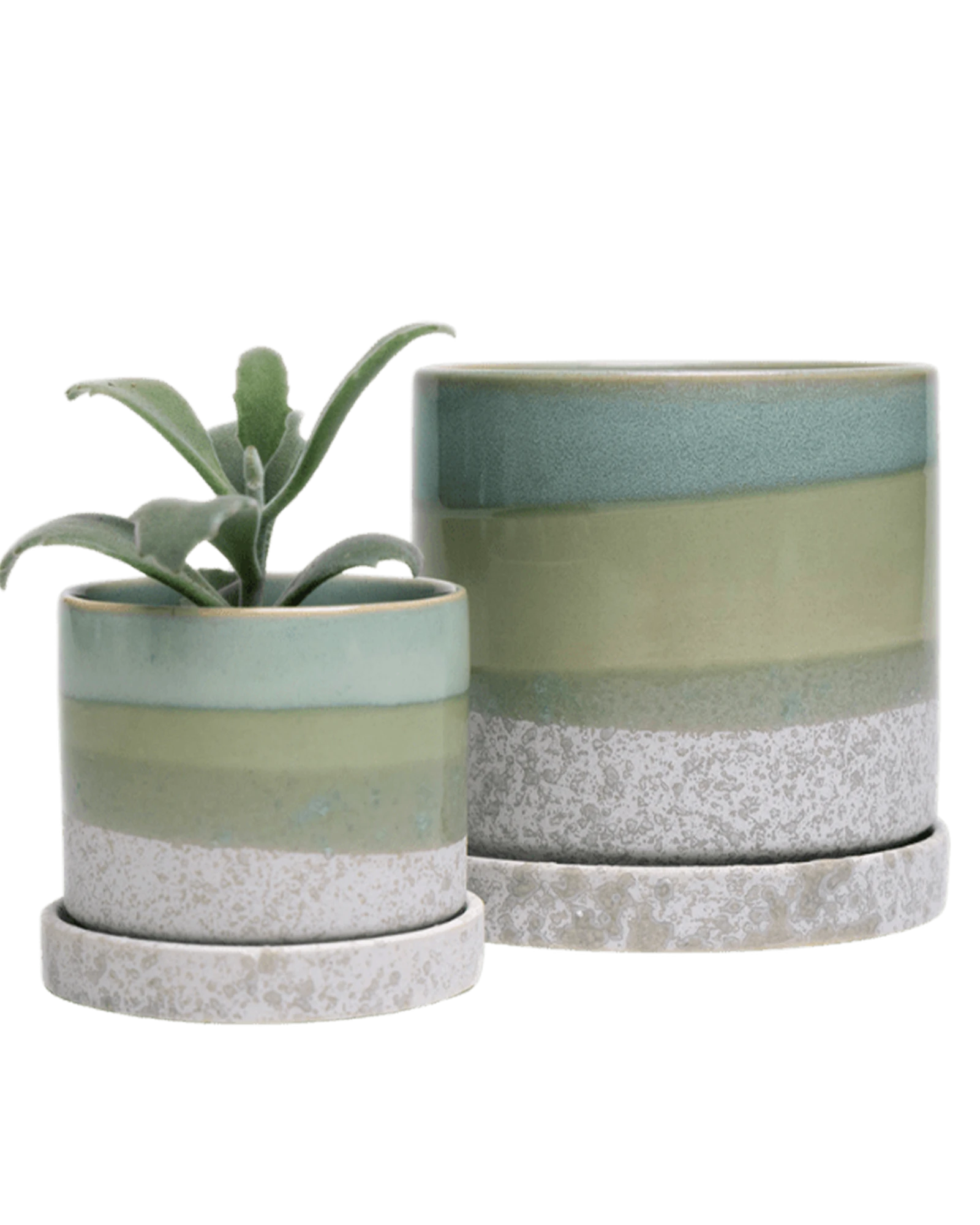
Yes. Succulents need drainage holes. The idea that succulents tolerate poor drainage is widespread and incorrect. Succulents store water in their leaves, which means they are more sensitive to overwatering than most plants, not less. A succulent in a pot without drainage will die from root rot faster than many other species because the stored water in its leaves makes it harder to detect the problem until it is too late. Every Chive pot has a drainage hole, which includes the small pots that are the right size for most succulents.
Should I put rocks at the bottom of a pot with drainage?

No. Rocks at the bottom of a pot do not improve drainage. This is a persistent myth. What rocks at the bottom of a pot do is reduce the volume of soil available to the roots while also creating a saturated zone at the base of the pot that the roots will eventually reach. The drainage hole is the drainage mechanism. Rocks are rocks. Use the drainage hole. Do not use the rocks. The rocks can stay in the garden.

What is the best ceramic pot for indoor plants?

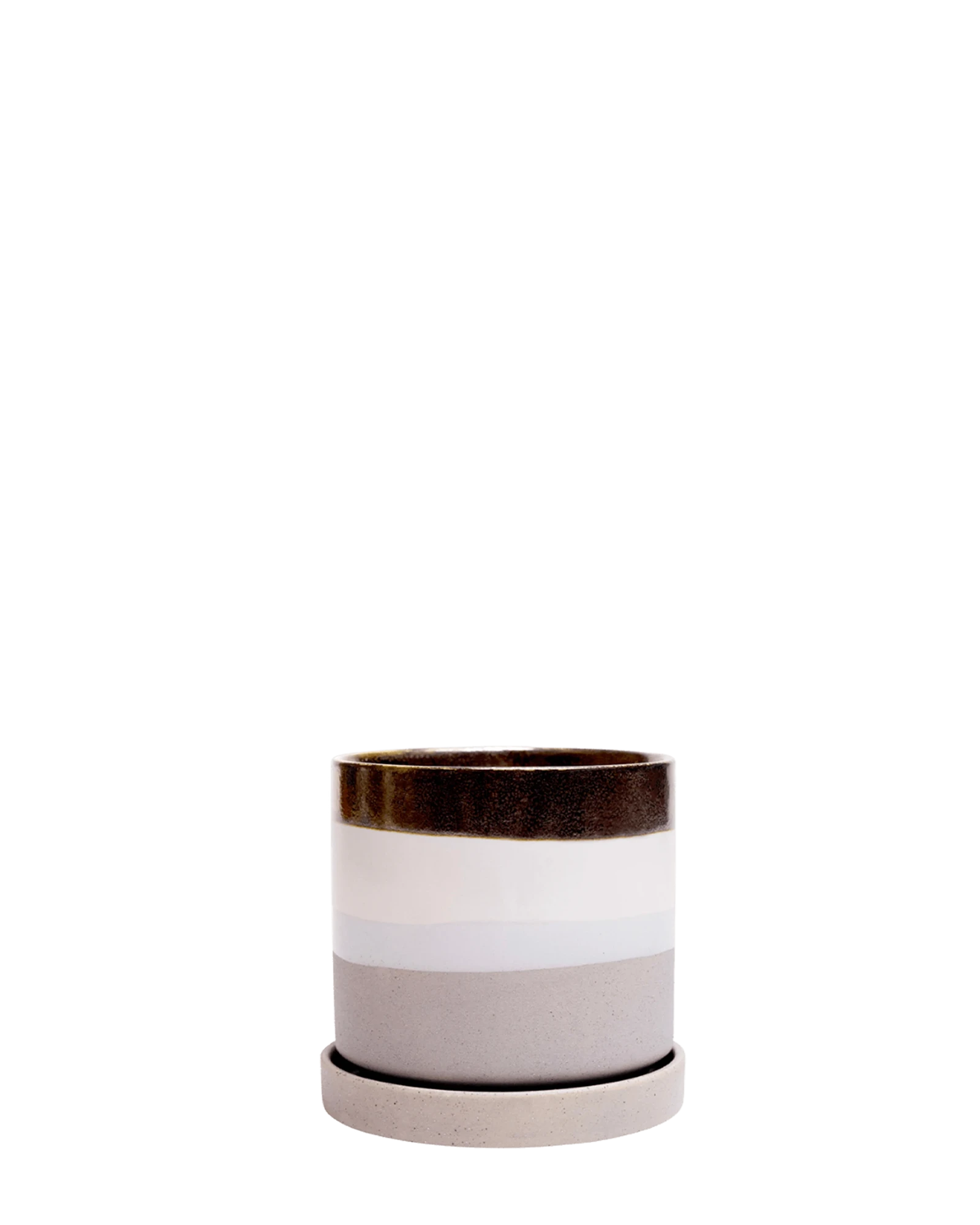
The Liberte and the Minute cover the widest range of indoor plants and interior styles. Both have drainage holes. Both ship with saucers. Both come in glaze colors chosen by people with actual opinions about glaze colors. The best ceramic pot for indoor plants has a drainage hole, fits the plant's root ball, and is made from something that won't degrade. These two meet all three.

What is the best ceramic pot for indoor plants?

The Liberte and the Minute cover the widest range of indoor plants and interior styles. Both have drainage holes. Both ship with saucers. Both come in glaze colors chosen by people with actual opinions about glaze colors. The best ceramic pot for indoor plants has a drainage hole, fits the plant's root ball, and is made from something that won't degrade. These two meet all three.

What plants grow well in ceramic pots?

Most indoor plants grow well in ceramic pots: pothos, snake plants, peace lilies, monsteras, fiddle leaf figs, ZZ plants, philodendrons, and most herbs. The exceptions are plants that require very fast drainage and do not tolerate any soil moisture — certain cacti and some air plants prefer terracotta, which is more porous and dries faster. For everything else, ceramic is the right answer: stable temperature, no chemical leaching, appropriate weight, and glaze that does not degrade over time.

Do you own a saucer? And if so, do you know where it is right now, or is it one of those things you are fairly certain exists somewhere in the apartment but have not seen since the move?

Some people know exactly where their saucer is. These people also know where their scissors are and have a system for their keys. Chive respects this. For everyone else: the saucer is probably in the same place it has always been, which is somewhere specific that made sense at the time and which is accessible through a process of elimination that begins with checking near the plant and ends wherever the saucer actually is. Chive sells replacement saucers. Chive does not ask how the original one was lost.