





Turning Your Indoor Jungle from Tragic to Magic: Chive Tips for Plant Perfection
Welcome to Chive Blogs, where every houseplant gets a chance to thrive—and so do you. Our tips on houseplants, pots, and decor will save your indoor jungle from disaster. From fending off a fern-cicle to avoiding the silent treatment from succulents, we’ve got you covered. Get ready for advice that’s as fresh as morning dew, ensuring your indoor garden is the envy of your office and maybe even your snooty neighbor.
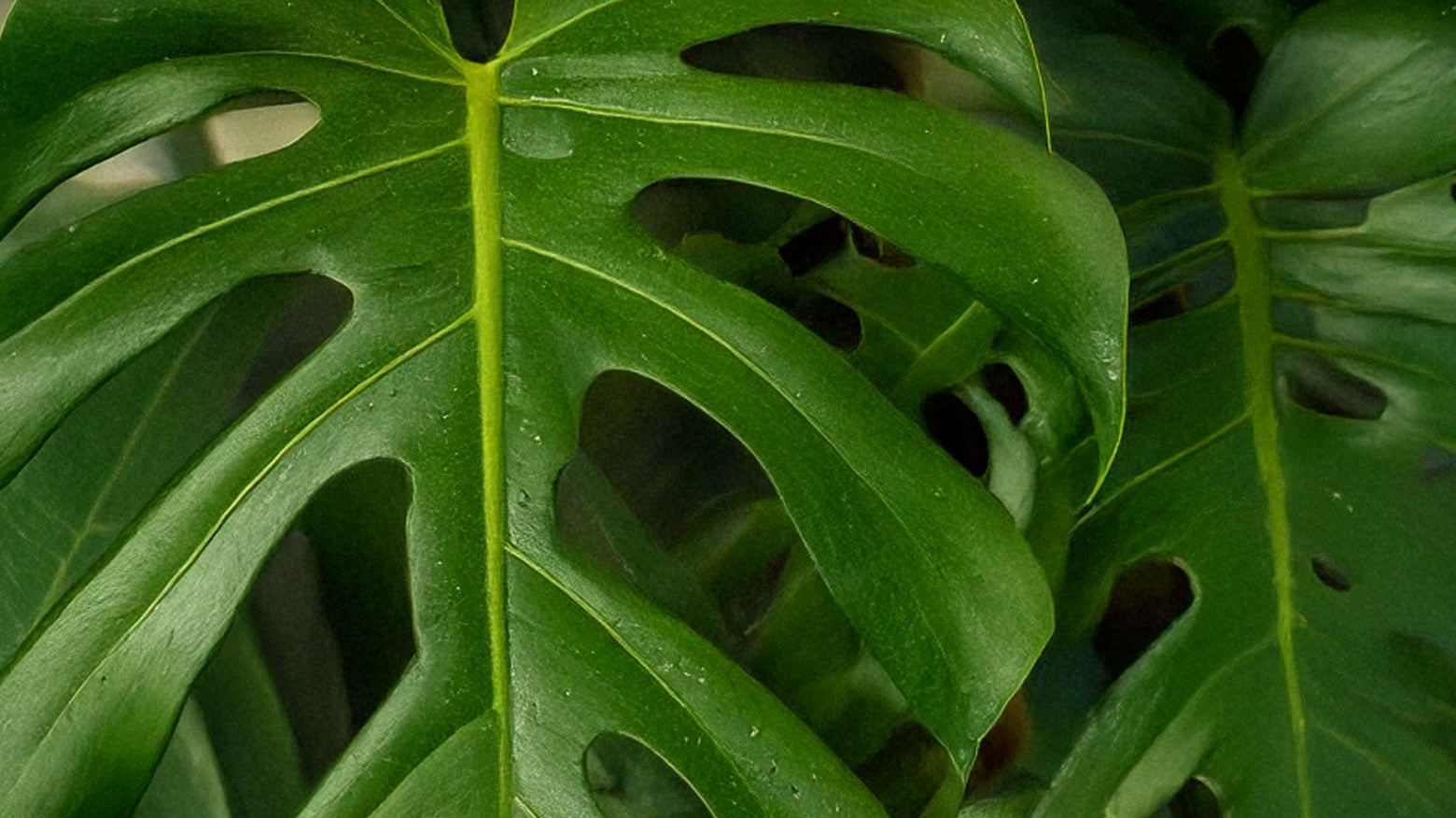
Monstera Varieties: The Complete Guide
Monstera deliciosa, adansonii, thai constellation, albo, and peru differ in fenestration, variegation, growth rate, and how much of your apartment they intend to claim. One of these five varieties is already measuring your walls.
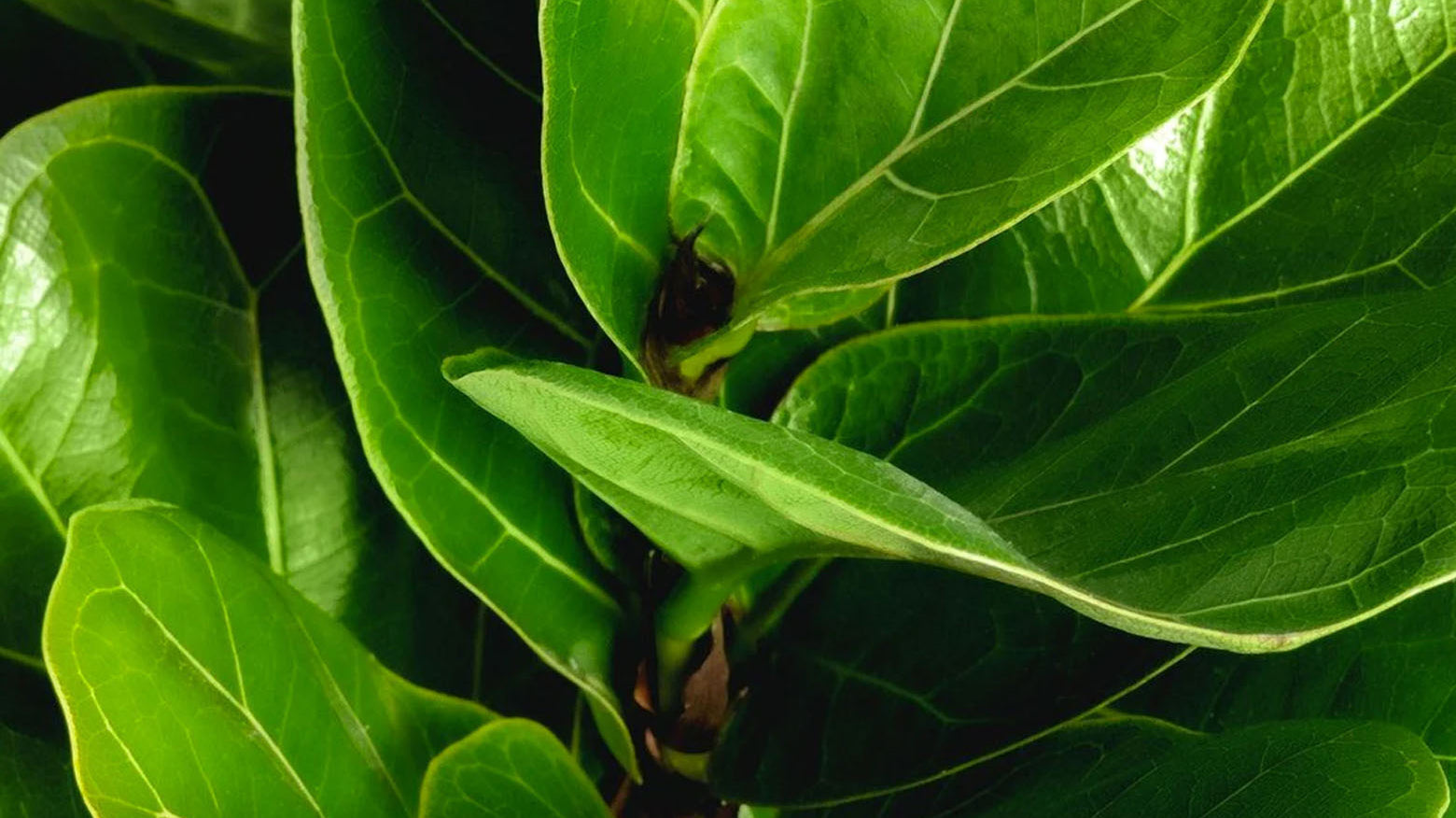
Ficus Care: The Complete Guide
The ficus is one of the best long-lived indoor trees you can grow — if you can commit to leaving it alone. It drops leaves at every change of scenery, and new owners take it personally. This guide explains why that's the wrong reaction.

Bird of Paradise Plant Care: Indoor Light, Water, Leaves
Bird of paradise needs the brightest window, deep soaks between dry spells, and a heavy plant pot with drainage. Strelitzia reginae reaches five feet indoors; Strelitzia nicolai reaches ten. What curling leaves and splitting veins are each telling you.

Peperomia Plant Care: Light, Water, Soil and Types
Peperomia plant care covers light, water, soil, and the four types most grown indoors. These semi-succulents store water in their leaves — overwatering kills more of them than neglect ever will. The one rule that changes everything: wait for the soil.

Fittonia (Nerve Plant) Care: Light, Water, Varieties
Fittonia (nerve plant) care requires bright filtered light, evenly moist soil, and humidity above 50 percent or a sealed terrarium. It wilts flat when the soil dries out and recovers within the hour. The plant that stages a full collapse every time it gets thirsty.

Tradescantia Care: Inch Plant Light, Water and Types
Tradescantia (inch plant) care comes down to bright indirect light, water when the top inch of soil is dry, and a hard pinch to keep it bushy. The stripes fade to green in low light — a fast tell when something is off. Five types, one care routine, zero excuses to kill it.

Croton Plant Care: Light, Water, Leaf Drop and Varieties
Croton plant care starts with the brightest window in the house — without direct sun, the neon pigments fade to plain green. Water when the top inch dries, block drafts, and expect leaf drop the first week home. The most theatrical houseplant you can own is also one of the most forgiving.
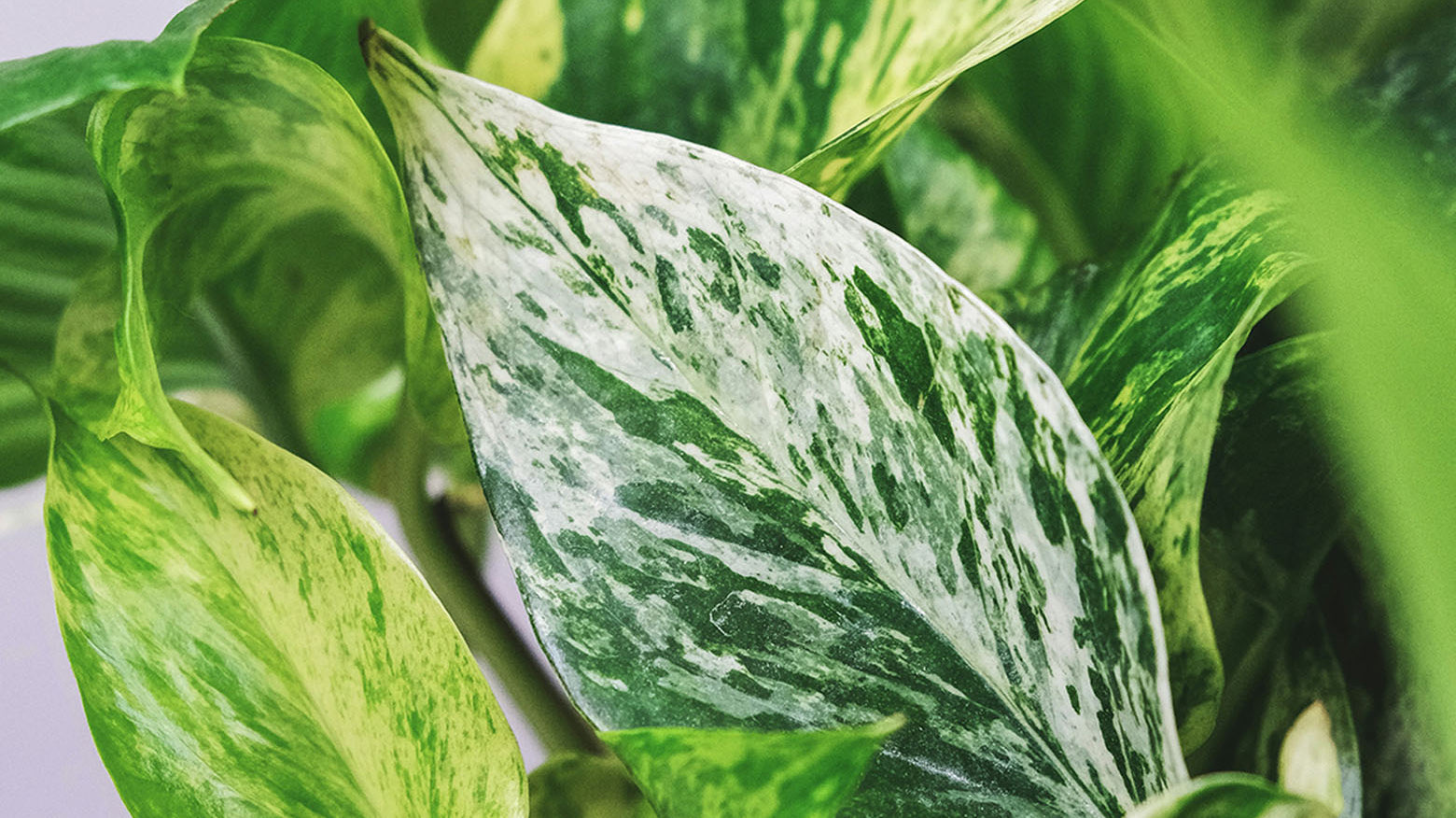
Pothos Care: The Complete Guide
Pothos care starts with one rule: let the top inch of soil dry before you water. Chive has recommended this trailing vine to more beginners than any other plant — forgiving on light, generous with cuttings, and honest about when it's unhappy. Here is what five years of recommending it actually taught us.

Begonia Care: Light, Water and Begonia Types
Begonia care indoors means bright indirect light and water only when the top inch of soil is dry. Over 2,000 species fall under the genus; the four most kept as houseplants are angel wing, rex, maculata and wax. Crisp tips or soft brown patches — the begonia always tells you what it needs.
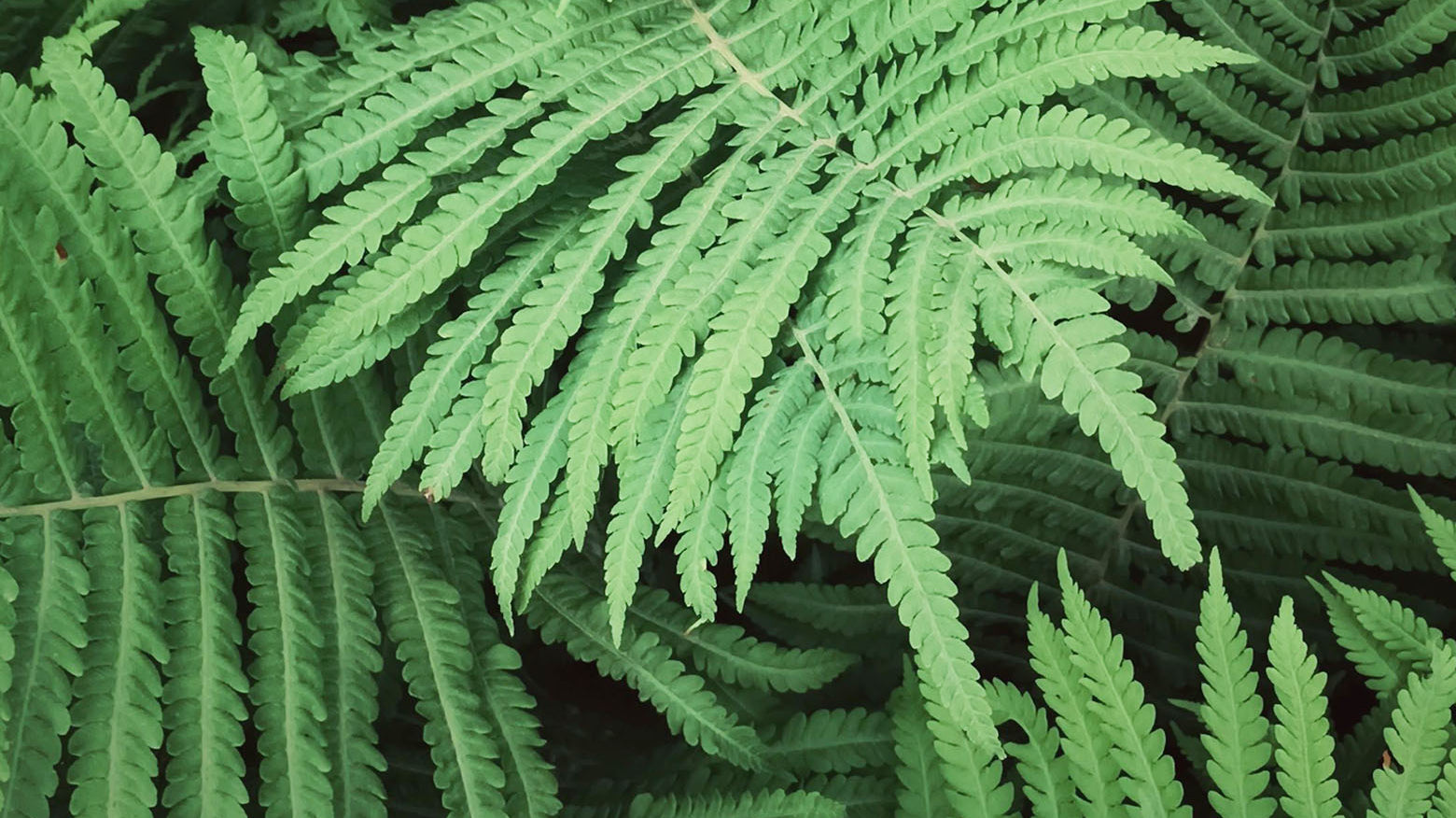
Indoor Fern Care: The Complete Guide
Indoor fern care has one make-or-break variable — humidity — and once you solve it, everything else is easy. Here's how to keep five varieties alive, fix a crisping fern fast, and spot the one impostor on the list that's actually toxic to pets.
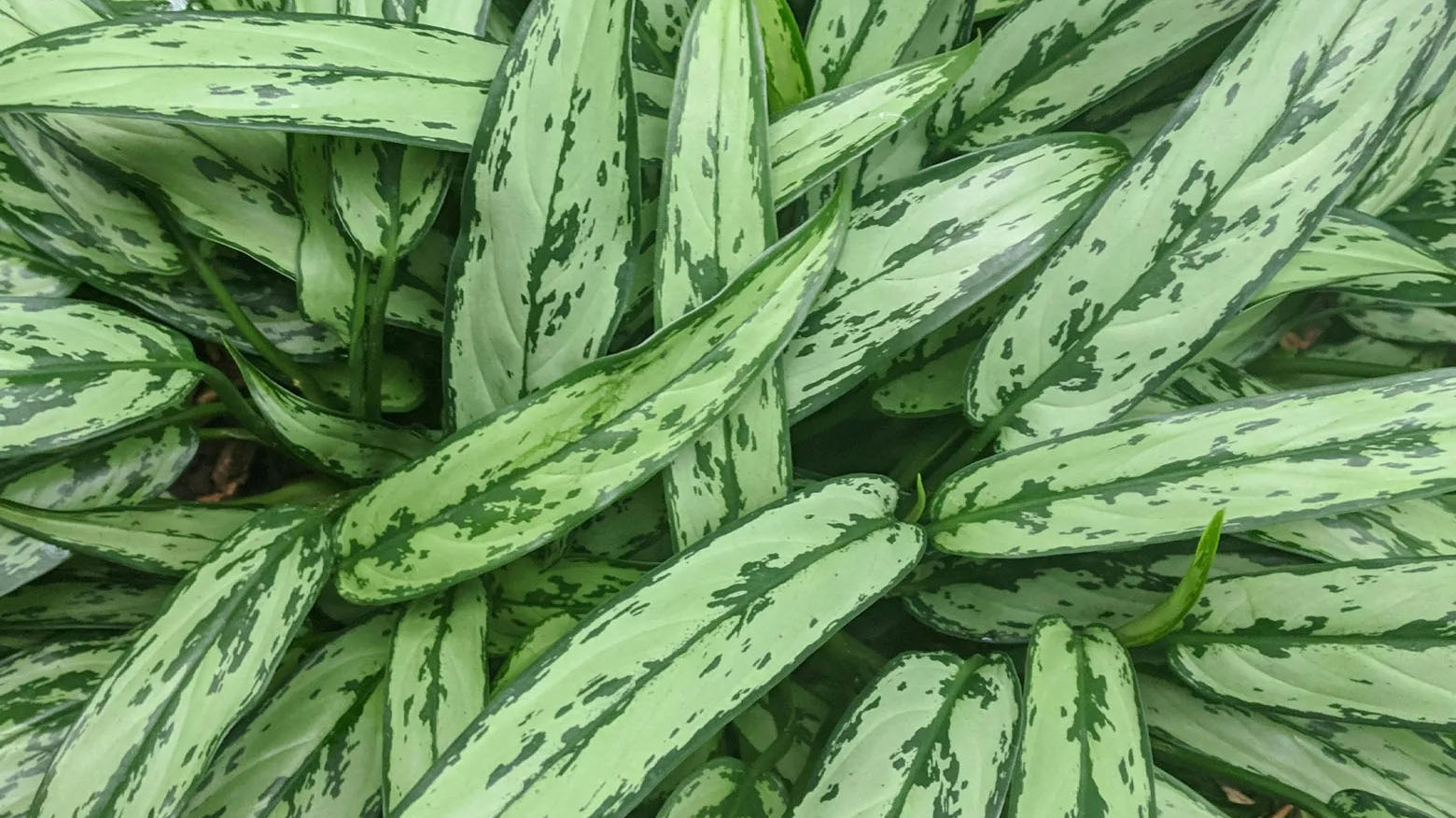
Chinese Evergreen Care: The Complete Guide
The Chinese evergreen is the toughest plant in the shop — and we tell people that upfront. Low light, forgotten waterings, no drama. Silver Bay, Maria, or Red Valentine: same care, different look. Pick the one you want to stare at.
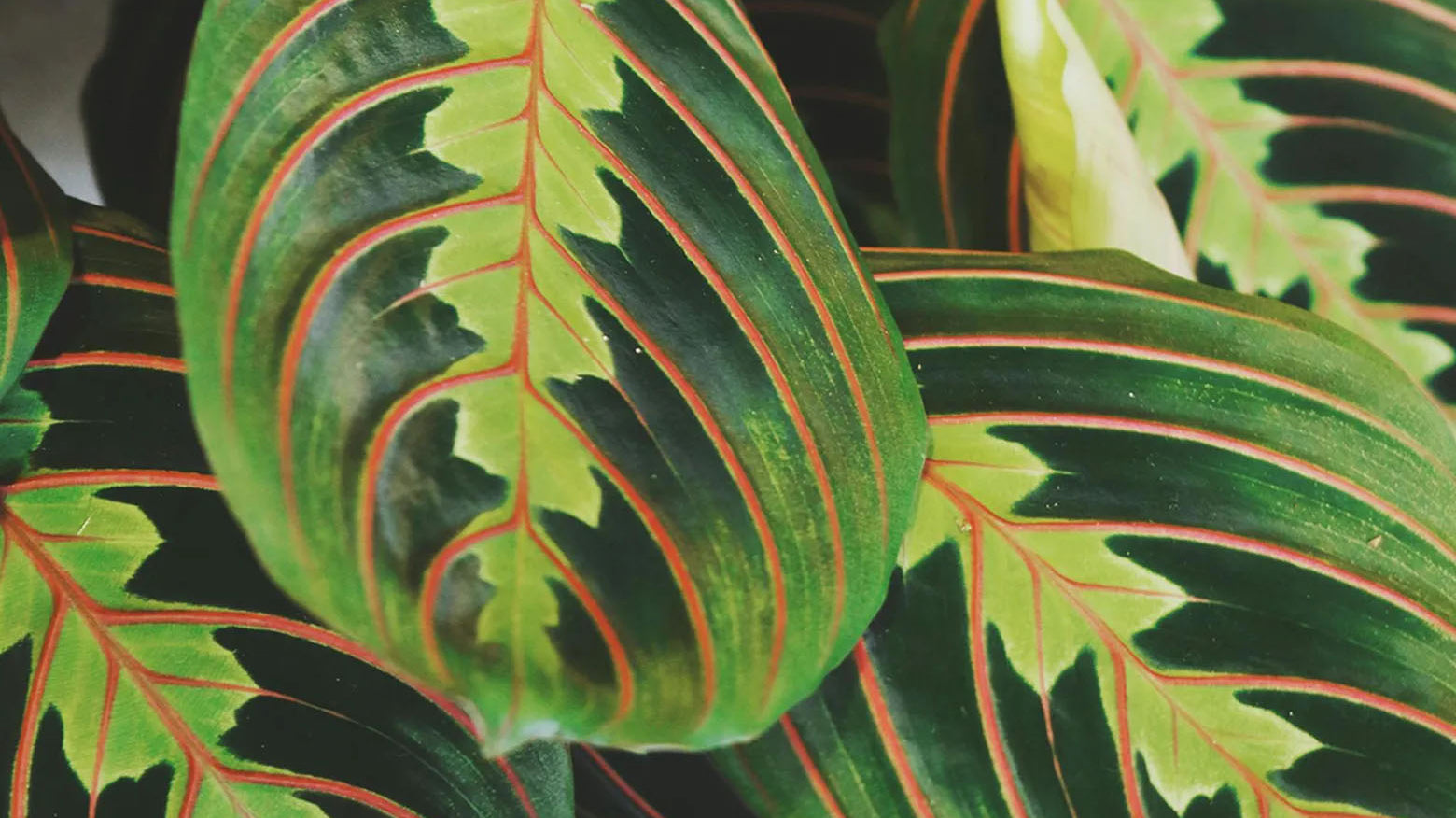
Prayer Plant Care: The Complete Guide
The prayer plant gives you most of a calathea's dramatic, patterned leaves without the calathea's personality. Water when the top inch dries out, keep it out of direct sun, and it will fold its leaves every night. Here's everything you need to know to keep one.