




Chive at Home, Because Your Plants Deserve Better Than That Sad Corner
Welcome to the part of the internet where houseplants are heroes, ceramic flowers defy gravity, and your questionable design choices get a stylish second chance.
Here at Chive, we’re serving up home decor tips with a side of sass — from how to style your plants so they don’t look like you just shoved them on a shelf, to hanging ceramic flowers like you actually know what you’re doing.
Minimal effort, maximum style. Let’s make your home look like you tried (but not too hard).
April Birth Flower: Daisy and Sweet Pea
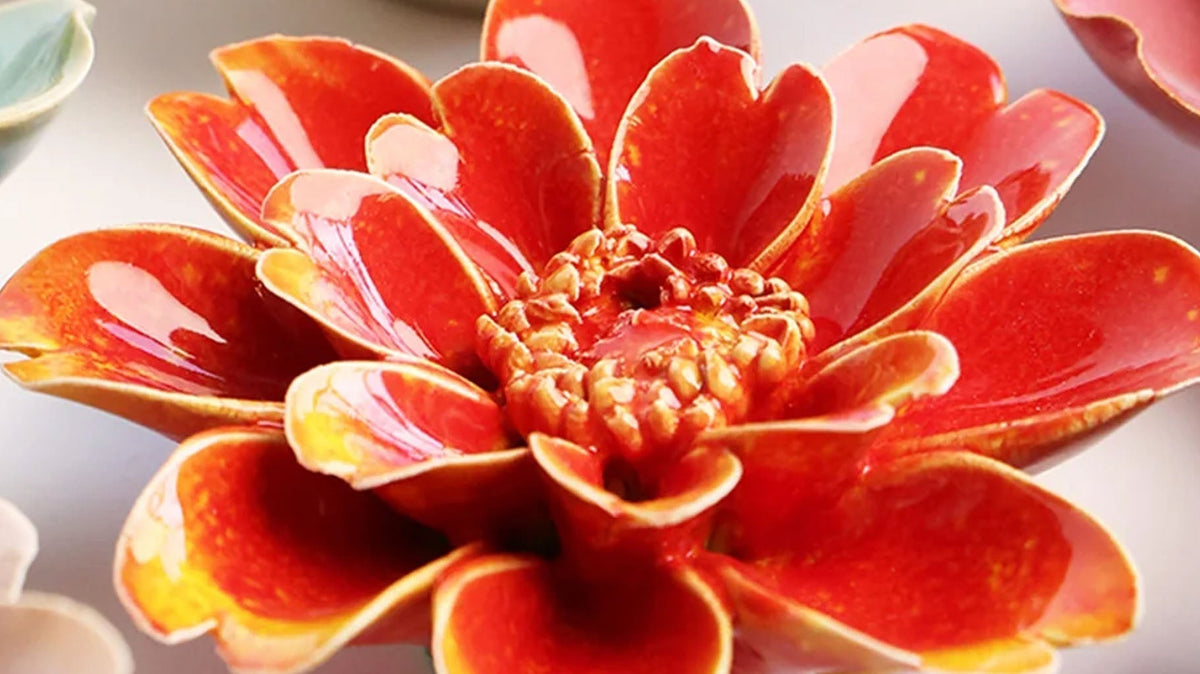
April has two birth flowers — also called April birth month flowers: the daisy, for innocence and loyal, true love, and the sweet pea, for gratitude and good wishes. The daisy is the one Chive Studio makes in ceramic — designed in Toronto, shaped by hand, permanent, gift-ready in a gift box. Every month's flower is in the complete birth flowers guide.
March Birth Flower: The Daffodil
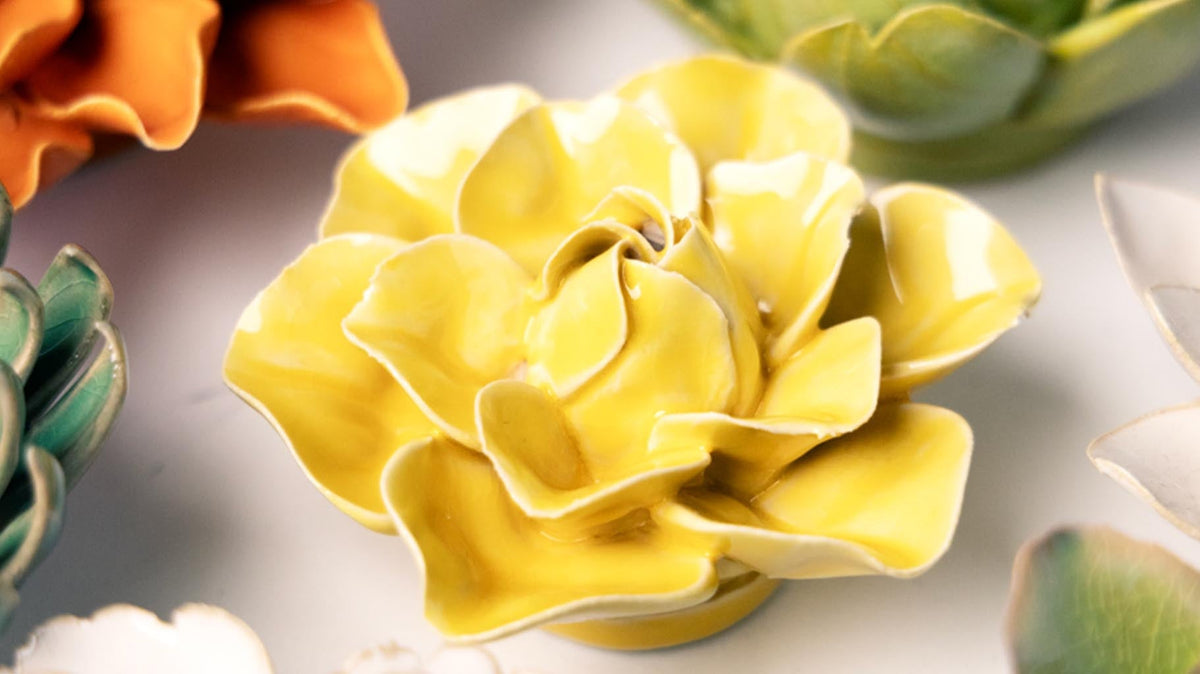
March's birth flower is the daffodil (genus Narcissus), standing for renewal, hope, and resilience. The jonquil sometimes listed as March's second flower is itself a type of daffodil, and some modern lists add cherry blossom as an unofficial third. Chive Studio makes the March daffodil in ceramic — designed in Toronto, shaped by hand, permanent, gift-ready in a gift box. Every month's flower is in the complete birth flowers guide.
February Birth Flower: Violet and Primrose
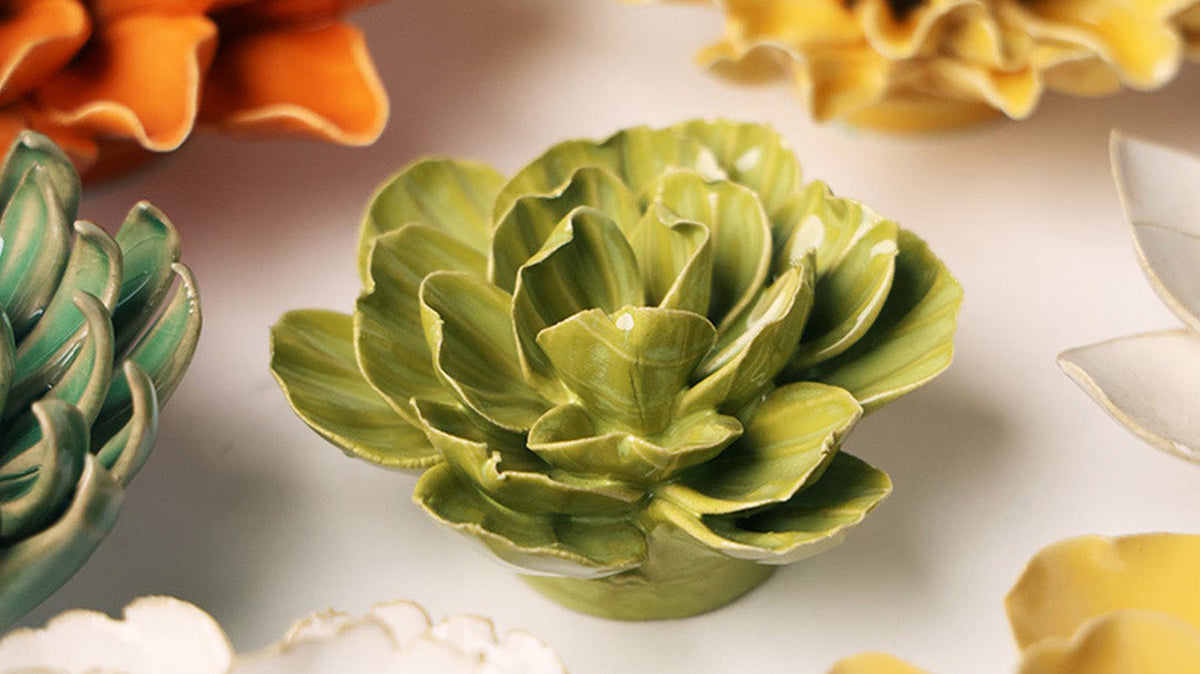
February has two birth flowers — also called February birth month flowers: the violet, for modesty and faithfulness, and the primrose, for young love. The primrose is the one Chive Studio makes in ceramic — designed in Toronto, shaped by hand, permanent, gift-ready in a gift box. February's birthstone is the amethyst. Every month's flower is in the complete birth flowers guide.
August Birth Flower: Gladiolus and Poppy
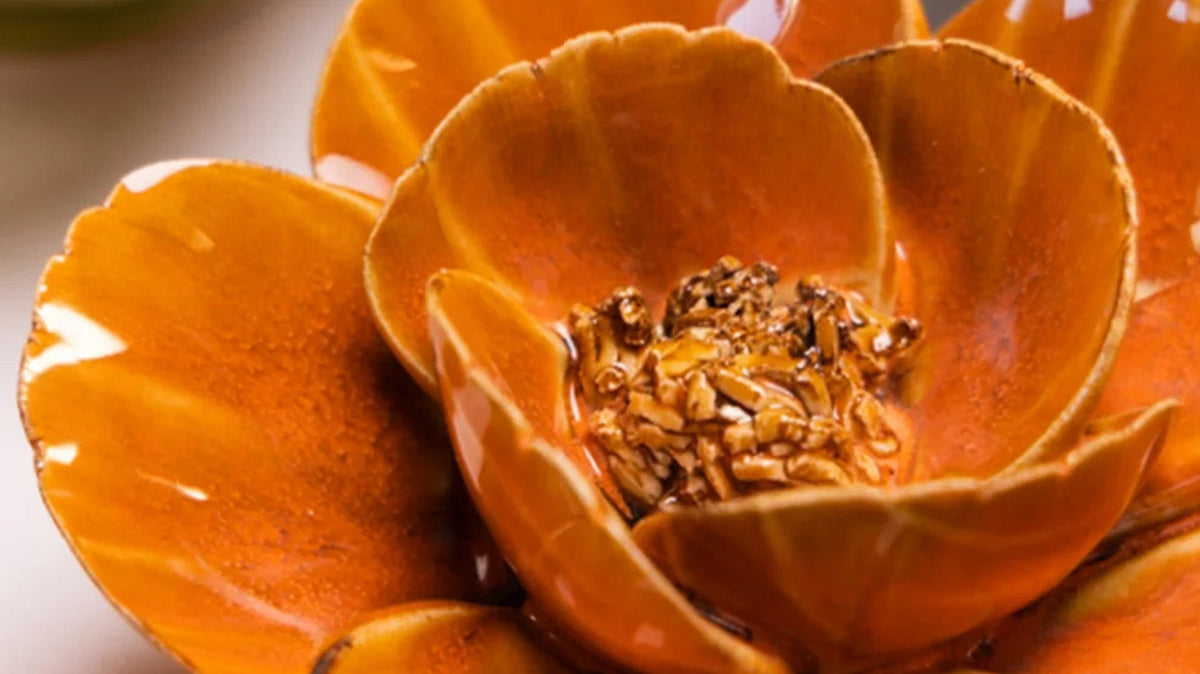
August has two birth flowers — also called August birth month flowers: the gladiolus, a symbol of strength and moral integrity, and the poppy, the world's flower of remembrance. The poppy is the one Chive Studio makes in ceramic — designed in Toronto, shaped by hand, permanent, gift-ready in a gift box. Every month's flower is in the complete birth flowers guide.
September Birth Flower: Aster and Morning Glory
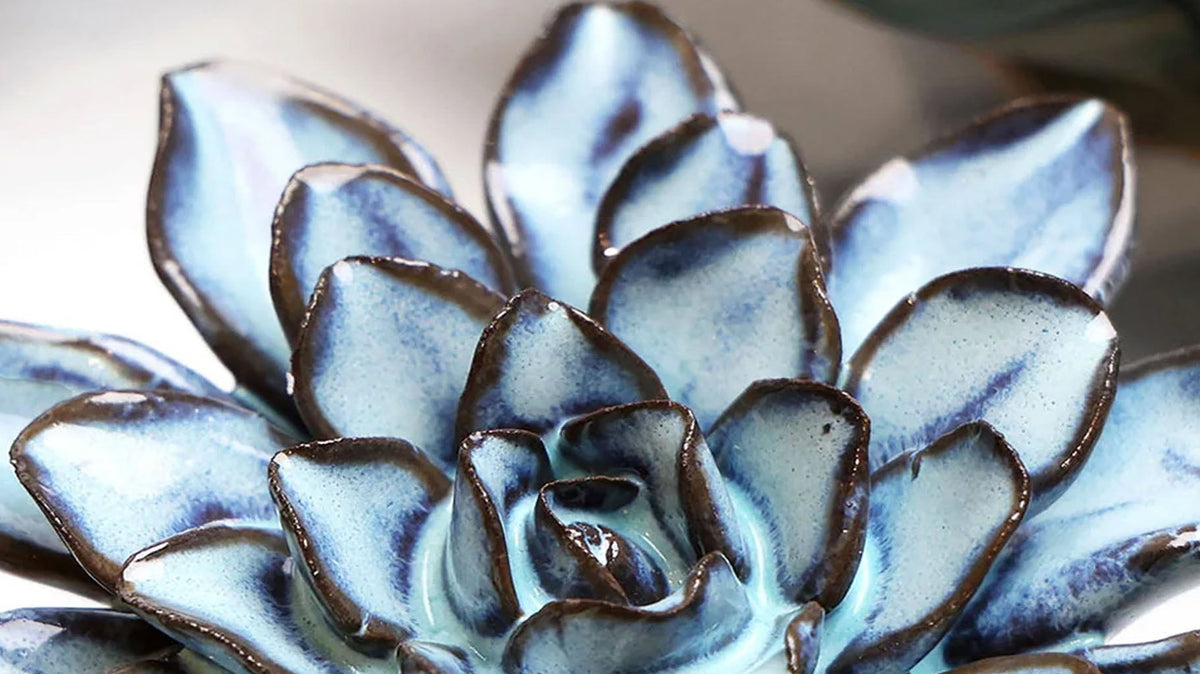
September has two birth flowers — also called September birth month flowers: the aster, named from the Greek for “star” and standing for wisdom and patience, and the morning glory, for affection and the brevity of life. The aster is the one Chive Studio makes in ceramic — designed in Toronto, shaped by hand, permanent, gift-ready in a gift box. Every month's flower is in the complete birth flowers guide.
January Birth Flower: Carnation and Snowdrop
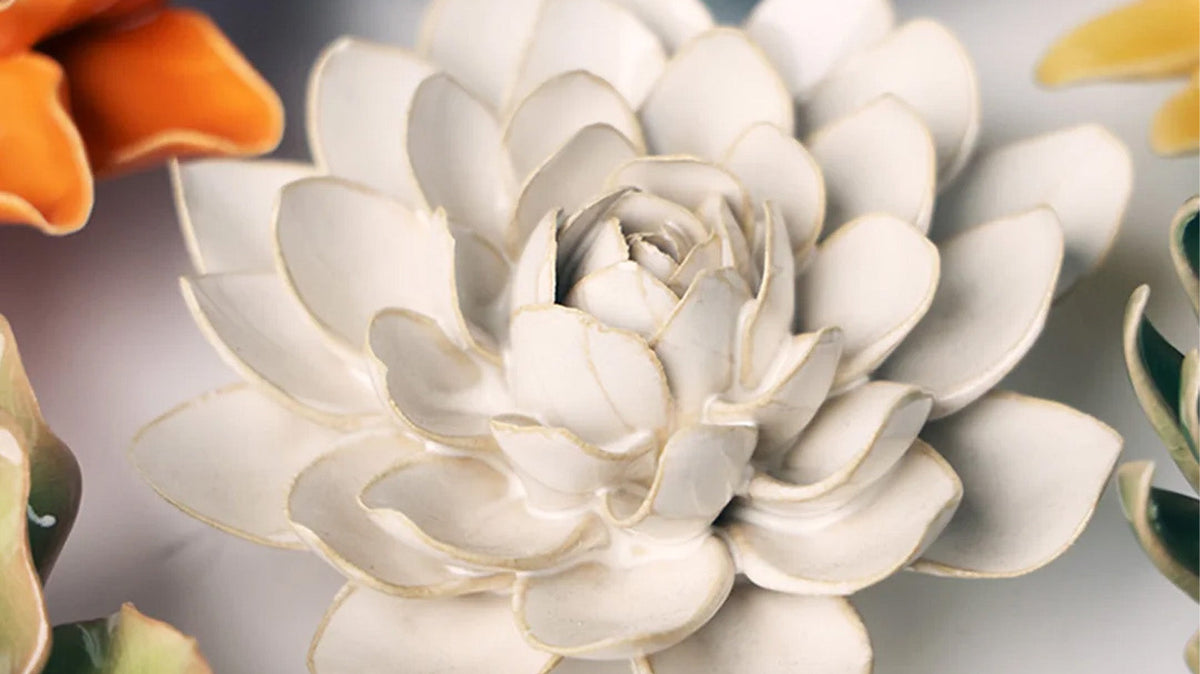
January has two birth flowers — also called January birth month flowers: the carnation, the older North American pick, and the snowdrop (Galanthus nivalis), the flower actually blooming in January. The snowdrop is the one Chive Studio makes in ceramic — designed in Toronto, shaped by hand, permanent, gift-ready in a gift box. Every month's flower is in the complete birth flowers guide.
December Birth Flower: Narcissus and Holly
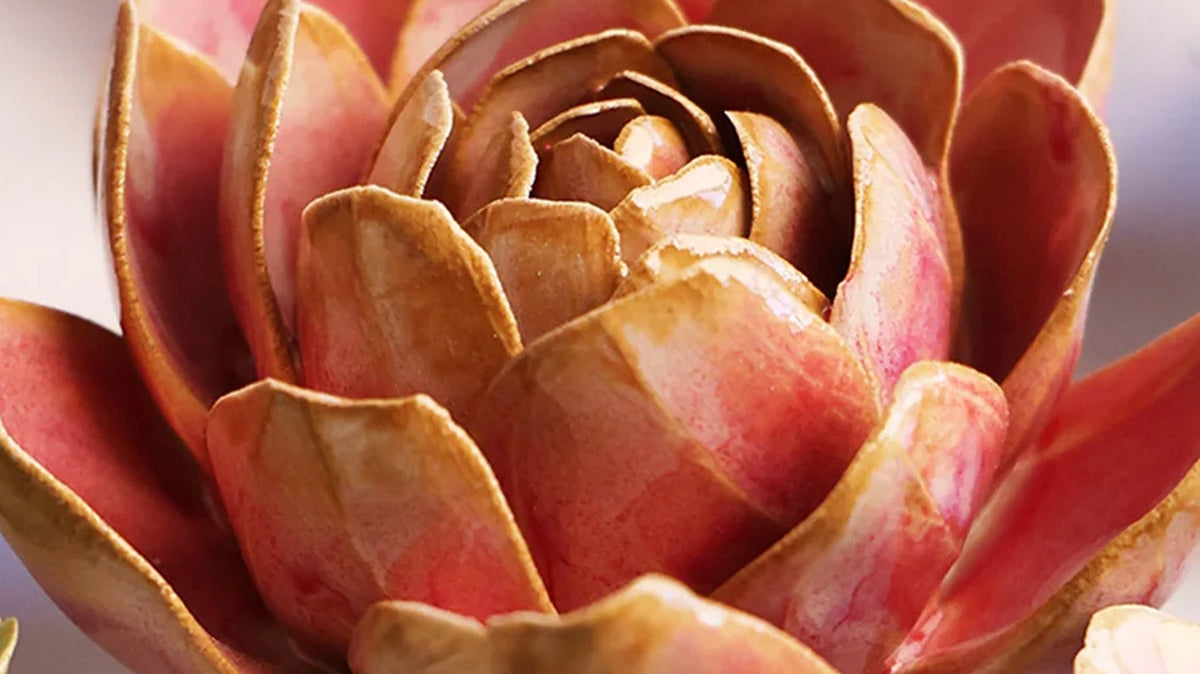
December has two birth flowers — also called December birth month flowers: the narcissus (the genus that holds paperwhites and daffodils), standing for hope, renewal, and self-regard, and holly, the evergreen of defense and domestic happiness. The paperwhite narcissus is the one Chive Studio makes in ceramic — designed in Toronto, shaped by hand, permanent, gift-ready in a gift box. Every month's flower is in the complete birth flowers guide.
July Birth Flower: Larkspur and Water Lily
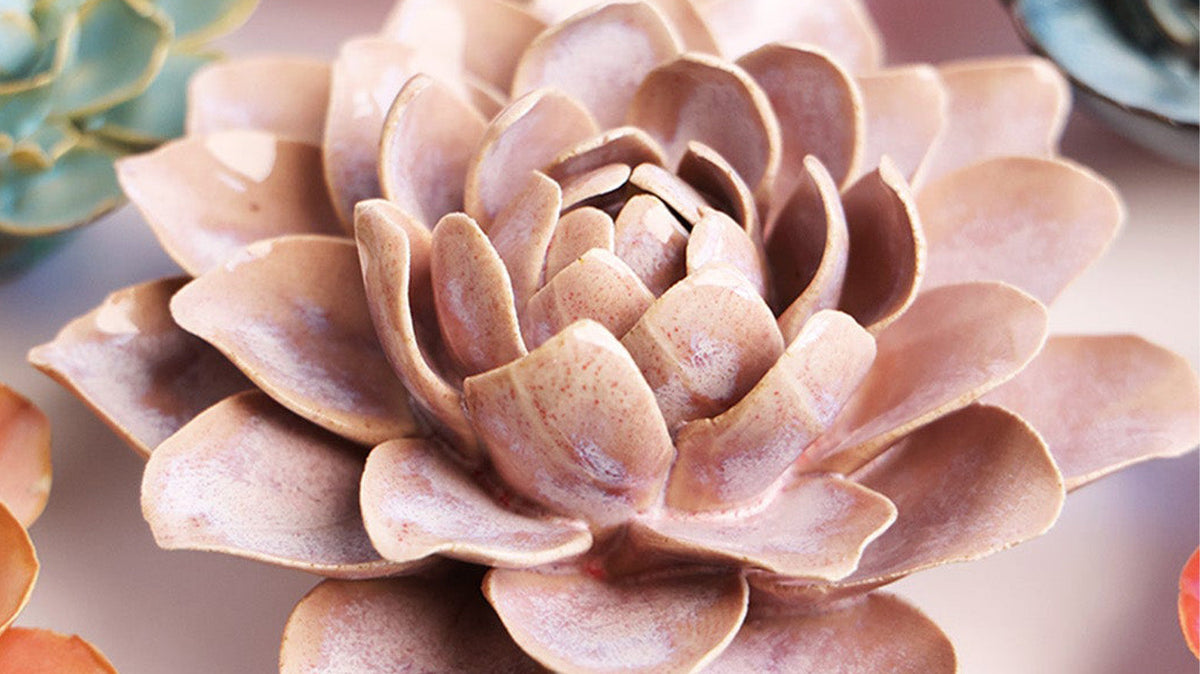
July has two birth flowers — also called July birth month flowers: the larkspur, for positivity and an open heart, and the water lily, for purity, majesty, and rebirth. The water lily is the one Chive Studio makes in ceramic — designed in Toronto, shaped by hand, permanent, gift-ready in a gift box. Every month's flower is in the complete birth flowers guide.
May Birth Flower: Lily of the Valley and Hawthorn
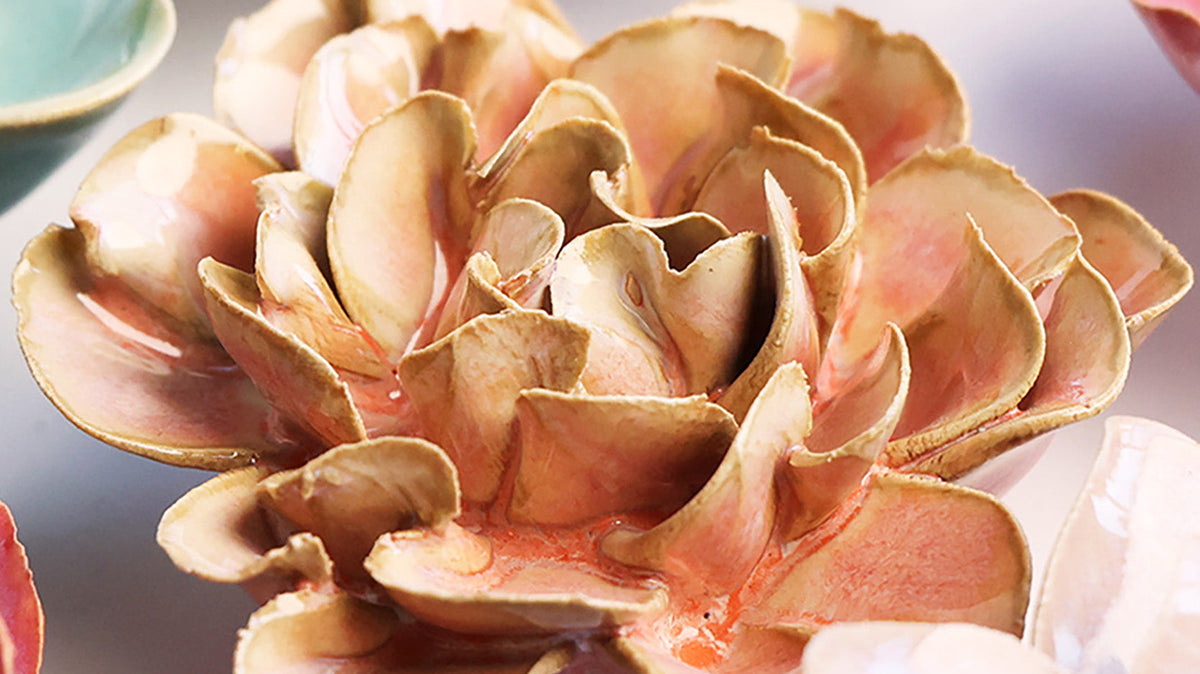
May has two birth flowers — also called May birth month flowers: lily of the valley, for sweetness, humility, and the return of happiness, and hawthorn, a longstanding symbol of hope and protection. The hawthorn is the one Chive Studio makes in ceramic — designed in Toronto, shaped by hand, permanent, gift-ready in a gift box. Every month's flower is in the complete birth flowers guide.

June Birth Flower: Rose and Honeysuckle
June has two birth flowers — also called June birth month flowers: the rose, the enduring symbol of love and devotion, and the honeysuckle, for happiness and devoted affection. The rose is the one Chive Studio makes in ceramic — more than six designs, shaped by hand, permanent, gift-ready in a gift box. Every month's flower is in the complete birth flowers guide.
Birth Flowers by Month: The Complete Guide
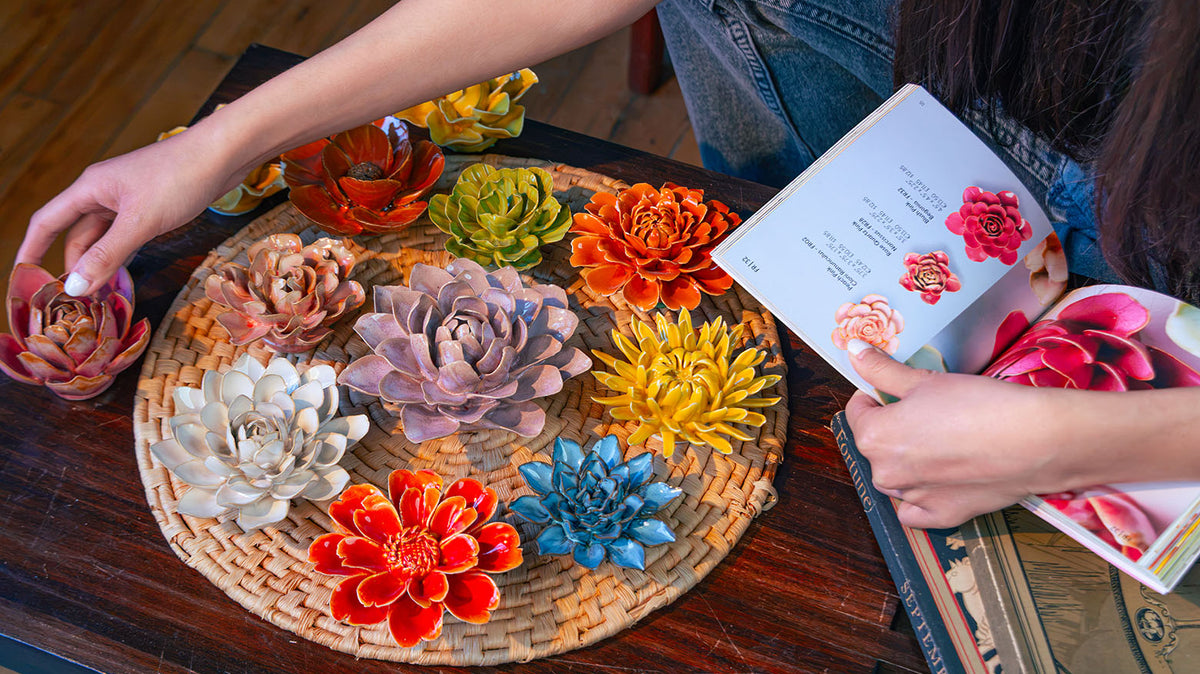
Birth flowers — also called birth month flowers — are the flowers assigned to each month of the year: January snowdrop, February primrose, March daffodil, April daisy, May hawthorn, June rose, July water lily, August poppy, September aster, October marigold, November chrysanthemum, December narcissus. Most months also have a traditional second flower. Chive Studio designs all 12 in Toronto and shapes them by hand, carried by 200+ galleries and botanical gardens worldwide, permanent and gift-ready.
November Birth Flower: The Chrysanthemum
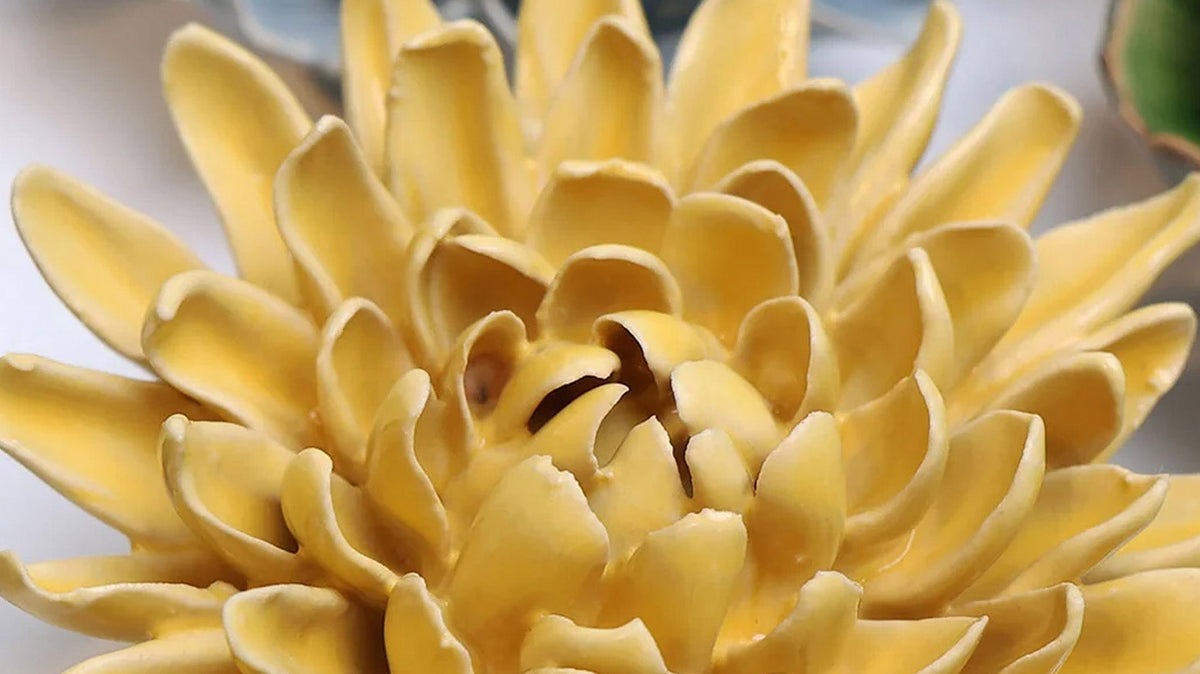
November has one birth flower — also called the November birth month flower: the chrysanthemum, from the Greek for “gold flower,” standing for loyalty, friendship, joy, and longevity. It is the one Chive Studio makes in ceramic, in Buttercup Yellow — designed in Toronto, shaped by hand, permanent, gift-ready in a gift box. Every month's flower is in the complete birth flowers guide.