




Chive at Home, Because Your Plants Deserve Better Than That Sad Corner
Welcome to the part of the internet where houseplants are heroes, ceramic flowers defy gravity, and your questionable design choices get a stylish second chance.
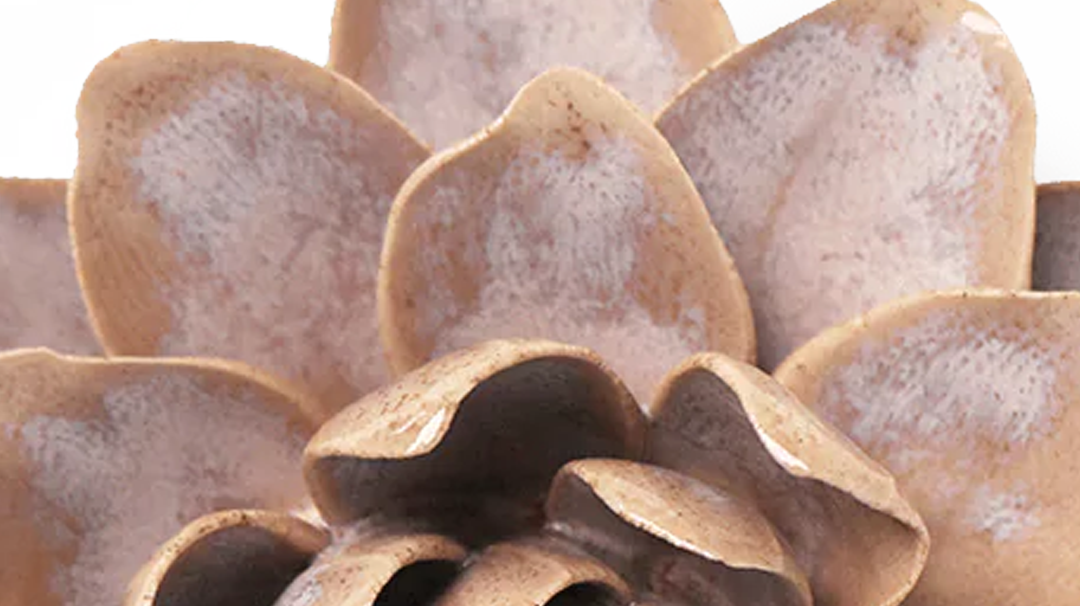
Here at Chive, we’re serving up home decor tips with a side of sass — from how to style your plants so they don’t look like you just shoved them on a shelf, to hanging ceramic flowers like you actually know what you’re doing.
Minimal effort, maximum style. Let’s make your home look like you tried (but not too hard).
How to Arrange Flowers in a Bud Vase
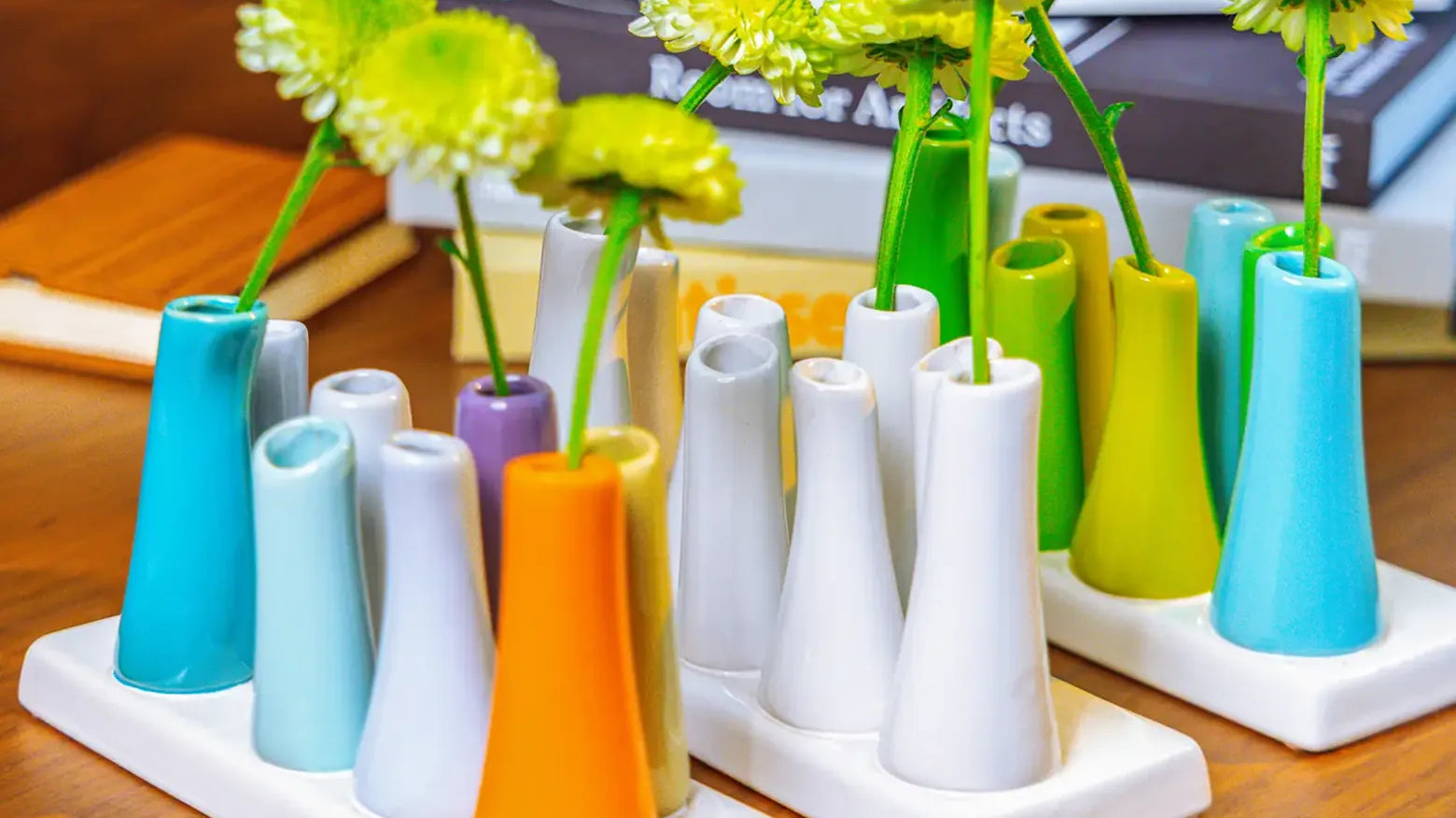
Bud vase arrangements follow one rule: one stem, cut at an angle, in a narrow-neck vase filled 80% with water. Strip the lower leaves, set it down, and the whole thing takes five minutes. The hard part is convincing yourself it's actually done.
Faux Plants That Look Real
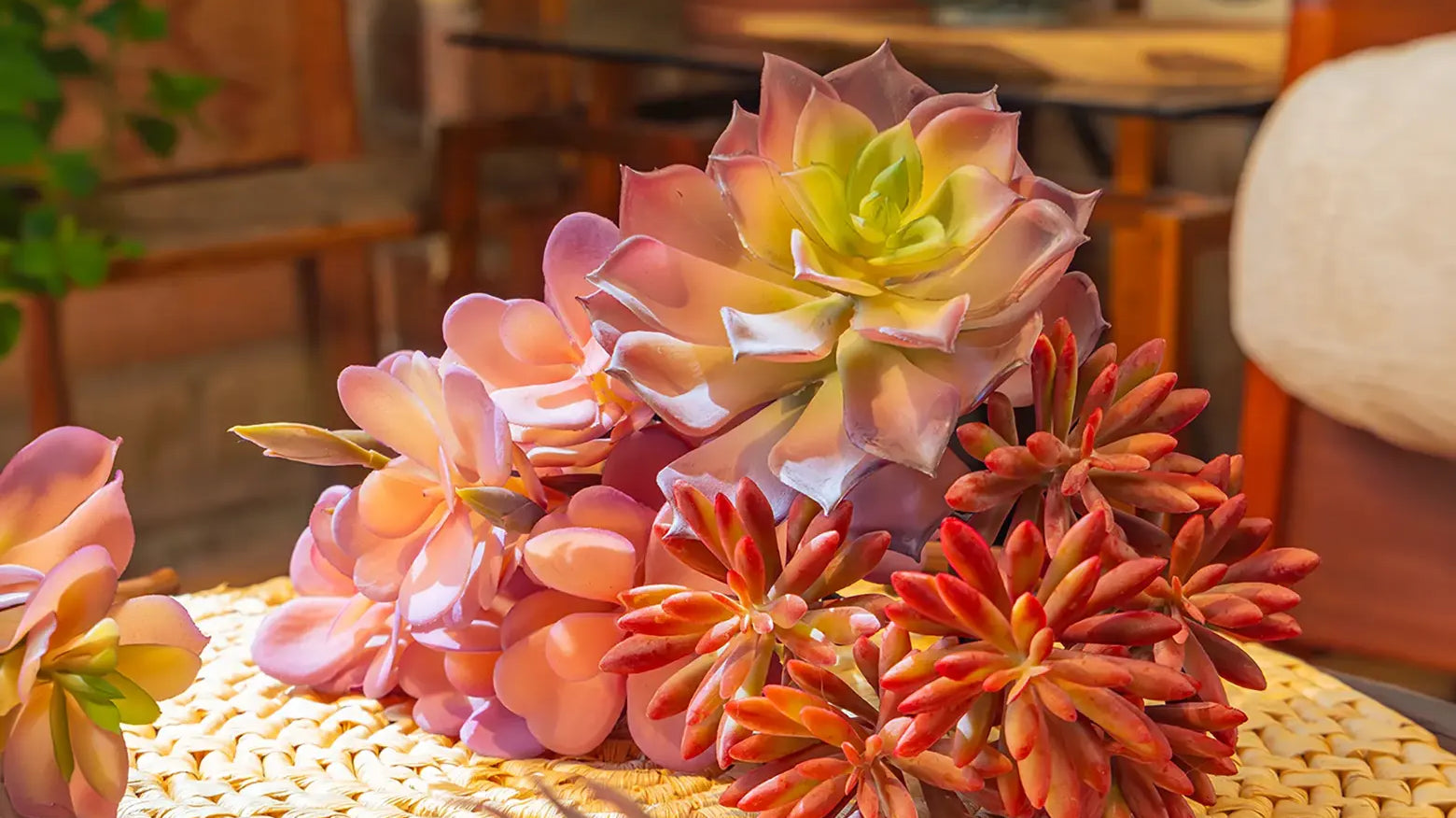
Faux plants that look real come down to three things: color gradient, matte finish, and texture. Air plants and succulents are the hardest to fake convincingly — and the easiest to get completely wrong. Here's what separates the ones that fool people from the ones that don't.
How to Make Candles Last Longer
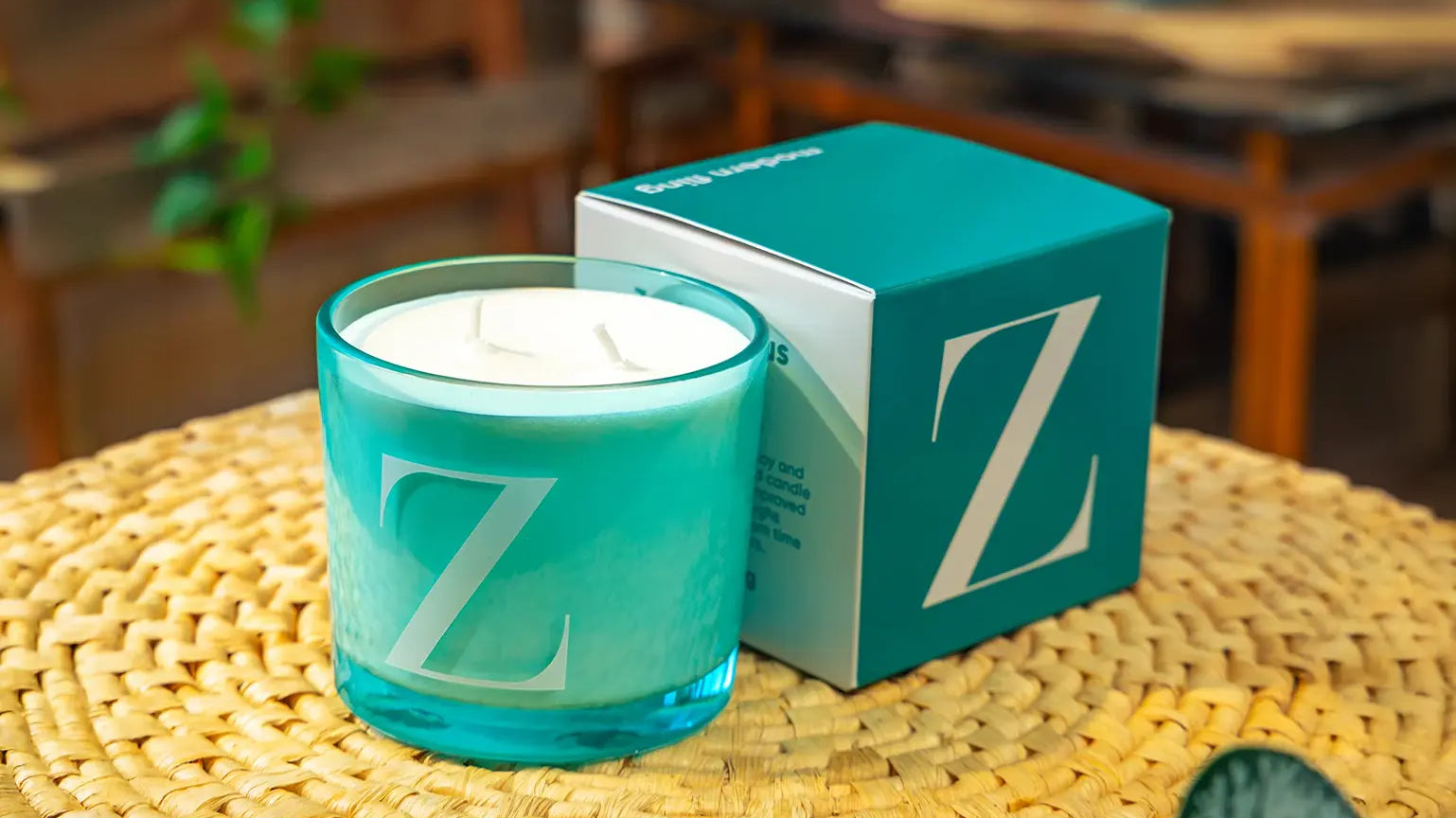
Learning how to make candles last longer comes down to three habits most people skip entirely — and they're all easier than you think. Trim the wick, nail the first burn, and keep the lid on. Do this once and you'll never burn through a candle the wrong way again.
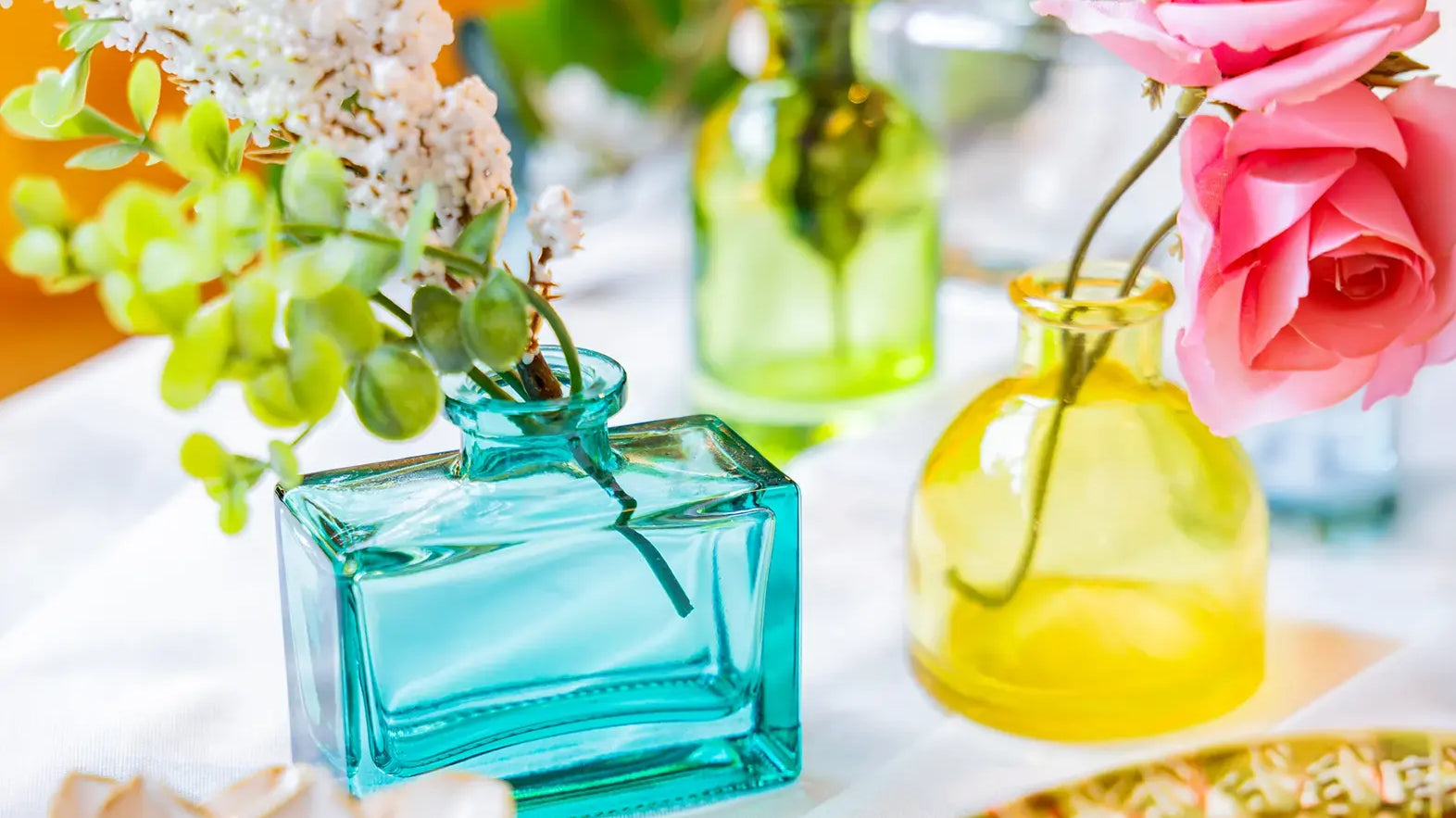
Wedding Centerpiece Vases: The Planning Guide Nobody Gives You
Wedding centerpiece vases work best small and plural — three to seven per table, one to three stems each. A fifteen-table reception needs roughly seventy-five vases and 100 to 150 stems, typically at a third to half the cost of florist arrangements. Here's what that could look like for an elegant wedding.
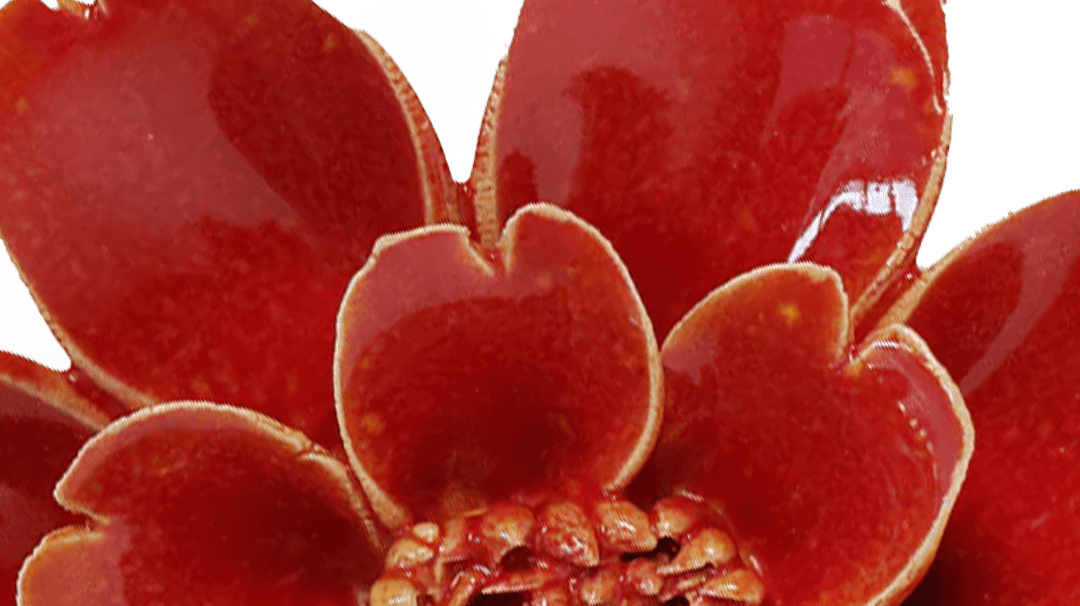
What Is My Birth Flower: April
The April birth flower is the Daisy — symbol of resilience, new beginnings, and quiet strength. It grows on six continents, comes back after being mowed, and was sacred to Freya before anyone called it simple. Your full personality report is inside.
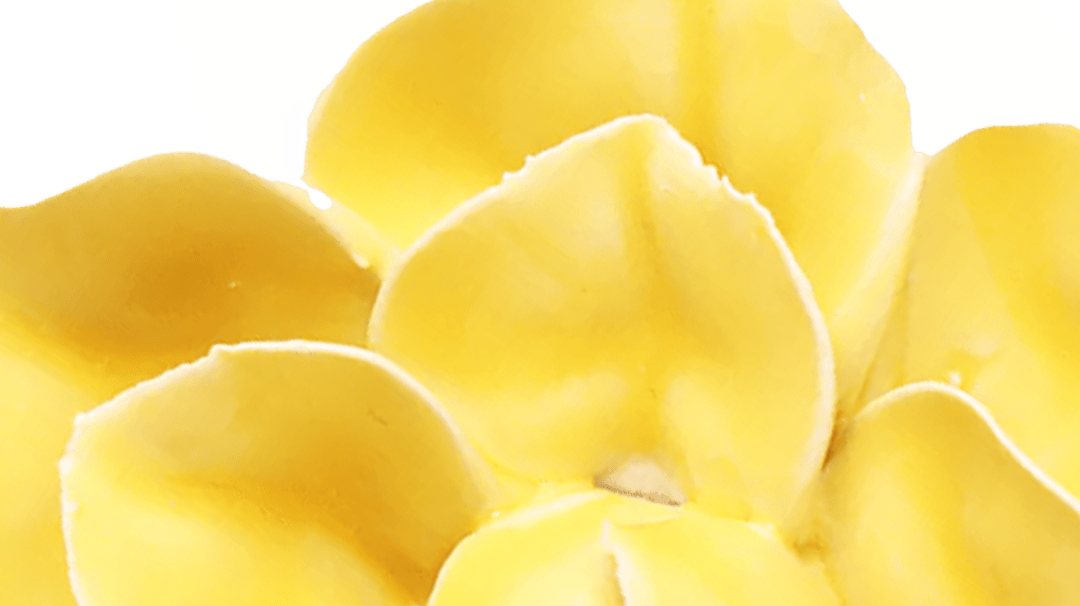
What Is my Birth Flower: March
The March birth flower is the Daffodil — symbol of new beginnings, hope, and resilience. It blooms before spring is ready and has signaled something good is coming across cultures for centuries. It has thoughts about you specifically.
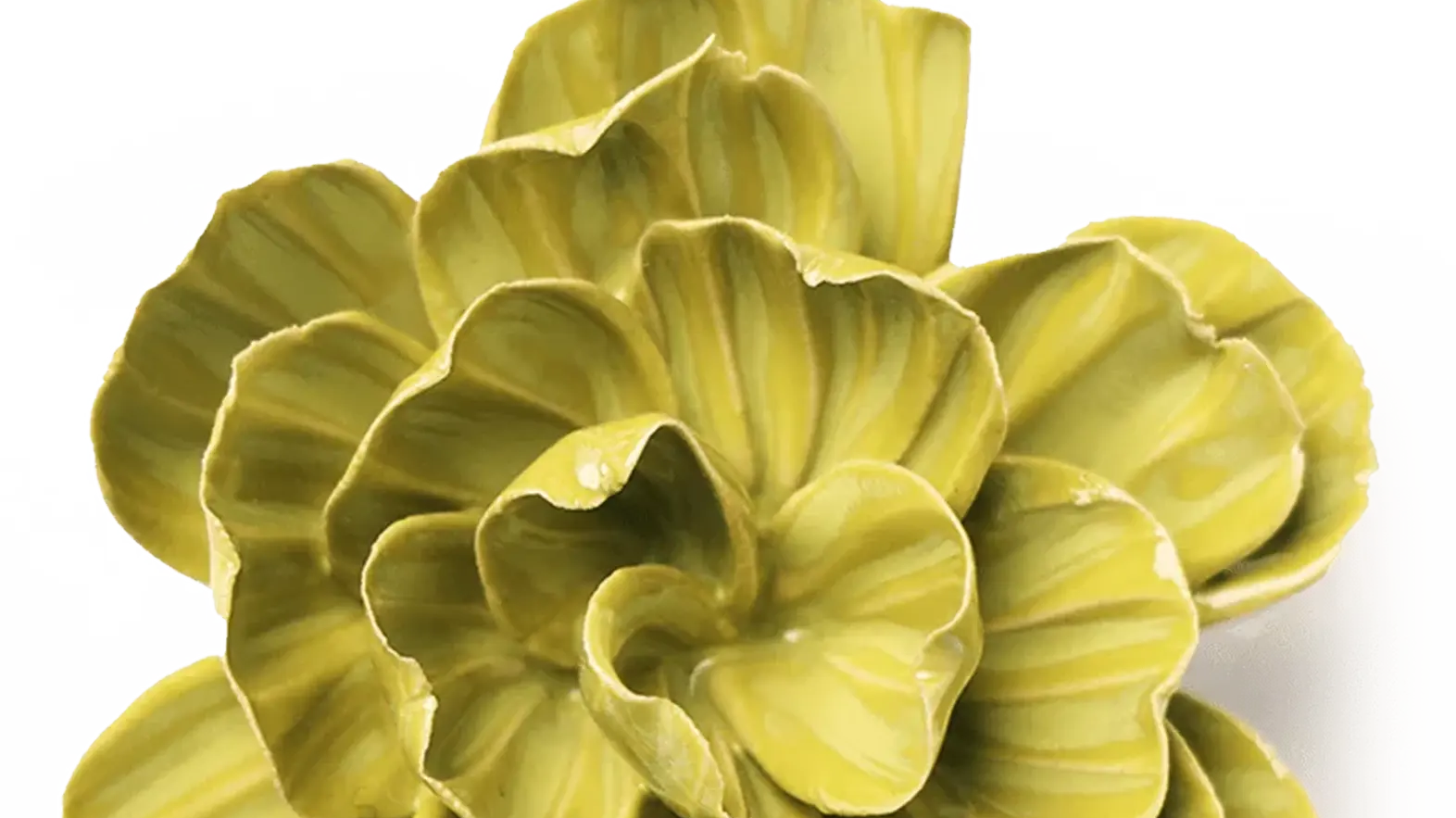
What Is My Birth Flower: February
The February birth flower is the Primrose — the first bloom of late winter, symbolizing early love and joy that survives the hardest month. It blooms yellow in February on purpose. Find out what your birth flower says about you.
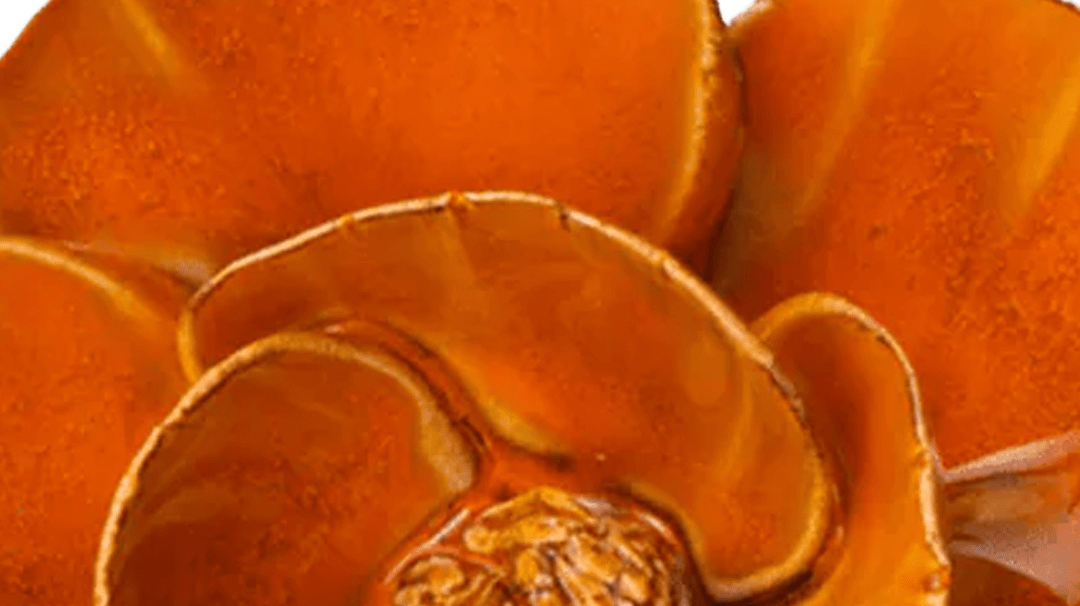
What Is My Birth Flower: August
August birth flower is the poppy — bold and expressive, captures attention with its delicate petals and vibrant hues. Often associated with remembrance, imagination, and resilience. The poppy adds a vivid, meaningful touch that celebrates creativity and strength.
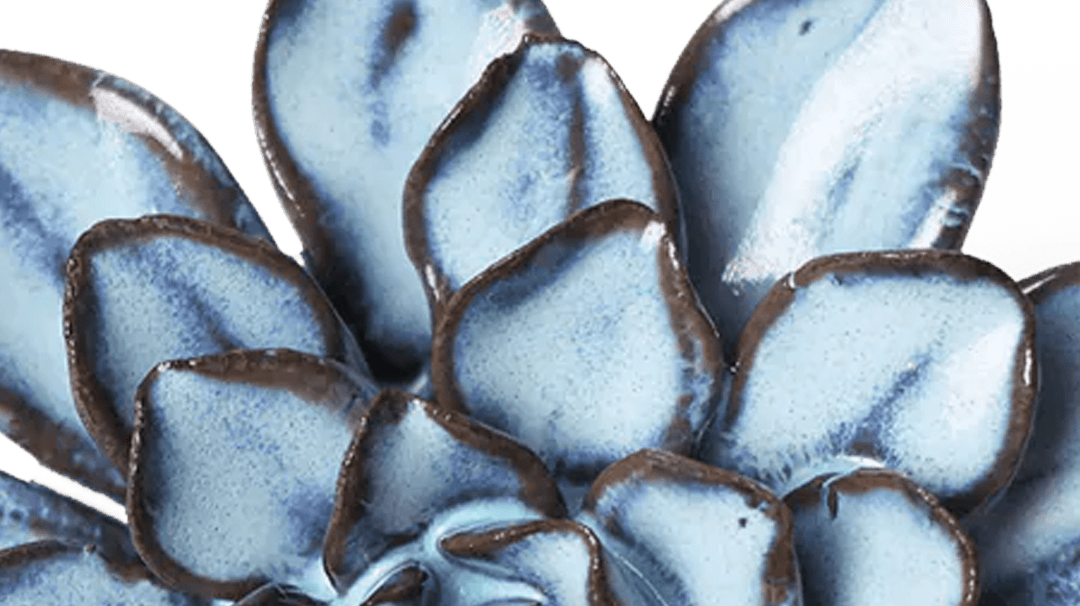
What is My Birth Flower: September
The September birth flower is the Aster — named for the Greek word for star, associated with wisdom and valor. Chive Studio makes it in Blue: ceramic, permanent, and open in all weather.
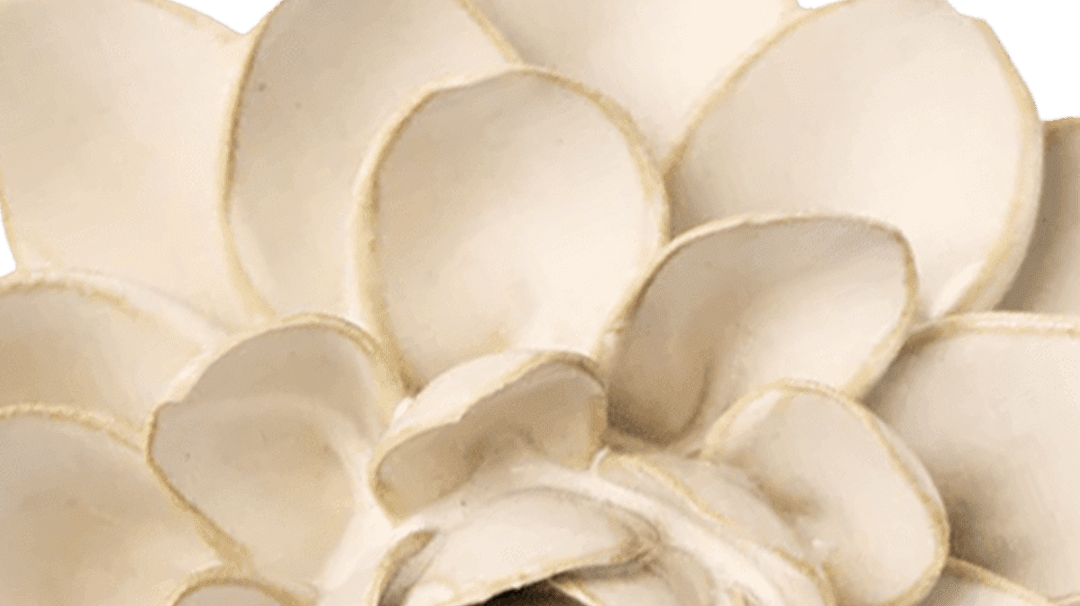
What is My Birth Flower: January
The January birth flower is the Snowdrop: blooms in frost, makes its own antifreeze, and showed up before conditions were favorable. Chive Studio makes it in ceramic, permanently. The personality report is going to feel personal.
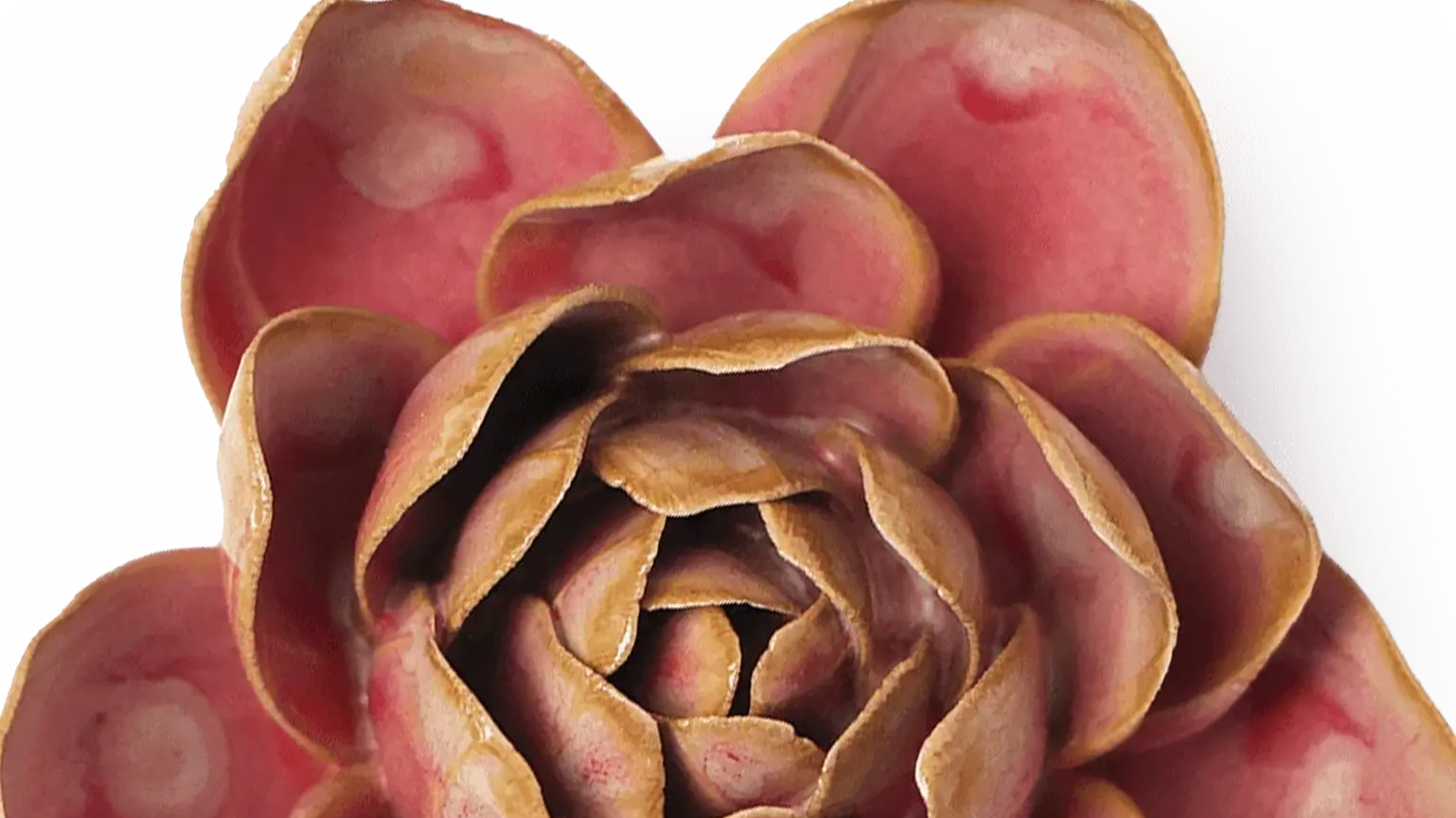
What Is My Birth Flower: December
The December birth flower is the Narcissus — a winter-blooming symbol of hope, renewal, and new beginnings. Sacred in ancient Greece, China, Persia, and Egypt before any of them knew the others existed. Your birth flower blooms in the dark. Find out why that's exactly right.
What is My Birth Flower: July
The July birth flower is the water lily — serene on the surface, full structural operation underneath. Every major civilization built a mythology around it. Monet gave it thirty years of his life. Here's why that tracks completely for July people.