
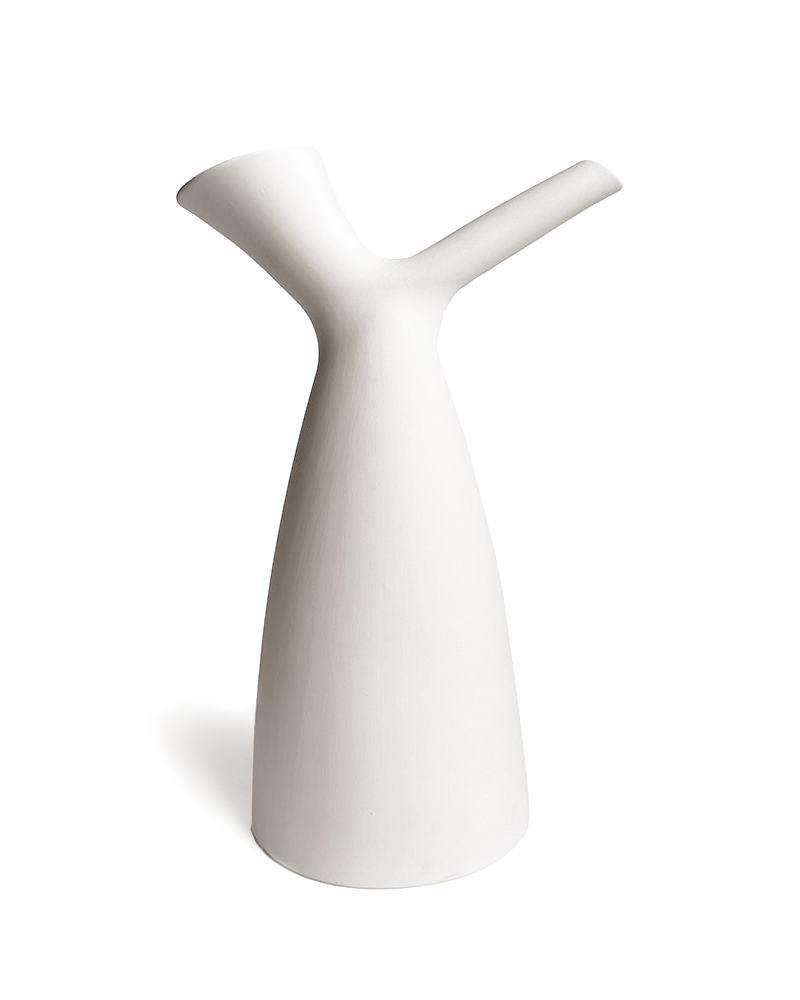
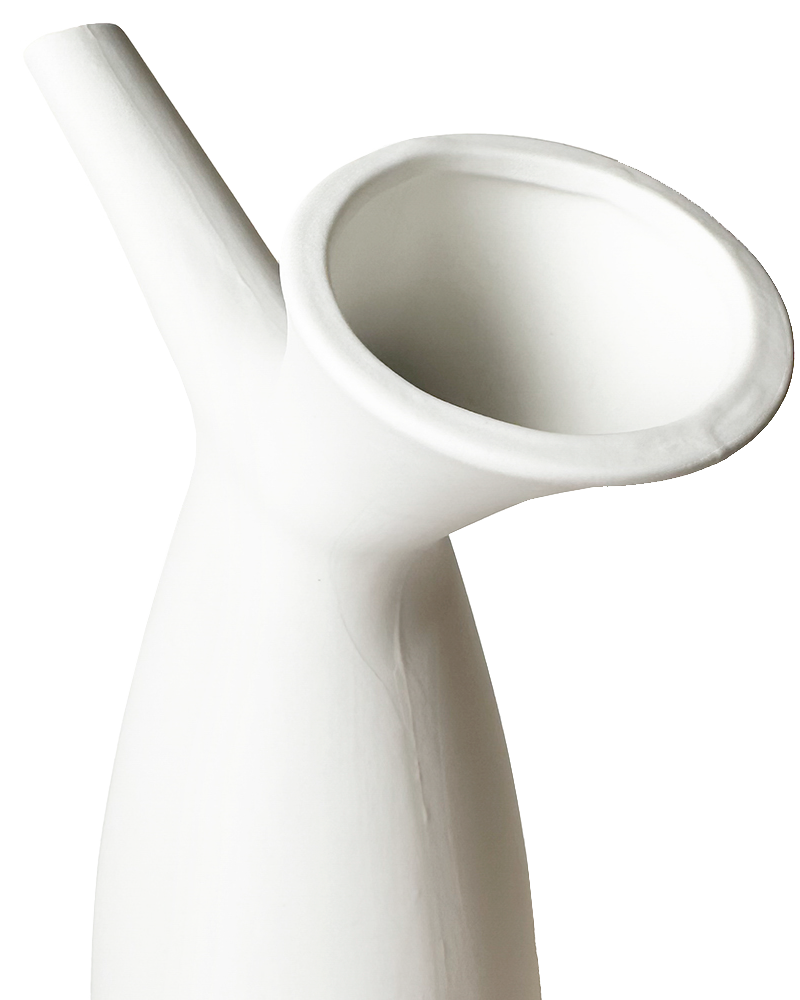

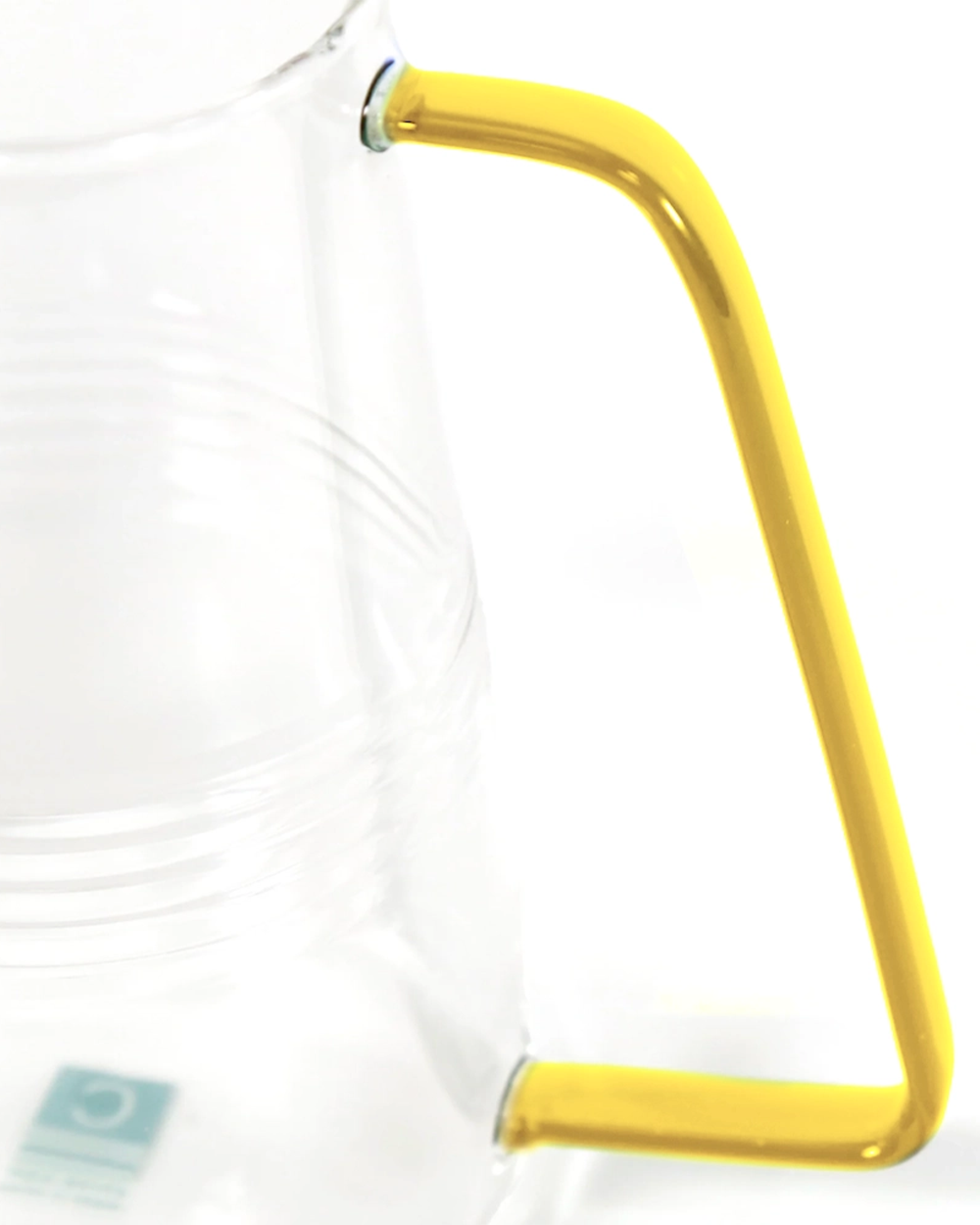
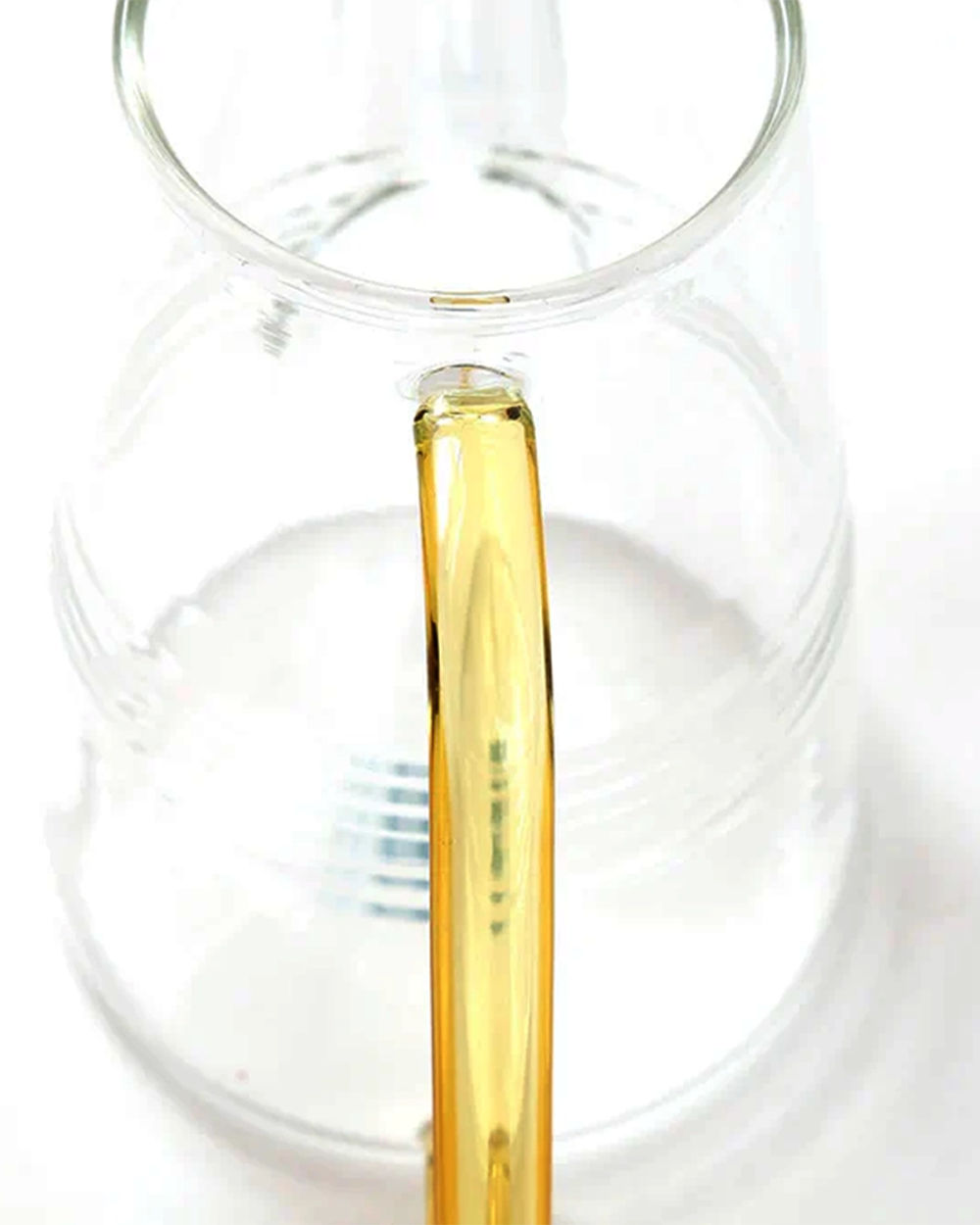
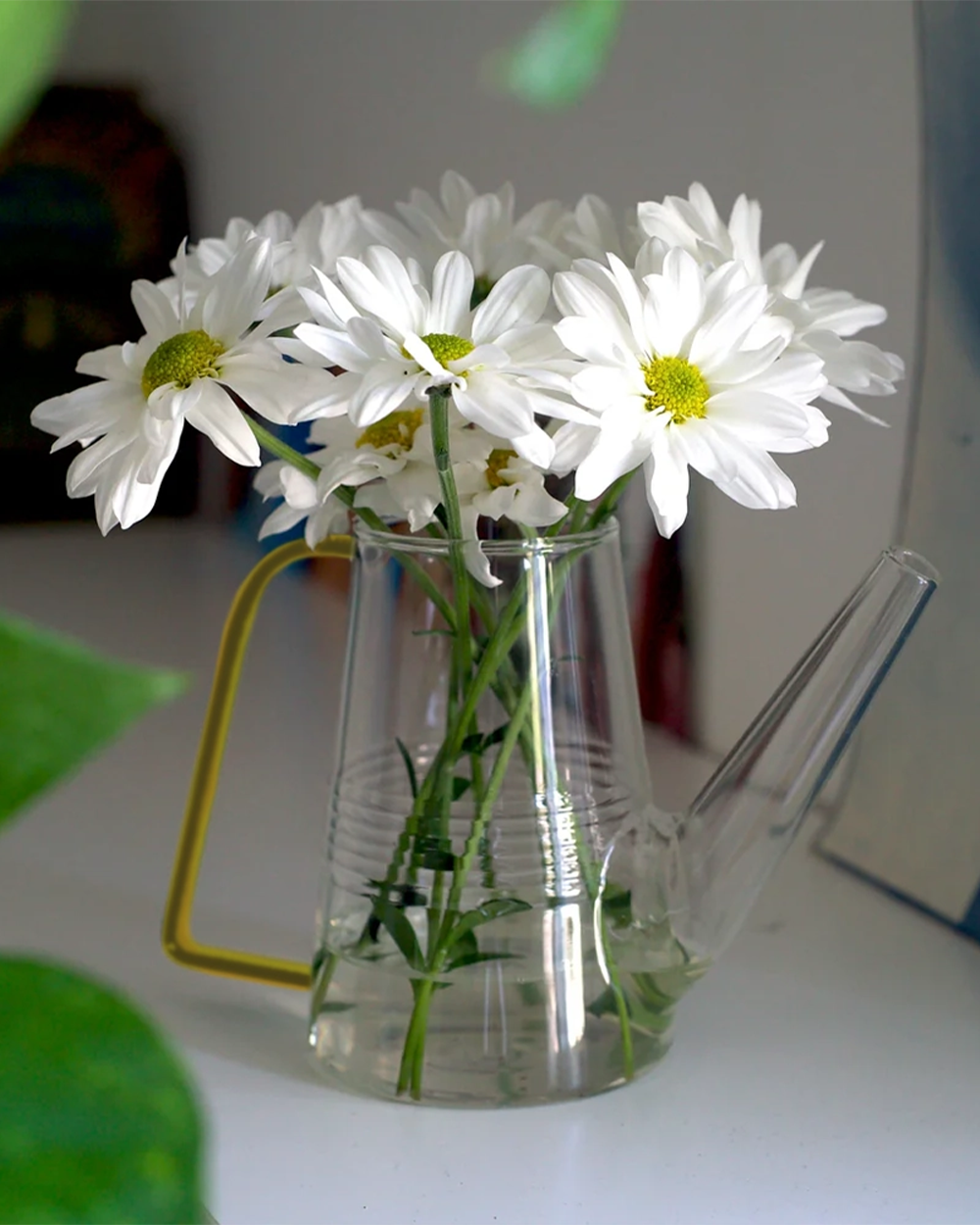
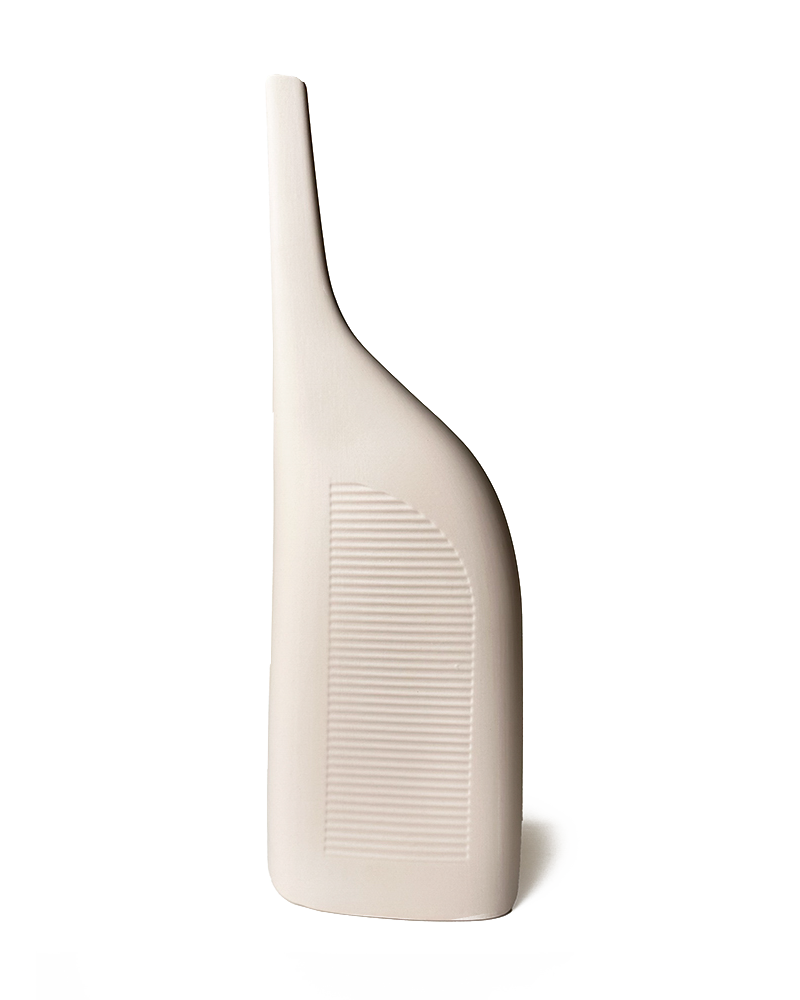


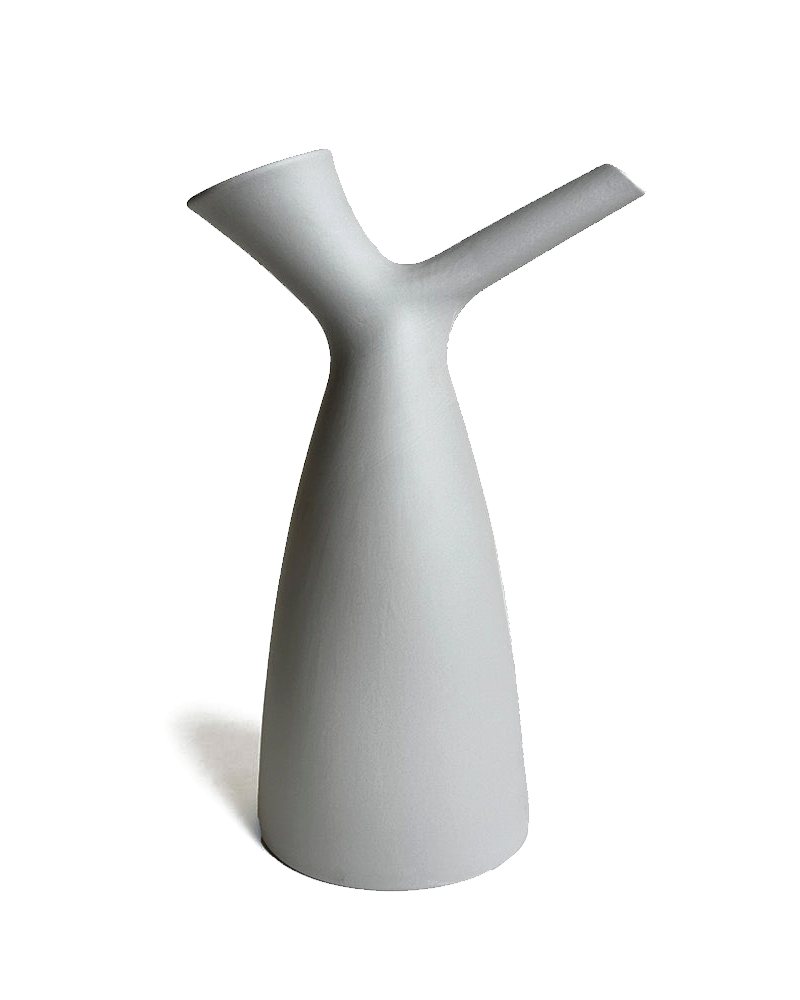
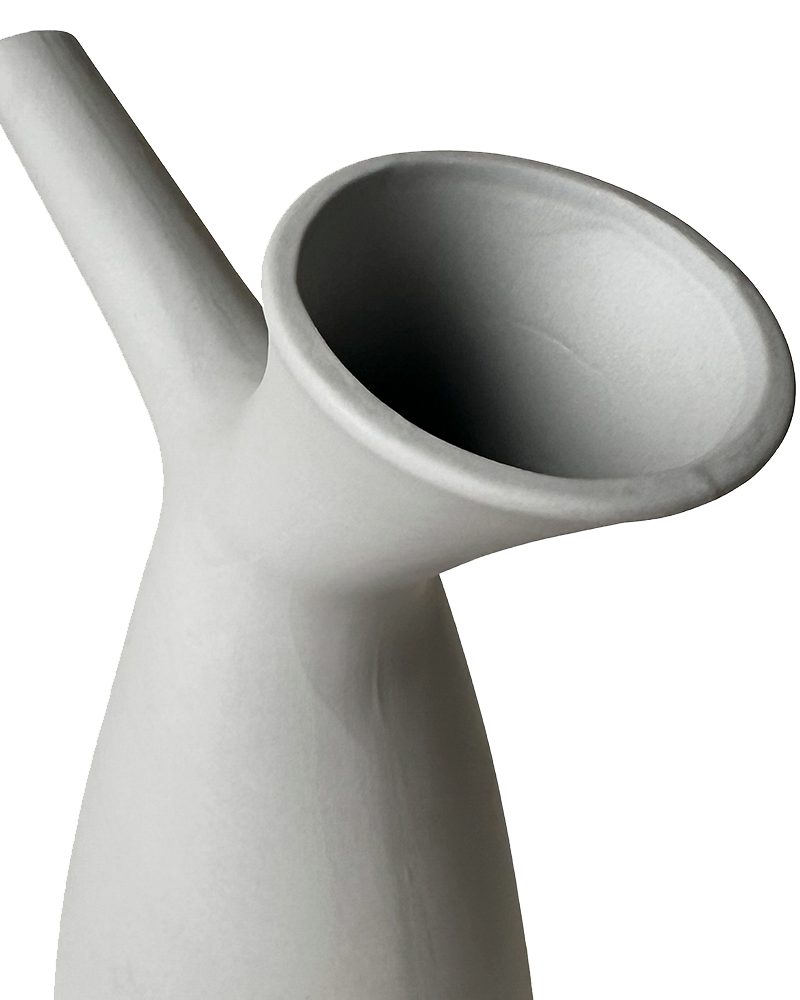





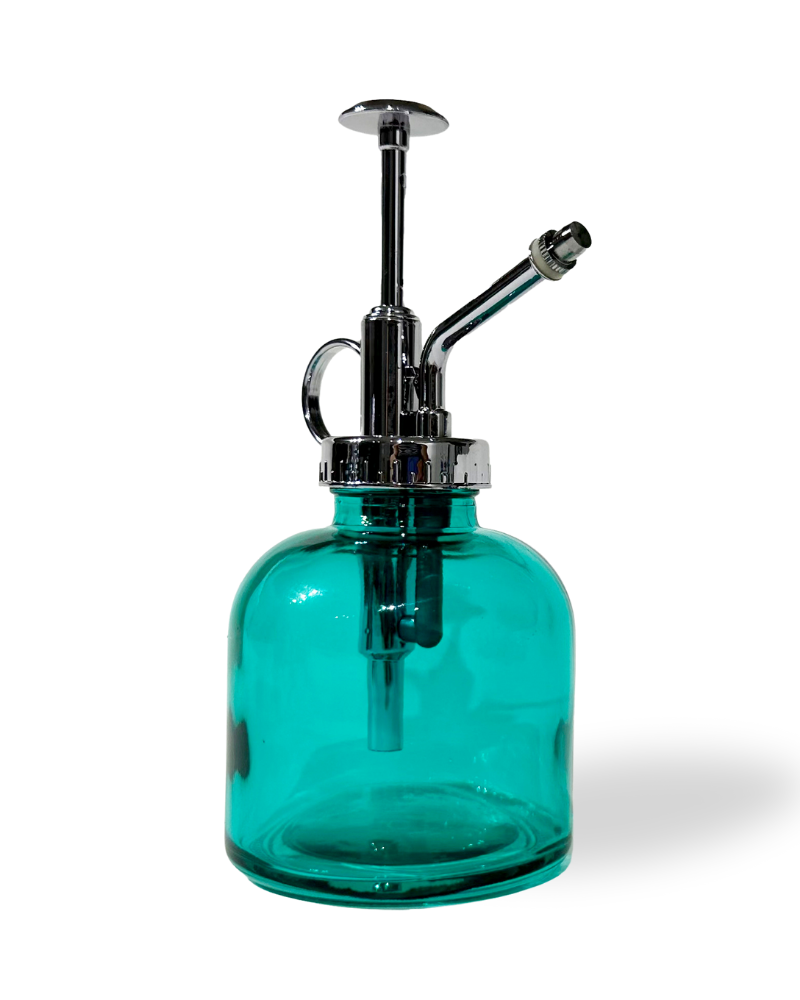
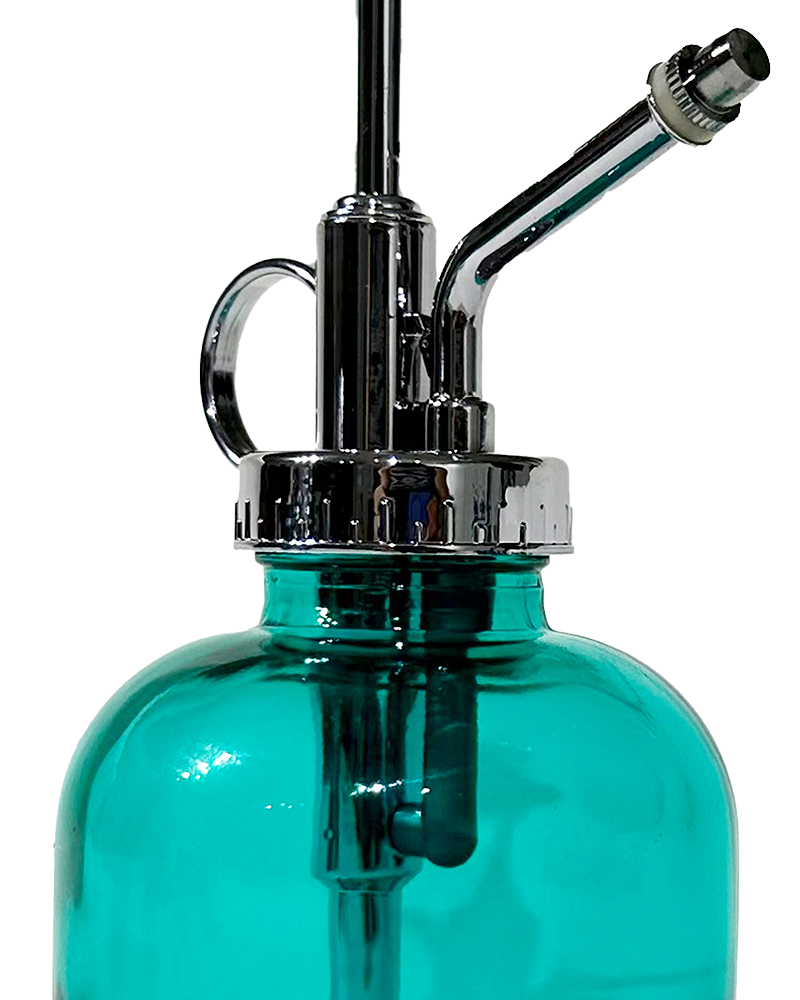
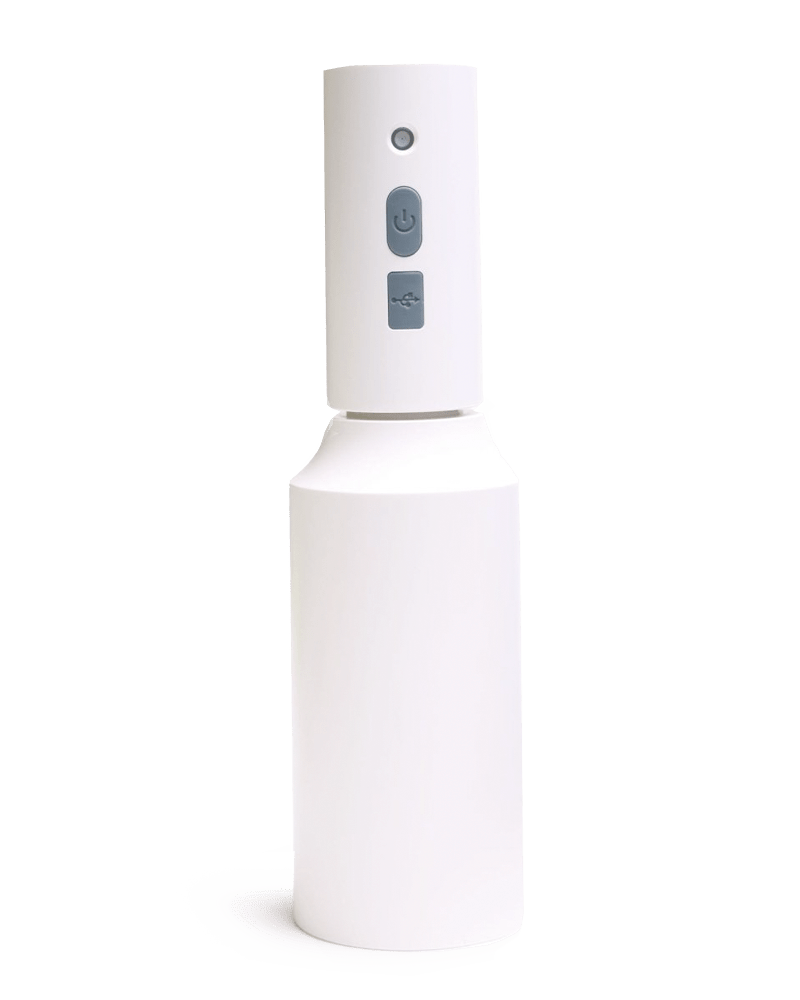
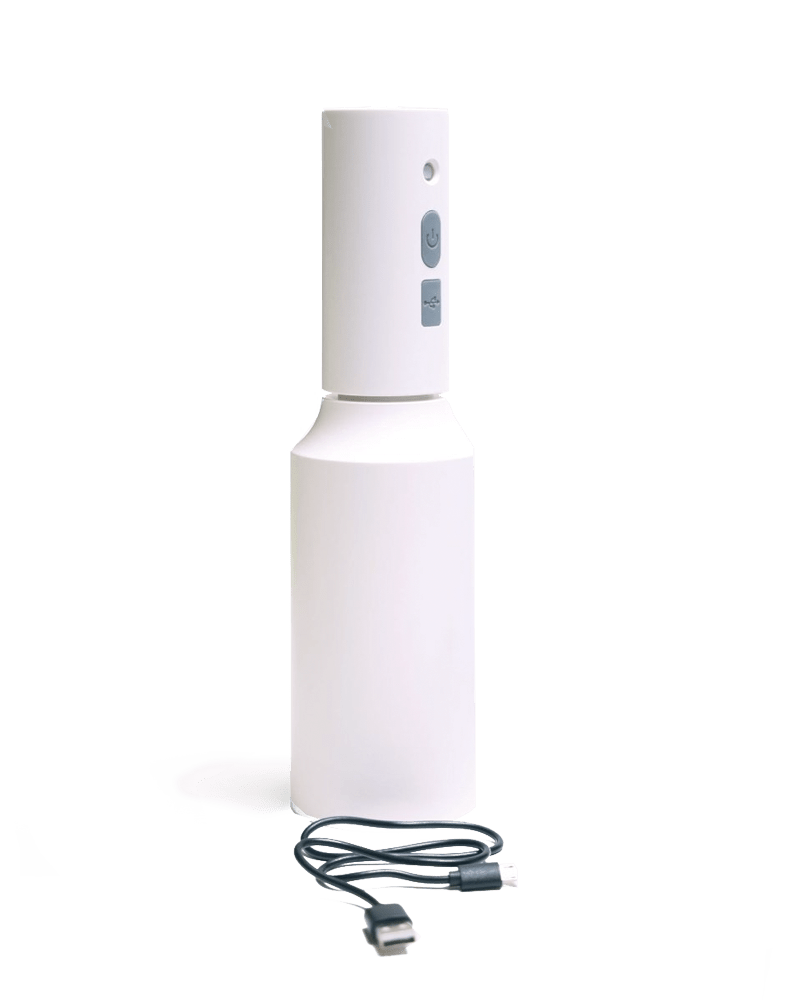

Jessie Ceramic Watering Jug - Chive Ceramics Studio - Tools & Accessories - Chive US

Indoor Watering Cans — Ceramic & Glass

The counter is the commitment. The shelf under the sink is the avoidance.

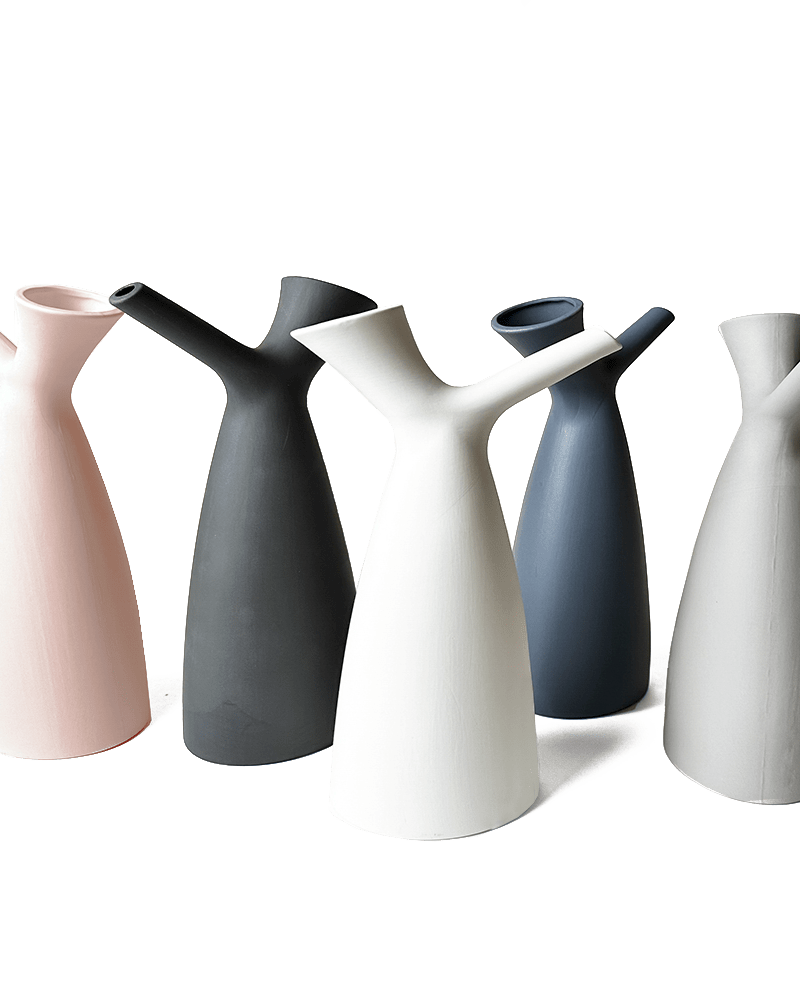
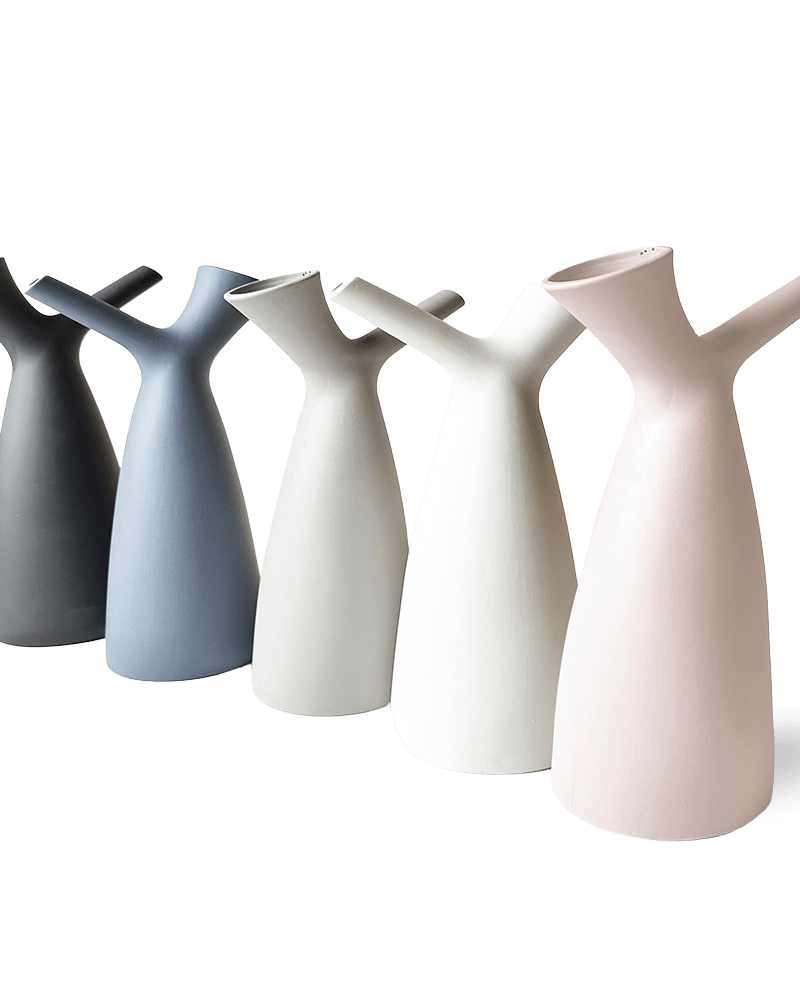
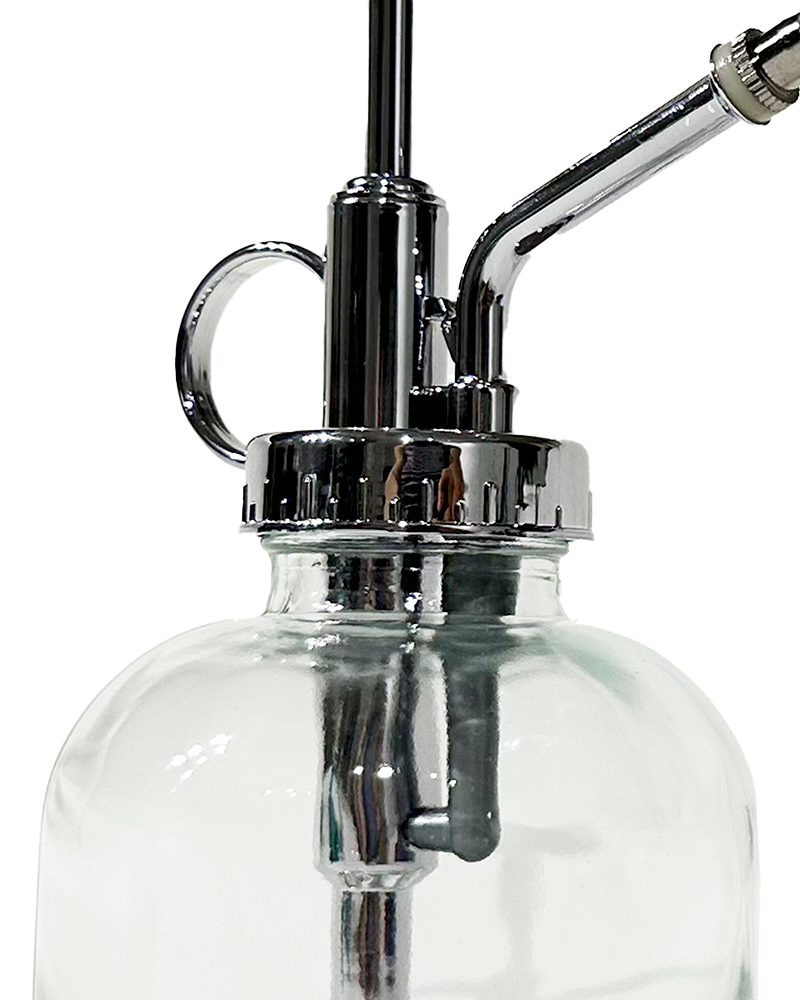
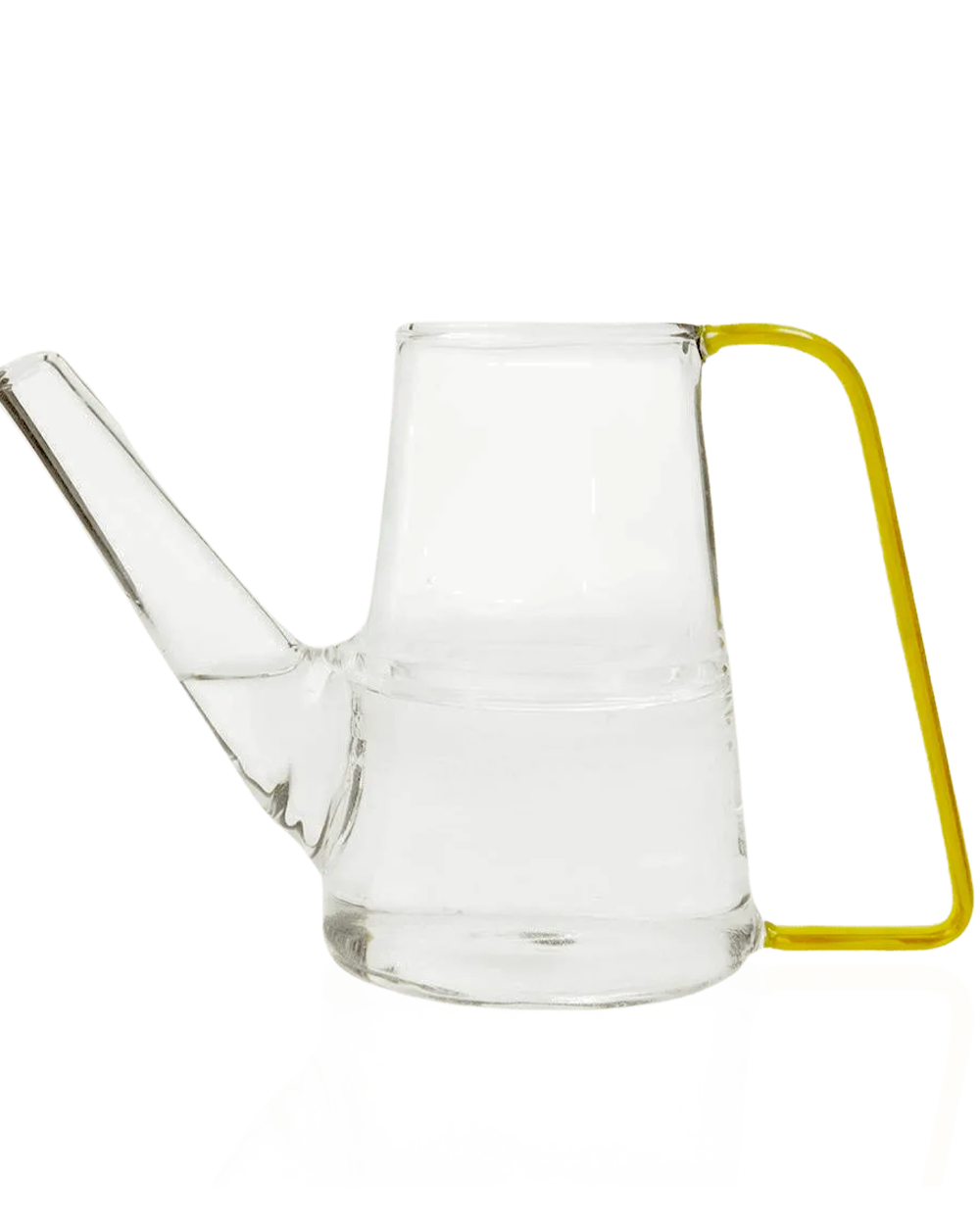
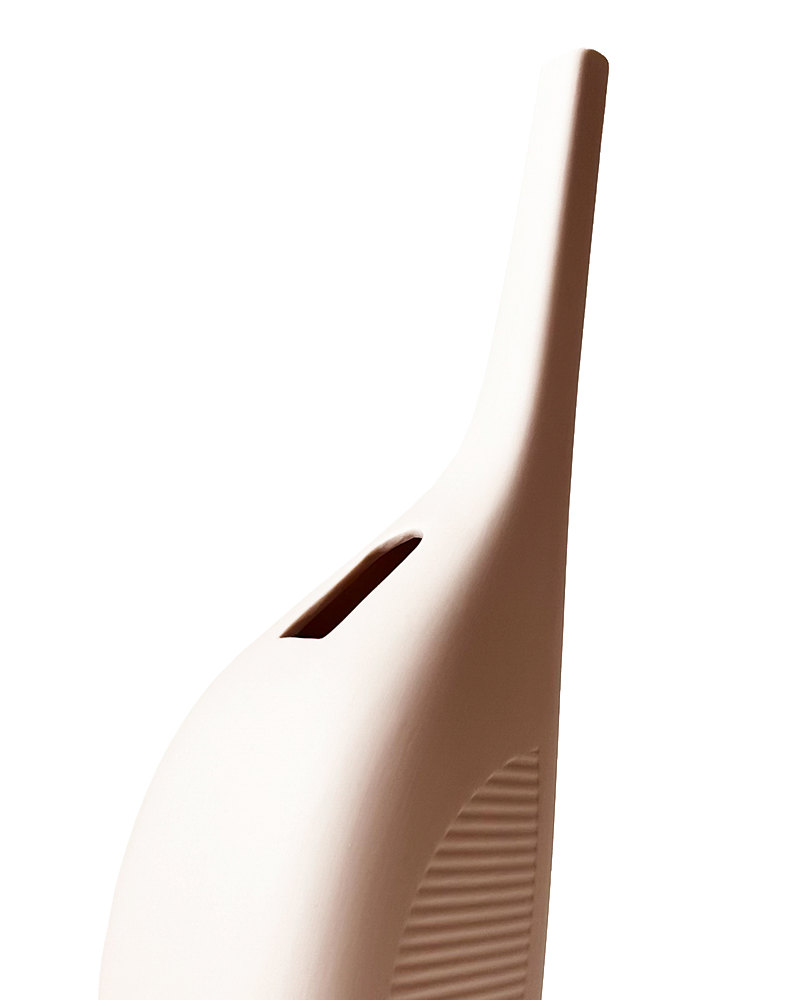
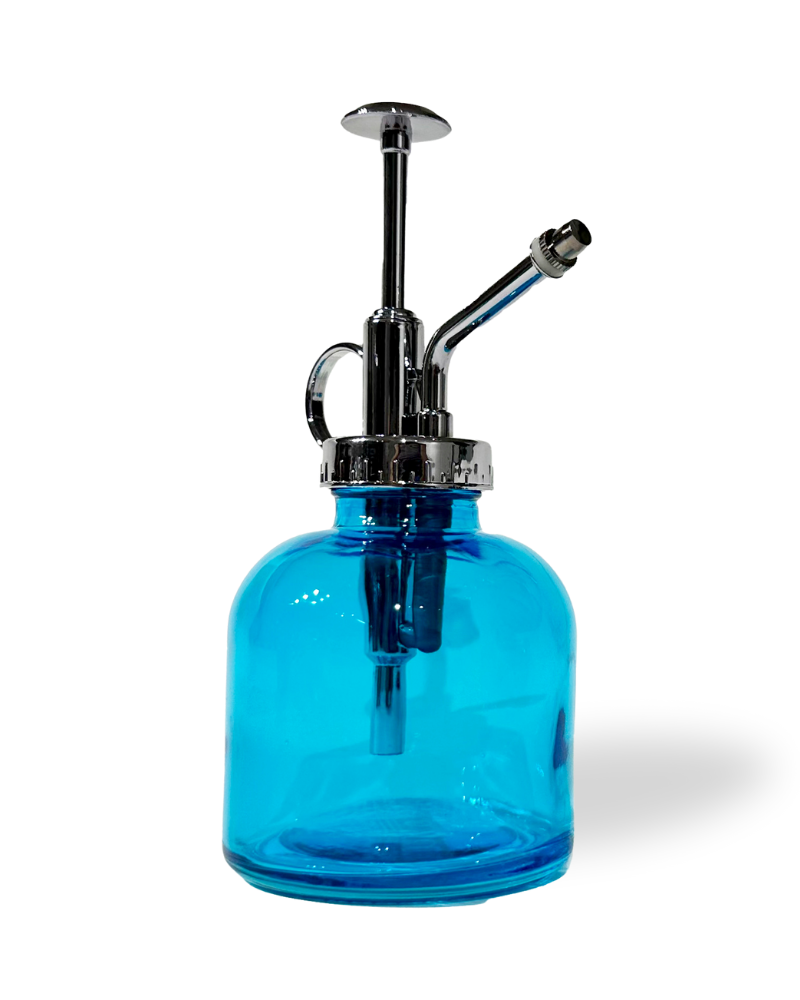
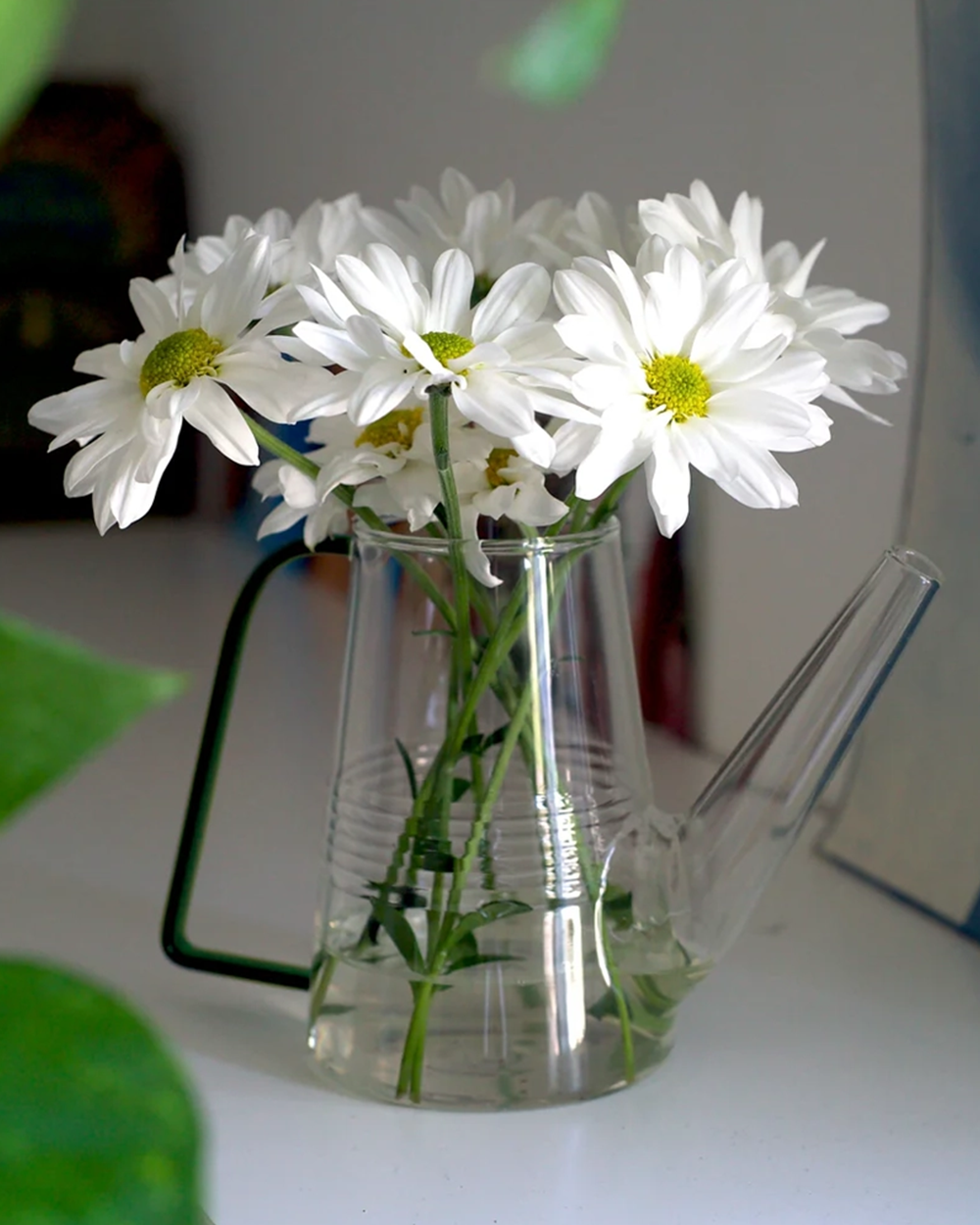
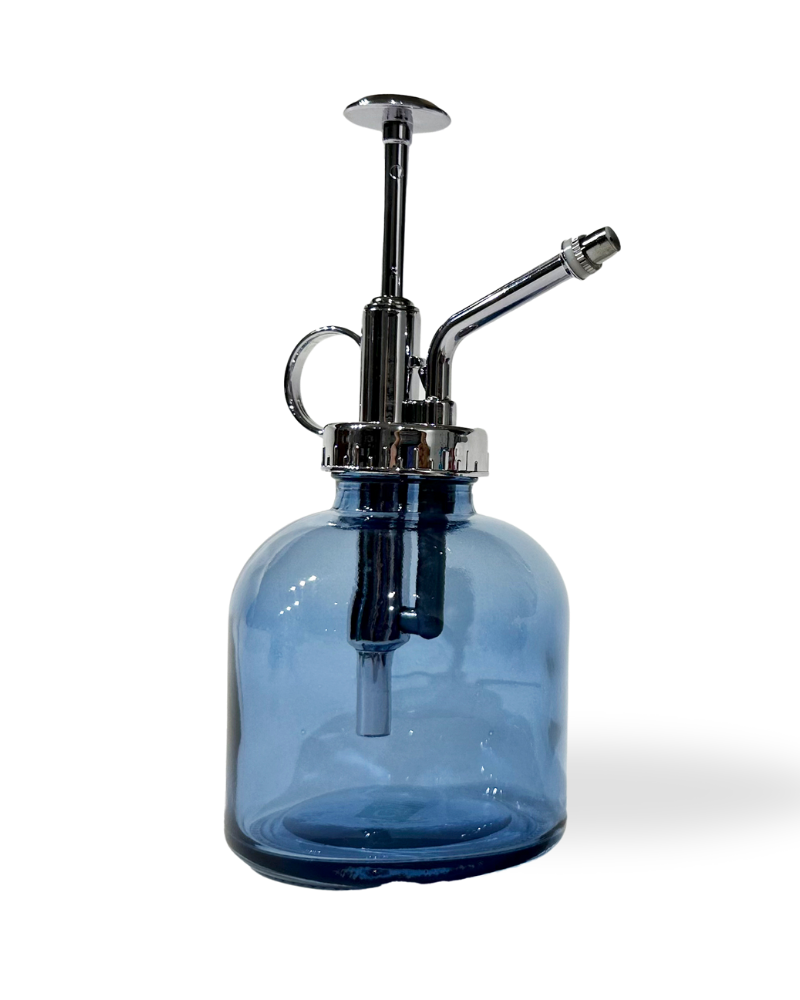
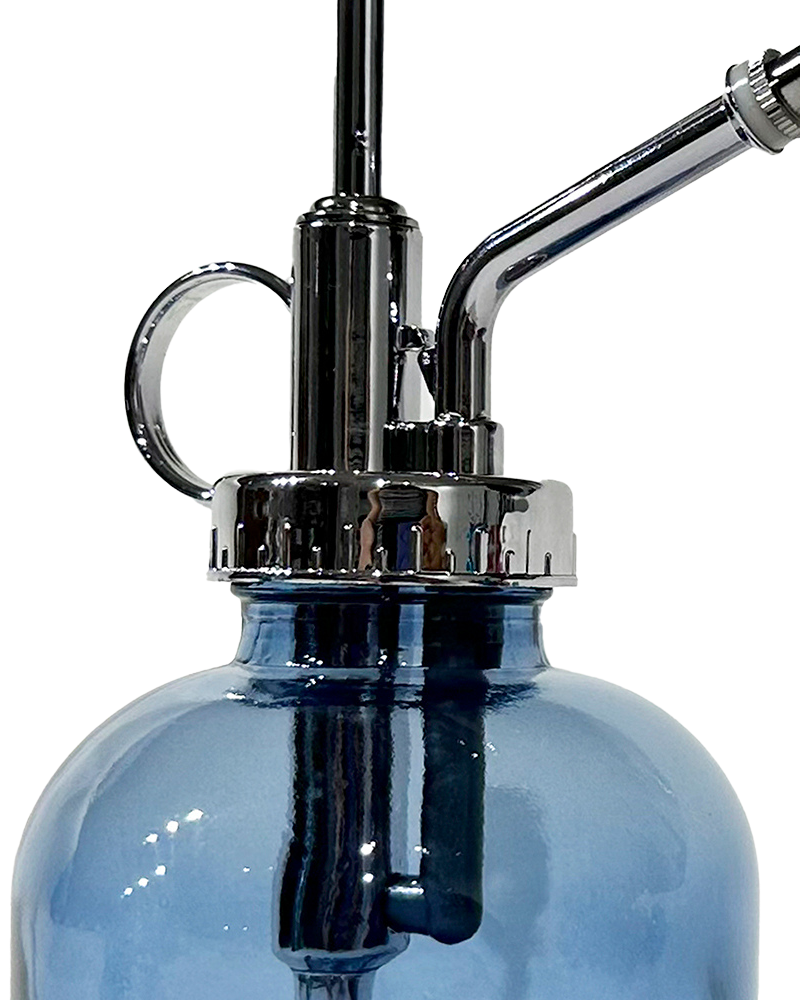
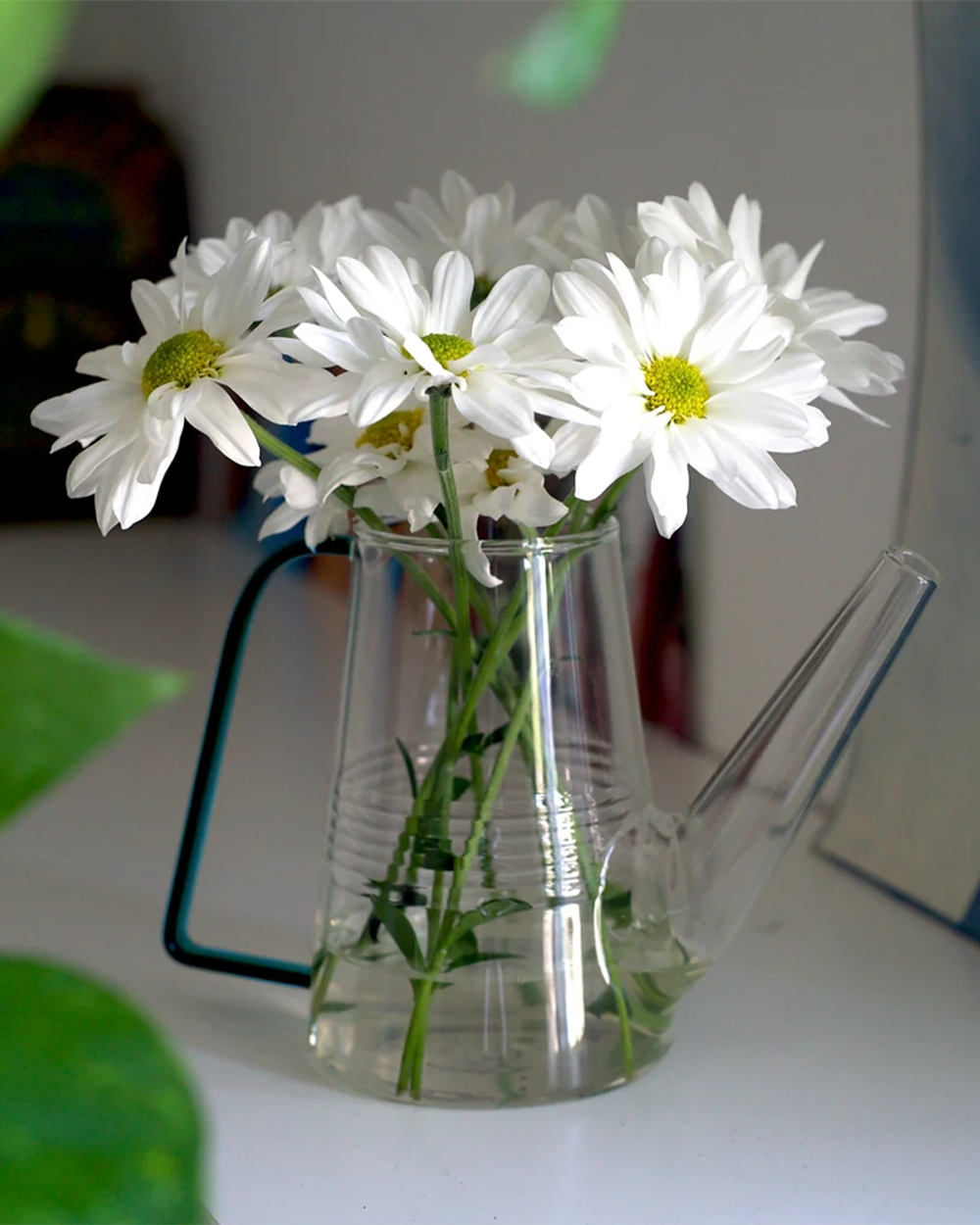
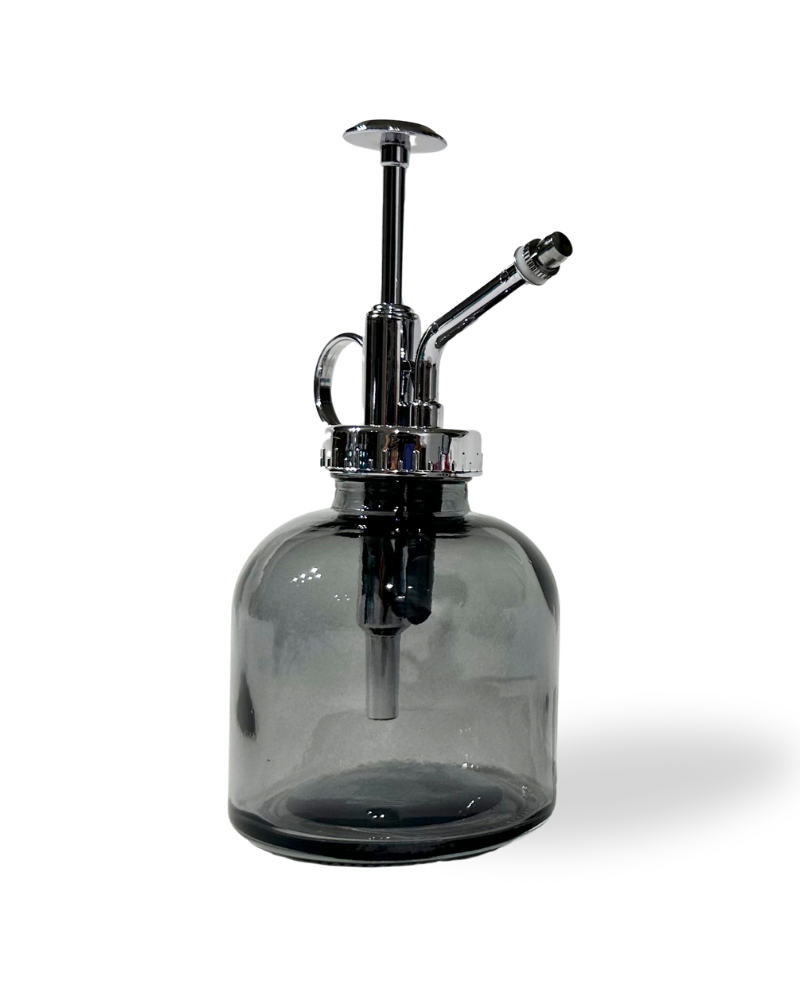
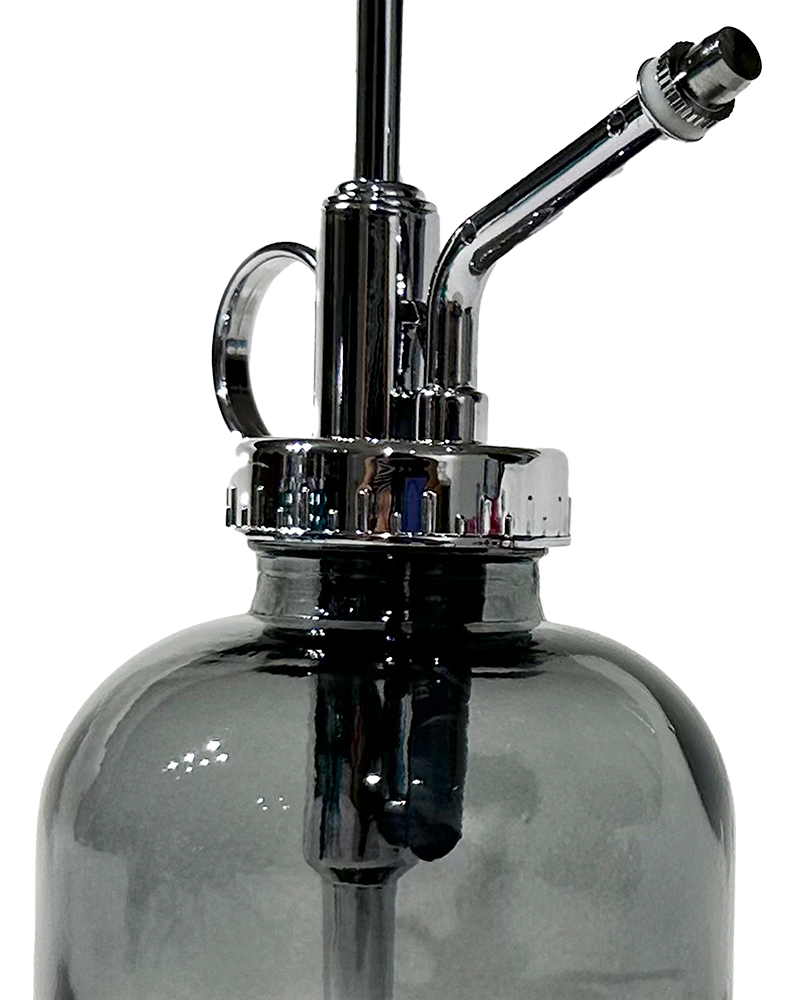
An indoor watering can earns its place two ways: it waters precisely — to the soil line, not the foliage — and it looks deliberate on the counter between uses. This collection covers both, with the ceramic Duenas and Jessie jugs and the glass Sprocket container, each finished for permanent display.

porcelain Duenas & Jessie jugs · glass Sprocket container · pours to the soil line · designed for counter display · hand-wash care · Ships gift-ready to 40+ countries
Filters
Sort by

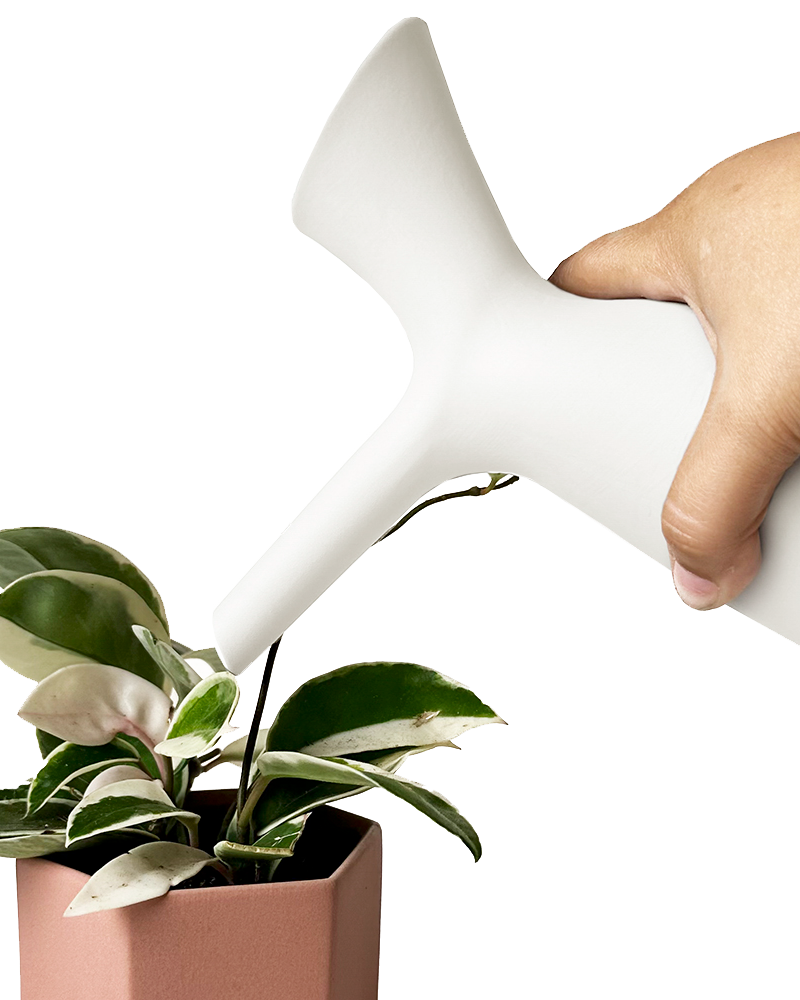
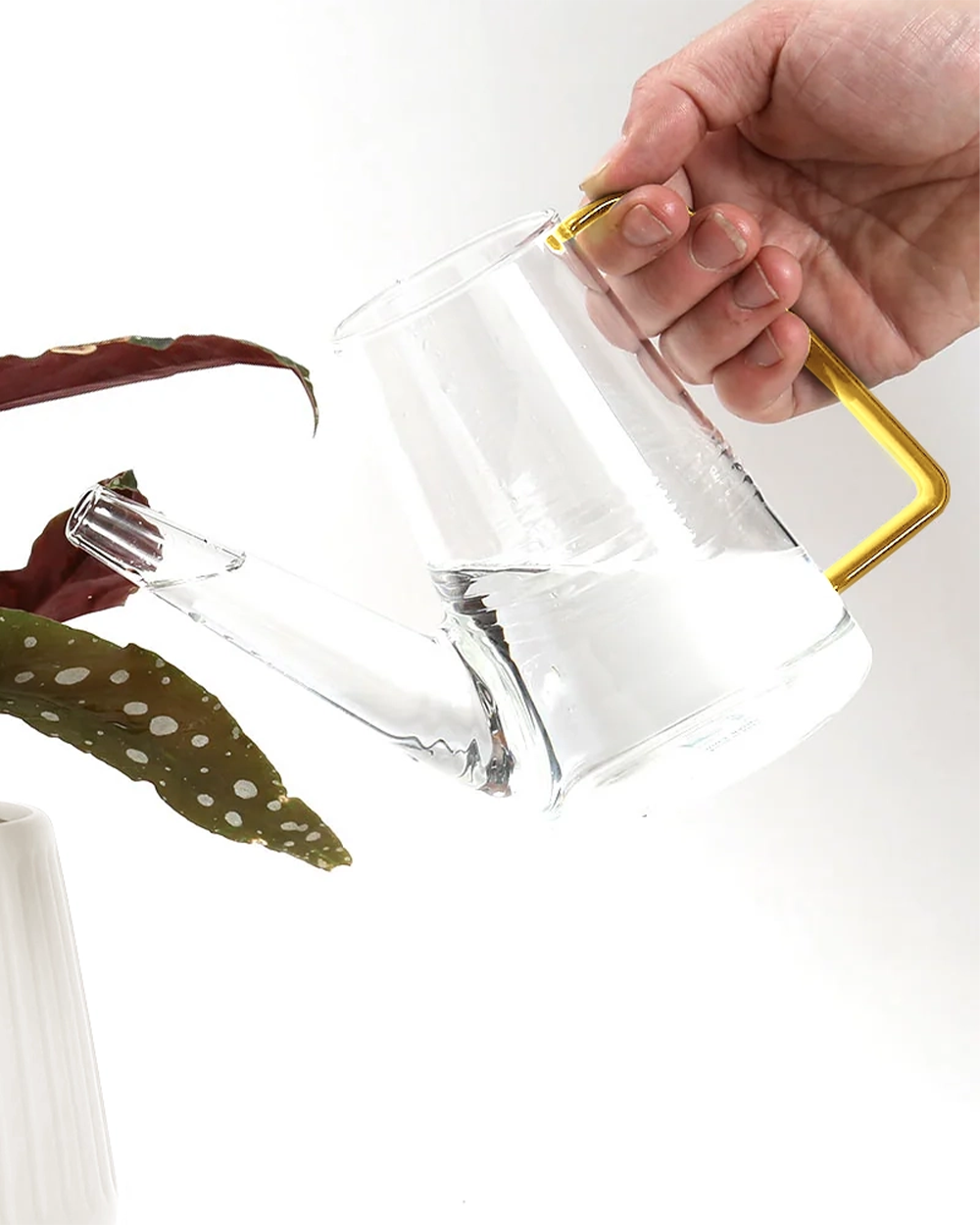
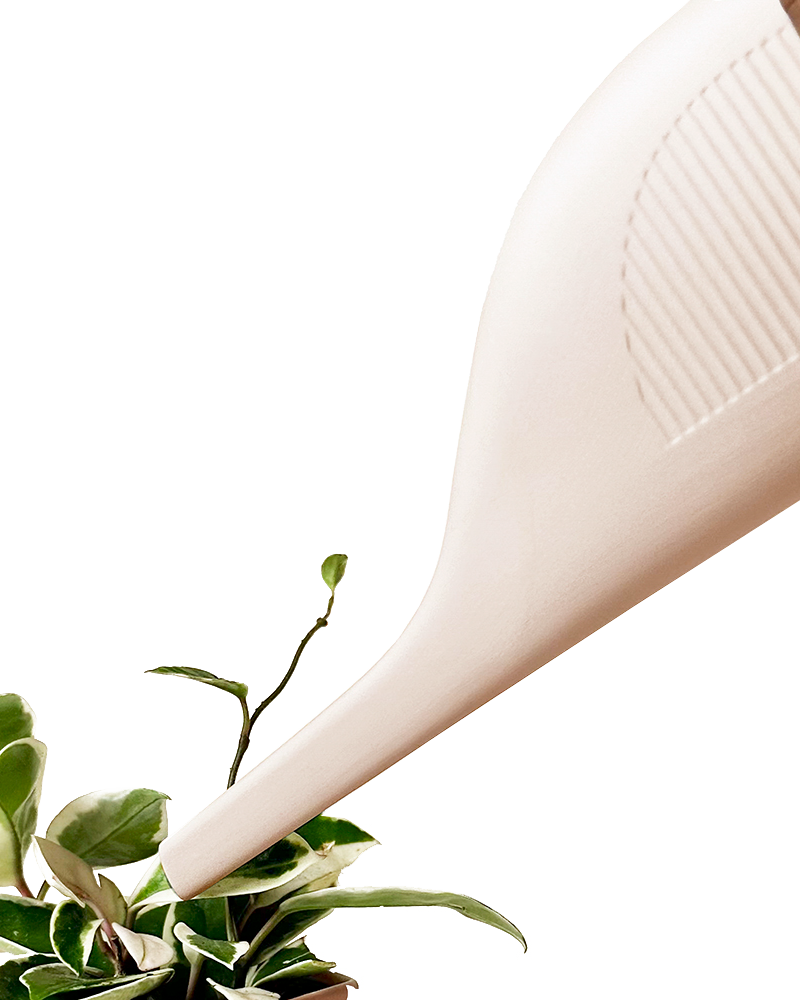
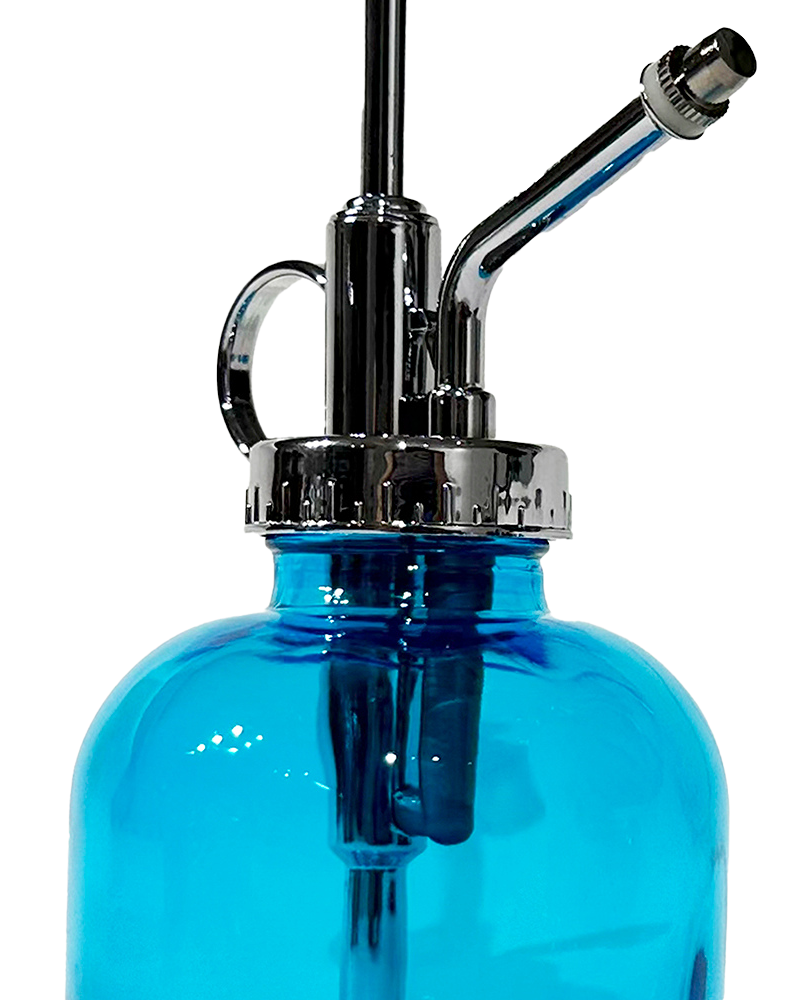
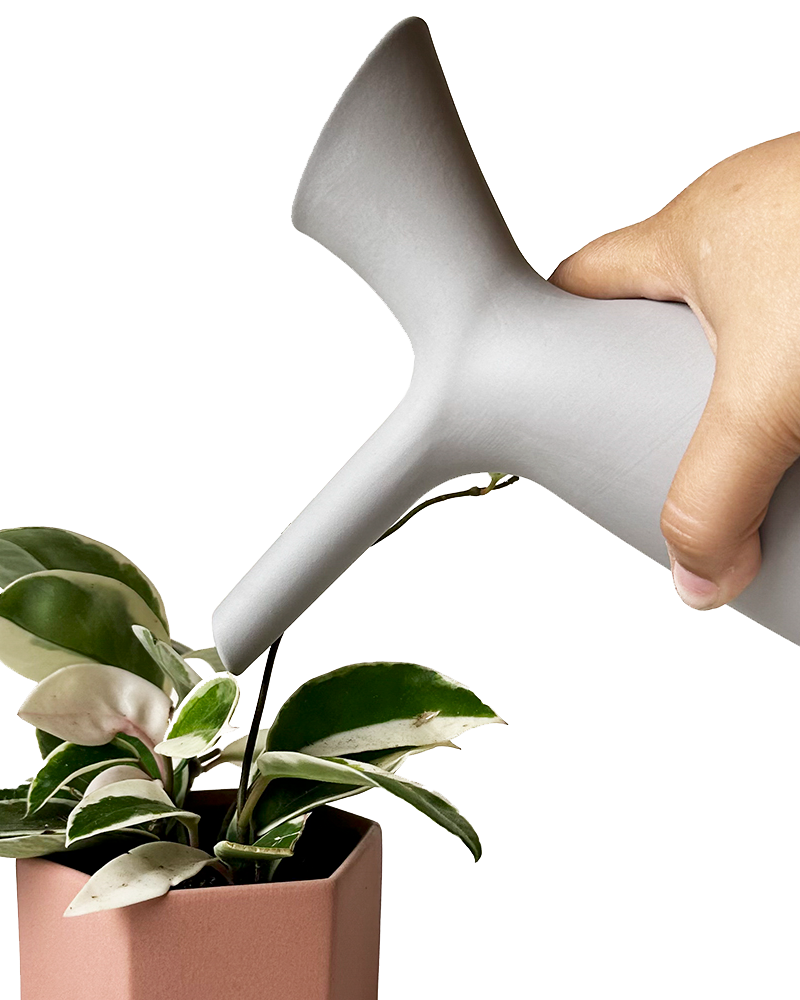
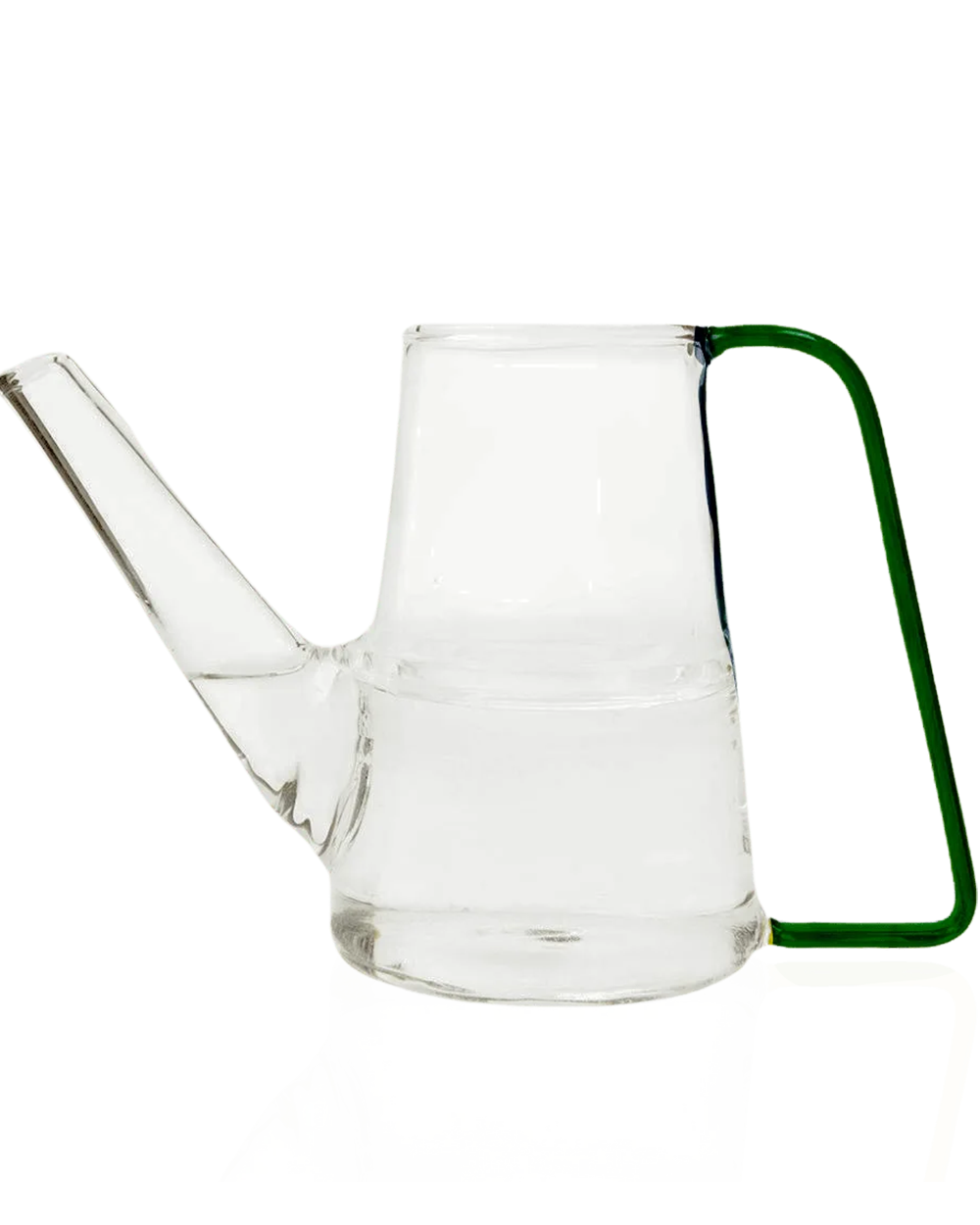
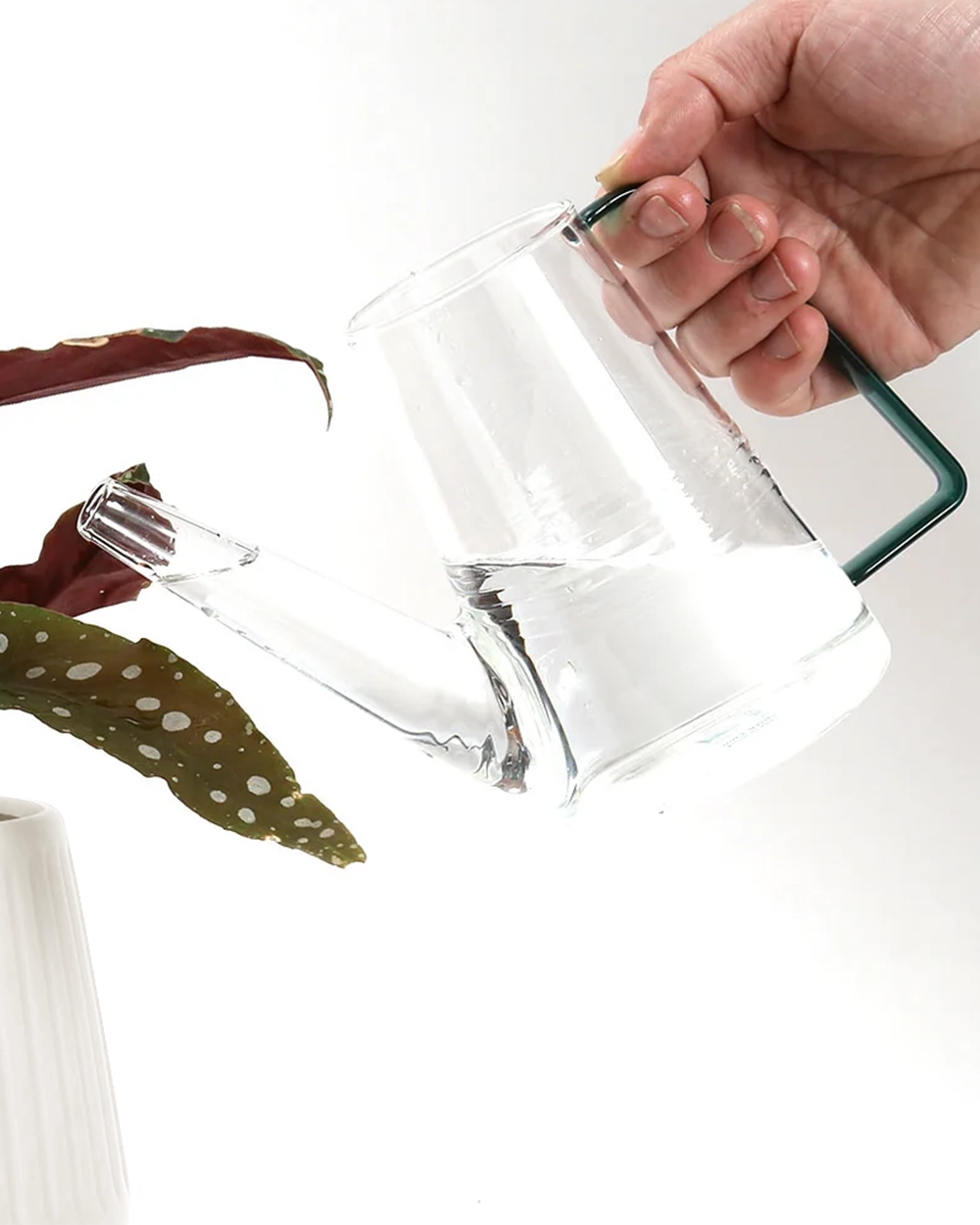
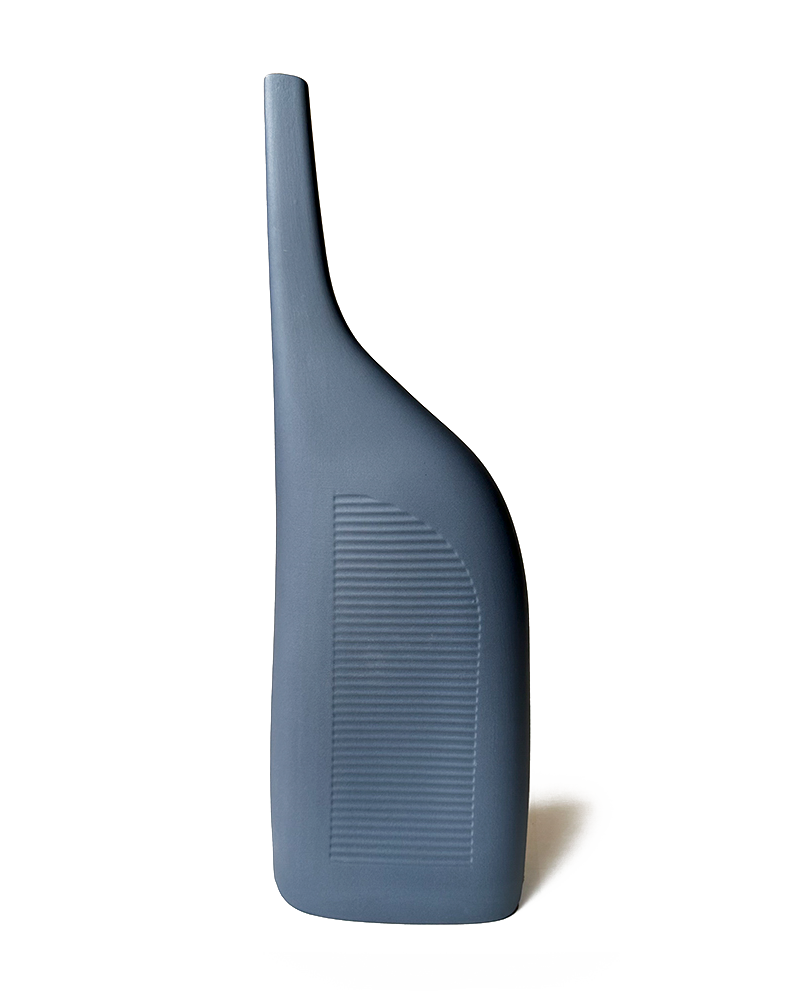
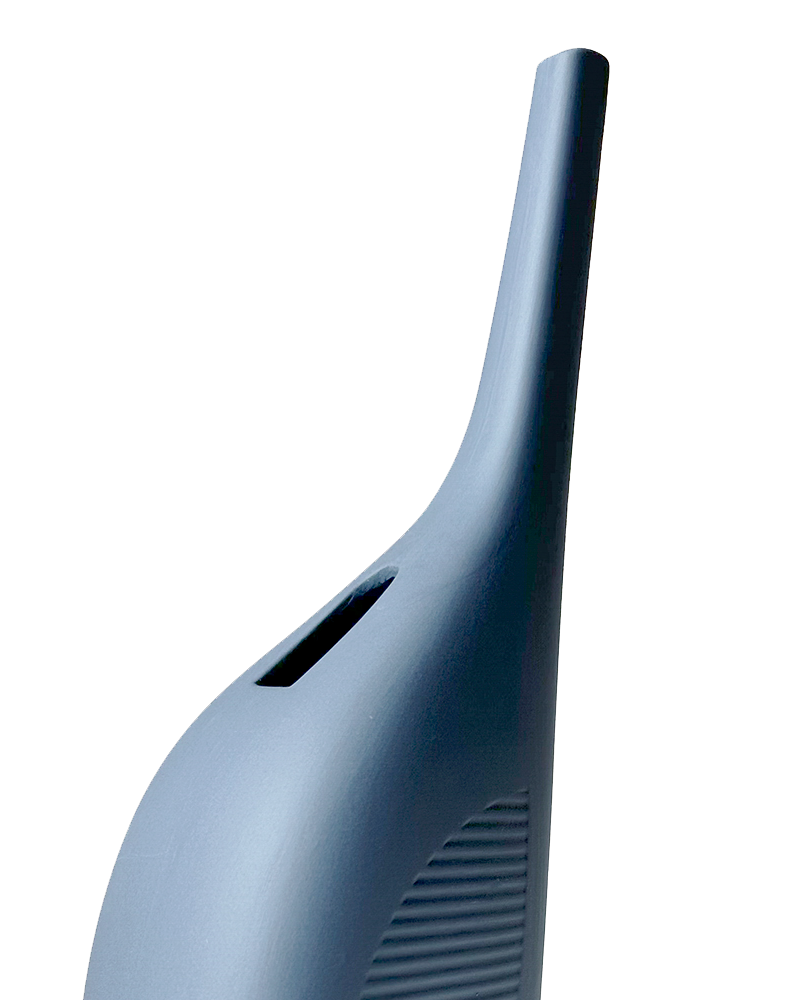
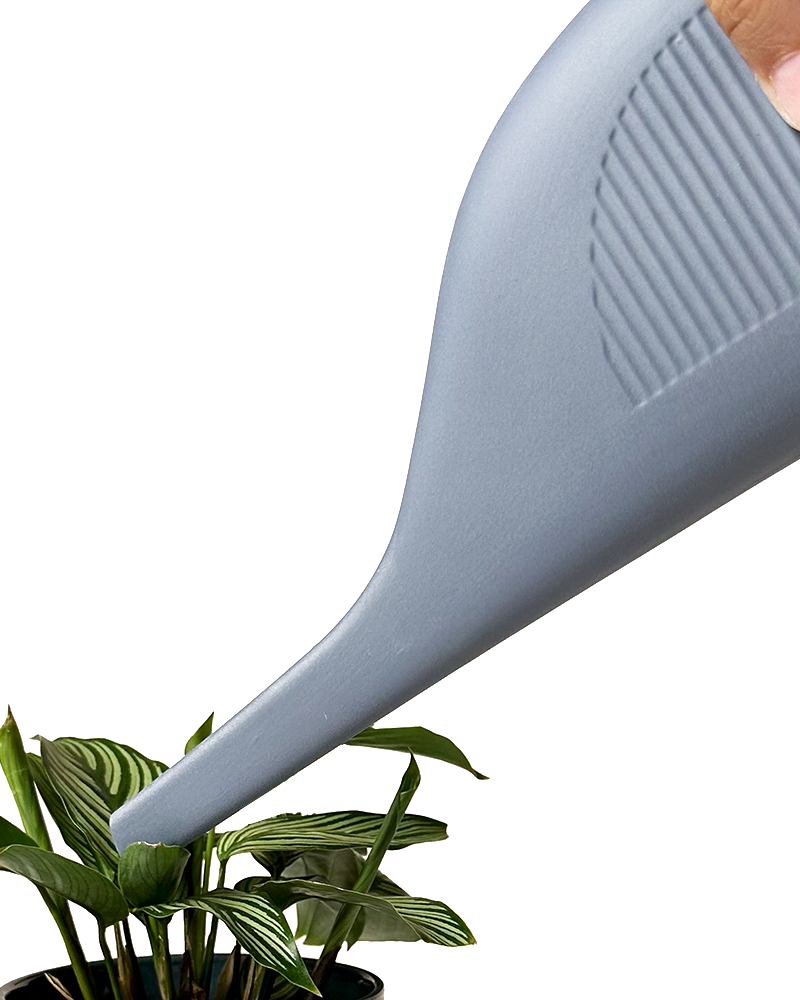
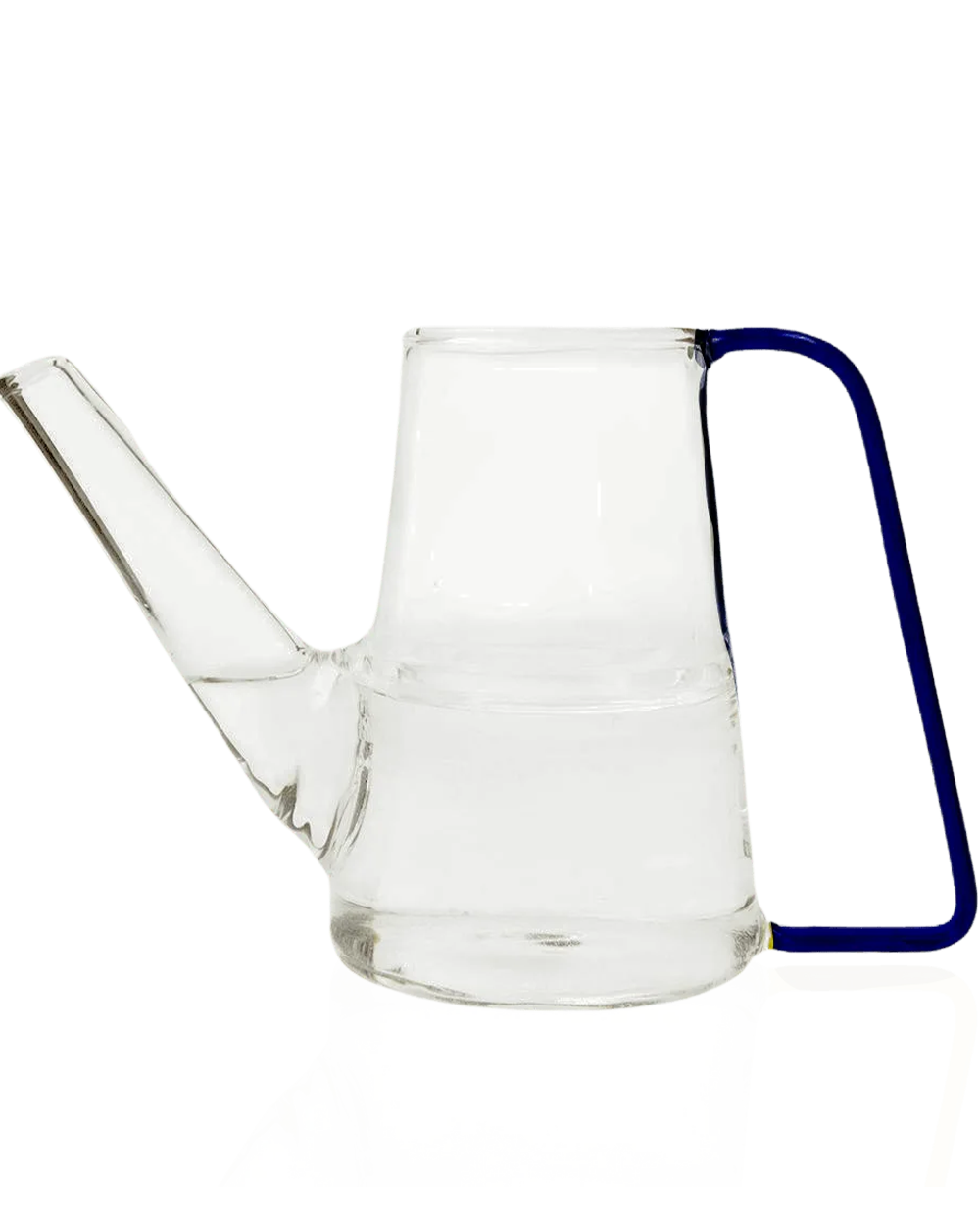
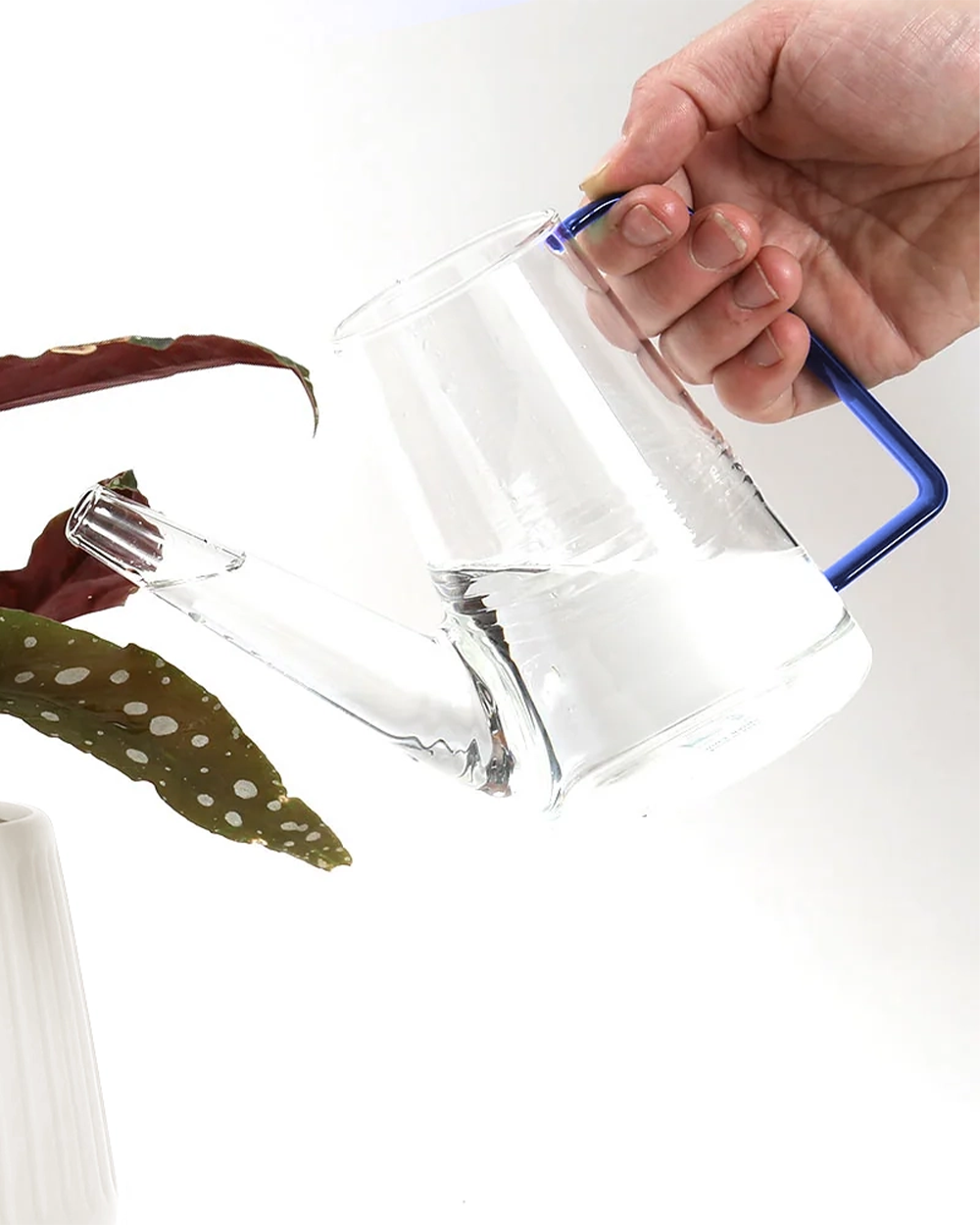
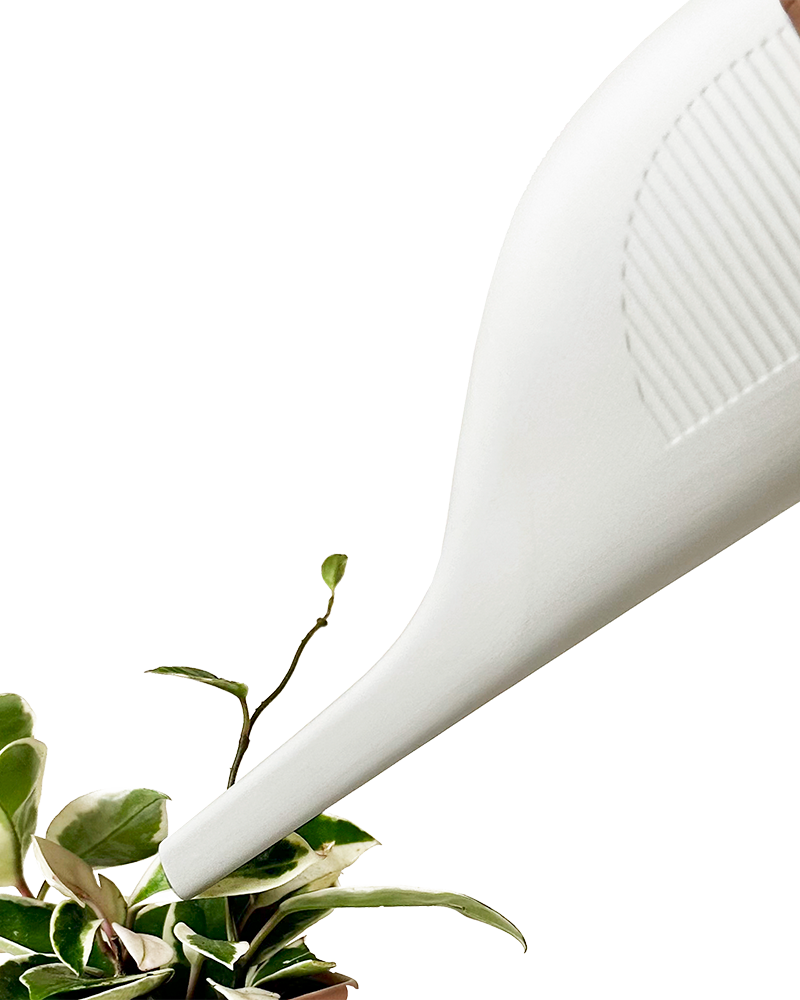
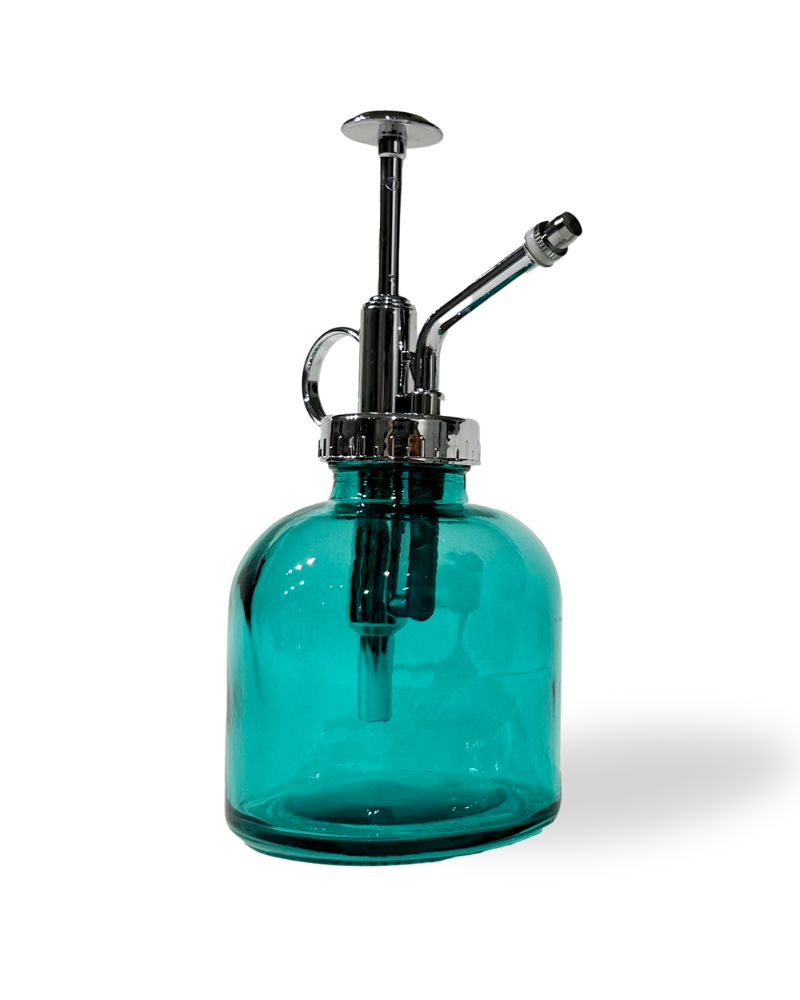
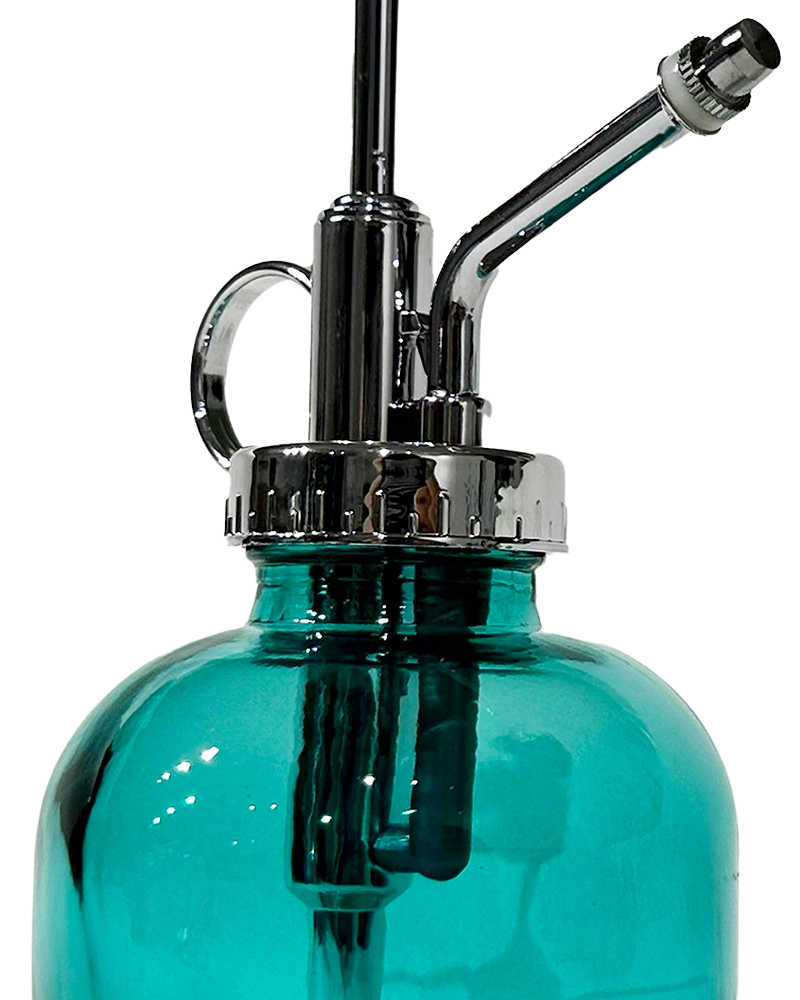
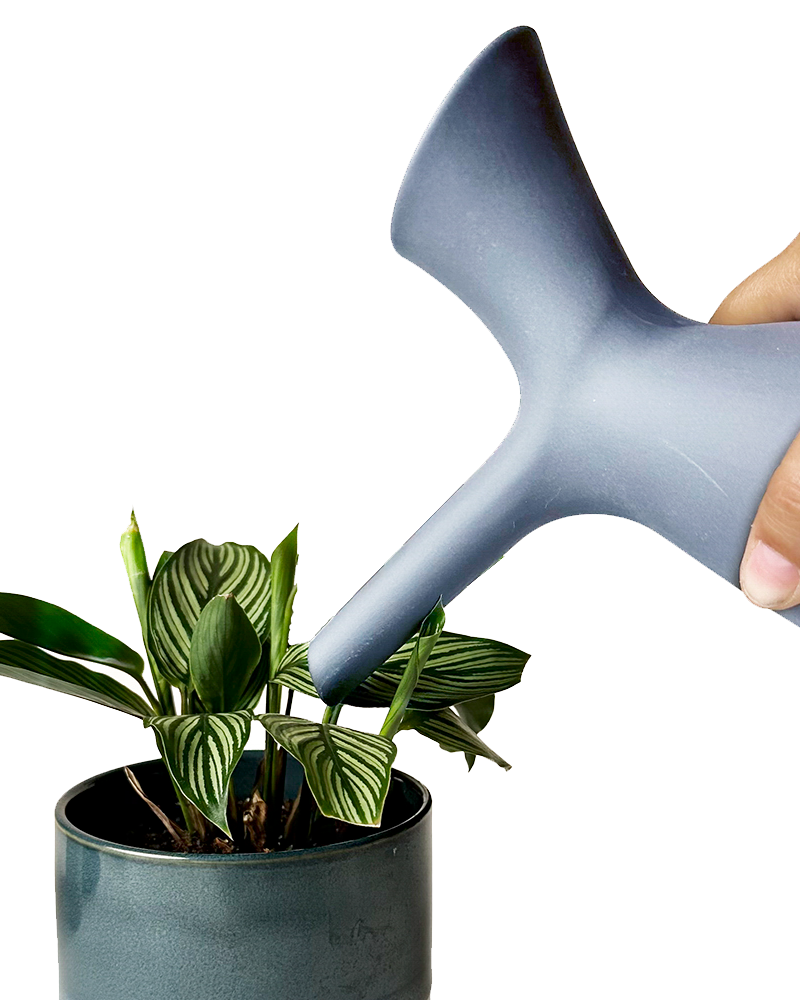
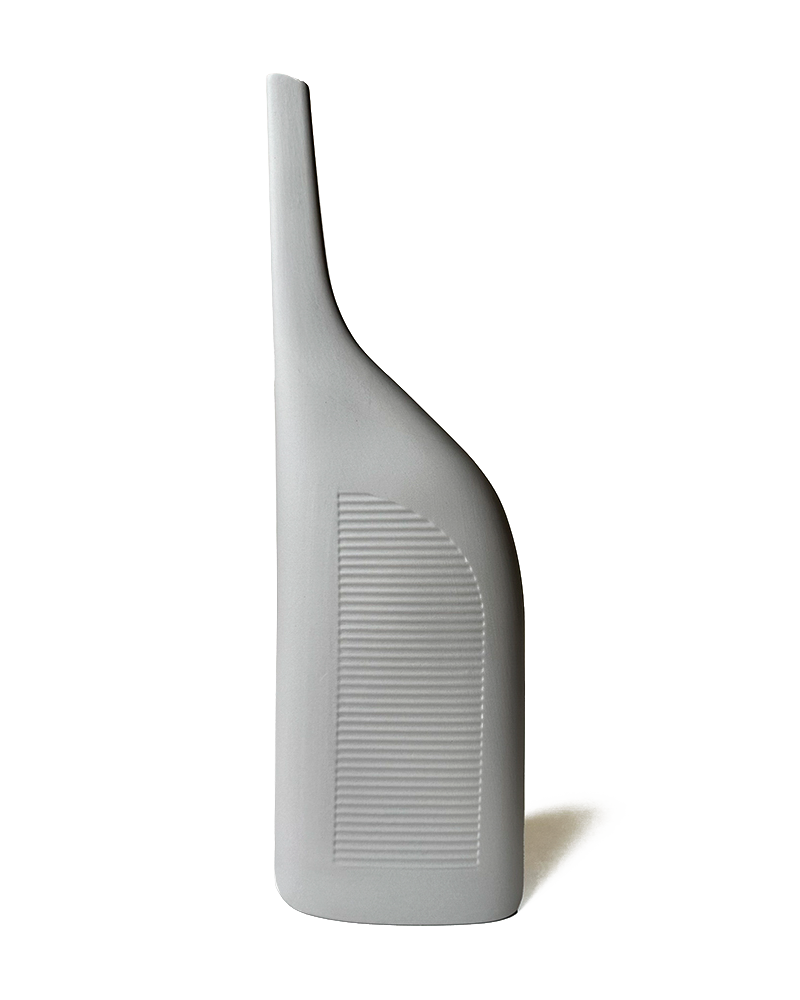
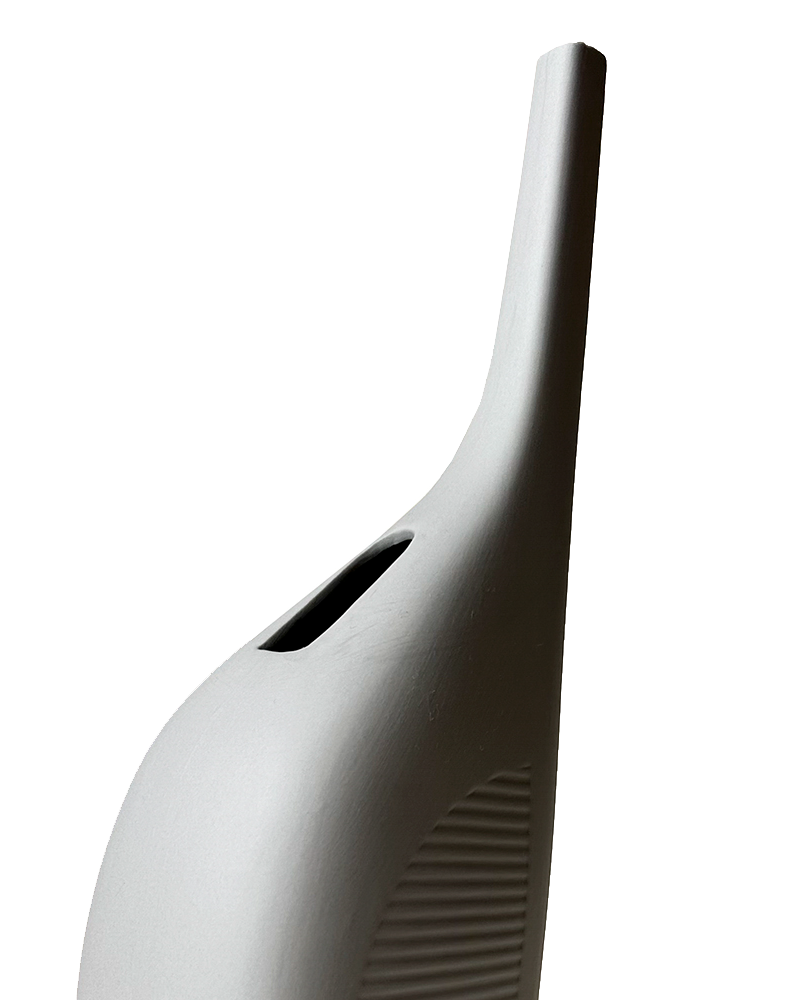
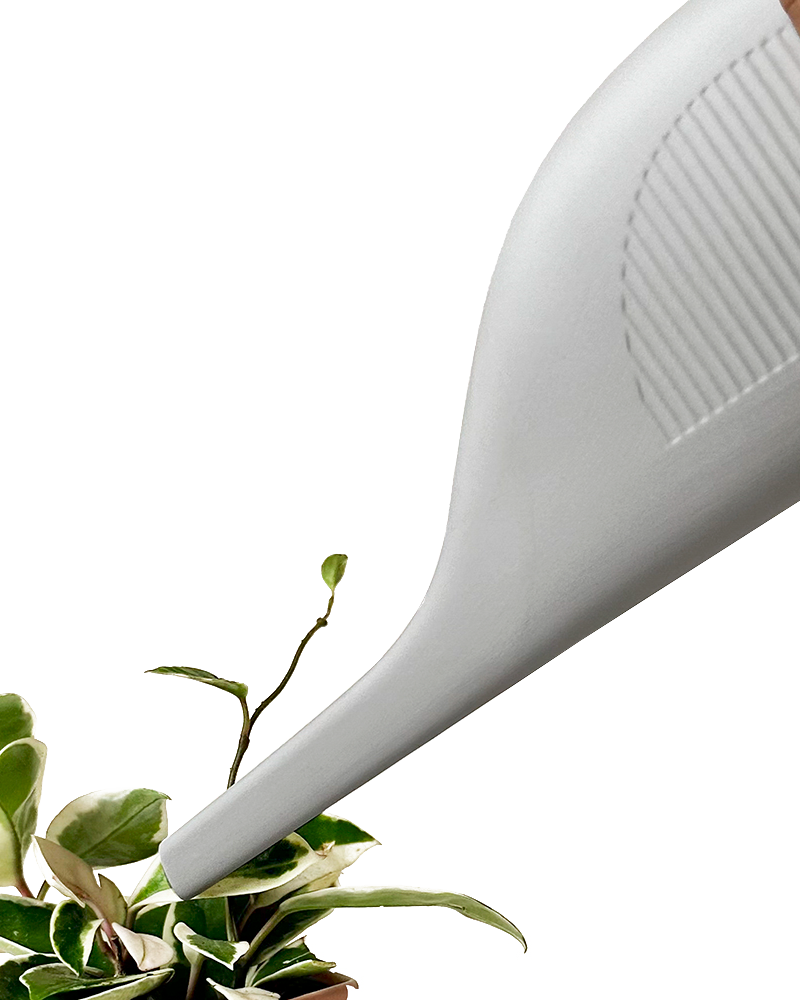
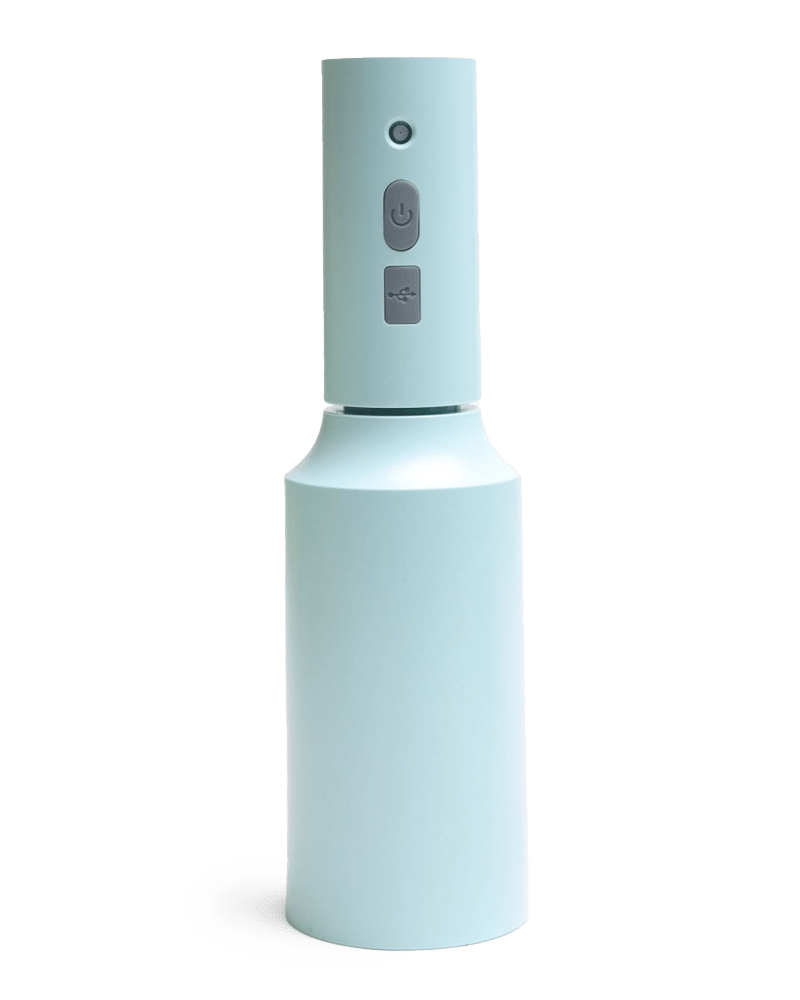
A watering can earns counter space the same way a good knife earns a block: by getting used every day instead of stashed after. The long spout on the Duenas and Jessie jugs threads past crowded leaves to reach the soil directly, so nothing needs moving before you pour. The Sprocket does the same job in glass, with the added benefit of showing exactly how much is left before a refill.

None of it asks for much in return — hand-wash, air-dry, done. Chive built this collection alongside the ceramic flower line at the same studio that's exhibited at the RHS Chelsea Flower Show since 2013, so the same standards that go into a wall flower go into a spout. A watering can that stays on the counter gets used. One that lives under the sink doesn't.
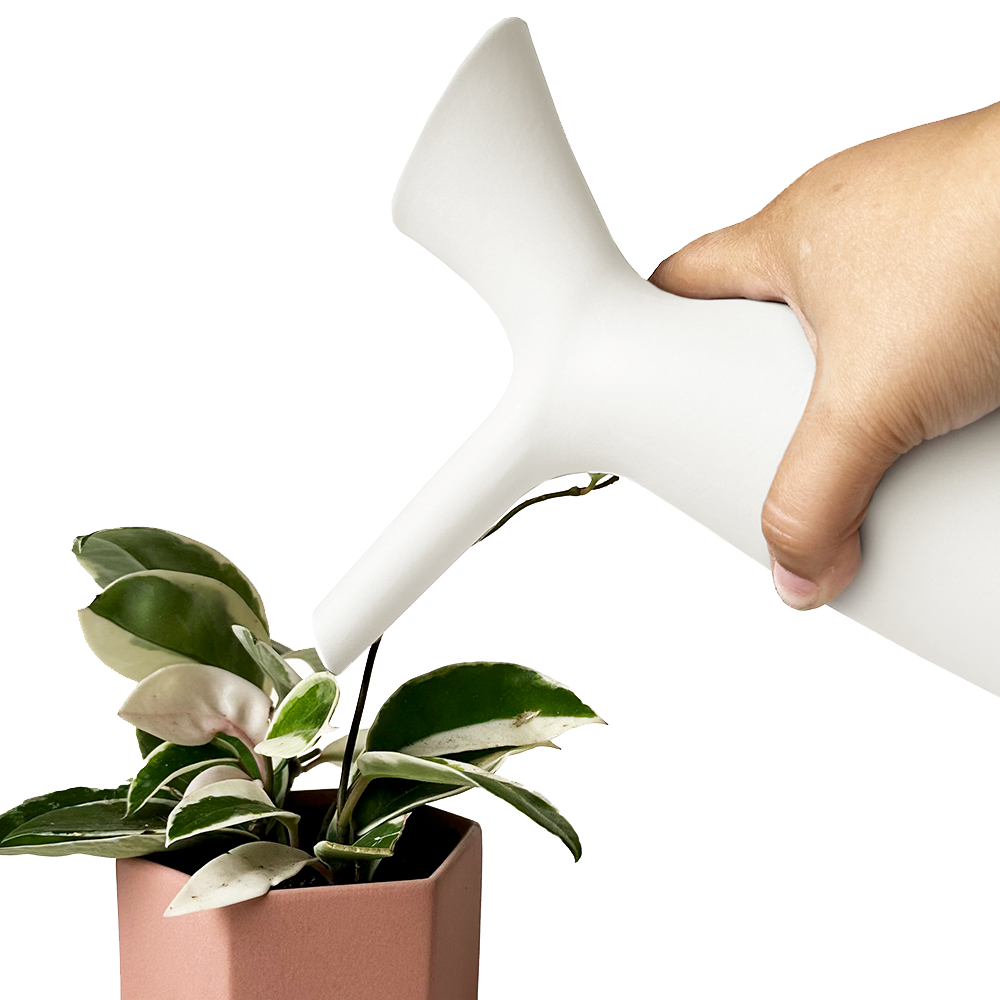
Image description

Best indoor watering can

"Best" here isn't a marketing word — it's a design constraint. A watering can only earns the label if it pours in a straight, controlled line low enough to clear crowded foliage without splashing a single leaf. That's the bar every piece in this collection was built to clear, ceramic or glass, tall or squat. Skip the ones that still spray from six inches up. This is a jug, not a sprinkler.

Plant watering jug

A plant watering jug does one thing a spray bottle and a garden hose both fail at: it delivers a controlled amount of water exactly where the roots are, without wetting a single leaf in the process. Jessie, Duenas, and Sprocket each chase that same spout-first design, just in different material and shape — no rose head, no nozzle, just a pour that starts and stops exactly on command. Fill it once, cover the whole windowsill.

The watering collection is designed at Chive Studio in Toronto, where the house has been designing since 2004, and it exhibits with the house — exhibiting at the RHS Chelsea Flower Show since 2013; twice awarded the 5-star booth award — only two are given each year. The porcelain Duenas and Jessie jugs and the glass Sprocket are finished for the counter, and every piece ships gift-ready to 40+ countries.

Reviewed by Todd Newgren, co-founder · Updated August 2026 

How Often to Water Indoor Plants

Ryan Hearst
How often to water indoor plants depends on soil, pot size, light, and season — not a fixed schedule. Check the top inch of soil, lift the pot for weight, or read the leaves. Ma...
Read more

Frequently asked questions about Watering Cans

What is the best indoor watering can for houseplants?

The best indoor watering can pours slowly and precisely to the soil line instead of dumping water across the foliage, which is the entire difference between a tool and a hazard. This collection covers that job three ways — the Duenas jug, the Jessie jug, and the glass Sprocket — each shaped to sit out on a counter rather than hide under the sink. Pick by silhouette, not by guesswork. They all pour the same.

What's the difference between the Duenas and Jessie watering jugs?

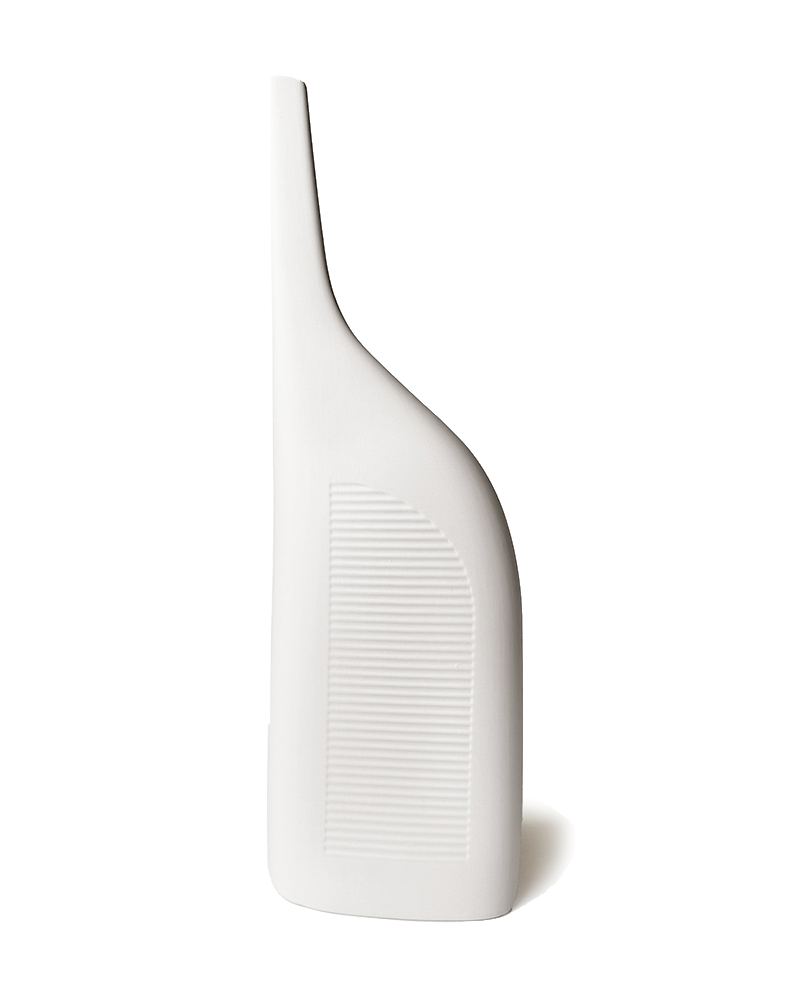
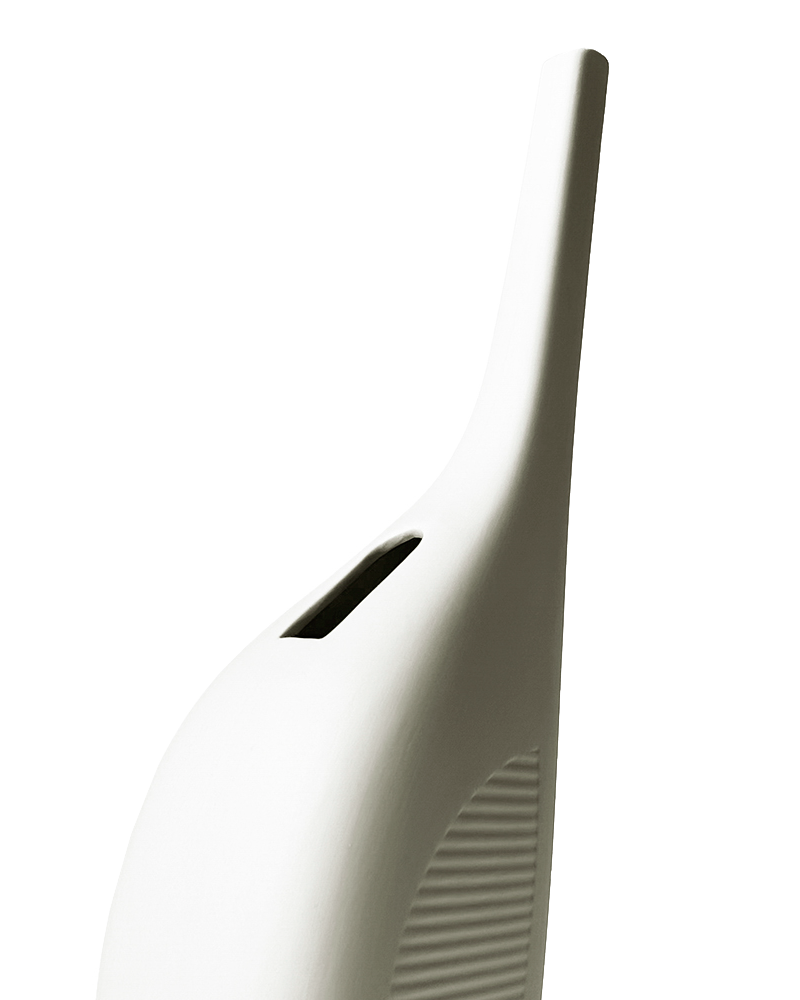
The Duenas and Jessie jugs differ mainly in footprint — the Duenas runs narrow and vertical, built for tight shelf gaps, while the Jessie sits lower and rounder, built for bigger watering rounds without a refill. Both are handleless porcelain with the same tapered spout and forty-ounce range. The shape decides where it lives. The water doesn't know the difference.

Is glass or ceramic better for an indoor watering can?

Glass and ceramic each solve a different problem here — glass shows the water level at a glance, while ceramic hides it but holds up better against a bumped counter edge. The Sprocket covers the glass side; the Duenas and Jessie cover ceramic. Neither one leaks, stains, or holds odor the way an old sports bottle with the cap off does. Pick based on what you'd rather see.

How much water does an indoor watering can typically hold?

Indoor watering cans in this collection hold between sixteen and forty ounces, depending on the piece — the compact glass Sprocket handles a tight cluster of two or three plants, while the ceramic Duenas and Jessie jugs cover a full shelf in one pass. Bigger isn't automatically better here. It's about how many plants live in one trip.

Do these watering cans need a saucer or coaster underneath?

No saucer is required for anything in this collection — ceramic and glass both sit flat and dry on wood or stone without sweating or staining under normal use. A quick wipe after filling with very cold water is the only precaution worth remembering. Otherwise, set it down and walk away. The counter handles the rest.

What is a watering can with a long spout used for?

A watering can with a long spout is built to reach past crowded leaves and deliver water straight to the soil, which matters most on plants with wide or trailing foliage that a short-spout can would just spray over. The Duenas and Jessie both carry this profile. Precision is the whole feature. The rest is just glaze.

How do you clean and care for a ceramic watering jug?

Ceramic watering jugs need hand-washing only — no dishwasher, no abrasive scrub, just warm water and a soft cloth if mineral spots build up near the spout. The glaze doesn't absorb odor or stain from fertilizer-dosed water the way an unfinished container might. Dry it before setting it back on the counter. That's the entire routine.

Where is the Chive watering can collection designed and made?

The Chive watering can collection is designed in Toronto, where the studio has exhibited at the RHS Chelsea Flower Show since 2013 and won the 5-star booth award twice — an honor given to only two exhibitors a year. The jugs came out of the same studio as the ceramic flowers, built by people who apparently couldn't leave a plain watering can alone. Design habits don't stay contained.

2004 Making ceramics since
200+ Institutions worldwide

RHS Chelsea Flower Show2026 4-star booth award recipient
2 x 5-star booth award — winner
Exhibiting since 2013

About Chive Studio

Chive Studio has designed ceramic wall flowers in Toronto since 2004. The watering collection is the studio's answer to the object that waters them all — jugs and cans finished for the counter, not the cupboard. The misting side of the routine lives under plant accessories, the feeding side under indoor plant food, and the pots being watered under plant pots.

Learn more about Chive Studio →

Chive in the Press →·