


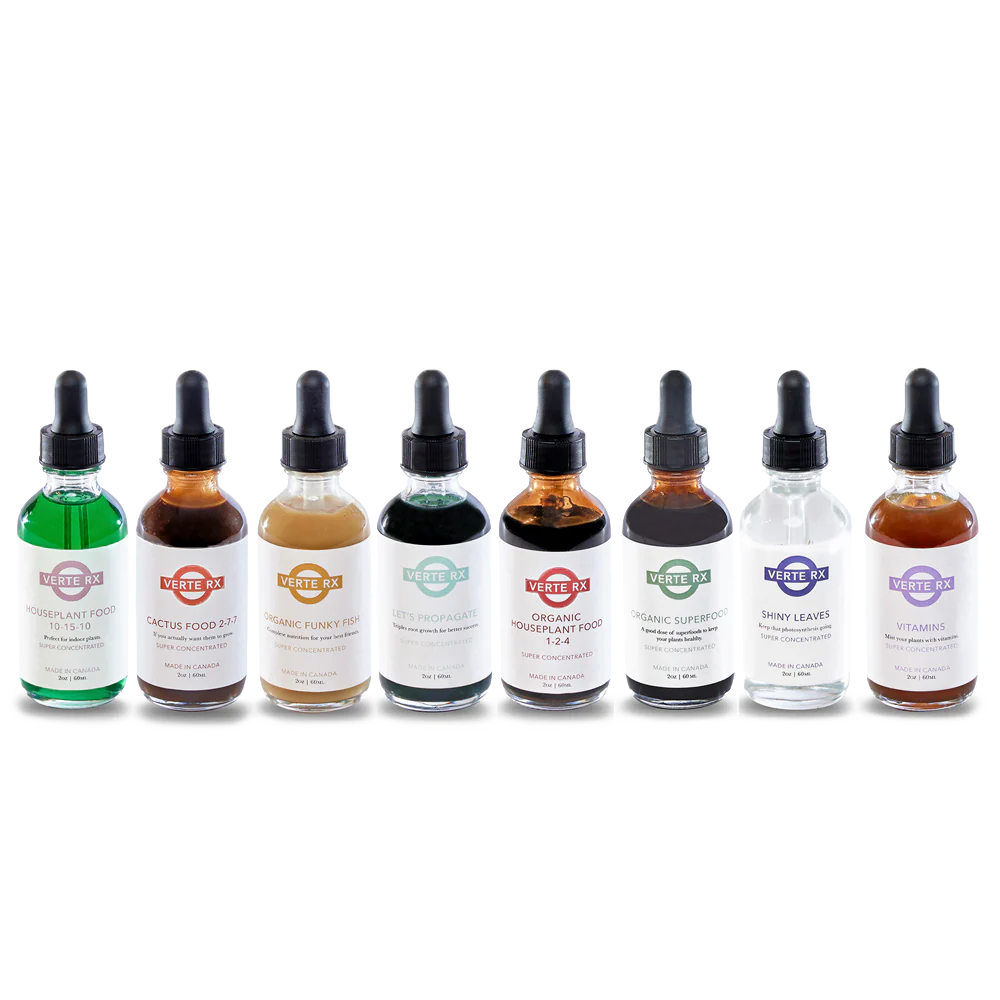


Turning Your Indoor Jungle from Tragic to Magic: Chive Tips for Plant Perfection
Welcome to Chive Blogs, where every houseplant gets a chance to thrive—and so do you. Our tips on houseplants, pots, and decor will save your indoor jungle from disaster. From fending off a fern-cicle to avoiding the silent treatment from succulents, we’ve got you covered. Get ready for advice that’s as fresh as morning dew, ensuring your indoor garden is the envy of your office and maybe even your snooty neighbor.
Are Seed Packets GMO? The Honest Answer
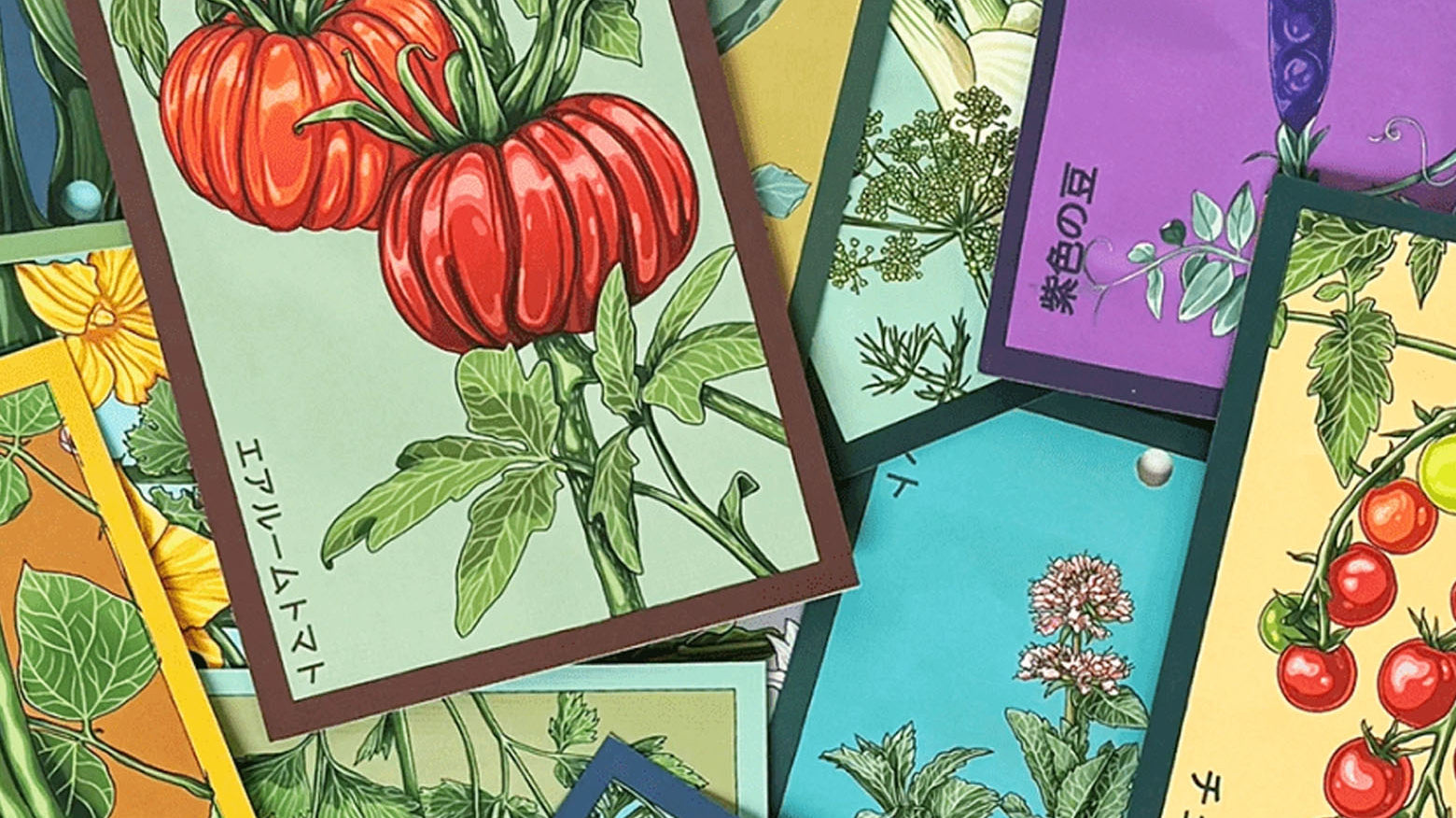
Are seed packets GMO? No—home garden seed packets, Shido included, are never genetically modified, since GMO seed is only made for large-scale commercial crops. The non-GMO badge is true but tells you nothing useful. What actually separates good seeds from bad will surprise you.

Heirloom vs Hybrid Seeds: What Actually Differs
Heirloom seeds aren't automatically better than hybrid seeds—each suits different goals, from saving seed year to year to fighting off disease. The real difference is genetics, not quality. Here's what actually separates them, and which one your garden needs this season.
Do Seeds Expire? How Long Do Seeds Last
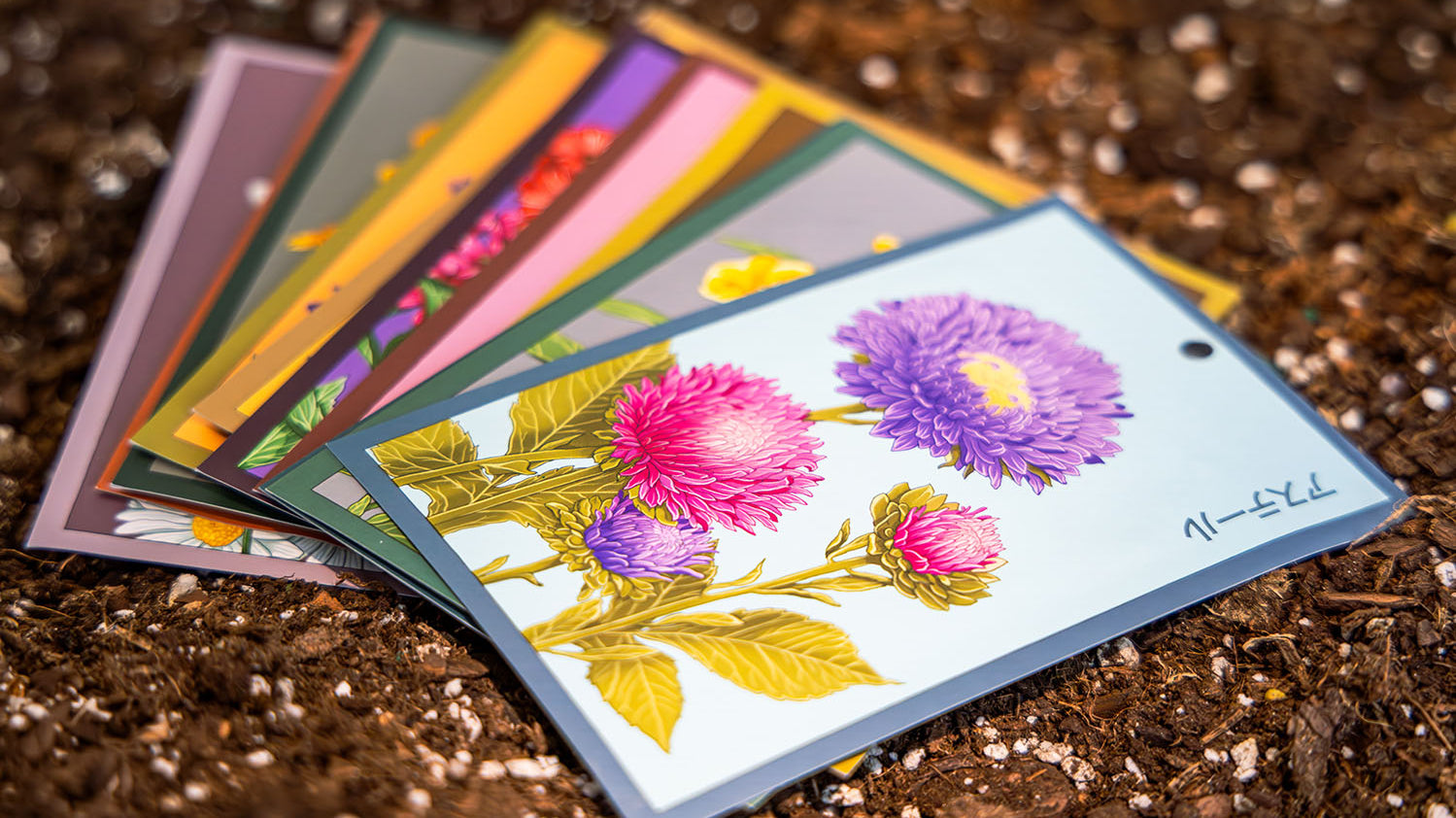
Seeds don't expire — they lose viability as oxygen depletes stored energy, and vacuum sealing is the fix. Chive's Shido Seeds are vacuum-sealed, germination-tested, and stocked at the New York Botanical Garden. Your drawer of paper packets deserves a harder look.
How to Plant Zinnia Seeds | Shido Seeds Guide
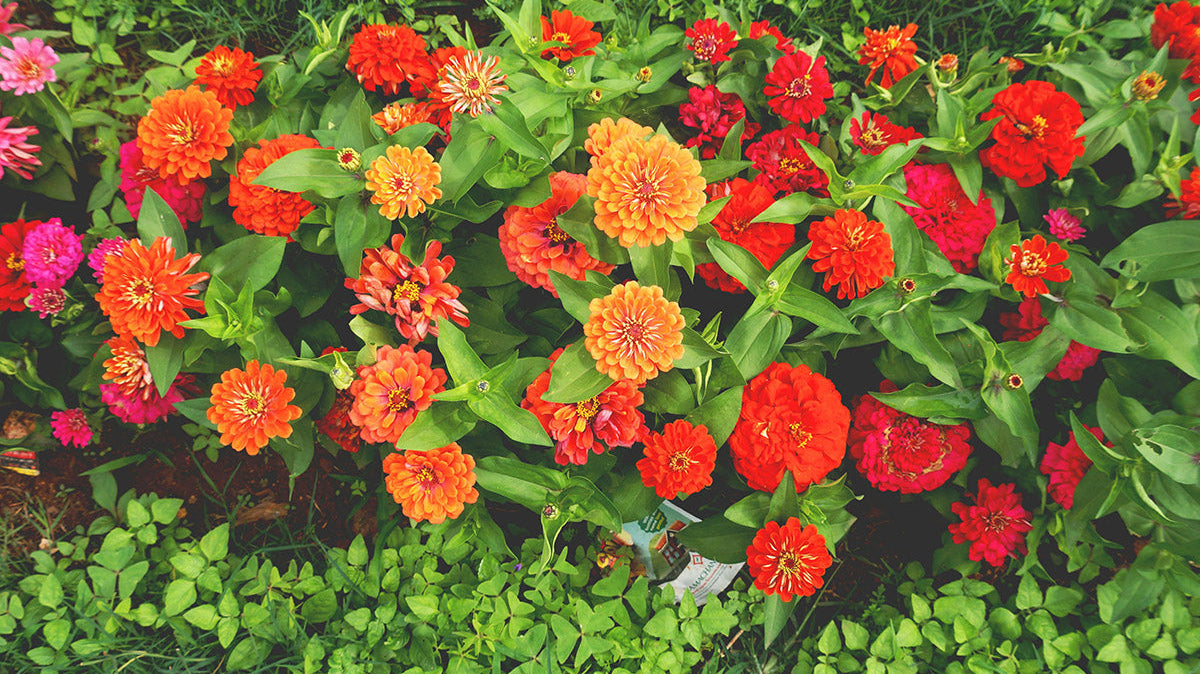
Zinnia seeds germinate in 7 days and bloom all summer long. You plant one packet thinking "a little color." By August, the zinnias have taken over. Learn the one rule that keeps them blooming — and why you should plant twice as many as you think you need.