Petri Glass Terrarium Jar For Succulents

Petri Glass Terrarium Jar — Wide Shallow Dish for Succulent Rosettes

Regular price $24.85
Drainage hole
Saucer Included
30-day return policy

Give Your Plants What They're Missing:

Start with the terrarium, then build out the shelf with the tools that keep what's inside actually thriving.


A terrarium jar shaped like a petri dish decided to grow something other than bacteria, and that origin story is about as glamorous as it gets. The Petri measures 3.75 inches across and 4.75 inches tall, with a flat glass lid that rests on a ground rim — wide, squat, and purpose-built as a terrarium for succulents that spread laterally rather than climbing upward. Low rosette varieties like echeveria and sempervivum sit at the widest point of the interior, leaves fanning outward where refracted light reaches every surface. The glass jar terrarium accepts a gravel base, a thin cactus-soil layer, and one or two compact specimens. Remove the lid for desert species that demand constant airflow, or keep it loosely placed during winter months when heating strips ambient humidity below survivable levels. The flat lid doubles as a coaster when removed — a function nobody designed on purpose but everyone uses.

Product detail
  • Color:
  • Material: Glass
  • Glaze finish: Translucent
  • Finish variation: Natural variation between pieces
  • Drainage:
  • Saucer:
  • Dishwasher safe: Yes
  • Indoor / Outdoor: For indoor use and covered outdoor temperate weather use
  • Designed by: Chive Studio
  • Year Designed: 2012
Dimension
  • 3.75" diameter, and 4.75" tall

Plants that love this pot

Quick Terrarium Building Guide:

  1. Add a Drainage Layer
  2. Add Soil
  3. Place Your Plants
  4. Top It Off
  5. Water Sparingly
Pot Care instructions
  1. Dishwasher-safe. Can also be hand-washed with warm soapy water and a soft cloth.
  2. Glazed terrariums and dishes are dipped and kiln-fired — they are sealed, durable, and not looking for trouble. No special cleaning products required.
  3. Not frost-safe. Designed for indoor use and covered outdoor temperate weather use. Freezing temperatures are not recommended.
Shipping & returns

Shipping

  • Free shipping: On qualifying US orders — threshold shown at checkout
  • Standard: 5–8 business days Express2–3 business days (at checkout)
  • International Ships: to 40 countries — rates at checkout
  • Packaging Ships: in outer box to protect gift box

View full shipping policy →

Returns

We accept returns within 30 days of delivery on unused items in original packaging. If your piece arrives damaged, contact us within 14 days with a photo and we will replace it at no charge.

View full return policy →

Wholesale Inquires

Have a cool shop? Know someone that does?

Find Chive on Faire →

Pots So Good, Even Your Plants Will Thank You

Wide geometry changes the humidity equation fundamentally. A shallow interior with a broad opening exposes more soil surface to ambient air, which means moisture evaporates quickly and consistently rather than lingering at the base where it invites root decay. Compare that to a tall narrow vessel where water pools at the bottom and saturated air stacks vertically — the Petri avoids that gradient entirely by keeping the air column short and the ventilation cross-section large. The flat lid creates a sealed chamber when placed flush, which proves useful during dry winter months when indoor humidity drops below thirty percent and even resilient succulents start curling at the leaf margins. Lift the lid and the chamber opens instantly to full ambient conditions — no intermediate vent to calibrate, no sliding mechanism, just on or off. The glass wall at its thickest section protects against brief temperature swings from a nearby window or heating vent, while the polished base sits flat on any surface without a wobble or a tilt. The wide aperture admits your entire hand for planting, soil adjustment, and the kind of compulsive pebble rearrangement that apparently afflicts everyone who keeps succulents in transparent containers on visible shelves anywhere in their home.

Choosing the Right Terrarium Container

Shape matters more than most people expect:

  • Wide, shallow bowls and dishes work well for succulent clusters — several small plants sharing one visible root zone, with plenty of surface area for soil to actually dry out between waterings.
  • Tall, narrow jars hold humidity near the base while venting excess moisture from an open top — a good middle ground if you want an enclosed look without going fully sealed.
  • Flat-backed or wall-mounted shapes (like a half-moon bowl) solve a placement problem more than a planting one — useful when floor or table space is the real constraint, not the terrarium's needs.
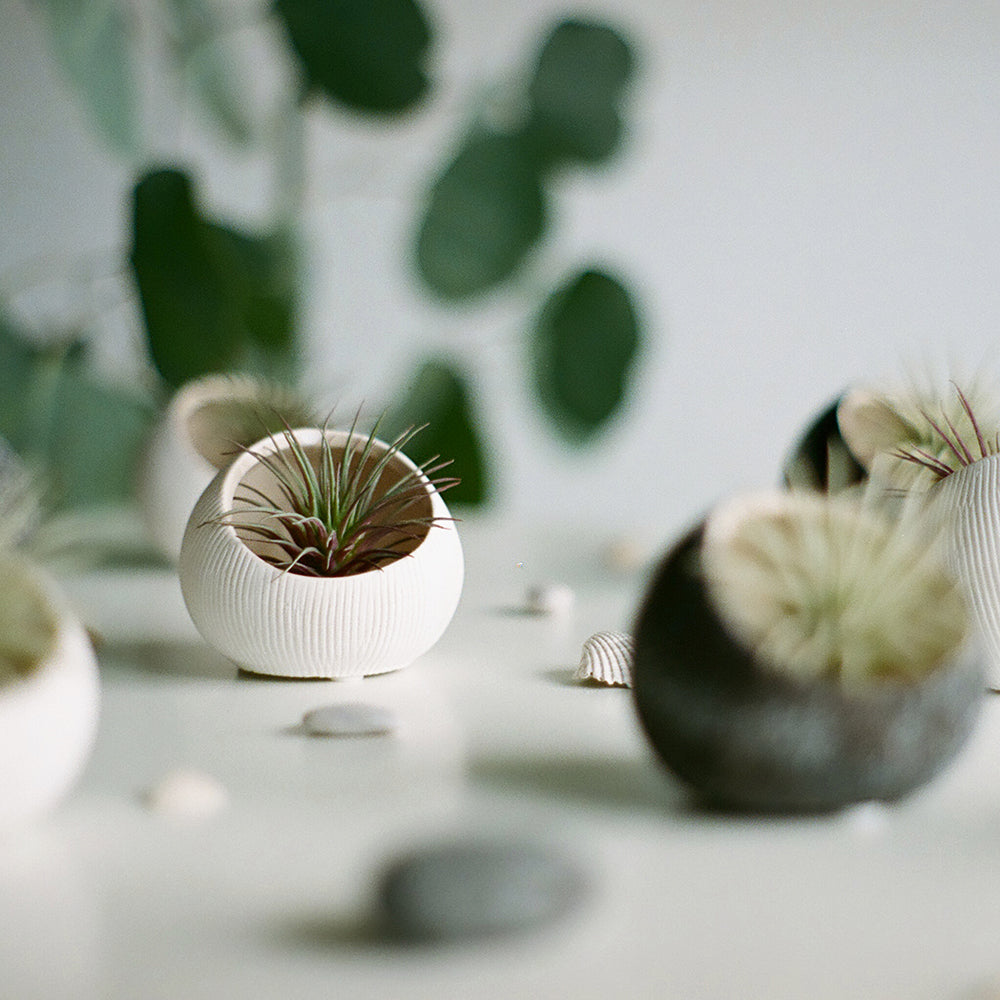
  • Open, punched ceramic shapes (built for air plants specifically) skip soil entirely, relying on airflow through negative space rather than drainage.
Pill Glass Terrarium Jar For Succulents - Chive Ceramics Studio - Terrariums - Chive Wholesale

Tall Capsule Jar

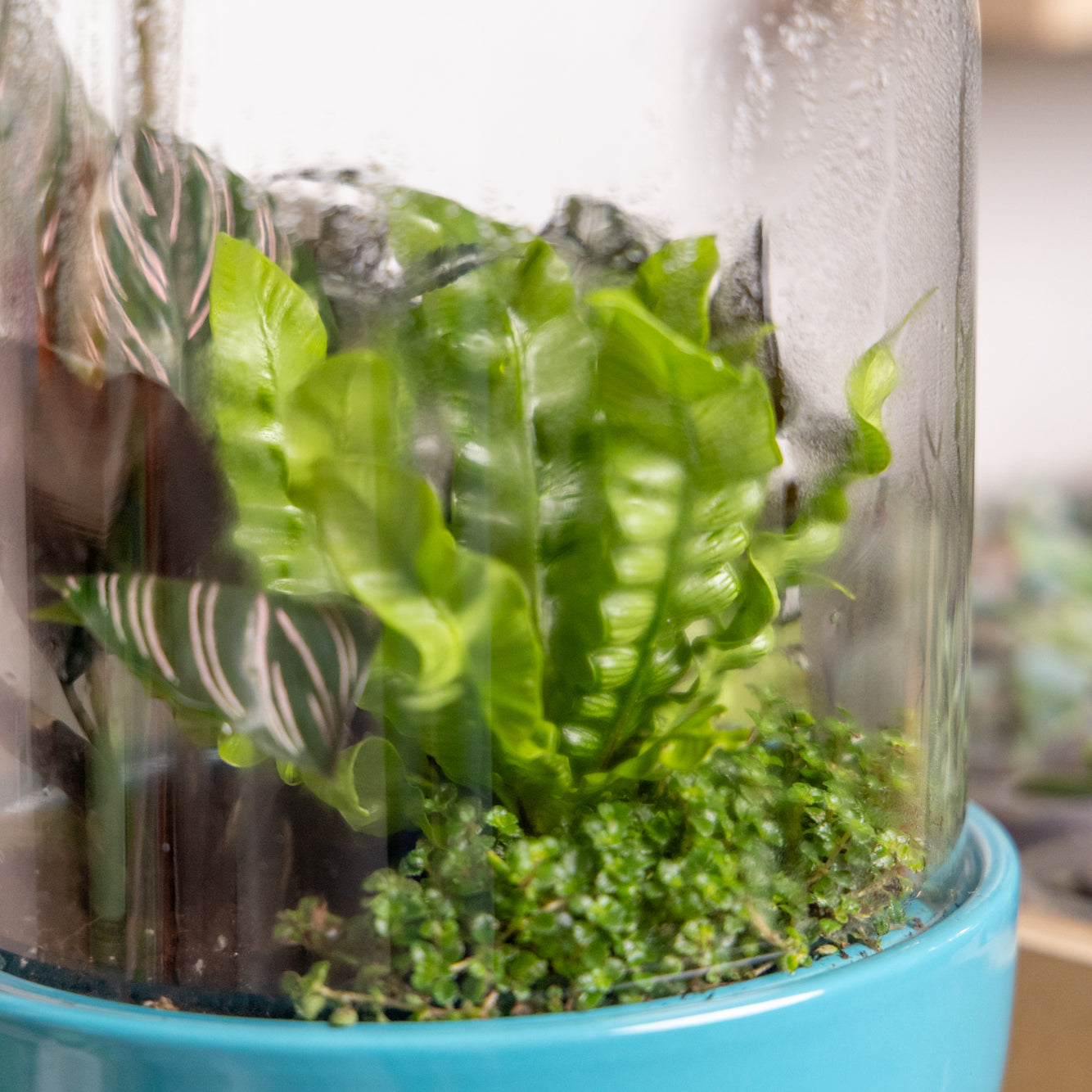
For species that climb upward rather than spreading outward, the Pill glass terrarium jar offers a seven-inch capsule profile with a fitted lid and a narrower substrate zone. Same material, opposite axis — the Pill accommodates string-of-pearls and haworthia that need vertical clearance above the soil line. Compare the Pill dimensions to match your growth direction.

All Terrariums

Jars, bowls, ceramic cups, blown-glass globes, and wall brackets — the terrariums collection covers eight products organized by shape and growing environment. Sort by material to compare the Petri against the rest of the Chive range and find the vessel that best matches your rosette species.

Verte Rx Houseplant Food 10 - 15 - 10 - Chive Ceramics Studio - Chive Ceramics Studio

Organic Nutrient Boost

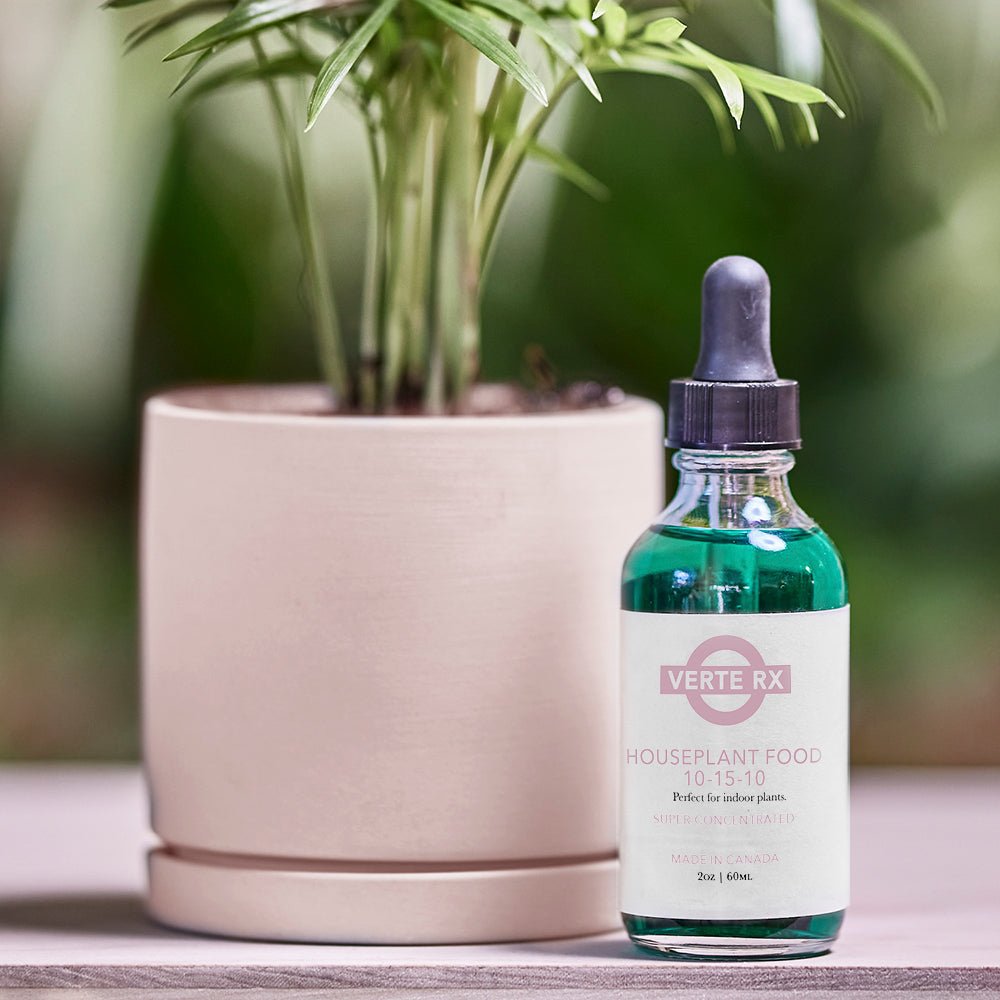
Succulents in shallow jars exhaust micronutrients within a few months because the soil volume is minimal. Verte Rx Organic Funky Fish Plant Food provides a fish-emulsion concentrate that replenishes nitrogen and trace minerals without synthetic additives. Dilute to quarter strength for jar-grown specimens and apply every four to six weeks.

The Chive Story

Chive has produced glass vessels since 2004, and the Petri emerged in 2012 alongside its taller sibling using the same logic that named every product in the catalog: it resembles the thing it is named after. Our Philadelphia Flower Show booth that year paired the Petri with the Pill on a comparison shelf, and visitors chose between them based on growth habit alone.


Plant Tips from Chive Studio

Quick tips, straight answers, and the occasional reminder that overwatering kills more houseplants than neglect does.

Peperomia Plant Care: The Generous Houseplant

Todd Newgren
Peperomia plant care is forgiving, low-light friendly, and built for propagation. During Chive's time in the plant shop, we've been giving them away at Christmas every year. Her...
Read more

How to Repot a Plant: Watch for the Linen

Todd Newgren
How to repot a plant comes down to three signs, one rule, and one soil decision that most people get wrong. Chive Studio has been making drainage pots since 2004. The neighbor i...
Read more

Frequently asked questions

What is the best glass terrarium jar for growing succulents?

A wide shallow jar with a removable lid lets rosette species spread naturally while giving you direct humidity control. The Petri at 3.75 inches across provides lateral room for one or two compact echeveria, and the flat glass lid converts the open vessel to a sealed chamber during dry winter months. Our grower, Arno, stocks these specifically for customers who keep succulents on shelves near radiators where ambient moisture drops sharply by November.

Is a wide shallow terrarium jar good for succulents?

Ideal. Rosette succulents grow outward, not upward — they need horizontal space more than vertical clearance. A shallow jar keeps the soil layer thin, which prevents waterlogging, and the wide opening ensures rapid evaporation after each watering cycle. Our plant consultant, Simone, recommends shallow vessels for every rosette species and reserves tall jars exclusively for trailing or columnar varieties.

How do you set up a succulent in a Petri terrarium jar?

Place a half-inch layer of fine gravel at the bottom, then one inch of cactus-mix soil. Position the rosette at center with its root ball pressed gently into the substrate, and fill around it until soil meets the lower leaf margin. Brush loose particles off the inner glass with a soft paintbrush. Our display coordinator, Kasper, finishes every jar with a ring of decorative sand around the rosette — purely aesthetic, but it photographs well under shop lighting.

How wide is the Petri glass terrarium jar in inches?

The jar measures 3.75 inches in diameter and stands 4.75 inches tall with the lid seated. The opening spans approximately 2.5 inches across, which admits adult fingers for planting and repositioning. Our QA specialist, Elin, measures every production batch and reports consistent dimensions within a two-millimeter tolerance — tight for handblown glass and well within functional range.

How much light do succulents in a shallow glass jar need?

Aim for roughly five hours of ambient brightness each day without direct beams. A north-facing or east-facing spot near a window provides steady illumination that avoids the magnified heat western glass produces in the afternoon. Our office manager, Frida, keeps hers on a bookshelf that catches reflected daylight from across the room — gentler than any sill position and sufficient for echeveria.

How often do you water succulents in an open terrarium jar?

Roughly twice monthly when the plant is actively growing, tapering to once monthly in winter dormancy. Apply water from a squeeze bottle directed at the soil perimeter, avoiding the rosette crown where trapped droplets promote fungal spotting. With the lid removed, evaporation is rapid — our warehouse supervisor, Lutz, checks the soil surface with a wooden skewer and waters only when it comes out completely dry, which he calls the chopstick test.

Which is better for succulents, an open or closed terrarium jar?

Depends on your indoor humidity. Desert species like echeveria and sedum prefer open conditions where moisture exits the jar within hours. Tropical varieties tolerate closed or semi-closed environments where humidity lingers near the foliage. The Petri lid lets you toggle between configurations by season — remove it in humid summer, replace it during arid furnace-heated winter. Our buyer, Marek, uses the same jar all year and adjusts only the lid position.

When did Chive design the Petri glass terrarium jar?

The Petri launched in 2012, the same production cycle that split the single-glass globe from its trio mold. The naming followed the same logic as every other Chive product: it resembles the thing it is named after. A petri dish that decided to grow plants instead of mold cultures. Our original glassblower, Henrik, prototyped the wide-shallow form from a biology class memory, and the silhouette has remained unchanged since.

Shido Vegetable and Flower Seeds Vacuum sealed for peak freshness

The pot is sorted. Now what goes in it?

Shido seeds come vacuum-sealed, non-GMO, and packaged well enough that people keep the packets after the seeds are gone. Which is either a design success or a problem, depending on how you look at it.

Your new pot is waiting.