
Big Flower Coreopsis Flower Seeds Packet

Regular price $4.95
Vacuum Sealed
NON-GMO
Seed Pack Guarantee

Build Your Garden With These Shido Seeds

Choose a seed packet as your starting point, then round out the bed with these for that thrown-together-but-somehow-perfect harvest.


Coreopsis seeds grow into a drought-tolerant perennial that produces large golden-yellow daisies through the hottest weeks of summer. Shido coreopsis seeds are non-GMO and hermetically vacuum-sealed — a dependable start for a border that keeps producing through August heat — while standard paper-packed seeds lose germination viability within approximately one year.

It produces large golden-yellow daisies through the hottest weeks of summer, precisely when most of the border has already given up. It tolerates poor soil and neglect that would send most perennials into decline, and simply keeps producing flowers regardless of either. It keeps blooming precisely when everything nearby has quietly checked out for August. Deadhead it now and then and the golden blooms keep coming long after most perennials sharing the bed have quietly called it a season and settled in for a long, quiet dormancy. Every packet ships germination-tested at independent third-party labs before packaging.

Seed specifications
  • Material: Seed
  • Botanical name: Coreopsis Grandiflora
  • Genus: Coreopsis
  • Plant family: Asteraceae
  • Species: grandiflora
  • Plant type: Perennial
  • Pollination type: Flowers
  • USDA Hardiness Zones: 4–9
  • Packet contents:
  • Packaging: Hermetically vacuum-sealed
  • Non-GMO: Yes
  • Seed viability: Up to 10 years (sealed) / 4–5 years (unsealed, ideal conditions)
  • Difficulty: Easy - Beginner Friendly
Sowing & growing guide

Quick Sowing Guide:

  • When to sow: Direct sow after last frost, or 6-8 wks before indoors
  • Sowing depth: Surface sow, press lightly
  • Initial spacing: 12-18 in
  • Row spacing: 18-24 in
  • Days to germination: 10-20 days
  • Light: Full sun
  • Water: Low to moderate
  • Soil: Well-drained, average to poor soil
  • Harvest: 80-90 days to bloom

Start Growing: Step-by-step sowing and growing guide

About vacuum sealing

Why Vacuum-Sealed Seeds Last Longer

Standard paper seed packets are permeable to oxygen and moisture -- the two primary causes of seed degradation. Most paper-packaged seeds begin losing germination viability after approximately one year, contributing to significant garden-industry waste: packets purchased, not planted, expired, discarded. Shido Seeds are hermetically vacuum-sealed. The packet does not expire quietly in a drawer. It waits.

About the Packaging

Every Shido seed packet is illustrated in the style of Japanese 1910s woodblock printing -- designed and drawn in-house by Chive, that has been exhibiting at the Chelsea Flower Show in London every year and does not, as a matter of principle, sell to big-box retailers. Customers collect the packets as a series. This was not the original plan.

Shipping & returns

Shipping

  • Free shipping: Orders $200+ within the US
  • Standard: 5–8 business days, Express 2–3 business days (at checkout)
  • International Ships: to 40 countries — rates at checkout
  • Packaging Ships: in outer box to protect gift box

View full shipping policy →

Returns

We accept returns within 30 days of delivery on unused items in original packaging. If your piece arrives damaged, contact us within 7 days with a photo and we will replace it at no charge.

View full return policy →

Satisfaction Guarantee

We stand by the quality of our flower seed packets! Every Shido seed packet is lab-tested for germination before it ships. If your seeds do not perform to the stated germination rate under correct growing conditions, contact us and we will replace or refund. Guaranteed!

Wholesale Inquires

Have a cool shop? Know someone that does?

Find Chive on Faire →

Radish Horticultural Specifications

Botanical

Coreopsis Grandiflora

Plant Type

Perennial

Light

Full sun

Water

Low to moderate

Soil

Well-drained, average to poor soil

Depth

Surface sow, press lightly

Germination

10-20 days

USDA Zone

4–9

Mature Height

1-2 ft

Harvest

80-90 days to bloom


The Story Behind This Packet

Big Flower Coreopsis seeds have been part of the Shido lineup since the collection first opened, grown into a drought-tolerant perennial that produces large golden-yellow daisies through the hottest weeks of summer. Every packet is illustrated in the style of early-1900s Japanese woodblock printing, drawn in-house rather than licensed, which means the artwork on this packet exists nowhere else. The seeds themselves are hermetically vacuum-sealed, a packaging choice that has as much to do with the garden as the growing does: a standard paper packet starts losing viability within about a year, while a vacuum seal holds that line for years longer, so the packet in a drawer is still a packet worth planting whenever the moment actually arrives. Shido treats the seed itself as worth that extra step, on the theory that a gardener who buys coreopsis seeds deserves a packet that is still viable whenever they finally get around to using it, not just the season they bought it.


History & origin

Native Range

Coreopsis grandiflora is native to the southeastern and south-central United States, from Virginia and Kentucky south to Texas and Florida.

1826, England

Formally described by Thomas Hogg and named by Robert Sweet in The British Flower Garden.

Common Name Origin

The genus name comes from the Greek koris ("bug") and opsis ("resembling"), a reference to the seed's resemblance to a tick — giving rise to the common name "tickseed."

19th-20th Century Cultivation

Long grown in native prairies and open woodlands before entering wider cultivation; the compact cultivar 'Early Sunrise' won an All-America Selections award in 1989 and remains one of the best-selling forms today.

Today

A popular low-maintenance perennial for borders, meadows, and pollinator gardens, prized for tolerating poor, dry soils where many other flowering plants struggle.

Shido Vegetable and Flower Seeds Vacuum sealed for peak freshness

Step-by-Step Sowing & Growing Guide

Getting Started

Perennial

Step 1: Timing - Direct sow after last frost, or start indoors 6-8 weeks earlier.

Step 2: Soil - Well-drained, average to poor soil.

Step 3: Sowing - Surface sow and press lightly.

Step 4: Germination - 10-20 days.

Step 5: Transplant - Space 12-18 inches apart once established.

Before you start

Materials needed to sow

  • Seed trays (for an early start indoors), or a prepared garden bed for direct sowing: Either method works.
  • Seed-starting mix: If starting indoors.

Materials for harvest and storage

  • Scissors: For cutting stems or deadheading spent blooms.
  • Small basket: For collecting the harvest.

Tip: Deadhead regularly to extend the bloom season significantly.

Growth Requirements

Light:

  • Requires full sun for best bloom production (at least 6-8 hours per day).

Soil:

  • Prefers well-drained soil with moderate fertility.
  • Tolerates sandy and rocky soils but does poorly in waterlogged conditions.

Watering:

  • Needs moderate watering during establishment.
  • Once mature, it is drought-resistant and requires only occasional deep watering.

Temperature & Climate:

  • Thrives in warm climates and is hardy in USDA zones 4-9.
  • Can tolerate light frost but may need winter protection in colder areas.

Fertilization:

  • Too much fertilizer can cause excess foliage growth at the expense of flowers.
  • A light application of balanced fertilizer in spring is sufficient.

Maintenance

Watering:

  • Water regularly during the first few weeks of growth.
  • Once established, only water during prolonged dry spells.

Deadheading:

  • Remove spent flowers to encourage continuous blooming.
  • Deadheading prevents self-seeding if you want to control spreading.

Pruning:

  • Cut back plants in late summer to promote a second flush of blooms.
  • In fall, leave some seed heads for birds or trim back for tidiness.

Harvesting & Seed Collection

  1. Harvesting Flowers:
    Cut flowers early in the morning for fresh floral arrangements.
    Use sharp scissors and place stems in water immediately.
  2. Saving Seeds:
    Allow some seed heads to dry on the plant.
    Collect seeds and store them in a cool, dry place for next season.

Troubleshooting and common mistakes

  • Overfertilizing: Rich soil produces floppy growth with fewer blooms — coreopsis performs best in lean conditions.
  • Not deadheading: Skipping deadheading shortens the bloom season considerably.
  • Overwatering in poorly drained soil: Coreopsis tolerates drought well but declines quickly in soggy conditions.

Culinary uses & nutritional information

What it's used for

1. Ornamental Uses:

  • Perfect for flower beds, borders, and cottage gardens.
  • Works well in wildflower meadows and naturalized landscapes.
  • Looks stunning in container gardens.

2. Pollinator Attraction:

  • Attracts bees, butterflies, and other beneficial insects.
  • Provides an important nectar source for pollinators.

3. Cut Flowers:

  • Long-lasting blooms make beautiful cut flowers.
  • Used in floral arrangements and bouquets.

4. Low-Maintenance Landscaping:

  • Ideal for xeriscaping due to its drought tolerance.
  • Helps with erosion control in sloped areas.

What parts are edible

Nutritional data

Companion plants, pests & diseases

Companion planting

Good companions

  • Black-eyed Susan, echinacea — classic prairie-style perennial pairing with matching bloom time
  • Ornamental grasses — shares sun and drought tolerance

Poor companions / avoid

  • Rich, heavily fertilized soil — coreopsis flops and declines in overly fertile beds

Pests

  • Aphids: Cluster on new growth. Strong water spray or insecticidal soap.
  • Spider mites: Fine webbing on undersides of leaves, worse in hot, dry conditions.

Diseases

  • Powdery mildew: White powdery coating on leaves, common in crowded, humid plantings. Improve air circulation and avoid overhead watering.
  • Root rot: Soft, blackened roots from overwatering or poor drainage. Allow soil to dry between waterings.
  • Leaf spot: Dark, irregular spots on foliage, worse in wet conditions. Remove affected leaves and avoid overhead watering.

Pro Tip

Deadhead spent blooms regularly to encourage continuous flowering. Once established, it requires minimal watering, making it perfect for low-maintenance gardens. Cut back plants in late summer to promote a second bloom and healthier growth the following season!

Seeds worth keeping

What makes Shido Seeds different

Shido Seeds are designed by Chive Studio, a ceramic design company. We are not a seed conglomerate. We do not sell through big-box retailers. Each variety in the catalog was selected because it is worth growing — not because it ships well in bulk or photographs well in marketing materials.

Every packet is germination-tested at an independent third-party lab before it earns its woodblock illustration. The vacuum seal removes the oxygen that causes standard paper packets to degrade. The stated germination rate is a floor, not a marketing figure.

If something goes wrong, contact us. We will make it right.

Plants that Grow together look good together...even if they are ceramic

More From the Shido Garden
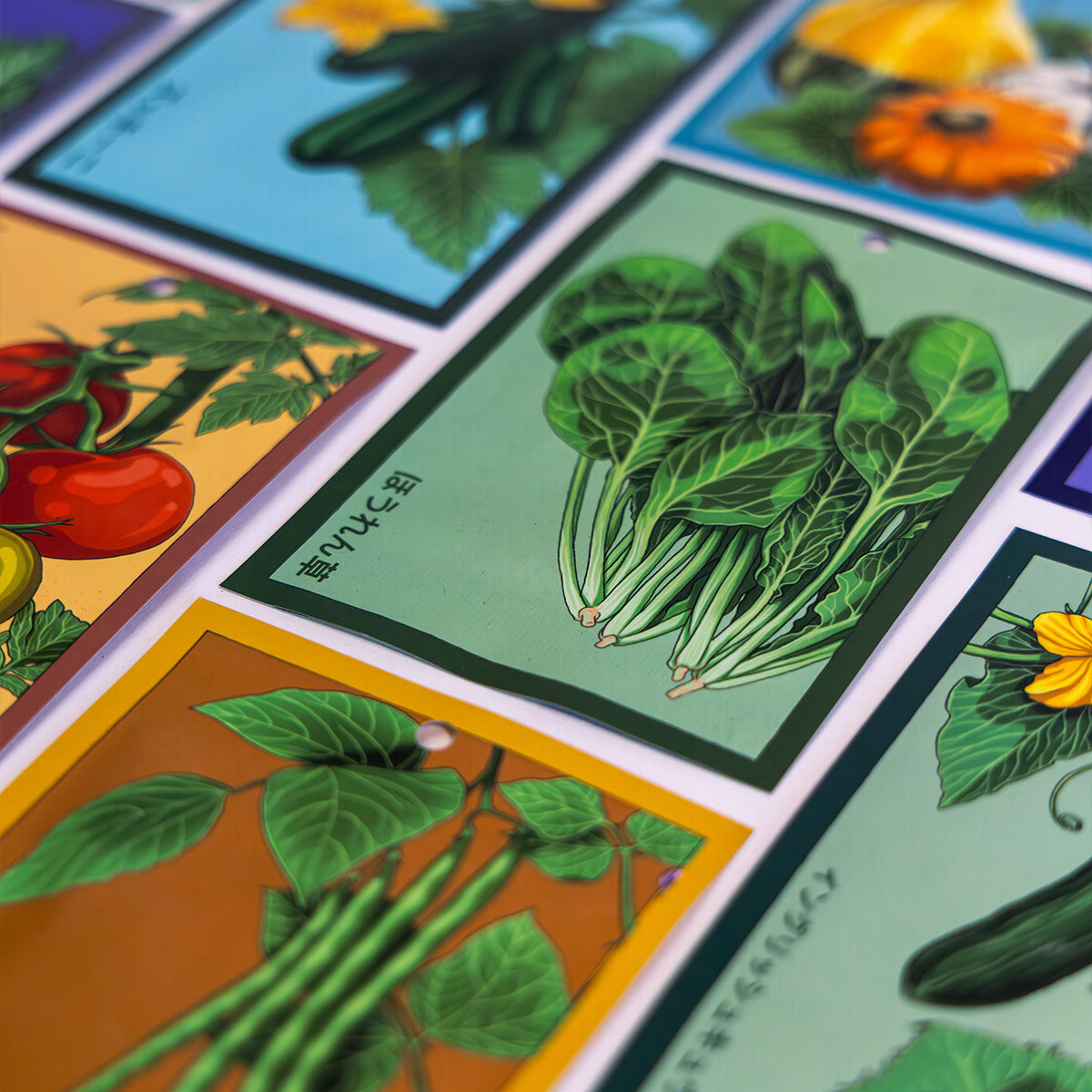
Every Shido variety belongs to a wider garden of vacuum-sealed packets, each illustrated in-house. If big flower coreopsis suits your garden, Ranunculus offers a related but distinct character worth growing alongside it.

Vegetable Shido Seeds packets — by Chive Studio Toronto

Explore the Full Flower Seeds Collection

Shido Seeds spans flowers, vegetables, herbs, houseplants, and fruit & berry varieties, all sealed for lasting germination. Explore the Shido Seed Flowers Collection for more varieties that share big flower coreopsis's easy-care approach to the garden.

Buttercup Yellow Gay Paree Peony - Chive Ceramics Studio - Ceramic Flowers - Chive Ceramics Studio

Ceramic Flowers That Never Wilt

Chive also makes ceramic flowers that never need water, sun, or a growing season of their own. Big Flower Coreopsis takes real patience before it shows its full character, but Chive's Ivory Charm Peony arrives already at its best.

Chive Shido seed packets with botanical illustrations on a peg rack, showing cherry blossom, tomato, and eggplant designs.

The credentials behind the packet

Chive Studio started as a ceramics workshop and grew, one collection at a time, into seeds, vases, and everything else now carrying its name. Shido Seeds is the newest branch of that same tree, built on the belief that a seed packet deserves the same attention to material and design as a ceramic vase does. That is why every variety, big flower coreopsis included, ships vacuum-sealed rather than paper-packed, and why the packaging is illustrated rather than merely printed.


Plant Care, Simplified with Chive

Keep it alive, keep it thriving. Let's make plant parenthood look easy.

Are Seed Packets GMO? The Honest Answer

Todd Newgren
Are seed packets GMO? No—home garden seed packets, Shido included, are never genetically modified, since GMO seed is only made for large-scale commercial crops. The non-GMO badg...
Read more

Heirloom vs Hybrid Seeds: What Actually Differs | Shido

Todd Newgren
Heirloom seeds aren't automatically better than hybrid seeds—each suits different goals, from saving seed year to year to fighting off disease. The real difference is genetics, ...
Read more

Frequently asked questions

How long do coreopsis seeds last in the packet?

Coreopsis seeds stay viable far longer than a standard paper packet allows. Shido seals every packet hermetically, removing the oxygen and moisture that cause paper-packed seeds to lose germination viability within about a year. That difference matters most for a gardener who buys ahead of a season rather than the week they plant, since a vacuum-sealed packet is still good years after a paper one would have quietly failed.

Is big flower coreopsis easy to grow from seed?

Big Flower Coreopsis grows into a drought-tolerant perennial that produces large golden-yellow daisies through the hottest weeks of summer, and most gardeners find it manageable from seed once they know what it actually wants. It is not a fussy plant so much as a specific one, with its own timing and its own preferences, and once those are respected it tends to perform reliably rather than dramatically.

Can coreopsis seeds be started indoors?

Yes, coreopsis seeds can be started indoors under a grow light or on a bright windowsill several weeks before the outdoor season begins, then hardened off gradually before transplanting. Starting indoors gives the plant a head start on a shorter growing season and lets a gardener control moisture and temperature more precisely than an outdoor bed allows.

Are coreopsis seeds non-GMO?

Yes. Every packet of Shido coreopsis seeds is non-GMO, sourced and packaged without any genetic modification at any stage. That commitment runs across the entire Shido Seeds catalog, not just this variety, and it is one of the reasons the seeds are vacuum-sealed rather than paper-packed: the extra step protects a seed that was already grown to a higher standard than the packet price might suggest.

What is the best time of year to plant big flower coreopsis seeds?

Timing depends on your climate, but most gardeners plant coreopsis seeds once the risk of a hard frost has passed and the soil has had a chance to warm. Cooler-climate gardeners often start seeds indoors a few weeks earlier to compensate for a shorter outdoor season. Checking your specific USDA zone against the packet's sowing notes is the most reliable way to time it correctly for your particular garden.

Does big flower coreopsis attract pollinators to the garden?

Many gardeners choose coreopsis seeds specifically for the pollinator activity it brings in, since a blooming garden tends to draw bees, butterflies, and other visitors that a bare bed simply does not. Big Flower Coreopsis fits comfortably into that role alongside most of the flowering varieties in the Shido lineup, adding both color and activity to a border without requiring any special pollinator-specific care on your part.

How much sun does big flower coreopsis need to thrive?

Most Shido flower varieties, big flower coreopsis included, perform best with several hours of direct sun each day, though tolerance varies by species and garden conditions can shift that somewhat. A spot that gets strong morning light and a bit of afternoon shade often works well as a middle ground for gardeners unsure of their exact conditions, and the packet's specific guidance is worth checking before choosing a permanent spot.

What makes Shido coreopsis seeds different from a standard seed packet?

The seed inside is the same species you would find anywhere, but the packaging is not: Shido seals every packet hermetically rather than in ordinary paper, which is why the seeds hold their germination rate for years longer than a standard packet manages. Shido is available at the Philadelphia Flower Show, where Chive has exhibited six times.

Verte Rx Shiny Leaves for Plants - Chive Ceramics Studio - Chive Ceramics Studio

The seed is the start. Verte RX handles the rest.

Most seedlings fail not from bad seed but from soil that runs out of what the plant needs before the plant can find it. Verte RX is a liquid plant vitamin formulated for exactly that window — the weeks after germination when the root system is establishing and the margin between thriving and stalling is narrowest.