
Bird Porcelain Modern Flower Vase

Regular price $24.75
Colors: Baby Blue
Fully Glazed
Dishwasher safe cleaning
30-day return policy

Build Your Effortless Arrangements With These:

Choose a vase as your anchor, then round out the shelf with these for that thrown-together-but-somehow-perfect look.


The Bird porcelain vase is a porcelain vase built around a small ceramic bird that appears mid-stride along the shoulder, so a stem placed inside gains a companion whether it wanted one or not. As a bird vase it lives in the awkward middle ground between figurative object and functional vessel, and as a bird shaped vase it belongs to the small category of things that solve a problem you never technically had. Someone in the design's life had a sister who loved birds since she was nine, with the total unexamined devotion some people reserve for religion, and eventually you stop fighting the people who love you and start letting them win in small ceramic ways. This piece went into production in 2004 and has stayed there. The porcelain gets its finish by hand at Chive Ceramics Studio, where the little bird catches a shadow that shifts depending on which window is doing the lighting.

Product detail
  • Vase Type:
  • Material: Porcelain
  • Glaze finish: Glazed
  • Water Resistance: Watertight
  • Year Designed: 2004
Dimension
  • 3.5 inches diameter
  • 8.75 inches tall
Vase Care Instructions

Every ceramic vase in this collection is dishwasher safe on the top rack, making cleanup between arrangements as simple as loading it in with the rest of the dishes. The glazed surface holds up fine to regular washing, so there's no need to hand-wash unless you'd prefer to.

If you're cleaning a piece with painted or sculpted detail, a gentler cycle or a quick hand-wash with warm water and mild soap will help keep the finish looking sharp for longer. Either way, rinse and dry after each use — especially if flower food or cut-stem residue was in the water — so nothing lingers and clouds the glaze.

No special sealants, no periodic maintenance. Wash it, dry it, put flowers back in it.

Flowers that Love this Vase
  • Alstroemeria
  • Poppy
  • Aster
  • Iris
  • Astilbe
  • Forget-Me-Not
  • Muscari
  • Nigella
  • Kangaroo Paw
  • Wallflower

Quick Guide to Building a Floral Arrangement

  1. Pick your vase first
  2. Start with your anchor flower.
  3. Build in odd numbers.
  4. Add height, then fill.
  5. Greenery does the quiet work.
  6. Cut stems at an angle, underwater if you can.
  7. Step back before you decide it's done.

Shipping & returns

Shipping

  • Free shipping: Orders $200+ within the US
  • Standard: 5–8 business days, Express 2–3 business days (at checkout)
  • International Ships: to 40 countries — rates at checkout
  • Packaging Ships: in outer box to protect gift box

View full shipping policy →

Returns

We accept returns within 30 days of delivery on unused items in original packaging. If your piece arrives damaged, contact us within 7 days with a photo and we will replace it at no charge.

View full return policy →

Wholesale Inquires

Have a cool shop? Know someone that does?

Find Chive on Faire →

A sister, a bird, one small ceramic surrender

One of the studio's designers has a sister who fell for birds at age nine and never fell back out, with the sort of complete uncritical loyalty other people save for a sports team, and for years she assumed by extension that her brother felt the same way about birds, the way relatives inherit each other's taste in kitchen cabinetry. He is not a bird person. He owns this vase anyway, because at a certain point one stops resisting the family members who mean well and starts conceding the point in small ceramic increments over the course of a lifetime. The Bird porcelain vase entered production in 2004 as one of the studio's first figurative pieces, and it has stayed there without a redesign, because the shape solved its own problem on the very first firing. A porcelain vessel takes form around a modest ceramic bird set into the vase's shoulder, mid-stride, appearing to inspect whatever stem you have placed inside the neck of the piece. Sometimes the bird looks approving. Often it does not. The studio already knows who this piece is for in your life, even though the team here and you have never actually met in person. They will know immediately who sent it. And they will also be right about that assumption.

Chive Studio trimming tulip stems with scissors on a wooden surface, with white, purple, and pink tulips arranged nearby.

A (Mostly) Simple Guide to Cutting Your Flowers

So, you’re making an arrangement? Let’s ensure it lives long enough to impress someone—even if it's just you.

  1. Scrub the Scissors: Wash your shears first. Your flowers do not want a side of Dorito dust.
  2. Cut at 45°: Snip stems at an angle. It gives them a straw instead of making them chug from the bottle.
  3. Trim Underwater (Fancy Mode): Cut them submerged to block air bubbles. It’s extra, but they didn’t ask to suffocate.
  4. Ditch Submerged Leaves: Strip anything below the waterline. Unless you are actively going for a swamp aesthetic.
  5. Snip Again if Stale: If they sat out on the counter, trim them again. They need a fresh start (don’t we all?).
  6. Swap the Water: Change it and trim the stems every few days so they don't die immediately.

Voilà! You are now a domestic deity. Go take your Instagram photo before you forget to water them.

Pro Tip: Keep It Short and Sweet!

When it comes to flower stems, shorter is better. Not only do shorter stems look chic in arrangements, but they also help your blooms last longer. Why? Because the shorter the stem, the less distance water has to travel to keep those petals perky. It’s like giving your flowers a shorter commute—less stress, fewer breakdowns.

Perfect Pairs for Any Shelf
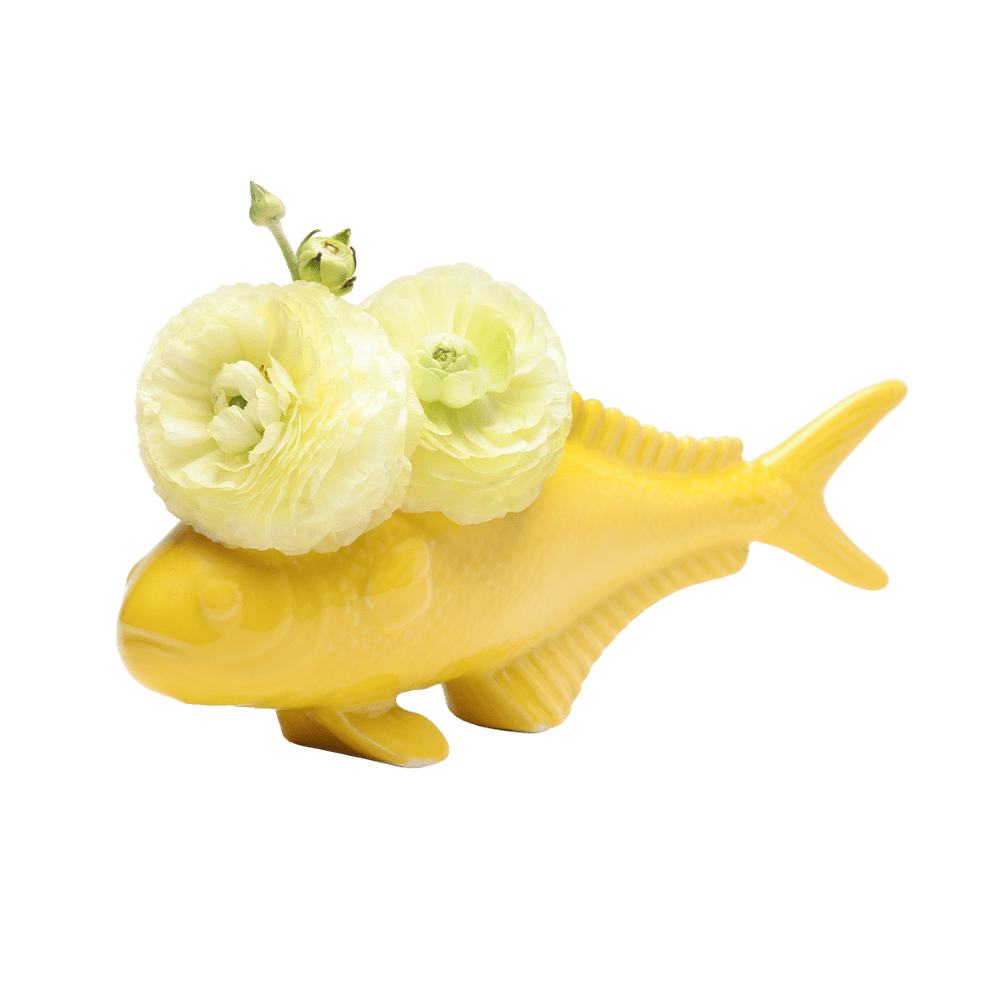
Carp Ceramic Unique Flower Vase - Chive Ceramics Studio - Vases - Chive Ceramics Studio

Carp Ceramic Unique Flower Vase

The ceramic vases at Chive come out of the same studio habit that produced everything else here: design the object once, correctly, then resist every opportunity to complicate it. Each one holds stems. None of them holds back. The Bird carries figuration in low relief along the shoulder; the Carp vase turns the same instinct sideways, stretching a fish body across a countertop with one small opening near the spine for a stem. Same studio, same disinterest in over-explaining an object.

The Ceramic Vases Collection

Every Chive vase is built around one decision about how flowers should stand, then finished by hand until that decision reads as obvious. For the Bird, the decision was figuration at low height — a small character built into the shoulder of a functional vessel, not perched on top of one. On a bookshelf the piece reads as a companion to the paperbacks; in a windowsill it borrows light for the porcelain and returns it as texture. Both placements have their defenders. Browse the wider ceramic vases collection to see where the Bird sits in the group.

Burnt Yellow Elegance Ranunculus - Chive Ceramics Studio - Ceramic Flowers - Chive Ceramics Studio

Ceramic Wall Art — Pearl Ranunculus

The Bird pairs quietly with wall pieces from the studio's ceramic flower catalog — the Buttercup Yellow Elegance Ranunculus wall piece hangs above the vase without borrowing its light. The two ceramics register as a single material family instead of a mixed shelf, and the bird approves silently from where it stands.


Chive Studio at Chelsea Flower Show displaying ceramic pooley vases of different colors.

How Chive Keeps Its Designers Around — Studio Notes

One low-visible reason the catalog looks the way it looks: the same short bench of designers has been on staff since Chive opened its doors back in 2004, rather than a rotating list of freelance names chasing reinvention every eighteen months for a portfolio bullet. Every piece here has an actual person attached to it, and that person is usually still in the building on any given Tuesday afternoon. The Bird was designed on a quiet Tuesday. It was named on the same Tuesday. The designer has been back most Tuesdays since. That consistency is not visible in the catalog. But it is the whole reason the catalog holds together the way it does over time.


Inside the Chive Design Studio

Low maintenance, high impact. Let's make home styling look easy.

Wedding Centerpiece Vases: The Planning Guide Nobody Gives You

Todd Newgren
Wedding centerpiece vases work best small and plural — three to seven per table, one to three stems each. A fifteen-table reception needs roughly seventy-five vases and 100 to 1...
Read the full story

The Best 10 Styles of Vases

Jessie Duenas
The glorious world of flower vases! Because nothing says "I have my life together" quite like a carefully chosen vessel for your soon-to-be-wilting flora. Gather 'round, fell...
Read the full story

Frequently asked questions

What is a porcelain vase and what sets the Bird apart?

A porcelain vase is a vessel formed from a fine dense clay body fired at high temperatures, which explains why the material takes glaze so cleanly and holds thin walls without warping under kiln stress. The Bird distinguishes itself by carrying a small sculpted creature worked into the shoulder itself rather than perched separately on top of a plain vessel. It is a vase with a character built in. Most are not.

How many flower stems does the Bird vase comfortably display?

The Bird holds three to five stems comfortably, depending on stem thickness across the bunch. A single focal bloom looks best — a peony, a small hydrangea head, a garden chrysanthemum — with two or three softer supporting stems easing the base of the composition. Overcrowding hides the bird entirely. Under-filling leaves the neck reading anxious. Three well-chosen stems settle it.

Will the Bird vase fit on a narrow shelf or ledge?

The Bird runs a 3.5-inch diameter at its widest point, with a total height just below nine inches, fitting most standard bookshelves and windowsills but overshooting a slim picture ledge if placed there directly. Every published dimension appears on the listing. Measure the shelf's actual depth first. Then pick.

Is the Bird vase's porcelain surface prone to marks or scratches?

The porcelain is glazed after firing, which gives the finish a hard, non-porous surface that resists most household contact — a soft cloth, a moisture mark left by a water glass, a hand shifting objects around on a shelf. Metal edges or coarse ceramic bases will scratch it if the piece is dragged rather than lifted. Otherwise the surface holds up quietly for years without visible wear.

How do you clean the Bird vase without damaging the finish?

Warm water, a mild dish detergent, a soft sponge; rinse to clear; blot dry with a smooth cotton towel afterward. Skip abrasive scrubbers, harsh chemical cleaners, and the dishwasher, since porcelain glaze dulls under repeated high-heat cycles regardless of a manufacturer's dishwasher rating. The ceramic bird carries fine surface detail along the shoulder. Clean around it. Gently.

How do you style the Bird vase on open shelving?

Give the Bird a shelf-mate at a lower elevation — a shallow ceramic saucer, a stack of small hardbacks, an unscented candle — so the bird has something specific to look at rather than gazing out at empty air. Leave the top of the vase clear for a single stem. Then step back until the shelf reads composed.

Is the Bird vase larger or smaller than the Carp vase?

The Bird stands taller and slimmer through the body while the Carp stretches longer and lower across a countertop surface. In raw footprint the Carp claims the greater square-inch total across a shelf, though the Bird claims the outright vertical presence any given shelf notices first. Neither replaces the other. Own both.

What design tradition does the Bird vase draw from?

The Bird draws from the studio's own low-relief figurative tradition — small creatures worked into the shoulders of otherwise functional vessels — rather than from any classical porcelain lineage that came before it. It is closer in spirit to folk pottery than to fine bone china. The bird is not applied decoration. It is baked in.

Ceramic astronaut vase with flowers styled on shelf — Chive Studio Toronto
Behind the Studio

The story behind the Chive astronaut vases

The story of Laika, Félicette, a solar eclipse in New York, and a space bar that ordered a hundred vases a month until it closed.