





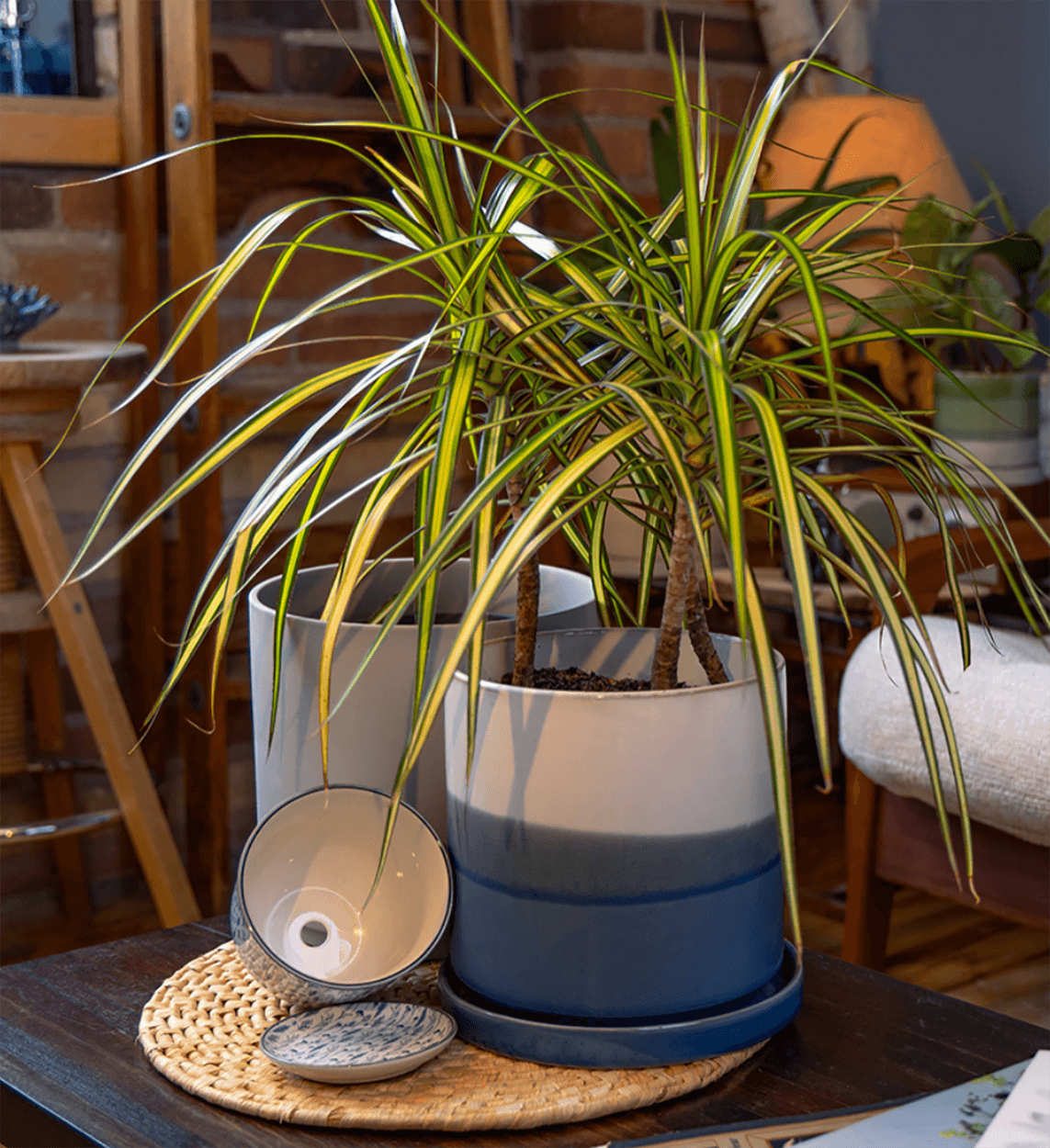
Minute Large Ceramic Pot with Drainage Hole and Saucer, Blue Layers
with drainage hole and saucer
Curate Your Indoor Landscape With These:
Designed to layer beautifully in any room. Choose a piece as your design anchor, then build your custom pottery collection with these complementary companions:
The large Blue Layers is a glazed ceramic plant pot with a center drainage hole and a matching saucer, and at full size it stops hiding how complicated it actually is to make. What started as a mad-scientist experiment in the studio is now a large-format pot that requires real technical control to pull off, and we have never once minded the difficulty, because difficulty is, frankly, the part we enjoy most. There is nowhere on a pot this size for the technique to hide, and we built it precisely so it would not have to, the difficulty finally out in the open.
Glazed ceramic holds moisture more evenly than raw terracotta, and every large pot layers its own way. Sized for a floor or a statement plant, it gives the experiment the most room it has ever had. We are geeks, and this pot is the clearest evidence of that in the entire collection.
- Color: Blue Layers
- Material: Ceramic
- Glaze finish: Glazed Ceramic
- Finish variation: Natural variation between pieces
- Drainage: Standard Center Drainage Hole
- Saucer: Matching independent detachable saucer
- Dishwasher safe: Yes
- Indoor / Outdoor: For indoor use and covered outdoor temperate weather use
- Designed by: Chive Studio
- Year Designed: 2017
Potting Tips
- Repot in the evening.
- Wait 1–2 days after watering, then repot.
- Buy potting mix. Not backyard dirt.
- Move the top layer of soil from the old pot into the new one. It's a little ecosystem.
- Never go more than one inch bigger.
- Soil line sits an inch below the rim. Leca or small rocks at the bottom for drainage.
- Dishwasher-safe. Can also be hand-washed with warm soapy water and a soft cloth.
- Glazed pots are dipped and fired in the kiln — they are sealed, durable, and not looking for trouble. No special cleaning products required.
- For pots with saucers empty the saucer periodically. Standing water in the saucer defeats the purpose of having a drainage hole, which is a thing we feel strongly about.
- Not frost-safe. Designed for indoor use and covered outdoor temperate weather use. Freezing temperatures are not recommended.
Shipping
- Free shipping: On qualifying US orders — threshold shown at checkout
- Standard: 5–8 business days Express2–3 business days (at checkout)
- International Ships: to 40 countries — rates at checkout
- Packaging Ships: in outer box to protect gift box
Returns
We accept returns within 30 days of delivery on unused items in original packaging. If your piece arrives damaged, contact us within 14 days with a photo and we will replace it at no charge.
Have a cool shop? Know someone that does?
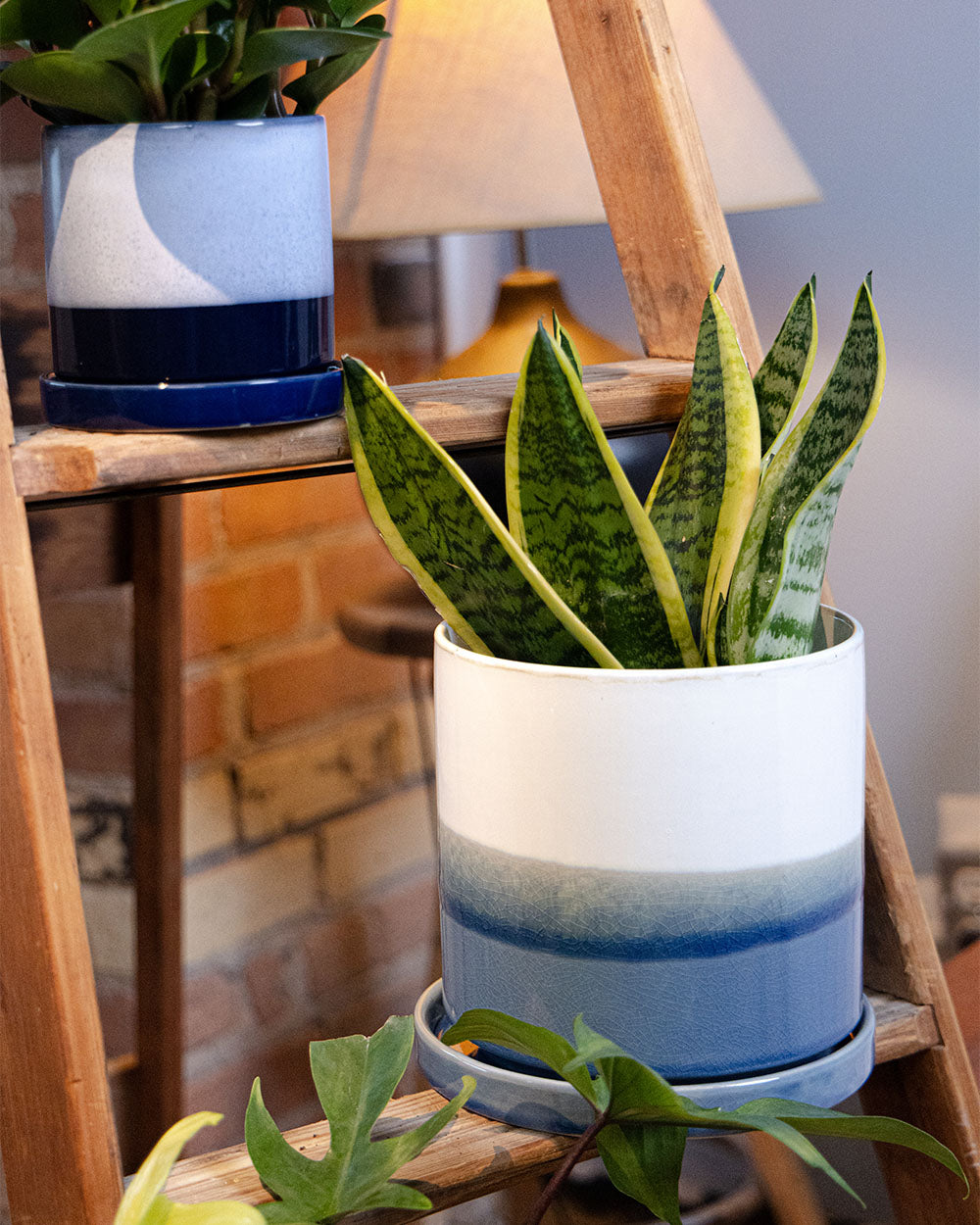
Blue Layers at Full Scale: It Stops Hiding the Work


The Ultimate Repotting Guide
For those who have killed a plant. Or several. Or, frankly, many.
Before you put a plant into your new pot, you have to get it out of the nursery pot — a process that ends badly more often than any gardening influencer will admit. We wrote a full guide: when to repot (early spring, and not when you're feeling impulsive in October), which soil to use, how to tell your plant is root-bound, and how to avoid the three mistakes that kill perfectly healthy plants within a week of a well-intentioned repotting.
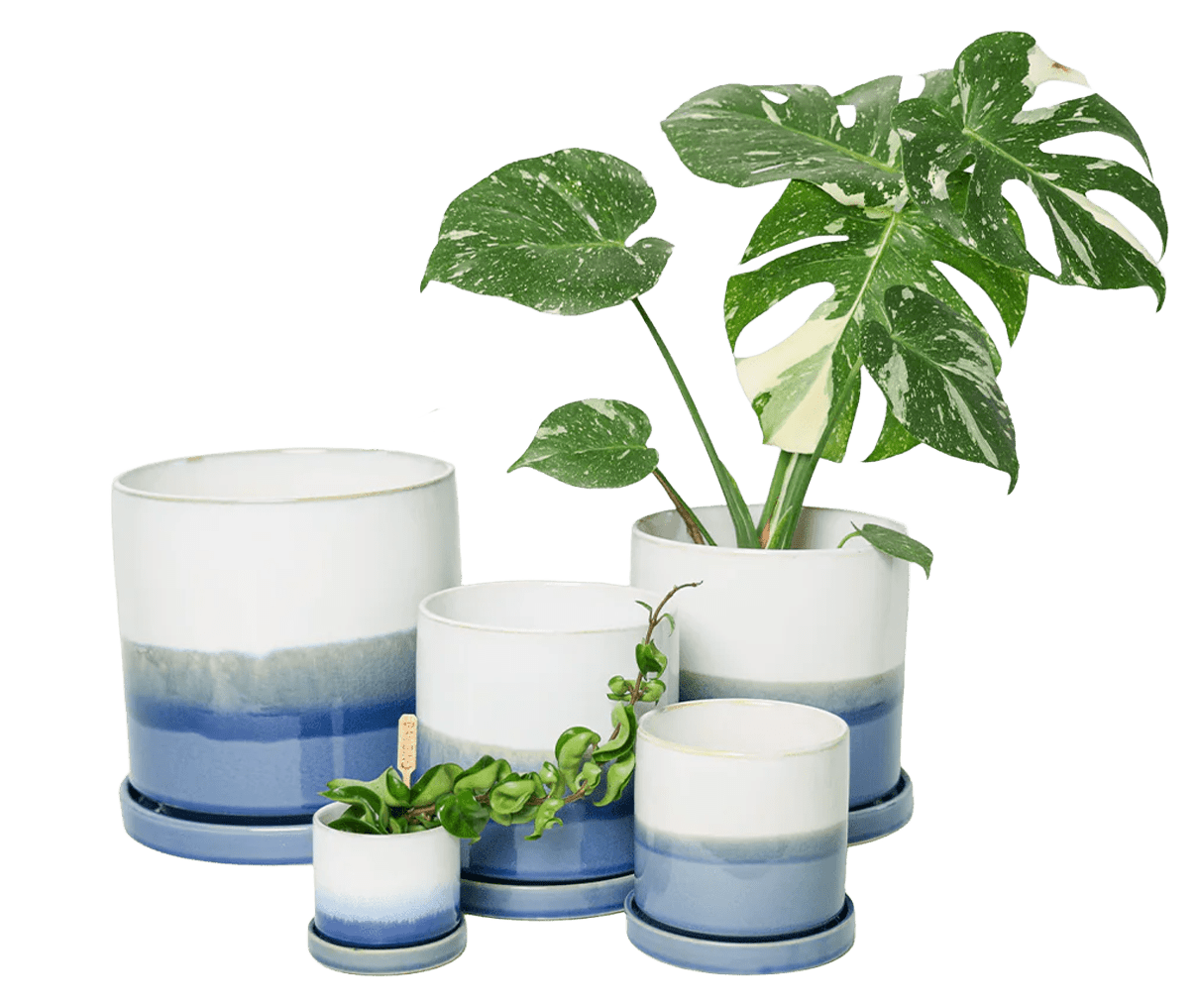
The Same Glaze, Other Sizes
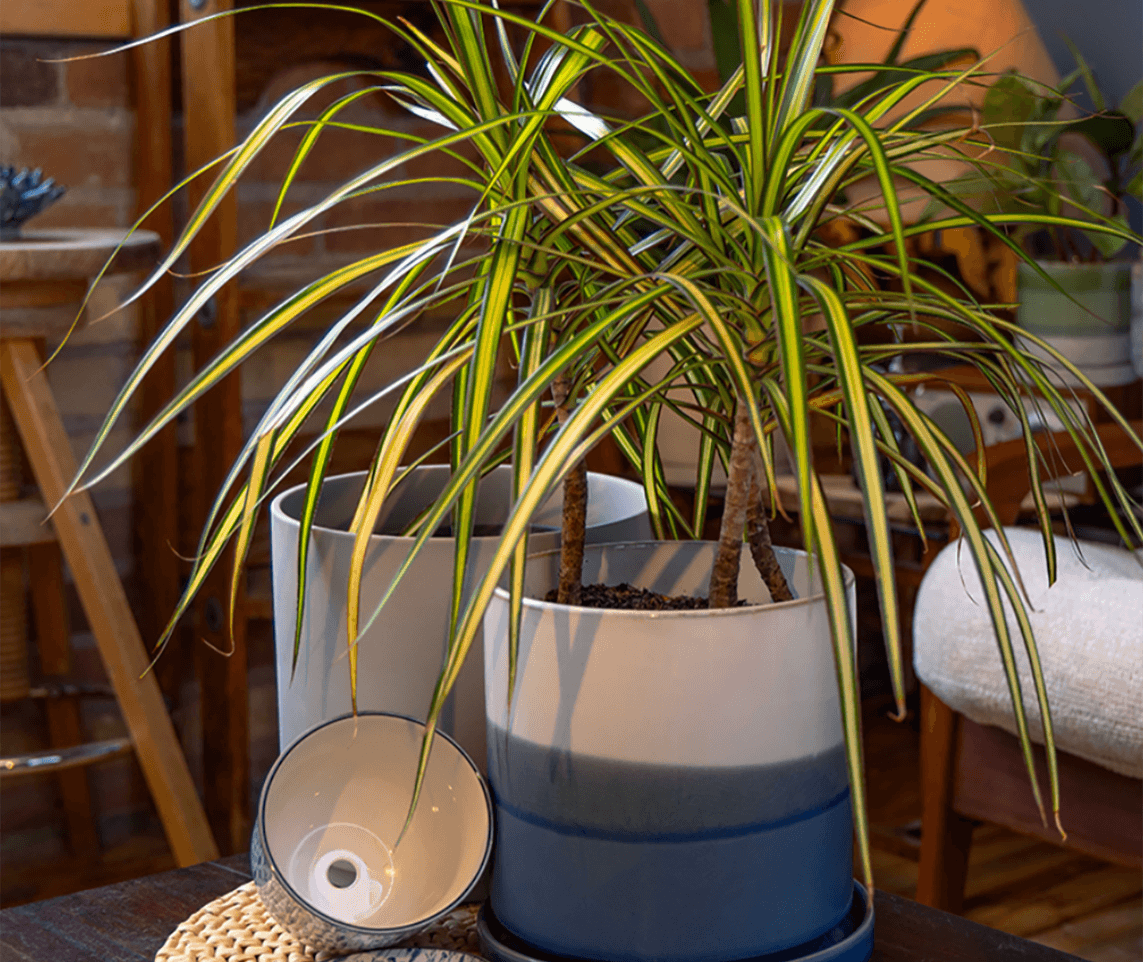
Drainage Is the Whole Point
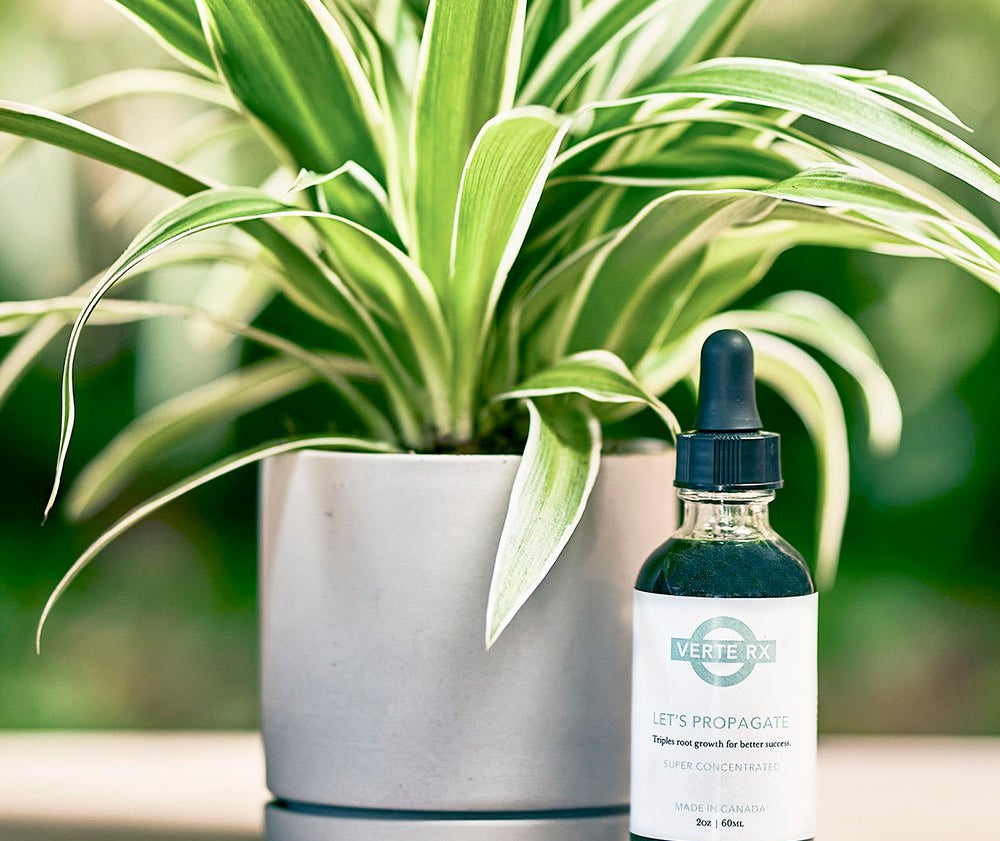
For the Part You Cannot See
Brooklyn Botanic Garden Did Not Ask How the Glaze Was Made
Plant Tips from Chive Studio
Quick tips, straight answers, and the occasional reminder that overwatering kills more houseplants than neglect does.

Are Ceramic Pots Good for Plants?

Non Toxic Plants for Cats: The Complete Guide
Frequently asked questions
What is the Minute Blue Layers ceramic pot good for?
Is the Minute a plant pot with a drainage hole and saucer?
What size plant fits the Minute large?
Is the saucer included with the Minute pot?
Are ceramic plant pots good for indoor plants?
How do I care for plants in the Minute pot?
Is the Minute a good ceramic pot for snake plants?
Does the Minute work as a housewarming gift?
