Pina Ceramic Succulent Planter Pot

cache pot

Regular price $12.75
Colors: Fern
Cache Pot
Cute
30-day return policy

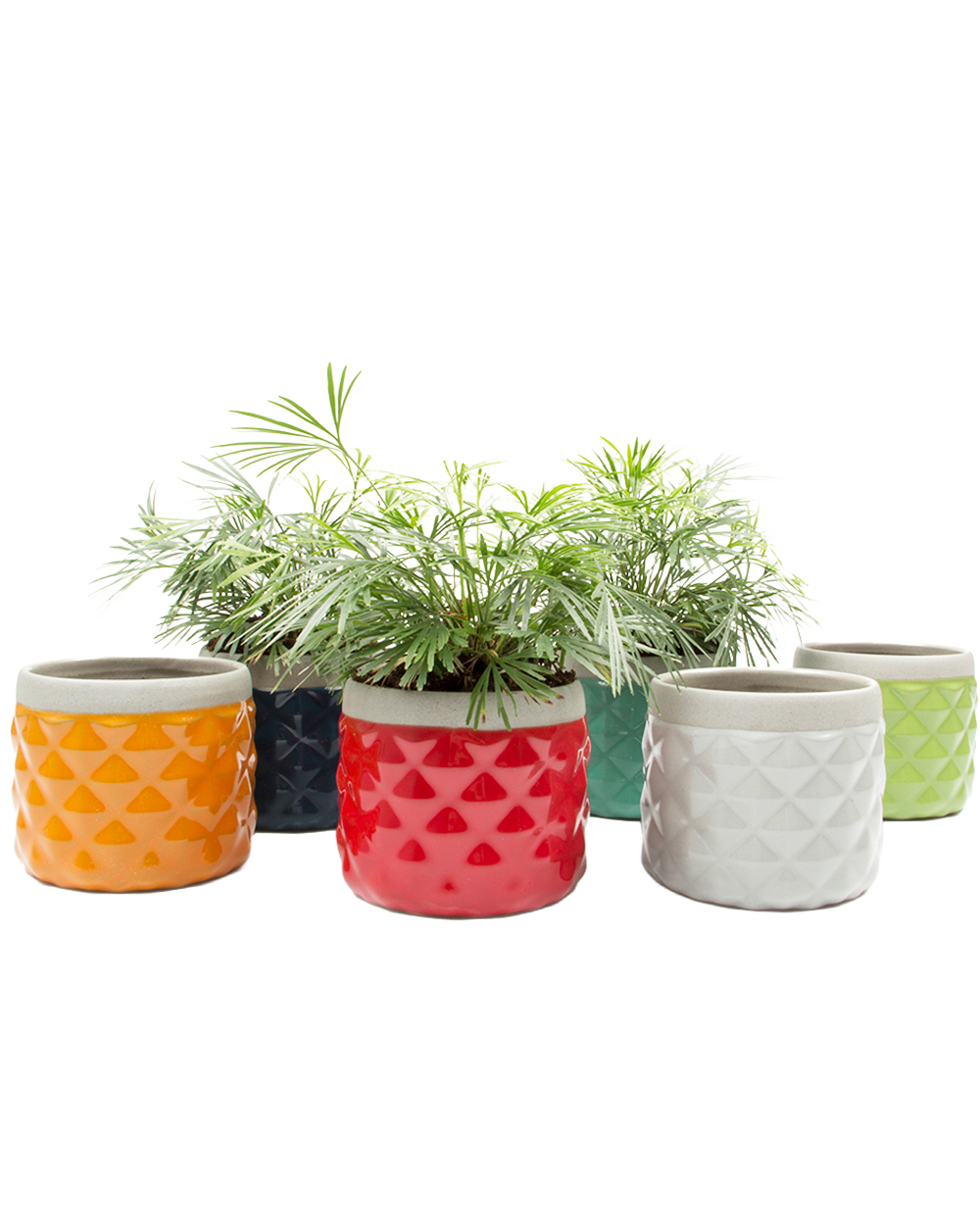
Pina is a ceramic plant pot cast from a mold taken directly off an actual pineapple, because at some point someone in this studio looked at a piece of fruit and thought, this texture deserves to hold a plant, and then, instead of moving on with their day, acted on it.

Yes, we know we are geeks. We made peace with that about ourselves a long time ago. The result is a surface that catches light the way the original fruit did, ridged and considered, and the only thing missing is the smell, which on reflection is probably for the best. There is no drainage hole, so plant a succulent or use it as a cover pot for a nursery container you can lift out to water. Pina is what happens when nobody in the room talks you out of the idea, and we have stopped trying to be talked out of them.

Product detail
  • Color: Aqua, Fern, Ginger, Light Grey, Midnight, Red, Rust, Seafoam
  • Material: Ceramic
  • Glaze finish: Glazed
  • Finish variation: Natural variation between pieces
  • Drainage: No drainage hole
  • Saucer: No Saucer
  • Dishwasher safe: Yes
  • Indoor / Outdoor: For indoor use and covered outdoor temperate weather use
  • Designed by: Chive Studio
  • Year Designed: 2016
Dimension
  • 3 inches diameter, 3 inches tall
  • 5 inches diameter, 5 inches tall

Plants that love this pot
  • Succulents
  • Cacti
  • Haworthia
  • Echeveria
  • Jade plant
  • Aloe
  • Snake plant
  • Air plants (Tillandsia)

Potting in a Pot Without Drainage

  1. Add a 1-inch layer of small stones or LECA pebbles at the bottom to create a small reservoir, since there is no drainage hole.
  2. Use a well-draining cactus or succulent mix. Not garden soil.
  3. Transplant from the nursery pot, or set the nursery pot inside and lift it out to water.
  4. Water sparingly. Without a drainage hole, less is always safer than more, so let the soil dry between waterings.
  5. Keep it in bright, indirect light, and pour off any standing water pooling at the bottom.

Which pot size for my plant? →

Repotting guide →

Pot Care instructions
  1. Dishwasher-safe. Can also be hand-washed with warm soapy water and a soft cloth.
  2. The glaze is dipped and kiln-fired — it is sealed, durable, and not looking for trouble. No special cleaning products required.
  3. For pots with saucers empty the saucer periodically. Standing water in the saucer defeats the purpose of having a drainage hole, which is a thing we feel strongly about.
  4. Not frost-safe. Designed for indoor use and covered outdoor temperate weather use. Freezing temperatures are not recommended.
Shipping & returns

Shipping

  • Free shipping: On qualifying US orders — threshold shown at checkout
  • Standard: 5–8 business days Express 2–3 business days (at checkout)
  • International Ships: to 40 countries — rates at checkout
  • Packaging Ships: in outer box to protect gift box

View full shipping policy →

Returns

We accept returns within 30 days of delivery on unused items in original packaging. If your piece arrives damaged, contact us within 14 days with a photo and we will replace it at no charge.

View full return policy →

Wholesale Inquires

Have a cool shop? Know someone that does?

Find Chive on Faire →

Pina Ceramic Succulent Planter Pot - Chive Ceramics Studio - Pots - Chive Ceramics Studio

Yes, We Molded a Pineapple

Pina started as a mold taken directly off an actual pineapple, because at some point someone in this studio looked at a piece of fruit, decided its texture deserved to hold a plant, and then, crucially, did something about it instead of moving on with the afternoon.

Yes, we are aware that this makes us geeks. We came to terms with that about ourselves a long time ago, and honestly the work is better for it, because the ideas worth keeping almost never arrive looking sensible. They arrive looking like a person holding a pineapple with a strange expression on their face.

The result is a surface that catches light the way the original fruit did, ridged and considered, with the one obvious omission being the smell, which on reflection is for the best. There is no drainage hole, so plant a succulent or use it as a cover pot for a nursery container you lift out to water. Pina is what happens when nobody in the room talks you out of the idea. We have, over the years, mostly stopped trying to be talked out of ours. The ridges hold light the way the fruit did, and people reach out to touch it before they ever ask what goes inside.


Potting a plant with Chive

  1. Place a 1-inch layer of small stones or LECA pebbles at the bottom of the pot. Optional, but it helps with airflow.
  2. Add well-draining potting mix appropriate to your plant. Not garden soil. We know your grandmother used garden soil. She was wrong about this one thing.
  3. Transplant from the nursery pot, leaving about 1 inch at the top for watering.
  4. Set the pot on the matching saucer.
  5. Water thoroughly until water runs out the drainage hole into the saucer. Empty the saucer once the plant has absorbed what it needs.
Repotting plants with Chive | Chive Studio

The Ultimate Repotting Guide

For those who have killed a plant. Or several. Or, frankly, many.

Before you put a plant into your new pot, you have to get it out of the nursery pot — a process that ends badly more often than any gardening influencer will admit. We wrote a full guide: when to repot (early spring, and not when you're feeling impulsive in October), which soil to use, how to tell your plant is root-bound, and how to avoid the three mistakes that kill perfectly healthy plants within a week of a well-intentioned repotting.

It is the guide we wish someone had handed us twenty-five years ago. It is written by people who have personally committed most of the errors in it.
Pina Ceramic Succulent Planter Pot - Chive Ceramics Studio - Pots - Chive Ceramics Studio

The Rest of the No-Drainage Range

The Pina is one of the more literal pots in a range that otherwise hides its origins. The full no-drainage collection is worth a look, naming aside.

Shop pots without drainage

Channa Ceramic Planter Pot - Chive Ceramics Studio - Pots - Chive Ceramics Studio

No Drainage, No Problem

The Pina has no drainage hole, so lean drought-tolerant and water with a light hand, pebbles underneath if you like. For a drainage hole, the pots-with-drainage range has one.

Shop pots with drainage

Go Easy on the Watering

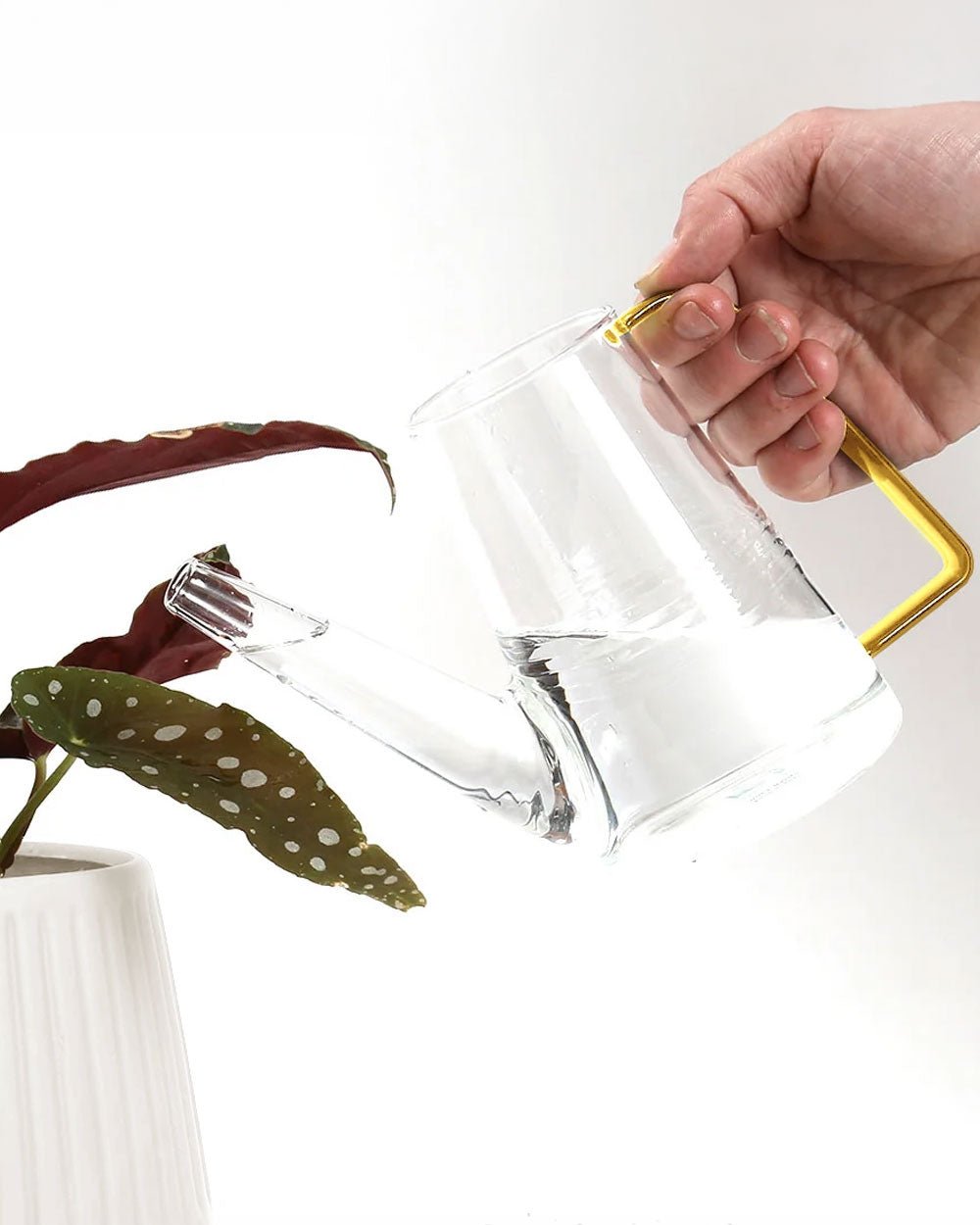
The Pina takes water best in small amounts, given slowly, since there is nowhere for the excess to go. A mister or a fine-spouted can is the right tool for it.

Shop watering cans & misters

The Huntington Took the Pineapple in Stride

Designed by Chive Studio, Pina is part of a catalog we draw entirely ourselves, which is how a pot cast from a pineapple ends up in the same line as our most serious work. Our ceramics are carried by botanical garden shops and museum stores across the continent, including the Huntington Library and Botanical Gardens and the Chicago Botanic Garden. Pina did not earn those relationships and does not pretend to, but it is made to the same standard as the pieces that did, because the studio keeps one standard and applies it to the strange ideas as faithfully as the rest.

We design everything we sell, keep our work in independent shops and our own stores rather than big-box shelves, and ship to more than forty countries. The pineapple was a whim. The execution was not, which is the distinction the whole catalog is built on.


Plant Tips from Chive Studio

Quick tips, straight answers, and the occasional reminder that overwatering kills more houseplants than neglect does.

Do Plant Pots Need Drainage Holes? Yes. Here’s Why

Todd Newgren
Plant pots need drainage holes — without one, water pools at the root zone and suffocates roots. Chive has made ceramic pots with drainage for over two decades, stocked at botan...
Read more

Peperomia Plant Care: The Generous Houseplant

Todd Newgren
Peperomia plant care is forgiving, low-light friendly, and built for propagation. During Chive's 25 years in the plant shop, we've been giving them away at Christmas every year....
Read more

Frequently asked questions

What is the Pina pot used for?

The Pina is a ceramic pot for indoor plants. It works well for succulents, cacti, and other plants that like to dry out and suits modern, boho, and minimalist rooms. As a ceramic pot, the Pina fits a shelf, sill, or desk and pairs cleanly with the rest of the Chive pot range. It comes in several colorways to match different rooms.

Does the Pina pot have a drainage hole?

No, the Pina is an indoor pot without a drainage hole, so it is best used with plants that tolerate less frequent watering or as a cachepot. Either plant succulents directly and water lightly, or drop a nursery pot inside and lift it out to water. Without a drainage hole, the trick is to add water slowly and avoid leaving any pooled at the bottom.

What plants grow well in the Pina?

The Pina is a ceramic pot that holds a nursery plant of a similar width, so match the grower pot to the opening rather than the mature size of the plant. Good choices include succulents, cacti, and other plants that like to dry out. For an indoor plant pot, size up by about an inch when you repot so roots have room without swimming in soil.

Does the Pina come with a saucer?

The Pina does not include a saucer, which suits its use as a decorative pot. If you plant directly in it, water lightly so nothing collects at the base, or set a nursery pot inside and lift it out to water over a sink. A small cork pad underneath protects furniture if you keep the Pina on a shelf. As an indoor pot without a tray, it is forgiving as long as you water with a light hand.

Is the Pina pot ceramic?

Yes, the Pina is a ceramic plant pot. Ceramic is fired hard, holds glaze color well, and does not break down with watering the way untreated materials can, which makes ceramic plant pots a reliable choice for indoor plants. The Pina is glazed to seal the surface, so it wipes clean and keeps its finish on a sill, shelf, or table.

How do I water a plant in the Pina?

To water the Pina, add small amounts and stop before anything pools at the bottom, since this pot has no drainage hole. The easiest method is to keep the plant in its nursery pot, lift it out to water over a sink, let it drain, and set it back. Watering a pot without drainage is mostly about restraint, less water, less often.

Is the Pina good for succulents?

The Pina is a good ceramic pot for succulents. Succulents like the tighter, fast-drying conditions of a pot without a drainage hole, as long as you water lightly. For anyone searching for a ceramic pot for succulents, the Pina covers both looks and function. Match the nursery pot to the opening and the plant settles in without fuss.

Is the Pina a good gift for a plant lover?

The Pina makes a practical gift for a plant lover because it is a finished ceramic pot that solves a real problem rather than adding clutter. It pairs easily with a plant they already own and suits most modern interiors. For a plant pot gift that gets used, the Pina is an easy choice, and it suits anyone building an indoor plant collection.

Shido Vegetable and Flower Seeds Vacuum sealed for peak freshness

The pot is sorted. Now what goes in it?

Shido seeds come vacuum-sealed, non-GMO, and packaged well enough that people keep the packets after the seeds are gone. Which is either a design success or a problem, depending on how you look at it.

Your new pot is waiting.