Pumpkin Squash Vegetable Seeds Packet

Regular price $4.95
Vacuum Sealed
NON-GMO
Seed Pack Guarantee

Build Your Garden With These Shido Seeds

Choose a seed packet as your starting point, then round out the bed with these for that thrown-together-but-somehow-perfect harvest.


Pumpkin Squash seeds for the kitchen garden that intends to actually produce pumpkin squash this year. Pumpkin and squash require space, patience, and the willingness to surrender a significant portion of the garden to the endeavour.

Pumpkin Squash is a sprawling vine producing decorative squash that requires more space than most gardeners initially estimate. Each packet is hermetically vacuum-sealed -- removing the oxygen that causes standard paper seed packets to lose germination viability within approximately one year. State law requires a 3-year viability label on sealed packaging. NASA research on hermetic seed storage indicates viability of up to 10 years under proper conditions. Every packet is non-GMO and germination-tested at independent third-party labs before it earns its Japanese woodblock print artwork.

Seed specifications
  • Material: Seed
  • Botanical name: Cucurbita pepo var. clypeata
  • Genus: Cucurbita
  • Plant family: Cucurbitaceae
  • Species: Pepo
  • Plant type: Annual
  • Pollination type: Vegetable
  • USDA Hardiness Zones: 3-11
  • Packet contents: ≈ 10 Seeds
  • Packaging: Hermetically vacuum-sealed
  • Non-GMO: Yes
  • Seed viability: Up to 10 years (sealed) / 4–5 years (unsealed, ideal conditions)
  • Difficulty: Easy - Beginner Friendly
Sowing & growing guide

Quick Sowing Guide:

  • When to sow: Direct sow after last frost
  • Sowing depth: 1 in
  • Initial spacing: 48-72 in
  • Row spacing: 6-8 ft
  • Days to germination: 7-10 days
  • Light: Full sun
  • Water: Consistent moisture
  • Soil: Moist, loamy
  • Harvest: 100-130 days

Start Growing: Step-by-step sowing and growing guide

About vacuum sealing

Why Vacuum-Sealed Seeds Last Longer

Standard paper seed packets are permeable to oxygen and moisture -- the two primary causes of seed degradation. Most paper-packaged seeds begin losing germination viability after approximately one year, contributing to significant garden-industry waste: packets purchased, not planted, expired, discarded. Shido Seeds are hermetically vacuum-sealed. The packet does not expire quietly in a drawer. It waits.

About the Packaging

Every Shido seed packet is illustrated in the style of Japanese 1910s woodblock printing -- designed and drawn in-house by Chive, that has been exhibiting at the Chelsea Flower Show in London every year and does not, as a matter of principle, sell to big-box retailers. Customers collect the packets as a series. This was not the original plan.

Shipping & returns

Shipping

  • Free shipping: Orders $200+ within the US
  • Standard: 5–8 business days, Express 2–3 business days (at checkout)
  • International Ships: to 40 countries — rates at checkout
  • Packaging Ships: in outer box to protect gift box

View full shipping policy →

Returns

We accept returns within 30 days of delivery on unused items in original packaging. If your piece arrives damaged, contact us within 7 days with a photo and we will replace it at no charge.

View full return policy →

Satisfaction Guarantee

We stand by the quality of our flower seed packets! Every Shido seed packet is lab-tested for germination before it ships. If your seeds do not perform to the stated germination rate under correct growing conditions, contact us and we will replace or refund. Guaranteed!

Wholesale Inquires

Have a cool shop? Know someone that does?

Find Chive on Faire →

Radish Horticultural Specifications

Botanical

Cucurbita pepo var. clypeata

Plant Type

Annual

Light

Full sun

Water

Consistent moisture

Soil

Moist, loamy

Depth

1 in

Germination

7-10 days

USDA Zone

3-11

Mature Height

10-20+ ft

Harvest

100-130 days


Getting to know your Pumpkin Squash

Pumpkins are sprawling, vining plants that produce large, orange or multicolored fruits, and they ask for more room than most gardeners initially budget for once the vines actually get going. Full sun and rich soil give the plant what it needs to put real energy into fruit development rather than just foliage, and consistent watering matters throughout the season, especially as fruits begin to size up. Bees do most of the actual pollination work here, moving between the plant's large yellow flowers, so a garden with reasonable pollinator activity nearby tends to see better fruit set than one without it. Pumpkins get grown for a genuinely wide range of reasons: some gardeners want them purely for classic autumn decoration, others are after the culinary use in pies, soups, and roasted dishes, and some are mainly interested in the seeds themselves, roasted and salted as a snack once the season winds down. The vines spread widely and can climb given the right support, though letting them sprawl across open ground is the more traditional approach. Harvest timing matters for flavor and storage life alike, and a pumpkin left on the vine a bit longer generally develops a richer color and firmer rind than one picked too early.


History & origin

Ancient Americas

Pumpkins (typically Cucurbita pepo, though some large types are C. maxima or C. moschata) were domesticated in Mexico and Central America thousands of years before European contact.

Indigenous Agriculture

Pumpkins were a Three Sisters companion crop alongside corn and beans, and were also dried and stored by Indigenous peoples as a means of preserving food through winter.

Colonial American Adoption

European colonists in North America adopted pumpkin cultivation from Indigenous peoples, and it became deeply embedded in early American colonial food traditions, including as a base for pumpkin pie.

Halloween & Autumn Culture

Pumpkins became closely tied to American Halloween traditions through the practice of carving jack-o'-lanterns, a custom that evolved from earlier turnip-carving traditions brought by Irish immigrants.

Today

As much a cultural and seasonal symbol as a food crop in much of North America, alongside its continued culinary use.

Shido Vegetable and Flower Seeds Vacuum sealed for peak freshness

Step-by-Step Sowing & Growing Guide

Getting Started

Annual, long season, space-hungry

Step 1: Plan space and timing first - This is a 90-120 day crop needing 6-8 feet per plant -- underestimating either is the most common planning mistake. In short-season climates, start indoors despite this normally being direct-sown elsewhere.

Step 2: Timing - Direct sow after last frost, timed so fruit matures before fall frost.

Step 3: Soil - Rich, fertile, well-drained soil, pH 6.0-6.8.

Step 4: Sowing - 1 inch deep.

Step 5: Harvest - Cut once skin resists a fingernail dent and the vine near the stem starts to dry. Cure in a warm, dry spot for 1-2 weeks before storing to extend keeping time significantly.

Before you start

Materials needed to sow

  • Garden bed with 6-8 feet of clear space per plant: Confirm this before sowing -- underestimating space is one of the most common mistakes with this crop.
  • Seed trays (in short-season climates): This 90-120 day crop may need an indoor head start where the growing season is short, despite normally being direct-sown elsewhere.

Materials for harvest and storage

  • Pruners or a knife: For cutting the stem, leaving several inches attached, which helps the fruit store better afterward.
  • A wheelbarrow or cart: Mature pumpkins are heavy and awkward to carry by hand.
  • A warm, dry, ventilated curing area: Curing for 1-2 weeks after harvest significantly extends how long the fruit keeps.

Tip: Harvest once skin resists a fingernail dent and the vine near the stem starts to dry -- then cure before storing rather than skipping straight to storage, which shortens keeping time considerably.

Growth Requirements

Light:

  • Requires full sun (at least 6-8 hours daily).

Soil:

  • Prefers rich, fertile, well-drained soil with a pH of 6.0-6.8.
  • Working in mature compost before planting supports the long growing season this crop needs.

Watering:

  • Requires consistent watering, about 1-2 inches per week during vine growth and fruit development.
  • Reduce watering in the final weeks before harvest, once skin has hardened, to help concentrate sugars and support curing.

Temperature & Climate:

  • Thrives in warm temperatures, with soil ideally at 70-95°F for germination.
  • Sensitive to frost — direct sow only after all frost danger has passed, timed so fruit matures before fall frost arrives.

Fertilization:

  • Apply a balanced fertilizer at planting time.
  • Side-dress with phosphorus and potassium once vines begin flowering to support fruit development.
  • Avoid excess nitrogen, which favors vine growth at the expense of fruit.

Maintenance

Vine Management:

  • Vines sprawl 6-8+ feet — allow adequate space, or train onto a very sturdy trellis with fruit slings for smaller varieties.
  • Once several fruits have set, pinching growing tips redirects the plant's energy into ripening fruit rather than continued vine growth.

Mulching:

  • Apply organic mulch to retain moisture, suppress weeds, and keep developing fruit off damp soil, which helps prevent rot.

Pruning:

  • Remove some leaves late in the season to increase sun exposure on ripening fruit.
  • No heavy pruning needed otherwise — this crop is managed more by vine training than cutting back.

Watering:

  • Water deeply and consistently through vine growth and fruit development.
  • Reduce watering in the final weeks before harvest, once skin hardens, to concentrate sugars and support curing.

Harvesting:

  • Harvest once skin resists a fingernail dent and the vine near the stem starts to dry.
  • Cut with several inches of stem attached, which helps the fruit store better afterward.

Storing:

  • Cure in a warm, dry, ventilated spot for 1-2 weeks before storing.
  • Once cured, store in a cool, dry space — properly cured pumpkins keep for months, longer than almost any other vegetable in this catalog.

Troubleshooting and common mistakes

  • Underestimating the season length — 90-120 days is one of the longer timelines in this project -- in short-season climates, this may need an indoor start despite normally being direct-sown
  • Underestimating space needs — vining types need 6-8 feet per plant, more than most gardeners plan for
  • Skipping the cure before storage — curing in a warm, dry, ventilated spot for 1-2 weeks after harvest significantly extends keeping time

Culinary uses & nutritional information

What it's used for

1. Culinary Applications:

  • Roasting and pureeing for pies, soups, and baked goods
  • Savory preparations like pumpkin curry, risotto, and gnocchi
  • Pumpkin bread, muffins, and other quick breads
  • Seeds roasted separately as a snack, a genuinely distinct harvest from the flesh
  • Stuffed and baked whole for a fall presentation dish

2. Nutritional Benefits:

  • Exceptionally high in vitamin A (beta-carotene), pumpkin's defining nutrient
  • Good source of potassium and dietary fiber
  • Low-calorie relative to its filling, satisfying texture
  • Seeds separately notable for magnesium and zinc, distinct from the flesh's nutrient profile

3 .Garden and Ornamental Uses:

  • Central to autumn decor and jack-o'-lantern carving traditions
  • Classic "Three Sisters" companion crop, useful for teaching Indigenous agricultural methods
  • Large, sprawling vines create a genuine seasonal garden centerpiece
  • Educational value in tracking the long 90-120 day growth cycle with kids or classrooms

4. Practical Benefits:

  • Cures well and stores for months, longer than almost any other vegetable in this catalog
  • Dual harvest of flesh and seeds reduces waste from a single planting
  • Versatile across both sweet and savory cooking
  • Good candidate for bulk preserving, freezing, or canning purees ahead of the holiday season

What parts are edible

  • Flesh: The primary harvest, used in both savory and sweet cooking.
  • Seeds: A genuinely separate harvest from the flesh -- commonly roasted and eaten on their own.
  • Flowers: Edible squash blossoms, same as other Cucurbita flowers.

Nutritional data

Raw pumpkin flesh, per 100g

Calories: 26 kcal

  • Carbohydrates: 6.5 g
  • Protein: 1 g
  • Total fat: 0.1 g
  • Dietary fiber: 0.5 g
  • Vitamin C: 9 mg (10% RDA)
  • Folates: 16 µg (4% RDA)
  • Potassium: 340 mg
  • Cholesterol: 0 mg
  • Vitamin A: 7,384 IU (~148% RDA) -- pumpkin's defining nutrient. Note: the seeds are a nutritionally separate harvest, notably high in magnesium and zinc, not reflected in these flesh-only figures

Companion plants, pests & diseases

Companion planting

Good companions

  • Corn, beans — classic Three Sisters pairing
  • Radishes, nasturtiums — trap crop and general pest-deterrent benefit

Poor companions / avoid

  • Potatoes — competitive, shared disease pressure

Pests

  • Squash vine borer — larvae tunnel into stems
  • Cucumber beetles — chew leaves and spread bacterial wilt
  • Squash bugs, aphids — standard vining-squash pest pressures

Diseases

  • Powdery mildew, downy mildew — common late in a long growing season
  • Bacterial wilt — spread by cucumber beetles, no cure

Pro Tip

Hand-pollinate flowers if needed to ensure fruit set. To grow bigger pumpkins, remove smaller fruits and leave only 1–2 per vine. Elevate pumpkins off the ground with a board or straw to prevent rot, and harvest when the rind is hard and deep in color.

Seeds worth keeping

What makes Shido Seeds different

Shido Seeds are designed by Chive Studio, a ceramic design company. We are not a seed conglomerate. We do not sell through big-box retailers. Each variety in the catalog was selected because it is worth growing — not because it ships well in bulk or photographs well in marketing materials.

Every packet is germination-tested at an independent third-party lab before it earns its woodblock illustration. The vacuum seal removes the oxygen that causes standard paper packets to degrade. The stated germination rate is a floor, not a marketing figure.

If something goes wrong, contact us. We will make it right.

Plants that Grow together look good together...even if they are ceramic

Its Faster-Growing Cousin
For a similar vine with a much quicker turnaround, the Zucchini shares the same sprawling habit in a fraction of the time.

Vegetable Shido Seeds packets — by Chive Studio Toronto

The Rest of the Vegetable Garden

Browse the rest of Shido's vegetable seeds for everything from quick summer crops to slower, patience-testing ones like this.

Buttercup Yellow Gay Paree Peony - Chive Ceramics Studio - Ceramic Flowers - Chive Ceramics Studio

A Harvest That Never Fades

An autumn harvest eventually comes to an end, but Chive's Ivory Rose holds its color on a shelf long after the vine's finished.

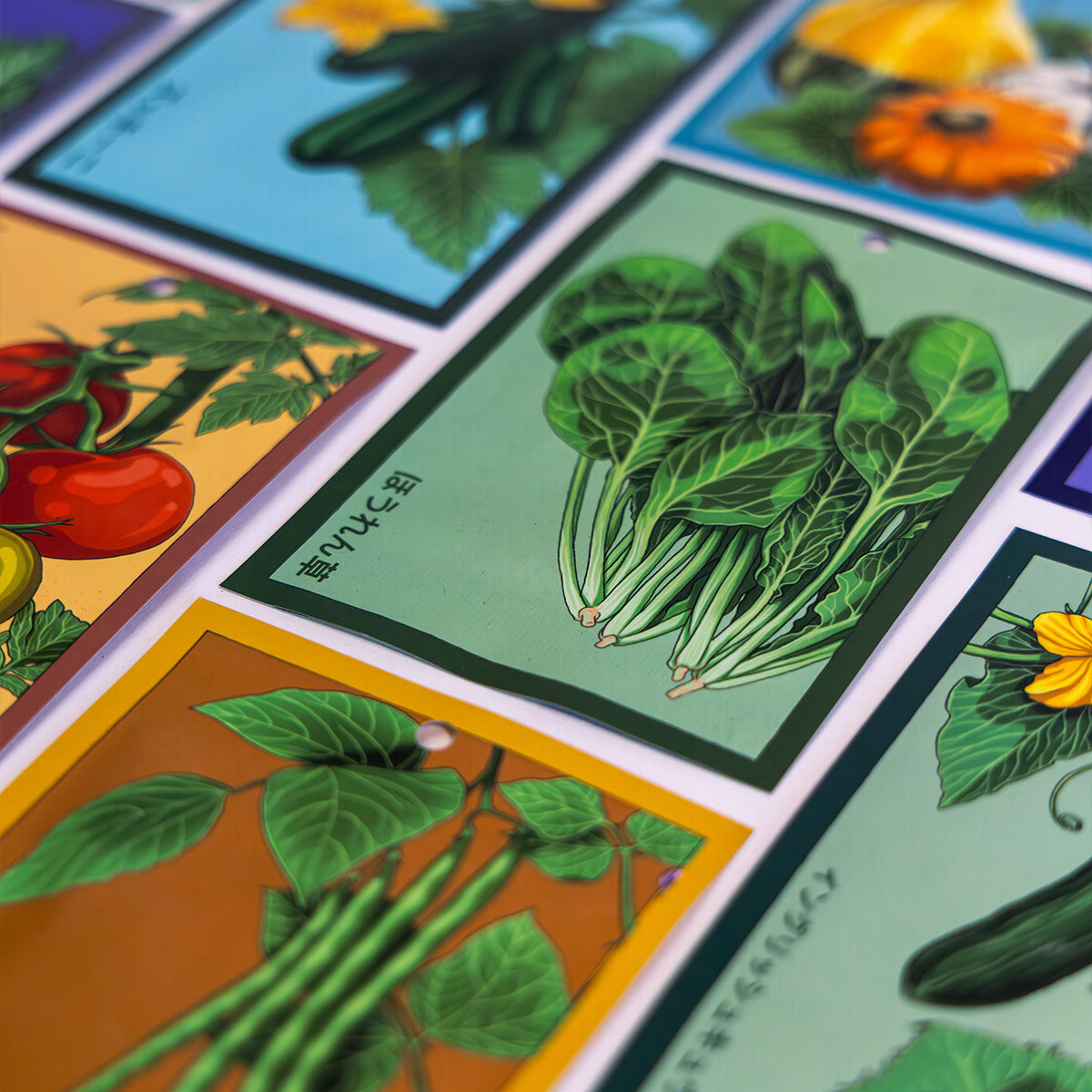
Chive Shido seed packets with botanical illustrations on a peg rack, showing cherry blossom, tomato, and eggplant designs.

The credentials behind the packet

A pumpkin vine takes up real garden space and a full season's commitment, which raises the stakes considerably if the seed itself turns out to be the weak link. Sealing each packet against oxygen exposure is the studio's answer to that risk, a deliberate step most paper-only seed racks skip entirely. Nobody wants to discover a dead packet halfway through clearing space for vines that were never going to sprout in the first place. That same care extends to every seed in the catalog, since a crop this demanding of real estate deserves nothing less. Pumpkins reward patience with one of the more satisfying harvests around, provided the seed actually does its part first.


Plant Care, Simplified with Chive

Keep it alive, keep it thriving. Let's make plant parenthood look easy.

Do Seeds Expire? How Long Do Seeds Last | Shido

Todd Newgren
Seeds don't expire — they lose viability as oxygen depletes stored energy, and vacuum sealing is the fix. Chive's Shido Seeds are vacuum-sealed, germination-tested, and stocked ...
Read more

Are Seed Packets GMO? The Honest Answer

Todd Newgren
Are seed packets GMO? No—home garden seed packets, Shido included, are never genetically modified, since GMO seed is only made for large-scale commercial crops. The non-GMO badg...
Read more

Frequently asked questions

What is the best way to grow pumpkin seeds for planting?

Start with full sun and rich, well-drained soil, and give the vines considerably more room than seems reasonable at first — they sprawl further than most garden plans account for. Consistent watering through fruit development matters more than almost any other single factor in getting a good-sized harvest. Regular watering throughout fruit development also makes a noticeable difference in final size and quality.

How many pumpkins does one plant typically produce?

It varies significantly by variety and growing conditions, but a single healthy vine can produce multiple fruits over a season provided pollination goes well and the plant isn't stressed by drought or poor soil. Bee activity nearby genuinely affects the outcome here. A well-pollinated vine growing in decent conditions can genuinely surprise a gardener with how much it produces.

When should you plant pumpkin seeds?

Wait until the soil has genuinely warmed rather than planting by a fixed date, since cold soil slows germination considerably and can rot seed before it ever sprouts. A pumpkin planted into warm ground catches up to and often outpaces one planted too early into cold soil. Patience at the planting stage pays off more than trying to rush the season by even a week or two.

Do pumpkins need a lot of space to grow?

Yes, more than most first-time growers budget for — the vines can spread widely across open ground, and giving them room to sprawl produces better results than trying to train them into a tight space. Vertical support can work too if space is genuinely limited, though most gardeners find open ground easier to manage.

What's the difference between pie pumpkins and carving pumpkins?

Pie pumpkins are generally smaller and bred for denser, sweeter flesh suited to cooking, while carving pumpkins prioritize size and a sturdy rind that holds up to cutting. Both come from the same general species, just bred with different end uses in mind. Choosing the right type from the start saves a lot of disappointment once harvest time actually arrives.

How long do pumpkin seeds last?

Vacuum-sealed Shido Seeds packets stay viable for up to 10 years when stored properly, a significant improvement over the roughly one-year shelf life typical of a standard paper seed packet. That difference matters most for a crop like pumpkin, where a whole season's garden space is riding on the seed actually coming up.

Can you save seeds from a homegrown pumpkin?

Yes, provided the variety wasn't cross-pollinated with a different squash type nearby, since cross-pollination can produce seed that doesn't grow true to the parent plant the following season. Keeping a reasonable distance between different squash varieties in the garden helps preserve that outcome. Saving seed this way is a reasonable, low-cost way to keep a favorite variety going year after year.

Were these seeds shown at a trade show?

Chive brought this seed line to the Philadelphia Flower Show, where feedback from professional growers helped shape some of the varieties now in the catalog. That trade show visit gave the studio direct feedback from growers who work with these varieties at a much larger scale than a home garden.

Verte Rx Shiny Leaves for Plants - Chive Ceramics Studio - Chive Ceramics Studio

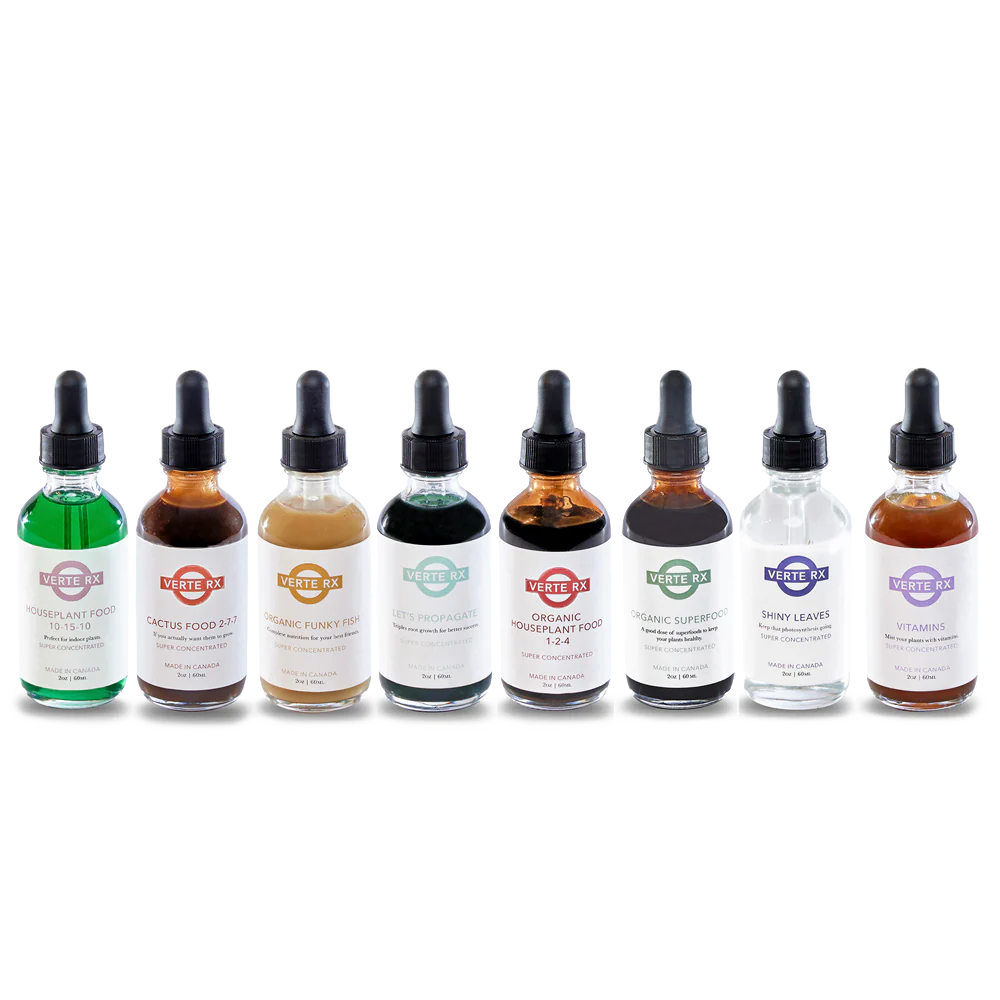
The seed is the start. Verte RX handles the rest.

Most seedlings fail not from bad seed but from soil that runs out of what the plant needs before the plant can find it. Verte RX is a liquid plant vitamin formulated for exactly that window — the weeks after germination when the root system is establishing and the margin between thriving and stalling is narrowest.